


Skip to content
Dakjuk
Featured recipe

Dakjuk

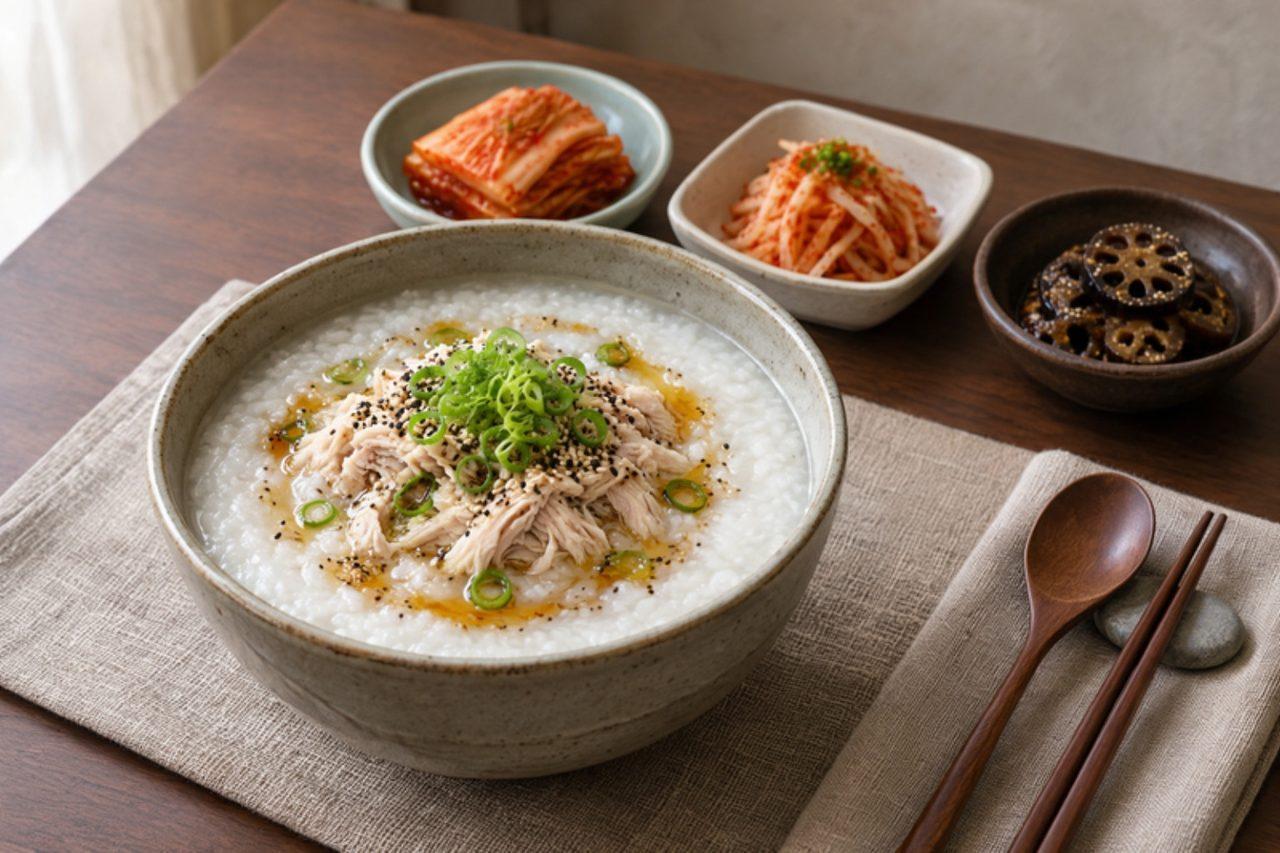
Chicken and rice porridge

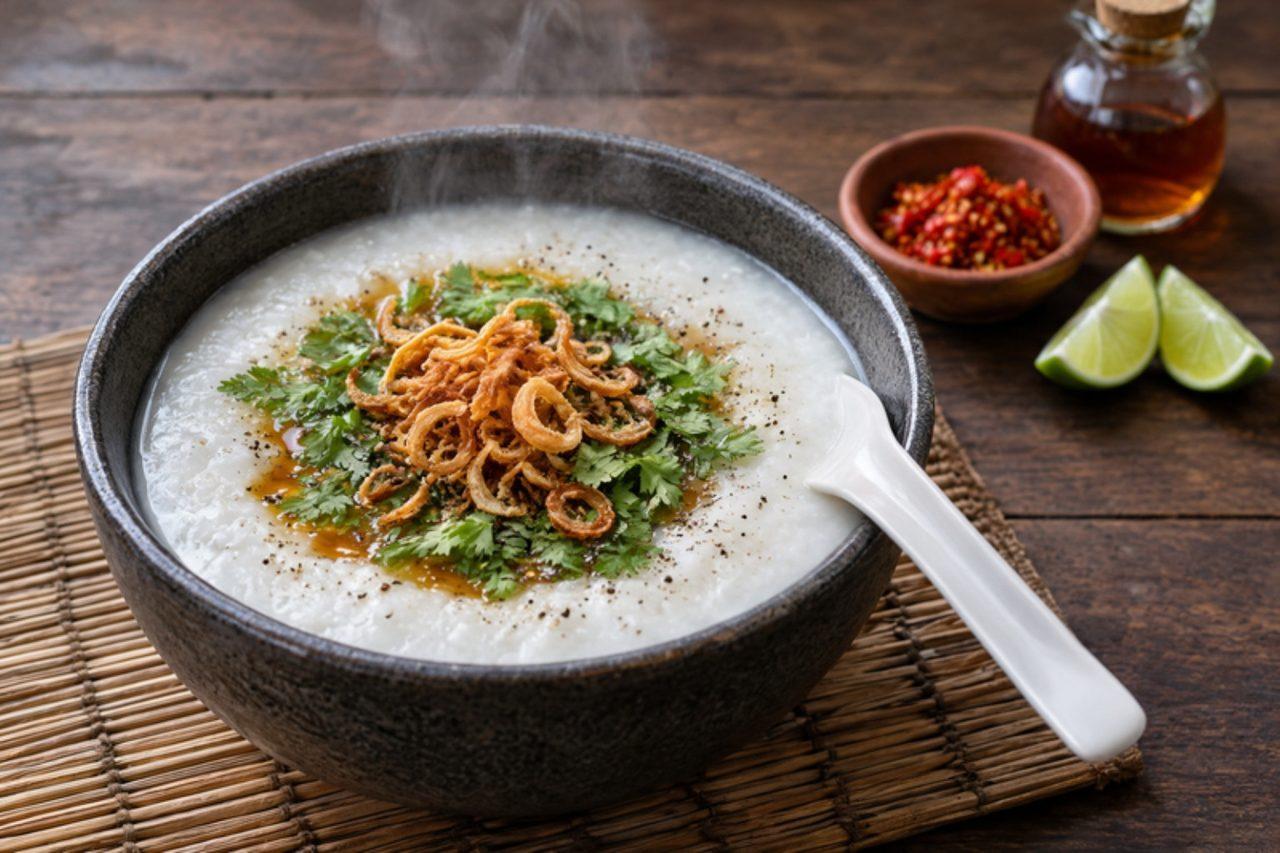
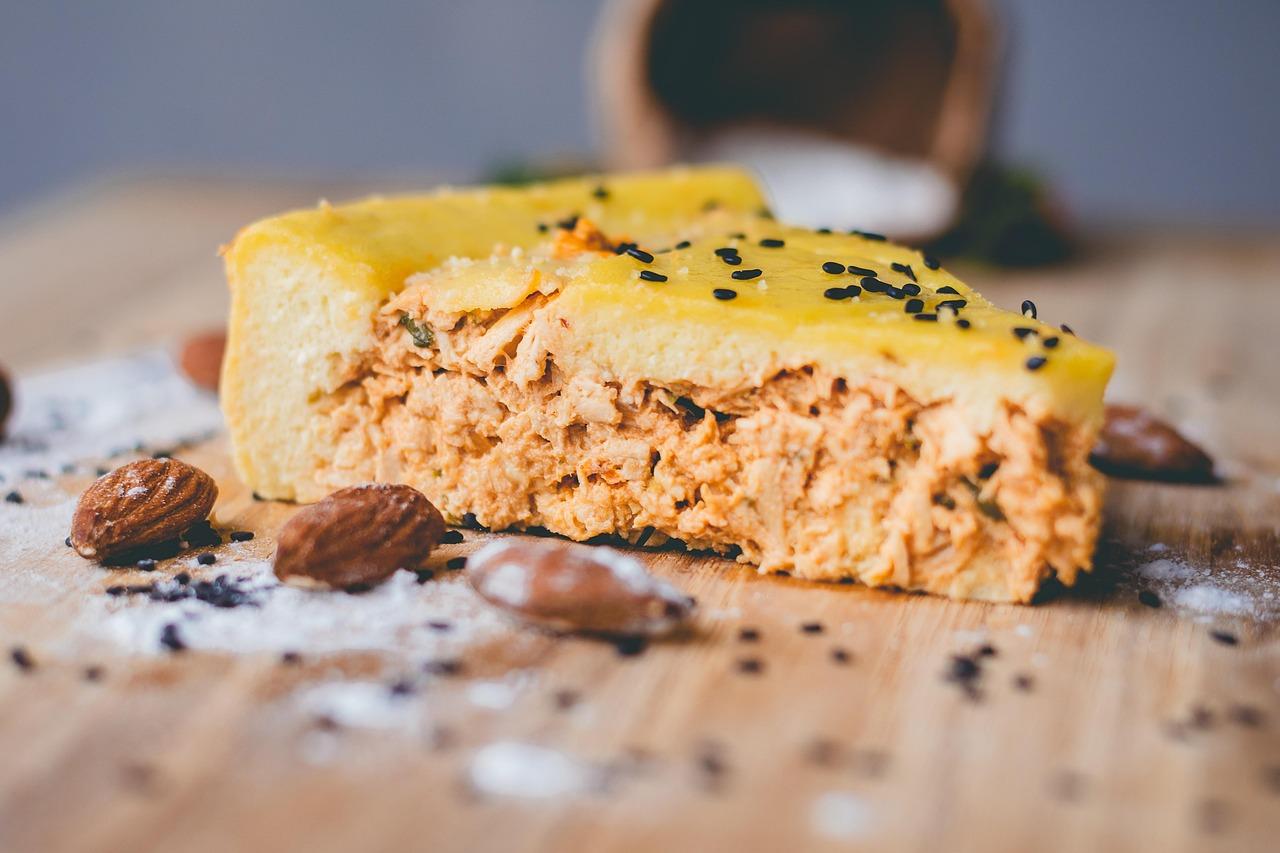
All over Korea, dakjuk is the bowl a mother makes on a cold morning or when someone is under the weather: chicken simmered with garlic and ginger, the meat pulled into shreds, and soaked rice cooked down in the broth until it turns into a soft, savoury porridge finished with sesame oil. It is eaten for breakfast or as a gentle lunch, with a little kimchi on the side. The usual mistake is boiling the chicken hard, which clouds the broth and toughens the meat; keep it at a lazy simmer. Chef's tip: fry the soaked rice in sesame oil for two minutes before the broth goes in, so the grains toast lightly and the porridge tastes nutty rather than flat.

Read more 1 views

What to eat today?

Around the world

Today's trip: Persian

A new country every day, from every cuisine on the site.

This week's collection

Kid-friendly dinners
537 recipes · a new collection every Monday

Latest recipes

Lingondricka (lingonberry cordial)

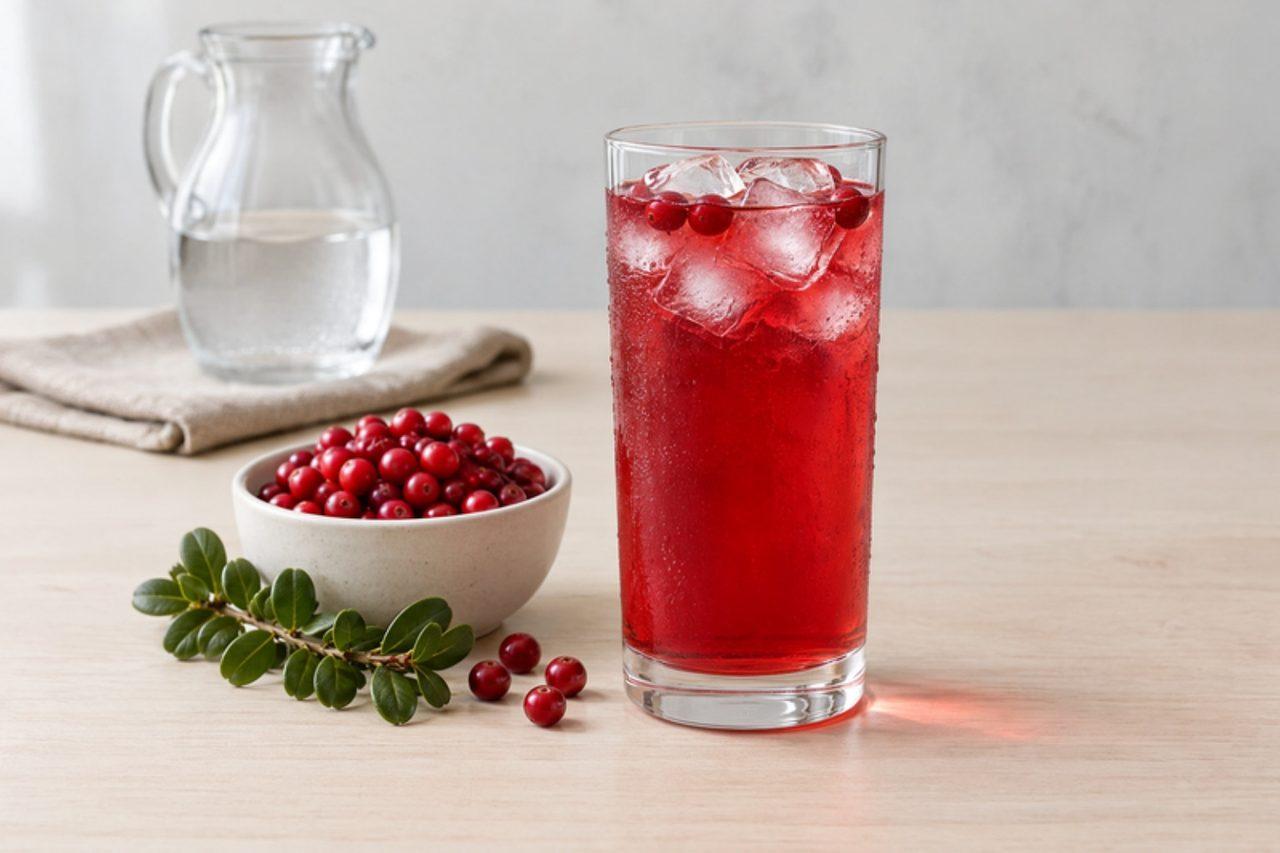
In Sweden the jug of red lingondricka sits on the table at weekday dinners, in school canteens and at the julbord, poured beside meatballs, pyttipanna or a Saturday pea soup. Lingonberries grow wild in the forests of Norrland and Dalarna, and in late August families pick them by the bucket with a wooden berry rake. Cooked with sugar and strained, they become a cordial that is both sweet and sharp, with a slight bitter-almond edge from the skins, bright enough to cut through rich, creamy food. The common mistake is boiling the berries hard for a long time: the cordial turns jammy and brownish, and the pectin can make it set in the bottle. Bring it just to the boil, crush, then simmer only briefly. The syrup is ready when it is clear ruby, flows like a thin syrup and tastes tart then sweet. Lingonberries are sold frozen in Nordic and Eastern European shops; cranberries work as a substitute, with a little more sugar. Bottled hot into sterilised bottles it keeps 2 months in the fridge, or 6 months frozen. Throw it out if you see mould or it fizzes. Chef's tip: mix one part cordial to five of chilled sparkling water for a party version.

by KrazyBadal 0 views

Karawila curryBitter gourd coconut curry

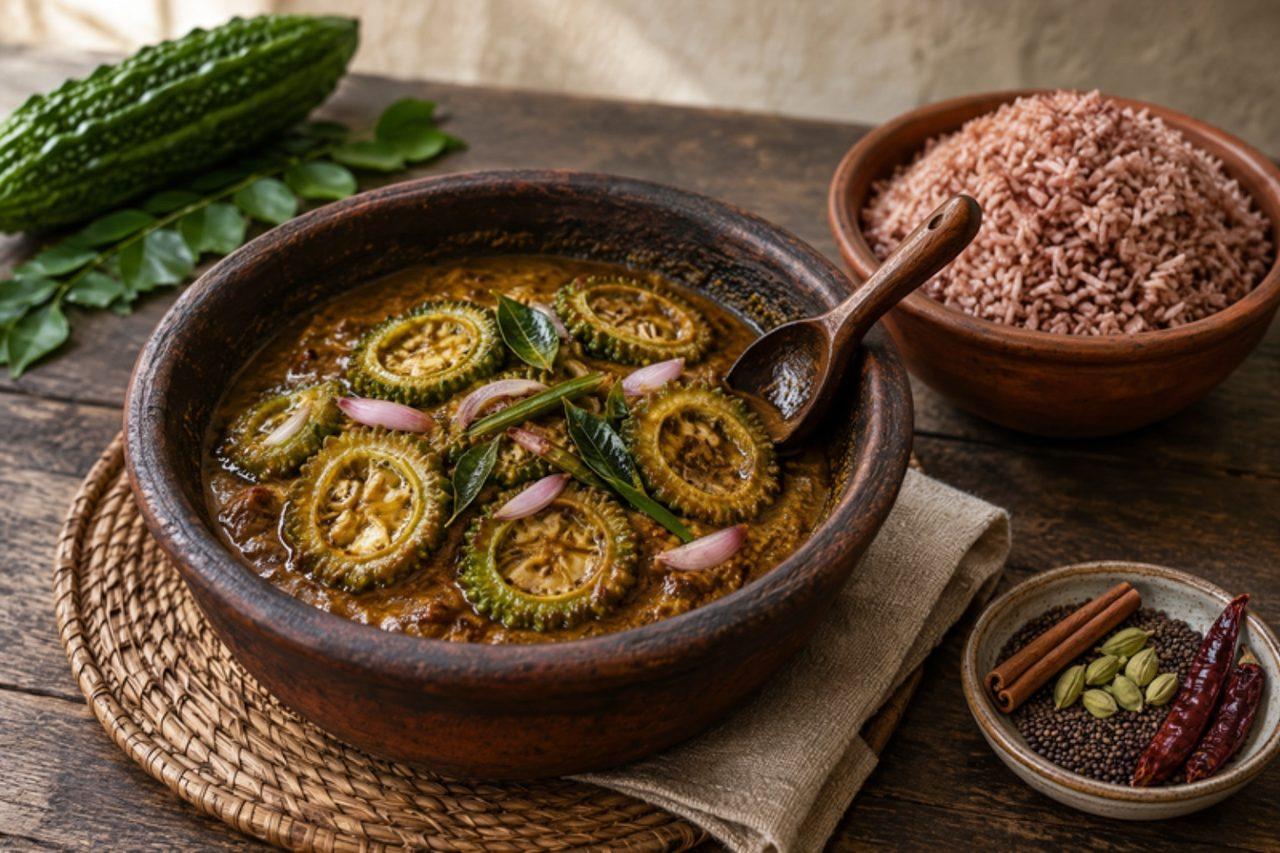
Bitter gourd is a favourite of older Sri Lankan cooks, and karawila curry appears on weekday tables across the island alongside rice, dal and a mild white curry to balance its bite. The gourd is salted, squeezed and lightly fried, then stewed in coconut milk with roasted curry powder, tamarind and a touch of sugar, so it becomes dark, glossy and pleasantly bitter rather than harsh. The usual mistake is skipping the salting and squeezing, which leaves the curry fiercely bitter. Chef's tip: fry the gourd until the edges are brown before it meets the coconut milk; the browning softens the bitterness more than sugar does.

by KrazyBadal 0 views

Frittatina di pastaFried pasta rounds

The frittatina is Naples' way of turning a pot of pasta into street food: bucatini bound with thick béchamel, cooked ham (pork), peas and grated cheese, set in rounds, dipped in a flour batter and deep-fried. Pizzerias from Via dei Tribunali to Fuorigrotta fry them as a starter while your pizza bakes, and friggitorie sell them in a napkin to eat on the go, often in the late afternoon. The crust is crisp, the inside creamy with a little chew from the pasta. Chef's tip: chill the shaped rounds overnight; cold, firm frittatine hold their shape in the batter and the oil.

by KrazyBadal 0 views

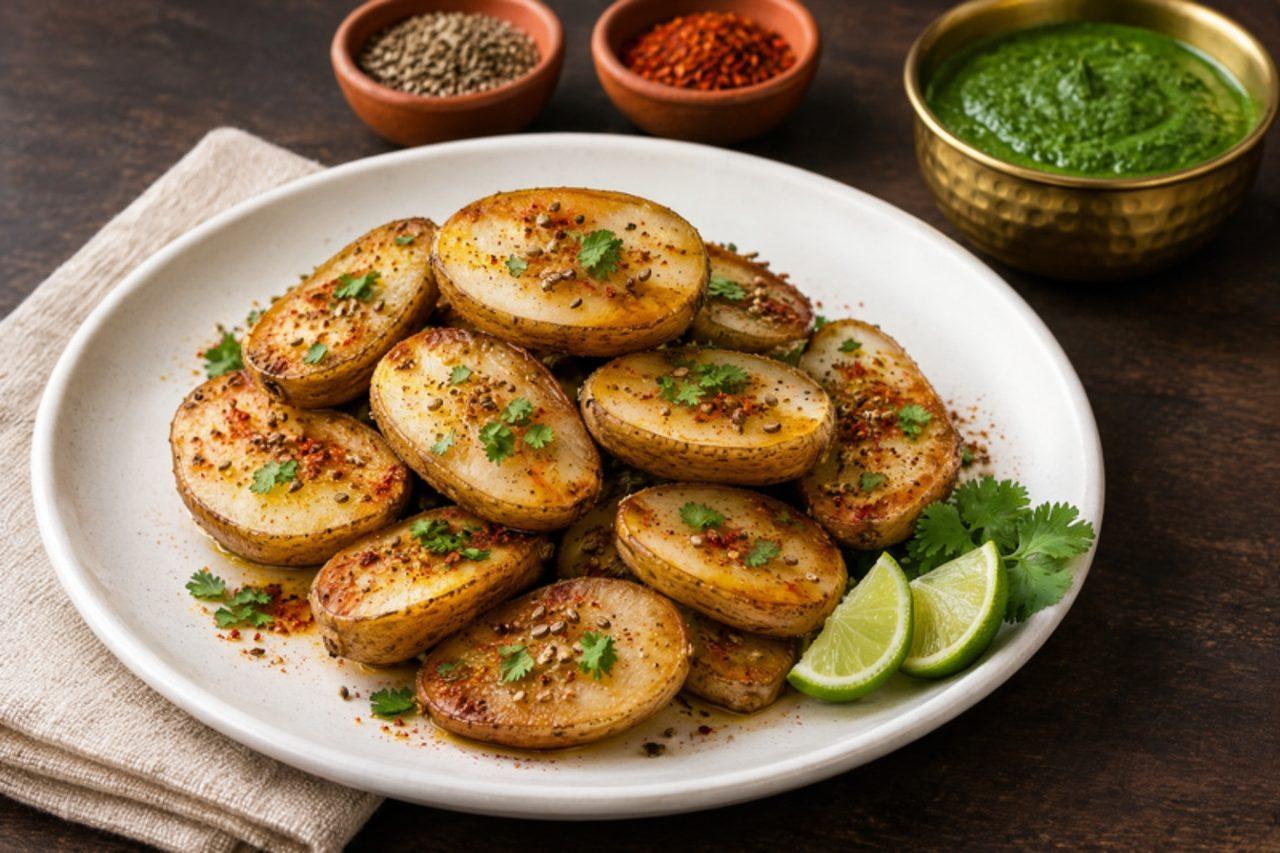
Kerau ko tarkariGreen pea and potato curry

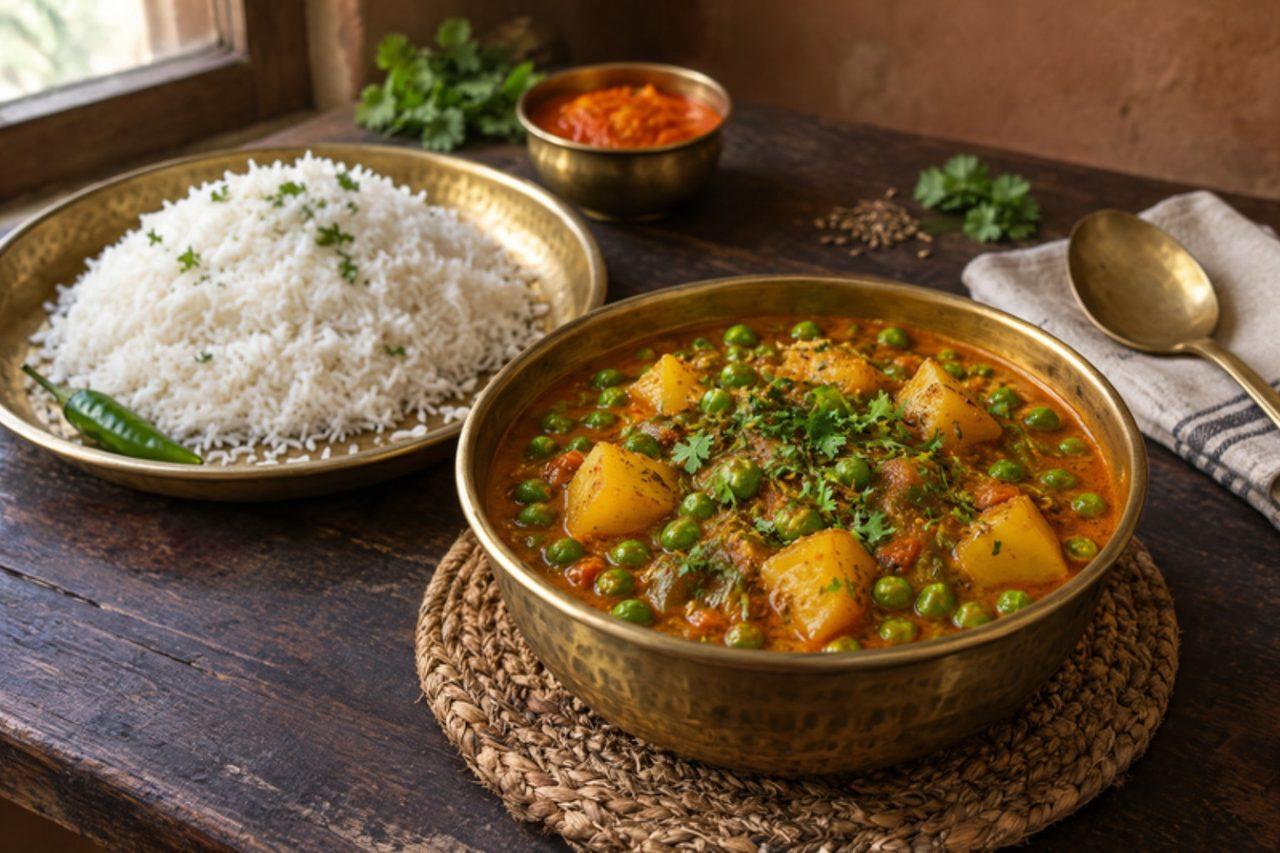
Kerau ko tarkari turns up on Nepali tables in winter, when fresh peas are cheap in Kathmandu's Asan market, and it is a favourite in children's tiffin boxes with beaten rice or roti. Potatoes and peas are simmered with cumin, tomato and a little timur pepper until the potatoes start to break and thicken a soft, golden gravy. It is mild enough for children and goes with rice, roti or sel roti. The usual mistake is adding the peas with the potatoes: fresh peas go grey and mushy, so add them once the potatoes are half cooked. Chef's tip: crush a few potato pieces with the back of the spoon at the end; it gives the gravy body without cream.

by KrazyBadal 0 views

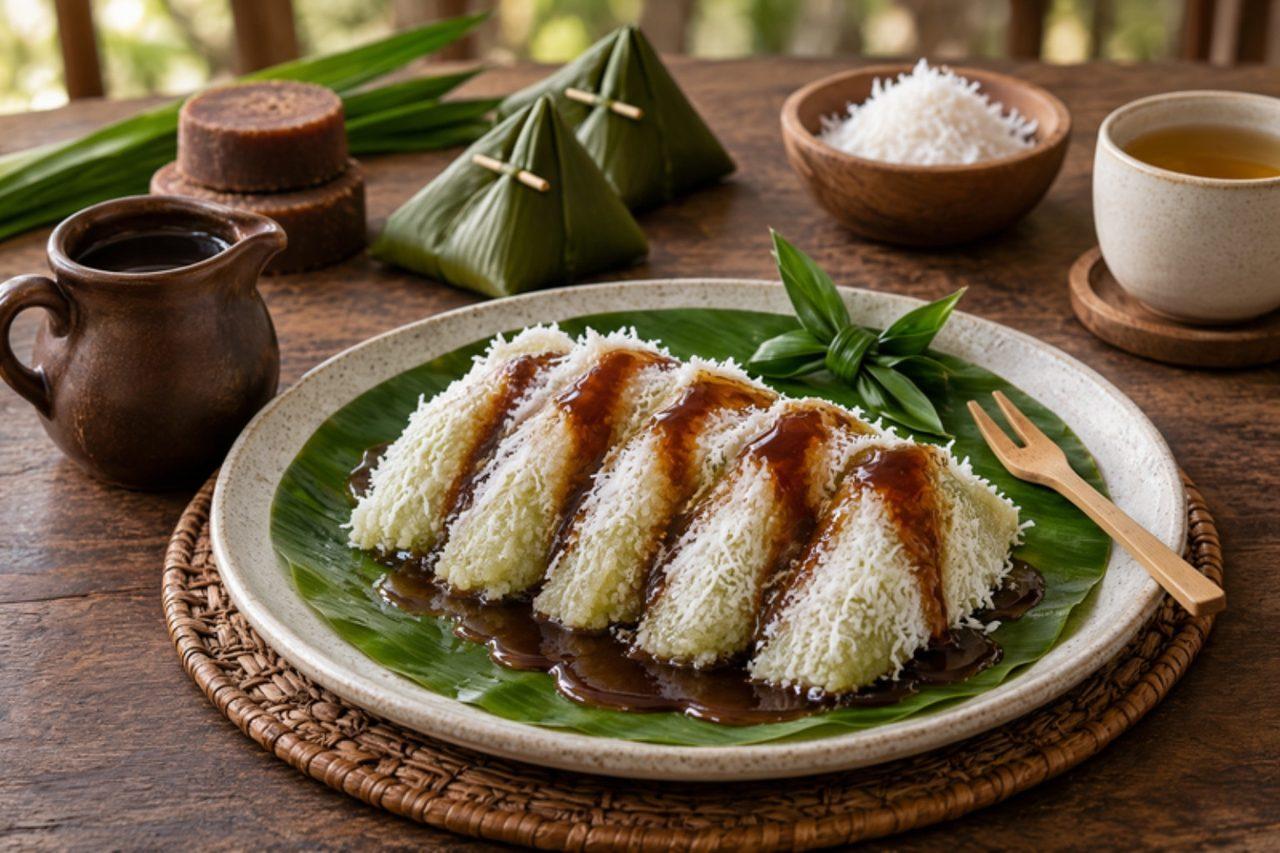
LupisSticky rice with coconut sugar

At morning markets across Central and East Java, vendors unwrap banana-leaf triangles of chewy sticky rice, roll them in fresh grated coconut and drench them in dark palm sugar syrup, all served on a square of leaf. Lupis is breakfast and snack at once, eaten with sweet tea. The common mistake is packing the leaves too full: the rice swells as it cooks, so fill each cone only two-thirds, or the parcels split and turn watery. Chef's tip: steam the grated coconut with a pinch of salt for 5 minutes before using it; it keeps longer and the salt sharpens the caramel taste of the syrup.

by KrazyBadal 0 views

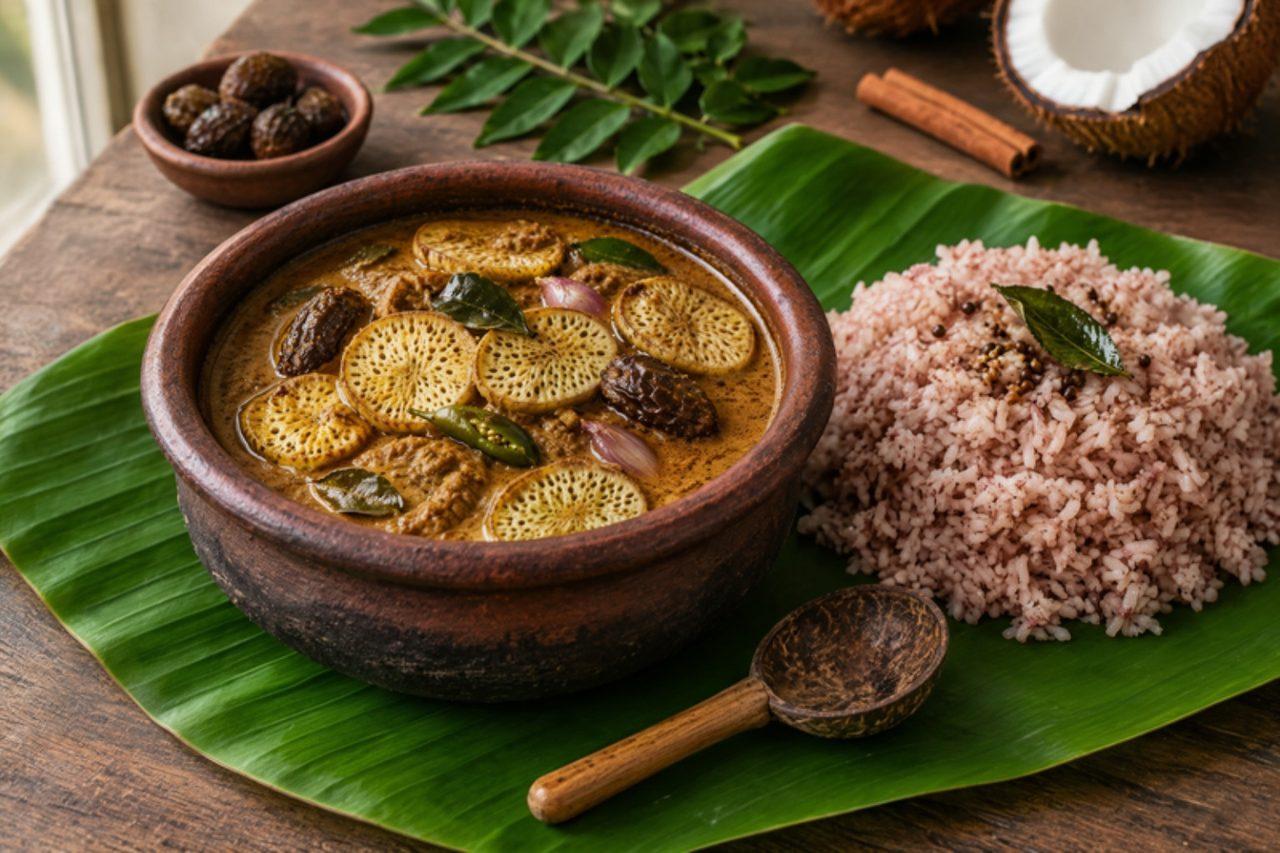
Kohila curryLasia root curry

Kohila (lasia root) grows in the marshy paddy edges of Sri Lanka's south and west, and kohila curry is a traditional village dish, eaten at home and served at New Year and almsgiving lunches. The thorny stems and roots are peeled, sliced into crunchy rounds and boiled in tamarind water to take away their itchy bite, then simmered with roasted curry powder, mustard and coconut milk until tender but still slightly crisp. Serve with red rice and a green mallung. The usual mistake is skipping the boil, which leaves an itch in the throat. If you can't find fresh kohila, use frozen sliced kohila from Sri Lankan grocers. Chef's tip: wear gloves to peel kohila and drop the slices straight into water so they don't darken.

by KrazyBadal 0 views

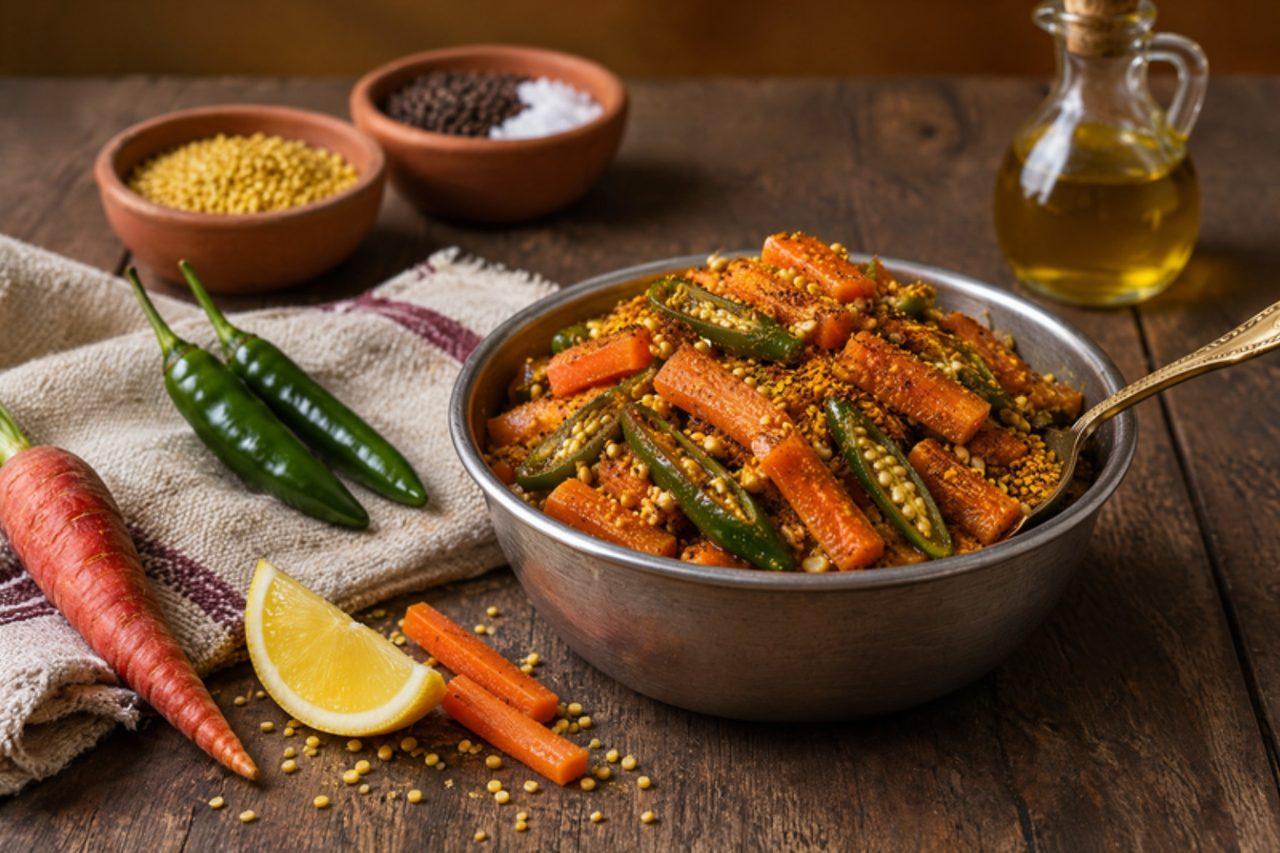
Gajar marcha nu athanuCarrot and chilli pickle

Every Gujarati thali, from Ahmedabad homes to Surat lunch houses, has a little bowl of something fresh and sharp to cut through the dal, kadhi and sweet shaak, and in the cold months it is very often this instant carrot and chilli athanu. Winter brings the sweet, deep red desi carrots and fat, mild bhavnagri chillies, and the pickle is mixed in ten minutes: sticks of both coated in split mustard seed, turmeric, hing, salt and lemon, then dressed with warm oil. It is crunchy, juicy and bright, with the nose-tingling pungency of rai kuria and a clean lemon tang. Eat it with rotli, thepla, khichdi or a full thali. The common mistake is pouring smoking-hot oil straight on, which cooks the mustard and makes it bitter; let the oil cool until just warm. It is ready when the mustard has softened and the carrots look glossy, about an hour after mixing, though it is good straight away. With fresh chilli and no long cure, keep it in the fridge and eat within a week. Chef's tip: if bhavnagri chillies are hard to find, use a mix of mild long green peppers and a couple of hot green chillies.

by KrazyBadal 0 views

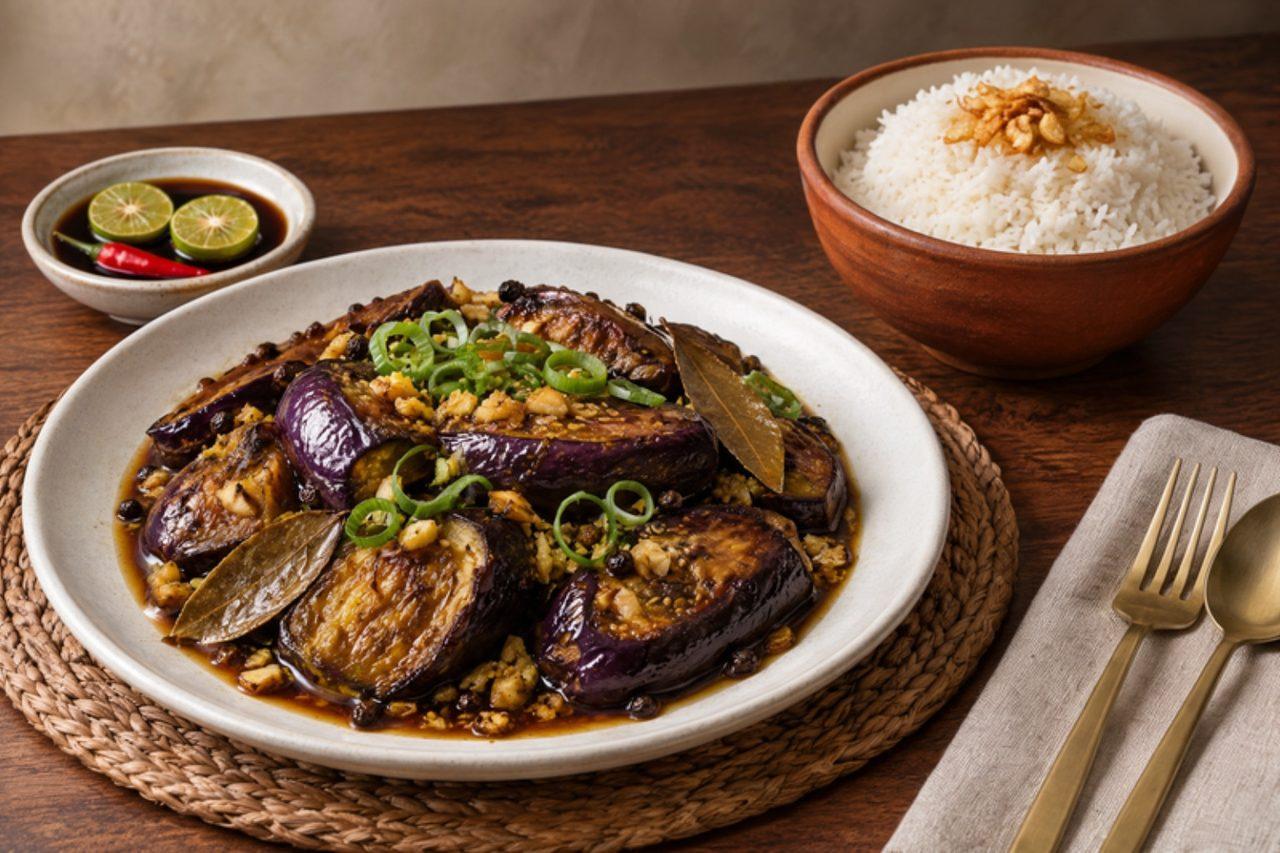
Adobong talong (aubergine adobo)

Adobo is a method in the Philippines, not a single dish, and when meat is short or it's Lent, Filipino families make it with long eggplant: fried until soft and browned, then simmered briefly in vinegar, soy sauce, garlic, bay and peppercorns. Like any adobo it tastes better the next day, which makes it a favourite for baon with rice. The common mistake is stirring as soon as the vinegar goes in; let it boil untouched for a minute first, or the sauce keeps a raw, sharp edge. Chef's tip: crush the garlic and fry half of it until golden to scatter on top at the end, for crunch.

by KrazyBadal 0 views

Daiquiri

The daiquirí is named after a beach and the old iron mines east of Santiago de Cuba, where engineers and miners at the turn of the twentieth century mixed the local white rum with lime and sugar to cut the heat. Later Havana's bars turned it into a frozen blended drink, but in eastern Cuba it is still drunk the plain way, shaken, in the late afternoon or before a dinner of congrí and roast pork. It is a cocktail for adults only, short and clean: tart lime, a light touch of sugar and the soft, dry vanilla notes of light rum, served so cold it almost stings. The common mistake is a lazy shake, which leaves the drink warm, harsh and too strong. Fill the shaker with ice and shake hard for a full 12–15 seconds. It is ready when the tin is too cold to hold, there are tiny shards of ice on the surface and the drink has a fine foam at the rim. Have one and drink responsibly. Balance matters more than amounts: taste your limes, and add a little more syrup if they are very sour. Chef's tip: chill the coupe in the freezer first; a daiquirí loses its magic within minutes in a warm glass.

by KrazyBadal 0 views

Ajwaini arbiPan-fried colocasia with carom seeds

Across Delhi, Punjab and Uttar Pradesh, arbi is the vegetable that goes into a dabba with ajwain rotis or plain phulkas: the small colocasia roots are boiled, flattened slightly and pan-fried with carom seeds, red chilli and dried mango powder until crisp outside and creamy inside. Ajwain is there for its flavour and because it is said to help digest the starchy root. The mistake is boiling the arbi too long: it turns slimy and falls apart in the pan. Cook it until just tender, then cool fully before peeling. Chef's tip: press each piece gently with your palm to crack it before frying; the cracks catch the spices and crisp up.

by KrazyBadal 0 views

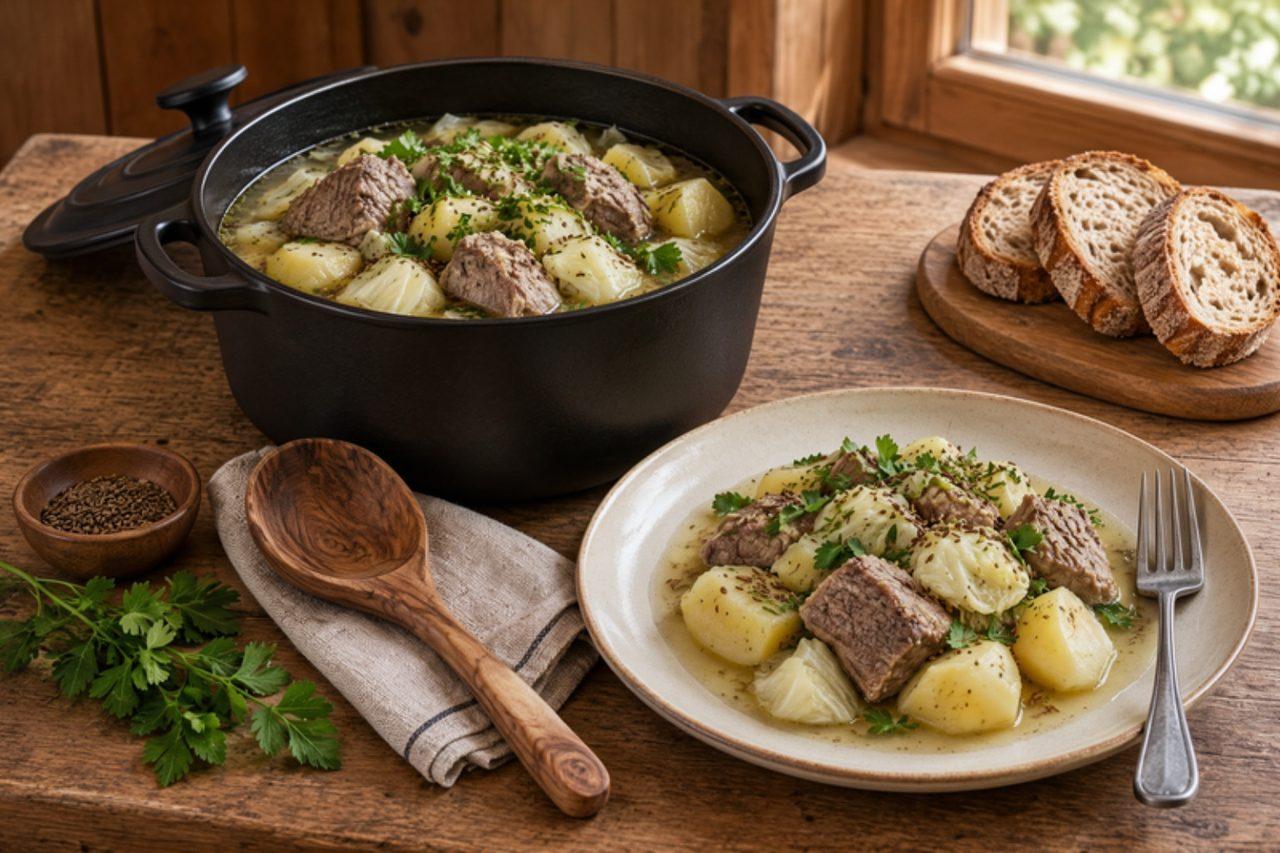
HafechabisLamb and cabbage pot

Hafechabis, literally 'pot cabbage', is the autumn one-pot of the Lucerne, Schwyz and Uri valleys, made when the cabbages come in and the lambs come down from the alps. Lamb shoulder, white cabbage, onions and potatoes are layered in a heavy pot with caraway and left to cook gently in their own juices with a little stock, until the cabbage is silky and the lamb tender. Serve it straight from the pot with mustard and crusty bread. The usual mistake is adding too much liquid: the cabbage gives off plenty of its own, and a flooded pot tastes boiled rather than braised. Slow-cooker option: layer as below and cook on low for 7 hours. Chef's tip: brown the lamb properly first, as the caramelised fat is what flavours every layer of cabbage.

125 minSwissMeatGluten free
by KrazyBadal 0 views

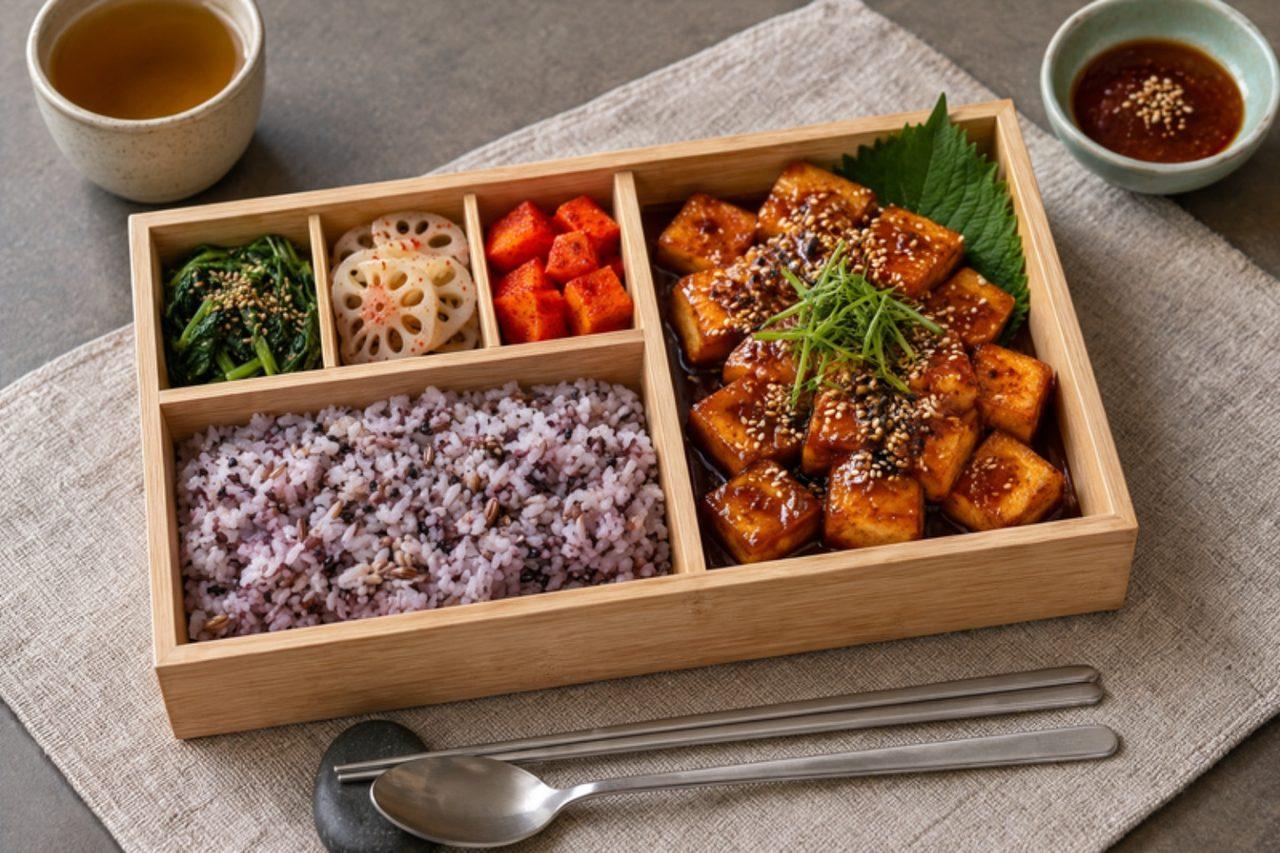
Dubu gangjeongSticky fried tofu cubes

Gangjeong usually means sticky glazed fried chicken, but Korean mothers make this tofu version for the dosirak because the starch coating stays crisp even after a morning in the lunchbox. The glaze is mild, sweet and garlicky, so children love it; add gochujang for the grown-ups. The common mistake is skipping the pressing, which leaves wet tofu that spits in the oil and goes soggy under the sauce. Chef's tip: let the fried cubes cool for two minutes before glazing, and boil the sauce to large, slow bubbles first, so it clings instead of soaking in.

by KrazyBadal 0 views

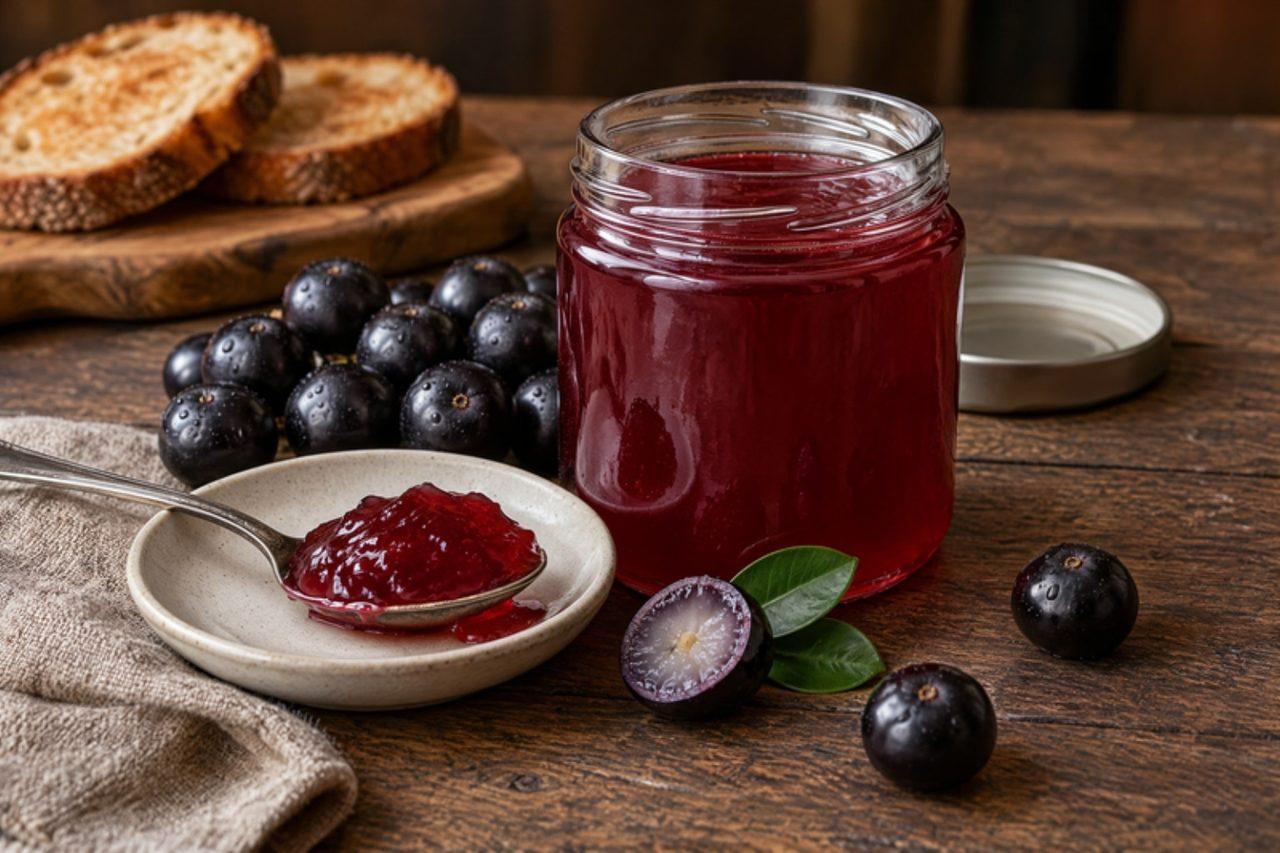
Geleia de jabuticabaJabuticaba jelly

Jabuticabas grow in clusters straight on the trunk of the tree, and in the Minas Gerais spring, from September to November, backyards from Sabará to the south of the state are suddenly covered in shiny black berries. The fruit starts to ferment two or three days after picking, so families turn the glut into jelly, liqueur and syrup; Sabará even celebrates the harvest with a festival. Boiling the berries whole draws colour, tannin and pectin out of the thick skins, so the jelly sets with no added pectin. It is deep ruby-purple, sweet and tart like a dark grape, with a faint astringent edge from the skins. Spread it on pão de queijo or toast, or serve it with fresh white cheese. Abroad, use Concord or other dark, slip-skin grapes, or muscadines. Common mistake: boiling past the setting point; the jelly darkens, turns gummy and the tannins taste bitter, so start testing early. It is ready at 104 °C, or when a drop on a frozen saucer wrinkles when pushed. Chef's tip: let the juice drip through the cloth without squeezing; pressing it makes the jelly cloudy.

by KrazyBadal 0 views

Kaju pulao (cashew pulao)

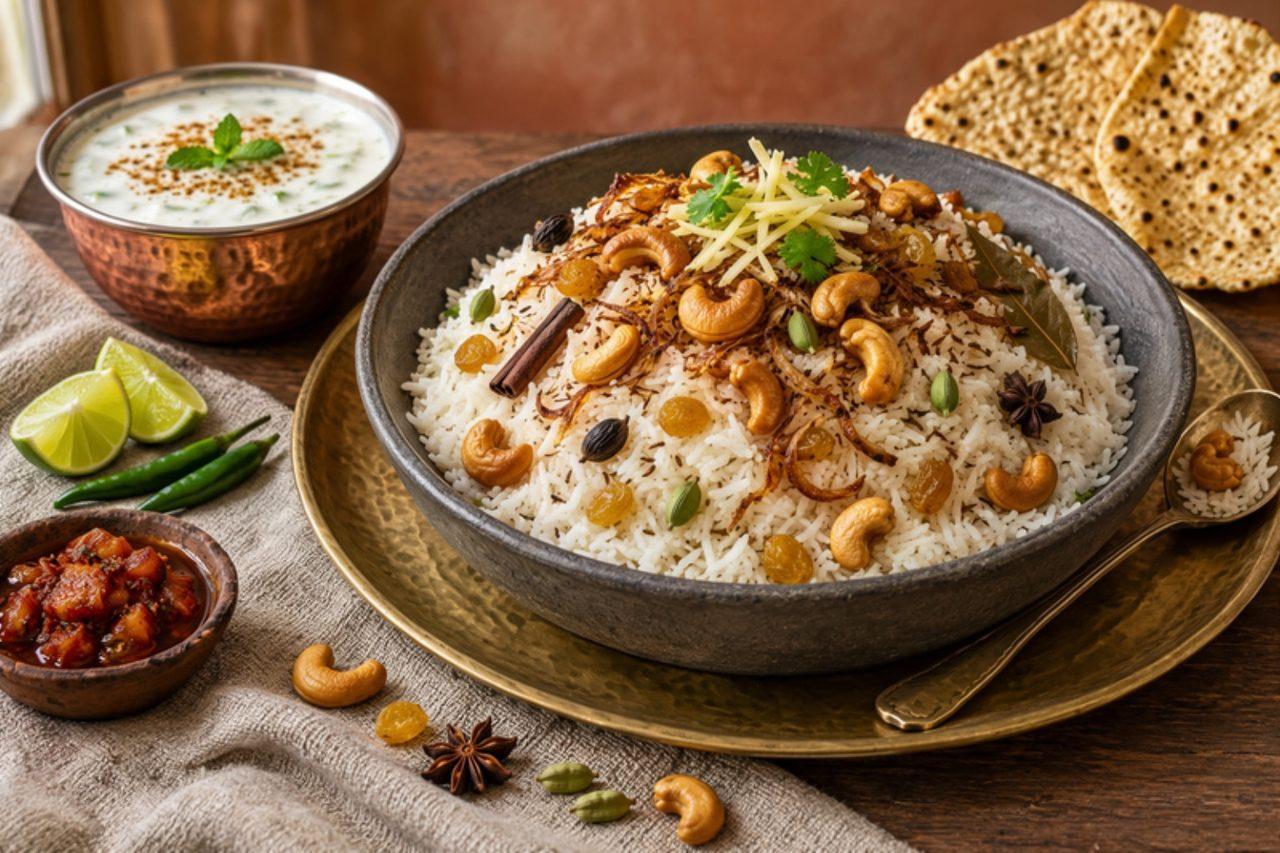
Kaju pulao is the "special" tiffin of Mumbai and Hyderabad homes, packed for a birthday at school or a festival day at the office, yet it takes no more effort than plain rice. Basmati is cooked with whole spices and golden onion in ghee, and a generous handful of cashews fried separately until crisp is folded through at the end. The mistake is cooking the cashews with the rice, which leaves them soft and pale; fry them on their own and add them last. Chef's tip: stop frying the cashews when they are light gold; they keep darkening in the hot ghee after you lift them out. Contains milk (ghee) and cashews.

by KrazyBadal 0 views

Ghadichi poliLayered chapati

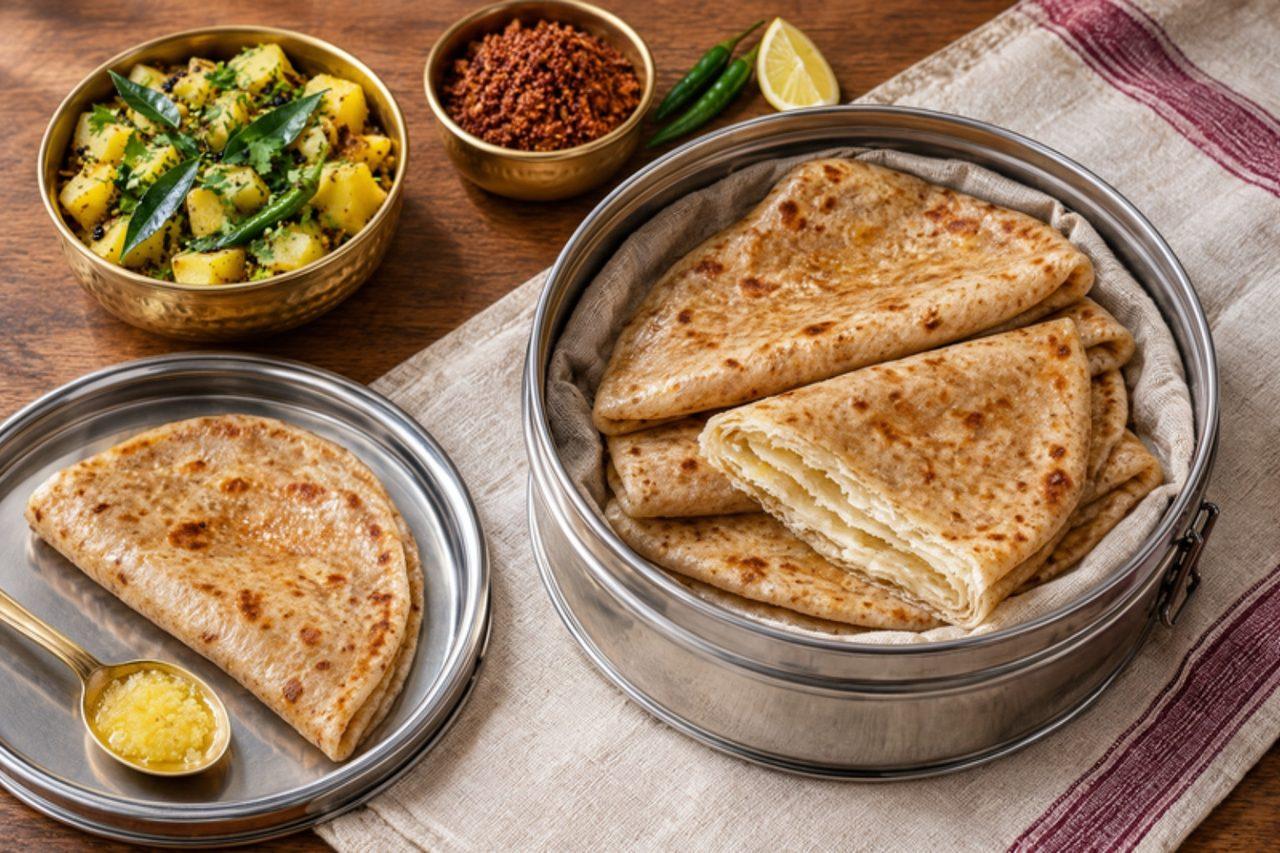
In Maharashtrian homes the everyday poli is not a plain chapati but a ghadichi poli: the dough is oiled, folded into a triangle and rolled again, so it puffs into soft, separate layers that stay tender in a dabba until lunchtime. Mumbai's dabbawalas carry thousands of them every day alongside bhaji and dal. The common mistake is a stiff dough, which makes leathery polis; it should be softer than you think. Chef's tip: as soon as each poli comes off the tawa, clap it between your palms to break open the layers, then stack it in a cloth-lined box.

by KrazyBadal 0 views

JiaoquanCrisp fried dough rings

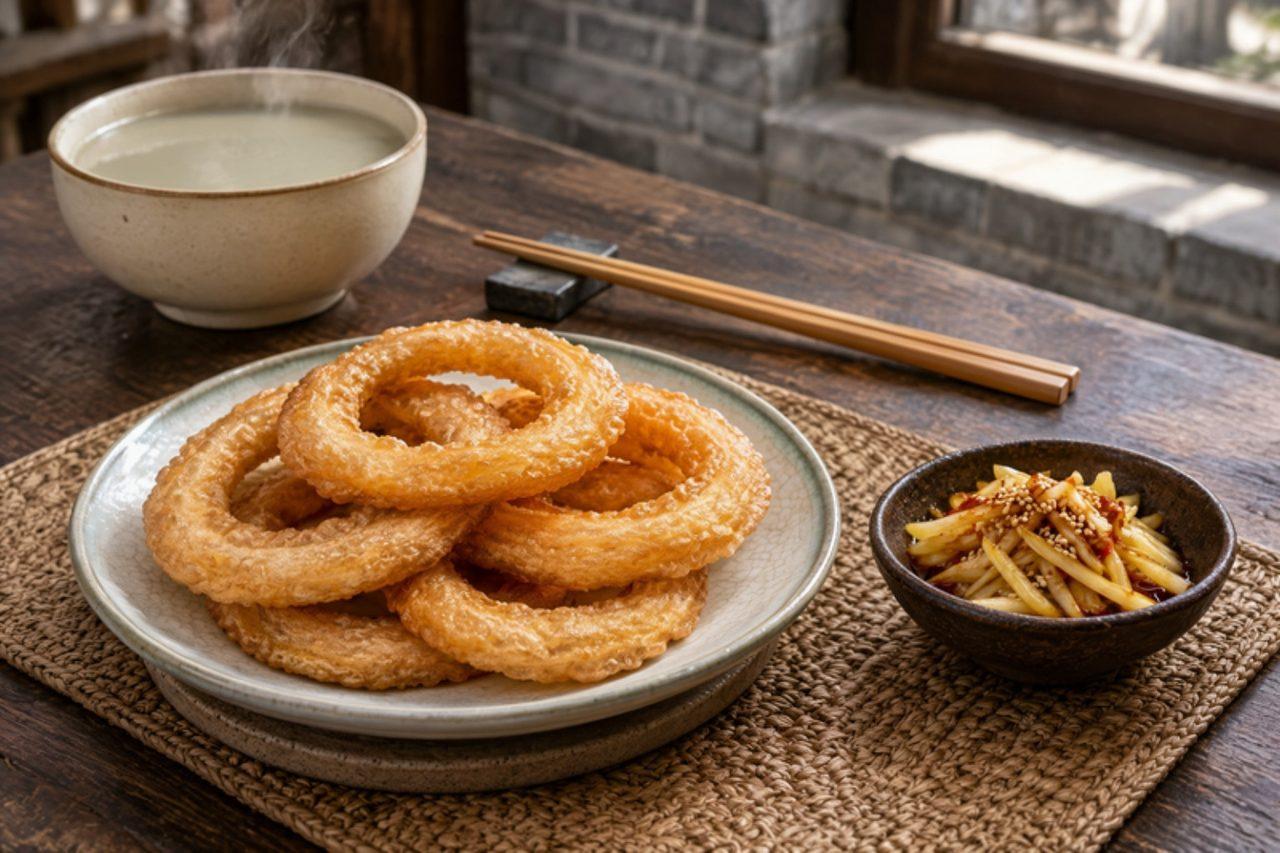
Jiaoquan are the thin, shatteringly crisp fried rings that old Beijingers dunk into a bowl of sour douzhi, or tuck inside a sesame shaobing for breakfast. Street cooks use alum to make them puff; this home version uses baking powder and soda, with a long rest so the dough becomes stretchy. The mistake is cutting the rest short: tight dough will not stretch thin and the rings come out chewy. The dough needs about 3 hours in total, most of it hands-off. Chef's tip: keep the oil steady at about 170 °C and turn the rings constantly with chopsticks; they should stay pale gold, not brown, and sound hollow when tapped.

by KrazyBadal 0 views

Ipoh white coffee

Ipoh's old town kopitiams, with their marble tables and morning crowds queueing for kai si hor fun and egg tarts, gave Malaysia its 'white coffee'. The name comes not from milk but from the roast: beans are roasted with palm-oil margarine, lighter than the dark, sugar-roasted kopi of the rest of the country, then brewed and served with condensed milk. It is smoother and less bitter than ordinary kopi, nutty and buttery, pale caramel in the cup, drunk hot at breakfast or iced in the afternoon heat. At home, buy ground Ipoh-style white coffee from an Asian grocer; you cannot easily reproduce the margarine roast in a kitchen. The common mistake is brewing it like espresso: forced extraction makes it bitter and kills the soft, toasty flavour. Steep it in a cloth sock or a coffee filter with water just off the boil. It is ready when the brew is reddish-brown and clear, not inky. This is a strong coffee with real caffeine, not for children. Chef's tip: warm the cups with hot water first; white coffee cools fast and loses its aroma.

by KrazyBadal 0 views

Ginataang gulayVegetables in coconut milk

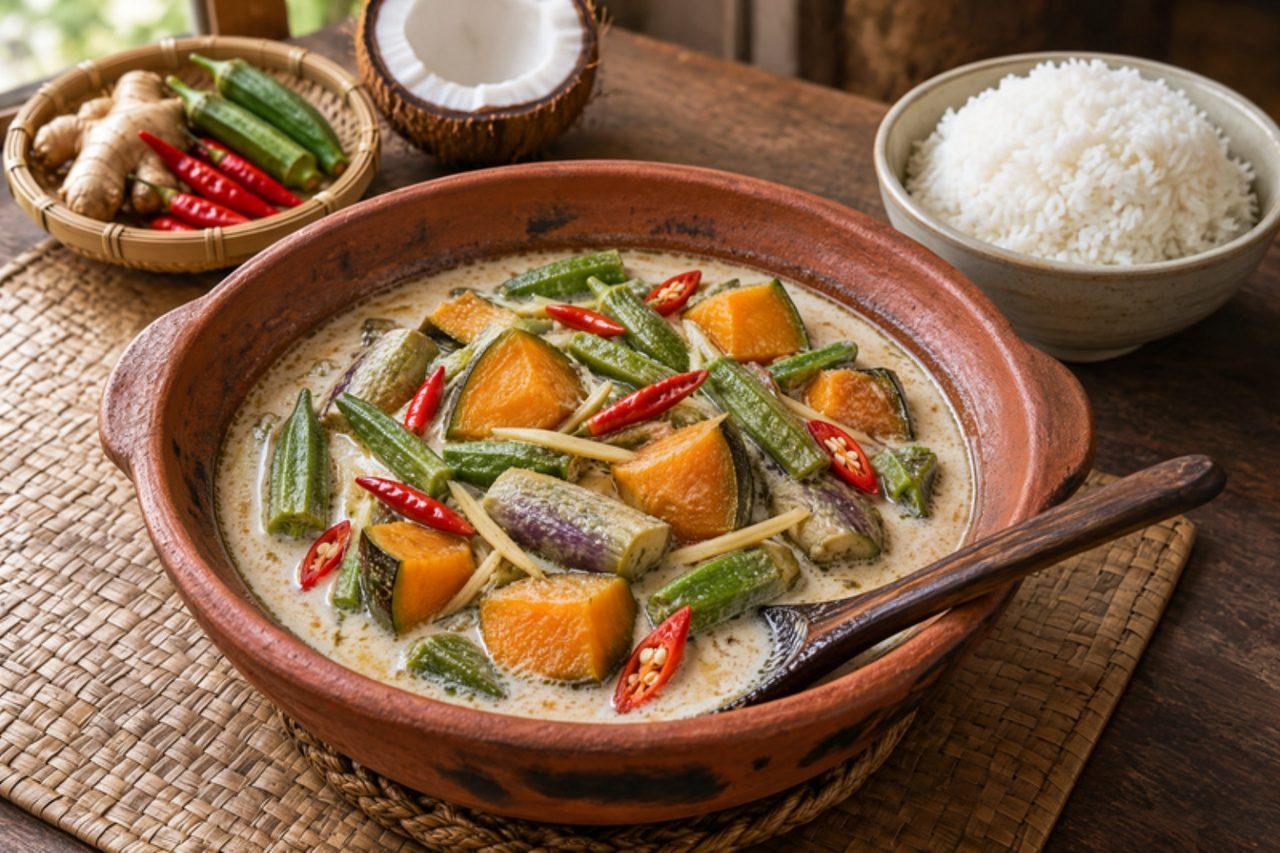
Bicol is the Philippine region of coconut and chilli, and ginataang gulay is what a Naga or Legazpi household cooks on meatless Fridays and in Lent: squash, string beans, eggplant and okra stewed in coconut milk with ginger and plenty of siling labuyo. The squash melts a little into the sauce and makes it golden and slightly sweet, while the beans stay crisp. Serve with rice. The usual mistake is boiling the coconut milk hard, which splits it into oil and curds; keep it at a lazy simmer. Chef's tip: add the thick first-press coconut cream only at the end so the dish tastes fresh and rich.

by KrazyBadal 0 views

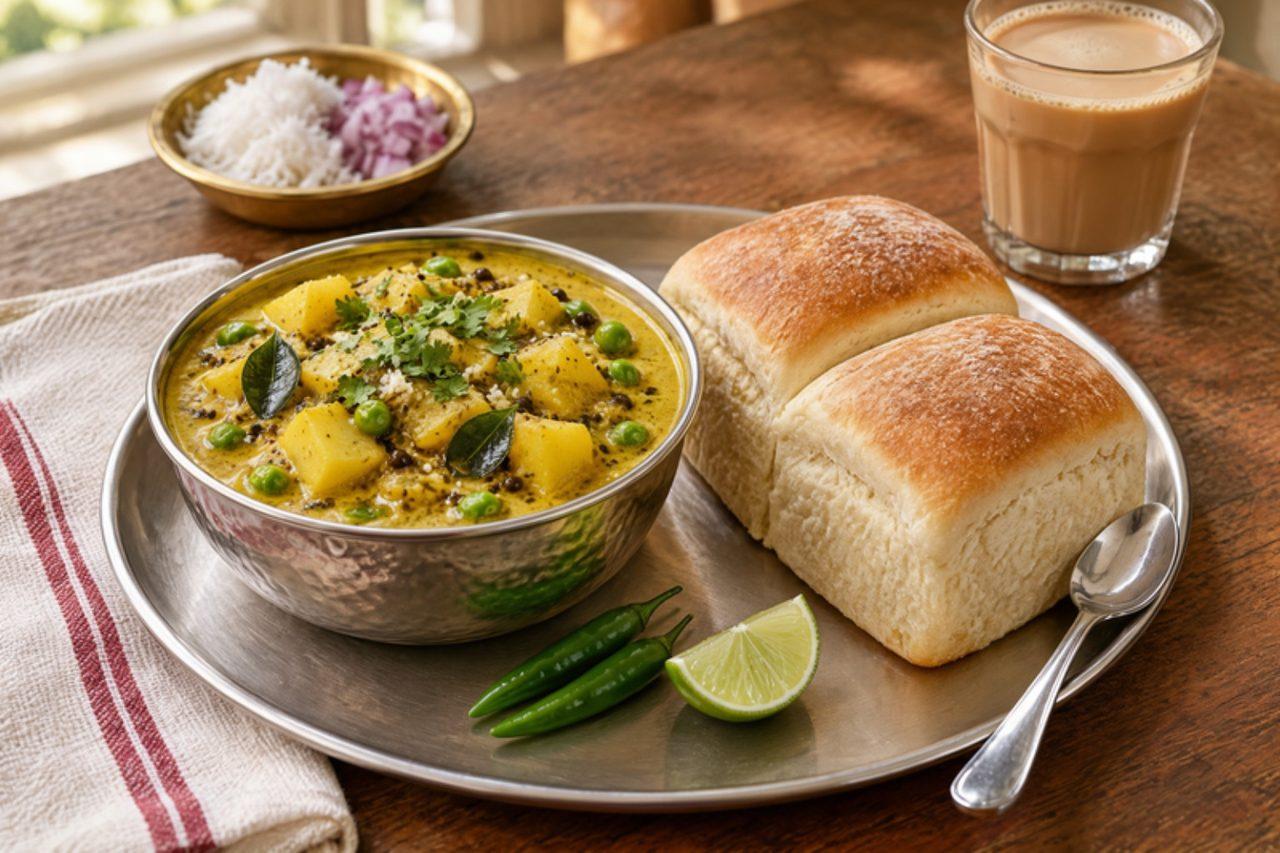
Goan bhaji paoPotato curry with bread rolls

Long before the cafés open their doors, Goan tea shops in Panaji, Mapusa and Margao are ladling out bhaji pao for workers and school children. This is not Mumbai's mashed pav bhaji: the Goan bhaji is a loose curry of potato and dried green peas in a roasted coconut masala, eaten by tearing fresh, soft pao and scooping it up, often with a cup of sweet milky tea. The mistake people make is grinding the coconut raw; it must be roasted until reddish-brown with the onion and spices, or the curry tastes flat. Chef's tip: soak the dried peas overnight and cook them separately until creamy, then they drink up the masala without going mushy.

by KrazyBadal 0 views

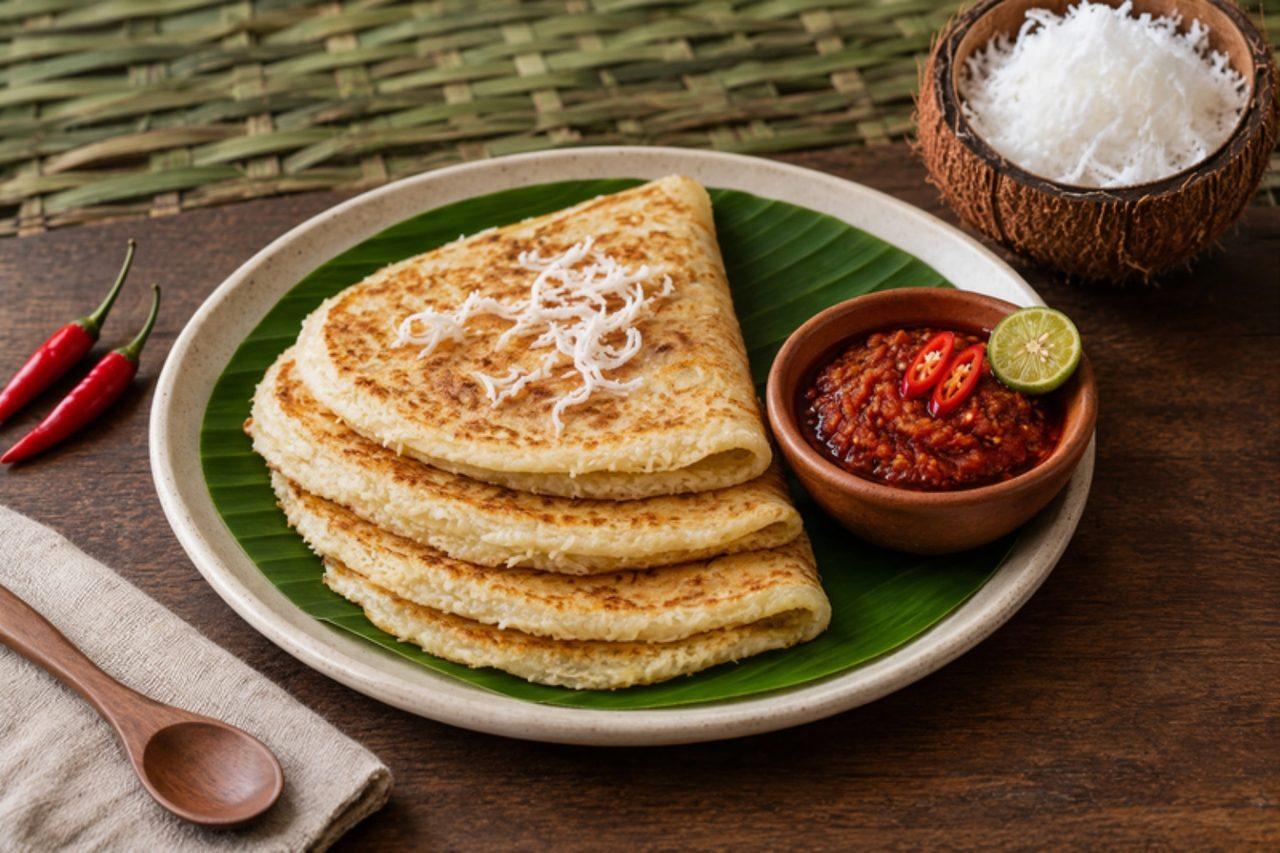
Lempeng kelapaThin coconut pancakes

On Malaysia's east coast, in Terengganu and Kelantan, lempeng is the morning flatbread nobody buys because every home can make it in minutes: flour, freshly grated coconut, salt and water, spread thin on a griddle. It is eaten warm, torn and dipped into sambal tumis or last night's fish or vegetable curry. The mistake is a thick batter; it should spread on its own into a thin round, or the middle stays doughy. Chef's tip: let the batter rest for 10 minutes so the coconut softens and the flour hydrates, which gives lempeng that bend without tearing.

by KrazyBadal 0 views

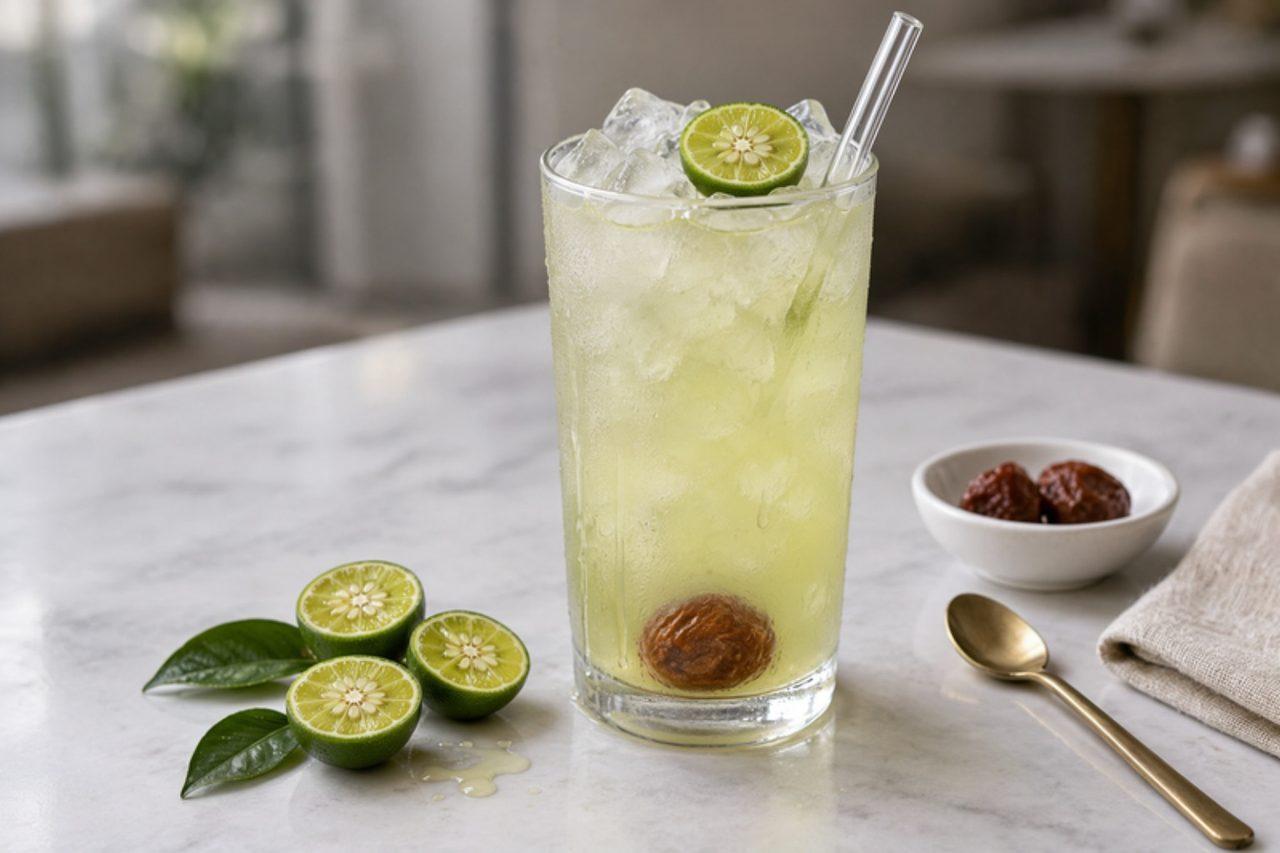
Limau asam boi (lime with sour plum)

Order 'limau ais asam boi' at a kopitiam in Penang or a hawker centre in Kuala Lumpur at the hottest part of the afternoon and it arrives in a tall, sweating glass: freshly squeezed calamansi or small green limes, a little syrup, ice and one wrinkled, salted dried plum. The plum slowly leaches salt and fruity sourness into the drink, so every sip changes, starting bright and sweet and ending salty and tangy; you squash the plum with your straw halfway through for a stronger hit. It goes with char kway teow, nasi lemak or anything fried. The usual mistake is using bottled lime juice, which tastes flat and bitter against the plum. Squeeze fresh limes, and add the syrup gradually because asam boi is already salty-sweet. It is ready when the glass is frosted and the plum has started to plump up. Asam boi is sold in jars in Chinese and Southeast Asian groceries; Japanese umeboshi is saltier but works if you halve the amount. Chef's tip: make the lime-syrup base ahead and keep it cold, then pour over fresh ice only when you serve.

by KrazyBadal 0 views

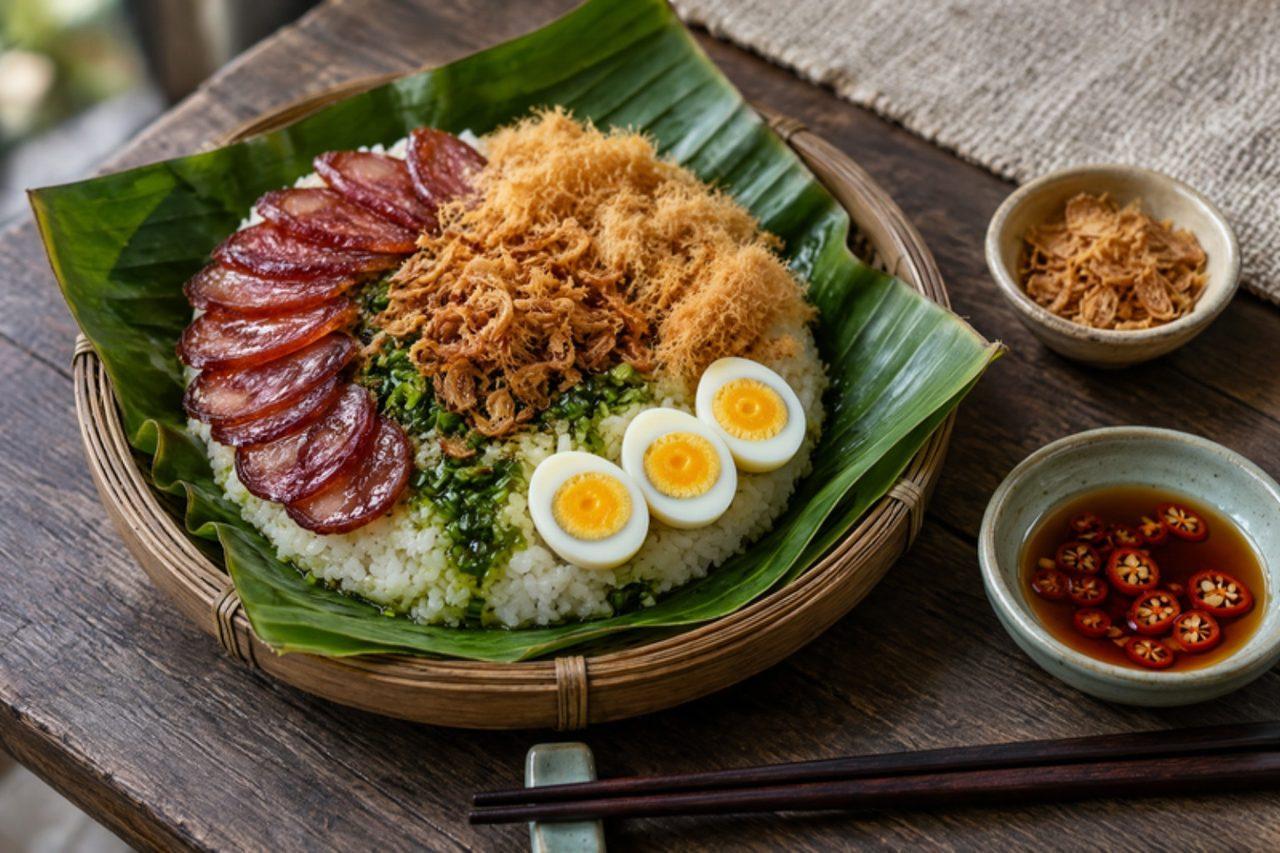
Xôi mặnSticky rice with sausage

In Ho Chi Minh City, xôi mặn is bought from a street cart in a banana leaf or a foam box and eaten at your desk for breakfast or lunch: chewy sticky rice under sweet slices of lạp xưởng (Chinese pork sausage), pork floss, braised quail eggs, spring onion oil and crisp shallots. Soak the rice for at least 4 hours or overnight before you start. The common mistake is steaming unsoaked rice, which stays hard in the middle. Chef's tip: sprinkle the rice with salted water halfway through steaming and fluff it, so every grain turns glossy and evenly soft.

by KrazyBadal 0 views

GodrogodroCoconut rice flour sweet

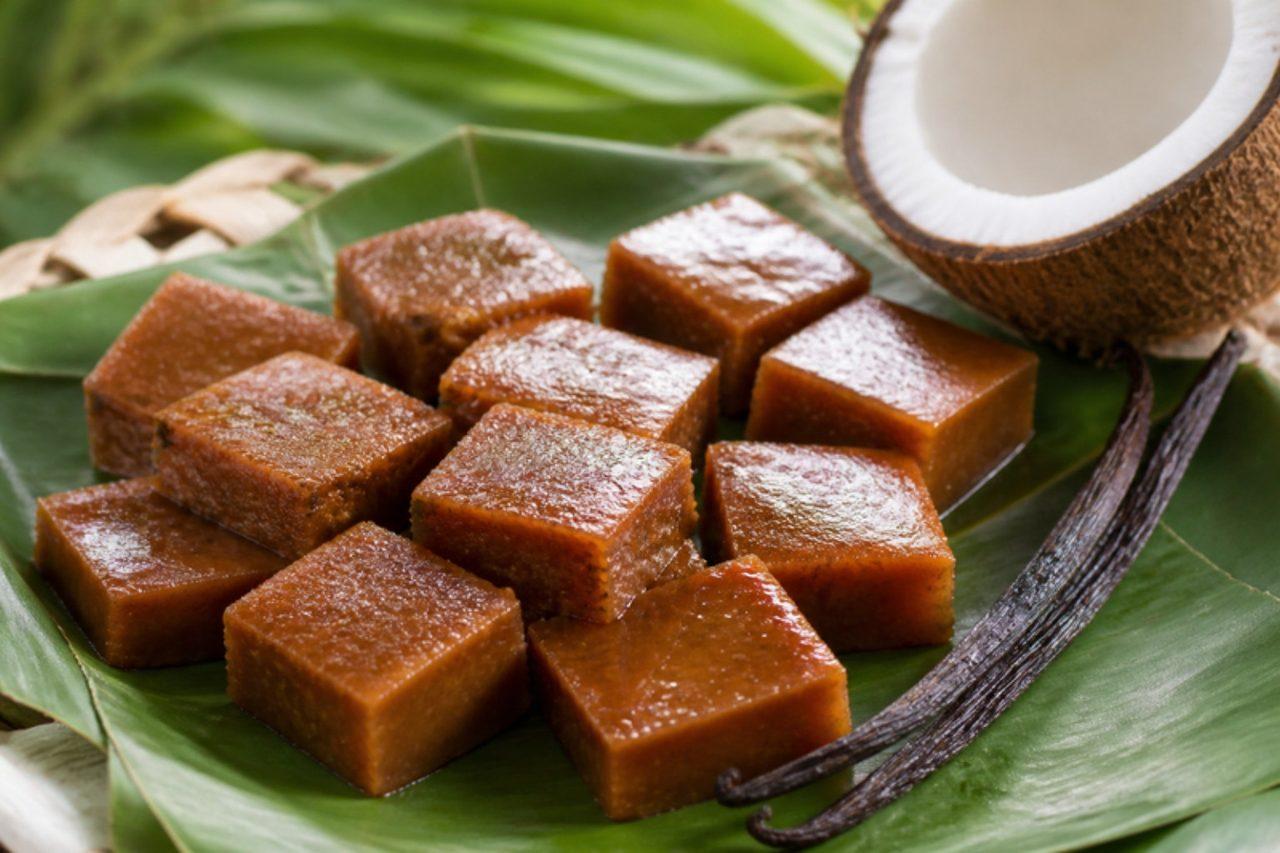
Along the northern coast around Antsiranana, and down to Mahajanga, godrogodro is a festival and family-celebration sweet, cut into diamonds and passed round at weddings, circumcision ceremonies and the New Year. Coconut milk, rice flour and dark sugar are stirred for the best part of an hour until the mixture thickens, darkens and pulls away from the pan, then it sets into a dense, sliceable fudge-like block, fragrant with vanilla and cardamom. It is rich, so small squares with a cup of tea are plenty. Stopping too early is the mistake to avoid: undercooked godrogodro stays sticky and pale and will not hold a clean edge. Chef's tip: use a heavy, non-stick pan and a flat wooden spatula that scrapes the whole base, and keep stirring as it thickens, as the bottom scorches easily.

by KrazyBadal 0 views

Vazhakkai podimas (raw banana podimas)

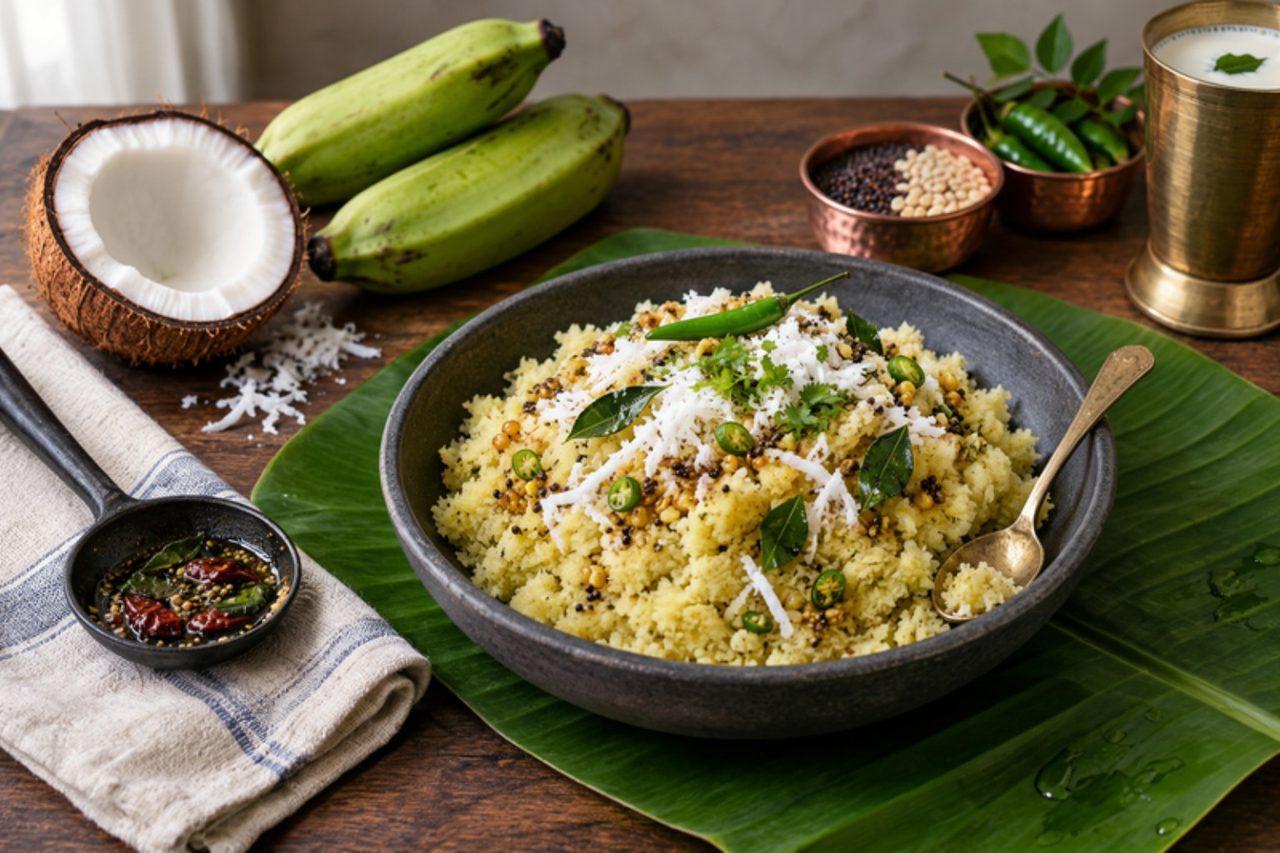
Podimas comes from Tamil Brahmin kitchens in Thanjavur and Chennai, where green plantain is boiled whole, grated into soft crumbs and tossed with a tempering of mustard, dal, ginger, green chilli and coconut, then sharpened with lemon. It is light and fluffy, and it sits happily next to sambar rice or rasam rice in a tiffin. The mistake is overboiling the plantain: it turns sticky and will not grate into crumbs. Pull it out as soon as a knife slides in with a little resistance. Chef's tip: grate it on the large holes of a box grater while still warm, then let it cool before tossing, so the shreds stay separate.

by KrazyBadal 0 views

Bombai motai (Sri Lankan candyfloss)

On Galle Face Green at sunset, and at every Vesak fair, the bombai motai seller walks with a glass box of pink candyfloss and a little bell, handing it out in small cones. You can spin a home version without a machine: sugar boiled to the hard-crack stage, then flicked from a fork in thin threads over two spoon handles. Children love to watch, but they must stay well back while the sugar is hot. Contains no major allergens. Chef's tip: make it on a dry day; humidity melts the threads back into sticky sugar.

by KrazyBadal 0 views

Kluay pingGrilled banana

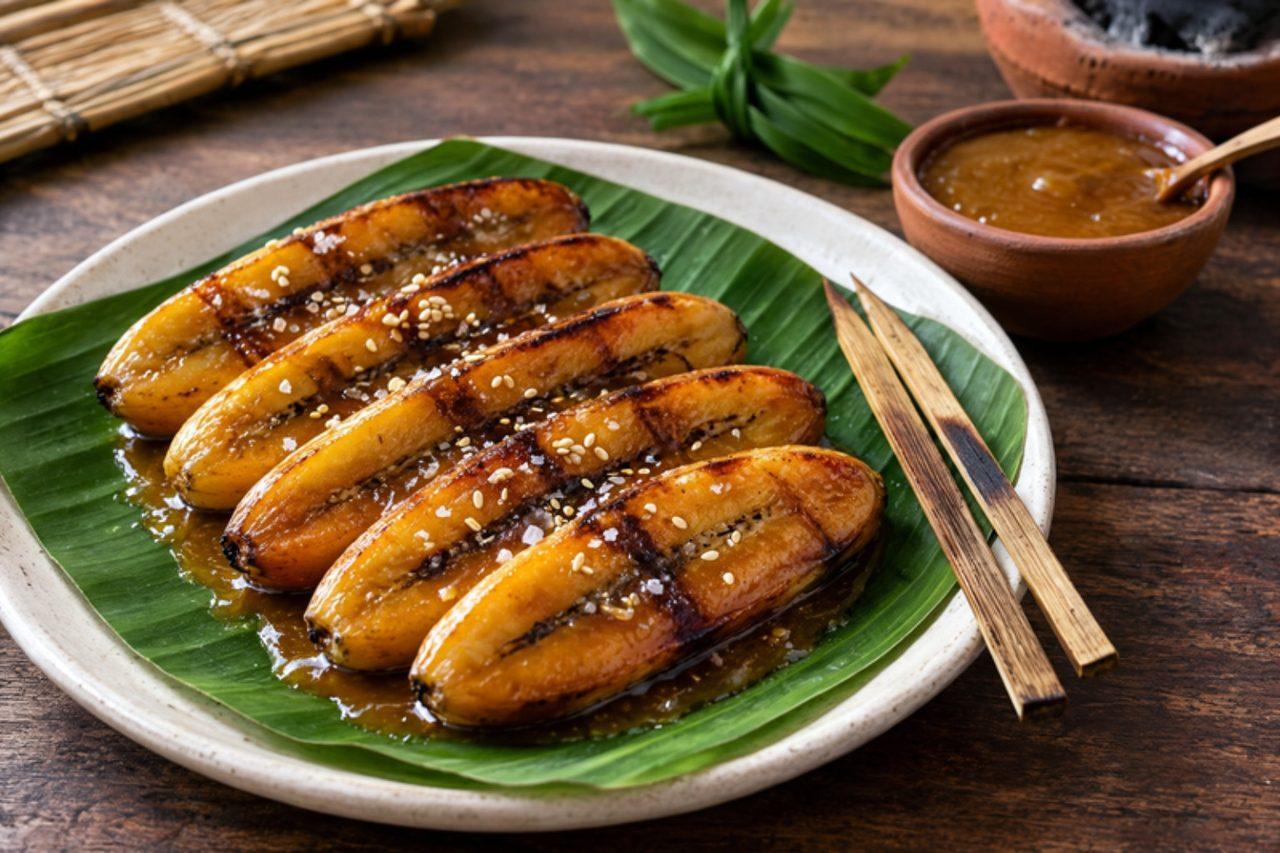
Kluay ping carts work the pavements of Silom and the lanes off Sukhumvit from mid-morning, when office workers want something sweet with their iced coffee. The vendor grills small, starchy nam wa bananas slowly over embers, presses each one flat with a wooden board and then brushes it with coconut cream cooked down with palm sugar and a pinch of salt. The outside turns sticky and smoky; the inside stays soft and fudgy. Ladyfinger bananas or firm, just-ripe small bananas work at home. Chef's tip: choose bananas that are yellow with no brown spots; overripe fruit turns to mush on the grill.

by KrazyBadal 0 views

GotoGinger rice porridge with tripe

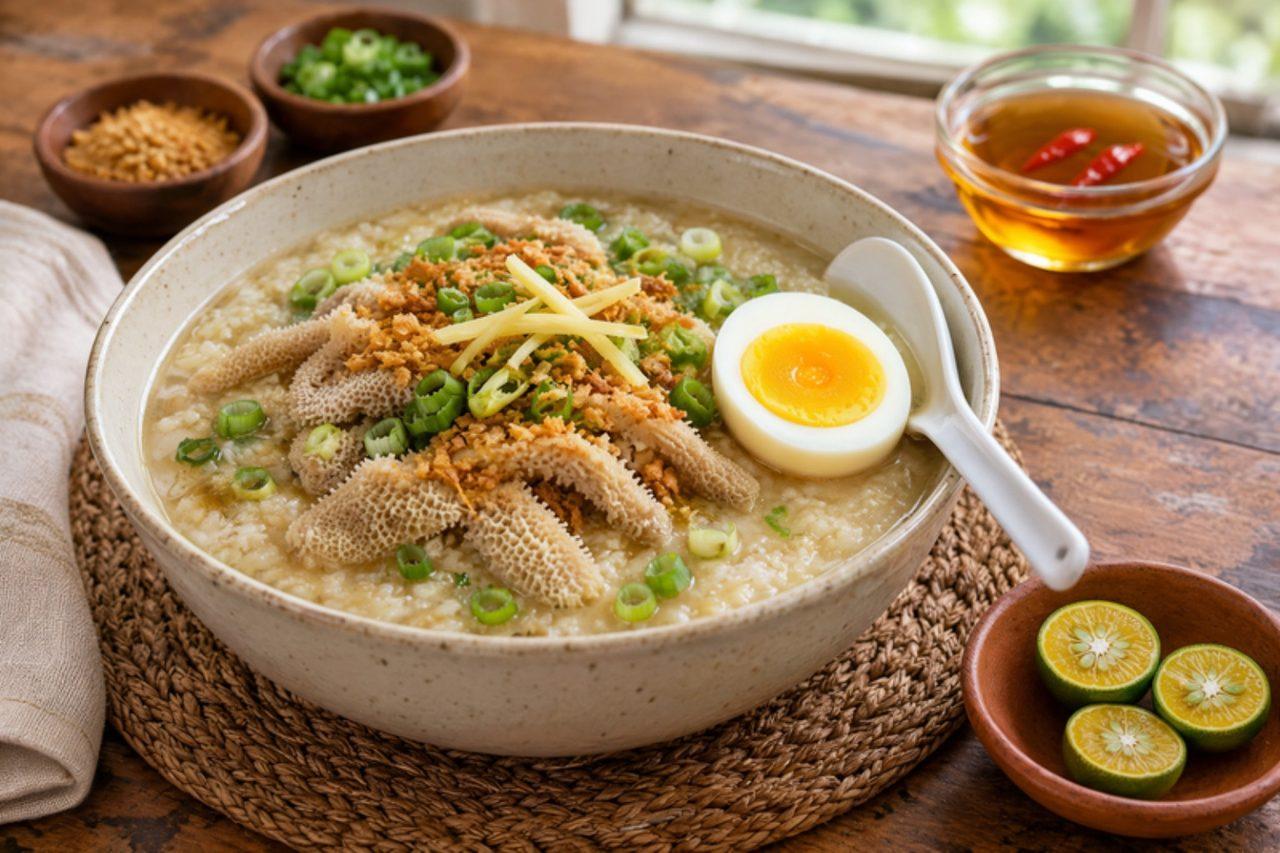
Goto is the tripe-rich cousin of arroz caldo, sold at dawn and late at night from gotohan stalls across Luzon, especially in Manila and Batangas. Glutinous rice is cooked in a ginger broth with long-simmered beef tripe until thick, then topped with toasted garlic, spring onion, a boiled egg and a squeeze of calamansi. The common mistake is skipping the pre-boil of the tripe, which leaves a strong farmyard smell. Chef's tip: buy cleaned honeycomb tripe and simmer it until a knife slides in easily before it meets the rice; it will not soften further once the porridge thickens.

by KrazyBadal 0 views

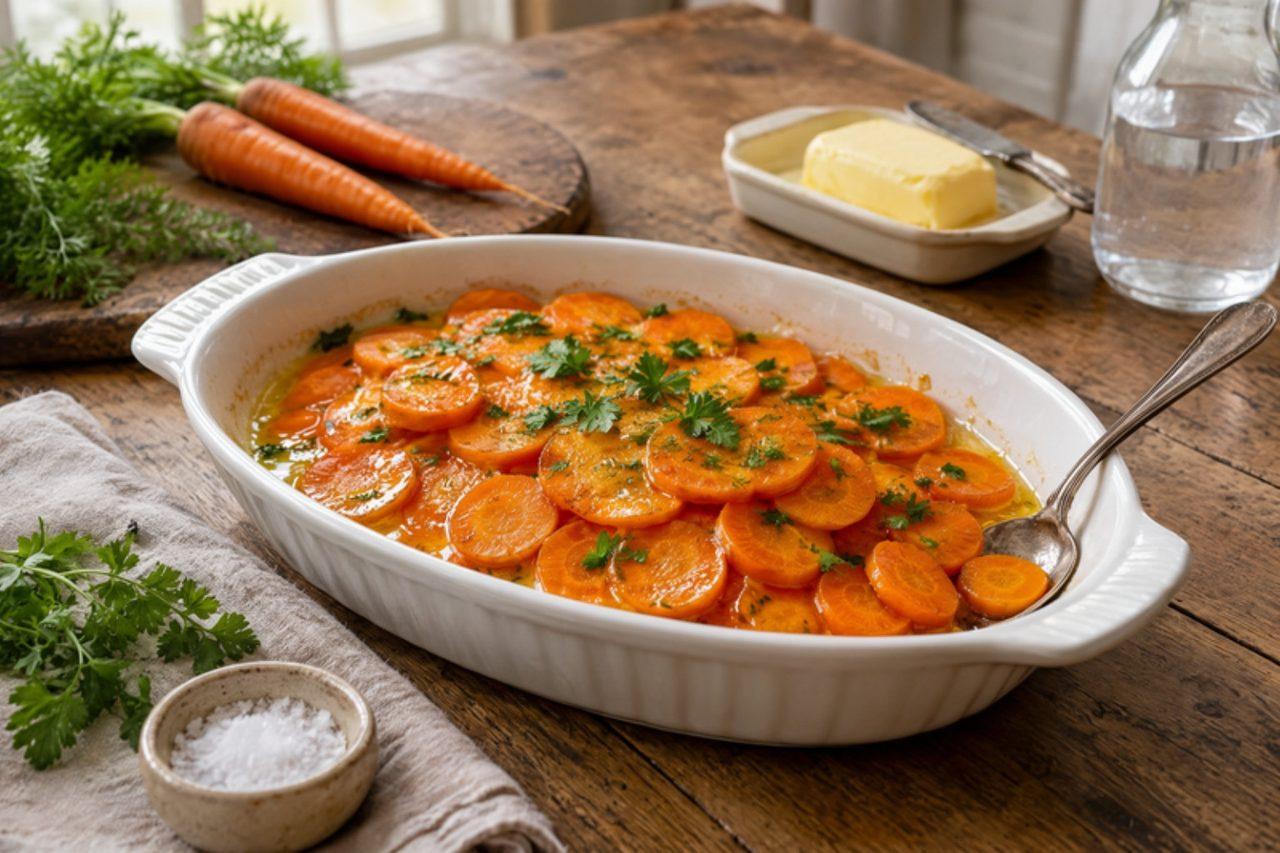
Carottes VichyGlazed carrots

Carottes Vichy come from the spa town of Vichy in the Auvergne, where they were cooked in the local mineral water; today they are the classic French bistro and Sunday-lunch side, loved by children. Thin rounds of carrot simmer with butter, a little sugar and salt in just enough water, so that when the carrots are tender the water has boiled down to a shiny glaze. Serve with roast chicken, an omelette or lentils. The usual mistake is using too much water, so you must drain away the flavour; it should just cover the carrots. Chef's tip: a pinch of bicarbonate of soda in the water copies Vichy's alkaline water and helps the carrots turn sweet and bright.

by KrazyBadal 0 views

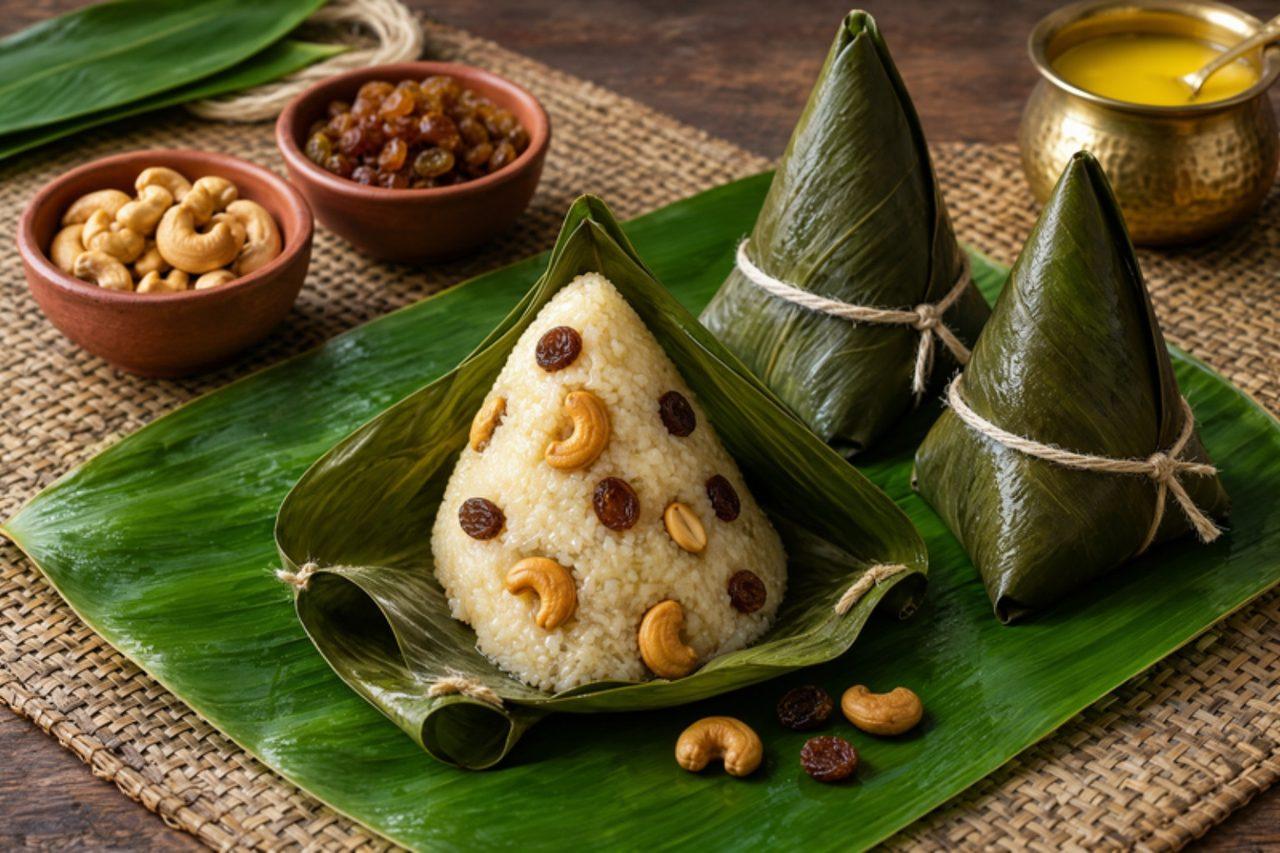
Awan bangwiSticky rice with nuts

Awan bangwi belongs to the Kokborok-speaking communities of Tripura, who make it for weddings, Garia Puja and New Year gatherings. Soaked sticky rice is mixed with ginger, cashews, raisins and a little ghee, folded into cones of leaf and steamed until glossy and chewy. The mistake to avoid is packing the cones too tightly: the rice swells and the leaves split. Banana leaf or turmeric leaf replaces the local leaf well. Chef's tip: soak the rice overnight; under-soaked grains stay chalky however long you steam them.

by KrazyBadal 0 views

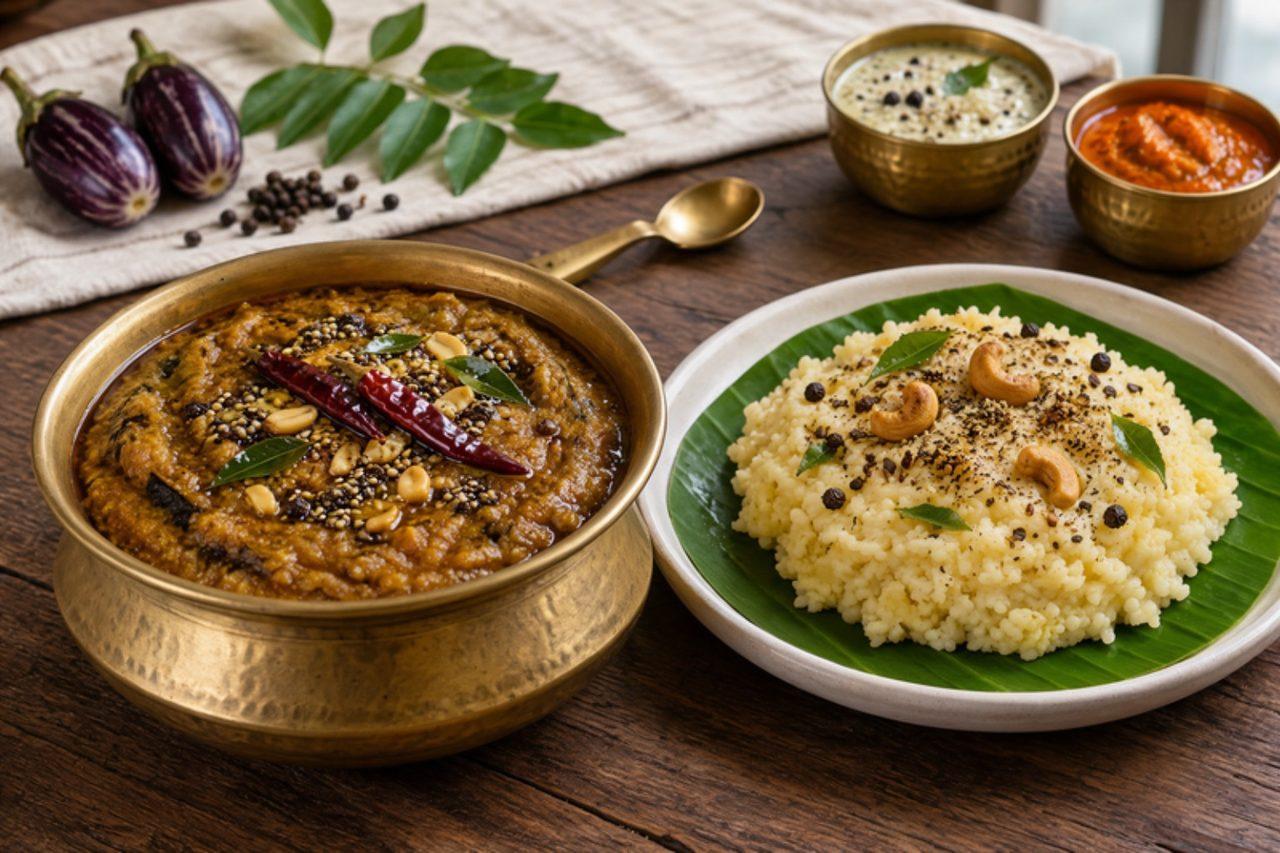
Kathirikai gothsuSmoky aubergine tamarind gravy

At the Nataraja temple in Chidambaram, ven pongal, the peppery rice and moong porridge, is always served with gothsu, and the pairing has spread to breakfast tables and wedding feasts all over Tamil Nadu. Brinjal is charred over the flame, mashed and simmered with a little moong dal, shallots and tamarind, then seasoned with a freshly roasted powder of coriander, chana dal and chilli. The result is smoky, tangy and spoonable, also good with idli or dosa. The usual mistake is using big, seedy aubergines: choose small, firm, glossy ones, which are sweeter. Chef's tip: char at least one brinjal right over the gas flame until the skin is black all over; that smoky note is what makes Chidambaram gothsu.

by KrazyBadal 0 views

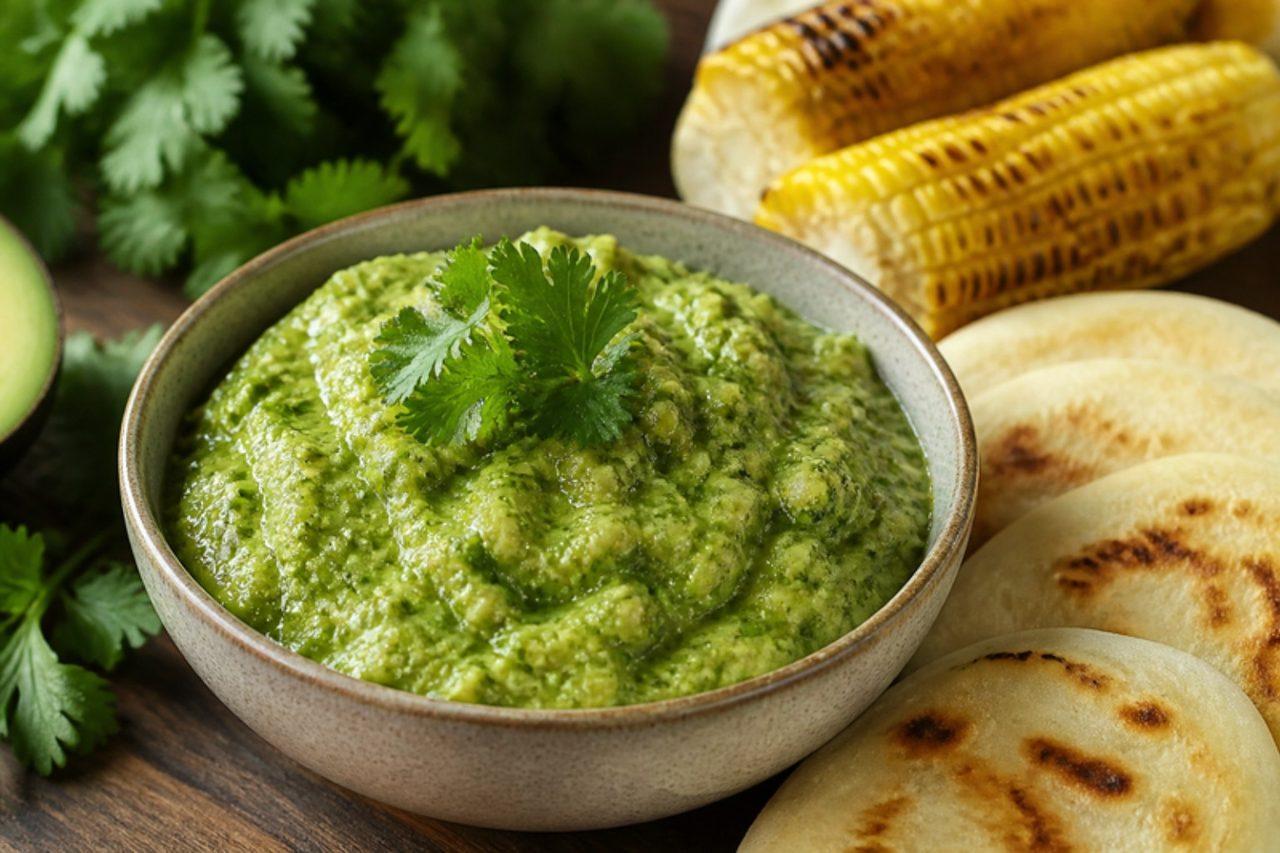
GuasacacaAvocado and herb sauce

Every parrilla in Caracas puts a bowl of guasacaca on the table: avocado crushed with green pepper, onion, garlic, coriander and parsley, sharpened with vinegar until it is looser and tangier than guacamole. It goes on grilled meat and chorizo, but just as happily on arepas, empanadas, boiled yuca and grilled vegetables. The common mistake is blending it to a smooth mousse; it should keep a little texture. Chef's tip: make it no more than an hour ahead and press cling film onto the surface, so it stays bright green.

by KrazyBadal 0 views

SanpiauRice porridge with fish sauce

Sanpiau is the street-stall breakfast and afternoon snack of Aizawl, Mizoram: a thin, silky rice porridge ladled into bowls and finished at the table with fish sauce, black pepper, crisp fried shallots, coriander and, often, shredded chicken. It came to Mizoram via Myanmar and is now as Mizo as bai. The common mistake is under-stirring, so the rice catches on the base; stir every few minutes once it thickens. Chef's tip: let everyone season their own bowl, since fish sauce brands vary a lot in saltiness.

by KrazyBadal 0 views

French 75

The French 75 took its name from the light field gun of the First World War, because Parisian bartenders of the late 1910s and 1920s said it hit you just as hard. It has stayed a celebration drink in Paris and beyond: raised at weddings, New Year's Eve and long weekend brunches. It is for adults only and stronger than it tastes, so drink responsibly. A good one is bright and lemony with gin botanicals underneath, then a fine, persistent Champagne fizz that makes it feel light and dry. The common mistake is putting the sparkling wine in the shaker, which either blows the lid off or leaves the drink completely flat. Shake only the gin, lemon and syrup with ice, strain them into the glass and top with Champagne there. It is ready when the shaker is frosted, the foam has risen and fallen once, and a steady stream of small bubbles runs up the flute. Any dry traditional-method sparkling wine such as crémant works in place of Champagne; check the label if vegan matters. Chef's tip: twist the lemon peel over the glass, not into the shaker; the oil on the surface is the first thing you smell.

by KrazyBadal 0 views

Bellini

Venice invented the Bellini in the late 1940s, when a bar owner near San Marco mixed puréed white peaches with Prosecco and named the pale pink result after the Renaissance painter Giovanni Bellini. It is still a seasonal pleasure, best from July to September when white peaches are ripe and scented, and drunk late in the morning, at weddings or before lunch on the lagoon. This is a drink for adults only, though a gentle one. It should taste of fresh peach first, soft and perfumed, with the Prosecco adding light fizz and dryness, and the texture should be smooth and lightly velvety, never pulpy. The usual mistake is pouring the Prosecco fast onto the purée: it foams over and the peach stays sunk at the bottom. Tilt the glass, pour slowly in two goes and give a single gentle stir. It is ready when the drink is an even blush pink from top to bottom with a fine, slow bead. Enjoy it with food and drink responsibly. Out of season, use frozen white peach purée or ripe yellow peaches with a little more lemon. Chef's tip: a single raspberry blended into the purée gives the classic pink colour without changing the taste.

by KrazyBadal 0 views

Guihua jiangOsmanthus syrup

When the osmanthus trees around West Lake in Hangzhou and along the Li River in Guilin bloom in late September and October, the whole town smells of apricots, and families shake the tiny gold flowers onto sheets to preserve them. Guihua jiang, sweet osmanthus sauce, is the result: a loose, amber syrup thick with petals that is drizzled over glutinous rice cakes, sweet lotus-root stuffed with sticky rice, tangyuan in fermented-rice soup and plain congee through the Mid-Autumn Festival and all winter. It tastes floral, honeyed and faintly fruity, with a clean sugar sweetness and a soft, slippery petal texture. The flowers are salted briefly first, which takes away their green bitterness and helps them keep their colour. Common mistake: boiling the petals hard in the syrup, which turns them brown and flattens the perfume; add them only once the syrup is ready and let them barely bubble. It is ready when the syrup coats a spoon and the petals are evenly suspended rather than floating. Chef's tip: dried food-grade osmanthus from a Chinese grocer works well out of season; soak it for 10 minutes and use a third of the weight of fresh.

by KrazyBadal 0 views

Kir

Dijon's own aperitif carries the name of Canon Félix Kir, the priest who became the city's mayor after the war and poured blanc-cassis at every reception to show off two Burgundy products at once: the sharp white Aligoté grape and the blackcurrant liqueur made around the city. It is still what you are offered before a family Sunday lunch in Burgundy, with a warm plate of gougères. It is a drink for adults only, low-key and refreshing: tart, mineral white wine with a dark, jammy blackcurrant note, deep ruby-violet in the glass, served cold with no ice. The usual mistake is too much cassis, which makes a sticky, syrupy drink that hides the wine. Keep to about one part cassis to five or six parts wine. It is ready when the colour is a clear, deep pink-purple you can still see light through and the glass mists with cold. Enjoy one before the meal and drink responsibly. If you cannot find Aligoté, use any dry, unoaked, high-acid white. Swap the wine for Champagne or crémant and you have a kir royal. Chef's tip: pour the cassis in first and the wine on top; it mixes itself and you need not stir.

by KrazyBadal 0 views

Gulab pakRose milk fudge

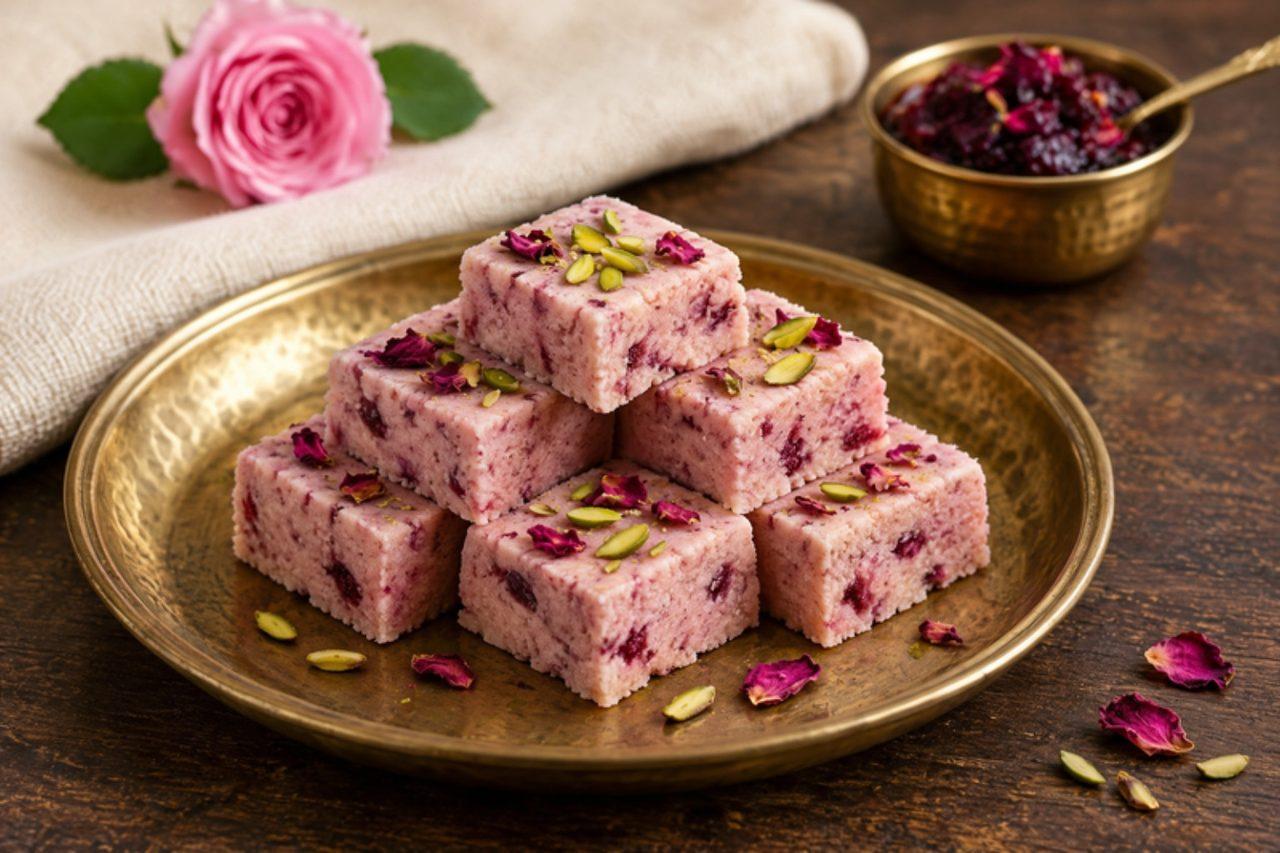
The sweet shops of Bhuj and Mandvi in Kutch sell gulab pak in pale pink slabs that smell of summer roses, and it is a favourite to carry home after a trip to the Rann or a family wedding. Mawa is cooked down with sugar and gulkand, the sun-cured rose-petal preserve, so the fudge is soft and grainy with little chewy flecks of petal through it. The mistake to watch for is adding the gulkand too early: cooked for long, it darkens and turns the fudge brown and toffee-like. Chef's tip: a few drops of rose water stirred in right at the end lift the perfume without making it taste soapy.

by KrazyBadal 0 views

Del curryBreadfruit coconut curry

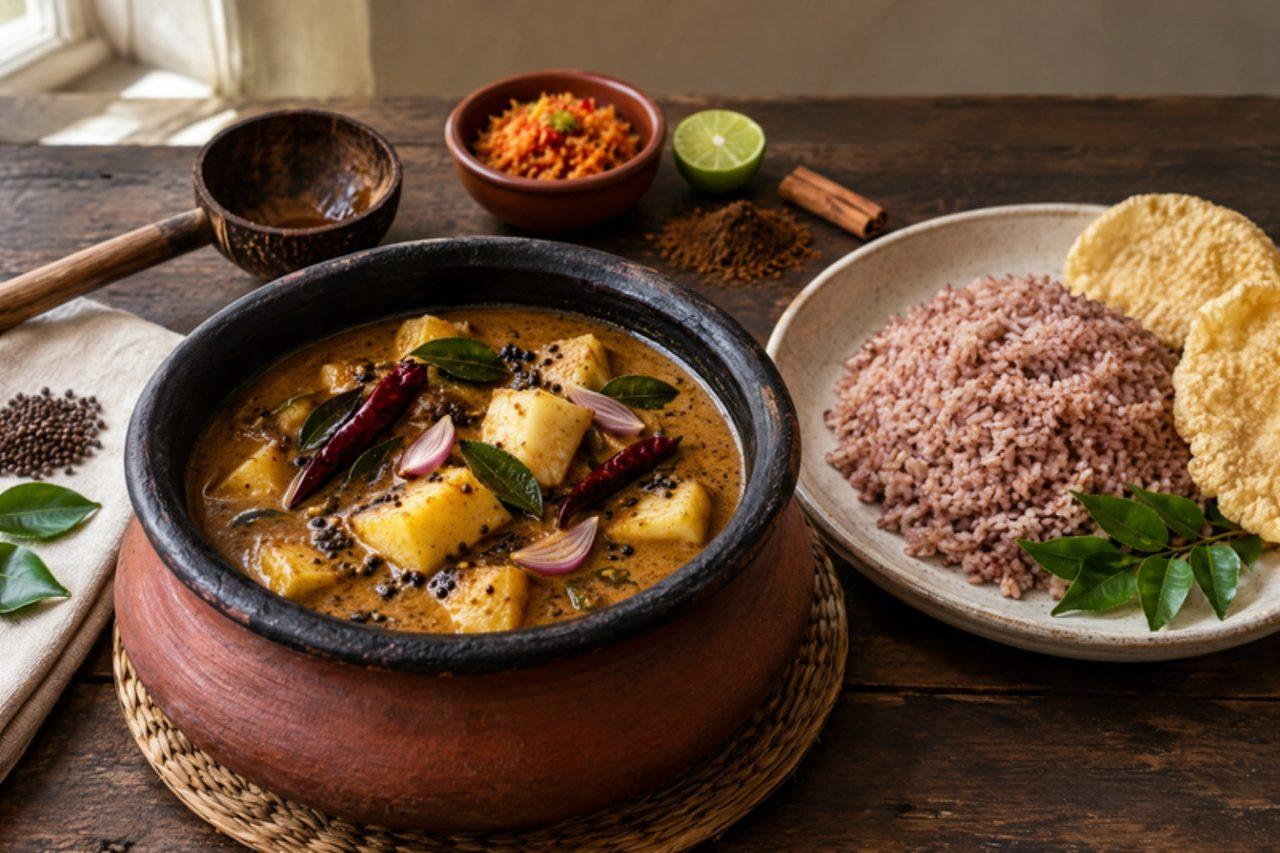
Breadfruit trees grow in almost every village garden in Sri Lanka, and del curry is the filling weekday and almsgiving dish that makes use of them, especially in the wet south-west. Chunks of breadfruit are simmered in coconut milk with roasted curry powder, a little mustard paste, curry leaves and pandan, until they turn soft, creamy and starchy like a good potato. Eat it with rice, pol sambol and a green mallung. The usual mistake is skipping the pre-boil; breadfruit contains a sticky latex and can stay firm, so boil the pieces first. Chef's tip: stir the mustard paste in only at the end and don't boil it hard afterwards, or it turns bitter.

by KrazyBadal 0 views

GundrukFermented leafy greens

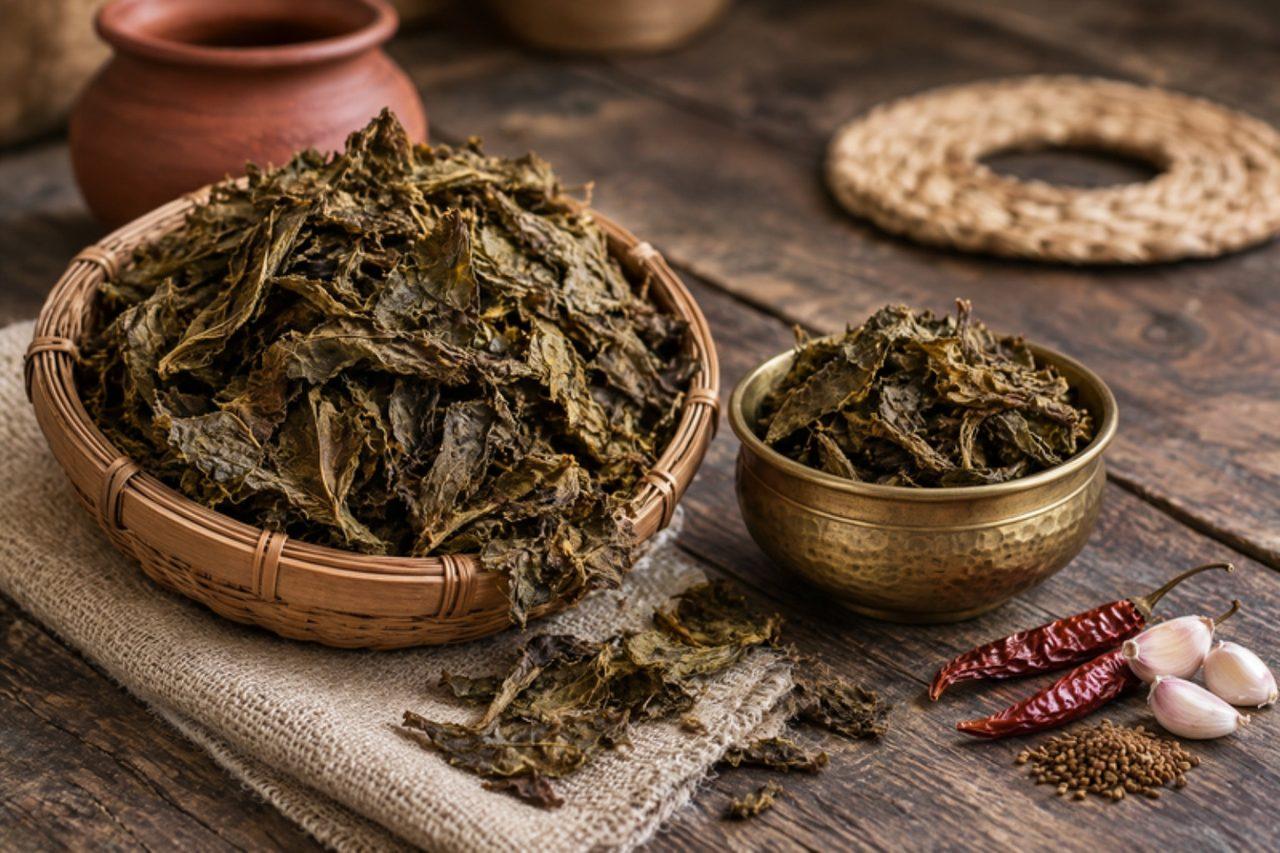
After the rice harvest in October and November, hill families from Ilam to Gorkha cut the leaves of mustard greens, radish and cauliflower, leave them to wilt in the yard, then pound them into clay pots or pits to ferment. A week later the greens come out olive-brown and sour, and they are dried on bamboo mats in the bright Dashain-Tihar sun. That dried gundruk carries families through the lean winter: soaked and simmered into gundruk ko jhol with tomato and soybeans beside dal-bhat, or tossed into gundruk sadeko with onion, chilli and mustard oil to eat with chiura. The flavour is deeply sour, earthy and a little smoky, the dried leaves chewy-crisp, softening when cooked. Common mistake: packing the leaves loosely; air left in the jar lets mould grow instead of the sour lactic ferment, so press until juice rises over the greens. It is ready to dry when it smells sharply sour like good sauerkraut and the leaves have lost all their green. Chef's tip: if your greens are from a supermarket, mix mustard greens with radish tops or kale for the closest flavour, and ferment in a big jar with a weight.

by KrazyBadal 0 views

Bajan rum punch

Every Barbadian knows the rhyme: one of sour, two of sweet, three of strong, four of weak. It is how rum punch is mixed for Sunday lunch, at beach limes, at the Friday night fish fry in Oistins and through the Crop Over festival in July and August. The punch is for adults only and it is strong, so pour it over plenty of ice and drink responsibly. Made right, it tastes bright and tangy from lime, rounded by brown-sugar syrup, warm with golden Barbados rum and finished by aromatic bitters and the woody smell of fresh nutmeg on top. The usual mistake is reading 'weak' as fruit juice or adding extra rum: the four of weak is water (and melting ice), and swapping in sweet juices makes the punch cloying. Make the syrup properly, measure by volume and taste before you add the last of the water. It is ready when the sweet and sour are in balance, nothing catches your throat and the jug is beaded with cold. It also keeps 2 days in the fridge, so it can be made ahead. Chef's tip: grate the nutmeg over each glass at the table; ready-ground nutmeg has lost the smell that makes Bajan punch what it is.

by KrazyBadal 0 views

Trini pepper sauce

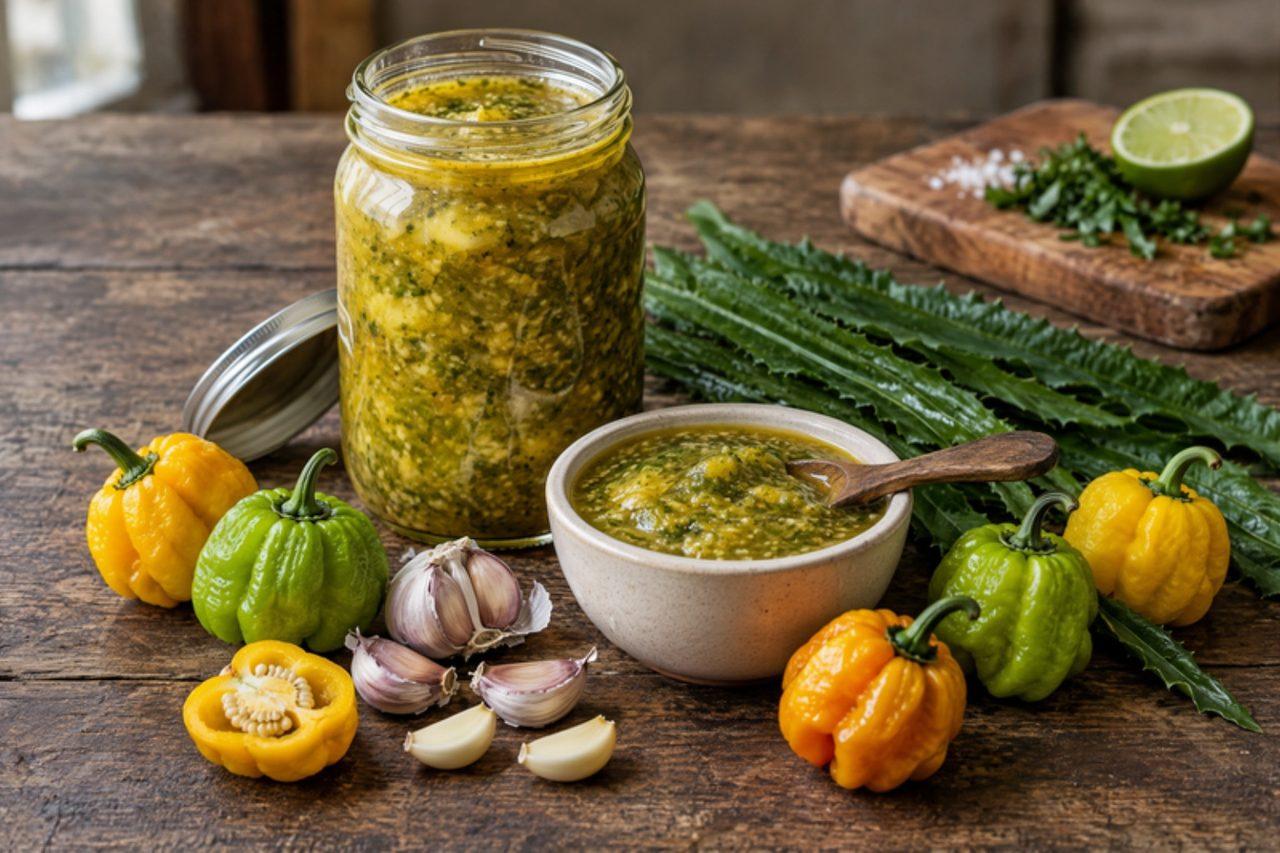
Ask for doubles anywhere in Trinidad and the vendor will ask "slight or heavy?", meaning how much pepper sauce goes on. This raw, rough-blended sauce also goes on pholourie, aloo pie, bake and saltfish and Christmas pastelles, and every family swears theirs is best. Scotch bonnet or local congo peppers are blended with shado beni (culantro), plenty of garlic, prepared mustard, vinegar and lime, and many cooks stretch it with grated green papaya or green mango for body. It tastes ferociously hot, sharp, garlicky and green, with a tangy mustard finish. Abroad, swap the culantro for double the amount of coriander with its stalks. Common mistake: following the old habit of standing the bottle in the sun to "cure"; raw garlic and herbs are not safe at room temperature, so let the flavours marry in the fridge instead. Wear gloves and keep the blender lid on. It is ready after 2–3 days in the fridge, when the colour turns from bright to olive and the raw garlic edge has softened. Chef's tip: salt and squeeze the grated papaya before adding it, so it does not water the sauce down.

by KrazyBadal 0 views

HacheeBeef and onion stew

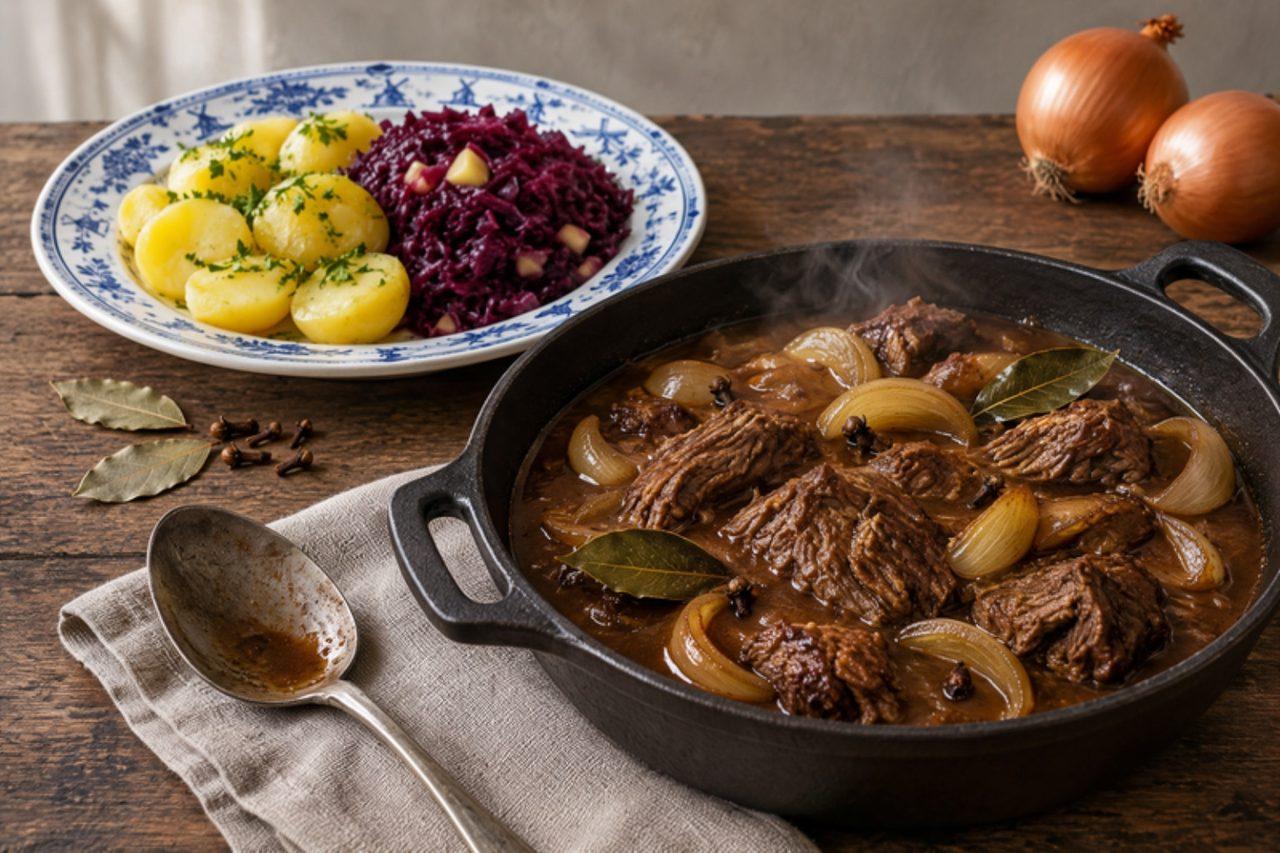
Hachee is the Dutch stoofpotje that grandmothers in Friesland, Groningen and Brabant leave murmuring on the back of the stove on cold Sundays: beef braised with almost as much onion as meat, plus bay leaves, cloves and a splash of vinegar, until it falls apart into a dark, sweet-sour gravy. It goes on boiled potatoes with red cabbage, or with stamppot, and leftovers are eaten on toast. The usual mistake is rushing the onions: they need a good 15 minutes to turn deep golden, or the gravy stays pale and sharp. Slow-cooker option: after browning, cook on low for 8 hours. Chef's tip: stir in a spoon of dark syrup or apple butter at the end only if the vinegar tastes too sharp; taste first, as good onions often make it unnecessary.

190 minDutchMeat
by KrazyBadal 0 views

Piña colada

Two bars in 1950s San Juan claim to have created the piña colada, and Puerto Rico made it the island's official drink in 1978. It is the drink of hot afternoons on the beaches of Condado and Isla Verde, of hotel pools and of family parties where the blender runs all day. The rum version is for adults only, and because it tastes like a dessert it is easy to drink too fast, so keep to one or two and drink responsibly. A good piña colada is thick, frosty and smooth, coconut-sweet but kept fresh by the sharp acidity of pineapple, with the rum warming the finish. The common mistake is using coconut milk or unsweetened coconut cream instead of cream of coconut, the thick sweetened coconut syrup sold in tins and squeeze bottles: the drink comes out bland and splits into icy water and fat. If you only have coconut cream, blend in 2 tbsp sugar. It is ready when the drink is thick enough to hold a straw upright for a moment, has no crunchy ice and has turned a pale, creamy yellow. Chef's tip: freeze half of the pineapple juice into ice cubes the day before; you will need less ice and the colada stays thick to the last sip.

by KrazyBadal 0 views

Misa mach pooraPrawns grilled in banana leaf

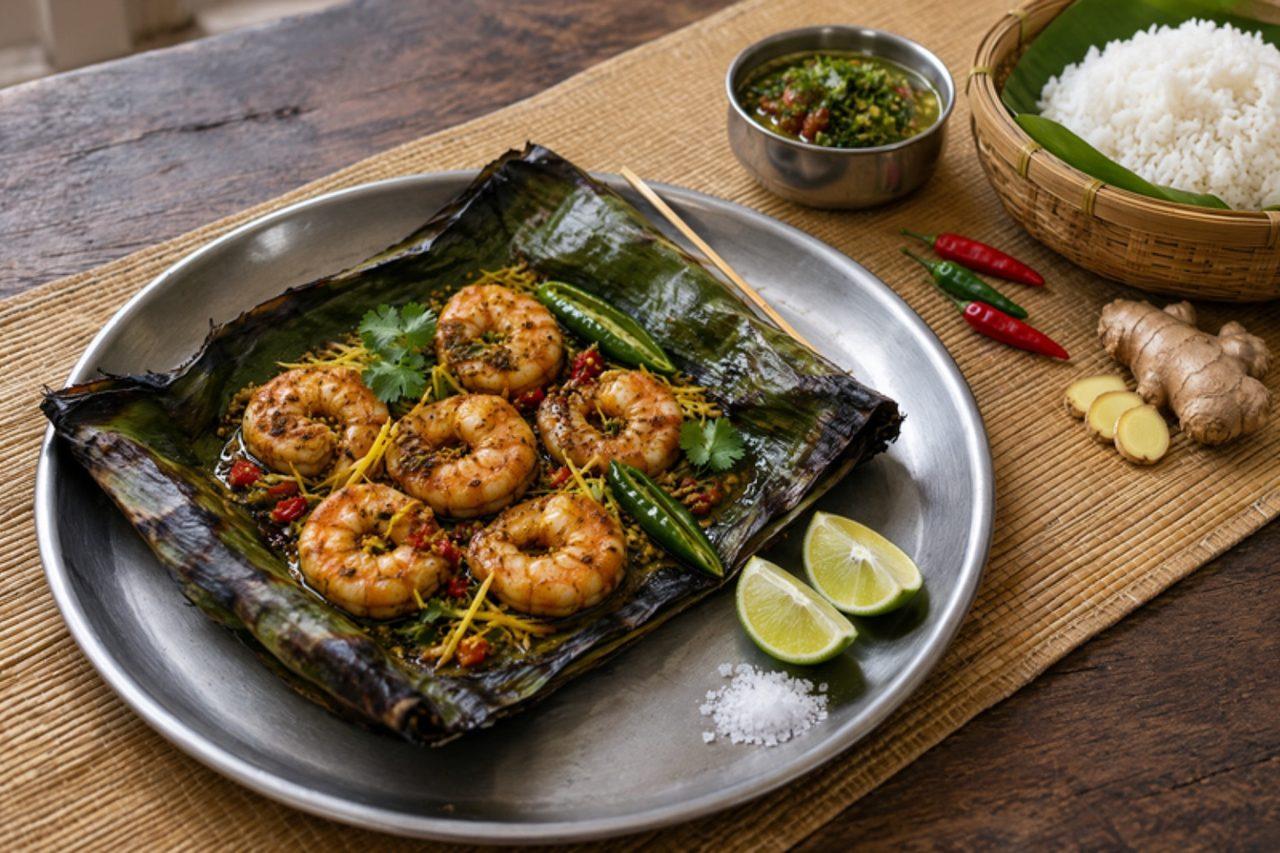
Misa mach poora is a simple Mizo way with river prawns: rubbed with ginger, garlic, chilli and salt, wrapped in banana leaf and cooked over embers until the leaf chars and the prawns steam in their own juices. It is made at riverside picnics and family cookouts and eaten with rice and a chilli relish. The common mistake is overcooking, which makes prawns tough; they are done the moment they turn opaque and pink all through. Chef's tip: keep the marinated parcels in the fridge until the grill is hot.

27 minIndianFishGluten free
by KrazyBadal 0 views

Scotch bonnet pepper sauce

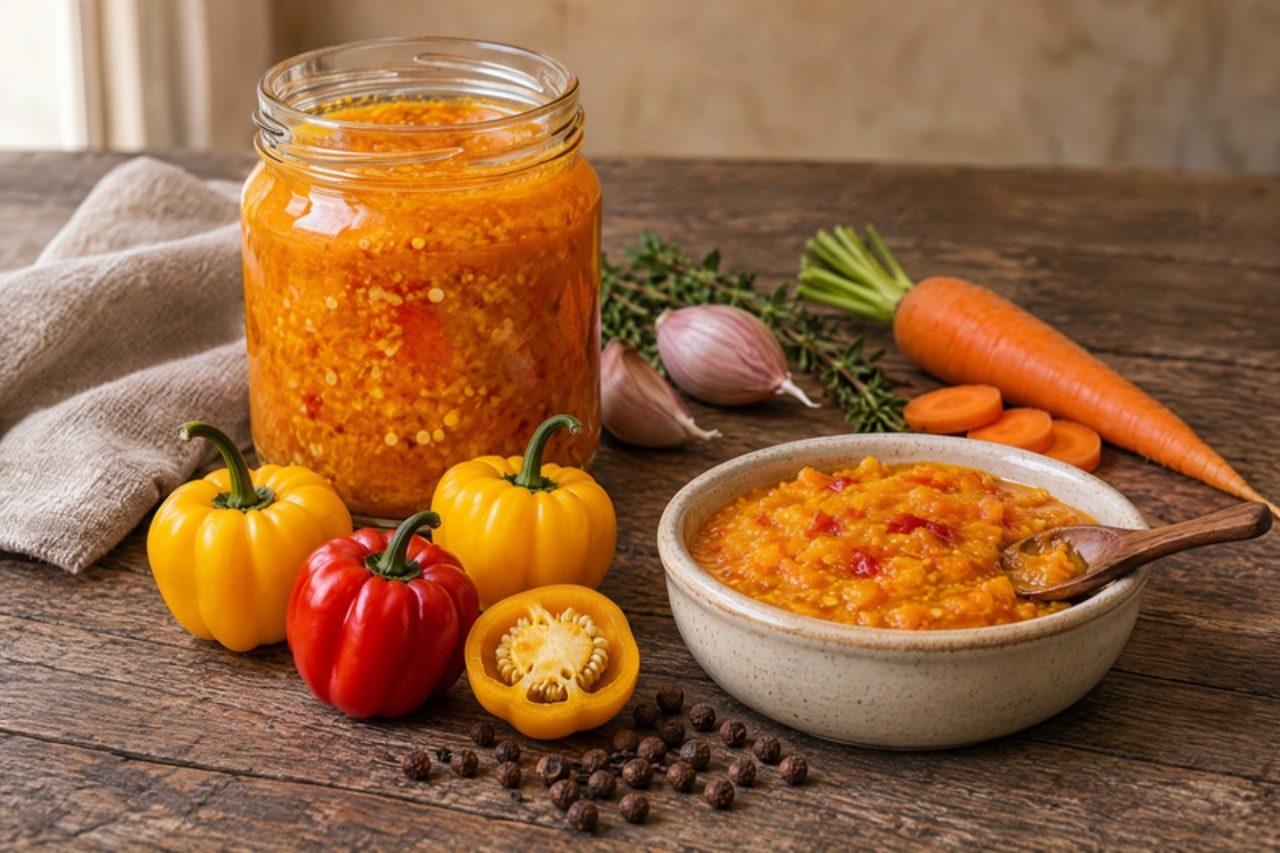
On a Jamaican Sunday dinner table the bottle of pepper sauce sits next to the salt, shaken over rice and peas, brown stew chicken, escovitch fish and the beef patty from the corner shop. Home versions differ from yard to yard, but most cook scotch bonnets briefly in vinegar with onion, carrot, garlic and the island's own pimento (allspice) berries, then blend them smooth. The result is a pourable, bright orange sauce: fruity, floral heat first, then the sweetness of carrot and the warm clove note of pimento, with a clean vinegar finish. A few drops are plenty. Wear gloves, open a window and never lean over the pot or blender; the fumes sting. Common mistake: blending raw peppers with too little vinegar and leaving the bottle on the counter; keep the full amount of vinegar (at least 5% acidity) and store it in the fridge. It is ready when the carrot is soft and the sauce is smooth and pourable; the flavour mellows and rounds after two days. Chef's tip: for a milder sauce, cut out the seeds and white ribs from half the peppers before cooking.

by KrazyBadal 0 views

Caesar

The Caesar was created in Calgary in 1969, when a hotel bartender was asked to invent a drink for a new Italian restaurant and thought of spaghetti alle vongole: clams, tomato, garlic, a squeeze of lemon. It has become Canada's own cocktail, ordered at weekend brunch, poured at the cottage on long weekends and raised on Canada Day, often with a celery stick or a spicy green bean standing in the glass. It is for adults only. Note that it is not vegetarian: the clam-tomato juice is made with clam broth, and Worcestershire sauce contains anchovy. A Caesar tastes savoury before anything else, briny and tomatoey, with heat from the hot sauce, tang from lime and a salty, herbal crunch from the celery-salt rim. The common mistake is shaking it hard like a sour: the tomato juice turns frothy, pale and watery. Roll it instead, pouring it back and forth between two glasses a few times. It is ready when the drink is evenly red, ice-cold and the rim is still neatly coated. Drink responsibly; it goes down easily. No clam-tomato juice? Mix 120 ml tomato juice with 30 ml bottled clam broth. Chef's tip: add a little grated horseradish for a sharper, more peppery Caesar.

by KrazyBadal 0 views

Hachis parmentier for toddlersBeef and mash bake for toddlers

Hachis parmentier, France's answer to cottage pie, is a fixture of school canteens and Wednesday family lunches from Lyon to Paris, named after Antoine Parmentier, who championed the potato. This toddler version for children from 12 months uses lean minced beef cooked soft with plenty of carrot and onion, topped with a buttery milk mash and baked until just golden, then cut into soft squares. It is cooked without stock cubes and with no added salt. It contains milk; there is no gluten, egg, nuts or soya. Chef's tip: simmer the meat with a splash of water until it's tender and saucy before topping; dry mince makes a crumbly pie that toddlers struggle with.

60 minFrenchMeatGluten free
by KrazyBadal 0 views

Ahmedabad chocolate sandwich

Manek Chowk is a jewellery market by day; at night its square fills with stalls, and among the pav bhaji and sandwich carts the chocolate sandwich is the one children beg for. Buttered white bread is packed with grated chocolate, sometimes with a layer of grated cheese for a salty edge, then toasted in a long-handled iron until crisp and dripping. Contains wheat and dairy, and the chocolate may contain soya and traces of nuts. If you add cheese, many cheeses are made with animal rennet; pick one labelled vegetarian. Chef's tip: toast it slowly over a medium-low heat, so the chocolate melts before the bread browns.

by KrazyBadal 0 views

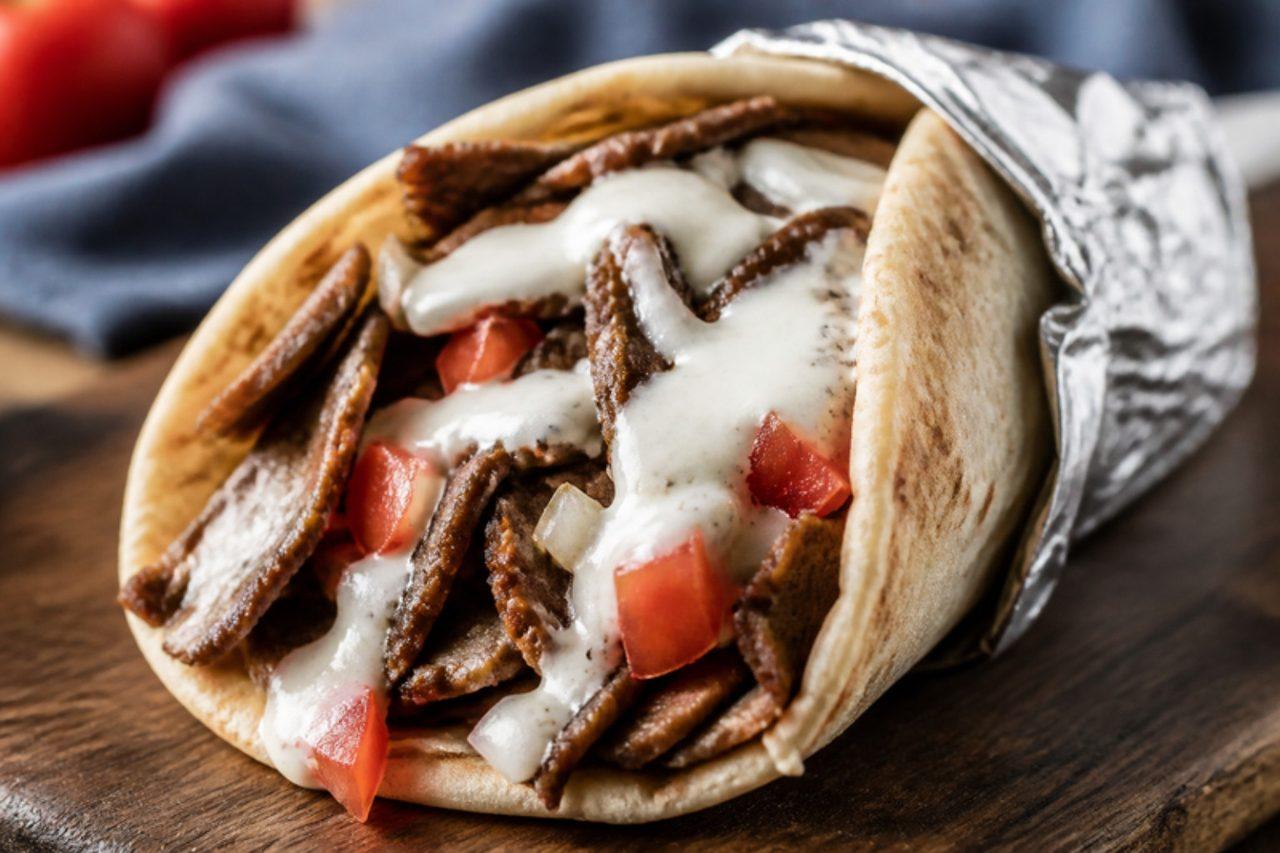
Halifax donairSpiced beef pita with garlic sauce

The donair is Halifax's official food, born in the 1970s when a Greek-Canadian cook adapted the gyro for local tastes, and it is still the late-night food of Spring Garden Road. A dense, spiced beef loaf is baked, sliced thin and crisped in a pan, then wrapped in a warm pita with raw onion, tomato and a sweet sauce of condensed milk, vinegar and garlic. Messy, sweet, salty and loved. A common mistake is a crumbly meat loaf; the mince must be kneaded until it is sticky and smooth. Chef's tip: chill the baked loaf before slicing so you can cut it really thin.

by KrazyBadal 0 views

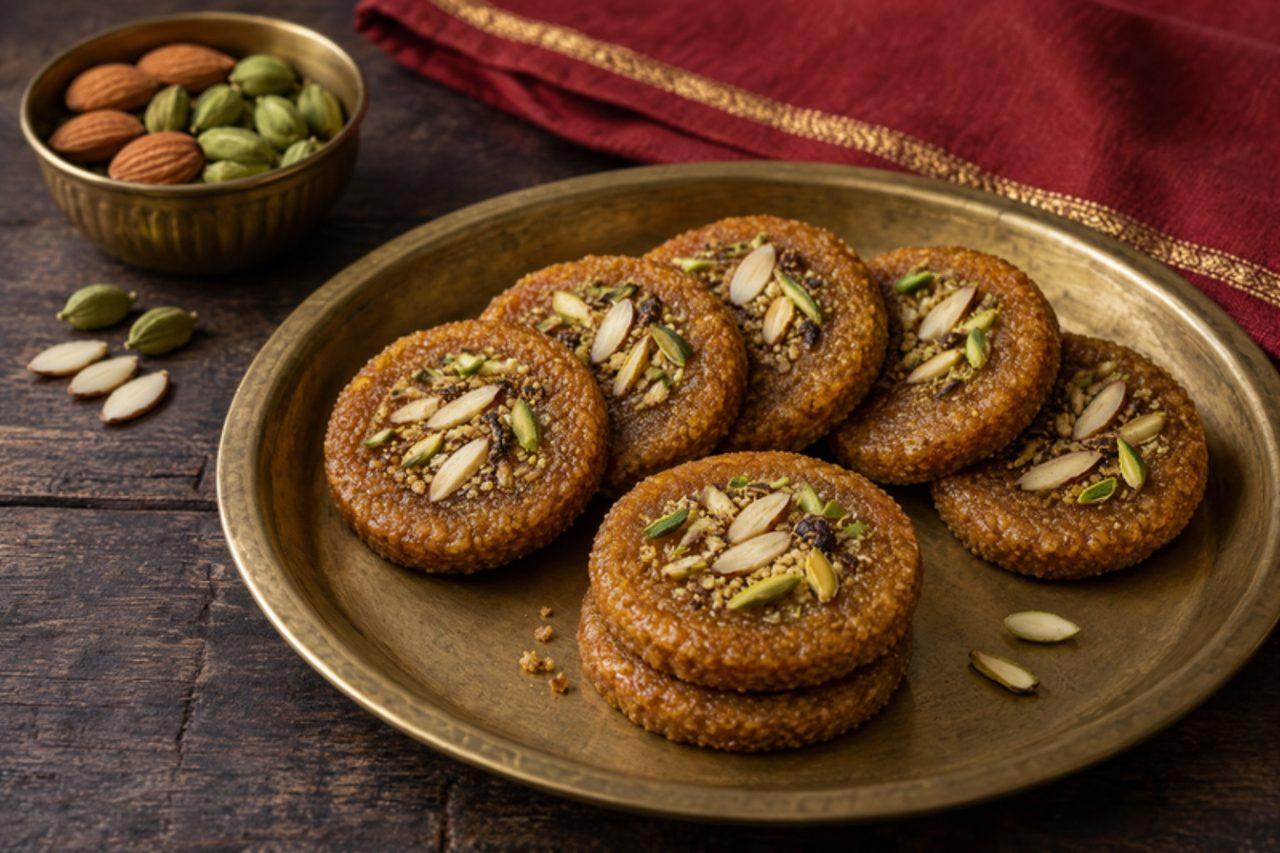
HalvasanMilk and cracked wheat sweet

Khambhat, the old port town at the head of the Gulf, is where halvasan comes from, and its sweet shops still sell the chewy, nutmeg-heavy rounds wrapped in paper to visitors from Ahmedabad and Vadodara. Milk is split so it turns grainy, then cooked down with soaked cracked wheat, ghee, sugar and a little puffed edible gum until it is dark gold and chewy, rather like a cross between a halwa and a barfi. The mistake to avoid is undercooking: if it is taken off while still soft and sticky, the rounds never set and turn greasy. Chef's tip: keep cooking until the mass rolls around the pan as one lump and a drop pressed between two fingers feels tacky but not wet.

by KrazyBadal 0 views

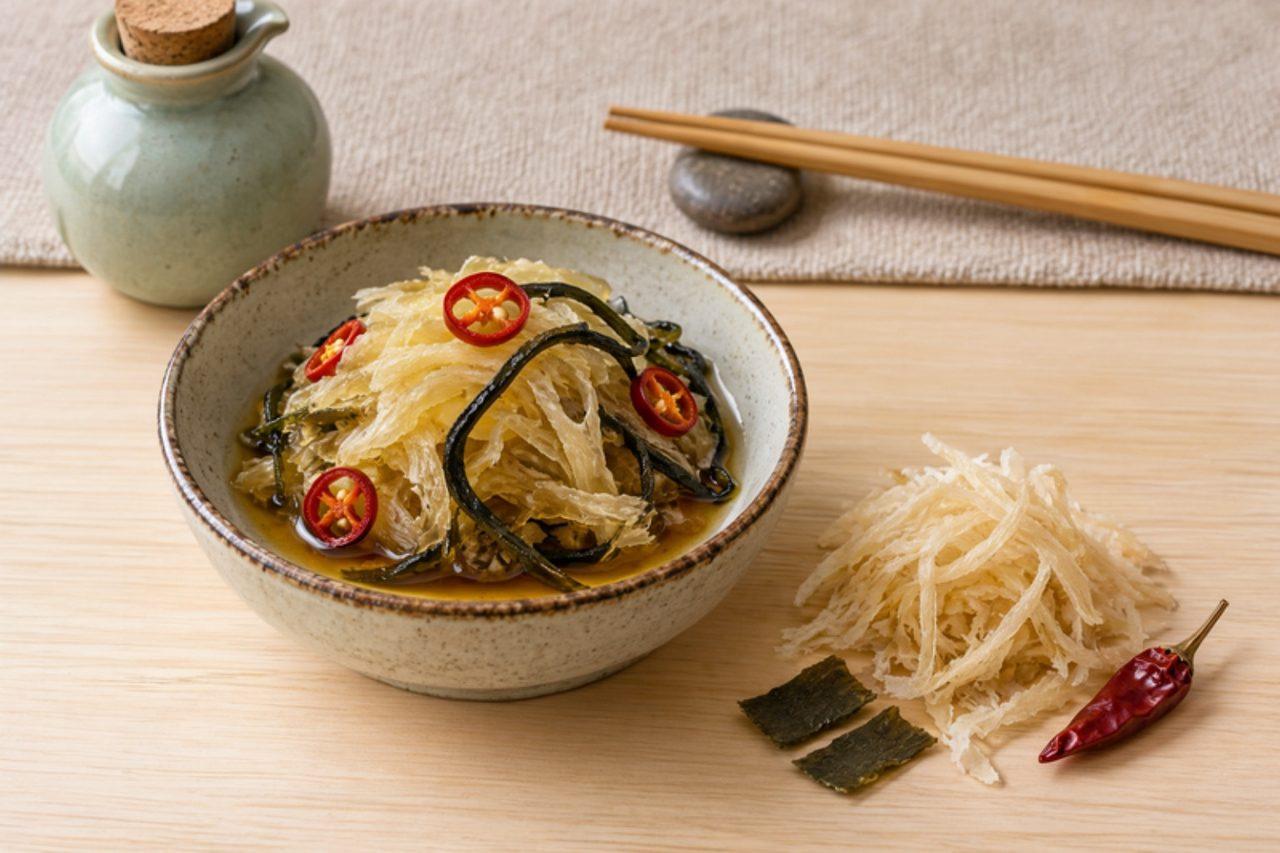
HariharizukeDried daikon pickle

Hariharizuke takes its name from the sound it makes, 'hari-hari', as you chew. It starts with kiriboshi daikon, the radish strips dried in the cold winter sun across Miyazaki and much of rural Japan, which are rehydrated and steeped in a sharp, slightly sweet soy-vinegar with ribbons of kombu and a little chilli. It is a year-round side dish, but home cooks lean on it in late winter and early spring when fresh vegetables are fewer, packing it into bento boxes or setting it beside grilled fish and rice. The taste is sweet-sour and savoury, with a concentrated, almost caramel daikon flavour, and the texture is springy and crunchy. The common mistake is soaking the dried daikon too long: after 10–15 minutes it is pliable, and beyond that it turns soft and loses its crunch. It is ready when the strips are glossy, tan and taste seasoned right through, about an hour after mixing, and even better the next day. Look for dried daikon in Japanese or Korean shops (Korean mumallaengi is the same thing). Chef's tip: add the carrot in very fine matchsticks and a few drops of sesame oil just before serving for colour and aroma.

by KrazyBadal 0 views

Carato de maízChilled corn drink

Out on the hot plains of the Llanos, a jug of carato is kept cold for the afternoon: white corn cooked until soft, blended with its water, strained and sweetened with panela, cinnamon and clove. It is thick, creamy and filling enough to be a snack in a glass. Keep it in the fridge, because left out it starts to ferment. The common mistake is skipping the straining, which leaves it gritty. Chef's tip: strain through a fine sieve and then once more through a clean cloth for the silkiest drink.

by KrazyBadal 0 views

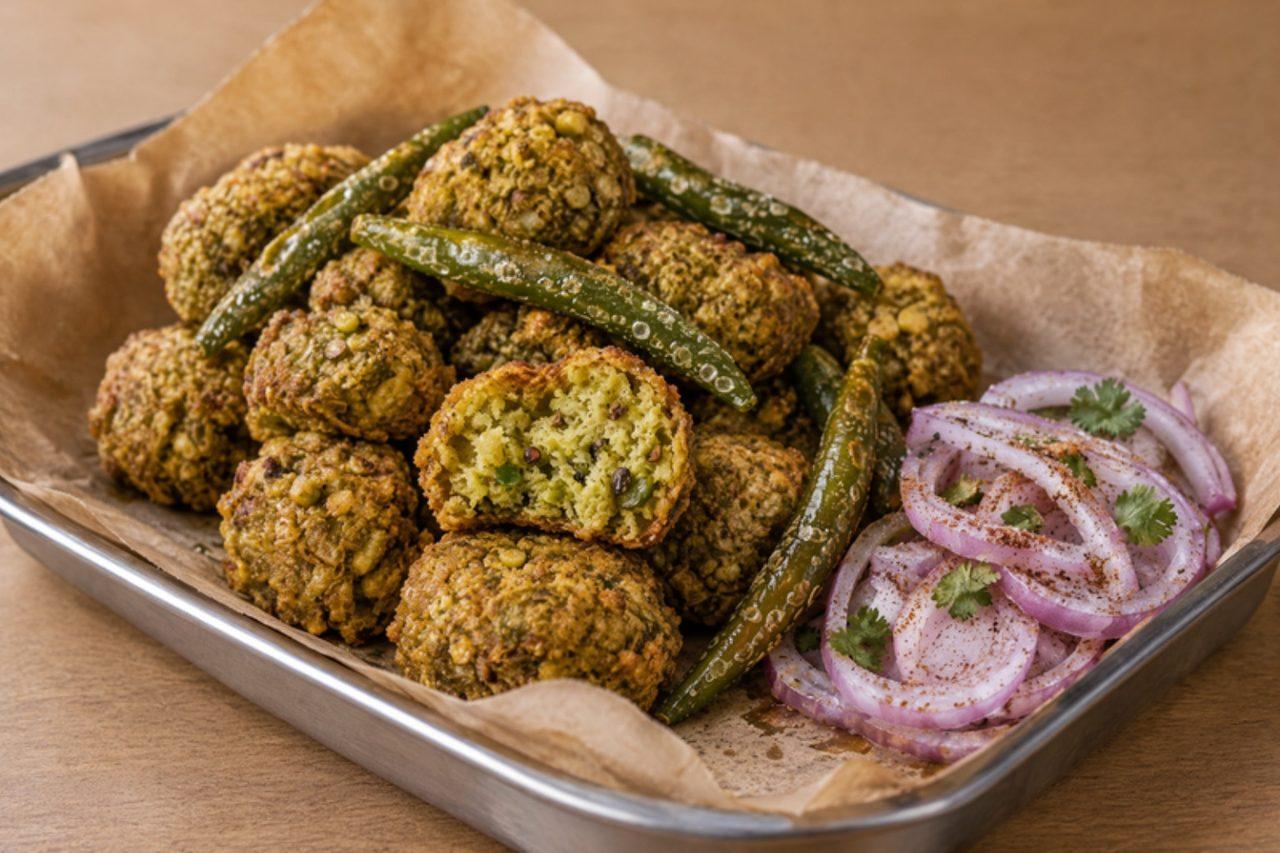
Dalvada (Ahmedabad moong dal fritters)

The first monsoon shower in Ahmedabad sends people straight to the dalvada counters by Raipur Darwaja, where fritters of split green moong come out of the karahi by the basketful and are sold by weight with sliced raw onion and salted fried chillies. They are rough and craggy outside, light and steamy inside, warm with ginger and cracked pepper. Eat them hot with masala chai while the rain falls. Chef's tip: grind the dal coarse with almost no water, then whisk the batter by hand for a few minutes; the air you beat in is what keeps them light.

by KrazyBadal 0 views

Polvorosa de polloChicken pie

Polvorosa is the pie that comes out for family birthdays and Sunday gatherings in Caracas: a melt-in-the-mouth, slightly sweet shortcrust (polvorosa means 'crumbly') around chicken stewed with leek, peppers, olives, capers and raisins, so each bite is salty, sweet and savoury at once. Serve it warm with a green salad. The common mistake is filling the pastry with hot stew, which melts the butter and makes a soggy, torn crust. Chef's tip: make the filling the day before and fill the pie straight from the fridge.

by KrazyBadal 0 views

Hawaiian poi for babiesTaro paste for babies

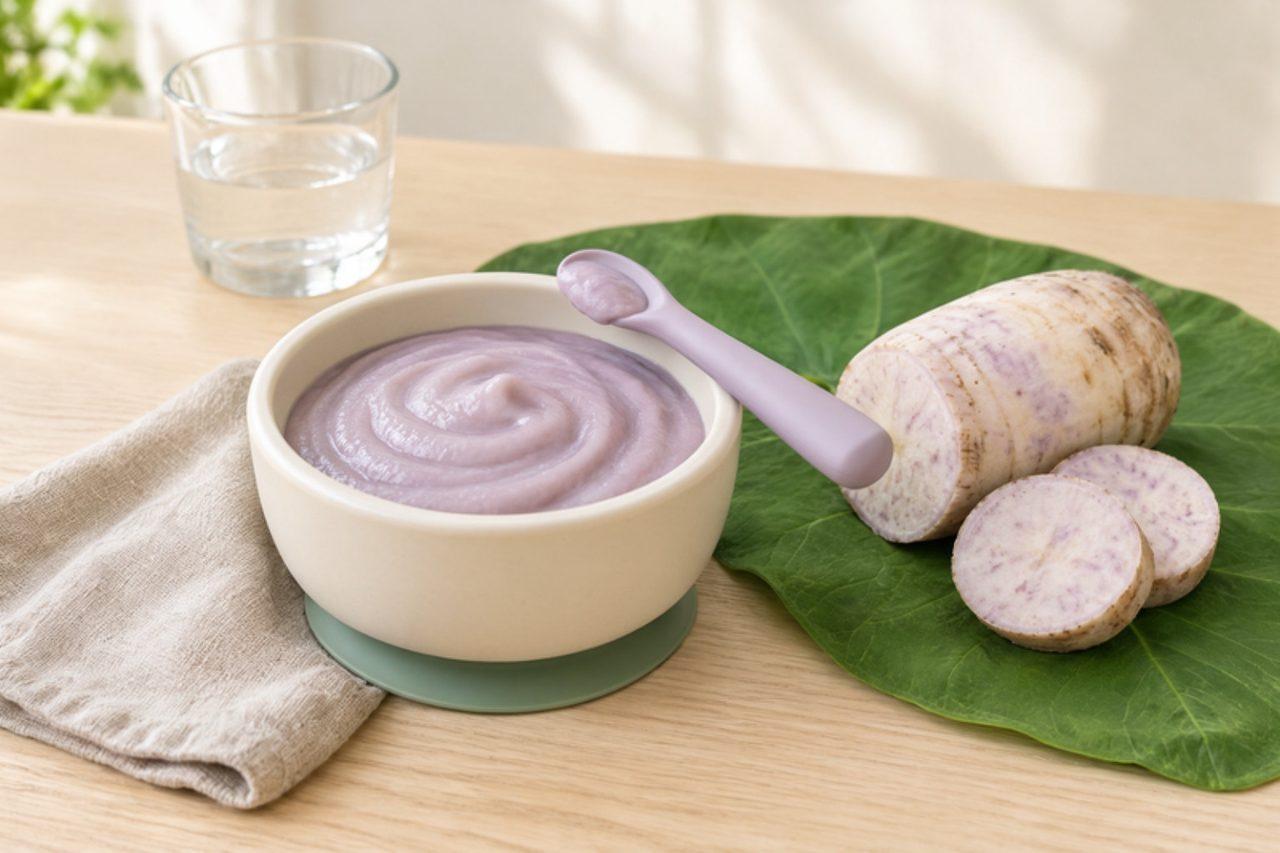
Poi, cooked taro (kalo) pounded with water, is the oldest staple of Hawaiʻi, and it was traditionally among the first foods given to babies across the islands; you can still buy it fresh by the bag at markets in Honolulu and on Kauaʻi. Fresh poi is mild, smooth and gently sweet, with a lilac-grey colour; left a few days it ferments and turns sour, which adults love but a baby is better without. Taro must be cooked right through, because raw taro contains crystals that irritate the mouth. Nothing else is added: no salt, sugar or honey. It is free of the major allergens. Chef's tip: wear gloves to peel raw taro, and cook a test piece; if it tingles on your tongue, it needs longer.

by KrazyBadal 0 views

Feijoa jam

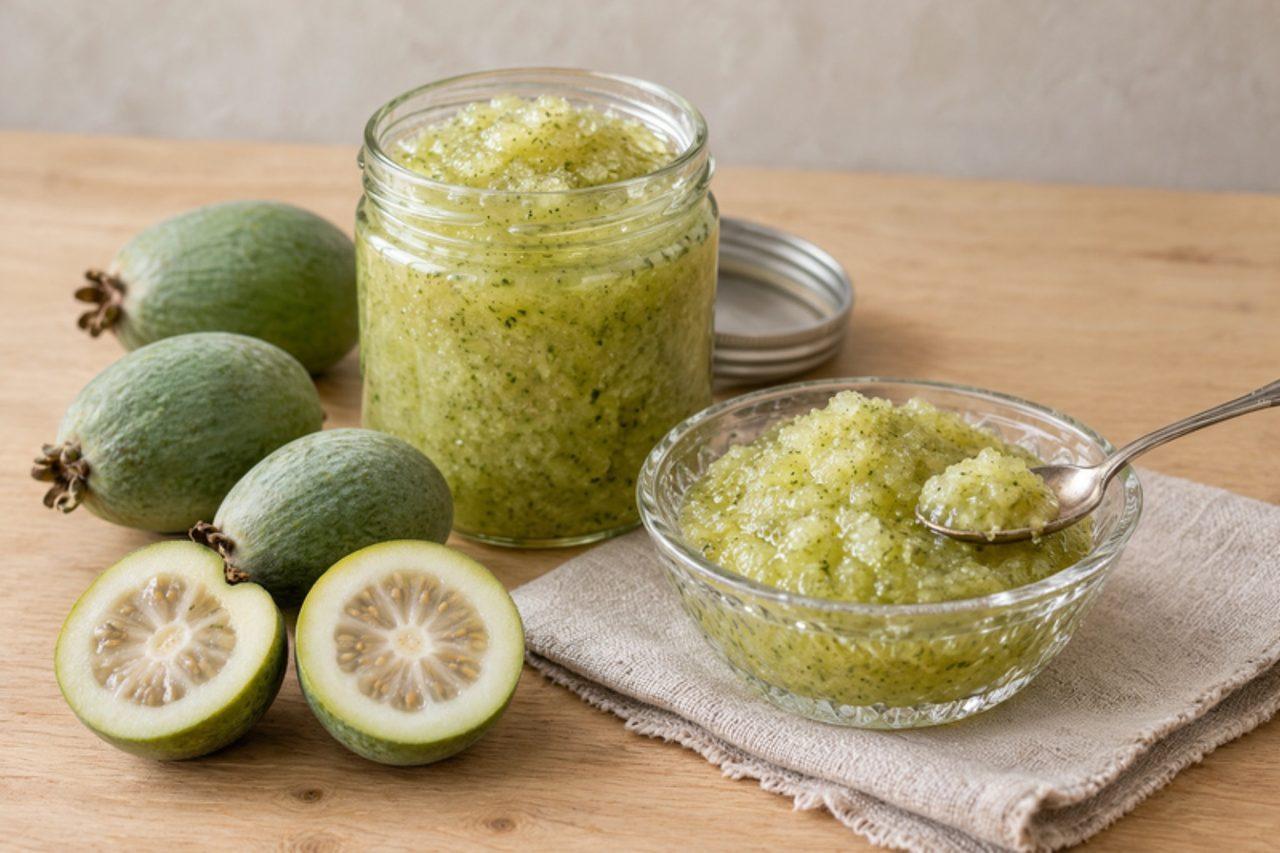
Feijoa bushes grow in almost every garden along Georgia's Black Sea coast, in Batumi, Kobuleti and the hills of Guria, and in late October and November the egg-shaped green fruit drop faster than anyone can eat them. The local answer is a raw jam: the whole fruit, skin and all, minced with sugar and kept cold, so it keeps the fresh, heady taste of pineapple, guava and mint. It is spooned into small glass dishes beside a cup of black tea, spread on bread for breakfast, stirred into yoghurt and eaten by the teaspoon through the winter cold season. The texture is a loose, pale-green pulp with a little grit from the seeds and skin; the flavour is sweet, tart and very aromatic. Common mistake: leaving the cut fruit to stand before mixing with sugar; it browns within minutes, so mince straight into the sugar and stir. The jam is ready when the sugar has fully dissolved and the colour is an even jade green. Because it is never cooked it must live in the fridge or freezer. Chef's tip: use fruit that gives slightly when pressed and smells strongly; hard feijoas taste of skin, overripe ones have brown jelly inside and turn the jam muddy.

by KrazyBadal 0 views

Pineapple soybean paste

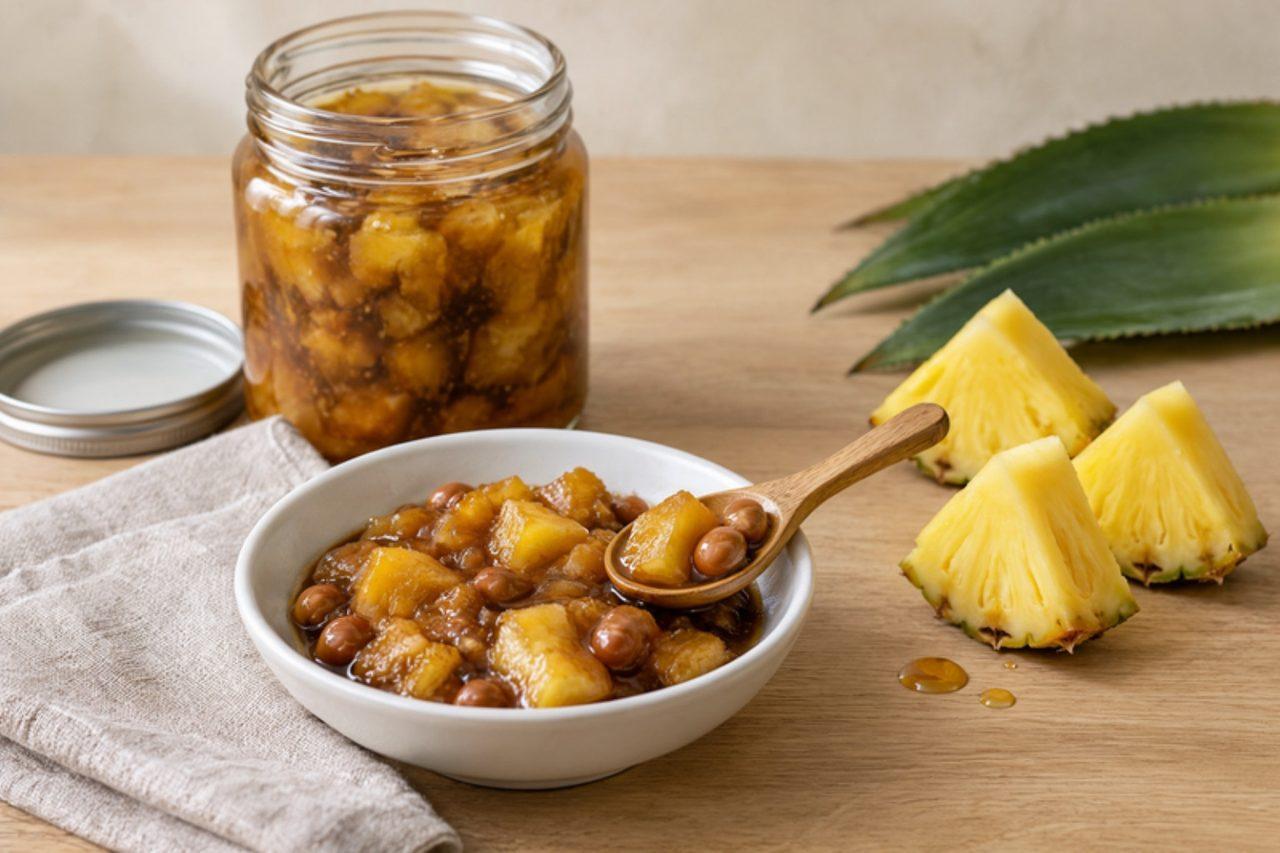
Hakka households in Miaoli, Hsinchu and Pingtung are frugal and patient, and pineapple soybean paste (ong lai dau jiong) shows both. In early summer, when Taiwan's pineapples are plentiful, the fruit is cut into wedges and layered in jars with salted soybean koji and sugar, then left in a cool corner for months. The pineapple softens and goes golden-brown, the beans melt into a thick sauce, and the whole jar turns sweet, salty and tangy with a soft funk like miso. Spooned over steamed fish with ginger and scallion, stirred into braised bitter melon or tossed through stir-fried greens and wood ear, it is a back-pocket seasoning for everyday Hakka meals and bento. Common mistake: using very ripe, juicy pineapple; the fruit breaks into mush and the extra water dilutes the salt. Choose firm, just-ripe fruit and dry it after cutting. It is ready when the pineapple has turned amber and translucent and the beans are soft, after 1–3 months. Chef's tip: read the koji label — many brands are dusted with wheat flour, so it is not reliably gluten free.

by KrazyBadal 0 views

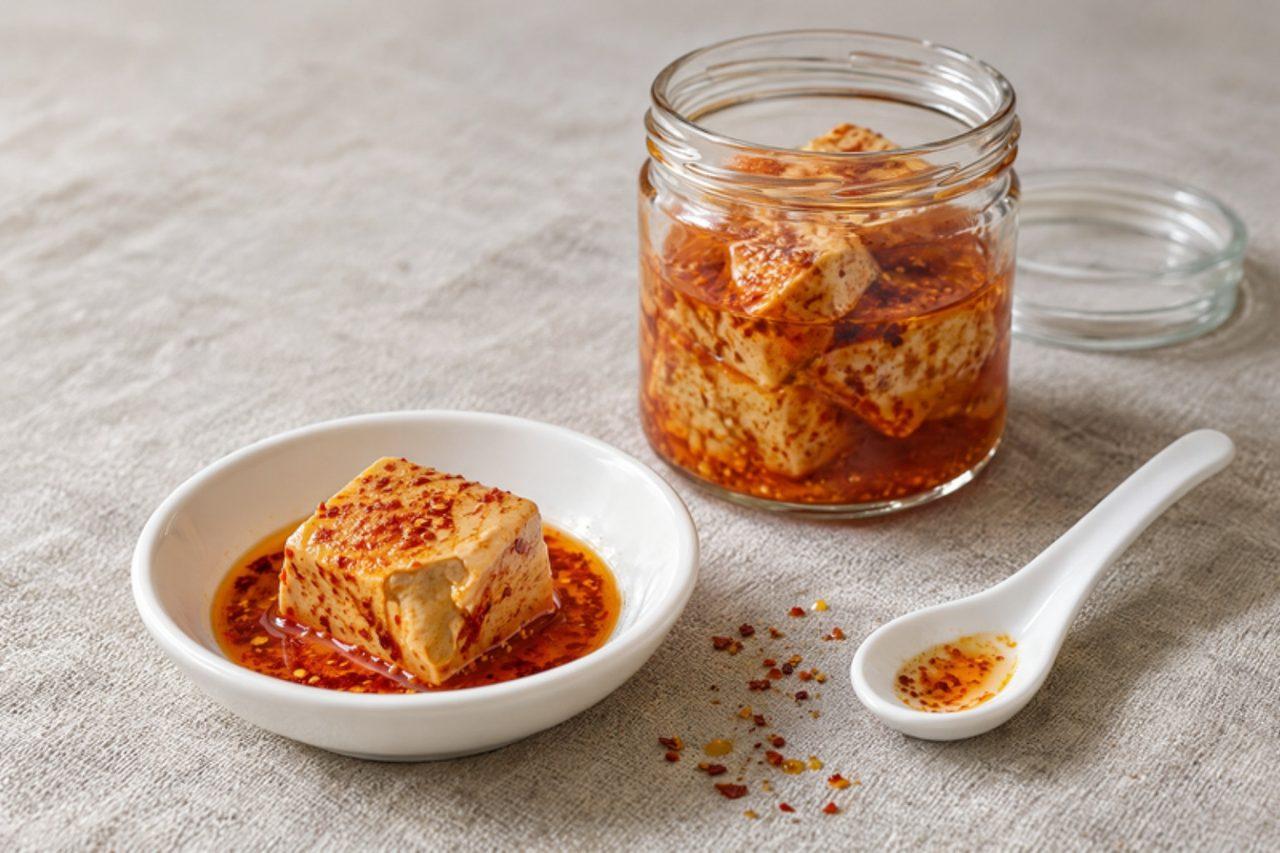
Fermented bean curd

Fu ru is made all over China, from Guilin's chilli-red cubes to Shaoxing's pale ones, and is usually prepared in the cool months between late autumn and early spring, when the moulds grow slowly and cleanly. Firm tofu cubes sit on rice straw or a rack until a soft white fuzz covers them; they are then rolled in salt and chilli and aged in brine until the centre turns custard-soft and the flavour becomes deep, cheesy and savoury. A quarter of a cube is mashed over plain rice congee for breakfast, or stirred into a sauce for stir-fried water spinach. Common mistake: making it in a warm kitchen; above about 20 °C the wrong moulds and bacteria take over. The bloom must be white or greyish-white and fluffy, smelling mildly of mushrooms; throw away any cube with green, black, pink, orange or yellow spots, sliminess or an ammonia or rotten smell, and if many are affected discard the whole batch. Do not reduce the salt: it is what keeps this low-acid soy ferment safe, and the whole ageing happens in the fridge. It is ready after 6–8 weeks, when a cube is soft right through. Chef's tip: press the tofu overnight first, drier cubes grow a cleaner bloom.

by KrazyBadal 0 views

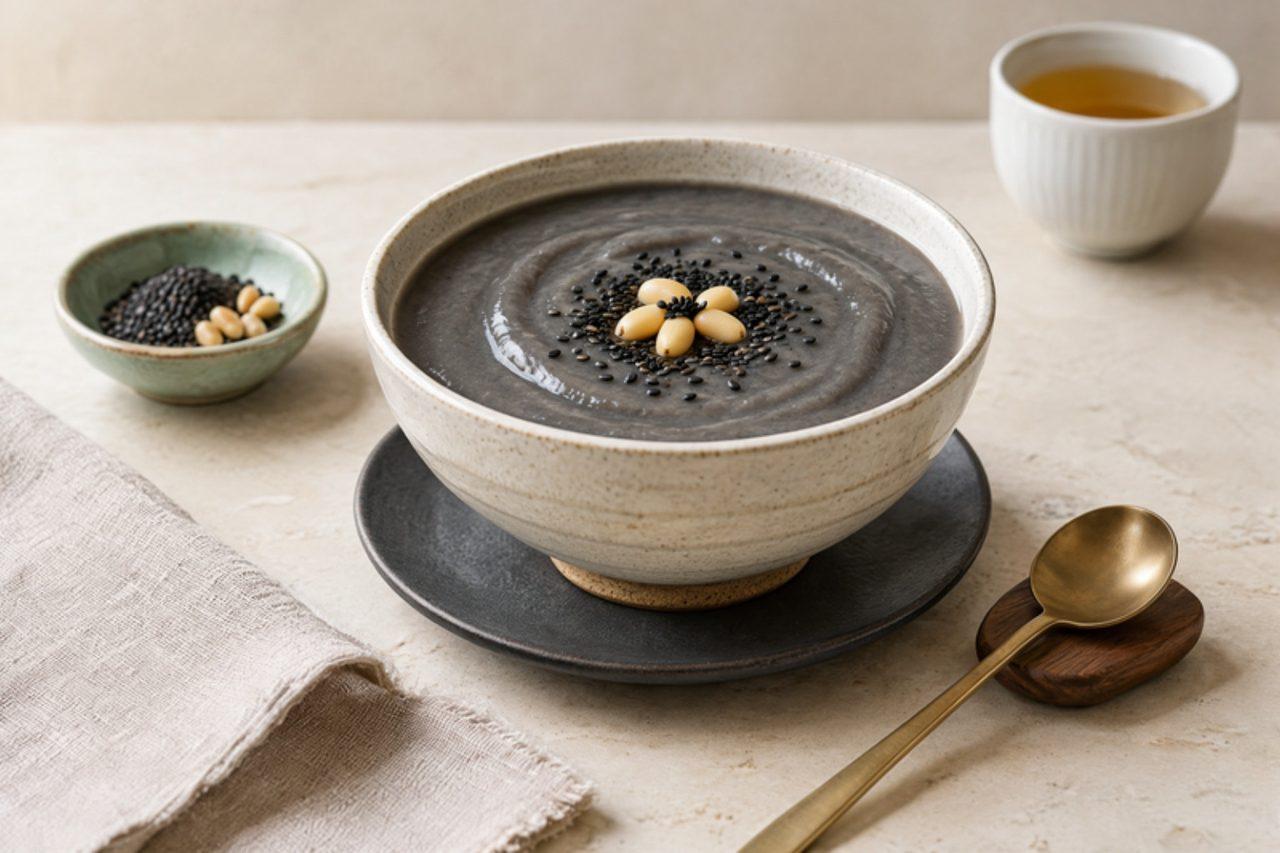
Heukimja-jukBlack sesame rice porridge

This charcoal-grey porridge of roasted black sesame and rice is one of Korea's gentlest breakfasts, often made for elders, for people getting over a cold, or simply on a slow weekend morning. It is nutty, lightly sweet and smooth as cream. The mistake is burning the sesame: the seeds are already black, so you cannot judge by colour; toast them only until they crackle and smell nutty, or the porridge turns bitter. Chef's tip: grind the toasted seeds with a little of the soaked rice and water rather than on their own, which turns them into a smooth paste instead of an oily clump.

by KrazyBadal 0 views

BozaFermented millet drink

In Bulgaria boza is a breakfast habit: a plastic bottle of it from the corner pastry shop and a slice of hot, flaky banitsa, bought on the way to work or school, especially from autumn through to spring. Towns such as Radomir, Plovdiv and Sofia argue over whose is best. It is the colour of milky coffee, thick enough to coat the glass, sweet up front with a sour, bready finish and a faint prickle. Like every fermented grain drink it makes a trace of alcohol, well under 1% when drunk young. The base is millet flour, toasted for flavour, cooked into a thin porridge, then fermented for about a day before being strained and sweetened. The common mistake is adding the yeast while the porridge is still hot, which kills it and leaves you with sweet gruel; wait until it feels only just warm on your wrist. It is ready when the surface is covered in small bubbles, it smells like fresh bread with a sour edge and tastes pleasantly tangy. Chef's tip: keep back a glass of each batch in the fridge and use it instead of yeast next time; boza made from an old starter is rounder and more sour.

by KrazyBadal 0 views

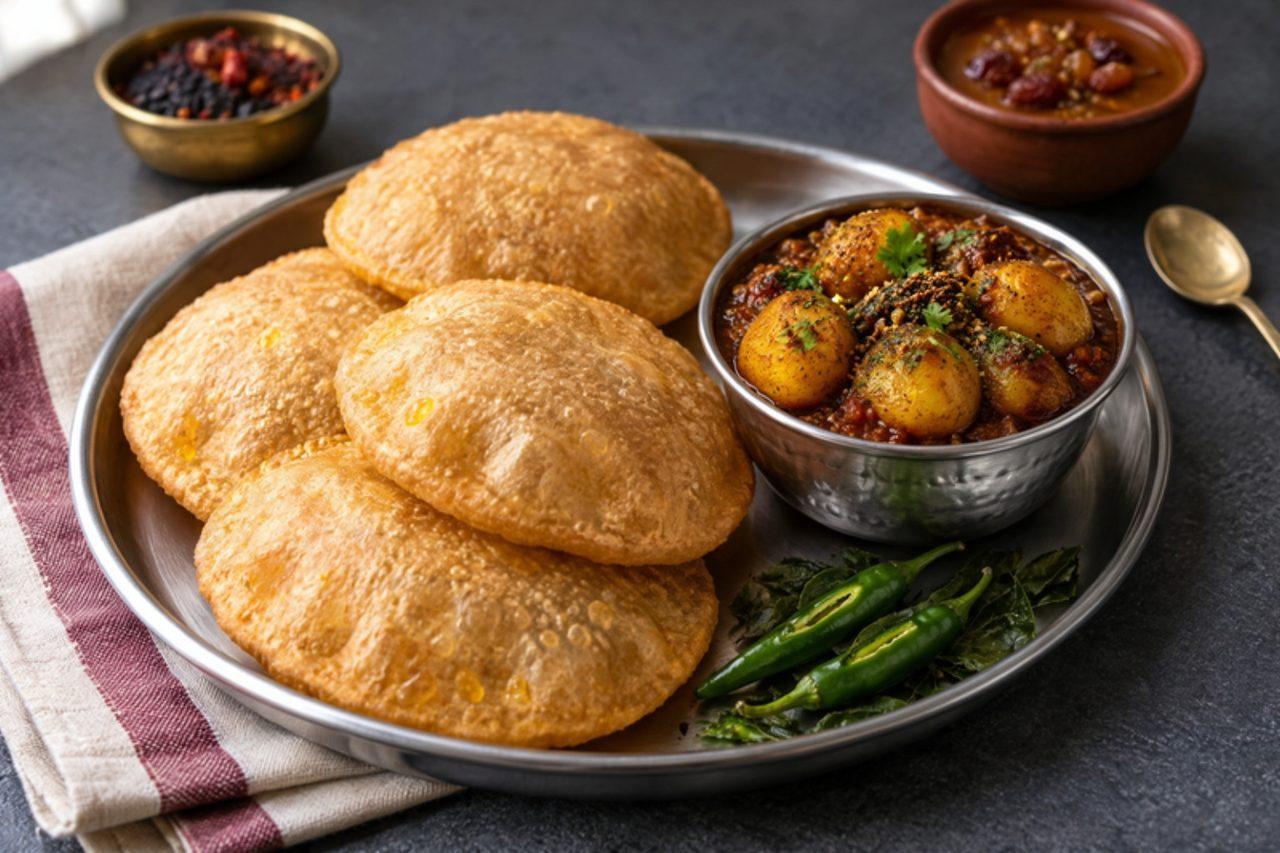
Hinger kochuriUrad dal stuffed puffed bread

In Kolkata's sweetshops, Sunday breakfast often means hinger kochuri: soft, white-flour puris stuffed with a smear of urad dal paste perfumed strongly with hing, fried puffy and served with aloo dum or a sweet-sour pumpkin chhokka. They are smaller and softer than North Indian kachoris, closer to a stuffed luchi. The hing must be generous; it is the point of the dish. The common mistake is a wet filling, which steams the dough from inside and stops it puffing; cook the dal paste until it leaves the pan dry. Chef's tip: roll gently from the centre outwards so the thin filling layer stays even and the kochuri puffs all over.

by KrazyBadal 0 views

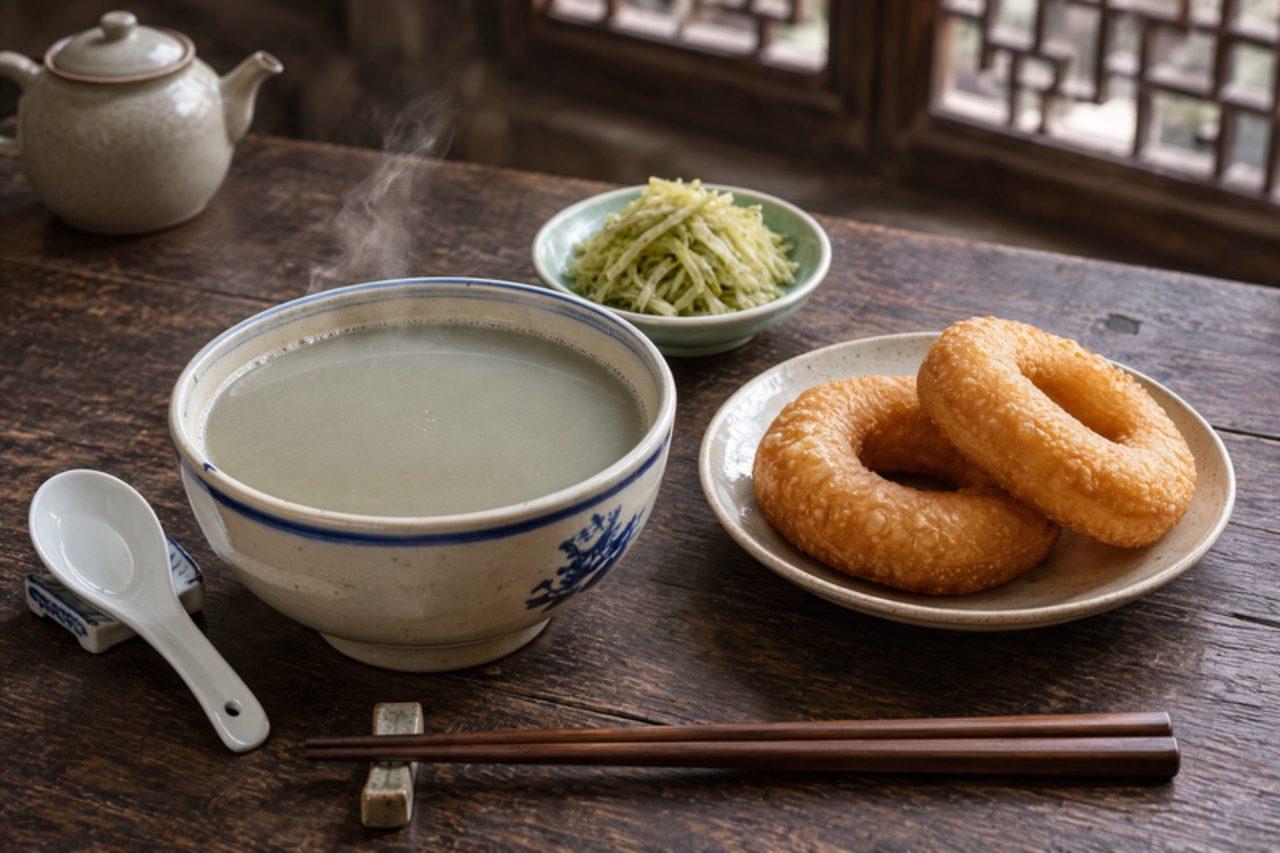
Beijing douzhiFermented mung bean drink

Douzhi is the most famous acquired taste in Beijing: a hot, grey-green, sour drink made from the liquid left when mung beans are ground for starch, then fermented. Old Beijingers sip it at breakfast with crisp jiaoquan rings and shredded salted mustard pickles, and visitors either love it or never try it twice. At home you make a small batch by blending mung beans, settling out the starch and fermenting the cloudy water for a day. The mistake is letting it boil hard: it separates into watery and thick layers, so keep it at a gentle bubble. It must smell cleanly sour like yogurt; throw it away if it smells rotten, has mould, or turns pink or slimy. Chef's tip: stir it continuously as it heats and add a splash of the thinner liquid at the end, which keeps the classic smooth, slightly thick texture.

1440 minChineseDrinksVeganGluten free
by KrazyBadal 0 views

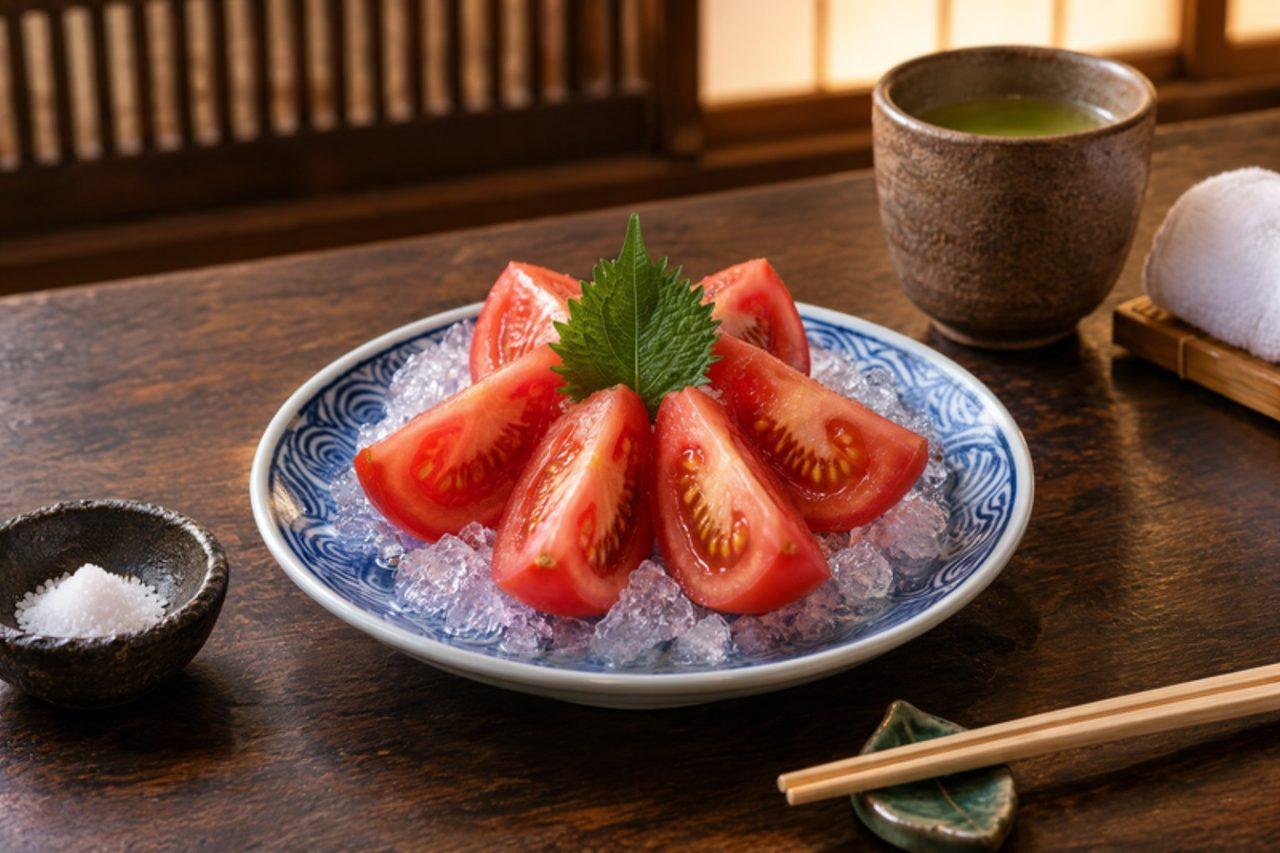
Hiyashi tomatoChilled tomato

Hiyashi tomato is the simplest thing on any Japanese izakaya menu in July and August: ripe tomatoes, chilled until icy, cut into wedges and served on a small plate, sometimes on crushed ice, to cool down a hot evening in Tokyo or Osaka. Many bars sprinkle salt; this home version leaves it out and offers a few drops of rice vinegar and toasted sesame oil instead, so the tomato's own sweetness and acidity do the work. About 0.0 g added salt; roughly 0.03 g per portion occurs naturally in the tomato. The usual mistake is using hard, pale supermarket tomatoes: this dish is only as good as the fruit, so buy deep red ones that smell of tomato at the stalk. Chef's tip: chill the plate as well as the tomatoes, so the wedges stay cold to the last bite.

by KrazyBadal 0 views

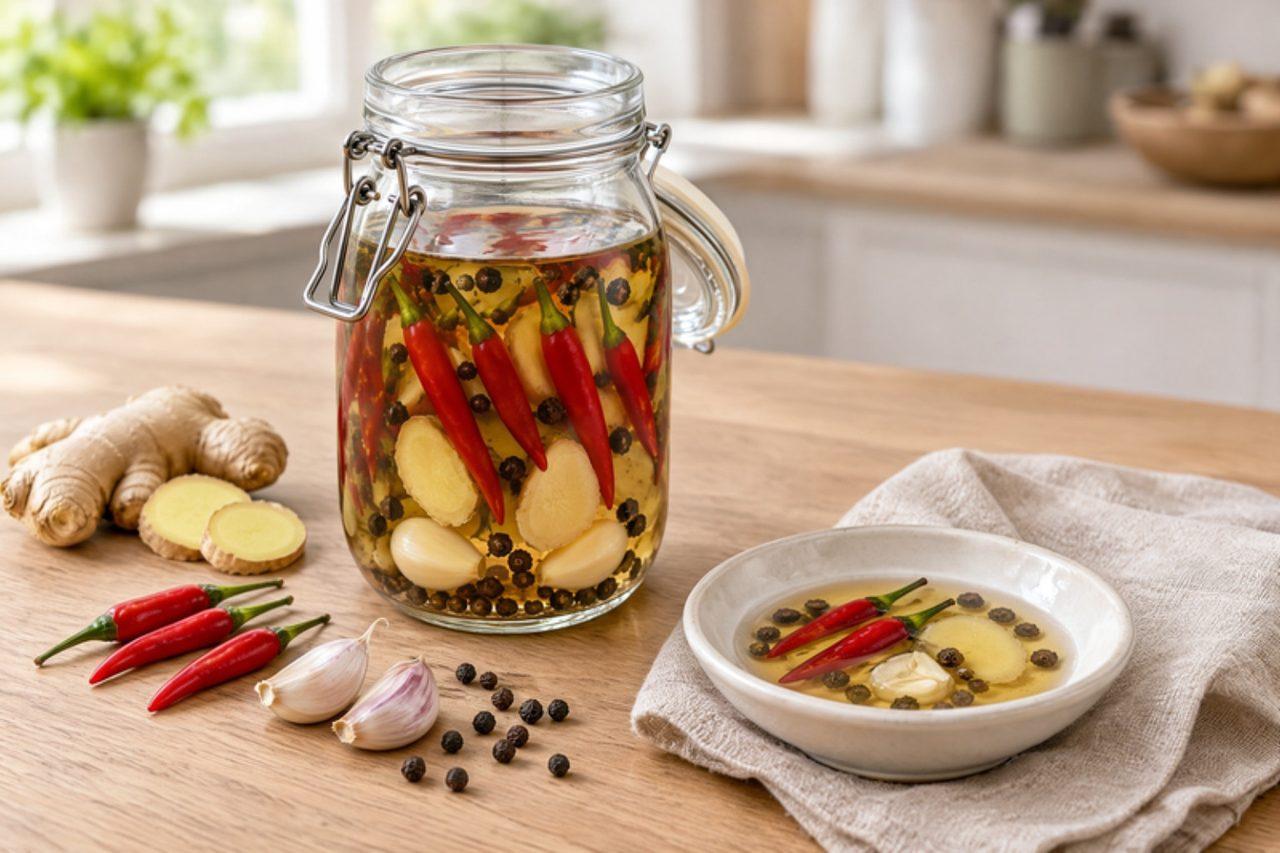
Sinamak

Iloilo is the home of La Paz batchoy and chicken inasal, and on every table there sits a tall bottle of sinamak, cane or coconut vinegar crowded with chillies, garlic and ginger. Visayan families keep a bottle going all year, and the dip turns up with grilled pork belly, crisp lechon kawali, fried fish and longganisa at breakfast. After a few days of steeping it is clean and sour, hot from siling labuyo, warm with ginger and peppery, with a faint sweetness from the cane vinegar. Common mistake: making a huge bottle and leaving it in a warm kitchen for months; fresh garlic and ginger are low-acid, so use full-strength vinegar, keep it in the fridge and make a fresh batch every couple of months. Toasting the garlic is not traditional and is not needed. It is ready when the vinegar has turned faintly golden and smells strongly of chilli and garlic, usually after 3 days. Chef's tip: bruise the chillies with the flat of a knife instead of slicing them; the heat comes out slowly and the vinegar stays clear. Cider vinegar can stand in for cane or coconut vinegar.

by KrazyBadal 0 views

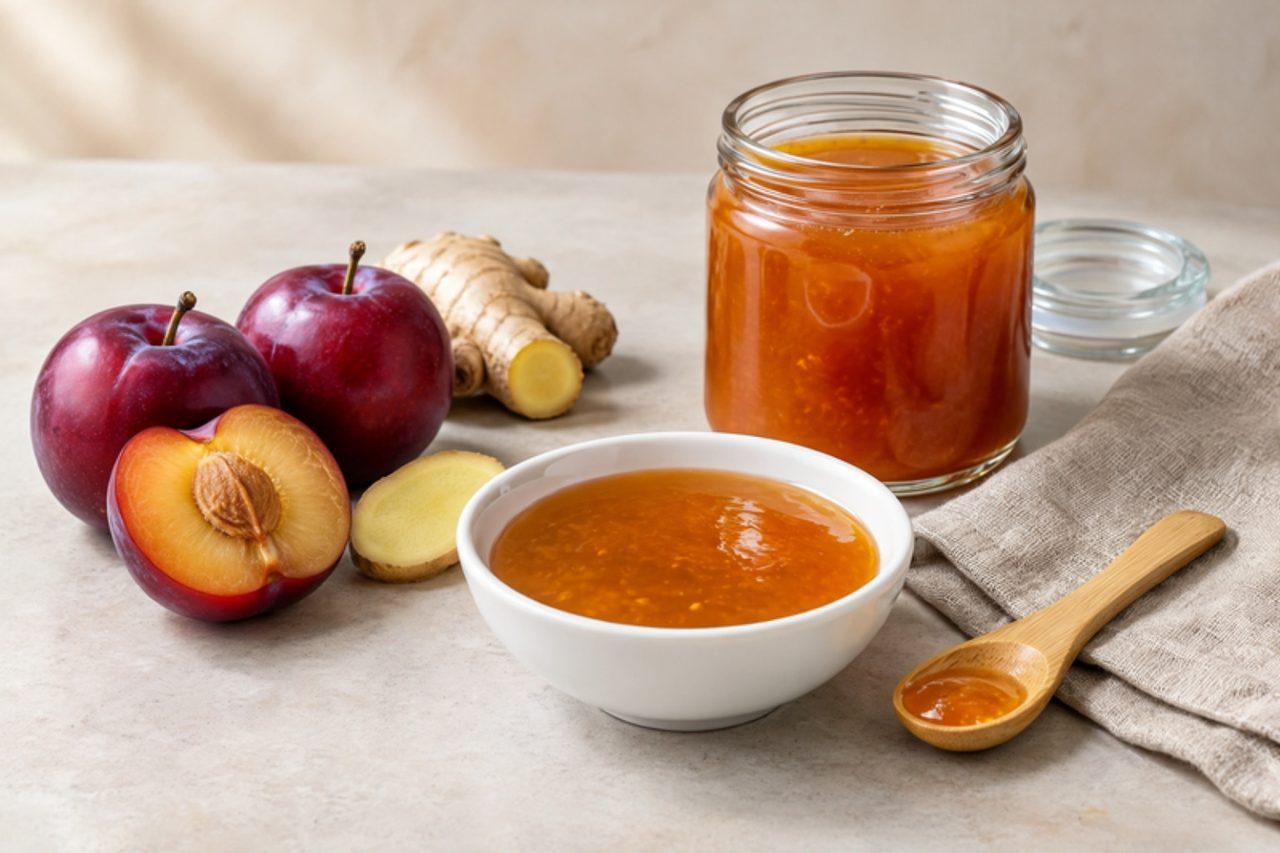
Chinese plum sauce

In Hong Kong and Guangzhou roast-meat shops, a small saucer of plum sauce comes with crisp roast goose and siu mei, and at home it is the dip for spring rolls at New Year and the glaze for vegetarian fried tofu or cha siu-style mushrooms. Cantonese suan mei jiang is fruitier and more sour than the gloopy bottled kind: ripe plums are simmered with sugar, rice vinegar, ginger and a little chilli until thick and glossy. Make it in late summer when dark plums are cheap. Common mistake: boiling it too thick; it sets further as it cools, so stop when it coats the back of a spoon and a drip on a cold plate wrinkles only slightly. Readiness cues: the plum skins have melted into the sauce, the colour is deep ruby and the taste balances sweet and sharp. This is a high-acid preserve: in the fridge it keeps 2 months, or water-bath process sealed jars for 20 minutes to keep them in a cupboard for a year (refrigerate once opened). Discard if you see mould, it fizzes, the lid bulges or leaks, or it smells fermented. Chef's tip: add 2 Chinese salted preserved plums, mashed, for the authentic salty-sour depth.

by KrazyBadal 0 views

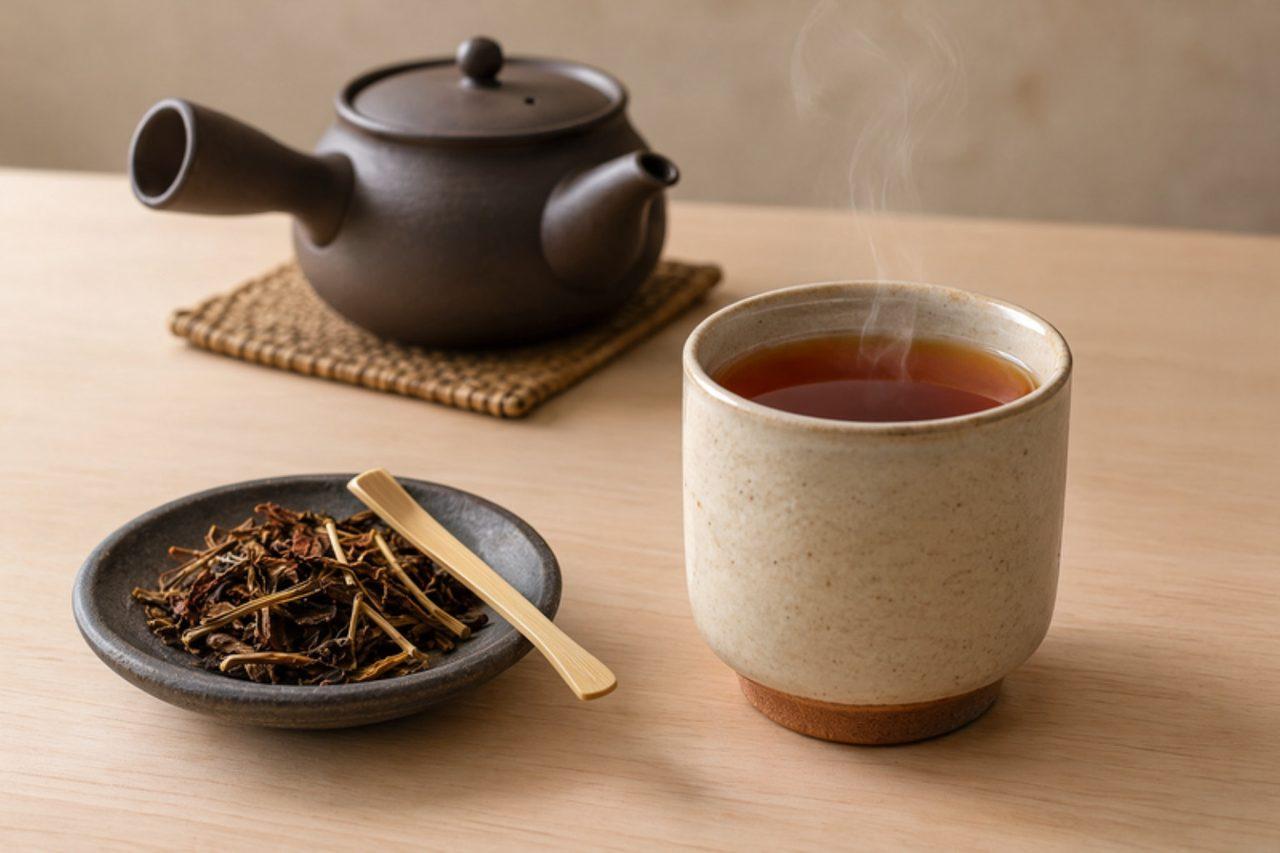
HojichaRoasted green tea

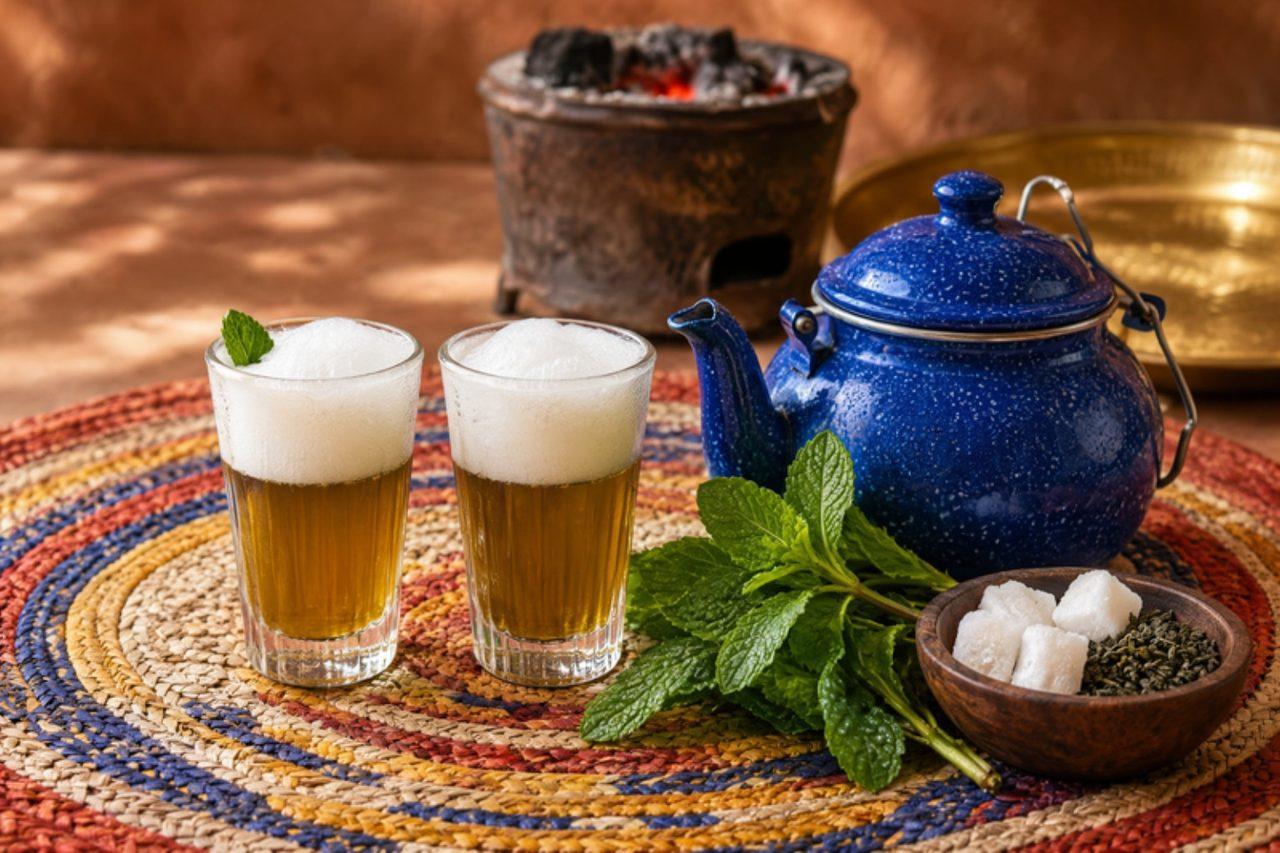
Hojicha was born in Kyoto in the 1920s, when tea merchants started roasting the coarse late-season bancha leaves and stems over charcoal to sell what would not keep. Today the smell of tea roasting in a shop doorway is part of walking down Teramachi or past the Nishiki market. Roasting drives off much of the caffeine and all the grassy bitterness, so hojicha is the pot that comes out after an evening meal, with rice crackers, or for children and older relatives who avoid stronger tea. The cup is reddish brown, smells of caramel and roasted nuts, and tastes soft and slightly sweet with almost no astringency. Unlike sencha, it likes really hot water and a very short steep. The common mistake is treating it like black tea and leaving the leaves in for several minutes, which makes it flat and woody; 30 seconds is enough for the first pour, and the leaves give a good second pot. It is ready when the liquor is clear russet and the steam smells of toasted sugar. Chef's tip: if your packet has lost its perfume, warm the leaves in a dry pan for 30 seconds until they smoke very faintly before brewing.

by KrazyBadal 0 views

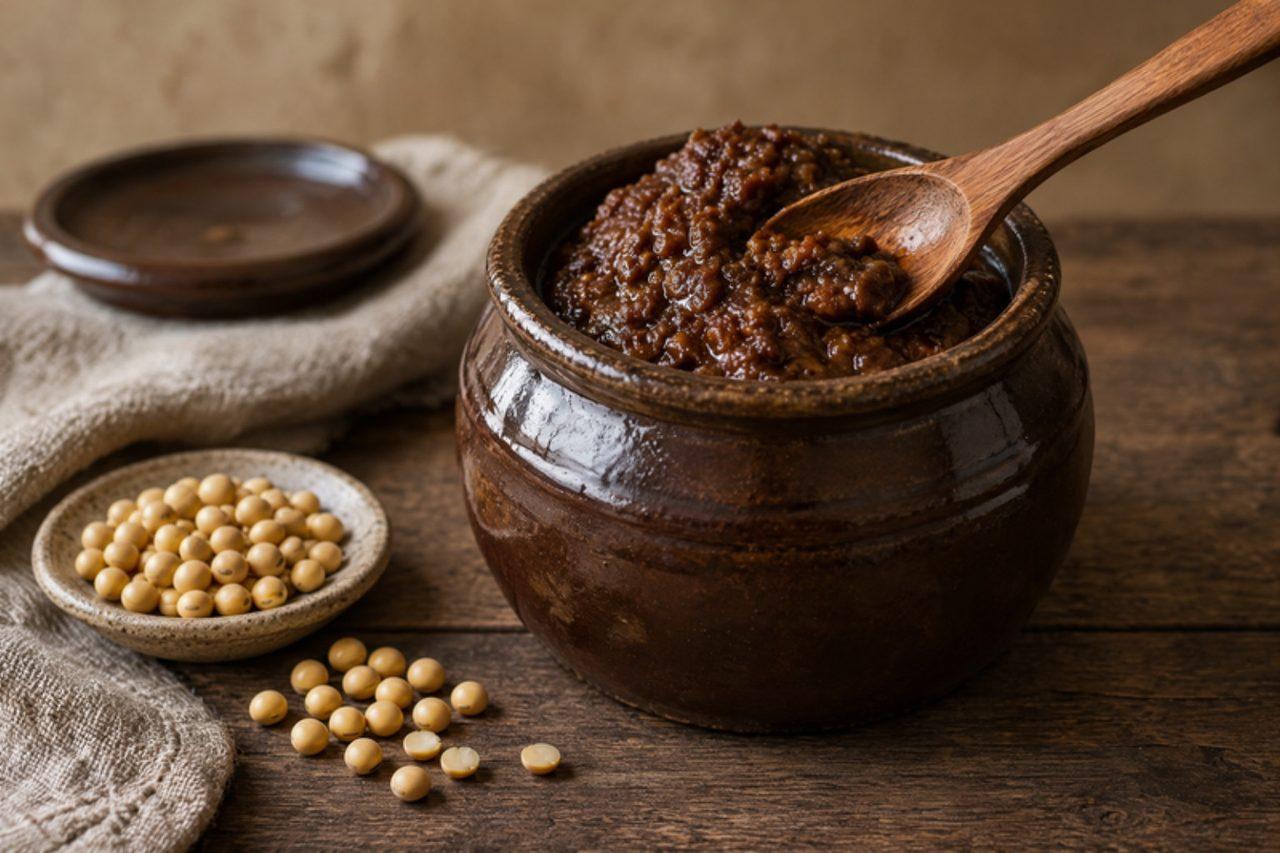
Homemade doenjangFermented soybean paste

Doenjang starts in late autumn, after the soybean harvest, when Korean households used to boil beans in a cauldron, pound them into bricks and hang the meju from the rafters on straw ropes to grow a white, sweet-smelling bloom over the winter. In early spring, on a clear dry day, the bricks are dropped into salt brine in an onggi jar with dried chillies, jujubes and a red-hot piece of charcoal. Some six to eight weeks later the dark liquid is drawn off and boiled into soup soy sauce (guk-ganjang), and the softened bricks are mashed into doenjang, which ripens through the summer. It is chunkier, saltier and funkier than miso, with a nutty, almost smoky depth: the backbone of doenjang-jjigae, ssamjang and spinach namul. Common mistake: making the brick too thick or drying it in a warm, still room, so the centre rots before it dries; keep it about 6 cm thick and hang it where air moves. The paste is ready when it is mid-brown, smells of toasted nuts and soy, and tastes salty-sweet rather than sharp. Chef's tip: you can buy dried meju blocks from Korean grocers and start at the brining step.

300 minKoreanBasicsVeganGluten free
by KrazyBadal 0 views

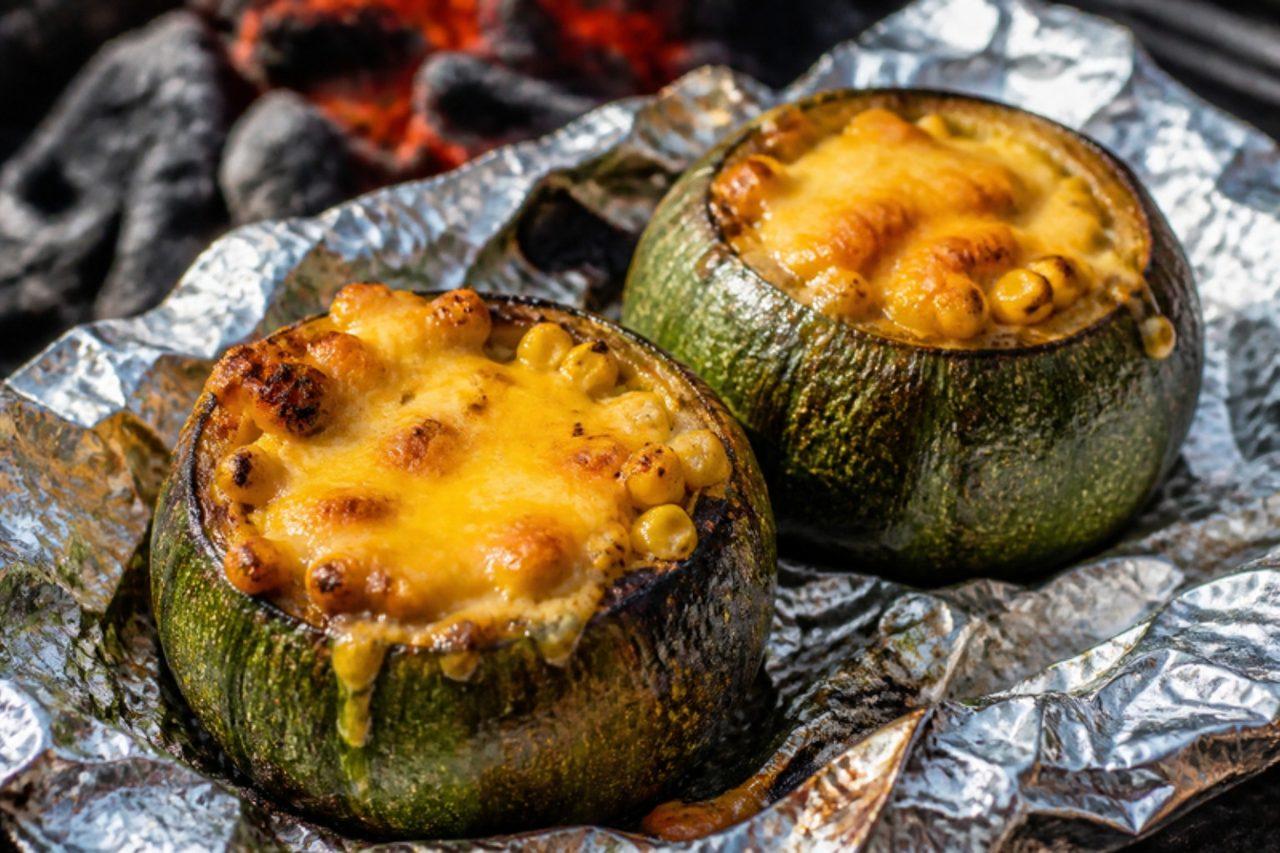
Braaied gem squashGem squash with sweetcorn and cheese

Small, round and dark green, gem squash is the vegetable South African children grow up scooping from the shell with a teaspoon, and at a weekend braai it goes into the coals wrapped in foil alongside the potatoes. The halves steam in their own juice until the orange flesh is tender and sweet, with a pool of melted butter, golden corn and cheese in the hollow. Serve them as a side for anything from the grid, or make a plate of them with pap tert and a tomato salad for a meat-free braai. Indoors, an oven gives the same result. Putting them straight onto flaming wood is the mistake: they char outside and stay hard inside, so wait for grey, glowing coals. Choose a vegetarian cheddar, since many are made with animal rennet. Chef's tip: trim a thin slice off the round base of each half so it sits flat and holds its filling.

by KrazyBadal 0 views

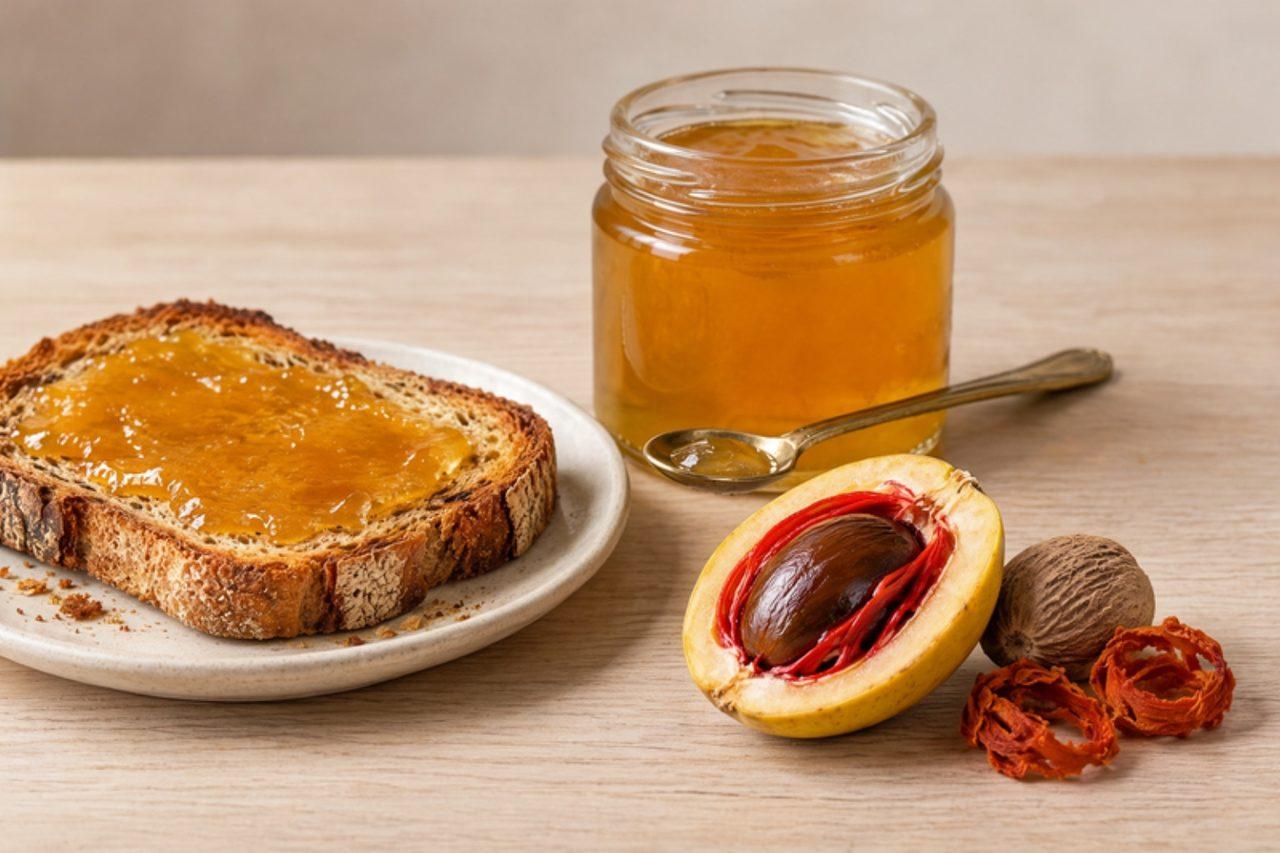
Nutmeg jelly

Grenada, the Spice Isle, grows nutmeg all over the green hills of St Andrew and St John, and the pale yellow, apricot-sized fruit that wraps the seed and its red lace of mace was long thrown away at the processing stations. Grenadian cooks turned that tart, slightly astringent flesh into nutmeg jelly, a clear amber spread that is eaten on hops bread or coconut bake at breakfast, sold in small jars in the St George's market and carried home by visitors at Christmas. The fruit is loaded with pectin, so it sets easily, and it tastes sweet-sharp and fragrant, faintly of apple, with a soft warm hint of the spice itself. Outside the Caribbean the fresh fruit is hard to get; tart cooking apples or quinces with a little freshly grated nutmeg make a close copy (see the notes). The common slip is boiling on long after the set point, which turns the jelly dark, gummy and dull, so start testing early. It is ready when a drop wrinkles on a cold saucer or the thermometer reads 104–105 °C. Chef's tip: drop a strand of the red mace into each jar for colour and a little extra perfume.

by KrazyBadal 0 views

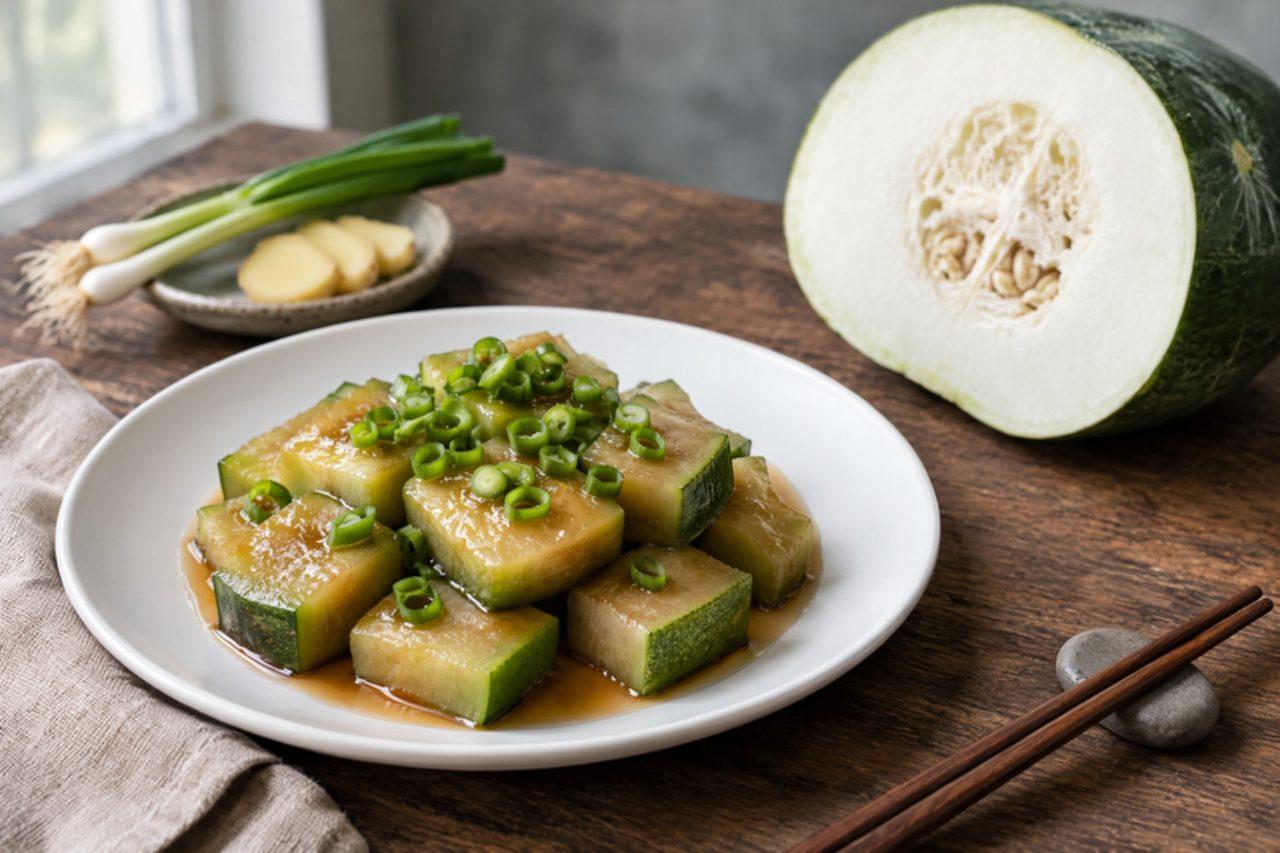
Hong shao dongguaBraised winter melon

Across China, red-braised winter melon is a cheap summer supper dish, cooked when melons the size of a child are sold by the slice at every market from Shanghai to Chengdu. Thick pieces of pale melon are seared, then braised in soy sauce, a touch of sugar and ginger until they turn amber, glossy and almost jelly-soft, soaking up the sauce like a sponge. Eat it with steamed rice and a green vegetable. The usual mistake is cutting the melon too thin, so it dissolves before it colours; keep the pieces about 2 cm thick. Chef's tip: score the flesh in a criss-cross pattern so the sauce soaks in and the pieces look like braised pork belly.

by KrazyBadal 0 views

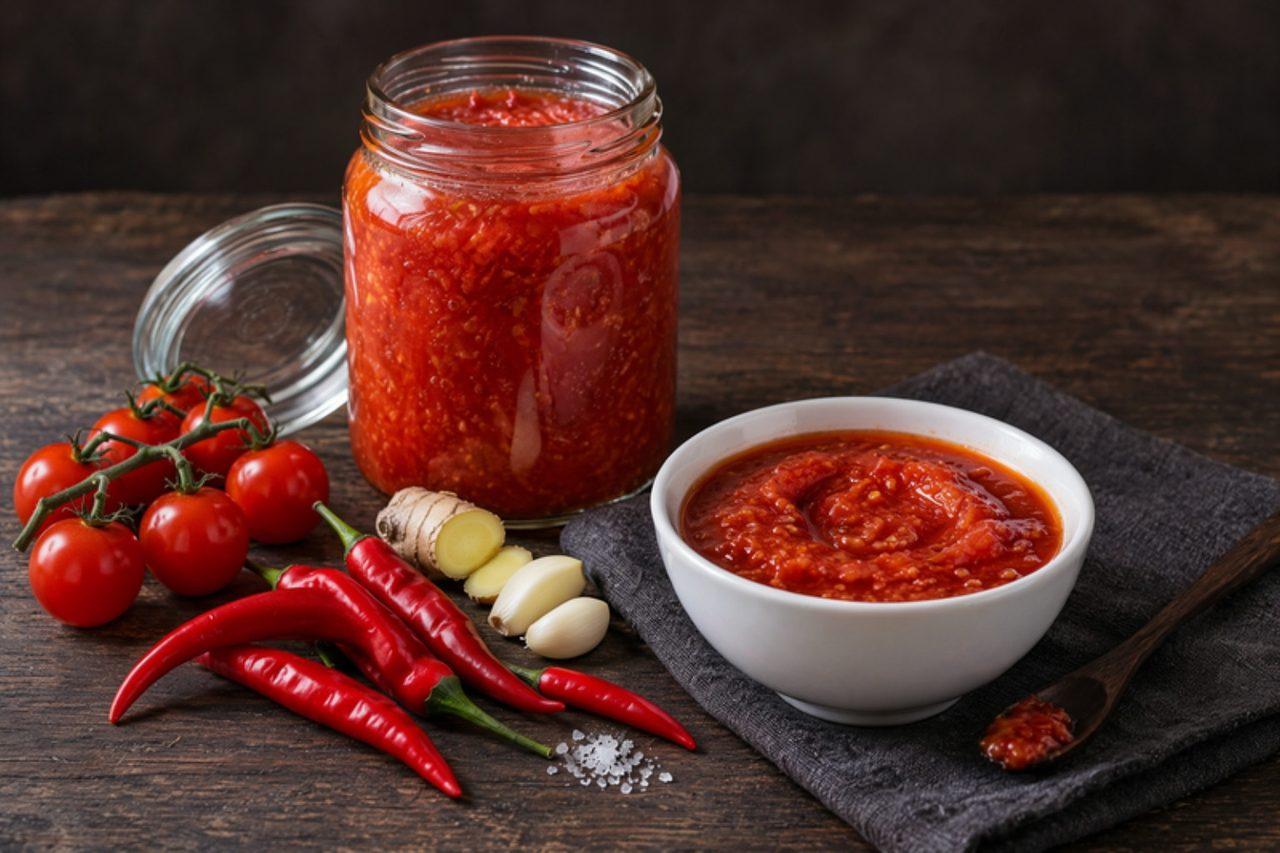
Hong suan tangFermented tomato sour soup base

In the Miao and Dong villages of Qiandongnan, south-east Guizhou, small wild 'hairy' tomatoes and red chillies ripen together in late summer, and every household fills tall jars with them to ferment into hong suan tang, the red sour base of the region's famous sour-soup fish and sour-soup beef hot pots. The fermented paste is bright scarlet, sharply sour, fruity and fiery, with a funk from the ferment that ordinary tomato never has. People say three days without sour and you walk unsteadily, and it goes into soups year round. Outside Guizhou, use cherry tomatoes, which have a similar high acidity. Common mistake: fermenting with too little salt or with wet produce, which goes mushy and off; dry everything first and weigh the salt. Normal signs: bubbles, a sour, wine-like fruity smell and liquid rising. Bad signs: fuzzy coloured mould, pink or black patches, or a rotten smell; discard. It is ready after 2–3 weeks, when it tastes clearly sour and the raw tomato taste has gone. Then keep it in the fridge for 3 months or freeze it. Chef's tip: fry a few spoonfuls in oil with ginger before adding stock; it turns a deeper red and smells richer.

by KrazyBadal 0 views

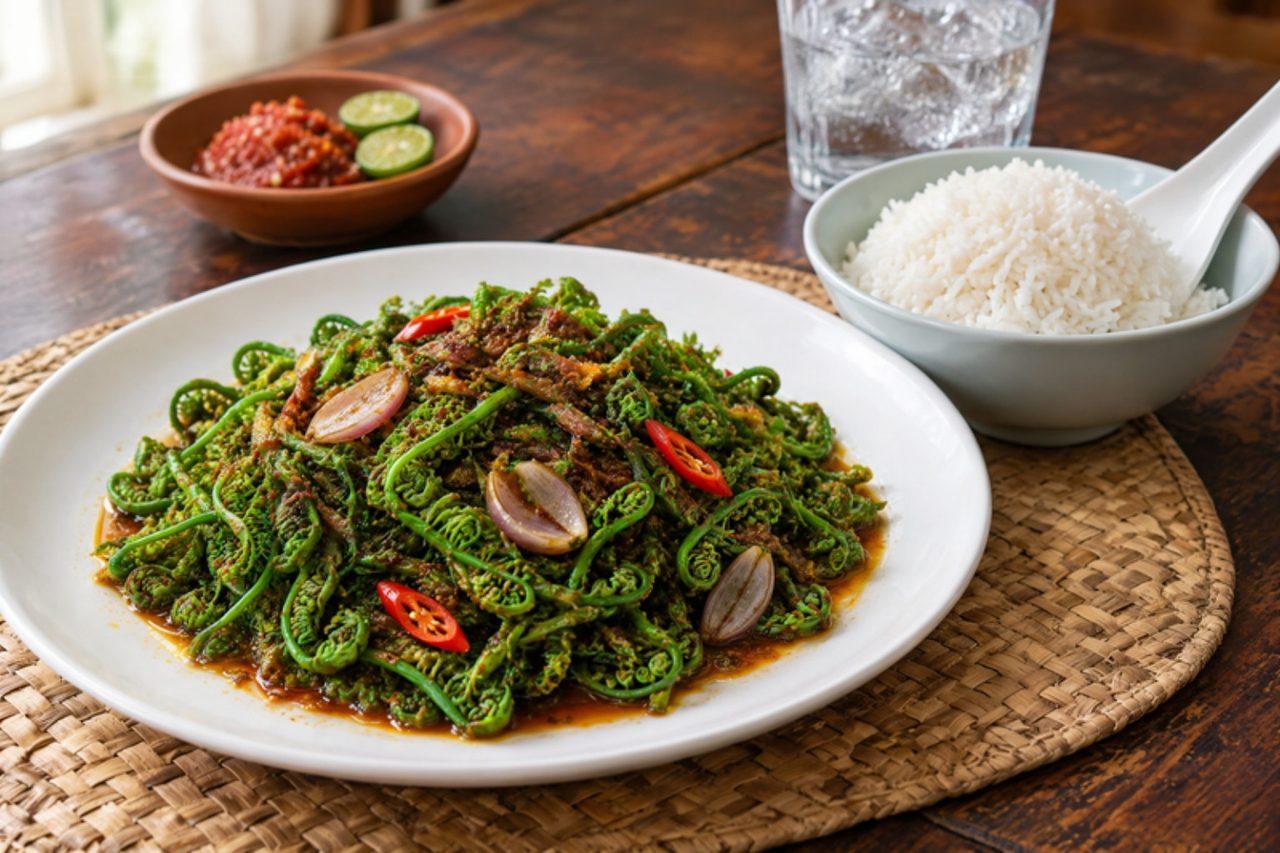
Pucuk paku goreng belacanStir-fried fern shoots with shrimp paste

In Sabah, Sarawak and the kampungs of the Malay Peninsula, curly young pucuk paku (vegetable fern) are picked from riverbanks and sold in bundles at every tamu and pasar, and this fiery stir-fry with belacan appears at lunch with rice and fish almost every day. The fronds stay crunchy and green, coated in a punchy paste of shallots, garlic, chilli and toasted shrimp paste. Suitable as part of a balanced diet: leafy greens with no starch. About 110 kcal and 8 g carbohydrate per portion. The usual mistake is undercooking: fern shoots should always be blanched or cooked through, never eaten raw. Fiddlehead ferns or water spinach can stand in. Chef's tip: toast the belacan in a dry pan until it crumbles and smells strongly, then open a window; this is what gives the dish its depth.

by KrazyBadal 0 views

Showing 72 of 7,762 recipes

Show more recipes

Page 135 of 863