


Skip to content
Pikelets
Featured recipe

Pikelets

Pikelets are the small, thick pancakes Kiwi and Aussie kids learn to make first, cooked for afternoon tea in farmhouse kitchens from the Waikato to Tasmania and served with butter and jam, or jam and whipped cream. They are ready in 20 minutes and are best eaten warm. A common mistake is a pan that's too hot; they brown outside before the centre sets. Chef's tip: flip them when bubbles have popped on the surface and the edges look dry.

Read more 0 views

What to eat today?

Around the world

Today's trip: Paraguayan

A new country every day, from every cuisine on the site.

Paraguayan

Chipa

Cheese bread rings 50 minMore from Paraguayan (27) →

This week's collection

Kid-friendly dinners
537 recipes · a new collection every Monday

Latest recipes

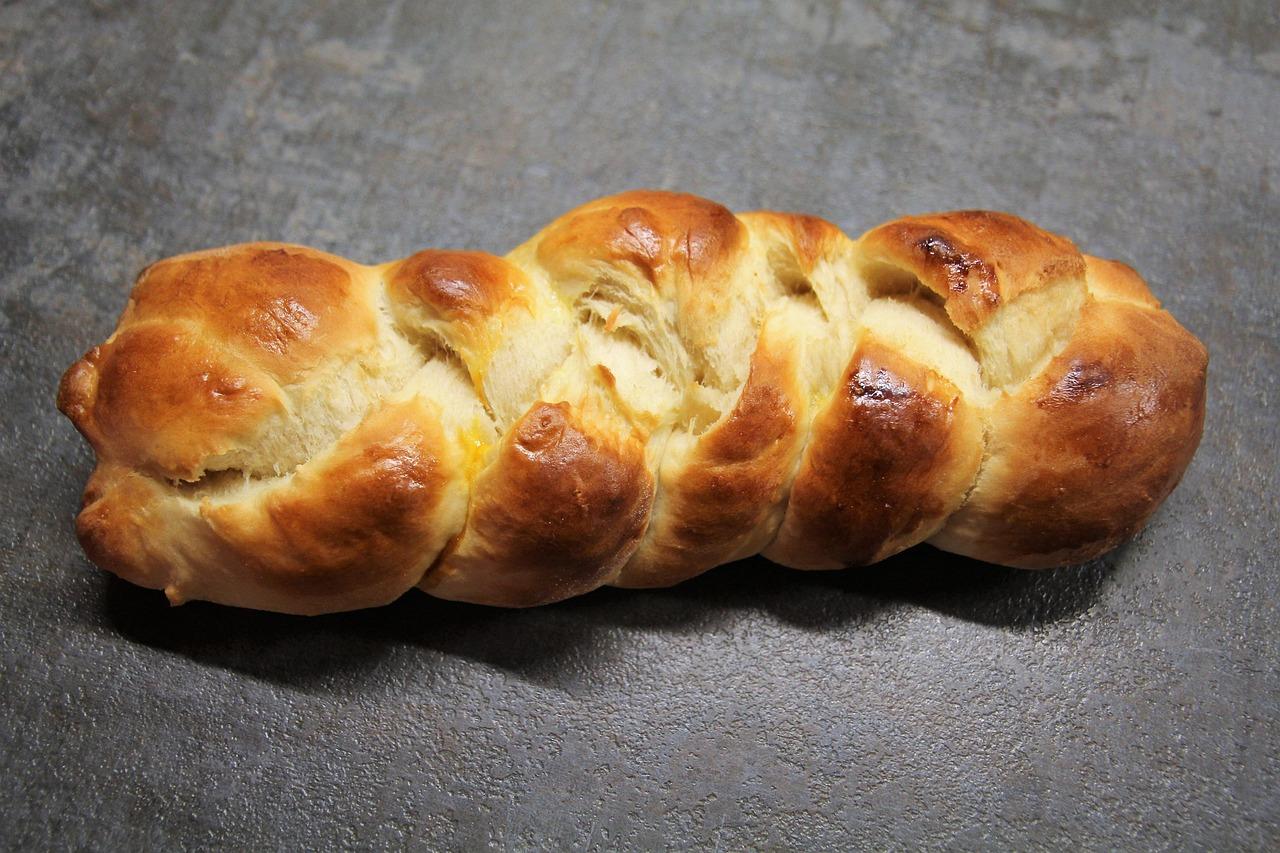
Guyanese plait breadBraided white loaf

A glossy three-strand plait sits on the table in many Guyanese homes on Christmas morning and for Old Year's Night, next to garlic pork, pepperpot and black cake, and bakeries in Georgetown sell it every day for sandwiches. It is a soft, close-crumbed white bread, just a little sweet, that tears into pillowy pieces and soaks up pepperpot gravy beautifully. The common slip is adding too much flour while kneading: the dough should feel slightly tacky, or the loaf bakes up dry and dense. Chef's tip: let the shaped plait prove until a finger pressed into the side leaves a dent that springs back slowly; that is the moment to bake.

by KrazyBadal 0 views

Guyanese salaraRed coconut roll

Walk into any bakery in Georgetown or along the Berbice coast and the salara is easy to spot: a soft, slightly sweet loaf rolled around a bright red filling of grated coconut, sugar and spice, cut so every slice shows a spiral. It is tea-time and lunch-box food, eaten with a cup of cocoa tea or a cold drink after school. The coconut is coloured with red food colouring, which is part of the look but can be left out. The usual mistake is a wet filling: if the coconut is soggy, the roll splits and the spiral gapes open as it bakes. Chef's tip: squeeze fresh grated coconut lightly in a cloth before mixing it, and roll the dough tight like a Swiss roll, pinching the seam well.

by KrazyBadal 0 views

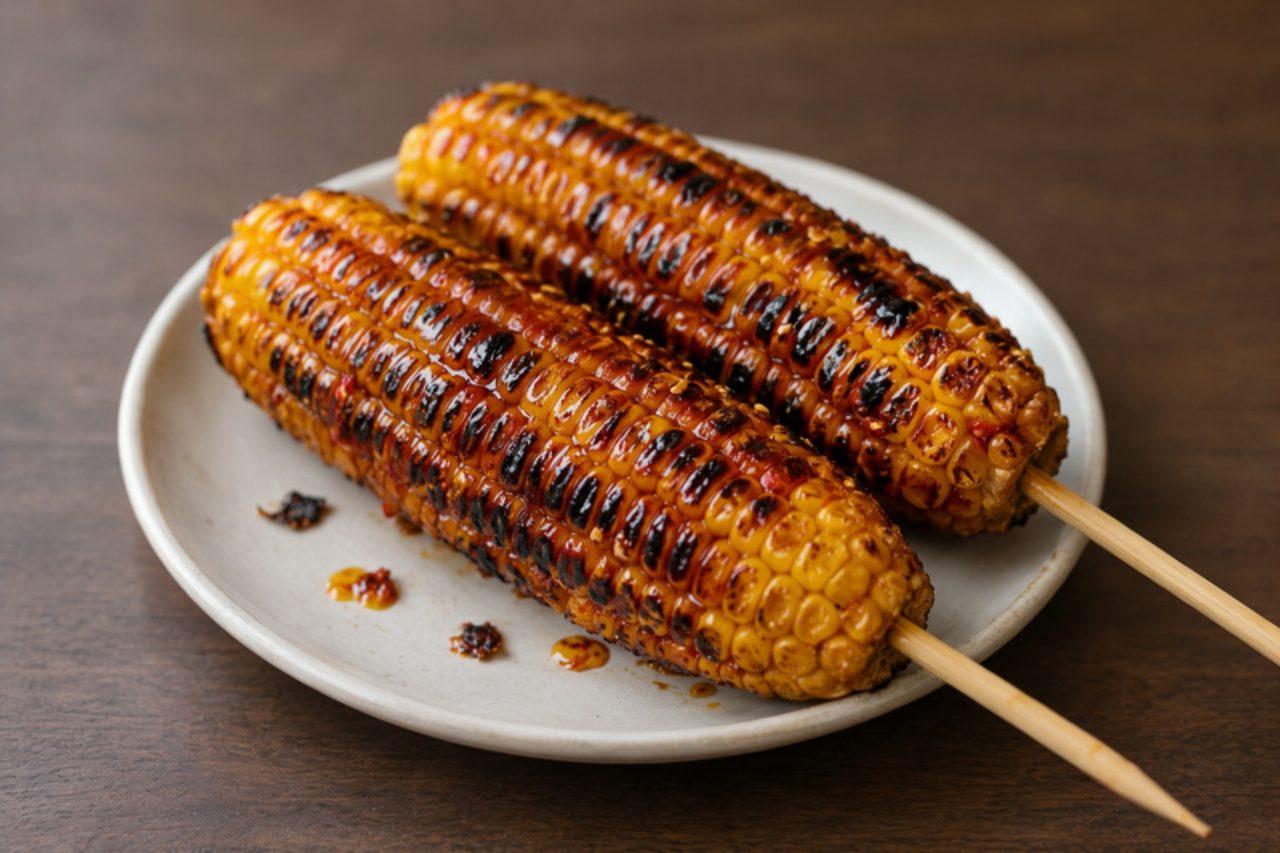
Taiwanese grilled corn

At Raohe and Shilin night markets the grilled-corn stalls are easy to find: look for the queue and the smoky, sweet smell. Cobs are par-cooked, then turned slowly over charcoal while the cook brushes them with a dark glaze of sacha sauce, thick soy paste, garlic and chilli, layer after layer, until the kernels are sticky, slightly charred and deeply savoury. It is eaten hot from a paper sleeve while walking the market. Sacha (shacha) sauce, a Taiwanese barbecue paste, usually contains dried fish and shrimp; vegetarian sacha is sold in Asian shops. Contains soy, wheat and fish. Chef's tip: brush thin coats and turn often; one thick coat burns before the corn chars.

by KrazyBadal 2 views

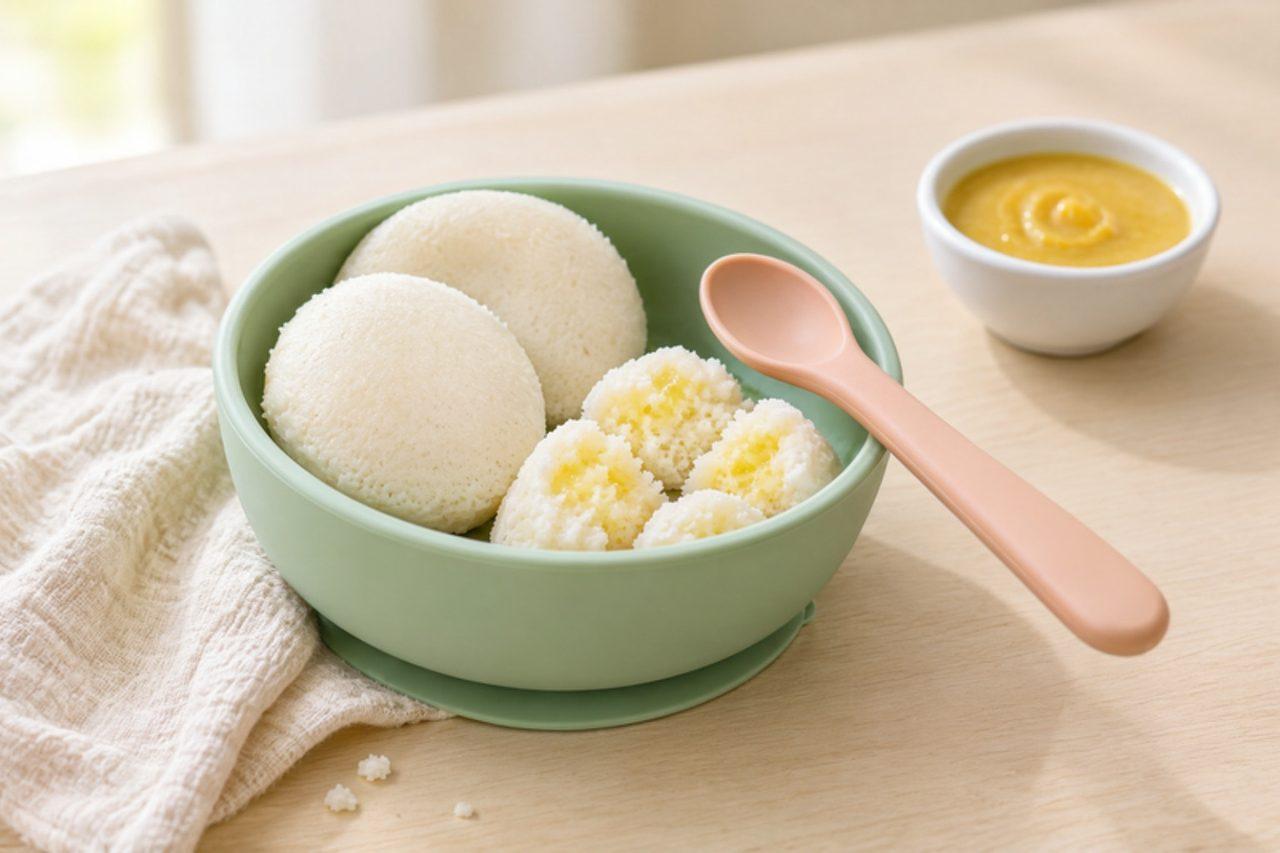
Soft idli for babies

Idli is breakfast across Tamil Nadu, from Chennai's Mylapore tiffin rooms to village kitchens, and a fluffy, plain idli is one of the first finger foods many South Indian babies hold. Since family batter is salted, parents make a separate salt-free batch for babies under one, or steam a few from it before the salt goes in. The cakes are pillowy, faintly sour and melt under the gums, torn into pieces or mashed with ghee or thin dal. They contain no gluten, egg, nuts, soya or sesame; they contain milk only if served with ghee. Chef's tip: grind the urad dal with ice-cold water until it is light and foamy; air in the batter, not salt, is what makes idli soft.

by KrazyBadal 0 views

BozaFermented millet drink

In Bulgaria boza is a breakfast habit: a plastic bottle of it from the corner pastry shop and a slice of hot, flaky banitsa, bought on the way to work or school, especially from autumn through to spring. Towns such as Radomir, Plovdiv and Sofia argue over whose is best. It is the colour of milky coffee, thick enough to coat the glass, sweet up front with a sour, bready finish and a faint prickle. Like every fermented grain drink it makes a trace of alcohol, well under 1% when drunk young. The base is millet flour, toasted for flavour, cooked into a thin porridge, then fermented for about a day before being strained and sweetened. The common mistake is adding the yeast while the porridge is still hot, which kills it and leaves you with sweet gruel; wait until it feels only just warm on your wrist. It is ready when the surface is covered in small bubbles, it smells like fresh bread with a sour edge and tastes pleasantly tangy. Chef's tip: keep back a glass of each batch in the fridge and use it instead of yeast next time; boza made from an old starter is rounder and more sour.

by KrazyBadal 0 views

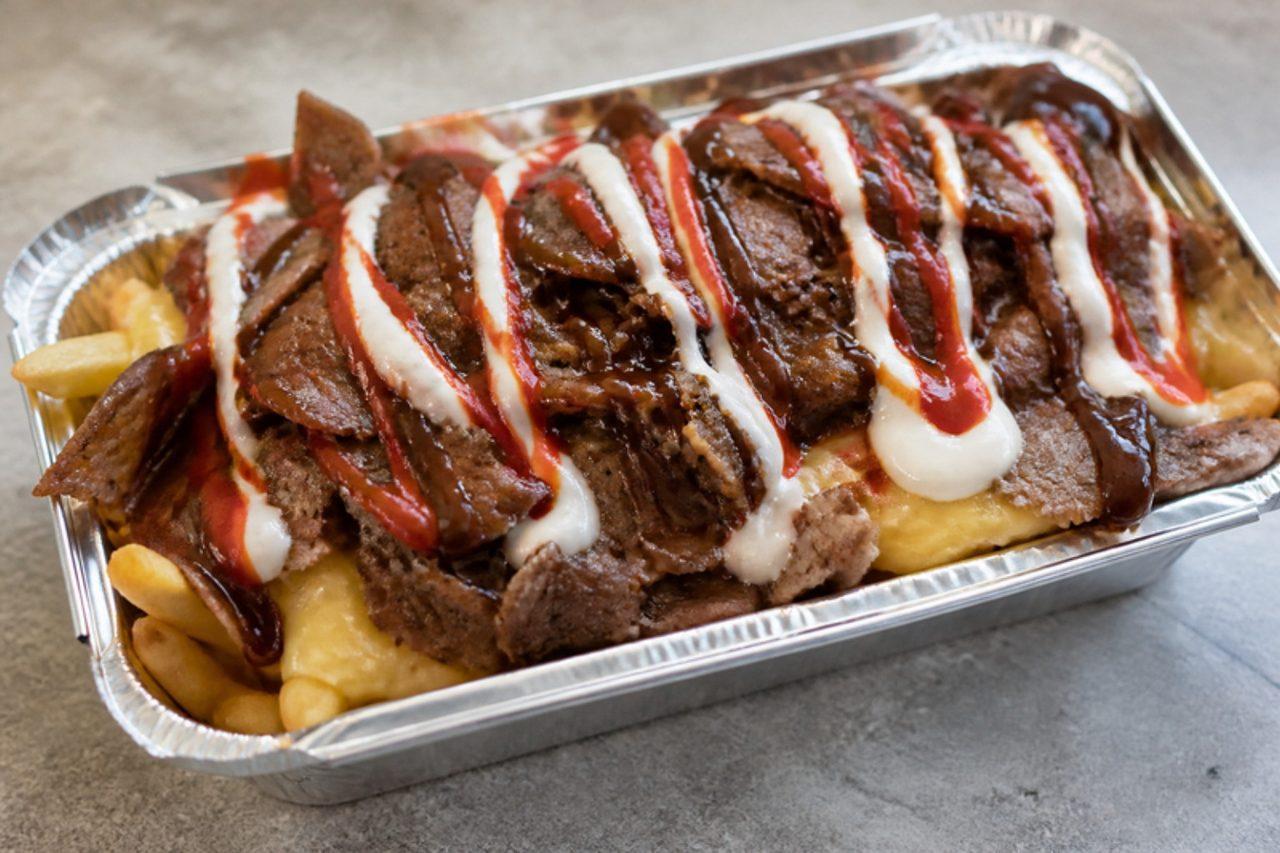
Halal snack packChips with lamb, cheese and sauces

The halal snack pack, or HSP, was born in the kebab shops of western Sydney suburbs like Auburn and Lakemba and became a late-night legend across Australia: a foil tray of hot chips covered in melted cheese and shaved doner meat, drowned in garlic sauce, chilli sauce and barbecue sauce. This home version uses quickly marinated lamb steaks, grilled and sliced thin, and halal meat if you follow it. A common mistake is soggy chips; make them crisp and get the toppings on just before eating. Chef's tip: the three sauces go on in stripes, garlic first, so every bite gets some of each.

by KrazyBadal 0 views

Cremolada (Lima passion fruit slush)

From January to March, when Lima's coast swelters, queues form at the cremolada counters of Barranco and along the Jirón de la Unión downtown for cups of this thick fruit ice. It sits between a granita and a sorbet: frozen fruit pulp scraped again and again until it is slushy and spoonable, with real bits of fruit through it. Passion fruit (maracuyá) gives a sharp, bright flavour; creamy lúcuma, with its maple and sweet potato taste, is the other favourite. Chef's tip: use a shallow metal tray; it freezes faster and evenly, so you get fine crystals rather than chunks.

by KrazyBadal 0 views

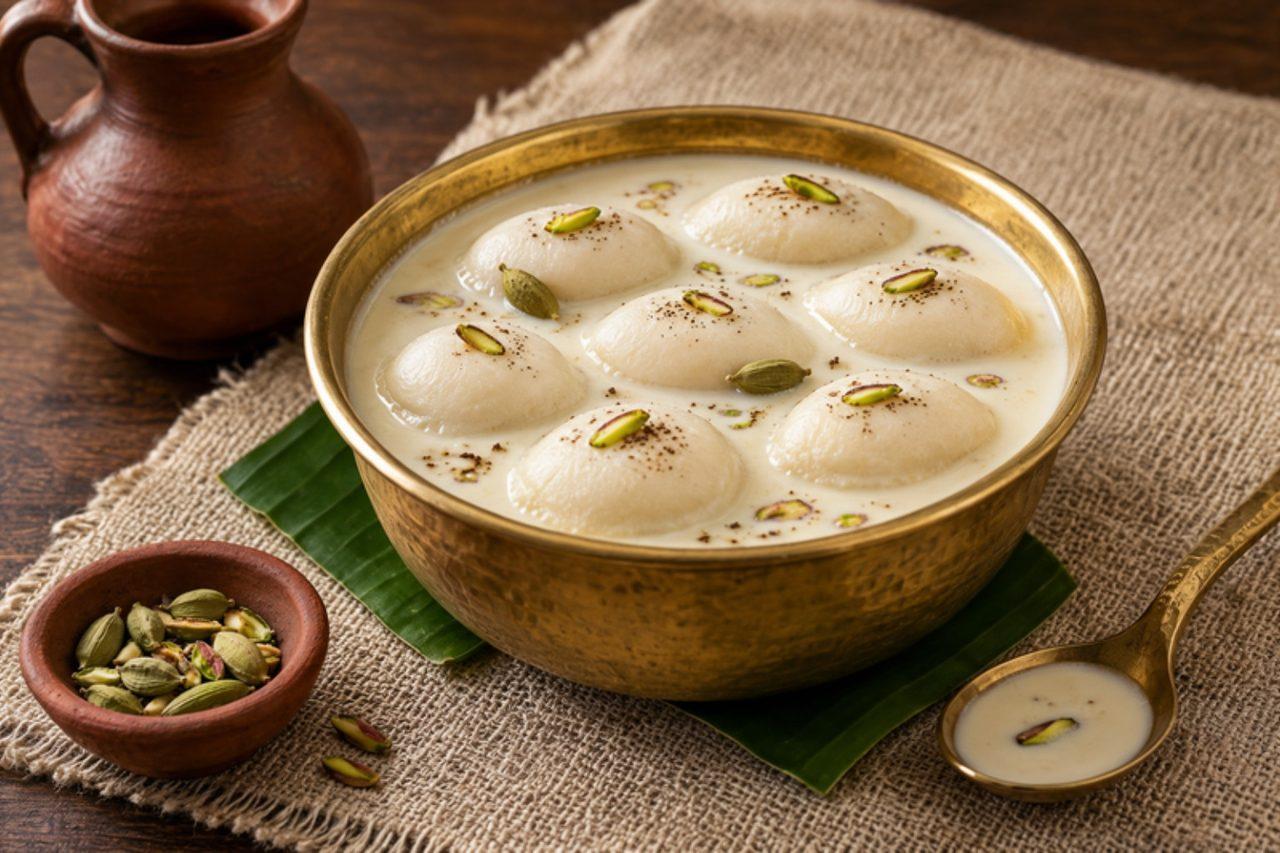
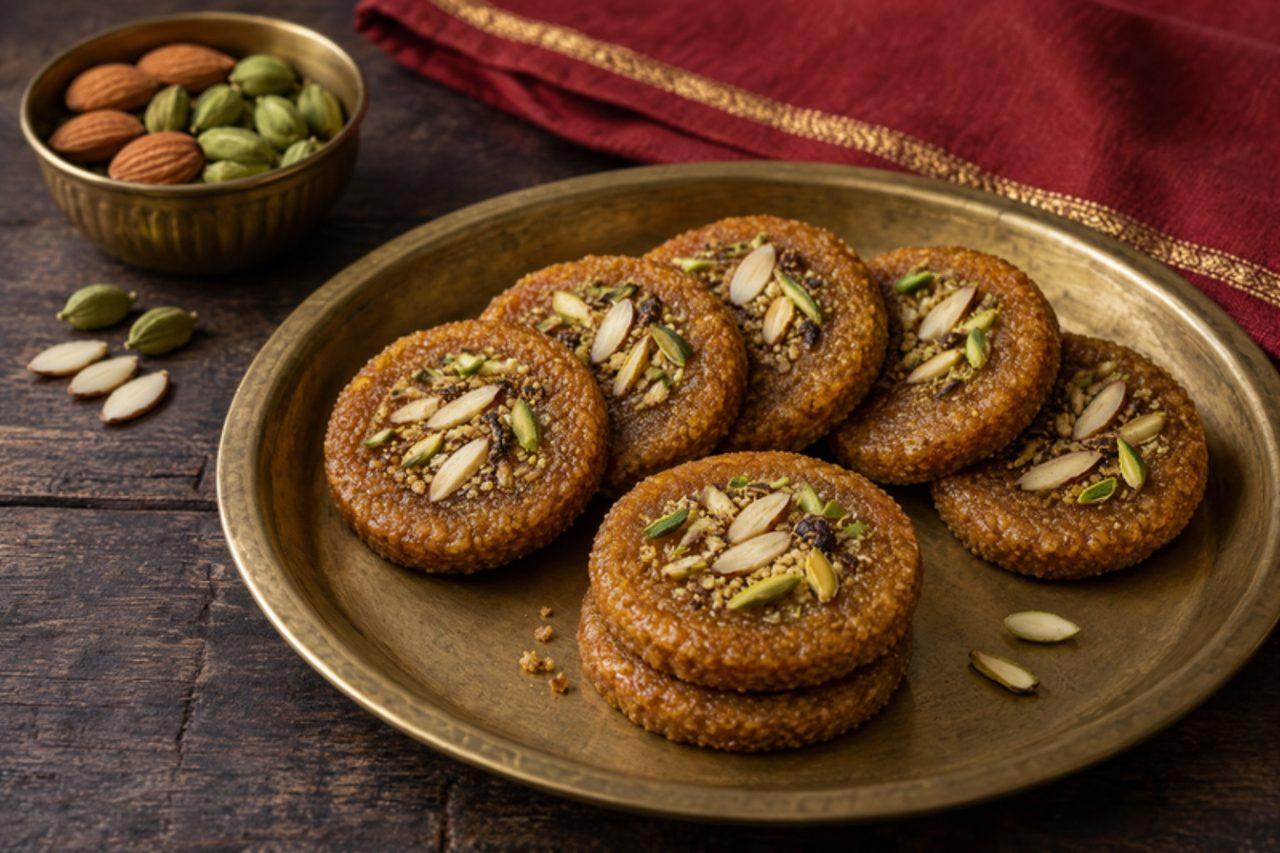
HalvasanMilk and cracked wheat sweet

Khambhat, the old port town at the head of the Gulf, is where halvasan comes from, and its sweet shops still sell the chewy, nutmeg-heavy rounds wrapped in paper to visitors from Ahmedabad and Vadodara. Milk is split so it turns grainy, then cooked down with soaked cracked wheat, ghee, sugar and a little puffed edible gum until it is dark gold and chewy, rather like a cross between a halwa and a barfi. The mistake to avoid is undercooking: if it is taken off while still soft and sticky, the rounds never set and turn greasy. Chef's tip: keep cooking until the mass rolls around the pan as one lump and a drop pressed between two fingers feels tacky but not wet.

by KrazyBadal 0 views

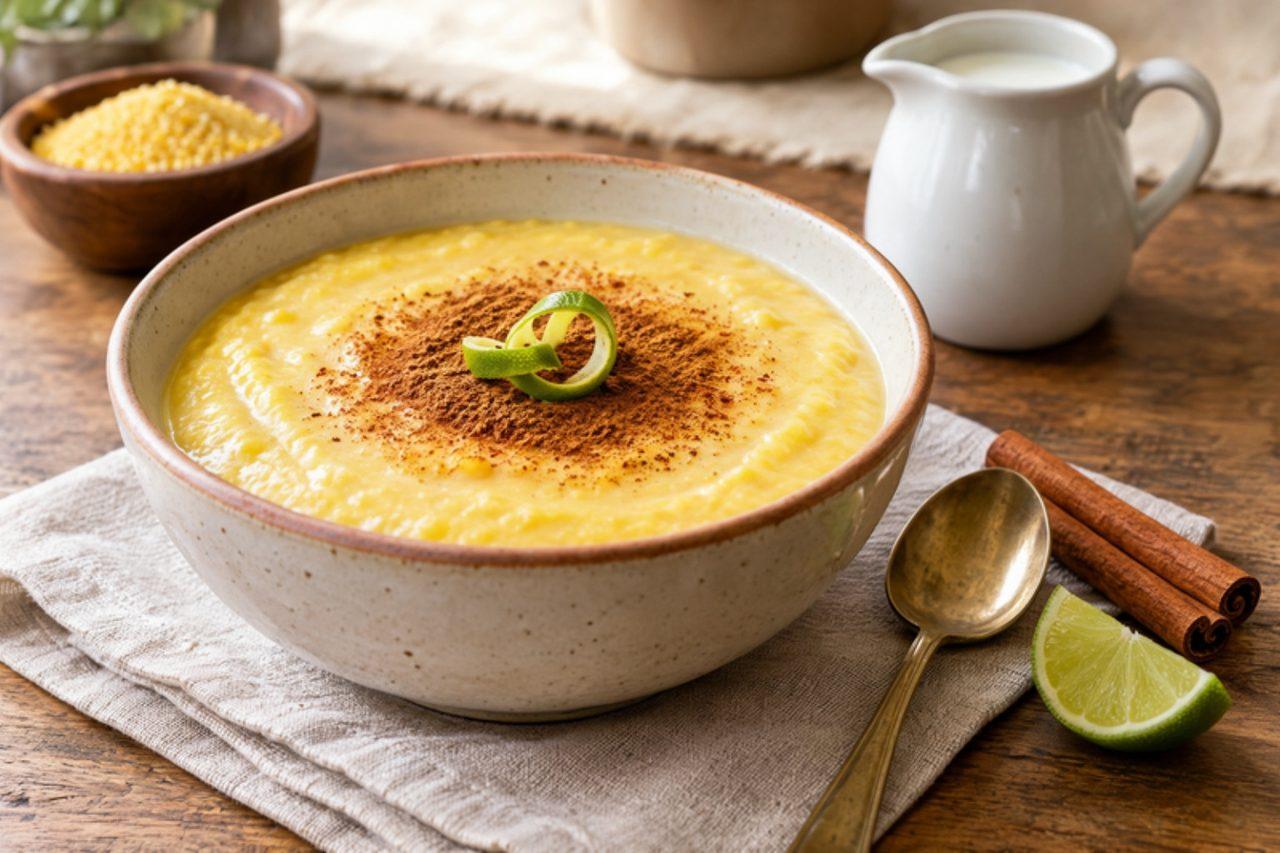
Harina de maíz dulceSweet cornmeal porridge

In Cuban homes "harina" means cornmeal, and harina dulce is the soft, sweet porridge that grandmothers in Havana and Santiago cooked for children before school, scented with cinnamon and a curl of lime peel the way rice pudding is. It should be smooth and spoonable, like a loose polenta. The usual mistake is pouring the cornmeal into boiling milk, which seizes into lumps at once: start it in cold liquid and whisk as it heats. Chef's tip: take the lime peel out once the porridge thickens, or its oils turn bitter as it sits.

by KrazyBadal 0 views

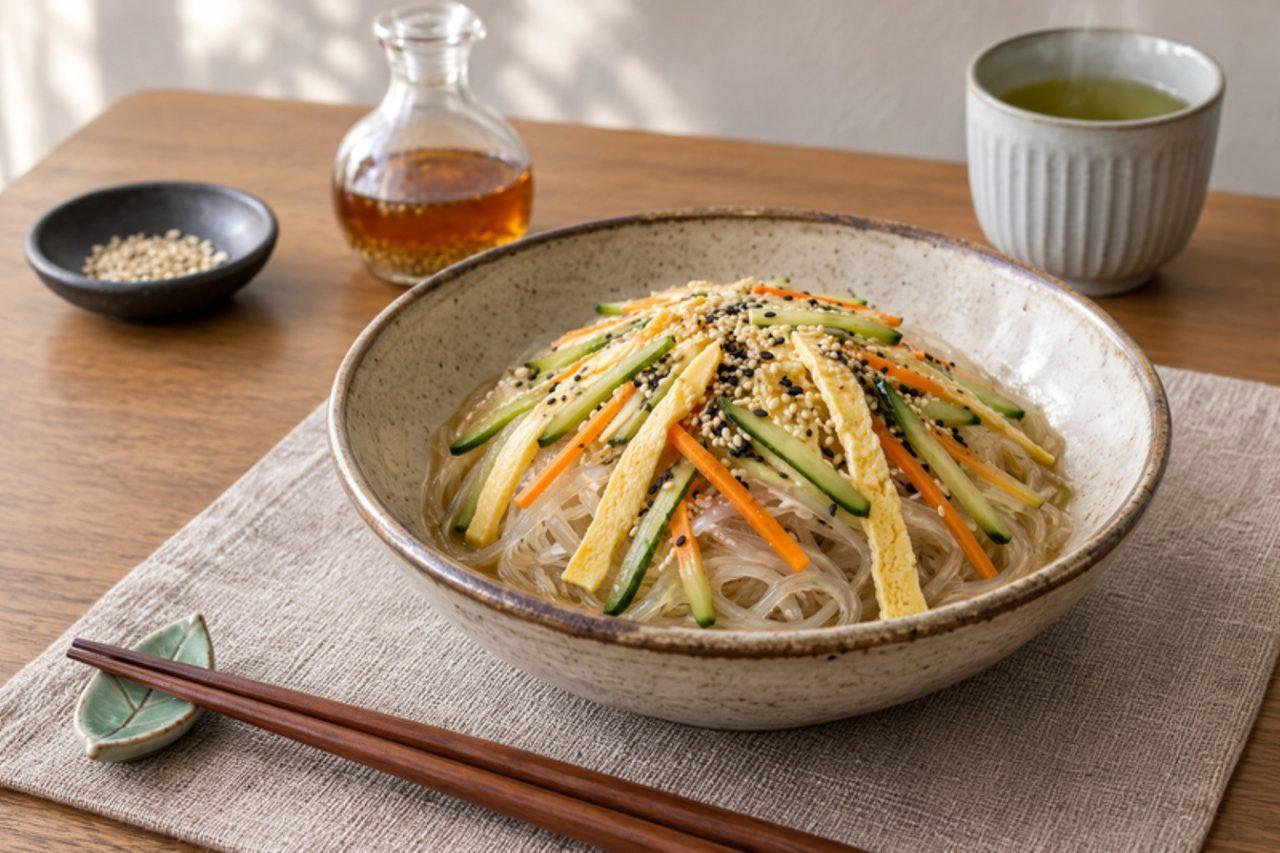
Harusame saladGlass noodle salad

Harusame, "spring rain" noodles, are fine glass noodles made from mung bean or potato starch, and this tangy salad of them with cucumber, carrot and ribbons of thin omelette is a supermarket deli favourite and a regular bento side across Japan. Ham is usually added; this version keeps it vegetarian. The common mistake is leaving the noodles long, which makes the salad impossible to eat from a bento with chopsticks; cut them with scissors after cooking. Chef's tip: dress the noodles while they are still slightly warm, because they drink up the dressing then and stay flavourful cold.

by KrazyBadal 0 views

Cart noodles

Cart noodles began in the 1950s, when hawkers pushed carts of simmering pots through Sham Shui Po and Wong Tai Sin and let customers pick their own noodles and toppings. The carts are long gone, but the noodle shops of Mong Kok and Kowloon City keep the custom: tick off your choices on a slip, perhaps curry fish balls, soft braised daikon, chewy pork skin, pig's blood or squid, and choose your broth, here a spicy curry-satay one. It is a cheap, filling late-night meal. This version uses pork skin and pork stock. Contains fish, wheat, egg and soy. Chef's tip: give the pork skin time in the curry pot; it should be soft and jelly-like, soaking up the sauce.

by KrazyBadal 0 views

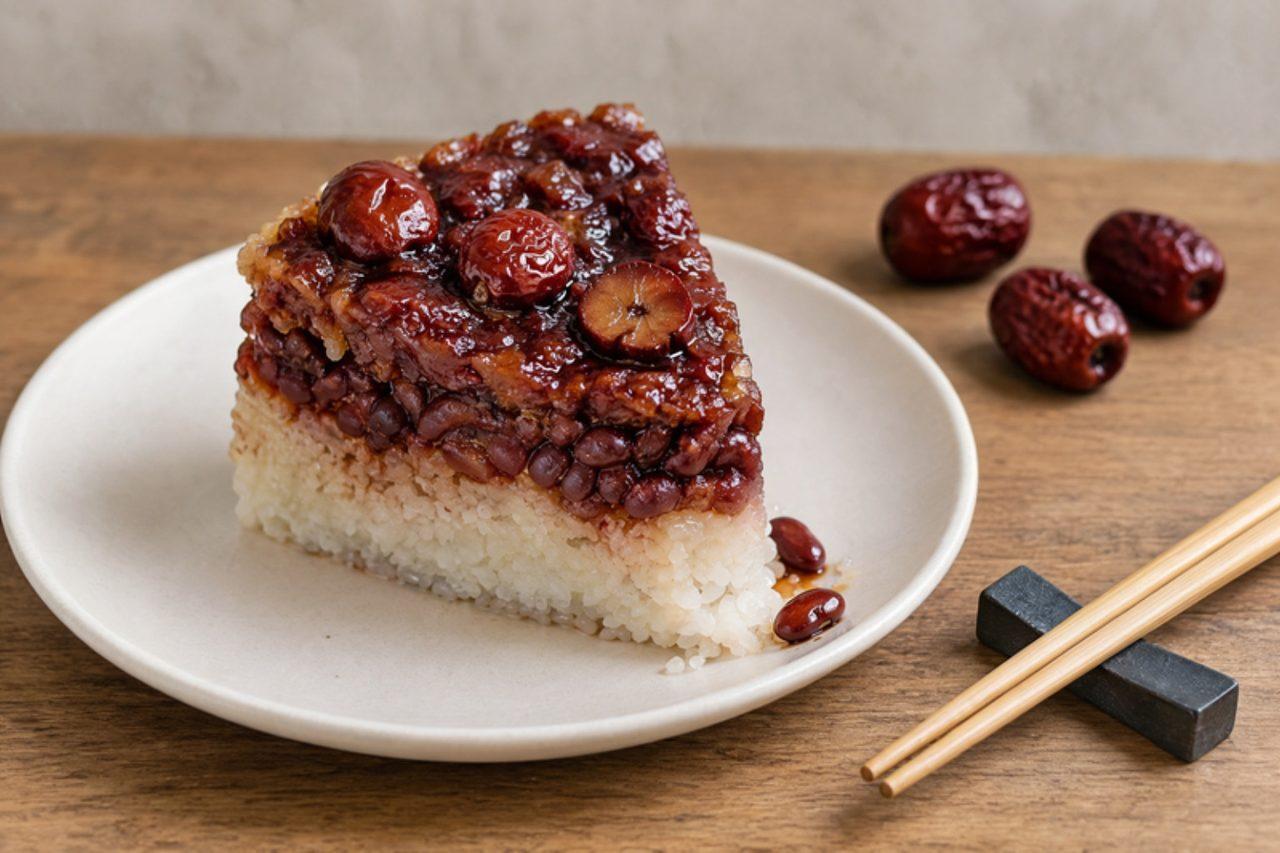
Jing gao (Xi'an steamed sticky rice and date cake)

Before the shops of Xi'an's Muslim Quarter open, vendors on Beiyuanmen and Sajinqiao lift the lids of huge iron zeng pots and carve out jing gao, a dense breakfast of glutinous rice, red dates and kidney beans steamed so long that the dates melt into a jammy layer. It is scooped onto paper plates with a flat spade and eaten hot, often with a sprinkle of sugar, by workers on their way in. The home version steams in a heatproof bowl and needs time rather than skill. The rice turns glossy and chewy, the dates taste of toffee and the beans give a soft, earthy bite. Chef's tip: lay the dates as the bottom and top layers, because their sugar is what colours and flavours the rice as it steams.

by KrazyBadal 0 views

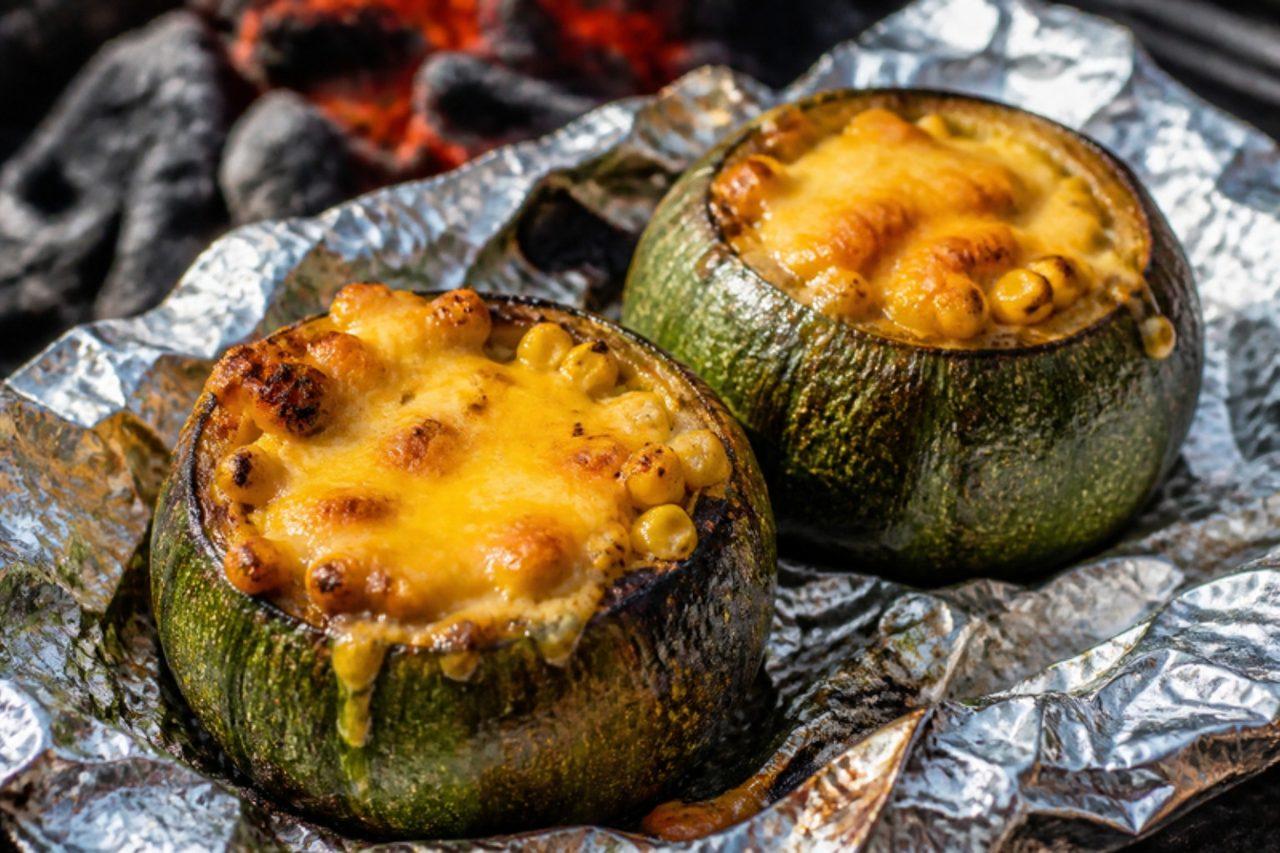
Braaied gem squashGem squash with sweetcorn and cheese

Small, round and dark green, gem squash is the vegetable South African children grow up scooping from the shell with a teaspoon, and at a weekend braai it goes into the coals wrapped in foil alongside the potatoes. The halves steam in their own juice until the orange flesh is tender and sweet, with a pool of melted butter, golden corn and cheese in the hollow. Serve them as a side for anything from the grid, or make a plate of them with pap tert and a tomato salad for a meat-free braai. Indoors, an oven gives the same result. Putting them straight onto flaming wood is the mistake: they char outside and stay hard inside, so wait for grey, glowing coals. Choose a vegetarian cheddar, since many are made with animal rennet. Chef's tip: trim a thin slice off the round base of each half so it sits flat and holds its filling.

by KrazyBadal 0 views

Herbata z sokiem malinowymTea with raspberry syrup

In Polish homes a bottle of sok malinowy, the raspberry syrup made each July from garden or forest raspberries, waits in the pantry for winter. When someone comes in from the frost, or lies in bed with a cold, it goes into a glass of hot black tea, sometimes with a slice of lemon; grandmothers insist it makes you sweat the chill out, and the drink is traditionally given at the first sign of a sniffle. It also appears simply after a winter walk or with a slice of cake. The tea turns ruby, tastes of summer berries with a light tannic edge, and is sweet enough without sugar. The usual mistake is pouring syrup into boiling tea straight from the kettle: the fresh raspberry aroma cooks off and only sweetness is left. Let the tea cool for a minute or two first. It is ready when the tea is deep amber, the syrup has fully swirled through and it smells clearly of raspberries. No homemade syrup? Use a good shop-bought raspberry syrup, or make the quick one in the optional steps. Chef's tip: brew the tea weaker than usual, about two minutes, so the fruit stays in front.

by KrazyBadal 0 views

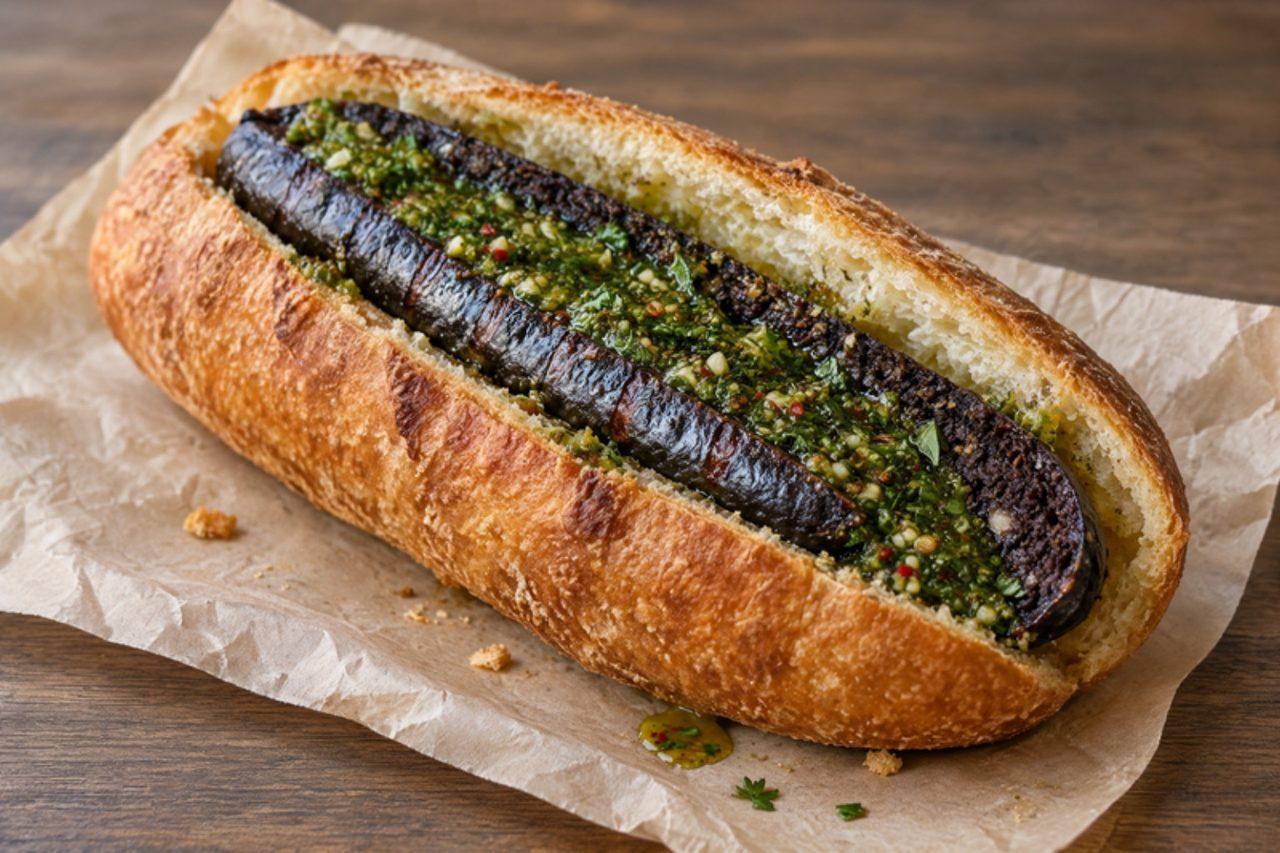
Morcipán (blood sausage roll)

At any Buenos Aires asado, and at the street grills outside football grounds like La Bombonera in La Boca, the choripán has a twin: the morcipán, a soft, rich morcilla split and laid in crusty bread. Argentine morcilla is a pork blood sausage with pork fat, onion and spices, sometimes with nuts or raisins, and it grills to a crisp skin around a soft, spoonable centre that tastes deep and slightly sweet. A sharp chimichurri cuts through it. Chef's tip: grill it over a gentle heat and turn it carefully with tongs; on a fierce grill the casing splits and the filling runs out.

by KrazyBadal 0 views

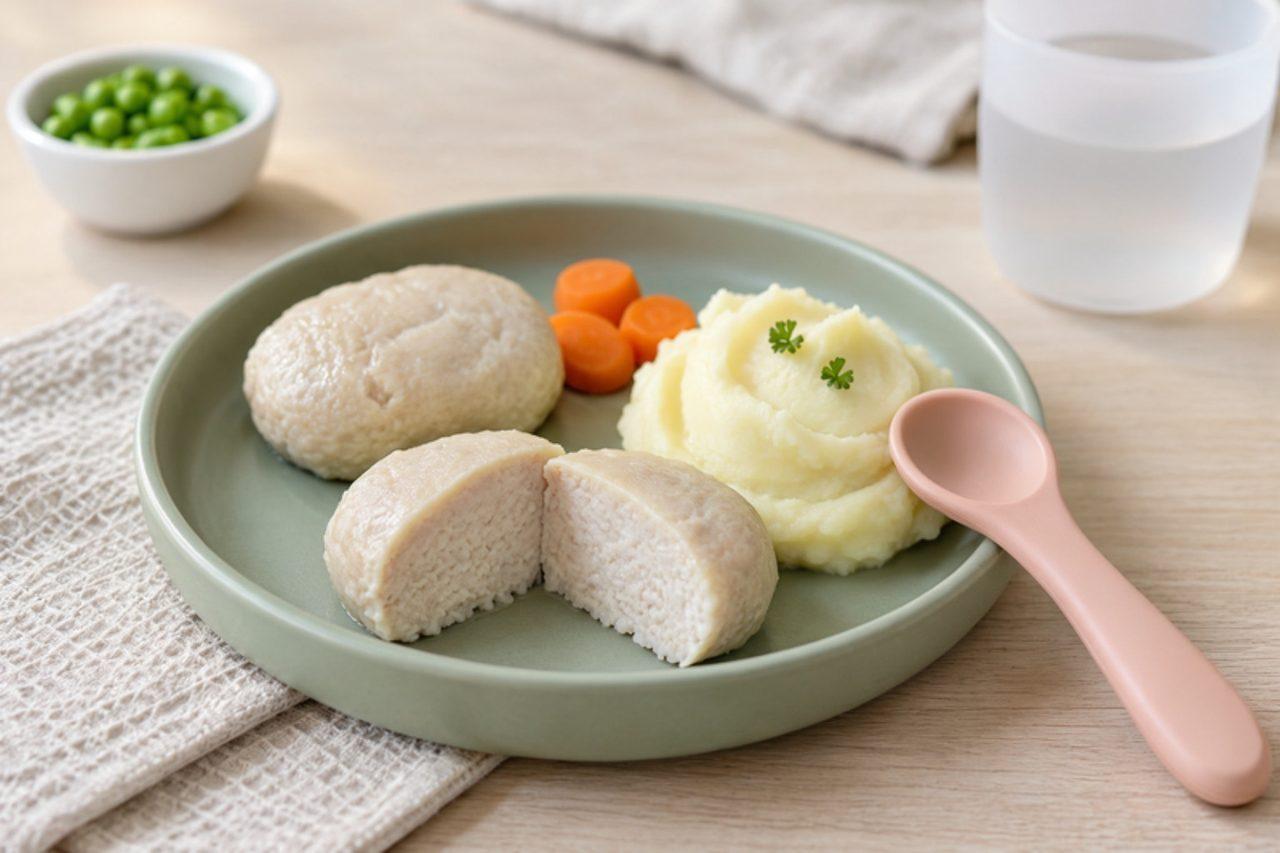
Parovye kotlety for toddlers (steamed cutlets)

Parovye kotlety, steamed cutlets, are the nursery and kindergarten classic of Russian homes from St Petersburg to Novosibirsk, served with mashed potato or buckwheat at lunch. Minced chicken or turkey is mixed with bread soaked in water and grated onion, shaped into small patties and steamed until soft and juicy, so there is no crust for small gums to struggle with. This version for toddlers from 12 months has no added salt and no egg. It contains wheat (gluten, in the bread); there is no milk, egg, nuts or soya. Chef's tip: beat the mince against the side of the bowl for a minute; it makes the cutlets hold together without egg.

by KrazyBadal 0 views

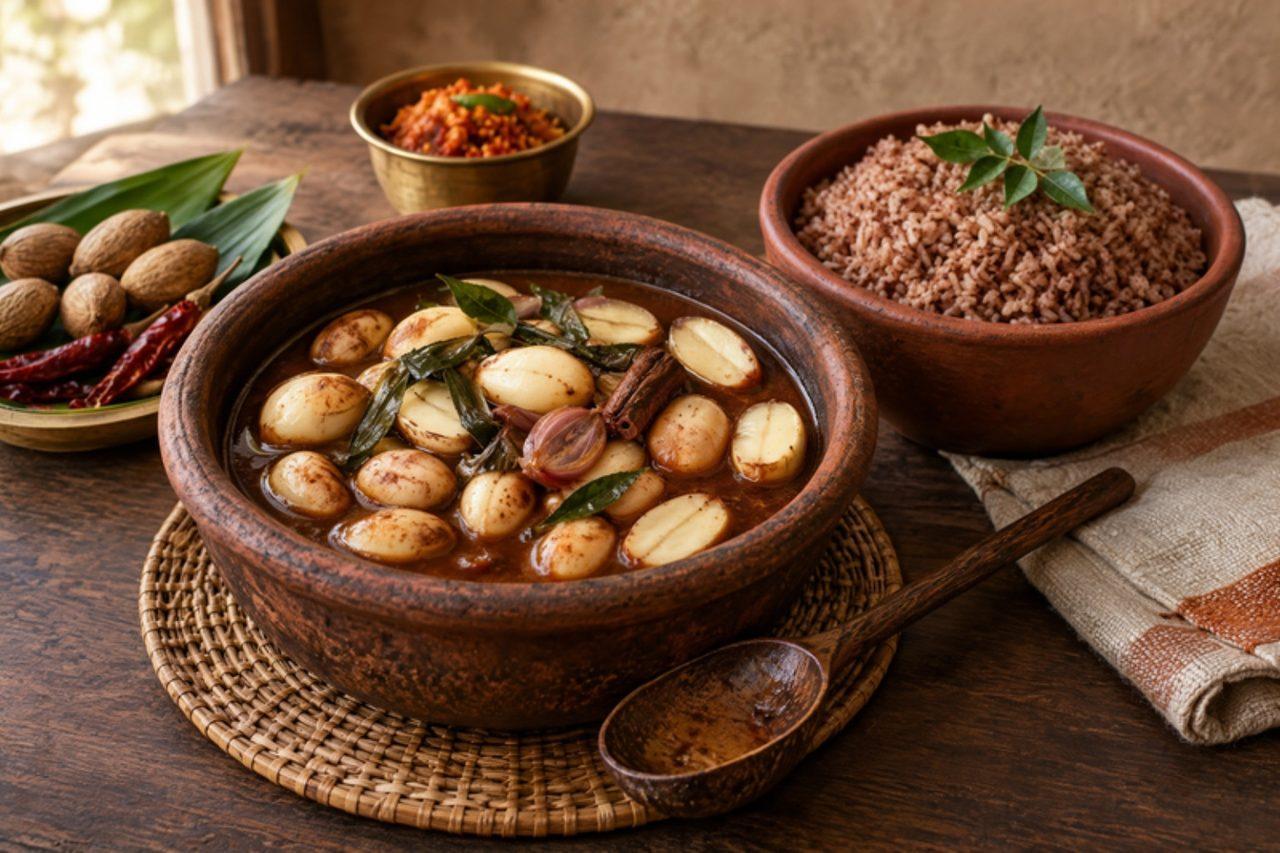
Kos ata curryJackfruit seed curry

During the jackfruit season, roughly April to July, Sri Lankan households save every seed, and kos ata curry is how they become a hearty weekday dish served with rice and greens. The seeds are boiled tender, peeled of their papery skin, then simmered in a dark roasted curry powder and coconut milk gravy until they taste like chestnuts in a spicy sauce. Serve with red rice and a sambol. The usual mistake is undercooking the seeds; they must be boiled until a fork goes in easily, or they stay hard and are hard to digest. A pressure cooker saves time: boil the seeds for 10 minutes on high. Chef's tip: crack each seed lightly with the flat of a knife before simmering so it soaks up the gravy.

by KrazyBadal 0 views

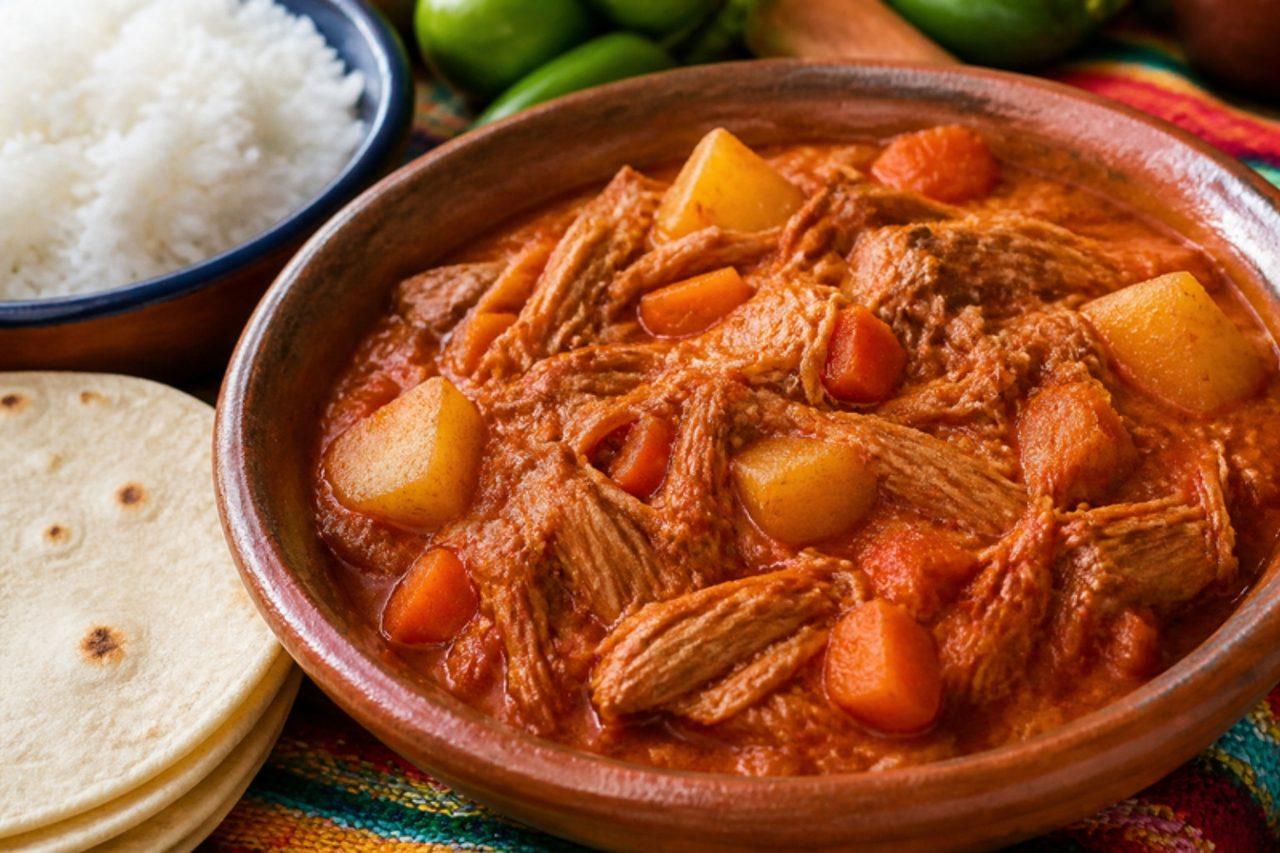
HilachasShredded beef in tomato sauce

The name means 'threads', and that is how the beef should look: pulled into fine strands and simmered with potato and carrot in a brick-red sauce of tomato, tomatillo and dried guajillo chilli. Hilachas is everyday food in Guatemala City, served at lunch counters with white rice and tortillas, and it is a thrifty way to stretch a piece of flank. Rushing the first simmer is the classic mistake: if the beef doesn't fall apart easily, it shreds into chewy chunks instead of threads. Chef's tip: shred the meat along the grain with two forks while it is still warm; cold beef tears unevenly.

by KrazyBadal 0 views

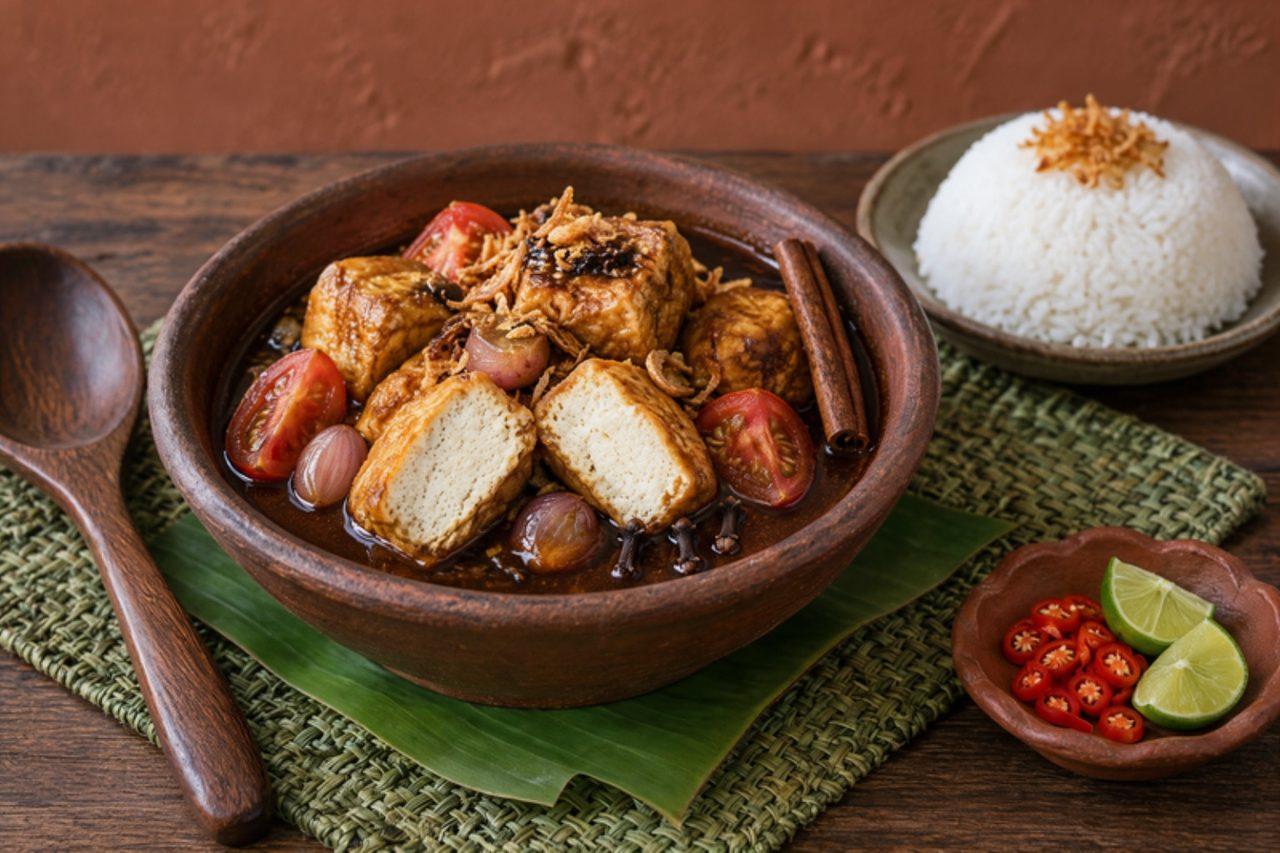
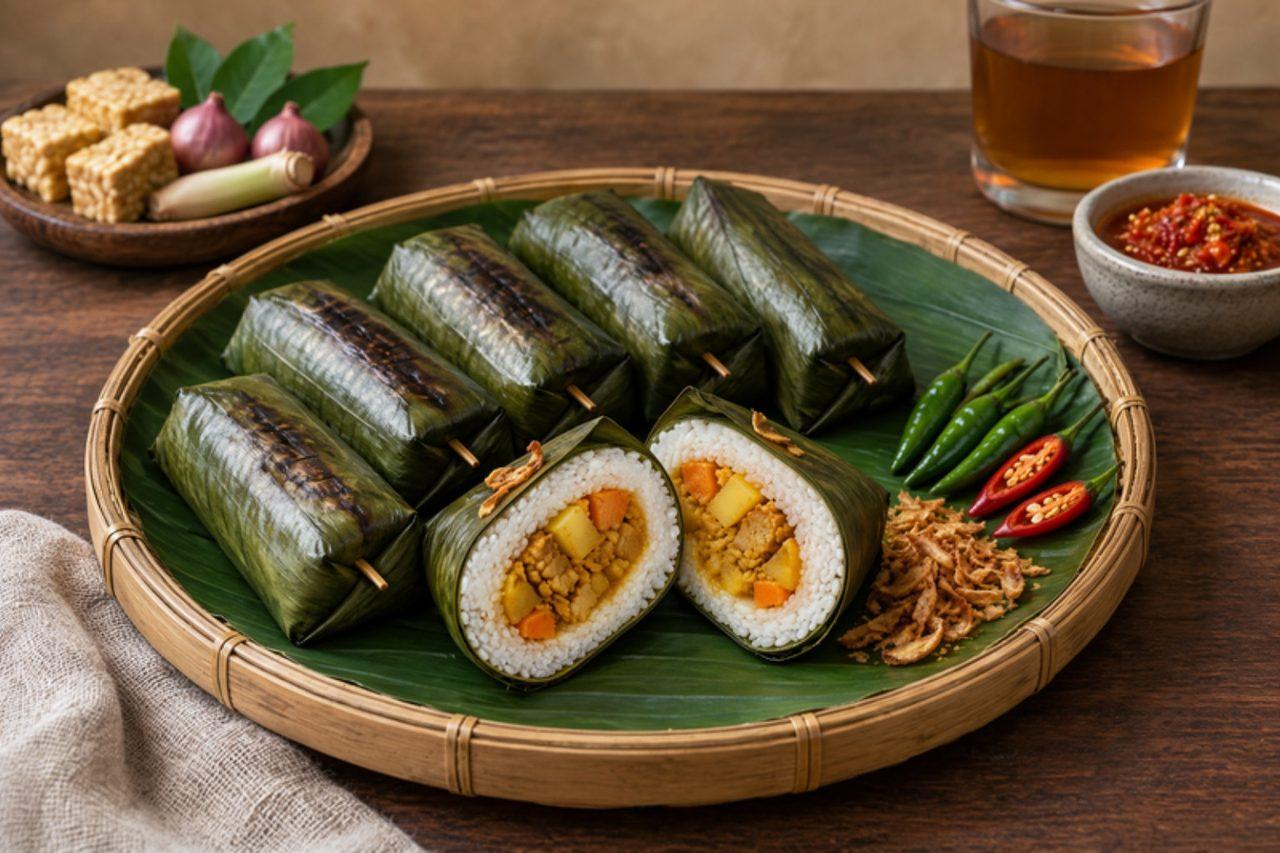
Arem-aremFilled rice rolls in banana leaf

Arem-arem are what Central Javanese cooks pack for meetings, trains and bekal lunchboxes: logs of coconut-scented rice wrapped round a spiced filling, rolled in banana leaf and steamed until firm, so they can be eaten in the hand, cold or warm. Chicken fillings are common in the city; this one uses tempeh, potato and carrot. The common mistake is cooking the rice fully before rolling, which makes the logs mushy; it should be only half-cooked, so it finishes in the leaf. Chef's tip: soften the banana leaves over a flame or in hot water first, or they will split as you roll.

by KrazyBadal 0 views

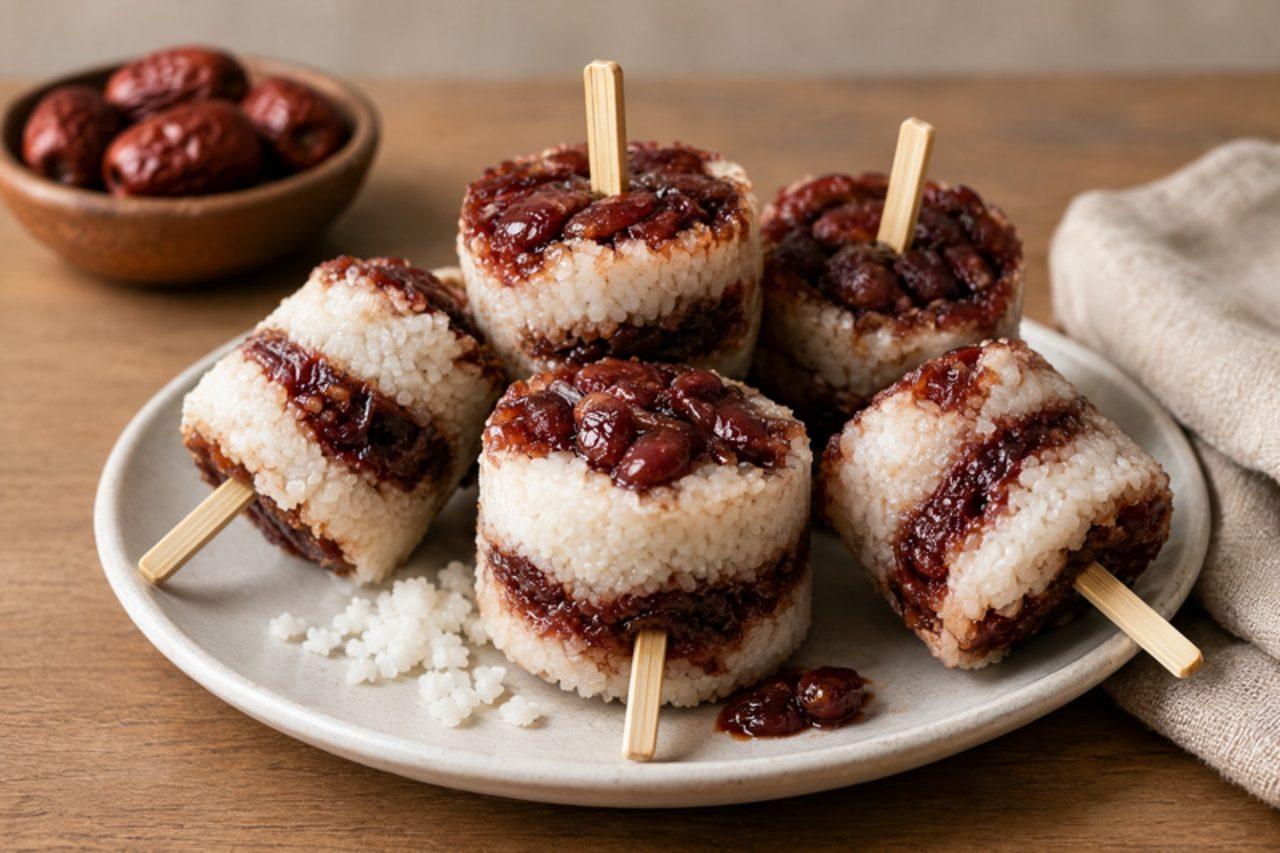
Zeng gao (Xi'an steamed rice cakes with jujube)

Walk the lanes of Huimin Jie in Xi'an in the late afternoon and you will see small round cakes steaming in stacked cups, then flipped out and speared onto bamboo sticks for children heading home from school. They are made from glutinous rice flour rubbed to a damp crumb, layered with sweet jujube paste and steamed until the crumb fuses into a soft, springy cake with a dark red stripe through the middle. They are lightly sweet, chewy and best eaten warm. Chef's tip: rub the flour with water until it just clumps when squeezed, then sieve it, because a light, airy crumb is what makes the cake tender.

by KrazyBadal 0 views

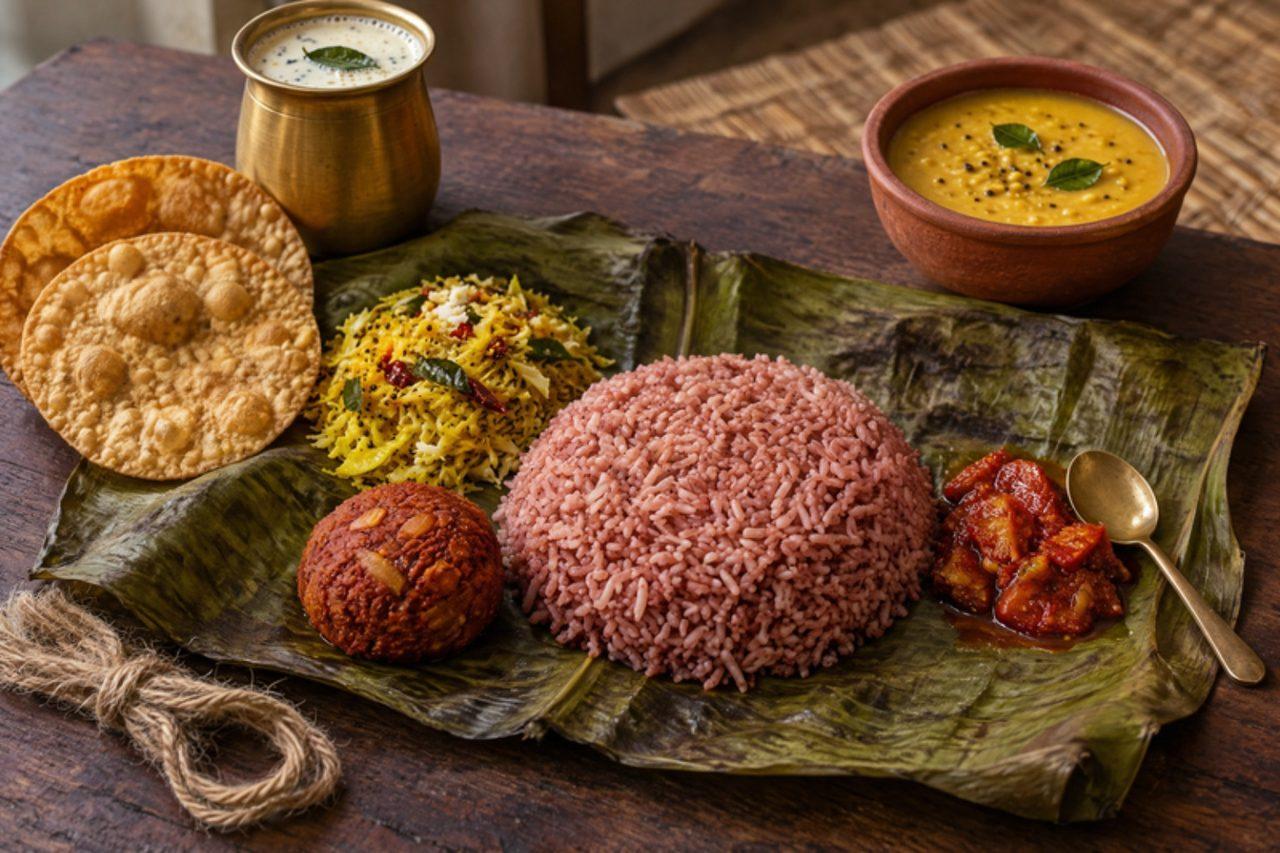
PothichoruRice meal in banana leaf

Before steel tiffin carriers, Kerala's schoolchildren and office workers carried pothichoru, a parcel of hot rice, a dry vegetable thoran, coconut chammanthi and a dab of pickle, folded inside a banana leaf that had been passed over a flame. By lunchtime the leaf's aroma has seeped into the rice; the whole parcel is still sold on trains and at festivals. Fried egg or fish fry are often tucked in; this is the vegetarian version. The common mistake is wrapping the leaf without wilting it first, so it cracks and leaks. Chef's tip: pack the rice warm, not steaming, and eat within four hours, or cool everything and keep the parcel cold until lunch.

by KrazyBadal 0 views

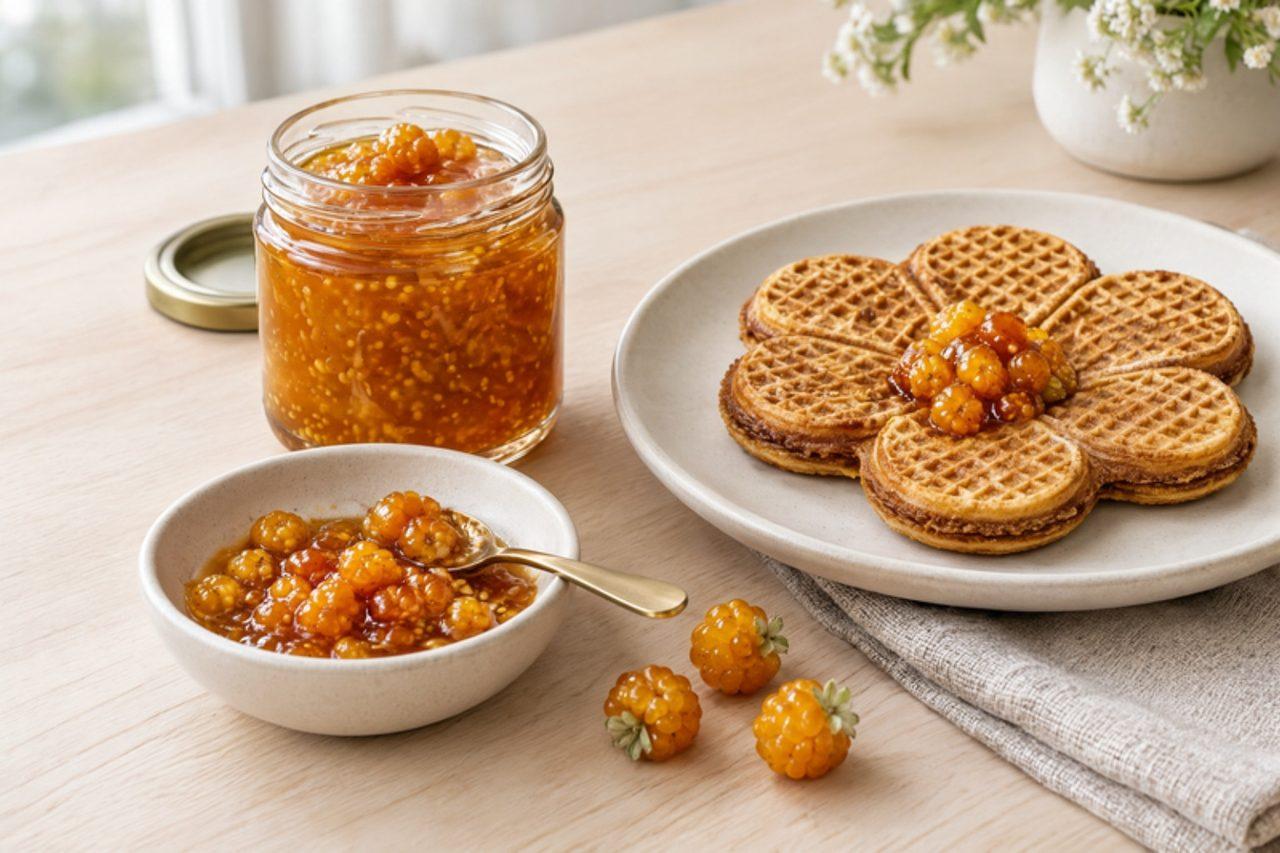
HjortronsyltCloudberry jam

Cloudberries grow one berry to a stem on the bogs of Norrbotten, Lapland and northern Finland, and families guard their picking spots for generations. They ripen for barely two weeks in late July and August, turning from hard red to soft, honey-gold, and almost all of the harvest goes into hjortronsylt. It is a treasure kept for special days: warmed over vanilla ice cream, spooned onto Swedish waffles on Våffeldagen, served with warm leipäjuusto, Finland's squeaky baked cheese, and set out with cream on the Christmas table. The jam is loose and bright, tasting of apricot, sour apple and honey, with crunchy seeds. Unlike most jams it is cooked very briefly, so the delicate flavour survives. Common mistake: boiling it like strawberry jam; long cooking turns cloudberries brown and dull, so stop after a few minutes. It is ready when the sugar has dissolved and the berries look glossy and just collapsed. Chef's tip: frozen cloudberries from Nordic shops work perfectly; for a smoother jam, press half the berries through a sieve to remove seeds, as many Finnish cooks do.

by KrazyBadal 0 views

DashmiMilk and jaggery flatbread

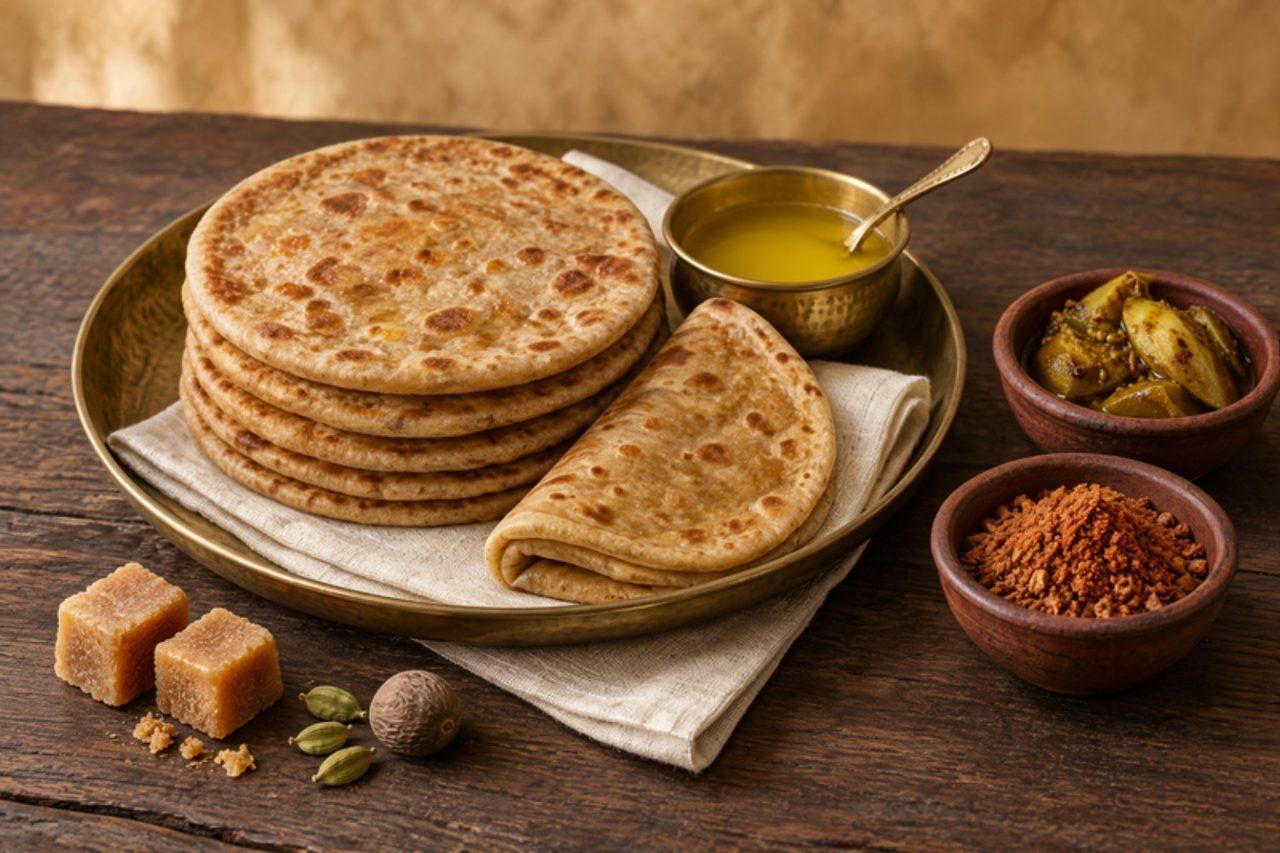
Dashmi is the bread Maharashtrian mothers make for pilgrimages, school trips and the first days of a long journey: wholewheat dough kneaded with warm milk instead of water and sweetened with jaggery, cooked on a tawa until soft and spotted. Milk and ghee keep it tender for two or three days without a fridge in cool weather, and children eat it plain or with pickle. The common mistake is rolling it too thin and cooking it on a fierce tawa, which makes it crisp like a khakhra; it should stay soft and pliable. Chef's tip: stack the dashmis in a cloth as they come off the tawa, so the trapped steam softens them further.

by KrazyBadal 0 views

Jicaletas (jícama lollipops with chamoy)

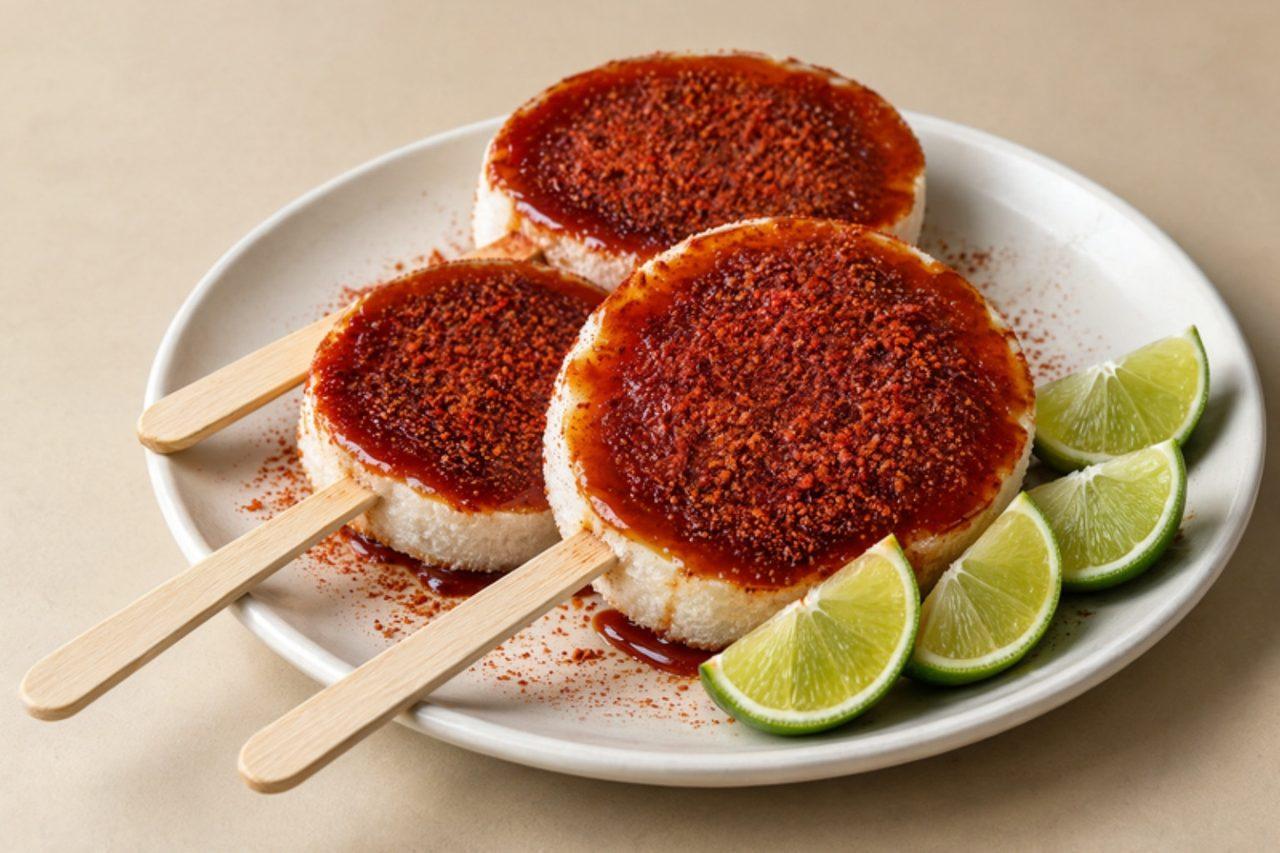
At home time outside primary schools in Mexico City's Coyoacán and Narvarte, carts sell jicaletas, thick rounds of jícama pushed onto a stick like a giant lollipop and painted bright red with sweet-sour chamoy. They are crunchy, juicy and cold, with salty, sour and spicy layers on the outside, and make a light afternoon snack on a hot day. Chef's tip: cut the slices at least 1.5 cm thick, otherwise they snap off the stick at the first bite.

by KrazyBadal 0 views

Huanggui shizi bing (Xi'an persimmon cakes)

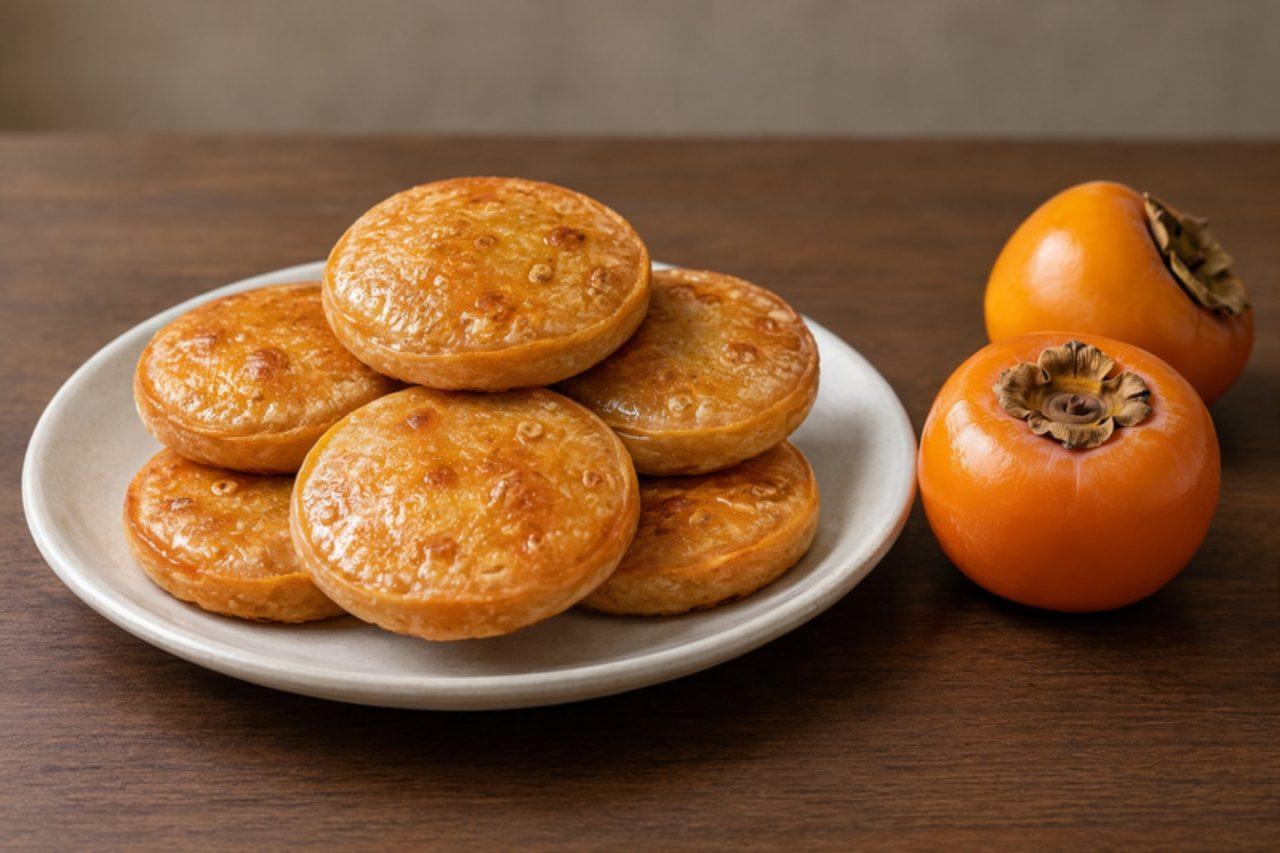
Every autumn, when Lintong's soft persimmons ripen outside Xi'an, griddles across the Muslim Quarter fill with these orange cakes. The dough is little more than ripe persimmon pulp and flour, so it fries crisp and caramelised outside while staying chewy and sticky inside, and the filling of brown sugar, walnuts, sesame and dried osmanthus melts into a fragrant syrup. They are bought hot in a paper sleeve as an afternoon snack. They contain wheat and walnuts. Chef's tip: use persimmons so ripe they feel like a water balloon; firm ones make the dough taste furry and astringent.

by KrazyBadal 0 views

Homemade doenjangFermented soybean paste

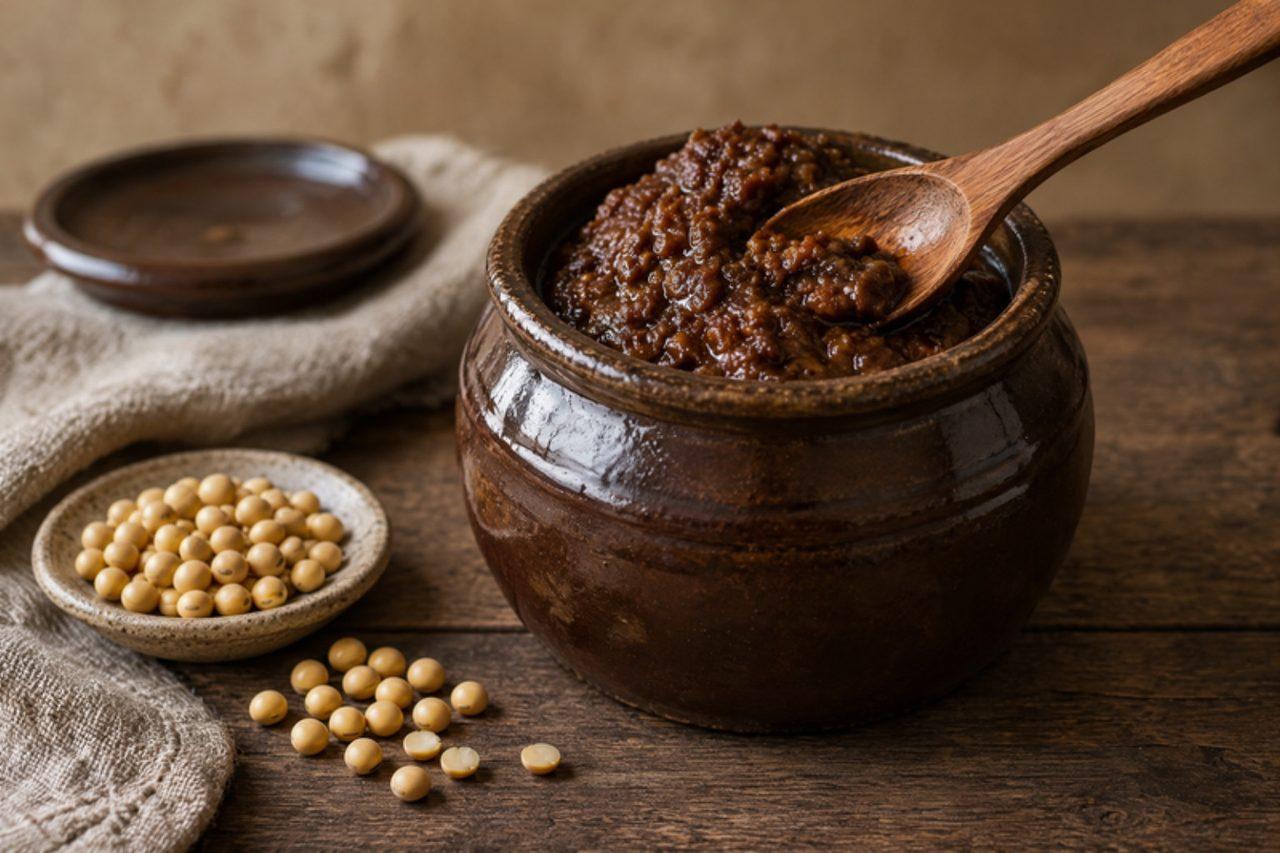
Doenjang starts in late autumn, after the soybean harvest, when Korean households used to boil beans in a cauldron, pound them into bricks and hang the meju from the rafters on straw ropes to grow a white, sweet-smelling bloom over the winter. In early spring, on a clear dry day, the bricks are dropped into salt brine in an onggi jar with dried chillies, jujubes and a red-hot piece of charcoal. Some six to eight weeks later the dark liquid is drawn off and boiled into soup soy sauce (guk-ganjang), and the softened bricks are mashed into doenjang, which ripens through the summer. It is chunkier, saltier and funkier than miso, with a nutty, almost smoky depth: the backbone of doenjang-jjigae, ssamjang and spinach namul. Common mistake: making the brick too thick or drying it in a warm, still room, so the centre rots before it dries; keep it about 6 cm thick and hang it where air moves. The paste is ready when it is mid-brown, smells of toasted nuts and soy, and tastes salty-sweet rather than sharp. Chef's tip: you can buy dried meju blocks from Korean grocers and start at the brining step.

300 minKoreanBasicsVeganGluten free
by KrazyBadal 0 views

DhebraPearl millet flatbreads

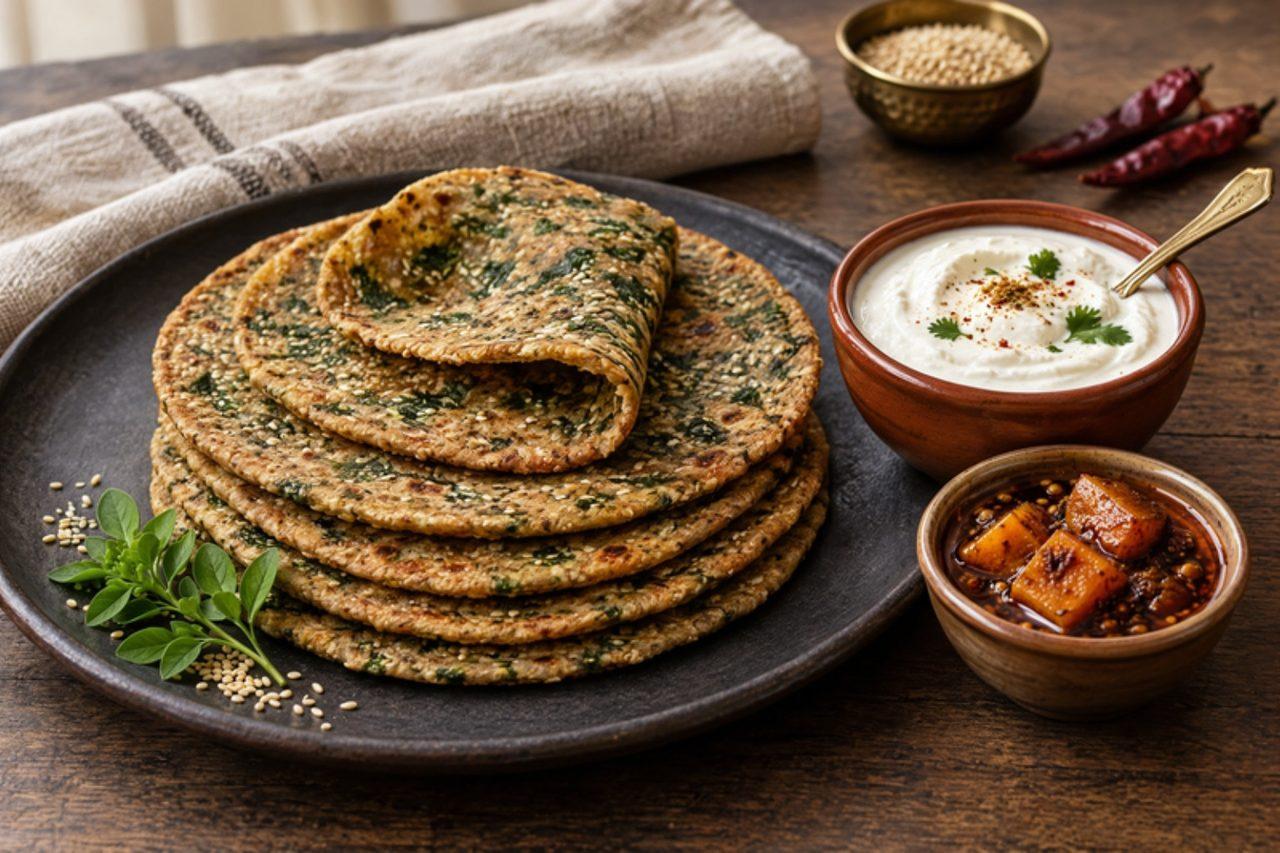
Gujarati families pack a stack of dhebra for every train journey, picnic and tiffin box, because the yogurt and oil in the dough keep these spicy millet and fenugreek flatbreads soft for two or three days. They are thicker than a thepla and earthy from the bajra, and they are eaten with pickle, chhundo or a cup of tea. The common mistake is adding too much water at once: the yogurt and fenugreek release moisture as you knead, and a slack dough sticks and tears. Chef's tip: pat them out on a damp cloth or between two sheets of plastic rather than rolling, the way Gujarati kitchens do, so the delicate millet dough does not crack.

by KrazyBadal 0 views

Mela grattugiata (grated apple)

Ask any Italian nonna what a baby has for merenda, the mid-afternoon snack, and she will mime grating an apple: in homes from Turin to Bari, a sweet apple is grated very finely on the small holes of a grater and spooned up at once, before it turns brown. Paediatricians in Italy suggest it from six months, and for the first few times many parents steam the apple briefly so it is softer still. It tastes fresh and naturally sweet; the old habit of crumbling in a biscuit or a spoon of sugar is not for babies under one, and honey never. It is free of the major allergens. Chef's tip: a squeeze of lemon is often added to stop browning, but for babies simply grate it right before serving.

by KrazyBadal 0 views

Matar paratha (green pea paratha)

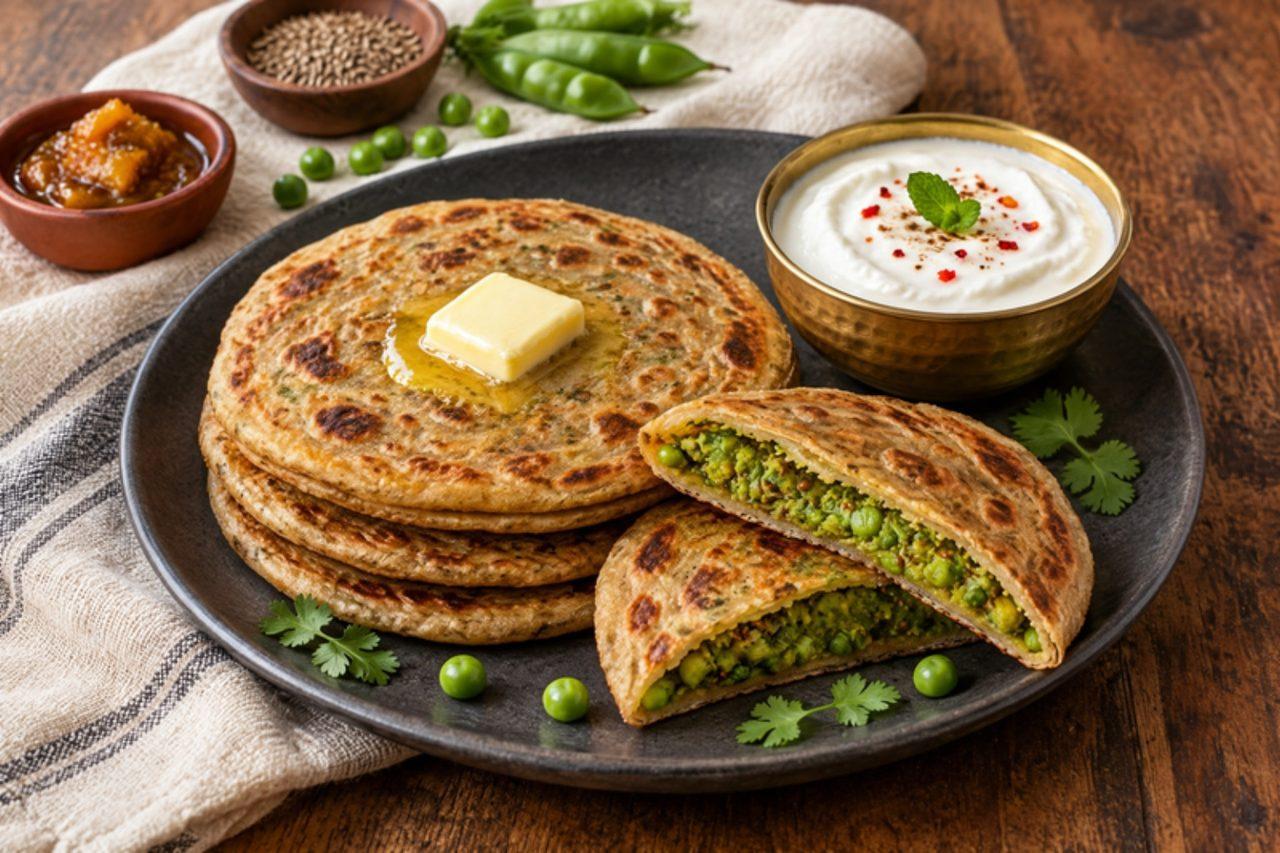
In Delhi and Punjab, matar paratha is the winter tiffin made when the first sweet peas arrive: the peas are boiled, mashed coarse and spiced with ginger, green chilli, cumin and amchur, then sealed inside wholewheat dough and roasted on the tawa with a little ghee. Rolled up in foil with a spoon of pickle, they are still soft at lunch. The mistake is a wet filling, which bursts through the dough; cook the mashed peas in a pan until dry and cool them before stuffing. Chef's tip: make the filling slightly saltier than tastes right, because the dough around it is unsalted and mutes it.

by KrazyBadal 0 views

Jīdàn gēng for babies (steamed egg custard)

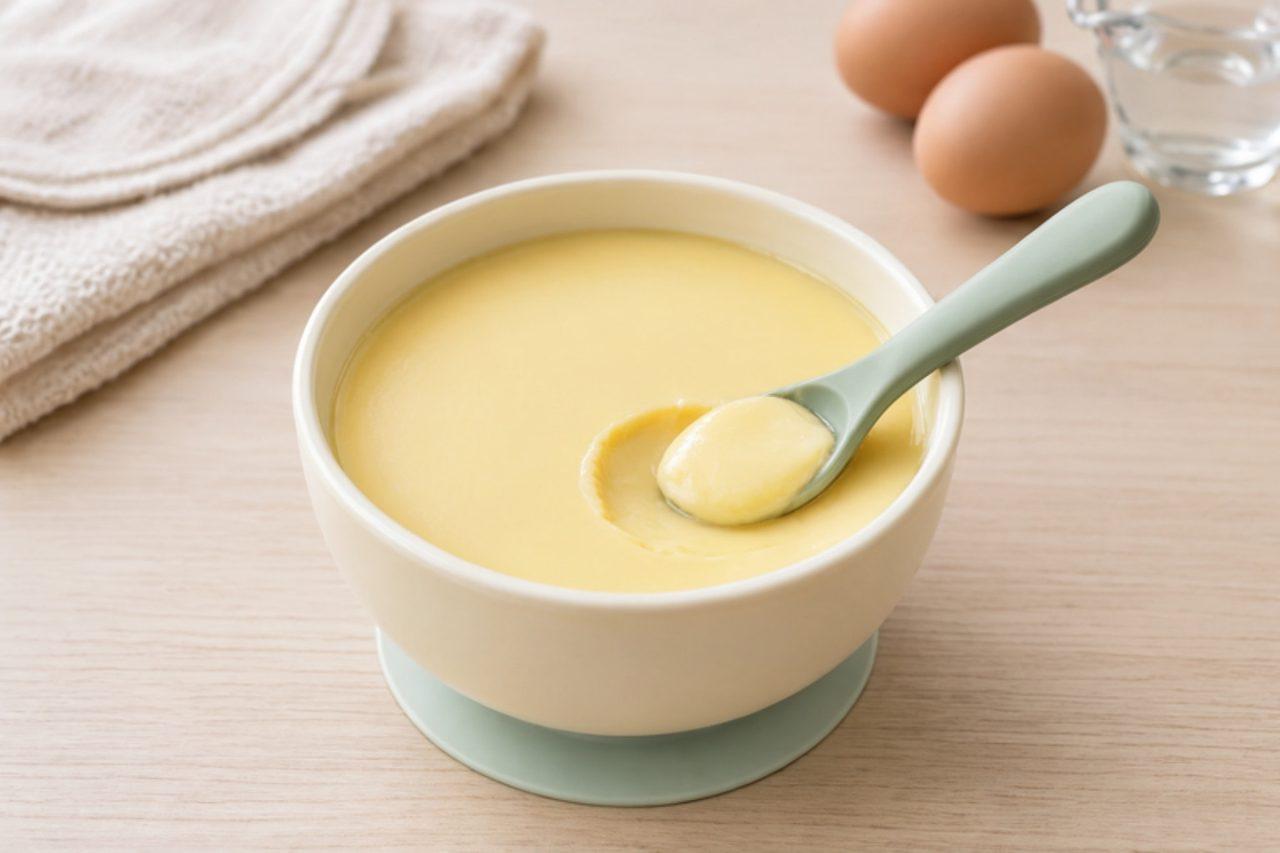
Jīdàn gēng, egg steamed with water into a quivering custard, is the dish Chinese grandparents everywhere from Shanghai to Guangzhou make for small children, and it is often the way a baby first meets whole egg at around nine months. The family version is finished with soy sauce, sesame oil and spring onion; this one is plain, so it tastes clean and gently eggy. Steamed slowly, it is smooth as silk and fully set. It contains egg and is free of milk, gluten, nuts, soya, sesame and fish. Chef's tip: cover the bowl with a plate while it steams; dripping condensation is what pockmarks the surface.

by KrazyBadal 0 views

Queijadinha (Bahian coconut and cheese cakes)

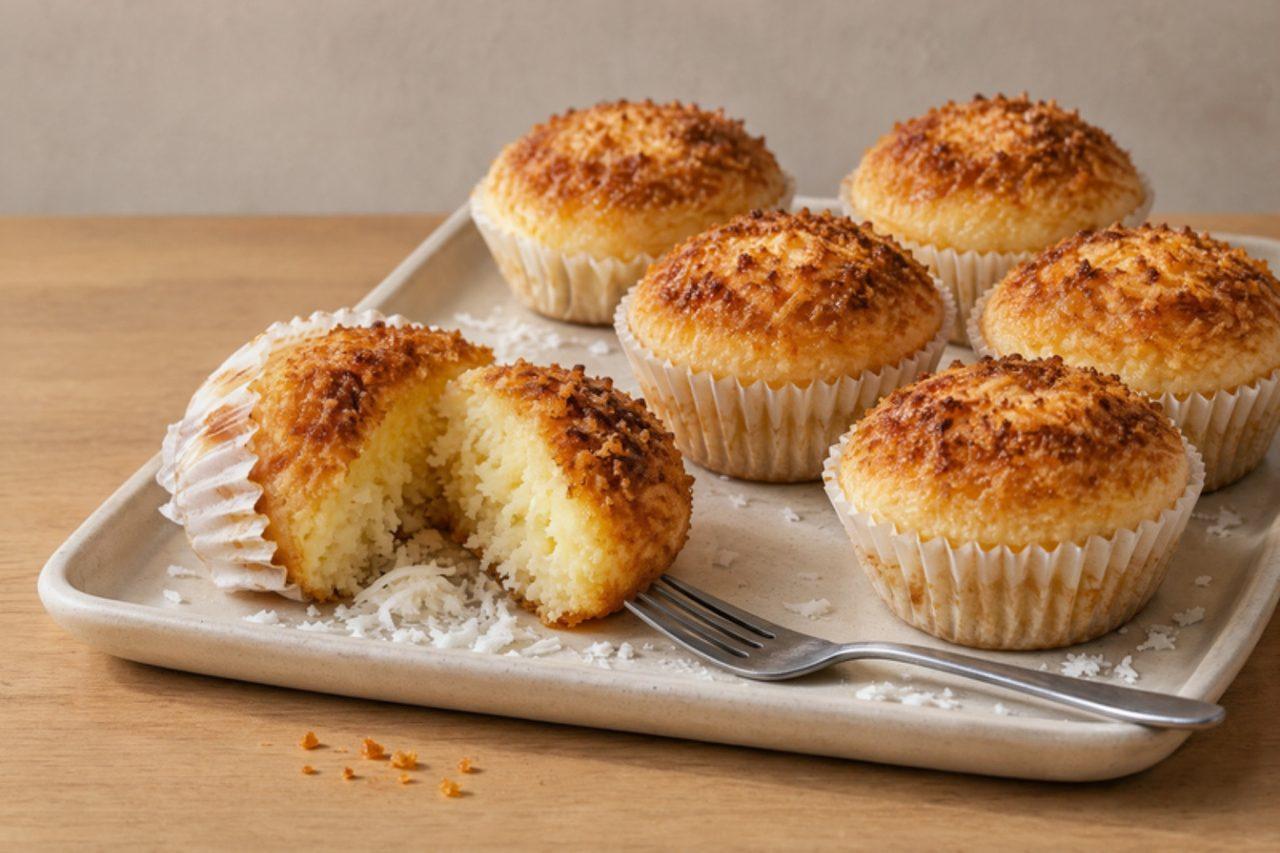
In Salvador's Pelourinho and on the steps of the Largo do Pelourinho, baianas in white lace sell queijadinhas from wooden trays alongside cocadas: little paper cases of coconut and cheese that bake into a chewy, golden top over a soft, custardy layer. They are sweet with a salty edge from the cheese, perfect with a strong coffee in the afternoon. They contain egg and milk. Traditional Parmesan is made with animal rennet, so choose a hard cheese labelled vegetarian. Chef's tip: bake them until the tops are properly golden; pale queijadinhas never get their crusty top layer.

by KrazyBadal 0 views

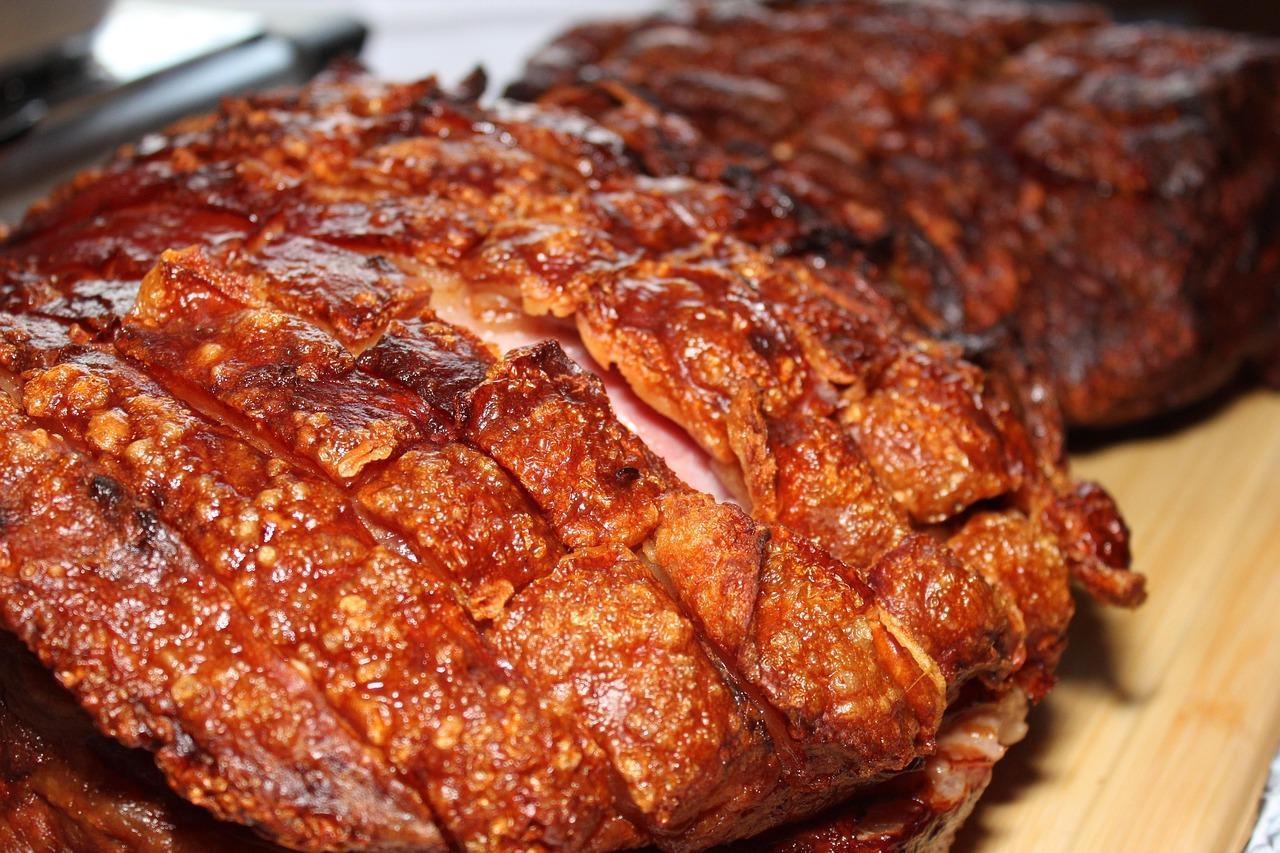
HornadoRoast pork with crackling

At the Sunday markets of Riobamba and Quito's La Ofelia, whole roast pigs glisten on the stalls and vendors carve hornado, garlic-and-cumin pork with crackling, onto plates with potato cakes, mote and a sour onion sauce called agrio. This home version uses a bone-in pork shoulder, roasted low and slow until the meat pulls apart, then blasted for crisp skin. Marinate it overnight in the fridge. The usual mistake is pulling the pork as soon as it is cooked through: it is safe once the thickest part reaches 63 °C and has rested for 3 minutes, but it only becomes tender enough to pull at about 85–90 °C. Serve with llapingachos, mote and avocado. Chef's tip: dry the skin and leave it uncovered in the fridge overnight; dry skin is what crackles.

300 minAndeanMeatGluten free
by KrazyBadal 0 views

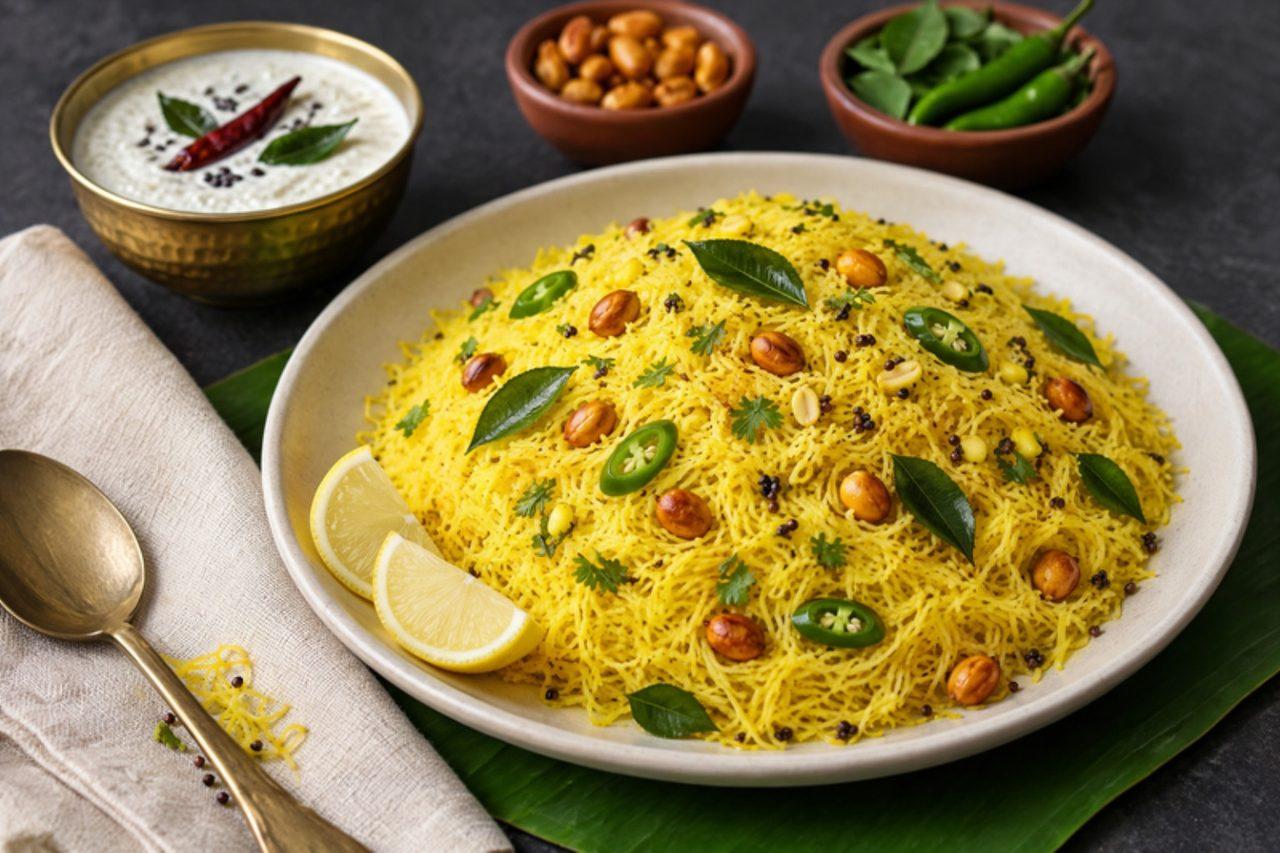
Lemon sevai (lemon rice noodles)

Sevai is pressed rice-flour vermicelli, and in Tamil Nadu and the Mysuru region the lemon version is a lighter alternative to lemon rice for a school lunch box. Today most homes use dried rice sevai, softened in hot water and steamed, then tossed with a turmeric tempering of mustard, dal, peanuts and green chilli and plenty of lemon. The common mistake is soaking the dry sevai too long, so it breaks into short mushy bits; it should be just pliable before it goes into the steamer. Chef's tip: toss with a fork, not a spoon, and lift rather than stir so the strands stay long.

by KrazyBadal 0 views

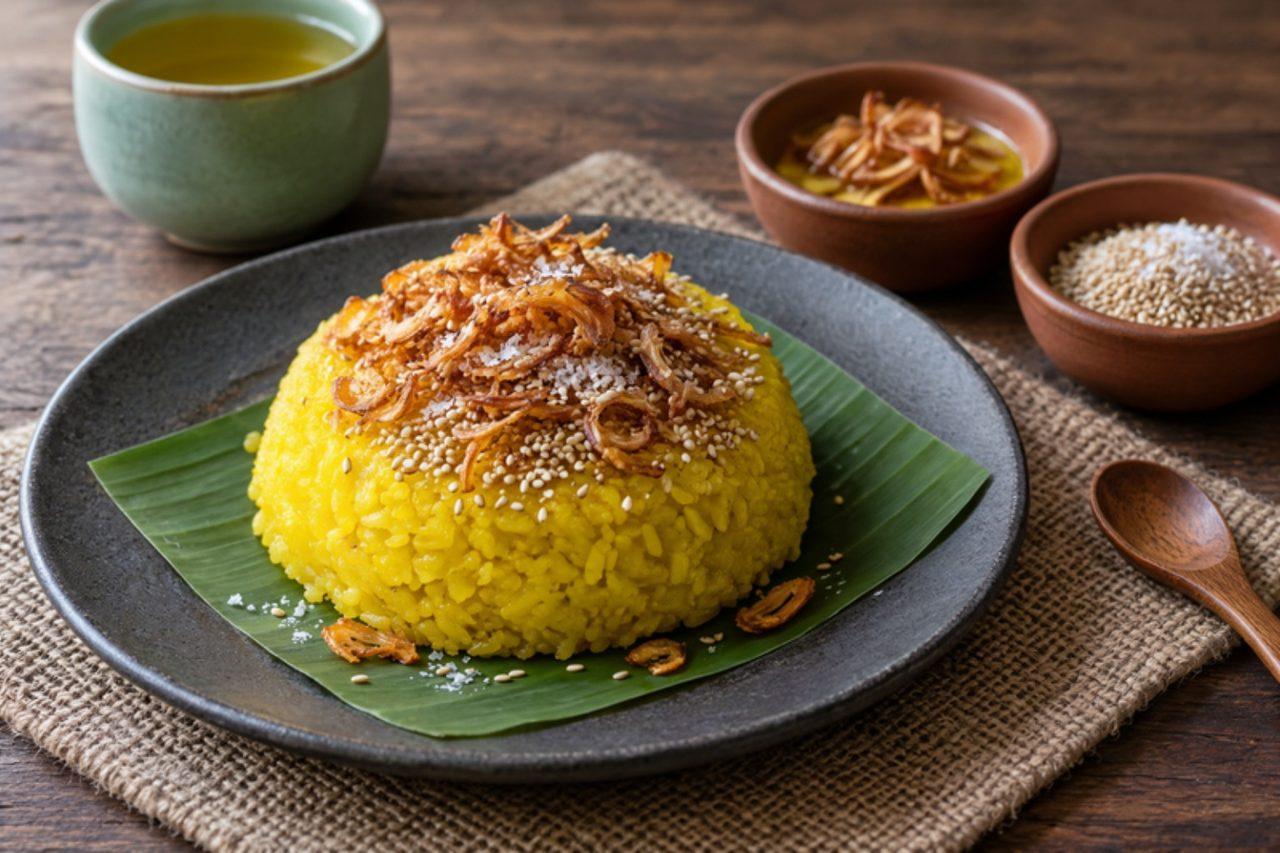
Hsi htaminTurmeric sticky rice with sesame

Hsi htamin, "oil rice", is a breakfast sold wrapped in banana leaf by morning vendors in Yangon and Mandalay: glutinous rice steamed golden with turmeric and oil, then topped with toasted sesame mixed with salt and a heap of crisp fried shallots. It is often paired with boiled yellow peas. The mistake is under-soaking the rice; it needs at least 4 hours, or overnight, to steam evenly. Chef's tip: fry the shallots first and use their fragrant oil in the rice; that oil is the soul of the dish.

by KrazyBadal 0 views

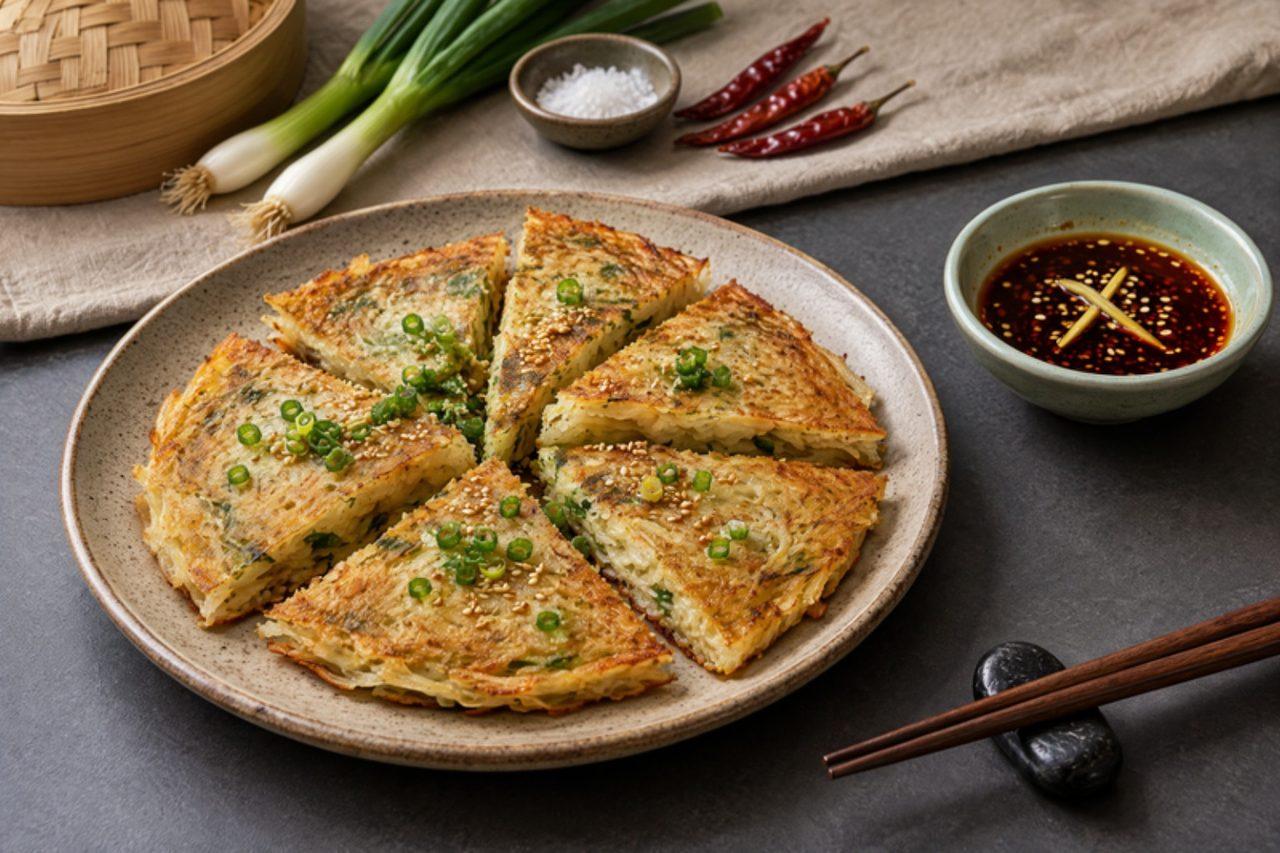
Tudou si bing (shredded potato pancakes)

In Shandong, Hebei and the northeast, these thin, lacy potato pancakes are a cheap street breakfast and a favourite filler for children's lunch boxes, crisp at the edges and soft in the middle. The potato is cut into very fine matchsticks, seasoned with spring onion, salt and a little white pepper, and bound with just enough flour to hold. The mistake is rinsing away all the starch and squeezing too hard: the shreds then won't stick together. Rinse once, drain, and squeeze lightly. Chef's tip: press the pancake thin with the back of a spatula as soon as it hits the pan; thin pancakes crisp right through and stay crisp longer in a box.

by KrazyBadal 0 views

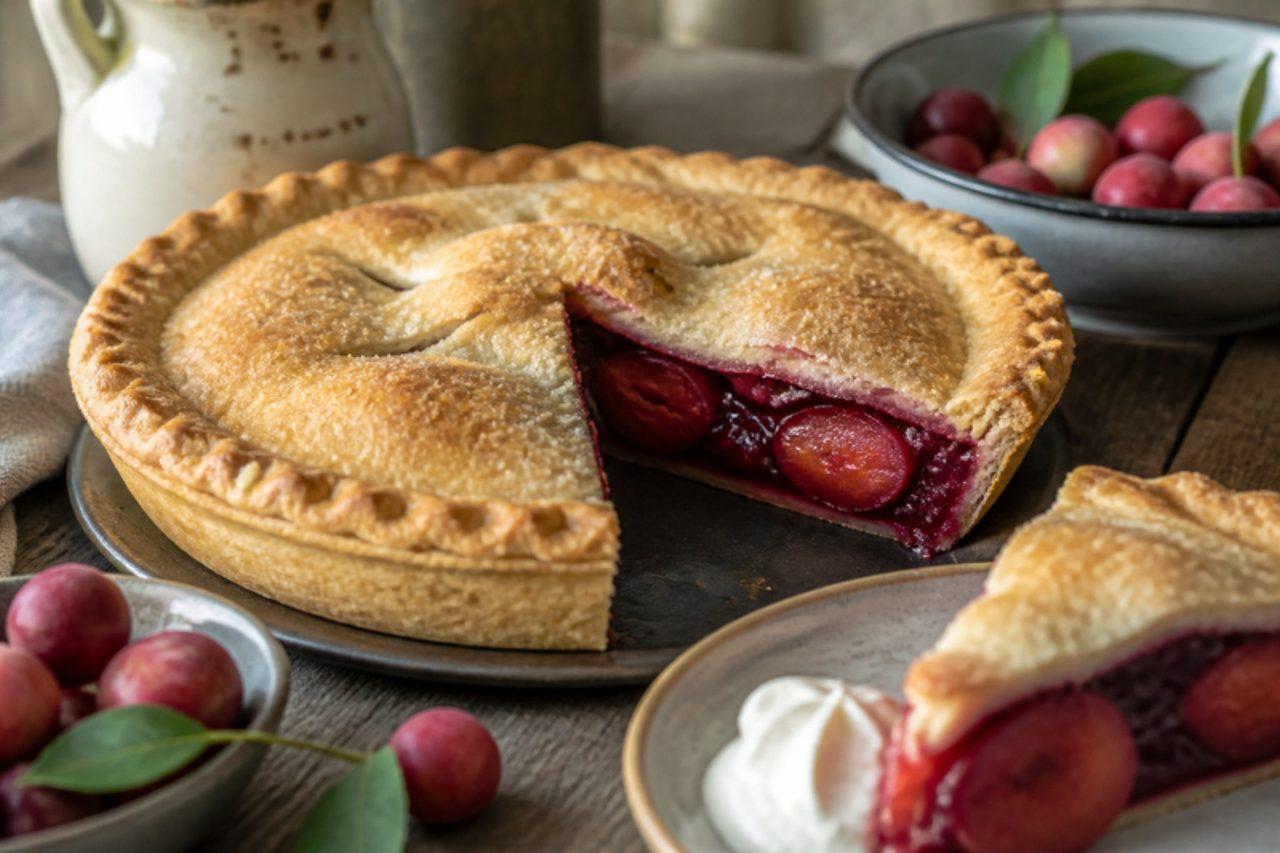
Quandong pieDesert peach pie

Quandongs, the bright red desert peaches of the outback, have been gathered by Aboriginal people across Central and South Australia for thousands of years, and in the Flinders Ranges and towns like Quorn the bakeries sell quandong pie to travellers. The fruit is tart and tangy, somewhere between peach, apricot and rhubarb. Most people buy it dried or frozen from native food suppliers; dried quandong is soaked first. A common mistake is too little sugar, as the fruit is very sharp. Chef's tip: if you can't get quandong, use a mix of fresh apricots and a little rhubarb.

by KrazyBadal 0 views

Showing 36 of 7,762 recipes

Show more recipes

Page 136 of 863