


Skip to content
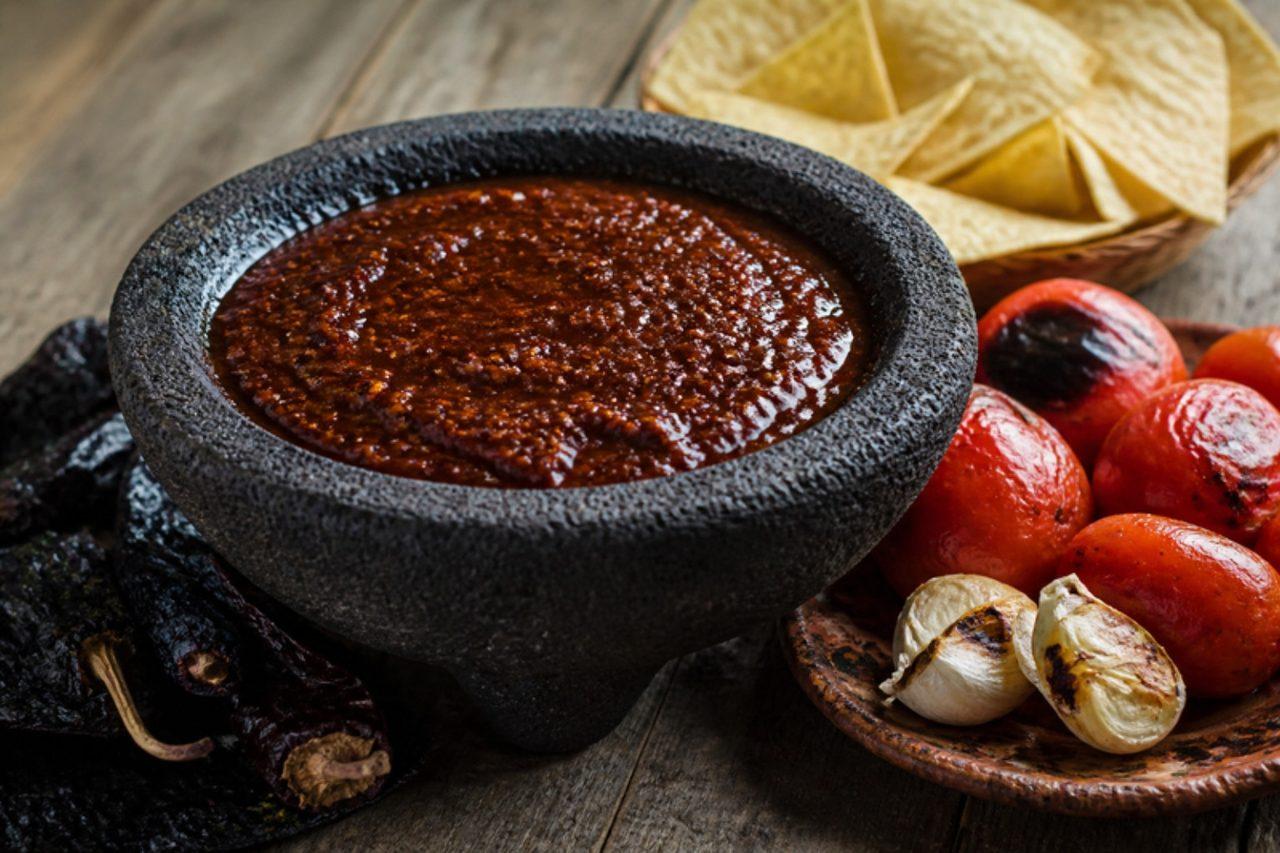
Salsa de chile pasilla oaxaqueño
Featured recipe

Salsa de chile pasilla oaxaqueño

Smoky dried chilli salsa

The pasilla mixe is a small, wrinkled, red-brown chilli smoked in the Sierra Mixe mountains east of Oaxaca City, and it tastes of campfire, tobacco and dried fruit. Ground in a molcajete with roasted tomato and garlic, it becomes the salsa that sits on every table in Oaxacan fondas, spooned over memelas, eggs, beans and grilled vegetables. It keeps a week in the fridge and improves after a day. If you cannot find pasilla mixe, use chipotle mora plus one ancho. Chef's tip: grind the garlic and salt first, then the chillies, then the tomato; working in that order gives a rough, clinging texture rather than a watery purée.

Read more 1 views

What to eat today?

Around the world

Today's trip: Persian

A new country every day, from every cuisine on the site.

Persian

Lubia pokhte

Spiced pinto beans 120 minMore from Persian (131) →

This week's collection

Kid-friendly dinners
541 recipes · a new collection every Monday

Latest recipes

Jugo de macaWarm maca drink

Before dawn at markets in Huancayo, Cusco and Lima, juice ladies ladle hot jugo de maca from big pots for workers on their way in: maca root, a turnip relative grown above 4,000 metres in the Junín highlands, simmered with milk, cinnamon and cloves and sweetened with honey or sugar. It tastes malty and toasty, a bit like butterscotch. The common mistake is stirring the powder straight into hot milk, which leaves gritty lumps; whisk it into a little cold milk first. Maca is not usually advised in pregnancy, so ask your doctor first if you are pregnant. Chef's tip: use gelatinised (cooked) maca powder if you can find it; it dissolves smoothly and is gentler on the stomach.

by KrazyBadal 0 views

Leung cha (Cantonese herbal tea)

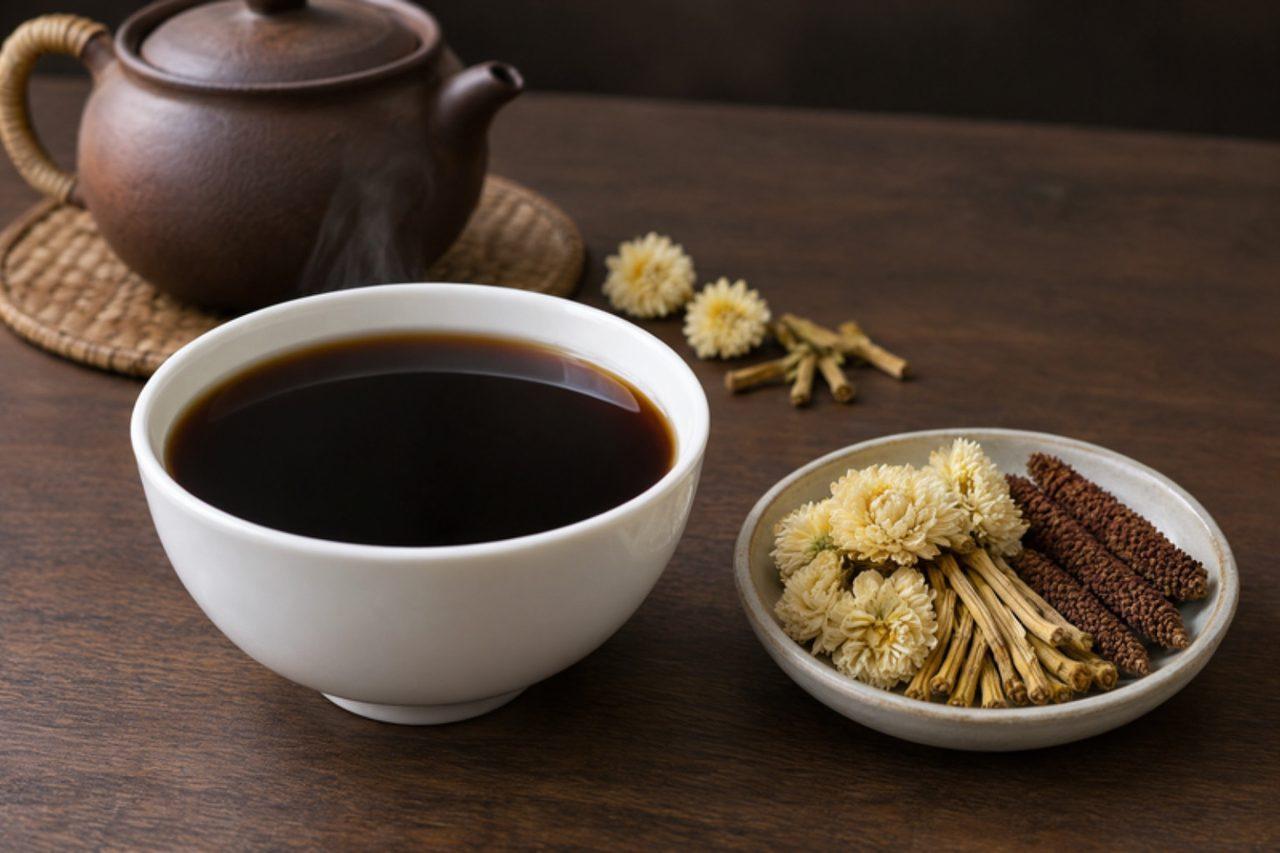
Across Guangdong and Hong Kong, the leung cha shop with its gleaming brass urns is a neighbourhood fixture. People drop in after a run of fried food, late nights or the heavy, humid weather of early summer, when Cantonese tradition says the body has too much 'heat', and down a bowl standing at the counter, then chase it with a dried plum. Brews range from the gentle 'five-flower tea' to fiercely bitter 24-herb mixes. This home version uses dried mesona (sin cho), prunella spike (ha fu cho), chrysanthemum and honeysuckle: dark brown, earthy and grassy, clearly bitter but rounded by the flowers and a little rock sugar. The common mistake is boiling everything together for an hour; the flowers turn harsh and muddy. Simmer the woody herbs first, add the flowers only for the last 10 minutes. It is ready when the liquor is the colour of strong tea and has reduced by about a third. It is traditionally drunk for comfort, not as medicine: skip it in pregnancy and check with a doctor if you take regular medication. Chef's tip: buy herbs pre-weighed as a packet from a Chinese herbalist, who will rinse-check them for grit and freshness.

by KrazyBadal 0 views

Jwano ko jholCarom seed broth

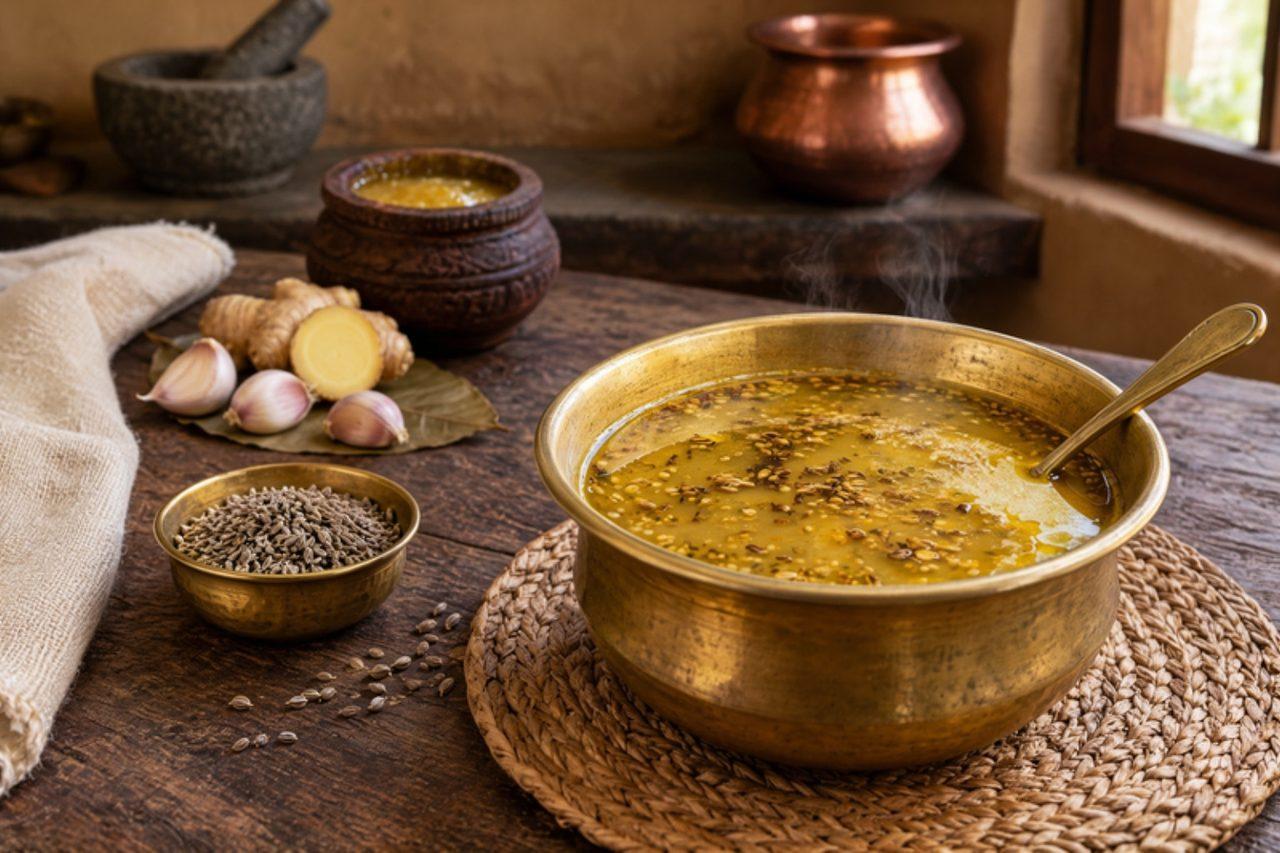
Jwano ko jhol is the soup Nepali families make for a mother in the weeks after a birth, and for anyone in the house who has a cold during the Kathmandu winter. Carom seeds are fried in ghee with a spoon of flour until nutty, then whisked with water, garlic and ginger into a thin, peppery, slightly thyme-like broth that is sipped hot from a bowl or poured over rice. The usual mistake is burning the jwano: it turns bitter in seconds, so take it off the heat as soon as it darkens a shade. Chef's tip: whisk the water in a little at a time, as with gravy, so the flour never forms lumps.

by KrazyBadal 0 views

Divul kiri (wood apple drink)

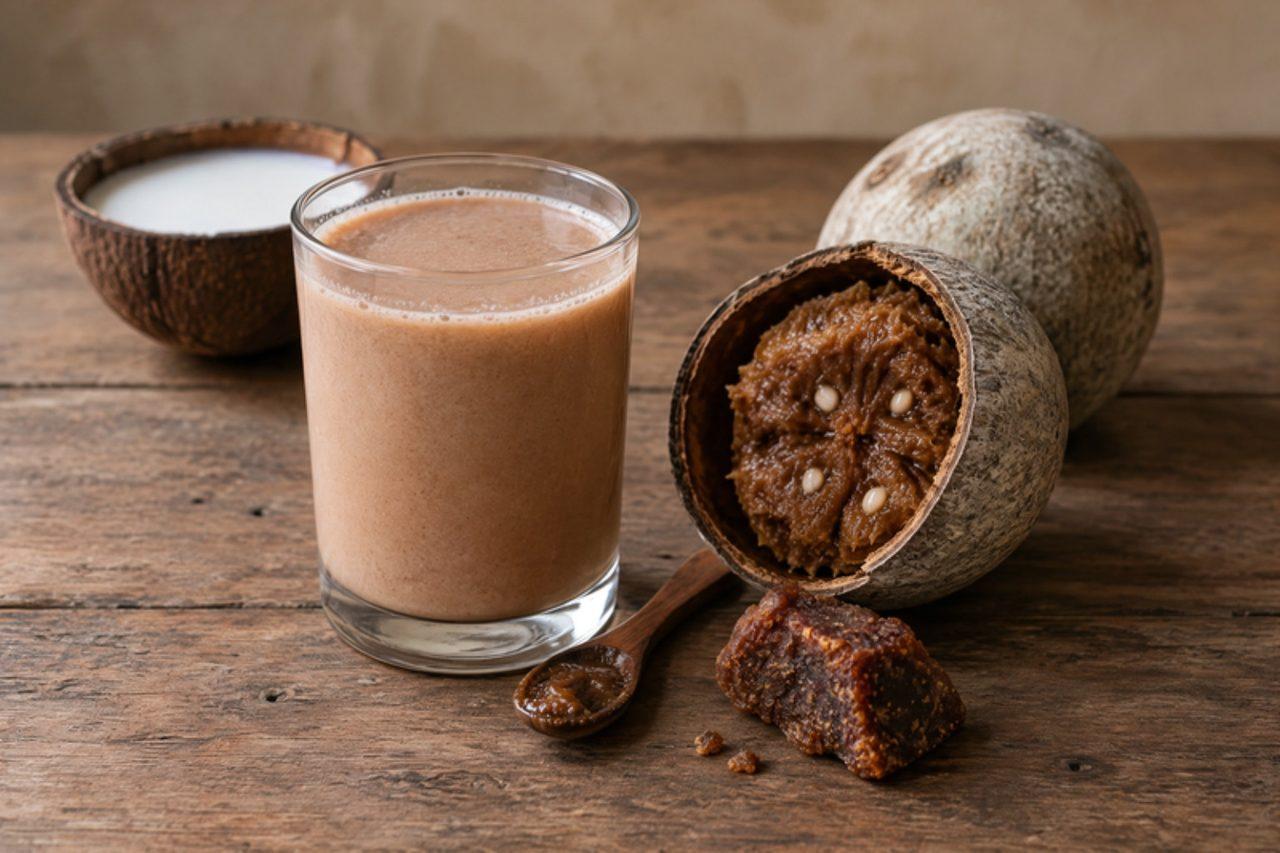
In Sri Lanka's dry zone, around Anuradhapura, Polonnaruwa and down towards Hambantota, wood apple trees fruit through the hot months, and roadside sellers crack the hard grey shells open for you. Divul kiri, wood apple with coconut milk, is what families blend at home in the afternoon heat or offer guests during the Sinhala and Tamil New Year season in April. The pulp is brown, sticky and full of seeds, with a sour, funky smell that turns fruity once it meets creamy coconut milk and dark jaggery. The drink is thick and smooth, tangy-sweet and a little smoky. The common mistake is blending the seeds in: they break and make the drink gritty and bitter. Squeeze the pulp by hand and strain out every seed before blending. It is ready when it is thick enough to coat a glass, pale caramel-brown and tastes clearly sour under the sweetness. Outside Sri Lanka, look for frozen or tinned wood apple pulp in South Asian shops; there is no true substitute, though tamarind pulp with a few soft dates gives a similar sweet-sour idea. Chef's tip: pick a fruit that sounds hollow when tapped and smells strongly when cracked; it is fully ripe.

by KrazyBadal 0 views

Kachi haldi ka acharFresh turmeric pickle

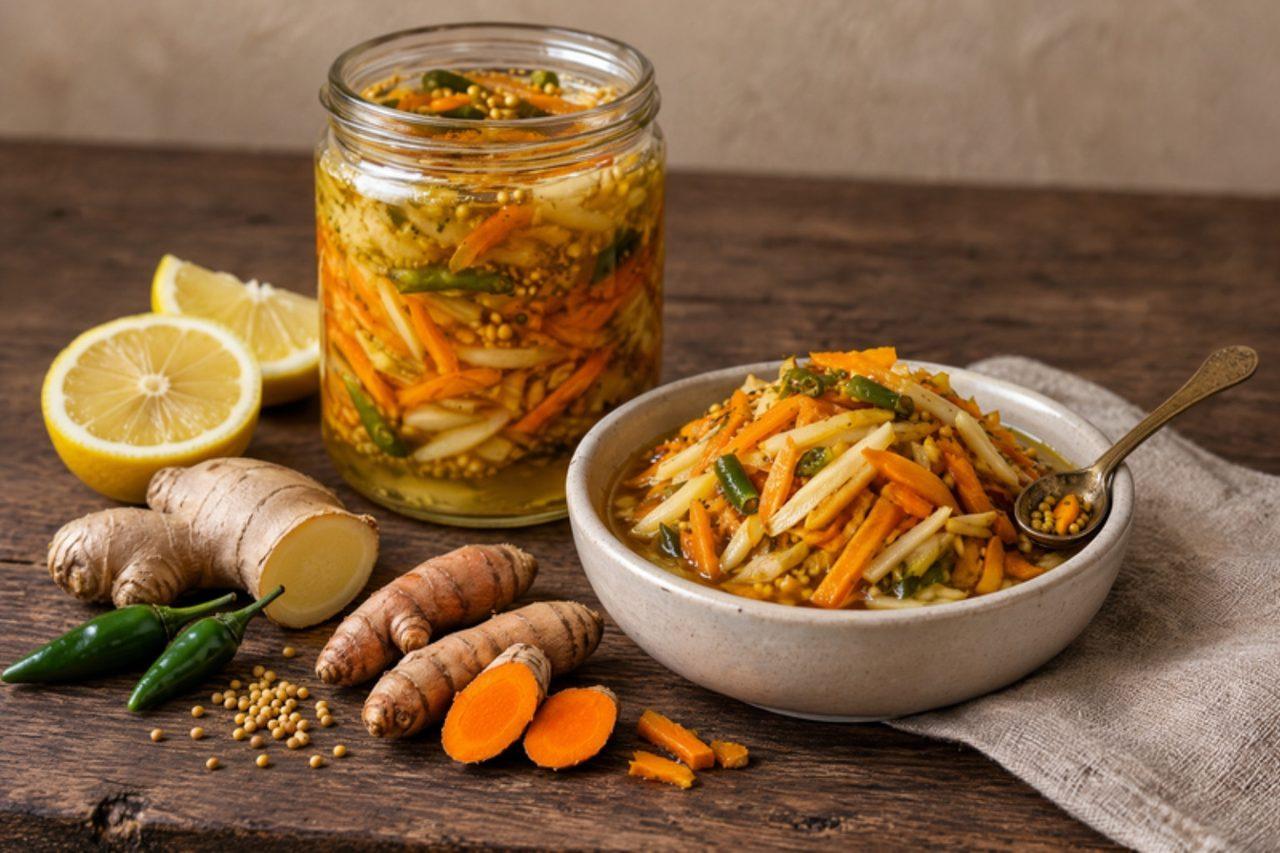
From December to February, fresh turmeric root turns up in heaps in the mandis of Jaipur, Jodhpur and Udaipur, bright orange inside and earthy-sweet. Rajasthani families eat it as a warming winter food, cooked in ghee as kachi haldi ki sabzi or, more simply, as this fresh pickle with ginger and green chilli. The slivers stay crisp and juicy; they taste peppery and slightly bitter, with sharp lemon and the nose-tingling bite of split mustard seed. It sits beside bajra roti, dal and a winter sabzi, and a few pieces with lunch is the whole point. The common mistake is cutting thick chunks: turmeric is fibrous, so slice it into matchsticks or thin coins so the lemon can soak in. It is ready to eat after 2 days, when the slivers have turned a shade softer and the juice has gone golden. Because it contains fresh ginger and chilli, keep it fully covered in the lemon juice and store it in the fridge, where it keeps for about 4 weeks. Wear gloves and use a steel or glass bowl, as turmeric stains wood, plastic and fingers for days. Chef's tip: pick plump, firm roots with smooth skin; wrinkled ones are dry and woody.

by KrazyBadal 0 views

Kachnar ki sabziBauhinia bud stir-fry

For a few weeks each March, the kachnar trees of Lahore, Rawalpindi and the Punjab plains are covered in buds, and families pick them to cook this seasonal sabzi, often eaten with fresh roti at Sunday lunch. The buds are boiled briefly, then cooked down with onion, tomato and dry spices until they turn soft with a pleasant, slightly astringent bite, a little like green beans and artichoke. Suitable as part of a balanced diet, it is fibre-rich and low in starch: about 140 kcal and 12 g carbohydrate per portion; a wholewheat or millet roti suits it. The usual mistake is skipping the blanch, which leaves the buds bitter and tough. Chef's tip: pick tight, unopened buds; open flowers turn mushy.

by KrazyBadal 0 views

Kadle manoliBlack chickpea and coconut curry

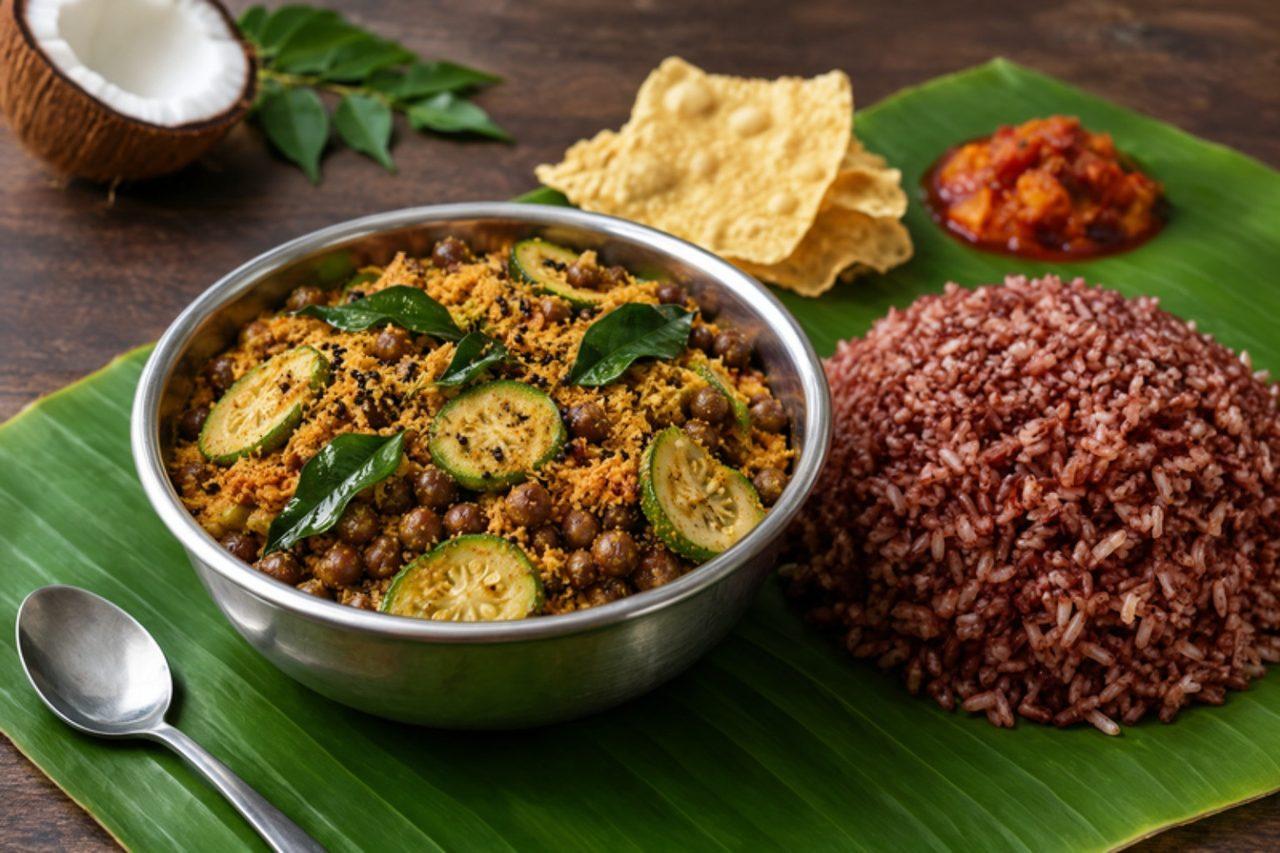
Kadle manoli is a Konkani dish from Mangaluru and Udupi, cooked for festive meals, Saturday temple days and family gatherings, where it sits beside rice, dalitoy and papad. Black chickpeas and quartered ivy gourd are cooked together, then tossed in a coarse, roasted masala of coconut, byadgi chillies and coriander, a little tamarind and a coconut-oil tempering. It is dry-ish, coating each piece rather than swimming in gravy. The usual mistake is cutting the ivy gourd into rounds; slice it lengthwise into quarters so it stays crunchy-tender. Slow-cooker: cook the soaked chana and gourd with 500 ml water on low for 7 hours, then stir in the masala and heat through. Chef's tip: grind the masala coarse, with very little water, so it clings to the chickpeas and stays fragrant.

by KrazyBadal 0 views

Karuveppilai sadam (curry leaf rice)

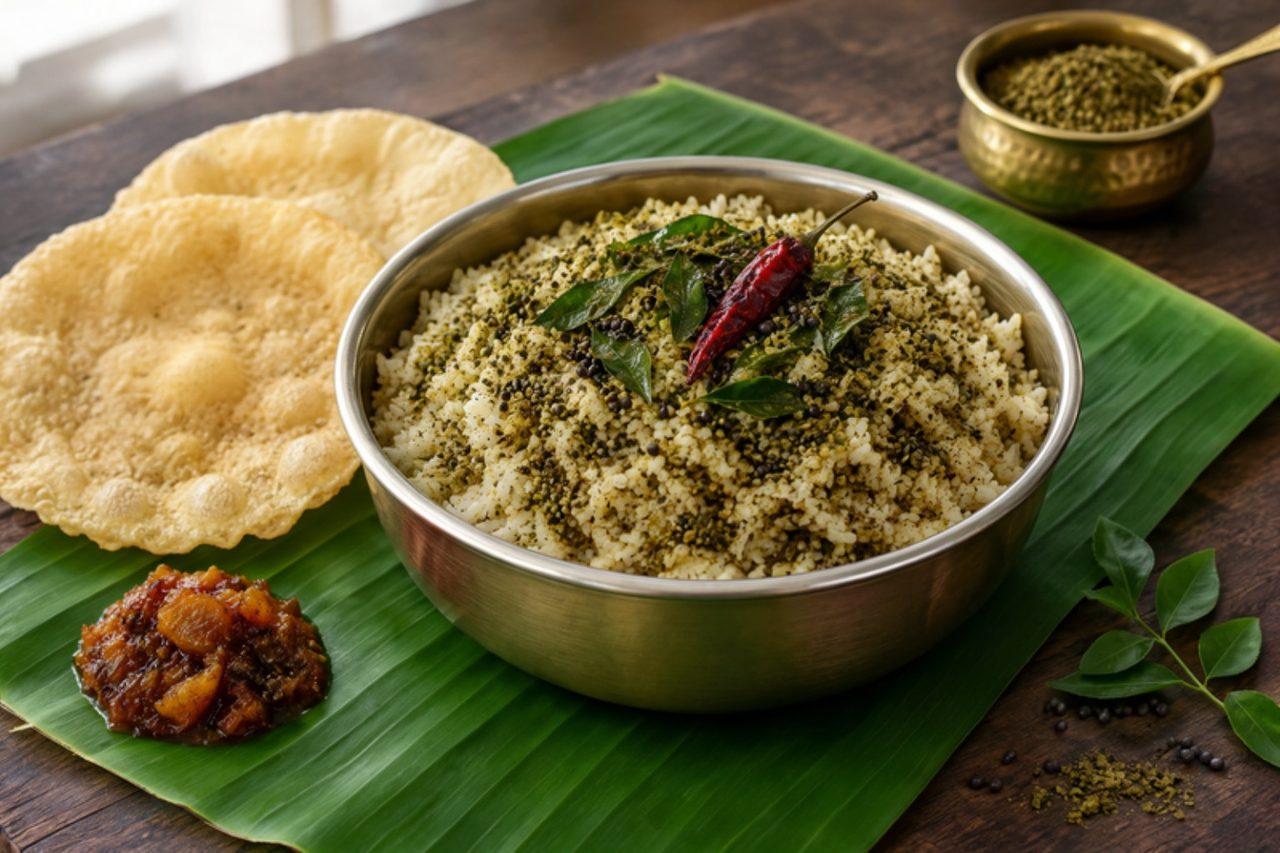
Around Madurai and Tiruchirappalli this dark, peppery rice comes out when there is a big handful of curry leaves and very little else in the kitchen, and it keeps so well that it goes into lunch boxes and onto long bus journeys. The leaves are roasted until crisp with chana and urad dal, black pepper, cumin and red chilli, then ground into a fragrant podi. The common mistake is roasting wet leaves: they steam instead of crisp, and the powder clumps. Dry them well on a towel first. Chef's tip: grind a double batch of the podi and store it airtight; it keeps for two weeks and makes lunch in five minutes.

by KrazyBadal 0 views

Kakinada kajaSyrup-soaked layered pastries

Kakinada kaja is the famous sweet of Kakinada in Andhra's East Godavari, a long, golden pastry made of layered dough that is fried and soaked in syrup until the hollow centre fills with sweetness and bursts when bitten. Telugu families buy it for weddings, Sankranti and housewarmings. The common mistake is syrup that is too thick: Kakinada kaja is soaked in a thin, just-sticky syrup so it seeps inside, while the outside stays crisp. Fry slowly so the layers open. Chef's tip: roll the dough sheet tightly into a log after spreading the ghee paste, and seal the ends, so each piece puffs into distinct layers.

by KrazyBadal 0 views

BulanglangMixed vegetable stew

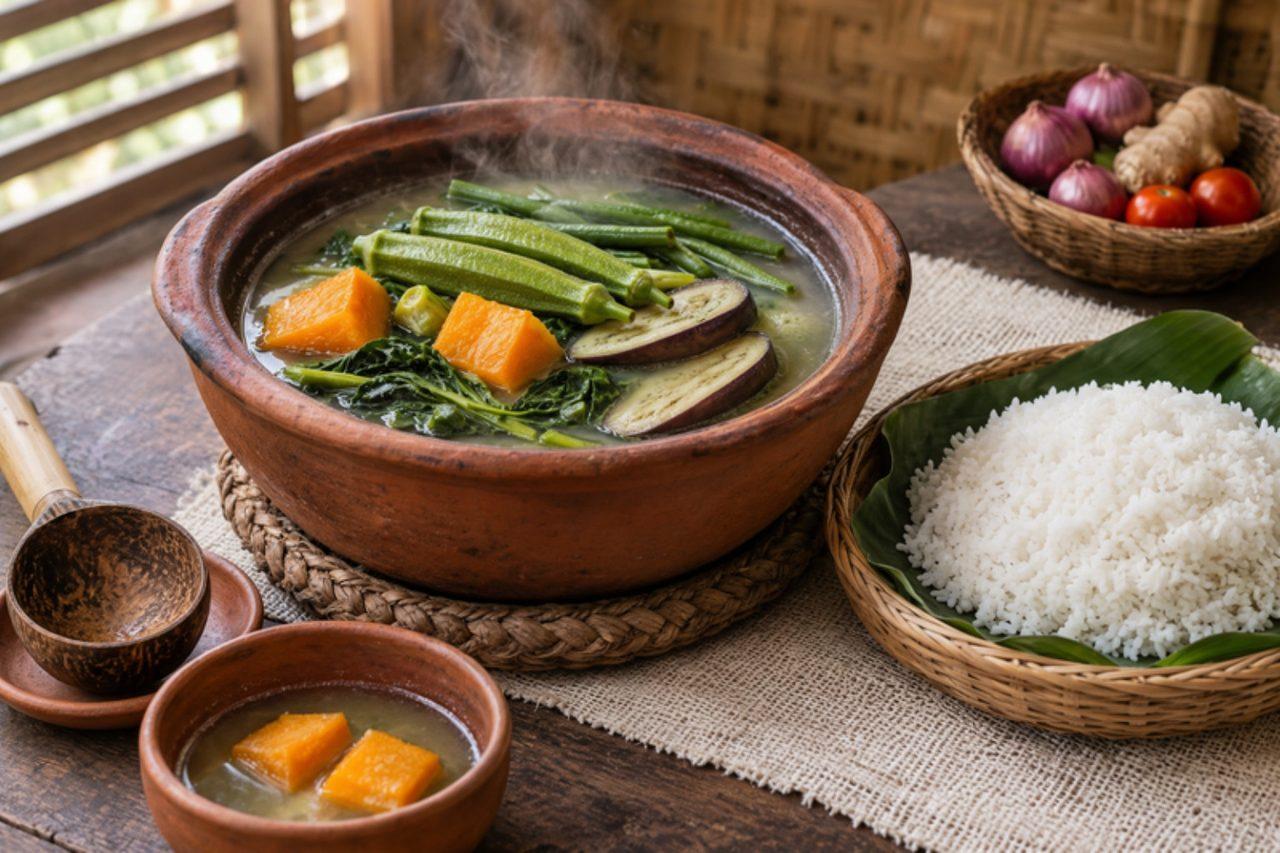
Bulanglang is the plain, light vegetable soup of Batangas and the Tagalog provinces, made in farmhouses at lunchtime from whatever is in the garden: squash, okra, string beans, eggplant and a handful of malunggay or sweet potato leaves. Instead of stock it uses hugas bigas, the cloudy water from washing rice, which gives the broth a soft, milky body. It is often eaten with grilled fish and a dip of bagoong; this version stays vegan and is served with a soy-and-calamansi dip. The usual mistake is boiling everything together from the start, which leaves mushy squash and raw-tasting okra; add the vegetables in order of firmness. Chef's tip: save the second rice wash, not the first, for the cleanest, creamiest broth.

by KrazyBadal 0 views

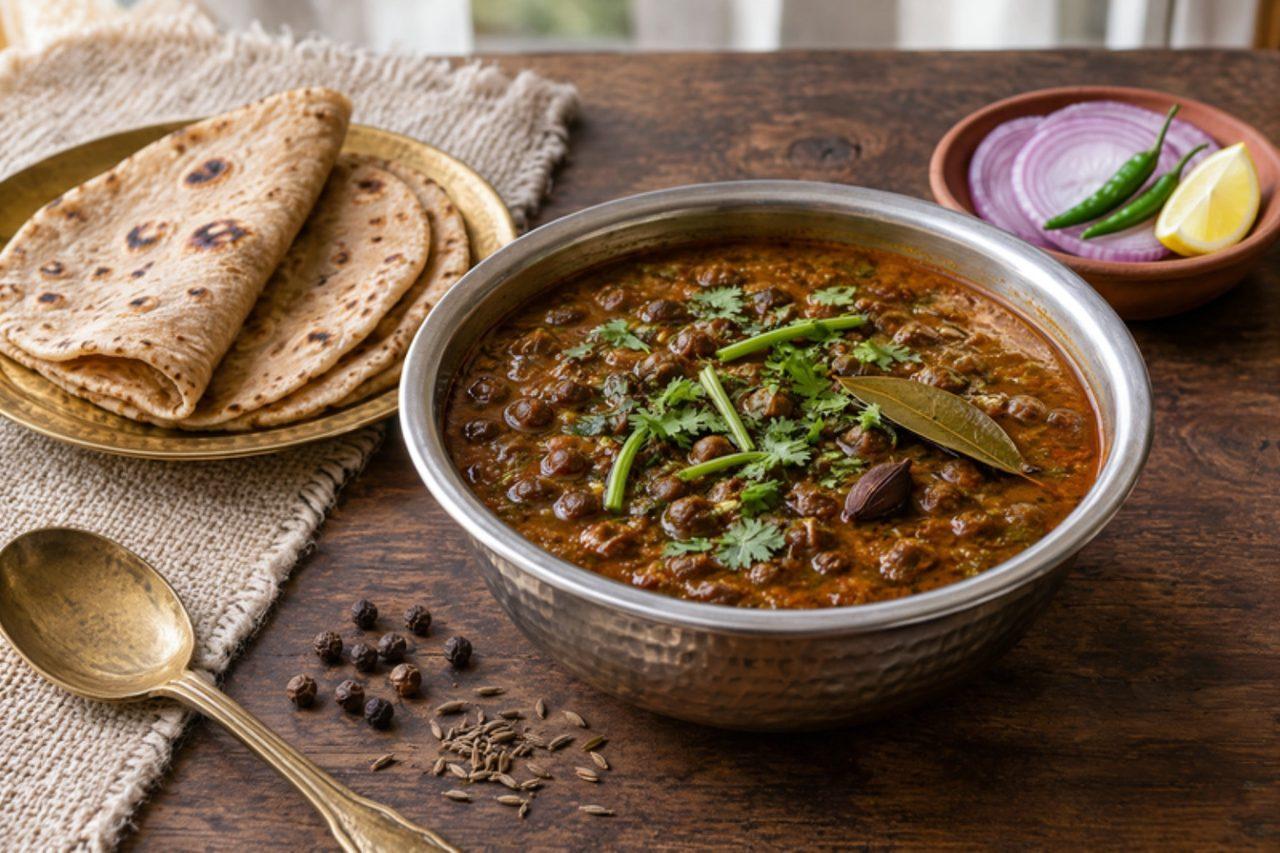
Kale chane ka salanBlack chickpea curry

Across Pakistani Punjab, from Faisalabad homes to roadside tandoors near Gujranwala, black chickpeas in a thin, peppery gravy are winter food and a Friday staple, eaten with fresh roti or rice. The small brown chana keep their bite and give a nutty, earthy broth flavoured with cinnamon, black cardamom, cloves and bay. It is cooked in one pot, on the stove or in a slow cooker, and tastes even better the next day. The usual mistake is skipping the overnight soak: unsoaked black chana stay hard however long you cook them. Chef's tip: mash a ladleful of the cooked chana against the side of the pot at the end; it thickens the gravy without any flour.

by KrazyBadal 0 views

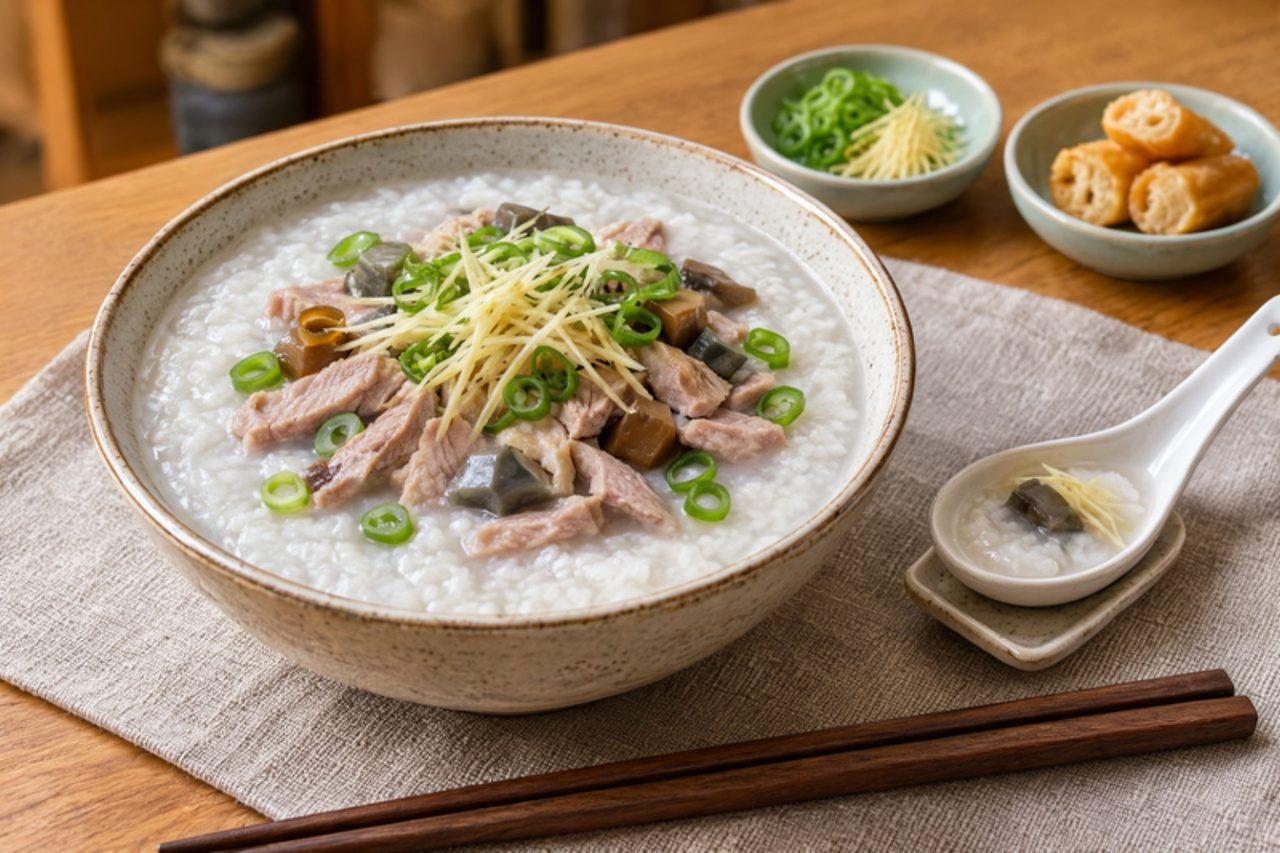
Century egg and pork congee

Across Guangdong and in Hong Kong's congee houses, this is the morning order everyone knows: a silky congee with nuggets of salted lean pork and dark, jelly-like century egg, finished with ginger and spring onion and eaten with a crisp youtiao on the side. The pork is salted the night before, which firms it and seasons it to the middle. The usual mistake is adding the pork at the end in big lumps; it should simmer long enough to turn tender and reach 71 °C. Chef's tip: mash one of the century eggs into the congee as it cooks and save the other for the top, so the whole pot carries its rich, savoury flavour.

by KrazyBadal 0 views

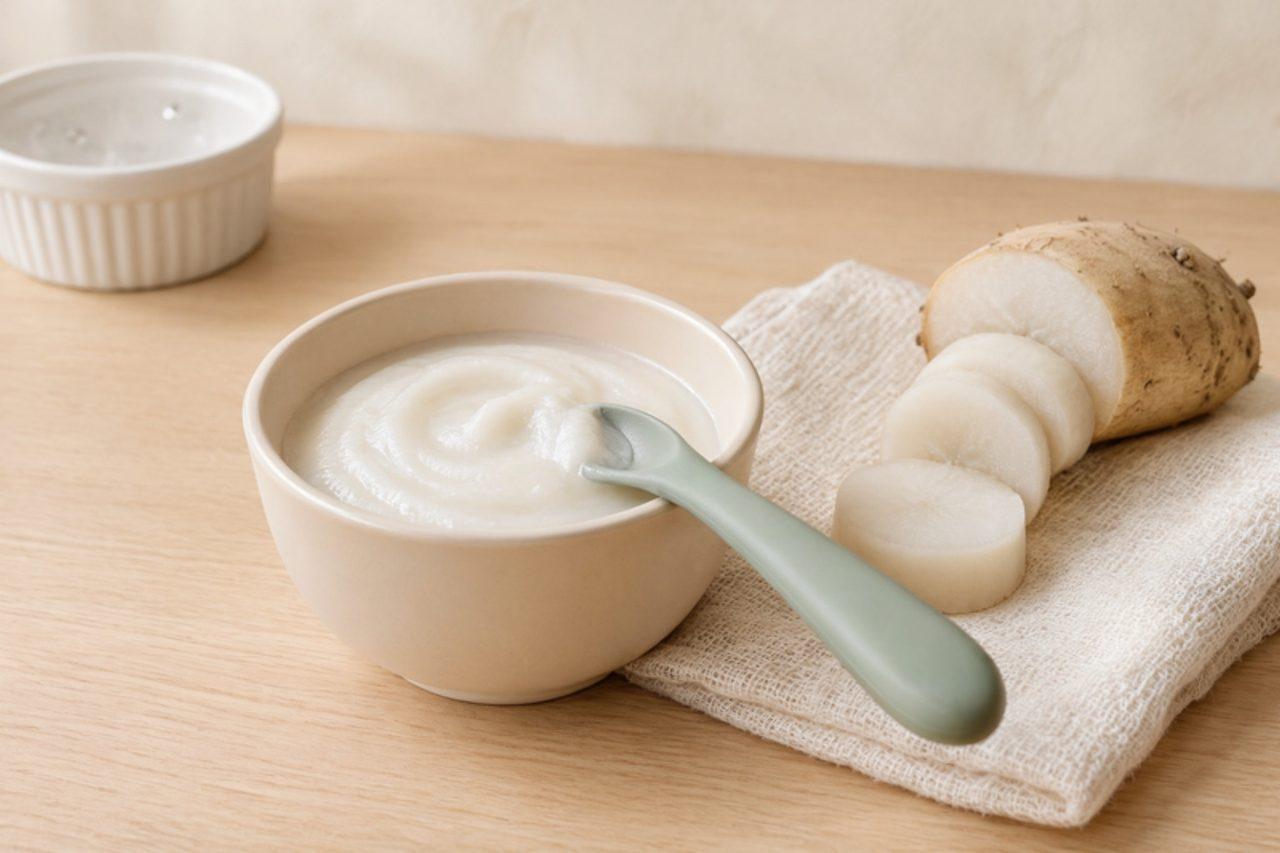
Shānyào ní (Chinese yam purée)

Chinese yam (shānyào, the long, hairy-skinned root sold in bundles in markets from Beijing to Guangzhou) is valued in Chinese homes as easy on the tummy, and steamed shānyào ní is one of the classic first purées offered at six months. Once steamed, the crisp, slippery flesh turns floury and pale, and pressed through a sieve it gives a smooth, slightly sweet, potato-like purée. Nothing else is added: no salt, sugar or honey for babies. It is free of the major allergens. Chef's tip: wear gloves or oil your hands before peeling; the raw sap makes skin itch, but cooking destroys it completely.

by KrazyBadal 0 views

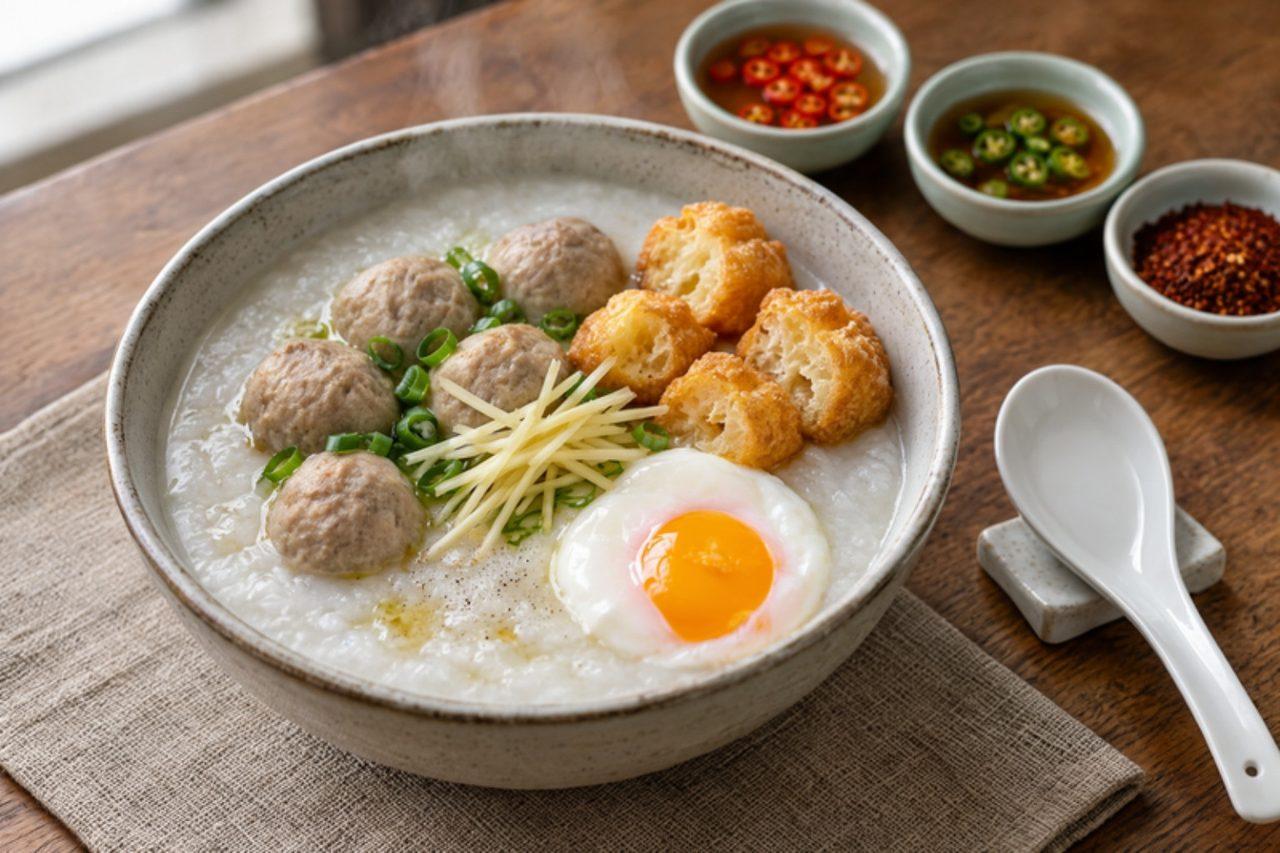
Jok mooRice porridge with pork balls

In Bangkok, jok is breakfast at a roadside stall or the market at 6 am: broken jasmine rice cooked until almost smooth, with tender pork balls, an egg cracked in at the last moment, and heaps of ginger, spring onion and crisp patongko or fried dough. Seasoning sits on the table, so everyone adds soy, white pepper and chilli vinegar to taste. For a meat-free bowl, swap the pork balls for shiitake mushrooms and cubes of silken tofu, and use soy instead of fish sauce. The common mistake is a thin, watery jok; keep simmering until it holds a soft ribbon. Chef's tip: whisk the cooked rice hard for a minute at the end; it breaks the last grains and makes the porridge creamy.

by KrazyBadal 0 views

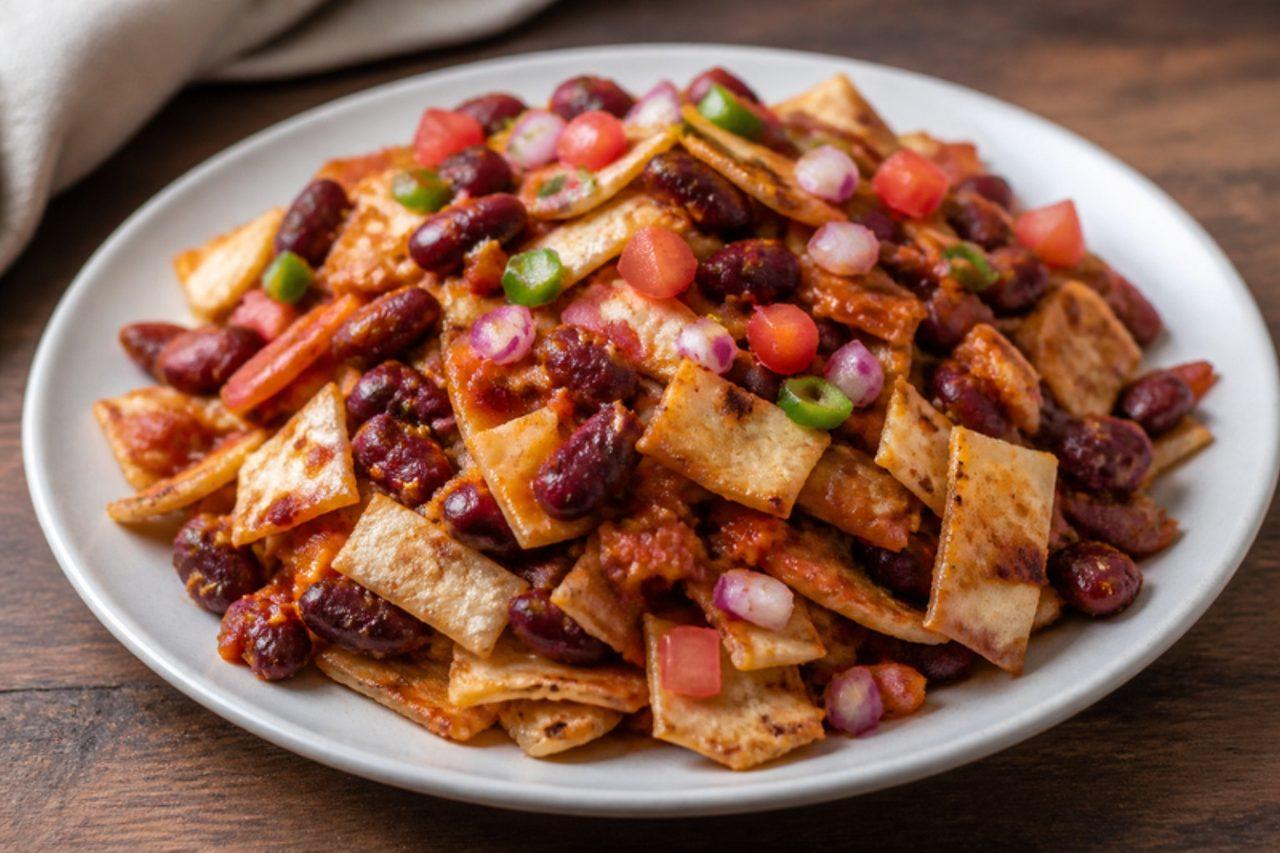
KikomandoChopped chapati with bean stew

Kampala students named this after a commando film hero, the joke being that it gives you the strength to survive on almost no money, and roadside chapati makers from Makerere to Wandegeya still sell it all evening. Hot chapatis are chopped into strips and folded through a quick, peppery bean stew, so the bread soaks up the sauce yet keeps a little chew. Raw onion, tomato and green chilli on top make it fresh and crunchy. The mistake is drowning it: the beans should be thick enough to cling, not soup. Ready-made chapatis work well, but check they are made with oil if you want it vegan. Chef's tip: warm the chapatis in a dry pan until they puff and blister before chopping; cold ones turn rubbery in the sauce.

by KrazyBadal 0 views

Agua de tuna (prickly pear drink)

Late summer is tuna season across the central highlands, from Hidalgo and the Estado de México down to Puebla's Teotihuacán valley, and that is when the big vitroleros in markets and taquerías turn shocking pink. Agua de tuna is just the cactus fruit blended with water, lime and a little sugar, strained, and poured over ice with lunch. Red tunas give a vivid colour and a taste between watermelon and pear; green ones make a paler, more herbal drink. It should be light and thirst-quenching, never syrupy. The commonest mistake is blending too long: the hard seeds crack and the agua turns gritty and slightly bitter. Pulse briefly, just enough to free the pulp, then strain well. It is ready when the liquid runs smooth through the sieve and tastes clearly of fruit with only a lift of lime. Handle unpeeled tunas with tongs or gloves: even 'cleaned' ones keep tiny glochids. Chef's tip: chill the peeled fruit before blending; cold pulp keeps its colour bright and needs less ice to dilute it.

by KrazyBadal 0 views

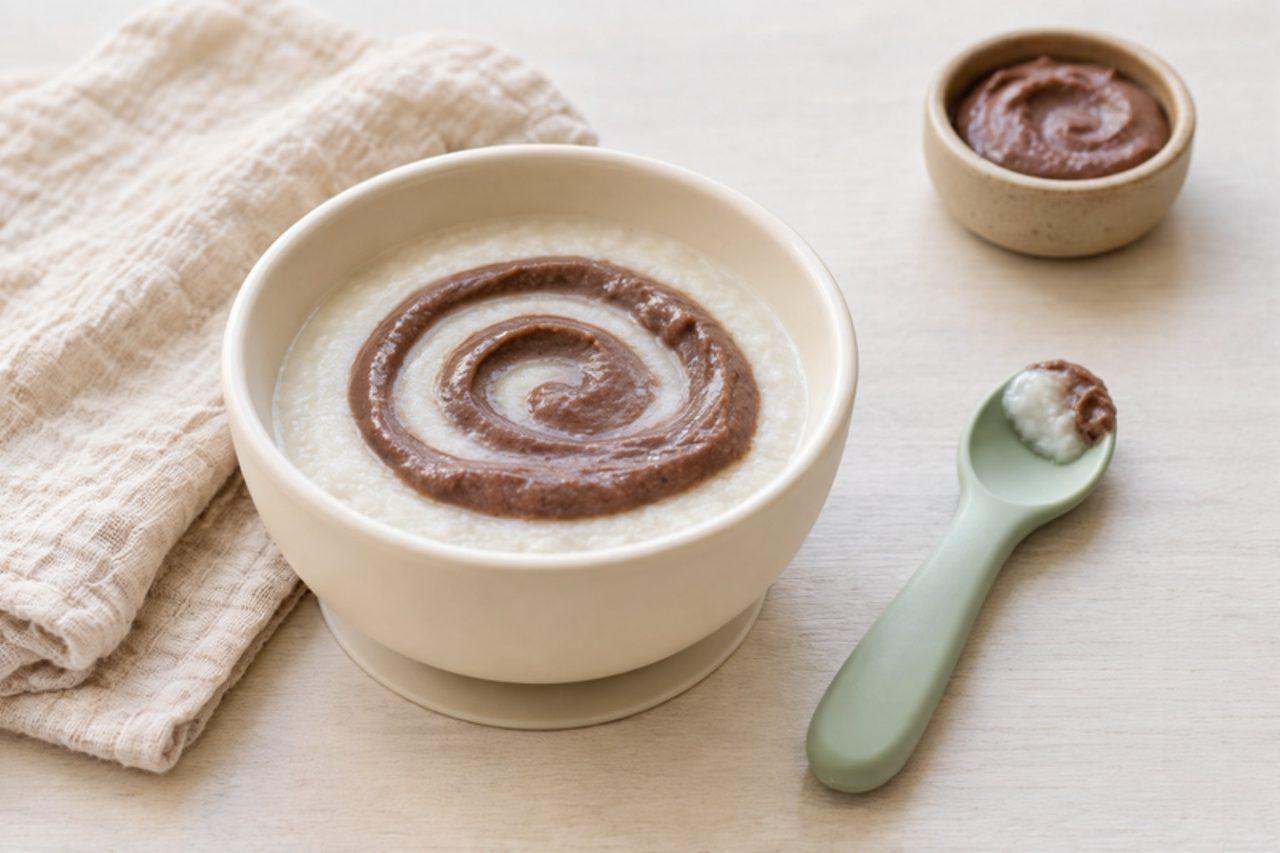
Zhū gān ní (pork liver purée)

Zhū gān ní, a smooth purée of pork liver, is the iron food Chinese grandmothers swear by, and wet markets from Chengdu to Shanghai sell small pieces of very fresh pork liver for exactly this. The liver is soaked to draw out the blood, steamed with a slice of ginger until cooked right through, then blended and stirred into rice porridge, where it gives a mild, savoury, slightly sweet taste. Liver is very rich in vitamin A, so babies should have it only in small amounts, no more than once a week. No salt, soy sauce, sugar or honey for babies. It is free of the major allergens. Chef's tip: buy the freshest liver you can find, glossy and deep red-brown, and freeze the purée in cubes so one portion is always ready.

by KrazyBadal 0 views

Khai kataPan eggs with pork and sausage

Khai kata, "pan eggs", came to Thailand through the Vietnamese communities of Isan, and in Udon Thani and Nong Khai, and now in Bangkok cafés too, it arrives sizzling in its own little metal pan with toppings of pork mince and sweet Chinese sausage, plus a crusty roll and a strong coffee. The eggs are cooked just until the whites set. The common mistake is cracking the eggs onto raw mince; cook the pork through first, then add the eggs. Chef's tip: heat the pan before the eggs go in, so the whites set at the edges with lacy, crisp frills.

by KrazyBadal 0 views

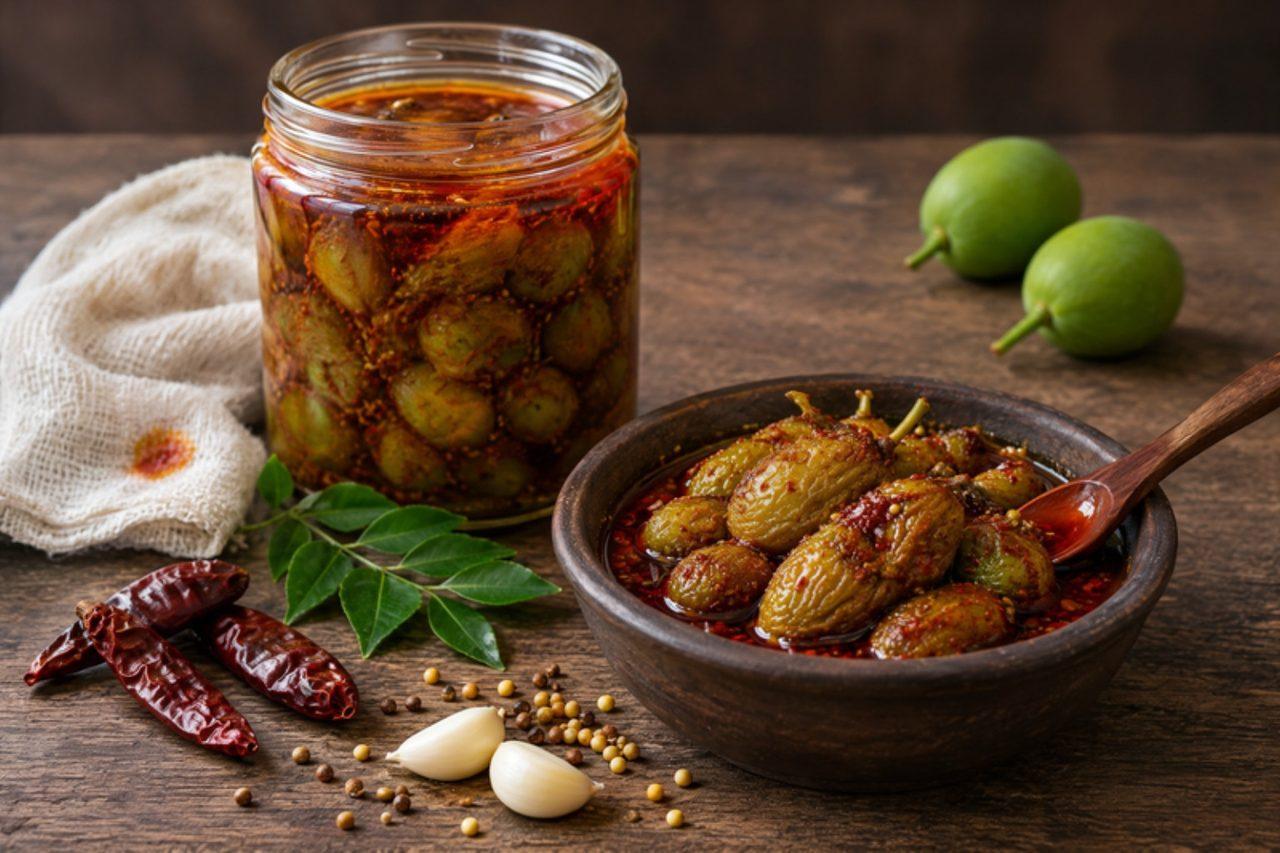
Kannimanga acharBaby mango pickle

In central Kerala, around Thrissur and Kottayam, families watch the mango trees in January and February and pick the tiniest fruit, no bigger than a thumb joint, before the stone hardens. These kannimanga are salted whole in a tall ceramic bharani, left until shrivelled in their own brine, then mixed with freshly ground raw mustard, Kashmiri chilli and hing and left to mature for three or four weeks. This older, oil-free style keeps the mangoes crunchy and the brine thick, red and sinus-clearing from the raw mustard. The flavour is salty, sour and fiercely pungent; one mango and a spoon of brine is enough for a whole bowl of kanji (rice gruel) or curd rice. The common mistake is using water that has not been boiled and cooled, which brings in microbes and turns the brine slimy. It is ready when the mangoes are wrinkled but crisp and the brine tastes mellow rather than raw. Salt is high, about 20 g per 100 g of mango, and the fruit is very acidic; kept fully submerged in a dry jar it lasts a year in a cool place. Abroad, any tiny, hard green mango with a soft stone works. Chef's tip: keep a short stalk on each mango; it stops brine seeping in and softening the fruit.

by KrazyBadal 0 views

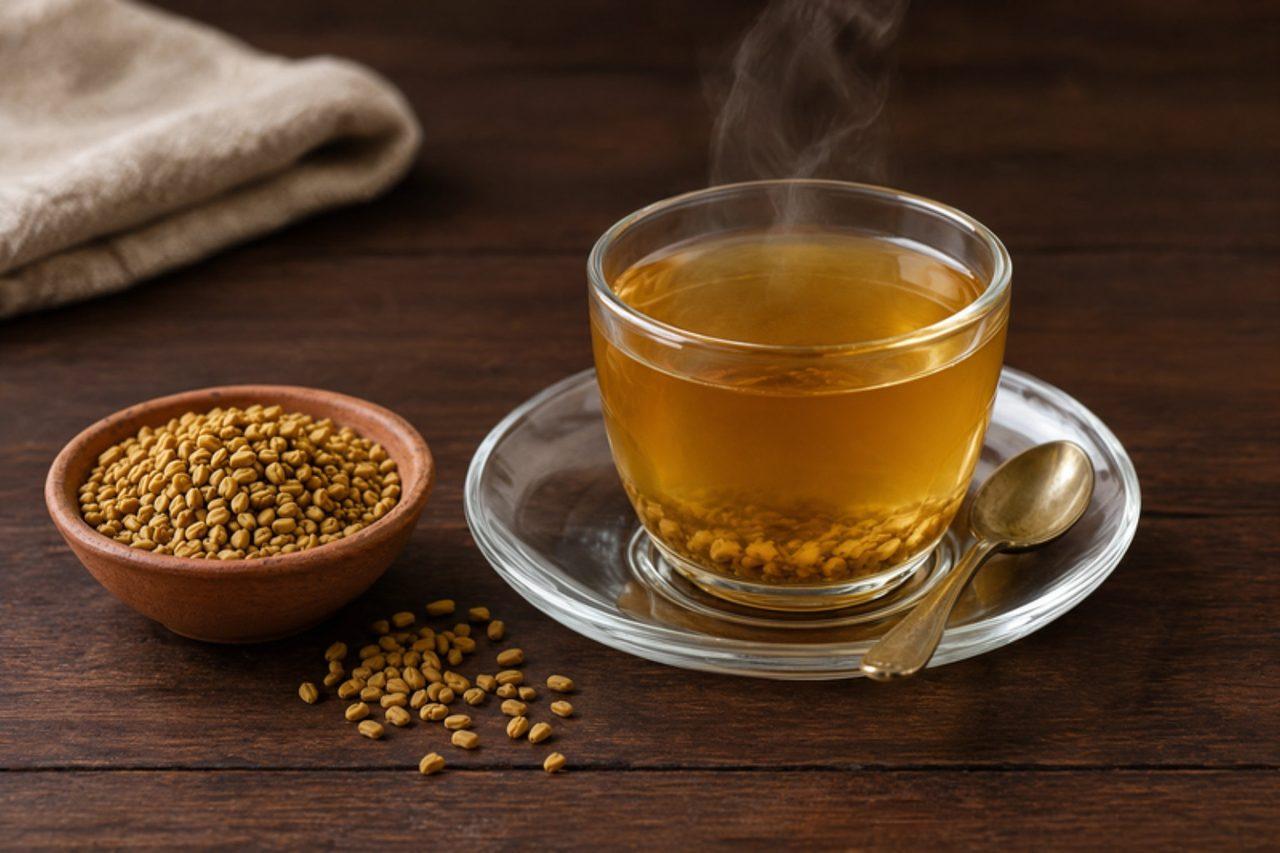
Helba (fenugreek tea)

Helba is the other hot drink chalked on the board of every Egyptian coffee house, ordered in winter by students and old men playing dominoes alike. At home it is brewed when someone has a cold, after childbirth, or simply on chilly nights in the Delta, and is traditionally drunk to soothe the chest and the stomach. Fenugreek seeds are boiled until the water turns amber-yellow; the cup tastes nutty and toasty, like maple and celery, with a pleasant bitterness that sugar softens. Some people add a splash of milk at the end. Fenugreek is not advised during pregnancy, can lower blood sugar and may interact with blood thinners, so check with your doctor if you take medication; it can also make your sweat smell faintly of maple, which is harmless. The common mistake is boiling unrinsed seeds hard for a long time, which gives a slimy, very bitter tea. Rinse them, toast them briefly and boil only 8–10 minutes. It is ready when the liquid is clear golden-amber and smells of warm maple. Chef's tip: soak the seeds overnight first for a milder, rounder brew, and eat the softened seeds with a spoon as Egyptians do.

by KrazyBadal 0 views

Satay beef instant noodles

In Hong Kong's cha chaan teng diners, the morning set often means a bowl of instant noodles in clear broth topped with tender beef in a sweet, peanutty satay sauce, eaten with a buttered bun and a cup of milk tea. Restaurants use a jarred Chinese satay paste; this quick home sauce gets close with peanut butter and curry powder. The usual mistake is putting cold beef in a crowded pan, which makes it stew grey; fry it hot and fast in one layer. Chef's tip: a pinch of bicarbonate of soda in the marinade makes the beef silky and tender, the cha chaan teng way.

by KrazyBadal 0 views

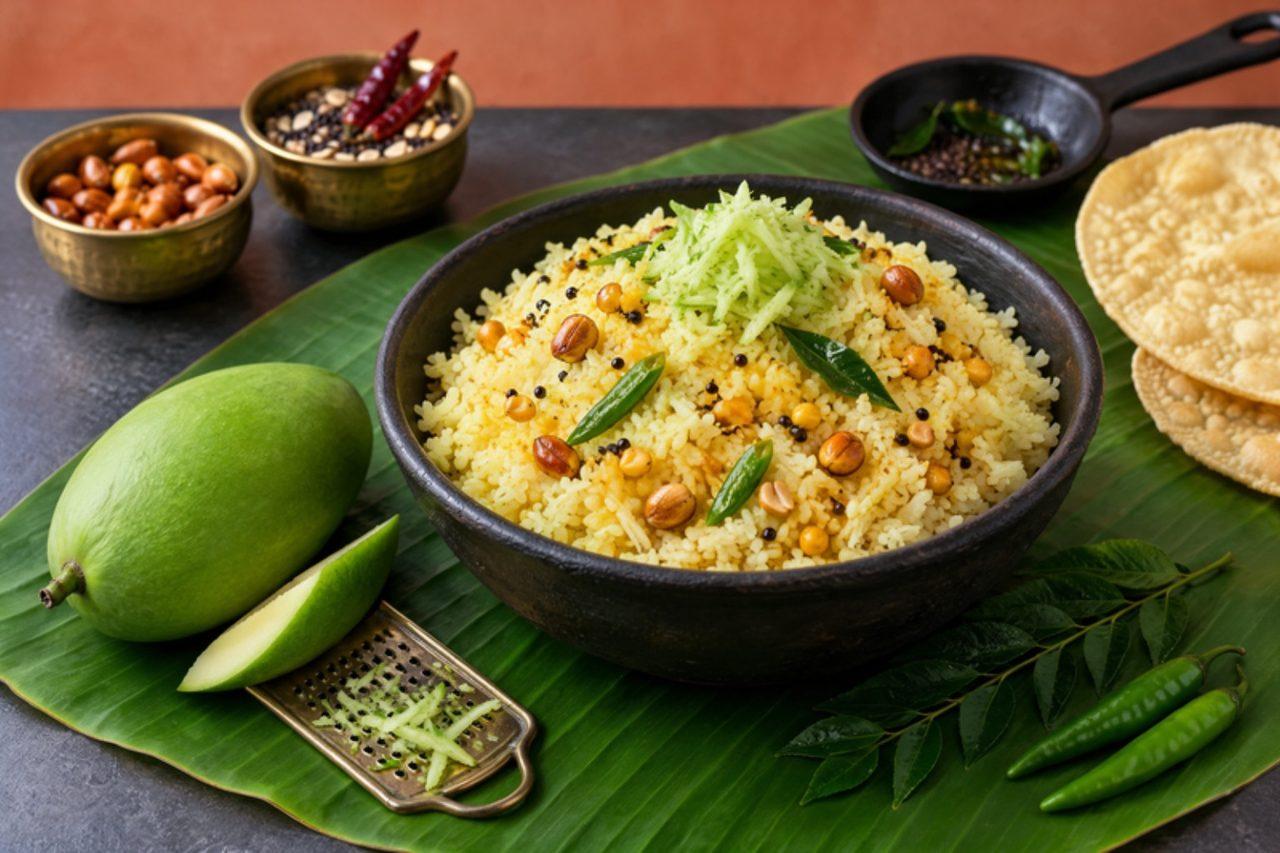
Mangai sadam (raw mango rice)

When hard green mangoes pile up at the markets of Tamil Nadu in April and May, school lunch boxes fill with mangai sadam, sour and fresh like lemon rice but with a fruitier bite. Grated raw mango is cooked only briefly in a mustard, chana dal and curry leaf tempering so it softens but keeps its tang. The mistake is overcooking the mango into mush, which makes the rice sticky; two or three minutes is enough. Chef's tip: taste the mango first. A very sour one needs a pinch of sugar, and a half-ripe one needs a squeeze of lemon at the end.

by KrazyBadal 0 views

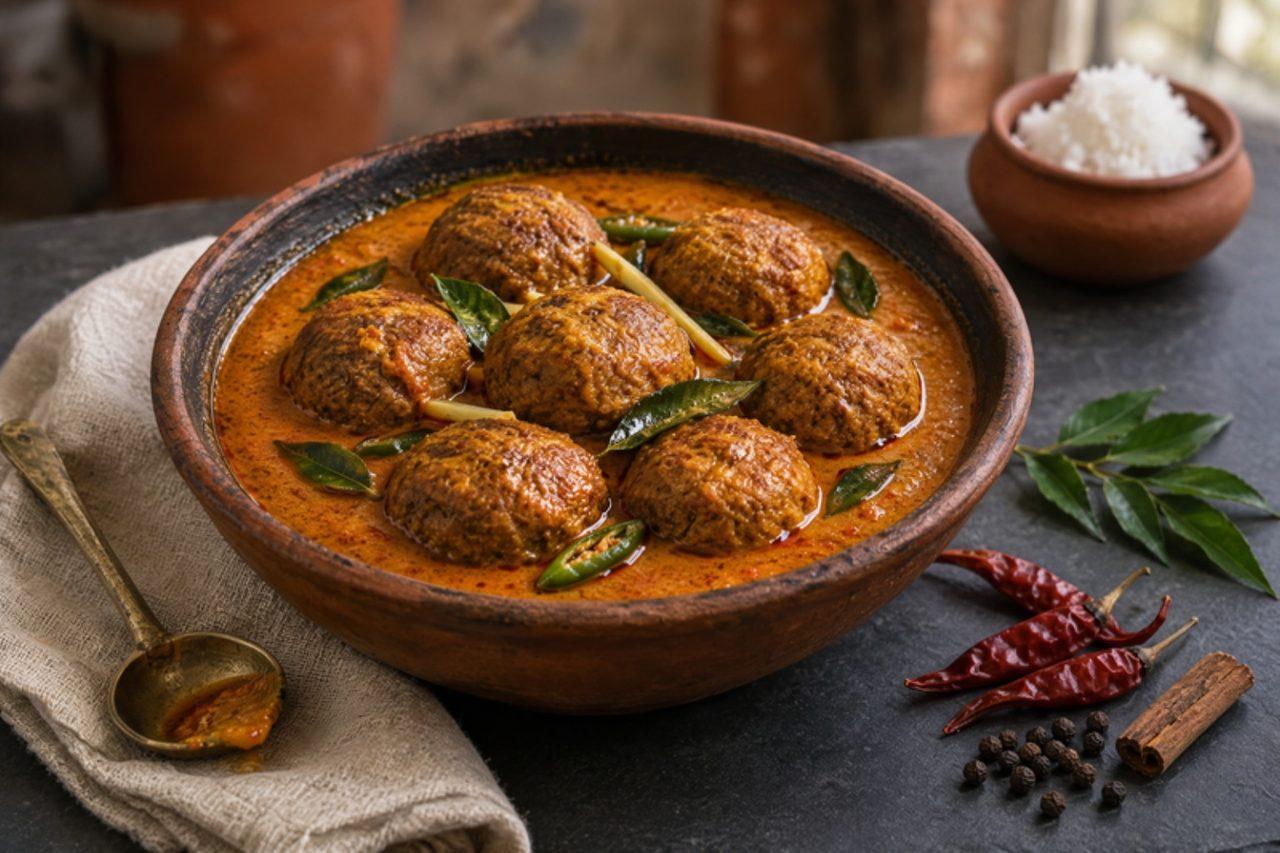
Kari boulettesSpiced meatballs in coconut curry

Kari boulettes come from Puducherry's Franco-Tamil Creole families, whose Sunday tables mix French names with Tamil spice boxes. Minced mutton or beef is mixed with onion, herbs and a little egg into small balls, then simmered in a curry of tomato, onion, poppy seed and coconut milk, often served with rice or crusty bread on feast days and at Christmas. The common mistake is stirring the balls as soon as they go into the gravy, which breaks them; let them set for five minutes, then only shake the pan. The meatballs are done when they reach 71 °C in the centre. Chef's tip: chill the shaped balls for 20 minutes before cooking so they hold their shape.

75 minIndianMeatGluten free
by KrazyBadal 0 views

Bhel puri

On Girgaum and Juhu Chowpatty the bhelwalas set up as the sun drops into the Arabian Sea, and bhel puri is what Mumbai eats while it walks along the sand. Puffed rice, crushed flat puris and boiled potato are tossed in a steel bowl with sweet tamarind and fiery green chutneys, then buried under fine sev and handed over in a folded paper cone with a puri for a spoon. It is crunchy, sweet, sour and hot all at once, and it has to be eaten within minutes. Chef's tip: lay out every component before you start, because the mixing takes thirty seconds and the crunch only lasts about five minutes.

by KrazyBadal 0 views

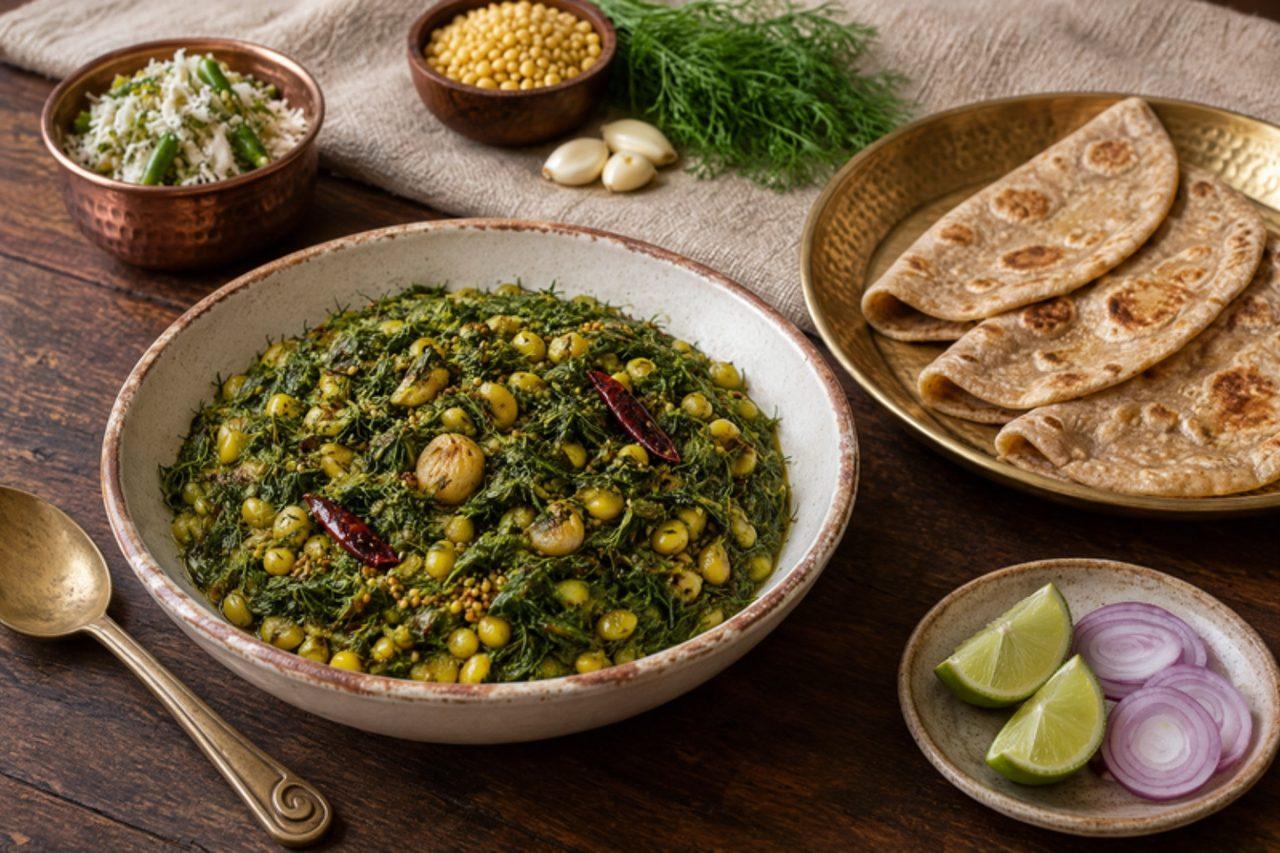
Shepu bhaji (dill and moong dal)

In Pune and the villages of western Maharashtra, bunches of shepu (dill) come to market in winter, and this dry bhaji of dill and soaked yellow moong dal is packed with bhakri or chapati in the lunch dabba. The dill wilts down to a soft, aromatic tangle, and the moong dal gives it body and a little protein. The mistake is adding water: the leaves release plenty of their own, and extra liquid makes the bhaji stew and lose its fresh, sharp smell. Chef's tip: soak the moong dal for at least 30 minutes beforehand, so it cooks through in the dill's own steam without turning mushy.

by KrazyBadal 0 views

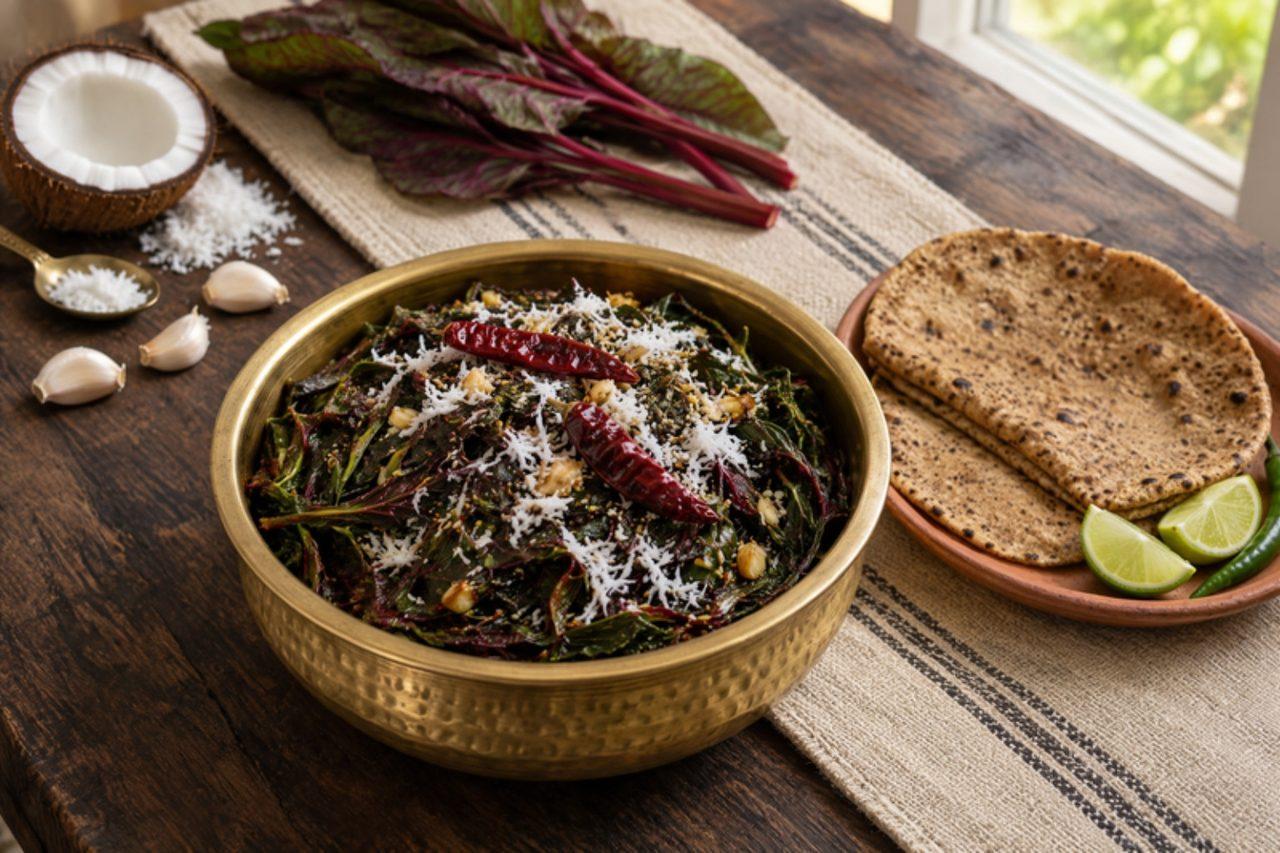
Lal mathachi bhaji (red amaranth stir-fry)

In Mumbai and the Konkan, bunches of red math (amaranth) with their magenta stems come in during the monsoon, and this quick garlicky bhaji turns the dabba's chapatis pink at the edges. It is cooked fast in a hot pan so the leaves stay bright, then finished with a little fresh coconut, the coastal touch that sets it apart from the Bengali way with the same leaf. The mistake is cooking it covered for a long time, which turns it grey and watery. Chef's tip: chop the tender stems finely and cook them for a minute before the leaves go in, so everything is done at the same moment.

by KrazyBadal 0 views

Kasza jaglana na mlekuMillet porridge with milk

Millet, jagły, has been eaten in Poland for centuries, and kasza jaglana na mleku is the warming winter breakfast many Polish children grew up on, now back in fashion as a gentle, gluten-free porridge. The grains are cooked in water first, then simmered in milk until soft and creamy, and topped with sautéed apple, cinnamon and a little honey. The mistake that puts people off millet is skipping the rinse: the grains carry a bitter coating that has to be washed off and scalded away with boiling water. Chef's tip: toast the rinsed millet in the dry pan for 2 minutes before adding water, and the porridge tastes nutty instead of grassy.

by KrazyBadal 0 views

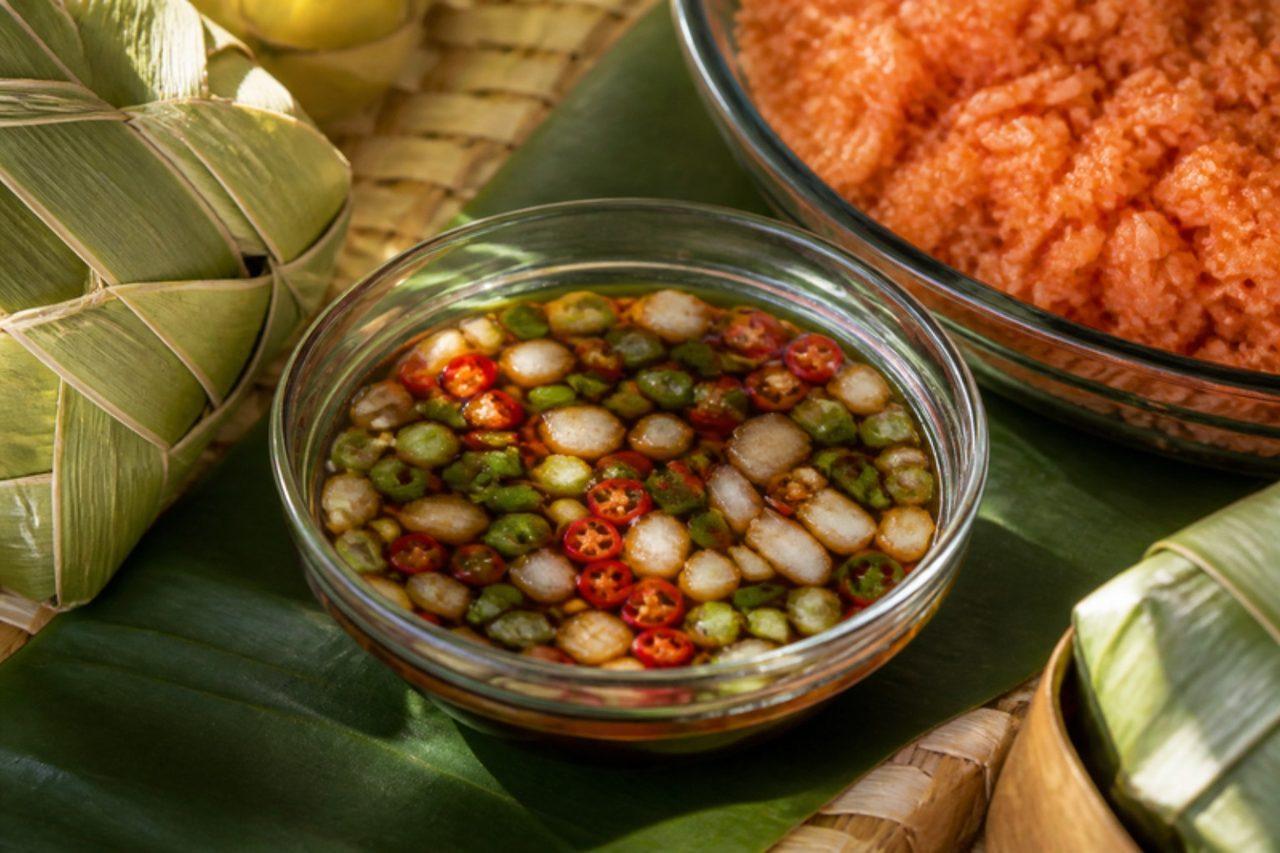
FinadeneSoy and lemon dipping sauce

Finadene is the sharp, salty, fiery sauce that every Chamorro family in Guam makes to spoon over grilled meat, fish, red rice and just about everything at a fiesta. Soy sauce is mixed with lemon juice or vinegar, chopped onion and the small, very hot local donne' peppers. There are many versions; this soy-lemon one is the most common. A common mistake is making it hours ahead; the onion is best still crunchy. Chef's tip: use Thai bird's-eye chillies if you can't find donne'.

by KrazyBadal 0 views

Akajiso juice (red shiso cordial)

Bunches of red shiso fill Japanese greengrocers for a few weeks in June and July, mostly bought to colour umeboshi. Gardeners from Kyoto's Ohara valley to Kantō boil the surplus into this cordial and keep it in the fridge for hot afternoons. Simmering pulls a murky purple-brown liquid from the leaves; the magic is the moment the vinegar goes in and the whole pan flushes a brilliant clear magenta. Diluted with ice water or soda water it tastes sweet-sour and herbal, like a cross between blackcurrant, mint and cinnamon. The most common mistake is simmering the leaves too long or with the stems: it turns grassy and bitter. Strip the leaves, boil them for five minutes only, until they have turned green and limp, then lift them out. The cordial is ready when it is jewel-bright and clear. Bottle it in a clean, sterilised bottle and keep it in the fridge for up to three weeks; discard if it fizzes, clouds or grows mould. No fresh red shiso nearby? Japanese and Korean shops sometimes sell it in summer, and it grows easily from seed. Chef's tip: freeze some as ice cubes to drop into sparkling water.

by KrazyBadal 0 views

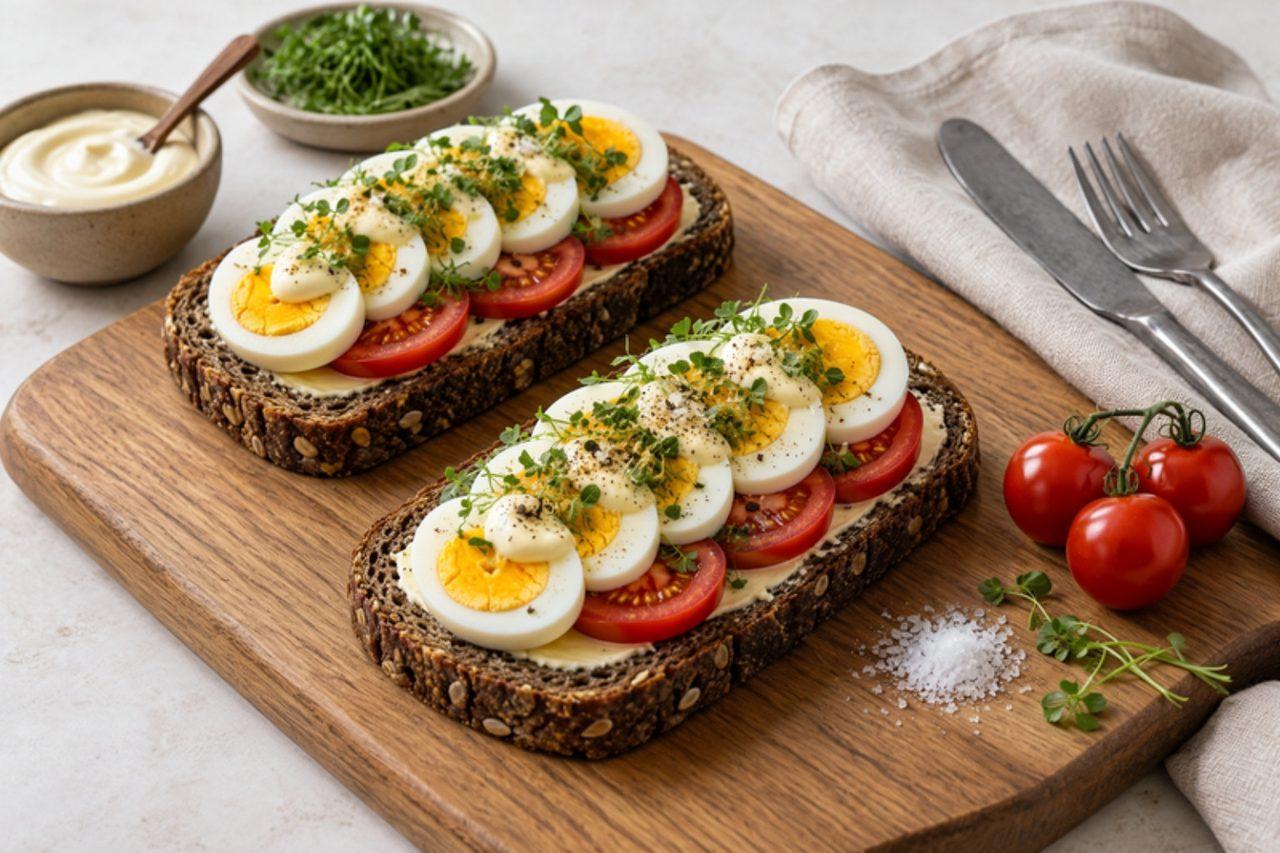
ÆggemadEgg and tomato rye sandwich

The Danish madpakke (packed lunch) is a stack of rugbrød slices, each with its own pålæg, and æggemad is the one that shows up in every family's box: dense rye, a smear of butter or mayonnaise, rounds of hard-boiled egg and tomato, and a tuft of cress. In the box, the slices are separated by baking paper so the toppings don't smudge. The common mistake is undercooking the eggs, so the yolk smears and the slices fall apart; for lunchboxes, the yolk must be fully set. Chef's tip: slice the egg with an egg slicer or a wet knife once it is completely cold, and the rounds stay neat.

by KrazyBadal 0 views

Masuri tey (rosehip tea)

Each October, Armenian families walk the hillsides around Dilijan, Tavush and Syunik picking the bright red hips of wild dog roses, then string or spread them to dry on balconies. Through the long winter they go into masuri tey, often made in a big pot in the evening and kept warm in a thermos for the next day, and it is the drink grandmothers press on anyone with a cold, alongside a spoon of homemade jam. It is fruity and tart, like hibiscus crossed with apple, with a gentle tea-like body, and a spoon of honey rounds it out. The common mistake is not straining it well enough: crushed rosehips are lined with tiny irritating hairs that scratch the throat. Strain through a fine sieve lined with a cloth or coffee filter. It is ready when the tea is deep orange-red and clearly sour, and the hips have swollen and softened. Simmer gently rather than boiling hard for long. Honey keeps this out of the vegan list; use sugar if you prefer. Not suitable as a sweetened drink for babies under one year because of the honey. Chef's tip: steep it overnight in a thermos after simmering; the flavour doubles.

by KrazyBadal 0 views

Misutgaru (multigrain powder drink)

Misutgaru began as travellers' food, a powder of roasted grains that kept for weeks and could be stirred into water on the road. Today it is the drink of Korean summer: mothers shake it with cold milk for breakfast before school, office workers buy it as misutgaru latte from cafés, and farmers drink it at midday in the fields of July. The powder is a mix of roasted barley, glutinous and brown rice, black and yellow soybeans, and sesame, and it tastes of toasted cereal and peanut, lightly sweet, with a thick, creamy body that fills you up like a light meal. The common mistake is tipping the powder into a full glass of milk and stirring: it floats, clumps into dry balls and never fully mixes. Shake it in a jar with a little liquid first, or blend it, then add the rest. It is ready when the drink is smooth, beige and frothy with no dry flecks, and slightly thickened after a minute's rest. Use water or soy milk for a dairy-free version, and note that the barley means it is not gluten free. Chef's tip: a pinch of salt makes the grain flavour taste rounder and less flat.

by KrazyBadal 0 views

Pumpkin scones

Pumpkin scones are a Queensland country tradition, made famous by the farm-raised wife of a long-serving state premier and baked for every Country Women's Association morning tea from Toowoomba to Rockhampton. Mashed pumpkin makes them golden, soft and slightly sweet, and they are best warm from the oven with plenty of butter. A common mistake is wet pumpkin; steam or roast it and let it cool so the dough isn't sticky. Chef's tip: cut straight down without twisting the cutter, so the scones rise tall and even.

by KrazyBadal 0 views

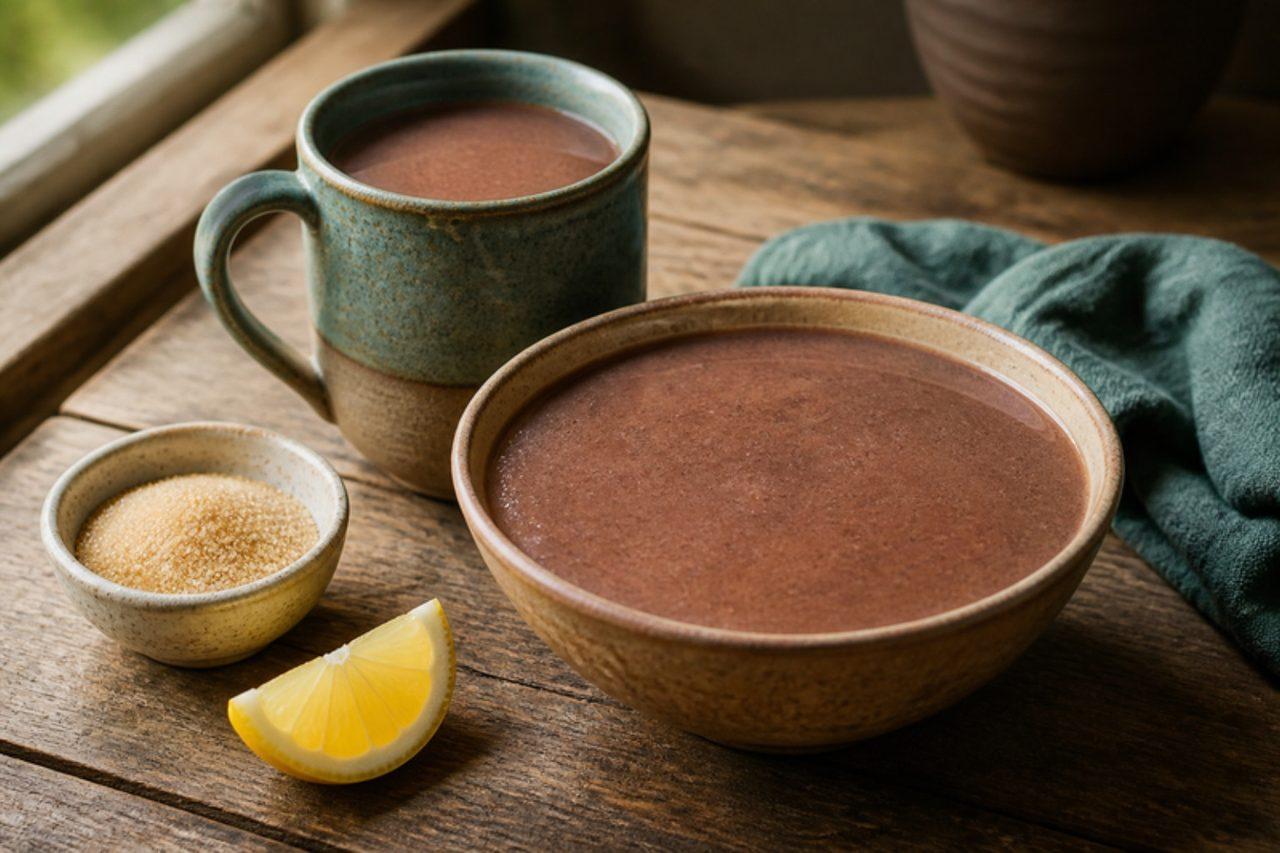
UjiFinger millet porridge

Mugs of brown uji are handed out at breakfast in Kenyan homes and schools, sold from steaming flasks at bus stages, and given to children and nursing mothers for strength. Finger millet flour (wimbi) makes a thin, drinkable porridge with a malty, slightly chocolatey taste; it is sweetened with sugar and soured with lemon, or left overnight to ferment for a deeper tang. Look for finger millet flour at African grocers or as ragi flour in Indian shops, and never tip it straight into boiling water, the mistake that gives lumps every time; always make a cold slurry first. Drink it hot in a mug, with mandazi or roasted groundnuts on the side. Chef's tip: for fermented uji, mix the slurry the night before and leave it covered on the counter; by morning it smells gently sour and needs only half the lemon.

by KrazyBadal 0 views

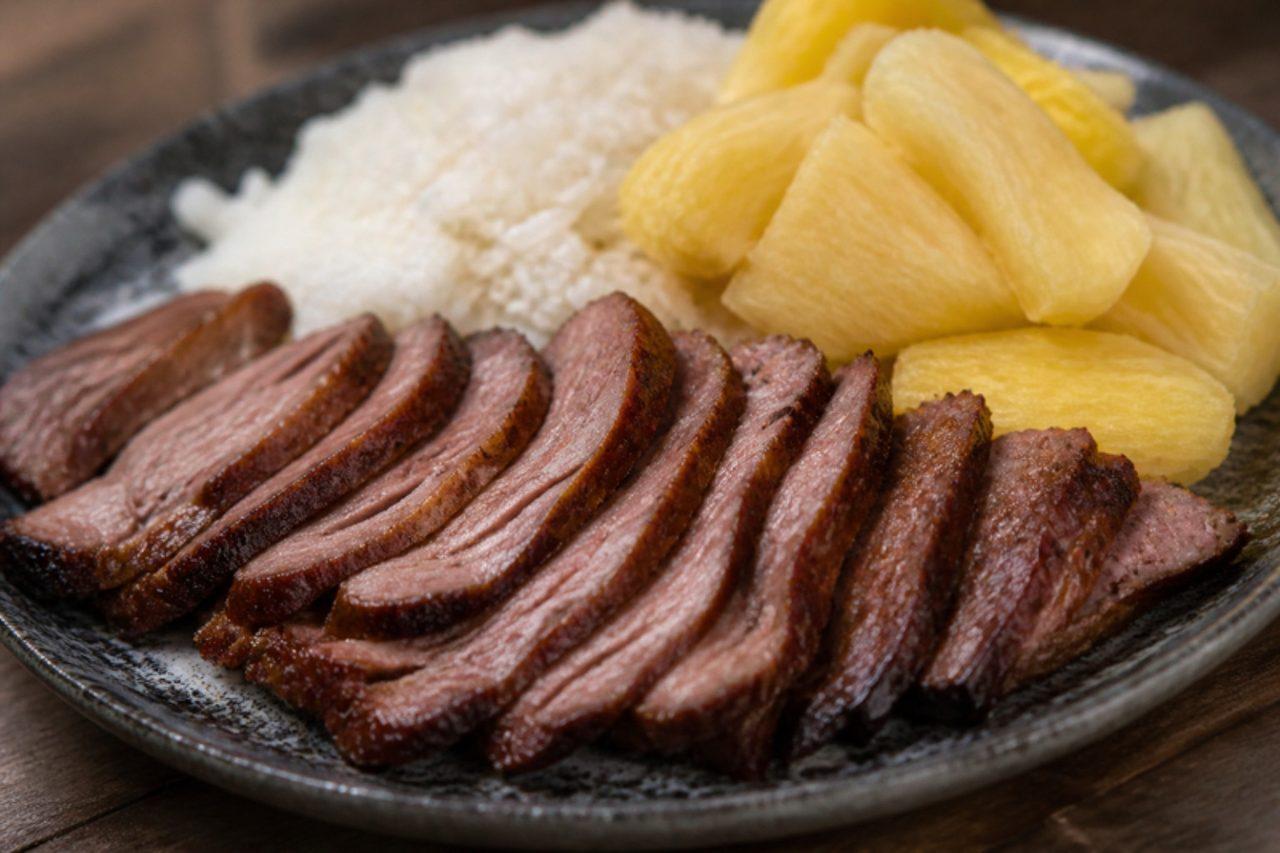
KeperíSlow-roast beef flank

Keperí is the cut Santa Cruz families save for Sundays and birthdays: a flat, well-marbled piece of beef from the flank, rubbed with garlic, cumin and salt, slow-cooked under cover until meltingly soft, then browned hard at the end. It comes to the table sliced across the grain with boiled yuca, rice and a fresh tomato salad. Beef flank or skirt in one piece is the closest cut outside Bolivia. The most common mistake is slicing along the grain, which makes even tender meat chewy. Chef's tip: let the marinade work overnight in the fridge, then cook the meat fat side up so it bastes itself.

200 minAndeanMeatGluten free
by KrazyBadal 0 views

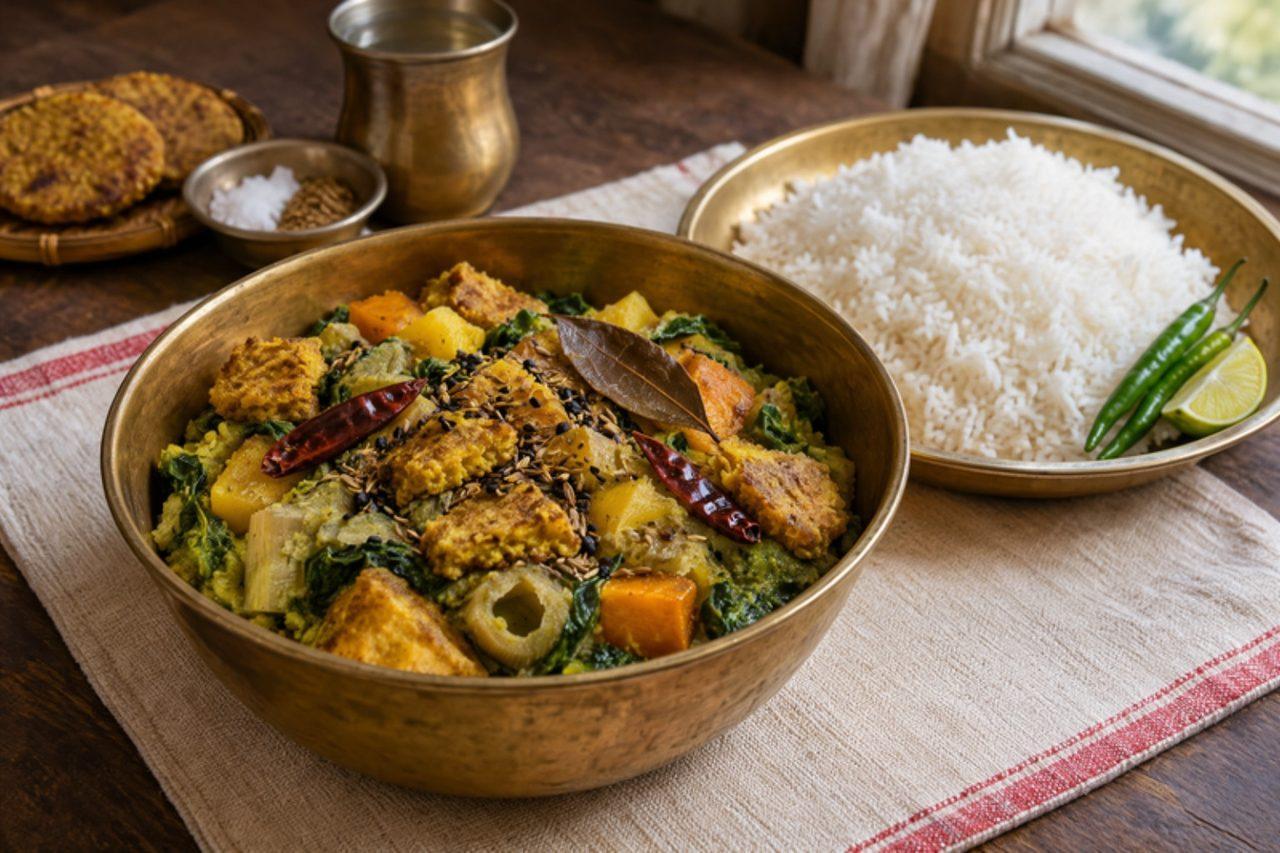
Chapor ghontoFried lentil cake vegetable curry

In West Bengal, chapor ghonto is the thrifty, comforting dish that turns up at weekday lunch and on the vegetarian days of the Durga Puja season. Soaked yellow peas are ground and fried into small savoury cakes (chapor), then broken into a slow-cooked mix of potato, pumpkin and banana stem tempered with panch phoron, ginger and a little sugar, until everything turns soft, jammy and lightly sweet. Eat it with plain rice and a squeeze of lime. The usual mistake is stirring the chapor in too early, so they dissolve into mush; add them in the last ten minutes. Chef's tip: soak the banana stem in water with a pinch of turmeric as you slice it and pull away the fibres that wind round your finger, or it stays stringy.

by KrazyBadal 0 views

Passionfruit sponge

The passionfruit sponge is the star of the Australian country show cake table and every Sunday afternoon tea, made from the vines that cover back fences from Sydney to the Sunshine Coast. Two airy, fatless sponges are filled with whipped cream and topped with a tangy passionfruit icing. A common mistake is knocking the air out when folding in the flour; use a light hand and a big metal spoon. Chef's tip: beat the eggs and sugar for a full 8–10 minutes until thick enough to hold a trail.

by KrazyBadal 0 views

Calamansi juice

Every Filipino household seems to have a calamansi bush or a bag of the little green fruit in the fridge, from Manila condos to farmhouses in Mindoro, the island that grows most of them. At lunch in the dry season the juice comes out iced in a big pitcher; in the rainy months, when everyone has a cough, a lola stirs the same juice into hot water with a little sugar or honey and hands it over at bedtime. It tastes like a lime crossed with a mandarin: sharp, floral and slightly bitter at the edges, with a pale green-gold colour. The usual mistake is squeezing the fruit hard and letting the seeds and pith fall in, which turns the juice bitter within minutes; halve each fruit across, squeeze gently over a small strainer and stop before the peel folds. It is ready when the sugar has fully dissolved, the juice tastes bright rather than harsh and a cold glass fogs on the outside. Chef's tip: dissolve the sugar in a little warm water first, as it never melts properly in iced juice.

by KrazyBadal 0 views

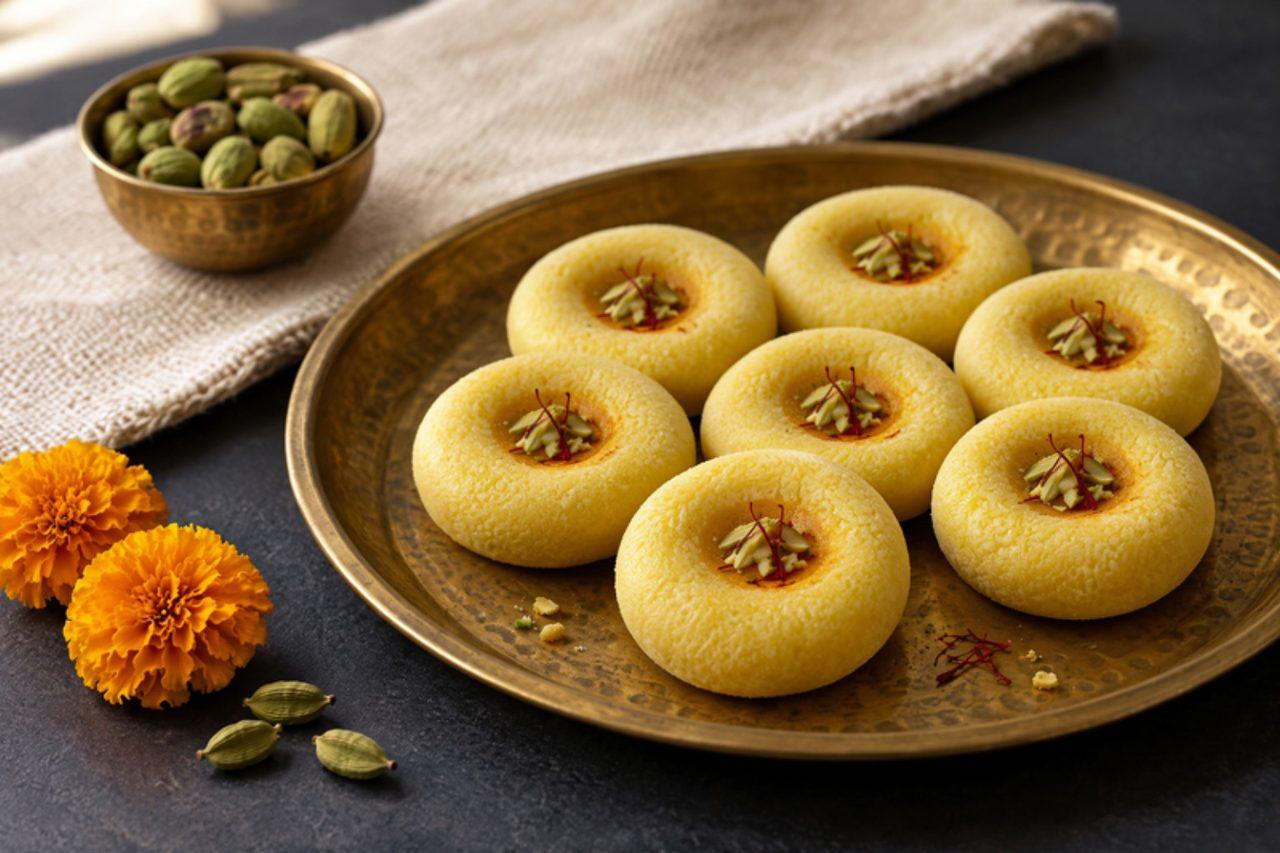
Kesar pendaSaffron milk pendas

In Ahmedabad, any good news, from exam results to a new home or a newborn, means a box of kesar penda passed around the office and the street. These are soft, creamy pendas of fresh mawa cooked briefly with sugar and plenty of saffron, so they stay pale gold and fudgy, quite unlike the browned pedas of Mathura or Dharwad. The common mistake is overcooking the mawa once the sugar goes in, which turns the pendas dry and cracked at the edges. Chef's tip: stop cooking as soon as a small piece rolls into a smooth ball between your palms; they firm up as they cool.

by KrazyBadal 0 views

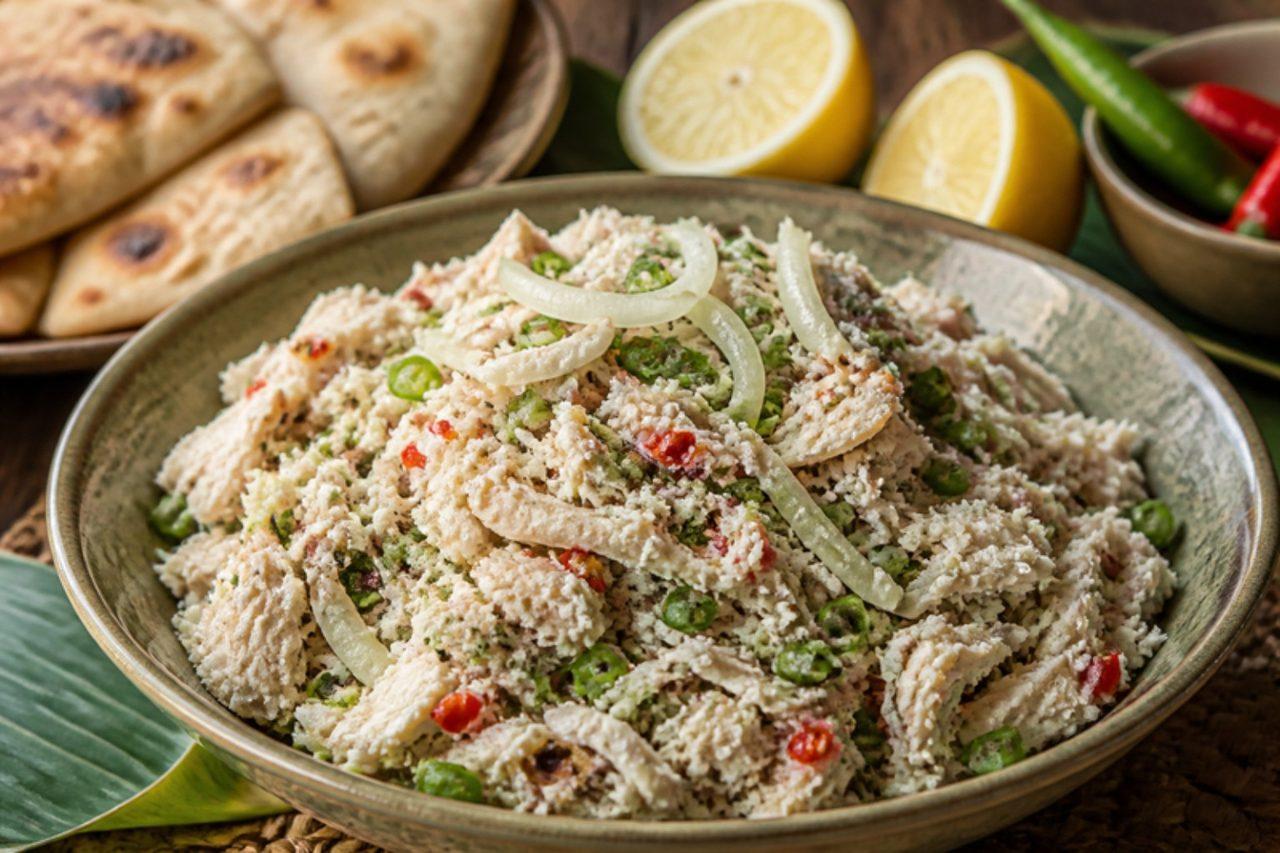
Chicken kelaguenGrilled chicken with lemon and coconut

Chicken kelaguen is the dish that tells you you're at a Chamorro fiesta in Guam or Saipan: grilled chicken chopped fine and tossed with lots of fresh lemon juice, onion, hot donne' peppers, salt and freshly grated coconut. It is eaten cold or at room temperature, scooped up with warm titiyas or alongside red rice. The chicken is fully grilled first; only some other kelaguen are lemon-cured raw. A common mistake is skimping on lemon; it should taste bright and sharp. Chef's tip: grill the chicken over charcoal for the smoky flavour that makes kelaguen special.

by KrazyBadal 0 views

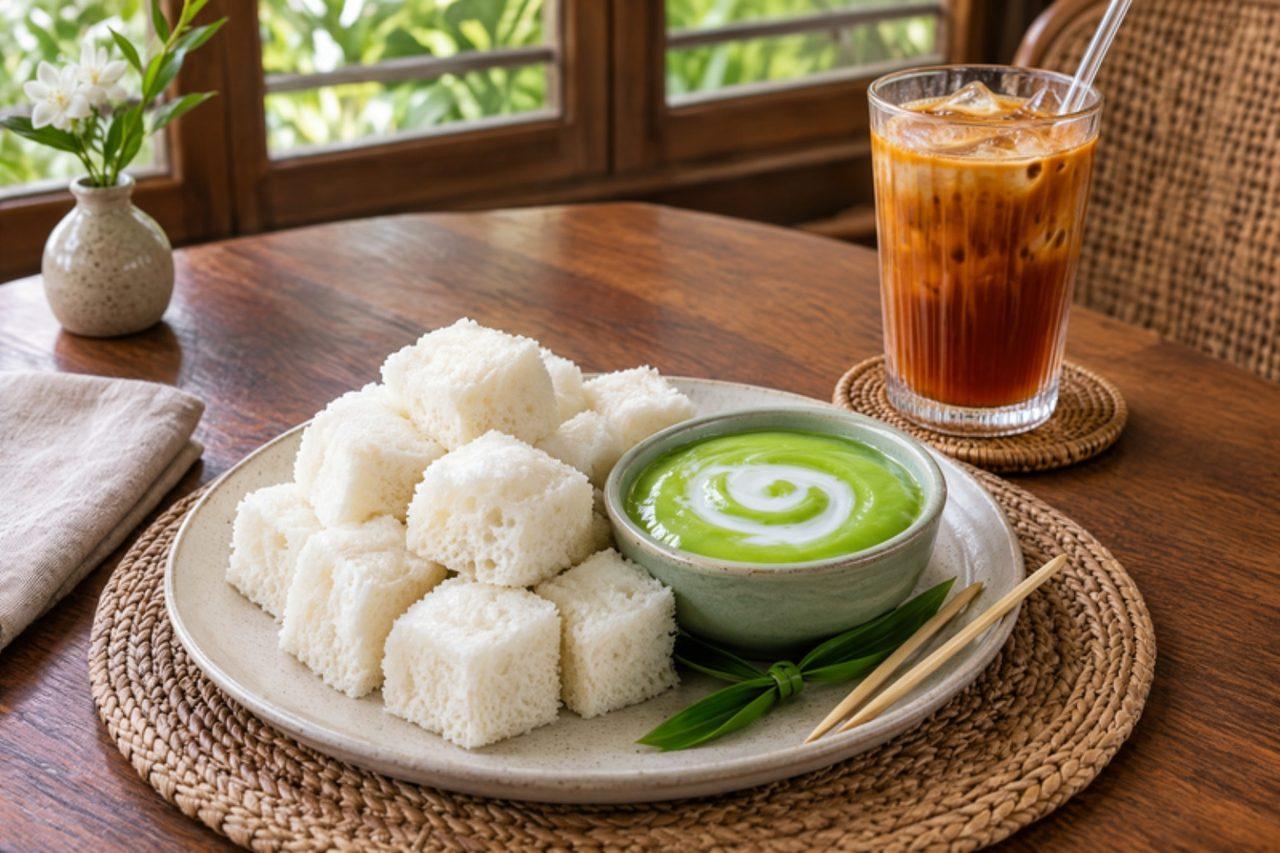
Khanom pang sangkhayaBread with pandan custard

In Bangkok, from the old Chinese coffee shops of Yaowarat to night markets, khanom pang sangkhaya is soft steamed or toasted bread dunked into a bowl of bright green pandan custard made with coconut milk and egg. It is eaten in the morning with patongko dough sticks and strong iced coffee. The mistake is cooking the custard over high heat; the egg scrambles and it turns grainy, so stir it slowly over a gentle flame. Chef's tip: blitz fresh pandan leaves with a splash of water and squeeze the juice through a cloth; it gives a colour and fragrance that essence can't match.

by KrazyBadal 0 views

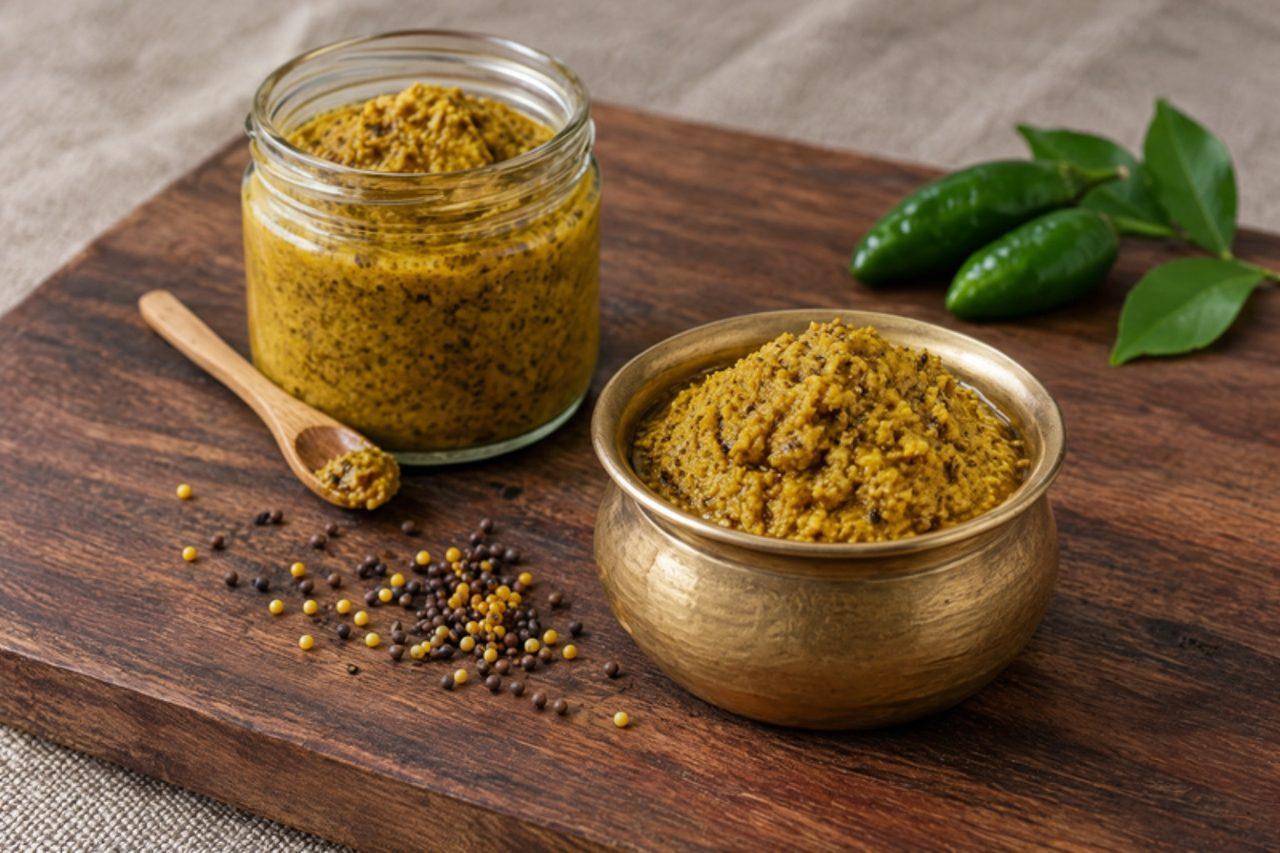
KharoliFermented mustard relish

Kharoli is an old Assamese relish from the villages of upper Assam: ground mustard seed is mixed with khar, the alkaline water filtered from burnt banana peel, packed into a jar and left to ferment until sharp and funky. A small spoon with mustard oil and green chilli is eaten with the first balls of rice, and families make it in the cooler months. The common mistake is using a damp jar or spoon, which lets mould in. Ferment at 20–28 °C for 4–6 days; it is ready when it smells sharply pungent and tangy. Throw it away if you see fuzzy mould, pink or black spots, or it smells rotten or putrid rather than sour. Chef's tip: if you have no banana-ash khar, a quarter teaspoon of bicarbonate of soda in the water gives a similar alkaline bite.

by KrazyBadal 0 views

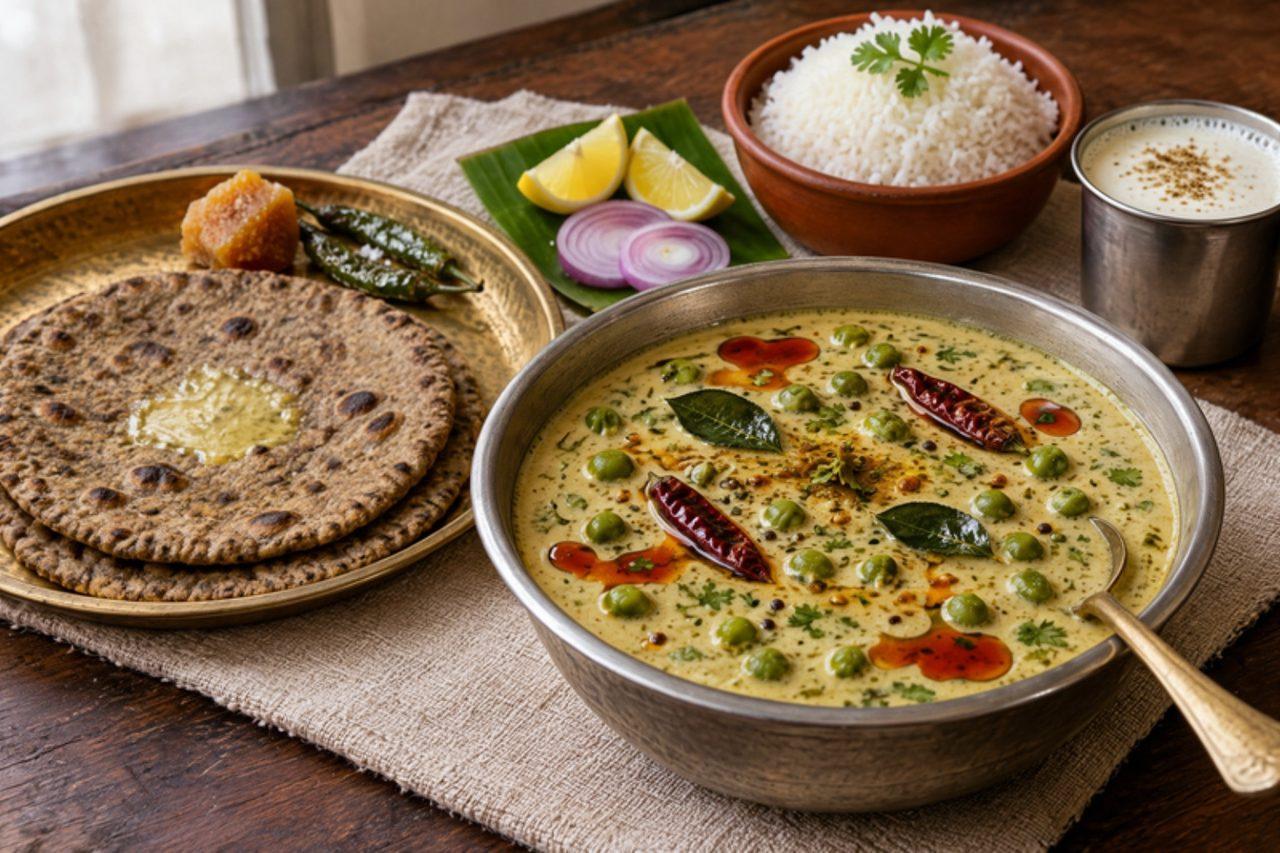
Khatta magGreen moong in sour yogurt

Khatta mag is weekday comfort across Gujarat, from Ahmedabad flats to Saurashtra farmhouses: whole green moong cooked soft and simmered in a tangy, kadhi-like gravy of yoghurt and gram flour with ginger, green chilli and a clove-and-cinnamon tempering. It is ladled over rice or eaten with bajra rotla, and many families cook it on Wednesdays, the day for moong. A little jaggery is optional. The usual mistake is pouring cold yoghurt into the hot pot without whisking it with gram flour first, which makes it split into curds. Slow-cooker: cook the soaked moong with 600 ml water on low for 5 hours, then stir in the yoghurt mix and cook on high for 30 minutes. Chef's tip: slightly sour, day-old yoghurt gives the best khatta flavour.

by KrazyBadal 0 views

Da chang bao xiao changSausage in a sticky rice bun

'Big sausage wraps small sausage' is one of the most photographed snacks at Shilin and Raohe night markets in Taipei. A plump, garlicky glutinous-rice sausage is grilled until crisp, split like a hot-dog bun and stuffed with a sweet Taiwanese pork sausage, pickled cucumber, sliced raw garlic, basil and a smear of sauce. This home version shapes the sticky rice in cling film instead of casing, so you do not need intestines. The Taiwanese sausage is pork and must be cooked through. Contains soy and peanuts. Chef's tip: chill the steamed rice log overnight; it slices and grills cleanly and holds its crust.

by KrazyBadal 0 views

Corn fritters

Corn fritters are a Sydney café staple, the brunch that sits on every menu from Surry Hills to Manly, stacked with smashed avocado, roast tomato or relish and a handful of herbs. The batter is mostly corn, with just enough flour and egg to bind, plus spring onion, coriander and a little chilli. They are quick enough for a weekday breakfast. A common mistake is crowding the pan, which steams them instead of crisping. Chef's tip: blitz a quarter of the corn so its milky juice binds the fritters and keeps them tender.

by KrazyBadal 0 views

Candied salmon

Candied salmon, sometimes called salmon candy, comes from the First Nations smokehouses of British Columbia's coast, where strips of wild salmon are cured in salt and brown sugar, then slowly smoked and glazed until sticky, chewy and deep red. It is a snack for the trail, the fishing boat and the lunchbox. This home version cures the fish in the fridge and then cooks it low in the oven with a little smoked salt or liquid smoke, so it is fully cooked rather than cold-smoked. A common mistake is skipping the drying stage; the pellicle (a tacky skin) is what lets the glaze cling. Chef's tip: keep the oven low and steady; too hot and the fish weeps white albumen.

210 minCanadianFishGluten free
by KrazyBadal 0 views

Haldi doodh (turmeric milk)

In homes from Punjab to Kerala, a mother or grandmother hands round haldi doodh on cold winter nights, after a fall in the playground or whenever someone starts sniffling; it is drunk at bedtime, steaming, in a steel tumbler. Milk is simmered with turmeric, a few grinds of black pepper and sometimes ginger or cinnamon, then sweetened with jaggery. It is golden, warming and gently earthy, with a soft peppery heat and a slightly grainy feel if the turmeric is fresh-ground. It is traditionally drunk for colds and aches, as a comfort rather than a cure. The common mistake is adding raw turmeric powder to hot milk at the end: it tastes chalky and bitter. Simmer it in the milk for a few minutes so the raw edge cooks out. It is ready when the milk turns an even deep yellow, smells mellow and has a thin skin forming on top. Add jaggery off the heat, as it can curdle boiling milk. Turmeric stains, so use a steel pan. Chef's tip: a teaspoon of ghee stirred in at the end makes it rounder and is how many families make it.

by KrazyBadal 0 views

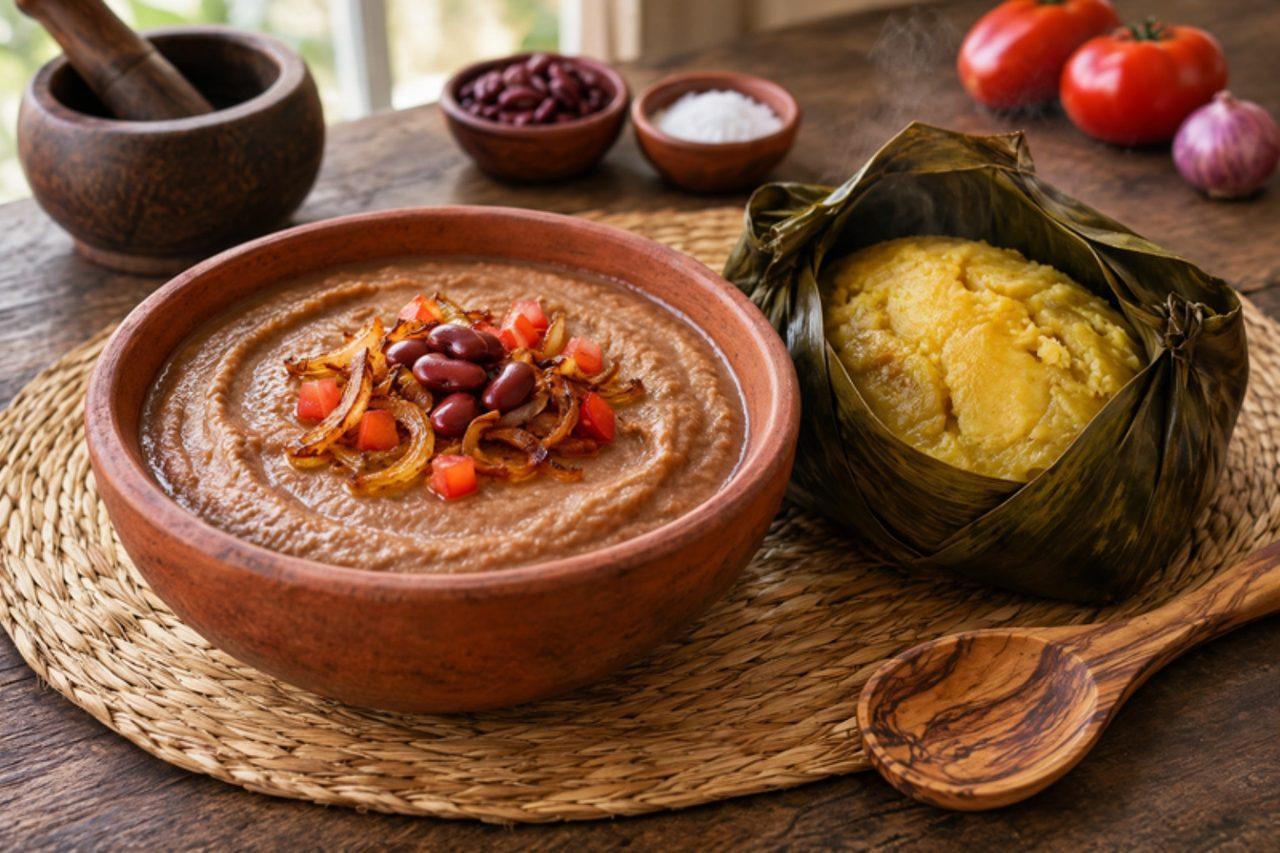
FirindaMashed bean stew

Firinda comes from Ankole and Kigezi in western Uganda, where beans are the backbone of daily meals, eaten at lunch with matooke, millet bread or sweet potatoes. Red beans are boiled until completely soft, then mashed and cooked down with fried onion and tomato into a thick, smooth stew that hugs whatever is beside it. The usual mistake is skimping on the cooking: firinda only gets its creamy texture when the beans are really soft, and dried red beans must be boiled hard for 10 minutes before the long simmer. Pressure cooker option: after the hard boil, cook for 25 minutes at pressure. Chef's tip: mash only two-thirds of the beans and leave the rest whole, for a stew that is creamy but still has some bite.

by KrazyBadal 0 views

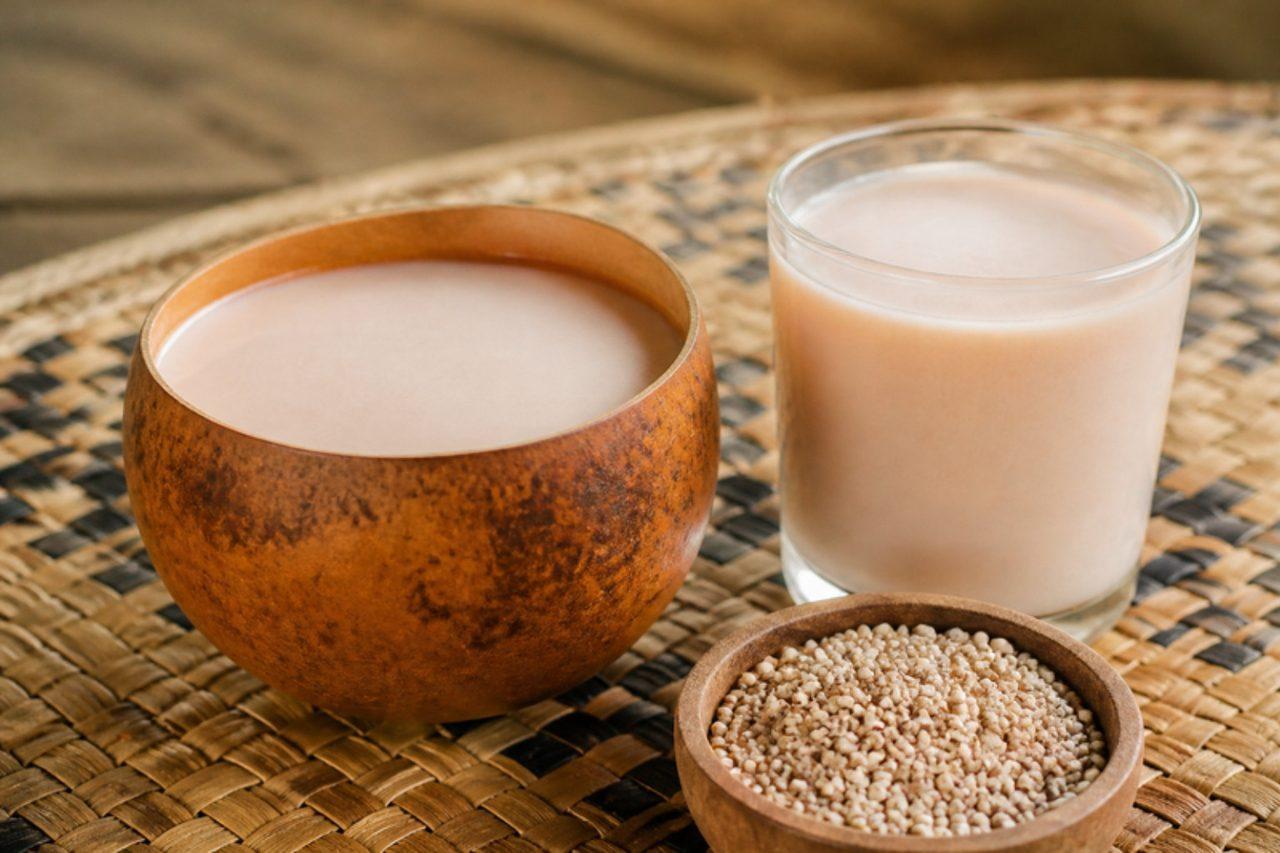
BusheraSoured sorghum drink

In the hills of Kigezi around Kabale, a calabash of obushera is offered to visitors and carried to the fields in the afternoon; the same drink, left for days, becomes beer, but the everyday family version is drunk young and contains no meaningful alcohol. Sorghum flour is cooked into a thin porridge, cooled, then left overnight with a spoonful of sprouted sorghum flour to sour gently, so it tastes tangy, malty and refreshing, a little like a drinking yoghurt made from grain. Drink it chilled on its own or with roasted groundnuts. The mistake people make is leaving it out too long: after a day it starts to fizz and turn alcoholic, so taste it, then chill it. Chef's tip: sweeten only just before serving, as sugar added early speeds up the ferment.

by KrazyBadal 0 views

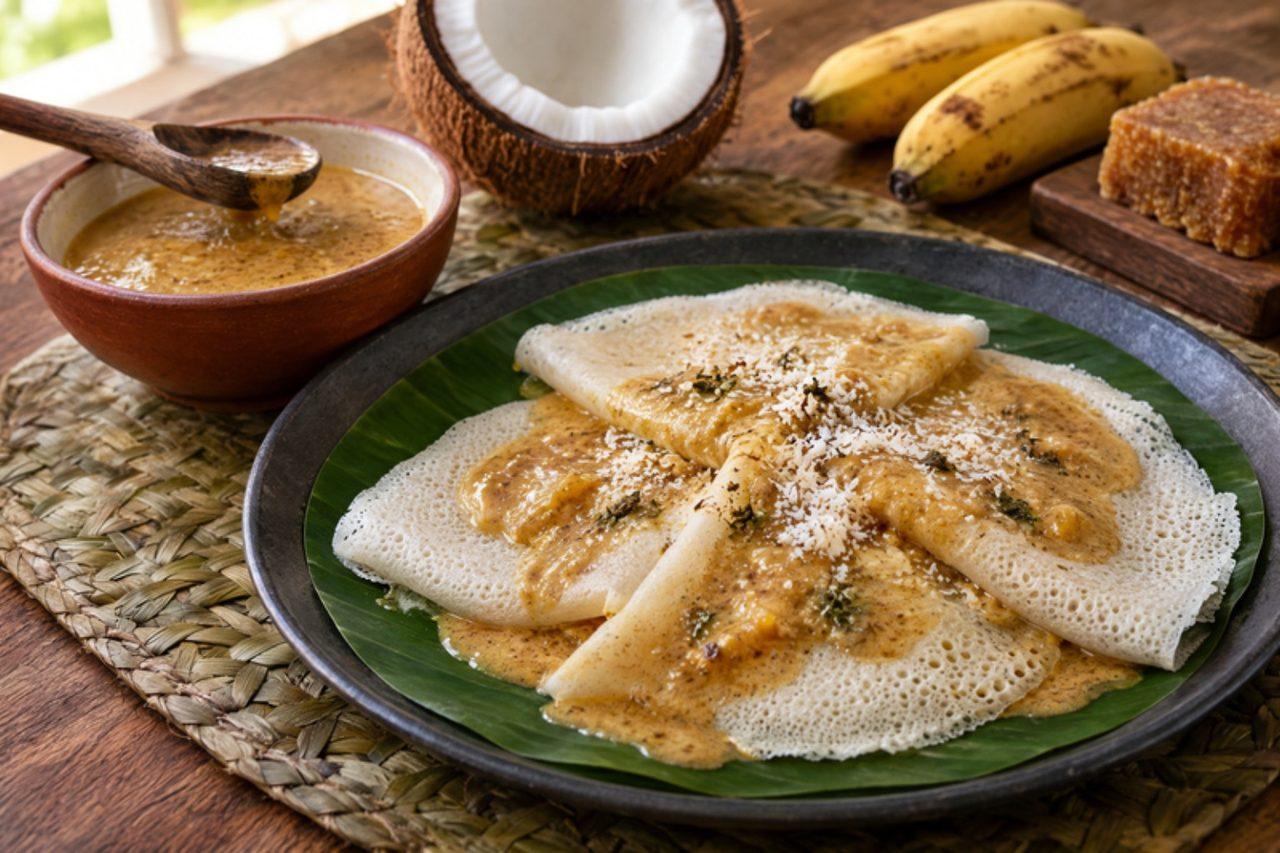
KilanjiRice crepes with coconut banana sauce

On the coral islands of Lakshadweep, kilanji is the treat for weddings, Eid mornings and a welcome guest. Thin, soft crepes of soaked rice and egg, or rice alone as here, are folded and drenched in a warm sauce of coconut milk sweetened with coconut jaggery and full of mashed ripe banana and cardamom. The islanders often add egg to the batter; this version keeps it vegan with a touch of cooked rice for softness. The common mistake is a gritty batter: the rice needs a full four hours' soak and a long, fine grind, or the crepes tear. Chef's tip: keep the sauce barely warm, never boiling, so the coconut milk stays silky.

by KrazyBadal 0 views

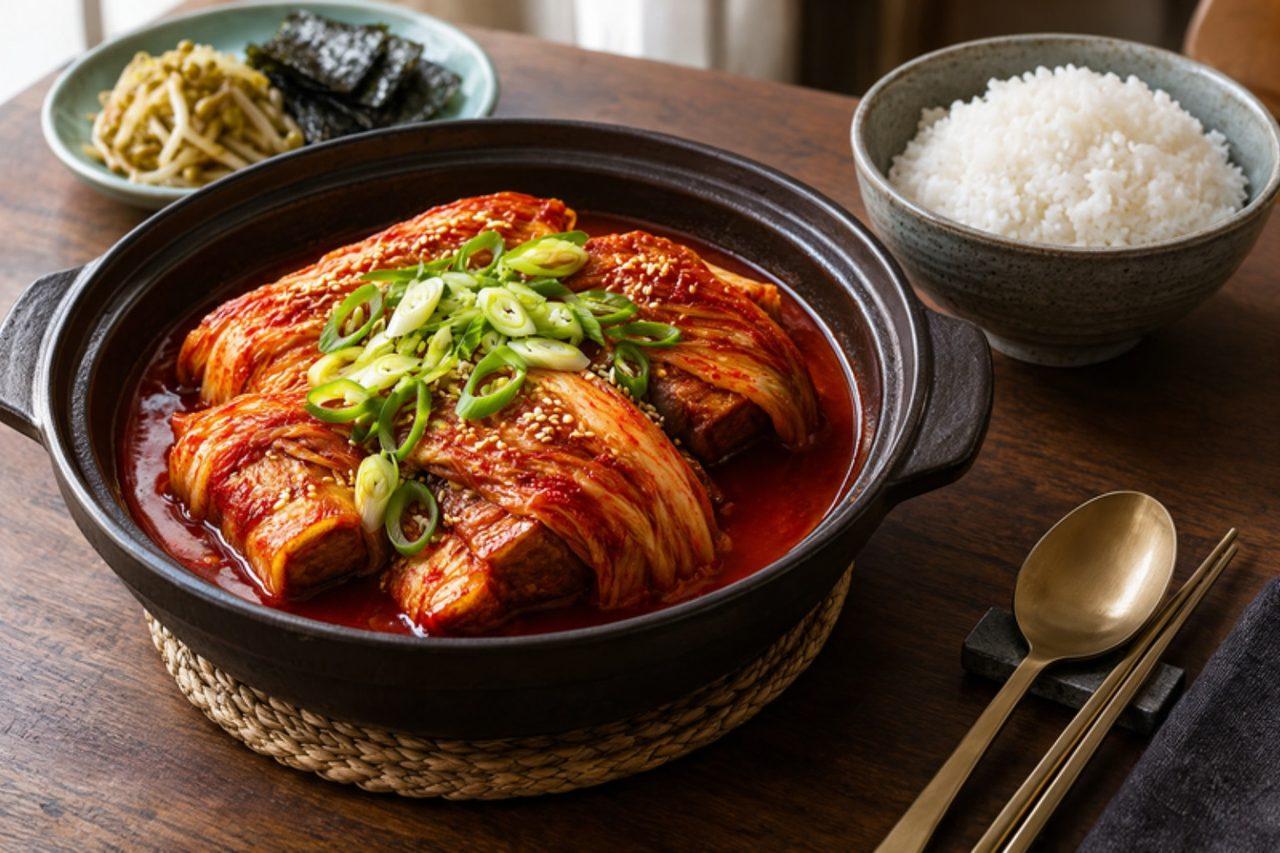
Kimchi jjimBraised kimchi with pork belly

Kimchi jjim is what Korean households make in late winter, when the big batch of kimchi from the autumn kimjang has turned deeply sour and is too strong to eat raw. Whole quarters of the old kimchi are laid over a thick piece of pork belly and braised slowly until the cabbage is silky and the pork is meltingly soft. At the table you snip the pork with scissors and wrap a piece in a kimchi leaf with rice. The usual mistake is using fresh kimchi, which gives a flat, raw-tasting stew; it needs well-fermented, sour kimchi. Chef's tip: add a splash of the kimchi brine near the end if the sauce tastes sweet rather than tangy.

90 minKoreanMeatSpicy
by KrazyBadal 0 views

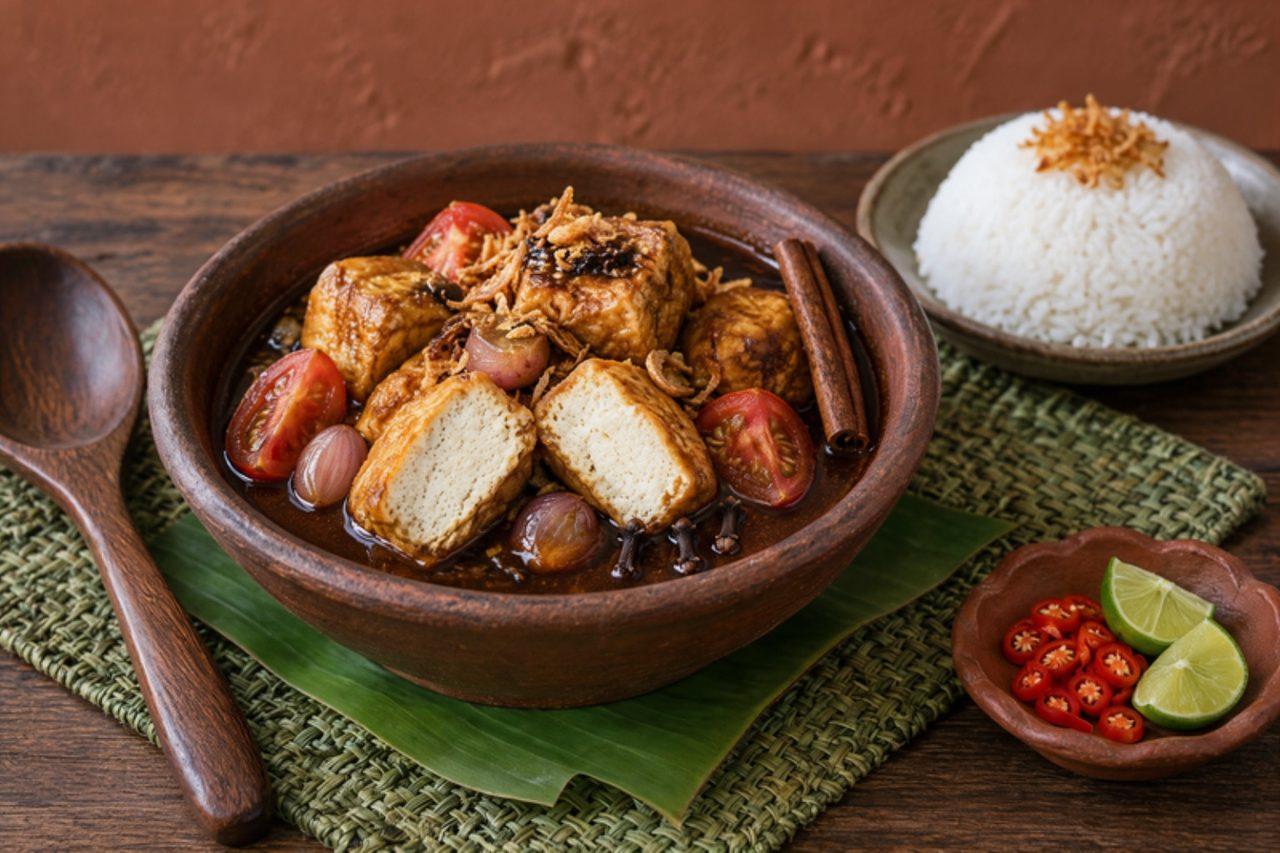
Semur tahuTofu in sweet soy

Semur is the dark, glossy sweet-soy stew of Java, shaped by Dutch spice traders' love of nutmeg and clove, and the tofu version is a thrifty bekal favourite that tastes better each day it sits. The tofu is fried first so it holds together and soaks up the sauce like a sponge. The common mistake is using silken or soft tofu, which crumbles; choose firm tofu and fry it until the skin is golden. Chef's tip: let the sauce reduce until it coats the back of a spoon, then rest the semur for an hour before eating so the spices go right into the tofu.

by KrazyBadal 0 views

Mugicha (roasted barley tea)

From the rainy season in June until the cicadas fall quiet in September, almost every Japanese household keeps a tall jug of mugicha in the fridge. It is poured for children coming in from summer club practice, for grandparents after an afternoon nap, and alongside cold sōmen at lunch, because it carries no caffeine and can be drunk all day. Whole barley grains roasted until deep brown give a cup that tastes of toast, a little of coffee and a little of popcorn, with a clean, dry finish and no sweetness at all. Supermarkets sell it in tea bags, but loose roasted grains simmered in a pan make a rounder, darker brew. The usual mistake is leaving the grains in the jug or letting the hot tea sit out on the counter for hours: it turns bitter and, being a grain infusion, it sours quickly in summer heat. Strain it, cool it fast in a sink of cold water, and drink it within two days. It is ready when the liquid is a clear amber-brown and smells like freshly toasted bread. Chef's tip: dry-toast the grains for two minutes before brewing to wake up a bag that has been open a while.

by KrazyBadal 0 views

Pikelets

Pikelets are the small, thick pancakes Kiwi and Aussie kids learn to make first, cooked for afternoon tea in farmhouse kitchens from the Waikato to Tasmania and served with butter and jam, or jam and whipped cream. They are ready in 20 minutes and are best eaten warm. A common mistake is a pan that's too hot; they brown outside before the centre sets. Chef's tip: flip them when bubbles have popped on the surface and the edges look dry.

by KrazyBadal 0 views

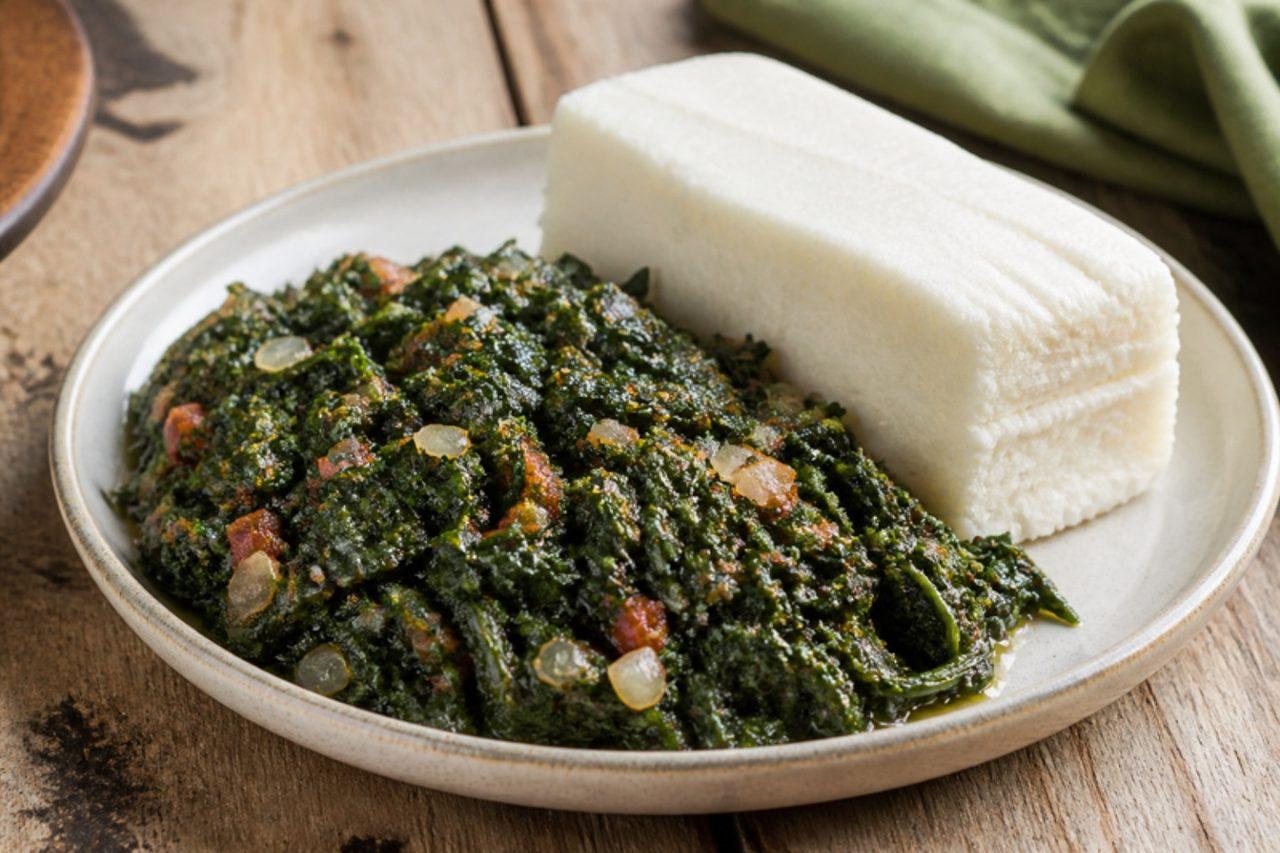
ManaguNightshade greens

Market women in Kisii and Kakamega sell managu in thick bunches, and in the hills it is the green that goes with ugali at almost every family dinner. The leaves of cultivated African nightshade are soft and pleasantly bitter, a bit like a stronger spinach, and here they are blanched, then cooked down with onion and tomato into a soft, savoury heap. At home many families stir in a spoon of cream at the end; to keep it vegan, use coconut milk as below; buy managu fresh or frozen from African grocers and never gather wild nightshade, as some kinds are poisonous. Using the boiling water as a sauce is a common error: always drain the first boil, or the dish stays harsh. Chef's tip: squeeze the drained leaves firmly in your fist before frying so the tomato flavour soaks in instead of being watered down.

by KrazyBadal 0 views

Bush tomato chutney

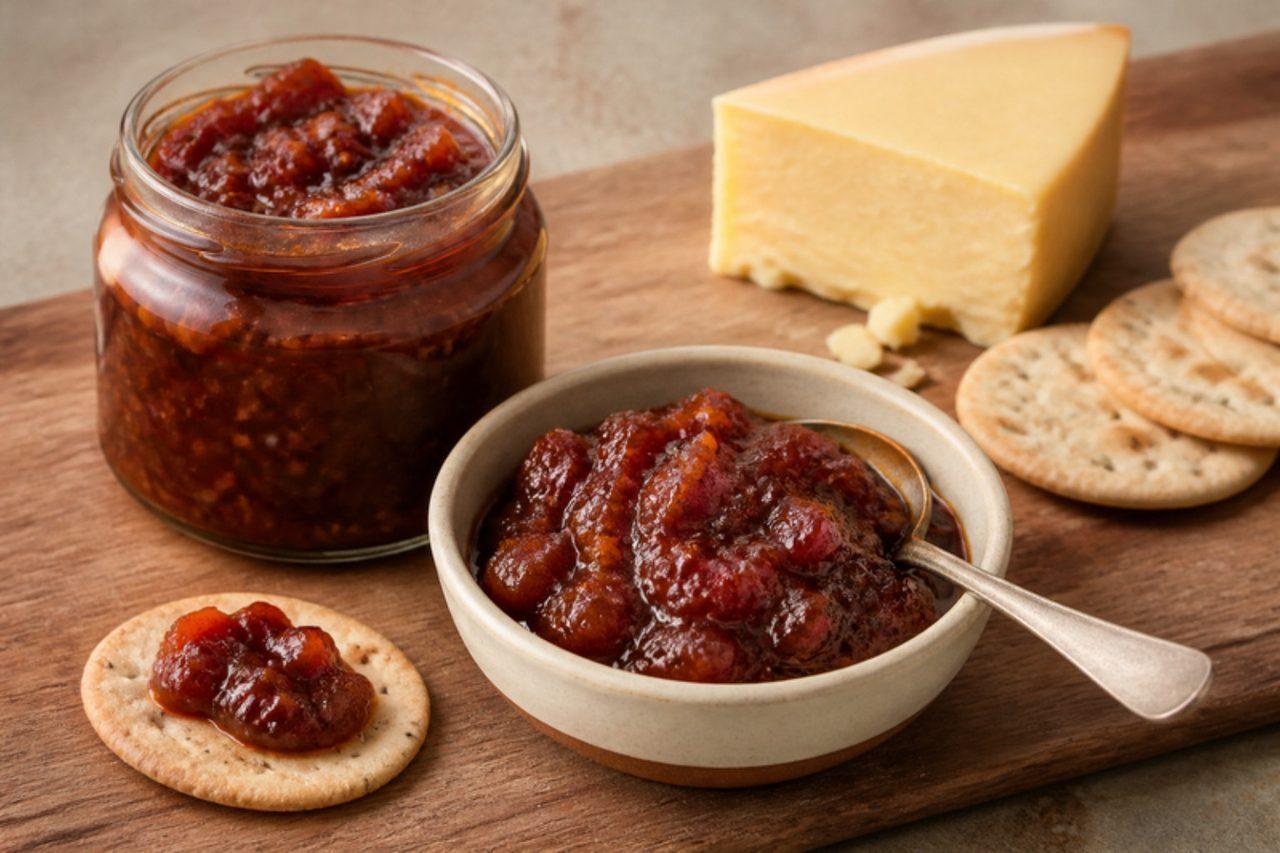
Bush tomato, known as akudjura or desert raisin, is the small fruit of a desert plant gathered by Aboriginal people in Central Australia and around Alice Springs; dried and ground, it tastes of caramel, tamarillo and sun-dried tomato. A spoon of it turns an ordinary tomato chutney into something rich and smoky, great with cheese, barbecues and burgers. Buy ground akudjura from a native food supplier; only the ripe dried fruit of the right species is safe to eat, so never forage it. A common mistake is adding too much; it is strong. Chef's tip: toast the ground bush tomato in the oil first to wake up its flavour.

by KrazyBadal 0 views

Kitchener bunsJam and cream doughnut buns

Kitchener buns are a South Australian bakery icon, found in every Adelaide suburb and country town bakery from the Barossa to the Fleurieu. The soft yeast buns are fried or baked, rolled in sugar, split open and filled with a stripe of raspberry jam and a generous swirl of cream; they were named after a British field marshal during the First World War. Messy and delicious with a cup of tea. A common mistake is filling them warm, which melts the cream. Chef's tip: roll them in sugar while still warm so it sticks, then fill when cold.

by KrazyBadal 0 views

KneippbrødWholemeal loaf

Open almost any Norwegian matpakke (the packed lunch wrapped in paper) and you will find slices of kneippbrød, a soft, lightly sweet loaf of sammalt hvete (wholemeal wheat) baked in a tin. Its fine crumb slices thin without crumbling, perfect for brown cheese, jam or cucumber at the school desk. The common mistake is adding too much flour while kneading because wholemeal dough feels sticky; the loaf then bakes dense and dry. Chef's tip: let the dough rest for 20 minutes after mixing, before kneading, so the bran softens and the dough turns smooth on its own.

by KrazyBadal 0 views

Kkwari-gochu jorimBraised shishito peppers

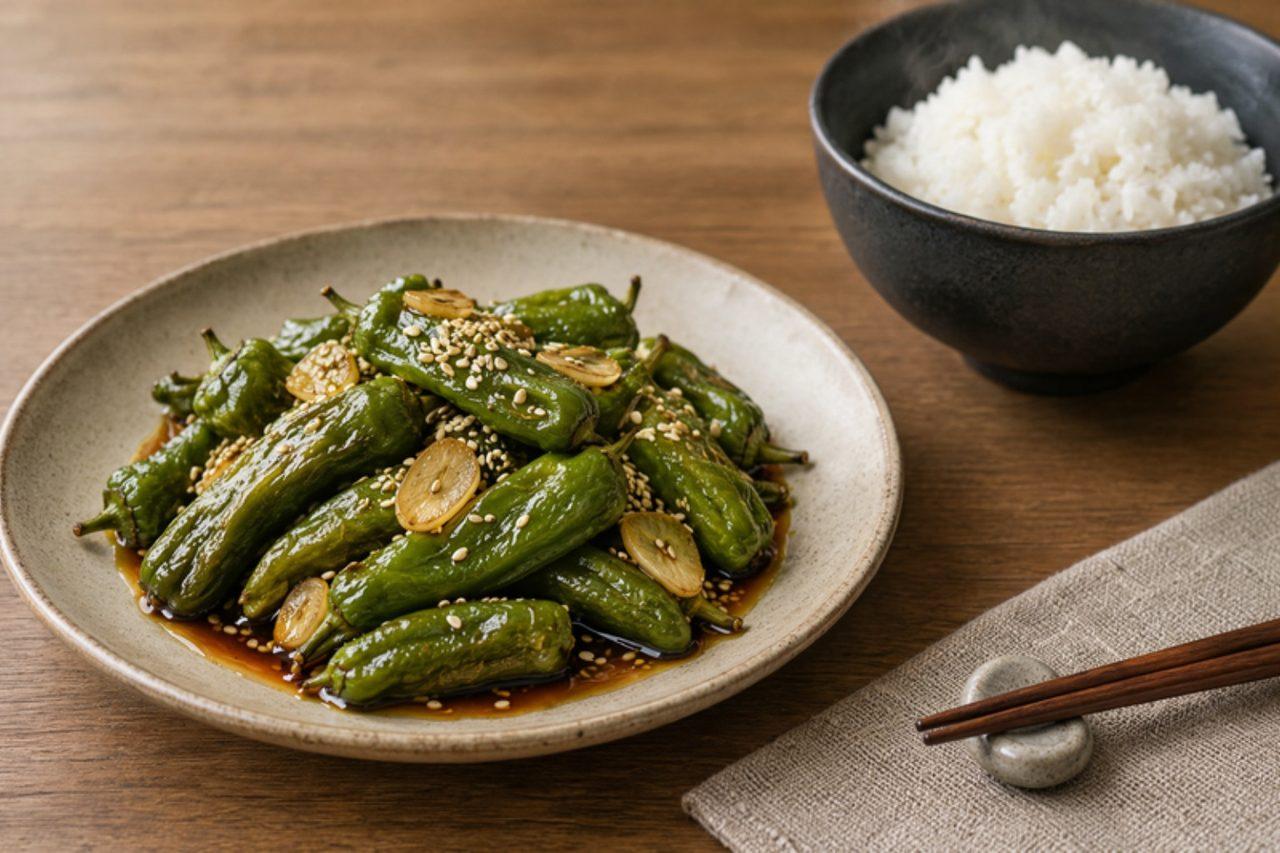
Kkwari-gochu, the small wrinkly peppers the Japanese call shishito, are braised all over Korea into a soft, garlicky, sweet-soy banchan that sits in the fridge ready for the dosirak. Many households add dried anchovies; this version leaves them out and keeps it vegan, with a few toasted sesame seeds for crunch. Most peppers are mild, but about one in ten is surprisingly hot. The common mistake is leaving the peppers whole and unpierced, so they puff up and never take in the sauce. Chef's tip: prick each pepper with a fork once or twice, and the braising liquid soaks right into it.

by KrazyBadal 0 views

Kadha (spiced herbal decoction)

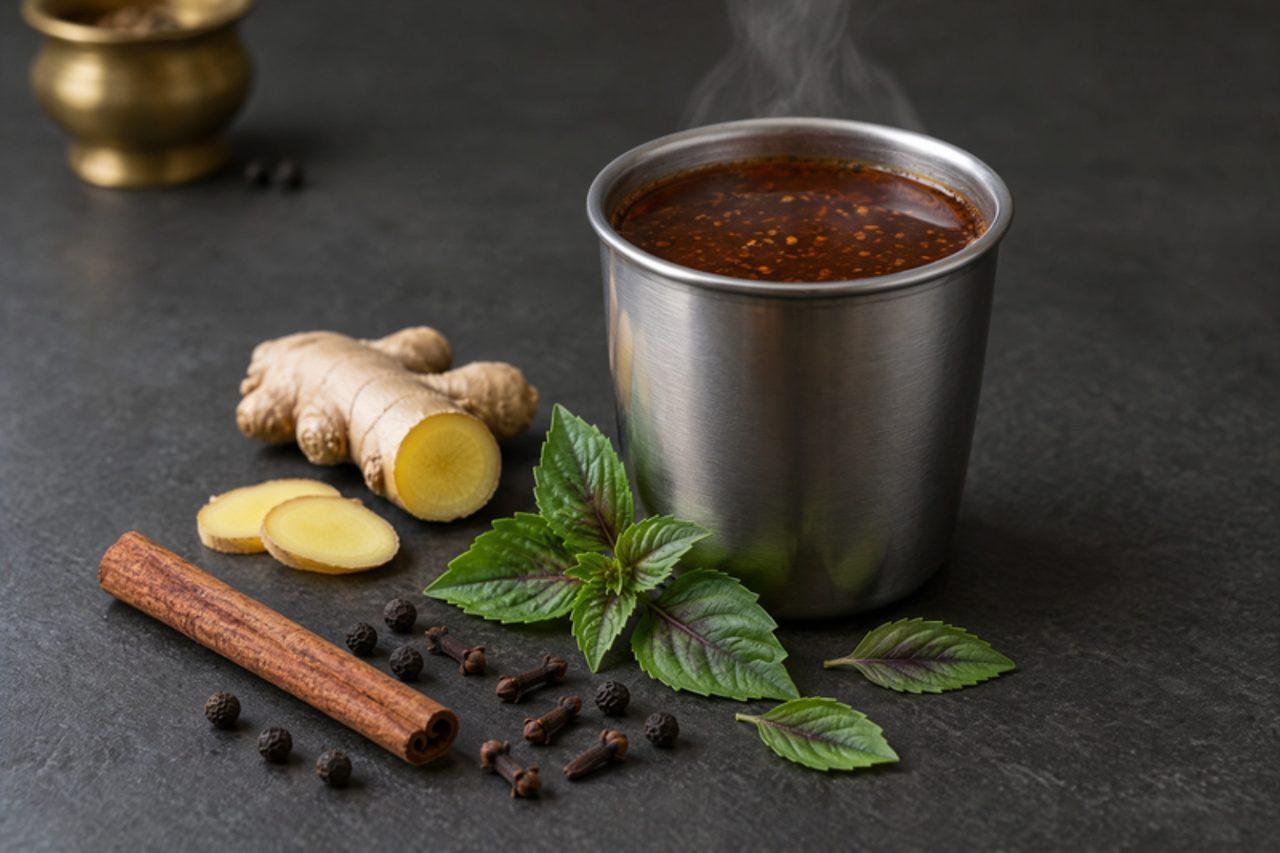
When the fog settles over Delhi, Lucknow and the plains of Uttar Pradesh in December, or whenever the monsoon brings coughs round the house, someone puts a pan of kadha on the stove. Tulsi leaves, ginger, black pepper, cinnamon, cloves and sometimes a little ajwain are boiled hard until the water reduces by half, then sweetened with jaggery and sipped in small cups, morning or night. It is not a gentle tea: it is hot, peppery, clove-numbing and earthy, with a dark amber colour and a sweet edge. It is traditionally drunk for coughs and colds; it does not replace medical care, and anyone who is pregnant, on medication or giving it to small children should keep it mild and check with a doctor. The common mistake is simmering it gently like tea: kadha needs a steady boil so the spices give up their strength and the liquid reduces. It is ready when the volume has halved and the brew is deep amber and pungent. Chef's tip: crush the pepper and cloves just before they go in; whole spices hardly flavour the water in this short time.

by KrazyBadal 0 views

Kangaroo steak with pepperberry sauce

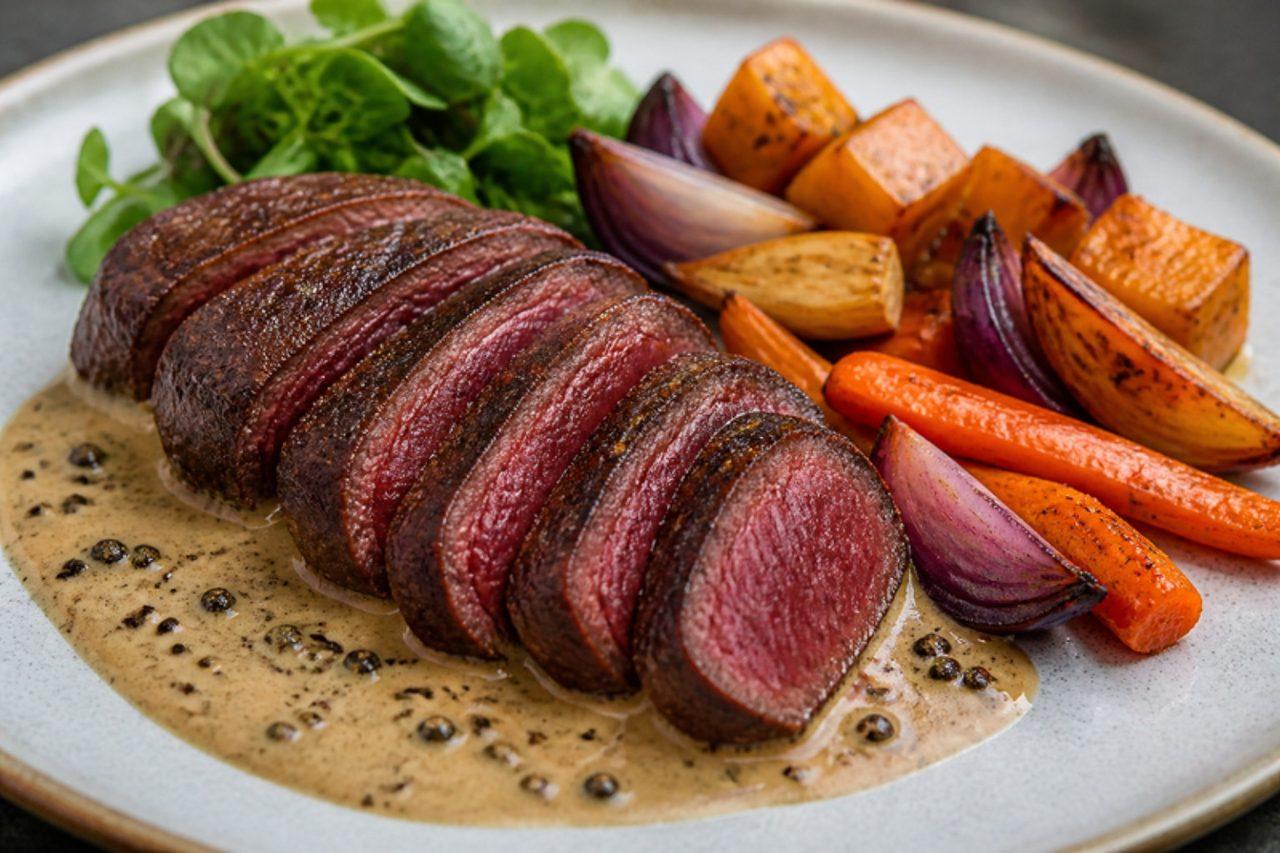
Kangaroo is a lean, everyday red meat in Australia, sold in supermarkets from Perth to Brisbane and loved by home cooks for its rich, slightly gamey flavour and very low fat. Here the fillets are seared hot and fast and served with a creamy sauce spiced with Tasmanian pepperberry, a native pepper with a warm, fruity heat. Because there's almost no fat, kangaroo dries out if cooked past medium. A common mistake is putting cold meat in a lukewarm pan; it stews instead of searing. Serve rare to medium-rare for best texture, but cook to at least 63 °C for pregnant women, young children and anyone with a weakened immune system. Chef's tip: rest it for as long as you cooked it.

by KrazyBadal 0 views

Durban mutton curry

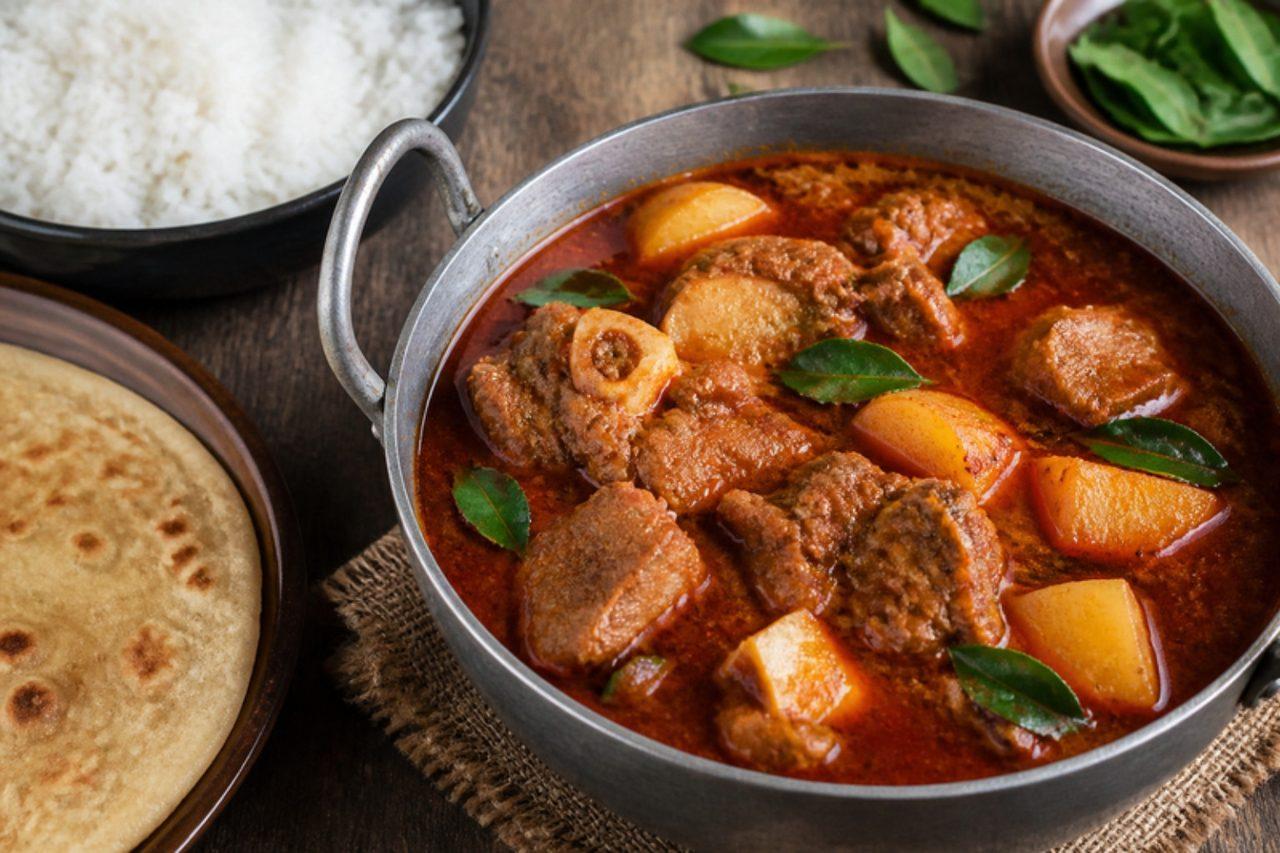
Grey Street spice shops in Durban blend their own red masalas, and this is the curry they are meant for: bone-in mutton cooked slowly until the gravy turns deep brick red and oily, with potatoes that drink up the chilli. Families in Chatsworth and Phoenix put it on the table for Sunday lunch and at weddings, with white rice or rotis, carrot-and-chilli salad and a bowl of tomato-and-onion sambal to cool things down. It is properly hot, but warm whole spices and curry leaves keep it from tasting only of chilli. Burning the masala is the commonest mistake, so add a splash of water the moment it starts to stick. Chef's tip: wait until the mutton is almost soft before adding the potatoes, or they will crumble into the gravy before the meat is ready.

by KrazyBadal 0 views

Juhua cha (chrysanthemum tea)

The small white hangbaiju flowers grown around Tongxiang, near Hangzhou, are picked in November, steamed and dried, and they end up in teapots all over China. Families brew them after a rich dinner, through the dry autumn, and iced in summer; dim sum houses in the south offer them as a caffeine-free choice, often mixed with pu-erh. The tea is pale gold, lightly floral with a faint bitterness like chamomile, softened by a little rock sugar and a few goji berries that turn plump and red in the pot. The common mistake is pouring boiling water straight onto the flowers and leaving them for twenty minutes; the tea turns brownish and bitter. Water just off the boil, around 90 °C, and a short steep keep it clear and sweet. It is ready when the flowers have opened like little daisies, the colour is light amber and the smell is honey-like. You can top up the pot two or three times. If you are allergic to ragweed, daisies or marigolds, try a small cup first or skip it, as chrysanthemum belongs to the same family. Chef's tip: for iced juhua cha, brew it double strength and pour it straight over a glass full of ice so it does not taste watery.

by KrazyBadal 0 views

Pathola currySnake gourd coconut curry

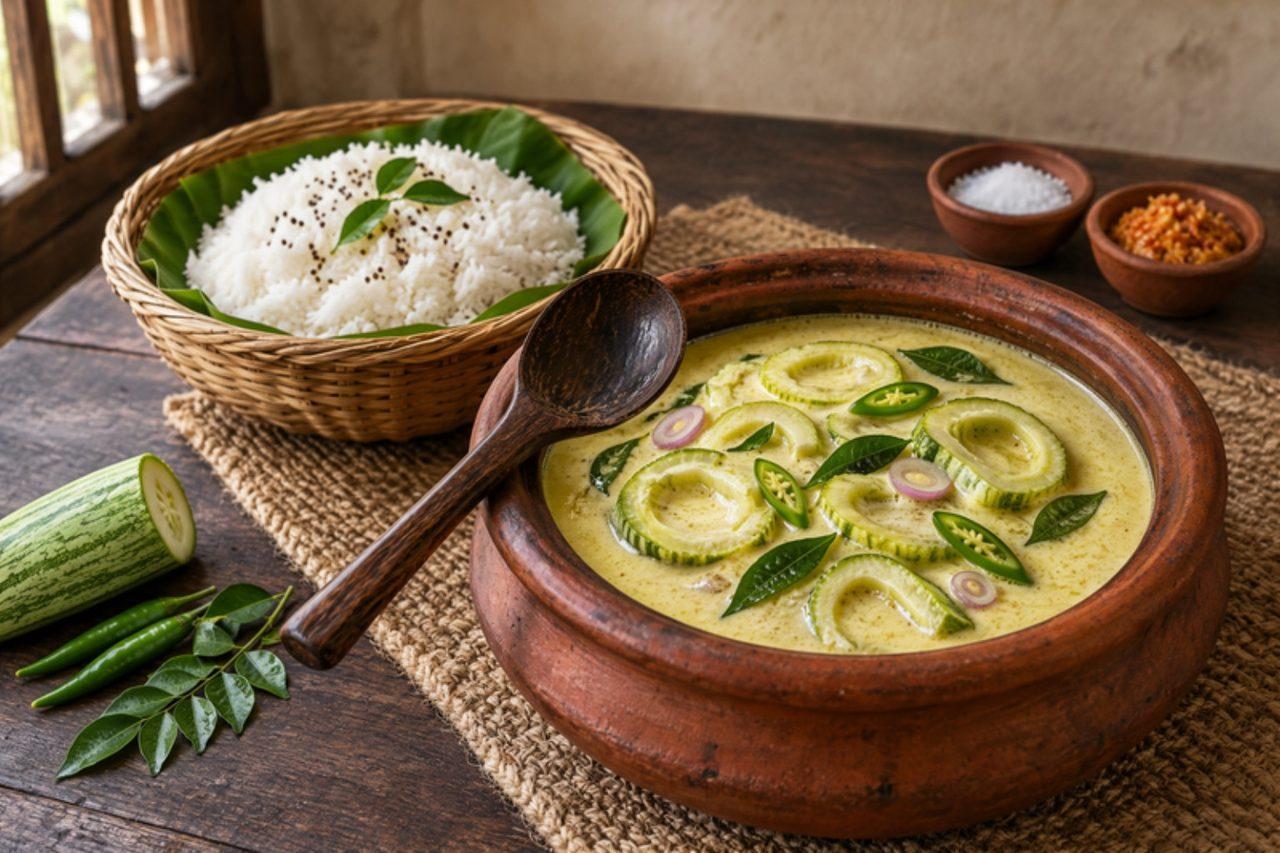
Pathola curry is a quick, gentle white curry from everyday Sri Lankan rice-and-curry lunches, especially loved in the south where snake gourd grows on trellises behind most houses. Thin half-moons of gourd simmer for a few minutes in coconut milk with turmeric, green chilli, curry leaves and a pinch of fenugreek, so they stay pale green, soft and juicy. Serve it with rice, dal and a fiery sambol. The usual mistake is overcooking, which turns the gourd watery and grey; pull it off as soon as it is translucent. Chef's tip: scrape the soft white pith and seeds out with a spoon; they water the curry down.

by KrazyBadal 0 views

Chilli mud crab

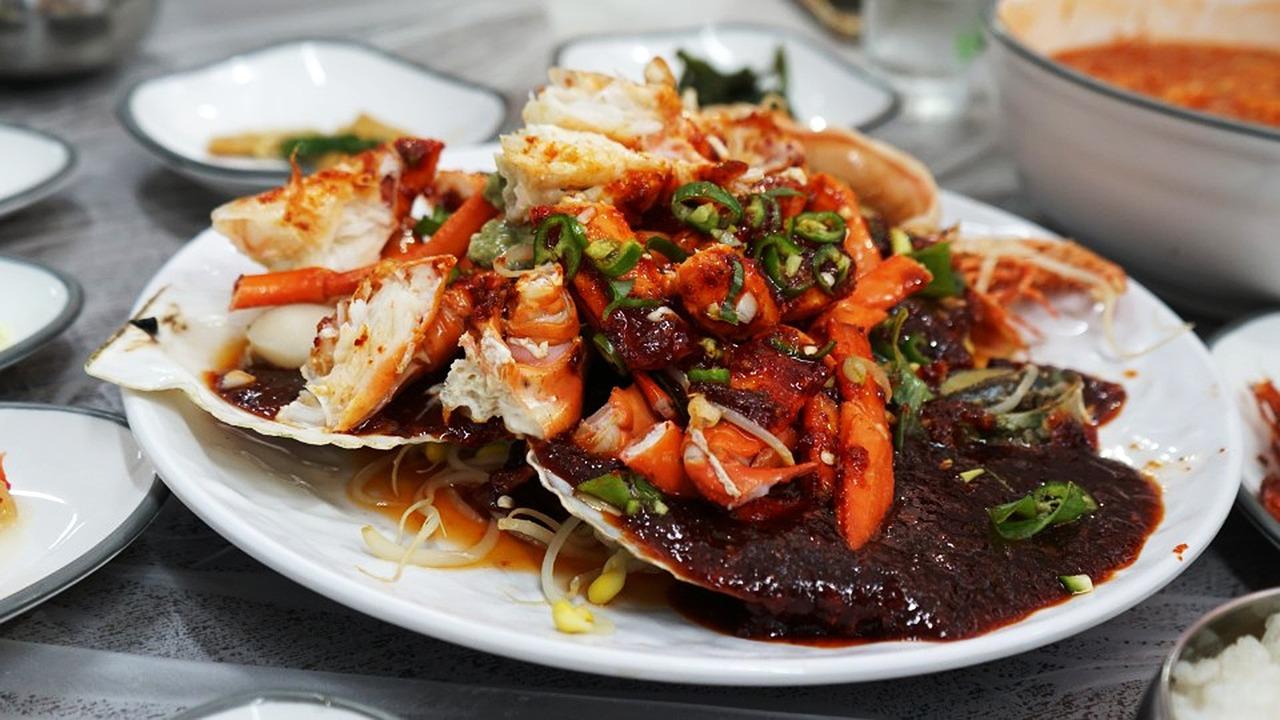
Mud crabs are caught in the mangroves of Queensland and the Northern Territory, and in Cairns, Darwin and Brisbane the favourite way to eat them is Asian-Australian style, wok-tossed in a sticky sauce of chilli, garlic, ginger and tomato. It is messy, hands-on eating with crusty bread or rice to mop the sauce. Ask your fishmonger to clean and cut the crab into pieces for you, and cook it the same day. A common mistake is using too little sauce; the shells soak it up. Chef's tip: crack the claws with the back of a heavy knife before cooking so the sauce gets in.

by KrazyBadal 0 views

Aloo kabliPotato and chickpea chaat

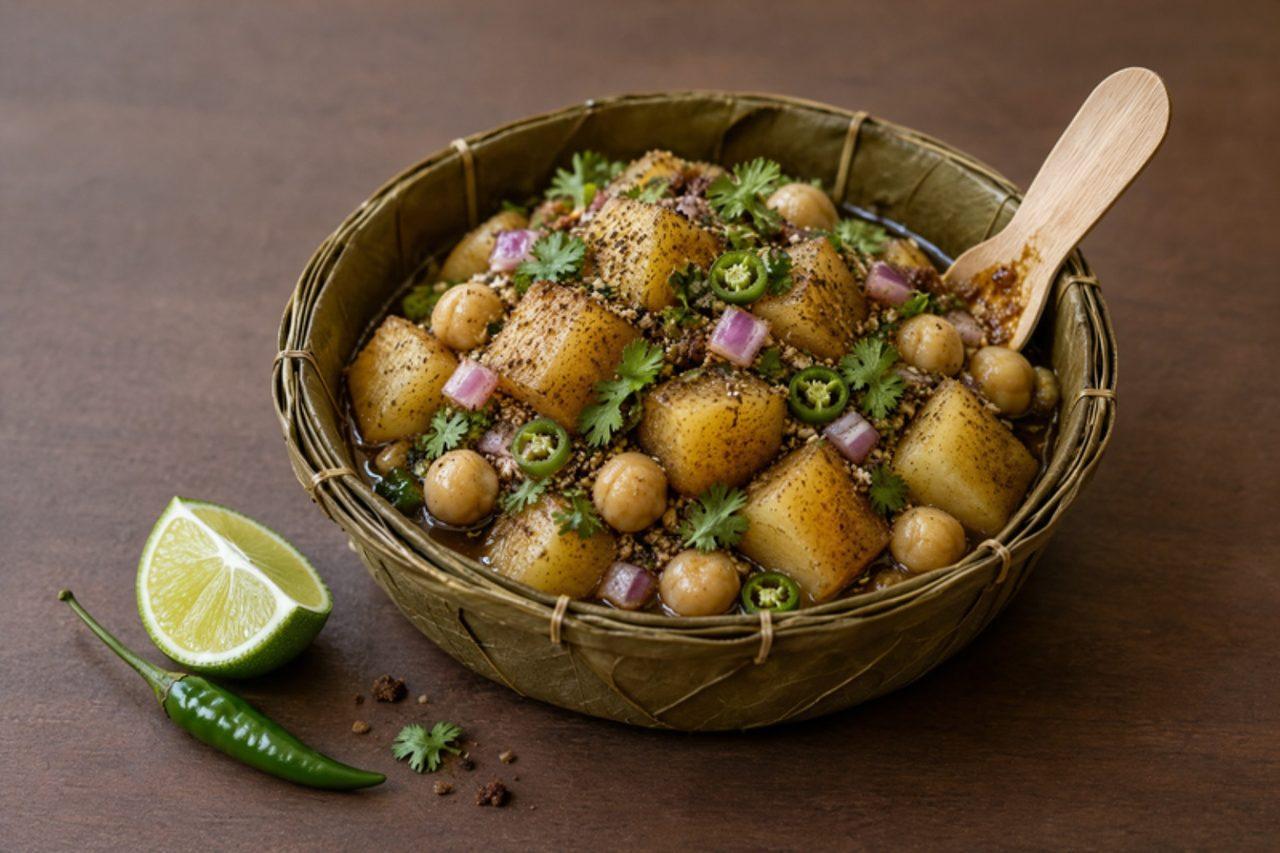
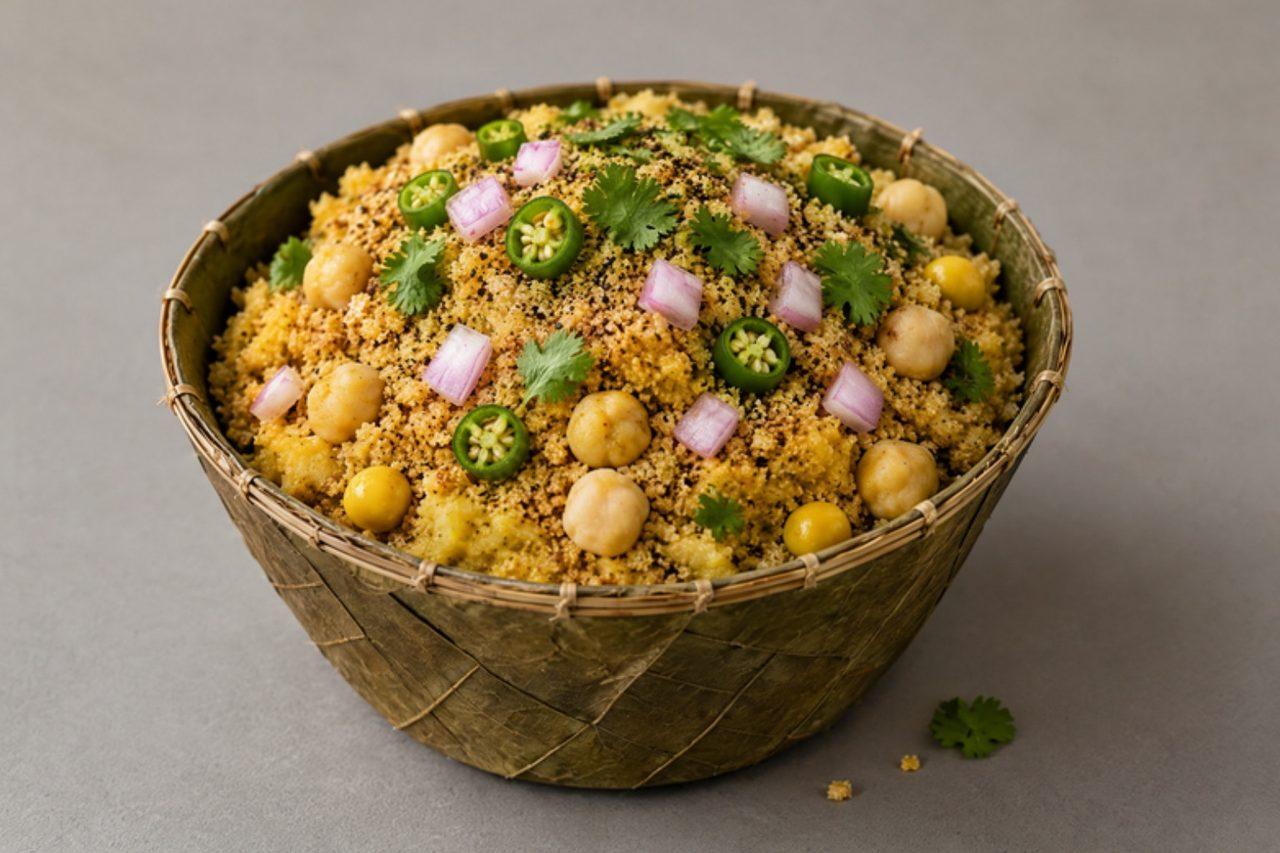
Aloo kabli is the after-school snack of Kolkata: vendors with a big aluminium bowl stand outside the school gates of north Kolkata and around Vivekananda Park from about four o'clock, mixing it to order and spooning it into sal-leaf bowls. Cubes of boiled potato and soft white chickpeas are drenched in sour tamarind water, then seasoned with fresh green chilli, raw onion, roasted cumin and pungent black salt, and finished with a squeeze of lime. It is tangy, smoky and sharp rather than sweet. Chef's tip: dress the potatoes while they are still slightly warm so they drink up the tamarind.

by KrazyBadal 0 views

ChurmurCrushed puchka chaat

When you have eaten your fill of puchka at the stalls in Vivekananda Park or outside Gariahat market in the evening, the puchkawala will make you a churmur: the same crisp shells crushed into the same spicy potato filling with tamarind water, onion and coriander, served in a leaf bowl. It is part chaat, part crunchy salad, and puckeringly sour. Chef's tip: crush the shells into big shards, not crumbs, and fold them in last so some stay crisp.

by KrazyBadal 0 views

Trà sen (lotus tea)

Every June and July, before sunrise, boats slip between the pink lotus on Hanoi's West Lake to gather flowers for trà sen. The finest lotus tea is made by stripping the tiny white rice-like anthers from hundreds of blooms and layering them with green tea, a labour that makes it one of Vietnam's most expensive gifts, kept for Tết. Families do a simpler version at home: a spoon of Thái Nguyên green tea is tucked into the heart of a fresh flower in the evening, the petals closed and tied, and by morning the leaves have taken on a sweet, creamy, slightly vanilla-like perfume. It is brewed in a small clay pot and drunk in tiny cups in the early morning. The common mistake is brewing with boiling water, which flattens the lotus scent and makes the green tea bitter. Rinse the leaves quickly and brew at 80–85 °C. It is ready when the cup is pale gold and the steam smells of flowers before tea. No fresh lotus? Buy ready-made lotus-scented tea from Vietnamese shops and start at the brewing step. Chef's tip: pick a bud that is just about to open; a fully open bloom has already lost its scent.

by KrazyBadal 0 views

Spot prawns with garlic butter

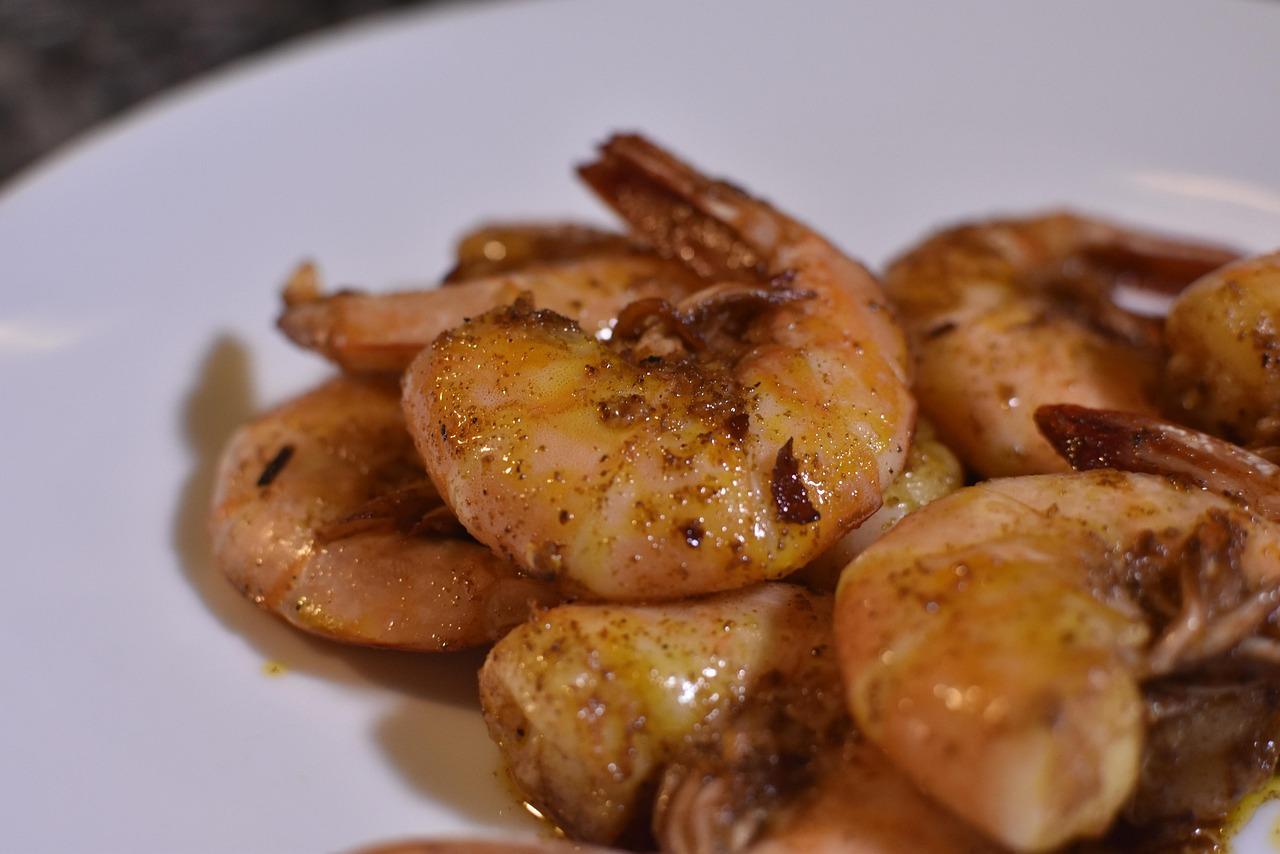
For six weeks or so from May, Vancouver's False Creek dock fills with people buying live spot prawns straight off the boats, and the whole city cooks them simply in garlic butter. They are sweet, firm and delicate, so they need almost nothing else, just bread or rice to soak up the butter. If you buy them live, cook them on the day; remove the heads straight away, as an enzyme there turns the tail meat mushy. Throw away any prawns that smell of ammonia or have gone soft. A common mistake is overcooking; two minutes is plenty. Chef's tip: cook in batches so the pan stays hot and they sear rather than stew.

by KrazyBadal 0 views

Kombu dashi for babiesKelp broth for babies

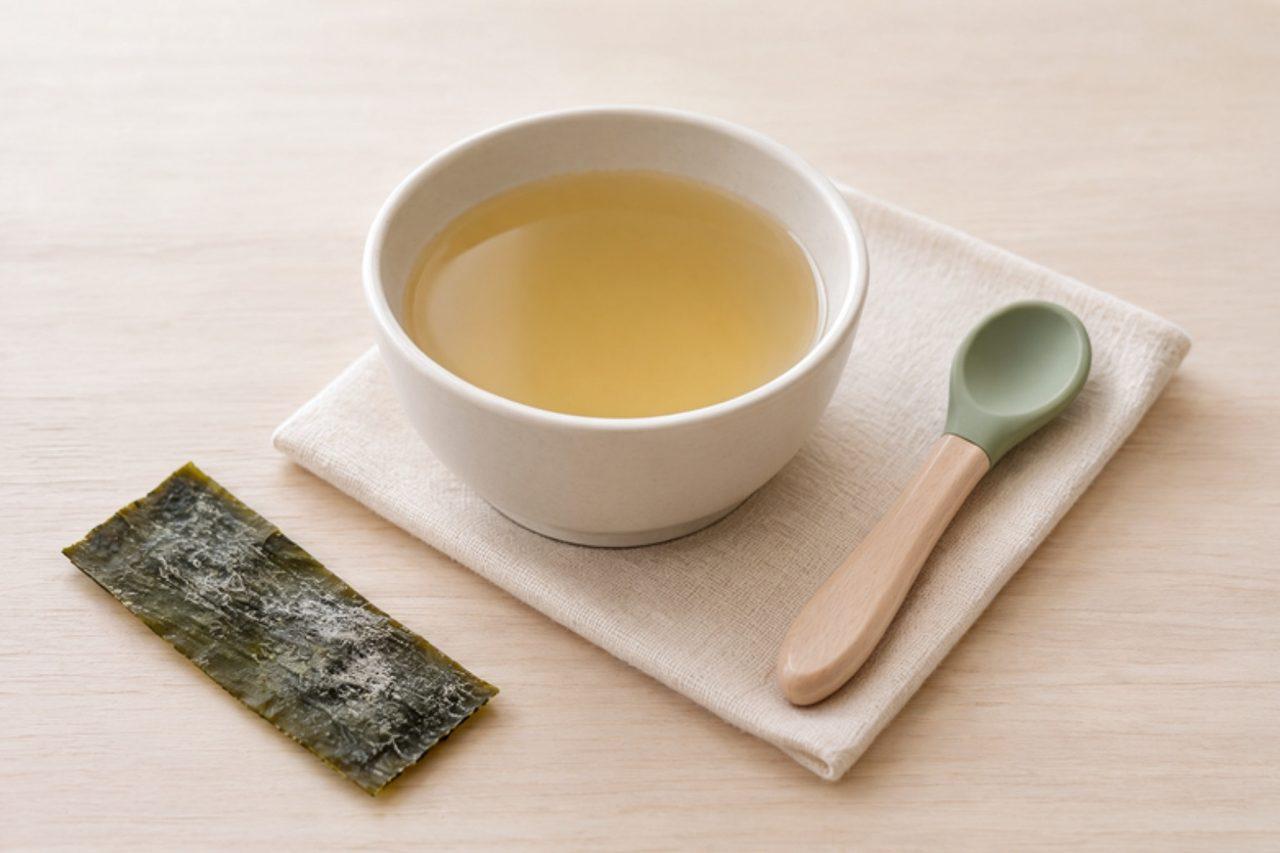
Kombu dashi is where Japanese weaning starts: the gentle, savoury water that thins jūbai-gayu (rice porridge) and vegetable purées, so babies learn umami instead of salt. Japanese parents make a jug every few days, and baby-food counters in Osaka department stores sell frozen cubes of it. Kombu is very high in iodine, so this broth is used a spoonful or two at a time to flavour a meal, a few times a week, never as a drink. Nothing else goes in: no salt, soy sauce, bonito or stock powder. It is free of the major allergens. Chef's tip: lift the kombu out just before the water simmers; boiled kombu turns slimy and gives a bitter, sea-weedy taste.

by KrazyBadal 0 views

Kombu tsukudaniSoy-simmered kelp

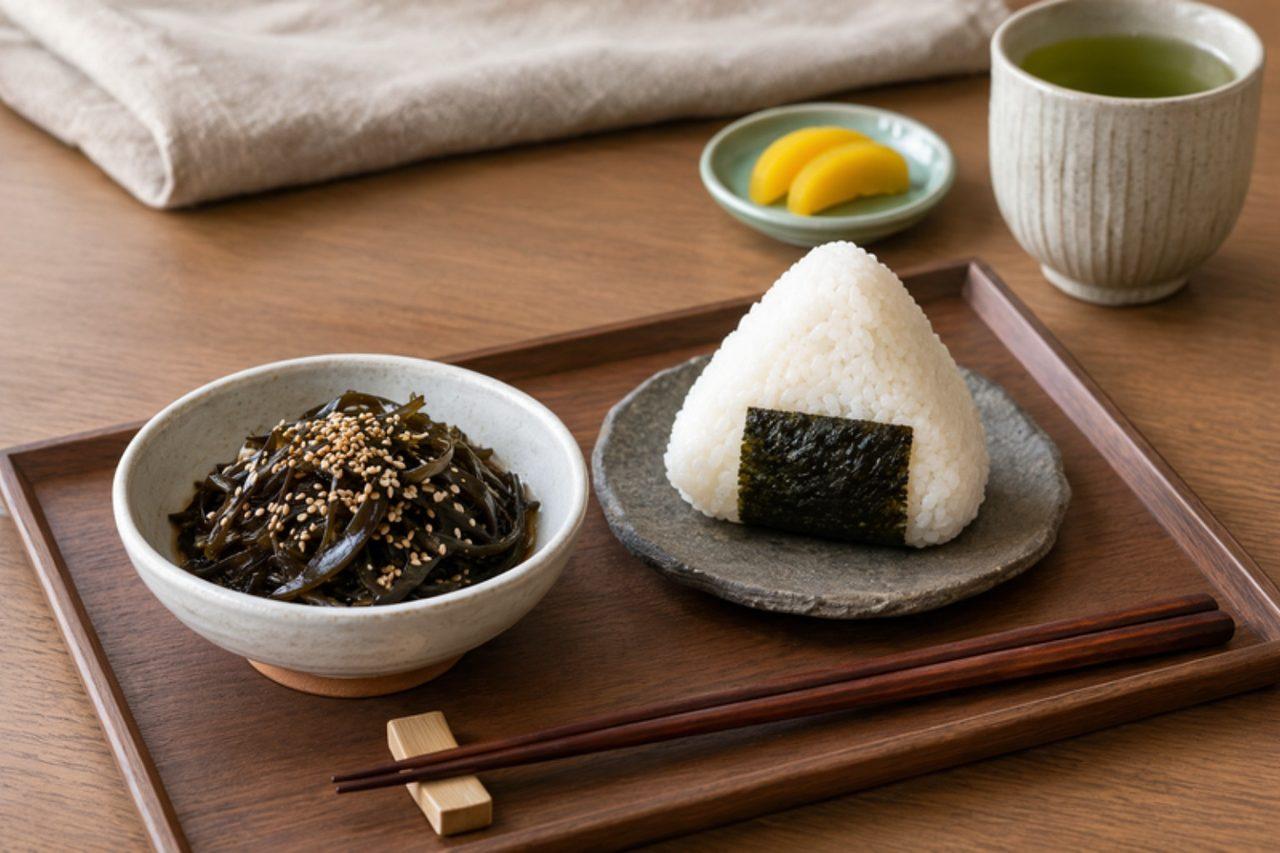
Japanese home cooks hate waste, so the softened kelp left over from making dashi is saved in the freezer until there is enough to simmer down into tsukudani, a dark, chewy relish named after Tokyo's Tsukudajima island, where fishermen first preserved their catch in soy. A teaspoon goes into the middle of an onigiri or on top of the rice in a weekday bento, and it lasts a week in the fridge. The common mistake is boiling it hard from the start: the kelp turns slimy and the sauce scorches before the strips are tender. A splash of vinegar early on softens the kelp so it cooks evenly. Chef's tip: stop when only a spoonful of glaze clings to the pan, because the relish thickens a lot more as it cools.

by KrazyBadal 0 views

Nước sấu (sấu fruit drink)

When Hanoi's tamarind-like sấu trees drop their small green fruit in May and June, street vendors start selling glasses of nước sấu: a few candied fruits, a ladle of ginger syrup, cold water and crushed ice. Families make big jars to last until the season ends in August. It is sipped with a spoon so you can bite into the crunchy-soft fruit at the bottom. It tastes sour and sweet at once, with a clean ginger warmth and a flavour a little like green mango and plum. Traditional cooks soak the peeled fruit in limewater to keep it crisp; a salt soak works well at home. The common mistake is skipping the blanch and slow syrup: raw fruit stays acrid and the syrup clouds. Blanch the fruit briefly, then cook it gently in sugar until it turns translucent yellow-green and the syrup is clear and glossy. Store it in a sterilised jar in the fridge for up to 2 months with a clean spoon; discard if it fizzes, smells fermented or shows mould. Fresh sấu is rare abroad; look for frozen sấu in Vietnamese shops, or use firm green ambarella. Chef's tip: slash each fruit a few times so the syrup soaks all the way in.

by KrazyBadal 0 views

Pan-fried Arctic char

Arctic char, iqaluk in Inuktitut, is the fish of Nunavut, netted in the rivers around Cambridge Bay and Pangnirtung when it runs to the sea in summer and through the ice in spring. It tastes like a cross between salmon and trout, with rosy, delicate flesh. In Iqaluit homes it is eaten many ways; here it is simply pan-fried until the skin crackles, with lemon and a piece of warm bannock. A common mistake is moving the fillet too early; leave it until the skin releases on its own. Chef's tip: press the fillet flat with a spatula for the first 30 seconds so the skin doesn't curl.

by KrazyBadal 0 views

Bissy tea (kola nut tea)

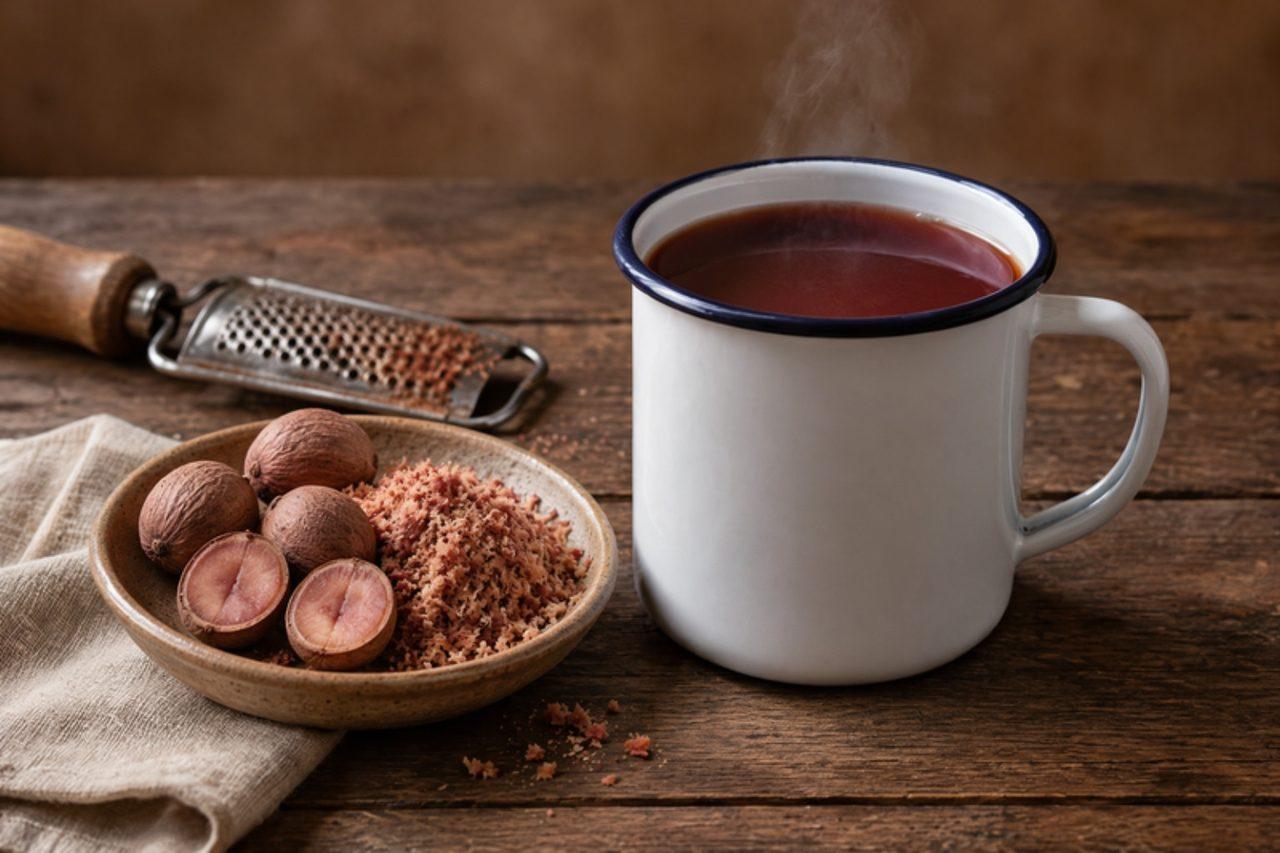
Kola trees came to Jamaica with enslaved West Africans, and the nut, called bissy on the island, has stayed in country medicine ever since. Older people in St Mary, St Elizabeth and the hills of Clarendon still keep a dried bissy in the kitchen and grate some into boiling water when the stomach is upset or after eating something that disagreed with them,. Parched in a dry pan first, the grated nut gives a reddish-brown tea that smells faintly of cocoa and tastes bitter and astringent, softened by plenty of sugar. The common mistake is boiling raw, ungrated nut and expecting much flavour: whole pieces give little. Grate it finely, parch it until it darkens and smells like toasted cocoa, then boil. It is ready when the tea is a deep reddish-brown and coats the tongue with bitterness. Kola nut is very high in caffeine, as strong as a big mug of coffee or more, so drink one cup, not late in the day, and keep it away from children, pregnant people and anyone sensitive to caffeine or with heart trouble. Chef's tip: strain it through a fine cloth; the grated nut leaves a gritty sediment that a sieve lets through.

by KrazyBadal 0 views

Kopitiam half-boiled eggsSoft-boiled eggs with soy sauce

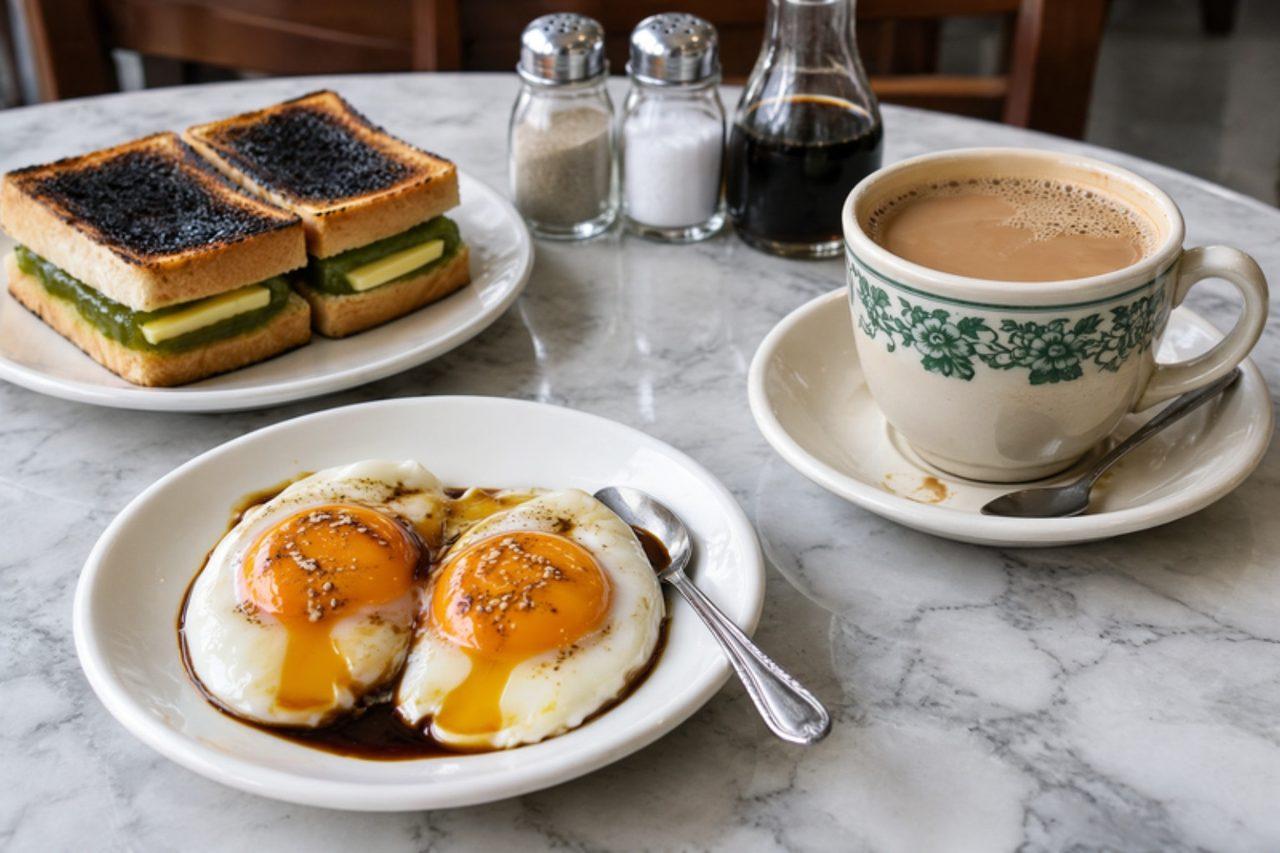
In the old coffee shops of Ipoh, Penang and Kuala Lumpur, breakfast is a cup of thick kopi, kaya toast and two eggs so lightly cooked they slide out of the shell into a saucer. You season them with dark soy and white pepper, stir and slurp them, or dip the toast in. The mistake is boiling the eggs: they are cooked off the heat in water just off the boil, so the white turns milky but stays wobbly. Because the eggs are barely set, cook them fully for anyone pregnant, young children, older people or anyone with a weakened immune system. Chef's tip: use a lidded mug or small pot that just fits the eggs, and warm it with hot water first so the temperature does not drop.

by KrazyBadal 0 views

Wattleseed ice cream

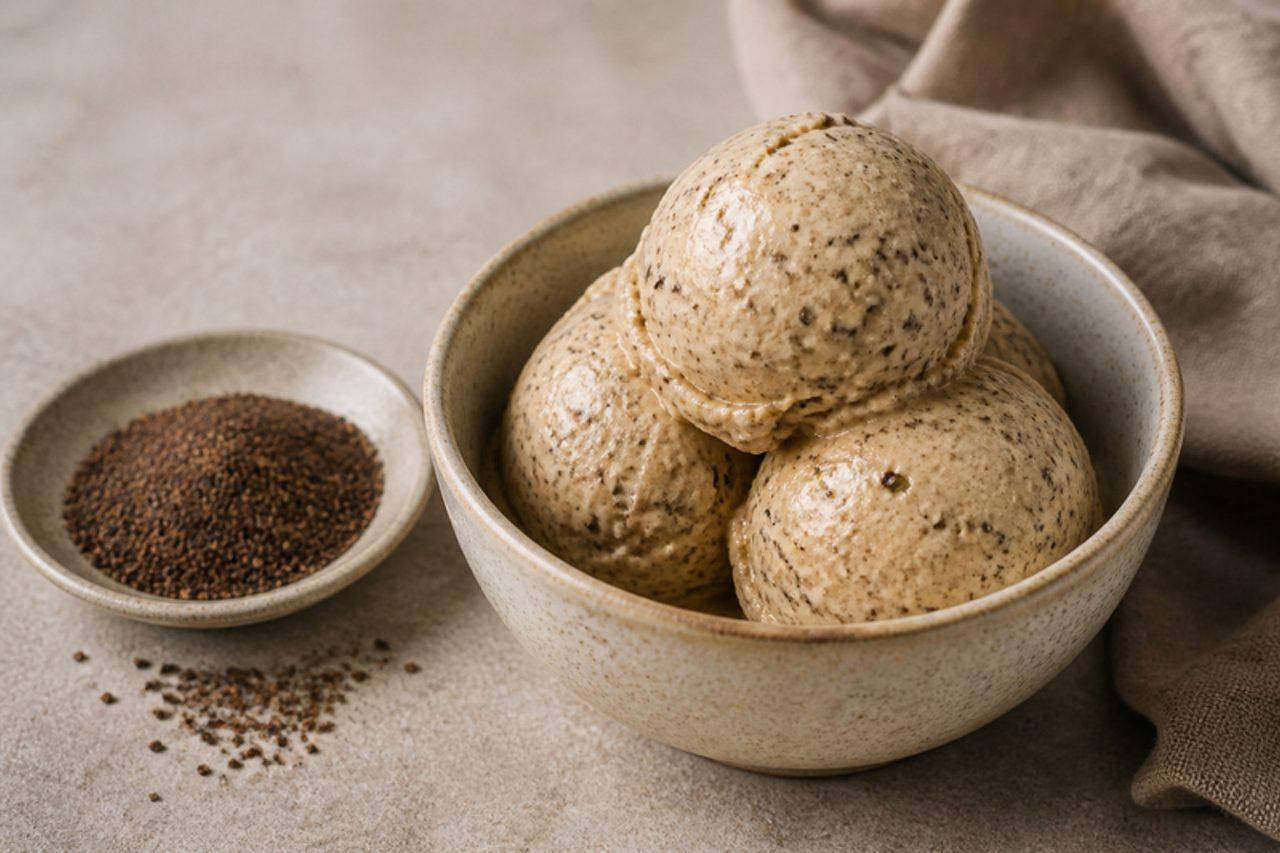
Roasted wattleseed, from a few edible acacias of the Australian inland, has been ground into flour by Aboriginal people for millennia, and today chefs in Sydney and Melbourne use it for its flavour of coffee, chocolate and hazelnut. Steeped in a rich custard and churned, it makes a lovely ice cream to serve with pavlova or a slice of passionfruit sponge. Buy roasted, ground wattleseed from a native food supplier; many acacias are not edible. A common mistake is overheating the custard so it scrambles; take it off at 82 °C. Chef's tip: steep the wattleseed in the hot milk for 20 minutes before making the custard.

by KrazyBadal 0 views

Vanilla slice

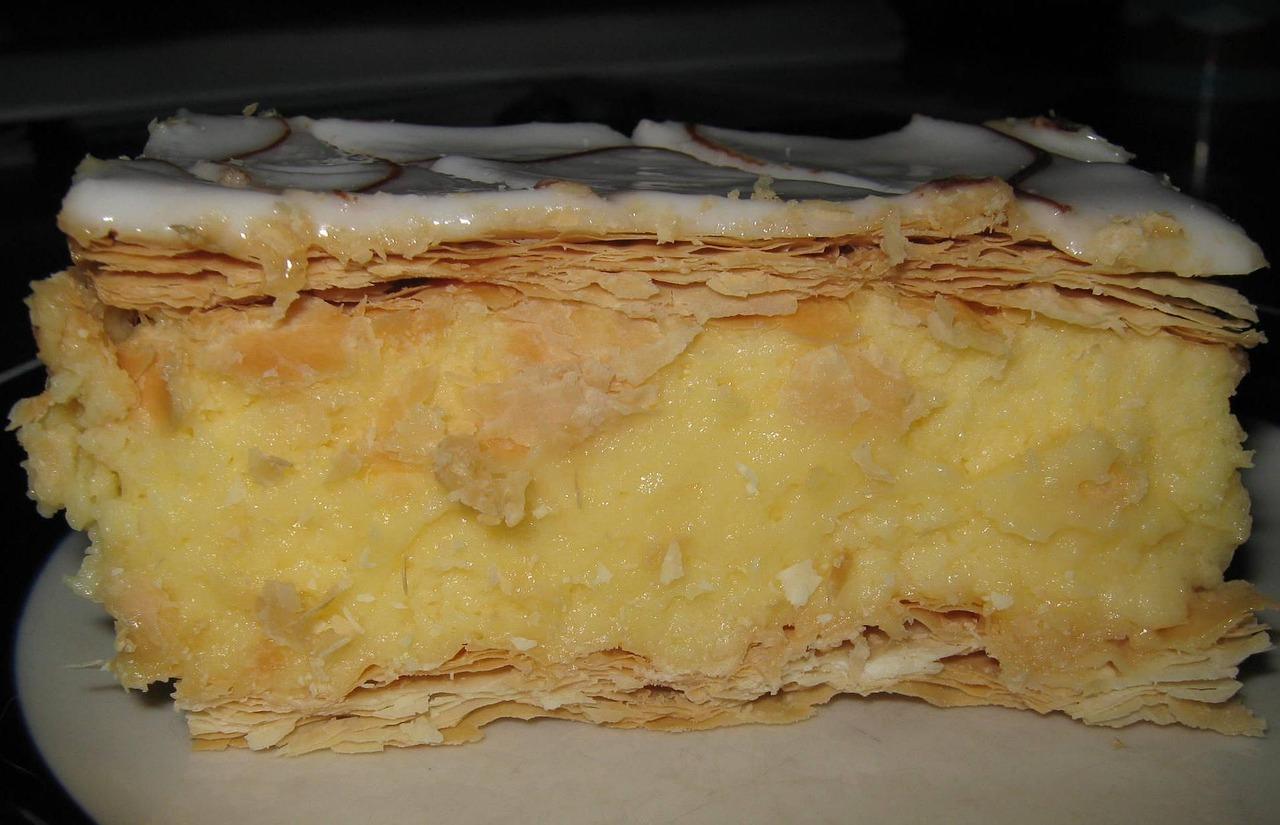
The vanilla slice, or snot block as Aussie kids call it, is the country bakery's pride; towns like Ouyen in north-west Victoria even hold a yearly competition for the best one. A thick, wobbly vanilla custard is set between two sheets of crisp puff pastry and topped with white or passionfruit icing. It needs a few hours to set but is easy. A common mistake is a soft custard that oozes when cut; it must boil for a full minute to thicken properly. Chef's tip: prick and weigh the pastry down with a tray while baking so it stays flat and thin.

by KrazyBadal 0 views

Nam lamyai (longan drink)

Longan orchards cover the valleys of Chiang Mai and Lamphun, and every August the harvest is smoked and dried in big brick ovens so the fruit lasts all year. That dried lamyai is the base of nam lamyai, sold in plastic bags with a straw at Warorot Market, at roadside stalls on the way to Doi Suthep and in school canteens across the north, especially in the hot season from March to May. It tastes like toffee and smoked honey with a light floral note, and each glass comes with a few plump, chewy longans at the bottom to fish out. The common mistake is boiling the fruit too long with all the sugar at the start: the drink turns syrupy and the longans go mushy. Simmer the fruit first, sweeten at the end and taste before adding everything. It is ready when the liquid is clear amber-brown, the longans have swollen back to roughly their fresh size and the kitchen smells of caramel. It keeps 4 days in a closed jug in the fridge. Chef's tip: a tiny pinch of salt is the street-vendor trick that makes the sweetness taste rounder and brings out the smoky edge.

30 minThaiDrinksVeganGluten free
by KrazyBadal 0 views

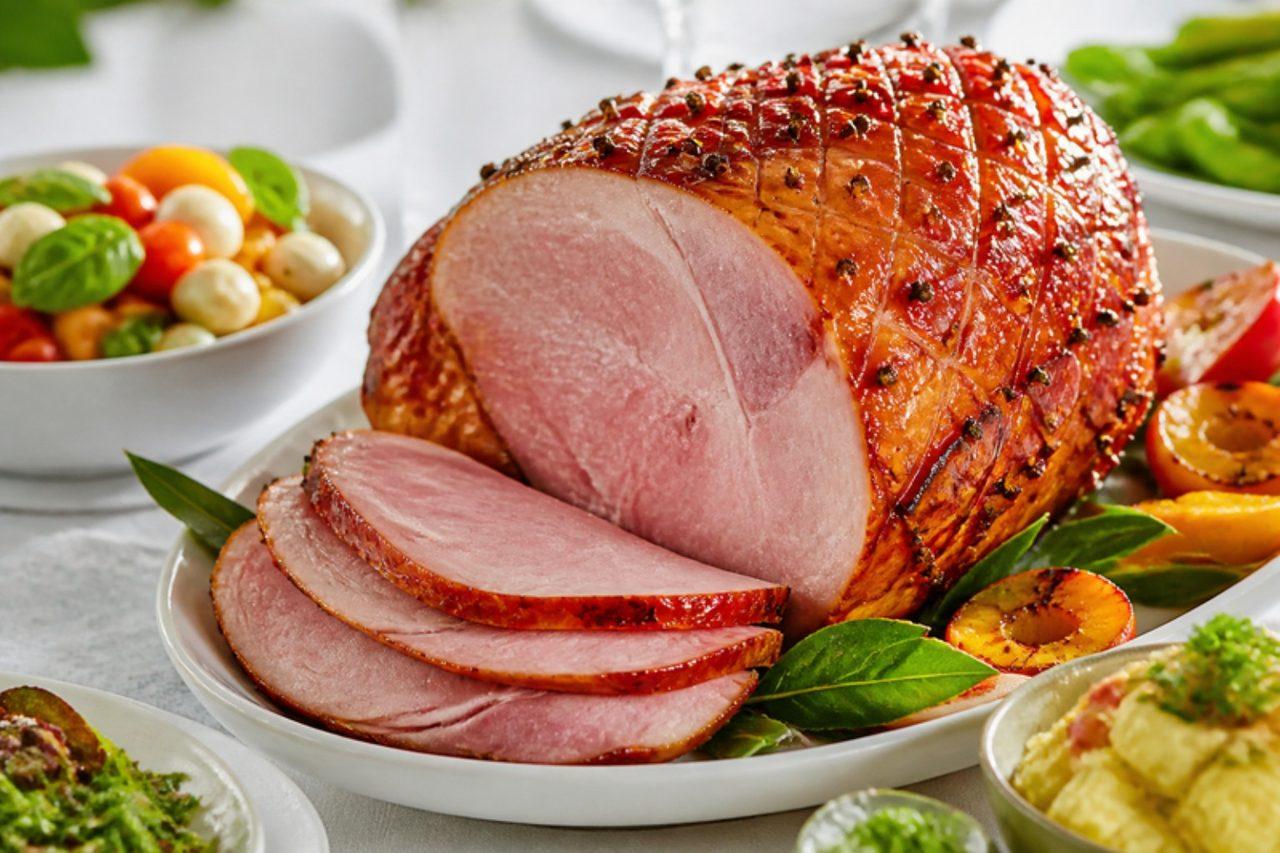
Glazed Christmas ham

A whole glazed leg ham is the centrepiece of the Australian Christmas table, served cold with salads and mustard on a hot December day and eaten in sandwiches for a week after Boxing Day. It is a cured, smoked leg of pork, already cooked, that is scored, studded with cloves and baked with a sticky orange and honey glaze. A common mistake is cutting the rind off too roughly; ease it away with your fingers so the fat stays smooth. Chef's tip: store the leftover ham in a cotton ham bag soaked in water and vinegar in the fridge to keep it moist.

by KrazyBadal 0 views

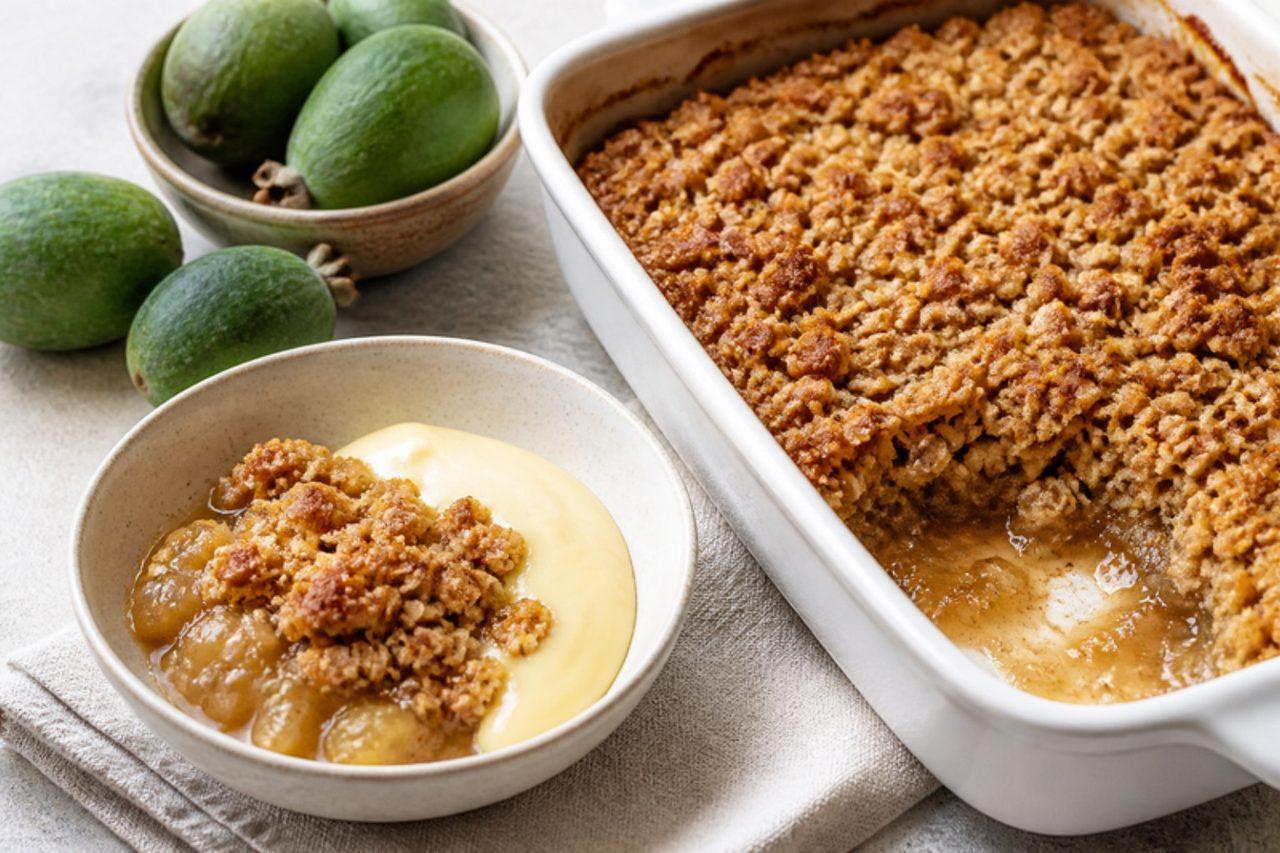
Feijoa crumble

Every autumn, from March to June, New Zealand back gardens drop more feijoas than anyone can eat, and bags of the green, perfumed fruit get passed over fences and left on office desks. Baking them into a crumble is the classic way to use them: their fragrant, pineapple-guava flavour softens under a buttery oat and brown-sugar topping. Serve with custard or vanilla ice cream. A common mistake is leaving the gritty skin on; scoop out the flesh. Chef's tip: add a couple of apples to stretch the feijoas and give the filling body.

by KrazyBadal 0 views

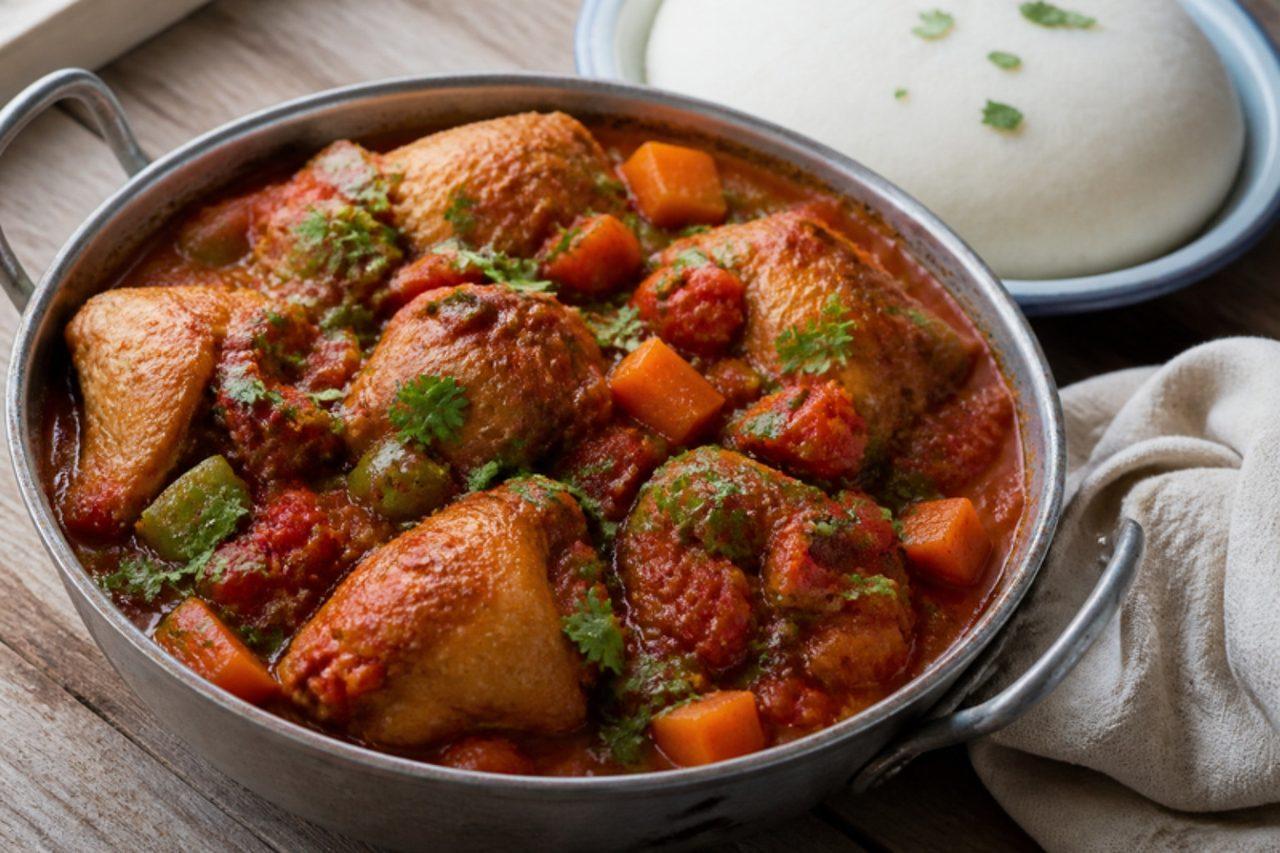
Kuku kienyejiFree-range chicken stew

On a Kalenjin homestead outside Eldoret or Kericho, a kienyeji (free-range) hen is the meal for a Sunday visit or a returning son, cooked slowly over a wood fire until the whole compound smells of it. These birds run about all their lives, so the meat is lean, firm and far more savoury than a supermarket broiler, and the yellow fat renders into a rich, garlicky tomato stew that is mopped up with ugali and sautéed managu or sukuma. Use a free-range or older boiling hen and give it time; rushing it, or using a young broiler and cooking it this long, are the two ways the dish goes wrong. A cup of mursik (fermented milk) often goes alongside in the Rift Valley. Chef's tip: start the jointed bird in a dry pot with the lid on; it gives up its own juices and fat, and that liquid is the base of the stew.

by KrazyBadal 0 views

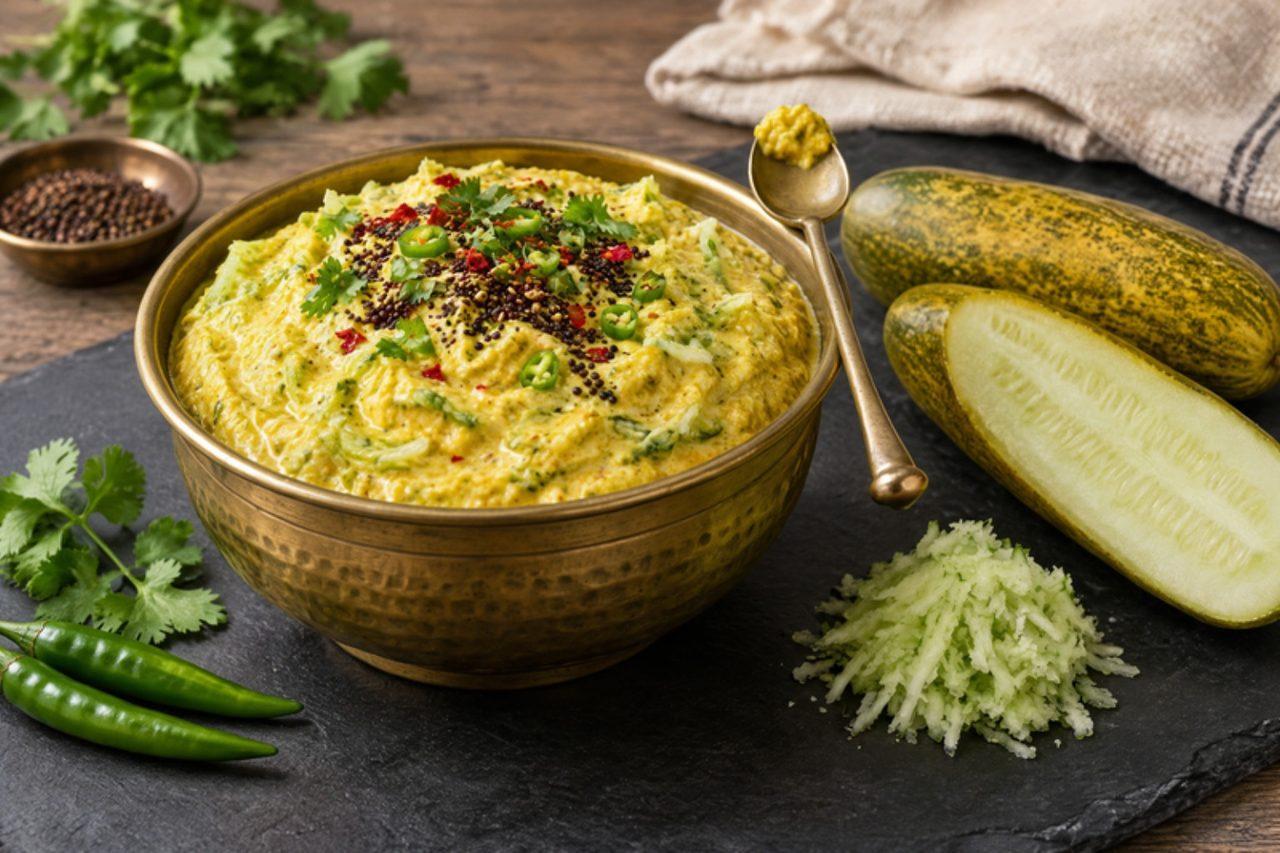
Kumaoni kheere ka raitaCucumber raita

This yellow raita is the famous one of Kumaon, made from the fat, pale hill cucumbers of late summer and served at every wedding and Holi gathering. It gets its nose-tingling kick from freshly ground raw mustard seed, which is left to mellow in the curd for an hour, and its sunny colour from turmeric. It is eaten with rice, puris and pakodas. The common mistake is not squeezing the grated cucumber, which floods the raita and dulls the mustard. Chef's tip: make it at least an hour ahead and chill it; the mustard grows sharper and rounder as it rests.

by KrazyBadal 0 views

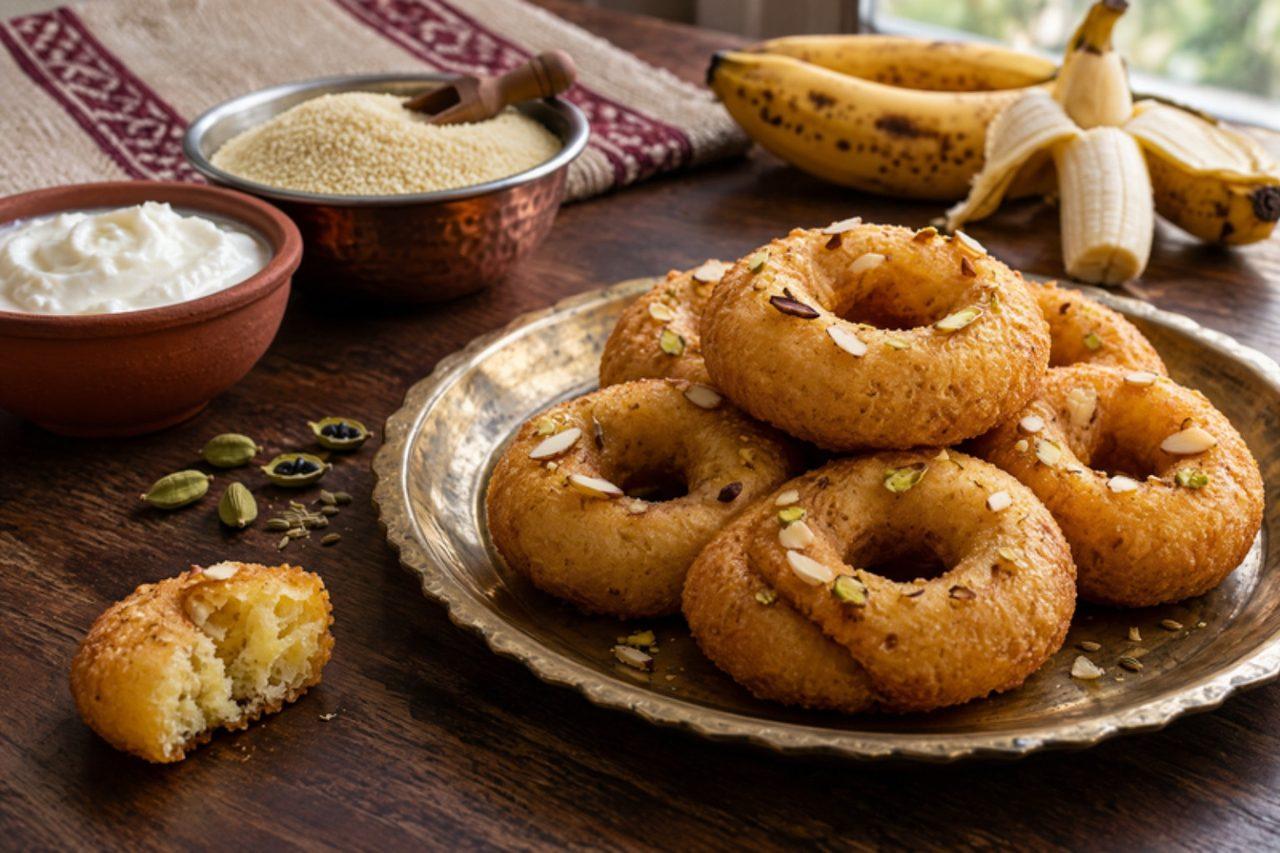
SingalFried semolina and banana spirals

Singal (also called singhal) are sweet, spongy spirals from Kumaon, fried for Diwali, weddings and the Harela festival and offered at the temple before the family eats them. A thick batter of semolina, ripe banana, curd and sugar rests until the semolina swells, then it is piped or poured in a spiral into hot ghee or oil. The outside turns crisp and the inside stays soft like a doughnut. The common mistake is frying straight away; unrested batter spreads into flat, greasy shapes. Chef's tip: the batter is right when it falls from a spoon in a thick ribbon that holds its shape for a second.

by KrazyBadal 0 views

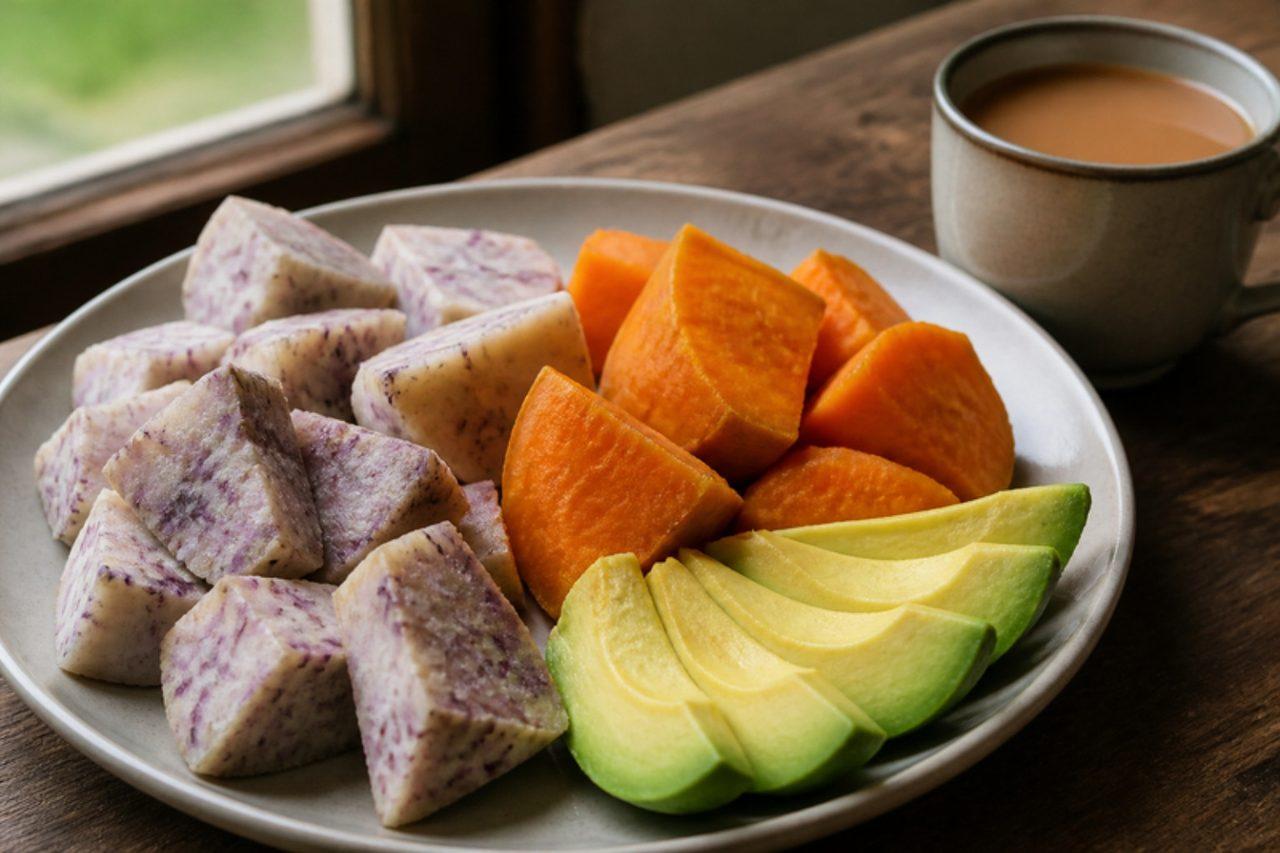
Nduma na viazi vitamuBoiled arrowroot and sweet potato

A plate of nduma and sweet potatoes with a mug of hot milky chai is the classic weekend breakfast in Kiambu and Murang'a homes, and farmers eat the same before a long day in the shamba. What Kenyans call arrowroot is taro, a starchy corm with a dense, nutty flesh that turns faintly purple and almost creamy when boiled; the sweet potatoes beside it are soft and honeyed, lovely with sliced avocado. Find taro (also called eddoes or dasheen) at African, Caribbean and Asian grocers. Raw taro irritates skin and mouth, so wear gloves to peel it and make sure it is boiled right through: undercooking is the one real mistake here and leaves an itchy, scratchy feeling in the throat. Chef's tip: cut taro and sweet potato into similar-sized pieces but add the sweet potato 10 minutes later, so both are done at once.

by KrazyBadal 0 views

Suanmeitang (sour plum drink)

Old Beijing sold suanmeitang from brass bowls at street corners in summer, chilled with blocks of river ice, and the Qing court drank a version as a cooler. Today it comes in big jugs at copper-pot hotpot restaurants, where its sourness cuts through mutton and sesame sauce; families brew a pot every few days all summer. Smoked wumei plums give a deep, almost bacon-like smokiness, hawthorn adds fruity acid, licorice softens the edges and rock sugar rounds everything off, with dried osmanthus on top for a honeyed scent. It should be dark ruby, clear and refreshing, tart first and sweet after. The common mistake is boiling it hard for hours: the plum stones and hawthorn seeds release bitterness and the brew turns muddy. Simmer gently, strain early and chill fast. It is ready when the plums have collapsed and the liquid tastes clearly sour-sweet with a smoky finish. Licorice root is traditionally used in small amounts; people with high blood pressure, heart or kidney problems, or who are pregnant should keep the licorice out or check with a doctor. Chef's tip: add the osmanthus only after the heat is off, or its perfume vanishes.

by KrazyBadal 0 views

Barbecued garlic prawns

Prawns on the barbie are the true Australian Christmas and summer meal, cooked on the backyard barbecue from Perth to the Gold Coast with a cold drink in hand. Big raw king or tiger prawns are marinated in garlic, chilli, lemon and olive oil, then grilled quickly in their shells, which keeps them juicy. A common mistake is leaving them in the marinade too long; the lemon starts to cook them. Chef's tip: cut down the back of the shell and remove the vein but leave the shell on, so the marinade gets in and the prawns don't dry out.

by KrazyBadal 0 views

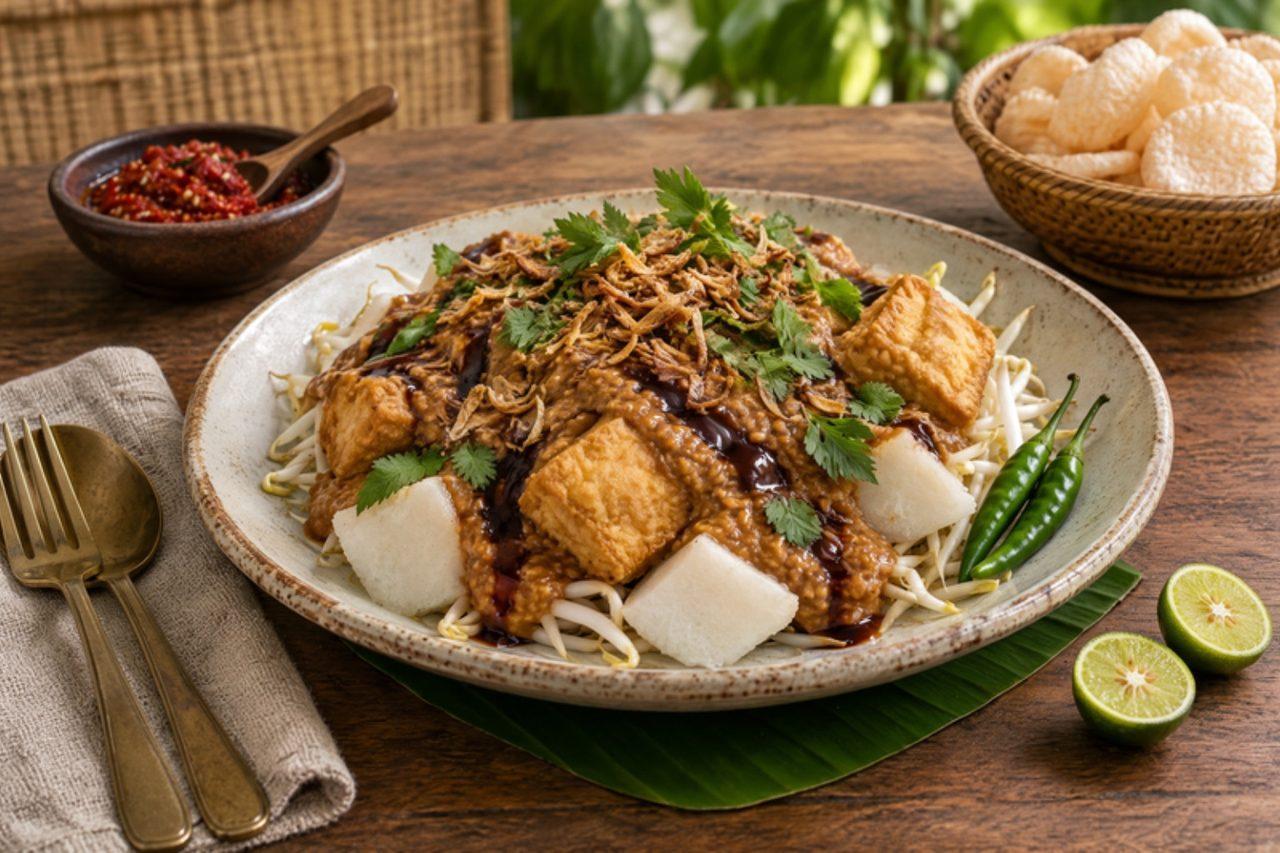
Kupat tahuRice cakes and tofu in peanut sauce

Kupat tahu is breakfast from a pushcart in Bandung and Magelang: chunks of compressed rice cake, freshly fried tofu and blanched bean sprouts, buried under a loose peanut sauce sharpened with garlic, chilli and sweet soy, then finished with crackers and fried shallots. The common mistake is grinding the peanut sauce too thick: it should pour like single cream so it soaks into the rice cake. Many prawn crackers are made with seafood, so choose plain cassava or rice crackers for a vegan plate. Chef's tip: fry the tofu just before serving; soft, hot tofu soaks up the sauce, while tofu fried ahead turns leathery.

by KrazyBadal 0 views

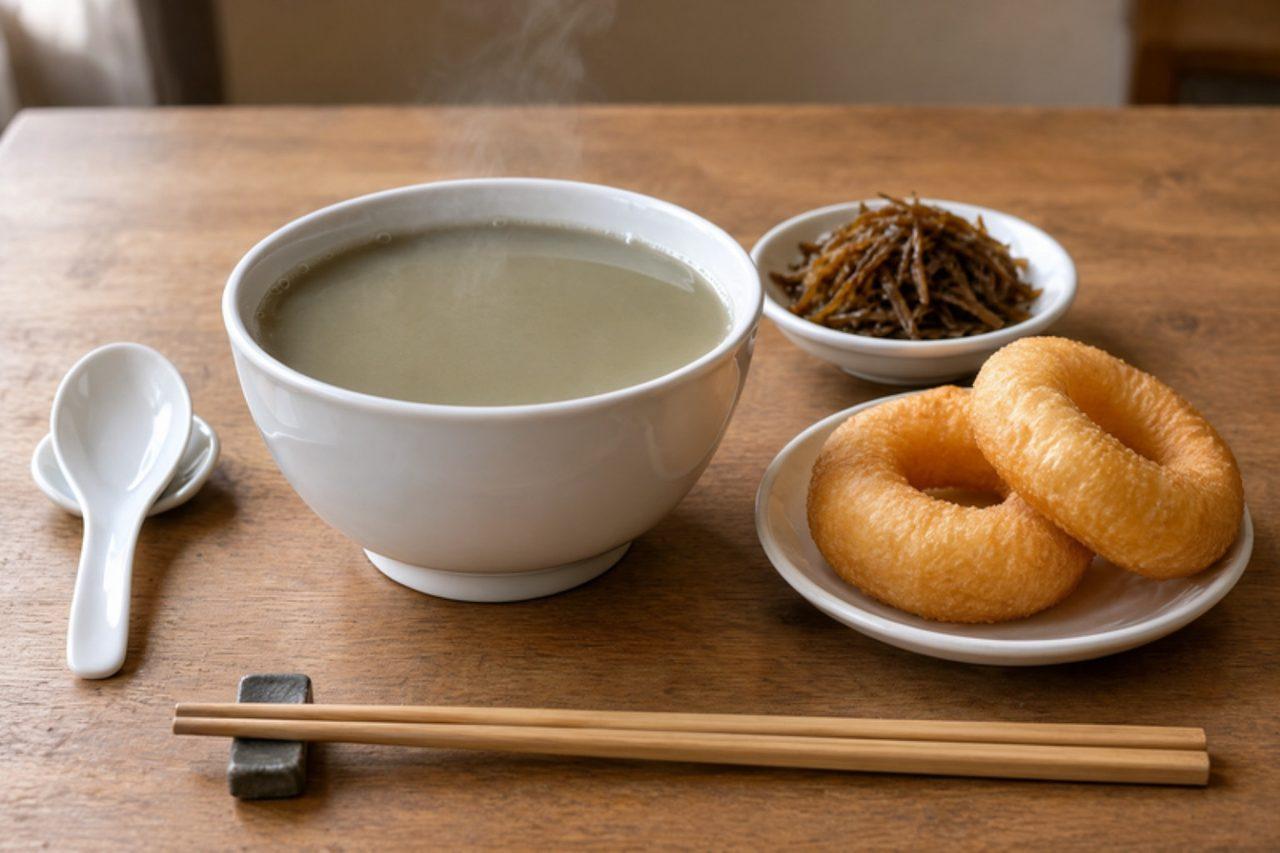
Douzhi (fermented mung bean drink)

Douzhi is the breakfast that divides Beijing. It is the sour liquid left over when mung beans are ground and their starch settles out to make noodles and jelly; left to ferment for a day or two, the grey-green whey turns tangy, a little cheesy and sulphurous. Old Beijingers drink it piping hot at dawn in hutong shops around Qianmen and Huguosi, with a dish of finely shredded salty pickle dressed in chilli oil and crisp fried dough rings (jiaoquan) from the bakery. First-timers often say it smells like stale socks; regulars say it tastes like home. The texture is thin and slightly creamy, the flavour sour, a little bitter and savoury. The common mistake is boiling the soured starch hard: it separates into grey water and sludge. Bring it up slowly, stirring, and take it off as soon as it froths. The ferment makes only a trace of alcohol, well under 1%. Ferment at 20–25 °C; normal signs are fine bubbles, a sour, yogurt-like smell and a grey colour. Discard it if you see fuzzy mould, pink or black patches, a slimy texture or a putrid smell. Chef's tip: save 100 ml of a good batch to start the next one, as Beijing workshops do.

by KrazyBadal 0 views

Mince and cheese pie

Mince and cheese is New Zealand's best-selling bakery pie, the go-to lunch for tradies, students and rugby crowds from Auckland to Dunedin, with a rich, peppery beef mince gravy under a thick layer of melted cheese and a flaky puff lid. It is eaten from the paper bag with tomato sauce. Cheddar is often made with animal rennet. A common mistake is filling the pastry with hot mince, which makes the base soggy; cool it fully. Chef's tip: put the cheese on top of the mince, right under the lid, so it melts into a gooey layer.

by KrazyBadal 0 views

Martín FierroCheese with quince paste

Ask for dessert in a Montevideo bodegón or a country parador and you may be offered a Martín Fierro: a thick slice of fresh, mild cheese laid with an equal slice of dense quince or sweet-potato paste, named after the gaucho of the epic poem. It's salty against sweet, soft against firm, and takes two minutes to assemble. Uruguayan fresh cheese is usually made with animal rennet, so choose one with vegetarian rennet if that matters to you. The mistake is serving it fridge-cold, which dulls both flavours. Chef's tip: cut the cheese and paste to exactly the same thickness, about 1 cm, so every bite has both.

by KrazyBadal 0 views

Showing 90 of 7,888 recipes

Page 149 of 877