


Skip to content
Pane nero di segale
Featured recipe

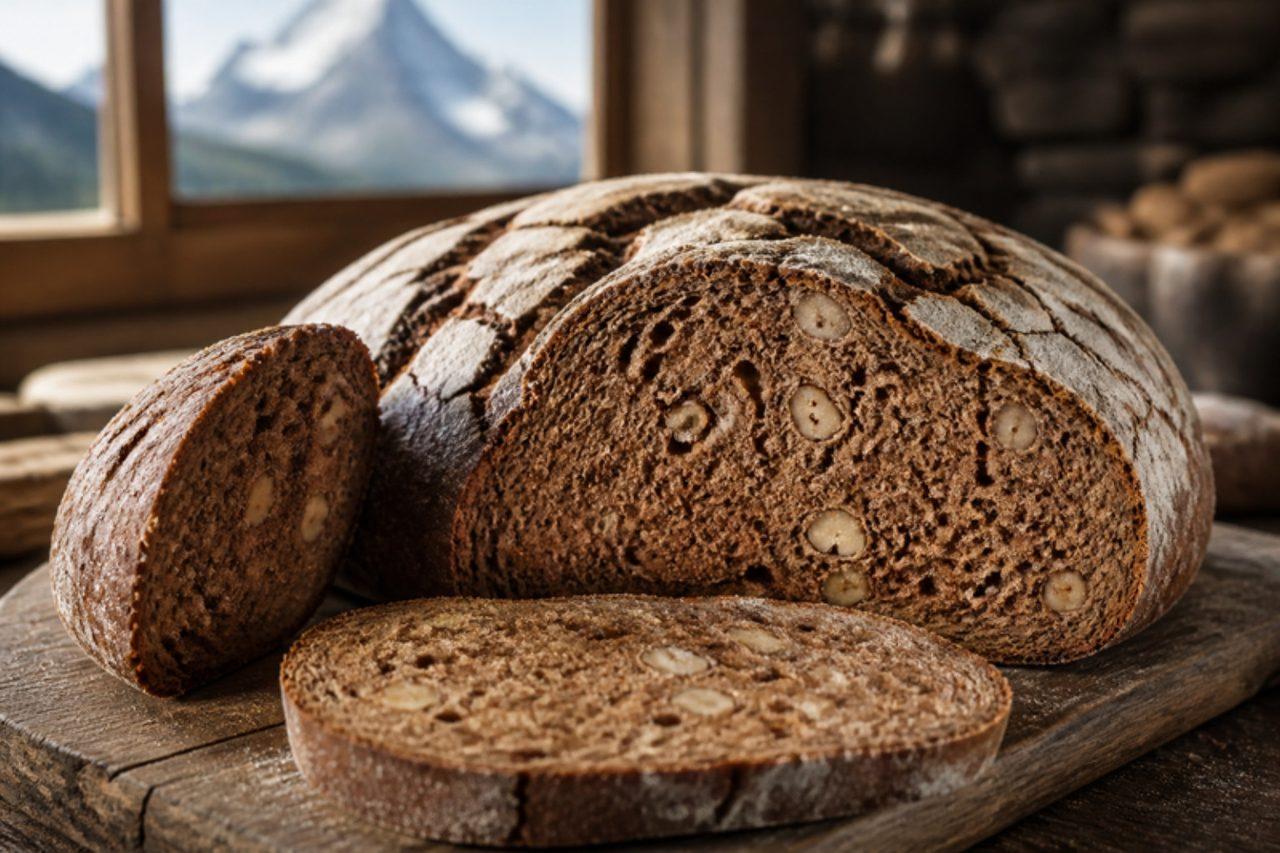
Pane nero di segale

Dark rye bread

In the villages of the Valle d'Aosta, rye was the grain that would grow at altitude, and each autumn families took turns at the communal wood-fired oven to bake enough dark loaves to last until spring. Every October the valley still lights those old ovens for a bread festival, and the round, flour-crackled pan ner is sold at markets from Aosta to Gressan. The crumb is dense, moist and slightly sour, with a thick crust; it is eaten with butter, mountain cheese or a bowl of soup. Chef's tip: wait until the loaf is completely cold before slicing, as rye keeps setting as it cools.

Read more 0 views

What to eat today?

Around the world

Today's trip: Paraguayan

A new country every day, from every cuisine on the site.

Paraguayan

Chipa

Cheese bread rings 50 minMore from Paraguayan (27) →

This week's collection

Kid-friendly dinners
537 recipes · a new collection every Monday

Latest recipes

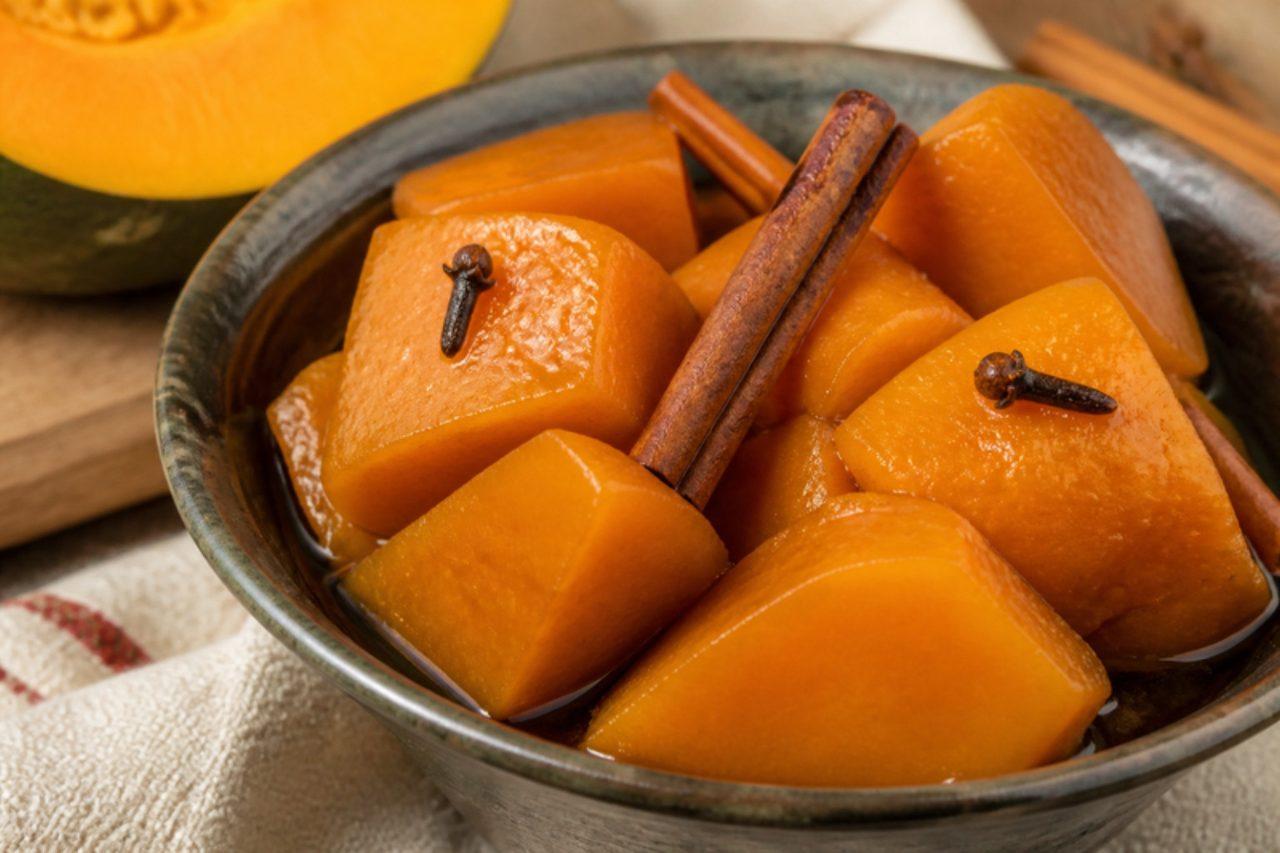
Ayote en mielSquash in spiced syrup

Nicaraguan grandmothers set a pot of ayote en miel on the stove on Holy Wednesday, so there is something sweet to share with neighbours right through Easter week, often alongside sweet green mango and coconut. Chunks of squash simmer in dark panela syrup with cinnamon, cloves and allspice until they are glossy and tender and the syrup tastes of caramel and spice. Stirring is the common mistake: a spoon breaks the soft squash into mush, so shake the pot instead. Chef's tip: leave the skin on the squash; it holds each piece together and turns soft enough to eat.

by KrazyBadal 0 views
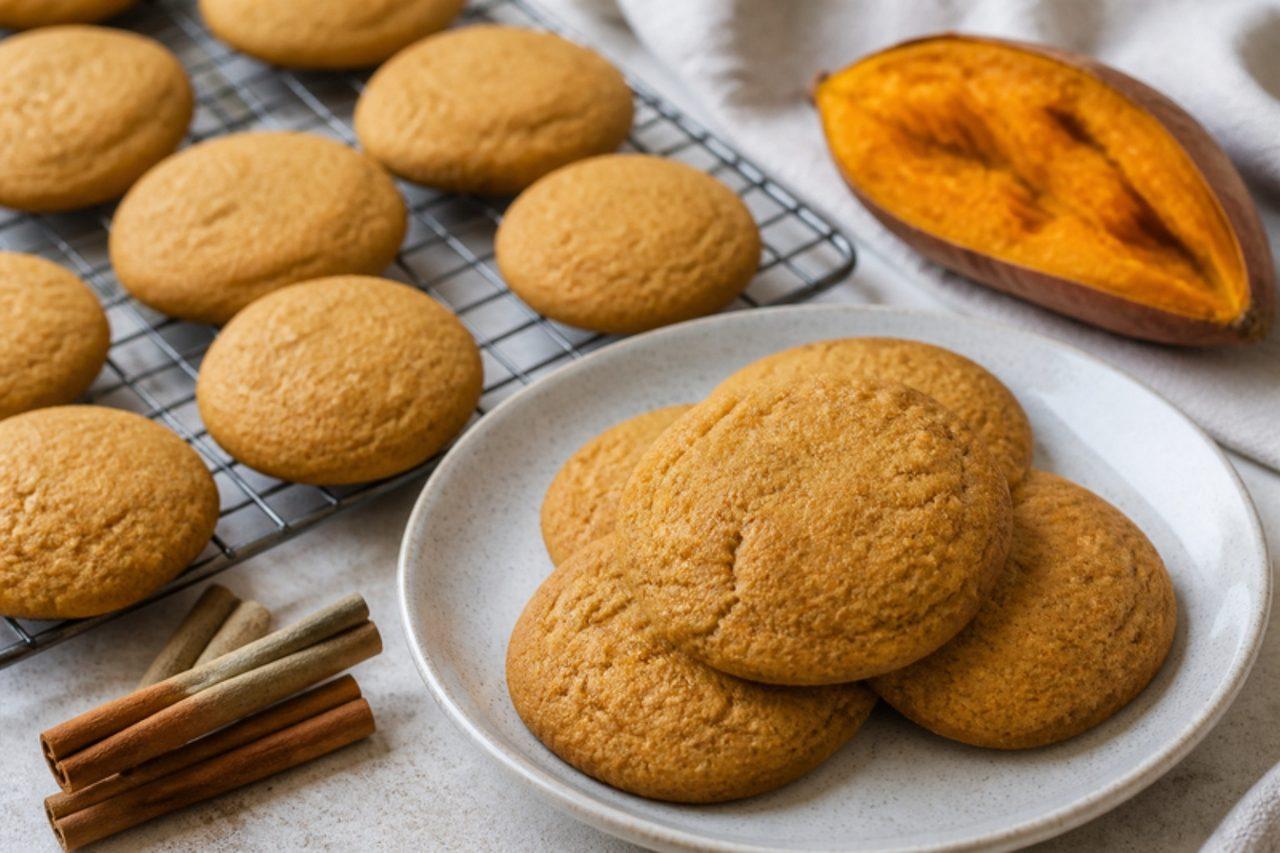
Mbatata cookiesSweet potato cinnamon cookies

Mbatata simply means sweet potato in Chichewa, and these orange-flecked cookies are what Malawian mothers bake from leftover boiled sweet potato, sold too at Lilongwe and Blantyre bakeries alongside the tea urn. They come out soft and cakey rather than crisp, with a gentle sweetness from the potato, warm cinnamon and a buttery crumb. Serve them with milky tea at mid-morning or slip them into school lunch boxes. The recipe contains egg. Watery mash is the common pitfall, giving a sticky dough and flat cookies, so mash the potato dry and let it cool before mixing. Chef's tip: roast or steam the sweet potato rather than boiling it, for a deeper colour and a firmer dough.

by KrazyBadal 0 views

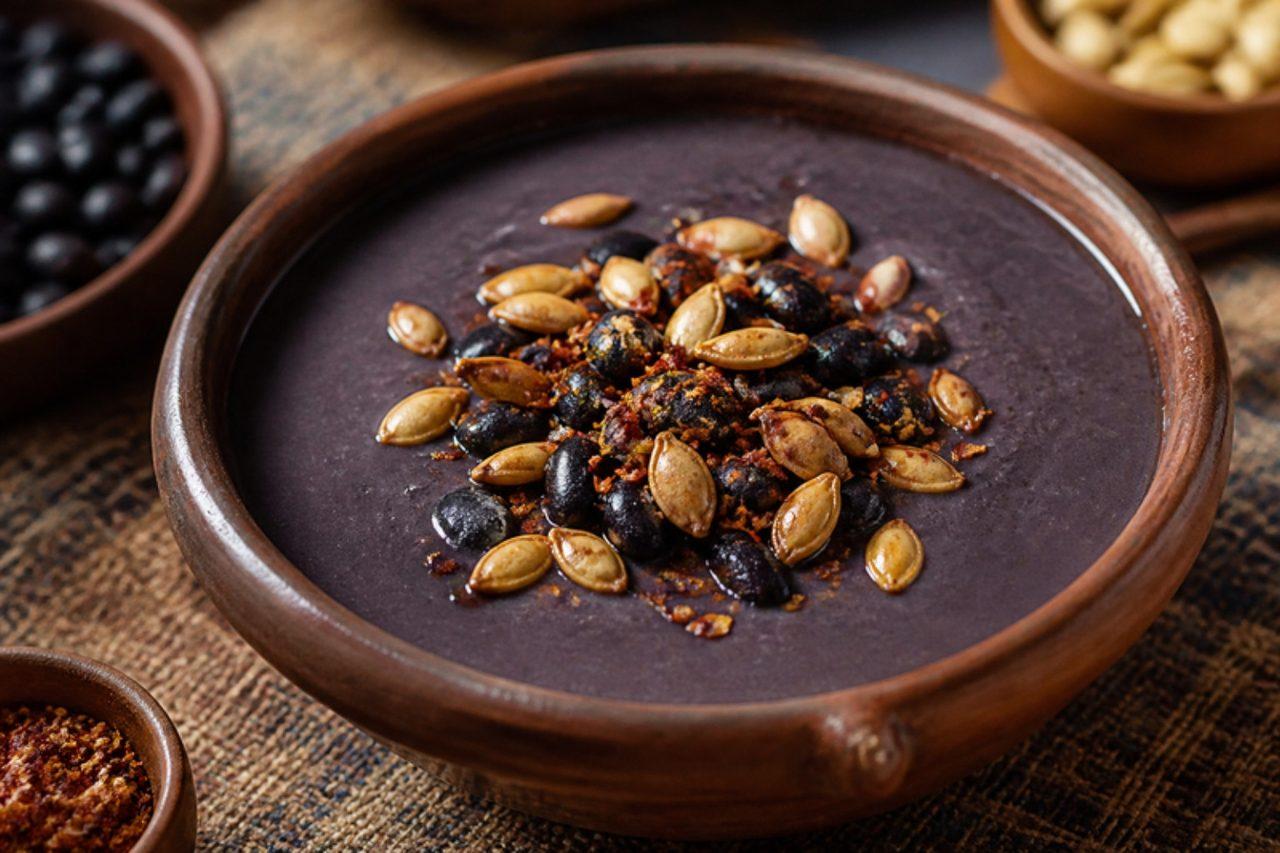
Atol shucoSour black corn drink

In San Salvador's Plaza Libertad and outside churches on cool mornings, atol shuco is ladled from steaming clay pots into gourd bowls. Shuco means 'dirty', for its dusky purple-grey colour: it is made from fermented black corn, so it tastes slightly sour and earthy, topped with ground toasted pumpkin seeds, a few whole black beans and a pinch of chilli salt. It is savoury and filling rather than sweet. The usual mistake is leaving the masa to ferment too long in a hot kitchen; check it after a day and use it as soon as it smells pleasantly tangy. Throw it away if you see mould or it smells unpleasant. Chef's tip: if you can't wait for fermentation, a squeeze of lime at the end gives a similar tang.

by KrazyBadal 0 views

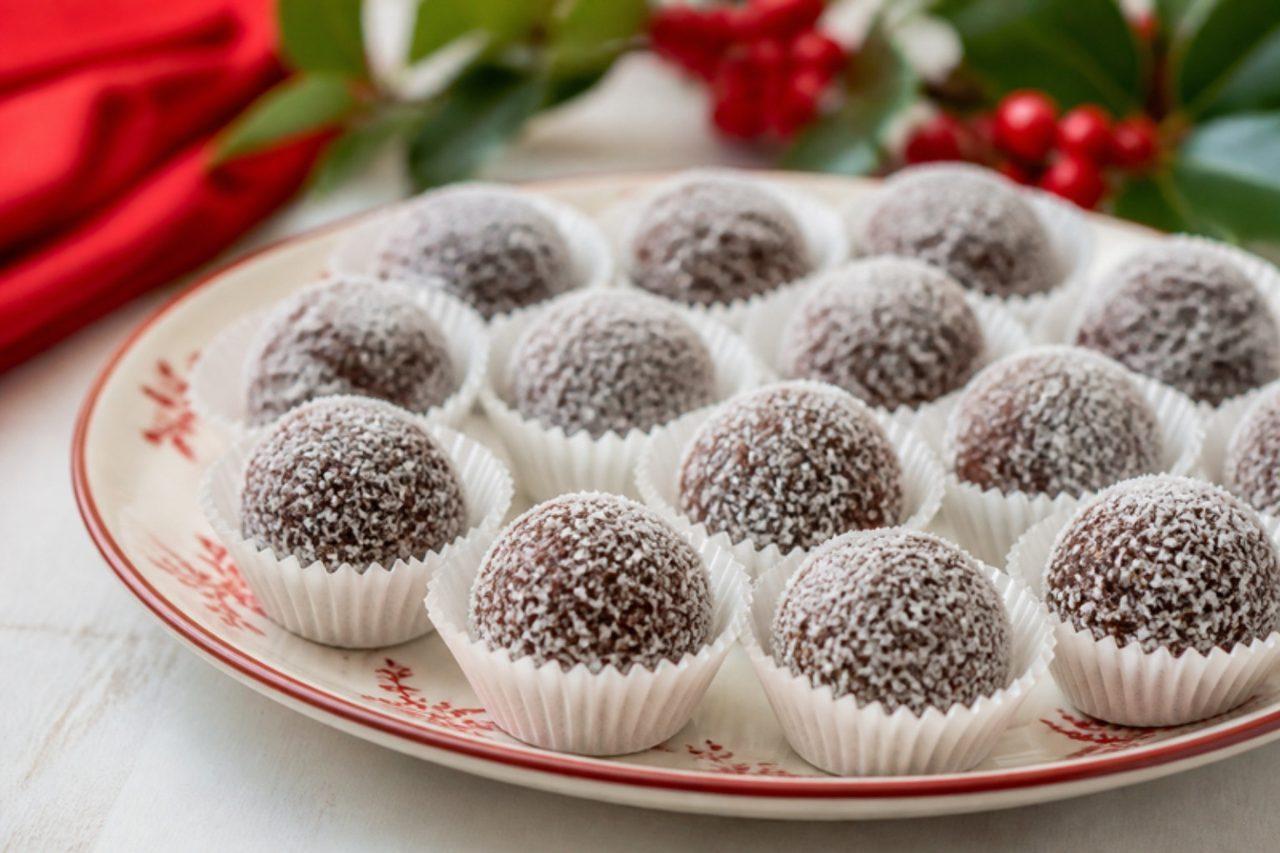
Rum ballsChocolate rum balls

Rum balls are the grown-ups' Christmas sweet in Australia, rolled by the trayful in December and handed round at end-of-year parties from Sydney to Perth. They are made from chocolate cake crumbs or crushed biscuits, condensed milk, cocoa and dark rum, rolled in coconut. They contain alcohol and are for adults only; for children or anyone avoiding alcohol, use rum essence and a splash of orange juice instead. A common mistake is a mix that's too wet; chill it before rolling. Chef's tip: make them a day ahead so the flavours mellow.

by KrazyBadal 0 views

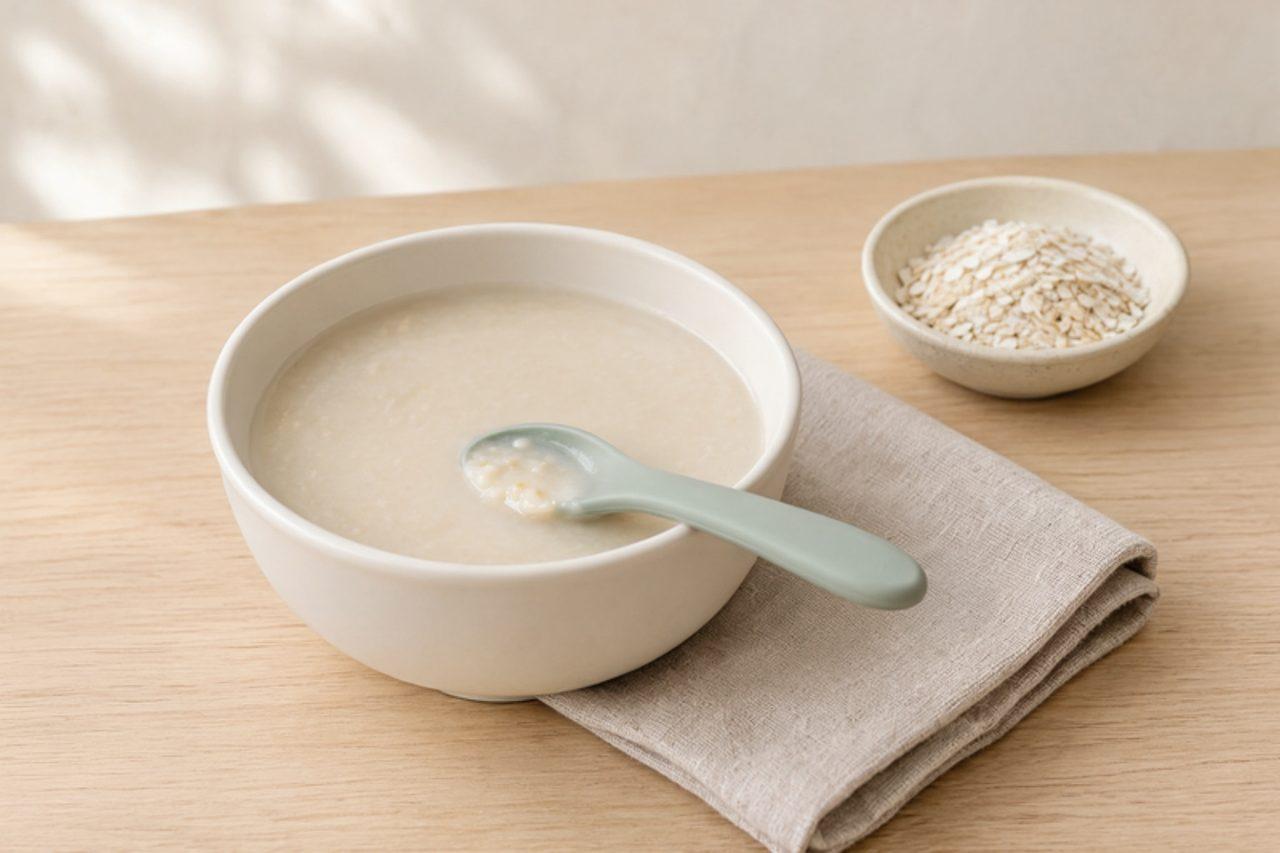
Aval kanji for babiesRice flake porridge for babies

In Tamil homes from Madurai to Chennai, aval (flattened rice, the same poha sold in every kirana shop) is one of the first grains a grandmother reaches for when a baby turns six months. The flakes are dry-roasted until they smell like puffed rice, ground to a fine powder and simmered with water into a thin, pale porridge with a gentle toasted flavour, usually given as a mid-morning feed. For babies it is made with no salt, sugar, jaggery or honey. It is free of the major allergens: no milk, egg, gluten, nuts, soya, sesame or fish. Chef's tip: roast a whole cup of aval at once, grind it and keep the powder in a dry jar for up to two weeks, so each feed takes five minutes.

by KrazyBadal 0 views

Roti sardinSardine-filled bread rolls

Roti sardin is a Malaysian school-bag and teatime favourite: tinned sardines in tomato sauce mashed with onion, chilli and lime, rolled inside flattened white bread and pan-fried until golden. Mothers across Malaysia make them for bekal and they are sold at Ramadan bazaars. The common mistake is leaving the sardine filling wet, which soaks through the bread; cook it down until it is thick. Chef's tip: seal the rolls with a little beaten egg, then fry seam side down first so they hold together.

by KrazyBadal 0 views

MandocasCorn and plantain ring fritters

Maracaibo breakfasts often start with mandocas, chewy loops of corn dough sweetened with mashed ripe plantain and dark panela, fried until almost mahogany and eaten with butter, salty white cheese and a cup of coffee. They are sold hot from bakeries and street carts all over Zulia. Venezuelan white cheeses are usually made with animal rennet; feta-style or other vegetarian salty cheeses work. The mistake most people make is frying too hot: the panela darkens and turns bitter before the dough cooks through. Chef's tip: the riper the plantain, with black skin, the softer and sweeter the mandocas.

by KrazyBadal 0 views

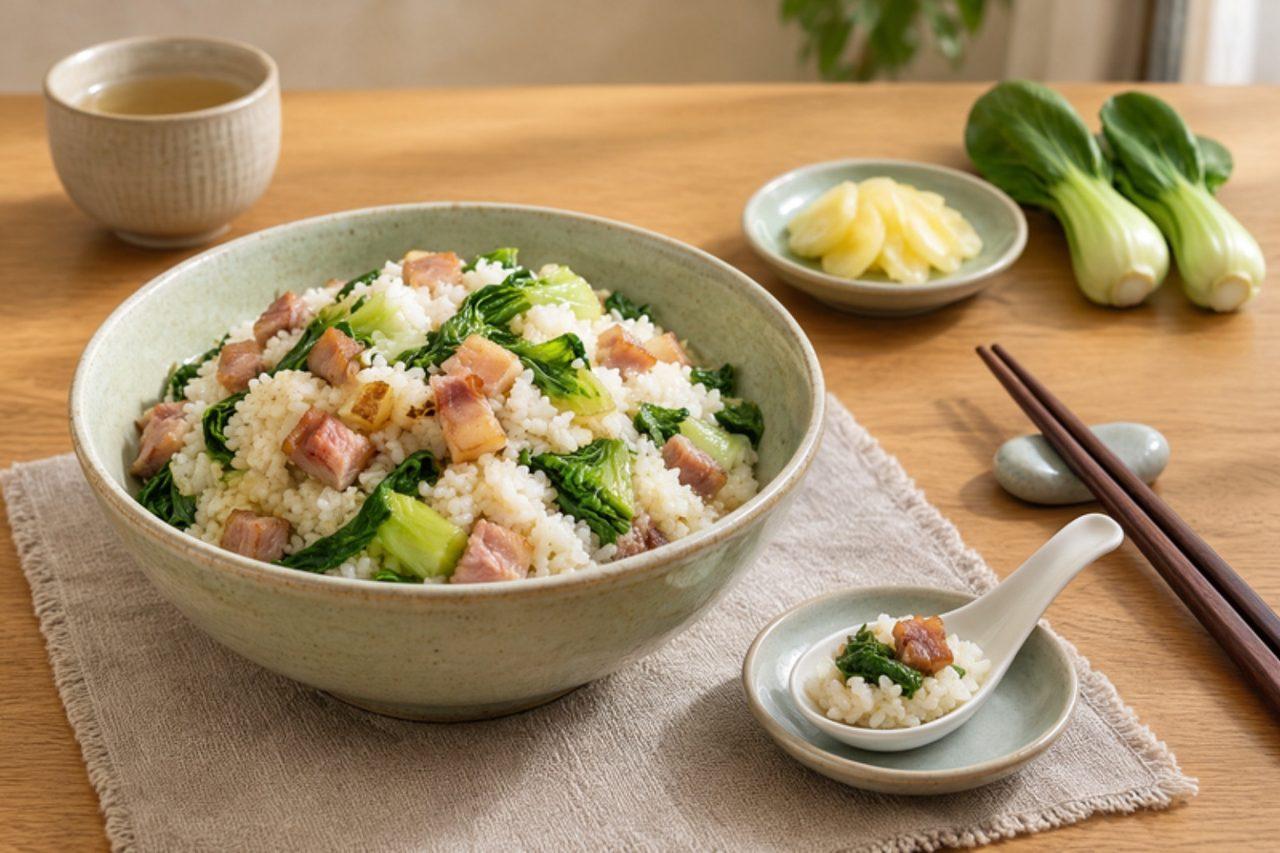
Shanghai cai fanRice with bok choy and pork

Cai fan, "vegetable rice", is what Shanghai grandmothers cook on cold winter days and what office workers buy steaming from the canteen: rice cooked in one pot with Shanghai bok choy and diced salted pork, enriched with a spoon of lard so every grain glistens. It goes into an insulated lunch tin piping hot. The common mistake is adding the greens with the raw rice, which turns them khaki and mushy; fry the stems first and stir the leaves in at the end. For a vegetarian version, use oil instead of lard, leave out the pork and add diced shiitake. Chef's tip: let the pot sit undisturbed on the lowest heat for the last 5 minutes to form a thin golden crust, guoba, at the bottom.

by KrazyBadal 0 views

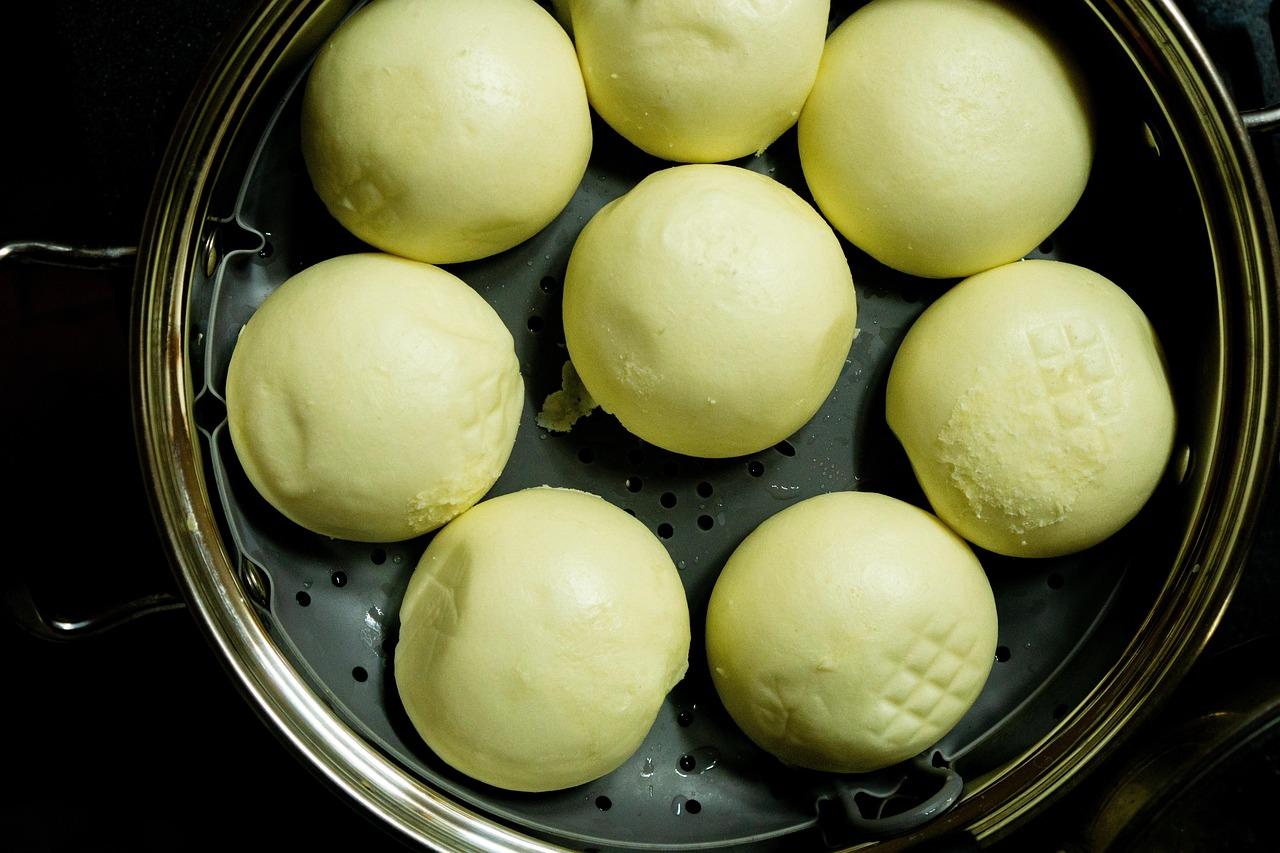
Mantuun buuzSteamed bread buns

Mantuun buuz are plain steamed buns, cousins of the Chinese mantou, served in Ulaanbaatar homes and canteens alongside meaty stews and stir-fries to soak up the sauce. The yeasted dough is shaped into rounds or rolls and steamed until pillowy and snow-white. They freeze well and reheat in minutes over steam. A common mistake is lifting the lid as soon as the timer goes; leave them 5 minutes off the heat so they don't collapse. Chef's tip: knead until really smooth, which gives a glossy, wrinkle-free surface.

by KrazyBadal 0 views

TitiyasCoconut milk flatbread

Titiyas are the soft, slightly sweet flatbreads of Guam and the Marianas, cooked on a griddle and eaten warm at breakfast, with fiesta food or rolled round a piece of grilled meat. Flour titiyas are made with coconut milk, which keeps them tender and gives a faint coconut taste; there is also a corn version (titiyas mai'es). A common mistake is rolling them too thick; 5 mm cooks through without burning. Chef's tip: cook on a dry, medium-hot pan and wrap each one in a towel as it comes off so they stay soft.

by KrazyBadal 0 views

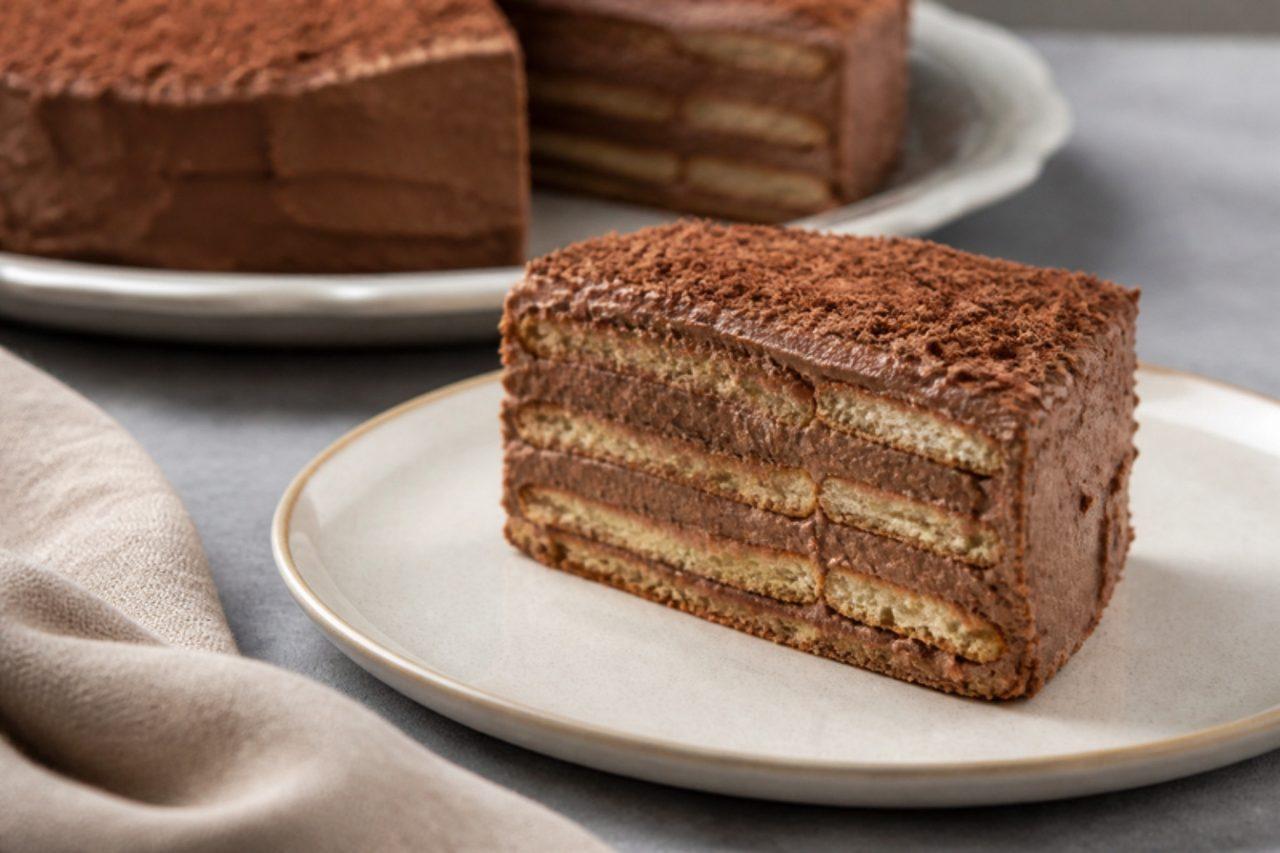
Marquesa de chocolateNo-bake chocolate icebox cake

In Caracas homes the marquesa is the cake you make for a birthday when nobody wants to switch on the oven: plain tea biscuits dipped in vanilla milk and stacked with a rich chocolate cream, then chilled until it slices like a torte. Older recipes fold in raw egg yolks; this one uses whipped cream instead, so it is safe for everyone. The usual mistake is soaking the biscuits too long, so the cake slumps. Chef's tip: dip each biscuit for one second, then let the cream do the softening overnight.

by KrazyBadal 0 views

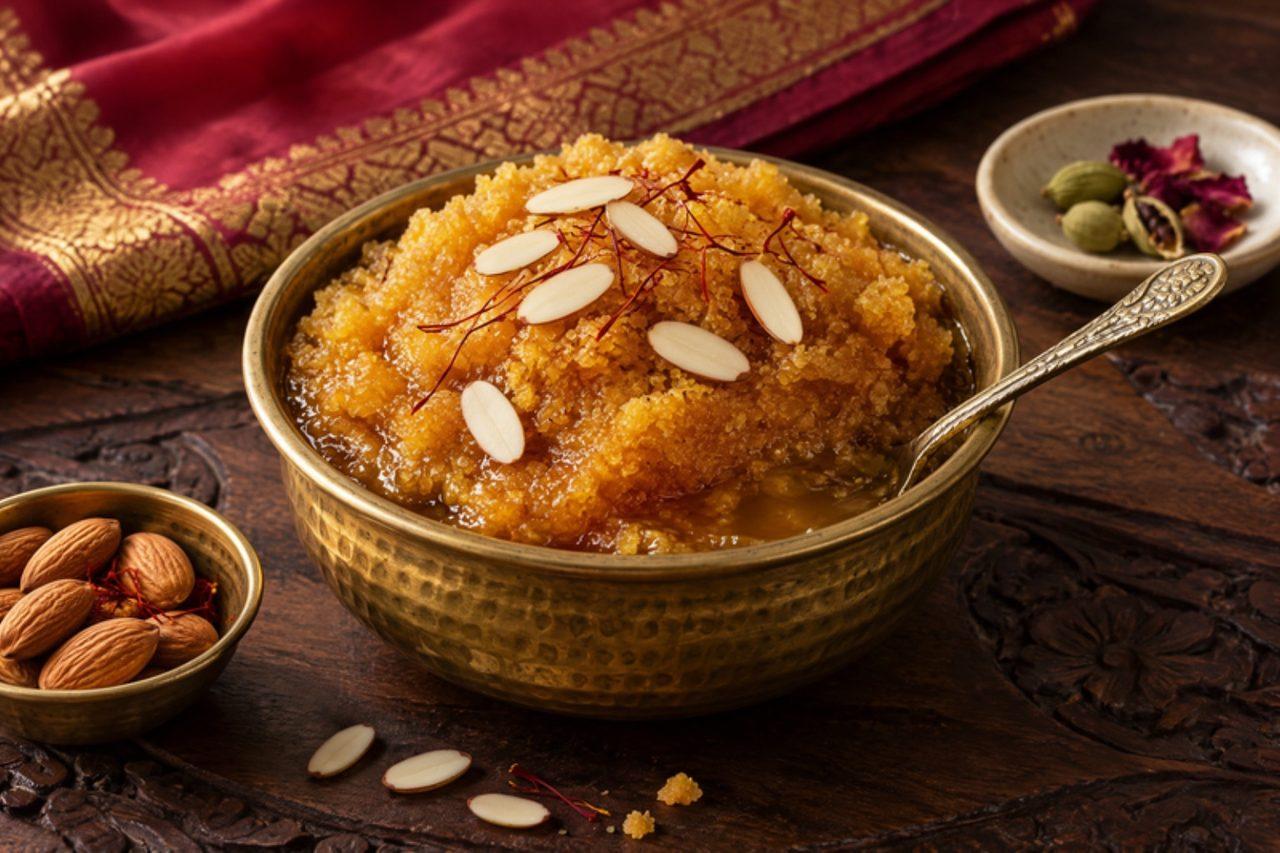
Badam ka halwaAlmond halwa

In Jaipur, badam ka halwa came out of the royal kitchens and now appears at winter weddings and on cold nights when someone wants a real treat. Soaked, peeled almonds are ground to a coarse paste and cooked slowly in ghee with milk, sugar and saffron until the halwa turns golden, glossy and leaves the sides of the pan. It is very rich, so a small bowl is enough. The common mistake is grinding the almonds too fine, which gives a pasty halwa instead of a soft, grainy one. Chef's tip: stop grinding when the almonds look like wet semolina and add the milk only during grinding, never water.

by KrazyBadal 0 views

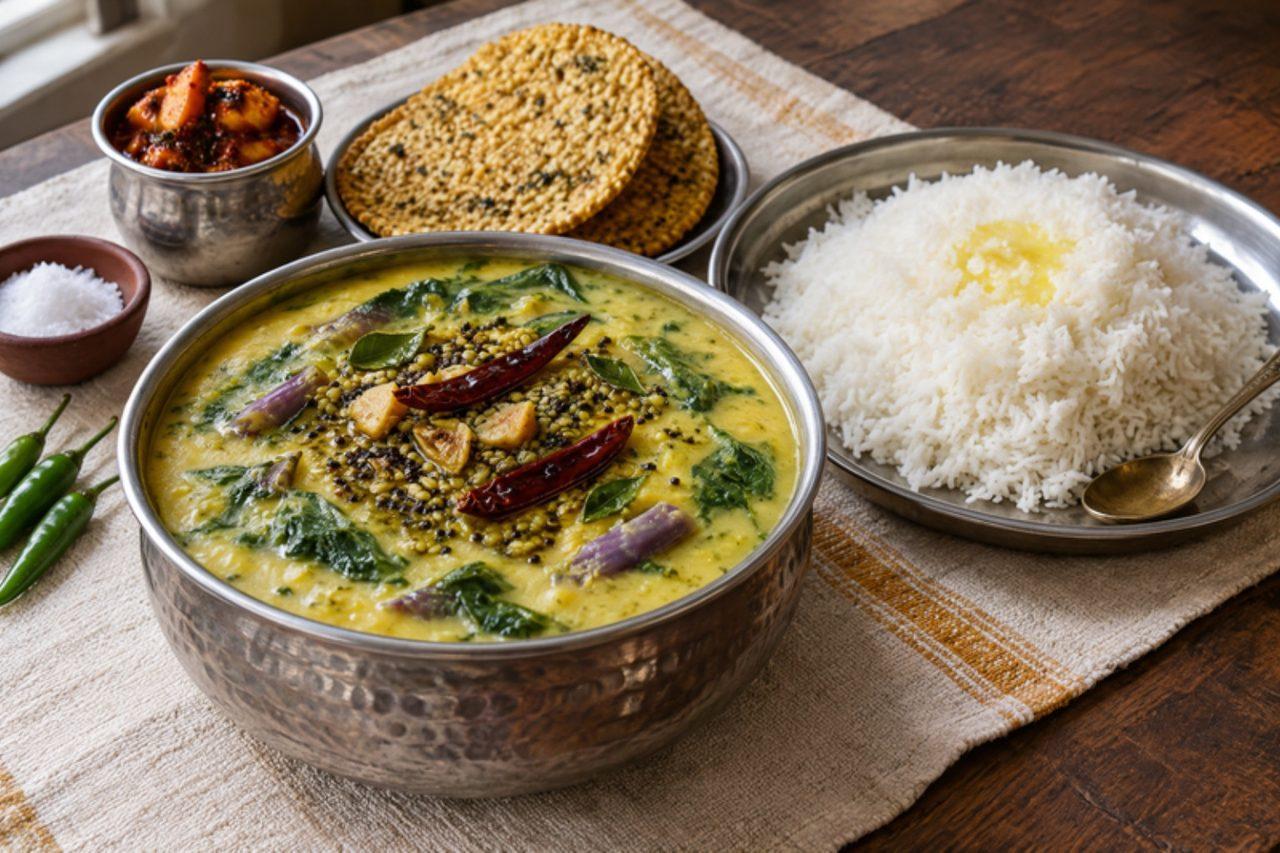
Bachali kura pappuDal with Malabar spinach

Bachali, or Malabar spinach, climbs over back walls all across Telangana and Andhra, and its thick, glossy leaves go into this everyday pappu that turns up at lunch several times a month with rice, ghee and a pickle. The leaves give the dal a silky body and a faint lemony note. People often overcook it until the greens turn khaki; add them after the dal is soft and cook just long enough to wilt. Chef's tip: use the tender stems too, chopped small; they add a pleasant crunch.

by KrazyBadal 0 views

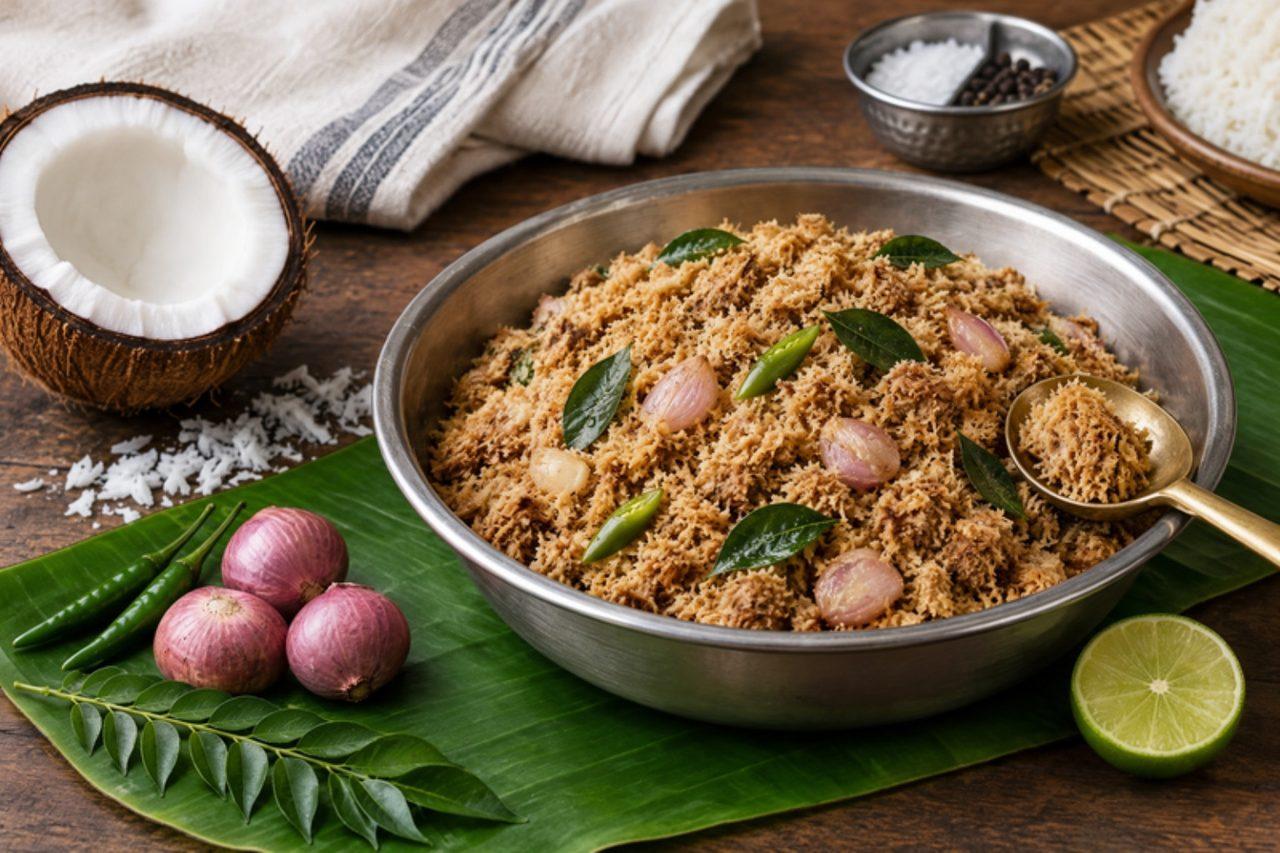
Mas podichathuDry-fried flaked tuna

Tuna is the backbone of Lakshadweep cooking, and mas podichathu is how island families turn a piece of cooked tuna into a dry, fluffy side for rice, a filling for parotta, or a quick lunch with black tea. The fish is poached, flaked by hand and fried with shallots, green chilli, ginger, curry leaves and lots of grated coconut until each strand is separate and toasty. Traditionally it is made with mas, the islands' smoked and sun-dried tuna; fresh tuna is easier to find. The common mistake is mashing the fish into a paste; flake it with your fingers into long shreds. Fish is done when it is opaque and flakes easily before you start frying. Chef's tip: squeeze the poached fish gently in a cloth so it fries crisp instead of steaming.

40 minIndianFishGluten free
by KrazyBadal 0 views

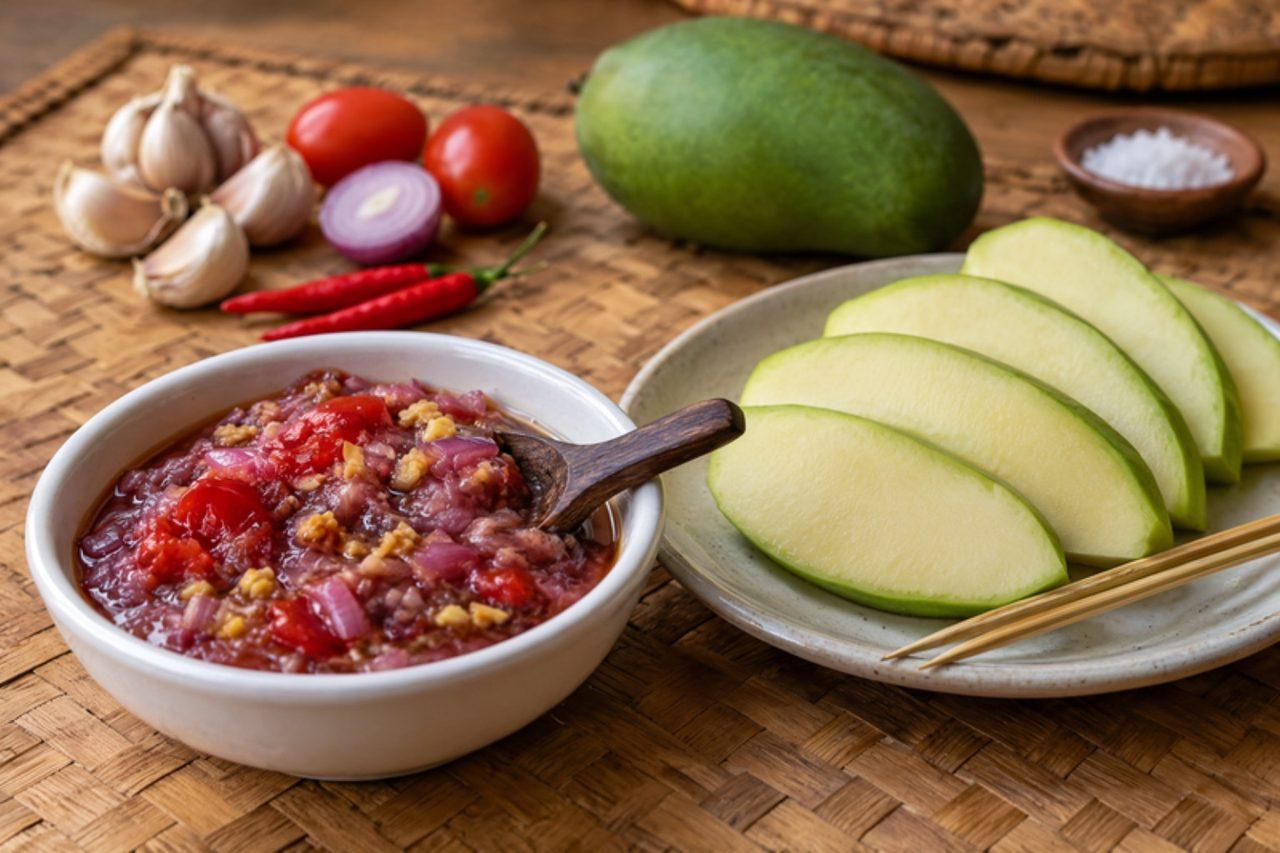
Bagoong alamangFried krill paste

Across Luzon, a jar of ginisang bagoong sits in nearly every kitchen. In the hot months from March to May, when green mangoes are sour and crisp, it becomes the classic merienda: thin slices of unripe mango dragged through sweet, salty, garlicky shrimp paste, often shared on a porch in the afternoon. It is also the essential partner to kare-kare and the base of binagoongang baboy. Raw salted alamang (tiny krill or shrimp) is sold pink and wet; frying it with garlic, onion and tomato, then sugar and cane vinegar, turns it deep reddish brown, thick, glossy and rounded, with the briny punch still there. The raw paste is a raw-cured seafood, so this recipe always cooks it right through; pregnant people, babies, older people and anyone with weak immunity should only eat bagoong that has been fully sautéed and kept cold. Common mistake: high heat after the sugar goes in, which scorches it and turns the bagoong bitter. Keep it at a medium-low simmer. It is ready when the oil separates and shines on top and it smells toasty rather than fishy. Chef's tip: a few slivers of crisp pork belly fried first make it richer.

by KrazyBadal 0 views

BahoSteamed beef, plantain and cassava

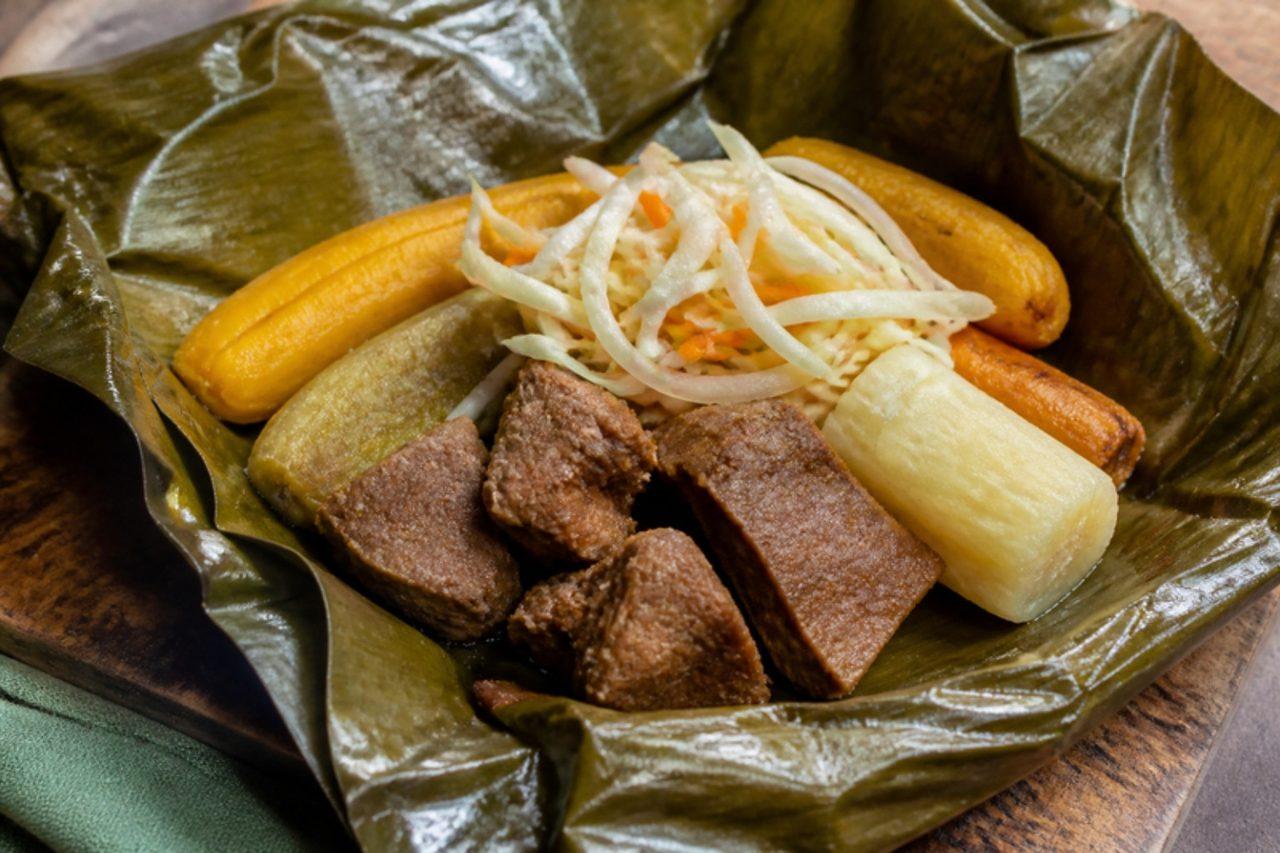
Baho, also spelled vaho, is the dish Nicaraguan families plan a Sunday around, especially in Granada and Managua: beef marinated overnight in sour orange and garlic, then steamed for hours in a big pot lined with banana leaves on a bed of green plantain, ripe plantain and cassava. Everything comes out tender and fragrant with the leaves, and it is served with a crunchy, vinegary cabbage salad to cut through the richness. Marinate the beef in the fridge, never at room temperature. The mistake that ruins it is letting the pot boil dry, which scorches the leaves and the plantain at the bottom; top up the water every hour. Chef's tip: keep a few banana leaves back to tuck over the top, so the steam stays trapped inside the parcel.

by KrazyBadal 0 views

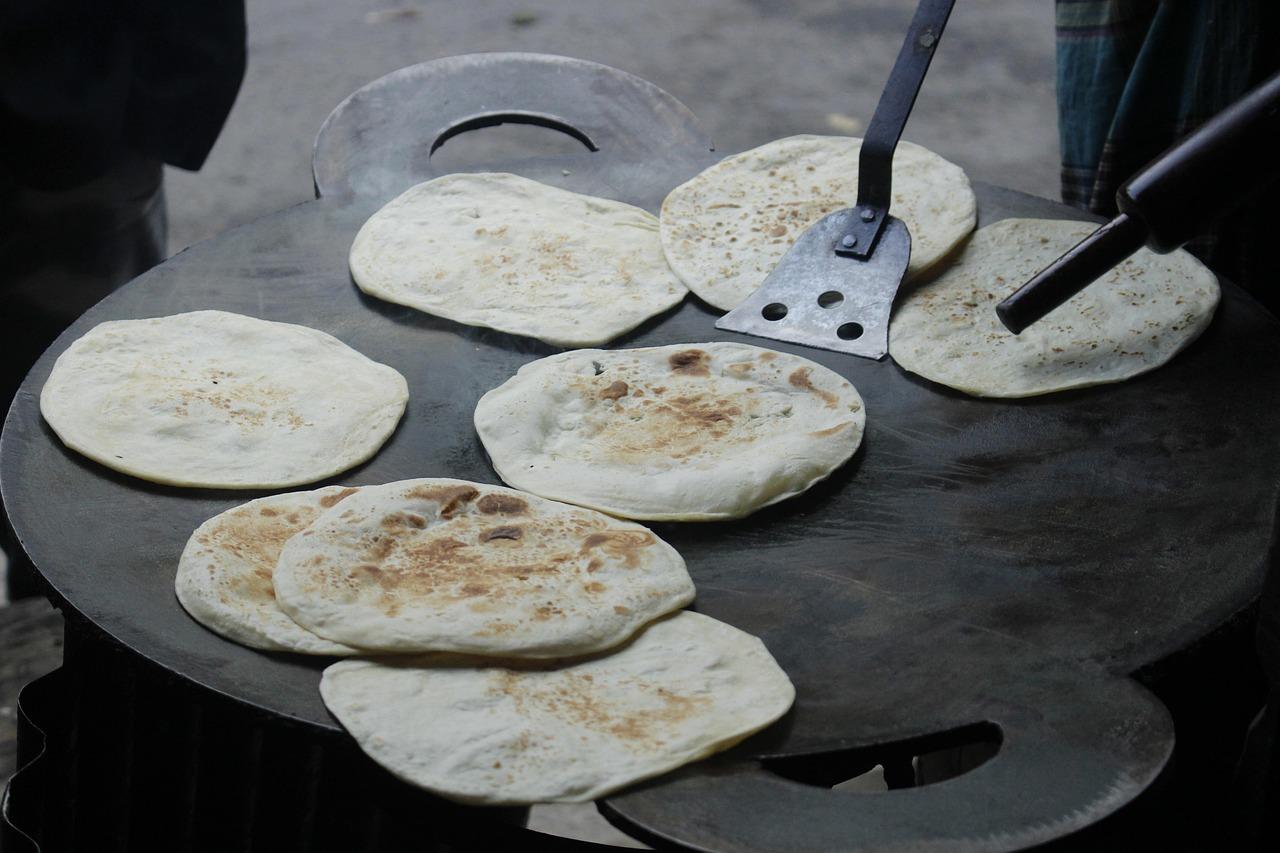
Mashkalai dalSplit black gram dal

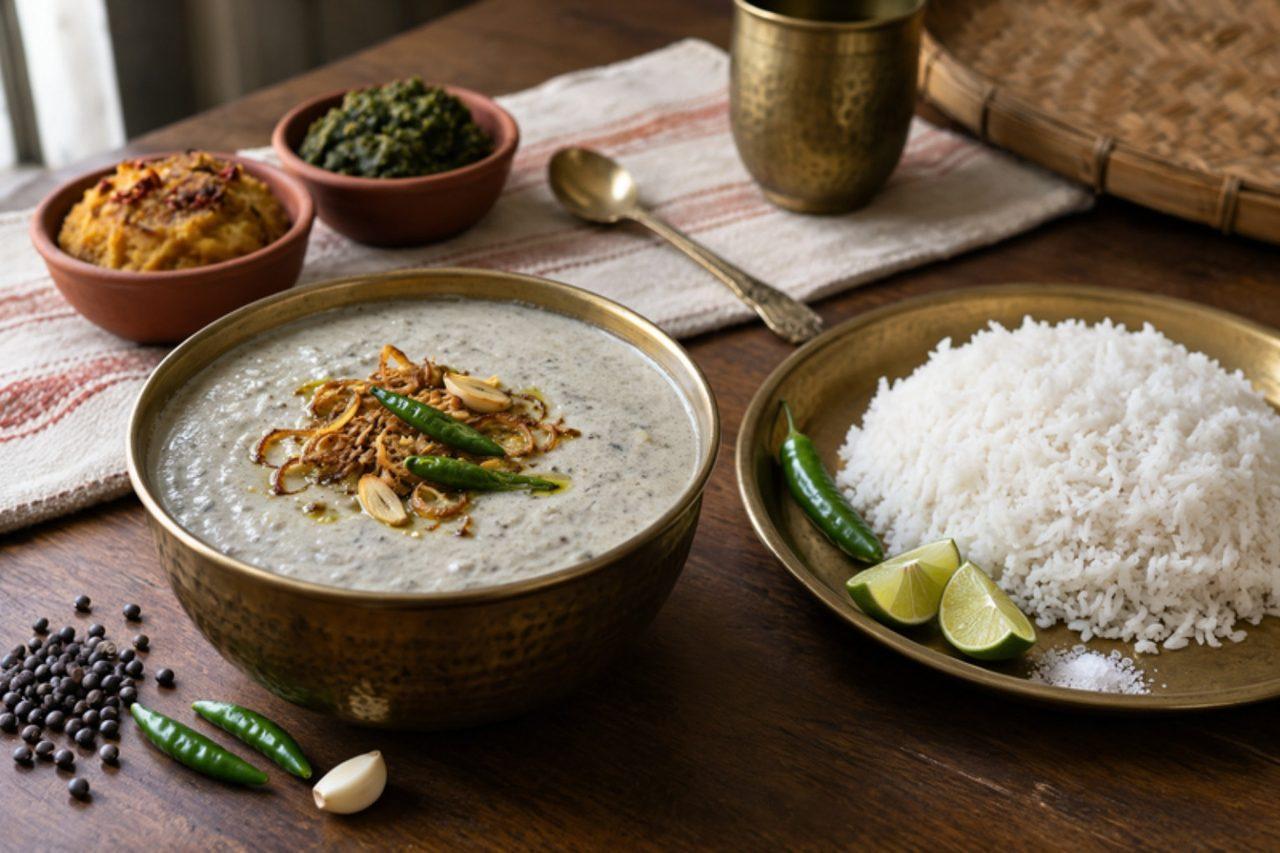
In Rajshahi and Chapainawabganj, in the far west of Bangladesh, mashkalai dal is eaten with thick kalai ruti flatbreads and a fiery bhorta, especially on winter mornings and evenings. Split black gram is cooked until creamy and slightly sticky, flavoured with ginger, then crowned with onion and garlic fried crisp in mustard oil. It is filling and earthy with a gentle heat. The usual mistake is boiling it too hard: mashkalai foams over and catches, so keep the lid ajar and the heat low. Chef's tip: fry the onion and garlic separately and add them just before serving, so they stay crisp on top of the dal.

by KrazyBadal 0 views

MaślankaChilled buttermilk

Maślanka, the tangy liquid left after churning butter, is sold in cartons all over Poland and drunk ice-cold with breakfast, with boiled new potatoes in summer, or blended with fruit for children. On its own it is thin, sour and refreshing; with strawberries and a spoon of sugar it becomes a light pink breakfast smoothie. The mistake is buying "buttermilk" that is really thickened yoghurt drink with added flavourings; look for plain cultured buttermilk with nothing else on the label. Chef's tip: chill the glasses as well as the buttermilk, and blend for no more than 20 seconds so it stays light and doesn't separate.

by KrazyBadal 0 views

MatbuchaCooked tomato and pepper relish

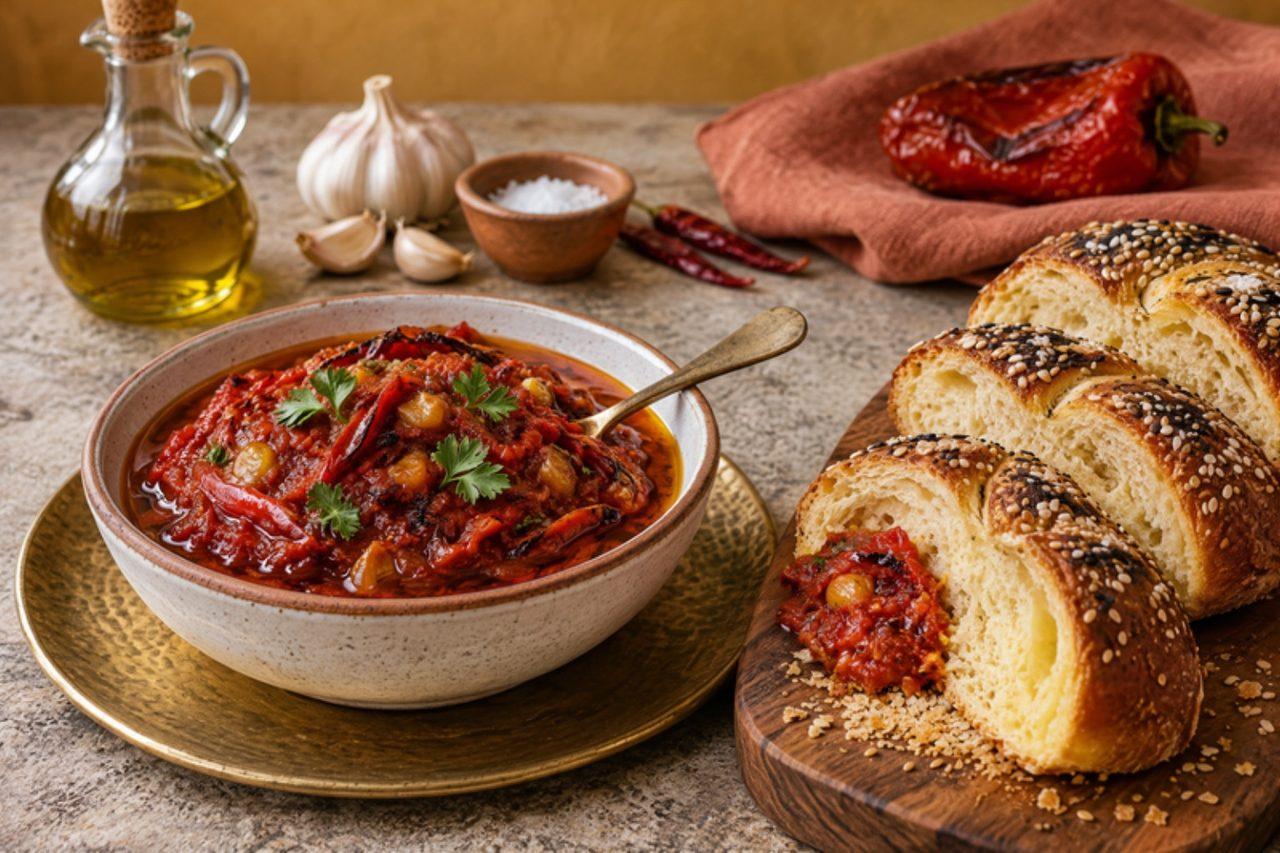
Matbucha came to Israel with Moroccan Jewish families, and it is on almost every Friday-night and Shabbat table among the salads served with challah, as well as in Jerusalem breakfast spreads. Ripe tomatoes and roasted peppers cook down slowly with garlic, chilli and olive oil for over an hour, until thick, sweet, jammy and spicy. Eat it as a dip, beside eggs or grilled fish, or spooned over beans. Suitable as part of a balanced diet. About 90 kcal and 8 g carbohydrate per portion. The pinch of sugar is optional, and a sweetener works too. The usual mistake is rushing it on high heat: it catches and tastes scorched instead of sweet. Chef's tip: stir more often in the last 20 minutes, when the sauce turns glossy and starts to spit; that's when it's nearly done.

by KrazyBadal 0 views

Bajre ki raabdiFermented pearl millet buttermilk porridge

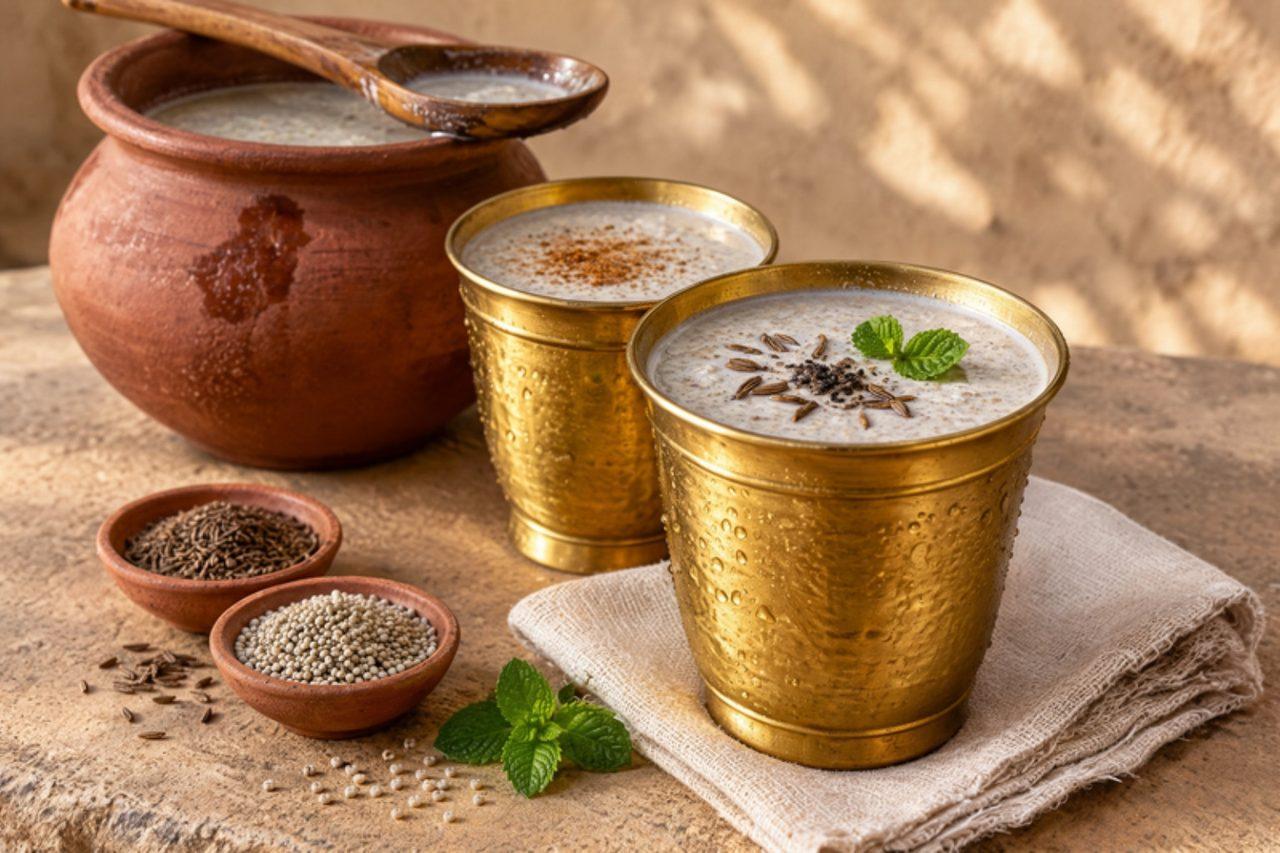
In the villages of Haryana and the Rajasthan border, raabdi is drunk at midday in May and June to keep cool in the fields. Pearl-millet flour is stirred into buttermilk and left to ferment for a few hours, then cooked slowly until thick, cooled in a clay pot and thinned with more buttermilk and salt. It tastes tangy and earthy, a little like a savoury porridge you can drink. Ferment at warm room temperature (25–32 °C) for 4–6 hours: it should smell pleasantly sour with a few bubbles. Throw it away if you see pink, black or furry mould or it smells rotten or of nail varnish. The common mistake is cooking on high heat, which scorches the millet and leaves raw lumps. Chef's tip: keep the cooked raabdi in the fridge and drink it within 2 days, thinning each glass to taste.

by KrazyBadal 0 views

Bouillon brèdeGreens broth

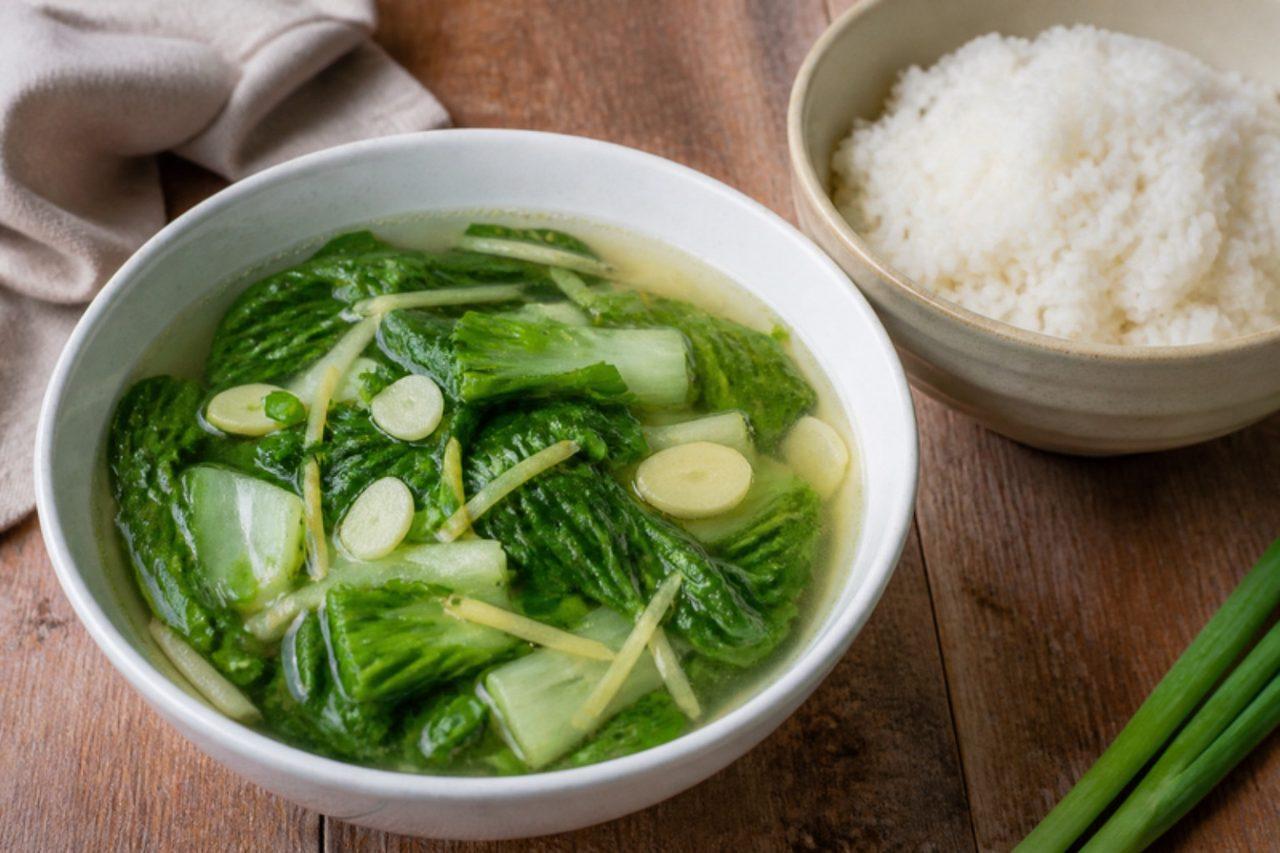
Ask a Mauritian what they eat when they are tired or under the weather and the answer is often a bowl of bouillon brède: a clear, gingery broth with soft greens, poured over plain rice next to a fried fish or a dish of lentils. The greens change with the market, from petsai (Chinese leaves) to watercress, pak choi or the leaves of the chayote vine, and the broth is never thickened, so it stays clean and almost sweet. It is done in under twenty minutes, which is why it turns up on so many weeknight tables from Rose-Hill to Mahébourg. People often boil the greens until they turn khaki and stringy; add them at the end and stop as soon as the stems are just tender. Chef's tip: crush the garlic and ginger, don't chop them, and fry them for just a minute so the broth smells warm without turning brown.

by KrazyBadal 0 views

Boulettes chouchouChayote dumplings in broth

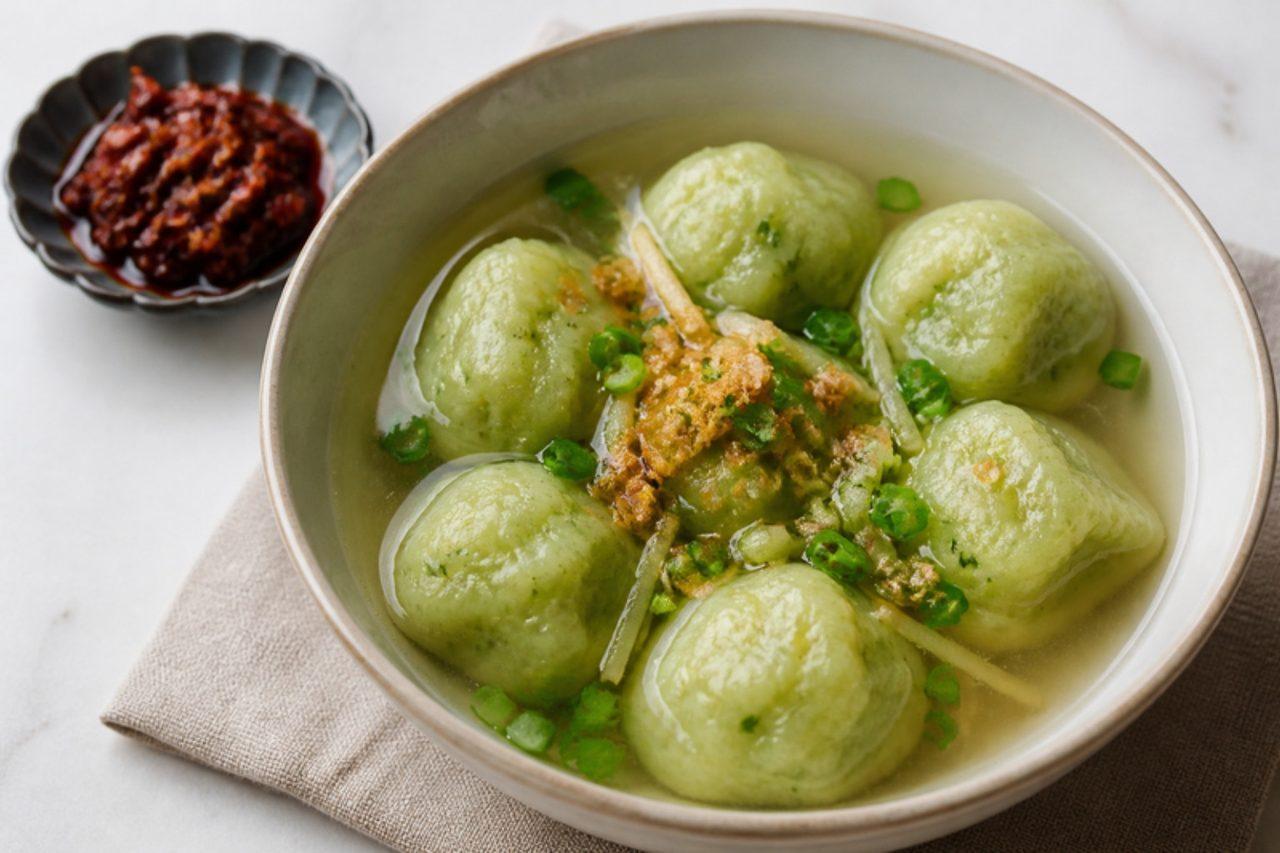
The boulette stalls of Port Louis's Chinatown and the night market at Rose-Hill steam trays of little dumplings to order, and diners point at what they want, then get a bowl of clear broth ladled over and a spoon of chilli on the side. Fish, crab and chicken boulettes are on offer too, but chayote ones are the favourite of many: grated chouchou bound with cornflour into soft, slightly bouncy, translucent balls that taste fresh and sweet. This version is fully vegetarian, with a vegetable broth flavoured with ginger, garlic, soy sauce and sesame oil. The mistake that ruins them is skipping the squeeze, because chayote is full of water and the balls slump into a puddle in the steamer. Chef's tip: wring the grated chayote in a clean tea towel until almost no more drips come out, then keep that juice to add to the broth.

by KrazyBadal 0 views

Gâteau arouilleTaro fritters

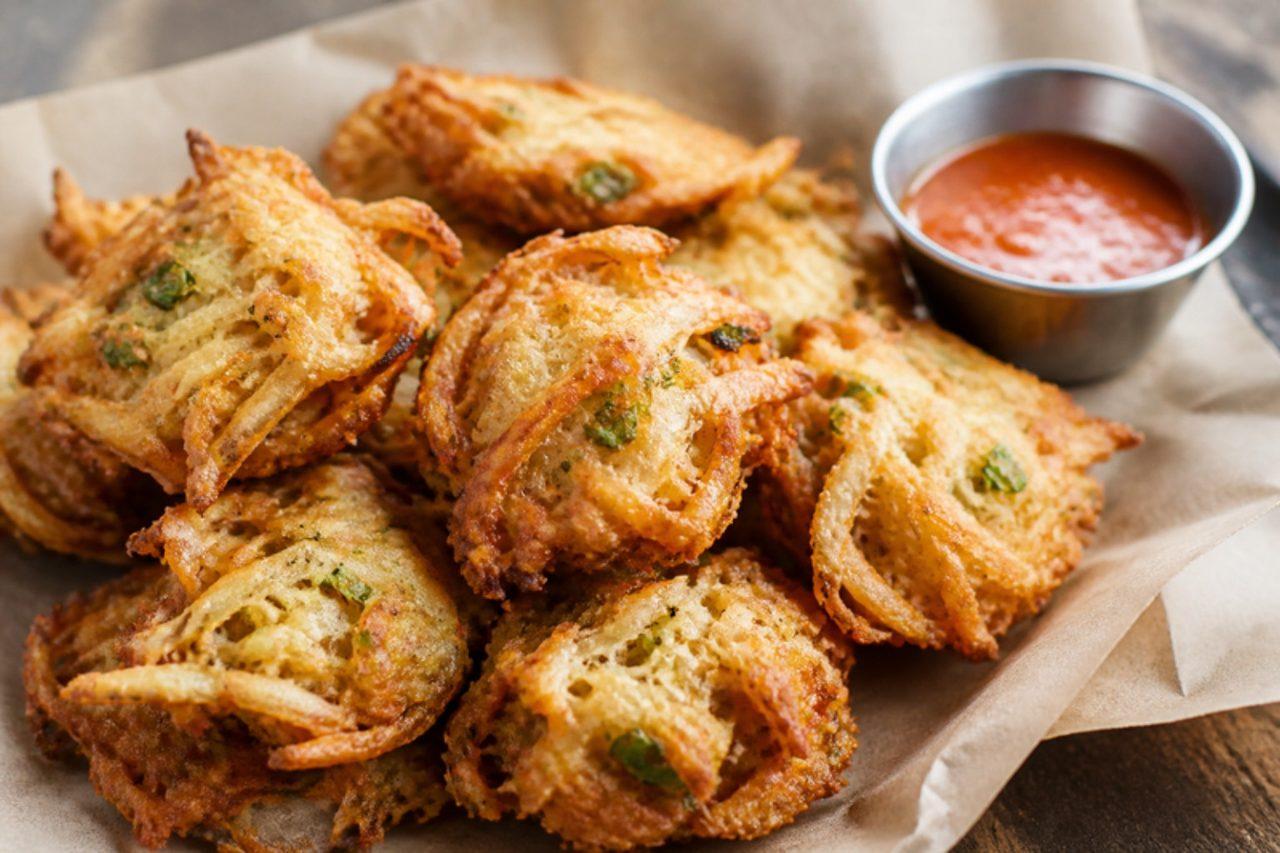
Glass cases on street carts outside bus stations from Curepipe to Port Louis are piled with fritters, and the craggy, golden gâteau arouille is the one with the shaggy edges and the soft, almost creamy middle. Grated taro (arouille, also sold as eddo or dasheen) is bound with a spoon of rice flour, spring onion and chilli, then dropped into hot oil, where the strands turn crunchy. They are eaten warm from a paper bag with a dab of chilli paste or a coconut chatini, often as an afternoon snack. Taro must be cooked right through, as raw taro irritates the mouth; the common mistake is oil that is too hot, which browns the outside while the centre stays raw and gluey. Chef's tip: wear gloves or oil your hands before grating, because raw taro makes the skin itch for an hour.

by KrazyBadal 0 views

Bánh khúcCudweed sticky rice dumplings

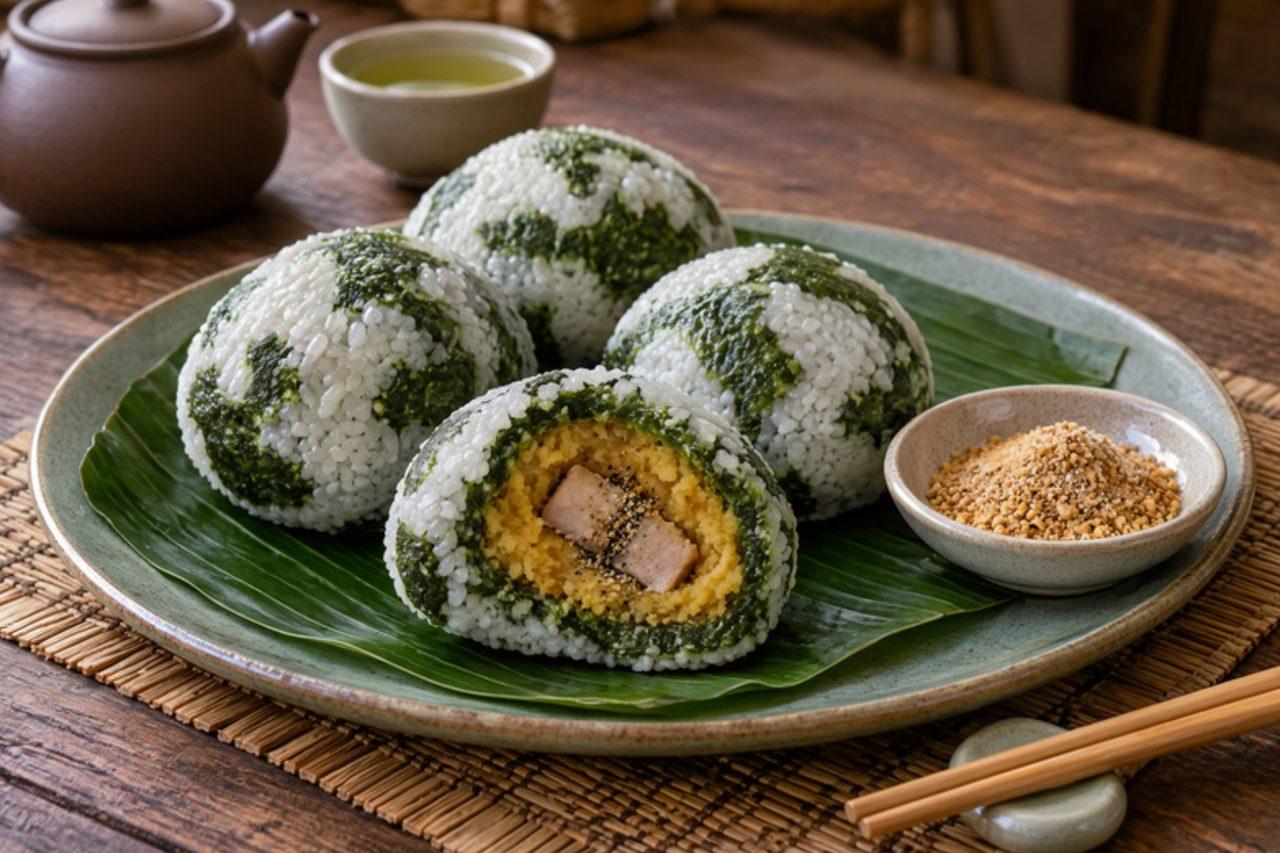
Long before sunrise, vendors walk Hanoi's Old Quarter with steaming baskets, calling out for xôi xéo and bánh khúc. These are soft green dumplings coloured and scented with rau khúc, a grassy, herbal cudweed, wrapped around mung bean paste and peppery pork belly, then rolled in sticky rice grains and steamed until the grains turn glossy. They are eaten hot from a scrap of banana leaf with a pinch of sesame salt, often on a cold winter morning. Look for frozen or dried cudweed at Vietnamese grocers. Chef's tip: keep the green dough thin but even; thick dough cracks and lets the filling escape.

by KrazyBadal 0 views

Masuri tey (rosehip tea)

Each October, Armenian families walk the hillsides around Dilijan, Tavush and Syunik picking the bright red hips of wild dog roses, then string or spread them to dry on balconies. Through the long winter they go into masuri tey, often made in a big pot in the evening and kept warm in a thermos for the next day, and it is the drink grandmothers press on anyone with a cold, alongside a spoon of homemade jam. It is fruity and tart, like hibiscus crossed with apple, with a gentle tea-like body, and a spoon of honey rounds it out. The common mistake is not straining it well enough: crushed rosehips are lined with tiny irritating hairs that scratch the throat. Strain through a fine sieve lined with a cloth or coffee filter. It is ready when the tea is deep orange-red and clearly sour, and the hips have swollen and softened. Simmer gently rather than boiling hard for long. Honey keeps this out of the vegan list; use sugar if you prefer. Not suitable as a sweetened drink for babies under one year because of the honey. Chef's tip: steep it overnight in a thermos after simmering; the flavour doubles.

by KrazyBadal 0 views

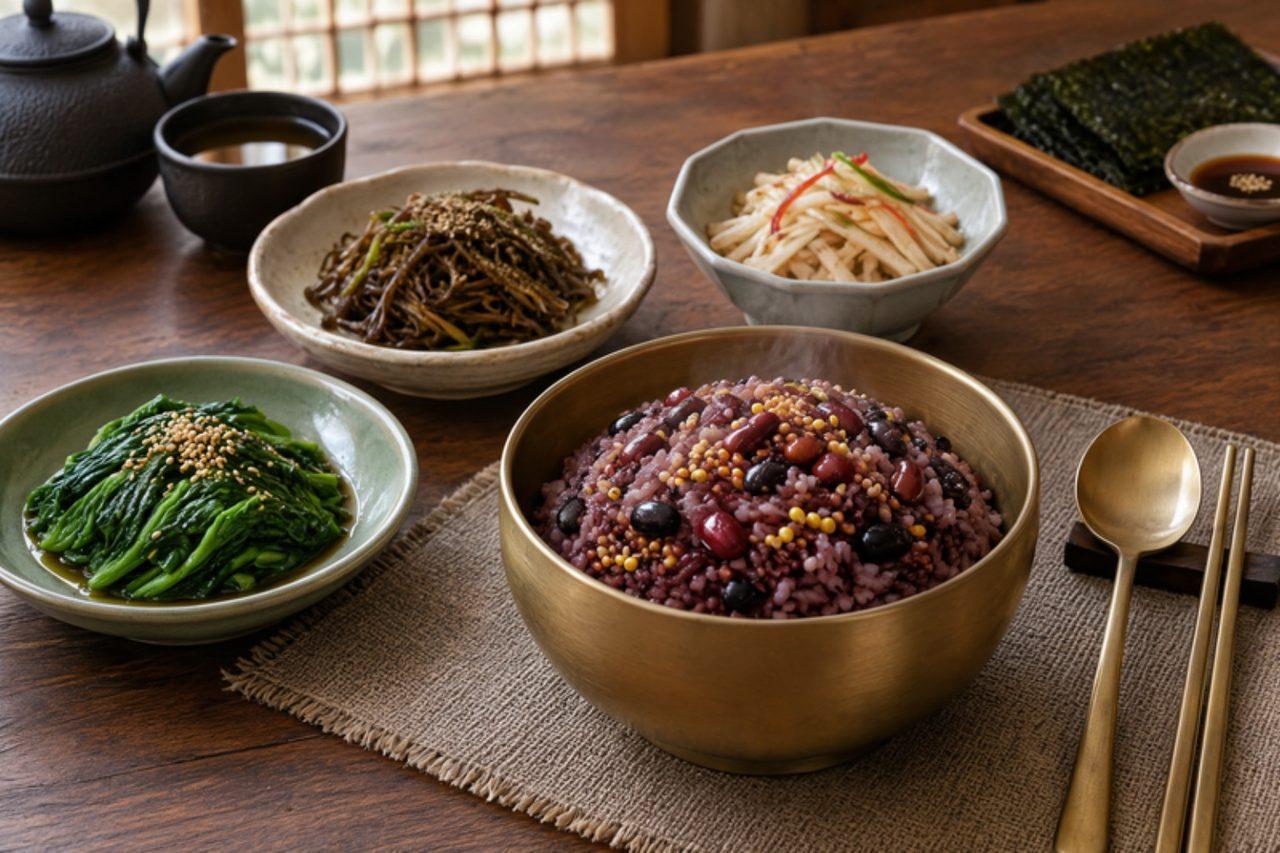
OgokbapFive-grain rice

Ogokbap is cooked across Korea for Jeongwol Daeboreum, the first full moon of the lunar year, when families share five-grain rice with nine kinds of dried namul and crack nuts to wish for good health. Sticky rice, millet, sorghum, black soybeans and adzuki beans cook together into a chewy, purple-tinged rice with a nutty, gently sweet flavour. It is good any time of year beside soup and banchan. The usual mistake is putting the adzuki beans in raw with the rice: they stay hard while the rice turns soft, so parboil them first. Chef's tip: keep a little of the adzuki cooking water for the rice, as it gives ogokbap its lovely rosy colour.

by KrazyBadal 0 views

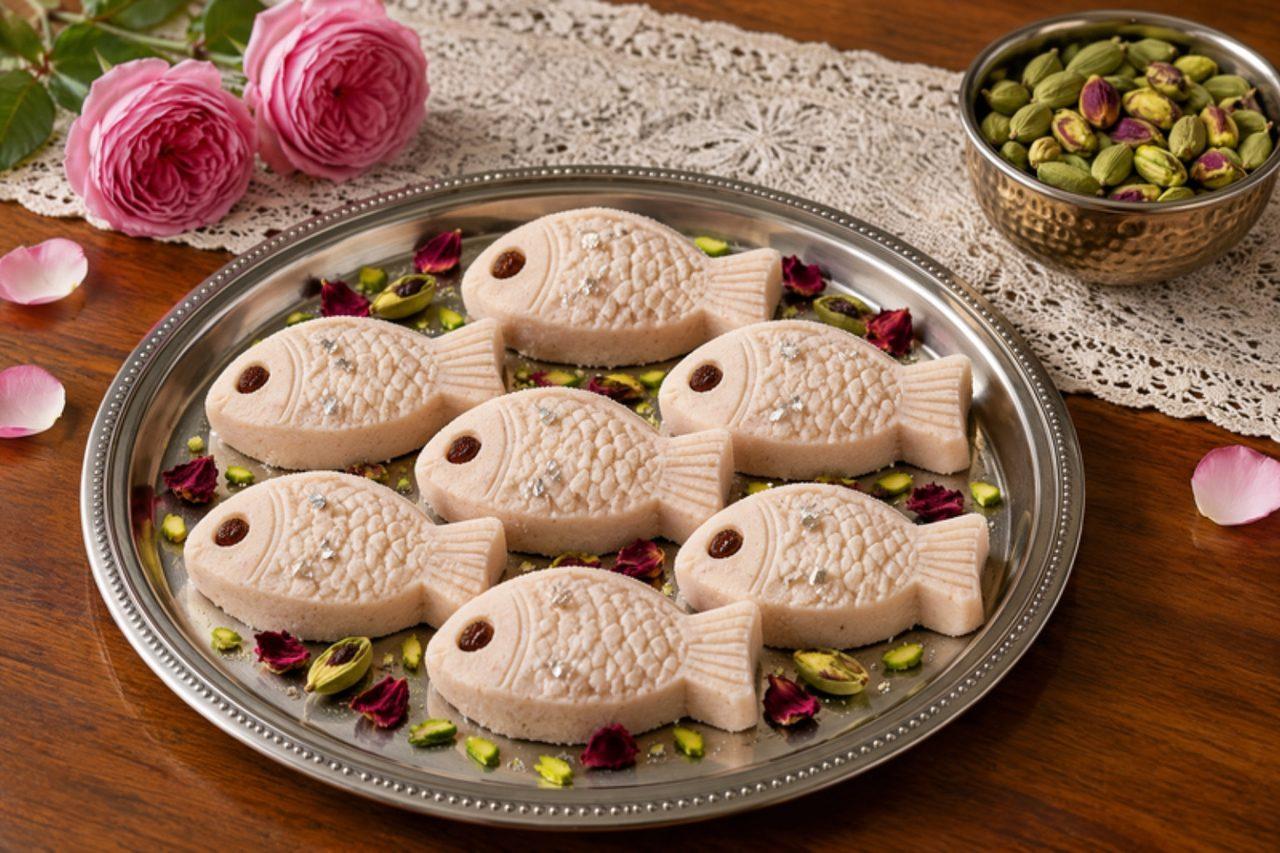
Mava ni boiFish-shaped milk sweets

At Parsi weddings and navjotes in Surat, Navsari and Mumbai, the boi, a fish, is a symbol of good luck, and a tray of small pink mawa fish travels with the sagan gifts. There is no fish in them at all: they are a simple sweet of fresh mawa cooked with sugar, tinted the palest pink and pressed into carved fish moulds, with a raisin or a silver ball for the eye. The common mistake is cooking the mawa too long, so it turns crumbly and cracks in the mould instead of taking a clean imprint. Chef's tip: lightly grease the mould with ghee and dust it with a pinch of icing sugar so each fish slips out with sharp scales and fins.

by KrazyBadal 0 views

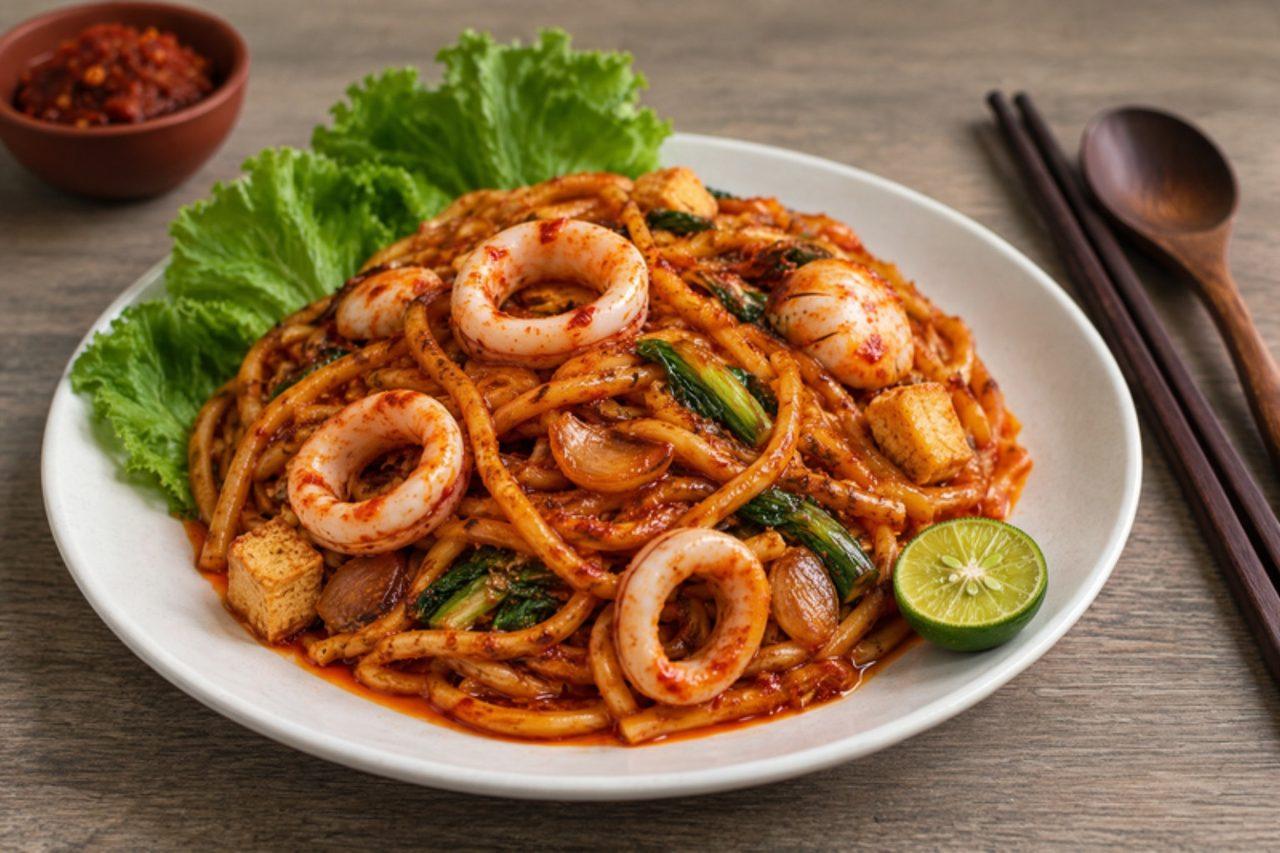
Mee sotongFried noodles with squid

Mee sotong is the dish people queue for at the Esplanade hawker stalls by Padang Kota in George Town, eaten in the evening breeze off the sea. Thick yellow noodles are fried in a deep red paste of dried chillies, shallots and garlic cooked down with tomato ketchup, sugar and tamarind until sweet, smoky and spicy, then tossed with tender squid in its own red sauce and a few bean sprouts. Chef's tip: fry the chilli paste patiently until the oil separates and it darkens; raw paste tastes harsh and flat.

by KrazyBadal 0 views

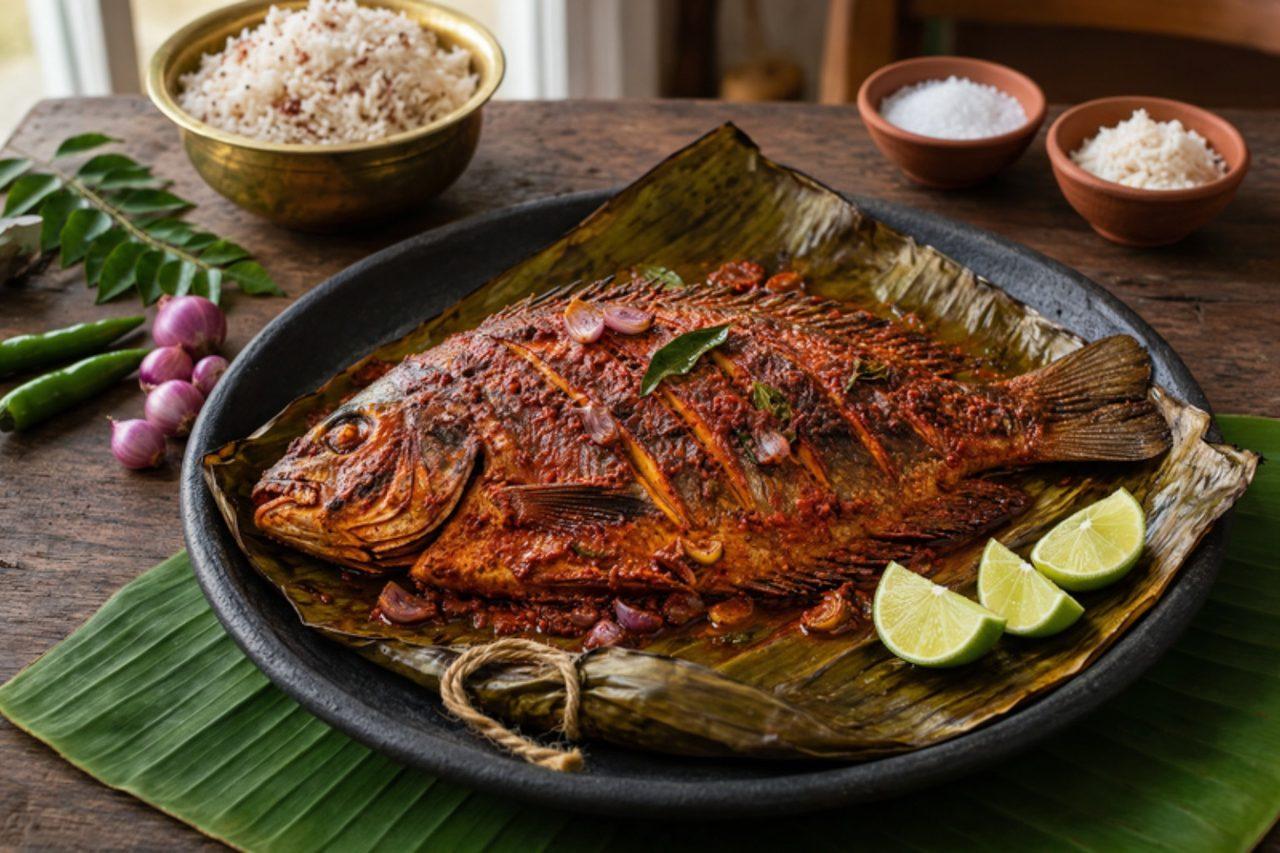
Meen pollichathuFish wrapped in banana leaf

Meen pollichathu belongs to the backwaters of Alappuzha and Kumarakom, where karimeen (pearl spot) is caught in the lagoons and served wrapped in banana leaf at toddy shops, houseboats and Syrian Christian Sunday lunches. The fish is rubbed with chilli and turmeric, briefly pan-fried, then wrapped with a thick masala of shallots, ginger, garlic, tomato, curry leaves and a little coconut milk and cooked on a pan until the leaf chars. Suitable as part of a balanced diet: high-protein fish with no flour. About 320 kcal and 9 g carbohydrate per portion; serve with a small portion of red matta rice or vegetables. The usual mistake is skipping the first light fry, which leaves the skin soft and lets the fish fall apart in the parcel. Sea bream or pomfret work well. Chef's tip: cook the masala until it is almost dry, or the parcel steams instead of roasting.

55 minIndianFishGluten free
by KrazyBadal 0 views

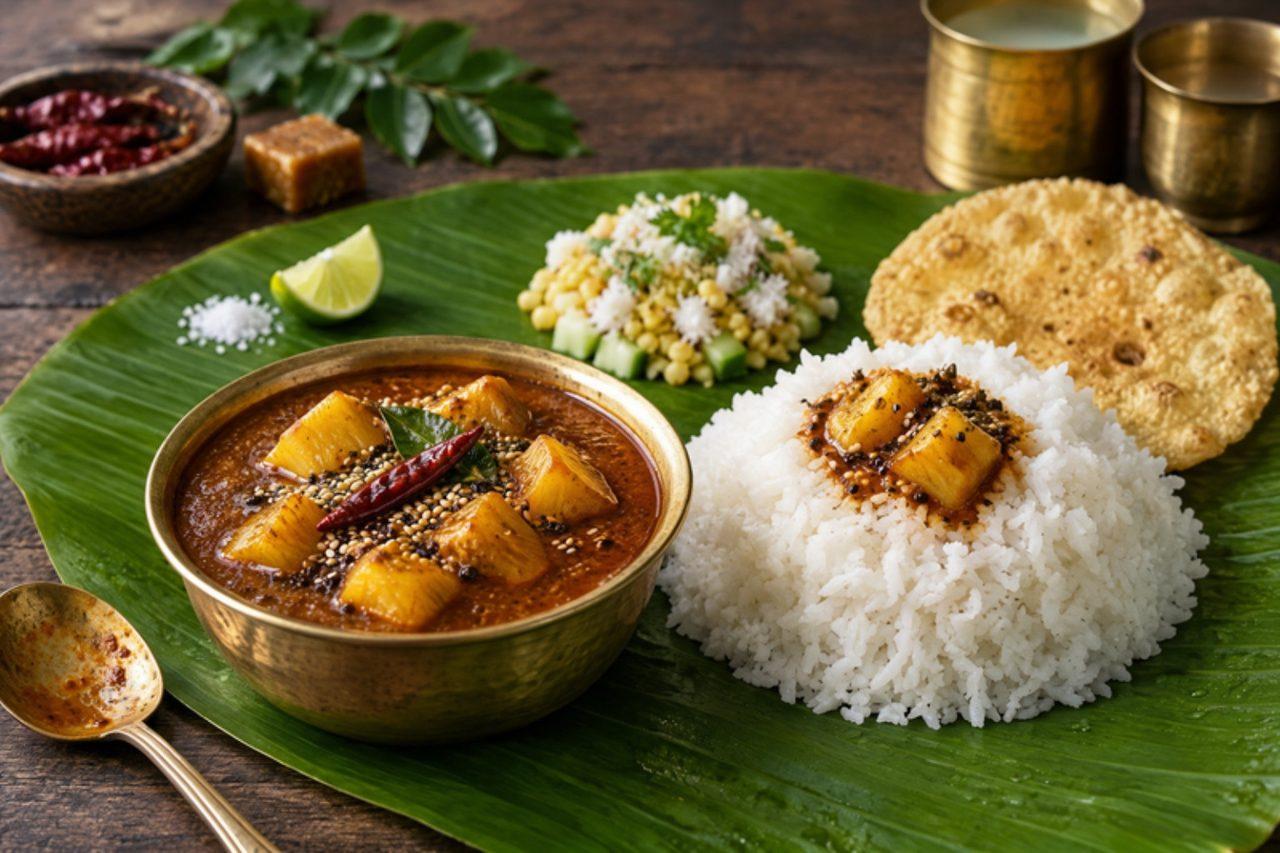
Pineapple gojjuSweet and sour pineapple gravy

Pineapple gojju turns up on banana leaves at Kannada weddings, housewarmings and Ugadi feasts, where its bright sweet-sour-hot taste cuts through the rice, saaru and payasa. Ripe pineapple is simmered with tamarind and jaggery, then thickened with a roasted paste of sesame, coconut, chilli and lentils until glossy. It is eaten in small spoonfuls with rice or chapati, or as a relish on the side. The usual mistake is adding the jaggery too early and boiling it hard, which makes it sticky and dull; let the pineapple soften first. It keeps for 4 days in the fridge. Chef's tip: toast the sesame seeds separately and add them last, so they stay nutty and you can hear them crackle.

by KrazyBadal 0 views

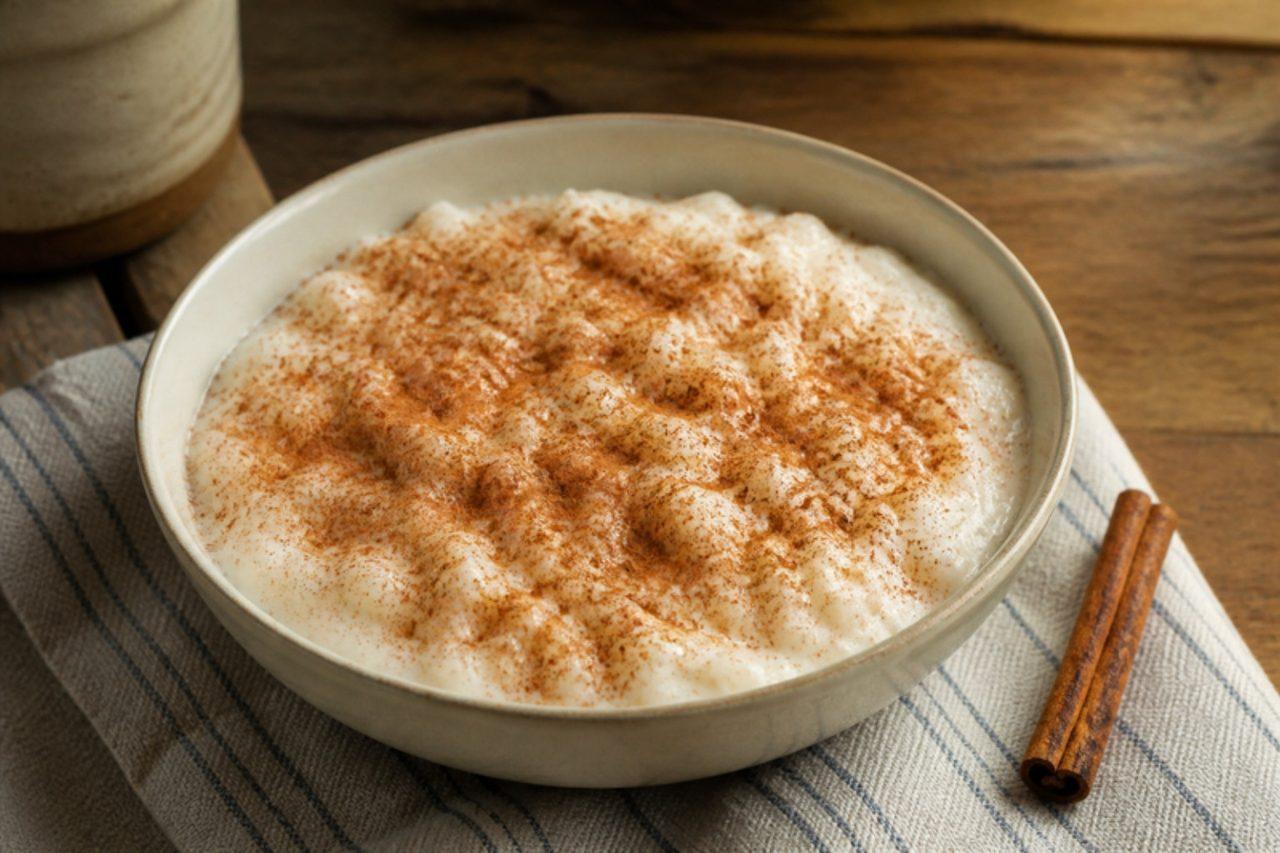
MelkkosCinnamon milk pudding

Ask a Karoo grandmother what supper was on a cold winter night on the farm and melkkos often comes up: a pot of hot milk thickened with little crumbs of flour and butter, ladled into bowls and dusted heavily with cinnamon sugar. It was the cheap, filling meal made when the cow was milking well, eaten as a pudding or as the whole evening meal with a slice of bread. The texture is soft and slightly lumpy, like a loose rice pudding, with tiny tender dumplings scattered through a silky, faintly sweet milk scented with cinnamon stick. Too much heat is the thing to avoid: milk catches quickly on the base of the pot and a scorched taste runs right through it. Chef's tip: rub the butter into the flour until it feels like coarse breadcrumbs with a few pea-sized bits, because those bigger bits become the best little dumplings.

by KrazyBadal 0 views

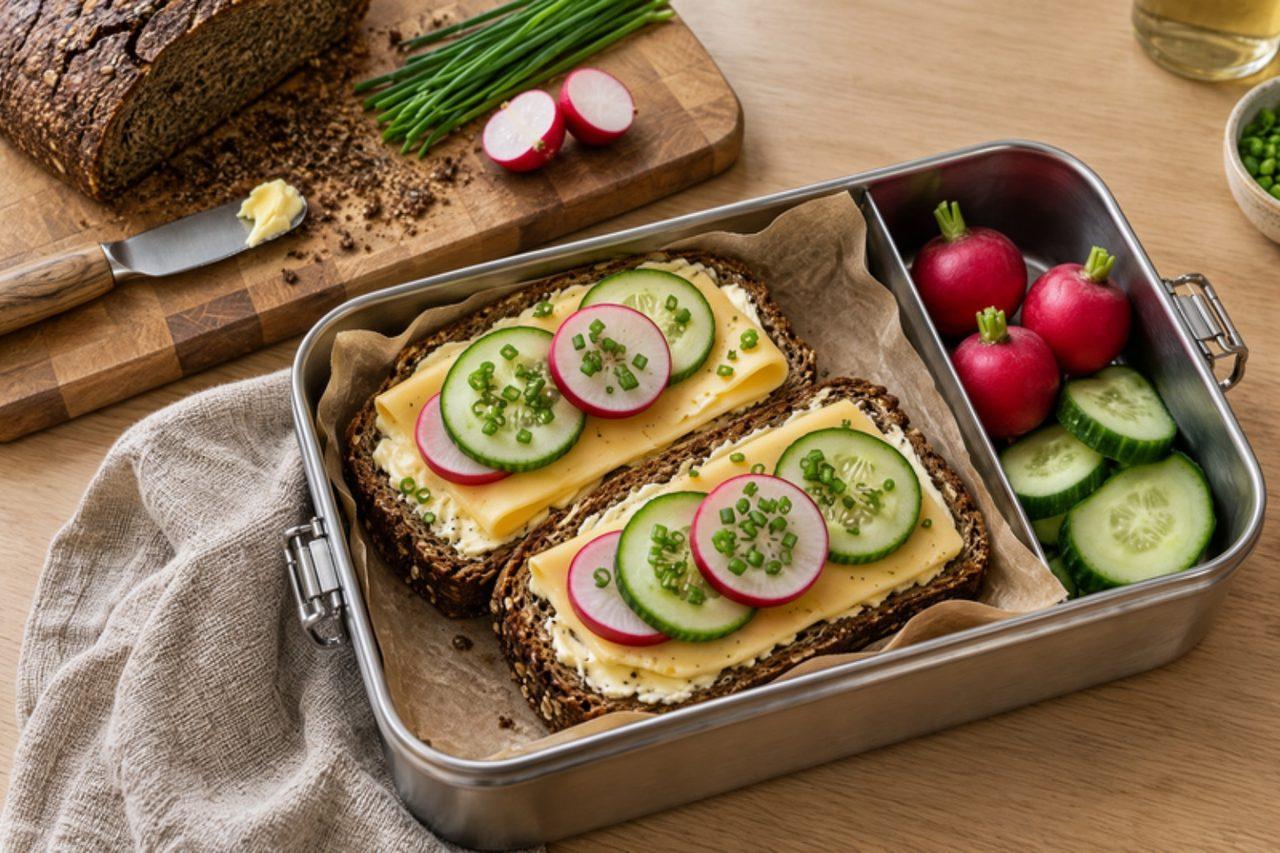
ButterbrotRye bread with cheese and vegetables

Every German schoolchild knows the Pausenbrot: two slices of rye or mixed-grain bread spread with good butter, closed around a slice of cheese, wrapped in paper and eaten in the mid-morning break, with a few cucumber or apple slices on the side. Adults take the same Butterbrot to work. The common mistake is spreading cold, hard butter, which tears the bread and leaves bare patches that let any wet filling soak in. Many Gouda-style cheeses use animal rennet, so choose one marked vegetarian. Chef's tip: butter right to the crust on both slices; the butter is a waterproof layer that keeps the bread fresh until lunchtime.

by KrazyBadal 0 views

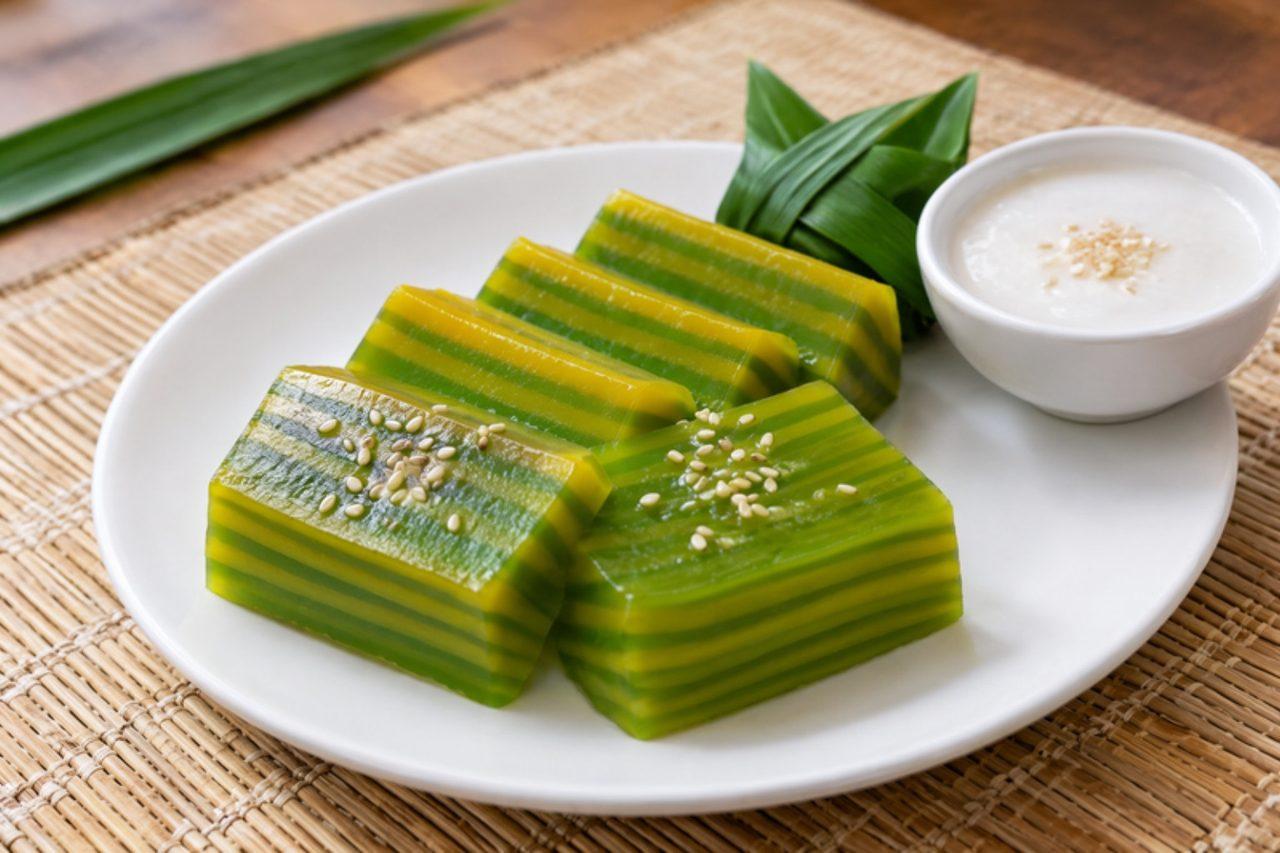
Bánh da lợnSteamed layer cake

Bánh da lợn is piled up in glistening slabs at the dessert stalls of Bến Thành Market and on the trays of Saigon's afternoon sweet sellers. Thin layers of tapioca and coconut batter are steamed one at a time, alternating fragrant pandan green with nutty mung bean yellow, so every slice shows neat stripes and has a soft, bouncy, slightly springy bite. People peel the layers off one by one, especially children. Chef's tip: let each layer set until it turns translucent before pouring the next, or the colours run into each other.

by KrazyBadal 0 views

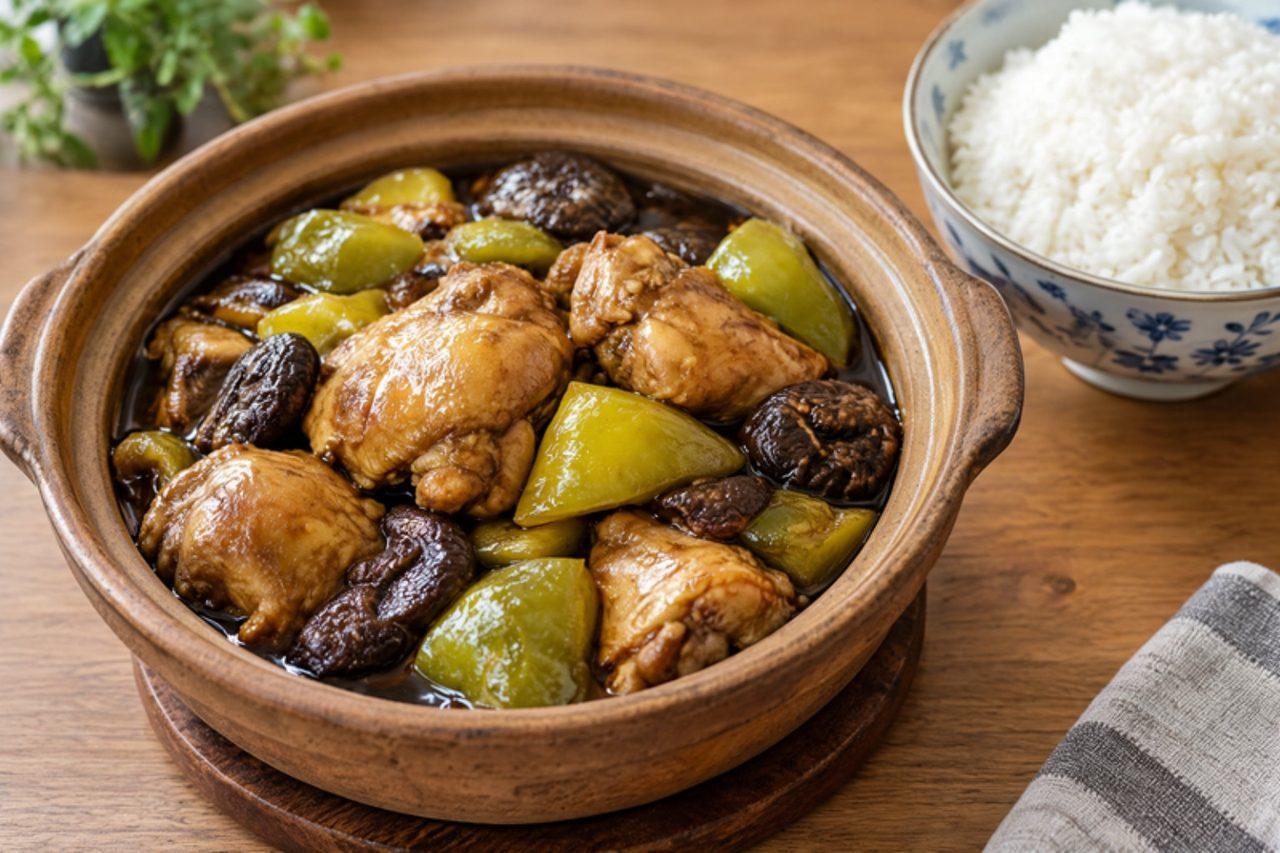
Huangmen jimifanBraised chicken rice

Huangmen jimifan began in Jinan, in Shandong, and spread to thousands of little clay-pot shops across China where office workers queue at noon for a bubbling pot of chicken braised dark and glossy with shiitake, ginger and green pepper, eaten over plain rice. It reheats perfectly in a work microwave. The common mistake is using breast, which goes dry and stringy in the braise; bone-in thigh stays juicy. Chef's tip: caramelise the rock sugar in the oil before the chicken goes in, which gives the sauce its amber colour without extra dark soy.

by KrazyBadal 0 views

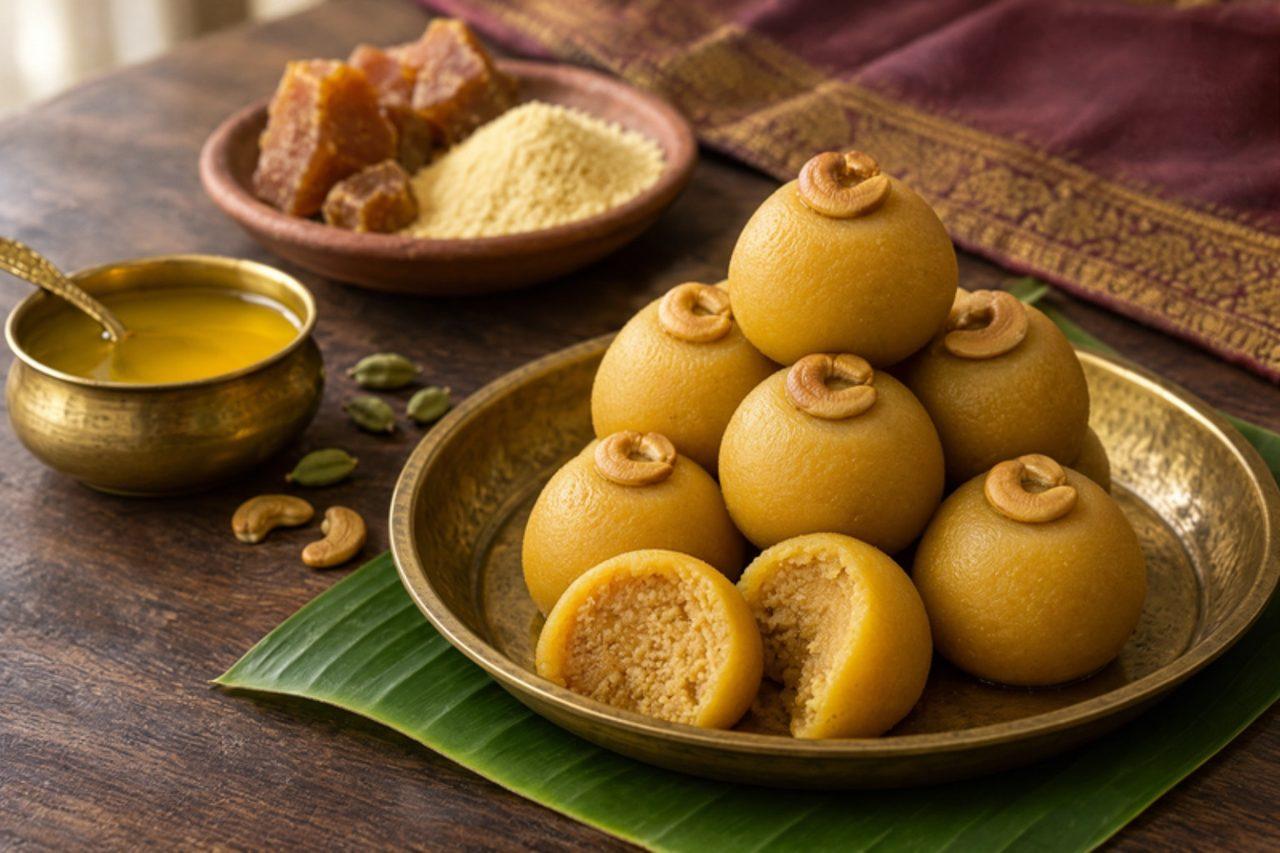
Bandar ladduGram flour and jaggery balls

Bandar laddu is named after Bandar, the old name of Machilipatnam on the Andhra coast, and it is the sweet families carry home after a trip there, offer at Sankranti and give at weddings. Gram-flour pearls are fried, then pounded with jaggery syrup and ghee until the mixture turns dense, smooth and fudgy, unlike the grainy besan laddu of the north. The common mistake is not cooking the jaggery syrup far enough: it needs to reach the soft-ball stage, or the laddus slump and turn sticky. Chef's tip: pound the mix while it is still warm, in batches, in a heavy mortar or food processor, until it clumps when pressed.

by KrazyBadal 0 views

SoetpatatsGlazed sweet potatoes

Sunday lunch in an Afrikaans home means a table crowded with sweet and savoury sides around the roast, and soetpatats is always one of them, sitting next to the yellow rice, the green beans and the pumpkin. Thick rounds of sweet potato are cooked slowly in a covered pan with butter, brown sugar, a cinnamon stick and a strip of orange peel until they are soft right through and lacquered in a sticky, toffee-like glaze. Every family has a view on how sweet they should be; this version is rich but not cloying, with a pinch of salt and a squeeze of orange to keep it lively. They go well with a nut roast, pap tert or a lentil bobotie for a vegetarian table. Stirring too much is the trap: the rounds break up into mash, so shake the pan instead. Chef's tip: leave the lid off for the last ten minutes and the syrup reduces into a proper glaze.

by KrazyBadal 0 views

Showing 36 of 7,762 recipes

Show more recipes

Page 147 of 863