


Skip to content
Colombo de poulet
Featured recipe

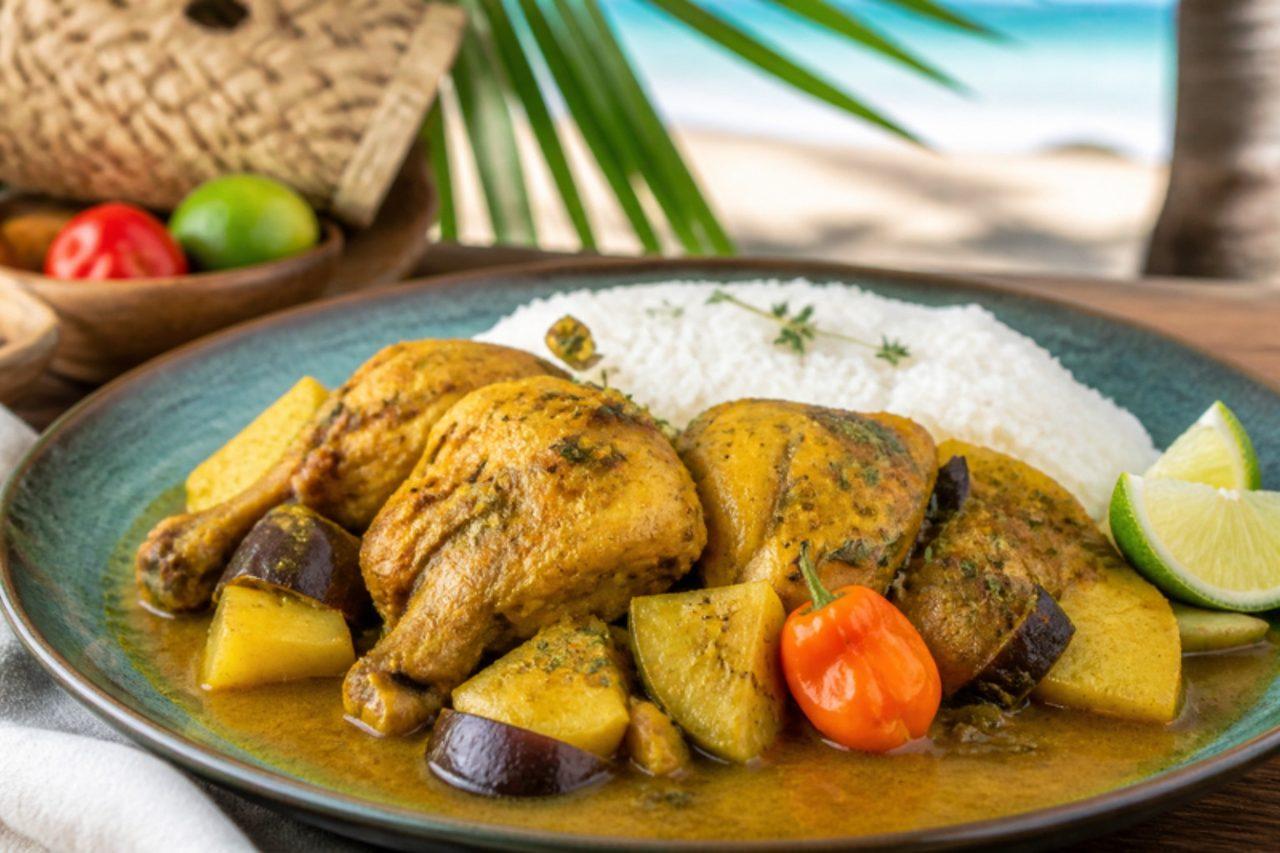
Colombo de poulet

Chicken curry with aubergine and chayote

In Guadeloupe and Martinique, colombo is the curry brought by Tamil workers in the nineteenth century and now a fixture of Sunday lunches, christenings and Carnival feasts. Its spice blend, also called colombo, mixes toasted coriander, cumin, fenugreek, mustard seed and turmeric with a little toasted rice that thickens the sauce. Chicken is marinated in lime and garlic in the fridge, then simmered with aubergine, chayote (christophine) or courgette and potato into a golden, earthy, gently tangy stew, with a whole Scotch bonnet for perfume. Serve with white rice and a wedge of lime. Chef's tip: leave the Scotch bonnet whole and lift it out at the end for flavour without fierce heat; prick it only if you want it hot.

Read more 0 views

What to eat today?

Around the world

Today's trip: Paraguayan

A new country every day, from every cuisine on the site.

Paraguayan

Cocido quemado

Burnt sugar mate drink 14 minMore from Paraguayan (27) →

This week's collection

Kid-friendly dinners
537 recipes · a new collection every Monday

Latest recipes

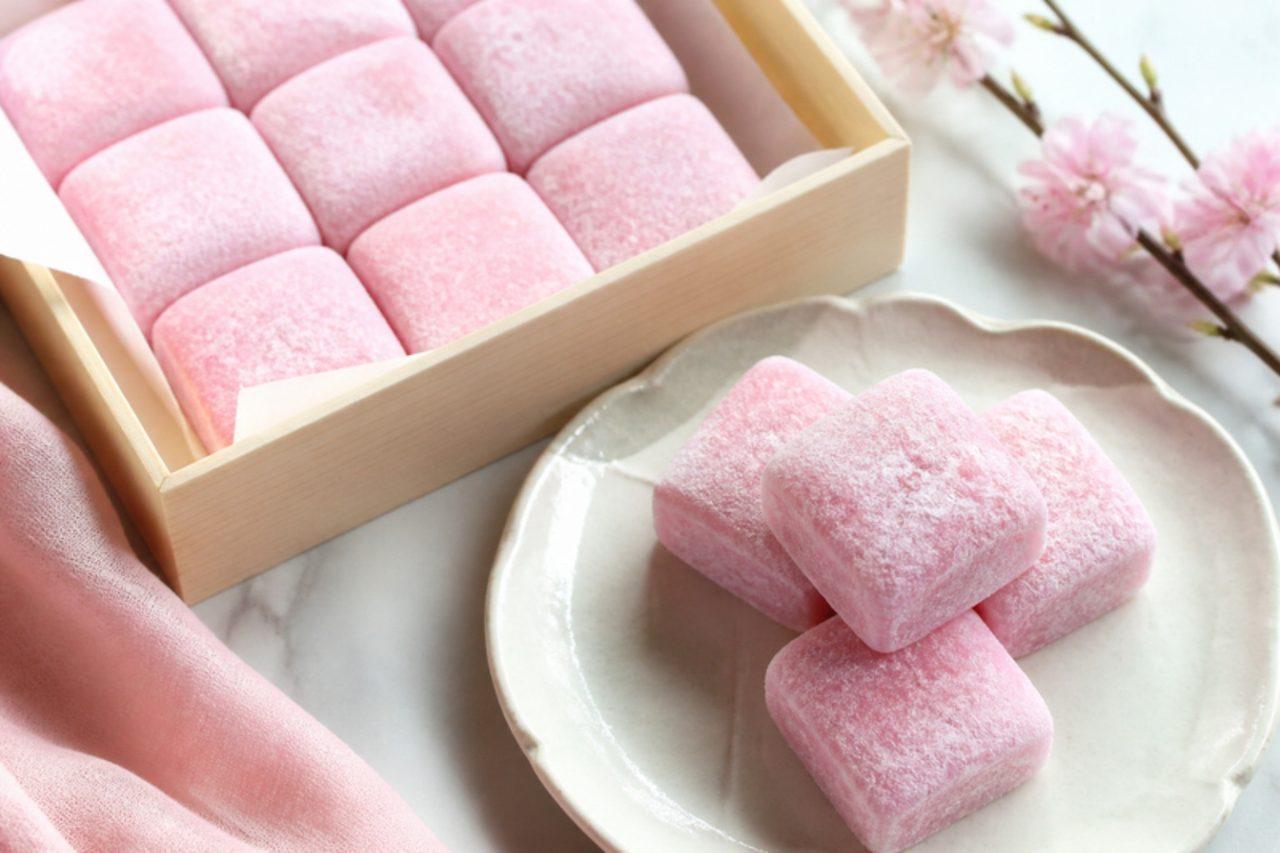
Chichi dangoCoconut milk mochi

Chichi dango are the soft, pastel-pink mochi squares made for Girls' Day, birthdays and graduations in Hawaii's Japanese-American families, and sold in little boxes at manapua shops and crack seed stores in Honolulu. Mochiko (sweet rice flour) is mixed with coconut milk and sugar, baked until set, then cut and dusted with potato starch. They are chewy, milky and lightly sweet. A common mistake is cutting them warm with a dry knife, which tears them; cool fully and use a plastic knife dusted with starch. Chef's tip: wrap the tin tightly in foil while baking so the top stays soft and smooth.

by KrazyBadal 0 views

Escabeche de polloChicken in vinegar and carrot

Pollo en escabeche is a home classic in Córdoba and Buenos Aires, a legacy of Spanish preserving that Argentines make on a Saturday to eat cold all week. It comes out of the fridge for a picada before the asado, as a summer lunch with a green salad and crusty bread, or packed for a day in the sierras. Chicken is browned, then gently cooked in oil and vinegar with carrot, onion, red pepper, garlic, bay and black peppercorns, and left to rest at least a day. The meat turns tender and lightly tangy, the carrots keep a little crunch, and the oil carries the flavour of bay and pepper. Because garlic sits in oil, safety matters: the liquid is half strong vinegar (at least 5% acidity, never diluted beyond what the recipe says), and the jar always lives in the fridge, never on the shelf. Eat it within 5 days. The common mistake is letting it boil hard, which makes the chicken dry and stringy; it should barely tremble. It is ready the next day, when the chicken tastes seasoned right through and the oil has turned golden. Chef's tip: take it out 20 minutes before serving so the oil melts back to liquid.

by KrazyBadal 0 views

Chicons braisésBraised endives

Belgian endive, called chicon in Wallonia and witloof in Flanders, is grown in the dark around Brussels and eaten all winter, from November to March. Braised slowly in butter with a pinch of sugar and a squeeze of lemon, the pale heads turn golden, soft and gently caramelised, with only a whisper of their raw bitterness left. Serve them beside mashed potatoes and a fried egg, or as a side for a Sunday roast. The usual mistake is crowding the pan and boiling them in their own water, which leaves them grey and bitter. Chef's tip: lay the heads in a single layer and press a round of baking paper on top, so they steam gently and then brown in the butter once the juices cook off.

by KrazyBadal 0 views

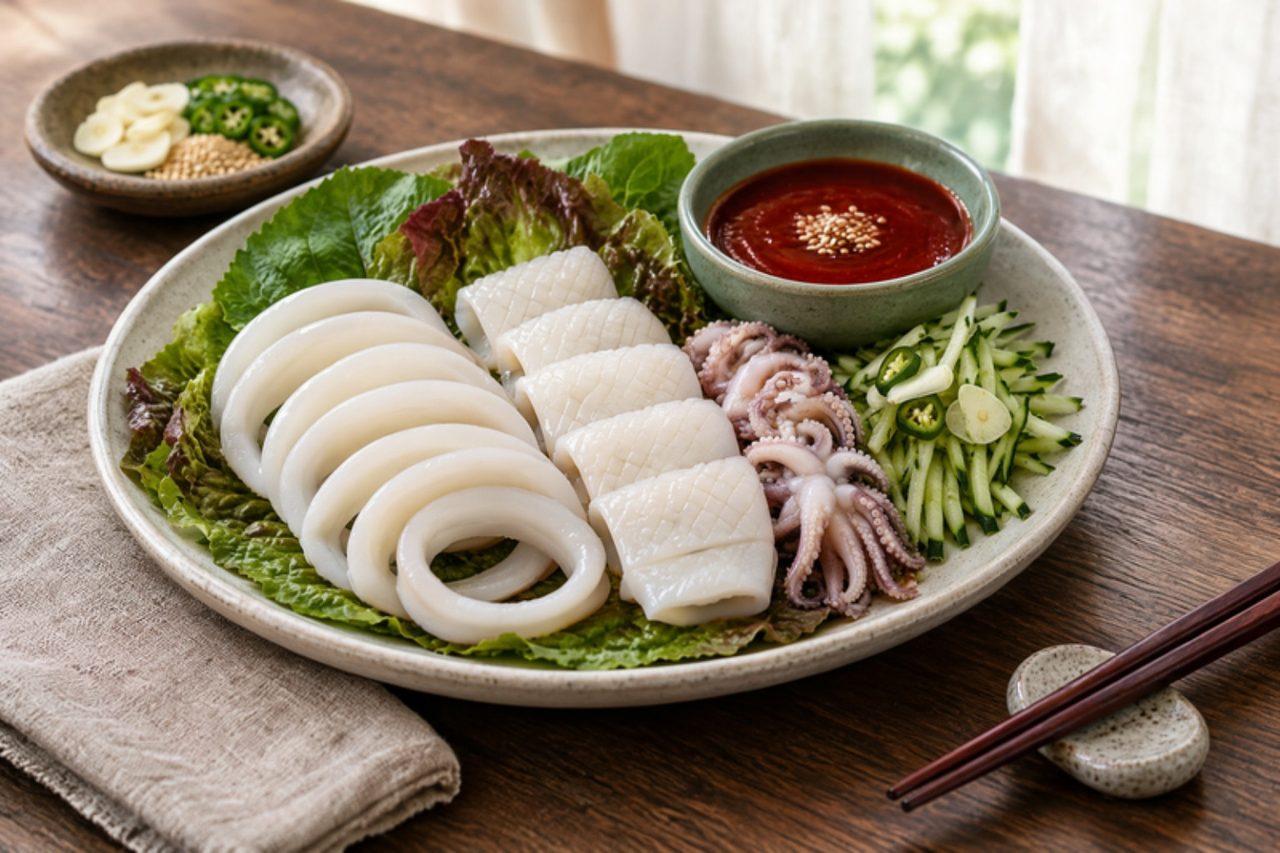
Ojingeo sukhoeBlanched squid with chilli sauce

Ojingeo sukhoe is a summer favourite in the fishing towns of Gangwon and on Ulleungdo island, where squid are landed overnight and served at home and in harbour restaurants within hours. The squid is scored, blanched for barely a minute so it stays tender, sliced into rings and eaten with crisp cucumber, lettuce and chogochujang, a tangy chilli-vinegar sauce. Suitable as part of a balanced diet: lean protein and fresh vegetables. About 160 kcal and 10 g carbohydrate per portion; the teaspoon of sugar in the sauce is optional, or use a sweetener. The usual mistake is overcooking: squid goes from tender to rubbery after about 90 seconds. Chef's tip: plunge it into iced water the moment it curls, so the cooking stops instantly.

15 minKoreanFish
by KrazyBadal 0 views

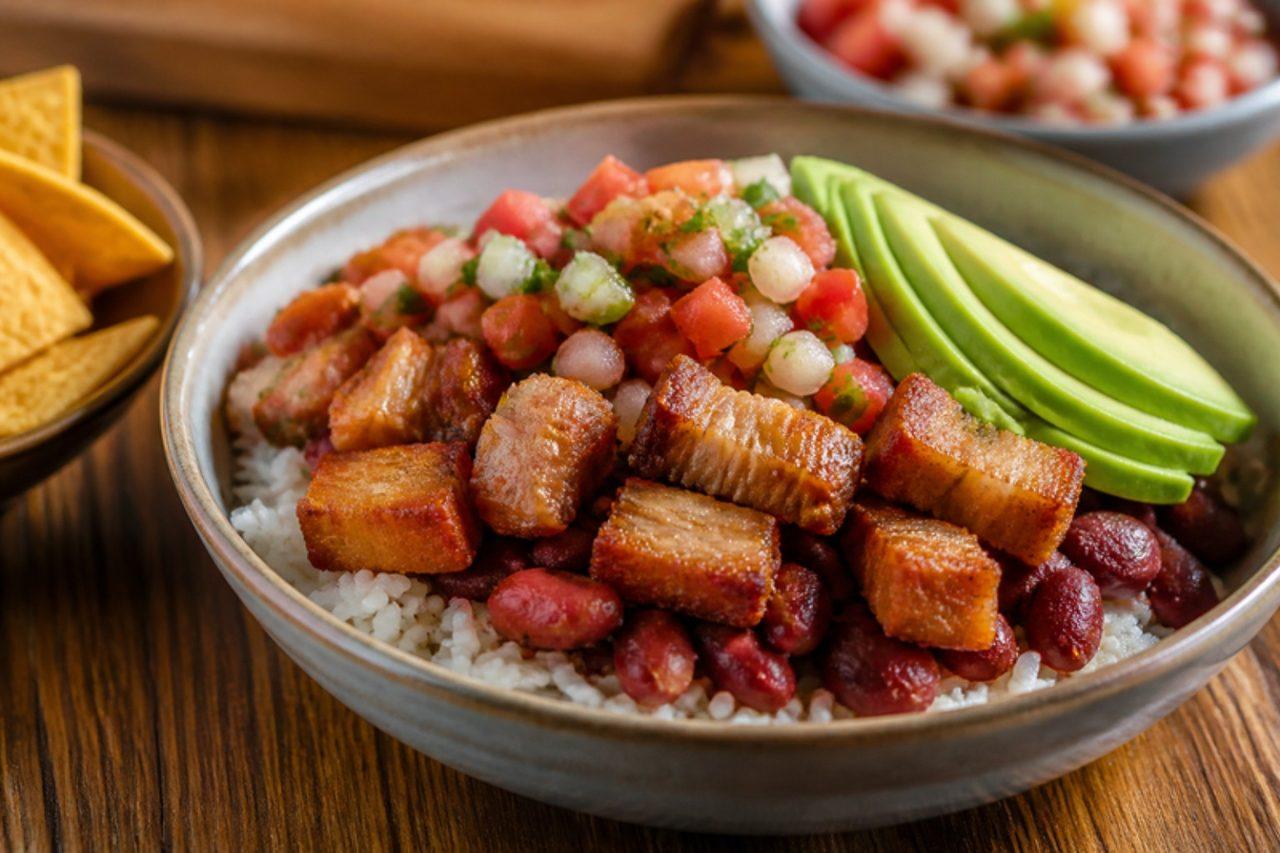
ChifrijoRice, beans and crisp pork bowl

Chifrijo was born in a San José bar in the 1990s and is now on every Costa Rican cantina menu as the snack to share over a cold drink: a bowl layered with rice, saucy red beans, crunchy pork chicharrón, pico de gallo and avocado, with tortilla chips stuck in for scooping. The name joins chicharrón and frijoles. The pork is belly, simmered and then fried in its own fat until crisp. Soggy chips are the common mistake: add them at the very last moment, never before serving. Chef's tip: squeeze lime over the pork right before it goes on top; the acid cuts the richness and wakes up the beans.

by KrazyBadal 0 views

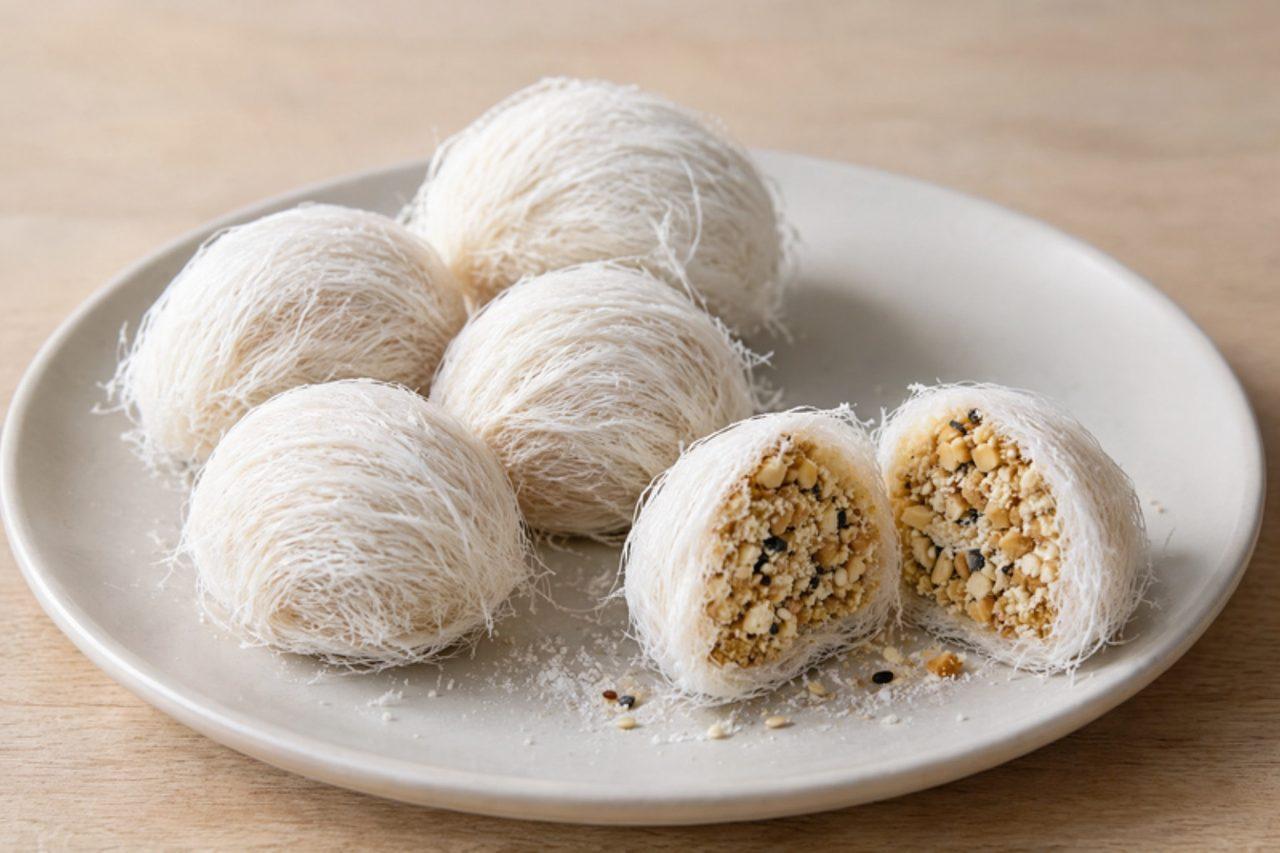
Dragon's beard candy

Dragon's beard candy is one of the old street crafts of Hong Kong, still demonstrated by a few hawkers in Tsim Sha Tsui and at Kowloon City snack shops, where children watch a hard disc of sugar stretched and folded in starch until it becomes a skein of hair-fine threads. Each cocoon is wrapped around a crunchy filling of peanuts, sesame and coconut and must be eaten within minutes, before it melts in the humidity. It takes practice; your first batch may be thicker threads, and that is fine. Contains peanuts and sesame; not for children under five, who can choke on the filling. Chef's tip: toast the cornflour first, as raw starch tastes chalky and is not safe to eat uncooked.

by KrazyBadal 0 views

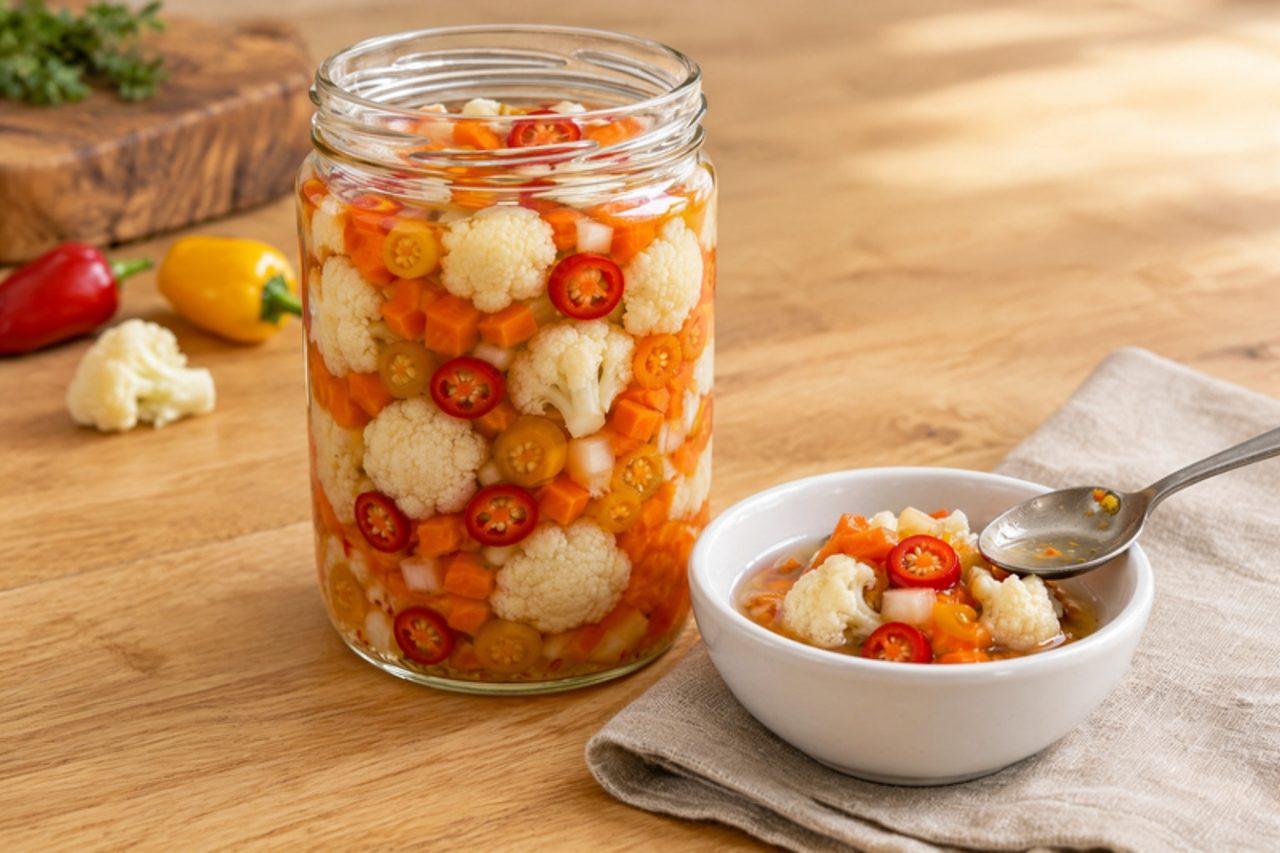
ChileroPickled vegetable and chilli relish

Sit down in any soda in Costa Rica, from San José to the Caribbean coast at Limón, and next to the napkins you will find a jar of chilero: small dice of carrot, cauliflower, onion and green beans with hot chile panameño, swimming in vinegar. Costa Ricans shake the spicy vinegar over gallo pinto at breakfast, spoon the crunchy vegetables onto a lunchtime casado of rice, black beans, plantain and salad, and add a splash to olla de carne on a rainy afternoon. It is more vinegar than vegetable, sharp and clean, with crunchy, sour bites and a fruity heat that grows the longer the jar sits. Unlike Guatemalan escabeche, nothing is blanched; the hot vinegar alone softens the vegetables slightly. The usual mistake is cutting the vegetables too big, so they will not come out of the bottle and do not pickle through; dice them no larger than 5 mm. It is ready after three days, when the vinegar has turned faintly yellow and tastes hot and the cauliflower is sour all the way through. Chef's tip: add a few strips of the vinegar-softened chile to your rice, but warn your guests.

by KrazyBadal 0 views

ChilenitosDulce de leche biscuit sandwiches

Chilenitos are small, fragile sweets from the bakeries and convent traditions of Chile's countryside: two paper-thin, crisp biscuits sandwiched with manjar and coated on top with a glossy white meringue. They are a fixture of once, christenings and the sweets table at weddings. The biscuits must be rolled almost transparent; thick dough gives a hard, dry chilenito. Chef's tip: use an Italian meringue (whites whisked with hot sugar syrup); it sets smooth and shiny and the eggs are cooked by the syrup, so it is safe to serve to everyone.

by KrazyBadal 0 views

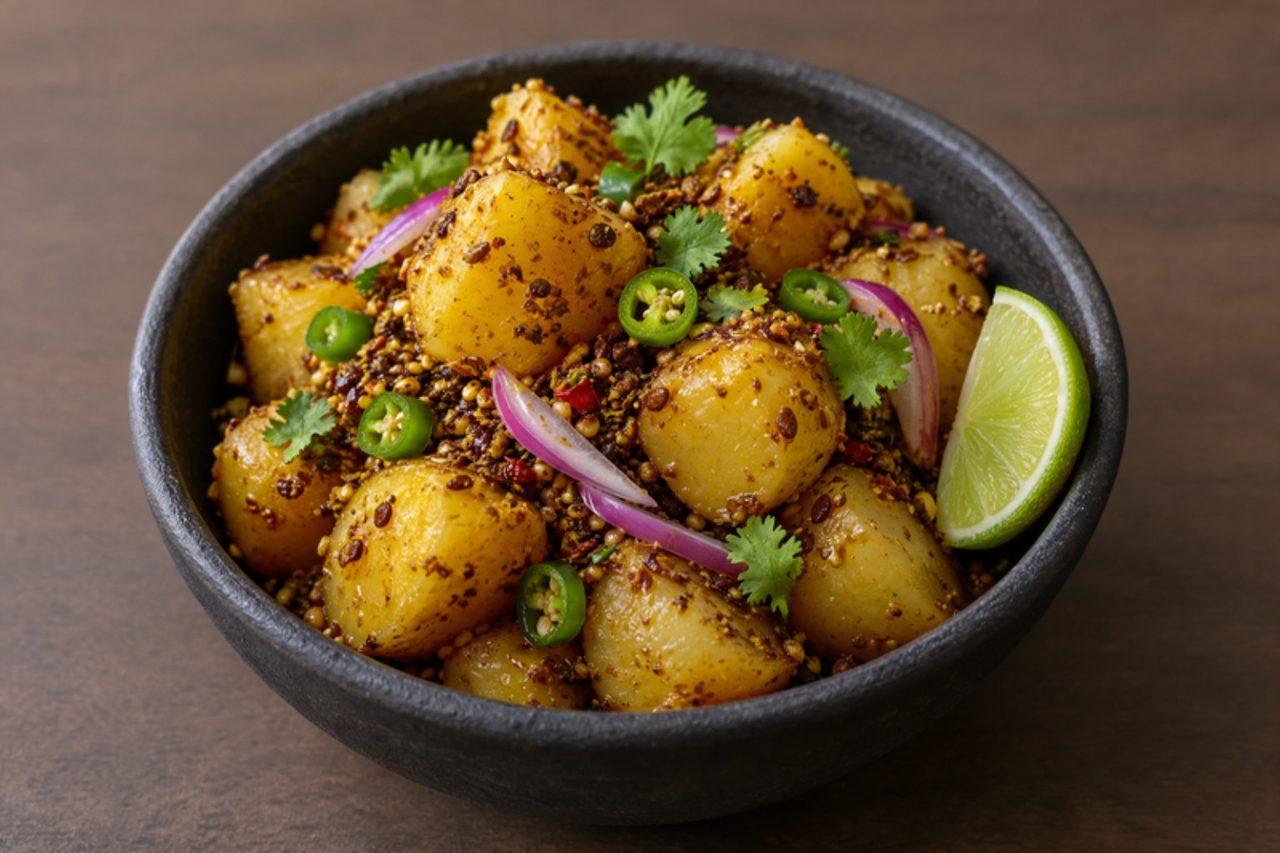
Aloo sadekoSpiced potato salad

Sadeko means marinated, and aloo sadeko is the sharp, tingly potato salad served in every khaja ghar, the little snack houses round Asan Tole and New Road, as afternoon khaja beside beaten rice and a cup of tea. Cool boiled potatoes are dressed with mustard oil heated with fenugreek seeds until they turn dark and nutty, then timur (Nepal's numbing Sichuan pepper), green chilli, toasted sesame and lots of lime. Contains sesame and mustard. Chef's tip: fry the fenugreek seeds until reddish-brown, not black; burnt fenugreek makes the whole bowl bitter.

by KrazyBadal 0 views

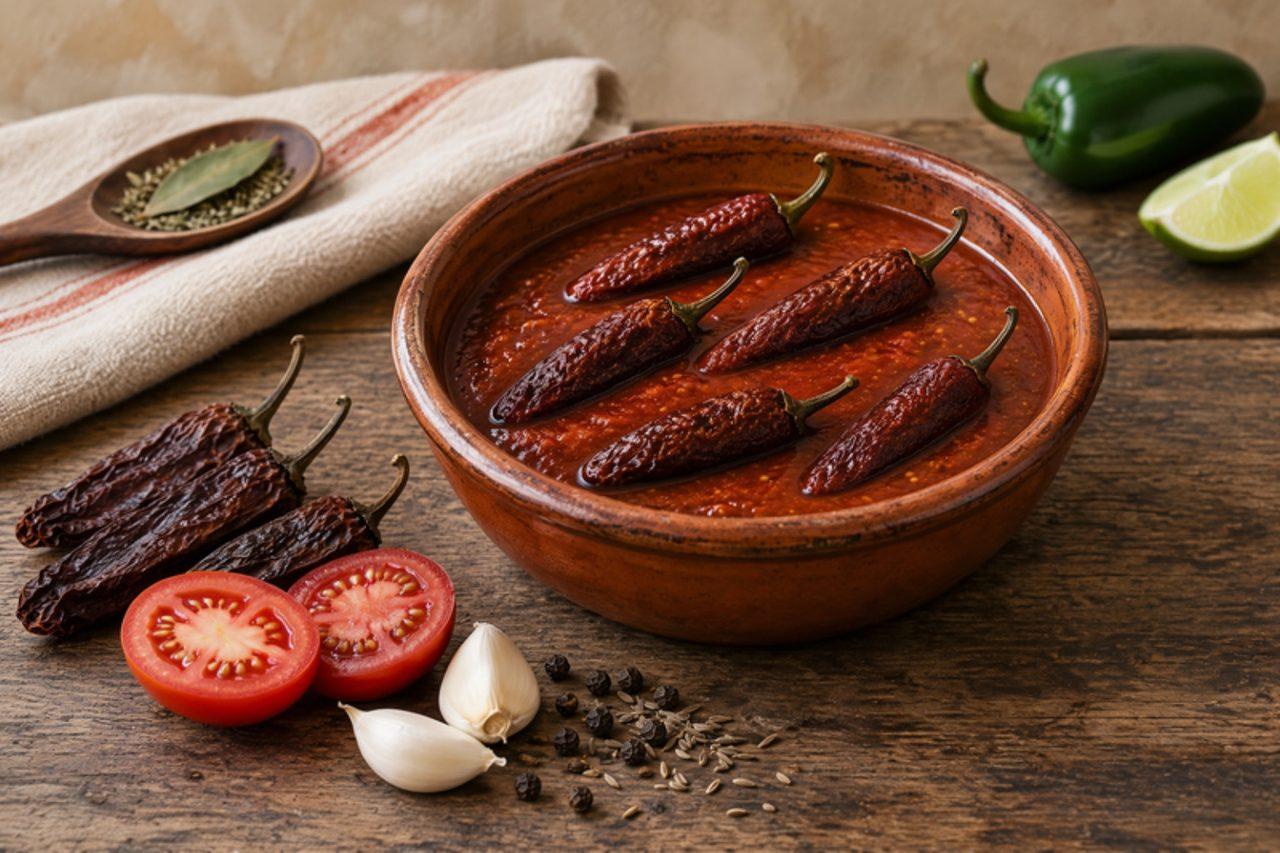
Chipotles en adoboSmoked jalapenos in adobo sauce

Chipotles are ripe jalapeños smoked slowly over wood until leathery; in Puebla and Veracruz the reddish, plump mora type is the everyday one, and the tan, leathery meco is prized for its deeper smoke. Simmered in a sweet-sour adobo of tomato, onion, garlic, vinegar and piloncillo, they become the soft, glossy chillies that go into tinga poblana, albóndigas en chipotle, bean soups and a quick chipotle mayonnaise. Homemade, they are smokier and less sugary than the tinned kind, with sauce that is brick red, tangy and thick enough to coat a spoon. Common mistake: toasting the dried chillies too long; a few seconds a side is enough, because scorched chillies make the whole jar bitter. This is a low-acid chilli preserve, so it is kept in the fridge or freezer, never canned in a water bath. It is ready when the chipotles are plump and soft enough to crush with a spoon and the adobo has reduced to a glossy sauce. Chef's tip: blend one or two chillies with their sauce and freeze it in an ice-cube tray, so you can add a single cube to a pot.

by KrazyBadal 0 views

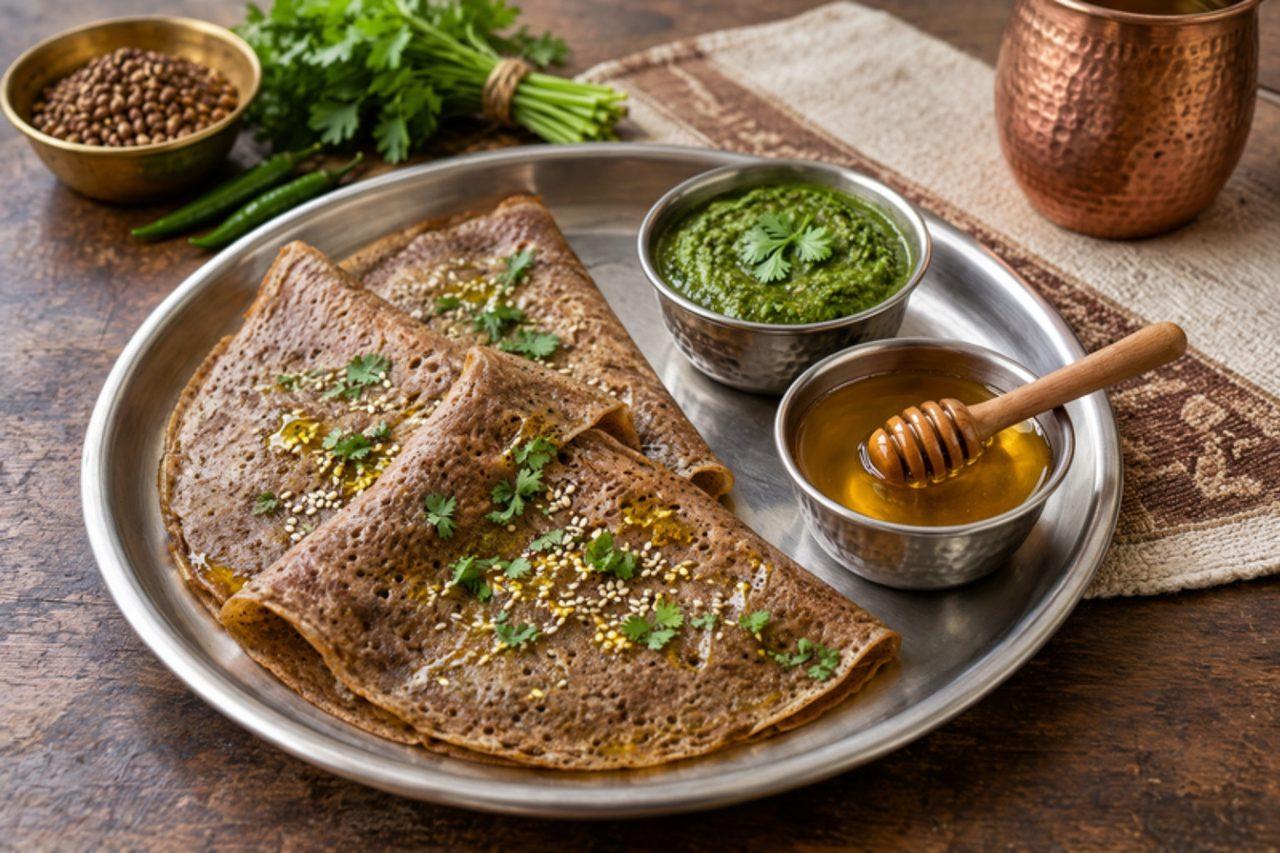
ChilreBuckwheat pancakes

In the upper hills around Shimla and through Kinnaur, buckwheat (kuttu or ogla) grows where wheat struggles, and chilre are its everyday form: thin, lacy pancakes poured on a hot griddle for breakfast or a late-afternoon snack. They are eaten with a sharp mint-and-walnut chutney, or sweet with honey, and are naturally gluten free when made with pure buckwheat. The common mistake is making the batter too thick, so the chilre come out stodgy; it should pour like single cream. Chef's tip: let the batter rest 15 minutes so the buckwheat swells, and wipe the pan with an oiled cloth rather than pouring oil, for even, lacy pancakes.

by KrazyBadal 0 views

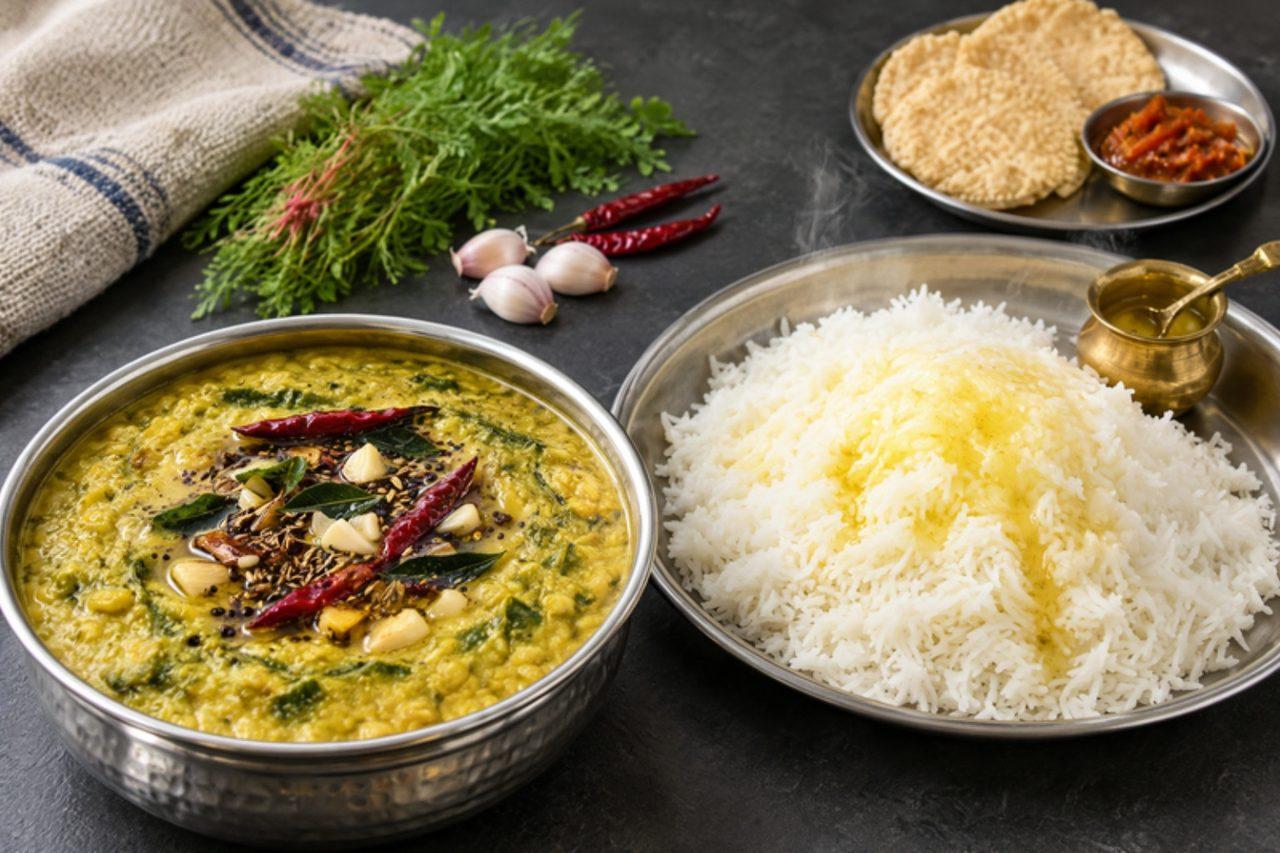
Chintha chiguru pappuDal with young tamarind leaves

Every spring the tamarind trees of Telangana put out soft, coppery new leaves, chintha chiguru, and housewives in Hyderabad and the districts strip them by the handful for a few weeks of this pleasantly sour dal. The leaves give the tang that tamarind pulp gives the rest of the year, and the pappu is eaten with hot rice, ghee and a crisp papad. The common mistake is adding all the leaves at the start; they lose their fresh sourness, so stir half in near the end. Chef's tip: if tamarind shoots are out of reach, use a mix of sorrel and a teaspoon of tamarind paste.

by KrazyBadal 0 views

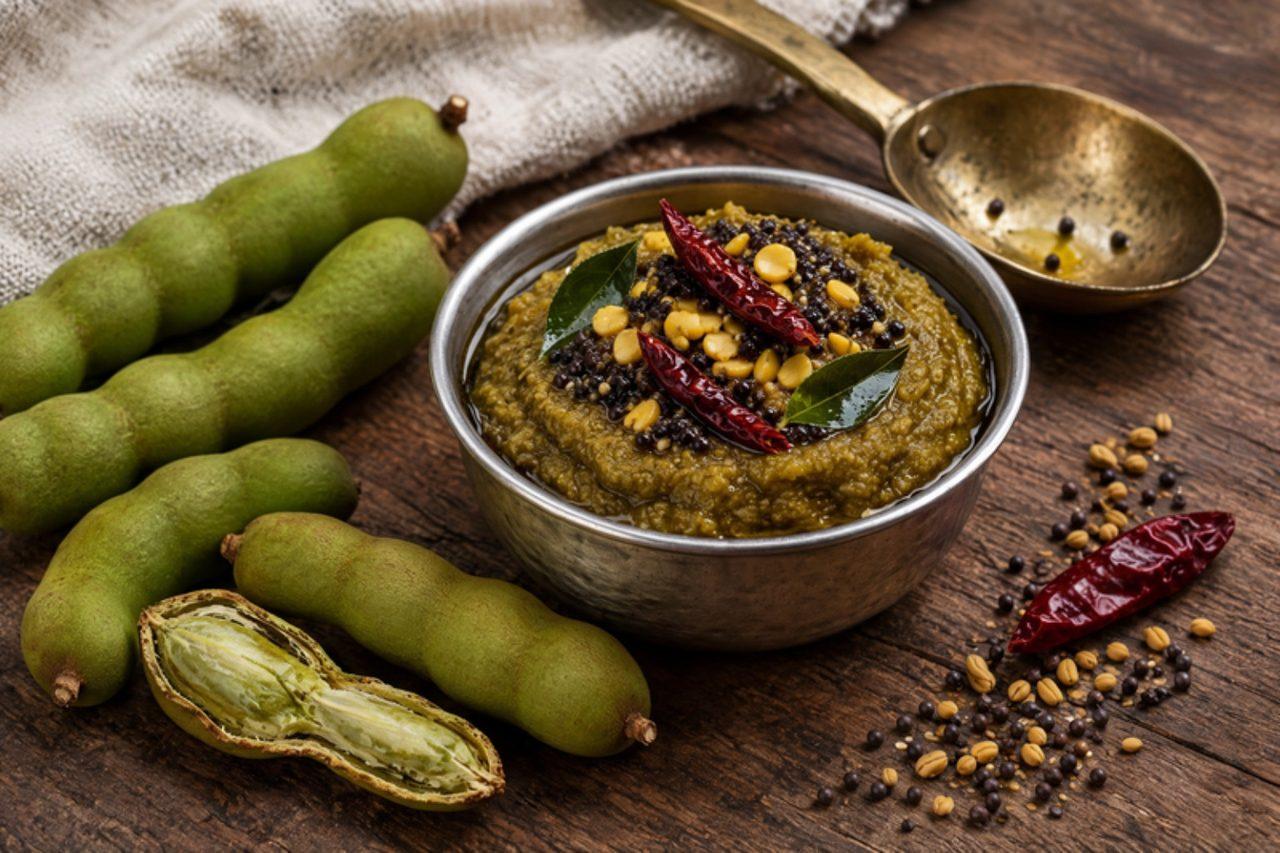
Chintakaya pachadiGreen tamarind pickle

In Telangana and coastal Andhra, the tamarind trees hang heavy with tender green pods from December to February, and every household that can lays in a jar of chintakaya before the pods ripen and turn brown. The raw pods are pounded with salt and turmeric and left to mature into a sharp, olive-green base that keeps for the whole year. Small portions are then ground with chillies and finished with a crackling tadka whenever the family wants it. The taste is pure, mouth-puckering sourness with a fresh, almost apple-like green note, very different from ripe tamarind. Mix it into hot rice with sesame oil, or eat it with jonna rotte (sorghum flatbread) and raw onion. The common mistake is to let wet pods into the jar: wash the tamarind the day before, then spread it to dry completely. The salted base is very acidic and roughly 15% salt, so it keeps in a cool cupboard; the finished pachadi with chillies belongs in the fridge and is best within 3 weeks. It is ready when the paste is coarse, dark green and smells sharply sour. Chef's tip: roast dried chillies for a smoky winter version, or use green chillies for a brighter, fresher heat.

by KrazyBadal 0 views

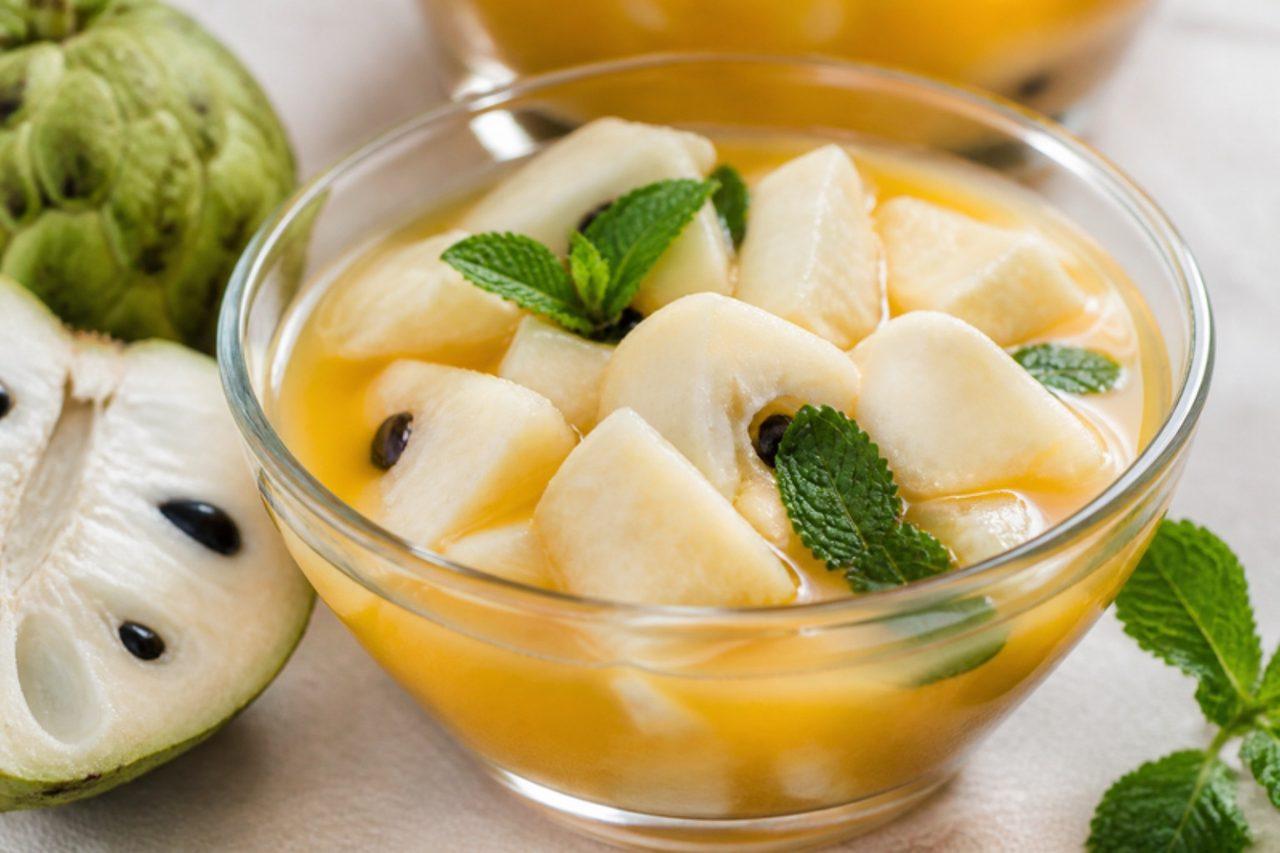
Chirimoya alegreCherimoya in orange juice

Chileans call it 'happy cherimoya': ripe custard-apple pulp dropped into fresh orange juice and served ice-cold. It turns up as the summer dessert after a big lunch in the Central Valley and in the Aconcagua valley, where much of Chile's cherimoya grows. The fruit should be soft like a ripe avocado; a hard one tastes starchy. The most common mistake is preparing the fruit ahead without juice, so it turns brown and loses its perfume: drop each piece straight into the orange juice. Remove every black seed, as the seeds must not be eaten or crushed. Chef's tip: squeeze the oranges yourself and taste before you sweeten; good juice often needs no sugar at all.

by KrazyBadal 0 views

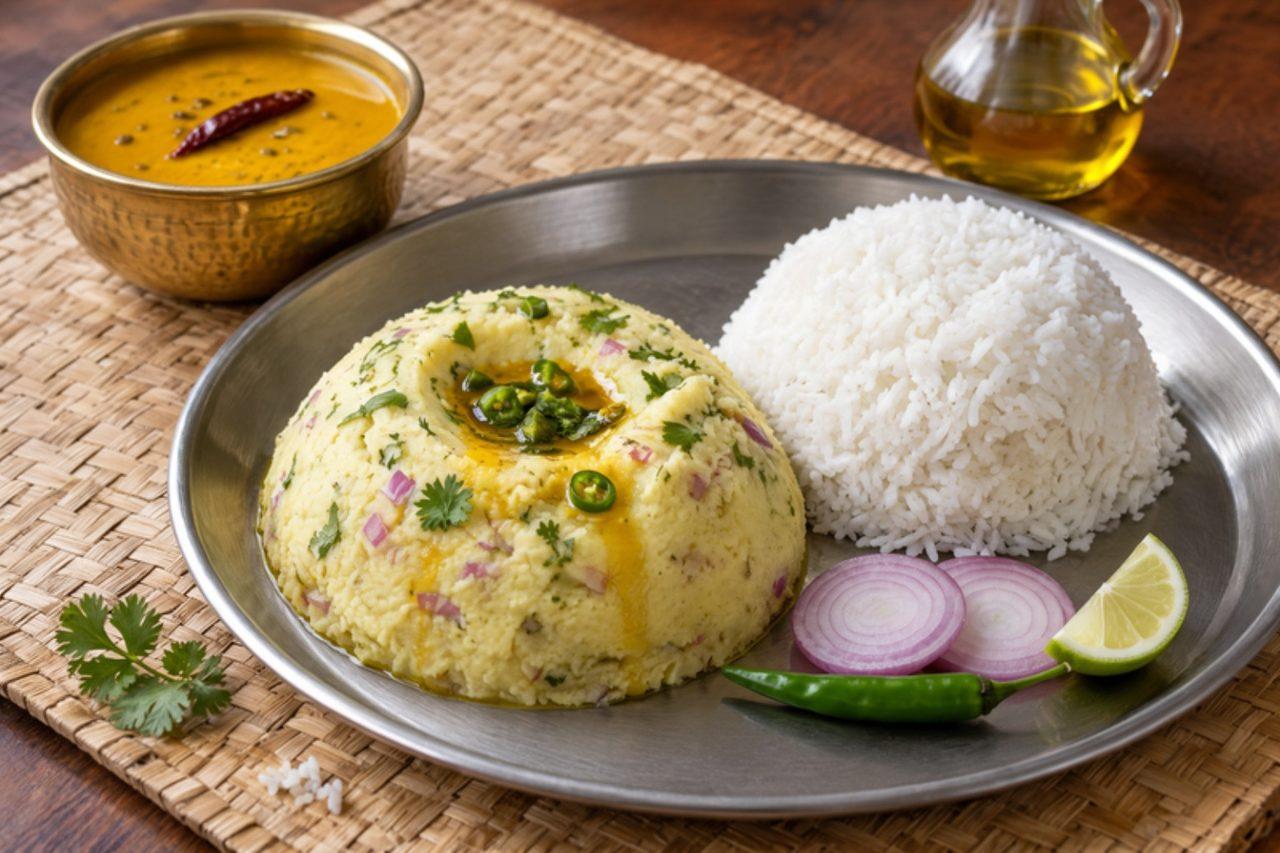
Aloo pitikaMashed potato with mustard oil

Aloo pitika is the first thing on many Assamese lunch plates, a rough mash of boiled potato sharpened with raw mustard oil, onion, green chilli and coriander, eaten with the first mouthfuls of rice and dal. Guwahati families make it daily, and in winter it may be mixed with roasted aubergine or a boiled egg. The usual mistake is making it smooth like a Western purée; it should be coarse and hand-mashed so the onion and chilli stay crunchy. Chef's tip: use pungent kachi ghani mustard oil and rub it in last, so its heat hits the nose.

by KrazyBadal 0 views

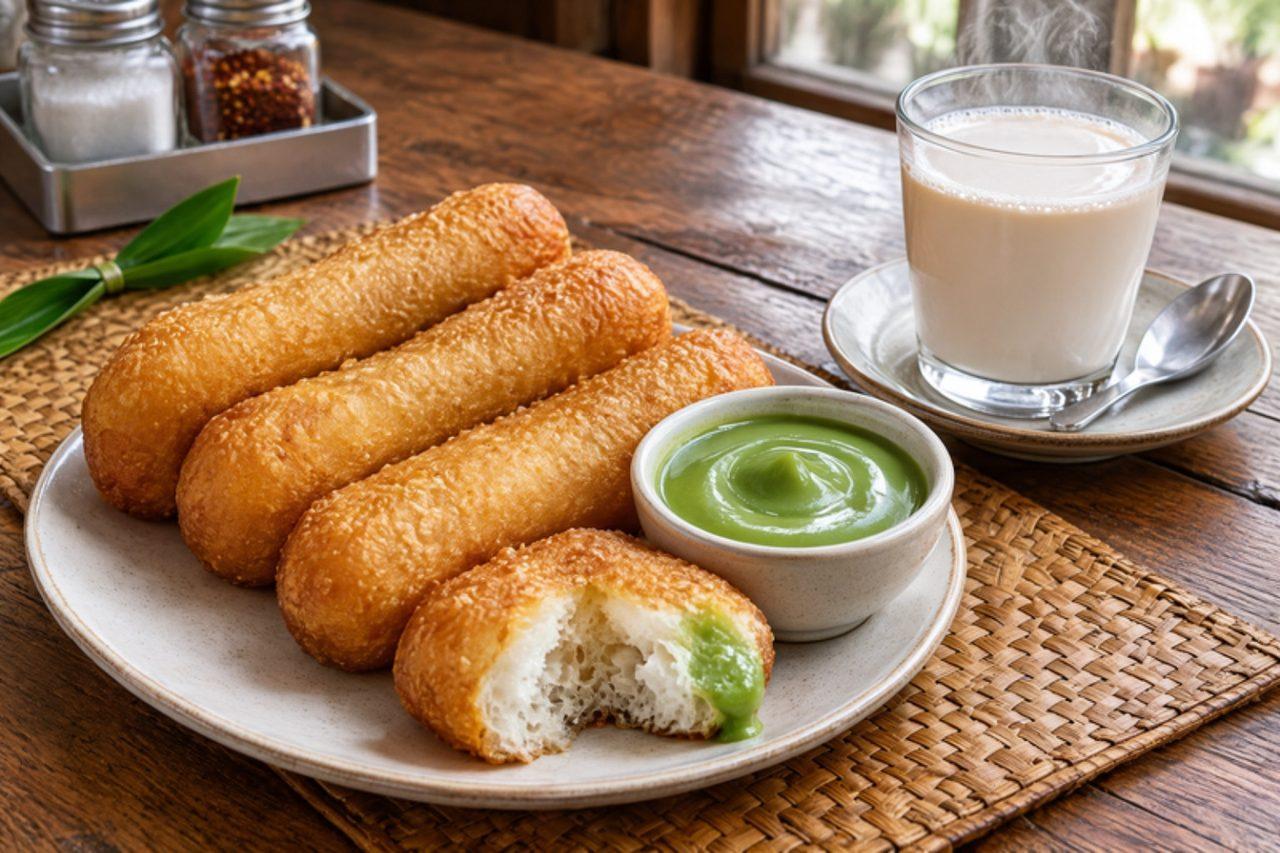
Pa thong koTwin fried dough sticks

Before the shutters go up along Yaowarat Road in Bangkok's Chinatown, the pa thong ko vendors are already frying: two strips of dough pressed together, stretched and dropped into a wok of oil, where they swell into hollow, crackly sticks shaped a little like a pair of legs. Office workers buy a paper bag on the way to the skytrain and eat them with a cup of hot soy milk, or tear them into pieces and dip them in green pandan custard or condensed milk. This home version is egg-free and dairy-free and is served with sweetened soy milk. Chef's tip: let the dough rest for the full hour; a relaxed dough stretches without tearing and puffs far more in the oil.

by KrazyBadal 0 views

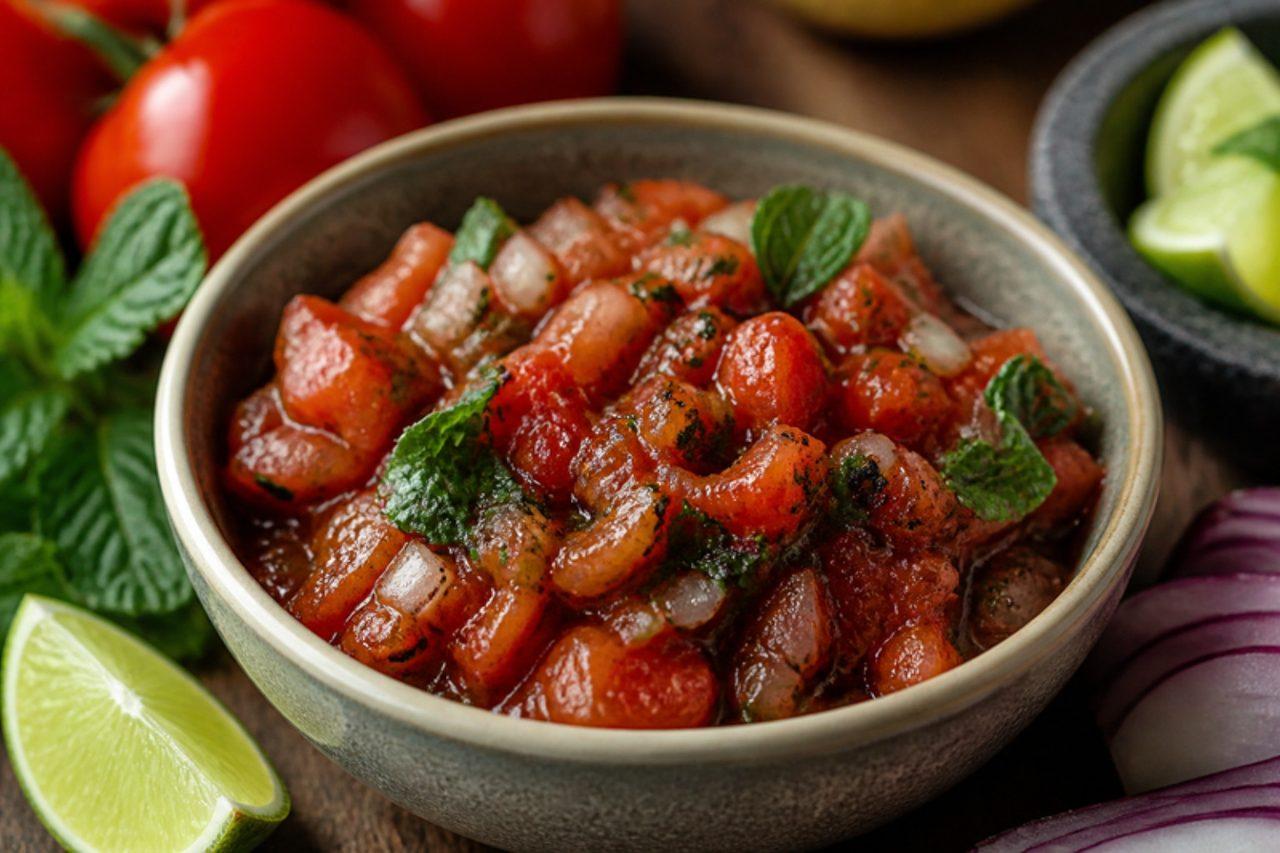
ChirmolCharred tomato and mint salsa

Wherever Guatemalans light a grill for Sunday carne asada, a bowl of chirmol sits beside it. The tomatoes are blackened on a comal until their skins split, then crushed with raw onion, lime and fresh mint, which is the herb that sets it apart from Mexican salsas. It is smoky, sharp and loose, meant to be spooned over grilled meat, black beans, eggs or plain rice. A common mistake is blending it smooth; chirmol should be chunky and juicy, crushed by hand or with a fork. Chef's tip: leave some of the charred skin in; those black flecks carry most of the smoky flavour.

by KrazyBadal 0 views

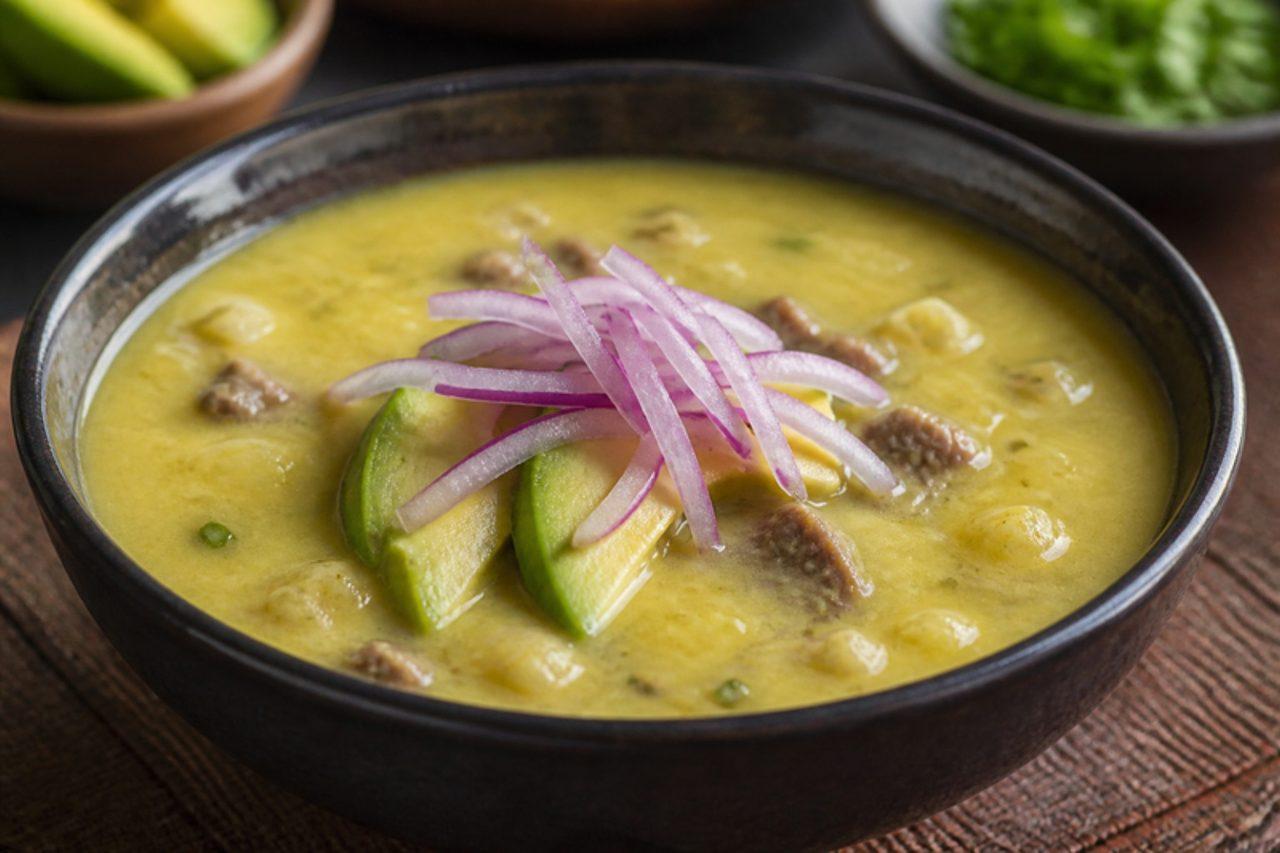
YaguarlocroPotato and lamb offal soup

Yaguar is blood in Kichwa, and yaguarlocro is the Saturday soup of the markets of Ambato, Latacunga and Riobamba: a creamy potato broth cooked with lamb offal, cumin and achiote, crowned with avocado, sharp pickled red onion and, traditionally, crisp fried blood. Here the blood topping is optional; the soup is rich and complete without it. It is served at midday as a full meal. The usual mistake is blending the potatoes, which turns the soup gluey; let some break down by themselves and mash the rest lightly. Cook the offal until tender and the liver until no pink remains. Chef's tip: use half floury and half waxy potatoes, so the soup thickens yet keeps some soft chunks.

150 minAndeanSoupsGluten free
by KrazyBadal 0 views

Showing 18 of 7,762 recipes

Show more recipes

Page 163 of 863