


Skip to content
Berbere
Featured recipe

Berbere

Red chilli spice blend

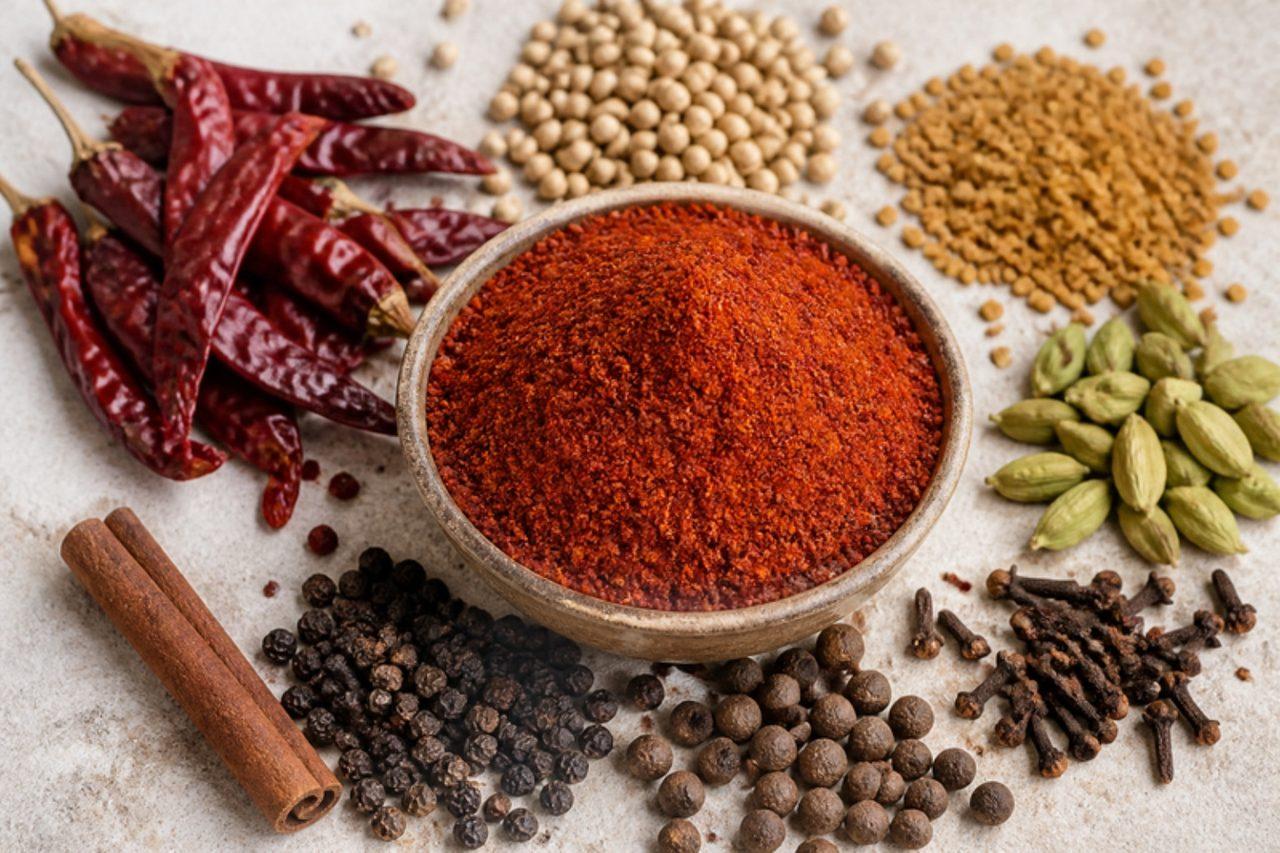
Berbere is the red, warmly spiced powder that gives Ethiopian wats their colour and heat. In markets like Addis Mercato, women sell it by the scoop, and in Gojjam and Gondar families still dry chillies on rooftops and grind their own mix once a year. Each household's version differs, but most combine hot dried red chillies with paprika, fenugreek, coriander, cardamom, ginger, cloves and allspice. This quick home version toasts whole spices and grinds them with ready-ground chilli. The hotter blend mitmita (bird's eye chilli, cardamom, cloves and salt) is its fiery cousin for sprinkling at the table. Chef's tip: toast the whole spices only until they smell fragrant; once fenugreek turns dark brown it becomes bitter.

Read more 0 views

What to eat today?

Around the world

Today's trip: Paraguayan

A new country every day, from every cuisine on the site.

Paraguayan

Chipa

Cheese bread rings 50 minMore from Paraguayan (27) →

This week's collection

Kid-friendly dinners
537 recipes · a new collection every Monday

Latest recipes

Aruban pan batiSweet cornmeal pancakes

Aruban families put a stack of pan bati on the table with almost every bowl of soup or stew, from sopi di pisca to kabritu stoba: thick, slightly sweet pancakes of cornmeal and flour, cooked on a dry griddle and torn to mop up the broth. They are soft, a little grainy and golden at the edges. The mistake is cooking them too fast, so they burn outside and stay raw in the middle. Chef's tip: let the batter rest for 10 minutes so the cornmeal softens and the pancakes come out tender.

by KrazyBadal 0 views

Cocktail bunCoconut-filled sweet buns

Bakeries across Hong Kong pull trays of cocktail buns from the oven before the morning rush, and schoolchildren and commuters buy them warm in paper bags to eat on the bus or with milk tea at a cha chaan teng. The story goes that 1950s bakers invented them to use up day-old bread mixed with sugar and coconut, so the name is a playful nod to a cocktail of leftovers. Today the soft, milky roll holds a sweet, buttery coconut filling that's slightly sandy and chewy, under two piped stripes and a scatter of sesame seeds. A soft, warm filling tends to ooze out during proving and baking, so chill it until firm before you roll the buns. Chef's tip: roll each bun up tightly from the long side and pinch the seam well, then place it seam-down; loose rolls split open in the oven.

by KrazyBadal 0 views

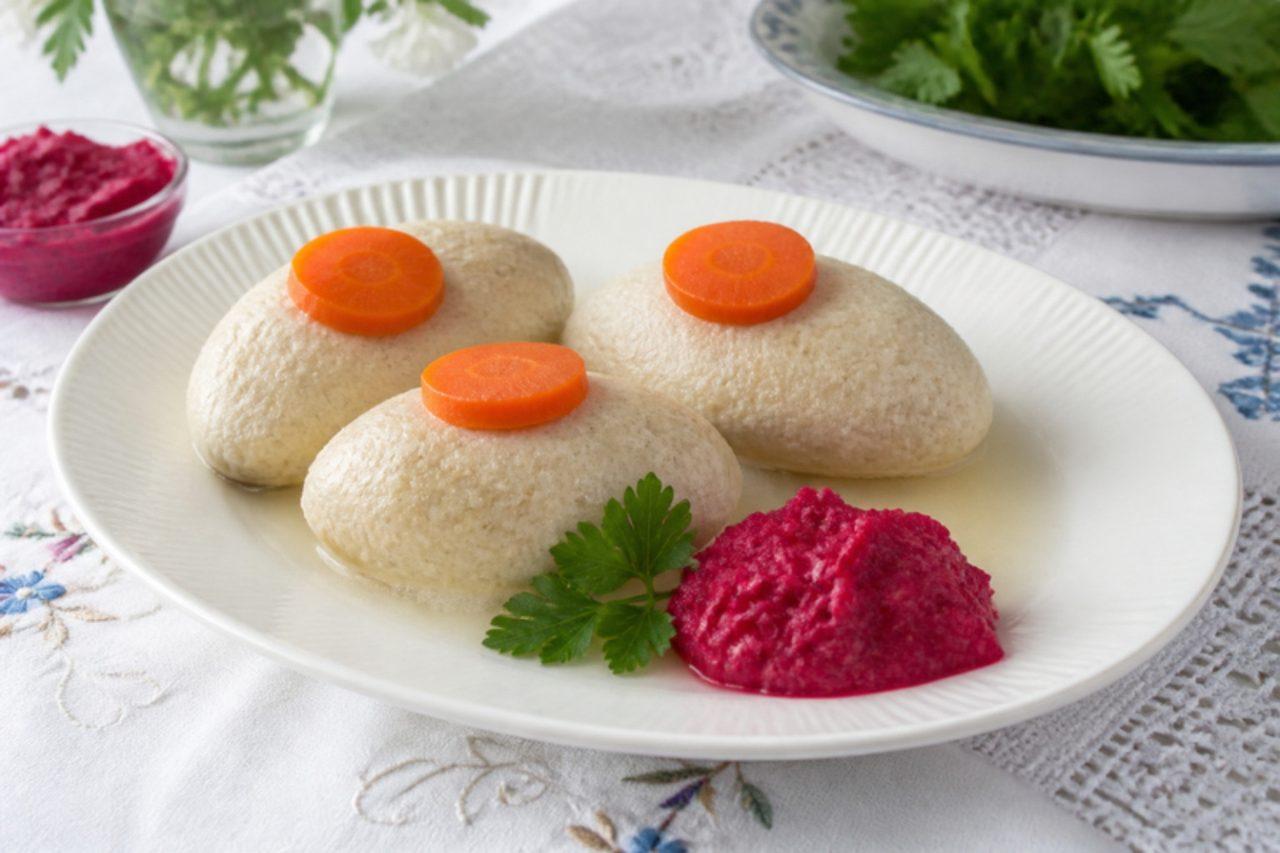
Gefilte fishPoached fish dumplings

Poached fish dumplings start the Shabbat and Passover meal in many Ashkenazi homes across Israel, and families still argue about whether they should be sweet, Polish-style, or peppery like the Lithuanian version. Minced carp, pike or whiting is beaten with onion, egg and matzo meal, shaped into ovals and simmered in a broth made from the fish bones and vegetables, which sets into a light jelly when chilled. Each piece is served cold with a coin of carrot on top and a spoonful of sharp beetroot horseradish. The commonest mistake is boiling the broth hard, which makes the dumplings tough and breaks them up; it should barely tremble. Chef's tip: wet your hands with cold water before shaping each dumpling so the soft mixture does not stick.

120 minIsraeliFish
by KrazyBadal 0 views

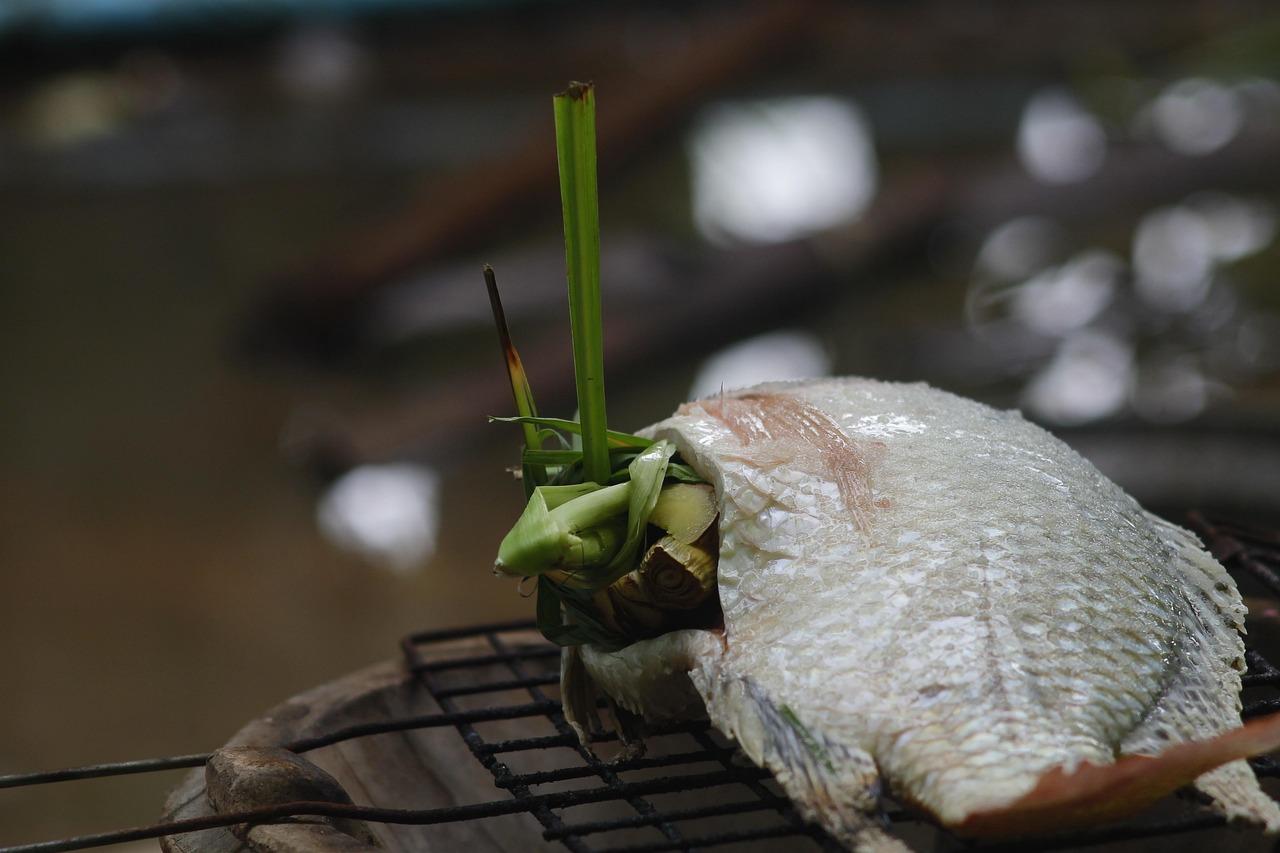
Grilled bolti (Nile tilapia)

From the Nubian villages near Aswan to the fishing camps on Lake Nasser, bolti caught that morning is gutted, slashed and grilled over charcoal for lunch, and fish grills all over Egypt cook it the same way. The rub is simple: crushed garlic, plenty of cumin, lemon, chilli and oil, which toasts on the skin and seasons the sweet, mild flesh. A stuffing of onion and parsley in the belly keeps it moist. Eat it with your hands, picking the flesh from the bones, alongside tahini, green salad and rice or bread. Chef's tip: oil the grill bars as well as the fish and leave it alone for the first 6 minutes; fish moved too early tears and sticks, which is the usual grilling mistake.

by KrazyBadal 0 views

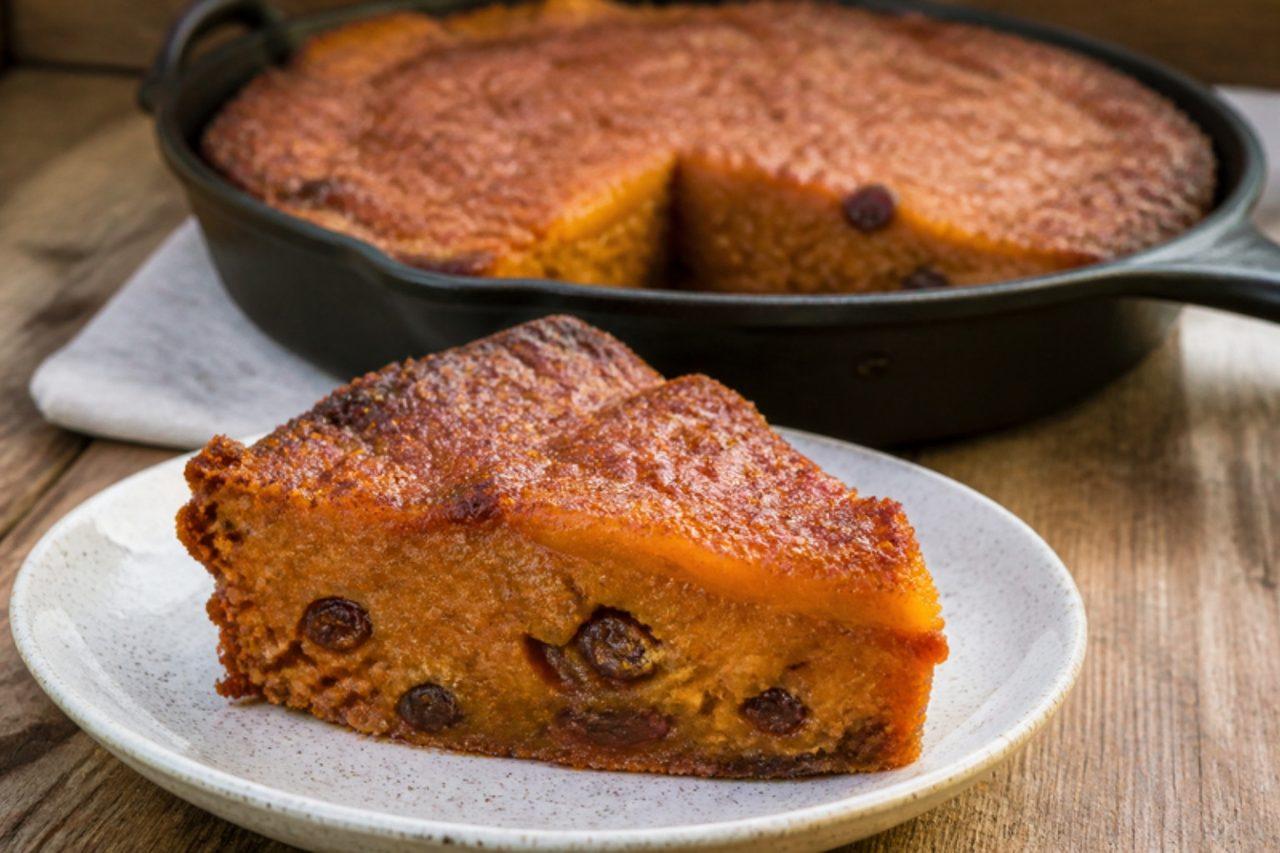
Jamaican sweet potato pudding

Once baked in Dutch pots with coals heaped on the lid, Jamaica's sweet potato pudding gave rise to the saying "hell a top, hell a bottom, hallelujah in the middle", and it is still a Sunday and Christmas favourite in homes across the island. Grated sweet potato, coconut milk, a little flour-free cornmeal and spice bake into a dense, moist slab with a soft, custardy layer on top. People often cut it hot, but it needs to cool for at least an hour to set. Chef's tip: grate the sweet potato on the fine side of the grater; coarse shreds make a grainy pudding.

by KrazyBadal 0 views

Fritaja sa šparogamaWild asparagus scrambled eggs

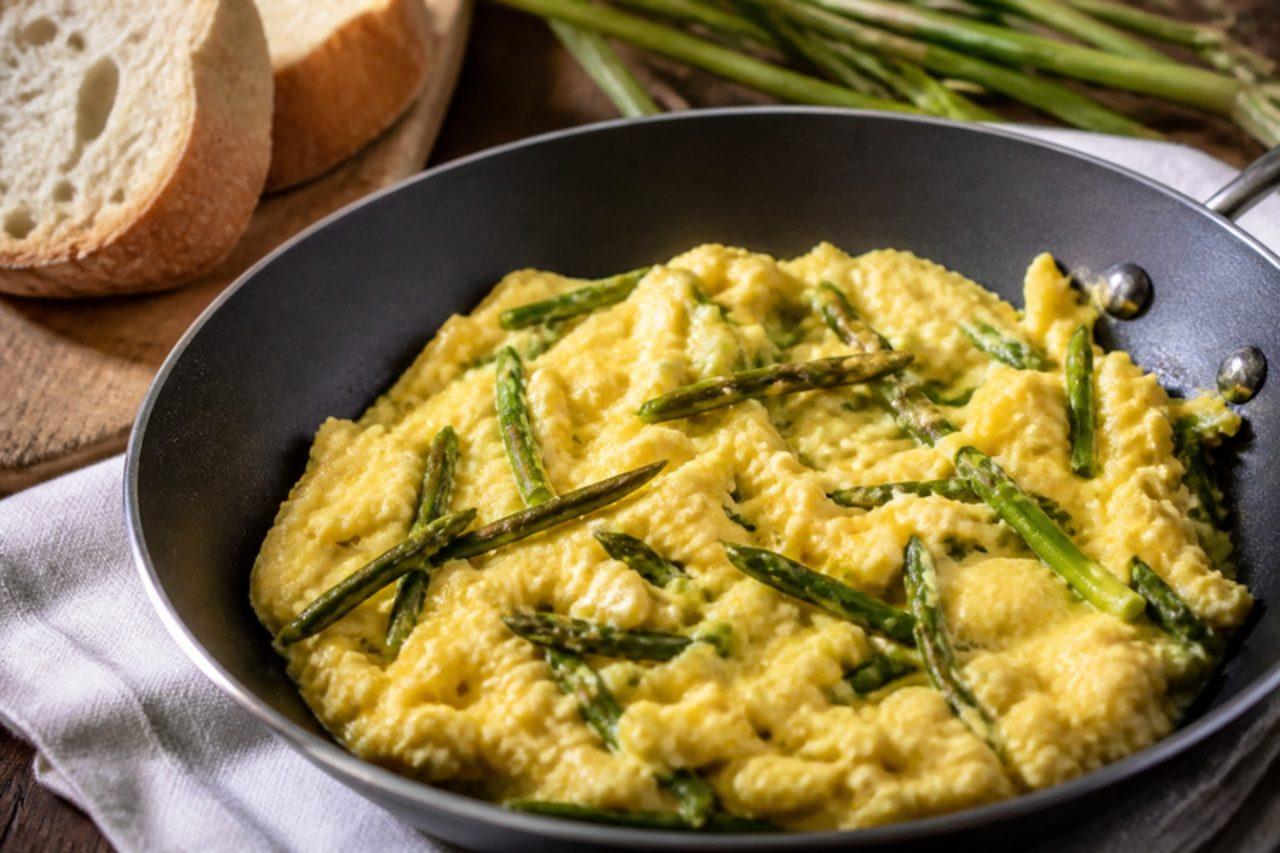
Come April, families across Istria and the Kvarner coast of Croatia walk the hedgerows picking thin, dark wild asparagus, and the first bunch nearly always becomes fritaja. Despite the name it is softer than an omelette: the spears are fried in olive oil, then beaten eggs are stirred through until they set in loose, creamy curds. Wild asparagus tastes greener and slightly bitter, which is lovely against the rich egg; thin garden asparagus works if you can't forage. Eat it for breakfast or a light supper with crusty bread and a glass of cold water or fresh juice. The usual slip is cooking the eggs hard and dry; stir gently over a low heat and stop while they still look moist. Chef's tip: snap each spear and keep only the part that breaks cleanly; the woody ends never soften.

by KrazyBadal 0 views

FrüchtewäheFruit custard tart

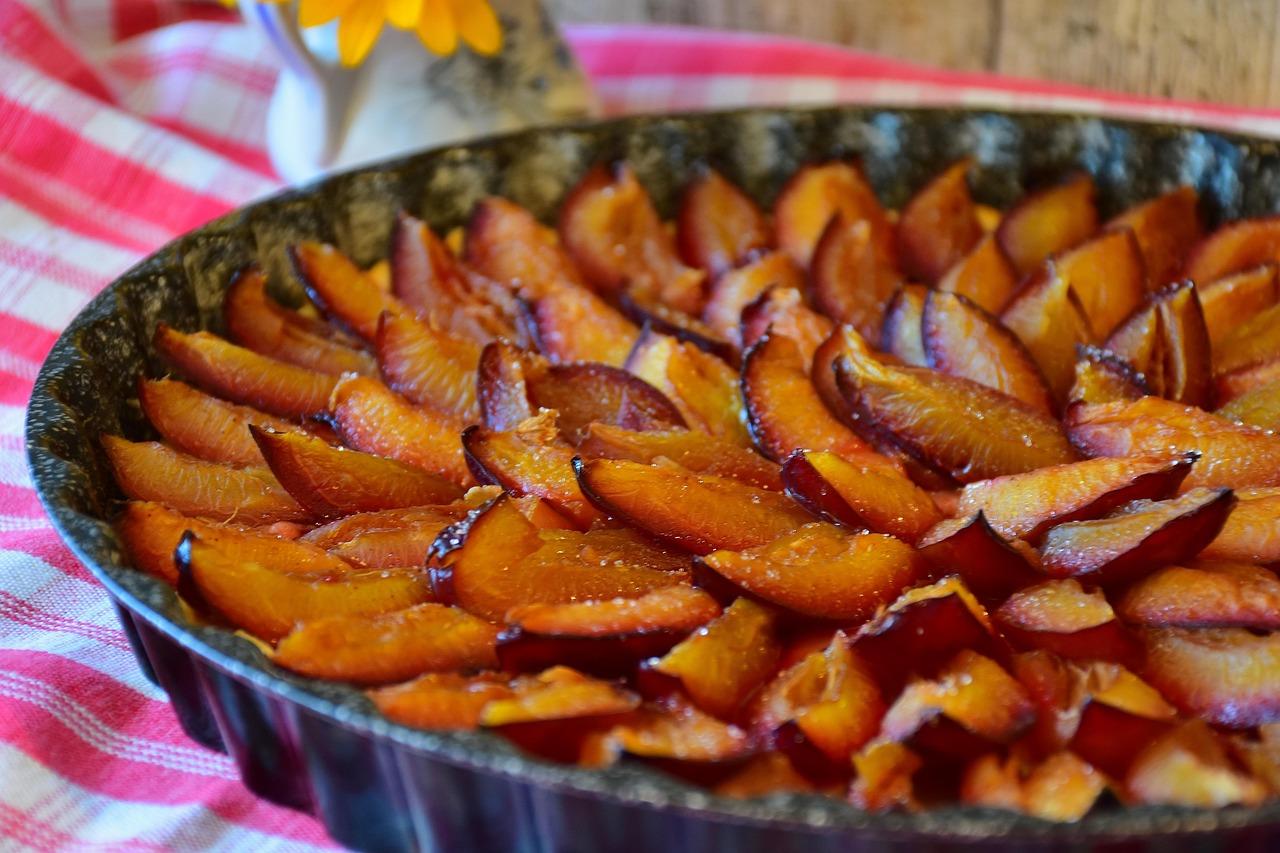
The Wähe is the open tart of German-speaking Switzerland, known as Kuchen or Fladen depending on the canton: a thin pastry base covered with sliced apples, plums, apricots or cherries, then a simple custard of cream, egg and sugar poured around the fruit and baked until set. Swiss families eat it as a light supper on Fridays, sometimes after a bowl of soup, and fruit Wähe is often dusted with cinnamon sugar. A common mistake is skipping the ground nuts on the base, which lets the fruit juice soak the pastry. Chef's tip: scatter ground hazelnuts on the pastry first; they soak up the juice and keep the base crisp.

by KrazyBadal 0 views

Arroz a la cubanaRice with tomato and egg

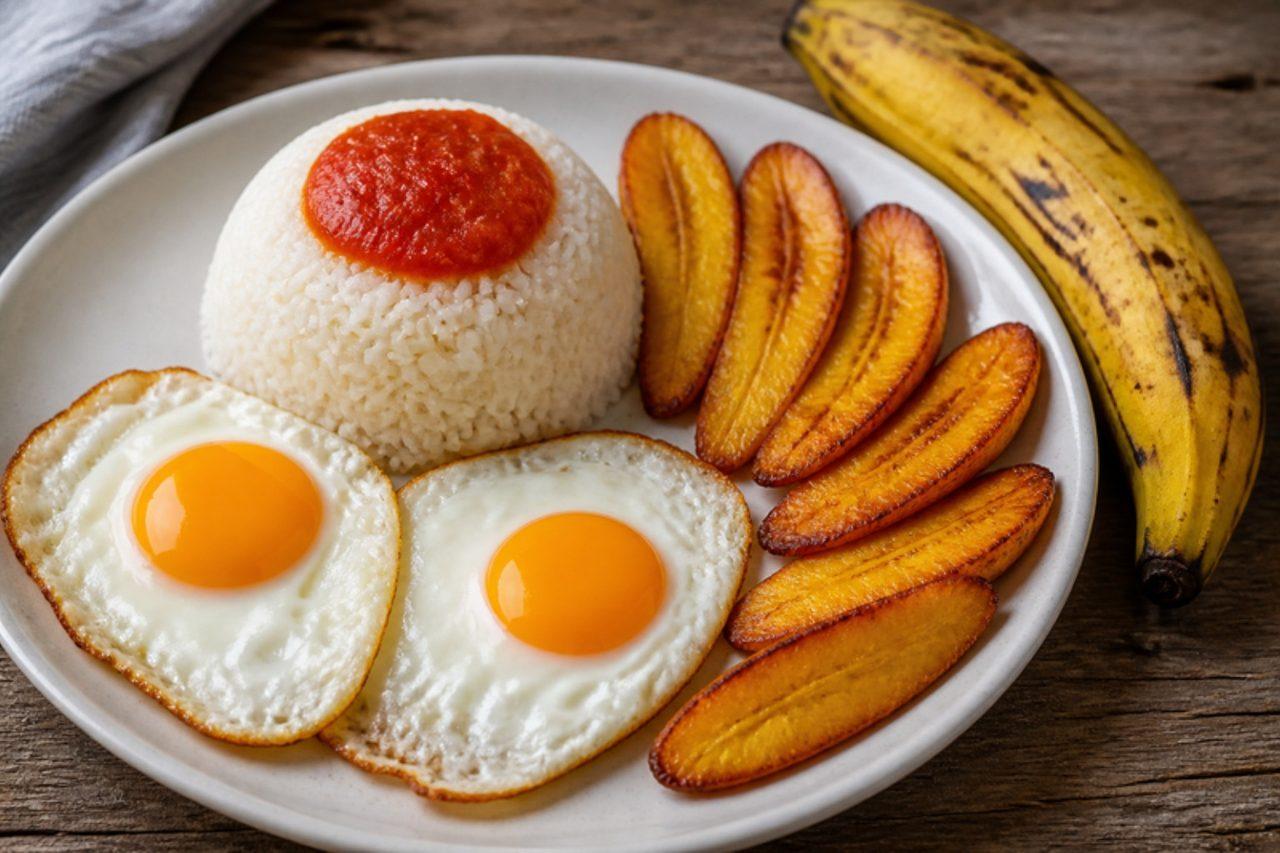
Havana cafeterías put this plate on the lunch board when cooks want something cheap, fast and filling: a mound of plain white rice, a ladle of garlicky tomato sauce, a fried egg with a runny yolk and slices of caramelised ripe plantain. Breaking the yolk into the rice and sauce is the whole point, so the eggs should be fried at the last minute. The usual mistake is using plantains that are still yellow-green; they need black-spotted skins to turn soft and sweet in the pan. Serve with a simple avocado salad. Chef's tip: baste the egg whites with hot oil from the pan so they set with lacy edges while the yolks stay liquid.

by KrazyBadal 0 views

Arroz con dulceCoconut rice pudding

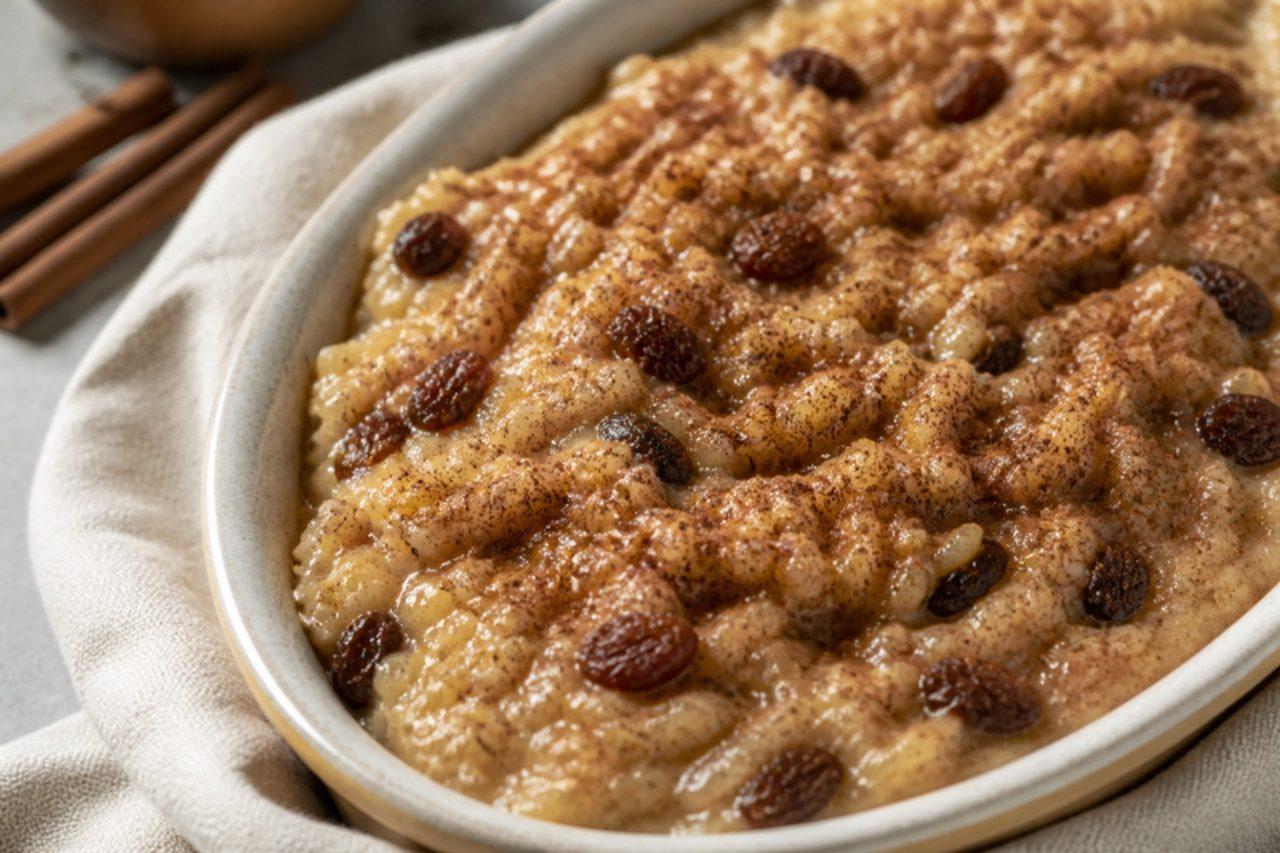
From the start of December to the Three Kings in January, trays of arroz con dulce cool on Puerto Rican kitchen counters, sliced into squares and handed round at parrandas when carollers arrive at the door late at night. Unlike a milky rice pudding, it is cooked in a water steeped with fresh ginger, cinnamon, cloves and star anise, then finished with coconut milk and raisins, so it is fragrant, firm enough to cut and dairy free. The common mistake is adding the sugar too early, which keeps the rice grains hard; sweeten only once they are soft. Chef's tip: soak the rice for an hour first, and it cooks evenly and absorbs the spiced coconut far better.

by KrazyBadal 0 views

FrikkadelsFried spiced meatballs

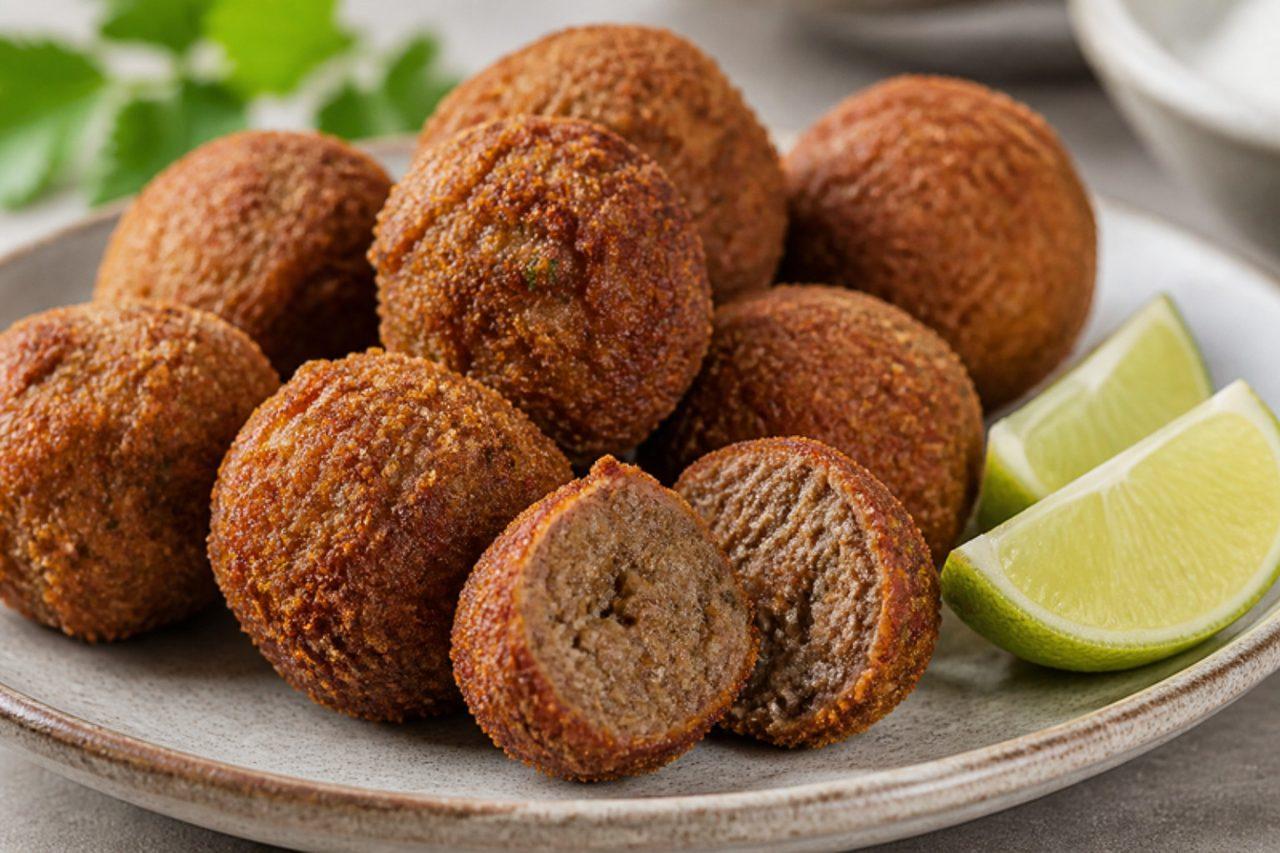
Frikkadels came to Sri Lanka with the Dutch in the 1600s and were reinvented by the Burgher community into small, crumbed, deep-fried meatballs scented with onion, garlic, cinnamon, cloves and dill. They are party food first, piled on platters at Burgher Christmas gatherings, christenings and Colombo club teas, and they are also tucked into lamprais parcels or eaten with a sharp seeni sambol and bread. Good ones are crunchy outside and very juicy within, never dense or dry. The trap to avoid is overworking the mince and skipping the soaked bread, which together make the balls tough. Chef's tip: shape them the size of a walnut and chill them for 30 minutes before crumbing, so the coating sticks and they hold their round shape in the hot oil.

by KrazyBadal 0 views

Dominican berenjena guisadaStewed aubergine

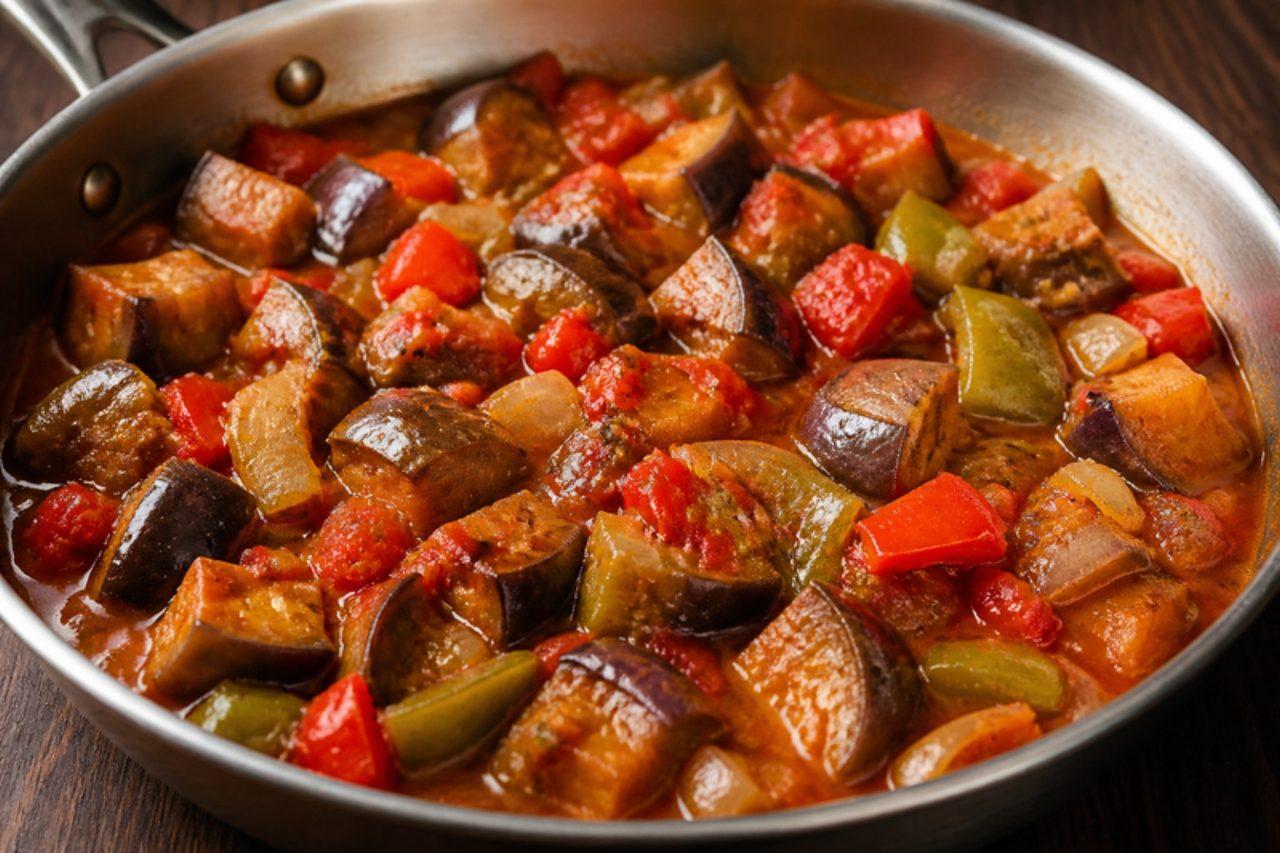
Dominican home cooks make berenjena guisada as a weekday side next to white rice and beans, the aubergine stewed down with tomato, sweet peppers and plenty of dried oregano into a soft, savoury guiso. It is light, quick and good hot or at room temperature. The common mistake is adding all the water at the start, which boils the aubergine grey; let it soak up the oil and sofrito first, then add liquid a little at a time. Chef's tip: rub the dried oregano between your palms as it goes in, to release the oils; Dominican cooks swear by it.

by KrazyBadal 1 views

Jamaican pumpkin rice

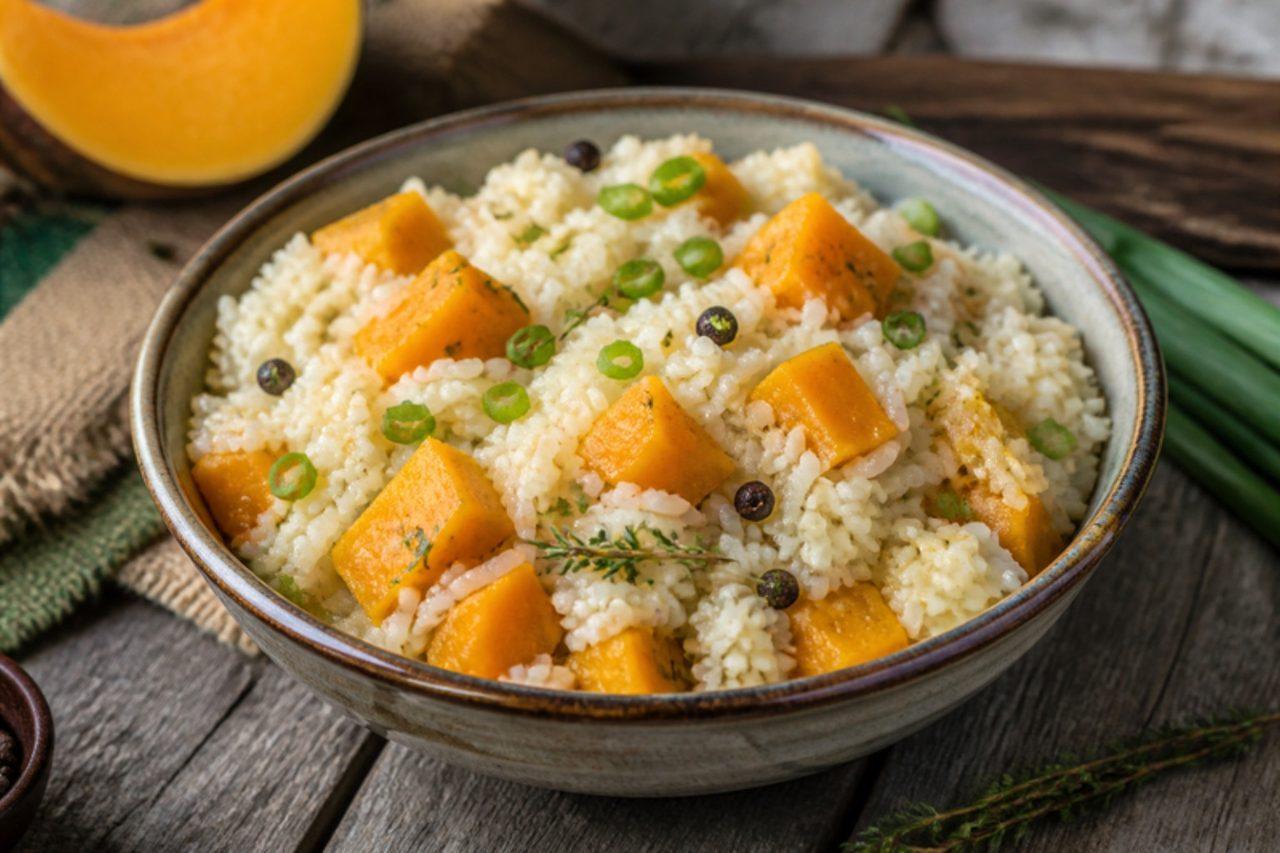
Along the north coast between Montego Bay and Ocho Rios, pumpkin rice turns up beside escovitch fish and steamed vegetables at Sunday lunch, the soft orange squash melting into the grains as they cook. Coconut milk, a sprig of thyme, scallion and a few pimento berries give it a gentle, savoury sweetness, and a whole scotch bonnet adds fragrance without much heat as long as it stays unburst. The common mistake is cutting the pumpkin too small, so it vanishes completely; 2 cm cubes partly melt and partly hold. Serve it with stew peas, jerk tofu or fried plantain. Chef's tip: rinse the rice until the water runs nearly clear, or the starch and pumpkin turn the pot sticky.

by KrazyBadal 0 views

Fries suikerbroodCinnamon sugar bread

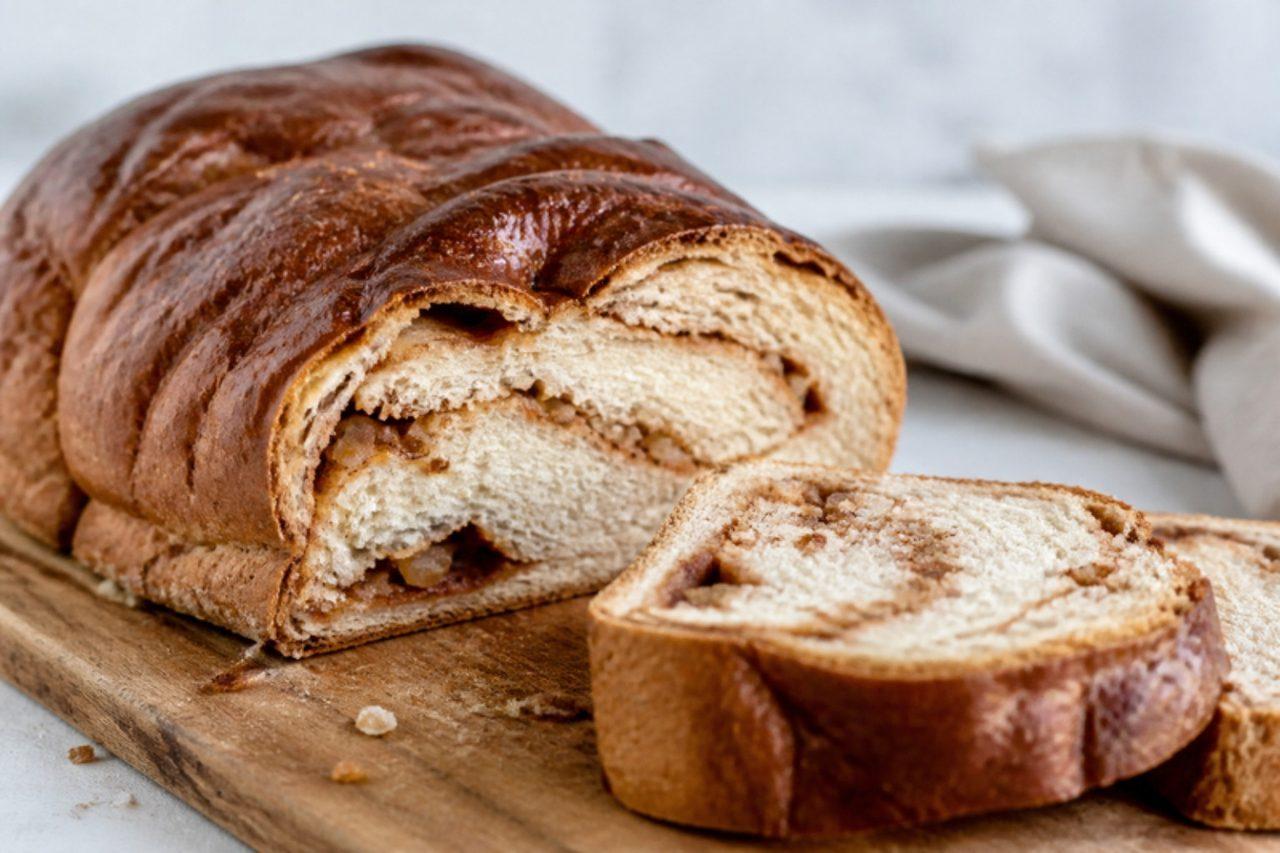
Fries suikerbrood, sûkerbôle in Frisian, is the bread Frisian families bring when a baby is born: a soft white loaf filled with large sugar nibs and cinnamon, so that as it bakes the sugar melts into sticky, crunchy pockets. Leeuwarden bakeries sell it every day, sliced and buttered with coffee. A common mistake is using fine sugar, which dissolves completely; it must be the big pearl sugar nibs. Chef's tip: knead in the sugar only at the end and gently, and bake the loaf in a tin so the melting sugar caramelises against the sides.

by KrazyBadal 0 views

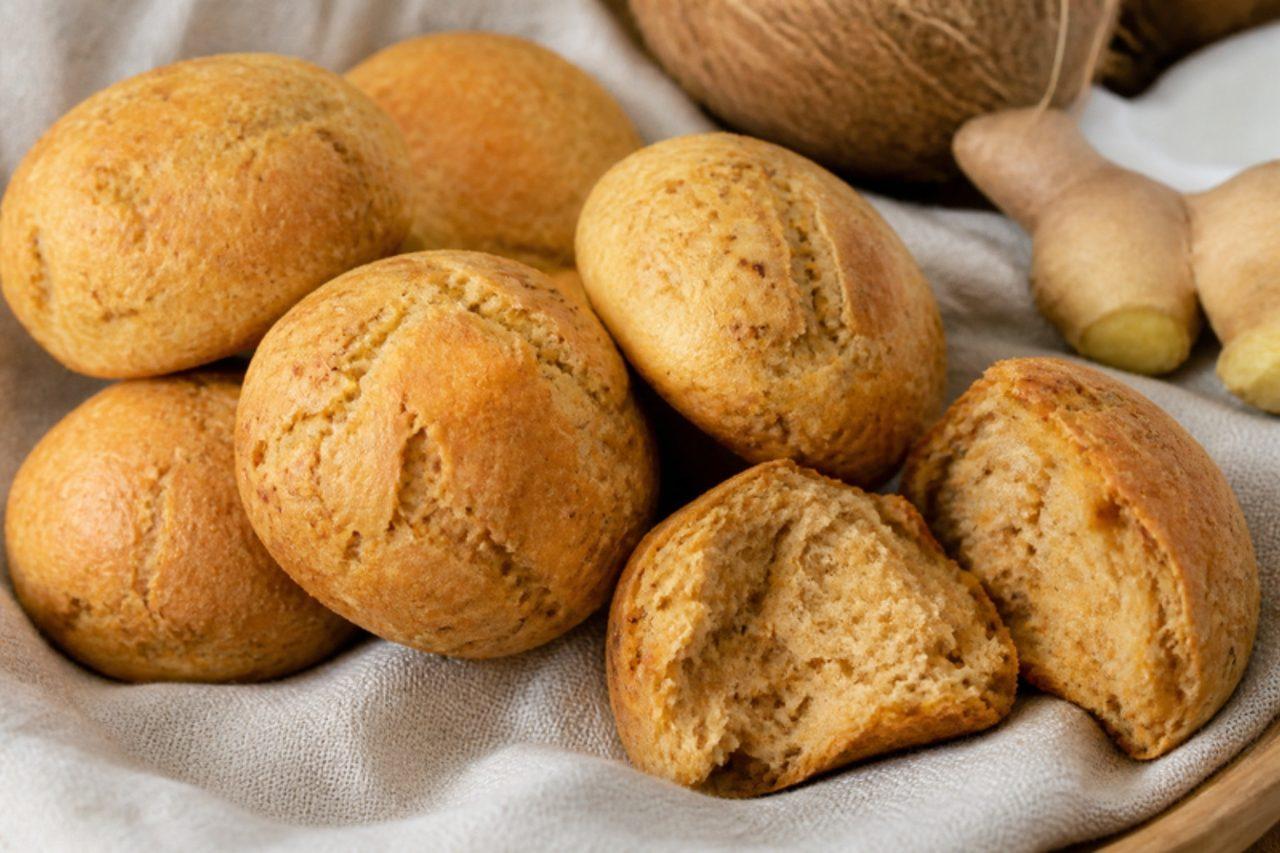
Haitian konparètCoconut ginger spice bread

Jérémie, at the far western tip of Haiti, is the home of konparèt, dense round loaves of spiced bread made with grated coconut, fresh ginger, nutmeg and vanilla, baked until firm and golden. They are a Grand'Anse travelling food, carried home from the coast in baskets and eaten with coffee or hot cocoa in the afternoon. They are meant to be firm and close-crumbed, not fluffy, so the mistake is adding extra liquid to make the dough soft. Use freshly grated coconut if you can, as it gives the moistest crumb. Chef's tip: grate the ginger on the fine side of the grater and squeeze its juice into the dough too; that heat is the signature of a good konparèt.

by KrazyBadal 0 views

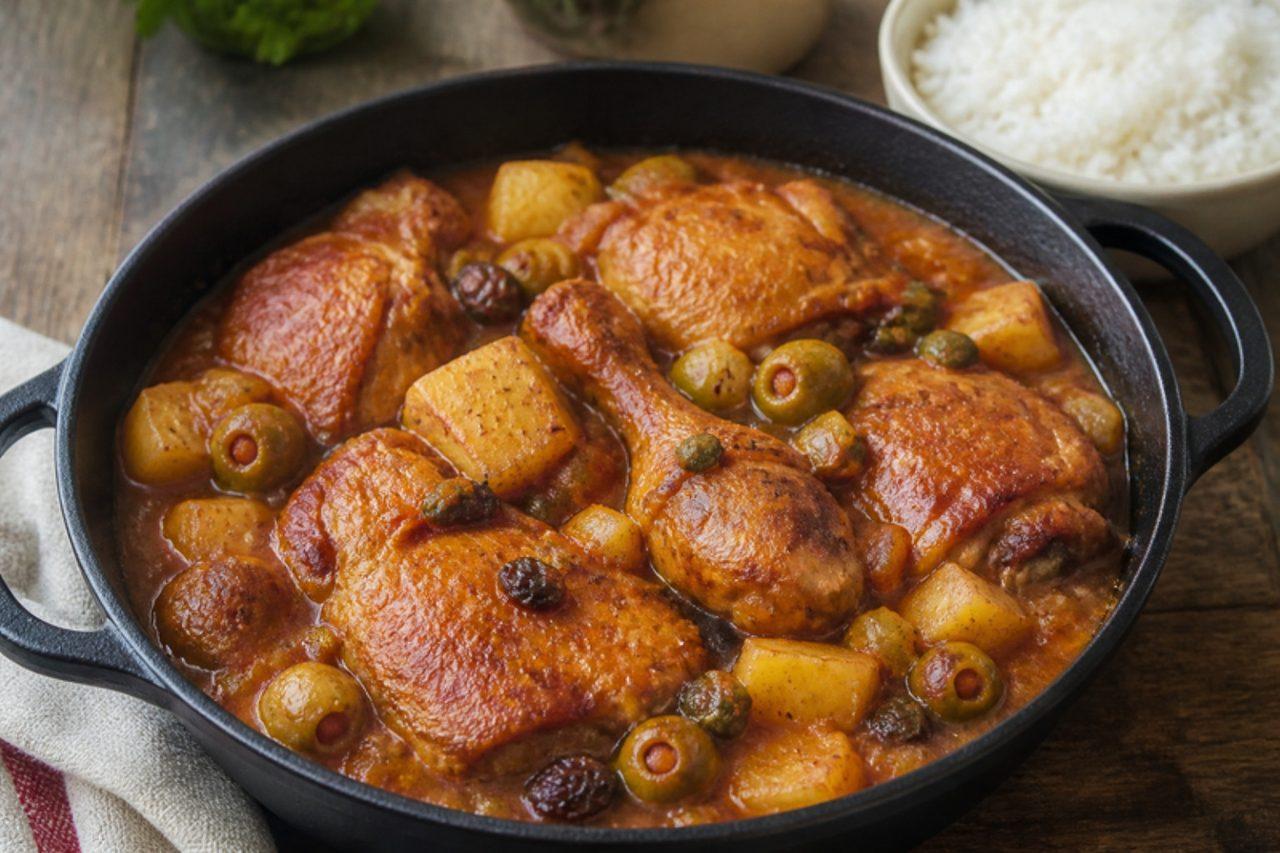
Fricasé de polloChicken stew with olives and raisins

Fricasé de pollo is a family dinner all over Cuba: chicken pieces marinated in sour orange and garlic, browned, then simmered with potatoes, green olives, capers and a few raisins in a light tomato sauce. The sweet-salty balance is what makes it so Cuban. A frequent mistake is skipping the marinade time; even an hour in the fridge seasons the meat right through. Serve with white rice. Chef's tip: add the raisins with the potatoes rather than at the start, so they plump up but don't melt into the sauce.

by KrazyBadal 0 views

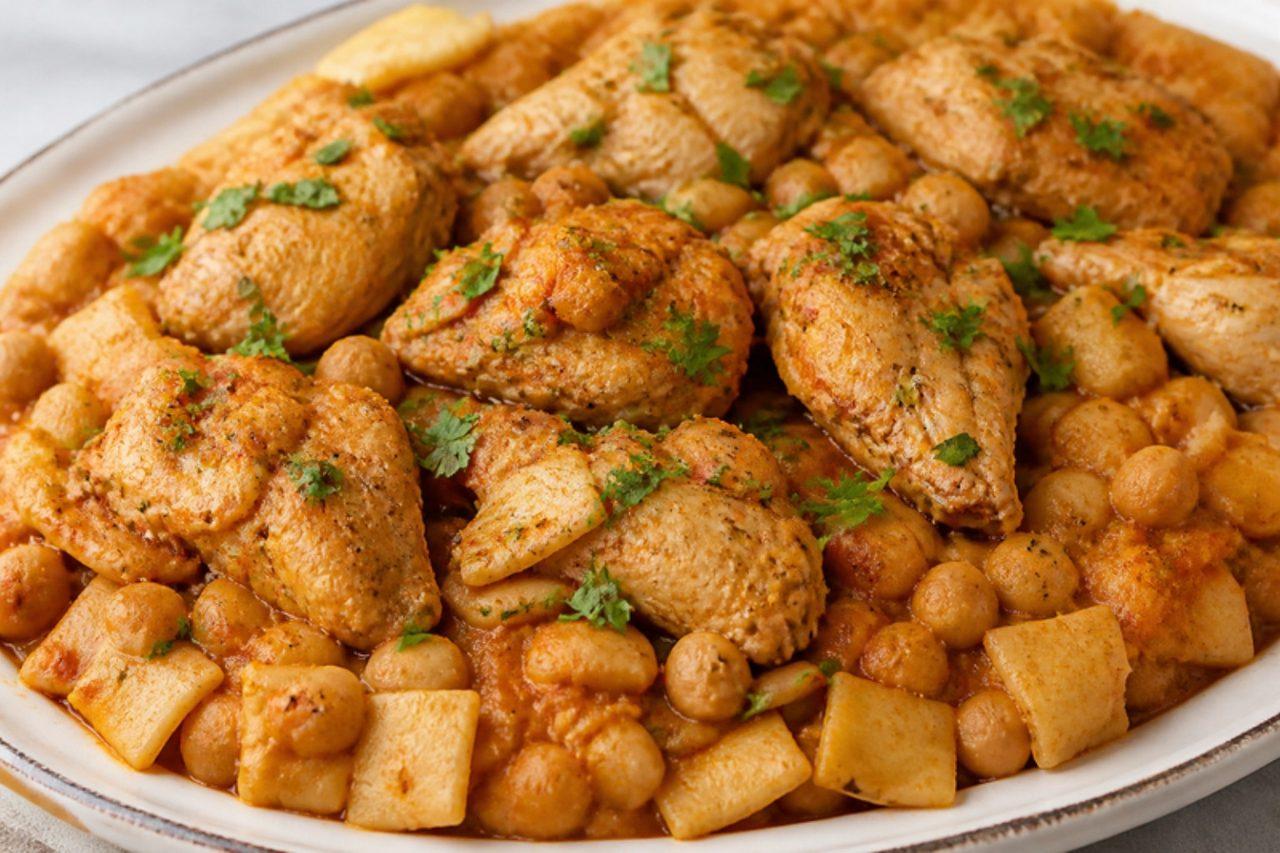
Trida (steamed pasta squares in chicken sauce)

Making trida is an afternoon's work shared around a Constantine kitchen table, especially before Mawlid or a family celebration: a firm semolina dough is rolled paper-thin, cut into small squares, dried, and then steamed twice over a pot of chicken and chickpea sauce flavoured with cinnamon and a touch of tomato. The squares come out tender with a slight bite, glossy with butter and sauce, and are piled on a platter under the chicken. A pasta machine saves a lot of rolling. Chef's tip: dust the cut squares well with semolina and let them dry for half an hour; damp squares are the usual mistake and stick into a single mass in the steamer.

by KrazyBadal 0 views

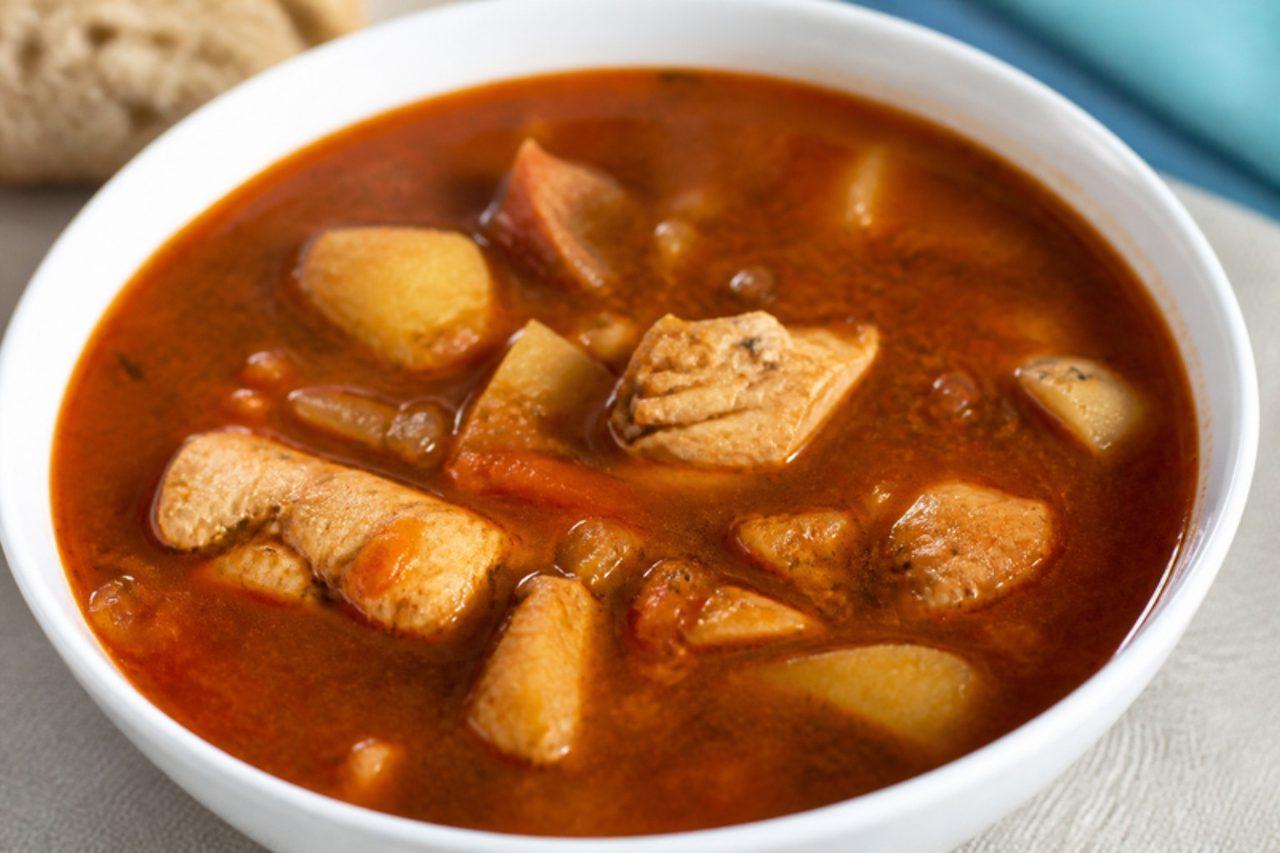
Bermuda fish chowder

Bermudians call fish chowder their national dish, and every Sunday brunch and Cup Match picnic has a pot of it: a dark, thick soup made from a long-simmered fish-head stock with tomatoes, vegetables and white fish, seasoned at the table with a splash of black rum and sherry peppers sauce (hot peppers steeped in sherry). This recipe contains alcohol in those optional table seasonings; for an alcohol-free bowl, use a few drops of hot pepper sauce and a little molasses instead. The mistake to avoid is a thin, watery stock; the bones must simmer long enough to give body. Ask your fishmonger for heads and frames from white fish, gills removed. Chef's tip: let the finished chowder rest for 30 minutes before serving; it thickens and the flavours deepen.

by KrazyBadal 0 views

Arroz con maízRice with sweetcorn

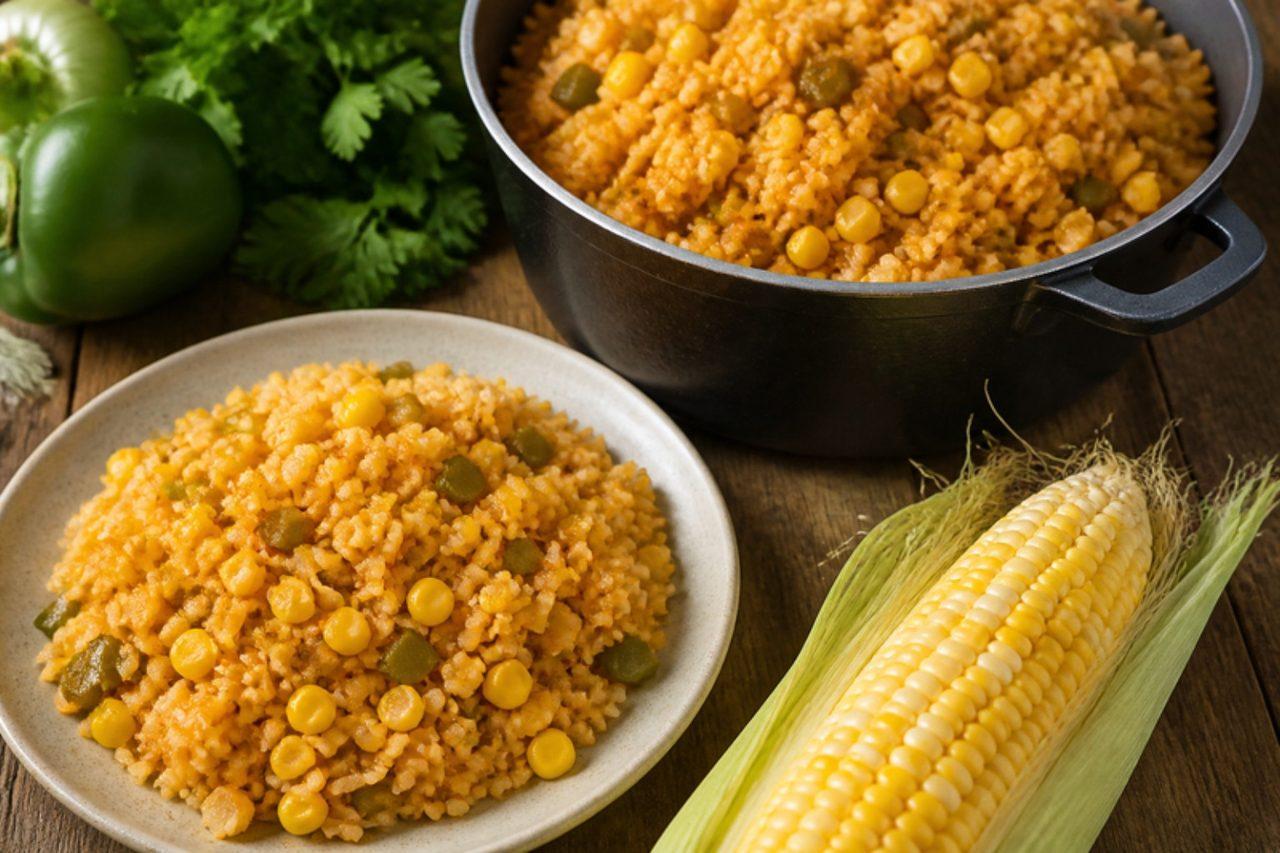
In central Cuba, when the fields are full of young corn, families cut the kernels straight off the cob into the rice pot with a sofrito of onion, pepper, garlic and annatto, cooking everything together until golden and sticky at the base. Many farm cooks add salt pork; this vegan version leans on cumin and a little smoked paprika. A common mistake is using too much water, as fresh corn releases its own milk, so keep to the amounts given. Serve with black beans or a tomato and avocado salad. Chef's tip: scrape the cobs with the back of the knife after cutting off the kernels and add that milky pulp; it gives the rice a creamy sweetness.

by KrazyBadal 0 views

Frikandel speciaalSausage with mayo and onion

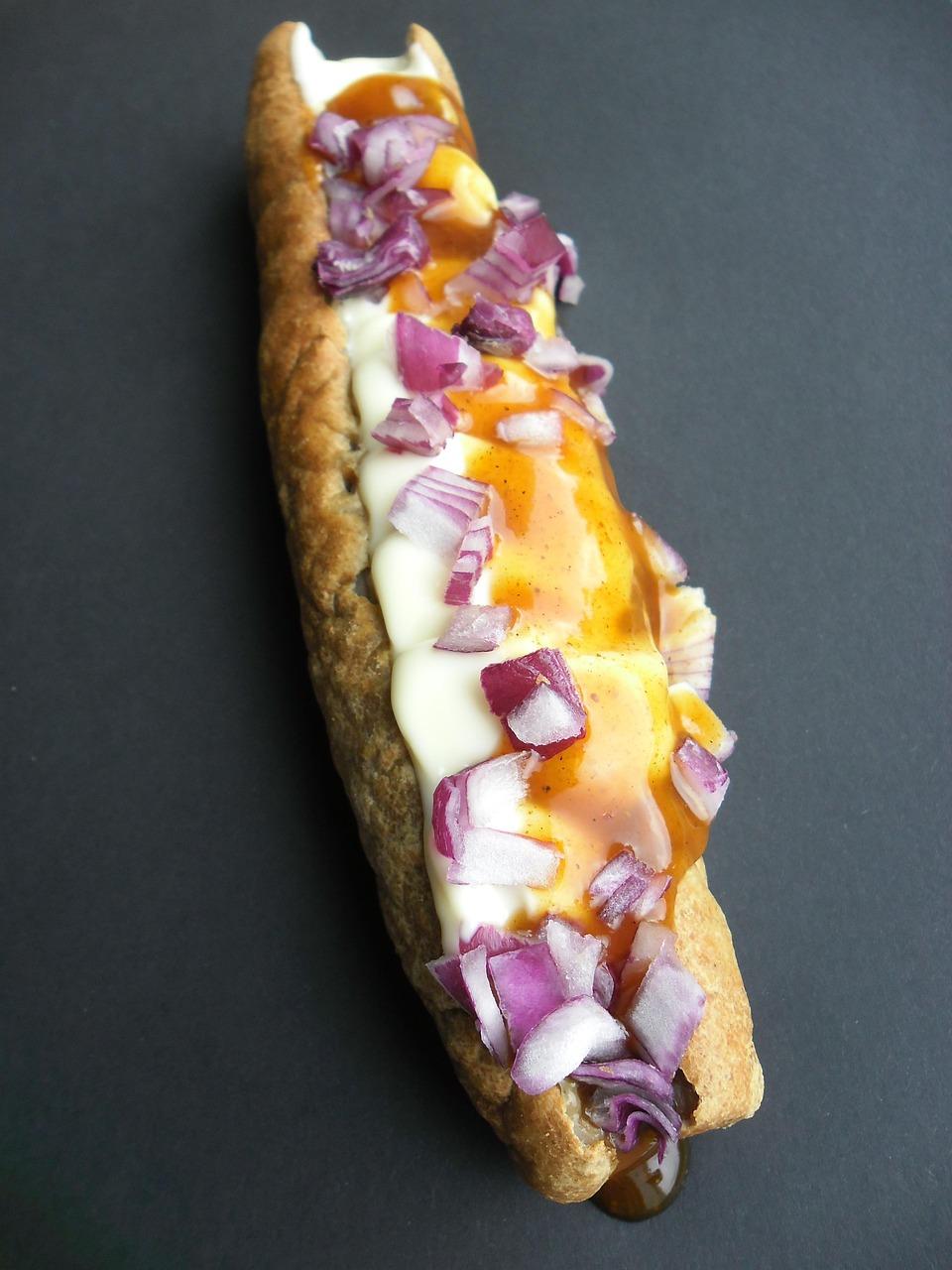
The frikandel is the snack-bar sausage of the Netherlands, fried from frozen in every cafetaria and eaten at football matches and after a night out: a long, skinless sausage of finely minced meat, and 'speciaal' means split open and topped with mayonnaise, curry ketchup and raw chopped onion. Factory frikandellen use a mix of meats; this homemade version uses beef and pork mince, so it contains pork. A common mistake is skipping the poaching step, so the sausages break up in the fryer. Chef's tip: roll them in cling film and poach first, then chill; they hold their shape and fry crisp in minutes. Minced meat must reach 71 °C.

by KrazyBadal 0 views

Fuži s tartufimaHand-rolled pasta with truffle

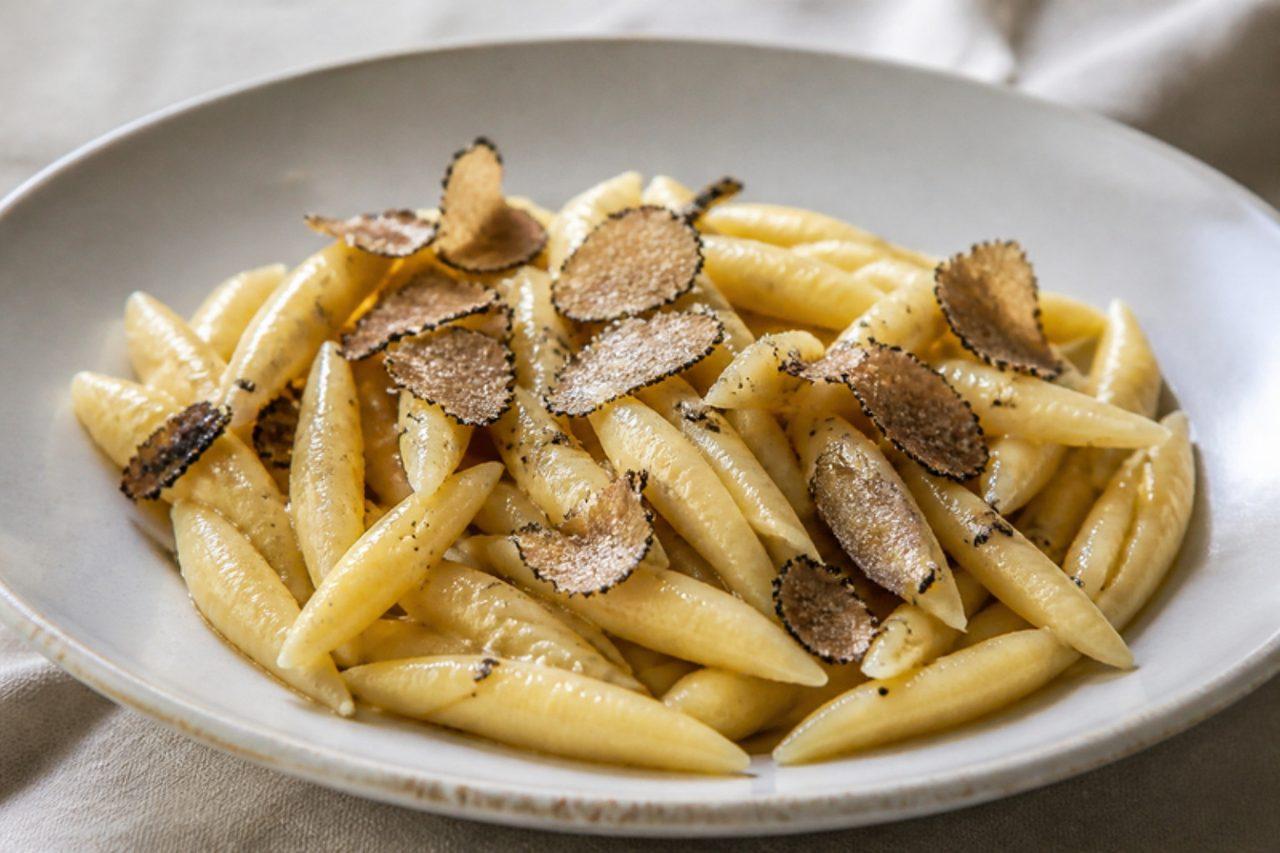
Autumn in the Mirna valley of inland Istria, around Motovun and Buzet, means truffle hunters and dogs in the oak woods and plates of fuži in every village konoba. Fuži are small squares of egg pasta wrapped round a stick into quills, and here they are tossed with butter, a splash of their cooking water and grated truffle, so each one carries a glossy, earthy coat. Fresh black or white truffle is best; a little truffle paste works too, but read the label and avoid products that rely on artificial truffle aroma. The aged hard cheese is often made with animal rennet, so choose a vegetarian hard cheese if you need to. Where most people go wrong is cooking the truffle: heat kills its scent, so add it off the heat. Chef's tip: store the fresh truffle overnight in a closed jar in the fridge with the eggs for the dough; they soak up its perfume through the shell.

by KrazyBadal 0 views

ArikanchanTaro leaf rolls in mustard gravy

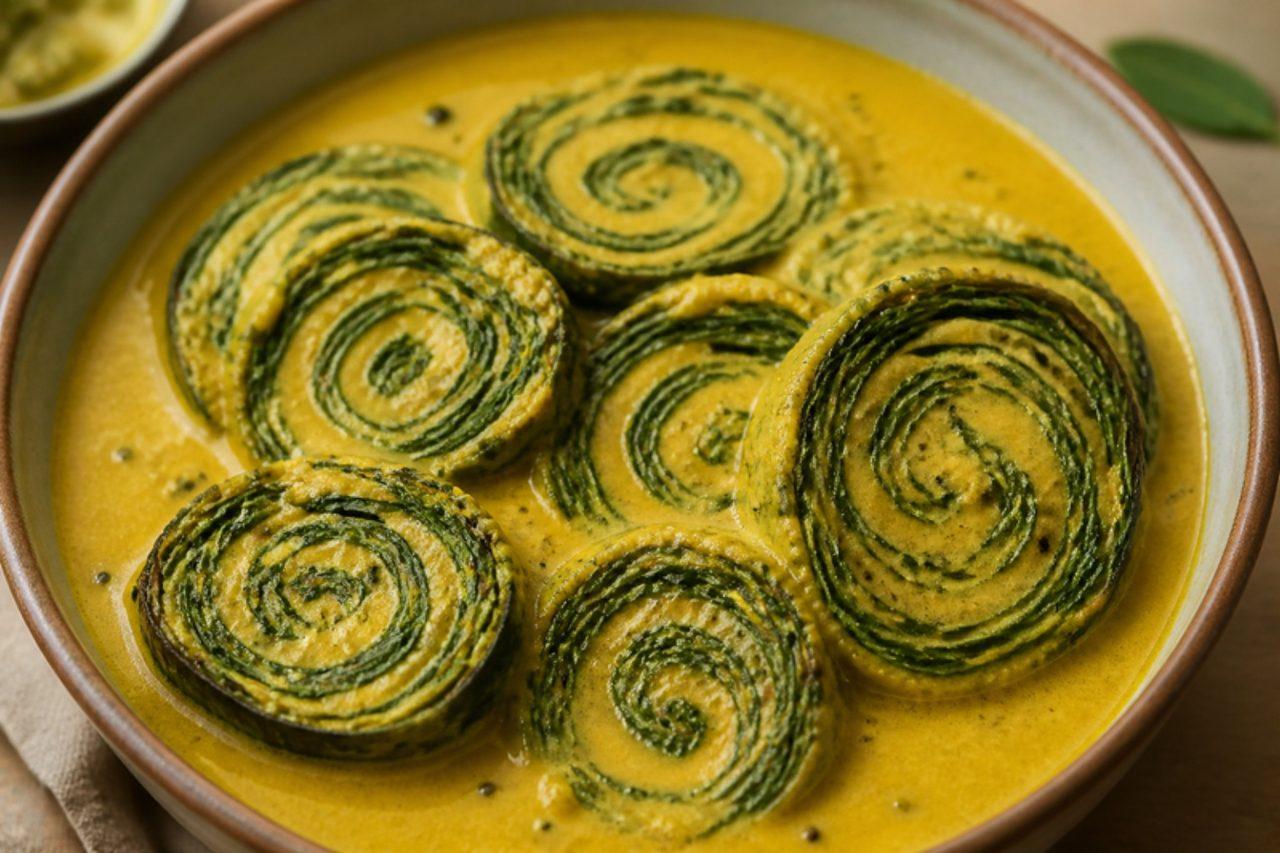
Arikanchan is a monsoon speciality of Maithil kitchens in Janakpur and the eastern Terai, cooked when the taro plants in the courtyard put out huge, tender leaves. A spiced chickpea-flour paste is spread over the leaves, which are rolled up tight like a Swiss roll and steamed, then the rolls are sliced into spirals, fried and simmered in a punchy gravy of ground mustard seed, garlic, chilli and tomato cooked in mustard oil. The result is soft and layered, with a gentle sourness and the nose-tingling heat of fresh mustard, eaten with rice and a dal. The biggest risk is undercooking the taro leaves, which can leave an itchy, scratchy feeling in the throat. Chef's tip: use only young leaves, strip the thick ribs, and always include the tamarind in the paste, because the sourness neutralises the irritant in the leaves.

by KrazyBadal 0 views

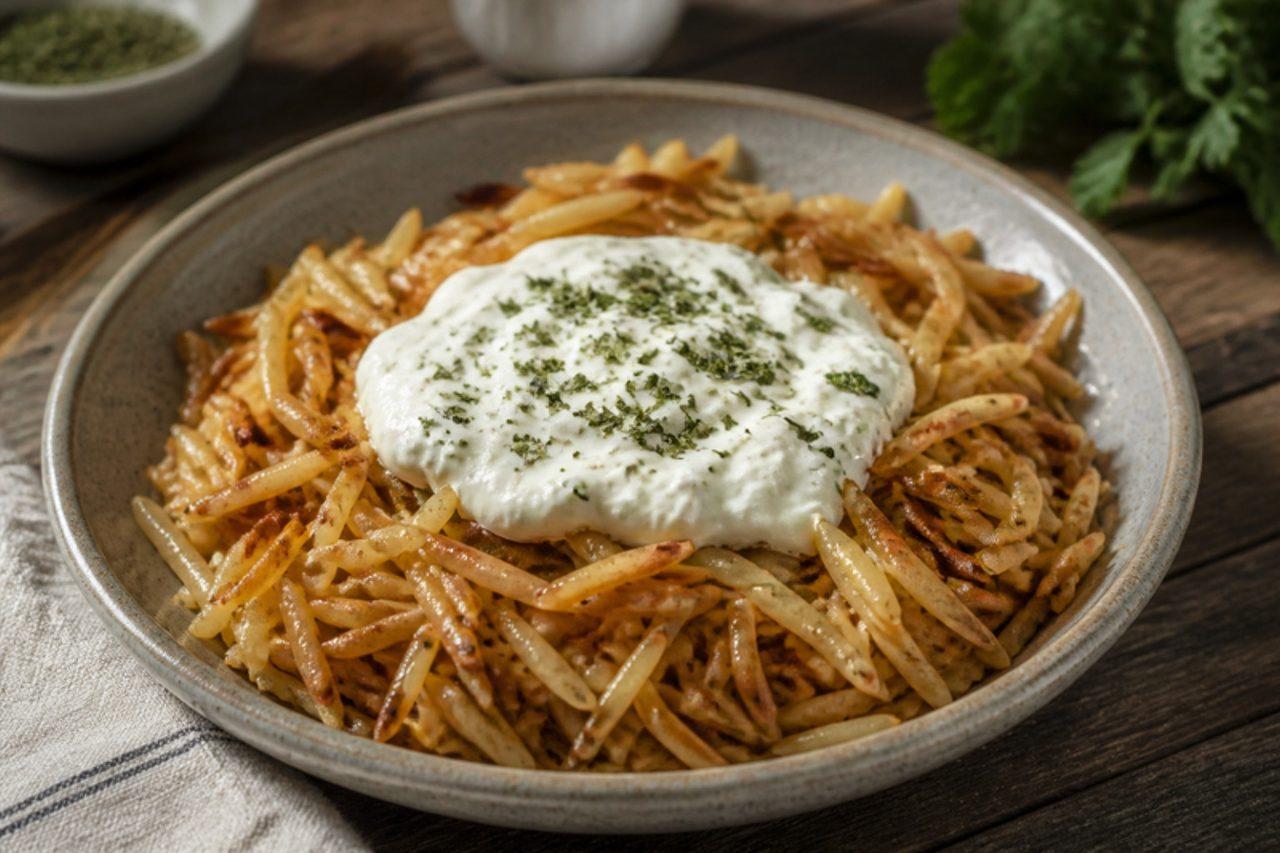
ArishtaButtered egg noodles

In Gyumri and the villages of Shirak, grandmothers still roll arishta by hand, cut it into thin strips and dry it in the sun to store for winter. To serve, the noodles are first toasted in butter until they turn golden and nutty, then boiled until tender and topped with garlicky matsun yogurt. It is simple, filling food for cold days on the Shirak plateau. A common mistake is skipping the toasting step, which gives soft, plain noodles without the characteristic roasted flavour. Chef's tip: dry the cut noodles for at least an hour before toasting, so they brown evenly instead of clumping.

by KrazyBadal 0 views

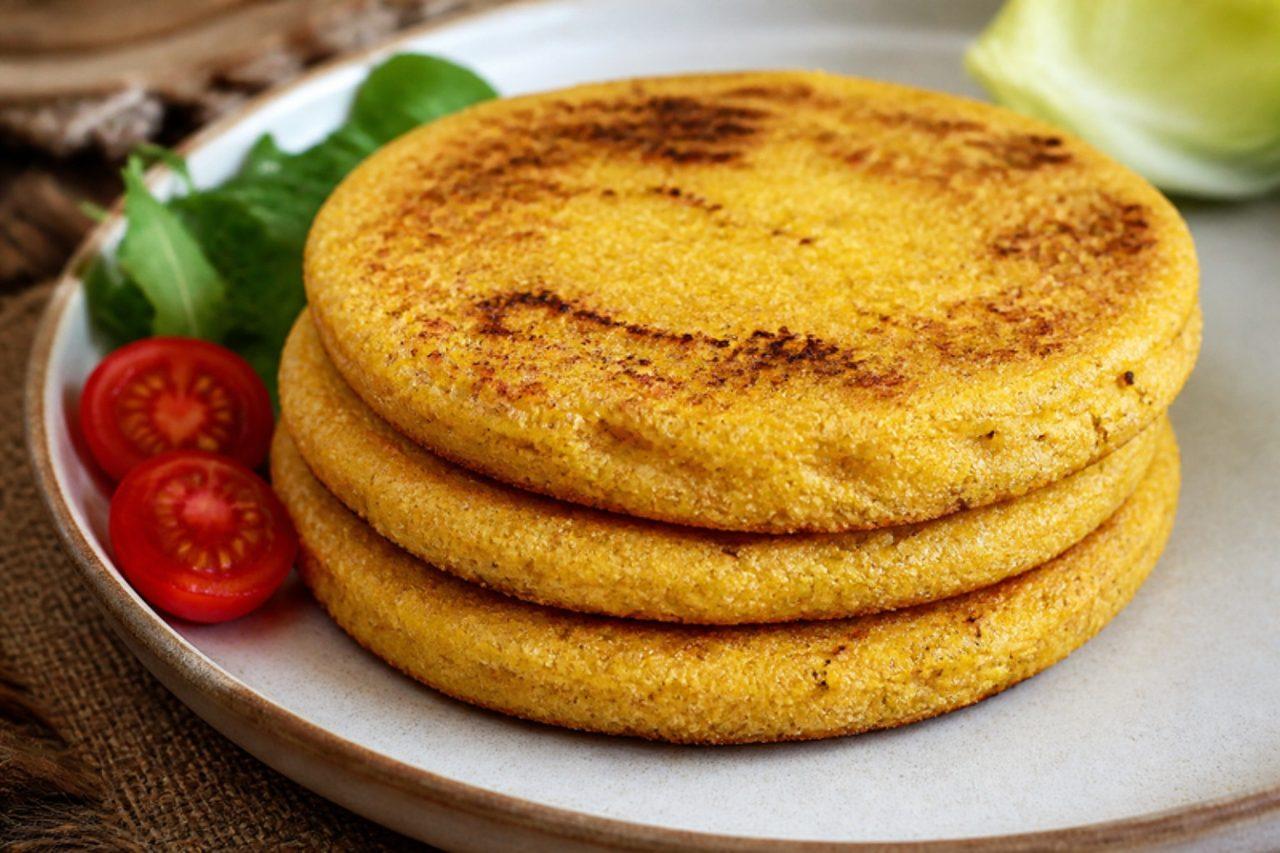
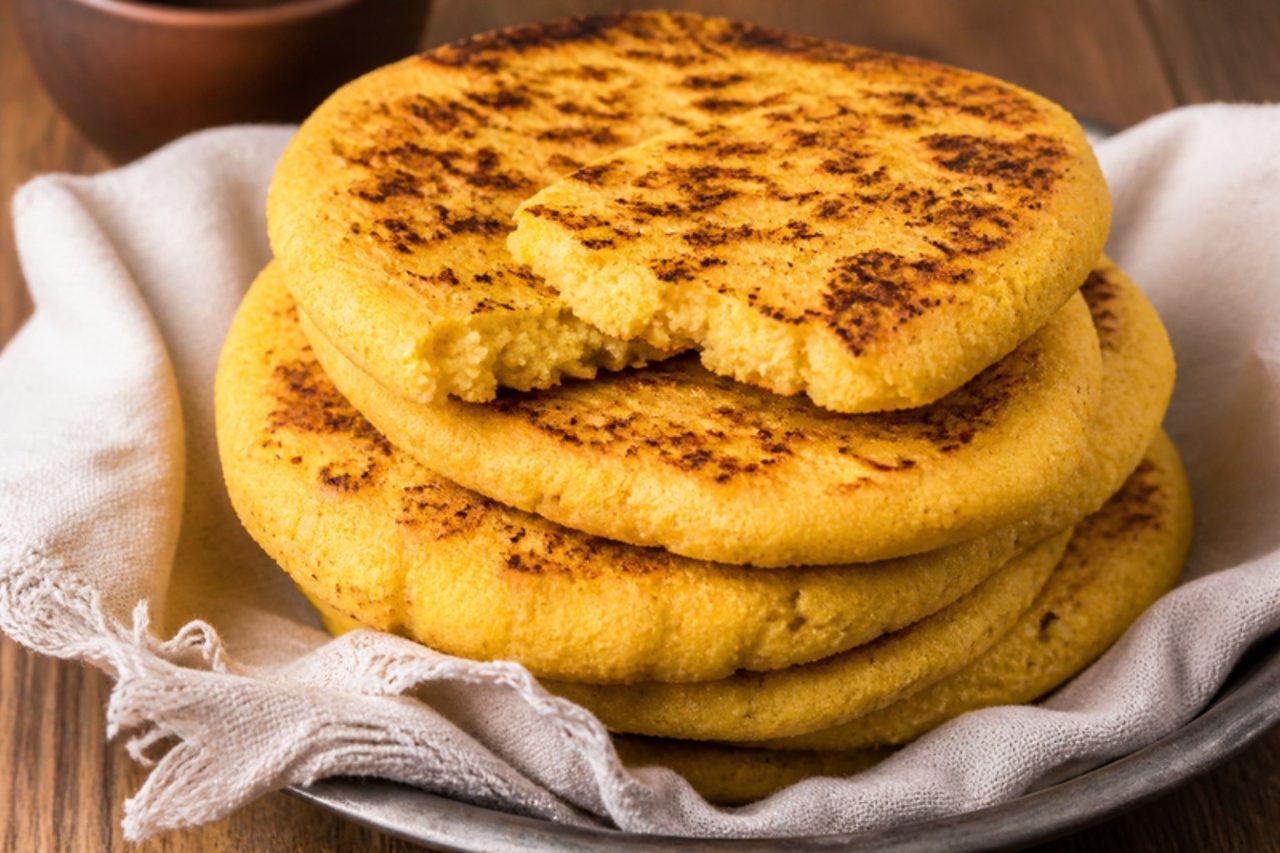
Muufo (Somali maize flatbread)

Along the southern Somali coast and in the farming areas of the Shabelle valley, muufo is baked by pressing rounds of maize dough against the hot inner wall of a clay oven, where they puff and char in minutes. The bread is thick, a little sweet from the corn and slightly tangy, and its dimpled surface is perfect for soaking up digir, maraq or a drizzle of sesame oil and sugar at breakfast. At home a heavy pan and a very hot grill do a good job. Most cooks mix maize flour with some wheat flour so the dough holds together; this version uses yeast and oil, so it is vegan. The usual mistake is an oven or pan that is not hot enough, which gives a pale, dense bread; let the pan heat for a full 5 minutes. Chef's tip: wet your hands when shaping, as the sticky dough is far easier to pat out.

by KrazyBadal 0 views

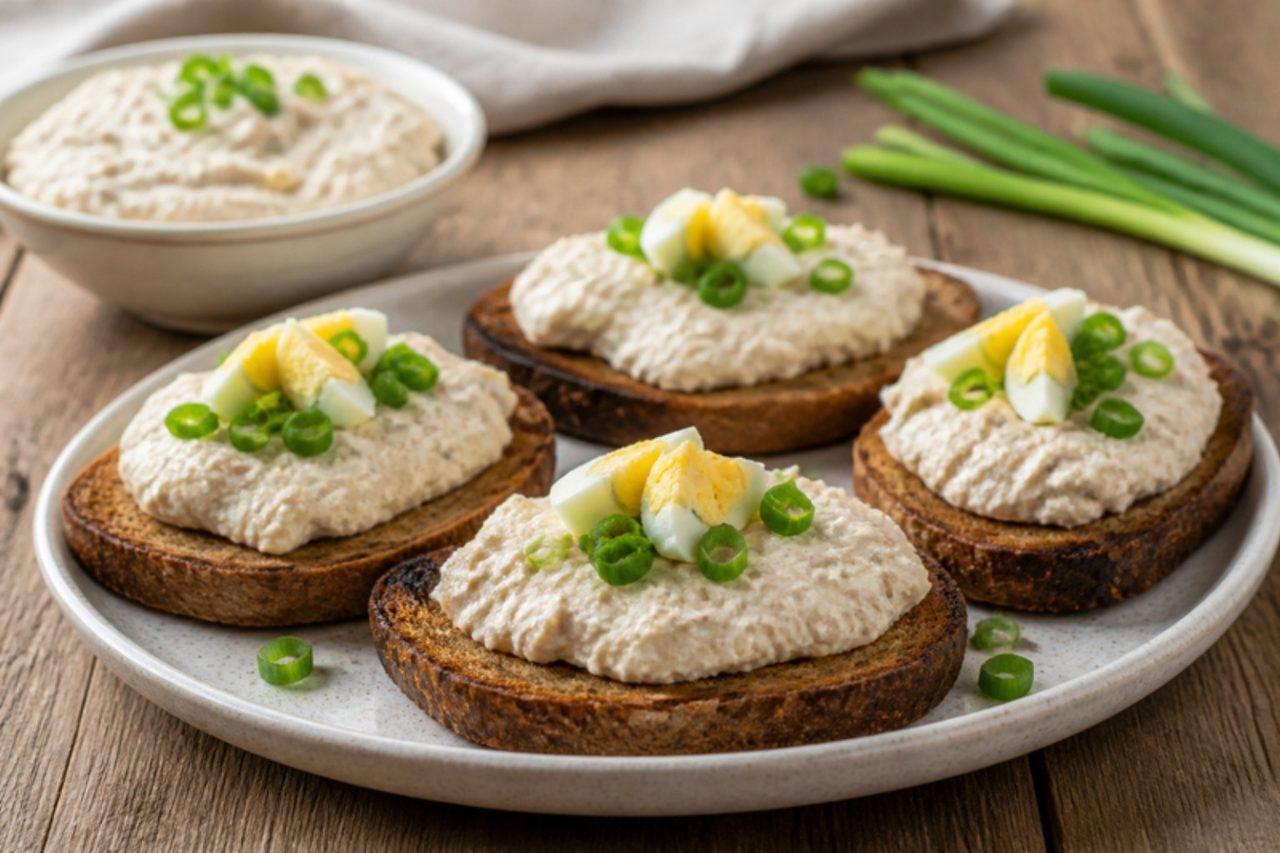
ForshmakChopped herring pâté

Forshmak came to Odesa with its Jewish community and became a citywide favourite, spread on toast at family celebrations, in Moldavanka courtyards and on restaurant zakuska boards. Salted herring is chopped with tart apple, hard-boiled egg, onion and bread soaked in milk, then whipped with soft butter into a pale, creamy pâté that is salty, sweet and gently sharp all at once. Serve it on toasted rye or white bread with spring onion. Herring for forshmak is cured but not cooked, so buy ready-salted fillets from a good fishmonger, commercially prepared or previously frozen, keep everything cold and eat within 2 days; it is not for pregnant women, young children or anyone with a weakened immune system. Blitzing it to a smooth paste is the usual error; Odesa cooks like a little texture. Chef's tip: grate the apple at the last moment and add a squeeze of lemon, so it stays white and fresh.

by KrazyBadal 0 views

Shoti bread

Every Kakhetian village has a bakery where the baker leans into a round, pit-like tone oven and slaps long, pointed loaves onto its hot clay wall; the bread comes out crackly at the tips and soft in the middle, and it is bought warm every morning in Telavi and Sighnaghi. Shoti is just flour, water, yeast and salt, so the shape and the blast of heat do the work. At home a pizza stone or an upturned heavy baking tray, heated for a long time, gives a good copy. A common mistake is a dry, stiff dough; it should be soft enough to stretch into a long canoe without tearing. Chef's tip: spray the oven walls with water as the bread goes in; the burst of steam gives the blistered, glossy crust of the tone.

by KrazyBadal 0 views

Arepa di pampunaCinnamon pumpkin pancakes

Curaçao and Aruba use the word arepa differently from their South American neighbours: arepa di pampuna are not corn arepas but small, sweet pumpkin pancakes, fried in a little oil and eaten warm for breakfast, or alongside a bowl of soup or stoba at lunch. The mashed pumpkin makes them tender and bright orange, with cinnamon and a little sugar. The mistake is too much flour, which makes them dense; the batter should be thick but soft. Chef's tip: cook the pumpkin the day before and drain it overnight in the fridge for the lightest pancakes.

by KrazyBadal 0 views

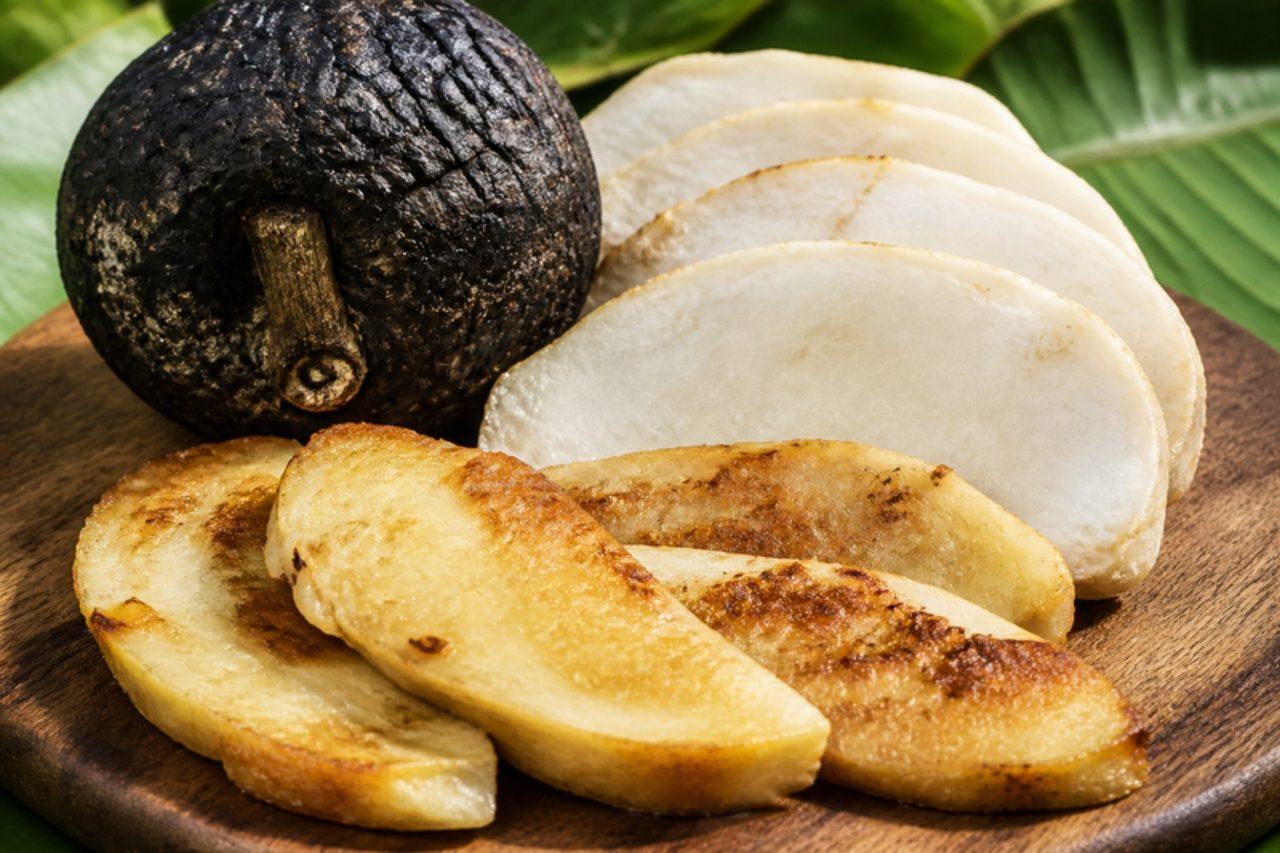
Jamaican roast breadfruit

Portland roadsides smell of smoke when breadfruit is in season, with whole fruit sitting straight in wood fires until their green skins turn black. Inside, the flesh steams to a soft, fragrant cream somewhere between potato and fresh bread, and it is eaten in thick slices with ackee and saltfish, callaloo or a knob of butter, or fried the next morning. People often pick a fruit that is either too ripe (it turns mushy and sweet) or too young (it stays hard and gluey); you want a heavy, firm one with a little sap beading on the skin. A gas hob or a hot oven works when there is no open fire. Chef's tip: cut a small cross in the stem end before roasting so steam can escape, and push a skewer into it to check doneness without opening the fruit.

by KrazyBadal 0 views

Aiyu jelly with lemonAiyu fig jelly with lemon

Squeezing a little cloth bag of seeds in a bowl of water until it turns into jelly sounds like a magic trick, yet that's how aiyu has been made for well over a century in Chiayi, at the foot of the Alishan hills where the climbing fig grows wild. The pectin in the dried seeds sets the water into a soft, glassy, pale-gold jelly with almost no taste of its own, so it's cut into cubes and served icy cold with tart lemon juice and honey syrup, the most refreshing thing on a sticky Taipei summer afternoon. The classic failure is a bowl that won't set, usually because the bowl was oily or the water was distilled or very soft; it needs ordinary tap or mineral water. Chef's tip: rub the bag steadily for 8–10 minutes and stop as soon as it feels slippery and nothing more comes out, or the jelly turns cloudy and bitter.

by KrazyBadal 0 views

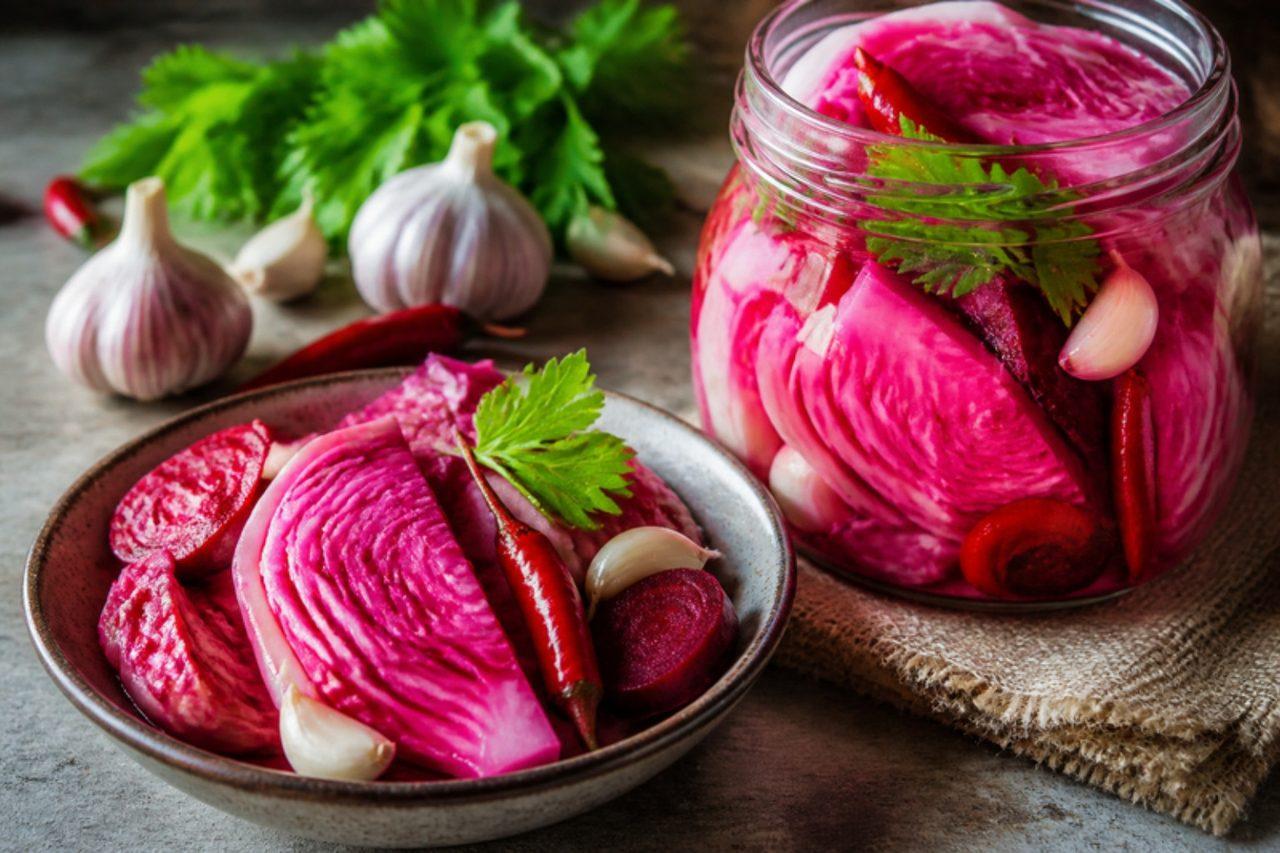
Gurian pickled cabbage

Gurian pickled cabbage turns heads at the Ozurgeti market: whole cabbage wedges stained deep pink by beetroot, layered with garlic, celery leaves and hot pepper and left to ferment in brine until crunchy and sour. Families in Guria put up big crocks in late autumn for the winter and the New Year table, and serve it beside fatty pork, beans and cornbread. A common mistake is using iodised salt, which can stop the ferment and darken the pickle. Chef's tip: keep the jar at cool room temperature for the first few days, then move it to the fridge once it tastes pleasantly sour, so it stays crisp.

by KrazyBadal 0 views

Arepa dominicanaSweet cornmeal coconut cake

Not the stuffed corn patty of Venezuela: in the Dominican Republic arepa means a dense, sweet cornmeal cake that grandmothers once baked in a covered pot with hot coals on the lid. The cornmeal is first cooked with coconut milk, milk, butter, sugar and cinnamon into a thick porridge, then baked until it sets with a dark, caramelised crust and a soft, pudding-like centre. It is eaten at merienda with coffee or a glass of cold milk. The common mistake is not cooking the cornmeal long enough on the hob, which leaves the cake gritty. Chef's tip: let the arepa cool completely before slicing; warm, it is too soft to cut cleanly.

by KrazyBadal 0 views

FrenaShabbat flatbread

In Moroccan-Jewish homes from Ashdod to Kiryat Shmona, frena comes out of the oven on Friday afternoon and sits on the Shabbat table beside a dozen little salads: carrots with cumin, matbucha, beetroot, roasted peppers. The dough is wet and soft, pressed into a pan pooled with olive oil, so the base fries as it bakes and turns crackly while the inside stays airy and chewy. It is torn, never sliced, and dragged through the salads. The usual mistake is adding flour until the dough feels easy to handle; a stiff dough gives a dense, bready frena. Chef's tip: dimple the risen dough hard with oiled fingers right down to the pan, so the oil rises into the pockets and every bite has a crisp edge.

by KrazyBadal 0 views

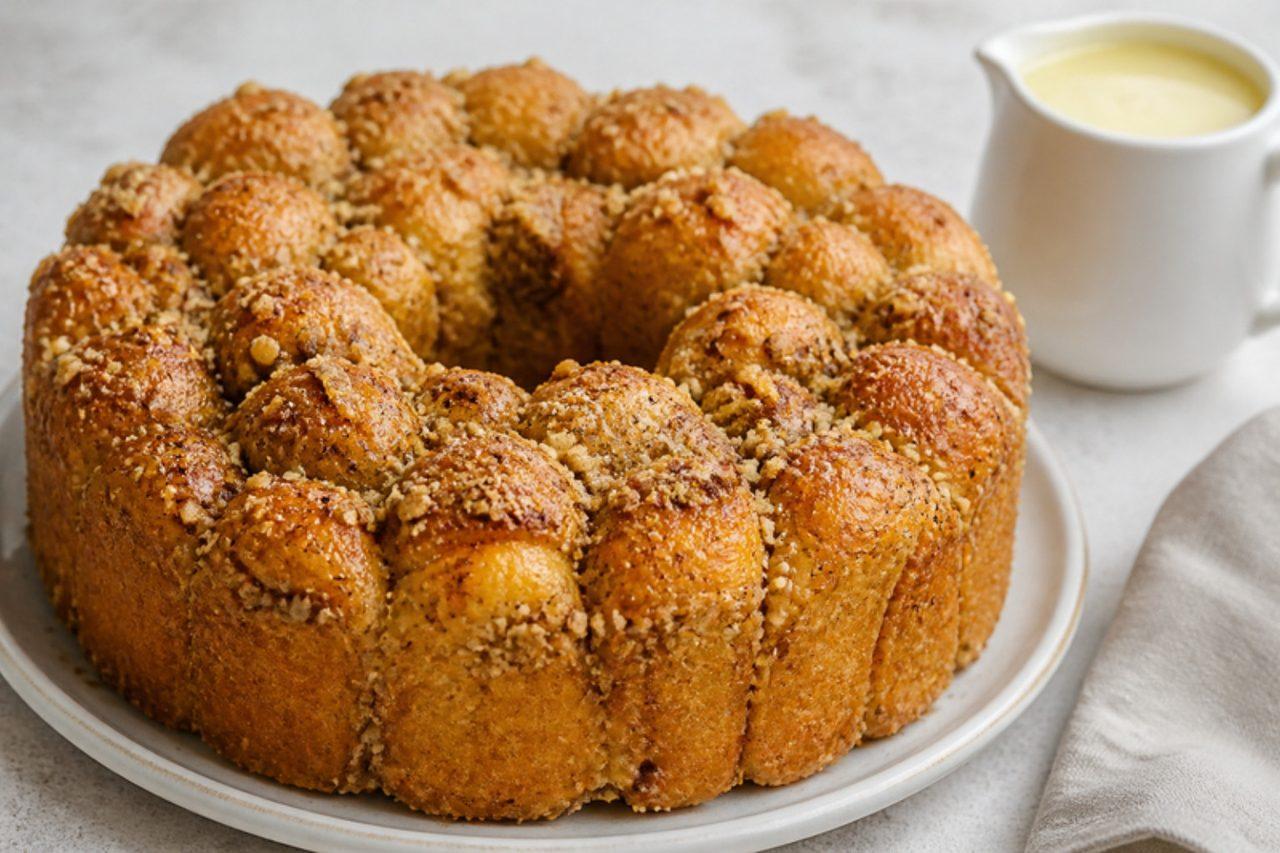
AranygaluskaGolden walnut yeast dumplings

Aranygaluska means golden dumplings, and the pull-apart cake really does come out of the oven bronze and gleaming. Walnut-sized balls of sweet yeast dough are dipped in melted butter, rolled in ground walnuts and sugar, stacked loosely in a ring tin and baked, so the nuts caramelise into a sticky crust. It is a family Sunday pudding all over Hungary and a favourite at school canteens, and Hungarian emigrants took it to America, where it became monkey bread. Pour warm vanilla custard over each helping. Some cooks serve it with a wine custard; this version keeps to vanilla, so it is alcohol-free. Where it goes wrong is packing the balls tightly; leave gaps so they can rise and the walnut coating reaches every side. Chef's tip: spoon a little apricot jam between the layers for a tart note.

by KrazyBadal 0 views

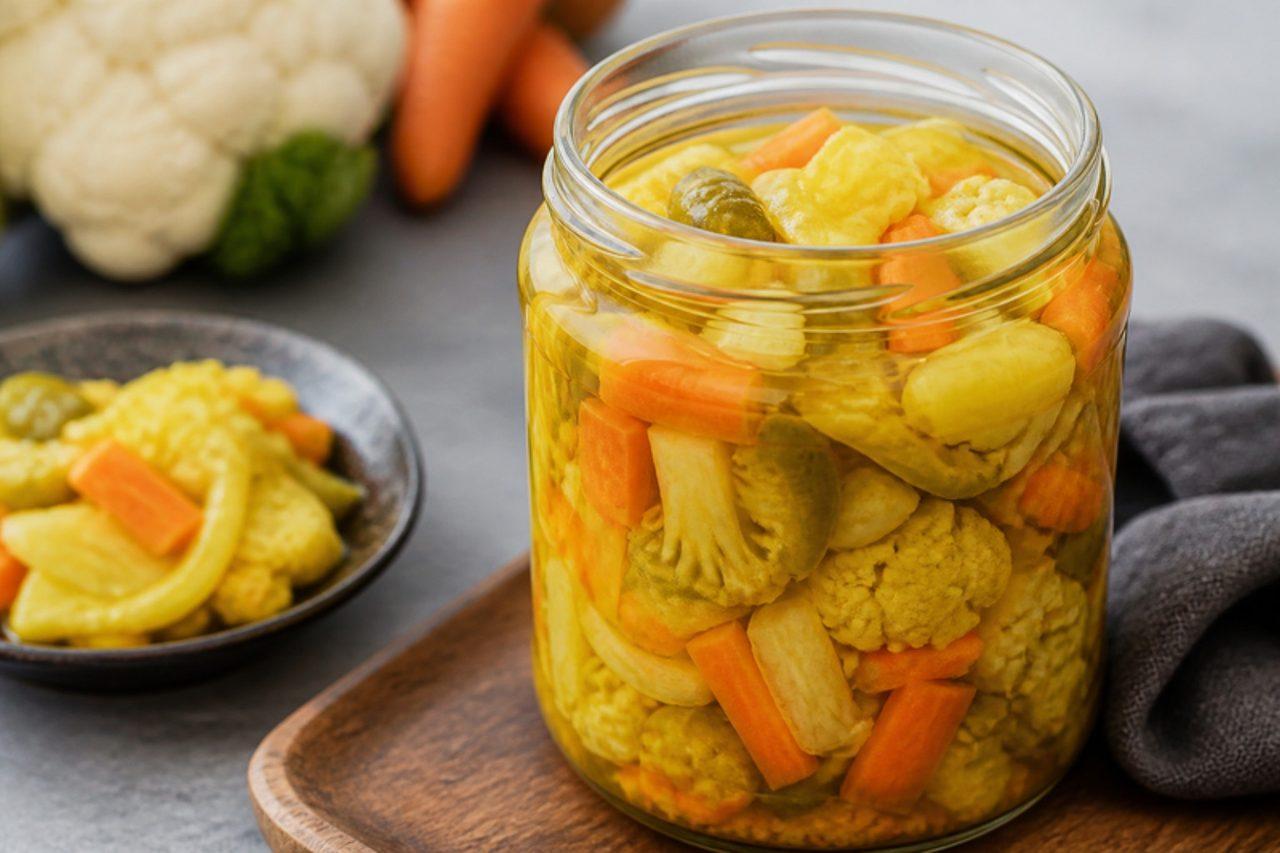
Atjar tjampoerSweet-sour mixed vegetable pickle

Atjar tjampoer is the bright yellow pickle in every Dutch-Indonesian toko and on every rijsttafel: crisp cucumber, carrot, cabbage, cauliflower and shallot pickled in a sweet-sour vinegar brine coloured with turmeric, with a little chilli and ginger. It cuts through rich satay and rendang. A common mistake is cooking the vegetables, which makes them soft; they should only be blanched or simply covered with hot brine. Chef's tip: salt the cucumber first and squeeze it, so it stays crunchy for days.

by KrazyBadal 0 views

Chakhchoukha (torn flatbread in lamb sauce)

Biskra claims chakhchoukha as its own, though Constantine and the whole east cook it for weddings, Eid and the arrival of guests: sheets of thin rougag are torn into small pieces, softened with steam and soaked in a fiery red sauce of lamb, tomato, chickpeas and whole green chillies, then served from one big wooden or clay dish. The bread turns soft and silky, almost like pasta, and soaks up the peppery, deeply savoury sauce. Use homemade rougag or the dried sheets sold in Algerian shops. Chef's tip: moisten the bread with sauce a ladle at a time and toss between additions; pouring it all over at once is the usual mistake, and the bread turns to paste.

120 minAlgerianMeatSpicy
by KrazyBadal 0 views

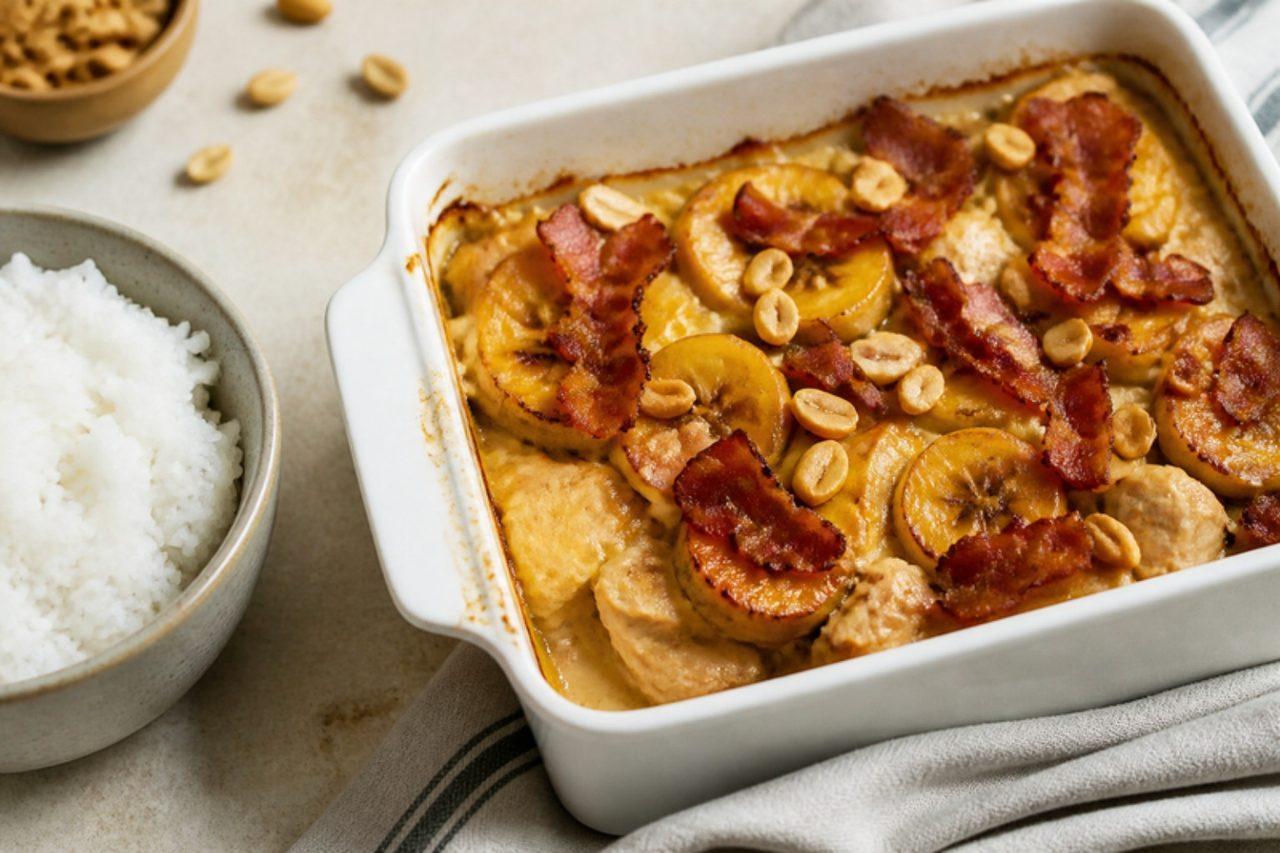
Flygande JacobChicken, banana and bacon bake

Flygande Jacob, 'flying Jacob', was invented in 1976 by Ove Jacobsson, an air-freight worker, and the recipe appeared in a Swedish magazine; within years it was one of the most-made party dishes in Sweden. Cooked chicken is mixed with whipped cream and chilli sauce, layered with sliced banana, baked, then topped with crisp bacon and salted peanuts and served with rice. This dish contains pork, in the bacon. It is sweet, salty and creamy, and gloriously retro. A common mistake is using raw chicken, which leaks juice and makes the sauce thin. Chef's tip: use roast chicken from the day before; it must already be cooked to 74 °C.

by KrazyBadal 0 views

Taiwanese radish omelette

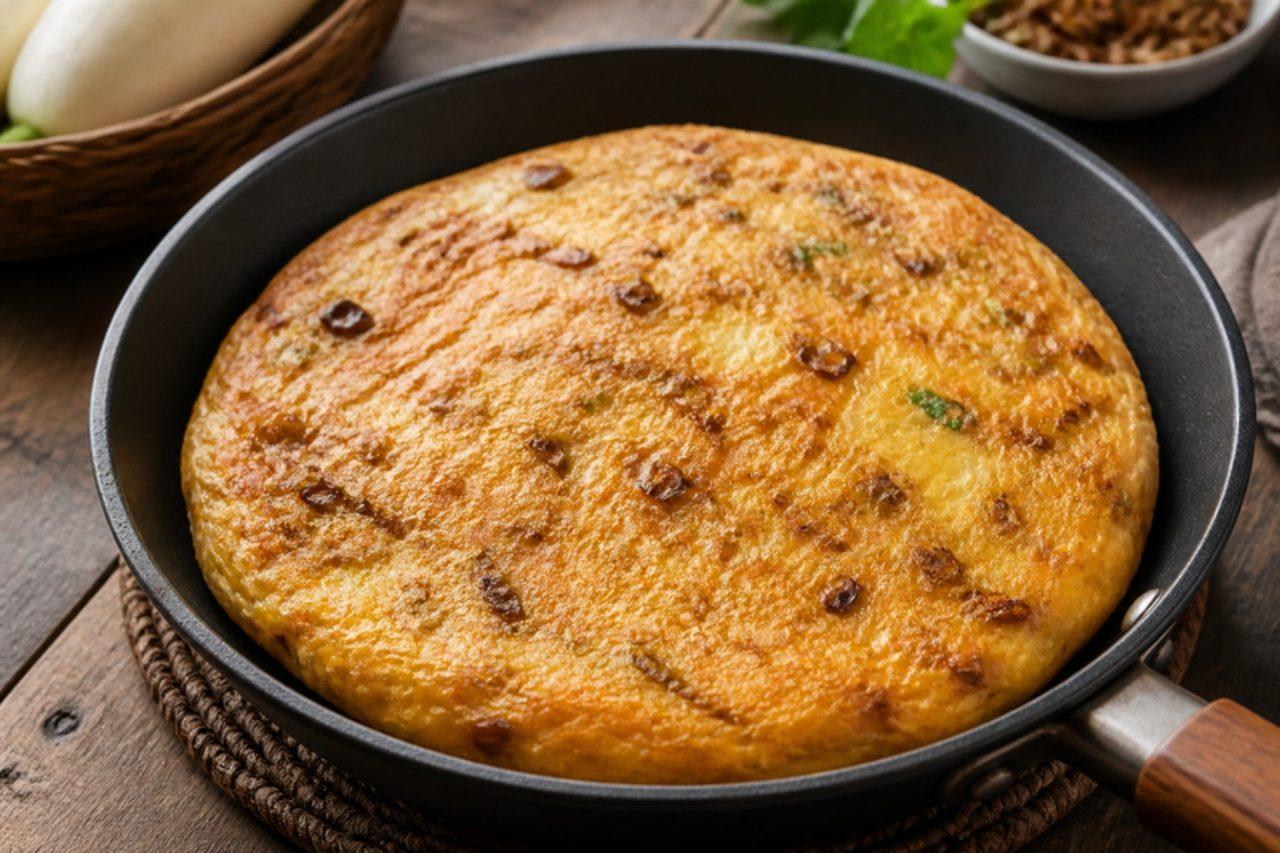
Ask a Taiwanese grandmother what to cook when there's nothing in the fridge and the answer is often this: a few eggs and a handful of preserved radish turned into a thick, golden omelette, cut into wedges and passed round. It's a staple of the rice-and-small-dishes spread at Taipei breakfast shops and late-night congee counters, and it reappears on the stir-fry restaurant table and in home lunchboxes. The chopped radish fries up crunchy and caramel-sweet inside soft, puffy egg, with crisp brown lacy edges. Skipping the rinse is where most go wrong: unrinsed radish makes the omelette far too salty. Chef's tip: dry-fry the radish first until it smells toasty, then use plenty of oil and a hot pan so the egg puffs and the edges frill.

by KrazyBadal 0 views

Showing 36 of 7,762 recipes

Show more recipes

Page 175 of 863