


Skip to content
Mansaf
Featured recipe

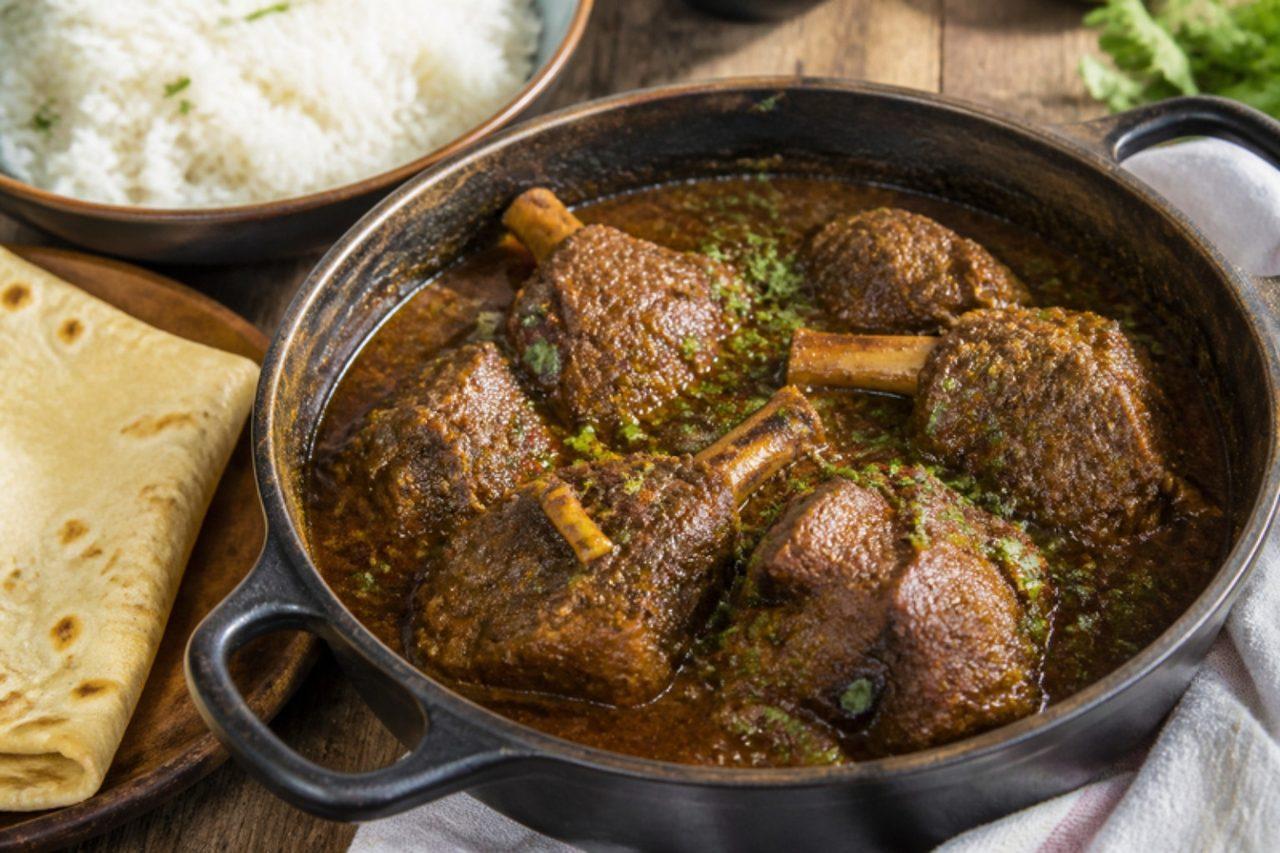
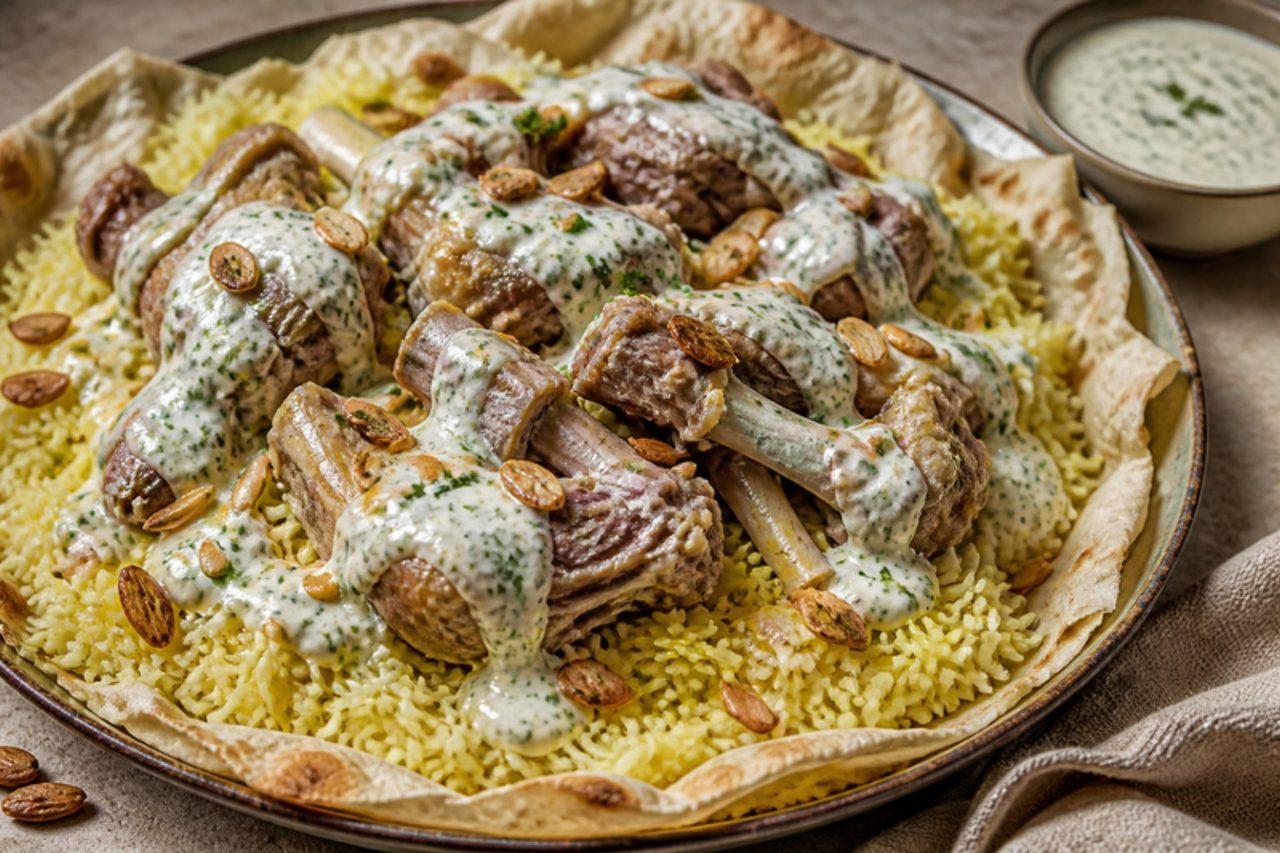
Mansaf

Lamb in yogurt sauce with rice

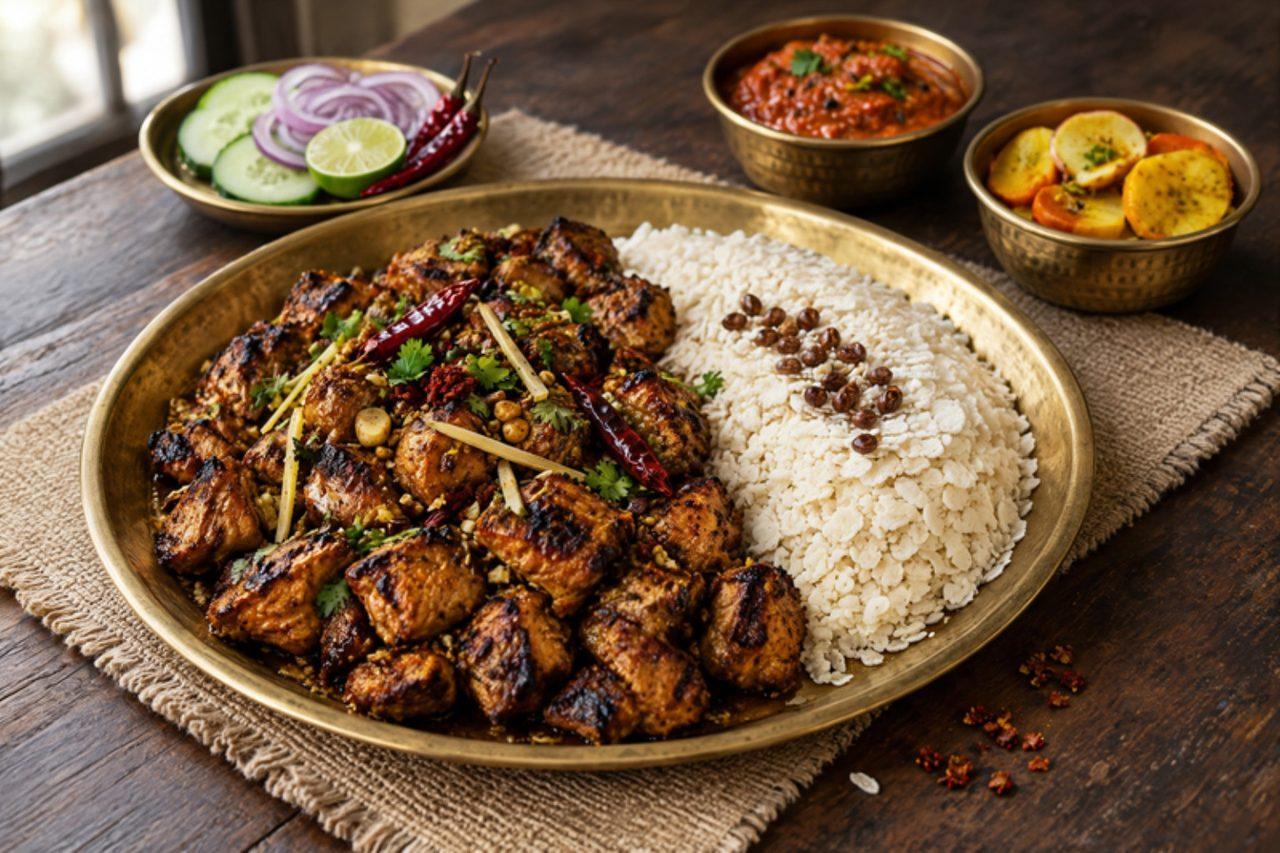
Mansaf is Jordan's national dish and the centrepiece of its weddings, Eid gatherings and big family days, set down on a huge round tray for everyone to eat from together. Bone-in lamb is simmered until tender in a sauce of jameed, the dried, salted goat's-milk yogurt of the Bedouin, then served on thin shrak bread and turmeric-tinted rice, scattered with almonds and pine nuts and drenched in more of the hot sauce. If you can't find jameed, a mix of thick yogurt and labneh gives a fair stand-in. Chef's tip: stir the yogurt sauce in one direction constantly as it heats, and never let it boil hard before the lamb goes in; that is what keeps it smooth.

Read more 1 views

What to eat today?

Around the world

Today's trip: Paraguayan

A new country every day, from every cuisine on the site.

Paraguayan

Buseca

Tripe and white bean stew 185 minMore from Paraguayan (27) →

This week's collection

Kid-friendly dinners
537 recipes · a new collection every Monday

Latest recipes

Doolsho (Somali cardamom sponge cake)

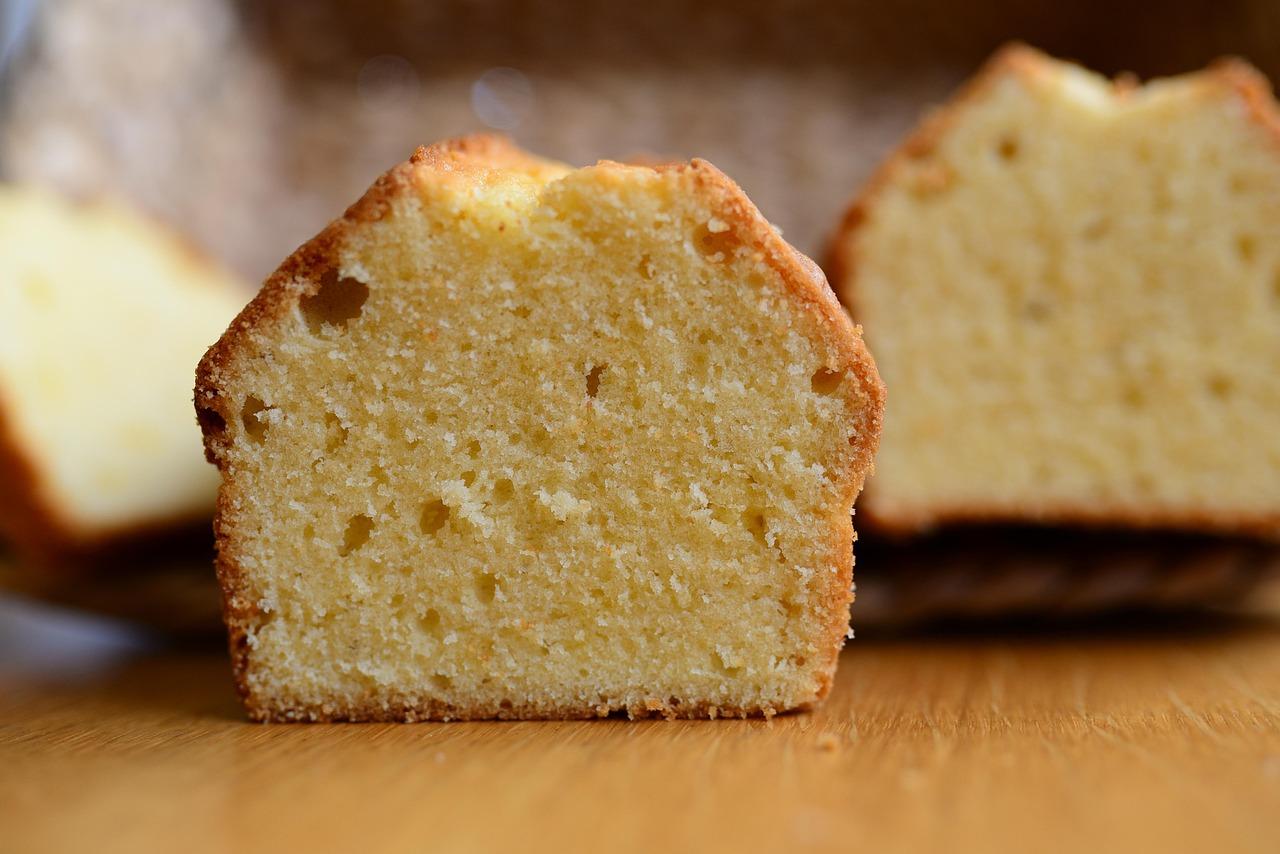
Ask a Somali host what goes with afternoon shaah and doolsho will be near the top of the list: a plain, airy sponge flavoured with cardamom and sometimes a little vanilla, baked in a tray and cut into generous squares. It turns up at Eid visits, weddings and family get-togethers, and is just as welcome at breakfast. The crumb should be fine and springy, never dense, which comes from whisking the eggs and sugar for a long time. Knocking the air out when the flour goes in is the mistake that ruins it; fold gently with a large spoon, in three goes, and stop as soon as no dry flour shows. Chef's tip: use eggs at room temperature; cold eggs never whip to the thick, pale ribbon that holds the cake up.

by KrazyBadal 0 views

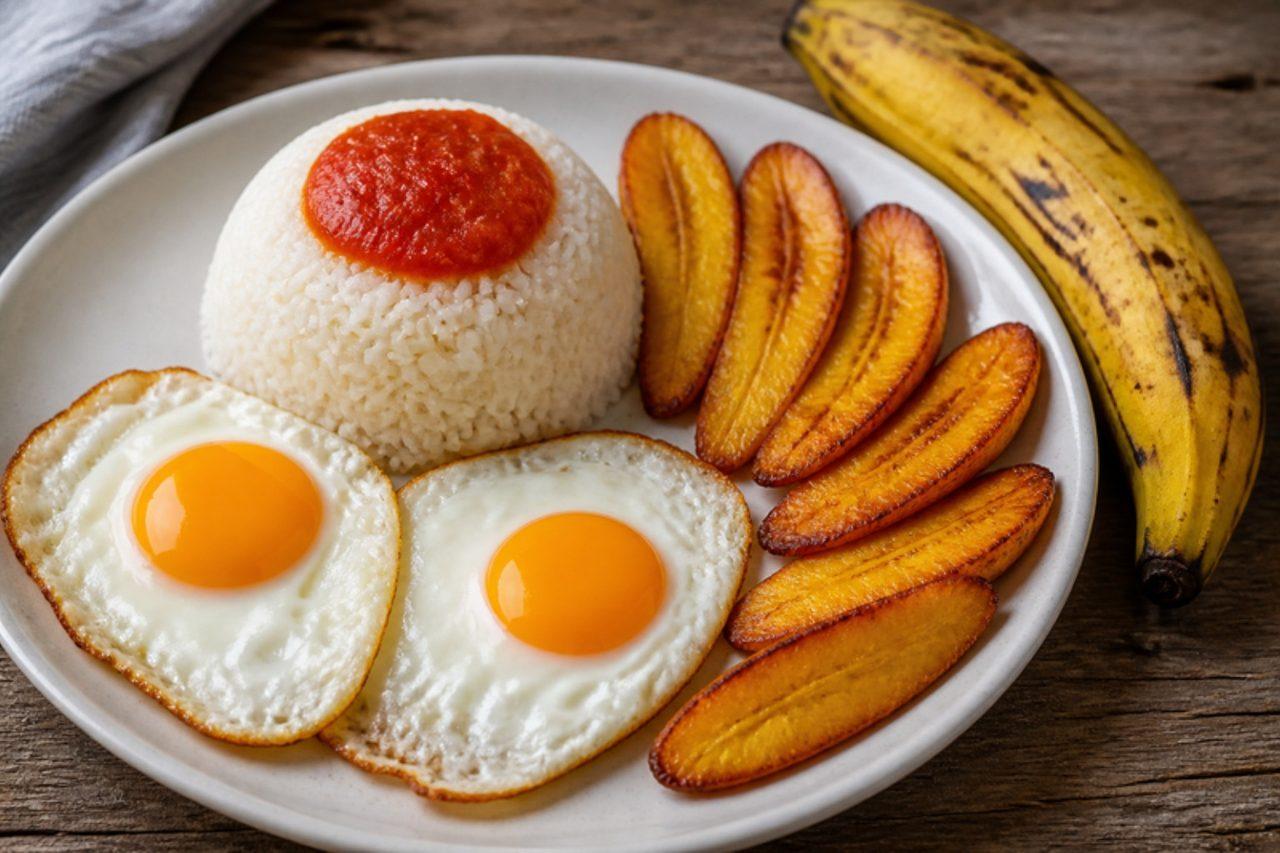
Arroz a la cubanaRice with tomato and egg

Havana cafeterías put this plate on the lunch board when cooks want something cheap, fast and filling: a mound of plain white rice, a ladle of garlicky tomato sauce, a fried egg with a runny yolk and slices of caramelised ripe plantain. Breaking the yolk into the rice and sauce is the whole point, so the eggs should be fried at the last minute. The usual mistake is using plantains that are still yellow-green; they need black-spotted skins to turn soft and sweet in the pan. Serve with a simple avocado salad. Chef's tip: baste the egg whites with hot oil from the pan so they set with lacy edges while the yolks stay liquid.

by KrazyBadal 0 views

Trini curry duck

Curry duck is the dish of the riverside lime in south and central Trinidad, cooked in a big iron pot over a wood fire while friends cool off in the water. The duck is chopped small, marinated in green seasoning, then "burnt" into a curry paste fried until almost black, which gives the sauce its dark colour and deep, slightly bitter edge. It's served with rice, dhal and sada or paratha roti. A common mistake is serving it before the duck has fully broken down: duck is chewy and needs long, slow cooking. Chef's tip: spoon off the yellow duck fat that rises during cooking and keep it for roasting potatoes.

by KrazyBadal 0 views

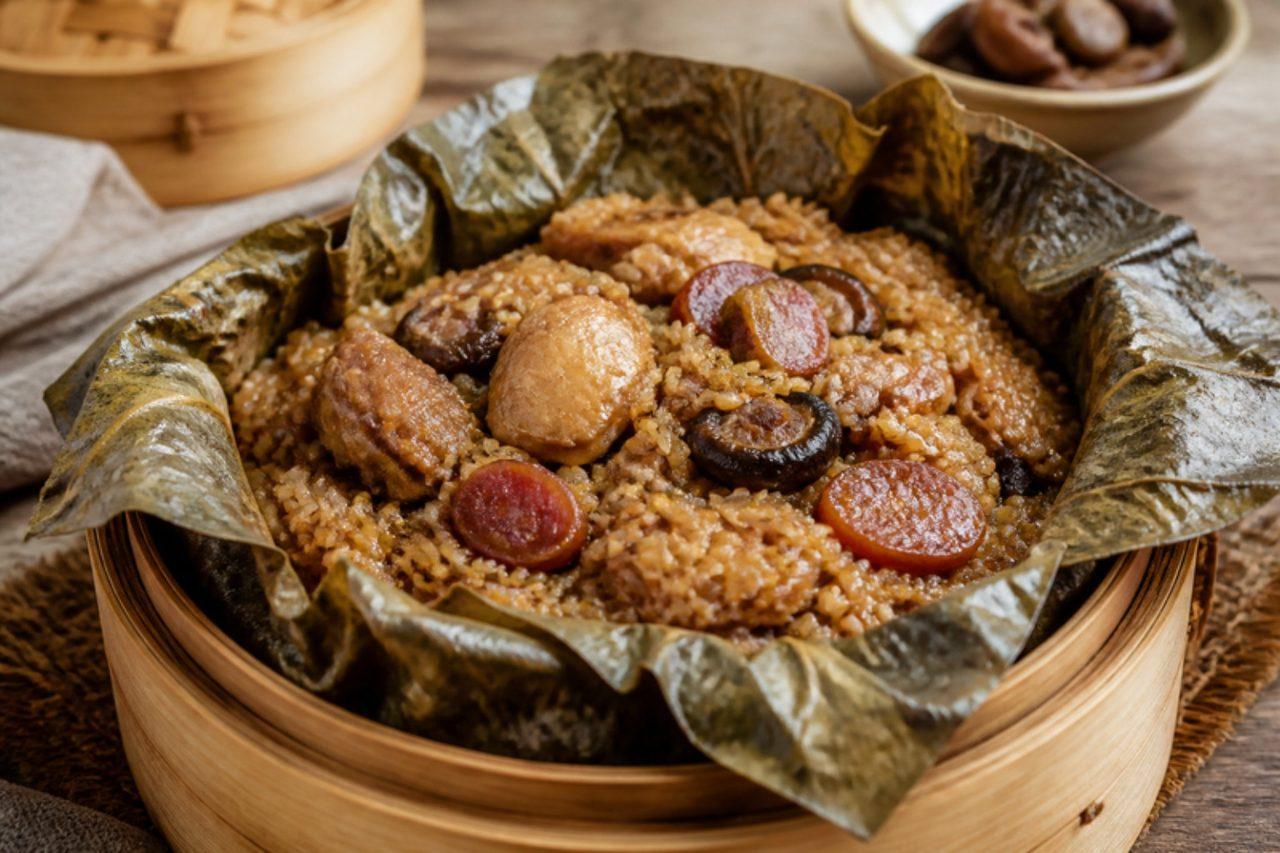
Lo mai gai (sticky rice in lotus leaf)

Unfold the dried lotus leaf at a Hong Kong yum cha table and a cloud of tea-scented steam rises from a parcel of glossy sticky rice, hiding a centre of soy-braised chicken thigh, shiitake and slices of lap cheong, the sweet Chinese pork sausage. Teahouses from Sheung Wan to Mong Kok sell it from the morning trolleys, and office workers grab one as a filling breakfast with a pot of pu'er. The rice is chewy and sticky but each grain stays whole, and the leaf gives it a faint grassy perfume. Shaoxing rice wine goes into the filling; an alcohol-free swap is given in the ingredient list. The most common mistake is cooking the rice in water like plain rice: soaked glutinous rice must be steamed, or it turns into paste. Chef's tip: wrap the parcels tightly and steam them again from cold or frozen; they reheat better than almost any dim sum.

by KrazyBadal 0 views

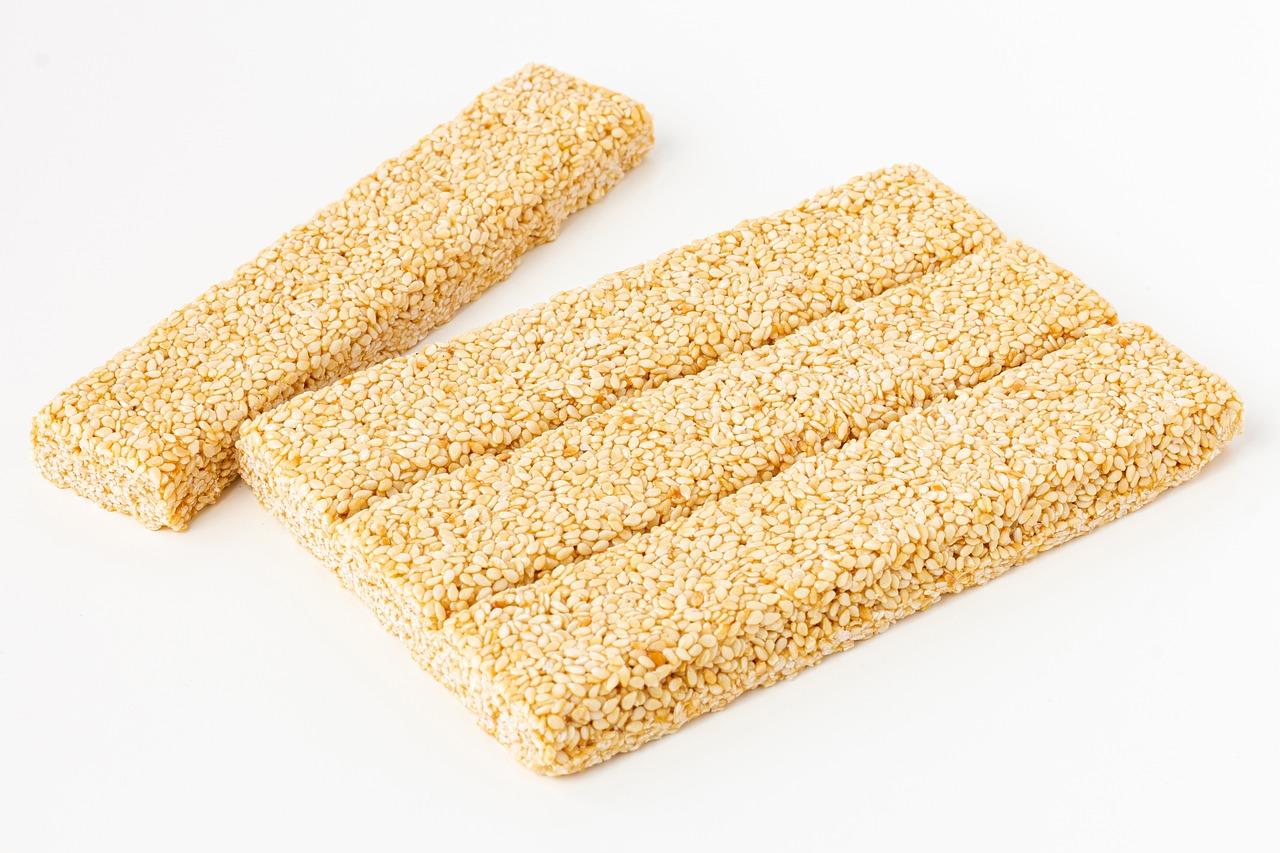
GajakSesame jaggery brittle

Winter in Punjab has a sound, and it is the snap of gajak: thin, glossy sheets of toasted sesame bound in jaggery, sold from piled trays outside the sweet shops of Multan, Gujranwala and Lahore from the first cold week of December. It is nutty, crunchy and toffee-sweet, with the earthy depth of gur, and families keep a tin of it beside the heater to nibble after dinner with green tea or to share with visitors. The commercial kind is hammered and pulled into flaky layers, but the home version poured thin and rolled flat is what most households make. The pitfall is pulling the jaggery off the heat too early, which gives a brittle that turns chewy and sticky after a day. Chef's tip: test the syrup by dropping a little into cold water; it must snap cleanly at once, and that hard-crack stage is reached quickly, so have the sesame warm and ready. Take care: the syrup is far hotter than boiling water.

by KrazyBadal 0 views

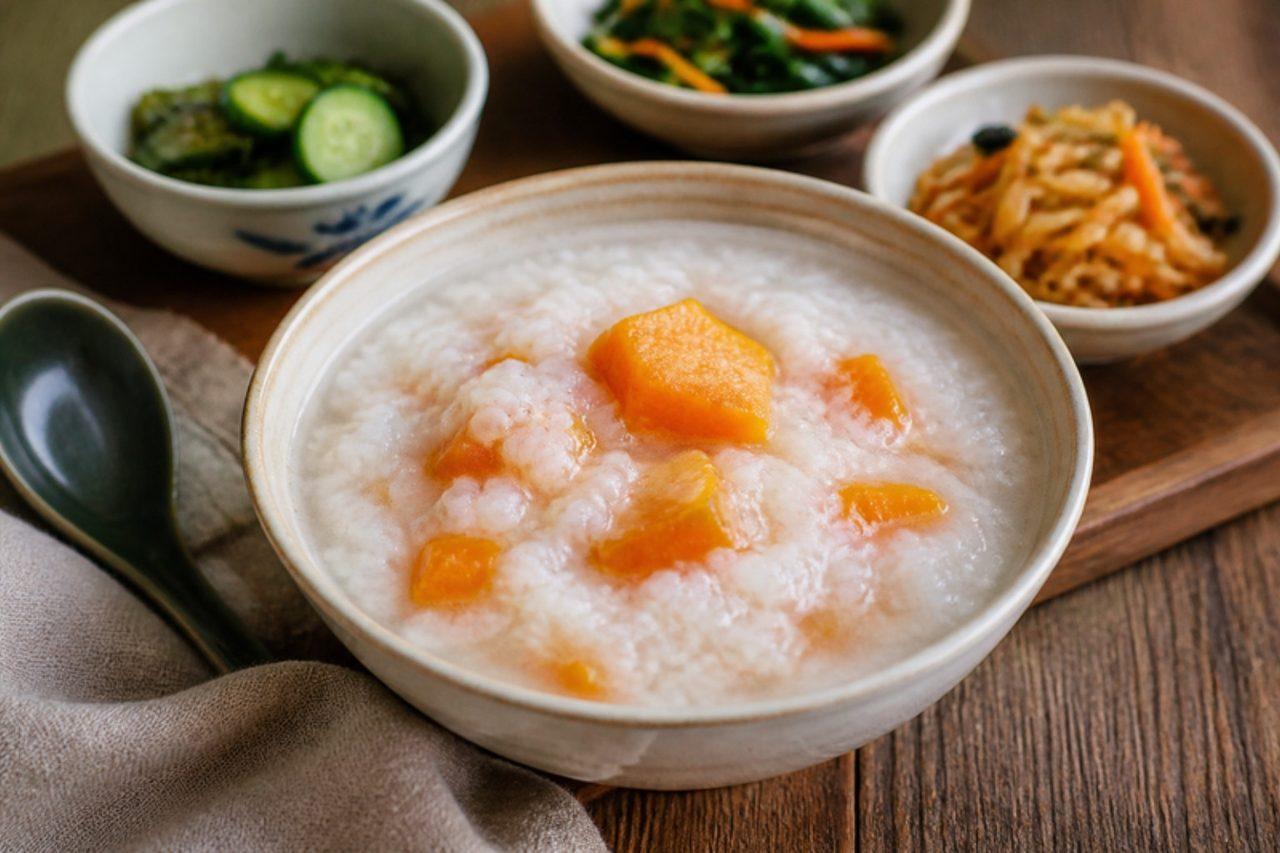
Taiwanese sweet potato congee

Tainan's late-night congee shops lay out dozens of little dishes under glass, and the bowl that goes with them is this loose, gently sweet rice porridge dotted with soft orange sweet potato. Older Taiwanese remember it as the food of lean years, when sweet potato stretched the rice; today it is comfort food at breakfast, at midnight after the markets, and whenever someone is unwell. Unlike Cantonese congee, the grains stay distinct in a cloudy, silky liquid. Many cooks cut the sweet potato too small, so it collapses into mush and turns the pot muddy; chunks of about 3 cm keep their shape. Chef's tip: serve it with something salty and crunchy, such as pickled cucumbers, peanuts or a radish omelette, because the contrast is the whole point.

by KrazyBadal 0 views

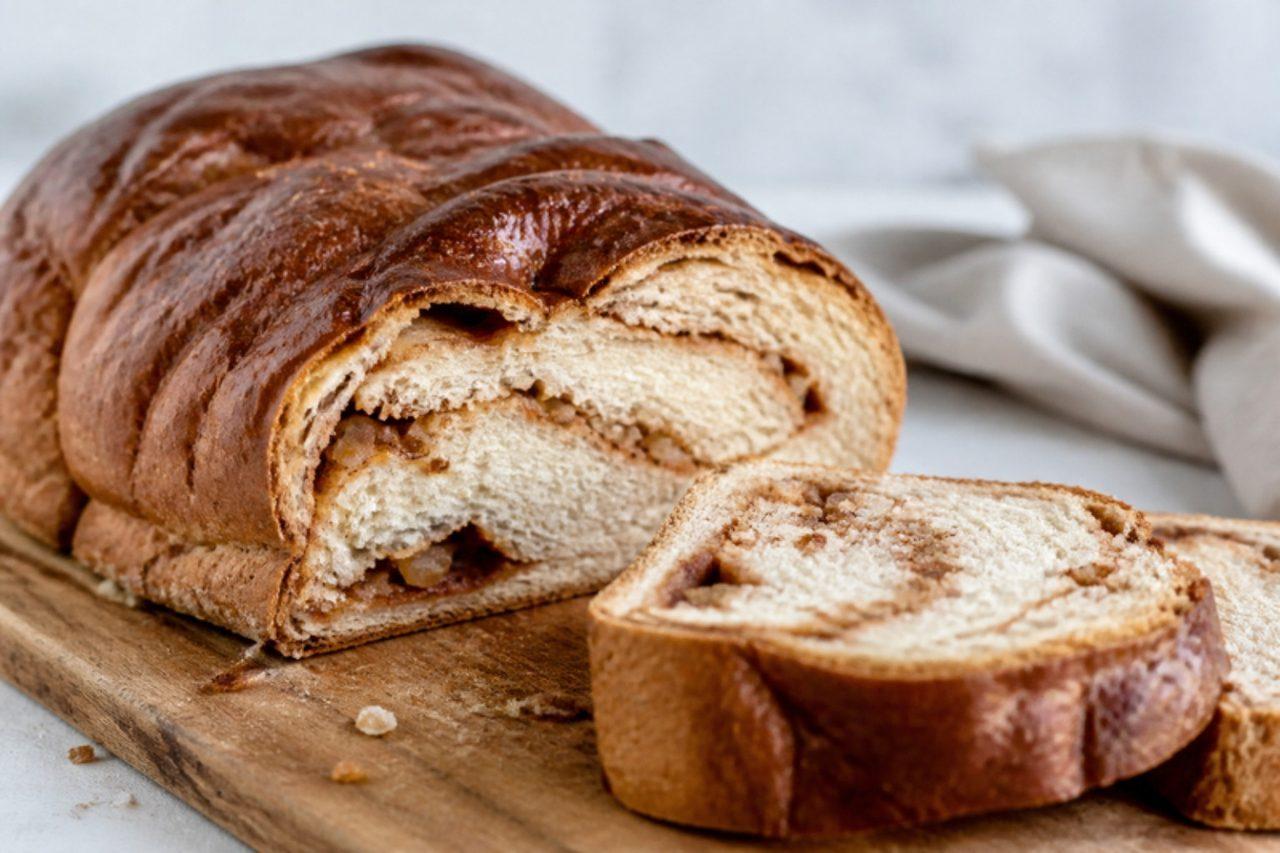
Fries suikerbroodCinnamon sugar bread

Fries suikerbrood, sûkerbôle in Frisian, is the bread Frisian families bring when a baby is born: a soft white loaf filled with large sugar nibs and cinnamon, so that as it bakes the sugar melts into sticky, crunchy pockets. Leeuwarden bakeries sell it every day, sliced and buttered with coffee. A common mistake is using fine sugar, which dissolves completely; it must be the big pearl sugar nibs. Chef's tip: knead in the sugar only at the end and gently, and bake the loaf in a tin so the melting sugar caramelises against the sides.

by KrazyBadal 0 views

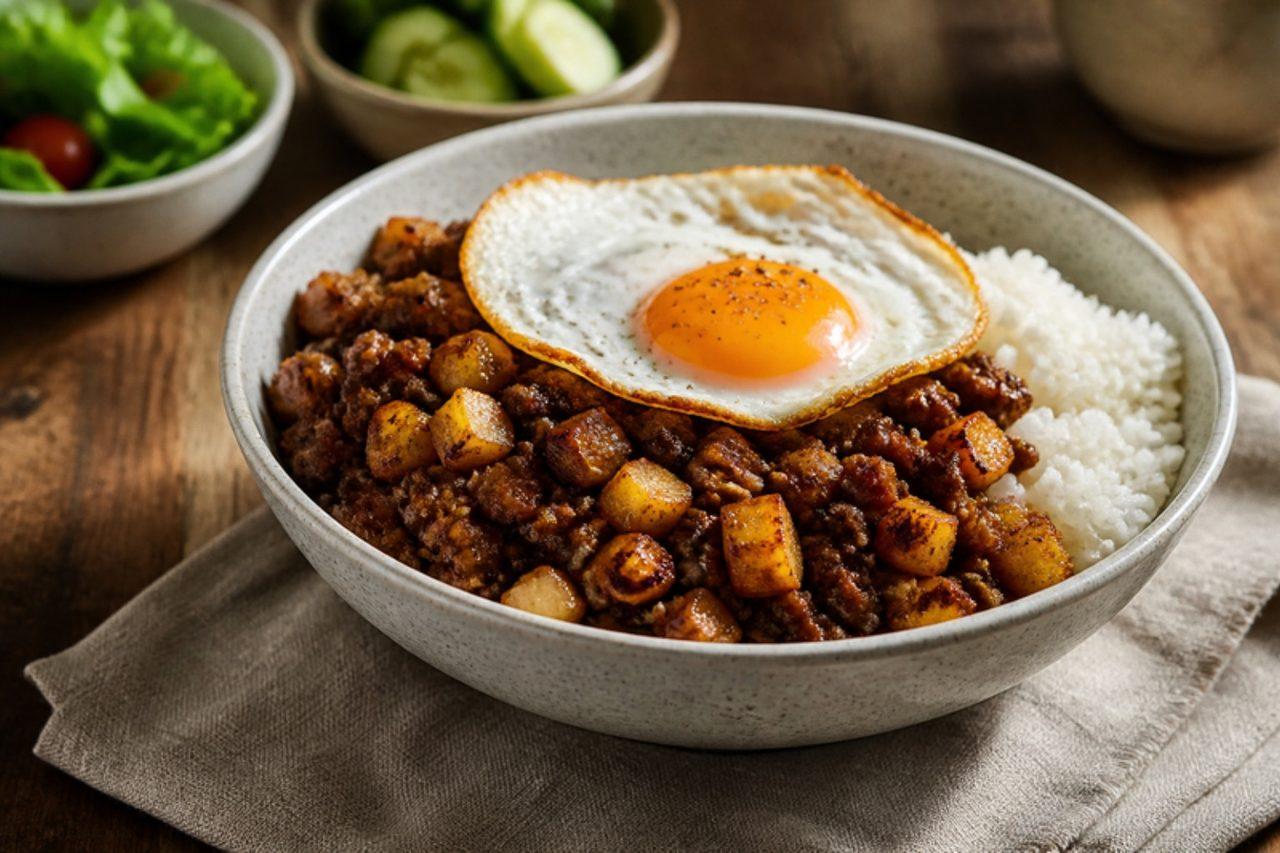
Minchi (Macanese minced meat with potatoes)

If one dish says home to Macanese families, the descendants of Portuguese and Chinese Macau, it is minchi: a quick hash of minced beef and pork seasoned with soy sauce, Worcestershire sauce and a touch of sugar, mixed with crisp little cubes of fried potato and crowned with a runny fried egg. It appears on weeknight tables, at Macanese restaurants near Rua do Cunha, and at gatherings of the Macanese community abroad, always with plain white rice. Savoury, slightly sweet and full of crunch, it tastes like the meeting of a Portuguese kitchen and a Cantonese wok. A common error is stirring the potatoes into the meat too early, which makes them soft and floury; fry them separately until crisp and fold them in at the end. Chef's tip: let the mince sit undisturbed for a minute in the hot pan before stirring, so it browns instead of stewing.

by KrazyBadal 0 views

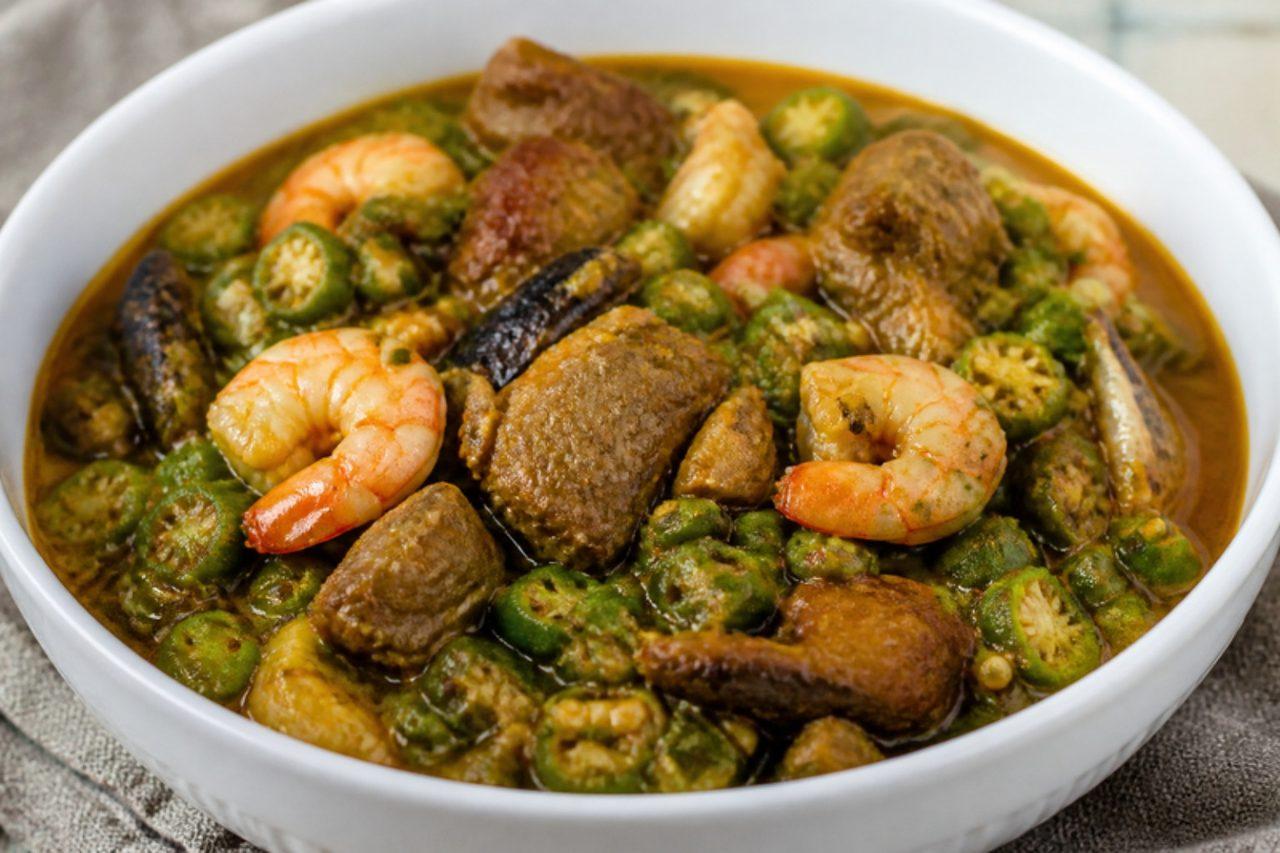
Ila asepo (Yoruba okra soup)

Ibadan and Abeokuta buka ladle ila asepo over amala at lunchtime: a bright, chunky okra soup cooked in a palm-oil pepper base, rather than the plain boiled okra of other regions. Iru and crayfish give depth, assorted meat and smoked fish give body, and prawns go in at the end, so every spoonful is drawy, savoury and loaded. It is just as good with eba or pounded yam. Cooking the okra too long is the usual mistake; it loses its stretch and its green colour, so add it last and give it only 4–5 minutes. Chef's tip: chop the okra by hand into small dice instead of blending it, and the soup keeps its pleasant crunch.

by KrazyBadal 0 views

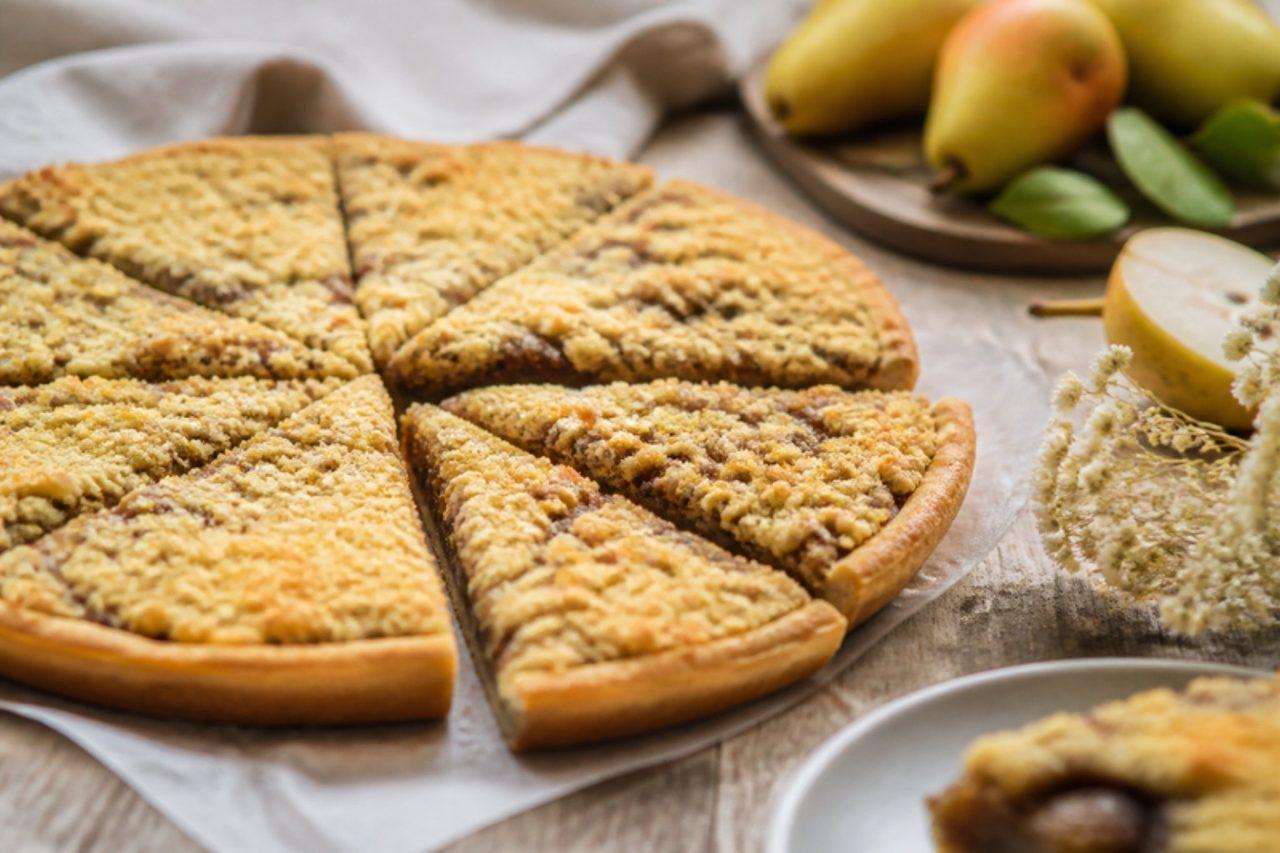
FrgályYeast tarts with pear or cheese

At weddings and church fairs in Moravian Wallachia, in the hills around Rožnov and Vsetín, tables are stacked with frgály: yeast tarts as wide as a dinner plate, rolled so thin the filling seems to sit on a crisp, chewy disc. The classic toppings are dried pear mixed with plum butter, sweet tvaroh (Czech quark), or poppy seed, all scattered with a buttery crumble. This recipe makes four, two with each of the first two fillings. Tvaroh is usually set without rennet, but some brands use it, so check the label. The usual slip is leaving the dough thick in the middle, which makes a bready tart; roll right to the edge, about 3 mm thick. Chef's tip: bake on the lowest oven shelf on a hot tray, so the base browns before the filling dries.

150 minCzechBaking
by KrazyBadal 0 views

Malawax (Somali cardamom crepes)

Fragrant with cardamom and just sweet enough, malawax are the thin, soft pancakes Somali families make on weekend mornings and for guests, stacked high and eaten with honey, sugar or a smear of ghee beside a pot of shaah. They are thinner than canjeero and contain egg and milk, so they cook in a minute and stay tender rather than spongy. Children roll them up and eat them in their hands; adults tend to tear them and dip them in tea. The batter should be as thin as single cream, and the classic mistake is a pan that is not hot enough, which gives pale, rubbery crepes that stick. Chef's tip: let the batter rest for 10 minutes so the flour hydrates; the first crepe is always a tester, so adjust the heat after it.

by KrazyBadal 0 views

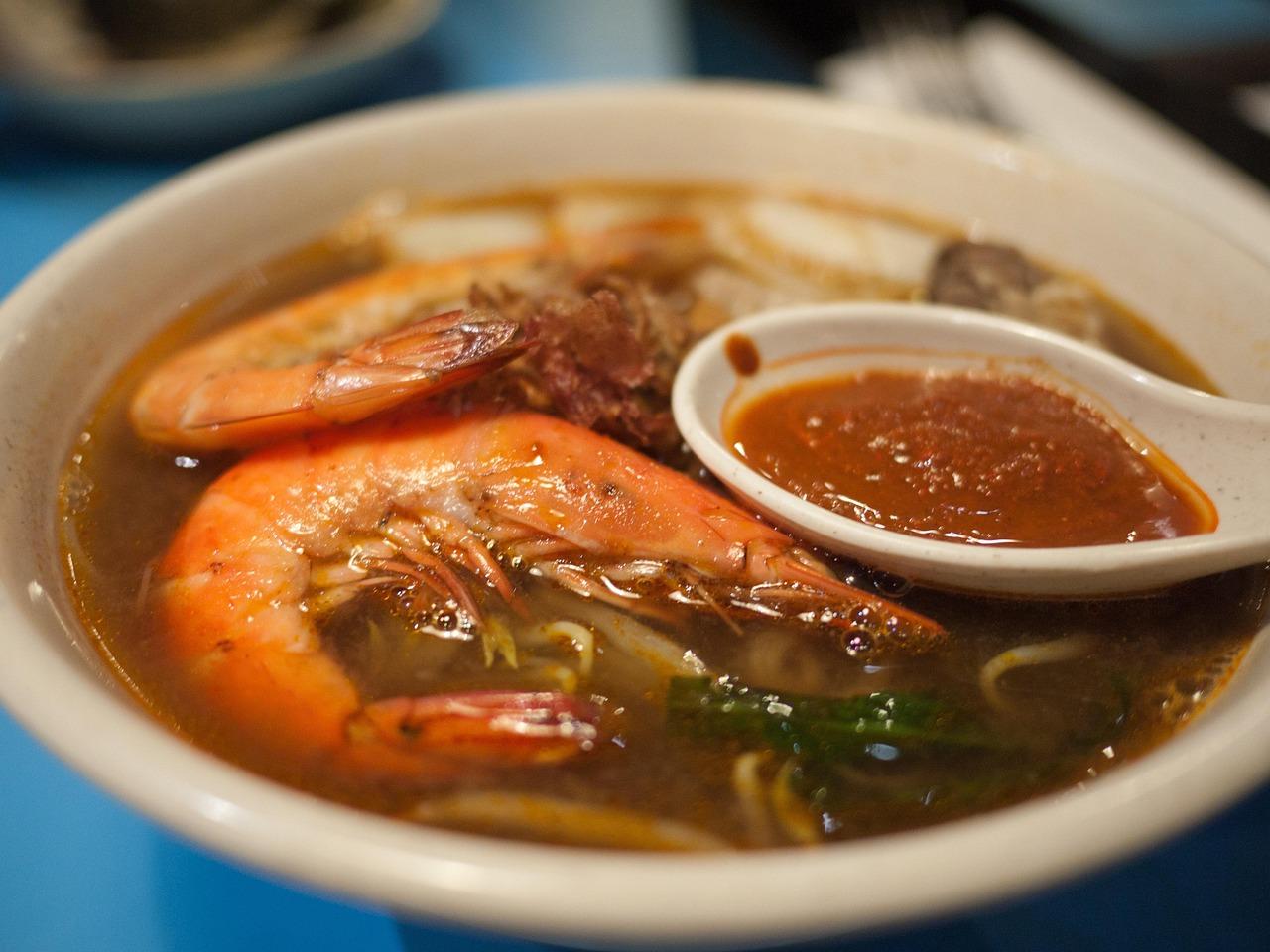
Singapore prawn noodle soup

Long before lunch, the big pots at Singapore's prawn mee stalls have been bubbling with fried prawn shells and pork bones, and the regulars from Zion Road to Tiong Bahru arrive with one question: soup or dry? This is the soup version, which is different from the stir-fried Hokkien prawn mee: a sweet, briny, rust-coloured broth poured over yellow noodles and rice vermicelli, topped with halved prawns, tender pork ribs, kangkong and bean sprouts, finished with fried shallots and a dusting of chilli powder. A dish of sliced red chilli in soy sauce sits alongside. The most common mistake is boiling the shells without frying them first, which gives a pale, thin broth; the depth comes from shells toasted in oil until they are deep red and smell like the sea. Chef's tip: freeze prawn shells and heads from other meals over a few weeks so you have a big bag ready for the stock.

by KrazyBadal 0 views

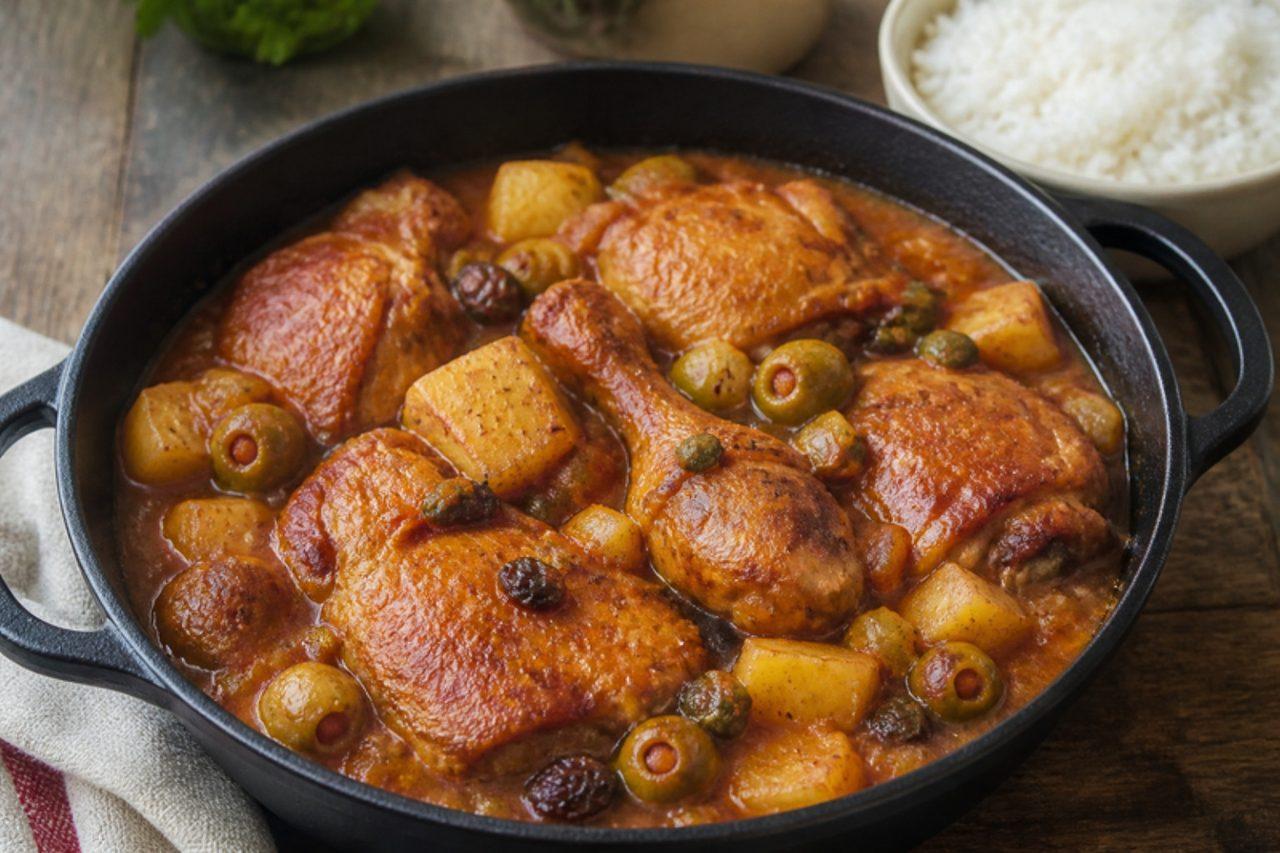
Fricasé de polloChicken stew with olives and raisins

Fricasé de pollo is a family dinner all over Cuba: chicken pieces marinated in sour orange and garlic, browned, then simmered with potatoes, green olives, capers and a few raisins in a light tomato sauce. The sweet-salty balance is what makes it so Cuban. A frequent mistake is skipping the marinade time; even an hour in the fridge seasons the meat right through. Serve with white rice. Chef's tip: add the raisins with the potatoes rather than at the start, so they plump up but don't melt into the sauce.

by KrazyBadal 0 views

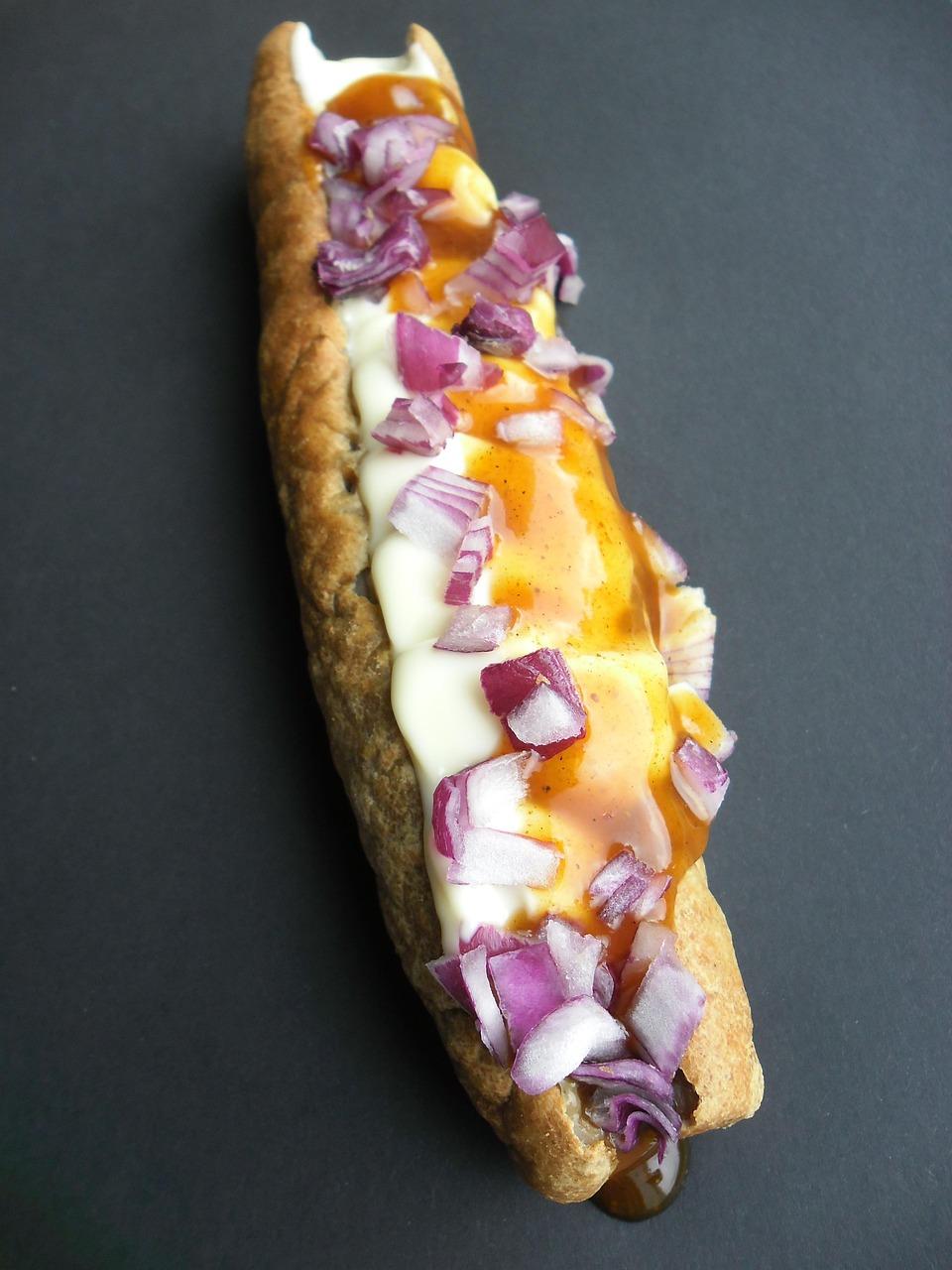
Frikandel speciaalSausage with mayo and onion

The frikandel is the snack-bar sausage of the Netherlands, fried from frozen in every cafetaria and eaten at football matches and after a night out: a long, skinless sausage of finely minced meat, and 'speciaal' means split open and topped with mayonnaise, curry ketchup and raw chopped onion. Factory frikandellen use a mix of meats; this homemade version uses beef and pork mince, so it contains pork. A common mistake is skipping the poaching step, so the sausages break up in the fryer. Chef's tip: roll them in cling film and poach first, then chill; they hold their shape and fry crisp in minutes. Minced meat must reach 71 °C.

by KrazyBadal 0 views

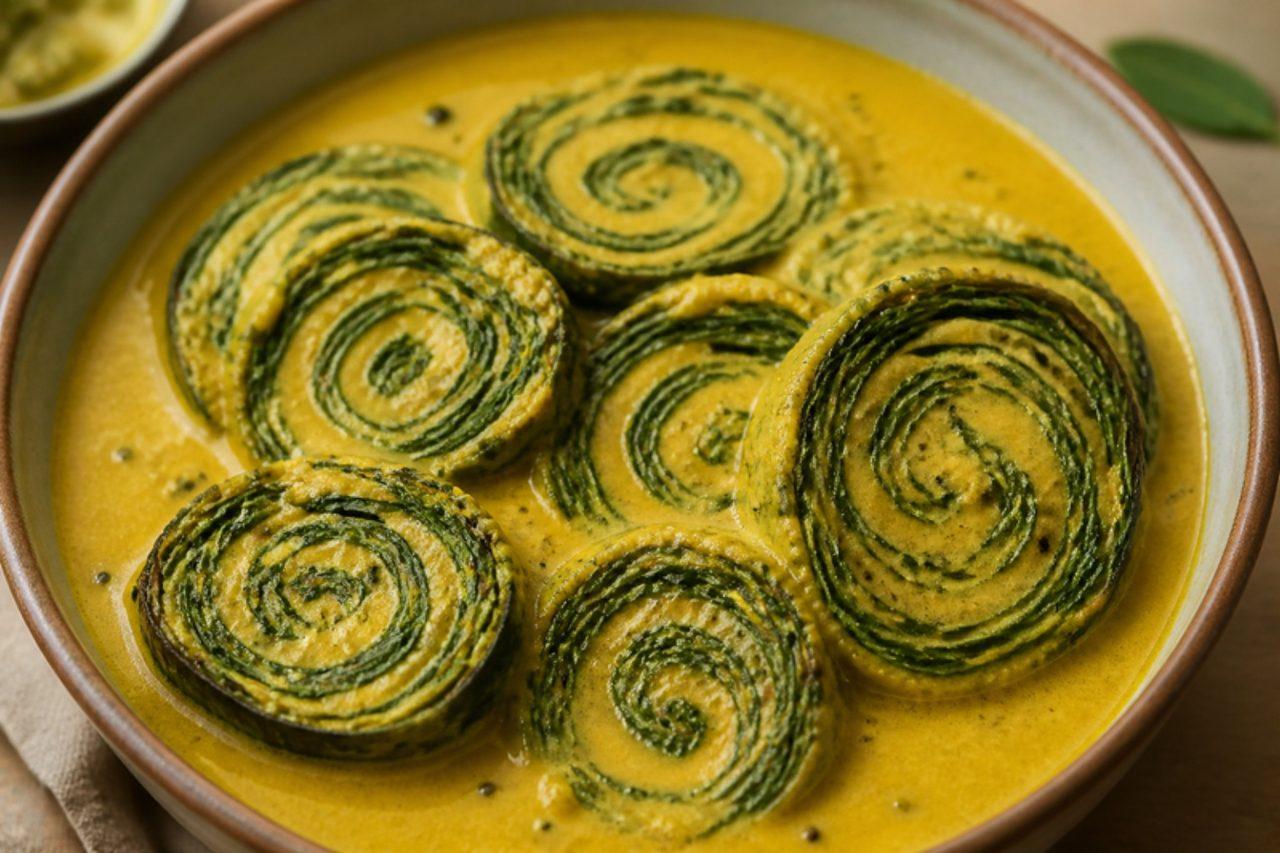
ArikanchanTaro leaf rolls in mustard gravy

Arikanchan is a monsoon speciality of Maithil kitchens in Janakpur and the eastern Terai, cooked when the taro plants in the courtyard put out huge, tender leaves. A spiced chickpea-flour paste is spread over the leaves, which are rolled up tight like a Swiss roll and steamed, then the rolls are sliced into spirals, fried and simmered in a punchy gravy of ground mustard seed, garlic, chilli and tomato cooked in mustard oil. The result is soft and layered, with a gentle sourness and the nose-tingling heat of fresh mustard, eaten with rice and a dal. The biggest risk is undercooking the taro leaves, which can leave an itchy, scratchy feeling in the throat. Chef's tip: use only young leaves, strip the thick ribs, and always include the tamarind in the paste, because the sourness neutralises the irritant in the leaves.

by KrazyBadal 0 views

Chapman (Nigerian fruit punch)

Order a chapman in a Lagos club house or at an owambe party and it arrives in a tall glass full of ice, glowing red and crowded with slices of cucumber, orange and lemon. Lemon-lime and orange sodas are mixed with blackcurrant cordial and grenadine for a sweet, fruity, fizzy drink with a fresh edge from the cucumber. The classic recipe adds a few dashes of aromatic bitters, and those bitters contain alcohol; leave them out (or use an alcohol-free bitters) and it is fully alcohol-free and fine for children. Adding the soda too early is the usual mistake, as it goes flat, so mix the syrups and fruit first and top up just before serving. Chef's tip: chill every bottle well beforehand, so less ice melts into the drink.

by KrazyBadal 0 views

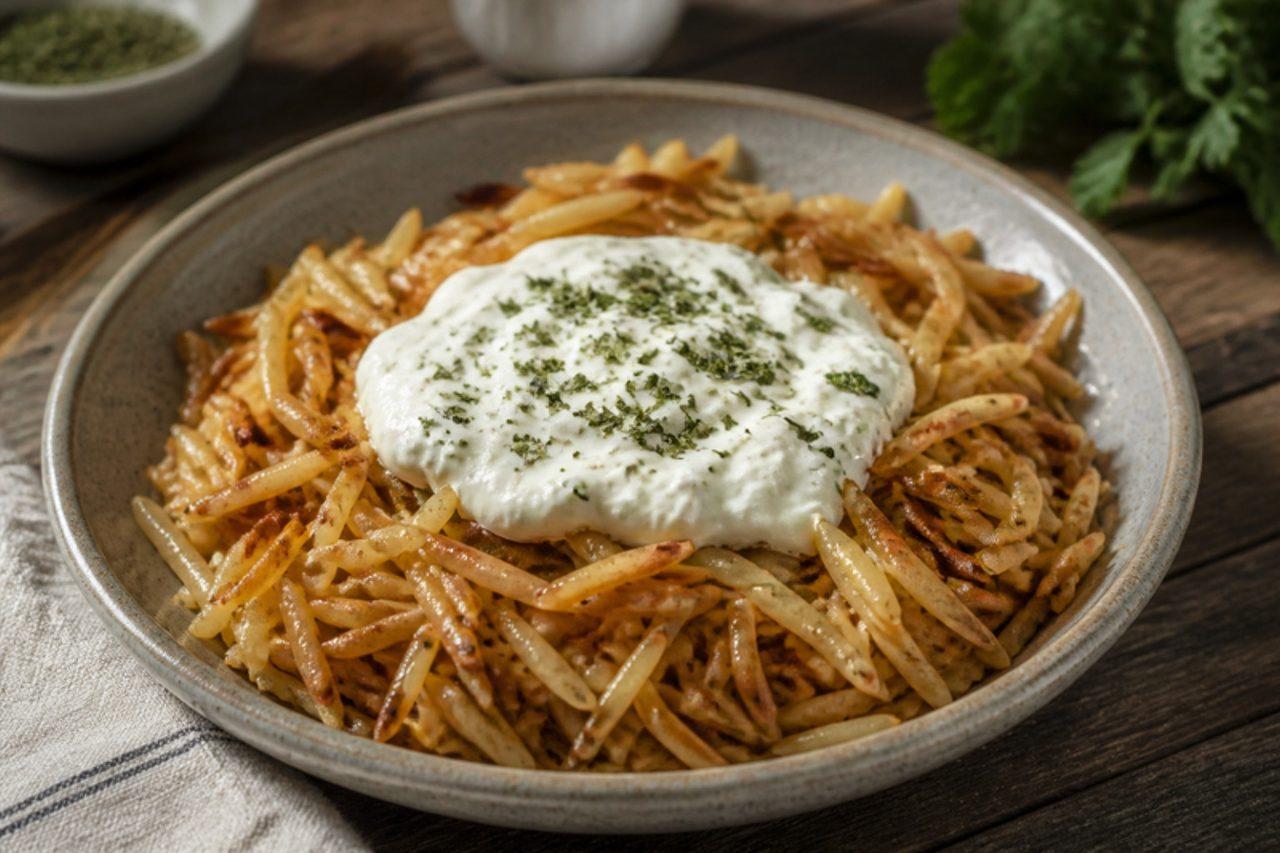
ArishtaButtered egg noodles

In Gyumri and the villages of Shirak, grandmothers still roll arishta by hand, cut it into thin strips and dry it in the sun to store for winter. To serve, the noodles are first toasted in butter until they turn golden and nutty, then boiled until tender and topped with garlicky matsun yogurt. It is simple, filling food for cold days on the Shirak plateau. A common mistake is skipping the toasting step, which gives soft, plain noodles without the characteristic roasted flavour. Chef's tip: dry the cut noodles for at least an hour before toasting, so they brown evenly instead of clumping.

by KrazyBadal 0 views

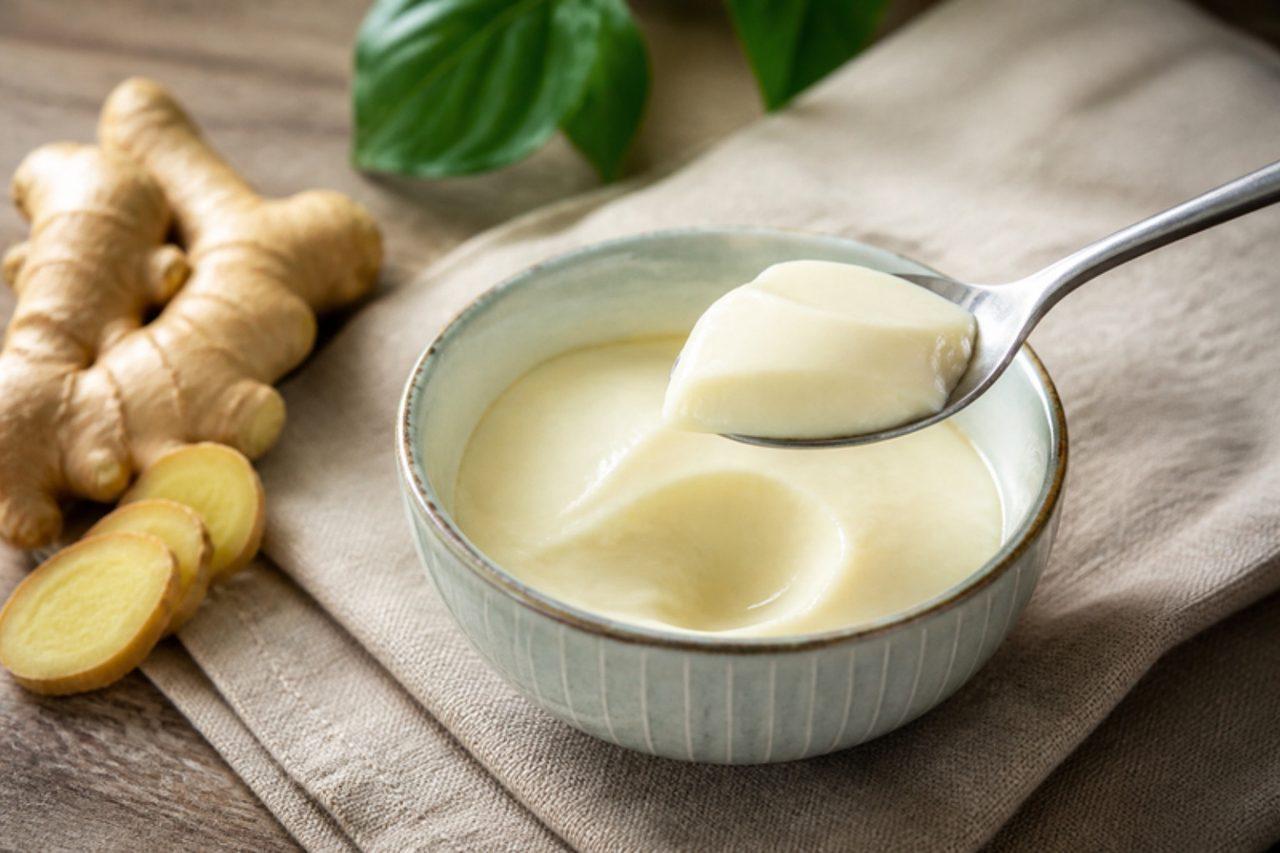
Ginger milk curd

Born in the Pearl River Delta town of Shawan in Panyu, Guangdong, ginger milk curd crossed the border to become a favourite of Hong Kong dessert parlours in Jordan and Causeway Bay, ordered hot on a winter night. There's no setting agent: an enzyme in fresh ginger juice curdles hot milk within minutes into a trembling, spoonable custard that's sweet, creamy and warming, with a peppery ginger kick. It is eaten straight from the bowl while still warm, with nothing alongside. Long-life UHT milk is the classic mistake, since its proteins have been changed by the high heat and it simply won't set; use fresh pasteurised whole cow's milk. Chef's tip: use mature, fibrous ginger rather than young pink-tipped ginger, and heat the milk to 70–75 °C, measured with a thermometer.

by KrazyBadal 0 views

Showing 18 of 7,762 recipes

Show more recipes

Page 175 of 863