


Skip to content
Krompiruša
Featured recipe

Krompiruša

Potato filo pie

In Bosnia only the meat pie is called burek; the potato version is krompiruša, and Sarajevo's buregdžinice bake it in great round copper trays, coiled like a snail. Thin pastry is wrapped around raw diced potato and onion seasoned with pepper, rolled into long ropes and coiled into the tin, then baked until the outside shatters and the potato inside turns soft and peppery. It is entirely plant-based when made with oil and shop-bought filo, which usually contains only flour, water and oil. Eat it hot with a glass of cold plain yogurt, or soya yogurt to keep it vegan. Where most people go wrong is cutting the potatoes too early, so they turn grey and watery; prepare them just before rolling. Chef's tip: when it comes out of the oven, sprinkle with a little hot water and cover with a clean tea towel for 10 minutes, which softens the top layers just as Bosnian bakers do.

Read more 0 views

What to eat today?

Around the world

Today's trip: Paraguayan

A new country every day, from every cuisine on the site.

Paraguayan

Buseca

Tripe and white bean stew 185 minMore from Paraguayan (27) →

This week's collection

Kid-friendly dinners
537 recipes · a new collection every Monday

Latest recipes

Fuži s tartufimaHand-rolled pasta with truffle

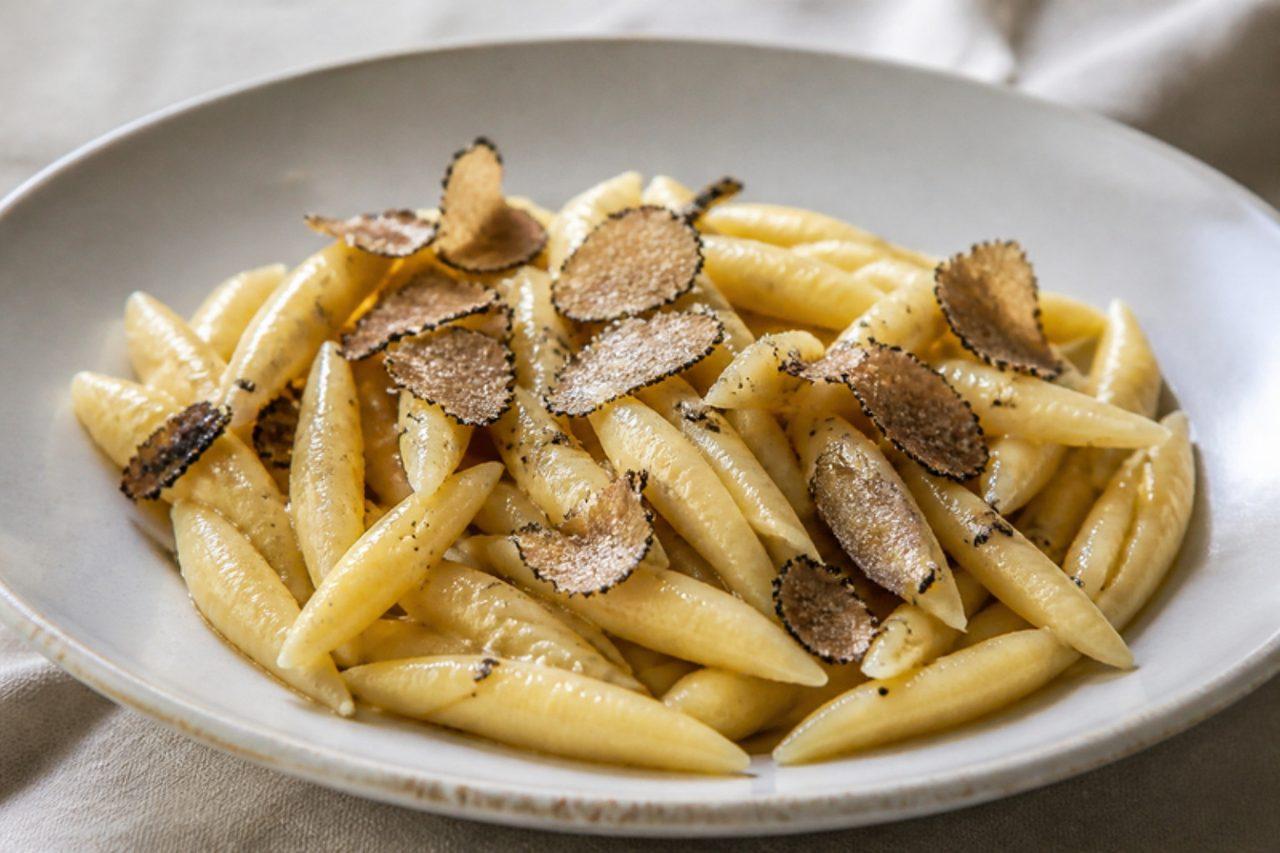
Autumn in the Mirna valley of inland Istria, around Motovun and Buzet, means truffle hunters and dogs in the oak woods and plates of fuži in every village konoba. Fuži are small squares of egg pasta wrapped round a stick into quills, and here they are tossed with butter, a splash of their cooking water and grated truffle, so each one carries a glossy, earthy coat. Fresh black or white truffle is best; a little truffle paste works too, but read the label and avoid products that rely on artificial truffle aroma. The aged hard cheese is often made with animal rennet, so choose a vegetarian hard cheese if you need to. Where most people go wrong is cooking the truffle: heat kills its scent, so add it off the heat. Chef's tip: store the fresh truffle overnight in a closed jar in the fridge with the eggs for the dough; they soak up its perfume through the shell.

by KrazyBadal 0 views

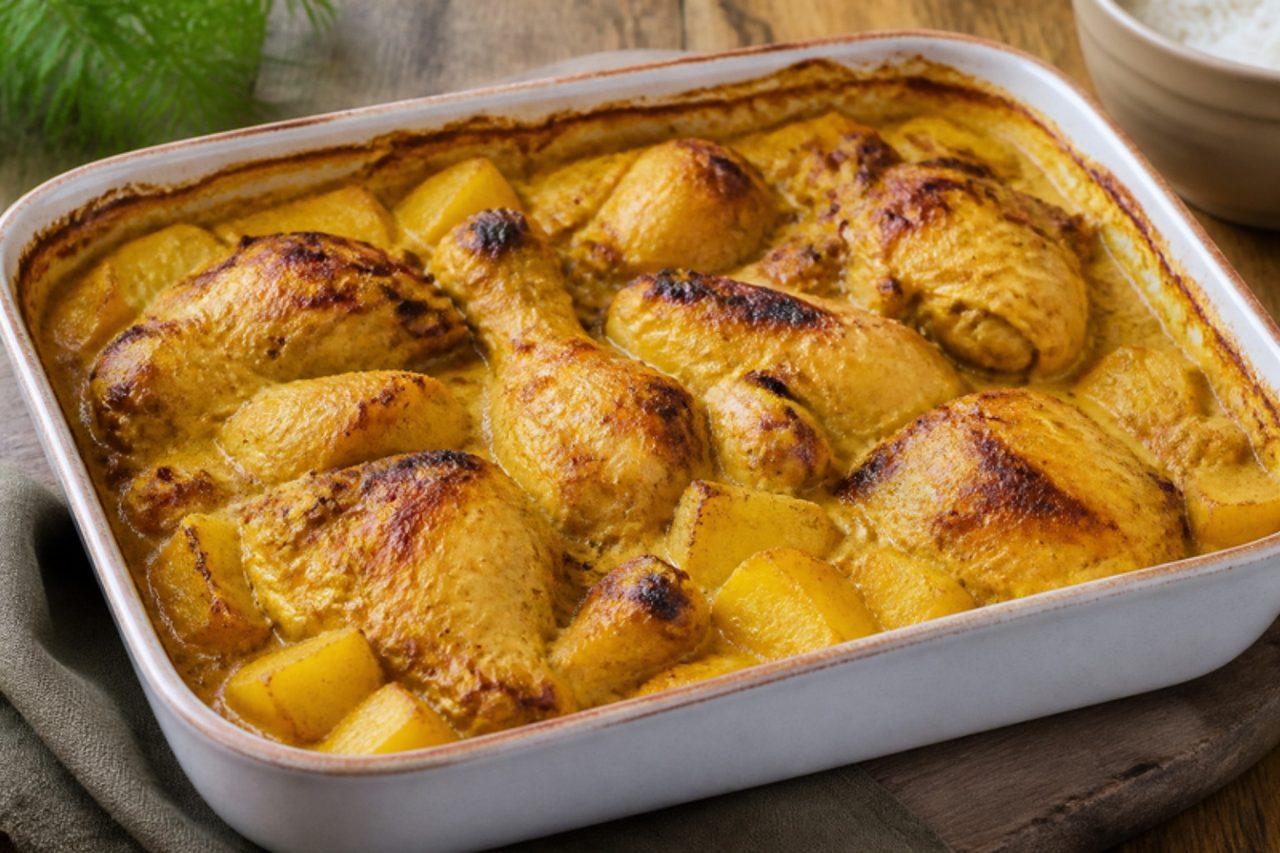
Galinha à portuguesa (Portuguese chicken)

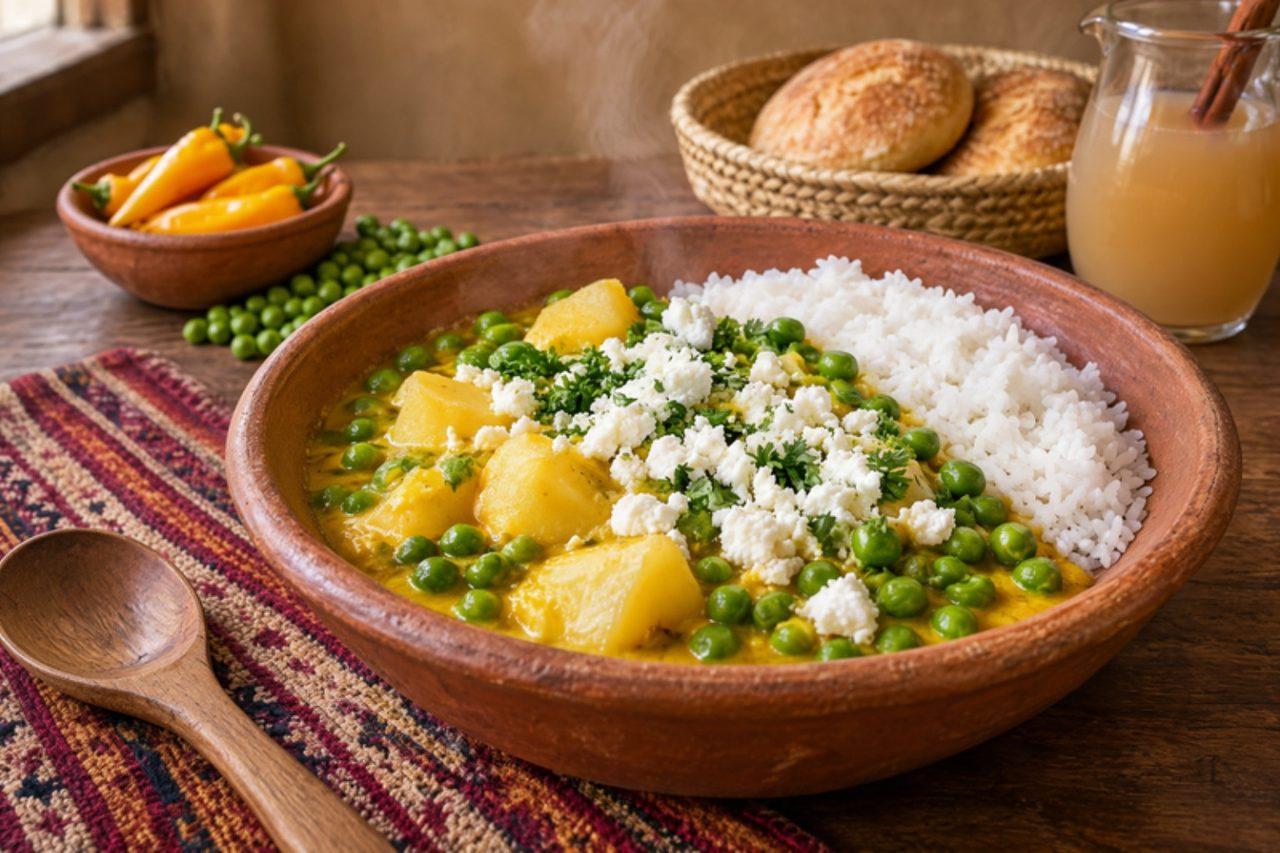
Puzzlingly, you will not find this in Portugal: galinha à portuguesa belongs to Macau, where cooks mixed a Portuguese idea of a creamy baked chicken with the turmeric, curry powder and coconut milk that came through the Portuguese trading routes from Goa and Malacca. Macanese restaurants and Hong Kong's cha chaan teng serve it bubbling in a clay pot or baking dish, golden on top, with chicken and potatoes in a mild, yellow, gently sweet coconut sauce, always with white rice to soak it up. It is a favourite for family dinners and Christmas tables. The thing people get wrong is boiling the coconut sauce hard, so it splits and turns oily; keep it at a gentle simmer. Chef's tip: brown the chicken well first, and finish under a hot grill for the speckled golden top that Macau restaurants are known for.

by KrazyBadal 0 views

FyddzhynBeef and onion pie

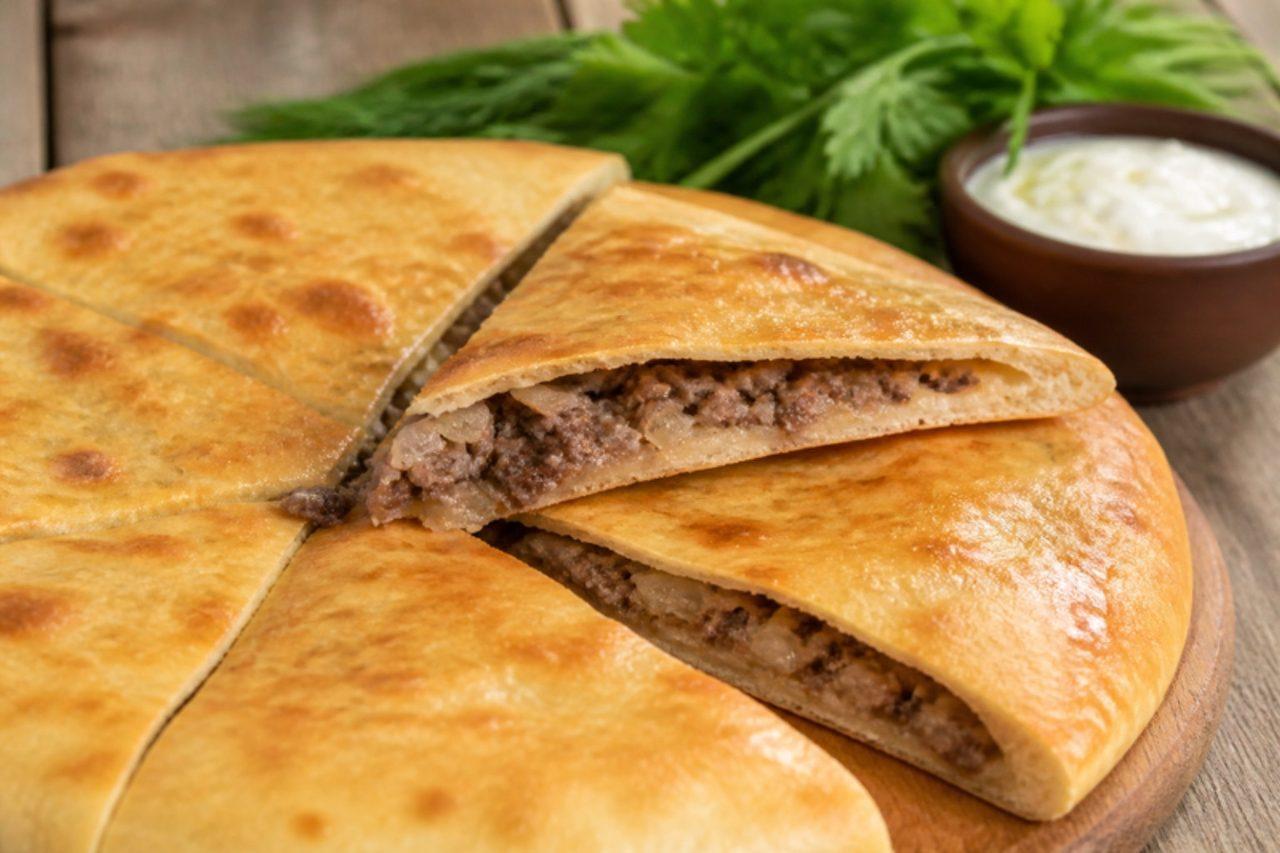
In North Ossetia, pies come in threes, for the sun, earth and sky, and the meat pie in that stack is fyddzhyn: a thin, soft yeast crust wrapped around juicy minced beef, onion, garlic and a little chilli, with a small hole in the middle to let out steam. The Ossetian people serve it at every family gathering and feast, hot and dripping with butter brushed on as it leaves the oven, cut into wedges and eaten with the hands. A common mistake is rolling the crust thick; good fyddzhyn is all filling and the dough should be barely 4 mm. Chef's tip: add a few spoons of cold stock to the mince; it turns to steam in the oven and keeps the filling juicy.

105 minRussianMeat
by KrazyBadal 0 views

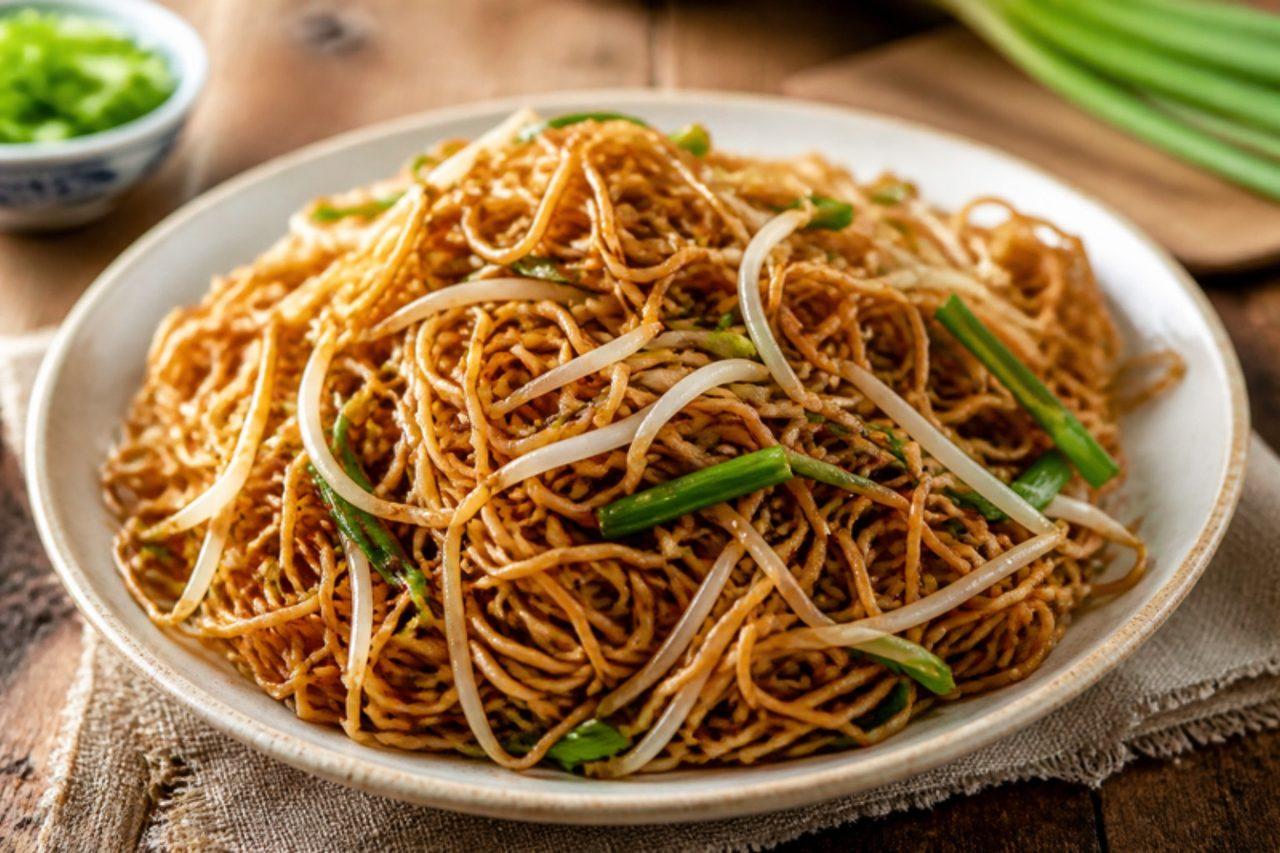
Soy sauce fried noodles

Order this at a Hong Kong cha chaan teng or a dim sum breakfast and it lands on the table glossy, mahogany brown and smelling of the wok, a plate of nothing more than noodles, soy sauce, bean sprouts and spring onions. Thin egg noodles turn springy and slightly crisp at the edges, coated in a sweet-salty soy glaze, while the sprouts stay crunchy. Locals eat it for breakfast with milk tea, or share it at yum cha next to steamed dumplings, often with a dab of chilli oil. Wet noodles are the enemy here: if they go into the wok damp, they steam, clump and turn soggy instead of frying. Chef's tip: toss the noodles with chopsticks or tongs rather than a spatula, lifting and shaking them through the sauce, so the strands stay long and separate.

by KrazyBadal 0 views

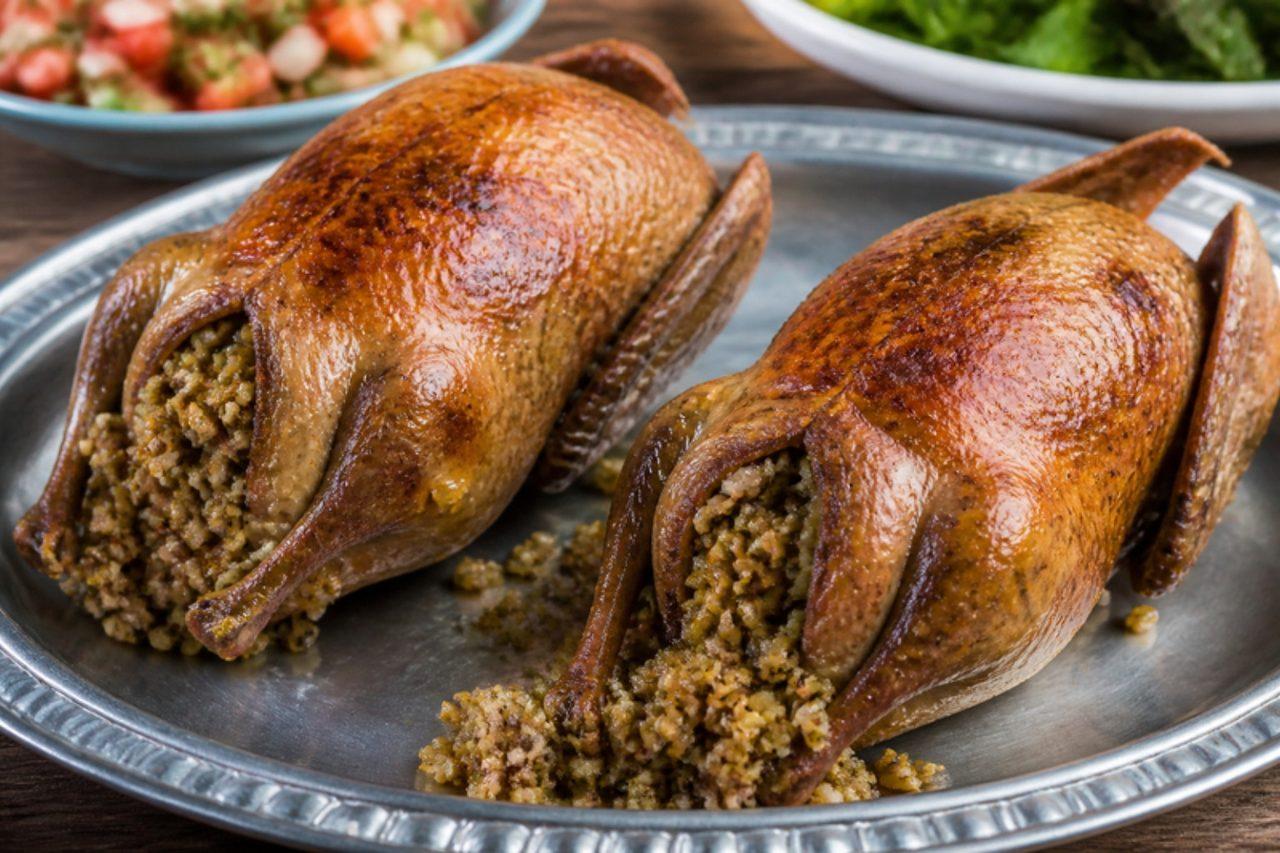
Hamam mahshi (stuffed pigeon)

Pigeon towers still rise above villages in the Nile Delta, and stuffed pigeon is a celebration dish there and in Cairo's famous pigeon restaurants; it is traditionally served to newlyweds and at feasts. Each small bird is filled with freekeh (smoky green wheat) cooked with onion, giblets and warm spices, then simmered in a cardamom broth until tender and finished in a hot oven or fried so the skin turns deep brown and crackling. The meat is dark and rich, closer to duck than chicken, and the freekeh soaks up all the juices. Serve one bird each with a salad, pickles and the broth as soup. Use farmed squab from a poultry supplier. Chef's tip: stuff the birds loosely and sew or skewer them shut; freekeh swells as it cooks and an overfilled pigeon bursts.

by KrazyBadal 0 views

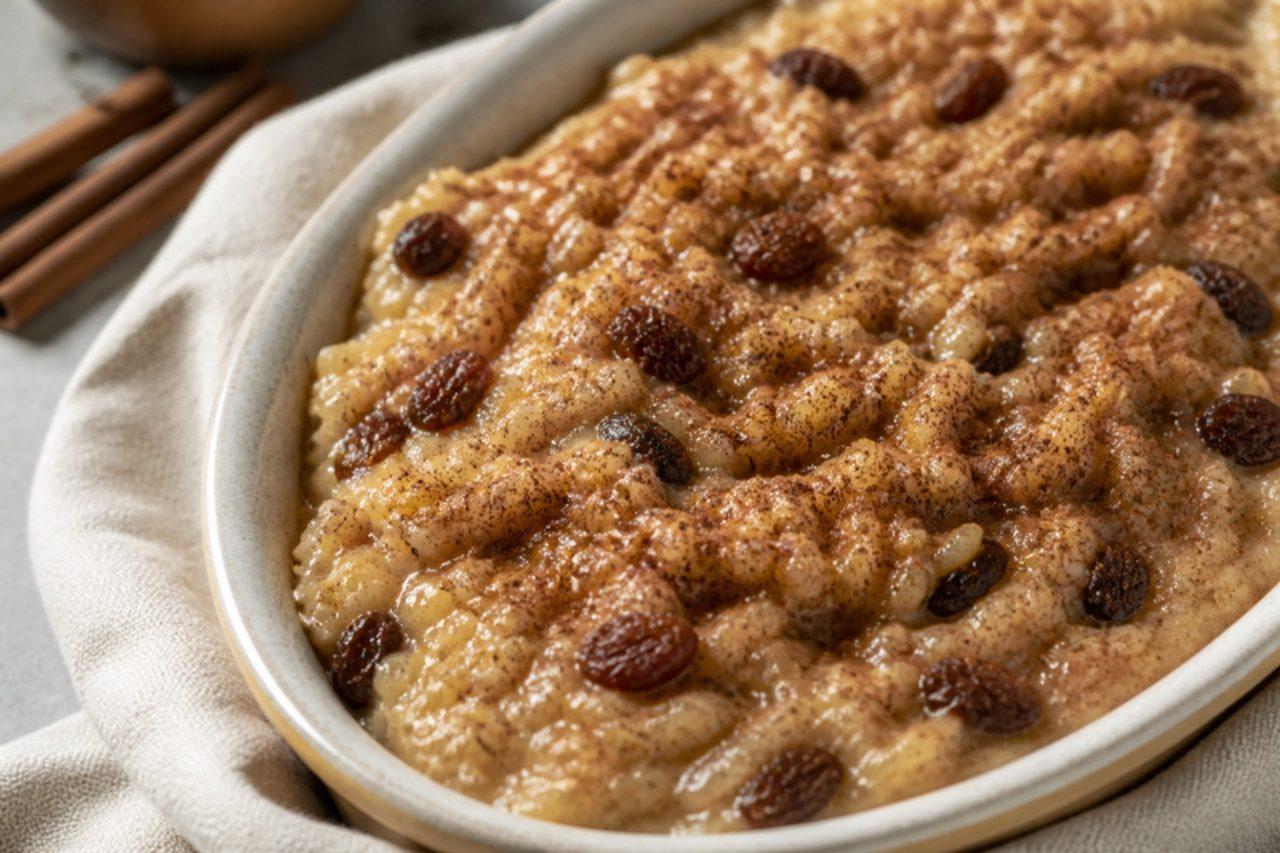
Arroz con dulceCoconut rice pudding

From the start of December to the Three Kings in January, trays of arroz con dulce cool on Puerto Rican kitchen counters, sliced into squares and handed round at parrandas when carollers arrive at the door late at night. Unlike a milky rice pudding, it is cooked in a water steeped with fresh ginger, cinnamon, cloves and star anise, then finished with coconut milk and raisins, so it is fragrant, firm enough to cut and dairy free. The common mistake is adding the sugar too early, which keeps the rice grains hard; sweeten only once they are soft. Chef's tip: soak the rice for an hour first, and it cooks evenly and absorbs the spiced coconut far better.

by KrazyBadal 0 views

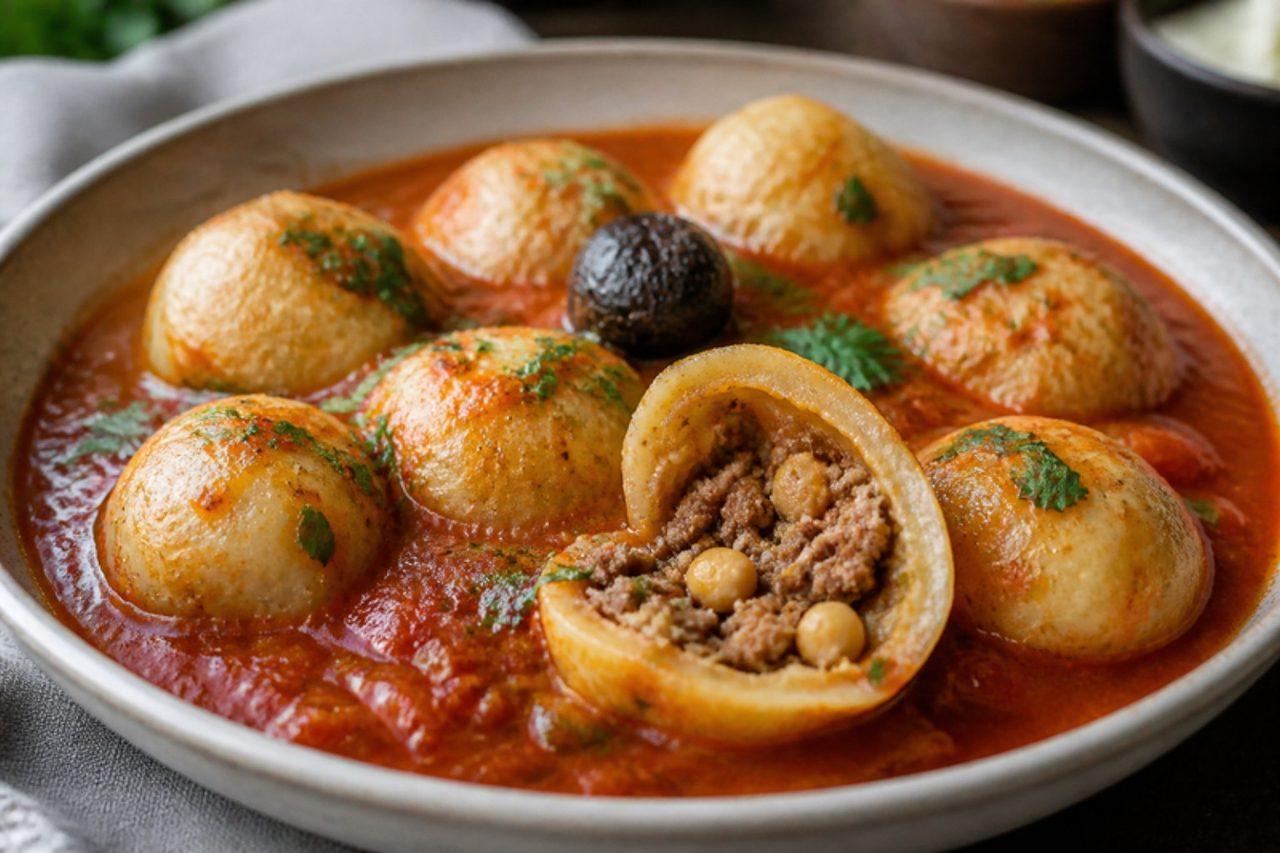
GaboutStuffed dumplings in tomato stew

Gabout is old Kuwaiti home cooking, the kind grandmothers in Kuwait City still make for family lunches in winter, and a close relative of the Iraqi dumplings brought along the trading routes of the Gulf. Soft flour dough is wrapped around spiced lamb or beef mince with chickpeas, and the dumplings are simmered in a sour tomato and dried-lime stew until they are tender and plump. It is filling and comforting, eaten with bread or on its own. The mistake people make is rolling the dough too thick, which makes the dumplings heavy and doughy. Chef's tip: wet your fingers when sealing, the dough must close tightly or the filling leaks into the stew.

by KrazyBadal 0 views

Arroz con maízRice with sweetcorn

In central Cuba, when the fields are full of young corn, families cut the kernels straight off the cob into the rice pot with a sofrito of onion, pepper, garlic and annatto, cooking everything together until golden and sticky at the base. Many farm cooks add salt pork; this vegan version leans on cumin and a little smoked paprika. A common mistake is using too much water, as fresh corn releases its own milk, so keep to the amounts given. Serve with black beans or a tomato and avocado salad. Chef's tip: scrape the cobs with the back of the knife after cutting off the kernels and add that milky pulp; it gives the rice a creamy sweetness.

by KrazyBadal 0 views

FrüchtewäheFruit custard tart

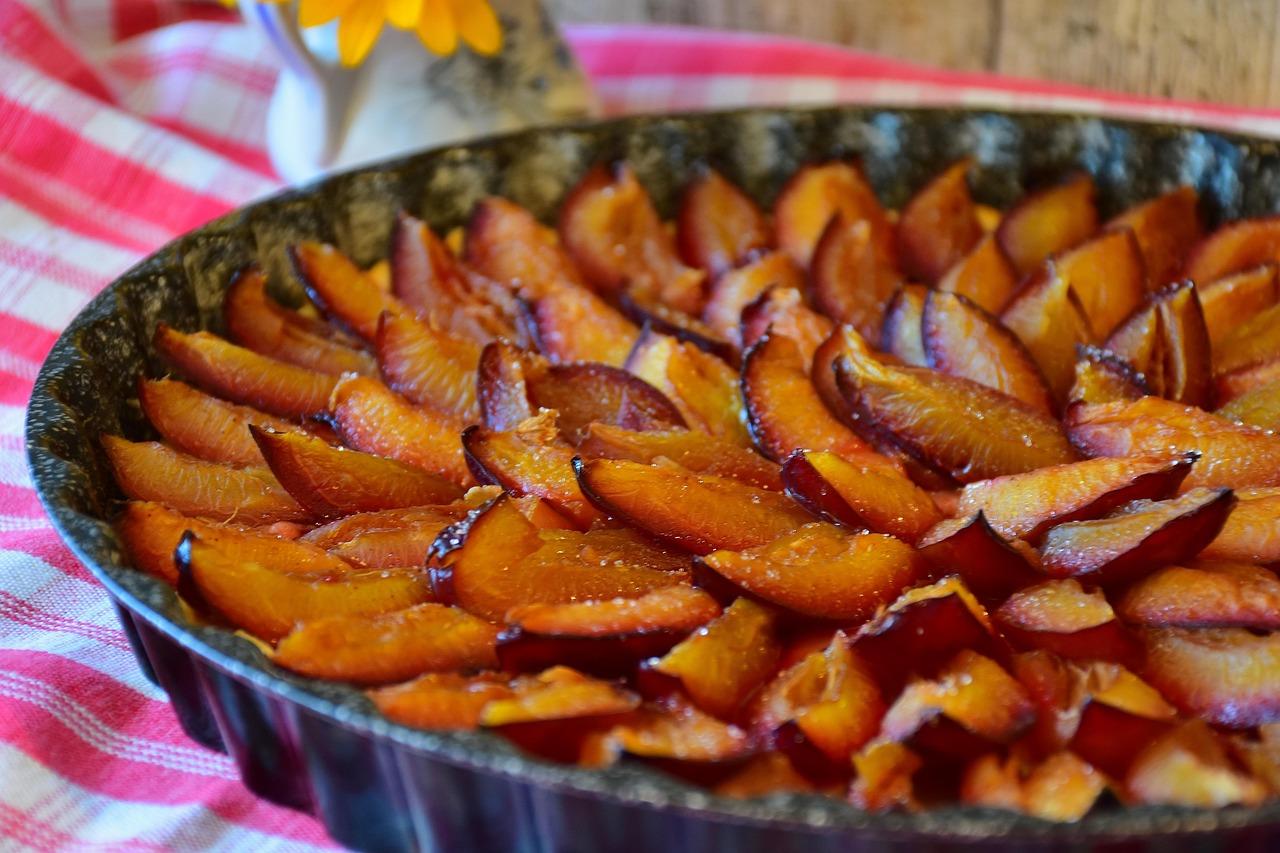
The Wähe is the open tart of German-speaking Switzerland, known as Kuchen or Fladen depending on the canton: a thin pastry base covered with sliced apples, plums, apricots or cherries, then a simple custard of cream, egg and sugar poured around the fruit and baked until set. Swiss families eat it as a light supper on Fridays, sometimes after a bowl of soup, and fruit Wähe is often dusted with cinnamon sugar. A common mistake is skipping the ground nuts on the base, which lets the fruit juice soak the pastry. Chef's tip: scatter ground hazelnuts on the pastry first; they soak up the juice and keep the base crisp.

by KrazyBadal 0 views

Tabaldi (Sudanese baobab drink)

The great baobab trees of Kordofan and Darfur drop hard pods full of chalky, cream-coloured pulp, and Sudanese cooks soak it in water to make tabaldi, a thick, milky-looking drink with a sherbet-like tang. It is sold from big cool-boxes in Khartoum markets in summer, served at weddings, and appears on the iftar table during Ramadan. Fresh pulp pieces with seeds are sold in African and Middle Eastern shops; baobab powder is a good substitute and needs no straining. Leave the drink to soak for an hour in the fridge before straining (soaking time is not counted in the total). The usual mistake is blending the seeds, which makes the drink bitter; rub the pulp off by hand instead. Chef's tip: a few drops of rose water or a pinch of ground cardamom makes it feel festive.

by KrazyBadal 0 views

Steamed egg with minced pork

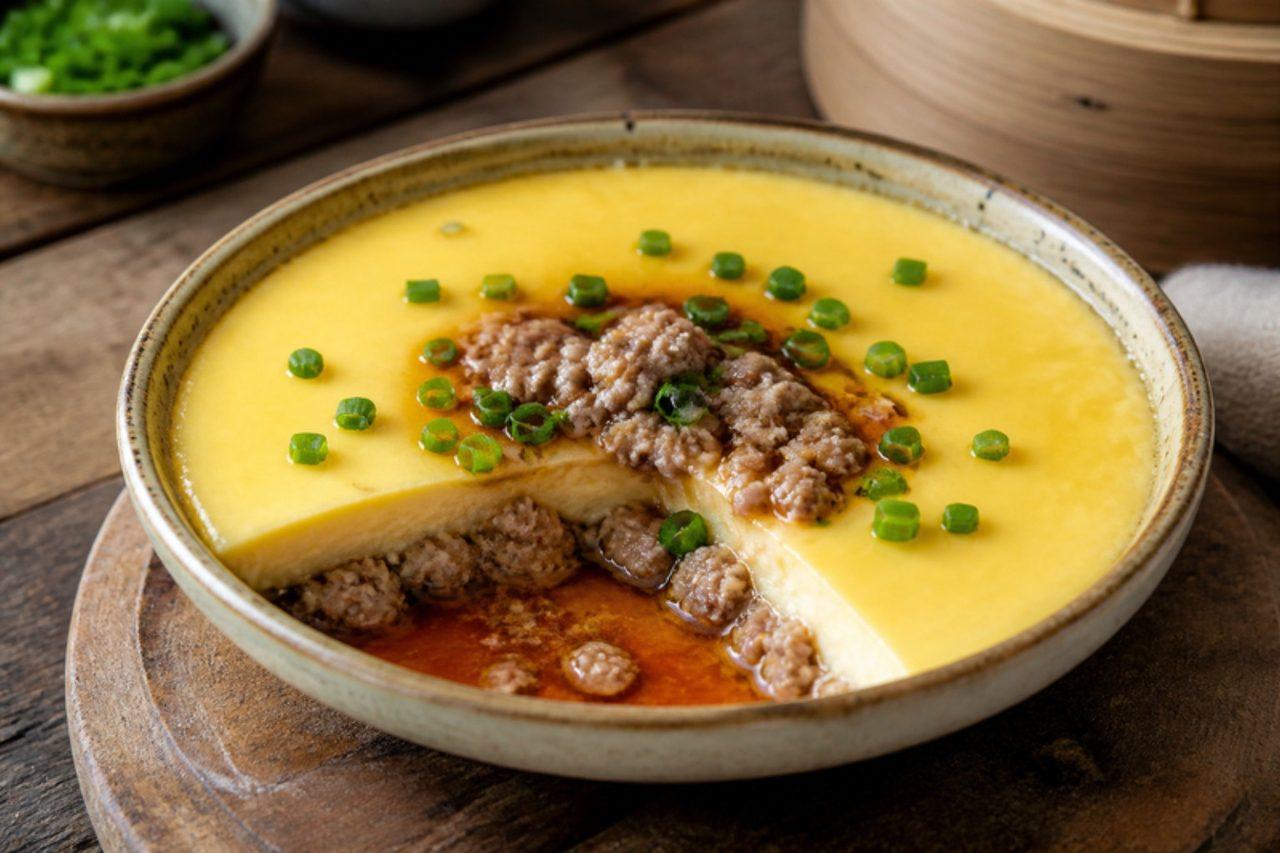
Hong Kong grandmothers make this on busy weeknights, and it is one of the first dishes children there learn to love: a trembling, glass-smooth egg custard with a layer of soy-seasoned minced pork underneath, served in its dish with a drizzle of soy and sesame oil and a bowl of white rice. It costs little, cooks in minutes and tastes of comfort. Getting the texture right is all about gentle heat. The pitfall nearly everyone hits is steaming on full blast with no lid on the dish, which gives a pitted, spongy surface; cover the bowl and steam on a medium heat instead. Chef's tip: use warm stock or water at 1½ times the volume of the beaten eggs, and strain the mixture through a sieve to remove the bubbles.

by KrazyBadal 0 views

Fritaja sa šparogamaWild asparagus scrambled eggs

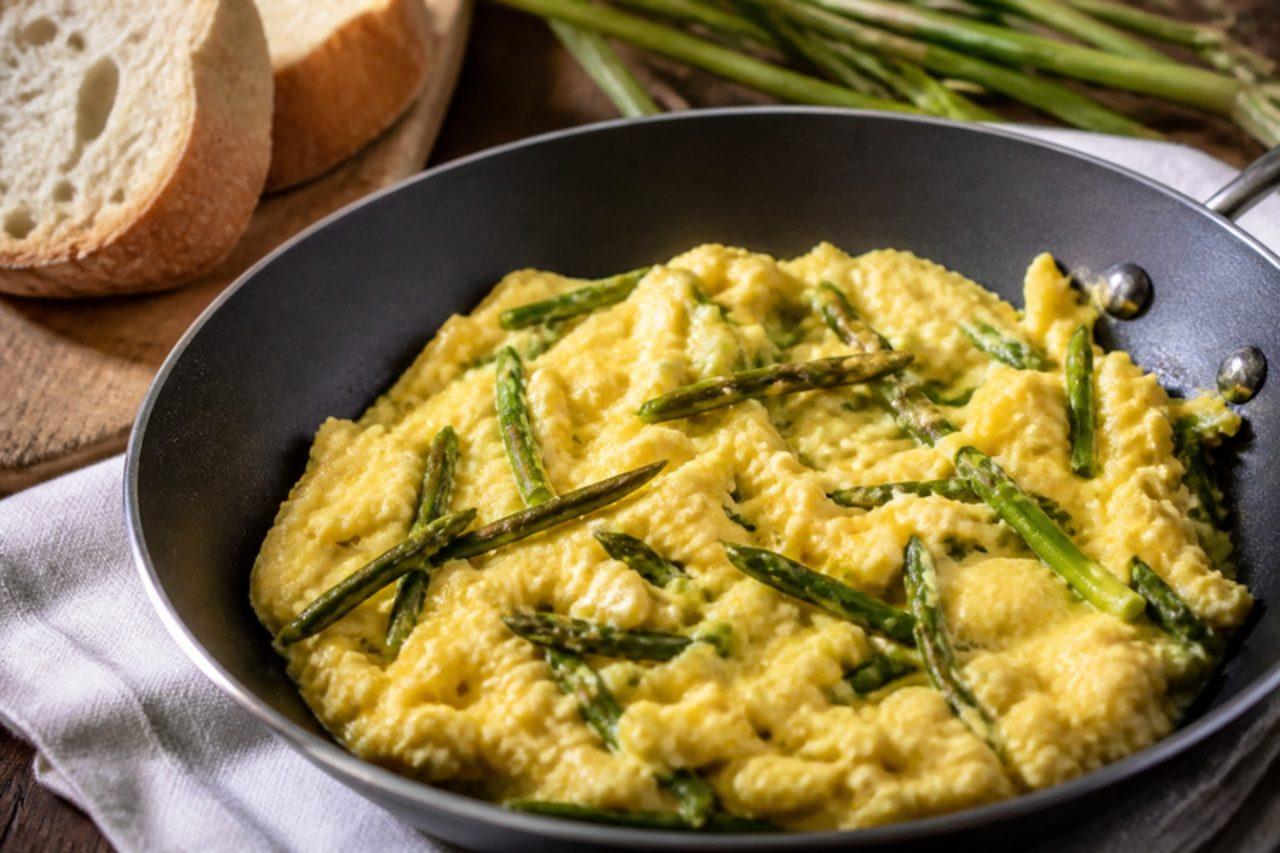
Come April, families across Istria and the Kvarner coast of Croatia walk the hedgerows picking thin, dark wild asparagus, and the first bunch nearly always becomes fritaja. Despite the name it is softer than an omelette: the spears are fried in olive oil, then beaten eggs are stirred through until they set in loose, creamy curds. Wild asparagus tastes greener and slightly bitter, which is lovely against the rich egg; thin garden asparagus works if you can't forage. Eat it for breakfast or a light supper with crusty bread and a glass of cold water or fresh juice. The usual slip is cooking the eggs hard and dry; stir gently over a low heat and stop while they still look moist. Chef's tip: snap each spear and keep only the part that breaks cleanly; the woody ends never soften.

by KrazyBadal 0 views

Gandofli (Alexandrian garlic clams)

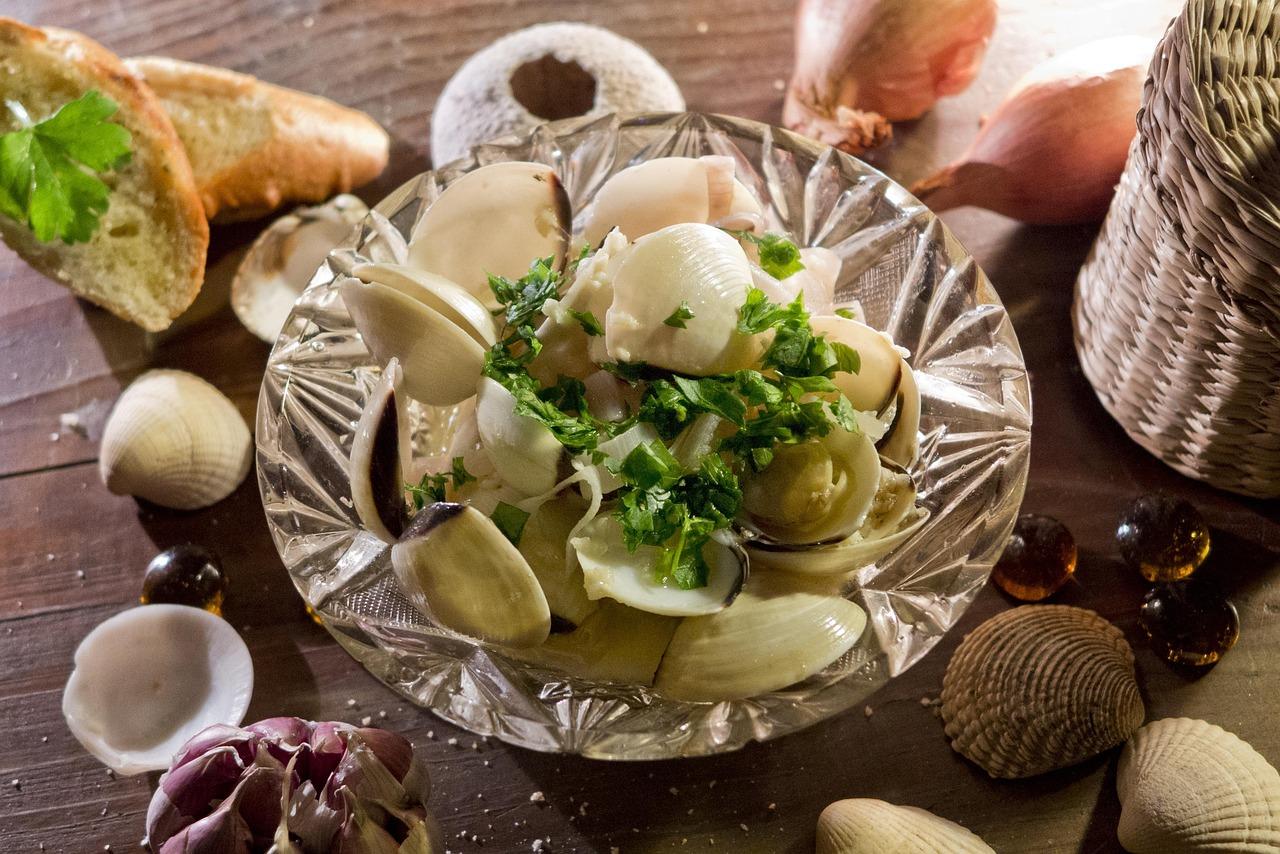
Along the Alexandria Corniche and in the old Anfushi fish quarter, gandofli are a summer seaside snack, often sold by the plateful with lemon and sometimes eaten raw. Raw shellfish carries a real risk of food poisoning, so this home version cooks them: the little clams go into a hot pan with olive oil, garlic, a pinch of cumin and chilli, and steam open in a minute or two, releasing sweet, salty juices that mix with lemon into a sauce for mopping up with bread. Buy them live from a reputable fishmonger and cook them the same day. Chef's tip: soak the clams in salted water in the fridge for 30 minutes before cooking so they spit out their sand; nothing spoils them faster than grit.

by KrazyBadal 0 views

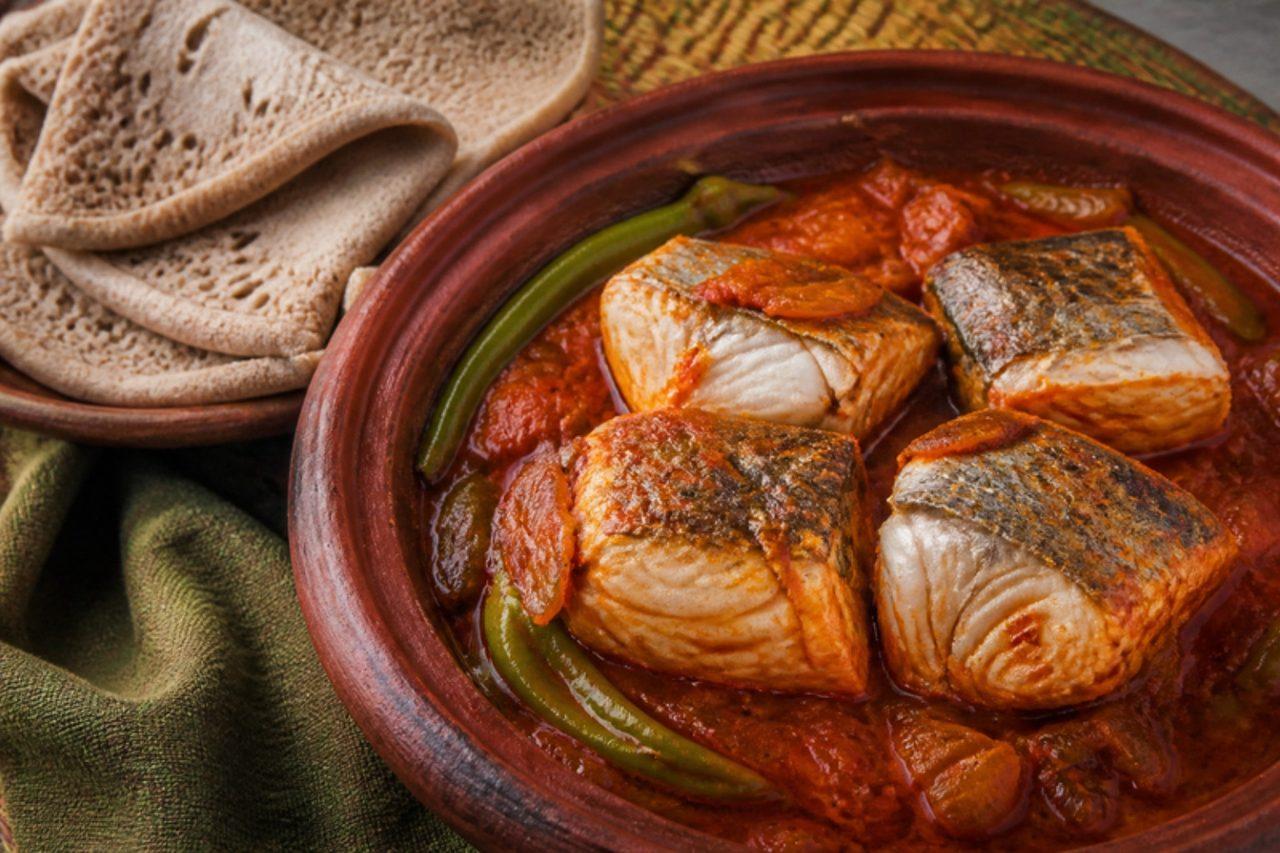
Asa watFish in berbere stew

Around Lake Tana in Bahir Dar and on the shores of Lake Hawassa, fresh tilapia, Nile perch and catfish are cheap and plentiful, so fish goes into the same deep red berbere sauce that elsewhere would hold beef or chicken. Asa wat has the familiar long-cooked onion base and warming spice, but it is lighter than a meat wat, with tender, sweet chunks of fish soaking up the sauce. It is eaten with injera, often alongside a lentil or greens dish, and is a popular choice on fasting days for those who eat fish. Stirring once the fish is in is the classic mistake; it breaks into shreds, so shake the pan instead. Chef's tip: add the fish only once the sauce is fully cooked and thick, then give it no more than 10 minutes.

by KrazyBadal 0 views

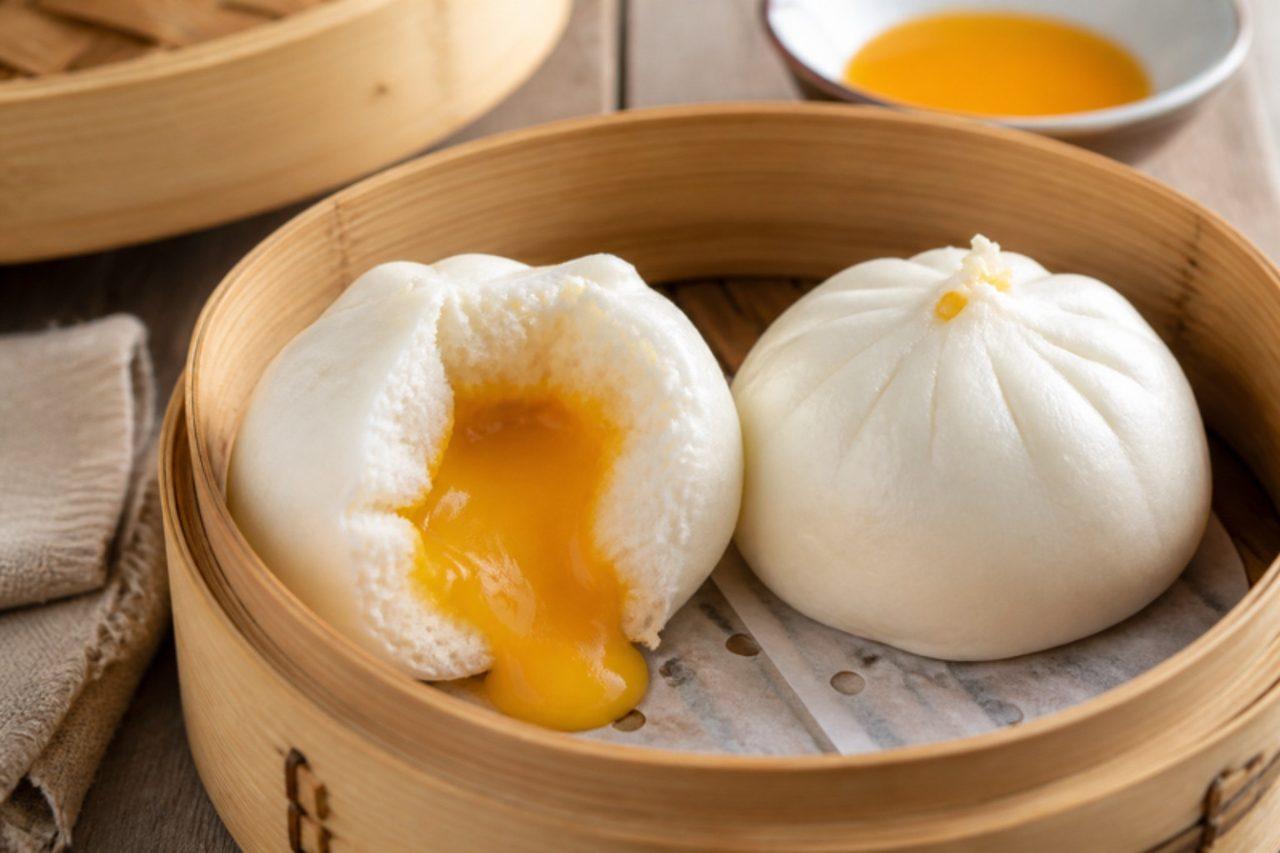
Steamed custard buns (lau sa bao)

Tear one open at a Hong Kong yum cha table and a stream of golden, buttery custard runs out, which is exactly why the name means 'flowing sand'. The filling is sweet and salty at once, grainy with mashed salted duck egg yolk and rich with butter and milk powder, wrapped in a snow-white, cotton-soft bun. Teahouses from Central to Mong Kok bring them out in bamboo baskets of three, usually near the end of the meal with a pot of pu'er or chrysanthemum tea. Most failures happen when the filling goes into the dough soft: it smears, leaks through the seams and never turns runny inside. Chef's tip: freeze the filling balls until rock hard before wrapping, then serve the buns within a few minutes of steaming, while the butter is still liquid.

by KrazyBadal 0 views

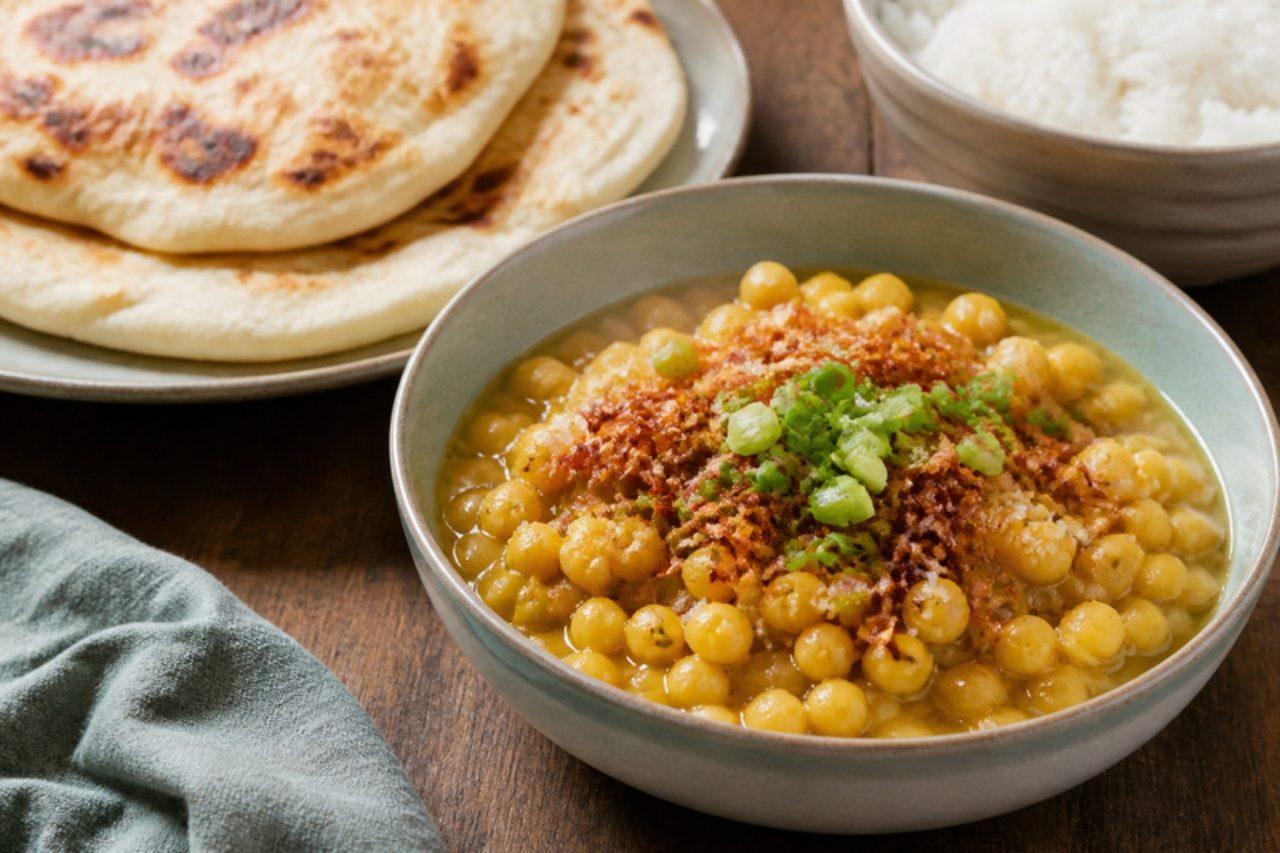
Pe pyot (boiled yellow peas)

Before the city wakes, pe pyot sellers pedal through Yangon's townships calling out from bicycle baskets of warm, steaming peas, scooping portions into leaf parcels for families to eat with fried rice, flatbreads or toasted naan. Dried yellow or white peas are soaked overnight and simmered until creamy inside but still whole, then seasoned simply with salt and a spoon of oil fried with shallots. The flavour is mellow, earthy and slightly sweet, and the texture is soft and fluffy, like a good baked potato. Too much bicarbonate of soda is the common slip: a pinch softens the skins, but more turns the peas to soapy mush. Chef's tip: make a double batch; pe pyot keeps for three days in the fridge and turns tomorrow's leftover rice into pea fried rice.

by KrazyBadal 0 views

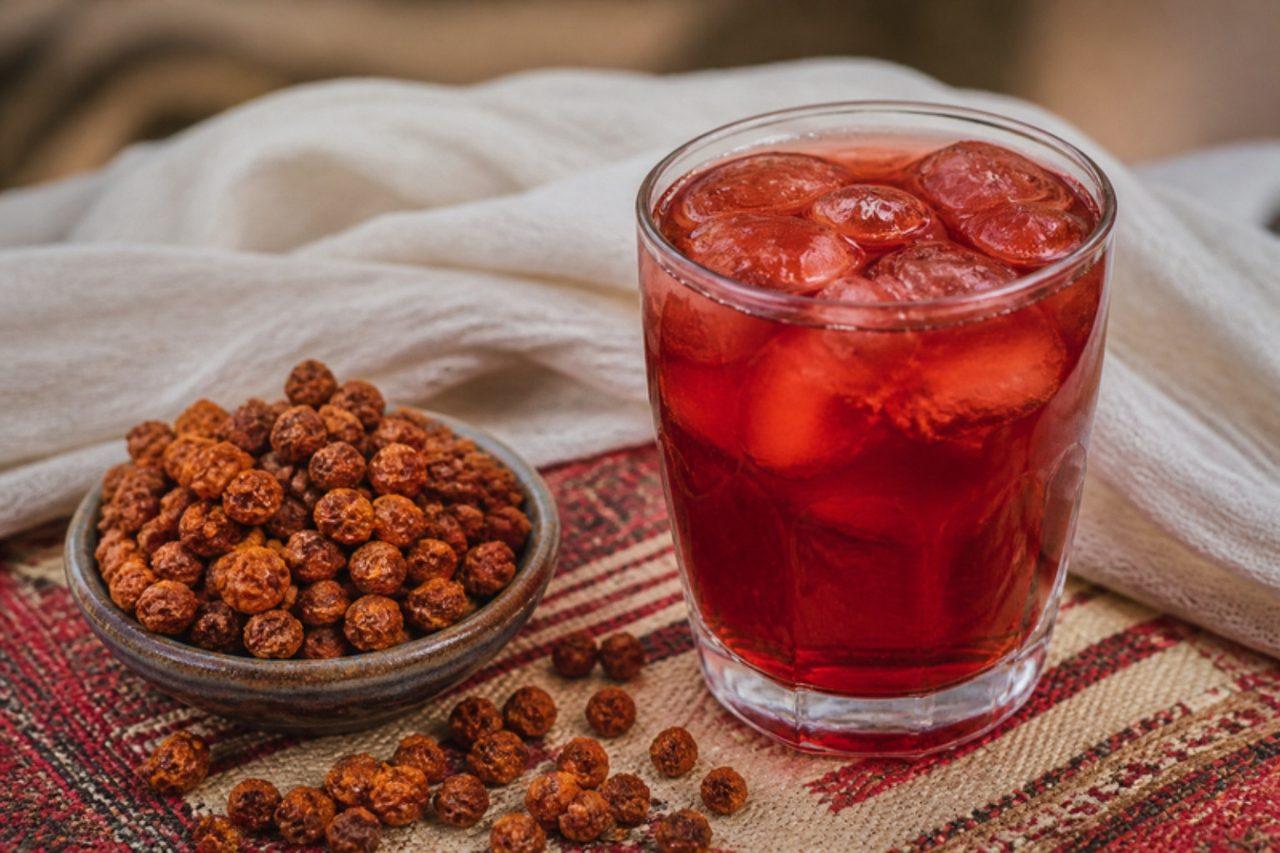
Guddaim (Sudanese grewia berry drink)

Small, round guddaim berries, the fruit of a wild grewia shrub that grows across Kordofan and Darfur, are dried and sold by the cupful in Sudanese markets. Soaked in water and rubbed off their stones, they give a cloudy reddish-brown drink that tastes a little like dates and sour cherries, with a pleasantly sharp finish. It is drunk ice-cold in the heat of the day, at iftar and to welcome guests. Look for dried guddaim in Sudanese or East African shops. If you cannot find it, a mix of 150 g pitted dates and 50 g tamarind pulp soaked the same way gives a similar sweet-sour drink, though not the same. Rubbing too hard and breaking the stones is the usual mistake, as it clouds the drink with grit; rub gently. Chef's tip: soak the berries in cool water overnight in the fridge for the fullest flavour.

by KrazyBadal 0 views

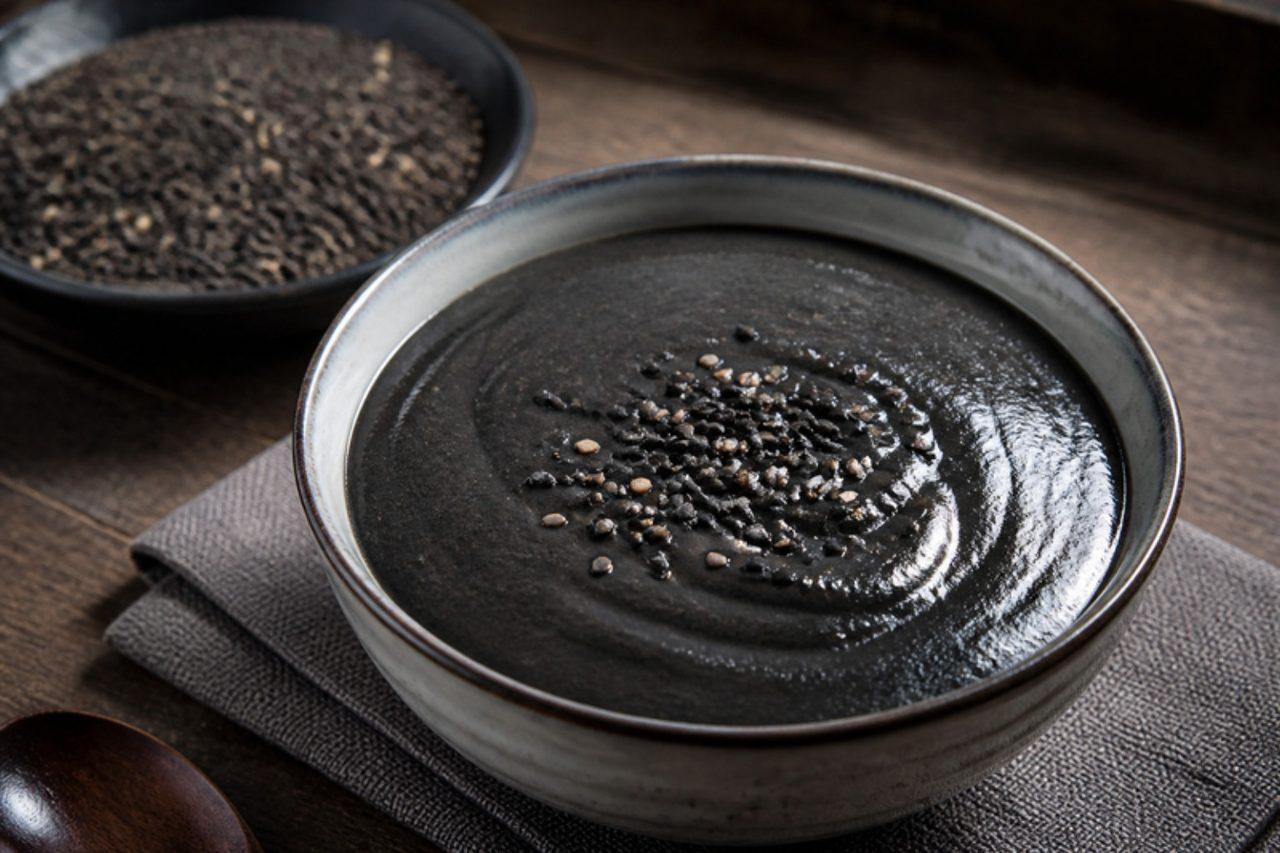
Black sesame soup

Steaming bowls of inky ji ma wu are a staple of Hong Kong dessert shops on cool evenings, eaten after dinner or as a late-night snack on the way home. The soup is thick enough to coat a spoon, nutty and roasted with a faint bitterness that balances the rock sugar, and so smooth it feels like warm velvet. It's often paired half-and-half in one bowl with almond tea or walnut soup, or served with sweet glutinous rice balls. Over-toasting the sesame is the mistake to avoid; once the seeds scorch, the whole pot tastes acrid. Chef's tip: blend the toasted seeds with water for a full two minutes, until no grit is left between your fingers, before it goes into the pan.

by KrazyBadal 0 views

Showing 18 of 7,762 recipes

Show more recipes

Page 176 of 863