


Skip to content
Espinacas con garbanzos
Featured recipe

Espinacas con garbanzos

Spinach and chickpeas

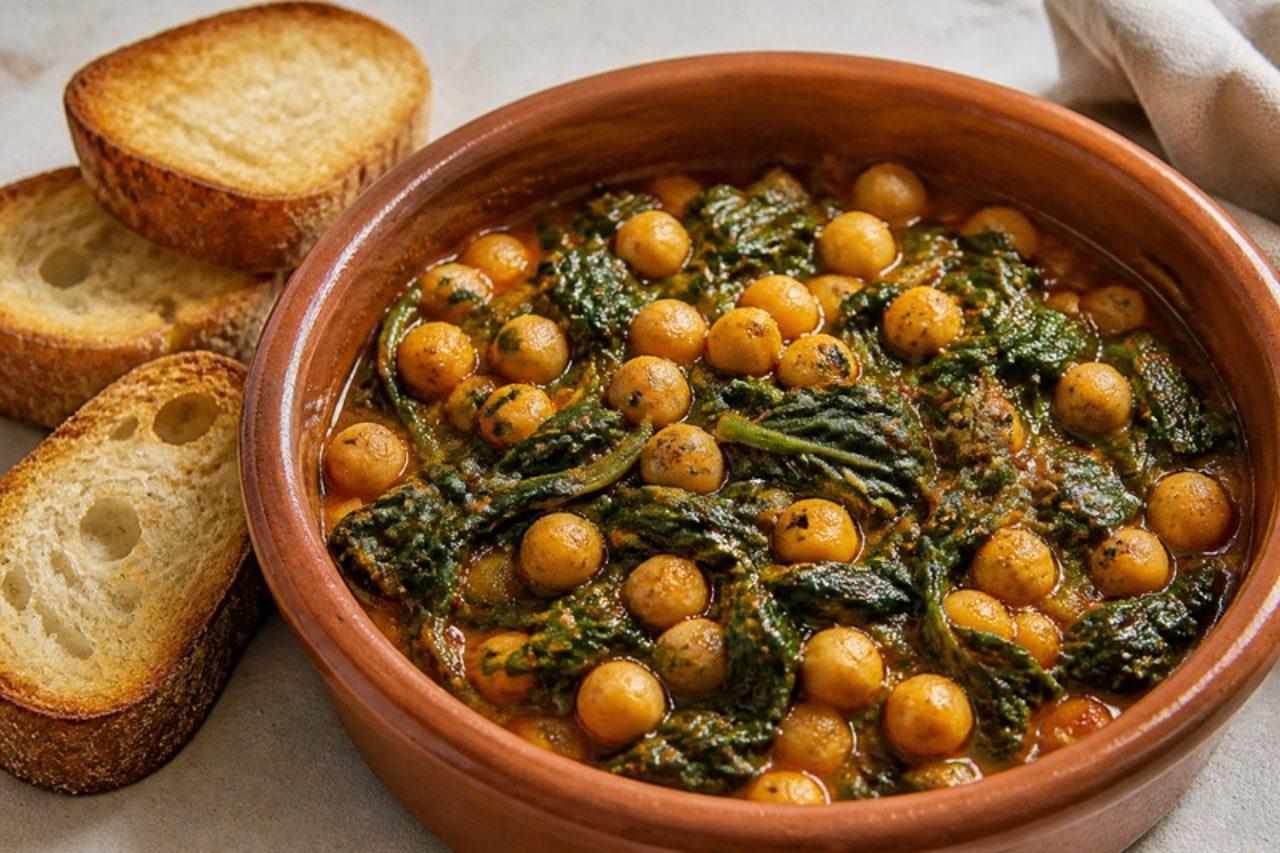
Espinacas con garbanzos is one of the great tapas of Seville, served in little earthenware dishes in the bars around the cathedral and the Triana market. It carries the city's Moorish past in its spices: cumin, smoked paprika and a little vinegar, with a sauce thickened by a paste of garlic and bread fried in olive oil, the old Andalusian trick called a majado. Earthy chickpeas, soft spinach and a sauce rich enough to mop up with bread make it a filling vegan supper too. It is traditional in Seville during Lent. Chef's tip: pound the fried bread and garlic with the spices and vinegar into a thick paste before it goes into the pan; this majado is what gives the dish its smoky, velvety sauce, so don't skip it.

Read more 0 views

What to eat today?

Around the world

Today's trip: Paraguayan

A new country every day, from every cuisine on the site.

Paraguayan

Buñuelos de algas

Sea lettuce fritters 35 minMore from Paraguayan (27) →

This week's collection

Kid-friendly dinners
537 recipes · a new collection every Monday

Latest recipes

Cantonese roast goose

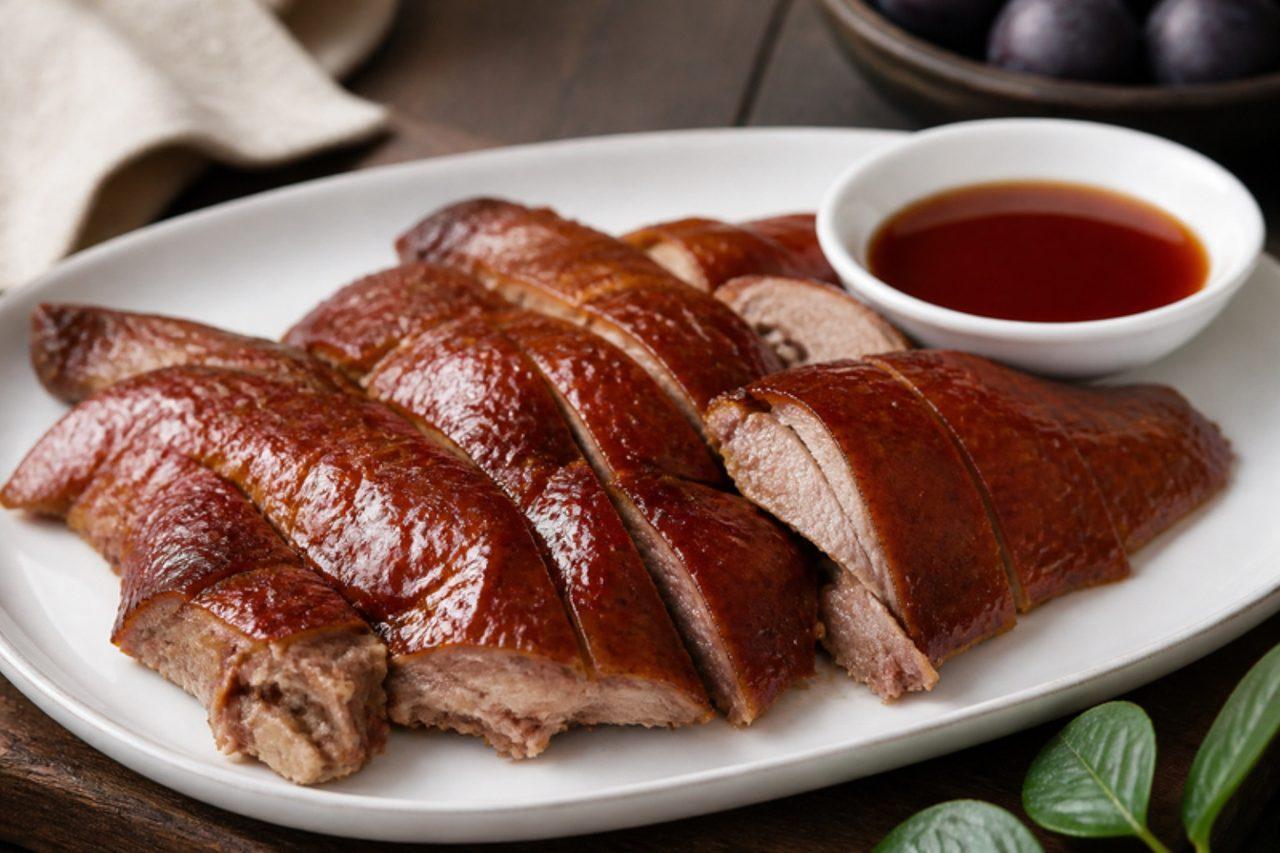
Drive out along the coast road to Sham Tseng in the New Territories and the restaurants there have been roasting geese for generations; Hong Kongers make the trip for a plate of it with lai fun noodles, or order a half goose for a family dinner. The skin is thin, crisp and deep mahogany, the meat dark, rich and juicy, scented from the inside with five-spice, bean paste and garlic. Sour plum sauce cuts through the fat. This home version uses an oven-ready goose (head already removed, as it is sold), dried overnight and roasted in a domestic oven. A frequent slip is roasting a goose straight from the wrapper: without its overnight drying and a glaze, the skin stays leathery. Chef's tip: pour off the rendered fat as it collects; it is superb for roasting potatoes or frying rice.

by KrazyBadal 0 views

Burmese pennywort salad

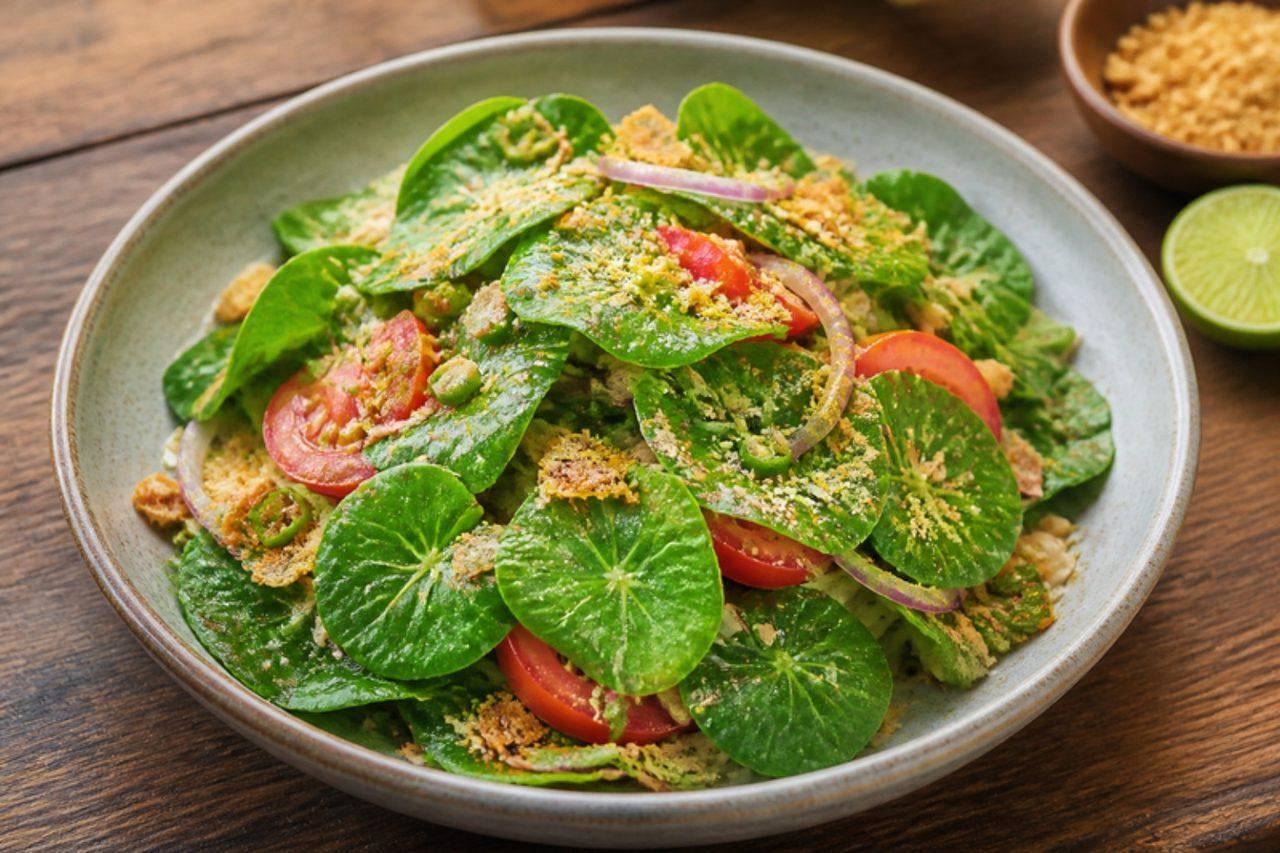
Myin khwa, 'horse's hoof', is the Burmese name for pennywort, after the shape of its round leaves, and Mandalay grandmothers swear by a plate of it to cool the body during the hot months before the monsoon. The fresh leaves are slightly bitter and grassy, a little like watercress, and they are tossed by hand with toasted chickpea flour, crushed peanuts, crunchy fried garlic and its oil, lime juice, tomato and sliced onion. The salad is served as a side to rich curries, where its clean sourness cuts through the oil. Wet leaves ruin it: the dressing slides off and turns watery, so dry them completely after washing. Chef's tip: look for pennywort sold as gotu kola at Asian and Sri Lankan grocers; young watercress makes a fair stand-in.

by KrazyBadal 0 views

Trey aing (grilled fish with lemongrass)

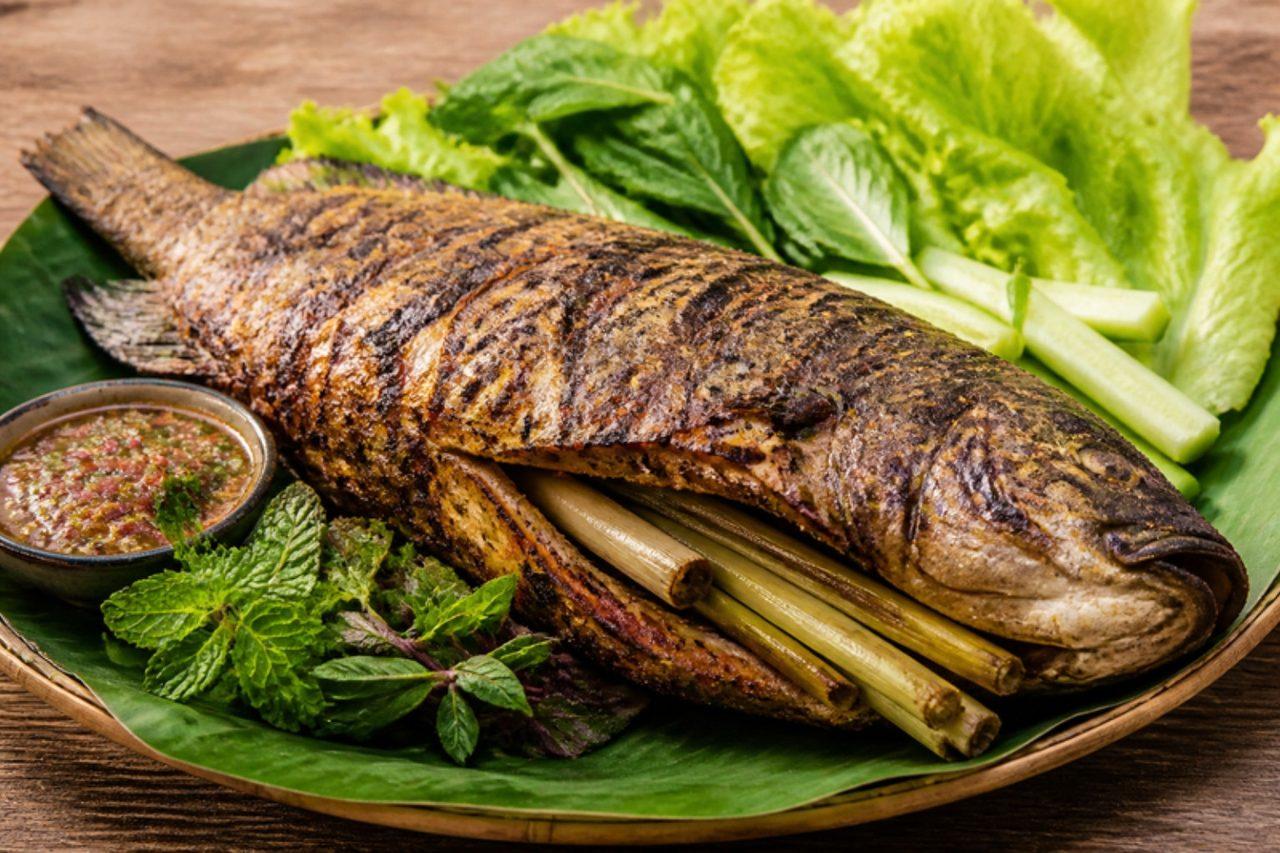
Around Siem Reap and the floating villages of the Tonlé Sap, weekend outings mean a bamboo picnic hut by the water and a whole fish grilled over charcoal in a wire basket. The fish is stuffed and rubbed with lemongrass, garlic and salt, so the skin blisters and smokes while the white flesh stays moist; diners pull off flakes and wrap them in lettuce with mint, basil, sliced cucumber and sour green mango, then dunk the parcel in a garlicky lime dip with crushed peanuts. Snakehead or tilapia are the usual fish, but sea bass or bream are excellent. Turning the fish too soon is the classic misstep; the skin tears and sticks to the grill. Chef's tip: oil the fish and the basket well, then leave it alone until the underside releases by itself, about 10 minutes.

by KrazyBadal 0 views

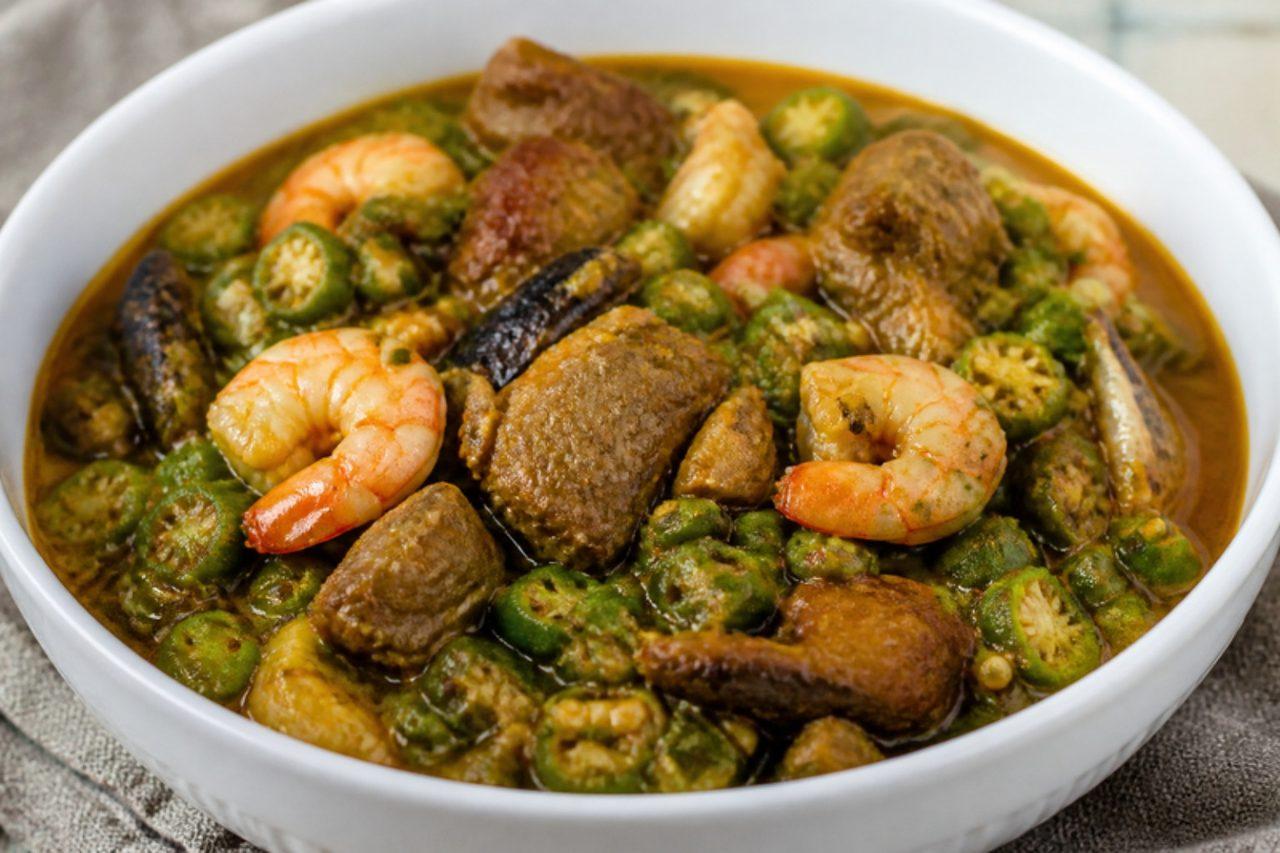
Ila asepo (Yoruba okra soup)

Ibadan and Abeokuta buka ladle ila asepo over amala at lunchtime: a bright, chunky okra soup cooked in a palm-oil pepper base, rather than the plain boiled okra of other regions. Iru and crayfish give depth, assorted meat and smoked fish give body, and prawns go in at the end, so every spoonful is drawy, savoury and loaded. It is just as good with eba or pounded yam. Cooking the okra too long is the usual mistake; it loses its stretch and its green colour, so add it last and give it only 4–5 minutes. Chef's tip: chop the okra by hand into small dice instead of blending it, and the soup keeps its pleasant crunch.

by KrazyBadal 0 views

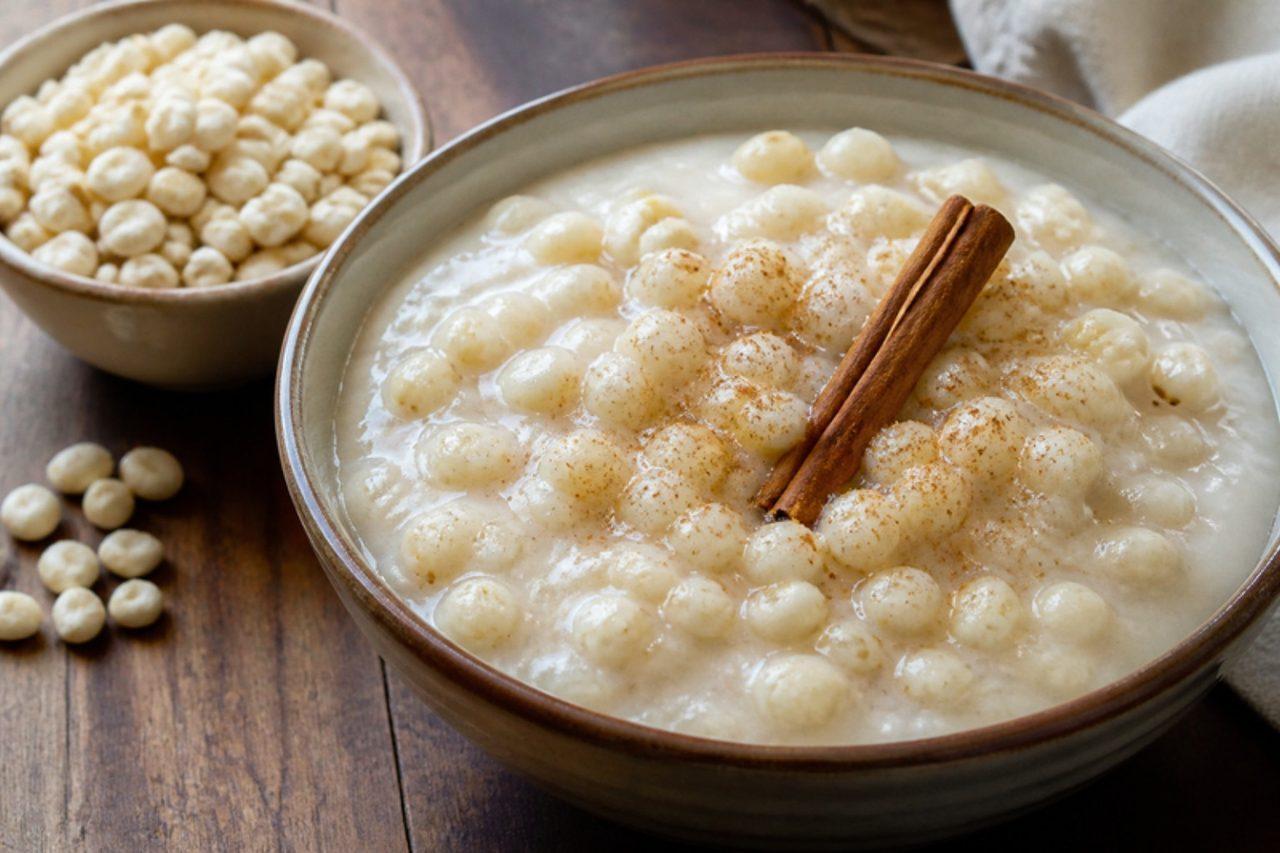
Jamaican hominy corn porridge

Hominy porridge is a weekend job in Jamaican homes from Spanish Town to Mandeville: the dried, hulled corn kernels need soaking overnight and a long, slow simmer before they burst open, tender and chewy, in a creamy coconut and spice base. The finished porridge is thick and comforting, sweetened with condensed milk and perfumed with cinnamon, nutmeg and vanilla, and it reheats beautifully through the week. The mistake many people make is adding the coconut and milk at the start, where they catch and burn during the long cook; boil the corn in water first. Look for dried white hominy at Caribbean or Latin shops, and remember the overnight soak. Chef's tip: stir in a spoonful of cornmeal or flour mixed with water at the end if you like it thicker, as many Jamaican cooks do.

by KrazyBadal 0 views

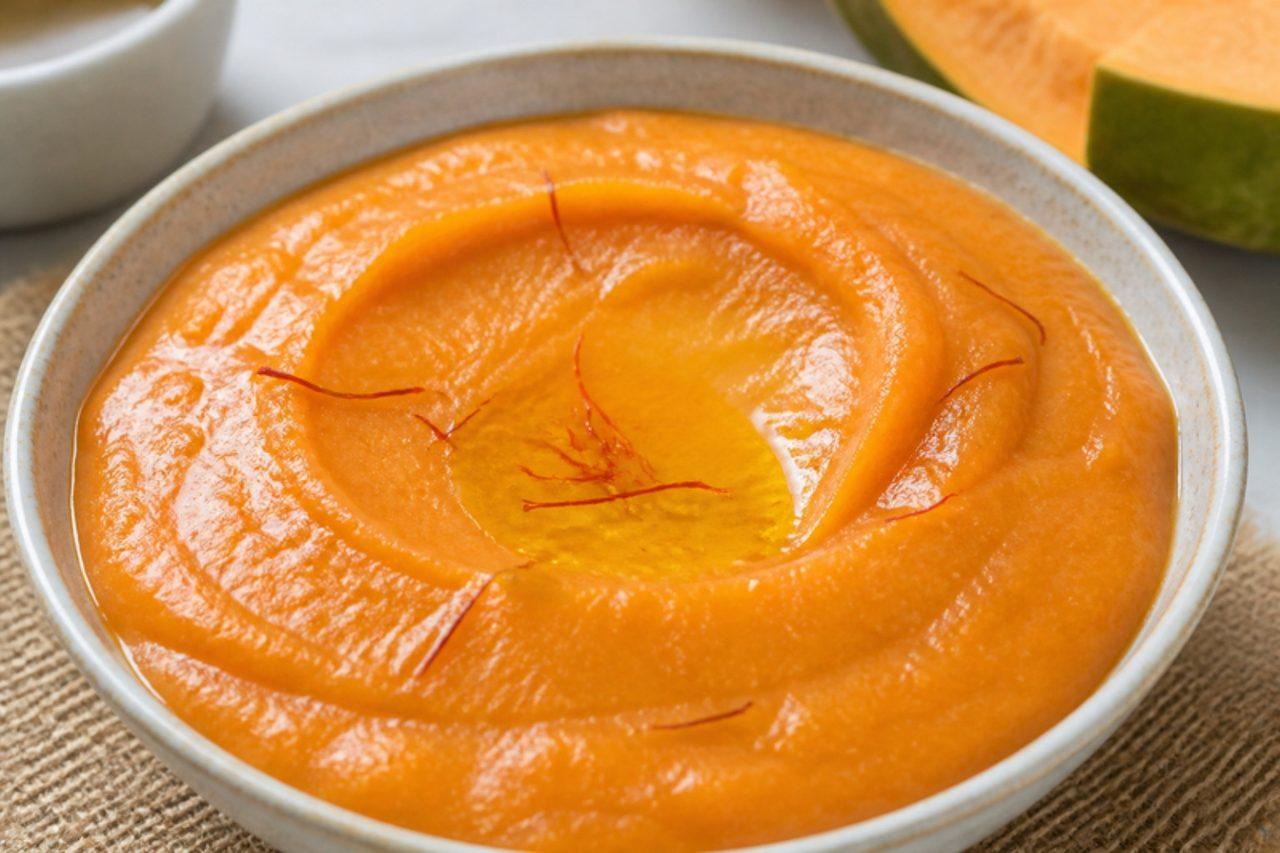
Aseedat bobarPumpkin pudding with ghee

In Doha and Kuwait City, aseedat bobar arrives on winter evenings and at Ramadan iftar in a shallow dish, smooth and orange, with a little pool of melted ghee in the centre. Bobar is the Gulf word for red pumpkin, cooked down and thickened with toasted flour, sugar and cardamom into a soft, spoonable sweet that tastes a bit like a spiced pumpkin pie filling. Scoop it warm with a spoon or with pieces of bread, alongside Arabic coffee. Stopping the stirring too soon is the usual mistake: the pudding must cook until it pulls away from the sides, or it tastes of raw flour. Chef's tip: toast the flour in a dry pan until it smells like biscuits before it goes in; that nutty note is what makes it.

by KrazyBadal 0 views

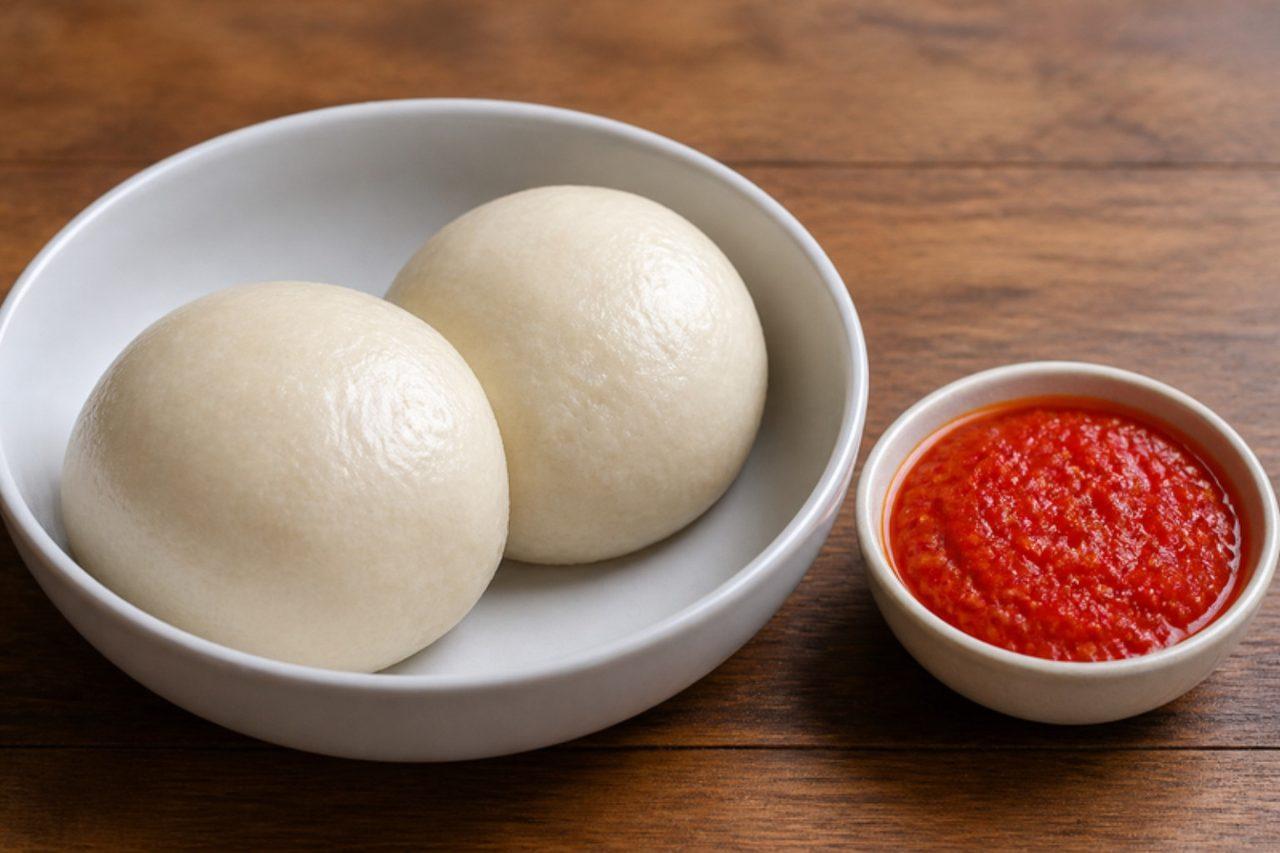
BankuFermented corn and cassava dough

Chop bars from Jamestown to Teshie serve banku all day, usually beside grilled tilapia, okro stew and a fierce raw pepper sauce. Fermented corn dough and cassava dough are cooked together and turned hard with a wooden spatula until they become a smooth, stretchy, faintly sour ball that you pinch off with your fingers and dip into soup or stew. At home it is good with any Ghanaian soup, and a meat-free okro stew or pepper sauce keeps the whole meal vegan. Ready-made doughs are sold in African grocers. A lumpy banku comes from adding dough to hot water; always mix it with cold water first, then heat. The commonest mistake is stopping the stirring; banku needs constant turning with a wooden spoon or it goes lumpy and raw in patches. Chef's tip: keep a bowl of water next to the pot and wet the spatula and your hands as you shape the balls, so the banku comes out glossy and nothing sticks.

by KrazyBadal 0 views

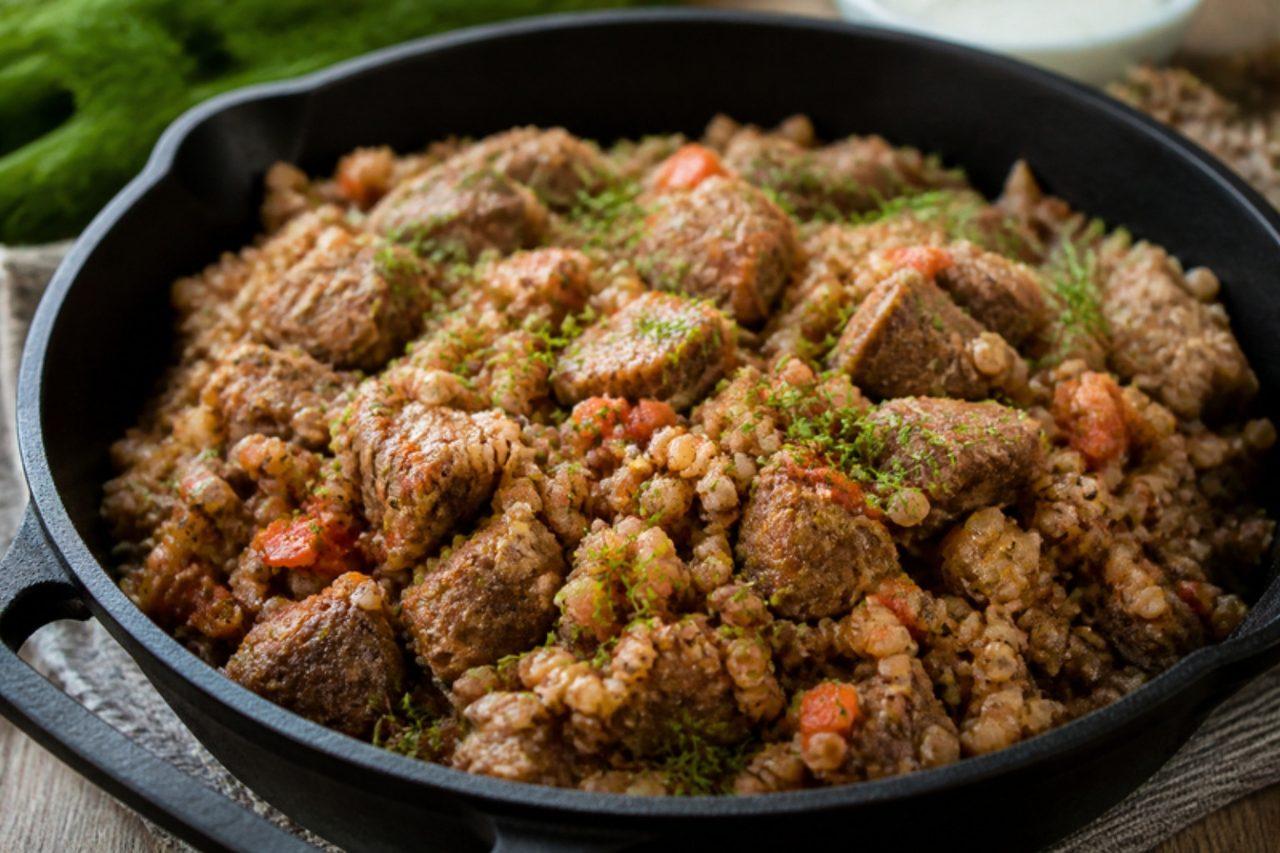
Grechka po-kupecheskiMerchant-style buckwheat

Russian merchants of the nineteenth century liked their buckwheat with meat in it, and "merchant-style" grechka became a hearty one-pan supper that students, soldiers and busy parents still cook today. Cubes of pork shoulder are browned with onion and carrot, enriched with tomato, then roasted buckwheat simmers in the same pan until every grain is separate and steeped in the juices. It is earthy, savoury and filling, best with a salted cucumber or a spoon of tsakhdon-style garlic sour cream. The usual slip is stirring the buckwheat while it cooks, which breaks the grains into mush; cover the pan and leave it alone. Pork pieces should be fully cooked to 71 °C. Chef's tip: toast the buckwheat in the pan for a minute before adding water to deepen its nutty taste.

by KrazyBadal 0 views

Arroz con dulceCoconut rice pudding

From the start of December to the Three Kings in January, trays of arroz con dulce cool on Puerto Rican kitchen counters, sliced into squares and handed round at parrandas when carollers arrive at the door late at night. Unlike a milky rice pudding, it is cooked in a water steeped with fresh ginger, cinnamon, cloves and star anise, then finished with coconut milk and raisins, so it is fragrant, firm enough to cut and dairy free. The common mistake is adding the sugar too early, which keeps the rice grains hard; sweeten only once they are soft. Chef's tip: soak the rice for an hour first, and it cooks evenly and absorbs the spiced coconut far better.

by KrazyBadal 0 views

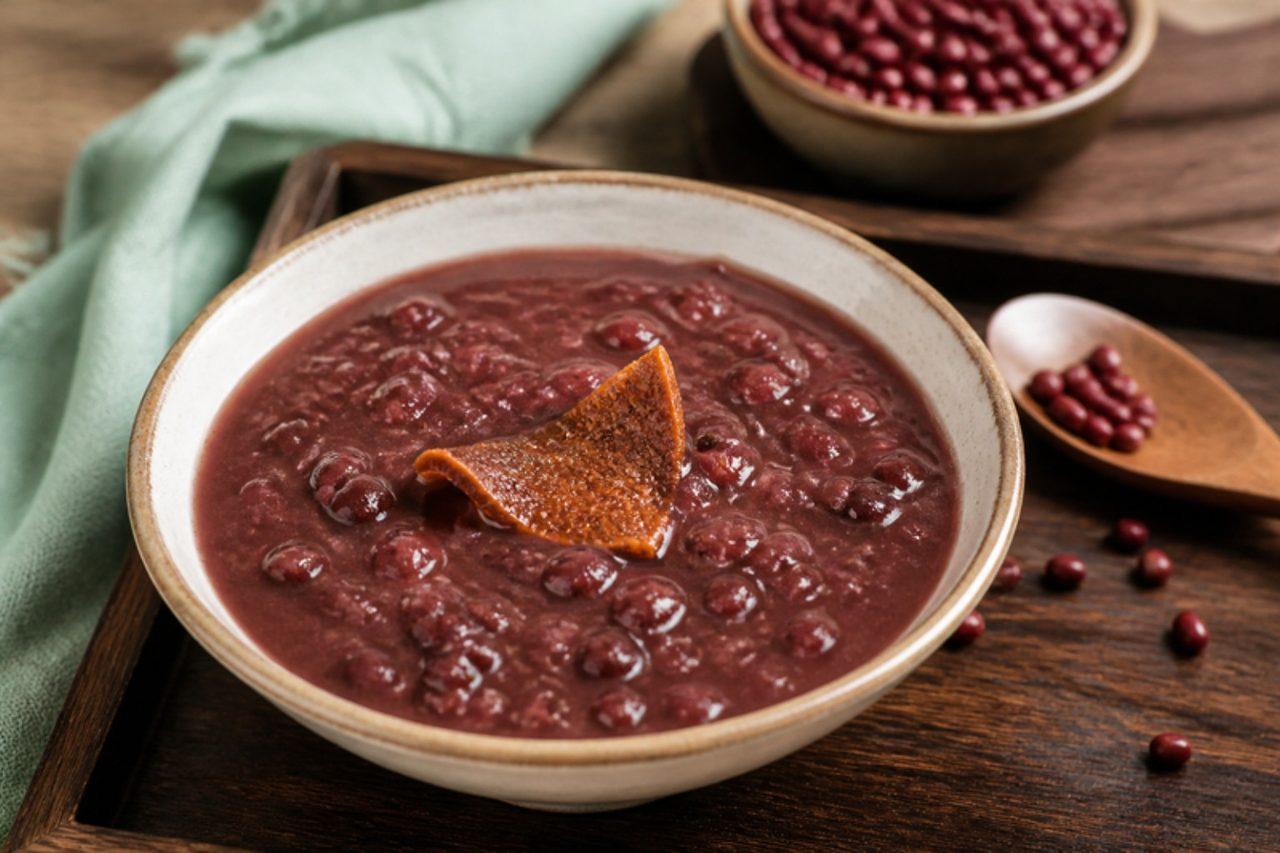
Red bean soup

Hong Kong Cantonese restaurants often send out a small bowl of hung dau sa on the house at the end of a banquet dinner, and dessert shops in Mong Kok serve it hot in winter and chilled with ice in summer. Long simmering breaks the adzuki beans down into a thick, velvety soup, part smooth and part whole beans, scented with the faintly bitter citrus of aged tangerine peel and sweetened with clean-tasting rock sugar. Some add a spoonful of coconut milk, lotus seeds or little glutinous rice balls. Adding the sugar too early is the common misstep, because it keeps the bean skins tough so they never collapse. Chef's tip: soak the beans, then freeze them in their soaking water for a few hours; the ice crystals crack the skins and halve the simmering time.

by KrazyBadal 0 views

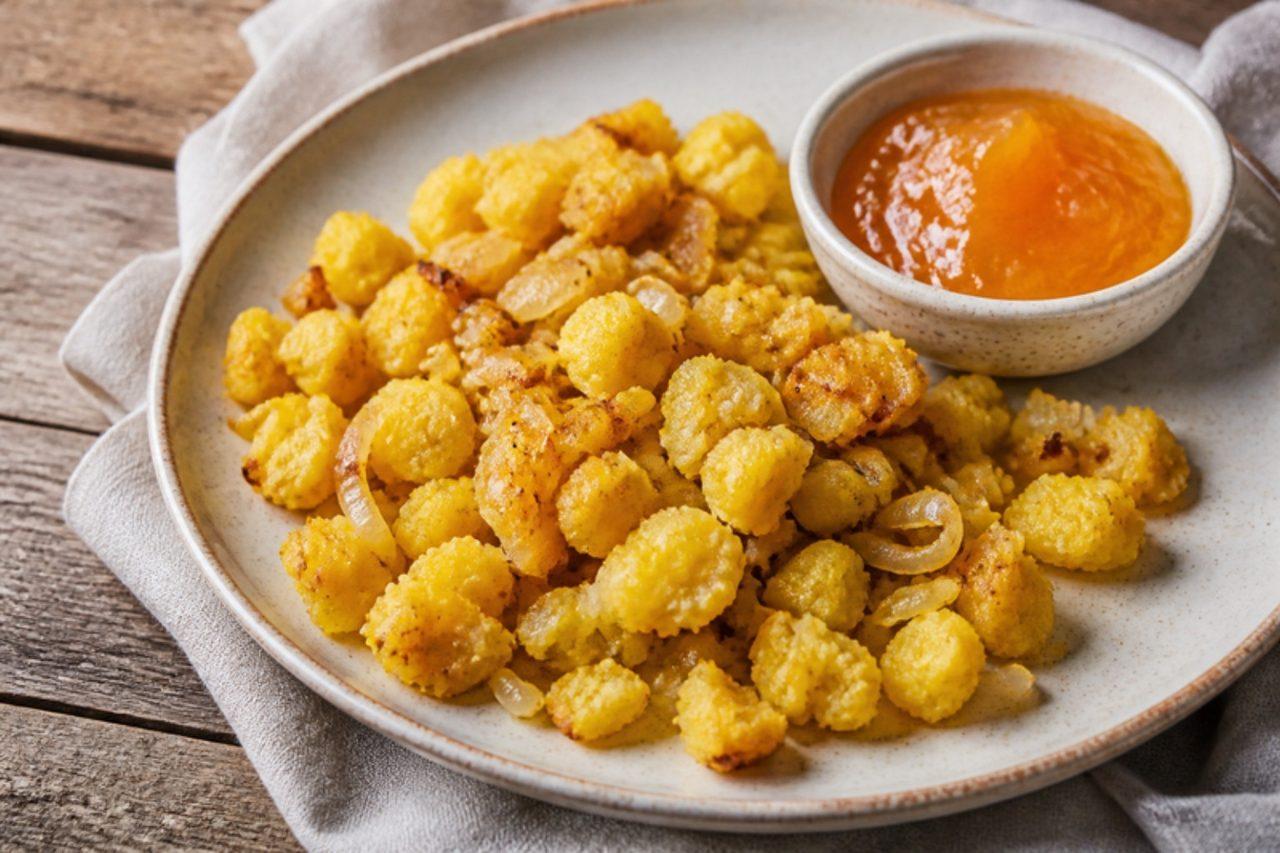
GánicaPotato and flour crumble

Up in the hills of northern Hungary, in Nógrád and Borsod, potatoes and flour were often all a farmhouse kitchen had in late winter, and gánica made a meal of them. The potatoes are mashed with flour into a heavy dough, then torn apart with two forks into small, uneven crumbs, which are tossed in a pan of onion-scented oil until golden in places. The result is soft and fluffy with crunchy edges, more like a savoury crumble than a dumpling. Eat it as a side with a mushroom stew, or sweet, spooned over with plum jam. The usual slip is under-cooking the flour, which leaves the crumbs pasty; give it the full time over the heat while you beat it. Chef's tip: tear the dough while it is still hot; once it cools it sets into a lump and will not crumble.

by KrazyBadal 0 views

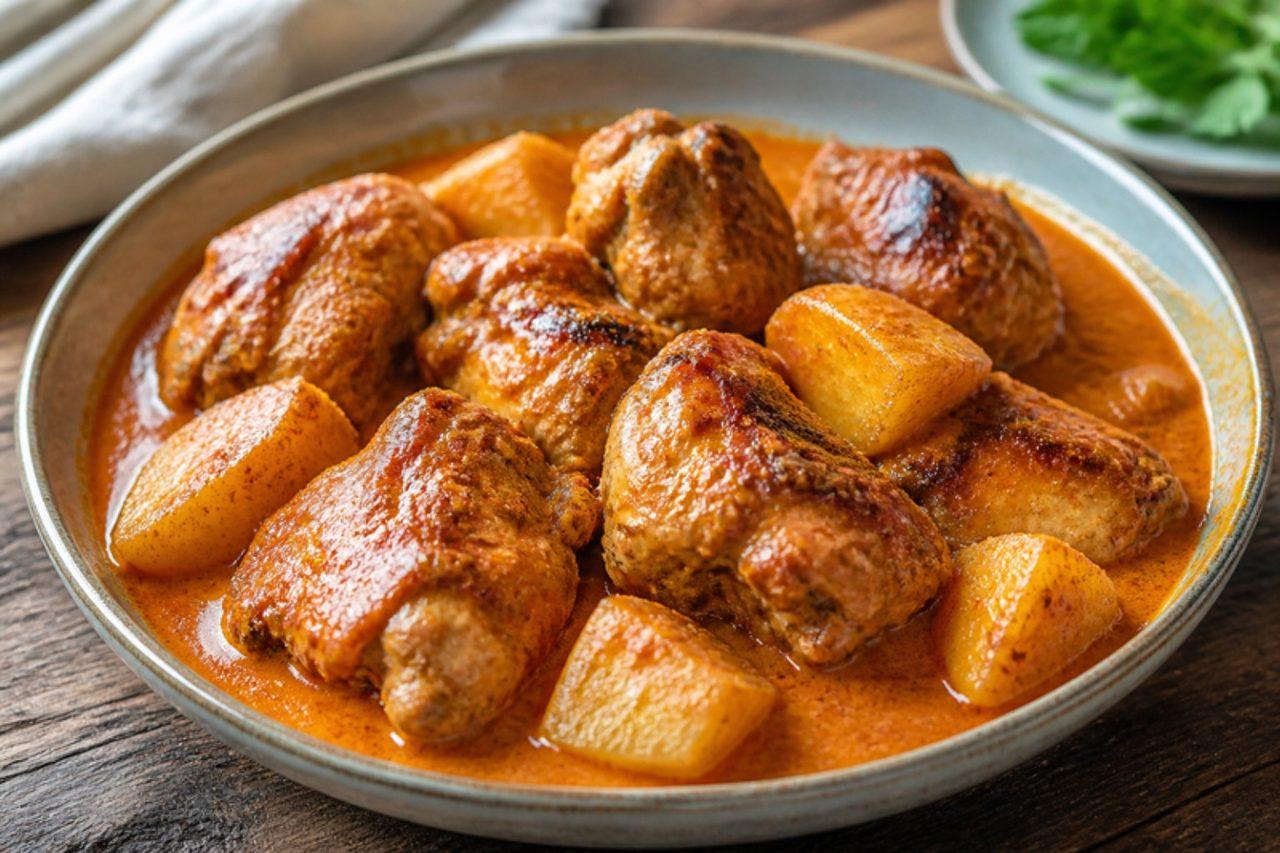
African chicken (Macanese galinha africana)

Macau restaurants have served galinha africana since the 1940s, and the story most often told is that a hotel chef in the city created it from spices that Portuguese sailors brought back from Mozambique and Angola. Today it is a signature at Macanese and Portuguese restaurants from Taipa village to Coloane, eaten at long weekend lunches with rice or crusty bread. Chicken pieces are marinated, grilled until charred, then baked under a thick, brick-coloured sauce of ground peanuts, coconut milk, chilli, paprika, garlic and onion that is rich, nutty and quietly fiery. It is often made with a pale, timid sauce; cook the onion, garlic and paprika slowly until really deep red before the coconut goes in. Chef's tip: marinate the chicken overnight in the fridge so the garlic and chilli reach the bone.

by KrazyBadal 0 views

Tagella (Tuareg sand-baked bread)

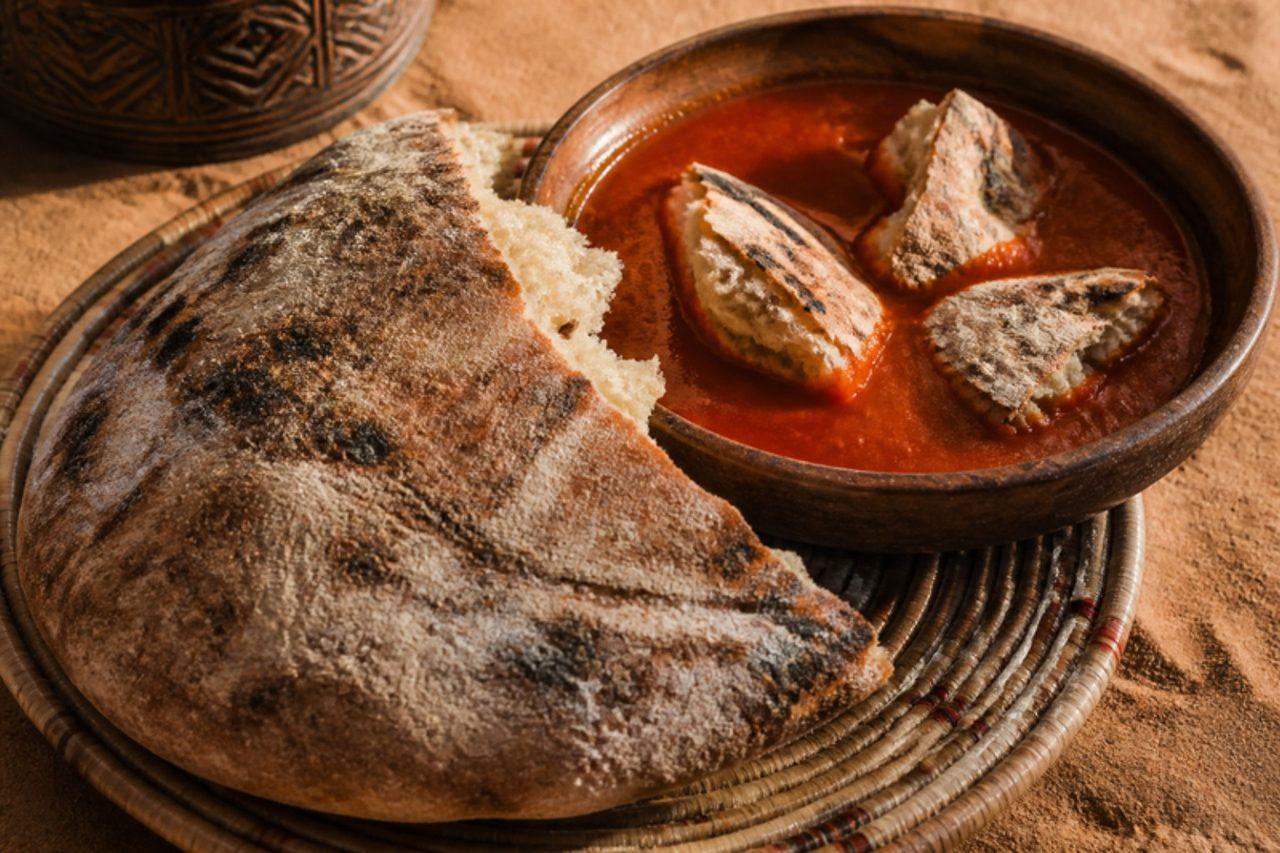
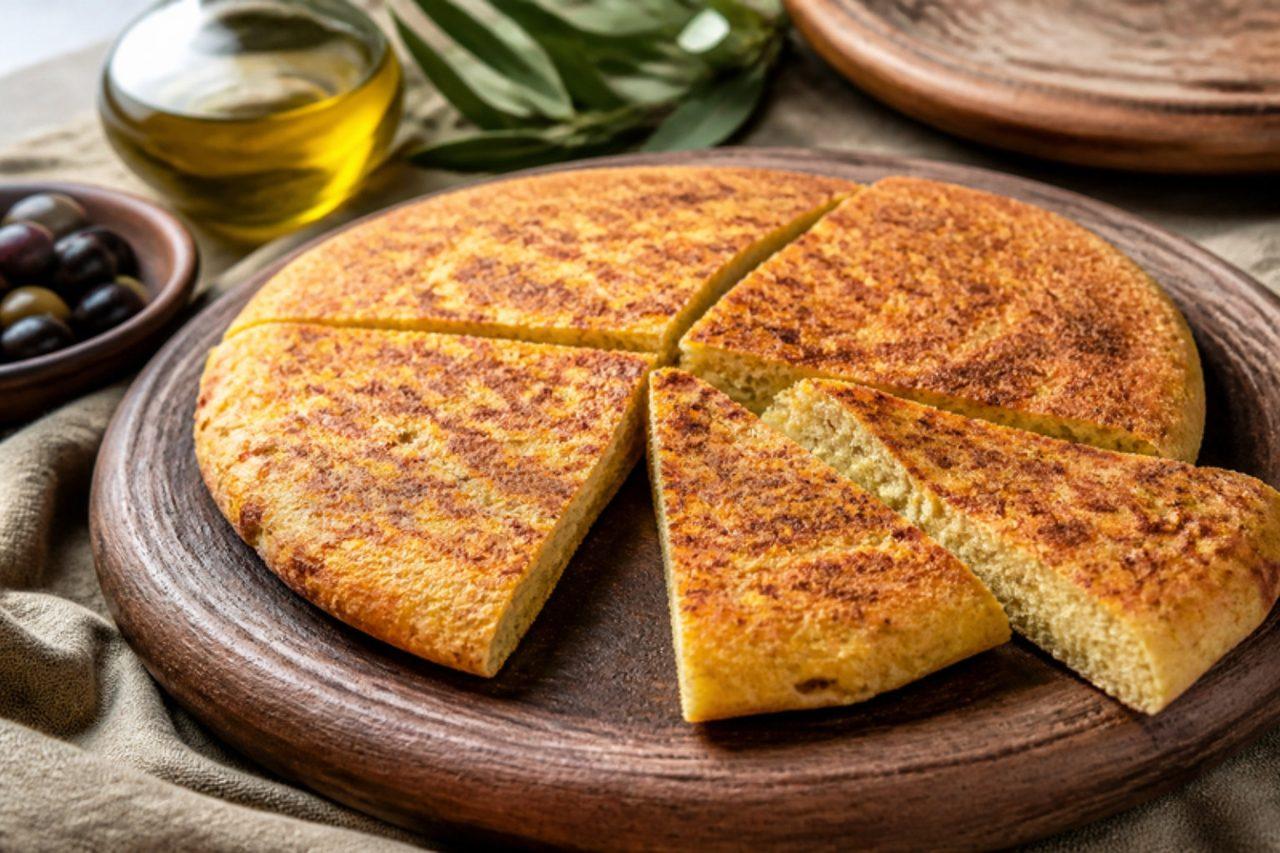
Out in the Hoggar mountains around Tamanrasset, Tuareg cooks bury a thick disc of dough in sand heated by a wood fire, cover it with embers and dig it up half an hour later with a dense, chewy crumb and a thick crust that is beaten clean of sand. The bread is then broken into pieces and soaked in a spicy tomato and onion sauce, a hearty meal for a camp or a desert evening; meat goes in when there is some, and this is the plain version cooked on ordinary days. At home, a very hot oven with a cast-iron pan gives a similar crust. Expect a filling, rustic dish with a smoky, peppery sauce. A frequent slip is making the dough too dry; it should be soft, or the thick round cracks and stays raw in the middle. Chef's tip: bake the bread until it sounds hollow when knocked, because an underbaked, doughy centre turns to paste in the sauce.

by KrazyBadal 0 views

Arroz con maízRice with sweetcorn

In central Cuba, when the fields are full of young corn, families cut the kernels straight off the cob into the rice pot with a sofrito of onion, pepper, garlic and annatto, cooking everything together until golden and sticky at the base. Many farm cooks add salt pork; this vegan version leans on cumin and a little smoked paprika. A common mistake is using too much water, as fresh corn releases its own milk, so keep to the amounts given. Serve with black beans or a tomato and avocado salad. Chef's tip: scrape the cobs with the back of the knife after cutting off the kernels and add that milky pulp; it gives the rice a creamy sweetness.

by KrazyBadal 0 views

Garash tortaWalnut meringue chocolate cake

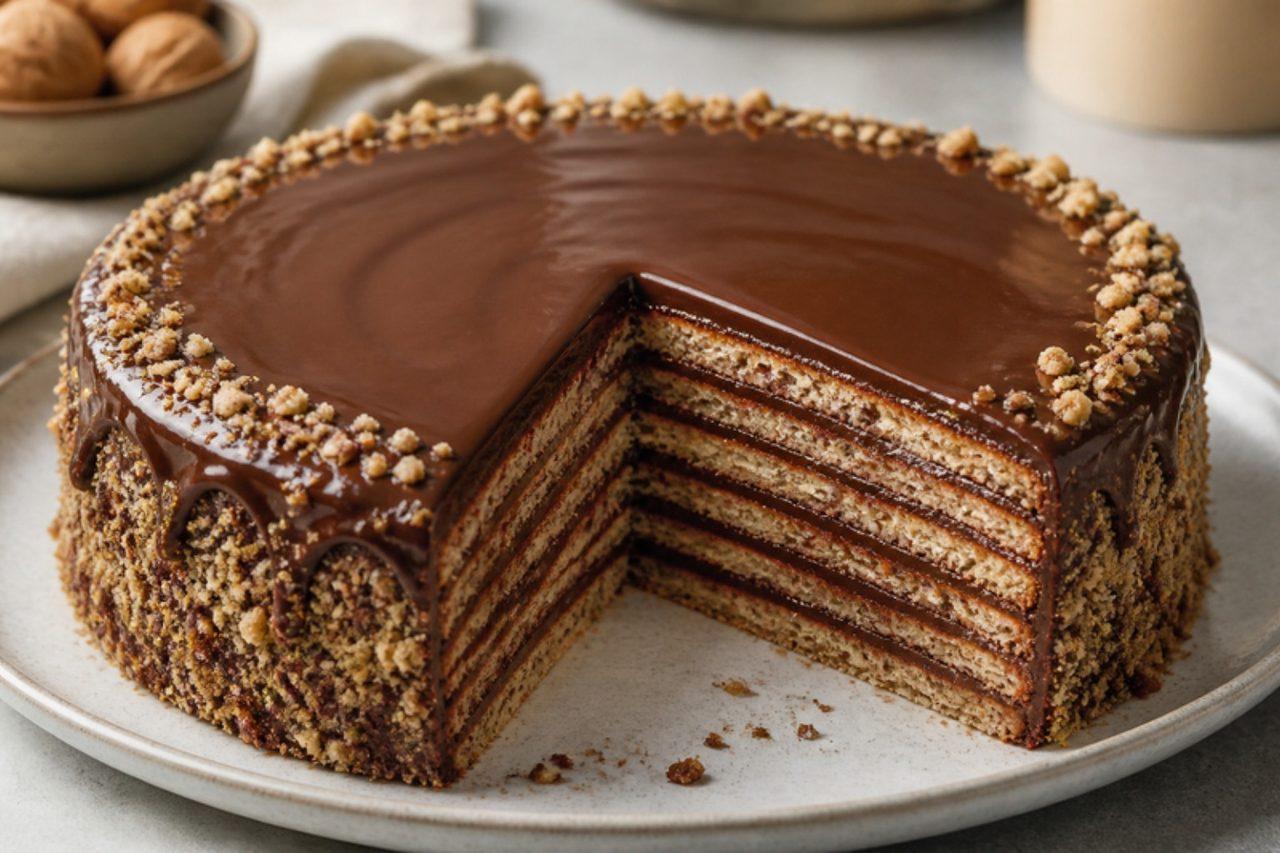
In 1885 a Hungarian confectioner named Kosta Garaš created this cake in Ruse, the elegant Danube town, and it has been the pride of Bulgarian patisseries ever since. Five thin, chewy layers of walnut meringue are stacked with a dark, glossy chocolate ganache and finished with a mirror-like chocolate glaze. Because it uses no flour, it is naturally gluten-free; it is rich and dense, so slices are thin, served with black coffee on name days and anniversaries. The cake is best made a day ahead and chilled so the meringue softens slightly into the ganache. Where most people go wrong is grinding the walnuts to an oily paste; pulse them only until like coarse sand. You will have ten yolks left over: use them for custard or pasta. Chef's tip: bake each layer on a circle drawn on baking paper and trim them all to the same size while still warm, when they cut cleanly.

by KrazyBadal 0 views

White cherry preserve

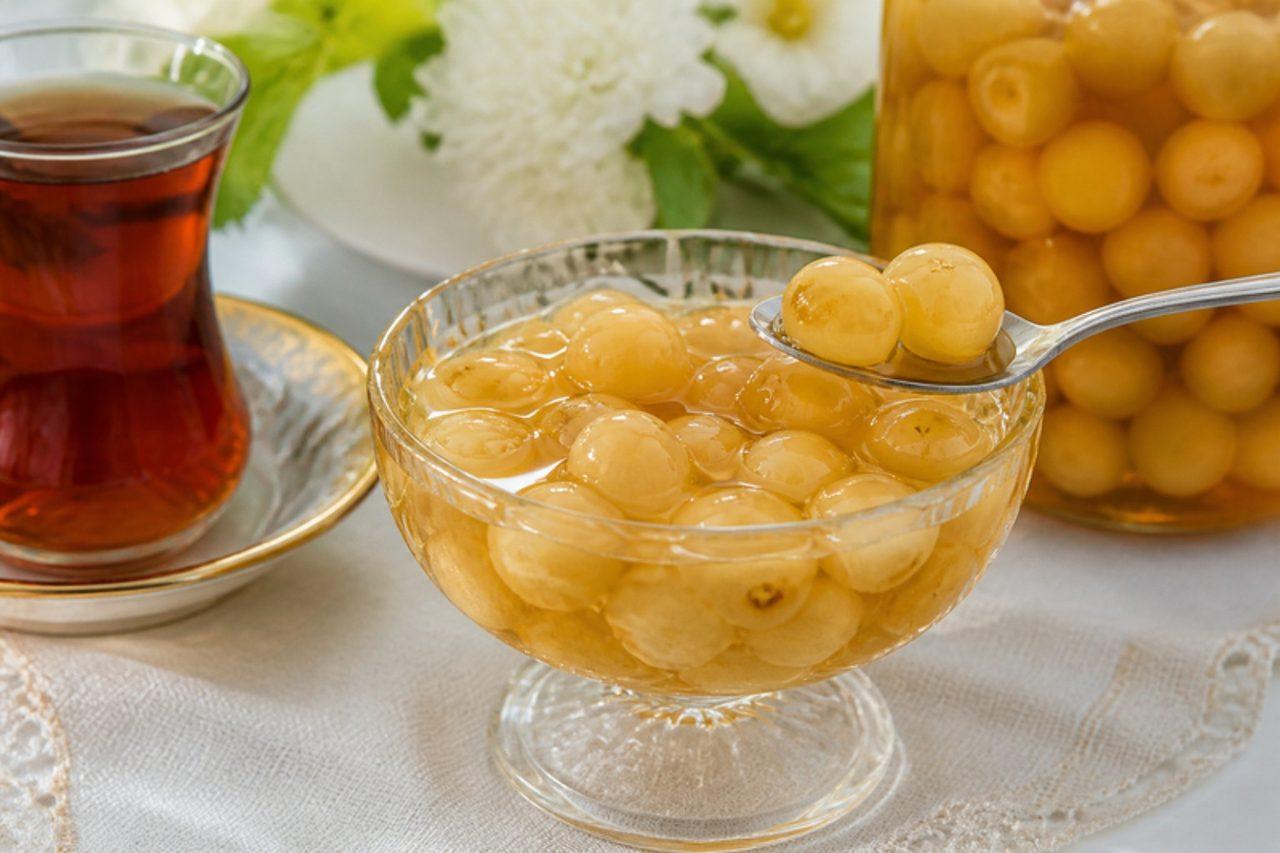
Absheron is famous for its white cherries, pale yellow fruit with a pink blush that ripen in June in the sandy orchards around Mardakan and Shuvalan. Baku families stone them one by one with a hairpin and cook them slowly into a clear golden preserve, sharpened with lemon, which is served in tiny glass bowls (mürəbbə qabı) with black tea; you sip the tea and eat a spoon of cherries between sips. A common mistake is cooking the fruit in one long boil, which shrivels it. Chef's tip: cook in short spells with long rests in between, so the cherries plump up with syrup and stay whole and glossy.

by KrazyBadal 0 views

GanfanRice with stir-fried beef and peppers

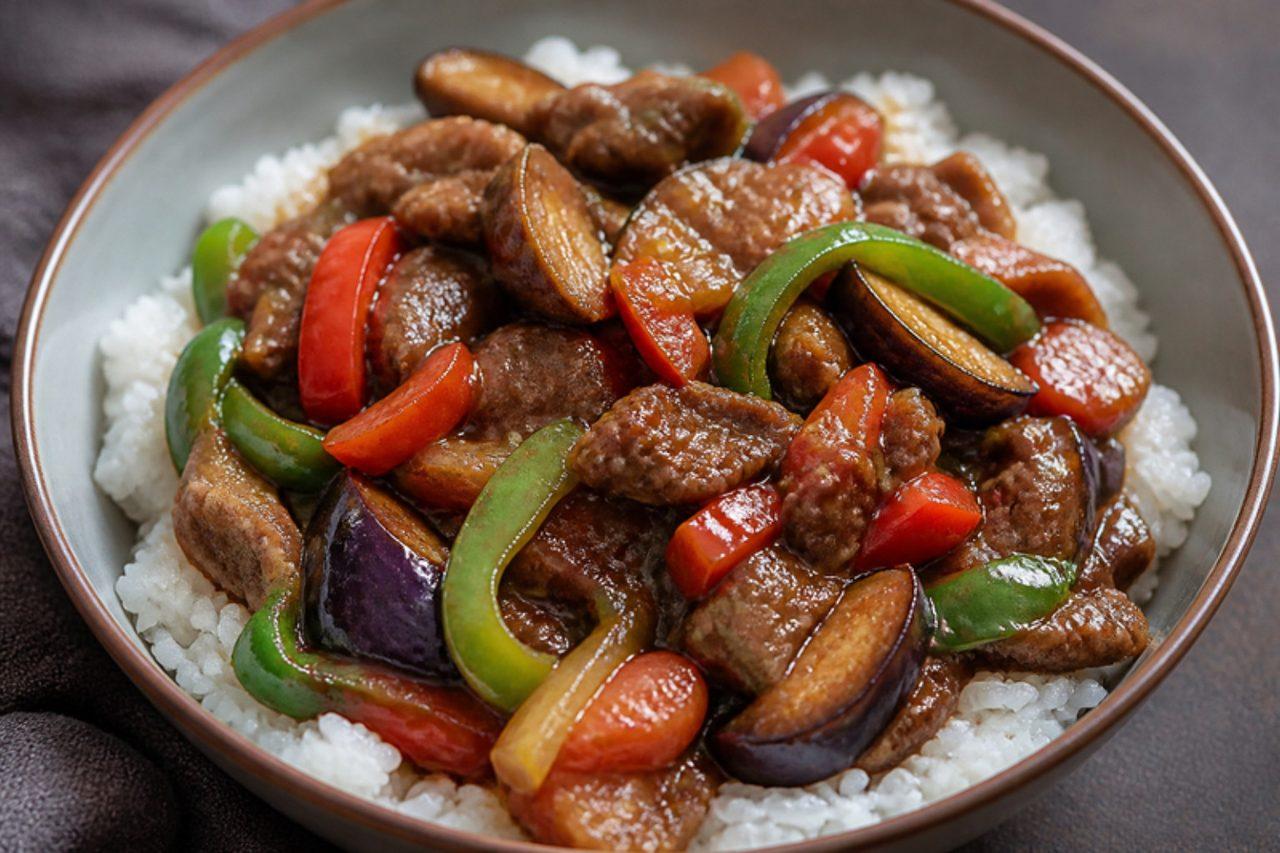
Ganfan is a dish of the Dungan people, Chinese Muslim communities who settled in Kyrgyzstan and Kazakhstan in the 1870s, and it is ordered in every Dungan café in Bishkek and Karakol: a plate of plain rice with a ladle of stew on top, made by stir-frying thin strips of beef or lamb with peppers, aubergine, celery, tomato and garlic, seasoned with soy sauce and vinegar. A common mistake is crowding the wok, which makes the meat grey and watery. Chef's tip: cut the beef into thin strips against the grain and stir-fry it first in small batches over a fierce heat, then return it at the end. No pork is used in Dungan cooking. Beef strips are done when no pink remains.

by KrazyBadal 0 views

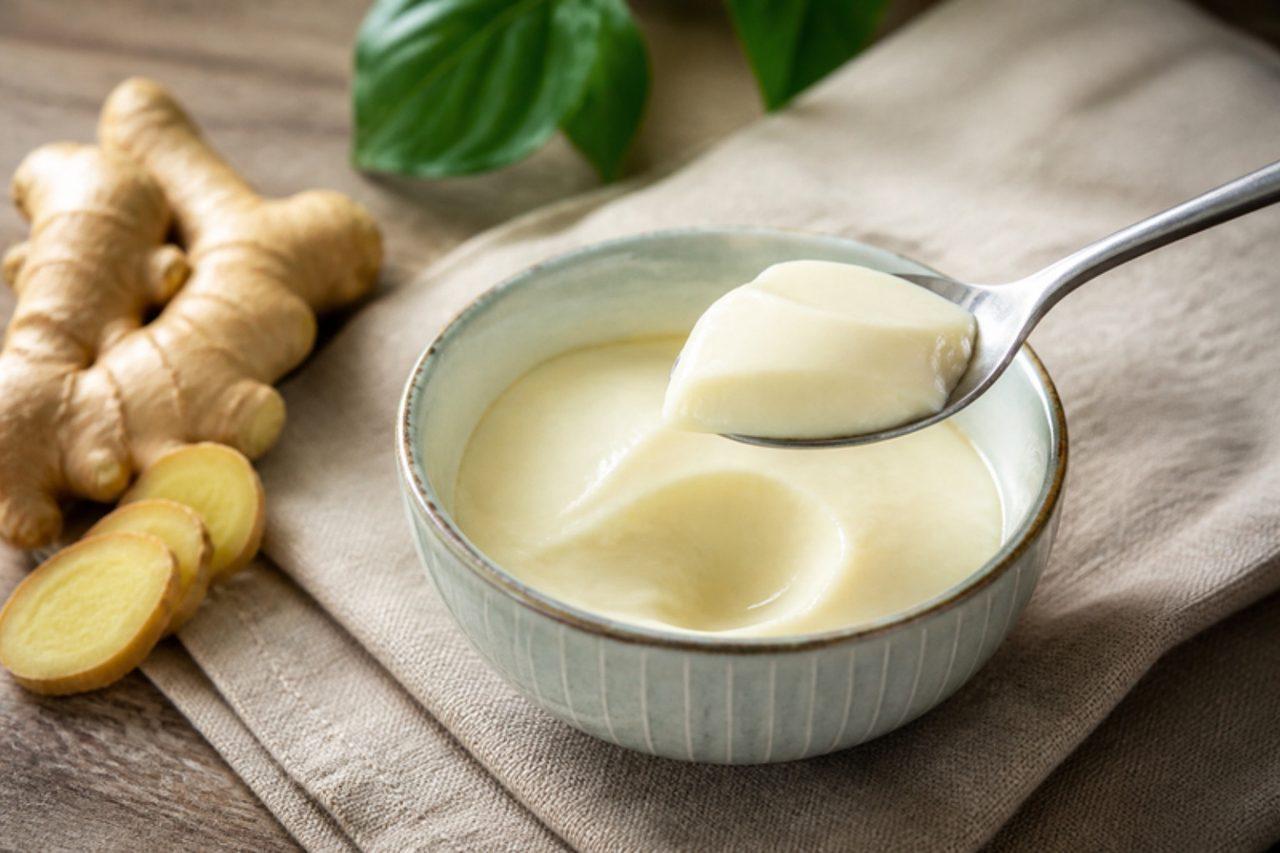
Ginger milk curd

Born in the Pearl River Delta town of Shawan in Panyu, Guangdong, ginger milk curd crossed the border to become a favourite of Hong Kong dessert parlours in Jordan and Causeway Bay, ordered hot on a winter night. There's no setting agent: an enzyme in fresh ginger juice curdles hot milk within minutes into a trembling, spoonable custard that's sweet, creamy and warming, with a peppery ginger kick. It is eaten straight from the bowl while still warm, with nothing alongside. Long-life UHT milk is the classic mistake, since its proteins have been changed by the high heat and it simply won't set; use fresh pasteurised whole cow's milk. Chef's tip: use mature, fibrous ginger rather than young pink-tipped ginger, and heat the milk to 70–75 °C, measured with a thermometer.

by KrazyBadal 0 views

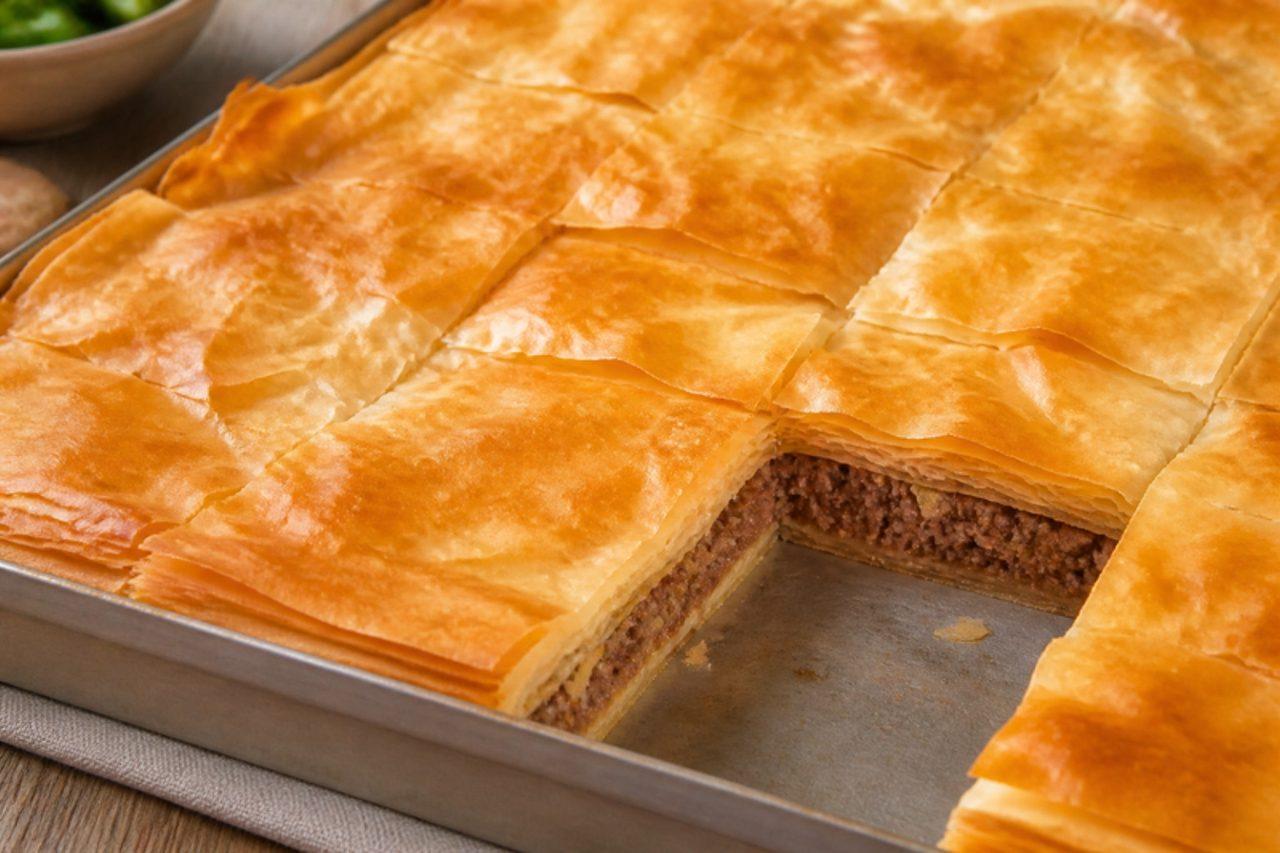
Gollash meat pie (filo and spiced beef)

Egyptian bakeries sell sweet and savoury gollash, but the minced-beef version is the one home cooks make for Ramadan iftar, Eid visits and big family lunches, cut into neat diamonds on a large round tray. Thin sheets of filo are brushed with melted butter and stacked around a filling of beef cooked dry with onion, pepper and a little allspice, then soaked with a splash of milk and egg so the top layers bake puffed and shatteringly crisp while the middle stays tender. Serve warm with a salad and yoghurt or as part of a spread of mezze. Avoid skimping on butter between the sheets; unbuttered layers bake dry and papery instead of crisp and golden. Chef's tip: let the cooked filling cool completely before layering; hot, steamy mince turns the bottom sheets soggy, which is the most common gollash disappointment.

by KrazyBadal 0 views

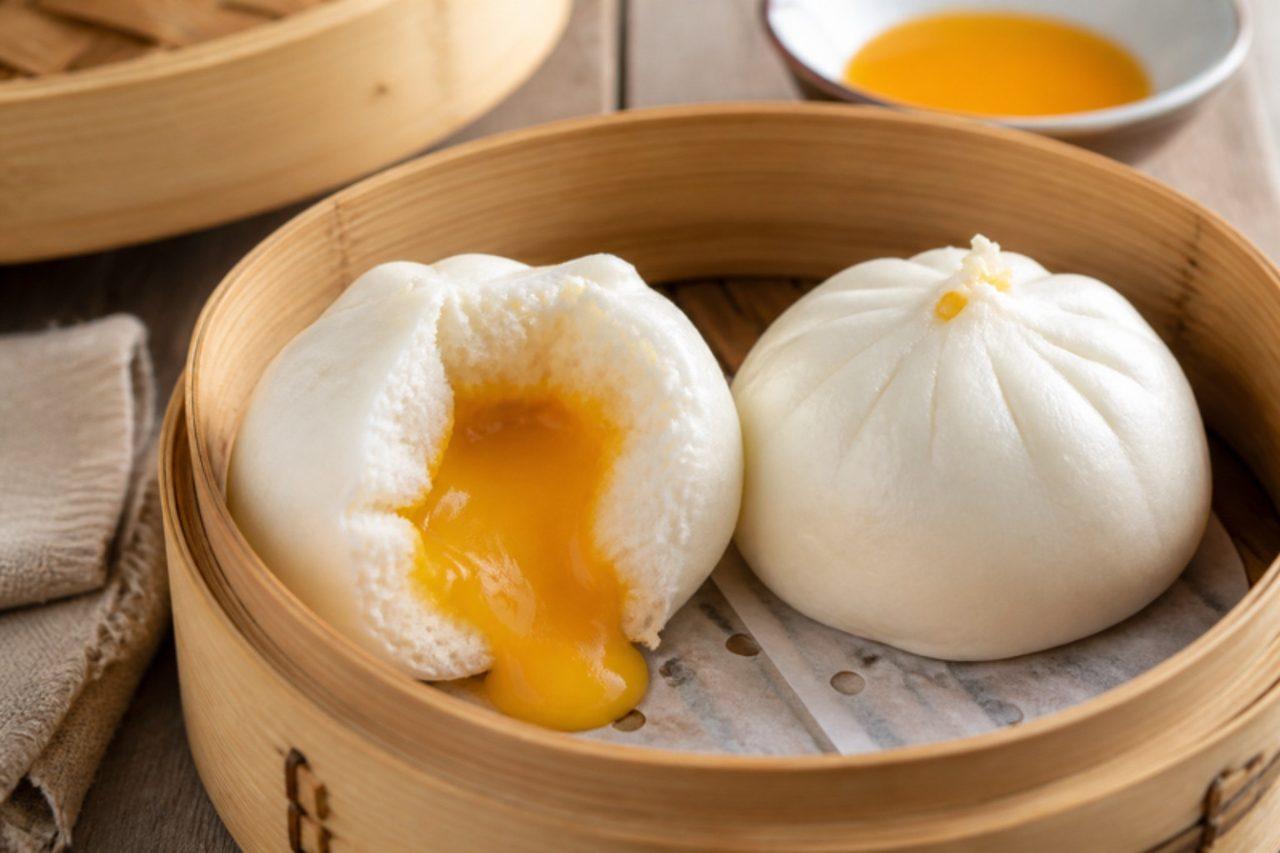
Steamed custard buns (lau sa bao)

Tear one open at a Hong Kong yum cha table and a stream of golden, buttery custard runs out, which is exactly why the name means 'flowing sand'. The filling is sweet and salty at once, grainy with mashed salted duck egg yolk and rich with butter and milk powder, wrapped in a snow-white, cotton-soft bun. Teahouses from Central to Mong Kok bring them out in bamboo baskets of three, usually near the end of the meal with a pot of pu'er or chrysanthemum tea. Most failures happen when the filling goes into the dough soft: it smears, leaks through the seams and never turns runny inside. Chef's tip: freeze the filling balls until rock hard before wrapping, then serve the buns within a few minutes of steaming, while the butter is still liquid.

by KrazyBadal 0 views

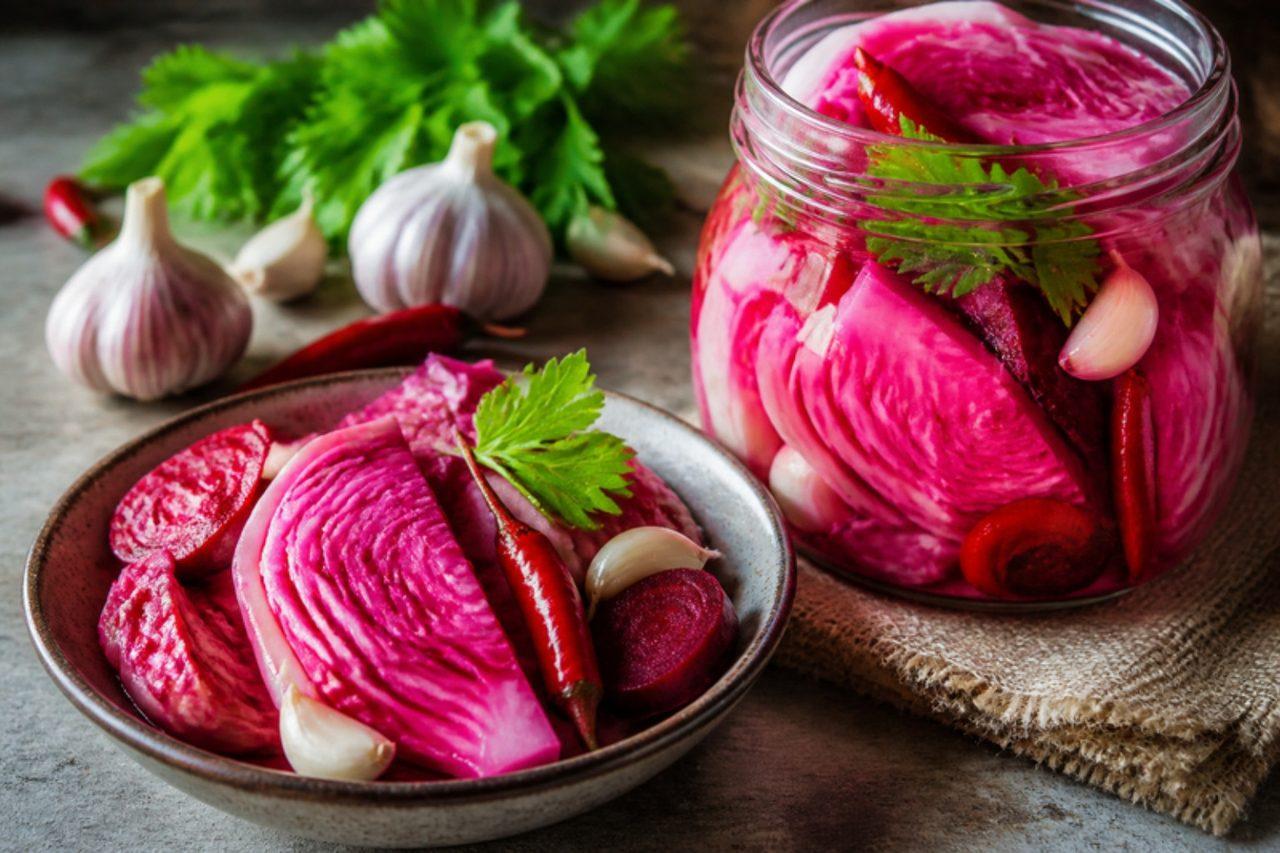
Gurian pickled cabbage

Gurian pickled cabbage turns heads at the Ozurgeti market: whole cabbage wedges stained deep pink by beetroot, layered with garlic, celery leaves and hot pepper and left to ferment in brine until crunchy and sour. Families in Guria put up big crocks in late autumn for the winter and the New Year table, and serve it beside fatty pork, beans and cornbread. A common mistake is using iodised salt, which can stop the ferment and darken the pickle. Chef's tip: keep the jar at cool room temperature for the first few days, then move it to the fridge once it tastes pleasantly sour, so it stays crisp.

by KrazyBadal 0 views

Tamina (roasted semolina with honey)

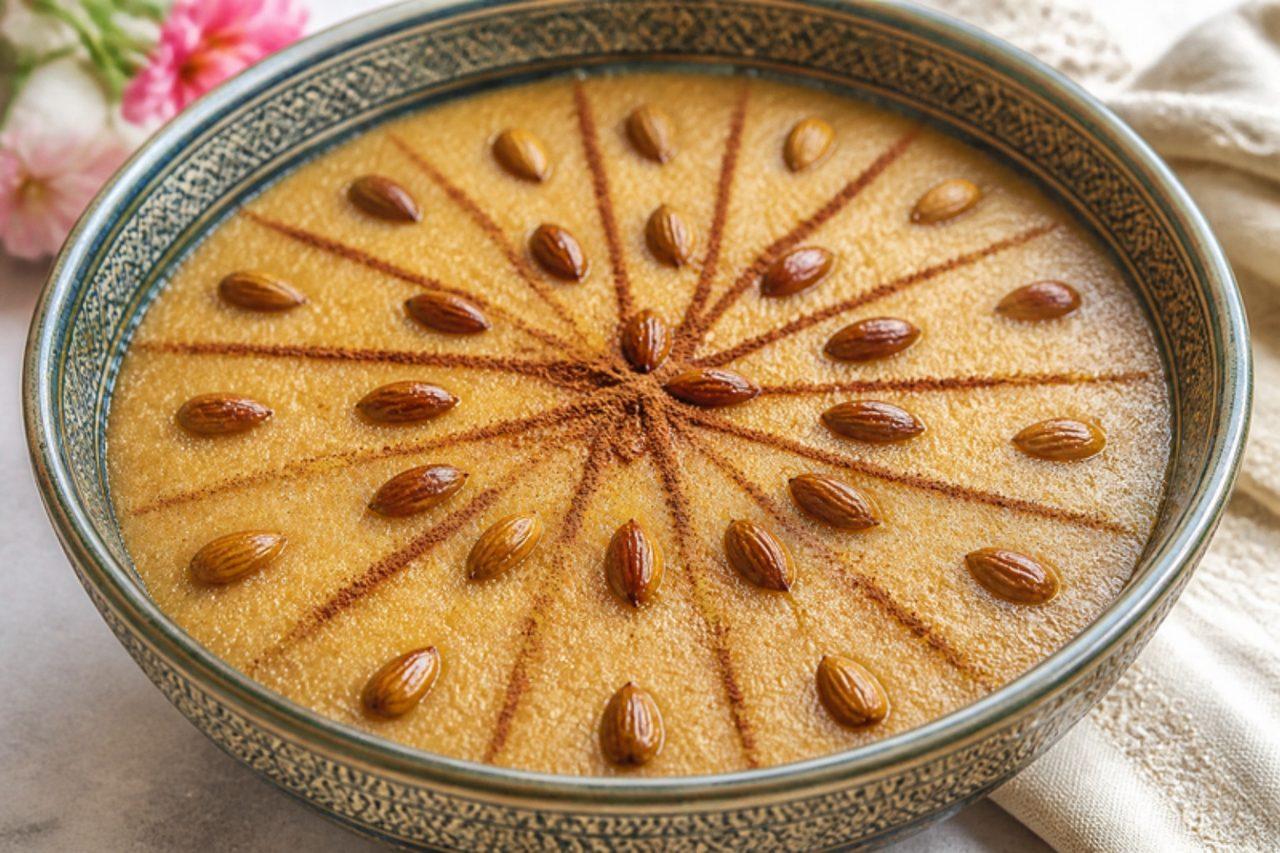
Word of a birth in an Algiers household brings a steady flow of visitors, and each is offered a small dish of tamina with coffee: semolina roasted in a dry pan until it smells like toasted hazelnuts, then bound with melted butter and honey and dusted with cinnamon. It is soft, crumbly and sweet, a little like a spoonable halva, and is said to give strength to the new mother. Tamina is also made for Mawlid and served with tea, with the cinnamon often sifted over in a lattice pattern. Chef's tip: toast the semolina slowly over a medium-low heat and stir without stopping; burnt dark specks make the whole batch bitter and cannot be picked out.

by KrazyBadal 0 views

GajakSesame jaggery brittle

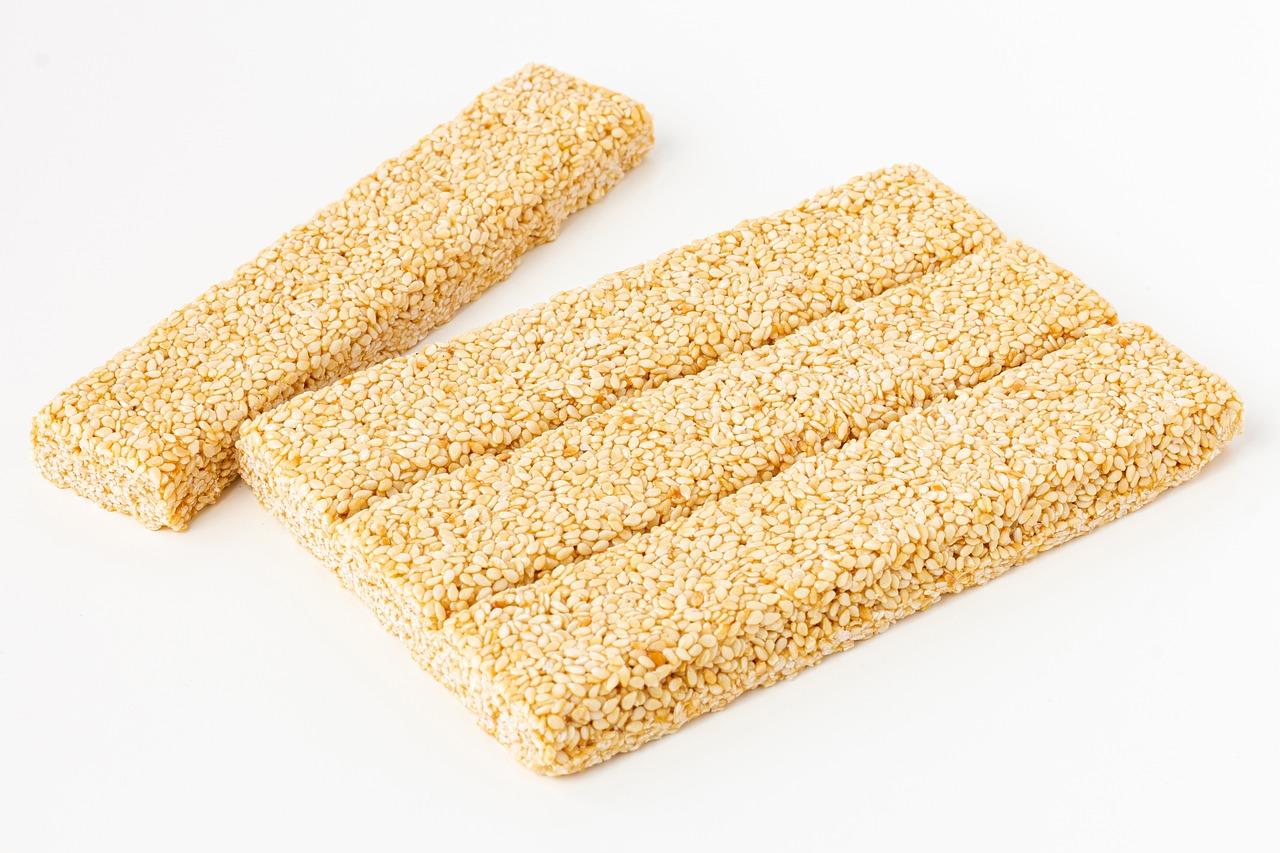
Winter in Punjab has a sound, and it is the snap of gajak: thin, glossy sheets of toasted sesame bound in jaggery, sold from piled trays outside the sweet shops of Multan, Gujranwala and Lahore from the first cold week of December. It is nutty, crunchy and toffee-sweet, with the earthy depth of gur, and families keep a tin of it beside the heater to nibble after dinner with green tea or to share with visitors. The commercial kind is hammered and pulled into flaky layers, but the home version poured thin and rolled flat is what most households make. The pitfall is pulling the jaggery off the heat too early, which gives a brittle that turns chewy and sticky after a day. Chef's tip: test the syrup by dropping a little into cold water; it must snap cleanly at once, and that hard-crack stage is reached quickly, so have the sesame warm and ready. Take care: the syrup is far hotter than boiling water.

by KrazyBadal 0 views

Singapore curry puff

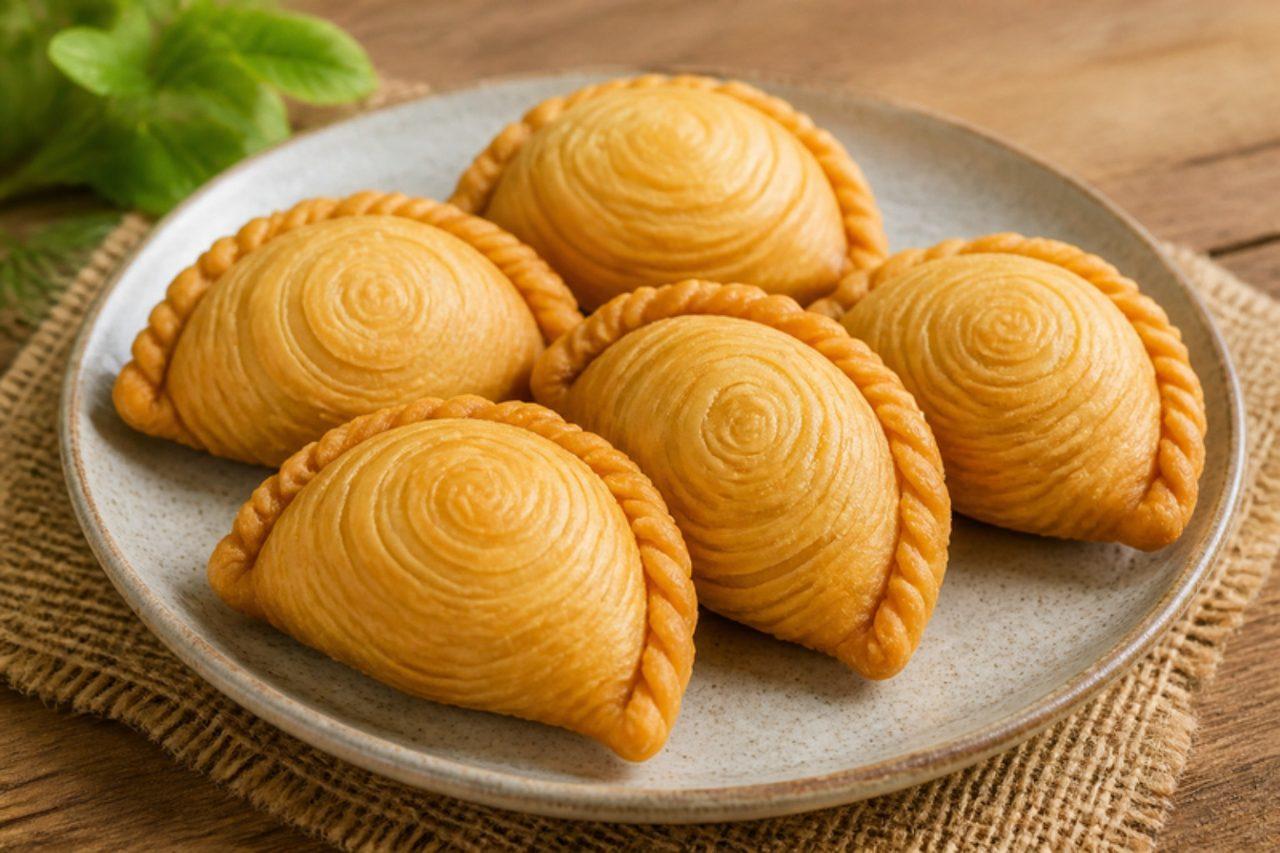
Spiral curry puffs are a tea-time thing in Singapore, picked up warm in paper bags from Malay kueh stalls at Geylang Serai, from heritage bakeries in Tiong Bahru, or eaten at the 4 pm break with teh tarik. The pastry is the point: two doughs rolled together into a log, sliced, and rolled out so that the cut edge shows tight spirals that shatter into crisp layers when fried. Inside is a soft, peppery filling of potato and onion cooked with curry powder and curry leaves. Shops also sell versions with chicken and a wedge of hard-boiled egg; this one keeps to potato and uses vegetable shortening so the pastry stays dairy-free. The usual mistake is frying in oil that is too hot, which browns the outside while the inner layers stay doughy; a steady medium heat lets the spirals open. Chef's tip: let the filling cool completely and keep it fairly dry, or steam from the potato will burst the seams in the oil.

by KrazyBadal 0 views

Rougag (Saharan paper-thin flatbread)

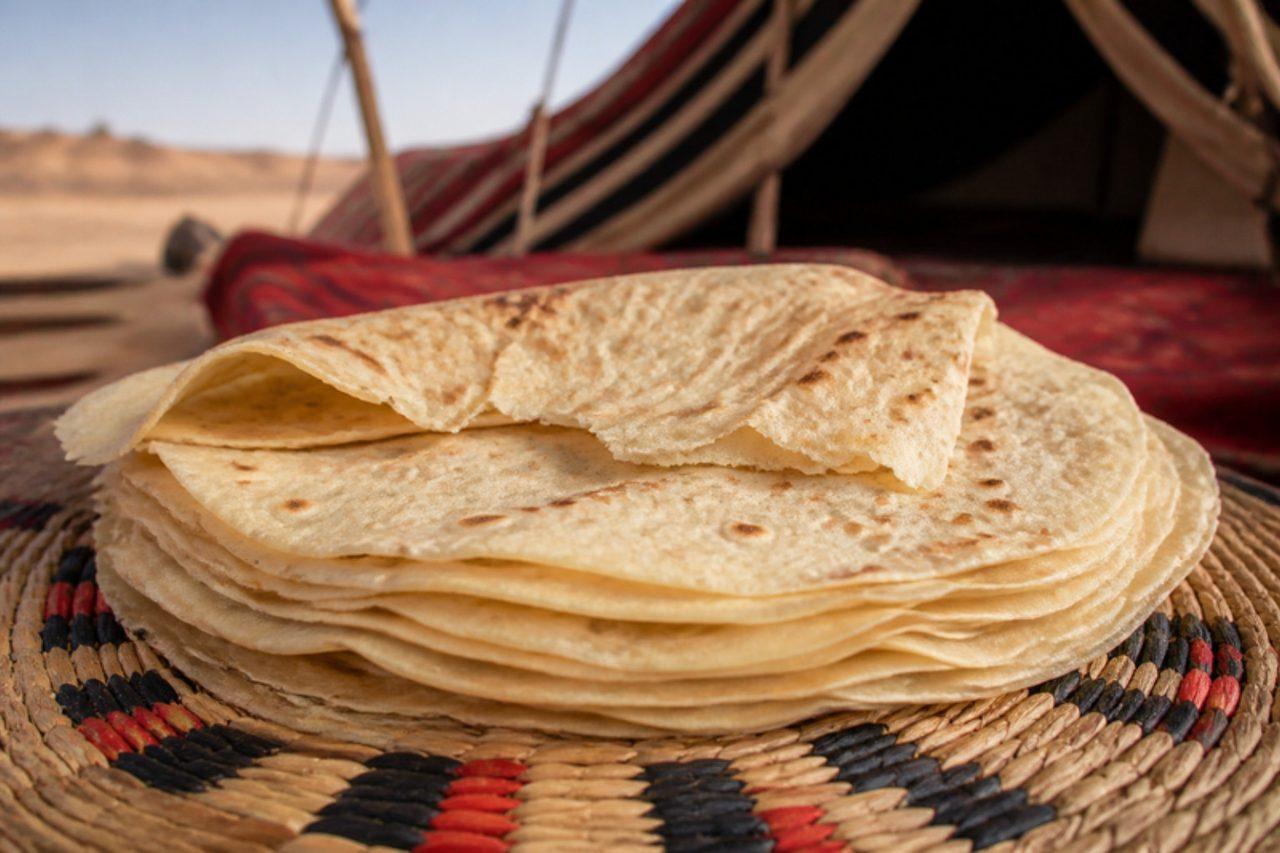
Across the oases of the Algerian Sahara, from Biskra to Ouargla, women spread a soft semolina dough over a domed griddle so thin that light shows through it, then lift the sheet off within a couple of minutes. Rougag is the base of chakhchoukha and rfis, torn into pieces and soaked in sauce, but fresh sheets are also eaten folded around dates or a spoon of stew. Freshly made it is soft and flexible with toasty brown blisters; left to dry, it keeps for weeks in a tin. An upturned wok or a large non-stick pan stands in for the griddle. Chef's tip: oil your hands, not the pan; dough that is not wet enough to stretch is the common mistake, so it should feel almost too sticky to handle.

by KrazyBadal 0 views

Bradj (date-filled semolina diamonds)

When the first warm days arrive, families in Constantine and across eastern Algeria mark the spring festival with picnics, boiled eggs and plates of bradj: diamonds of buttery semolina sandwiching a layer of spiced date paste, cooked slowly on a griddle rather than baked. The outside turns golden and crumbly, the date layer stays soft and sticky, and orange-blossom water perfumes the whole thing. Bradj is served warm with a drizzle of honey or a cold glass of buttermilk, and is just as good the next day with coffee. Chef's tip: press the dough together rather than kneading it; worked like bread dough, semolina turns tough, and bradj should break with a crumble.

by KrazyBadal 0 views

Kebda iskandarani (Alexandrian liver)

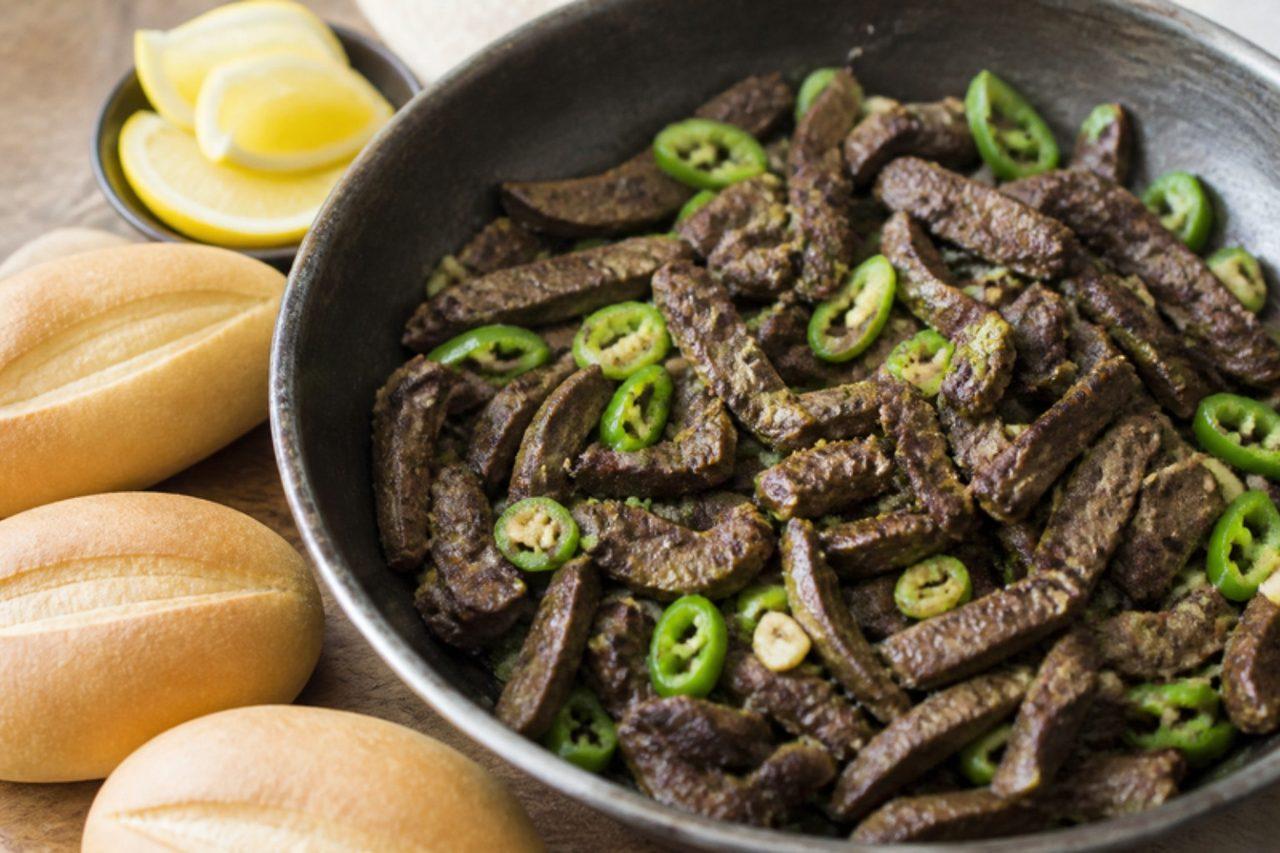
After dark in Alexandria, carts and tiny shops fry liver to order on blackened griddles, and a couple of small, crackly baguette sandwiches of kebda make a late supper or a working breakfast all over Egypt. The liver is sliced into thin ribbons and seared hard and fast with plenty of garlic, hot green chilli, green pepper and cumin, finished with lemon so it stays juicy, tender and sharp. Stuff it into soft rolls with a smear of tahini and a few pickles. Liver is very rich in vitamin A, so pregnant women are usually advised to avoid it. Chef's tip: soak the strips in cold water for 15 minutes and pat them very dry; they sear rather than stew and taste milder.

by KrazyBadal 0 views

Bajan salt bread

Every rum shop and fish fry in Barbados sells "bread and two", and the bread is almost always salt bread: plain, crusty rolls with a soft, slightly chewy crumb and a split down the top, made for stuffing with fish cakes, a slice of cheese or fried flying fish as a cutter. Despite the name, they aren't especially salty; the name sets them apart from sweet bread. The usual mistake is pale rolls with a soft crust from too cool an oven. Chef's tip: put a tray of boiling water in the bottom of the oven for the first 10 minutes for a properly crisp crust.

by KrazyBadal 0 views

Arroz a la cubanaRice with tomato and egg

Havana cafeterías put this plate on the lunch board when cooks want something cheap, fast and filling: a mound of plain white rice, a ladle of garlicky tomato sauce, a fried egg with a runny yolk and slices of caramelised ripe plantain. Breaking the yolk into the rice and sauce is the whole point, so the eggs should be fried at the last minute. The usual mistake is using plantains that are still yellow-green; they need black-spotted skins to turn soft and sweet in the pan. Serve with a simple avocado salad. Chef's tip: baste the egg whites with hot oil from the pan so they set with lacy edges while the yolks stay liquid.

by KrazyBadal 0 views

Gammeldags æblekageLayered apple compote dessert

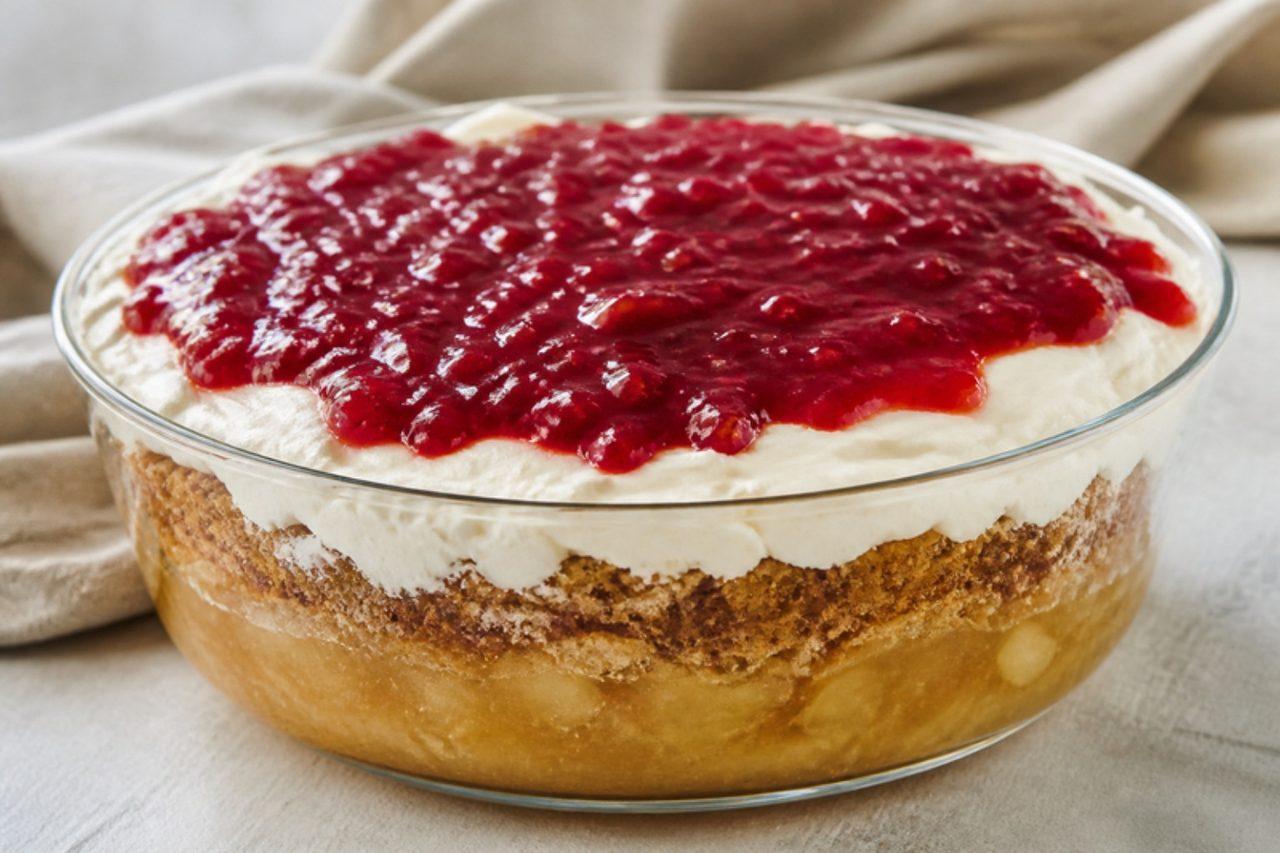
'Old-fashioned apple cake' is not a cake at all but a Danish trifle, made on autumn weekends when the apple trees are heavy: tart apple compote layered in a glass bowl with breadcrumbs or crushed macaroons toasted in butter and sugar, topped with whipped cream and a few dots of redcurrant jelly. The crumbs stay crunchy against the soft fruit. A common mistake is assembling it hours ahead, which turns the crumbs soggy. Chef's tip: toast the crumbs until deep golden and crisp, and assemble within an hour of serving.

by KrazyBadal 0 views

ArishtaButtered egg noodles

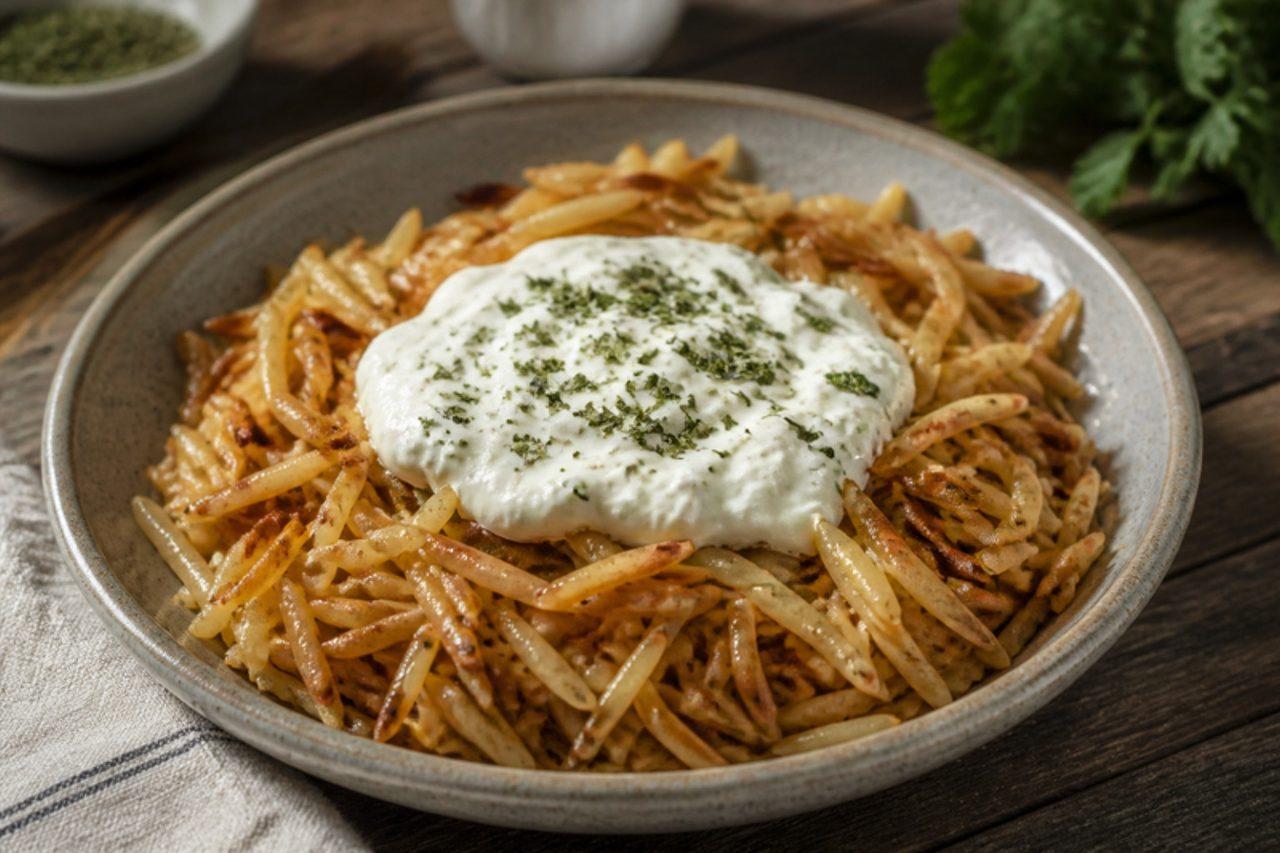
In Gyumri and the villages of Shirak, grandmothers still roll arishta by hand, cut it into thin strips and dry it in the sun to store for winter. To serve, the noodles are first toasted in butter until they turn golden and nutty, then boiled until tender and topped with garlicky matsun yogurt. It is simple, filling food for cold days on the Shirak plateau. A common mistake is skipping the toasting step, which gives soft, plain noodles without the characteristic roasted flavour. Chef's tip: dry the cut noodles for at least an hour before toasting, so they brown evenly instead of clumping.

by KrazyBadal 0 views

Sevan trout

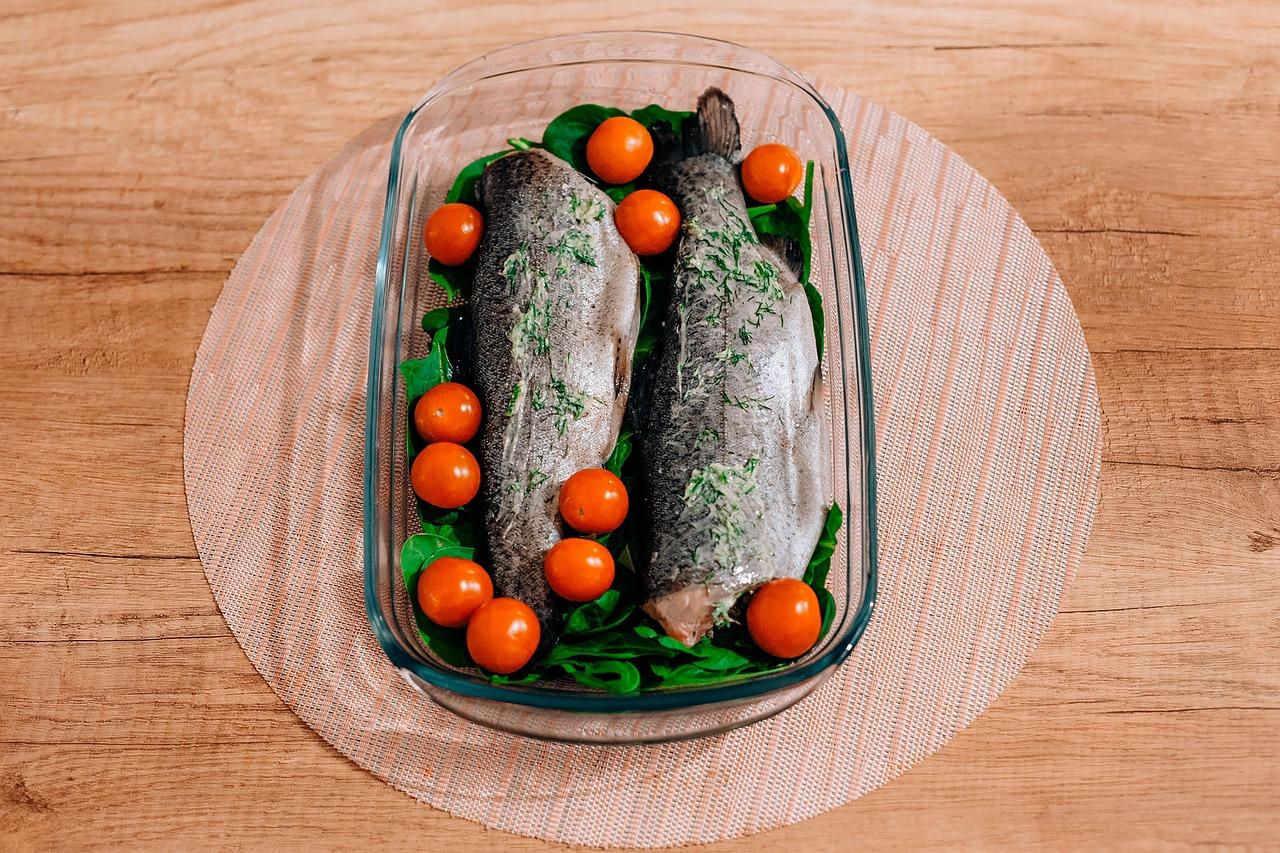
Ishkhan, 'the prince', is the name Armenians give to the trout of Lake Sevan, the vast blue lake high in the mountains north-east of Yerevan, and lakeside restaurants on the Sevan peninsula serve it grilled whole or stuffed with herbs and baked. The native ishkhan is now rare and protected, so the fish served today is farmed trout, cooked the same way: stuffed with tarragon, dill, coriander and garlic, roasted until the skin crisps, with lavash and lemon. A common mistake is wrapping the fish tightly in foil, which steams it soft; leave it uncovered for a crisp skin. Chef's tip: brush the fish with a little tkemali or pomegranate molasses in the last five minutes for a sweet-sour glaze. The fish is done when the flesh is opaque and flakes easily at the backbone.

by KrazyBadal 0 views

Aghroum (Kabyle semolina flatbread)

Up in the villages of Kabylie, aghroum is simply the word for bread, and the everyday loaf is a flat, unleavened round of semolina, water, salt and a thread of olive oil, baked on a clay griddle over a low fire. It comes out firm and close-textured, with a crust speckled brown and a faintly sweet, nutty crumb that tastes of the grain. Kabyle families tear it to scoop up olive oil, dried figs and buttermilk at breakfast, or to mop the sauce of a bean or vegetable stew at midday. A heavy cast-iron pan or flat griddle does the job of the clay one at home. Chef's tip: keep the heat at medium-low and turn the bread often; a griddle that is too hot is the usual mistake, leaving a burnt crust around a raw, gummy middle.

by KrazyBadal 0 views

HurmašiceDate-shaped biscuits in lemon syrup

Plates of hurmašice come out for Bajram in Bosnia, offered to every visitor with a small cup of Bosnian coffee. The name comes from hurma, the date, because each little cookie is rolled into a date-like oval and pressed on the fine side of a grater to give it ridges. After baking they are soaked in cool lemon sugar syrup until they are moist, sticky and sweet right through, yet still hold their shape. A walnut half on top is a nice touch. Where most people go wrong is pouring hot syrup over hot biscuits, which turns them to mush; one of the two must be cool. Chef's tip: make them a day ahead; overnight the syrup spreads evenly and the texture becomes soft and tender.

by KrazyBadal 0 views

ArikanchanTaro leaf rolls in mustard gravy

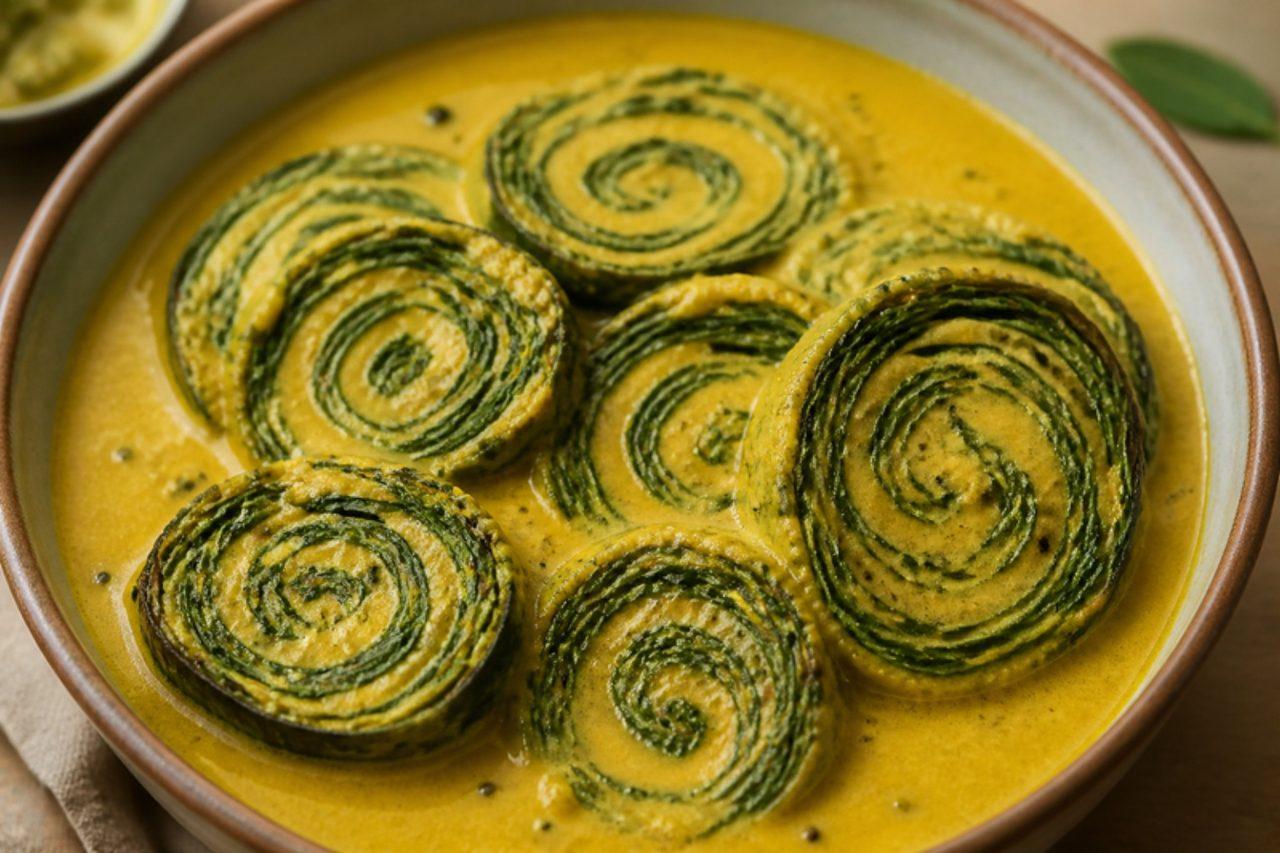
Arikanchan is a monsoon speciality of Maithil kitchens in Janakpur and the eastern Terai, cooked when the taro plants in the courtyard put out huge, tender leaves. A spiced chickpea-flour paste is spread over the leaves, which are rolled up tight like a Swiss roll and steamed, then the rolls are sliced into spirals, fried and simmered in a punchy gravy of ground mustard seed, garlic, chilli and tomato cooked in mustard oil. The result is soft and layered, with a gentle sourness and the nose-tingling heat of fresh mustard, eaten with rice and a dal. The biggest risk is undercooking the taro leaves, which can leave an itchy, scratchy feeling in the throat. Chef's tip: use only young leaves, strip the thick ribs, and always include the tamarind in the paste, because the sourness neutralises the irritant in the leaves.

by KrazyBadal 0 views

GaboutStuffed dumplings in tomato stew

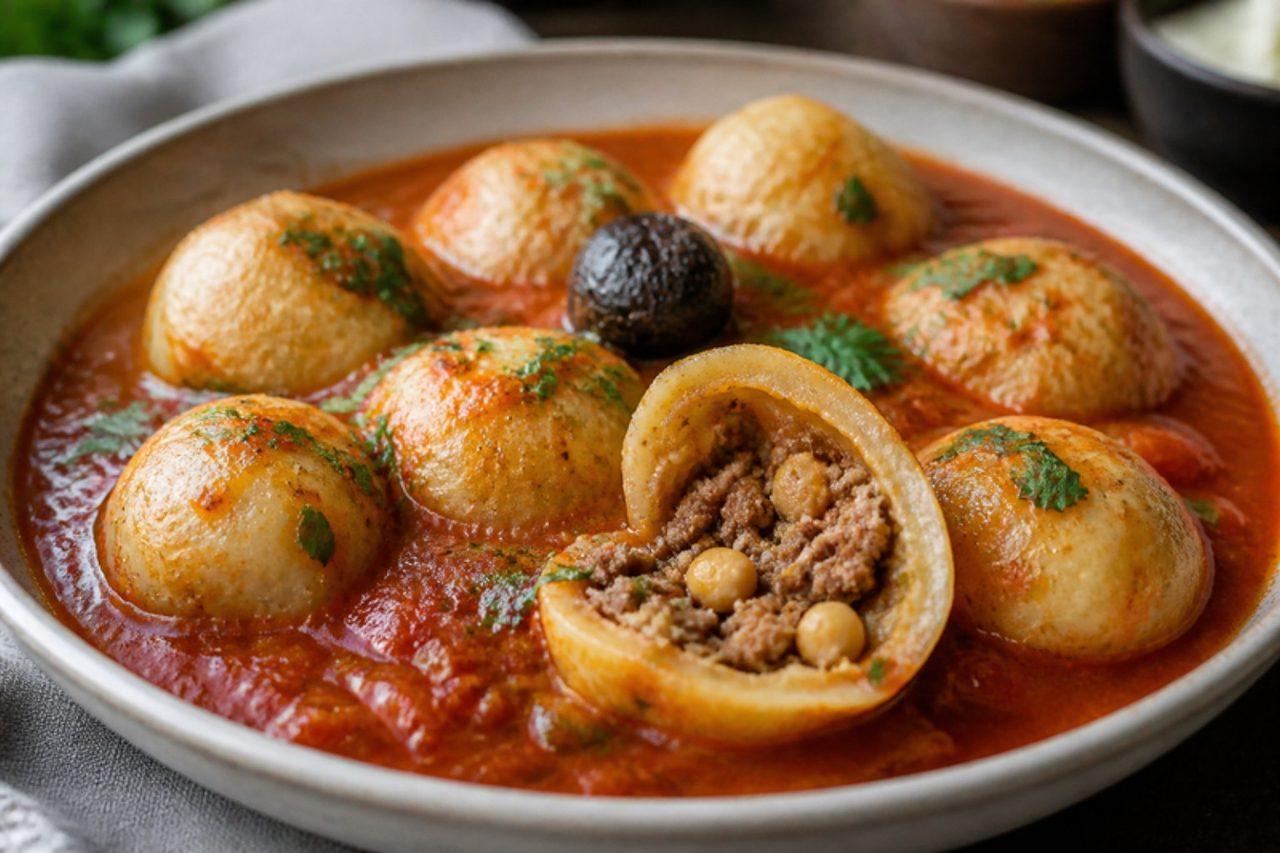
Gabout is old Kuwaiti home cooking, the kind grandmothers in Kuwait City still make for family lunches in winter, and a close relative of the Iraqi dumplings brought along the trading routes of the Gulf. Soft flour dough is wrapped around spiced lamb or beef mince with chickpeas, and the dumplings are simmered in a sour tomato and dried-lime stew until they are tender and plump. It is filling and comforting, eaten with bread or on its own. The mistake people make is rolling the dough too thick, which makes the dumplings heavy and doughy. Chef's tip: wet your fingers when sealing, the dough must close tightly or the filling leaks into the stew.

by KrazyBadal 0 views

Showing 36 of 7,762 recipes

Show more recipes

Page 179 of 863