


Skip to content
Aluwa
Featured recipe

Aluwa

Rice flour diamond sweets

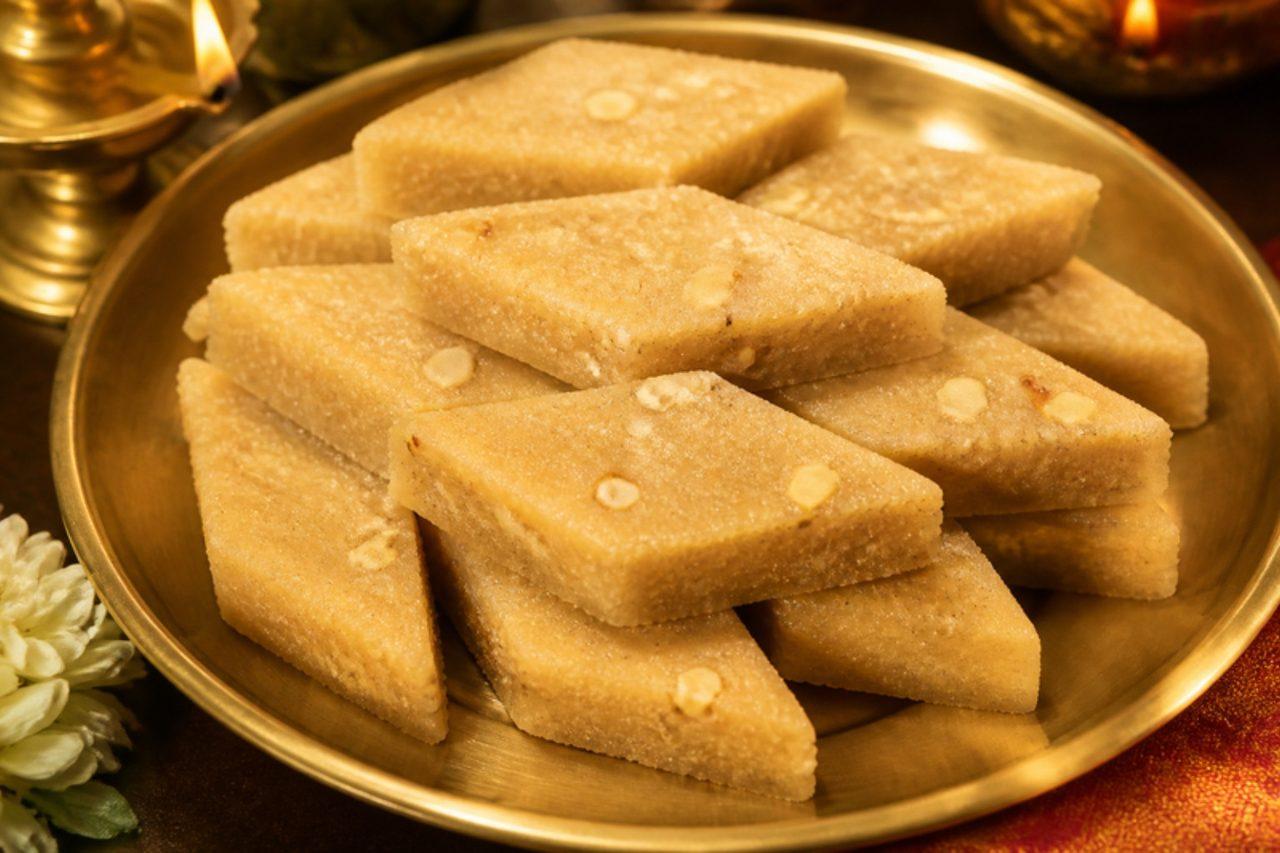
Pale, smooth and cut into precise little diamonds, aluwa brings a touch of order to the crowded Avurudu sweet tray, and it is often the first sweet children learn to help make because there is no deep-frying involved. Rice flour is roasted until it smells like biscuits, then kneaded with hot sugar syrup, chopped cashews and cardamom into a firm dough, rolled out and cut. The finished sweet is dense, slightly crumbly and not too sweet, with a gentle nuttiness, and it keeps for weeks in a tin to be offered to visitors with tea. The point where it goes wrong is the syrup: too thin and the aluwa never sets, too thick and the dough cracks before you can roll it, so aim for the one-thread stage. Chef's tip: roll the dough between two sheets of baking paper and cut it while it is still warm and pliable; once cold it breaks instead of slicing.

Read more 0 views

What to eat today?

Around the world

Today's trip: Paraguayan

A new country every day, from every cuisine on the site.

Paraguayan

Buseca

Tripe and white bean stew 185 minMore from Paraguayan (27) →

This week's collection

Kid-friendly dinners
537 recipes · a new collection every Monday

Latest recipes

Arroz mamposteaoFried rice and stewed beans

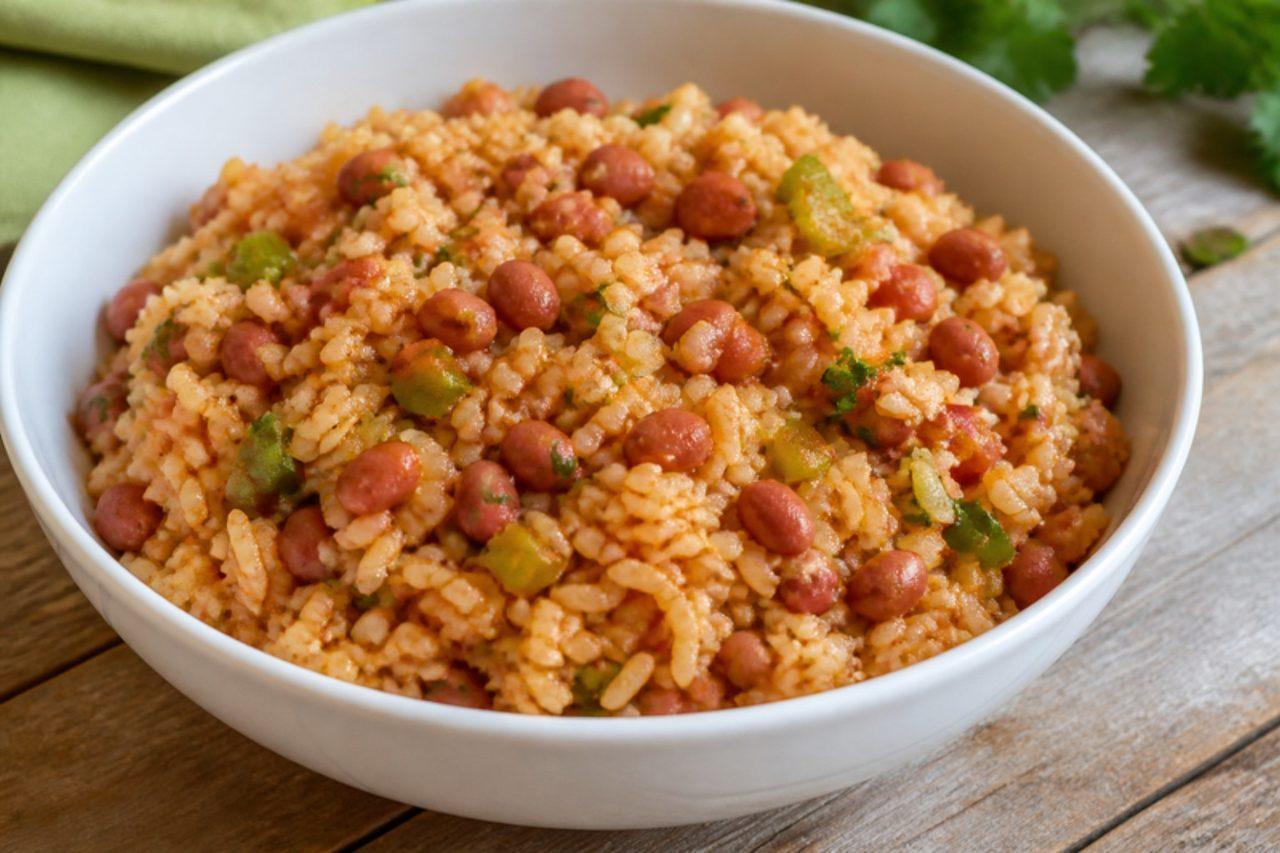
Fondas around San Juan put arroz mamposteao on the menu as a way to use yesterday's white rice and the last ladle of habichuelas, and at home it is the Sunday-night fix when the pots from lunch come out of the fridge. The rice is fried in olive oil with a fresh sofrito, then the beans and their sauce go in until every grain is stained pink and the edges catch and crisp. Many cooks add ham or bacon; this version stays meat-free and gets its depth from the sofrito and a little smoked paprika. The common mistake is using freshly cooked rice, which turns to paste; cold, day-old rice keeps separate grains. Chef's tip: leave the pan alone for the last few minutes so a crunchy layer forms on the bottom, then fold it through.

by KrazyBadal 0 views

Pe pyot (boiled yellow peas)

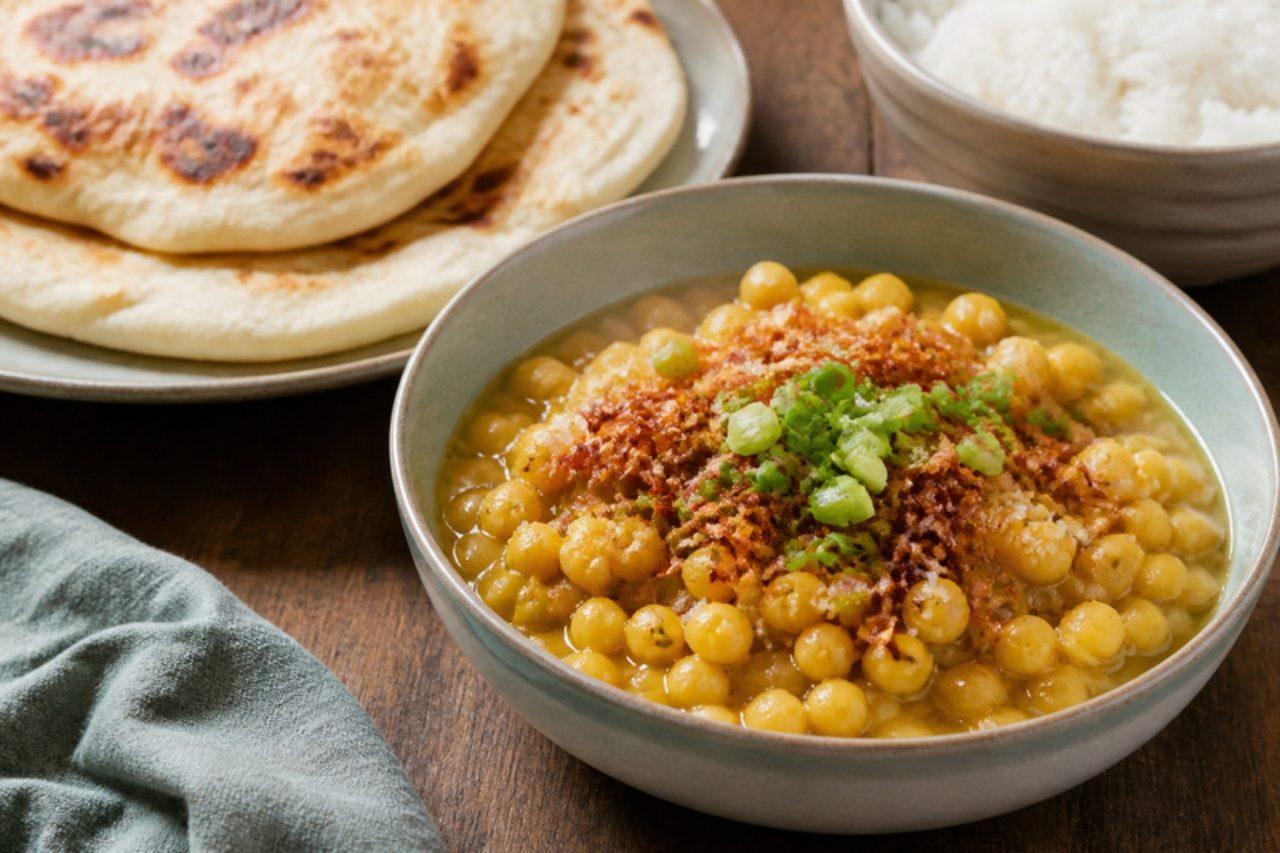
Before the city wakes, pe pyot sellers pedal through Yangon's townships calling out from bicycle baskets of warm, steaming peas, scooping portions into leaf parcels for families to eat with fried rice, flatbreads or toasted naan. Dried yellow or white peas are soaked overnight and simmered until creamy inside but still whole, then seasoned simply with salt and a spoon of oil fried with shallots. The flavour is mellow, earthy and slightly sweet, and the texture is soft and fluffy, like a good baked potato. Too much bicarbonate of soda is the common slip: a pinch softens the skins, but more turns the peas to soapy mush. Chef's tip: make a double batch; pe pyot keeps for three days in the fridge and turns tomorrow's leftover rice into pea fried rice.

by KrazyBadal 0 views

Ofada rice with green pepper sauce

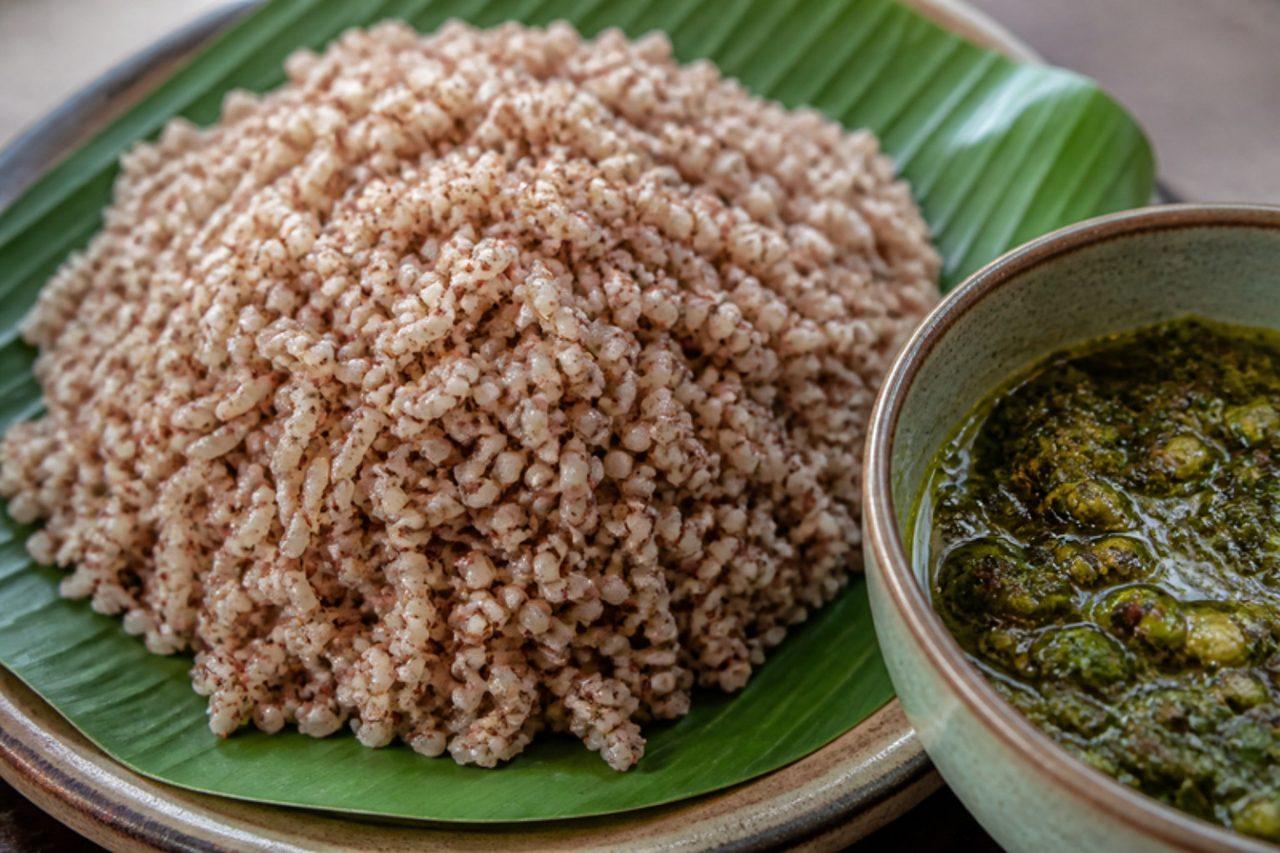
Ofada rice takes its name from a town in Ogun State and is grown on small farms across the Southwest; the grains are short, unpolished and sometimes speckled, with a nutty, earthy aroma that some love and others find strong. It is served wrapped in uma (thaumatococcus) leaves at parties and in Lagos restaurants, with ayamase, a fiery green pepper sauce cooked in bleached palm oil. Ayamase is usually loaded with assorted meats and boiled eggs; this vegan version keeps the green peppers, scotch bonnets and locust beans and adds mushrooms if you like. Banana leaves or a plain plate stand in for uma leaves. The mistake to avoid is skipping the picking and washing: local rice often holds small stones and husk. Chef's tip: bleach the palm oil with the lid nearby, the window open and the extractor on full, and never leave the pan.

by KrazyBadal 0 views

Hainanese curry rice

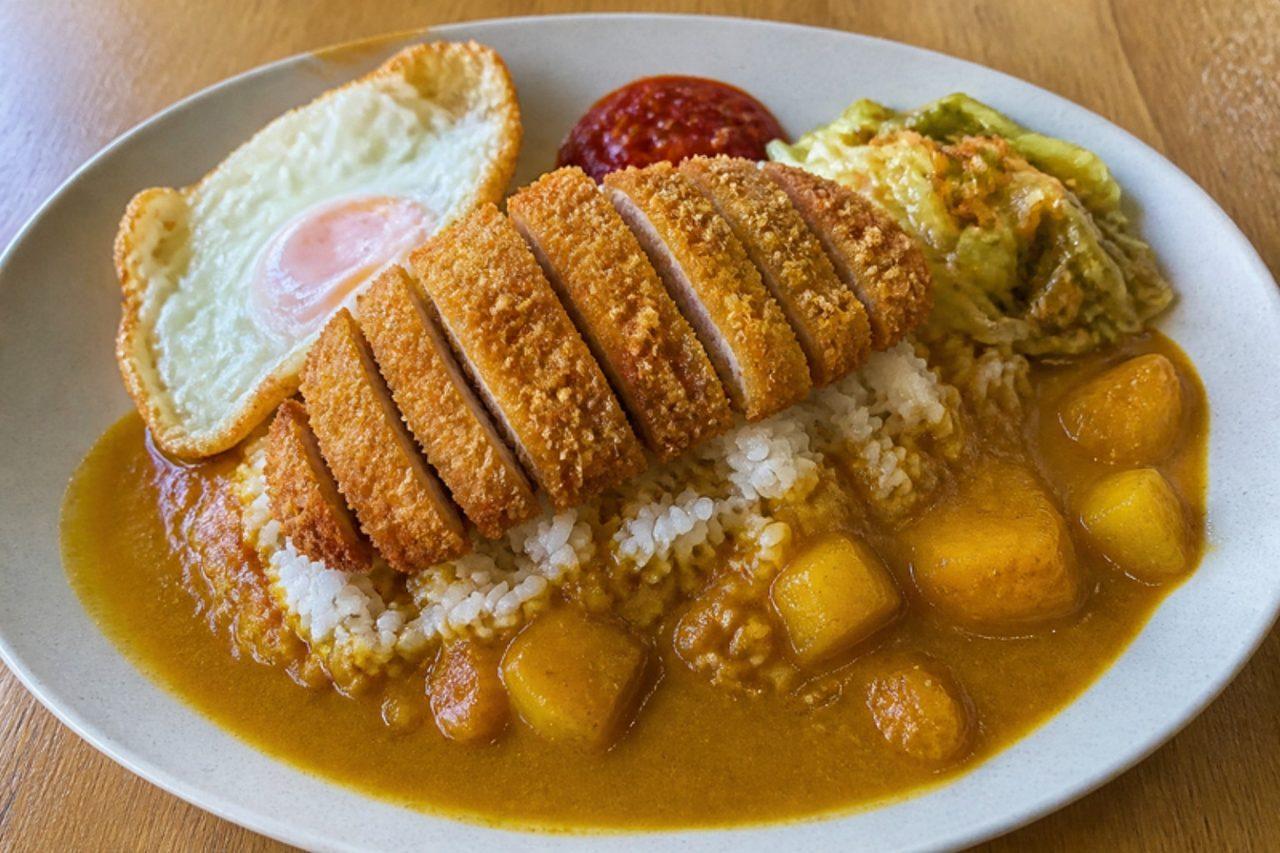
Late-night and early-morning crowds in Tiong Bahru, Beo Crescent and Jalan Besar know the drill at a Hainanese curry rice stall: point at what you want, then ask for it "banjir", flooded. A plate of white rice disappears under two gravies, a mild, coconut-rich curry with soft potato and chicken, and a dark, five-spice braising sauce, then gets topped with crumbed fried pork chop, braised cabbage and a runny-edged fried egg. It is messy, comforting and salty-sweet, and leftovers taste even better the next day. The usual mistake is a thin, watery curry; it should be thick enough to cling to the rice, so let the potatoes break down a little and reduce the gravy well. Chef's tip: crush cream crackers rather than using breadcrumbs for the pork chop, as the old Hainanese cooks do; they fry up shatteringly crisp and stay that way under the gravy.

by KrazyBadal 0 views

Ka'ak nakache (date-filled semolina rings)

Constantine bakers own a special brass tweezer, the nakache, just for decorating these rings: a rope of buttery semolina dough is wrapped round spiced date paste, joined into a circle and pinched along the top into chevrons and leaves. Baked pale, ka'ak nakache is crisp and short outside with a soft, cinnamon and clove scented filling, a classic of Eid trays and of the coffee served to guests in the old city. Without the tweezer, a fork or the back of a small knife makes a good pattern. Chef's tip: let the buttered semolina rest for at least 30 minutes before adding water; skipping the rest is the usual mistake, and the rings crack as you shape them.

by KrazyBadal 0 views

Taiwanese sweet potato congee

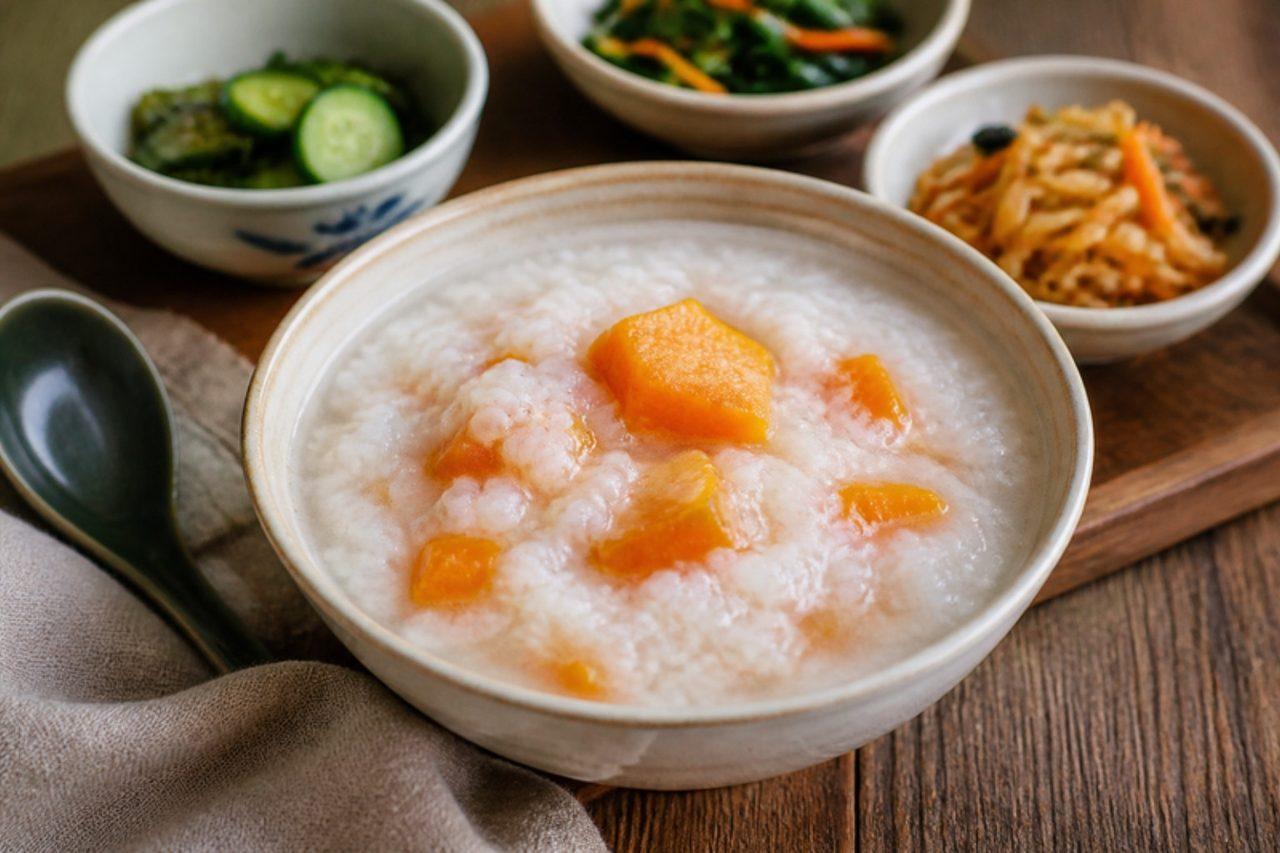
Tainan's late-night congee shops lay out dozens of little dishes under glass, and the bowl that goes with them is this loose, gently sweet rice porridge dotted with soft orange sweet potato. Older Taiwanese remember it as the food of lean years, when sweet potato stretched the rice; today it is comfort food at breakfast, at midnight after the markets, and whenever someone is unwell. Unlike Cantonese congee, the grains stay distinct in a cloudy, silky liquid. Many cooks cut the sweet potato too small, so it collapses into mush and turns the pot muddy; chunks of about 3 cm keep their shape. Chef's tip: serve it with something salty and crunchy, such as pickled cucumbers, peanuts or a radish omelette, because the contrast is the whole point.

by KrazyBadal 0 views

GhonghiSnail curry

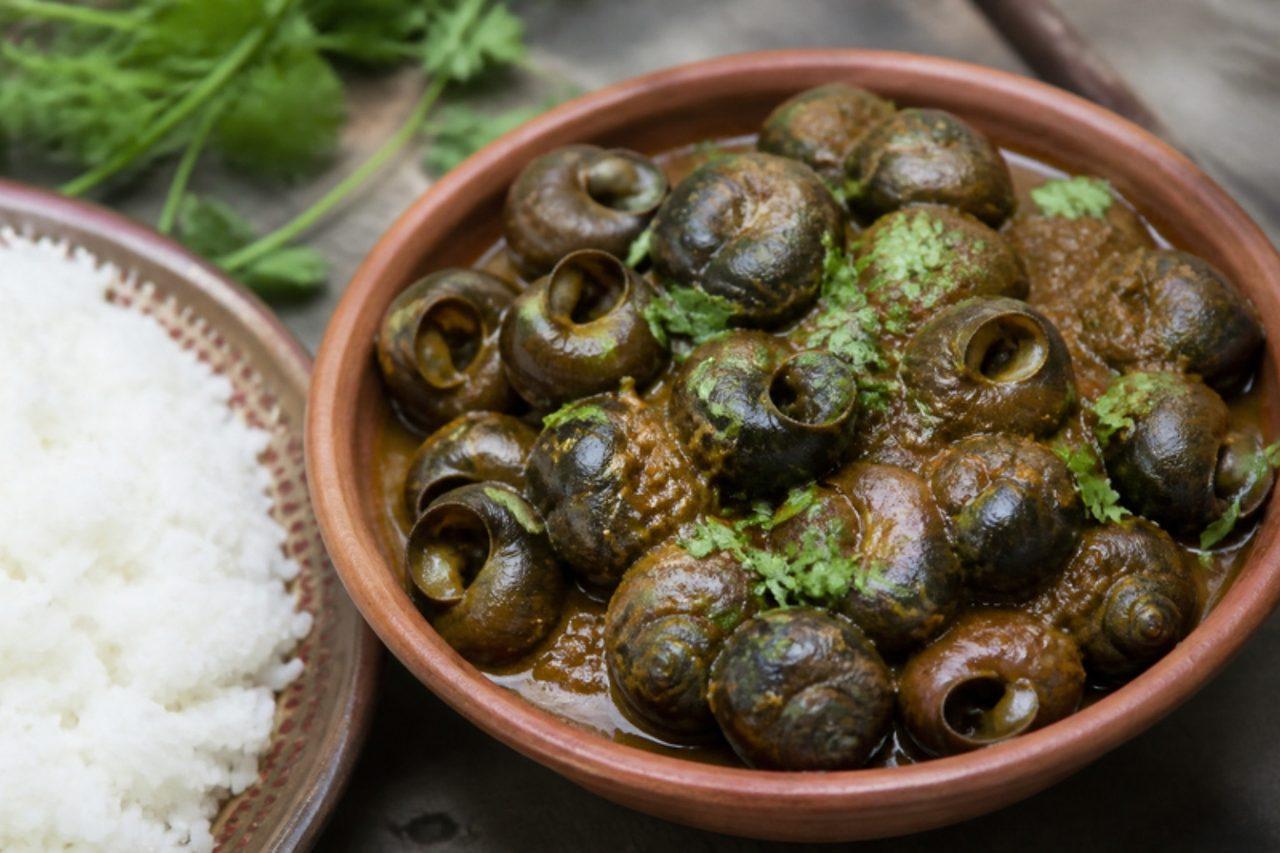
When the monsoon fills the rice paddies of the western and central Terai, Tharu families gather ghonghi, the little freshwater snails, and cook them in a dark, fiery curry thickened with ground roasted linseed; the tip of each shell is snipped so the meat can be sucked out at the table, and the dish is loved as both a treat and a monsoon tonic, eaten with rice or dhikri. Wild freshwater snails can carry parasites such as rat lungworm and liver flukes, so never use snails you have collected from ponds, ditches or paddies yourself. At home use only cleaned, purged farmed snails in their shells from a specialist supplier, or cooked, frozen farmed escargots, or live periwinkles from a good fishmonger as a stand-in, and boil them hard before they go into the curry. The usual error is skimping on the boiling, which is both unsafe and leaves the snails rubbery; they need a rolling boil and then a long simmer. Chef's tip: roast the linseed until it pops before grinding, for the nutty, dark Tharu flavour.

80 minNepaliMeatGluten freeSpicy
by KrazyBadal 0 views

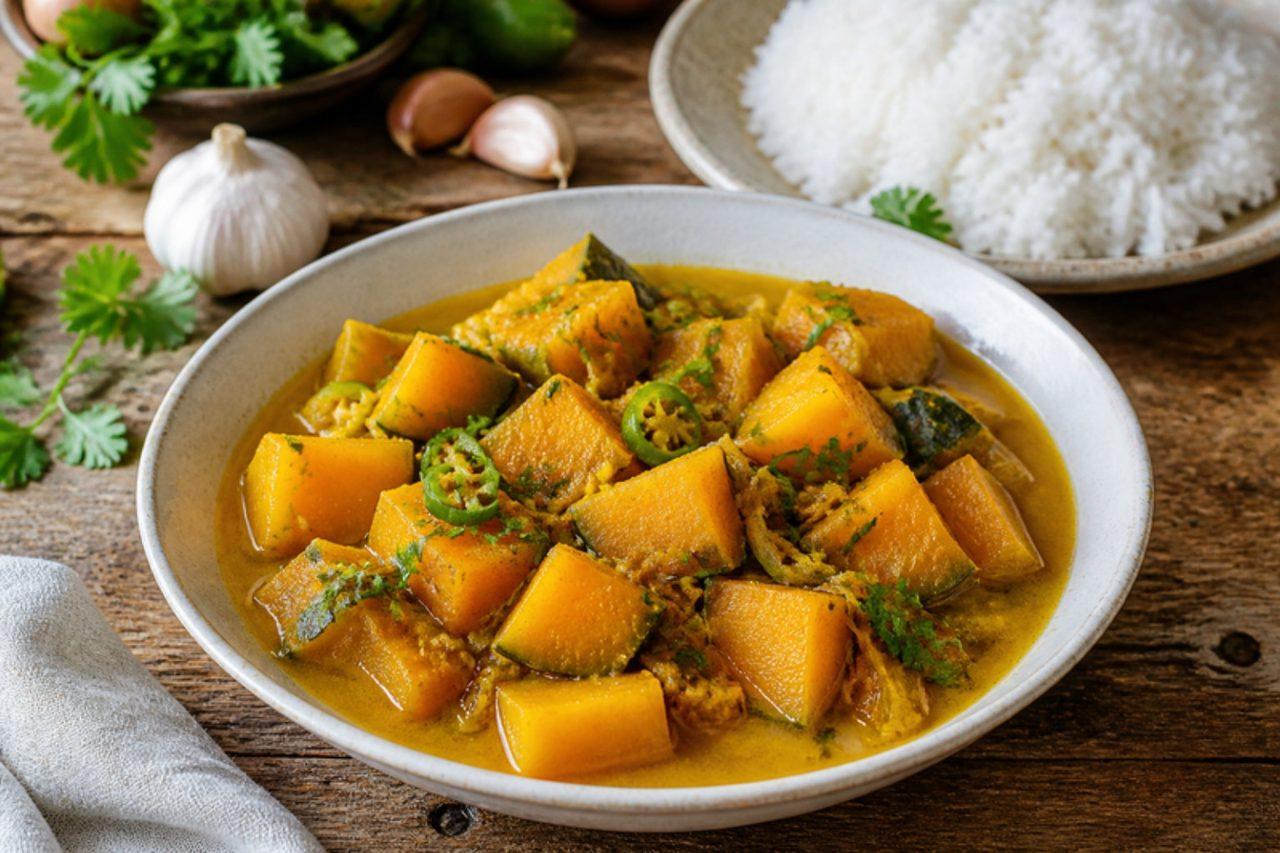
Burmese pumpkin curry

On a weekday lunch table in a Yangon home, this soft orange curry usually sits beside a sour leaf soup, a plate of boiled greens and a mound of plain rice. Wedges of pumpkin are cooked slowly in a pounded paste of onion, garlic and ginger with turmeric and chilli, until the flesh turns tender and glossy and the oil rises to the top, the sign of a well-made Burmese hin. It tastes sweet, gently hot and savoury all at once; many households stir in dried shrimp, but this version keeps it plant-based with a little salt and sugar. Where cooks go wrong is stirring the pot every few minutes: the pumpkin breaks into mash, so shake the pan instead. Chef's tip: leave the skin on a firm, dense pumpkin such as kabocha; it holds the pieces together and softens enough to eat.

by KrazyBadal 0 views

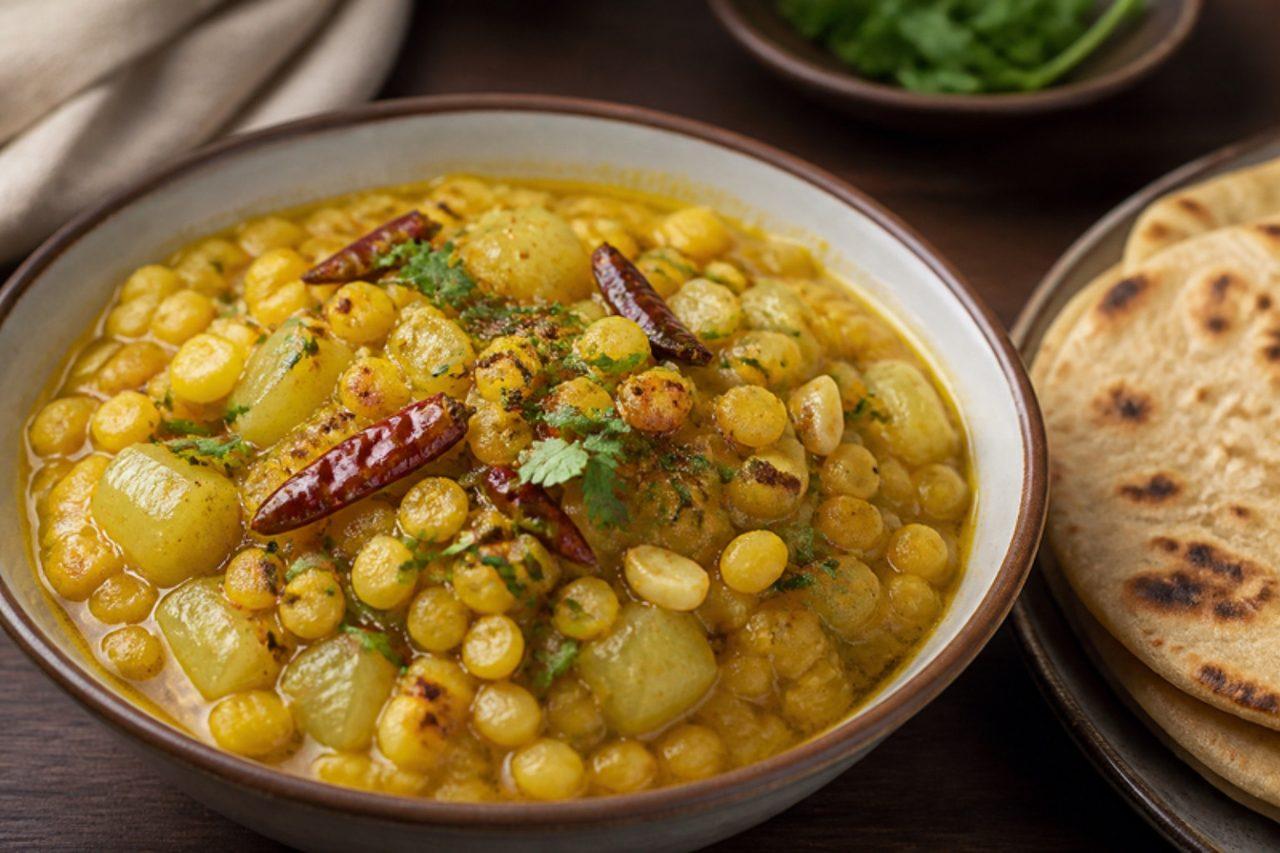
Ghiya chana daalChickpea dal with bottle gourd

Bottle gourd is the vegetable Punjabi mothers reach for when someone in the house needs something gentle, and pairing it with chana daal turns that mildness into a proper meal. The split chickpeas cook until creamy but still slightly nubbly, the ghiya melts into soft, translucent pieces and lends the pot a quiet sweetness, and a last-minute tarka of cumin, garlic and dried red chilli wakes the whole thing up. You will find it on everyday tables from Gujranwala to Sahiwal, eaten with chapati or plain boiled rice and a little sliced onion on the side. A common slip is adding the gourd at the start with the dal, so it disappears completely by the time the lentils are soft. Chef's tip: give the soaked dal a 20-minute head start and add the ghiya only then, so both are done together.

by KrazyBadal 0 views

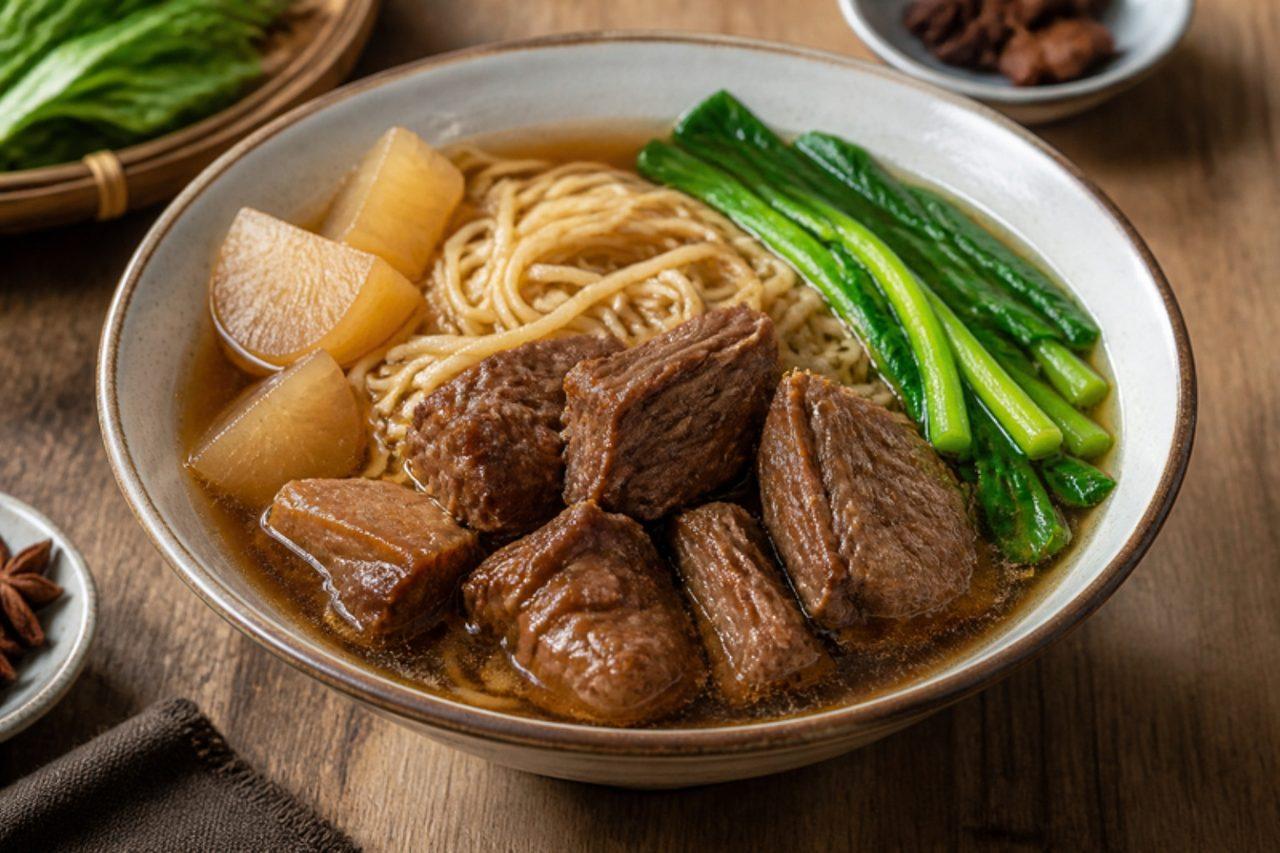
Beef brisket noodles

Queues form outside the brisket shops of Central and Sham Shui Po at lunchtime for a bowl of ngau naam min: wobbly chunks of beef brisket, braised for hours with chu hou paste, star anise, cinnamon and dried tangerine peel until the fat and sinew melt, set over springy egg noodles in a separate, clear, peppery broth with daikon. The braise is dark, sticky and aromatic, the broth light and clean, and you dip between them. A slosh of Shaoxing rice wine goes in the braise; an alcohol-free swap is in the ingredient list. Many home cooks cut the brisket before cooking into small cubes, which then shrink and dry out; braise it in big pieces and cut it afterwards. Chef's tip: the braise is better the next day, so make it ahead, chill it and lift off the fat before reheating.

by KrazyBadal 0 views

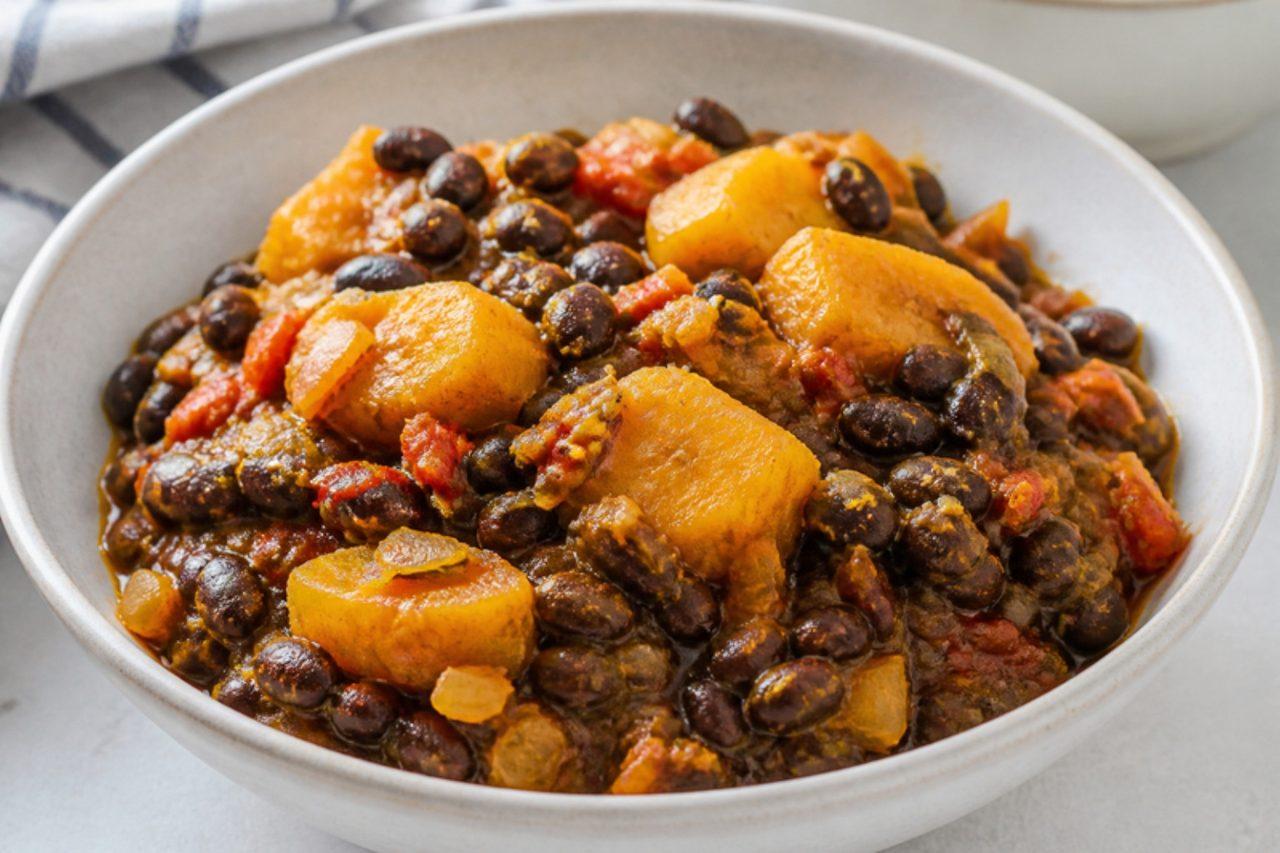
Akidi (Igbo black beans with plantain)

Akidi, a small, glossy black bean, is a quiet staple of Igbo home cooking around Enugu, Anambra and Imo, cooked like beans porridge and usually with ripe plantain for sweetness. After a long simmer the beans turn creamy inside while holding their shape, and they are finished with palm oil, onion, scotch bonnet and a handful of fragrant leaves, so the pot tastes earthy, sweet and peppery. It is a filling meal on its own, often eaten with a cold drink or a side of fried plantain. If you cannot find akidi, black turtle beans are a good substitute. Chef's tip: add the plantain only for the last 15 minutes; put in at the start, it dissolves into the beans, which is the usual mistake.

by KrazyBadal 0 views

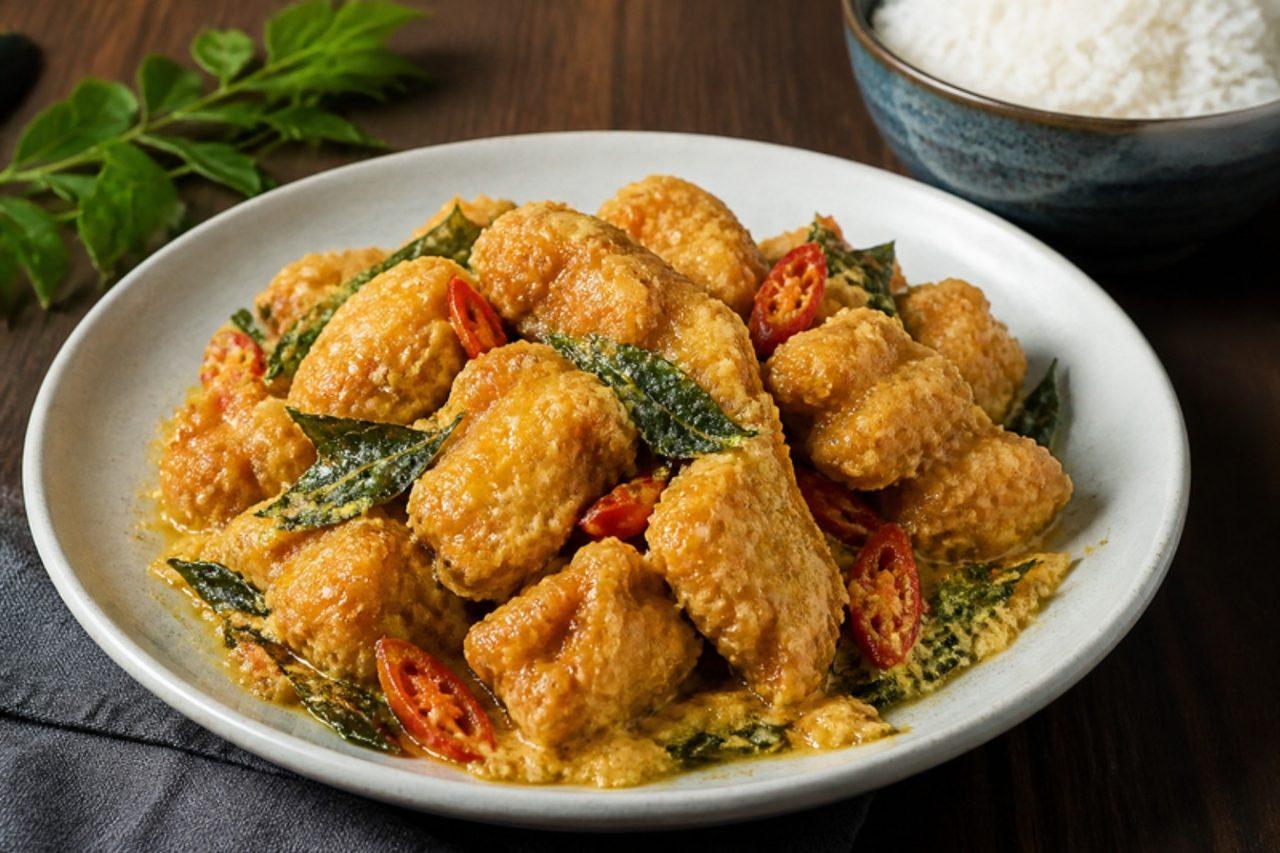
Salted egg chicken

Zi char stalls, the cook-to-order kitchens at the back of Singapore's coffee shops, made salted egg yolk sauce famous with crab and prawns, and the chicken version has become a dinner-table favourite with families who order three or four dishes to share with rice. Crisp, double-fried pieces of thigh are tossed through a sandy, frothy sauce of salted duck egg yolks foamed in butter with curry leaves and bird's eye chilli, so every nook is coated in something rich, savoury and faintly sweet. Serve it straight away with plain rice and a simple stir-fried green vegetable to balance the richness. The most common mistake is adding the yolks to butter that is too hot: they scorch, turn grainy and never foam. Chef's tip: mash the steamed yolks through a sieve while they are still warm, so they melt into a smooth, frothy coating.

by KrazyBadal 0 views

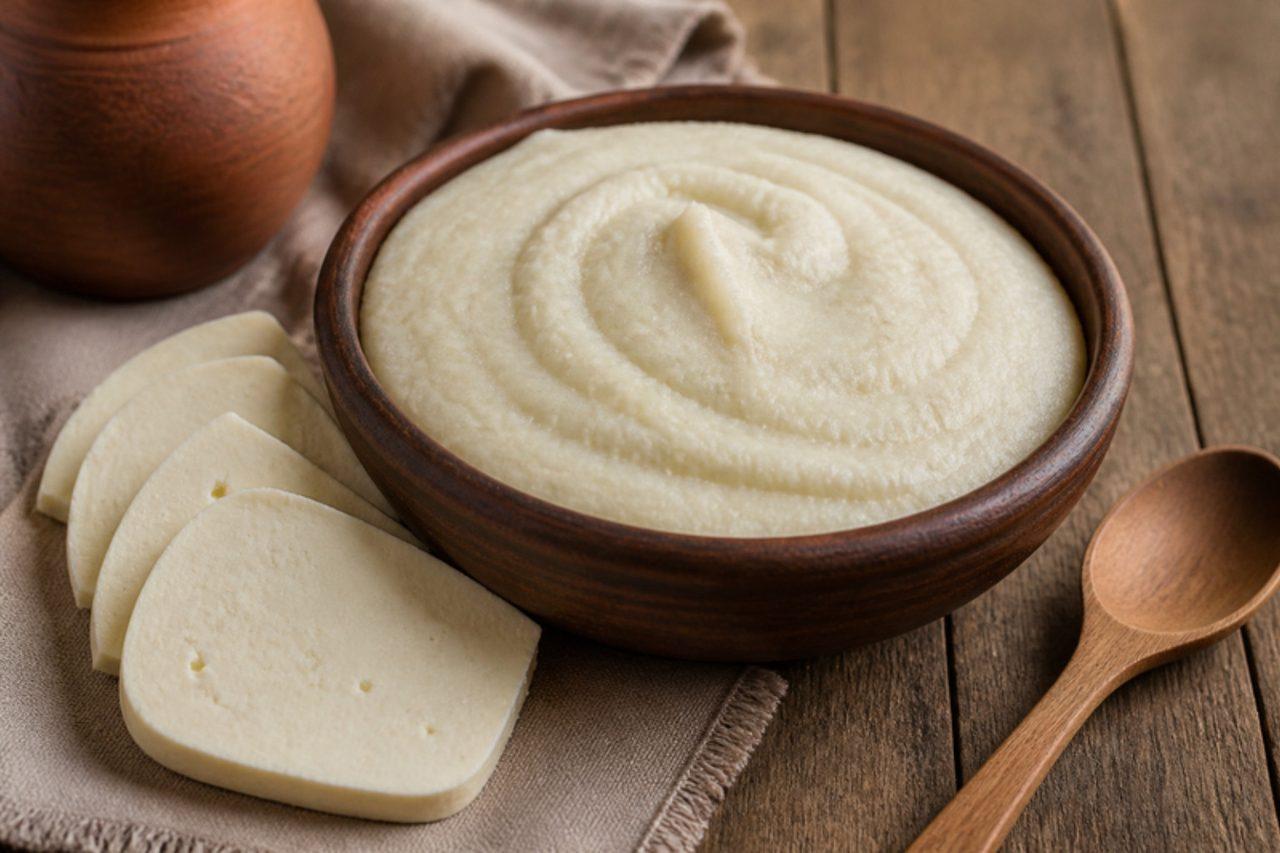
GhomiWhite corn porridge

Across Samegrelo and Guria, ghomi plays the role bread plays elsewhere: a soft, smooth porridge of white corn and cornmeal, set on the table unseasoned so that slices of sulguni can be pushed into it to melt, and so that bazhe, ajika or bean stew can be scooped up with it. In Zugdidi homes it is cooked in a heavy pot and stirred with a flat wooden paddle. A common mistake is stirring too little; ghomi catches easily and lumps form at the bottom. Chef's tip: cook it until it comes away from the sides in one smooth mass, then wet a spoon and smooth the top; ghomi should feel like soft polenta that can be scooped, not runny porridge.

by KrazyBadal 0 views

GiyalingBuckwheat pancakes

Buckwheat, known locally as bro, grows in the cold upper villages of Hunza and Nagar where wheat struggles, and giyaling are the thin, lacy pancakes made from its flour for breakfast. The batter is no more than buckwheat flour, water and a little milk, poured thin onto a hot griddle so the pancakes cook in a minute or two, with crisp edges and an earthy, nutty flavour. They are stacked and eaten warm, smeared with butter and a few drops of apricot-kernel oil, sometimes with a drizzle of honey and always with tea, especially on cold mornings. A thick, gloopy batter is the frequent mistake, because it makes heavy, raw-tasting pancakes. Chef's tip: rest the batter for 15 minutes, then thin it to the consistency of single cream, and buy flour labelled gluten-free if that matters to you, as buckwheat is often milled alongside wheat.

by KrazyBadal 0 views

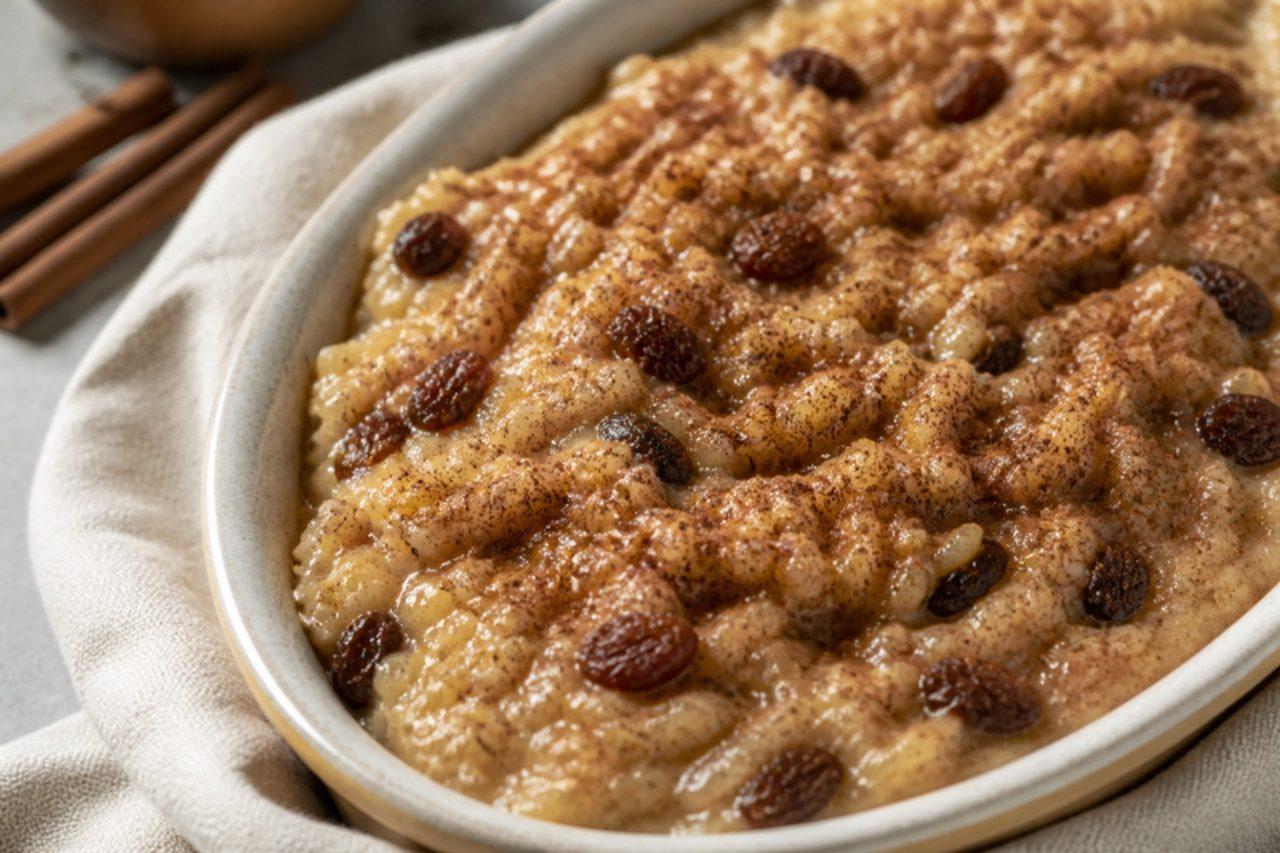
Arroz con dulceCoconut rice pudding

From the start of December to the Three Kings in January, trays of arroz con dulce cool on Puerto Rican kitchen counters, sliced into squares and handed round at parrandas when carollers arrive at the door late at night. Unlike a milky rice pudding, it is cooked in a water steeped with fresh ginger, cinnamon, cloves and star anise, then finished with coconut milk and raisins, so it is fragrant, firm enough to cut and dairy free. The common mistake is adding the sugar too early, which keeps the rice grains hard; sweeten only once they are soft. Chef's tip: soak the rice for an hour first, and it cooks evenly and absorbs the spiced coconut far better.

by KrazyBadal 0 views

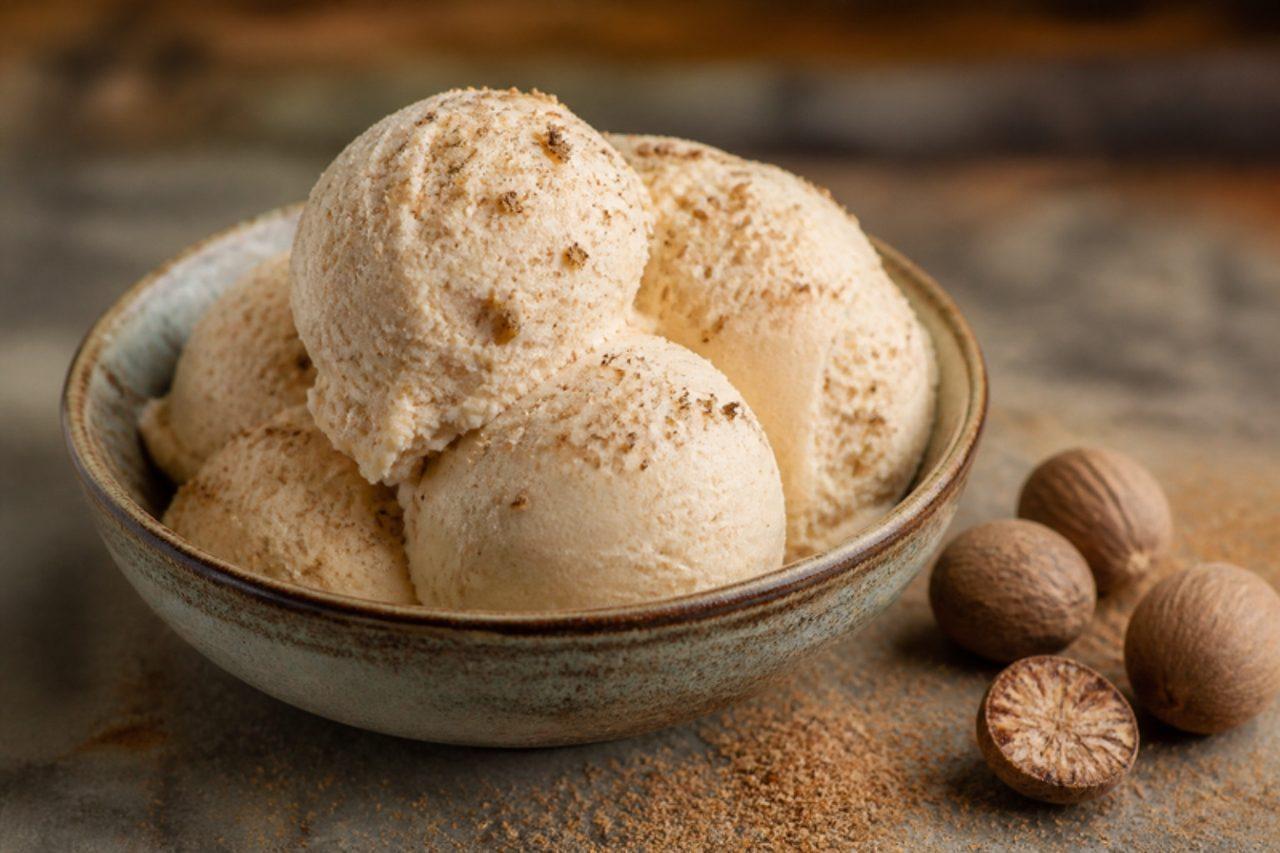
Grenadian nutmeg ice cream

Grenada, the Spice Isle, grows much of the world's nutmeg, and in St George's ice cream parlours the local favourite is a rich egg-custard ice cream scented with freshly grated nutmeg. The flavour is warm and almost floral, nothing like the dusty jar spice, and it is lovely with fried plantain or a slice of black cake. The common mistake is overheating the custard so the eggs scramble; take it off the heat as soon as it coats a spoon. Chef's tip: grate the nutmeg straight into the hot milk and let it steep for 20 minutes before making the custard, so the flavour runs all the way through.

by KrazyBadal 0 views

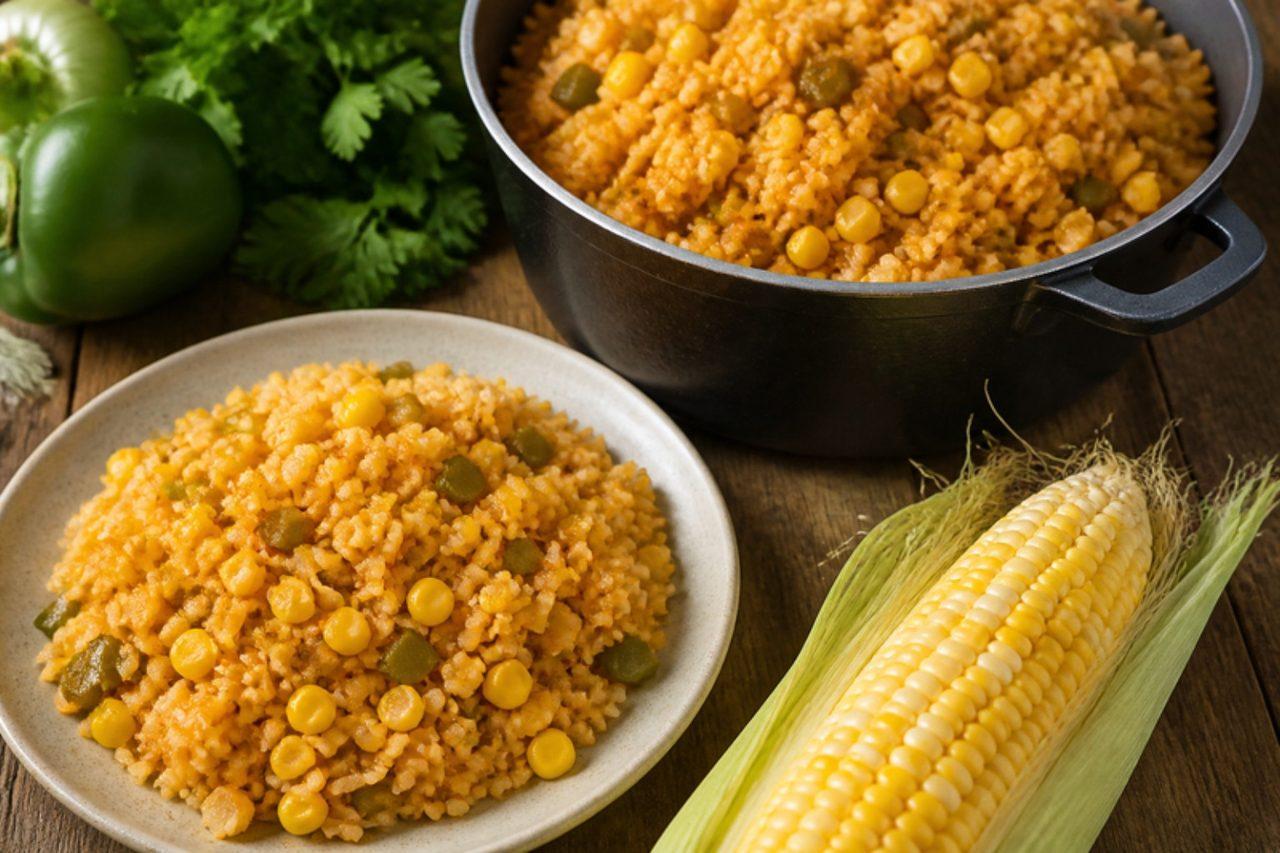
Arroz con maízRice with sweetcorn

In central Cuba, when the fields are full of young corn, families cut the kernels straight off the cob into the rice pot with a sofrito of onion, pepper, garlic and annatto, cooking everything together until golden and sticky at the base. Many farm cooks add salt pork; this vegan version leans on cumin and a little smoked paprika. A common mistake is using too much water, as fresh corn releases its own milk, so keep to the amounts given. Serve with black beans or a tomato and avocado salad. Chef's tip: scrape the cobs with the back of the knife after cutting off the kernels and add that milky pulp; it gives the rice a creamy sweetness.

by KrazyBadal 0 views

Bajan salt bread

Every rum shop and fish fry in Barbados sells "bread and two", and the bread is almost always salt bread: plain, crusty rolls with a soft, slightly chewy crumb and a split down the top, made for stuffing with fish cakes, a slice of cheese or fried flying fish as a cutter. Despite the name, they aren't especially salty; the name sets them apart from sweet bread. The usual mistake is pale rolls with a soft crust from too cool an oven. Chef's tip: put a tray of boiling water in the bottom of the oven for the first 10 minutes for a properly crisp crust.

by KrazyBadal 0 views

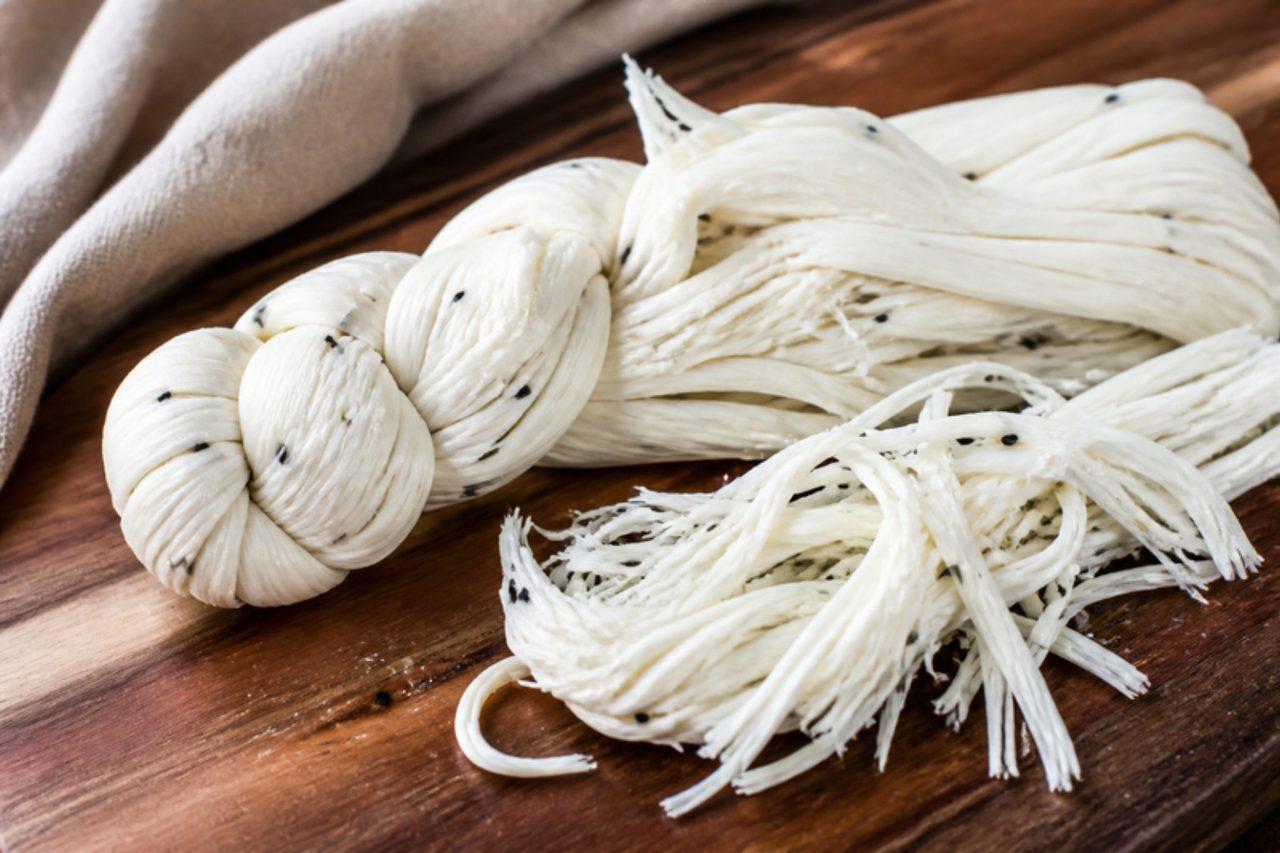
Armenian string cheese

Chechil, called tel panir in Armenian, is the plaited string cheese of Armenian families from Yerevan to Beirut and Boston: fresh curd is melted in hot water, stretched again and again into long, fine strands with nigella seeds worked through, then twisted into a braid. To eat, you pull the braid apart into thread-fine strings, good with herbs, lavash and a glass of tan. Traditionally made with animal rennet; vegetarian rennet works too. A common mistake is stretching a curd that is not acidic enough; it melts into a blob instead of pulling. Chef's tip: test a small piece in hot water first, as for sulguni; if it stretches 30 cm without breaking, it is ready.

by KrazyBadal 0 views

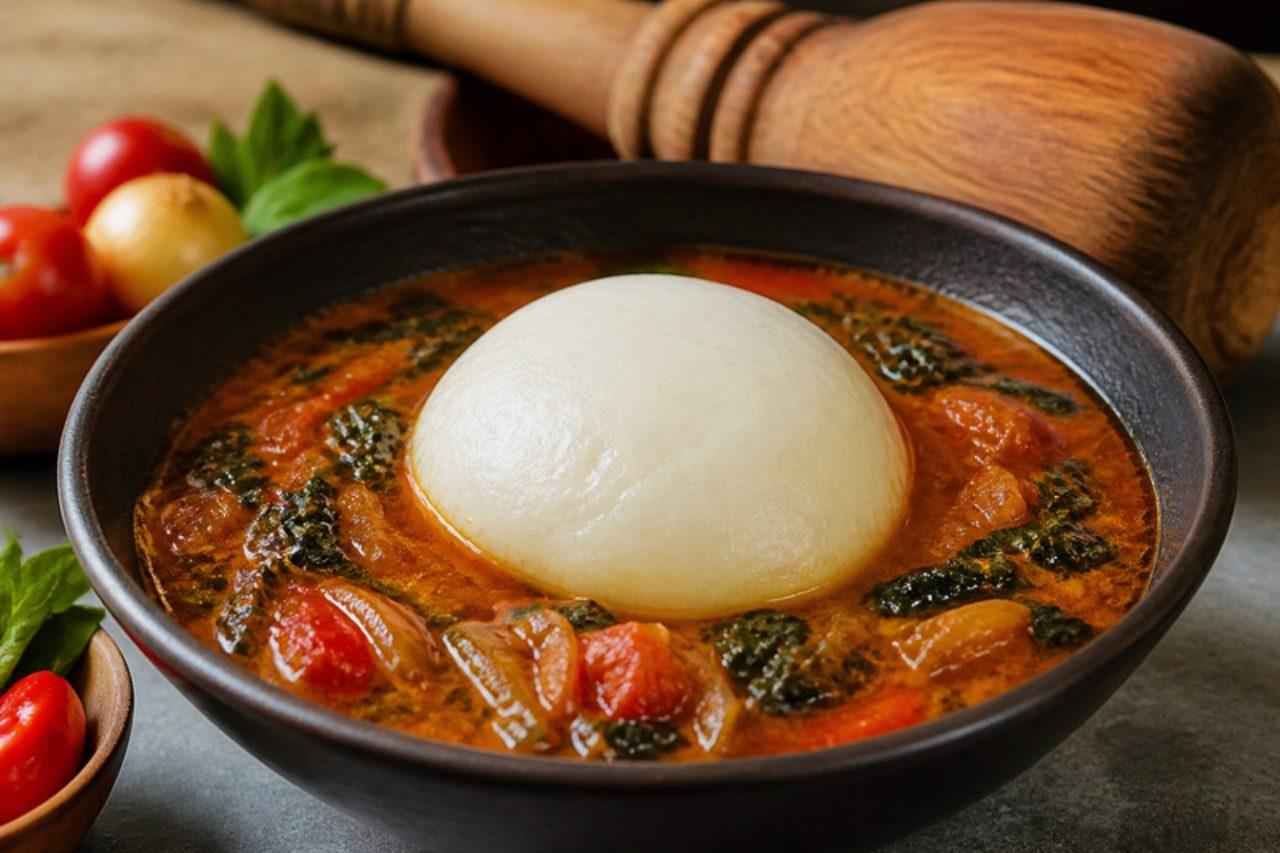
Ghanaian fufuPounded cassava and plantain

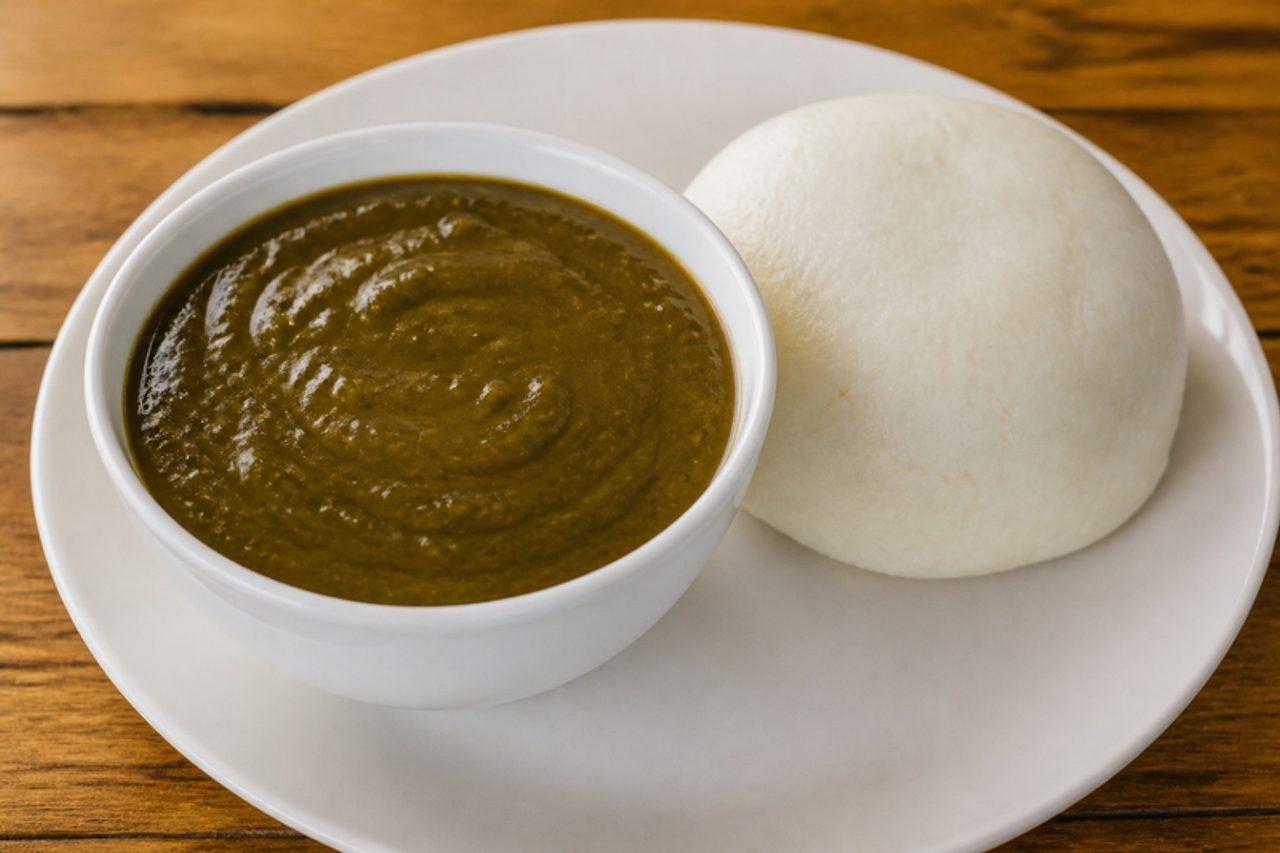
The rhythmic thud of a pestle in a wooden mortar is the sound of lunchtime in Kumasi, where fufuo is pounded by two people, one lifting the pestle and one turning the dough between strokes. Boiled cassava and unripe plantain are beaten together until they become a soft, stretchy, slightly springy ball, served in a bowl of light soup, palm nut soup or groundnut soup and eaten with the right hand. Those soups are usually made with meat or fish; serve it with a vegetable soup for a meat-free meal. Cassava must always be fully cooked, never eaten raw. A food processor makes a good version at home. Chef's tip: pound the plantain first, then add the cassava; adding too much water is the common mistake and leaves the fufu sticky instead of smooth and elastic.

by KrazyBadal 0 views

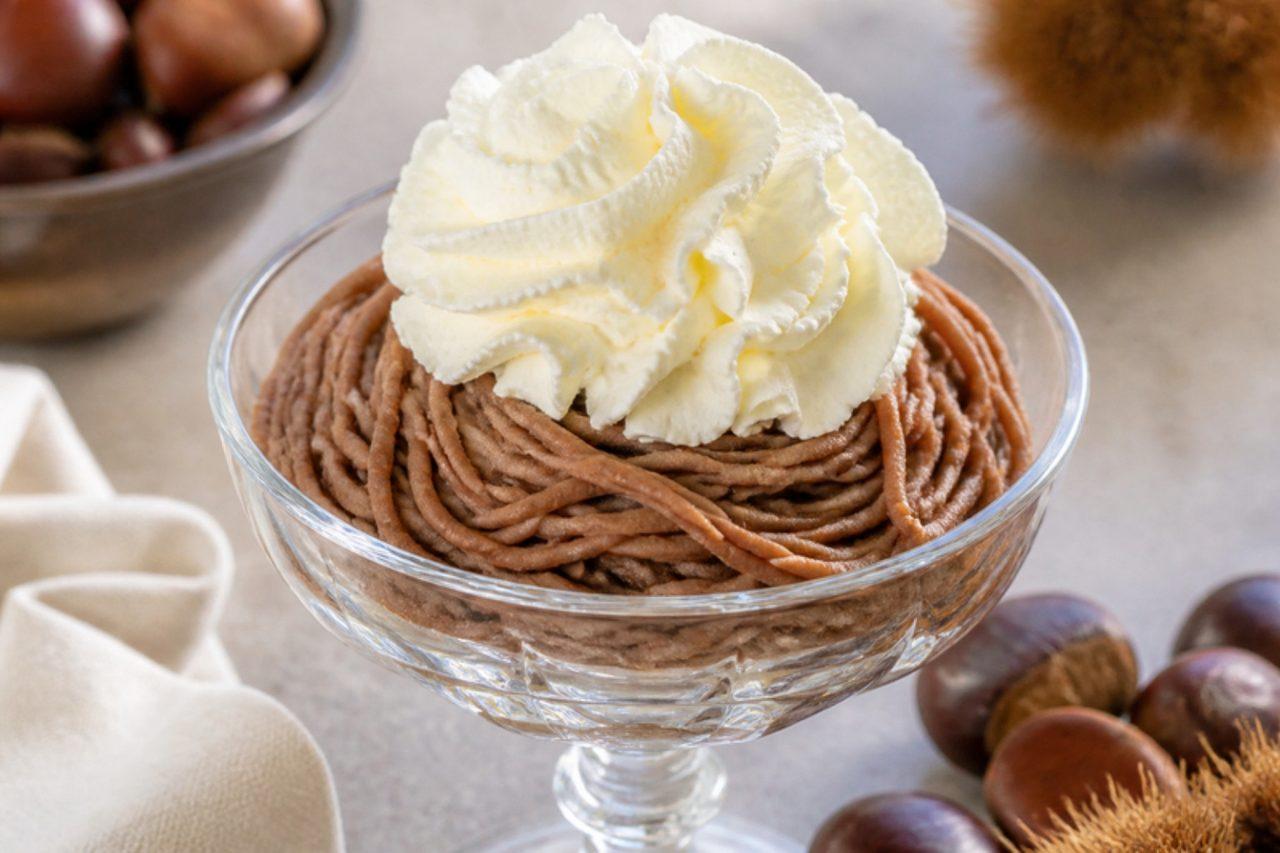
GesztenyepüréChestnut purée with cream

No Budapest cukrászda menu in autumn is complete without a glass of gesztenyepüré: sweet chestnut purée pushed through a potato ricer so it falls in loose brown strands, crowned with a cloud of whipped cream and often a glacé cherry. It is soft, nutty and creamy rather than sugary, and it came to Hungary from Viennese kitchens in the days of the empire. Classic café versions add a splash of rum to the chestnuts; this one leaves it out and uses vanilla and a little cocoa, so it is alcohol-free. A common mistake is pressing the purée into the glass with a spoon, which turns it into a dense paste; let the strands fall loosely straight from the ricer. Chef's tip: chill the purée well before ricing, because cold purée holds its strands and the cream stays on top.

by KrazyBadal 0 views

Dziriettes (almond flower pastries)

Named after the women of Algiers, dziriettes are the jewels on any wedding or Eid tray: thin, crisp pastry pinched into a flower or crown, filled with a dome of almond paste scented with orange blossom, then baked and soaked in warm honey. They take patience, but the result is delicate and fragrant, with a shatter of pastry giving way to a soft, moist almond centre. Families often make a few hundred over several evenings, together, before a celebration, and serve them with mint tea or coffee. Chef's tip: roll the dough so thin you can almost see the worktop through it; thick pastry is the commonest mistake and turns dziriettes stodgy instead of crisp.

by KrazyBadal 0 views

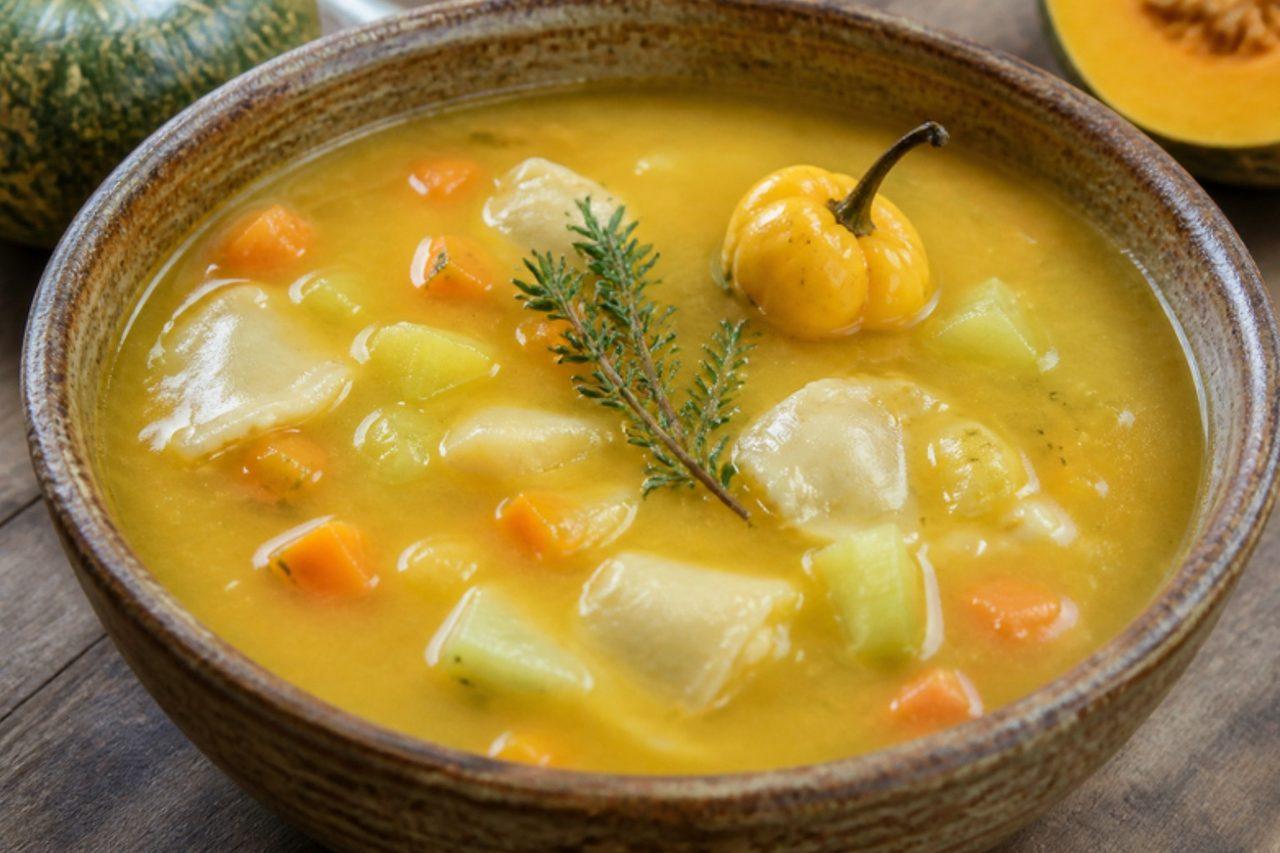
Jamaican pumpkin soup

Ital kitchens in the Blue Mountains cook pumpkin soup on cool evenings, when the mist comes down over the coffee farms and something golden and peppery is needed. This one is meat-free and dairy-free: calabaza, carrot and chocho simmer with thyme, scallion and pimento until the pumpkin breaks down into a thick, naturally sweet broth, with a few spinners for chew. People often add the scotch bonnet already cut, which can make the whole pot ferociously hot; drop it in whole and take it out when the soup tastes right. Chocho (chayote) is optional, and courgette is a fair swap. Chef's tip: leave the soup chunky rather than blending; Jamaicans like to see the pieces of pumpkin collapsing into it.

by KrazyBadal 0 views

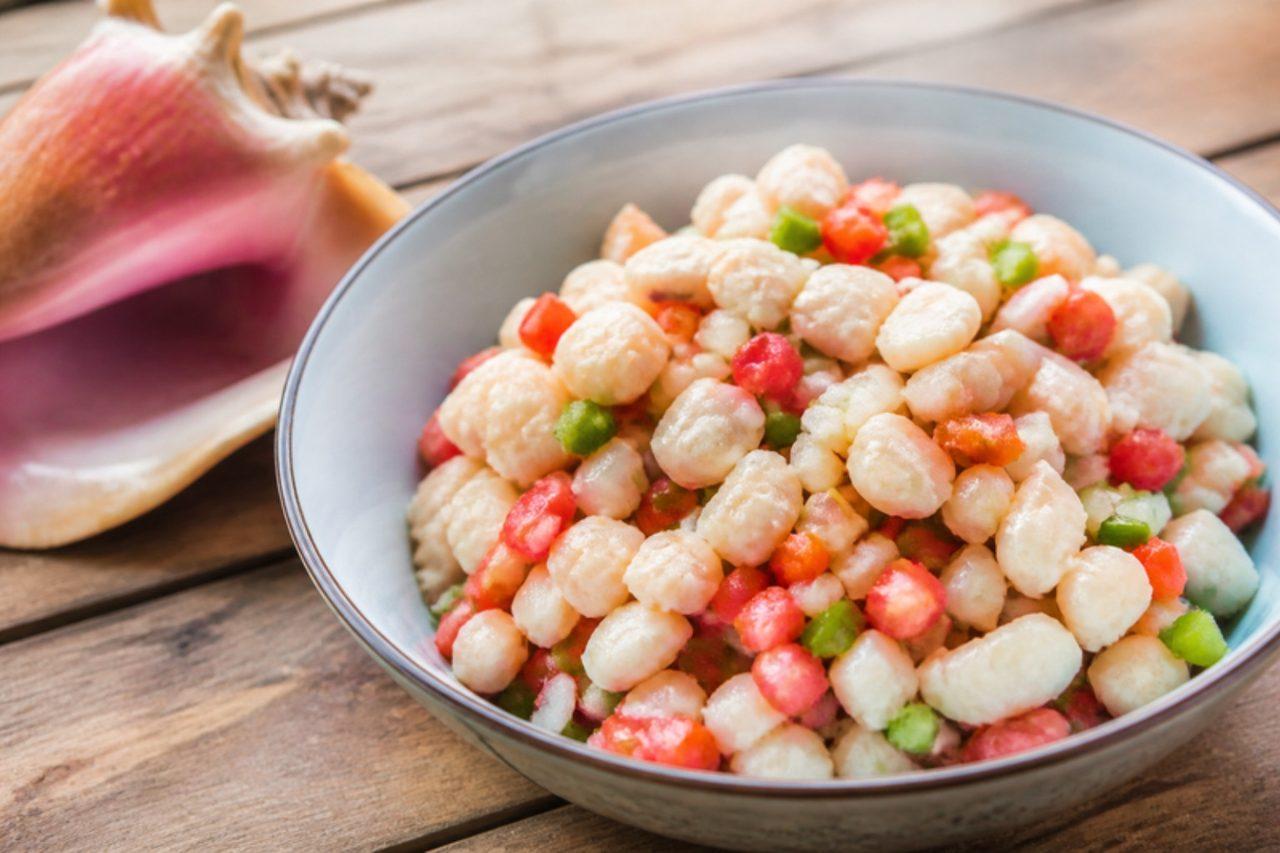
Bahamian conch salad

At the Fish Fry on Arawak Cay in Nassau, conch salad is made to order: a vendor cracks the shell, dices the conch with tomato, onion, sweet peppers and goat pepper, and drowns it in lime and sour orange in front of you. Traditionally the conch is eaten raw, "cooked" only by the citrus; that raw version is not for pregnant women, young children or anyone with a weakened immune system, and this recipe gives a safer version in which the conch is poached briefly first. Buy cleaned conch from a trusted fishmonger and discard any that smells of ammonia. The common mistake is dicing unevenly; everything should be in small, matching cubes. Chef's tip: make it no more than an hour ahead, or the lime turns the vegetables limp.

by KrazyBadal 0 views

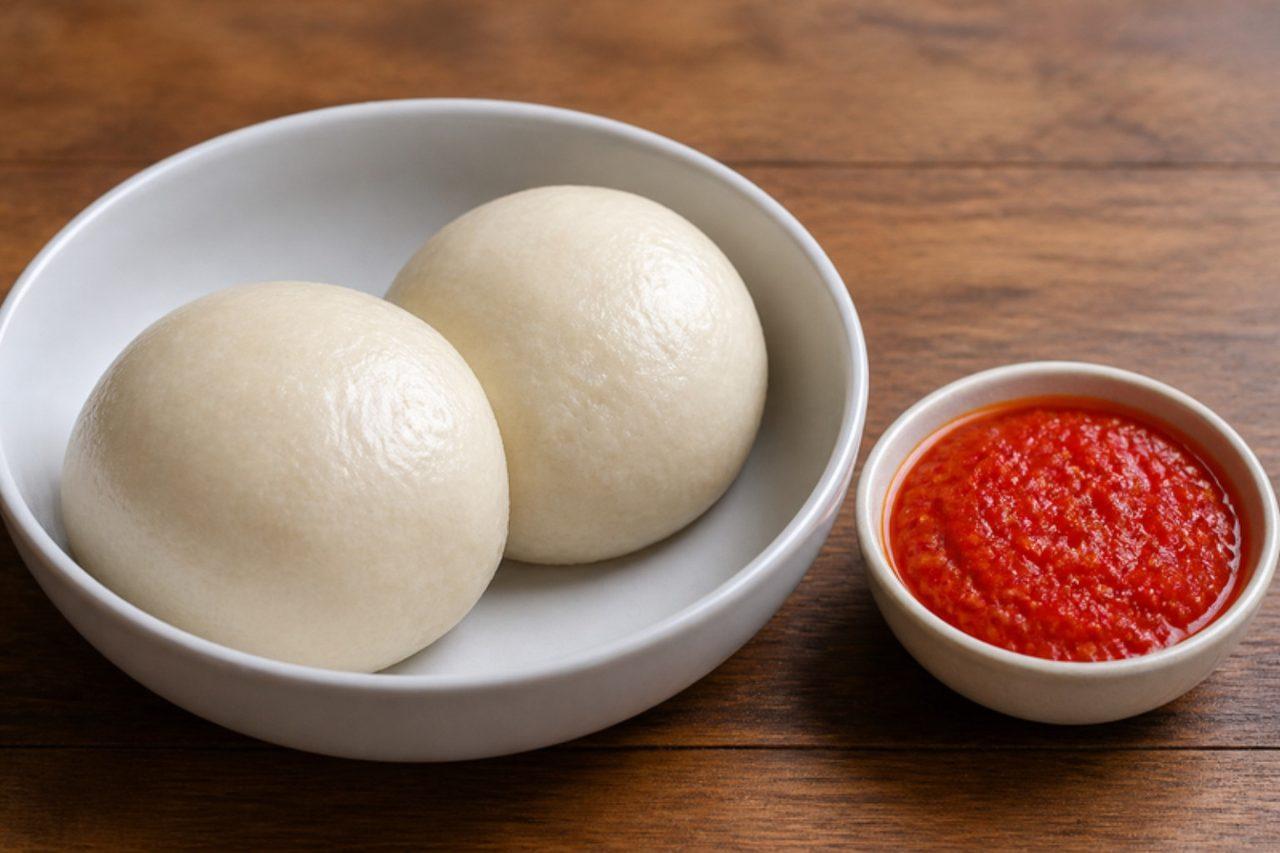
BankuFermented corn and cassava dough

Chop bars from Jamestown to Teshie serve banku all day, usually beside grilled tilapia, okro stew and a fierce raw pepper sauce. Fermented corn dough and cassava dough are cooked together and turned hard with a wooden spatula until they become a smooth, stretchy, faintly sour ball that you pinch off with your fingers and dip into soup or stew. At home it is good with any Ghanaian soup, and a meat-free okro stew or pepper sauce keeps the whole meal vegan. Ready-made doughs are sold in African grocers. A lumpy banku comes from adding dough to hot water; always mix it with cold water first, then heat. The commonest mistake is stopping the stirring; banku needs constant turning with a wooden spoon or it goes lumpy and raw in patches. Chef's tip: keep a bowl of water next to the pot and wet the spatula and your hands as you shape the balls, so the banku comes out glossy and nothing sticks.

by KrazyBadal 0 views

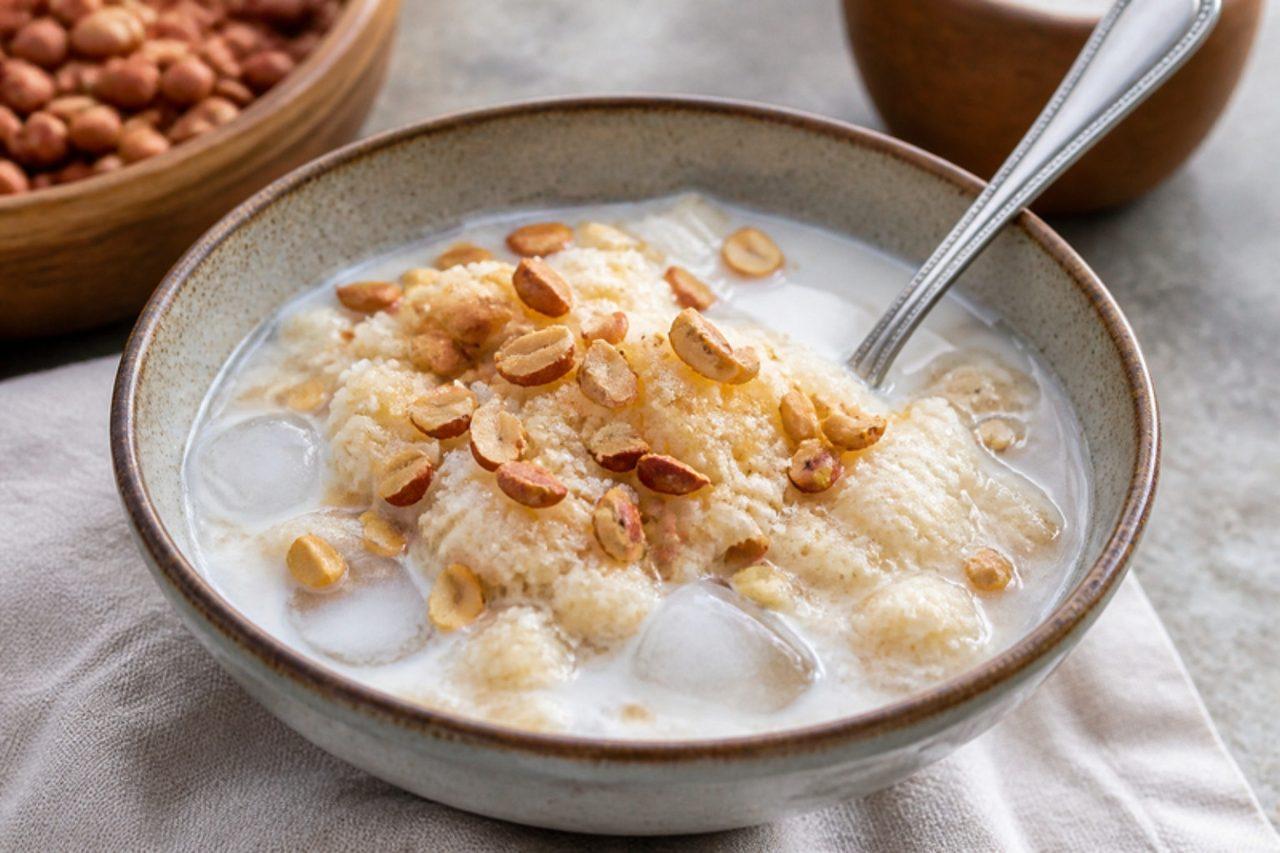
Gari soakingsSoaked gari with milk and groundnuts

Every Ghanaian who went to boarding school has a story about gari soakings, the cheap, quick fill-up that keeps students going between meals, and on hot Accra afternoons it is still the snack people make without thinking. Toasted cassava grains are soaked in cold water until they swell, then sweetened with sugar and evaporated milk and topped with roasted groundnuts, so it is cool, slightly sour, creamy and crunchy at once. Some add ice cubes or a little coconut. For a vegan bowl, swap the milk for coconut milk. A common slip is adding the groundnuts too early, so they go soft; scatter them on just before eating. Chef's tip: rinse the gari first and pour away the cloudy water with any floating husks, which makes the bowl cleaner and less sandy; eat it within a few minutes, before the grains go mushy.

by KrazyBadal 0 views

Aseedat bobarPumpkin pudding with ghee

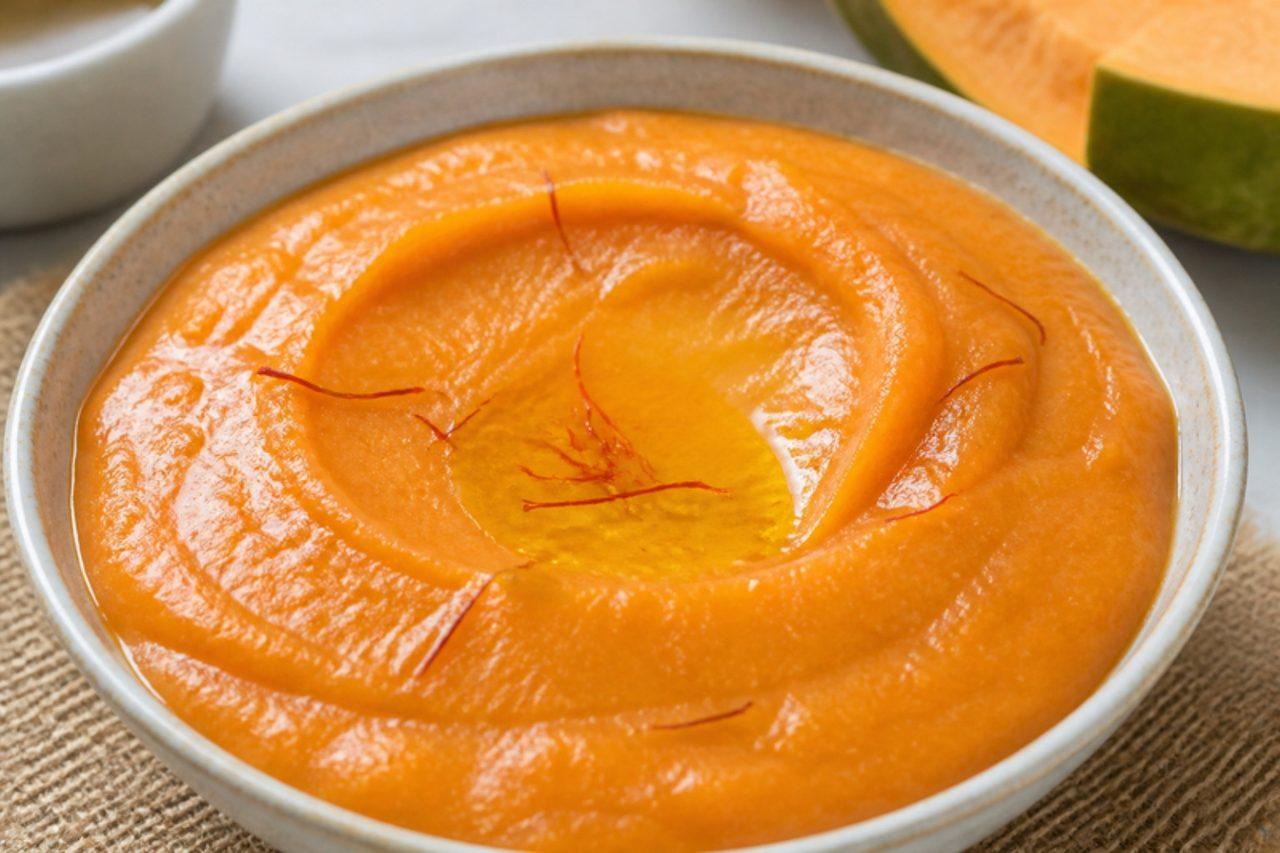
In Doha and Kuwait City, aseedat bobar arrives on winter evenings and at Ramadan iftar in a shallow dish, smooth and orange, with a little pool of melted ghee in the centre. Bobar is the Gulf word for red pumpkin, cooked down and thickened with toasted flour, sugar and cardamom into a soft, spoonable sweet that tastes a bit like a spiced pumpkin pie filling. Scoop it warm with a spoon or with pieces of bread, alongside Arabic coffee. Stopping the stirring too soon is the usual mistake: the pudding must cook until it pulls away from the sides, or it tastes of raw flour. Chef's tip: toast the flour in a dry pan until it smells like biscuits before it goes in; that nutty note is what makes it.

by KrazyBadal 0 views

Miyan kuka (baobab leaf soup)

Dried baobab leaves, pounded to a fine green-grey powder, give miyan kuka its earthy, faintly tea-like taste and its slippery body, a little like okra. Northern households from Kano to Sokoto cook it as everyday food and pair it almost always with tuwon shinkafa or tuwon masara. Dried fish or a handful of meat often goes into the pot; this meat-free version, as many homes cook it when the budget is tight, gets its depth from dawadawa, onion and a peppery tomato base instead. A common mistake is tipping the kuka in all at once, which leaves stubborn green lumps; sift it in slowly while whisking. Chef's tip: once the kuka is in, simmer only 2–3 minutes, because long boiling dulls its colour and its fresh, grassy edge.

by KrazyBadal 0 views

Griwech (honey-dipped pastry knots)

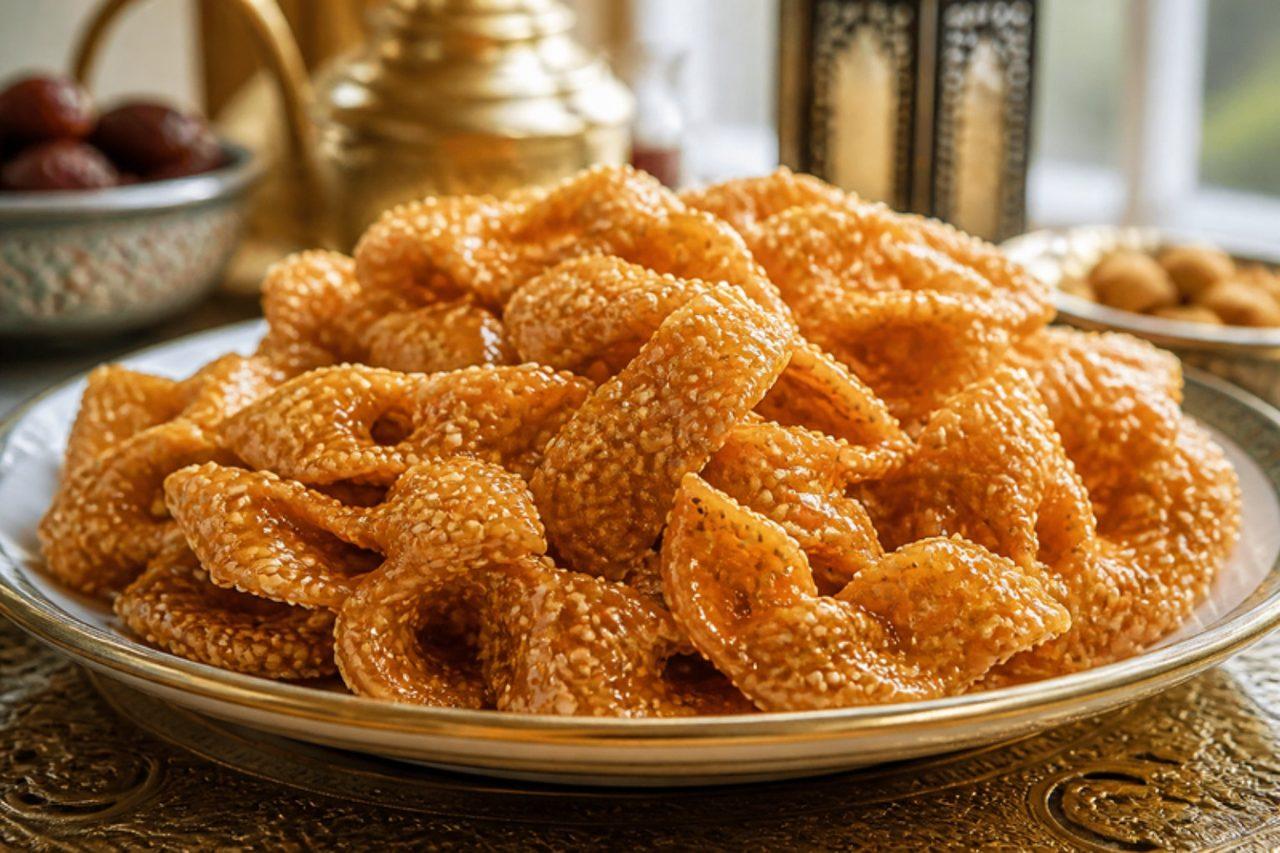
No Ramadan table in Algeria feels complete without a plate of griwech next to the chorba, ready for the sweet craving that follows the fast. Thin sheets of dough are cut into rectangles, slit and twisted into knots, fried until crisp and golden, then plunged into warm honey and scattered with toasted sesame. Each piece snaps cleanly, then melts into a sticky, orange-blossom sweetness. Batches are made days ahead and kept in tins for visitors through the month and on into Eid. Chef's tip: keep the oil at 170 °C; oil that is too hot is the usual mistake, colouring the outside before the layers inside crisp, so the griwech goes soft in the honey.

by KrazyBadal 0 views

Trout with tarragon

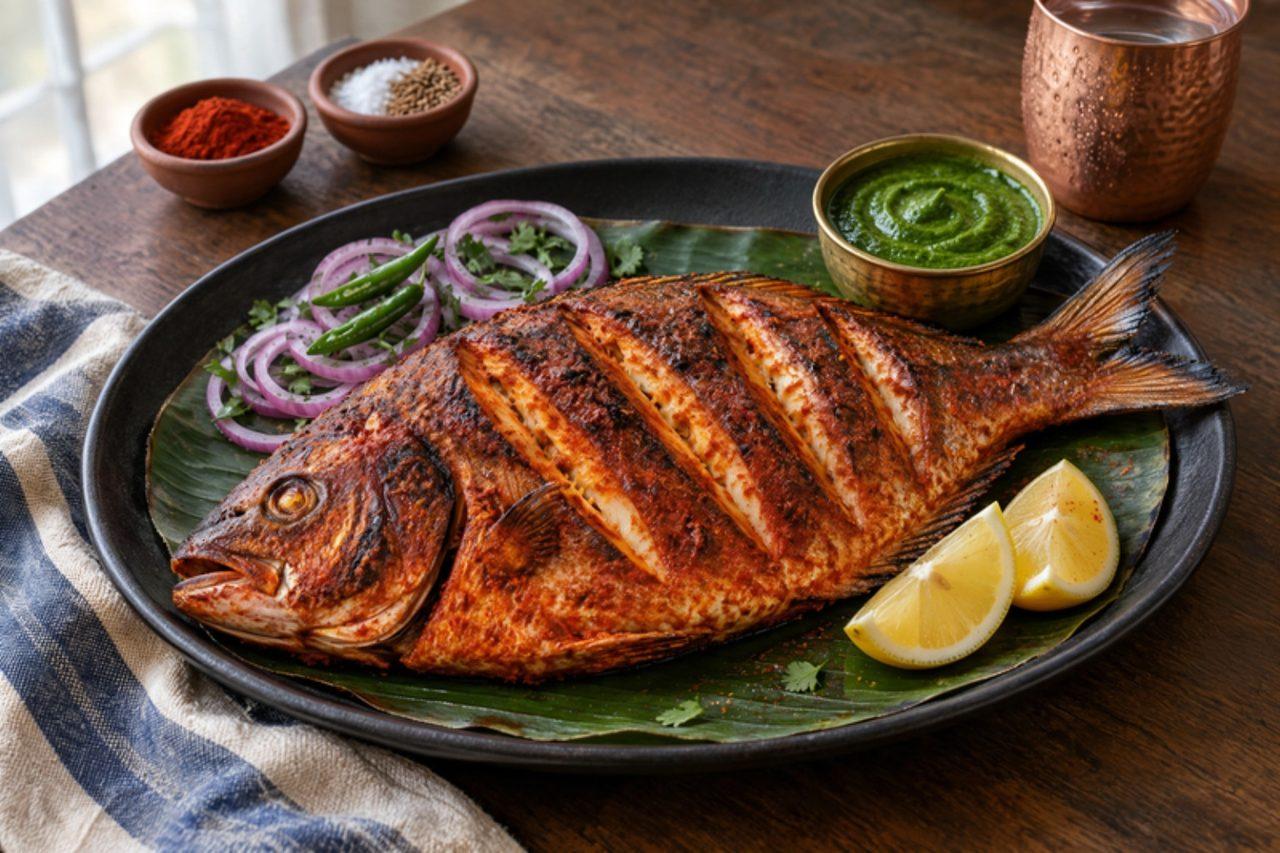
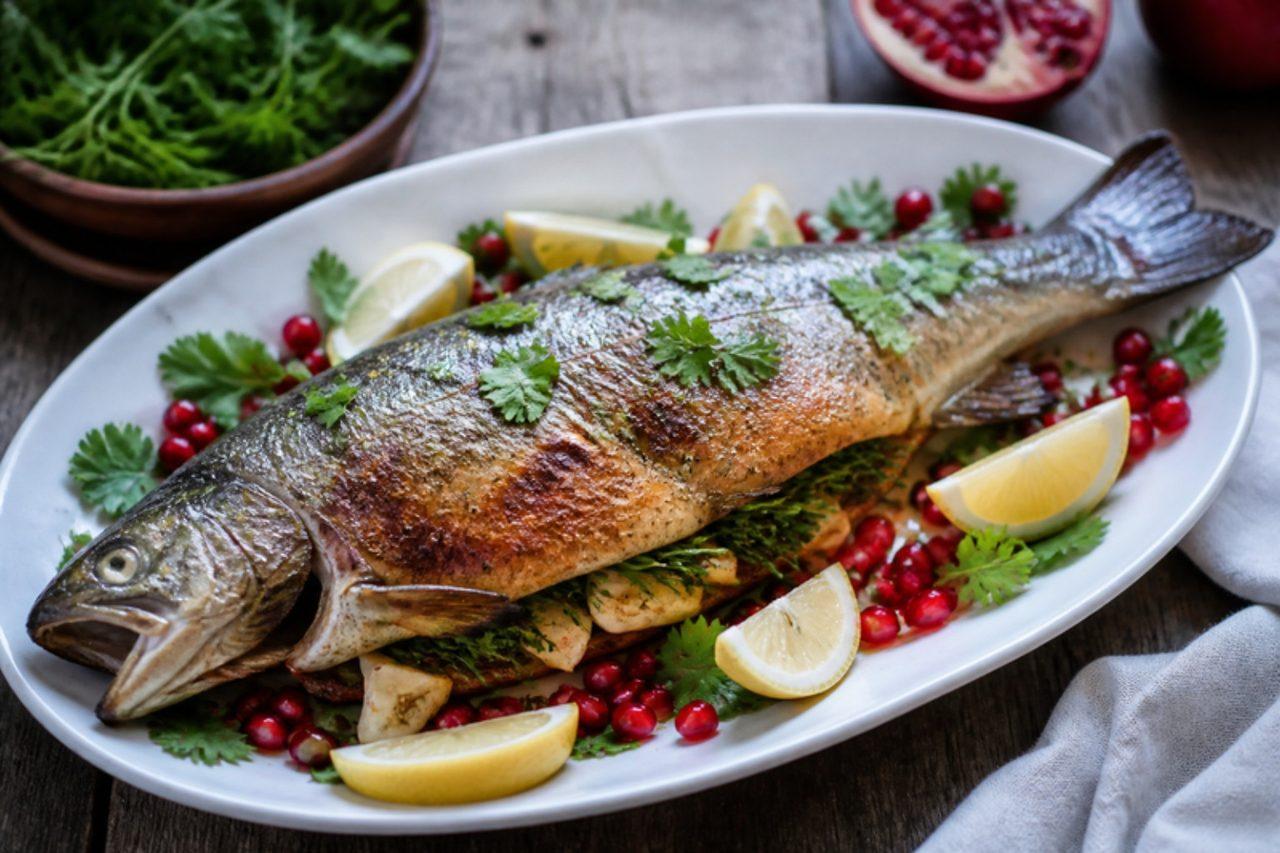
In the river valleys of Racha, around Ambrolauri and Oni, cafés keep live trout in stone tanks fed by mountain streams, and the classic way to cook them is simply: stuffed with tarragon, garlic and a little salt, roasted or grilled over vine cuttings, and finished with a shower of pomegranate seeds and a squeeze of their juice. A common mistake is cooking the fish too long, which dries the delicate flesh. Chef's tip: slash the skin twice on each side so the heat reaches the thickest part evenly, then check by pressing the backbone: the flesh is done when it is opaque and lifts away in clean flakes.

by KrazyBadal 0 views

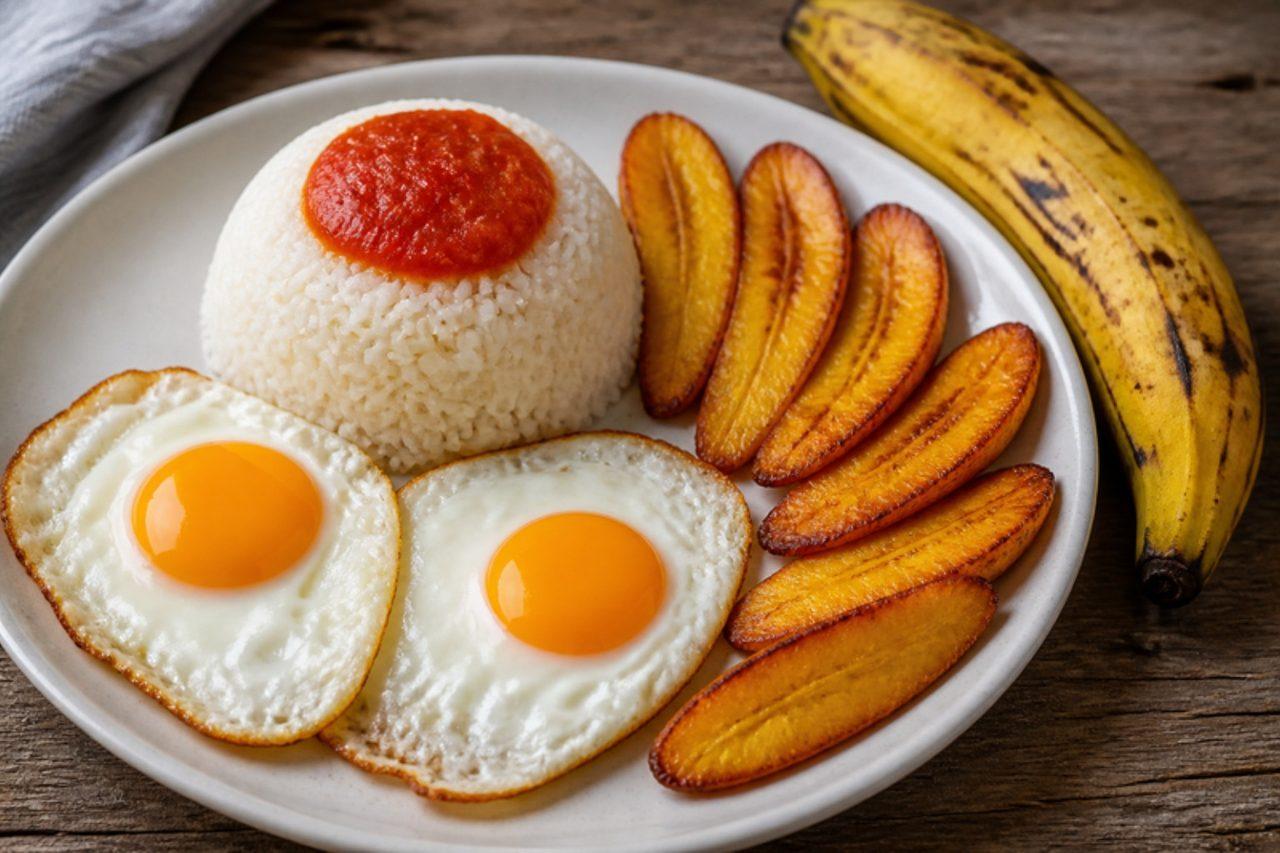
Arroz a la cubanaRice with tomato and egg

Havana cafeterías put this plate on the lunch board when cooks want something cheap, fast and filling: a mound of plain white rice, a ladle of garlicky tomato sauce, a fried egg with a runny yolk and slices of caramelised ripe plantain. Breaking the yolk into the rice and sauce is the whole point, so the eggs should be fried at the last minute. The usual mistake is using plantains that are still yellow-green; they need black-spotted skins to turn soft and sweet in the pan. Serve with a simple avocado salad. Chef's tip: baste the egg whites with hot oil from the pan so they set with lacy edges while the yolks stay liquid.

by KrazyBadal 0 views

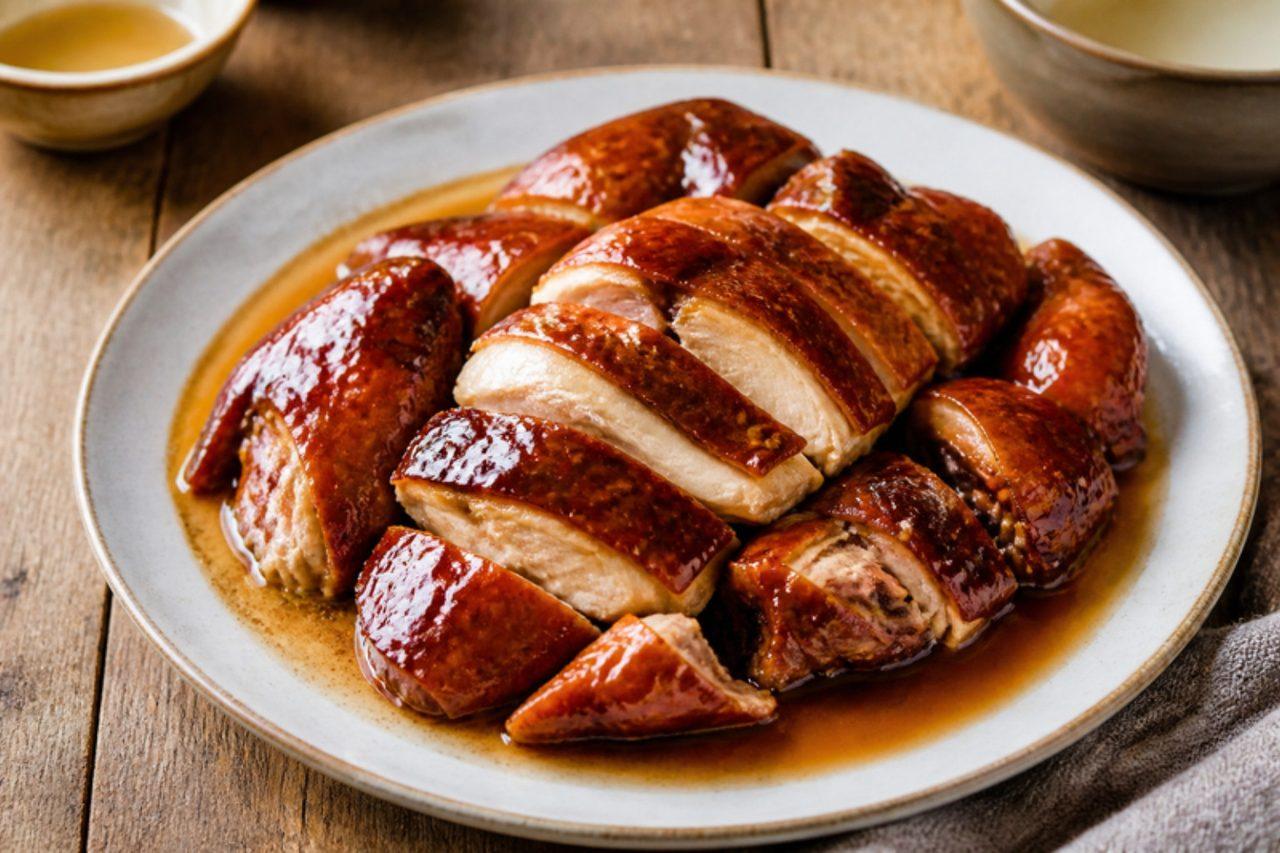
Soy sauce chicken

Glossy, chestnut-brown and hung by the neck in siu mei shop windows across Hong Kong, see yau gai is the gentle cousin of roast meats: a whole chicken poached in a fragrant master stock of light and dark soy, rock sugar, star anise, cinnamon and ginger until the skin is lacquered and the meat silky and sweet-savoury. It is chopped onto plates of rice with a ladle of the sauce for a quick lunch, or served at home with blanched greens. Shaoxing rice wine goes into the stock, with an alcohol-free option in the list. Traditional cooks pull the bird while it is still pink at the bone; this recipe does not, and the chicken is cooked to 74 °C in the thickest part of the thigh. The main pitfall is a rolling boil, which tears the skin and toughens the breast; keep the stock barely trembling. Chef's tip: strain and freeze the stock, and it gets deeper every time you reuse it.

by KrazyBadal 0 views

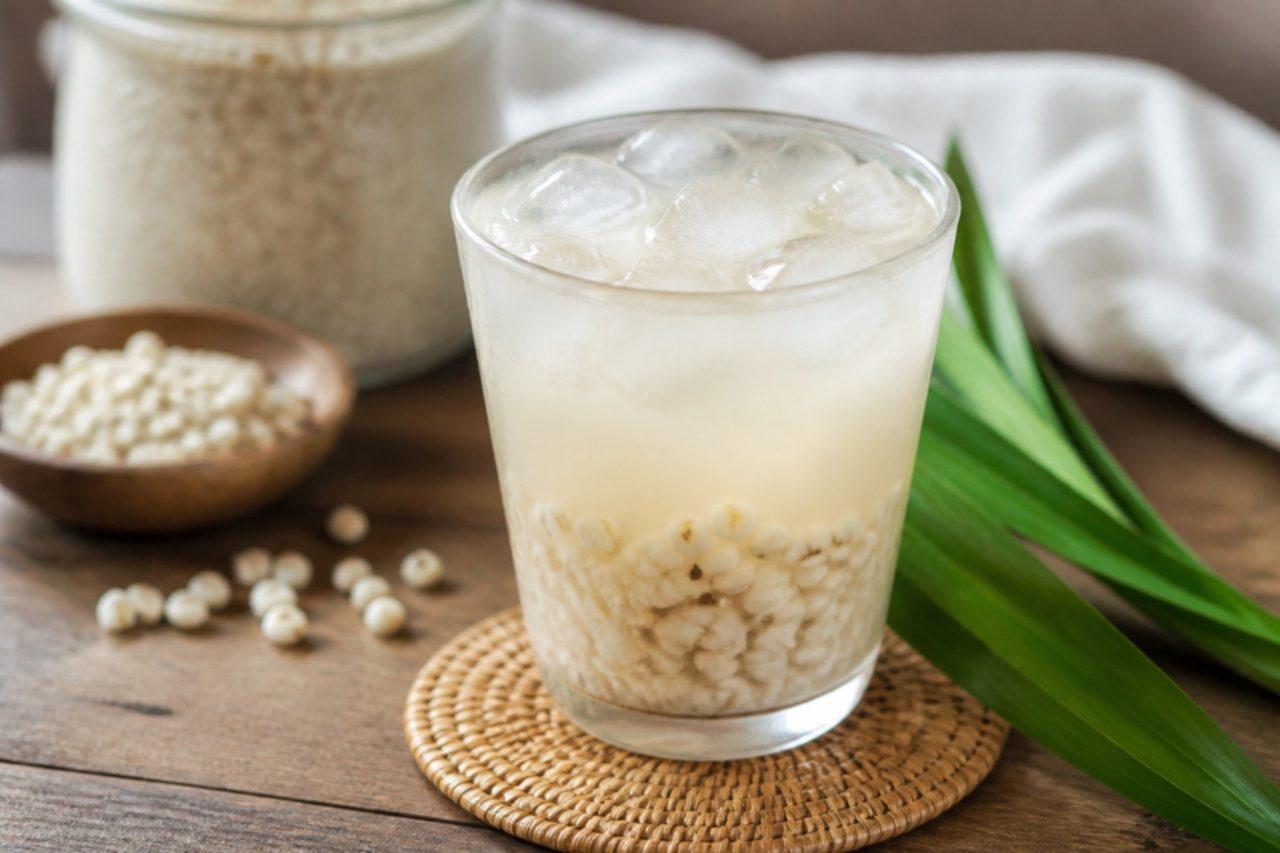
Barley water

Ask for 'barley' at any drinks stall in a Singapore kopitiam and you get a tall glass of cloudy, faintly sweet barley water, the drink older relatives swear by on the hottest afternoons because it is said to cool the body. Home cooks simmer pearl barley for an hour with knotted pandan leaves, and in Teochew and Cantonese households chunks of winter melon go in as well for a gentle, cucumber-like sweetness. The result is light and clean, ideal beside a plate of chicken rice, char kway teow or anything greasy and salty. The usual mistake is boiling it hard, which turns the liquid starchy and slimy instead of smooth and pale; keep it at a gentle simmer. Chef's tip: don't throw away the softened barley grains; spoon some into each glass, as the stalls do, or eat them warm with a little rock sugar as a light dessert.

by KrazyBadal 0 views

Burmese gourd fritters

Afternoon fry stalls along the lanes of downtown Yangon sell these by the paper cone, golden sticks of bottle gourd still crackling from the wok, and they are the fritter most people choose to dunk into a breakfast bowl of mohinga. Inside the thin rice-flour shell, the gourd steams until soft and almost juicy, mild and slightly sweet against the crunchy, salty coating. A tangy tamarind sauce with garlic and chilli is the usual partner. The classic failure is a thick, gluey batter that hides the vegetable and goes chewy within minutes; it should be as thin as single cream. Chef's tip: add a few drops of lime juice and ice-cold water to the batter just before frying; the cold keeps the coating light and crisp.

by KrazyBadal 0 views

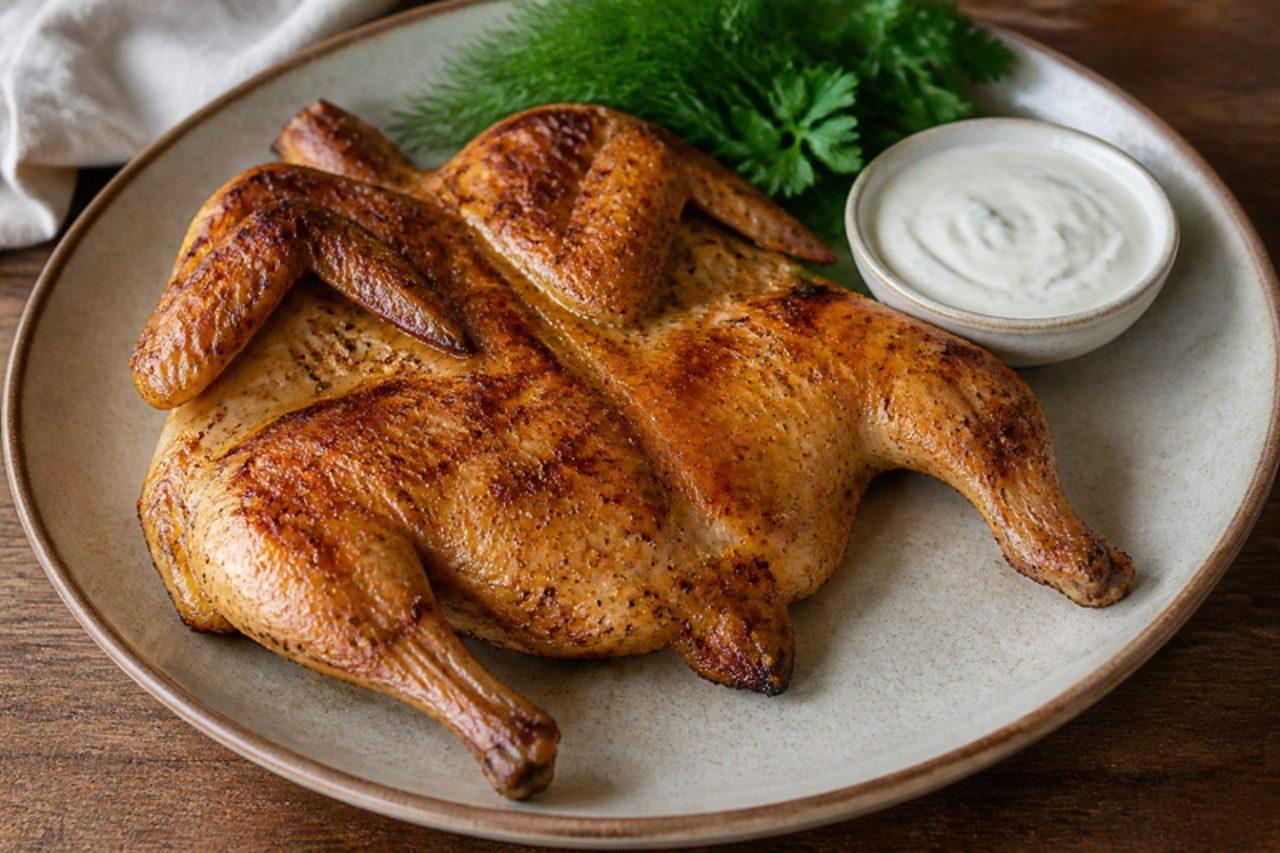
Chicken tabaka

Tsitsila tabaka is named after the tapa, a heavy cast-iron pan with a screw-down lid that Tbilisi cooks use to press a split spring chicken flat as it fries, so every bit of skin touches the hot metal and turns golden and crackling. In old Tbilisi restaurants it comes with a little jug of garlic water (niortskali) and satsebeli tomato sauce. A common mistake is using a big chicken, which takes so long that the skin burns before the inside cooks; a small poussin is right. Chef's tip: a heavy saucepan filled with water works as the weight at home. Chicken is done when the thickest part of the thigh reaches 74 °C.

by KrazyBadal 0 views

Mombar (rice-stuffed beef casings)

Mombar is festival food: in the days after Eid al-Adha, when the butchers have plenty of cleaned casings, families across Cairo and the Delta settle down to stuff them together, and street cooks in popular neighbourhoods sell crisp coils of it by weight. The filling is Egyptian short-grain rice with tomato, onion, dill, parsley and coriander, which swells inside the casing as it simmers, so each bite is soft, herby rice wrapped in a thin, crackling skin. It is eaten hot as a main dish or a side to roast meat, with lemon and a plate of pickles. Buy the casings ready-cleaned from a butcher; this recipe assumes they have been. The commonest mistake is overfilling the casings; packed full, the rice swells and they burst in the pot. Chef's tip: fill each length only two-thirds full; the rice doubles in size and an overstuffed casing bursts in the pot.

145 minEgyptianMeat
by KrazyBadal 0 views

Showing 36 of 7,762 recipes

Show more recipes

Page 181 of 863