


Skip to content
Tsigareli
Featured recipe

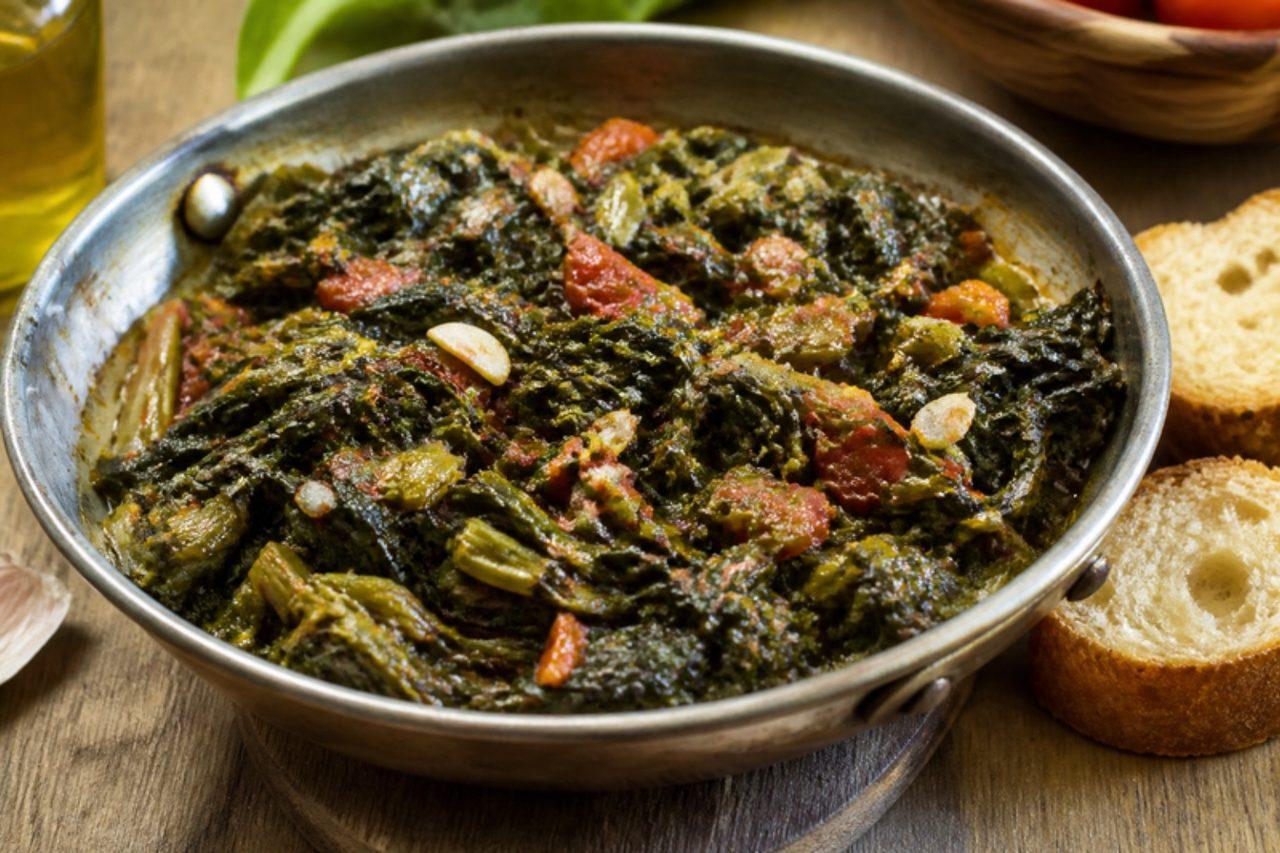
Tsigareli

Greens braised with tomato and paprika

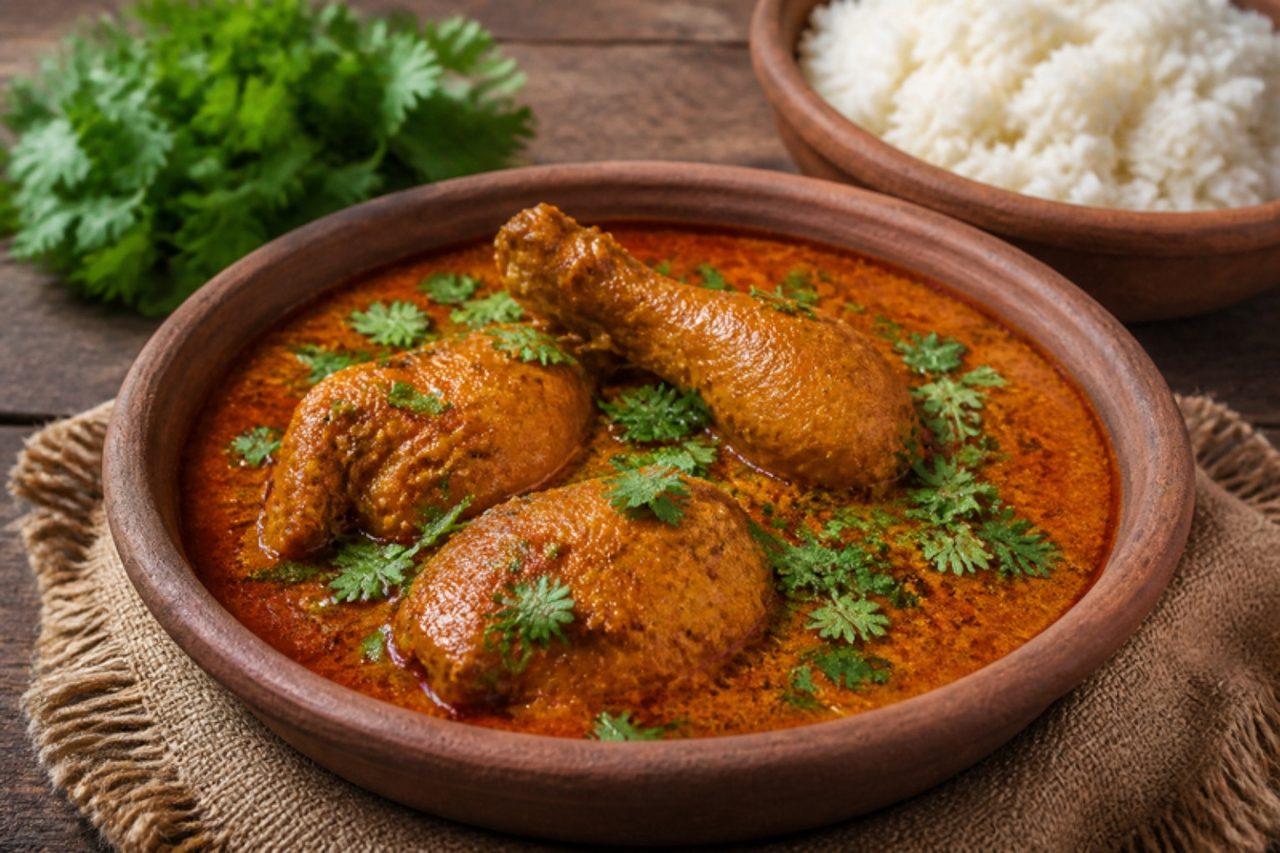
Corfiots gather wild chicory, sow-thistle, fennel tops and young chard from the olive groves in winter and spring and stew them into tsigareli, a peppery, oily braise that sits on the table with bread, feta and a fried egg or two. The Venetian-era love of hot red pepper shows: it should warm the back of your throat. Common mistake: drowning the greens in water — they make their own juice, so add only a splash. Chef's tip: shop-bought mixes of spinach, chard, rocket and dill work well; add the tender leaves last so they keep some colour.

Read more 0 views

What to eat today?

Around the world

Today's trip: Persian

A new country every day, from every cuisine on the site.

Persian

Ash-e shalgham

Turnip and rice soup 65 minMore from Persian (131) →

This week's collection

Kid-friendly dinners
537 recipes · a new collection every Monday

Latest recipes

Jamaican red pea soup

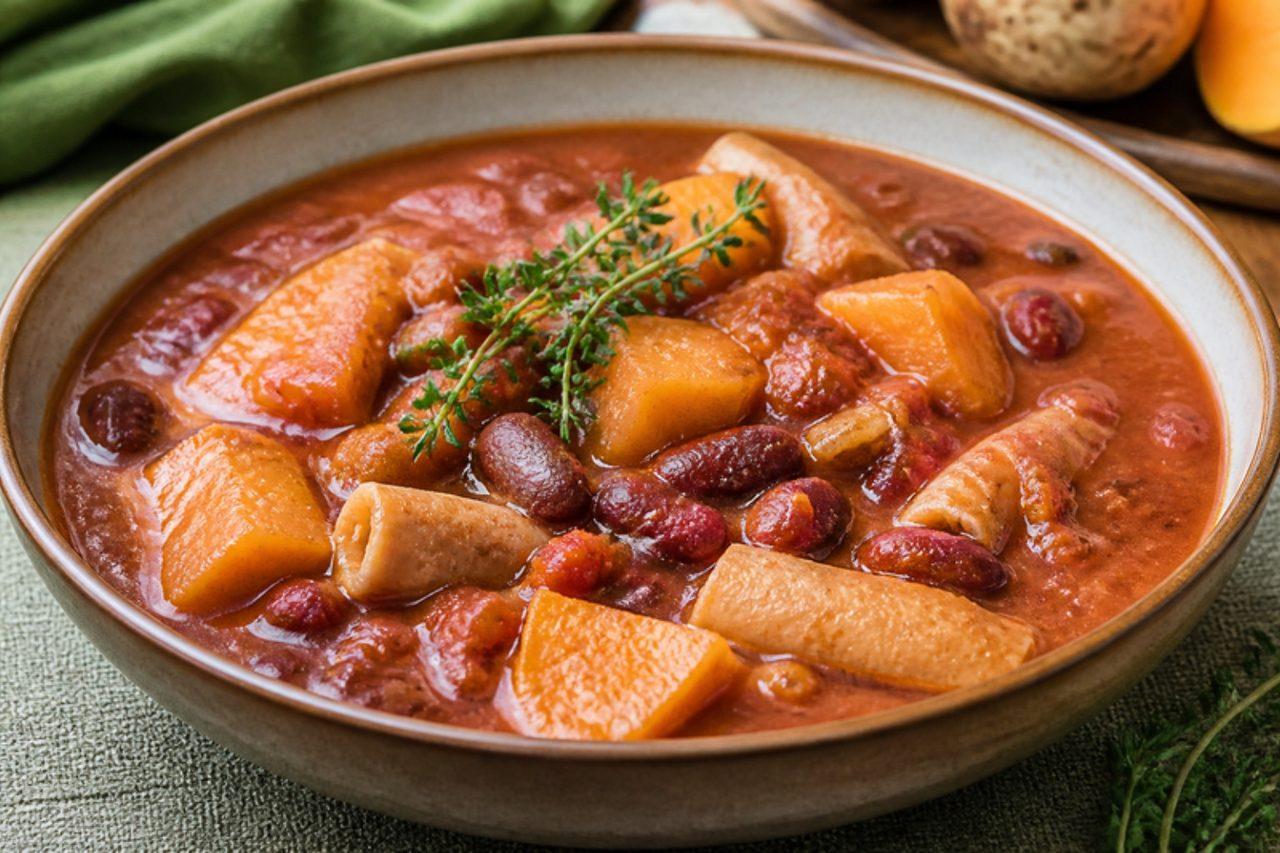
Saturday in many Jamaican homes means a big pot of red peas soup, thick enough to stand a spoon in and finished with chewy spinner dumplings. Outside Rasta households it usually carries pig's tail or salted beef; this is the ital version, where coconut milk, pimento, thyme and a smoky handful of browned onion do the savoury work. Dried kidney beans must be soaked and then boiled hard for at least 10 minutes before simmering, as undercooked red kidney beans are toxic, and many cooks spoil the soup by adding salt too early, which keeps the skins tough. Serve it on its own as a full meal. Chef's tip: mash a ladleful of cooked beans against the side of the pot near the end to give the soup its creamy body without any flour.

by KrazyBadal 0 views

GogoșiFried yeast doughnuts

Fairground stalls, seaside promenades in Constanța and every grandmother with a big frying pan produce gogoși, fat, golden rounds of yeast dough fried and rolled in sugar while still too hot to hold. They are an everyday treat rather than a feast-day one, eaten with a mug of milk or filled with plum jam, sour cherry jam or sweet cheese. The dough is soft and enriched with eggs, milk and butter, so the inside should be fluffy and the outside thin and crisp, never greasy. Where most people go wrong is the oil temperature: too cool and the doughnuts soak up fat, too hot and they brown before the centre cooks. Keep a thermometer in the pan and never leave hot oil unattended. Chef's tip: fry one test doughnut first and break it open, so you can adjust the heat before the whole batch.

by KrazyBadal 0 views

Dziriettes (almond flower pastries)

Named after the women of Algiers, dziriettes are the jewels on any wedding or Eid tray: thin, crisp pastry pinched into a flower or crown, filled with a dome of almond paste scented with orange blossom, then baked and soaked in warm honey. They take patience, but the result is delicate and fragrant, with a shatter of pastry giving way to a soft, moist almond centre. Families often make a few hundred over several evenings, together, before a celebration, and serve them with mint tea or coffee. Chef's tip: roll the dough so thin you can almost see the worktop through it; thick pastry is the commonest mistake and turns dziriettes stodgy instead of crisp.

by KrazyBadal 0 views

Jamaican soursop juice

Soursop punch is a Sunday-dinner drink in Jamaica, made when a ripe, soft soursop comes from the market or a yard tree, and it is also sold in bottles at roadside juice stands. The white, custardy pulp tastes of pineapple, banana and strawberry all at once, and blended with milk, nutmeg and vanilla it becomes thick and creamy. The common mistake is blending the black seeds, which taste bitter and should not be eaten; always pick them out by hand. Chef's tip: use a fruit that gives softly all over when pressed, like a ripe avocado.

by KrazyBadal 0 views

Gokul pithaCoconut milk patties in syrup

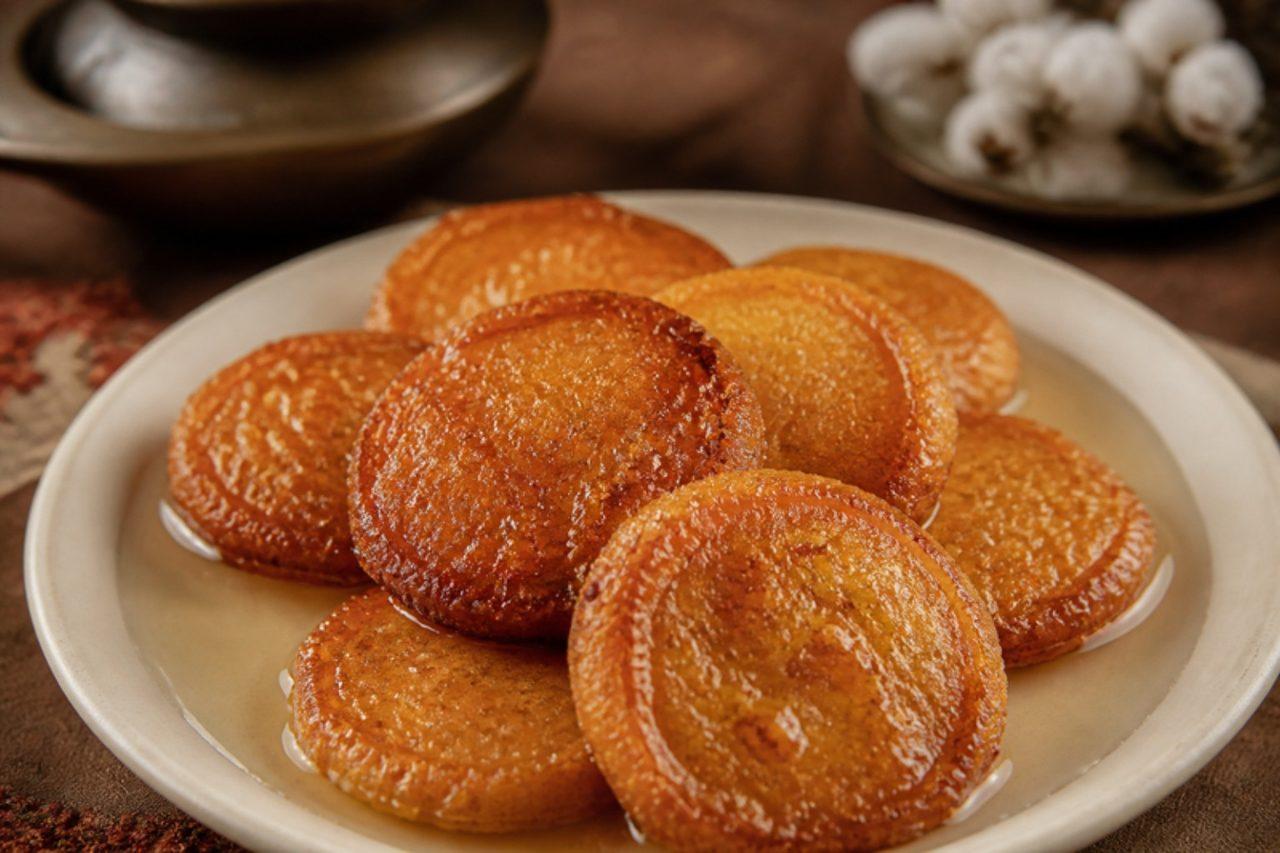
Gokul pitha is named after the pastoral home of the young Krishna, and it is a favourite of Hindu households across Bangladesh at Poush Sankranti, though by now everyone makes it for winter tea. Grated coconut is cooked slowly with milk and sugar until it dries into a fudgy filling, shaped into small flat patties, coated in a thin flour batter and fried, then dropped into hot syrup. Biting in you get a soft, crisp-edged shell, a milky coconut centre and a rush of syrup, all at once. Patties that are warm and soft when they go into the batter fall apart in the oil, which is the error most people make, so chill them first. Chef's tip: use khejur gur instead of sugar in the syrup for a darker, smokier version, as many families do when the new jaggery comes in.

by KrazyBadal 0 views

Bajan pumpkin fritters

Barbadian grandmothers turn leftover boiled pumpkin into these little fritters for Sunday tea, frying spoonfuls of a soft, spiced batter until puffed and golden, then rolling them in sugar while still hot. Inside they are tender and custardy, with cinnamon, nutmeg and a hint of vanilla. They're best eaten warm, straight from the paper towel. The common mistake is a watery batter from wet pumpkin, which makes flat, greasy fritters: drain the cooked pumpkin well. Chef's tip: use the dense, orange West Indian pumpkin or butternut squash; watery jack-o'-lantern pumpkins don't work well.

by KrazyBadal 0 views

Arroz mamposteaoFried rice and stewed beans

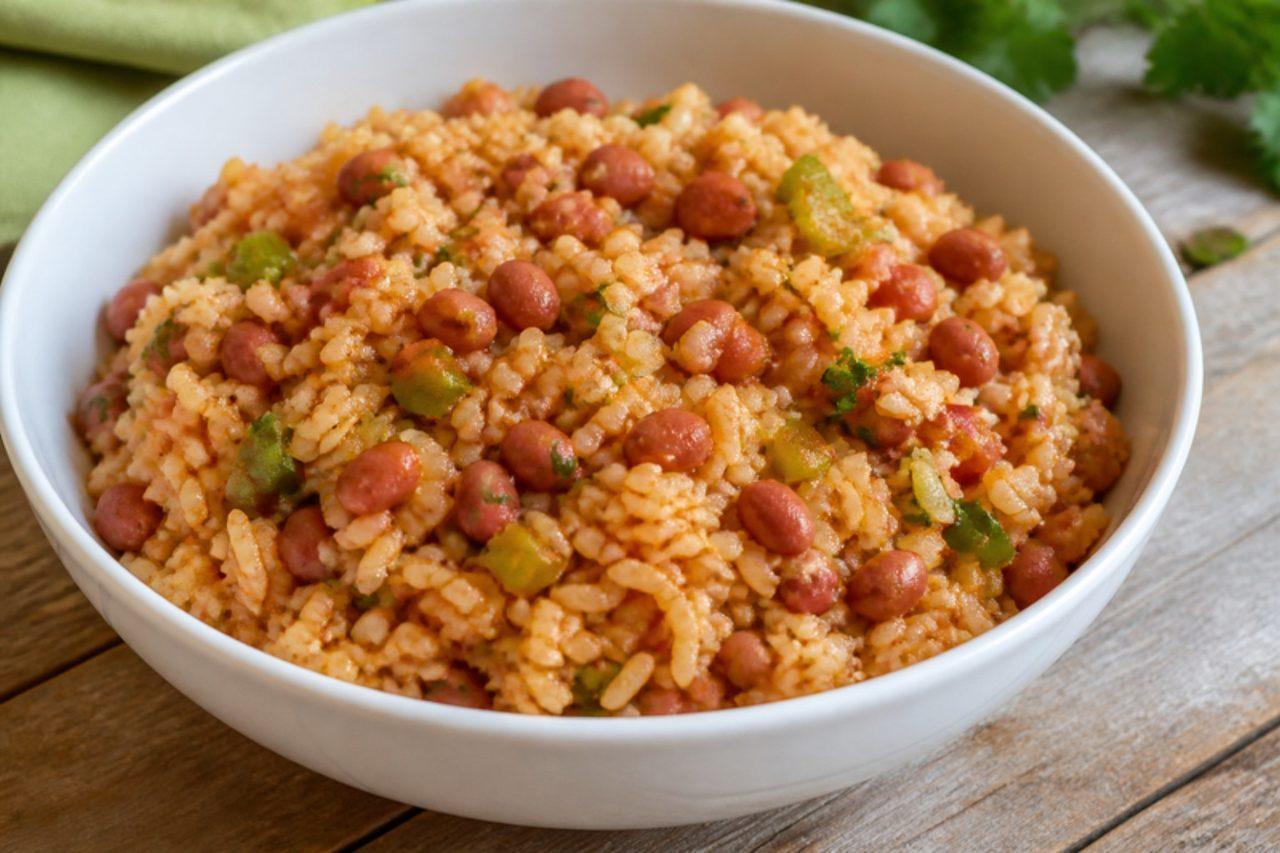
Fondas around San Juan put arroz mamposteao on the menu as a way to use yesterday's white rice and the last ladle of habichuelas, and at home it is the Sunday-night fix when the pots from lunch come out of the fridge. The rice is fried in olive oil with a fresh sofrito, then the beans and their sauce go in until every grain is stained pink and the edges catch and crisp. Many cooks add ham or bacon; this version stays meat-free and gets its depth from the sofrito and a little smoked paprika. The common mistake is using freshly cooked rice, which turns to paste; cold, day-old rice keeps separate grains. Chef's tip: leave the pan alone for the last few minutes so a crunchy layer forms on the bottom, then fold it through.

by KrazyBadal 0 views

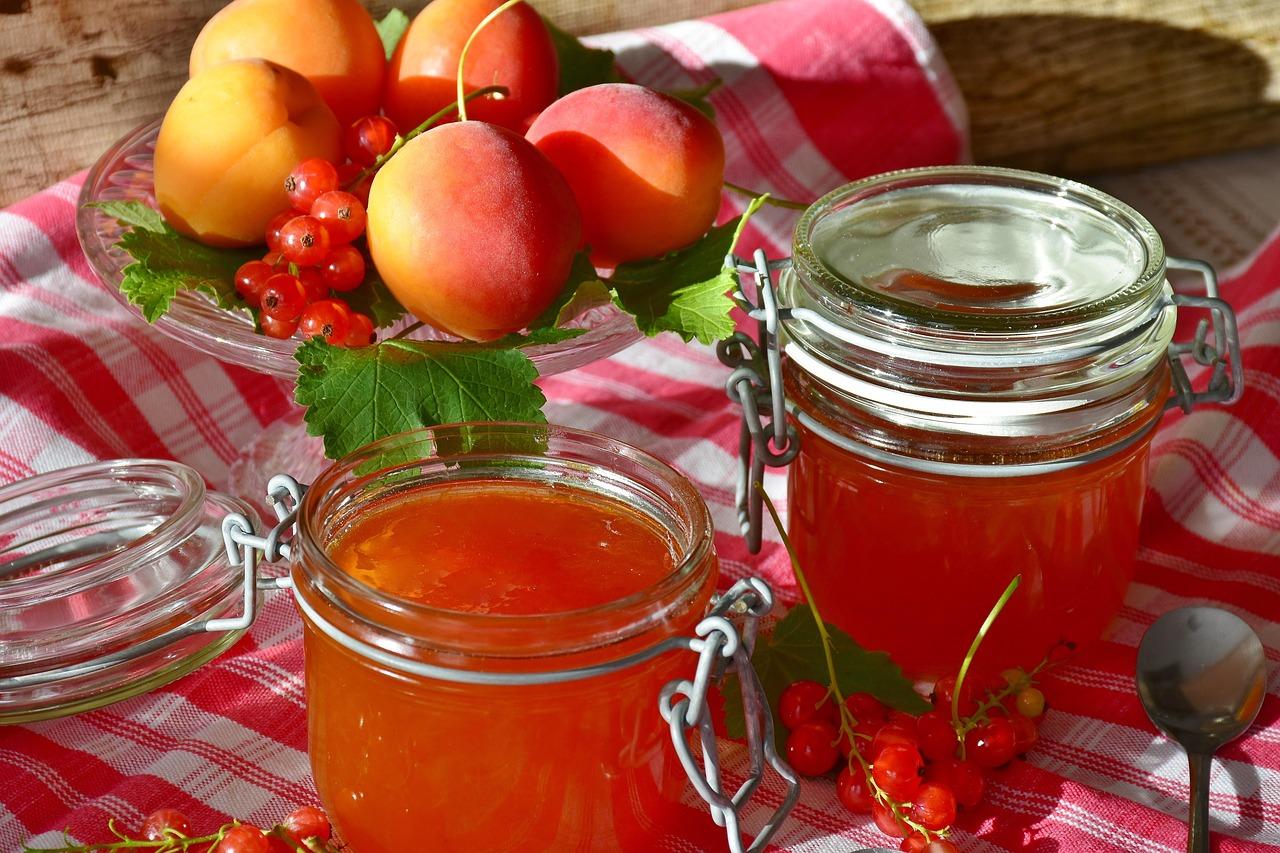
Apricot preserve

The apricot is Armenia's national fruit, and in July families in the Ararat Valley villages around Artashat and Masis cook whole ones slowly in syrup so they keep their shape and turn translucent, sometimes slipping a peeled kernel back inside each fruit. The jars come out on winter evenings, served in tiny glass bowls with black tea or coffee. A common mistake is boiling the fruit hard, which breaks it into jam. Chef's tip: cook in short spells, resting the pan overnight between them; the syrup seeps in slowly and the apricots stay whole and glossy. Bitter kernels contain a natural toxin, so use sweet almonds instead.

by KrazyBadal 0 views

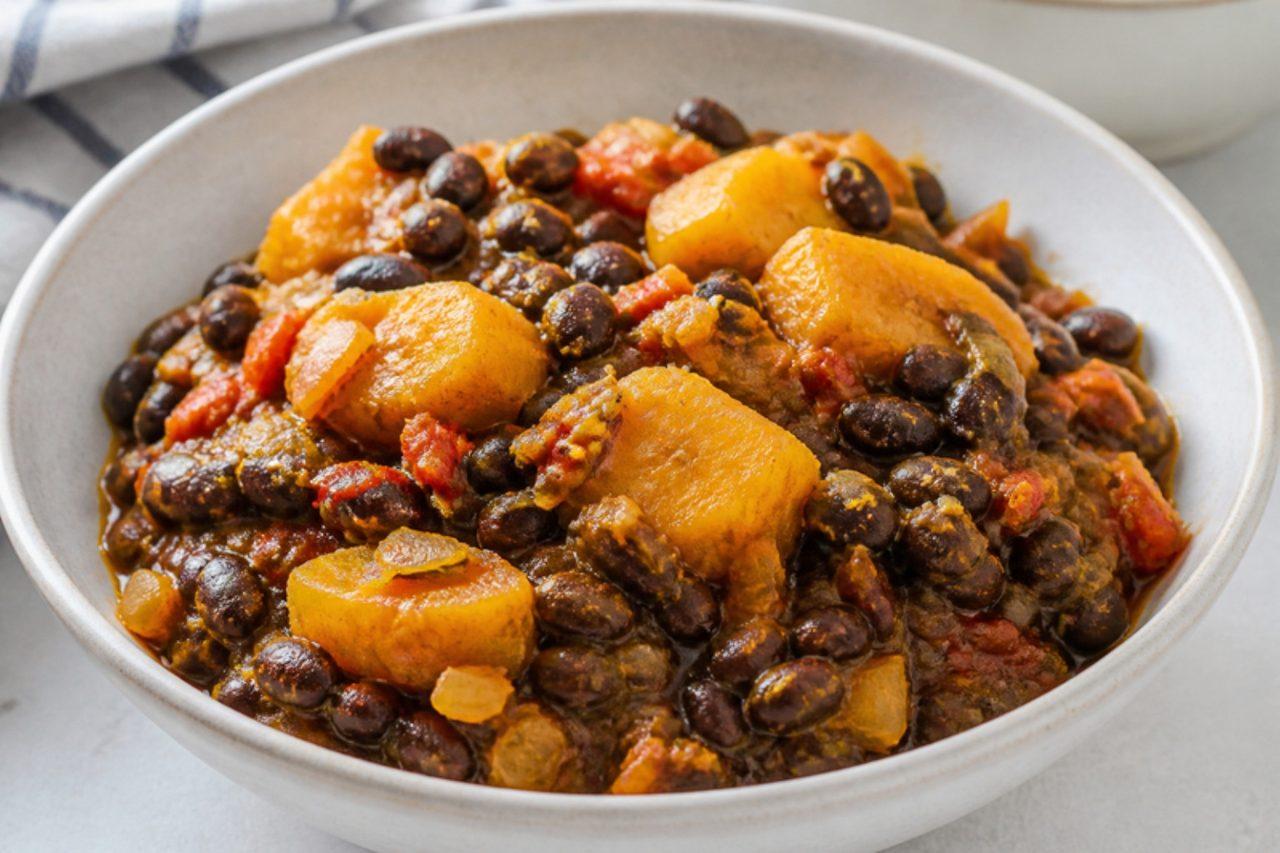
Akidi (Igbo black beans with plantain)

Akidi, a small, glossy black bean, is a quiet staple of Igbo home cooking around Enugu, Anambra and Imo, cooked like beans porridge and usually with ripe plantain for sweetness. After a long simmer the beans turn creamy inside while holding their shape, and they are finished with palm oil, onion, scotch bonnet and a handful of fragrant leaves, so the pot tastes earthy, sweet and peppery. It is a filling meal on its own, often eaten with a cold drink or a side of fried plantain. If you cannot find akidi, black turtle beans are a good substitute. Chef's tip: add the plantain only for the last 15 minutes; put in at the start, it dissolves into the beans, which is the usual mistake.

by KrazyBadal 0 views

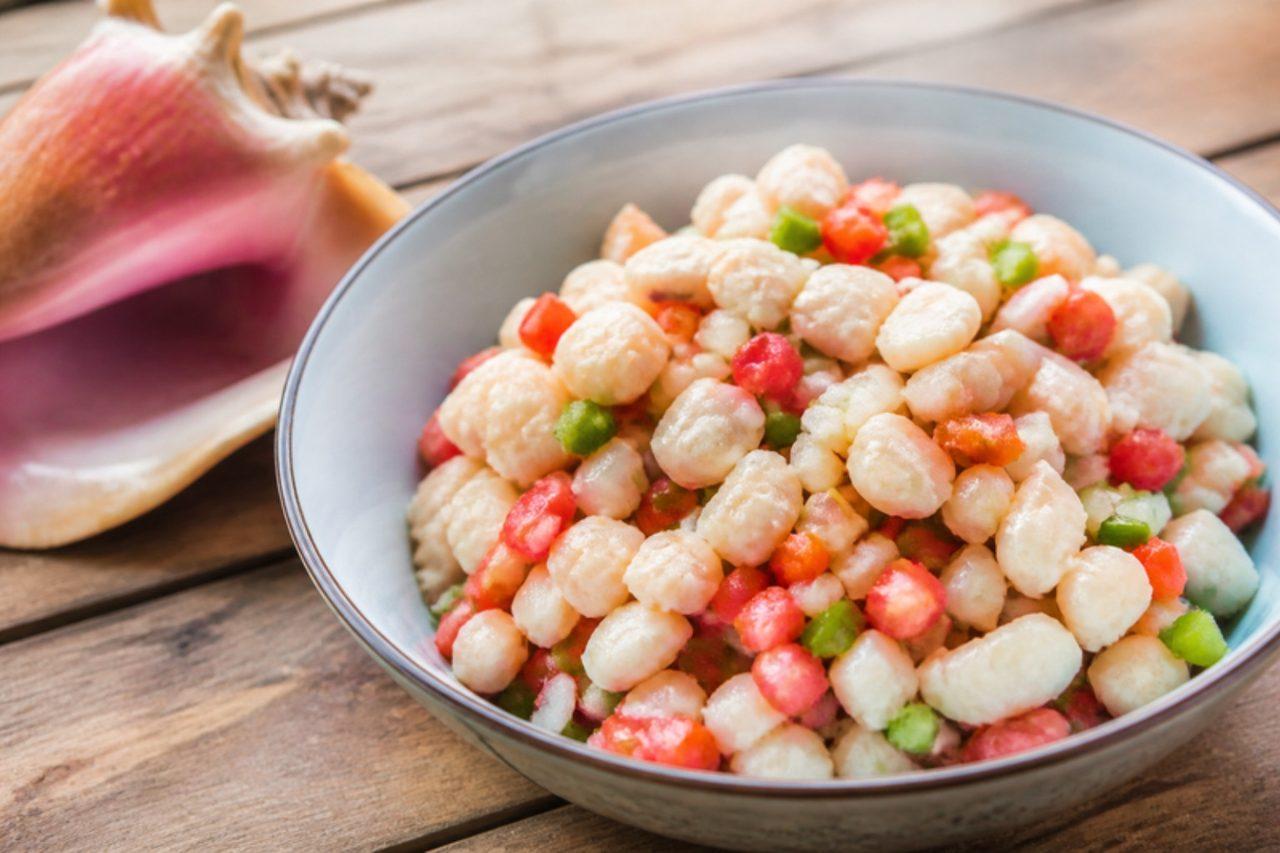
Bahamian conch salad

At the Fish Fry on Arawak Cay in Nassau, conch salad is made to order: a vendor cracks the shell, dices the conch with tomato, onion, sweet peppers and goat pepper, and drowns it in lime and sour orange in front of you. Traditionally the conch is eaten raw, "cooked" only by the citrus; that raw version is not for pregnant women, young children or anyone with a weakened immune system, and this recipe gives a safer version in which the conch is poached briefly first. Buy cleaned conch from a trusted fishmonger and discard any that smells of ammonia. The common mistake is dicing unevenly; everything should be in small, matching cubes. Chef's tip: make it no more than an hour ahead, or the lime turns the vegetables limp.

by KrazyBadal 0 views

Tarragon lemonade

Tarkhuna is the emerald-green soda that every Tbilisi child knows, sold from street fountains since the early 1900s and still poured in tall glasses at cafés on Rustaveli Avenue. The bottled kind is coloured; the home version gets its green from blitzing fresh tarragon with lemon and syrup, giving an aniseedy, sweet-sour fizz. A common mistake is boiling the tarragon, which dulls the colour and turns the flavour stewed. Chef's tip: blitz the herb into cool syrup and strain it straight away; the drink stays vivid green for a day in the fridge.

by KrazyBadal 0 views

Arroz con maízRice with sweetcorn

In central Cuba, when the fields are full of young corn, families cut the kernels straight off the cob into the rice pot with a sofrito of onion, pepper, garlic and annatto, cooking everything together until golden and sticky at the base. Many farm cooks add salt pork; this vegan version leans on cumin and a little smoked paprika. A common mistake is using too much water, as fresh corn releases its own milk, so keep to the amounts given. Serve with black beans or a tomato and avocado salad. Chef's tip: scrape the cobs with the back of the knife after cutting off the kernels and add that milky pulp; it gives the rice a creamy sweetness.

by KrazyBadal 0 views

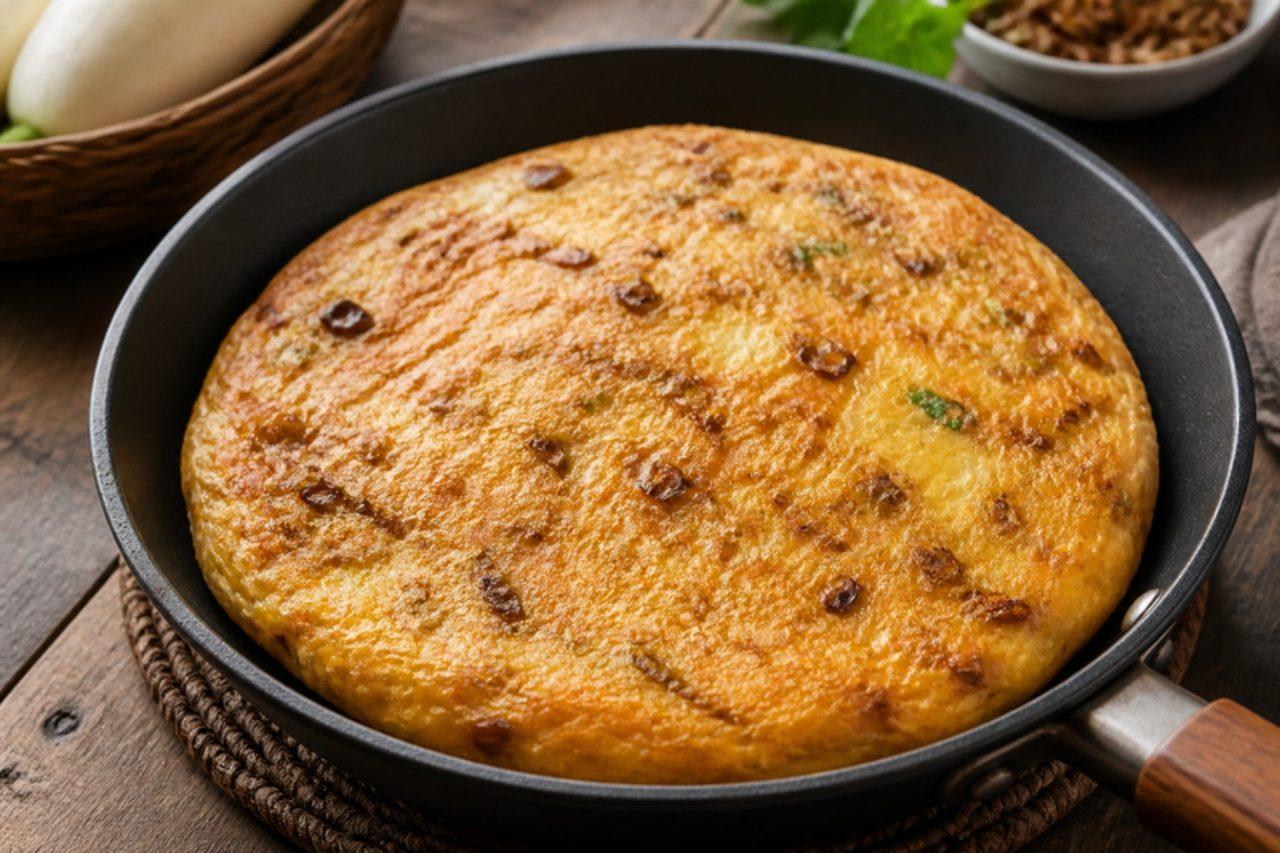
Taiwanese radish omelette

Ask a Taiwanese grandmother what to cook when there's nothing in the fridge and the answer is often this: a few eggs and a handful of preserved radish turned into a thick, golden omelette, cut into wedges and passed round. It's a staple of the rice-and-small-dishes spread at Taipei breakfast shops and late-night congee counters, and it reappears on the stir-fry restaurant table and in home lunchboxes. The chopped radish fries up crunchy and caramel-sweet inside soft, puffy egg, with crisp brown lacy edges. Skipping the rinse is where most go wrong: unrinsed radish makes the omelette far too salty. Chef's tip: dry-fry the radish first until it smells toasty, then use plenty of oil and a hot pan so the egg puffs and the edges frill.

by KrazyBadal 0 views

Arroz con dulceCoconut rice pudding

From the start of December to the Three Kings in January, trays of arroz con dulce cool on Puerto Rican kitchen counters, sliced into squares and handed round at parrandas when carollers arrive at the door late at night. Unlike a milky rice pudding, it is cooked in a water steeped with fresh ginger, cinnamon, cloves and star anise, then finished with coconut milk and raisins, so it is fragrant, firm enough to cut and dairy free. The common mistake is adding the sugar too early, which keeps the rice grains hard; sweeten only once they are soft. Chef's tip: soak the rice for an hour first, and it cooks evenly and absorbs the spiced coconut far better.

by KrazyBadal 0 views

Megrelian kharcho

In Samegrelo 'kharcho' means something quite different from the Tbilisi soup: chicken pieces simmered in a thick, golden sauce of ground walnuts, garlic, hot pepper and Imeretian saffron (dried marigold), so rich and spicy that it is eaten with plain ghomi to calm it down. Zugdidi families cook it for guests and for Sunday lunch. A common mistake is boiling the sauce hard once the walnuts go in; it turns oily and grainy. Chef's tip: grind the walnuts until they weep oil and spoon a little of that oil over the finished dish; Mingrelians judge kharcho by its glossy, orange sheen. Chicken must reach 74 °C in the thickest part.

by KrazyBadal 0 views

Gurian Christmas pie

On Christmas Eve, 6 January, kitchens across Guria, around Ozurgeti and Lanchkhuti, smell of baking ghvezeli: large crescent pies stuffed with fresh cheese and chunks of boiled egg, their shape said to recall the crescent moon. They are baked in batches, carried to relatives and eaten through the holidays with tea. A common mistake is overfilling, which makes the crescent split at the seam in the oven. Chef's tip: let the yeasted dough rise once, shape the pies, then give them 15 minutes more so they puff into soft, rounded crescents. Imeruli and sulguni usually use animal rennet; look for vegetarian ones.

by KrazyBadal 0 views

Grenadian nutmeg ice cream

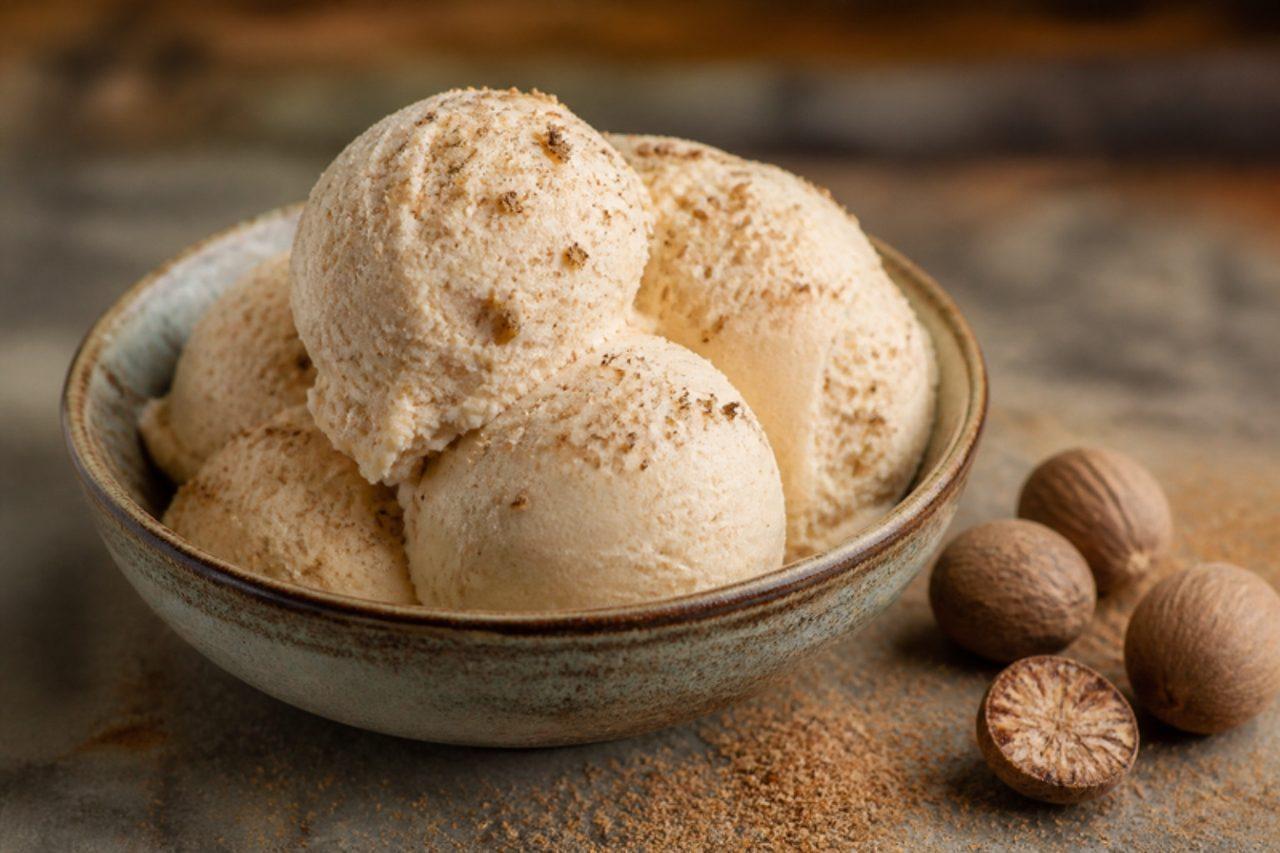
Grenada, the Spice Isle, grows much of the world's nutmeg, and in St George's ice cream parlours the local favourite is a rich egg-custard ice cream scented with freshly grated nutmeg. The flavour is warm and almost floral, nothing like the dusty jar spice, and it is lovely with fried plantain or a slice of black cake. The common mistake is overheating the custard so the eggs scramble; take it off the heat as soon as it coats a spoon. Chef's tip: grate the nutmeg straight into the hot milk and let it steep for 20 minutes before making the custard, so the flavour runs all the way through.

by KrazyBadal 0 views

GiyalingBuckwheat pancakes

Buckwheat, known locally as bro, grows in the cold upper villages of Hunza and Nagar where wheat struggles, and giyaling are the thin, lacy pancakes made from its flour for breakfast. The batter is no more than buckwheat flour, water and a little milk, poured thin onto a hot griddle so the pancakes cook in a minute or two, with crisp edges and an earthy, nutty flavour. They are stacked and eaten warm, smeared with butter and a few drops of apricot-kernel oil, sometimes with a drizzle of honey and always with tea, especially on cold mornings. A thick, gloopy batter is the frequent mistake, because it makes heavy, raw-tasting pancakes. Chef's tip: rest the batter for 15 minutes, then thin it to the consistency of single cream, and buy flour labelled gluten-free if that matters to you, as buckwheat is often milled alongside wheat.

by KrazyBadal 0 views

Arroz a la cubanaRice with tomato and egg

Havana cafeterías put this plate on the lunch board when cooks want something cheap, fast and filling: a mound of plain white rice, a ladle of garlicky tomato sauce, a fried egg with a runny yolk and slices of caramelised ripe plantain. Breaking the yolk into the rice and sauce is the whole point, so the eggs should be fried at the last minute. The usual mistake is using plantains that are still yellow-green; they need black-spotted skins to turn soft and sweet in the pan. Serve with a simple avocado salad. Chef's tip: baste the egg whites with hot oil from the pan so they set with lacy edges while the yolks stay liquid.

by KrazyBadal 0 views

Miyan kuka (baobab leaf soup)

Dried baobab leaves, pounded to a fine green-grey powder, give miyan kuka its earthy, faintly tea-like taste and its slippery body, a little like okra. Northern households from Kano to Sokoto cook it as everyday food and pair it almost always with tuwon shinkafa or tuwon masara. Dried fish or a handful of meat often goes into the pot; this meat-free version, as many homes cook it when the budget is tight, gets its depth from dawadawa, onion and a peppery tomato base instead. A common mistake is tipping the kuka in all at once, which leaves stubborn green lumps; sift it in slowly while whisking. Chef's tip: once the kuka is in, simmer only 2–3 minutes, because long boiling dulls its colour and its fresh, grassy edge.

by KrazyBadal 0 views

GhonghiSnail curry

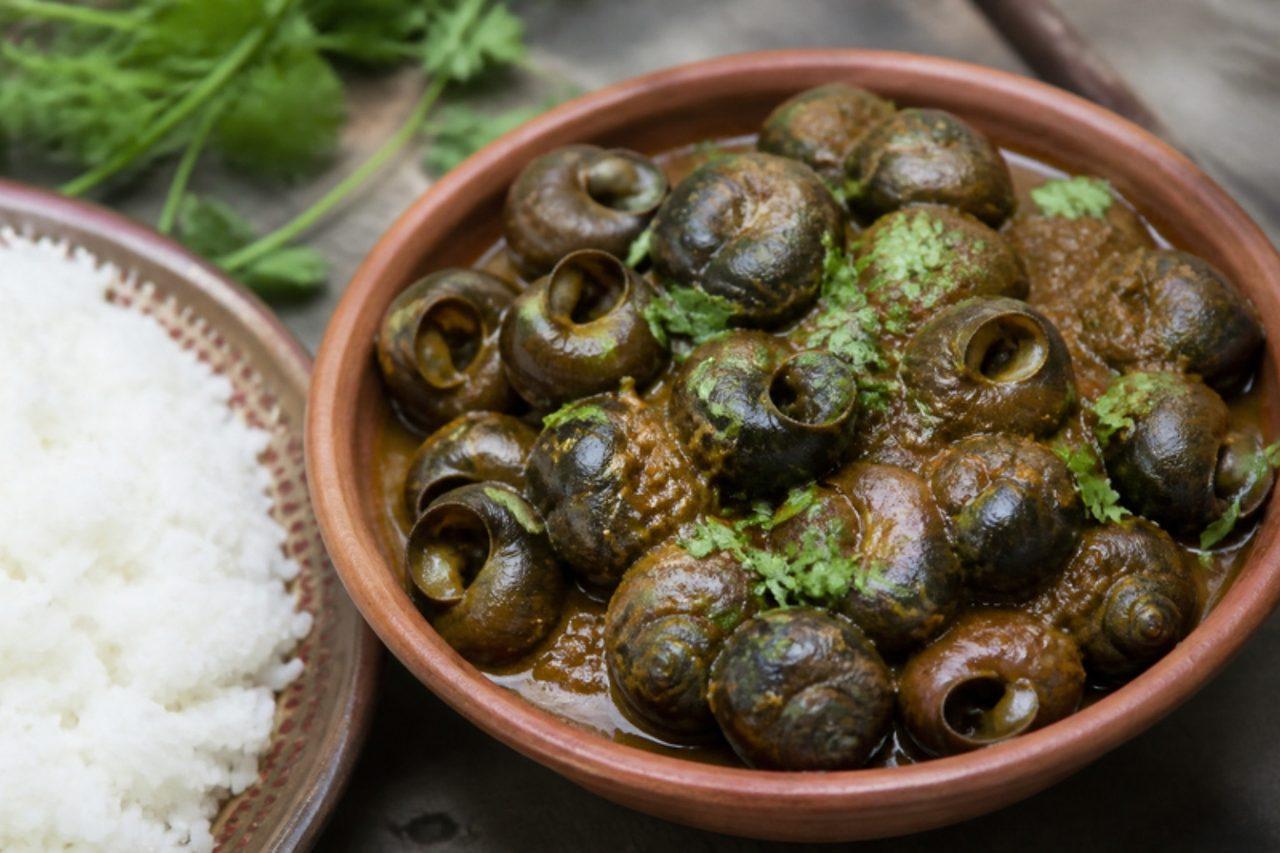
When the monsoon fills the rice paddies of the western and central Terai, Tharu families gather ghonghi, the little freshwater snails, and cook them in a dark, fiery curry thickened with ground roasted linseed; the tip of each shell is snipped so the meat can be sucked out at the table, and the dish is loved as both a treat and a monsoon tonic, eaten with rice or dhikri. Wild freshwater snails can carry parasites such as rat lungworm and liver flukes, so never use snails you have collected from ponds, ditches or paddies yourself. At home use only cleaned, purged farmed snails in their shells from a specialist supplier, or cooked, frozen farmed escargots, or live periwinkles from a good fishmonger as a stand-in, and boil them hard before they go into the curry. The usual error is skimping on the boiling, which is both unsafe and leaves the snails rubbery; they need a rolling boil and then a long simmer. Chef's tip: roast the linseed until it pops before grinding, for the nutty, dark Tharu flavour.

80 minNepaliMeatGluten freeSpicy
by KrazyBadal 0 views

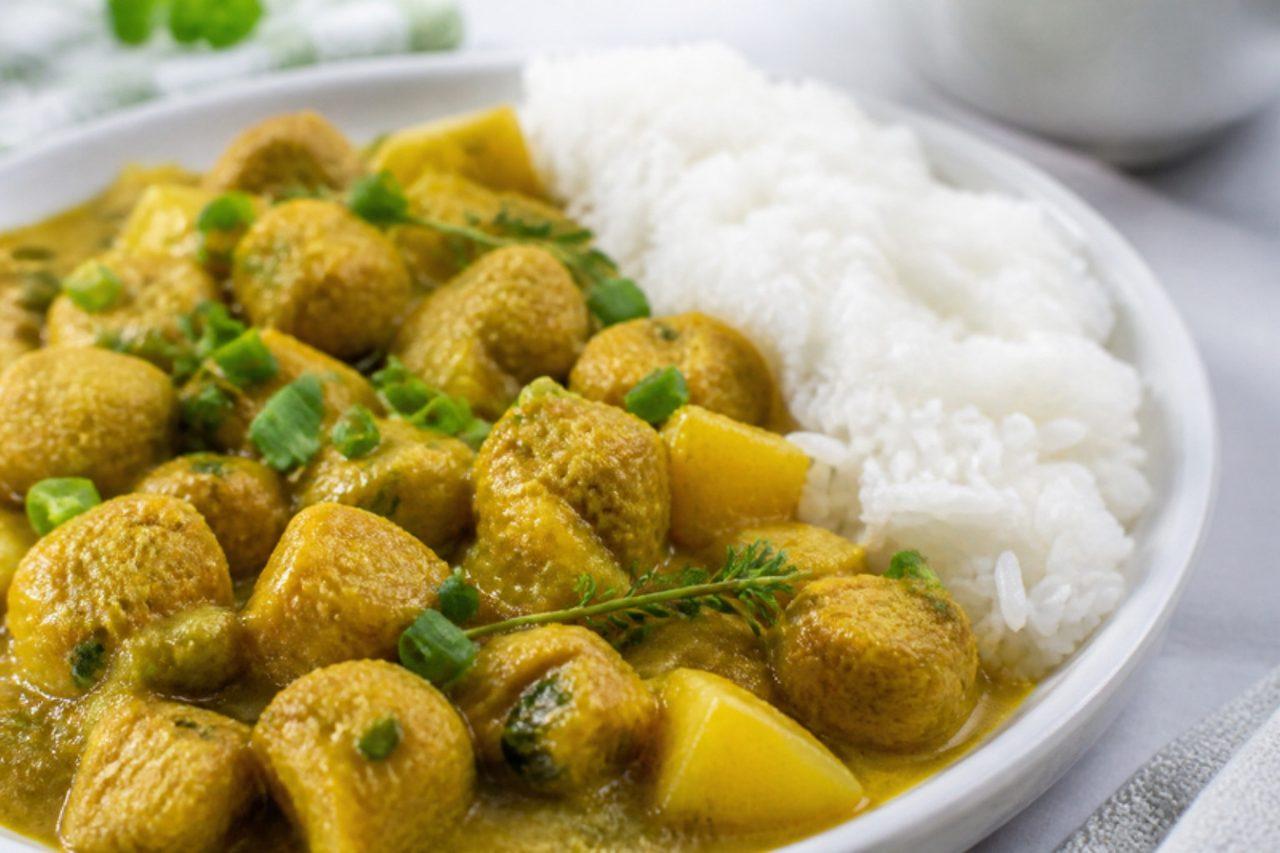
Jamaican curried soy chunks

Ital cookshops in Half Way Tree and Papine sell curried "chunks" by the box with brown rice, steamed cabbage and a slice of ripe plantain, the Rastafarian answer to curry goat. The dried soya pieces soak up a deep, turmeric-gold sauce of Jamaican curry powder, thyme, pimento and coconut milk, and the potato thickens it as it breaks down. Most people skip squeezing the soaked chunks, which leaves them watery and bland; wring them out hard so they drink in the curry instead. Leave the scotch bonnet whole for warmth, or slit it for real heat. Chef's tip: fry the curry powder in the oil until it darkens a shade before anything wet goes in, the Jamaican "burn the curry" step that stops it tasting raw.

by KrazyBadal 0 views

June plum juice

When June plums (ambarella) fall from backyard trees across Jamaica, families blend the sour green-gold fruit into a sharp, refreshing juice with fresh ginger and lime. It is tangy like green apple, with a faintly mango-like perfume, and is drunk ice-cold with Sunday lunch. The big mistake is blending the spiny stone in with the flesh; cut the flesh away first or the juice turns bitter and fibrous. Chef's tip: use slightly underripe, firm plums for the brightest, sharpest flavour.

by KrazyBadal 0 views

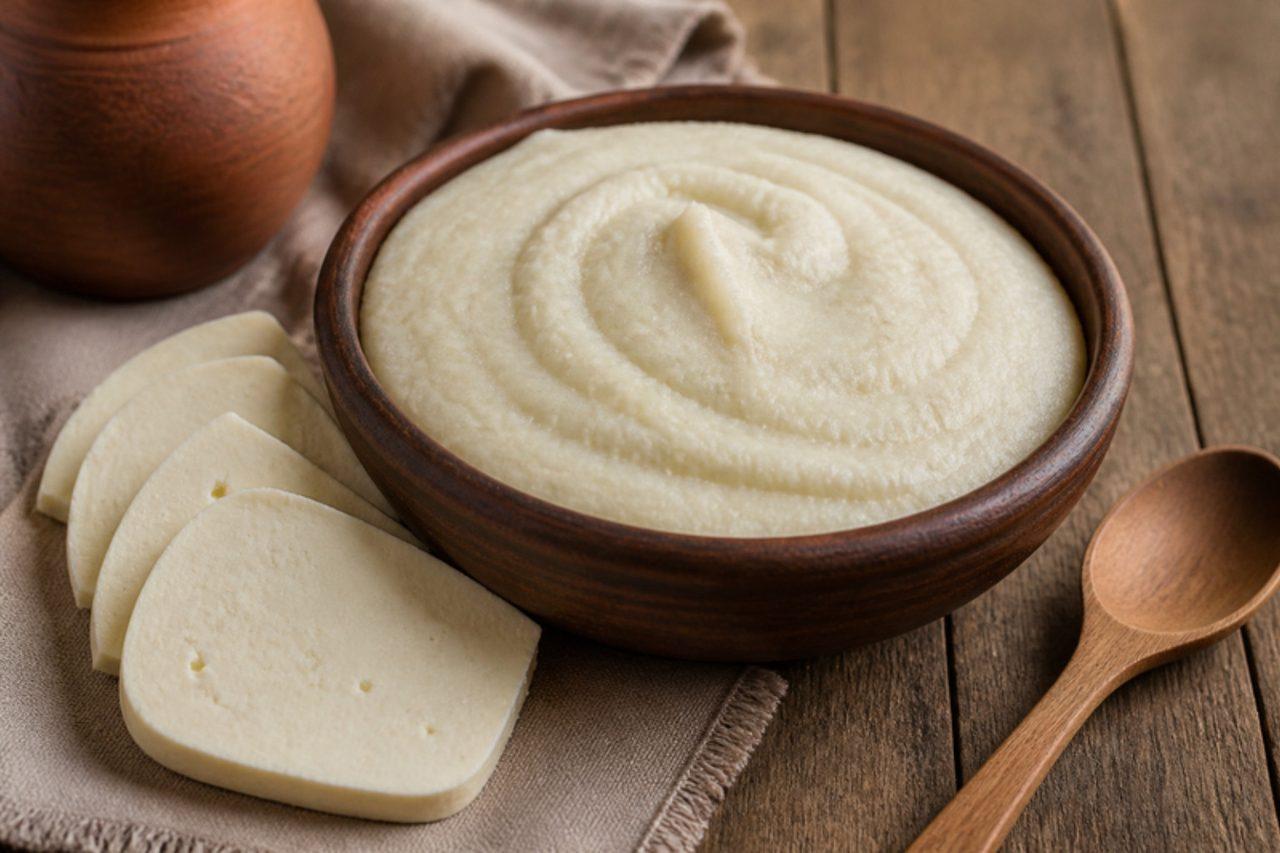
GhomiWhite corn porridge

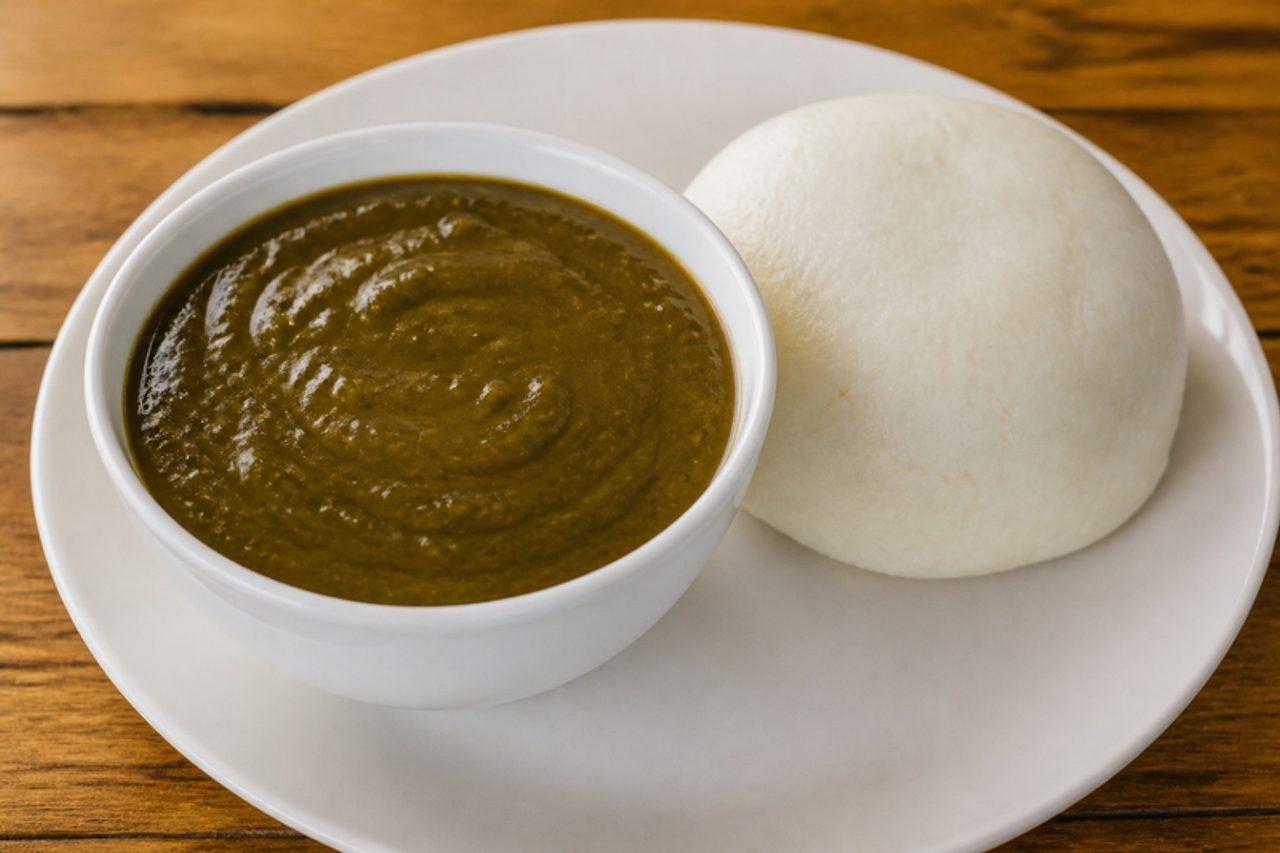
Across Samegrelo and Guria, ghomi plays the role bread plays elsewhere: a soft, smooth porridge of white corn and cornmeal, set on the table unseasoned so that slices of sulguni can be pushed into it to melt, and so that bazhe, ajika or bean stew can be scooped up with it. In Zugdidi homes it is cooked in a heavy pot and stirred with a flat wooden paddle. A common mistake is stirring too little; ghomi catches easily and lumps form at the bottom. Chef's tip: cook it until it comes away from the sides in one smooth mass, then wet a spoon and smooth the top; ghomi should feel like soft polenta that can be scooped, not runny porridge.

by KrazyBadal 0 views

Bajan salt bread

Every rum shop and fish fry in Barbados sells "bread and two", and the bread is almost always salt bread: plain, crusty rolls with a soft, slightly chewy crumb and a split down the top, made for stuffing with fish cakes, a slice of cheese or fried flying fish as a cutter. Despite the name, they aren't especially salty; the name sets them apart from sweet bread. The usual mistake is pale rolls with a soft crust from too cool an oven. Chef's tip: put a tray of boiling water in the bottom of the oven for the first 10 minutes for a properly crisp crust.

by KrazyBadal 0 views

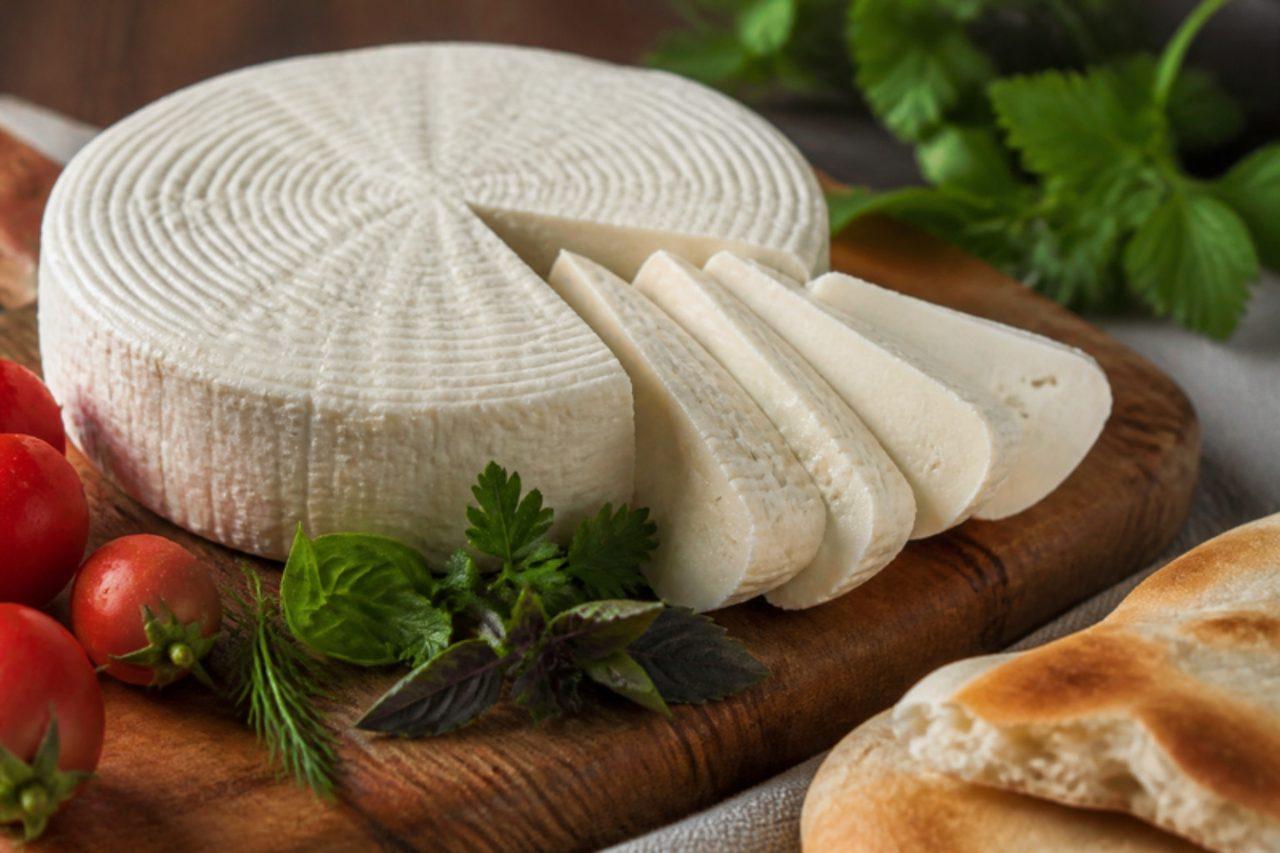
Imeretian cheese

Imeruli kveli is the everyday cheese of western Georgia: in Kutaisi's Green Bazaar it sits in wet white wheels, mild and milky with a faint sourness, ready to be grated into khachapuri, sliced with tomatoes and herbs, or stretched into sulguni. Families in Imereti make it in a morning from the day's milk. Traditionally it is set with animal rennet; use vegetarian (microbial) rennet for a vegetarian cheese. A common mistake is heating the curd too hard, which squeezes out the moisture and gives a rubbery cheese instead of a soft, springy one. Chef's tip: make a double batch, keep one wheel fresh for eating and leave the other in brine for two or three days, which gives it the saltier bite that bakers prefer for khachapuri.

by KrazyBadal 0 views

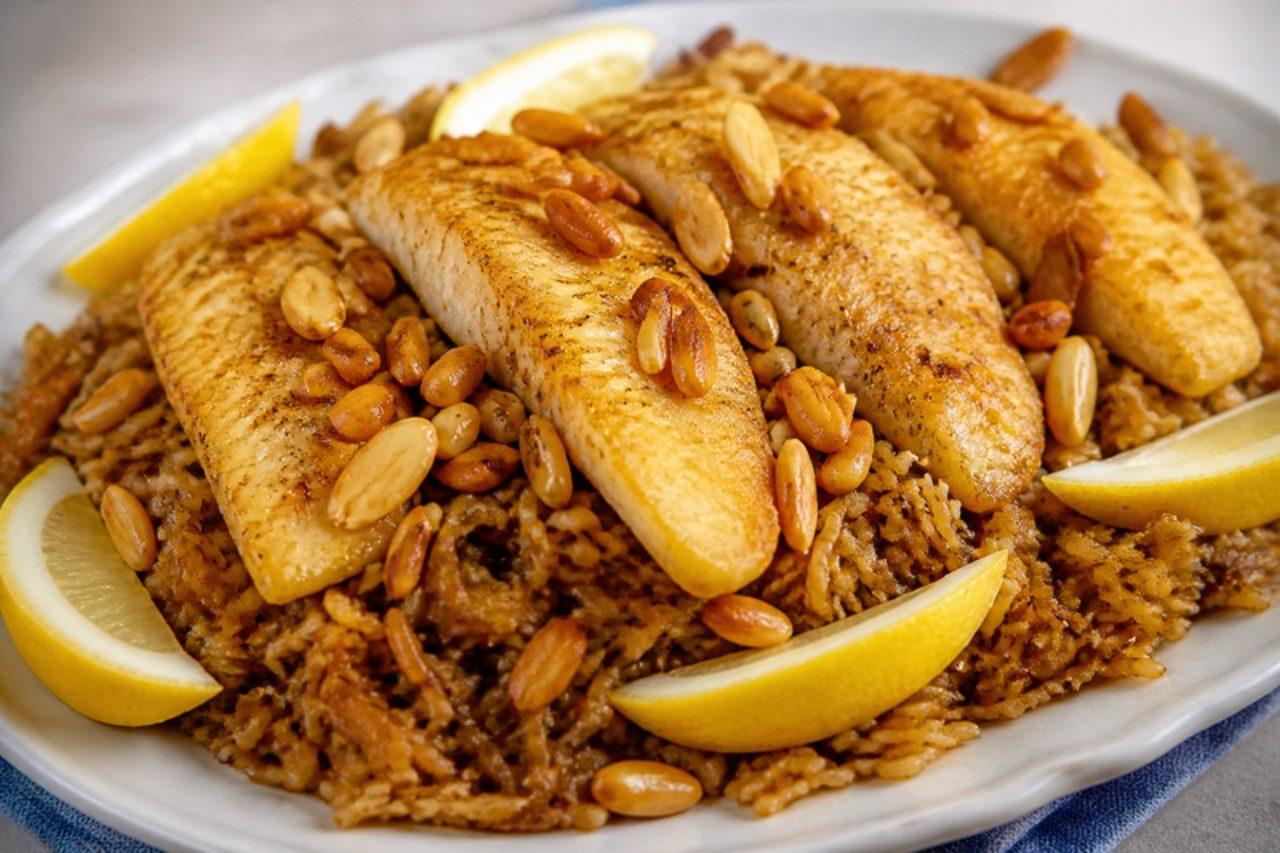
Sayadiya (fisherman's fish and rice)

The name comes from the word for fisherman, and sayadiya is the pride of the fish restaurants along the Alexandria seafront and in Suez, where it is ordered as a platter for the whole table. Its signature is the colour: onions are fried slowly until mahogany, then simmered into a stock that turns the rice a deep brown and fills it with sweet, savoury, cumin-scented flavour. On top go pieces of crisp fried fish and a scatter of toasted pine nuts and almonds, with lemon wedges, tahini and a green salad alongside. Chef's tip: watch the onions closely in the last few minutes and lift them out when they are dark brown, never black; burnt onions make the whole pot bitter.

by KrazyBadal 0 views

Griwech (honey-dipped pastry knots)

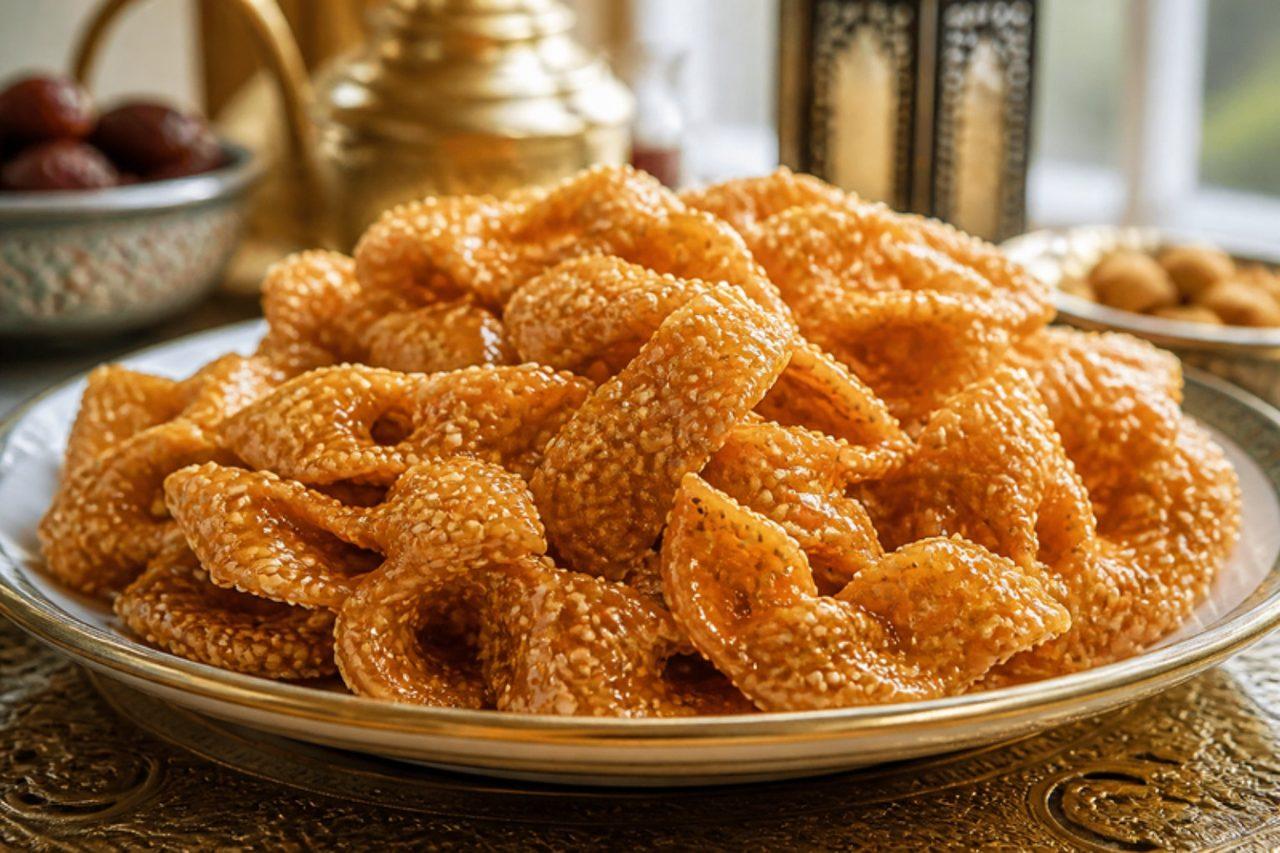
No Ramadan table in Algeria feels complete without a plate of griwech next to the chorba, ready for the sweet craving that follows the fast. Thin sheets of dough are cut into rectangles, slit and twisted into knots, fried until crisp and golden, then plunged into warm honey and scattered with toasted sesame. Each piece snaps cleanly, then melts into a sticky, orange-blossom sweetness. Batches are made days ahead and kept in tins for visitors through the month and on into Eid. Chef's tip: keep the oil at 170 °C; oil that is too hot is the usual mistake, colouring the outside before the layers inside crisp, so the griwech goes soft in the honey.

by KrazyBadal 0 views

Ghiya chana daalChickpea dal with bottle gourd

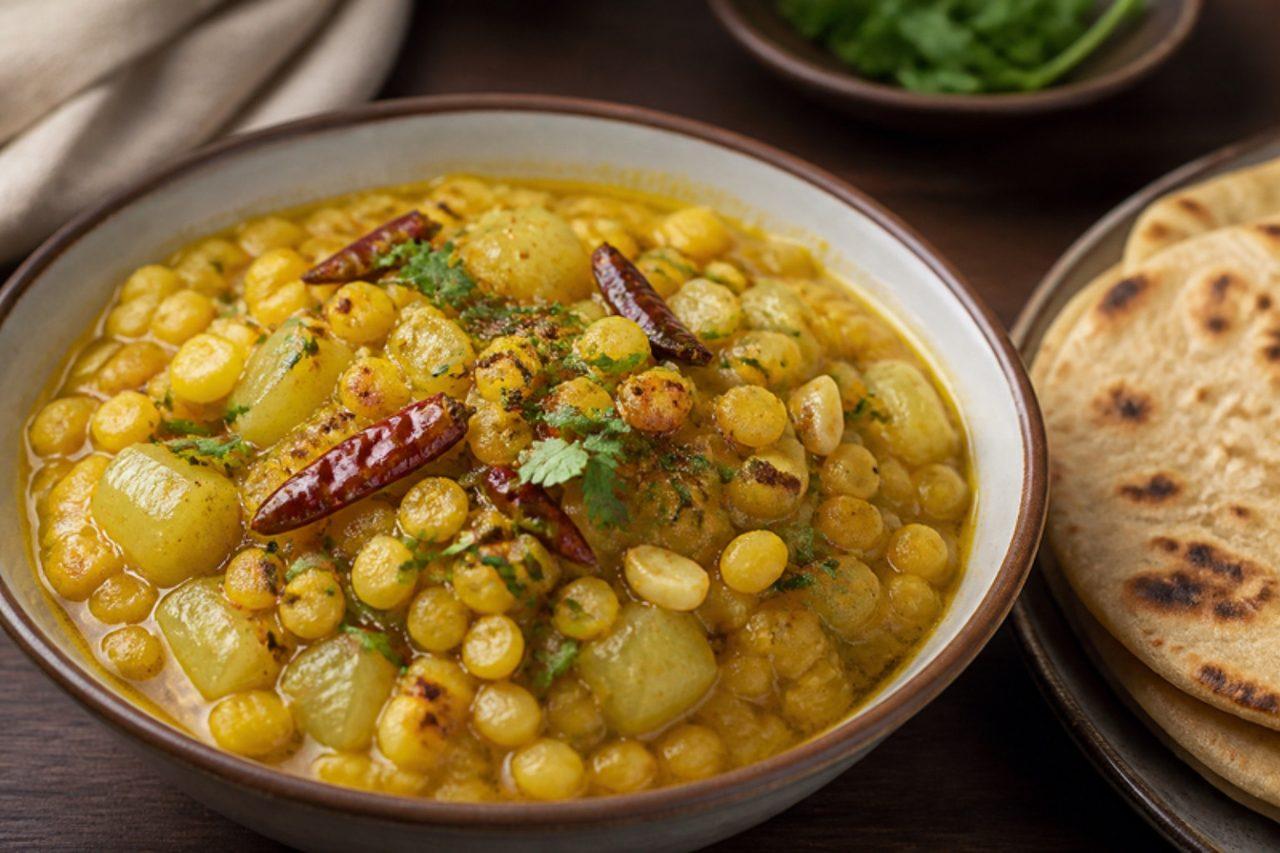
Bottle gourd is the vegetable Punjabi mothers reach for when someone in the house needs something gentle, and pairing it with chana daal turns that mildness into a proper meal. The split chickpeas cook until creamy but still slightly nubbly, the ghiya melts into soft, translucent pieces and lends the pot a quiet sweetness, and a last-minute tarka of cumin, garlic and dried red chilli wakes the whole thing up. You will find it on everyday tables from Gujranwala to Sahiwal, eaten with chapati or plain boiled rice and a little sliced onion on the side. A common slip is adding the gourd at the start with the dal, so it disappears completely by the time the lentils are soft. Chef's tip: give the soaked dal a 20-minute head start and add the ghiya only then, so both are done together.

by KrazyBadal 0 views

Seared gored goredSeared beef cubes in spiced butter

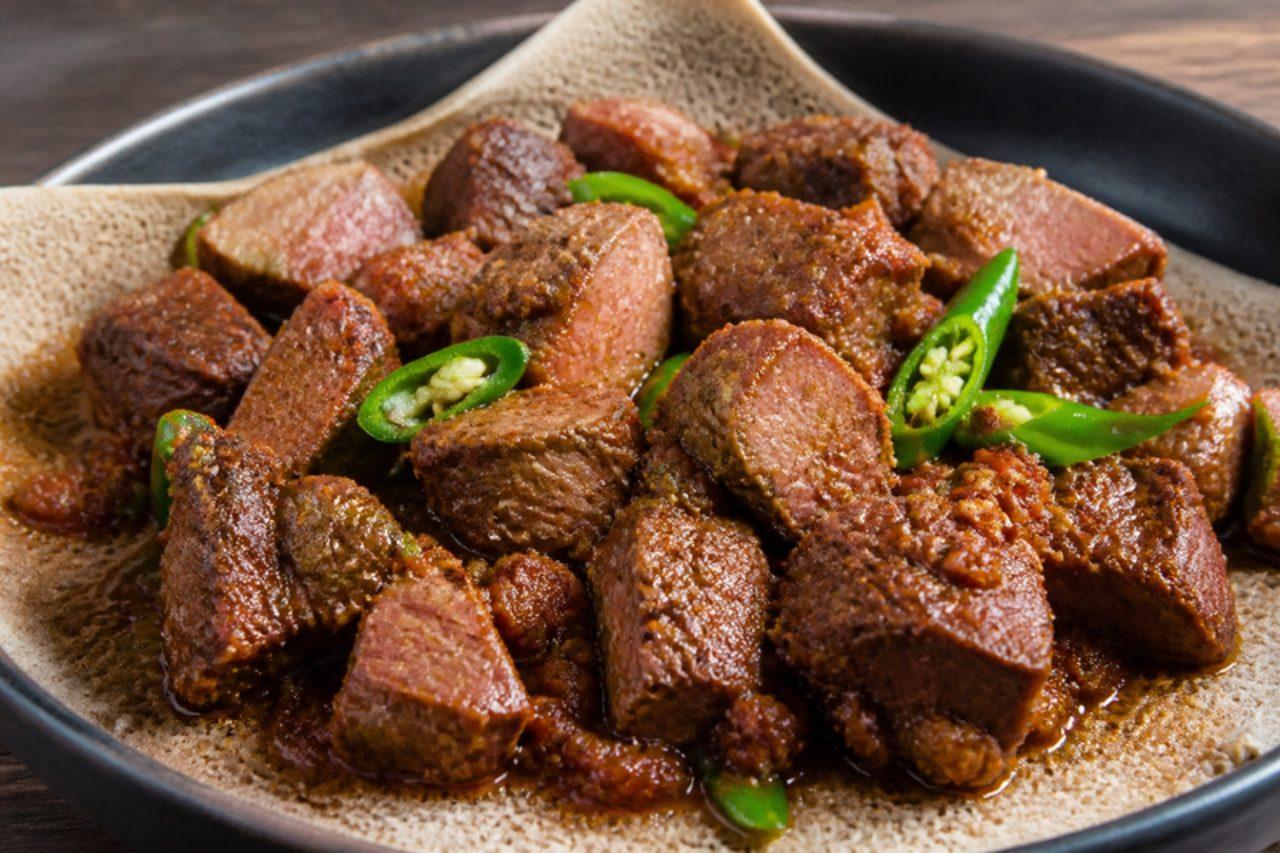
Gored gored is a celebration dish in Addis Ababa, ordered at butcher-restaurants and served at weddings and holiday gatherings, where cubes of the best beef are dressed with melted niter kibbeh, awaze and mitmita and eaten with injera. Traditionally the meat is served raw. Raw beef is not for pregnant women, young children or anyone with a weakened immune system, so this version sears the cubes over a fierce heat until well browned on every side and cooked to at least 63 °C in the centre, then rests them; take them to 71 °C if you prefer them fully cooked. The result is tender and juicy, rich with spiced butter and fiery from the awaze. Chef's tip: dry the cubes thoroughly with kitchen paper and sear them in two batches; a crowded pan steams the meat grey instead of browning it.

by KrazyBadal 0 views

Tklapi soup

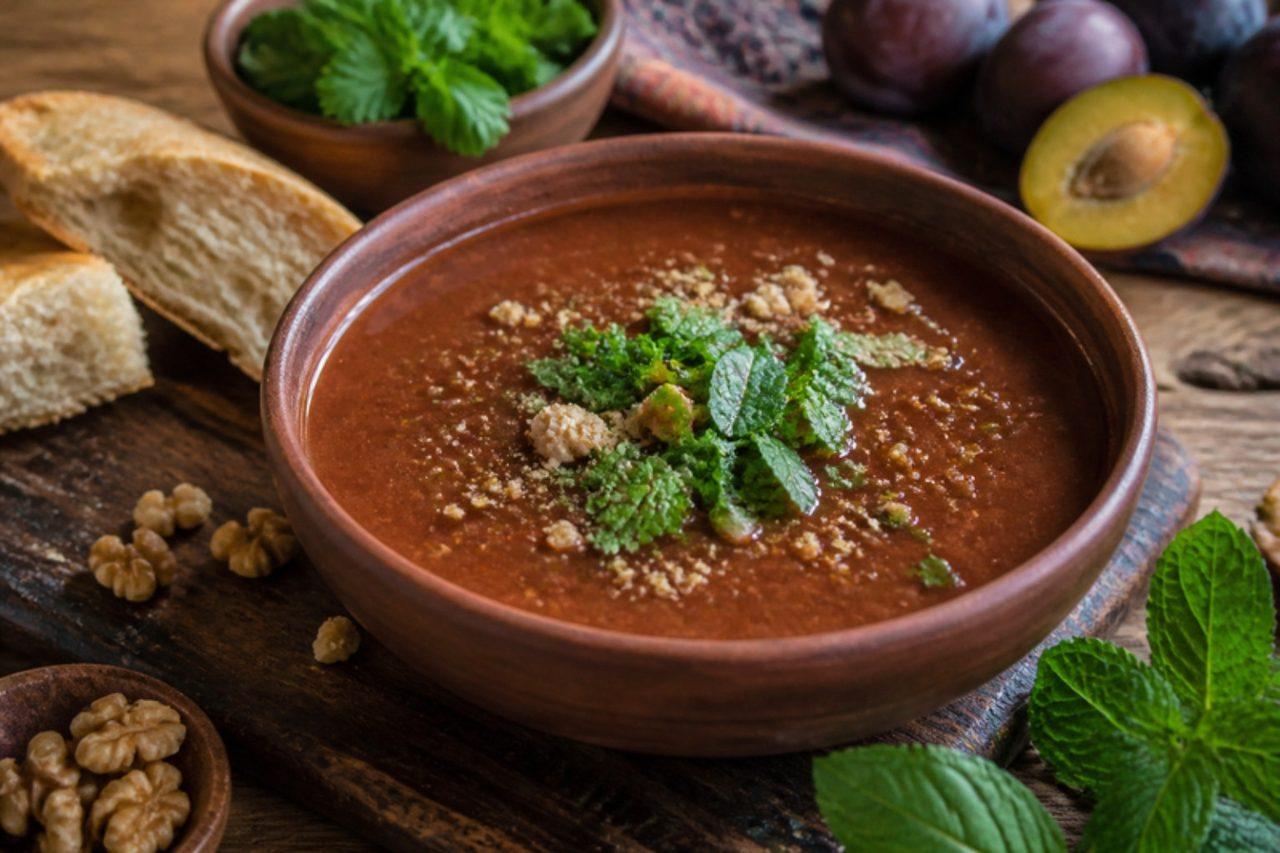
Tklapi are thin sheets of plum purée dried on boards in the late-summer sun around Kutaisi, rolled up and hung from rafters for the winter; dissolved in hot water, they turn into a sharp, fruity base for soups and sauces. This Imeretian Lenten soup is made in the cold months when fresh fruit is gone, thickened with walnuts and lifted with coriander, mint and garlic. If you cannot find tklapi, use dried sour plum leather or a mix of tkemali sauce and prunes. A common mistake is boiling the soup hard after the walnuts go in; they turn oily and the soup splits. Chef's tip: soak the tklapi in hot water first and rub it through a sieve, so the soup is smooth and free of stones or skins.

by KrazyBadal 0 views

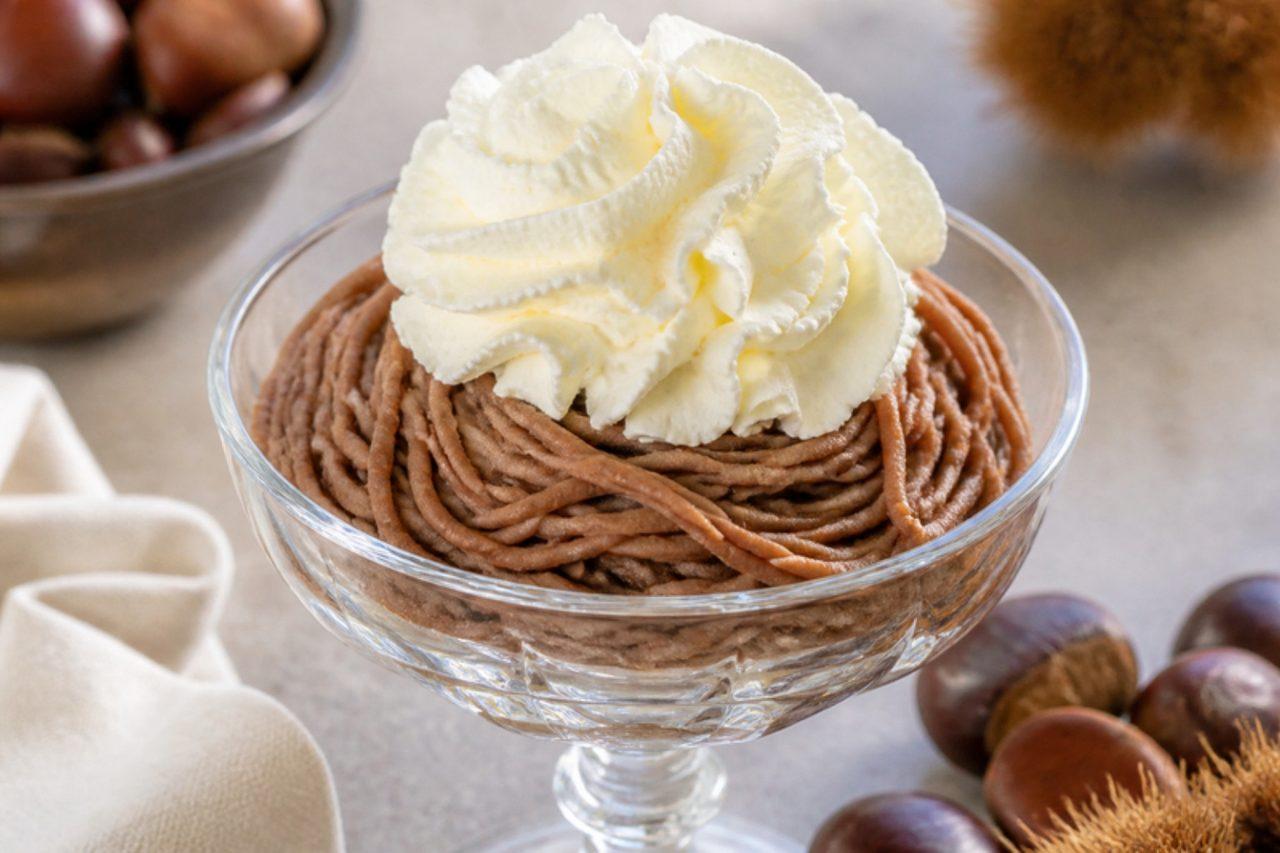
GesztenyepüréChestnut purée with cream

No Budapest cukrászda menu in autumn is complete without a glass of gesztenyepüré: sweet chestnut purée pushed through a potato ricer so it falls in loose brown strands, crowned with a cloud of whipped cream and often a glacé cherry. It is soft, nutty and creamy rather than sugary, and it came to Hungary from Viennese kitchens in the days of the empire. Classic café versions add a splash of rum to the chestnuts; this one leaves it out and uses vanilla and a little cocoa, so it is alcohol-free. A common mistake is pressing the purée into the glass with a spoon, which turns it into a dense paste; let the strands fall loosely straight from the ricer. Chef's tip: chill the purée well before ricing, because cold purée holds its strands and the cream stays on top.

by KrazyBadal 0 views

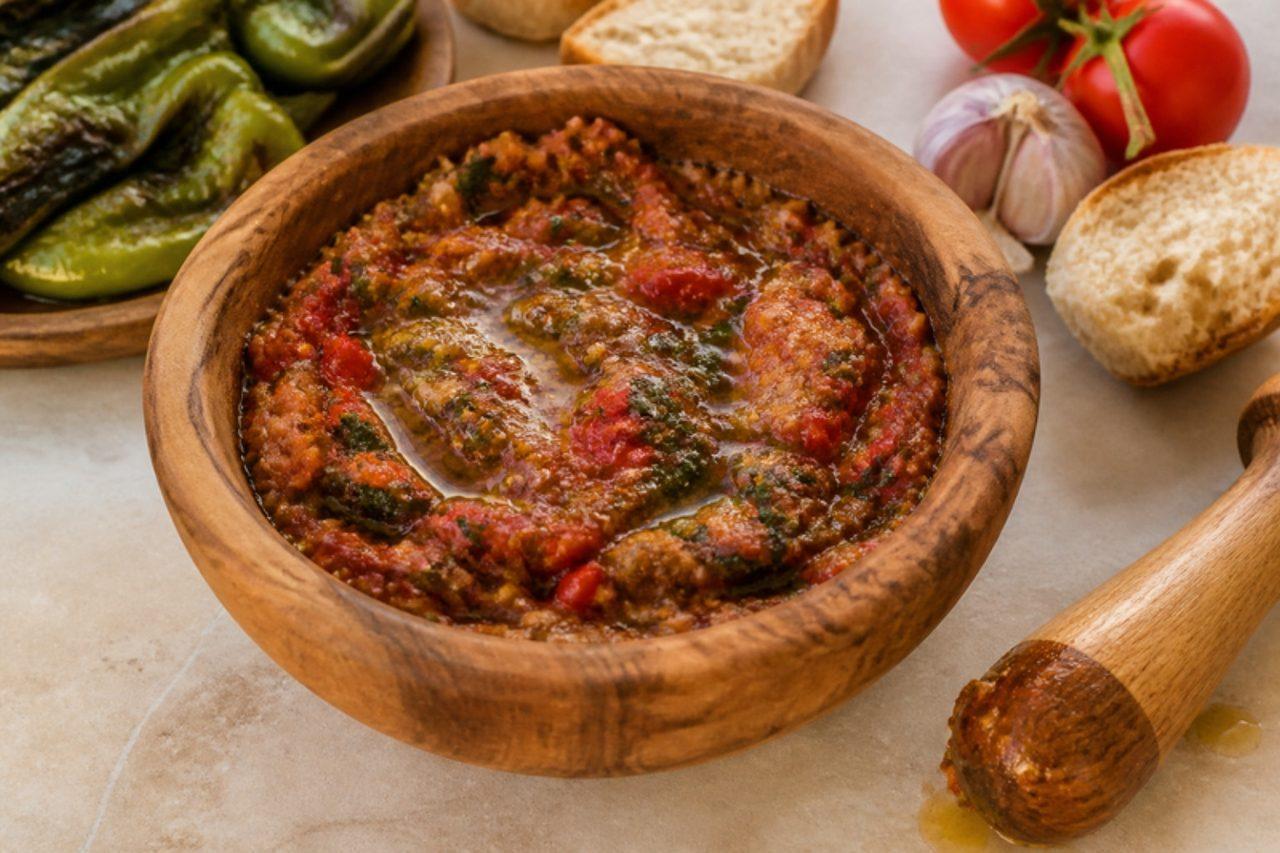
Zviti (pounded pepper and flatbread mash)

Fire-blistered green chillies, a few tomatoes and a fist of garlic go into a wooden mortar, and the cook in Bou Saâda or M'Sila pounds them with torn flatbread until everything turns into a coarse, hot, smoky mash. Zviti is served straight from that wooden bowl, sometimes in a carved mortar the size of a salad bowl, and eaten by hand with more bread, often on cold evenings in the steppe towns. The flavour is sharp and grassy from the chillies, sweet from the charred tomato and soothed by plenty of olive oil. Choose a mix of hot and milder long chillies to set the heat you like. Don't leave the charred skins on the peppers and tomatoes: they turn the mash bitter and stringy. Chef's tip: pound rather than blend; a food processor whips it into a watery soup, so if you must use one, pulse briefly and add the bread last.

by KrazyBadal 0 views

Fryske dúmkesAnise and hazelnut biscuits

Dúmkes, 'little thumbs', are crisp, spiced biscuits from Friesland, shaped by pressing the dough with a thumb or rolling it into a log and slicing; their flavour comes from aniseed and toasted hazelnuts, and they are dunked in coffee at Frisian kitchen tables. A common mistake is baking them pale, which leaves them soft; they should be golden and snap when broken. Chef's tip: lightly crush the aniseed before mixing, so its sweet liquorice flavour runs through every bite.

by KrazyBadal 0 views

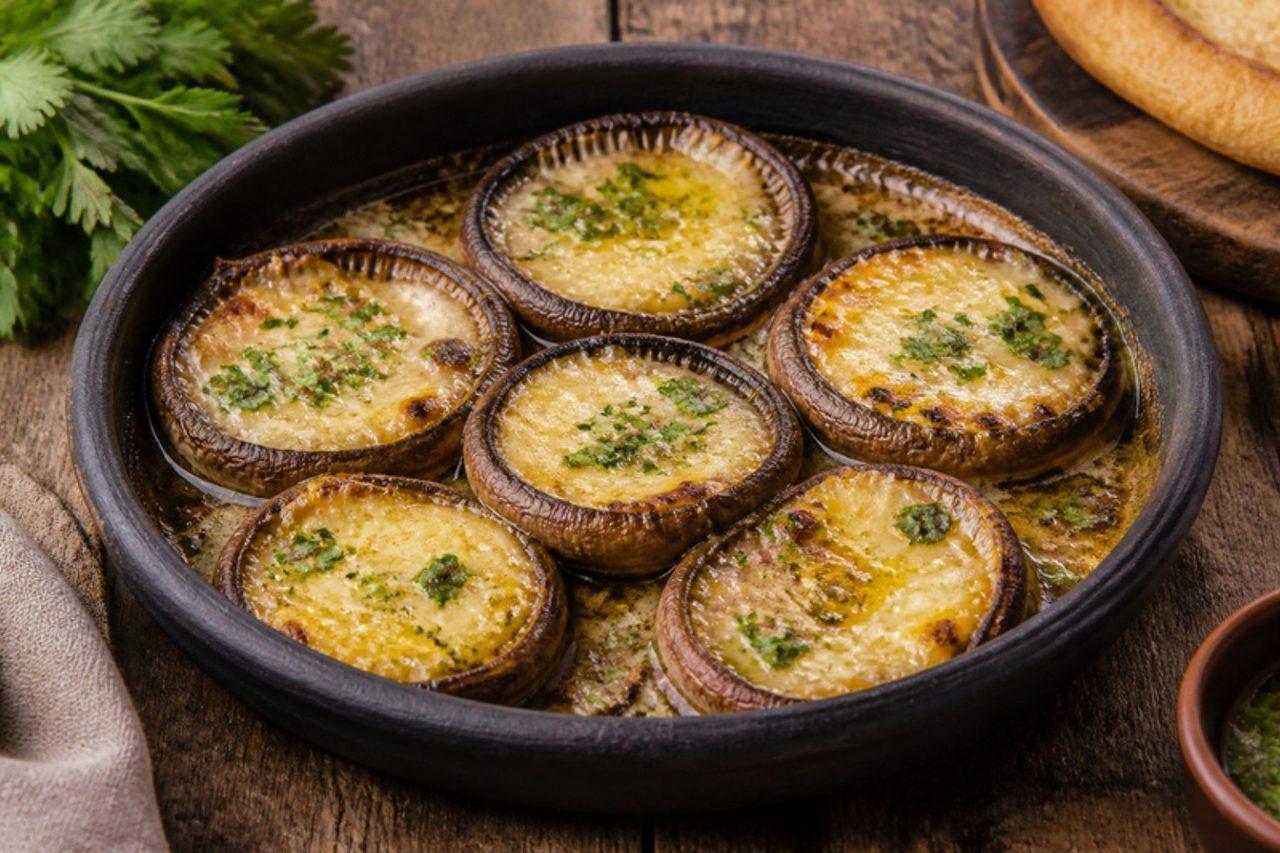
Mushrooms on ketsi

Every Tbilisi tavern has its sizzling ketsi, a shallow clay dish heated on the fire, and mushrooms baked in one with butter and a crust of melted sulguni are among the most ordered starters, brought to the table still crackling. In autumn, Georgian cooks use wild oyster mushrooms or field mushrooms; cups set gills up hold the butter like little bowls. A common mistake is overcrowding the dish, which makes the mushrooms steam instead of browning. Chef's tip: salt the mushrooms only after the first 10 minutes, so their juices stay inside and they cook in their own butter. Sulguni is usually made with animal rennet, so choose a vegetarian cheese.

by KrazyBadal 0 views

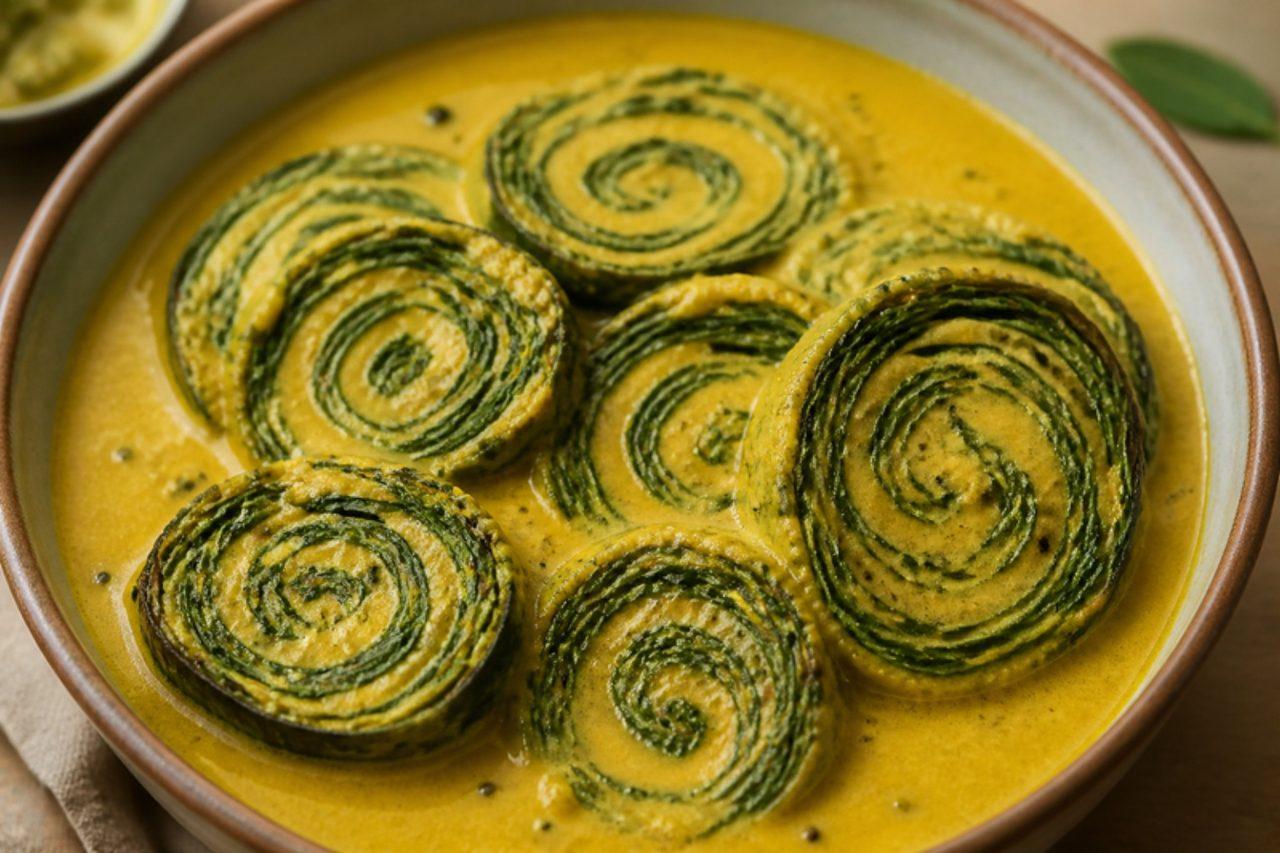
ArikanchanTaro leaf rolls in mustard gravy

Arikanchan is a monsoon speciality of Maithil kitchens in Janakpur and the eastern Terai, cooked when the taro plants in the courtyard put out huge, tender leaves. A spiced chickpea-flour paste is spread over the leaves, which are rolled up tight like a Swiss roll and steamed, then the rolls are sliced into spirals, fried and simmered in a punchy gravy of ground mustard seed, garlic, chilli and tomato cooked in mustard oil. The result is soft and layered, with a gentle sourness and the nose-tingling heat of fresh mustard, eaten with rice and a dal. The biggest risk is undercooking the taro leaves, which can leave an itchy, scratchy feeling in the throat. Chef's tip: use only young leaves, strip the thick ribs, and always include the tamarind in the paste, because the sourness neutralises the irritant in the leaves.

by KrazyBadal 0 views

Showing 36 of 7,762 recipes

Show more recipes

Page 182 of 863