


Skip to content
Hyderabadi chicken dum biryani
Featured recipe

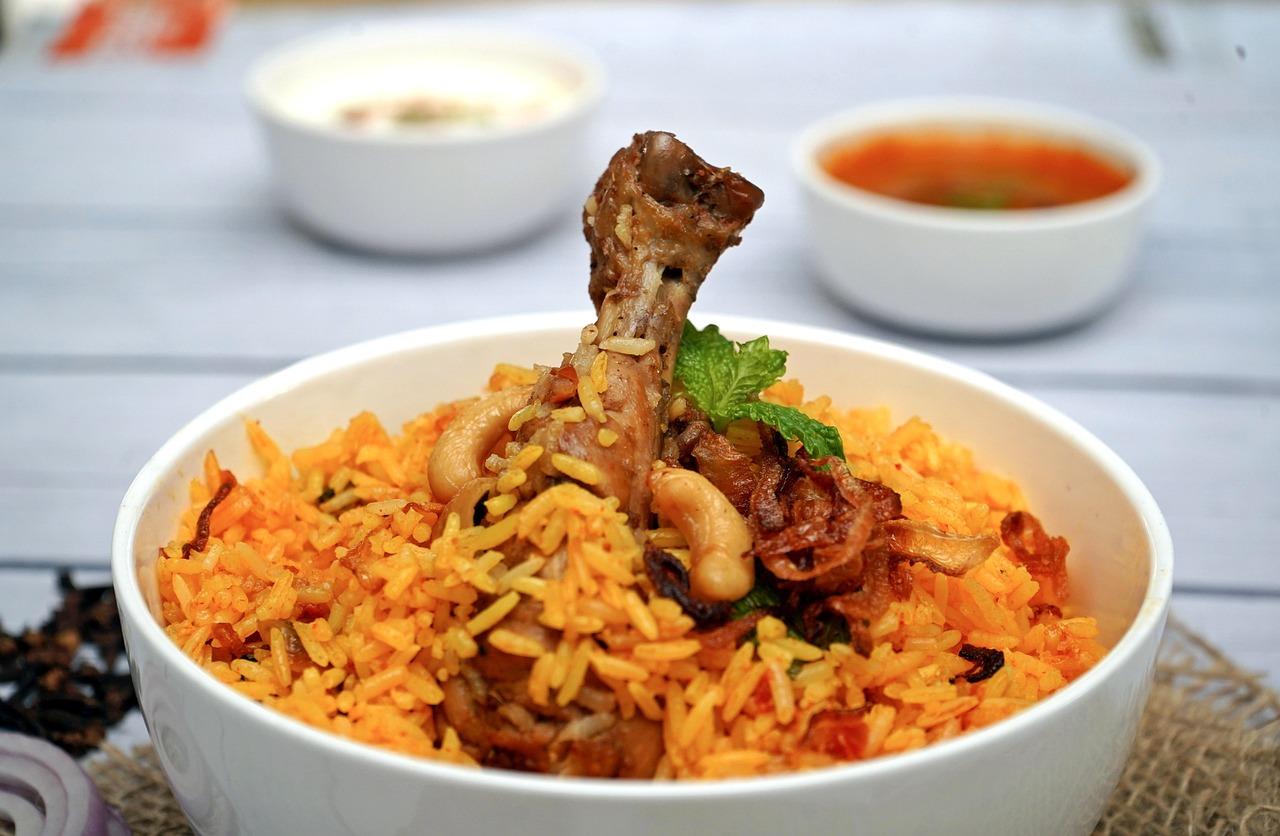
Hyderabadi chicken dum biryani

Hyderabad's biryani grew up in the kitchens of the Nizams, and the kacchi style is its proudest form: the chicken goes into the pot raw, in a thick yogurt, mint and fried-onion marinade, and cooks only in the steam trapped under part-cooked basmati. In the old city it is wedding and Eid food, ordered in huge copper deghs, and at home it's the Sunday showpiece, served with mirchi ka salan and a cooling raita. Because the meat cooks without being stirred, small bone-in thigh and drumstick pieces work best. Chef's tip: marinate overnight in the fridge — the yogurt tenderises the chicken and the flavours go right to the bone.

Read more 1 views

What to eat today?

Around the world

Today's trip: Persian

A new country every day, from every cuisine on the site.

Persian

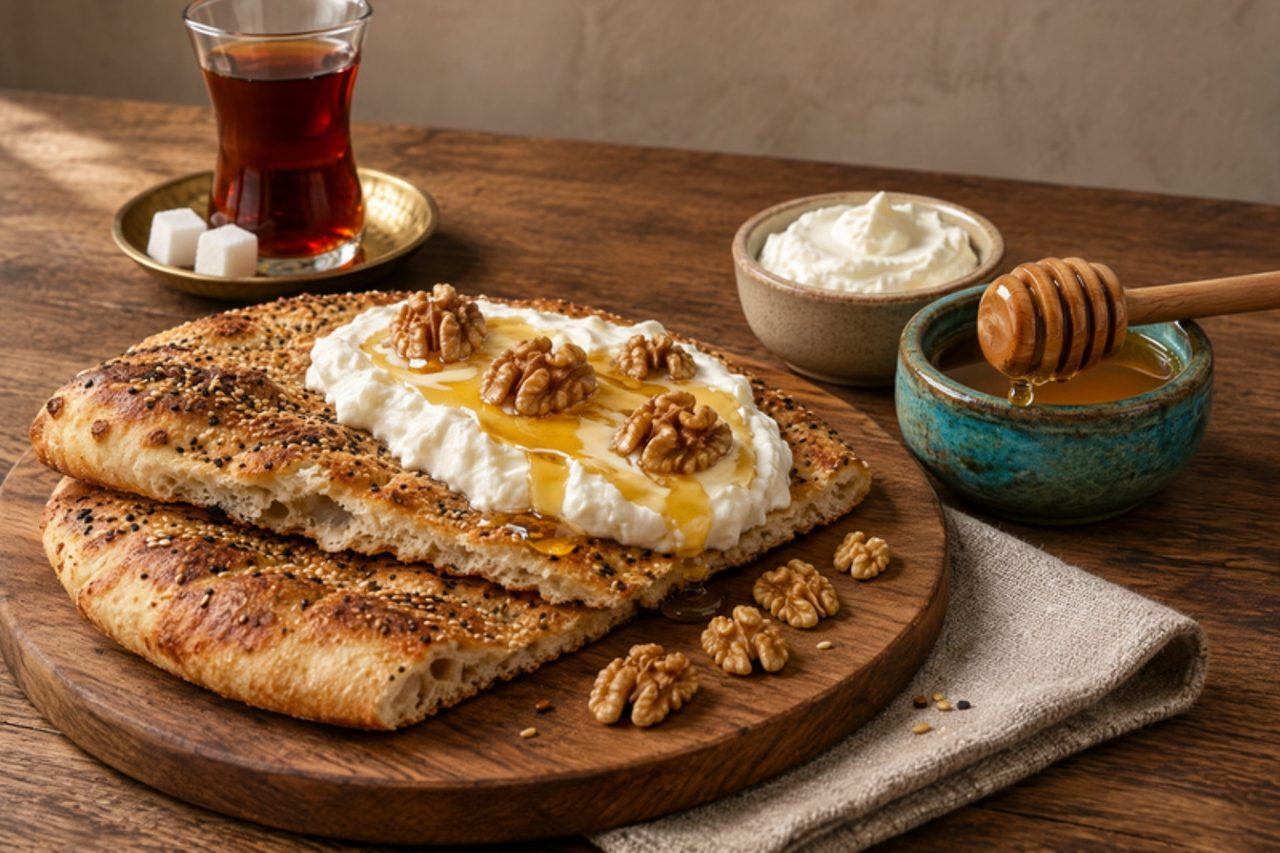
Asal-o-khameh

Clotted cream and honey on flatbread 8 minMore from Persian (131) →

This week's collection

Kid-friendly dinners
541 recipes · a new collection every Monday

Latest recipes

TenmusuPrawn tempura rice balls

Tenmusu, short for tempura musubi, began in Tsu and became a Nagoya speciality: small salted rice balls with a crisp little prawn tempura poking out of the top, wrapped in nori and sold in boxes at Nagoya Station as a travel lunch. The common mistake is wrapping hot, crunchy tempura straight into the rice, so it steams soft; let it cool on a rack first. Use raw prawns that smell of the sea; throw away any that smell of ammonia. Chef's tip: brush the cooled tempura with a quick sweet soy dip before you shape the rice round it, which is the Nagoya secret to its flavour.

by KrazyBadal 0 views
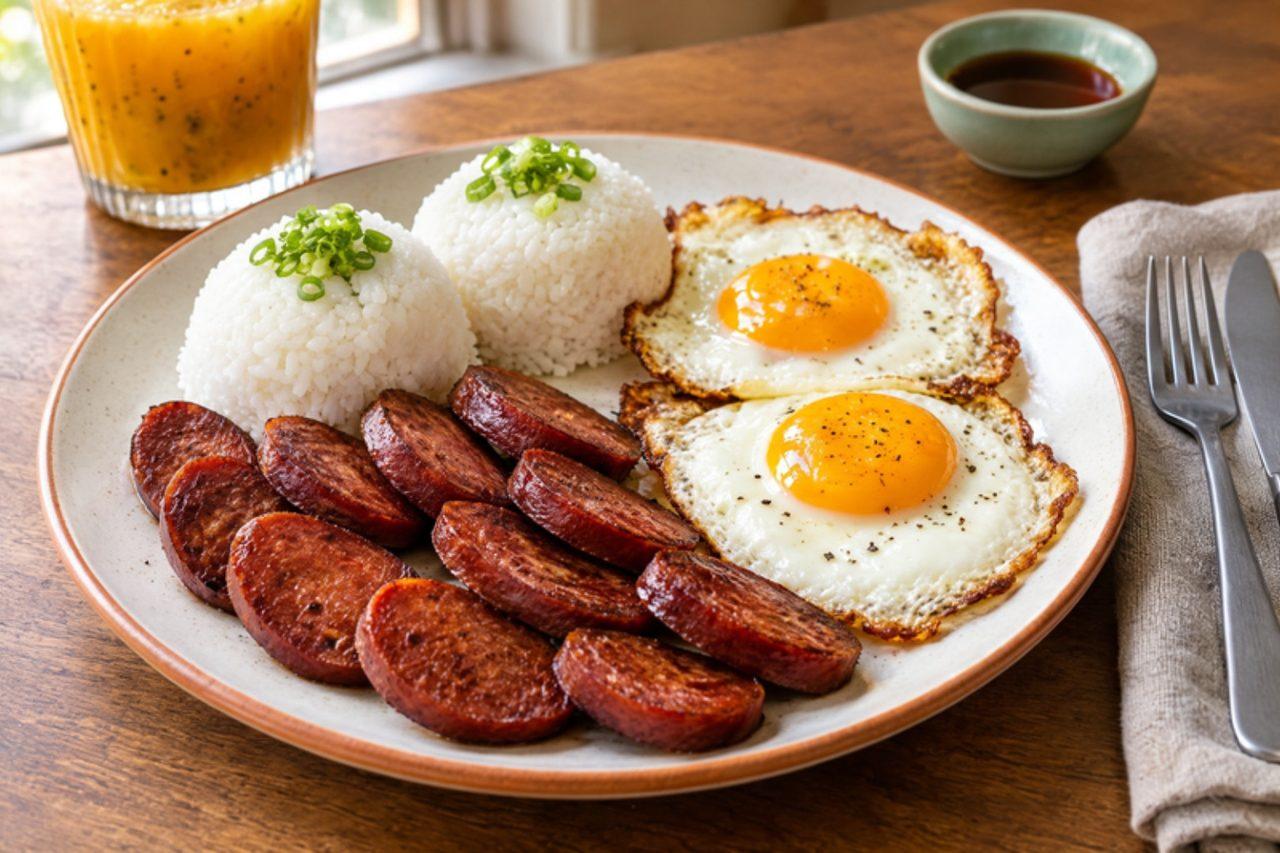
Portuguese sausage, eggs and rice

In Hawaii, a breakfast plate at a diner in Honolulu or Hilo, or at a drive-in on Maui, often means slices of smoky, garlicky, paprika-red Portuguese pork sausage (brought to the islands by Madeiran and Azorean immigrants in the 1800s) fried until caramelised, two eggs, and two scoops of short-grain rice. A splash of shoyu on the rice is optional. The common mistake is frying the sausage over a high heat so the sugar in it burns before it heats through; fry it steadily over a medium heat until sizzling and piping hot (71 °C if your sausage is uncooked rather than smoked). Cook the eggs fully set for pregnant people, young children, older or vulnerable people. Chef's tip: fry the eggs in the red fat the sausage leaves behind; they come out lacy and full of flavour.

by KrazyBadal 0 views

Cà ri chayVegetarian sweet potato curry

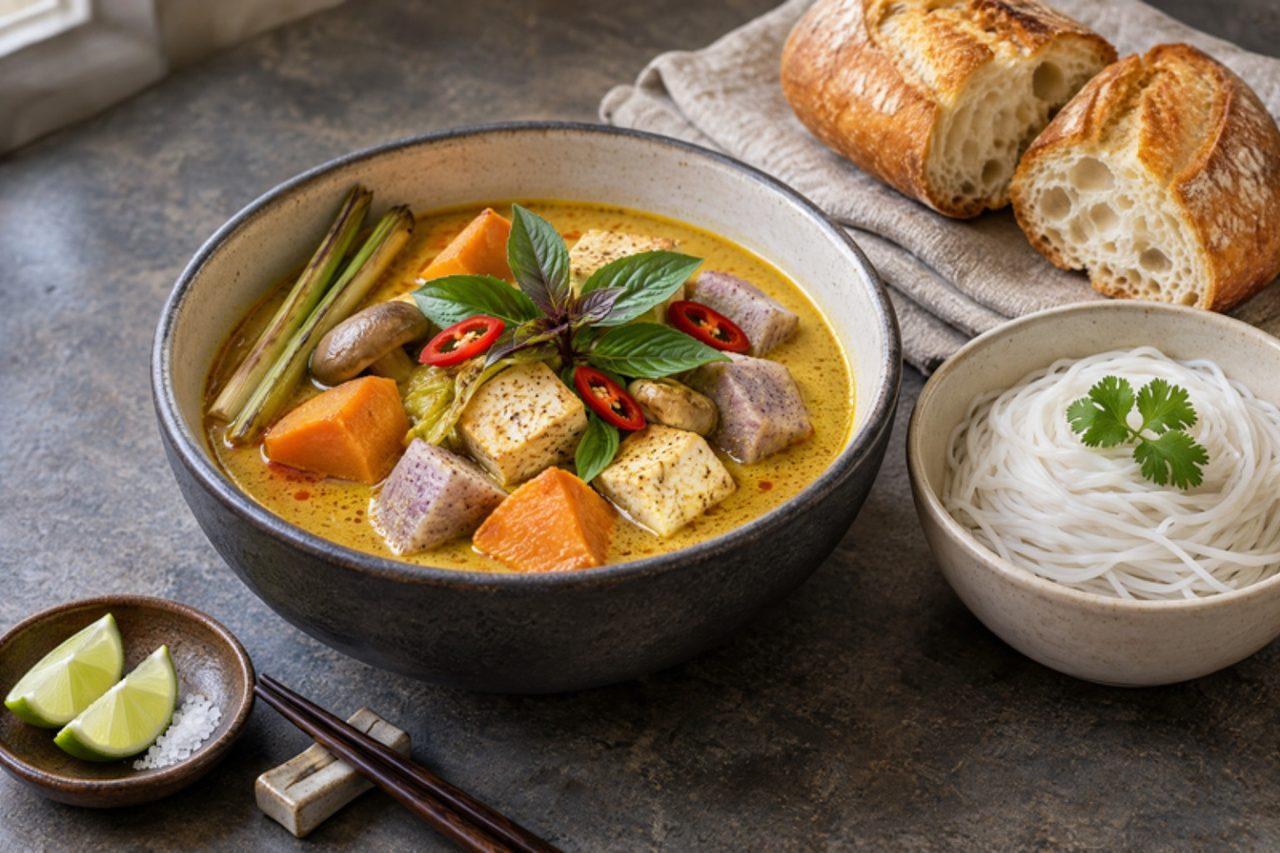
Cà ri chay is served at Buddhist temples and vegetarian restaurants across Saigon and the Mekong Delta, and many families cook it at home on rằm days, the first and fifteenth of the lunar month, when they eat no meat. Sweet potato and taro soften into a golden, lemongrass-scented coconut curry with fried tofu and meaty oyster mushrooms; it is mild and fragrant rather than fiery. Mop it up with a crusty baguette, or ladle it over rice vermicelli. The usual mistake is putting all the vegetables in at once: the sweet potato dissolves before the taro is cooked. Chef's tip: fry the taro and sweet potato briefly before simmering, which seals the outside so the chunks hold their shape in the sauce.

by KrazyBadal 0 views

Colada moradaPurple corn and berry drink

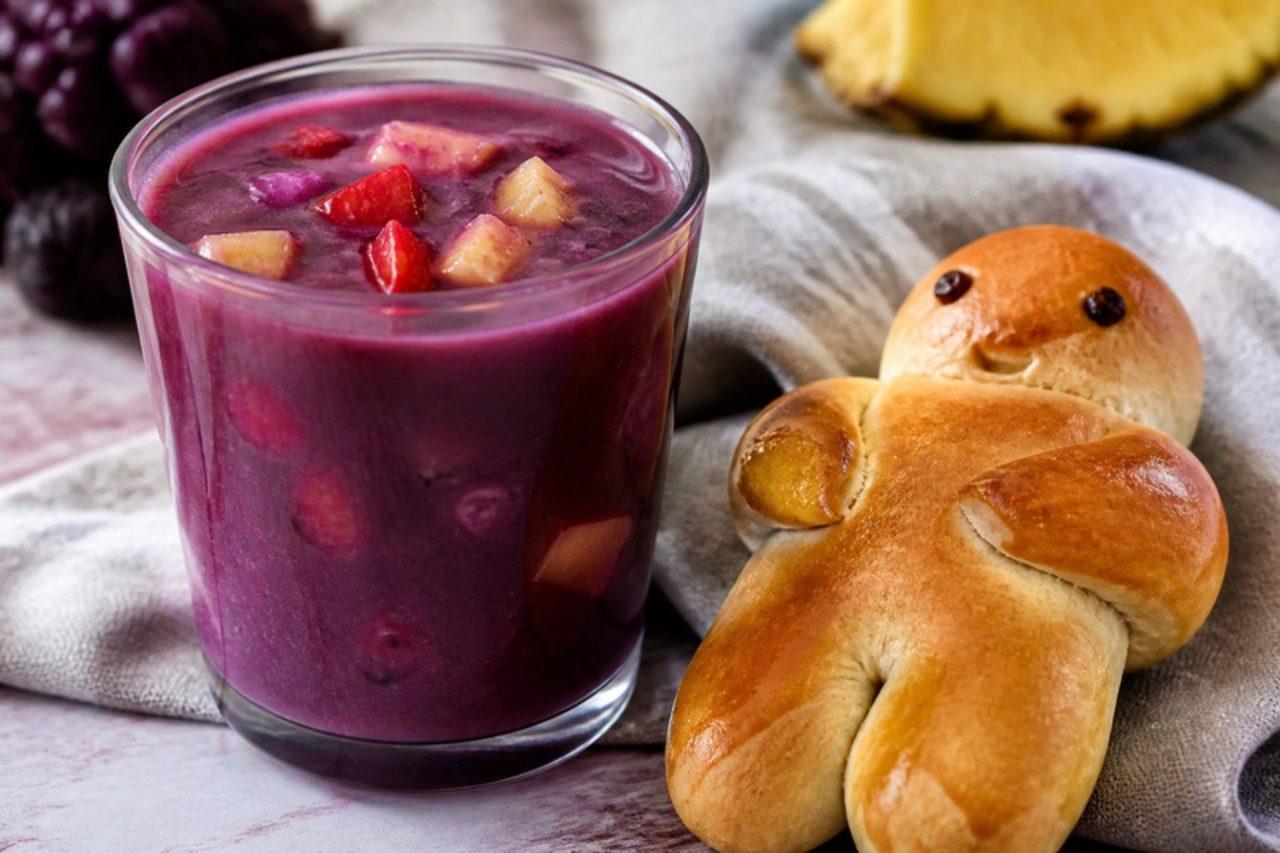
Every year in the days before 2 November, the Día de los Difuntos, Quito's kitchens and bakeries fill with the smell of colada morada: a warm, spoon-thick drink of purple corn flour cooked with blackberries, blueberries, pineapple and a bundle of fragrant herbs and spices. It is deep violet, sweet-tart and full of chopped fruit, and it is always served with guaguas de pan, the bread babies, often shared with family at the cemetery. The most common mistake is stirring the corn flour straight into hot liquid, which makes lumps: whisk it into cold water first. Chef's tip: lemon verbena and lemongrass give the authentic perfume; if you can find naranjilla or a few orange leaves, add them to the spice pot too.

100 minAndeanDrinksVeganGluten free
by KrazyBadal 0 views

Masu zushiPressed trout sushi

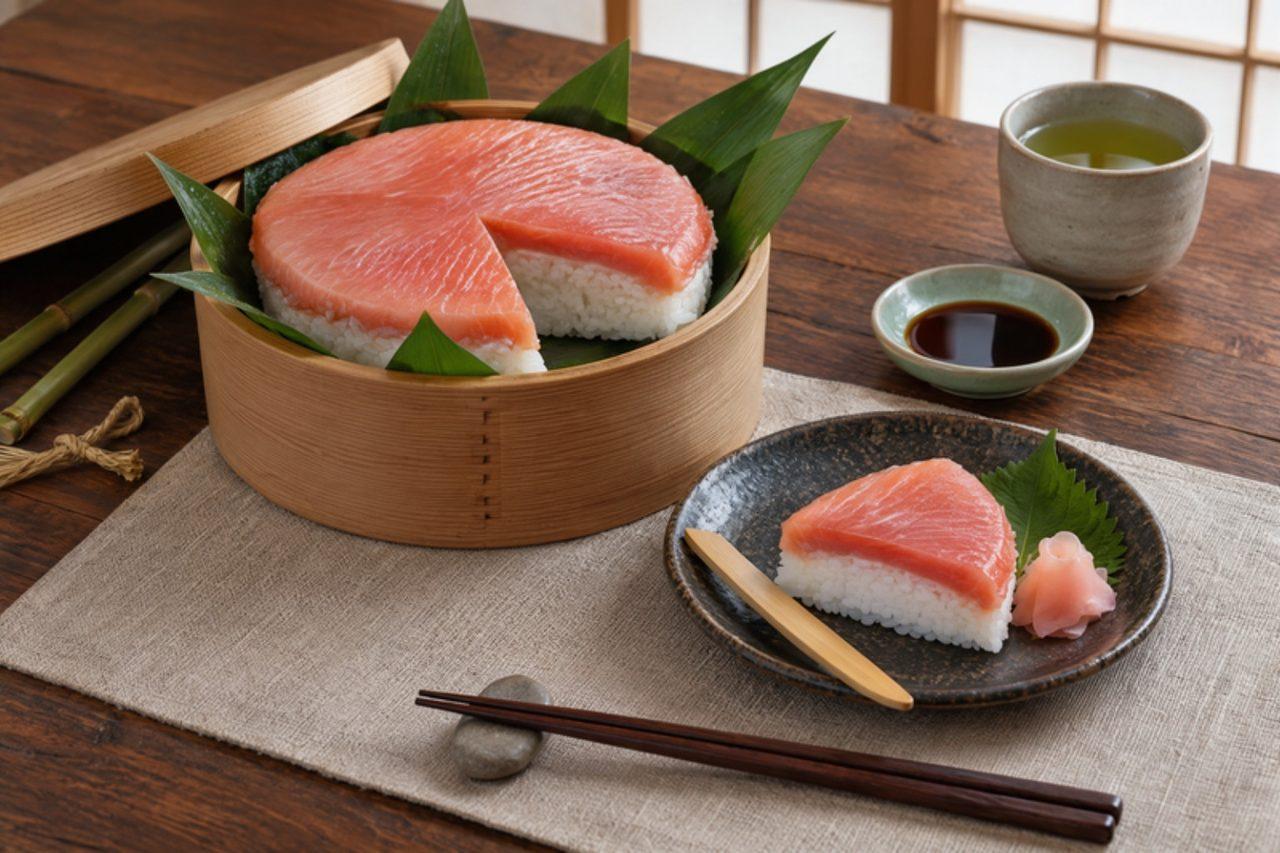
Masu zushi is Toyama's famous ekiben, the boxed lunch sold at the station for the train ride: a round, flat cake of vinegared rice pressed under a layer of salted, vinegar-cured trout and wrapped in bright green bamboo leaves, cut into wedges like a pie. The fish is cured but raw, so use only fish sold as safe to eat raw and previously frozen, and keep everything cold; this version is not for pregnant women, young children or anyone with a weakened immune system. For a safer version, use hot-smoked trout fillet instead, which is fully cooked. The usual mistake is pressing the rice while it is still warm, which turns it mushy; cool it to body temperature first. Chef's tip: press the cake for a full hour under a heavy weight so it slices cleanly, then cut it with a wet knife.

by KrazyBadal 0 views

CortaditoEspresso with steamed milk

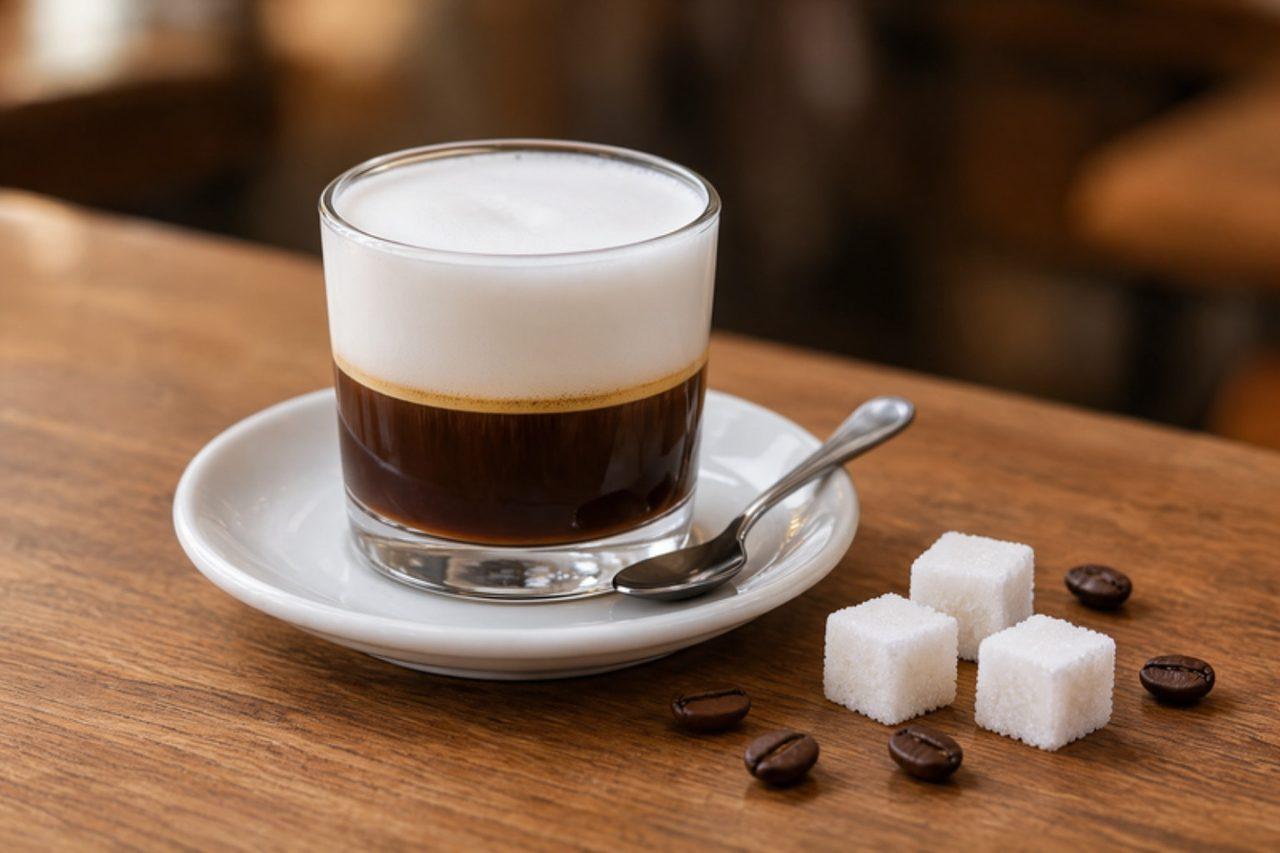
Havana runs on small cups of coffee: a cafecito standing at a ventanita, a colada shared in tiny plastic cups at work, and in the afternoon or with breakfast, a cortadito, which is Cuban coffee cut (cortado) with roughly as much hot milk. The coffee is brewed in a stovetop cafetera, and the first dark drops are whipped hard with sugar into a pale, thick espumita that floats on top of the cup. The result is rich, very sweet and caramel-like, with a velvety milk body and a strong, bitter edge underneath. It is high in caffeine, so it is not one for children. The common mistake is adding sugar to the pot or stirring it in at the end; without the espumita you get a thin, flat drink. Beat the first concentrated coffee with the sugar until it turns light tan and holds soft folds, then pour in the rest. It is ready when a pale foam floats on the cup and the milk has been heated until steaming, with small bubbles around the edge but not boiling. Chef's tip: catch only the first 2–3 teaspoons of coffee for the foam; later coffee is too thin to whip.

by KrazyBadal 0 views

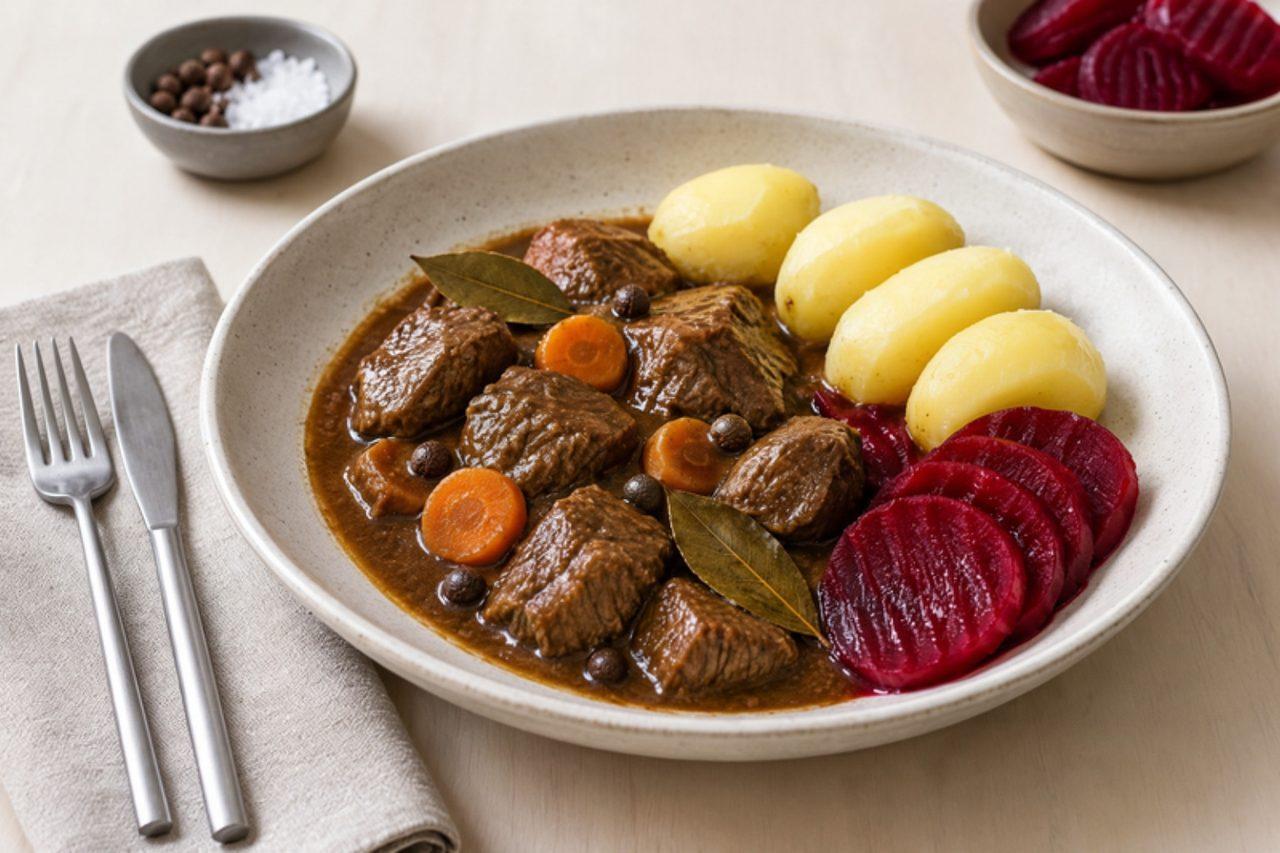
KalopsBeef stew with allspice

Kalops is the Swedish winter stew that fills kitchens from Skåne to Norrland on dark November weekends: chunks of beef chuck simmered slowly with onions, carrots, whole allspice and bay until the sauce turns brown, glossy and lightly peppery. It is always eaten with plain boiled potatoes and a spoonful of sweet pickled beetroot (inlagda rödbetor), whose sharpness cuts the richness. It reheats beautifully, so many families make it a day ahead. The usual mistake is crowding the pan when browning, so the beef steams grey and the sauce never gets its deep colour; brown in batches. Chef's tip: crush half the allspice berries lightly before they go in so the warm clove-like scent reaches the whole pot, but leave the rest whole for a gentler background note.

by KrazyBadal 0 views

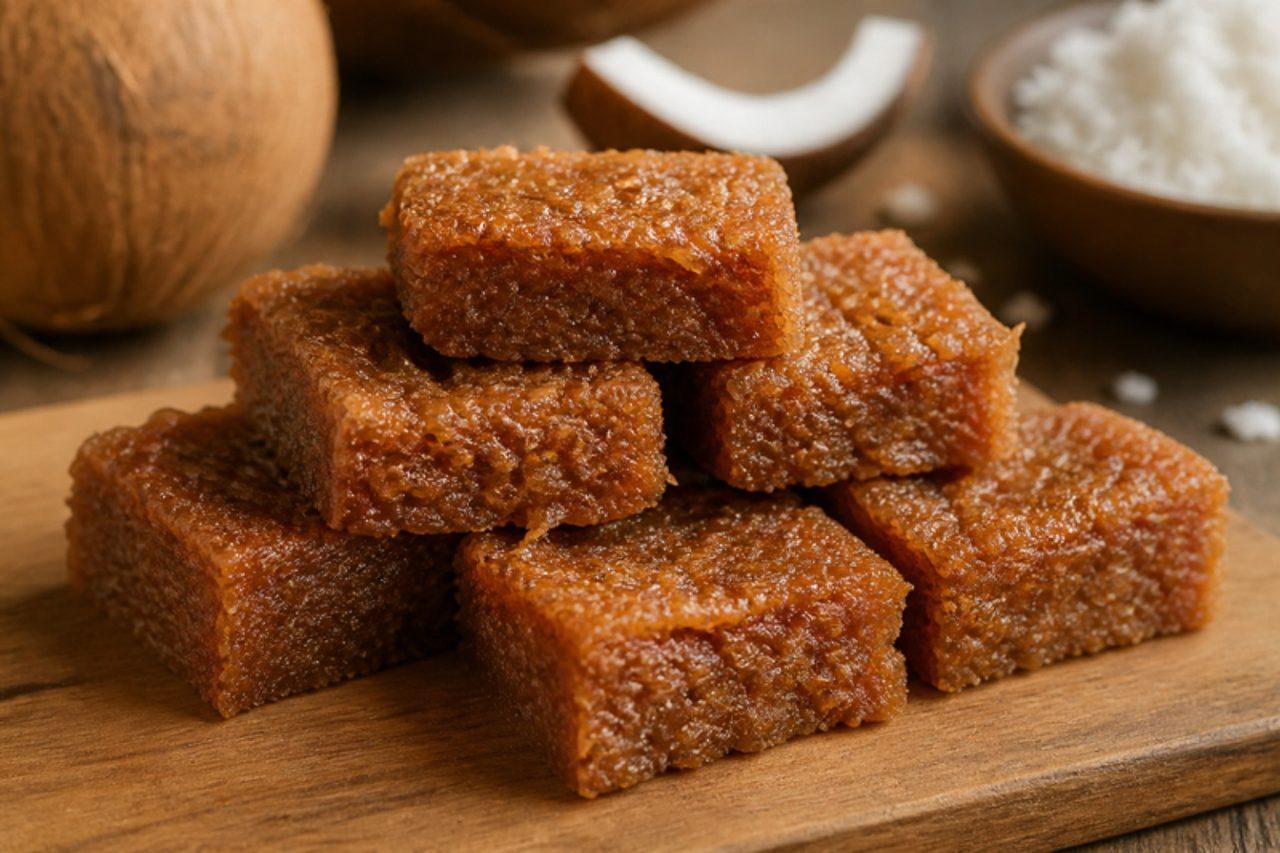
Conservas de cocoSpiced coconut bars

Along the roads of Zulia and down the Caribbean coast, sellers wrap conservas de coco in squares of paper: dense, chewy bars of grated coconut cooked in dark panela syrup with cinnamon and clove. Children buy them with their change after school. The mistake most people make is taking the pan off too early; the mixture never sets and stays sticky. Chef's tip: keep stirring until the mass pulls away in one lump and a spoon dragged across the base leaves a clean line.

by KrazyBadal 0 views

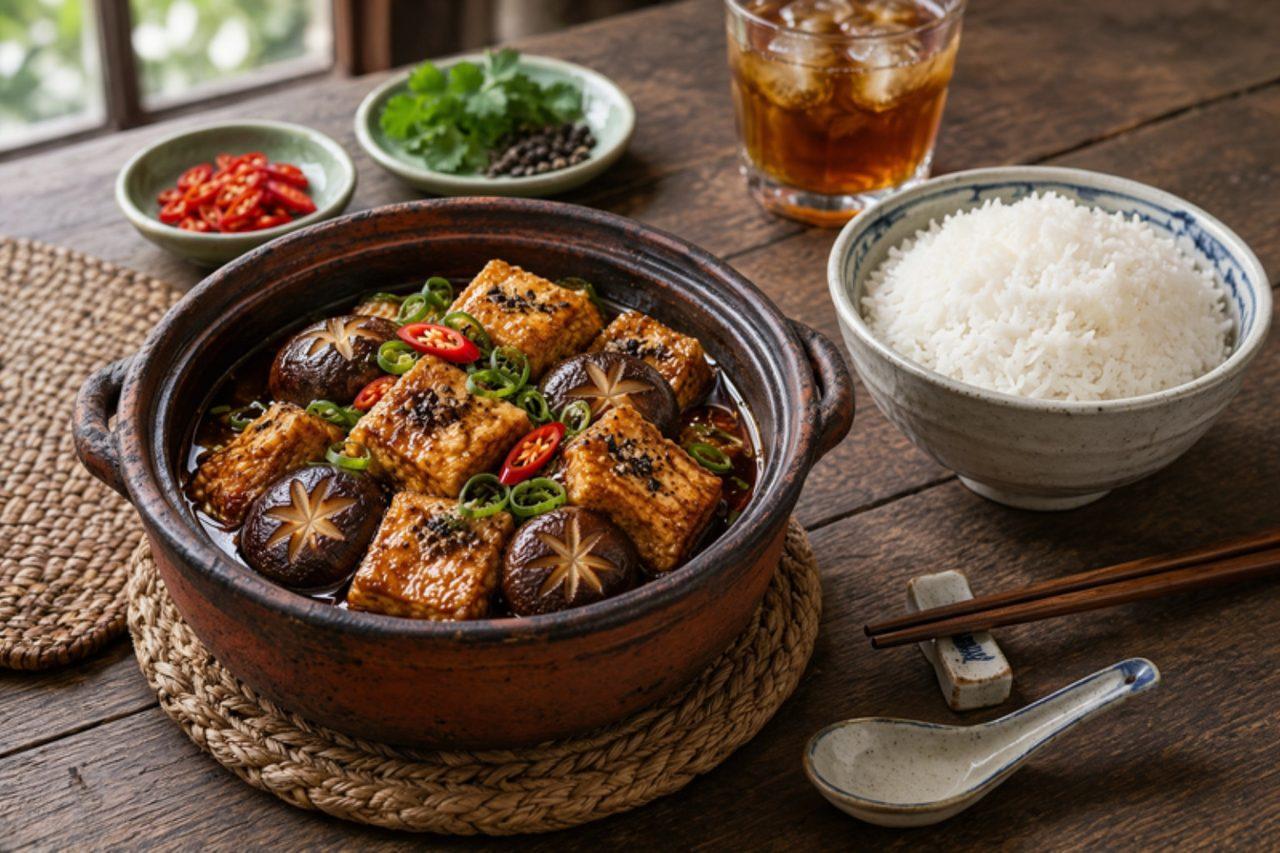
Đậu hũ khoBraised tofu with shiitake

Đậu hũ kho is the vegetarian cousin of the caramel braises (kho) cooked in clay pots all over Vietnam, and in the south it is a standard of Buddhist fasting days and a good companion for a pot of rice through the week. Golden fried tofu and chewy shiitake are braised in a dark caramel, soy sauce and coconut water until the sauce turns sticky, salty-sweet and peppery. Serve with steamed rice, a plate of fresh cucumber and a light soup. The usual mistake is letting the caramel go too dark, which makes the whole dish bitter; stop when it is the colour of strong tea. Chef's tip: coconut water gives a rounder sweetness than plain water, and the braise keeps for 3 days in the fridge.

by KrazyBadal 0 views

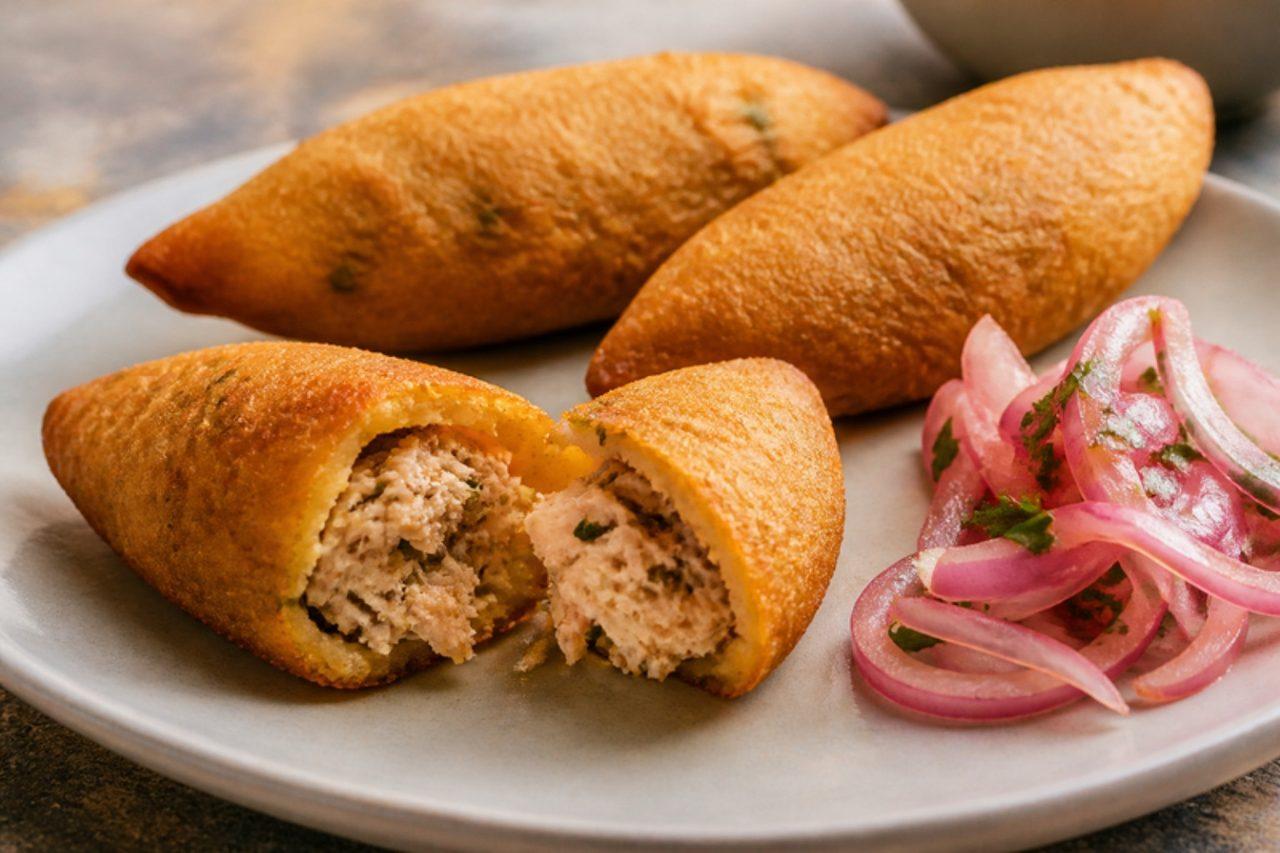
CorvichePlantain and peanut fish fritters

Along the Manabí coast and in Guayaquil's afternoon snack stalls, corviches are torpedo-shaped fritters with a crisp, peanut-rich green-plantain crust and a filling of fish cooked with onion, pepper and cumin. They are eaten hot with pickled red onion and a dash of chilli, often for breakfast or as an afternoon bite. Peanuts are a major allergen. The usual mistake is making the plantain shell too thick, which leaves raw starchy dough inside; keep it about 1 cm and fry at a steady 170 °C. Chef's tip: grate the plantain on the finest holes of a box grater; a fine grate makes a smooth dough that seals without cracks.

by KrazyBadal 0 views

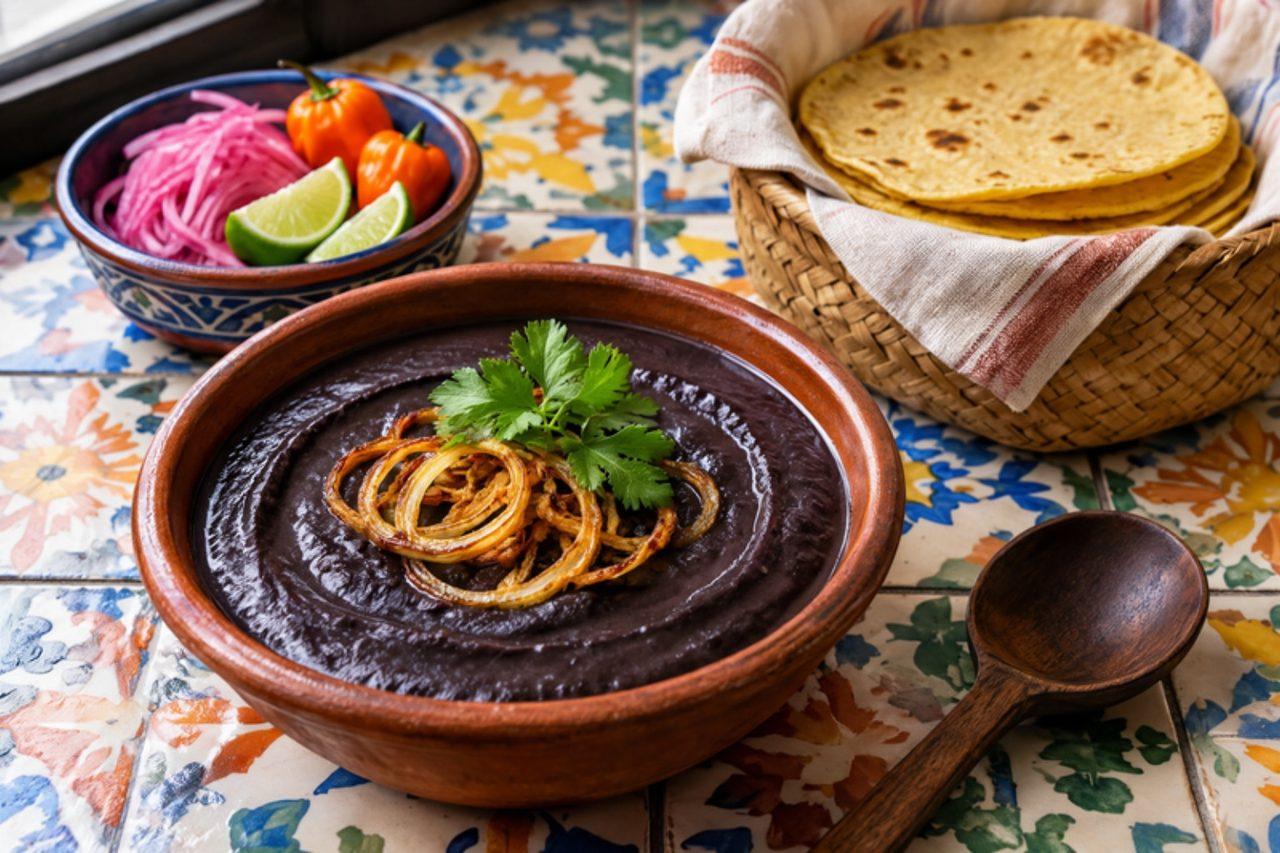
Frijoles coladosStrained black beans

Every cocina económica and family kitchen in Mérida keeps a pot of frijoles colados for the midday meal, the smooth, almost soupy black beans that sit beside cochinita, poc chuc, eggs or simply rice and tortillas across the Yucatán. The beans are cooked soft with epazote, pushed through a sieve, then simmered with onion fried until sweet. Traditionally the onion is fried in pork lard; this version uses oil so it is vegan. The usual mistake is straining beans that are not fully cooked, which gives a gritty, floury purée, so cook them until they crush with no effort. Chef's tip: drop a whole habanero into the simmering purée for 5 minutes for perfume without much heat, then fish it out.

120 minMexicanSidesVeganGluten free
by KrazyBadal 0 views

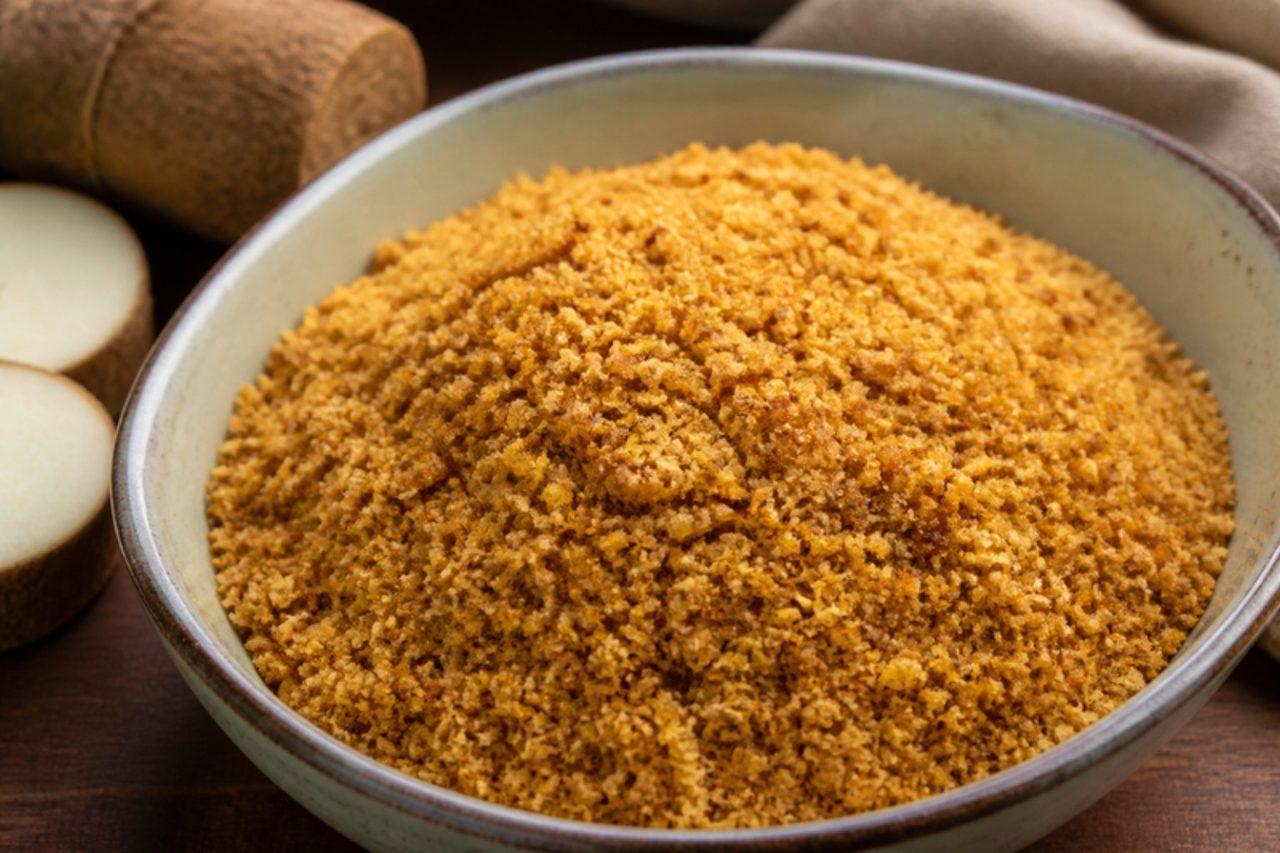
CouacToasted cassava meal

In French Guiana couac is on the table at almost every meal, sprinkled over fish in sauce, stirred into stews or soaked in water with sugar as a snack, and it is still made in the carbets (open-sided sheds) of Amerindian and Maroon villages along the Maroni river. Traditionally it is made from bitter cassava, which is poisonous until its juice has been pressed out and the meal roasted for hours. This home version uses only sweet cassava (yuca), and still presses out and discards all the juice and toasts the meal until fully dry, because cassava must never be eaten raw. The usual mistake is a heat that is too high: the outside scorches while the inside is still damp. Chef's tip: stir almost constantly over a medium-low heat; the couac is done when it rattles in the pan, smells nutty and a grain snaps cleanly between your teeth.

by KrazyBadal 0 views

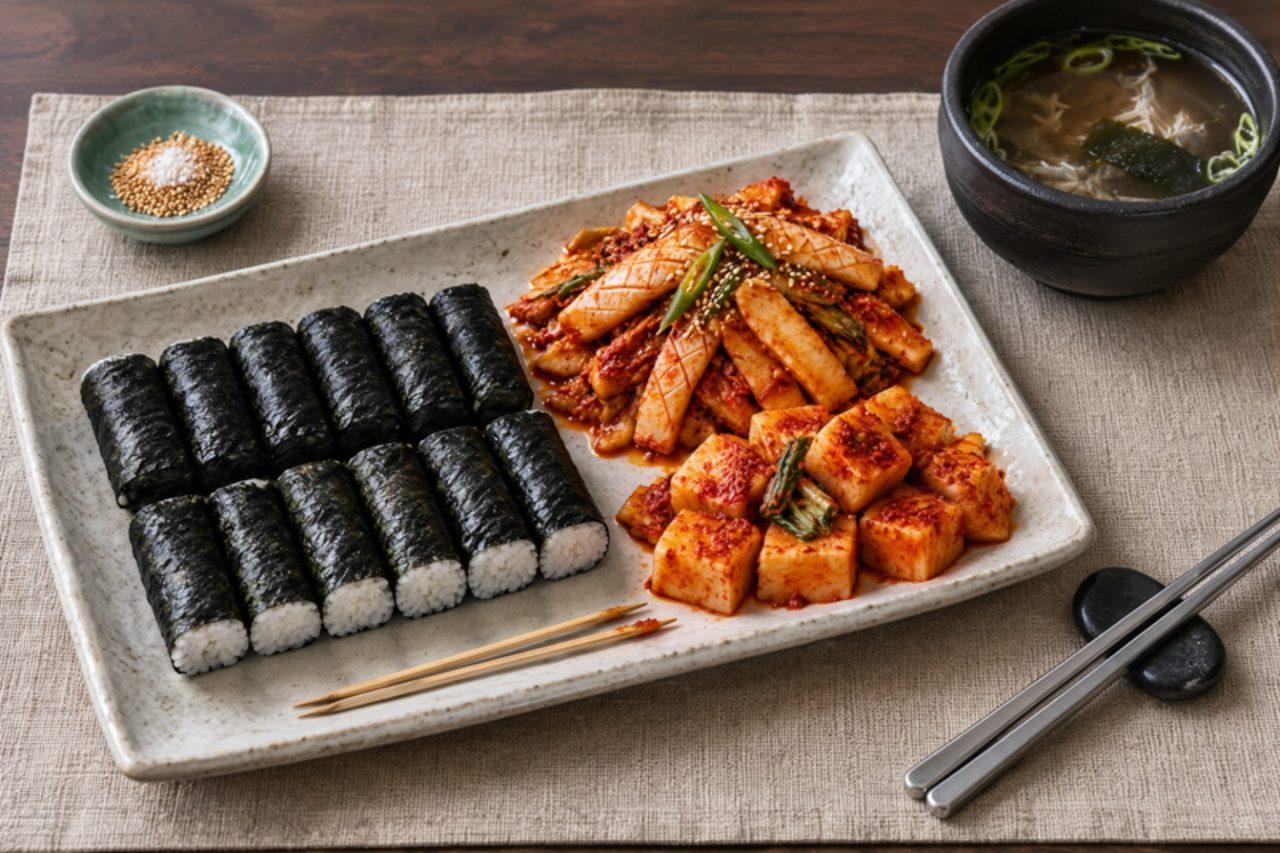
Chungmu gimbapRice rolls with spicy squid

In the harbour town of Tongyeong (once called Chungmu), fishermen's wives made plain rice rolls in laver with the spicy side dishes packed separately, because filled gimbap spoiled in the heat of the boats. Today Chungmu gimbap is a lunchbox and road-trip classic all over Korea: finger-sized rolls eaten with a toothpick, sweet-spicy squid and fish cake, and crunchy radish kimchi. The common mistake is overcooking the squid, which goes rubbery; blanch it just until it turns white and curls. Chef's tip: brush the gim lightly with sesame oil before rolling, which keeps it from going chewy.

by KrazyBadal 0 views

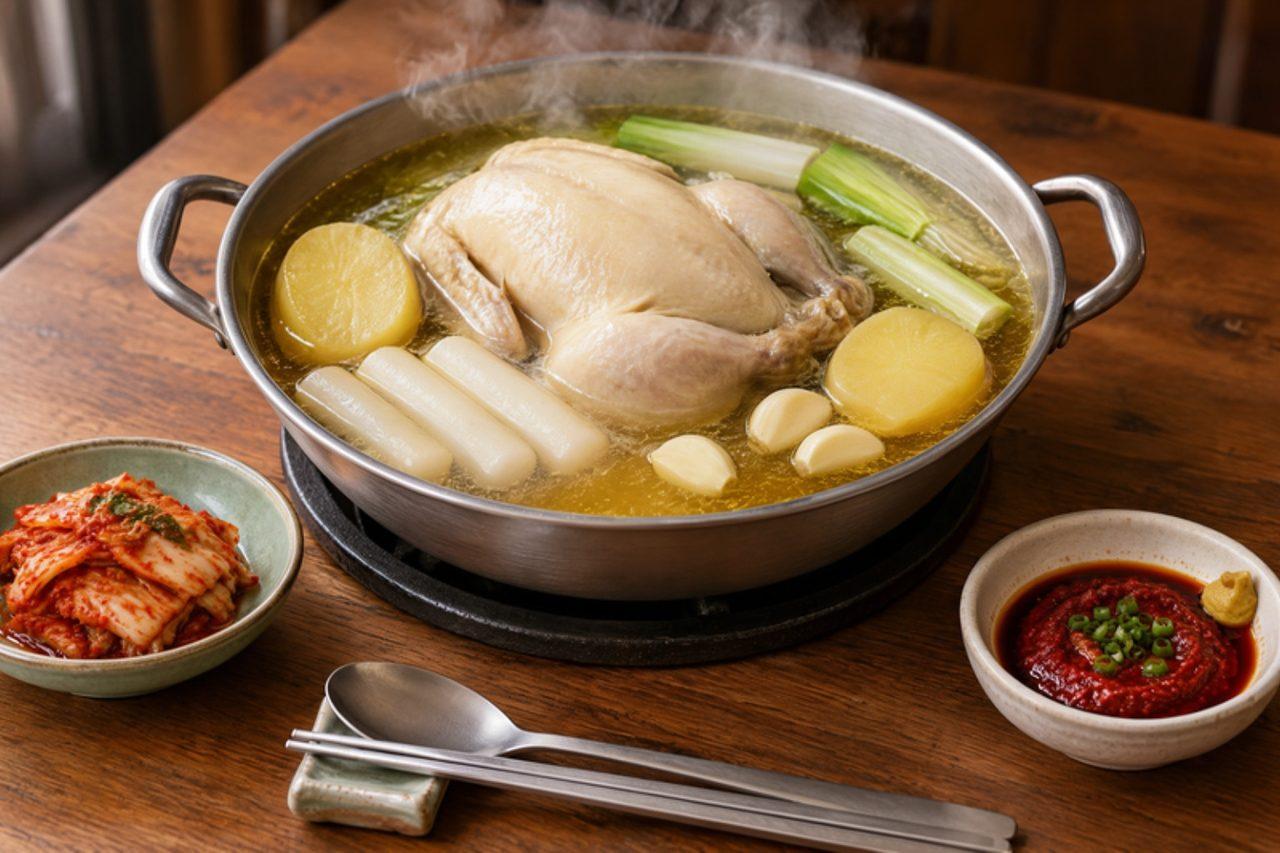
Dak hanmariWhole chicken hot pot

Dak hanmari, literally 'one chicken', comes from the alley of restaurants beside Dongdaemun market in Seoul, where a whole chicken arrives in a basin of pale broth and finishes cooking on a burner at the table. Potatoes and chewy rice cakes simmer alongside, and each piece is dunked in a sharp dipping sauce of chilli, soy, vinegar and mustard that you mix to your own taste. When the chicken is gone, knife-cut noodles go into the broth. The usual mistake is rushing the first simmer: the broth needs its full time with garlic and leek to taste of chicken. Chef's tip: let everyone build their own dip, adding a spoon of hot broth so the chilli flakes bloom.

by KrazyBadal 0 views

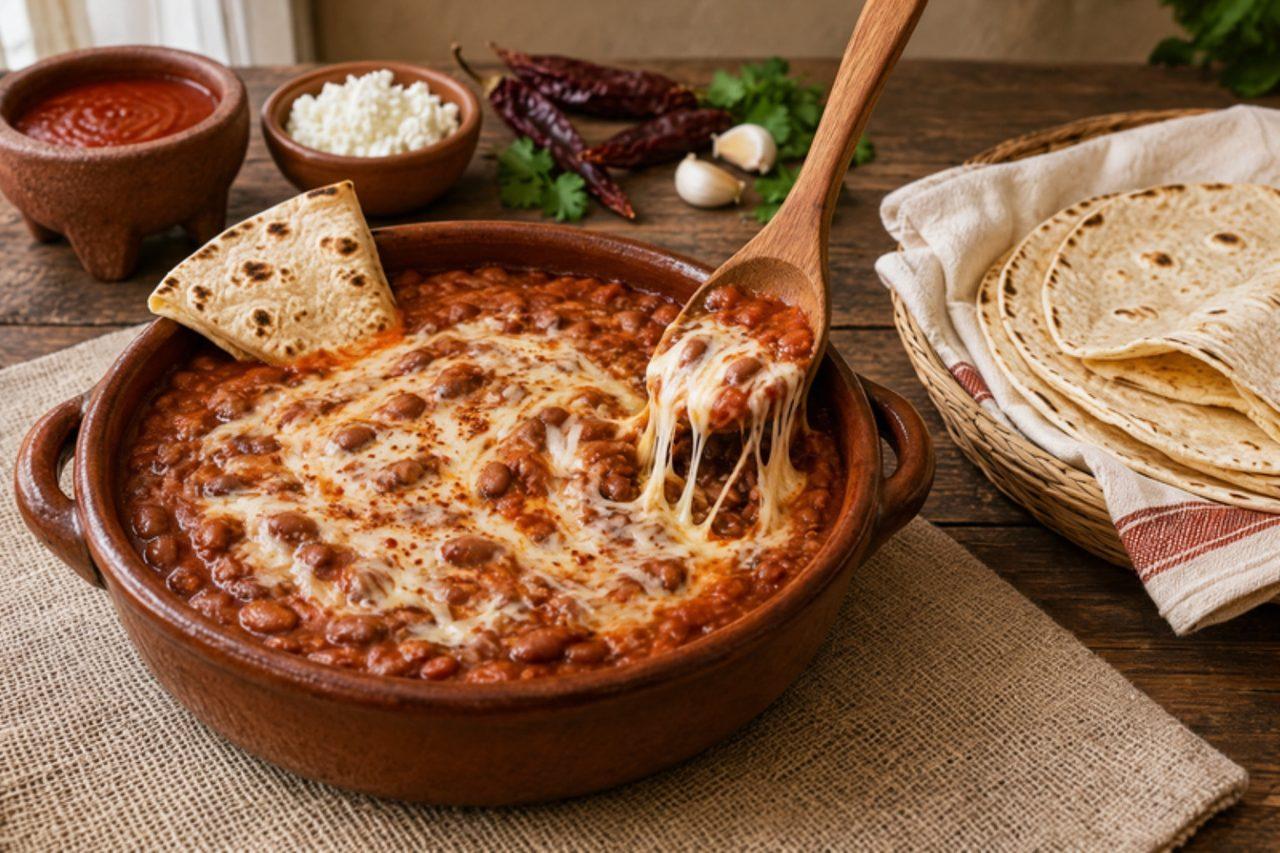
Frijoles maneadosPinto beans with chile and cheese

Frijoles maneados are the rich party beans of Sonora in northern Mexico, cooked for carne asada gatherings, weddings and Sunday lunch, and spooned onto flour tortillas. Soft pinto beans are mashed and beaten (maneados means stirred or worked) with dried red chile colorado, milk and so much melting cheese that the pot pulls into strings. Serve them with flour tortillas, grilled vegetables and a sharp salsa. The usual mistake is adding the cheese while the pot is boiling hard, which makes it go rubbery and oily; take the heat right down first. Chef's tip: Sonoran queso regional or Chihuahua cheese is often made with animal rennet, so for a vegetarian pot choose a vegetarian Monterey Jack-style or mild Cheddar cheese labelled suitable for vegetarians.

by KrazyBadal 0 views

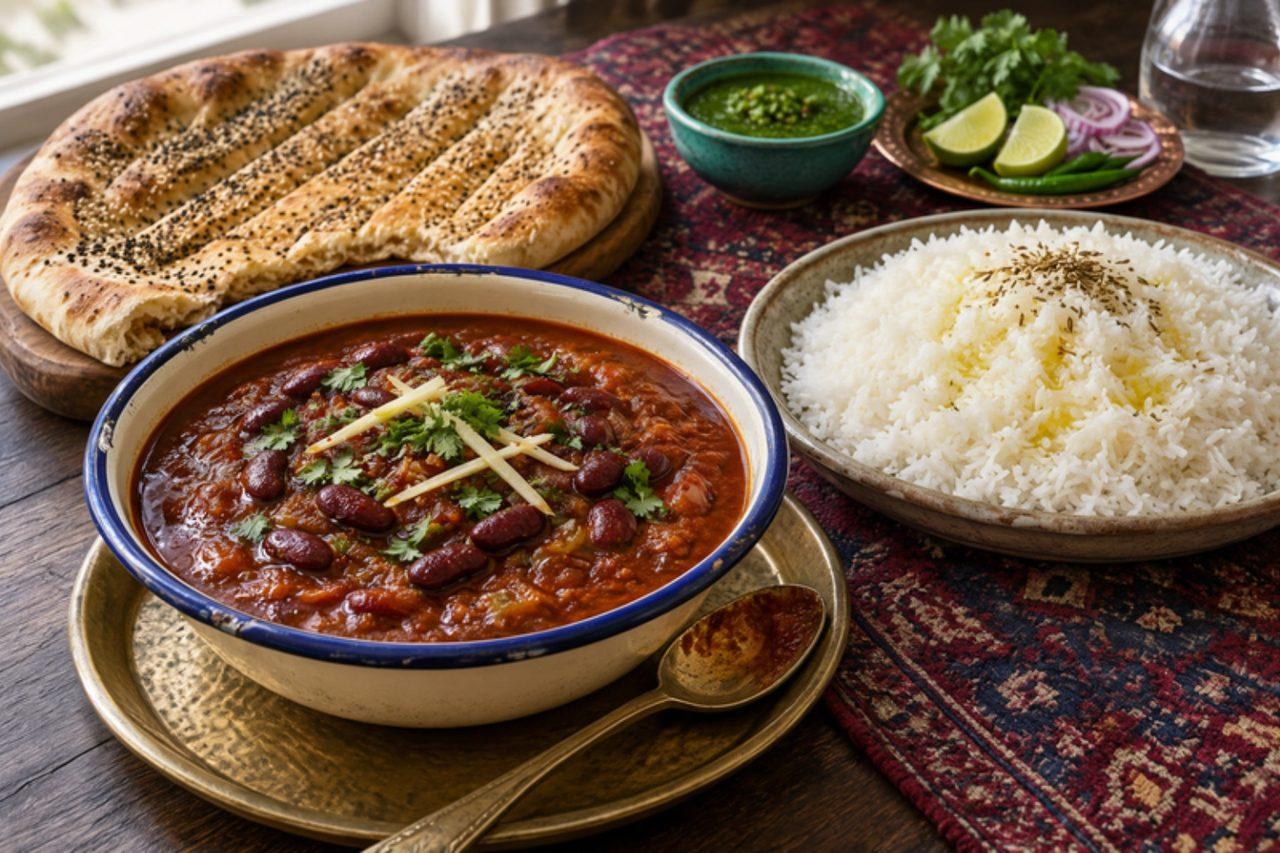
Qorma-e-lubiaRed kidney bean stew

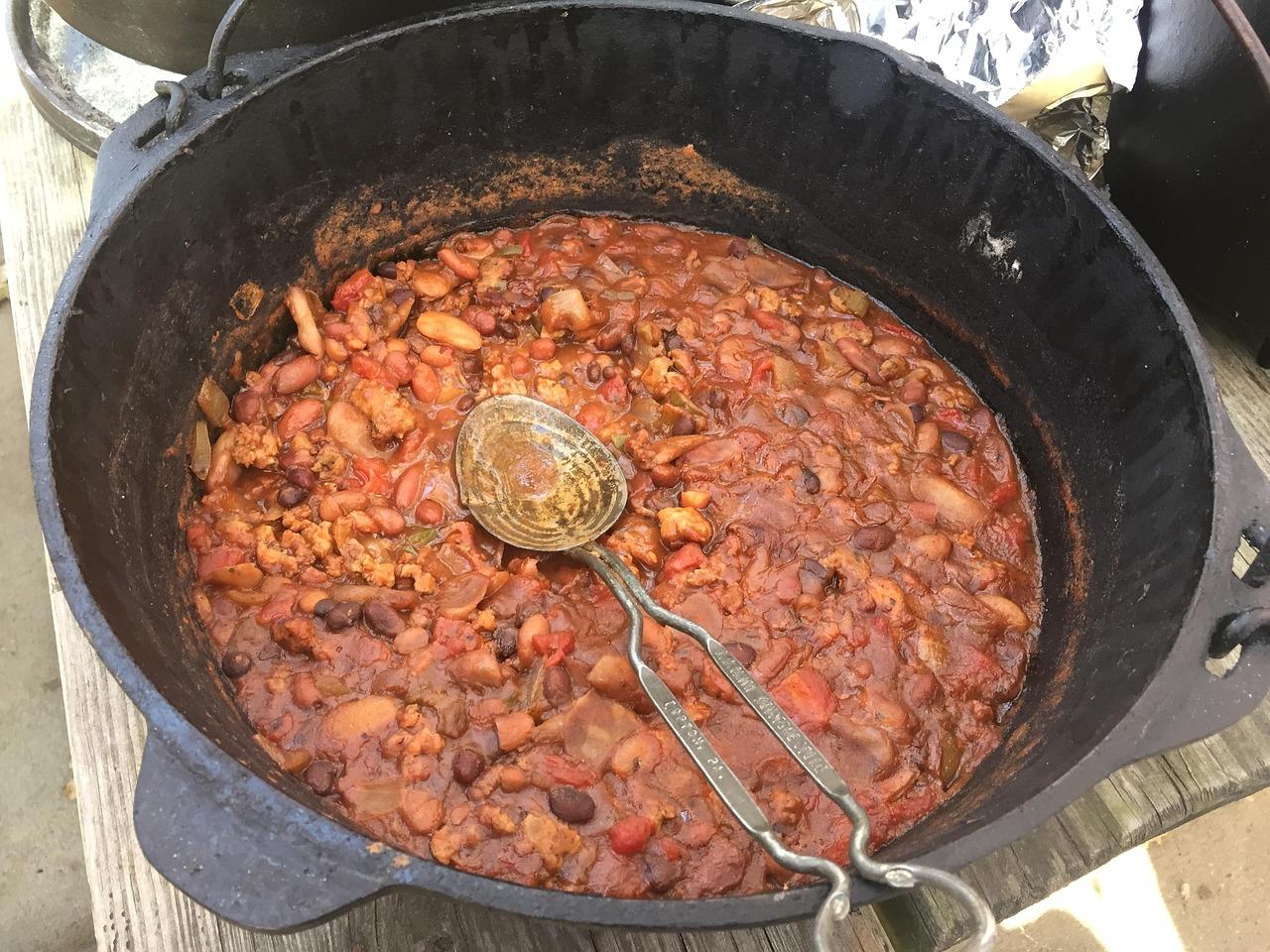
Qorma-e-lubia is everyday Afghan home cooking, made in Kabul and Herat kitchens for weekday lunches and sold from big pots at roadside eating houses with fresh naan. Red kidney beans simmer slowly in a sauce built on deeply browned onion, tomato, garlic and ground coriander until it turns rich and brick-red. Eat it with naan, or with plain challow rice and a salad of tomato and onion. The usual mistake is putting dried kidney beans straight into a slow cooker: they must be boiled hard for 10 minutes first, or they can make you ill. Slow-cooker option: after browning and the hard boil, cook on low for 8 hours. Chef's tip: brown the onions until properly dark, about 15 minutes; that colour is where the stew's depth comes from.

by KrazyBadal 0 views

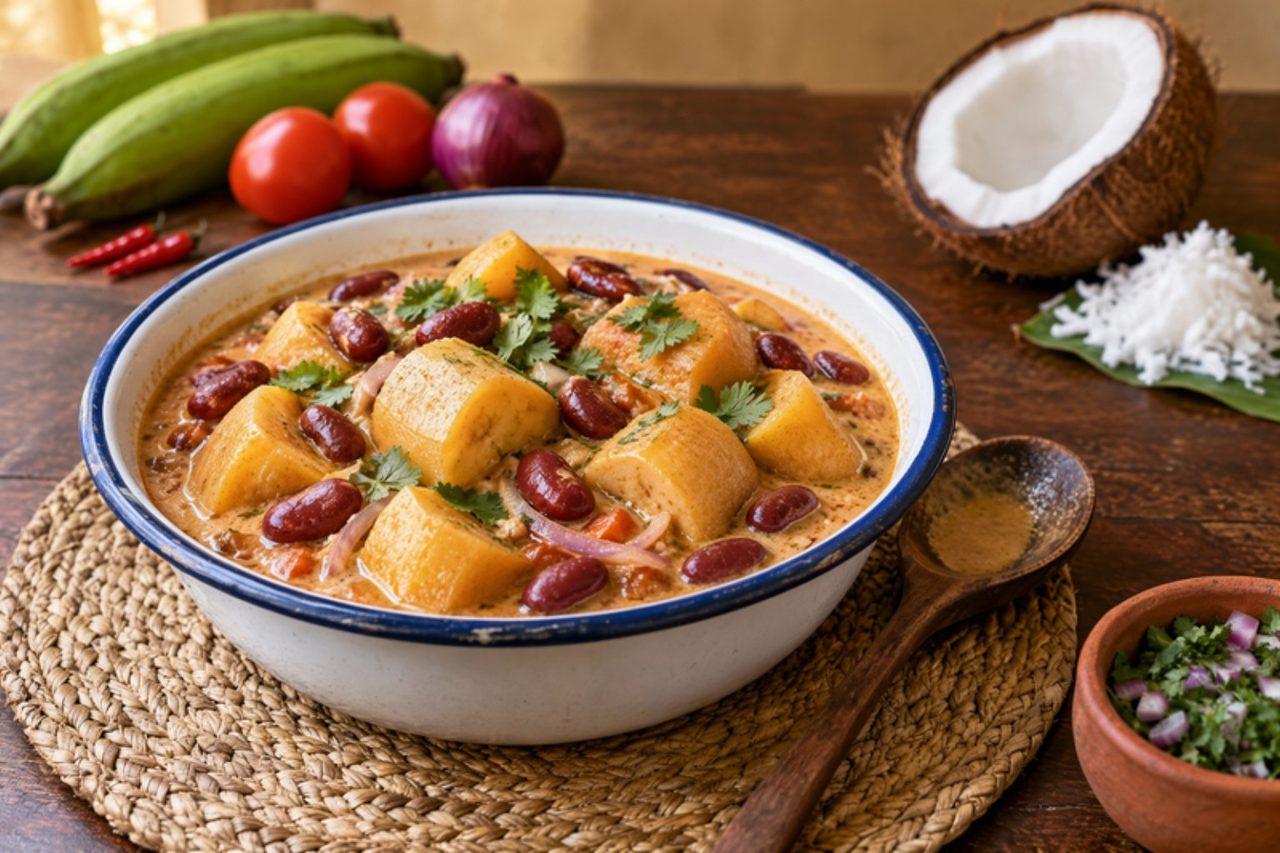
Ndizi na maharageGreen bananas and red beans

Across Tanzania, from Dar es Salaam to the banana farms around Kilimanjaro, ndizi na maharage is a filling weekday lunch: green cooking bananas and red beans simmered in one pot with tomato, onion and coconut milk until the bananas are soft and the sauce creamy. It needs nothing more than a few slices of avocado or a fresh kachumbari salad on the side. The usual mistake is cooking dried red kidney beans gently from the start: they must boil hard for 10 minutes first to be safe. Peel green bananas with oiled hands, as the sap stains and sticks. Chef's tip: add the bananas only once the beans are tender, then let them simmer until they just break at the edges and thicken the sauce.

by KrazyBadal 0 views

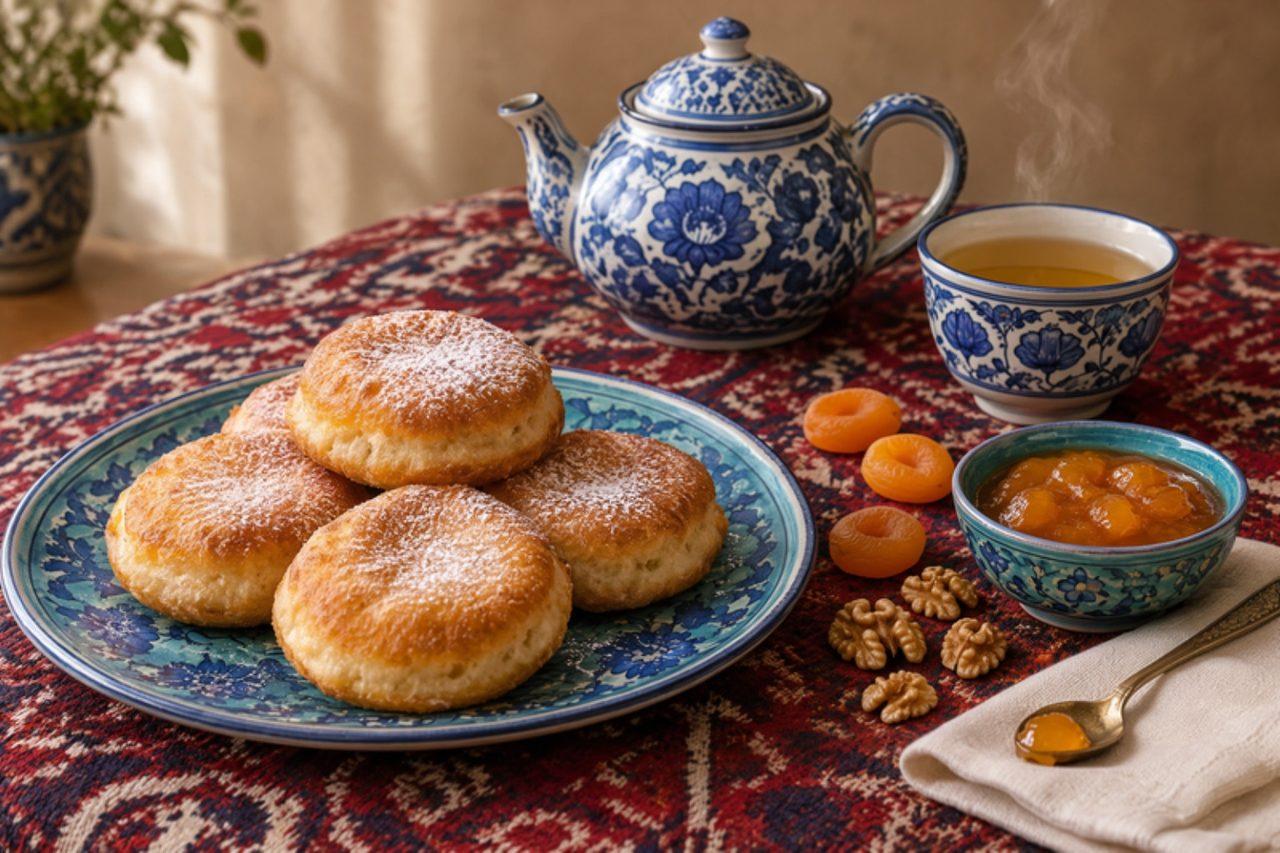
QuymoqFried breakfast puffs

Quymoq are small fried dough cakes that Uzbek grandmothers make on weekend mornings in Tashkent and the Fergana Valley, served hot in a pile with green tea, sugar, honey or fruit jam. A soft batter of kefir, egg and flour is dropped into hot oil, puffs up and turns golden. The mistake is frying in oil that is not hot enough; the cakes drink it and turn heavy. Test with a drop of batter first. Chef's tip: use a spoon dipped in oil to drop the batter; it slides off cleanly and every cake keeps a neat round shape.

by KrazyBadal 0 views

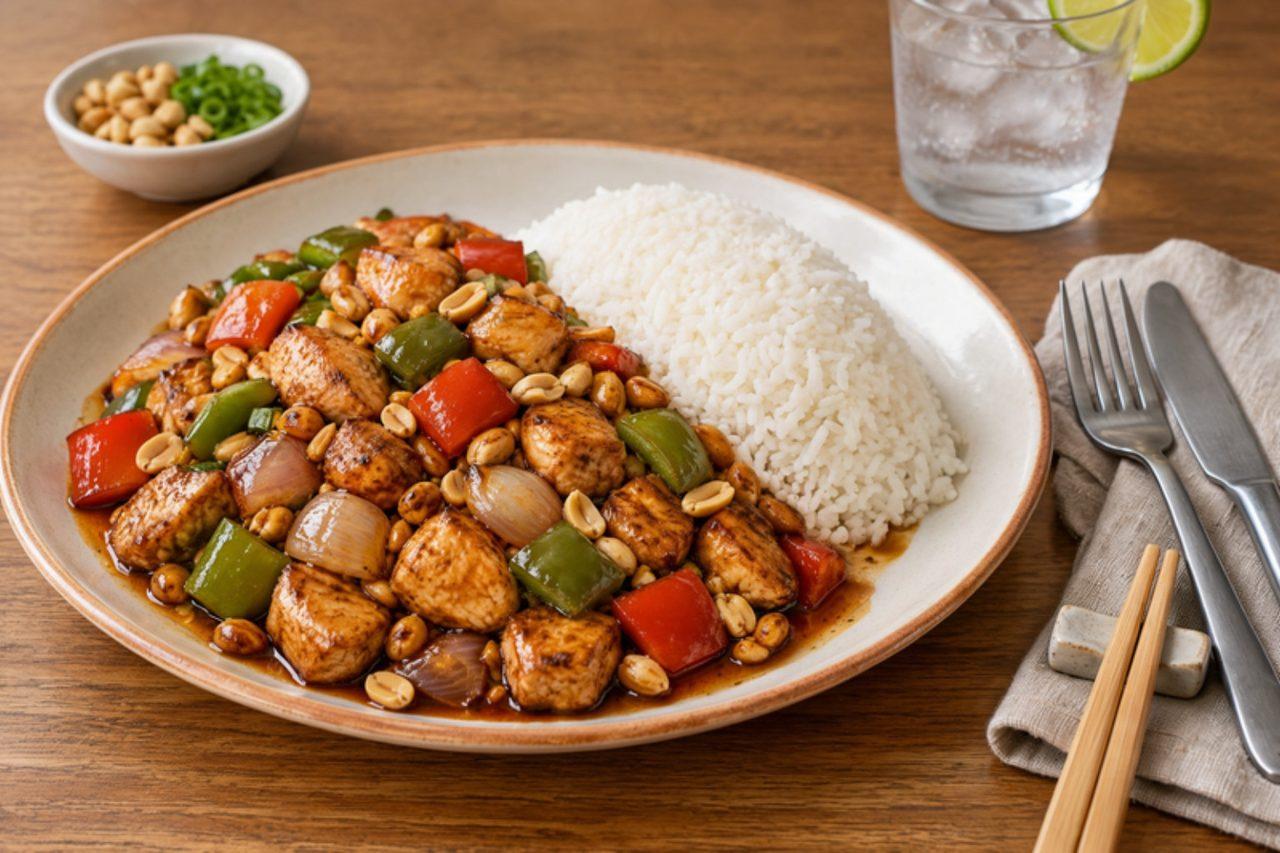
Frango xadrezChicken and pepper stir-fry

Frango xadrez, "chessboard chicken", was born in São Paulo's Chinese-Brazilian restaurants and named for its neat squares of chicken, pepper and onion. It is now a staple of lunch counters, delivery menus and the home-packed marmita, eaten over white rice. The common mistake is overcrowding the pan, so the chicken stews grey instead of searing; cook it in two batches. Chef's tip: toss the chicken with soy sauce and cornflour 15 minutes ahead; the coating keeps it juicy and thickens the sauce.

by KrazyBadal 0 views

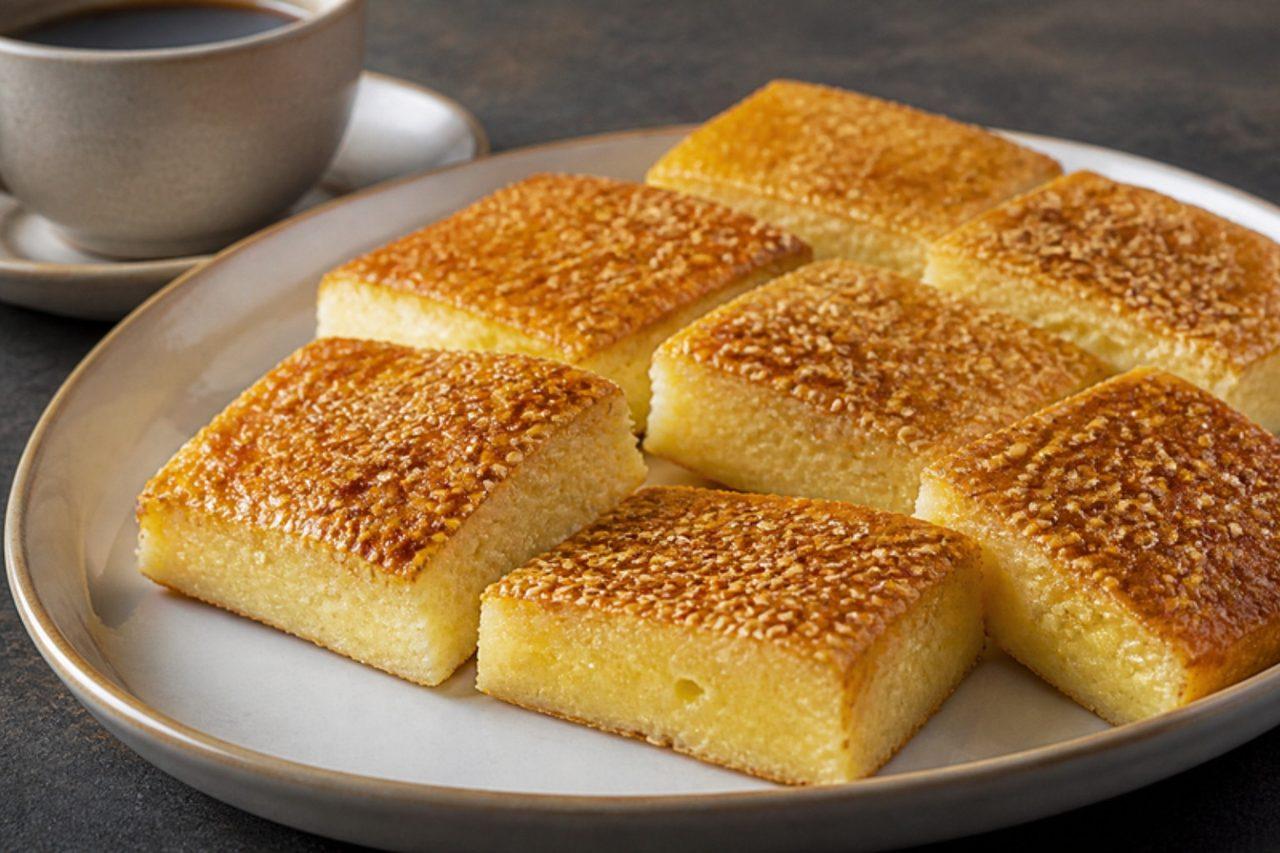
Quesadilla salvadoreñaSweet cheese pound cake

Ask for a quesadilla in San Salvador and you get cake, not a folded tortilla: a dense, buttery loaf made with rice flour, thick cream and grated hard cheese, with a crackly top of sesame seeds. Salvadoran families eat a slice with hot coffee on Sunday afternoons, and every bakery has its own version. It is sweet and salty at once, moist and close-textured. The usual mistake is overmixing after the flour goes in, which makes it rubbery. Hard cheeses like parmesan and many queso duro are made with animal rennet, so choose a vegetarian hard cheese if needed. Chef's tip: check your baking powder is gluten free if you are baking for a coeliac; the rice flour already is.

by KrazyBadal 0 views

Jinmichae bokkeumGlazed dried squid strips

Jinmichae, shredded seasoned dried squid, is one of the most popular banchan in Korean lunchboxes: chewy, sweet and a little spicy, and it keeps for a week. Children across Korea find it in their dosirak and parents make a big tub on Sunday. The common mistake is glazing it over the heat, which turns the squid hard as wire; mix the strips into the warm sauce off the heat. Chef's tip: soak the squid briefly in water first and squeeze it out, so it stays tender even straight from the fridge.

15 minKoreanFishSpicy
by KrazyBadal 0 views

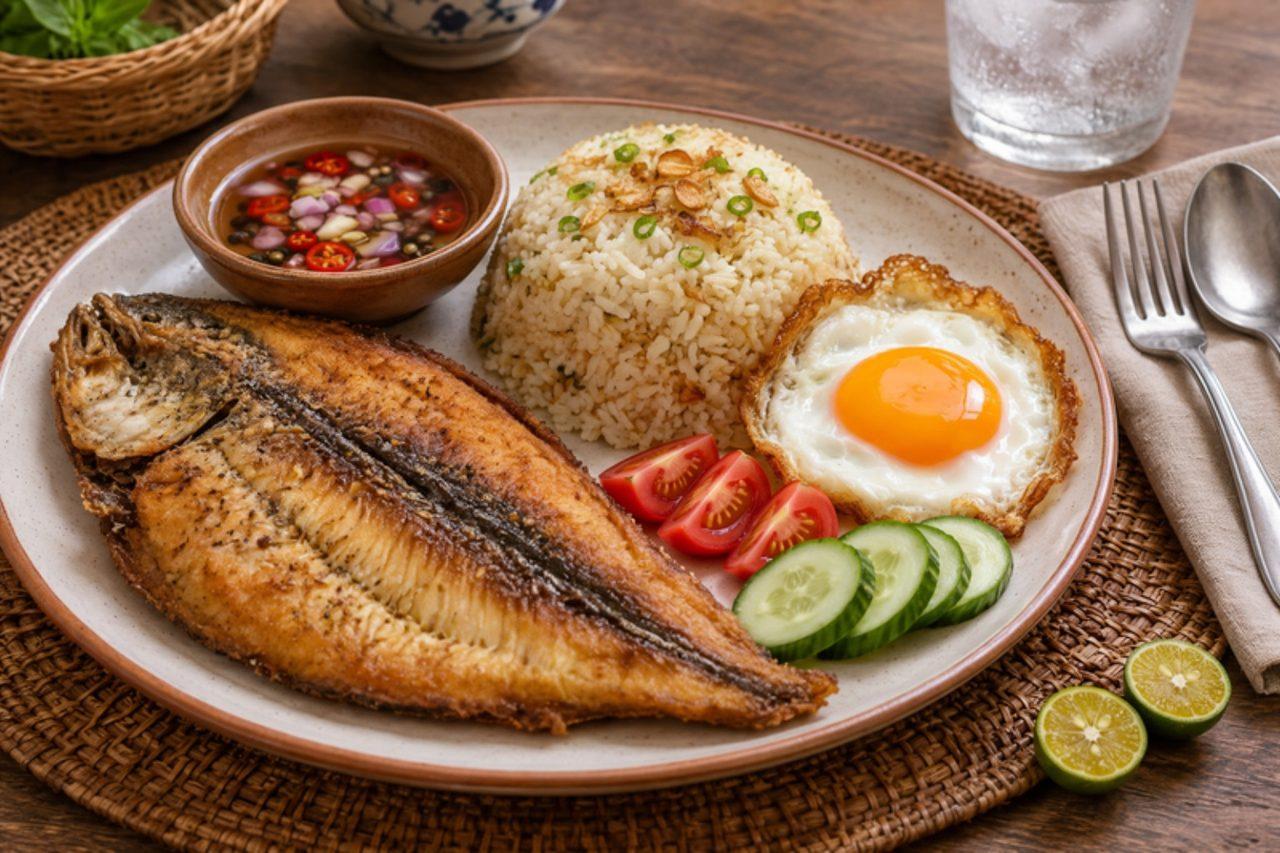
Daing na bangusMarinated fried milkfish

Bangus (milkfish) is the national fish of the Philippines, and daing na bangus, butterflied and soaked overnight in vinegar, garlic and pepper, then fried until the skin shatters, is a favourite morning plate from Pangasinan to Manila. It comes with garlic rice, a fried egg and a dip of spiced vinegar. Buy it boneless (deboned bangus) from Filipino shops, or use mackerel fillets. The usual mistake is putting the wet fish straight into the oil, which spits and stops it crisping. Chef's tip: pat the fish completely dry and fry skin side down first, pressing gently, without moving it for five minutes.

by KrazyBadal 0 views

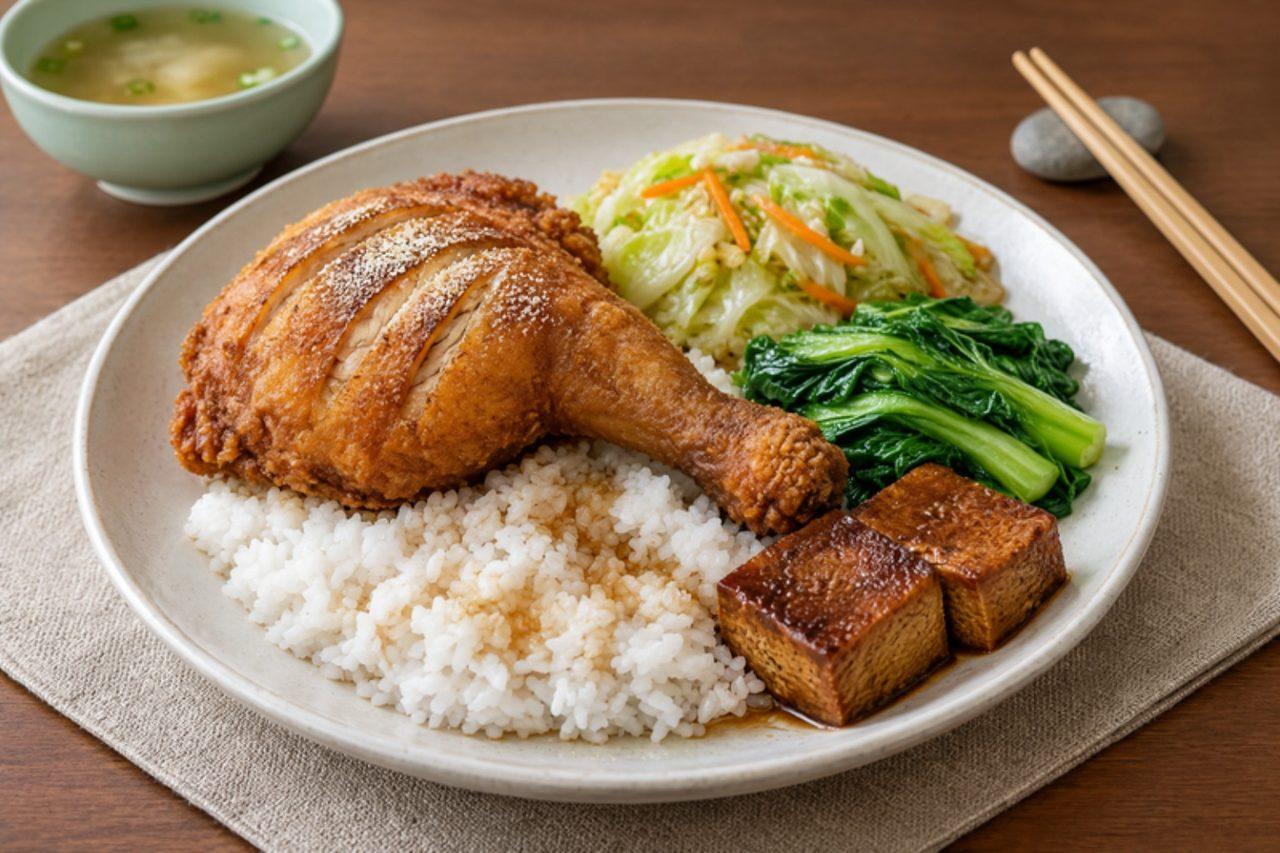
Jitui fanFried chicken leg rice

In every Taiwanese town, the biandang shop at lunchtime sells jitui fan: a whole chicken leg marinated in soy, garlic and five-spice, coated in coarse sweet potato starch and fried crisp, laid over rice with three small vegetable sides and a scoop of minced-pork sauce if you ask. Office workers and students carry the paper boxes back to their desks. The common mistake is frying in oil that is too hot, so the coating browns while the meat by the bone stays raw; fry gently, then crisp it at the end. Chef's tip: let the starch-coated legs sit for 5 minutes until the coating looks damp, so it fries into crunchy little pebbles.

by KrazyBadal 0 views

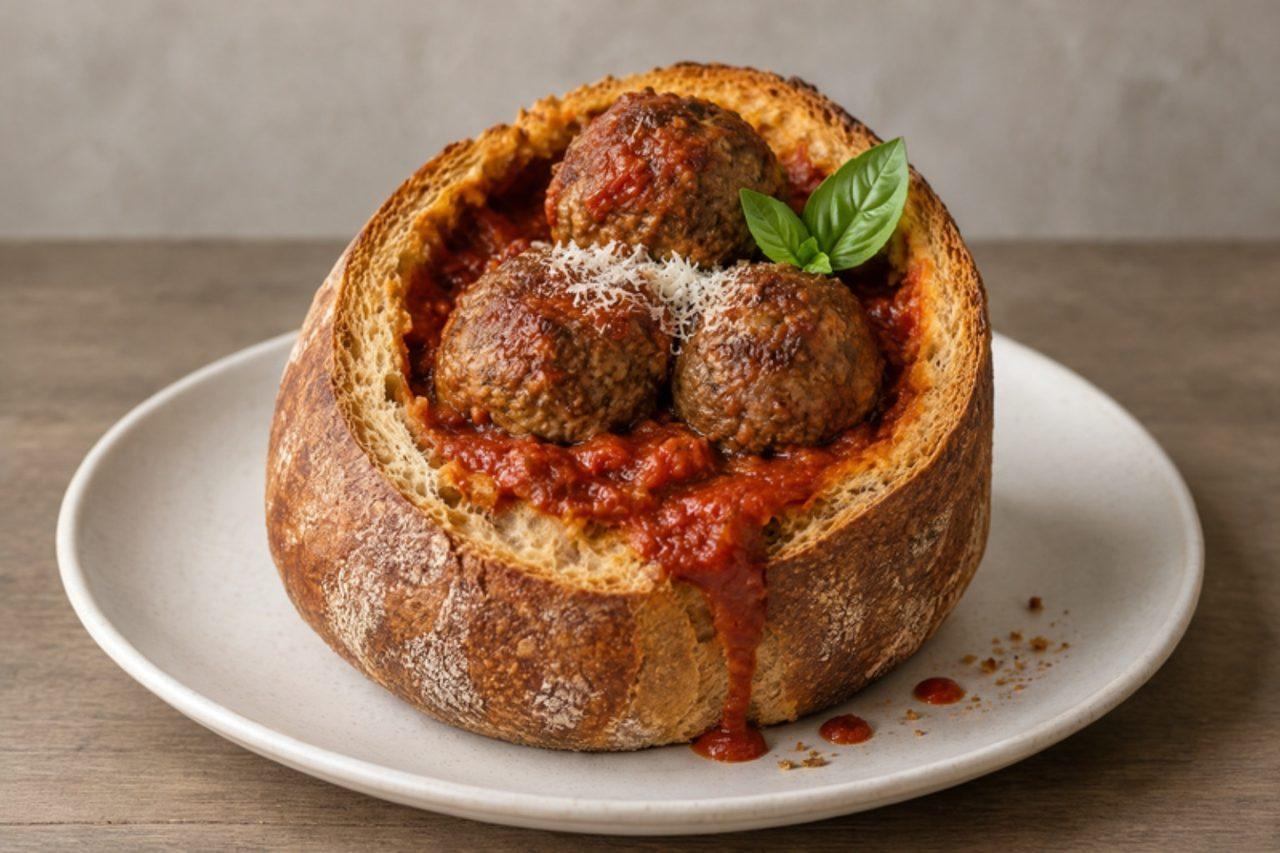
CuzzetielloBread boat filled with ragu

The cuzzetiello is the crusty end of a big Neapolitan loaf, hollowed out and stuffed with whatever is in the Sunday pot, most often the slow ragù and its meatballs. It began as a way for families in the Rione Sanità and Forcella to use up bread and sauce on Monday, and now small shops near Piazza Bellini sell it at lunchtime, wrapped in paper. The meatballs here are pork and beef, and the ragù traditionally takes a splash of red wine, which is boiled off; use extra stock or water with a teaspoon of red wine vinegar instead if you avoid alcohol. Chef's tip: let the sauce soak into the bread for a couple of minutes before biting; that soaked crumb is the point.

by KrazyBadal 0 views

Bol renverséUpside-down rice bowl

Order a bol renversé in a Port Louis canteen or a Grand Baie food court and it arrives as a neat dome of rice with a fried egg perched on top; break into it and a glossy stir-fry of chicken, prawns, mushrooms and Chinese leaves spills out. The trick is building it backwards in a bowl, egg first, then the stir-fry, then rice packed down, before flipping it onto a plate. The sauce should be thick enough to coat the vegetables but loose enough to soak into the rice. People often make the sauce too thin and the dome slides apart in a flood, so simmer it until it glazes the back of a spoon. Chef's tip: fry the eggs only until the whites are set and the edges are crisp, and lay them yolk-side down in the bowl so the yolk faces up and stays runny when you turn it out.

by KrazyBadal 0 views

Jamaican roast corn

Drive the road over Mount Diablo or past Faith's Pen and you will see vendors fanning half-drums of glowing coal, with corn cobs turning slowly until the kernels are charred, chewy and smoky. Jamaican roast corn is drier and nuttier than boiled corn, closer to a snack to gnaw on the move, sometimes rubbed with salted butter and sometimes eaten plain with a cup of hot "fish tea" soup. The most common mistake is roasting over flames rather than embers, which blackens the outside before the inside cooks. Starchy, slightly mature cobs are traditional; very sweet corn burns faster, so keep it moving. Chef's tip: pull off the husks before roasting, as the vendors do, so the kernels char directly and pick up all the smoke.

by KrazyBadal 0 views

Fasolka po bretońskuWhite beans in tomato with sausage

Despite its name, nothing about fasolka po bretońsku is French; this is pure Polish canteen and milk-bar food, the thick, brick-red bean stew that has fed Warsaw students, soldiers and hungry families for generations. White beans simmer in tomato with smoked pork sausage, smoked bacon, onion and plenty of marjoram until creamy, smoky and slightly sweet. It is filling enough on its own with a hunk of bread and even better reheated the next day. Under-cooked beans are the most common disappointment; they must be soft right through before the tomato goes in, because acid stops them softening. Soak the dried beans overnight beforehand. Chef's tip: mash a ladle of the cooked beans against the side of the pot before serving to give the sauce its typical velvety body.

90 minPolishMeatGluten free
by KrazyBadal 0 views

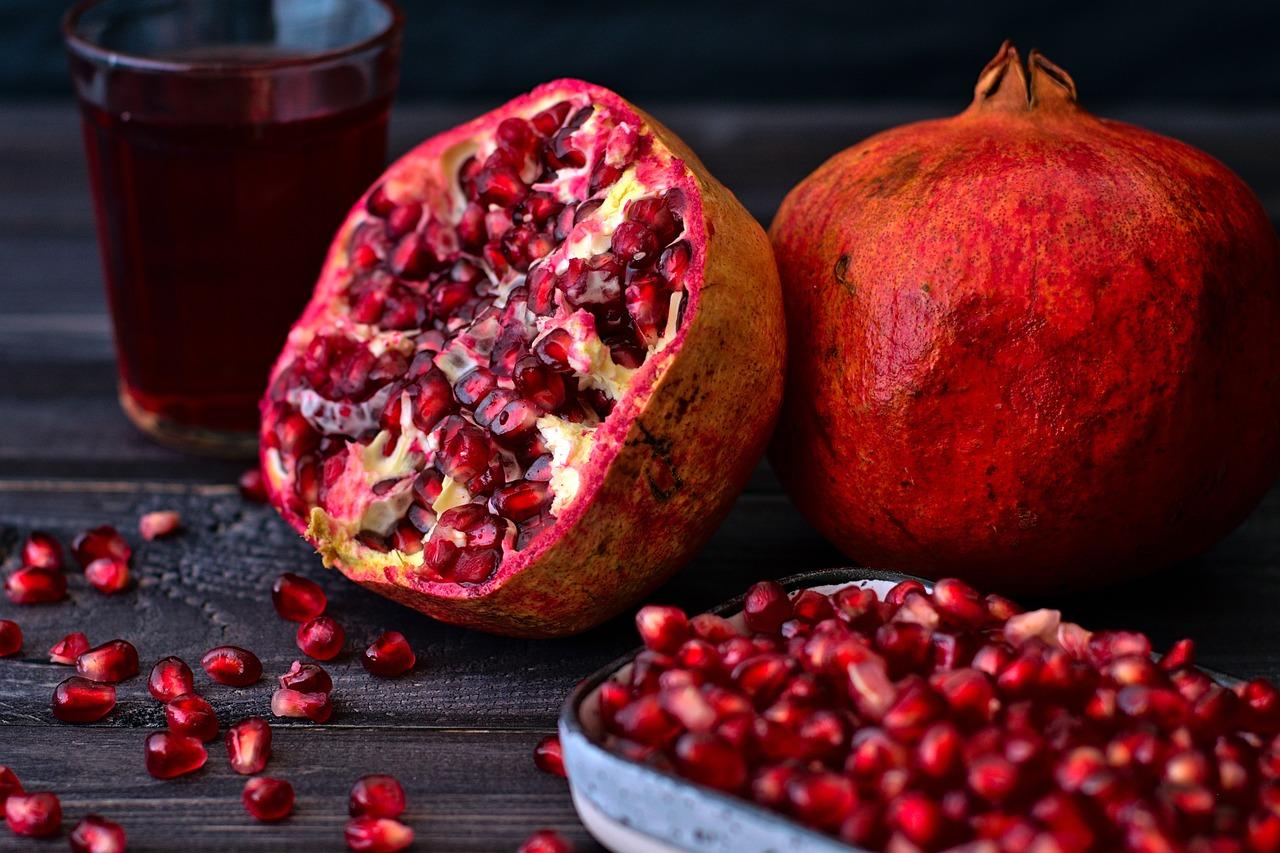
Kandahari pomegranate juice

Kandahar's pomegranates, heavy fruits with dark ruby seeds and soft pips, are the pride of southern Afghanistan, and in October and November juice stalls in the city's bazaars press them to order in big iron hand presses. The juice is deep red, sweet with a clean sour finish and a faint tannic grip, drunk on its own in a tall glass, often with a pinch of salt. At home you can get almost the same thing with a citrus press or a blender. The bitterness that ruins many homemade glasses comes from crushing the white pith and hard pips, so blend the seeds only for a few seconds, or press the halves gently. Chef's tip: roll each whole pomegranate firmly on the worktop before cutting it, which bursts many of the seeds inside and makes juicing faster.

by KrazyBadal 0 views

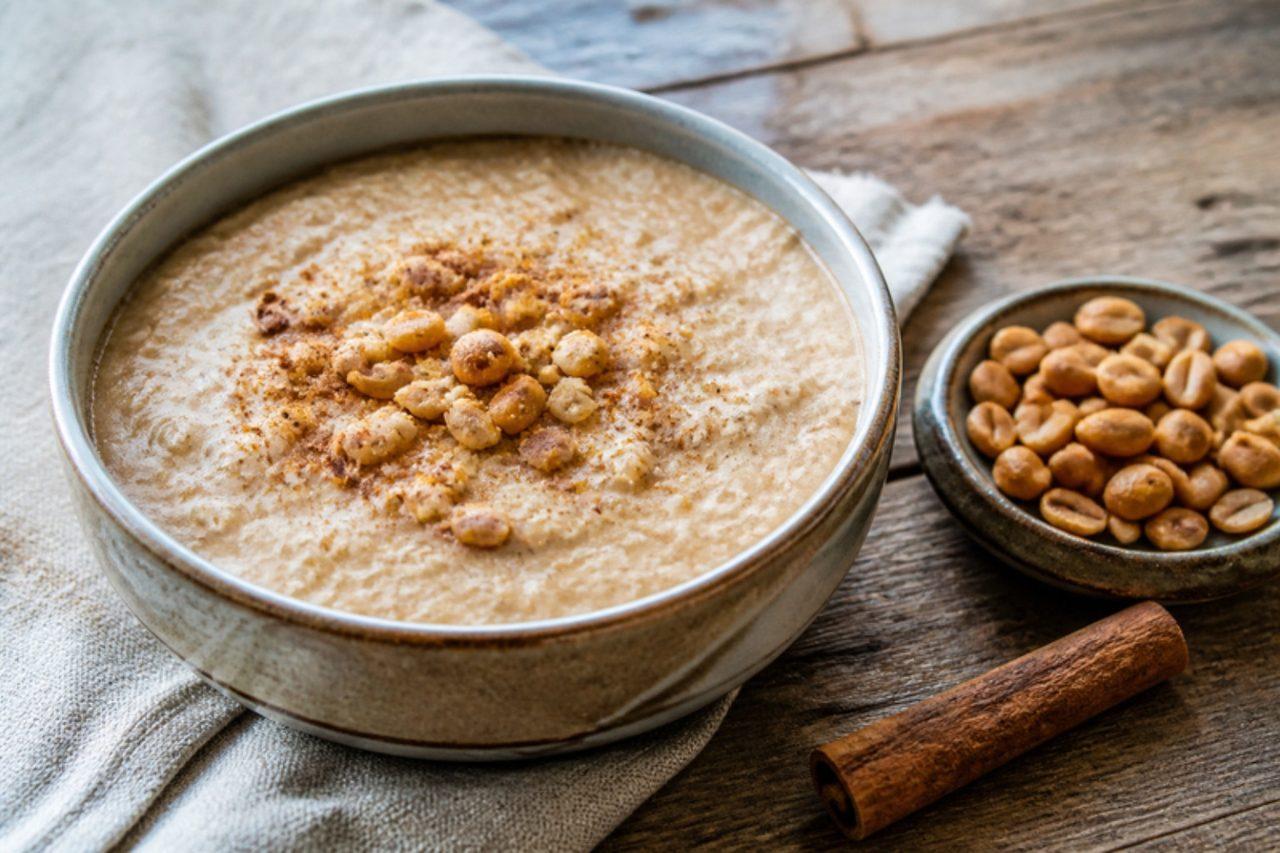
Jamaican peanut porridge

Before an early shift or a long day in the field, plenty of Jamaicans swear by peanut porridge, thick, nutty and filling enough to last until lunch; it is sold hot in cups from carts in downtown Kingston in the mornings. Roasted peanuts are blended with oats and water into a smooth paste, then cooked with milk until creamy and finished with nutmeg, vanilla and condensed milk. The mistake people make is cooking it over too high a heat, which scorches the bottom within minutes; peanuts burn easily, so stir and keep it at a simmer. This contains peanuts, milk and oats (gluten unless certified gluten-free). Chef's tip: toast the peanuts in a dry pan until they smell rich before blending, which deepens the flavour enormously.

by KrazyBadal 0 views

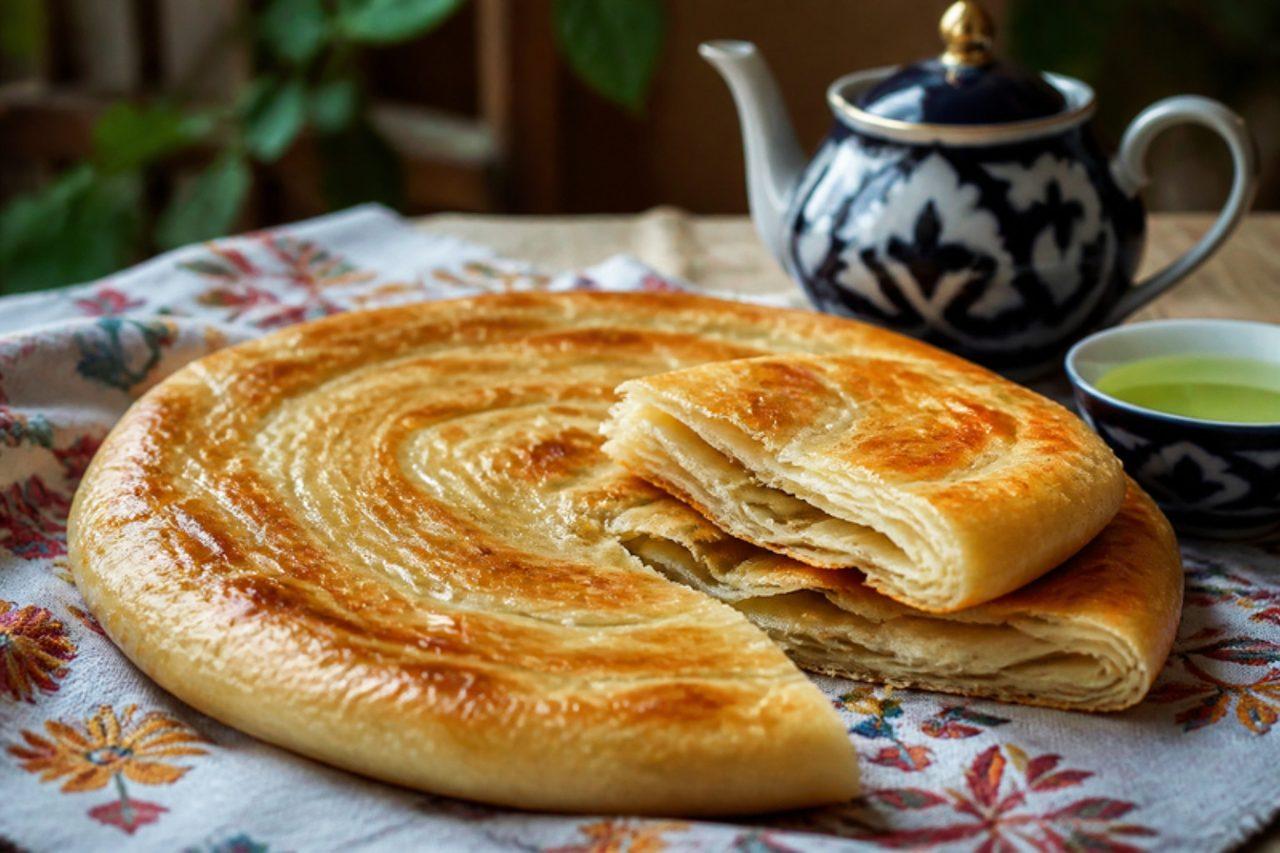
FatirLayered butter flatbread

Fatir is the rich, flaky flatbread of Tajik homes and Dushanbe bakeries, made for qurutob, for guests and for festivals: dough rolled thin, spread with butter or ghee, folded and coiled into many layers, then baked against the wall of a tandir until crisp outside and soft and layered inside. It tears into flakes and soaks up sauces beautifully. A common mistake is baking it too slowly, which dries it out; it needs a very hot oven. Chef's tip: brush with ghee as soon as it comes out, then wrap it in a cloth for 5 minutes to soften the crust slightly.

by KrazyBadal 0 views

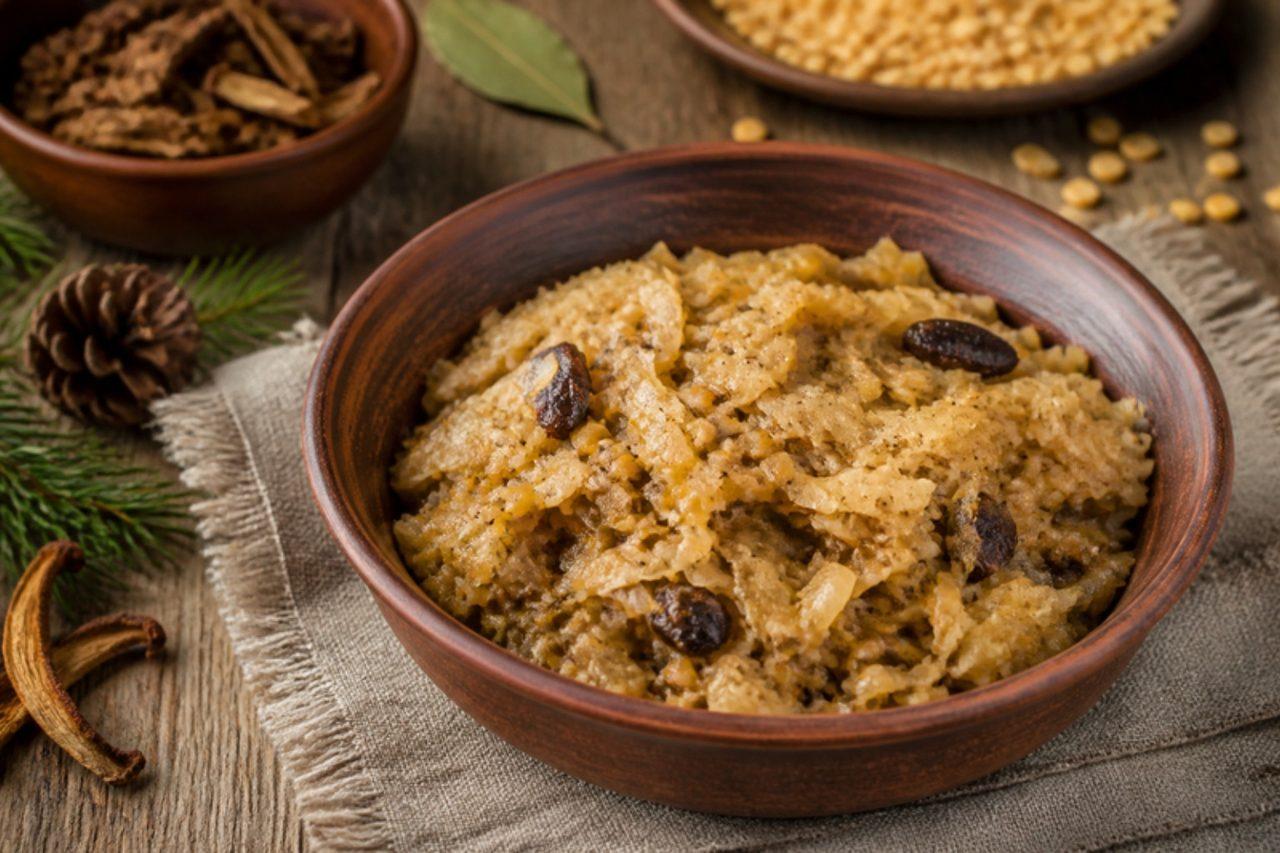
Cabbage with peas

Of the twelve dishes on a Polish Christmas Eve table, this is the humblest and often the one people go back to for seconds. Sour, tangy sauerkraut is braised slowly with yellow split peas until the peas collapse into a soft, savoury mash that binds the cabbage, with dried mushrooms and golden onion for depth. Serve it warm next to pierogi or potatoes, and know that it tastes even better reheated the next day. The usual slip is adding salt before the peas are cooked, which keeps them hard; season only at the end, as the sauerkraut is salty anyway. Chef's tip: if your sauerkraut is very sour, rinse it once and squeeze it, keeping a little juice to adjust the sharpness later.

by KrazyBadal 0 views

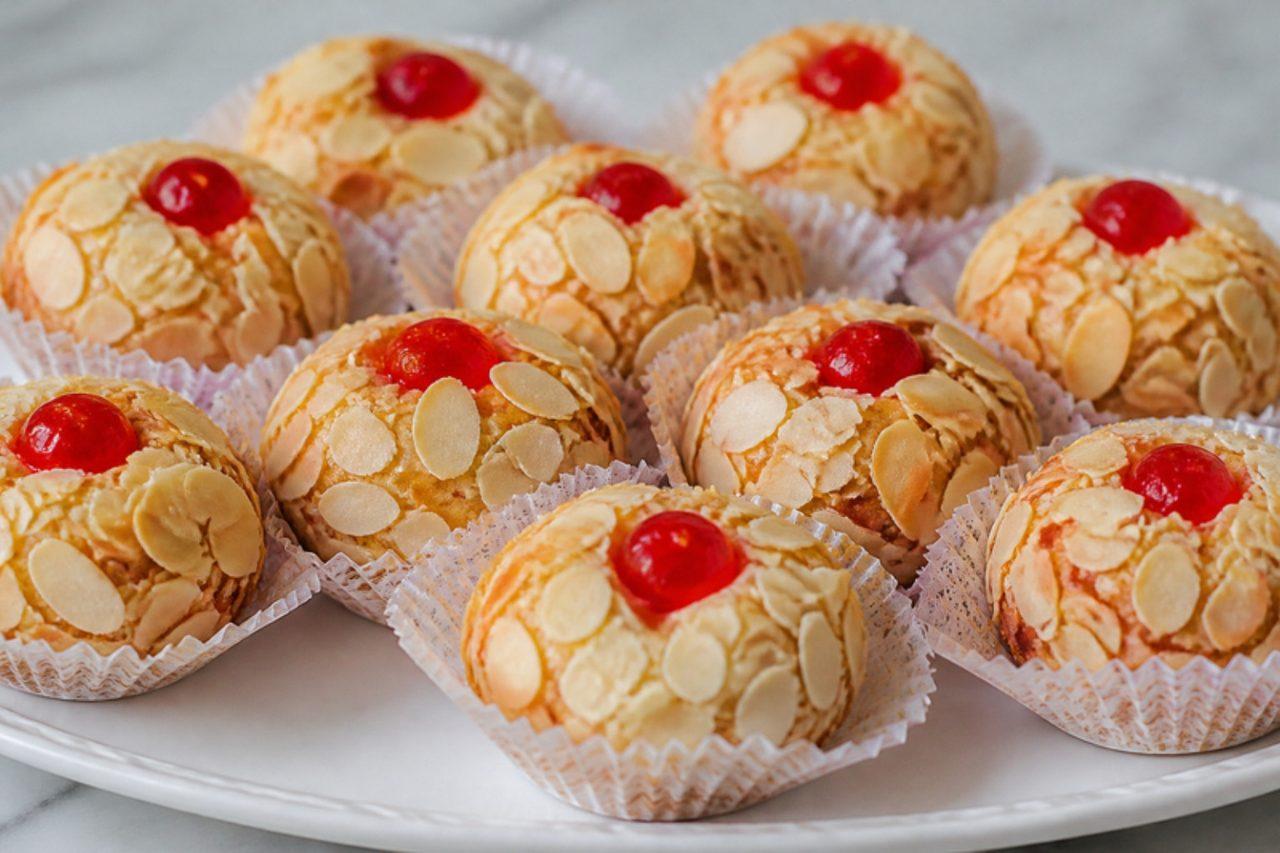
Mchewek (almond cookies)

Mchewek means something like 'prickly', which is exactly how these cookies look: balls of almond paste rolled in flaked almonds so the flakes stick out like spines, each topped with half a candied cherry and baked only until the tips turn gold. Inside they stay soft and chewy, like a rustic macaroon. Being made with no flour, they suit anyone avoiding gluten, and they appear on Eid and wedding trays all over Algeria, often brushed with a little honey syrup for shine. Chef's tip: take them out when the edges are just golden and the centres still feel soft; overbaking is the classic mistake and leaves them dry and crumbly once cool.

by KrazyBadal 0 views

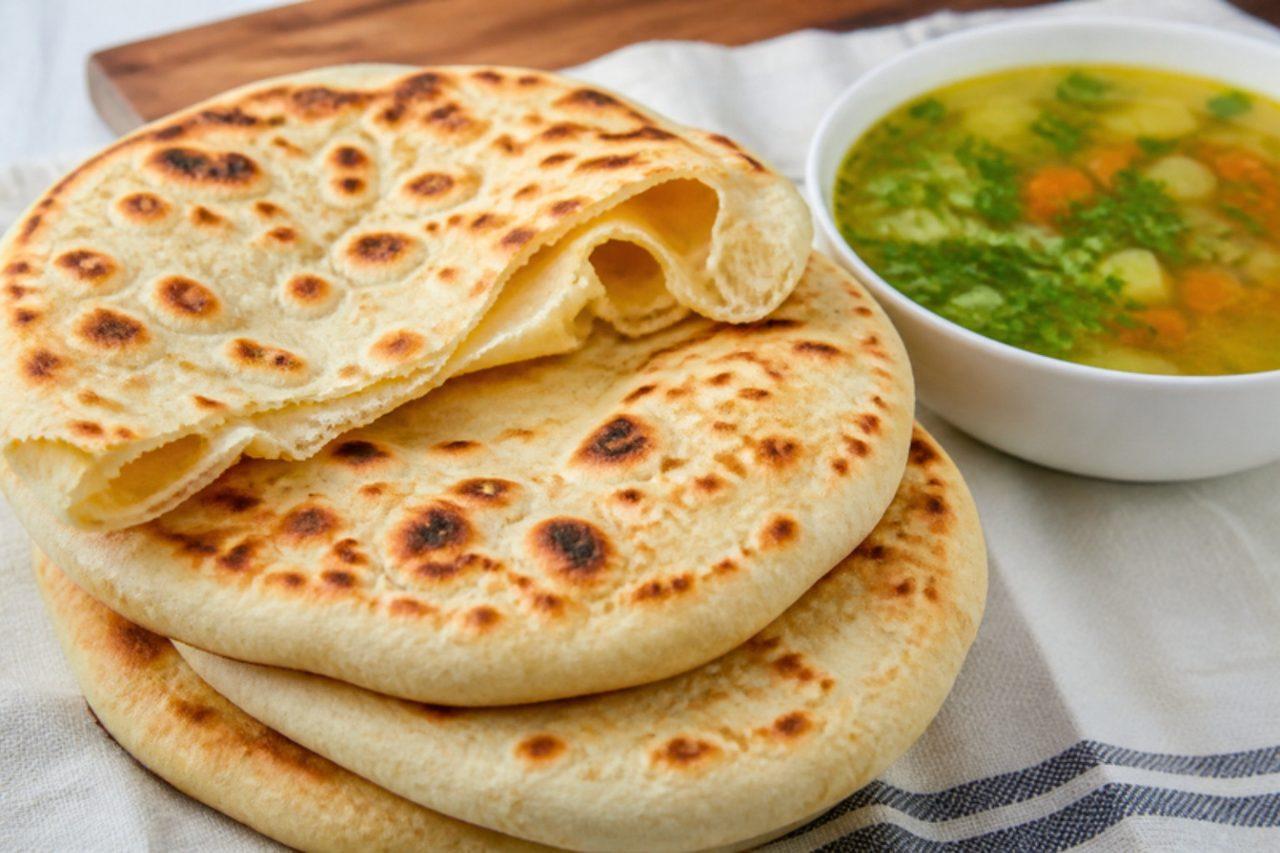
SalufPuffy flatbread

Saluf is the everyday bread of Yemenite Israelis, slapped onto a hot pan or taboon in Rosh HaAyin and Sha'arayim in Rehovot and eaten with marak temani, hilbe and zhug. It is soft and blistered, thicker than pita and with no pocket, made to tear and dunk. Home cooks often roll it too thin, which gives a cracker; it should be about 1 cm thick so it stays pillowy. Chef's tip: cook it under a lid on a very hot dry pan for the first minute, which traps steam and puffs it the way a taboon does.

by KrazyBadal 1 views

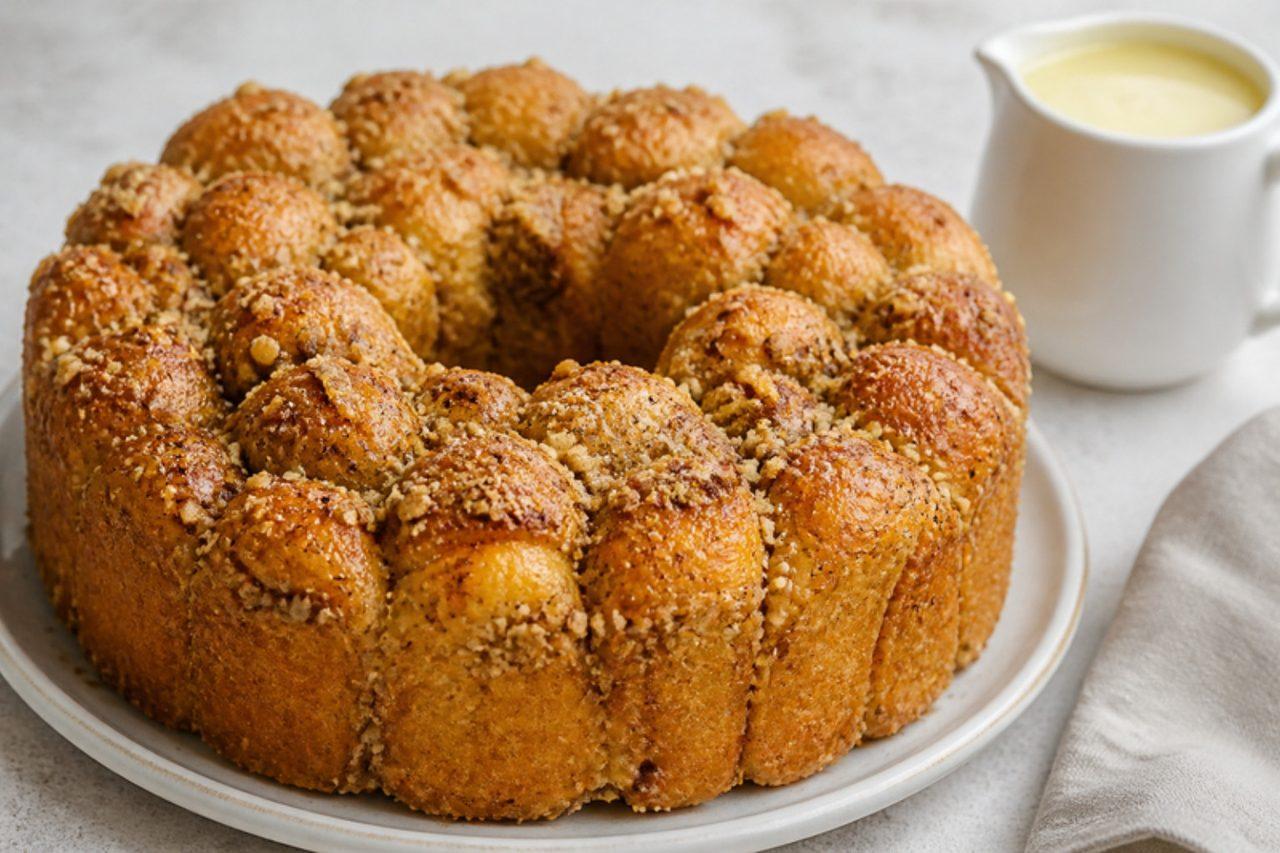
AranygaluskaGolden walnut yeast dumplings

Aranygaluska means golden dumplings, and the pull-apart cake really does come out of the oven bronze and gleaming. Walnut-sized balls of sweet yeast dough are dipped in melted butter, rolled in ground walnuts and sugar, stacked loosely in a ring tin and baked, so the nuts caramelise into a sticky crust. It is a family Sunday pudding all over Hungary and a favourite at school canteens, and Hungarian emigrants took it to America, where it became monkey bread. Pour warm vanilla custard over each helping. Some cooks serve it with a wine custard; this version keeps to vanilla, so it is alcohol-free. Where it goes wrong is packing the balls tightly; leave gaps so they can rise and the walnut coating reaches every side. Chef's tip: spoon a little apricot jam between the layers for a tart note.

by KrazyBadal 0 views

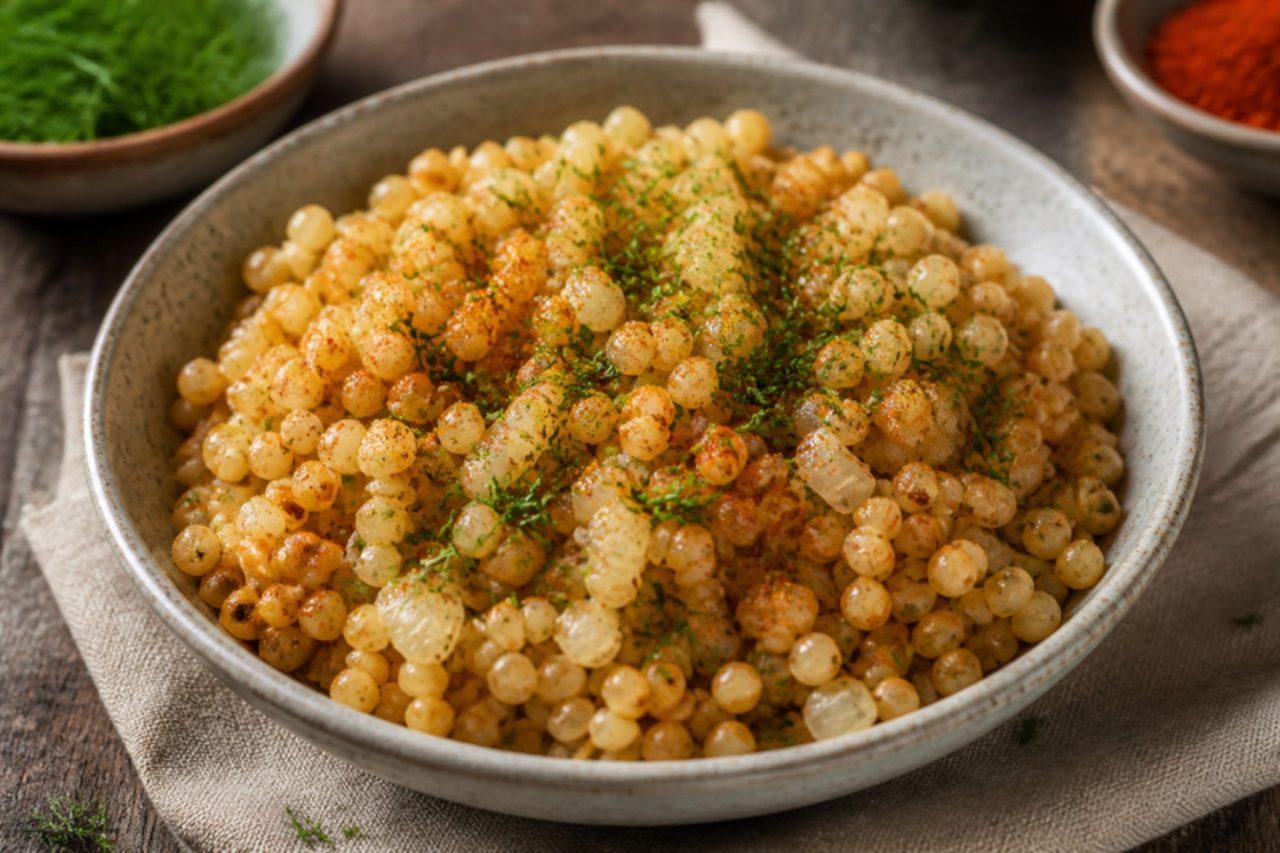
FarfelEgg pasta pilaf with onions

Farfel, little barley-sized pellets of egg pasta, are what many Ashkenazi grandmothers in Israel cook instead of rice, especially on Friday nights alongside soup and roast vegetables. Toasted in oil until golden, then simmered in stock with soft onion, they turn out fluffy and separate with a gentle nutty taste, a bit like a tiny pasta pilaf. This version uses vegetable stock, so it is vegetarian and dairy free. Serve it as a side or stir through mushrooms for a light supper. A common mistake is adding too much stock, which makes the pellets swell into a sticky mass. Chef's tip: toast the farfel until it smells like toast and is evenly amber before any liquid goes in.

by KrazyBadal 0 views

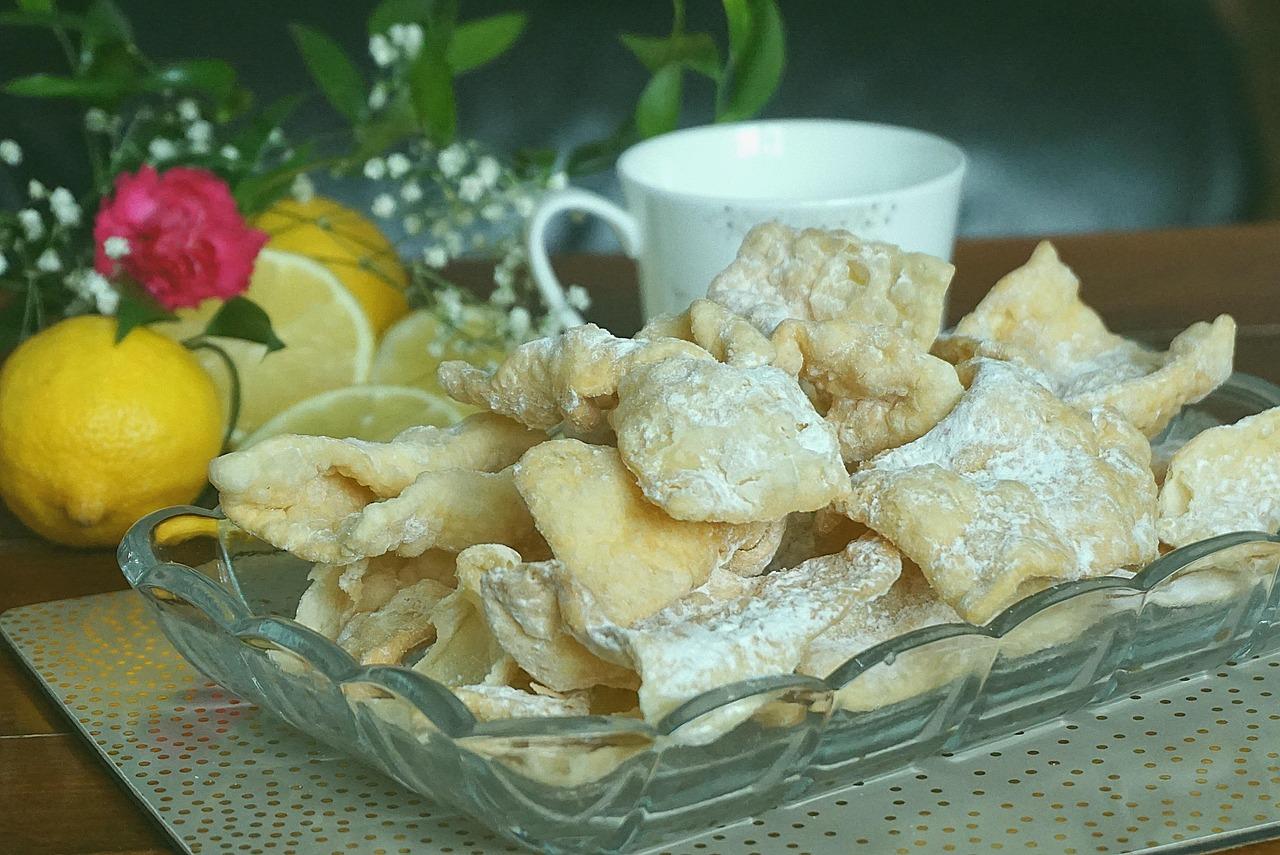
FaworkiCrisp fried dough ribbons

On Fat Thursday, the last Thursday before Lent, Polish queues for pączki are matched only by the piles of faworki, also called chruściki, sold by the bag. They are paper-thin strips of rich egg-yolk and sour-cream dough, each pulled through a slit to make a twist, fried for seconds until they blister and puff into shattering, bubbly shards. Many families add a spoon of spirit to the dough to make them extra crisp; vinegar does the same job alcohol-free and is used here. Where most people go wrong is rolling the dough too thick, which gives chewy biscuits rather than glass-thin crisps. Chef's tip: beat the dough with a rolling pin for 5 minutes before rolling; the air you trap makes the bubbles.

by KrazyBadal 0 views

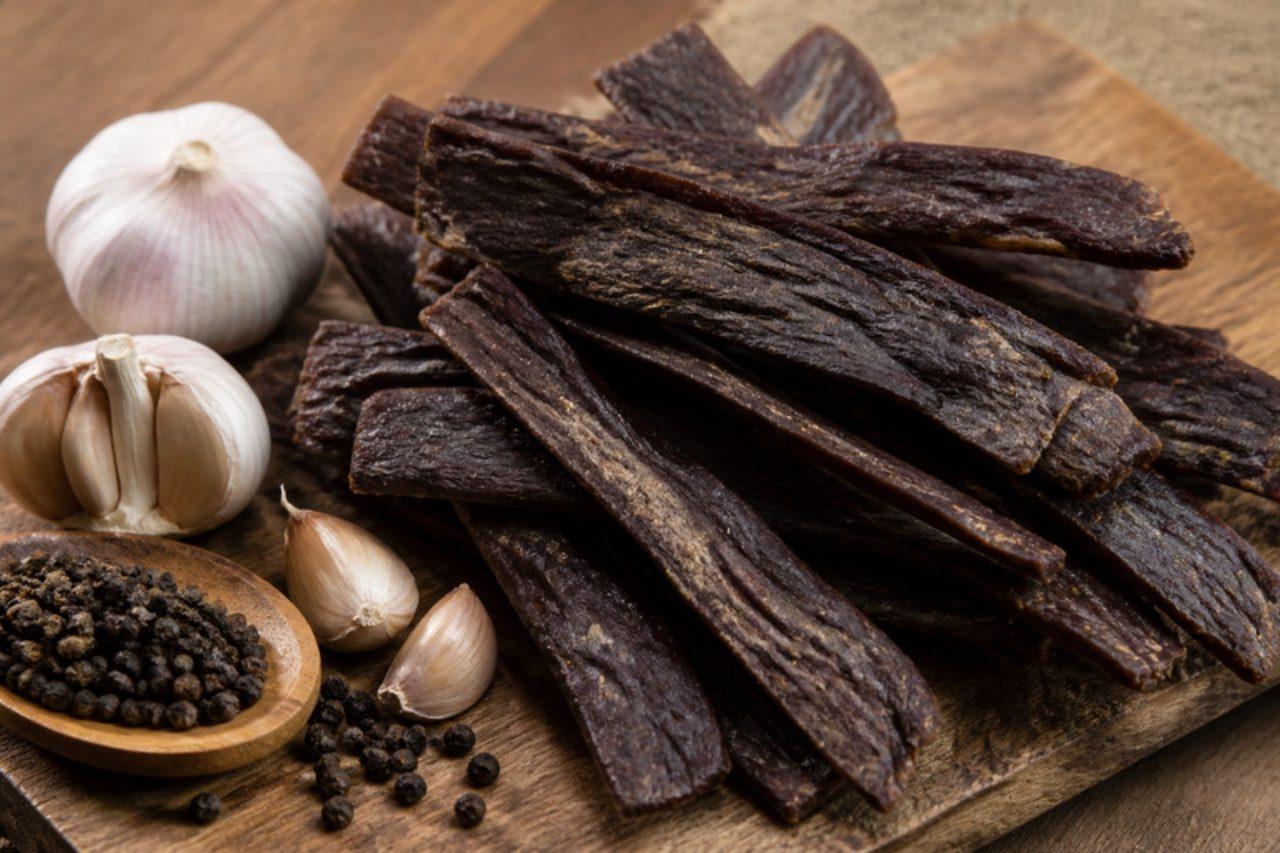
Sharmout (Sudanese dried beef, oven method)

Across Darfur and Kordofan, and in kitchens throughout Sudan around Eid al-Adha, strips of lean beef are salted and hung to dry in the hot, dry air for several days until they turn hard and dark. That sharmout is then pounded and fried with onion to give tagalia, kawal and other stews their rich, savoury depth. Air-drying raw meat at home is risky, so this safer version heats the strips to 71 °C first and then dries them slowly in a low oven, and the finished sharmout is kept in the fridge. The traditional raw air-dried version is not for pregnant women, young children or anyone with a weakened immune system. Leaving fat on the strips is the usual mistake: fat does not dry and turns rancid, so trim every bit. Chef's tip: partly freeze the beef so you can slice it into even 5 mm strips along the grain.

by KrazyBadal 0 views

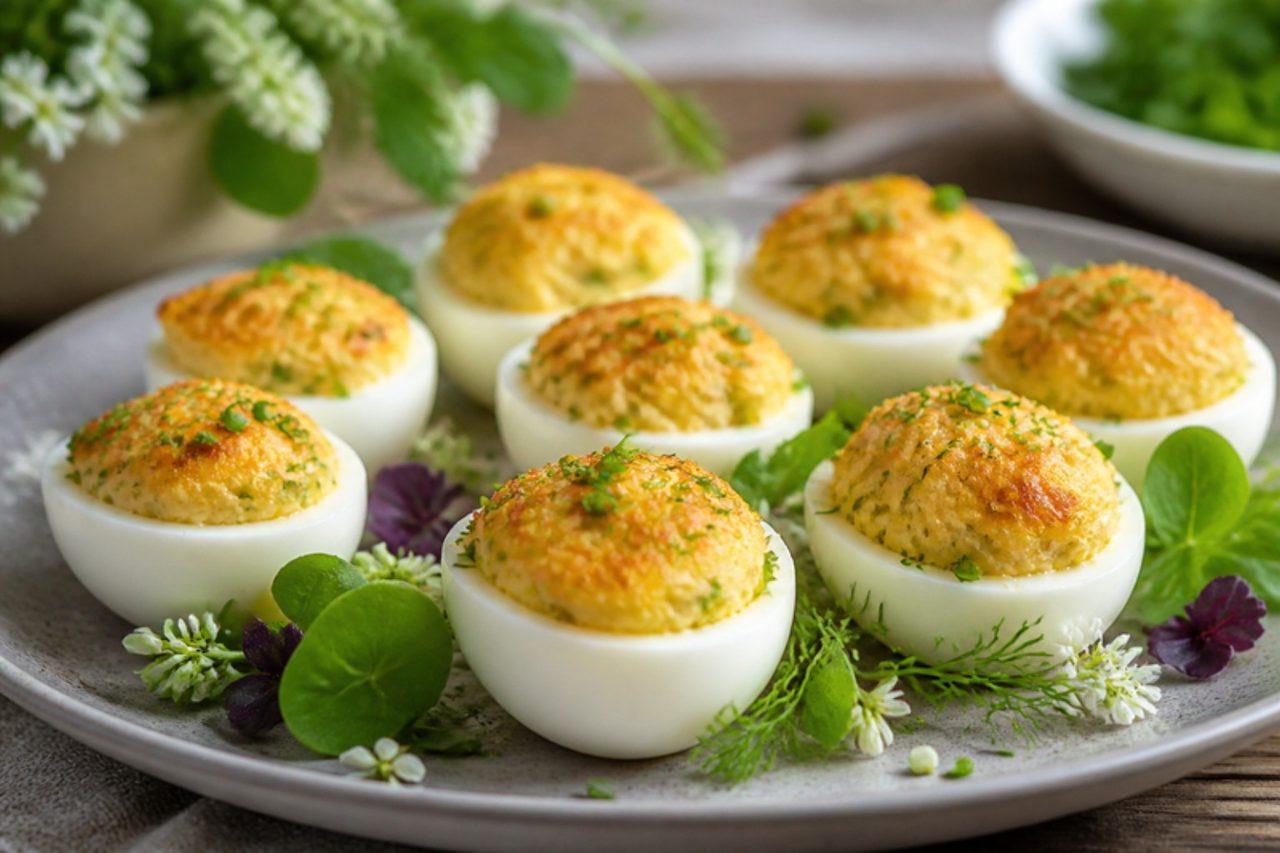
Stuffed eggs

The clever bit of the Polish Easter version is that the eggs are halved lengthways shell and all with a sharp knife, then the filling goes back into the shells and the cut sides are fried until crusty. It is a dish of the Easter breakfast and of name-day parties, served hot from the pan or cold from the fridge. The filling of mashed yolk, chives, mayonnaise and a little mustard turns golden and slightly crisp on top while staying soft beneath. Where most people go wrong is cutting with a blunt knife, which shatters the shell; use a large, very sharp knife and one firm stroke. Chef's tip: chill the boiled eggs fully before cutting so the white holds together.

by KrazyBadal 0 views

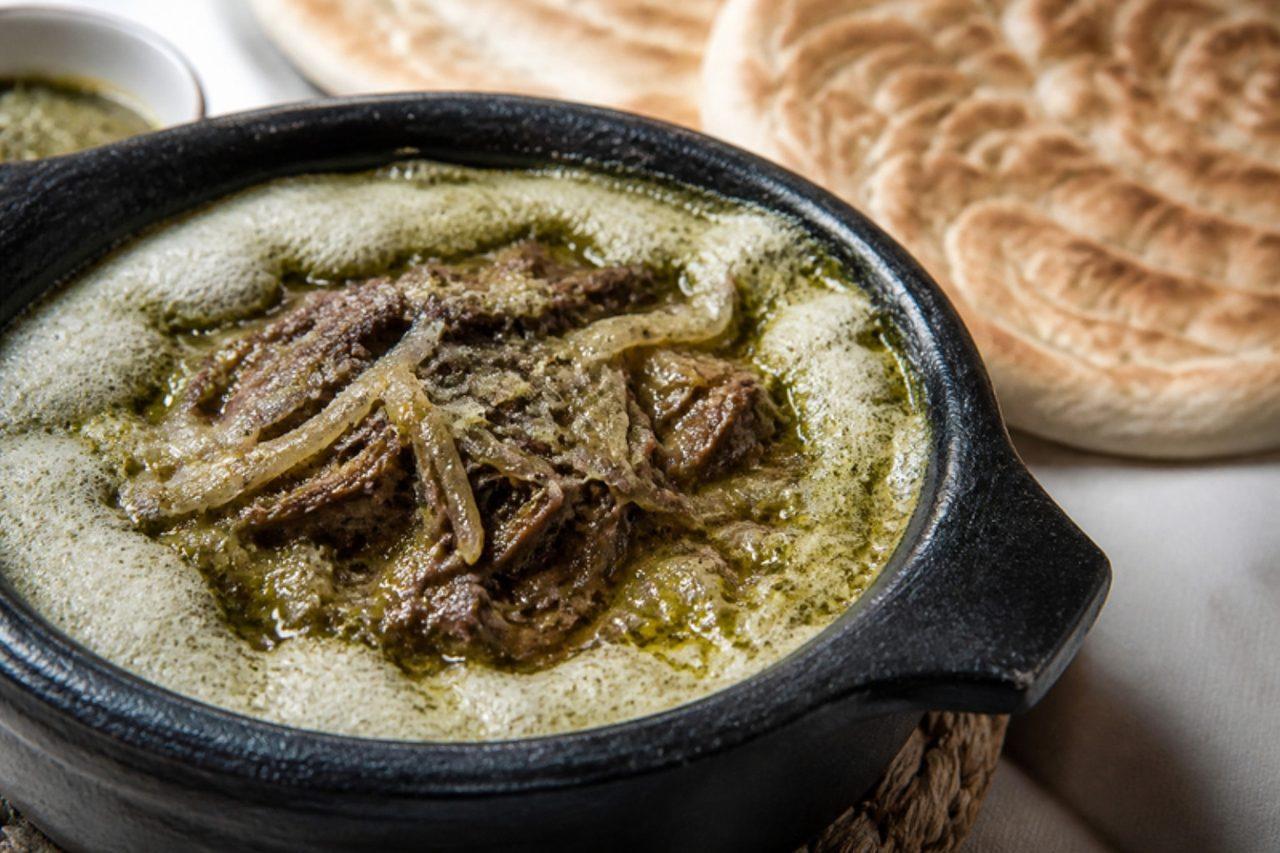
FahsaShredded lamb stew with fenugreek

Fahsa is the lunch of Sana'a, Yemen: in the old city's restaurants it arrives volcanically hot in a black stone pot called a madara, still bubbling, with a cap of whipped fenugreek on top and a stack of flatbread for scooping. Lamb is slow-cooked until it shreds, then fried hard with its thick broth, tomato and hawaij, so it is meatier and drier than saltah, the broth-based cousin already on this site. The fenugreek froth adds a bitter, savoury edge against the rich meat. The usual mistake is serving it lukewarm: fahsa should still be spitting when it reaches the table. Chef's tip: heat a small cast-iron pan in the oven while you cook, then finish the fahsa in it for that sizzling stone-pot effect.

by KrazyBadal 0 views

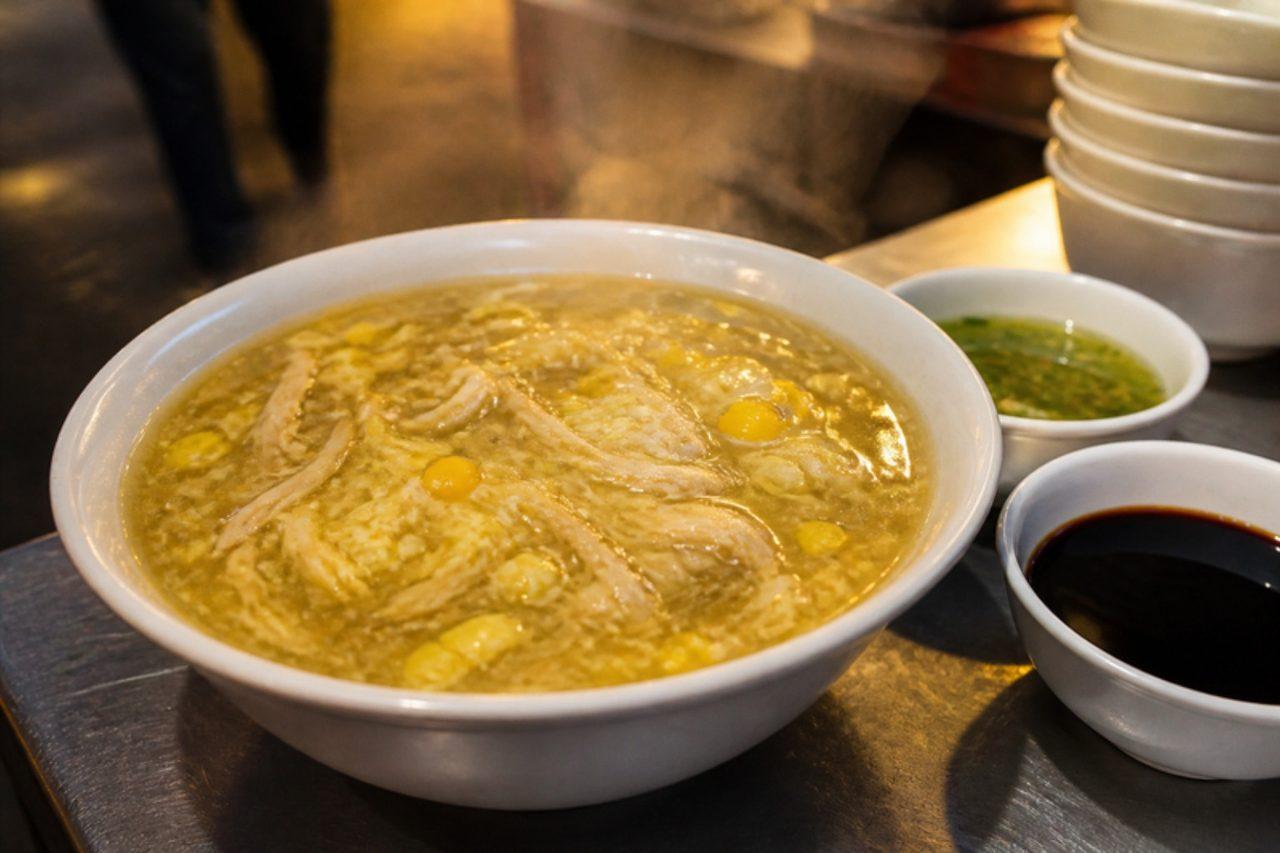
Pakistani chicken corn soup

Come the first cold evening of winter, carts with steaming steel pots appear on Karachi's Tariq Road and Lahore's Liberty Market, and queues form for chicken corn soup in disposable cups. It is Pakistani-Chinese food at its most loved: a thick, glossy soup of shredded chicken, creamed sweetcorn and silky egg ribbons, which each person seasons at the cart with chilli vinegar, soy sauce and chilli sauce from squeezy bottles. Children love it plain; adults douse it. Pouring the egg into a rapidly boiling soup turns it into scrambled lumps, so keep it at a gentle simmer and stir slowly in one direction. Chef's tip: for a vegetarian version, use a good vegetable stock, leave out the chicken and add a handful of finely chopped carrot and cabbage.

by KrazyBadal 0 views

Seven-layer tea

Visitors to the tea gardens of Srimangal, in Sylhet's Moulvibazar district, queue at small tea cabins to see a glass of tea striped in seven distinct bands, from creamy white at the bottom to pale green-gold at the top. The original recipe is a closely guarded secret of the tea-maker who made it famous, but the principle is simple physics: each layer carries a different amount of sugar, so the heaviest sits at the bottom and the lightest floats on top. This home version uses condensed milk, green tea, strong black tea, milk tea, lemon tea, spiced tea and plain tea, and it is drunk slowly, layer by layer, with a long spoon. Pouring too fast is what ruins it; each layer should trickle down the inside of the glass over the back of a spoon. Chef's tip: let all the brews cool to warm, about 50 °C, so temperature differences don't stir the layers.

by KrazyBadal 0 views

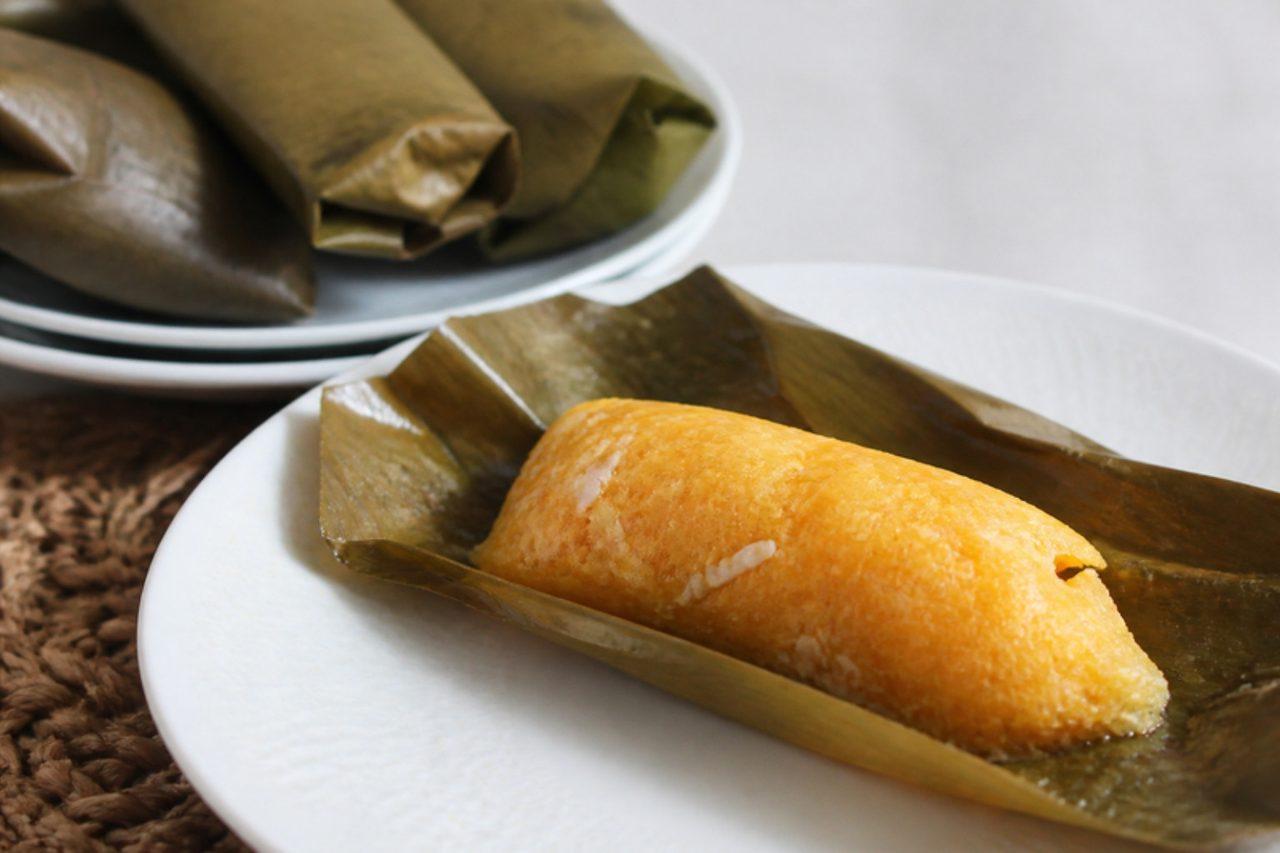
Antiguan ducanaSweet potato coconut dumplings

In Antigua, ducana turns up beside saltfish and chop up on Saturday plates and at Independence celebrations in November, little leaf-wrapped parcels of grated sweet potato and coconut with sugar, raisins and spice, boiled until set. It cuts through the salty fish with a soft, sticky sweetness. Many cooks add a little flour; this version keeps to sweet potato and coconut and is gluten free. The common mistake is wrapping the parcels loosely, so water seeps in and they turn mushy. Chef's tip: grate the sweet potato finely on the small holes and the ducana will hold together without any flour.

by KrazyBadal 0 views

AreekaWholemeal bread with ghee and honey

In the green mountains of Asir in south-west Saudi Arabia, areeka is the breakfast for guests, weddings and cold mornings in Abha: thick wholemeal breads are torn while still hot and kneaded with ghee into a smooth, soft dome, then hollowed out and filled with a pool of warm ghee, mountain honey and date syrup. Everyone eats from the same plate, pinching off pieces and dragging them through the sweet centre. It is rich, warm and comforting, with a nutty wheat flavour. The usual mistake is letting the bread cool before kneading; it must be worked hot or it will not bind. Serve with cardamom coffee or milky tea, and a spoonful of cream if you like. Chef's tip: wear clean rubber gloves so you can knead the bread while it is properly hot.

by KrazyBadal 0 views

Hong Kong iced lemon tea

Ask for 'ling cha, dung' at any Hong Kong cha chaan teng and a tall glass arrives crammed with ice, a heap of thin lemon slices and a long spoon for pounding them, the default thirst-quencher with set lunches all year round. The tea is brewed almost bitter, so it holds its own against the ice, and the sharp lemon and simple syrup turn it bright, tangy and refreshing. It is drunk with everything from macaroni soup breakfasts to afternoon pineapple buns. The common slip is brewing tea at normal strength, which tastes thin and watery once the ice melts; double the tea. Chef's tip: press the lemon slices with the back of the spoon only a few times to release juice and oil from the zest; grinding them to a pulp brings out bitterness from the pith.

by KrazyBadal 0 views

Arayeche (almond star pastries)

Picture a star with three plump arms: arayeche are shaped from a ball of orange-blossom almond paste wrapped in very thin pastry and pinched into points, baked pale, dipped in honey and then rolled in icing sugar until snow-white. Along with dziriettes and makrout, they are fixtures of the sweet trays at weddings and Eid in Algiers, set out in paper cases with mint tea. The pastry is crisp and fine, the almond filling dense and fragrant, and the coating of sugar sticks to the honey in a sweet crust. Chef's tip: pull them out of the oven while still pale with barely golden tips; browned arayeche are a common mistake and taste dry once the sugar goes on.

by KrazyBadal 0 views

Showing 45 of 7,888 recipes

Show more recipes

Page 183 of 877