


Skip to content
Shidol bhorta
Featured recipe

Shidol bhorta

Fermented dried fish mash

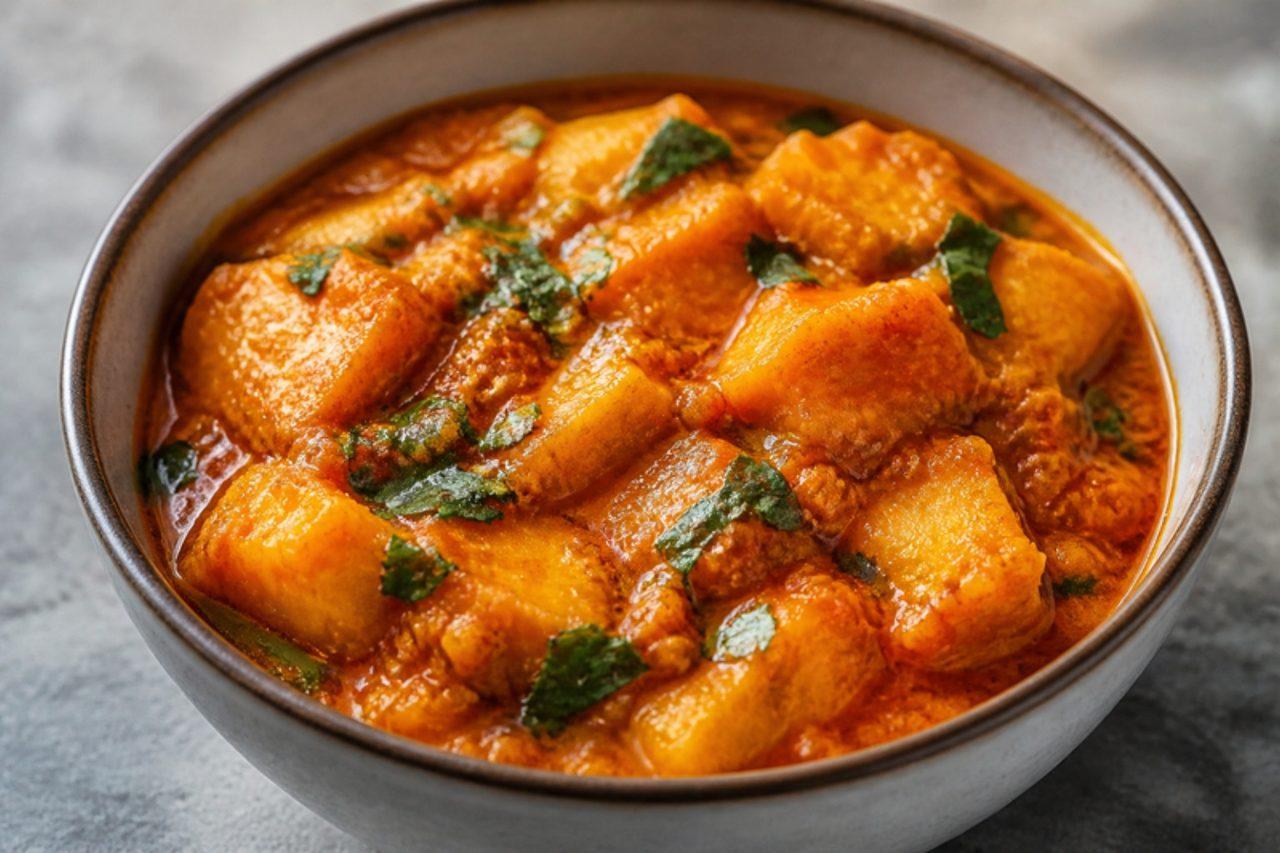
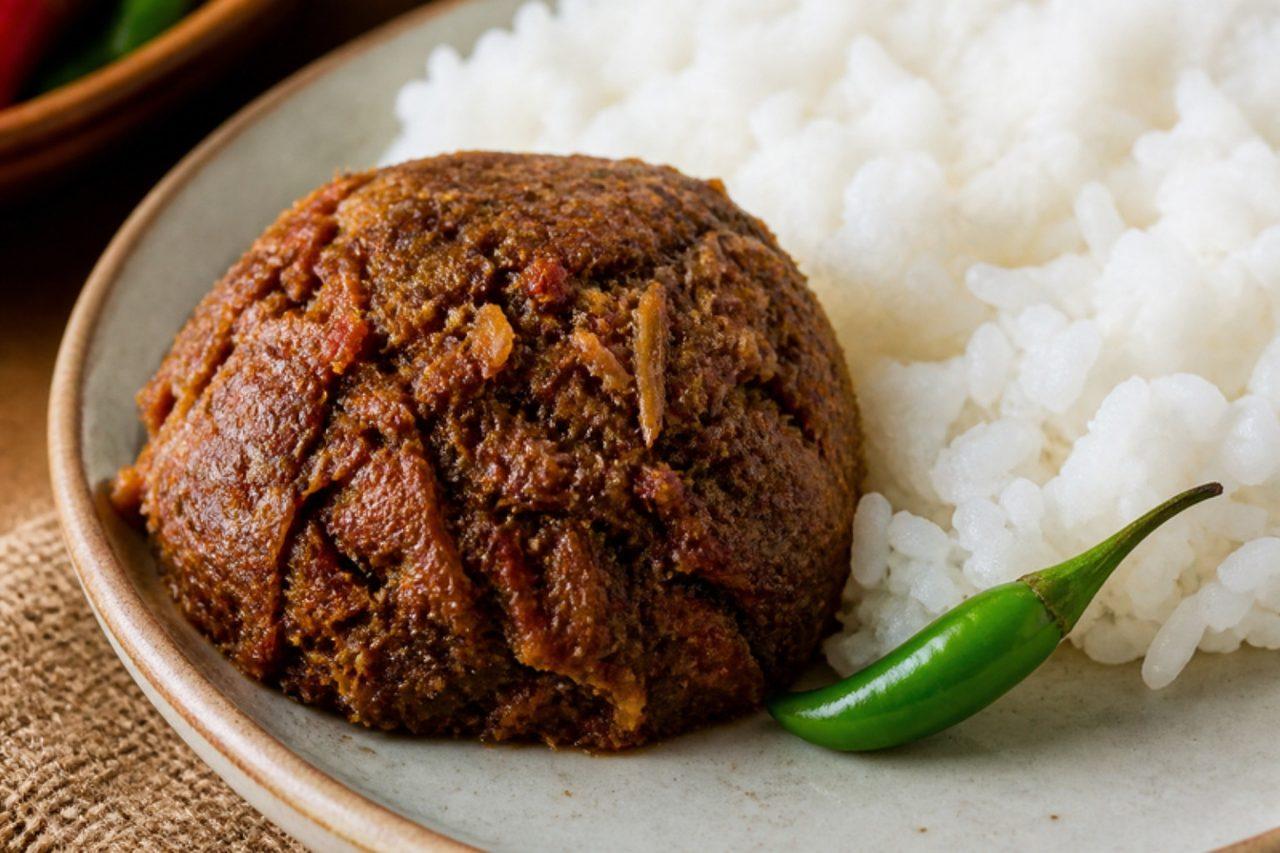
Shidol is one of the great preserved foods of Rangpur, Nilphamari and the far north: tiny puti fish, lightly dried, pounded with taro stem and packed into earthen jars to ferment, then shaped into flat cakes that are dried again. A small piece goes a very long way, and the most loved way to eat it is as a bhorta, fried in mustard oil with a mountain of garlic and dried chilli and mashed by hand into a rough, pungent relish eaten with hot rice. Its smell is powerful and the flavour deep, salty and funky, a bit like a Bangladeshi anchovy paste. Outside Bangladesh, buy shidol only from a reputable grocer, sealed and well within date, and never eat it uncooked. The typical blunder is frying it too briefly; it must sizzle until the raw smell turns toasty. Chef's tip: if you cannot find shidol, the same method works with good shutki.

Read more 0 views

What to eat today?

Around the world

Today's trip: Persian

A new country every day, from every cuisine on the site.

Persian

Nazkhatoon

Smoky aubergine with pomegranate 40 minMore from Persian (131) →

This week's collection

Kid-friendly dinners
541 recipes · a new collection every Monday

Latest recipes

Dal dhokli for toddlersWheat dumplings in dal for toddlers

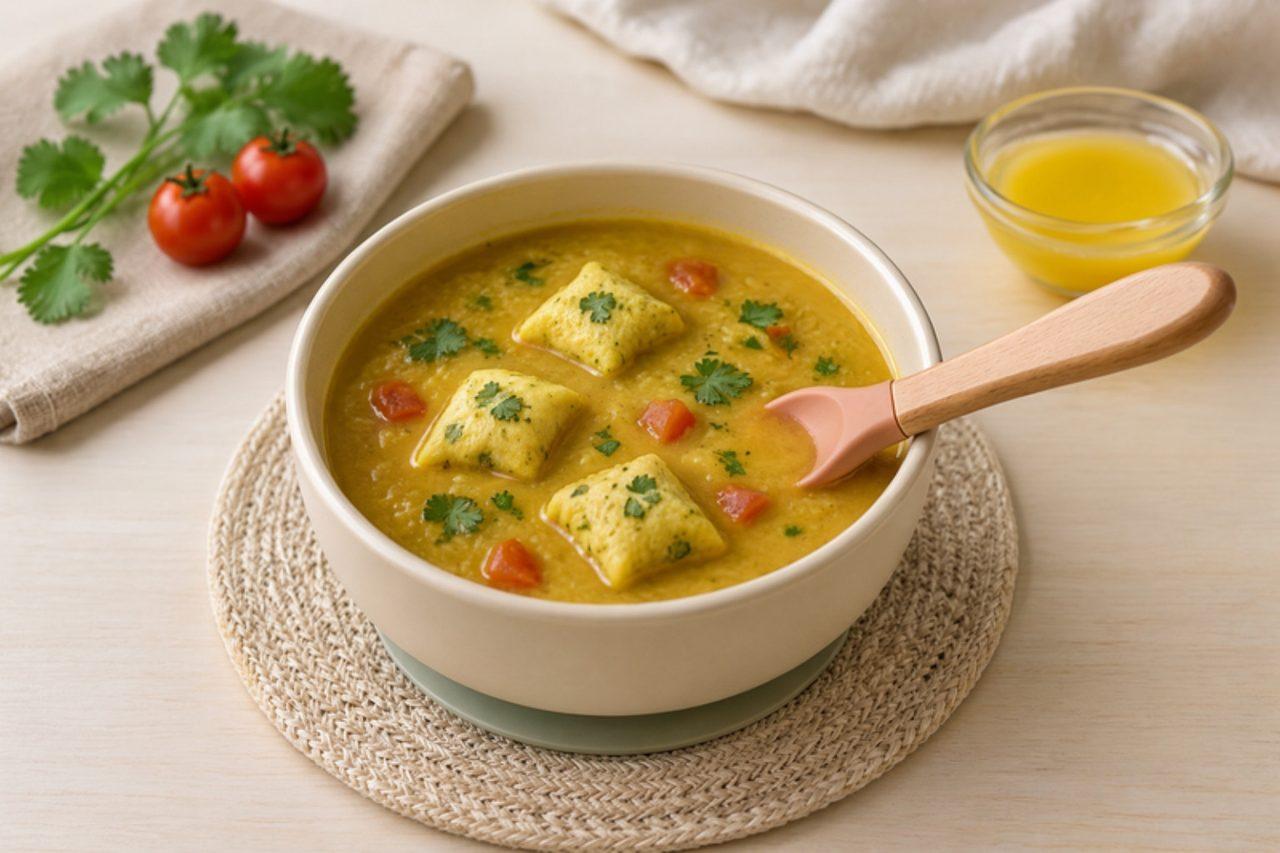
In Ahmedabad pols and Surat kitchens dal dhokli is the Sunday one-pot lunch: diamonds of spiced wheat dough cooked straight in tangy toor dal. This toddler version, for children from 12 months, keeps the soft pasta-like pieces small, leaves out the chilli, peanuts and cloves, and uses only a pinch of jaggery so the dal stays sweet-sour the way Gujarati families like it. It is cooked in oil, so it is dairy free and vegan. It contains wheat (gluten); there is no milk, egg, nuts or soya. Chef's tip: roll the dough thin, about 2 mm; thick dhokli stay chewy in the middle.

by KrazyBadal 0 views

Frijoles coladosStrained black beans

Every cocina económica and family kitchen in Mérida keeps a pot of frijoles colados for the midday meal, the smooth, almost soupy black beans that sit beside cochinita, poc chuc, eggs or simply rice and tortillas across the Yucatán. The beans are cooked soft with epazote, pushed through a sieve, then simmered with onion fried until sweet. Traditionally the onion is fried in pork lard; this version uses oil so it is vegan. The usual mistake is straining beans that are not fully cooked, which gives a gritty, floury purée, so cook them until they crush with no effort. Chef's tip: drop a whole habanero into the simmering purée for 5 minutes for perfume without much heat, then fish it out.

120 minMexicanSidesVeganGluten free
by KrazyBadal 0 views

Refresco de linazaFlaxseed and pineapple drink

In La Paz, Cochabamba and Sucre the refresqueras at the market stalls ladle linaza from big glass jars alongside mocochinchi and somó, and at home it is a standard jug in the fridge for the midday almuerzo. Flaxseed is simmered with pineapple peel, cinnamon and cloves until the water turns faintly silky, then strained, sweetened and chilled. It is pale gold, smooth and almost slippery on the tongue, tasting of pineapple and spice, with lime to wake it up. It is traditionally drunk to cool down and to settle the stomach. The common mistake is simmering too long or leaving the seeds in as it cools: the liquid turns into a thick, slimy gel. Strain it while still hot, as soon as a spoon dipped in comes out lightly coated, like thin syrup. It is ready when it pours freely but feels smooth, and tastes sweet, spiced and fresh. Using the peel and core of a pineapple is the thrifty Bolivian way and gives more flavour than the flesh. Chef's tip: if it thickens too much in the fridge, whisk in cold water a little at a time until it pours easily again.

by KrazyBadal 0 views

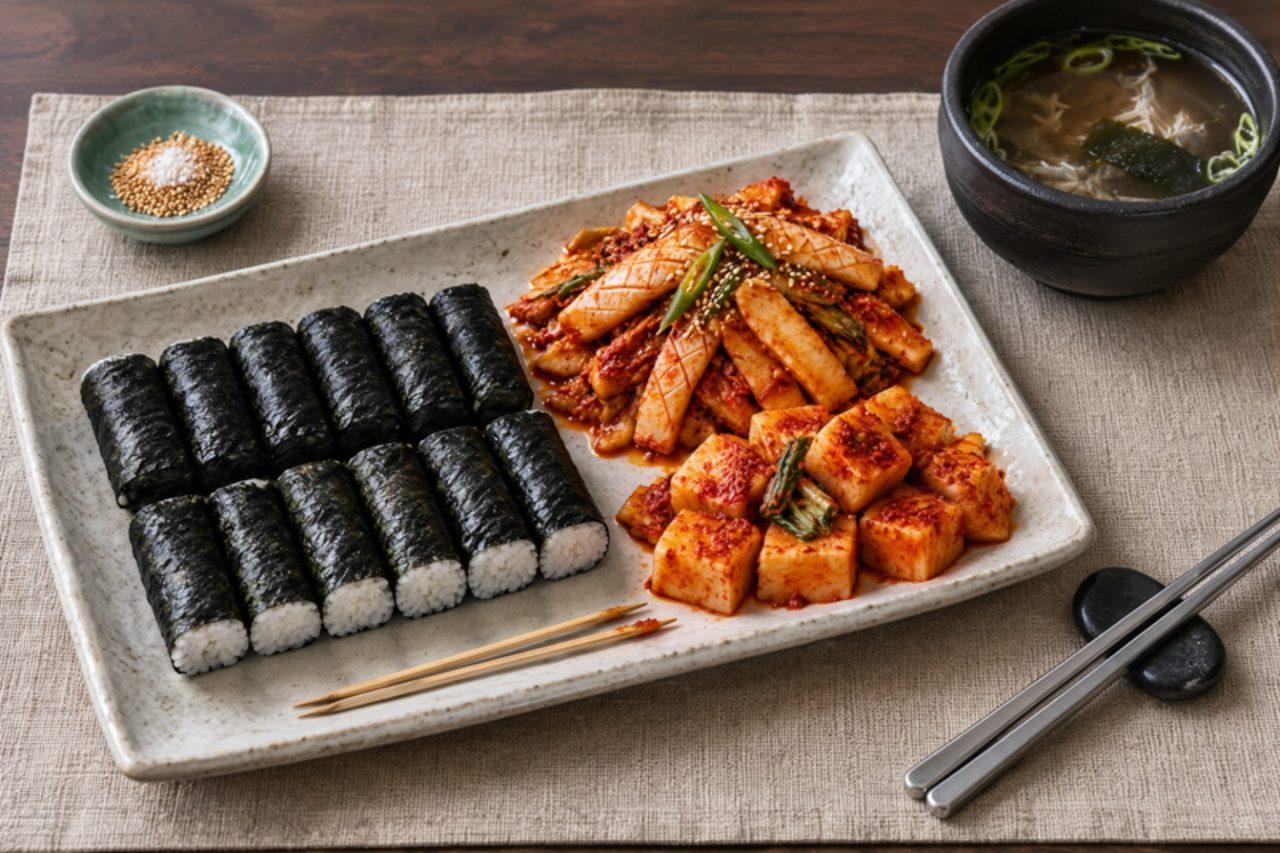
Chungmu gimbapRice rolls with spicy squid

In the harbour town of Tongyeong (once called Chungmu), fishermen's wives made plain rice rolls in laver with the spicy side dishes packed separately, because filled gimbap spoiled in the heat of the boats. Today Chungmu gimbap is a lunchbox and road-trip classic all over Korea: finger-sized rolls eaten with a toothpick, sweet-spicy squid and fish cake, and crunchy radish kimchi. The common mistake is overcooking the squid, which goes rubbery; blanch it just until it turns white and curls. Chef's tip: brush the gim lightly with sesame oil before rolling, which keeps it from going chewy.

by KrazyBadal 0 views

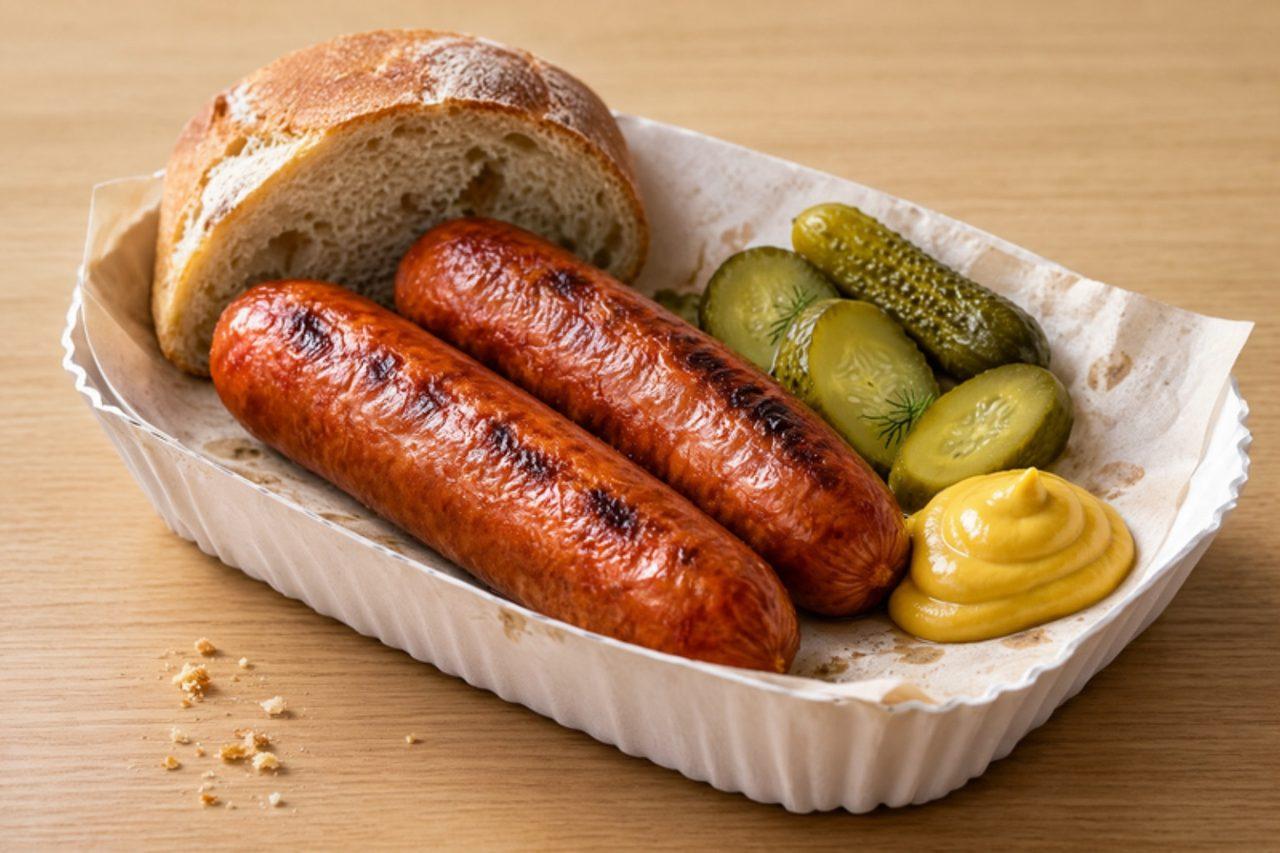
DebreceniPaprika pork sausage

Debreceni are long, thin pork sausages seasoned with sweet paprika, garlic and caraway, and they are the standing snack of Budapest's büfé counters: at the Nagyvásárcsarnok, at Christmas markets on Vörösmarty tér and outside the Keleti railway station. The stand heats them on a griddle (or simmers them), then hands them over on a paper plate with a slice of rye bread, a big spoon of mustard and a pile of pickled peppers or gherkins. This home version uses bought debreceni and adds a quick paprika glaze. Chef's tip: simmer them gently before grilling; a hard boil splits the skins and dries the pork.

by KrazyBadal 0 views

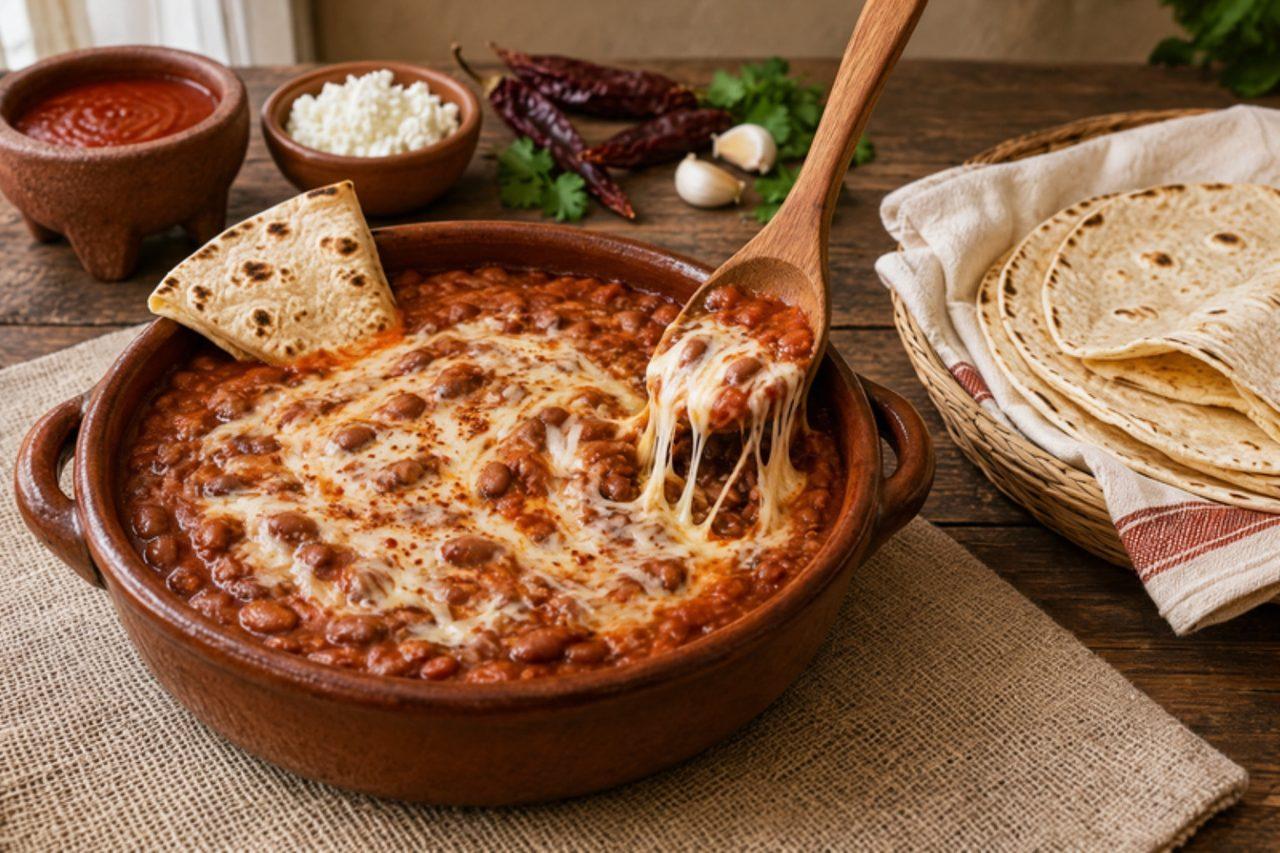
Frijoles maneadosPinto beans with chile and cheese

Frijoles maneados are the rich party beans of Sonora in northern Mexico, cooked for carne asada gatherings, weddings and Sunday lunch, and spooned onto flour tortillas. Soft pinto beans are mashed and beaten (maneados means stirred or worked) with dried red chile colorado, milk and so much melting cheese that the pot pulls into strings. Serve them with flour tortillas, grilled vegetables and a sharp salsa. The usual mistake is adding the cheese while the pot is boiling hard, which makes it go rubbery and oily; take the heat right down first. Chef's tip: Sonoran queso regional or Chihuahua cheese is often made with animal rennet, so for a vegetarian pot choose a vegetarian Monterey Jack-style or mild Cheddar cheese labelled suitable for vegetarians.

by KrazyBadal 0 views

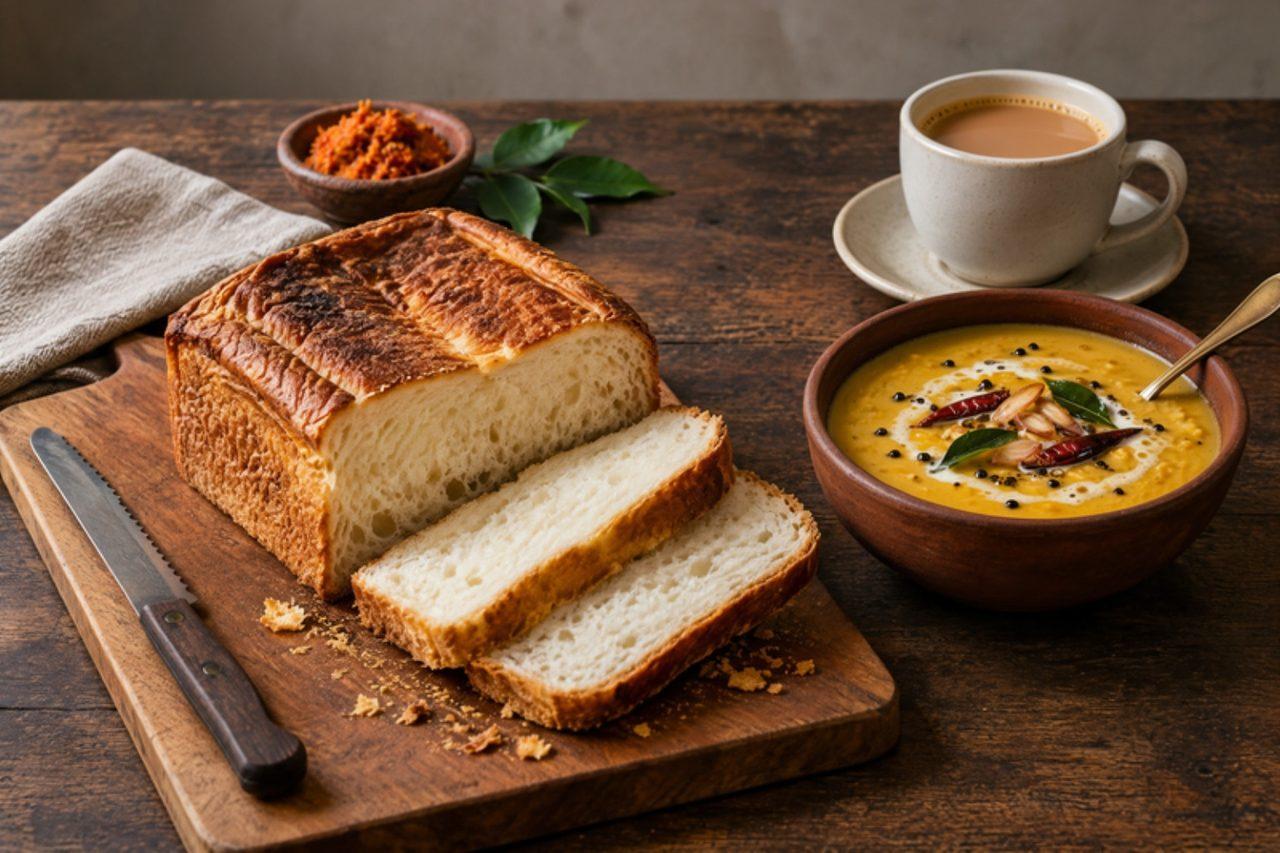
Roast paanCrusty bakery loaf

Every Sri Lankan neighbourhood bakery turns out roast paan before dawn: square loaves baked close together in a wood-fired oven until the tops are dark and crusty while the sides stay soft and pull apart. Bought warm, it is torn and eaten with dhal curry, pol sambol, or kiri hodi, the mild coconut milk gravy. The mistake is baking at too low a temperature, which gives a pale, sandwich-style loaf; it needs a really hot oven and a final blast to blister the top. Allow about 2½ hours with rising. Chef's tip: bake the dough as four balls snug in one square tin so they rise into each other; pulling the soft sides apart is half the pleasure.

by KrazyBadal 0 views

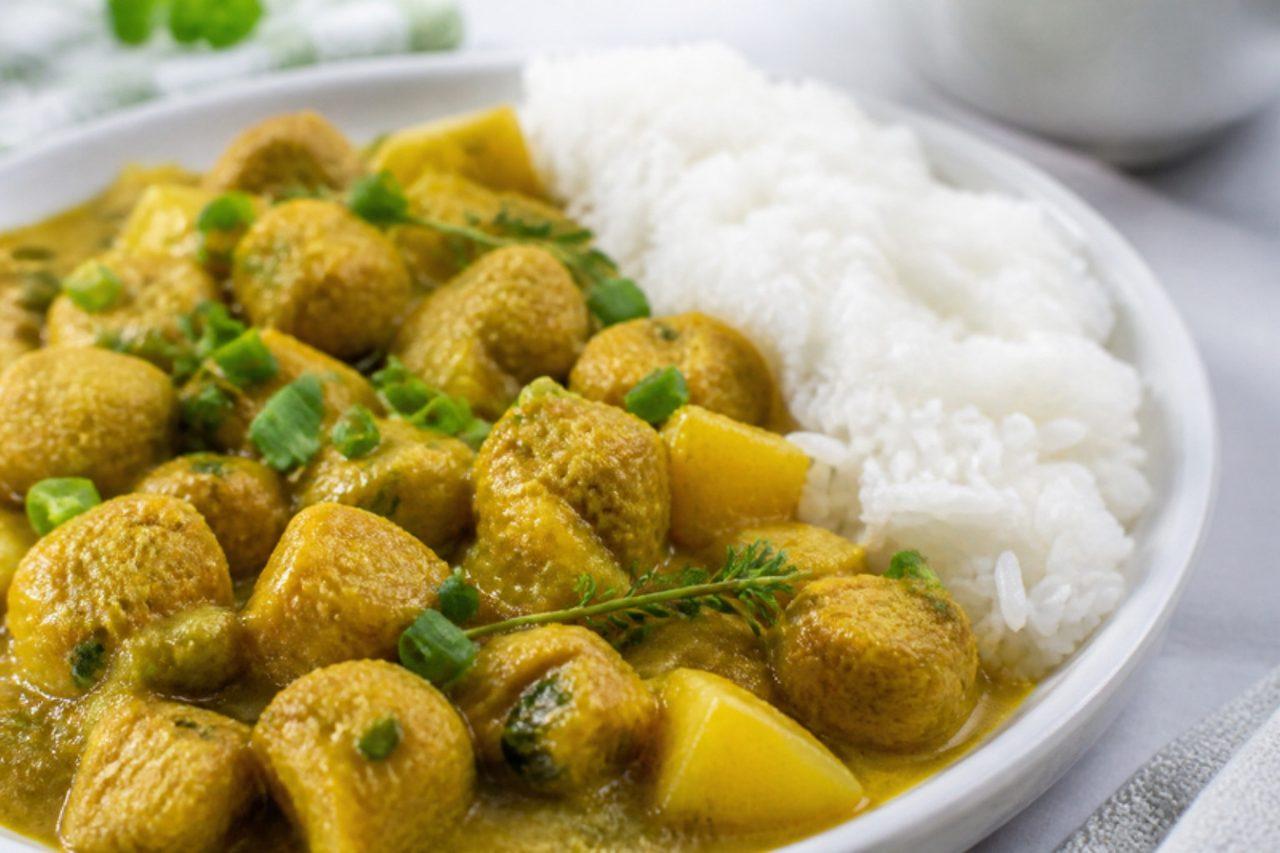
Curried sausages

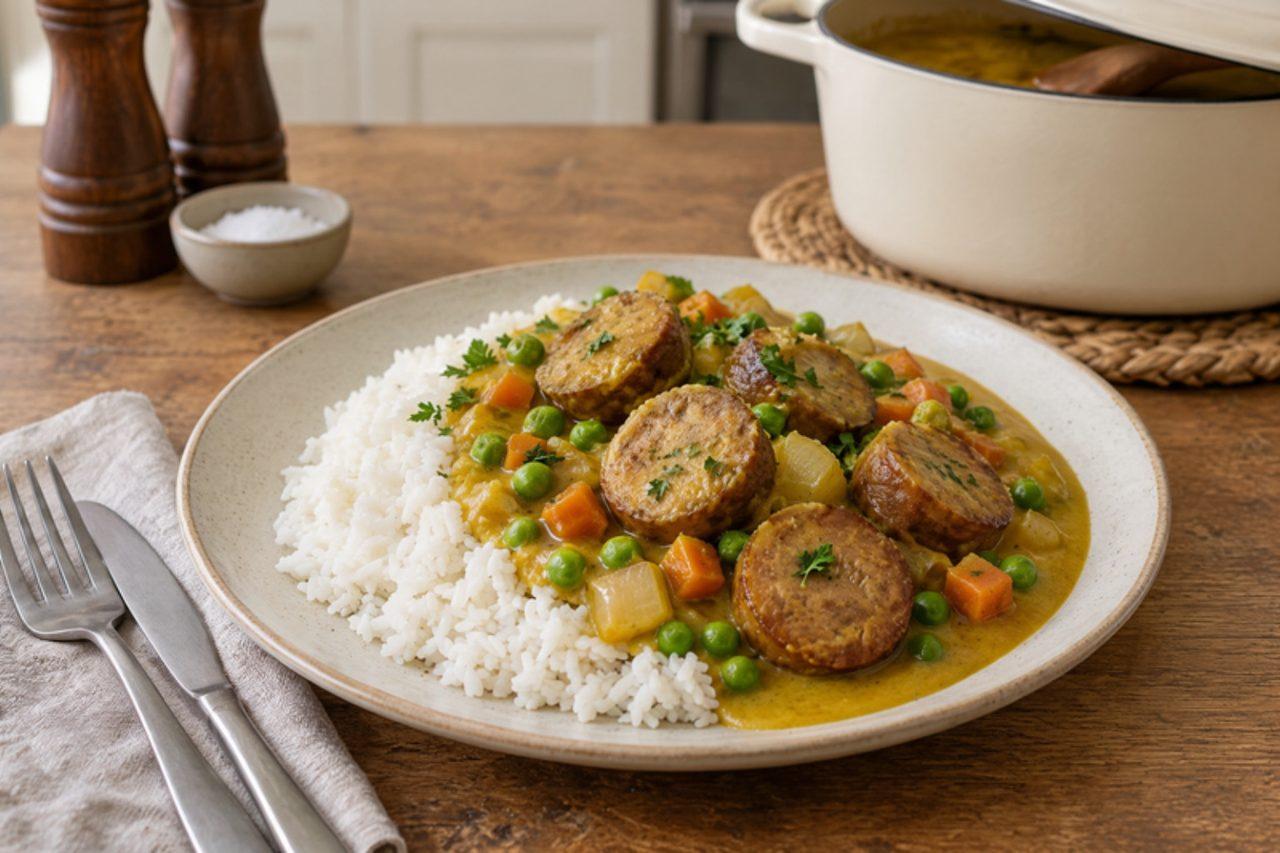
Curried sausages are pure Australian weeknight comfort, the dish generations of kids came home to in Sydney, Brisbane and country towns alike, usually made with thick beef or pork sausages and a tin of mild curry powder. The sausages are browned, sliced and simmered with onion, carrot, potato and peas in a gentle, slightly sweet curry gravy, then spooned over fluffy rice. The usual mistake is skipping the pre-cook: browning the sausages whole first keeps them juicy and gives the sauce its colour. Sausages, whether beef or pork, must reach 71 °C in the centre. Chef's tip: a grated apple simmered in the sauce is the classic Aussie trick for a rounded sweetness without extra sugar.

by KrazyBadal 0 views

RouyMillet porridge

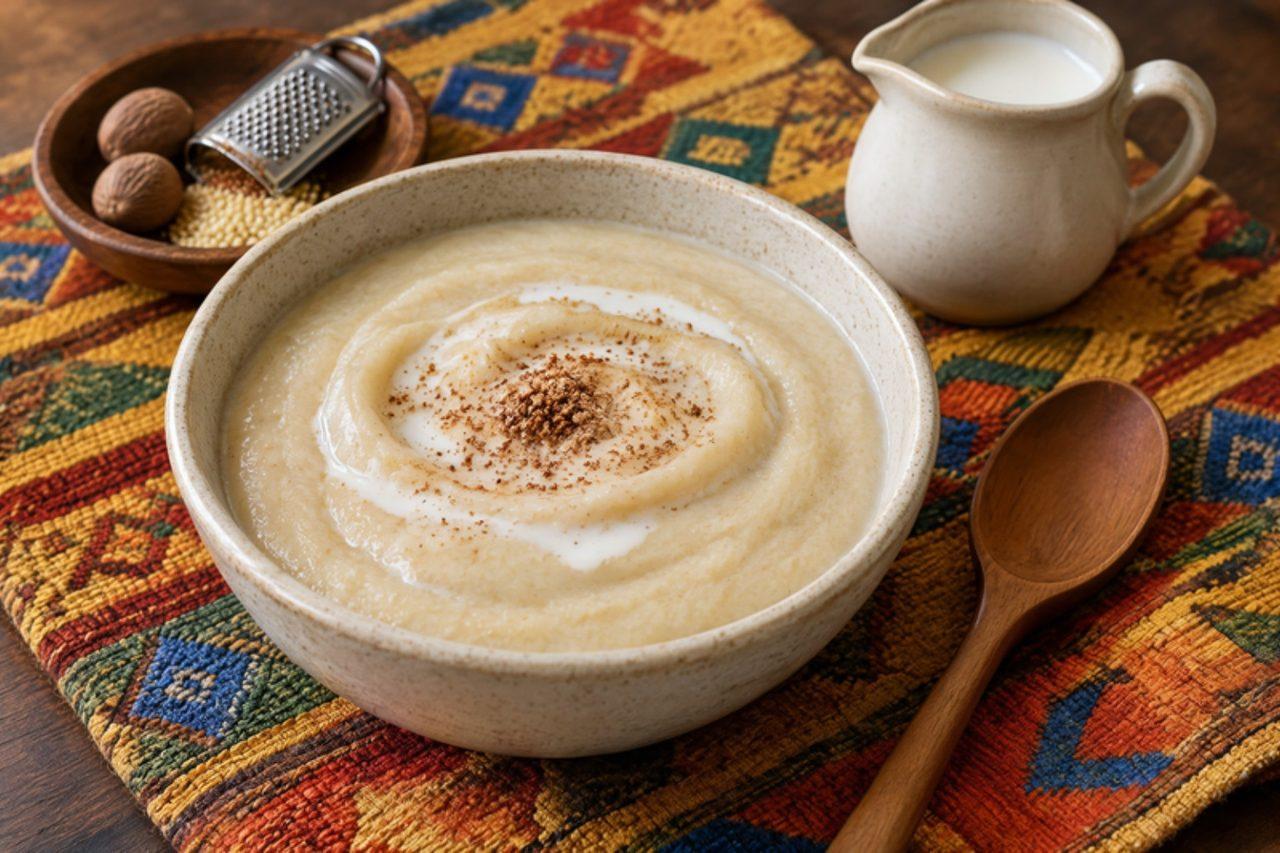
In Dakar, Saint-Louis and the Gambia, rouy is a morning porridge of fine millet flour cooked in water until silky, then sweetened and loosened with milk or lait caillé (soured milk) and a grating of nutmeg. During Ramadan it is a favourite at ndogou, the evening fast-breaking, because it is gentle and filling. The common mistake is under-cooking: millet needs a good 25–30 minutes or it tastes raw and slightly bitter. Choose millet flour from a mill that doesn't handle wheat if you need it strictly gluten free. Chef's tip: a spoon of orange-blossom water or vanilla stirred in at the very end makes it taste like a Dakar breakfast stall.

by KrazyBadal 0 views

Frango xadrezChicken and pepper stir-fry

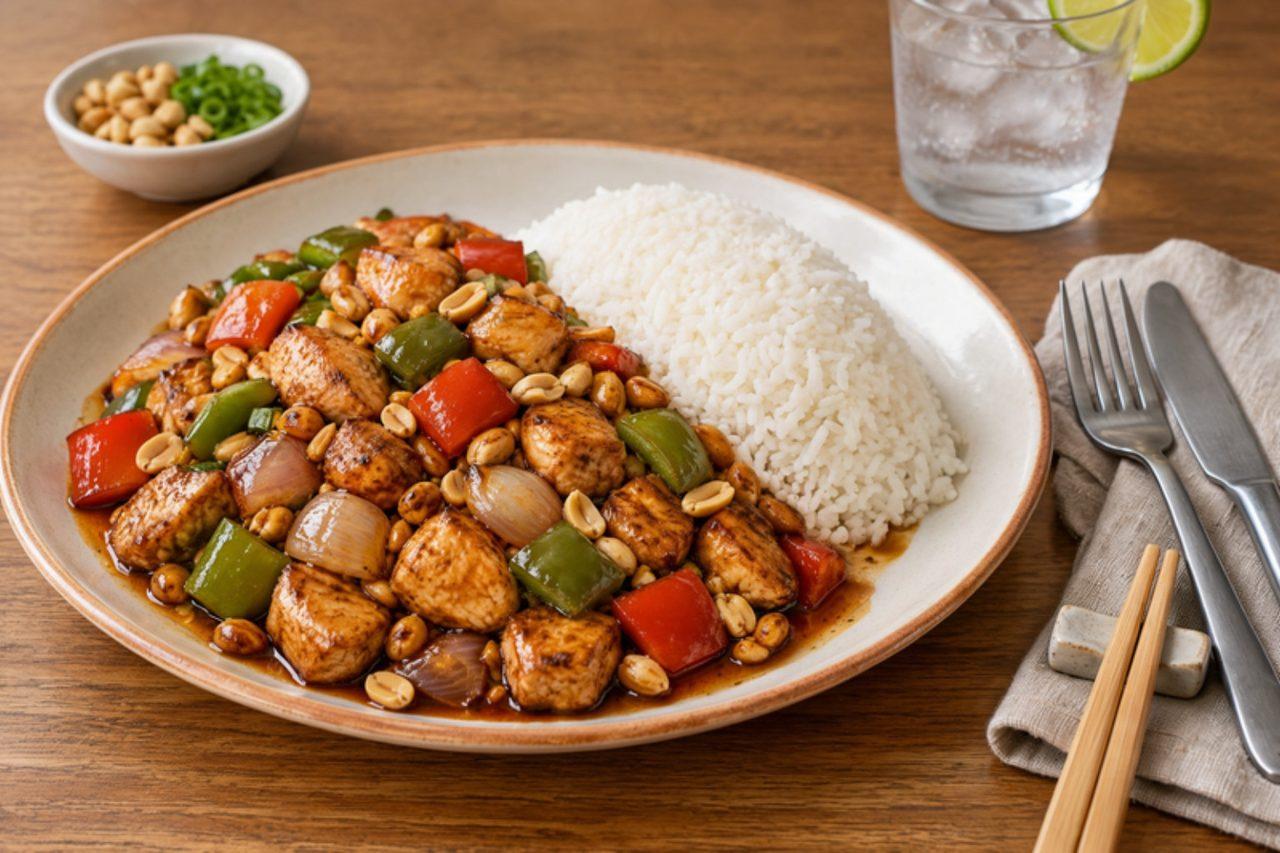
Frango xadrez, "chessboard chicken", was born in São Paulo's Chinese-Brazilian restaurants and named for its neat squares of chicken, pepper and onion. It is now a staple of lunch counters, delivery menus and the home-packed marmita, eaten over white rice. The common mistake is overcrowding the pan, so the chicken stews grey instead of searing; cook it in two batches. Chef's tip: toss the chicken with soy sauce and cornflour 15 minutes ahead; the coating keeps it juicy and thickens the sauce.

by KrazyBadal 0 views

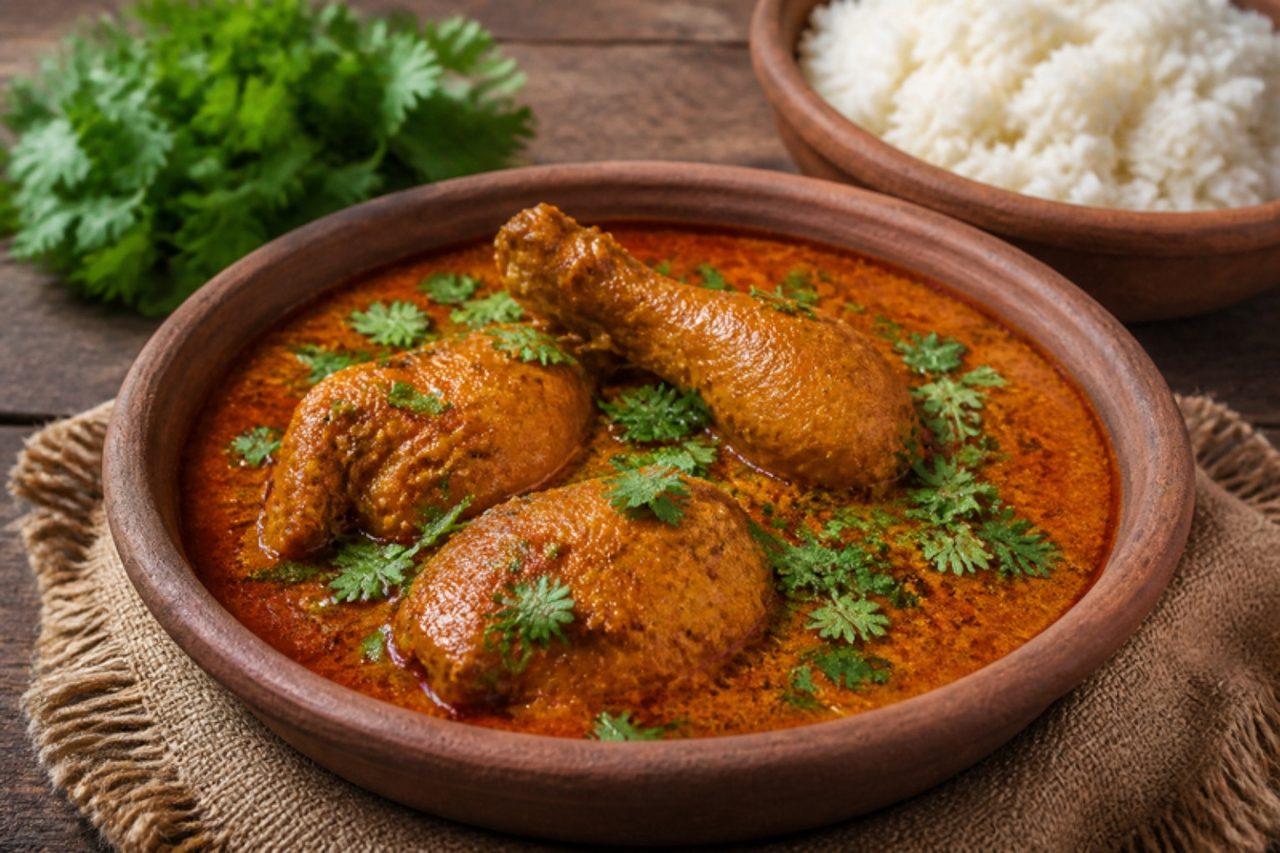
Daniwal kormaMutton in yogurt and onion gravy

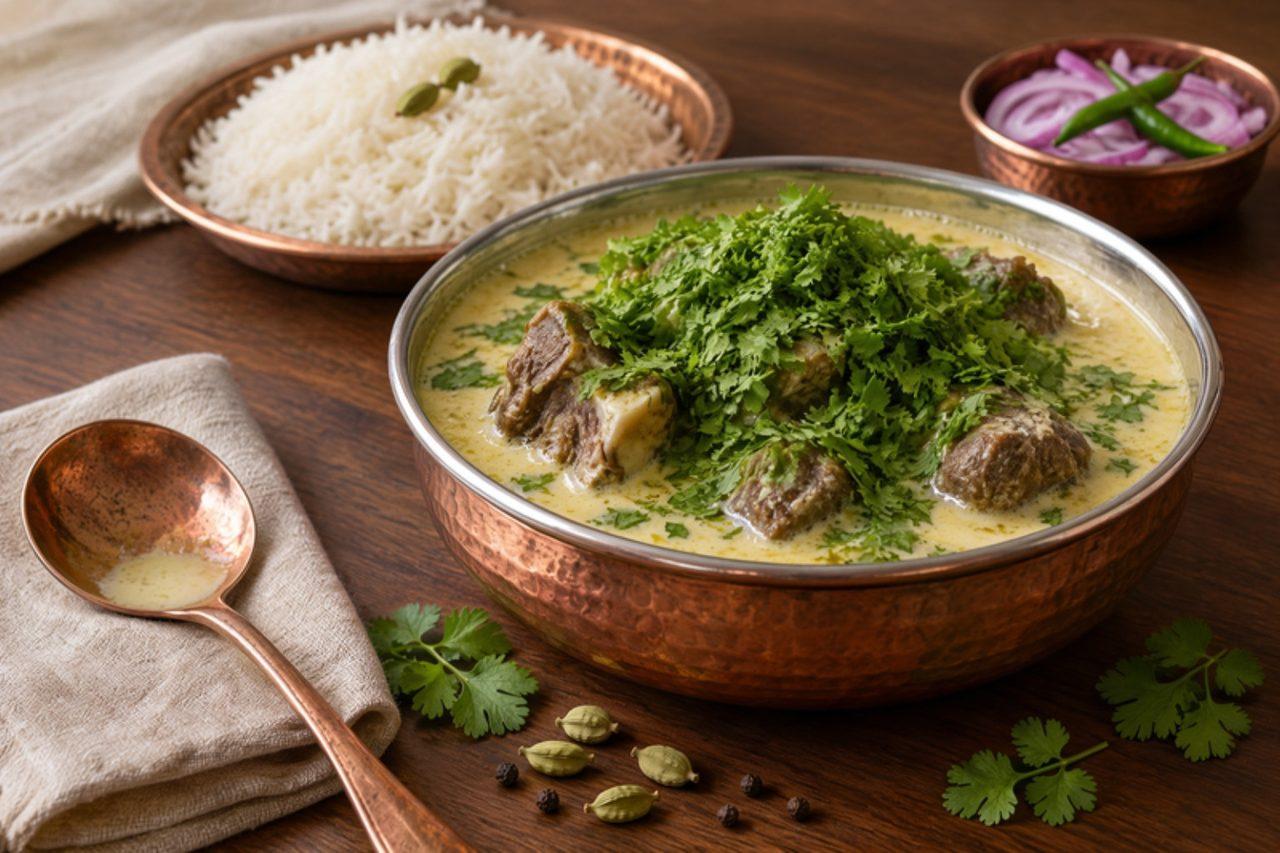
Daniwal korma is one of the gentler dishes of the Kashmiri wazwan, the many-course Muslim wedding feast cooked by the waza, and it is also a favourite for Eid lunches at home. Mutton is cooked with fried onion and whisked yogurt, scented with cardamom and fennel, and finished with a great fistful of fresh coriander, 'daniwal', that turns the pale gravy green-flecked and fresh. It is served with plenty of rice. The common mistake is adding cold yogurt to a hot pan, which makes it split; whisk it smooth and stir it in off the heat. Chef's tip: fry the onions dark gold, then grind them to a paste with the yogurt for a silky, nutty gravy.

95 minIndianMeatGluten free
by KrazyBadal 0 views

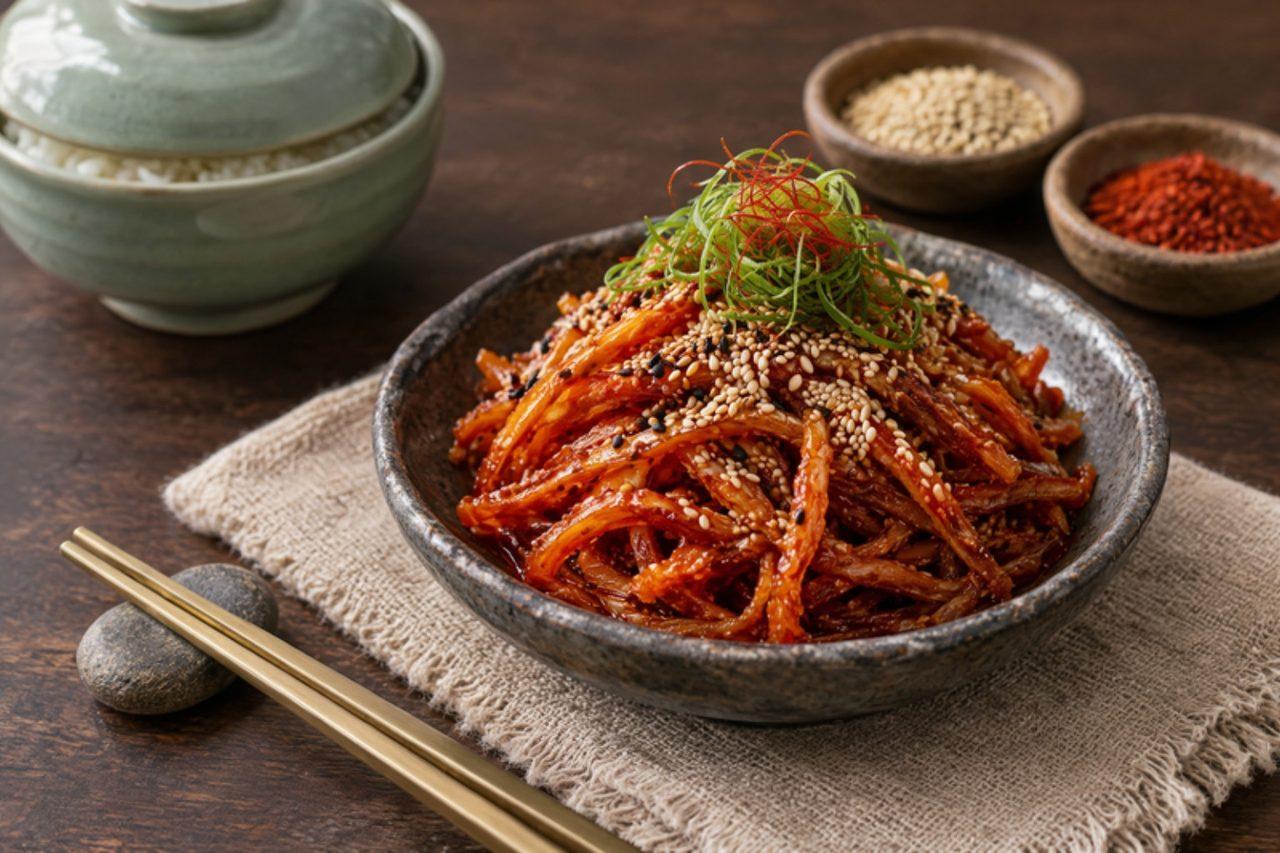
Jinmichae bokkeumGlazed dried squid strips

Jinmichae, shredded seasoned dried squid, is one of the most popular banchan in Korean lunchboxes: chewy, sweet and a little spicy, and it keeps for a week. Children across Korea find it in their dosirak and parents make a big tub on Sunday. The common mistake is glazing it over the heat, which turns the squid hard as wire; mix the strips into the warm sauce off the heat. Chef's tip: soak the squid briefly in water first and squeeze it out, so it stays tender even straight from the fridge.

15 minKoreanFishSpicy
by KrazyBadal 0 views

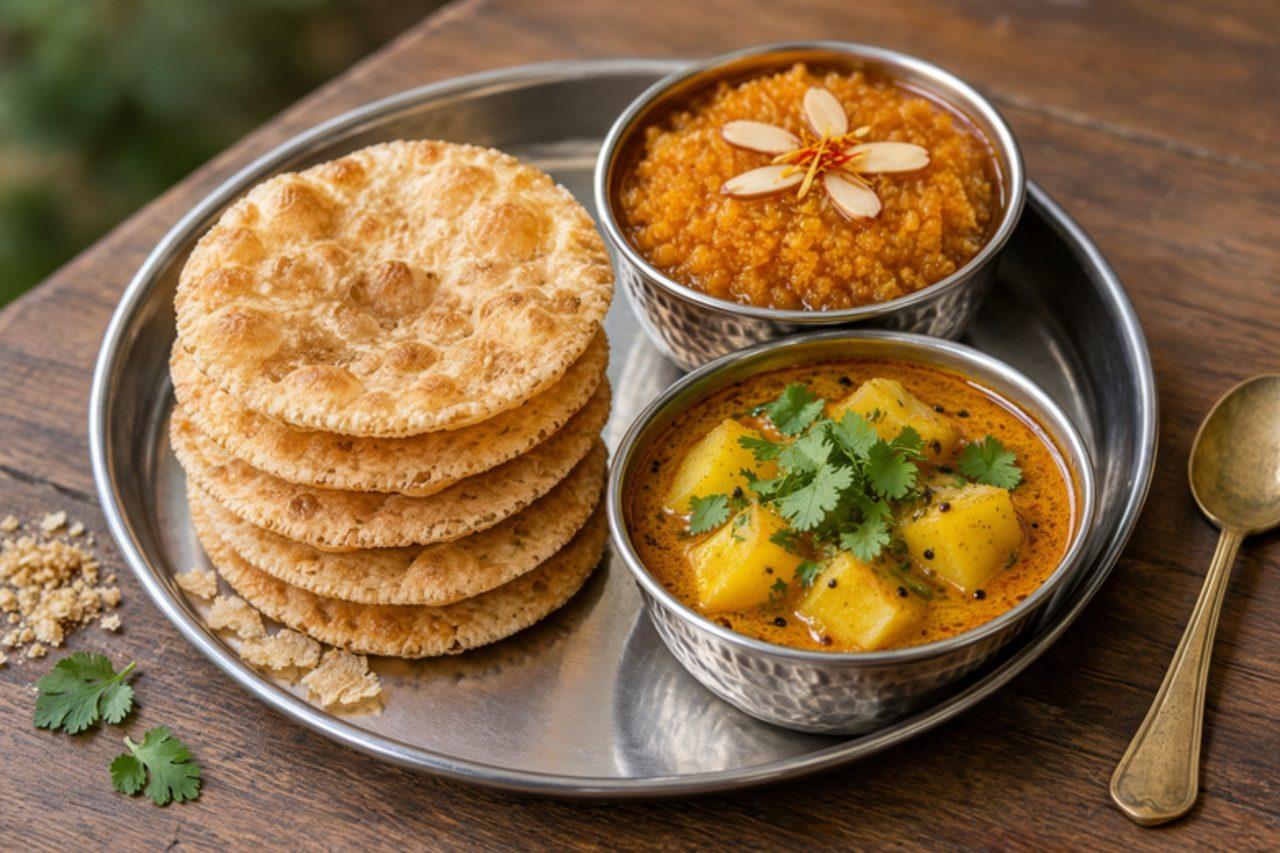
Nagori halwaSemolina puris with halwa

On cold winter mornings in Old Delhi, the halwais near Chawri Bazar and Sitaram Bazar set out trays of nagori: thumb-sized, rock-crisp puris made with semolina. You crack one open, spoon in warm, ghee-rich sooji halwa and eat it with a bite of spicy potato curry, the sweet and the savoury taking turns. It is a breakfast that keeps you going through a foggy December day. Chef's tip: roast the semolina for the halwa slowly until it smells of toasted nuts; under-roasted semolina makes a pasty, flat halwa.

by KrazyBadal 0 views

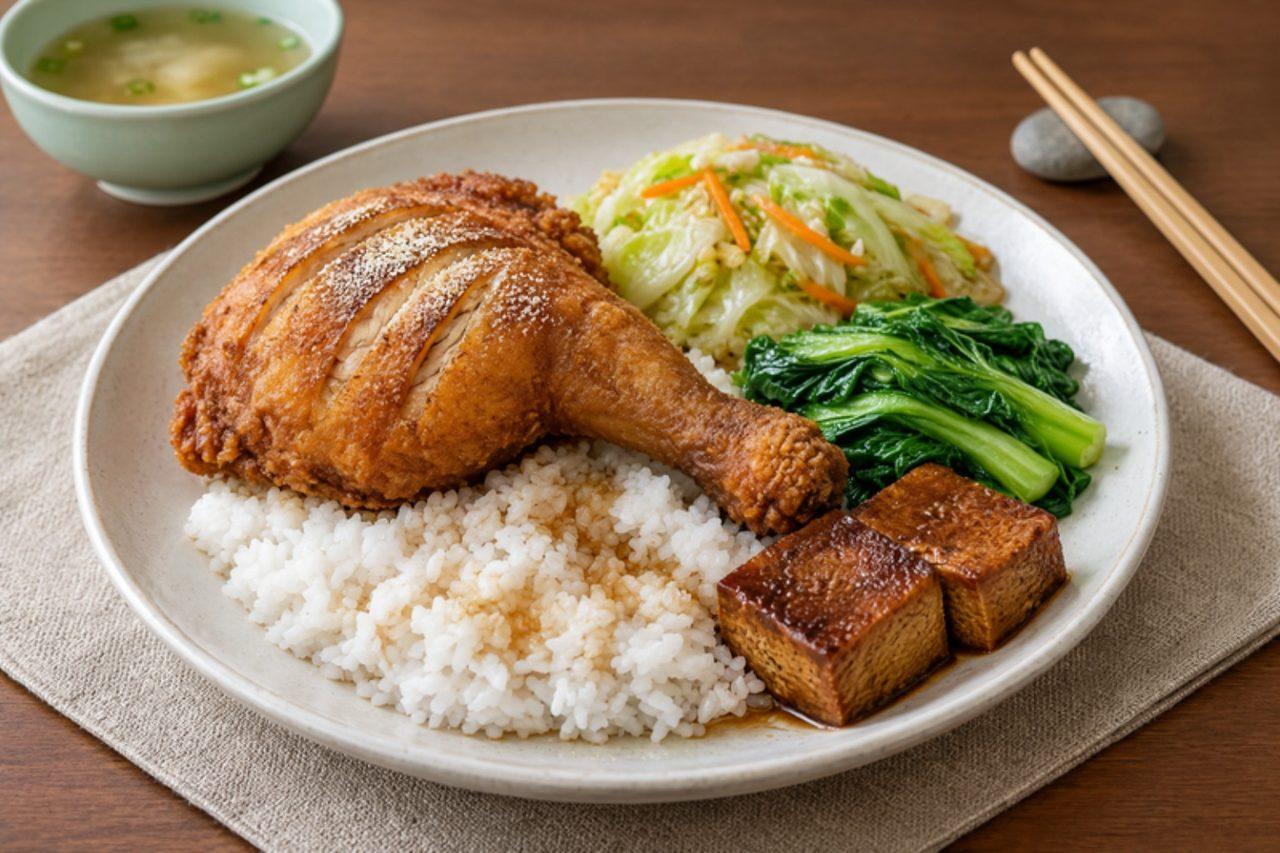
Jitui fanFried chicken leg rice

In every Taiwanese town, the biandang shop at lunchtime sells jitui fan: a whole chicken leg marinated in soy, garlic and five-spice, coated in coarse sweet potato starch and fried crisp, laid over rice with three small vegetable sides and a scoop of minced-pork sauce if you ask. Office workers and students carry the paper boxes back to their desks. The common mistake is frying in oil that is too hot, so the coating browns while the meat by the bone stays raw; fry gently, then crisp it at the end. Chef's tip: let the starch-coated legs sit for 5 minutes until the coating looks damp, so it fries into crunchy little pebbles.

by KrazyBadal 0 views

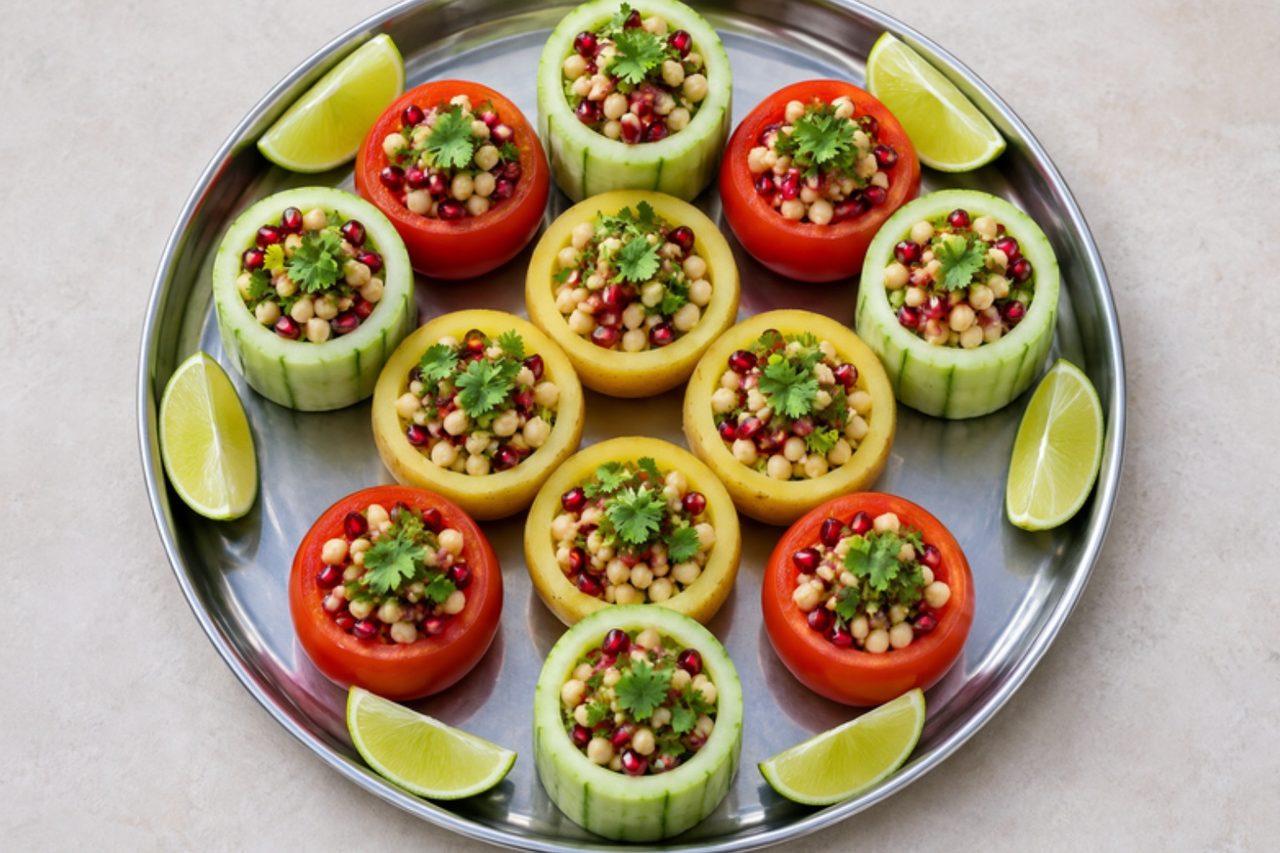
Kulle chaatStuffed cucumber chaat

Kulle chaat comes from the lanes of Chandni Chowk around Chawri Bazar, where a couple of old stalls carve fruit and vegetables into little cups and fill them with chickpeas, pomegranate and lime. It is the cooling chaat of Delhi's scorching summer afternoons: no frying, no yoghurt, just juicy, crunchy cups dusted with chaat masala and black salt. Children love picking them up whole. Chef's tip: season the inside of each empty cup with lime and chaat masala before filling, so every bite is tangy right through.

by KrazyBadal 0 views

Bol renverséUpside-down rice bowl

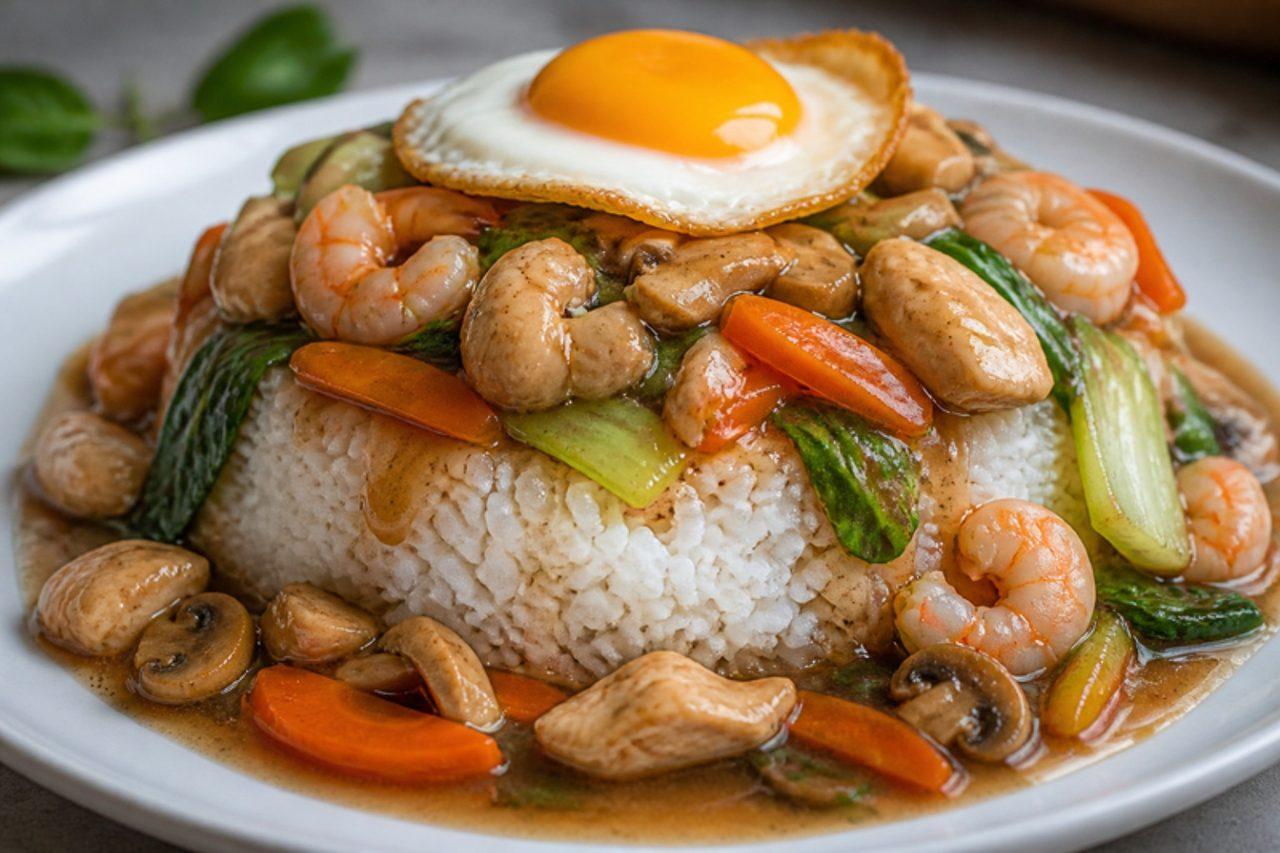
Order a bol renversé in a Port Louis canteen or a Grand Baie food court and it arrives as a neat dome of rice with a fried egg perched on top; break into it and a glossy stir-fry of chicken, prawns, mushrooms and Chinese leaves spills out. The trick is building it backwards in a bowl, egg first, then the stir-fry, then rice packed down, before flipping it onto a plate. The sauce should be thick enough to coat the vegetables but loose enough to soak into the rice. People often make the sauce too thin and the dome slides apart in a flood, so simmer it until it glazes the back of a spoon. Chef's tip: fry the eggs only until the whites are set and the edges are crisp, and lay them yolk-side down in the bowl so the yolk faces up and stays runny when you turn it out.

by KrazyBadal 0 views

Salted saffron milk caps

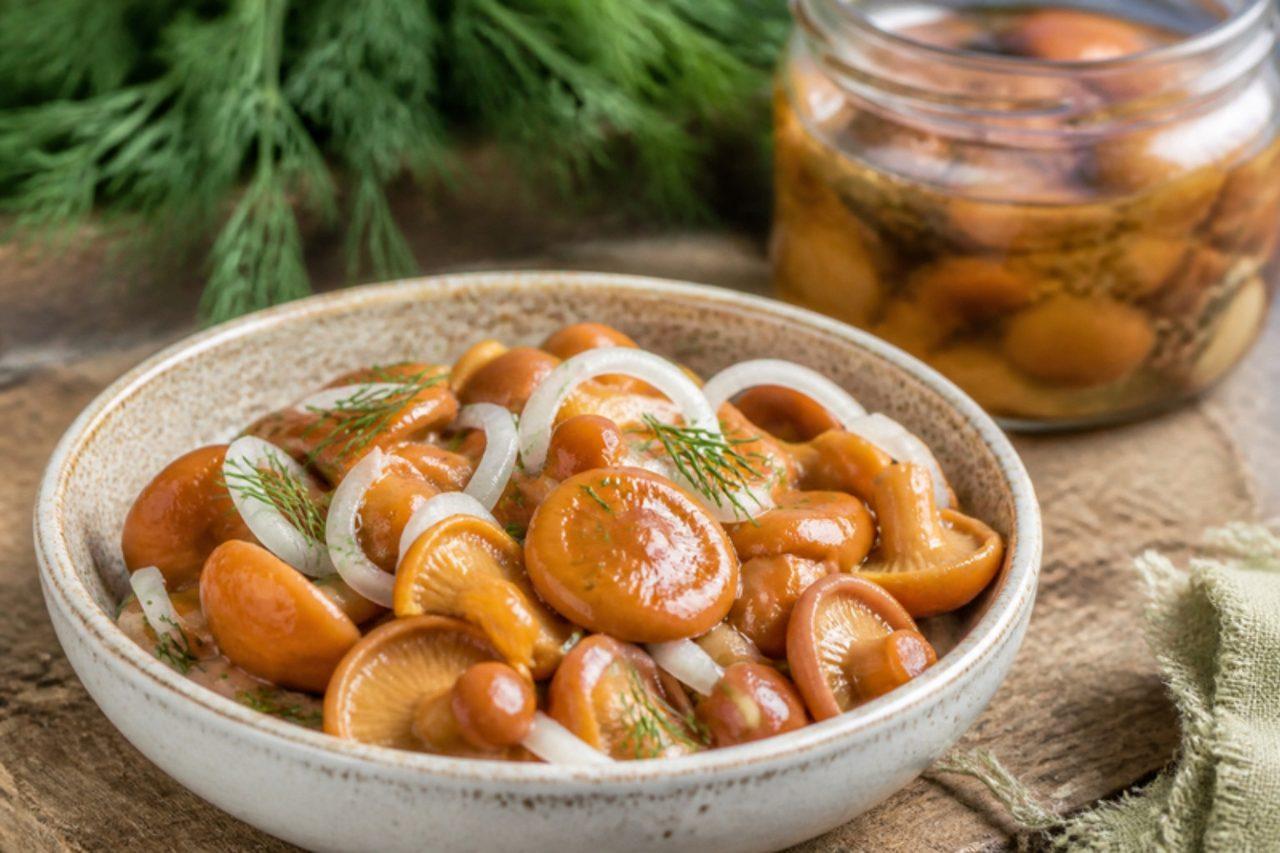
Northern Russians rank ryzhiki, the orange saffron milk caps of the pine woods, above almost every other mushroom, and salted ones from around Arkhangelsk once travelled to the tsar's table. Salted, they keep their bright colour, turn firm and juicy with a clean, resinous taste, and are served with thin onion rings, sunflower oil and hot boiled potatoes; for non-vegans a spoon of sour cream is classic. Old cellars dry-salted them raw for months; this safer fridge version blanches the caps briefly and keeps them in a measured brine in the fridge, ready in about a week. Only use mushrooms identified by an experienced forager or bought from a trusted seller. Where most people go wrong is guessing the salt; too little lets spoilage start, so weigh it. Chef's tip: the caps bruise green where handled, which is normal, so don't worry when the edges darken.

by KrazyBadal 0 views

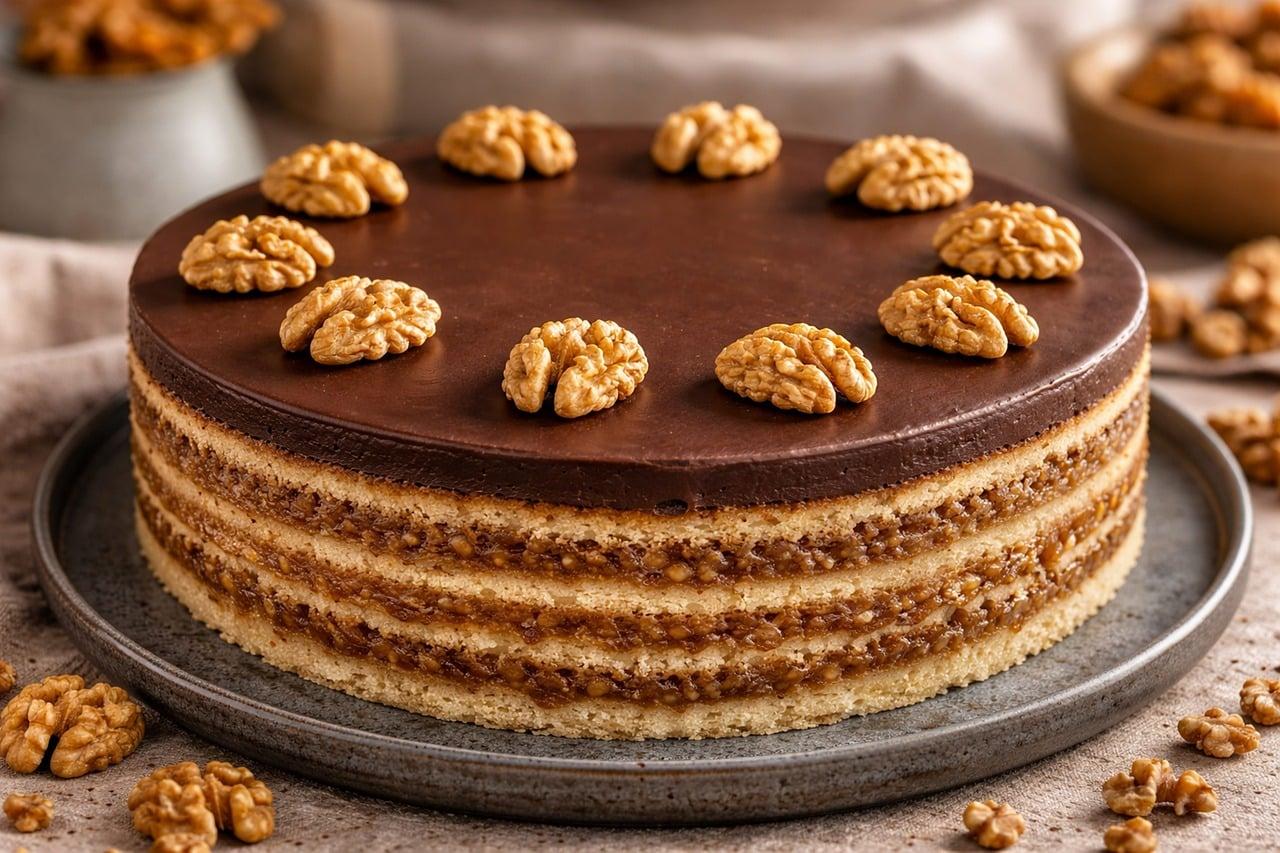
Garash tortaWalnut meringue chocolate cake

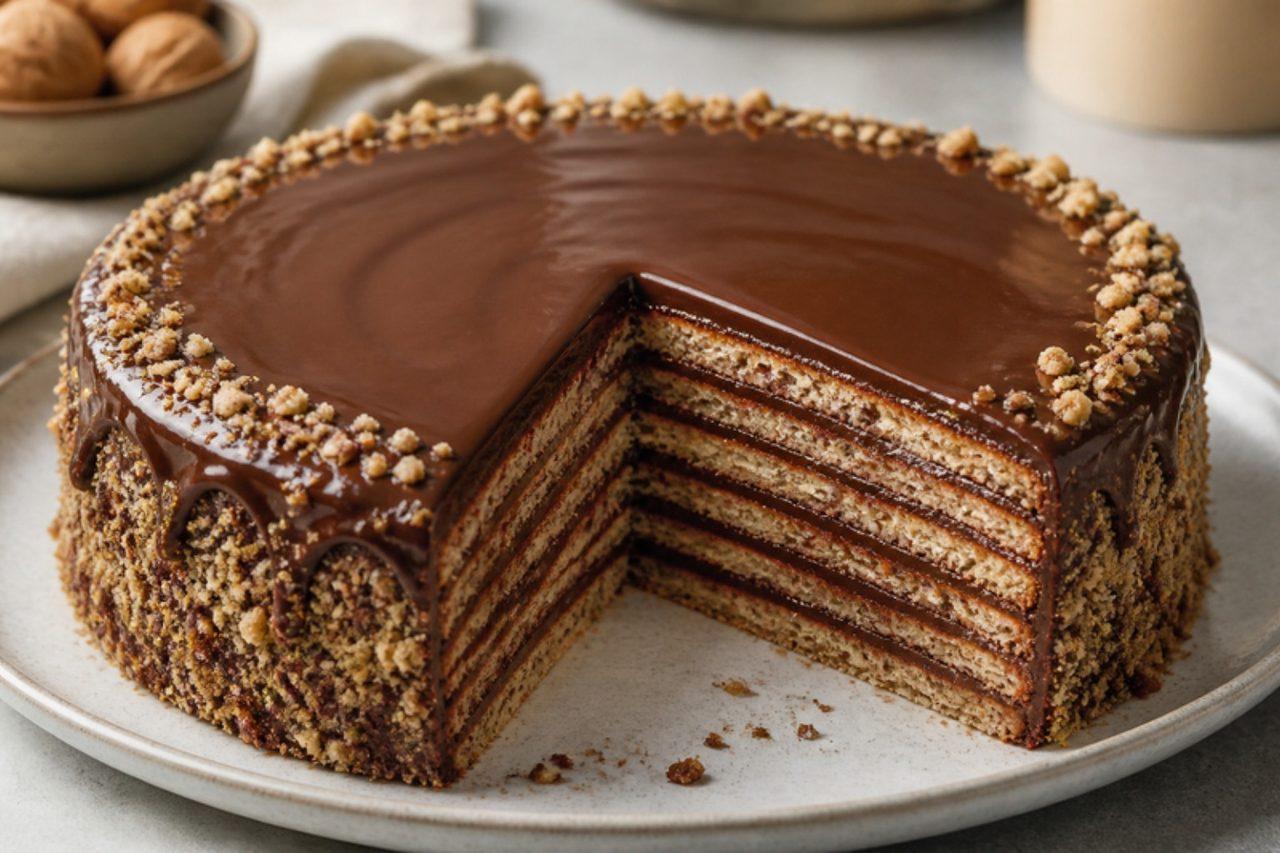
In 1885 a Hungarian confectioner named Kosta Garaš created this cake in Ruse, the elegant Danube town, and it has been the pride of Bulgarian patisseries ever since. Five thin, chewy layers of walnut meringue are stacked with a dark, glossy chocolate ganache and finished with a mirror-like chocolate glaze. Because it uses no flour, it is naturally gluten-free; it is rich and dense, so slices are thin, served with black coffee on name days and anniversaries. The cake is best made a day ahead and chilled so the meringue softens slightly into the ganache. Where most people go wrong is grinding the walnuts to an oily paste; pulse them only until like coarse sand. You will have ten yolks left over: use them for custard or pasta. Chef's tip: bake each layer on a circle drawn on baking paper and trim them all to the same size while still warm, when they cut cleanly.

by KrazyBadal 0 views

Eggplant rolls

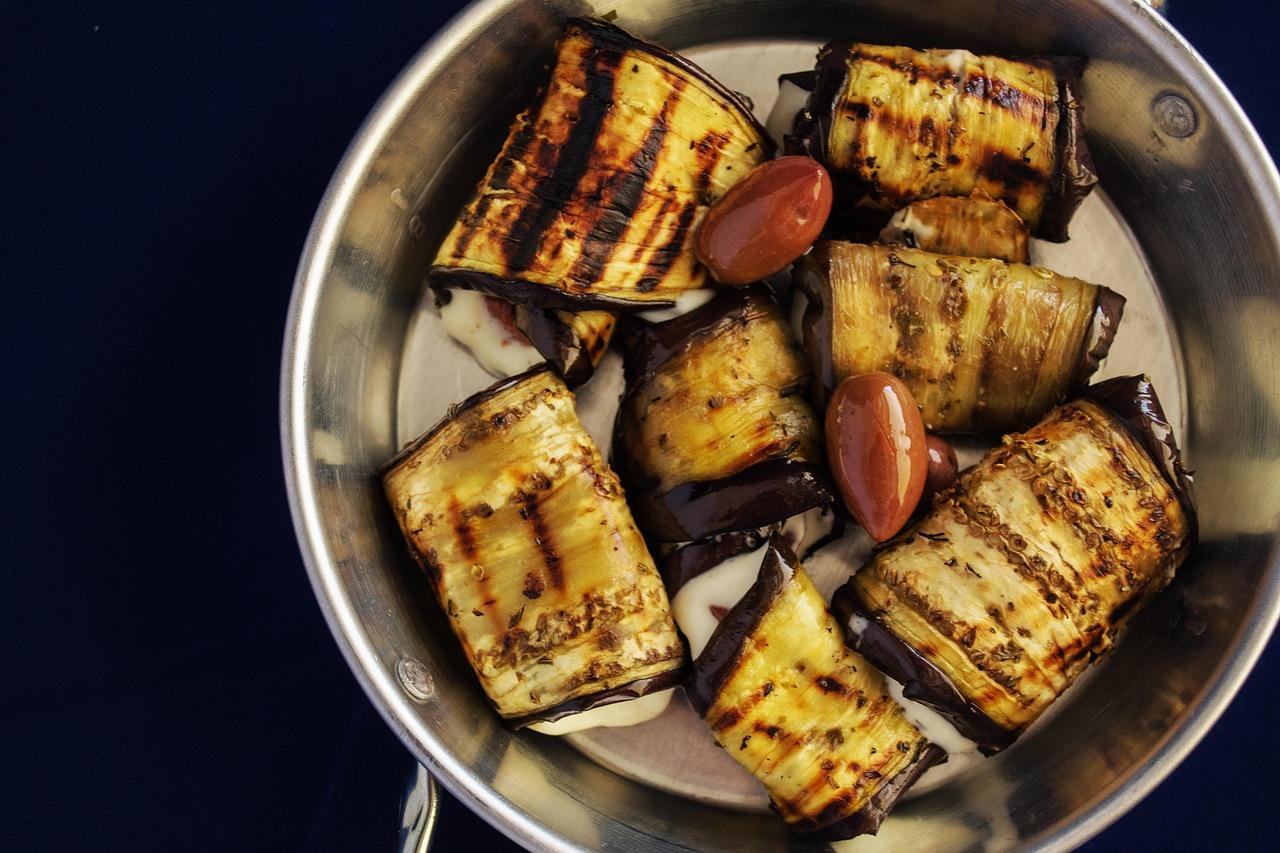
Every birthday buffet in Russian flats seems to have a plate of these little rolls, brought out with the herring and the salads: thin strips of fried aubergine wrapped around a sharp garlic and cheese filling with a slice of tomato peeking out. The aubergine is silky, the filling creamy and punchy, and the tomato keeps it fresh. They are a cold starter, so make them an hour before guests arrive and keep them chilled. Where most people go wrong is frying thick slices in lots of oil, which leaves them greasy and stiff; slice thin, salt them, pat dry and fry in a shallow film of oil. Many hard cheeses use animal rennet, so pick a vegetarian one. Chef's tip: press the fried slices between paper towels while still warm; they shed surprising amounts of oil.

by KrazyBadal 0 views

Mushroom julienne

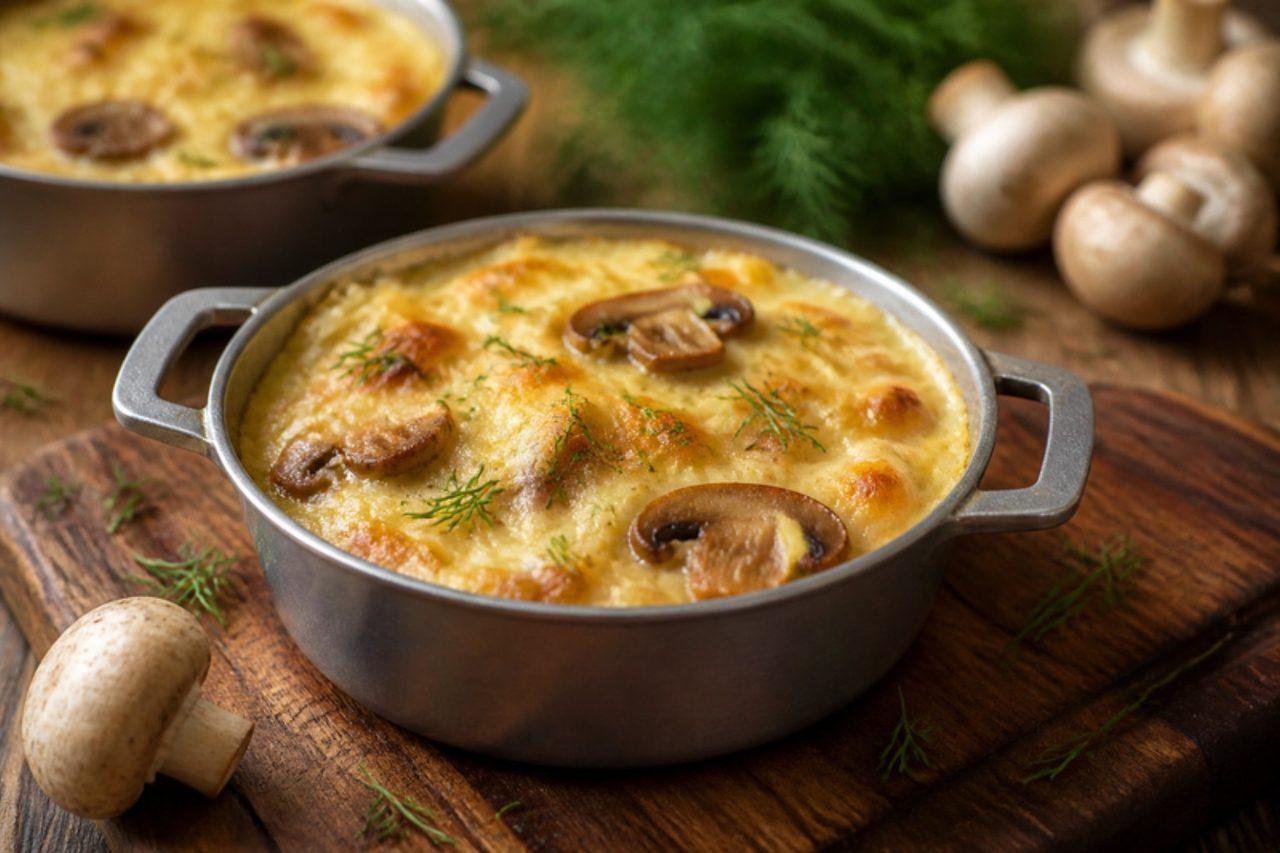
Restaurants in Moscow took the French word for thin strips and gave it to a hot starter: mushrooms and onion in sour cream, baked bubbling under melted cheese in little metal cocottes with a handle. It became a fixture of New Year and birthday tables, served after the cold zakuski and before the main course, with a teaspoon and a slice of bread. The sauce is creamy and savoury, the top blistered and golden. Use mushrooms you can cut into neat strips; button or chestnut mushrooms work, and a handful of wild ones adds depth. The usual slip is crowding the pan so the mushrooms stew; fry them in a hot pan until their liquid has gone. Many hard cheeses are made with animal rennet, so choose a vegetarian hard cheese. Chef's tip: no cocottes? Bake it in ramekins or hollowed-out bread rolls.

by KrazyBadal 0 views

Aseedat bobarPumpkin pudding with ghee

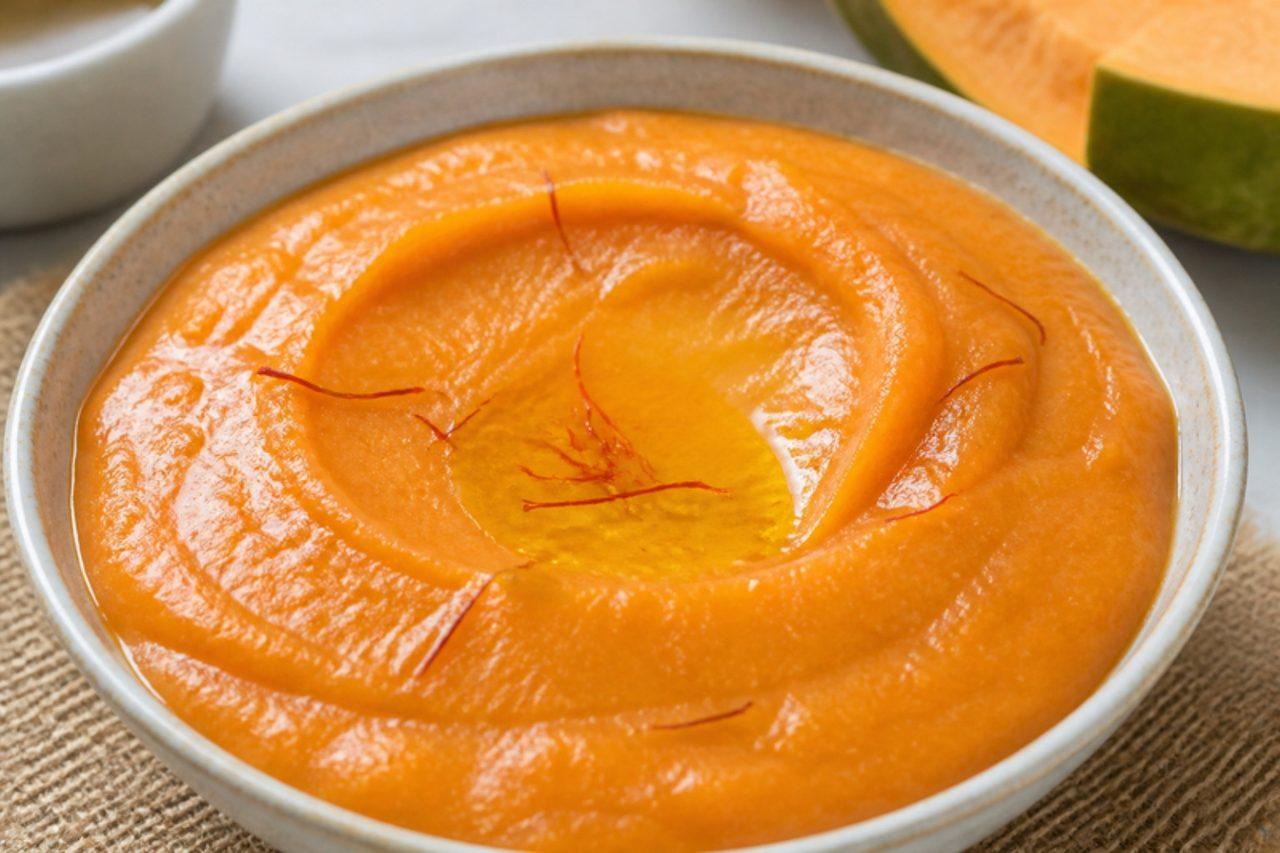
In Doha and Kuwait City, aseedat bobar arrives on winter evenings and at Ramadan iftar in a shallow dish, smooth and orange, with a little pool of melted ghee in the centre. Bobar is the Gulf word for red pumpkin, cooked down and thickened with toasted flour, sugar and cardamom into a soft, spoonable sweet that tastes a bit like a spiced pumpkin pie filling. Scoop it warm with a spoon or with pieces of bread, alongside Arabic coffee. Stopping the stirring too soon is the usual mistake: the pudding must cook until it pulls away from the sides, or it tastes of raw flour. Chef's tip: toast the flour in a dry pan until it smells like biscuits before it goes in; that nutty note is what makes it.

by KrazyBadal 0 views

Trout with tarragon

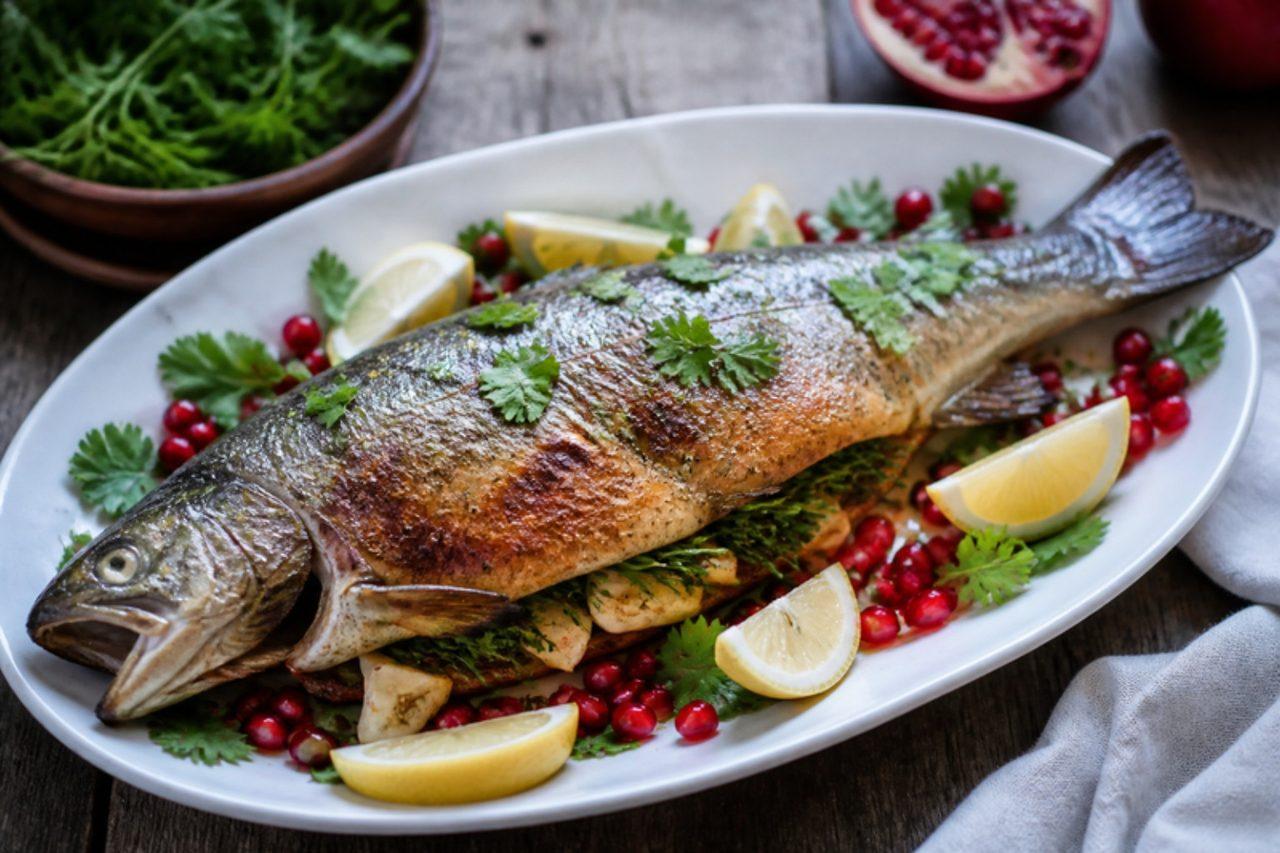
In the river valleys of Racha, around Ambrolauri and Oni, cafés keep live trout in stone tanks fed by mountain streams, and the classic way to cook them is simply: stuffed with tarragon, garlic and a little salt, roasted or grilled over vine cuttings, and finished with a shower of pomegranate seeds and a squeeze of their juice. A common mistake is cooking the fish too long, which dries the delicate flesh. Chef's tip: slash the skin twice on each side so the heat reaches the thickest part evenly, then check by pressing the backbone: the flesh is done when it is opaque and lifts away in clean flakes.

by KrazyBadal 0 views

Asopao de polloSoupy chicken and rice

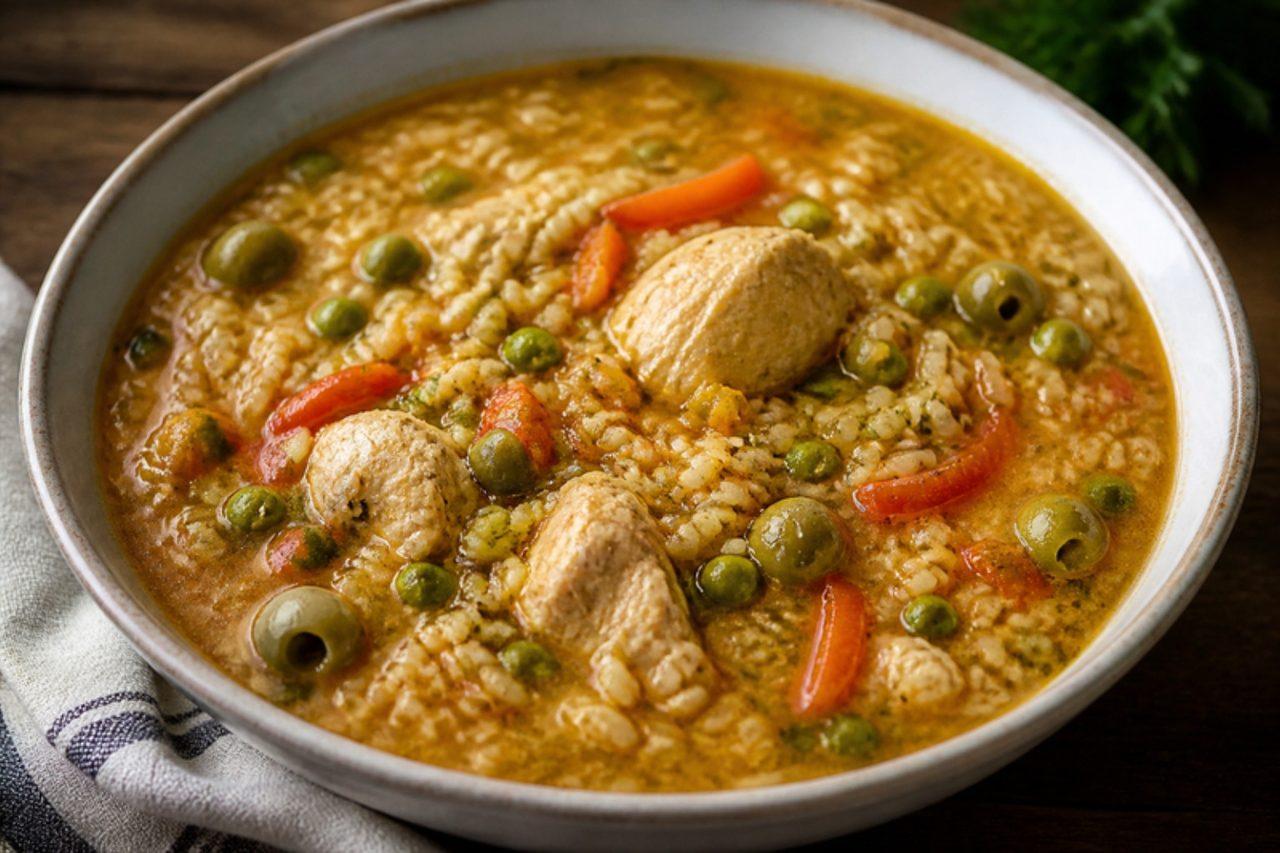
Somewhere between a soup and a risotto, asopao is the pot Puerto Rican mothers put on for a rainy Sunday, a cold, or a hangover after a long party night, and it is spooned straight from deep bowls with tostones on the side. Bone-in chicken is seasoned with garlic, oregano and lime, simmered in a sofrito broth, then rice goes in until the whole pot turns thick and brothy, finished with olives, capers, peas and strips of roasted pepper. The common mistake is making it ahead: the rice keeps drinking the broth and turns stodgy, so cook it just before eating, or keep extra stock to loosen leftovers. Chef's tip: take the pot off the heat while the rice is still a touch firm; it carries on cooking in the bowl.

by KrazyBadal 0 views

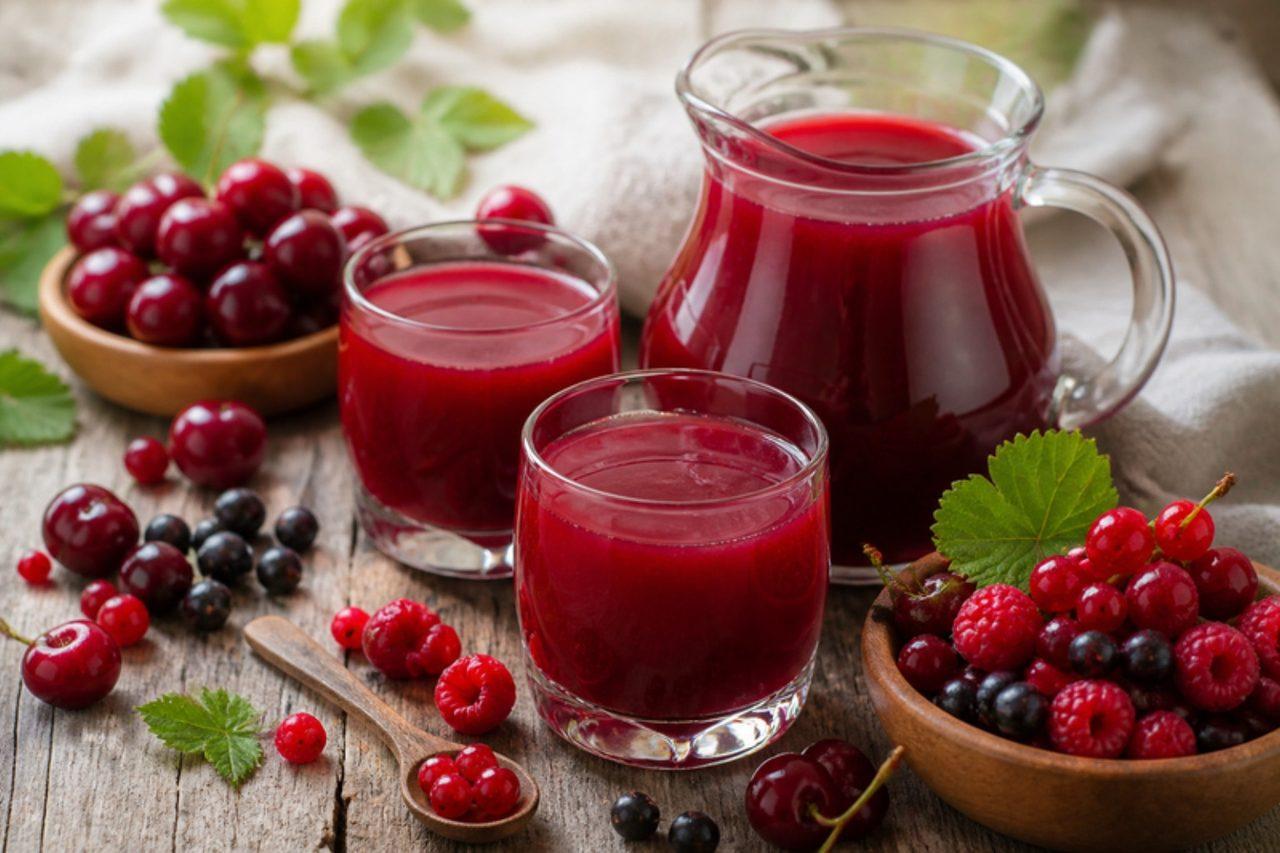
Mors

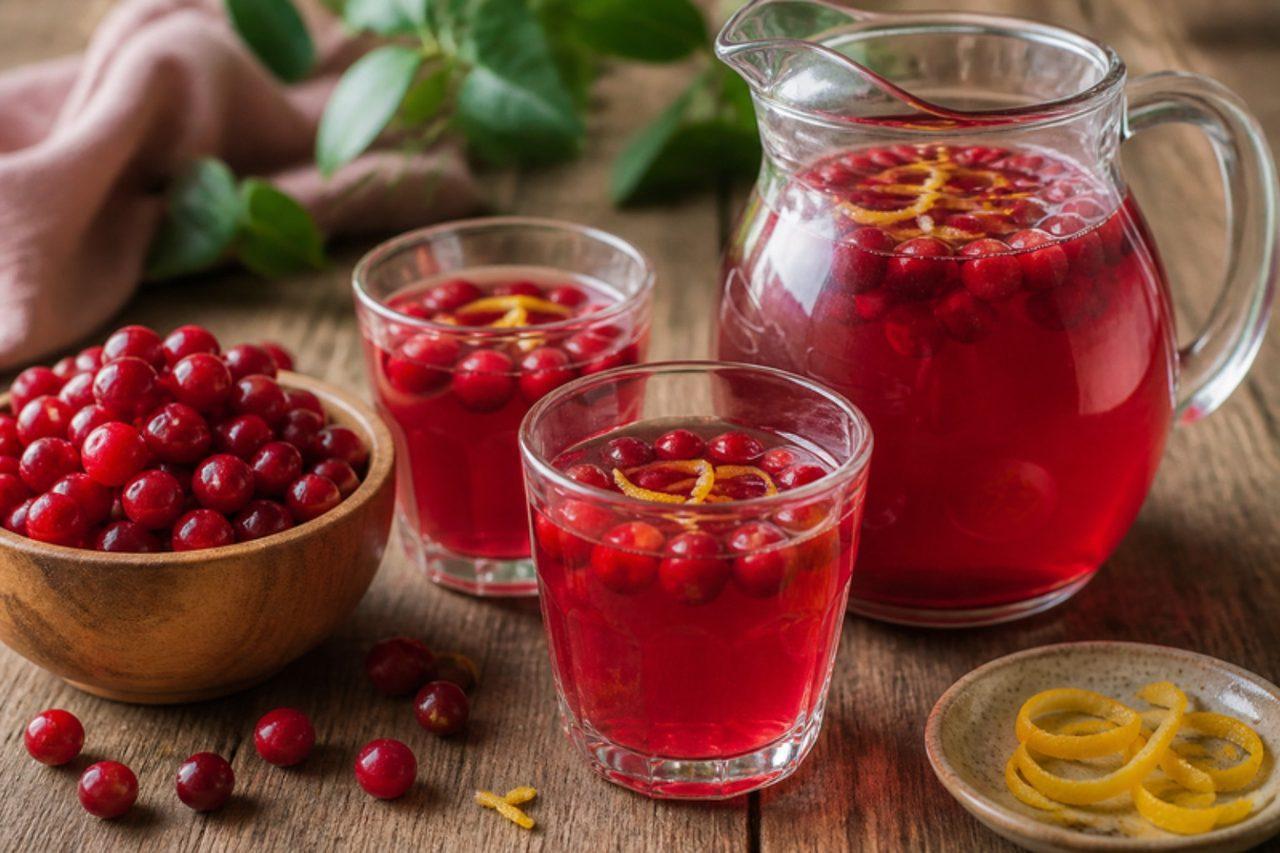
Northern Russia picks cranberries and lingonberries from the bogs in autumn, and many of them end up as mors, a tart, crimson drink served from a jug at family dinners and offered in cafes and canteens from Arkhangelsk to Siberia. Unlike kissel it is thin and refreshing, made by pressing out the raw berry juice, cooking the skins in water and then combining the two so the fresh vitamin-rich juice is never boiled. Honey goes in last, once the liquid has cooled a little, to keep its flavour. Where most people go wrong is boiling the pressed juice along with the pulp; keep it aside until the end. Honey is not for babies under one year old. Chef's tip: serve it cold with ice in summer or warmed gently in winter; it is good both ways.

by KrazyBadal 0 views

SalufPuffy flatbread

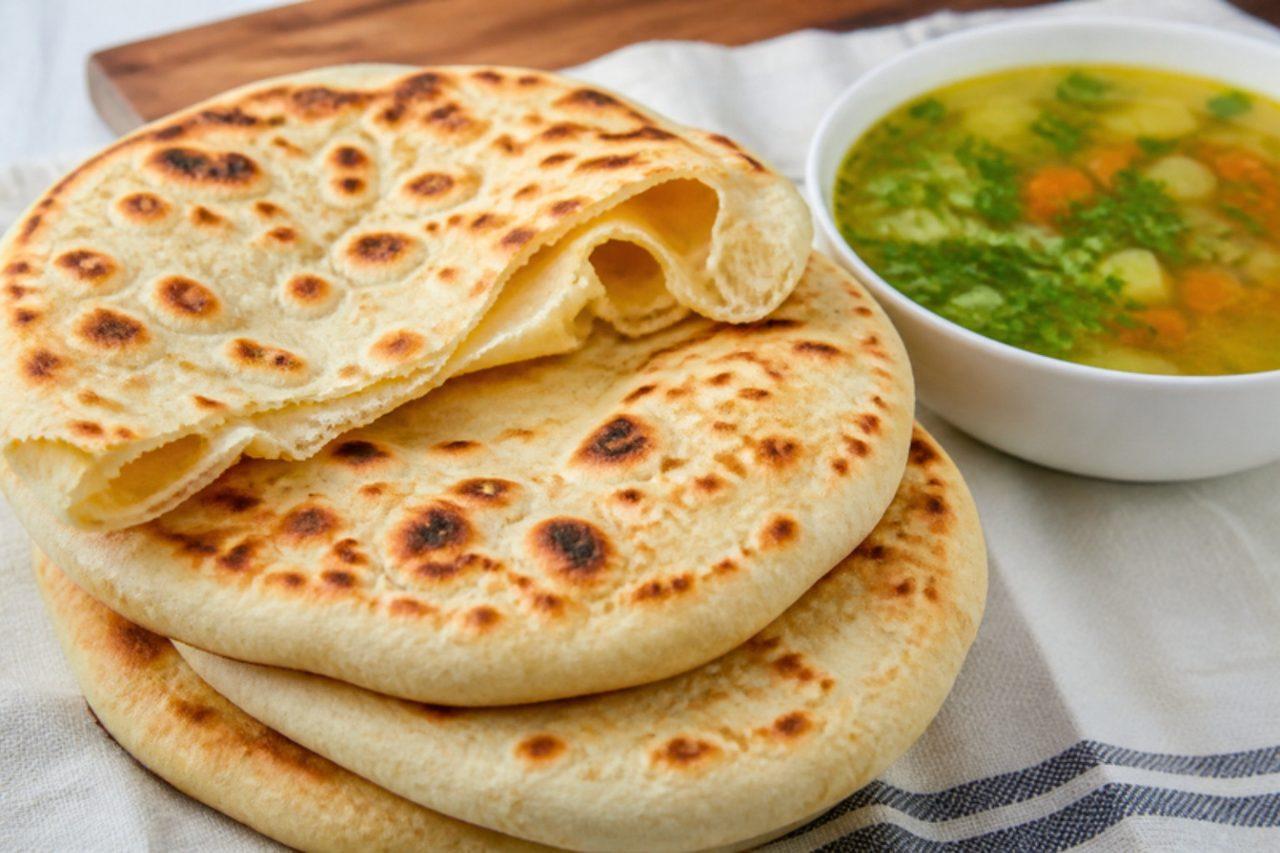
Saluf is the everyday bread of Yemenite Israelis, slapped onto a hot pan or taboon in Rosh HaAyin and Sha'arayim in Rehovot and eaten with marak temani, hilbe and zhug. It is soft and blistered, thicker than pita and with no pocket, made to tear and dunk. Home cooks often roll it too thin, which gives a cracker; it should be about 1 cm thick so it stays pillowy. Chef's tip: cook it under a lid on a very hot dry pan for the first minute, which traps steam and puffs it the way a taboon does.

by KrazyBadal 1 views

GánicaPotato and flour crumble

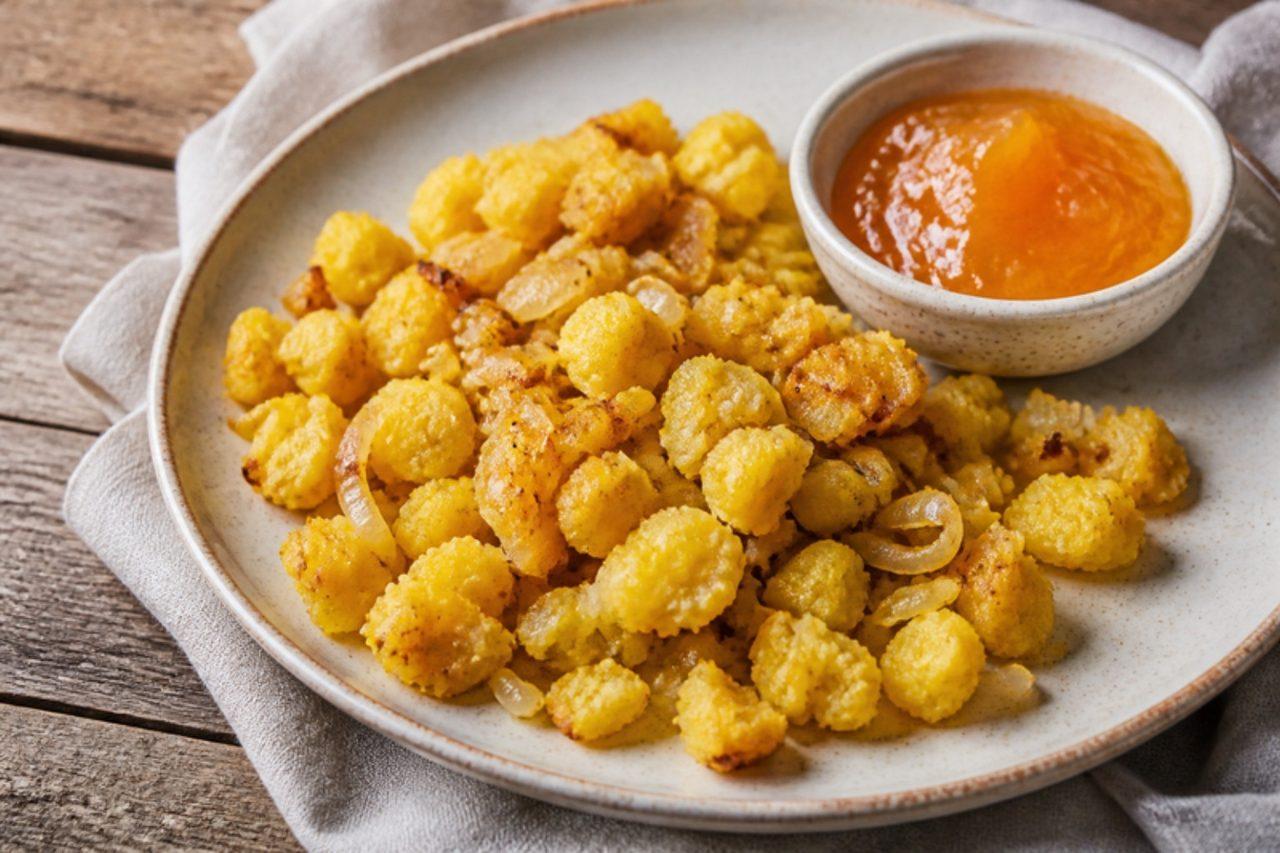
Up in the hills of northern Hungary, in Nógrád and Borsod, potatoes and flour were often all a farmhouse kitchen had in late winter, and gánica made a meal of them. The potatoes are mashed with flour into a heavy dough, then torn apart with two forks into small, uneven crumbs, which are tossed in a pan of onion-scented oil until golden in places. The result is soft and fluffy with crunchy edges, more like a savoury crumble than a dumpling. Eat it as a side with a mushroom stew, or sweet, spooned over with plum jam. The usual slip is under-cooking the flour, which leaves the crumbs pasty; give it the full time over the heat while you beat it. Chef's tip: tear the dough while it is still hot; once it cools it sets into a lump and will not crumble.

by KrazyBadal 0 views

CervelatGrilled sausage

The cervelat, a short, fat, smoked sausage of beef and pork, is called Switzerland's national sausage, and it is what every Swiss child grills on a stick over a campfire on 1 August, National Day, on school trips and on mountain hikes: the ends are cut into a cross so they curl open like a flower as they cook, and it is eaten with bread and mustard. This sausage contains pork. Cervelat is bought ready-cooked and smoked; grilling heats it through and crisps it. A common mistake is grilling over flames, which burns the skin black before the inside is hot. Chef's tip: grill over glowing embers and turn often until the scored ends open out; heat until piping hot, 71 °C.

15 minSwissMeat
by KrazyBadal 0 views

Chicken tabaka

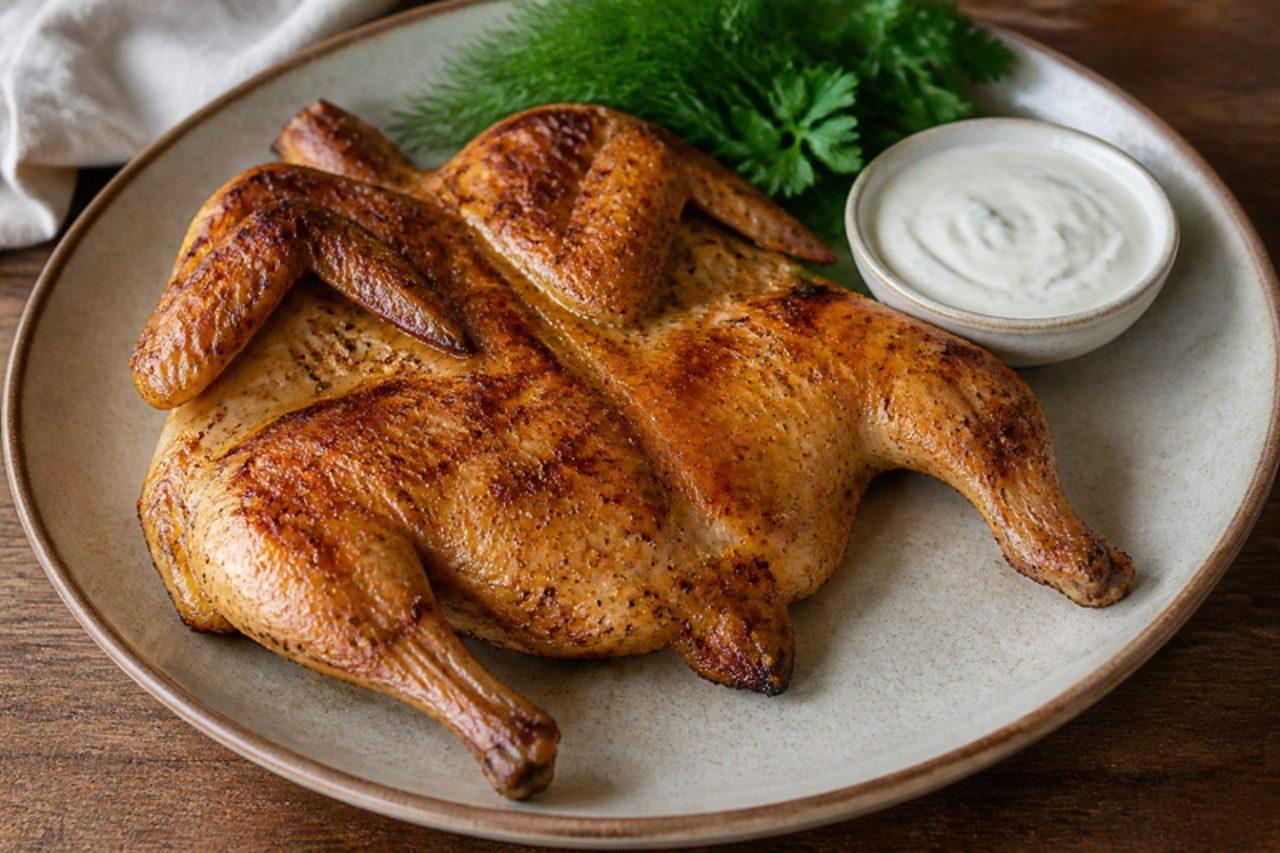
Tsitsila tabaka is named after the tapa, a heavy cast-iron pan with a screw-down lid that Tbilisi cooks use to press a split spring chicken flat as it fries, so every bit of skin touches the hot metal and turns golden and crackling. In old Tbilisi restaurants it comes with a little jug of garlic water (niortskali) and satsebeli tomato sauce. A common mistake is using a big chicken, which takes so long that the skin burns before the inside cooks; a small poussin is right. Chef's tip: a heavy saucepan filled with water works as the weight at home. Chicken is done when the thickest part of the thigh reaches 74 °C.

by KrazyBadal 0 views

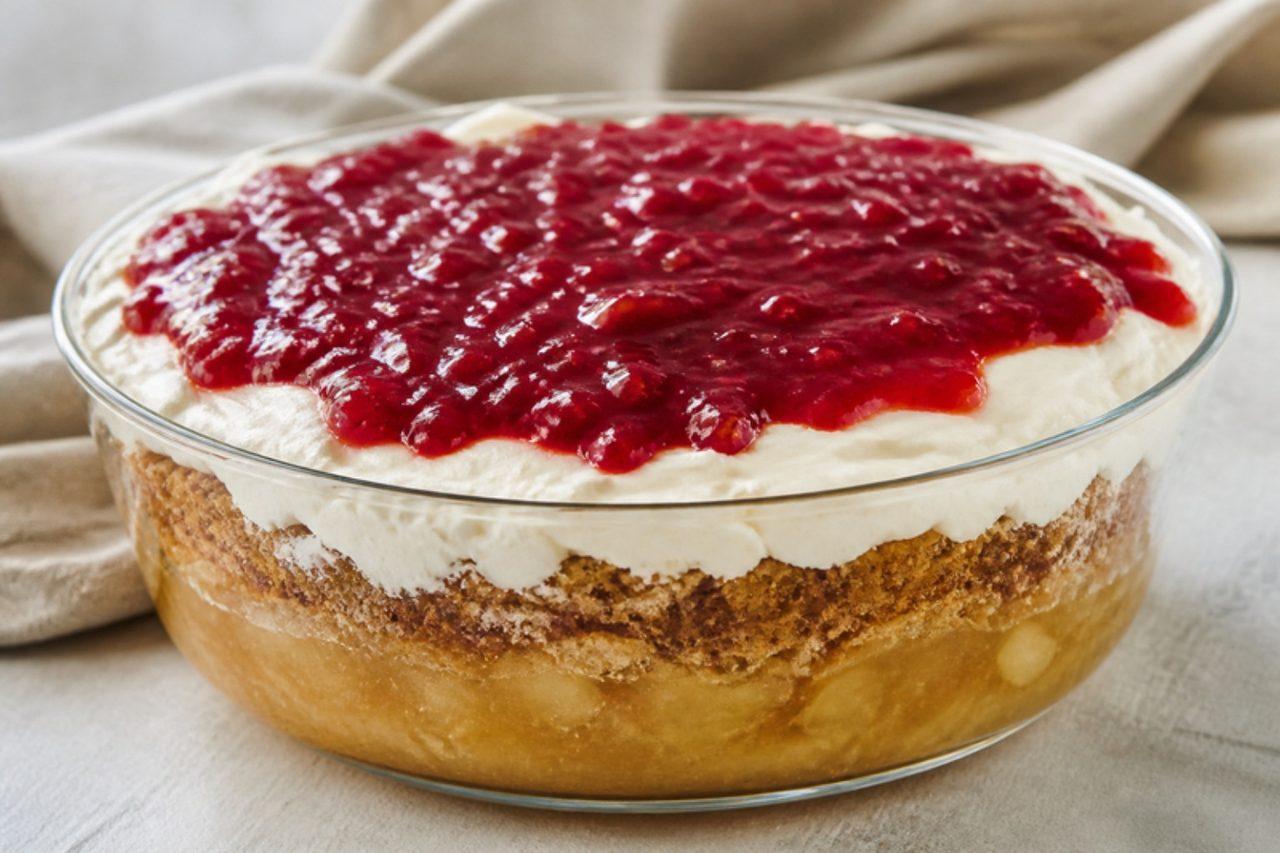
Gammeldags æblekageLayered apple compote dessert

'Old-fashioned apple cake' is not a cake at all but a Danish trifle, made on autumn weekends when the apple trees are heavy: tart apple compote layered in a glass bowl with breadcrumbs or crushed macaroons toasted in butter and sugar, topped with whipped cream and a few dots of redcurrant jelly. The crumbs stay crunchy against the soft fruit. A common mistake is assembling it hours ahead, which turns the crumbs soggy. Chef's tip: toast the crumbs until deep golden and crisp, and assemble within an hour of serving.

by KrazyBadal 0 views

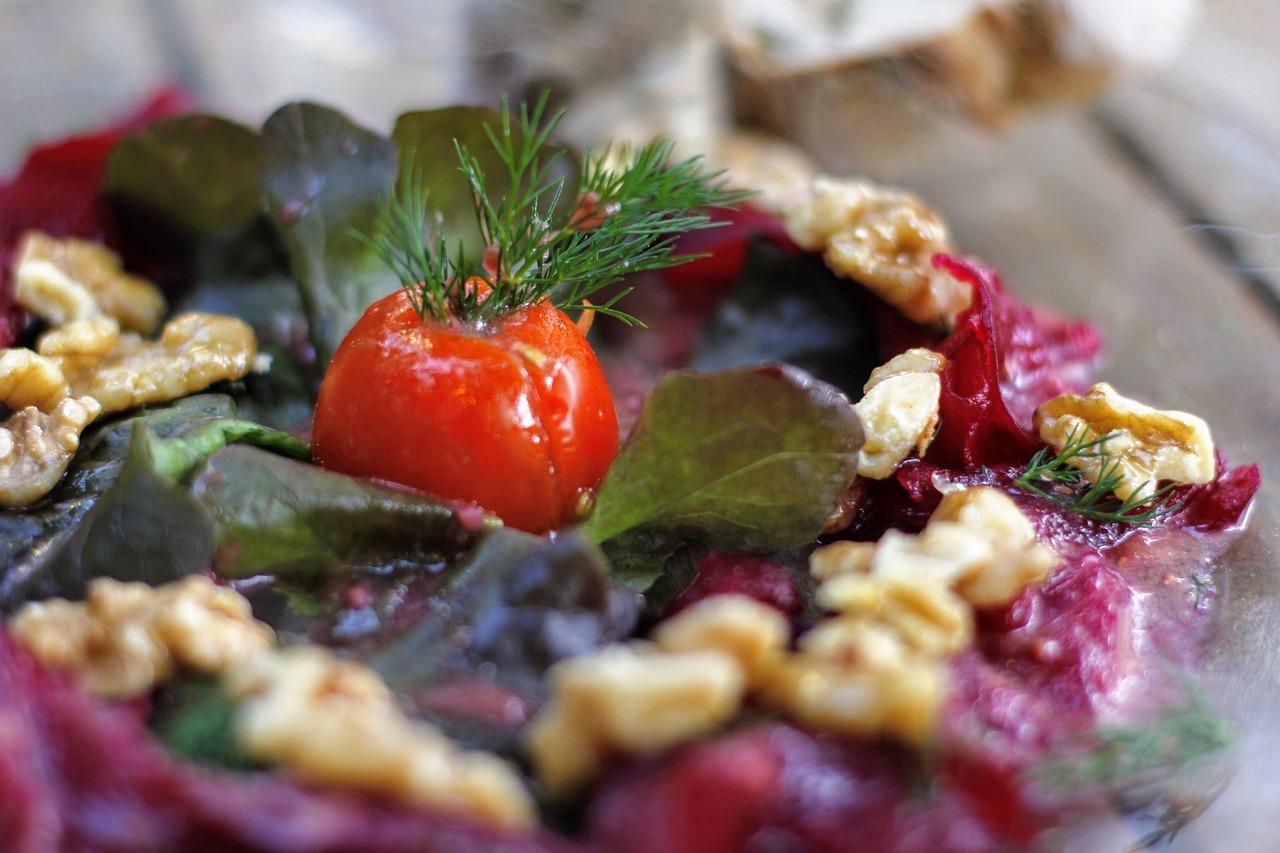
Beet salad with garlic

Grated beetroot with garlic is about as everyday as Russian cooking gets: something from the school canteen, the work buffet and the Sunday table alike, served in a small bowl beside cutlets, boiled potatoes or black bread. This dressed-up version adds chopped prunes for sticky sweetness and toasted walnuts for crunch, all bound with a spoon of mayonnaise. It tastes earthy, sweet and bright with garlic. Buy ready-cooked beetroot (not pickled) to keep it a fifteen-minute job, or boil your own the day before. The usual slip is grating the beetroot fine and leaving it in its juice, which makes the salad watery and purple-grey; grate coarsely and squeeze lightly first. For a lighter dish use thick yoghurt or sour cream in place of mayonnaise. Chef's tip: toast the walnuts; raw ones taste bitter against the beet.

by KrazyBadal 0 views

Blini

Maslenitsa, the week of butter before Lent, is when Russia makes blini by the stack: thin, lacy, slightly sour pancakes raised with yeast and fried one after another in a hot pan, each brushed with melted butter. Old Moscow recipes used buckwheat, and a share of it here gives a nutty, earthy flavour and a speckled grey-gold colour. Eat them folded into quarters with sour cream, jam, honey or condensed milk; red caviar is the festive classic, but this version stays vegetarian. The usual slip is a pan that is not hot enough, which makes thick, pale blini that stick; the first one is always a test. A splash of boiling water whisked in at the end gives the lacy holes. Chef's tip: stack the blini on a plate and cover with a bowl as you go; the steam keeps them soft and supple.

by KrazyBadal 0 views

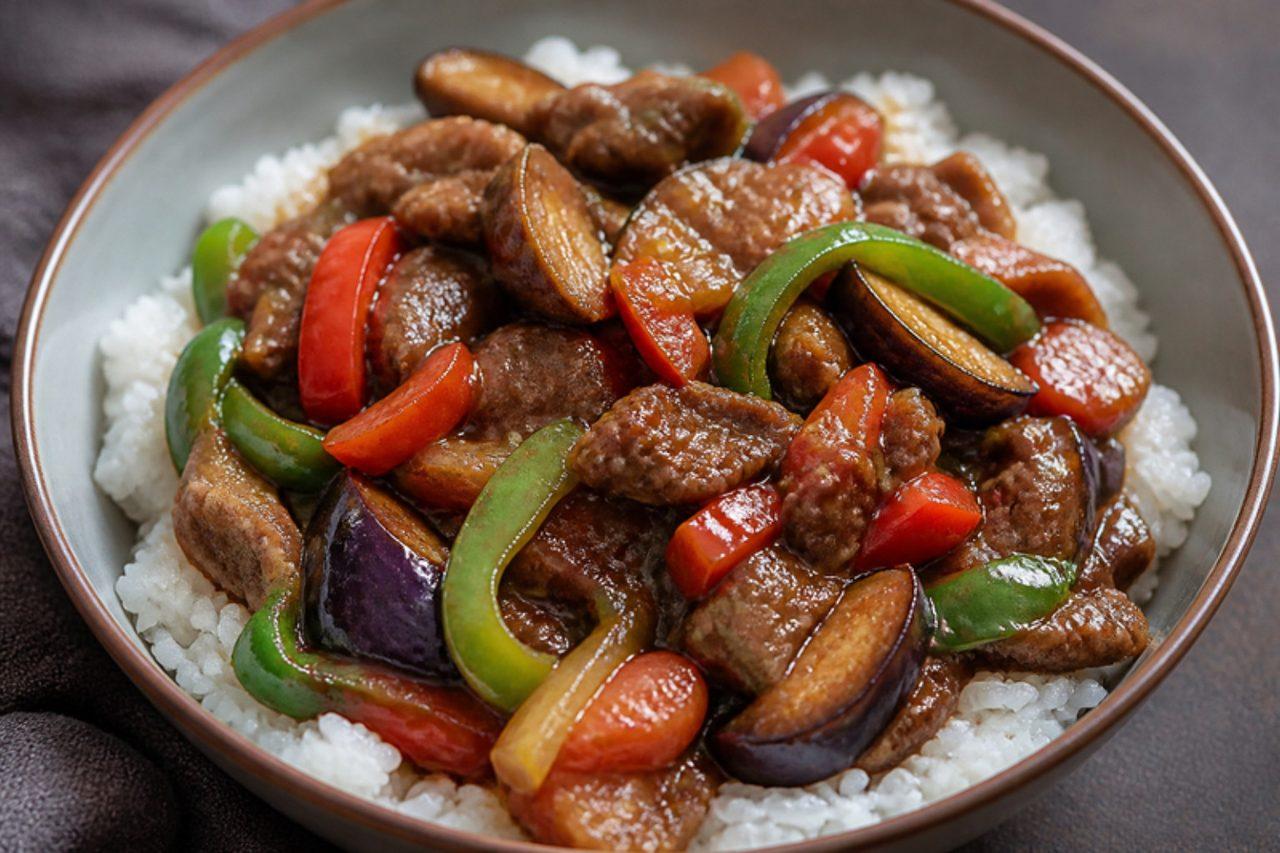
GanfanRice with stir-fried beef and peppers

Ganfan is a dish of the Dungan people, Chinese Muslim communities who settled in Kyrgyzstan and Kazakhstan in the 1870s, and it is ordered in every Dungan café in Bishkek and Karakol: a plate of plain rice with a ladle of stew on top, made by stir-frying thin strips of beef or lamb with peppers, aubergine, celery, tomato and garlic, seasoned with soy sauce and vinegar. A common mistake is crowding the wok, which makes the meat grey and watery. Chef's tip: cut the beef into thin strips against the grain and stir-fry it first in small batches over a fierce heat, then return it at the end. No pork is used in Dungan cooking. Beef strips are done when no pink remains.

by KrazyBadal 0 views

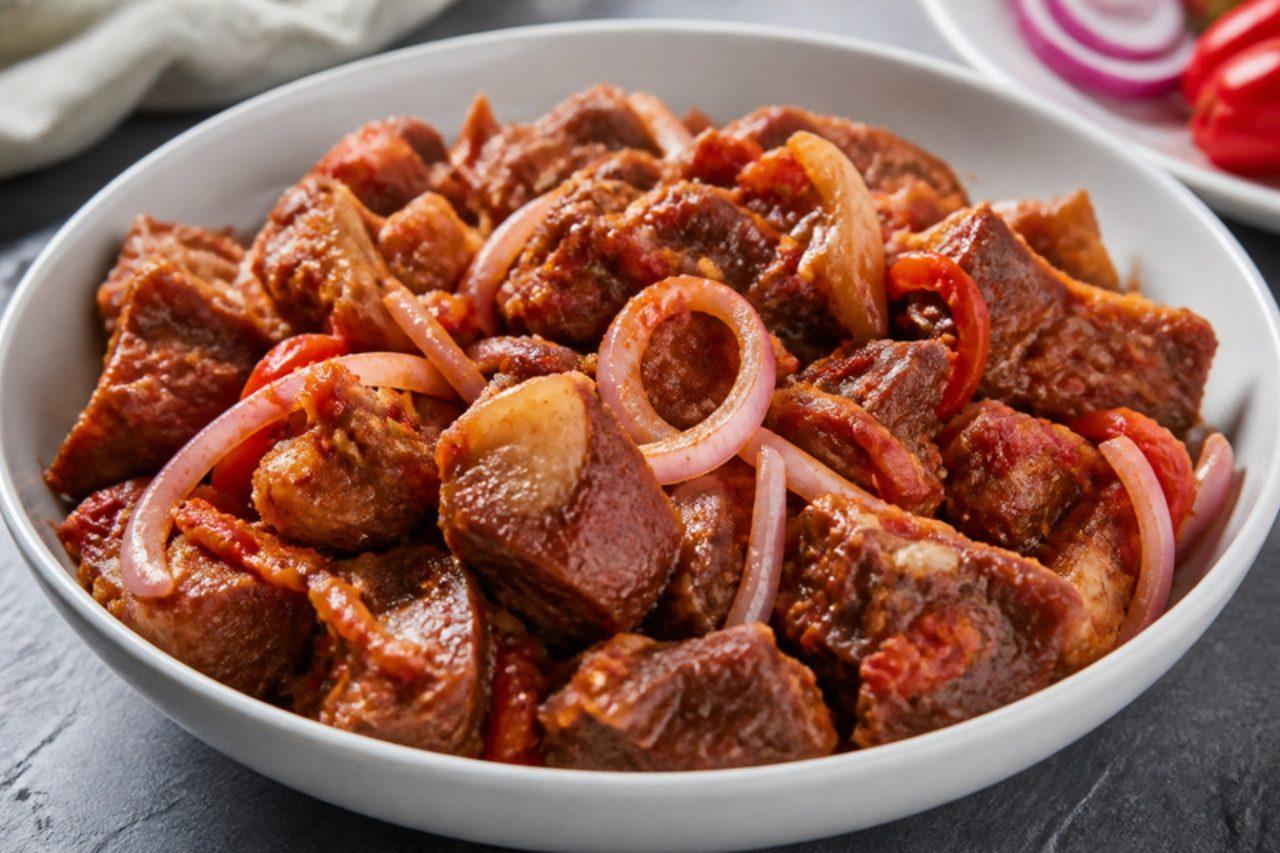
Asun peppered goatPeppered grilled goat

Asun started in Ekiti, where goat was roasted whole over an open fire, and it has become the star of Lagos owambe parties and Friday evenings at the bar. Skin-on goat is boiled with seasoning until just tender, grilled until smoky and charred at the edges, chopped into bite-size pieces, then tossed in a hot sauce of scotch bonnet, onion and a little oil. It is chewy in a good way, smoky and very spicy, eaten on its own, with jollof rice or with cold drinks. Cook the goat until tender and no pink remains. Chef's tip: dry the boiled goat well before grilling; wet meat steams and never takes on the charred, smoky flavour that makes asun.

by KrazyBadal 0 views

Lac-Saint-Jean blueberry pie

Around Lac-Saint-Jean in Quebec the low wild blueberries ripen in August, and the region is so proud of them that locals are nicknamed bleuets. Every church supper and roadside casse-croûte there sells a deep tarte aux bleuets with a flaky top crust and a dark, jammy filling that holds when sliced. Wild berries are smaller and more intense than cultivated ones and frozen wild berries work well. Serve slightly warm with vanilla ice cream or a jug of cream. A common mistake is skimping on the cornflour, which leaves a soupy filling. Chef's tip: let the pie cool for at least three hours so the juices set; cut it hot and the filling runs all over the plate.

by KrazyBadal 0 views

Kissel

Kissel is the drink of Russian childhoods: a glass of silky, ruby-red berry juice, just thick enough to coat the tongue, poured warm at kindergarten lunch or cold in summer from a jug on the dacha veranda. It is also the old Maslenitsa and wake-table drink, and frozen berries make it possible all year. The flavour is sweet-sharp and fresh, the texture smooth and slightly jelly-like. A common mistake is adding the starch mixture to boiling liquid and letting it bubble for minutes; bring it just back to a simmer, then take it off, or it thins out again and can turn gluey. More starch makes a spoonable dessert kissel. Chef's tip: lay cling film or sprinkle a little sugar on the surface as it cools to stop a skin forming.

by KrazyBadal 0 views

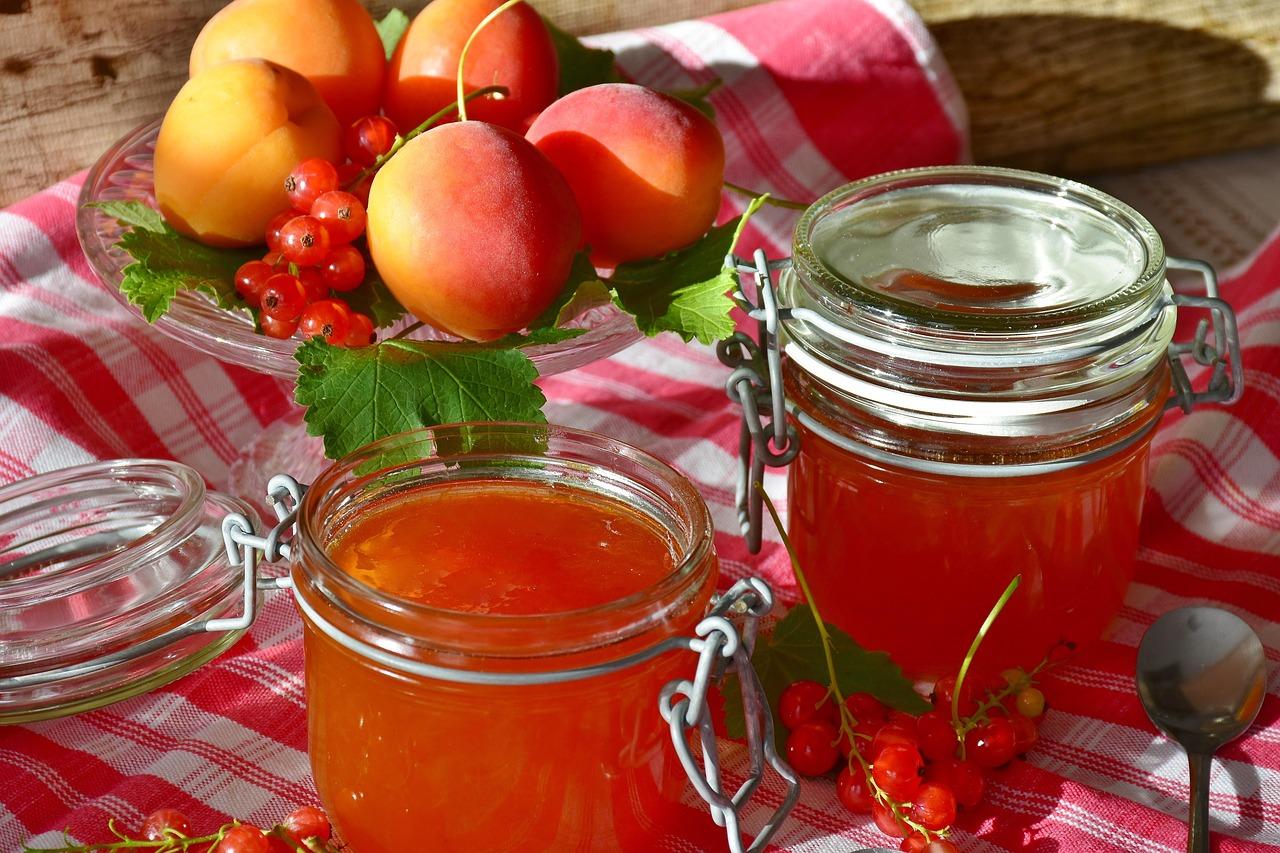
Apricot preserve

The apricot is Armenia's national fruit, and in July families in the Ararat Valley villages around Artashat and Masis cook whole ones slowly in syrup so they keep their shape and turn translucent, sometimes slipping a peeled kernel back inside each fruit. The jars come out on winter evenings, served in tiny glass bowls with black tea or coffee. A common mistake is boiling the fruit hard, which breaks it into jam. Chef's tip: cook in short spells, resting the pan overnight between them; the syrup seeps in slowly and the apricots stay whole and glossy. Bitter kernels contain a natural toxin, so use sweet almonds instead.

by KrazyBadal 0 views

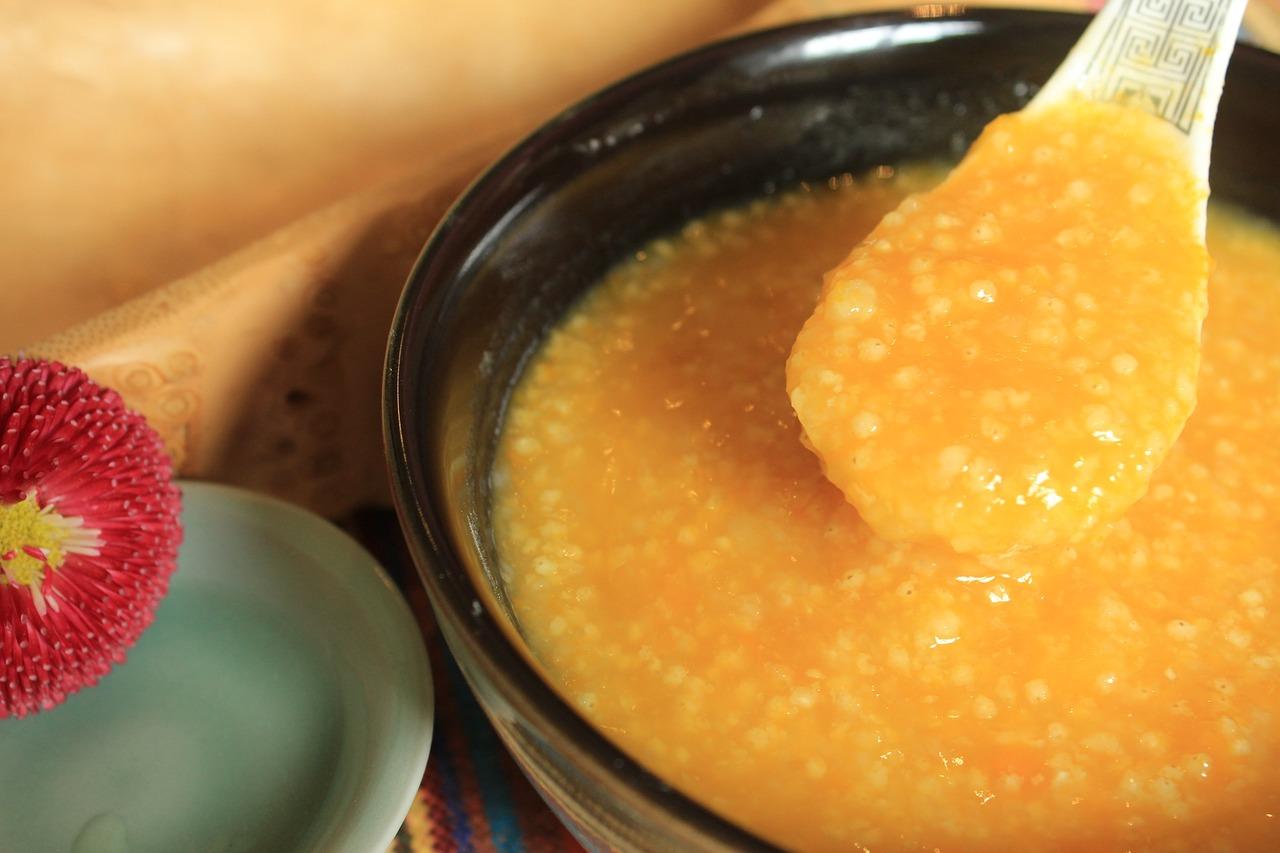
Pumpkin millet porridge

Autumn in central Ukraine means piles of grey-skinned pumpkins in every yard, and the first thing many grandmothers make with them is this golden breakfast porridge. Diced pumpkin is simmered until it collapses, then millet and milk are added and the pot is left to cook down into something thick, creamy and faintly sweet, finished with butter and a spoon of honey. In villages around Cherkasy and Vinnytsia it was once baked for hours in the clay stove; a heavy pan on a low heat gives a very similar result. Serve it hot in deep bowls, with extra honey and a few raisins for children. The usual slip is skipping the rinse: millet carries a bitter dust, and only washing it in several changes of hot water takes it away. Chef's tip: choose a dense, deep-orange pumpkin such as butternut or a Ukrainian 'muscat' type; watery Halloween pumpkins make a thin, pale kasha.

by KrazyBadal 0 views

Kartoshka cakeCocoa and cake crumb truffles

Soviet cafés and school canteens sold these knobbly brown 'potatoes' for a few kopecks, and they began as a thrifty way to use up sponge and biscuit trimmings at the bakery. Crumbs are bound with butter and sweetened condensed milk, flavoured with cocoa and vanilla, shaped into little potatoes, rolled in cocoa and finished with two dabs of pale butter cream for the sprouts. They are fudgy and dense like a brownie truffle, need no oven, and children love making them. Traditional bakers added a spoonful of rum, an optional extra for adult batches only; this version is alcohol-free with vanilla. The usual slip is coarse crumbs, which make the potatoes crack, so blitz them as fine as sand. Chef's tip: chill the shaped potatoes for at least 20 minutes so they hold their shape and slice cleanly.

by KrazyBadal 2 views

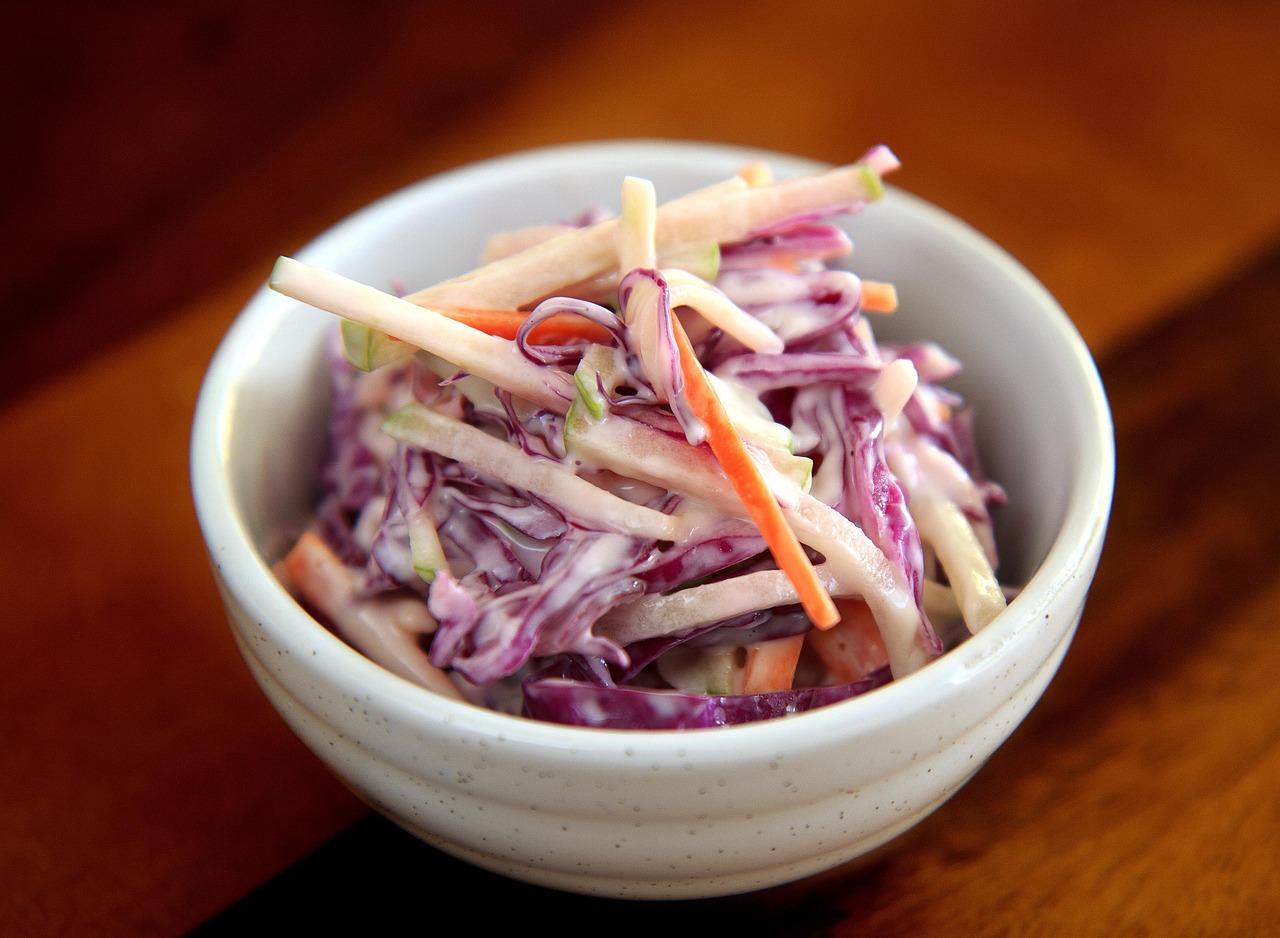
Vitamin salad

"Vitamin" salad was the bright spot on every Soviet stolovaya tray, scooped from a steel tray beside the cutlets and buckwheat, and it is still how many Russians start a light lunch. Fresh white cabbage, carrot and green apple are rubbed with salt and sugar, then dressed simply with sunflower oil and vinegar, so it tastes crisp, juicy and sweet-sour. It goes with almost anything hot and is a good way to use half a cabbage. A common mistake is skipping the squeeze: crushing the cabbage with salt for a minute or two softens it and draws out juice that becomes part of the dressing. Grate the apple last so it does not brown. Chef's tip: unrefined, toasted-seed sunflower oil gives the true canteen flavour; a splash goes a long way.

by KrazyBadal 0 views

Bajan coconut turnovers

Glass cases in Bridgetown bakeries hold rows of turnovers, soft golden half-moons of sweet yeasted dough with a sticky filling of grated coconut, brown sugar, almond essence and spice peeking out at the edges, often tinted red. Bajans eat them mid-morning with a mug of cocoa or a cold sweet drink. The mistake is overfilling, which bursts the seams in the oven; leave a clear border to seal. Chef's tip: cook the coconut filling until almost dry and cool it fully before using, as warm wet filling makes the dough soggy.

by KrazyBadal 0 views

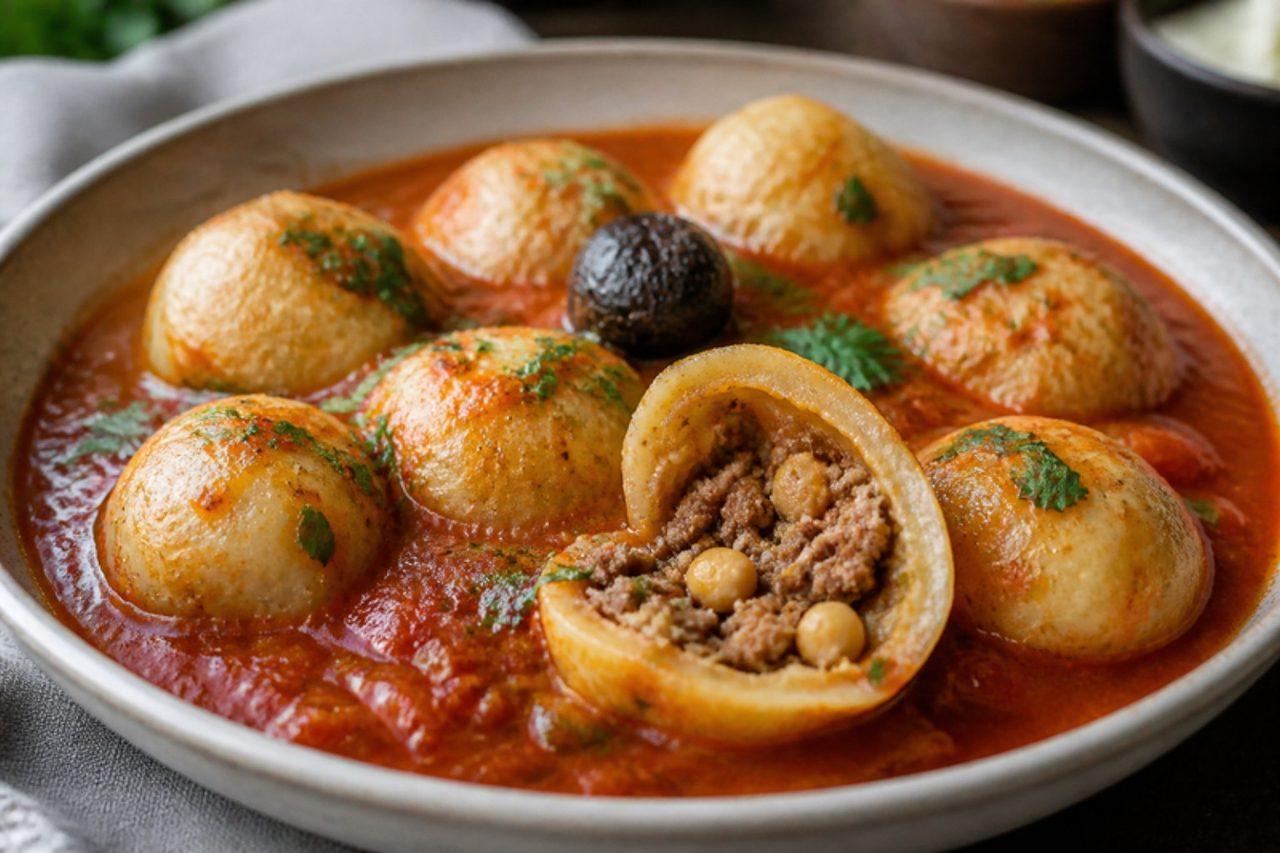
GaboutStuffed dumplings in tomato stew

Gabout is old Kuwaiti home cooking, the kind grandmothers in Kuwait City still make for family lunches in winter, and a close relative of the Iraqi dumplings brought along the trading routes of the Gulf. Soft flour dough is wrapped around spiced lamb or beef mince with chickpeas, and the dumplings are simmered in a sour tomato and dried-lime stew until they are tender and plump. It is filling and comforting, eaten with bread or on its own. The mistake people make is rolling the dough too thick, which makes the dumplings heavy and doughy. Chef's tip: wet your fingers when sealing, the dough must close tightly or the filling leaks into the stew.

by KrazyBadal 0 views

Cocktail bunCoconut-filled sweet buns

Bakeries across Hong Kong pull trays of cocktail buns from the oven before the morning rush, and schoolchildren and commuters buy them warm in paper bags to eat on the bus or with milk tea at a cha chaan teng. The story goes that 1950s bakers invented them to use up day-old bread mixed with sugar and coconut, so the name is a playful nod to a cocktail of leftovers. Today the soft, milky roll holds a sweet, buttery coconut filling that's slightly sandy and chewy, under two piped stripes and a scatter of sesame seeds. A soft, warm filling tends to ooze out during proving and baking, so chill it until firm before you roll the buns. Chef's tip: roll each bun up tightly from the long side and pinch the seam well, then place it seam-down; loose rolls split open in the oven.

by KrazyBadal 0 views

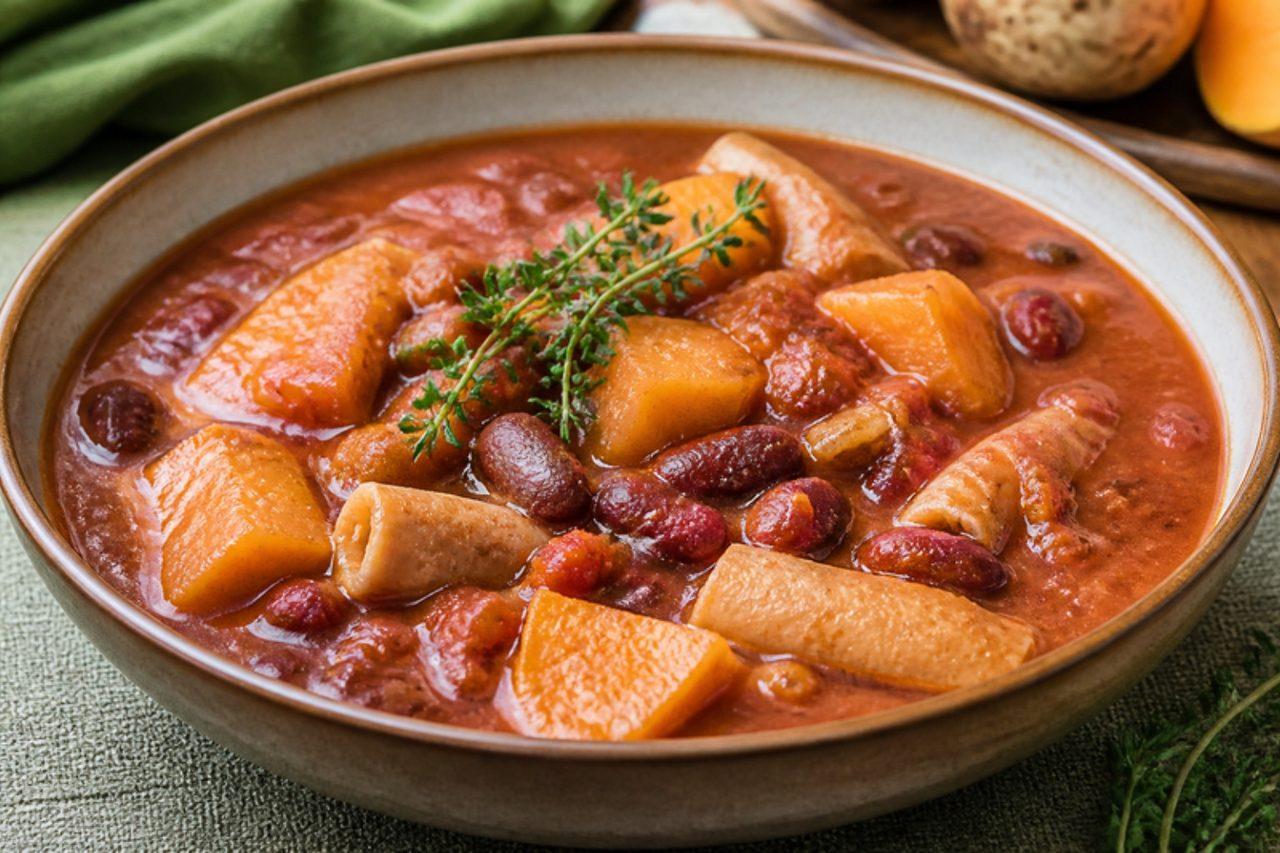
Jamaican red pea soup

Saturday in many Jamaican homes means a big pot of red peas soup, thick enough to stand a spoon in and finished with chewy spinner dumplings. Outside Rasta households it usually carries pig's tail or salted beef; this is the ital version, where coconut milk, pimento, thyme and a smoky handful of browned onion do the savoury work. Dried kidney beans must be soaked and then boiled hard for at least 10 minutes before simmering, as undercooked red kidney beans are toxic, and many cooks spoil the soup by adding salt too early, which keeps the skins tough. Serve it on its own as a full meal. Chef's tip: mash a ladleful of cooked beans against the side of the pot near the end to give the soup its creamy body without any flour.

by KrazyBadal 0 views

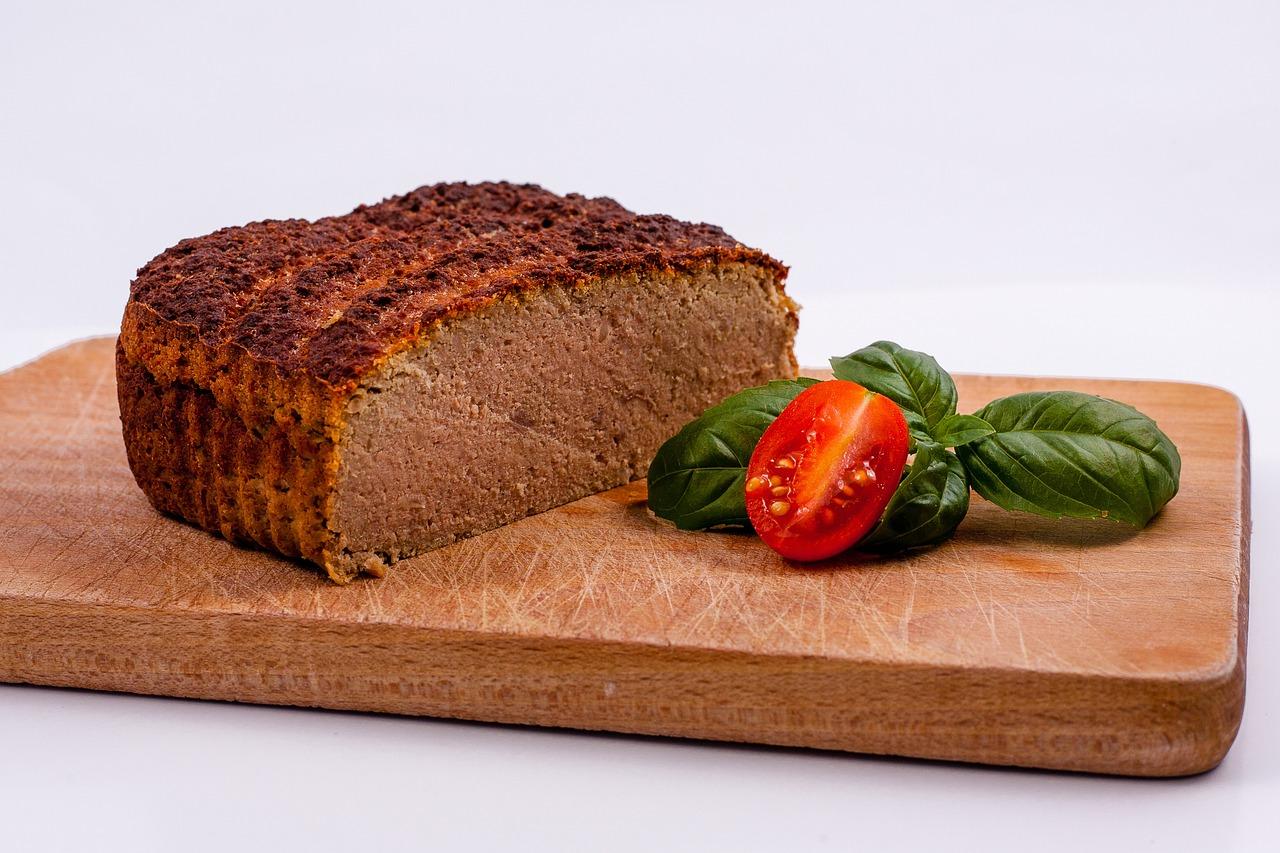
Easter pâté

A thick slice of homemade pasztet belongs on the Easter breakfast table after the blessing of the food basket, next to ham, eggs, ćwikła and white sausage. This baked loaf combines pork shoulder, chicken thighs and pork liver, simmered with root vegetables and allspice, minced twice and baked until firm, so it slices cleanly yet stays moist and spreadable. Marjoram and nutmeg give it the classic Polish flavour; serve it cold with horseradish, beetroot relish and pickles. Overbaking dries it out, but underbaking is the bigger risk with poultry and liver, so always check the centre with a thermometer. Bake it two days ahead: it needs to chill overnight to set, and it keeps for five days in the fridge. Chef's tip: save the cooking stock and add it a ladle at a time as you mix; the mixture should be as soft as thick porridge, which keeps the finished loaf juicy.

180 minPolishMeat
by KrazyBadal 0 views

Jamaican green banana porridge

Green banana porridge is the breakfast many Jamaicans remember from their grandmothers' kitchens in St Mary and St Ann, where bananas are cheap and plentiful and the porridge was said to "build you up" for the day. Unripe bananas grated or blended with water cook into a smooth, silky porridge with a gentle, earthy flavour, sweetened with condensed milk and scented with nutmeg, cinnamon and vanilla. The common mistake is not whisking as it heats; the starch thickens suddenly and goes lumpy within a minute. Peel the green bananas with oiled hands or gloves, because the sap stains. Chef's tip: blend the bananas with the water until completely smooth before they go into the pot, which makes it far easier to keep lump-free.

by KrazyBadal 0 views

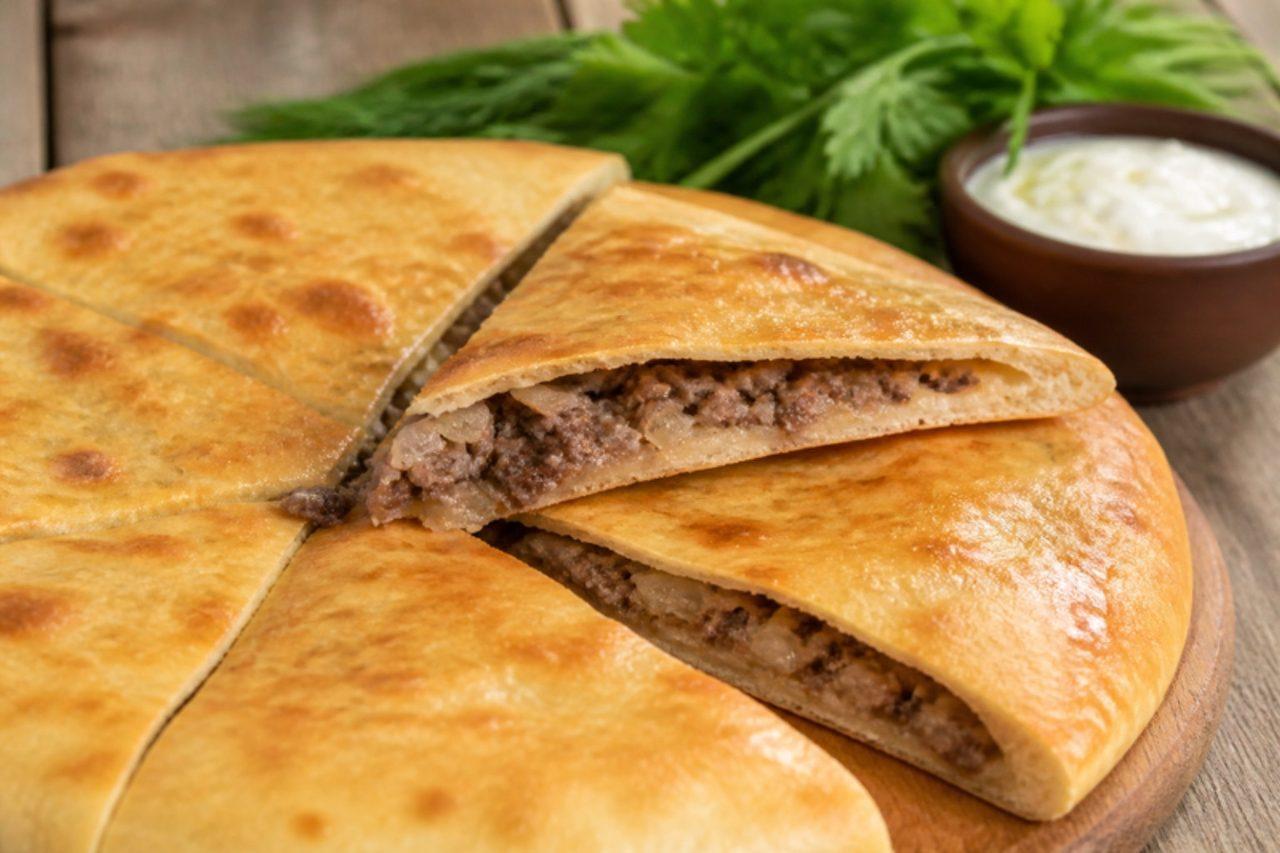
FyddzhynBeef and onion pie

In North Ossetia, pies come in threes, for the sun, earth and sky, and the meat pie in that stack is fyddzhyn: a thin, soft yeast crust wrapped around juicy minced beef, onion, garlic and a little chilli, with a small hole in the middle to let out steam. The Ossetian people serve it at every family gathering and feast, hot and dripping with butter brushed on as it leaves the oven, cut into wedges and eaten with the hands. A common mistake is rolling the crust thick; good fyddzhyn is all filling and the dough should be barely 4 mm. Chef's tip: add a few spoons of cold stock to the mince; it turns to steam in the oven and keeps the filling juicy.

105 minRussianMeat
by KrazyBadal 0 views

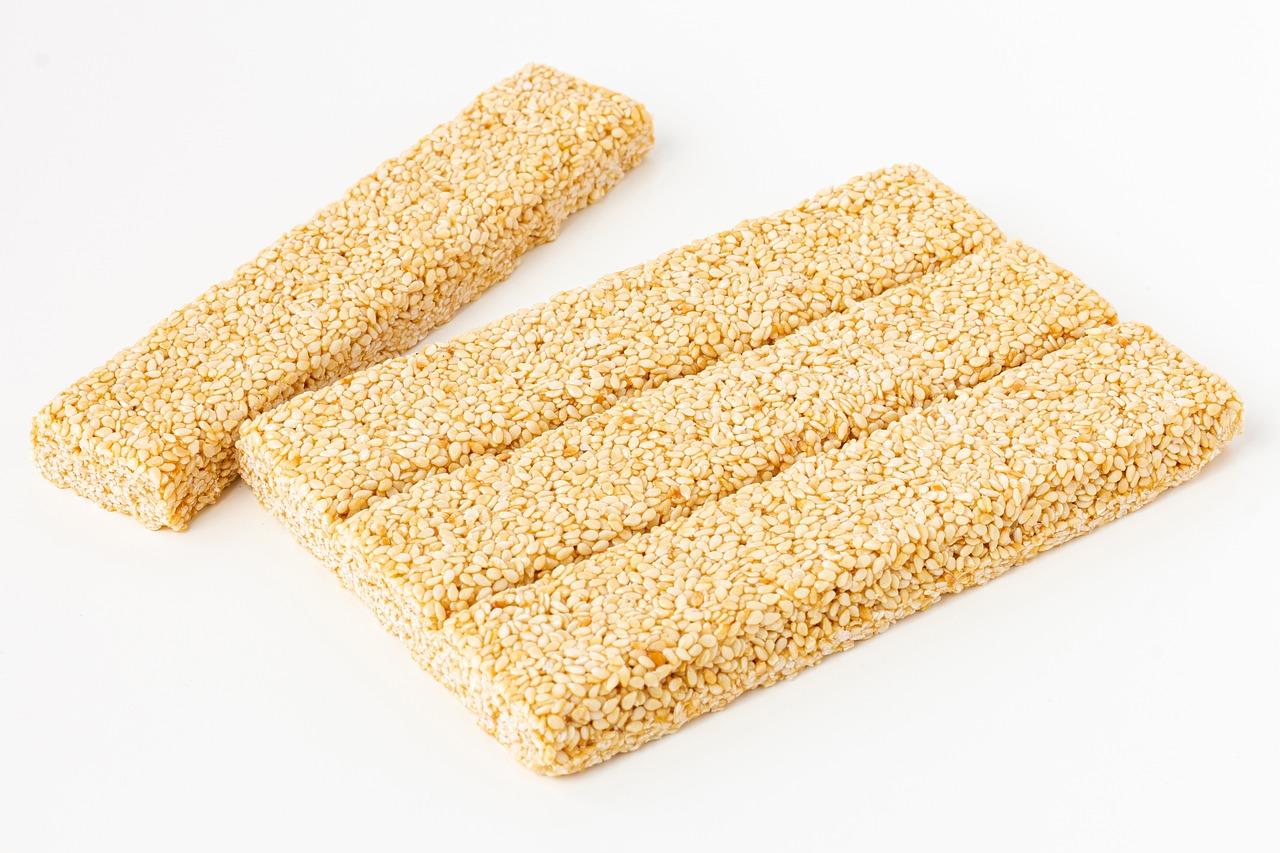
GajakSesame jaggery brittle

Winter in Punjab has a sound, and it is the snap of gajak: thin, glossy sheets of toasted sesame bound in jaggery, sold from piled trays outside the sweet shops of Multan, Gujranwala and Lahore from the first cold week of December. It is nutty, crunchy and toffee-sweet, with the earthy depth of gur, and families keep a tin of it beside the heater to nibble after dinner with green tea or to share with visitors. The commercial kind is hammered and pulled into flaky layers, but the home version poured thin and rolled flat is what most households make. The pitfall is pulling the jaggery off the heat too early, which gives a brittle that turns chewy and sticky after a day. Chef's tip: test the syrup by dropping a little into cold water; it must snap cleanly at once, and that hard-crack stage is reached quickly, so have the sesame warm and ready. Take care: the syrup is far hotter than boiling water.

by KrazyBadal 0 views

Maple syrup pie

Tarte au sirop d'érable closes many a family meal in Quebec at Easter and through the sugaring season, a cousin of the sugar pie made with real maple syrup. The filling of syrup, cream and egg bakes into a soft, trembling, caramel-brown layer that tastes deeply of maple. Slice it thin; it is rich. A spoonful of crème fraîche or plain whipped cream cuts the sweetness. A common mistake is skipping the blind bake, which leaves a soggy base. Chef's tip: take the pie out while the centre still wobbles like jelly; it sets as it cools and over-baking makes it weep.

by KrazyBadal 0 views

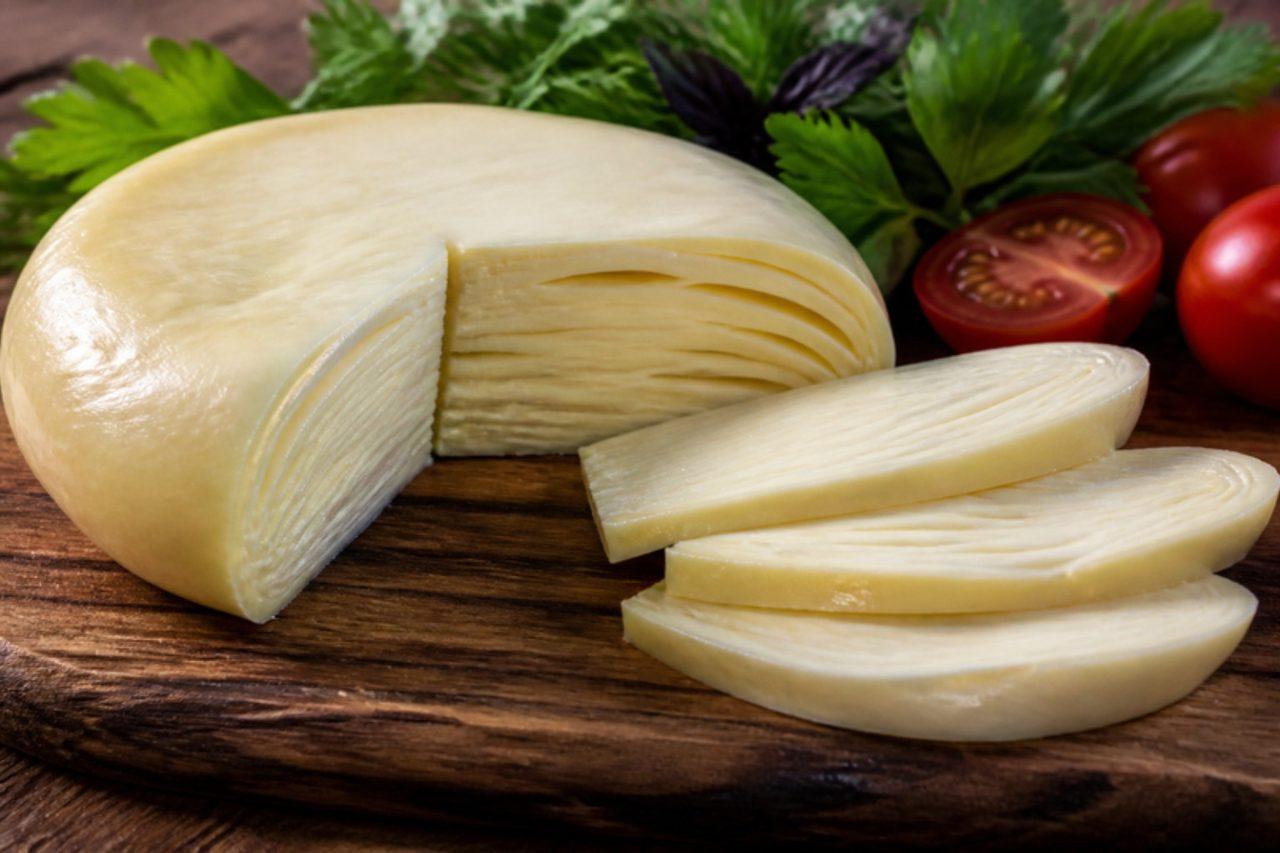
SulguniStretched cheese

Sulguni is the famous cheese of Samegrelo, made in Zugdidi homes by taking fresh, slightly soured curd, cutting it up and working it in hot water until it can be pulled into a glossy, layered, salty ball. It is eaten in thick slices, melted into elarji and khachapuri, and smoked over embers for a darker version. The curd has to be acidic enough to stretch, so you make the cheese one day and stretch it the next, or buy fresh Imeretian cheese and start from there. Traditionally animal rennet is used; vegetarian rennet works too. A common mistake is trying to stretch fresh, sweet curd; it melts into a puddle instead of pulling. Chef's tip: test a small piece in hot water first; if it stretches 30 cm without breaking, the curd is ready.

by KrazyBadal 0 views

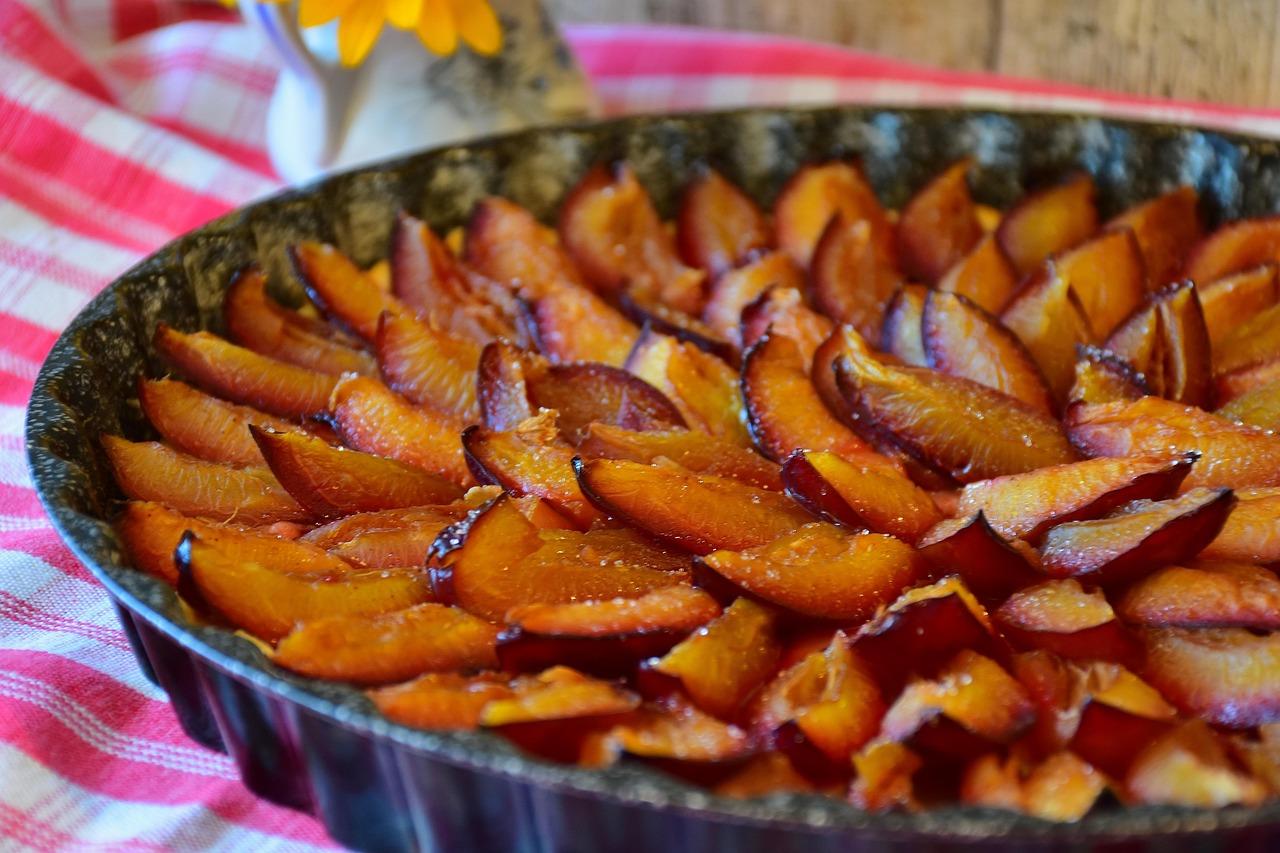
FrüchtewäheFruit custard tart

The Wähe is the open tart of German-speaking Switzerland, known as Kuchen or Fladen depending on the canton: a thin pastry base covered with sliced apples, plums, apricots or cherries, then a simple custard of cream, egg and sugar poured around the fruit and baked until set. Swiss families eat it as a light supper on Fridays, sometimes after a bowl of soup, and fruit Wähe is often dusted with cinnamon sugar. A common mistake is skipping the ground nuts on the base, which lets the fruit juice soak the pastry. Chef's tip: scatter ground hazelnuts on the pastry first; they soak up the juice and keep the base crisp.

by KrazyBadal 0 views

Sri Lankan love cake

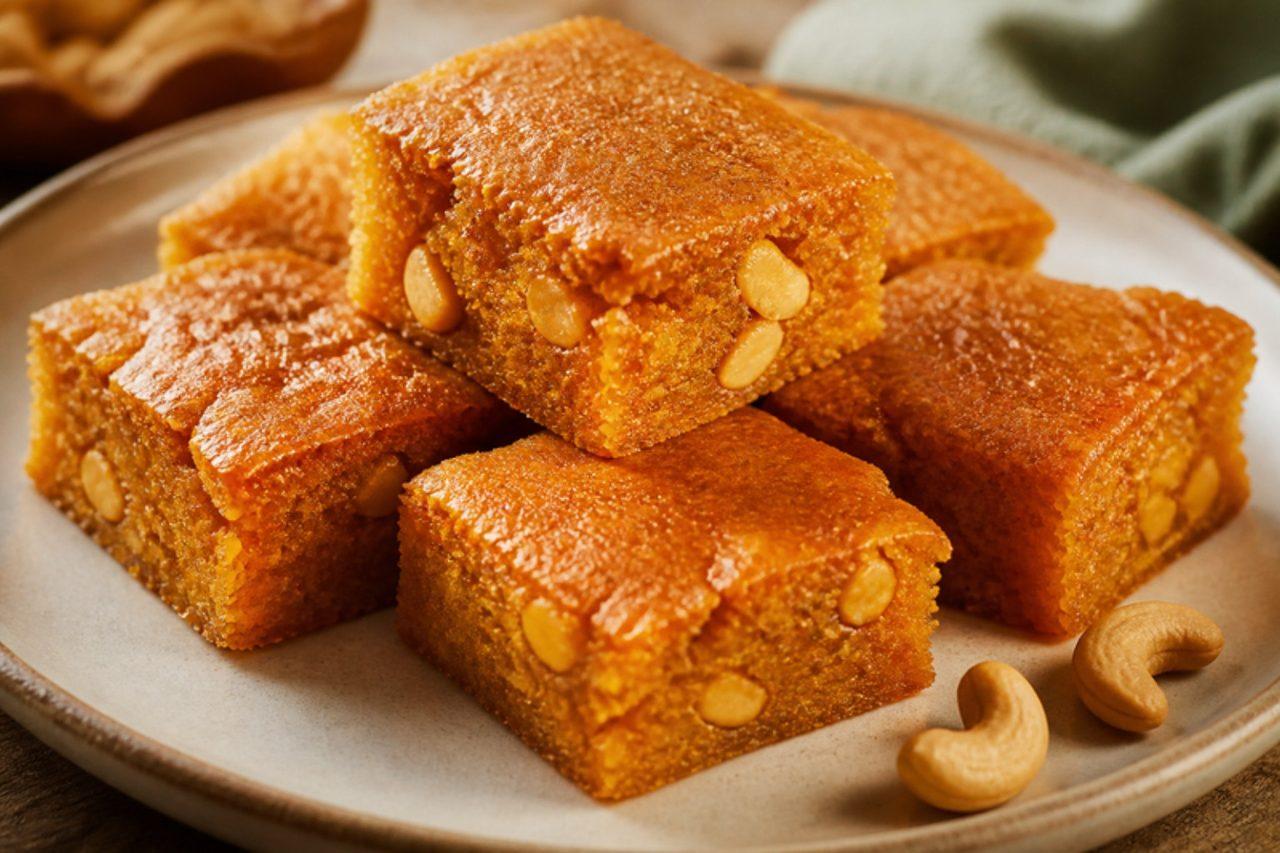
Love cake is the Burgher Christmas and birthday cake, a legacy of Portuguese rule shaped by Sri Lankan spice gardens, and Colombo families argue happily over whose grandmother's recipe is best. Roasted semolina, butter and a huge quantity of whisked egg yolks and sugar are folded with chopped cashews, pumpkin preserve, rosewater, cardamom, cinnamon and nutmeg, then baked slowly so the top forms a crisp, sugary crust while the inside stays moist, dense and almost chewy. It is cut into small squares because it is very rich, and served with tea or packed into little boxes for guests. A common mistake is baking until a skewer comes out completely clean, which leaves it dry; the centre should still be slightly sticky. Pumpkin preserve (puhul dosi) is sold in Sri Lankan shops; candied winter melon, sold as petha, is the closest substitute. Chef's tip: make it two days ahead, as the spices and rosewater deepen as the cake rests.

by KrazyBadal 0 views

Curd and treacle

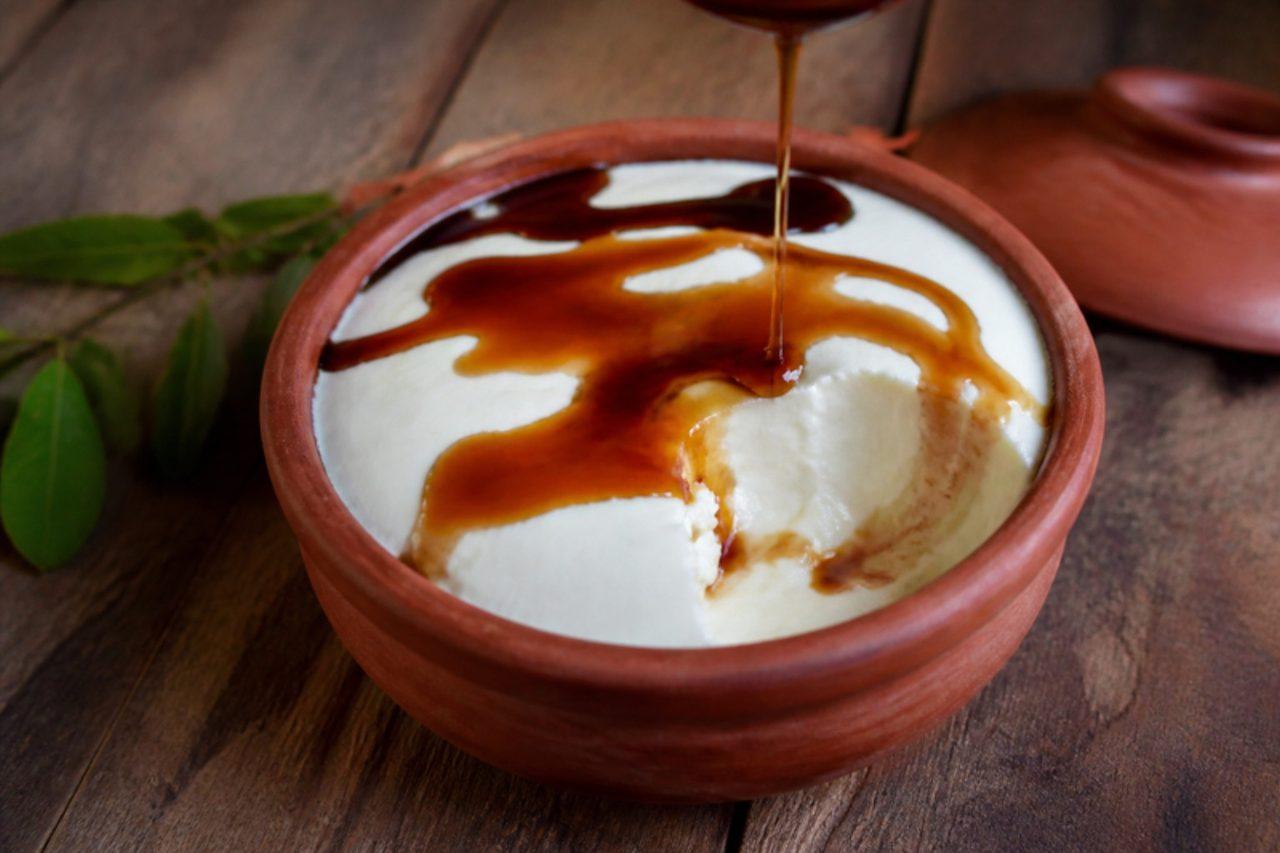
Driving the southern coast road past Tangalle towards Hambantota, you pass stall after stall stacked with round clay chatties of meekiri, the firm, slightly sour curd made from buffalo milk, with bottles of dark kithul treacle hanging beside them. Turned out into a bowl and flooded with treacle, it is the South's great dessert: cool, rich and tangy against the smoky, toffee-like sweetness of the palm syrup, eaten after lunch or as a snack in the heat of the day. Setting it at home is easy with pasteurised buffalo milk or creamy whole cow's milk, a spoon of live curd and a warm spot overnight. The mistake that ruins most first batches is adding the starter while the milk is still too hot, which kills the culture and leaves you with warm milk in the morning. Chef's tip: unglazed clay pots draw out a little whey, which is why traditional curd is so thick; soak them in water and dry them well before using.

by KrazyBadal 0 views

Asa watFish in berbere stew

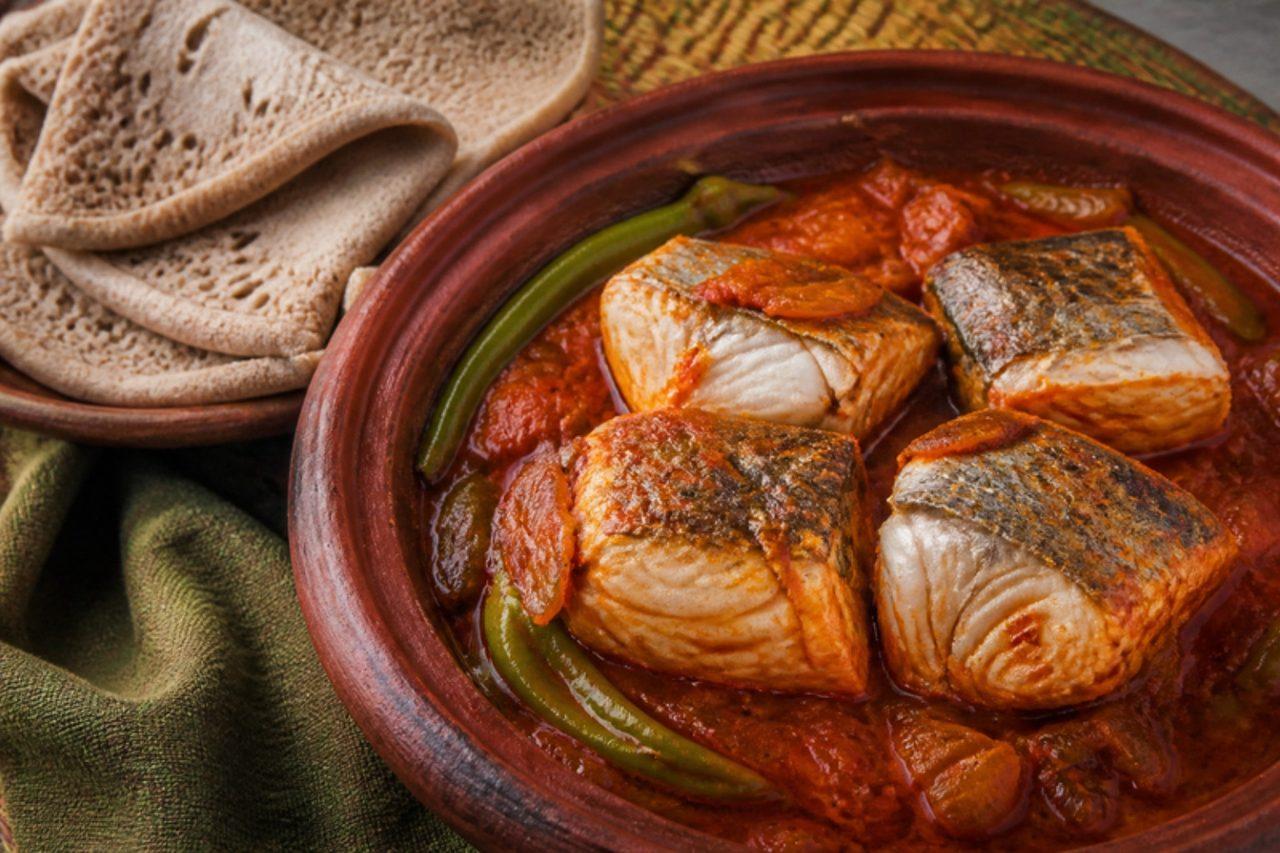
Around Lake Tana in Bahir Dar and on the shores of Lake Hawassa, fresh tilapia, Nile perch and catfish are cheap and plentiful, so fish goes into the same deep red berbere sauce that elsewhere would hold beef or chicken. Asa wat has the familiar long-cooked onion base and warming spice, but it is lighter than a meat wat, with tender, sweet chunks of fish soaking up the sauce. It is eaten with injera, often alongside a lentil or greens dish, and is a popular choice on fasting days for those who eat fish. Stirring once the fish is in is the classic mistake; it breaks into shreds, so shake the pan instead. Chef's tip: add the fish only once the sauce is fully cooked and thick, then give it no more than 10 minutes.

by KrazyBadal 0 views

Jamaican soursop juice

Soursop punch is a Sunday-dinner drink in Jamaica, made when a ripe, soft soursop comes from the market or a yard tree, and it is also sold in bottles at roadside juice stands. The white, custardy pulp tastes of pineapple, banana and strawberry all at once, and blended with milk, nutmeg and vanilla it becomes thick and creamy. The common mistake is blending the black seeds, which taste bitter and should not be eaten; always pick them out by hand. Chef's tip: use a fruit that gives softly all over when pressed, like a ripe avocado.

by KrazyBadal 0 views

Napoleon cake

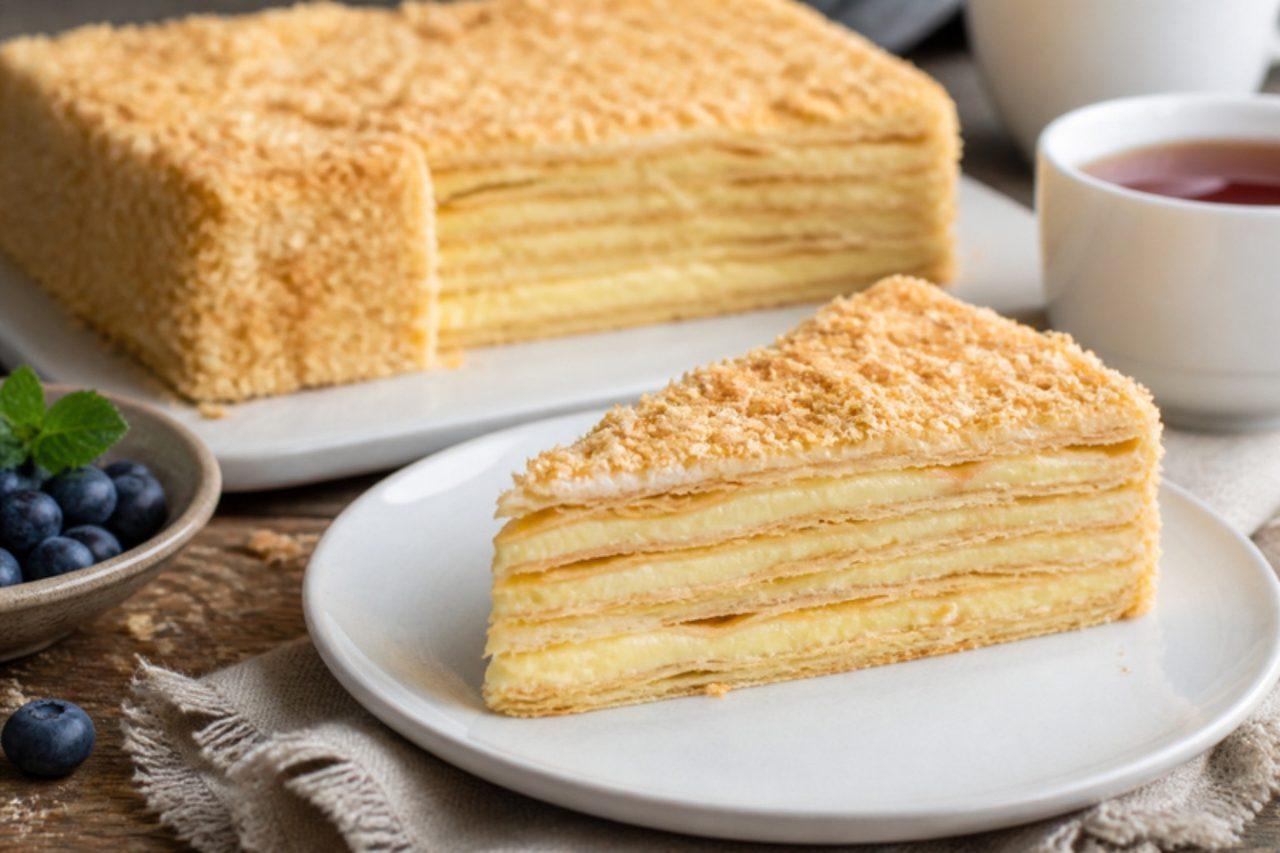
Legend links this cake to 1912, the centenary of Napoleon's retreat from Moscow, when St Petersburg confectioners cut triangular pastries shaped like his hat. By Soviet times it had grown into the tall round cake every family baked for birthdays and New Year's Eve. Eight wafer-thin rounds of quick flaky pastry are stacked with vanilla custard enriched with butter, then left overnight so the layers soften into something between a mille-feuille and a tender sponge; crushed trimmings give the snowy finish. Where most people go wrong is serving it the same day; without the long rest in the fridge it is crisp and dry instead of melting. Chef's tip: roll each piece of pastry straight onto baking paper and trim it around a 24 cm plate before baking, so you never have to lift thin raw dough.

by KrazyBadal 0 views

Jamaican pumpkin soup

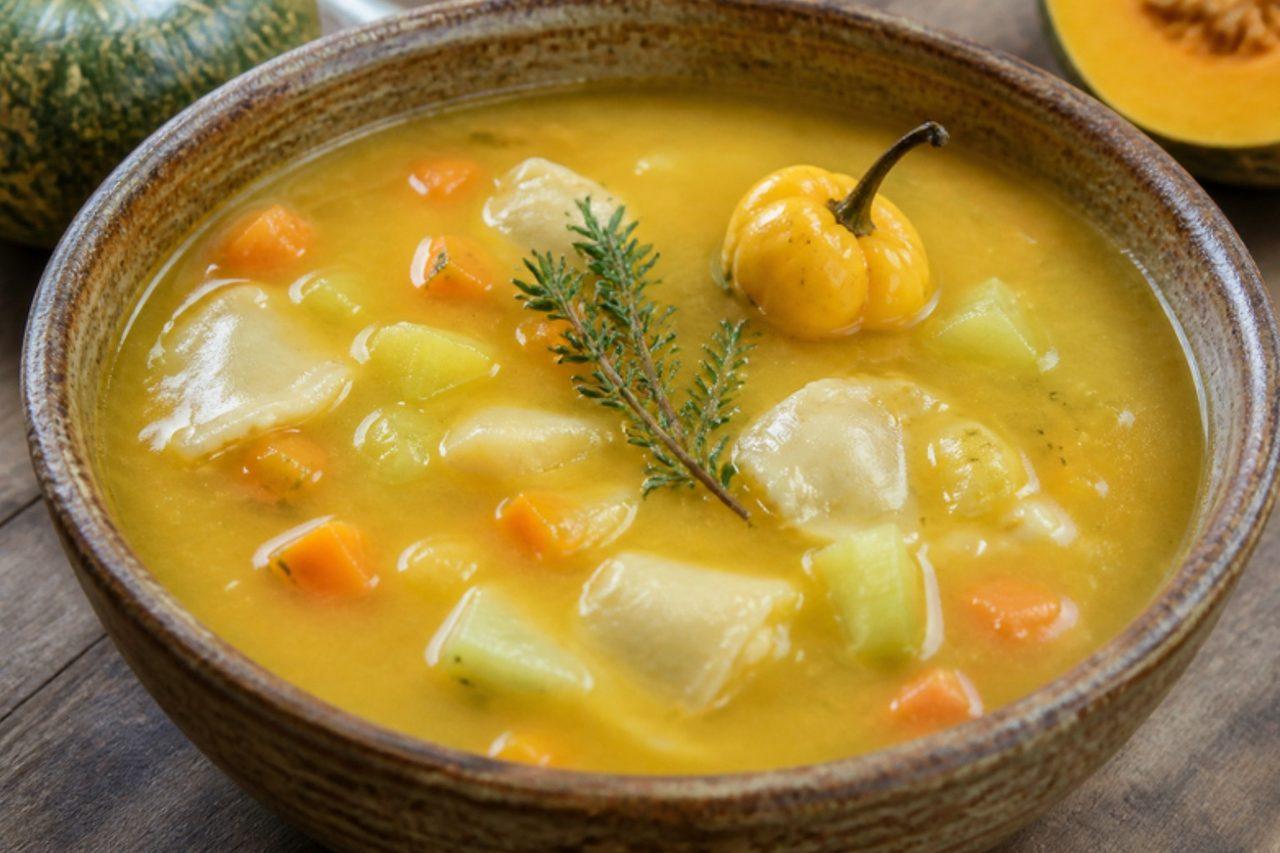
Ital kitchens in the Blue Mountains cook pumpkin soup on cool evenings, when the mist comes down over the coffee farms and something golden and peppery is needed. This one is meat-free and dairy-free: calabaza, carrot and chocho simmer with thyme, scallion and pimento until the pumpkin breaks down into a thick, naturally sweet broth, with a few spinners for chew. People often add the scotch bonnet already cut, which can make the whole pot ferociously hot; drop it in whole and take it out when the soup tastes right. Chocho (chayote) is optional, and courgette is a fair swap. Chef's tip: leave the soup chunky rather than blending; Jamaicans like to see the pieces of pumpkin collapsing into it.

by KrazyBadal 0 views

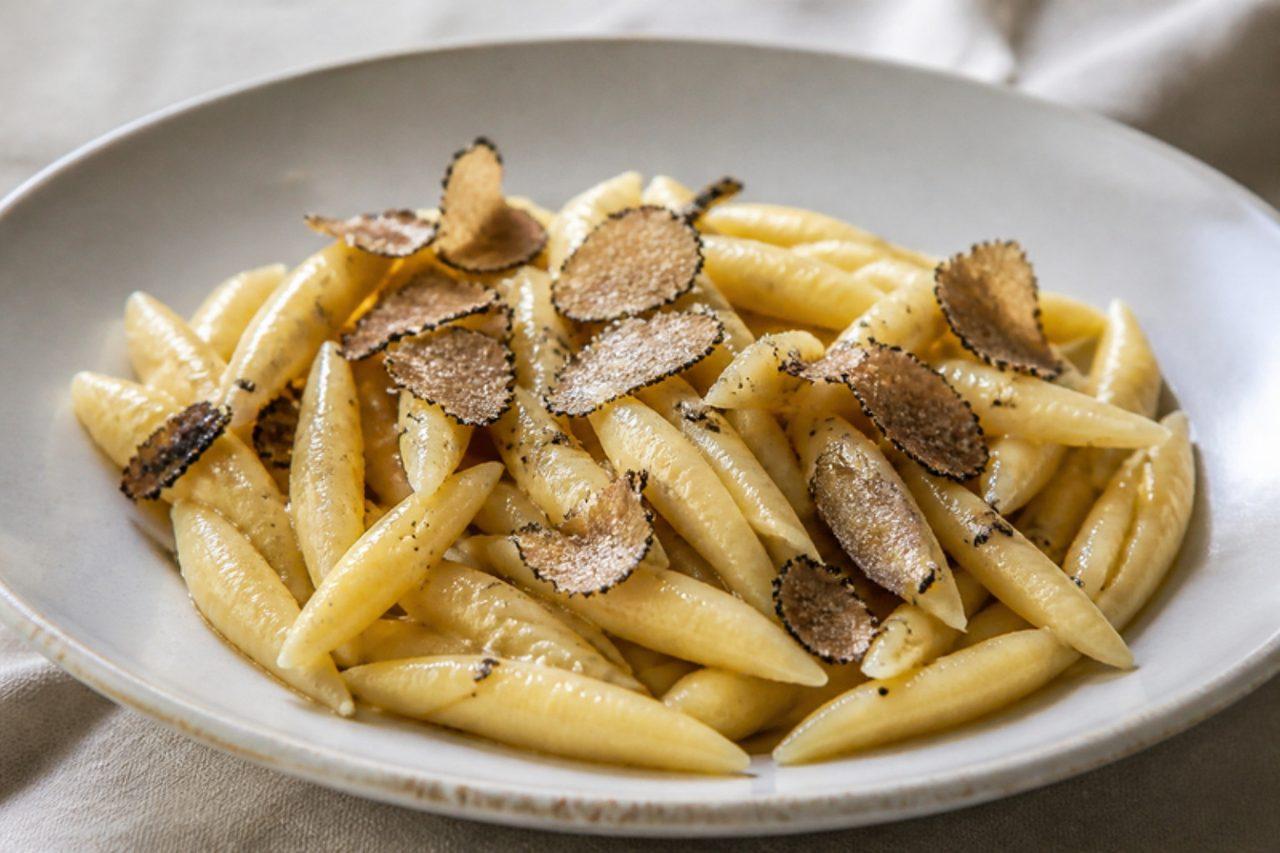
Fuži s tartufimaHand-rolled pasta with truffle

Autumn in the Mirna valley of inland Istria, around Motovun and Buzet, means truffle hunters and dogs in the oak woods and plates of fuži in every village konoba. Fuži are small squares of egg pasta wrapped round a stick into quills, and here they are tossed with butter, a splash of their cooking water and grated truffle, so each one carries a glossy, earthy coat. Fresh black or white truffle is best; a little truffle paste works too, but read the label and avoid products that rely on artificial truffle aroma. The aged hard cheese is often made with animal rennet, so choose a vegetarian hard cheese if you need to. Where most people go wrong is cooking the truffle: heat kills its scent, so add it off the heat. Chef's tip: store the fresh truffle overnight in a closed jar in the fridge with the eggs for the dough; they soak up its perfume through the shell.

by KrazyBadal 0 views

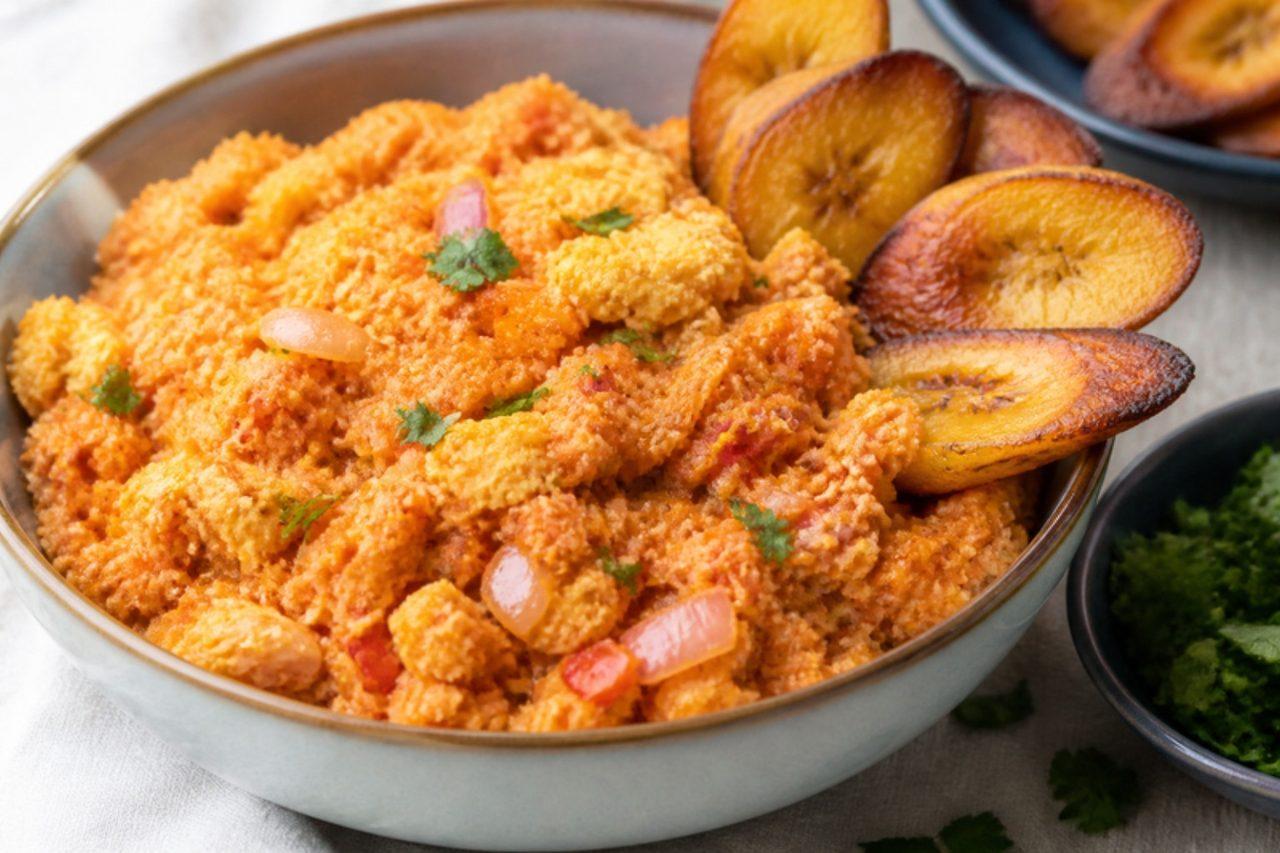
Gari fotoGari with tomato and egg

Gari foto is Ghanaian fast home cooking at its best, most associated with the Volta Region but made in student hostels everywhere: a quick tomato and onion sauce, eggs scrambled into it, then gari folded through until it soaks up the juices and becomes moist and fluffy. It is savoury, slightly tangy and comforting, and it is eaten with fried ripe plantain or avocado on the side. Many cooks add tinned sardines or corned beef; this egg version is vegetarian. The common mistake is adding gari dry, which makes it sandy and heavy, so sprinkle it with water first. Chef's tip: take the pan off the heat before folding in the gari, so it absorbs the sauce gently without sticking.

by KrazyBadal 0 views

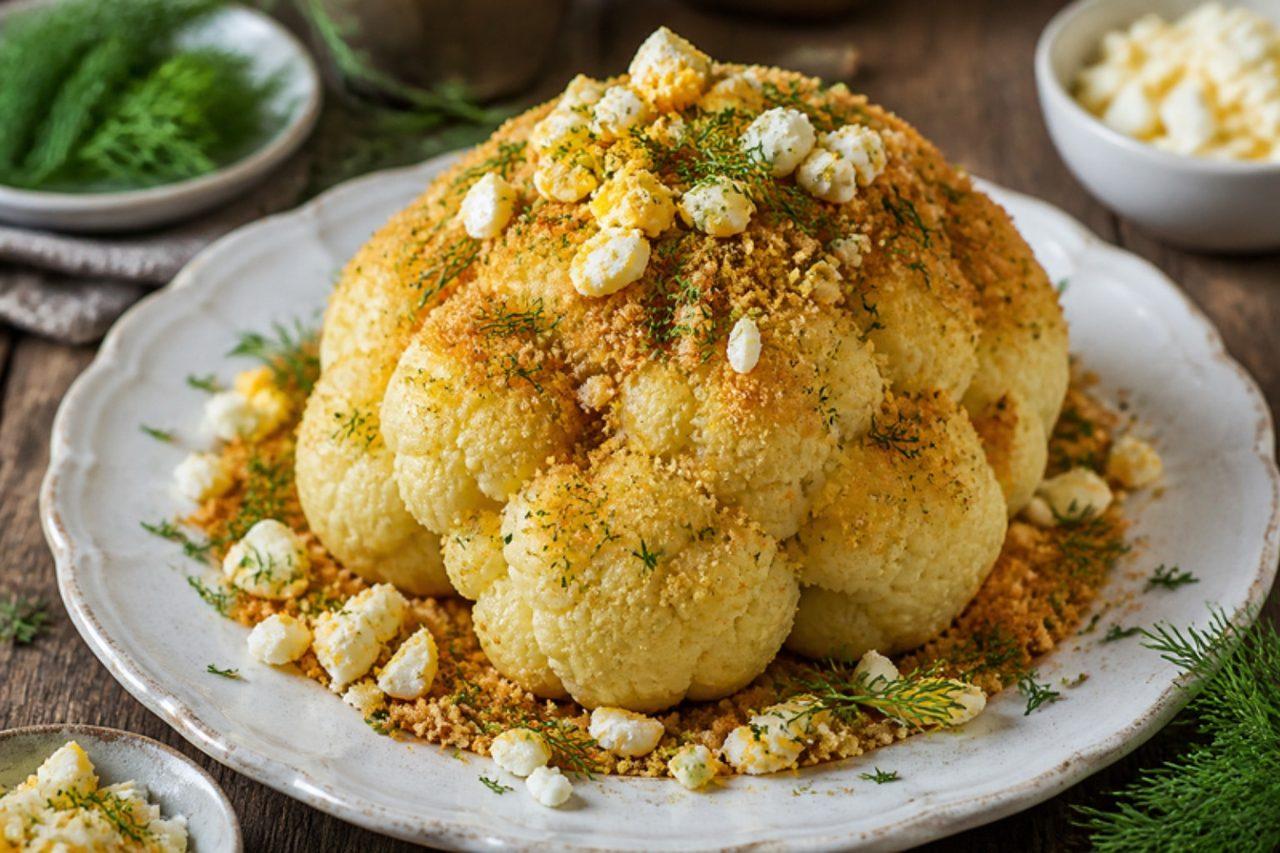
Polish-style cauliflower

‘Po polsku’ on a Polish menu means one thing: a vegetable topped with crumbs fried in plenty of butter. In Warsaw canteens and on Sunday tables, a whole cauliflower arrives this way next to potatoes and a salad, and children who claim to hate cauliflower eat it happily. The florets are tender and sweet, the crumbs nutty and crisp. A common mistake is boiling the cauliflower until it falls apart; it should keep a slight bite in the stalk. Chef's tip: a pinch of sugar and a splash of milk in the boiling water keep the cauliflower white and sweet.

by KrazyBadal 0 views

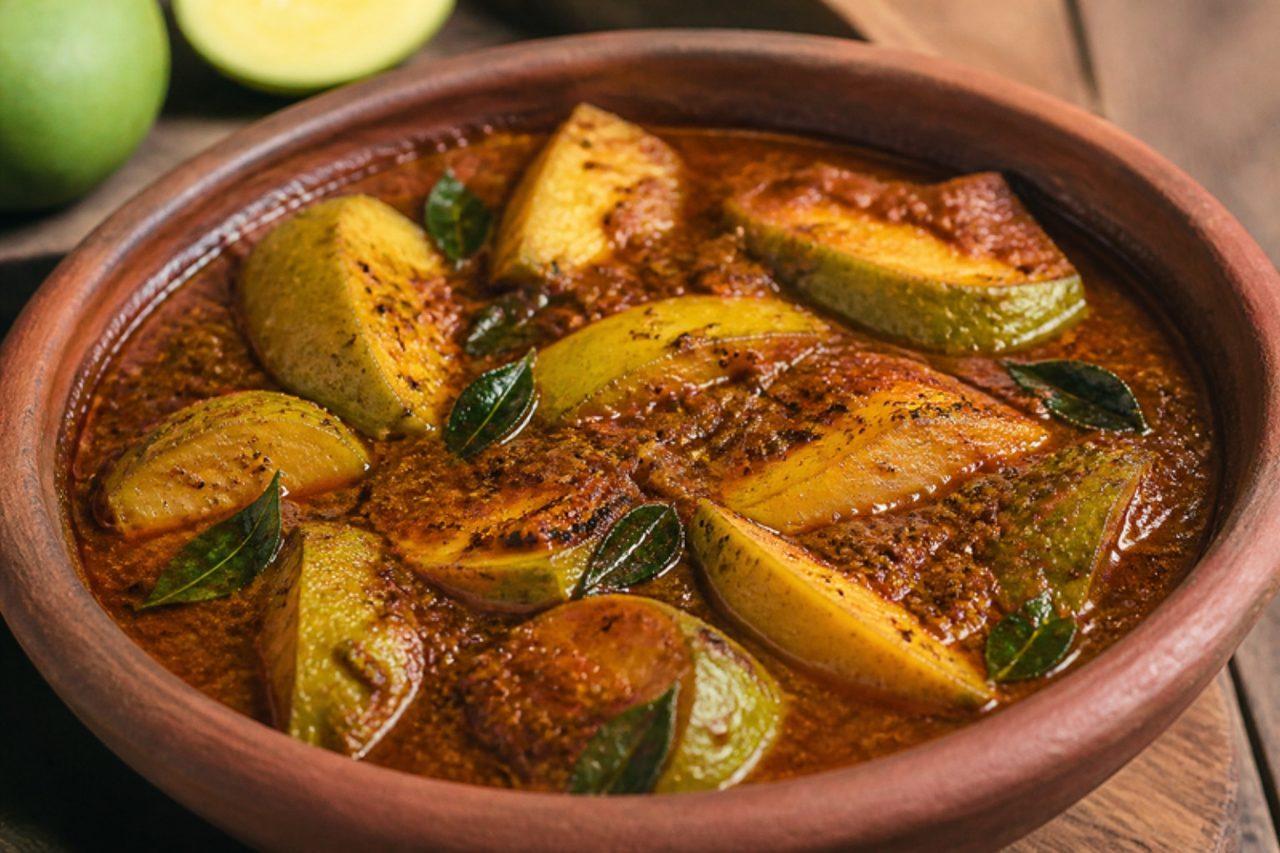
Amba maluwaSweet spicy mango curry

Maluwa usually means a fish curry, yet in Matara and the southern villages the name also goes to this mango dish, perhaps because it is cooked with the same bold spices and was once a stand-in for fish on fasting days. Half-ripe mangoes are cut into chunks with their skin on, then simmered with dark roasted curry powder, chilli, cinnamon and a sharp paste of ground mustard seed and vinegar, sweetened with sugar and finished with coconut milk. The result is hot, sweet and tangy at once, and it is a favourite on wedding and almsgiving spreads, eaten in small amounts with yellow or white rice. Fully ripe mangoes are the wrong choice, because they collapse into jam; pick fruit that is just turning yellow and still firm to the touch. Chef's tip: keep the skin on the mango pieces, as it holds them together during cooking and adds a pleasant, slightly chewy texture.

by KrazyBadal 0 views

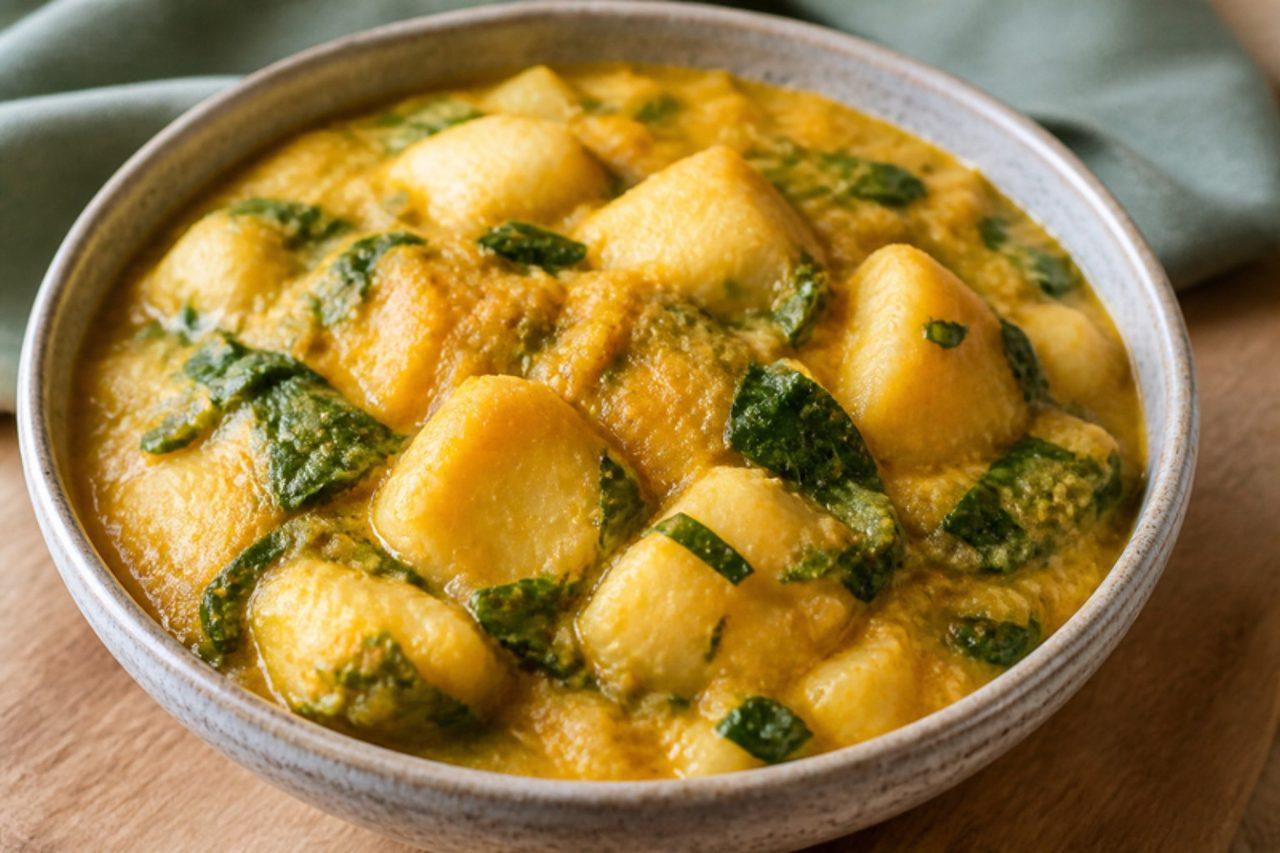
Asaro (yam pottage)

Lagos home cooks make asaro on busy weekdays because it needs one pot and very little fuss, and children usually love its soft, sweet-savoury comfort. Chunks of white puna yam simmer in a blended sauce of red bell pepper, tomato and scotch bonnet with palm oil, and as they cook some pieces collapse into a thick, orange porridge while others stay whole. It is often made with crayfish or smoked fish; this meat-free version gets its depth from locust beans and a vegetable stock cube. A handful of greens stirred in at the end turns it into a full meal, and it needs nothing alongside. For children, use half a scotch bonnet or leave it out. Chef's tip: don't stir in the first 15 minutes; mash only a third of the yam at the end, so there is both creamy sauce and tender chunks.

by KrazyBadal 0 views

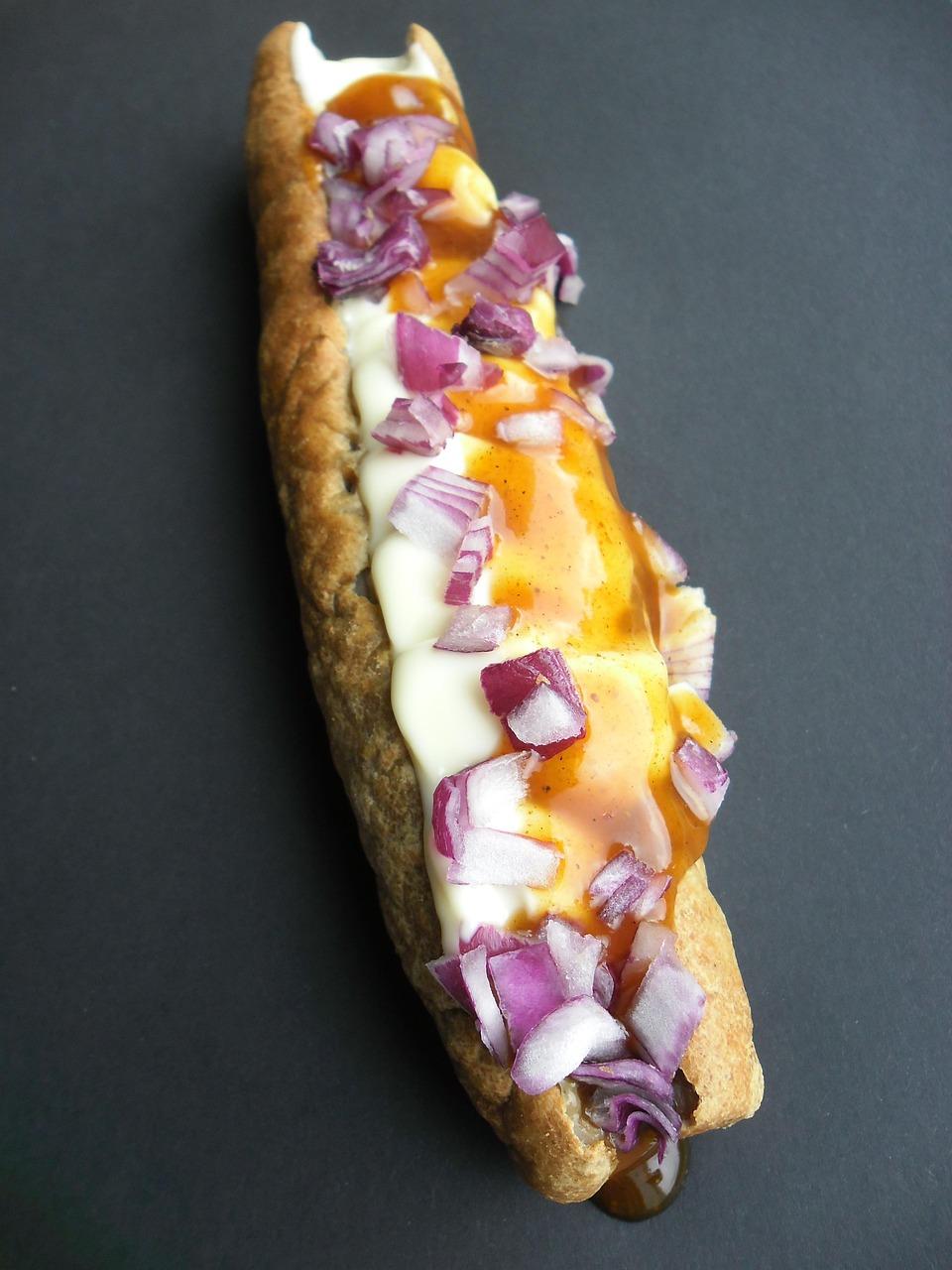
Frikandel speciaalSausage with mayo and onion

The frikandel is the snack-bar sausage of the Netherlands, fried from frozen in every cafetaria and eaten at football matches and after a night out: a long, skinless sausage of finely minced meat, and 'speciaal' means split open and topped with mayonnaise, curry ketchup and raw chopped onion. Factory frikandellen use a mix of meats; this homemade version uses beef and pork mince, so it contains pork. A common mistake is skipping the poaching step, so the sausages break up in the fryer. Chef's tip: roll them in cling film and poach first, then chill; they hold their shape and fry crisp in minutes. Minced meat must reach 71 °C.

by KrazyBadal 0 views

AluwaRice flour diamond sweets

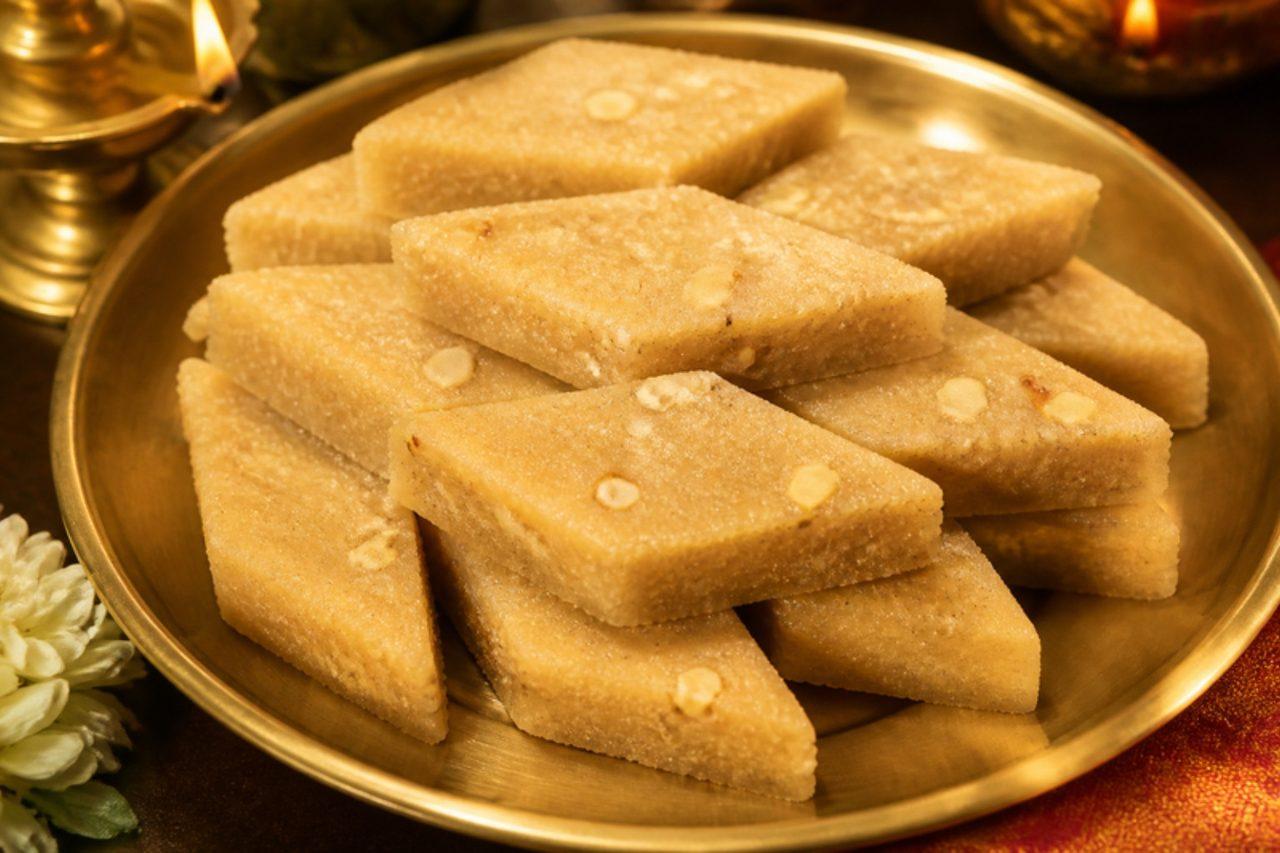
Pale, smooth and cut into precise little diamonds, aluwa brings a touch of order to the crowded Avurudu sweet tray, and it is often the first sweet children learn to help make because there is no deep-frying involved. Rice flour is roasted until it smells like biscuits, then kneaded with hot sugar syrup, chopped cashews and cardamom into a firm dough, rolled out and cut. The finished sweet is dense, slightly crumbly and not too sweet, with a gentle nuttiness, and it keeps for weeks in a tin to be offered to visitors with tea. The point where it goes wrong is the syrup: too thin and the aluwa never sets, too thick and the dough cracks before you can roll it, so aim for the one-thread stage. Chef's tip: roll the dough between two sheets of baking paper and cut it while it is still warm and pliable; once cold it breaks instead of slicing.

by KrazyBadal 0 views

Tarragon lemonade

Tarkhuna is the emerald-green soda that every Tbilisi child knows, sold from street fountains since the early 1900s and still poured in tall glasses at cafés on Rustaveli Avenue. The bottled kind is coloured; the home version gets its green from blitzing fresh tarragon with lemon and syrup, giving an aniseedy, sweet-sour fizz. A common mistake is boiling the tarragon, which dulls the colour and turns the flavour stewed. Chef's tip: blitz the herb into cool syrup and strain it straight away; the drink stays vivid green for a day in the fridge.

by KrazyBadal 0 views

FrikkadelsFried spiced meatballs

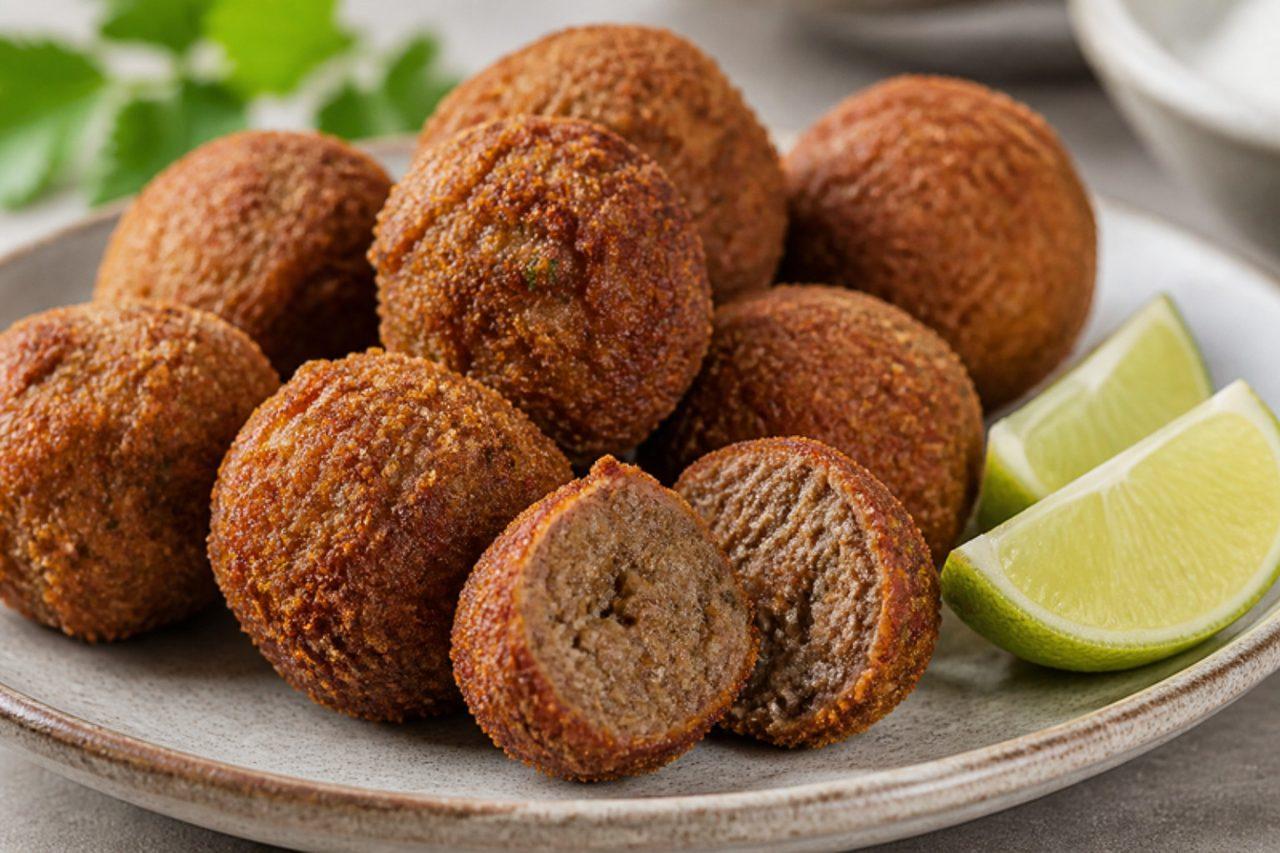
Frikkadels came to Sri Lanka with the Dutch in the 1600s and were reinvented by the Burgher community into small, crumbed, deep-fried meatballs scented with onion, garlic, cinnamon, cloves and dill. They are party food first, piled on platters at Burgher Christmas gatherings, christenings and Colombo club teas, and they are also tucked into lamprais parcels or eaten with a sharp seeni sambol and bread. Good ones are crunchy outside and very juicy within, never dense or dry. The trap to avoid is overworking the mince and skipping the soaked bread, which together make the balls tough. Chef's tip: shape them the size of a walnut and chill them for 30 minutes before crumbing, so the coating sticks and they hold their round shape in the hot oil.

by KrazyBadal 0 views

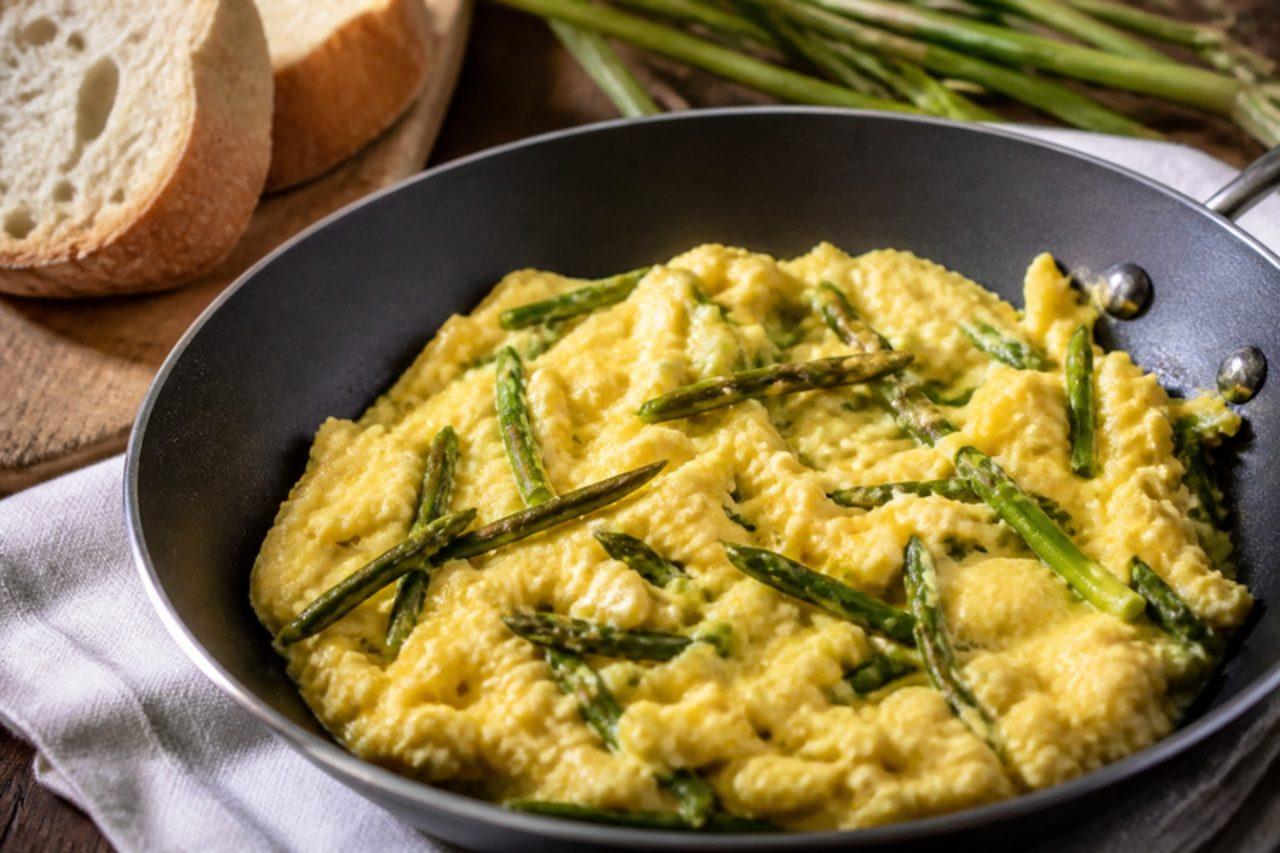
Fritaja sa šparogamaWild asparagus scrambled eggs

Come April, families across Istria and the Kvarner coast of Croatia walk the hedgerows picking thin, dark wild asparagus, and the first bunch nearly always becomes fritaja. Despite the name it is softer than an omelette: the spears are fried in olive oil, then beaten eggs are stirred through until they set in loose, creamy curds. Wild asparagus tastes greener and slightly bitter, which is lovely against the rich egg; thin garden asparagus works if you can't forage. Eat it for breakfast or a light supper with crusty bread and a glass of cold water or fresh juice. The usual slip is cooking the eggs hard and dry; stir gently over a low heat and stop while they still look moist. Chef's tip: snap each spear and keep only the part that breaks cleanly; the woody ends never soften.

by KrazyBadal 0 views

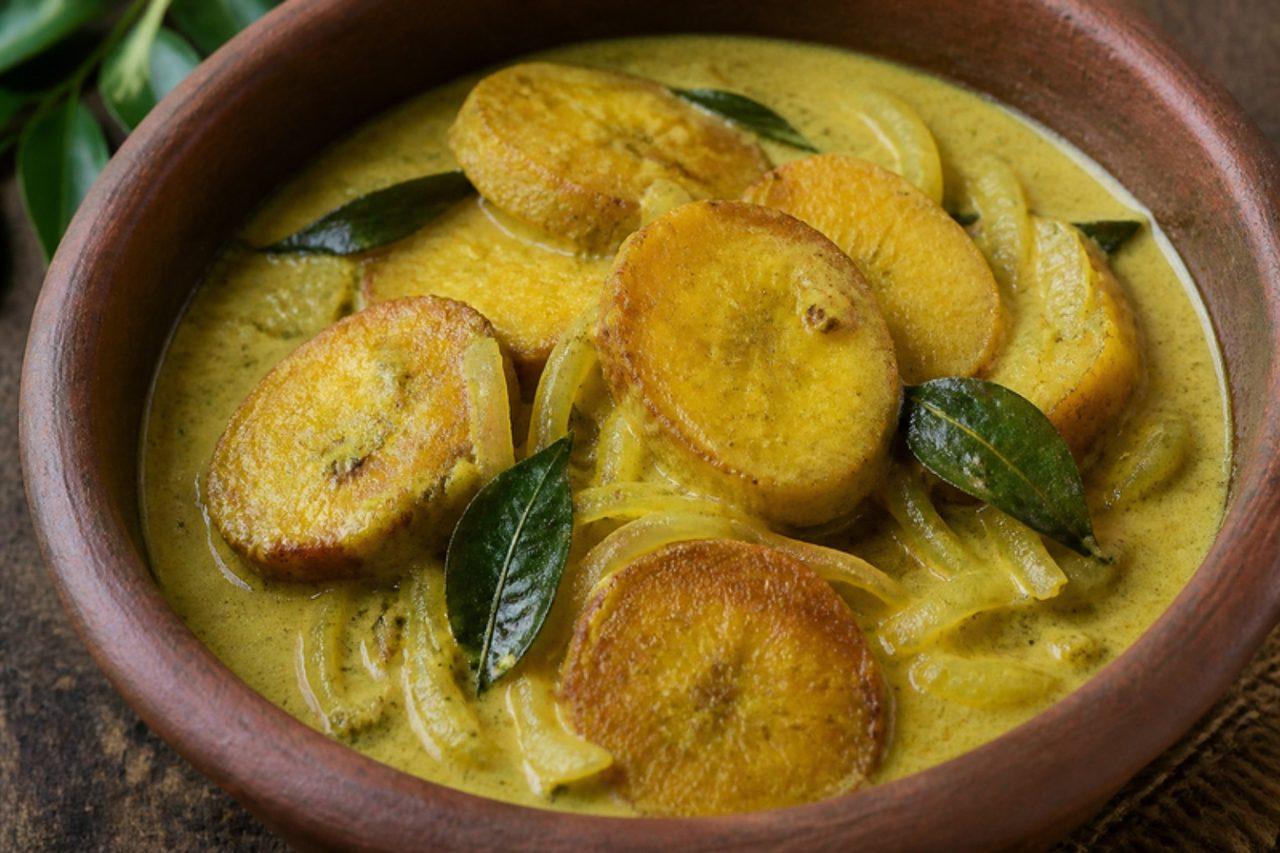
Alu kesel curryPlantain turmeric curry

Alu kesel, the grey-skinned cooking plantain whose name means ash banana, is picked green and treated like a vegetable, and this creamy curry is a regular on Kandyan lunch tables and at temple almsgivings, where it fills out the spread cheaply and well. The slices are rubbed with turmeric and salt, fried until golden at the edges, then simmered in coconut milk with unroasted curry powder, fenugreek, cinnamon and pandan, so they turn soft and starchy like potato with a hint of banana sweetness. It sits happily beside parippu, a green mallung and a sharp pickle. Peeling the plantains with dry hands is a messy mistake, because the sap stains skin and knives black; oil your hands and the blade first. Chef's tip: frying the slices before they go into the gravy keeps them in neat pieces; unfried plantain tends to fall apart and thicken the curry into paste.

by KrazyBadal 0 views

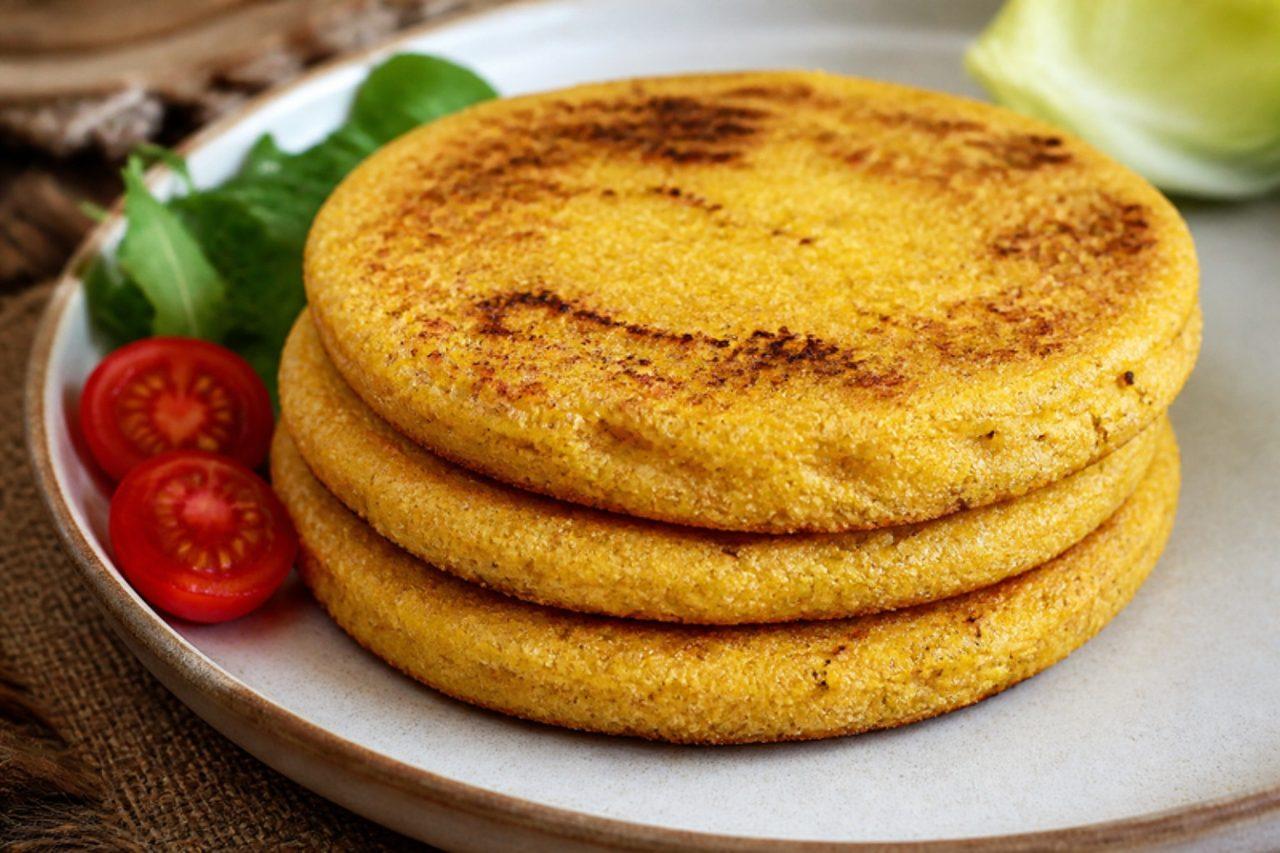
Aruban pan batiSweet cornmeal pancakes

Aruban families put a stack of pan bati on the table with almost every bowl of soup or stew, from sopi di pisca to kabritu stoba: thick, slightly sweet pancakes of cornmeal and flour, cooked on a dry griddle and torn to mop up the broth. They are soft, a little grainy and golden at the edges. The mistake is cooking them too fast, so they burn outside and stay raw in the middle. Chef's tip: let the batter rest for 10 minutes so the cornmeal softens and the pancakes come out tender.

by KrazyBadal 0 views

Megrelian kharcho

In Samegrelo 'kharcho' means something quite different from the Tbilisi soup: chicken pieces simmered in a thick, golden sauce of ground walnuts, garlic, hot pepper and Imeretian saffron (dried marigold), so rich and spicy that it is eaten with plain ghomi to calm it down. Zugdidi families cook it for guests and for Sunday lunch. A common mistake is boiling the sauce hard once the walnuts go in; it turns oily and grainy. Chef's tip: grind the walnuts until they weep oil and spoon a little of that oil over the finished dish; Mingrelians judge kharcho by its glossy, orange sheen. Chicken must reach 74 °C in the thickest part.

by KrazyBadal 0 views

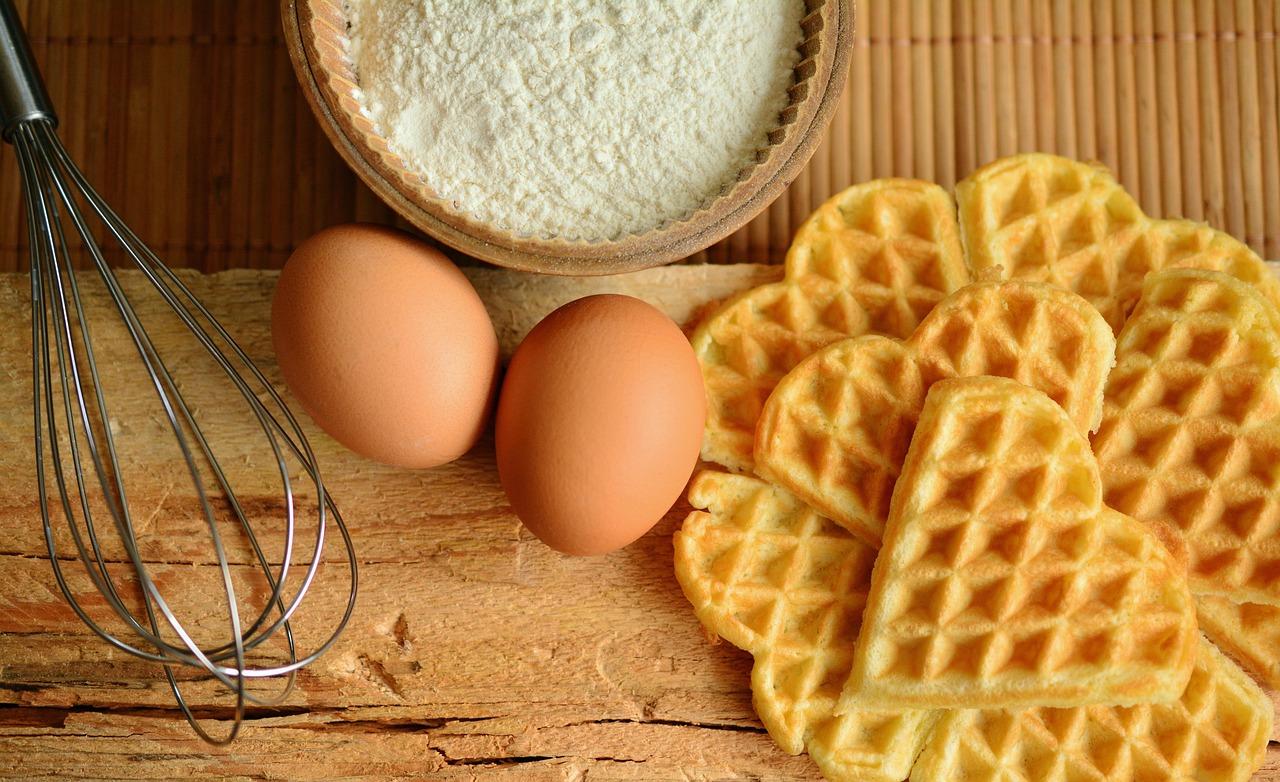
Norwegian heart waffles

In Norway, waffles are not a breakfast but an everyday treat: thin, soft heart-shaped vafler made with sour cream and cardamom, sold at school fairs and football matches and made at home on Sunday afternoons, eaten folded with strawberry jam and sour cream or brown cheese. Their texture is soft rather than crisp. A common mistake is opening the iron too early, which tears them. Chef's tip: let the batter rest for 30 minutes and brush the iron with butter before each waffle; they lift out whole and golden.

by KrazyBadal 0 views

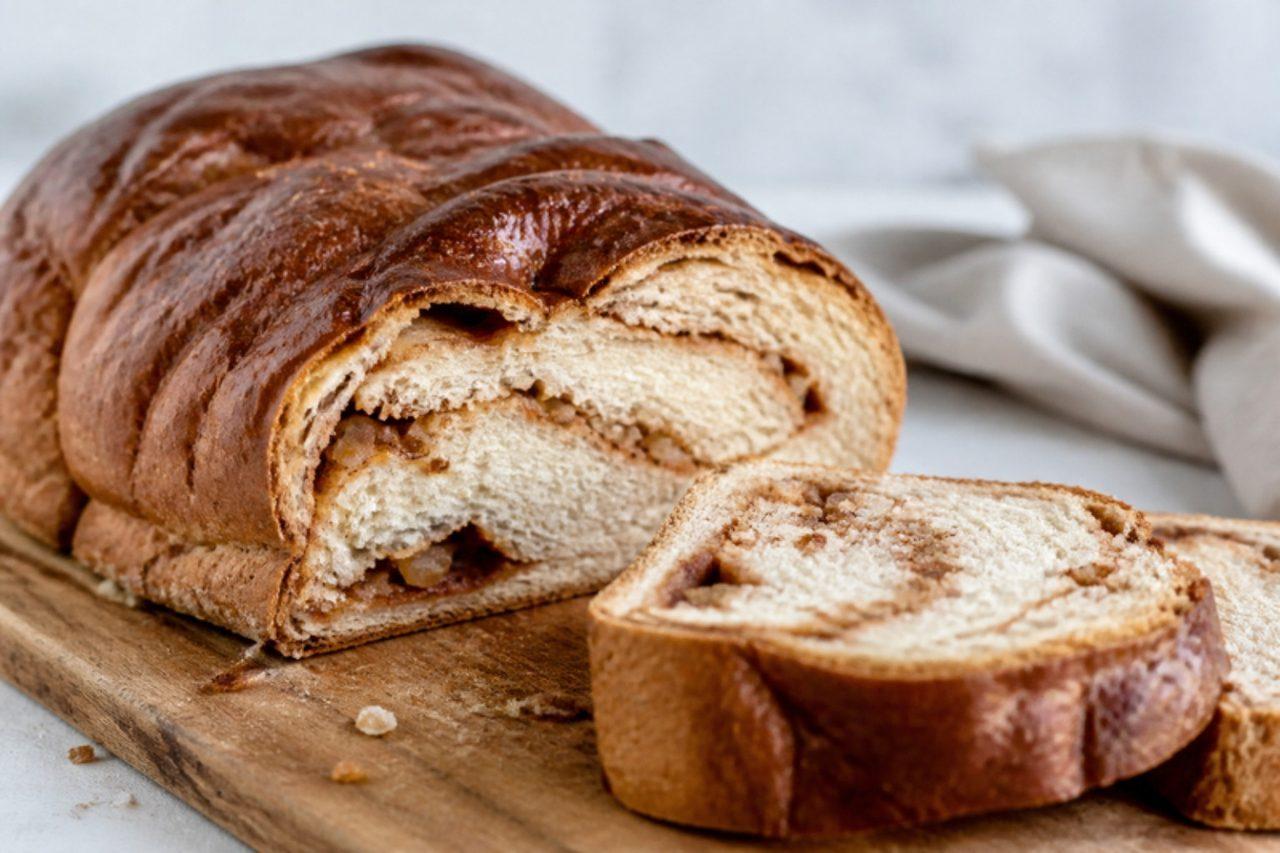
Fries suikerbroodCinnamon sugar bread

Fries suikerbrood, sûkerbôle in Frisian, is the bread Frisian families bring when a baby is born: a soft white loaf filled with large sugar nibs and cinnamon, so that as it bakes the sugar melts into sticky, crunchy pockets. Leeuwarden bakeries sell it every day, sliced and buttered with coffee. A common mistake is using fine sugar, which dissolves completely; it must be the big pearl sugar nibs. Chef's tip: knead in the sugar only at the end and gently, and bake the loaf in a tin so the melting sugar caramelises against the sides.

by KrazyBadal 0 views

Ikokore (Ijebu water yam pottage)

Ikokore is the Ijebu people's own pottage, made in Ijebu-Ode and towns across Ogun State from water yam, the purple-tinged yam that grates into a sticky paste. Spoonfuls of that paste go into a pepper and palm-oil sauce and set into soft, dumpling-like lumps, so it is part soup and part porridge, rich and spicy. Smoked fish and crayfish are traditional; this meat-free version uses mushrooms for their savoury bite. It is eaten as a complete meal, often on its own or with a cold drink. Water yam makes the skin itch, so wear gloves to peel and grate it. If water yam is hard to find, white yam works but sets softer. Chef's tip: drop the paste in and leave it for 10 minutes before you stir; stirring too soon is the mistake that turns the lumps into a smooth paste.

by KrazyBadal 0 views

Arroz mamposteaoFried rice and stewed beans

Fondas around San Juan put arroz mamposteao on the menu as a way to use yesterday's white rice and the last ladle of habichuelas, and at home it is the Sunday-night fix when the pots from lunch come out of the fridge. The rice is fried in olive oil with a fresh sofrito, then the beans and their sauce go in until every grain is stained pink and the edges catch and crisp. Many cooks add ham or bacon; this version stays meat-free and gets its depth from the sofrito and a little smoked paprika. The common mistake is using freshly cooked rice, which turns to paste; cold, day-old rice keeps separate grains. Chef's tip: leave the pan alone for the last few minutes so a crunchy layer forms on the bottom, then fold it through.

by KrazyBadal 0 views

Reform tortaWalnut meringue chocolate cake

Belgrade pastry shops have sold reform torta since the early twentieth century, and it is still the cake Serbian families bring out for birthdays, weddings and the slava. Three thin layers of walnut meringue, crisp at the edge and chewy inside, are stacked with a dense chocolate butter cream made with egg yolks cooked over steam until thick. It is very rich, so cut thin slices and serve with strong coffee. The usual slip is beating the butter into a chocolate mixture that is still warm, which melts it and splits the cream; let it cool to room temperature first. Chef's tip: assemble the cake the day before; overnight in the fridge the meringue softens a little and the cake slices cleanly with a hot knife.

150 minBalkanBaking
by KrazyBadal 1 views

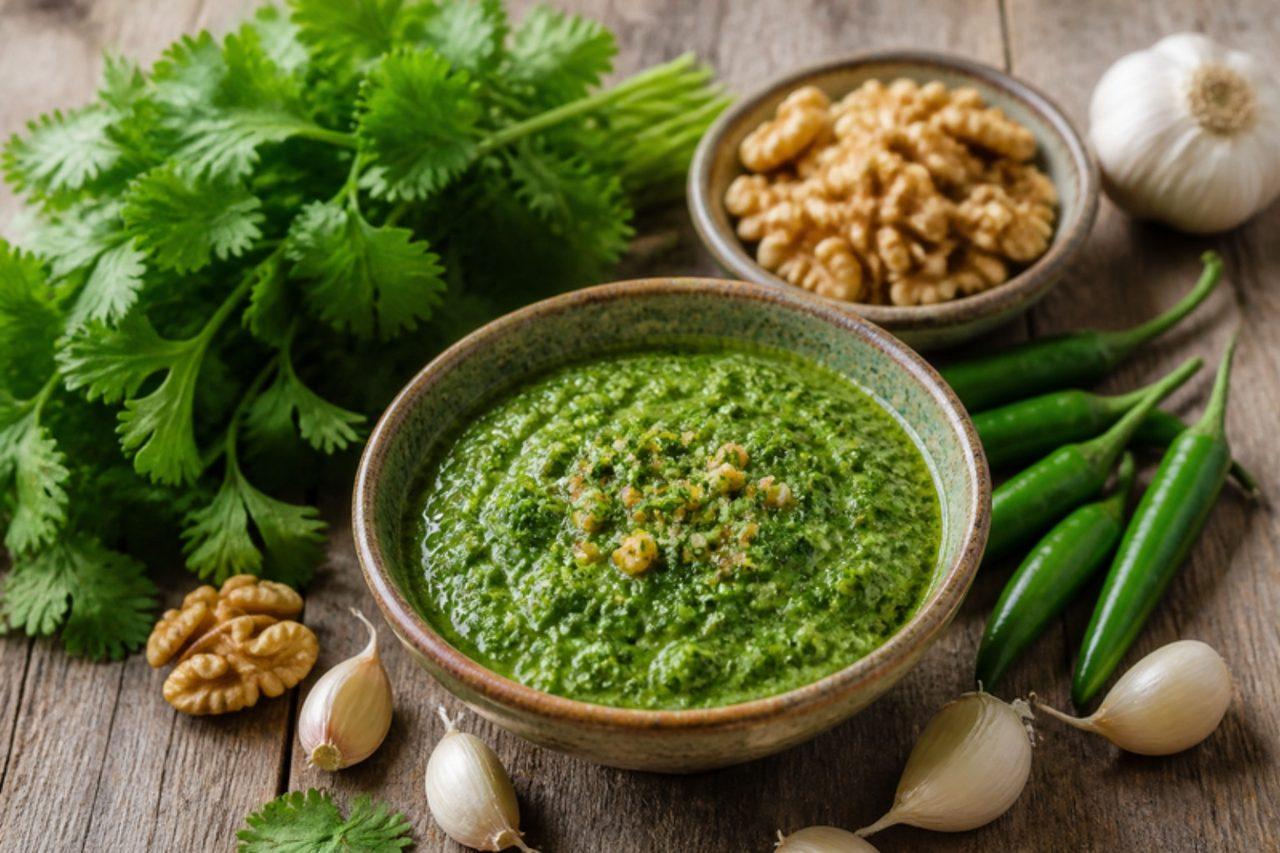
Afghan green chutney

No Afghan table of kebab or palaw feels complete without a little bowl of green chutni, the sharp, fiery relish spooned beside the rice, onto bolani and over grilled meat from Kabul to Kandahar. Unlike many South Asian green chutneys, the Afghan one leans on vinegar rather than lime and is thickened with walnuts, so it is slightly creamy, bright green and properly hot, with a pungent hit of raw garlic. Households make a jar at a time and keep it in the fridge through the week. People often blitz it into a thin juice; pulse it instead so you can still see flecks of leaf and nut. Chef's tip: keep the coriander stalks in, as they have more flavour than the leaves and help the chutney stay green for days.

by KrazyBadal 0 views

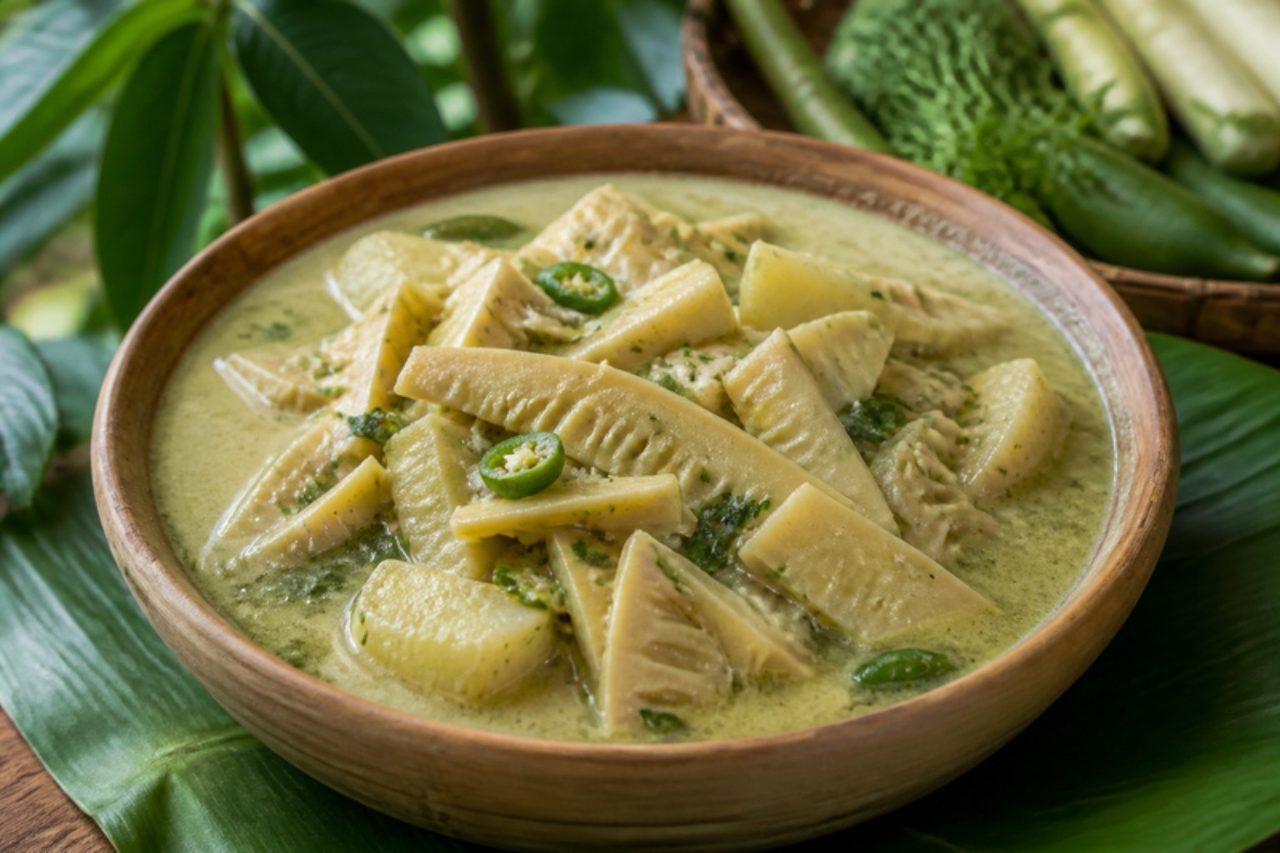
Chakma bamboo shoot curry

When the monsoon reaches the Chittagong Hill Tracts, young bamboo shoots push up through the forest floor around Rangamati and Bandarban, and Chakma and Marma families cut them for a quick, clean-tasting curry. Hill cooking uses very little oil and few dry spices; the flavour comes from fistfuls of green chilli, garlic and herbs such as culantro (sawtooth coriander), and a spoon of ground rice thickens the broth. At home it is very often cooked with shidol, a fermented dried fish paste, or nappi; this version is fully vegetarian. The shoots are crunchy and faintly sweet, and the curry is eaten with plenty of plain rice. Raw fresh bamboo shoots contain natural toxins, so they must always be boiled first and the water thrown away; skipping that step is the one mistake you cannot make here. Chef's tip: if you use canned or vacuum-packed shoots, rinse and boil them for 5 minutes anyway to freshen their taste.

by KrazyBadal 0 views

Kogel-mogel

Ask anyone who grew up in a Warsaw block of flats about kogel-mogel and they will remember standing in the kitchen beating yolks and sugar in a mug with a teaspoon, waiting for it to turn pale. It is the simplest Polish treat: thick, mousse-like and very sweet, sometimes with cocoa, eaten from a glass with a spoon or dolloped on fruit. Because the yolks are raw, use pasteurised eggs, which most supermarkets sell as cartons of yolks or as pasteurised whole eggs. Even so, raw eggs are not for pregnant women, young children or anyone with a weakened immune system. The common mistake is stopping too soon; it needs a good 5 minutes of whisking until it doubles and almost all the sugar has dissolved. Chef's tip: use caster sugar, which disappears faster and gives a silkier result.

by KrazyBadal 0 views

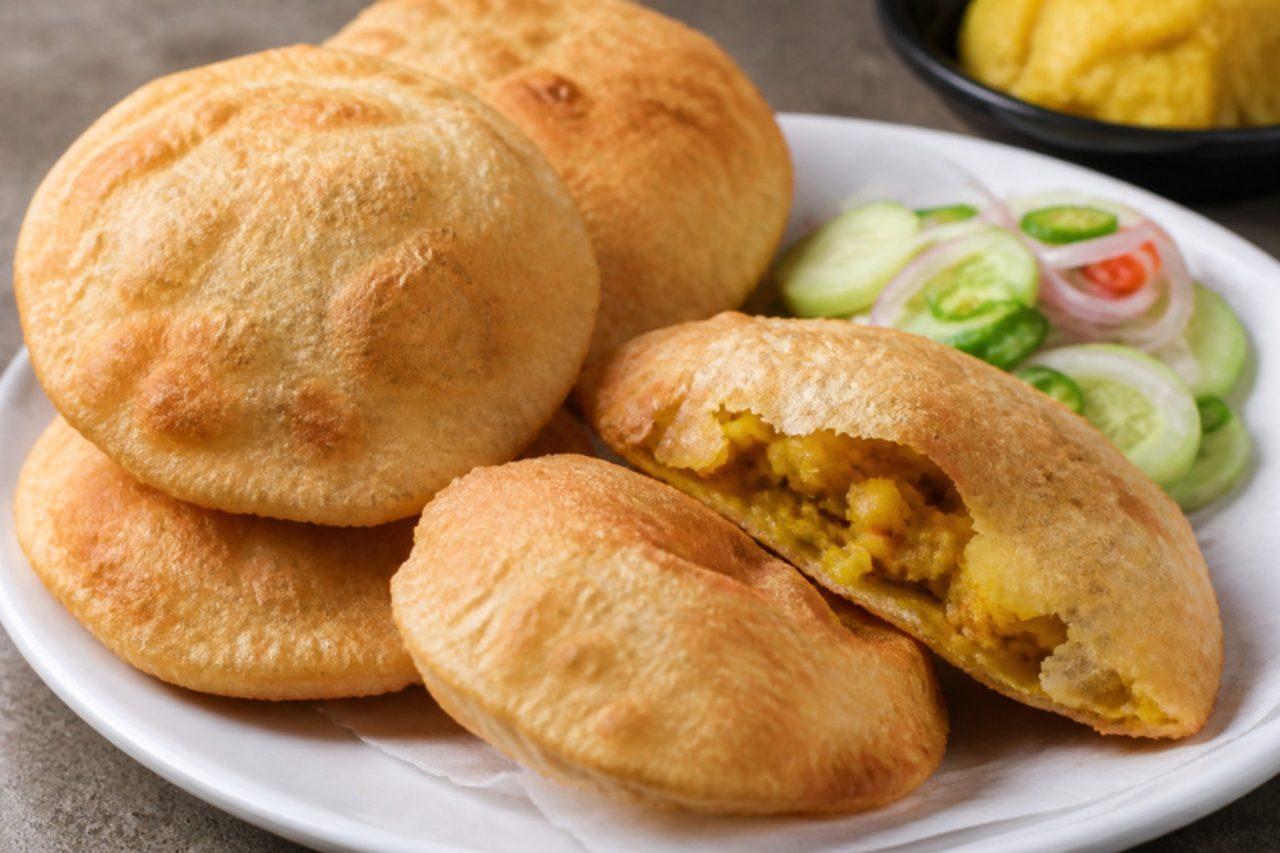
Bangladeshi dal puriLentil-filled puri

Wherever there is a tea stall in Dhaka, from the Nilkhet book market to the gates of the university, there is a wok of oil and a man rolling dal puri at speed, three or four at a time. These are thin and flat, not puffed, with a seam of dry, cumin-scented red lentil filling that you can see through the blistered skin; they are eaten straight from the wok with a cup of sweet tea, a spoon of tamarind chutney or just a pinch of raw onion and green chilli. Students treat them as lunch and office workers as an afternoon snack. Where people usually go wrong is a filling that is too wet, which bursts through the dough and spits in the oil. Chef's tip: cook the lentils just until they crush, then dry the mash in the pan with the onions until it holds together like crumbly dough.

by KrazyBadal 0 views

Smoked omul

On the shingle beaches of Listvyanka, at the edge of Lake Baikal, women sell omul still warm from the smoke, the fish split open, threaded onto alder sticks and set around a fire until the skin turns bronze and the flesh pulls away in moist, salty flakes. Omul lives only in Baikal, so at home use small whitefish, trout or mackerel, gutted and split. A short brine in the fridge seasons the fish, then it is hot-smoked in a kettle barbecue or a lidded smoker until cooked right through. Serve it warm or cold with boiled potatoes, black bread and spring onions. The usual slip is smoking over flames rather than smouldering chips, which chars the skin before the inside is done. Chef's tip: let the brined fish dry in the fridge, uncovered, for an hour: the tacky surface takes the smoke far better.

120 minRussianFishGluten free
by KrazyBadal 0 views

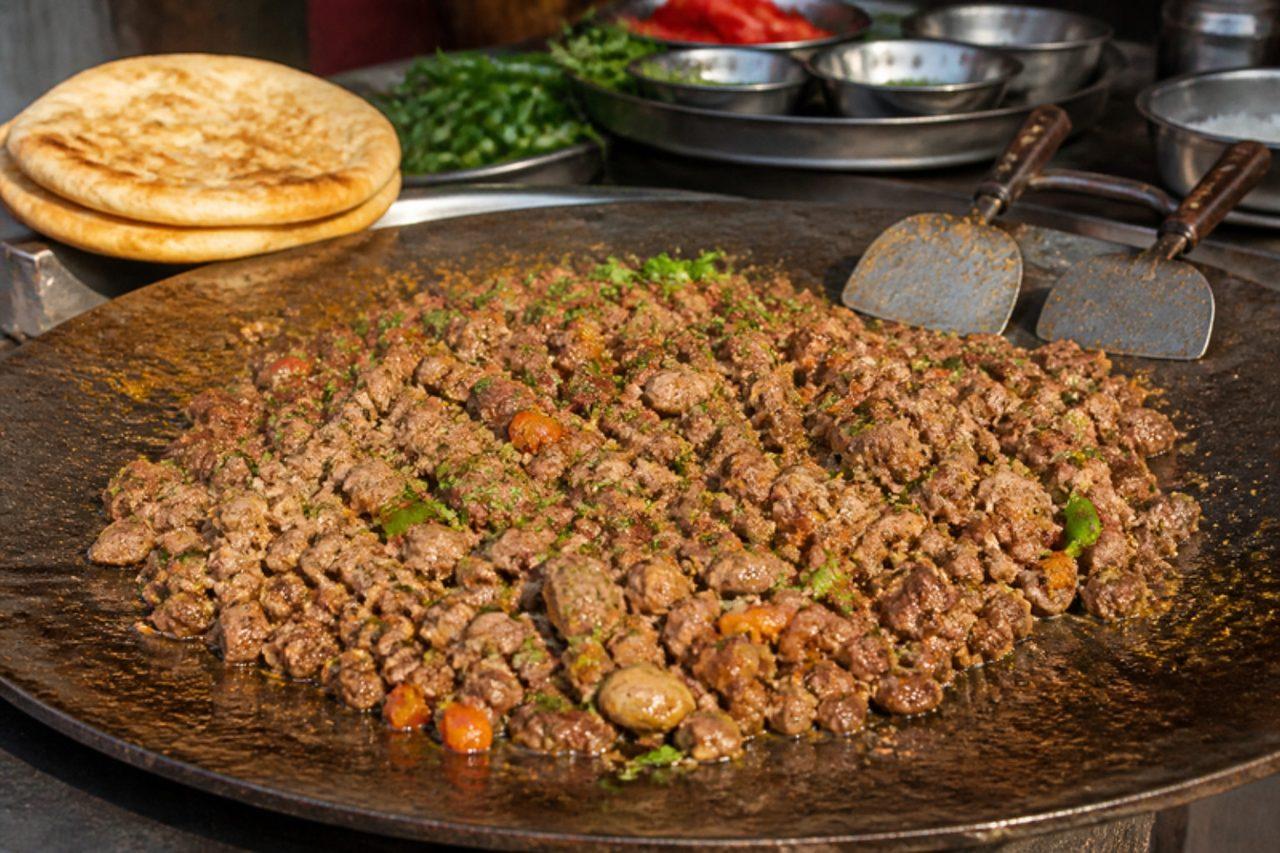
Kata-kat

You hear kata-kat before you see it: on Karachi's Burns Road and around Lahore's Gawalmandi, the cook stands over a tawa a metre wide, chopping kidneys, hearts and meat with two heavy steel blades in a clattering rhythm that gives the dish its name. Butter, tomatoes, green chillies and spice go in by the handful, and the mix is cooked down until rich and sticky, then scooped up with naan late at night. Traditional versions include brains, cooked in at the end; here they are optional. The danger is undercooking the offal while the meat is still chewy, so start the meat first and add kidney and heart later, cooking until there is no pink at all. Chef's tip: soak the kidneys in salted water for 20 minutes after removing the white core, which takes away any strong smell.

by KrazyBadal 0 views

Jamaican curried soy chunks

Ital cookshops in Half Way Tree and Papine sell curried "chunks" by the box with brown rice, steamed cabbage and a slice of ripe plantain, the Rastafarian answer to curry goat. The dried soya pieces soak up a deep, turmeric-gold sauce of Jamaican curry powder, thyme, pimento and coconut milk, and the potato thickens it as it breaks down. Most people skip squeezing the soaked chunks, which leaves them watery and bland; wring them out hard so they drink in the curry instead. Leave the scotch bonnet whole for warmth, or slit it for real heat. Chef's tip: fry the curry powder in the oil until it darkens a shade before anything wet goes in, the Jamaican "burn the curry" step that stops it tasting raw.

by KrazyBadal 0 views

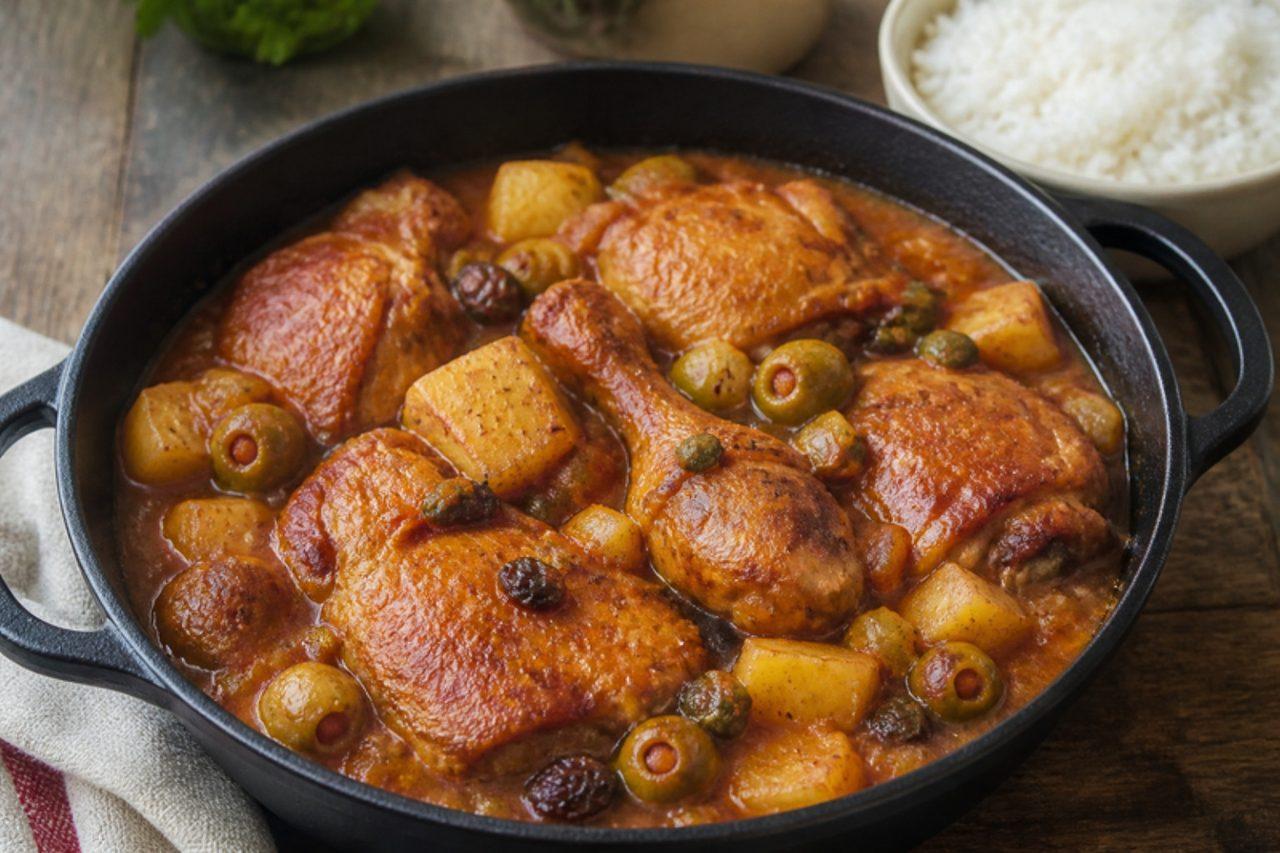
Fricasé de polloChicken stew with olives and raisins

Fricasé de pollo is a family dinner all over Cuba: chicken pieces marinated in sour orange and garlic, browned, then simmered with potatoes, green olives, capers and a few raisins in a light tomato sauce. The sweet-salty balance is what makes it so Cuban. A frequent mistake is skipping the marinade time; even an hour in the fridge seasons the meat right through. Serve with white rice. Chef's tip: add the raisins with the potatoes rather than at the start, so they plump up but don't melt into the sauce.

by KrazyBadal 0 views

Kimis (Somali thick pan bread)

Thicker and plainer than sabaayad, kimis is the everyday bread of Hargeisa and the north, cooked in a heavy pan and cut into wedges to soak up maraq, the thin spiced meat or vegetable broths eaten at lunch. The dough is simple flour and water raised with a little baking powder, so it puffs into a soft, bready round about 2 cm thick with a lightly freckled crust. It is also good for breakfast with tea and a spoonful of sugar or honey. This version uses oil, so it is vegan. Cooking over too high a heat is the classic mistake: the outside scorches before the middle is done, so keep the flame medium-low and cover the pan. Chef's tip: knock the bread on its base when you think it is ready; it should sound hollow.

by KrazyBadal 0 views

Gurian Christmas pie

On Christmas Eve, 6 January, kitchens across Guria, around Ozurgeti and Lanchkhuti, smell of baking ghvezeli: large crescent pies stuffed with fresh cheese and chunks of boiled egg, their shape said to recall the crescent moon. They are baked in batches, carried to relatives and eaten through the holidays with tea. A common mistake is overfilling, which makes the crescent split at the seam in the oven. Chef's tip: let the yeasted dough rise once, shape the pies, then give them 15 minutes more so they puff into soft, rounded crescents. Imeruli and sulguni usually use animal rennet; look for vegetarian ones.

by KrazyBadal 0 views

Soor (Somali maize porridge with butter and milk)

Herding families in Somaliland and the countryside around Hargeisa have long relied on soor, a thick porridge of maize meal stirred until it holds its shape on a plate. It is shaped into a mound, a well is pressed into the centre and filled with melted butter or ghee, then warm milk and a little sugar are poured round the edge; on other days the well is filled with a meat sauce instead. You eat it with your right hand or a spoon, scooping porridge through the butter. The result is mild, sweet and very filling. Lumps are the usual complaint, and they come from tipping the meal in all at once; mix part of it with cold water first, then rain the rest in while stirring. The usual mistake is adding the maize meal too fast, so it goes lumpy; whisk constantly as you pour. Chef's tip: cover the pan and let the porridge steam for 5 minutes at the end to cook out any raw taste.

by KrazyBadal 0 views

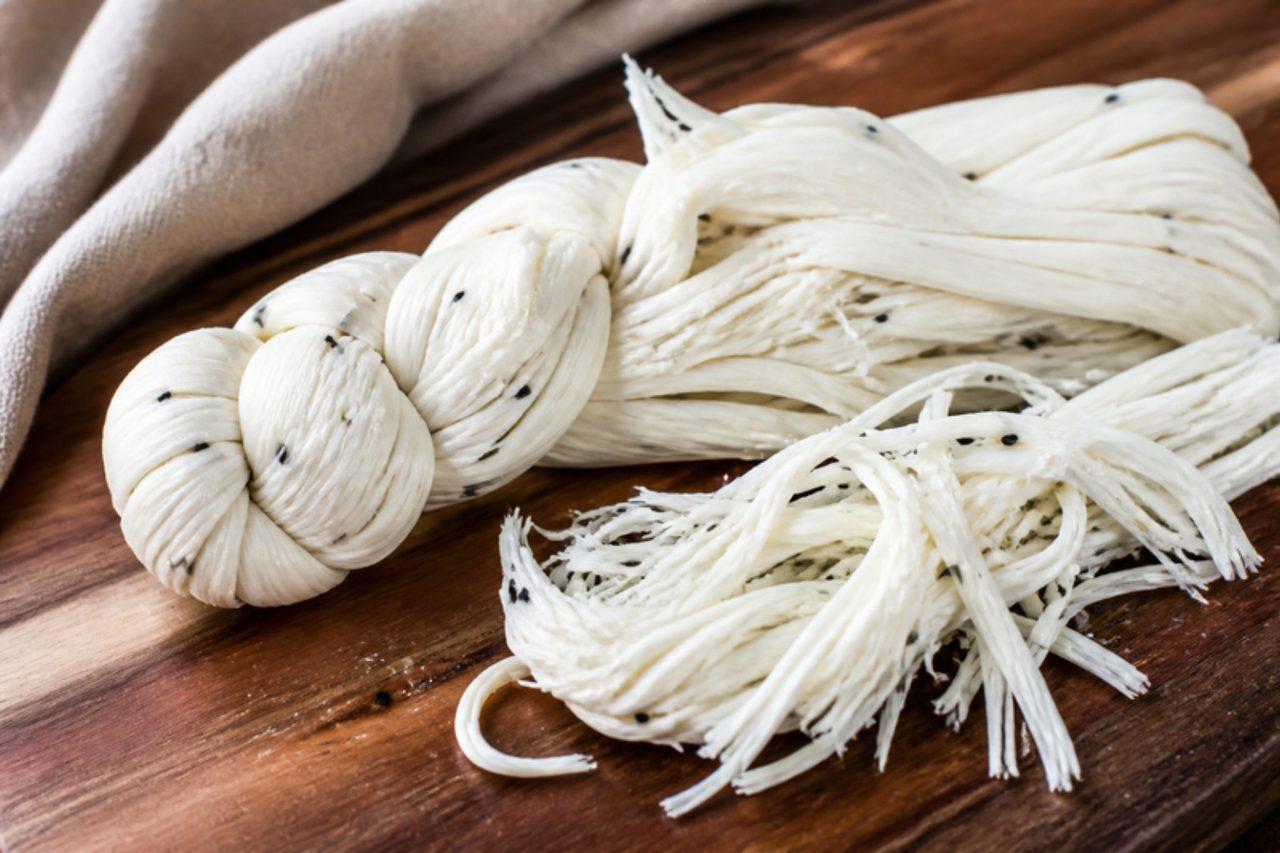
Armenian string cheese

Chechil, called tel panir in Armenian, is the plaited string cheese of Armenian families from Yerevan to Beirut and Boston: fresh curd is melted in hot water, stretched again and again into long, fine strands with nigella seeds worked through, then twisted into a braid. To eat, you pull the braid apart into thread-fine strings, good with herbs, lavash and a glass of tan. Traditionally made with animal rennet; vegetarian rennet works too. A common mistake is stretching a curd that is not acidic enough; it melts into a blob instead of pulling. Chef's tip: test a small piece in hot water first, as for sulguni; if it stretches 30 cm without breaking, it is ready.

by KrazyBadal 0 views

KletskoppenLacy almond biscuits

Kletskoppen are the lacy, crackly biscuits of Bruges, sold in the old city's bakeries and served with coffee in the cafés around the Markt: brown sugar, butter and chopped almonds with very little flour (this version uses none), baked until they spread into thin, see-through, toffee-flavoured lace. A common mistake is putting them too close on the tray; they spread enormously and join up. Chef's tip: let them cool for a minute on the tray before lifting, and drape them over a rolling pin while still warm if you want curved tuiles.

by KrazyBadal 0 views

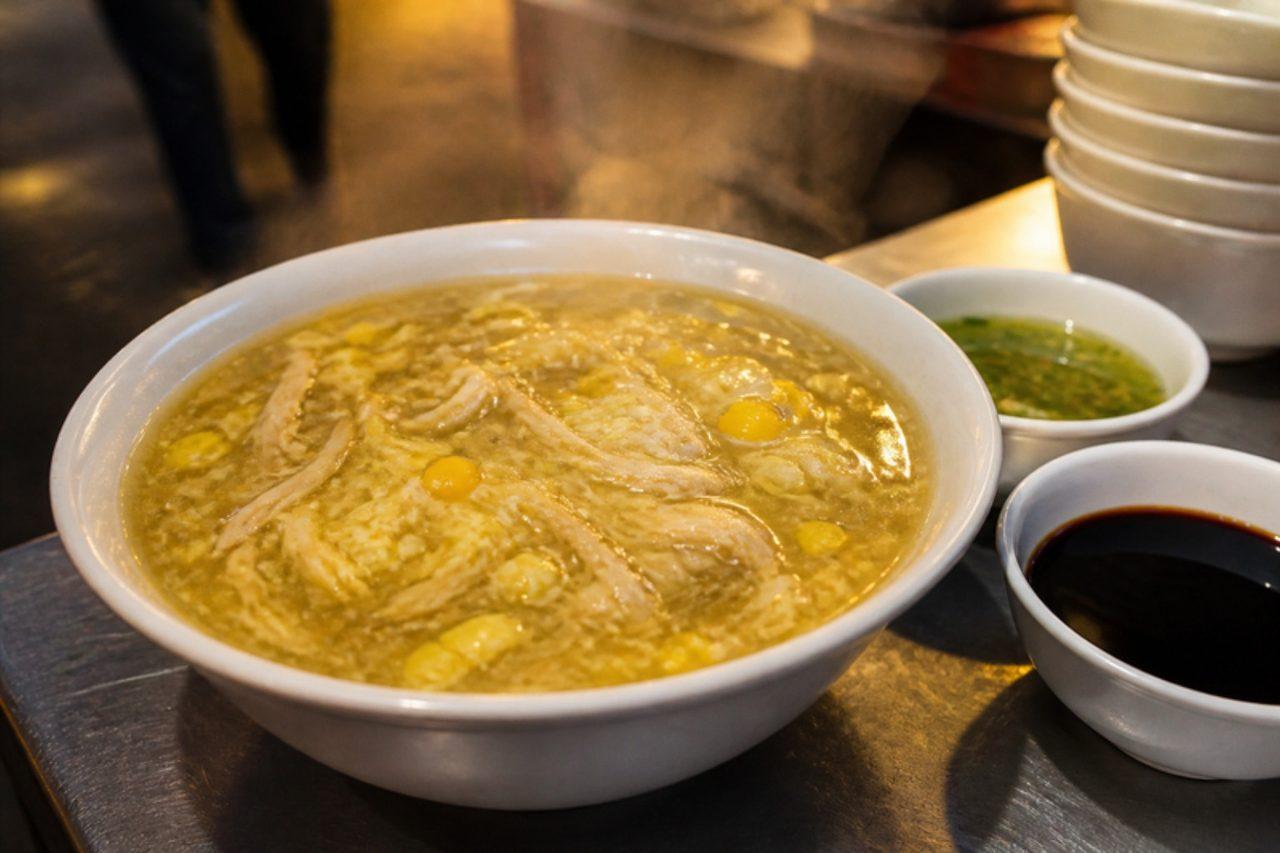
Pakistani chicken corn soup

Come the first cold evening of winter, carts with steaming steel pots appear on Karachi's Tariq Road and Lahore's Liberty Market, and queues form for chicken corn soup in disposable cups. It is Pakistani-Chinese food at its most loved: a thick, glossy soup of shredded chicken, creamed sweetcorn and silky egg ribbons, which each person seasons at the cart with chilli vinegar, soy sauce and chilli sauce from squeezy bottles. Children love it plain; adults douse it. Pouring the egg into a rapidly boiling soup turns it into scrambled lumps, so keep it at a gentle simmer and stir slowly in one direction. Chef's tip: for a vegetarian version, use a good vegetable stock, leave out the chicken and add a handful of finely chopped carrot and cabbage.

by KrazyBadal 0 views

Hamam mahshi (stuffed pigeon)

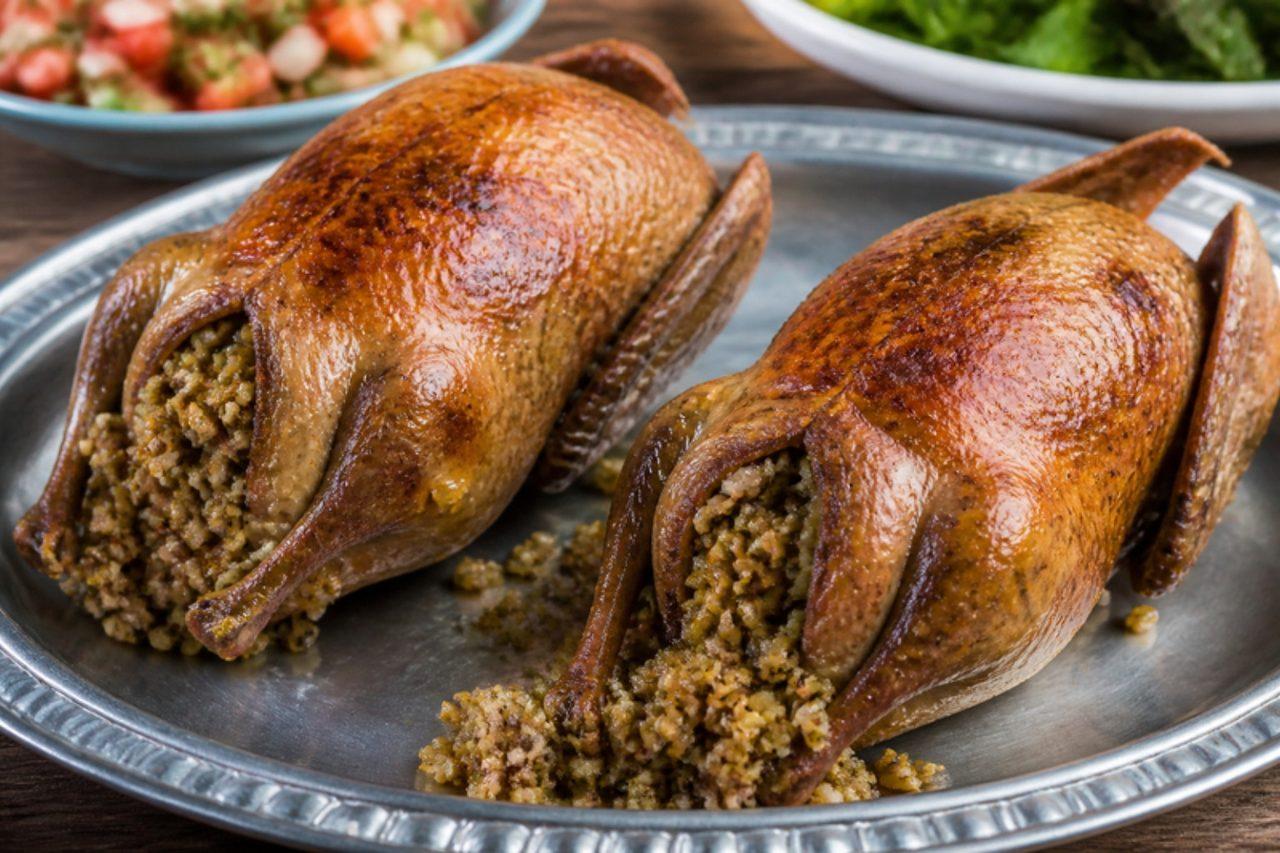
Pigeon towers still rise above villages in the Nile Delta, and stuffed pigeon is a celebration dish there and in Cairo's famous pigeon restaurants; it is traditionally served to newlyweds and at feasts. Each small bird is filled with freekeh (smoky green wheat) cooked with onion, giblets and warm spices, then simmered in a cardamom broth until tender and finished in a hot oven or fried so the skin turns deep brown and crackling. The meat is dark and rich, closer to duck than chicken, and the freekeh soaks up all the juices. Serve one bird each with a salad, pickles and the broth as soup. Use farmed squab from a poultry supplier. Chef's tip: stuff the birds loosely and sew or skewer them shut; freekeh swells as it cooks and an overfilled pigeon bursts.

by KrazyBadal 0 views

Muri ghonto

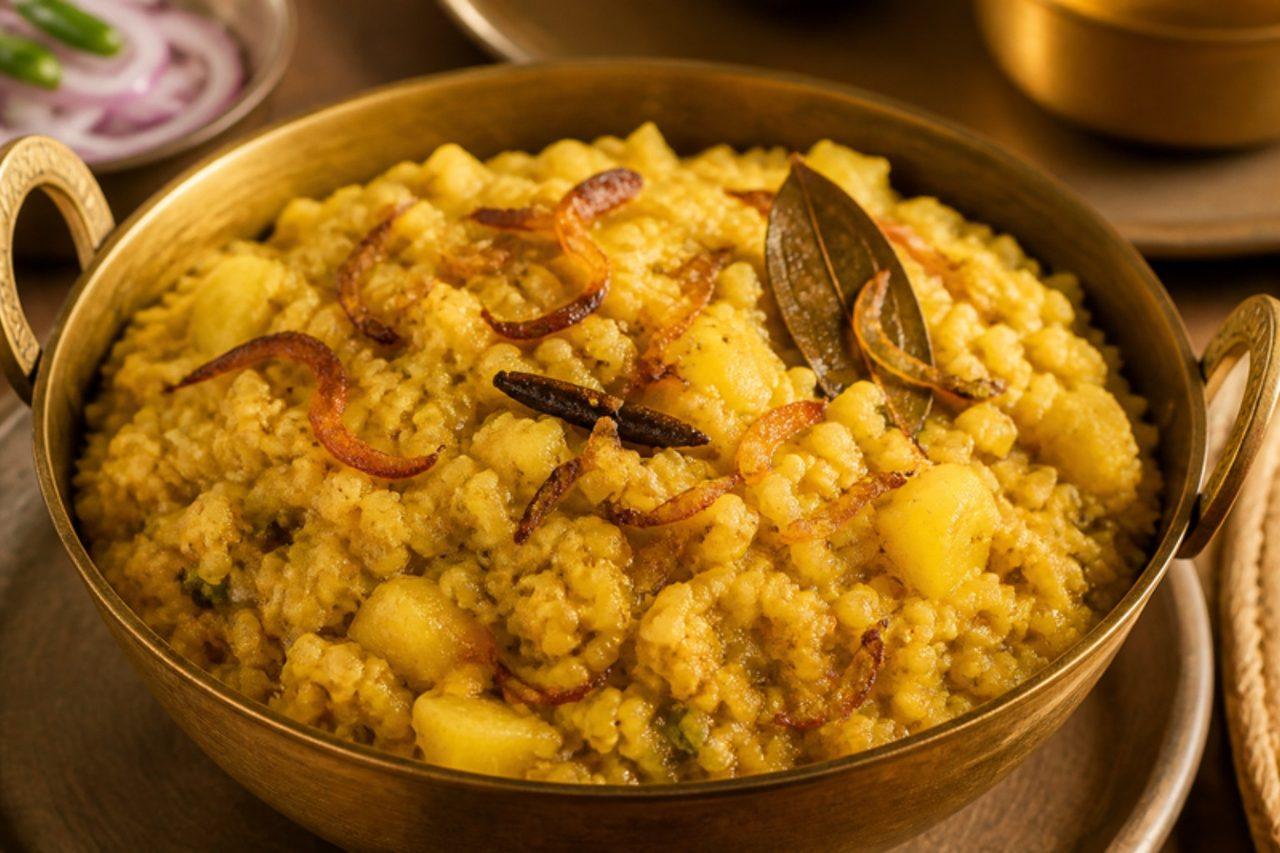
For a Bengali family, the head of a big rohu is the part saved for the guest of honour or the new son-in-law at Jamai Shashthi, and the finest thing to do with it is muri ghonto. The head is fried in mustard oil, broken into pieces and cooked with a handful of fragrant short-grain rice, diced potato and warm spices until it becomes a thick, almost dry mash, finished with ghee and garam masala. In Dhaka homes it is eaten in the middle of a meal, after the shak and dal and before the main fish curry, with plain rice. Many cooks leave the head in big lumps, but it should be broken up after frying so the rich flavour from the head spreads through the rice. Chef's tip: buy the head from a large fish of at least 2 kg and ask the fishmonger to remove the gills and split it for you.

by KrazyBadal 0 views

Showing 90 of 7,888 recipes

Page 189 of 877