


Skip to content
Pinole
Featured recipe

Pinole

Toasted corn drink

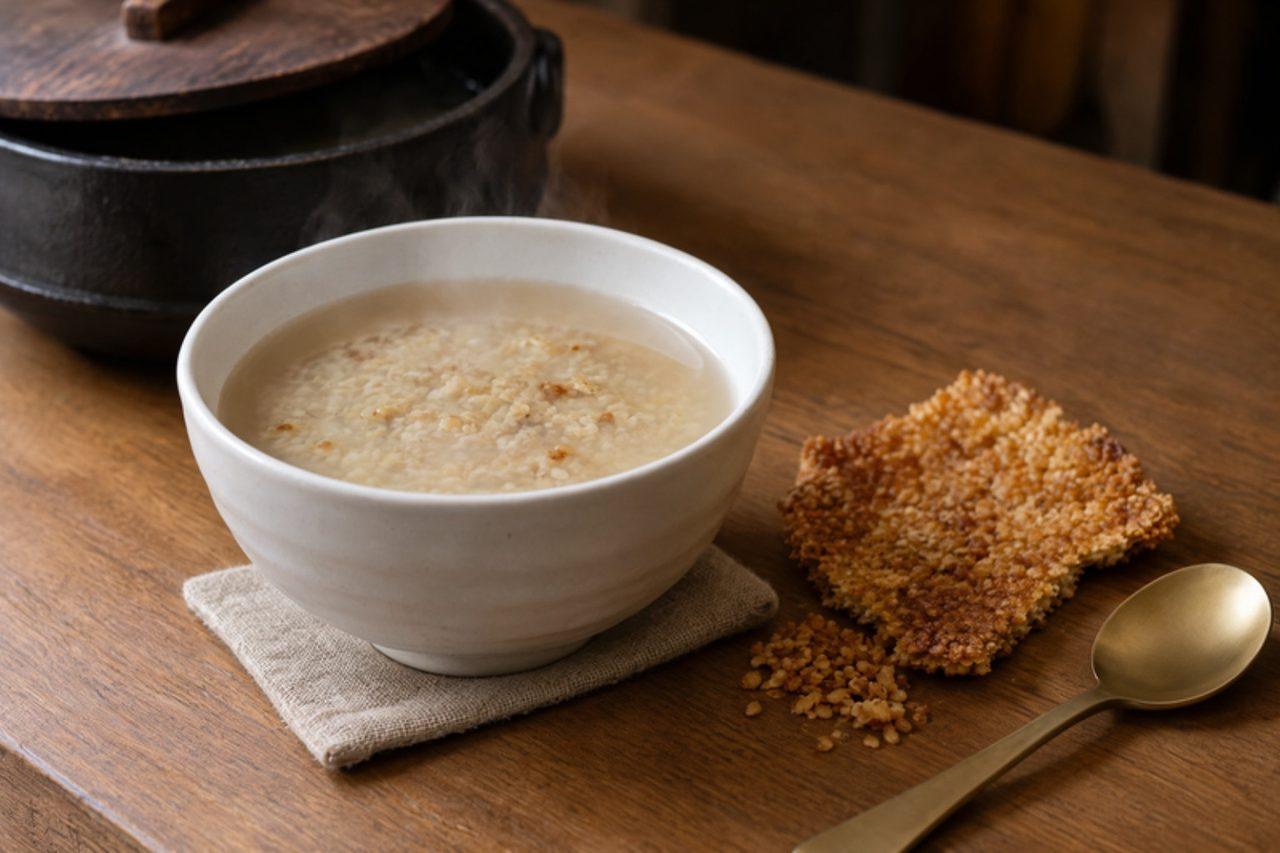
In the canyons of the Sierra Tarahumara in Chihuahua, Rarámuri runners set off at dawn carrying a pouch of pinole, corn kernels toasted on a clay comal and ground fine, to stir into cold water along the trail. Across northern Mexico it is still a breakfast drink, sweetened with piloncillo and cinnamon and stirred into water or warm milk. This version toasts coarse cornmeal at home for the same nutty, popcorn-like flavour. The common mistake is toasting over a high heat: the outside burns and turns bitter before the inside goes golden. Chef's tip: toast a big batch and keep it in a jar, so a morning cup is just two spoonfuls stirred into water.

Read more 0 views

What to eat today?

Around the world

Today's trip: Paraguayan

A new country every day, from every cuisine on the site.

Paraguayan

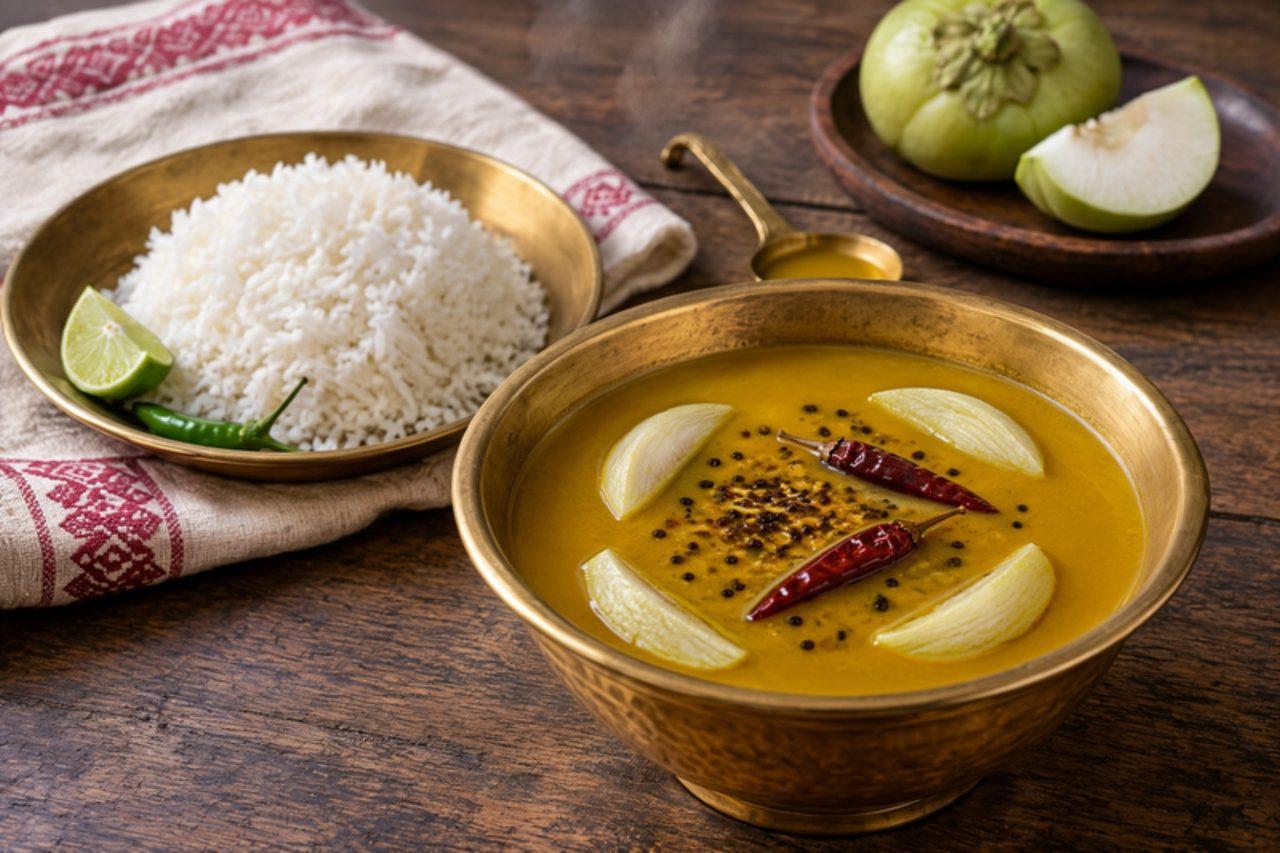
Pira caldo

Creamy fish soup with cheese 60 minMore from Paraguayan (27) →

This week's collection

Kid-friendly dinners
537 recipes · a new collection every Monday

Latest recipes

Seared gored goredSeared beef cubes in spiced butter

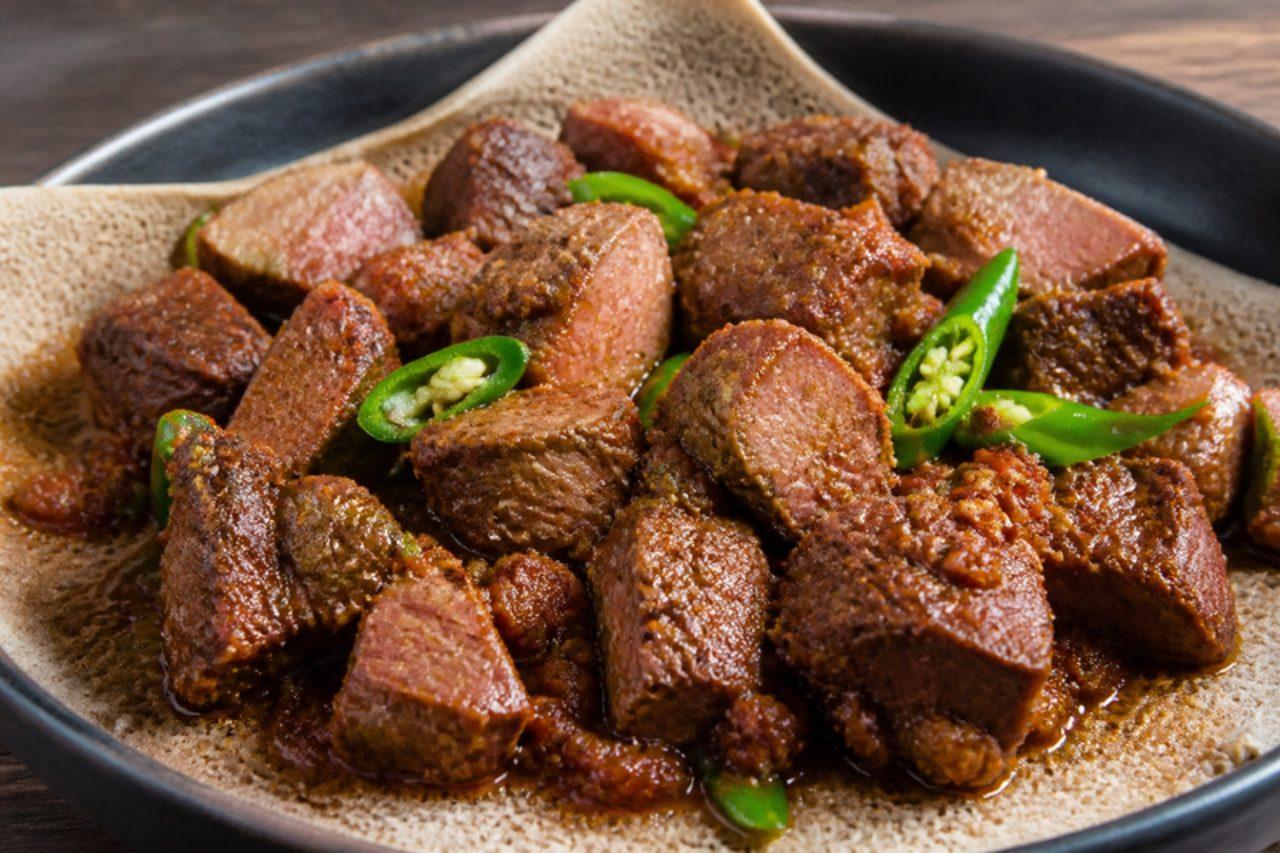
Gored gored is a celebration dish in Addis Ababa, ordered at butcher-restaurants and served at weddings and holiday gatherings, where cubes of the best beef are dressed with melted niter kibbeh, awaze and mitmita and eaten with injera. Traditionally the meat is served raw. Raw beef is not for pregnant women, young children or anyone with a weakened immune system, so this version sears the cubes over a fierce heat until well browned on every side and cooked to at least 63 °C in the centre, then rests them; take them to 71 °C if you prefer them fully cooked. The result is tender and juicy, rich with spiced butter and fiery from the awaze. Chef's tip: dry the cubes thoroughly with kitchen paper and sear them in two batches; a crowded pan steams the meat grey instead of browning it.

by KrazyBadal 0 views

Minchi (Macanese minced meat with potatoes)

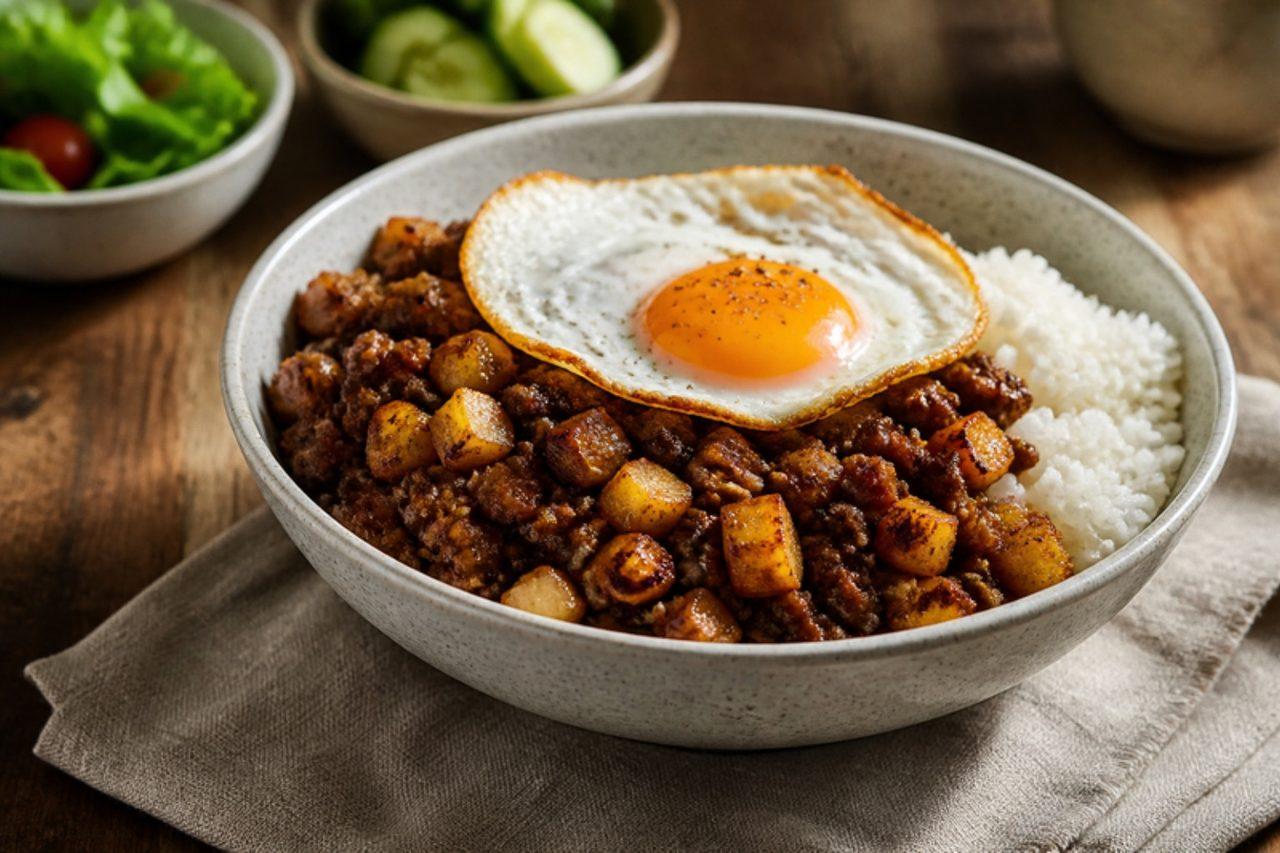
If one dish says home to Macanese families, the descendants of Portuguese and Chinese Macau, it is minchi: a quick hash of minced beef and pork seasoned with soy sauce, Worcestershire sauce and a touch of sugar, mixed with crisp little cubes of fried potato and crowned with a runny fried egg. It appears on weeknight tables, at Macanese restaurants near Rua do Cunha, and at gatherings of the Macanese community abroad, always with plain white rice. Savoury, slightly sweet and full of crunch, it tastes like the meeting of a Portuguese kitchen and a Cantonese wok. A common error is stirring the potatoes into the meat too early, which makes them soft and floury; fry them separately until crisp and fold them in at the end. Chef's tip: let the mince sit undisturbed for a minute in the hot pan before stirring, so it browns instead of stewing.

by KrazyBadal 0 views

Vegetarian mee rebus

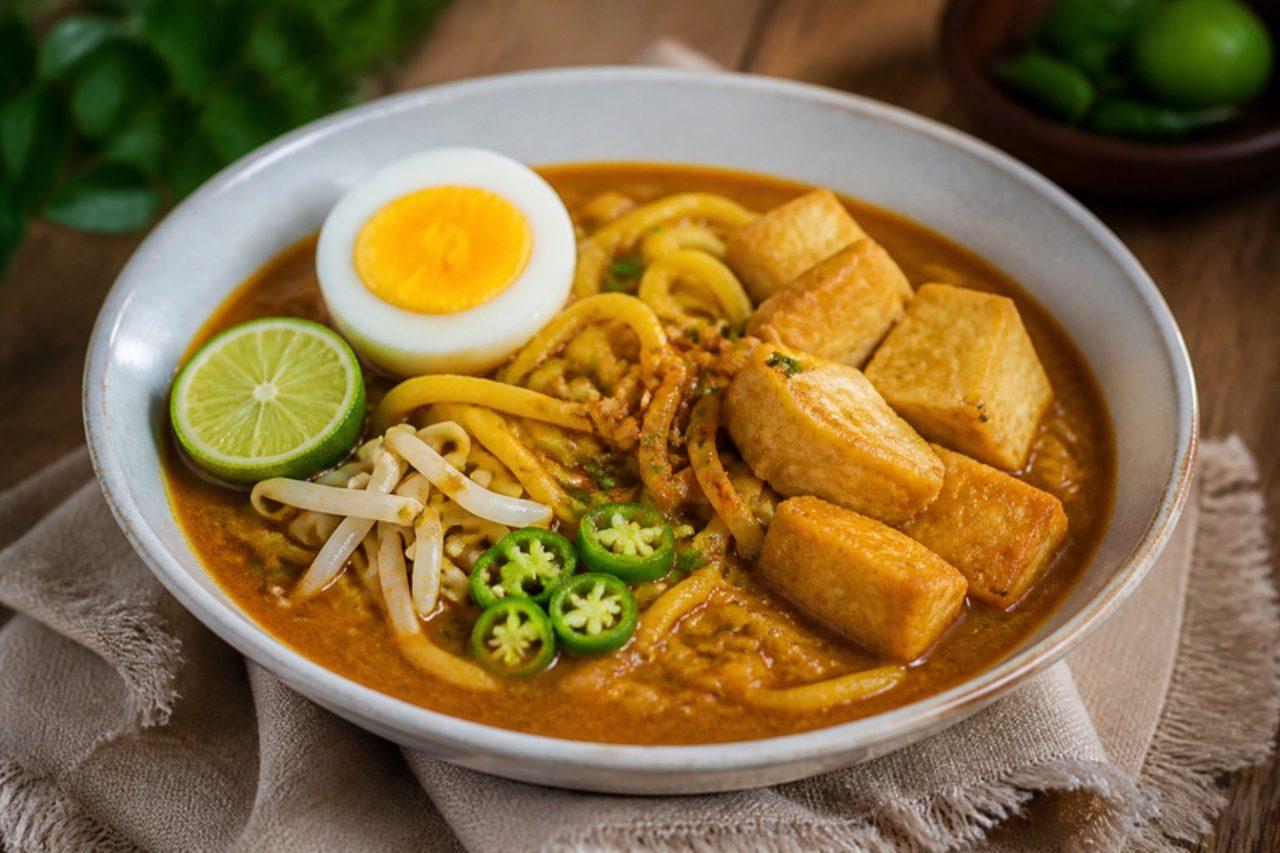
Malay hawker stalls at Geylang Serai and the old Adam Road food centre ladle mee rebus from a vat of thick, reddish-brown gravy that is sweet, gently spiced and earthy, poured over springy yellow noodles and heaped with halved boiled egg, fried tau kwa, bean sprouts, green chilli and a squeeze of calamansi. It is eaten any time, but especially on Hari Raya mornings and as a filling lunch. Many stalls build the gravy on dried shrimp and beef stock; this vegetarian version gets its body from mashed sweet potato, its savoury depth from fermented soybean paste (taucheo) and a well-fried spice paste, and uses vegetable stock. The usual mistake is under-frying the rempah, which leaves the gravy tasting raw and sharp; cook it until the oil separates and turns red. Chef's tip: the gravy thickens as it stands, so keep a kettle of hot stock nearby and loosen it to a pourable, velvety consistency just before serving.

by KrazyBadal 0 views

White cherry preserve

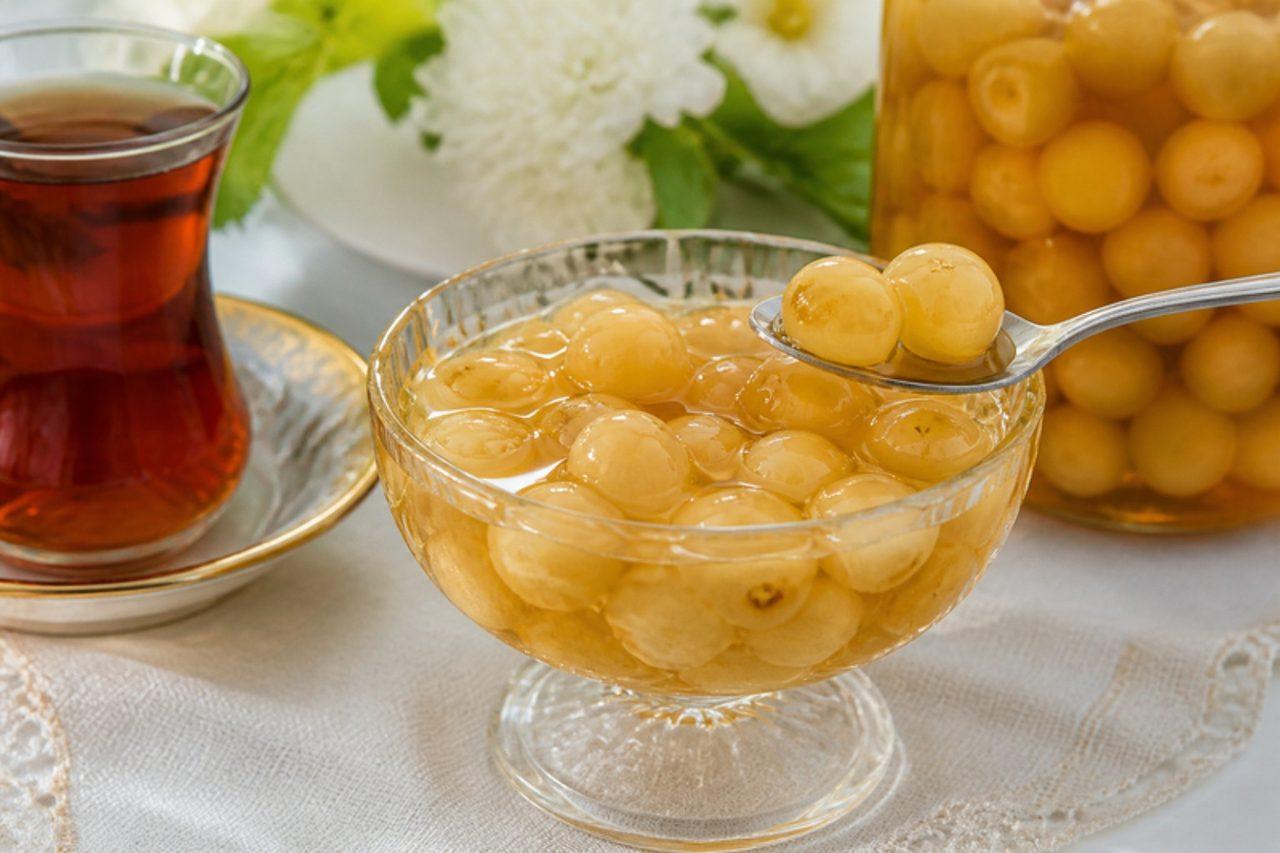
Absheron is famous for its white cherries, pale yellow fruit with a pink blush that ripen in June in the sandy orchards around Mardakan and Shuvalan. Baku families stone them one by one with a hairpin and cook them slowly into a clear golden preserve, sharpened with lemon, which is served in tiny glass bowls (mürəbbə qabı) with black tea; you sip the tea and eat a spoon of cherries between sips. A common mistake is cooking the fruit in one long boil, which shrivels it. Chef's tip: cook in short spells with long rests in between, so the cherries plump up with syrup and stay whole and glossy.

by KrazyBadal 0 views

Bradj (date-filled semolina diamonds)

When the first warm days arrive, families in Constantine and across eastern Algeria mark the spring festival with picnics, boiled eggs and plates of bradj: diamonds of buttery semolina sandwiching a layer of spiced date paste, cooked slowly on a griddle rather than baked. The outside turns golden and crumbly, the date layer stays soft and sticky, and orange-blossom water perfumes the whole thing. Bradj is served warm with a drizzle of honey or a cold glass of buttermilk, and is just as good the next day with coffee. Chef's tip: press the dough together rather than kneading it; worked like bread dough, semolina turns tough, and bradj should break with a crumble.

by KrazyBadal 0 views

Tagella (Tuareg sand-baked bread)

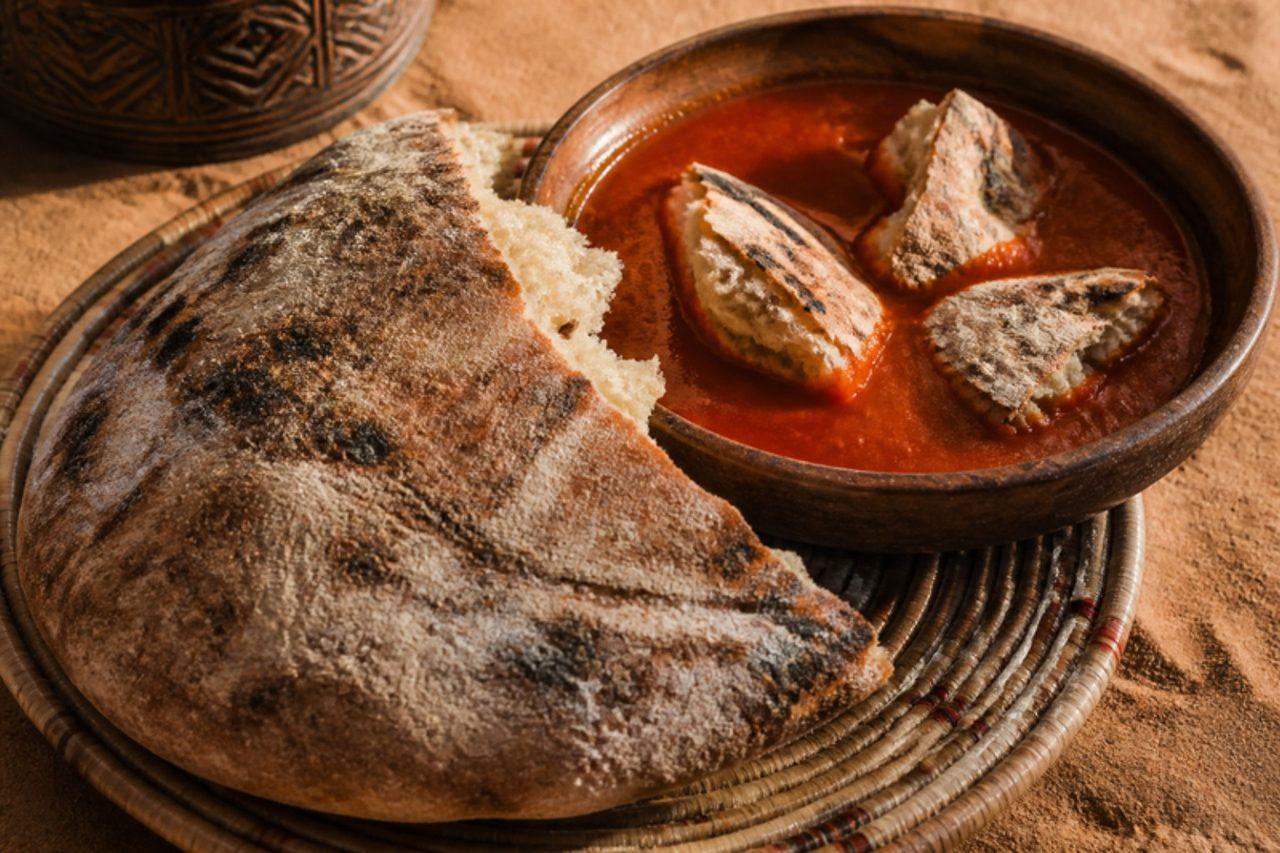
Out in the Hoggar mountains around Tamanrasset, Tuareg cooks bury a thick disc of dough in sand heated by a wood fire, cover it with embers and dig it up half an hour later with a dense, chewy crumb and a thick crust that is beaten clean of sand. The bread is then broken into pieces and soaked in a spicy tomato and onion sauce, a hearty meal for a camp or a desert evening; meat goes in when there is some, and this is the plain version cooked on ordinary days. At home, a very hot oven with a cast-iron pan gives a similar crust. Expect a filling, rustic dish with a smoky, peppery sauce. A frequent slip is making the dough too dry; it should be soft, or the thick round cracks and stays raw in the middle. Chef's tip: bake the bread until it sounds hollow when knocked, because an underbaked, doughy centre turns to paste in the sauce.

by KrazyBadal 0 views

Singapore prawn noodle soup

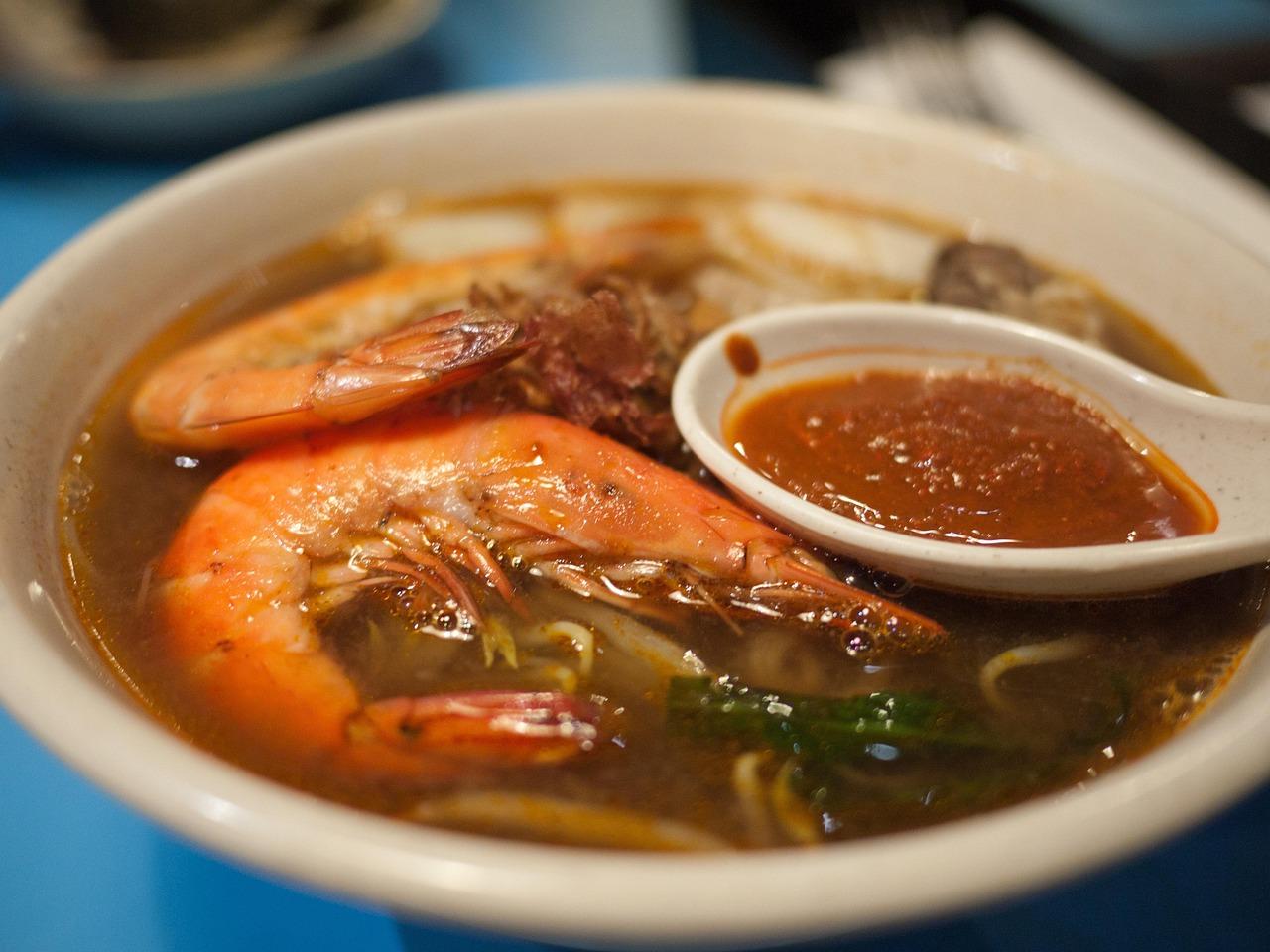
Long before lunch, the big pots at Singapore's prawn mee stalls have been bubbling with fried prawn shells and pork bones, and the regulars from Zion Road to Tiong Bahru arrive with one question: soup or dry? This is the soup version, which is different from the stir-fried Hokkien prawn mee: a sweet, briny, rust-coloured broth poured over yellow noodles and rice vermicelli, topped with halved prawns, tender pork ribs, kangkong and bean sprouts, finished with fried shallots and a dusting of chilli powder. A dish of sliced red chilli in soy sauce sits alongside. The most common mistake is boiling the shells without frying them first, which gives a pale, thin broth; the depth comes from shells toasted in oil until they are deep red and smell like the sea. Chef's tip: freeze prawn shells and heads from other meals over a few weeks so you have a big bag ready for the stock.

by KrazyBadal 0 views

GogalFlaky fennel and turmeric pastry

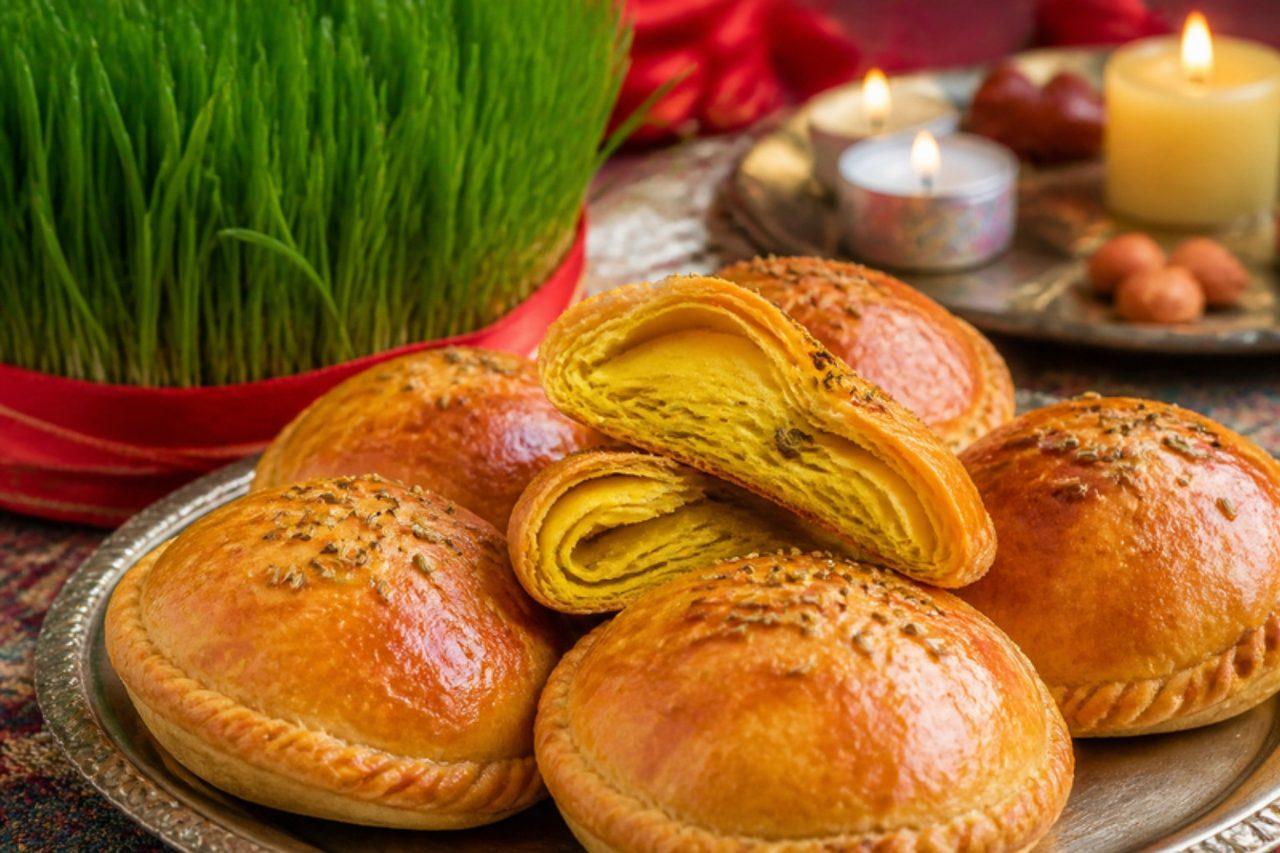
Gogal is baked for Novruz, the spring new year on 20 March, in kitchens all over Baku and the Absheron villages, beside shekerbura and pakhlava on the festive tray. A soft dough is rolled thin, brushed with butter mixed with ground fennel, turmeric and salt, then rolled, coiled and flattened again so it bakes into crisp, savoury, golden layers. A common mistake is using cold, hard butter for the spread; it tears the dough. Chef's tip: let the coiled pastries rest before flattening so the layers relax and stay distinct in the oven.

by KrazyBadal 0 views

Masa (Hausa fermented rice cakes)

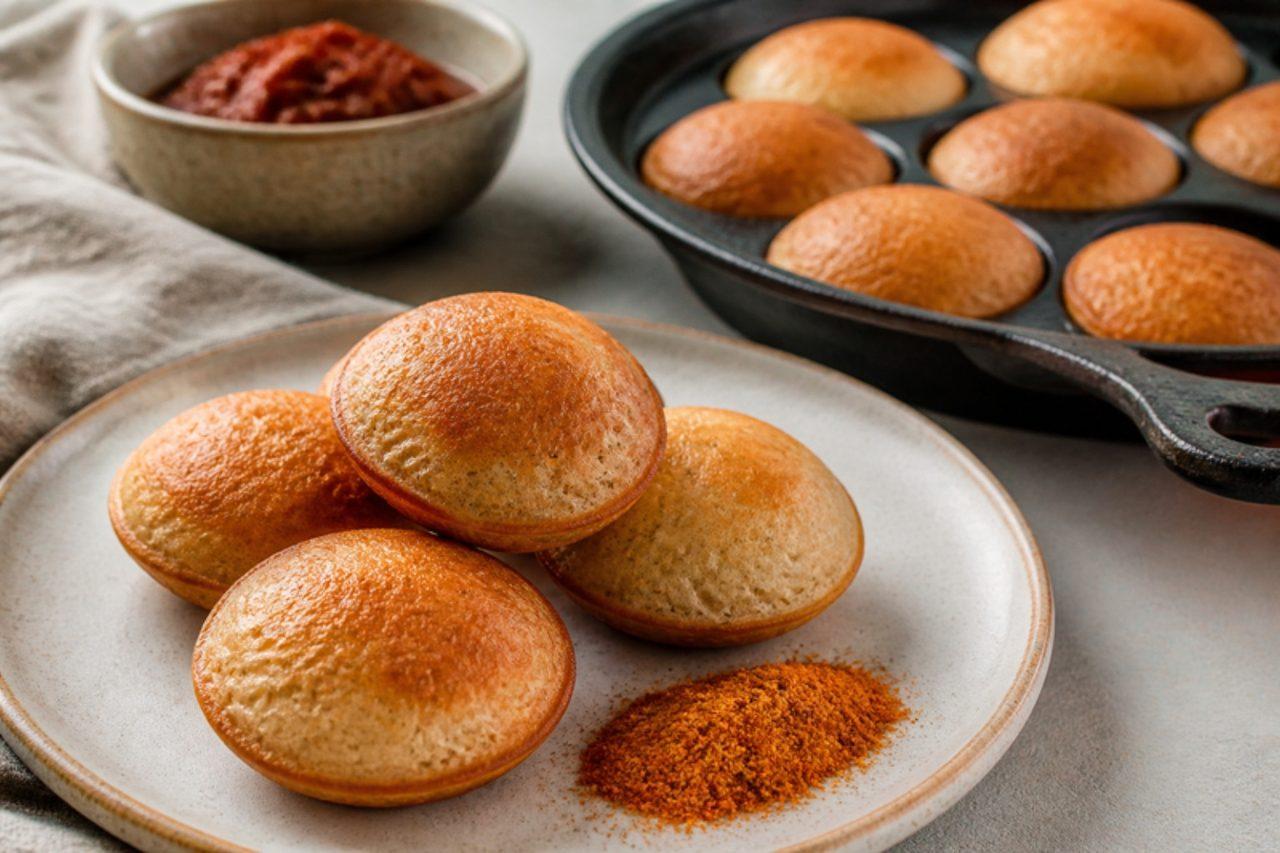
Before sunrise in Kano, Sokoto and Katsina, women set out clay or cast-iron pans with round hollows and fry masa by the dozen for breakfast, and during Ramadan they are a favourite at the breaking of the fast. Soaked rice is ground with a little cooked rice, left to ferment until bubbly, then cooked in the hollows, so each cake is crisp and brown underneath and soft and spongy inside, with a gentle sourness. They are eaten with sugar syrup, yaji pepper or miyan taushe (honey is common too, while syrup keeps them vegan). A thin batter is the classic mistake: it spreads and fries flat, so aim for the thickness of a thick pancake batter. Chef's tip: start the night before, since the rice soaks 8 hours and the batter ferments 4–8 hours more, and use an aebleskiver or paniyaram pan if you have no masa pan.

by KrazyBadal 0 views

Mbesses (Kabyle semolina cake)

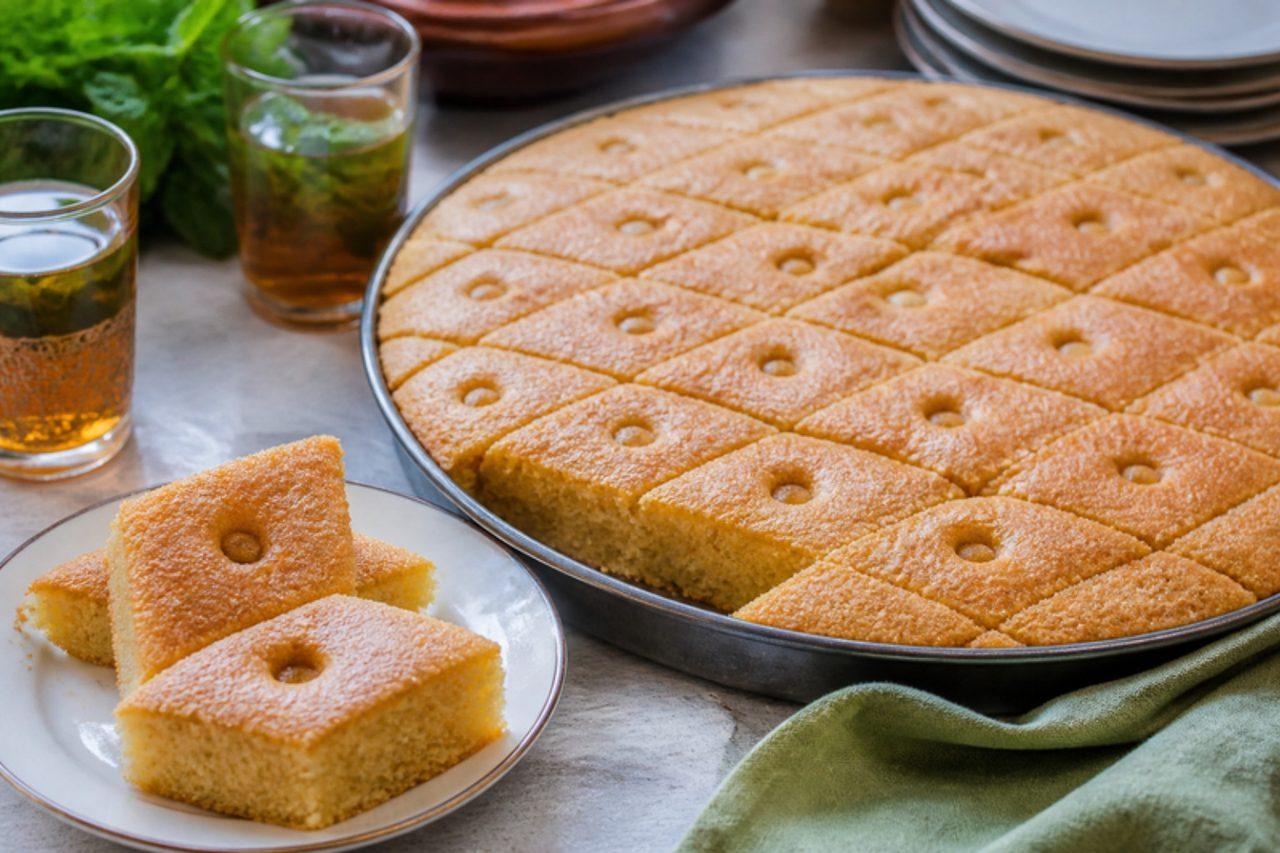
Somewhere between shortbread and cornbread, mbesses is the plain cake of Kabyle kitchens, a shallow tray of semolina rich with melted butter, lightly sweetened and baked until golden on top. The texture is sandy and tender, breaking into crumbs that taste of toasted grain and butter, with a hint of orange blossom. It is cut into diamonds and served with milky coffee in the afternoon, or offered to guests who drop by during Ramadan evenings. Some households scatter sesame or nigella seeds over the top before baking. Chef's tip: spread the mixture into the tray with a light hand; pressing it down hard is the most common mistake and gives a dense, heavy cake.

by KrazyBadal 0 views

Zviti (pounded pepper and flatbread mash)

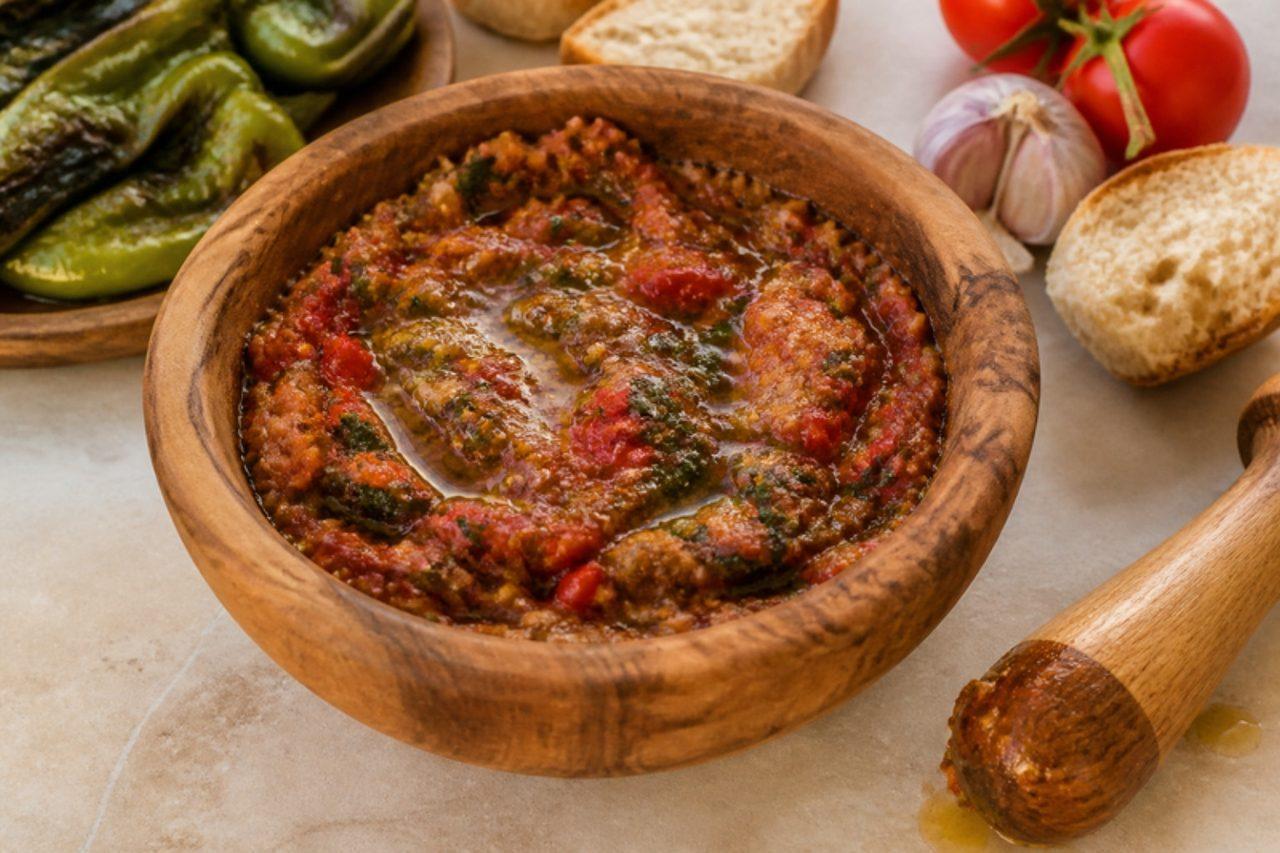
Fire-blistered green chillies, a few tomatoes and a fist of garlic go into a wooden mortar, and the cook in Bou Saâda or M'Sila pounds them with torn flatbread until everything turns into a coarse, hot, smoky mash. Zviti is served straight from that wooden bowl, sometimes in a carved mortar the size of a salad bowl, and eaten by hand with more bread, often on cold evenings in the steppe towns. The flavour is sharp and grassy from the chillies, sweet from the charred tomato and soothed by plenty of olive oil. Choose a mix of hot and milder long chillies to set the heat you like. Don't leave the charred skins on the peppers and tomatoes: they turn the mash bitter and stringy. Chef's tip: pound rather than blend; a food processor whips it into a watery soup, so if you must use one, pulse briefly and add the bread last.

by KrazyBadal 0 views

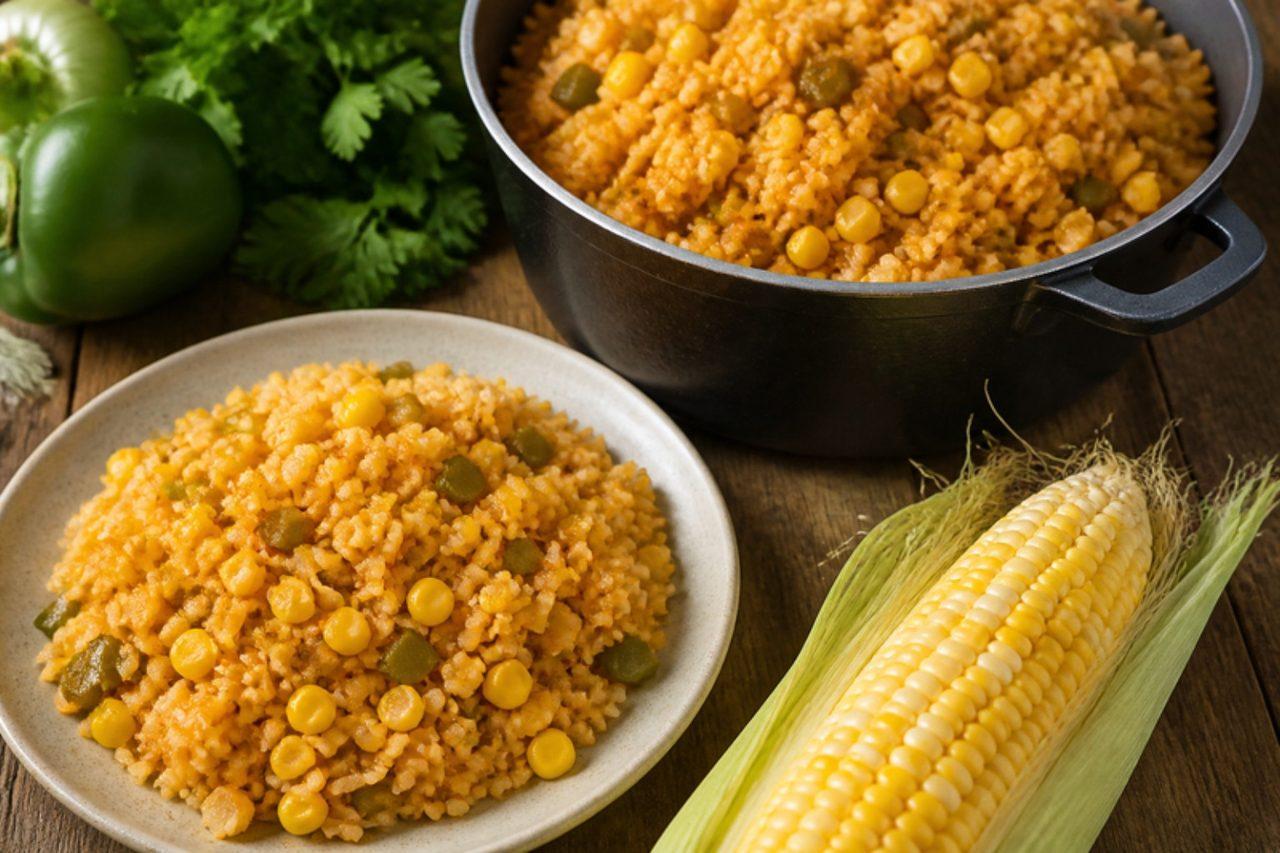
Arroz con maízRice with sweetcorn

In central Cuba, when the fields are full of young corn, families cut the kernels straight off the cob into the rice pot with a sofrito of onion, pepper, garlic and annatto, cooking everything together until golden and sticky at the base. Many farm cooks add salt pork; this vegan version leans on cumin and a little smoked paprika. A common mistake is using too much water, as fresh corn releases its own milk, so keep to the amounts given. Serve with black beans or a tomato and avocado salad. Chef's tip: scrape the cobs with the back of the knife after cutting off the kernels and add that milky pulp; it gives the rice a creamy sweetness.

by KrazyBadal 0 views

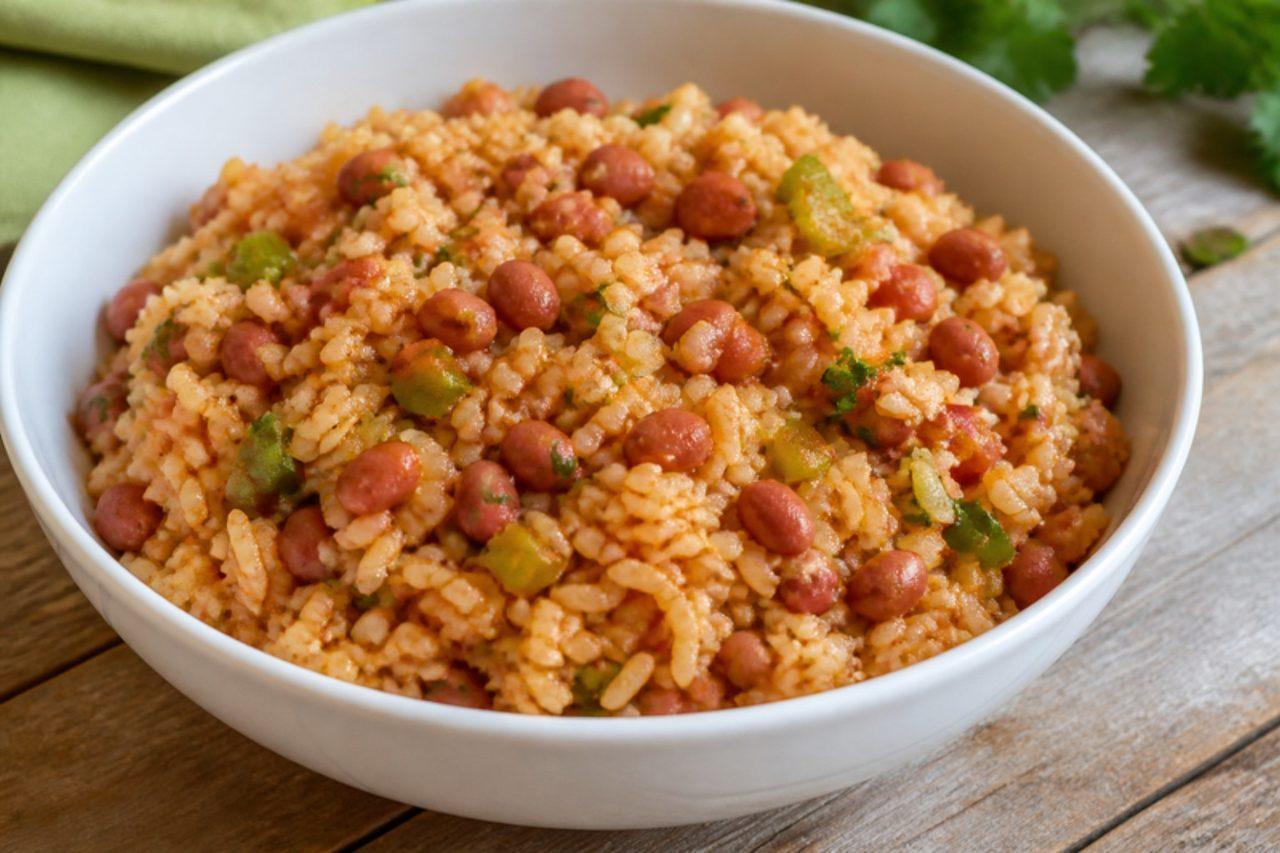
Arroz mamposteaoFried rice and stewed beans

Fondas around San Juan put arroz mamposteao on the menu as a way to use yesterday's white rice and the last ladle of habichuelas, and at home it is the Sunday-night fix when the pots from lunch come out of the fridge. The rice is fried in olive oil with a fresh sofrito, then the beans and their sauce go in until every grain is stained pink and the edges catch and crisp. Many cooks add ham or bacon; this version stays meat-free and gets its depth from the sofrito and a little smoked paprika. The common mistake is using freshly cooked rice, which turns to paste; cold, day-old rice keeps separate grains. Chef's tip: leave the pan alone for the last few minutes so a crunchy layer forms on the bottom, then fold it through.

by KrazyBadal 0 views

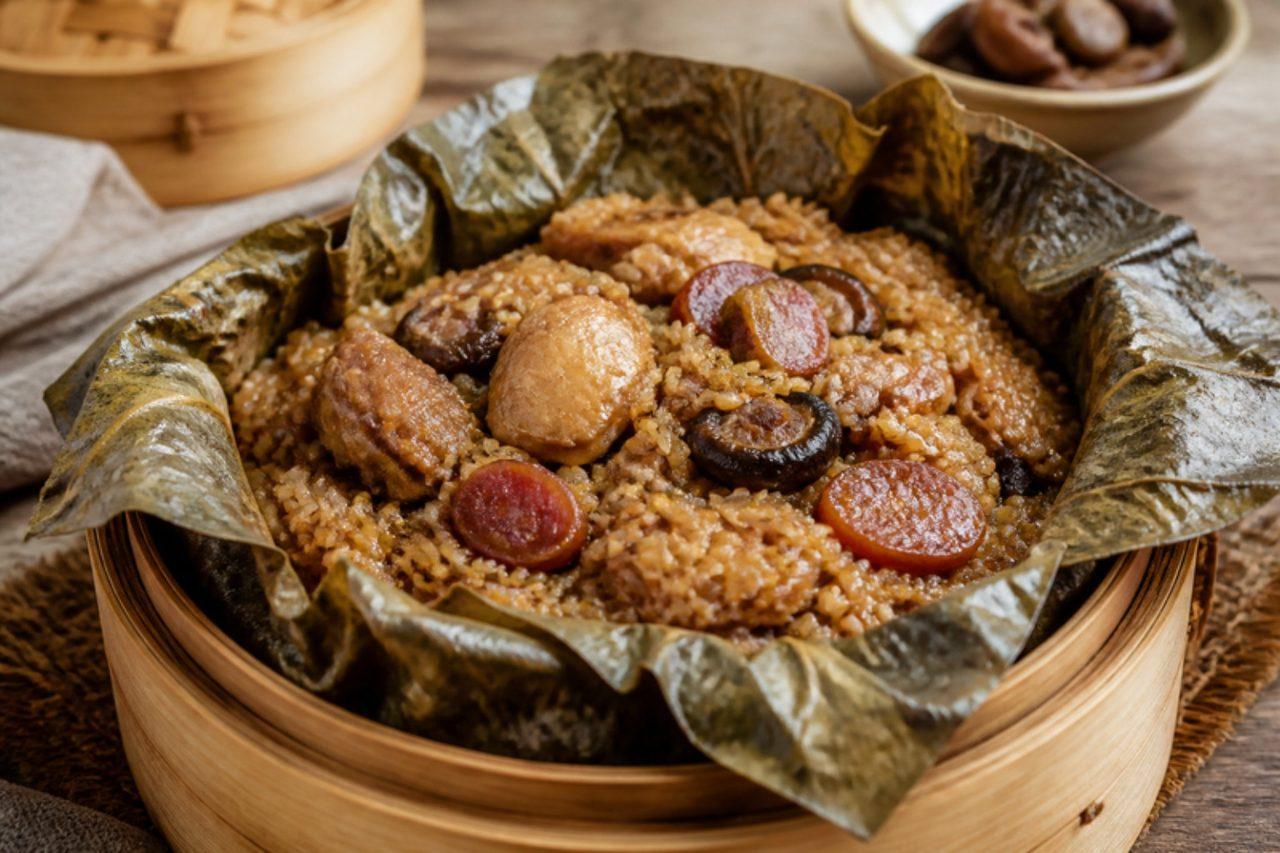
Lo mai gai (sticky rice in lotus leaf)

Unfold the dried lotus leaf at a Hong Kong yum cha table and a cloud of tea-scented steam rises from a parcel of glossy sticky rice, hiding a centre of soy-braised chicken thigh, shiitake and slices of lap cheong, the sweet Chinese pork sausage. Teahouses from Sheung Wan to Mong Kok sell it from the morning trolleys, and office workers grab one as a filling breakfast with a pot of pu'er. The rice is chewy and sticky but each grain stays whole, and the leaf gives it a faint grassy perfume. Shaoxing rice wine goes into the filling; an alcohol-free swap is given in the ingredient list. The most common mistake is cooking the rice in water like plain rice: soaked glutinous rice must be steamed, or it turns into paste. Chef's tip: wrap the parcels tightly and steam them again from cold or frozen; they reheat better than almost any dim sum.

by KrazyBadal 0 views

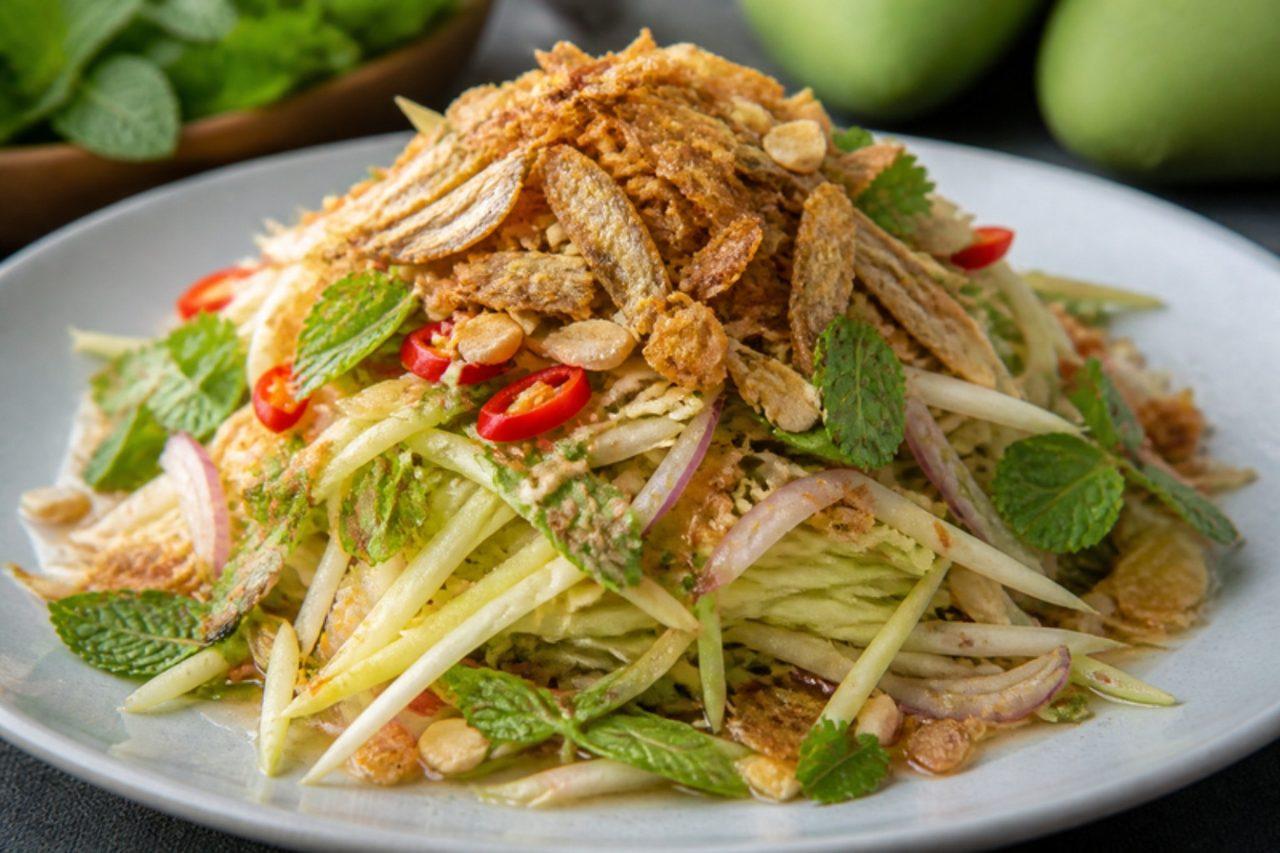
Khmer green mango salad with crispy dried fish

Sharp enough to make you wince and then reach for more, nhoam svay is the salad sold from glass-fronted carts around Siem Reap's Old Market and packed for weekend picnics at the West Baray reservoir. Hard green mango is cut into fine strands and tossed with shallots, mint and a dressing of lime, fish sauce and palm sugar, then topped with crunchy roasted peanuts and flakes of salty dried fish fried until crisp. It is eaten as a snack on its own or as a fresh, sour side to grilled meat and rice. Many people dress it too early, which draws water out of the mango and leaves a limp, watery salad. Chef's tip: fry the dried fish slowly until it shatters, then crumble it over at the very last moment; for a vegetarian version, leave it out and use soy sauce in place of the fish sauce.

by KrazyBadal 0 views

Rougag (Saharan paper-thin flatbread)

Across the oases of the Algerian Sahara, from Biskra to Ouargla, women spread a soft semolina dough over a domed griddle so thin that light shows through it, then lift the sheet off within a couple of minutes. Rougag is the base of chakhchoukha and rfis, torn into pieces and soaked in sauce, but fresh sheets are also eaten folded around dates or a spoon of stew. Freshly made it is soft and flexible with toasty brown blisters; left to dry, it keeps for weeks in a tin. An upturned wok or a large non-stick pan stands in for the griddle. Chef's tip: oil your hands, not the pan; dough that is not wet enough to stretch is the common mistake, so it should feel almost too sticky to handle.

by KrazyBadal 0 views

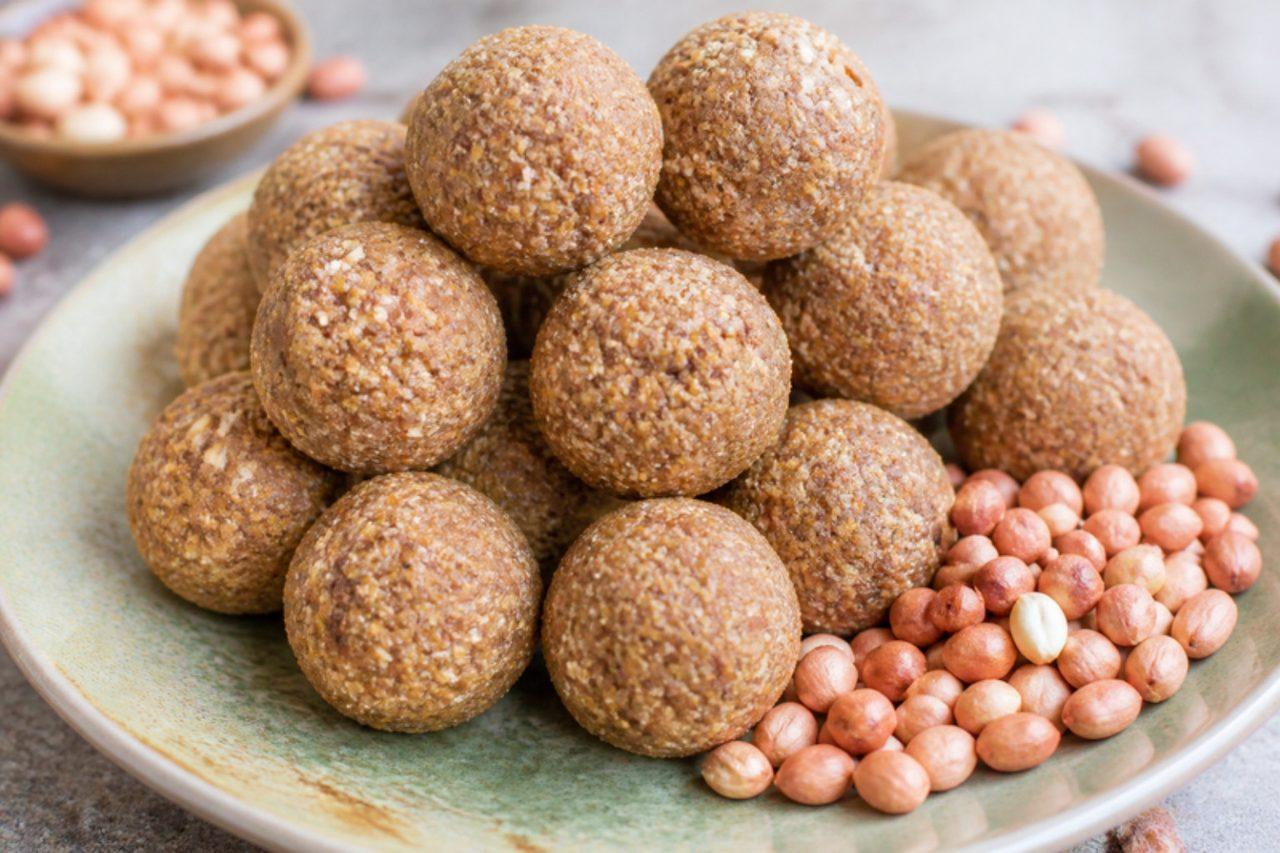
Dakuwa (groundnut and grain balls)

Hawkers in northern towns carry dakuwa on trays to schools and motor parks, and it keeps well enough to be a travelling snack. Roasted groundnuts are pounded with toasted maize or millet, sugar and warm spices until the oil from the nuts binds everything, then pressed into firm balls that are sweet, nutty and gently peppery. No cooking beyond toasting is needed. The usual mistake is over-blending until the nuts turn to butter and the mixture goes greasy; pulse and stop as soon as it holds when squeezed. Chef's tip: shape the balls while the mixture is still warm from the processor, when the oils are soft and it presses together easily.

by KrazyBadal 0 views

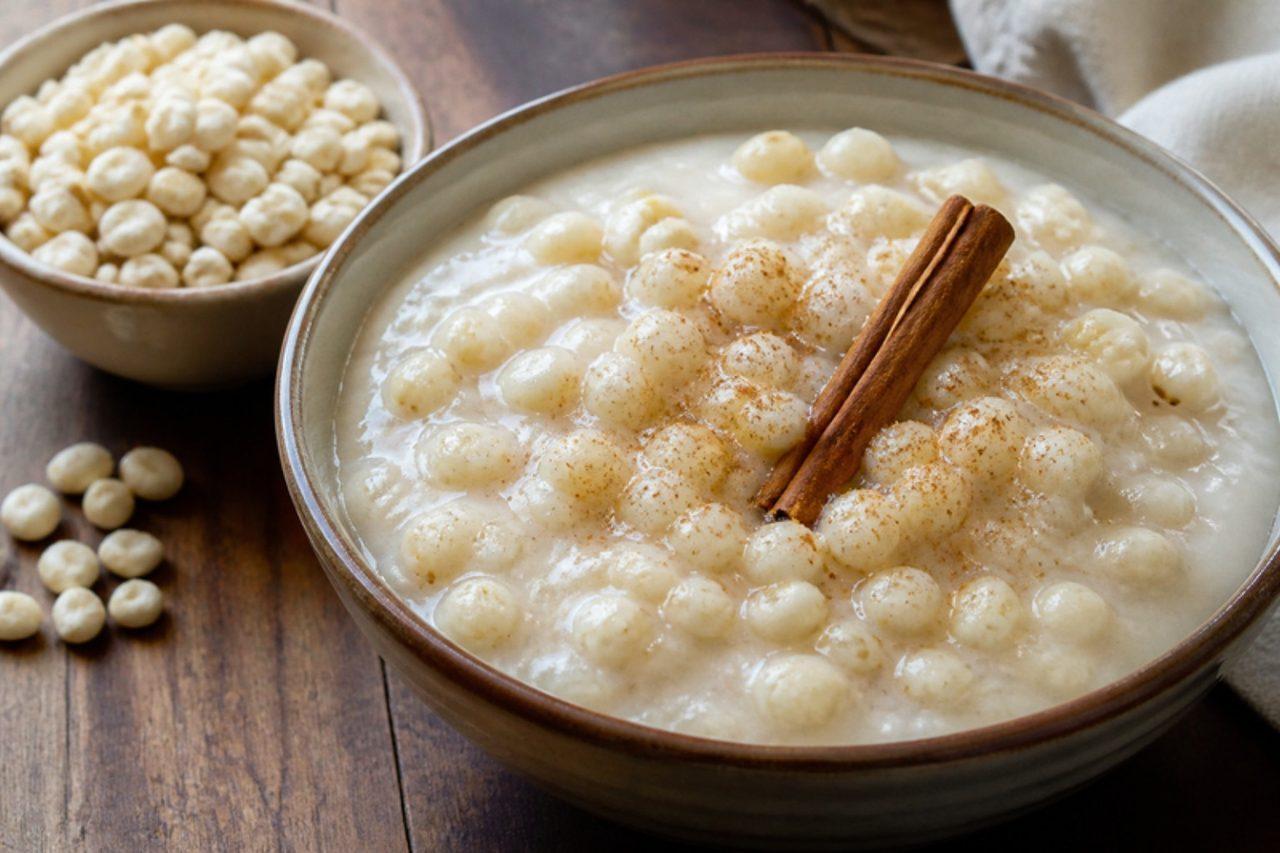
Jamaican hominy corn porridge

Hominy porridge is a weekend job in Jamaican homes from Spanish Town to Mandeville: the dried, hulled corn kernels need soaking overnight and a long, slow simmer before they burst open, tender and chewy, in a creamy coconut and spice base. The finished porridge is thick and comforting, sweetened with condensed milk and perfumed with cinnamon, nutmeg and vanilla, and it reheats beautifully through the week. The mistake many people make is adding the coconut and milk at the start, where they catch and burn during the long cook; boil the corn in water first. Look for dried white hominy at Caribbean or Latin shops, and remember the overnight soak. Chef's tip: stir in a spoonful of cornmeal or flour mixed with water at the end if you like it thicker, as many Jamaican cooks do.

by KrazyBadal 0 views

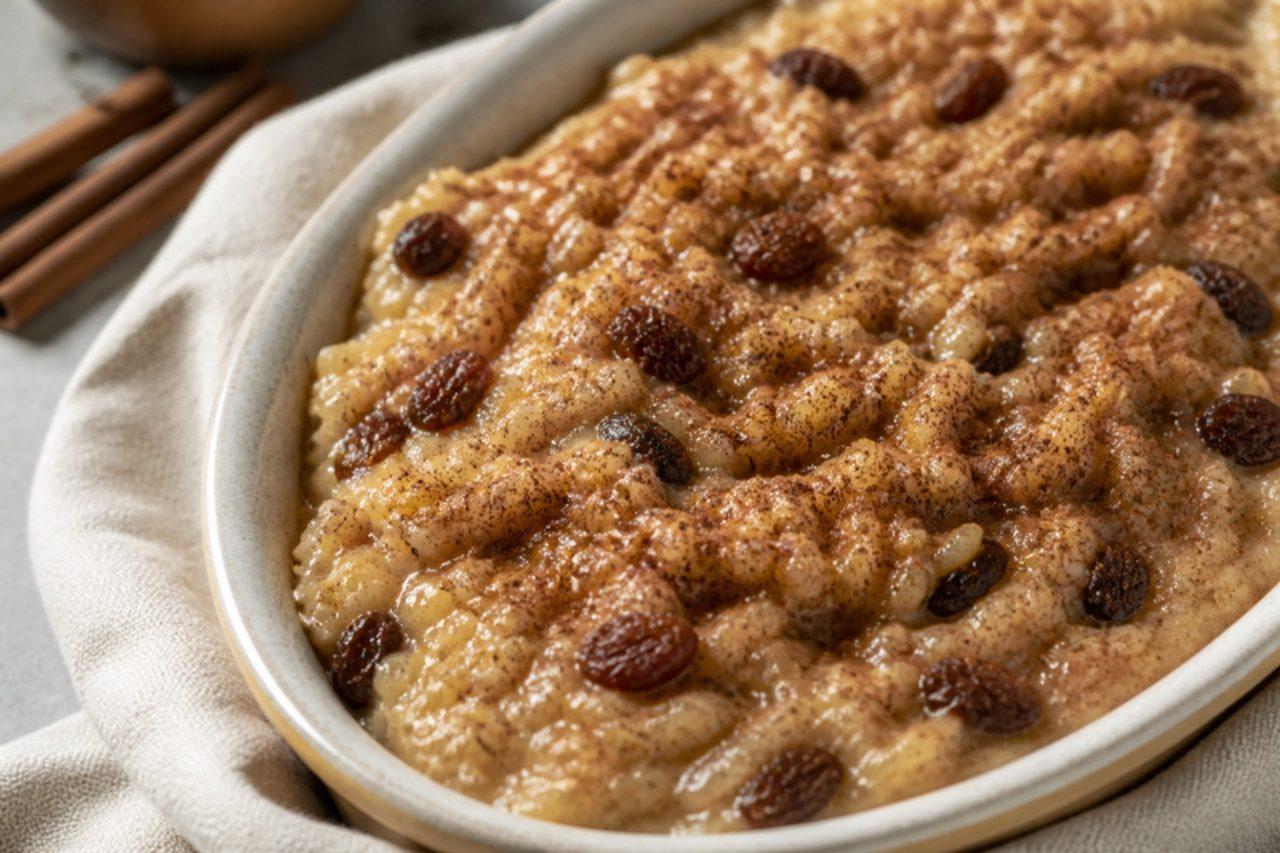
Arroz con dulceCoconut rice pudding

From the start of December to the Three Kings in January, trays of arroz con dulce cool on Puerto Rican kitchen counters, sliced into squares and handed round at parrandas when carollers arrive at the door late at night. Unlike a milky rice pudding, it is cooked in a water steeped with fresh ginger, cinnamon, cloves and star anise, then finished with coconut milk and raisins, so it is fragrant, firm enough to cut and dairy free. The common mistake is adding the sugar too early, which keeps the rice grains hard; sweeten only once they are soft. Chef's tip: soak the rice for an hour first, and it cooks evenly and absorbs the spiced coconut far better.

by KrazyBadal 0 views

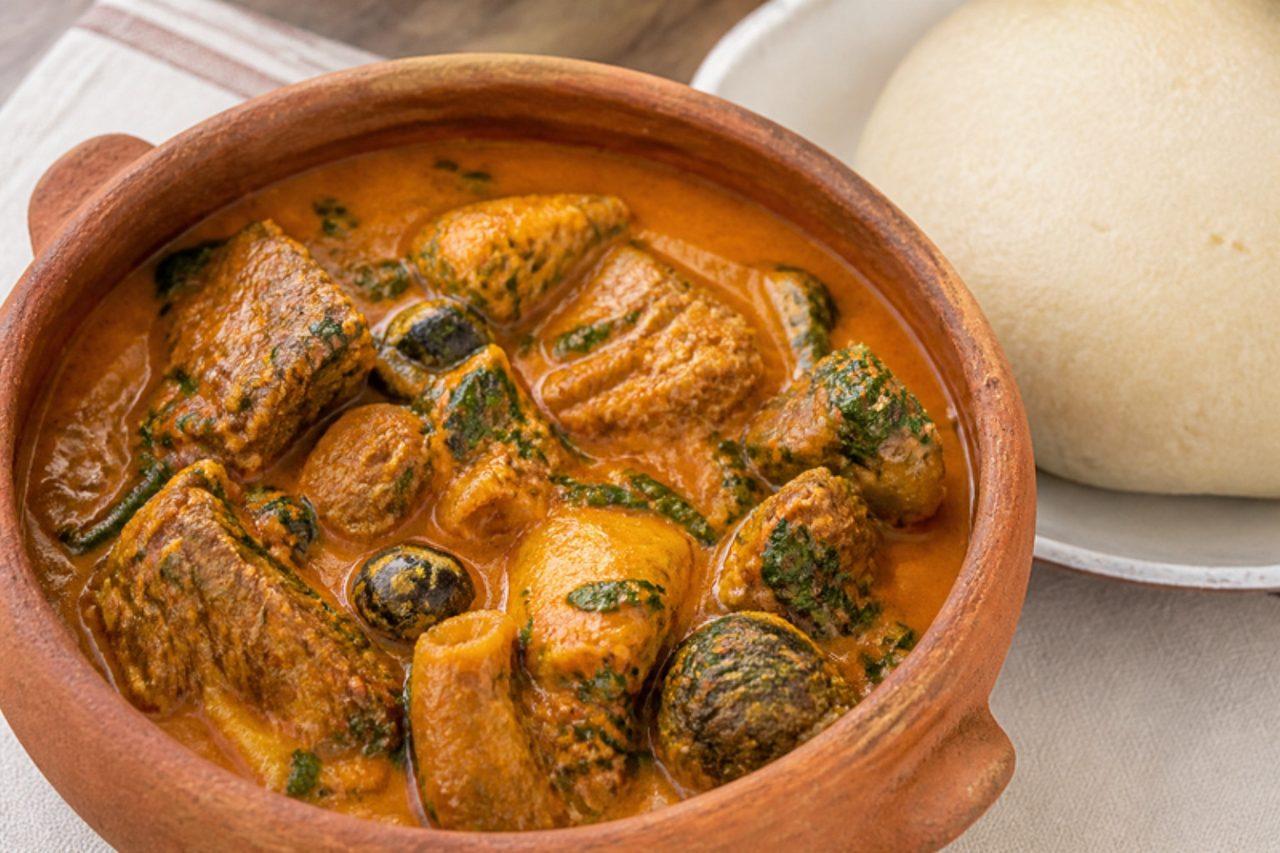
Atama soupPalm nut and atama leaf soup

From Abak and the Ibibio heartland of Akwa Ibom comes this palm-nut soup with a perfume all its own: atama leaves, which smell somewhere between mint, anise and fresh hay. The palm cream is cooked with assorted meat, stockfish, dried fish and periwinkles until the oil glistens on top, then the atama goes in near the end. It is weekend and visitors' food, eaten with pounded yam, fufu or eba. Dried atama is sold in African shops; dried tarragon is the closest substitute. Periwinkles should be bought cleaned, and any with cracked shells thrown away. Avoid adding the atama leaves too early: long boiling dulls their perfume. Chef's tip: go easy on the atama, as too much turns the soup bitter, so start with the amount below and taste before adding more.

by KrazyBadal 0 views

GogoșiFried yeast doughnuts

Fairground stalls, seaside promenades in Constanța and every grandmother with a big frying pan produce gogoși, fat, golden rounds of yeast dough fried and rolled in sugar while still too hot to hold. They are an everyday treat rather than a feast-day one, eaten with a mug of milk or filled with plum jam, sour cherry jam or sweet cheese. The dough is soft and enriched with eggs, milk and butter, so the inside should be fluffy and the outside thin and crisp, never greasy. Where most people go wrong is the oil temperature: too cool and the doughnuts soak up fat, too hot and they brown before the centre cooks. Keep a thermometer in the pan and never leave hot oil unattended. Chef's tip: fry one test doughnut first and break it open, so you can adjust the heat before the whole batch.

by KrazyBadal 0 views

Arroz a la cubanaRice with tomato and egg

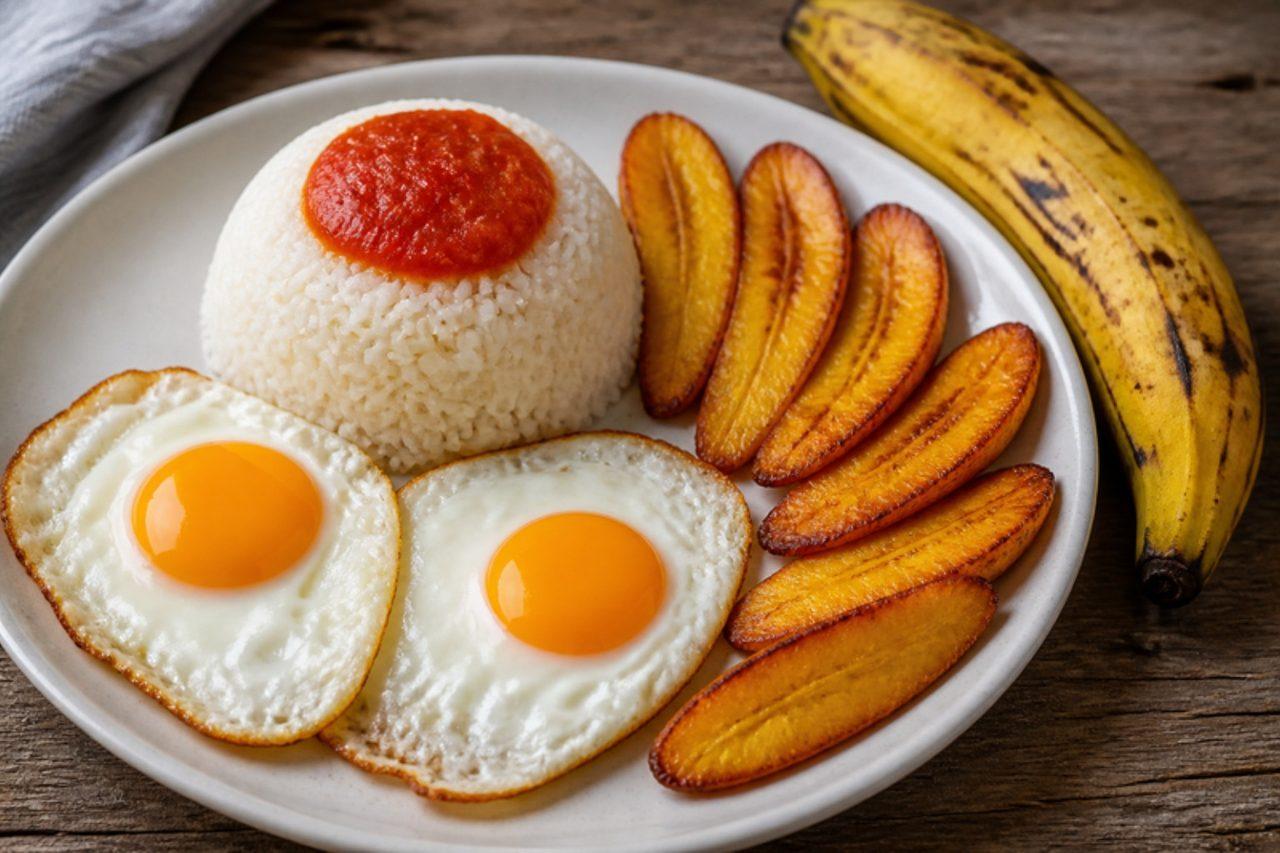
Havana cafeterías put this plate on the lunch board when cooks want something cheap, fast and filling: a mound of plain white rice, a ladle of garlicky tomato sauce, a fried egg with a runny yolk and slices of caramelised ripe plantain. Breaking the yolk into the rice and sauce is the whole point, so the eggs should be fried at the last minute. The usual mistake is using plantains that are still yellow-green; they need black-spotted skins to turn soft and sweet in the pan. Serve with a simple avocado salad. Chef's tip: baste the egg whites with hot oil from the pan so they set with lacy edges while the yolks stay liquid.

by KrazyBadal 0 views

Dziriettes (almond flower pastries)

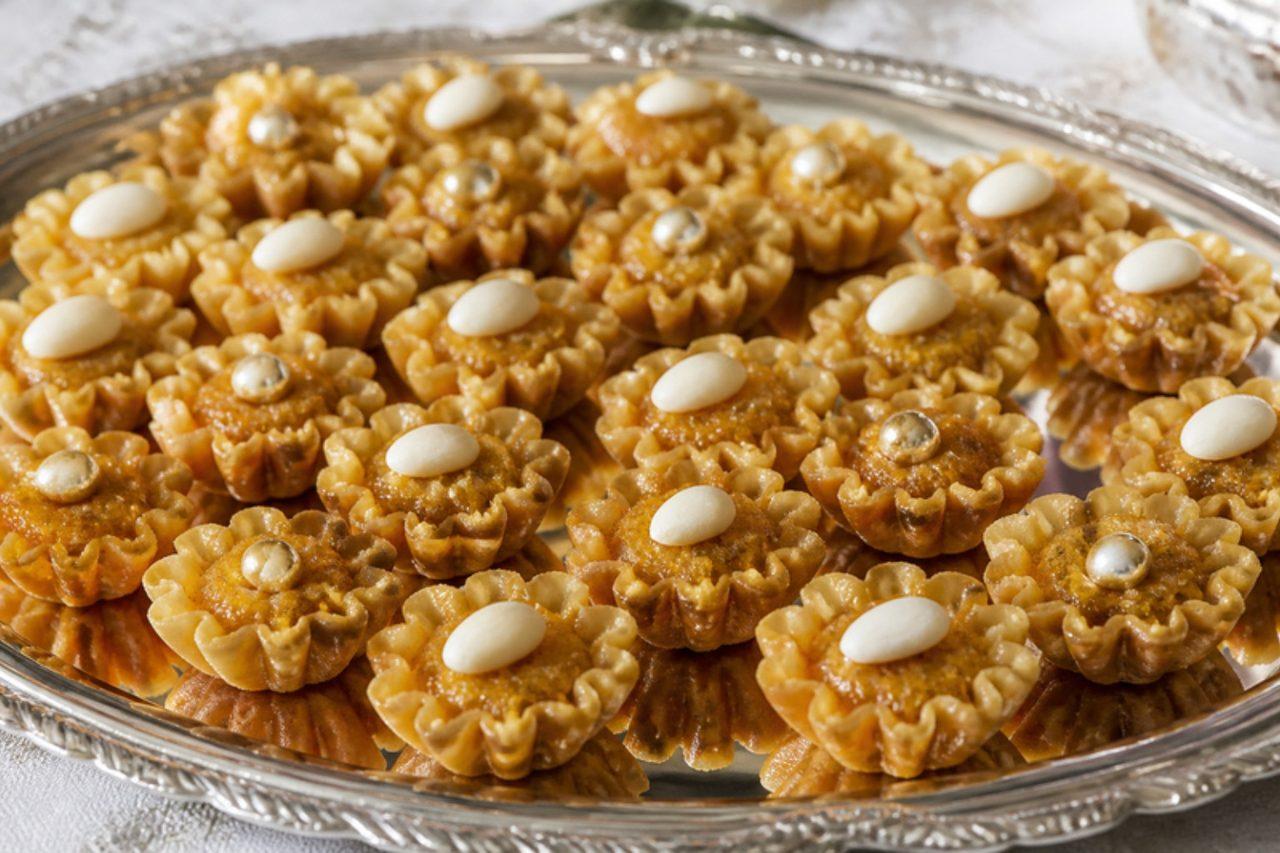
Named after the women of Algiers, dziriettes are the jewels on any wedding or Eid tray: thin, crisp pastry pinched into a flower or crown, filled with a dome of almond paste scented with orange blossom, then baked and soaked in warm honey. They take patience, but the result is delicate and fragrant, with a shatter of pastry giving way to a soft, moist almond centre. Families often make a few hundred over several evenings, together, before a celebration, and serve them with mint tea or coffee. Chef's tip: roll the dough so thin you can almost see the worktop through it; thick pastry is the commonest mistake and turns dziriettes stodgy instead of crisp.

by KrazyBadal 0 views

GhonghiSnail curry

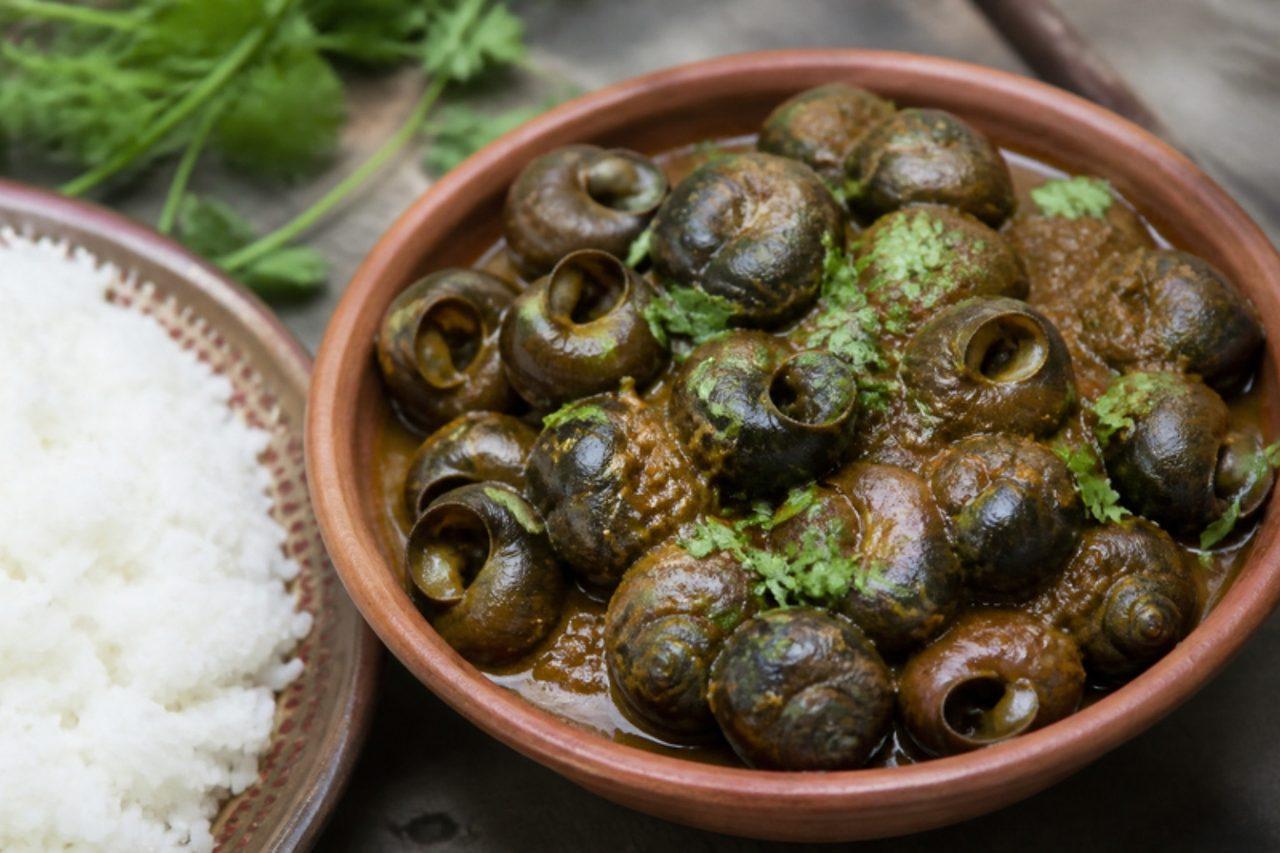
When the monsoon fills the rice paddies of the western and central Terai, Tharu families gather ghonghi, the little freshwater snails, and cook them in a dark, fiery curry thickened with ground roasted linseed; the tip of each shell is snipped so the meat can be sucked out at the table, and the dish is loved as both a treat and a monsoon tonic, eaten with rice or dhikri. Wild freshwater snails can carry parasites such as rat lungworm and liver flukes, so never use snails you have collected from ponds, ditches or paddies yourself. At home use only cleaned, purged farmed snails in their shells from a specialist supplier, or cooked, frozen farmed escargots, or live periwinkles from a good fishmonger as a stand-in, and boil them hard before they go into the curry. The usual error is skimping on the boiling, which is both unsafe and leaves the snails rubbery; they need a rolling boil and then a long simmer. Chef's tip: roast the linseed until it pops before grinding, for the nutty, dark Tharu flavour.

80 minNepaliMeatGluten freeSpicy
by KrazyBadal 0 views

Bajan pumpkin fritters

Barbadian grandmothers turn leftover boiled pumpkin into these little fritters for Sunday tea, frying spoonfuls of a soft, spiced batter until puffed and golden, then rolling them in sugar while still hot. Inside they are tender and custardy, with cinnamon, nutmeg and a hint of vanilla. They're best eaten warm, straight from the paper towel. The common mistake is a watery batter from wet pumpkin, which makes flat, greasy fritters: drain the cooked pumpkin well. Chef's tip: use the dense, orange West Indian pumpkin or butternut squash; watery jack-o'-lantern pumpkins don't work well.

by KrazyBadal 0 views

Griwech (honey-dipped pastry knots)

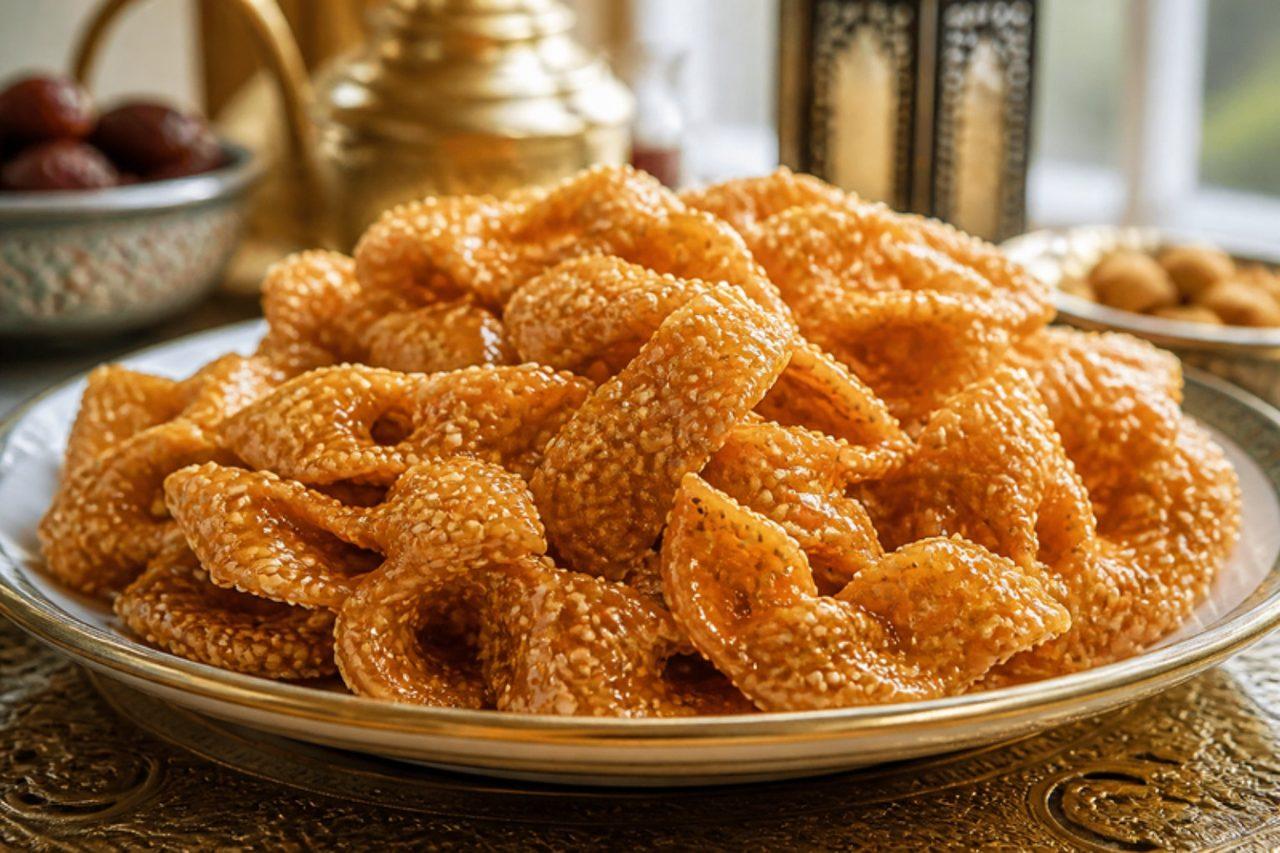
No Ramadan table in Algeria feels complete without a plate of griwech next to the chorba, ready for the sweet craving that follows the fast. Thin sheets of dough are cut into rectangles, slit and twisted into knots, fried until crisp and golden, then plunged into warm honey and scattered with toasted sesame. Each piece snaps cleanly, then melts into a sticky, orange-blossom sweetness. Batches are made days ahead and kept in tins for visitors through the month and on into Eid. Chef's tip: keep the oil at 170 °C; oil that is too hot is the usual mistake, colouring the outside before the layers inside crisp, so the griwech goes soft in the honey.

by KrazyBadal 0 views

GhomiWhite corn porridge

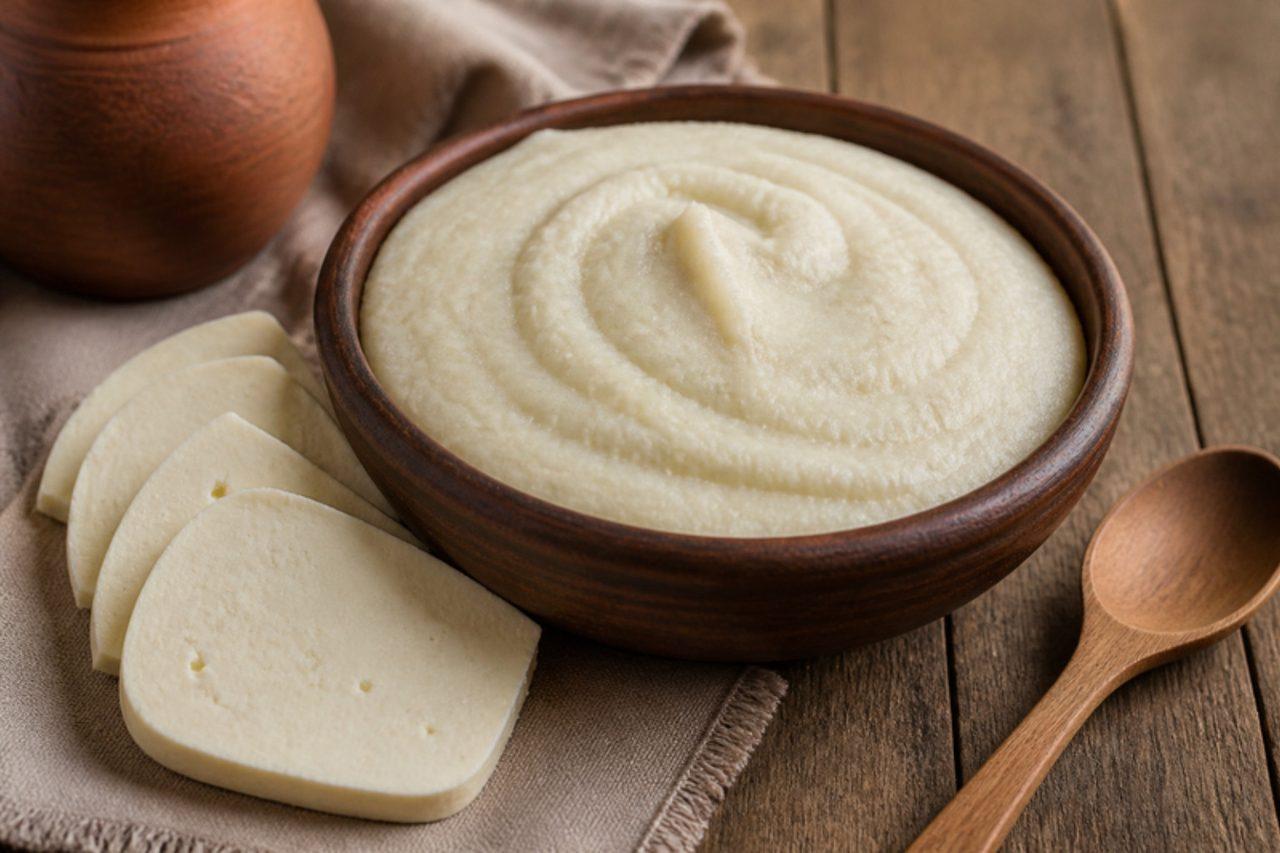
Across Samegrelo and Guria, ghomi plays the role bread plays elsewhere: a soft, smooth porridge of white corn and cornmeal, set on the table unseasoned so that slices of sulguni can be pushed into it to melt, and so that bazhe, ajika or bean stew can be scooped up with it. In Zugdidi homes it is cooked in a heavy pot and stirred with a flat wooden paddle. A common mistake is stirring too little; ghomi catches easily and lumps form at the bottom. Chef's tip: cook it until it comes away from the sides in one smooth mass, then wet a spoon and smooth the top; ghomi should feel like soft polenta that can be scooped, not runny porridge.

by KrazyBadal 0 views

Showing 27 of 7,762 recipes

Show more recipes

Page 182 of 863