


Skip to content
Vepřo knedlo zelo
Featured recipe

Vepřo knedlo zelo

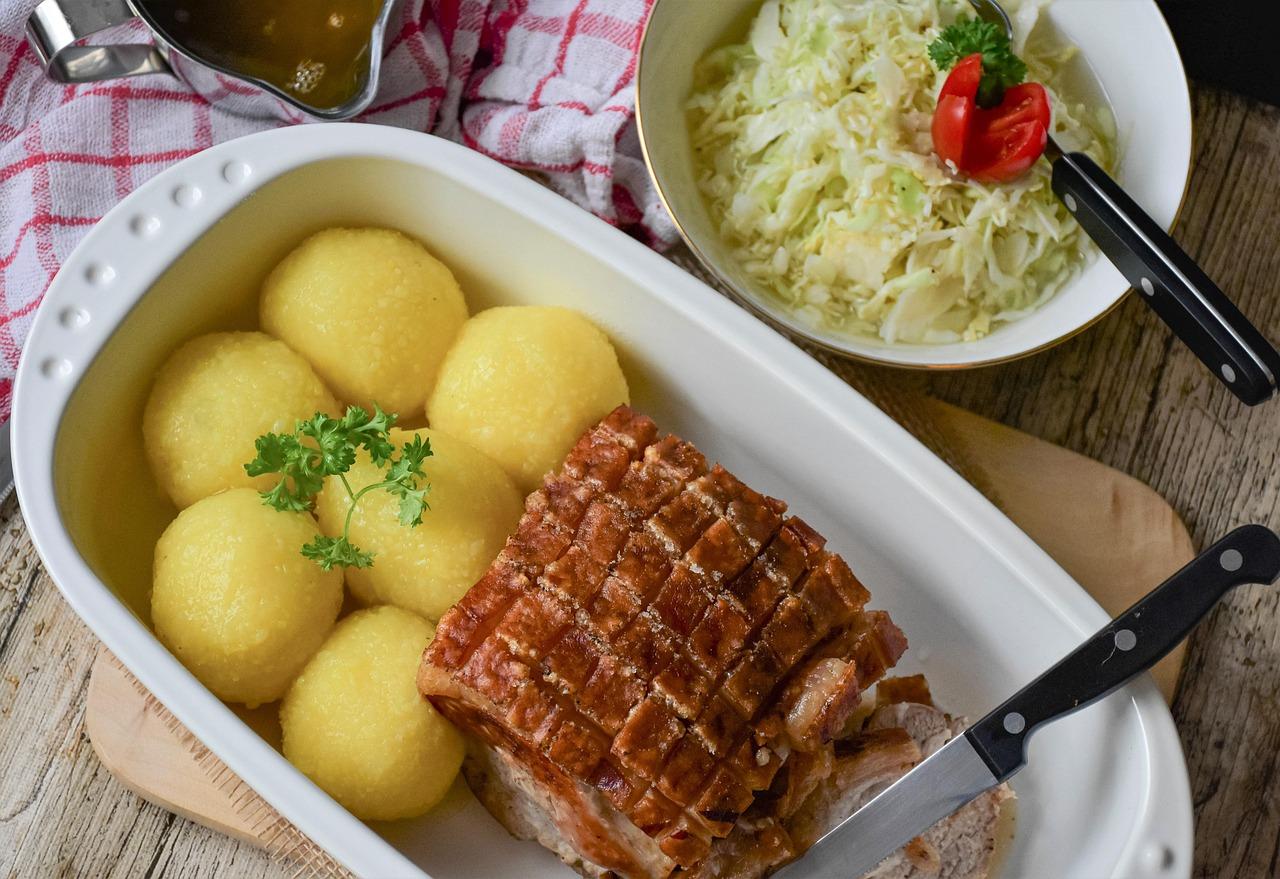
Roast pork with dumplings and cabbage

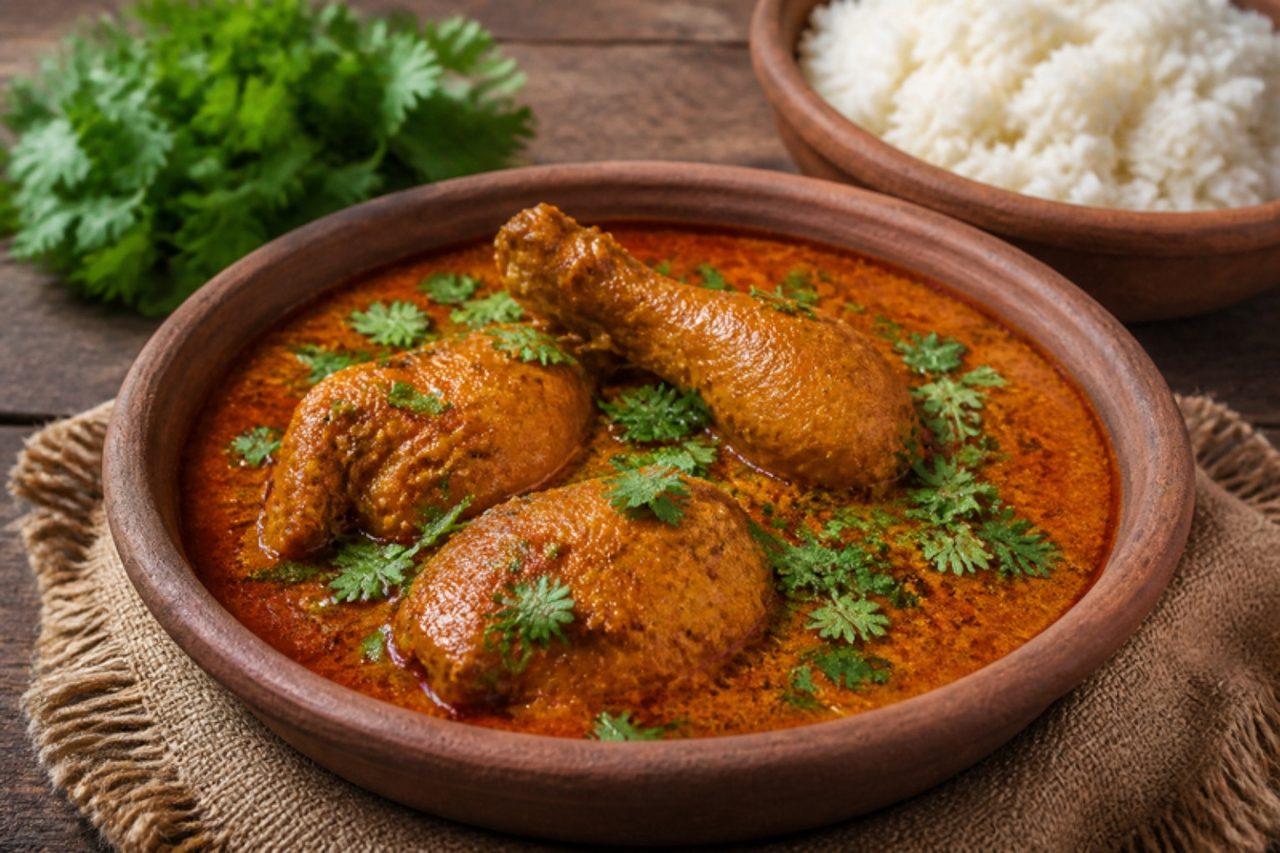
Ask anyone in Prague, Brno or a village pub in Moravia for the most Czech meal of all and they will name vepřo knedlo zelo: roast pork, dumplings and cabbage, eaten at Sunday lunch and washed down in pubs with a cold lager. This is a pork dish: shoulder rubbed with garlic, caraway and salt and roasted slowly in a little water until it falls into tender slices, the pan juices becoming the gravy. Alongside go slices of soft bread dumpling and red or white cabbage braised sweet and sour. The trap is roasting the pork too hot and too dry; a splash of water in the tin and a low oven keep it juicy. Chef's tip: lay the pork fat side down for the first hour, then turn it fat side up so the fat renders and crisps at the end.

Read more 0 views

What to eat today?

Around the world

Today's trip: Paraguayan

A new country every day, from every cuisine on the site.

Paraguayan

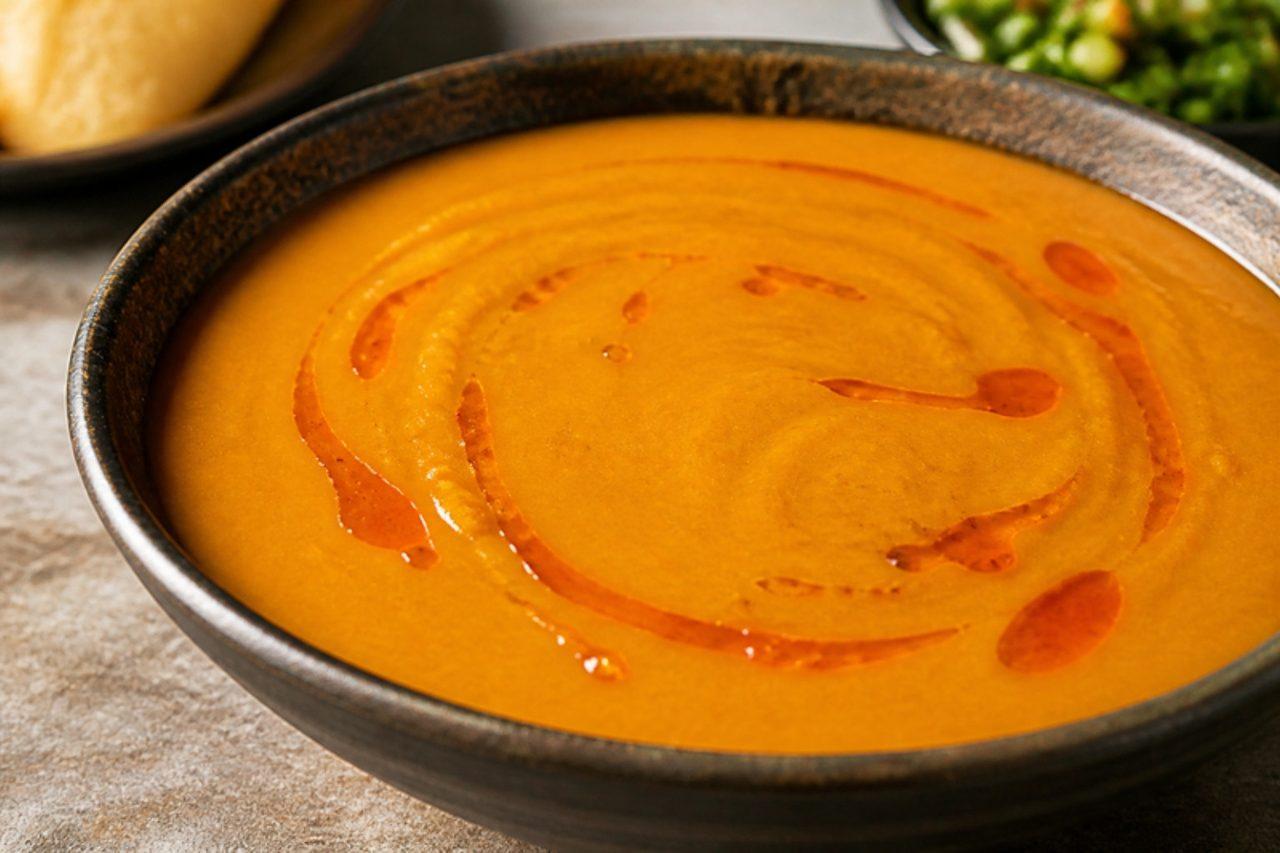
Cocido quemado

Burnt sugar mate drink 14 minMore from Paraguayan (27) →

This week's collection

Kid-friendly dinners
537 recipes · a new collection every Monday

Latest recipes

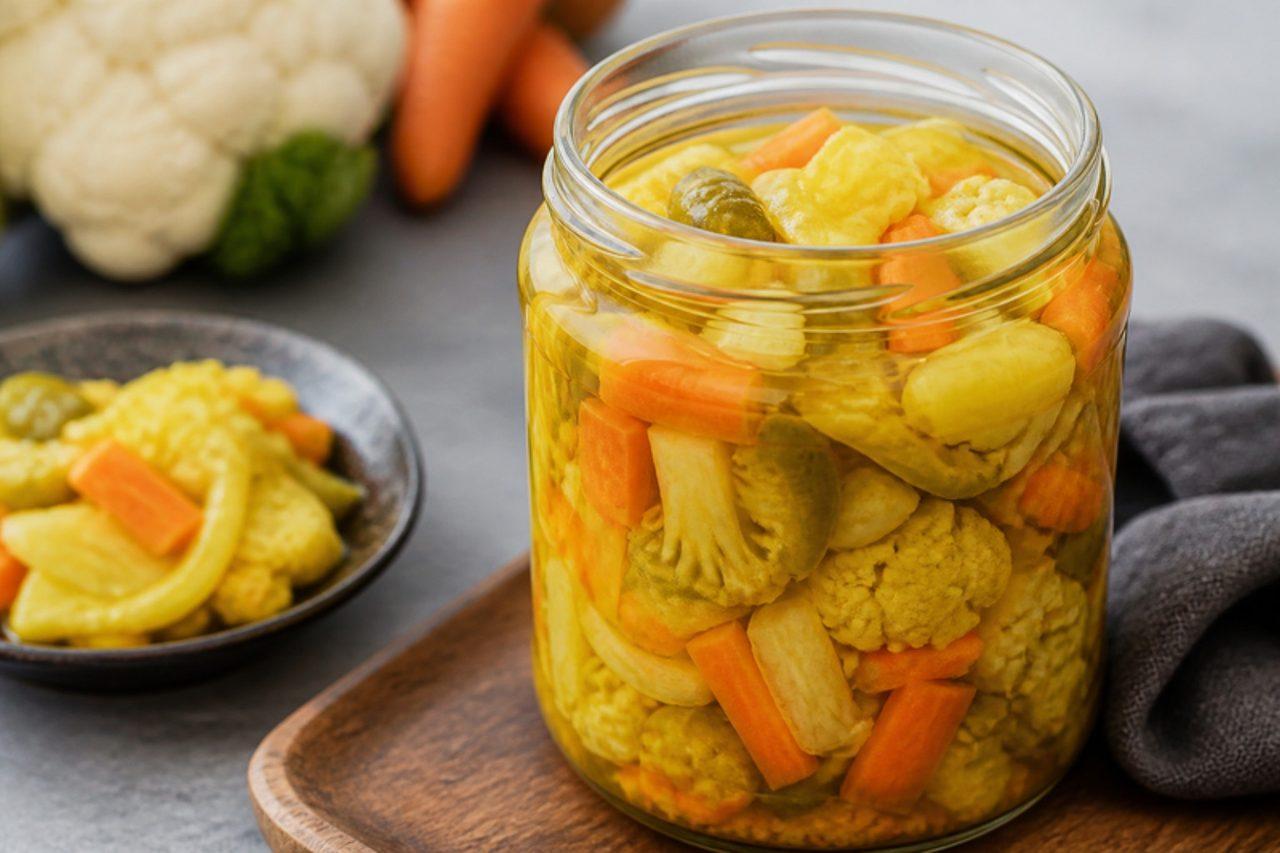
Atjar tjampoerSweet-sour mixed vegetable pickle

Atjar tjampoer is the bright yellow pickle in every Dutch-Indonesian toko and on every rijsttafel: crisp cucumber, carrot, cabbage, cauliflower and shallot pickled in a sweet-sour vinegar brine coloured with turmeric, with a little chilli and ginger. It cuts through rich satay and rendang. A common mistake is cooking the vegetables, which makes them soft; they should only be blanched or simply covered with hot brine. Chef's tip: salt the cucumber first and squeeze it, so it stays crunchy for days.

by KrazyBadal 0 views

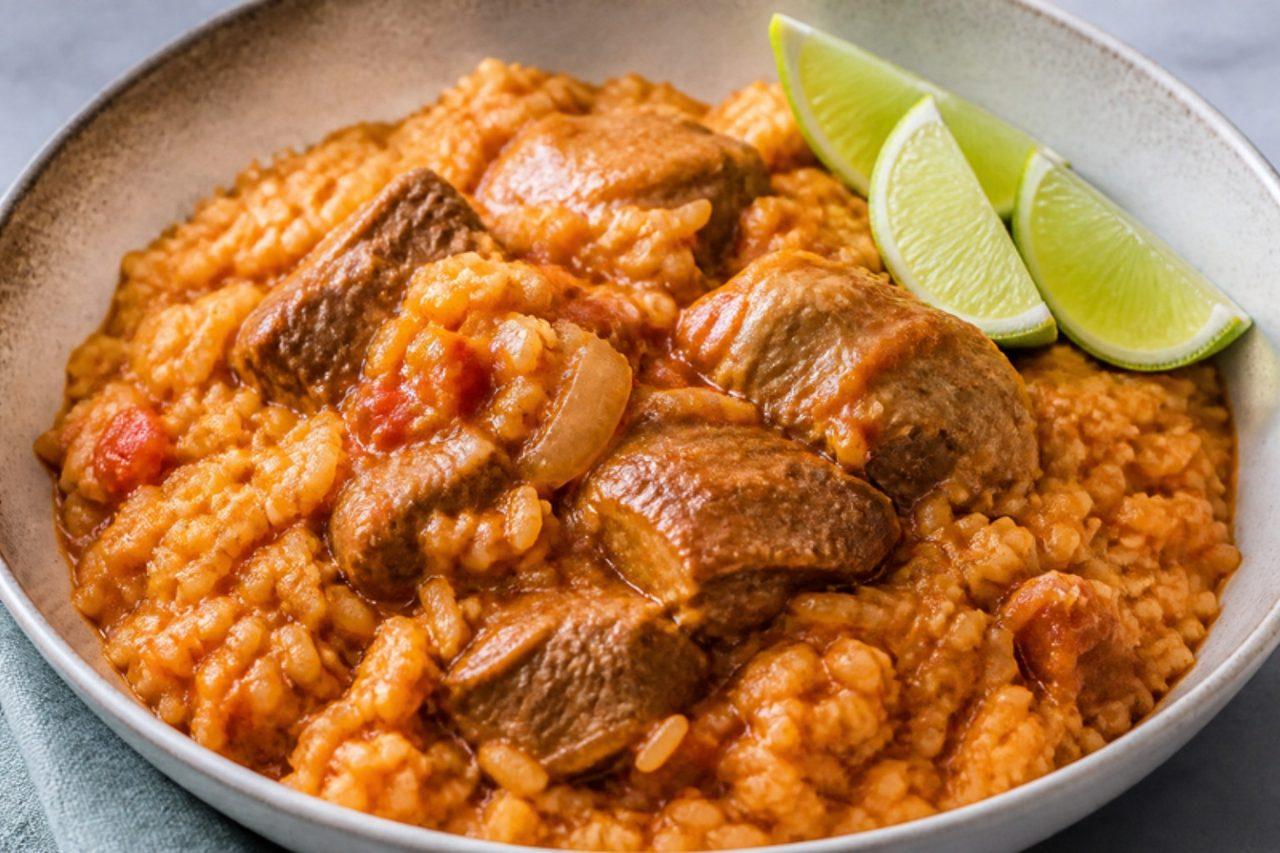
Dakhine (rice with peanut sauce and lamb)

Somewhere between mafé and a risotto, dakhine is everyday Dakar comfort food: lamb or beef simmered in a peanut and tomato sauce, with the rice cooked right in the same pot until it soaks up all that nutty, savoury flavour. The result is thick, rich and very filling, the meat falling apart into the rice and a gentle heat from a whole Scotch bonnet. It is eaten from a shared bowl at lunchtime, with a squeeze of lime or a little chilli sauce on the side. Chef's tip: make sure the lamb is completely tender before the rice goes in, because the rice sets the timetable after that; adding it too early is the common mistake that leaves tough meat in mushy rice.

by KrazyBadal 0 views

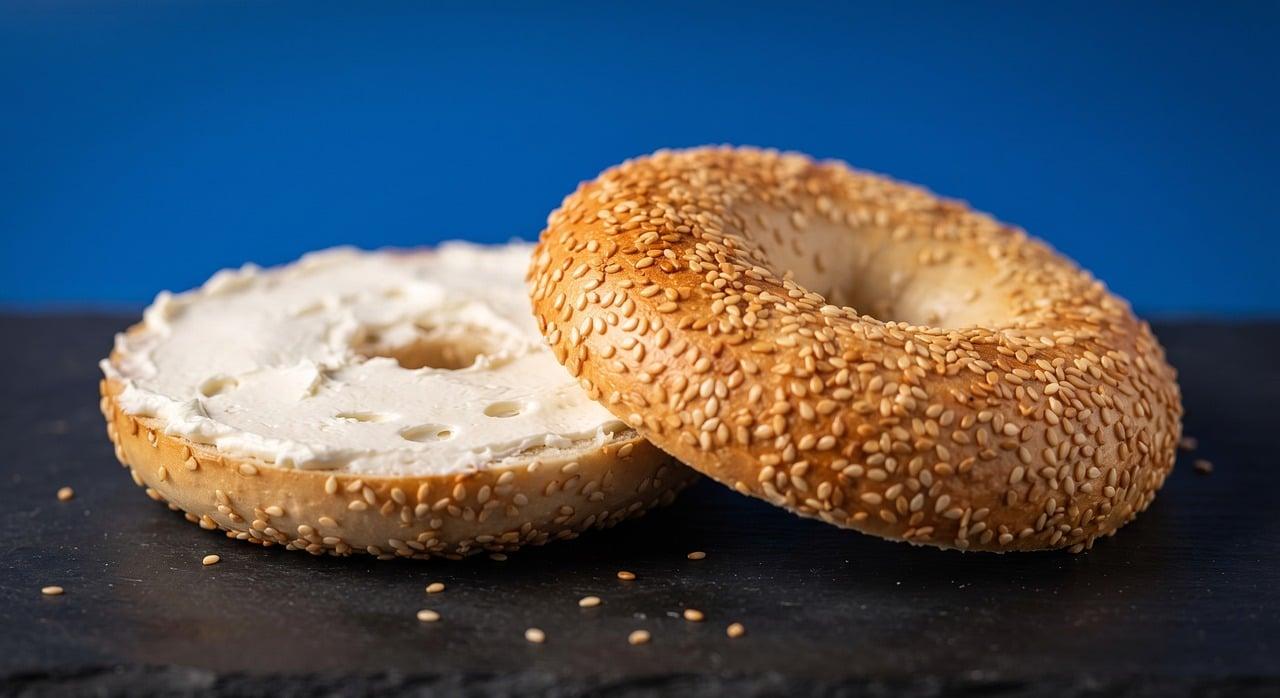
Montreal-style bagels

On Fairmount and St-Viateur streets in Montreal's Mile End the bagel bakeries run all night, rolling dough by hand, boiling it in honey water and baking it on long planks in wood-fired ovens. The result is smaller, sweeter and denser than a New York bagel, with a big hole and a crust thickly coated in sesame. They are eaten warm from the paper bag, plain or with cream cheese. Egg goes into the dough and there is no salt-heavy chew, which is what gives that light sweetness. Chef's tip: bake on the hottest oven setting and on a preheated stone or heavy tray, the closest a home oven gets to the wood fire.

by KrazyBadal 0 views

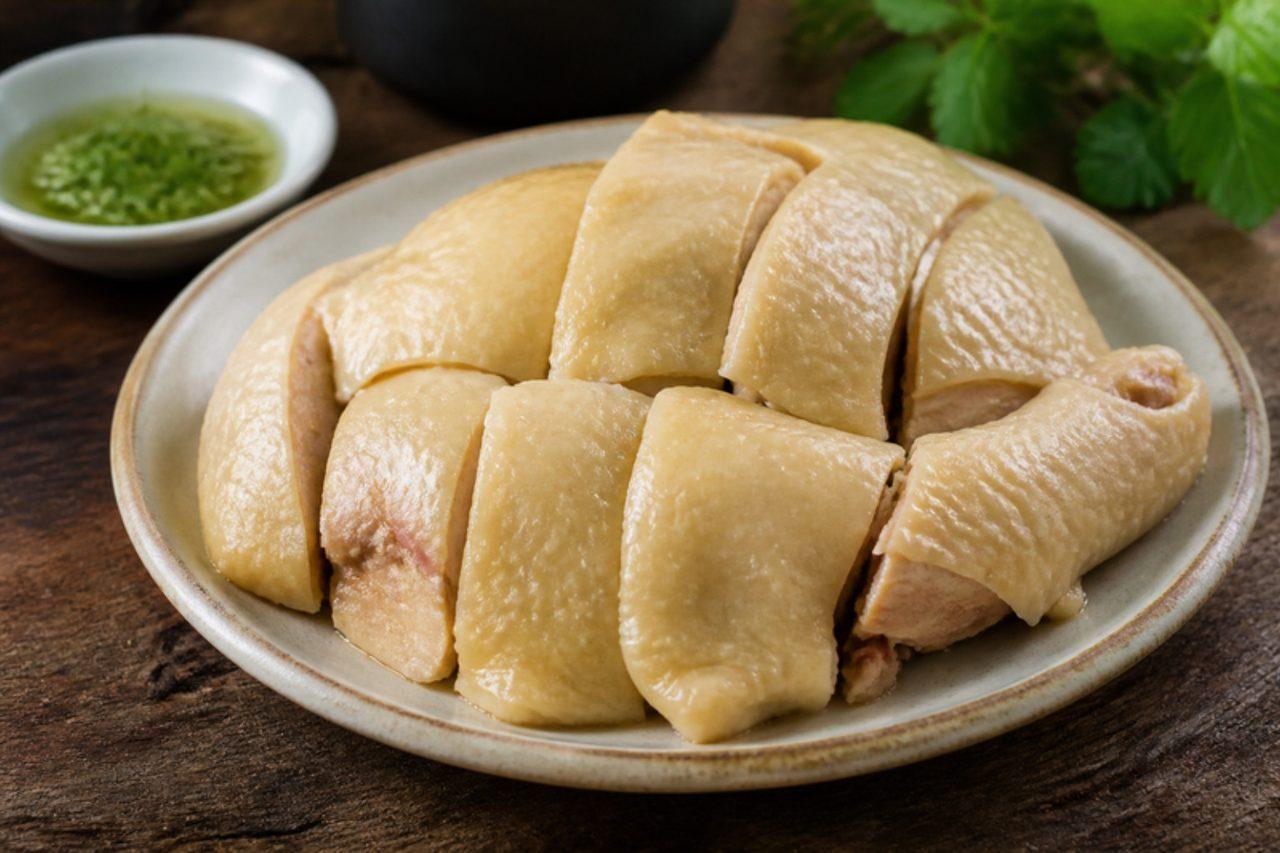
White cut chicken with ginger-scallion oil

No Cantonese celebration in Hong Kong or Guangdong is complete without a plate of baak chit gai: at Lunar New Year, weddings and ancestor offerings, the whole chicken stands for family togetherness. It is the purest of the poached dishes, with pale, springy skin, a thin layer of jelly beneath it from the ice-water plunge, and smooth, juicy meat, all lifted by a dipping bowl of ginger and spring onion sizzled with hot oil and salt. Serve it at room temperature with rice cooked in the poaching stock. Old-style cooks leave it pink at the bone, but here the chicken is always cooked until the thickest part of the thigh reads 74 °C. The biggest error is boiling hard, which splits the skin; the water should only shiver. Chef's tip: grate the ginger finely and squeeze out a little of its juice, or the oil turns watery and bitter.

by KrazyBadal 0 views

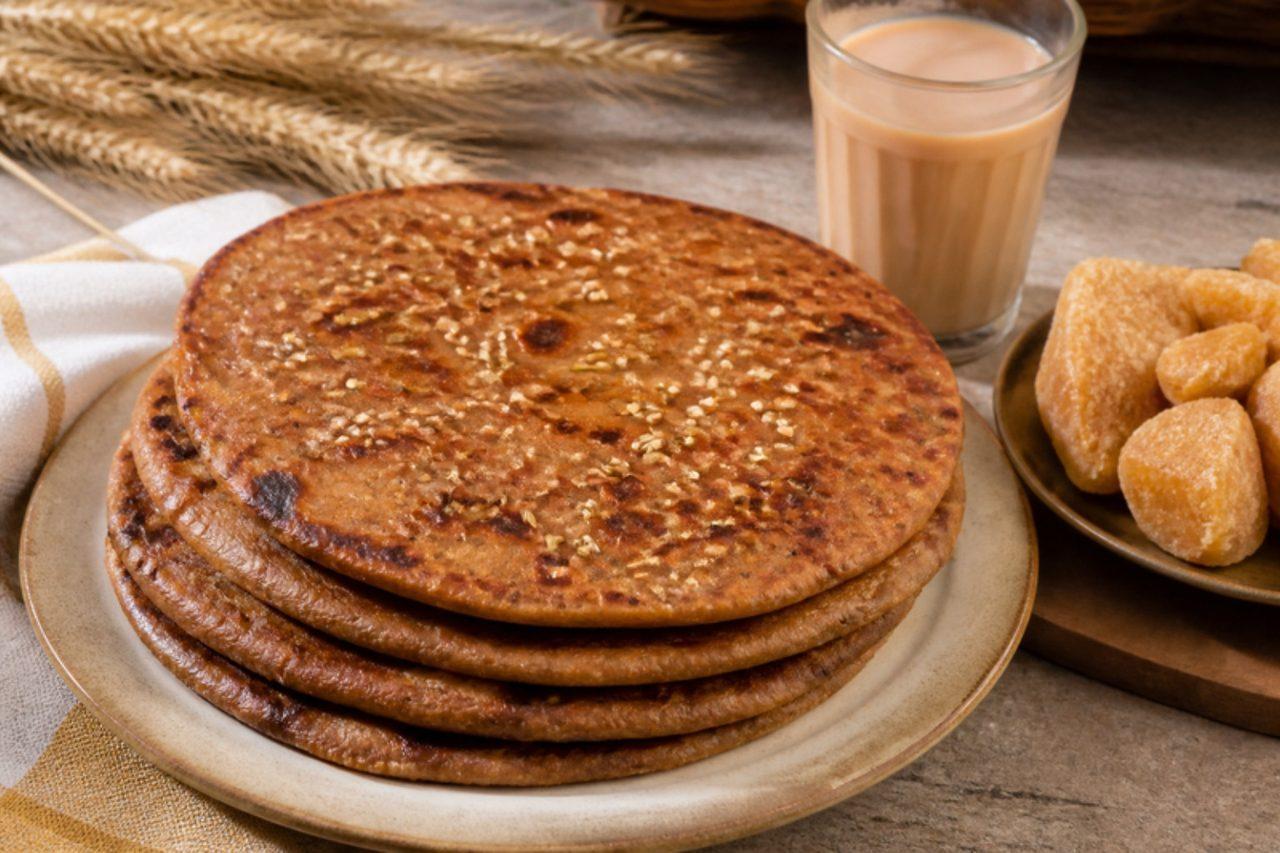
Gur wali rotiJaggery flatbread

In the cane-growing districts of Punjab, from Jhang to Mandi Bahauddin, the season when fresh gur comes out of the village kolhu is also the season for this roti, its dough kneaded with jaggery water instead of plain water so it turns a deep caramel brown on the tawa. It is crisp-edged and chewy in the middle with a toffee-like sweetness and the anise note of fennel, and mothers wrap it in a cloth for children to take to school or to the fields with a flask of tea. Some families add sesame, others a little ghee in the dough; both are good. The usual mistake is cooking it on a high flame, which burns the sugar in the jaggery black before the inside has cooked. Chef's tip: dissolve the gur in warm water and let it cool before kneading, otherwise the dough turns sticky and impossible to roll.

by KrazyBadal 0 views

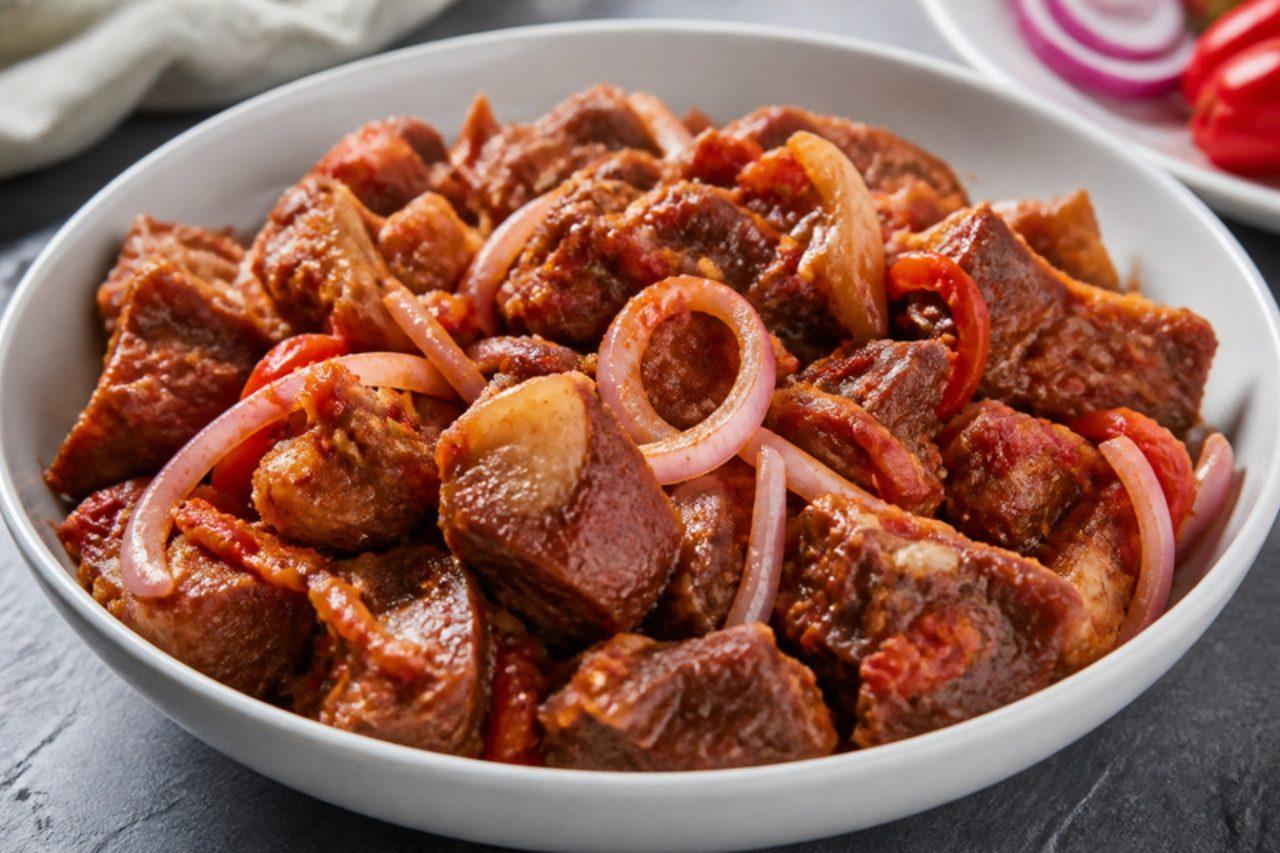
Asun peppered goatPeppered grilled goat

Asun started in Ekiti, where goat was roasted whole over an open fire, and it has become the star of Lagos owambe parties and Friday evenings at the bar. Skin-on goat is boiled with seasoning until just tender, grilled until smoky and charred at the edges, chopped into bite-size pieces, then tossed in a hot sauce of scotch bonnet, onion and a little oil. It is chewy in a good way, smoky and very spicy, eaten on its own, with jollof rice or with cold drinks. Cook the goat until tender and no pink remains. Chef's tip: dry the boiled goat well before grilling; wet meat steams and never takes on the charred, smoky flavour that makes asun.

by KrazyBadal 0 views

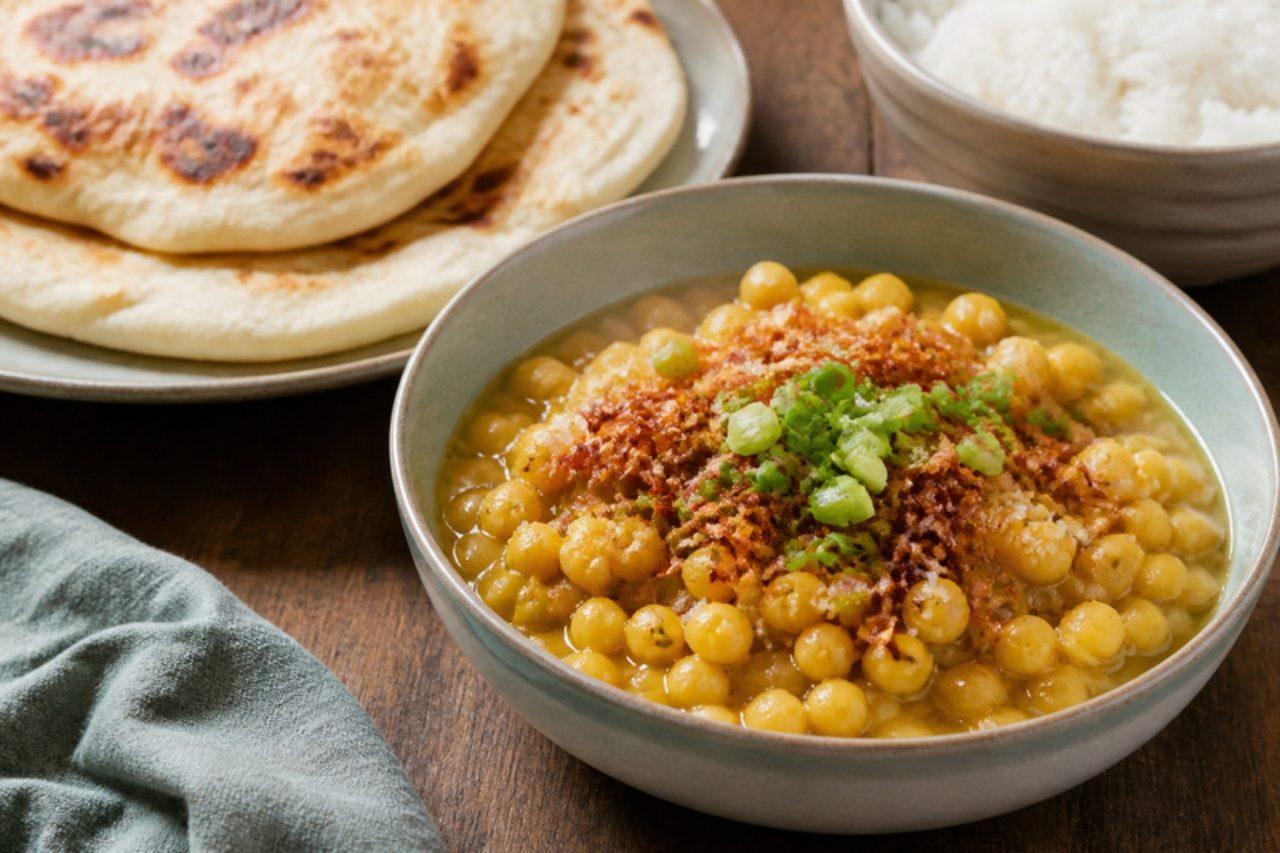
Pe pyot (boiled yellow peas)

Before the city wakes, pe pyot sellers pedal through Yangon's townships calling out from bicycle baskets of warm, steaming peas, scooping portions into leaf parcels for families to eat with fried rice, flatbreads or toasted naan. Dried yellow or white peas are soaked overnight and simmered until creamy inside but still whole, then seasoned simply with salt and a spoon of oil fried with shallots. The flavour is mellow, earthy and slightly sweet, and the texture is soft and fluffy, like a good baked potato. Too much bicarbonate of soda is the common slip: a pinch softens the skins, but more turns the peas to soapy mush. Chef's tip: make a double batch; pe pyot keeps for three days in the fridge and turns tomorrow's leftover rice into pea fried rice.

by KrazyBadal 0 views

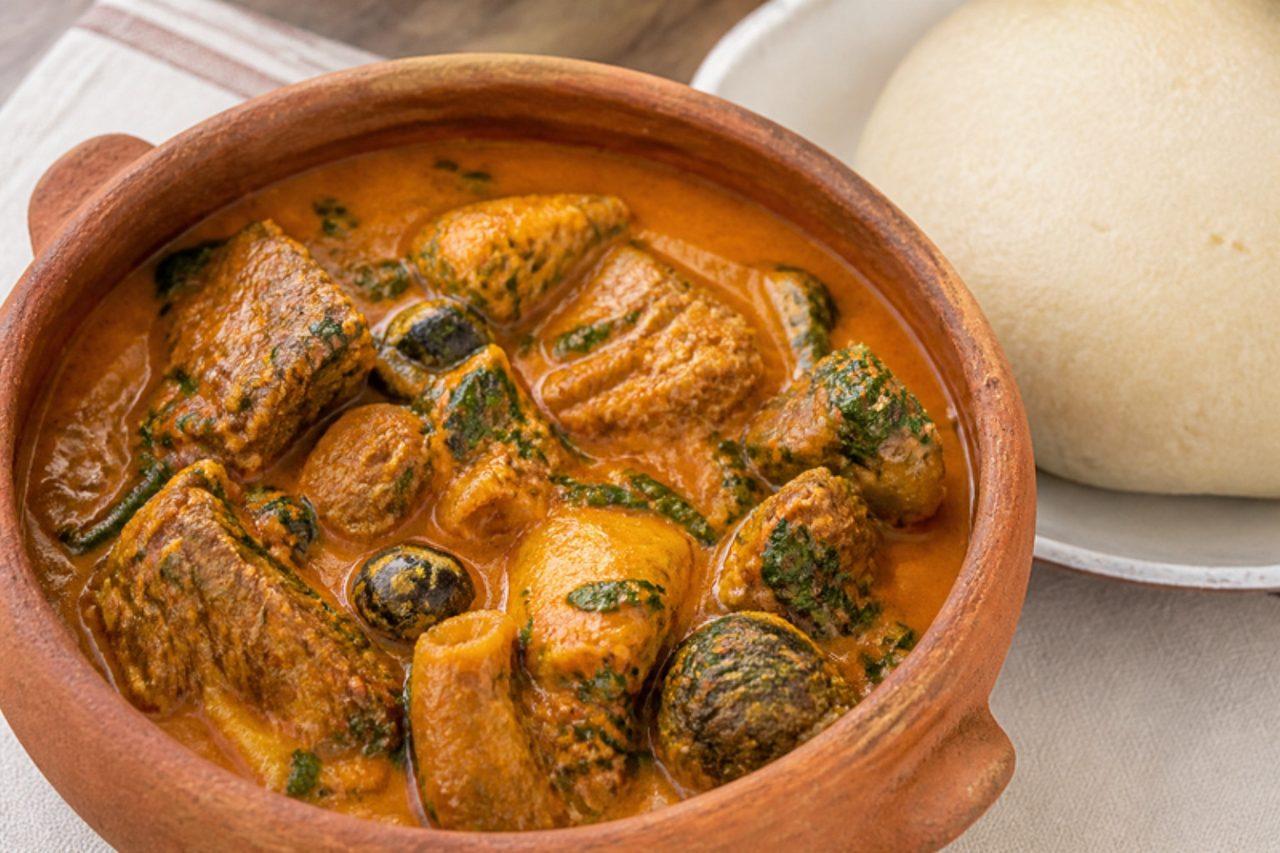
Atama soupPalm nut and atama leaf soup

From Abak and the Ibibio heartland of Akwa Ibom comes this palm-nut soup with a perfume all its own: atama leaves, which smell somewhere between mint, anise and fresh hay. The palm cream is cooked with assorted meat, stockfish, dried fish and periwinkles until the oil glistens on top, then the atama goes in near the end. It is weekend and visitors' food, eaten with pounded yam, fufu or eba. Dried atama is sold in African shops; dried tarragon is the closest substitute. Periwinkles should be bought cleaned, and any with cracked shells thrown away. Avoid adding the atama leaves too early: long boiling dulls their perfume. Chef's tip: go easy on the atama, as too much turns the soup bitter, so start with the amount below and taste before adding more.

by KrazyBadal 0 views

Teochew fish soup

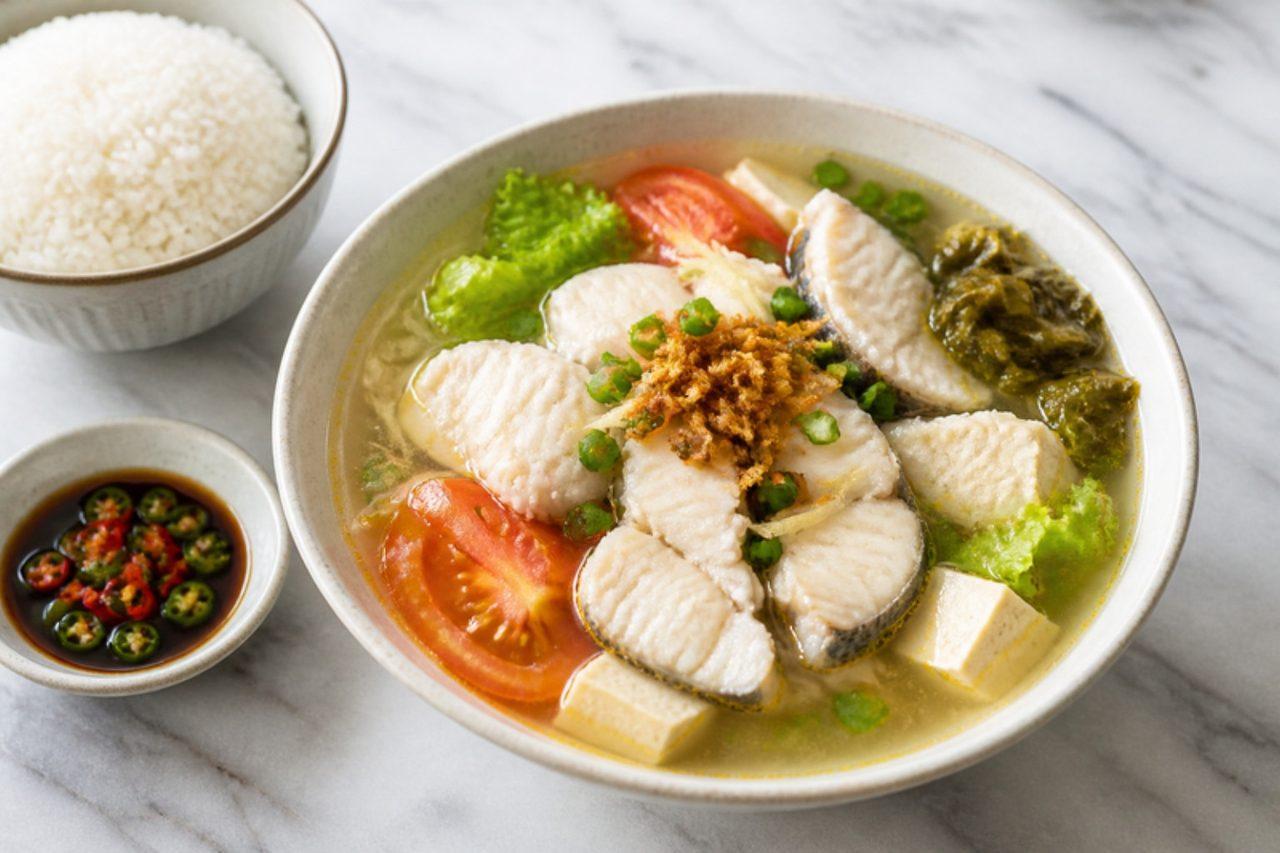
Office workers in the CBD form long lunch queues for a dish that looks almost plain: a bowl of clear, sweet broth with thick slices of batang (Spanish mackerel), wedges of tomato, silken tofu, lettuce and a little salted vegetable, served with rice or thick rice noodles. Good stalls simmer fish bones for hours, but at home a well-flavoured stock and plenty of ginger get you close in half an hour. The fish should be just set and springy, the broth light, gently tangy from tomato and savoury from fish sauce. Most home versions go wrong by boiling the slices hard, which breaks them up and turns them chalky; they need only a few minutes at a gentle simmer. Chef's tip: toss the fish slices with a pinch of salt and a teaspoon of tapioca starch before cooking, which keeps them silky and stops them falling apart.

by KrazyBadal 0 views

Bean curd skin rolls with oyster sauce

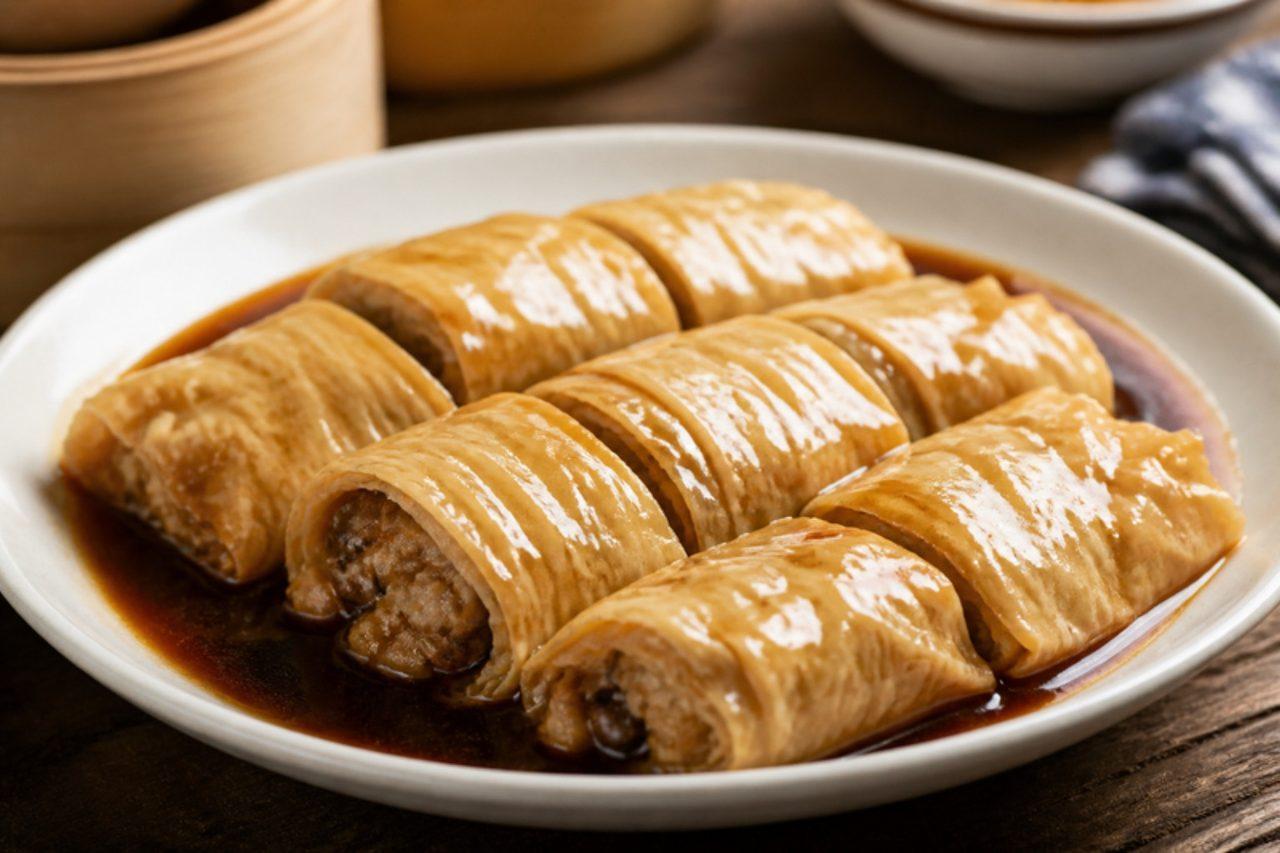
A tea-house regular, fu pei guen arrive at Hong Kong dim sum tables in small steamer dishes, sitting in a pool of dark, glossy oyster sauce gravy. The bean curd skin is fried first, so it blisters and wrinkles, then it is braised until it turns soft and silky and soaks up the sauce, while the pork, bamboo shoot and mushroom filling inside stays juicy. The flavour is savoury and gently sweet, best with rice or between har gow and siu mai at Sunday yum cha. A splash of Shaoxing rice wine seasons the filling; there is an alcohol-free swap in the list. Where most home cooks go wrong is soaking the dried bean curd sheets in water, which turns them to rags; wipe them with a damp cloth instead so they just become supple. Chef's tip: make the rolls a day ahead, fry them, and braise them just before serving.

by KrazyBadal 0 views

Asopao de polloSoupy chicken and rice

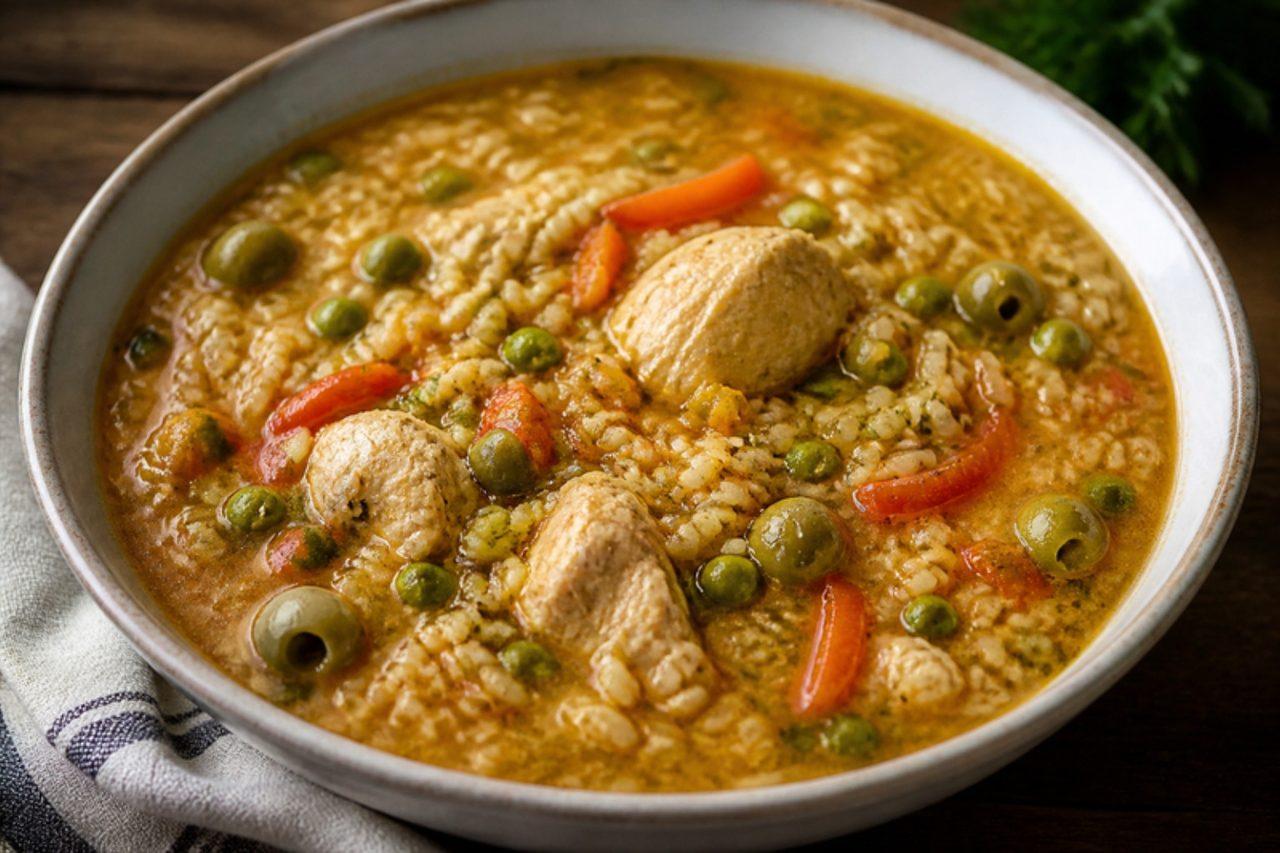
Somewhere between a soup and a risotto, asopao is the pot Puerto Rican mothers put on for a rainy Sunday, a cold, or a hangover after a long party night, and it is spooned straight from deep bowls with tostones on the side. Bone-in chicken is seasoned with garlic, oregano and lime, simmered in a sofrito broth, then rice goes in until the whole pot turns thick and brothy, finished with olives, capers, peas and strips of roasted pepper. The common mistake is making it ahead: the rice keeps drinking the broth and turns stodgy, so cook it just before eating, or keep extra stock to loosen leftovers. Chef's tip: take the pot off the heat while the rice is still a touch firm; it carries on cooking in the bowl.

by KrazyBadal 0 views

GulpiSpiced cauliflower

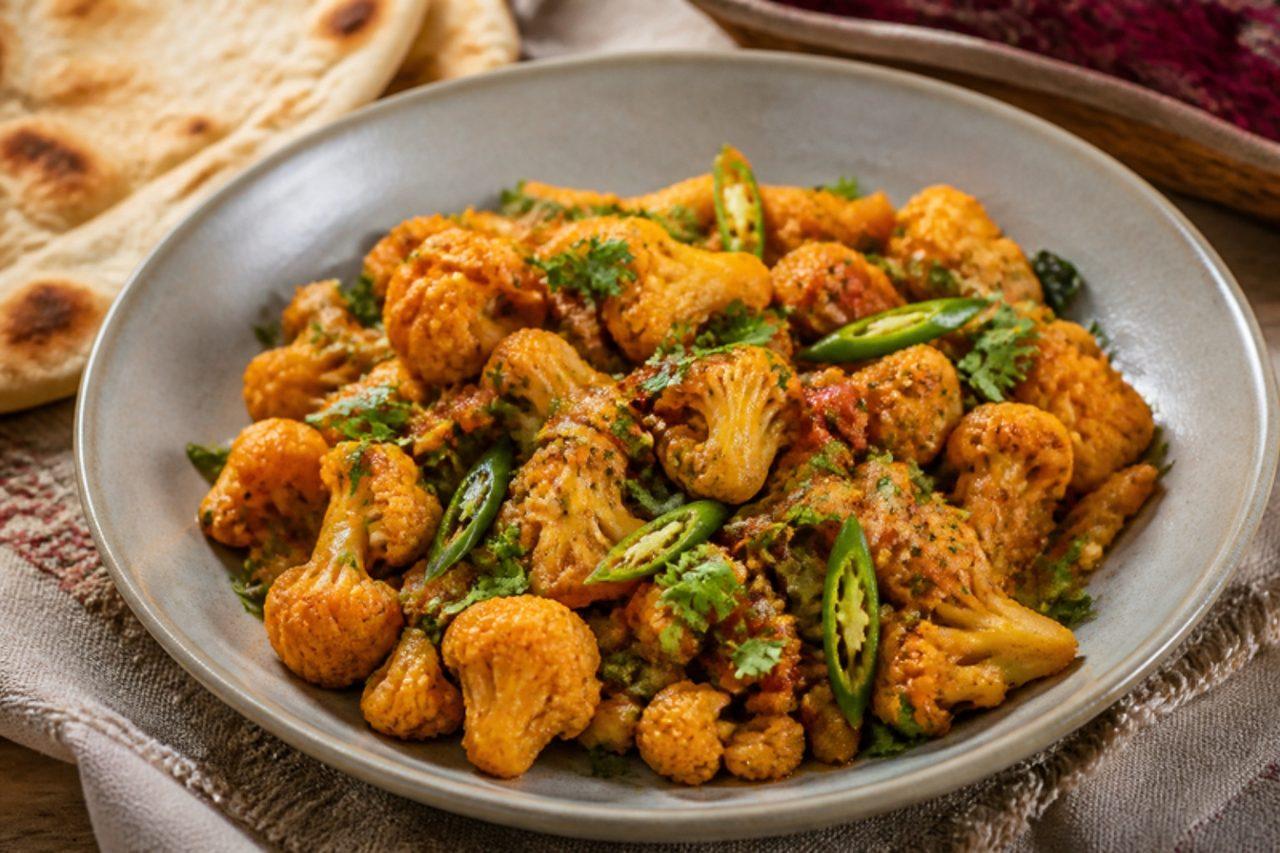
Gulpi is what an Afghan family cooks on an ordinary weeknight in Kabul or Jalalabad when cauliflower is cheap in the bazaar, and it is set on the dastarkhan, the cloth spread on the floor for meals, alongside rice or naan and a bowl of yogurt. The florets are fried until they catch a little colour, then simmered in a thick, turmeric-yellow sauce of onion, tomato, ginger and garlic until soft enough to break with the side of a spoon, with just a gentle heat from chilli. Many cooks stir in a few potatoes or peas, and some add a small piece of meat, but it is often fully vegetarian. Adding too much water is what spoils it: the cauliflower should steam in the tomato, not boil, so the sauce clings to every floret. Chef's tip: let the florets brown properly in the oil before anything else goes in, which gives the dish its nutty, slightly sweet depth.

by KrazyBadal 0 views

Gullisuwa (fried milk balls in syrup)

Small kiosks in Kano sell gullisuwa in twists of plastic, and Hausa families make platefuls for Sallah and weddings. Milk powder, a little flour and sugar are worked into a soft dough, rolled into balls and fried slowly until deep golden, then soaked in syrup, which gives a rich, fudge-like centre and a faintly caramel crust. They recall Indian gulab jamun, but they are firmer and less spiced. Milk sugars burn fast, so the common mistake is hot oil that browns the outside in seconds while the inside stays doughy; keep it low. Chef's tip: oil your palms when rolling, so the balls stay smooth and don't crack in the pan.

by KrazyBadal 0 views

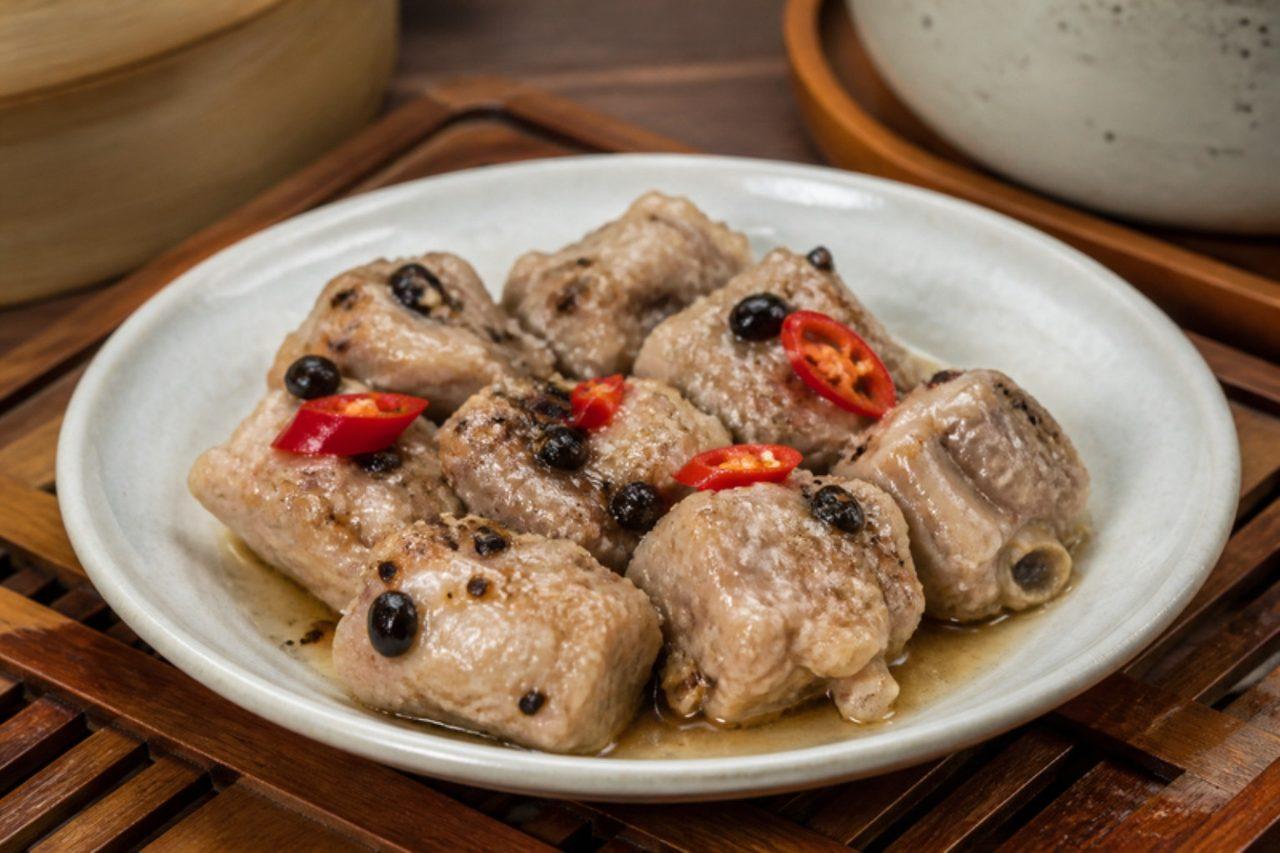
Steamed spare ribs with black bean sauce

Small saucers of pork spare ribs, chopped into bite-sized chunks and glistening with fermented black bean and garlic, come out of every Hong Kong teahouse steamer from dawn until lunch. Done right, the meat is plump and tender, slips off the little bone with your chopsticks, and sits in a salty, garlicky, faintly sweet juice that is wonderful spooned over rice. At home it makes an easy weeknight dish with rice and some blanched choi sum. The mistake to avoid is skipping the rinse: soak the ribs in cold water first to draw out the blood, otherwise the sauce turns grey and murky. Chef's tip: ask the butcher to chop the ribs into 3 cm pieces across the bone, and add a little potato starch to the marinade, which gives the teahouse silky coating.

by KrazyBadal 0 views

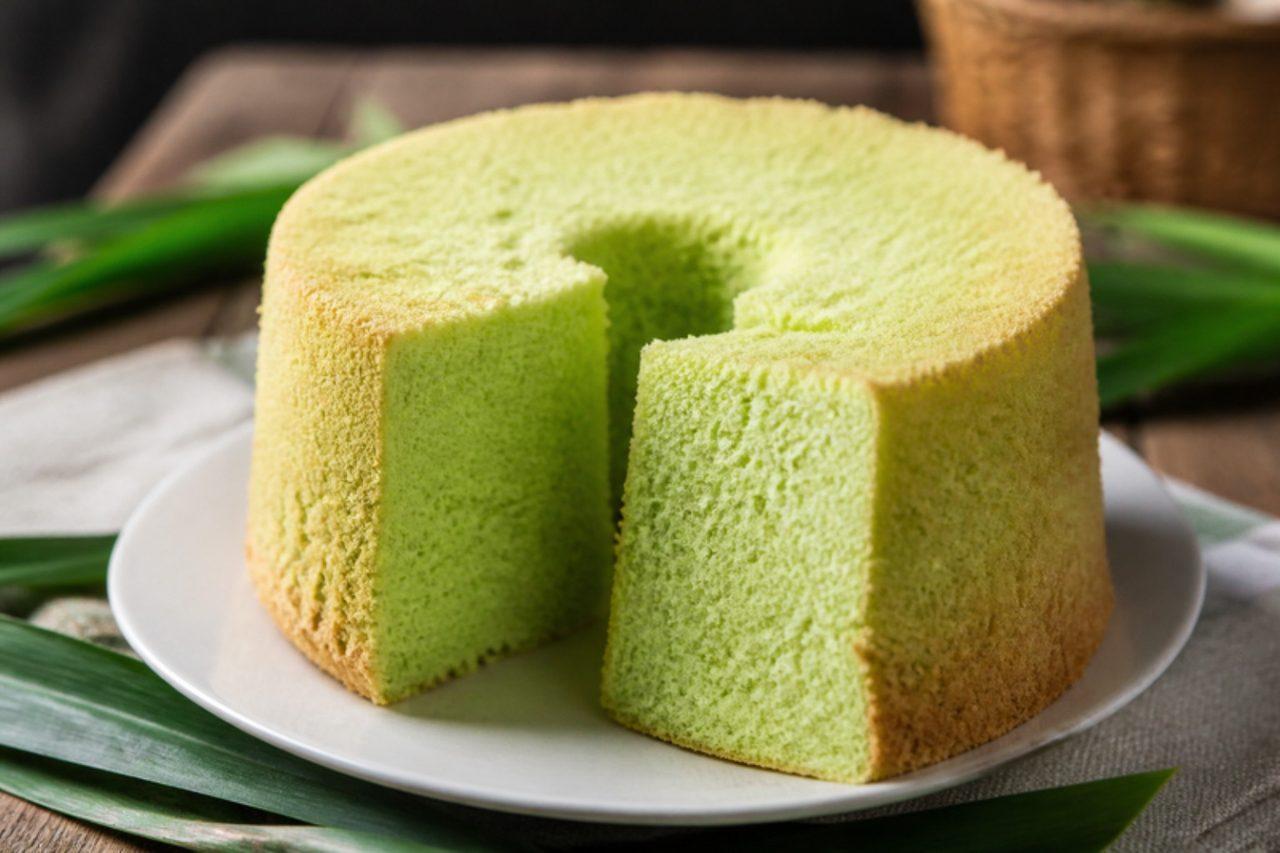
Pandan chiffon cake

No Singapore birthday table, office tea or visit to grandma's feels complete without a pandan chiffon cake, the pale green ring sold whole at heritage bakeries and neighbourhood confectioners and carried home in a box, and travellers fly home with one in their hand luggage. The crumb is cottony and springy, moist from coconut milk, and the flavour comes from juice squeezed from blended pandan leaves: grassy, vanilla-like and faintly nutty. It is served plain, in tall wedges, with kopi or tea. The usual mistake is greasing the tube pan; a chiffon needs to cling to bare metal to climb, and cooling it upside down is what keeps it tall. Chef's tip: beat the egg whites only to firm, glossy peaks that curl over at the tip; stiff, dry whites won't fold in smoothly and leave white streaks and holes.

by KrazyBadal 0 views

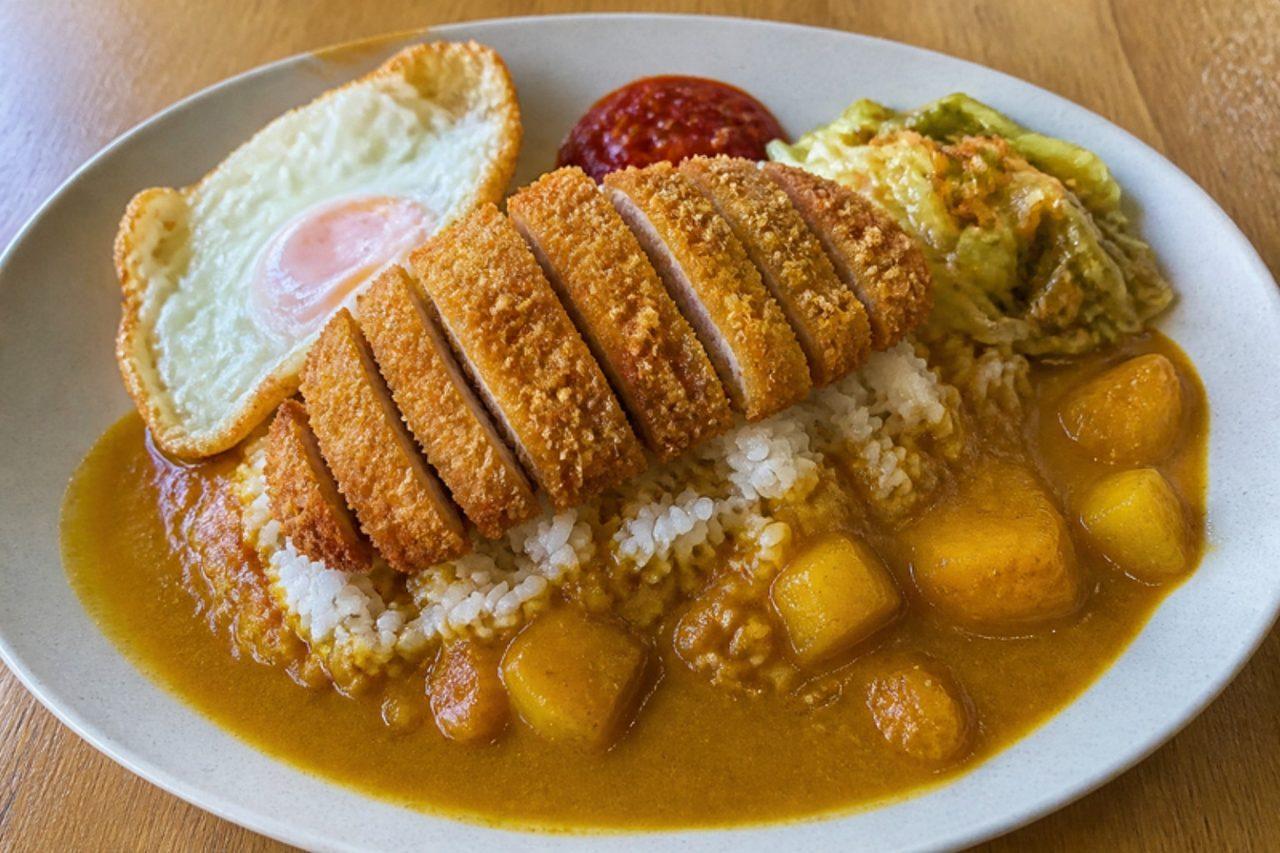
Hainanese curry rice

Late-night and early-morning crowds in Tiong Bahru, Beo Crescent and Jalan Besar know the drill at a Hainanese curry rice stall: point at what you want, then ask for it "banjir", flooded. A plate of white rice disappears under two gravies, a mild, coconut-rich curry with soft potato and chicken, and a dark, five-spice braising sauce, then gets topped with crumbed fried pork chop, braised cabbage and a runny-edged fried egg. It is messy, comforting and salty-sweet, and leftovers taste even better the next day. The usual mistake is a thin, watery curry; it should be thick enough to cling to the rice, so let the potatoes break down a little and reduce the gravy well. Chef's tip: crush cream crackers rather than using breadcrumbs for the pork chop, as the old Hainanese cooks do; they fry up shatteringly crisp and stay that way under the gravy.

by KrazyBadal 0 views

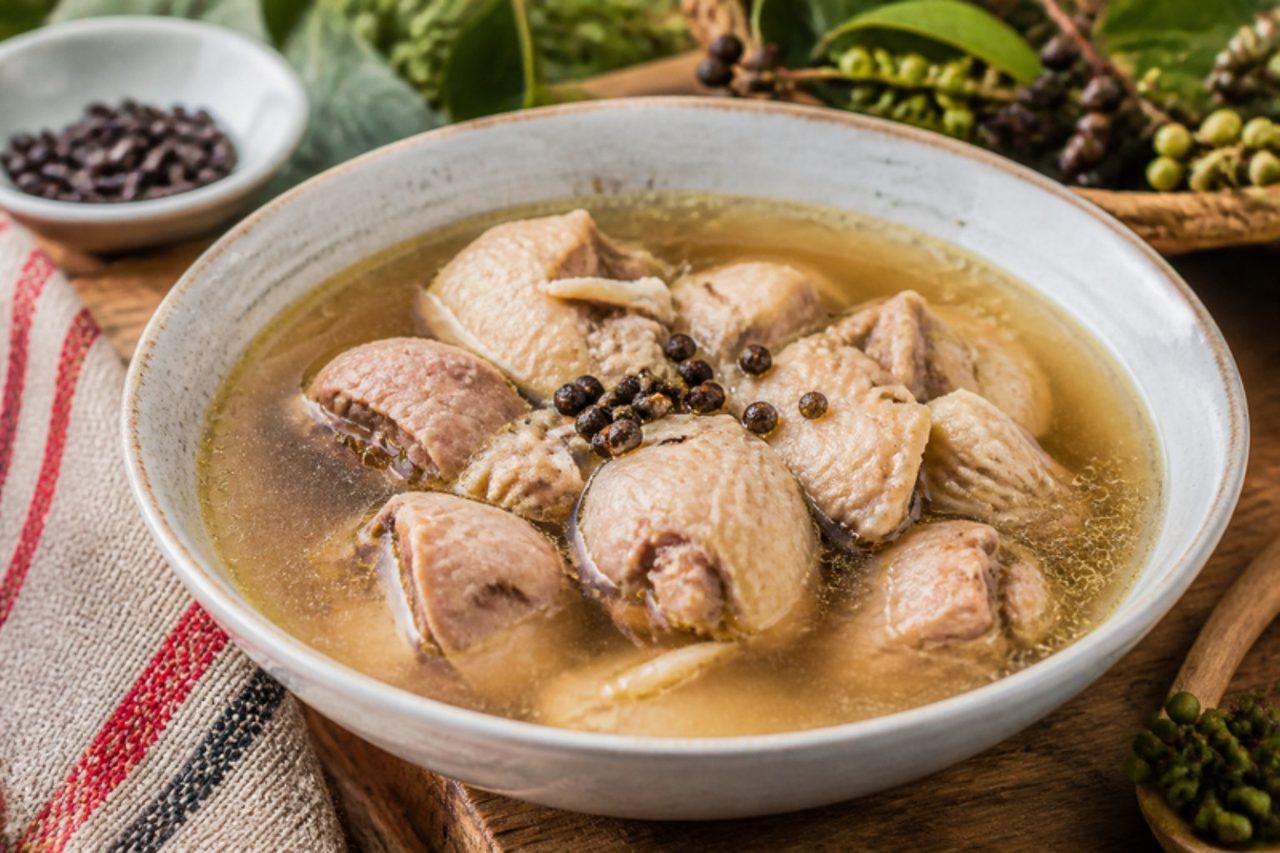
Maqaw chicken soupMountain pepper chicken soup

High in the mountains of northern Taiwan, in Atayal villages around Wulai and Fuxing, maqaw berries are picked from the mountain litsea tree in summer and dried to flavour soups, grilled meat and tea. In this clear chicken soup, served at home suppers and in Indigenous restaurants with millet or rice and wild greens, the crushed berries give a fresh lemongrass-and-ginger perfume with a gentle peppery tingle. Bone-in chicken simmered slowly makes a light, golden broth. People spoil it by adding the maqaw at the start and boiling it for an hour, which turns it bitter; add it for the last 15 minutes instead. If you can't find maqaw, use black peppercorns, a stalk of lemongrass and a strip of lemon zest. Chef's tip: lightly crush the berries just before they go in; whole ones barely flavour the broth, while powder makes it cloudy.

by KrazyBadal 0 views

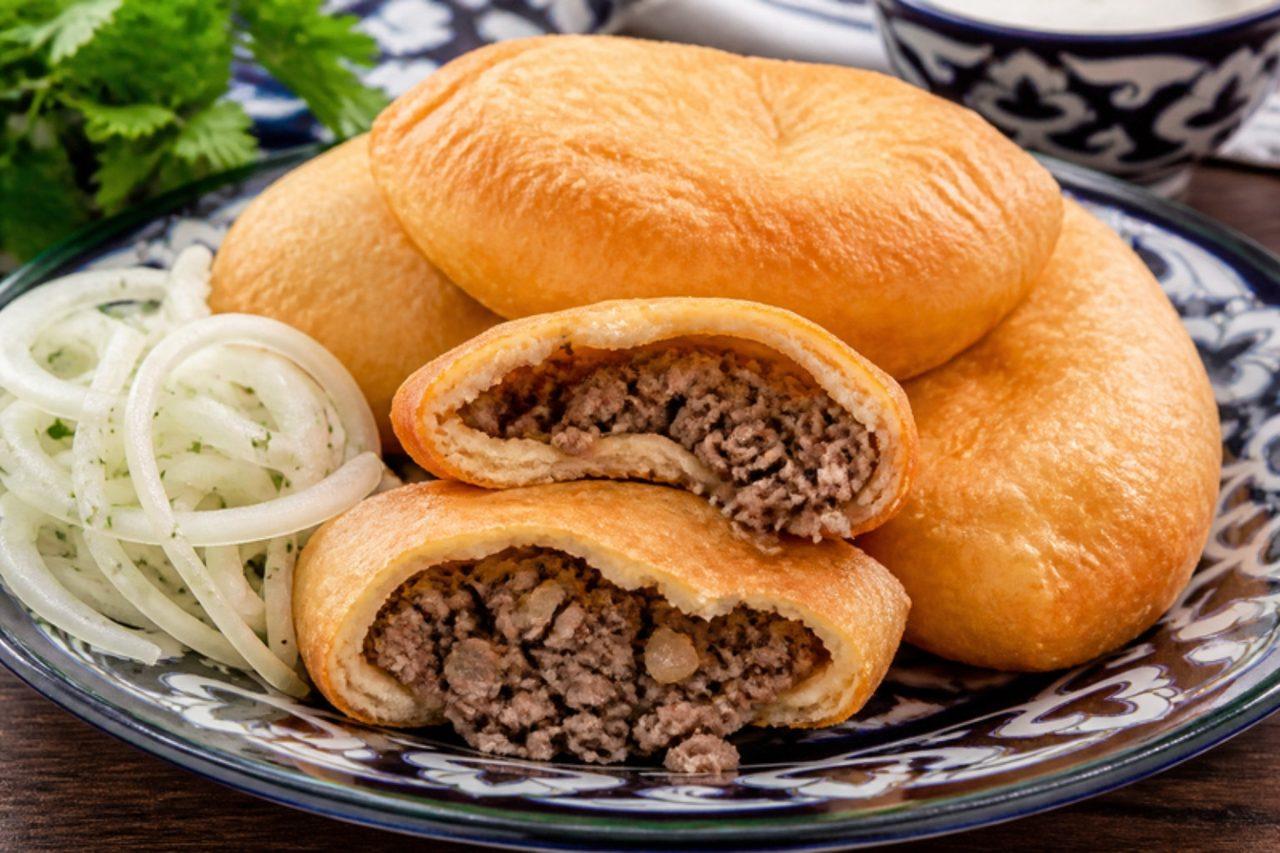
GummaFried pies with lamb liver

Gumma are the hot, puffy fried pies sold from big pans on Tashkent street corners and in bazaars like Chorsu, wrapped in paper and eaten in the morning with tea. The classic filling is cheap and hearty: lamb or beef offal, usually liver, heart and lung, minced with plenty of onion and black pepper; potato gumma is the vegetarian sister. This version uses lamb's liver and heart. A common mistake is frying in oil that is not hot enough, which makes the dough greasy and heavy. Chef's tip: cook the filling fully before shaping, then fry the pies at 175 °C until puffed and golden; the dough cooks in minutes while the filling only needs warming. Offal should be cooked until no pink remains, 71 °C.

by KrazyBadal 0 views

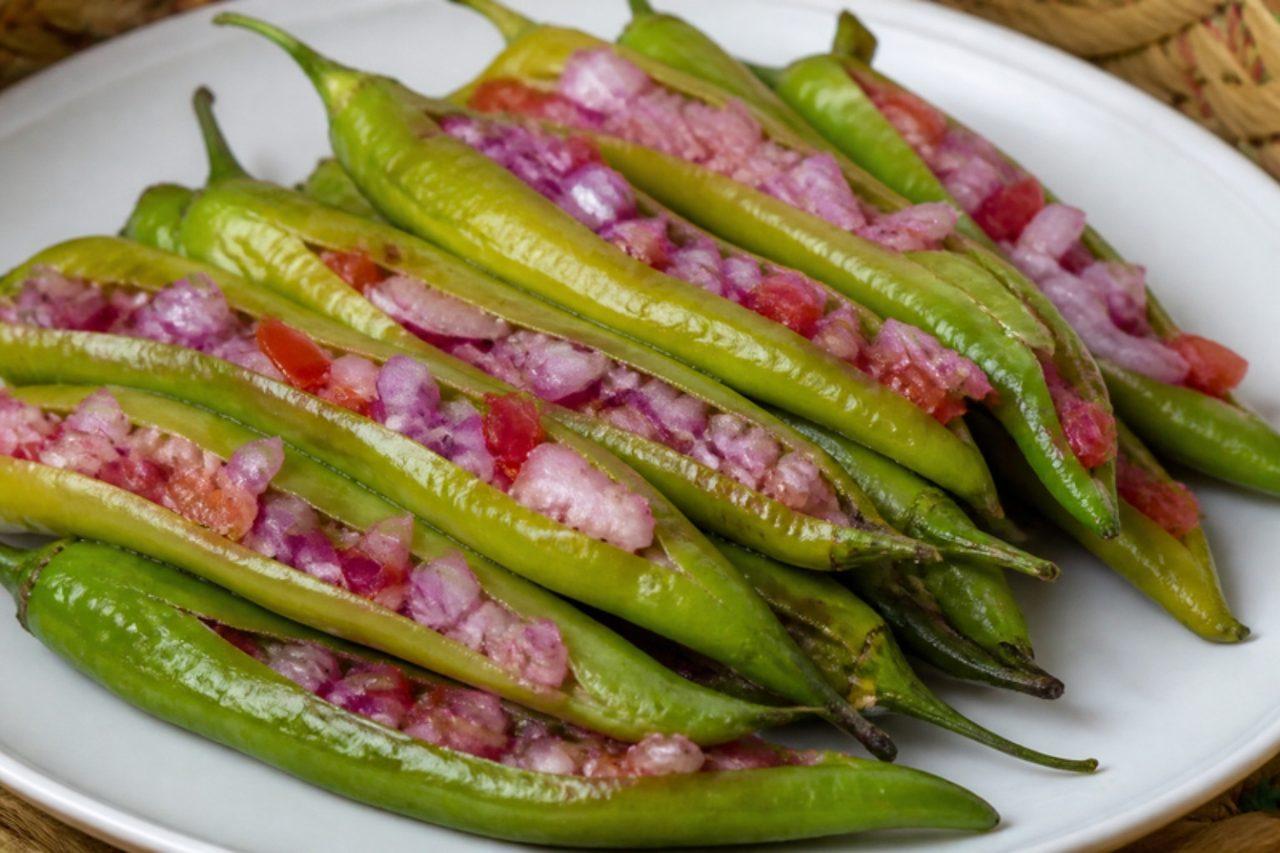
Sinig karia (stuffed green chillies)

Long, pale green karia chillies are piled high in the markets of Addis Ababa, and on fasting days cooks slit them, scrape out the seeds and fill them with a sharp little salad of onion and tomato soaked in lemon. The result is crunchy, fresh and juicy, with a mild chilli warmth, and the chillies are eaten with the fingers between mouthfuls of injera and spicy wat, or set out as a starter. Choose mild long peppers such as Anaheim, Hungarian wax or long sweet green peppers. A common mistake is leaving the white ribs in, which keeps the heat high and can make them bitter; scrape them out with a teaspoon. Chef's tip: dip the chillies in boiling water for one minute and cool them in cold water first if you want them a little softer and easier to stuff.

by KrazyBadal 0 views

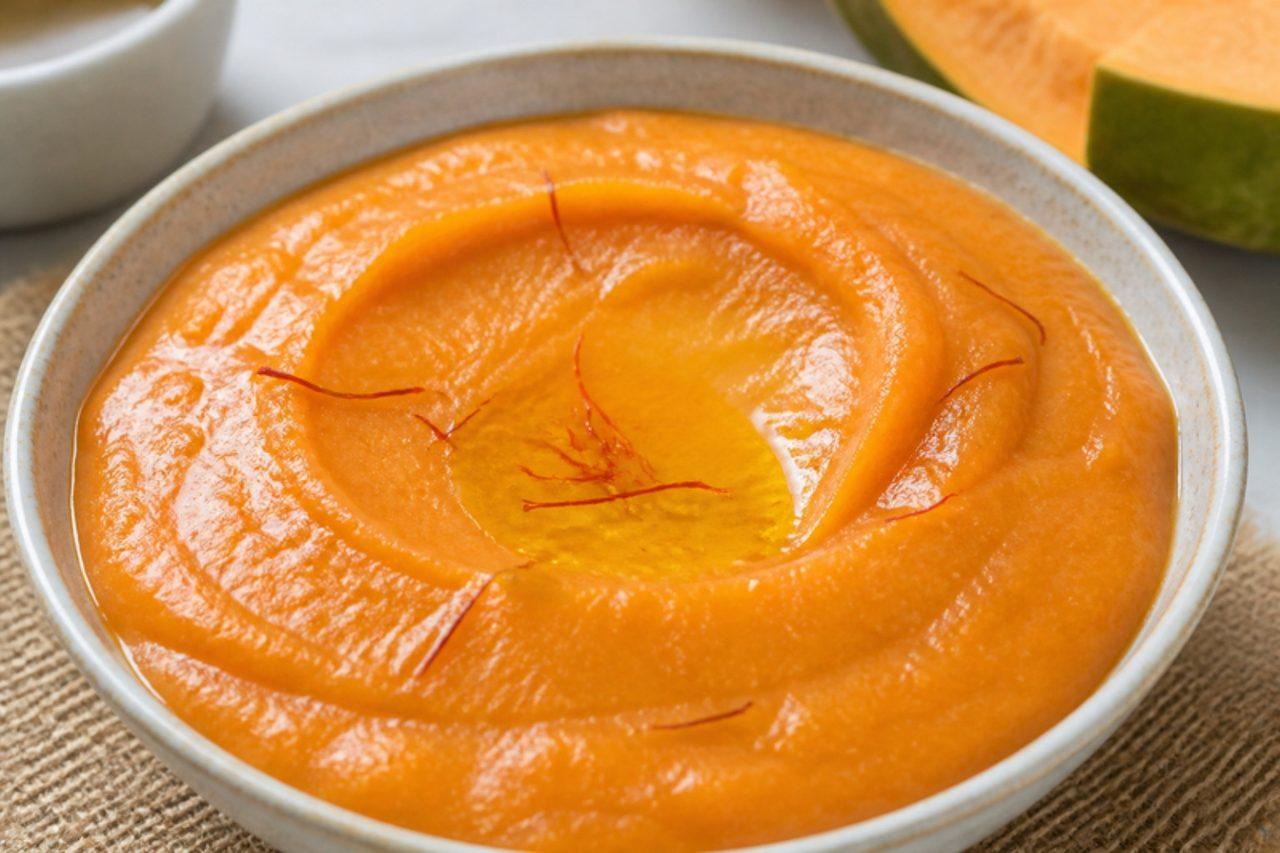
Aseedat bobarPumpkin pudding with ghee

In Doha and Kuwait City, aseedat bobar arrives on winter evenings and at Ramadan iftar in a shallow dish, smooth and orange, with a little pool of melted ghee in the centre. Bobar is the Gulf word for red pumpkin, cooked down and thickened with toasted flour, sugar and cardamom into a soft, spoonable sweet that tastes a bit like a spiced pumpkin pie filling. Scoop it warm with a spoon or with pieces of bread, alongside Arabic coffee. Stopping the stirring too soon is the usual mistake: the pudding must cook until it pulls away from the sides, or it tastes of raw flour. Chef's tip: toast the flour in a dry pan until it smells like biscuits before it goes in; that nutty note is what makes it.

by KrazyBadal 0 views

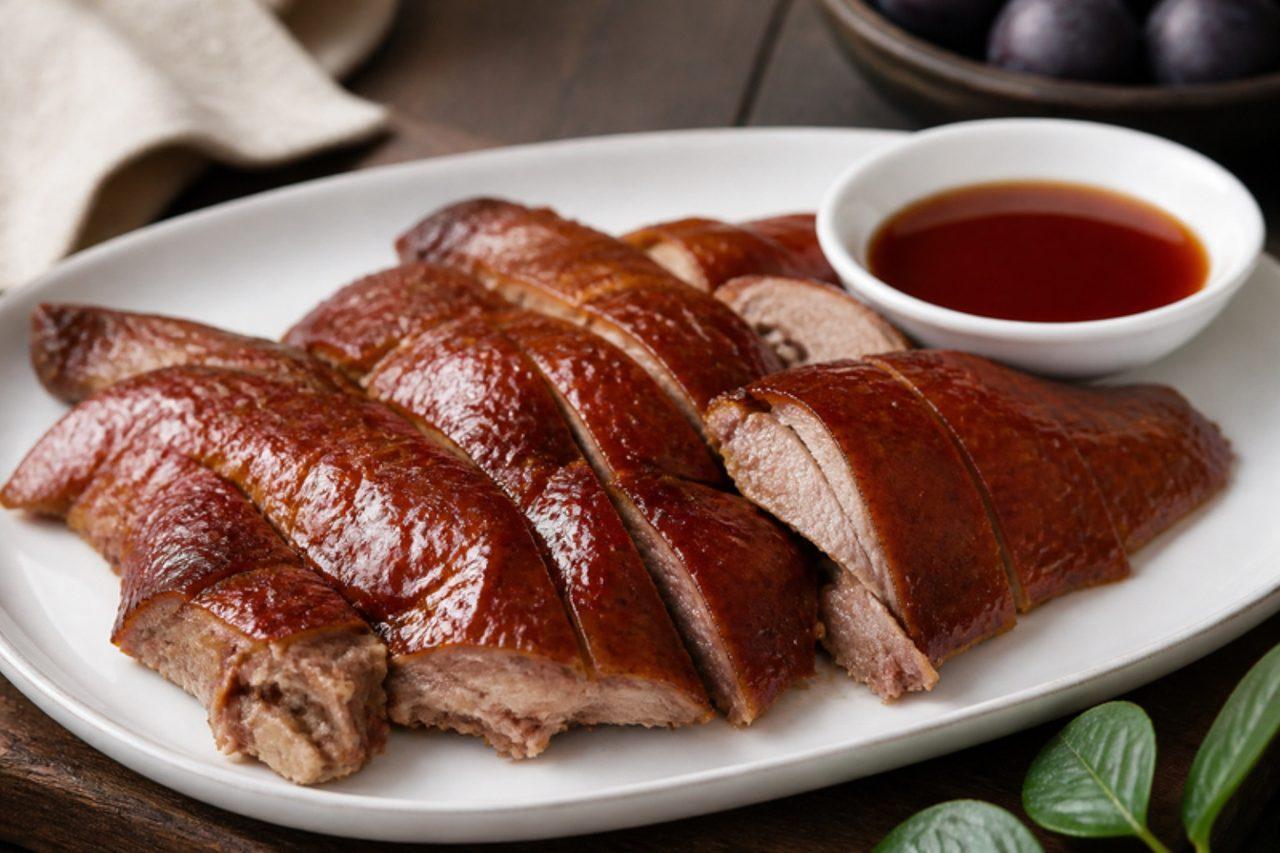
Cantonese roast goose

Drive out along the coast road to Sham Tseng in the New Territories and the restaurants there have been roasting geese for generations; Hong Kongers make the trip for a plate of it with lai fun noodles, or order a half goose for a family dinner. The skin is thin, crisp and deep mahogany, the meat dark, rich and juicy, scented from the inside with five-spice, bean paste and garlic. Sour plum sauce cuts through the fat. This home version uses an oven-ready goose (head already removed, as it is sold), dried overnight and roasted in a domestic oven. A frequent slip is roasting a goose straight from the wrapper: without its overnight drying and a glaze, the skin stays leathery. Chef's tip: pour off the rendered fat as it collects; it is superb for roasting potatoes or frying rice.

by KrazyBadal 0 views

June plum juice

When June plums (ambarella) fall from backyard trees across Jamaica, families blend the sour green-gold fruit into a sharp, refreshing juice with fresh ginger and lime. It is tangy like green apple, with a faintly mango-like perfume, and is drunk ice-cold with Sunday lunch. The big mistake is blending the spiny stone in with the flesh; cut the flesh away first or the juice turns bitter and fibrous. Chef's tip: use slightly underripe, firm plums for the brightest, sharpest flavour.

by KrazyBadal 0 views

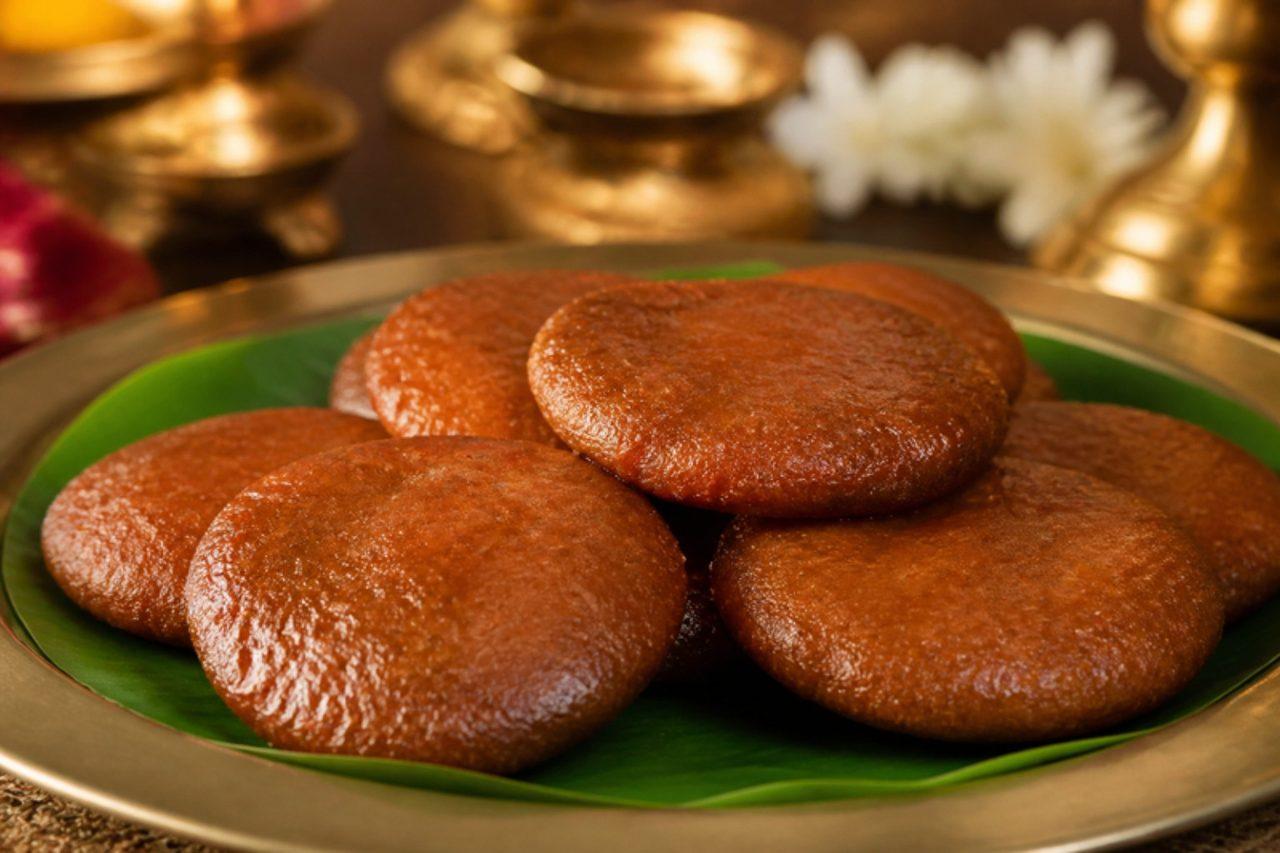
AthirasaFried rice flour jaggery cakes

Athirasa, a dark, flat disc with a shiny, slightly crinkled surface, is one of the keeping sweets of the Avurudu season: families fry stacks of them in early April, store them in tins and offer them to every visitor for weeks. The dough is simply rice flour stirred into jaggery syrup cooked to the soft-ball stage, flavoured with cardamom and left to rest, then patted into rounds and fried until deep brown. The cook presses each one firmly between two flat spoons or saucers to squeeze out excess oil, which gives athirasa its chewy, toffee-like centre and lacy, crisp edges. The typical slip is undercooking the syrup, which makes the dough too soft to shape and causes the rounds to fall apart in the oil. Chef's tip: shape the discs on a piece of oiled banana leaf or baking paper and slide them straight into the oil from it, so they keep a neat round shape.

by KrazyBadal 0 views

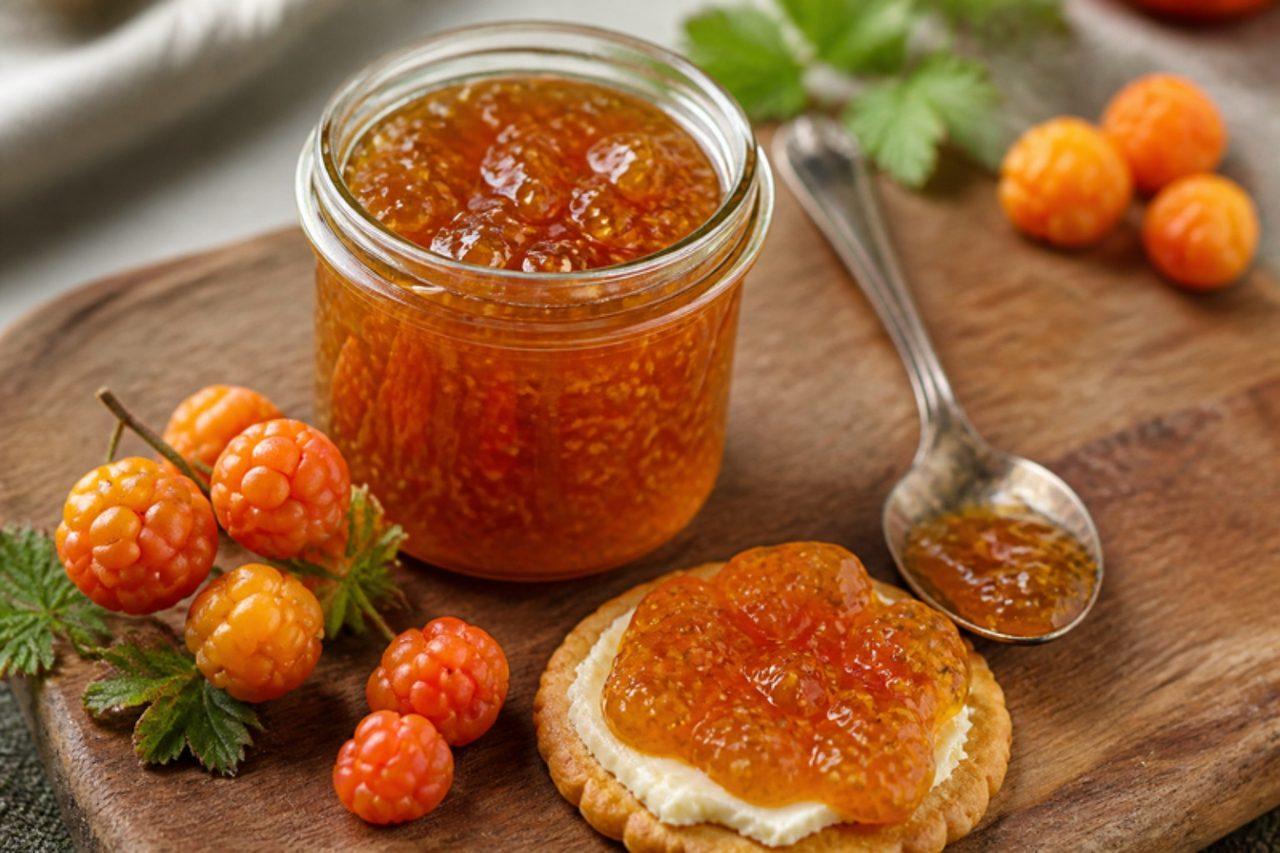
Bakeapple jamCloudberry jam

Bakeapples, the amber cloudberries of the Labrador and Newfoundland bogs, ripen for a few weeks in late July and August, and families on the Northern Peninsula and the Labrador coast pick them by the bucket. Turned into jam, they taste of apricot, honey and wild herbs, and the soft seeds give it texture. It is spread on toast, tea biscuits and toutons, or stirred through cream. Frozen cloudberries work if you can't get fresh. A common mistake is boiling too long, which darkens the colour and dulls the flavour. Chef's tip: test the set early, on a cold saucer.

by KrazyBadal 0 views

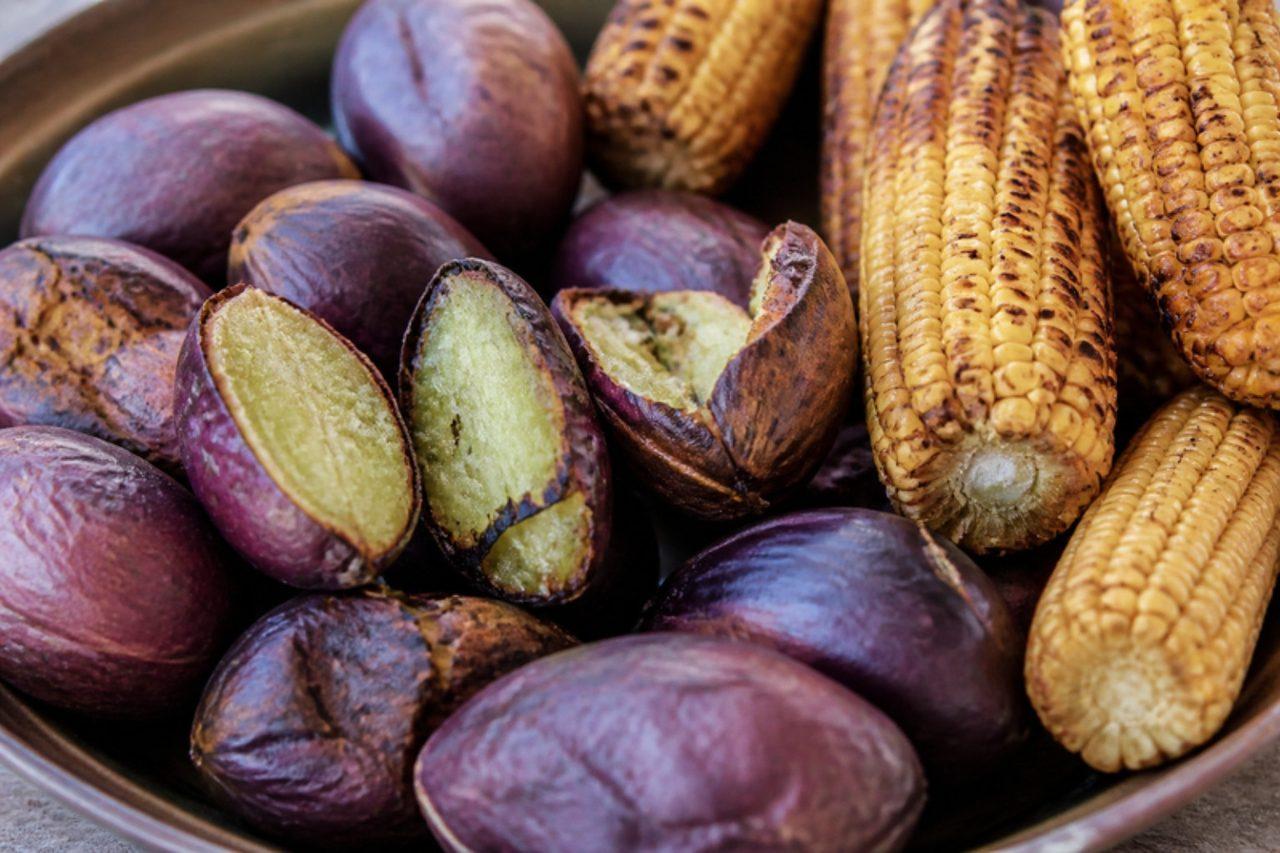
Roasted safou

When the rainy season brings fresh maize to Cameroon, the safou trees fruit at the same time, and roadside grills from Douala to Yaoundé sell the violet plums alongside charred corn cobs. A few minutes over embers turns the firm, sour flesh soft, buttery and slightly tangy, which is why safou is often called the African butter fruit. People peel back the skin with their teeth, scrape the pale green flesh off the stone and alternate bites with sweet corn or a chunk of boiled plantain. Look for fresh or frozen safou in African grocers. Chef's tip: a pinch of salt sprinkled on while the fruit is hot brings out its savoury, olive-like side.

by KrazyBadal 0 views

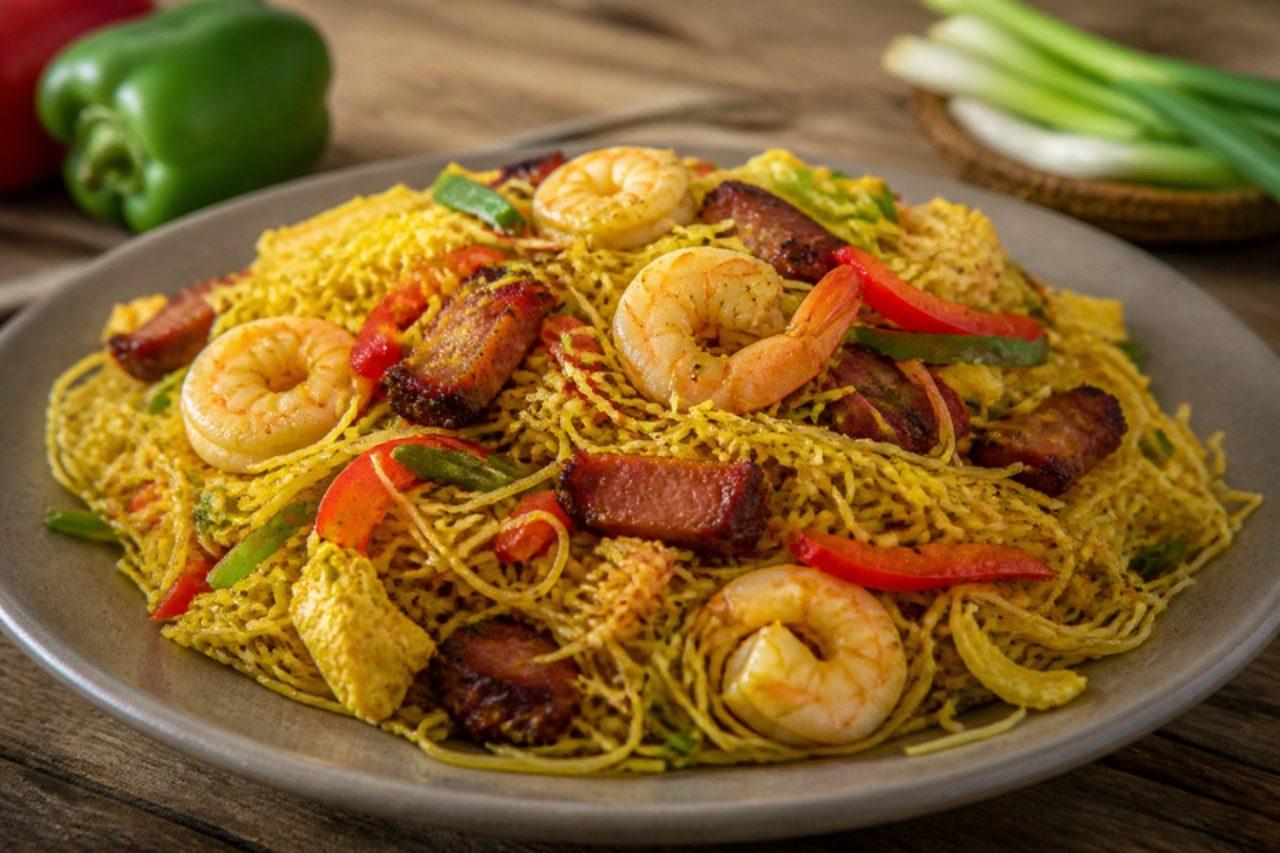
Singapore-style fried vermicelli

Despite the name, nobody in Singapore grew up on this: sing chau chau mai was invented in Hong Kong's cha chaan teng and Cantonese kitchens, where a little curry powder and a hot wok turn thin rice vermicelli golden-yellow. It is tossed with strips of char siu (Cantonese barbecued pork), prawns, egg ribbons, peppers, onion and bean sprouts, and comes out dry, springy and fragrant with a gentle curry warmth. Diners order it for lunch with a glass of iced lemon tea. A classic misstep is soaking the vermicelli too long in hot water, so it breaks into short, mushy bits in the wok; soak it in cold water until just pliable. Chef's tip: toast the curry powder in the oil for a few seconds before the noodles go in, so it tastes rounded rather than raw and dusty.

by KrazyBadal 0 views

Megrelian kharcho

In Samegrelo 'kharcho' means something quite different from the Tbilisi soup: chicken pieces simmered in a thick, golden sauce of ground walnuts, garlic, hot pepper and Imeretian saffron (dried marigold), so rich and spicy that it is eaten with plain ghomi to calm it down. Zugdidi families cook it for guests and for Sunday lunch. A common mistake is boiling the sauce hard once the walnuts go in; it turns oily and grainy. Chef's tip: grind the walnuts until they weep oil and spoon a little of that oil over the finished dish; Mingrelians judge kharcho by its glossy, orange sheen. Chicken must reach 74 °C in the thickest part.

by KrazyBadal 0 views

Egg salad guédille

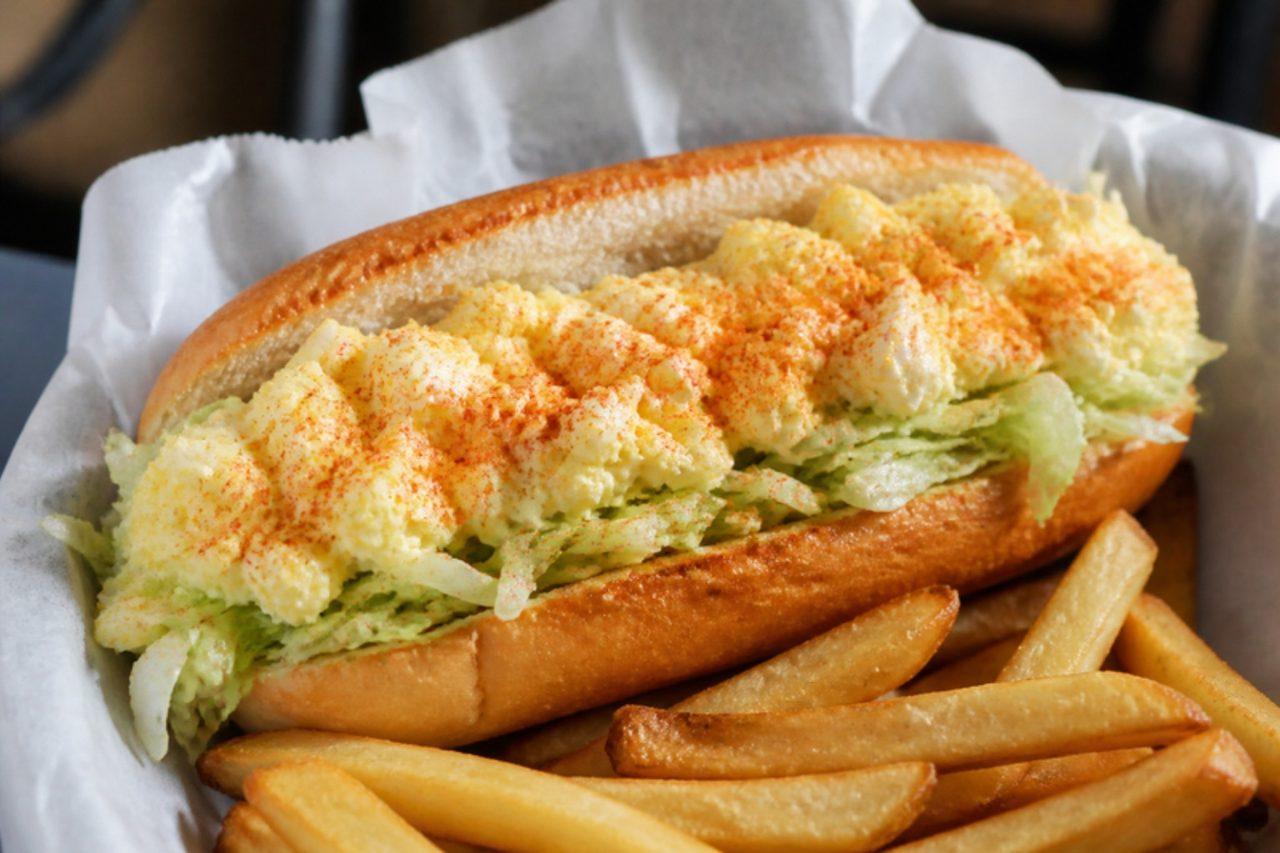
A guédille is the snack-bar sandwich of Quebec, sold at the casse-croûte stands along the St Lawrence and in the Lower Saint-Lawrence towns all summer. A top-split hot-dog bun is buttered and toasted on the flat-top, then stuffed high with shredded iceberg and a soft egg salad. By the sea the same bun is filled with lobster, but the egg guédille is the everyday version kids order with fries. It takes 25 minutes and is just as good for a picnic lunch. A common mistake is filling the buns too early, which turns them soggy. Chef's tip: shred the lettuce very finely and put it under the egg so the bun stays crisp.

by KrazyBadal 0 views

Hakka flat rice noodlesFlat rice noodle soup

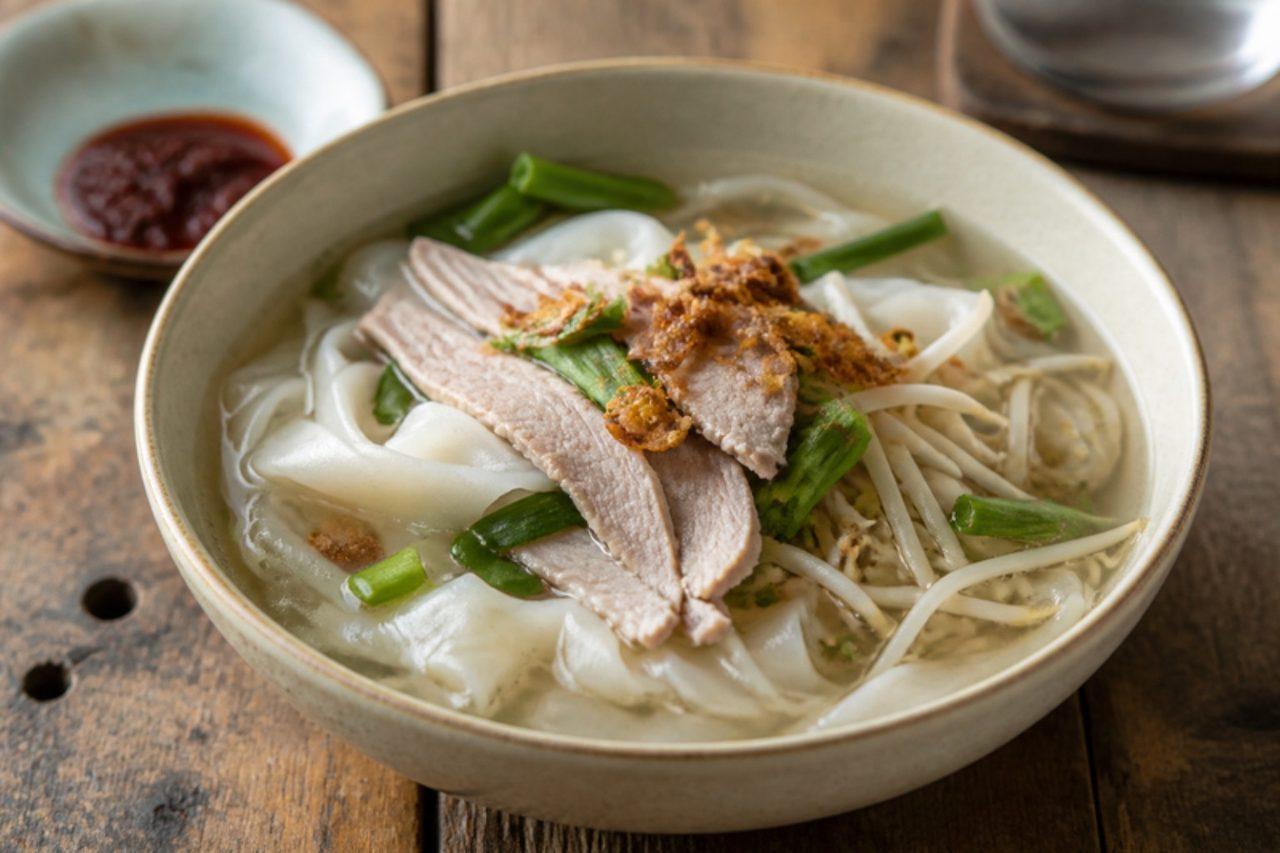
Meinong, a Hakka farming town in the hills of Kaohsiung, is famous for its ban tiao: broad, slippery rice noodles steamed fresh each morning and sold in roadside shops for lunch, either swimming in a clear pork broth or stir-fried with chives and bean sprouts. This is the soup version, light and savoury, with tender slices of pork, crunchy sprouts, garlic chives and plenty of shallot oil floating on top; Hakka cooks put a side plate of boiled pork with a salty-sour sauce next to it. Overcooking is the classic error here: fresh ban tiao only needs a dip in boiling water, and it falls apart if left in. Chef's tip: separate the sheets of noodle by hand before cooking; cold noodles straight from the pack stick together in thick clumps.

by KrazyBadal 0 views

GubadiaLayered rice and curd pie

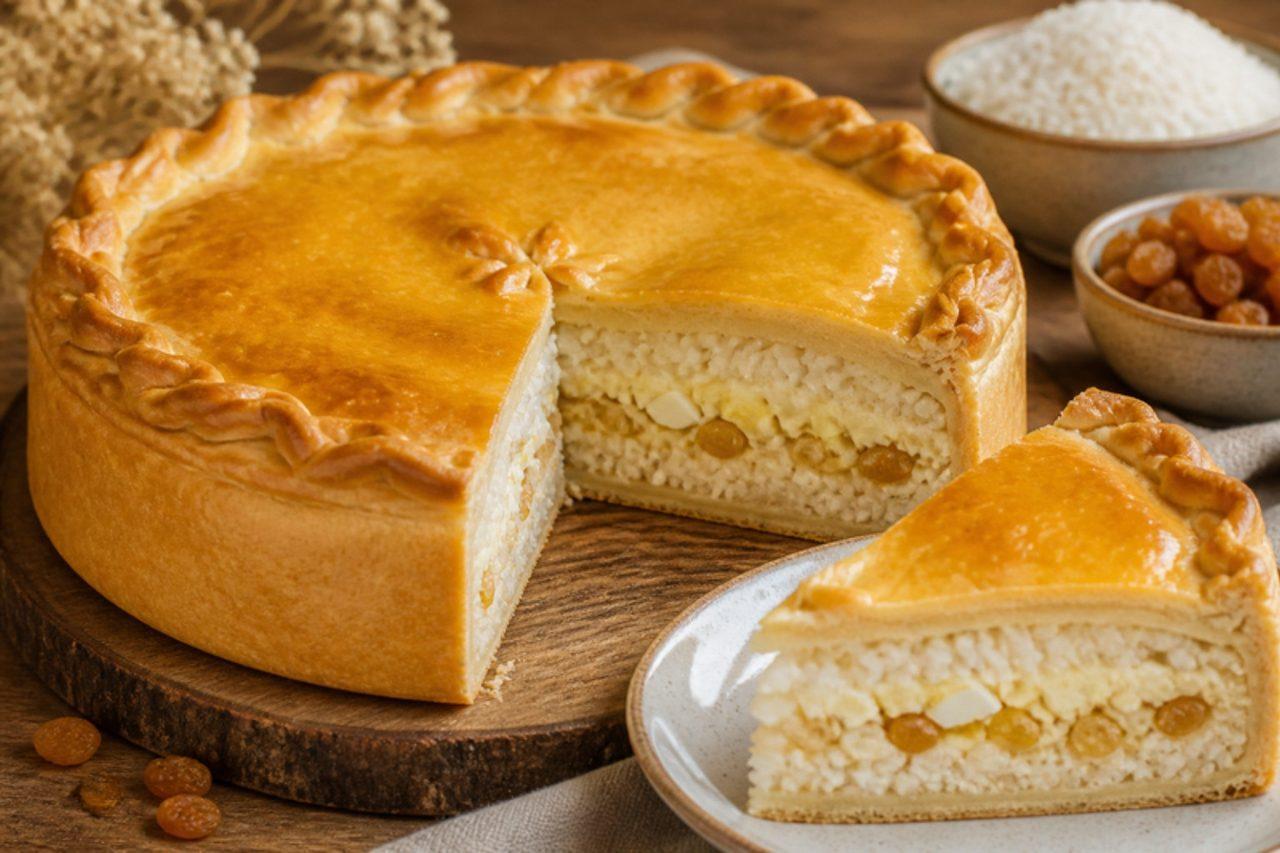
Weddings, Eid and the arrival of honoured guests in Tatarstan call for gubadia, a high round pie that is cut at the table like a cake and served with tea. Inside sit neat layers of buttery rice, kort – Tatar curd cooked down until rosy and fudge-sweet – raisins and chopped hard-boiled egg, under a domed lid of soft yeast dough. Many families add a layer of minced meat with onion; this is the meat-free version, as many sweet tea-table gubadias are. Kort is hard to buy outside the region, so you make it here from tvorog (check the label if you need it rennet-free). Where most people go wrong is a dry pie: every layer needs its share of melted butter. Chef's tip: let the baked pie stand for twenty minutes before cutting so the layers settle and come away in clean wedges.

by KrazyBadal 0 views

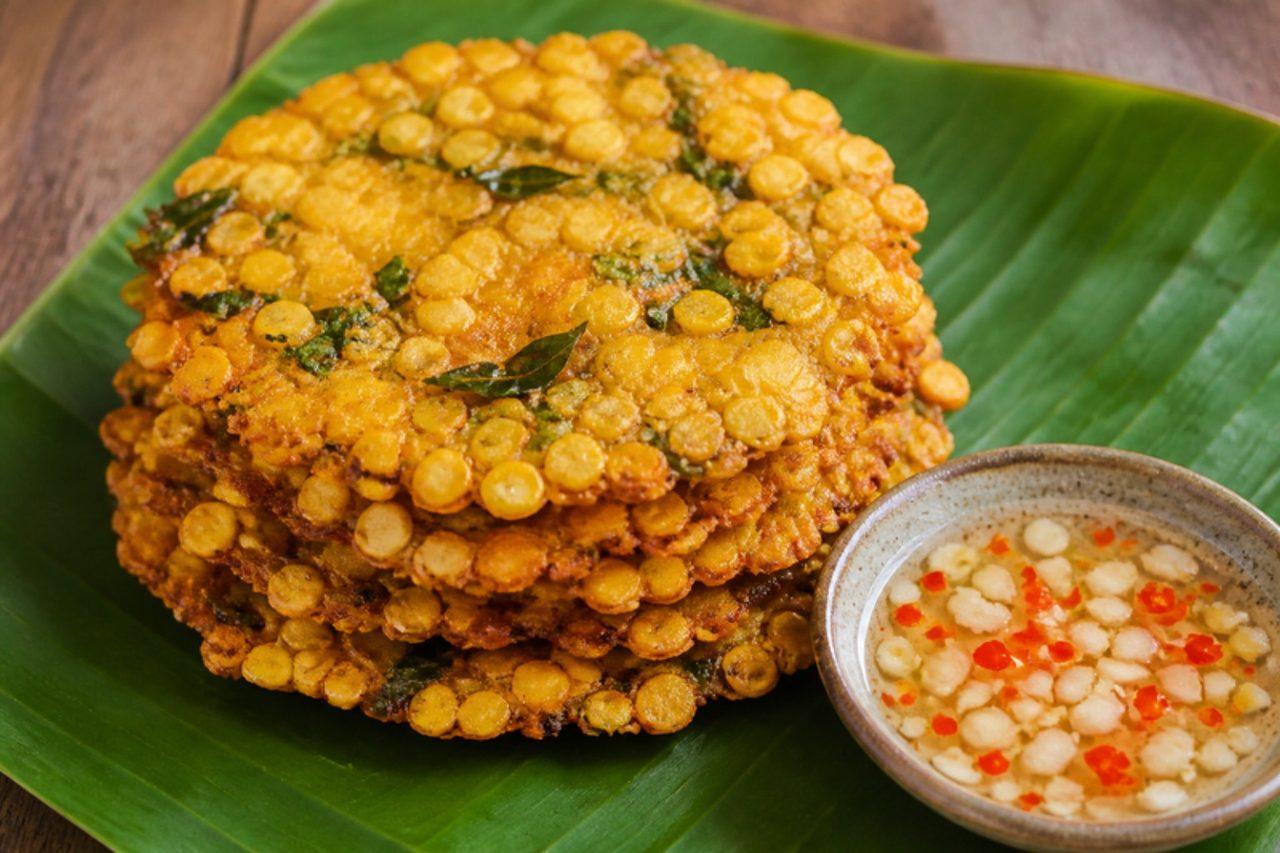
Bayagyaw (split pea fritters)

Every Yangon tea shop worth its sweet milky tea keeps a tray of these by the counter from dawn, and hawkers sell them by the bag at bus stops. Soaked yellow split peas are ground until coarse, mixed with sliced onion, chilli and a spoon of rice flour, then dropped into hot oil as thin, ragged patties that fry up shatteringly crisp at the edges and nutty in the middle. People snap them into bowls of mohinga, crumble them over noodle and rice salads, or eat them plain with a sharp chilli-garlic vinegar. Blending the peas to a smooth paste is the trap: you lose the gritty texture that makes them crunch and the fritters turn dense. Chef's tip: soak the peas the night before, and fry a test fritter first; if it falls apart, stir in another spoon of rice flour.

by KrazyBadal 0 views

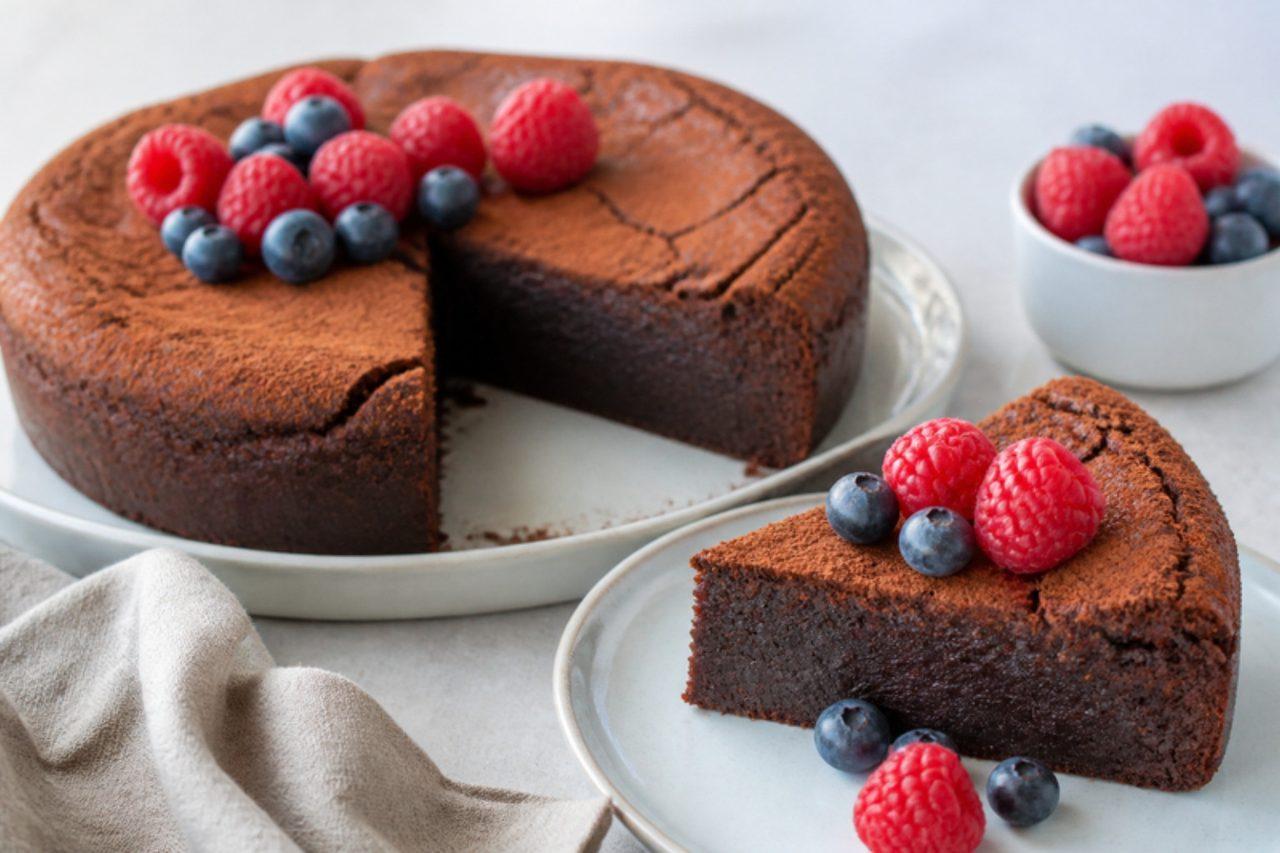
Flourless chocolate cake

In Israel this dense chocolate cake is the dessert of the Passover seder in countless homes, from Tel Aviv flats to kibbutz dining halls, because it needs no flour and only rises on whisked eggs. Dark chocolate, eggs, ground almonds and a little butter bake into a cake with a thin, crackled top and a deep, fudgy middle, rich enough to serve in slim slices with berries or whipped cream. Made with oil instead of butter, it can follow a meat meal. The common mistake is overbaking: take it out while the centre still wobbles slightly, as it sets as it cools. Chef's tip: fold the whites into the chocolate in three goes, the first one roughly, to loosen it, then the rest gently to keep the air.

by KrazyBadal 0 views

Arroz mamposteaoFried rice and stewed beans

Fondas around San Juan put arroz mamposteao on the menu as a way to use yesterday's white rice and the last ladle of habichuelas, and at home it is the Sunday-night fix when the pots from lunch come out of the fridge. The rice is fried in olive oil with a fresh sofrito, then the beans and their sauce go in until every grain is stained pink and the edges catch and crisp. Many cooks add ham or bacon; this version stays meat-free and gets its depth from the sofrito and a little smoked paprika. The common mistake is using freshly cooked rice, which turns to paste; cold, day-old rice keeps separate grains. Chef's tip: leave the pan alone for the last few minutes so a crunchy layer forms on the bottom, then fold it through.

by KrazyBadal 0 views

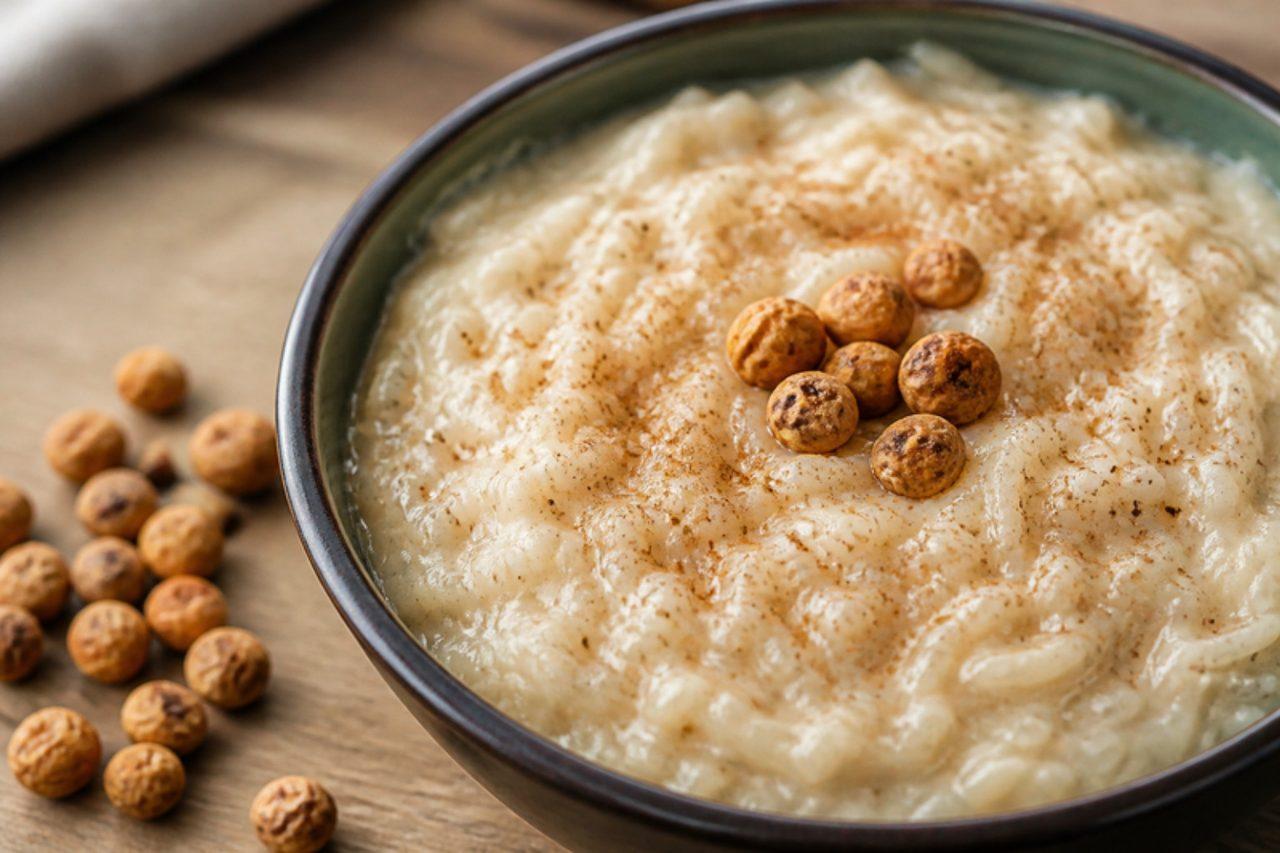
Atadwe milkye (tiger nut pudding)

Tiger nuts, called atadwe in Twi, are small wrinkled tubers sold in heaps by market women across southern Ghana during the rainy season. For atadwe milkye they are soaked, blended and squeezed into a sweet, nutty milk, then cooked with ground rice and coconut milk into a pourable pudding that sets softly as it cools. Street sellers ladle it into small bags or cups, and at home it is eaten warm for breakfast or chilled as an afternoon treat. The flavour is mild, like almond and coconut with a light earthy note. Start soaking the tiger nuts the night before. Chef's tip: stir without stopping once the rice paste goes in; walking away for even a minute is the common mistake, and it leaves lumps and a scorched base.

by KrazyBadal 0 views

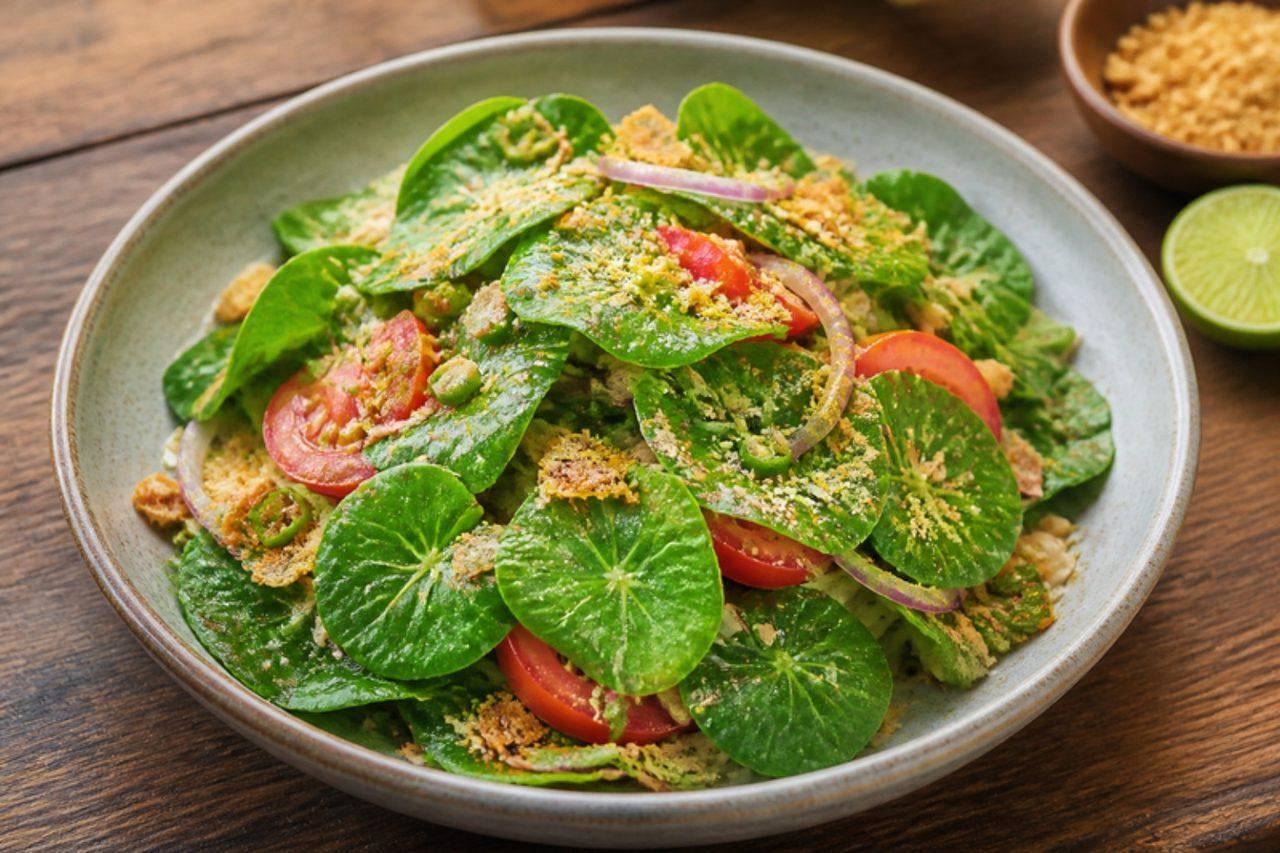
Burmese pennywort salad

Myin khwa, 'horse's hoof', is the Burmese name for pennywort, after the shape of its round leaves, and Mandalay grandmothers swear by a plate of it to cool the body during the hot months before the monsoon. The fresh leaves are slightly bitter and grassy, a little like watercress, and they are tossed by hand with toasted chickpea flour, crushed peanuts, crunchy fried garlic and its oil, lime juice, tomato and sliced onion. The salad is served as a side to rich curries, where its clean sourness cuts through the oil. Wet leaves ruin it: the dressing slides off and turns watery, so dry them completely after washing. Chef's tip: look for pennywort sold as gotu kola at Asian and Sri Lankan grocers; young watercress makes a fair stand-in.

by KrazyBadal 0 views

Singapore curry puff

Spiral curry puffs are a tea-time thing in Singapore, picked up warm in paper bags from Malay kueh stalls at Geylang Serai, from heritage bakeries in Tiong Bahru, or eaten at the 4 pm break with teh tarik. The pastry is the point: two doughs rolled together into a log, sliced, and rolled out so that the cut edge shows tight spirals that shatter into crisp layers when fried. Inside is a soft, peppery filling of potato and onion cooked with curry powder and curry leaves. Shops also sell versions with chicken and a wedge of hard-boiled egg; this one keeps to potato and uses vegetable shortening so the pastry stays dairy-free. The usual mistake is frying in oil that is too hot, which browns the outside while the inner layers stay doughy; a steady medium heat lets the spirals open. Chef's tip: let the filling cool completely and keep it fairly dry, or steam from the potato will burst the seams in the oil.

by KrazyBadal 0 views

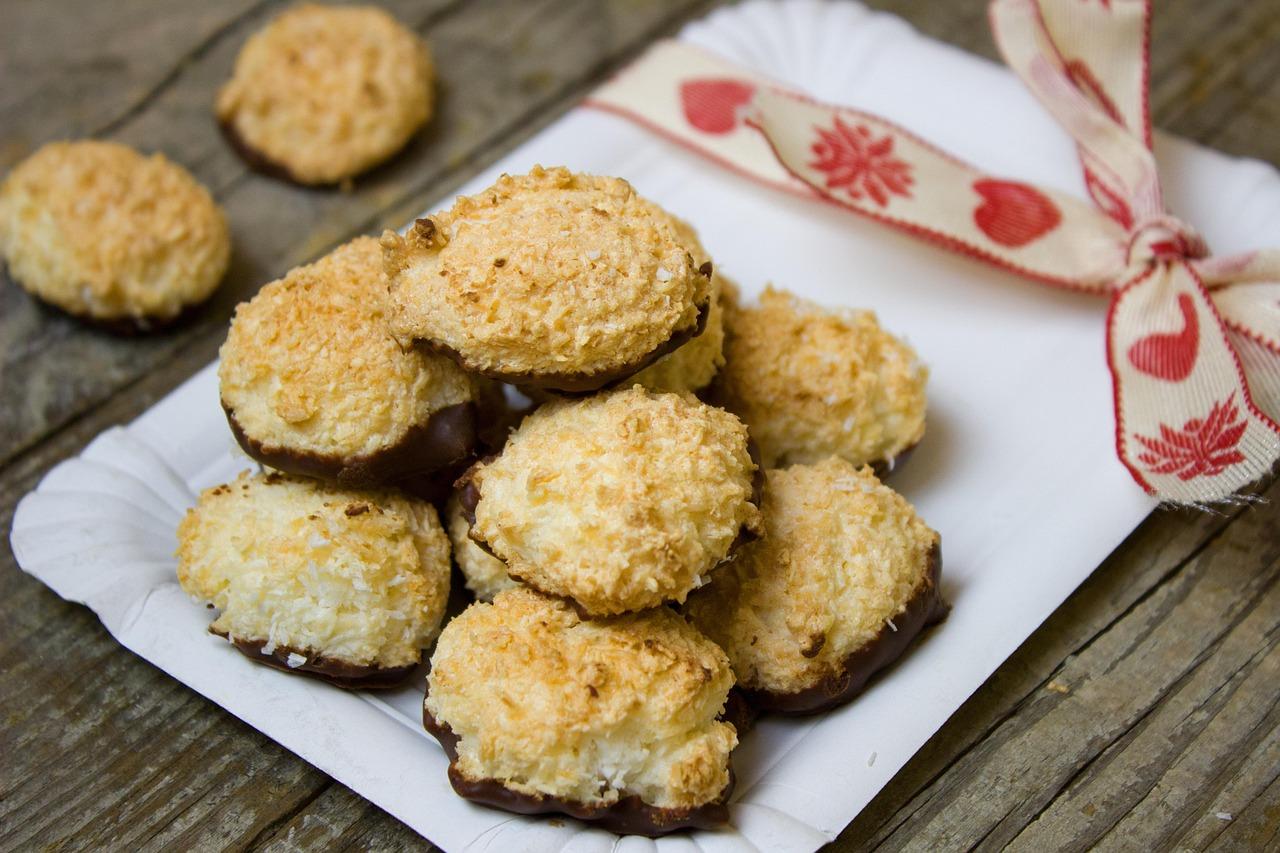
Coconut macaroons

Coconut macaroons are the Passover biscuit in Israel: every supermarket stacks them high before the holiday, but homemade ones from a Haifa or Jerusalem kitchen are far better, crisp and golden on the outside and moist and chewy inside. They need just desiccated coconut, egg whites, sugar and vanilla, with no flour or leavening, so they suit the Passover rules and are naturally gluten free and dairy free. Dip the bases in dark chocolate if you like. The common mistake is baking them on a hot tray straight from a previous batch, which burns the bases before the tops colour. Chef's tip: let the mixture rest for 15 minutes so the coconut soaks up the whites and the mounds hold their shape.

by KrazyBadal 0 views

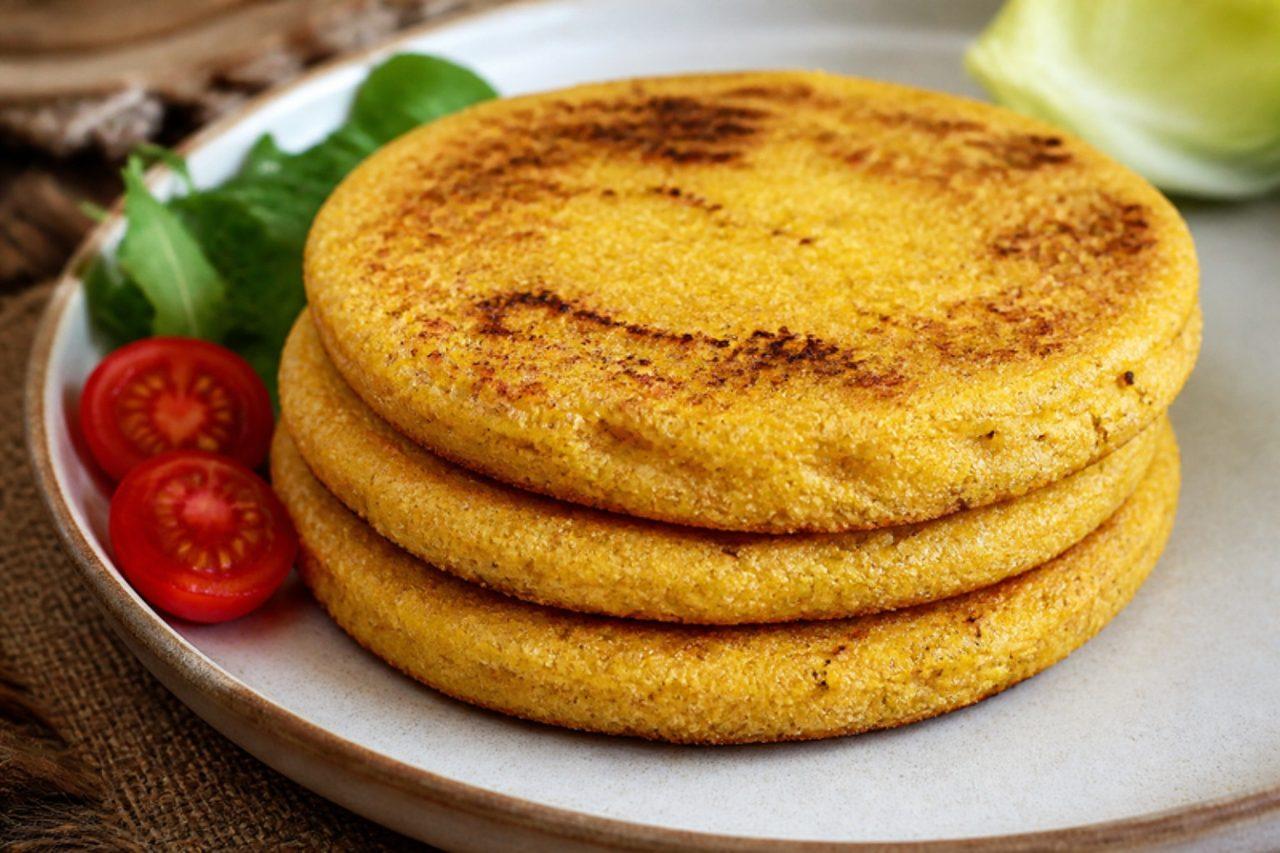
Aruban pan batiSweet cornmeal pancakes

Aruban families put a stack of pan bati on the table with almost every bowl of soup or stew, from sopi di pisca to kabritu stoba: thick, slightly sweet pancakes of cornmeal and flour, cooked on a dry griddle and torn to mop up the broth. They are soft, a little grainy and golden at the edges. The mistake is cooking them too fast, so they burn outside and stay raw in the middle. Chef's tip: let the batter rest for 10 minutes so the cornmeal softens and the pancakes come out tender.

by KrazyBadal 0 views

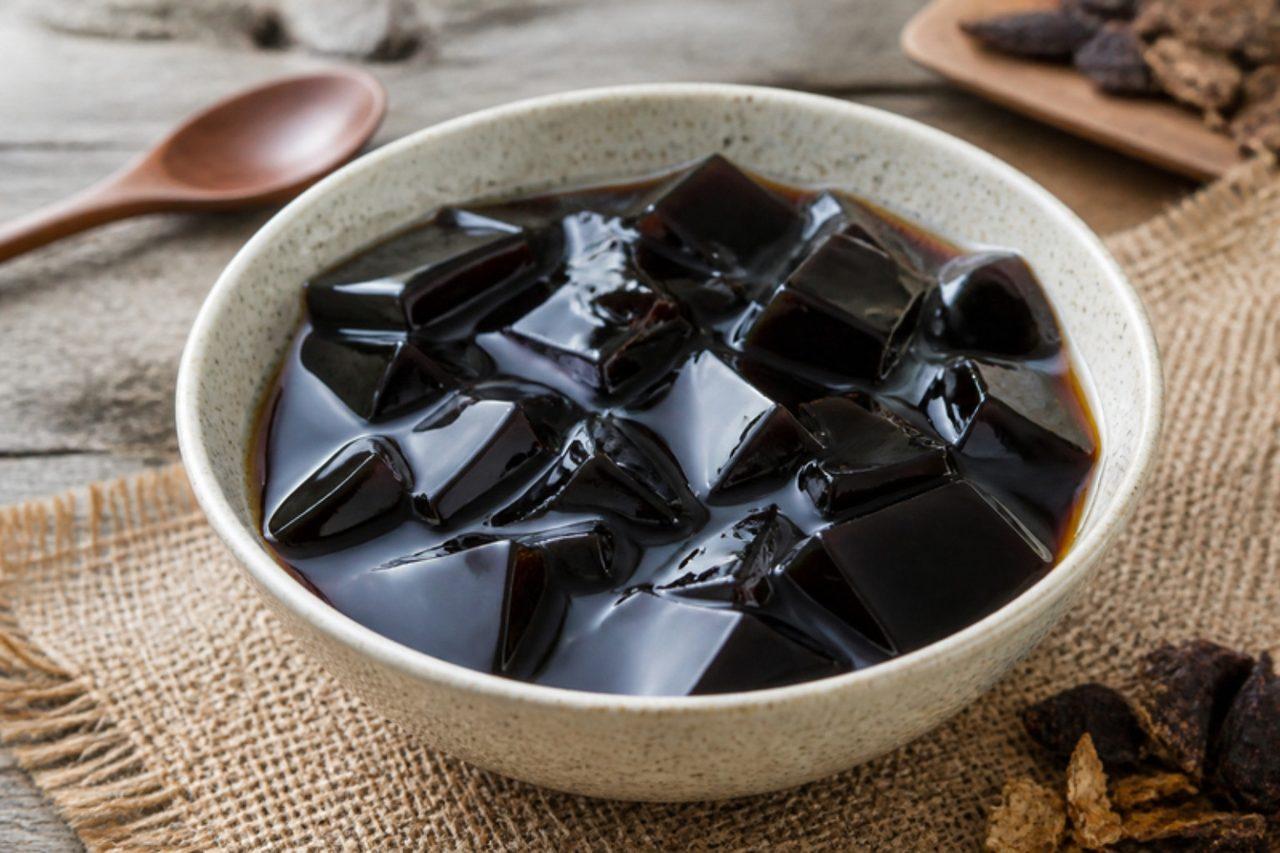
GuilinggaoBittersweet herbal jelly

Herbal tea shops along Hong Kong's busy streets sell black, glossy bowls of guilinggao as a cooling tonic in the humid months, and families keep a few cups in the fridge to eat as an afternoon snack. The jelly is firm yet smooth, deep and woody, and properly bitter, so it's eaten with a generous pour of syrup, or honey for those who aren't vegan, and sometimes a splash of coconut milk. The original is made by boiling turtle plastron with herbs for hours; the commercially sold herbal jelly powder used here is plant-based, so this is the vegetarian version. Lumps are the usual setback, which happen when the powder is added straight to hot water. Chef's tip: whisk the powder into cold water first, then pour it into the boiling water and keep stirring until it turns glossy.

by KrazyBadal 0 views

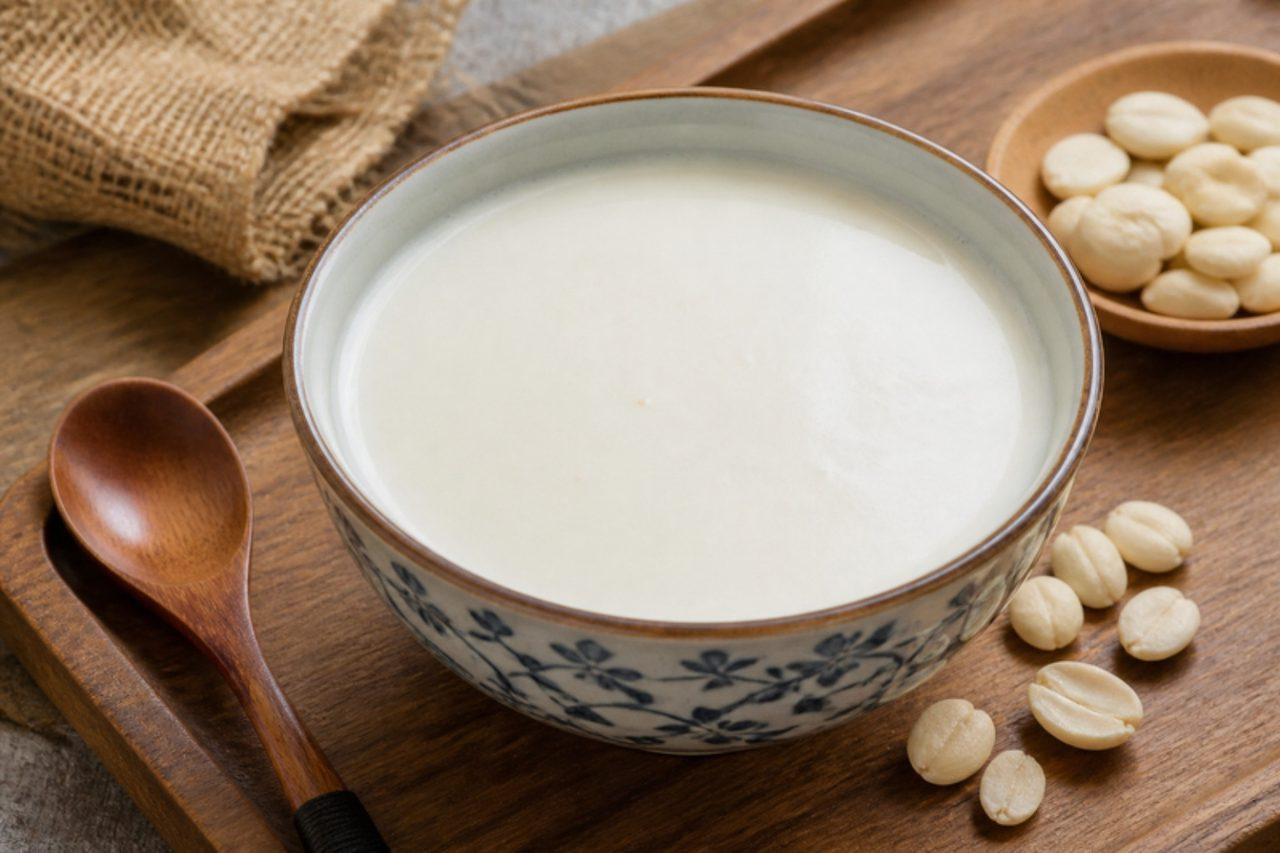
Almond tea

Despite the name, there's no tea in hang yan cha, and almonds play no part either: Hong Kong's version is ground from sweet apricot kernels, the 'southern almonds' sold loose in Chinese herbal shops. Old-style dessert shops in Yau Ma Tei and Sheung Wan ladle it hot from big pots after dinner, sometimes with a black sesame swirl, and grandmothers make it for coughs in the dry winter months. It is pale, creamy and smooth as single cream, with a perfumed, marzipan-like aroma and a gentle sweetness from rock sugar. A grainy texture comes from skipping the straining, so press the blended mixture through muslin. Chef's tip: stir constantly once it's on the heat; the rice starch catches on the bottom of the pan within seconds and gives the whole pot a scorched taste.

by KrazyBadal 0 views

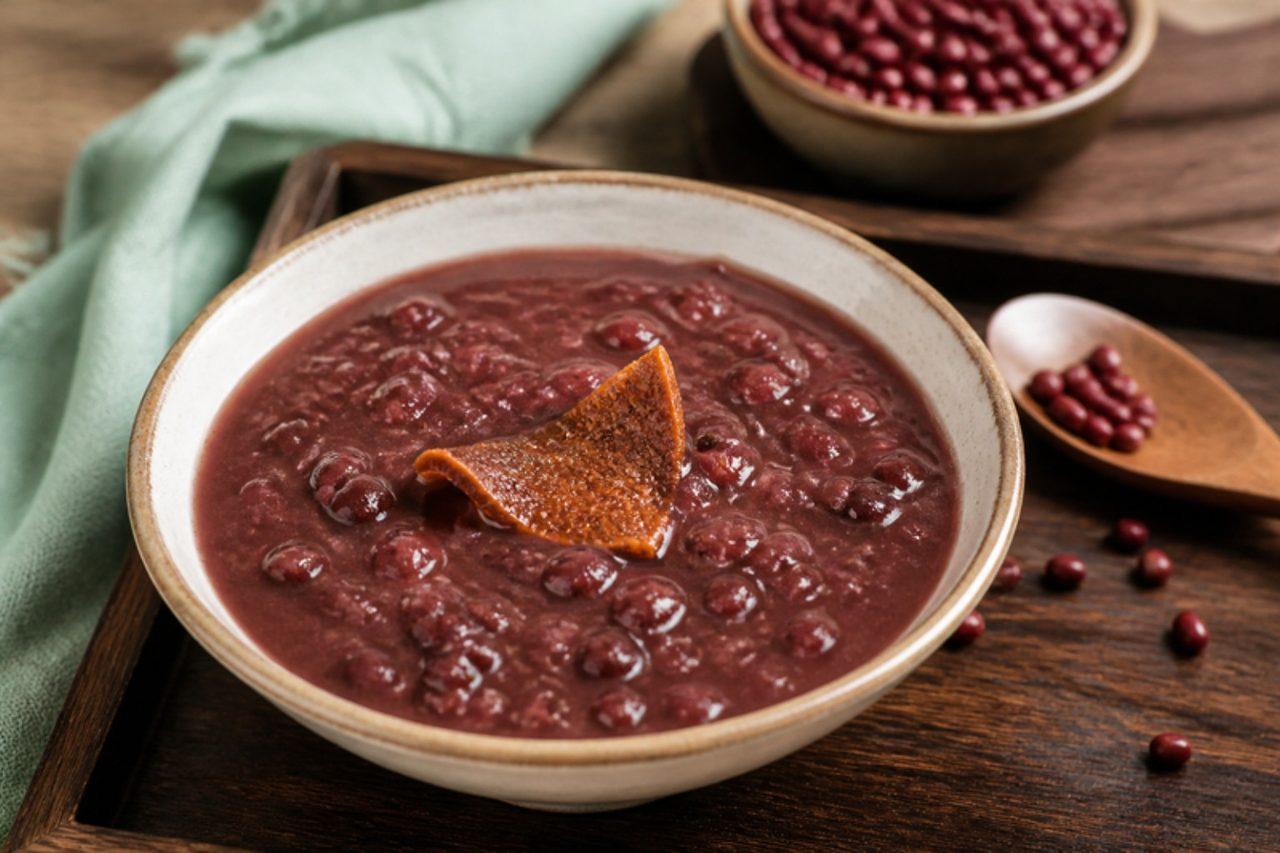
Red bean soup

Hong Kong Cantonese restaurants often send out a small bowl of hung dau sa on the house at the end of a banquet dinner, and dessert shops in Mong Kok serve it hot in winter and chilled with ice in summer. Long simmering breaks the adzuki beans down into a thick, velvety soup, part smooth and part whole beans, scented with the faintly bitter citrus of aged tangerine peel and sweetened with clean-tasting rock sugar. Some add a spoonful of coconut milk, lotus seeds or little glutinous rice balls. Adding the sugar too early is the common misstep, because it keeps the bean skins tough so they never collapse. Chef's tip: soak the beans, then freeze them in their soaking water for a few hours; the ice crystals crack the skins and halve the simmering time.

by KrazyBadal 0 views

Cheese blintzes

Cheese blintzes are the star of Shavuot breakfasts in Ashkenazi homes across Israel, and Jerusalem dairy cafés have served them for generations with soured cream and berry sauce. Thin crêpes, cooked on one side only, are wrapped around sweetened farmer cheese with lemon and vanilla, then fried in butter until crisp and golden outside and creamy within. Serve two per person with soured cream and a spoon of cherry or blueberry compote. Farmer cheese is usually rennet-free, but check the label and choose a vegetarian one. A common mistake is a wet filling: drain the cheese well or it leaks and the blintzes burst in the pan. Chef's tip: fill on the cooked side, so the pale raw side ends up outside and browns properly in the final fry.

by KrazyBadal 0 views

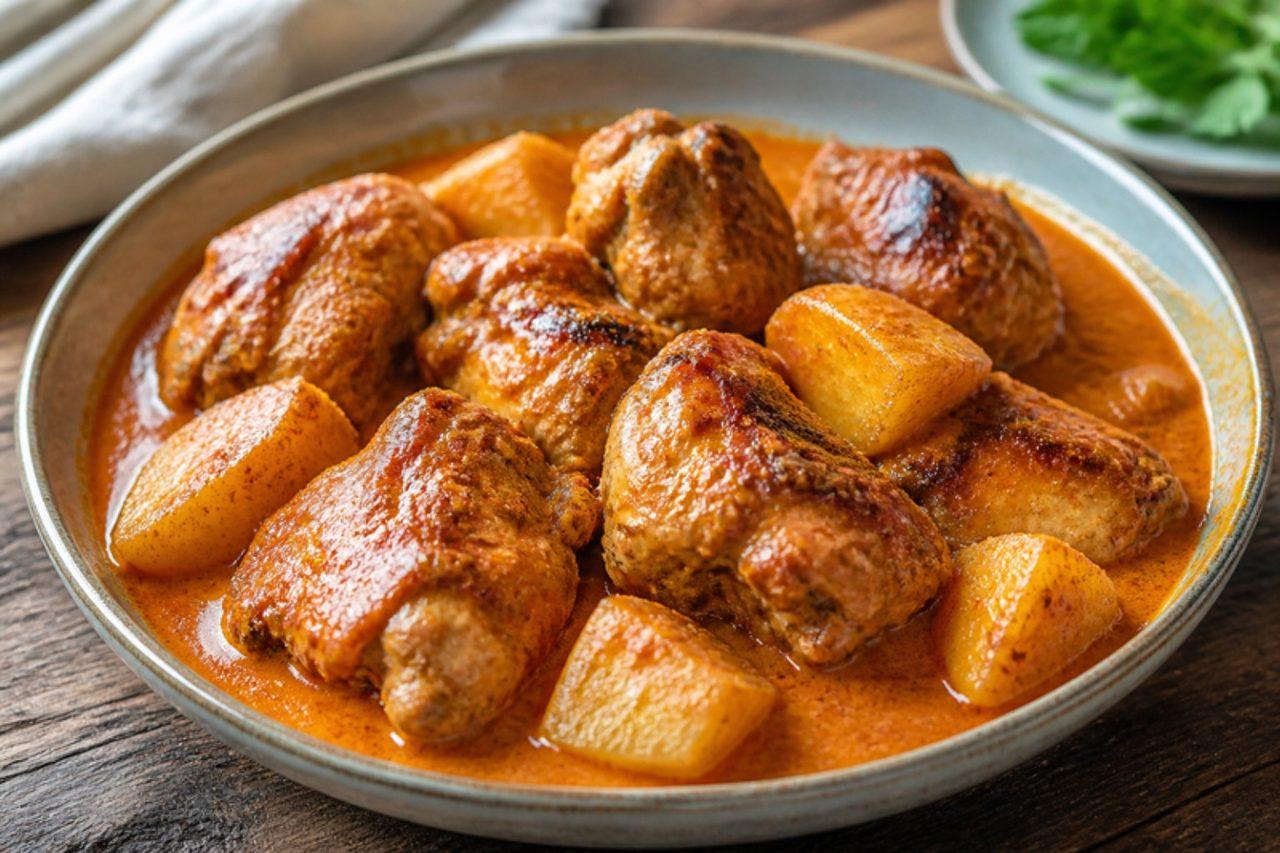
African chicken (Macanese galinha africana)

Macau restaurants have served galinha africana since the 1940s, and the story most often told is that a hotel chef in the city created it from spices that Portuguese sailors brought back from Mozambique and Angola. Today it is a signature at Macanese and Portuguese restaurants from Taipa village to Coloane, eaten at long weekend lunches with rice or crusty bread. Chicken pieces are marinated, grilled until charred, then baked under a thick, brick-coloured sauce of ground peanuts, coconut milk, chilli, paprika, garlic and onion that is rich, nutty and quietly fiery. It is often made with a pale, timid sauce; cook the onion, garlic and paprika slowly until really deep red before the coconut goes in. Chef's tip: marinate the chicken overnight in the fridge so the garlic and chilli reach the bone.

by KrazyBadal 0 views

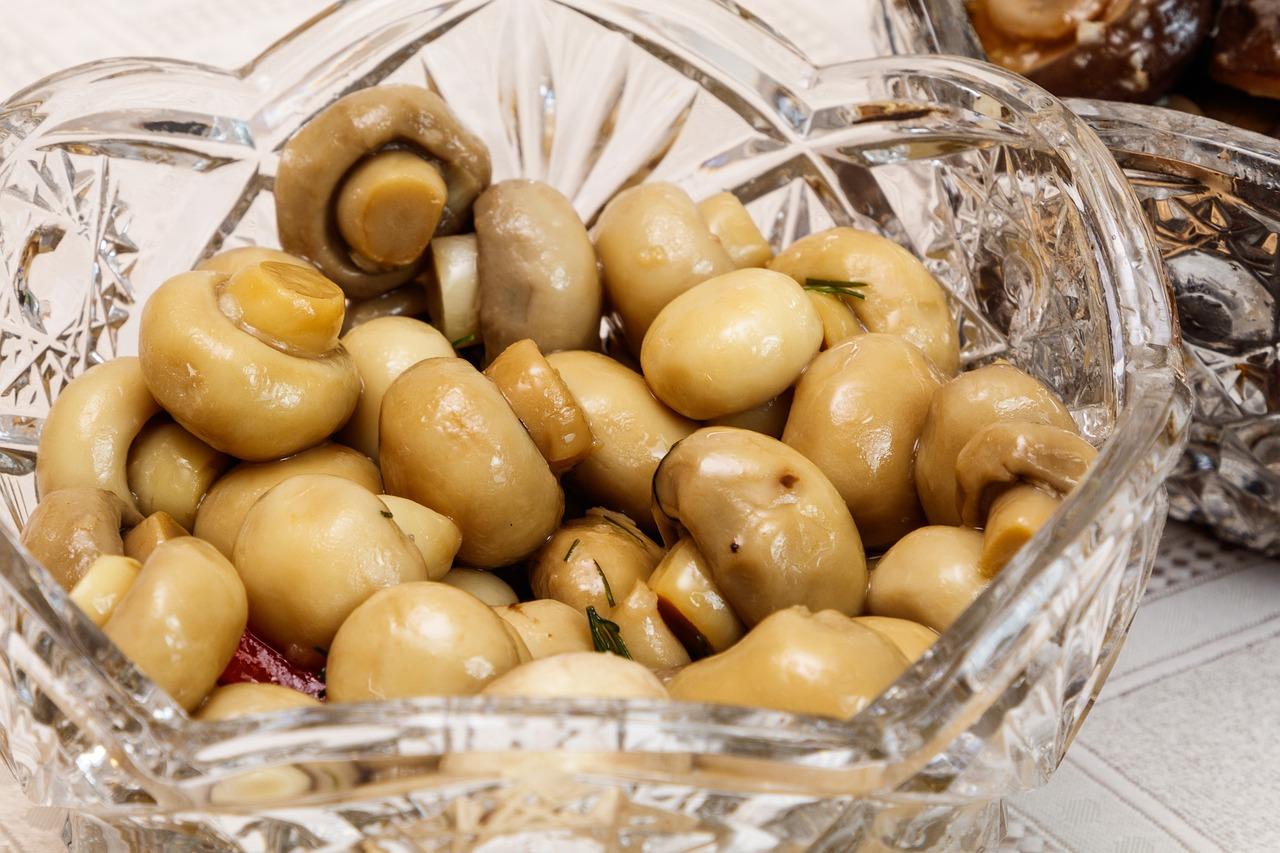
Grzybki marynowanePickled forest mushrooms

After an autumn morning of mushroom picking in the forests of Podlasie or the Bieszczady, the smallest, firmest boletes and slippery jacks are set aside for jars of grzybki marynowane. They come out at Christmas and on name days as a zakąska, sharp and sweet with allspice and mustard seed, sliced onion and firm, slightly slippery mushrooms. Only use wild mushrooms you bought from a trusted seller or had checked by an expert; cultivated chestnut or button mushrooms work well too. A common mistake is skipping the first boil in salted water, which leaves the pickle cloudy and the mushrooms soft. Chef's tip: cook the mushrooms until they sink, then pack them while hot under boiling marinade.

by KrazyBadal 0 views

GuarapoSugarcane juice

Guarapo stands, or guaraperas, pop up across Cuba wherever cane grows, crushing fresh stalks through a press and pouring the pale green juice straight over ice. It tastes grassy and gently sweet, never sugary, and it is drunk the moment it is pressed. You need a sugarcane press or juicer, or fresh peeled cane and a strong blender; bottled cane juice is a poor substitute. The common mistake is pressing the cane long before serving, because the juice darkens and starts to ferment within an hour. Chef's tip: chill the cane before pressing and add the lime as you press, which keeps the colour bright.

by KrazyBadal 0 views

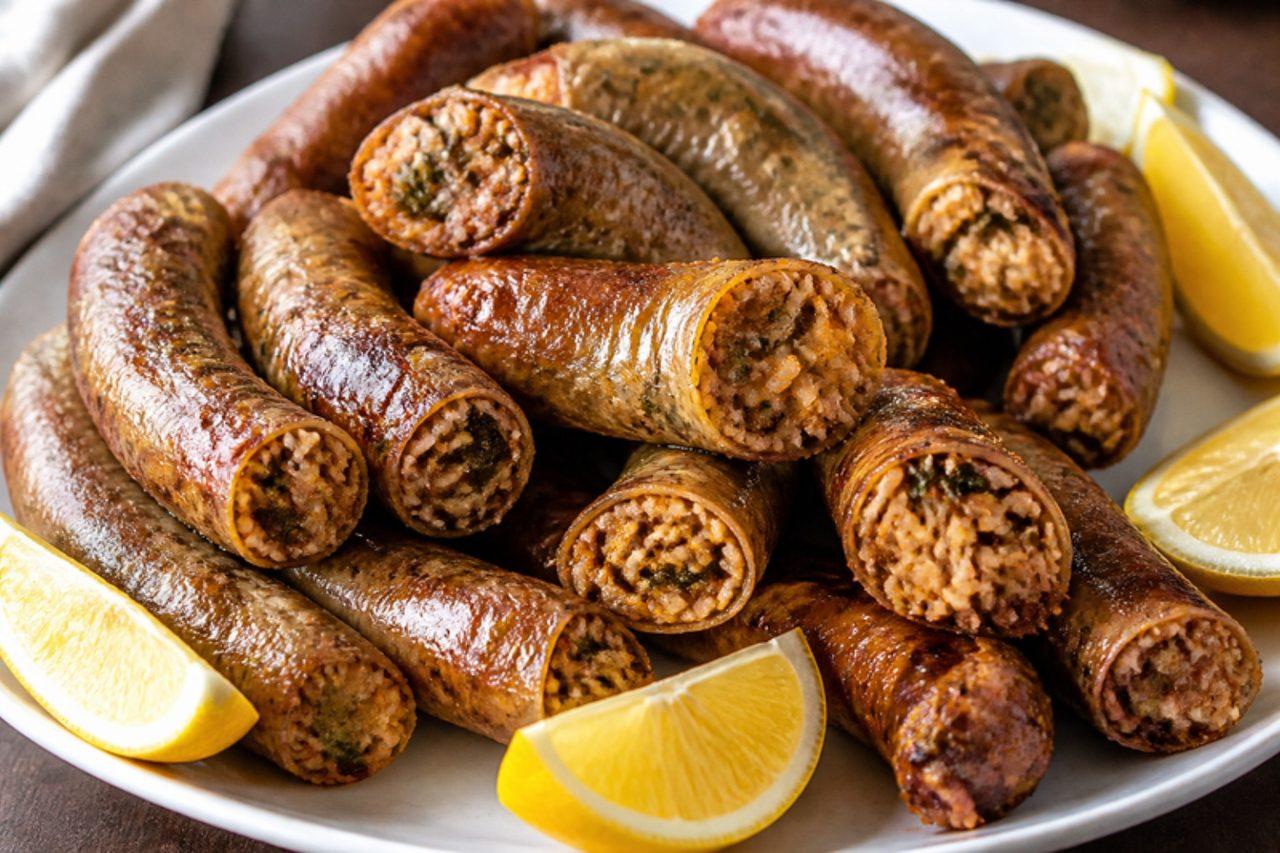
Mombar (rice-stuffed beef casings)

Mombar is festival food: in the days after Eid al-Adha, when the butchers have plenty of cleaned casings, families across Cairo and the Delta settle down to stuff them together, and street cooks in popular neighbourhoods sell crisp coils of it by weight. The filling is Egyptian short-grain rice with tomato, onion, dill, parsley and coriander, which swells inside the casing as it simmers, so each bite is soft, herby rice wrapped in a thin, crackling skin. It is eaten hot as a main dish or a side to roast meat, with lemon and a plate of pickles. Buy the casings ready-cleaned from a butcher; this recipe assumes they have been. The commonest mistake is overfilling the casings; packed full, the rice swells and they burst in the pot. Chef's tip: fill each length only two-thirds full; the rice doubles in size and an overstuffed casing bursts in the pot.

145 minEgyptianMeat
by KrazyBadal 0 views

Steamed custard buns (lau sa bao)

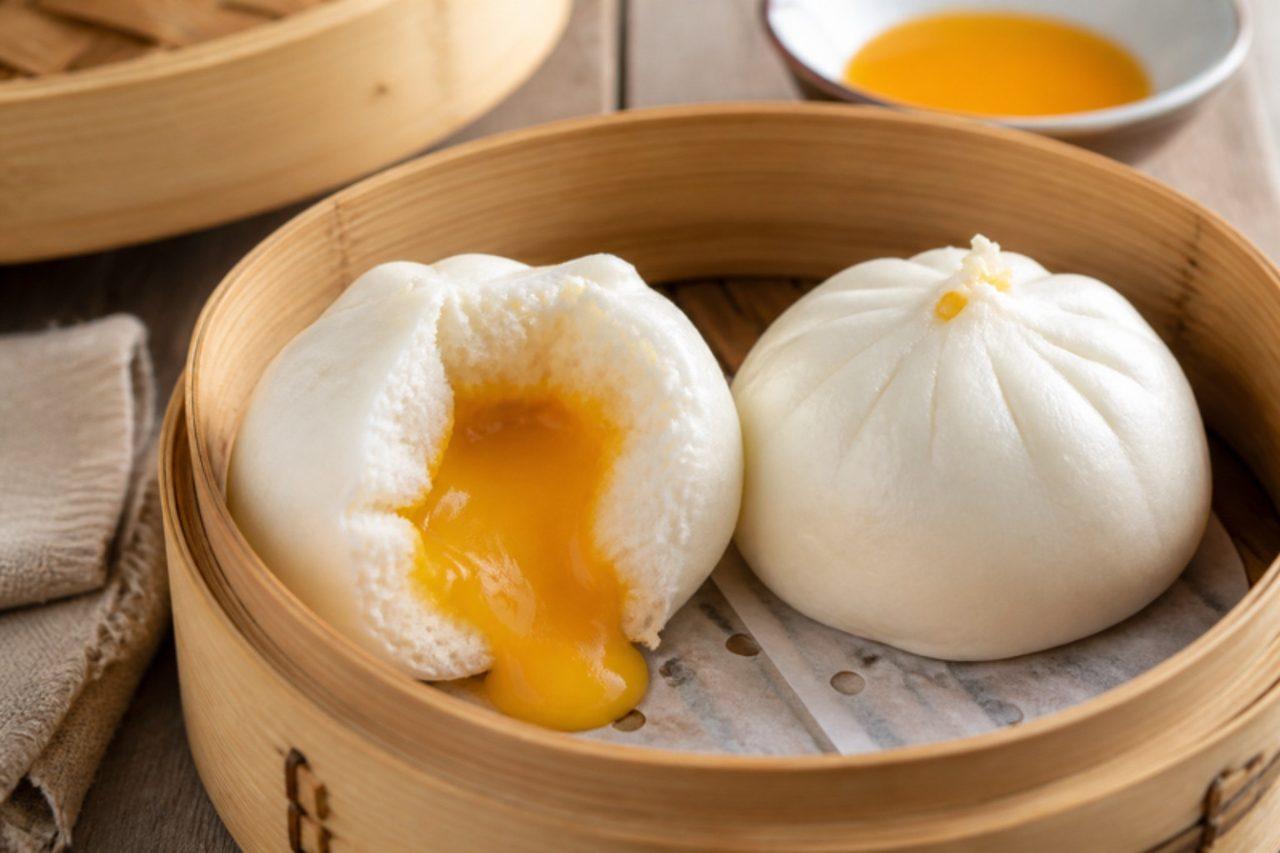
Tear one open at a Hong Kong yum cha table and a stream of golden, buttery custard runs out, which is exactly why the name means 'flowing sand'. The filling is sweet and salty at once, grainy with mashed salted duck egg yolk and rich with butter and milk powder, wrapped in a snow-white, cotton-soft bun. Teahouses from Central to Mong Kok bring them out in bamboo baskets of three, usually near the end of the meal with a pot of pu'er or chrysanthemum tea. Most failures happen when the filling goes into the dough soft: it smears, leaks through the seams and never turns runny inside. Chef's tip: freeze the filling balls until rock hard before wrapping, then serve the buns within a few minutes of steaming, while the butter is still liquid.

by KrazyBadal 0 views

Asa tibsFried tilapia pieces

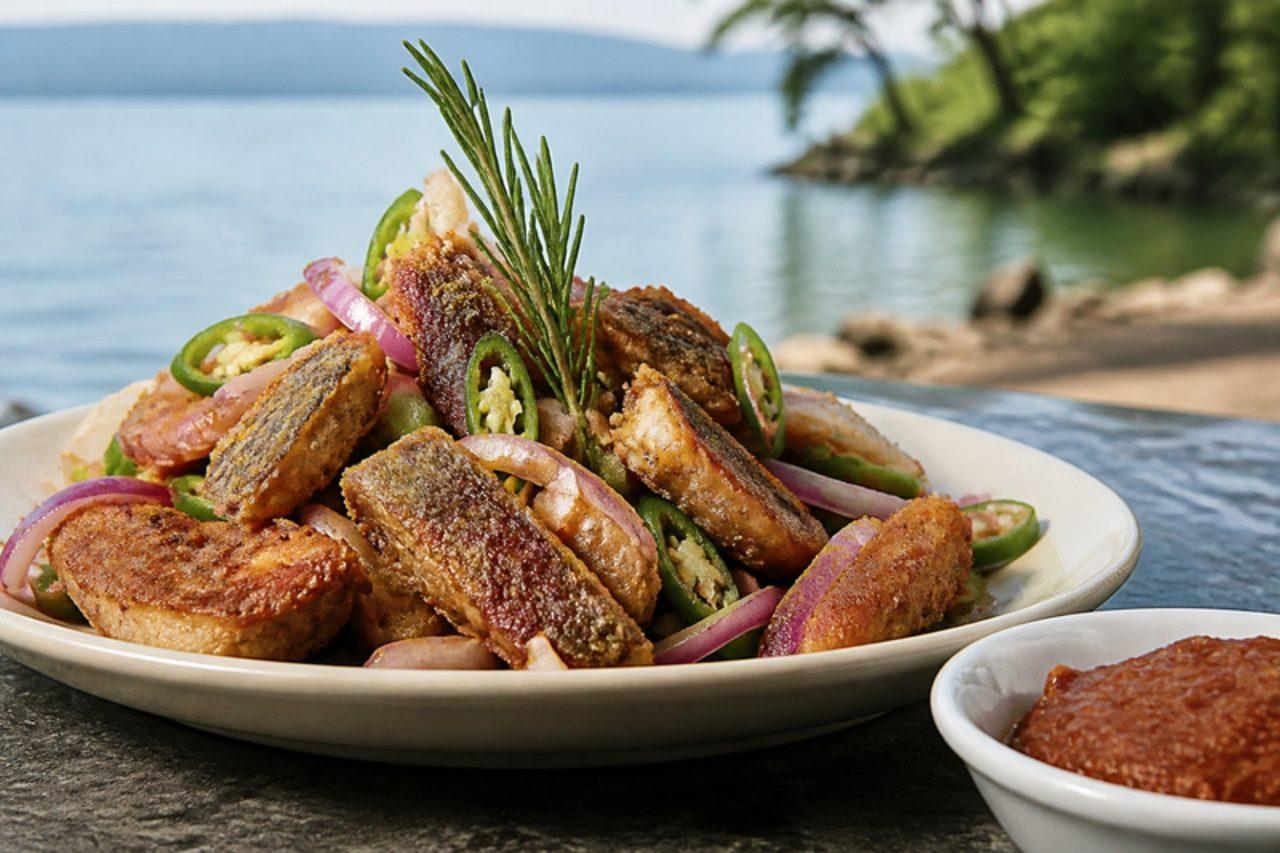
Down by the fish market on the shore of Lake Hawassa, cooks fry tilapia straight from the boats and serve it with injera, bread and a fiery dip, and asa tibs is the version you can easily make at home. Bite-sized pieces of fillet are dusted, fried until crisp and golden, then tossed briefly with soft onion, green chilli and a spoon of awaze, so the fish is crunchy outside, flaky and sweet inside, and coated in a spicy glaze. It is a favourite on fasting days for people who eat fish, and quick enough for a weeknight. Chef's tip: leave each piece undisturbed until it releases from the pan by itself; moving fish too early is the common mistake, and it tears the coating and breaks the flesh.

by KrazyBadal 0 views

Moni (millet dumpling porridge with tamarind)

Bamako mornings, and especially Ramadan mornings before dawn, often start with a bowl of moni: tiny balls of millet flour rolled by hand and cooked in water until they turn plump and chewy in a smooth porridge. Tamarind gives it a clear sourness, sugar balances it, and some cooks add a squeeze of lemon or a little fresh ginger. It is thinner than tô and meant to be drunk from the bowl or eaten with a spoon. This version is vegan; some families stir in milk or soured milk at the table. Don't drop the dumplings into water that isn't boiling, or they dissolve into the porridge. Chef's tip: roll the balls small, no bigger than a chickpea, and let them dry on the tray for ten minutes before cooking so they hold together instead of dissolving.

by KrazyBadal 0 views

Kartoshka cakeCocoa and cake crumb truffles

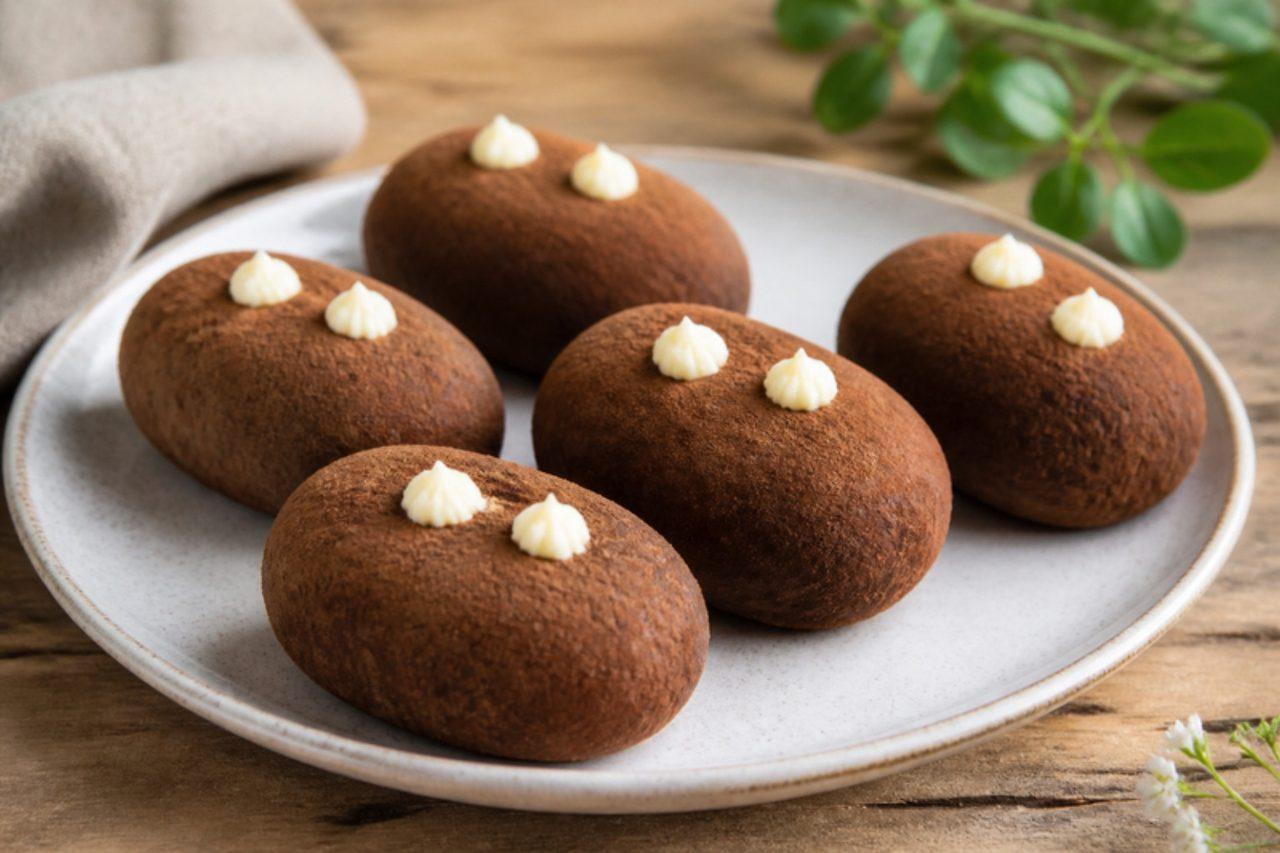
Soviet cafés and school canteens sold these knobbly brown 'potatoes' for a few kopecks, and they began as a thrifty way to use up sponge and biscuit trimmings at the bakery. Crumbs are bound with butter and sweetened condensed milk, flavoured with cocoa and vanilla, shaped into little potatoes, rolled in cocoa and finished with two dabs of pale butter cream for the sprouts. They are fudgy and dense like a brownie truffle, need no oven, and children love making them. Traditional bakers added a spoonful of rum, an optional extra for adult batches only; this version is alcohol-free with vanilla. The usual slip is coarse crumbs, which make the potatoes crack, so blitz them as fine as sand. Chef's tip: chill the shaped potatoes for at least 20 minutes so they hold their shape and slice cleanly.

by KrazyBadal 2 views

Frankincense water

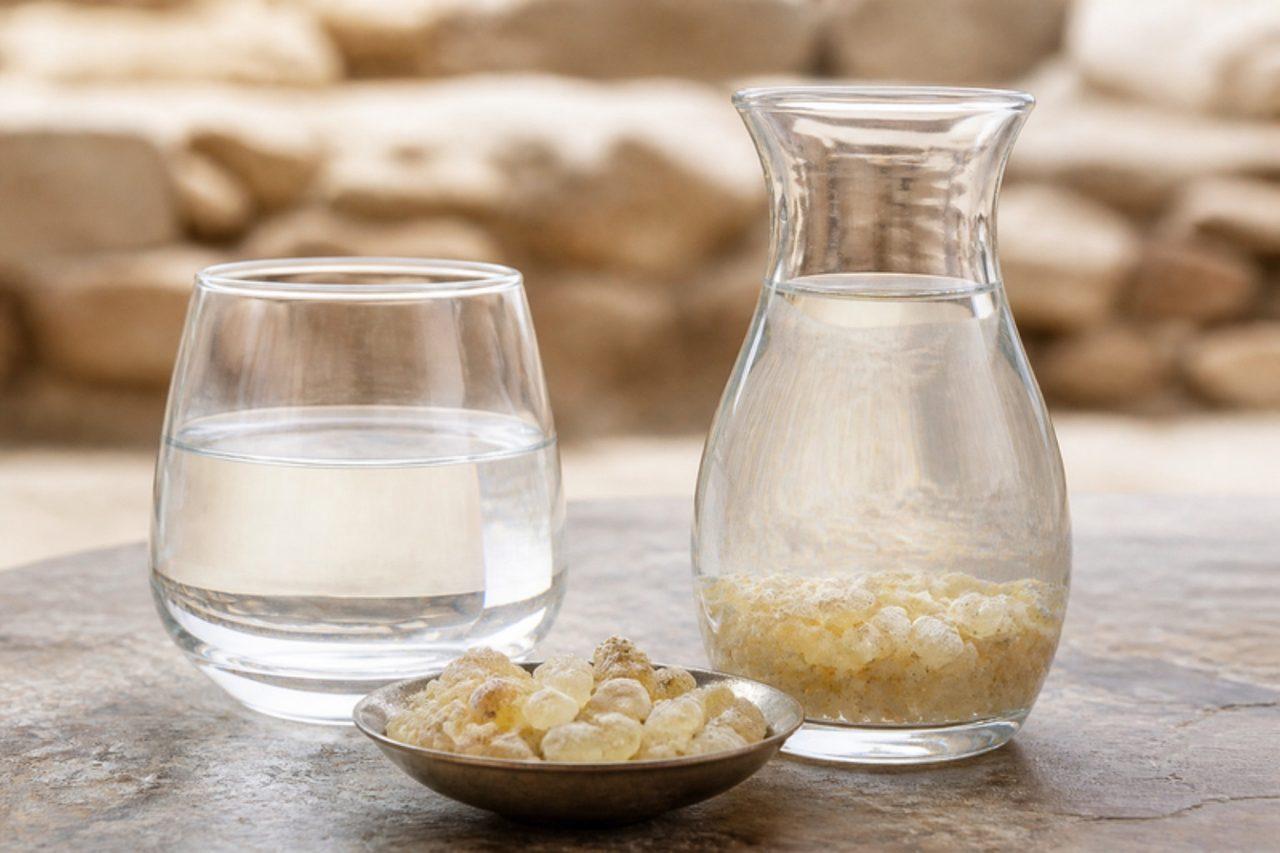
Around Salalah in Oman's Dhofar region, where the frankincense trees grow on the dry hills behind the coast, many households drop a few tears of resin into a jug of water at night and sip it the next day, believing it settles the stomach. The water turns faintly milky and tastes cool, piney and slightly bitter. It is drunk at room temperature, in small glasses, often in the morning. Use only food-grade Boswellia sacra resin sold for eating (the pale hojari grade is best), never incense blends, and do not drink it if you are pregnant or breastfeeding, or without asking a doctor if you take regular medication. The mistake is using too much resin, which makes it unpleasantly bitter. Chef's tip: rinse the tears in a sieve first to wash off dust and resin powder, and the water will be clearer and gentler.

by KrazyBadal 0 views

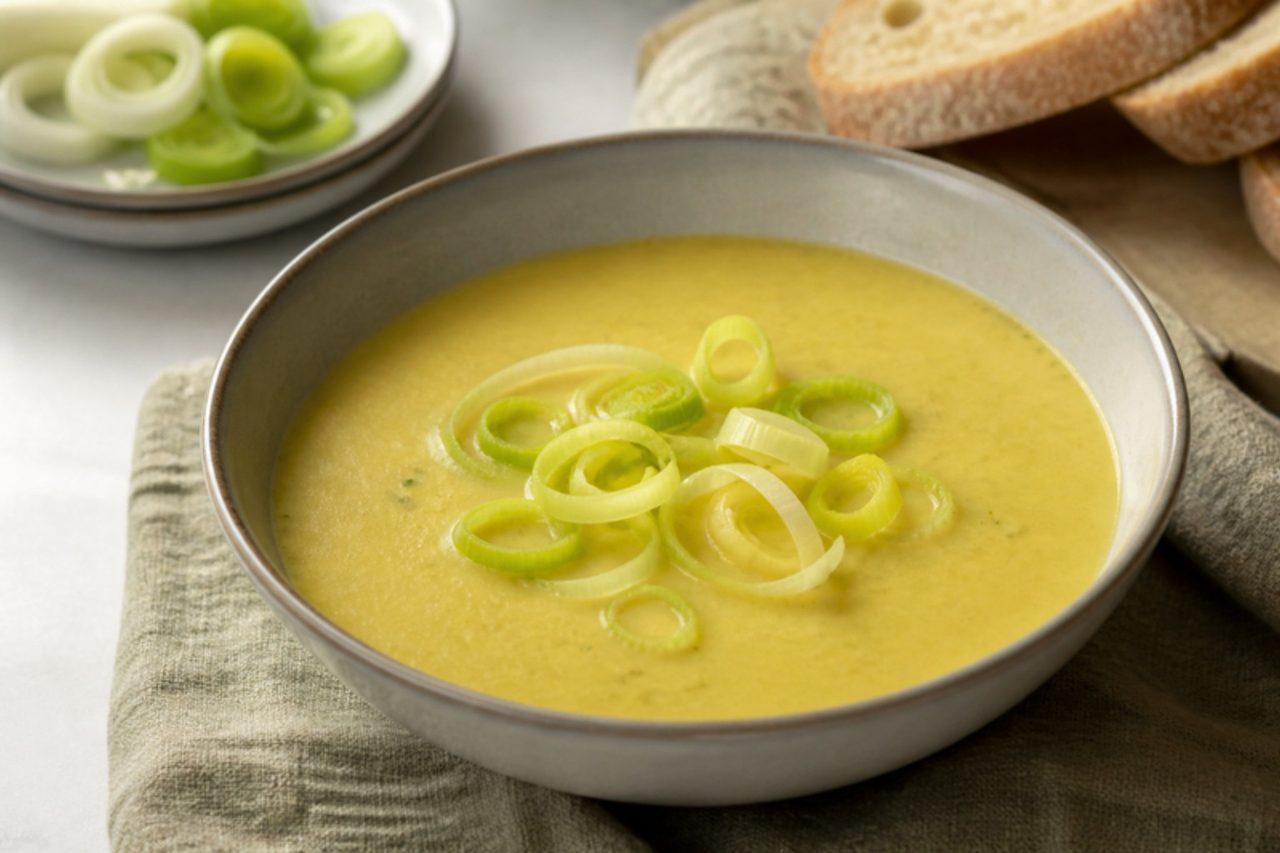
Groninger mosterdsoepMustard and leek soup

Groningen in the far north of the Netherlands has been making mustard since the Middle Ages, and its creamy mustard soup is served in every café in the city: a velvety roux soup with leek, stock and cream, sharpened with a generous amount of coarse Groninger mustard. Most cafés top it with crisp bacon bits; this vegetarian version uses toasted croutons and chives. A common mistake is boiling the soup after the mustard goes in, which makes it bitter and grainy. Chef's tip: whisk the mustard in off the heat at the end, so it keeps its tang.

30 minDutchSoups
by KrazyBadal 0 views

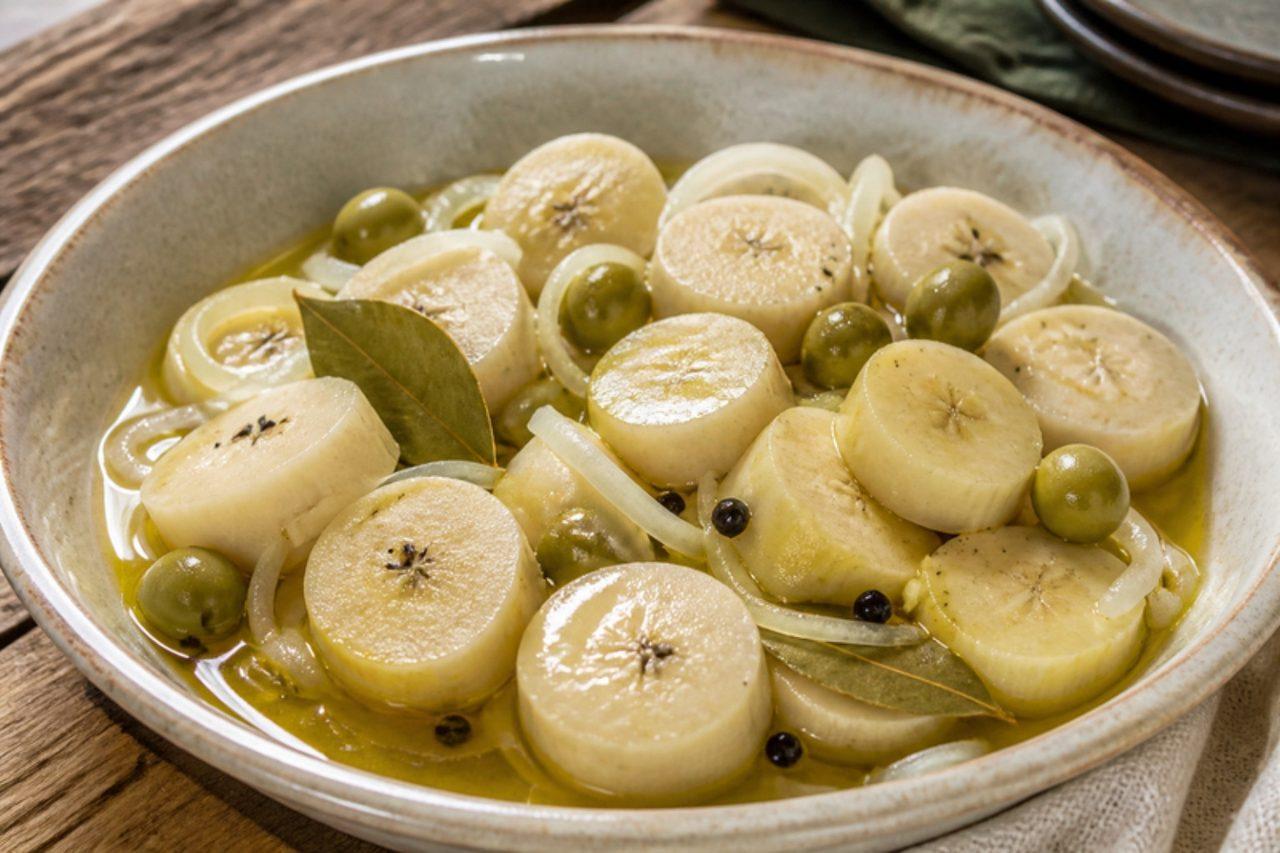
Guineítos en escabechePickled green bananas

Every Puerto Rican Christmas table and roadside lechonera on the Ruta del Lechón in Guavate seems to have a bowl of these: green bananas boiled, sliced into thick coins and left to steep in a garlicky olive-oil and vinegar marinade with soft onions, bay and green olives. They are sharp, silky and filling, and taste even better on the second day, so they are made in big batches for parties. The common mistake is boiling the bananas until mushy; they should be tender but still hold their coin shape. Peel them with oiled hands or gloves, because the sap stains. Chef's tip: pour the marinade over the bananas while both are still warm, so the starch soaks up the flavour.

by KrazyBadal 0 views

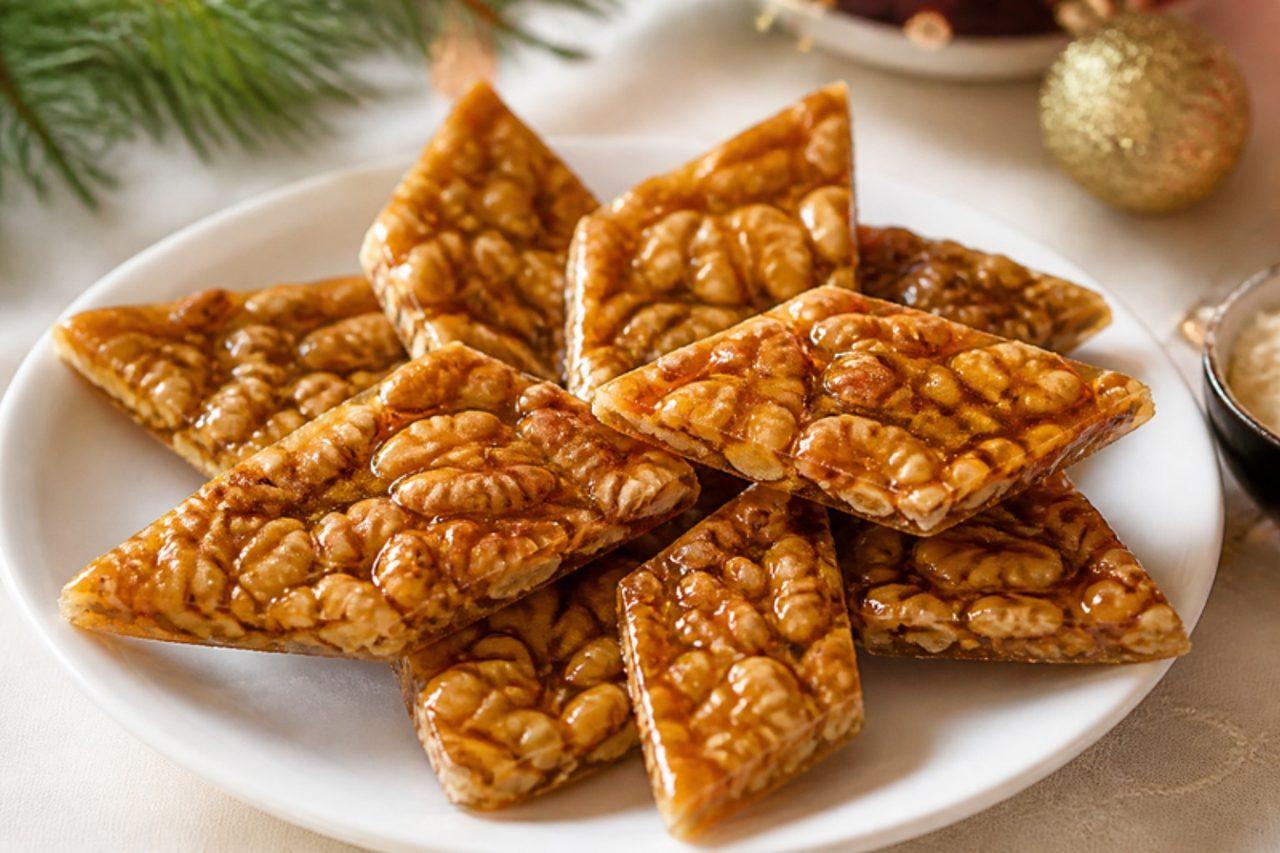
GozinakiWalnut and honey diamonds

Gozinaki is the sweet every Georgian family makes for New Year's Eve, from Tbilisi flats to Kakhetian farmhouses: toasted walnuts stirred into honey boiled until thick, spread on a wet board and cut into diamonds that set glossy and crunchy. Children help shell the walnuts in December, and a plate of gozinaki sits on the table for the midnight toasts. A common mistake is taking the honey off too early; it stays sticky and the pieces never set. Chef's tip: cook the honey until a drop in cold water forms a firm, pliable ball, then work fast, because the mixture sets as it cools.

by KrazyBadal 0 views

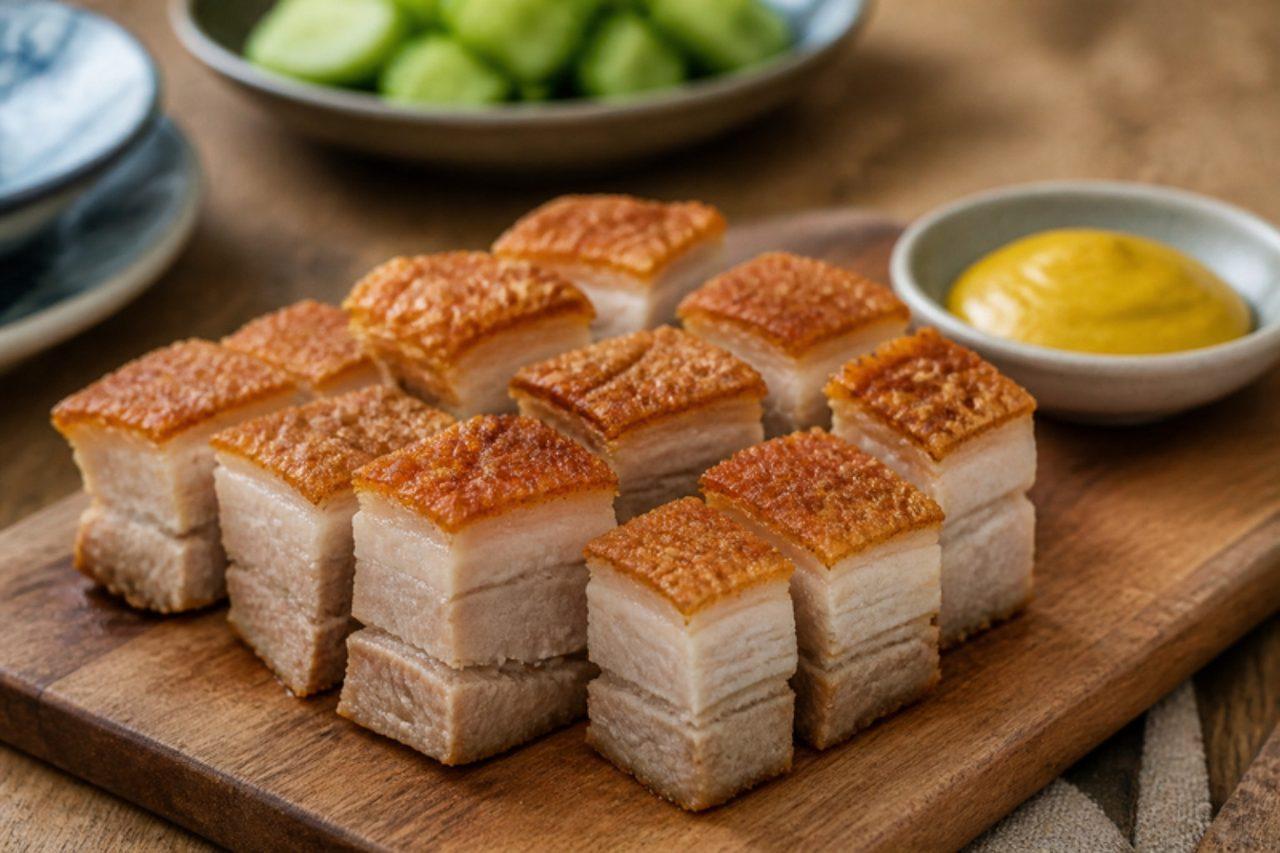
Siu yuk (Cantonese crispy roast pork belly)

Hanging in the window of every Hong Kong siu mei shop beside the char siu and roast goose, siu yuk is a slab of pork belly whose skin has been roasted into a glassy, bubbled crackling that crunches loudly over juicy, five-spice-seasoned layers of meat and fat. Shops chop it into cubes for rice boxes at lunch, and whole slabs are carried to temples and family altars at Ching Ming and on festival days. Serve it with English-style mustard and a dish of sugar for dipping, plus rice and greens. The usual error is a damp skin: any moisture left on it steams instead of crackles, so the belly must dry uncovered in the fridge overnight. Chef's tip: prick the skin all over with a sharp skewer until it looks like sandpaper; those tiny holes are where the blisters start.

by KrazyBadal 0 views

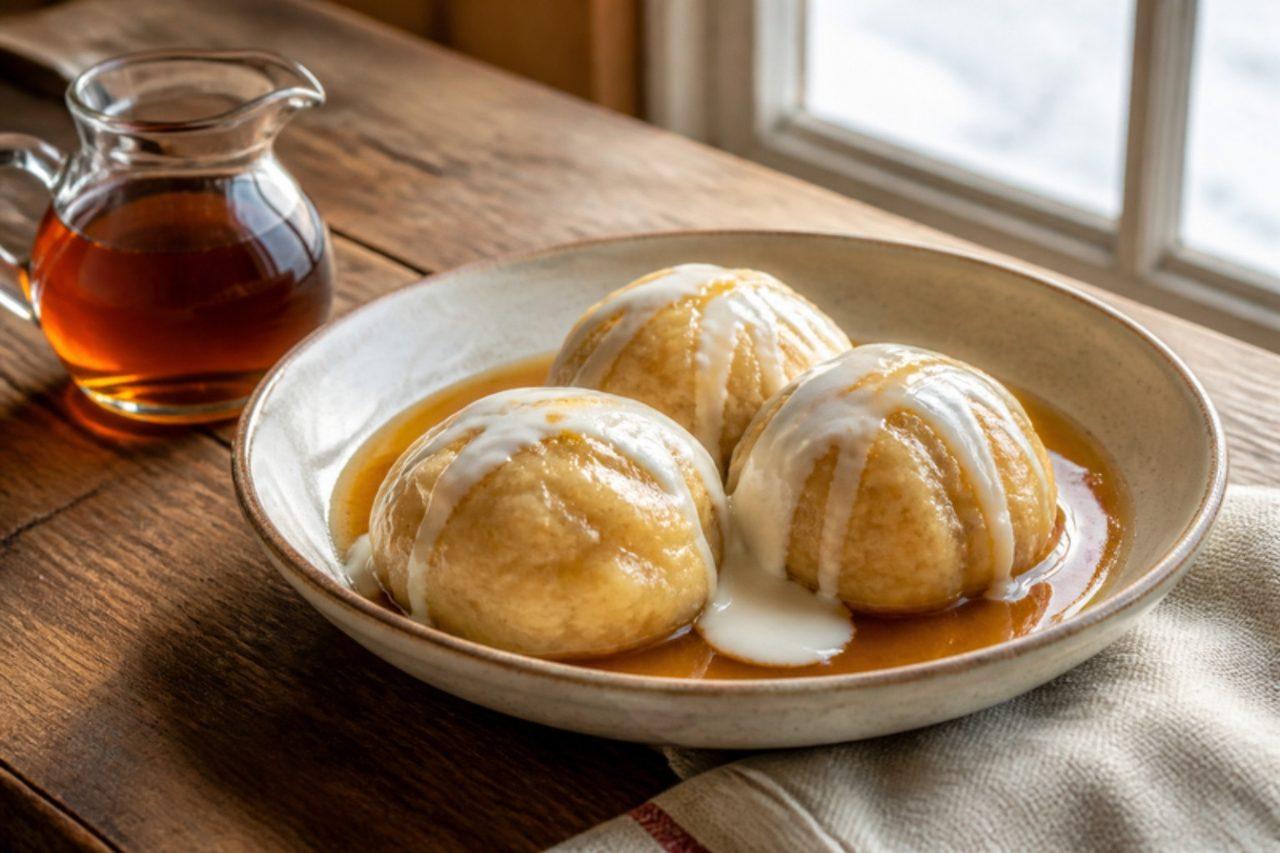
Grandfathers in maple syrupDumplings in maple syrup

Grands-pères are the dessert of the Quebec sugar shack in March and April, when sap is running and the cabane à sucre serves long breakfasts. Soft scone-like dumplings are dropped into simmering maple syrup and cooked under a lid until they puff up and soak in the syrup from below. In Beauce and the Eastern Townships families make them at home with the first syrup of the year. Serve warm in bowls with cold cream poured over. A common mistake is letting the syrup boil hard, which scorches it and makes it bitter. Chef's tip: keep the lid on for the full cooking time; lifting it lets the steam out and the dumplings sink and turn heavy.

by KrazyBadal 0 views

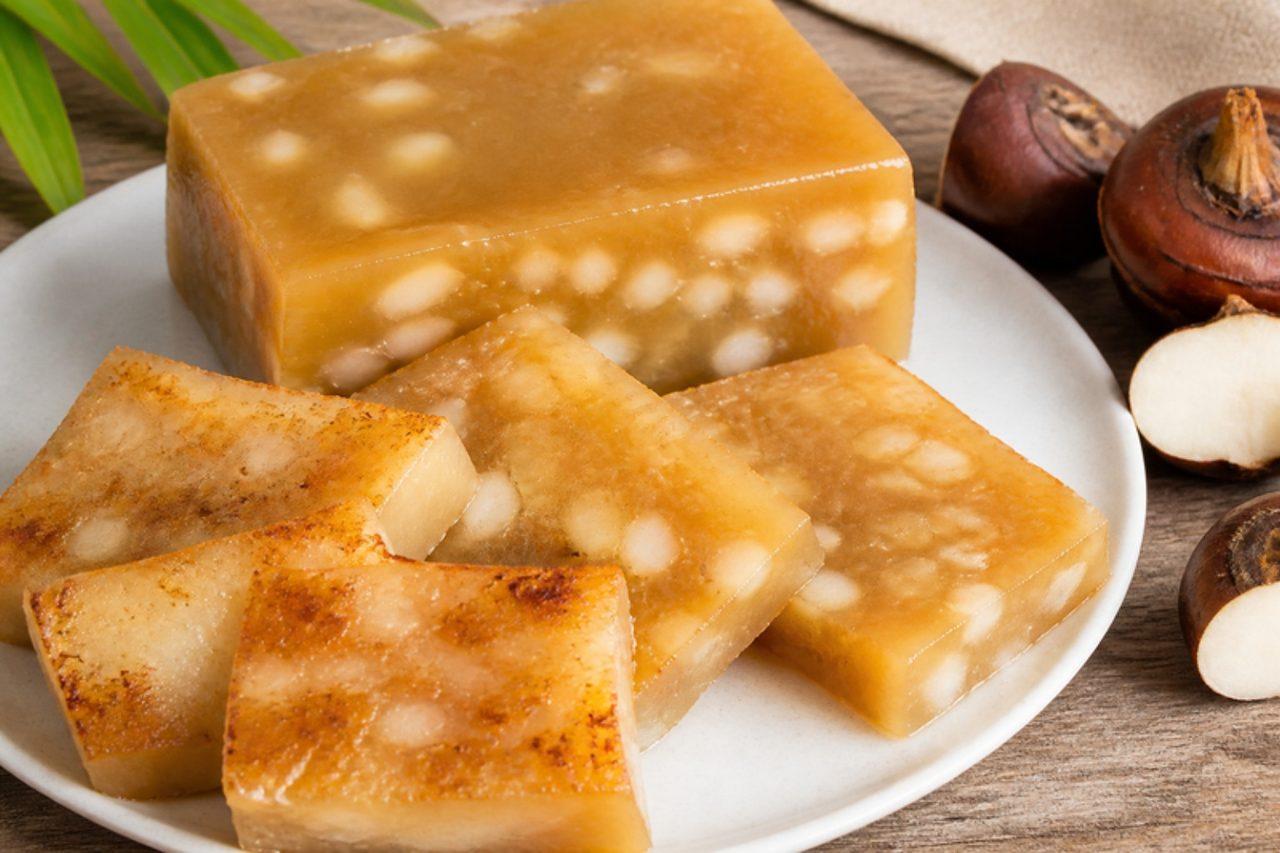
Water chestnut cake

Dim sum halls across Hong Kong lay out amber squares of water chestnut cake on small plates, and every Lunar New Year home kitchens steam a tray to give away to visitors. Set from water chestnut starch and brown slab sugar, the cake is translucent and gently chewy, flecked with pieces of fresh water chestnut that stay crisp and juicy. It is eaten cold and wobbly in summer, or sliced and pan-fried until the outside forms a caramel crust with a soft centre, with a cup of jasmine or oolong tea. A frequent problem is a lumpy, cloudy cake, which comes from pouring the hot syrup into the starch all at once without stirring. Chef's tip: let the cake set completely, ideally overnight in the fridge, before slicing with a knife dipped in water.

by KrazyBadal 0 views

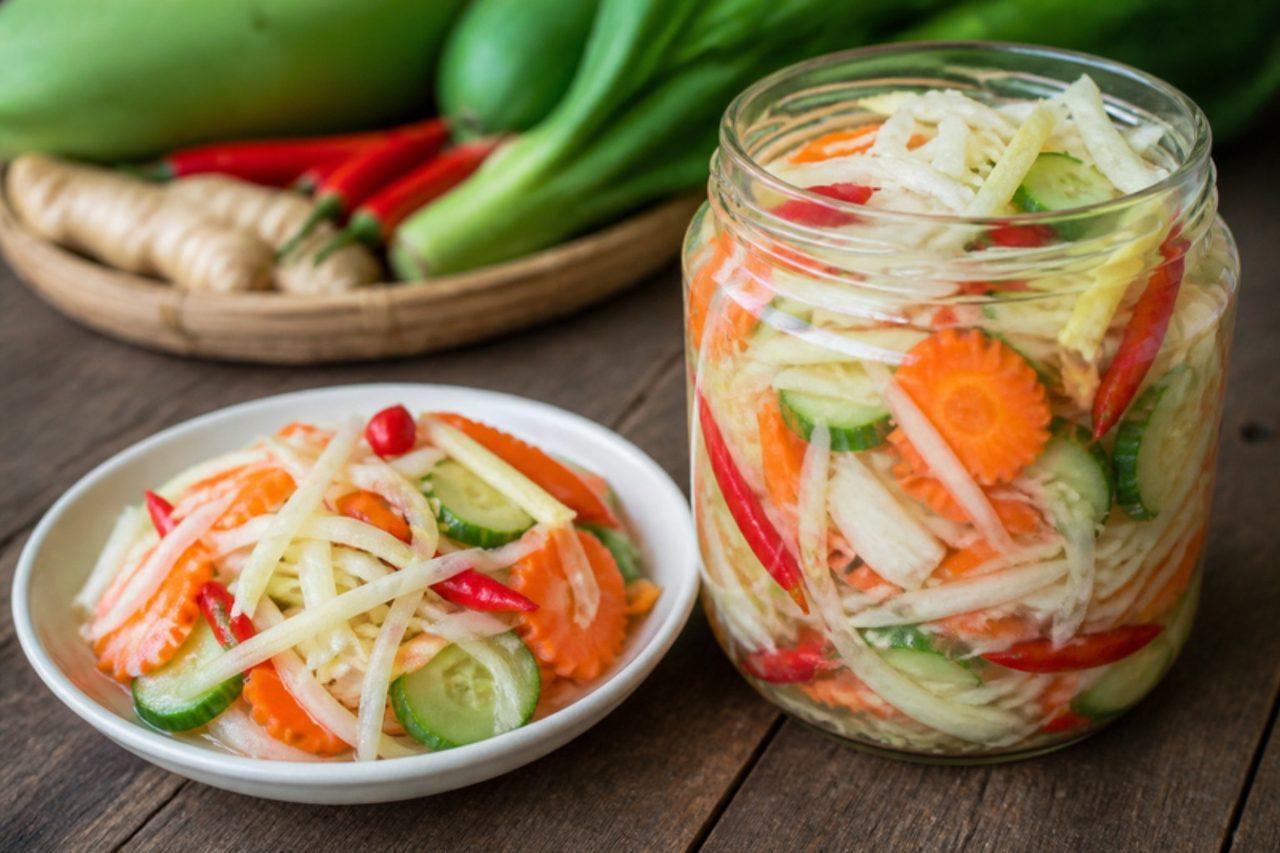
Khmer pickled vegetables

Cambodian cooks keep a jar of chrouk in the fridge the way others keep ketchup. These quick pickles of green papaya, carrot, cucumber and a little ginger come on the side of broken-rice breakfasts in Phnom Penh, with grilled food at night markets and tucked into num pang baguettes, adding crunch and a sweet-sour snap to anything rich or smoky. The brine is simply rice vinegar, sugar and salt, which keeps the vegetables pale and crisp. Pouring the brine on boiling hot is the classic slip: it softens the cucumber and dulls the colours. Chef's tip: salt the papaya and carrot for 15 minutes and squeeze them before jarring; they stay crunchy for a week instead of turning floppy by day two.

by KrazyBadal 0 views

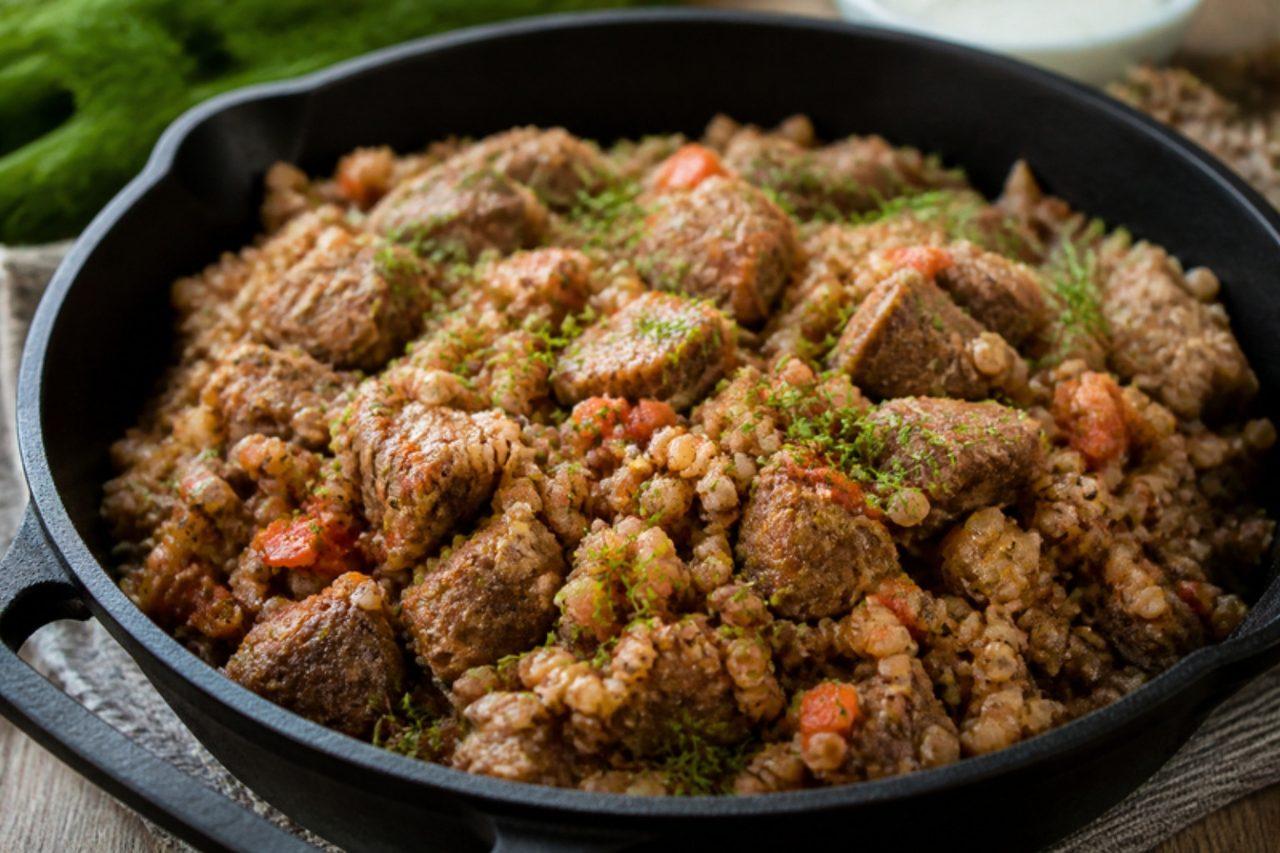
Grechka po-kupecheskiMerchant-style buckwheat

Russian merchants of the nineteenth century liked their buckwheat with meat in it, and "merchant-style" grechka became a hearty one-pan supper that students, soldiers and busy parents still cook today. Cubes of pork shoulder are browned with onion and carrot, enriched with tomato, then roasted buckwheat simmers in the same pan until every grain is separate and steeped in the juices. It is earthy, savoury and filling, best with a salted cucumber or a spoon of tsakhdon-style garlic sour cream. The usual slip is stirring the buckwheat while it cooks, which breaks the grains into mush; cover the pan and leave it alone. Pork pieces should be fully cooked to 71 °C. Chef's tip: toast the buckwheat in the pan for a minute before adding water to deepen its nutty taste.

by KrazyBadal 0 views

Gbegiri (Yoruba bean soup)

Order amala at any buka in Ibadan or Oyo and the server will ask "abula?", meaning a ladle of gbegiri and a ladle of ewedu poured side by side, usually crowned with a spoon of pepper stew. Gbegiri itself is smooth, mellow and earthy: peeled black-eyed beans cooked until they fall apart, beaten to a cream and simmered with red palm oil and pungent locust beans. Many cooks add ground crayfish or smoked fish; this is the meat-free way, which loses nothing of its velvet texture. Serve it with amala and ewedu or spooned over boiled yam. The mistake to avoid is leaving bean skins in, which turns the soup grey and gritty, so rub and rinse until the beans are white. Chef's tip: whisk the cooked beans with a balloon whisk or the traditional ijabe broom rather than a blender for the lightest, fluffiest gbegiri.

by KrazyBadal 0 views

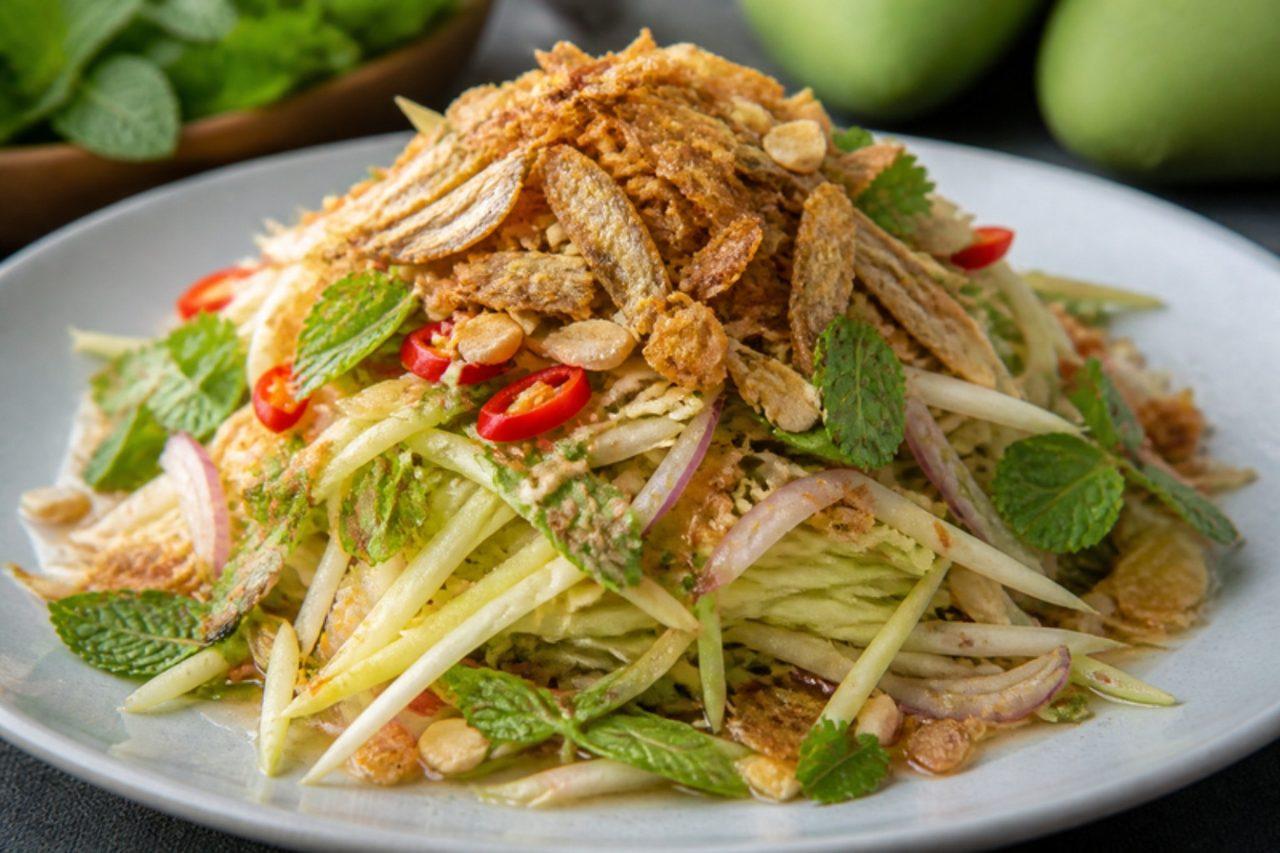
Khmer green mango salad with crispy dried fish

Sharp enough to make you wince and then reach for more, nhoam svay is the salad sold from glass-fronted carts around Siem Reap's Old Market and packed for weekend picnics at the West Baray reservoir. Hard green mango is cut into fine strands and tossed with shallots, mint and a dressing of lime, fish sauce and palm sugar, then topped with crunchy roasted peanuts and flakes of salty dried fish fried until crisp. It is eaten as a snack on its own or as a fresh, sour side to grilled meat and rice. Many people dress it too early, which draws water out of the mango and leaves a limp, watery salad. Chef's tip: fry the dried fish slowly until it shatters, then crumble it over at the very last moment; for a vegetarian version, leave it out and use soy sauce in place of the fish sauce.

by KrazyBadal 0 views

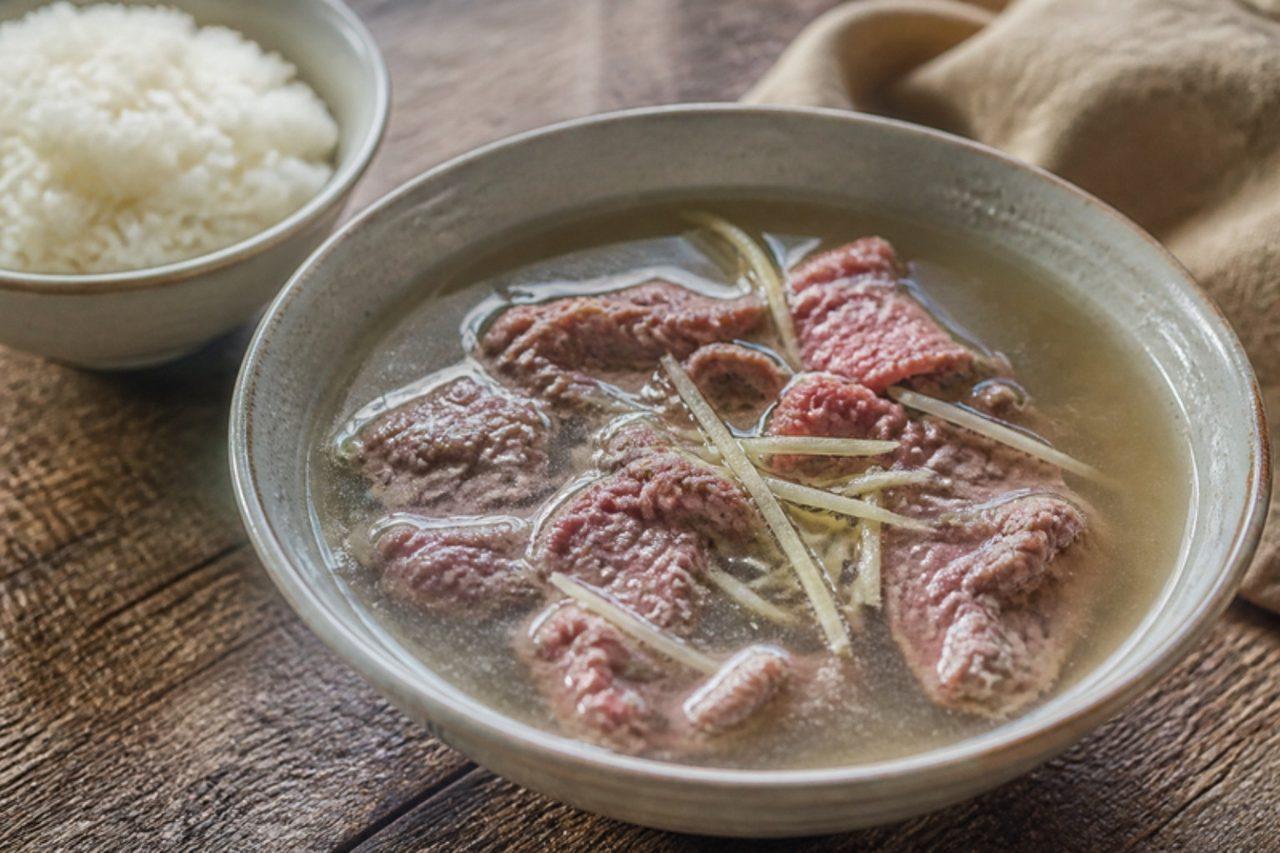
Tainan beef soup

Before dawn in Tainan, workers and night owls fill steamy shops near the slaughterhouse districts for bowls of fresh local beef sliced paper-thin and blanched by a ladle of boiling broth, eaten with rice and a saucer of soy and ginger as a sunrise breakfast. The meat is tender and rosy, the broth clean, sweet and beefy. Traditionally the slices are barely cooked; this recipe gives a safer 30-second dip in simmering broth and a fully cooked option. The pink version is not for pregnant women, young children or anyone with a weakened immune system. People often cut the beef too thick, so it toughens before it cooks through; firm it in the freezer and slice it as thin as you can. Chef's tip: bring the broth to a hard, rolling boil right before every ladle; a broth that has dropped off the boil never cooks the beef evenly.

by KrazyBadal 0 views

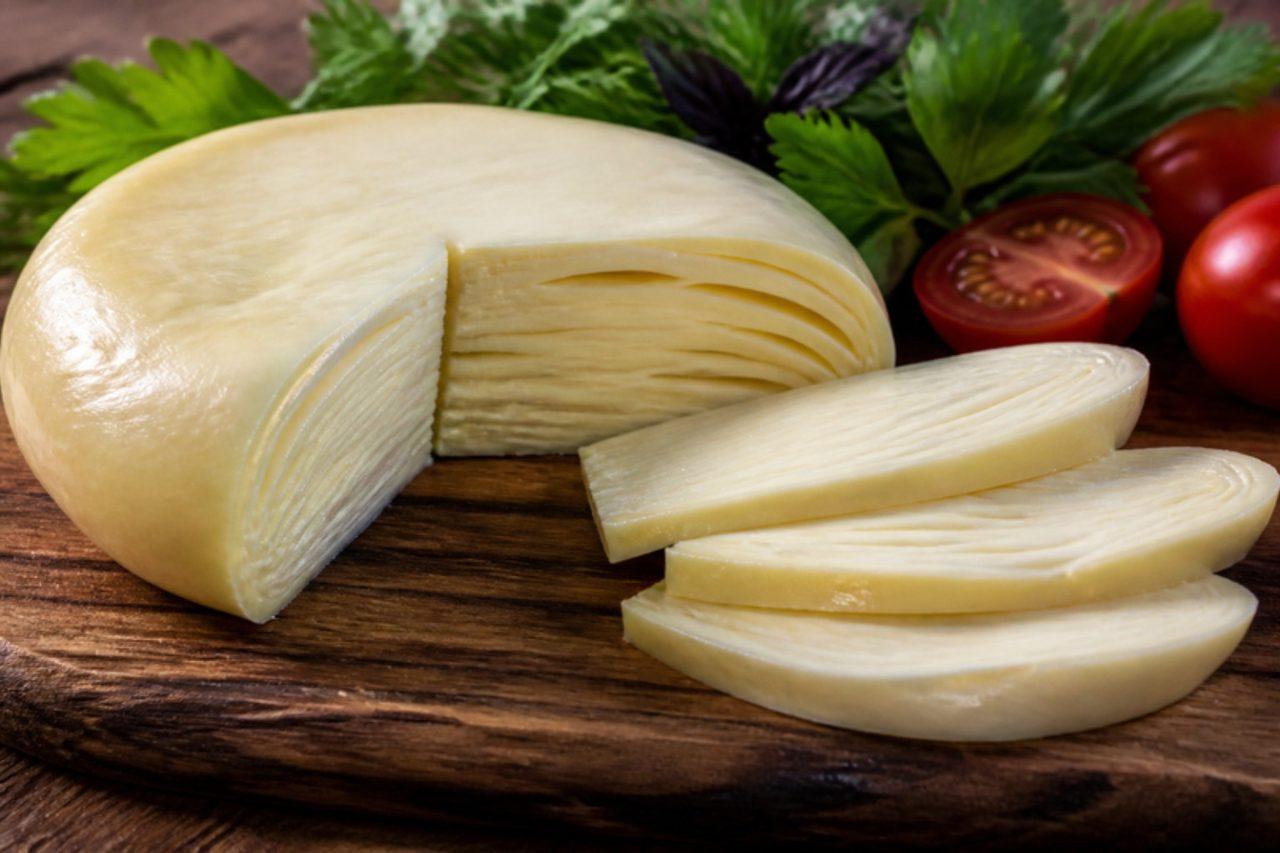
SulguniStretched cheese

Sulguni is the famous cheese of Samegrelo, made in Zugdidi homes by taking fresh, slightly soured curd, cutting it up and working it in hot water until it can be pulled into a glossy, layered, salty ball. It is eaten in thick slices, melted into elarji and khachapuri, and smoked over embers for a darker version. The curd has to be acidic enough to stretch, so you make the cheese one day and stretch it the next, or buy fresh Imeretian cheese and start from there. Traditionally animal rennet is used; vegetarian rennet works too. A common mistake is trying to stretch fresh, sweet curd; it melts into a puddle instead of pulling. Chef's tip: test a small piece in hot water first; if it stretches 30 cm without breaking, the curd is ready.

by KrazyBadal 0 views

Showing 63 of 7,762 recipes

Show more recipes

Page 187 of 863