Skip to content
Mix capsicum peanut salad
Featured recipe

Mix capsicum peanut salad

A crunchy salad of red, yellow and green peppers with roasted peanuts, cucumber, carrots and celery, dressed with lemon, dill, mint and celery leaves. Just before serving, olive oil mixed with sesame seeds is poured over the top. It's colourful, filling and full of protein.

Read more 2 views

What to eat today?

Around the world

Today's trip: Paraguayan

A new country every day, from every cuisine on the site.

Paraguayan

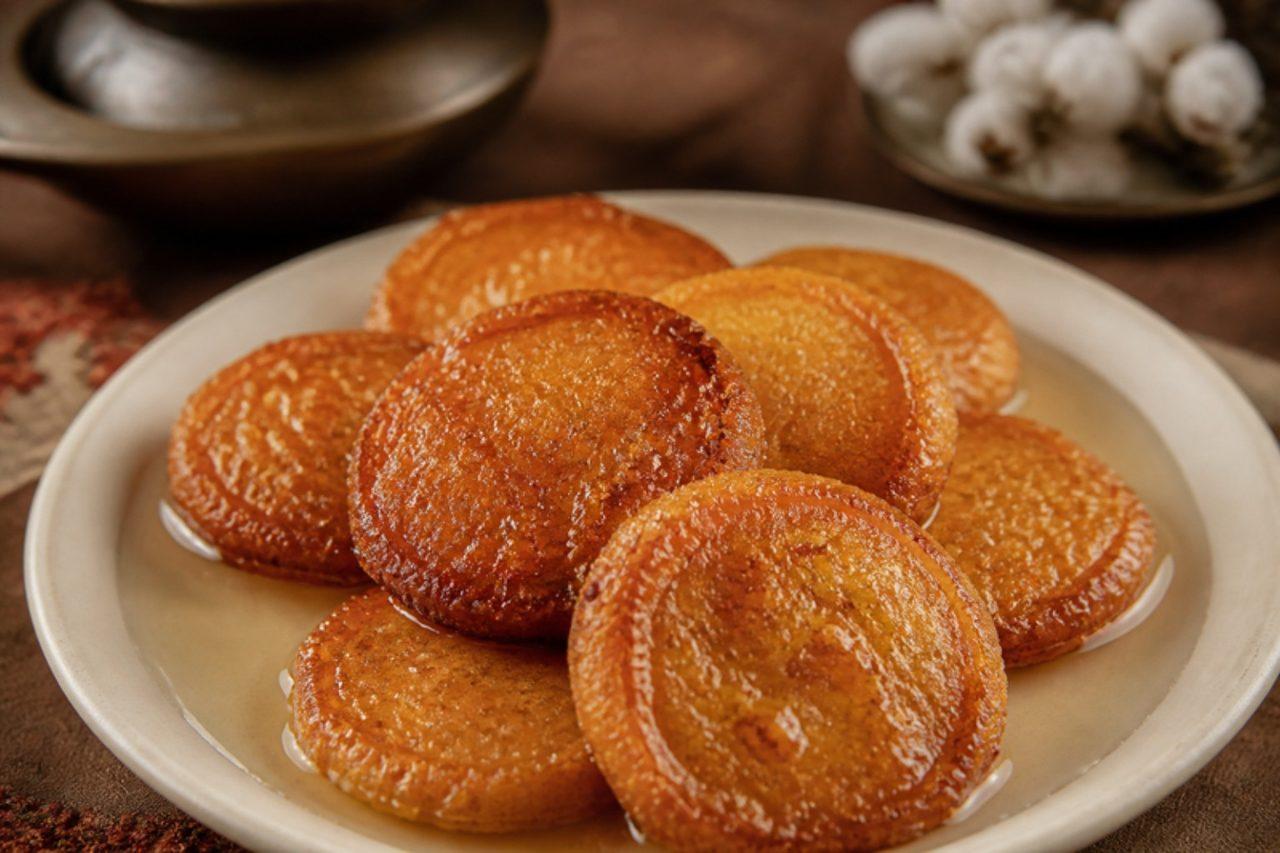
Postre Massini

Custard sponge with burnt sugar top 80 minMore from Paraguayan (27) →

This week's collection

Kid-friendly dinners
537 recipes · a new collection every Monday

Latest recipes

Groninger mosterdsoepMustard and leek soup

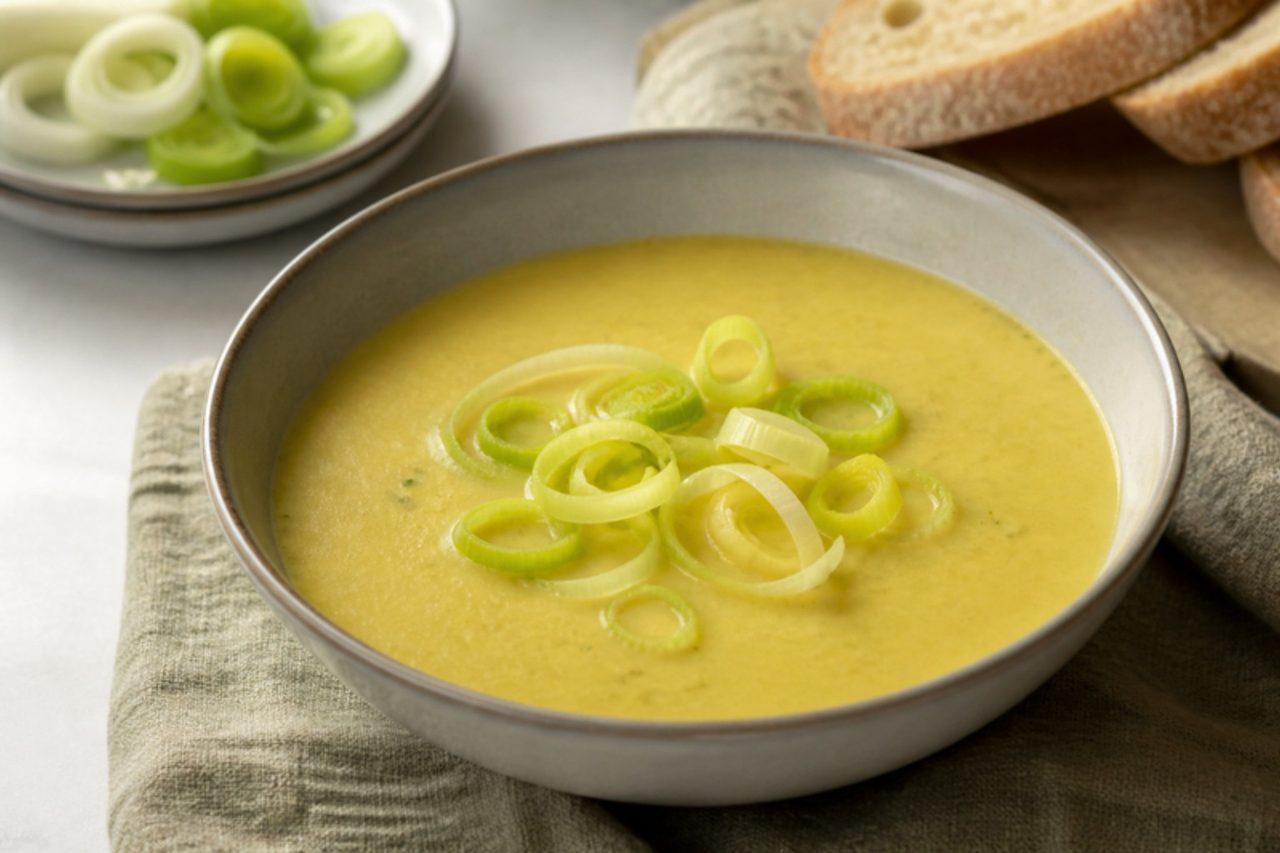
Groningen in the far north of the Netherlands has been making mustard since the Middle Ages, and its creamy mustard soup is served in every café in the city: a velvety roux soup with leek, stock and cream, sharpened with a generous amount of coarse Groninger mustard. Most cafés top it with crisp bacon bits; this vegetarian version uses toasted croutons and chives. A common mistake is boiling the soup after the mustard goes in, which makes it bitter and grainy. Chef's tip: whisk the mustard in off the heat at the end, so it keeps its tang.

30 minDutchSoups
by KrazyBadal 0 views

Arroz con maízRice with sweetcorn

In central Cuba, when the fields are full of young corn, families cut the kernels straight off the cob into the rice pot with a sofrito of onion, pepper, garlic and annatto, cooking everything together until golden and sticky at the base. Many farm cooks add salt pork; this vegan version leans on cumin and a little smoked paprika. A common mistake is using too much water, as fresh corn releases its own milk, so keep to the amounts given. Serve with black beans or a tomato and avocado salad. Chef's tip: scrape the cobs with the back of the knife after cutting off the kernels and add that milky pulp; it gives the rice a creamy sweetness.

by KrazyBadal 0 views

Taiwanese sesame oil chicken soup

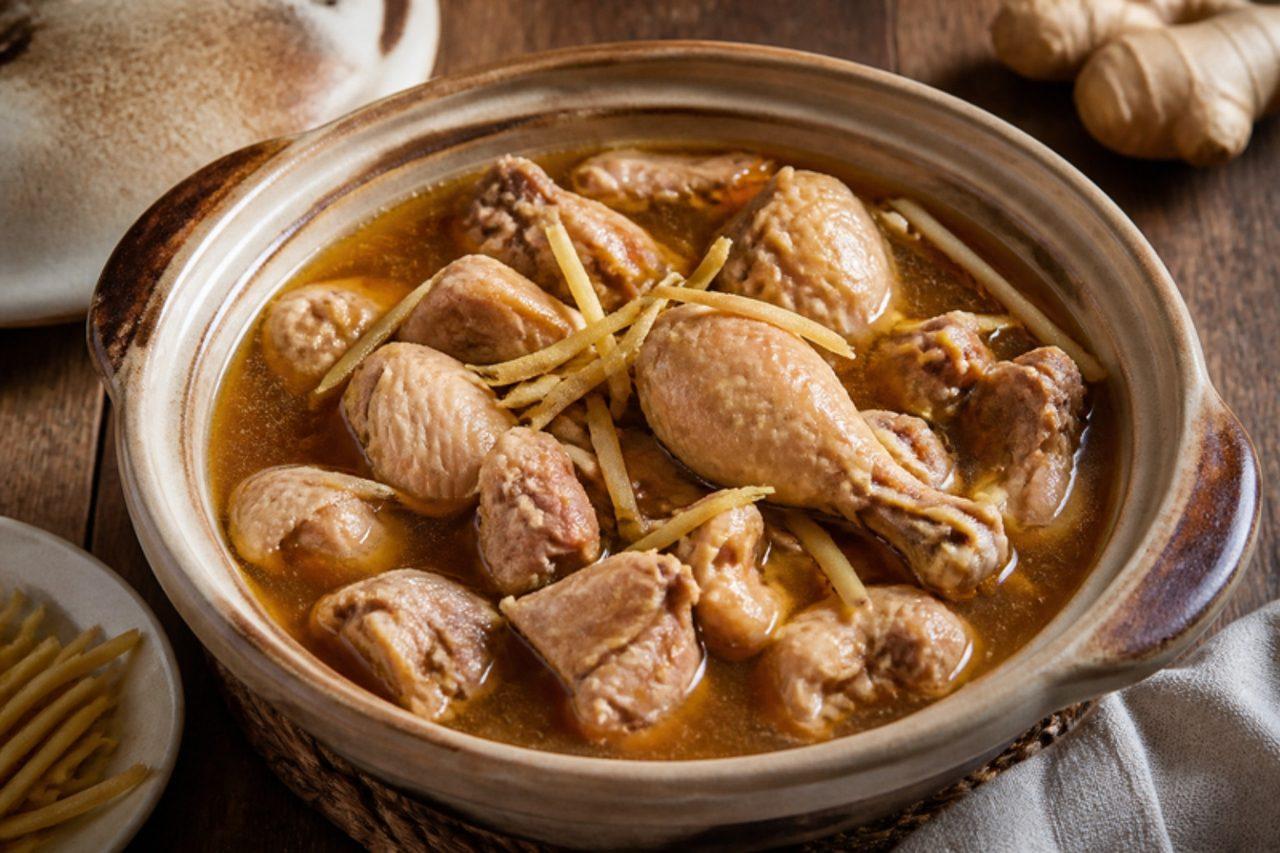
When the first cold fronts reach Taipei, steam rises from clay pots of this at street-corner stalls, and families make it at home for new mothers and anyone run down by winter. Bone-in chicken is browned in dark, toasty black sesame oil with a mound of ginger fried until curled and crisp, then simmered in rice wine for a deeply warming, slightly bitter-sweet broth that is eaten with rice or thin wheat noodles. This soup is traditionally made with plenty of rice wine, and simmering does not cook all the alcohol off; for an alcohol-free pot, use the stock option given with the wine. A common error is heating black sesame oil on a high flame: it scorches quickly and makes the whole soup bitter. Chef's tip: fry the ginger slowly in the oil before the chicken goes in, until the slices curl at the edges and look dry; that is where the soup's warmth comes from.

by KrazyBadal 0 views

Black sesame soup

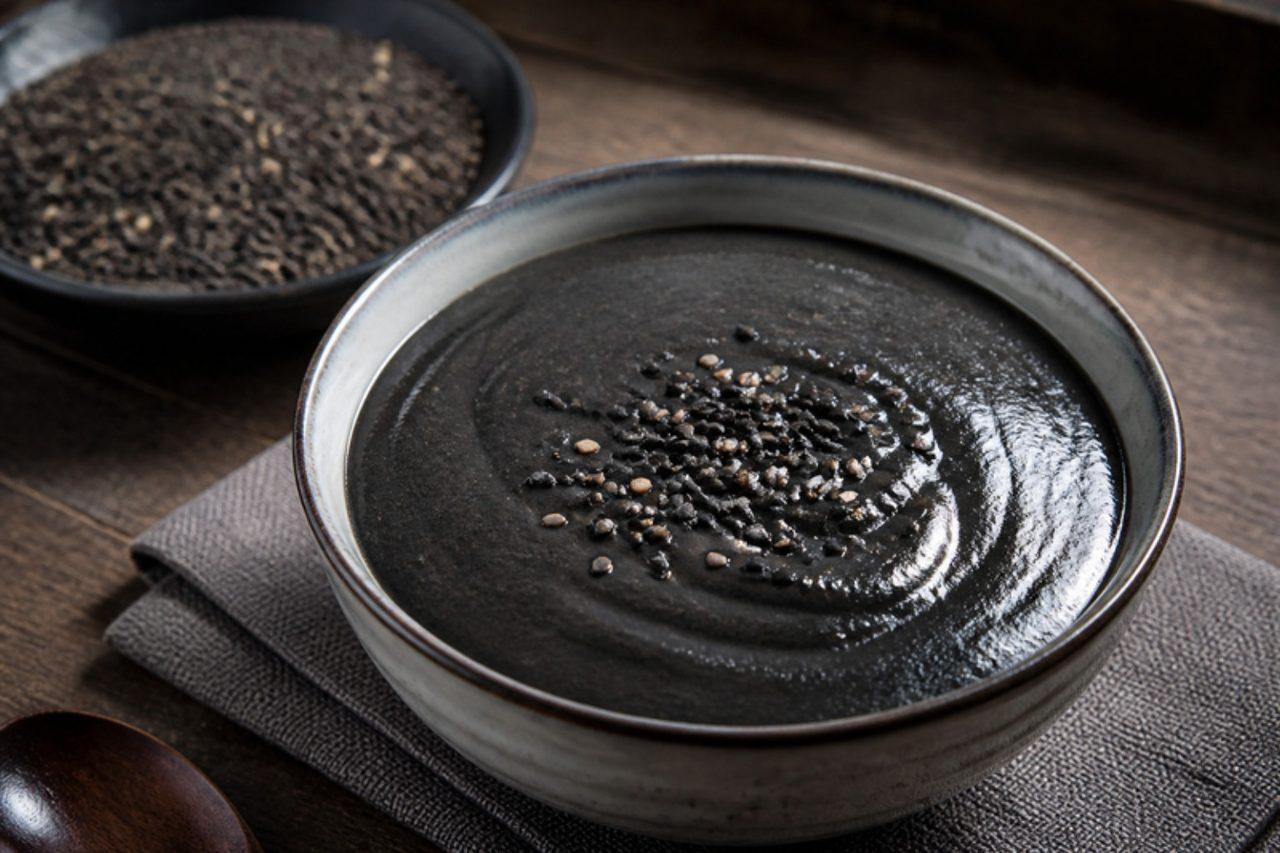
Steaming bowls of inky ji ma wu are a staple of Hong Kong dessert shops on cool evenings, eaten after dinner or as a late-night snack on the way home. The soup is thick enough to coat a spoon, nutty and roasted with a faint bitterness that balances the rock sugar, and so smooth it feels like warm velvet. It's often paired half-and-half in one bowl with almond tea or walnut soup, or served with sweet glutinous rice balls. Over-toasting the sesame is the mistake to avoid; once the seeds scorch, the whole pot tastes acrid. Chef's tip: blend the toasted seeds with water for a full two minutes, until no grit is left between your fingers, before it goes into the pan.

by KrazyBadal 0 views

Sweet potato ginger soup

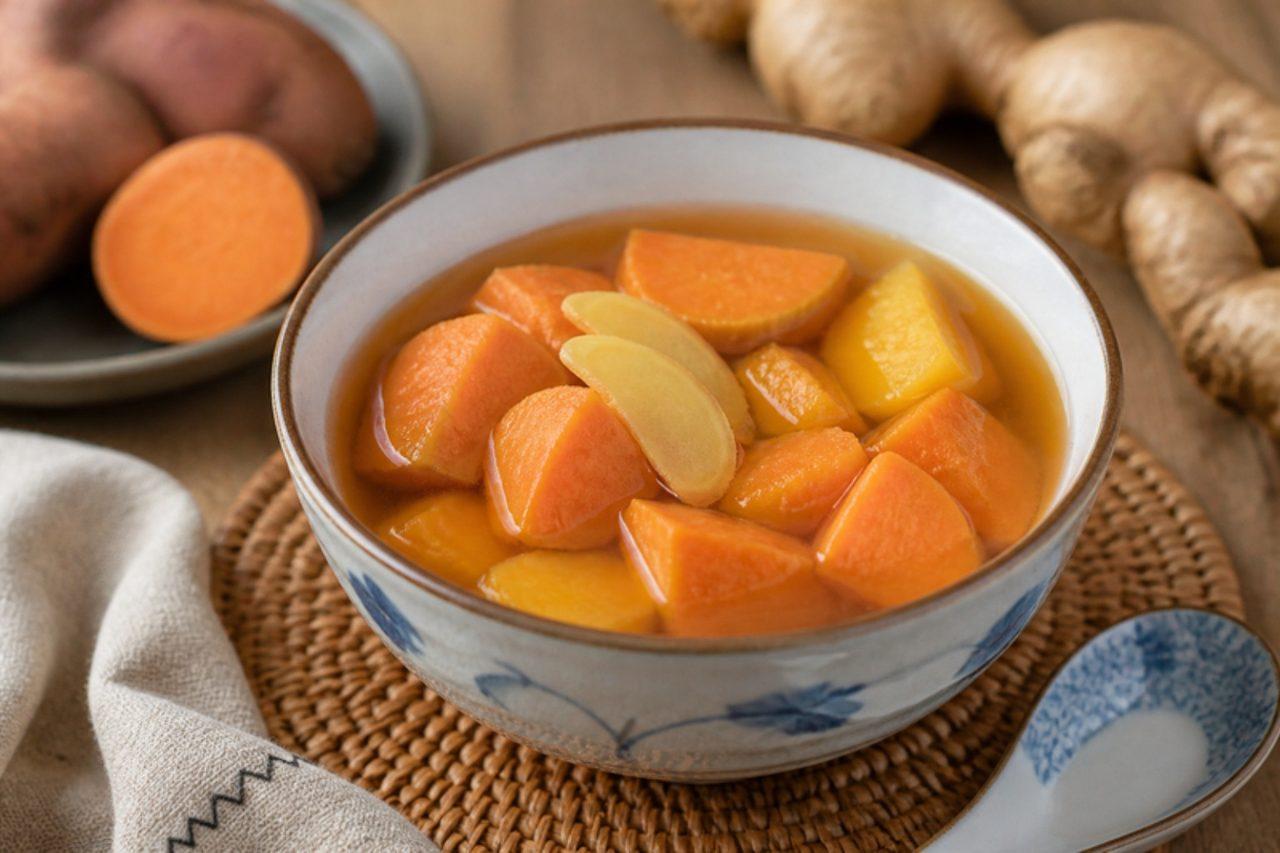
Cheap, warming and ready in under an hour, this is the tong sui Hong Kong families make at home on cold, damp winter nights, ladled out after dinner or before bed rather than ordered in a shop. Chunks of orange, yellow or purple sweet potato turn tender and fudgy in a clear amber syrup made with brown slab sugar and plenty of smashed ginger, so each spoonful is sweet first and then pleasantly hot. Some cooks add a few pitted red dates or a piece of dried tangerine peel. Boiling the sweet potatoes from the start is the usual slip; by the time the ginger has given up its heat, they've collapsed and clouded the syrup. Chef's tip: soak the cut sweet potato in cold water for 10 minutes to rinse off surface starch, and add it only once the ginger broth has simmered for a good 10 minutes.

by KrazyBadal 0 views

Arroz con dulceCoconut rice pudding

From the start of December to the Three Kings in January, trays of arroz con dulce cool on Puerto Rican kitchen counters, sliced into squares and handed round at parrandas when carollers arrive at the door late at night. Unlike a milky rice pudding, it is cooked in a water steeped with fresh ginger, cinnamon, cloves and star anise, then finished with coconut milk and raisins, so it is fragrant, firm enough to cut and dairy free. The common mistake is adding the sugar too early, which keeps the rice grains hard; sweeten only once they are soft. Chef's tip: soak the rice for an hour first, and it cooks evenly and absorbs the spiced coconut far better.

by KrazyBadal 0 views

Gola gandaShaved ice with syrups

Nothing says summer evening at Clifton beach or Burns Road quite like the clatter of a gola ganda cart, where a block of ice is shaved on a hand plane, packed round a stick into a fist-sized ball and doused in rose-pink, mango-orange and purple kala khatta syrups. It melts fast in the Karachi heat, so children lick it from the bottom as it drips, and the fancier stalls serve it in a plate with condensed milk, desiccated coconut and a pinch of chaat-style salt on the sour syrup. At home a hand ice shaver or a powerful blender makes snow fine enough to press into balls. The most common disappointment is ice crushed too coarsely, which will not hold together and lets the syrup run straight through. Chef's tip: freeze the ice from boiled and cooled drinking water in a shallow tray, and put the glasses or plates in the freezer too, so the gola keeps its shape for longer.

by KrazyBadal 0 views

Egyptian stuffed pickled aubergines

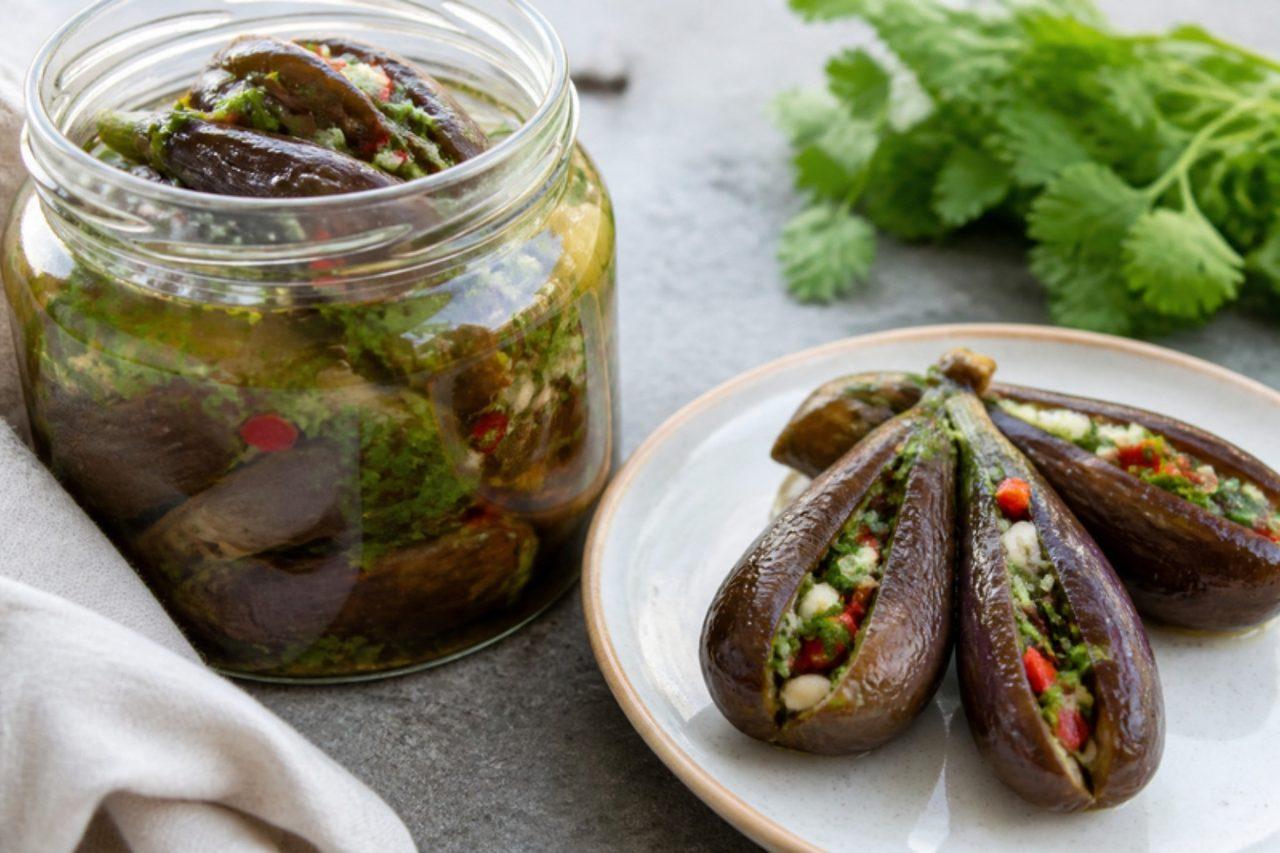
Pickle shops in old Cairo stack jars of these small dark aubergines next to the turnips and lemons, and at home they are sliced beside ful, falafel or a plate of koshari. Each one is boiled until just tender, split down one side and packed with a sharp, hot stuffing of garlic, chilli and green pepper, then left in vinegar for several days until it turns silky and tangy. Only about 40 minutes of the work is active; the jar then needs 5 days in the fridge. Keep the pickle refrigerated and eat it within 3 weeks. The usual mistake is undercooking the aubergines before stuffing, so they stay spongy and never absorb the brine. Chef's tip: press the boiled aubergines under a weighted plate before stuffing, so they hold the vinegar rather than their own bitter water.

by KrazyBadal 0 views

Gokul pithaCoconut milk patties in syrup

Gokul pitha is named after the pastoral home of the young Krishna, and it is a favourite of Hindu households across Bangladesh at Poush Sankranti, though by now everyone makes it for winter tea. Grated coconut is cooked slowly with milk and sugar until it dries into a fudgy filling, shaped into small flat patties, coated in a thin flour batter and fried, then dropped into hot syrup. Biting in you get a soft, crisp-edged shell, a milky coconut centre and a rush of syrup, all at once. Patties that are warm and soft when they go into the batter fall apart in the oil, which is the error most people make, so chill them first. Chef's tip: use khejur gur instead of sugar in the syrup for a darker, smokier version, as many families do when the new jaggery comes in.

by KrazyBadal 0 views

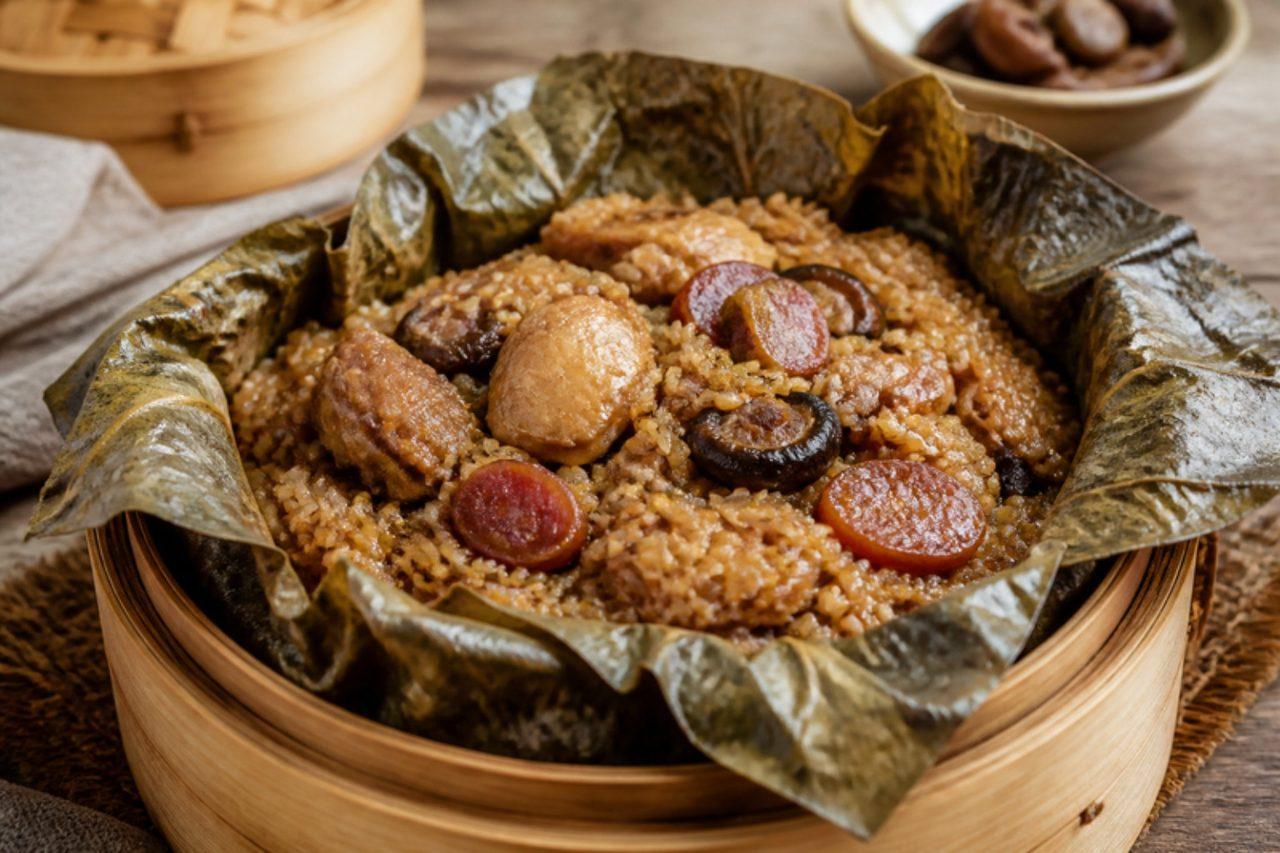
Lo mai gai (sticky rice in lotus leaf)

Unfold the dried lotus leaf at a Hong Kong yum cha table and a cloud of tea-scented steam rises from a parcel of glossy sticky rice, hiding a centre of soy-braised chicken thigh, shiitake and slices of lap cheong, the sweet Chinese pork sausage. Teahouses from Sheung Wan to Mong Kok sell it from the morning trolleys, and office workers grab one as a filling breakfast with a pot of pu'er. The rice is chewy and sticky but each grain stays whole, and the leaf gives it a faint grassy perfume. Shaoxing rice wine goes into the filling; an alcohol-free swap is given in the ingredient list. The most common mistake is cooking the rice in water like plain rice: soaked glutinous rice must be steamed, or it turns into paste. Chef's tip: wrap the parcels tightly and steam them again from cold or frozen; they reheat better than almost any dim sum.

by KrazyBadal 0 views

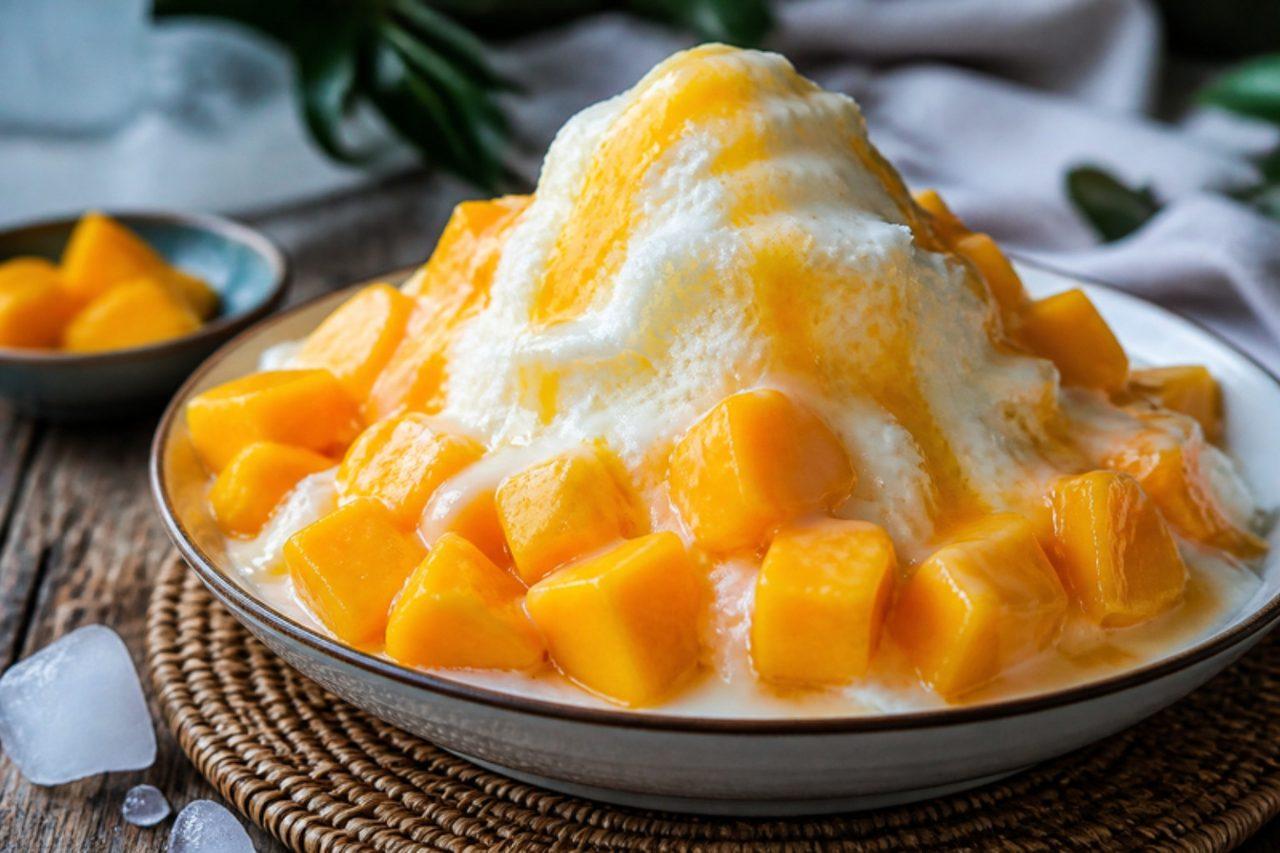
Mango shaved ice

Every summer, from late May to September, the dessert shops of Taipei's Yongkang Street have queues that stretch round the corner for one thing: a mountain of feathery milk ice buried under cubes of ripe Aiwen mango. The ice is frozen milk shaved so thinly it melts on the tongue like snow, and it's drenched in mango syrup and sweetened condensed milk, often with a scoop of mango sorbet on top. At home, freeze the milk base the night before; the active work then takes about 15 minutes. Shaving the block straight from the freezer is a common mistake, as it splinters into icy shards; let it soften for 5 minutes so it curls into ribbons. Chef's tip: chill the serving bowls in the freezer too, so the snow holds its height while you add the toppings.

by KrazyBadal 0 views

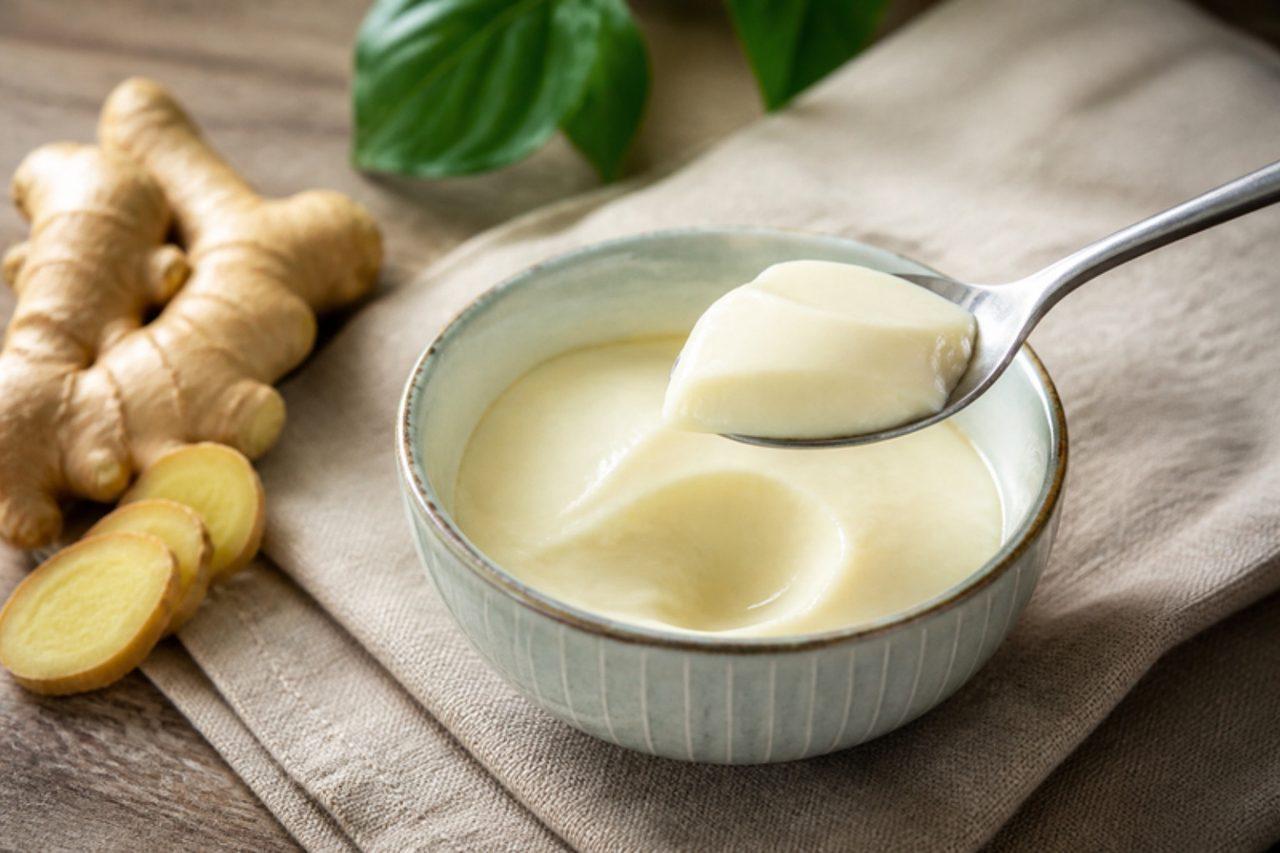
Ginger milk curd

Born in the Pearl River Delta town of Shawan in Panyu, Guangdong, ginger milk curd crossed the border to become a favourite of Hong Kong dessert parlours in Jordan and Causeway Bay, ordered hot on a winter night. There's no setting agent: an enzyme in fresh ginger juice curdles hot milk within minutes into a trembling, spoonable custard that's sweet, creamy and warming, with a peppery ginger kick. It is eaten straight from the bowl while still warm, with nothing alongside. Long-life UHT milk is the classic mistake, since its proteins have been changed by the high heat and it simply won't set; use fresh pasteurised whole cow's milk. Chef's tip: use mature, fibrous ginger rather than young pink-tipped ginger, and heat the milk to 70–75 °C, measured with a thermometer.

by KrazyBadal 0 views

Gola kebabCharcoal-smoked beef mince kebabs

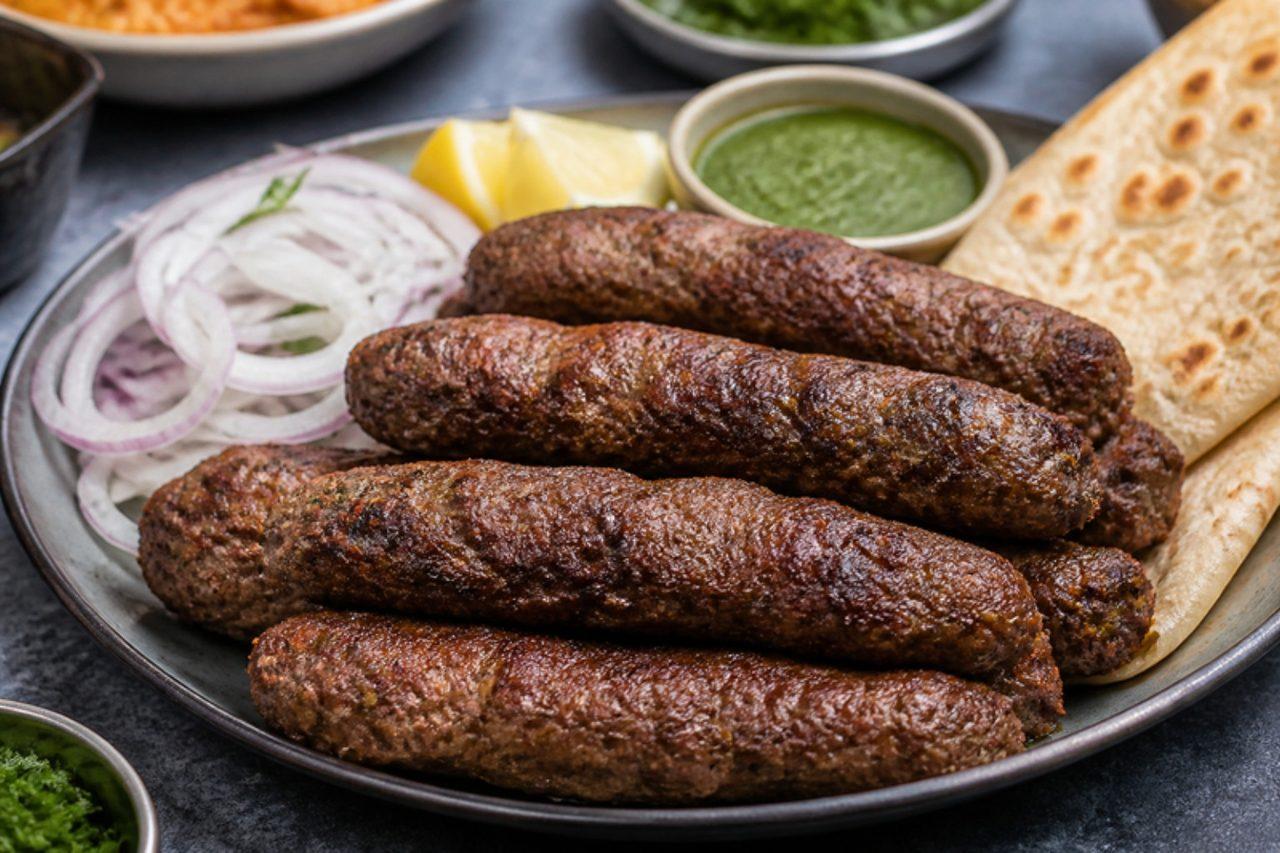
Gola kebabs are so soft that Karachi grill men have to pat the mince onto the skewer with a practised, quick hand, and they still slump as they cook; at Boat Basin and Burns Road at midnight you will see tray after tray of the plump, dark tubes waiting for customers. The softness comes from raw papaya, beef with plenty of fat, roasted gram flour and a very fine grind, and the flavour from browned onion, green chilli and a final smoking with a hot coal. They are eaten with paratha or puri, a pile of raw onion and green chutney. The mix will not stay on skewers if it is too wet, which is the usual frustration; chill it for at least an hour and use wet hands. Chef's tip: at home, shape the kebabs as fat fingers on a lined tray and cook them under a very hot grill; you lose nothing in taste.

by KrazyBadal 0 views

Arroz a la cubanaRice with tomato and egg

Havana cafeterías put this plate on the lunch board when cooks want something cheap, fast and filling: a mound of plain white rice, a ladle of garlicky tomato sauce, a fried egg with a runny yolk and slices of caramelised ripe plantain. Breaking the yolk into the rice and sauce is the whole point, so the eggs should be fried at the last minute. The usual mistake is using plantains that are still yellow-green; they need black-spotted skins to turn soft and sweet in the pan. Serve with a simple avocado salad. Chef's tip: baste the egg whites with hot oil from the pan so they set with lacy edges while the yolks stay liquid.

by KrazyBadal 0 views

Halwat tabaa (stamped jam biscuits)

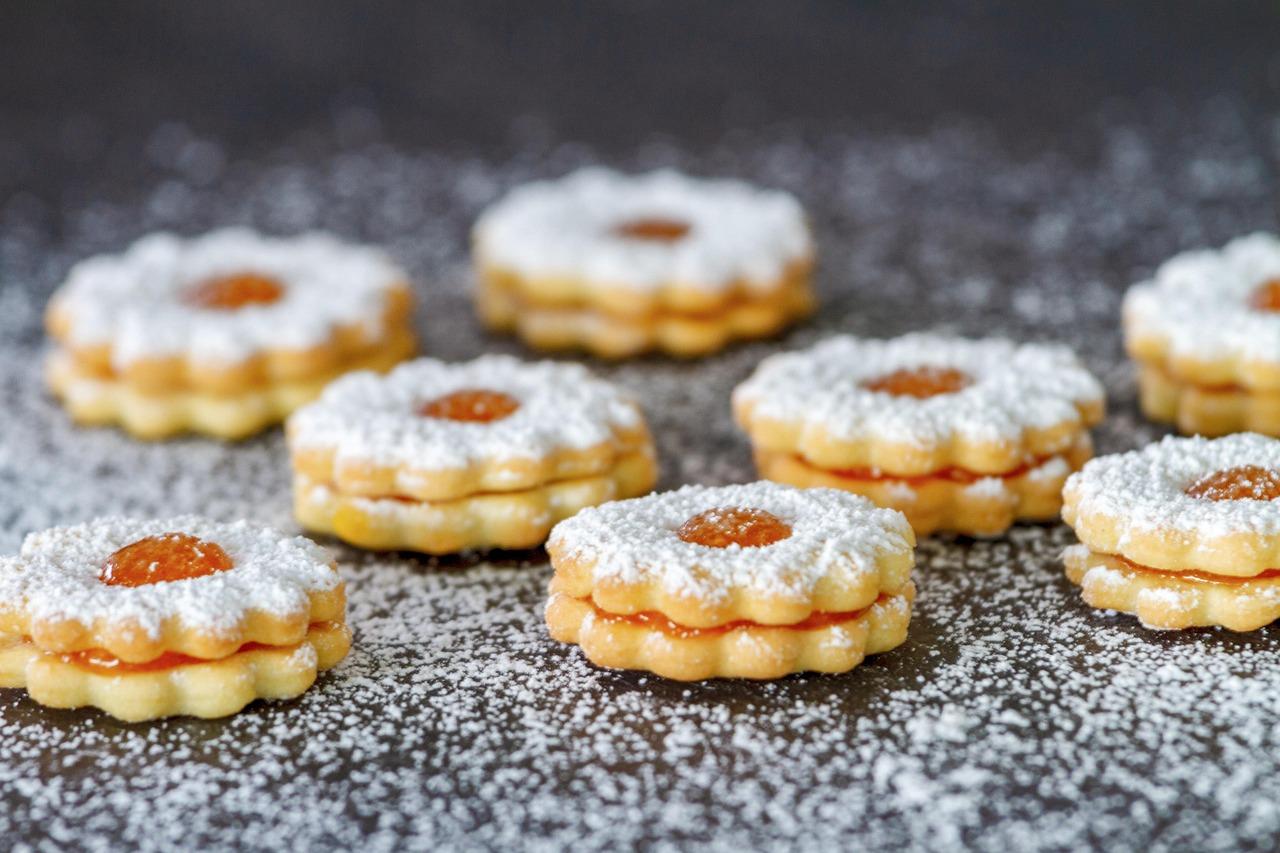
Ask anyone who grew up in Algeria about the night before Eid and they will mention the smell of halwat tabaa baking: buttery shortbread cut and printed with a patterned metal stamp, then sandwiched in pairs with apricot jam. Children love helping to press the patterns, and the biscuits fill the tins offered to neighbours on the morning of the feast. They are tender and short, with a clean vanilla flavour against the tangy jam, and keep well for a week. A fluted round cutter and the tines of a fork will do if you have no stamp. Avoid working the dough too much or letting it get warm, as the stamped pattern then spreads and blurs in the oven. Chef's tip: dip the stamp in flour and tap off the excess before every press; a sticky stamp blurs the pattern, which is the most common disappointment.

by KrazyBadal 0 views

Galinha à portuguesa (Portuguese chicken)

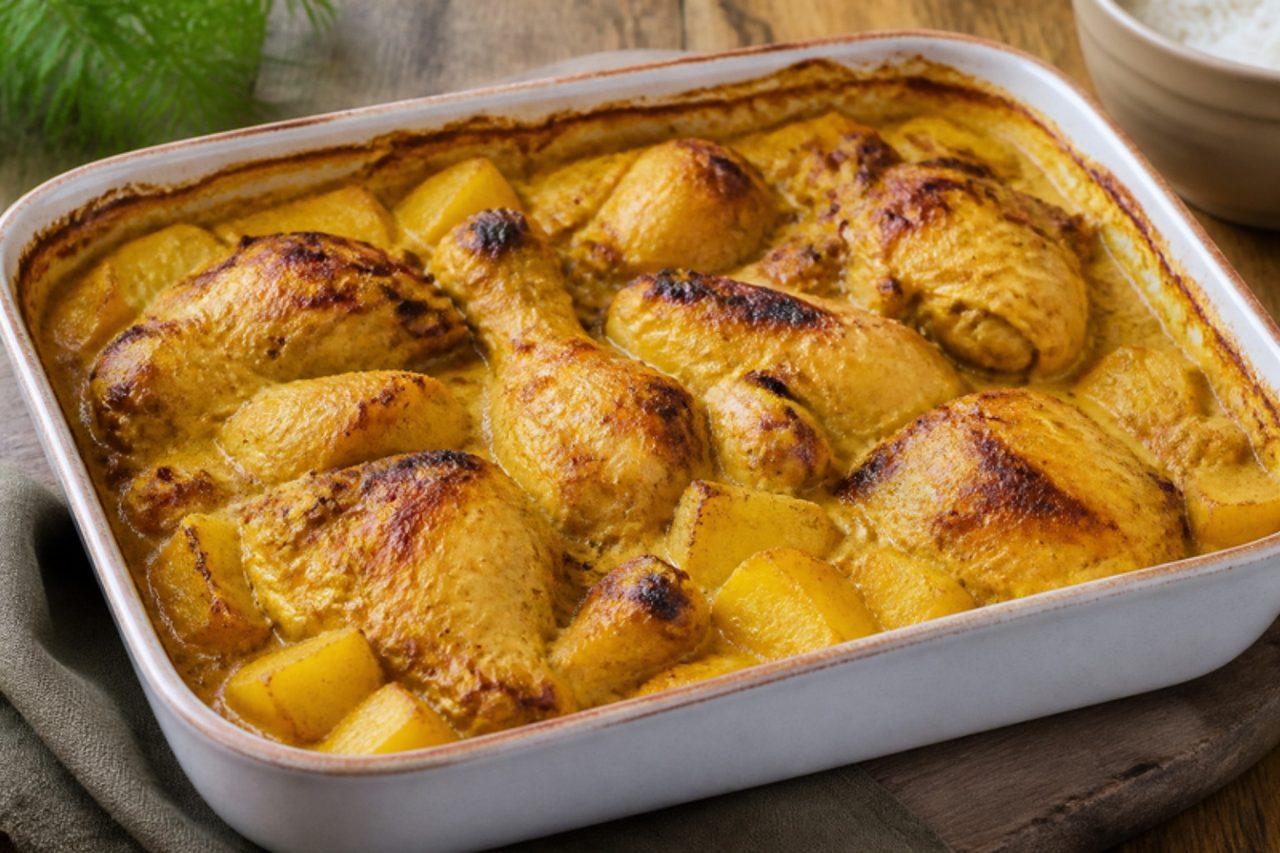
Puzzlingly, you will not find this in Portugal: galinha à portuguesa belongs to Macau, where cooks mixed a Portuguese idea of a creamy baked chicken with the turmeric, curry powder and coconut milk that came through the Portuguese trading routes from Goa and Malacca. Macanese restaurants and Hong Kong's cha chaan teng serve it bubbling in a clay pot or baking dish, golden on top, with chicken and potatoes in a mild, yellow, gently sweet coconut sauce, always with white rice to soak it up. It is a favourite for family dinners and Christmas tables. The thing people get wrong is boiling the coconut sauce hard, so it splits and turns oily; keep it at a gentle simmer. Chef's tip: brown the chicken well first, and finish under a hot grill for the speckled golden top that Macau restaurants are known for.

by KrazyBadal 0 views

Eggplant rolls

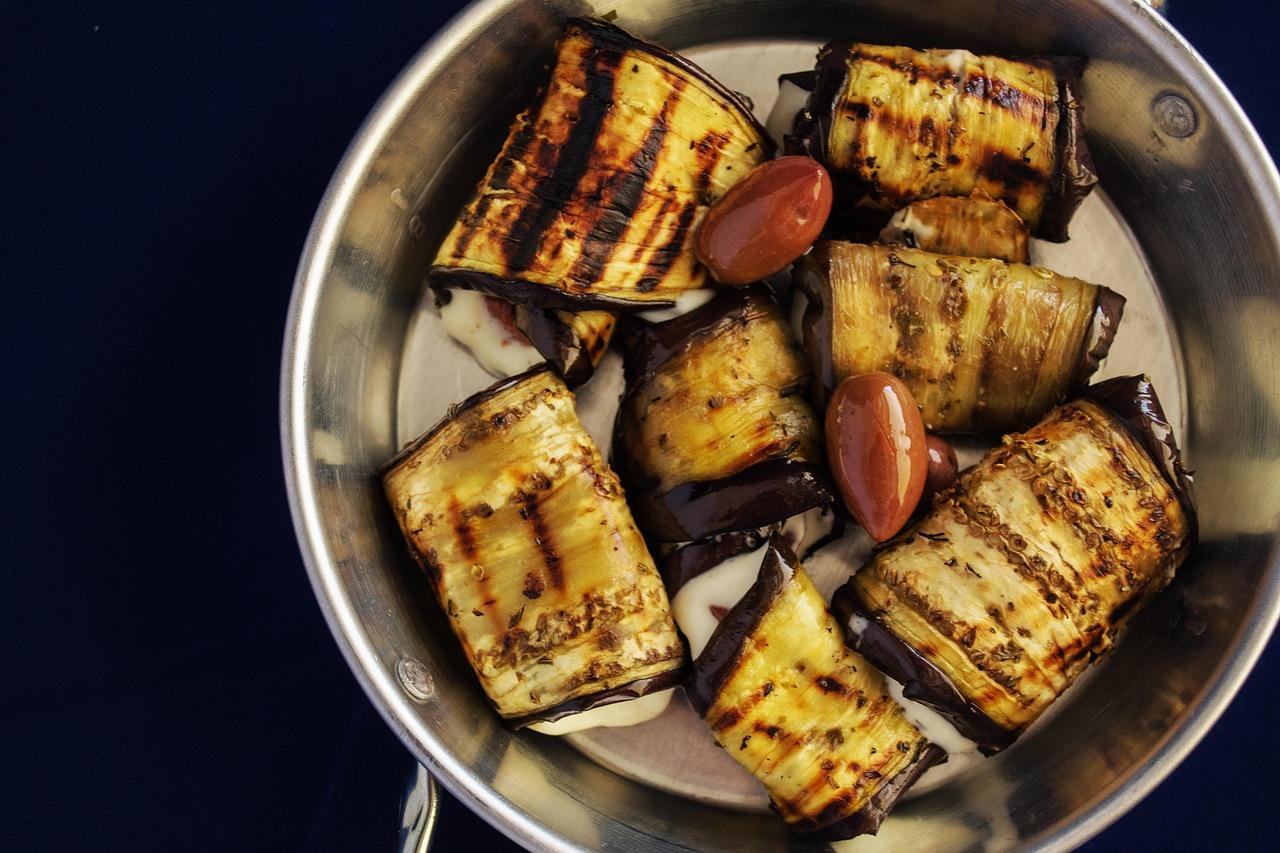
Every birthday buffet in Russian flats seems to have a plate of these little rolls, brought out with the herring and the salads: thin strips of fried aubergine wrapped around a sharp garlic and cheese filling with a slice of tomato peeking out. The aubergine is silky, the filling creamy and punchy, and the tomato keeps it fresh. They are a cold starter, so make them an hour before guests arrive and keep them chilled. Where most people go wrong is frying thick slices in lots of oil, which leaves them greasy and stiff; slice thin, salt them, pat dry and fry in a shallow film of oil. Many hard cheeses use animal rennet, so pick a vegetarian one. Chef's tip: press the fried slices between paper towels while still warm; they shed surprising amounts of oil.

by KrazyBadal 0 views

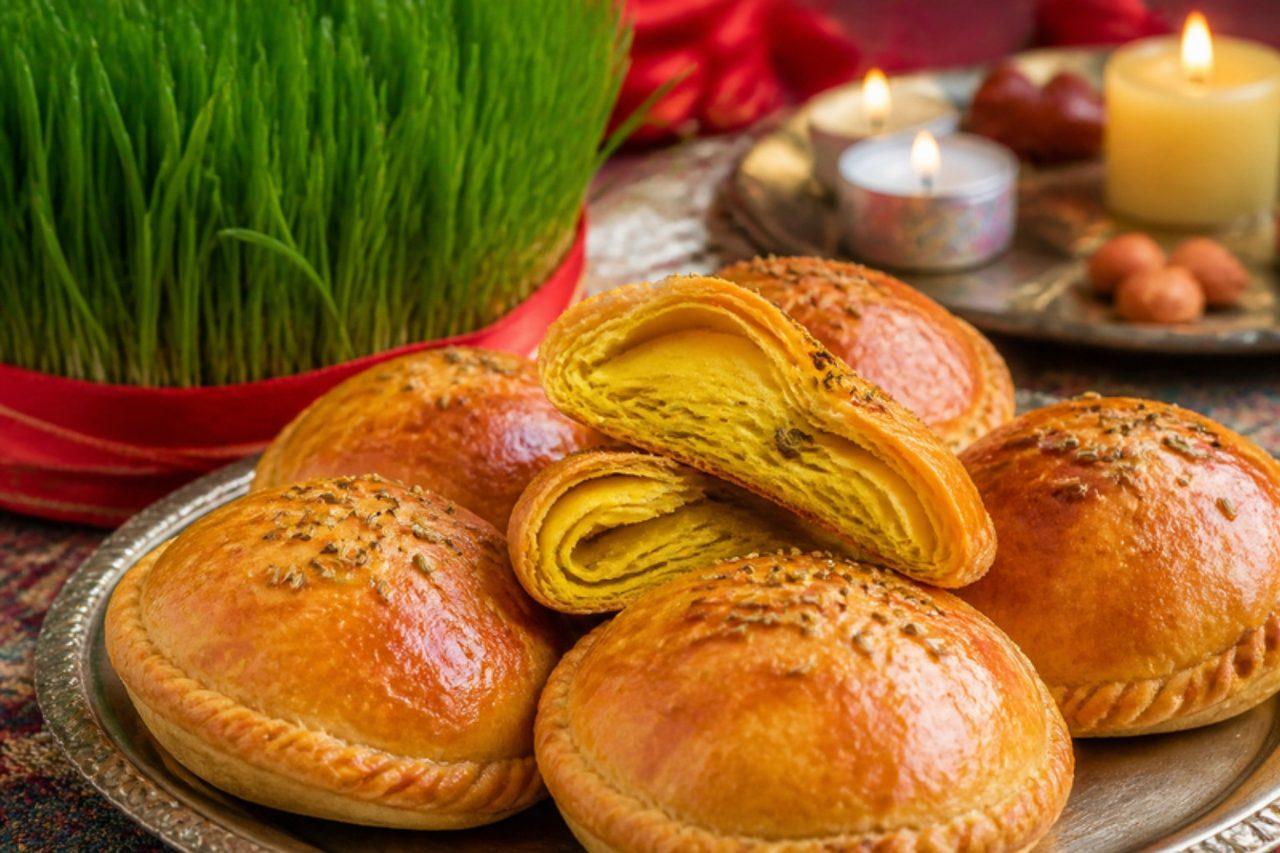
GogalFlaky fennel and turmeric pastry

Gogal is baked for Novruz, the spring new year on 20 March, in kitchens all over Baku and the Absheron villages, beside shekerbura and pakhlava on the festive tray. A soft dough is rolled thin, brushed with butter mixed with ground fennel, turmeric and salt, then rolled, coiled and flattened again so it bakes into crisp, savoury, golden layers. A common mistake is using cold, hard butter for the spread; it tears the dough. Chef's tip: let the coiled pastries rest before flattening so the layers relax and stay distinct in the oven.

by KrazyBadal 0 views

Showing 18 of 7,762 recipes

Show more recipes

Page 184 of 863