


Skip to content
Hongos de pino en escabeche
Featured recipe

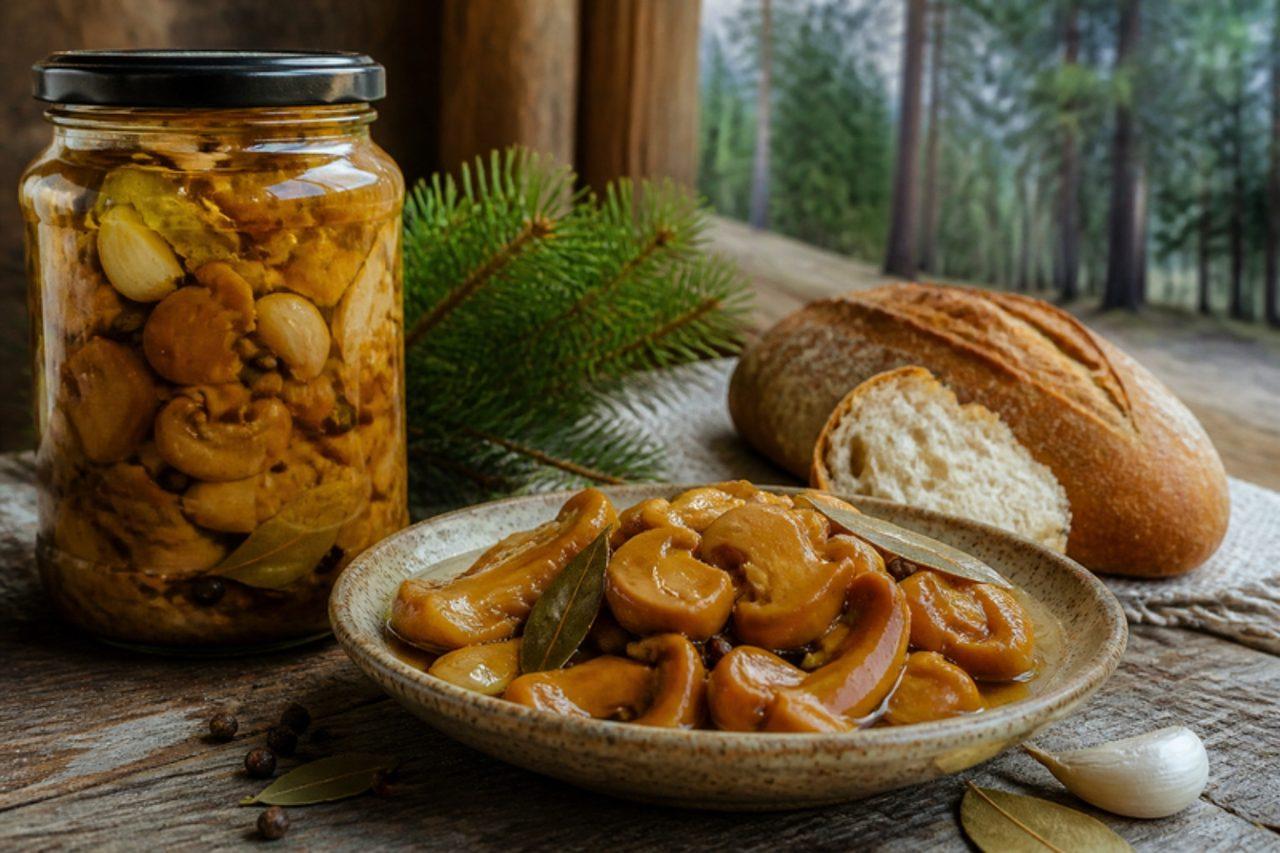
Hongos de pino en escabeche

Pickled pine mushrooms

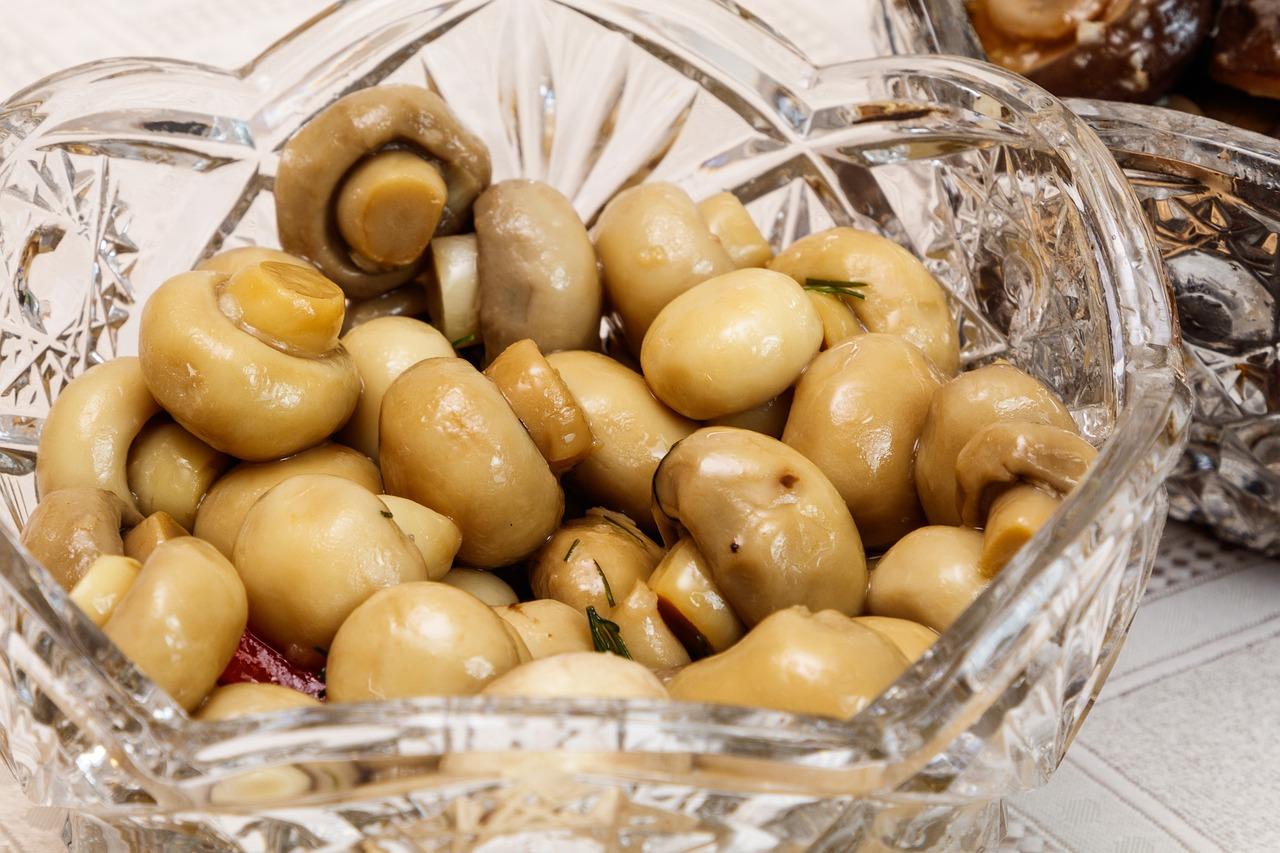
After the autumn rains in the pine plantations of Neuquén and Río Negro, slippery jacks (Suillus luteus) pop up by the thousand, and around San Martín de los Andes and Villa La Angostura they are sold fresh by the roadside, dried in bags, or bottled like this. The mushrooms are blanched in vinegar, then kept in oil with garlic, bay and peppercorns, ending up tender, tangy and slightly silky, a classic part of a picada with cheese and bread or beside grilled vegetables. Wild mushrooms must only be eaten if identified by an expert or bought from a trusted seller; if in doubt, use cultivated mushrooms such as chestnut or king oyster. The common mistake is skipping the peeling: the slimy skin on the cap turns the pickle gluey, so pull it off first. Garlic in oil can carry botulism, so the jar must live in the fridge and be eaten within two weeks. Chef's tip: let the jar rest for two days before opening; the vinegar mellows and the flavours come together.

Read more 0 views

What to eat today?

Around the world

Today's trip: Paraguayan

A new country every day, from every cuisine on the site.

Paraguayan

Postre Massini

Custard sponge with burnt sugar top 80 minMore from Paraguayan (27) →

This week's collection

Kid-friendly dinners
537 recipes · a new collection every Monday

Latest recipes

Grzybki marynowanePickled forest mushrooms

After an autumn morning of mushroom picking in the forests of Podlasie or the Bieszczady, the smallest, firmest boletes and slippery jacks are set aside for jars of grzybki marynowane. They come out at Christmas and on name days as a zakąska, sharp and sweet with allspice and mustard seed, sliced onion and firm, slightly slippery mushrooms. Only use wild mushrooms you bought from a trusted seller or had checked by an expert; cultivated chestnut or button mushrooms work well too. A common mistake is skipping the first boil in salted water, which leaves the pickle cloudy and the mushrooms soft. Chef's tip: cook the mushrooms until they sink, then pack them while hot under boiling marinade.

by KrazyBadal 0 views

Coconut macaroons

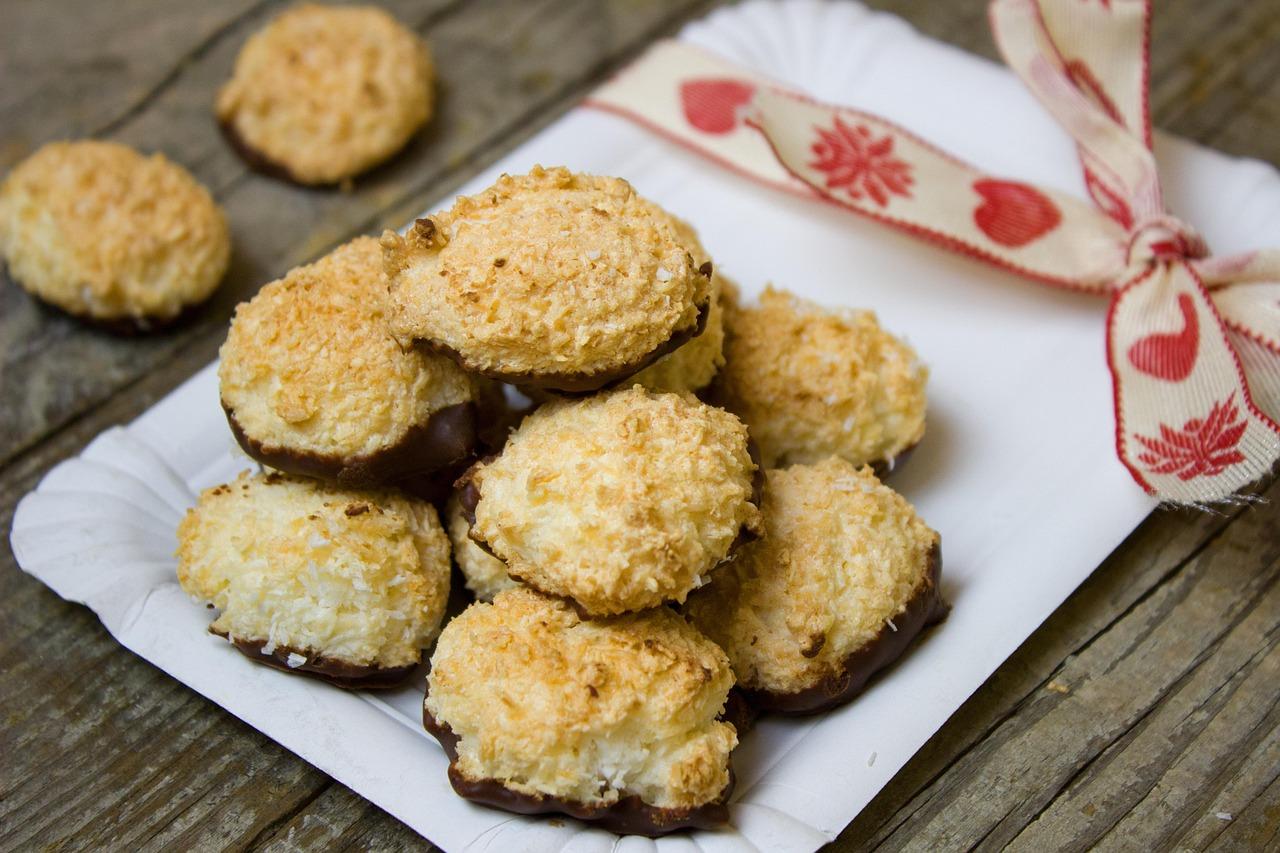
Coconut macaroons are the Passover biscuit in Israel: every supermarket stacks them high before the holiday, but homemade ones from a Haifa or Jerusalem kitchen are far better, crisp and golden on the outside and moist and chewy inside. They need just desiccated coconut, egg whites, sugar and vanilla, with no flour or leavening, so they suit the Passover rules and are naturally gluten free and dairy free. Dip the bases in dark chocolate if you like. The common mistake is baking them on a hot tray straight from a previous batch, which burns the bases before the tops colour. Chef's tip: let the mixture rest for 15 minutes so the coconut soaks up the whites and the mounds hold their shape.

by KrazyBadal 0 views

Banku and grilled tilapia

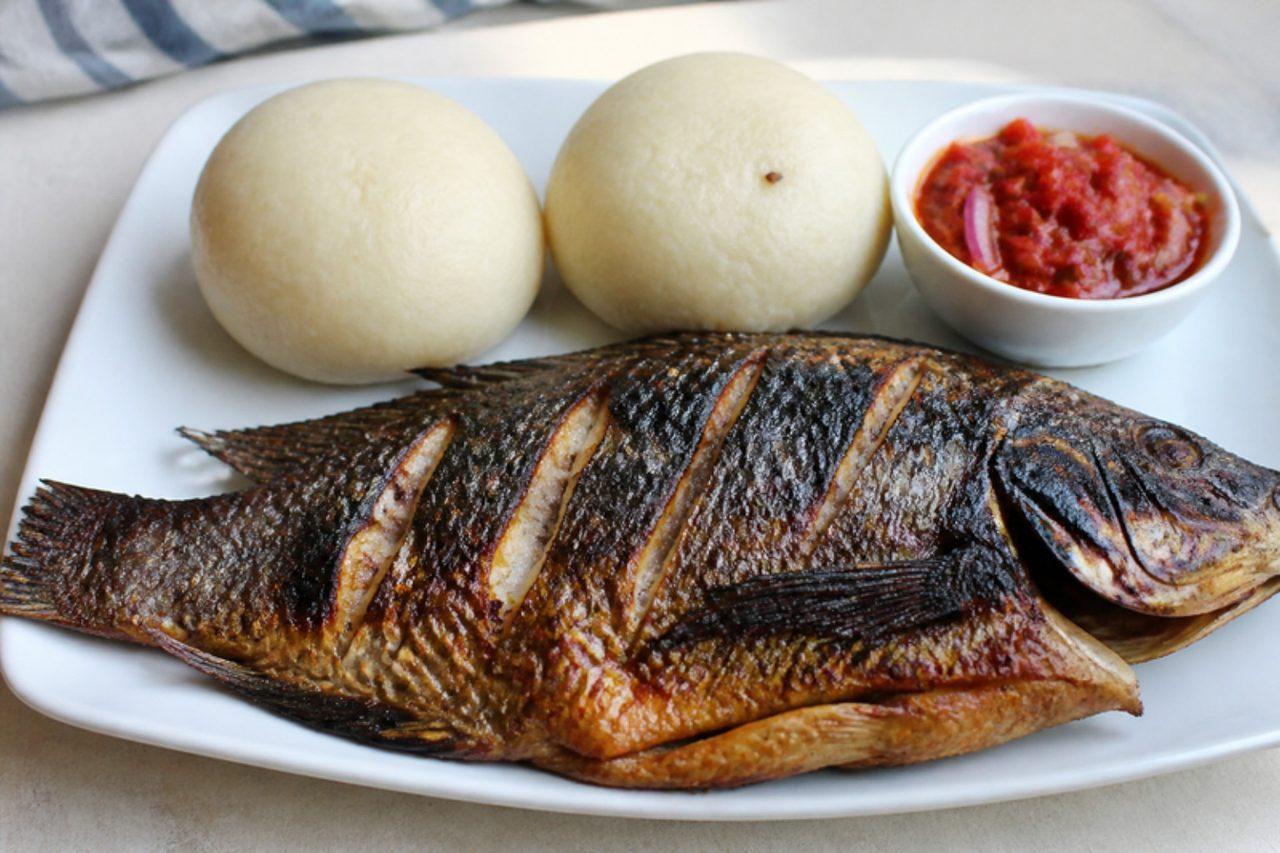
Night falls in Accra and the smoke rises from Osu to Labadi: whole tilapia, slashed and rubbed with ginger, garlic and chilli, crackles over charcoal at roadside grills and beach spots, served with a ball of banku, a heap of raw pepper sauce and sliced onions. Banku is a smooth, stretchy dough of fermented corn and cassava, slightly sour, cooked and beaten in a pot until it pulls away from the sides. Together they make a messy, joyful meal eaten with the fingers: smoky fish, tangy banku and a sauce hot enough to make your eyes water. Corn and cassava dough are sold in African shops, often as banku mix. The commonest mistake is turning the fish too soon; leave it until it releases cleanly from the grill. Chef's tip: marinate the fish in the fridge, not on the counter, and oil the grill and the fish well, because skin sticking to the bars is the most common way to lose a whole tilapia.

by KrazyBadal 0 views

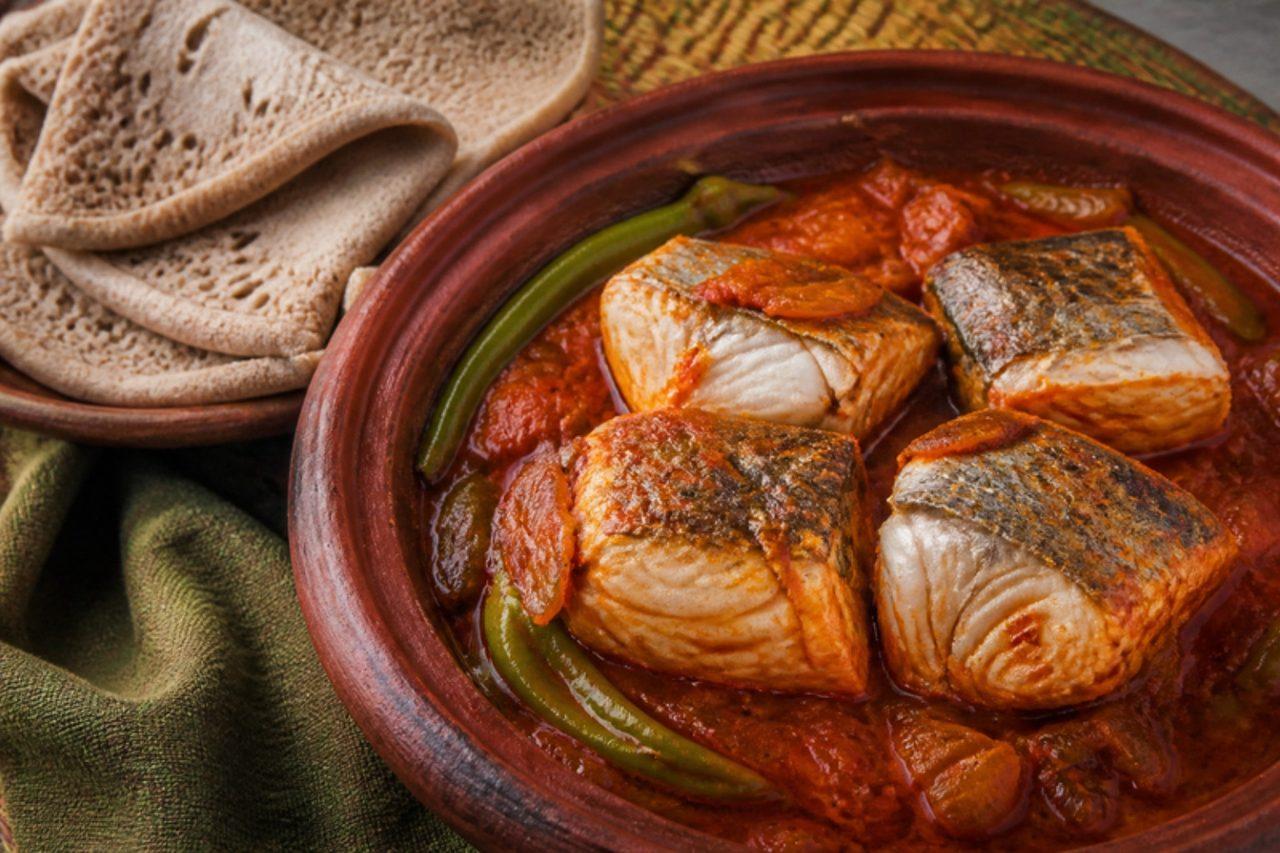
Asa watFish in berbere stew

Around Lake Tana in Bahir Dar and on the shores of Lake Hawassa, fresh tilapia, Nile perch and catfish are cheap and plentiful, so fish goes into the same deep red berbere sauce that elsewhere would hold beef or chicken. Asa wat has the familiar long-cooked onion base and warming spice, but it is lighter than a meat wat, with tender, sweet chunks of fish soaking up the sauce. It is eaten with injera, often alongside a lentil or greens dish, and is a popular choice on fasting days for those who eat fish. Stirring once the fish is in is the classic mistake; it breaks into shreds, so shake the pan instead. Chef's tip: add the fish only once the sauce is fully cooked and thick, then give it no more than 10 minutes.

by KrazyBadal 0 views

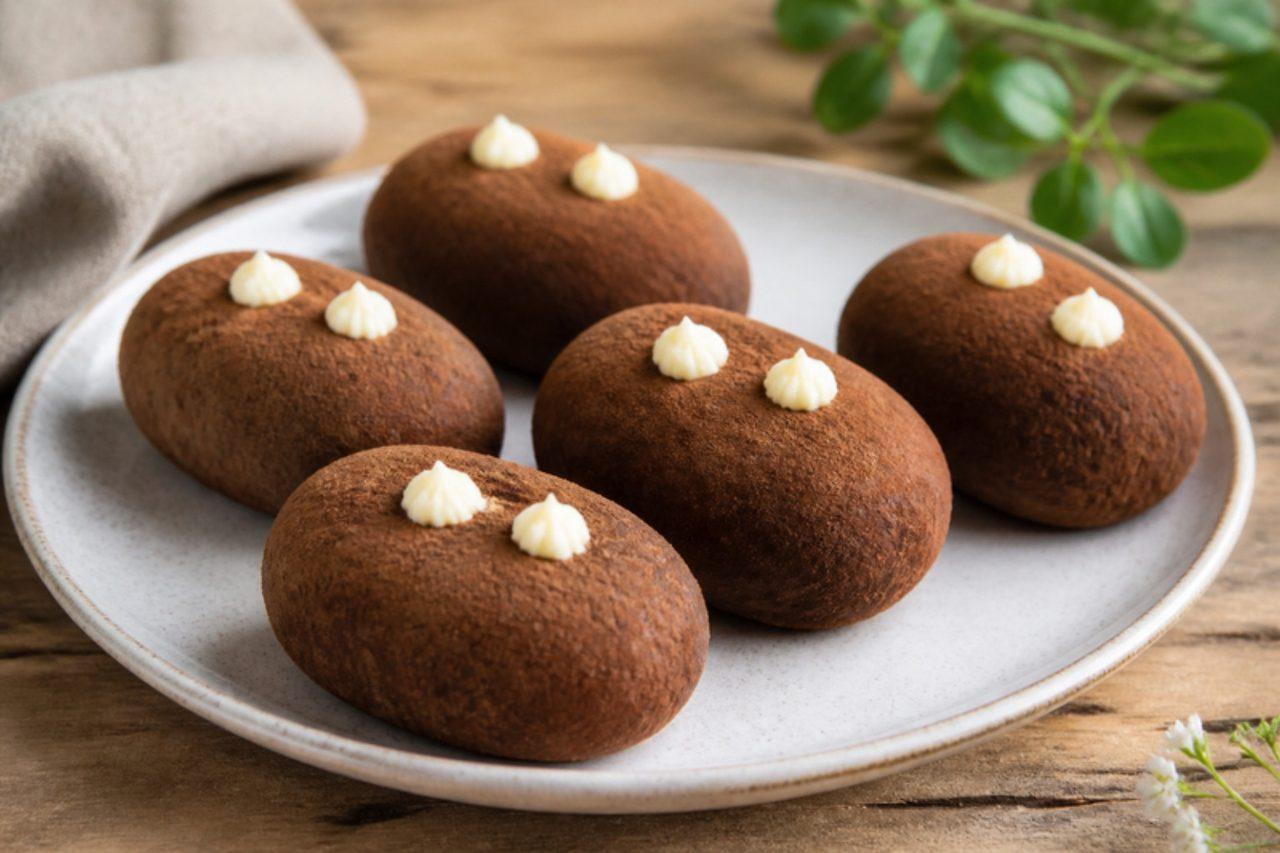
Kartoshka cakeCocoa and cake crumb truffles

Soviet cafés and school canteens sold these knobbly brown 'potatoes' for a few kopecks, and they began as a thrifty way to use up sponge and biscuit trimmings at the bakery. Crumbs are bound with butter and sweetened condensed milk, flavoured with cocoa and vanilla, shaped into little potatoes, rolled in cocoa and finished with two dabs of pale butter cream for the sprouts. They are fudgy and dense like a brownie truffle, need no oven, and children love making them. Traditional bakers added a spoonful of rum, an optional extra for adult batches only; this version is alcohol-free with vanilla. The usual slip is coarse crumbs, which make the potatoes crack, so blitz them as fine as sand. Chef's tip: chill the shaped potatoes for at least 20 minutes so they hold their shape and slice cleanly.

by KrazyBadal 2 views

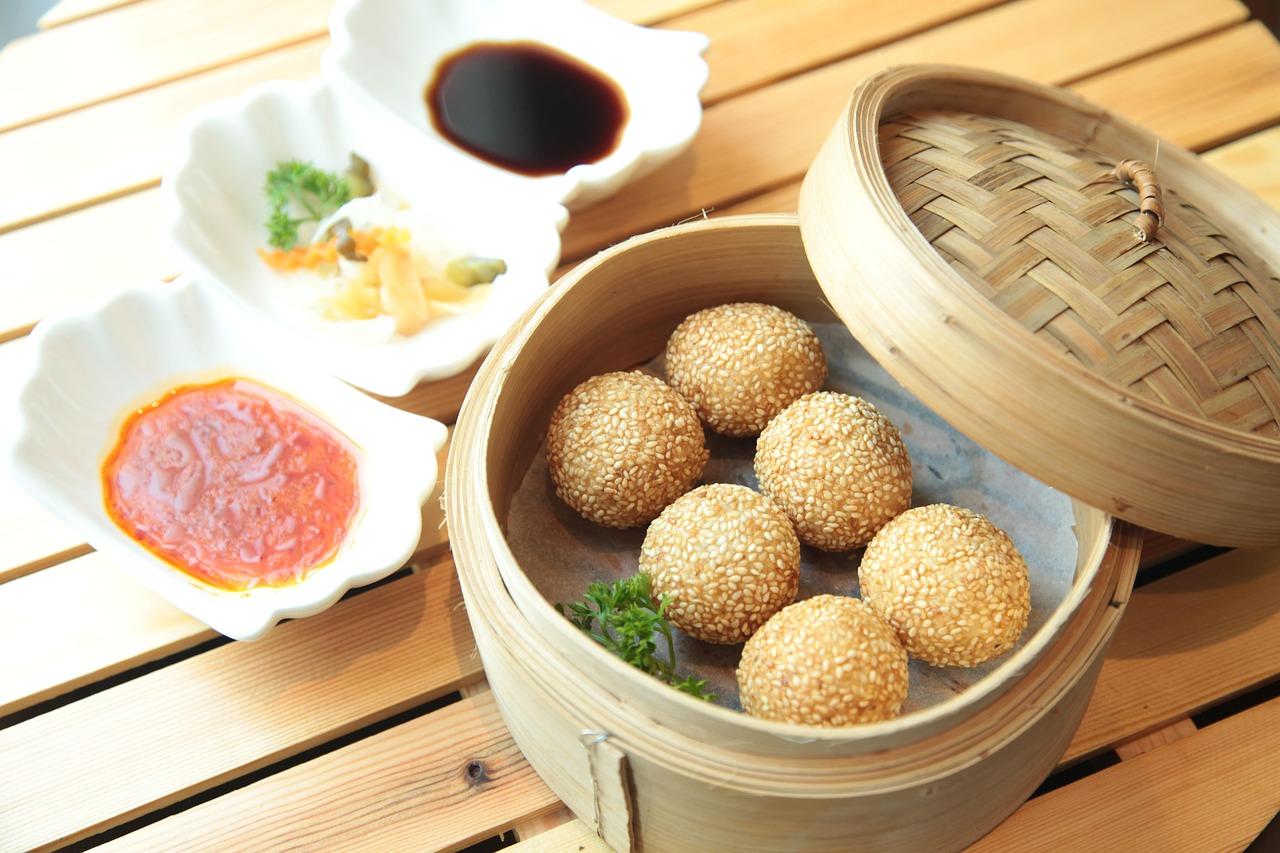
Sesame balls (jin deui)

No Hong Kong Lunar New Year feels complete without a plate of jin deui, though dim sum restaurants serve these golden globes every day of the year with morning tea. Each one is a thin, crackly shell of fried glutinous rice dough wrapped in toasted sesame seeds, hollow and chewy inside around a spoonful of red bean or lotus seed paste. They are best eaten within minutes of frying, alongside a pot of tea, when the shell still shatters and the seeds smell nutty. Dropping the balls into very hot oil is the classic error: the seeds scorch before the dough expands, and the balls can burst. Chef's tip: start them in moderately hot oil and keep gently pressing them against the side of the pan with a slotted spoon, which makes them swell and turn hollow.

by KrazyBadal 0 views

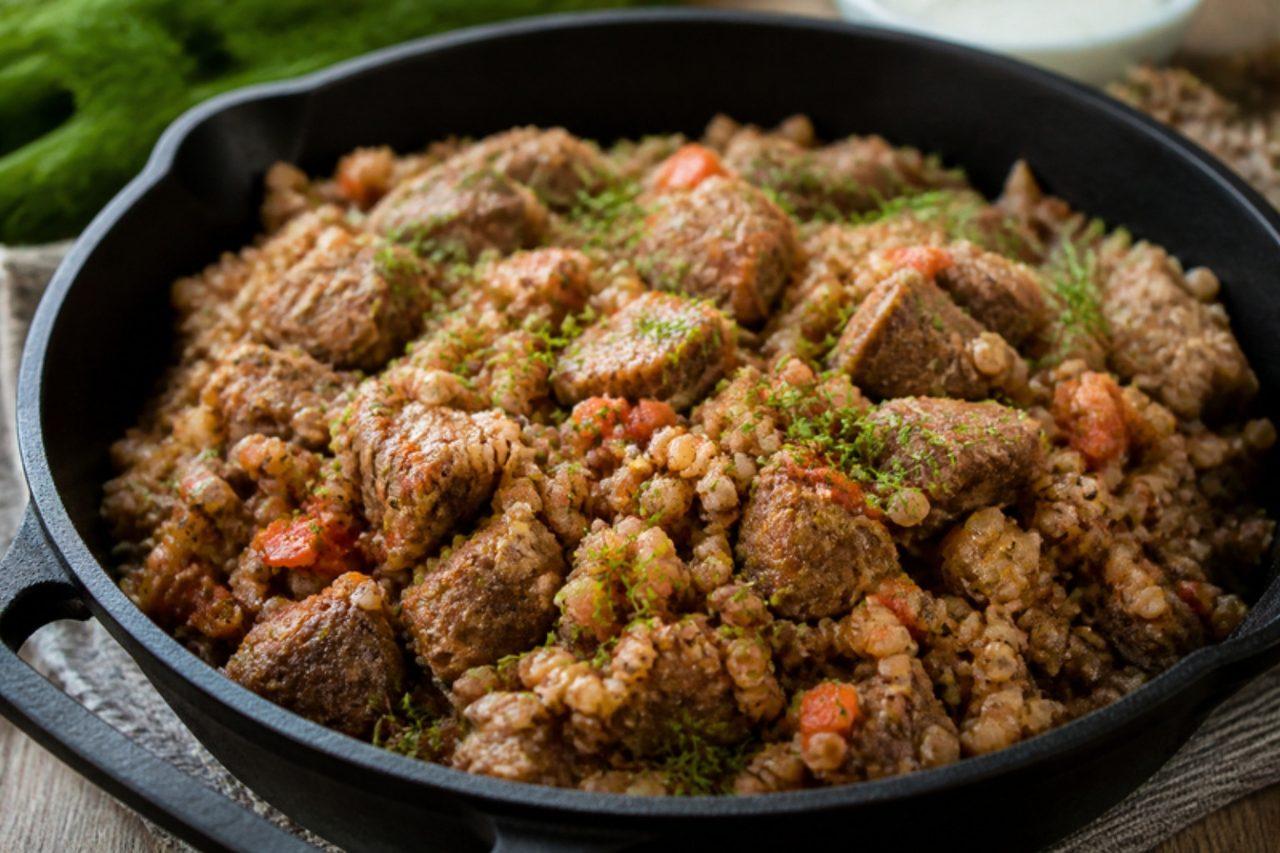
Grechka po-kupecheskiMerchant-style buckwheat

Russian merchants of the nineteenth century liked their buckwheat with meat in it, and "merchant-style" grechka became a hearty one-pan supper that students, soldiers and busy parents still cook today. Cubes of pork shoulder are browned with onion and carrot, enriched with tomato, then roasted buckwheat simmers in the same pan until every grain is separate and steeped in the juices. It is earthy, savoury and filling, best with a salted cucumber or a spoon of tsakhdon-style garlic sour cream. The usual slip is stirring the buckwheat while it cooks, which breaks the grains into mush; cover the pan and leave it alone. Pork pieces should be fully cooked to 71 °C. Chef's tip: toast the buckwheat in the pan for a minute before adding water to deepen its nutty taste.

by KrazyBadal 0 views

Lao iced coffee

High on the Bolaven Plateau above Pakse, the coffee towns around Paksong grow most of Laos's beans, and roadside stalls there brew them dark and strong through a long cloth sock, all day long. Ordered cold, it arrives as a glass of ice with a thick layer of sweetened condensed milk at the bottom, the black coffee poured over and stirred to a caramel brown, often with a free cup of weak tea to sip afterwards. It is bitter-sweet, chocolatey and much richer than a café latte, made for hot afternoons on the plateau or a morning stop in Pakse. A French press or a fine sieve lined with a paper filter stands in for the cloth sock. Pouring hot coffee straight onto ice before adding the milk is where it goes flat: the condensed milk won't dissolve in cold coffee and sinks in a gluey lump. Chef's tip: stir the condensed milk into the hot coffee first, then pour over the ice.

10 minLaoDrinksGluten free
by KrazyBadal 0 views

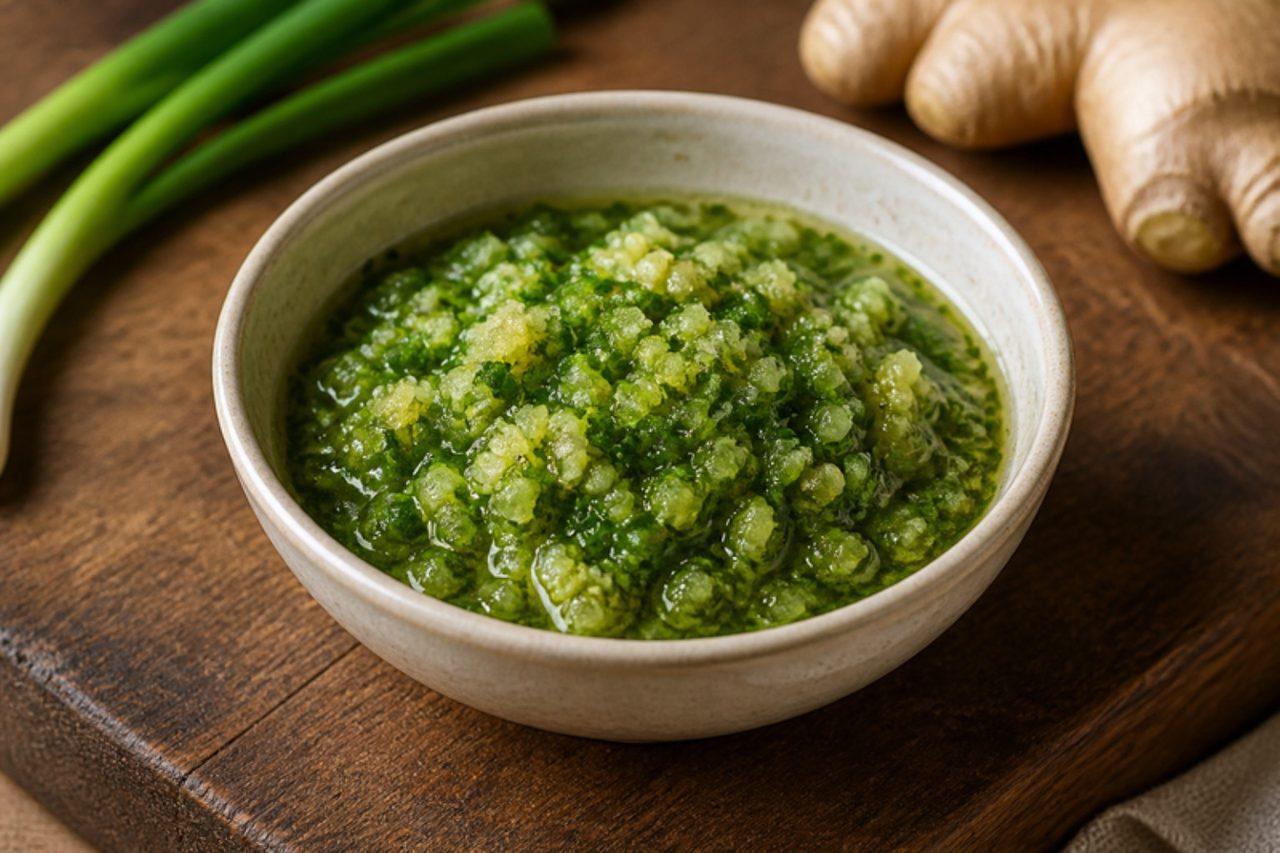
Ginger scallion sauce

Every Hong Kong siu mei shop keeps a tub of this pale green relish beside the chopping block, spooned next to white-cut poached chicken over rice or tossed through plain lo mein at late-night dai pai dong stalls. Smoking-hot oil is poured over raw ginger and spring onion, and the sizzle softens their bite into a sweet, salty, fragrant sauce with a gentle heat from the ginger. It is just as good with steamed tofu, plain congee, poached fish or a bowl of rice on its own. Many home cooks blitz everything in a food processor, which bruises the spring onions into a watery paste; chop them by hand instead. Chef's tip: pour the oil while it is properly hot, shimmering and just starting to smoke, so you hear a loud crackle; lukewarm oil leaves the sauce raw and greasy.

by KrazyBadal 0 views

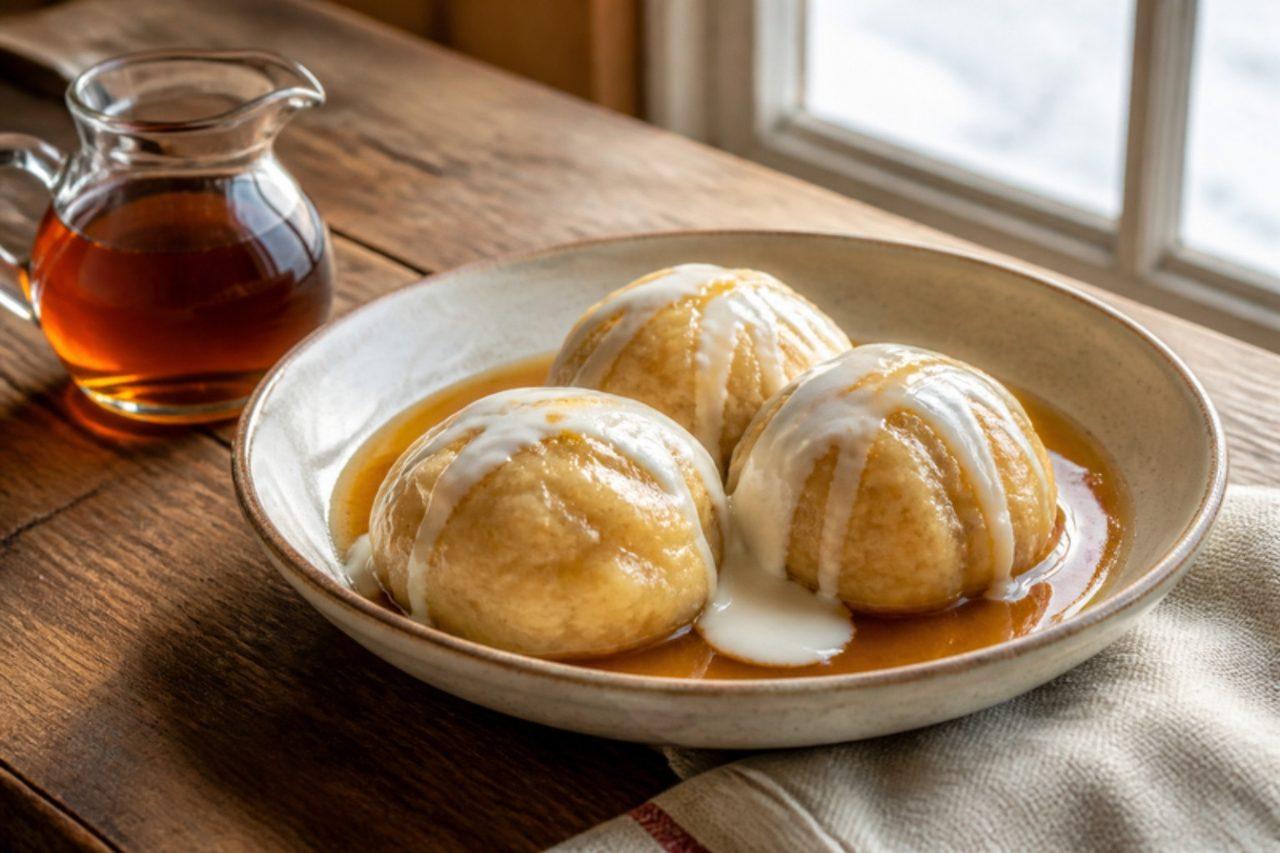
Grandfathers in maple syrupDumplings in maple syrup

Grands-pères are the dessert of the Quebec sugar shack in March and April, when sap is running and the cabane à sucre serves long breakfasts. Soft scone-like dumplings are dropped into simmering maple syrup and cooked under a lid until they puff up and soak in the syrup from below. In Beauce and the Eastern Townships families make them at home with the first syrup of the year. Serve warm in bowls with cold cream poured over. A common mistake is letting the syrup boil hard, which scorches it and makes it bitter. Chef's tip: keep the lid on for the full cooking time; lifting it lets the steam out and the dumplings sink and turn heavy.

by KrazyBadal 0 views

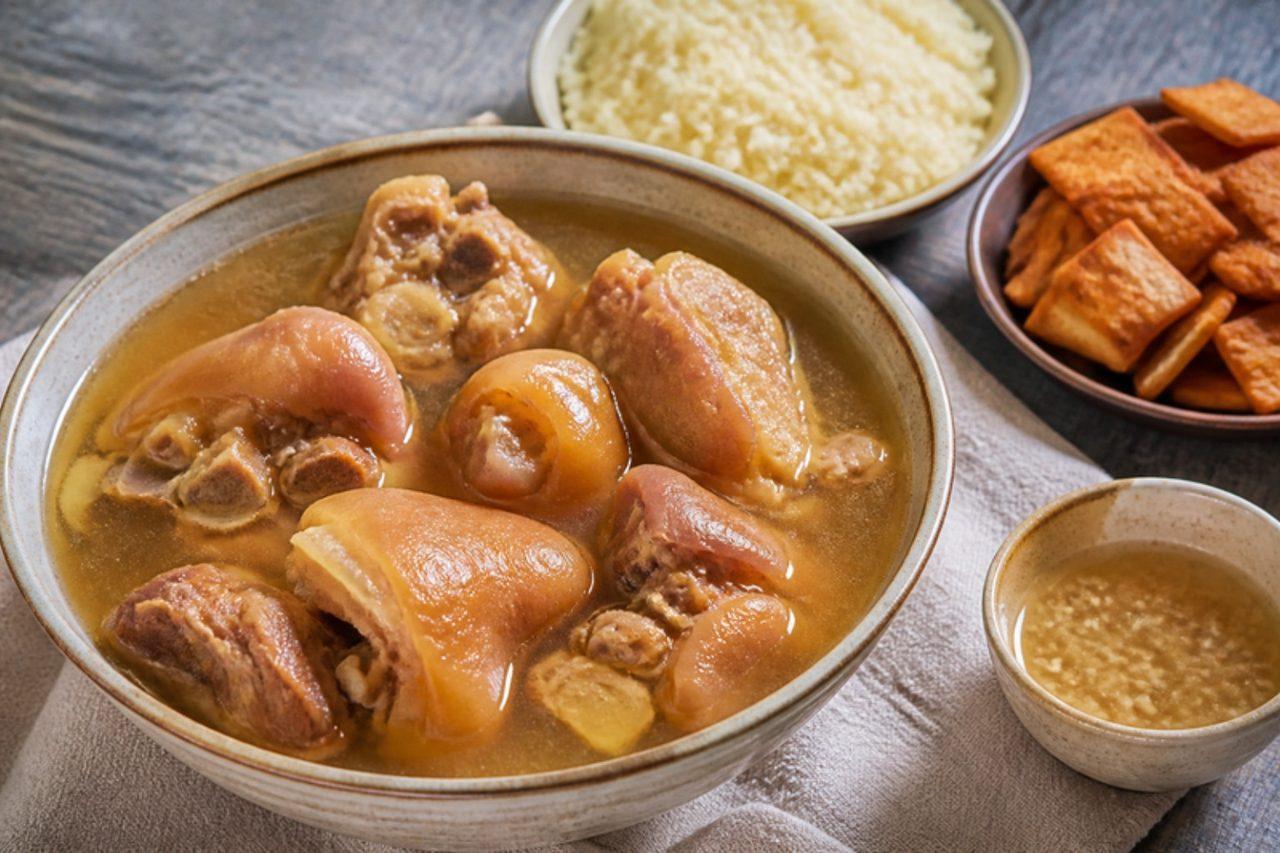
Kaware' (cow's trotter soup with fatta)

Old Cairo eateries that specialise in it open early, and kaware' has a loyal following on cold winter mornings and as a restorative after Ramadan nights; at home it is usually made after Eid al-Adha. Cow's feet are cleaned, blanched and then simmered for hours with onion, garlic and whole spices until the meat and skin turn soft and sticky and the broth sets like jelly when cold. It is served over fatta: layers of toasted flatbread and rice drenched with broth and a sharp garlic-and-vinegar sauce, with the tender trotter pieces on top. Ask the butcher to clean the feet and saw them into pieces. Chef's tip: a pressure cooker cuts the simmering to about 1 hour 30 minutes with no loss of flavour.

260 minEgyptianMeat
by KrazyBadal 0 views

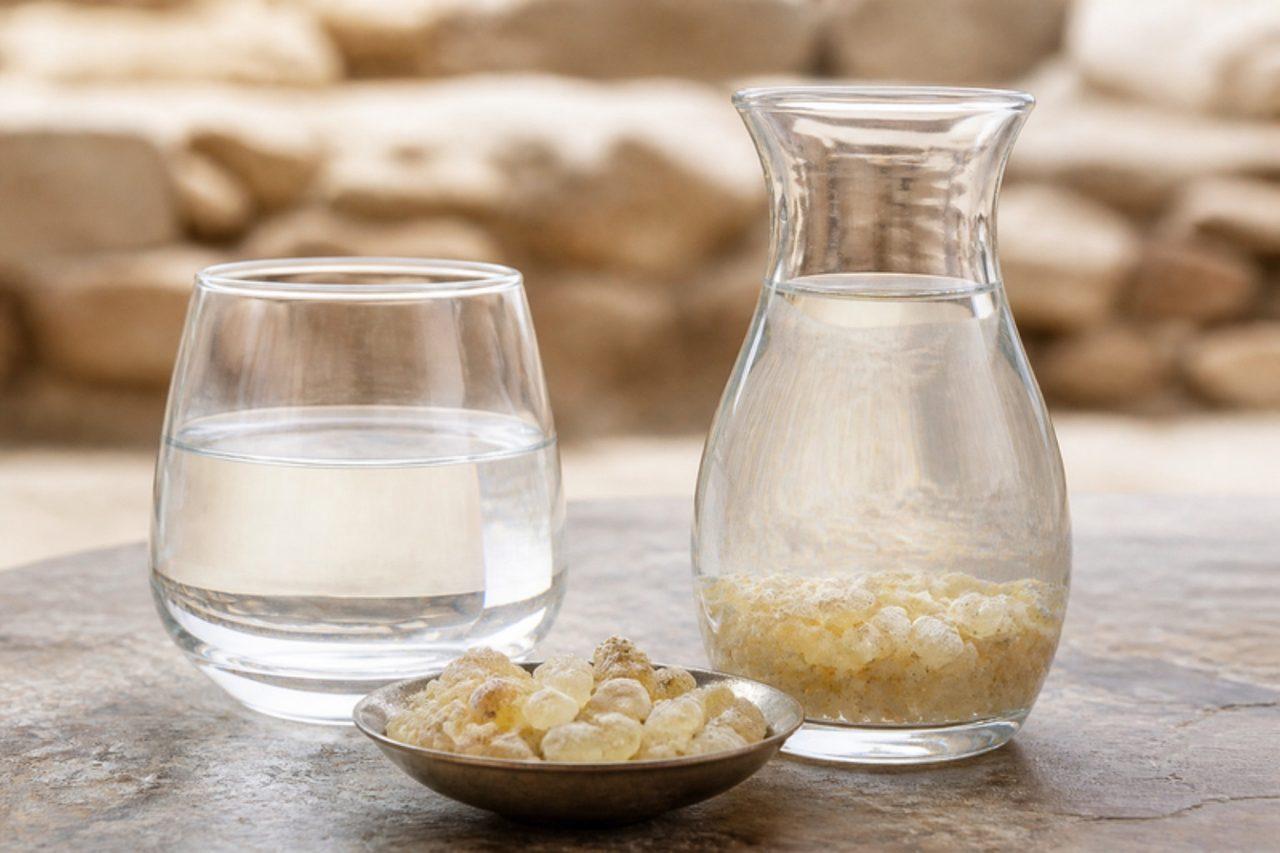
Frankincense water

Around Salalah in Oman's Dhofar region, where the frankincense trees grow on the dry hills behind the coast, many households drop a few tears of resin into a jug of water at night and sip it the next day, believing it settles the stomach. The water turns faintly milky and tastes cool, piney and slightly bitter. It is drunk at room temperature, in small glasses, often in the morning. Use only food-grade Boswellia sacra resin sold for eating (the pale hojari grade is best), never incense blends, and do not drink it if you are pregnant or breastfeeding, or without asking a doctor if you take regular medication. The mistake is using too much resin, which makes it unpleasantly bitter. Chef's tip: rinse the tears in a sieve first to wash off dust and resin powder, and the water will be clearer and gentler.

by KrazyBadal 0 views

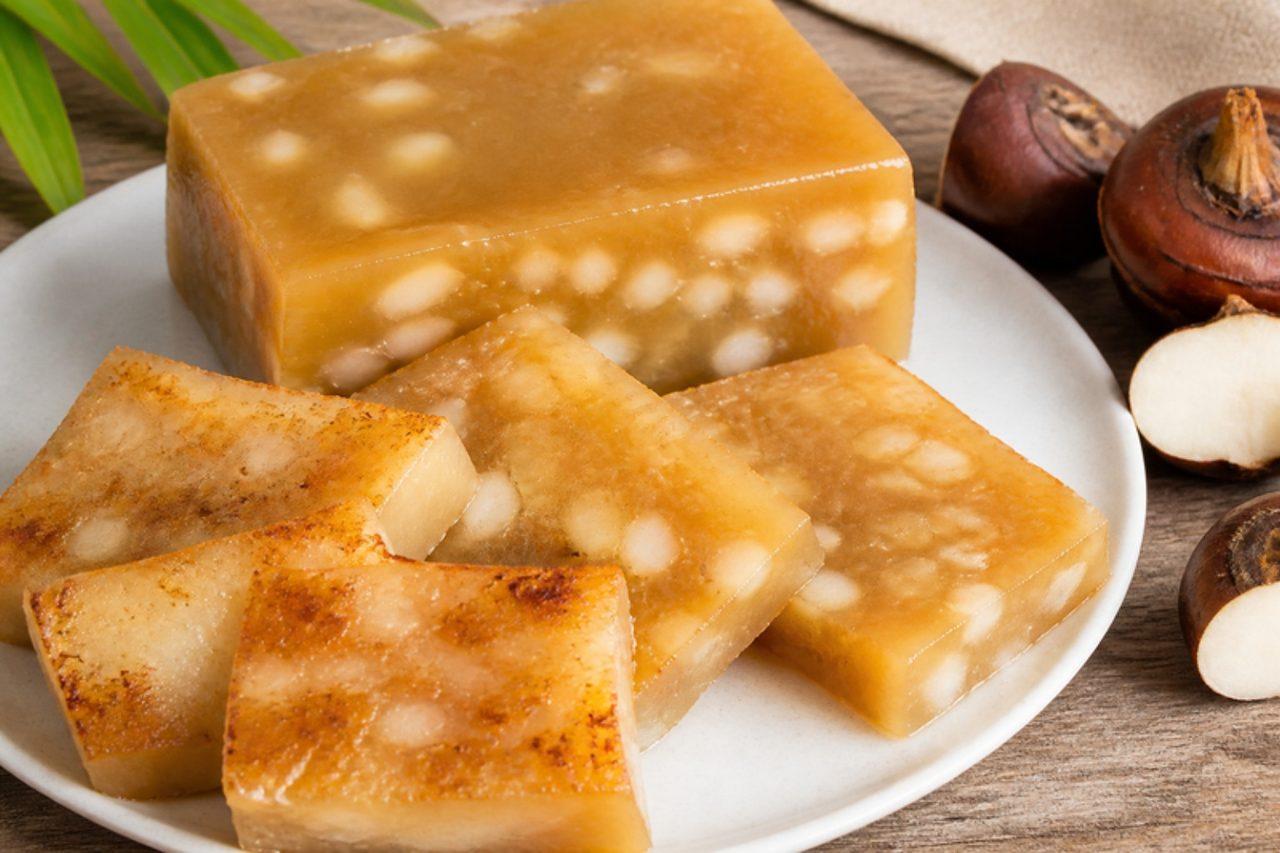
Water chestnut cake

Dim sum halls across Hong Kong lay out amber squares of water chestnut cake on small plates, and every Lunar New Year home kitchens steam a tray to give away to visitors. Set from water chestnut starch and brown slab sugar, the cake is translucent and gently chewy, flecked with pieces of fresh water chestnut that stay crisp and juicy. It is eaten cold and wobbly in summer, or sliced and pan-fried until the outside forms a caramel crust with a soft centre, with a cup of jasmine or oolong tea. A frequent problem is a lumpy, cloudy cake, which comes from pouring the hot syrup into the starch all at once without stirring. Chef's tip: let the cake set completely, ideally overnight in the fridge, before slicing with a knife dipped in water.

by KrazyBadal 0 views

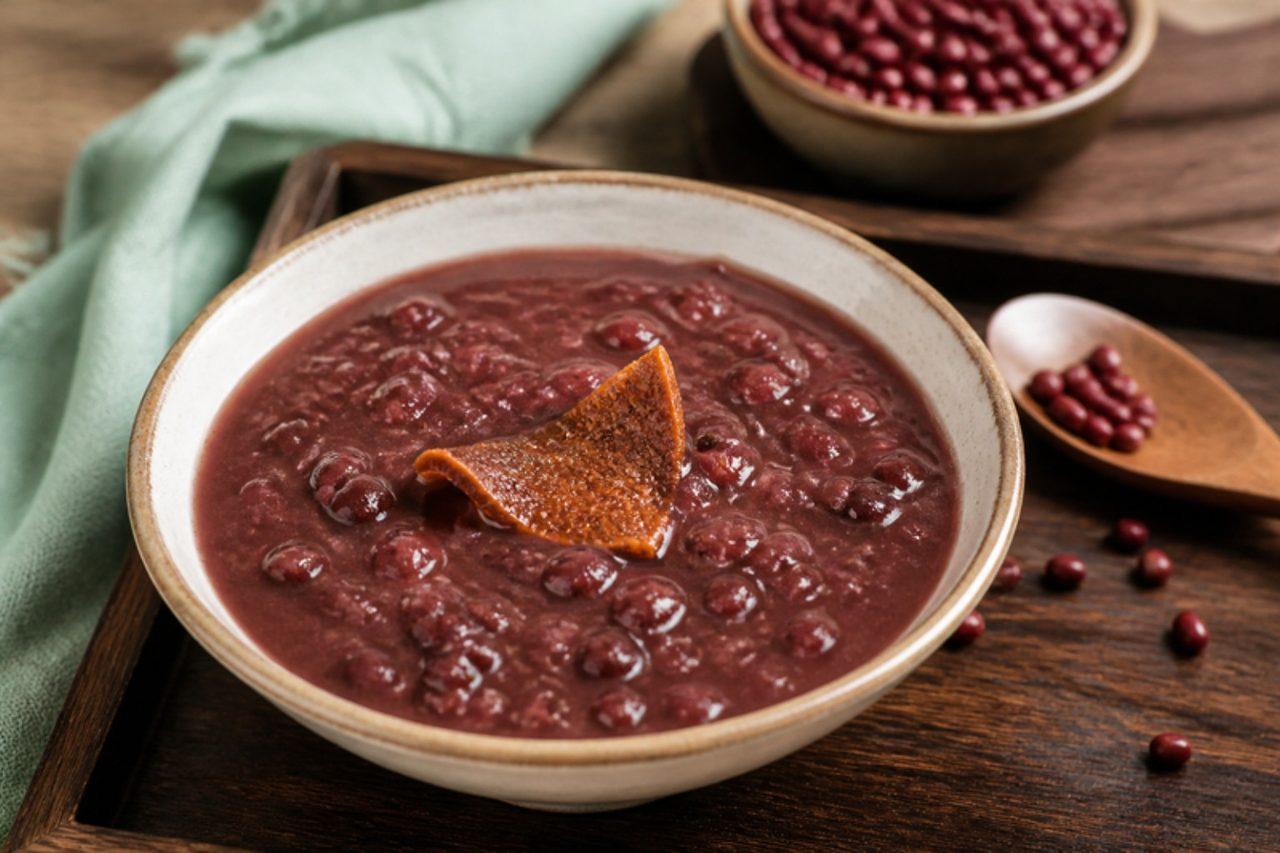
Red bean soup

Hong Kong Cantonese restaurants often send out a small bowl of hung dau sa on the house at the end of a banquet dinner, and dessert shops in Mong Kok serve it hot in winter and chilled with ice in summer. Long simmering breaks the adzuki beans down into a thick, velvety soup, part smooth and part whole beans, scented with the faintly bitter citrus of aged tangerine peel and sweetened with clean-tasting rock sugar. Some add a spoonful of coconut milk, lotus seeds or little glutinous rice balls. Adding the sugar too early is the common misstep, because it keeps the bean skins tough so they never collapse. Chef's tip: soak the beans, then freeze them in their soaking water for a few hours; the ice crystals crack the skins and halve the simmering time.

by KrazyBadal 0 views

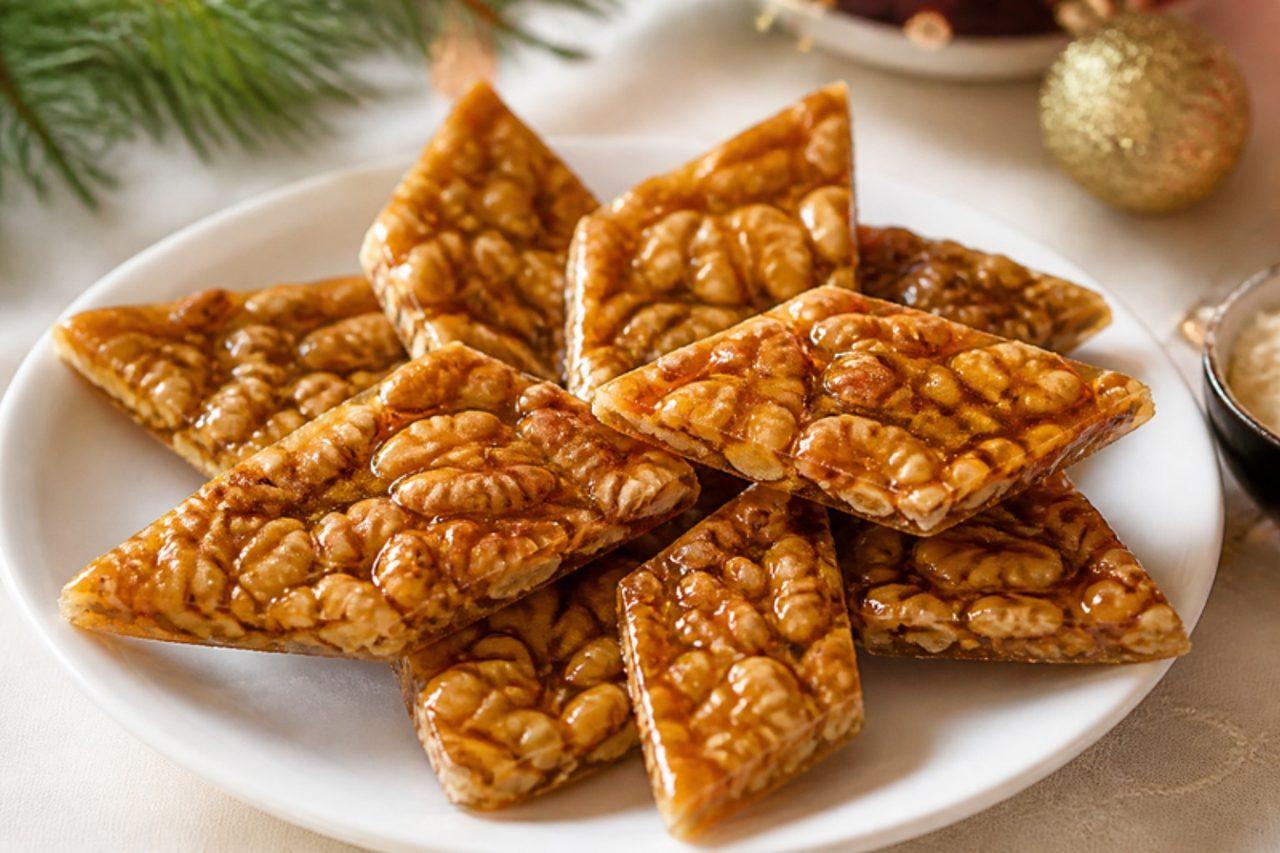
GozinakiWalnut and honey diamonds

Gozinaki is the sweet every Georgian family makes for New Year's Eve, from Tbilisi flats to Kakhetian farmhouses: toasted walnuts stirred into honey boiled until thick, spread on a wet board and cut into diamonds that set glossy and crunchy. Children help shell the walnuts in December, and a plate of gozinaki sits on the table for the midnight toasts. A common mistake is taking the honey off too early; it stays sticky and the pieces never set. Chef's tip: cook the honey until a drop in cold water forms a firm, pliable ball, then work fast, because the mixture sets as it cools.

by KrazyBadal 0 views

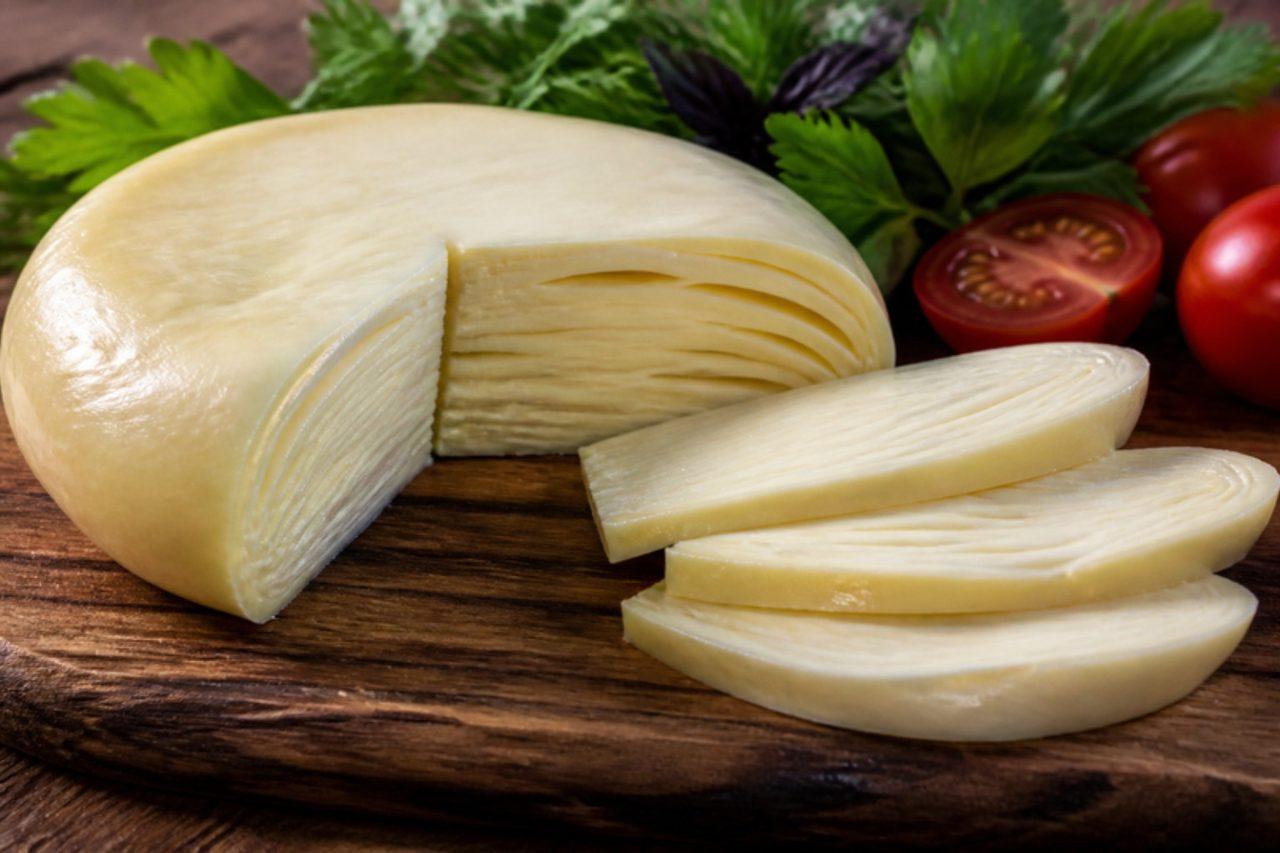
SulguniStretched cheese

Sulguni is the famous cheese of Samegrelo, made in Zugdidi homes by taking fresh, slightly soured curd, cutting it up and working it in hot water until it can be pulled into a glossy, layered, salty ball. It is eaten in thick slices, melted into elarji and khachapuri, and smoked over embers for a darker version. The curd has to be acidic enough to stretch, so you make the cheese one day and stretch it the next, or buy fresh Imeretian cheese and start from there. Traditionally animal rennet is used; vegetarian rennet works too. A common mistake is trying to stretch fresh, sweet curd; it melts into a puddle instead of pulling. Chef's tip: test a small piece in hot water first; if it stretches 30 cm without breaking, the curd is ready.

by KrazyBadal 0 views

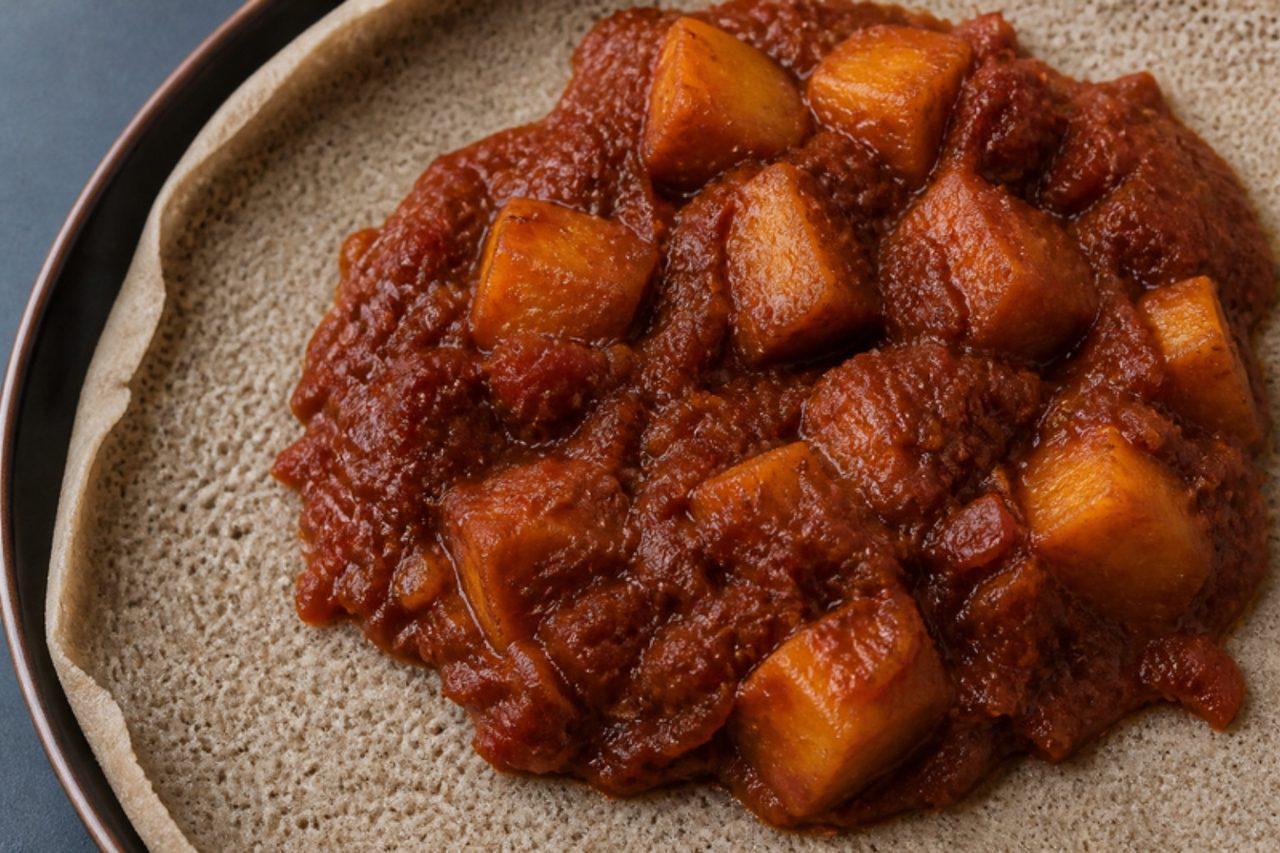
Ye-dinich wat (spicy Ethiopian potato stew)

Wednesday and Friday lunch in countless Ethiopian homes and canteens includes a pot of ye-dinich wat, the potato stew that turns a few cheap ingredients into something deeply savoury. Red onions are cooked down slowly, then berbere, garlic and ginger go in with oil to build a dark, glossy sauce, and cubes of potato simmer in it until they soften and start to thicken it at the edges. It is hot, earthy and comforting, and scooped up with injera next to shiro, misir and gomen on a fasting platter. Because it uses oil and no butter, it is fully vegan. Hurrying the onion base is the usual mistake; give it the full time or the sauce tastes thin and raw. Chef's tip: cut the potatoes into even 2 cm cubes, so they cook at the same rate and hold their shape.

by KrazyBadal 0 views

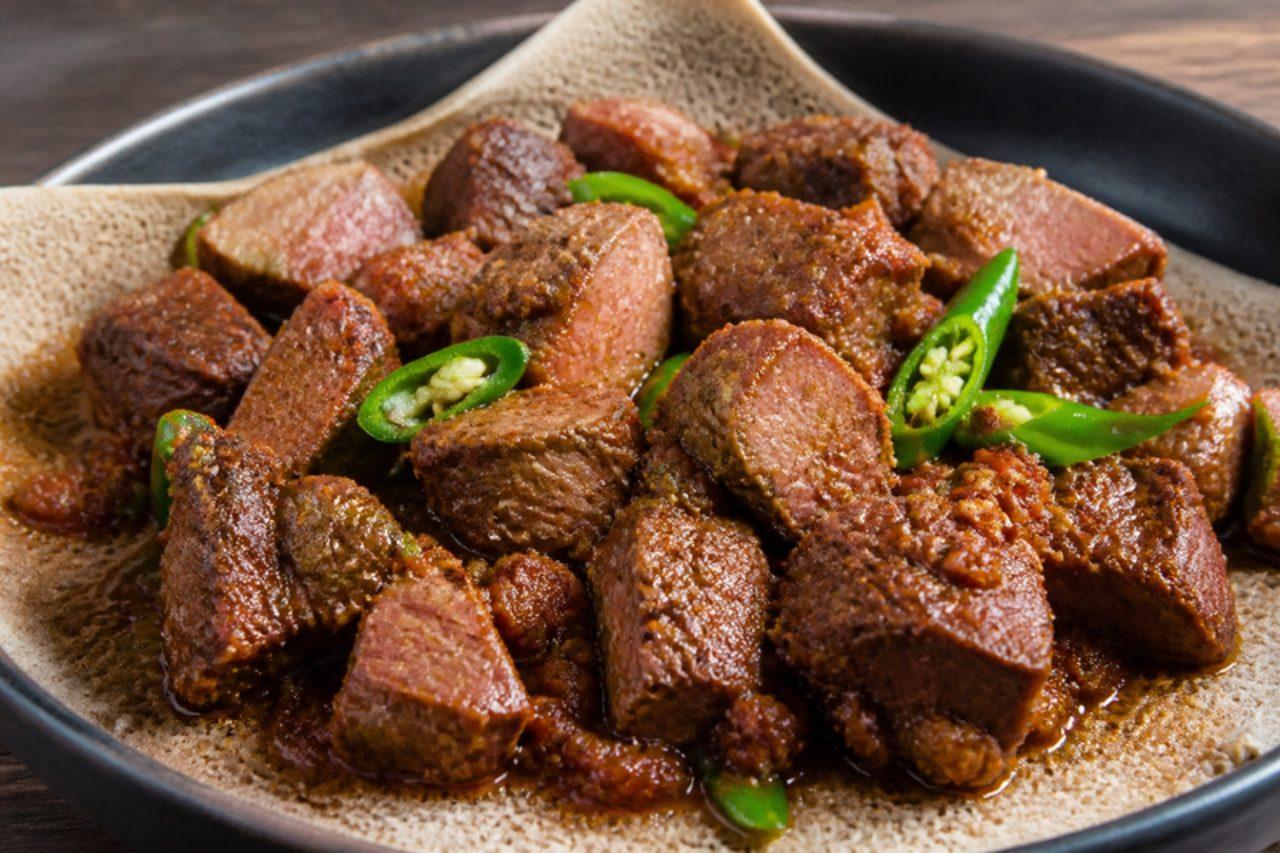
Seared gored goredSeared beef cubes in spiced butter

Gored gored is a celebration dish in Addis Ababa, ordered at butcher-restaurants and served at weddings and holiday gatherings, where cubes of the best beef are dressed with melted niter kibbeh, awaze and mitmita and eaten with injera. Traditionally the meat is served raw. Raw beef is not for pregnant women, young children or anyone with a weakened immune system, so this version sears the cubes over a fierce heat until well browned on every side and cooked to at least 63 °C in the centre, then rests them; take them to 71 °C if you prefer them fully cooked. The result is tender and juicy, rich with spiced butter and fiery from the awaze. Chef's tip: dry the cubes thoroughly with kitchen paper and sear them in two batches; a crowded pan steams the meat grey instead of browning it.

by KrazyBadal 0 views

Showing 18 of 7,762 recipes

Show more recipes

Page 187 of 863