


Skip to content
Balish mishti
Featured recipe

Balish mishti

Giant pillow-shaped chhana sweet

Balish means pillow, and in Netrokona, in the north of Mymensingh division, this sweet is sold in sizes up to the length of a hand: a huge, soft, oblong chhana sweet cooked in syrup until golden and spongy, then smothered with a layer of thick, creamy reduced milk. A sweet-maker in the town created it in the early twentieth century and it is now the gift people bring to weddings and family visits in the region, sliced at the table and shared. The inside is soft and syrupy, the topping rich like clotted cream. Large chhana shapes crack open in the boiling syrup if the dough isn't kneaded long enough, which is the main thing that goes wrong, so take the full 10 minutes. Chef's tip: a spoon of plain flour in the chhana helps the big pillows hold their shape as they swell.

Read more 0 views

What to eat today?

Around the world

Today's trip: Paraguayan

A new country every day, from every cuisine on the site.

Paraguayan

Chipa

Cheese bread rings 50 minMore from Paraguayan (27) →

This week's collection

Kid-friendly dinners
537 recipes · a new collection every Monday

Latest recipes

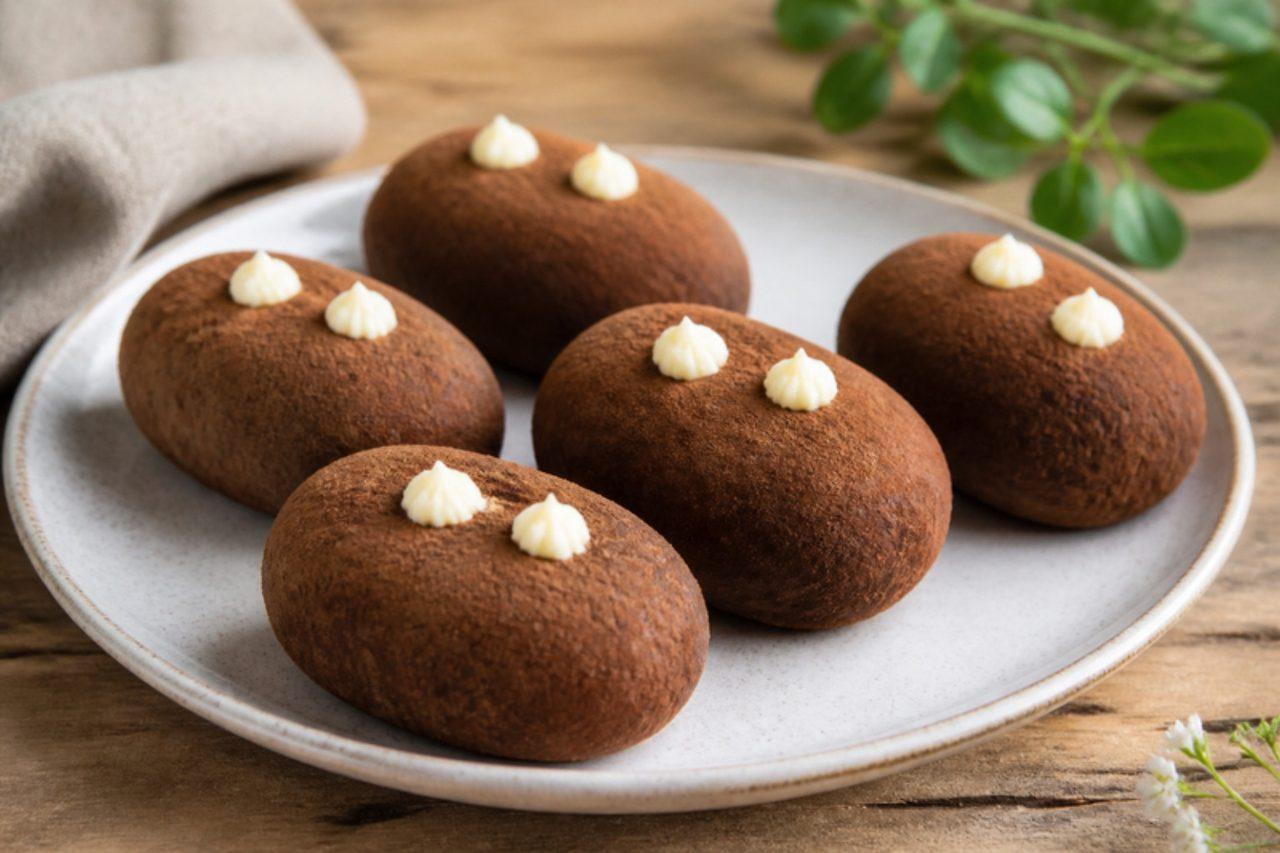
Kartoshka cakeCocoa and cake crumb truffles

Soviet cafés and school canteens sold these knobbly brown 'potatoes' for a few kopecks, and they began as a thrifty way to use up sponge and biscuit trimmings at the bakery. Crumbs are bound with butter and sweetened condensed milk, flavoured with cocoa and vanilla, shaped into little potatoes, rolled in cocoa and finished with two dabs of pale butter cream for the sprouts. They are fudgy and dense like a brownie truffle, need no oven, and children love making them. Traditional bakers added a spoonful of rum, an optional extra for adult batches only; this version is alcohol-free with vanilla. The usual slip is coarse crumbs, which make the potatoes crack, so blitz them as fine as sand. Chef's tip: chill the shaped potatoes for at least 20 minutes so they hold their shape and slice cleanly.

by KrazyBadal 2 views

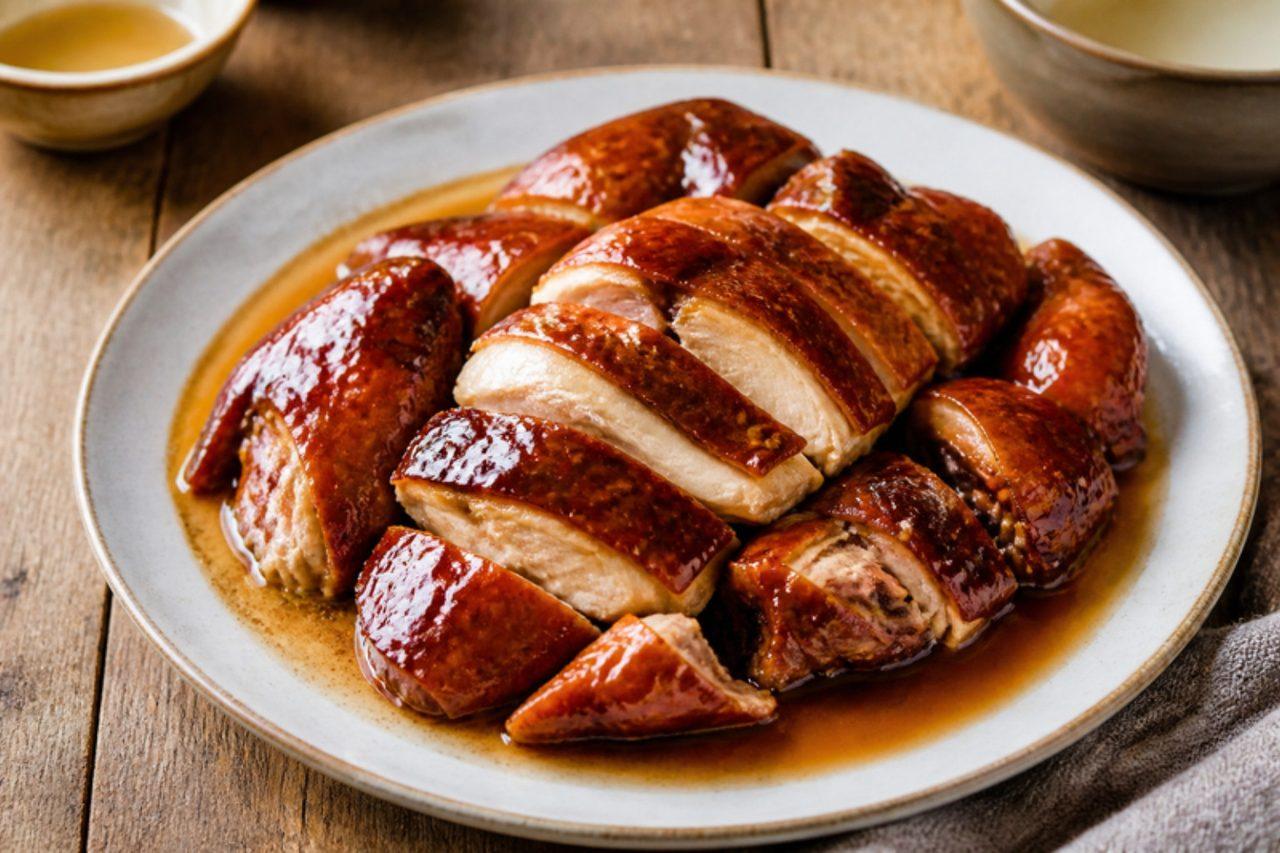
Soy sauce chicken

Glossy, chestnut-brown and hung by the neck in siu mei shop windows across Hong Kong, see yau gai is the gentle cousin of roast meats: a whole chicken poached in a fragrant master stock of light and dark soy, rock sugar, star anise, cinnamon and ginger until the skin is lacquered and the meat silky and sweet-savoury. It is chopped onto plates of rice with a ladle of the sauce for a quick lunch, or served at home with blanched greens. Shaoxing rice wine goes into the stock, with an alcohol-free option in the list. Traditional cooks pull the bird while it is still pink at the bone; this recipe does not, and the chicken is cooked to 74 °C in the thickest part of the thigh. The main pitfall is a rolling boil, which tears the skin and toughens the breast; keep the stock barely trembling. Chef's tip: strain and freeze the stock, and it gets deeper every time you reuse it.

by KrazyBadal 0 views

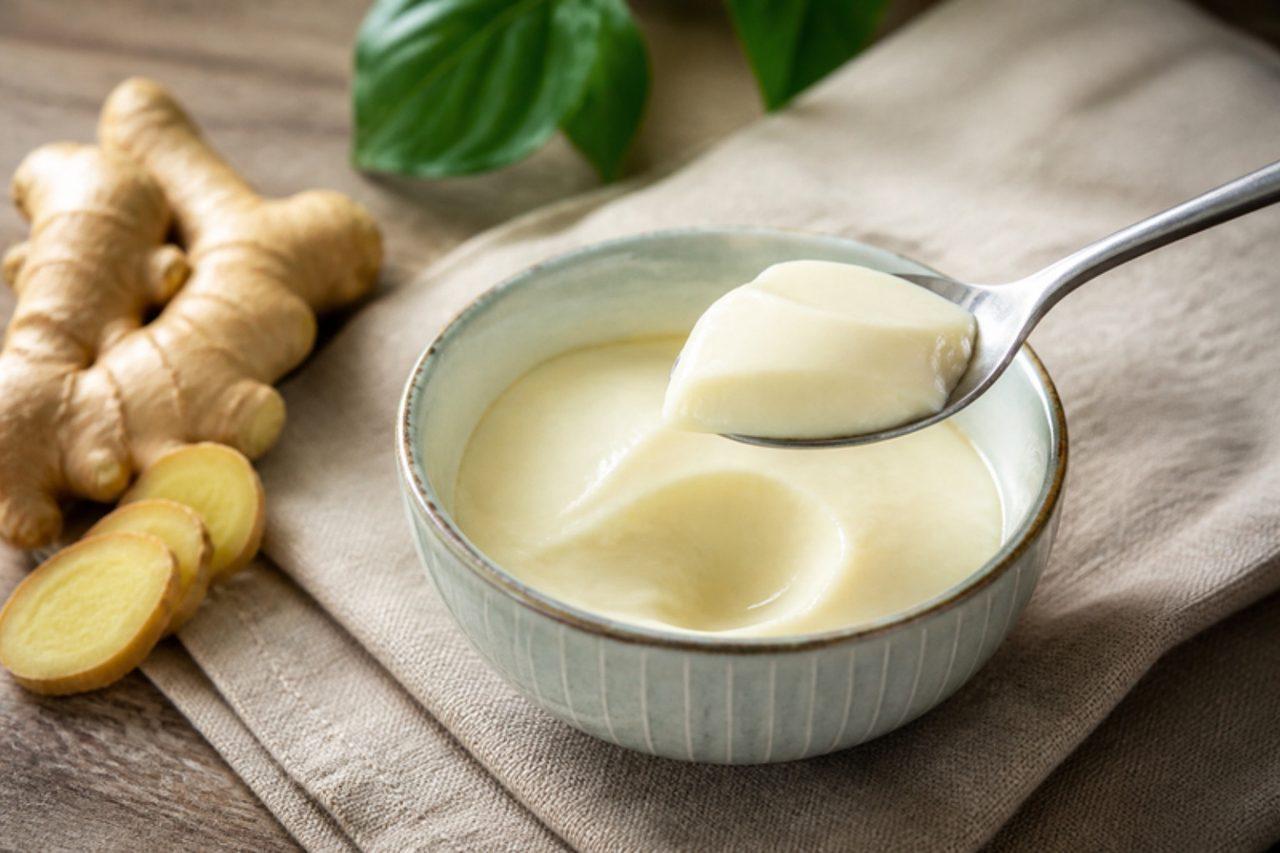
Ginger milk curd

Born in the Pearl River Delta town of Shawan in Panyu, Guangdong, ginger milk curd crossed the border to become a favourite of Hong Kong dessert parlours in Jordan and Causeway Bay, ordered hot on a winter night. There's no setting agent: an enzyme in fresh ginger juice curdles hot milk within minutes into a trembling, spoonable custard that's sweet, creamy and warming, with a peppery ginger kick. It is eaten straight from the bowl while still warm, with nothing alongside. Long-life UHT milk is the classic mistake, since its proteins have been changed by the high heat and it simply won't set; use fresh pasteurised whole cow's milk. Chef's tip: use mature, fibrous ginger rather than young pink-tipped ginger, and heat the milk to 70–75 °C, measured with a thermometer.

by KrazyBadal 0 views

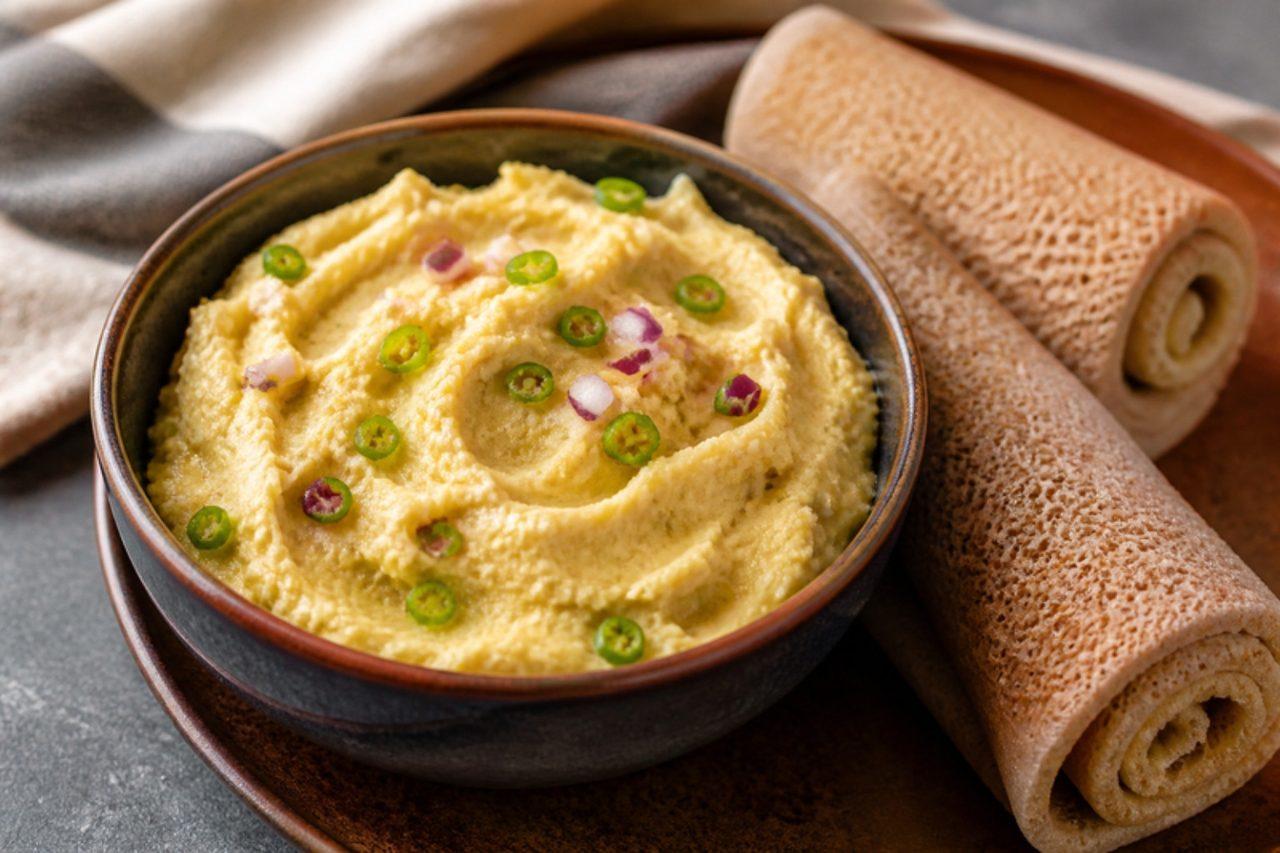
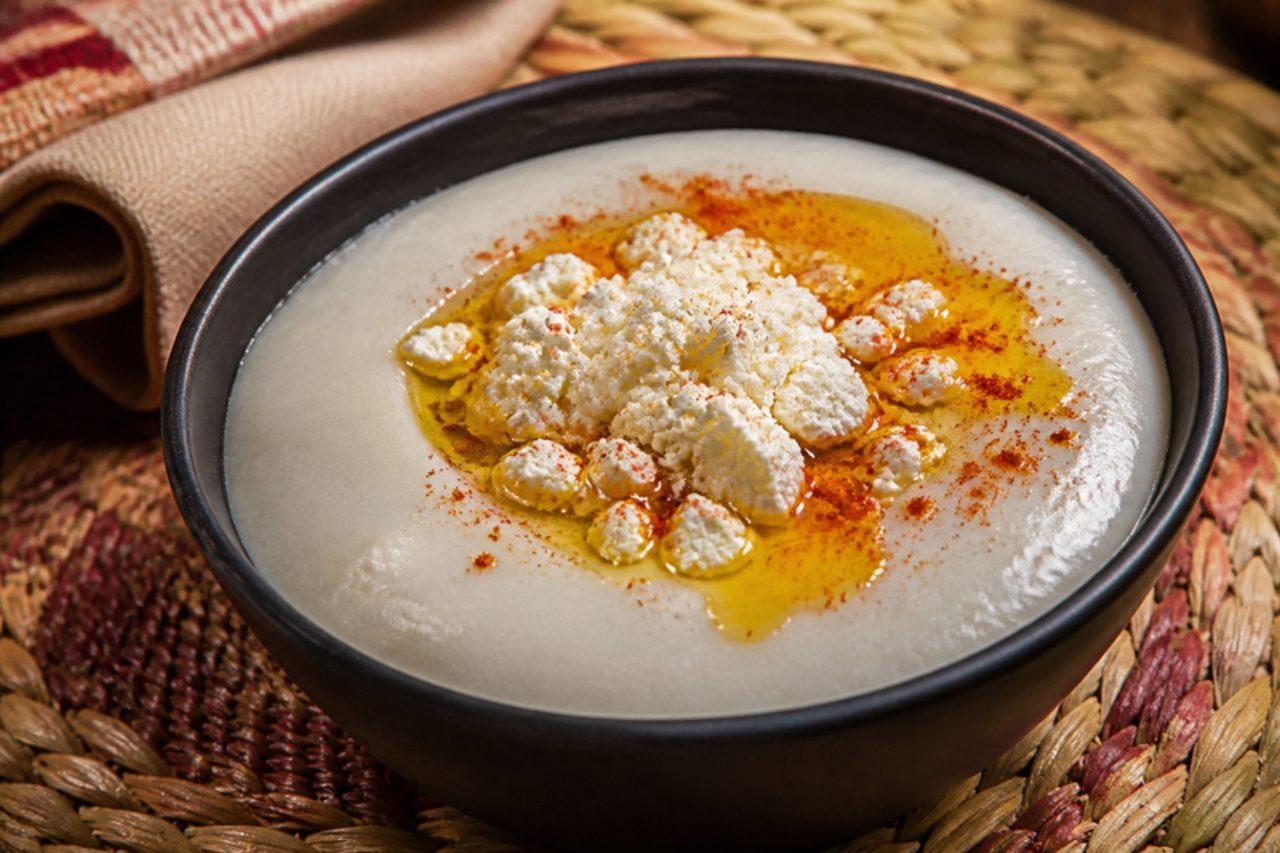
Buticha (whipped chickpea flour dip)

Ethiopian Orthodox kitchens make buticha on fasting days as a plant-based stand-in for scrambled egg or fresh cheese, and it often sits as a pale, fluffy mound on the vegan platters of Addis Ababa's restaurants. Chickpea flour is cooked with water into a thick paste, cooled, then beaten with oil and plenty of lemon juice and mixed with raw red onion and green chilli. The texture is soft, crumbly and light, the flavour tangy and fresh against the rich, red wats. Serve it cool with injera, or as a dip with kita. A common mistake is beating it while still hot, which makes it gluey instead of fluffy; let it cool completely first. Chef's tip: cook the paste a full eight minutes after it thickens, so no raw, beany taste is left.

by KrazyBadal 0 views

GushtabaMutton balls in yogurt gravy

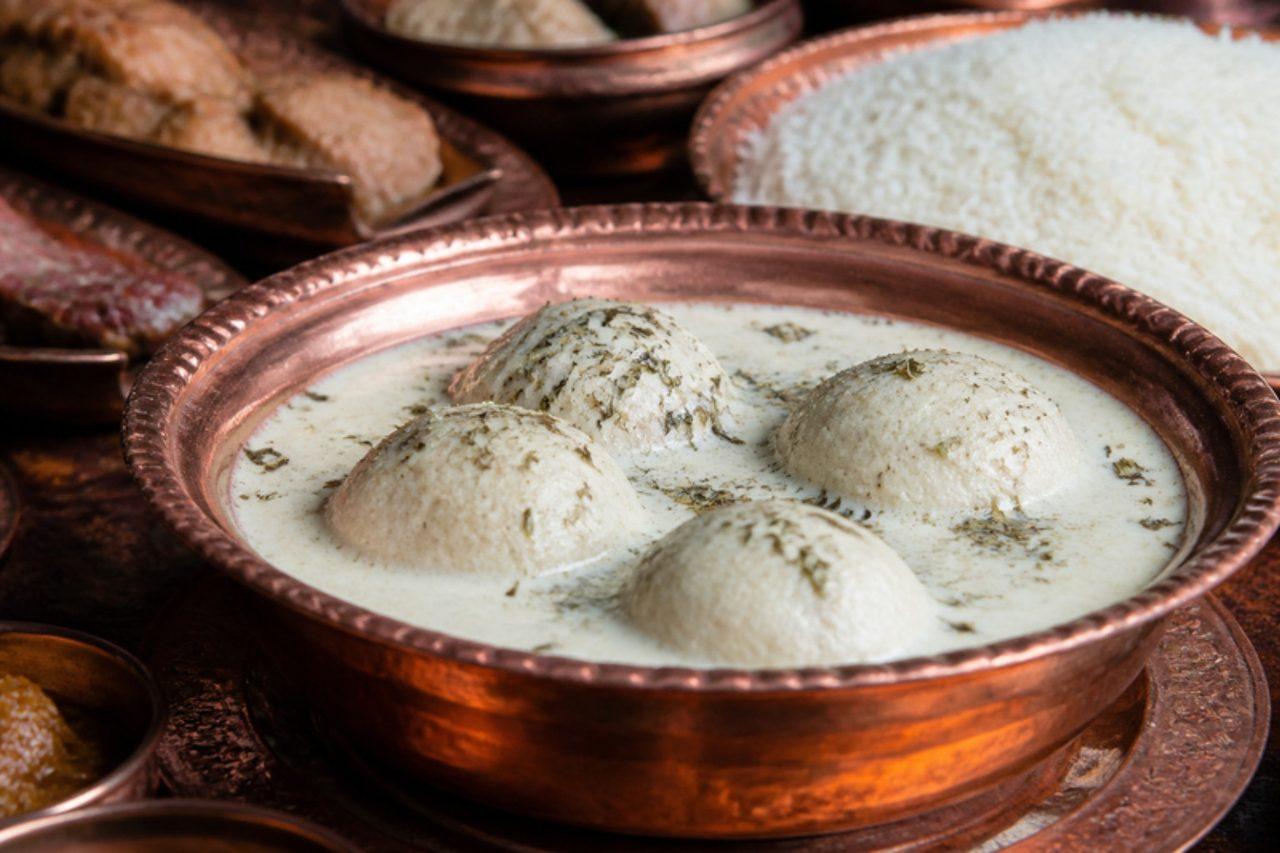
No Kashmiri wedding feast ends without gushtaba. After hours of wazwan courses, the waza (master cook) brings out these large, pale balls of mutton pounded with fat until silky, swimming in a creamy yogurt gravy scented with fennel, dry ginger and cardamom, and its arrival tells guests the meal is over. Families of Kashmiri descent in Muzaffarabad, Mirpur and Rawalpindi still serve it at weddings and on special Fridays, with plain steamed rice. Good gushtaba is so smooth that it barely holds together on the spoon. Using lean meat is what lets people down: without about a quarter fat the balls turn grainy and hard. Chef's tip: traditionally the meat is pounded on a stone for an hour; at home, process it in short bursts with chilled fat and ice-cold water, stopping to scrape down, until it looks like a sticky, shiny paste.

by KrazyBadal 0 views

Timatim fitfit (torn injera with fresh tomato)

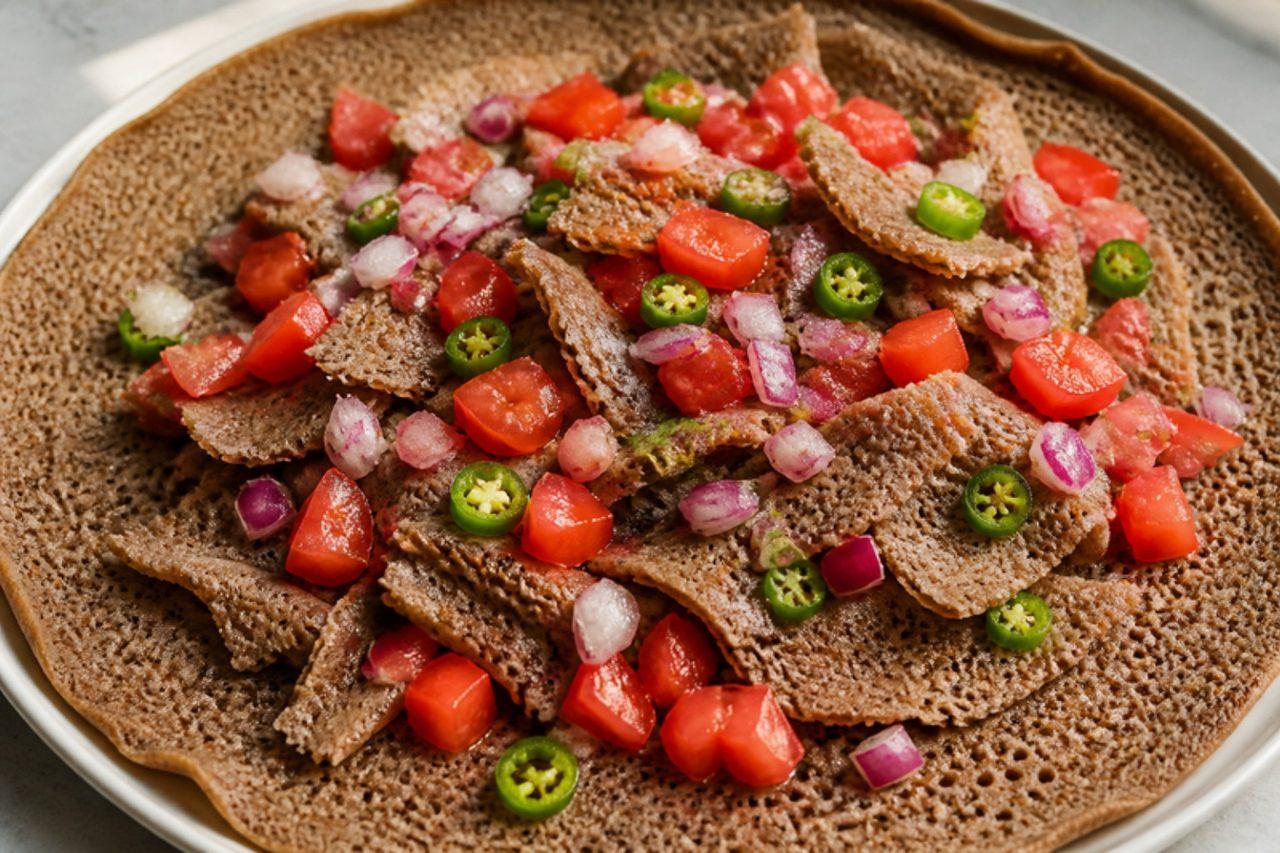
Leftover injera never goes to waste: torn into bite-sized pieces and tossed with juicy chopped tomato, red onion, green chilli, lemon and oil, it becomes timatim fitfit, a cool, tangy salad eaten for a light lunch on hot days and on fasting days all over the country. Unlike timatim salata, which is just the tomato salad, this version is a meal in itself: the injera drinks up the dressing and turns soft and spongy while keeping a little chew. It is usually served in a bowl and eaten with more injera or with a spoon. The common mistake is mixing it too early, which turns the bread soggy; toss it no more than ten minutes before eating. It is gluten free only if your injera is made from 100% teff. Chef's tip: use day-old injera, which is slightly drier and holds its shape better than fresh.

by KrazyBadal 0 views

AthirasaFried rice flour jaggery cakes

Athirasa, a dark, flat disc with a shiny, slightly crinkled surface, is one of the keeping sweets of the Avurudu season: families fry stacks of them in early April, store them in tins and offer them to every visitor for weeks. The dough is simply rice flour stirred into jaggery syrup cooked to the soft-ball stage, flavoured with cardamom and left to rest, then patted into rounds and fried until deep brown. The cook presses each one firmly between two flat spoons or saucers to squeeze out excess oil, which gives athirasa its chewy, toffee-like centre and lacy, crisp edges. The typical slip is undercooking the syrup, which makes the dough too soft to shape and causes the rounds to fall apart in the oil. Chef's tip: shape the discs on a piece of oiled banana leaf or baking paper and slide them straight into the oil from it, so they keep a neat round shape.

by KrazyBadal 0 views

Bajan pumpkin fritters

Barbadian grandmothers turn leftover boiled pumpkin into these little fritters for Sunday tea, frying spoonfuls of a soft, spiced batter until puffed and golden, then rolling them in sugar while still hot. Inside they are tender and custardy, with cinnamon, nutmeg and a hint of vanilla. They're best eaten warm, straight from the paper towel. The common mistake is a watery batter from wet pumpkin, which makes flat, greasy fritters: drain the cooked pumpkin well. Chef's tip: use the dense, orange West Indian pumpkin or butternut squash; watery jack-o'-lantern pumpkins don't work well.

by KrazyBadal 0 views

Maqaw chicken soupMountain pepper chicken soup

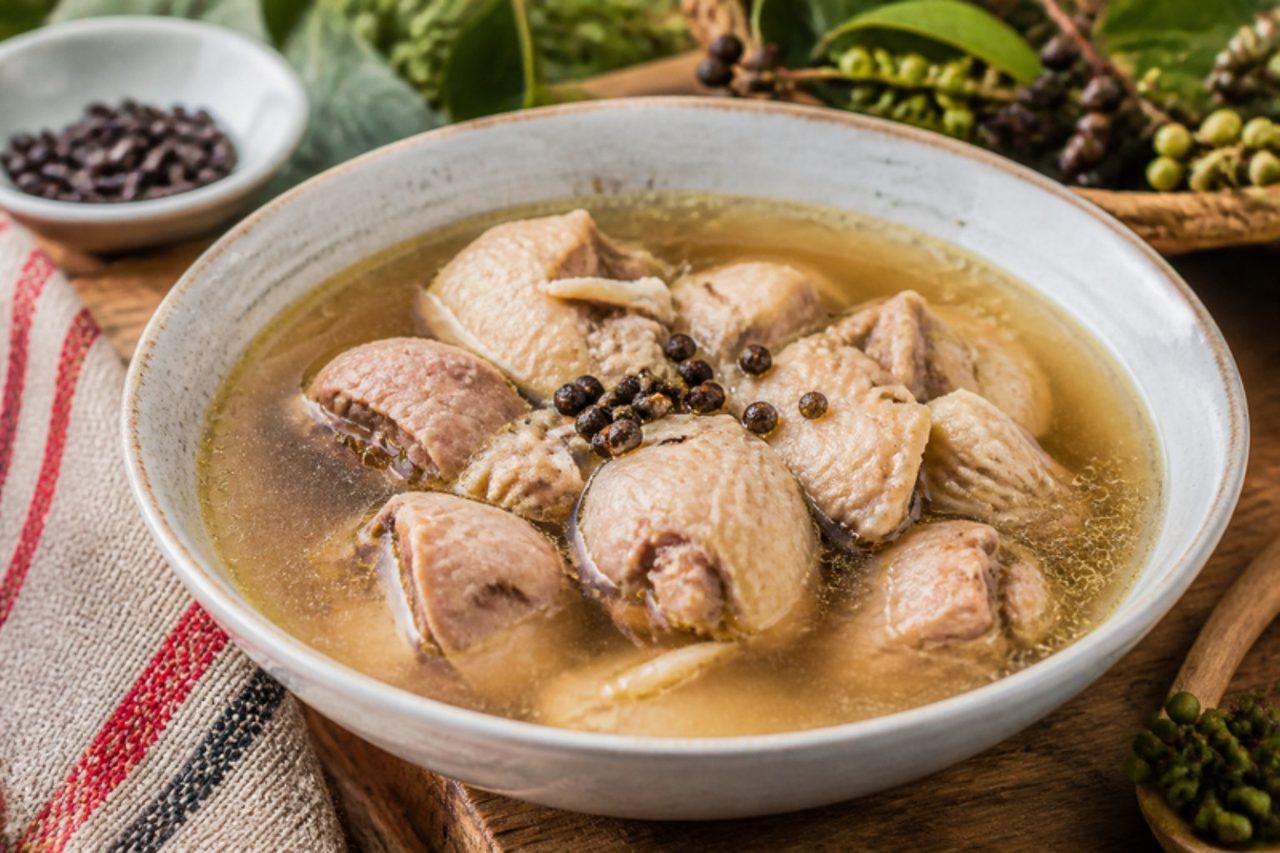
High in the mountains of northern Taiwan, in Atayal villages around Wulai and Fuxing, maqaw berries are picked from the mountain litsea tree in summer and dried to flavour soups, grilled meat and tea. In this clear chicken soup, served at home suppers and in Indigenous restaurants with millet or rice and wild greens, the crushed berries give a fresh lemongrass-and-ginger perfume with a gentle peppery tingle. Bone-in chicken simmered slowly makes a light, golden broth. People spoil it by adding the maqaw at the start and boiling it for an hour, which turns it bitter; add it for the last 15 minutes instead. If you can't find maqaw, use black peppercorns, a stalk of lemongrass and a strip of lemon zest. Chef's tip: lightly crush the berries just before they go in; whole ones barely flavour the broth, while powder makes it cloudy.

by KrazyBadal 0 views

Guryev kashaBaked semolina pudding with nuts

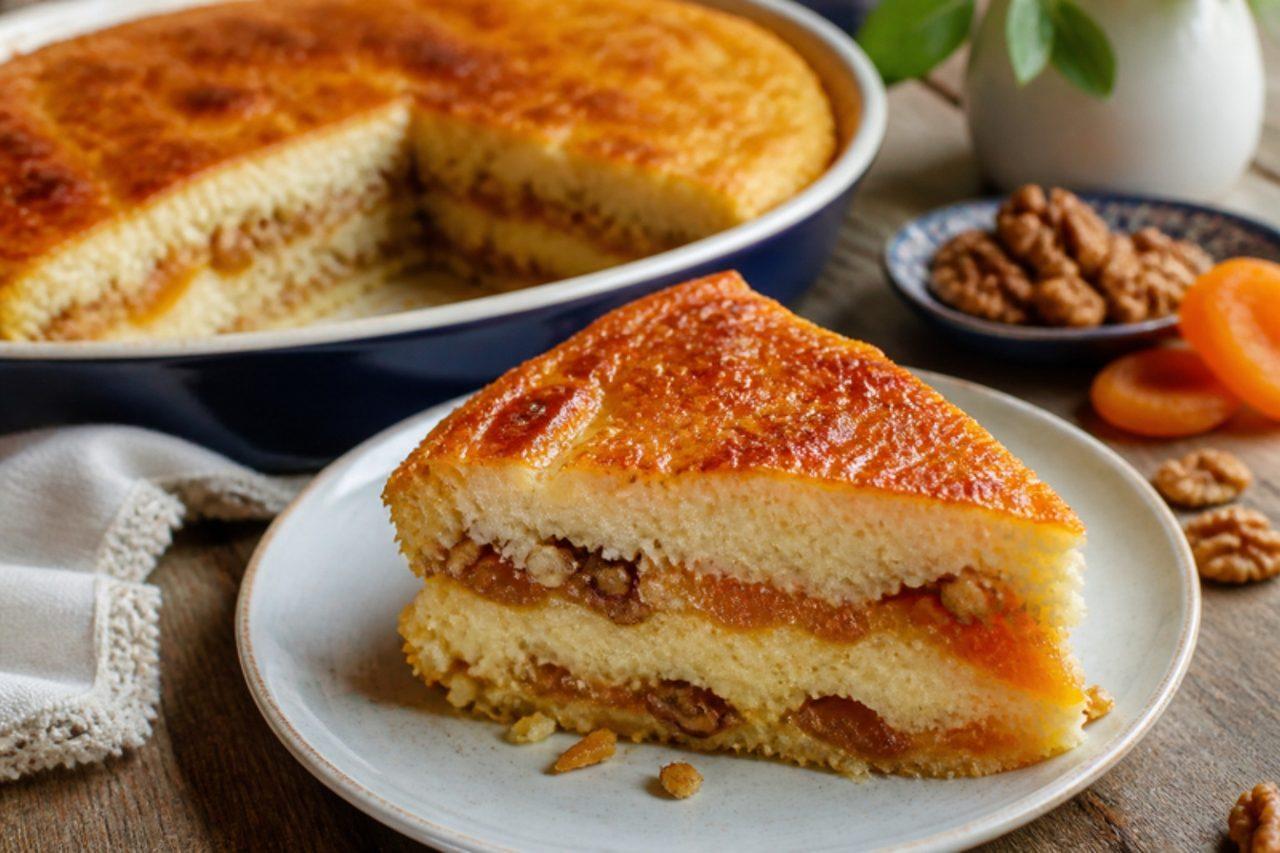
Named after Count Guryev, a nineteenth-century Russian finance minister, this pudding was the showpiece of Moscow merchant tables and grand restaurant menus, and it still appears at name-day lunches and during Maslenitsa week. Behind the humble word kasha sits a rich dessert: soft vanilla semolina layered with crackly sugared walnuts, thin golden skins lifted from baked milk and cream, and spoonfuls of apricot jam, then baked until bubbling. Serve it warm in small portions with strong black tea. Where most people go wrong is hurrying the skins; the milk needs a hot oven and patience so each skin turns golden before you lift it off. Chef's tip: use the widest shallow ovenproof dish you own for the milk, because more surface gives you more skins in the same time.

by KrazyBadal 0 views

SulguniStretched cheese

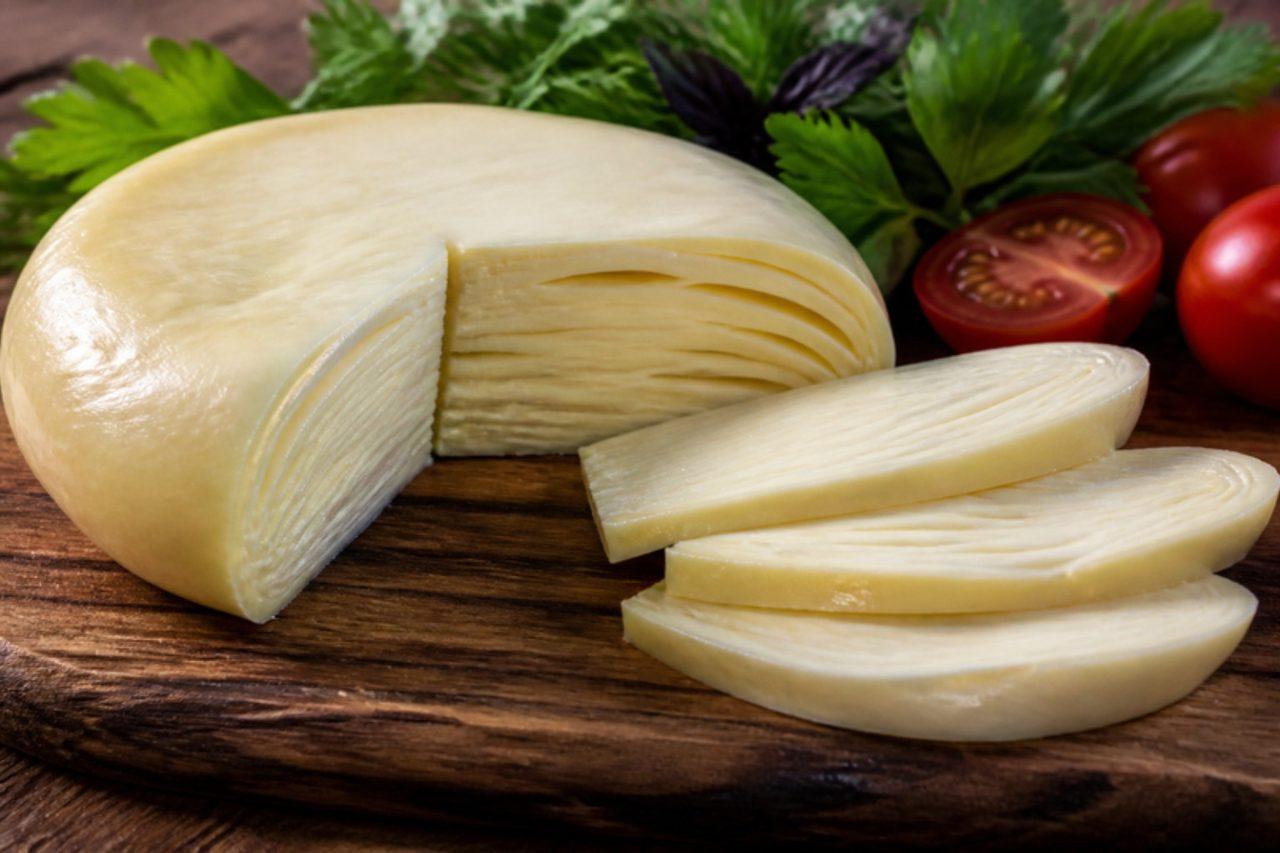
Sulguni is the famous cheese of Samegrelo, made in Zugdidi homes by taking fresh, slightly soured curd, cutting it up and working it in hot water until it can be pulled into a glossy, layered, salty ball. It is eaten in thick slices, melted into elarji and khachapuri, and smoked over embers for a darker version. The curd has to be acidic enough to stretch, so you make the cheese one day and stretch it the next, or buy fresh Imeretian cheese and start from there. Traditionally animal rennet is used; vegetarian rennet works too. A common mistake is trying to stretch fresh, sweet curd; it melts into a puddle instead of pulling. Chef's tip: test a small piece in hot water first; if it stretches 30 cm without breaking, the curd is ready.

by KrazyBadal 0 views

Bahamian conch salad

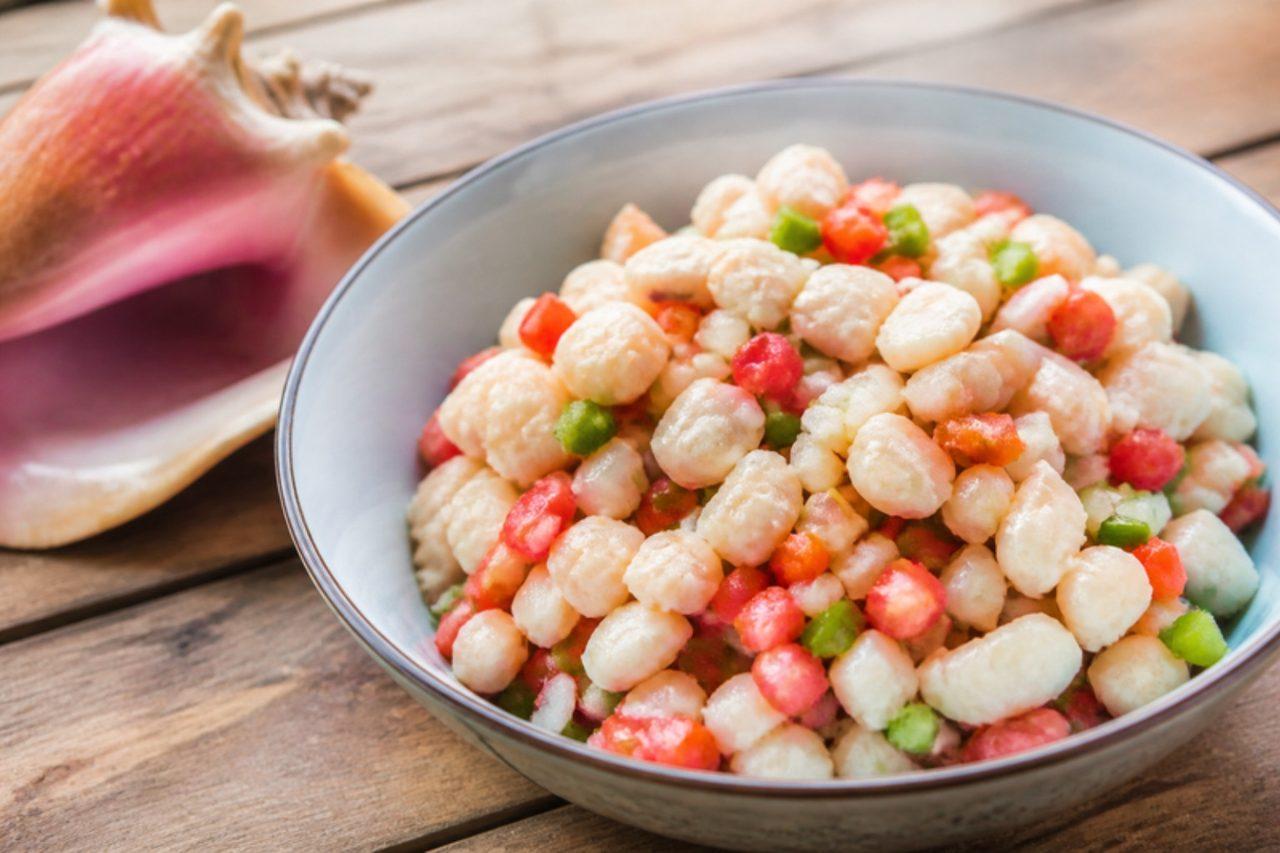
At the Fish Fry on Arawak Cay in Nassau, conch salad is made to order: a vendor cracks the shell, dices the conch with tomato, onion, sweet peppers and goat pepper, and drowns it in lime and sour orange in front of you. Traditionally the conch is eaten raw, "cooked" only by the citrus; that raw version is not for pregnant women, young children or anyone with a weakened immune system, and this recipe gives a safer version in which the conch is poached briefly first. Buy cleaned conch from a trusted fishmonger and discard any that smells of ammonia. The common mistake is dicing unevenly; everything should be in small, matching cubes. Chef's tip: make it no more than an hour ahead, or the lime turns the vegetables limp.

by KrazyBadal 0 views

Okpa (Bambara nut pudding)

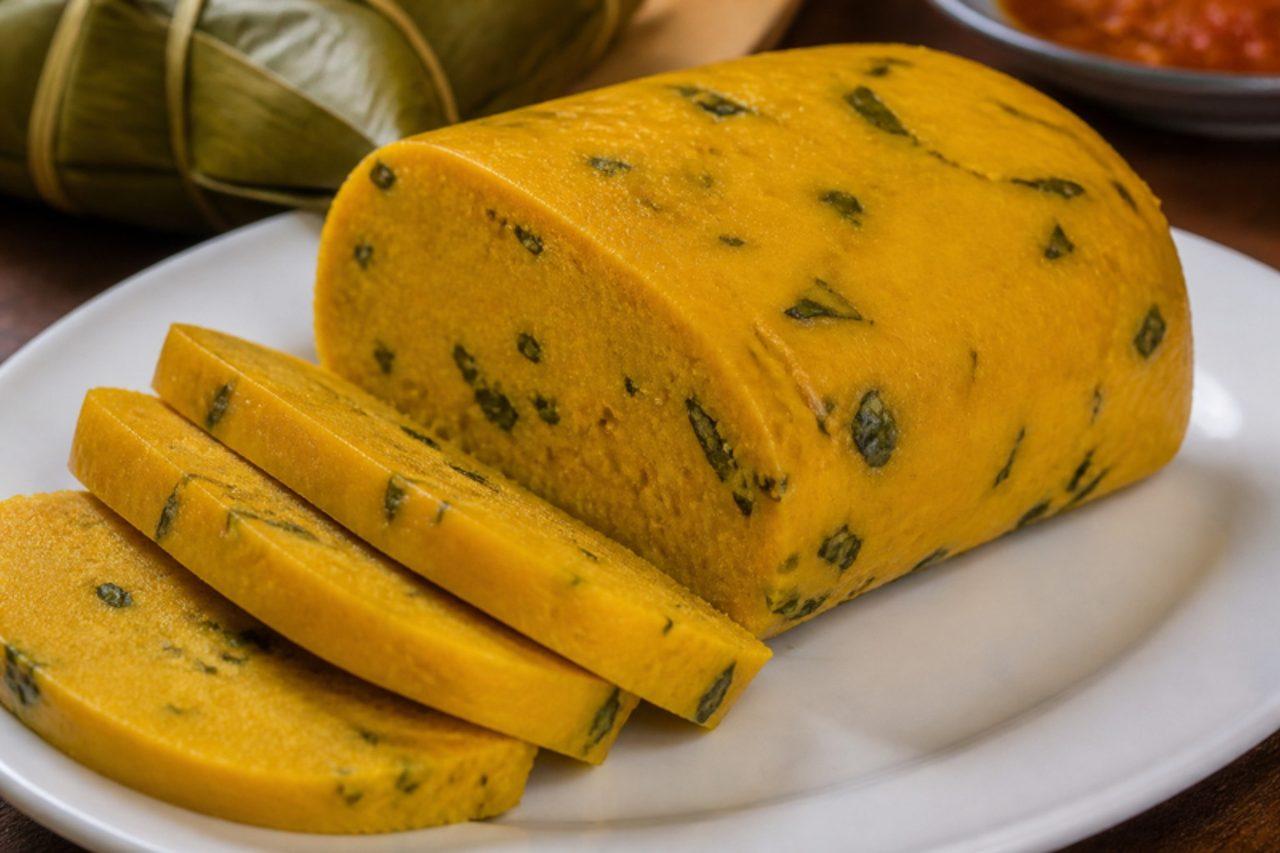
Early in the morning in Nsukka and Enugu, sellers set out wheelbarrows piled with steaming okpa wrapped in leaves or cooked in small tins, and students and workers eat it standing up with a bottle of cold drink or a cup of pap. It is made from Bambara nut flour beaten with palm oil, warm water, pepper and salt into a bright orange batter and steamed until it sets into a firm, dense pudding with a nutty, earthy taste. It is filling and naturally high in protein. Bambara nut flour is sold in African shops as okpa flour. Undercooked okpa tastes raw and bitter and is hard to digest, so steam until a knife comes out clean. A common mistake is a batter that is too thick, which steams into a hard, dry block instead of a soft-set pudding. Chef's tip: mix the oil into the dry flour before adding any water; it keeps the batter smooth and gives okpa its even colour.

by KrazyBadal 0 views

Burmese pumpkin curry

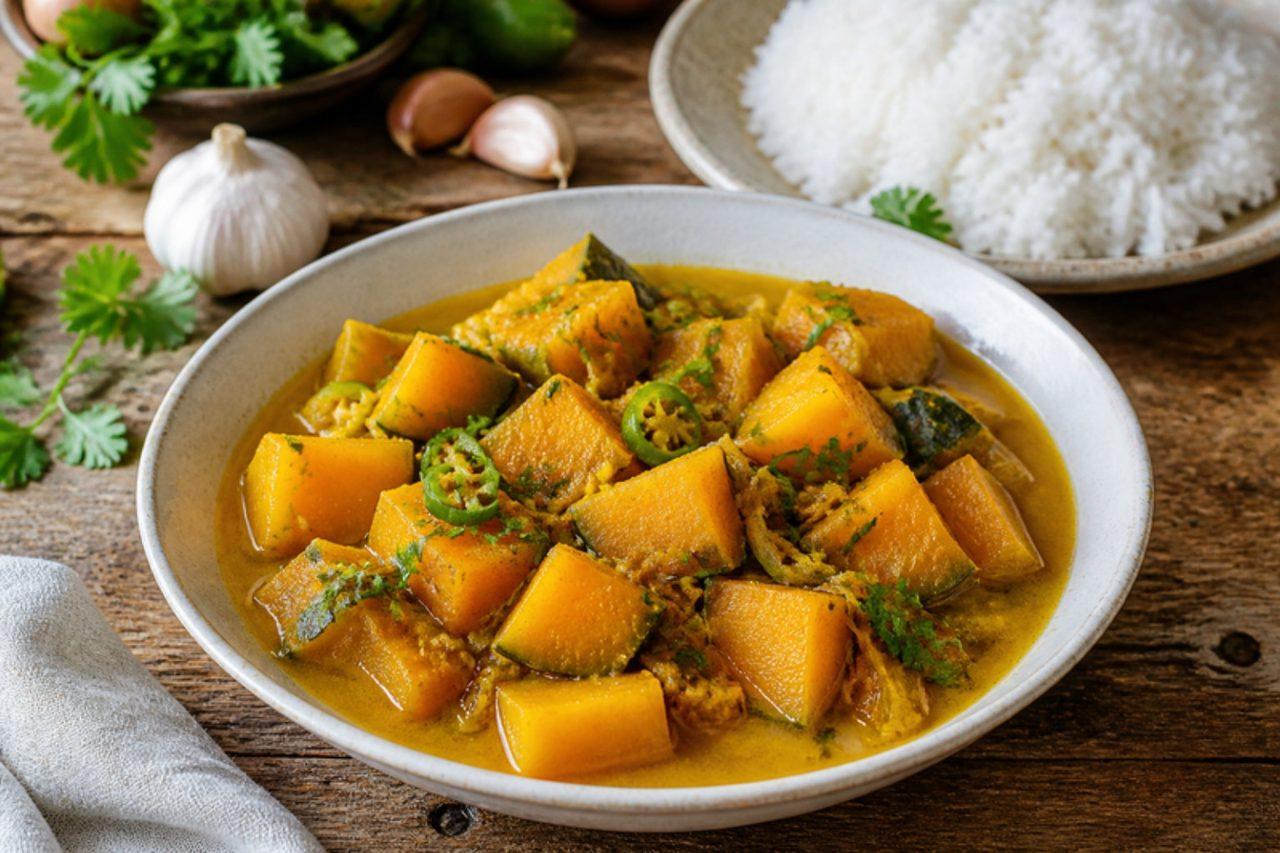
On a weekday lunch table in a Yangon home, this soft orange curry usually sits beside a sour leaf soup, a plate of boiled greens and a mound of plain rice. Wedges of pumpkin are cooked slowly in a pounded paste of onion, garlic and ginger with turmeric and chilli, until the flesh turns tender and glossy and the oil rises to the top, the sign of a well-made Burmese hin. It tastes sweet, gently hot and savoury all at once; many households stir in dried shrimp, but this version keeps it plant-based with a little salt and sugar. Where cooks go wrong is stirring the pot every few minutes: the pumpkin breaks into mash, so shake the pan instead. Chef's tip: leave the skin on a firm, dense pumpkin such as kabocha; it holds the pieces together and softens enough to eat.

by KrazyBadal 0 views

Gur wale chawalJaggery rice

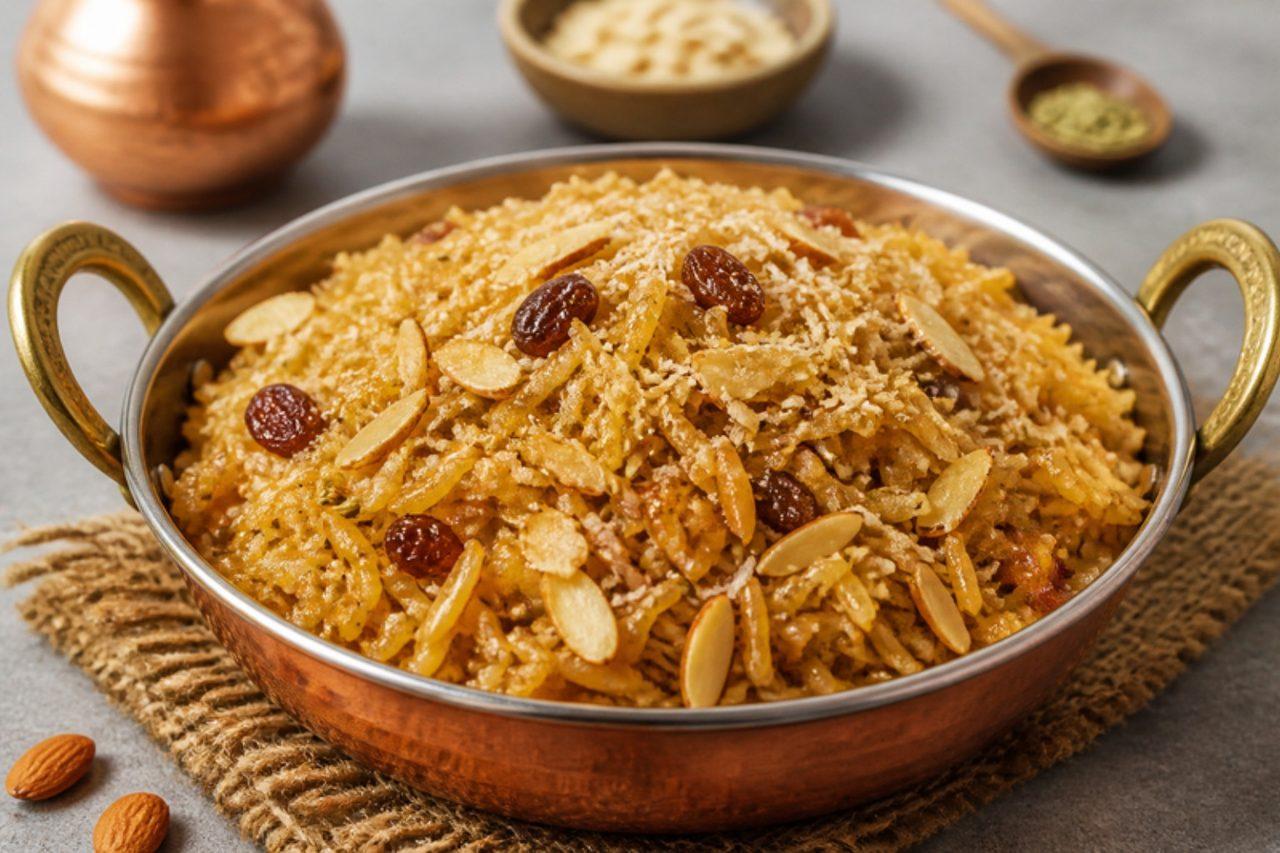
Every winter, when the sugarcane presses in the villages around Bahawalpur and Rahim Yar Khan boil the new season's jaggery, families celebrate with a pot of gur wale chawal. Basmati grains turn a warm amber in a syrup of melted gur and ghee, with fennel seeds and cardamom for fragrance and raisins, almonds and coconut tucked through, and the result is sweet but not sticky, each grain separate. It is cooked for weddings, for distribution on religious days and simply for guests on a cold evening, and eaten warm, sometimes with a spoonful of extra ghee on top. Adding the jaggery to raw rice is the commonest error, because sugar stops the grains from softening and they stay hard. Chef's tip: boil the rice until it is three-quarters cooked first, then fold it into the jaggery syrup and let it steam.

by KrazyBadal 0 views

Mango pudding

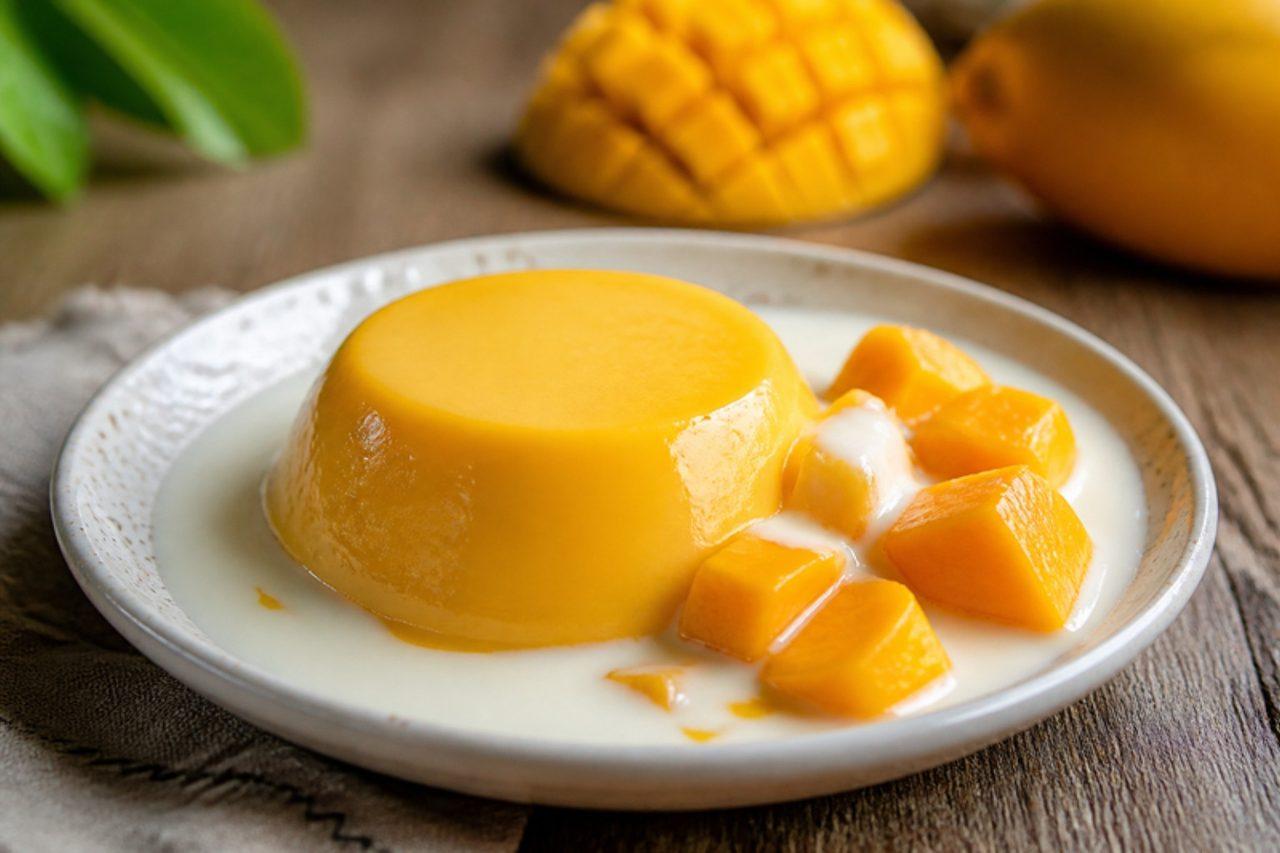
Wobbling out of fish-shaped moulds at the end of a Hong Kong dim sum lunch, mango pudding is just as popular in small cups from dessert chains, which sell it through the sticky summer months when Philippine and Thai mangoes flood the markets. It's smooth, creamy and full of fruit, with pieces of fresh mango through it and a drizzle of cold evaporated milk on top. Restaurants usually set it with gelatine; this version uses agar, which keeps it vegetarian and sets slightly firmer and cleaner. The problem with agar is impatience: it begins to set below about 40 °C, so cold purée added too slowly turns into lumpy strands. Chef's tip: warm the mango purée before you mix it in, then whisk briskly and pour into the moulds right away.

by KrazyBadal 0 views

Ye-dinich wat (spicy Ethiopian potato stew)

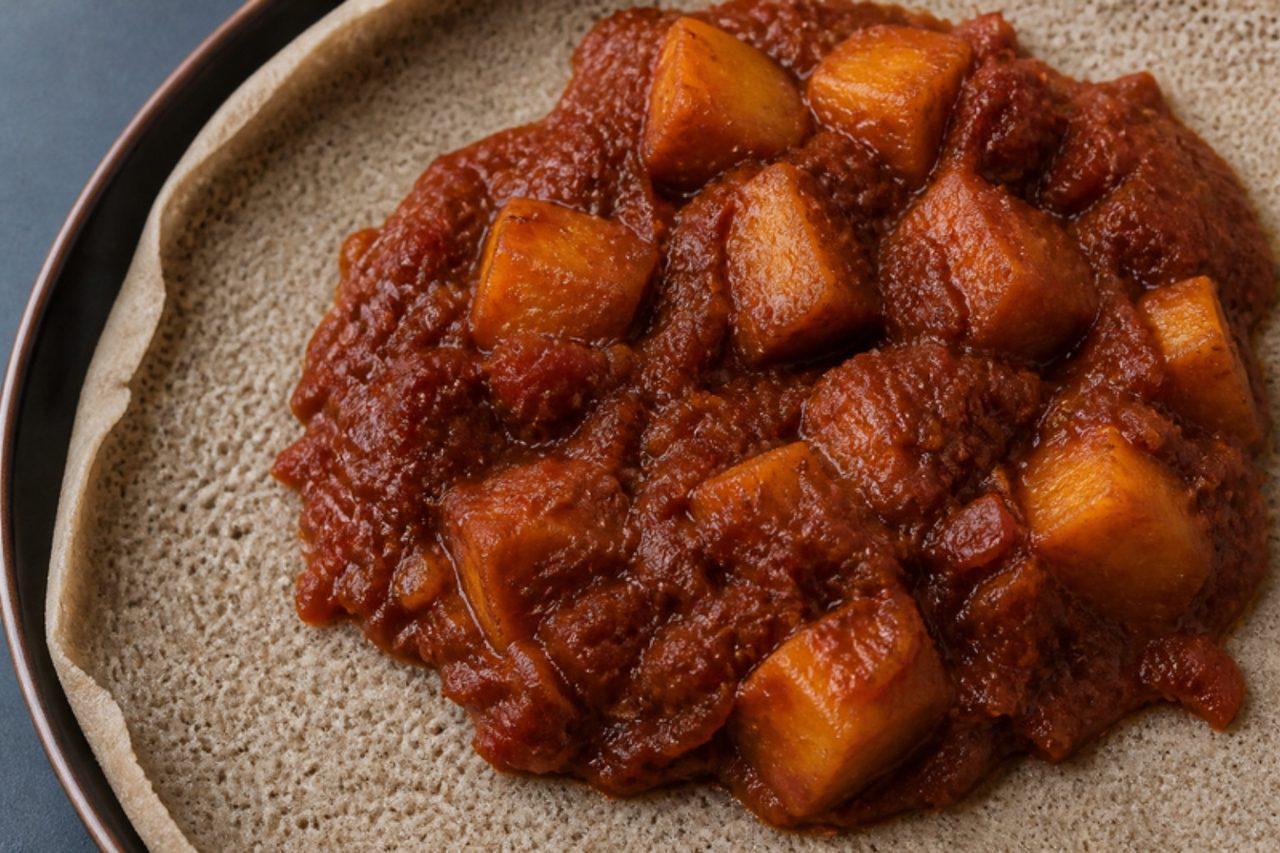
Wednesday and Friday lunch in countless Ethiopian homes and canteens includes a pot of ye-dinich wat, the potato stew that turns a few cheap ingredients into something deeply savoury. Red onions are cooked down slowly, then berbere, garlic and ginger go in with oil to build a dark, glossy sauce, and cubes of potato simmer in it until they soften and start to thicken it at the edges. It is hot, earthy and comforting, and scooped up with injera next to shiro, misir and gomen on a fasting platter. Because it uses oil and no butter, it is fully vegan. Hurrying the onion base is the usual mistake; give it the full time or the sauce tastes thin and raw. Chef's tip: cut the potatoes into even 2 cm cubes, so they cook at the same rate and hold their shape.

by KrazyBadal 0 views

Atama soupPalm nut and atama leaf soup

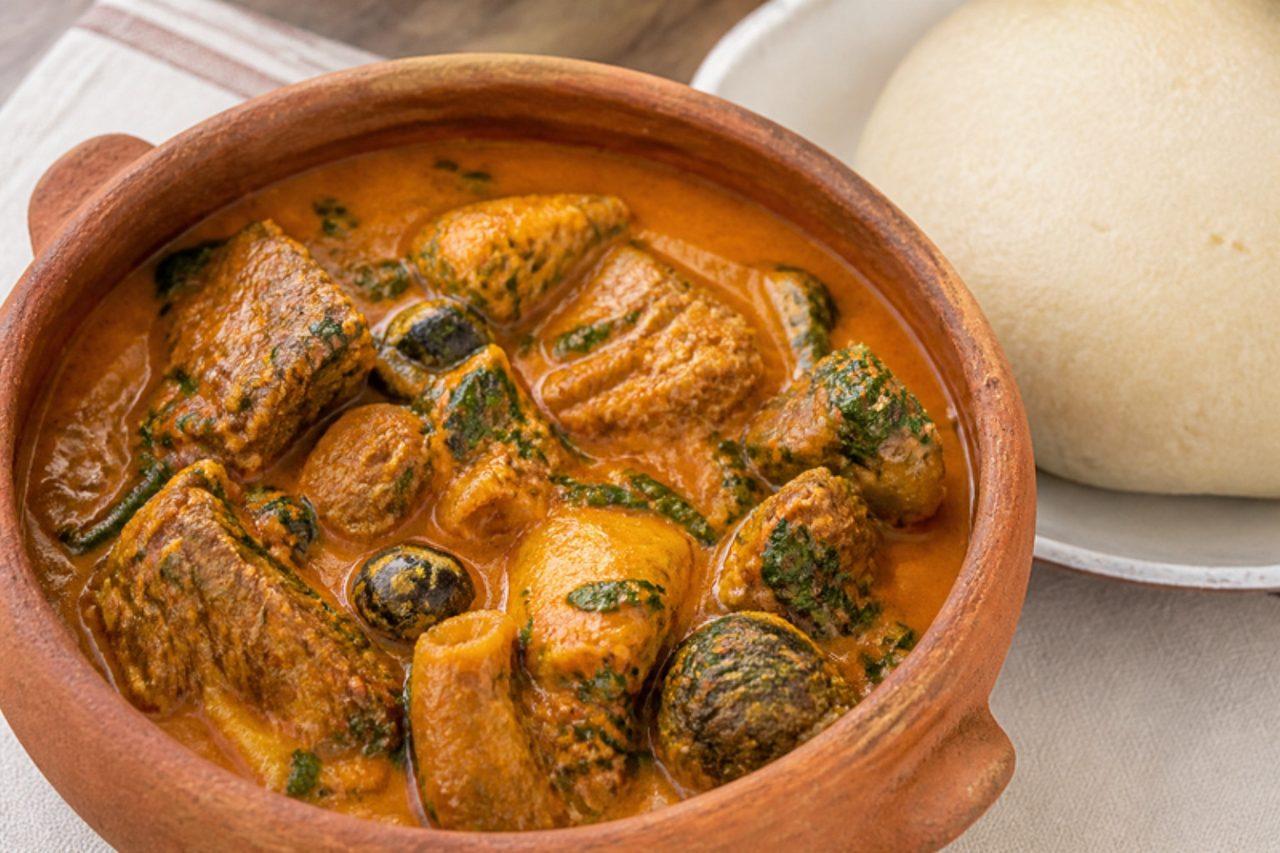
From Abak and the Ibibio heartland of Akwa Ibom comes this palm-nut soup with a perfume all its own: atama leaves, which smell somewhere between mint, anise and fresh hay. The palm cream is cooked with assorted meat, stockfish, dried fish and periwinkles until the oil glistens on top, then the atama goes in near the end. It is weekend and visitors' food, eaten with pounded yam, fufu or eba. Dried atama is sold in African shops; dried tarragon is the closest substitute. Periwinkles should be bought cleaned, and any with cracked shells thrown away. Avoid adding the atama leaves too early: long boiling dulls their perfume. Chef's tip: go easy on the atama, as too much turns the soup bitter, so start with the amount below and taste before adding more.

by KrazyBadal 0 views

Sinig karia (stuffed green chillies)

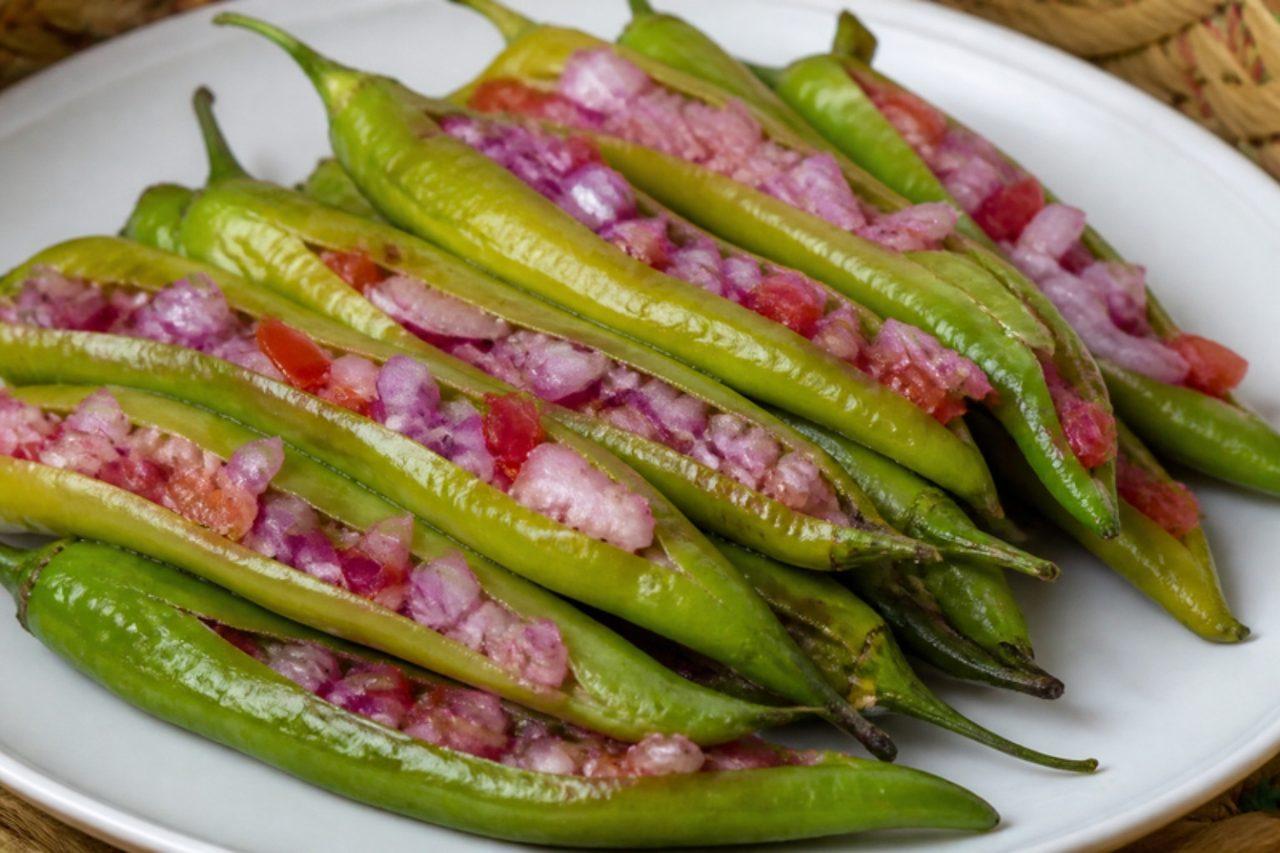
Long, pale green karia chillies are piled high in the markets of Addis Ababa, and on fasting days cooks slit them, scrape out the seeds and fill them with a sharp little salad of onion and tomato soaked in lemon. The result is crunchy, fresh and juicy, with a mild chilli warmth, and the chillies are eaten with the fingers between mouthfuls of injera and spicy wat, or set out as a starter. Choose mild long peppers such as Anaheim, Hungarian wax or long sweet green peppers. A common mistake is leaving the white ribs in, which keeps the heat high and can make them bitter; scrape them out with a teaspoon. Chef's tip: dip the chillies in boiling water for one minute and cool them in cold water first if you want them a little softer and easier to stuff.

by KrazyBadal 0 views

Burmese tomato salad

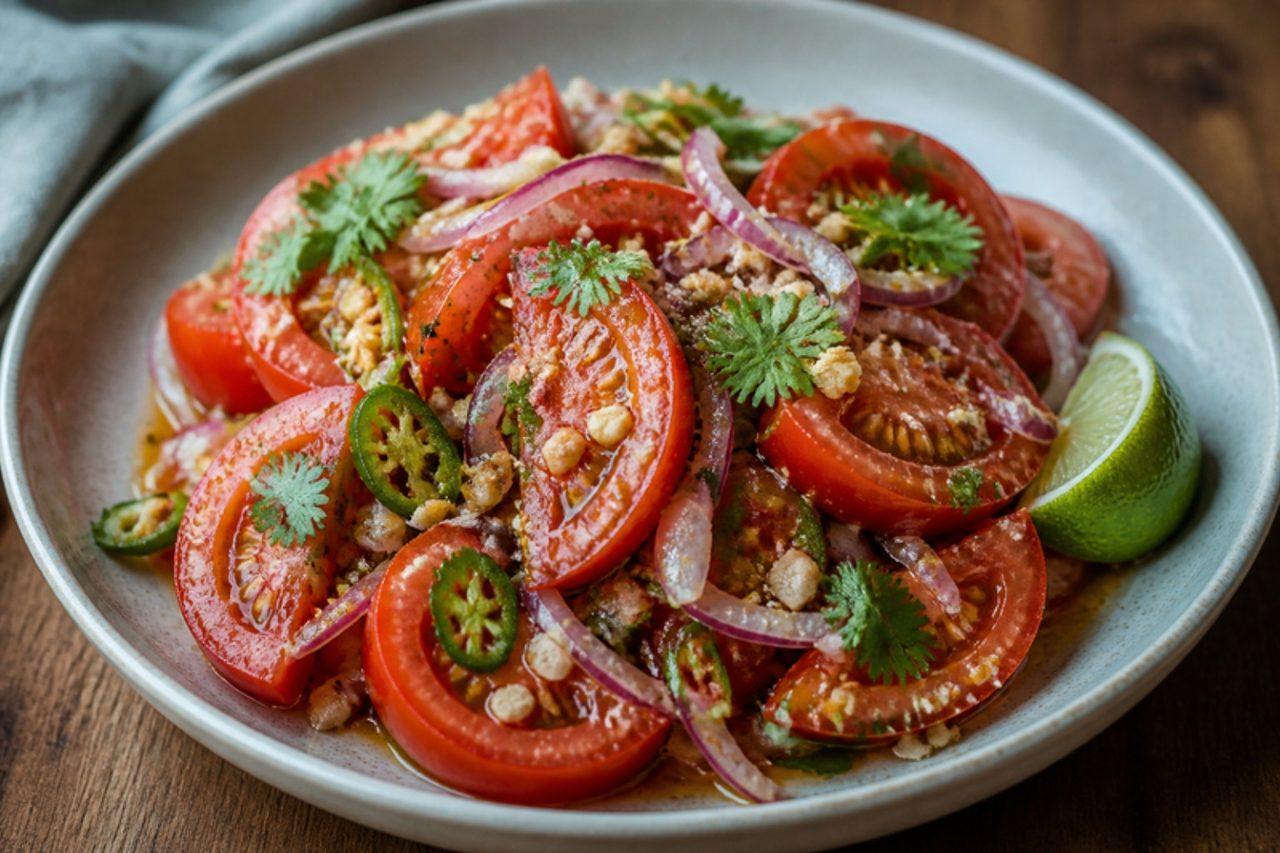
Come the cool season, when tomatoes are at their sweetest in Mandalay and the dry towns of Upper Burma, this thoke (a salad 'mixed by hand') is the quick dish that appears beside rice and curry at almost every meal. Slices of ripe tomato and onion are squeezed together with toasted chickpea flour, crushed peanuts and fried shallots in their oil, so the juices and flour turn into a light, nutty dressing that clings to every piece. Lime and fresh chilli sharpen it, and coriander lifts it. Home cooks often add fish sauce; this vegetarian version uses salt and a pinch of sugar. Dressing it too early is the most common mistake: salt pulls water from the tomatoes and leaves a soupy plate. Chef's tip: mix with your fingertips just before serving, pressing lightly so some tomato juice blends into the flour.

by KrazyBadal 0 views

Atjar tjampoerSweet-sour mixed vegetable pickle

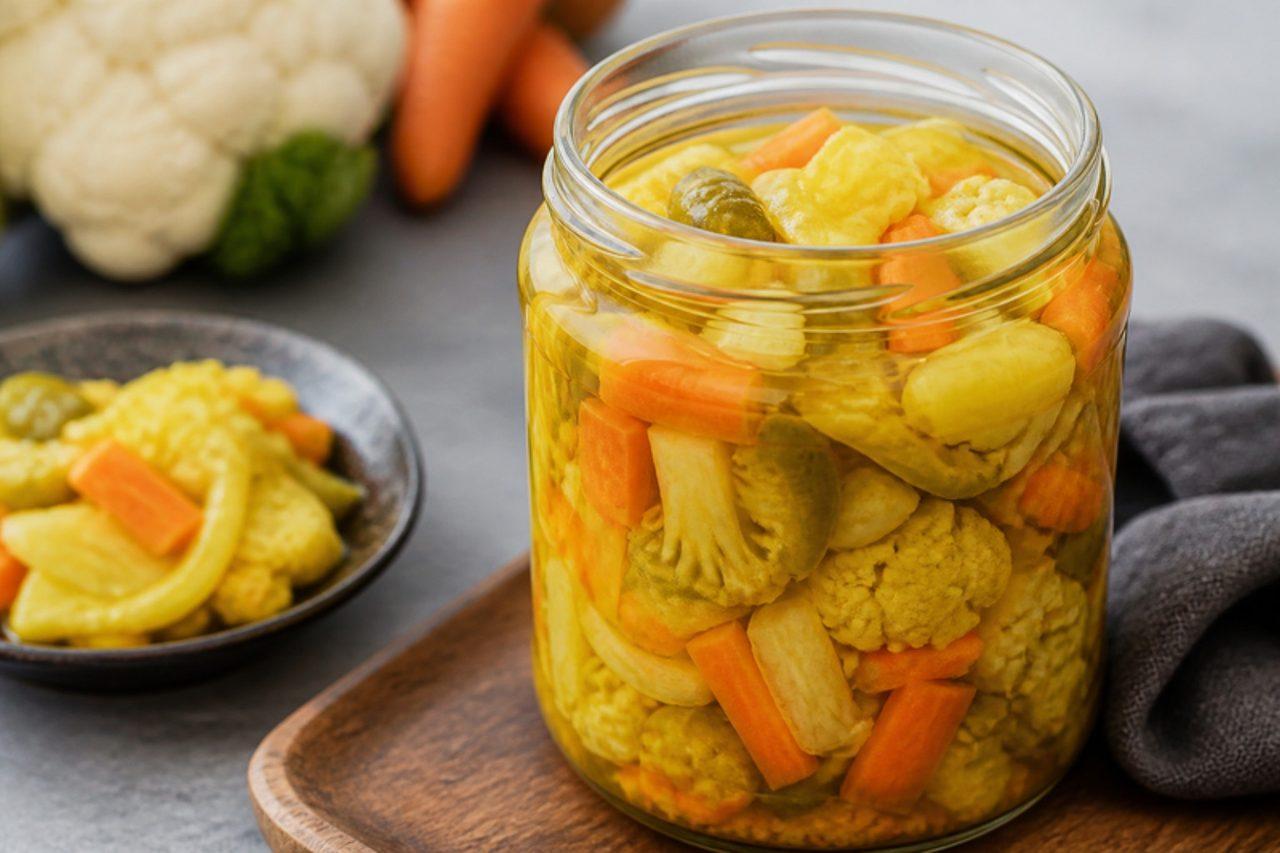
Atjar tjampoer is the bright yellow pickle in every Dutch-Indonesian toko and on every rijsttafel: crisp cucumber, carrot, cabbage, cauliflower and shallot pickled in a sweet-sour vinegar brine coloured with turmeric, with a little chilli and ginger. It cuts through rich satay and rendang. A common mistake is cooking the vegetables, which makes them soft; they should only be blanched or simply covered with hot brine. Chef's tip: salt the cucumber first and squeeze it, so it stays crunchy for days.

by KrazyBadal 0 views

Gur wali rotiJaggery flatbread

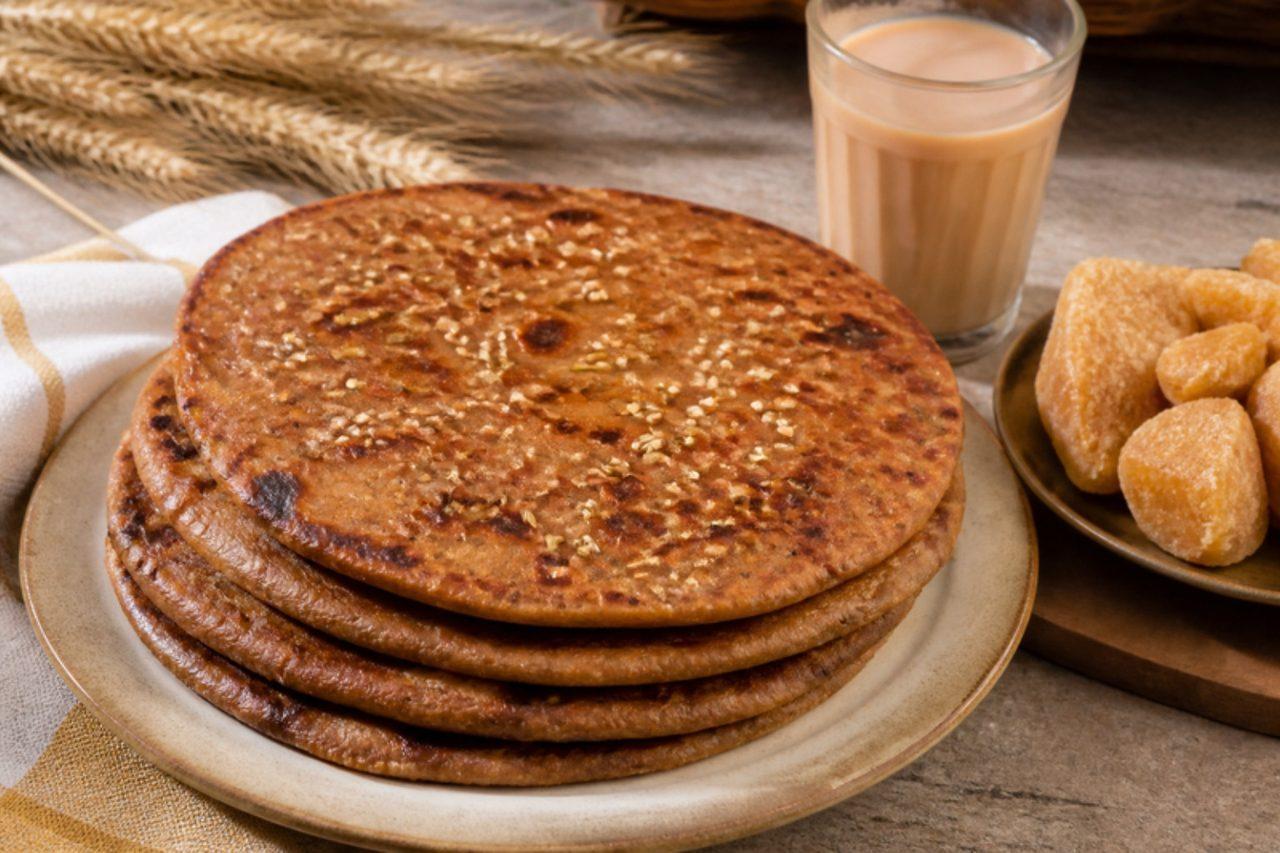
In the cane-growing districts of Punjab, from Jhang to Mandi Bahauddin, the season when fresh gur comes out of the village kolhu is also the season for this roti, its dough kneaded with jaggery water instead of plain water so it turns a deep caramel brown on the tawa. It is crisp-edged and chewy in the middle with a toffee-like sweetness and the anise note of fennel, and mothers wrap it in a cloth for children to take to school or to the fields with a flask of tea. Some families add sesame, others a little ghee in the dough; both are good. The usual mistake is cooking it on a high flame, which burns the sugar in the jaggery black before the inside has cooked. Chef's tip: dissolve the gur in warm water and let it cool before kneading, otherwise the dough turns sticky and impossible to roll.

by KrazyBadal 0 views

Bermuda fish chowder

Bermudians call fish chowder their national dish, and every Sunday brunch and Cup Match picnic has a pot of it: a dark, thick soup made from a long-simmered fish-head stock with tomatoes, vegetables and white fish, seasoned at the table with a splash of black rum and sherry peppers sauce (hot peppers steeped in sherry). This recipe contains alcohol in those optional table seasonings; for an alcohol-free bowl, use a few drops of hot pepper sauce and a little molasses instead. The mistake to avoid is a thin, watery stock; the bones must simmer long enough to give body. Ask your fishmonger for heads and frames from white fish, gills removed. Chef's tip: let the finished chowder rest for 30 minutes before serving; it thickens and the flavours deepen.

by KrazyBadal 0 views

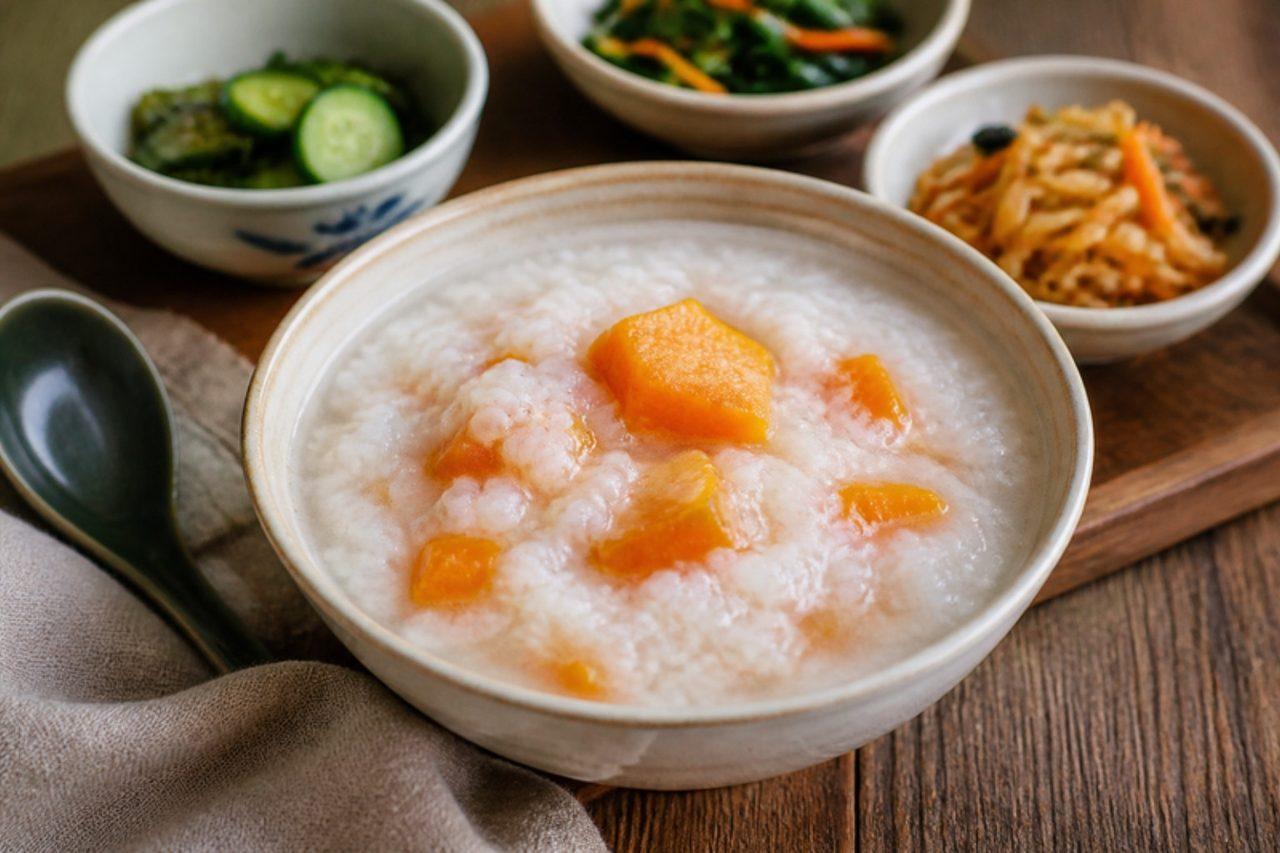
Taiwanese sweet potato congee

Tainan's late-night congee shops lay out dozens of little dishes under glass, and the bowl that goes with them is this loose, gently sweet rice porridge dotted with soft orange sweet potato. Older Taiwanese remember it as the food of lean years, when sweet potato stretched the rice; today it is comfort food at breakfast, at midnight after the markets, and whenever someone is unwell. Unlike Cantonese congee, the grains stay distinct in a cloudy, silky liquid. Many cooks cut the sweet potato too small, so it collapses into mush and turns the pot muddy; chunks of about 3 cm keep their shape. Chef's tip: serve it with something salty and crunchy, such as pickled cucumbers, peanuts or a radish omelette, because the contrast is the whole point.

by KrazyBadal 0 views

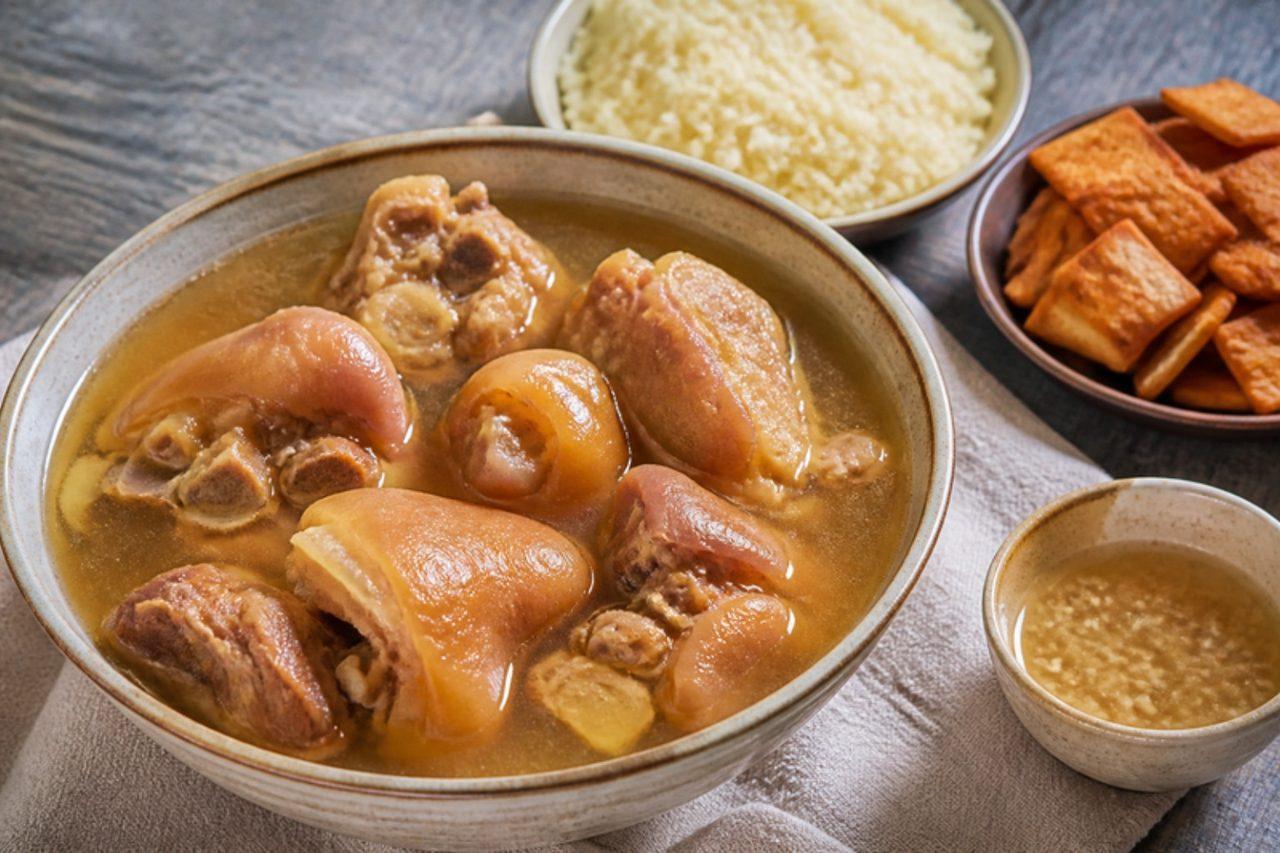
Kaware' (cow's trotter soup with fatta)

Old Cairo eateries that specialise in it open early, and kaware' has a loyal following on cold winter mornings and as a restorative after Ramadan nights; at home it is usually made after Eid al-Adha. Cow's feet are cleaned, blanched and then simmered for hours with onion, garlic and whole spices until the meat and skin turn soft and sticky and the broth sets like jelly when cold. It is served over fatta: layers of toasted flatbread and rice drenched with broth and a sharp garlic-and-vinegar sauce, with the tender trotter pieces on top. Ask the butcher to clean the feet and saw them into pieces. Chef's tip: a pressure cooker cuts the simmering to about 1 hour 30 minutes with no loss of flavour.

260 minEgyptianMeat
by KrazyBadal 0 views

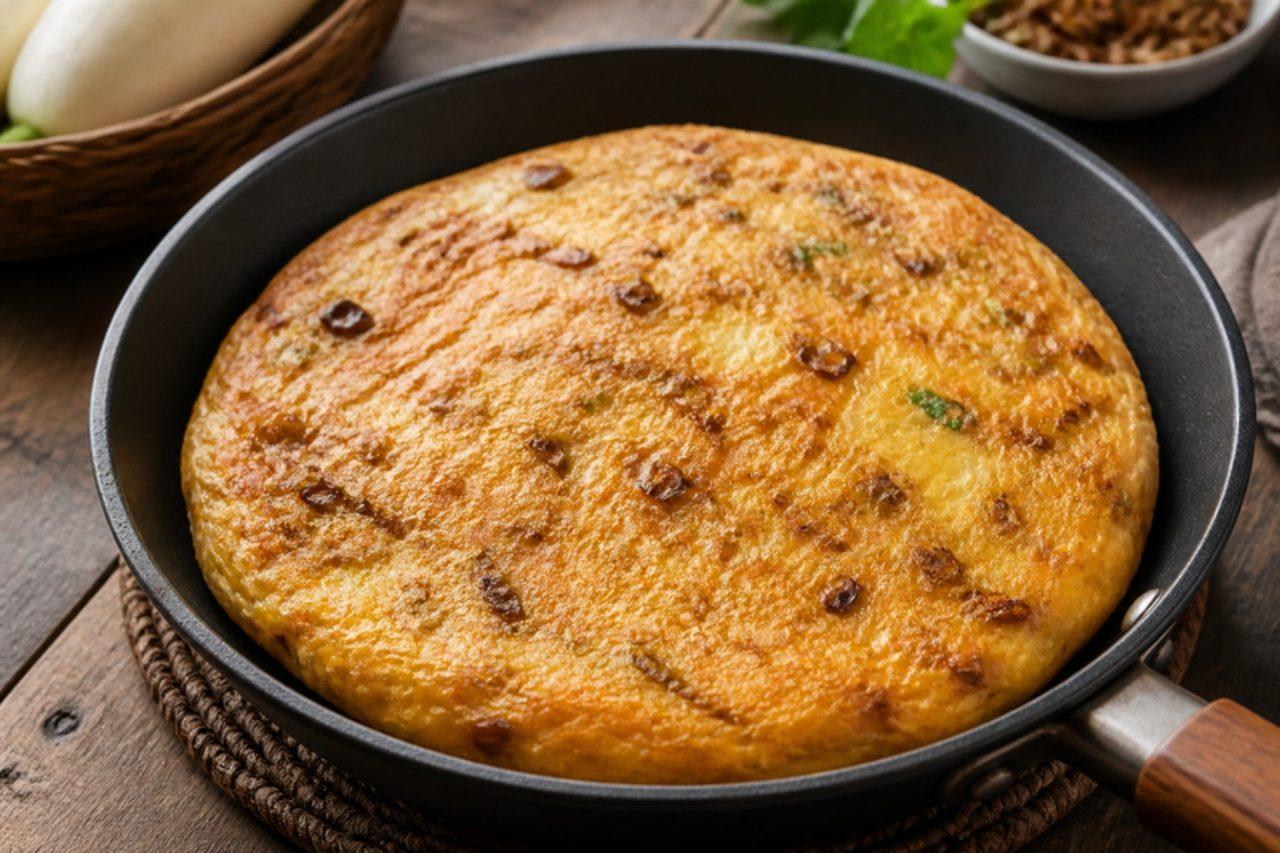
Taiwanese radish omelette

Ask a Taiwanese grandmother what to cook when there's nothing in the fridge and the answer is often this: a few eggs and a handful of preserved radish turned into a thick, golden omelette, cut into wedges and passed round. It's a staple of the rice-and-small-dishes spread at Taipei breakfast shops and late-night congee counters, and it reappears on the stir-fry restaurant table and in home lunchboxes. The chopped radish fries up crunchy and caramel-sweet inside soft, puffy egg, with crisp brown lacy edges. Skipping the rinse is where most go wrong: unrinsed radish makes the omelette far too salty. Chef's tip: dry-fry the radish first until it smells toasty, then use plenty of oil and a hot pan so the egg puffs and the edges frill.

by KrazyBadal 0 views

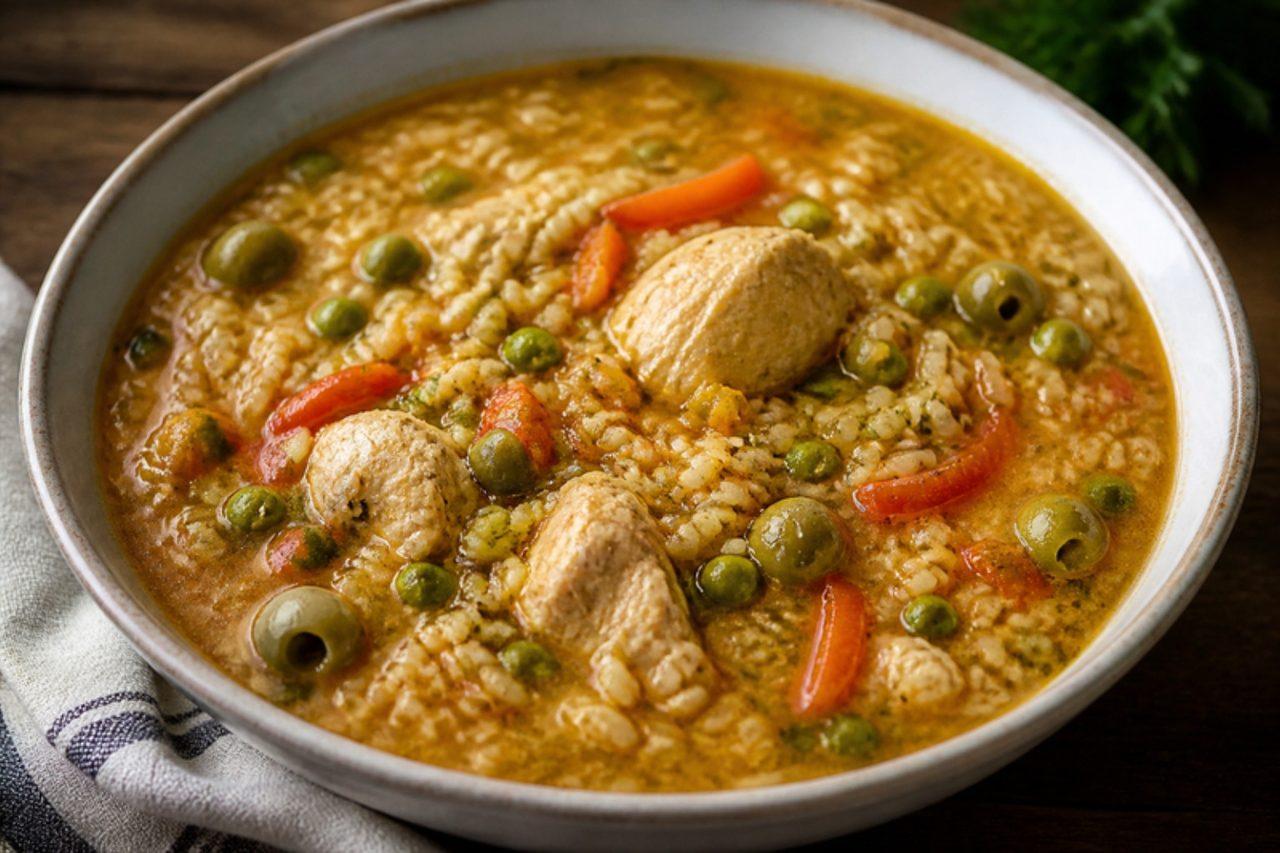
Asopao de polloSoupy chicken and rice

Somewhere between a soup and a risotto, asopao is the pot Puerto Rican mothers put on for a rainy Sunday, a cold, or a hangover after a long party night, and it is spooned straight from deep bowls with tostones on the side. Bone-in chicken is seasoned with garlic, oregano and lime, simmered in a sofrito broth, then rice goes in until the whole pot turns thick and brothy, finished with olives, capers, peas and strips of roasted pepper. The common mistake is making it ahead: the rice keeps drinking the broth and turns stodgy, so cook it just before eating, or keep extra stock to loosen leftovers. Chef's tip: take the pot off the heat while the rice is still a touch firm; it carries on cooking in the bowl.

by KrazyBadal 0 views

Bula (enset starch porridge with spiced butter and ayib)

Bula is the finest part of the enset plant, a white starch that settles out when the pulp is squeezed, and in Sidama and Gurage homes it is cooked into a smooth, wobbly porridge for honoured guests, new mothers and anyone feeling weak. Whisked into water and stirred until glossy and translucent, it is very mild and slightly elastic, then topped with melted niter kibbeh, crumbled ayib and a pinch of mitmita for warmth. It is eaten for breakfast or as a light supper, often with coffee. Dried bula is sold in Ethiopian shops; tapioca starch is the closest stand-in. Lumps are the common mistake, so always slake the starch in cold water first and whisk as it heats. Chef's tip: keep stirring right to the end; bula thickens suddenly and catches on the base of the pan in seconds.

by KrazyBadal 0 views

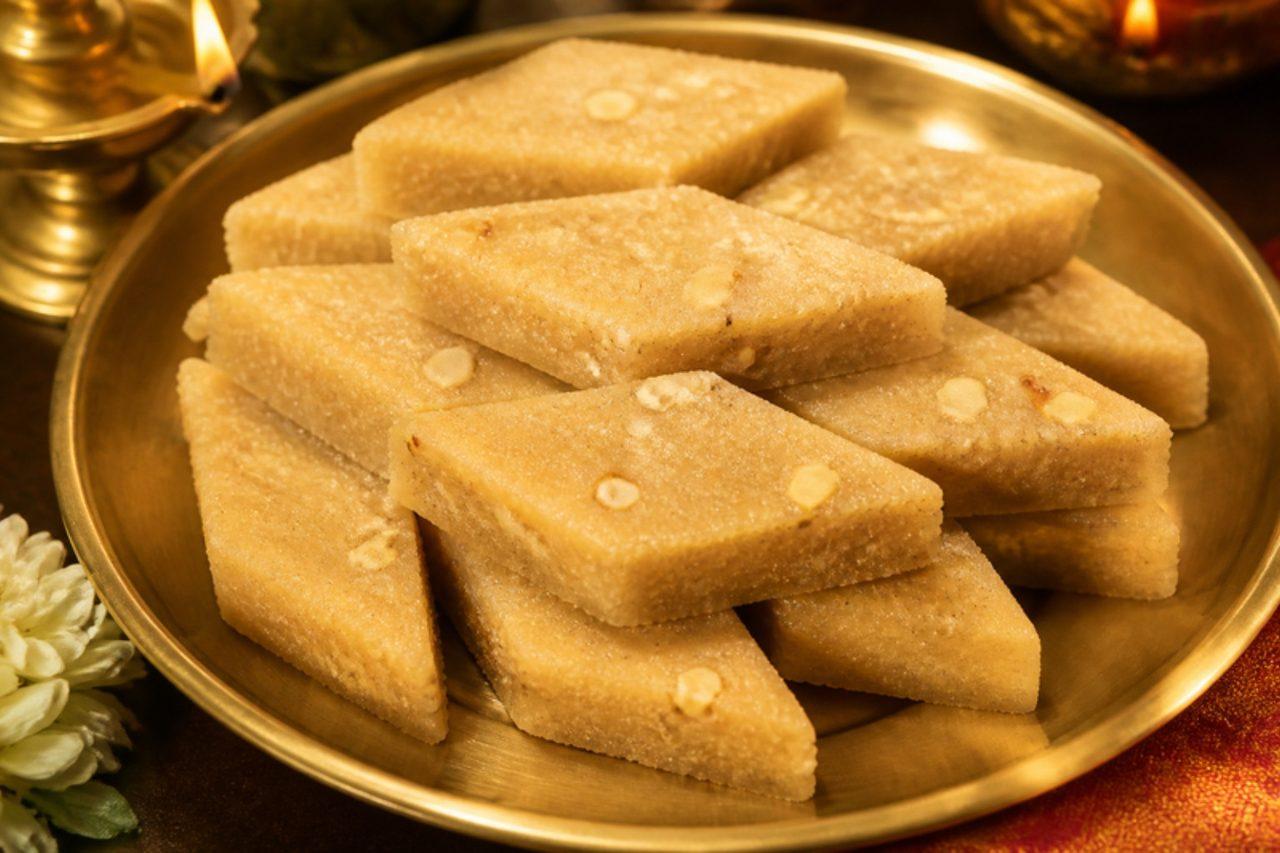
AluwaRice flour diamond sweets

Pale, smooth and cut into precise little diamonds, aluwa brings a touch of order to the crowded Avurudu sweet tray, and it is often the first sweet children learn to help make because there is no deep-frying involved. Rice flour is roasted until it smells like biscuits, then kneaded with hot sugar syrup, chopped cashews and cardamom into a firm dough, rolled out and cut. The finished sweet is dense, slightly crumbly and not too sweet, with a gentle nuttiness, and it keeps for weeks in a tin to be offered to visitors with tea. The point where it goes wrong is the syrup: too thin and the aluwa never sets, too thick and the dough cracks before you can roll it, so aim for the one-thread stage. Chef's tip: roll the dough between two sheets of baking paper and cut it while it is still warm and pliable; once cold it breaks instead of slicing.

by KrazyBadal 0 views

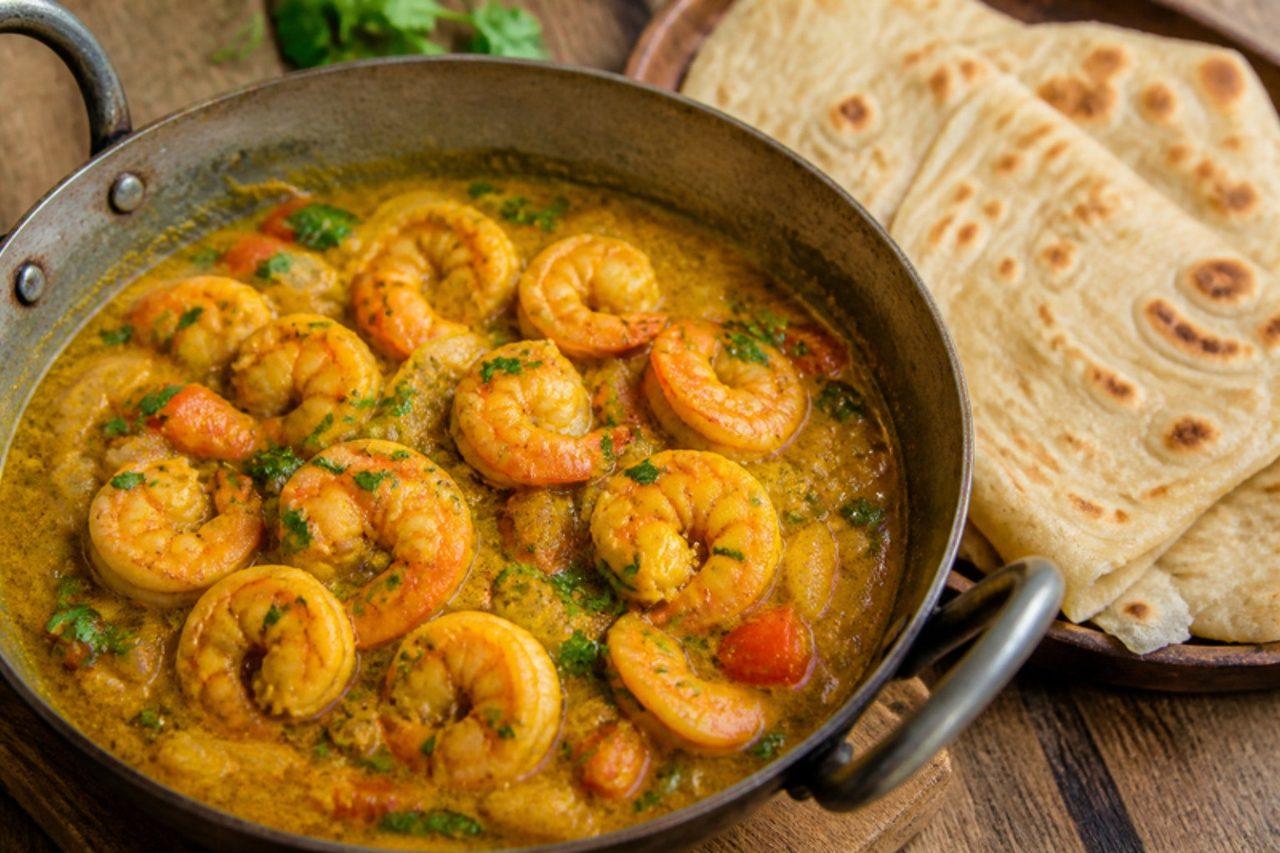
Trini curry shrimp

Sold from food stalls in San Fernando and eaten at south Trinidad family lunches, curry shrimp is the fast curry of the island: the sauce is built in minutes, and the shrimp go in only at the very end. Plenty of garlic, roasted geera and hot pepper give a bright, punchy curry that you wipe up with dhalpuri or spoon over rice. The mistake nearly everyone makes the first time is stewing the shrimp, which turns them rubbery; they need three or four minutes, no more. Chef's tip: save the shells, simmer them in the water for 10 minutes and use that stock in the curry for a much deeper seafood flavour.

by KrazyBadal 0 views

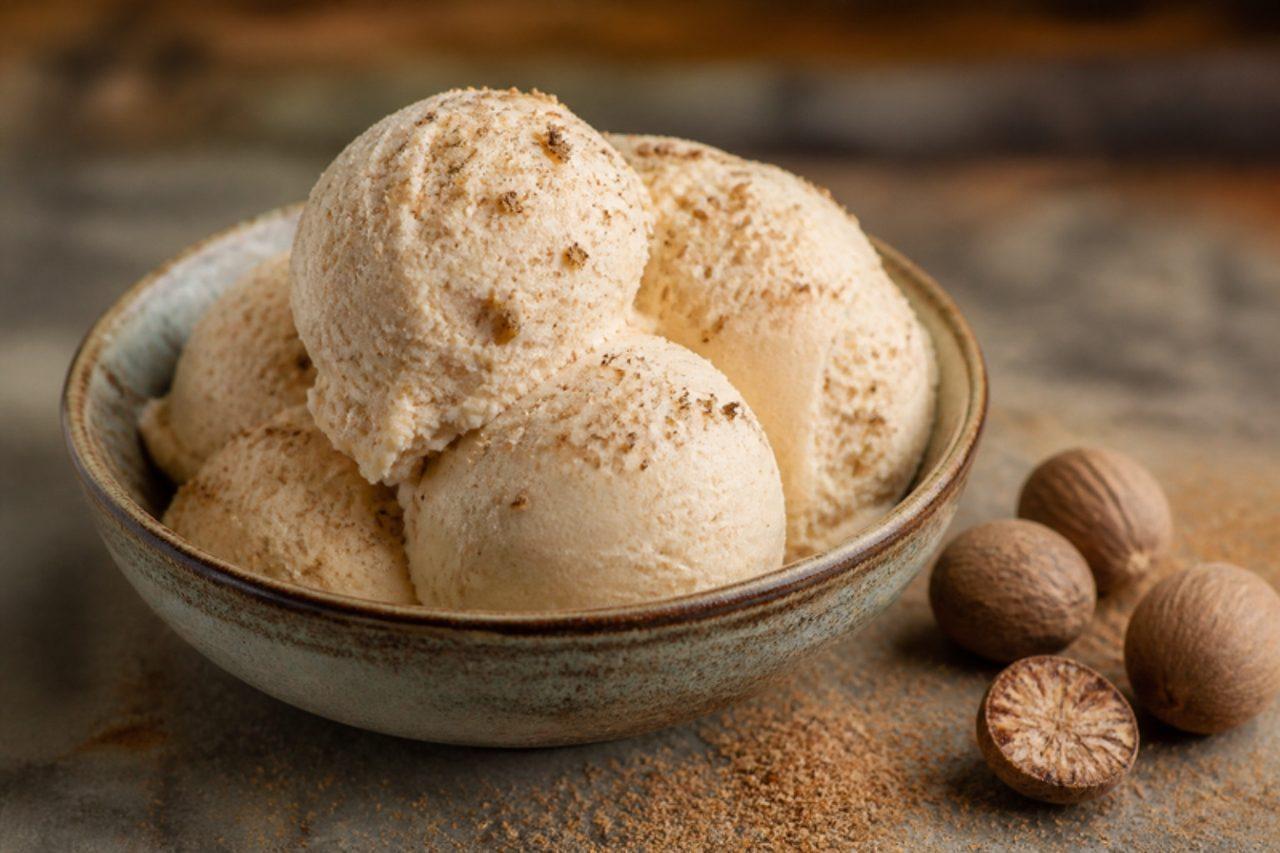
Grenadian nutmeg ice cream

Grenada, the Spice Isle, grows much of the world's nutmeg, and in St George's ice cream parlours the local favourite is a rich egg-custard ice cream scented with freshly grated nutmeg. The flavour is warm and almost floral, nothing like the dusty jar spice, and it is lovely with fried plantain or a slice of black cake. The common mistake is overheating the custard so the eggs scramble; take it off the heat as soon as it coats a spoon. Chef's tip: grate the nutmeg straight into the hot milk and let it steep for 20 minutes before making the custard, so the flavour runs all the way through.

by KrazyBadal 0 views

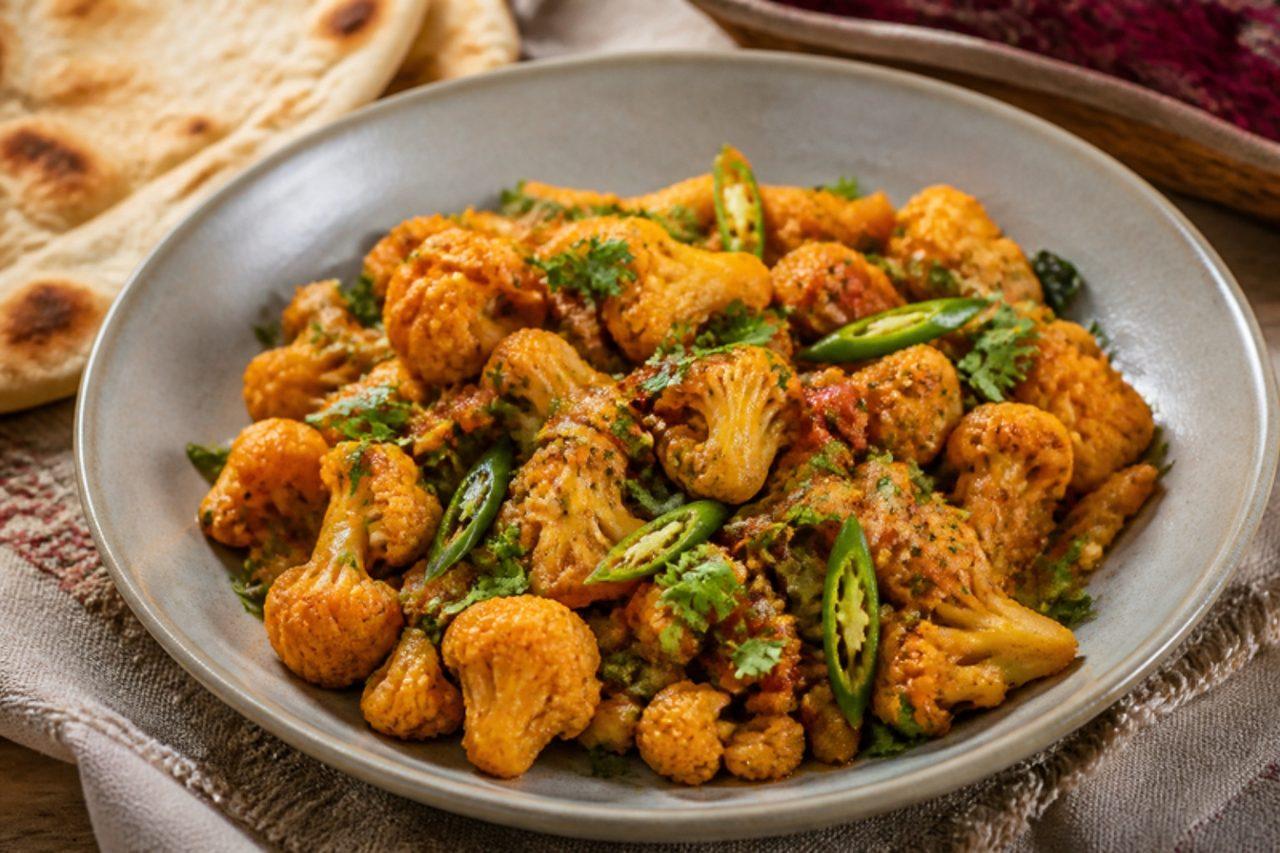
GulpiSpiced cauliflower

Gulpi is what an Afghan family cooks on an ordinary weeknight in Kabul or Jalalabad when cauliflower is cheap in the bazaar, and it is set on the dastarkhan, the cloth spread on the floor for meals, alongside rice or naan and a bowl of yogurt. The florets are fried until they catch a little colour, then simmered in a thick, turmeric-yellow sauce of onion, tomato, ginger and garlic until soft enough to break with the side of a spoon, with just a gentle heat from chilli. Many cooks stir in a few potatoes or peas, and some add a small piece of meat, but it is often fully vegetarian. Adding too much water is what spoils it: the cauliflower should steam in the tomato, not boil, so the sauce clings to every floret. Chef's tip: let the florets brown properly in the oil before anything else goes in, which gives the dish its nutty, slightly sweet depth.

by KrazyBadal 0 views

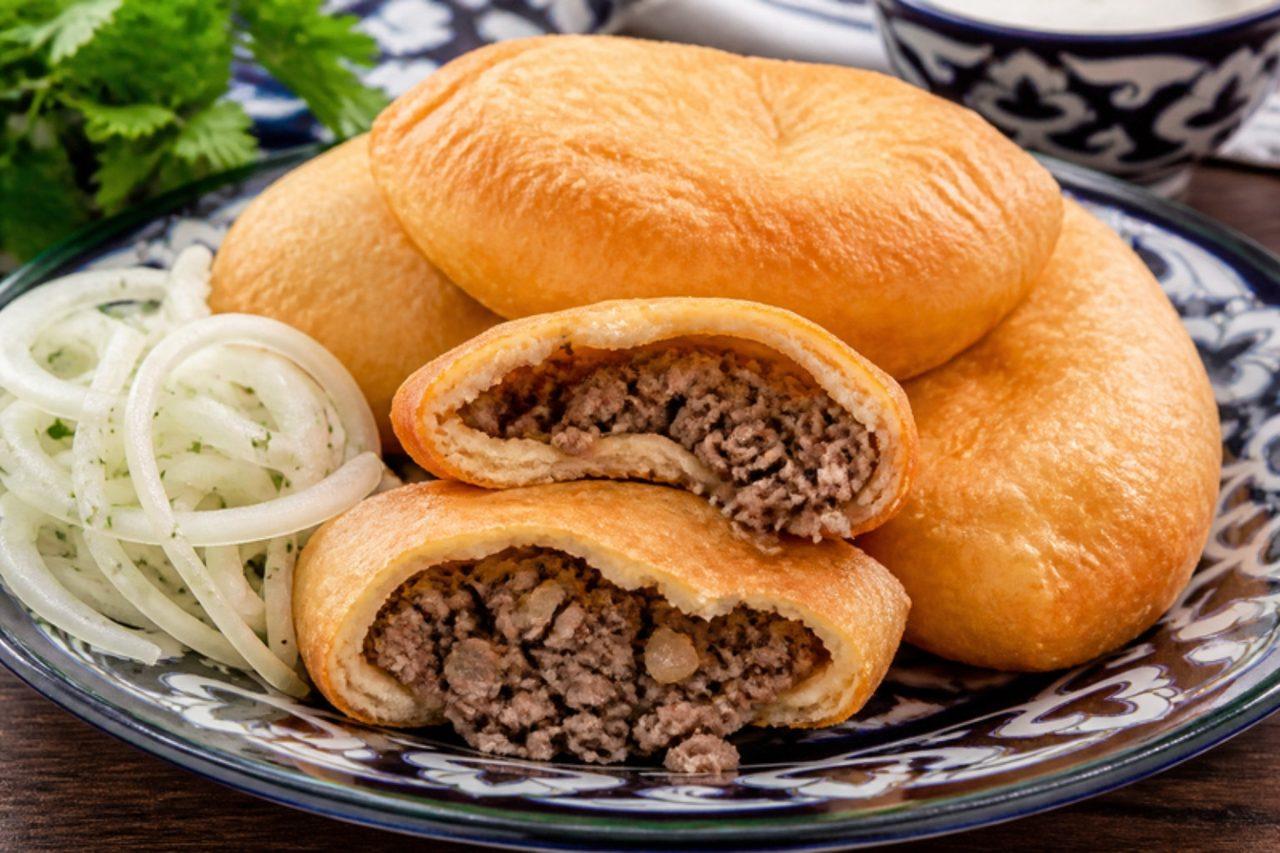
GummaFried pies with lamb liver

Gumma are the hot, puffy fried pies sold from big pans on Tashkent street corners and in bazaars like Chorsu, wrapped in paper and eaten in the morning with tea. The classic filling is cheap and hearty: lamb or beef offal, usually liver, heart and lung, minced with plenty of onion and black pepper; potato gumma is the vegetarian sister. This version uses lamb's liver and heart. A common mistake is frying in oil that is not hot enough, which makes the dough greasy and heavy. Chef's tip: cook the filling fully before shaping, then fry the pies at 175 °C until puffed and golden; the dough cooks in minutes while the filling only needs warming. Offal should be cooked until no pink remains, 71 °C.

by KrazyBadal 0 views

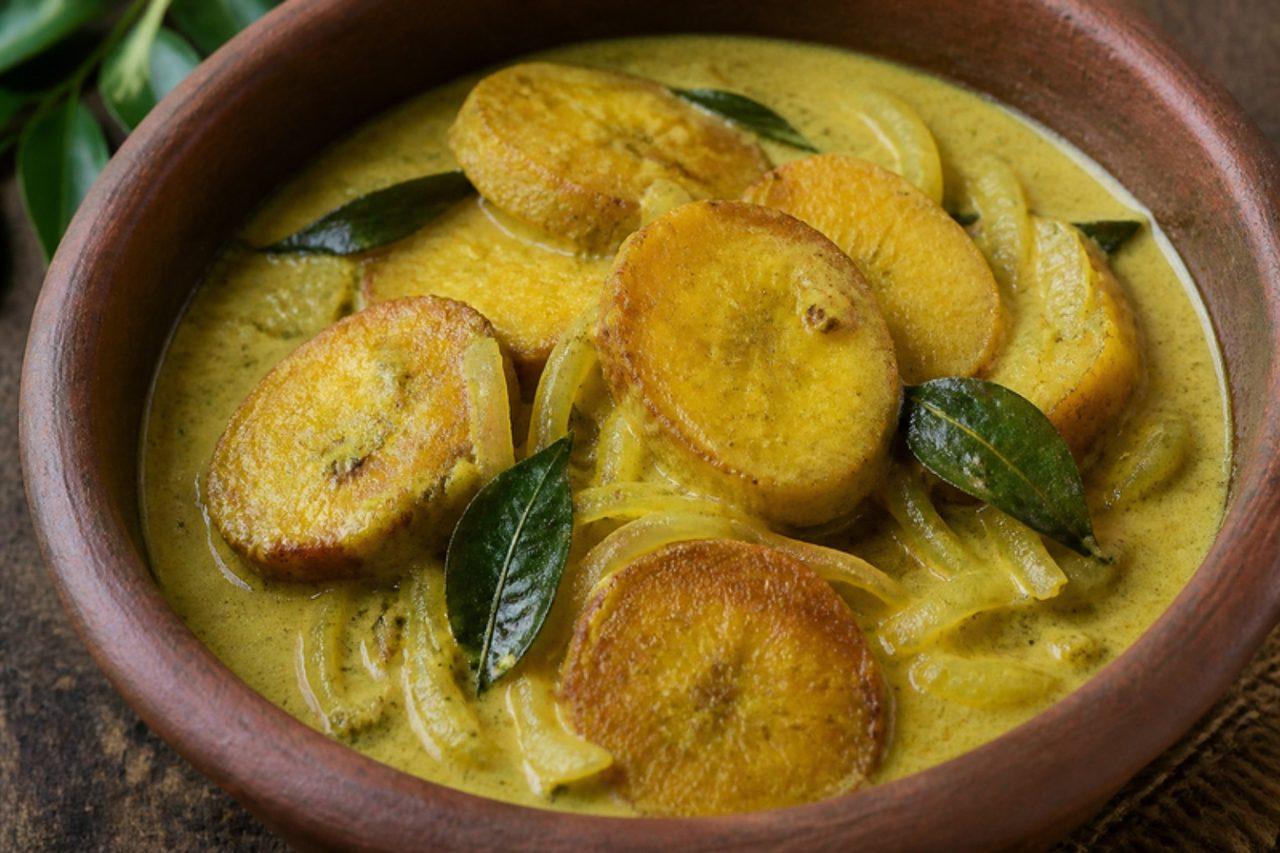
Alu kesel curryPlantain turmeric curry

Alu kesel, the grey-skinned cooking plantain whose name means ash banana, is picked green and treated like a vegetable, and this creamy curry is a regular on Kandyan lunch tables and at temple almsgivings, where it fills out the spread cheaply and well. The slices are rubbed with turmeric and salt, fried until golden at the edges, then simmered in coconut milk with unroasted curry powder, fenugreek, cinnamon and pandan, so they turn soft and starchy like potato with a hint of banana sweetness. It sits happily beside parippu, a green mallung and a sharp pickle. Peeling the plantains with dry hands is a messy mistake, because the sap stains skin and knives black; oil your hands and the blade first. Chef's tip: frying the slices before they go into the gravy keeps them in neat pieces; unfried plantain tends to fall apart and thicken the curry into paste.

by KrazyBadal 0 views

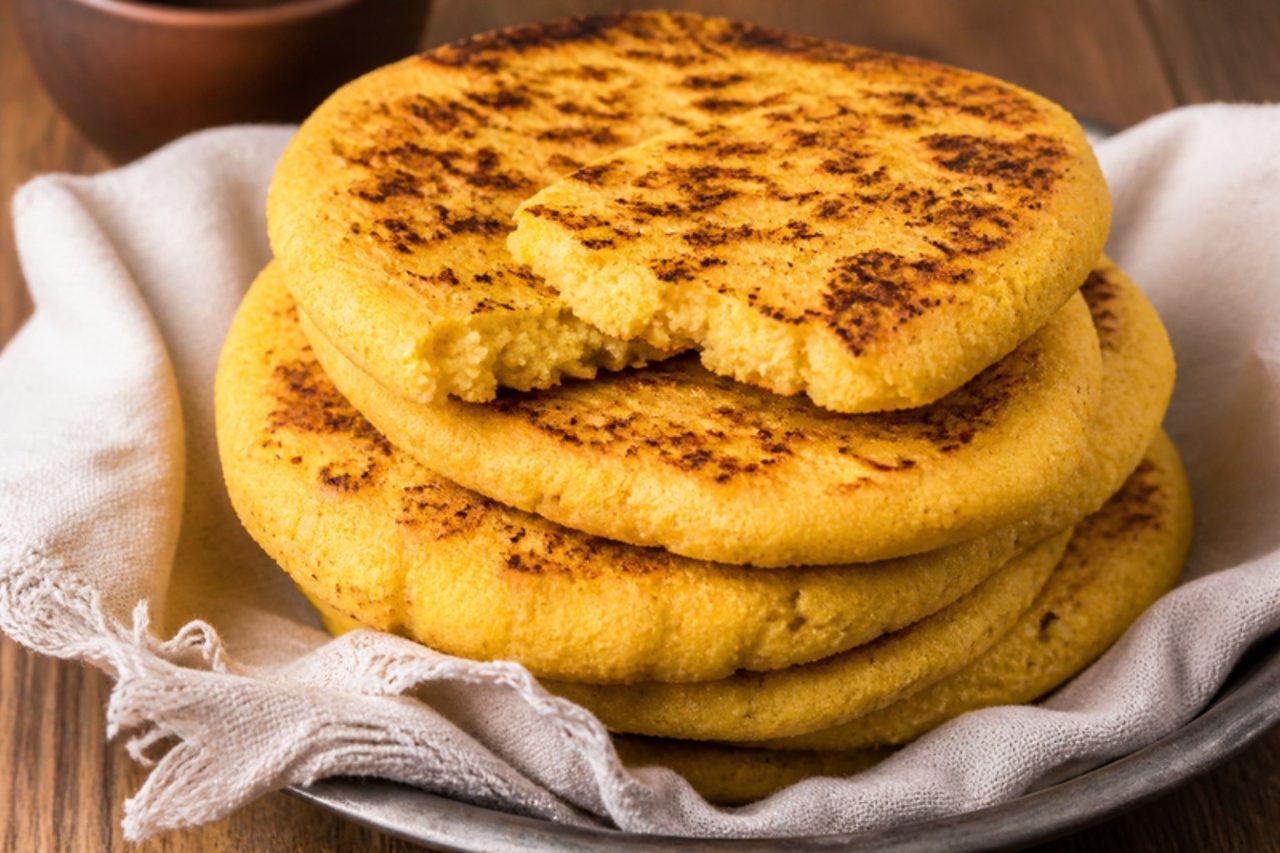
Muufo (Somali maize flatbread)

Along the southern Somali coast and in the farming areas of the Shabelle valley, muufo is baked by pressing rounds of maize dough against the hot inner wall of a clay oven, where they puff and char in minutes. The bread is thick, a little sweet from the corn and slightly tangy, and its dimpled surface is perfect for soaking up digir, maraq or a drizzle of sesame oil and sugar at breakfast. At home a heavy pan and a very hot grill do a good job. Most cooks mix maize flour with some wheat flour so the dough holds together; this version uses yeast and oil, so it is vegan. The usual mistake is an oven or pan that is not hot enough, which gives a pale, dense bread; let the pan heat for a full 5 minutes. Chef's tip: wet your hands when shaping, as the sticky dough is far easier to pat out.

by KrazyBadal 0 views

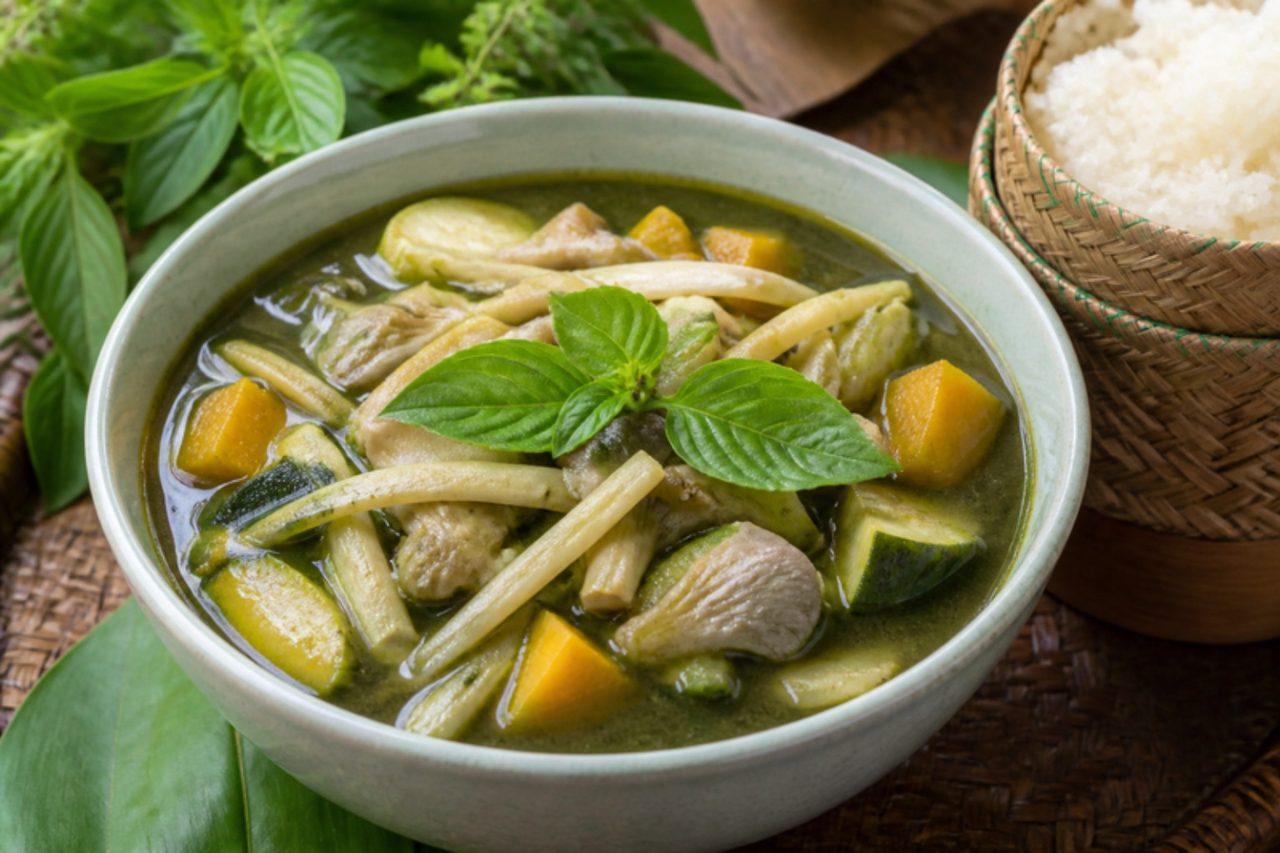
Lao bamboo shoot soup

When the rains arrive in June, Vientiane's morning markets fill with pale, freshly dug bamboo shoots, and pots of kaeng nor mai start simmering in kitchens across the city for the family lunch. The broth is a deep olive green, tinted by the juice squeezed from yanang leaves, and thickened with a spoonful of pounded soaked sticky rice so it coats the spoon. Earthy bamboo, sweet pumpkin and slippery mushrooms float in it with lemon basil on top, and a basket of sticky rice and a dish of jeow sit alongside. Skipping the pre-boil of the bamboo is where most cooks go wrong: raw shoots taste bitter and need cooking through to be safe, so always blanch fresh ones and drain. This version leaves out the fermented fish of village kitchens and seasons with salt and tamari. Chef's tip: squeeze the yanang leaves in cold water, never hot, or the broth turns brown and loses its grassy freshness.

60 minLaoSoupsVeganGluten free
by KrazyBadal 0 views

Showing 36 of 7,762 recipes

Show more recipes

Page 189 of 863