


Skip to content
Queijadinha (Bahian coconut and cheese cakes)
Featured recipe

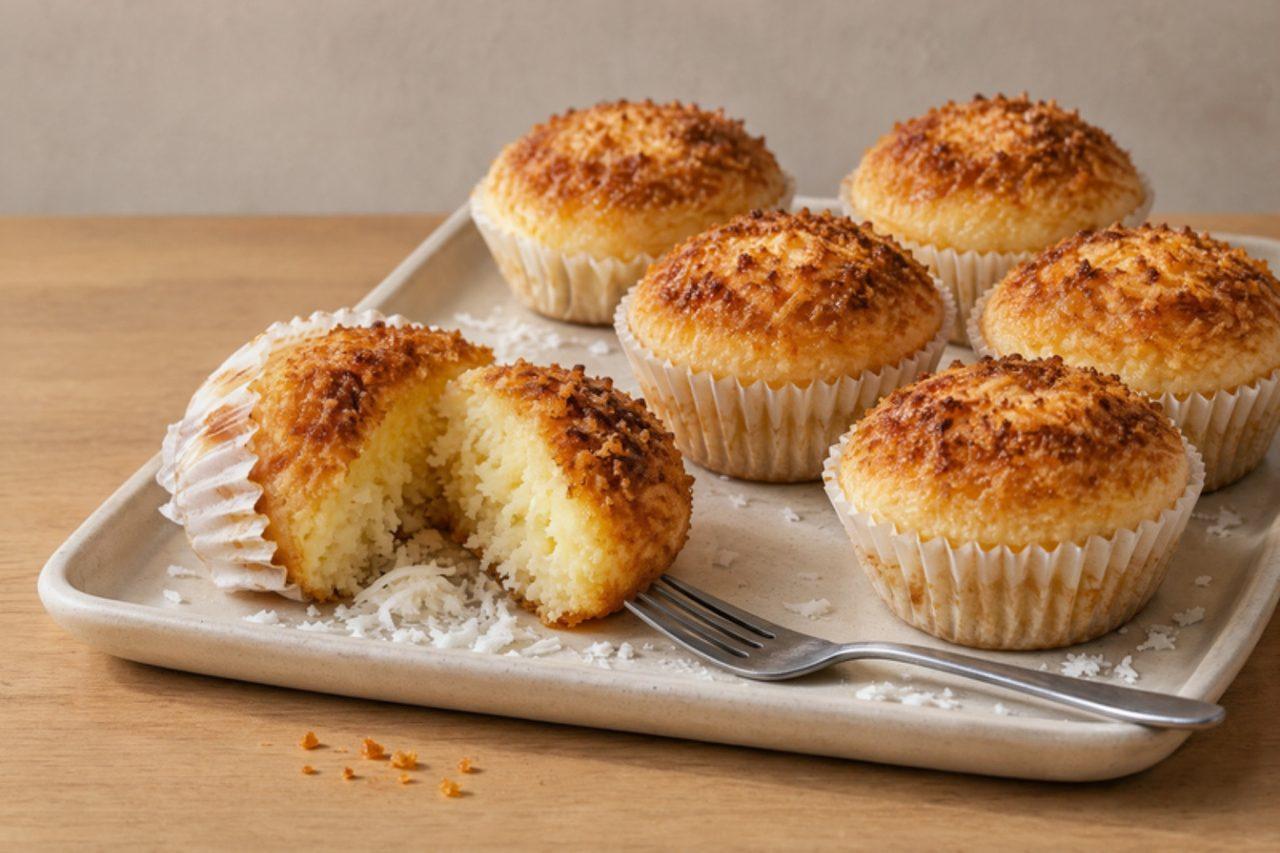
Queijadinha (Bahian coconut and cheese cakes)

In Salvador's Pelourinho and on the steps of the Largo do Pelourinho, baianas in white lace sell queijadinhas from wooden trays alongside cocadas: little paper cases of coconut and cheese that bake into a chewy, golden top over a soft, custardy layer. They are sweet with a salty edge from the cheese, perfect with a strong coffee in the afternoon. They contain egg and milk. Traditional Parmesan is made with animal rennet, so choose a hard cheese labelled vegetarian. Chef's tip: bake them until the tops are properly golden; pale queijadinhas never get their crusty top layer.

Read more 0 views

What to eat today?

Around the world

Today's trip: Paraguayan

A new country every day, from every cuisine on the site.

Paraguayan

Cocido quemado

Burnt sugar mate drink 14 minMore from Paraguayan (27) →

This week's collection

Kid-friendly dinners
537 recipes · a new collection every Monday

Latest recipes

Galinha à portuguesa (Portuguese chicken)

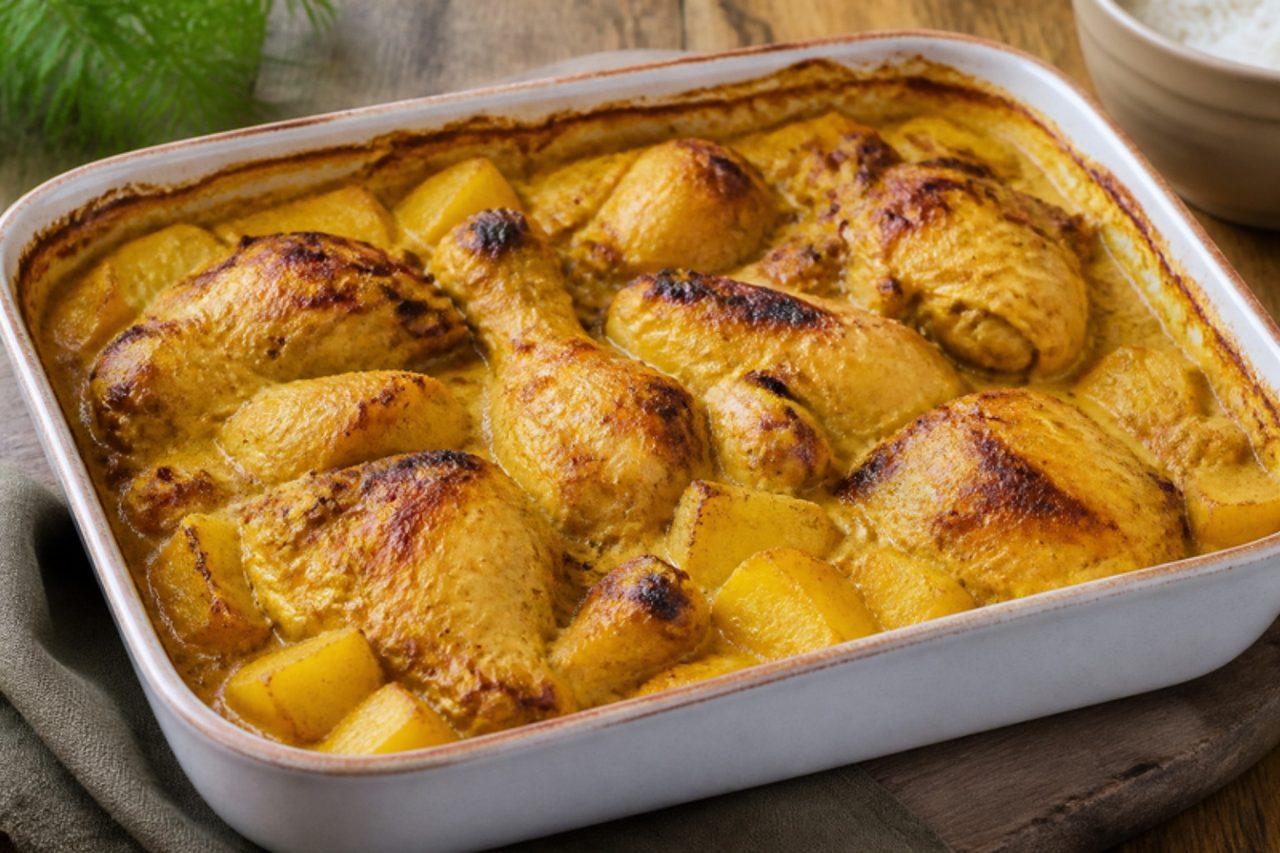
Puzzlingly, you will not find this in Portugal: galinha à portuguesa belongs to Macau, where cooks mixed a Portuguese idea of a creamy baked chicken with the turmeric, curry powder and coconut milk that came through the Portuguese trading routes from Goa and Malacca. Macanese restaurants and Hong Kong's cha chaan teng serve it bubbling in a clay pot or baking dish, golden on top, with chicken and potatoes in a mild, yellow, gently sweet coconut sauce, always with white rice to soak it up. It is a favourite for family dinners and Christmas tables. The thing people get wrong is boiling the coconut sauce hard, so it splits and turns oily; keep it at a gentle simmer. Chef's tip: brown the chicken well first, and finish under a hot grill for the speckled golden top that Macau restaurants are known for.

by KrazyBadal 0 views

Kocho (Gurage enset flatbread)

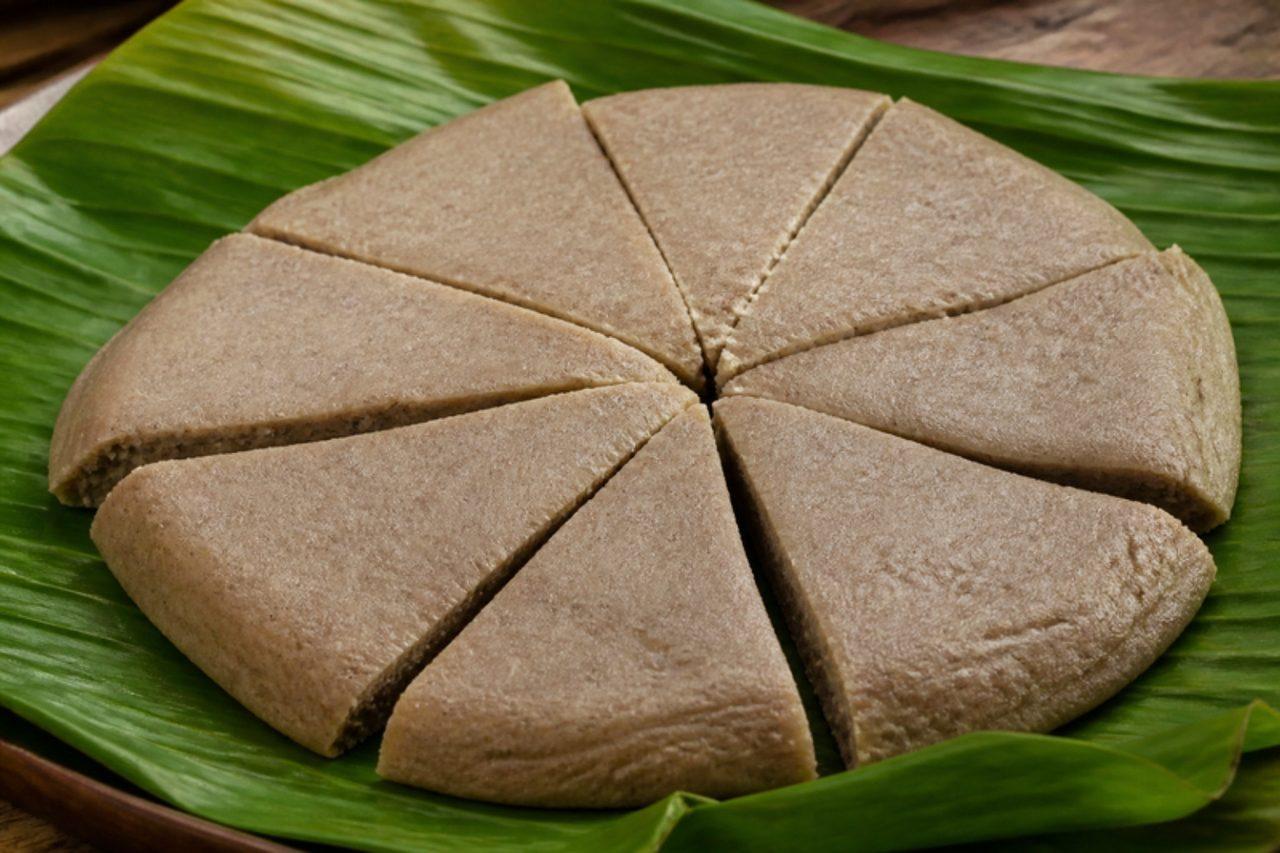
Across the green Gurage and Sidama highlands, the enset or 'false banana' plant feeds whole families, and its scraped, fermented pulp becomes kocho, the dense flatbread that is the only proper partner for kitfo. Fermentation happens over weeks or months in leaf-lined pits, so outside Ethiopia you start with ready-fermented kocho, sold frozen or chilled in Ethiopian shops; there is no real substitute. The pulp is squeezed, chopped fine, patted into a round on enset or banana leaves and baked slowly on a griddle. The bread is chewy, slightly fibrous and pleasantly sour, with a faint fermented aroma, and it is torn and used to scoop kitfo, gomen kitfo and ayib, especially at Meskel. Too much moisture is the classic mistake, giving a gummy, raw-tasting middle; wring the pulp out well. Chef's tip: cook it low and slow under a lid, so the centre dries and sets before the leaves burn.

by KrazyBadal 0 views

GuilinggaoBittersweet herbal jelly

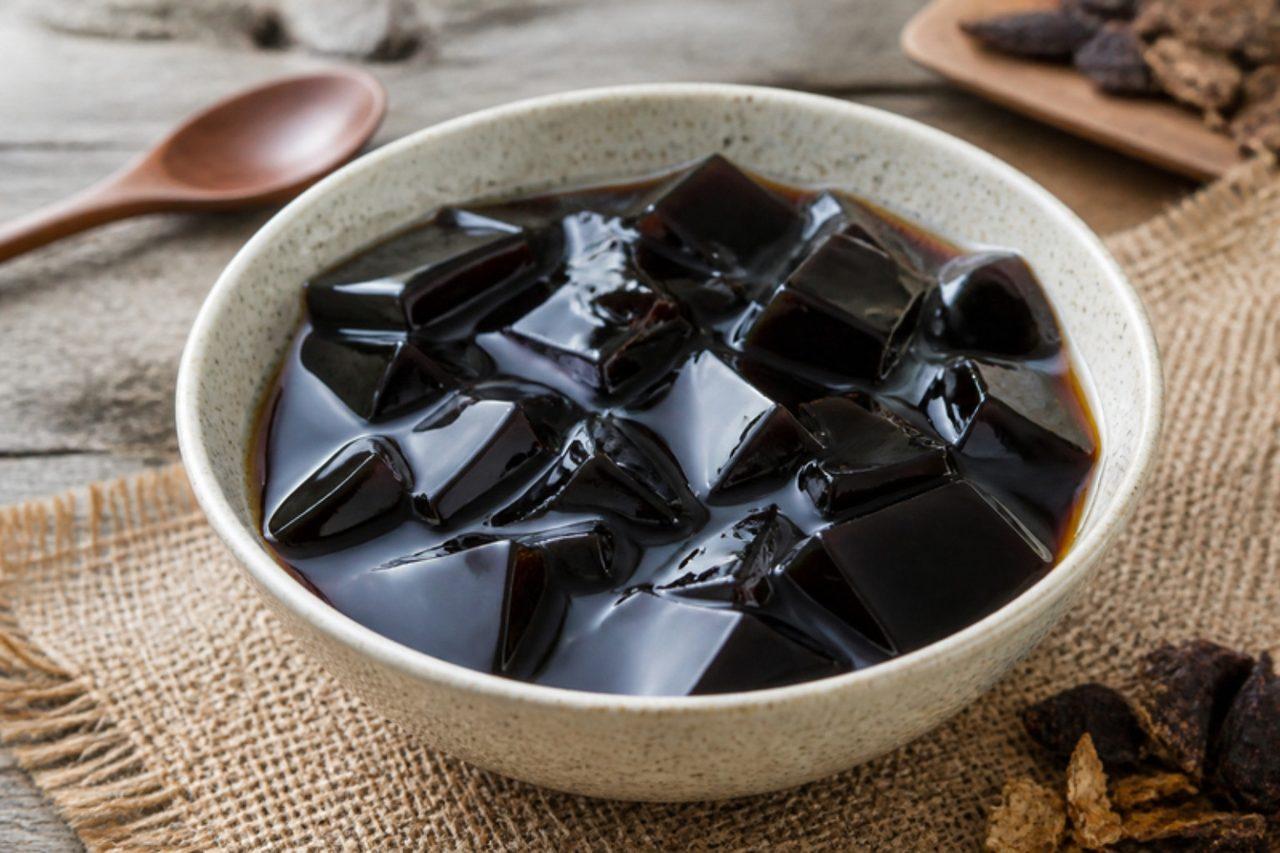
Herbal tea shops along Hong Kong's busy streets sell black, glossy bowls of guilinggao as a cooling tonic in the humid months, and families keep a few cups in the fridge to eat as an afternoon snack. The jelly is firm yet smooth, deep and woody, and properly bitter, so it's eaten with a generous pour of syrup, or honey for those who aren't vegan, and sometimes a splash of coconut milk. The original is made by boiling turtle plastron with herbs for hours; the commercially sold herbal jelly powder used here is plant-based, so this is the vegetarian version. Lumps are the usual setback, which happen when the powder is added straight to hot water. Chef's tip: whisk the powder into cold water first, then pour it into the boiling water and keep stirring until it turns glossy.

by KrazyBadal 0 views

Grenadian nutmeg ice cream

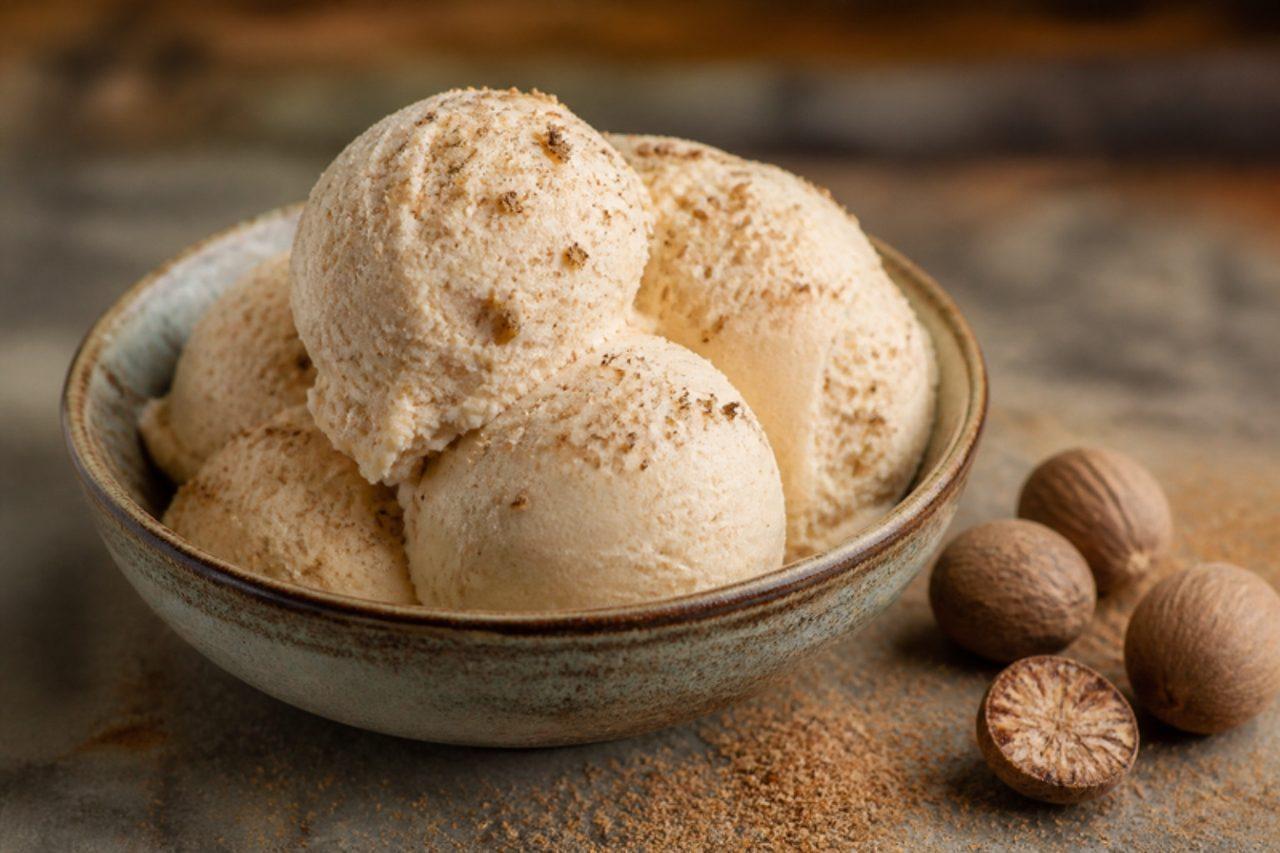
Grenada, the Spice Isle, grows much of the world's nutmeg, and in St George's ice cream parlours the local favourite is a rich egg-custard ice cream scented with freshly grated nutmeg. The flavour is warm and almost floral, nothing like the dusty jar spice, and it is lovely with fried plantain or a slice of black cake. The common mistake is overheating the custard so the eggs scramble; take it off the heat as soon as it coats a spoon. Chef's tip: grate the nutmeg straight into the hot milk and let it steep for 20 minutes before making the custard, so the flavour runs all the way through.

by KrazyBadal 0 views

Soy sauce fried noodles

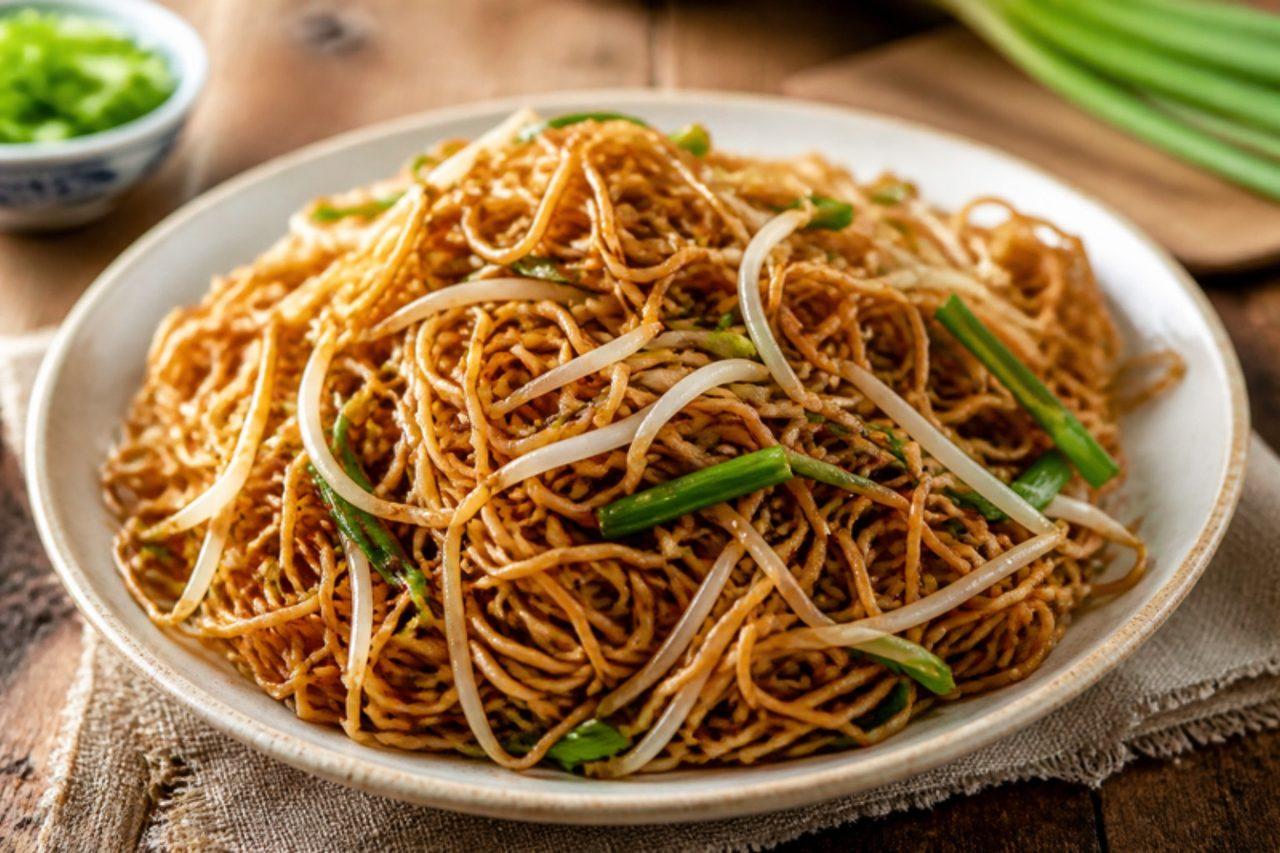
Order this at a Hong Kong cha chaan teng or a dim sum breakfast and it lands on the table glossy, mahogany brown and smelling of the wok, a plate of nothing more than noodles, soy sauce, bean sprouts and spring onions. Thin egg noodles turn springy and slightly crisp at the edges, coated in a sweet-salty soy glaze, while the sprouts stay crunchy. Locals eat it for breakfast with milk tea, or share it at yum cha next to steamed dumplings, often with a dab of chilli oil. Wet noodles are the enemy here: if they go into the wok damp, they steam, clump and turn soggy instead of frying. Chef's tip: toss the noodles with chopsticks or tongs rather than a spatula, lifting and shaking them through the sauce, so the strands stay long and separate.

by KrazyBadal 0 views

Guineítos en escabechePickled green bananas

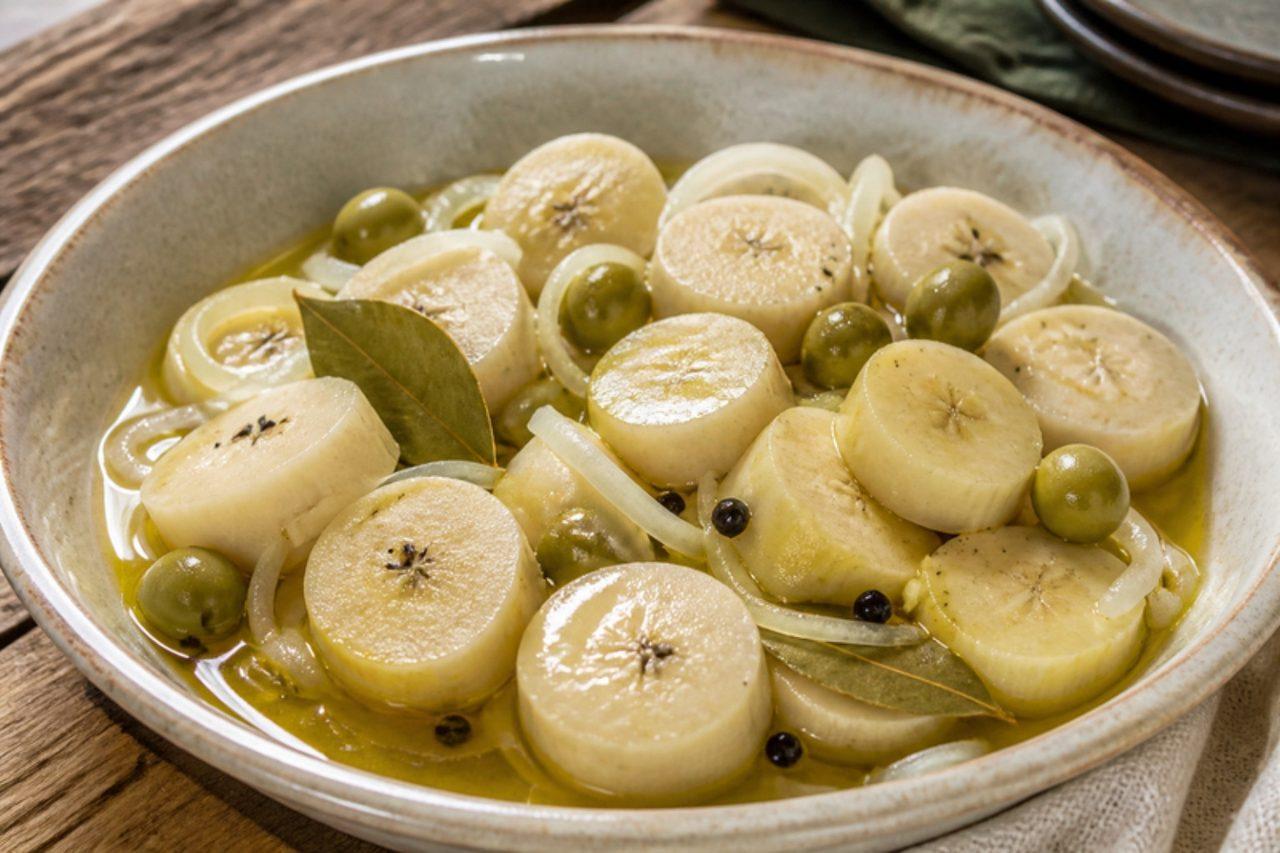
Every Puerto Rican Christmas table and roadside lechonera on the Ruta del Lechón in Guavate seems to have a bowl of these: green bananas boiled, sliced into thick coins and left to steep in a garlicky olive-oil and vinegar marinade with soft onions, bay and green olives. They are sharp, silky and filling, and taste even better on the second day, so they are made in big batches for parties. The common mistake is boiling the bananas until mushy; they should be tender but still hold their coin shape. Peel them with oiled hands or gloves, because the sap stains. Chef's tip: pour the marinade over the bananas while both are still warm, so the starch soaks up the flavour.

by KrazyBadal 0 views

GulpiSpiced cauliflower

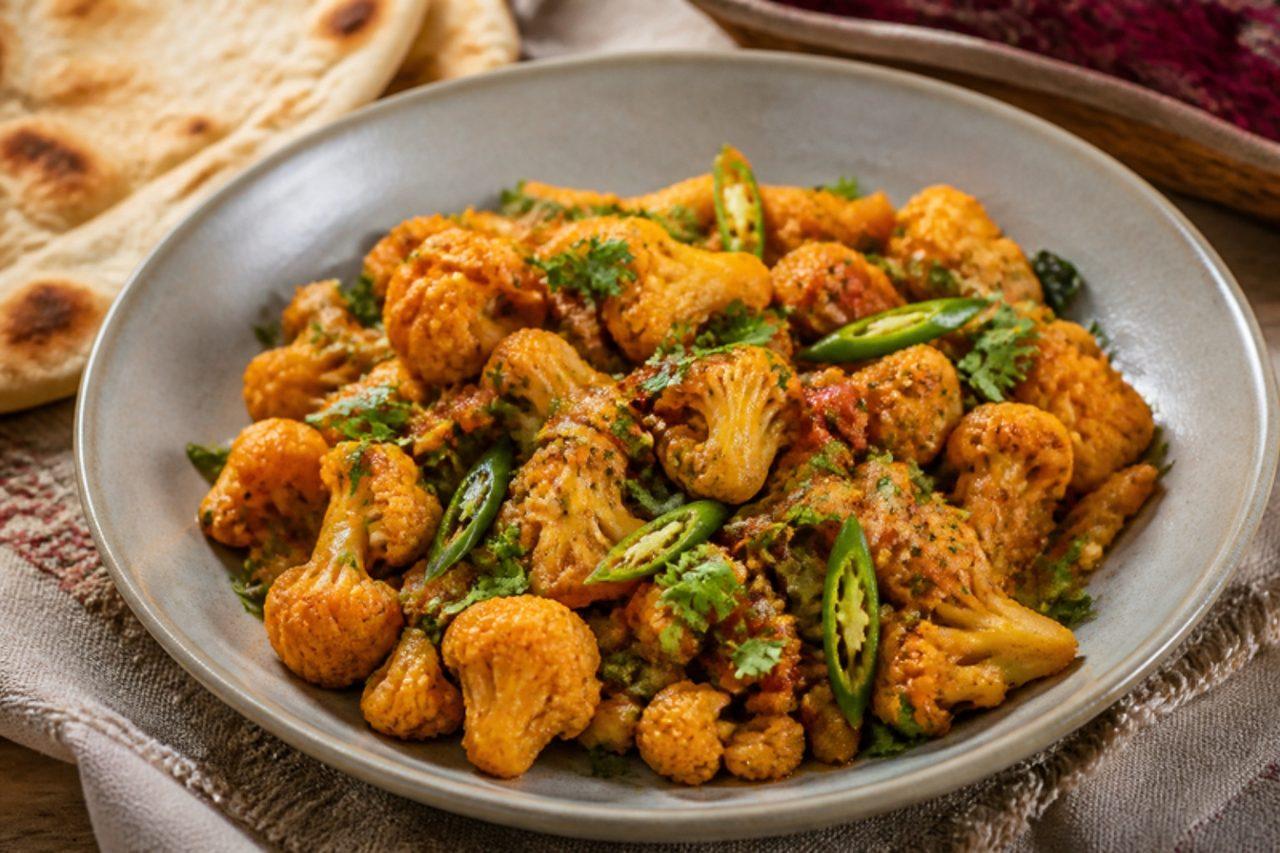
Gulpi is what an Afghan family cooks on an ordinary weeknight in Kabul or Jalalabad when cauliflower is cheap in the bazaar, and it is set on the dastarkhan, the cloth spread on the floor for meals, alongside rice or naan and a bowl of yogurt. The florets are fried until they catch a little colour, then simmered in a thick, turmeric-yellow sauce of onion, tomato, ginger and garlic until soft enough to break with the side of a spoon, with just a gentle heat from chilli. Many cooks stir in a few potatoes or peas, and some add a small piece of meat, but it is often fully vegetarian. Adding too much water is what spoils it: the cauliflower should steam in the tomato, not boil, so the sauce clings to every floret. Chef's tip: let the florets brown properly in the oil before anything else goes in, which gives the dish its nutty, slightly sweet depth.

by KrazyBadal 0 views

Trini curry shrimp

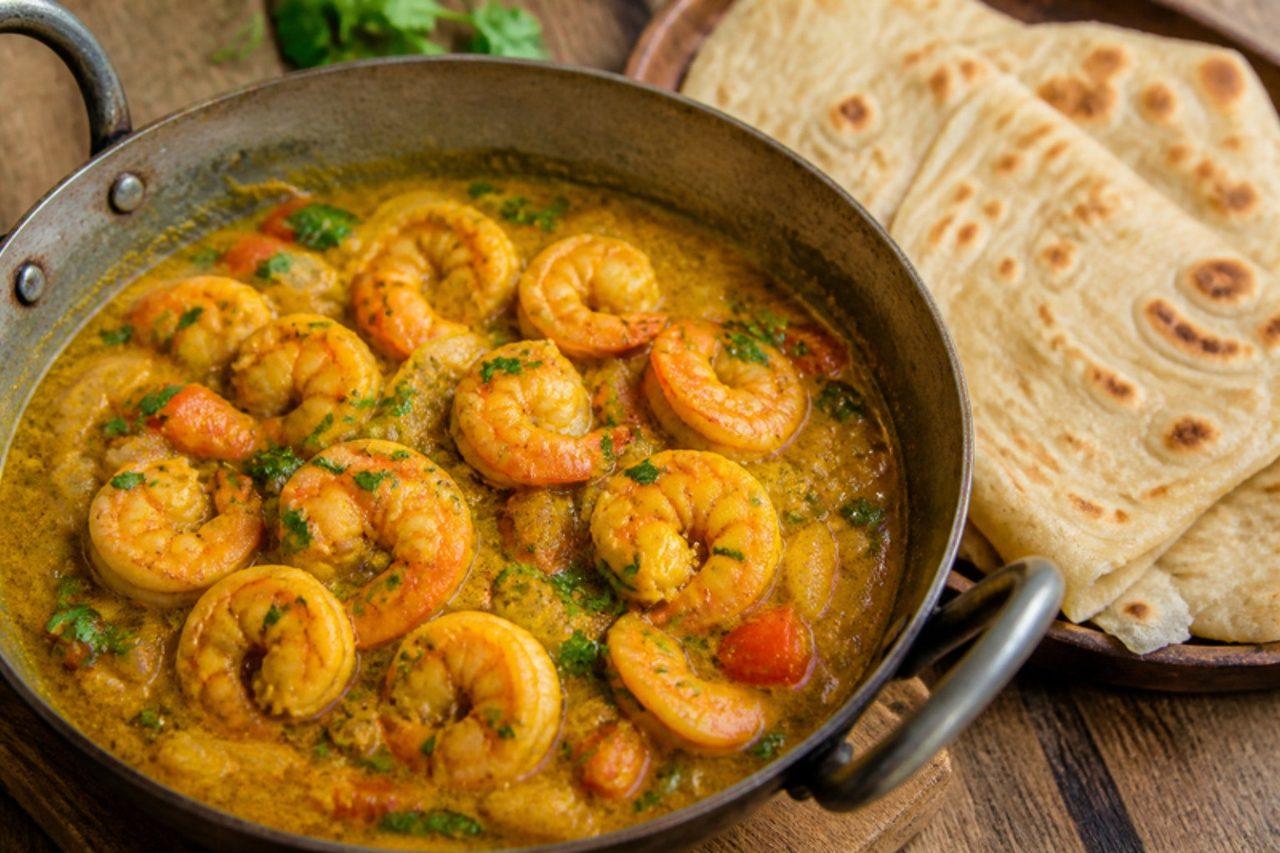
Sold from food stalls in San Fernando and eaten at south Trinidad family lunches, curry shrimp is the fast curry of the island: the sauce is built in minutes, and the shrimp go in only at the very end. Plenty of garlic, roasted geera and hot pepper give a bright, punchy curry that you wipe up with dhalpuri or spoon over rice. The mistake nearly everyone makes the first time is stewing the shrimp, which turns them rubbery; they need three or four minutes, no more. Chef's tip: save the shells, simmer them in the water for 10 minutes and use that stock in the curry for a much deeper seafood flavour.

by KrazyBadal 0 views

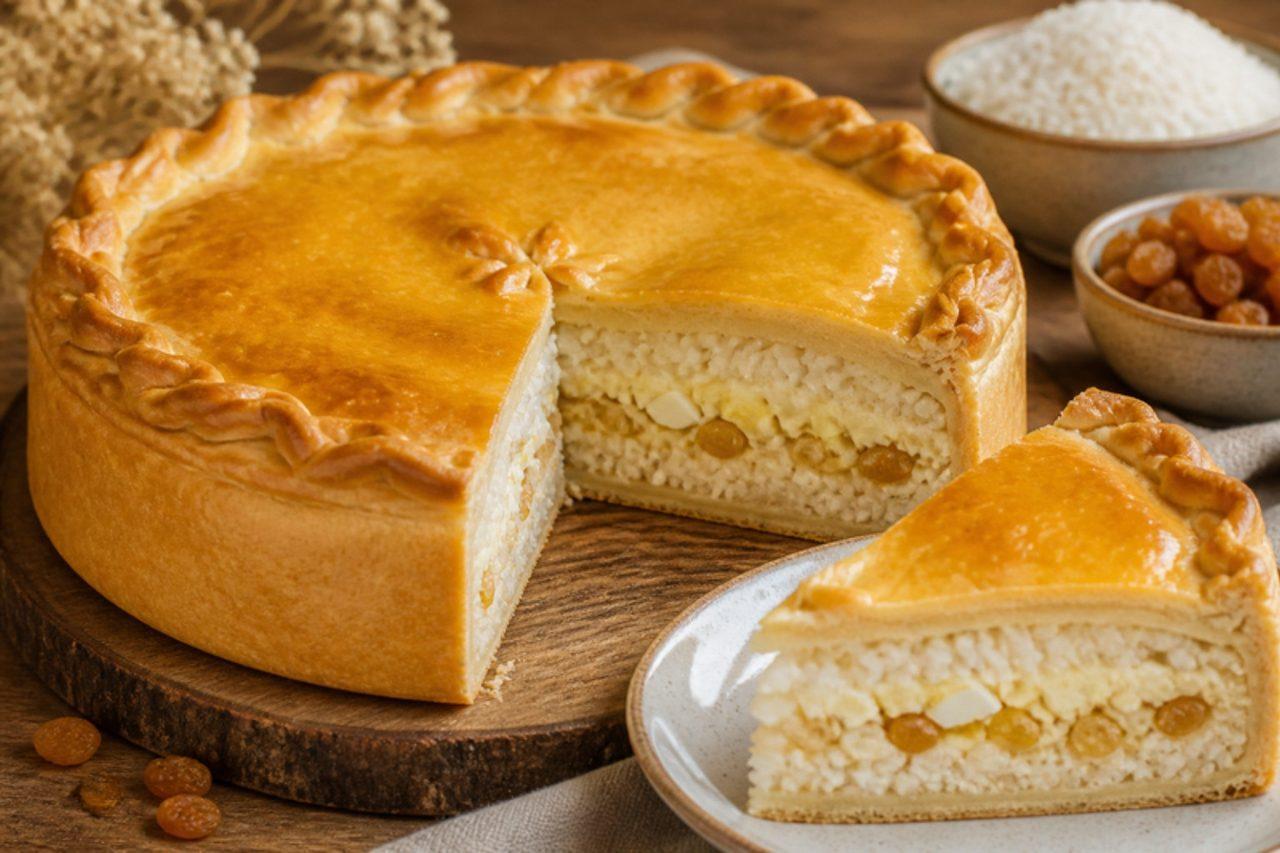
GubadiaLayered rice and curd pie

Weddings, Eid and the arrival of honoured guests in Tatarstan call for gubadia, a high round pie that is cut at the table like a cake and served with tea. Inside sit neat layers of buttery rice, kort – Tatar curd cooked down until rosy and fudge-sweet – raisins and chopped hard-boiled egg, under a domed lid of soft yeast dough. Many families add a layer of minced meat with onion; this is the meat-free version, as many sweet tea-table gubadias are. Kort is hard to buy outside the region, so you make it here from tvorog (check the label if you need it rennet-free). Where most people go wrong is a dry pie: every layer needs its share of melted butter. Chef's tip: let the baked pie stand for twenty minutes before cutting so the layers settle and come away in clean wedges.

by KrazyBadal 0 views

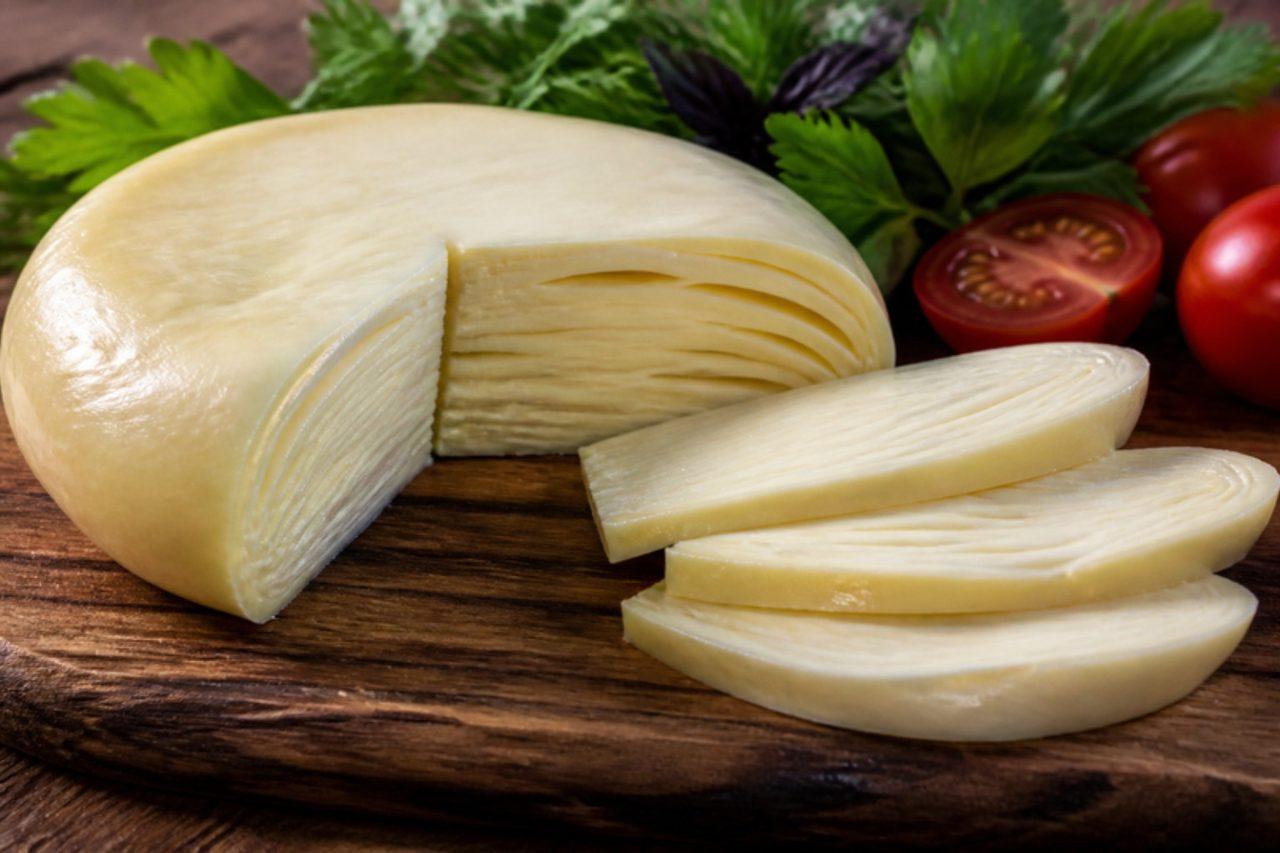
SulguniStretched cheese

Sulguni is the famous cheese of Samegrelo, made in Zugdidi homes by taking fresh, slightly soured curd, cutting it up and working it in hot water until it can be pulled into a glossy, layered, salty ball. It is eaten in thick slices, melted into elarji and khachapuri, and smoked over embers for a darker version. The curd has to be acidic enough to stretch, so you make the cheese one day and stretch it the next, or buy fresh Imeretian cheese and start from there. Traditionally animal rennet is used; vegetarian rennet works too. A common mistake is trying to stretch fresh, sweet curd; it melts into a puddle instead of pulling. Chef's tip: test a small piece in hot water first; if it stretches 30 cm without breaking, the curd is ready.

by KrazyBadal 0 views

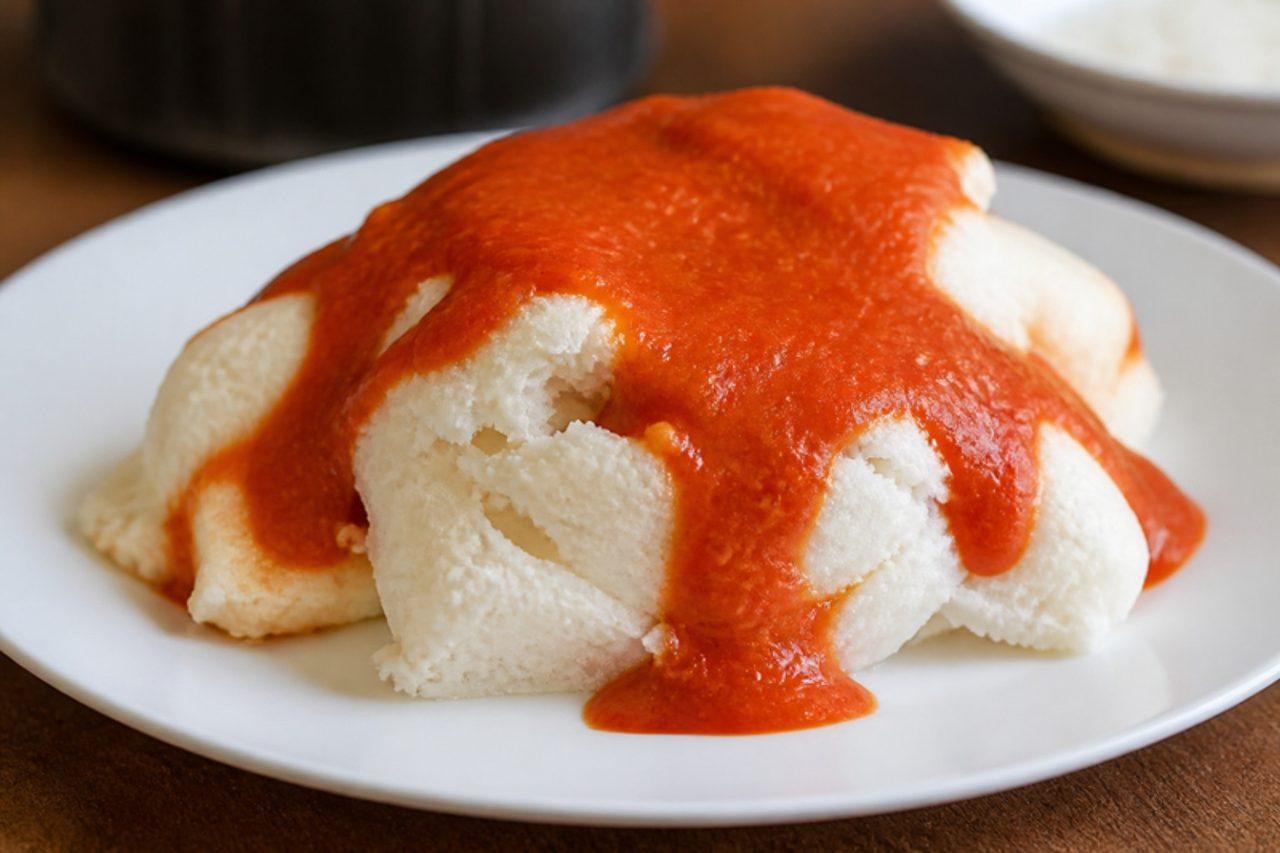
Ekuru (white bean pudding with pepper sauce)

Pale and plain on purpose, ekuru is moin moin's quiet cousin: the same peeled black-eyed bean paste, but steamed with nothing in it except a little salt, so it comes out white, light and airy. In Ijebu and around Ogun State it is a breakfast and market snack, and all the flavour comes from the sauce served with it, a fried mix of red peppers, scotch bonnet, onion and locust beans in palm oil. The contrast of mild, fluffy pudding and hot, oily sauce is the whole point. This version is entirely plant-based. Chef's tip: beat the bean paste hard for several minutes before steaming; the trapped air is what makes ekuru light rather than dense.

by KrazyBadal 0 views

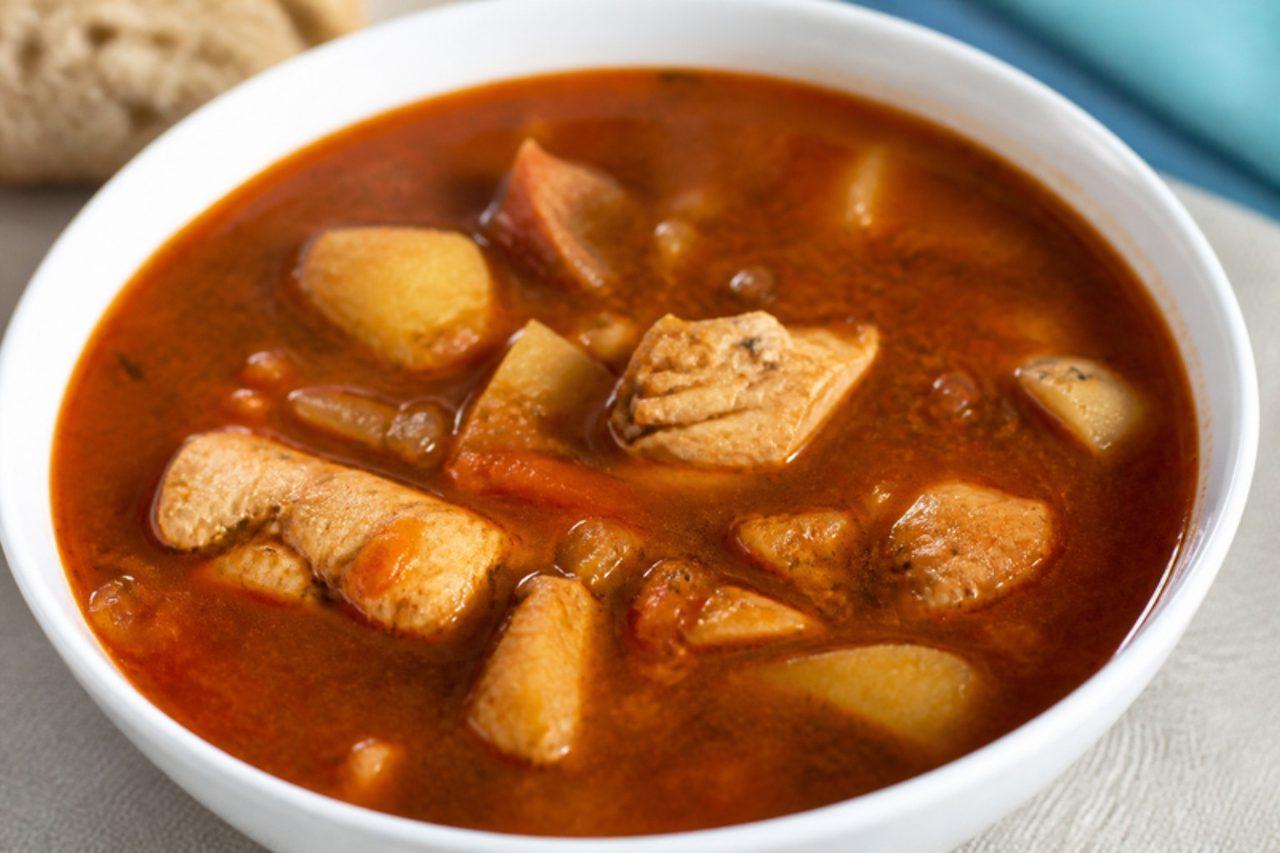
Bermuda fish chowder

Bermudians call fish chowder their national dish, and every Sunday brunch and Cup Match picnic has a pot of it: a dark, thick soup made from a long-simmered fish-head stock with tomatoes, vegetables and white fish, seasoned at the table with a splash of black rum and sherry peppers sauce (hot peppers steeped in sherry). This recipe contains alcohol in those optional table seasonings; for an alcohol-free bowl, use a few drops of hot pepper sauce and a little molasses instead. The mistake to avoid is a thin, watery stock; the bones must simmer long enough to give body. Ask your fishmonger for heads and frames from white fish, gills removed. Chef's tip: let the finished chowder rest for 30 minutes before serving; it thickens and the flavours deepen.

by KrazyBadal 0 views

Kuti (Harari coffee-leaf tea)

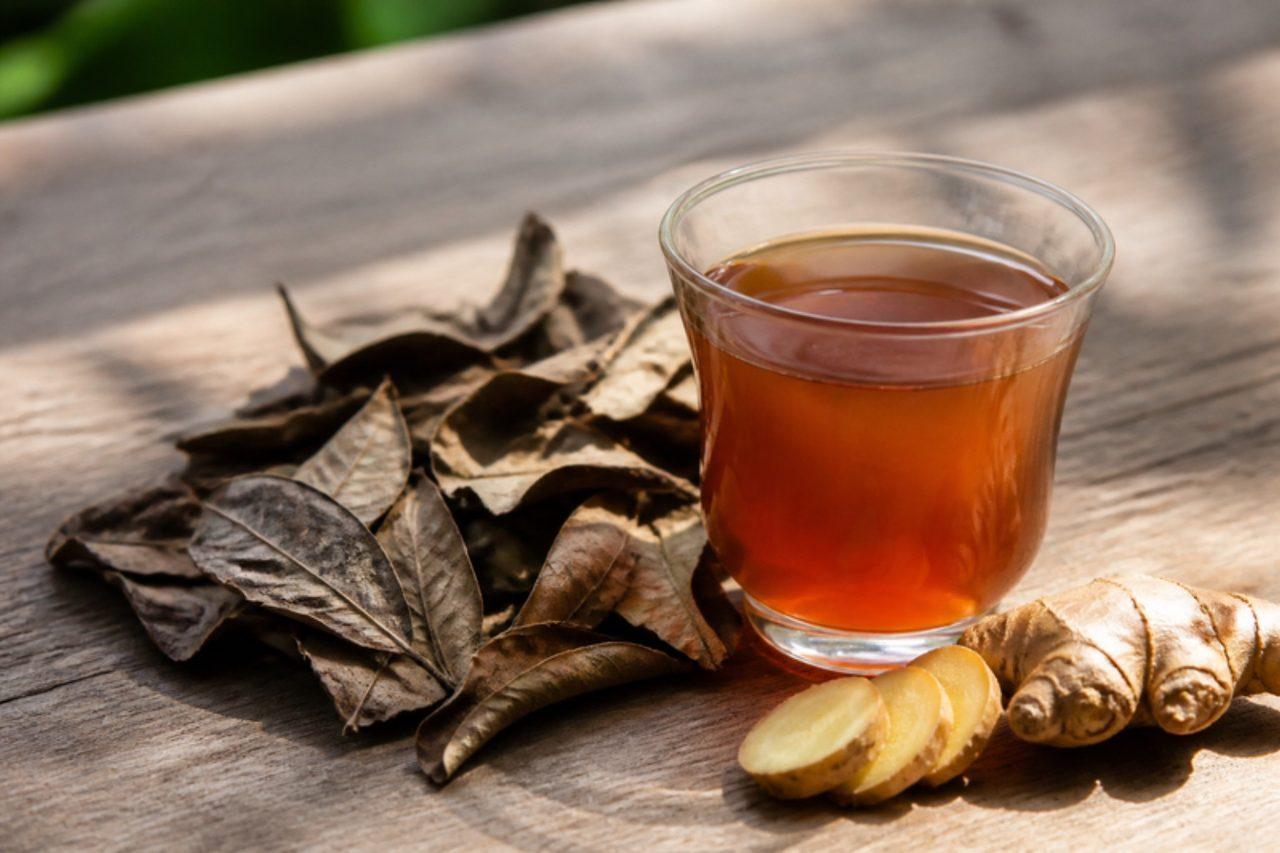
Harar sits in old coffee country, and its households drink not only the beans but the leaves: kuti is made by toasting dried coffee leaves and brewing them into a light, amber tea. It tastes soft and grassy with a hint of roasted coffee and far less caffeine than a cup of buna, so it is sipped through the afternoon, during long chats and after the fast is broken in Ramadan. Many Harari homes add milk and sugar; leave the milk out or use a plant milk to keep it vegan. Dried coffee leaves are sold as coffee leaf tea by some coffee and tea merchants. Do not swap in cascara, which is the dried coffee cherry husk and makes a different, fruitier drink. Chef's tip: toast the leaves only until they darken a shade and smell like toasted hay; overdone, they taste of ash.

by KrazyBadal 0 views

Taiwanese radish omelette

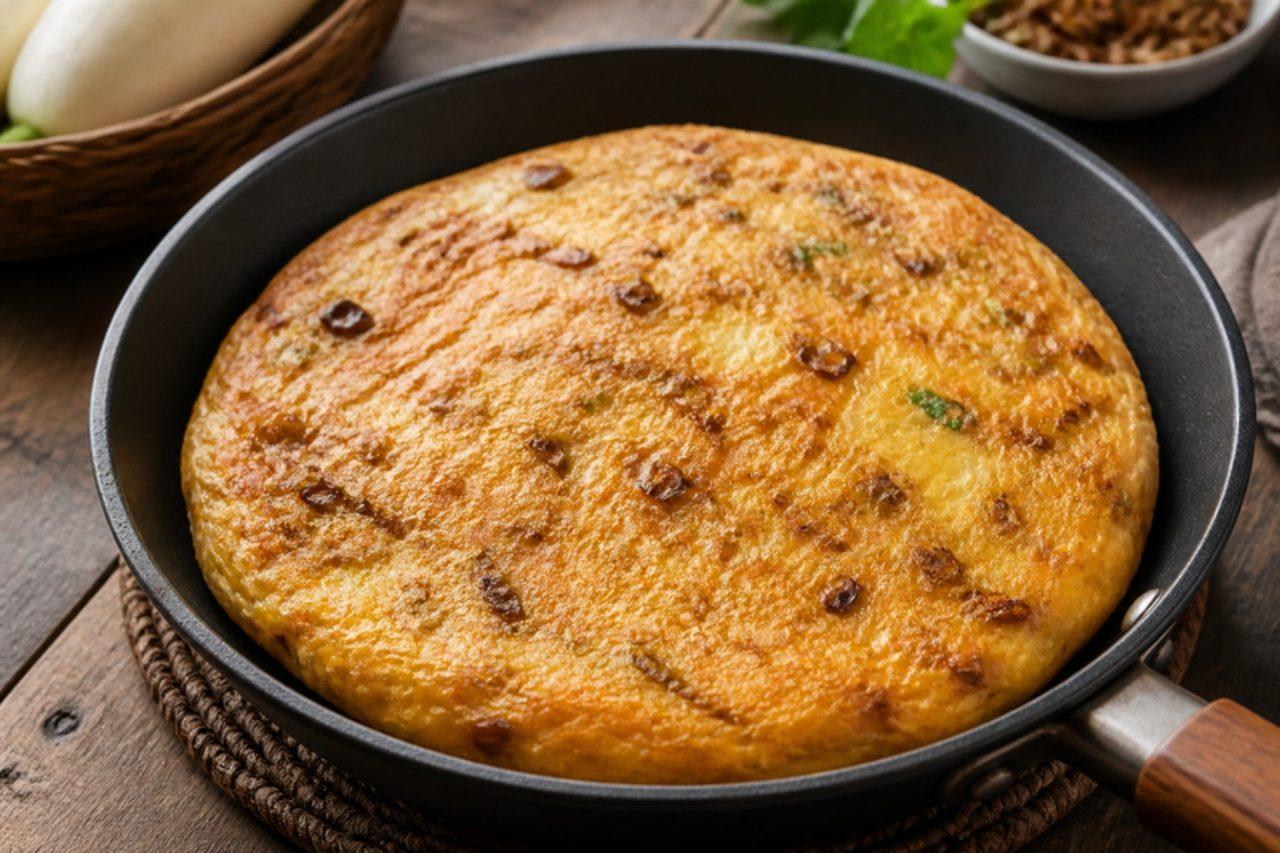
Ask a Taiwanese grandmother what to cook when there's nothing in the fridge and the answer is often this: a few eggs and a handful of preserved radish turned into a thick, golden omelette, cut into wedges and passed round. It's a staple of the rice-and-small-dishes spread at Taipei breakfast shops and late-night congee counters, and it reappears on the stir-fry restaurant table and in home lunchboxes. The chopped radish fries up crunchy and caramel-sweet inside soft, puffy egg, with crisp brown lacy edges. Skipping the rinse is where most go wrong: unrinsed radish makes the omelette far too salty. Chef's tip: dry-fry the radish first until it smells toasty, then use plenty of oil and a hot pan so the egg puffs and the edges frill.

by KrazyBadal 0 views

Datta (Gurage green chilli relish)

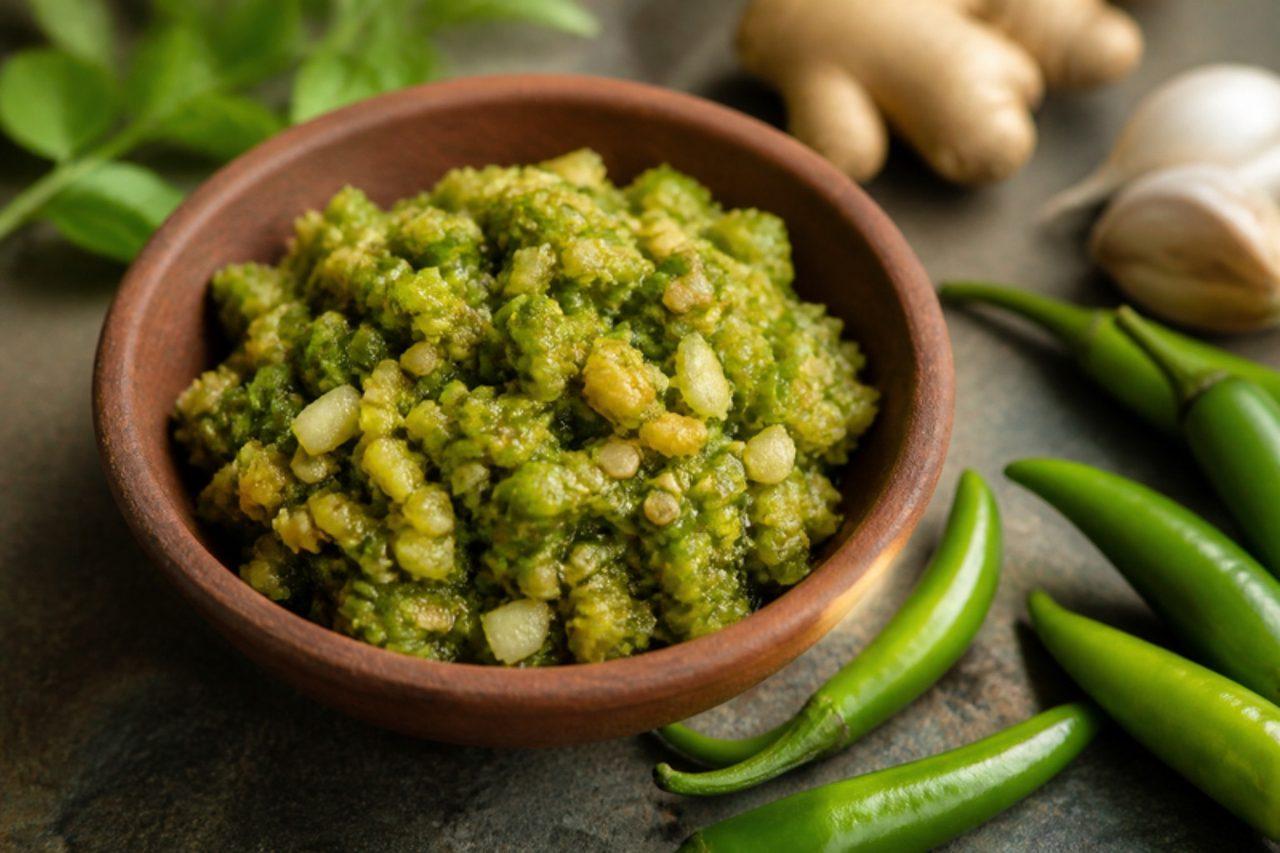
A small bowl of datta sits beside every plate of kitfo in Gurage country, and Addis kitfo houses serve it the same way; a dab of it wakes up mild ayib, kocho or a bowl of shiro. Fresh green chillies are pounded in a mortar with garlic, ginger and salt, sometimes with a little onion and lemon, into a coarse, bright paste that is sharp, grassy and very hot. It is a fasting-friendly relish, since it is nothing but vegetables, oil and lemon. Blitzing it to a smooth liquid in a blender is a common mistake: you lose the texture and the chillies turn bitter; pound it, or pulse briefly. Wear gloves when handling the chillies, and wash the board well afterwards. Chef's tip: for a milder datta, scrape out the seeds and pale ribs of half the chillies before pounding.

by KrazyBadal 0 views

Beef brisket noodles

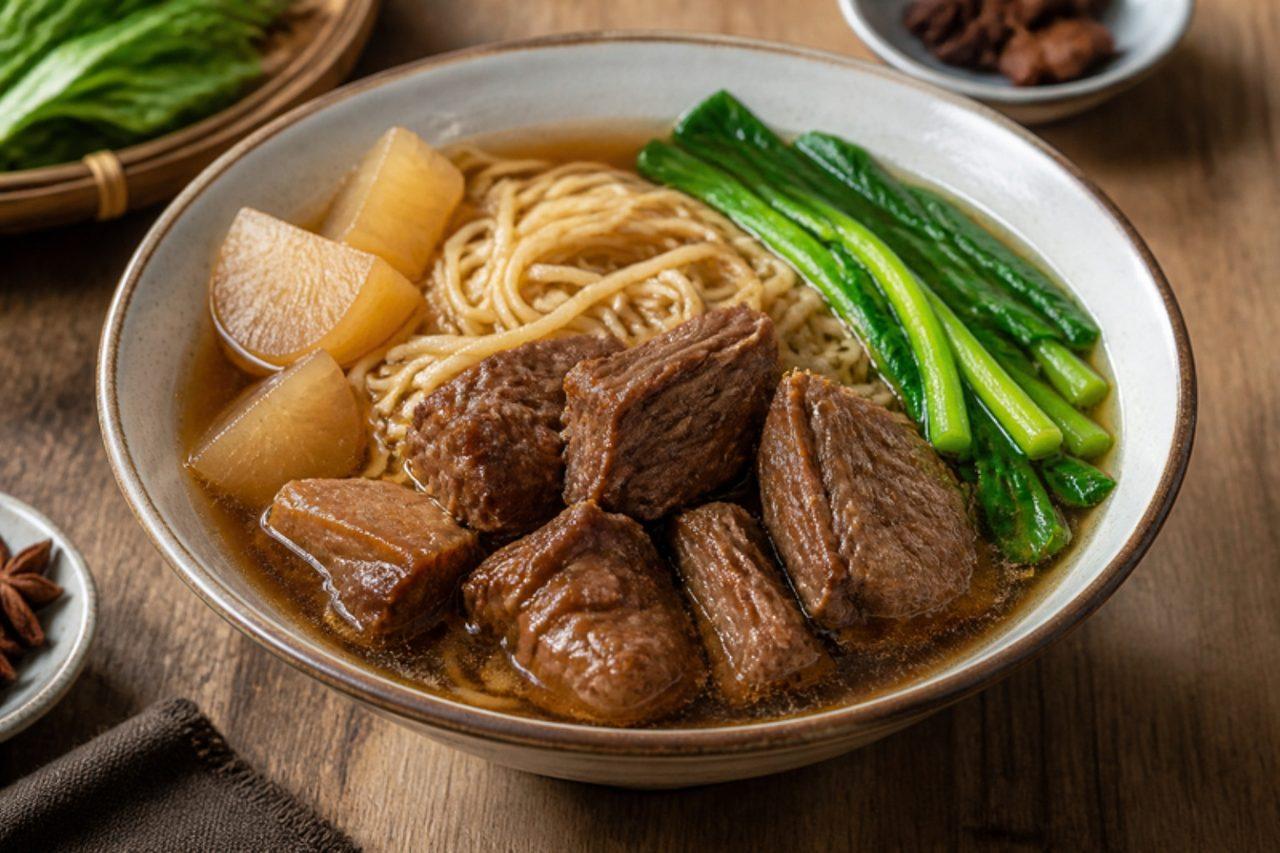
Queues form outside the brisket shops of Central and Sham Shui Po at lunchtime for a bowl of ngau naam min: wobbly chunks of beef brisket, braised for hours with chu hou paste, star anise, cinnamon and dried tangerine peel until the fat and sinew melt, set over springy egg noodles in a separate, clear, peppery broth with daikon. The braise is dark, sticky and aromatic, the broth light and clean, and you dip between them. A slosh of Shaoxing rice wine goes in the braise; an alcohol-free swap is in the ingredient list. Many home cooks cut the brisket before cooking into small cubes, which then shrink and dry out; braise it in big pieces and cut it afterwards. Chef's tip: the braise is better the next day, so make it ahead, chill it and lift off the fat before reheating.

by KrazyBadal 0 views

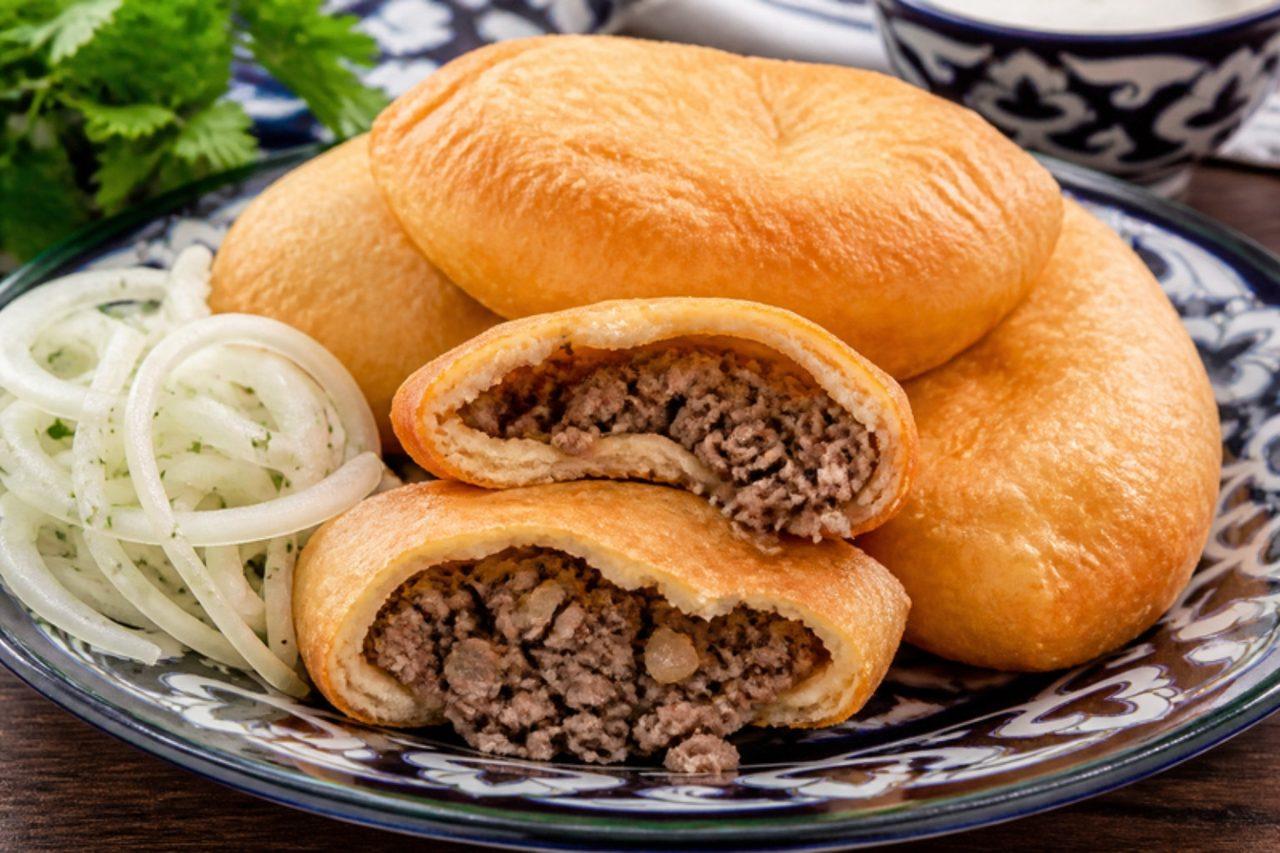
GummaFried pies with lamb liver

Gumma are the hot, puffy fried pies sold from big pans on Tashkent street corners and in bazaars like Chorsu, wrapped in paper and eaten in the morning with tea. The classic filling is cheap and hearty: lamb or beef offal, usually liver, heart and lung, minced with plenty of onion and black pepper; potato gumma is the vegetarian sister. This version uses lamb's liver and heart. A common mistake is frying in oil that is not hot enough, which makes the dough greasy and heavy. Chef's tip: cook the filling fully before shaping, then fry the pies at 175 °C until puffed and golden; the dough cooks in minutes while the filling only needs warming. Offal should be cooked until no pink remains, 71 °C.

by KrazyBadal 0 views

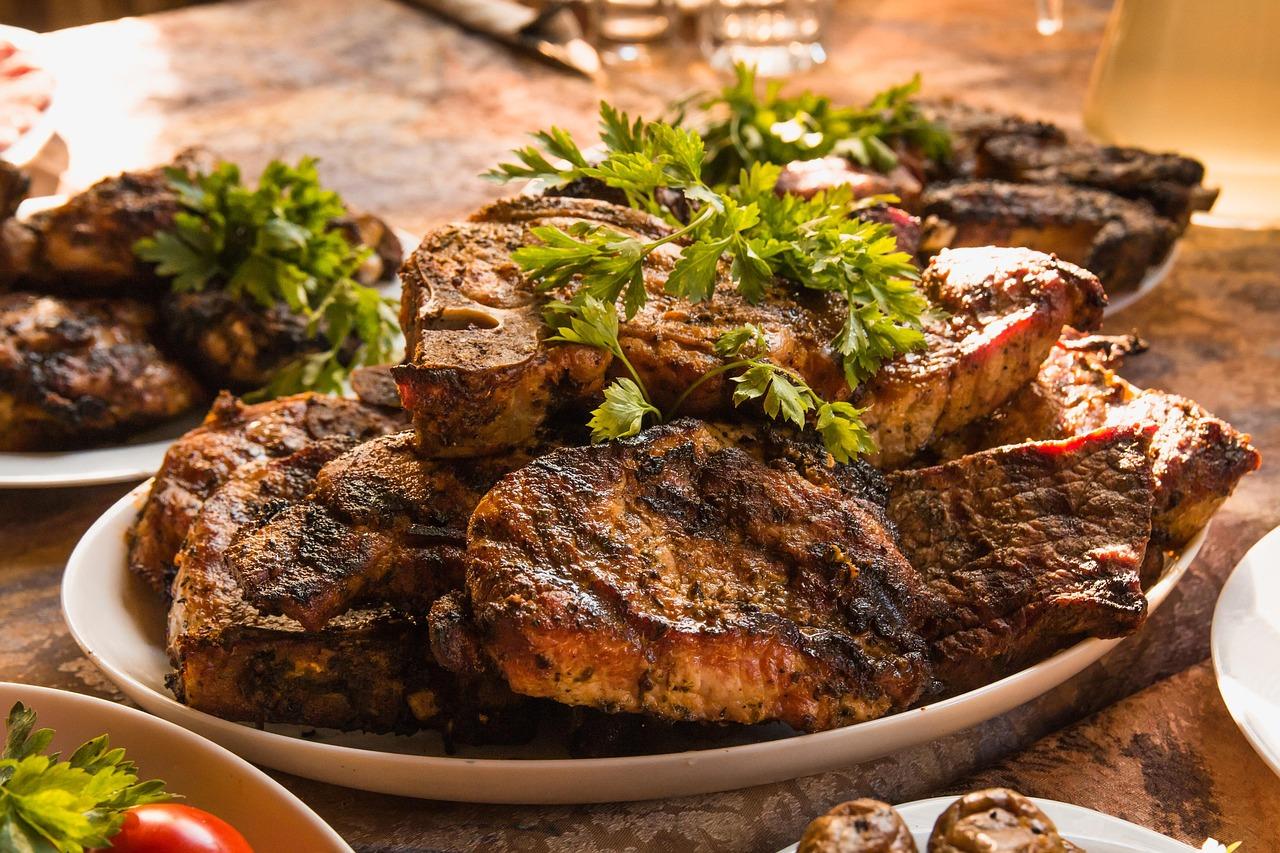
Jamaican jerk pork

Boston Bay in Portland is where jerk pork was born, and the jerk pits there still slow-smoke pork shoulder over green pimento wood under sheets of zinc until the outside is dark and crusted and the meat is smoky and juicy. This home version uses boneless pork shoulder rubbed with a wet paste of scotch bonnet, pimento, scallion, thyme and ginger, then cooked slowly in a covered barbecue or oven and finished over high heat. The biggest mistake is rushing the marinade; it needs at least 12 hours in the fridge to get into the pork. Cook until the thickest part reaches at least 63 °C, then rest; for tender, chopped jerk like the stalls, keep going to about 85 °C. Chef's tip: throw a handful of soaked allspice berries and bay leaves onto the coals for the smoky pimento flavour of the real pits.

240 minJamaicanMeatGluten freeSpicy
by KrazyBadal 0 views

Showing 18 of 7,762 recipes

Show more recipes

Page 188 of 863