


Skip to content
Chicken and andouille gumbo
Featured recipe

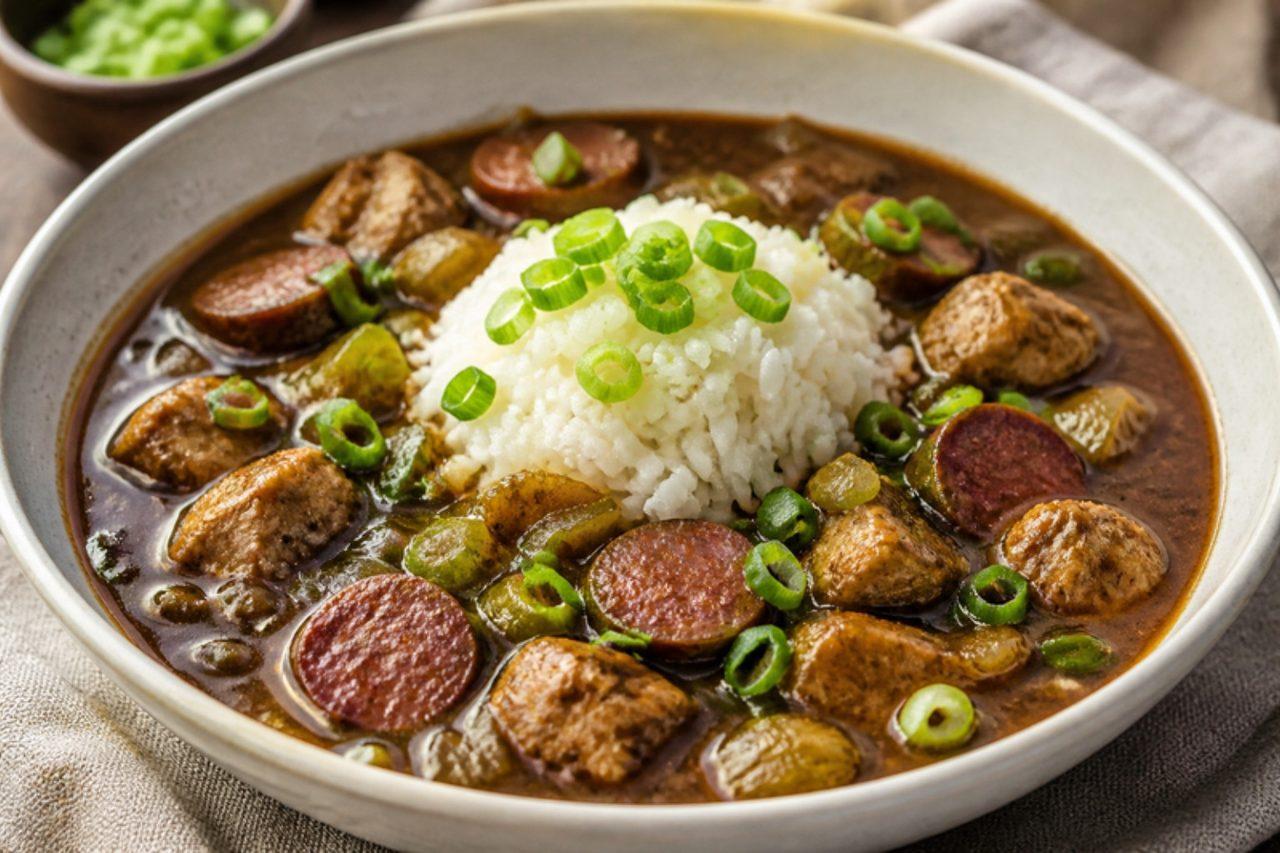
Chicken and andouille gumbo

In the prairie towns of Acadiana around Lafayette and Eunice, a pot of chicken and andouille gumbo goes on the stove for Sunday dinners, Mardi Gras runs and cold winter evenings. It starts with a roux of flour and oil stirred until the colour of dark chocolate, then the holy trinity of onion, celery and pepper, chicken thighs and andouille, a spicy smoked pork sausage. Serve in bowls over rice with potato salad on the side, as many Cajun families do. Chef's tip: never stop stirring the roux and keep the heat medium; a single black fleck means it has burnt and must be thrown out.

Read more 0 views

What to eat today?

Around the world

Today's trip: Paraguayan

A new country every day, from every cuisine on the site.

Paraguayan

Cocido quemado

Burnt sugar mate drink 14 minMore from Paraguayan (27) →

This week's collection

Kid-friendly dinners
537 recipes · a new collection every Monday

Latest recipes

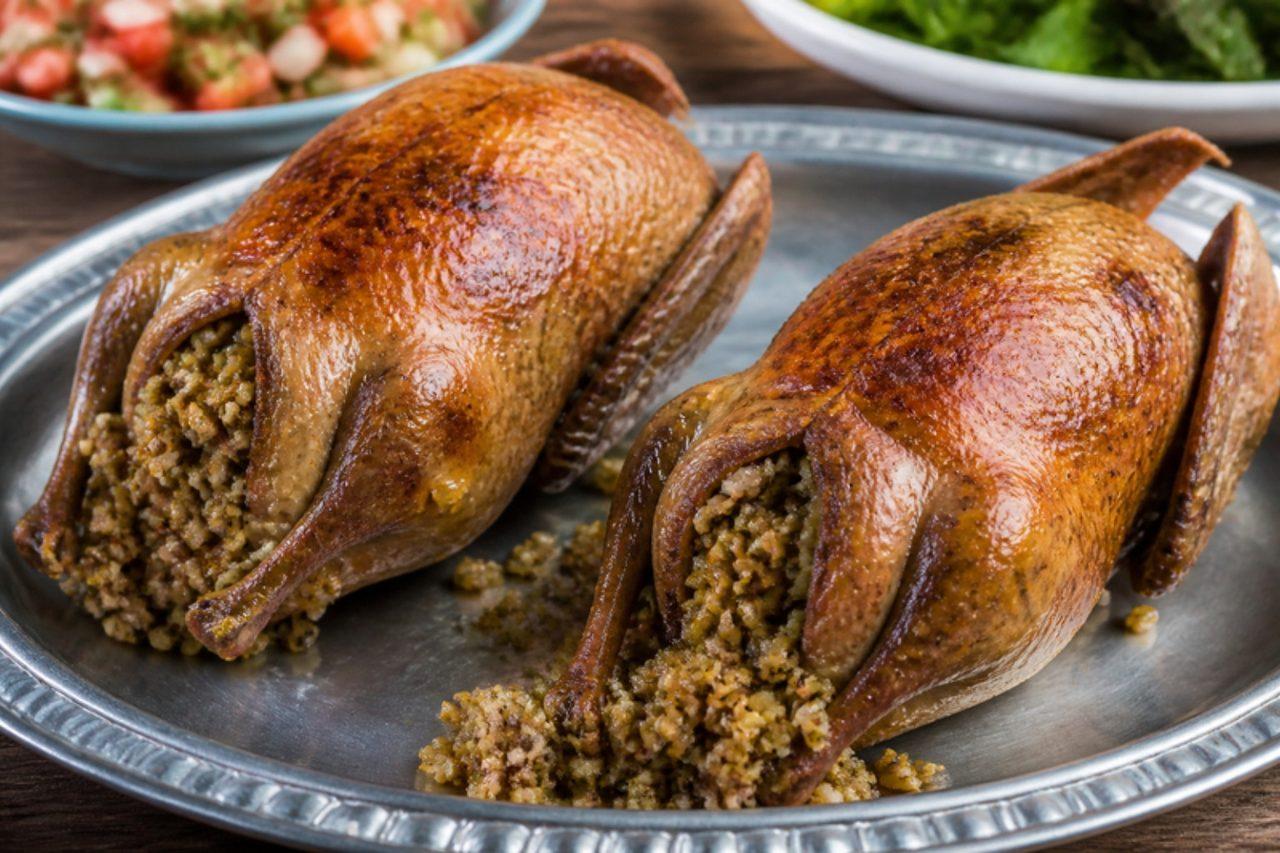
Hamam mahshi (stuffed pigeon)

Pigeon towers still rise above villages in the Nile Delta, and stuffed pigeon is a celebration dish there and in Cairo's famous pigeon restaurants; it is traditionally served to newlyweds and at feasts. Each small bird is filled with freekeh (smoky green wheat) cooked with onion, giblets and warm spices, then simmered in a cardamom broth until tender and finished in a hot oven or fried so the skin turns deep brown and crackling. The meat is dark and rich, closer to duck than chicken, and the freekeh soaks up all the juices. Serve one bird each with a salad, pickles and the broth as soup. Use farmed squab from a poultry supplier. Chef's tip: stuff the birds loosely and sew or skewer them shut; freekeh swells as it cooks and an overfilled pigeon bursts.

by KrazyBadal 0 views

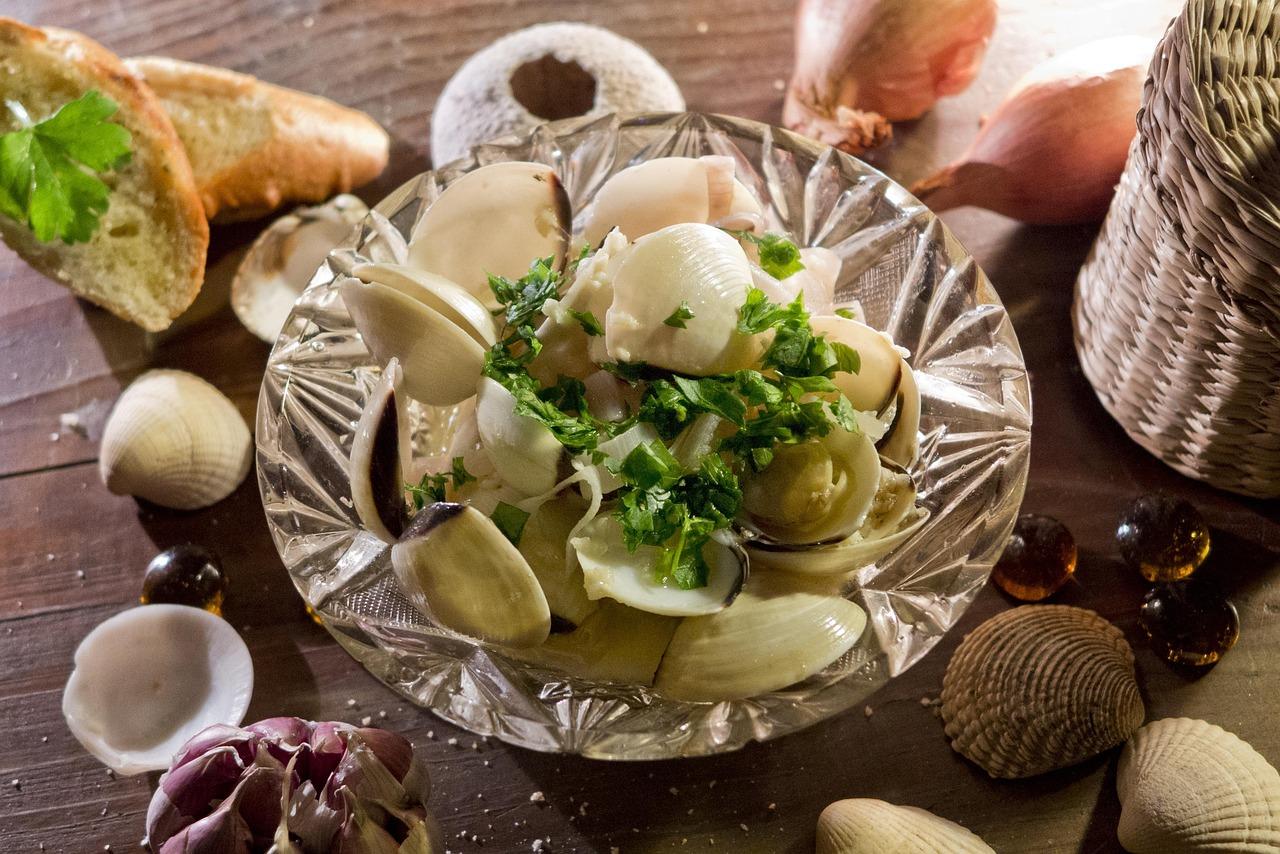
Gandofli (Alexandrian garlic clams)

Along the Alexandria Corniche and in the old Anfushi fish quarter, gandofli are a summer seaside snack, often sold by the plateful with lemon and sometimes eaten raw. Raw shellfish carries a real risk of food poisoning, so this home version cooks them: the little clams go into a hot pan with olive oil, garlic, a pinch of cumin and chilli, and steam open in a minute or two, releasing sweet, salty juices that mix with lemon into a sauce for mopping up with bread. Buy them live from a reputable fishmonger and cook them the same day. Chef's tip: soak the clams in salted water in the fridge for 30 minutes before cooking so they spit out their sand; nothing spoils them faster than grit.

by KrazyBadal 0 views

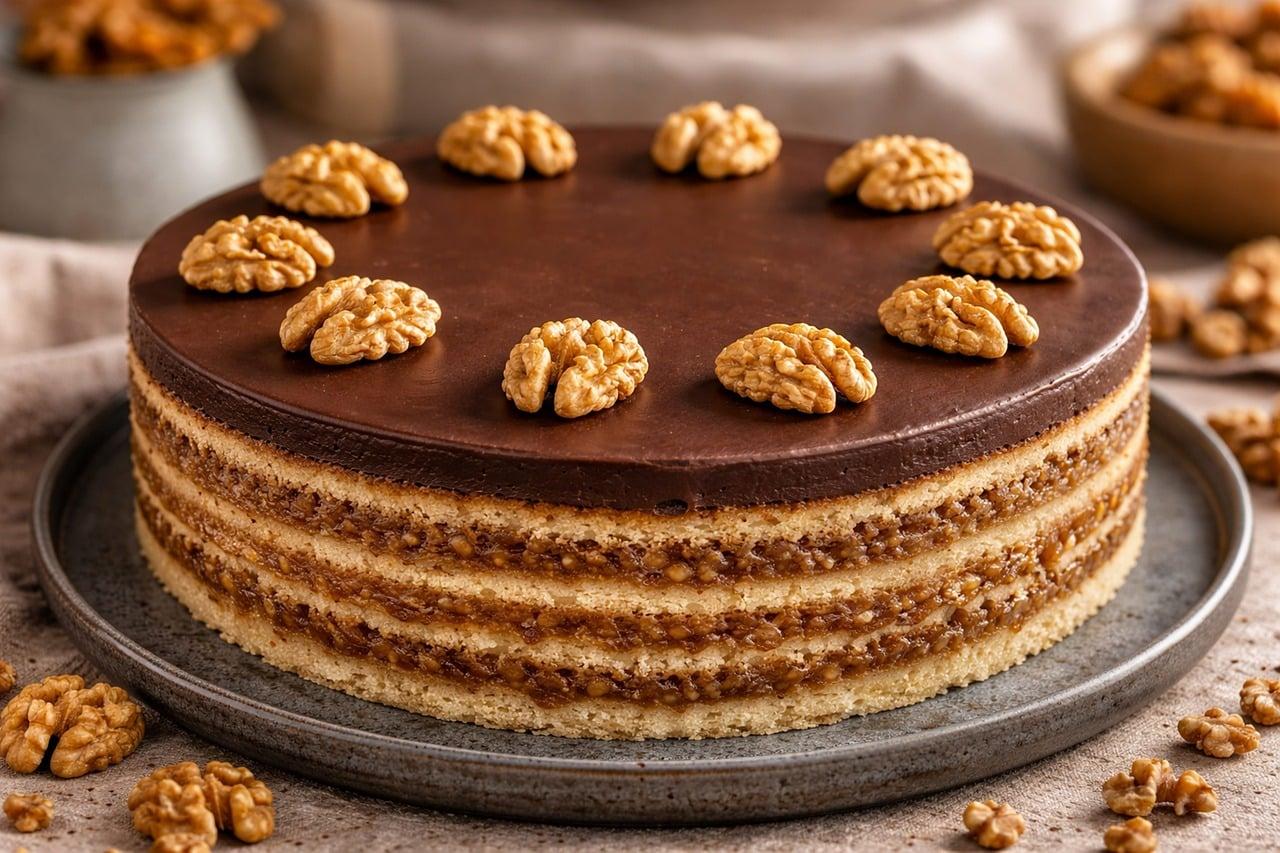
Reform tortaWalnut meringue chocolate cake

Belgrade pastry shops have sold reform torta since the early twentieth century, and it is still the cake Serbian families bring out for birthdays, weddings and the slava. Three thin layers of walnut meringue, crisp at the edge and chewy inside, are stacked with a dense chocolate butter cream made with egg yolks cooked over steam until thick. It is very rich, so cut thin slices and serve with strong coffee. The usual slip is beating the butter into a chocolate mixture that is still warm, which melts it and splits the cream; let it cool to room temperature first. Chef's tip: assemble the cake the day before; overnight in the fridge the meringue softens a little and the cake slices cleanly with a hot knife.

150 minBalkanBaking
by KrazyBadal 1 views

Mango pudding

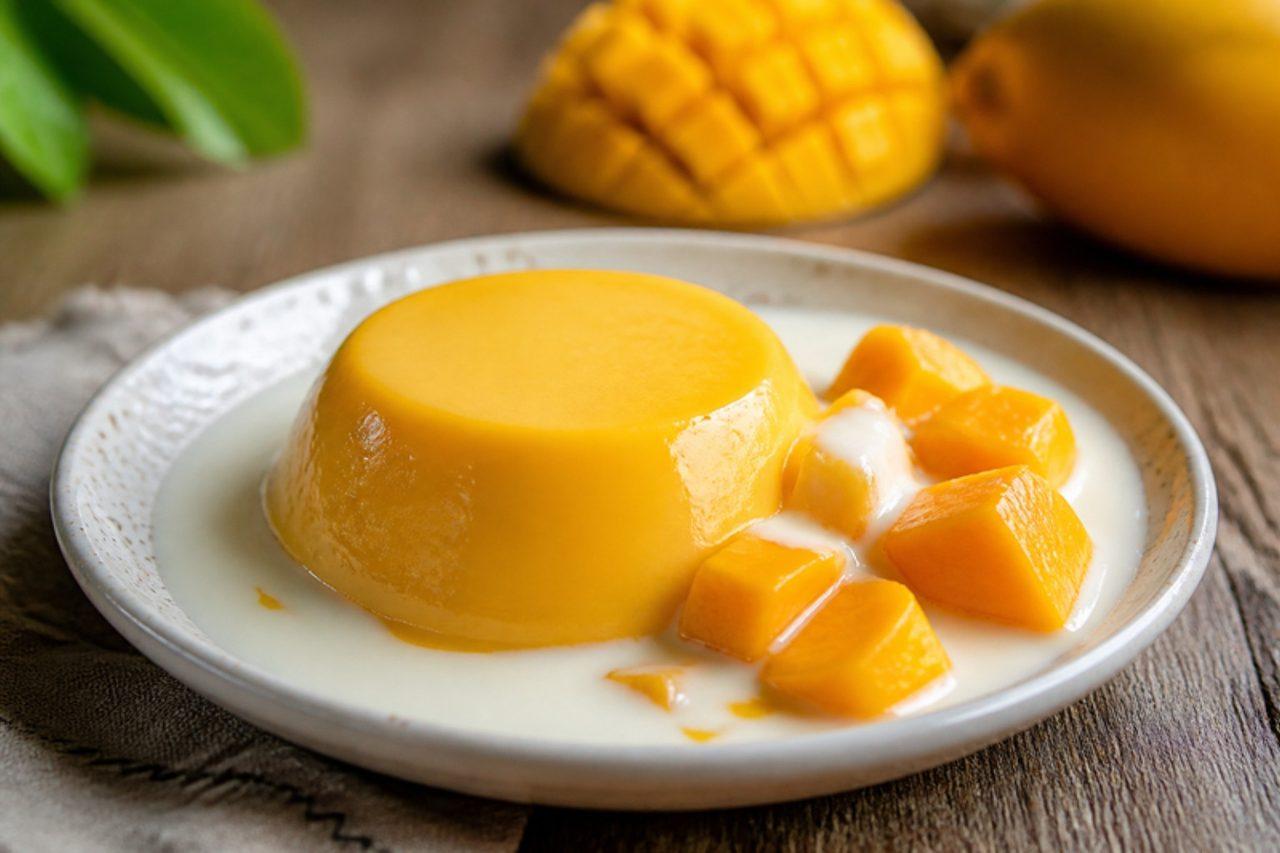
Wobbling out of fish-shaped moulds at the end of a Hong Kong dim sum lunch, mango pudding is just as popular in small cups from dessert chains, which sell it through the sticky summer months when Philippine and Thai mangoes flood the markets. It's smooth, creamy and full of fruit, with pieces of fresh mango through it and a drizzle of cold evaporated milk on top. Restaurants usually set it with gelatine; this version uses agar, which keeps it vegetarian and sets slightly firmer and cleaner. The problem with agar is impatience: it begins to set below about 40 °C, so cold purée added too slowly turns into lumpy strands. Chef's tip: warm the mango purée before you mix it in, then whisk briskly and pour into the moulds right away.

by KrazyBadal 0 views

Bedouin sage tea

Visitors to a Bedouin camp in the Sinai mountains are handed small glasses of this tea almost before they sit down, brewed in a blackened kettle over the fire and sweetened generously. Wild maramiya, the local sage, is dropped in at the end, giving the strong black tea a soft, herbal, slightly camphor scent that is soothing after a long walk or a heavy meal. Garden sage works well, and dried sage is fine in a pinch. Boiling the sage is the mistake to avoid, because it turns the tea bitter. Sage is best taken in moderation and avoided in large amounts during pregnancy. Chef's tip: pour from a height into the glasses; the froth that forms is how Bedouin hosts like it served.

by KrazyBadal 0 views

Sogo' (Alexandrian spicy sausage)

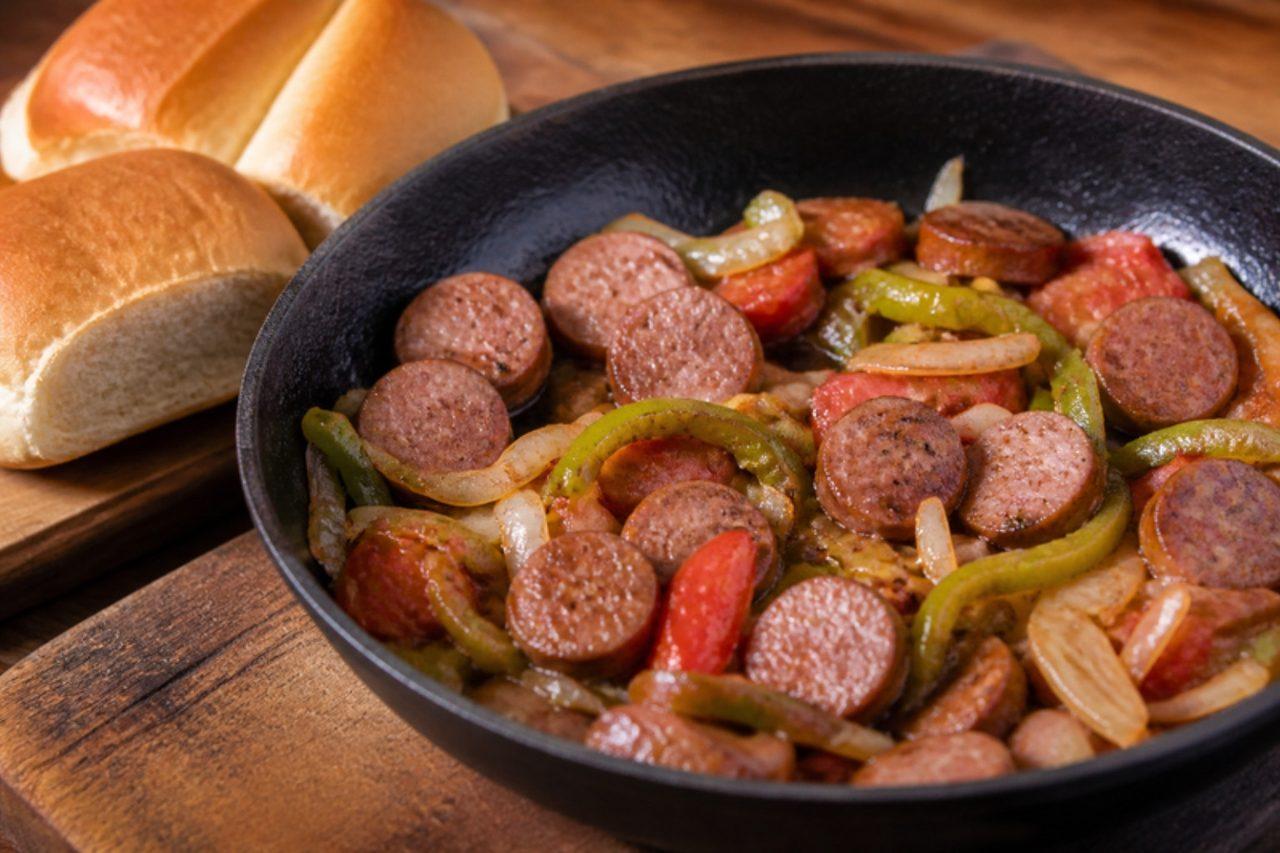
Sogo' sandwiches are as much a part of an Alexandrian night out as liver: the same street stalls fry coins of hot beef sausage with onion, green pepper, tomato and chilli until the juices turn red and sticky, then pack it into crusty rolls. The flavour is bold, garlicky and cumin-heavy, with fresh crunch from the peppers. Egyptian butchers sell the sausage ready-made; outside Egypt, use any spicy, coarse beef sausage such as beef merguez. Serve it in bread with tahini and pickles, or as a main dish with rice and salad. A frequent slip is crowding the pan, so the sausage stews grey instead of browning with the peppers. Chef's tip: fry the sausage first on its own until browned, then add the vegetables to its fat; you get far more flavour than cooking it all together.

by KrazyBadal 0 views

Ekuru (white bean pudding with pepper sauce)

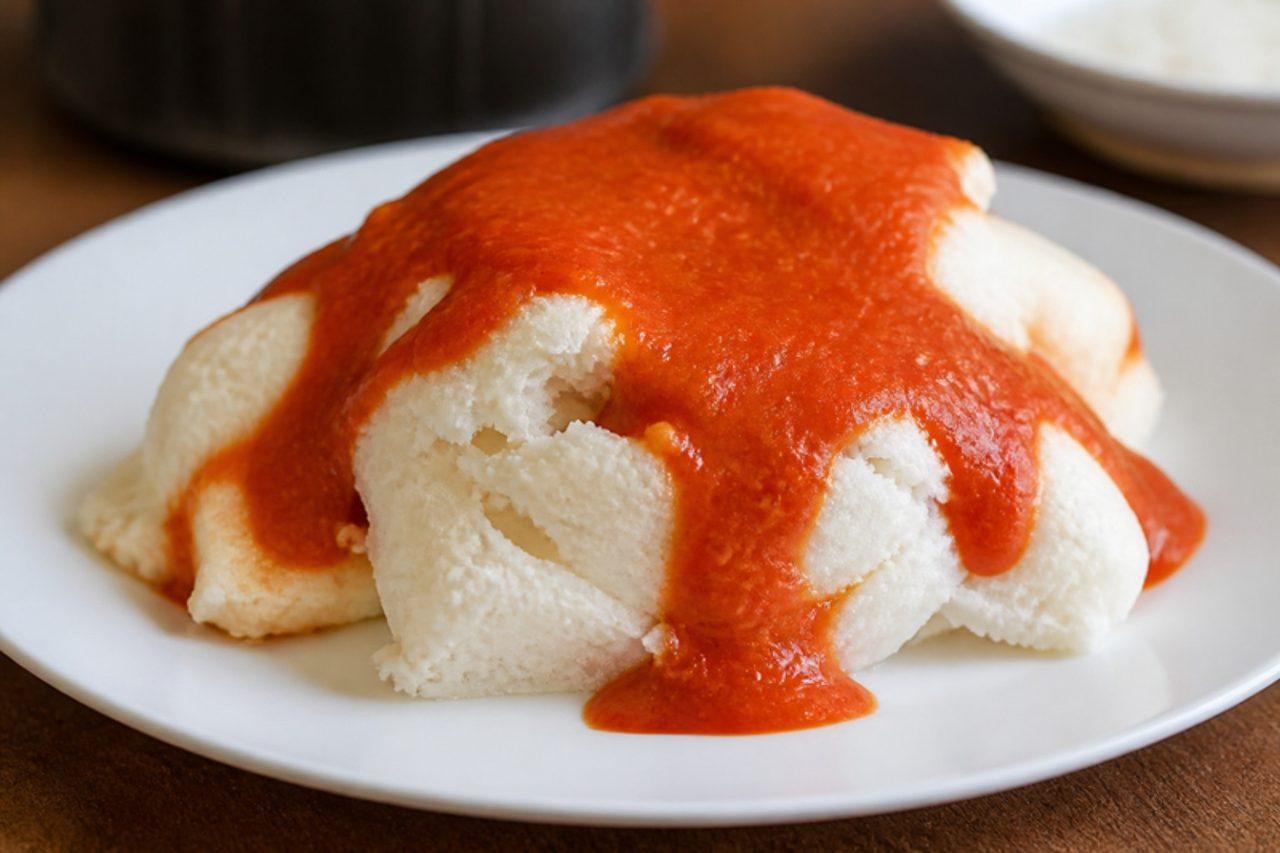
Pale and plain on purpose, ekuru is moin moin's quiet cousin: the same peeled black-eyed bean paste, but steamed with nothing in it except a little salt, so it comes out white, light and airy. In Ijebu and around Ogun State it is a breakfast and market snack, and all the flavour comes from the sauce served with it, a fried mix of red peppers, scotch bonnet, onion and locust beans in palm oil. The contrast of mild, fluffy pudding and hot, oily sauce is the whole point. This version is entirely plant-based. Chef's tip: beat the bean paste hard for several minutes before steaming; the trapped air is what makes ekuru light rather than dense.

by KrazyBadal 0 views

Kebab halla (beef braised in onions)

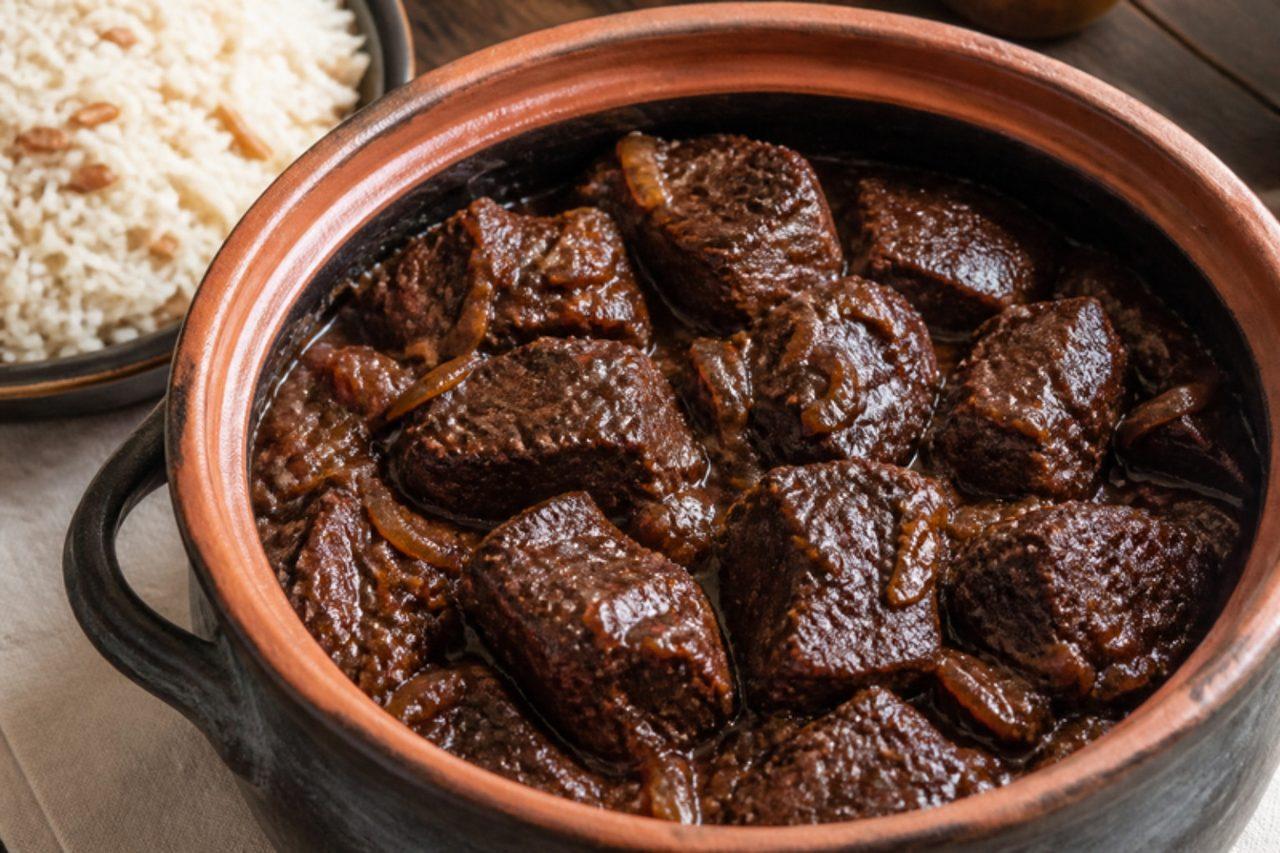
Despite the name, nothing here goes near a grill: kebab halla means "pot kebab", and it is the kind of unfussy Sunday or Friday dish that Cairo home cooks put on the stove and leave to its own devices. Chunks of beef are seared and then buried under a heap of sliced onions, which slowly give up their water and collapse into a glossy, almost jammy brown sauce with cardamom and bay. The meat ends up spoon-tender and the gravy tastes deeply savoury and a little sweet. It is eaten with Egyptian vermicelli rice, crusty bread or chips. Chef's tip: slice the onions into half-moons rather than chopping them; they melt evenly and give the sauce its silky body.

125 minEgyptianMeatGluten free
by KrazyBadal 0 views

Moza (Egyptian lamb shanks with rice)

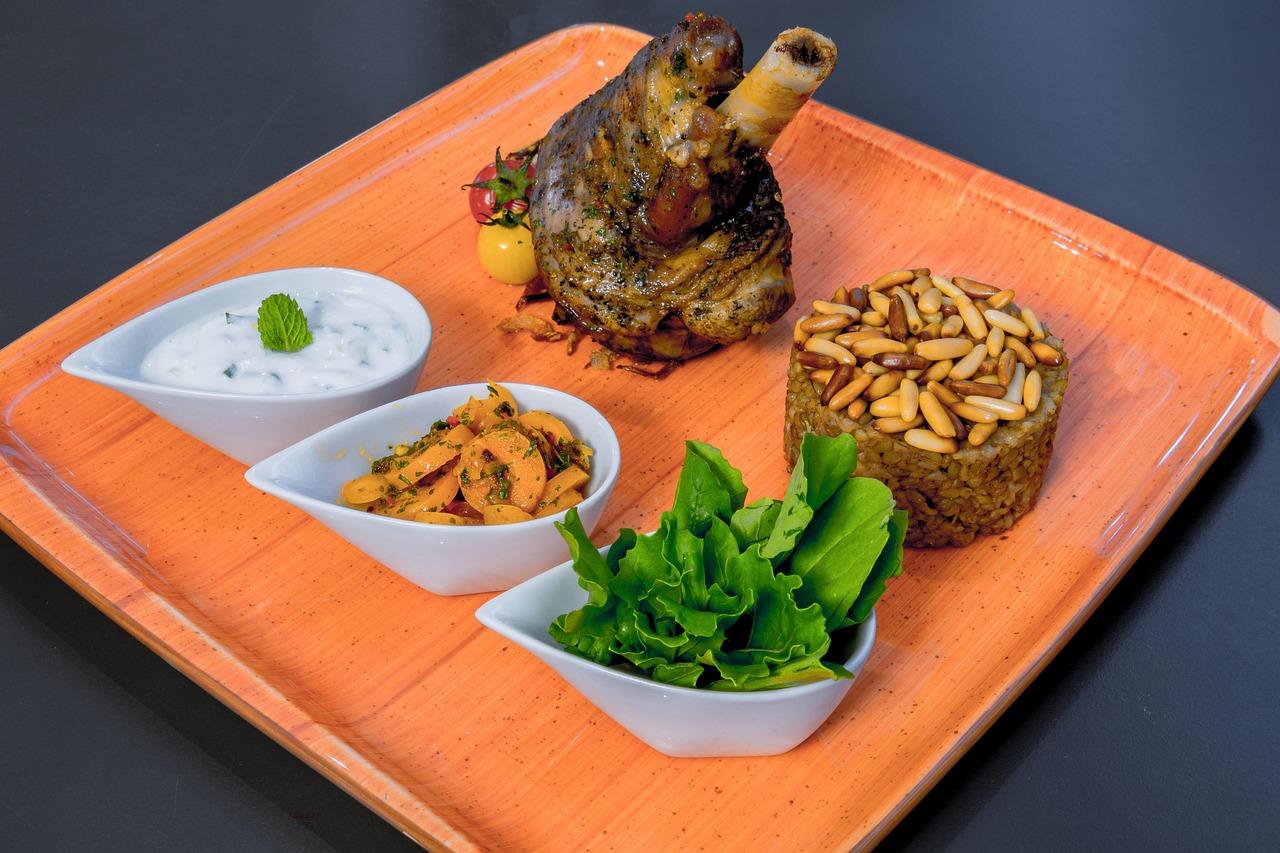
On Eid al-Adha, when there is lamb in every kitchen, and in the grill houses of Cairo where it is a favourite order, moza is the cut people point to: a whole shank per person, standing on a mound of rice. The shanks are first simmered gently with onion, cardamom, bay and a little mastic until the meat is ready to slip off the bone, then roasted in a hot oven so the outside turns brown and sticky. The rice cooks in the fragrant broth, so every grain carries the lamb flavour. A bowl of the remaining broth, a salad of tomato and cucumber and some tahini make it a feast. Chef's tip: skim the pot carefully in the first 15 minutes of simmering; a clear broth makes cleaner-tasting rice.

155 minEgyptianMeatGluten free
by KrazyBadal 0 views

Sayadiya (fisherman's fish and rice)

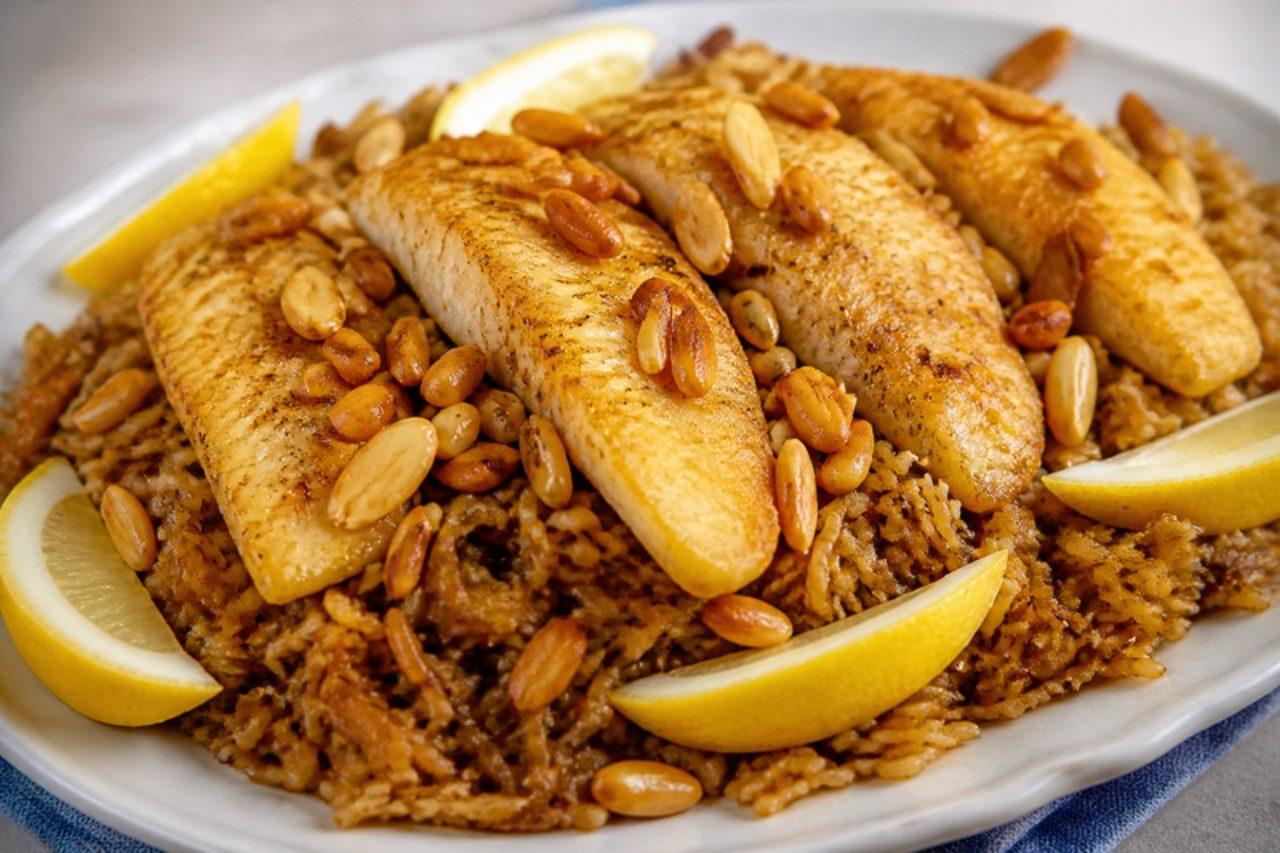
The name comes from the word for fisherman, and sayadiya is the pride of the fish restaurants along the Alexandria seafront and in Suez, where it is ordered as a platter for the whole table. Its signature is the colour: onions are fried slowly until mahogany, then simmered into a stock that turns the rice a deep brown and fills it with sweet, savoury, cumin-scented flavour. On top go pieces of crisp fried fish and a scatter of toasted pine nuts and almonds, with lemon wedges, tahini and a green salad alongside. Chef's tip: watch the onions closely in the last few minutes and lift them out when they are dark brown, never black; burnt onions make the whole pot bitter.

by KrazyBadal 0 views

Mombar (rice-stuffed beef casings)

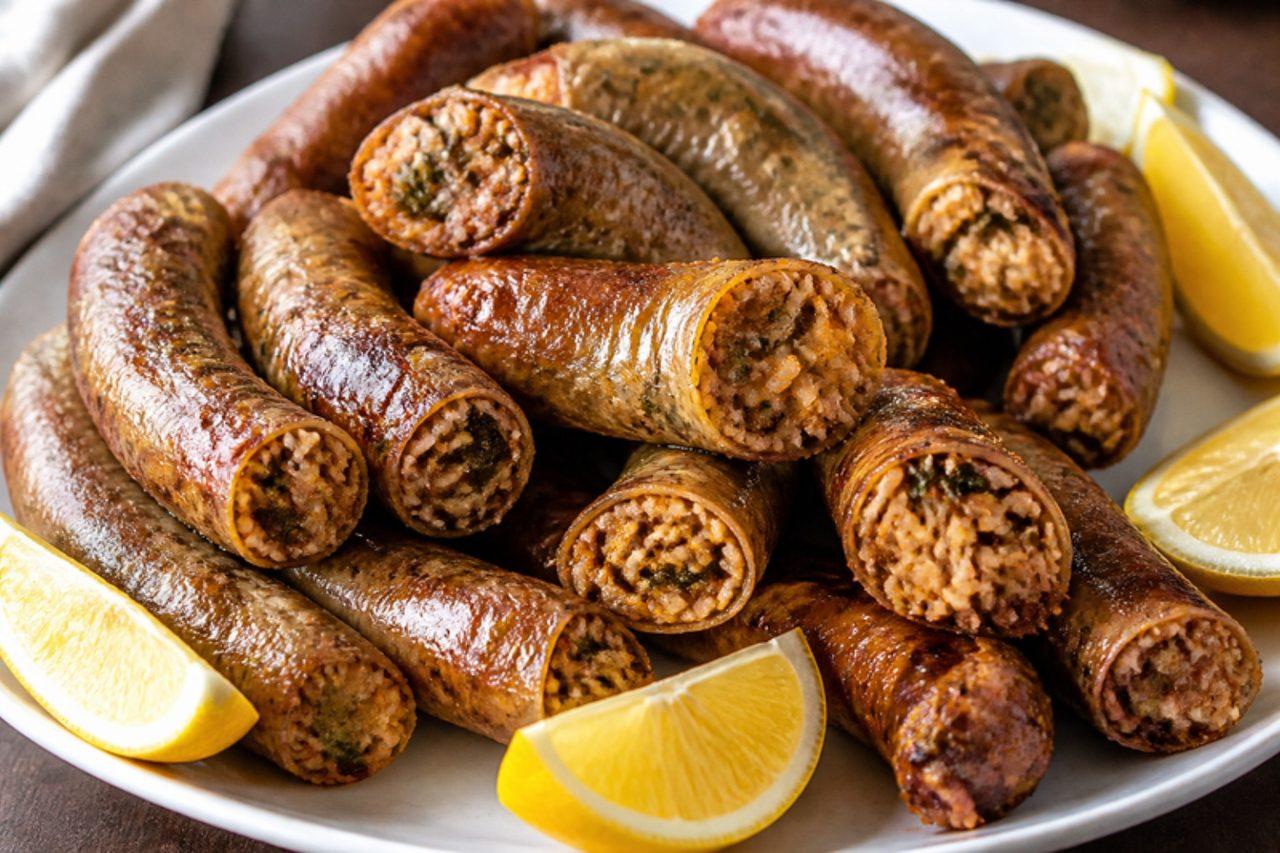
Mombar is festival food: in the days after Eid al-Adha, when the butchers have plenty of cleaned casings, families across Cairo and the Delta settle down to stuff them together, and street cooks in popular neighbourhoods sell crisp coils of it by weight. The filling is Egyptian short-grain rice with tomato, onion, dill, parsley and coriander, which swells inside the casing as it simmers, so each bite is soft, herby rice wrapped in a thin, crackling skin. It is eaten hot as a main dish or a side to roast meat, with lemon and a plate of pickles. Buy the casings ready-cleaned from a butcher; this recipe assumes they have been. The commonest mistake is overfilling the casings; packed full, the rice swells and they burst in the pot. Chef's tip: fill each length only two-thirds full; the rice doubles in size and an overstuffed casing bursts in the pot.

145 minEgyptianMeat
by KrazyBadal 0 views

Gbegiri (Yoruba bean soup)

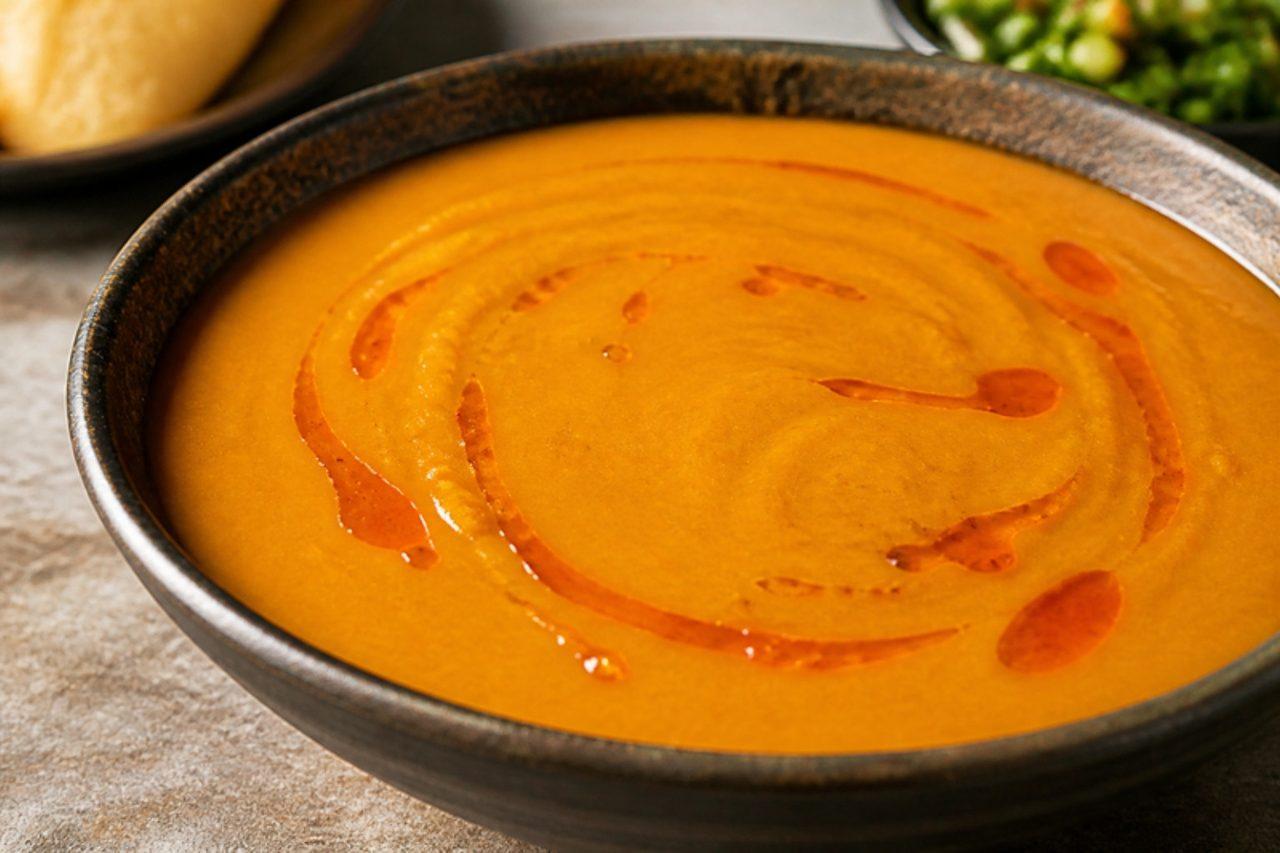
Order amala at any buka in Ibadan or Oyo and the server will ask "abula?", meaning a ladle of gbegiri and a ladle of ewedu poured side by side, usually crowned with a spoon of pepper stew. Gbegiri itself is smooth, mellow and earthy: peeled black-eyed beans cooked until they fall apart, beaten to a cream and simmered with red palm oil and pungent locust beans. Many cooks add ground crayfish or smoked fish; this is the meat-free way, which loses nothing of its velvet texture. Serve it with amala and ewedu or spooned over boiled yam. The mistake to avoid is leaving bean skins in, which turns the soup grey and gritty, so rub and rinse until the beans are white. Chef's tip: whisk the cooked beans with a balloon whisk or the traditional ijabe broom rather than a blender for the lightest, fluffiest gbegiri.

by KrazyBadal 0 views

Doum drink

Spice and herb sellers in the Aswan souk pile up the hard, glossy brown fruit of the doum palm, and Nubian households soak it into a cold, sweet drink for the hot months and for Ramadan iftar. The dried flesh gives a cloudy amber drink that tastes surprisingly like gingerbread or caramel, with a faint woody bitterness. Buy it crushed or as coarse powder at Egyptian and African grocers; whole fruit is extremely hard to break. Leaving it to steep too long is the mistake to avoid, because it turns bitter. Chef's tip: strain twice, once through a sieve and again through muslin, to remove the gritty fibre.

by KrazyBadal 0 views

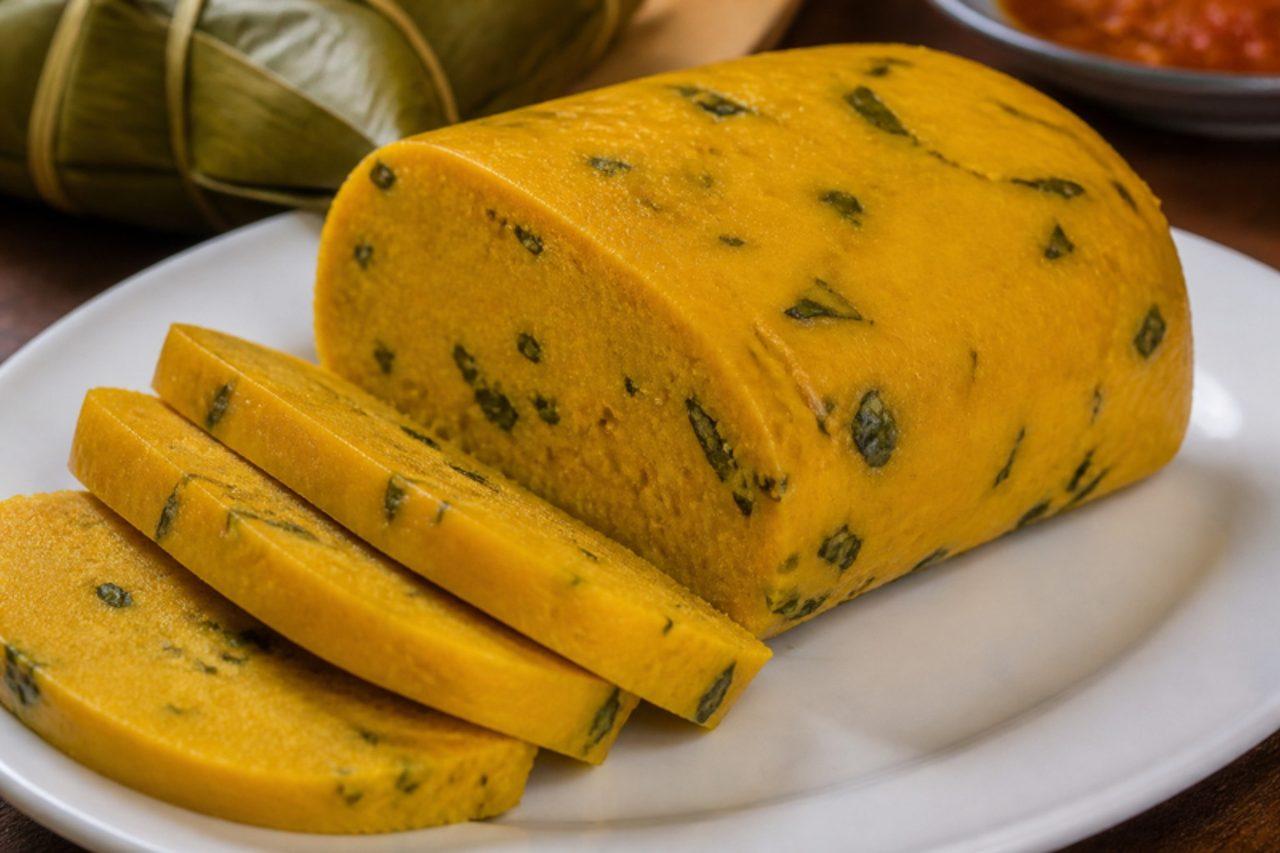
Okpa (Bambara nut pudding)

Early in the morning in Nsukka and Enugu, sellers set out wheelbarrows piled with steaming okpa wrapped in leaves or cooked in small tins, and students and workers eat it standing up with a bottle of cold drink or a cup of pap. It is made from Bambara nut flour beaten with palm oil, warm water, pepper and salt into a bright orange batter and steamed until it sets into a firm, dense pudding with a nutty, earthy taste. It is filling and naturally high in protein. Bambara nut flour is sold in African shops as okpa flour. Undercooked okpa tastes raw and bitter and is hard to digest, so steam until a knife comes out clean. A common mistake is a batter that is too thick, which steams into a hard, dry block instead of a soft-set pudding. Chef's tip: mix the oil into the dry flour before adding any water; it keeps the batter smooth and gives okpa its even colour.

by KrazyBadal 0 views

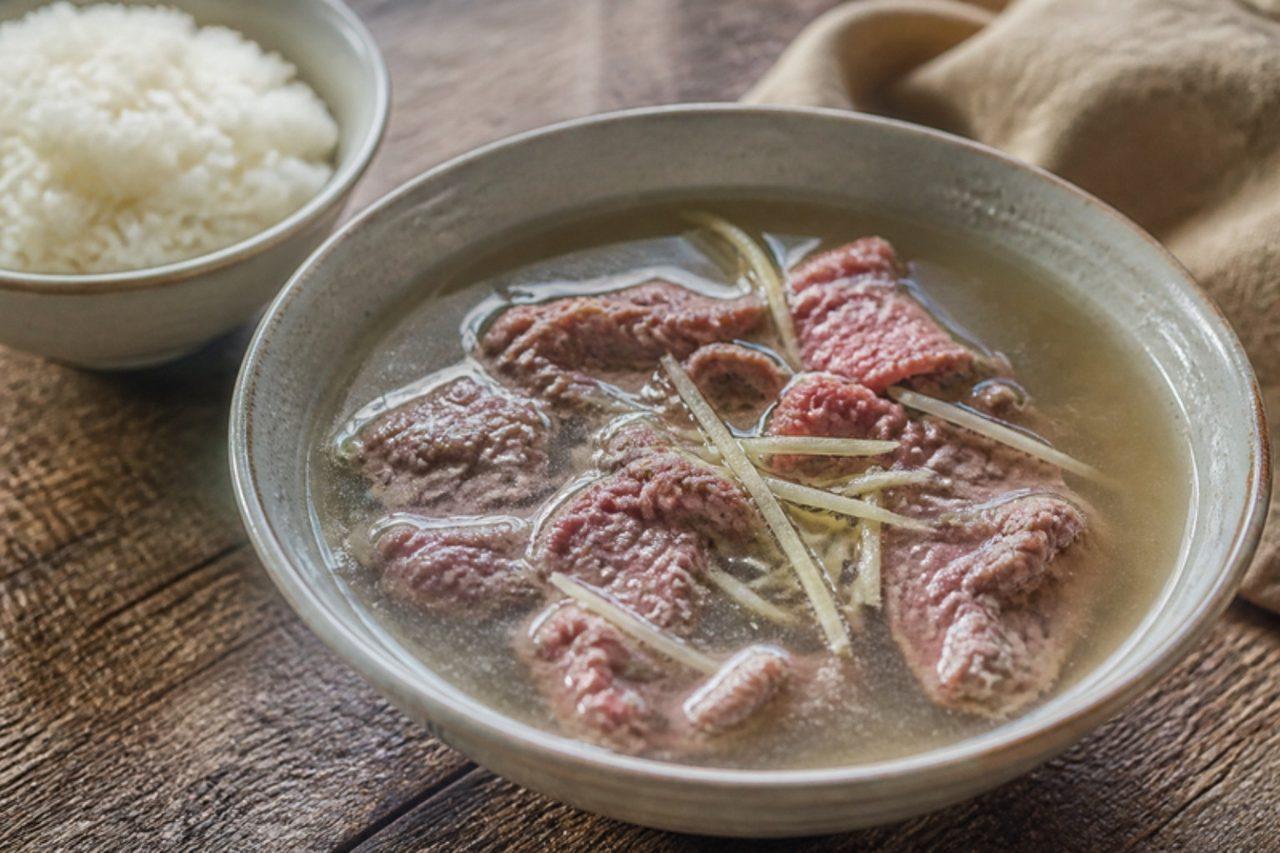
Tainan beef soup

Before dawn in Tainan, workers and night owls fill steamy shops near the slaughterhouse districts for bowls of fresh local beef sliced paper-thin and blanched by a ladle of boiling broth, eaten with rice and a saucer of soy and ginger as a sunrise breakfast. The meat is tender and rosy, the broth clean, sweet and beefy. Traditionally the slices are barely cooked; this recipe gives a safer 30-second dip in simmering broth and a fully cooked option. The pink version is not for pregnant women, young children or anyone with a weakened immune system. People often cut the beef too thick, so it toughens before it cooks through; firm it in the freezer and slice it as thin as you can. Chef's tip: bring the broth to a hard, rolling boil right before every ladle; a broth that has dropped off the boil never cooks the beef evenly.

by KrazyBadal 0 views

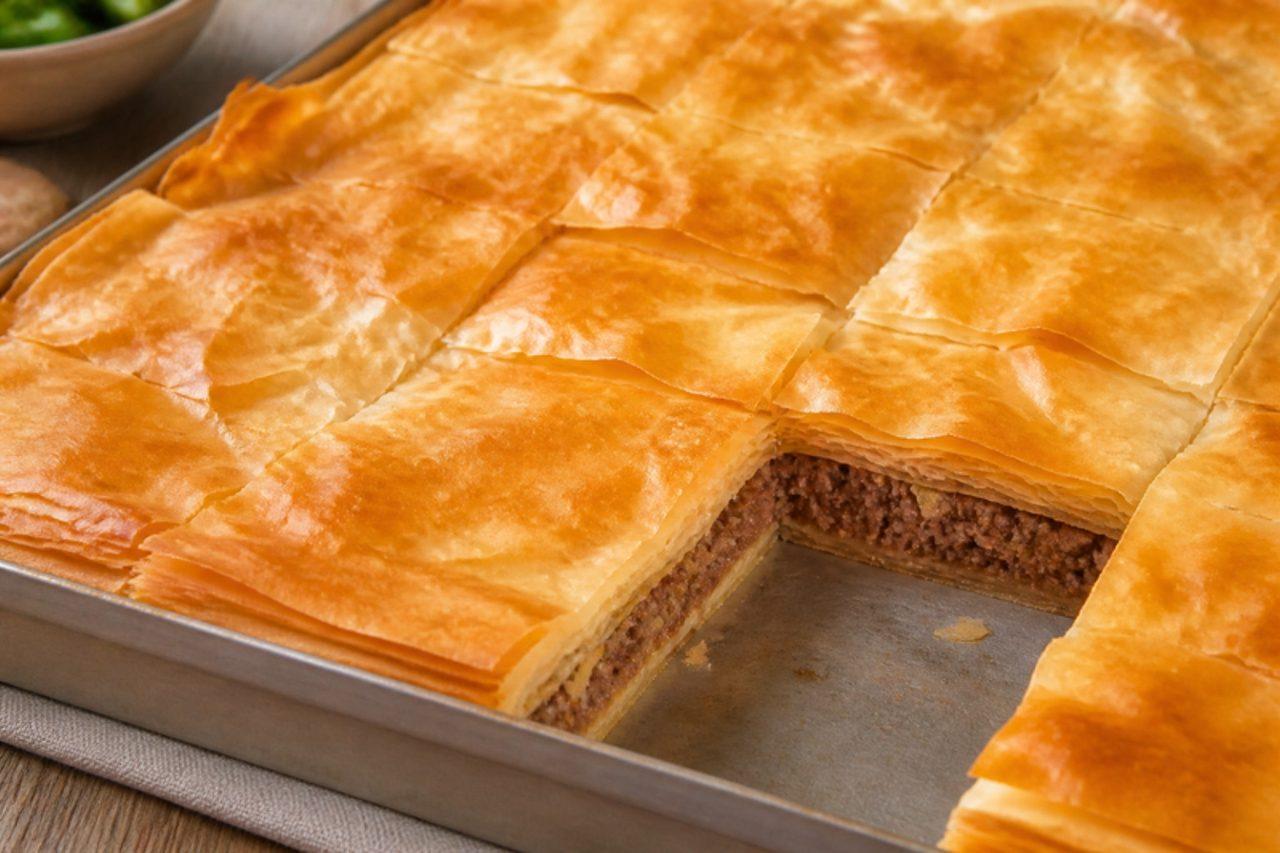
Gollash meat pie (filo and spiced beef)

Egyptian bakeries sell sweet and savoury gollash, but the minced-beef version is the one home cooks make for Ramadan iftar, Eid visits and big family lunches, cut into neat diamonds on a large round tray. Thin sheets of filo are brushed with melted butter and stacked around a filling of beef cooked dry with onion, pepper and a little allspice, then soaked with a splash of milk and egg so the top layers bake puffed and shatteringly crisp while the middle stays tender. Serve warm with a salad and yoghurt or as part of a spread of mezze. Avoid skimping on butter between the sheets; unbuttered layers bake dry and papery instead of crisp and golden. Chef's tip: let the cooked filling cool completely before layering; hot, steamy mince turns the bottom sheets soggy, which is the most common gollash disappointment.

by KrazyBadal 0 views

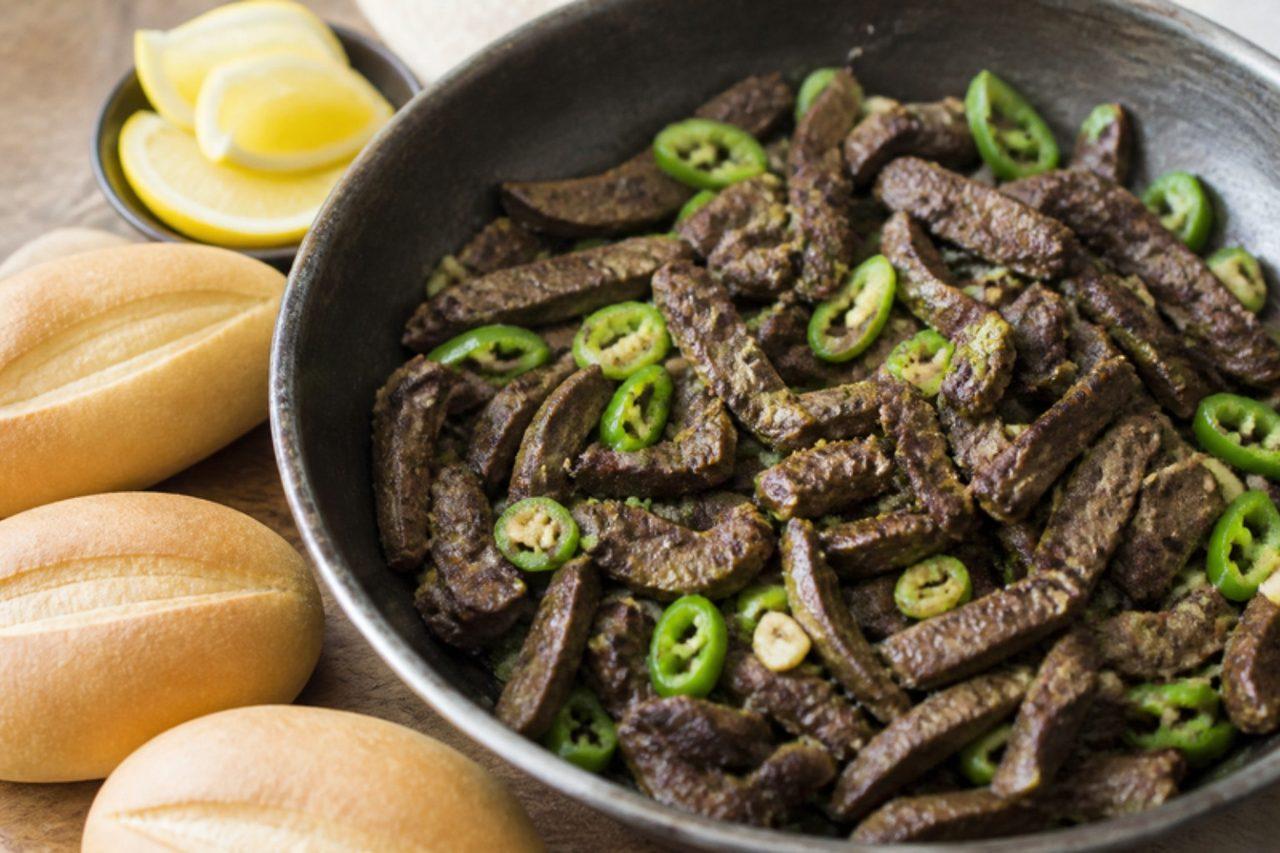
Kebda iskandarani (Alexandrian liver)

After dark in Alexandria, carts and tiny shops fry liver to order on blackened griddles, and a couple of small, crackly baguette sandwiches of kebda make a late supper or a working breakfast all over Egypt. The liver is sliced into thin ribbons and seared hard and fast with plenty of garlic, hot green chilli, green pepper and cumin, finished with lemon so it stays juicy, tender and sharp. Stuff it into soft rolls with a smear of tahini and a few pickles. Liver is very rich in vitamin A, so pregnant women are usually advised to avoid it. Chef's tip: soak the strips in cold water for 15 minutes and pat them very dry; they sear rather than stew and taste milder.

by KrazyBadal 0 views

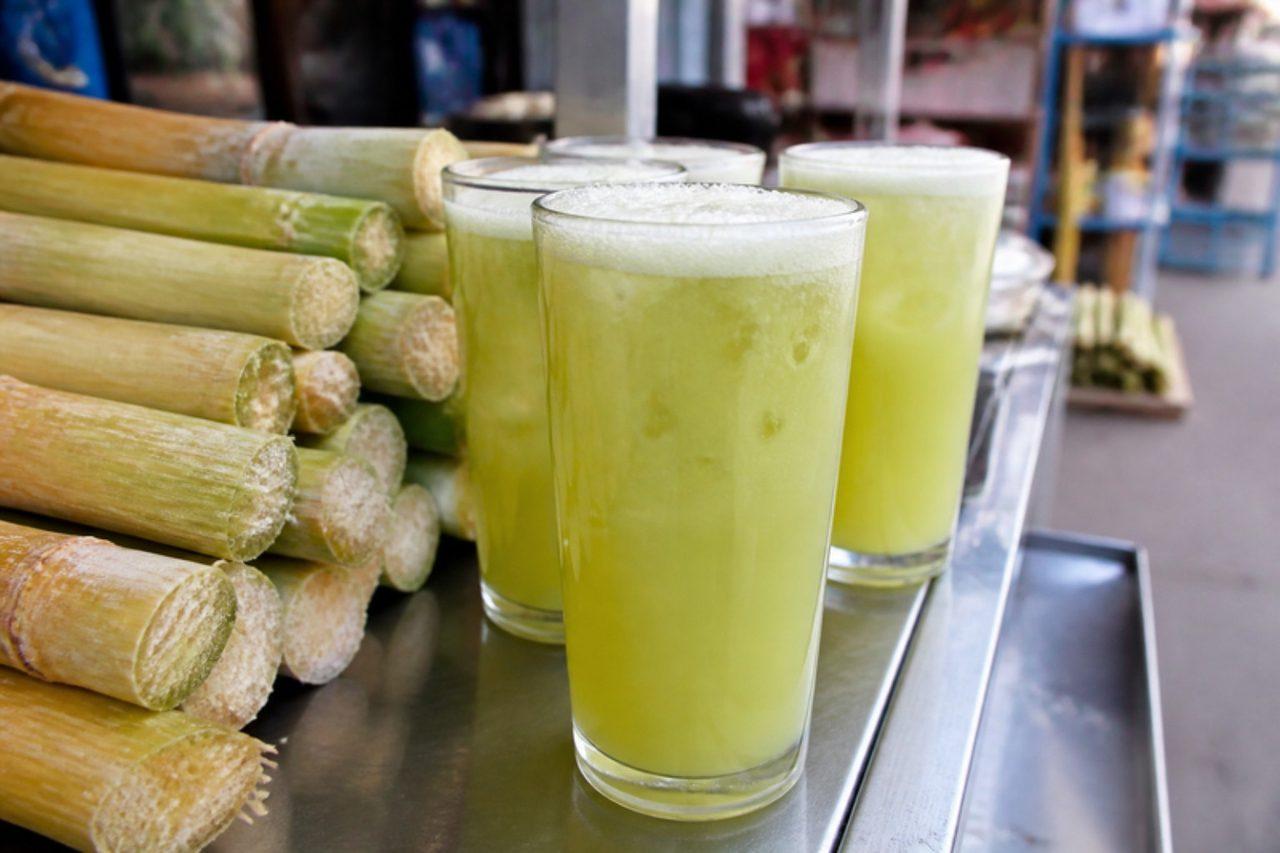
Sugarcane juice

Juice shops all over Cairo and the towns of Upper Egypt crush sugarcane through clattering steel rollers and serve the pale green juice ice-cold for a few pounds a glass, a favourite in the summer heat and after Ramadan fasting. It is sweet, grassy and refreshing, with a faint lemony edge, and it tastes best within minutes of pressing. Without a press, peeled cane chopped small and blended with a little water gives a very close result at home. Chef's tip: peel the cane completely, because the hard green rind makes the juice bitter and dark.

by KrazyBadal 0 views

Showing 18 of 7,762 recipes

Show more recipes

Page 190 of 863