Skip to content
Qalb el louz
Featured recipe

Qalb el louz

Semolina and almond cake

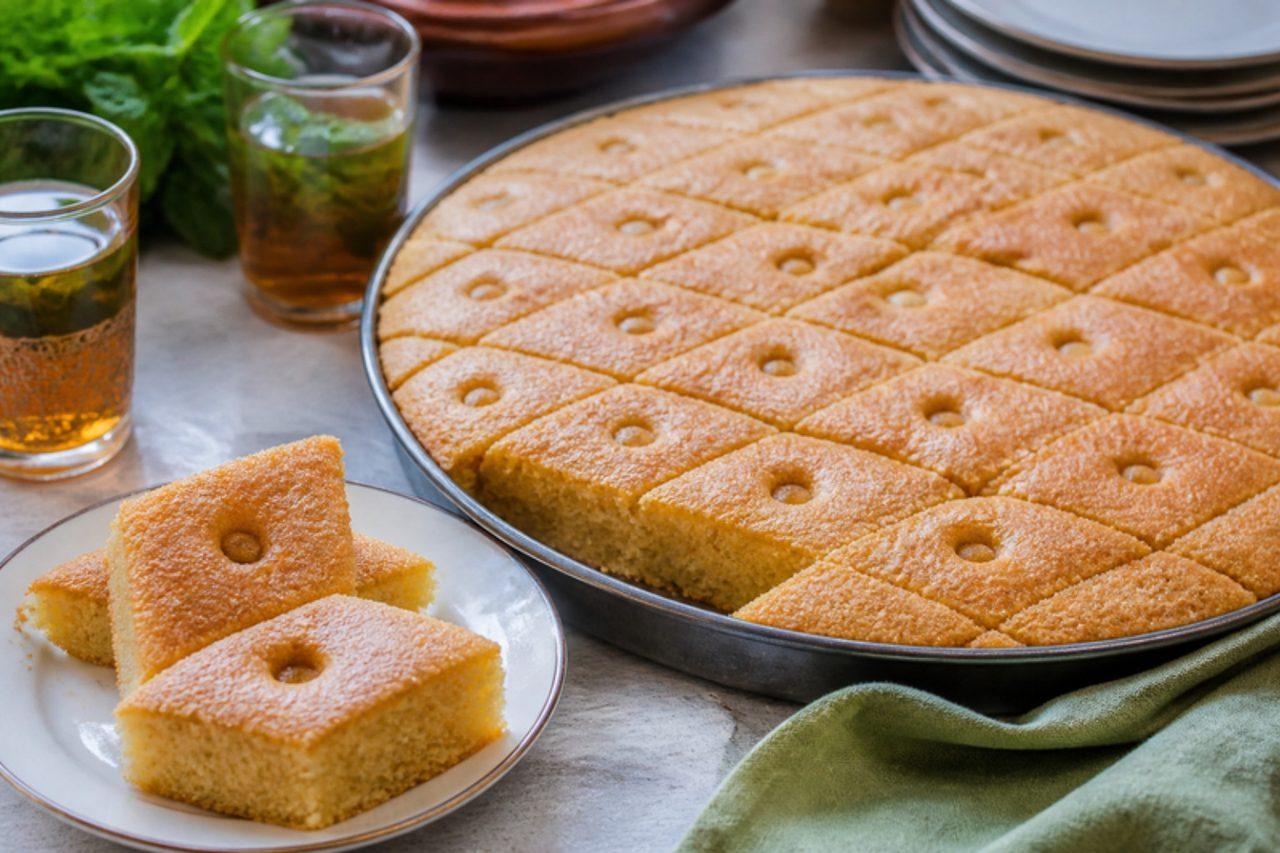
Qalb el louz ('heart of almond') is the Ramadan sweet of Algiers: a dense, sandy semolina cake with a ribbon of almond filling, cut into diamonds with an almond on top and soaked in syrup while hot. Pastry shops in the Casbah sell it by the tray after iftar, to eat with mint tea or coffee late into the night. The semolina is soaked overnight in butter and water, which gives it its moist, grainy crumb. Chef's tip: pour cold syrup over the hot cake; hot syrup on a hot cake makes it soggy instead of moist.

Read more 0 views

What to eat today?

Around the world

Today's trip: Persian

A new country every day, from every cuisine on the site.

This week's collection

Kid-friendly dinners
537 recipes · a new collection every Monday

Latest recipes

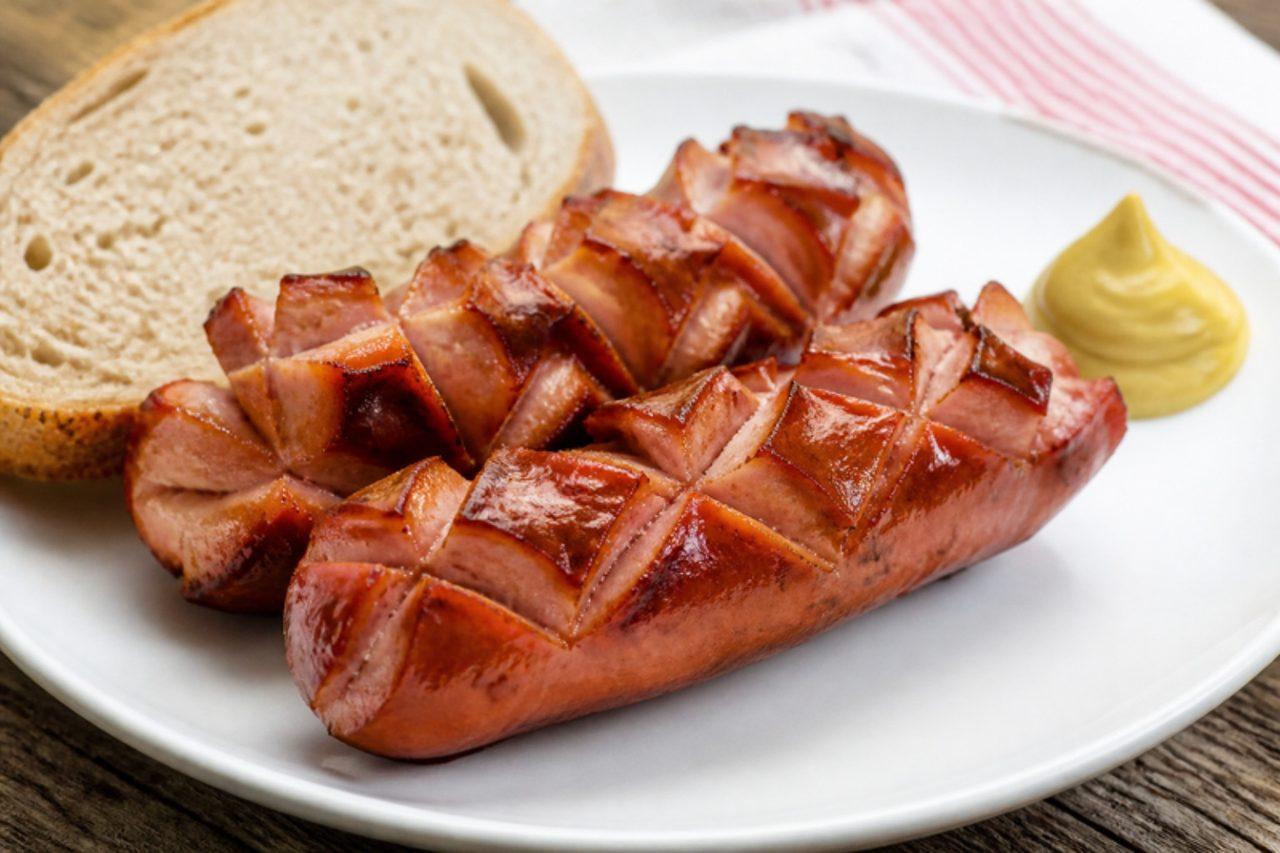
CervelatGrilled sausage

The cervelat, a short, fat, smoked sausage of beef and pork, is called Switzerland's national sausage, and it is what every Swiss child grills on a stick over a campfire on 1 August, National Day, on school trips and on mountain hikes: the ends are cut into a cross so they curl open like a flower as they cook, and it is eaten with bread and mustard. This sausage contains pork. Cervelat is bought ready-cooked and smoked; grilling heats it through and crisps it. A common mistake is grilling over flames, which burns the skin black before the inside is hot. Chef's tip: grill over glowing embers and turn often until the scored ends open out; heat until piping hot, 71 °C.

15 minSwissMeat
by KrazyBadal 0 views

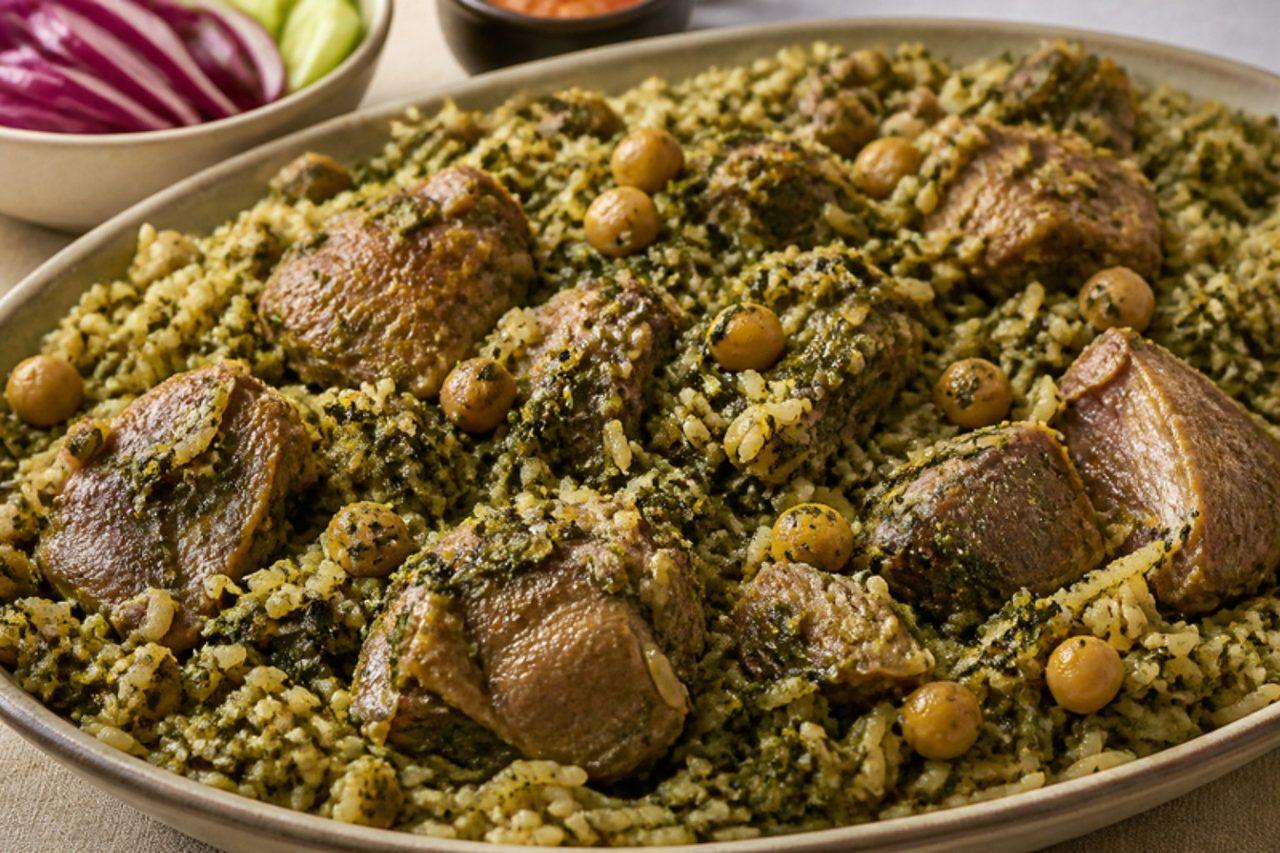
Rouz jerbi (Djerban steamed rice)

Djerba islanders cook rice the way the rest of Tunisia cooks couscous, in the top of a couscoussier: raw rice is mixed with small pieces of lamb, chopped spinach, a mound of herbs, chickpeas, tomato paste, harissa and spices, then steamed over boiling water until every grain is tender and stained red-gold. Rouz jerbi is a Friday and family-gathering dish on the island, served from one large platter. The rice stays separate and fluffy, the greens melt in, and the lamb picks up the scent of mint and tabil. Chef's tip: stir the rice from the bottom every 20 minutes; leaving it untouched is a common mistake, as the bottom turns soggy while the top stays hard.

by KrazyBadal 0 views

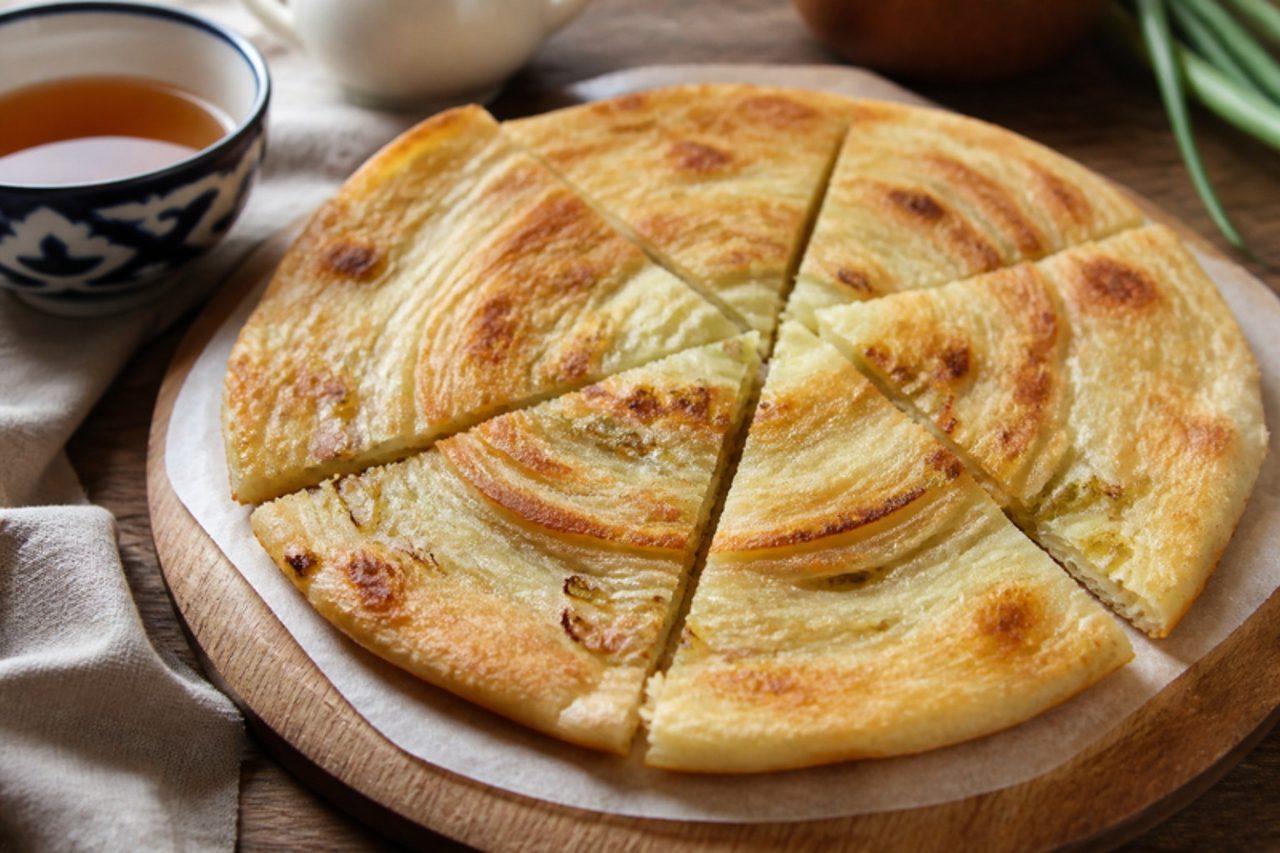
KattamaFlaky onion flatbread

Kattama is the layered flatbread of Kyrgyz homes, made to go with tea on cold mornings in Bishkek and the villages around Lake Issyk-Kul: a plain dough rolled thin, spread with butter and chopped onion, rolled up, coiled and rolled flat again, then fried in a pan so it puffs into flaky, crisp layers. A common mistake is pressing the coiled dough too hard, which squeezes out the butter and flattens the layers. Chef's tip: let the coils rest for 15 minutes before the final rolling; the gluten relaxes and the bread opens up into layers as it cooks.

by KrazyBadal 0 views

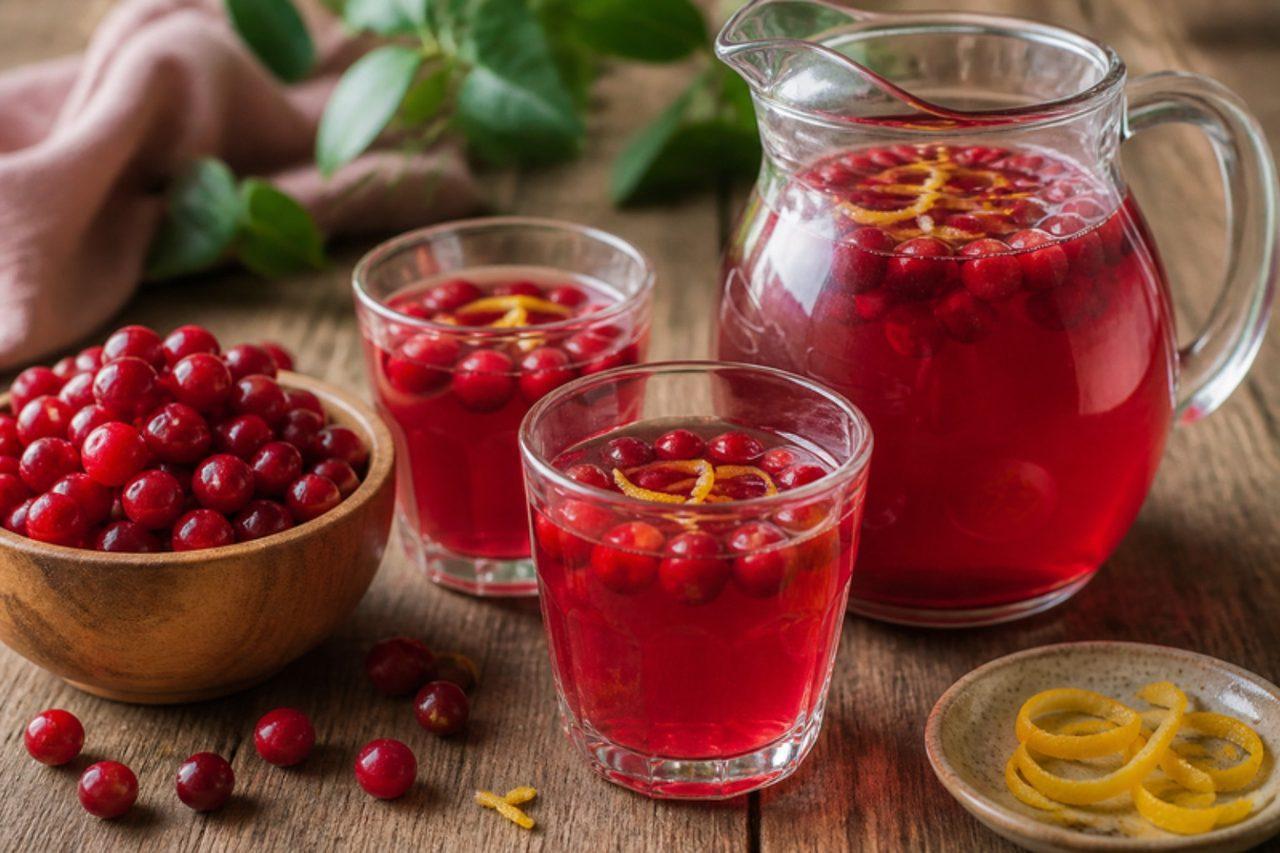
Mors

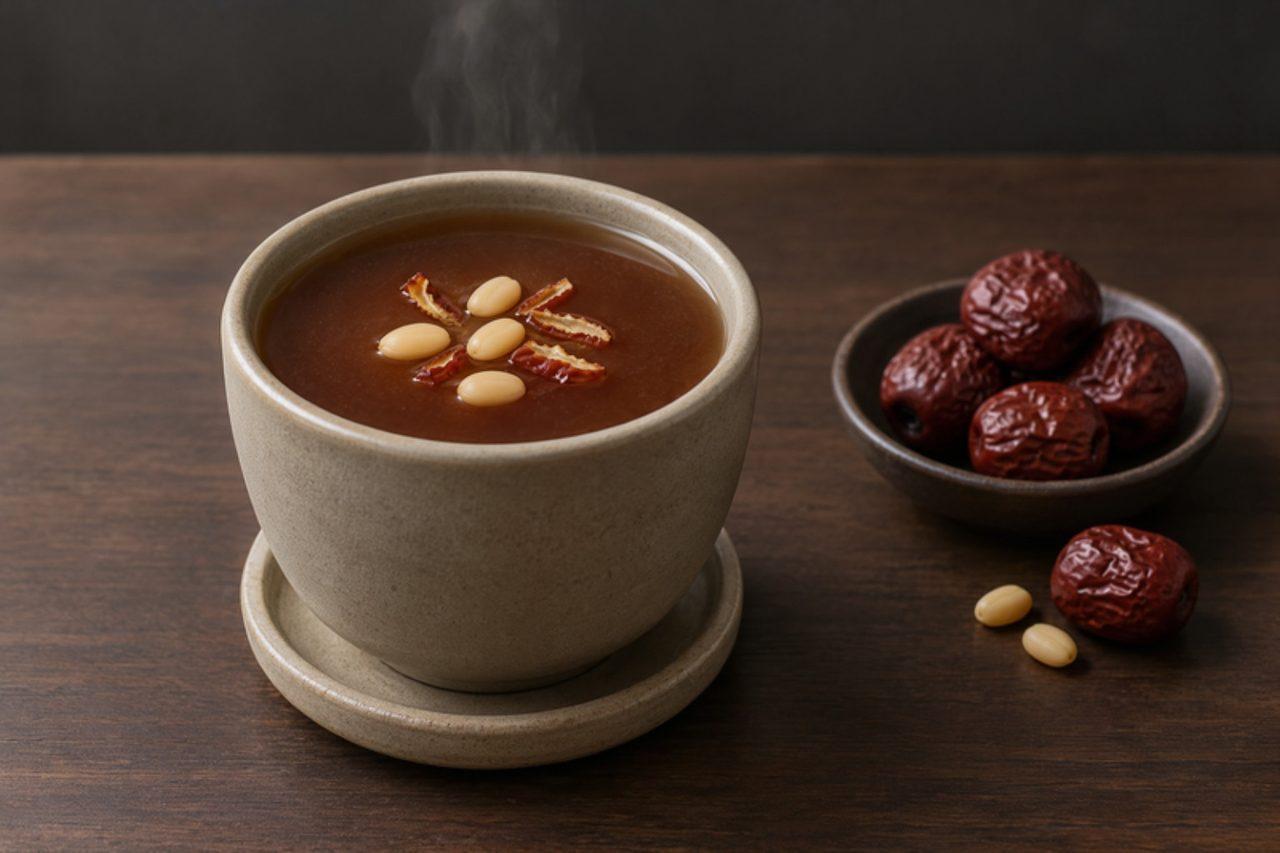
Northern Russia picks cranberries and lingonberries from the bogs in autumn, and many of them end up as mors, a tart, crimson drink served from a jug at family dinners and offered in cafes and canteens from Arkhangelsk to Siberia. Unlike kissel it is thin and refreshing, made by pressing out the raw berry juice, cooking the skins in water and then combining the two so the fresh vitamin-rich juice is never boiled. Honey goes in last, once the liquid has cooled a little, to keep its flavour. Where most people go wrong is boiling the pressed juice along with the pulp; keep it aside until the end. Honey is not for babies under one year old. Chef's tip: serve it cold with ice in summer or warmed gently in winter; it is good both ways.

by KrazyBadal 0 views

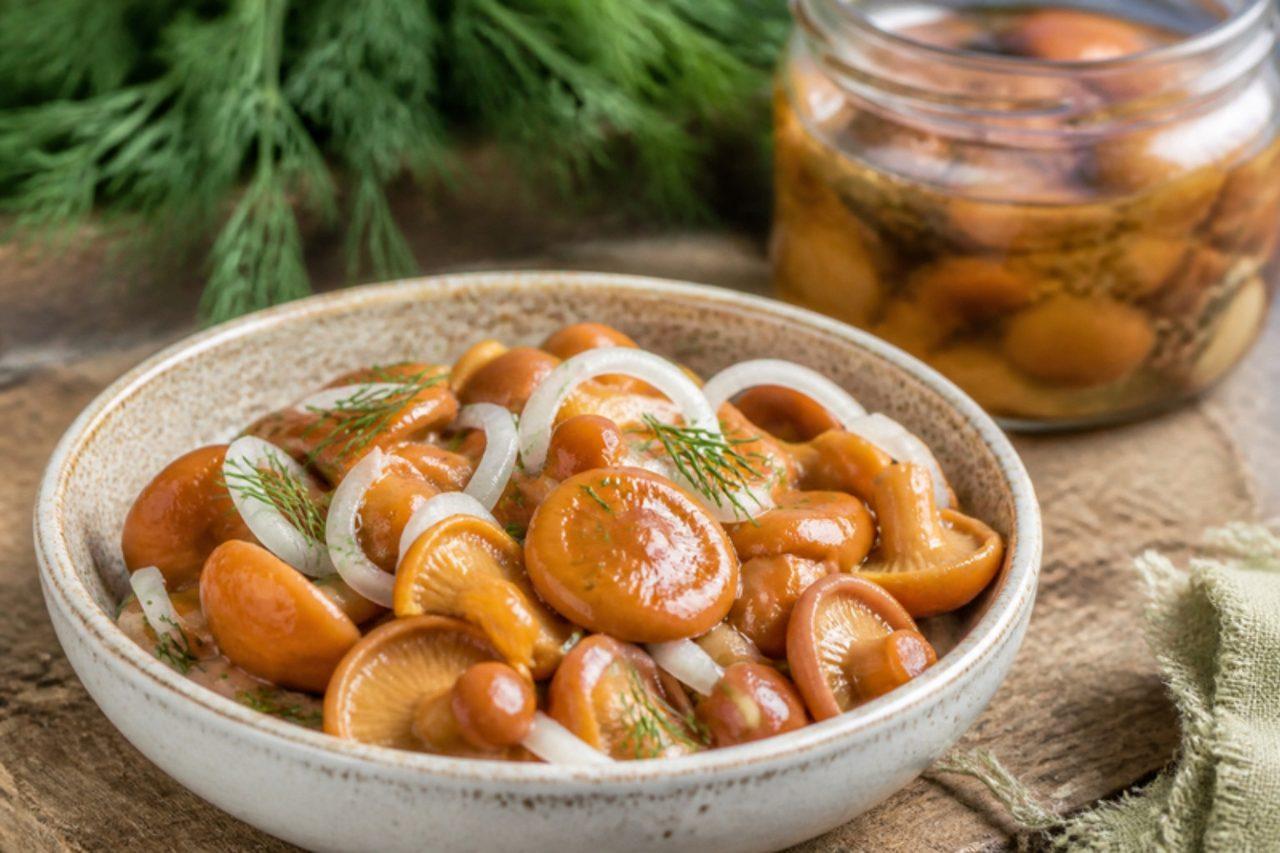
Salted saffron milk caps

Northern Russians rank ryzhiki, the orange saffron milk caps of the pine woods, above almost every other mushroom, and salted ones from around Arkhangelsk once travelled to the tsar's table. Salted, they keep their bright colour, turn firm and juicy with a clean, resinous taste, and are served with thin onion rings, sunflower oil and hot boiled potatoes; for non-vegans a spoon of sour cream is classic. Old cellars dry-salted them raw for months; this safer fridge version blanches the caps briefly and keeps them in a measured brine in the fridge, ready in about a week. Only use mushrooms identified by an experienced forager or bought from a trusted seller. Where most people go wrong is guessing the salt; too little lets spoilage start, so weigh it. Chef's tip: the caps bruise green where handled, which is normal, so don't worry when the edges darken.

by KrazyBadal 0 views

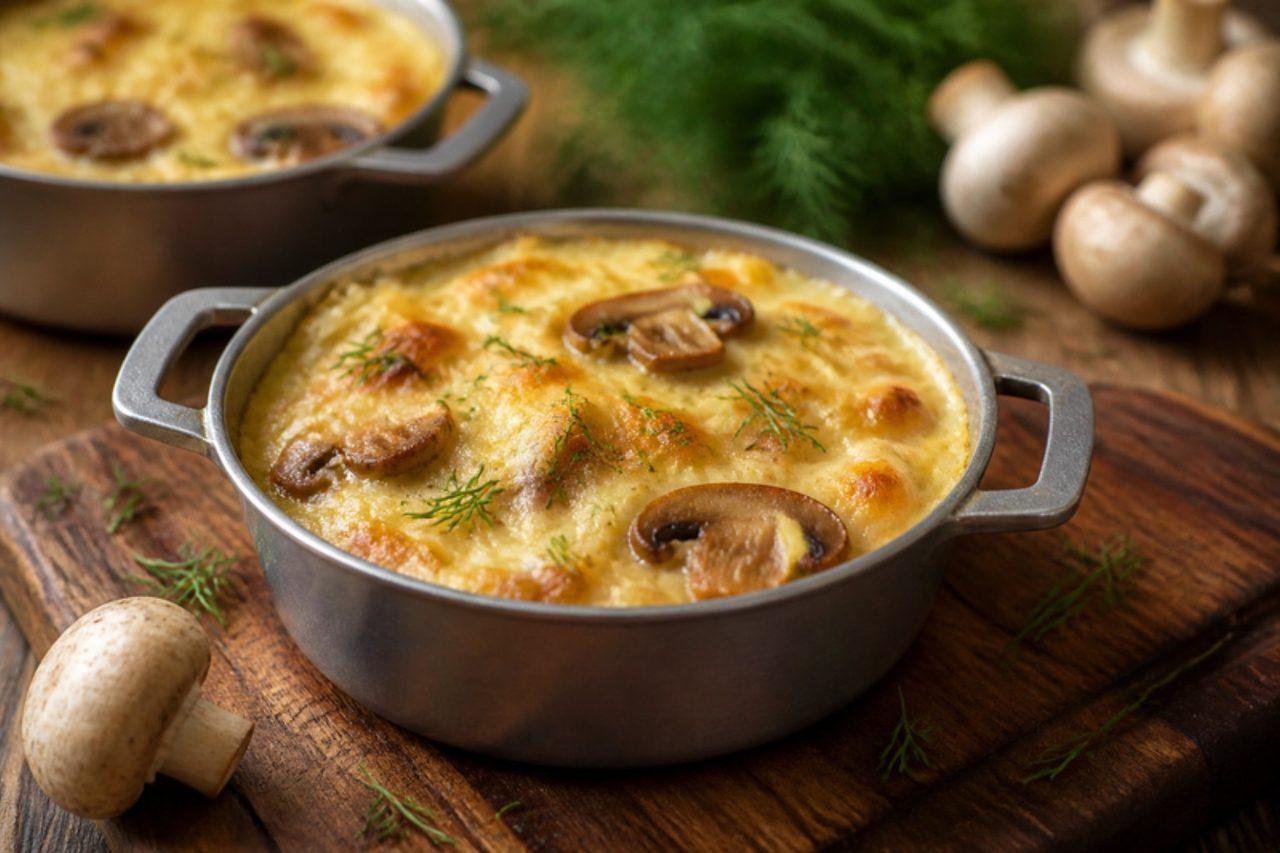
Mushroom julienne

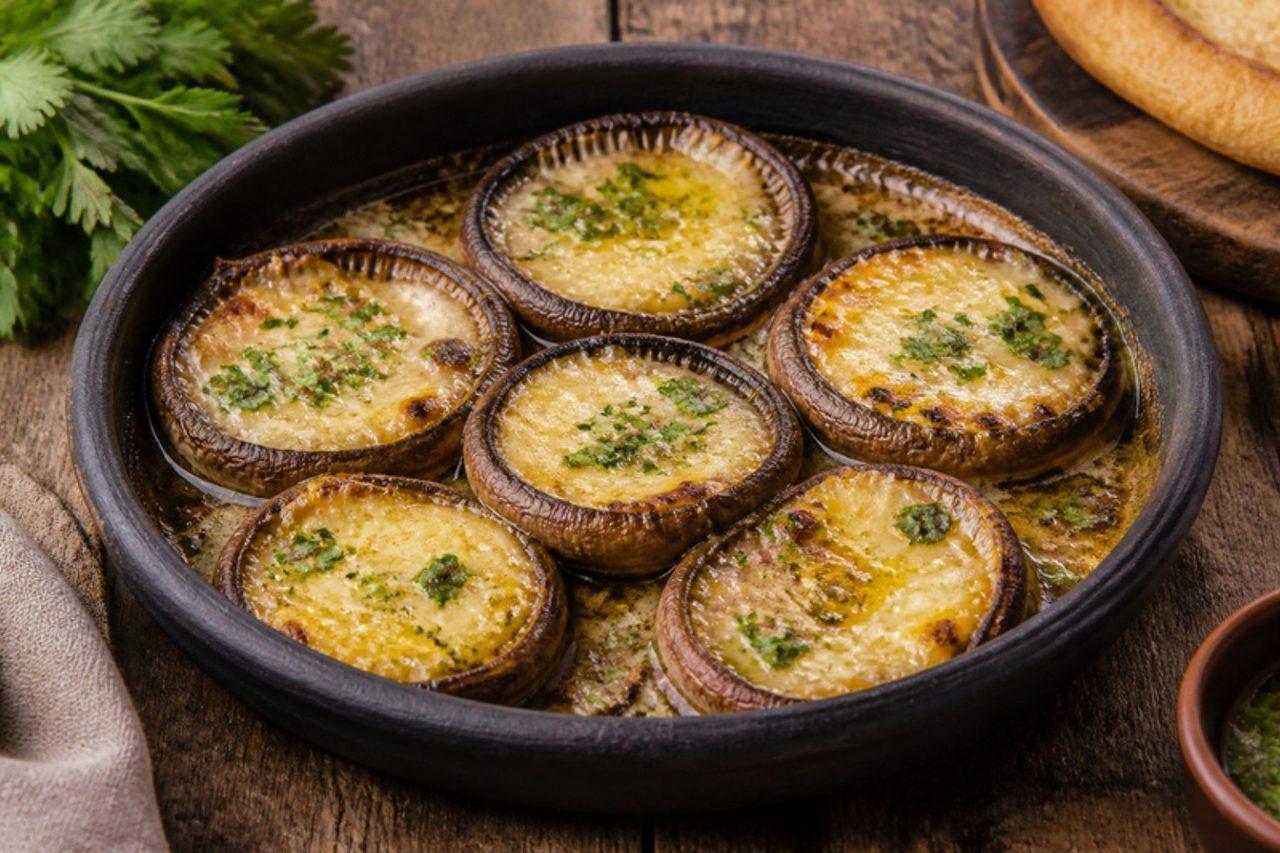
Restaurants in Moscow took the French word for thin strips and gave it to a hot starter: mushrooms and onion in sour cream, baked bubbling under melted cheese in little metal cocottes with a handle. It became a fixture of New Year and birthday tables, served after the cold zakuski and before the main course, with a teaspoon and a slice of bread. The sauce is creamy and savoury, the top blistered and golden. Use mushrooms you can cut into neat strips; button or chestnut mushrooms work, and a handful of wild ones adds depth. The usual slip is crowding the pan so the mushrooms stew; fry them in a hot pan until their liquid has gone. Many hard cheeses are made with animal rennet, so choose a vegetarian hard cheese. Chef's tip: no cocottes? Bake it in ramekins or hollowed-out bread rolls.

by KrazyBadal 0 views

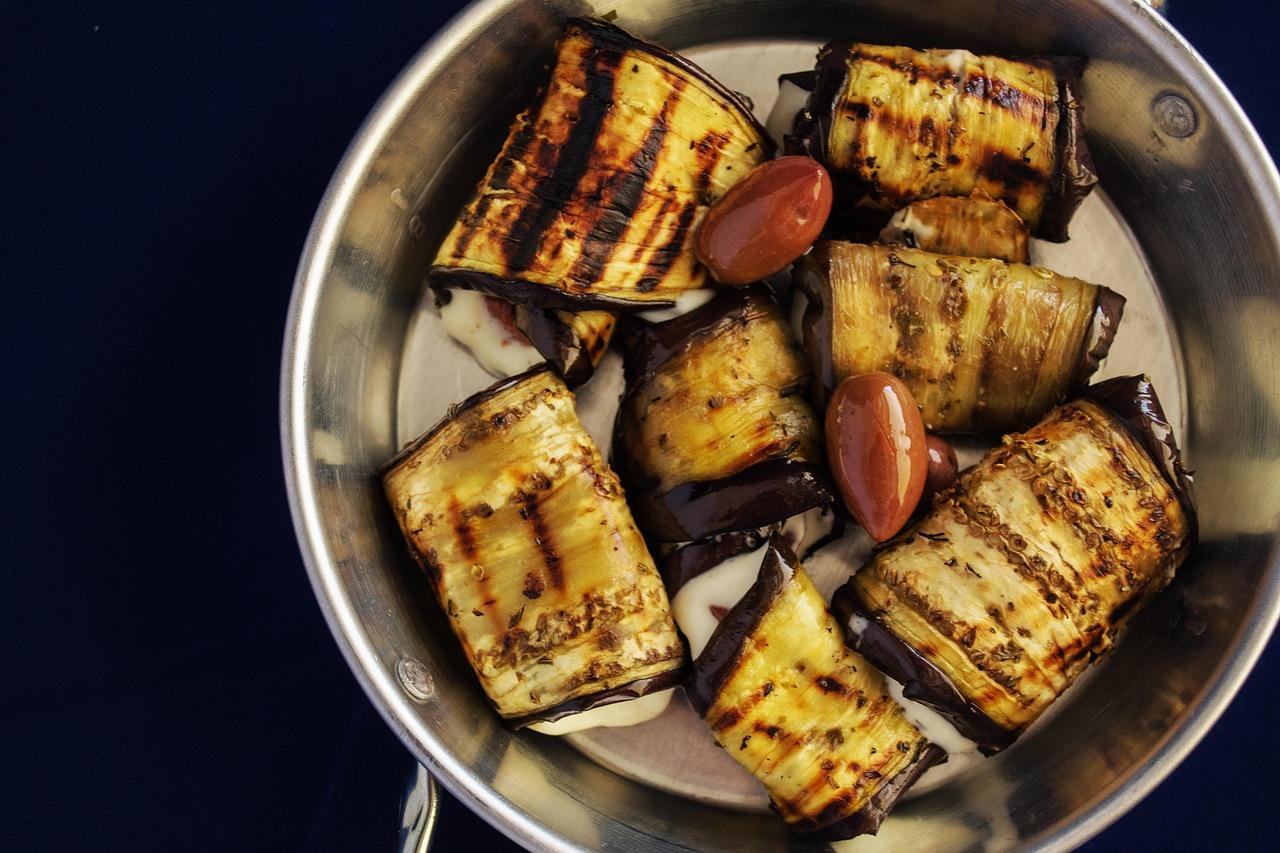
Eggplant rolls

Every birthday buffet in Russian flats seems to have a plate of these little rolls, brought out with the herring and the salads: thin strips of fried aubergine wrapped around a sharp garlic and cheese filling with a slice of tomato peeking out. The aubergine is silky, the filling creamy and punchy, and the tomato keeps it fresh. They are a cold starter, so make them an hour before guests arrive and keep them chilled. Where most people go wrong is frying thick slices in lots of oil, which leaves them greasy and stiff; slice thin, salt them, pat dry and fry in a shallow film of oil. Many hard cheeses use animal rennet, so pick a vegetarian one. Chef's tip: press the fried slices between paper towels while still warm; they shed surprising amounts of oil.

by KrazyBadal 0 views

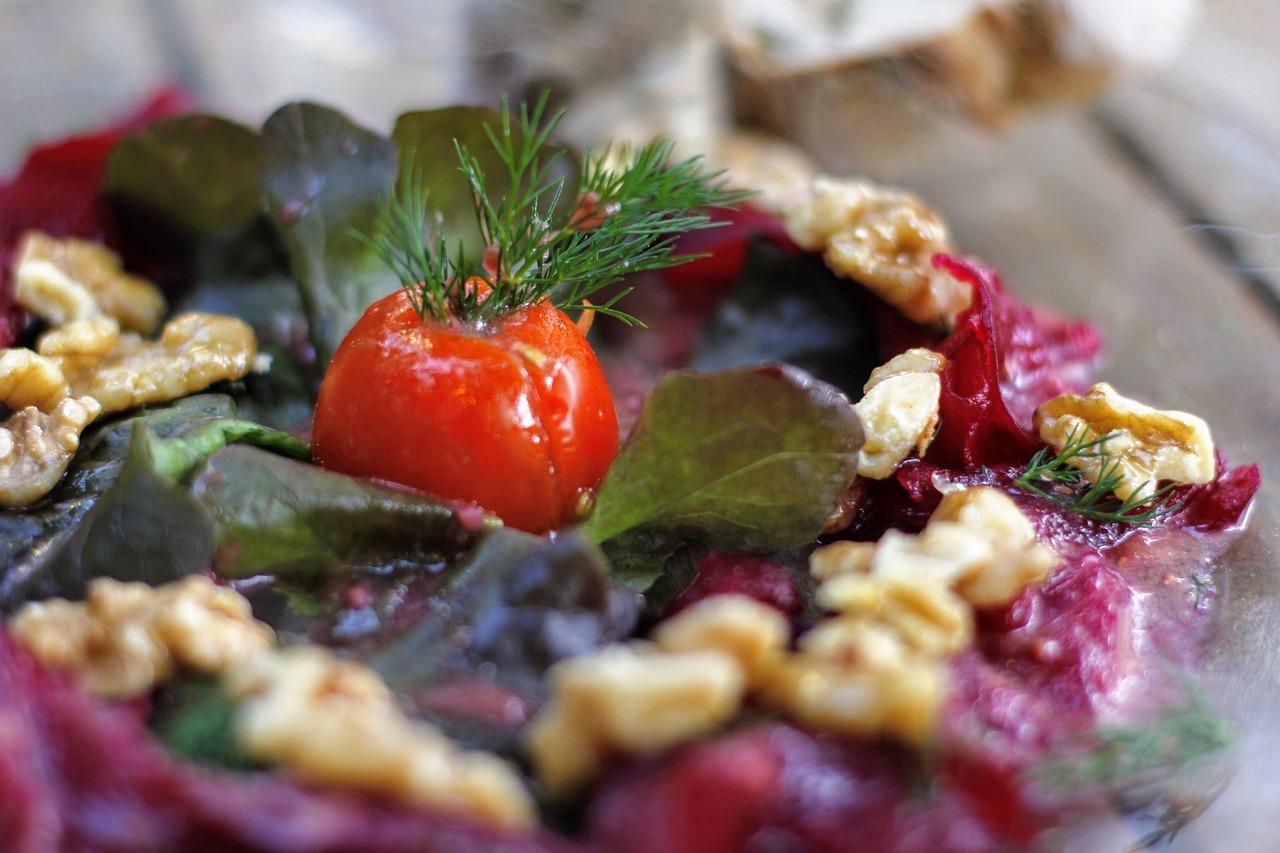
Beet salad with garlic

Grated beetroot with garlic is about as everyday as Russian cooking gets: something from the school canteen, the work buffet and the Sunday table alike, served in a small bowl beside cutlets, boiled potatoes or black bread. This dressed-up version adds chopped prunes for sticky sweetness and toasted walnuts for crunch, all bound with a spoon of mayonnaise. It tastes earthy, sweet and bright with garlic. Buy ready-cooked beetroot (not pickled) to keep it a fifteen-minute job, or boil your own the day before. The usual slip is grating the beetroot fine and leaving it in its juice, which makes the salad watery and purple-grey; grate coarsely and squeeze lightly first. For a lighter dish use thick yoghurt or sour cream in place of mayonnaise. Chef's tip: toast the walnuts; raw ones taste bitter against the beet.

by KrazyBadal 0 views

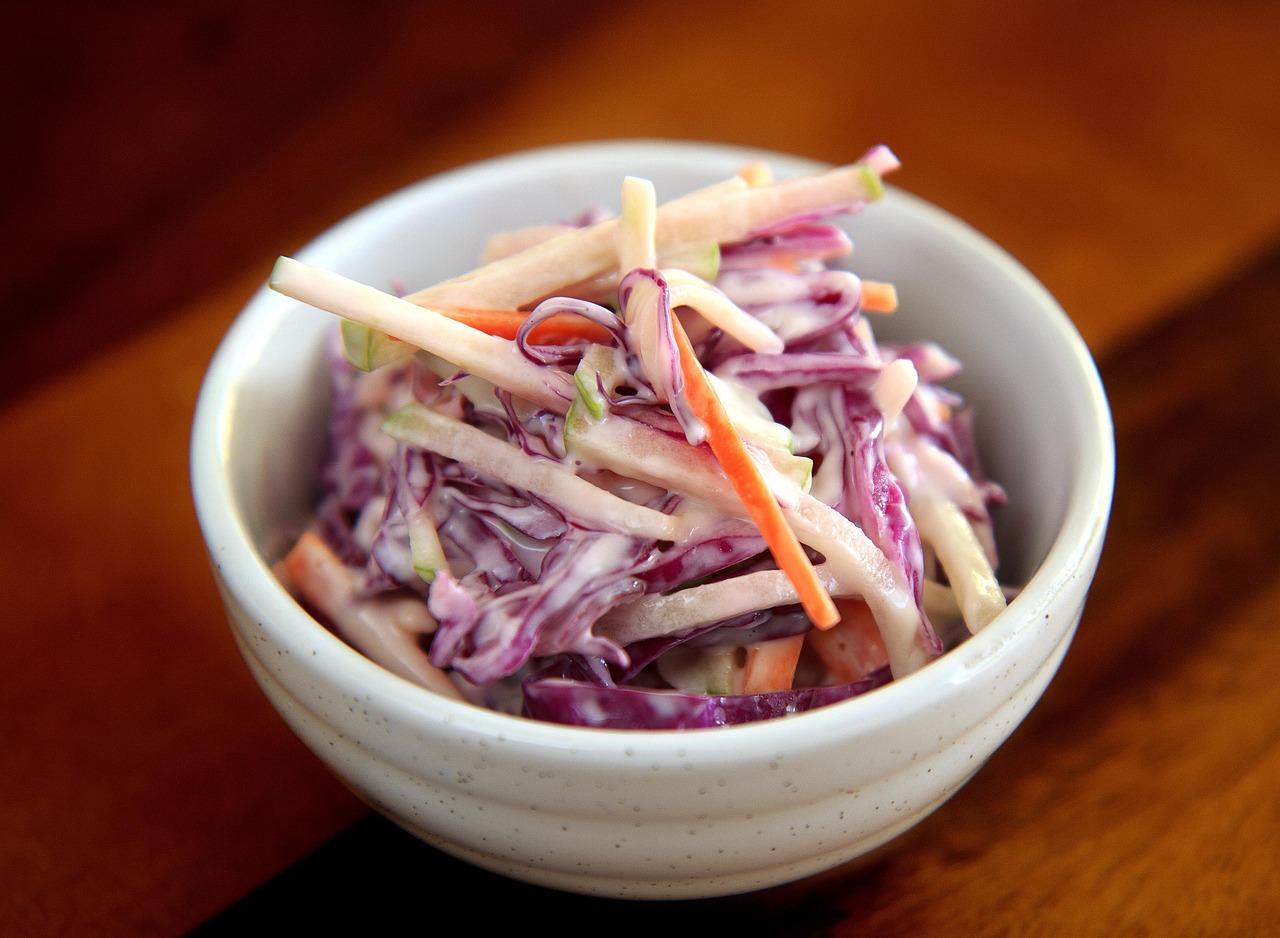
Vitamin salad

"Vitamin" salad was the bright spot on every Soviet stolovaya tray, scooped from a steel tray beside the cutlets and buckwheat, and it is still how many Russians start a light lunch. Fresh white cabbage, carrot and green apple are rubbed with salt and sugar, then dressed simply with sunflower oil and vinegar, so it tastes crisp, juicy and sweet-sour. It goes with almost anything hot and is a good way to use half a cabbage. A common mistake is skipping the squeeze: crushing the cabbage with salt for a minute or two softens it and draws out juice that becomes part of the dressing. Grate the apple last so it does not brown. Chef's tip: unrefined, toasted-seed sunflower oil gives the true canteen flavour; a splash goes a long way.

by KrazyBadal 0 views

Chorbet hout (Sfax fish soup)

Along the coast around Sfax, a bowl of chorbet hout often opens the meal at Ramadan iftar, after dates and water: a red, peppery broth of tomato, harissa and caraway, thick with tiny bird's-tongue pasta and flakes of white fish, finished with a squeeze of lemon. Grouper, sea bream or mullet are the local choices, and any firm white fish works. The soup is warming and spicy with a fresh lift from parsley and celery, and goes well with bread and a brik. Chef's tip: poach the fish briefly, lift it out and only return the flakes at the end; leaving it to boil with the pasta is the common mistake, and it breaks into threads.

by KrazyBadal 0 views

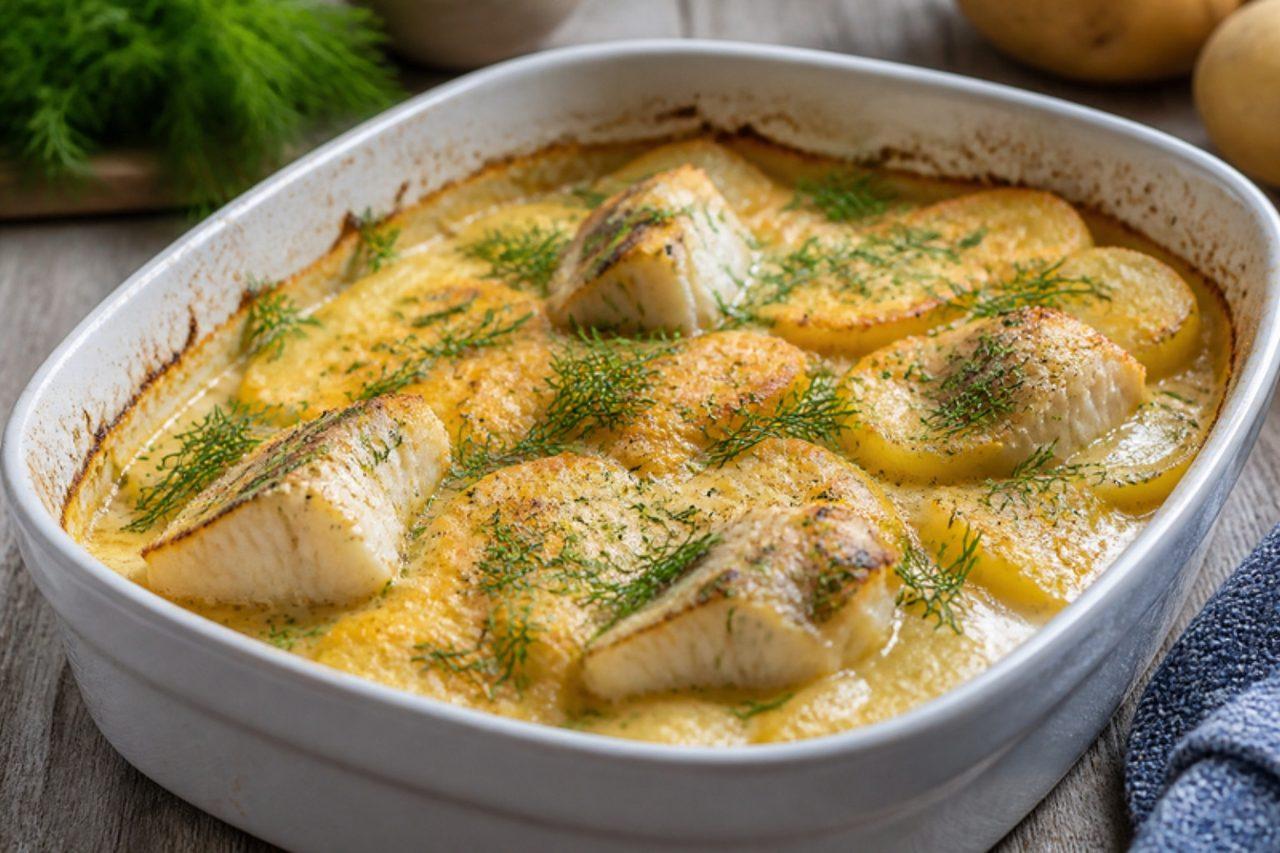
Pomor-style cod

Along the White Sea coast near Arkhangelsk, the Pomors lived on cod, and this is how a fisherman's household turned a fillet into a whole supper: fish laid over sliced potatoes and buttery onions, then covered with beaten egg and milk and baked until set and golden, like a savoury fish custard. It is soft, mild and filling, and is eaten with pickled mushrooms, sauerkraut or a green salad. Where most people go wrong is using raw potato slices, which take far longer than the fish; par-boil them first. Chef's tip: salt the cod lightly 15 minutes ahead in the fridge, it firms up and does not leak water into the egg.

by KrazyBadal 0 views

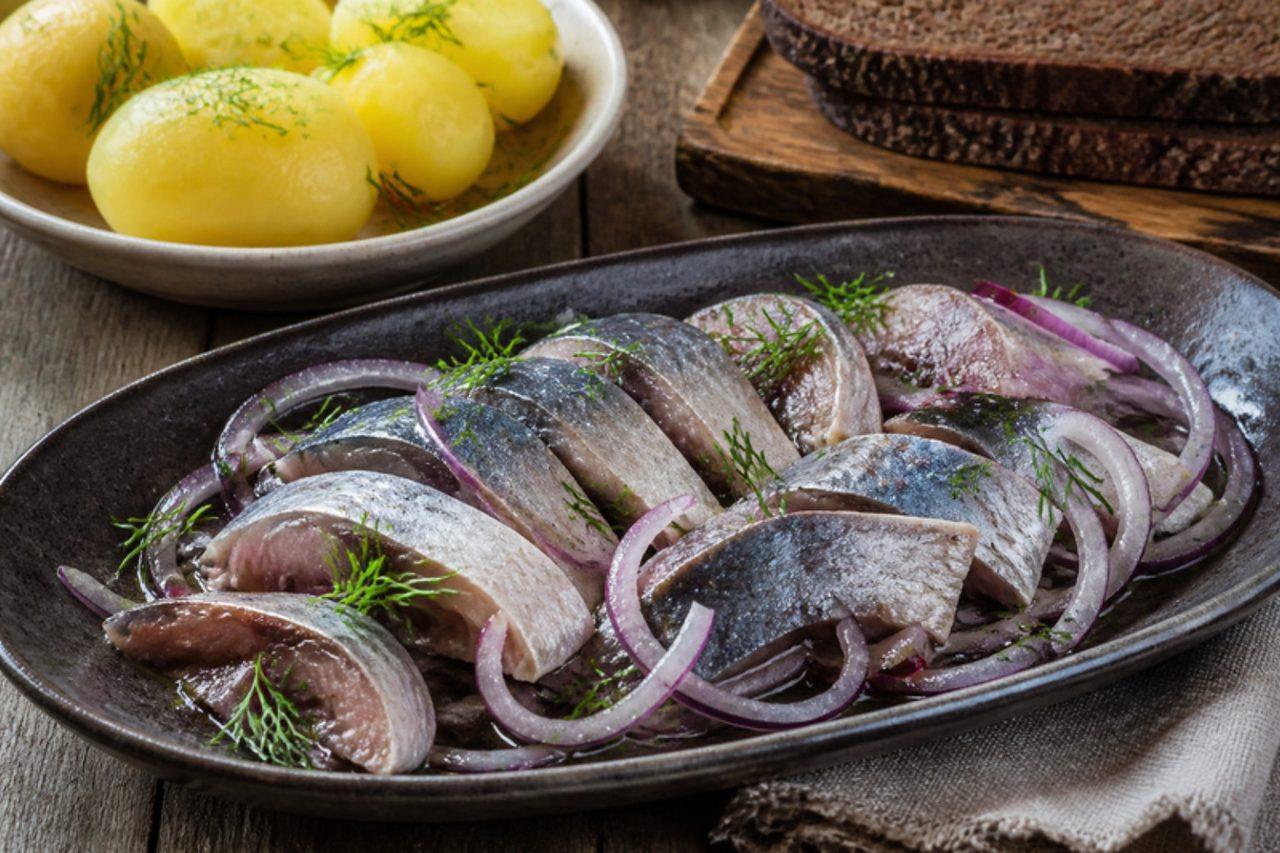
Herring with potatoes

This is the simplest and best-loved Russian zakuska, on every table from a Moscow kitchen to a Siberian railway compartment: fillets of salted herring with steaming boiled potatoes, rings of raw onion, dill and a drizzle of unrefined sunflower oil that smells of toasted seeds. The contrast of cold, silky fish and hot, floury potato is the whole point, and black bread goes alongside. Salted herring is cured but not cooked, so buy ready-salted fillets from a good fishmonger or deli (made from previously frozen fish), keep them in the fridge, and note that it is not for pregnant women, young children or anyone with a weakened immune system. A common mistake is serving the herring straight from very salty brine; taste it and soak it in milk or cold water first if needed. Chef's tip: use unrefined sunflower oil, its nutty smell is what makes the dish.

by KrazyBadal 0 views

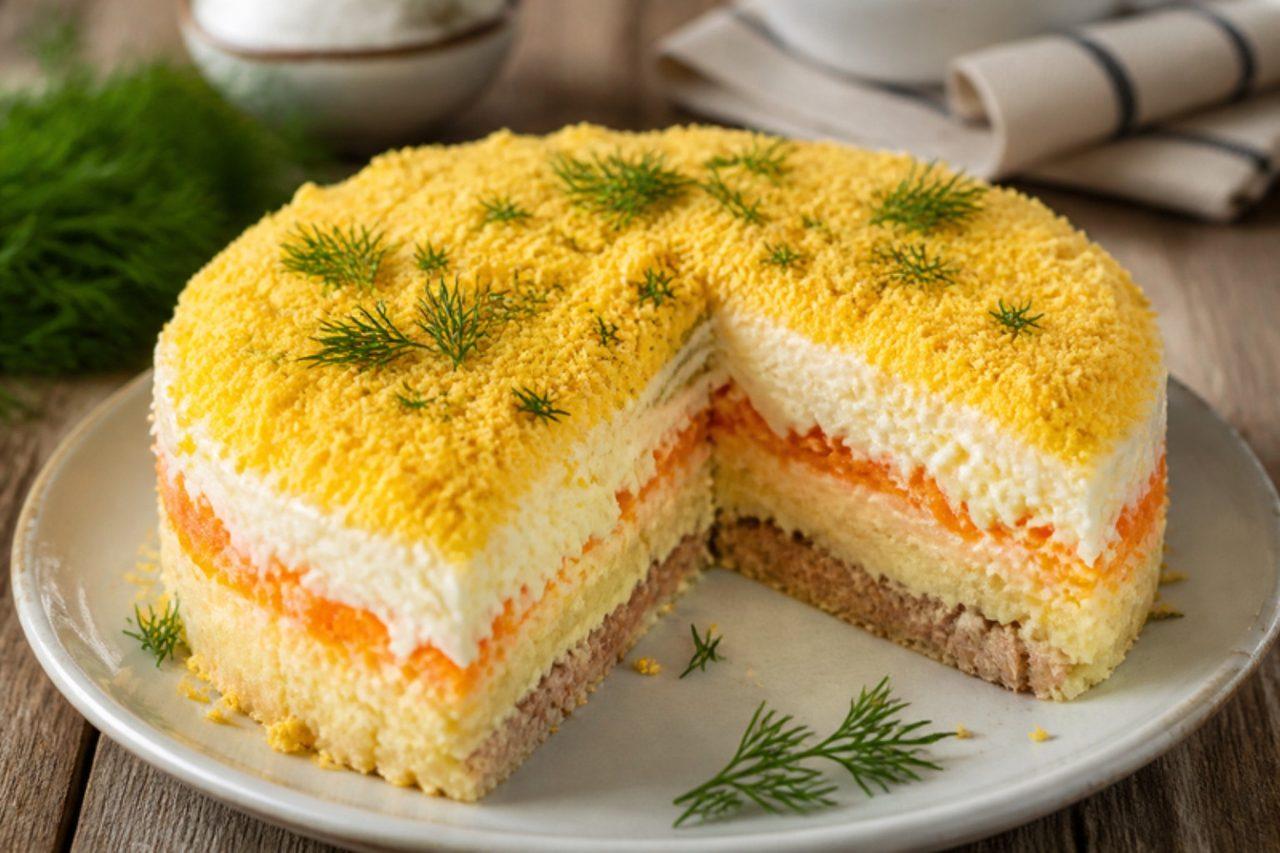
Mimosa salad

Named for the fluffy yellow mimosa flowers sold on every Moscow street corner for Women's Day on 8 March, this Soviet-era party salad is crowned with a snowfall of grated egg yolk. Underneath are layers of tinned salmon or saury, potato, carrot, onion and egg white, each with a little mayonnaise, so a spoonful is soft, rich and gently fishy. It is made ahead for birthdays and holidays and served chilled. Use shop-bought mayonnaise, which is made with pasteurised egg. A common mistake is mashing the fish with all its oil, which makes the bottom layer soggy. Chef's tip: grate the yolk straight over the salad at the very end, on the finest side of the grater, for the fluffiest flowers.

by KrazyBadal 0 views

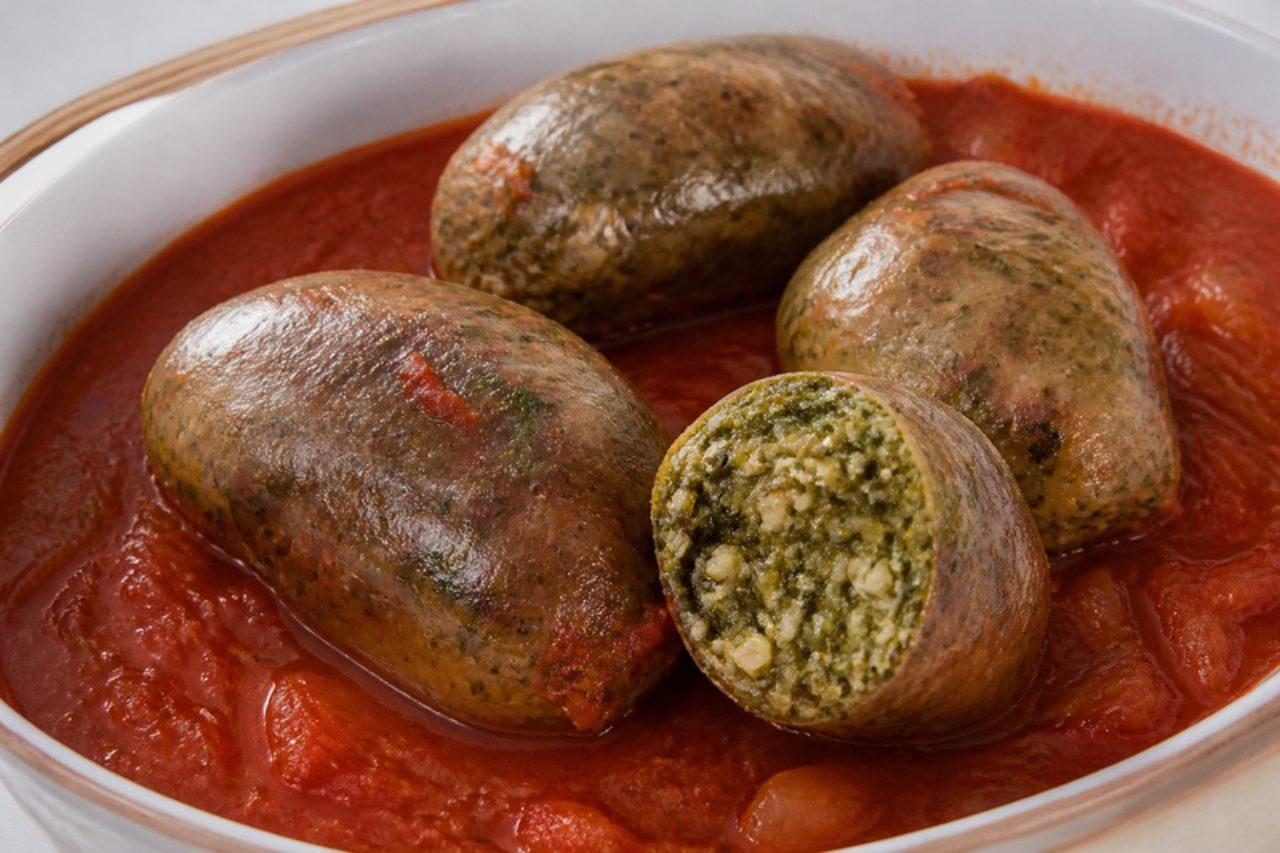
Osban (Tunisian stuffed lamb sausages)

Eid al-Adha in Tunisia means using every part of the sheep, and osban is how the tripe is honoured: cleaned pieces are sewn into pouches and packed with rice, chopped liver and lamb, chard, a big bunch of parsley and coriander, dried mint and harissa, then simmered in a red chickpea sauce and served over couscous. Families all over the country, from Tunis to the south, make a batch and freeze some for later. The filling cooks into a soft, herby, peppery sausage and the tripe turns tender. Buy tripe that the butcher has already cleaned and scalded, or use natural sausage casings for an easier version. Chef's tip: fill the pouches only two-thirds full and prick them with a needle; the rice swells as it cooks, and overstuffed osban burst, which is the most common mistake.

180 minTunisianMeat
by KrazyBadal 0 views

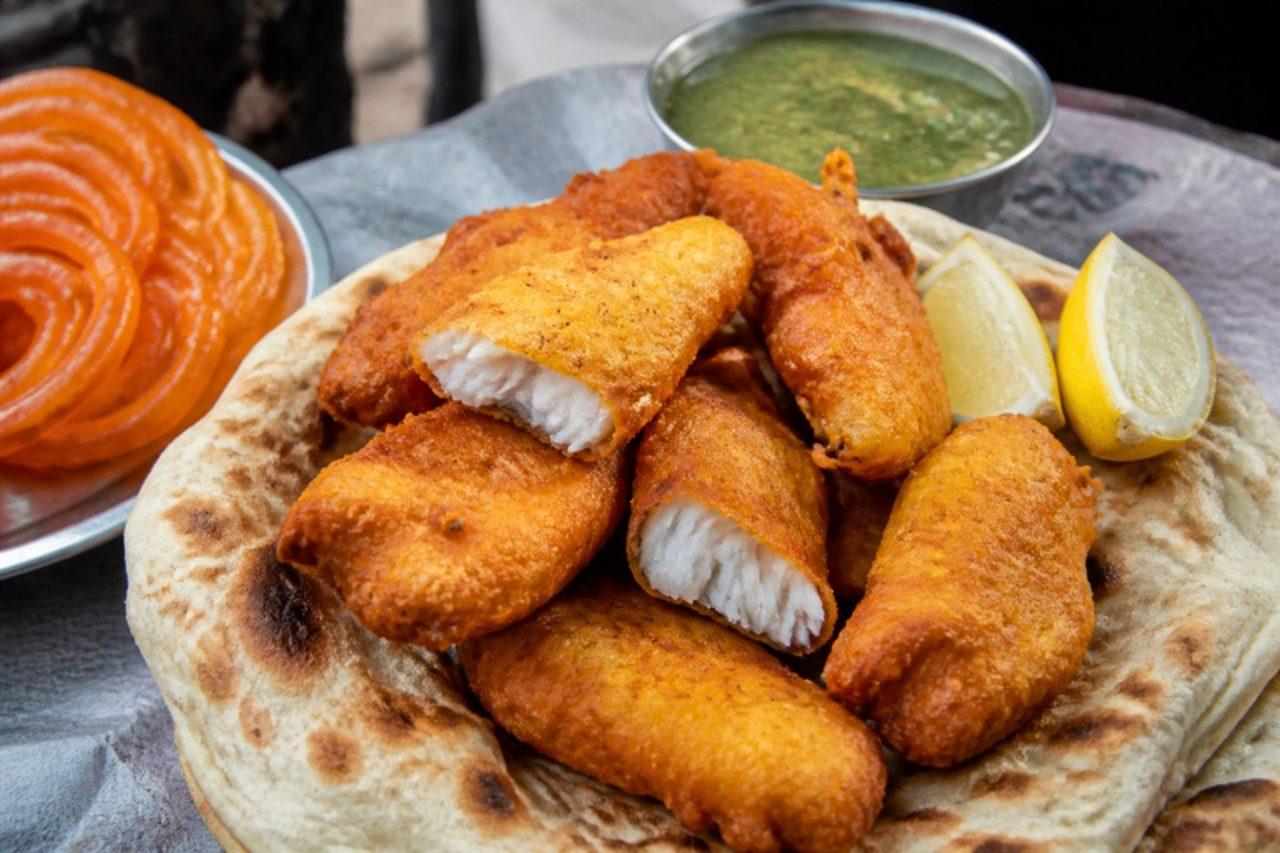
Mahi (Kabul fried fish)Fried battered fish

When the snow comes, Kabul's fish sellers set up their huge woks of oil, and the smell of mahi frying drifts across the city's bridges and bazaars, with stalls next door piling up bright orange jalebi to eat alongside it; mahi wa jalebi, fish and sweets, is a winter outing for the whole family. Chunks of firm fish are coated in a thin, spiced batter of flour, garlic, coriander seed, cumin and chilli and fried until crisp and reddish-gold, then eaten hot with naan, green chutney and a squeeze of lemon. Carp or other river fish is traditional, but any firm white fish works. Crowding the pan drops the oil temperature and gives soggy, greasy pieces, so fry only a few at a time. Chef's tip: salt the fish and leave it for 10 minutes, then pat it completely dry so the batter grips.

40 minAfghanFish
by KrazyBadal 0 views

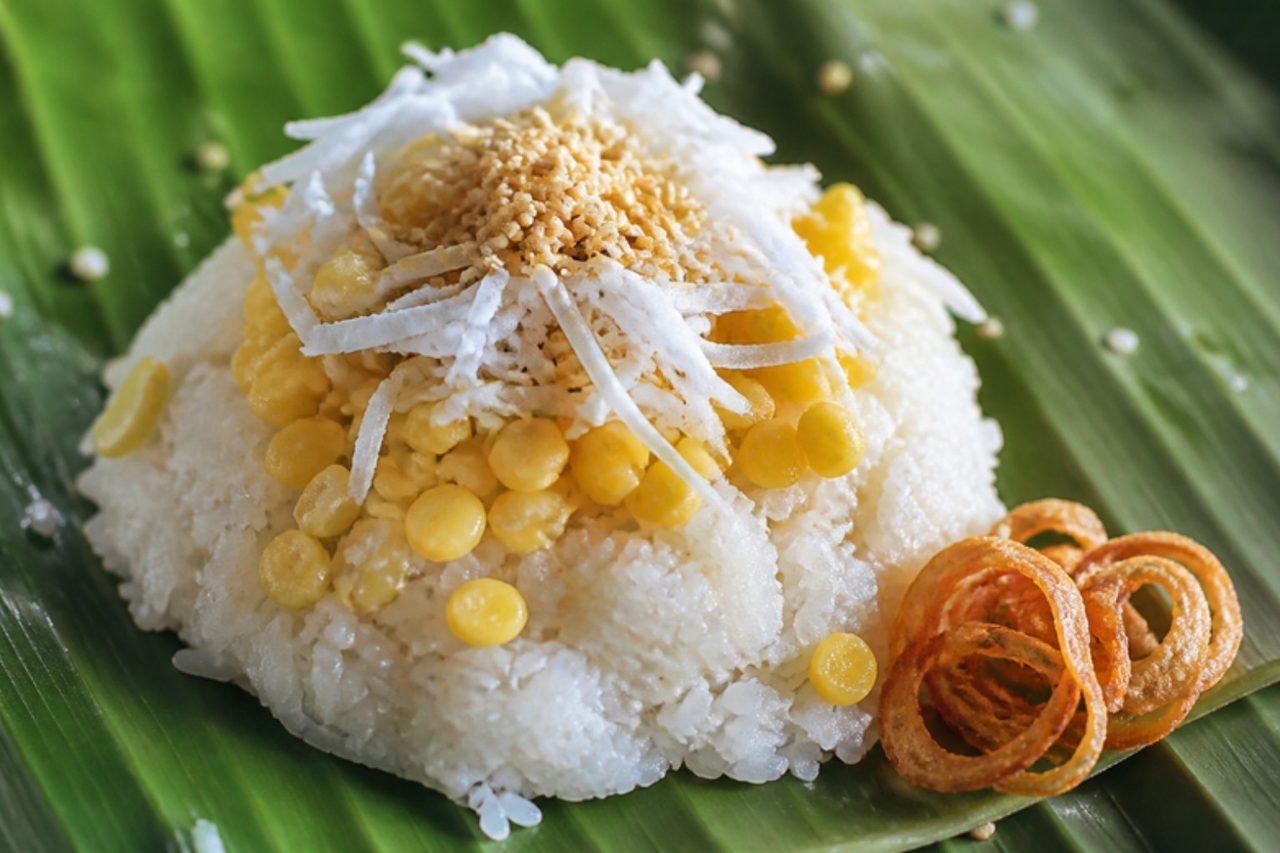
Kauk nyin baungSteamed sticky rice with peas

At sunrise on Yangon street corners, women sit behind bamboo baskets of steaming sticky rice wrapped in cloth, spooning portions onto squares of banana leaf for people heading to work. The glutinous rice is soaked and steamed until each grain is glossy, chewy and slightly translucent, then topped with soft pe pyot peas, freshly grated coconut and a sprinkle of toasted sesame pounded with salt. It is a plain, satisfying breakfast, sweet from the coconut, salty and nutty from the sesame, and usually eaten with a cup of green tea; some vendors use purple sticky rice for a darker, nuttier bowl. Boiling the rice like ordinary rice is the mistake that ruins it, turning it to glue, so always steam it. Chef's tip: soak the rice overnight; a short soak leaves hard white centres in the grains.

by KrazyBadal 0 views

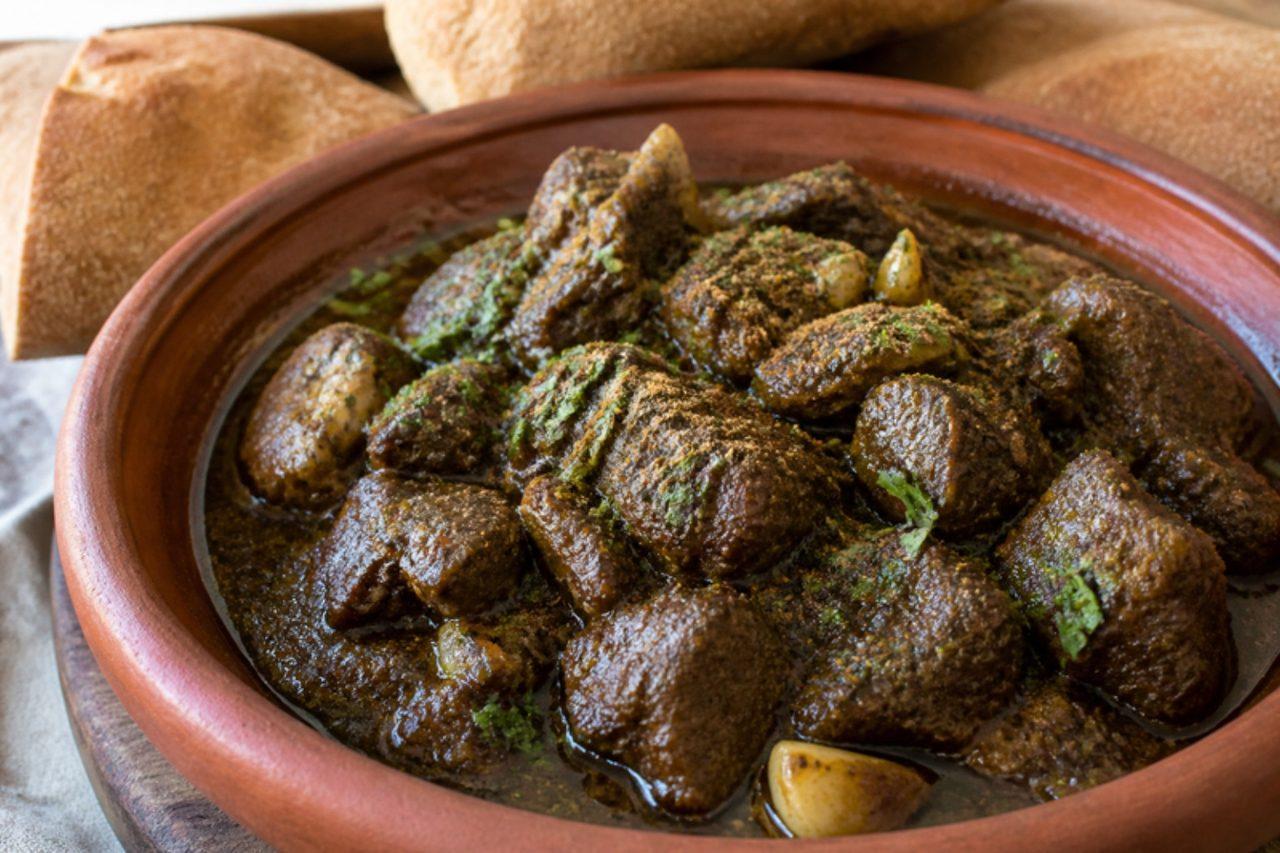
Kammounia (Tunisian cumin beef stew)

Cumin, kammoun in Arabic, gives kammounia its name, and the dish uses it boldly: chunks of beef, or in many Tunis homes lamb's liver, simmer in a thick, dark sauce of garlic, tomato paste and a generous amount of ground cumin until the meat is tender and the sauce clings to it. It is everyday family food in Tunis and Sfax, scooped up with crusty bread or served alongside a salad and olives. The flavour is earthy, warm and garlicky with a gentle heat from harissa. The usual mistake is adding the cumin at the start and frying it hard, which makes it bitter; it goes in once the sauce is simmering. Chef's tip: add half the cumin at the start and the rest in the last 10 minutes; all of it at once risks a flat, slightly bitter sauce, while the late addition keeps the aroma bright.

by KrazyBadal 0 views

Bkaila (Tunisian spinach and beef stew)

Tunisian Jewish families in Tunis, and those who carried the dish to Paris and Israel, cook bkaila for Rosh Hashanah and for Friday-night dinners: a heap of spinach is fried in olive oil for over an hour, until it shrinks to a dark, almost black, crumbly paste, then simmered for hours with chunks of beef, white beans, garlic and dried mint. The result looks dramatic and tastes deep and earthy, a little like a long-braised green sauce, with tender meat and creamy beans. It is eaten with couscous or bread, and is even better reheated the next day. Start the beans soaking the night before. Chef's tip: fry the spinach over a medium-low heat and stir often; turning up the heat to save time is the classic mistake, scorching the leaves so the whole pot turns bitter.

240 minTunisianMeatGluten free
by KrazyBadal 0 views

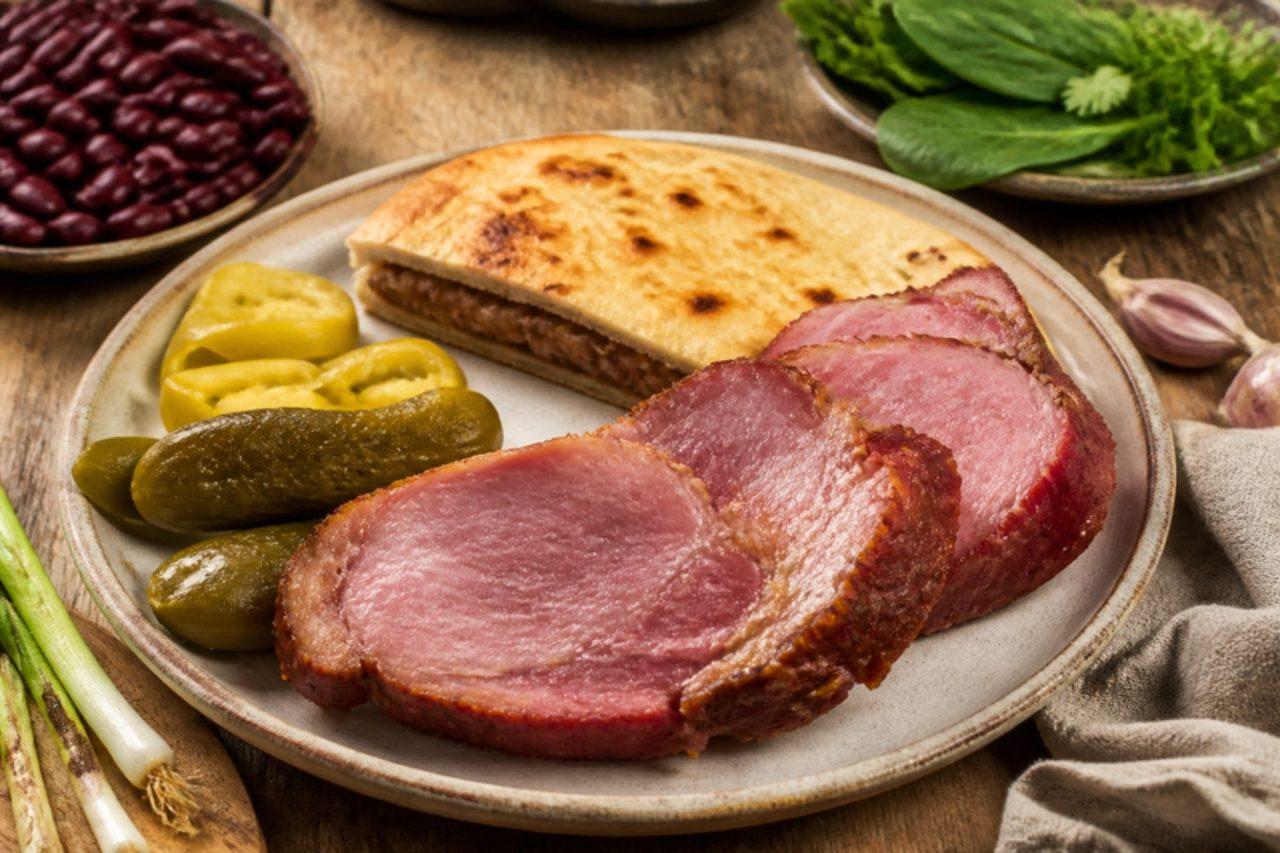
Rachan ham

Rachuli lori is the pride of Racha: pork legs salted and hung in the smoky rafters above a wood fire, then sliced and fried until crisp, and above all eaten with lobiani bean bread, which in Racha is made with fried ham inside. This is a pork dish. Home kitchens cannot copy months in a chimney, so this version brines a boneless pork leg joint for two days in the fridge and then hot-smokes and roasts it until cooked through, giving a ham you can slice cold or fry. A common mistake is skipping the rinse after brining, which makes the ham far too salty. Chef's tip: smoke over fruit wood with a few dried bay leaves for the dark, sweet smoke of a Rachan kitchen. Whole pork joints are safe at 63 °C followed by a 10-minute rest.

240 minGeorgianMeatGluten free
by KrazyBadal 0 views

Agbeli kakloCassava fritters

Roadside fryers in the Volta Region sell agbeli kaklo by the bagful, golden fingers of grated cassava seasoned with onion and chilli and fried until crunchy outside and chewy within. The classic way to eat them is with chunks of fresh coconut, whose cool sweetness balances the salty, peppery fritters, and they are an afternoon snack or a travel snack on the road from Ho to Accra. Cassava must be cooked through, so fry until deep golden. Chef's tip: squeeze the grated cassava very dry and fry at 170 °C; wet dough spits dangerously, and oil that is too cool, the common mistake, gives greasy, soggy fritters.

by KrazyBadal 0 views

Shoti bread

Every Kakhetian village has a bakery where the baker leans into a round, pit-like tone oven and slaps long, pointed loaves onto its hot clay wall; the bread comes out crackly at the tips and soft in the middle, and it is bought warm every morning in Telavi and Sighnaghi. Shoti is just flour, water, yeast and salt, so the shape and the blast of heat do the work. At home a pizza stone or an upturned heavy baking tray, heated for a long time, gives a good copy. A common mistake is a dry, stiff dough; it should be soft enough to stretch into a long canoe without tearing. Chef's tip: spray the oven walls with water as the bread goes in; the burst of steam gives the blistered, glossy crust of the tone.

by KrazyBadal 0 views

Djouzia (walnut and honey nougat)

Shops in old Constantine wrap djouzia in twists of paper and sell it by weight, a soft, pale caramel-coloured nougat of honey, whipped egg white and plenty of walnuts. It is chewier and darker than white Provençal nougat, with a deep honey flavour and the slight bitterness of walnut skins. Djouzia is a gift sweet, carried to weddings and offered with coffee to visitors, and keeps for weeks. A sugar thermometer makes it reliable. Chef's tip: cook the honey syrup to 125 °C; syrup that is pulled off too early is the most common mistake, and the nougat stays sticky and will not set enough to cut.

by KrazyBadal 0 views

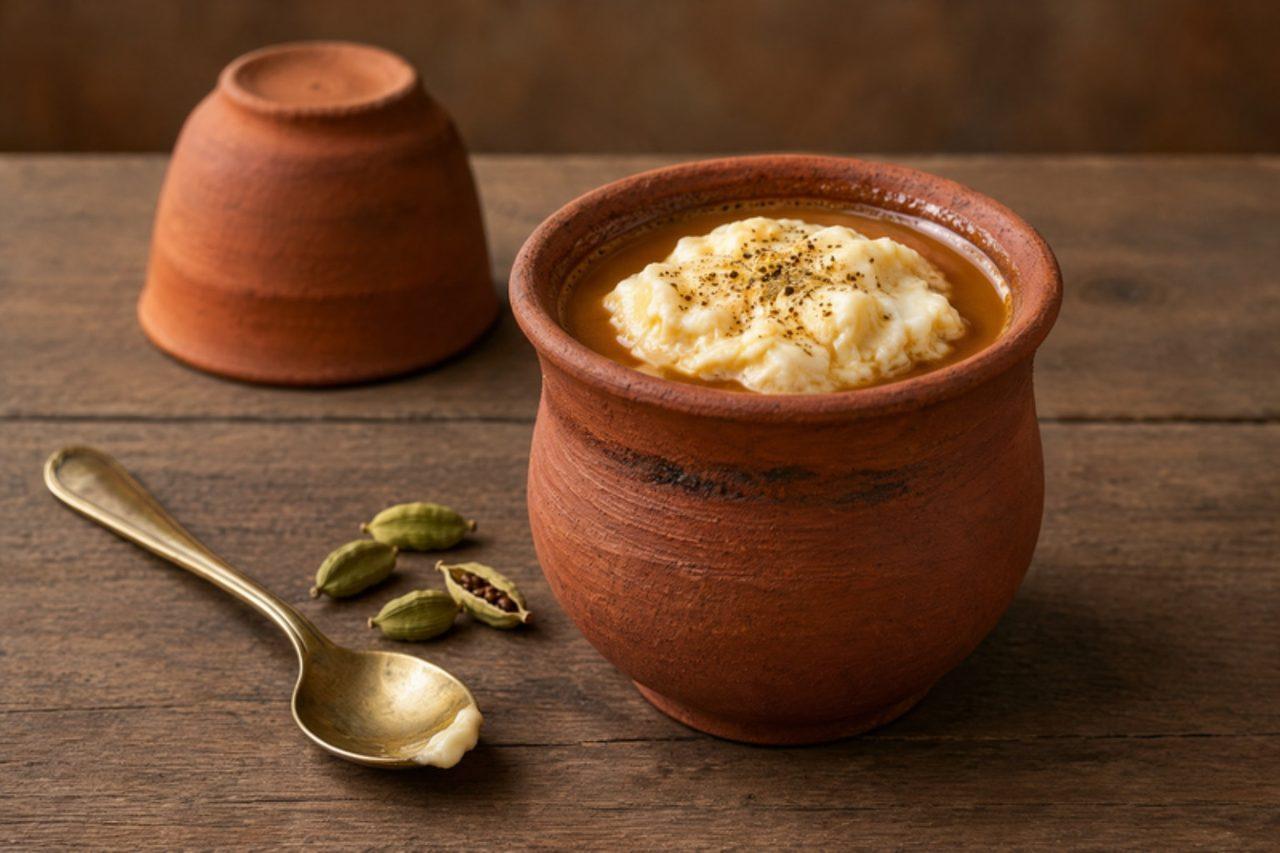
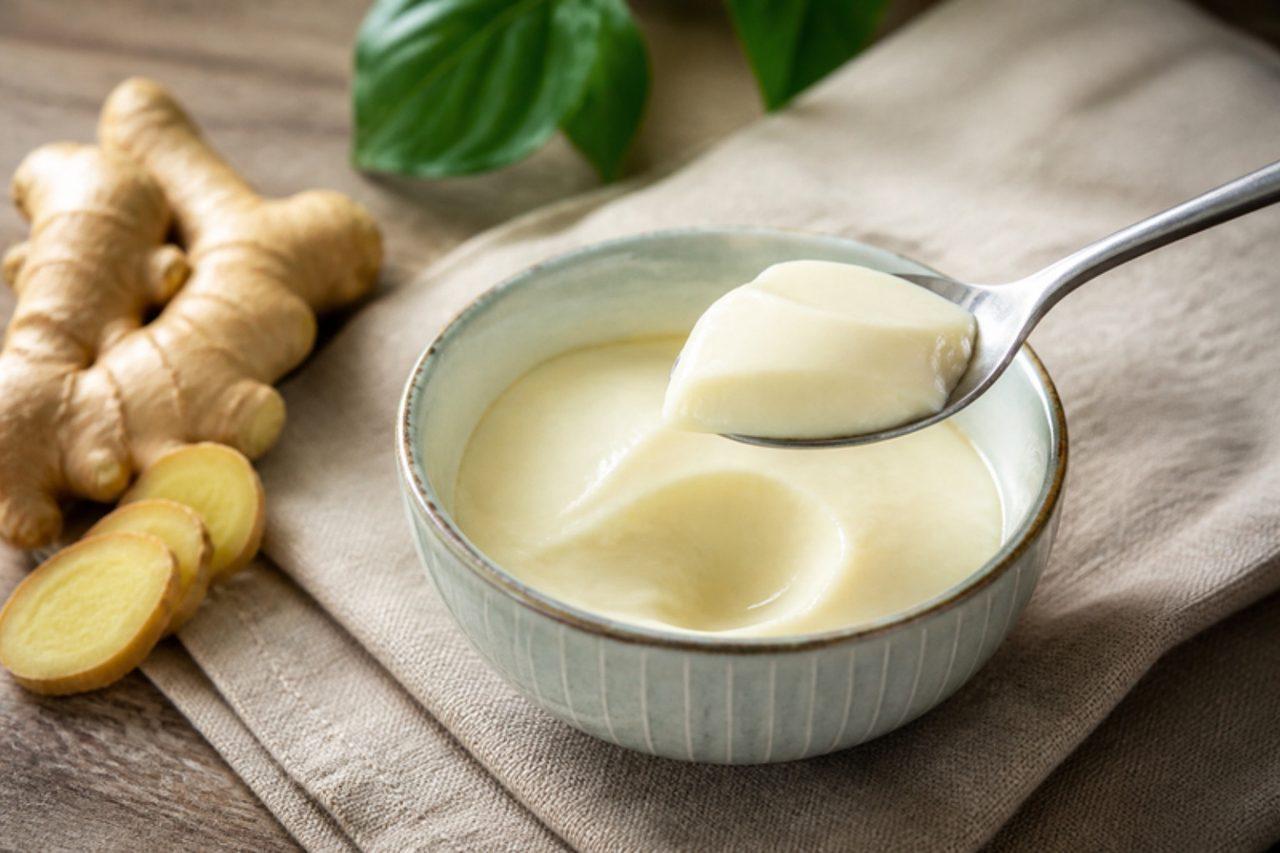
Ginger milk curd

Born in the Pearl River Delta town of Shawan in Panyu, Guangdong, ginger milk curd crossed the border to become a favourite of Hong Kong dessert parlours in Jordan and Causeway Bay, ordered hot on a winter night. There's no setting agent: an enzyme in fresh ginger juice curdles hot milk within minutes into a trembling, spoonable custard that's sweet, creamy and warming, with a peppery ginger kick. It is eaten straight from the bowl while still warm, with nothing alongside. Long-life UHT milk is the classic mistake, since its proteins have been changed by the high heat and it simply won't set; use fresh pasteurised whole cow's milk. Chef's tip: use mature, fibrous ginger rather than young pink-tipped ginger, and heat the milk to 70–75 °C, measured with a thermometer.

by KrazyBadal 0 views

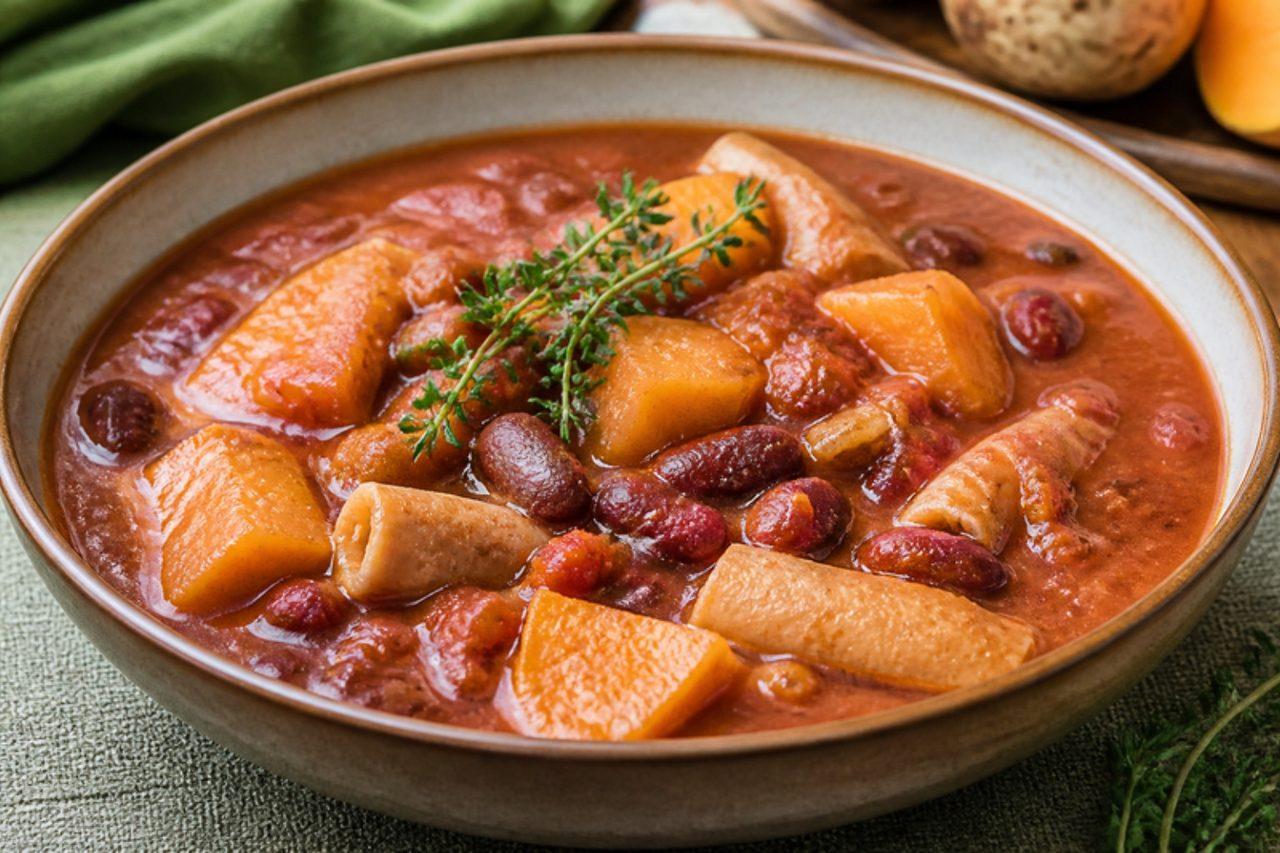
Jamaican pumpkin rice

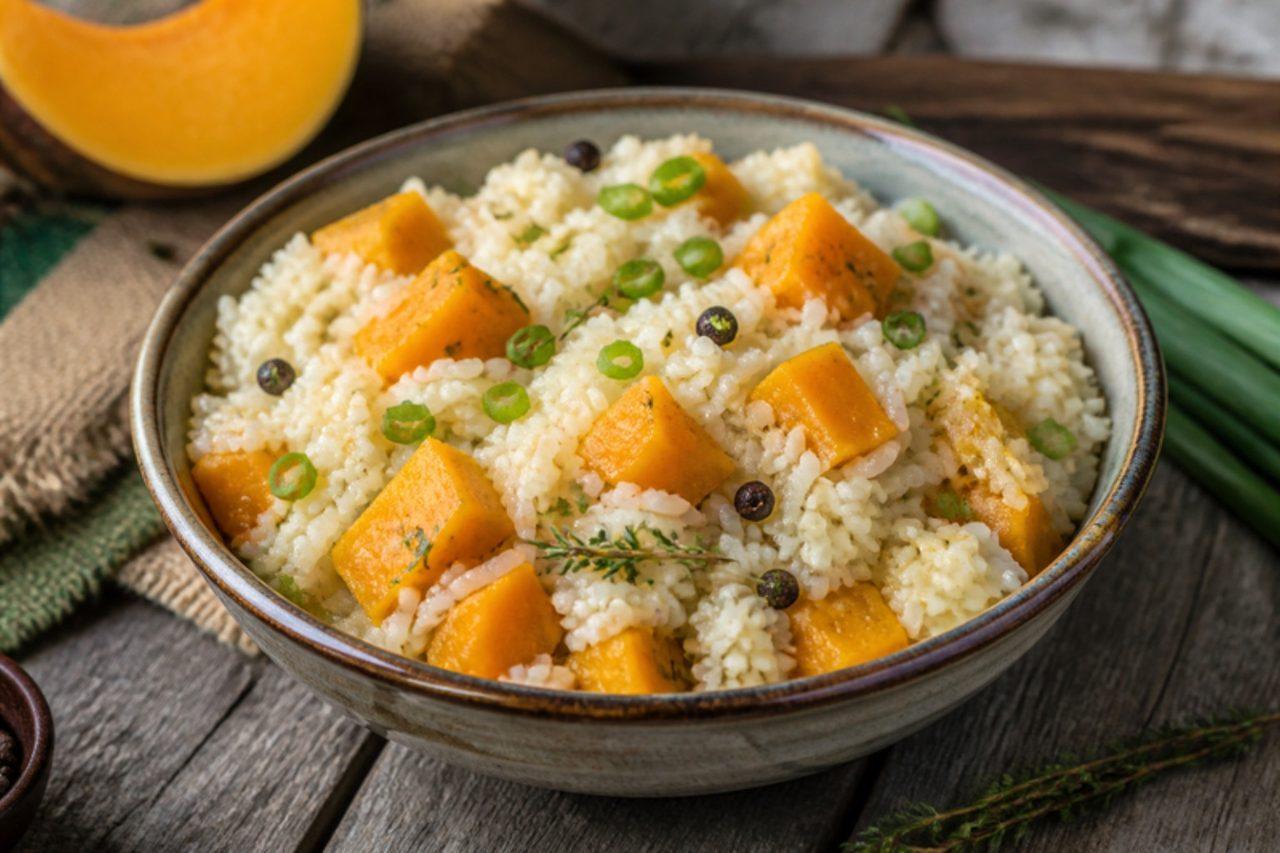
Along the north coast between Montego Bay and Ocho Rios, pumpkin rice turns up beside escovitch fish and steamed vegetables at Sunday lunch, the soft orange squash melting into the grains as they cook. Coconut milk, a sprig of thyme, scallion and a few pimento berries give it a gentle, savoury sweetness, and a whole scotch bonnet adds fragrance without much heat as long as it stays unburst. The common mistake is cutting the pumpkin too small, so it vanishes completely; 2 cm cubes partly melt and partly hold. Serve it with stew peas, jerk tofu or fried plantain. Chef's tip: rinse the rice until the water runs nearly clear, or the starch and pumpkin turn the pot sticky.

by KrazyBadal 0 views

Jamaican gungo pea soup

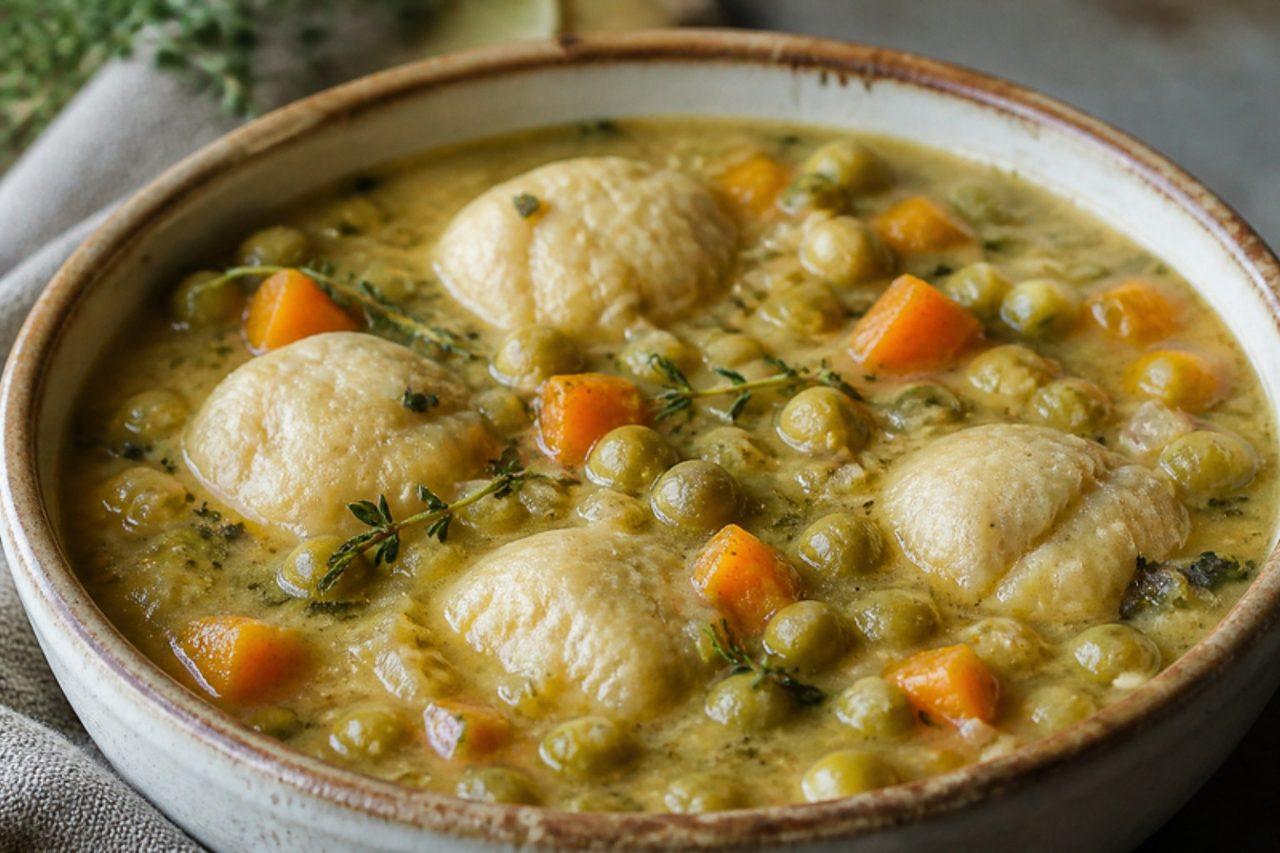
Gungo peas ripen around December, so this soup belongs to the Christmas season in Jamaica, when the same peas also go into the festive rice and peas. Fresh or frozen green pigeon peas give a nutty, earthy broth that coconut milk, thyme and pumpkin turn rich and golden, and flour dumplings make it a meal. A common mistake is boiling the coconut milk hard for the whole time, which makes it split and oily; add it once the peas are soft and keep the pot at a simmer. Dried pigeon peas work too: soak them overnight and allow an extra 40 minutes. Chef's tip: blitz about a quarter of the soup and stir it back in for body while keeping plenty of whole peas.

by KrazyBadal 0 views

KavumFried rice flour oil cakes

On the Sinhala and Tamil New Year tray in April, kavum is the sweet that marks a real Avurudu kitchen, and in villages neighbours still gather around a big pan of oil to fry them together. A thick batter of rice flour and dark kithul treacle is rested overnight, then ladled into hot coconut oil, where the cook pokes and bastes the middle with a thin stick until it puffs up into the famous konda, the little topknot. The cakes are dark brown, crisp at the rim and soft and chewy inside, with a smoky treacle flavour, and they are eaten with plantains, kokis and milk rice. A batter that is too runny is the classic disappointment, since it spreads flat and never forms a knob; it should drop thickly from the spoon, like cold honey. Chef's tip: fry one test cake first and adjust the batter with a spoon of rice flour or coconut milk before doing the rest.

by KrazyBadal 0 views

Mushrooms on ketsi

Every Tbilisi tavern has its sizzling ketsi, a shallow clay dish heated on the fire, and mushrooms baked in one with butter and a crust of melted sulguni are among the most ordered starters, brought to the table still crackling. In autumn, Georgian cooks use wild oyster mushrooms or field mushrooms; cups set gills up hold the butter like little bowls. A common mistake is overcrowding the dish, which makes the mushrooms steam instead of browning. Chef's tip: salt the mushrooms only after the first 10 minutes, so their juices stay inside and they cook in their own butter. Sulguni is usually made with animal rennet, so choose a vegetarian cheese.

by KrazyBadal 0 views

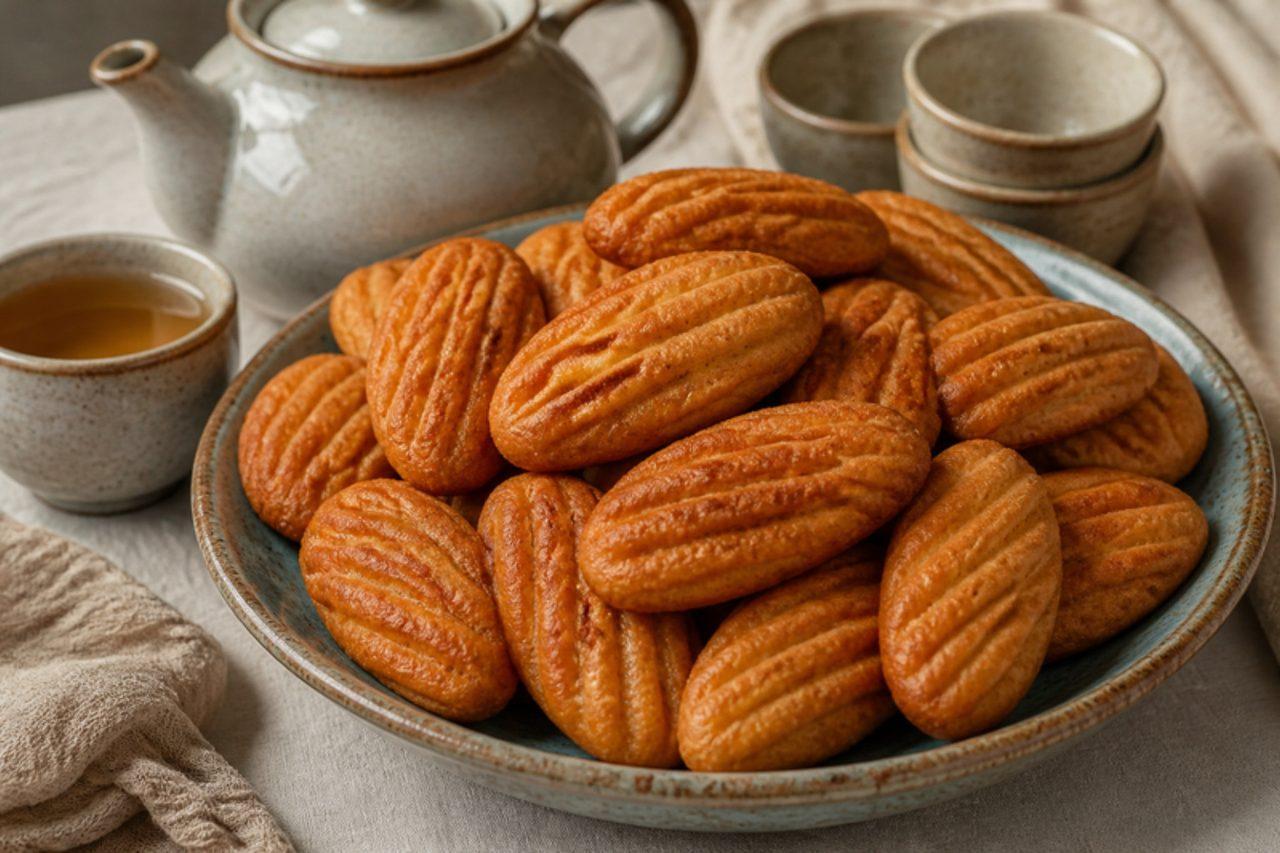
HurmašiceDate-shaped biscuits in lemon syrup

Plates of hurmašice come out for Bajram in Bosnia, offered to every visitor with a small cup of Bosnian coffee. The name comes from hurma, the date, because each little cookie is rolled into a date-like oval and pressed on the fine side of a grater to give it ridges. After baking they are soaked in cool lemon sugar syrup until they are moist, sticky and sweet right through, yet still hold their shape. A walnut half on top is a nice touch. Where most people go wrong is pouring hot syrup over hot biscuits, which turns them to mush; one of the two must be cool. Chef's tip: make them a day ahead; overnight the syrup spreads evenly and the texture becomes soft and tender.

by KrazyBadal 0 views

Tklapi soup

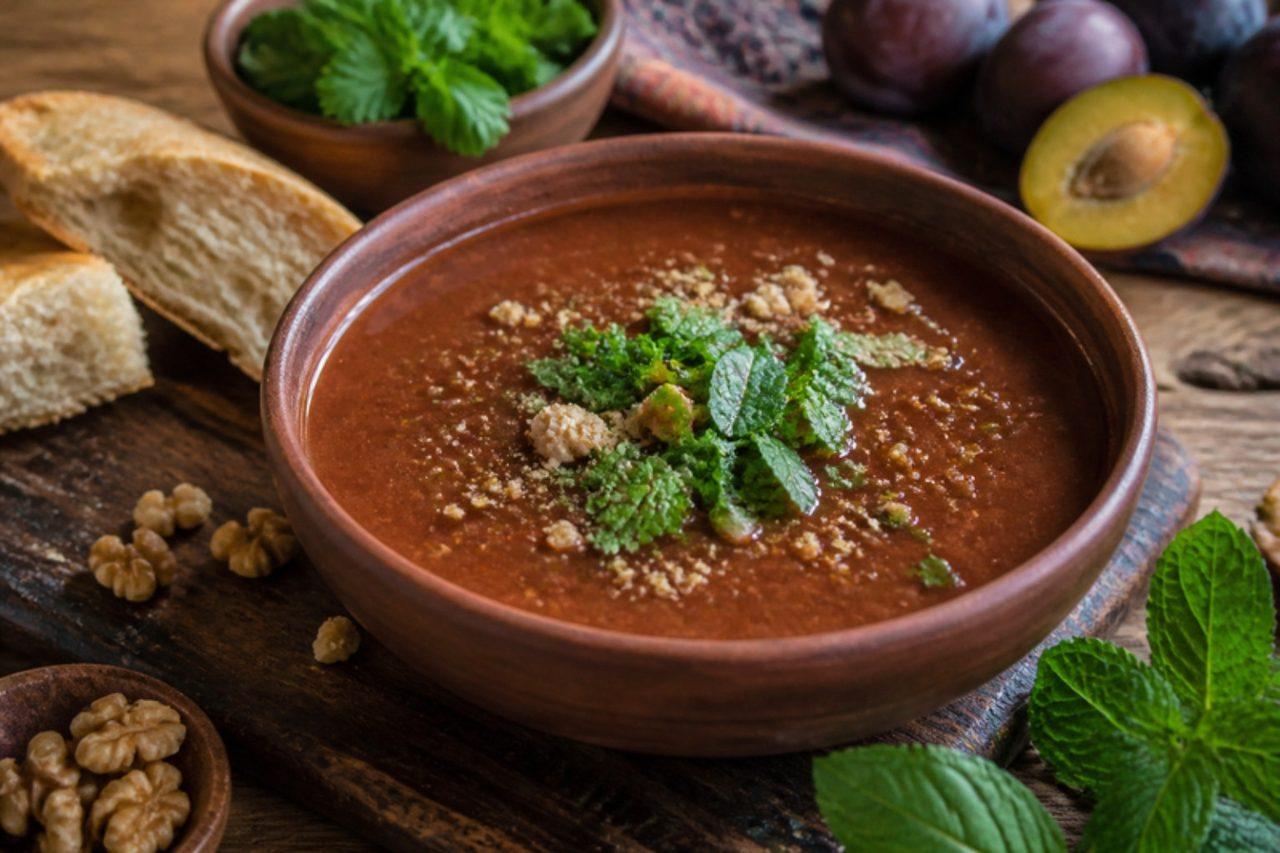
Tklapi are thin sheets of plum purée dried on boards in the late-summer sun around Kutaisi, rolled up and hung from rafters for the winter; dissolved in hot water, they turn into a sharp, fruity base for soups and sauces. This Imeretian Lenten soup is made in the cold months when fresh fruit is gone, thickened with walnuts and lifted with coriander, mint and garlic. If you cannot find tklapi, use dried sour plum leather or a mix of tkemali sauce and prunes. A common mistake is boiling the soup hard after the walnuts go in; they turn oily and the soup splits. Chef's tip: soak the tklapi in hot water first and rub it through a sieve, so the soup is smooth and free of stones or skins.

by KrazyBadal 0 views

Date squares

Date squares are on the tea table in every Canadian church hall and school bake sale, called carrés aux dattes in Quebec and matrimonial cake in the West. A buttery oat crumble is pressed into a tin, spread with a soft date filling and covered with more crumble, then baked until golden. They keep for days and freeze well. A common mistake is spreading the dates while hot onto loose crumb, which makes the base soggy; press the base firmly. Chef's tip: add a strip of orange zest to the dates for a brighter flavour.

by KrazyBadal 0 views

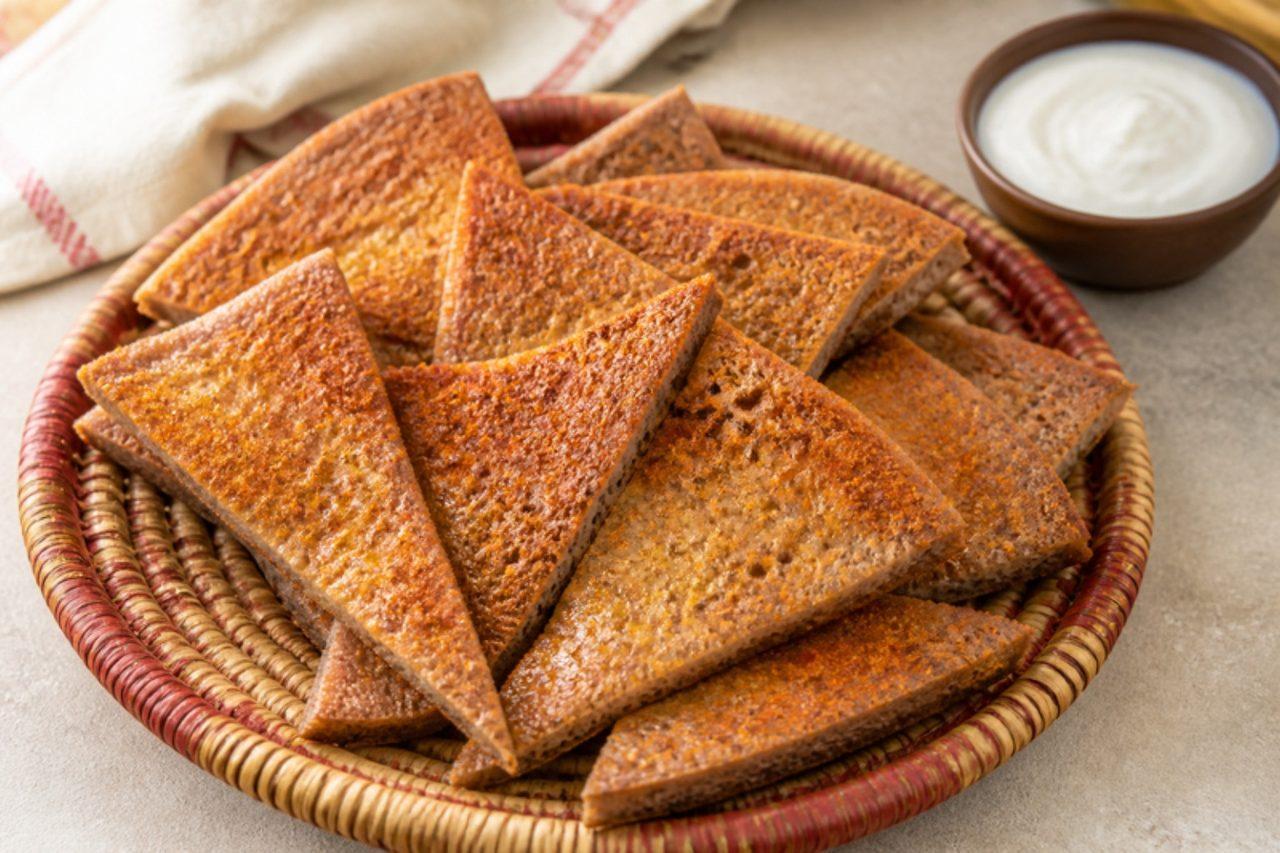
KategnaCrisp spiced injera

Kategna is what Ethiopian restaurants put on the table while the main order is still cooking: injera painted with niter kibbeh and a bold layer of berbere, toasted until the edges shatter, then rolled tight and cut into pieces. Every bite is crunchy at the rim, chewy in the middle, buttery and properly hot. In Addis Ababa homes it is a snack with coffee or a late breakfast, and it goes well with a cooling spoon of ayib or ergo. Unlike anababero, it is a single injera and is meant to be crisp, so the pan stays on the heat a little longer. Chef's tip: mix the berbere into the melted butter rather than sprinkling it dry; dry spice on a hot pan scorches in seconds and turns bitter.

by KrazyBadal 0 views

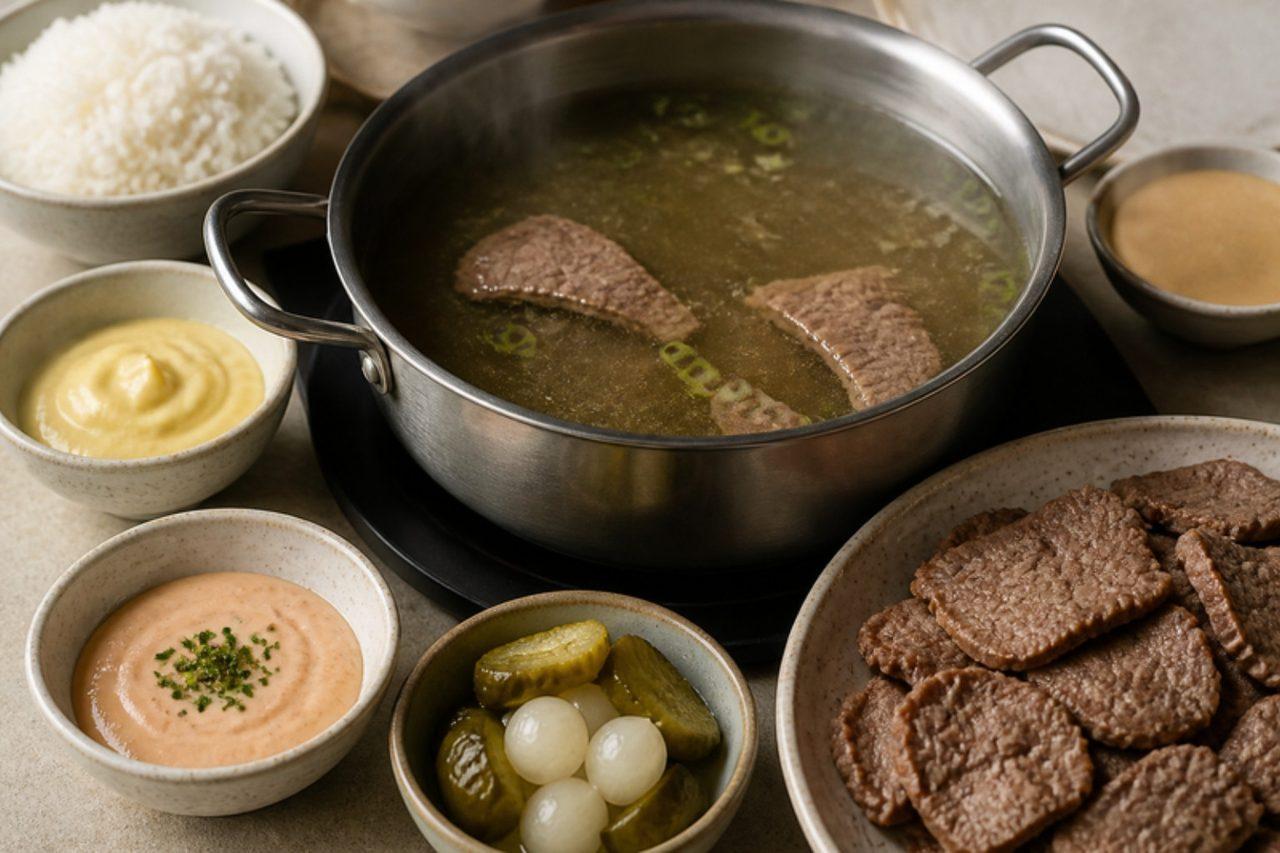
Fondue chinoise

Despite its name, fondue chinoise is a fixture of the Swiss Christmas and New Year table: a pot of simmering broth set on a burner in the middle of the table, into which everyone dips paper-thin slices of beef on long forks, cooks them for a few seconds and eats them with a spread of sauces, rice or potato chips, pickles and salads. It came to Switzerland via travellers to Asia in the 20th century. The broth is often made with white wine; this one uses stock only. A common mistake is slicing the meat thick, which takes too long and tightens. Chef's tip: half-freeze the beef for an hour so it slices paper-thin. Cook each slice until no longer pink, then eat; never use the same fork for raw and cooked meat.

45 minSwissMeat
by KrazyBadal 0 views

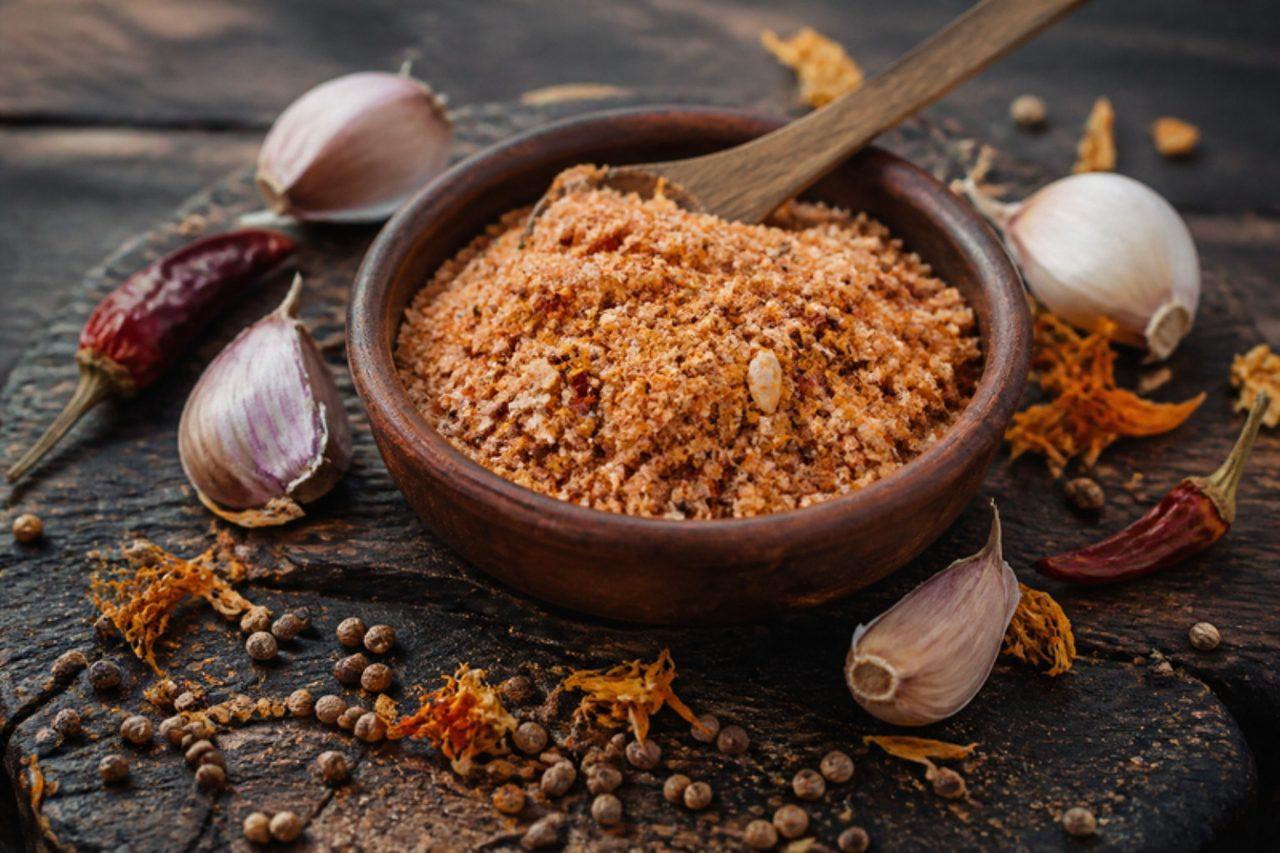
Svanetian salt

In the stone-towered villages of upper Svaneti, salt was precious and families stretched it by grinding it with garlic and the spices that grow on their slopes: blue fenugreek, coriander seed, dried dill seed, marigold and hot pepper. The result is a fragrant, damp, greenish salt that every Svan kitchen keeps in a jar, rubbed on potatoes, stirred into soups or sprinkled on tomatoes and cucumbers. A common mistake is using fine table salt, which turns to paste; coarse salt grinds the garlic and dries it at the same time. Chef's tip: spread the finished salt on a tray and let it dry for a day before jarring, so it keeps for months.

by KrazyBadal 0 views

Maple syrup pie

Tarte au sirop d'érable closes many a family meal in Quebec at Easter and through the sugaring season, a cousin of the sugar pie made with real maple syrup. The filling of syrup, cream and egg bakes into a soft, trembling, caramel-brown layer that tastes deeply of maple. Slice it thin; it is rich. A spoonful of crème fraîche or plain whipped cream cuts the sweetness. A common mistake is skipping the blind bake, which leaves a soggy base. Chef's tip: take the pie out while the centre still wobbles like jelly; it sets as it cools and over-baking makes it weep.

by KrazyBadal 0 views

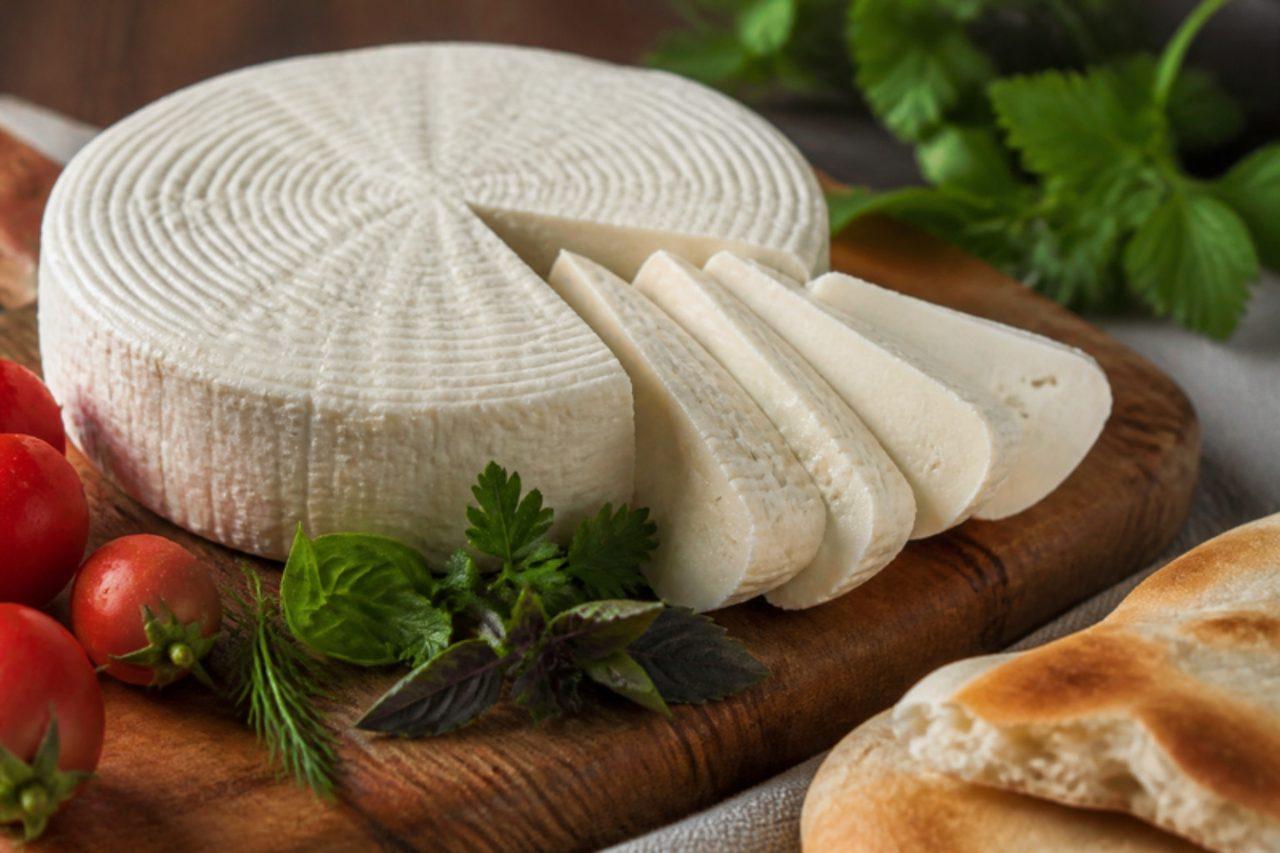
Imeretian cheese

Imeruli kveli is the everyday cheese of western Georgia: in Kutaisi's Green Bazaar it sits in wet white wheels, mild and milky with a faint sourness, ready to be grated into khachapuri, sliced with tomatoes and herbs, or stretched into sulguni. Families in Imereti make it in a morning from the day's milk. Traditionally it is set with animal rennet; use vegetarian (microbial) rennet for a vegetarian cheese. A common mistake is heating the curd too hard, which squeezes out the moisture and gives a rubbery cheese instead of a soft, springy one. Chef's tip: make a double batch, keep one wheel fresh for eating and leave the other in brine for two or three days, which gives it the saltier bite that bakers prefer for khachapuri.

by KrazyBadal 0 views

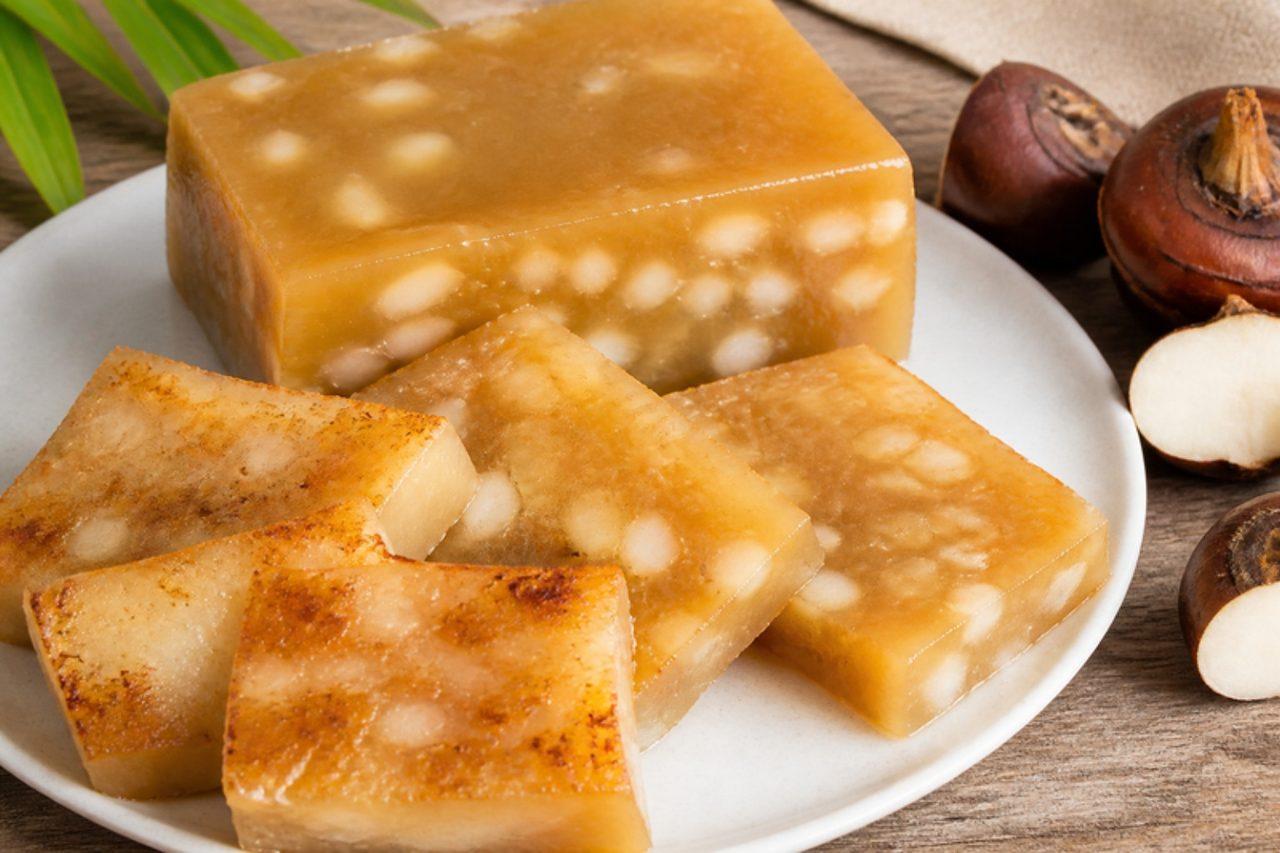
Water chestnut cake

Dim sum halls across Hong Kong lay out amber squares of water chestnut cake on small plates, and every Lunar New Year home kitchens steam a tray to give away to visitors. Set from water chestnut starch and brown slab sugar, the cake is translucent and gently chewy, flecked with pieces of fresh water chestnut that stay crisp and juicy. It is eaten cold and wobbly in summer, or sliced and pan-fried until the outside forms a caramel crust with a soft centre, with a cup of jasmine or oolong tea. A frequent problem is a lumpy, cloudy cake, which comes from pouring the hot syrup into the starch all at once without stirring. Chef's tip: let the cake set completely, ideally overnight in the fridge, before slicing with a knife dipped in water.

by KrazyBadal 0 views

Tarragon lemonade

Tarkhuna is the emerald-green soda that every Tbilisi child knows, sold from street fountains since the early 1900s and still poured in tall glasses at cafés on Rustaveli Avenue. The bottled kind is coloured; the home version gets its green from blitzing fresh tarragon with lemon and syrup, giving an aniseedy, sweet-sour fizz. A common mistake is boiling the tarragon, which dulls the colour and turns the flavour stewed. Chef's tip: blitz the herb into cool syrup and strain it straight away; the drink stays vivid green for a day in the fridge.

by KrazyBadal 0 views

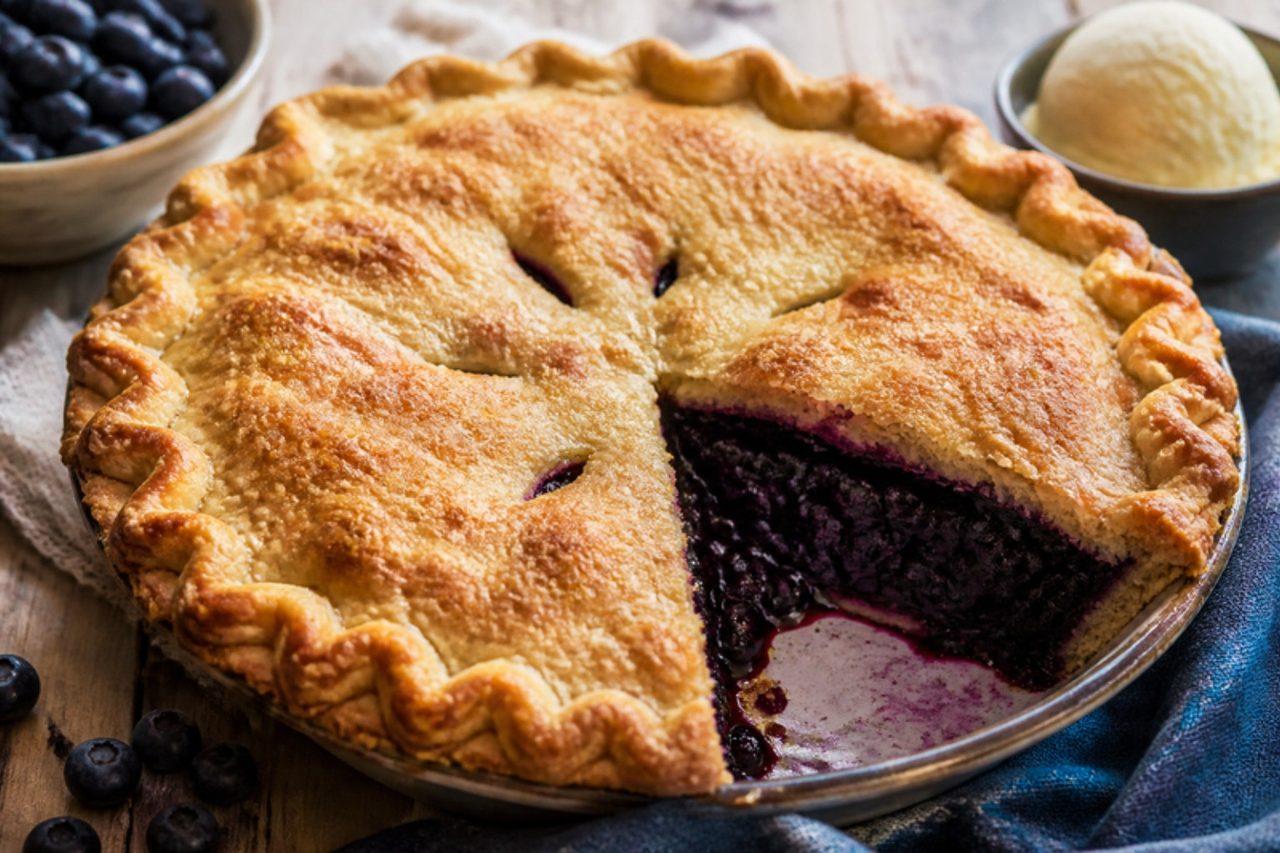
Lac-Saint-Jean blueberry pie

Around Lac-Saint-Jean in Quebec the low wild blueberries ripen in August, and the region is so proud of them that locals are nicknamed bleuets. Every church supper and roadside casse-croûte there sells a deep tarte aux bleuets with a flaky top crust and a dark, jammy filling that holds when sliced. Wild berries are smaller and more intense than cultivated ones and frozen wild berries work well. Serve slightly warm with vanilla ice cream or a jug of cream. A common mistake is skimping on the cornflour, which leaves a soupy filling. Chef's tip: let the pie cool for at least three hours so the juices set; cut it hot and the filling runs all over the plate.

by KrazyBadal 0 views

KhajurFried dough cookies

Khajur take their name from dates, which their plump oval shape resembles, but there is no fruit in them: they are little cardamom-scented dough cookies, pressed onto a sieve or the back of a grater for a ridged pattern and fried until deep gold. Afghan families fry great batches before Eid and Nowruz and pack them into tins to offer guests with tea, and Kabul bakeries sell them by the kilo. They are crunchy on the outside with a soft, cakey middle and only gently sweet. Oil that is too hot is the classic error, browning them in a minute while the centres stay raw and doughy; keep it moderate and patient. Chef's tip: fry one test khajur first and break it open, then adjust the heat before frying the rest.

by KrazyBadal 0 views

Jamaican red pea soup

Saturday in many Jamaican homes means a big pot of red peas soup, thick enough to stand a spoon in and finished with chewy spinner dumplings. Outside Rasta households it usually carries pig's tail or salted beef; this is the ital version, where coconut milk, pimento, thyme and a smoky handful of browned onion do the savoury work. Dried kidney beans must be soaked and then boiled hard for at least 10 minutes before simmering, as undercooked red kidney beans are toxic, and many cooks spoil the soup by adding salt too early, which keeps the skins tough. Serve it on its own as a full meal. Chef's tip: mash a ladleful of cooked beans against the side of the pot near the end to give the soup its creamy body without any flour.

by KrazyBadal 0 views

Jamaican soursop juice

Soursop punch is a Sunday-dinner drink in Jamaica, made when a ripe, soft soursop comes from the market or a yard tree, and it is also sold in bottles at roadside juice stands. The white, custardy pulp tastes of pineapple, banana and strawberry all at once, and blended with milk, nutmeg and vanilla it becomes thick and creamy. The common mistake is blending the black seeds, which taste bitter and should not be eaten; always pick them out by hand. Chef's tip: use a fruit that gives softly all over when pressed, like a ripe avocado.

by KrazyBadal 0 views

Maple cream

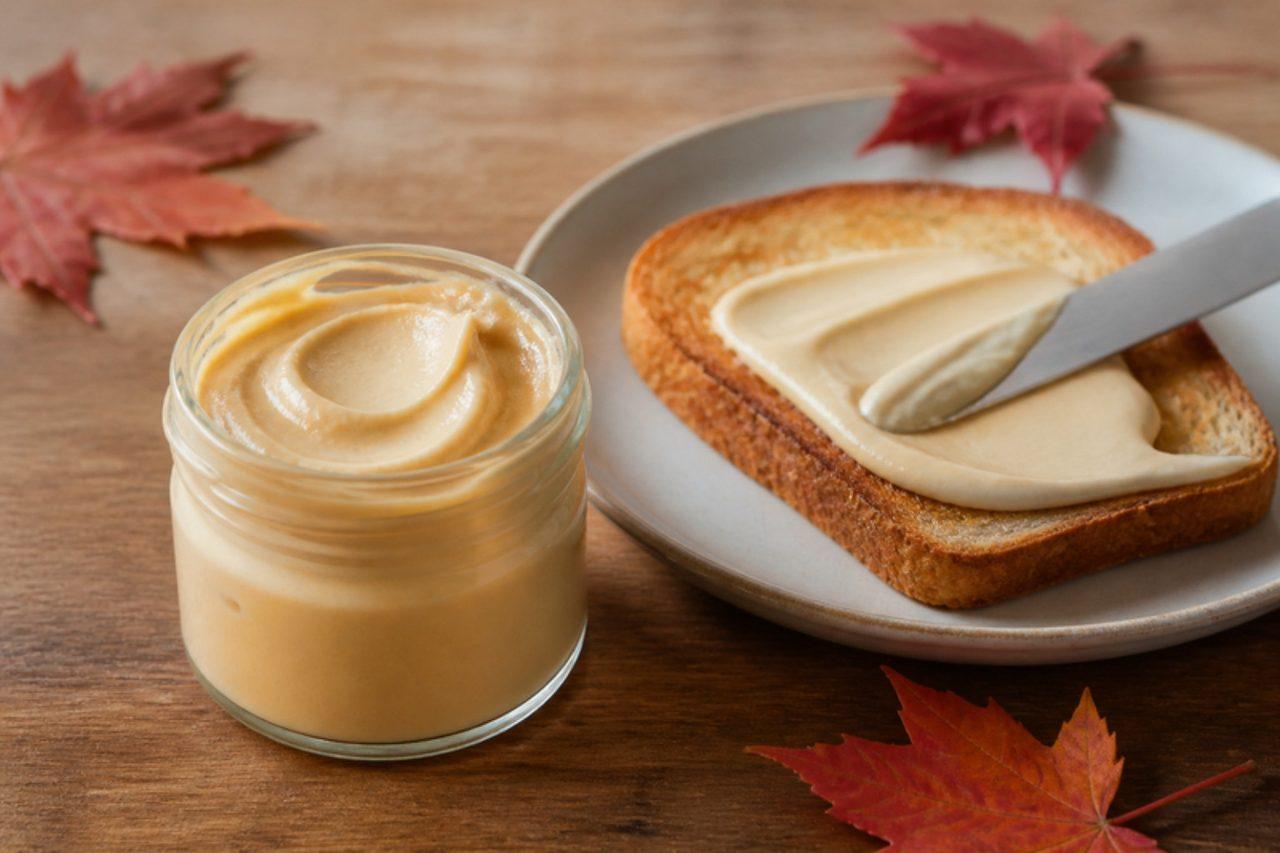
Crème d'érable is sold in little jars in every Quebec market from Jean-Talon to the Beauce farm stands, and despite the name there is no cream in it: pure maple syrup is boiled to the soft-ball stage, cooled without stirring and then beaten until it turns pale and creamy. It is spread on toast, crêpes and warm bagels. Patience and a thermometer are the whole trick. The common mistake is stirring the syrup while it cools, which sets off large grainy crystals instead of a smooth cream. Chef's tip: use a light, golden syrup; dark syrups taste stronger but can stay runny.

by KrazyBadal 0 views

AkutaqWhipped berry dessert

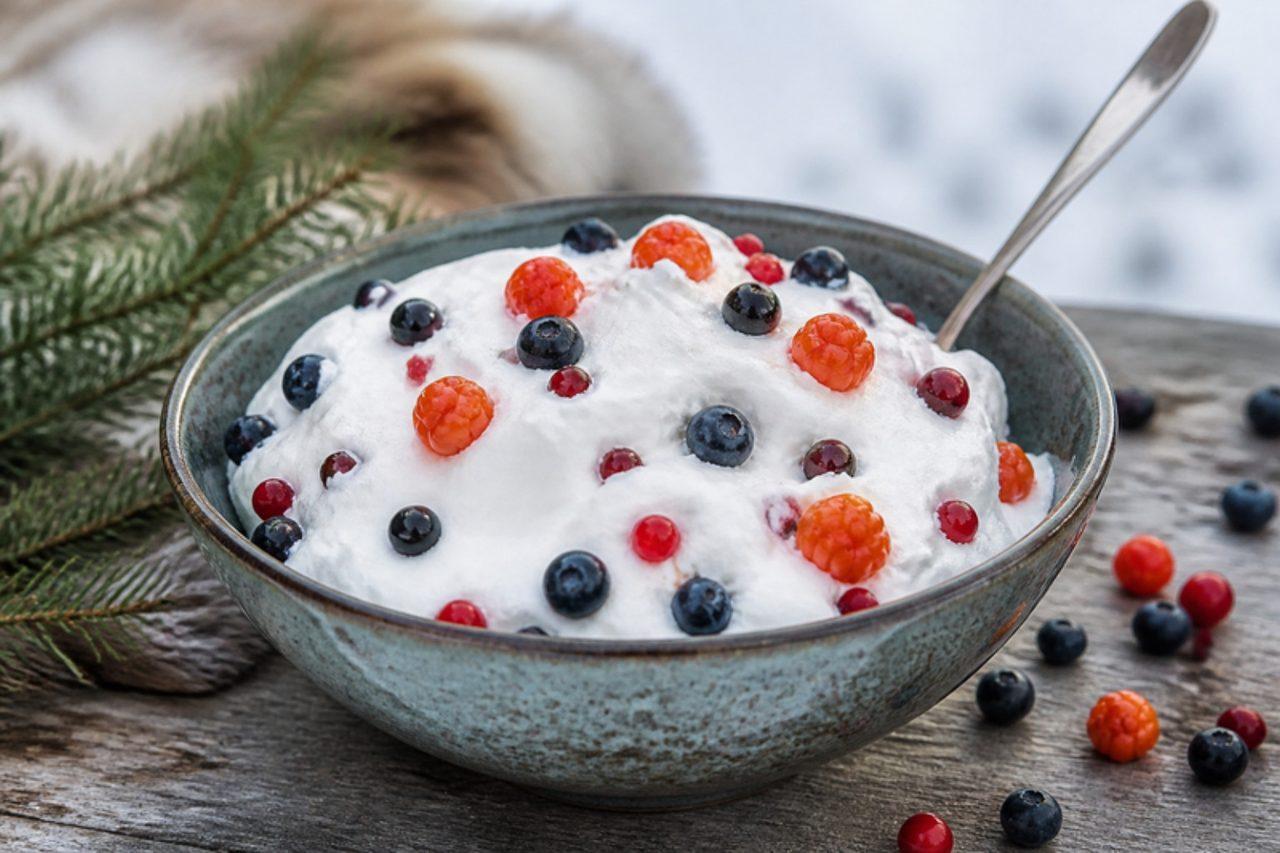
Akutaq, sometimes called Eskimo ice cream, is a festive Inuvialuit and Yup'ik dish of the Western Arctic, served at feasts, potlatches and Christmas gatherings. Traditionally animal fat was whipped by hand with snow and wild berries; today many families in the Mackenzie Delta and Alaska use white vegetable shortening, which is the version here, so it is vegan. Fat and sugar are beaten until white and fluffy, then fresh or frozen berries are folded through. It is eaten cold, by the spoonful, in small portions. A common mistake is using warm shortening, which won't whip. Chef's tip: beat in the cold water a spoonful at a time; that is what makes it light.

by KrazyBadal 0 views

Katino mezePork and mushrooms in cream

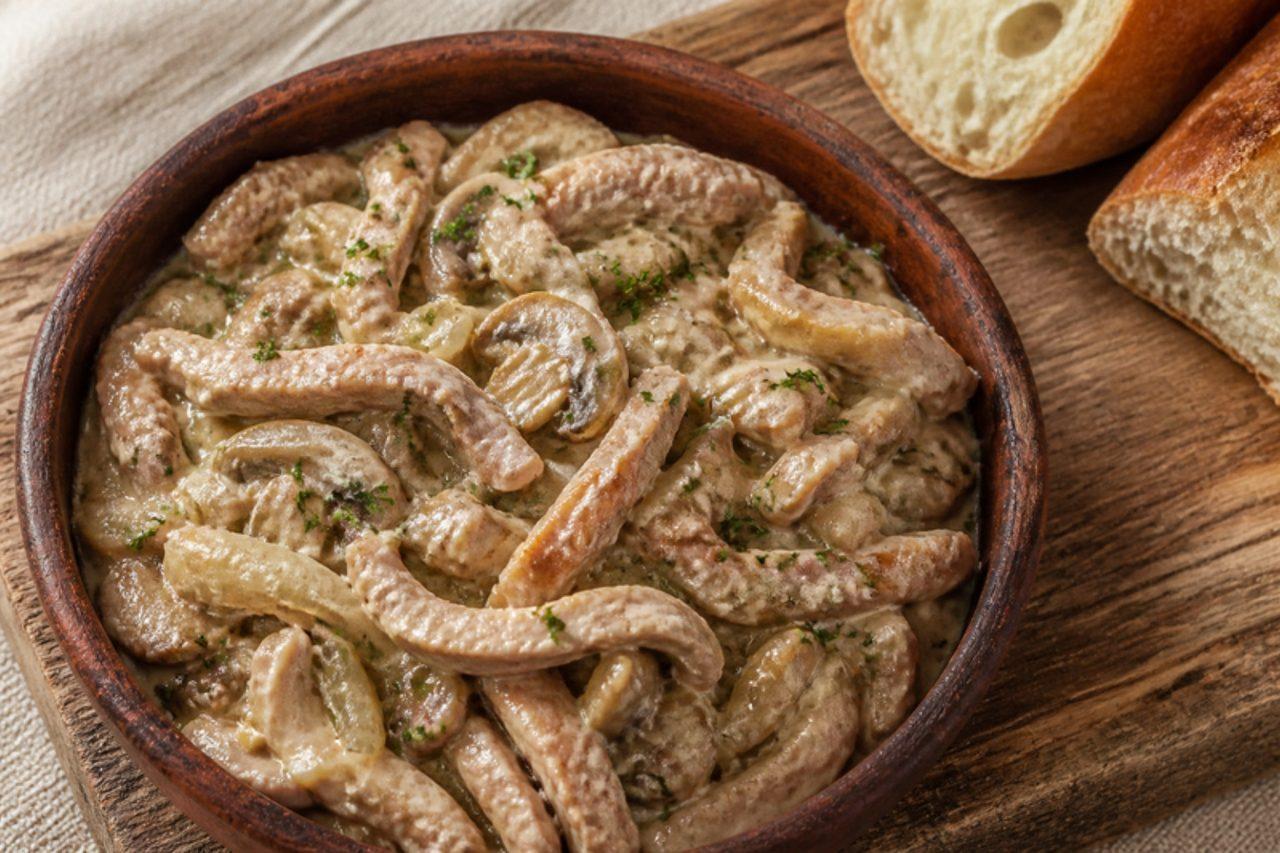
Every Bulgarian mehana, the wood-panelled tavern, has Katino meze on the menu, sizzling in a small clay dish next to a shopska salad, and it is quick enough for a weeknight at home. Thin strips of pork loin are seared, then tossed with mushrooms, onion and pickled gherkin, deglazed with dry white wine and finished with cream, black pepper and a pinch of hot chilli. For an alcohol-free sauce, swap the wine for the same amount of vegetable stock with a teaspoon of white wine vinegar or a splash of white grape juice. Serve with crusty bread or chips. A common mistake is crowding the pan: the pork stews grey instead of browning, so sear it in two batches. Chef's tip: cut the pork across the grain into finger-thin strips while it is half-frozen; it slices neatly and stays tender.

by KrazyBadal 0 views

Jamaican pumpkin soup

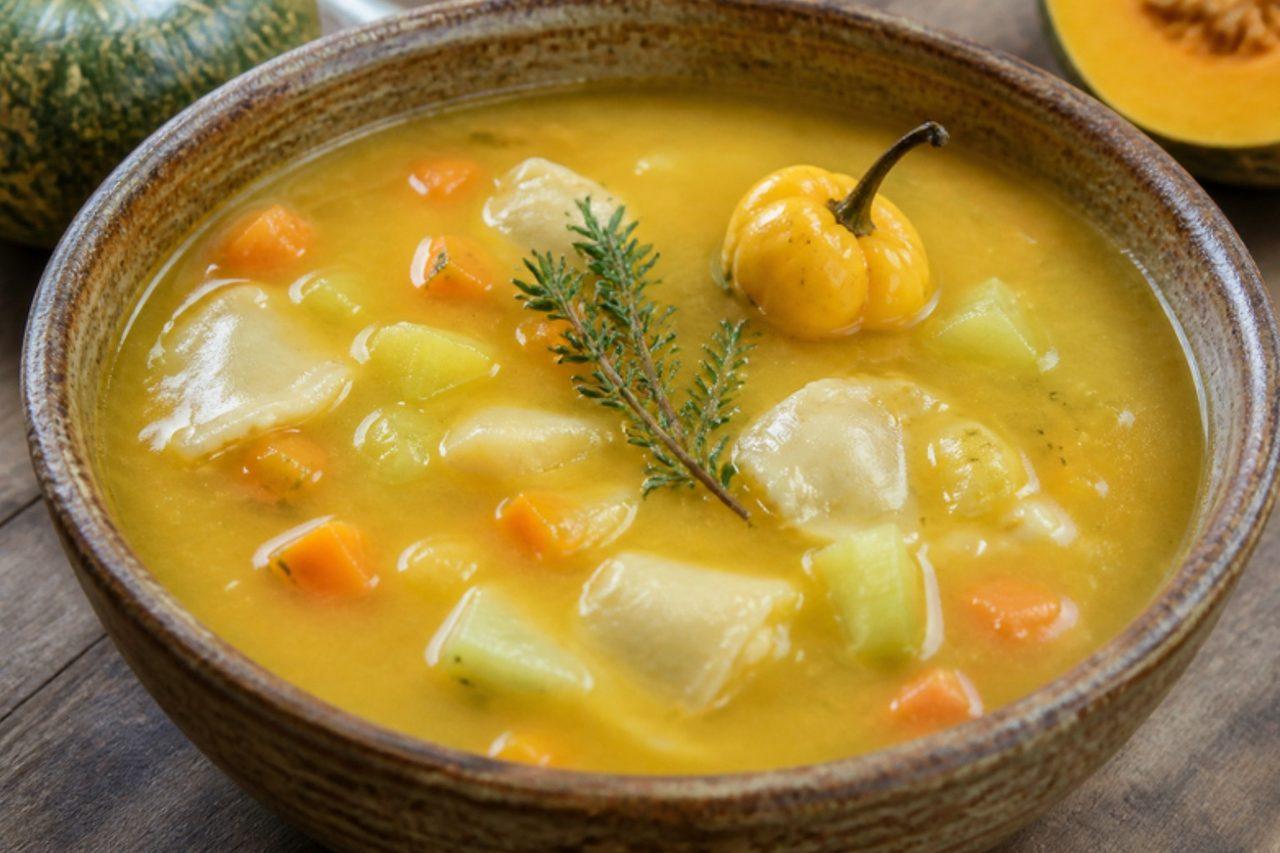
Ital kitchens in the Blue Mountains cook pumpkin soup on cool evenings, when the mist comes down over the coffee farms and something golden and peppery is needed. This one is meat-free and dairy-free: calabaza, carrot and chocho simmer with thyme, scallion and pimento until the pumpkin breaks down into a thick, naturally sweet broth, with a few spinners for chew. People often add the scotch bonnet already cut, which can make the whole pot ferociously hot; drop it in whole and take it out when the soup tastes right. Chocho (chayote) is optional, and courgette is a fair swap. Chef's tip: leave the soup chunky rather than blending; Jamaicans like to see the pieces of pumpkin collapsing into it.

by KrazyBadal 0 views

KartofdzhynPotato and cheese pie

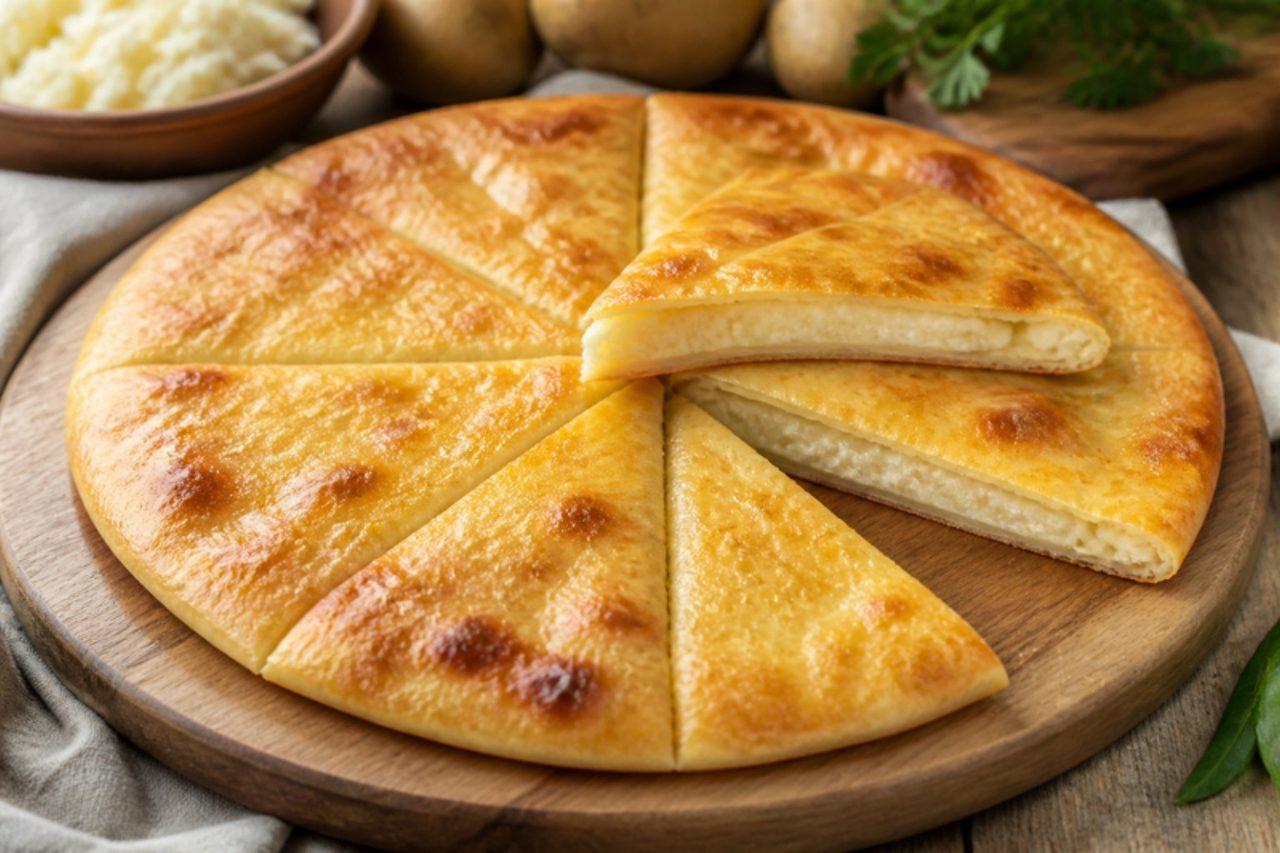
Ossetian pies come in threes at every celebration in Vladikavkaz, stacked on one plate for the sun, earth and water, and kartofdzhyn, with potato and cheese, is the everyday family favourite of North Ossetia. Soft kefir-yeast dough is wrapped around a ball of filling and patted flat by hand into a wide, thin round, so dough and filling are each barely a centimetre thick, then baked hot and soaked with butter. Ossetian cheese is a fresh brined cheese made with animal rennet; for a vegetarian pie use a feta-style or young brined cheese labelled vegetarian. The usual slip is overfilling, which makes the pie burst as you flatten it; aim for about the same weight of dough and filling. Chef's tip: stack the hot pies and butter each one, so the butter soaks through and they stay supple.

by KrazyBadal 0 views

Dziriettes (almond flower pastries)

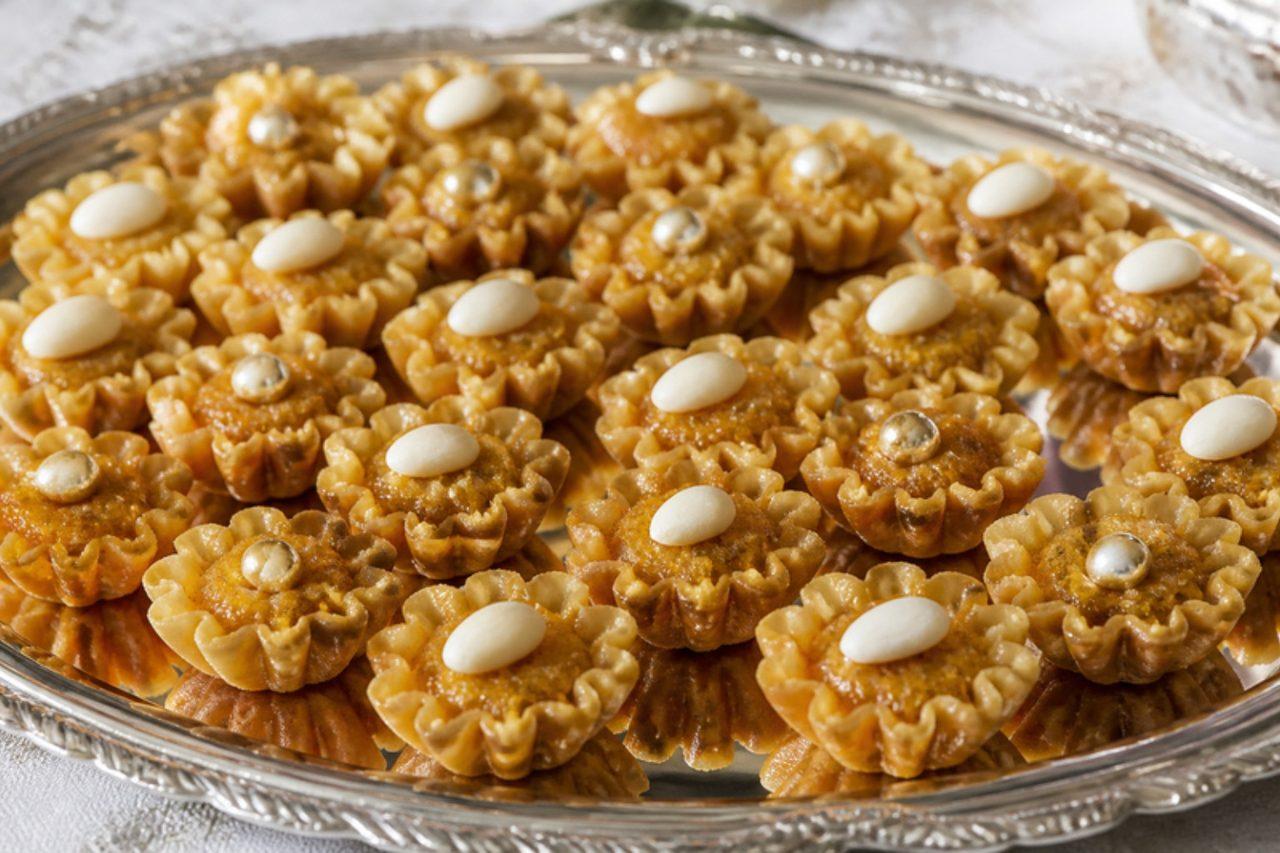
Named after the women of Algiers, dziriettes are the jewels on any wedding or Eid tray: thin, crisp pastry pinched into a flower or crown, filled with a dome of almond paste scented with orange blossom, then baked and soaked in warm honey. They take patience, but the result is delicate and fragrant, with a shatter of pastry giving way to a soft, moist almond centre. Families often make a few hundred over several evenings, together, before a celebration, and serve them with mint tea or coffee. Chef's tip: roll the dough so thin you can almost see the worktop through it; thick pastry is the commonest mistake and turns dziriettes stodgy instead of crisp.

by KrazyBadal 0 views

Griwech (honey-dipped pastry knots)

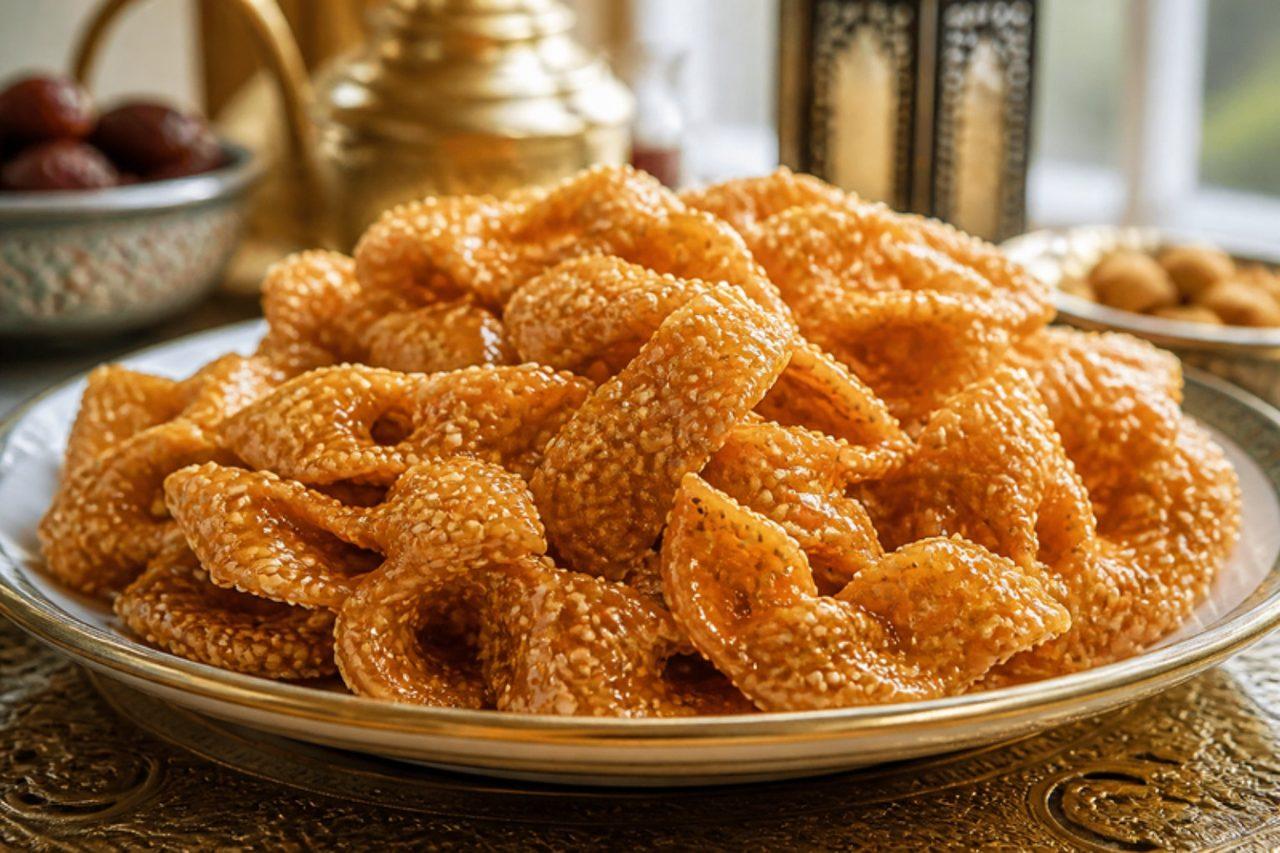
No Ramadan table in Algeria feels complete without a plate of griwech next to the chorba, ready for the sweet craving that follows the fast. Thin sheets of dough are cut into rectangles, slit and twisted into knots, fried until crisp and golden, then plunged into warm honey and scattered with toasted sesame. Each piece snaps cleanly, then melts into a sticky, orange-blossom sweetness. Batches are made days ahead and kept in tins for visitors through the month and on into Eid. Chef's tip: keep the oil at 170 °C; oil that is too hot is the usual mistake, colouring the outside before the layers inside crisp, so the griwech goes soft in the honey.

by KrazyBadal 0 views

Ka'ak nakache (date-filled semolina rings)

Constantine bakers own a special brass tweezer, the nakache, just for decorating these rings: a rope of buttery semolina dough is wrapped round spiced date paste, joined into a circle and pinched along the top into chevrons and leaves. Baked pale, ka'ak nakache is crisp and short outside with a soft, cinnamon and clove scented filling, a classic of Eid trays and of the coffee served to guests in the old city. Without the tweezer, a fork or the back of a small knife makes a good pattern. Chef's tip: let the buttered semolina rest for at least 30 minutes before adding water; skipping the rest is the usual mistake, and the rings crack as you shape them.

by KrazyBadal 0 views

KasarPuffed rice and jaggery balls

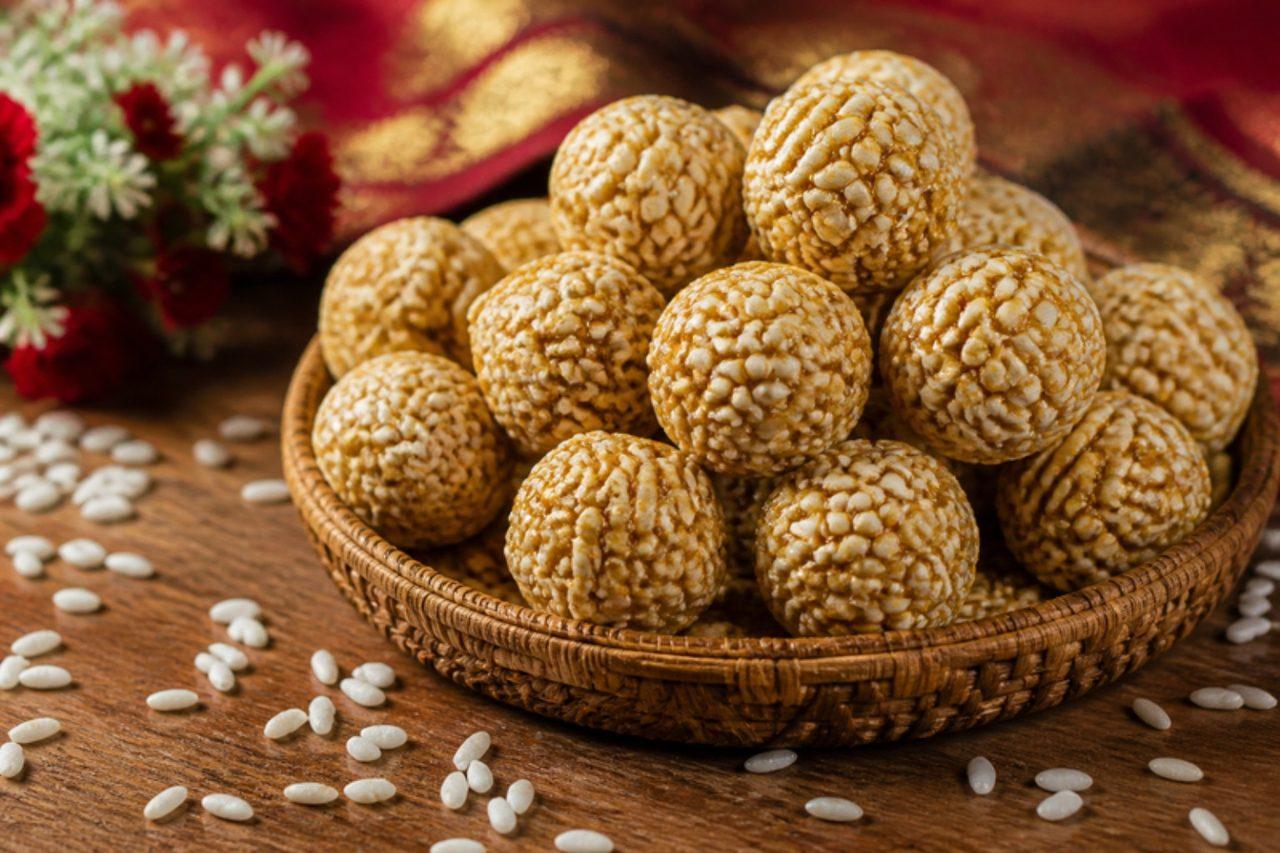
Kasar is a sweet of good fortune: Bahun and Chhetri families in the hills make it by the basketful to send with a bride to her new home, to hand out at bratabandha thread ceremonies and to fill the Tihar plates. It is the simplest of sweets, puffed rice stirred into bubbling jaggery syrup flavoured with cardamom and pressed into balls while warm, sometimes with sesame, coconut or peanuts added, and it is crunchy, light and caramel-sweet. Children love making it because it is all about quick hands and a bowl of cold water. The pitfall is syrup that is not cooked far enough, which gives soft, sticky balls that collapse in a day. Chef's tip: test the syrup by dropping a little into cold water; when it sets into a firm ball that cracks if you squeeze it, it is ready.

by KrazyBadal 0 views

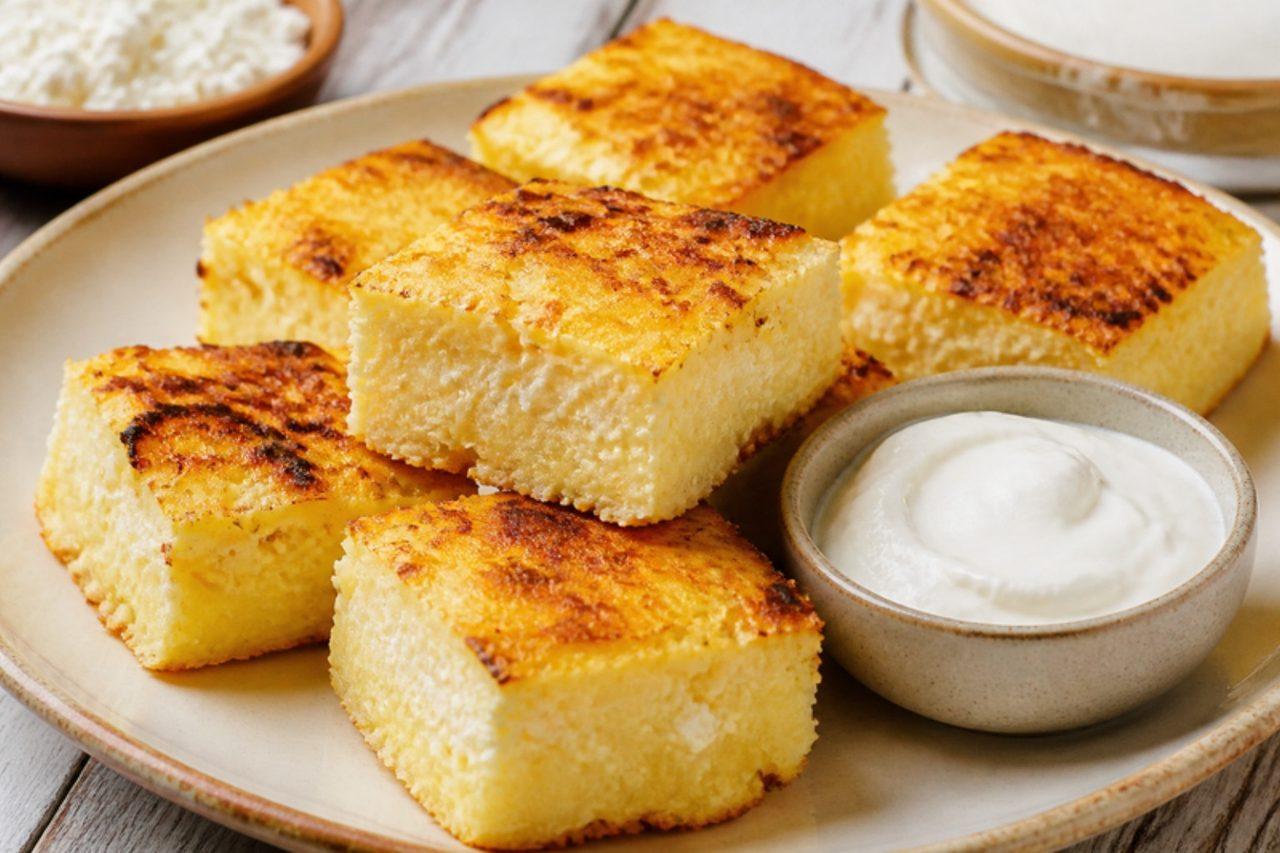
AlivenciCornmeal and cheese cake

Across the Prut, in villages from Vaslui to the Republic of Moldova, alivenci is what happens when a farmhouse has fresh cheese, sour cream and a sack of cornmeal: a soft, custardy cake baked in a tray and cut into squares while warm. It is lighter than mămăligă and richer than bread, with a tender, slightly crumbly crumb studded with curd, and is eaten for Sunday breakfast or as a side with stews and a dollop of sour cream. Traditional brânză de vaci (cottage-style cheese) is usually made without rennet, but some brands use it, so check the label. Where most people go wrong is using coarse polenta, which stays gritty; fine cornmeal gives the silky texture. Chef's tip: let the batter sit for 15 minutes before baking so the cornmeal hydrates and the cake sets evenly.

by KrazyBadal 0 views

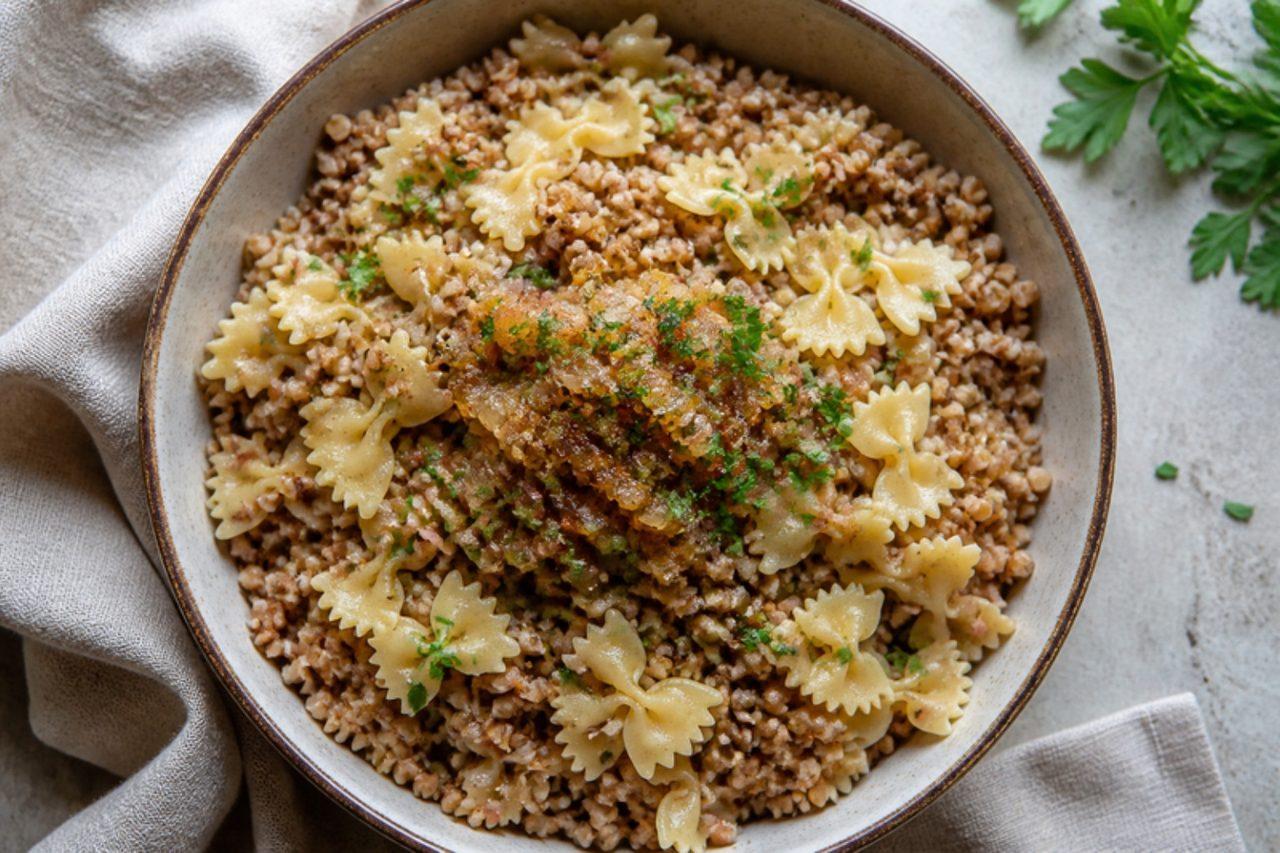
Kasha varnishkesBuckwheat with bow-tie pasta

Kasha varnishkes came to Israel with Jews from Ukraine, Belarus and Poland, and it still turns up beside Friday-night dinners in older Ashkenazi neighbourhoods of Tel Aviv and Petah Tikva. Whole buckwheat groats are coated in egg and toasted so each grain stays separate and nutty, then tossed with farfalle and a heap of onions fried slowly until sweet and mahogany. It is earthy and filling, good as a side for roast vegetables or as a simple supper with pickles and a green salad. The usual mistake is skipping the egg-toasting step, which leaves the buckwheat clumped and porridgy. Chef's tip: give the onions a full 25 minutes, they are the sauce, and pale onions make a dull dish.

by KrazyBadal 0 views

Rougag (Saharan paper-thin flatbread)

Across the oases of the Algerian Sahara, from Biskra to Ouargla, women spread a soft semolina dough over a domed griddle so thin that light shows through it, then lift the sheet off within a couple of minutes. Rougag is the base of chakhchoukha and rfis, torn into pieces and soaked in sauce, but fresh sheets are also eaten folded around dates or a spoon of stew. Freshly made it is soft and flexible with toasty brown blisters; left to dry, it keeps for weeks in a tin. An upturned wok or a large non-stick pan stands in for the griddle. Chef's tip: oil your hands, not the pan; dough that is not wet enough to stretch is the common mistake, so it should feel almost too sticky to handle.

by KrazyBadal 0 views

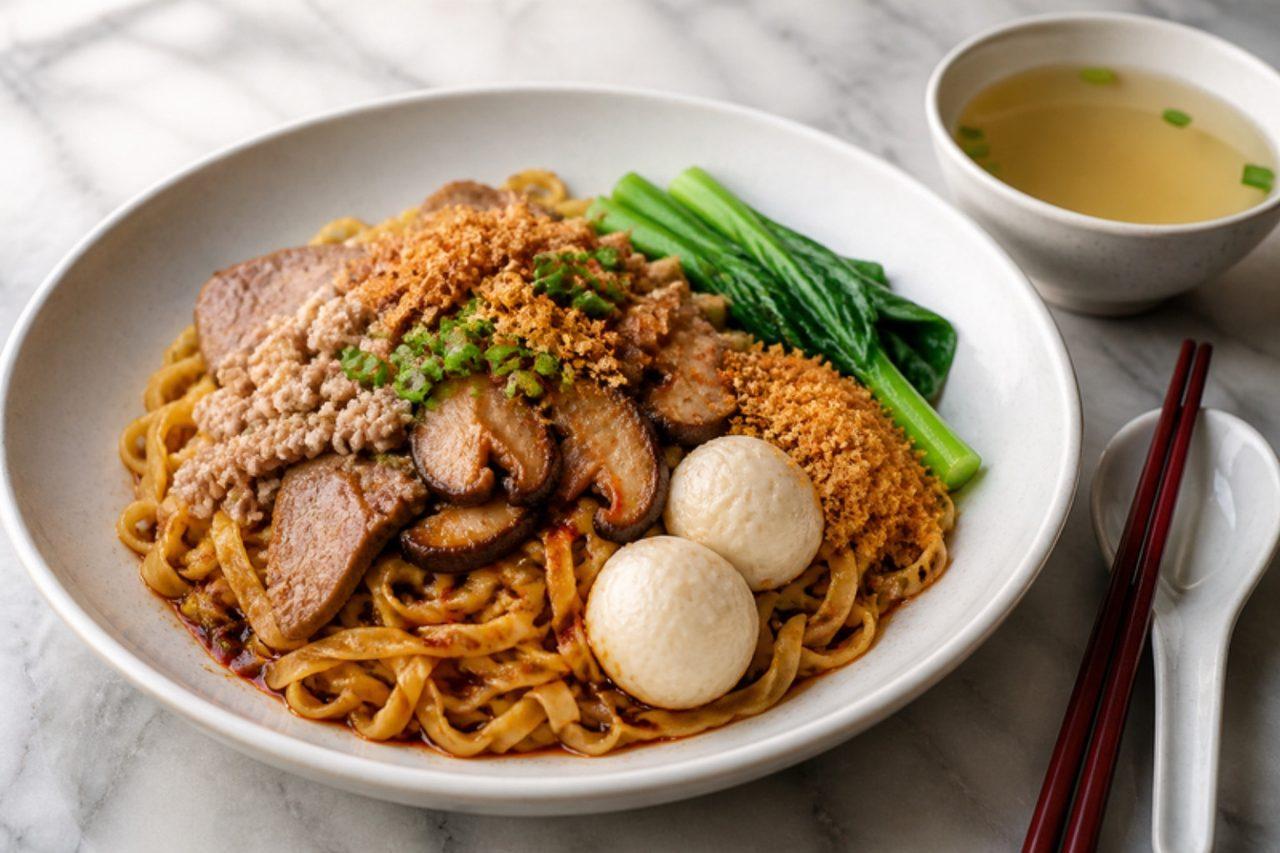
Bak chor meeMinced pork noodles

Queue at almost any Teochew noodle stall in a Singapore kopitiam before work and the order you hear most is a bowl of bak chor mee, dry, with extra vinegar. Springy flat mee pok is tossed at the bottom of the bowl in black vinegar, chilli paste, soy and a spoon of pork lard, then crowned with loosely poached minced pork, slices of pork liver, fish balls and sweet braised mushrooms, with a small bowl of clear pork soup on the side. It should taste sour first, then hot, then rich, and the noodles must stay bouncy rather than soft. Where most home cooks go wrong is cooking the noodles in one long boil: they turn limp and soak up the sauce instead of carrying it. Chef's tip: blanch the noodles twice, plunging them into cold water in between, which is how the hawkers get that al dente snap.

by KrazyBadal 0 views

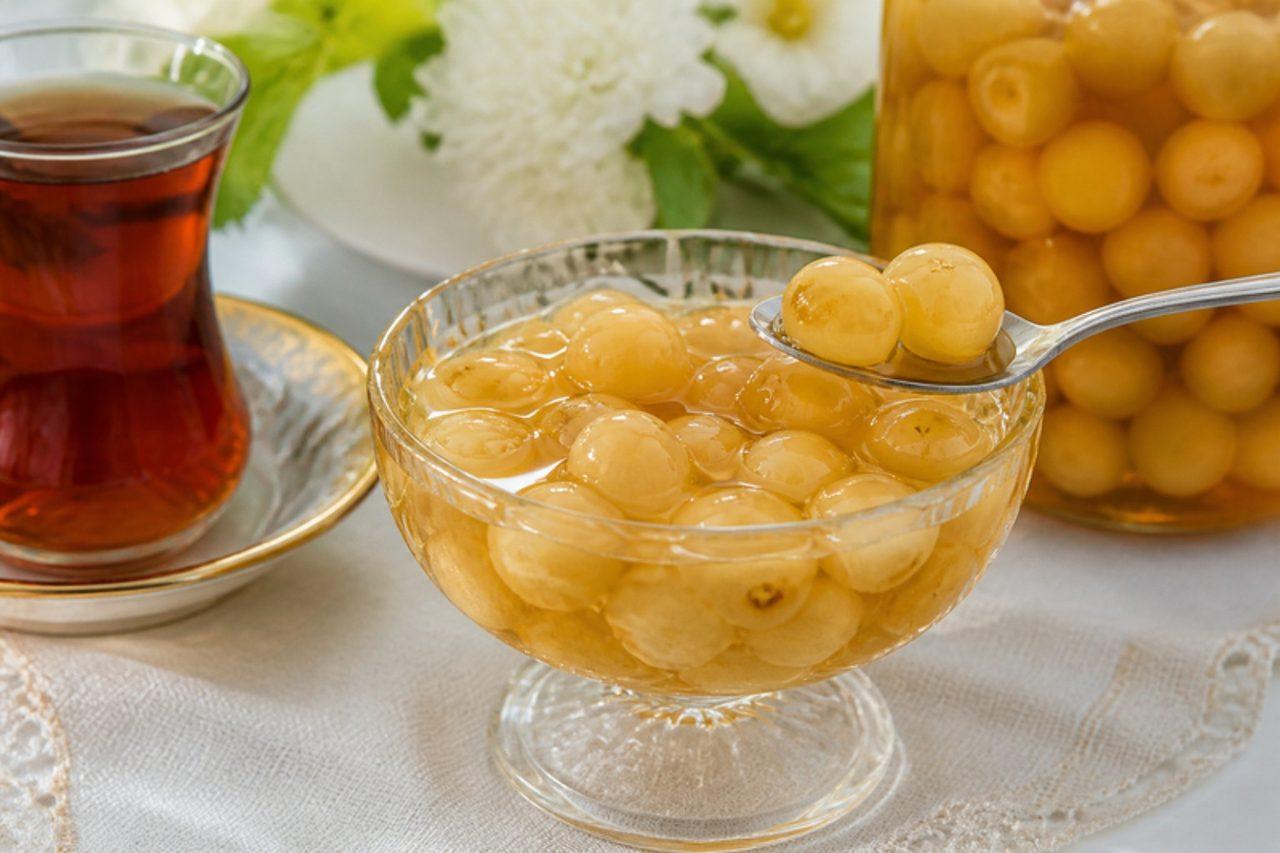
White cherry preserve

Absheron is famous for its white cherries, pale yellow fruit with a pink blush that ripen in June in the sandy orchards around Mardakan and Shuvalan. Baku families stone them one by one with a hairpin and cook them slowly into a clear golden preserve, sharpened with lemon, which is served in tiny glass bowls (mürəbbə qabı) with black tea; you sip the tea and eat a spoon of cherries between sips. A common mistake is cooking the fruit in one long boil, which shrivels it. Chef's tip: cook in short spells with long rests in between, so the cherries plump up with syrup and stay whole and glossy.

by KrazyBadal 0 views

Afghan dopiazaLamb with onions and split peas

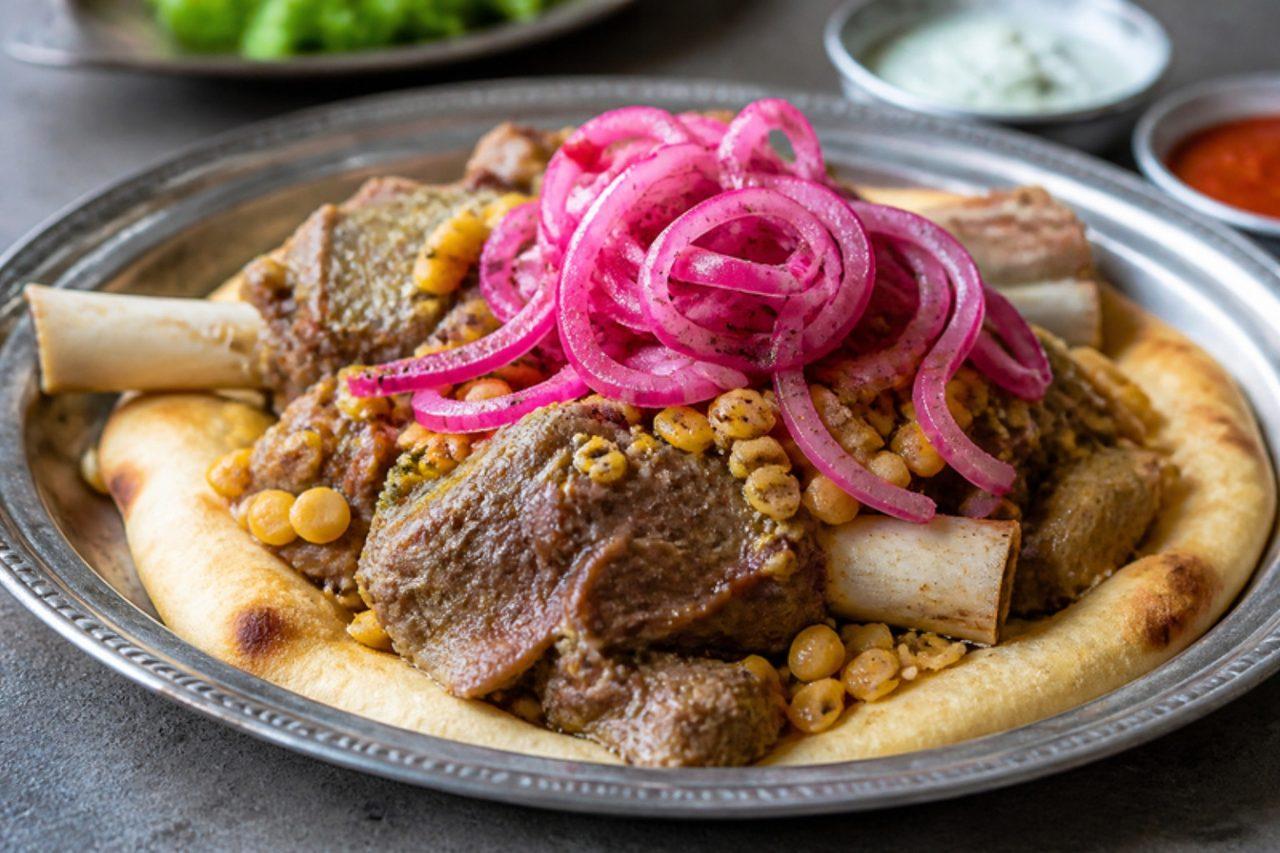
Afghan dopiaza has little in common with the Indian curry of the same name: in Kabul and Mazar it is a dish of chaikhanas and lunch restaurants, where a slab of naan is laid on the plate, covered with chunks of lamb braised with onion until soft, then topped with boiled yellow split peas and a tangle of red onions that have been sitting in vinegar until they turn pink. The juices soak into the bread, the onions are sharp and crunchy, the split peas earthy, and the whole thing is eaten with the fingers. Split peas cooked to mush ruin the contrast, so boil them only until just tender and drain at once. Chef's tip: soak the sliced onions in vinegar at least 30 minutes ahead; they lose their harshness and turn a beautiful bright pink.

120 minAfghanMeat
by KrazyBadal 0 views

Mbesses (Kabyle semolina cake)

Somewhere between shortbread and cornbread, mbesses is the plain cake of Kabyle kitchens, a shallow tray of semolina rich with melted butter, lightly sweetened and baked until golden on top. The texture is sandy and tender, breaking into crumbs that taste of toasted grain and butter, with a hint of orange blossom. It is cut into diamonds and served with milky coffee in the afternoon, or offered to guests who drop by during Ramadan evenings. Some households scatter sesame or nigella seeds over the top before baking. Chef's tip: spread the mixture into the tray with a light hand; pressing it down hard is the most common mistake and gives a dense, heavy cake.

by KrazyBadal 0 views

Bein montJaggery coconut rice pancake

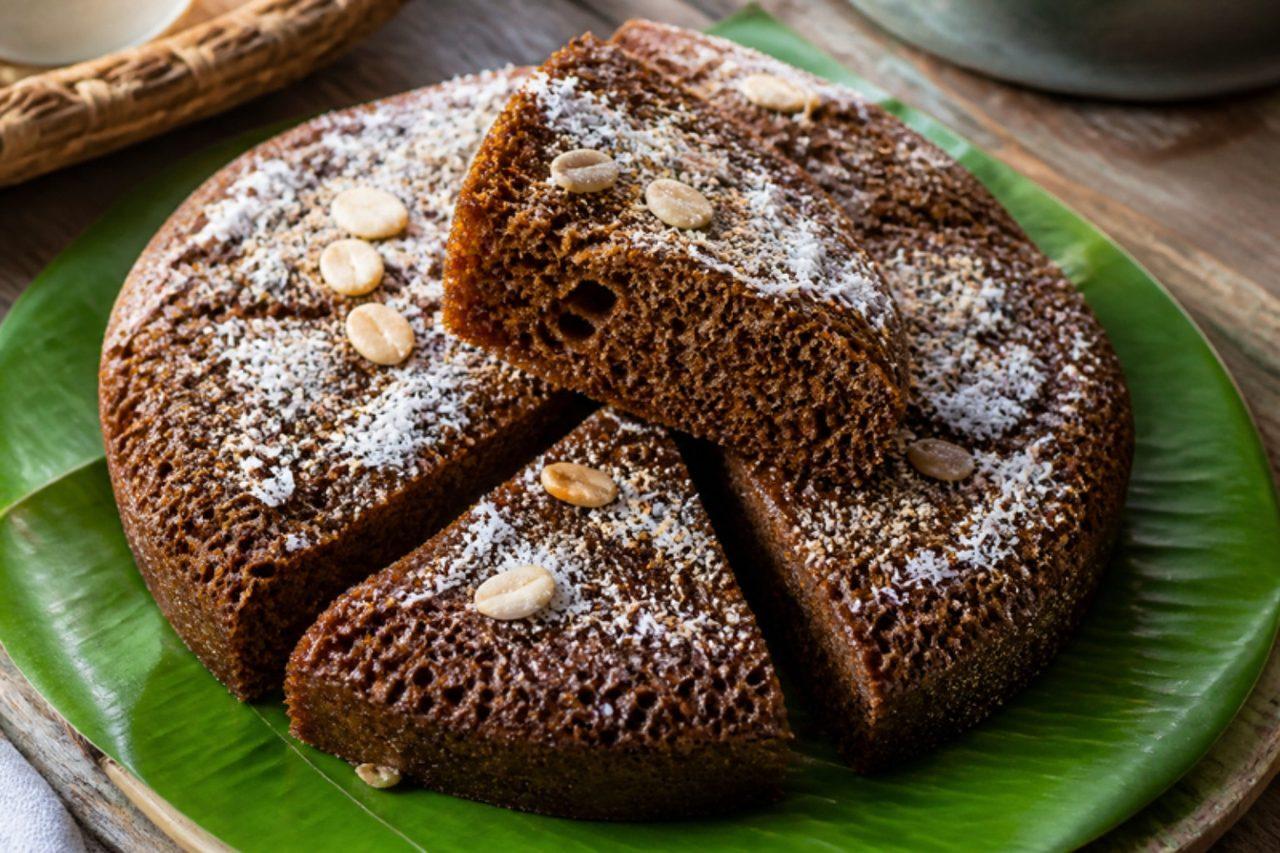
When the November nights cool down for the Tazaungdaing festival, food stalls outside pagodas in Yangon and Mandalay start cooking bein mont in small, lidded iron pans with embers piled on top, so the cake bakes from above and below at once. The batter is rice flour sweetened with dark jaggery, so it cooks into a thick, springy, brown pancake with a crisp base, studded on top with shreds of coconut and sliced peanuts; some vendors still scatter poppy seeds, the bein that may have given the snack its name. It is eaten warm in wedges with hot green tea. High heat is what usually goes wrong: the base scorches while the centre stays raw, so keep the flame low and the lid on. Chef's tip: a small cast-iron pan finished under the grill copies the charcoal top heat at home.

by KrazyBadal 0 views

Jamaican hominy corn porridge

Hominy porridge is a weekend job in Jamaican homes from Spanish Town to Mandeville: the dried, hulled corn kernels need soaking overnight and a long, slow simmer before they burst open, tender and chewy, in a creamy coconut and spice base. The finished porridge is thick and comforting, sweetened with condensed milk and perfumed with cinnamon, nutmeg and vanilla, and it reheats beautifully through the week. The mistake many people make is adding the coconut and milk at the start, where they catch and burn during the long cook; boil the corn in water first. Look for dried white hominy at Caribbean or Latin shops, and remember the overnight soak. Chef's tip: stir in a spoonful of cornmeal or flour mixed with water at the end if you like it thicker, as many Jamaican cooks do.

by KrazyBadal 0 views

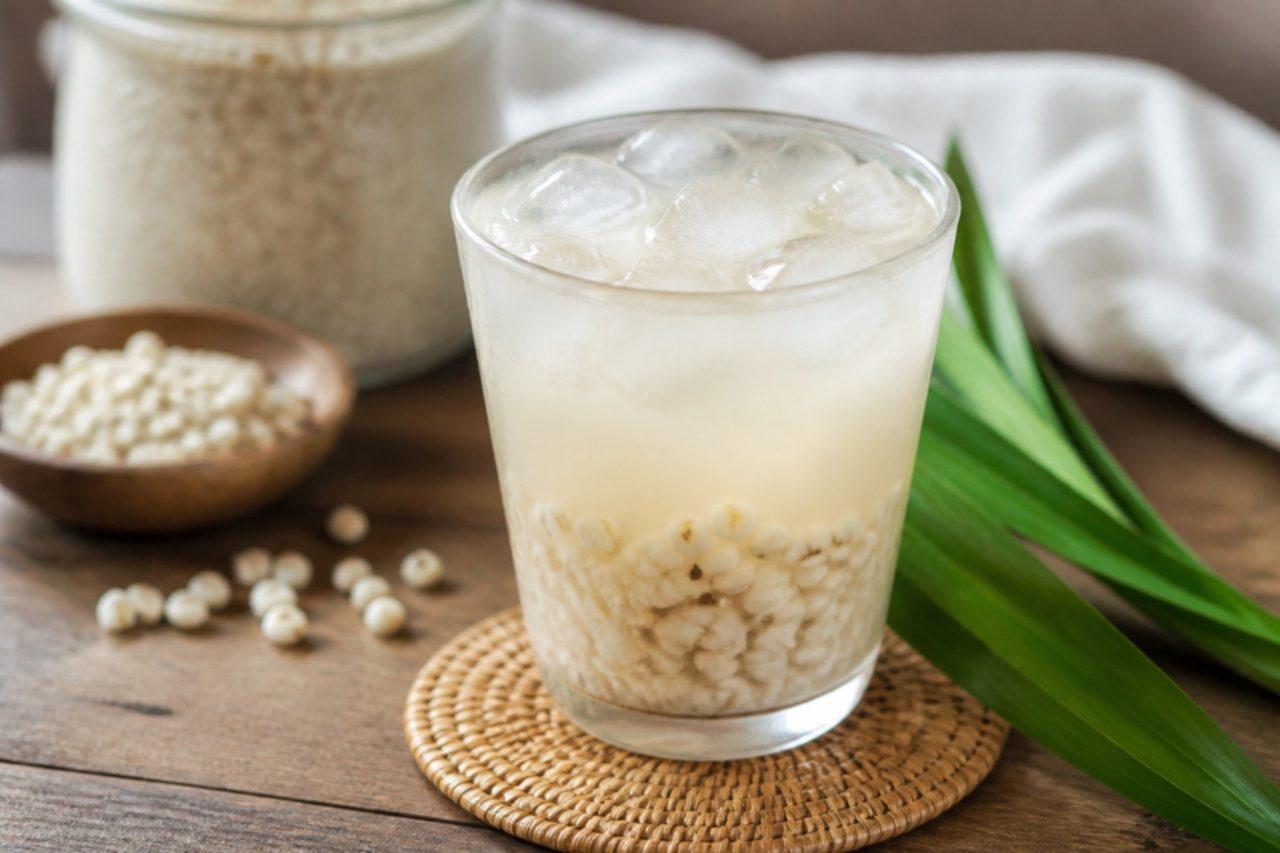
Barley water

Ask for 'barley' at any drinks stall in a Singapore kopitiam and you get a tall glass of cloudy, faintly sweet barley water, the drink older relatives swear by on the hottest afternoons because it is said to cool the body. Home cooks simmer pearl barley for an hour with knotted pandan leaves, and in Teochew and Cantonese households chunks of winter melon go in as well for a gentle, cucumber-like sweetness. The result is light and clean, ideal beside a plate of chicken rice, char kway teow or anything greasy and salty. The usual mistake is boiling it hard, which turns the liquid starchy and slimy instead of smooth and pale; keep it at a gentle simmer. Chef's tip: don't throw away the softened barley grains; spoon some into each glass, as the stalls do, or eat them warm with a little rock sugar as a light dessert.

by KrazyBadal 0 views

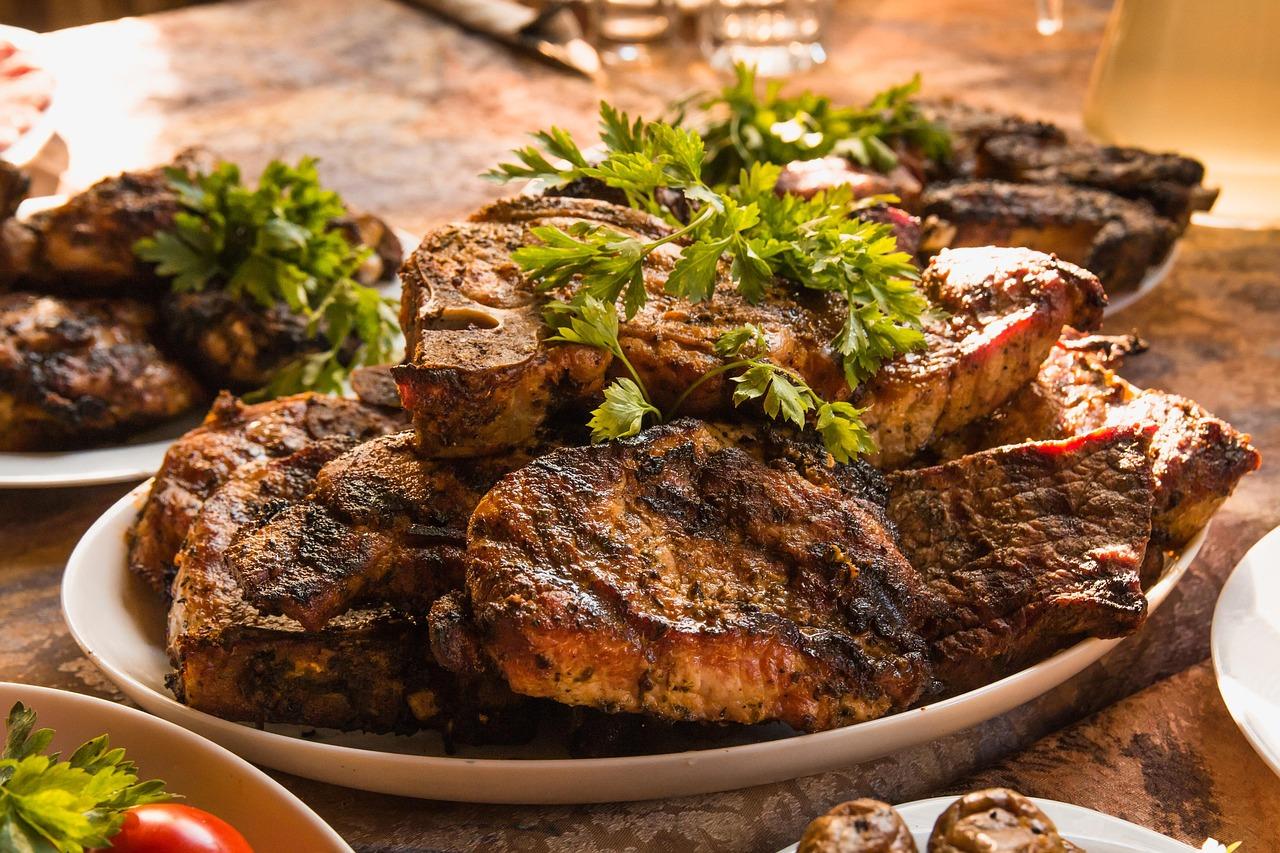
Jamaican jerk pork

Boston Bay in Portland is where jerk pork was born, and the jerk pits there still slow-smoke pork shoulder over green pimento wood under sheets of zinc until the outside is dark and crusted and the meat is smoky and juicy. This home version uses boneless pork shoulder rubbed with a wet paste of scotch bonnet, pimento, scallion, thyme and ginger, then cooked slowly in a covered barbecue or oven and finished over high heat. The biggest mistake is rushing the marinade; it needs at least 12 hours in the fridge to get into the pork. Cook until the thickest part reaches at least 63 °C, then rest; for tender, chopped jerk like the stalls, keep going to about 85 °C. Chef's tip: throw a handful of soaked allspice berries and bay leaves onto the coals for the smoky pimento flavour of the real pits.

240 minJamaicanMeatGluten freeSpicy
by KrazyBadal 0 views

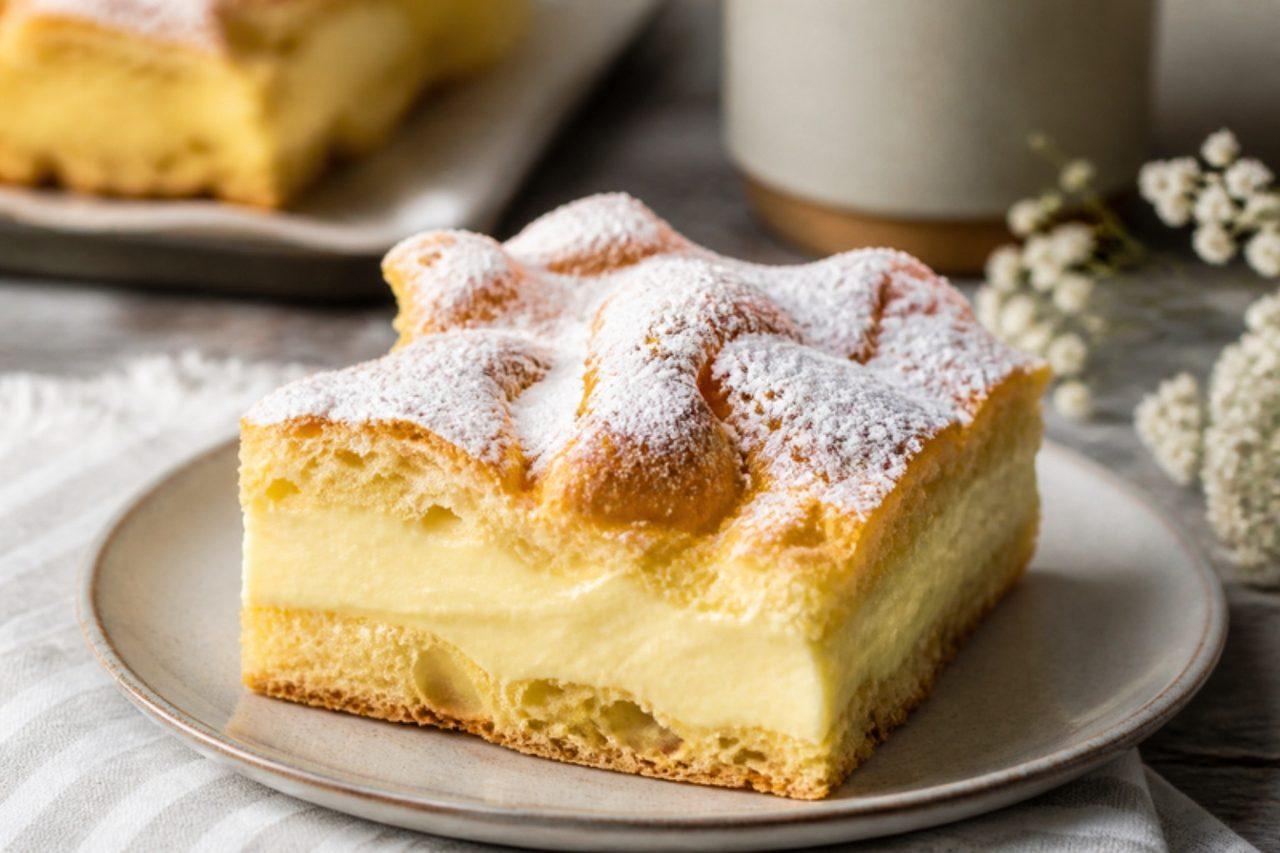
KarpatkaCustard cream choux cake

Named after the Carpathians, karpatka is the cake whose crinkled, craggy top looks like a range of snowy peaks once it is dusted with icing sugar. Two thin layers of choux pastry, baked flat until they puff into hills and valleys, sandwich a deep layer of rich vanilla custard whipped with butter. It is a fixture of Polish name-day parties and café counters, and children love the cloud-like filling. The usual slip is opening the oven early, which makes the choux collapse into a flat, rubbery sheet. Chef's tip: let the custard and the butter reach the same room temperature before beating them together, or the cream splits.

by KrazyBadal 0 views

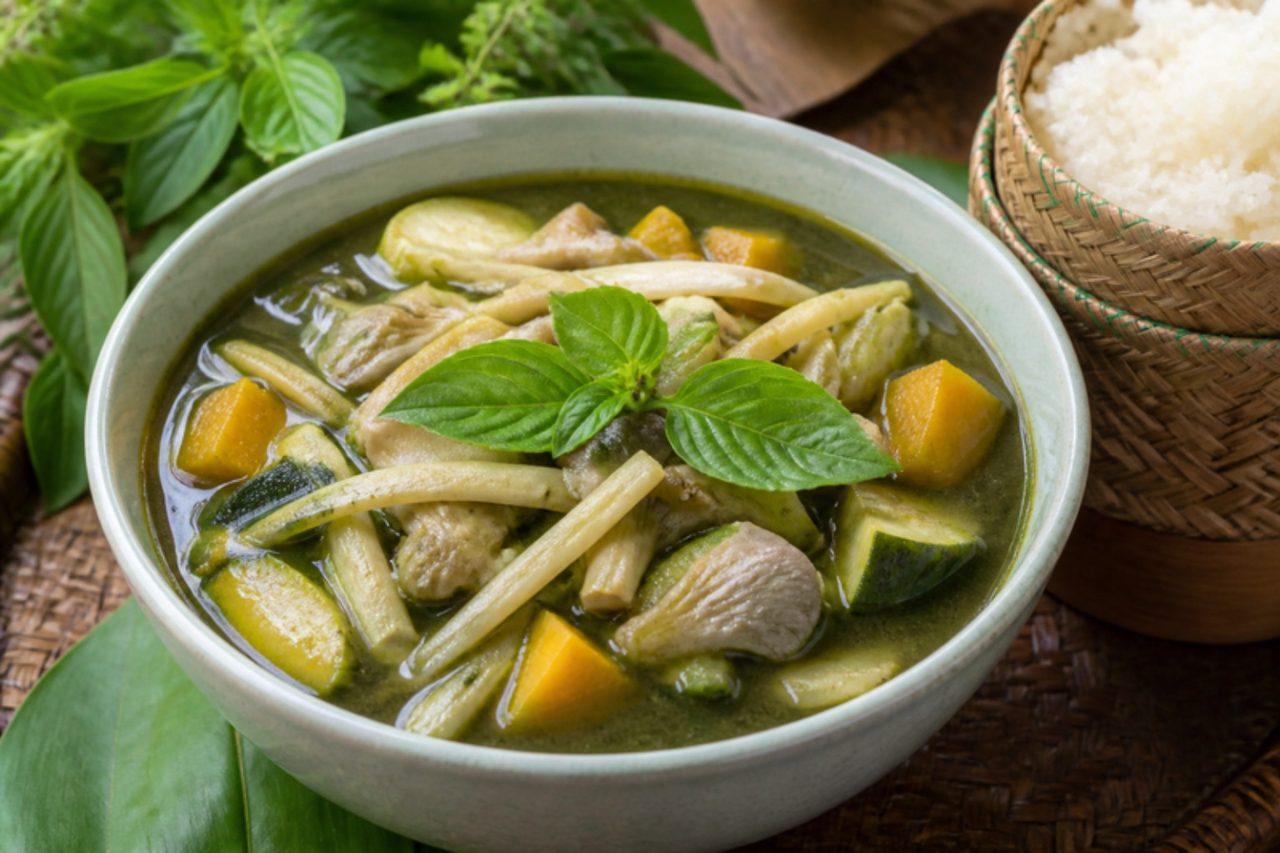
Lao bamboo shoot soup

When the rains arrive in June, Vientiane's morning markets fill with pale, freshly dug bamboo shoots, and pots of kaeng nor mai start simmering in kitchens across the city for the family lunch. The broth is a deep olive green, tinted by the juice squeezed from yanang leaves, and thickened with a spoonful of pounded soaked sticky rice so it coats the spoon. Earthy bamboo, sweet pumpkin and slippery mushrooms float in it with lemon basil on top, and a basket of sticky rice and a dish of jeow sit alongside. Skipping the pre-boil of the bamboo is where most cooks go wrong: raw shoots taste bitter and need cooking through to be safe, so always blanch fresh ones and drain. This version leaves out the fermented fish of village kitchens and seasons with salt and tamari. Chef's tip: squeeze the yanang leaves in cold water, never hot, or the broth turns brown and loses its grassy freshness.

60 minLaoSoupsVeganGluten free
by KrazyBadal 0 views

KazyBeef and lamb rib sausage

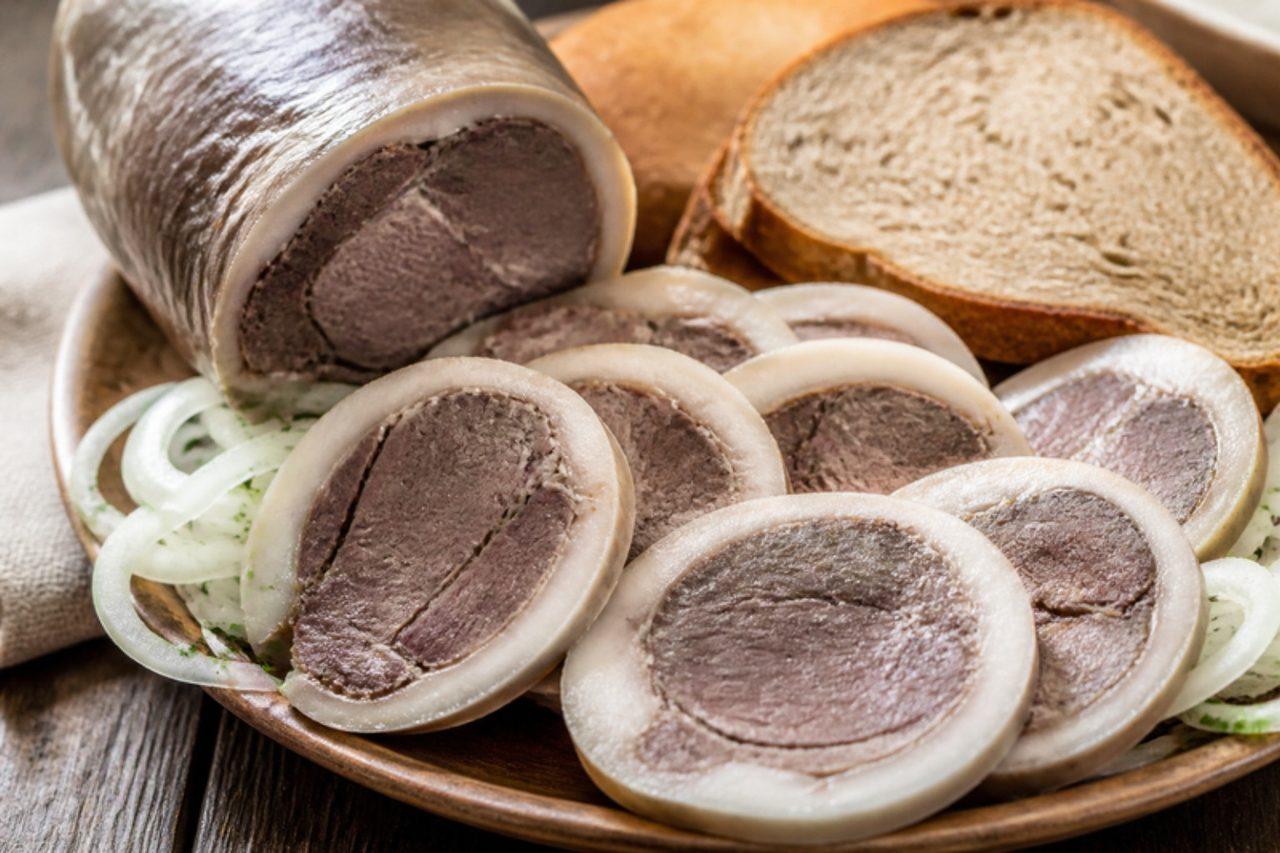
Kazy is the most prized food on a Kazakh feast table: a thick sausage of whole rib meat and rib fat, seasoned with salt, garlic and black pepper, stuffed into a casing, then dried or smoked and boiled for weddings and Nauryz, and sliced into glossy rounds that show the meat and the white fat. It is traditionally made with horse meat; this recipe uses beef short rib meat with a little lamb fat instead, as the site does not use horse, and it is cooked fresh rather than air-dried. A common mistake is mincing the meat; kazy is made from long strips of rib meat, which is what gives its look when sliced. Chef's tip: simmer it very gently; boiling hard bursts the casing and the fat melts away. The centre must reach 71 °C.

210 minKazakhMeatGluten free
by KrazyBadal 0 views

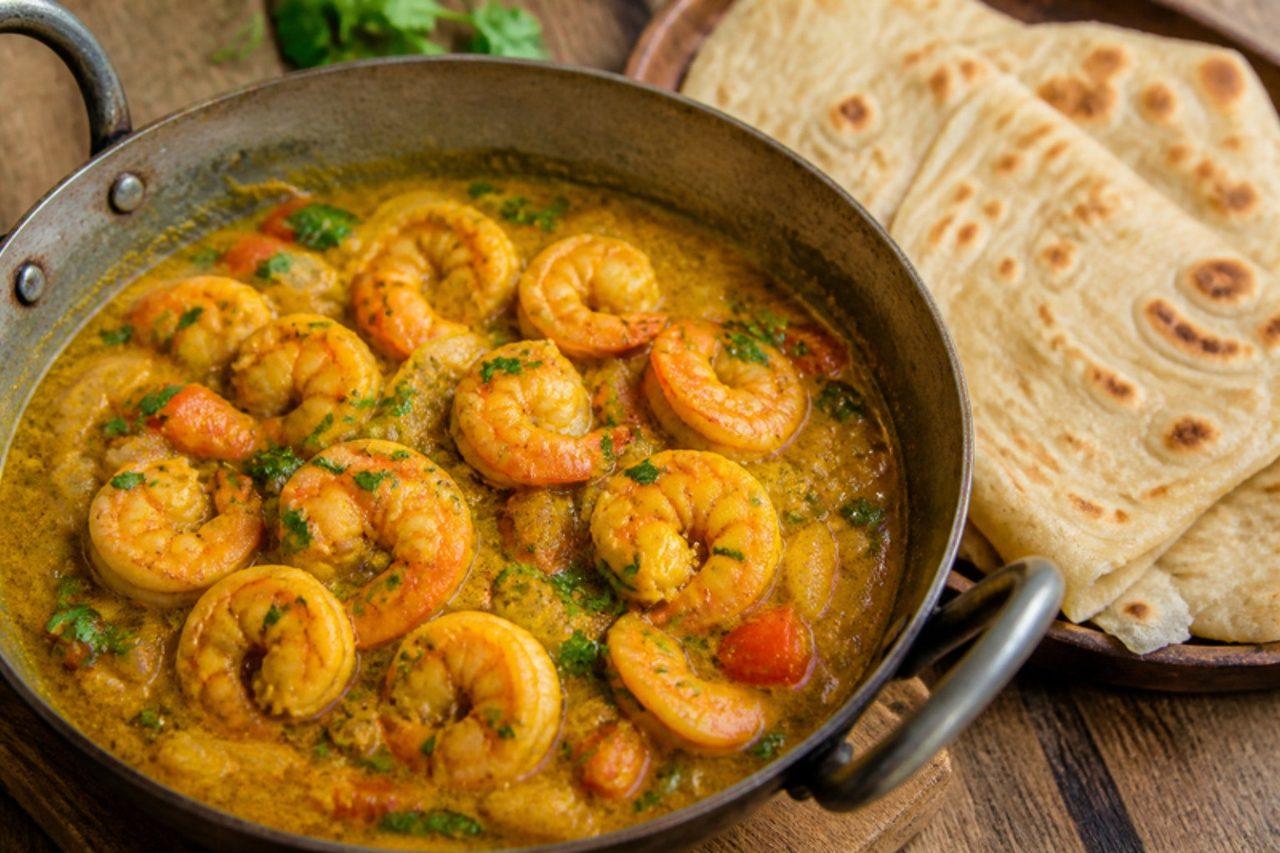
Trini curry shrimp

Sold from food stalls in San Fernando and eaten at south Trinidad family lunches, curry shrimp is the fast curry of the island: the sauce is built in minutes, and the shrimp go in only at the very end. Plenty of garlic, roasted geera and hot pepper give a bright, punchy curry that you wipe up with dhalpuri or spoon over rice. The mistake nearly everyone makes the first time is stewing the shrimp, which turns them rubbery; they need three or four minutes, no more. Chef's tip: save the shells, simmer them in the water for 10 minutes and use that stock in the curry for a much deeper seafood flavour.

by KrazyBadal 0 views

KibbelingBattered white fish chunks

Kibbeling is the fish snack of Dutch markets and harbours, sold in paper trays from fish vans at Saturday markets from Volendam to Rotterdam: bite-sized chunks of cod or pollock coated in a spiced batter and fried until crisp, with a pot of garlic sauce or remoulade. It began as a way to use the cheeks of cod. A common mistake is a thick batter, which turns bready and greasy. Chef's tip: season the batter well with a little curry powder and paprika, the market-van secret, and fry at 180 °C until golden; the fish is done when opaque and flaking.

25 minDutchFish
by KrazyBadal 0 views

Karawila sambolaFried bitter gourd salad

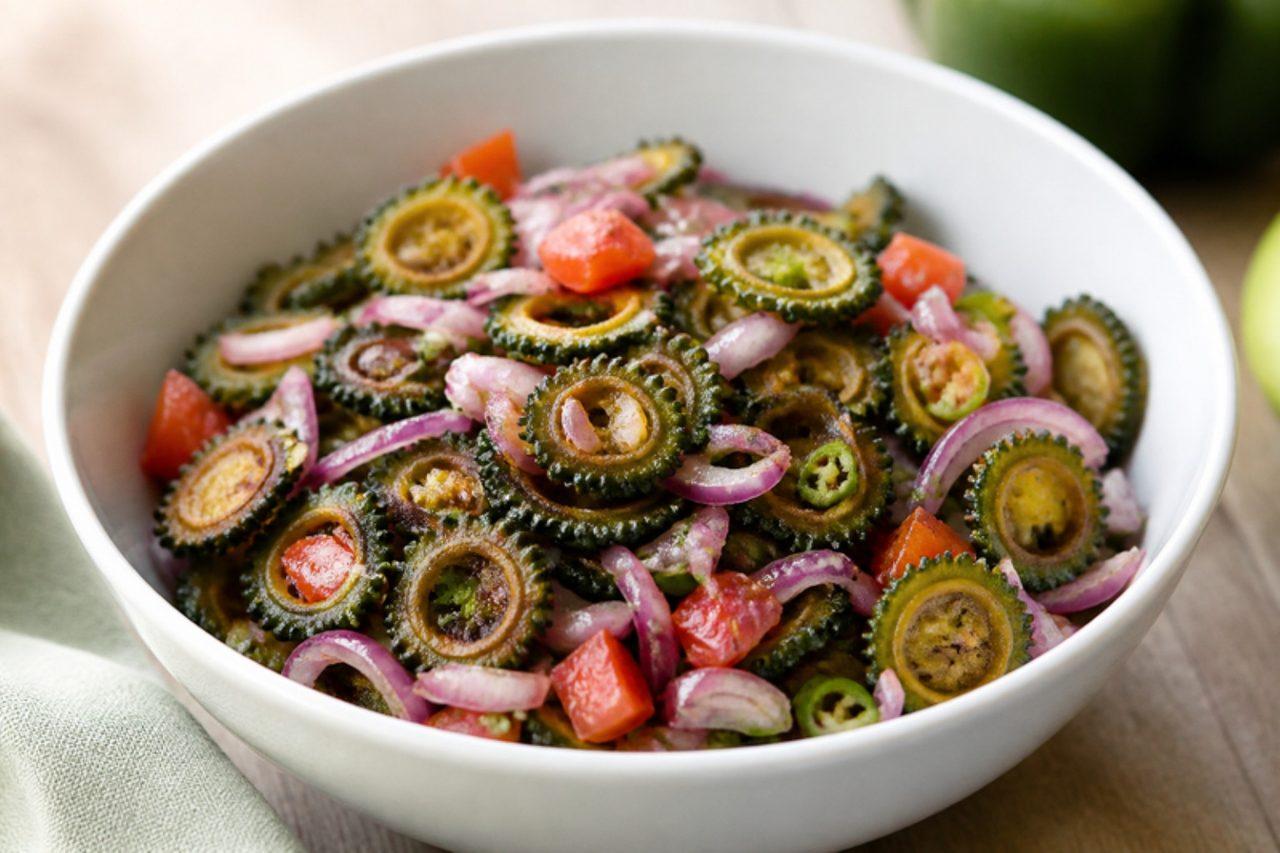
Even people who claim to hate bitter gourd tend to come round to karawila sambola, the crunchy, tangy salad that turns up on rice and curry plates from the coast to the eastern towns. Paper-thin slices of the knobbly green gourd are salted to draw out some of the bitterness, fried until they are crisp like crisps, and then tossed at the last minute with raw red onion, green chilli, tomato and plenty of lime. The result is salty, sour and gently bitter, a bright contrast to rich coconut curries. Many cooks also scatter in Maldive fish flakes; this vegan version leaves them out. The mistake to avoid is mixing the salad too early, since the lime and tomato juice soften the fried slices within minutes. Chef's tip: squeeze the salted slices really hard in a clean cloth before frying; the drier they are, the crisper and less oily they come out.

by KrazyBadal 0 views

Grenadian nutmeg ice cream

Grenada, the Spice Isle, grows much of the world's nutmeg, and in St George's ice cream parlours the local favourite is a rich egg-custard ice cream scented with freshly grated nutmeg. The flavour is warm and almost floral, nothing like the dusty jar spice, and it is lovely with fried plantain or a slice of black cake. The common mistake is overheating the custard so the eggs scramble; take it off the heat as soon as it coats a spoon. Chef's tip: grate the nutmeg straight into the hot milk and let it steep for 20 minutes before making the custard, so the flavour runs all the way through.

by KrazyBadal 0 views

Bajan salt bread

Every rum shop and fish fry in Barbados sells "bread and two", and the bread is almost always salt bread: plain, crusty rolls with a soft, slightly chewy crumb and a split down the top, made for stuffing with fish cakes, a slice of cheese or fried flying fish as a cutter. Despite the name, they aren't especially salty; the name sets them apart from sweet bread. The usual mistake is pale rolls with a soft crust from too cool an oven. Chef's tip: put a tray of boiling water in the bottom of the oven for the first 10 minutes for a properly crisp crust.

by KrazyBadal 0 views

Karawala thel dalaStir-fried dried fish

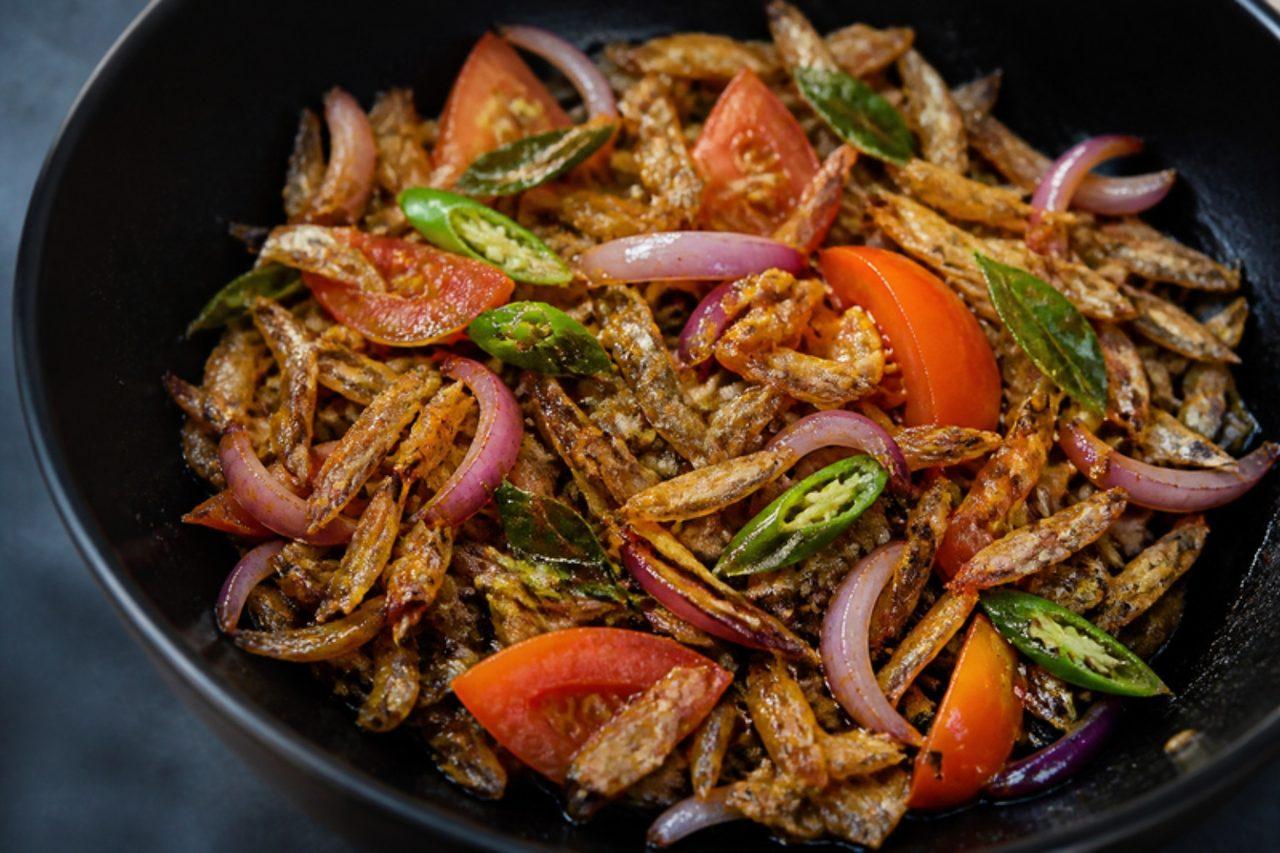
Every Sri Lankan market from Negombo to Trincomalee has a stall stacked with karawala, sun-dried salted fish, and when the larder is low or the rain keeps the boats in, a quick thel dala turns a small piece of it into something to wake up a plate of rice. Strips or small whole fish are fried until crisp, then tossed with plenty of onion, tomato, green chilli and chilli flakes until they are glossy, salty, smoky and hot. It is eaten in small amounts beside dhal, rice and a mild vegetable curry, or with kiribath and pol roti for breakfast, and it keeps for a day or two. Watch out for the classic fault of skipping the soak, which leaves the dish far too salty to eat. Chef's tip: fry the soaked fish until really crunchy before the onions go in; that crisp edge is what makes it addictive.

by KrazyBadal 0 views

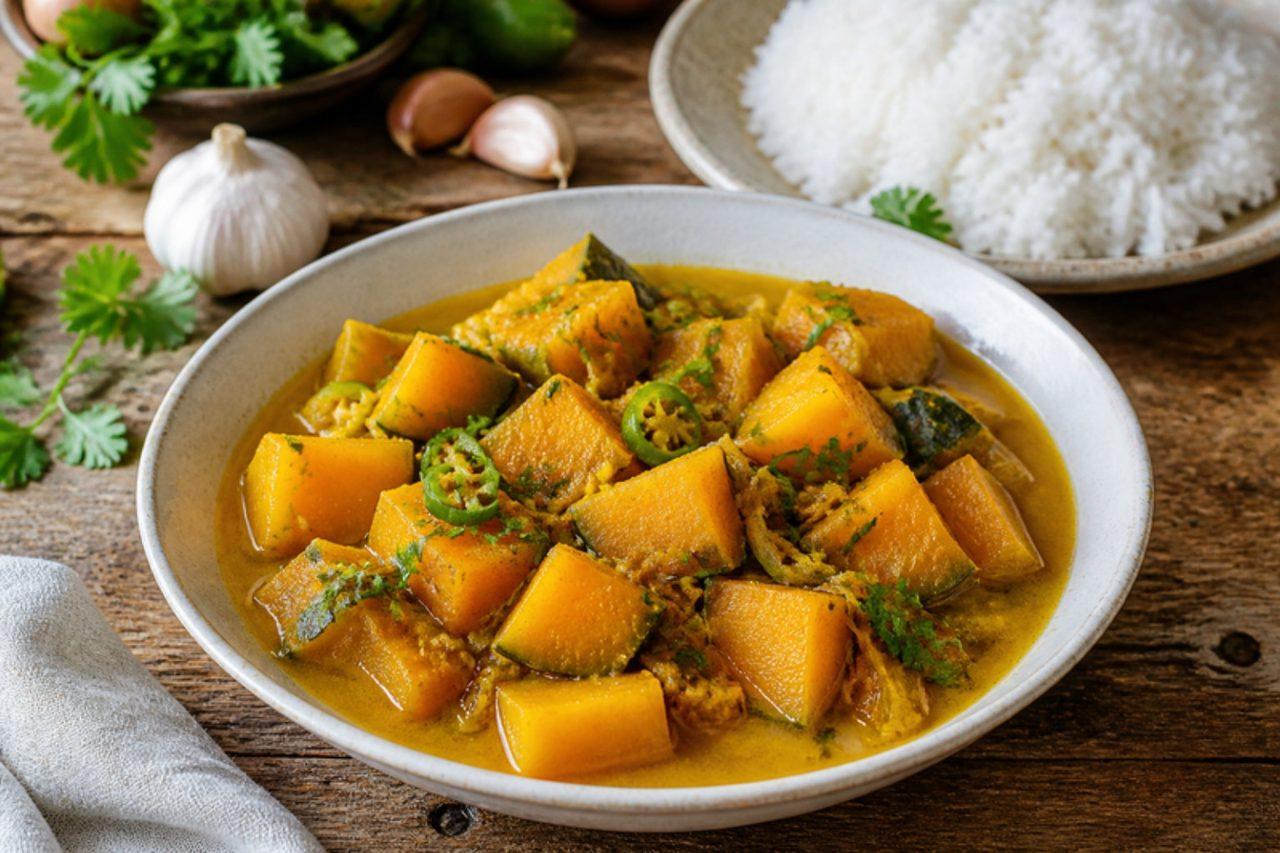
Burmese pumpkin curry

On a weekday lunch table in a Yangon home, this soft orange curry usually sits beside a sour leaf soup, a plate of boiled greens and a mound of plain rice. Wedges of pumpkin are cooked slowly in a pounded paste of onion, garlic and ginger with turmeric and chilli, until the flesh turns tender and glossy and the oil rises to the top, the sign of a well-made Burmese hin. It tastes sweet, gently hot and savoury all at once; many households stir in dried shrimp, but this version keeps it plant-based with a little salt and sugar. Where cooks go wrong is stirring the pot every few minutes: the pumpkin breaks into mash, so shake the pan instead. Chef's tip: leave the skin on a firm, dense pumpkin such as kabocha; it holds the pieces together and softens enough to eat.

by KrazyBadal 0 views

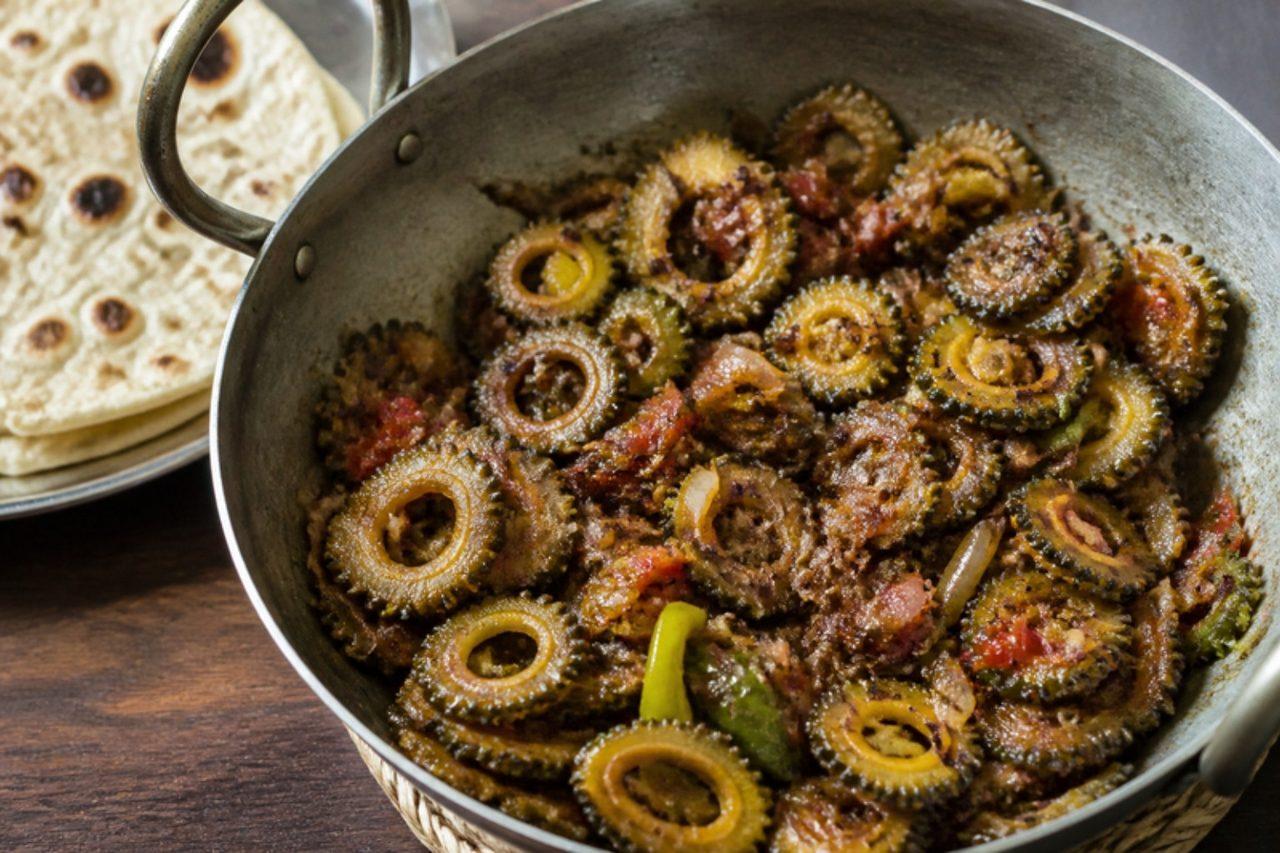
Karela piazBitter gourd with onions

Bitter gourd divides every family in Punjab, but karela piaz is the version that wins over the doubters: the gourd is salted, squeezed and fried until its edges crisp, then tossed with almost as much browned onion as karela, so the sweetness of the onions softens the bitterness. In Lahore it is a summer dish, a staple of tiffin carriers and home lunches with chapati and a cooling bowl of raita, and some households pack it for long train journeys because it keeps well. The thing most people get wrong is skimping on the onions or rushing them; pale, half-cooked onions leave the dish harsh rather than mellow. Chef's tip: rub the slices with salt and a little turmeric, leave them for 30 minutes, then squeeze hard by the handful, which draws out much of the bitterness before cooking.

by KrazyBadal 0 views

Showing 72 of 7,762 recipes

Show more recipes

Page 225 of 863