


Skip to content
Morir soñando
Featured recipe

Morir soñando

Orange and milk drink

Its name means "to die dreaming", and on a hot afternoon in Santo Domingo a tall glass of it from a colmado or juice stand feels exactly like that: fresh orange juice and ice-cold evaporated milk, sweetened and stirred over lots of ice into something like a creamsicle. Many Dominican families make it with dinner on Sundays. The common mistake is pouring the milk into the juice, or using warm ingredients, which curdles it; the juice goes slowly into very cold milk. Chef's tip: squeeze sweet, low-acid oranges and chill the juice and milk for an hour first, and it will stay smooth.

Read more 0 views

What to eat today?

Around the world

Today's trip: Paraguayan

A new country every day, from every cuisine on the site.

Paraguayan

Chipa

Cheese bread rings 50 minMore from Paraguayan (27) →

This week's collection

Kid-friendly dinners
537 recipes · a new collection every Monday

Latest recipes

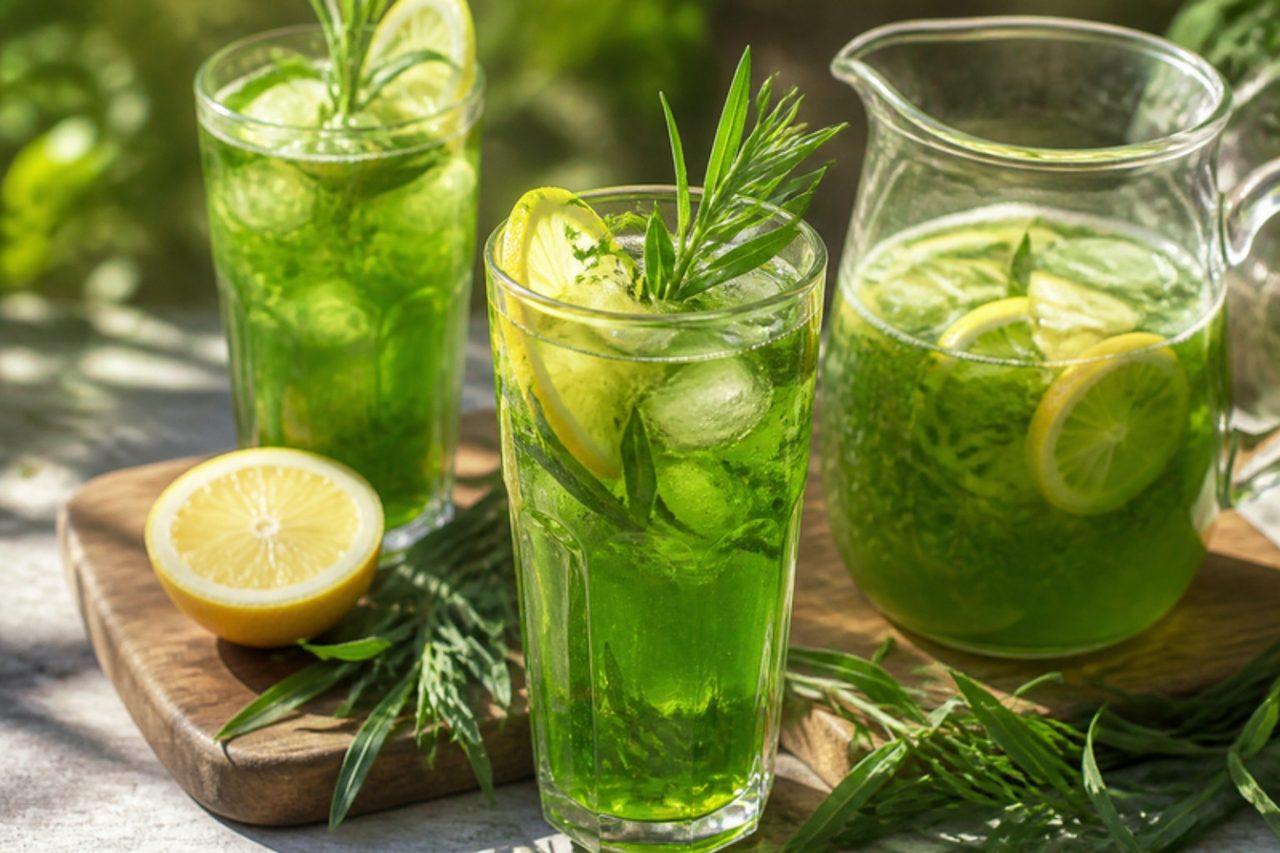
Tarragon lemonade

Tarkhuna is the emerald-green soda that every Tbilisi child knows, sold from street fountains since the early 1900s and still poured in tall glasses at cafés on Rustaveli Avenue. The bottled kind is coloured; the home version gets its green from blitzing fresh tarragon with lemon and syrup, giving an aniseedy, sweet-sour fizz. A common mistake is boiling the tarragon, which dulls the colour and turns the flavour stewed. Chef's tip: blitz the herb into cool syrup and strain it straight away; the drink stays vivid green for a day in the fridge.

by KrazyBadal 0 views

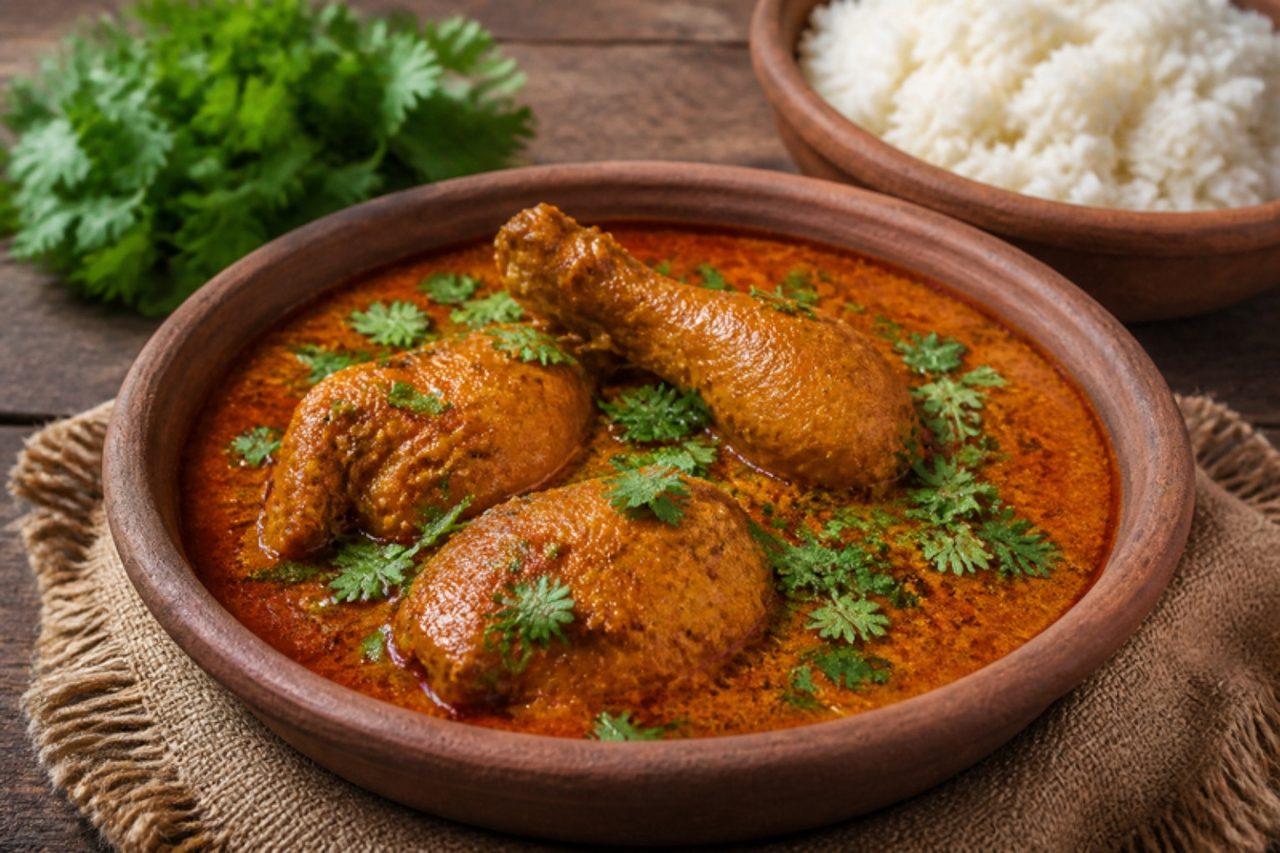
Megrelian kharcho

In Samegrelo 'kharcho' means something quite different from the Tbilisi soup: chicken pieces simmered in a thick, golden sauce of ground walnuts, garlic, hot pepper and Imeretian saffron (dried marigold), so rich and spicy that it is eaten with plain ghomi to calm it down. Zugdidi families cook it for guests and for Sunday lunch. A common mistake is boiling the sauce hard once the walnuts go in; it turns oily and grainy. Chef's tip: grind the walnuts until they weep oil and spoon a little of that oil over the finished dish; Mingrelians judge kharcho by its glossy, orange sheen. Chicken must reach 74 °C in the thickest part.

by KrazyBadal 0 views

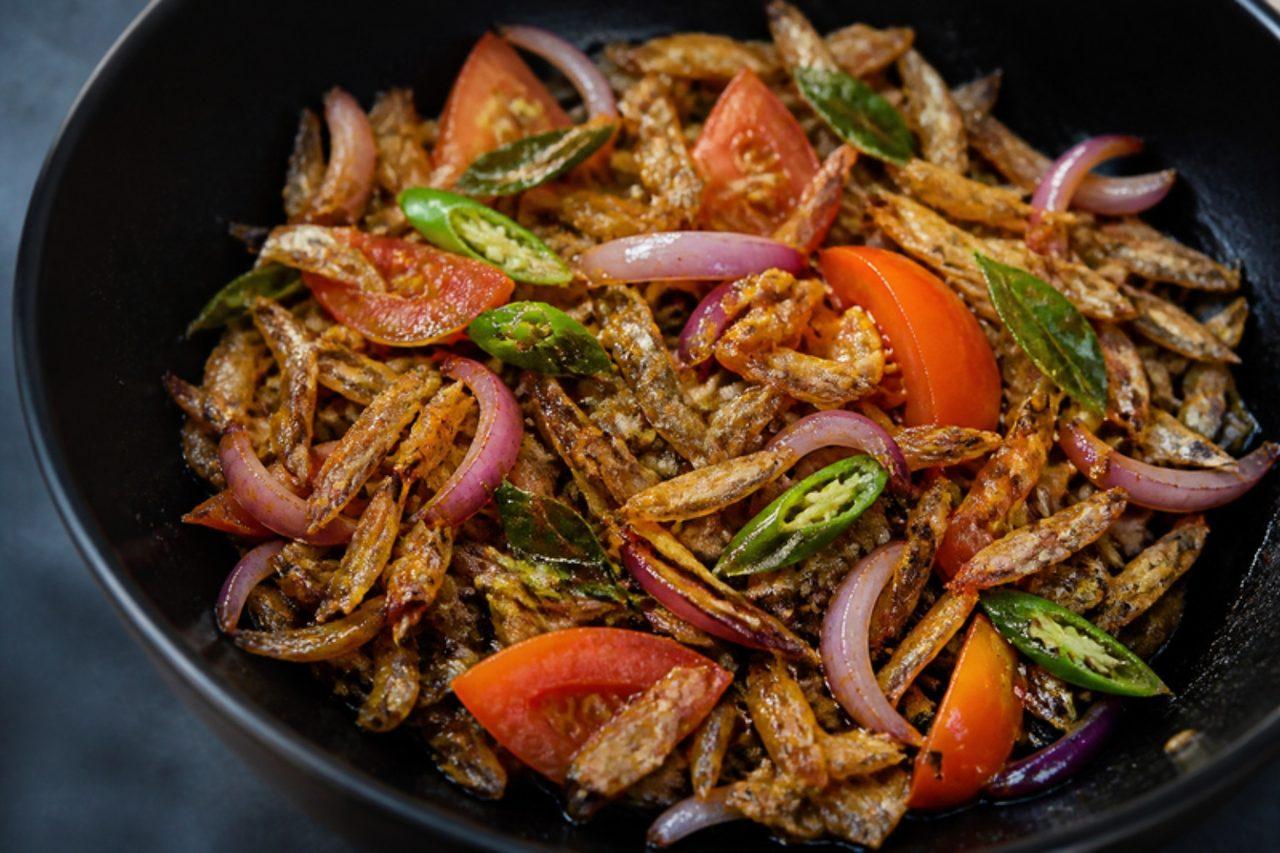
Karawala thel dalaStir-fried dried fish

Every Sri Lankan market from Negombo to Trincomalee has a stall stacked with karawala, sun-dried salted fish, and when the larder is low or the rain keeps the boats in, a quick thel dala turns a small piece of it into something to wake up a plate of rice. Strips or small whole fish are fried until crisp, then tossed with plenty of onion, tomato, green chilli and chilli flakes until they are glossy, salty, smoky and hot. It is eaten in small amounts beside dhal, rice and a mild vegetable curry, or with kiribath and pol roti for breakfast, and it keeps for a day or two. Watch out for the classic fault of skipping the soak, which leaves the dish far too salty to eat. Chef's tip: fry the soaked fish until really crunchy before the onions go in; that crisp edge is what makes it addictive.

by KrazyBadal 0 views

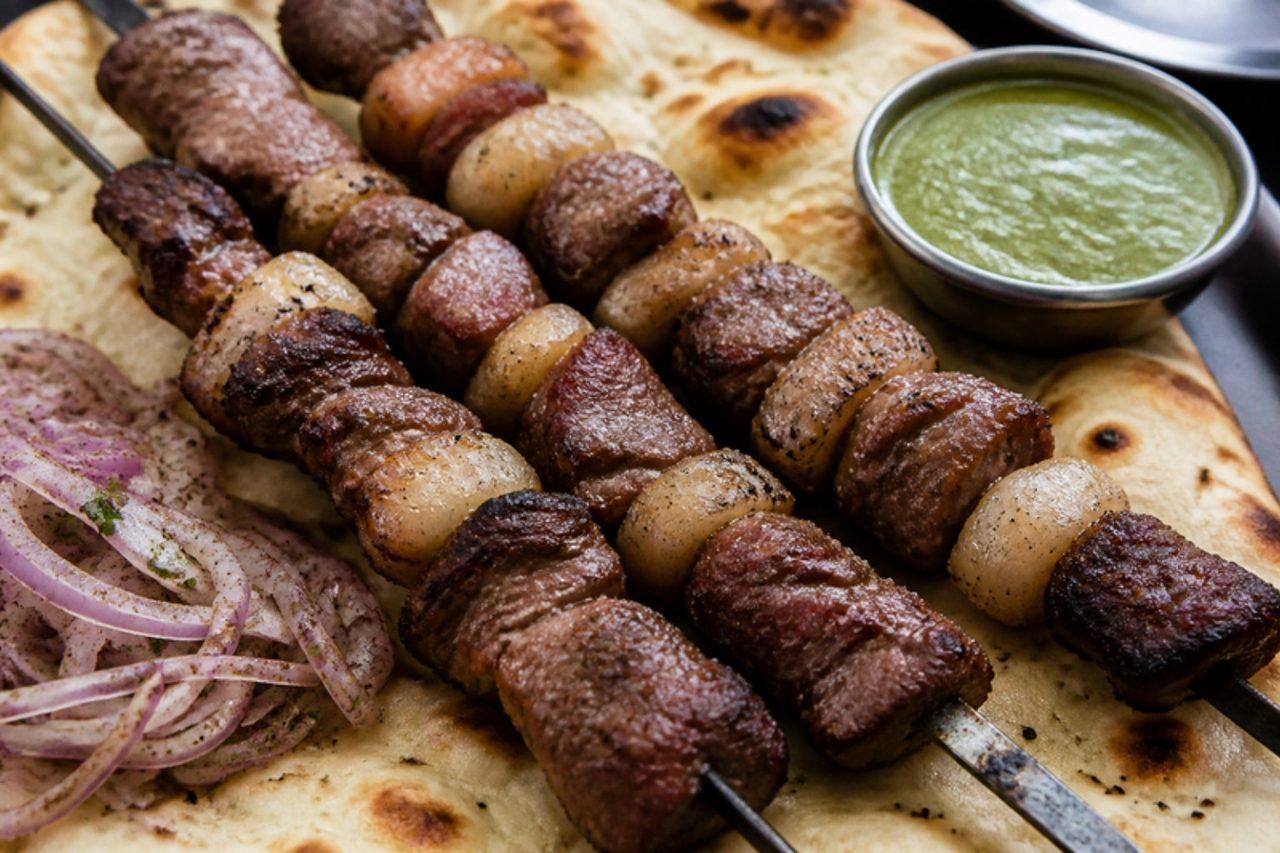
Kandahari tikkaGrilled lamb chunks

Kandahar's tikka houses pride themselves on doing very little to the meat: chunks of lamb, threaded on wide iron skewers with small pieces of tail fat between them, are rubbed with grated onion, salt and black pepper and grilled over fierce charcoal until the fat drips and flares. The result is smoky, juicy and peppery, with crisp edges and a clean lamb flavour, and it is served on hot naan with raw onion, tomato and a sharp green chutney. Over-marinating in onion is a common misstep, as the juice softens the surface into mush after a day; two to four hours is plenty. Chef's tip: let the skewers rest for 2 minutes on the naan before eating, so the bread soaks up the juices.

27 minAfghanMeatGluten free
by KrazyBadal 0 views

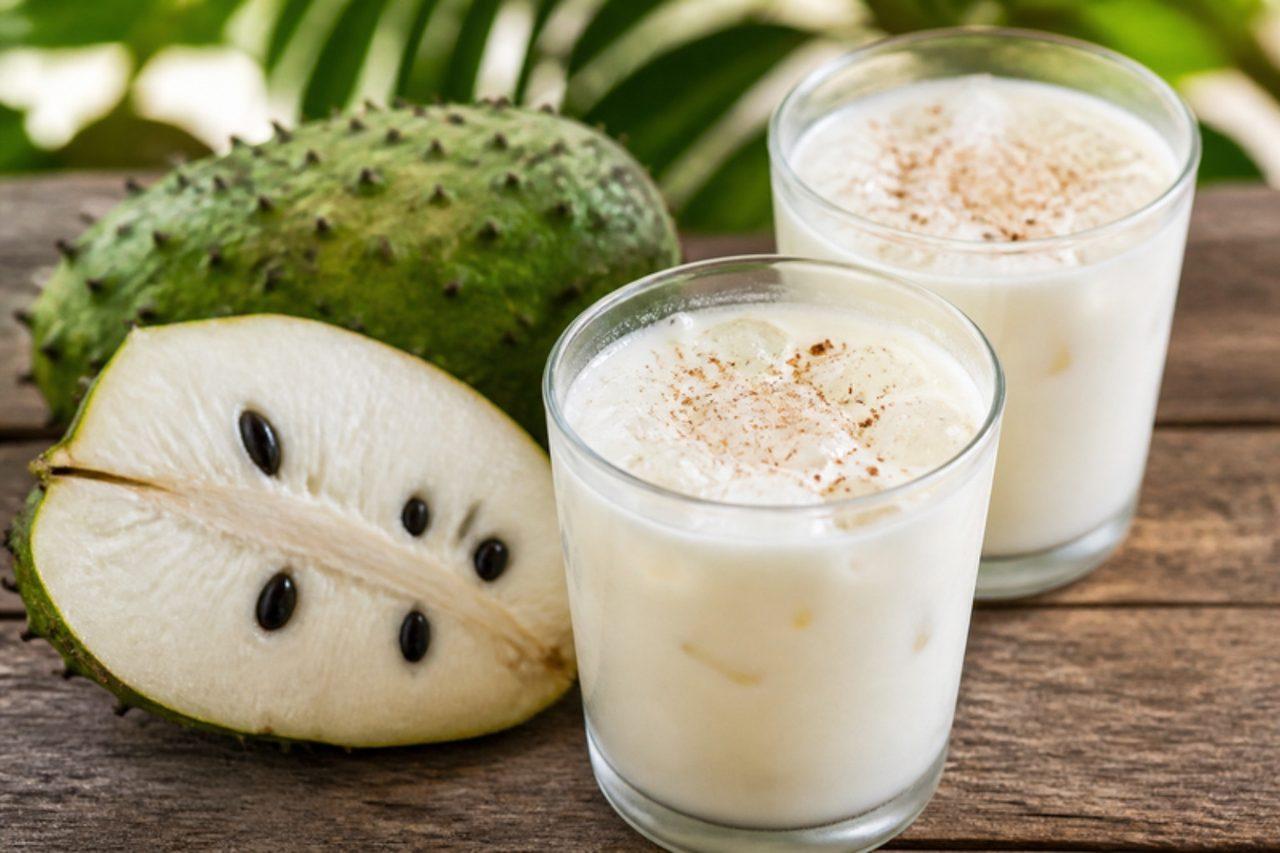
Jamaican soursop juice

Soursop punch is a Sunday-dinner drink in Jamaica, made when a ripe, soft soursop comes from the market or a yard tree, and it is also sold in bottles at roadside juice stands. The white, custardy pulp tastes of pineapple, banana and strawberry all at once, and blended with milk, nutmeg and vanilla it becomes thick and creamy. The common mistake is blending the black seeds, which taste bitter and should not be eaten; always pick them out by hand. Chef's tip: use a fruit that gives softly all over when pressed, like a ripe avocado.

by KrazyBadal 0 views

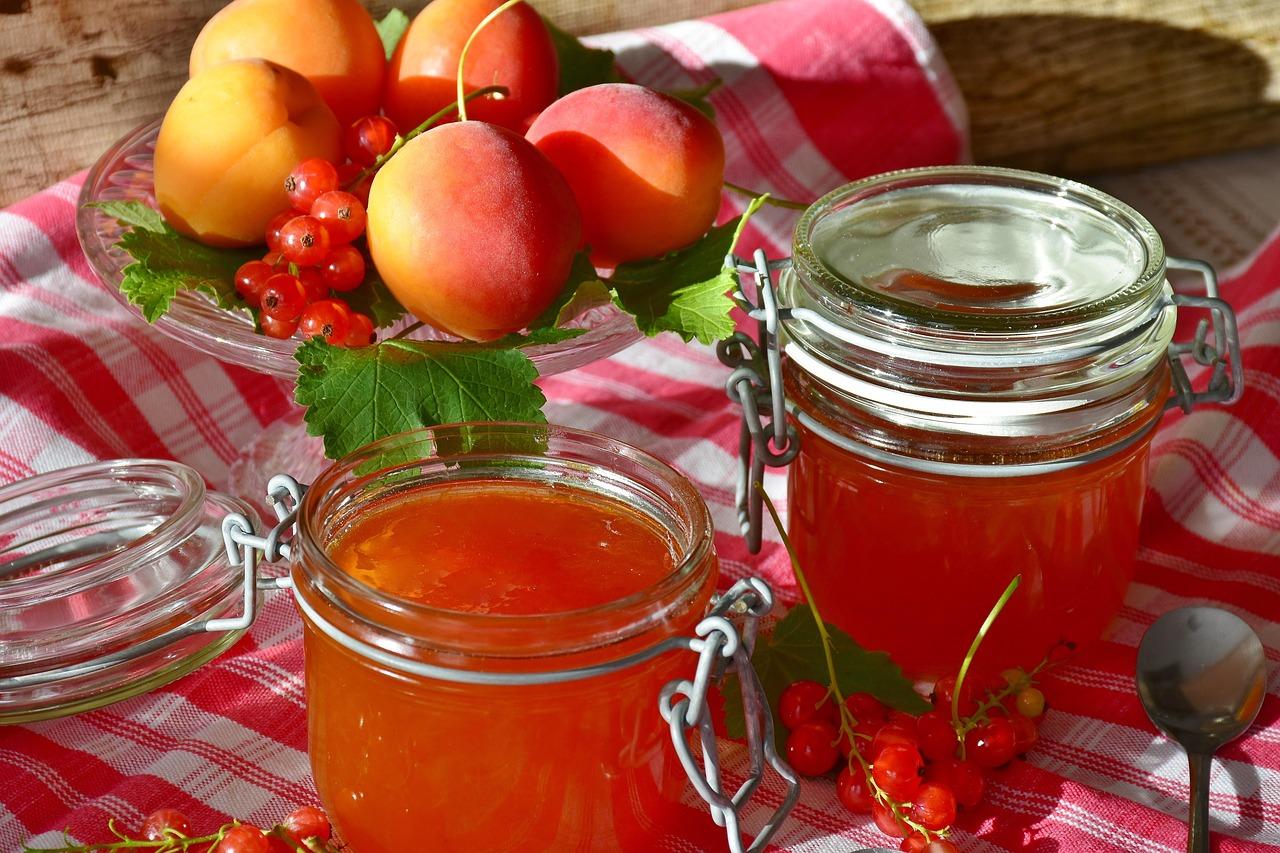
Apricot preserve

The apricot is Armenia's national fruit, and in July families in the Ararat Valley villages around Artashat and Masis cook whole ones slowly in syrup so they keep their shape and turn translucent, sometimes slipping a peeled kernel back inside each fruit. The jars come out on winter evenings, served in tiny glass bowls with black tea or coffee. A common mistake is boiling the fruit hard, which breaks it into jam. Chef's tip: cook in short spells, resting the pan overnight between them; the syrup seeps in slowly and the apricots stay whole and glossy. Bitter kernels contain a natural toxin, so use sweet almonds instead.

by KrazyBadal 0 views

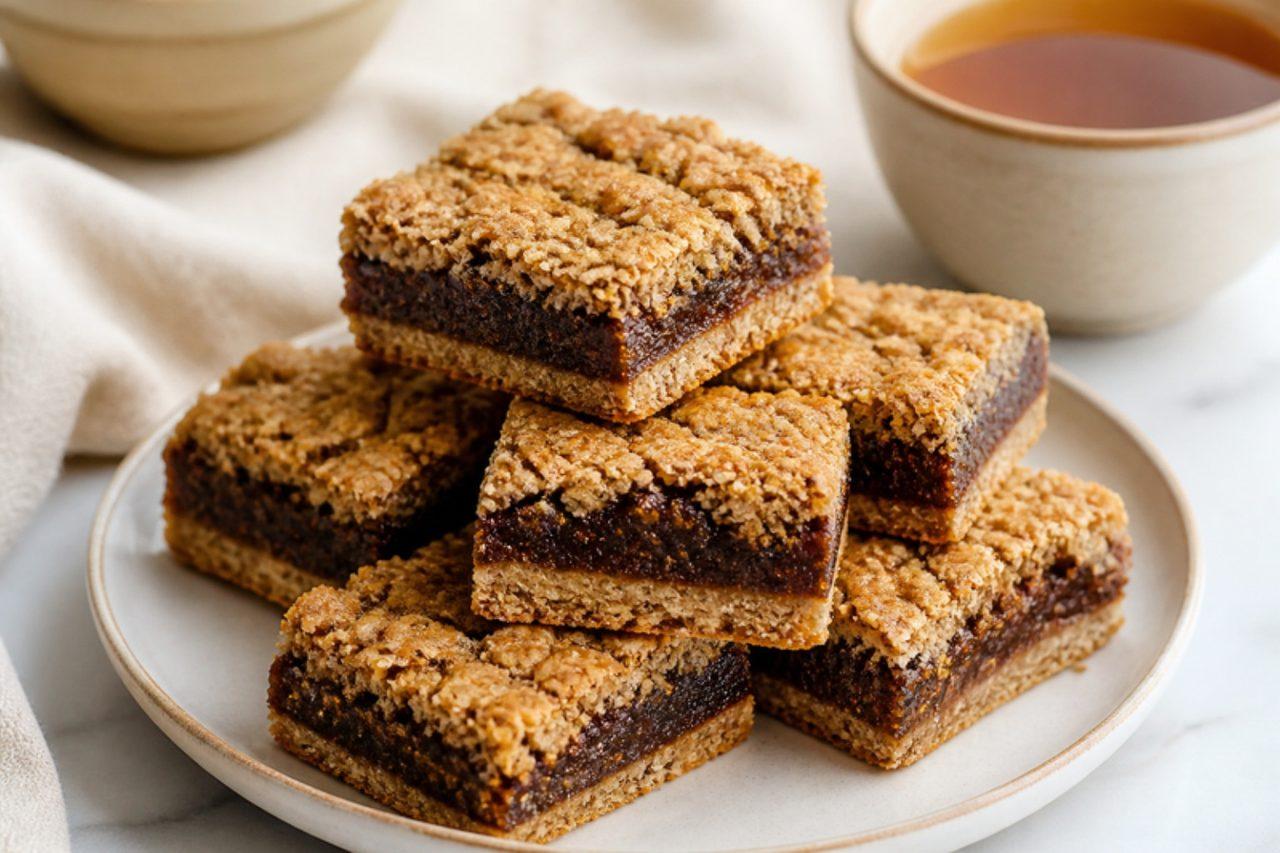
Date squares

Date squares are on the tea table in every Canadian church hall and school bake sale, called carrés aux dattes in Quebec and matrimonial cake in the West. A buttery oat crumble is pressed into a tin, spread with a soft date filling and covered with more crumble, then baked until golden. They keep for days and freeze well. A common mistake is spreading the dates while hot onto loose crumb, which makes the base soggy; press the base firmly. Chef's tip: add a strip of orange zest to the dates for a brighter flavour.

by KrazyBadal 0 views

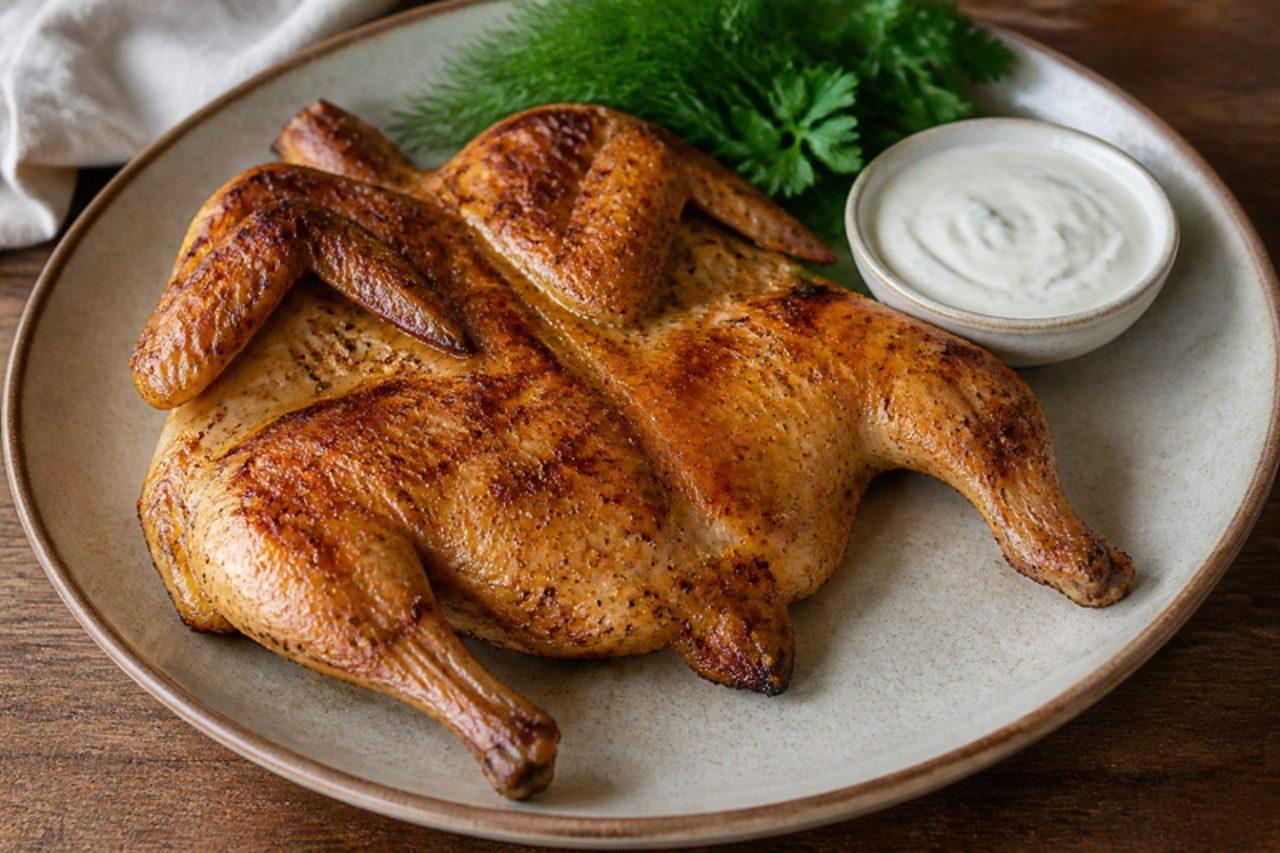
Chicken tabaka

Tsitsila tabaka is named after the tapa, a heavy cast-iron pan with a screw-down lid that Tbilisi cooks use to press a split spring chicken flat as it fries, so every bit of skin touches the hot metal and turns golden and crackling. In old Tbilisi restaurants it comes with a little jug of garlic water (niortskali) and satsebeli tomato sauce. A common mistake is using a big chicken, which takes so long that the skin burns before the inside cooks; a small poussin is right. Chef's tip: a heavy saucepan filled with water works as the weight at home. Chicken is done when the thickest part of the thigh reaches 74 °C.

by KrazyBadal 0 views

Maple syrup pie

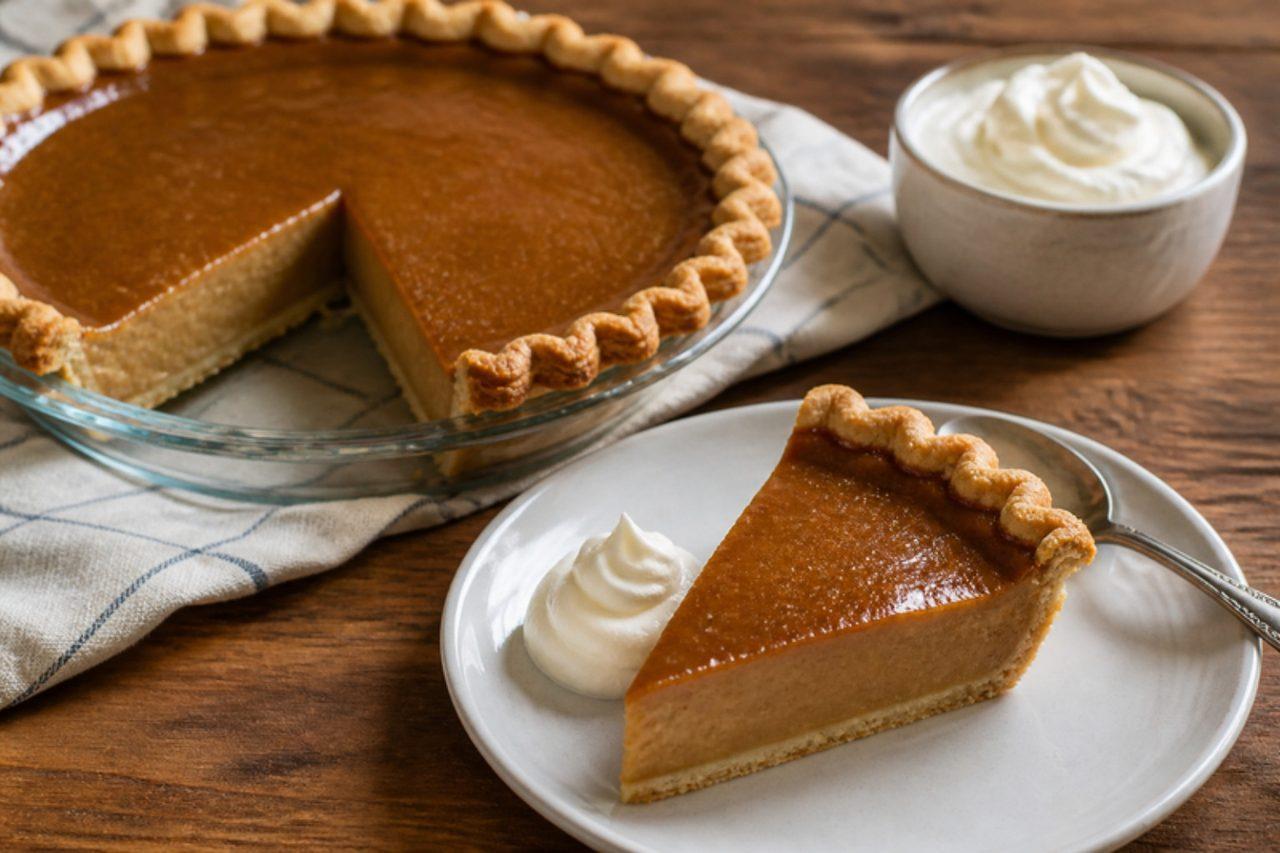
Tarte au sirop d'érable closes many a family meal in Quebec at Easter and through the sugaring season, a cousin of the sugar pie made with real maple syrup. The filling of syrup, cream and egg bakes into a soft, trembling, caramel-brown layer that tastes deeply of maple. Slice it thin; it is rich. A spoonful of crème fraîche or plain whipped cream cuts the sweetness. A common mistake is skipping the blind bake, which leaves a soggy base. Chef's tip: take the pie out while the centre still wobbles like jelly; it sets as it cools and over-baking makes it weep.

by KrazyBadal 0 views

Armenian string cheese

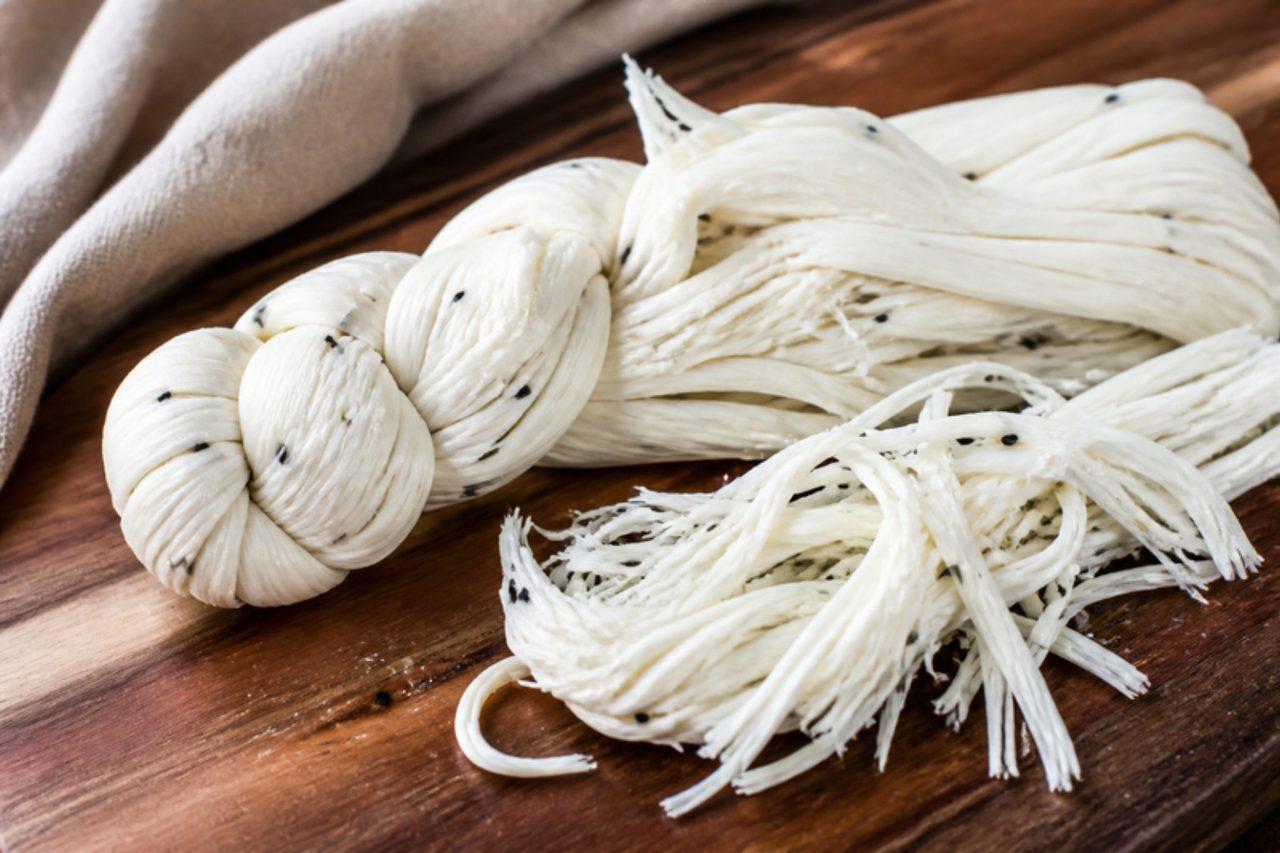
Chechil, called tel panir in Armenian, is the plaited string cheese of Armenian families from Yerevan to Beirut and Boston: fresh curd is melted in hot water, stretched again and again into long, fine strands with nigella seeds worked through, then twisted into a braid. To eat, you pull the braid apart into thread-fine strings, good with herbs, lavash and a glass of tan. Traditionally made with animal rennet; vegetarian rennet works too. A common mistake is stretching a curd that is not acidic enough; it melts into a blob instead of pulling. Chef's tip: test a small piece in hot water first, as for sulguni; if it stretches 30 cm without breaking, it is ready.

by KrazyBadal 0 views

Lac-Saint-Jean blueberry pie

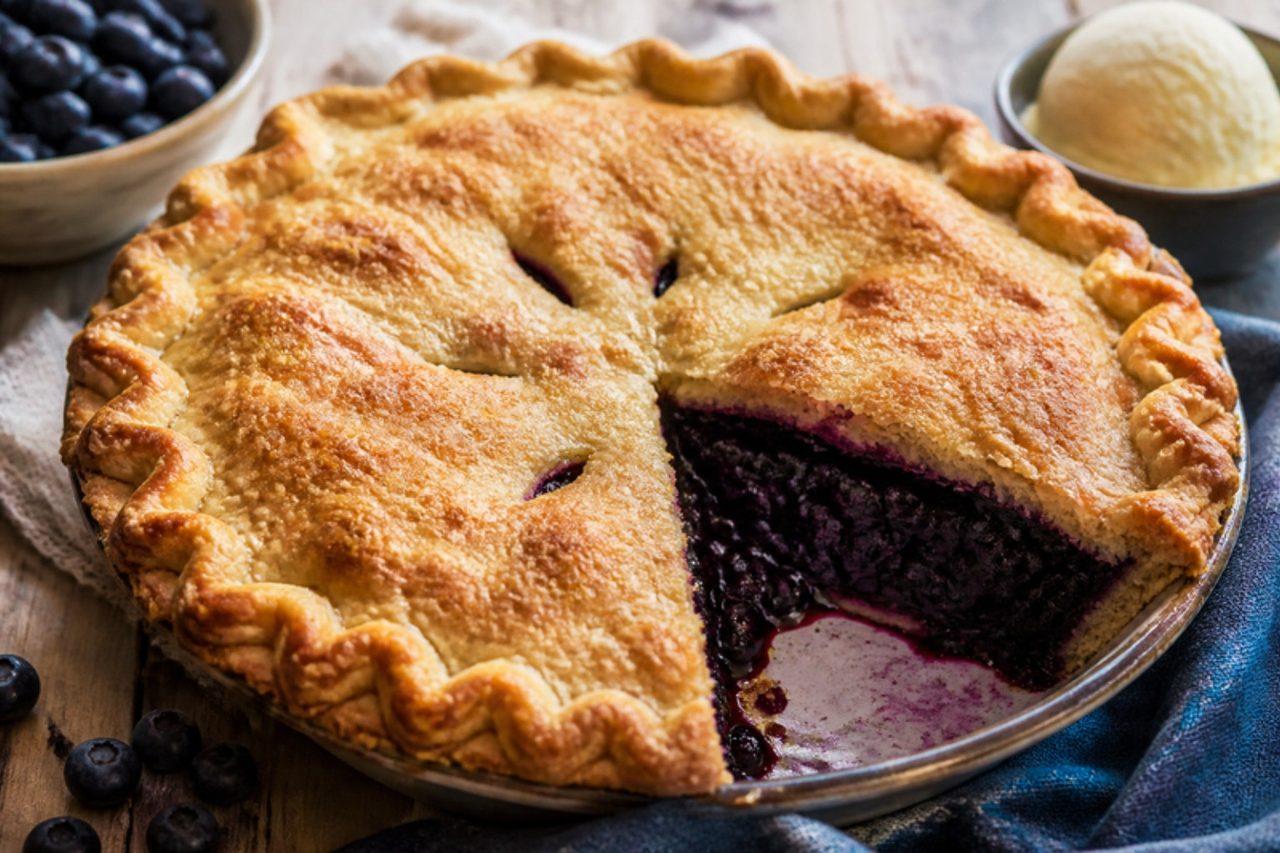
Around Lac-Saint-Jean in Quebec the low wild blueberries ripen in August, and the region is so proud of them that locals are nicknamed bleuets. Every church supper and roadside casse-croûte there sells a deep tarte aux bleuets with a flaky top crust and a dark, jammy filling that holds when sliced. Wild berries are smaller and more intense than cultivated ones and frozen wild berries work well. Serve slightly warm with vanilla ice cream or a jug of cream. A common mistake is skimping on the cornflour, which leaves a soupy filling. Chef's tip: let the pie cool for at least three hours so the juices set; cut it hot and the filling runs all over the plate.

by KrazyBadal 0 views

Griwech (honey-dipped pastry knots)

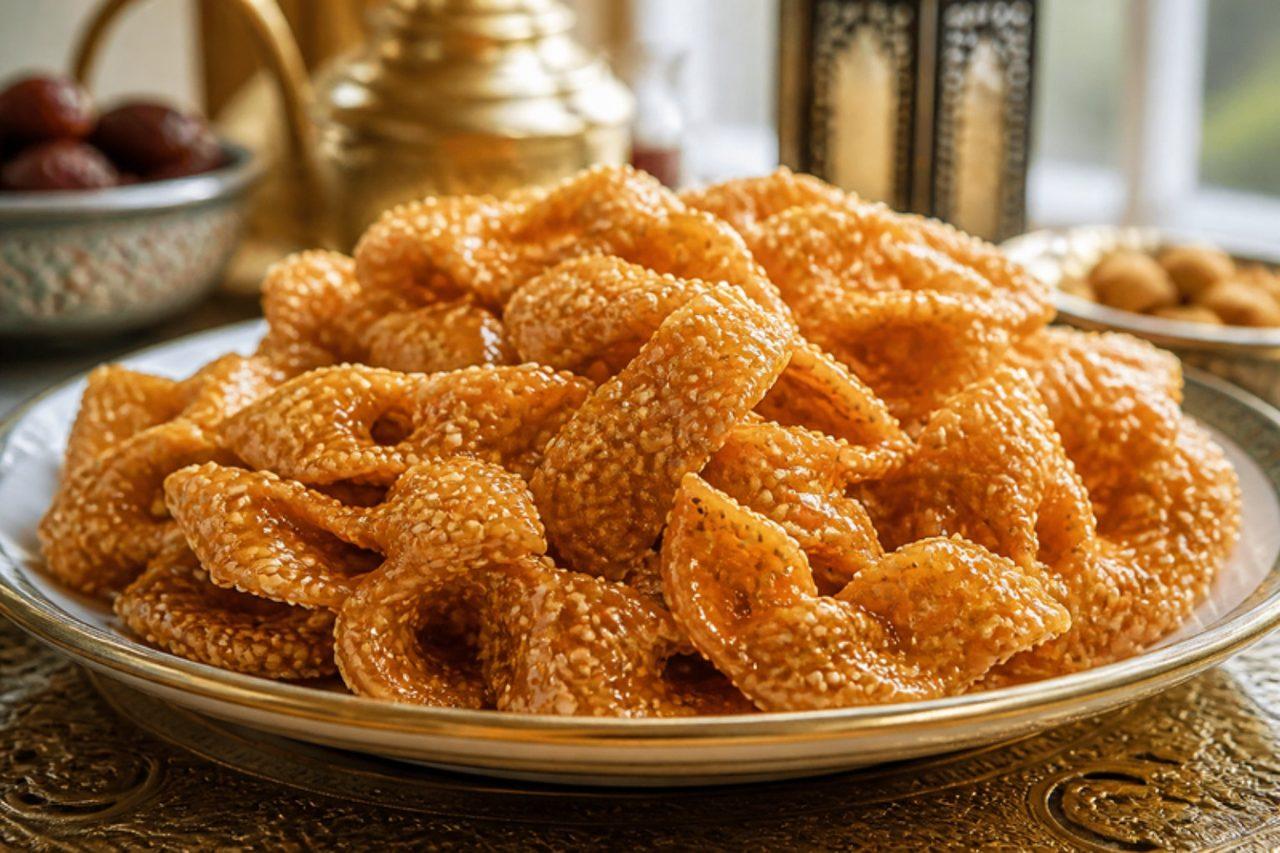
No Ramadan table in Algeria feels complete without a plate of griwech next to the chorba, ready for the sweet craving that follows the fast. Thin sheets of dough are cut into rectangles, slit and twisted into knots, fried until crisp and golden, then plunged into warm honey and scattered with toasted sesame. Each piece snaps cleanly, then melts into a sticky, orange-blossom sweetness. Batches are made days ahead and kept in tins for visitors through the month and on into Eid. Chef's tip: keep the oil at 170 °C; oil that is too hot is the usual mistake, colouring the outside before the layers inside crisp, so the griwech goes soft in the honey.

by KrazyBadal 0 views

Ka'ak nakache (date-filled semolina rings)

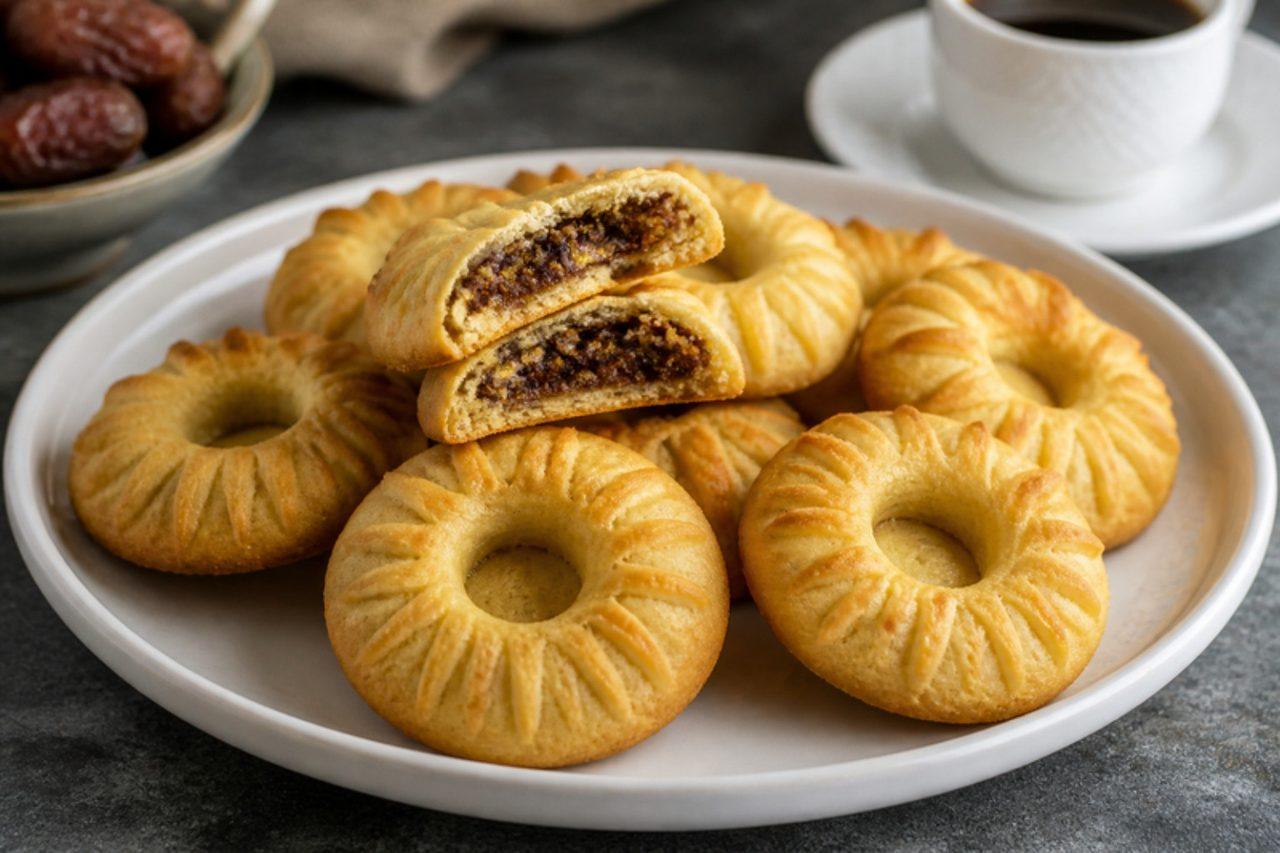
Constantine bakers own a special brass tweezer, the nakache, just for decorating these rings: a rope of buttery semolina dough is wrapped round spiced date paste, joined into a circle and pinched along the top into chevrons and leaves. Baked pale, ka'ak nakache is crisp and short outside with a soft, cinnamon and clove scented filling, a classic of Eid trays and of the coffee served to guests in the old city. Without the tweezer, a fork or the back of a small knife makes a good pattern. Chef's tip: let the buttered semolina rest for at least 30 minutes before adding water; skipping the rest is the usual mistake, and the rings crack as you shape them.

by KrazyBadal 0 views

Sevan trout

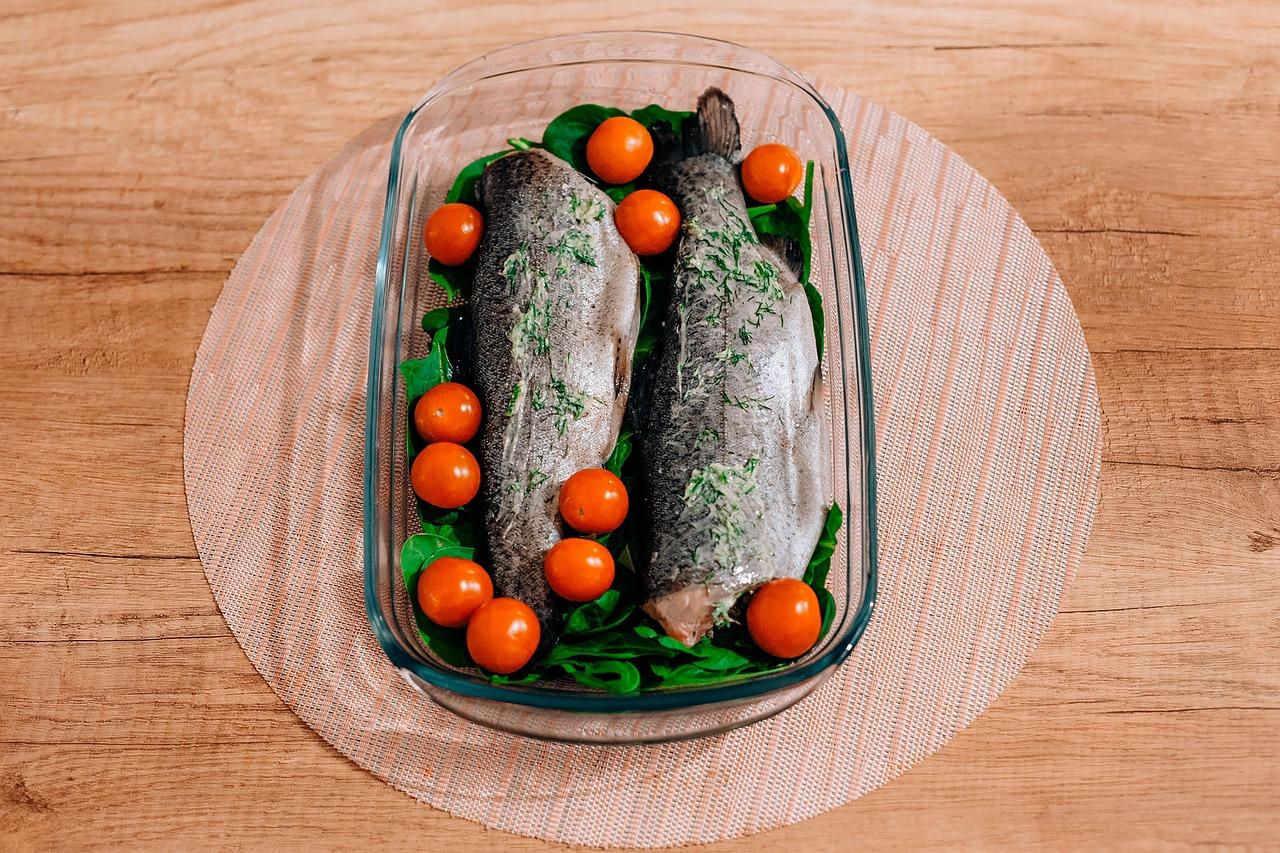
Ishkhan, 'the prince', is the name Armenians give to the trout of Lake Sevan, the vast blue lake high in the mountains north-east of Yerevan, and lakeside restaurants on the Sevan peninsula serve it grilled whole or stuffed with herbs and baked. The native ishkhan is now rare and protected, so the fish served today is farmed trout, cooked the same way: stuffed with tarragon, dill, coriander and garlic, roasted until the skin crisps, with lavash and lemon. A common mistake is wrapping the fish tightly in foil, which steams it soft; leave it uncovered for a crisp skin. Chef's tip: brush the fish with a little tkemali or pomegranate molasses in the last five minutes for a sweet-sour glaze. The fish is done when the flesh is opaque and flakes easily at the backbone.

by KrazyBadal 0 views

DoubaraSpicy chickpea stew

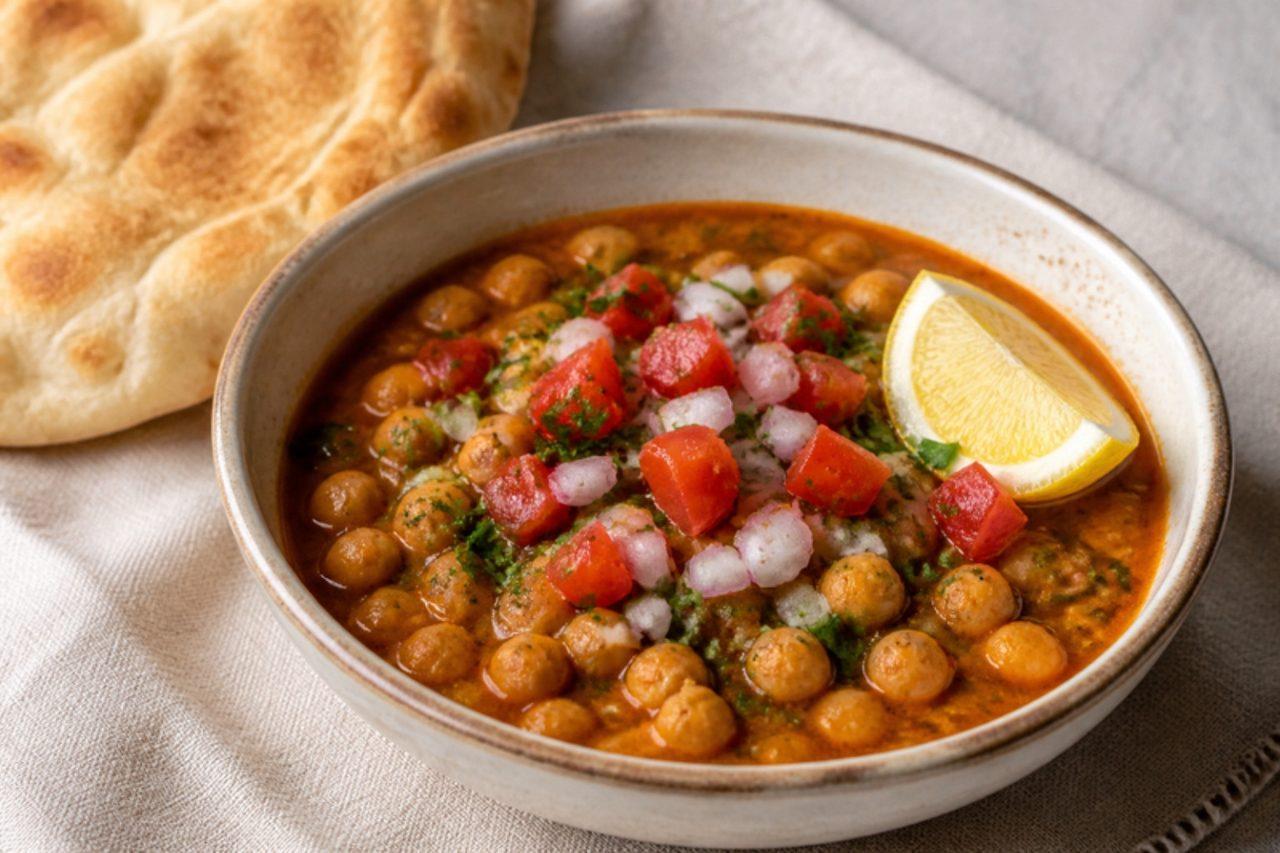
In Biskra, the oasis town at the gateway to the Algerian Sahara, doubara is street food, ladled from big pots into bowls from late afternoon and through Ramadan nights. Soft chickpeas or broad beans are simmered with cumin and garlic, then dressed with a fiery garlic-harissa sauce, olive oil, lemon and a heap of chopped tomato, onion, parsley and fresh chilli on top. It is hot, sour and very garlicky, filling yet fresh, and eaten with bread. Chef's tip: mash a ladle of the chickpeas into the broth at the end; it thickens the stew so the sauce clings.

by KrazyBadal 0 views

Zviti (pounded pepper and flatbread mash)

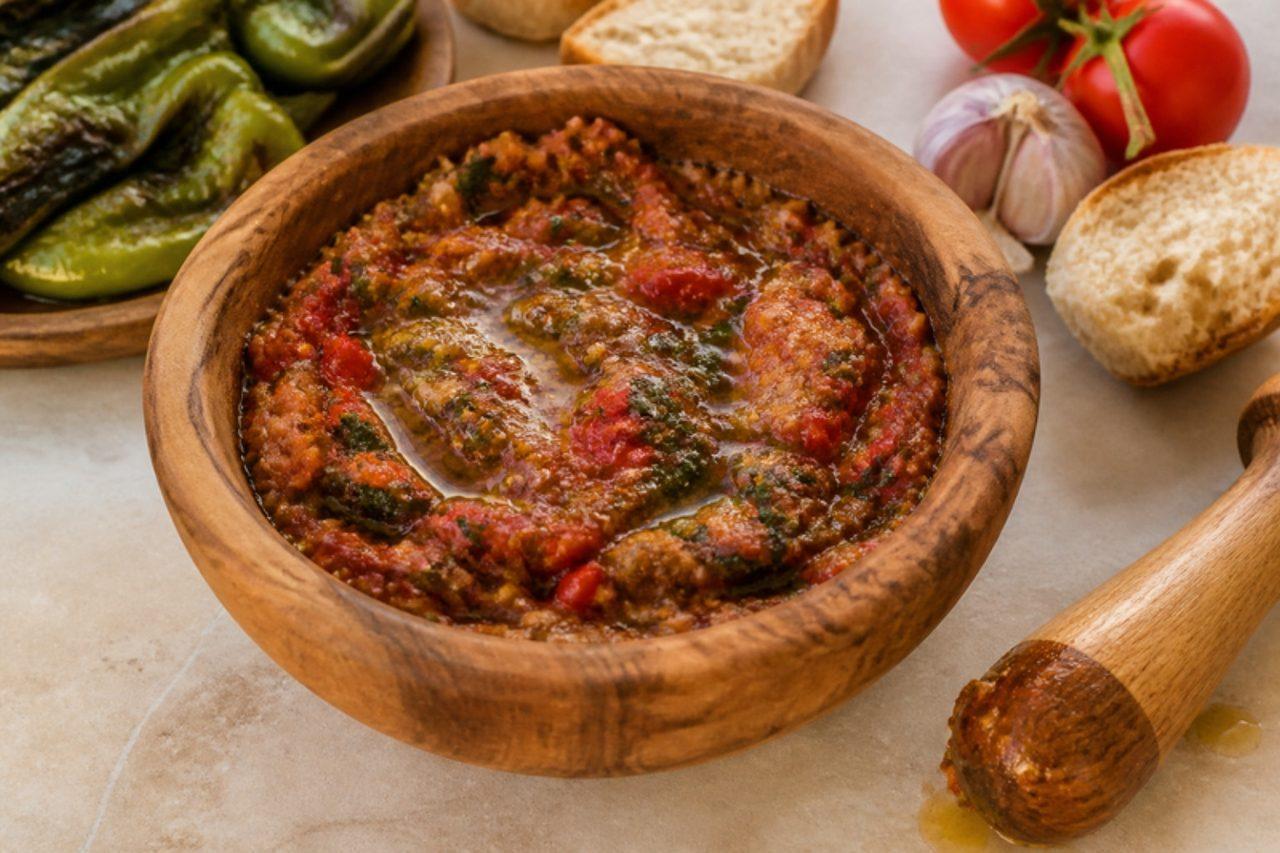
Fire-blistered green chillies, a few tomatoes and a fist of garlic go into a wooden mortar, and the cook in Bou Saâda or M'Sila pounds them with torn flatbread until everything turns into a coarse, hot, smoky mash. Zviti is served straight from that wooden bowl, sometimes in a carved mortar the size of a salad bowl, and eaten by hand with more bread, often on cold evenings in the steppe towns. The flavour is sharp and grassy from the chillies, sweet from the charred tomato and soothed by plenty of olive oil. Choose a mix of hot and milder long chillies to set the heat you like. Don't leave the charred skins on the peppers and tomatoes: they turn the mash bitter and stringy. Chef's tip: pound rather than blend; a food processor whips it into a watery soup, so if you must use one, pulse briefly and add the bread last.

by KrazyBadal 0 views

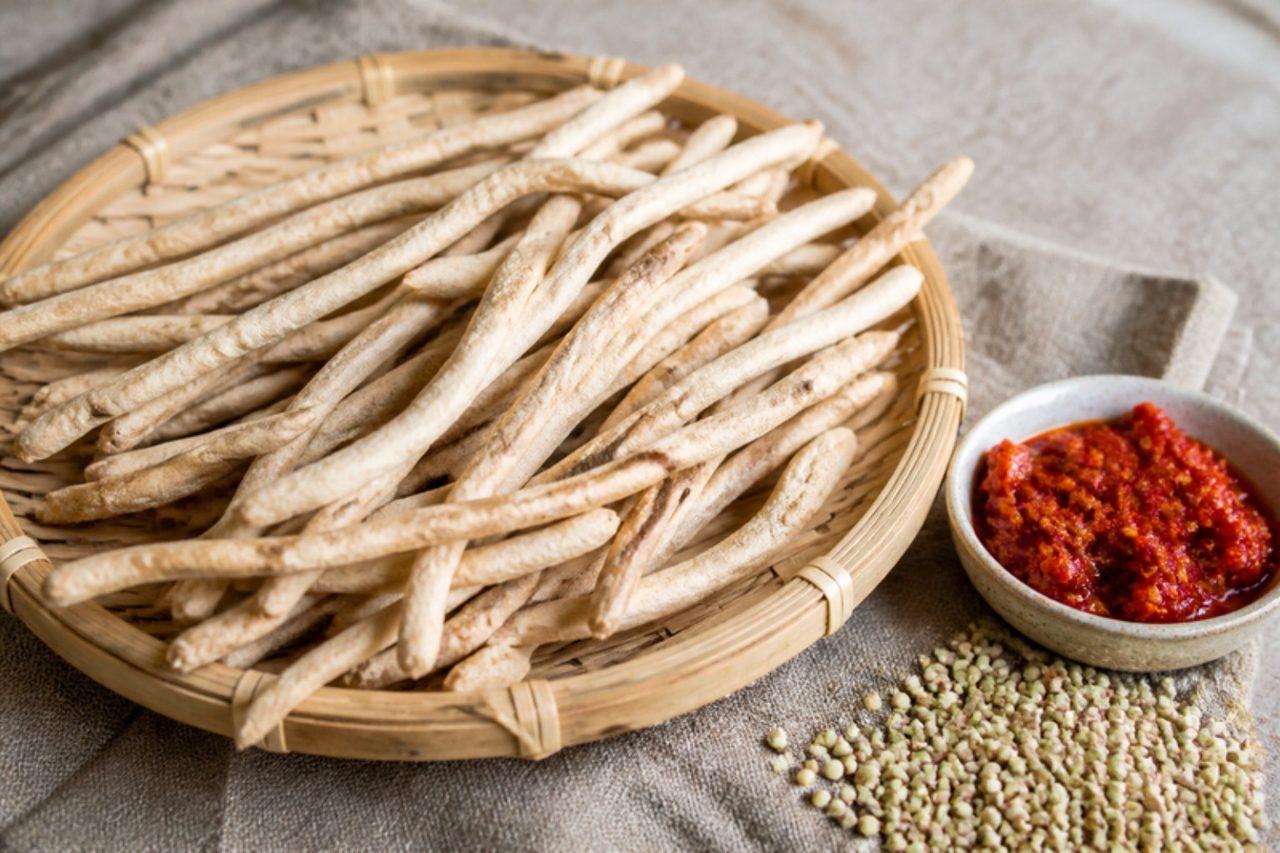
KanchembaFried buckwheat fingers

In the Thakali villages of Thak Khola, kanchemba is what is fried when visitors arrive in the afternoon or when the family gathers on a winter evening, and it has since become a favourite snack in Thakali restaurants in Pokhara and Kathmandu. The buckwheat dough is seasoned with turmeric, chilli and a little onion, rolled into thick fingers, then deep-fried until crunchy outside and soft and nutty in the centre. A punchy dipping achar of tomato, chilli, garlic and roasted timur comes alongside, and the pair is eaten with a bowl of salty butter tea or a glass of hot water. The trouble usually starts when the fingers are too thick, so the middle stays pasty while the outside darkens. Chef's tip: keep the fingers no thicker than your own, and fry at a moderate heat so they cook through before they brown.

by KrazyBadal 0 views

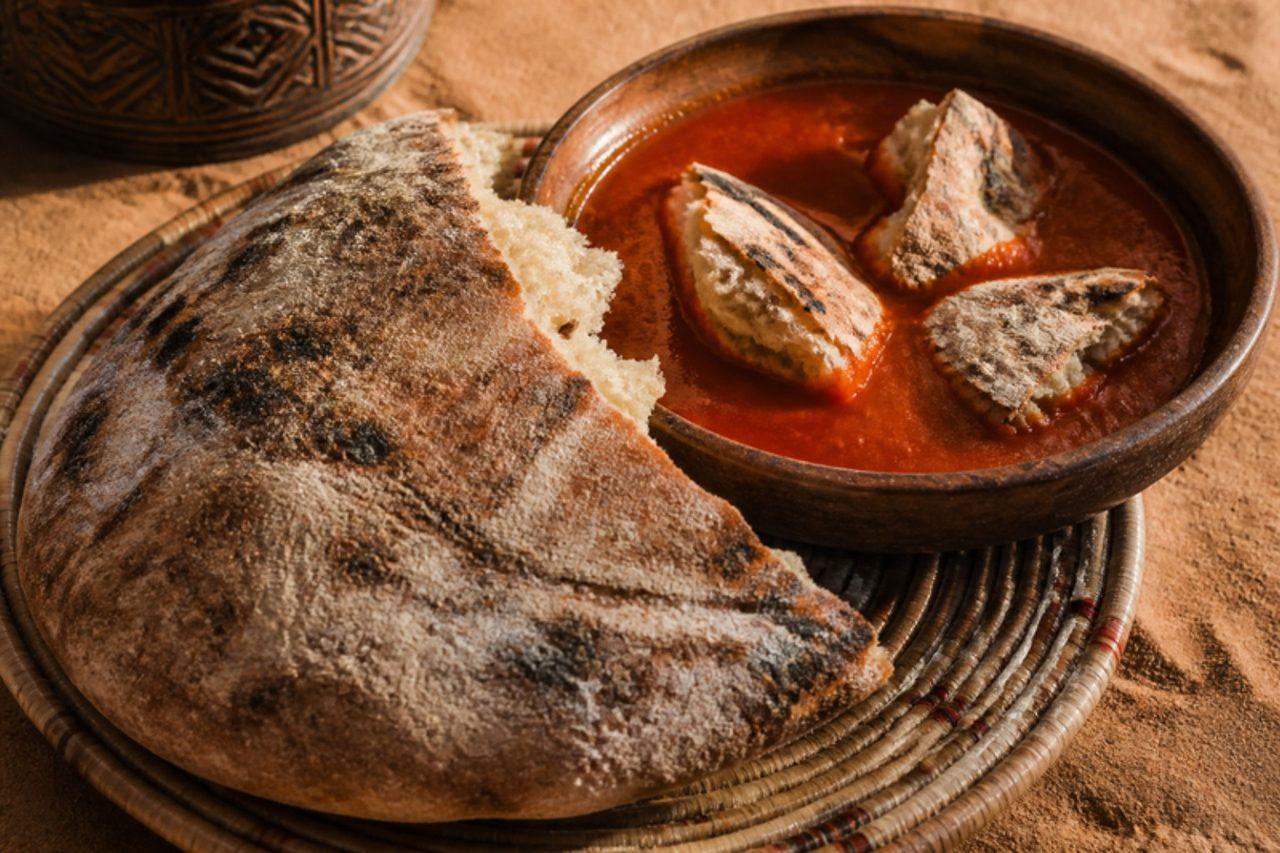
Tagella (Tuareg sand-baked bread)

Out in the Hoggar mountains around Tamanrasset, Tuareg cooks bury a thick disc of dough in sand heated by a wood fire, cover it with embers and dig it up half an hour later with a dense, chewy crumb and a thick crust that is beaten clean of sand. The bread is then broken into pieces and soaked in a spicy tomato and onion sauce, a hearty meal for a camp or a desert evening; meat goes in when there is some, and this is the plain version cooked on ordinary days. At home, a very hot oven with a cast-iron pan gives a similar crust. Expect a filling, rustic dish with a smoky, peppery sauce. A frequent slip is making the dough too dry; it should be soft, or the thick round cracks and stays raw in the middle. Chef's tip: bake the bread until it sounds hollow when knocked, because an underbaked, doughy centre turns to paste in the sauce.

by KrazyBadal 0 views

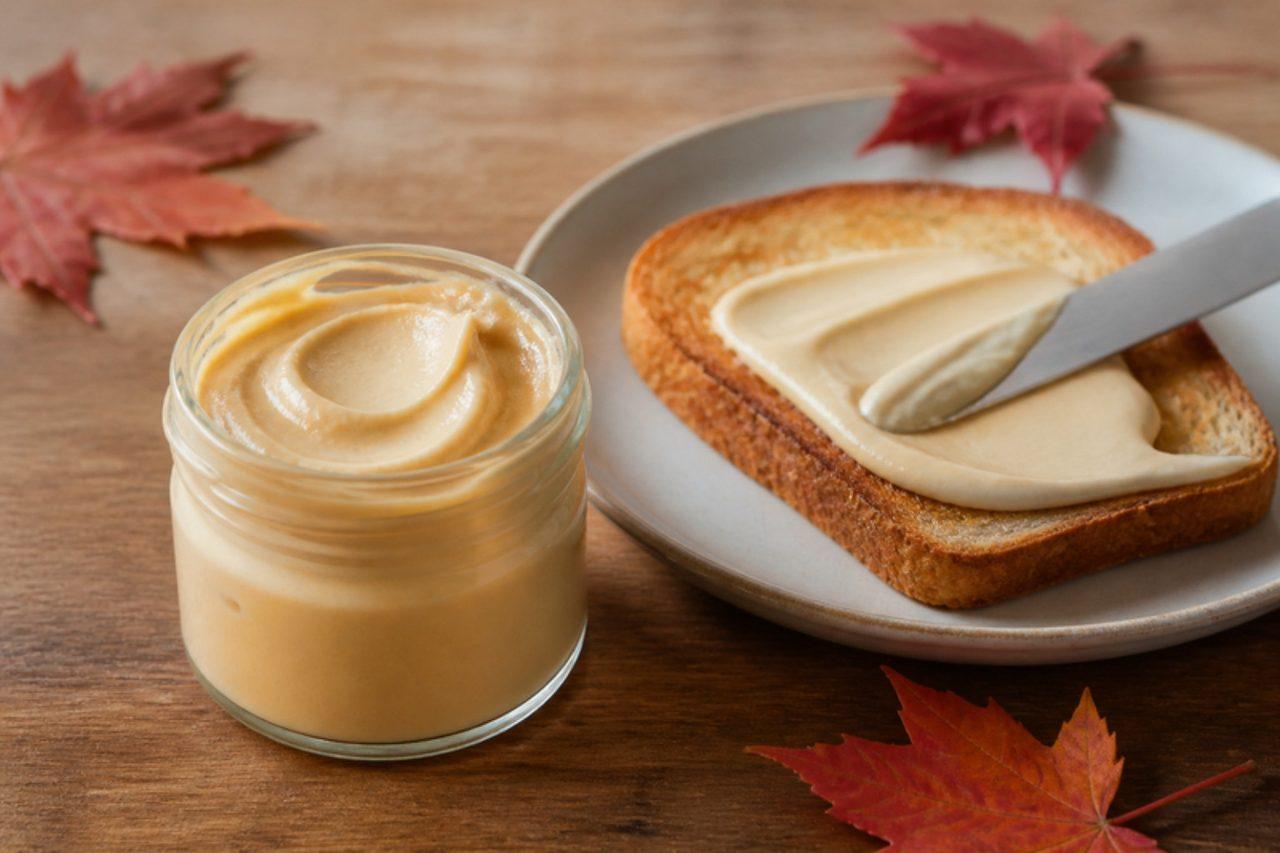
Maple cream

Crème d'érable is sold in little jars in every Quebec market from Jean-Talon to the Beauce farm stands, and despite the name there is no cream in it: pure maple syrup is boiled to the soft-ball stage, cooled without stirring and then beaten until it turns pale and creamy. It is spread on toast, crêpes and warm bagels. Patience and a thermometer are the whole trick. The common mistake is stirring the syrup while it cools, which sets off large grainy crystals instead of a smooth cream. Chef's tip: use a light, golden syrup; dark syrups taste stronger but can stay runny.

by KrazyBadal 0 views

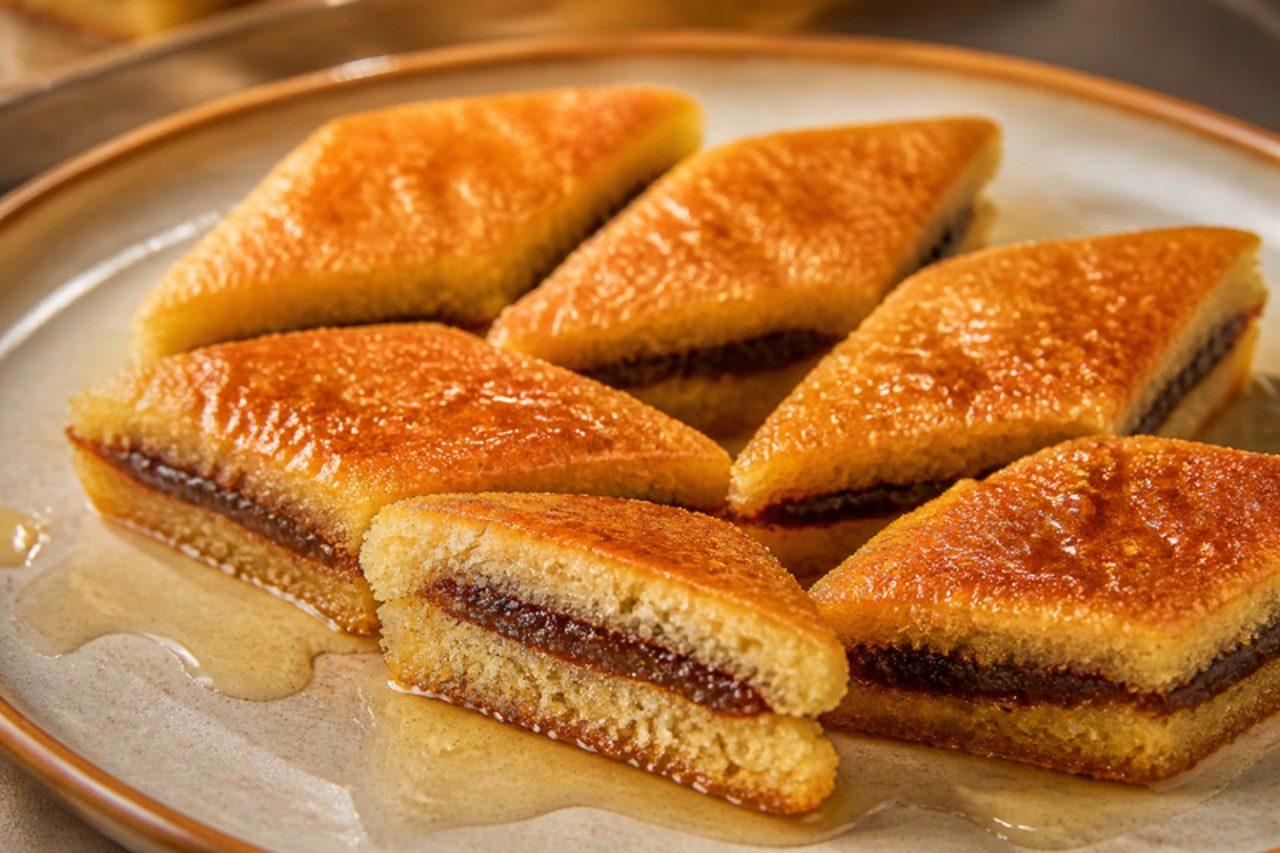
Bradj (date-filled semolina diamonds)

When the first warm days arrive, families in Constantine and across eastern Algeria mark the spring festival with picnics, boiled eggs and plates of bradj: diamonds of buttery semolina sandwiching a layer of spiced date paste, cooked slowly on a griddle rather than baked. The outside turns golden and crumbly, the date layer stays soft and sticky, and orange-blossom water perfumes the whole thing. Bradj is served warm with a drizzle of honey or a cold glass of buttermilk, and is just as good the next day with coffee. Chef's tip: press the dough together rather than kneading it; worked like bread dough, semolina turns tough, and bradj should break with a crumble.

by KrazyBadal 0 views

Mbesses (Kabyle semolina cake)

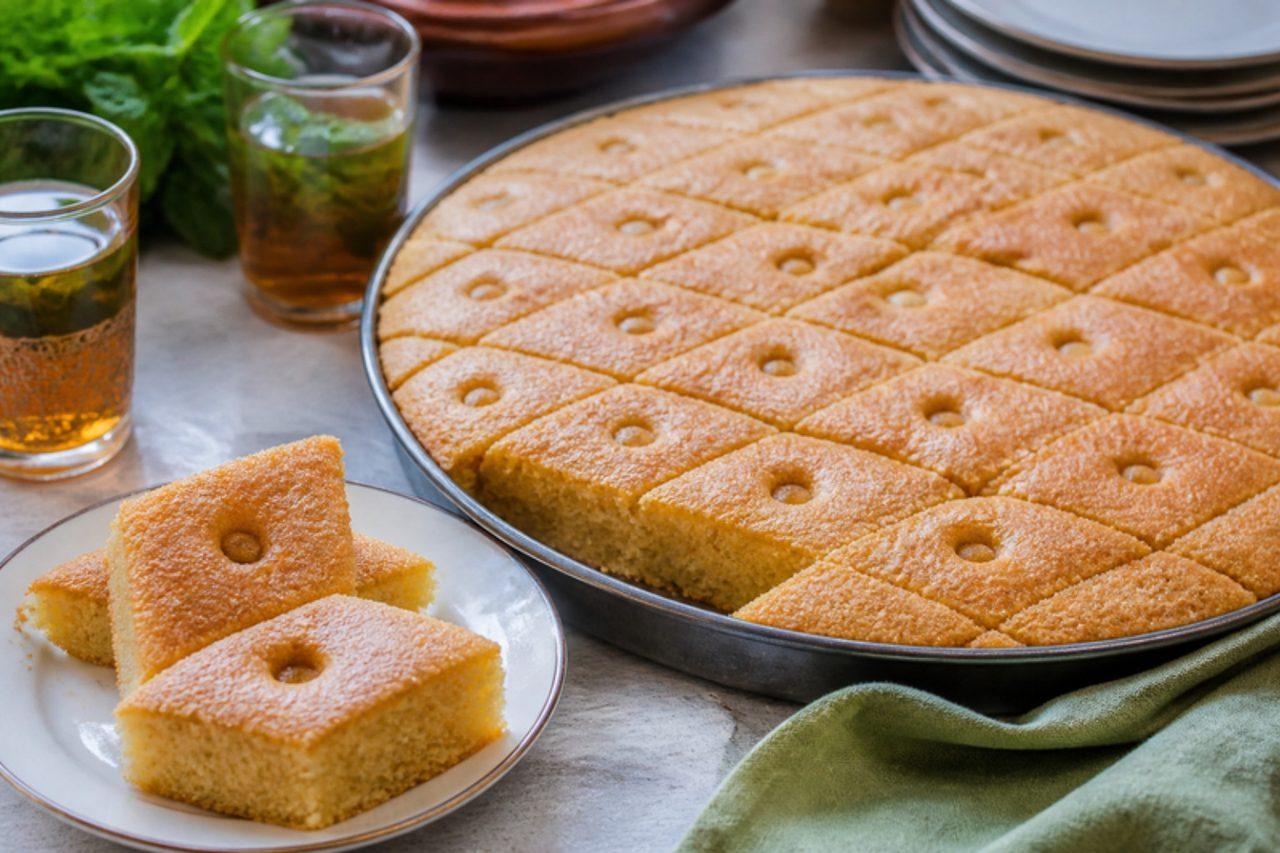
Somewhere between shortbread and cornbread, mbesses is the plain cake of Kabyle kitchens, a shallow tray of semolina rich with melted butter, lightly sweetened and baked until golden on top. The texture is sandy and tender, breaking into crumbs that taste of toasted grain and butter, with a hint of orange blossom. It is cut into diamonds and served with milky coffee in the afternoon, or offered to guests who drop by during Ramadan evenings. Some households scatter sesame or nigella seeds over the top before baking. Chef's tip: spread the mixture into the tray with a light hand; pressing it down hard is the most common mistake and gives a dense, heavy cake.

by KrazyBadal 0 views

Tamina (roasted semolina with honey)

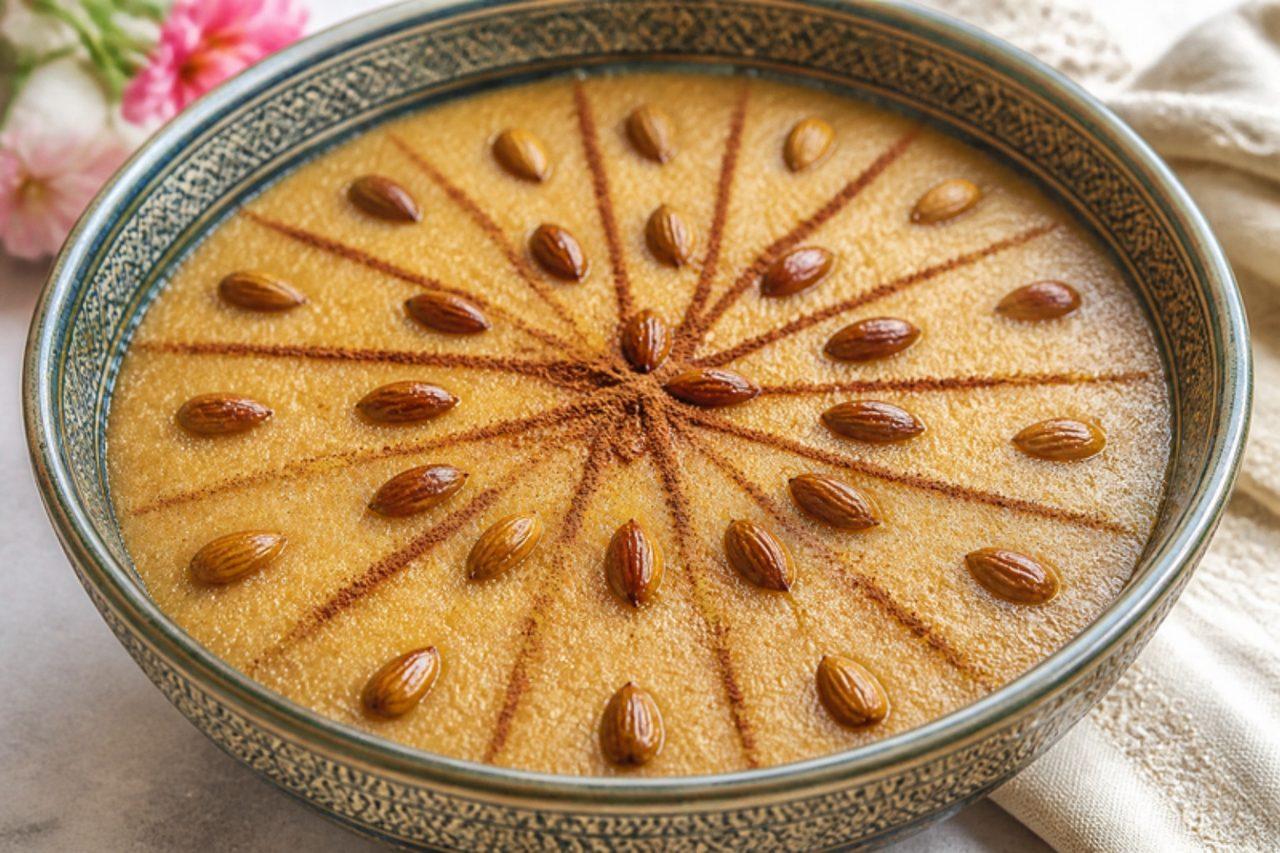
Word of a birth in an Algiers household brings a steady flow of visitors, and each is offered a small dish of tamina with coffee: semolina roasted in a dry pan until it smells like toasted hazelnuts, then bound with melted butter and honey and dusted with cinnamon. It is soft, crumbly and sweet, a little like a spoonable halva, and is said to give strength to the new mother. Tamina is also made for Mawlid and served with tea, with the cinnamon often sifted over in a lattice pattern. Chef's tip: toast the semolina slowly over a medium-low heat and stir without stopping; burnt dark specks make the whole batch bitter and cannot be picked out.

by KrazyBadal 0 views

Charmoula sfaxienneSweet-sour onion and raisin sauce

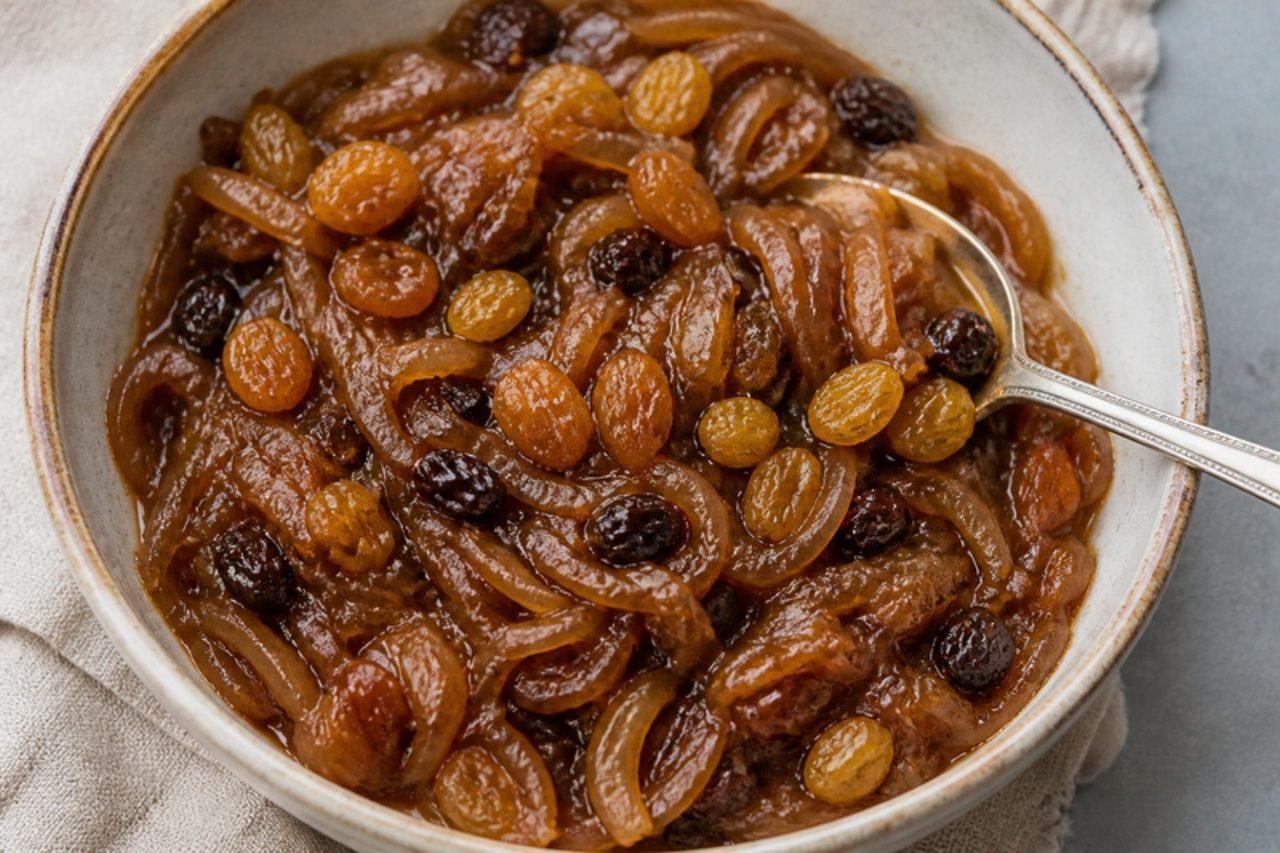
The first meal after Ramadan in Sfax is unlike anywhere else: on the morning of Eid al-Fitr, families eat salted dried fish with charmoula, a thick, almost black sauce of onions and raisins cooked for hours in olive oil with black pepper, cinnamon and cloves. It is sweet, sour and spicy at once, glossy like a chutney, and its strong flavour is meant to wake up a stomach that has fasted for a month. Fish lovers serve it with salted fish; this vegetarian version is lovely with roast vegetables, hard-boiled eggs or simply bread. It keeps for weeks. Chef's tip: cook the onions down slowly until they collapse and caramelise before adding the raisins; hurrying gives a sharp, raw-tasting sauce.

by KrazyBadal 0 views

Jamaican cornmeal pudding

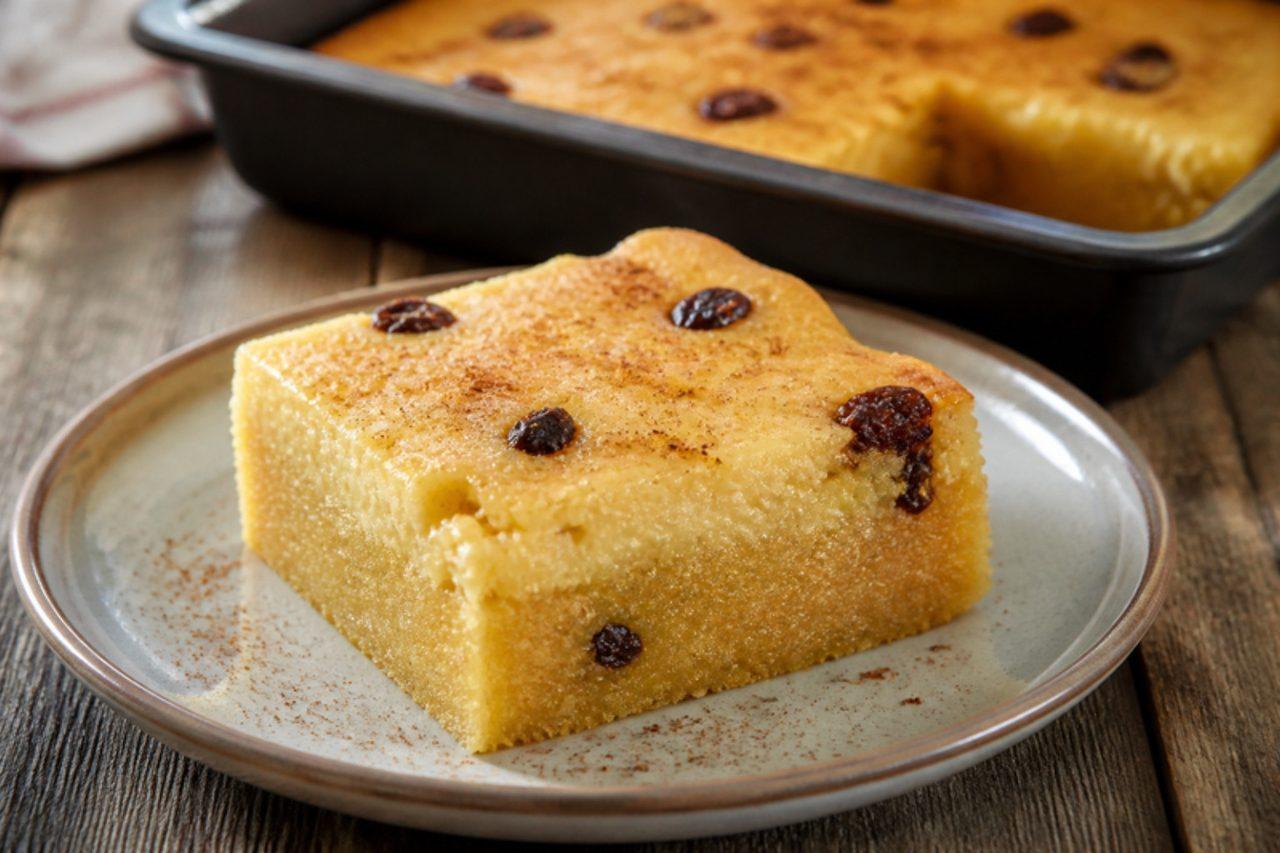
Jamaican cornmeal pudding is the cousin of sweet potato pudding, cheaper and quicker to make, and a fixture at Sunday dinner and church harvest suppers from Kingston to the hills of Manchester. Cornmeal is first cooked on the stove in coconut milk with sugar and nutmeg, then baked until firm, sliceable and caramel-edged, with a thin, soft layer on top. The classic mistake is pouring raw cornmeal straight into hot liquid, which makes lumps; whisk it into cold liquid first. Chef's tip: pour a little extra coconut milk over halfway through baking to get that custardy "hallelujah" top.

by KrazyBadal 0 views

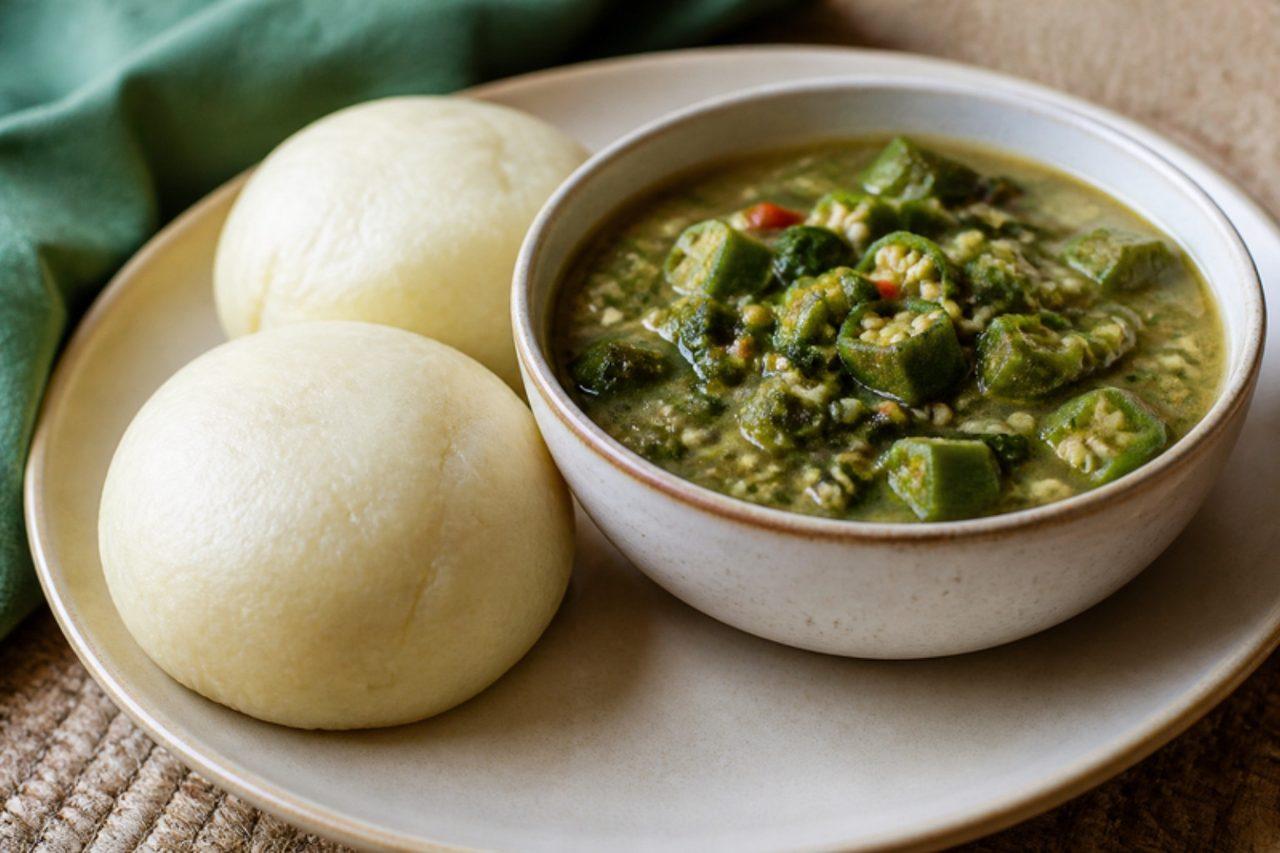
AkpleCorn and cassava swallow

Ewe homes in Ho, Keta and across the Volta Region eat akple at the main meal of the day, almost always with fetri detsi, the slippery okra soup that slides it down. It is firmer and less sour than banku, made by stirring fine maize meal into a hot base of fermented corn and cassava dough, and the finished balls are smooth, dense and mild. A vegetable okra soup makes it a meat-free meal. Chef's tip: add the dry maize meal in small handfuls and press every addition into the dough before the next; pouring it in all at once is the common mistake that leaves dry, floury pockets.

by KrazyBadal 0 views

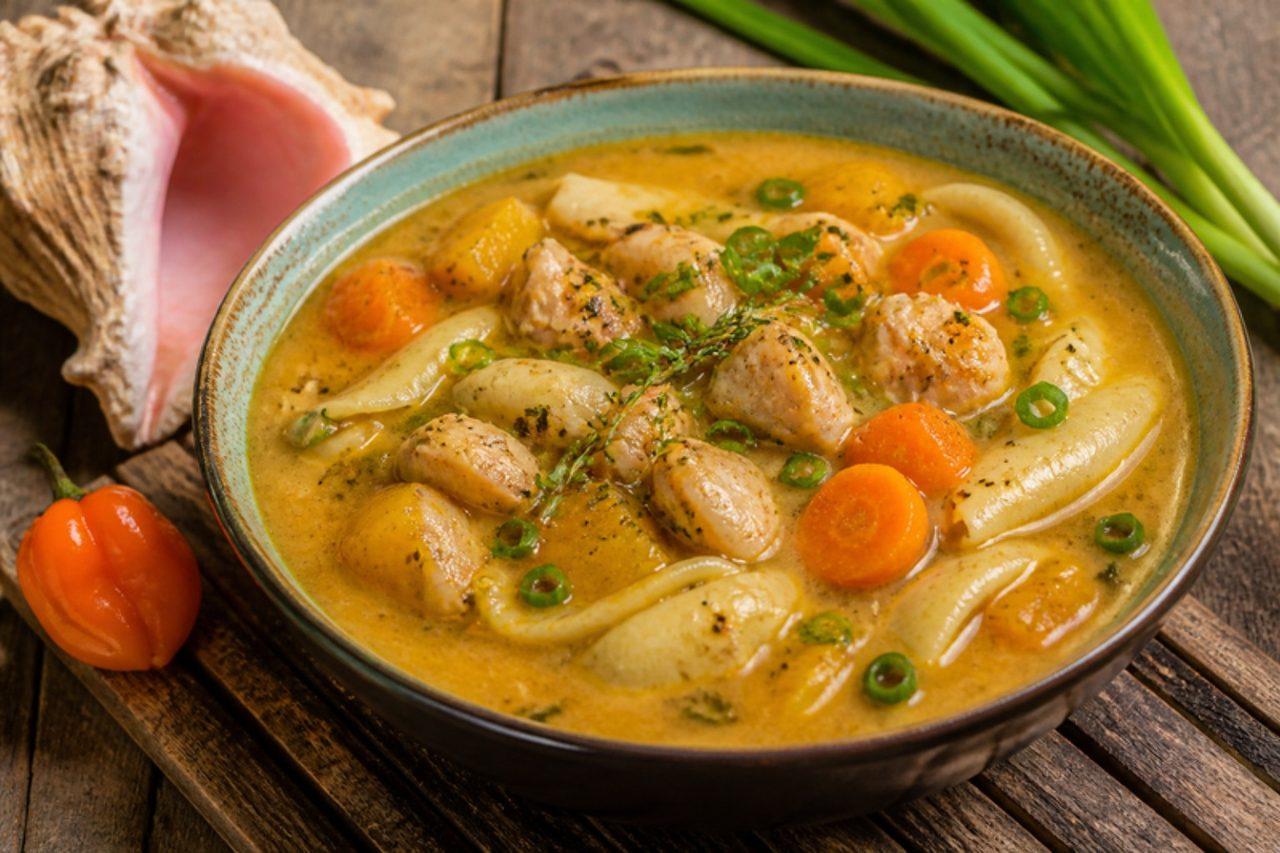
Jamaican conch soup

From Montego Bay's craft market cookshops to roadside pots around Falmouth, conch soup is sold by the cup on Fridays and Saturdays: tender pieces of conch in a thick, peppery broth with potatoes, pumpkin, carrot and chewy flour spinners. Conch is famously tough, so it is pounded and simmered slowly before the vegetables go in. Buy cleaned frozen conch meat from a fishmonger; thaw it in the fridge and throw away any that smells off. The most common mistake is not tenderising the conch, leaving rubbery chunks; pound it well and simmer until a knife slides in. Chef's tip: a little lime rubbed into the conch before pounding removes its slippery film and freshens the flavour.

by KrazyBadal 0 views

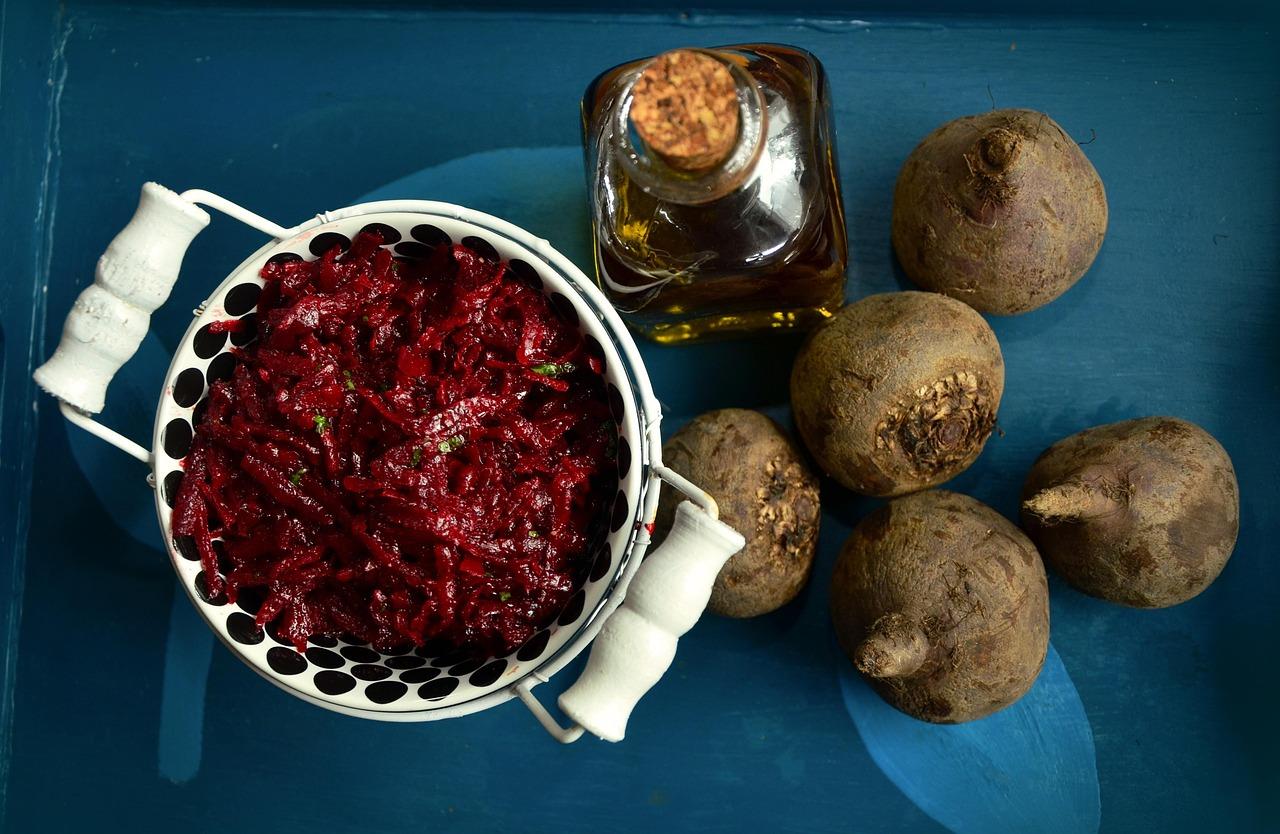
Buraczki zasmażaneWarm grated beetroot

Sunday lunch in Poland has its trio: potatoes with dill, something from the oven, and a heap of these warm, glossy beets. Cooked beetroot is grated, then warmed through with a quick butter roux that turns it soft and spoonable, and balanced with lemon juice and a little sugar until sweet, sour and earthy at once. It goes with dumplings, eggs, fried cheese or a mushroom cutlet as well as with roasts. Where most people go wrong is adding the lemon too late; acid early keeps the beets ruby red instead of brown. Chef's tip: roast the beetroot whole in foil rather than boiling it for a deeper, sweeter flavour.

by KrazyBadal 0 views

Showing 27 of 7,762 recipes

Show more recipes

Page 223 of 863