


Skip to content
Shorwa
Featured recipe

Shorwa

Lamb and vegetable soup

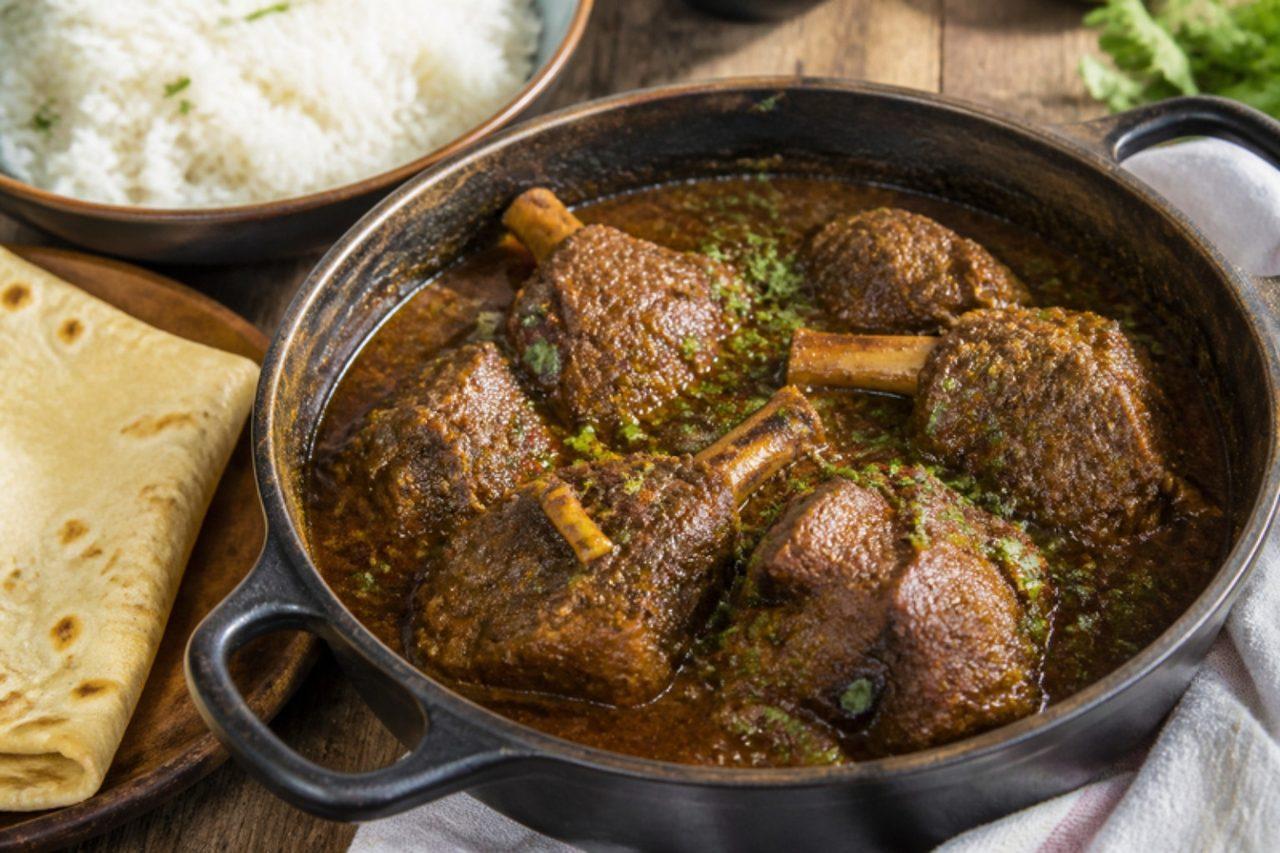
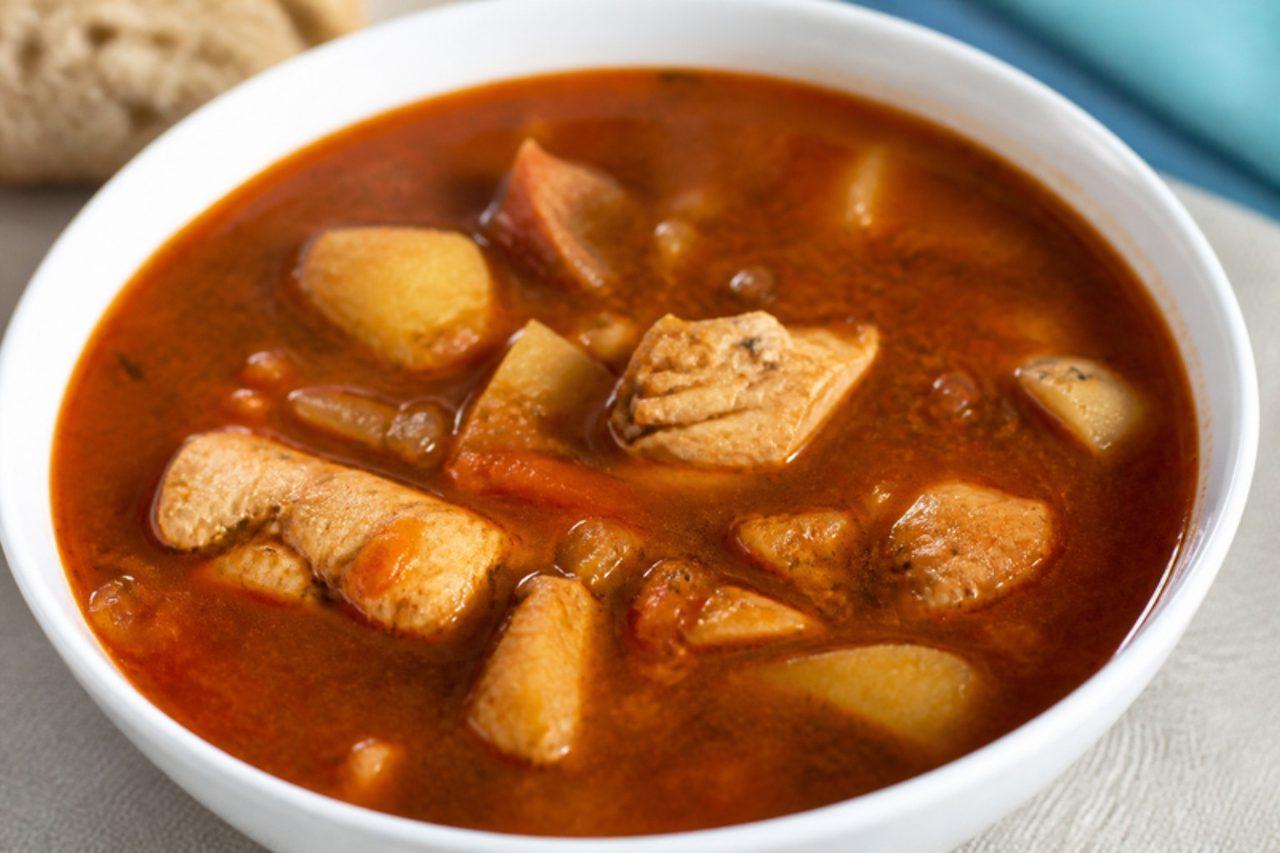
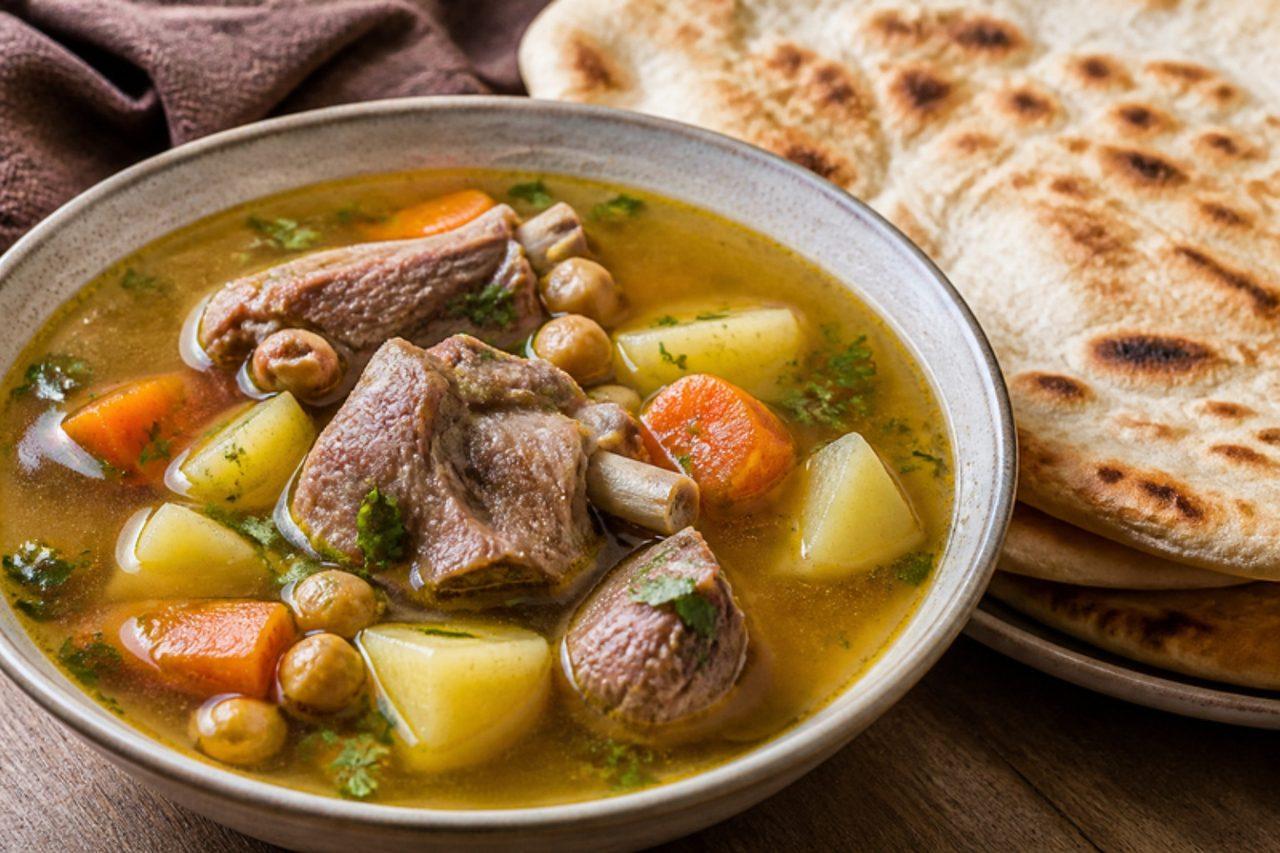
Shorwa is the everyday soup of Afghan homes from Kabul to Herat, simmered on winter evenings and during Ramadan, when a bowl of it breaks the fast. Lamb on the bone cooks slowly with onion, tomato, chickpeas and a little turmeric and coriander until the broth turns golden, then potatoes and carrots go in for the last half hour. The family tears naan into their bowls and eats it with fresh mint, onion and green chilli on the side. It is a gentle, clear soup rather than a thick stew. The common mistake is boiling it hard, which makes the broth cloudy and the lamb tough; keep it at a lazy simmer. Chef's tip: skim the broth carefully in the first 10 minutes, as soon as the grey foam rises, for a clean golden shorwa.

Read more 0 views

What to eat today?

Around the world

Today's trip: Paraguayan

A new country every day, from every cuisine on the site.

Paraguayan

Chipa

Cheese bread rings 50 minMore from Paraguayan (27) →

This week's collection

Kid-friendly dinners
537 recipes · a new collection every Monday

Latest recipes

Tarragon lemonade

Tarkhuna is the emerald-green soda that every Tbilisi child knows, sold from street fountains since the early 1900s and still poured in tall glasses at cafés on Rustaveli Avenue. The bottled kind is coloured; the home version gets its green from blitzing fresh tarragon with lemon and syrup, giving an aniseedy, sweet-sour fizz. A common mistake is boiling the tarragon, which dulls the colour and turns the flavour stewed. Chef's tip: blitz the herb into cool syrup and strain it straight away; the drink stays vivid green for a day in the fridge.

by KrazyBadal 0 views

Megrelian kharcho

In Samegrelo 'kharcho' means something quite different from the Tbilisi soup: chicken pieces simmered in a thick, golden sauce of ground walnuts, garlic, hot pepper and Imeretian saffron (dried marigold), so rich and spicy that it is eaten with plain ghomi to calm it down. Zugdidi families cook it for guests and for Sunday lunch. A common mistake is boiling the sauce hard once the walnuts go in; it turns oily and grainy. Chef's tip: grind the walnuts until they weep oil and spoon a little of that oil over the finished dish; Mingrelians judge kharcho by its glossy, orange sheen. Chicken must reach 74 °C in the thickest part.

by KrazyBadal 0 views

Water chestnut cake

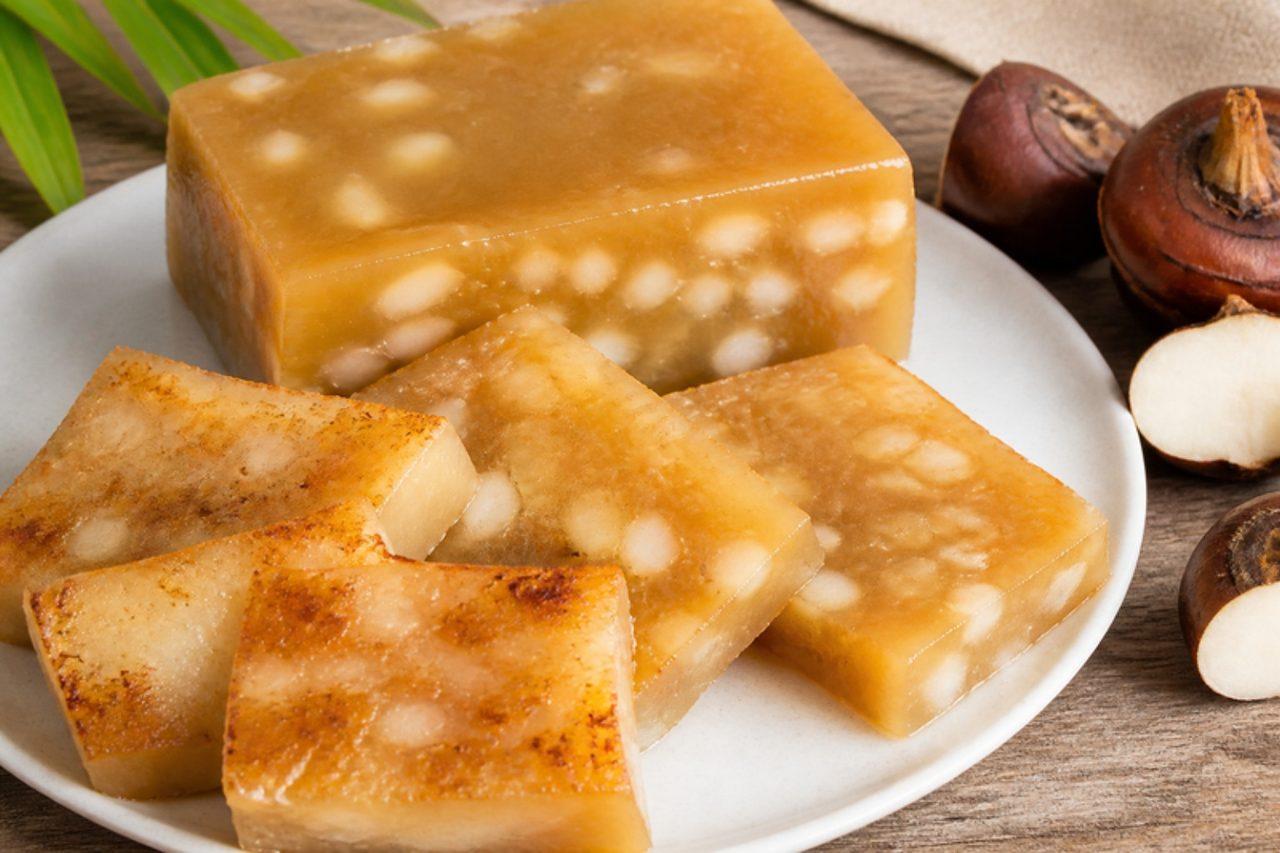
Dim sum halls across Hong Kong lay out amber squares of water chestnut cake on small plates, and every Lunar New Year home kitchens steam a tray to give away to visitors. Set from water chestnut starch and brown slab sugar, the cake is translucent and gently chewy, flecked with pieces of fresh water chestnut that stay crisp and juicy. It is eaten cold and wobbly in summer, or sliced and pan-fried until the outside forms a caramel crust with a soft centre, with a cup of jasmine or oolong tea. A frequent problem is a lumpy, cloudy cake, which comes from pouring the hot syrup into the starch all at once without stirring. Chef's tip: let the cake set completely, ideally overnight in the fridge, before slicing with a knife dipped in water.

by KrazyBadal 0 views

Osban (Tunisian stuffed lamb sausages)

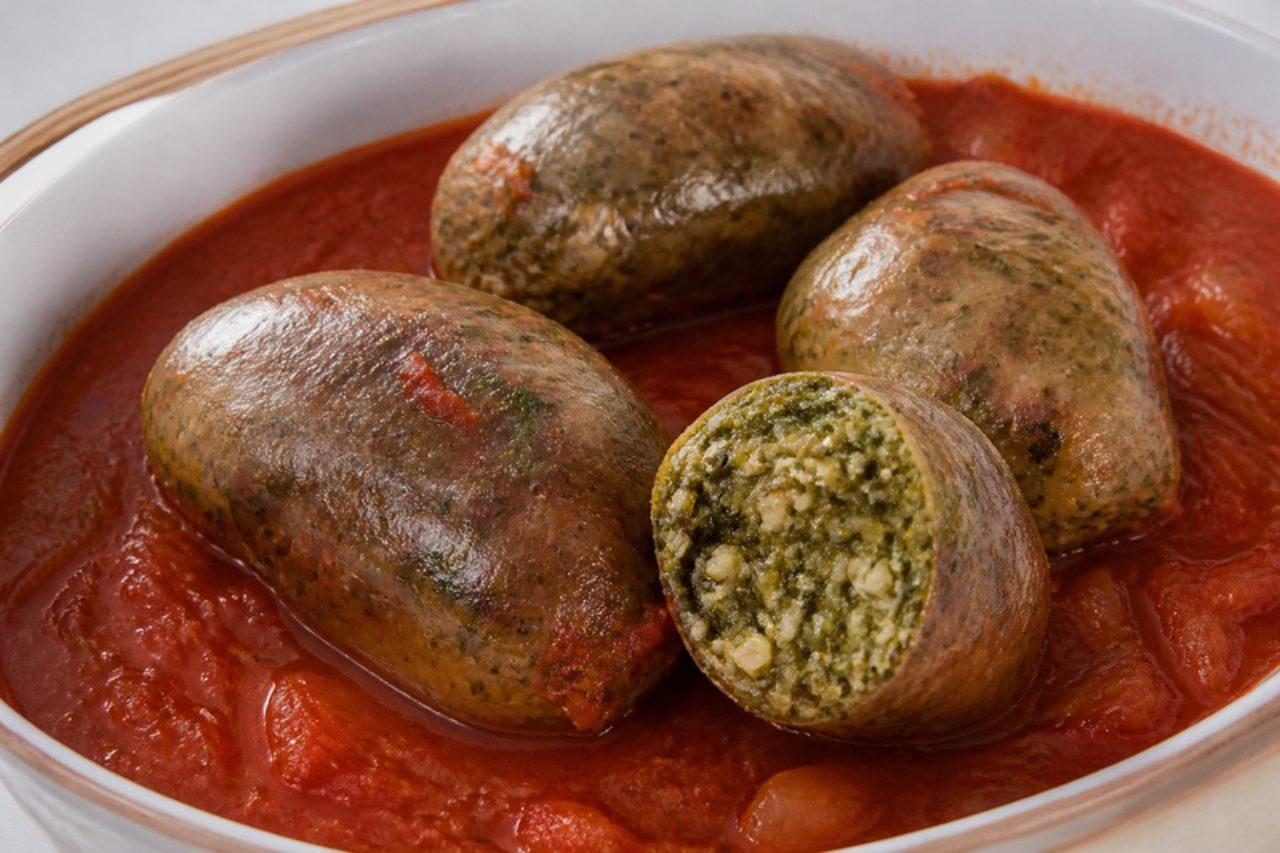
Eid al-Adha in Tunisia means using every part of the sheep, and osban is how the tripe is honoured: cleaned pieces are sewn into pouches and packed with rice, chopped liver and lamb, chard, a big bunch of parsley and coriander, dried mint and harissa, then simmered in a red chickpea sauce and served over couscous. Families all over the country, from Tunis to the south, make a batch and freeze some for later. The filling cooks into a soft, herby, peppery sausage and the tripe turns tender. Buy tripe that the butcher has already cleaned and scalded, or use natural sausage casings for an easier version. Chef's tip: fill the pouches only two-thirds full and prick them with a needle; the rice swells as it cooks, and overstuffed osban burst, which is the most common mistake.

180 minTunisianMeat
by KrazyBadal 0 views

Jamaican soursop juice

Soursop punch is a Sunday-dinner drink in Jamaica, made when a ripe, soft soursop comes from the market or a yard tree, and it is also sold in bottles at roadside juice stands. The white, custardy pulp tastes of pineapple, banana and strawberry all at once, and blended with milk, nutmeg and vanilla it becomes thick and creamy. The common mistake is blending the black seeds, which taste bitter and should not be eaten; always pick them out by hand. Chef's tip: use a fruit that gives softly all over when pressed, like a ripe avocado.

by KrazyBadal 0 views

Apricot preserve

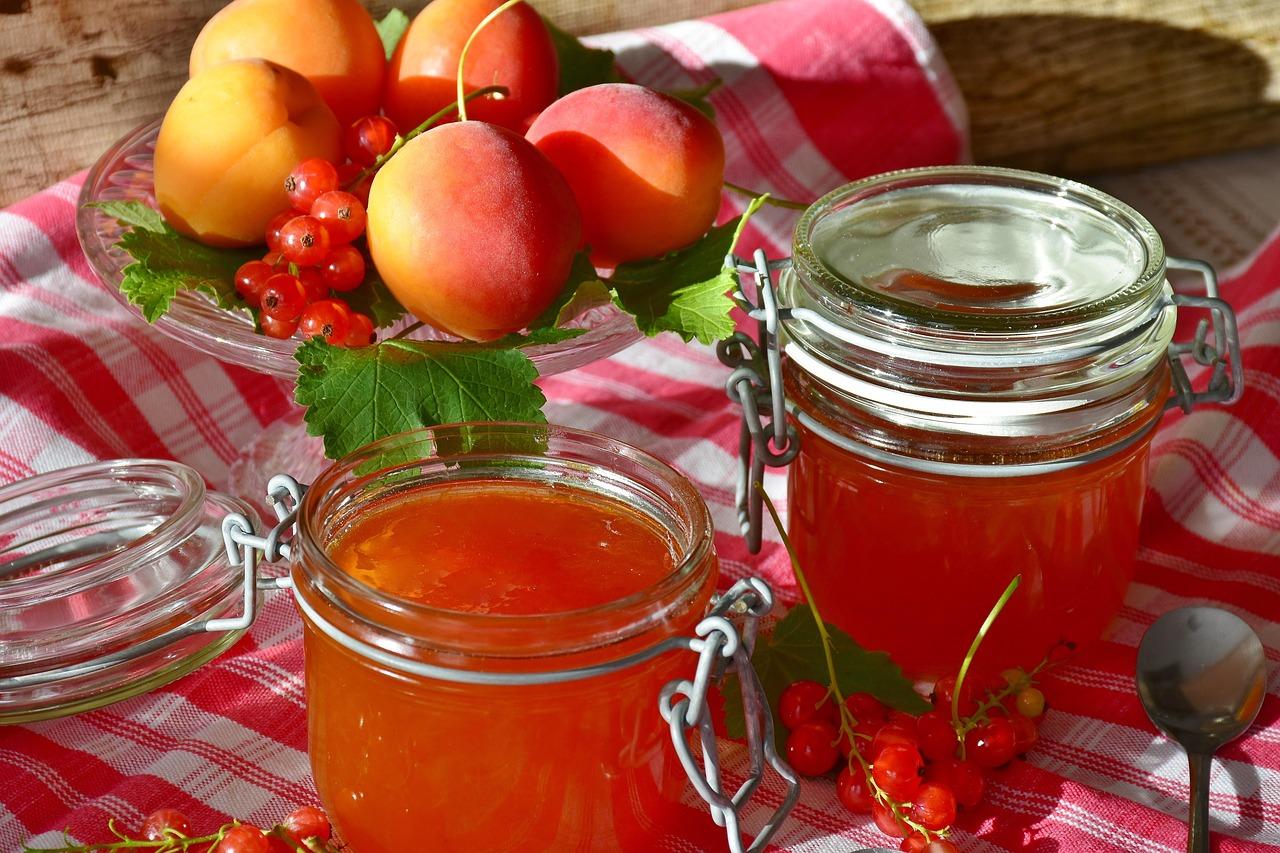
The apricot is Armenia's national fruit, and in July families in the Ararat Valley villages around Artashat and Masis cook whole ones slowly in syrup so they keep their shape and turn translucent, sometimes slipping a peeled kernel back inside each fruit. The jars come out on winter evenings, served in tiny glass bowls with black tea or coffee. A common mistake is boiling the fruit hard, which breaks it into jam. Chef's tip: cook in short spells, resting the pan overnight between them; the syrup seeps in slowly and the apricots stay whole and glossy. Bitter kernels contain a natural toxin, so use sweet almonds instead.

by KrazyBadal 0 views

Kammounia (Tunisian cumin beef stew)

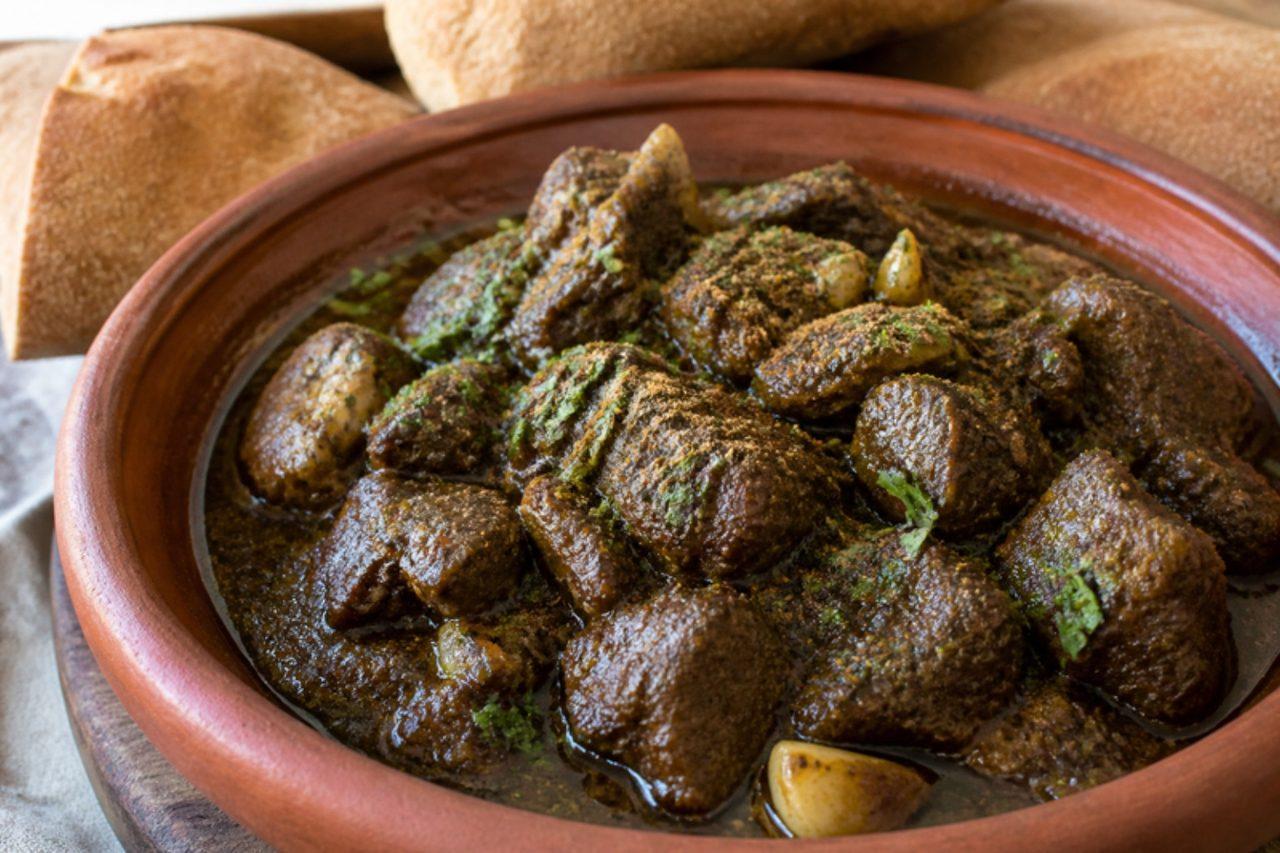
Cumin, kammoun in Arabic, gives kammounia its name, and the dish uses it boldly: chunks of beef, or in many Tunis homes lamb's liver, simmer in a thick, dark sauce of garlic, tomato paste and a generous amount of ground cumin until the meat is tender and the sauce clings to it. It is everyday family food in Tunis and Sfax, scooped up with crusty bread or served alongside a salad and olives. The flavour is earthy, warm and garlicky with a gentle heat from harissa. The usual mistake is adding the cumin at the start and frying it hard, which makes it bitter; it goes in once the sauce is simmering. Chef's tip: add half the cumin at the start and the rest in the last 10 minutes; all of it at once risks a flat, slightly bitter sauce, while the late addition keeps the aroma bright.

by KrazyBadal 0 views

Bkaila (Tunisian spinach and beef stew)

Tunisian Jewish families in Tunis, and those who carried the dish to Paris and Israel, cook bkaila for Rosh Hashanah and for Friday-night dinners: a heap of spinach is fried in olive oil for over an hour, until it shrinks to a dark, almost black, crumbly paste, then simmered for hours with chunks of beef, white beans, garlic and dried mint. The result looks dramatic and tastes deep and earthy, a little like a long-braised green sauce, with tender meat and creamy beans. It is eaten with couscous or bread, and is even better reheated the next day. Start the beans soaking the night before. Chef's tip: fry the spinach over a medium-low heat and stir often; turning up the heat to save time is the classic mistake, scorching the leaves so the whole pot turns bitter.

240 minTunisianMeatGluten free
by KrazyBadal 0 views

Jamaican pumpkin soup

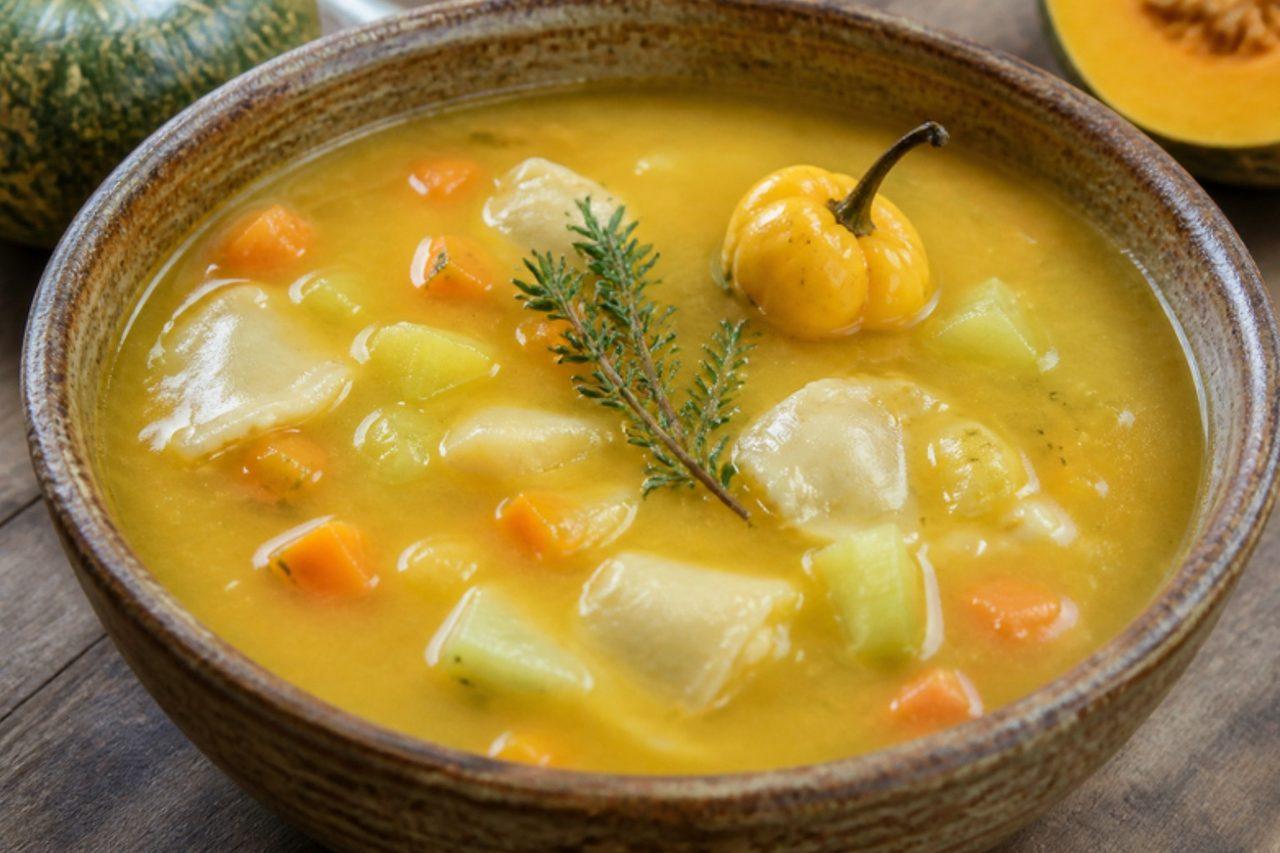
Ital kitchens in the Blue Mountains cook pumpkin soup on cool evenings, when the mist comes down over the coffee farms and something golden and peppery is needed. This one is meat-free and dairy-free: calabaza, carrot and chocho simmer with thyme, scallion and pimento until the pumpkin breaks down into a thick, naturally sweet broth, with a few spinners for chew. People often add the scotch bonnet already cut, which can make the whole pot ferociously hot; drop it in whole and take it out when the soup tastes right. Chocho (chayote) is optional, and courgette is a fair swap. Chef's tip: leave the soup chunky rather than blending; Jamaicans like to see the pieces of pumpkin collapsing into it.

by KrazyBadal 0 views

Armenian string cheese

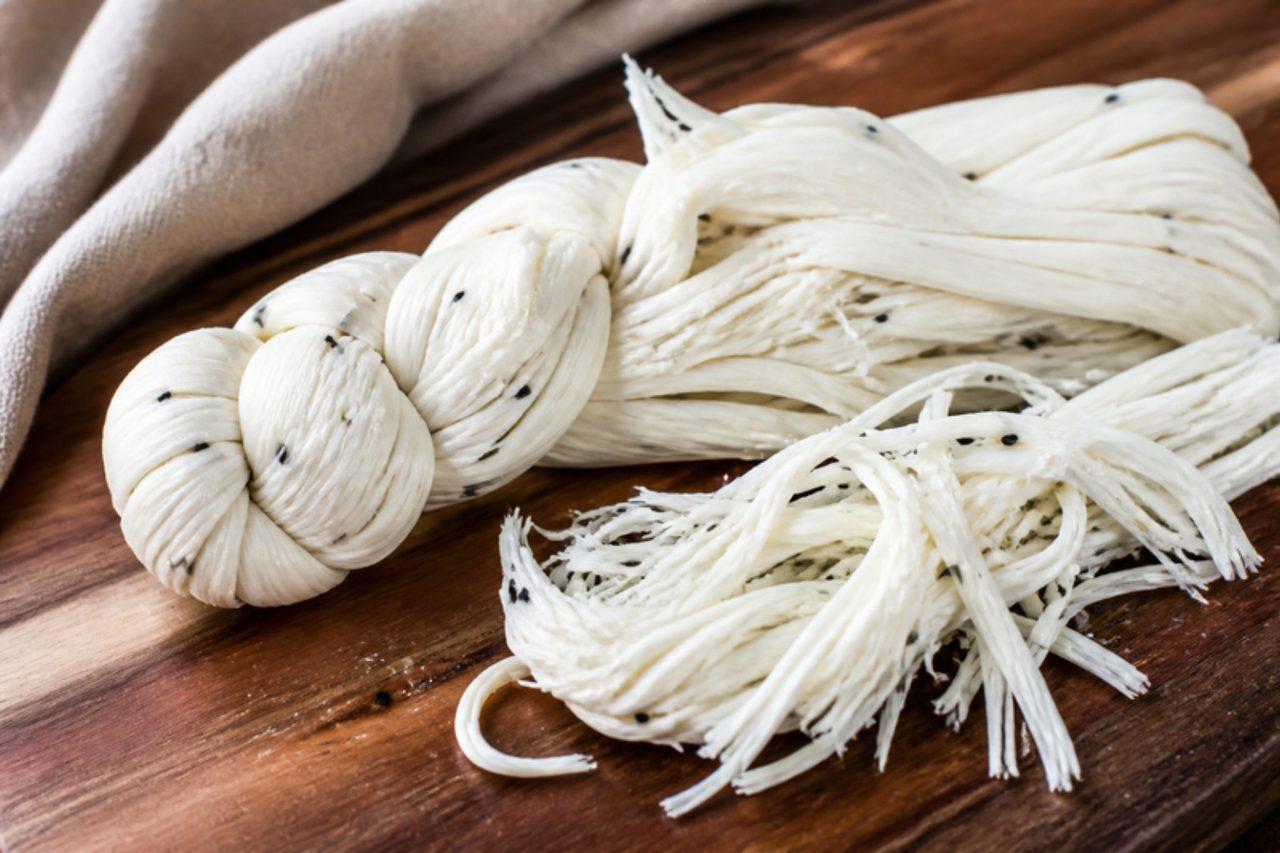
Chechil, called tel panir in Armenian, is the plaited string cheese of Armenian families from Yerevan to Beirut and Boston: fresh curd is melted in hot water, stretched again and again into long, fine strands with nigella seeds worked through, then twisted into a braid. To eat, you pull the braid apart into thread-fine strings, good with herbs, lavash and a glass of tan. Traditionally made with animal rennet; vegetarian rennet works too. A common mistake is stretching a curd that is not acidic enough; it melts into a blob instead of pulling. Chef's tip: test a small piece in hot water first, as for sulguni; if it stretches 30 cm without breaking, it is ready.

by KrazyBadal 0 views

Dziriettes (almond flower pastries)

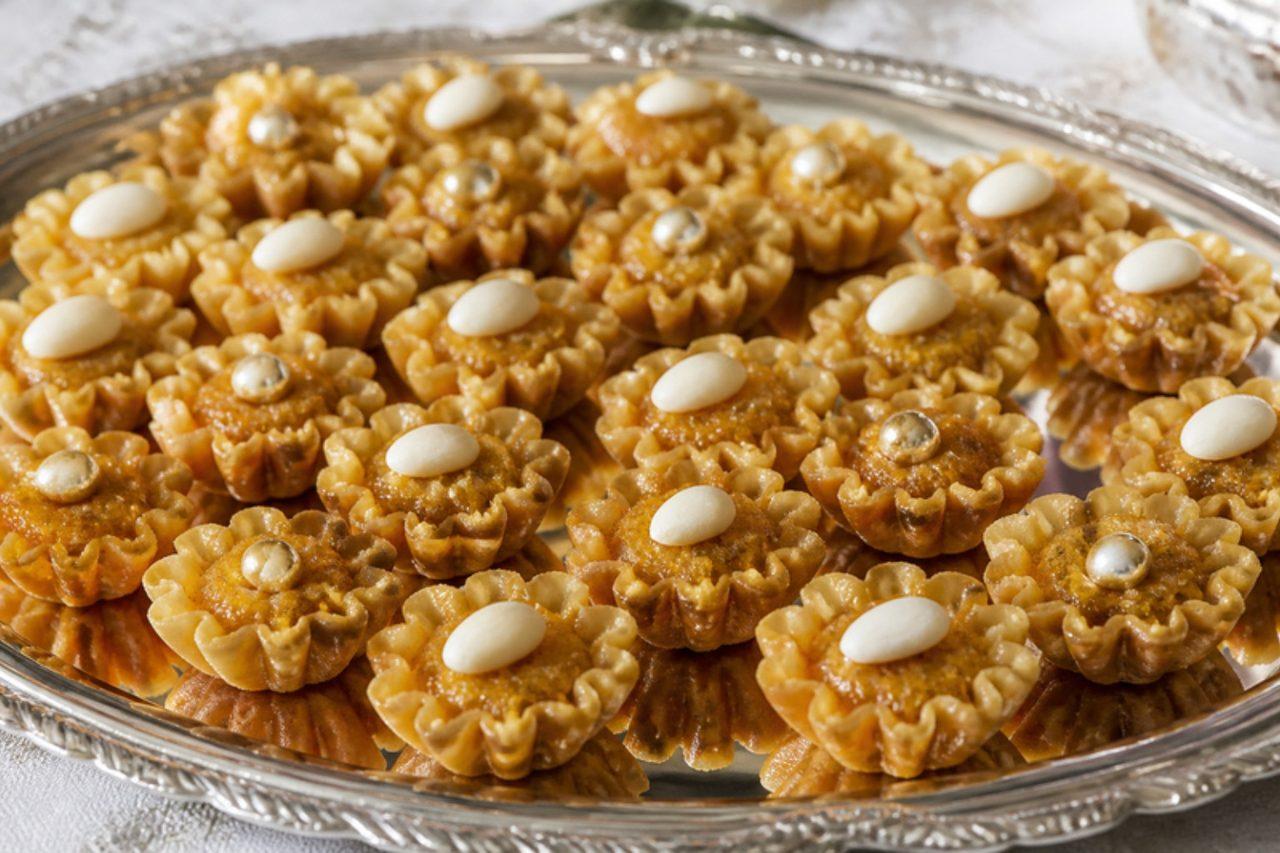
Named after the women of Algiers, dziriettes are the jewels on any wedding or Eid tray: thin, crisp pastry pinched into a flower or crown, filled with a dome of almond paste scented with orange blossom, then baked and soaked in warm honey. They take patience, but the result is delicate and fragrant, with a shatter of pastry giving way to a soft, moist almond centre. Families often make a few hundred over several evenings, together, before a celebration, and serve them with mint tea or coffee. Chef's tip: roll the dough so thin you can almost see the worktop through it; thick pastry is the commonest mistake and turns dziriettes stodgy instead of crisp.

by KrazyBadal 0 views

Griwech (honey-dipped pastry knots)

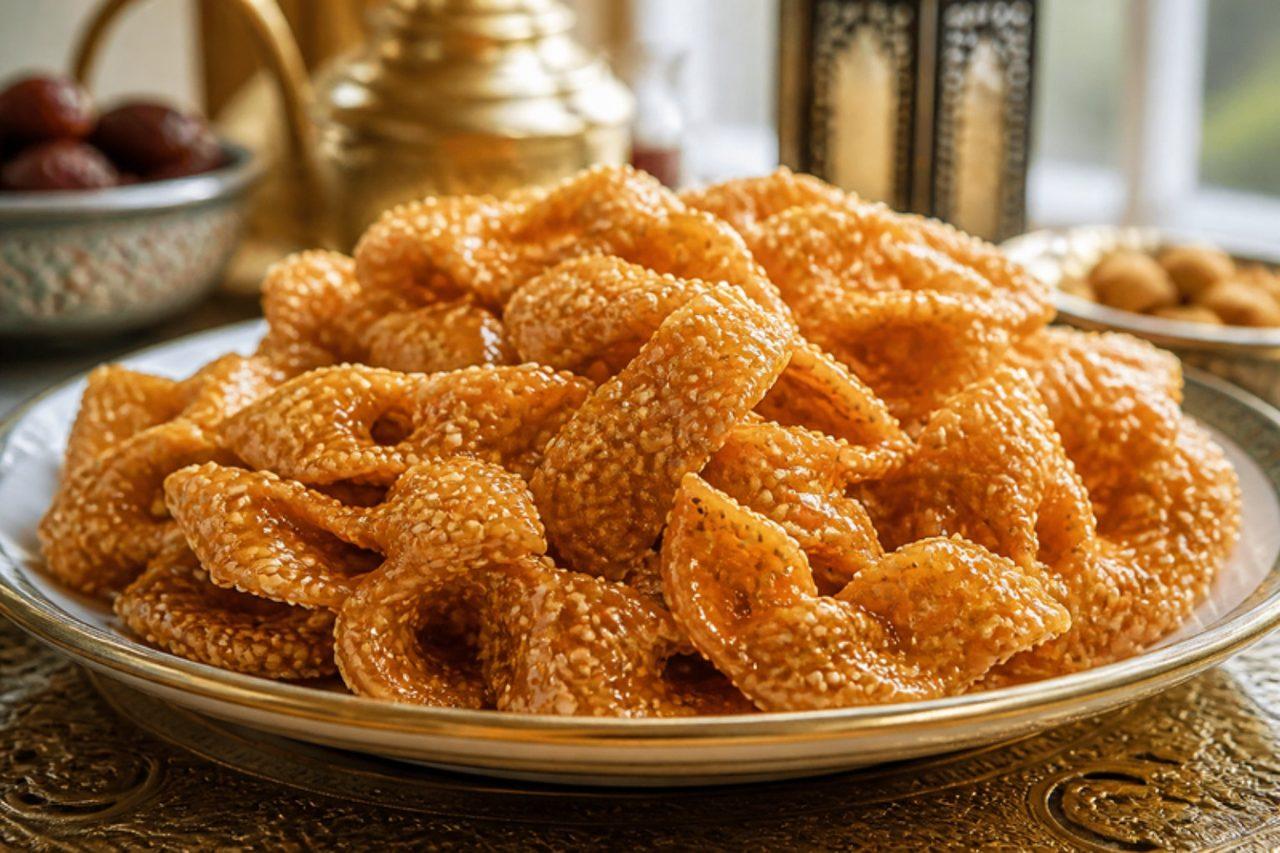
No Ramadan table in Algeria feels complete without a plate of griwech next to the chorba, ready for the sweet craving that follows the fast. Thin sheets of dough are cut into rectangles, slit and twisted into knots, fried until crisp and golden, then plunged into warm honey and scattered with toasted sesame. Each piece snaps cleanly, then melts into a sticky, orange-blossom sweetness. Batches are made days ahead and kept in tins for visitors through the month and on into Eid. Chef's tip: keep the oil at 170 °C; oil that is too hot is the usual mistake, colouring the outside before the layers inside crisp, so the griwech goes soft in the honey.

by KrazyBadal 0 views

Djouzia (walnut and honey nougat)

Shops in old Constantine wrap djouzia in twists of paper and sell it by weight, a soft, pale caramel-coloured nougat of honey, whipped egg white and plenty of walnuts. It is chewier and darker than white Provençal nougat, with a deep honey flavour and the slight bitterness of walnut skins. Djouzia is a gift sweet, carried to weddings and offered with coffee to visitors, and keeps for weeks. A sugar thermometer makes it reliable. Chef's tip: cook the honey syrup to 125 °C; syrup that is pulled off too early is the most common mistake, and the nougat stays sticky and will not set enough to cut.

by KrazyBadal 0 views

Sevan trout

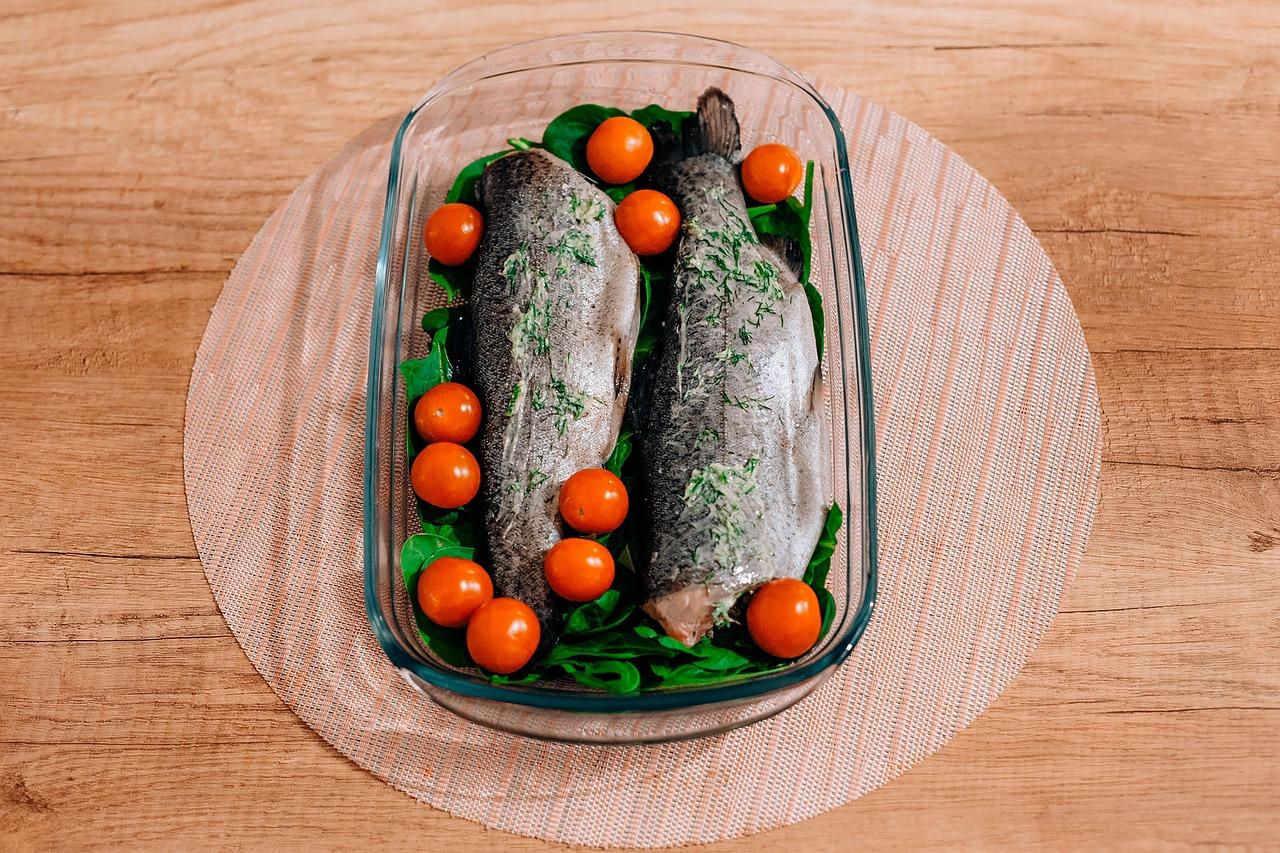
Ishkhan, 'the prince', is the name Armenians give to the trout of Lake Sevan, the vast blue lake high in the mountains north-east of Yerevan, and lakeside restaurants on the Sevan peninsula serve it grilled whole or stuffed with herbs and baked. The native ishkhan is now rare and protected, so the fish served today is farmed trout, cooked the same way: stuffed with tarragon, dill, coriander and garlic, roasted until the skin crisps, with lavash and lemon. A common mistake is wrapping the fish tightly in foil, which steams it soft; leave it uncovered for a crisp skin. Chef's tip: brush the fish with a little tkemali or pomegranate molasses in the last five minutes for a sweet-sour glaze. The fish is done when the flesh is opaque and flakes easily at the backbone.

by KrazyBadal 0 views

BandungRose syrup milk drink

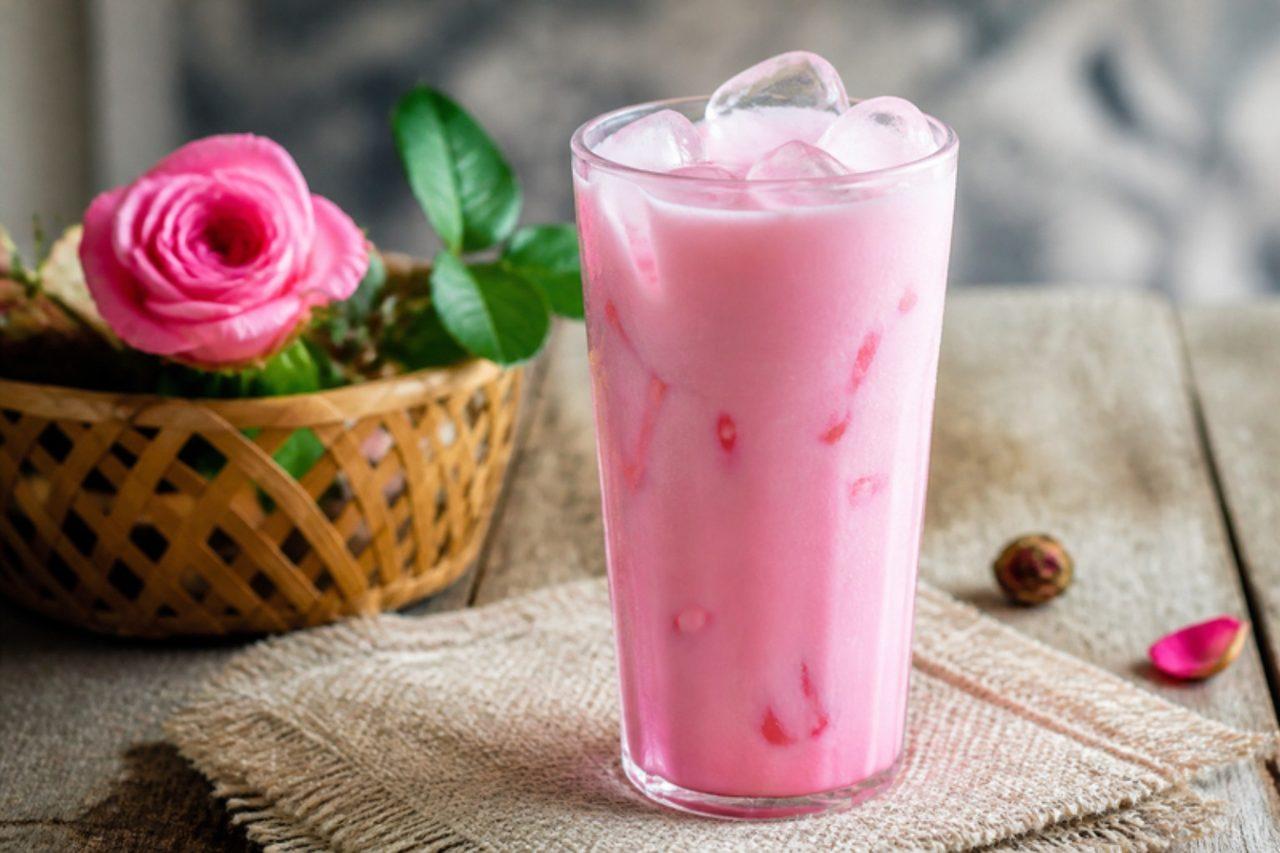
Pink as a sweet in a glass, bandung turns up at almost every Malay drinks stall in Singapore, sipped through a straw at Geylang Serai, at kampung-style weddings and through the evenings of Ramadan when stalls sell it in tied plastic bags at the bazaars. Rose syrup is stirred into water and evaporated milk, then poured over plenty of ice, giving a drink that is floral, sweet and creamy without being heavy. It pairs well with spicy food such as mee rebus, satay or nasi lemak, cooling the chilli. The usual mistake is adding the evaporated milk to hot syrup, which can make it look curdled and dull; let the syrup cool, and mix with cold milk. Chef's tip: make the syrup in advance and keep it in the fridge for up to two weeks, so a glass takes a minute; a few drops of rose water at the end lift the scent if your syrup is mild.

by KrazyBadal 0 views

BuzaraMussels in garlic and white wine

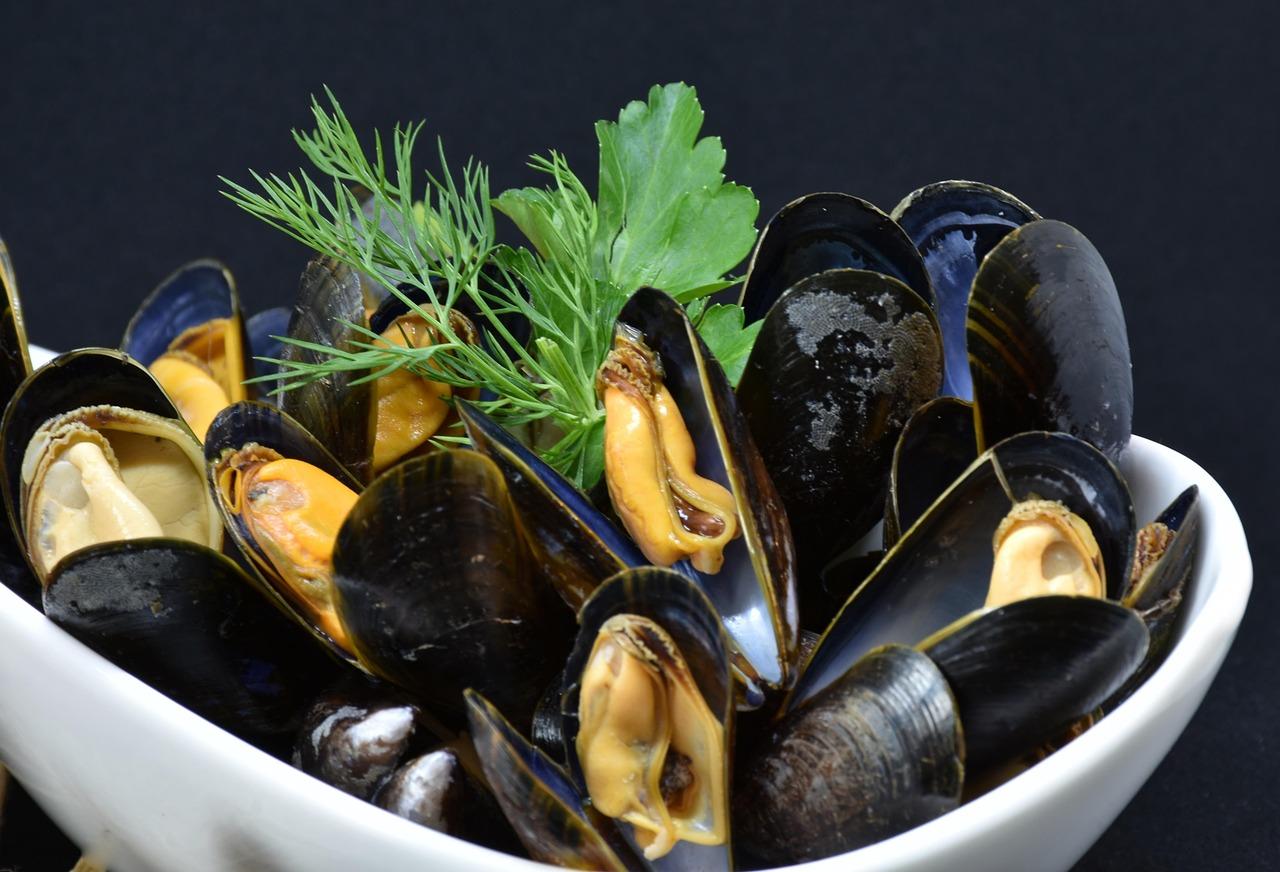
Summer lunch on the Dalmatian coast often starts with a steaming pot of buzara, especially near Ston, where mussels and oysters are farmed in the bay. Na bijelo, the white style, means mussels opened in olive oil, garlic, parsley and white wine, with a spoon of breadcrumbs thrown in at the end to thicken the juices into a light, garlicky sauce. Serve with plenty of crusty bread for mopping and a bowl for empty shells. The wine cooks off but leaves flavour; for an alcohol-free version use the same amount of fish or vegetable stock with a tablespoon of white wine vinegar. Overcooking is where most people go wrong: pull the pot off as soon as most shells have opened, or the mussels turn rubbery. Chef's tip: shake the pot rather than stirring, so the mussels tumble without breaking their shells.

22 minBalkanFish
by KrazyBadal 0 views

KategnaCrisp spiced injera

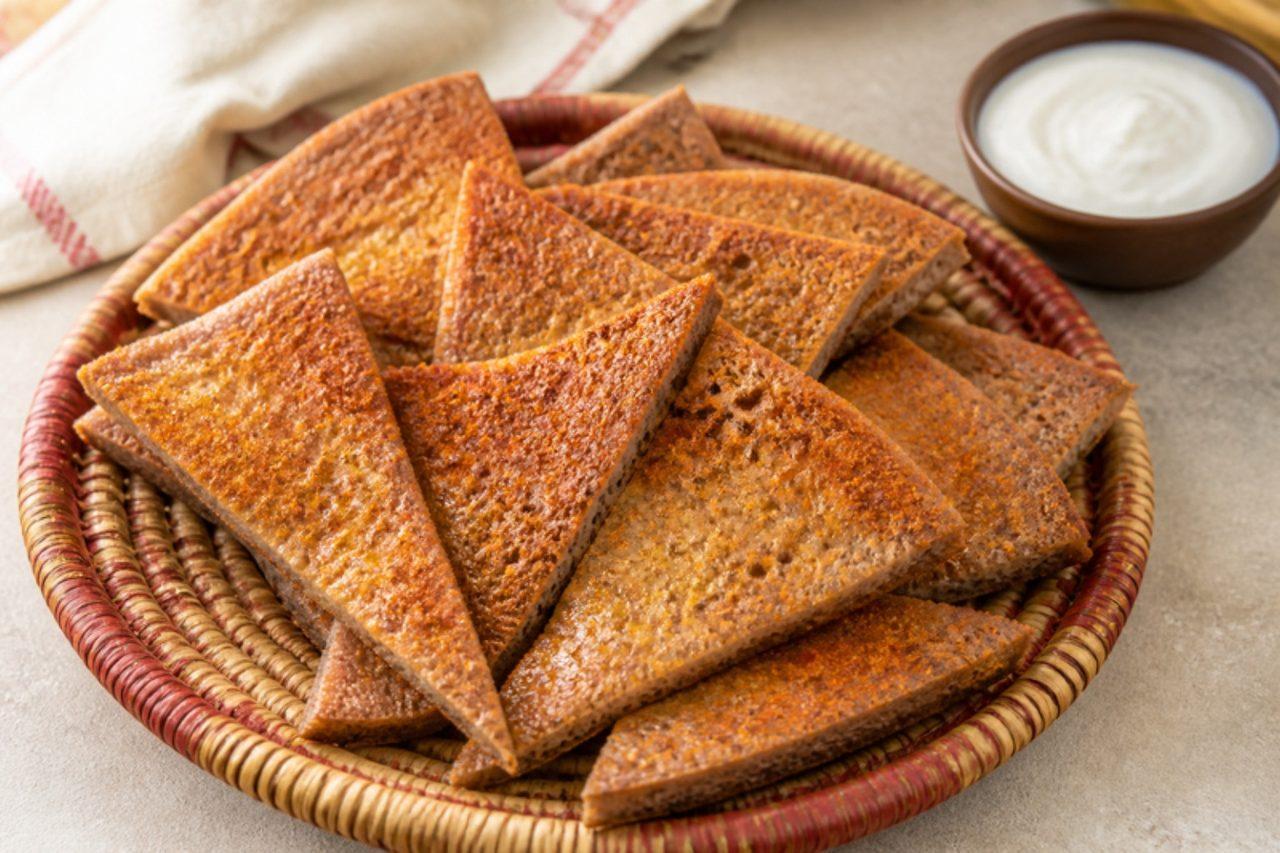
Kategna is what Ethiopian restaurants put on the table while the main order is still cooking: injera painted with niter kibbeh and a bold layer of berbere, toasted until the edges shatter, then rolled tight and cut into pieces. Every bite is crunchy at the rim, chewy in the middle, buttery and properly hot. In Addis Ababa homes it is a snack with coffee or a late breakfast, and it goes well with a cooling spoon of ayib or ergo. Unlike anababero, it is a single injera and is meant to be crisp, so the pan stays on the heat a little longer. Chef's tip: mix the berbere into the melted butter rather than sprinkling it dry; dry spice on a hot pan scorches in seconds and turns bitter.

by KrazyBadal 0 views

Tagella (Tuareg sand-baked bread)

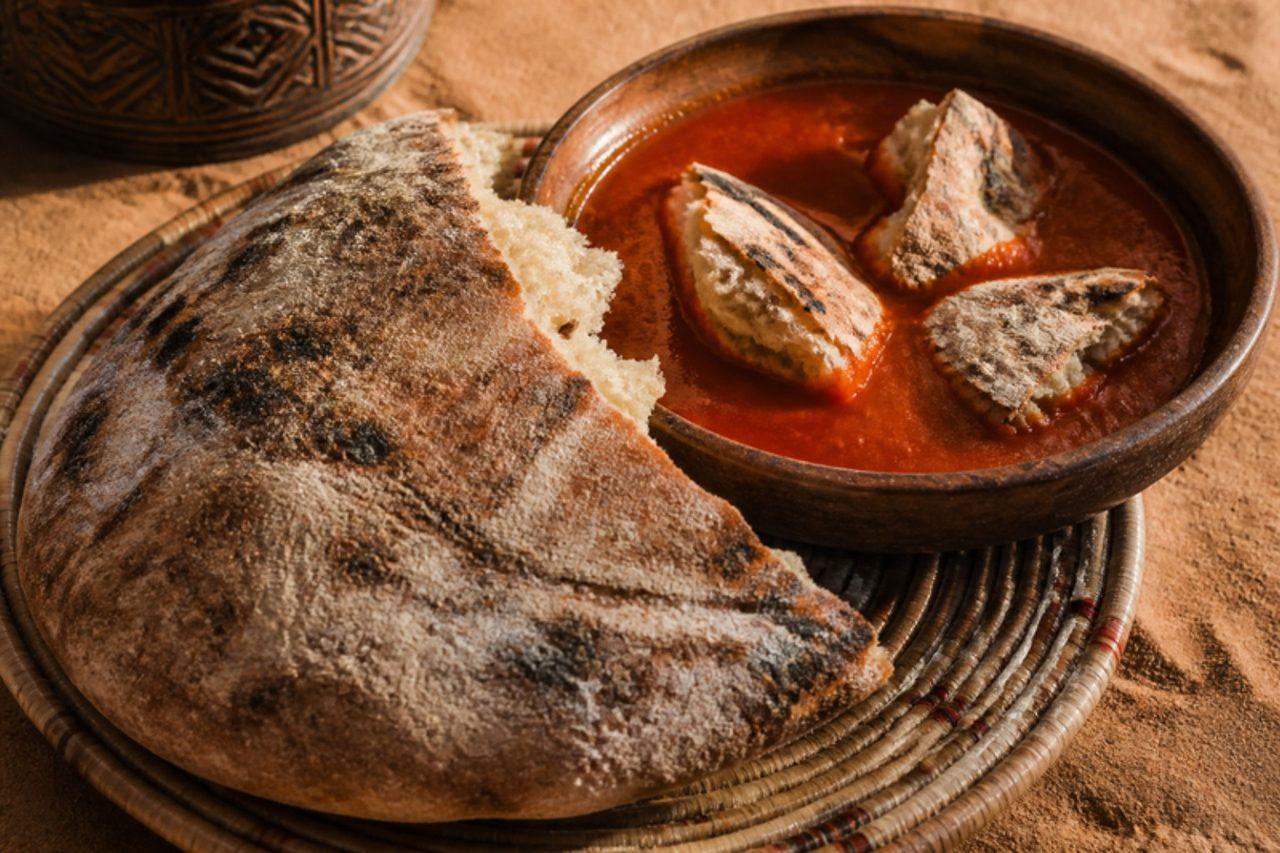
Out in the Hoggar mountains around Tamanrasset, Tuareg cooks bury a thick disc of dough in sand heated by a wood fire, cover it with embers and dig it up half an hour later with a dense, chewy crumb and a thick crust that is beaten clean of sand. The bread is then broken into pieces and soaked in a spicy tomato and onion sauce, a hearty meal for a camp or a desert evening; meat goes in when there is some, and this is the plain version cooked on ordinary days. At home, a very hot oven with a cast-iron pan gives a similar crust. Expect a filling, rustic dish with a smoky, peppery sauce. A frequent slip is making the dough too dry; it should be soft, or the thick round cracks and stays raw in the middle. Chef's tip: bake the bread until it sounds hollow when knocked, because an underbaked, doughy centre turns to paste in the sauce.

by KrazyBadal 0 views

Kauk nyin baungSteamed sticky rice with peas

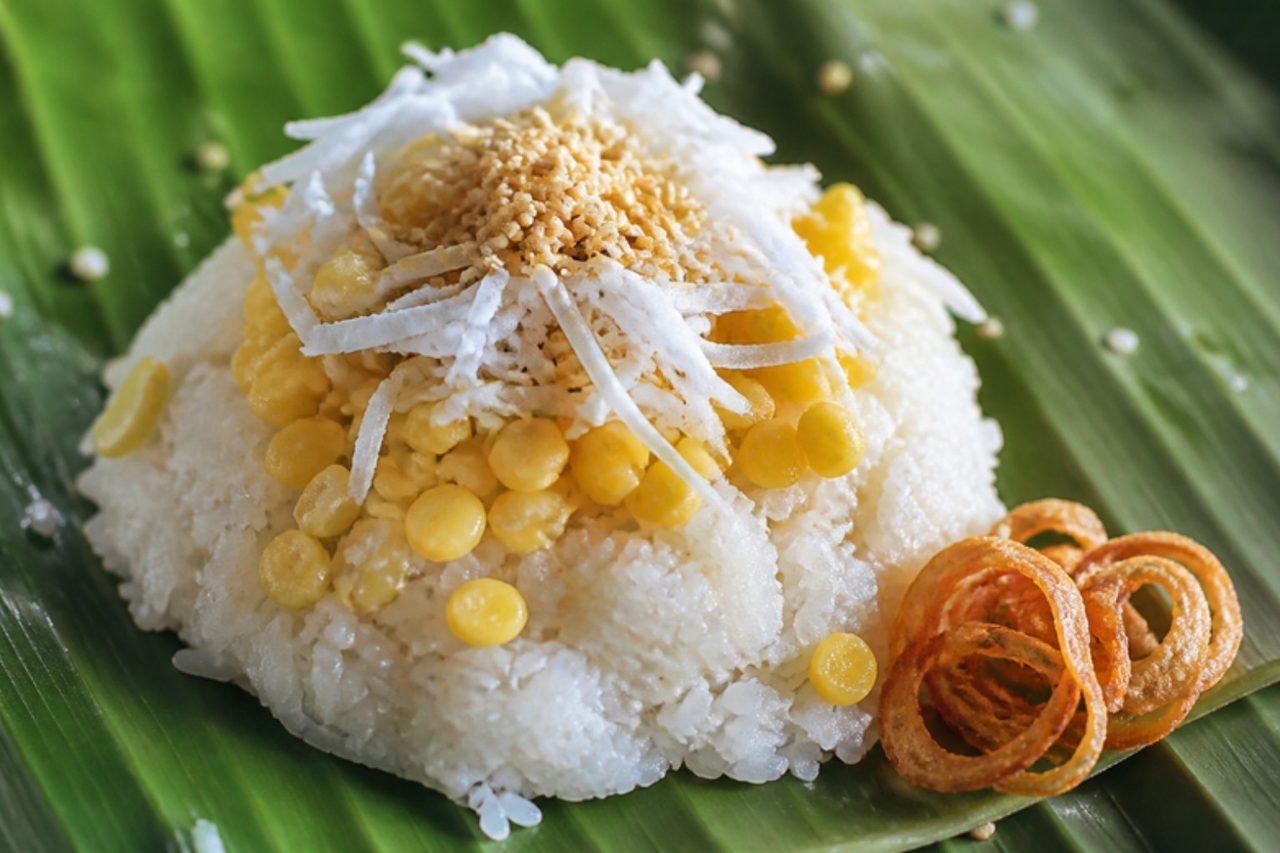
At sunrise on Yangon street corners, women sit behind bamboo baskets of steaming sticky rice wrapped in cloth, spooning portions onto squares of banana leaf for people heading to work. The glutinous rice is soaked and steamed until each grain is glossy, chewy and slightly translucent, then topped with soft pe pyot peas, freshly grated coconut and a sprinkle of toasted sesame pounded with salt. It is a plain, satisfying breakfast, sweet from the coconut, salty and nutty from the sesame, and usually eaten with a cup of green tea; some vendors use purple sticky rice for a darker, nuttier bowl. Boiling the rice like ordinary rice is the mistake that ruins it, turning it to glue, so always steam it. Chef's tip: soak the rice overnight; a short soak leaves hard white centres in the grains.

by KrazyBadal 0 views

Date squares

Date squares are on the tea table in every Canadian church hall and school bake sale, called carrés aux dattes in Quebec and matrimonial cake in the West. A buttery oat crumble is pressed into a tin, spread with a soft date filling and covered with more crumble, then baked until golden. They keep for days and freeze well. A common mistake is spreading the dates while hot onto loose crumb, which makes the base soggy; press the base firmly. Chef's tip: add a strip of orange zest to the dates for a brighter flavour.

by KrazyBadal 0 views

KarpatkaCustard cream choux cake

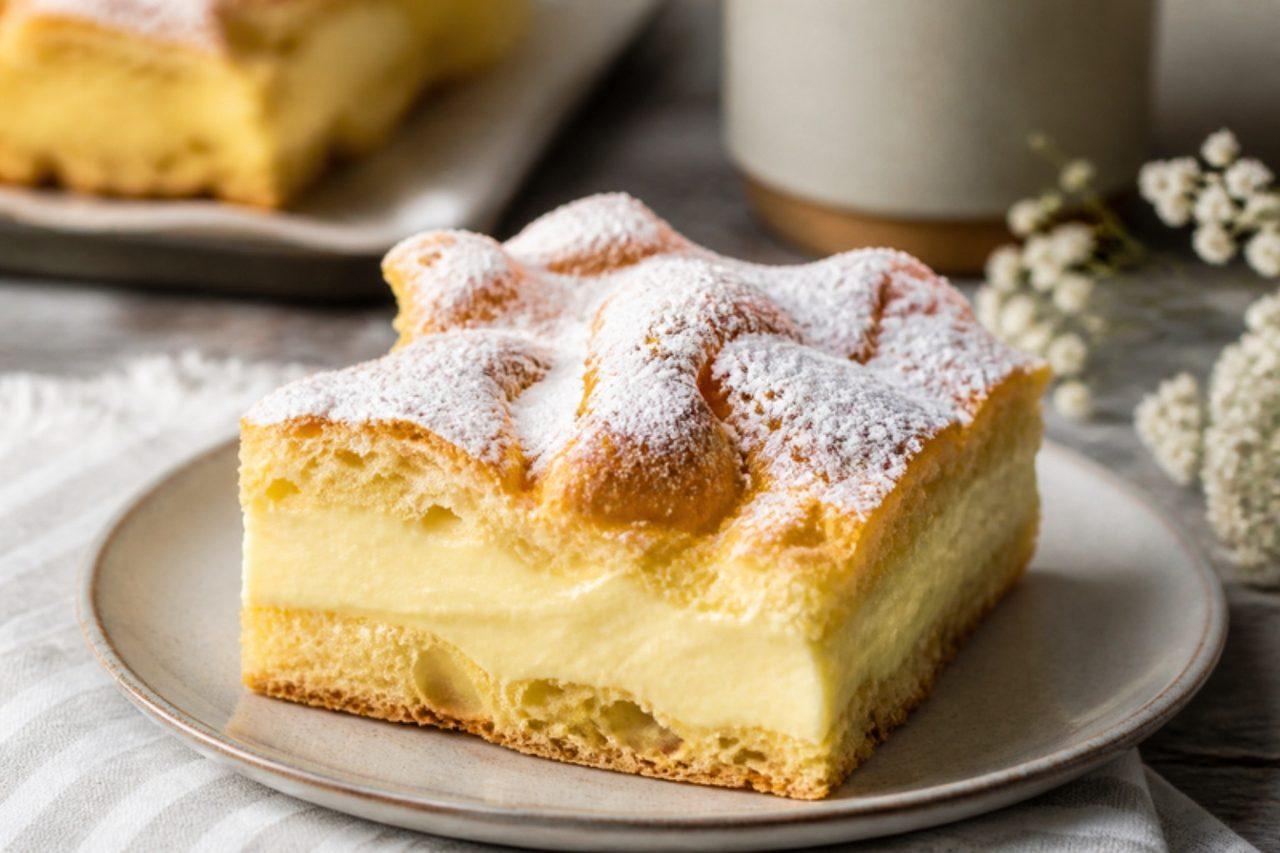
Named after the Carpathians, karpatka is the cake whose crinkled, craggy top looks like a range of snowy peaks once it is dusted with icing sugar. Two thin layers of choux pastry, baked flat until they puff into hills and valleys, sandwich a deep layer of rich vanilla custard whipped with butter. It is a fixture of Polish name-day parties and café counters, and children love the cloud-like filling. The usual slip is opening the oven early, which makes the choux collapse into a flat, rubbery sheet. Chef's tip: let the custard and the butter reach the same room temperature before beating them together, or the cream splits.

by KrazyBadal 0 views

Tamina (roasted semolina with honey)

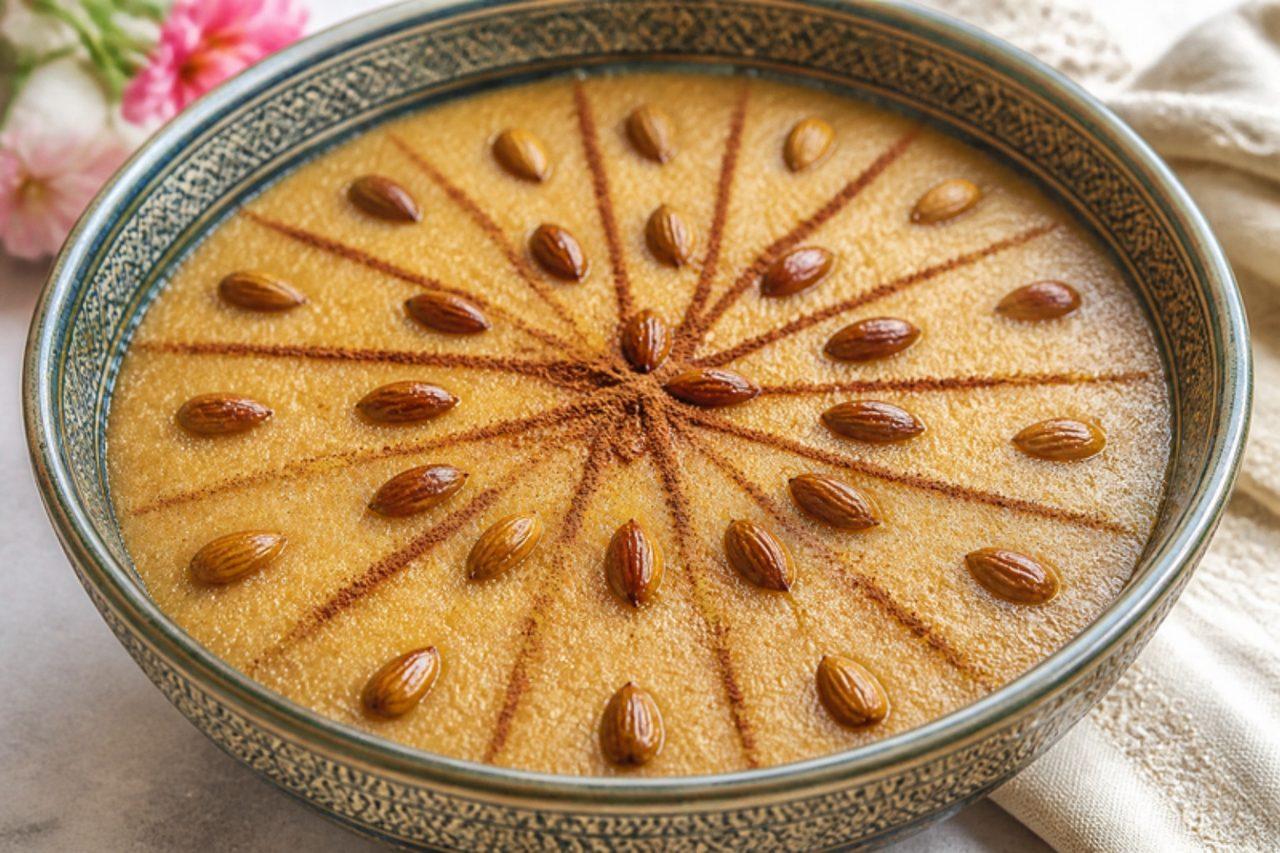
Word of a birth in an Algiers household brings a steady flow of visitors, and each is offered a small dish of tamina with coffee: semolina roasted in a dry pan until it smells like toasted hazelnuts, then bound with melted butter and honey and dusted with cinnamon. It is soft, crumbly and sweet, a little like a spoonable halva, and is said to give strength to the new mother. Tamina is also made for Mawlid and served with tea, with the cinnamon often sifted over in a lattice pattern. Chef's tip: toast the semolina slowly over a medium-low heat and stir without stopping; burnt dark specks make the whole batch bitter and cannot be picked out.

by KrazyBadal 0 views

Maple syrup pie

Tarte au sirop d'érable closes many a family meal in Quebec at Easter and through the sugaring season, a cousin of the sugar pie made with real maple syrup. The filling of syrup, cream and egg bakes into a soft, trembling, caramel-brown layer that tastes deeply of maple. Slice it thin; it is rich. A spoonful of crème fraîche or plain whipped cream cuts the sweetness. A common mistake is skipping the blind bake, which leaves a soggy base. Chef's tip: take the pie out while the centre still wobbles like jelly; it sets as it cools and over-baking makes it weep.

by KrazyBadal 0 views

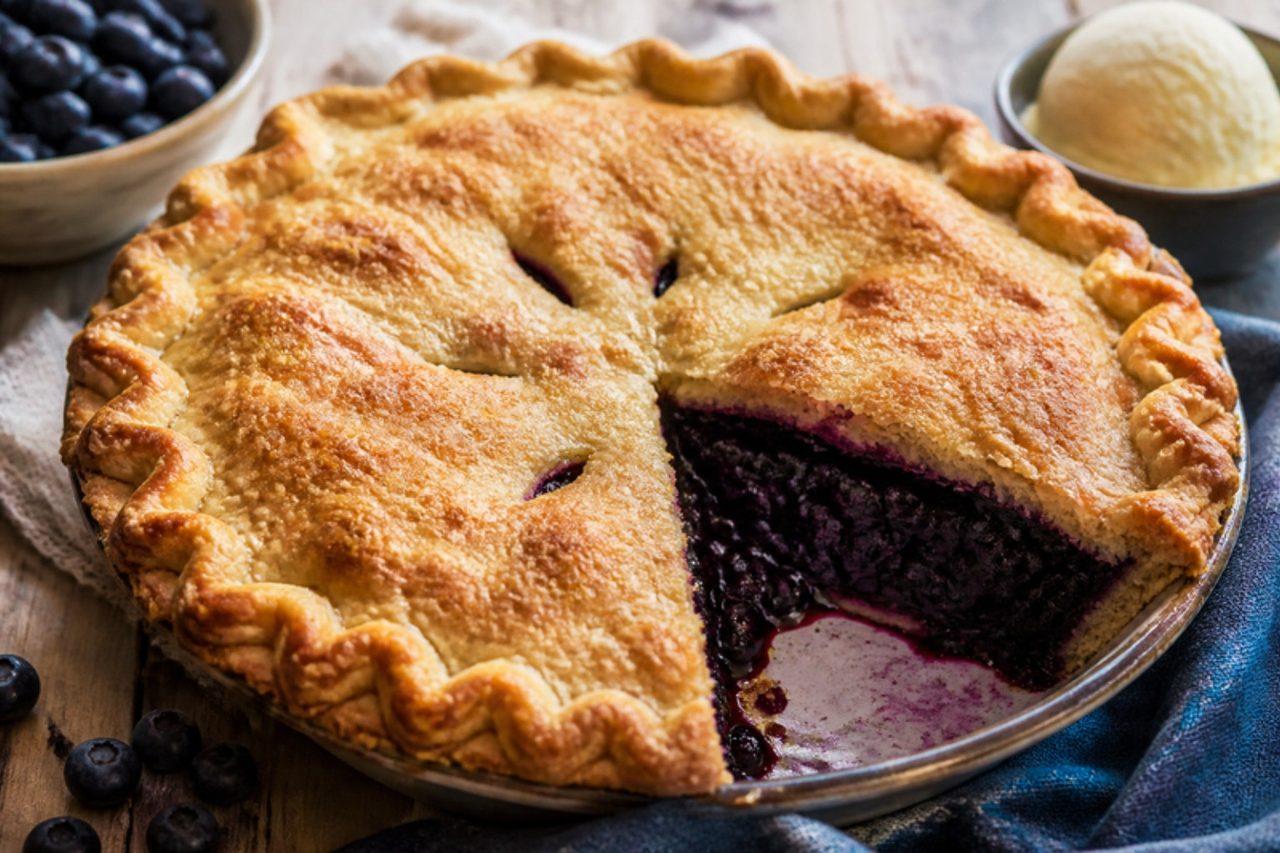
Lac-Saint-Jean blueberry pie

Around Lac-Saint-Jean in Quebec the low wild blueberries ripen in August, and the region is so proud of them that locals are nicknamed bleuets. Every church supper and roadside casse-croûte there sells a deep tarte aux bleuets with a flaky top crust and a dark, jammy filling that holds when sliced. Wild berries are smaller and more intense than cultivated ones and frozen wild berries work well. Serve slightly warm with vanilla ice cream or a jug of cream. A common mistake is skimping on the cornflour, which leaves a soupy filling. Chef's tip: let the pie cool for at least three hours so the juices set; cut it hot and the filling runs all over the plate.

by KrazyBadal 0 views

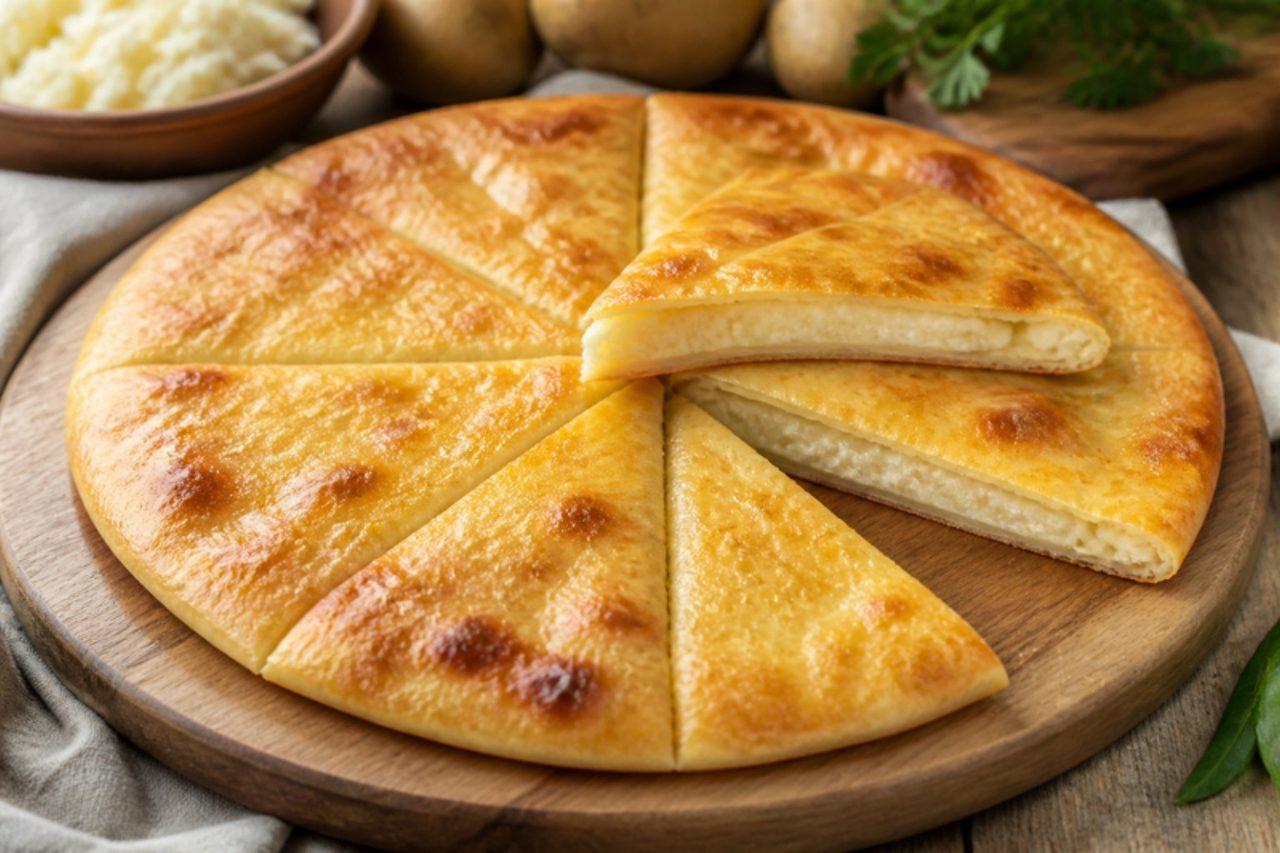
KartofdzhynPotato and cheese pie

Ossetian pies come in threes at every celebration in Vladikavkaz, stacked on one plate for the sun, earth and water, and kartofdzhyn, with potato and cheese, is the everyday family favourite of North Ossetia. Soft kefir-yeast dough is wrapped around a ball of filling and patted flat by hand into a wide, thin round, so dough and filling are each barely a centimetre thick, then baked hot and soaked with butter. Ossetian cheese is a fresh brined cheese made with animal rennet; for a vegetarian pie use a feta-style or young brined cheese labelled vegetarian. The usual slip is overfilling, which makes the pie burst as you flatten it; aim for about the same weight of dough and filling. Chef's tip: stack the hot pies and butter each one, so the butter soaks through and they stay supple.

by KrazyBadal 0 views

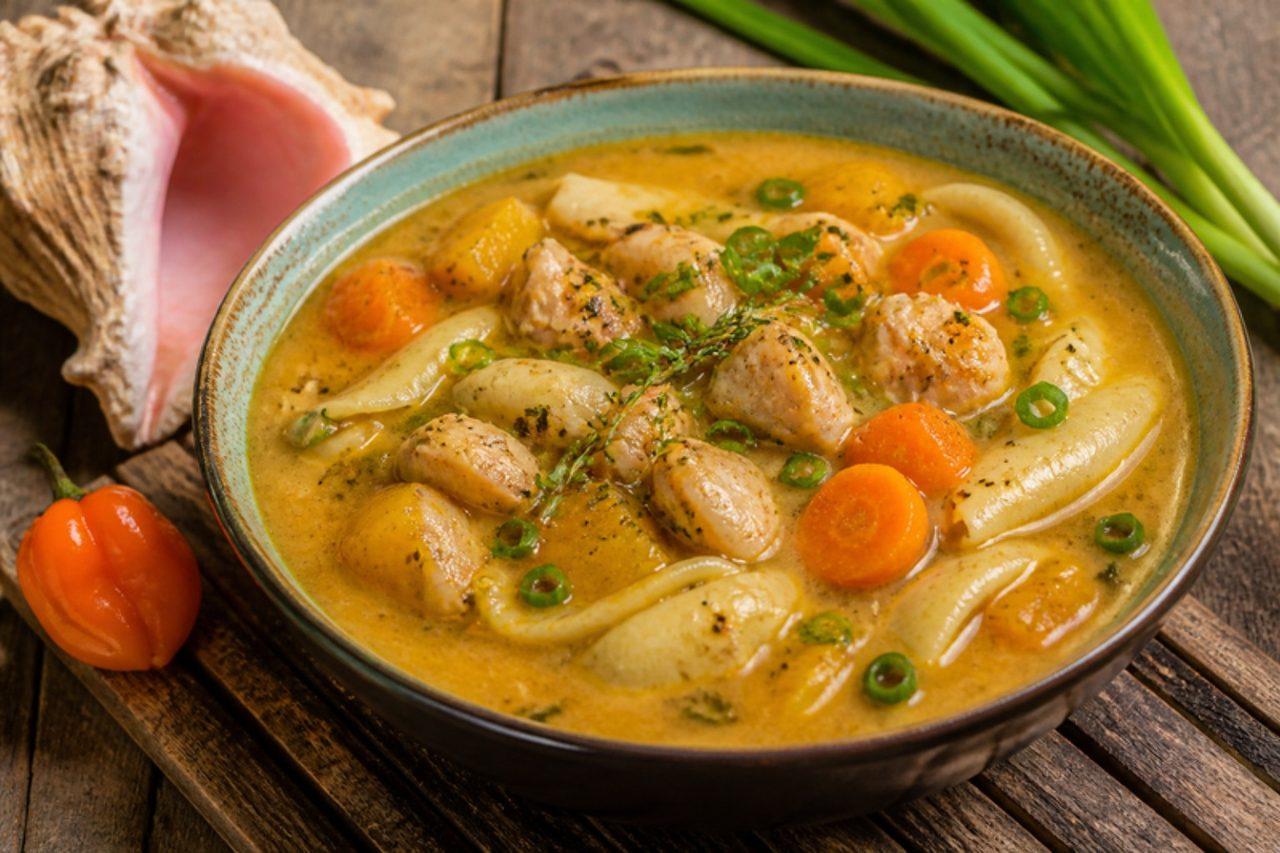
Jamaican conch soup

From Montego Bay's craft market cookshops to roadside pots around Falmouth, conch soup is sold by the cup on Fridays and Saturdays: tender pieces of conch in a thick, peppery broth with potatoes, pumpkin, carrot and chewy flour spinners. Conch is famously tough, so it is pounded and simmered slowly before the vegetables go in. Buy cleaned frozen conch meat from a fishmonger; thaw it in the fridge and throw away any that smells off. The most common mistake is not tenderising the conch, leaving rubbery chunks; pound it well and simmer until a knife slides in. Chef's tip: a little lime rubbed into the conch before pounding removes its slippery film and freshens the flavour.

by KrazyBadal 0 views

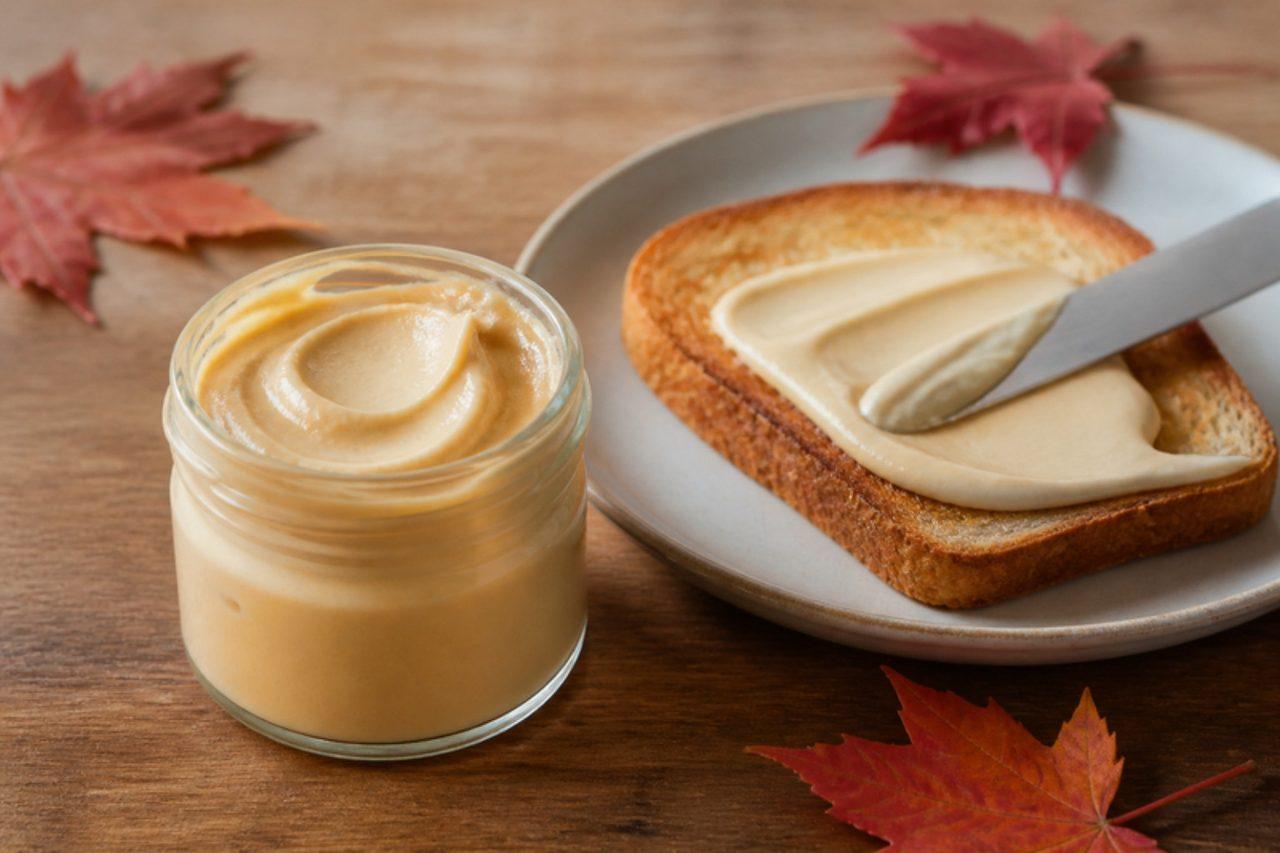
Maple cream

Crème d'érable is sold in little jars in every Quebec market from Jean-Talon to the Beauce farm stands, and despite the name there is no cream in it: pure maple syrup is boiled to the soft-ball stage, cooled without stirring and then beaten until it turns pale and creamy. It is spread on toast, crêpes and warm bagels. Patience and a thermometer are the whole trick. The common mistake is stirring the syrup while it cools, which sets off large grainy crystals instead of a smooth cream. Chef's tip: use a light, golden syrup; dark syrups taste stronger but can stay runny.

by KrazyBadal 0 views

Trini curry duck

Curry duck is the dish of the riverside lime in south and central Trinidad, cooked in a big iron pot over a wood fire while friends cool off in the water. The duck is chopped small, marinated in green seasoning, then "burnt" into a curry paste fried until almost black, which gives the sauce its dark colour and deep, slightly bitter edge. It's served with rice, dhal and sada or paratha roti. A common mistake is serving it before the duck has fully broken down: duck is chewy and needs long, slow cooking. Chef's tip: spoon off the yellow duck fat that rises during cooking and keep it for roasting potatoes.

by KrazyBadal 0 views

Trini curry shrimp

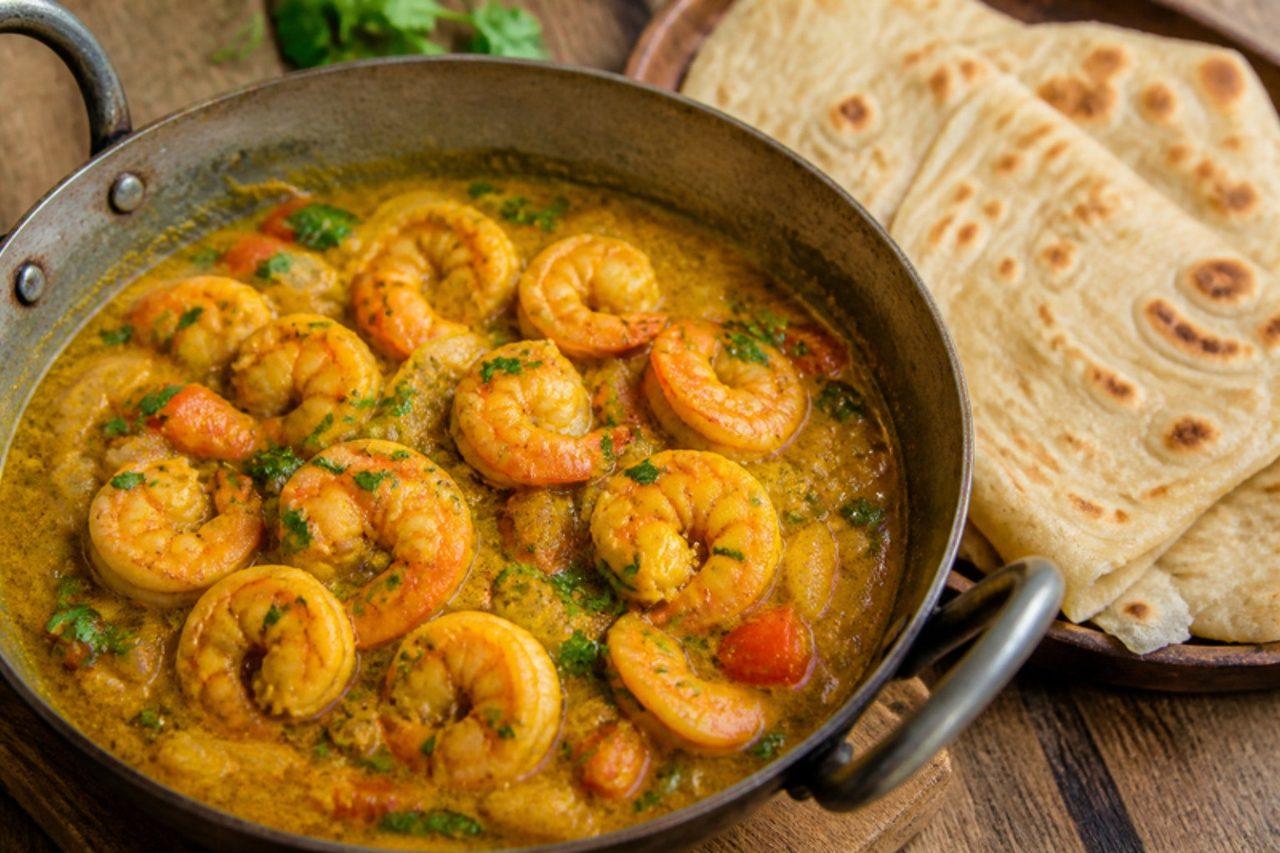
Sold from food stalls in San Fernando and eaten at south Trinidad family lunches, curry shrimp is the fast curry of the island: the sauce is built in minutes, and the shrimp go in only at the very end. Plenty of garlic, roasted geera and hot pepper give a bright, punchy curry that you wipe up with dhalpuri or spoon over rice. The mistake nearly everyone makes the first time is stewing the shrimp, which turns them rubbery; they need three or four minutes, no more. Chef's tip: save the shells, simmer them in the water for 10 minutes and use that stock in the curry for a much deeper seafood flavour.

by KrazyBadal 0 views

Bermuda fish chowder

Bermudians call fish chowder their national dish, and every Sunday brunch and Cup Match picnic has a pot of it: a dark, thick soup made from a long-simmered fish-head stock with tomatoes, vegetables and white fish, seasoned at the table with a splash of black rum and sherry peppers sauce (hot peppers steeped in sherry). This recipe contains alcohol in those optional table seasonings; for an alcohol-free bowl, use a few drops of hot pepper sauce and a little molasses instead. The mistake to avoid is a thin, watery stock; the bones must simmer long enough to give body. Ask your fishmonger for heads and frames from white fish, gills removed. Chef's tip: let the finished chowder rest for 30 minutes before serving; it thickens and the flavours deepen.

by KrazyBadal 0 views

Karela piazBitter gourd with onions

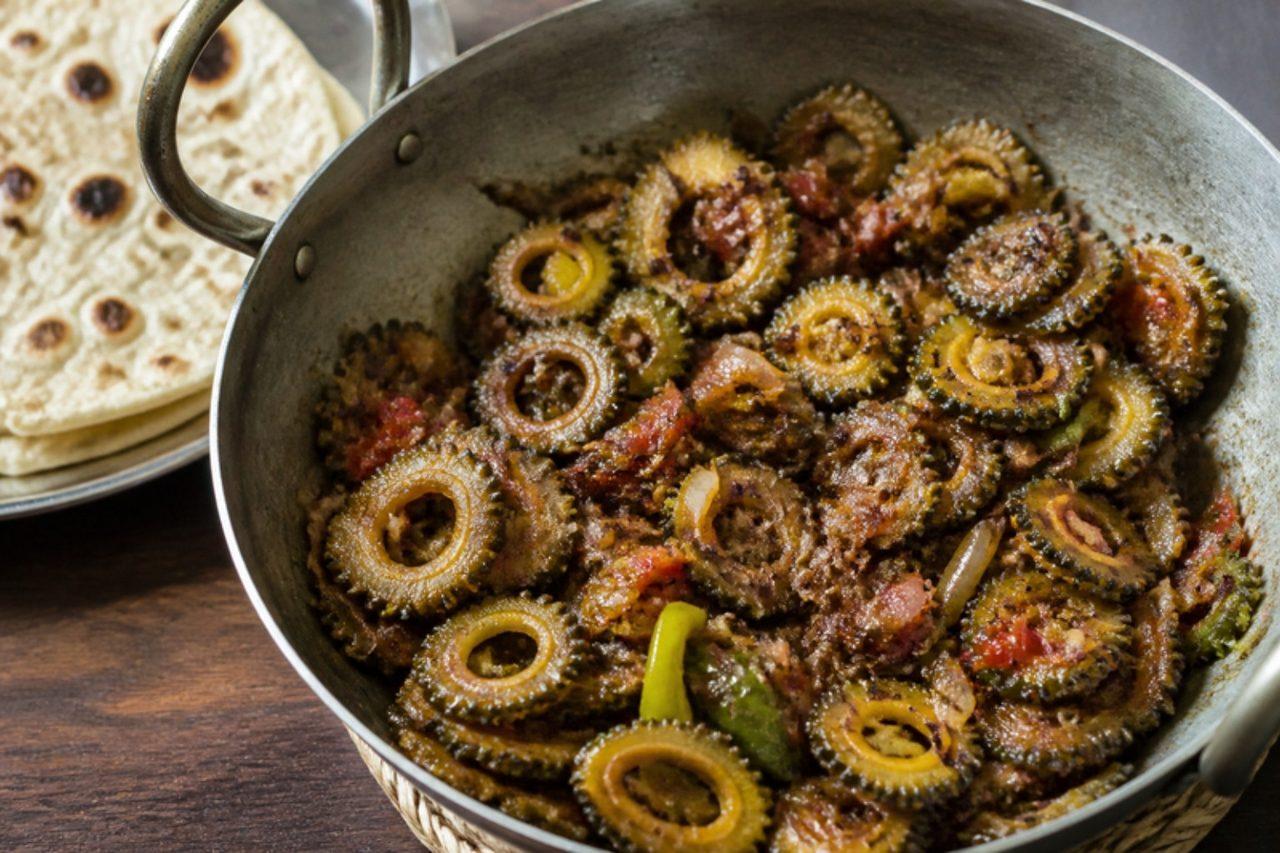
Bitter gourd divides every family in Punjab, but karela piaz is the version that wins over the doubters: the gourd is salted, squeezed and fried until its edges crisp, then tossed with almost as much browned onion as karela, so the sweetness of the onions softens the bitterness. In Lahore it is a summer dish, a staple of tiffin carriers and home lunches with chapati and a cooling bowl of raita, and some households pack it for long train journeys because it keeps well. The thing most people get wrong is skimping on the onions or rushing them; pale, half-cooked onions leave the dish harsh rather than mellow. Chef's tip: rub the slices with salt and a little turmeric, leave them for 30 minutes, then squeeze hard by the handful, which draws out much of the bitterness before cooking.

by KrazyBadal 0 views

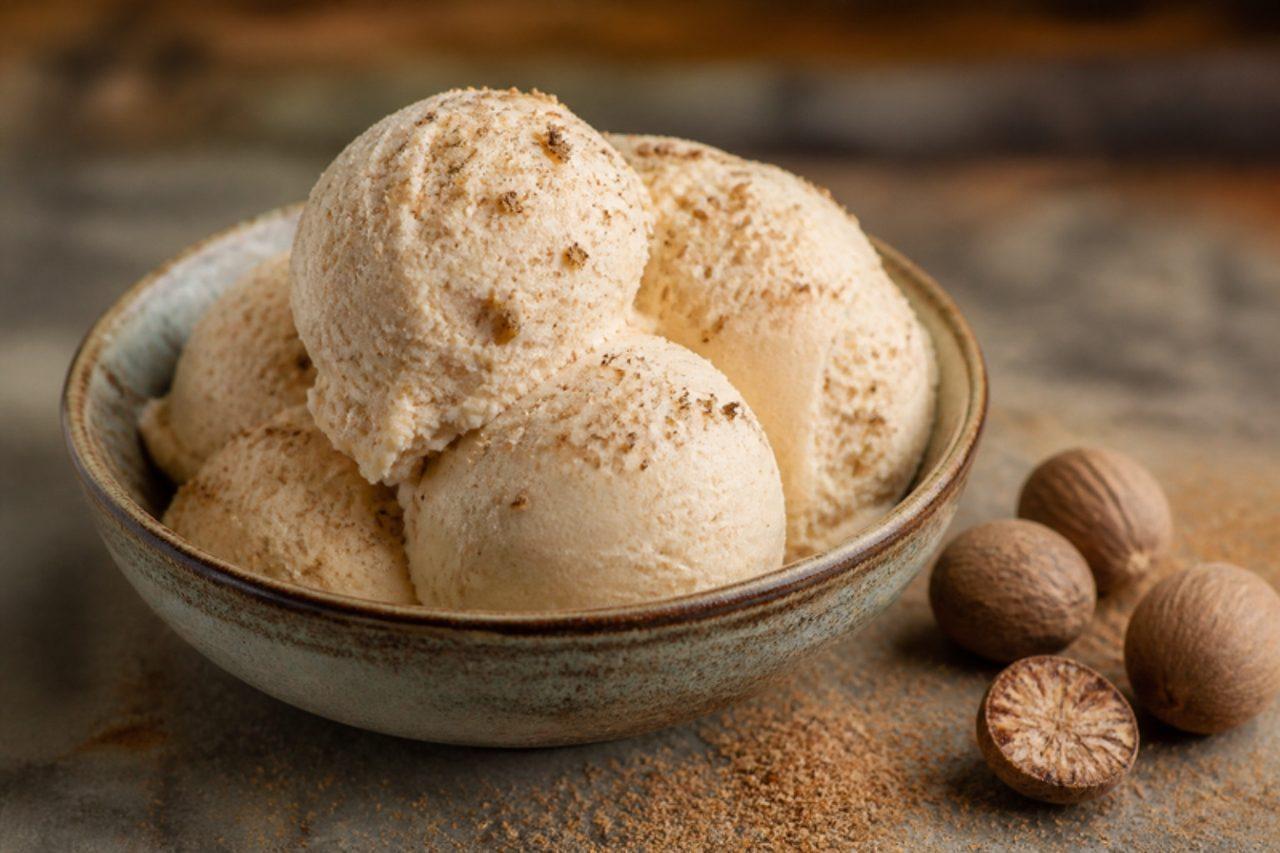
Grenadian nutmeg ice cream

Grenada, the Spice Isle, grows much of the world's nutmeg, and in St George's ice cream parlours the local favourite is a rich egg-custard ice cream scented with freshly grated nutmeg. The flavour is warm and almost floral, nothing like the dusty jar spice, and it is lovely with fried plantain or a slice of black cake. The common mistake is overheating the custard so the eggs scramble; take it off the heat as soon as it coats a spoon. Chef's tip: grate the nutmeg straight into the hot milk and let it steep for 20 minutes before making the custard, so the flavour runs all the way through.

by KrazyBadal 0 views

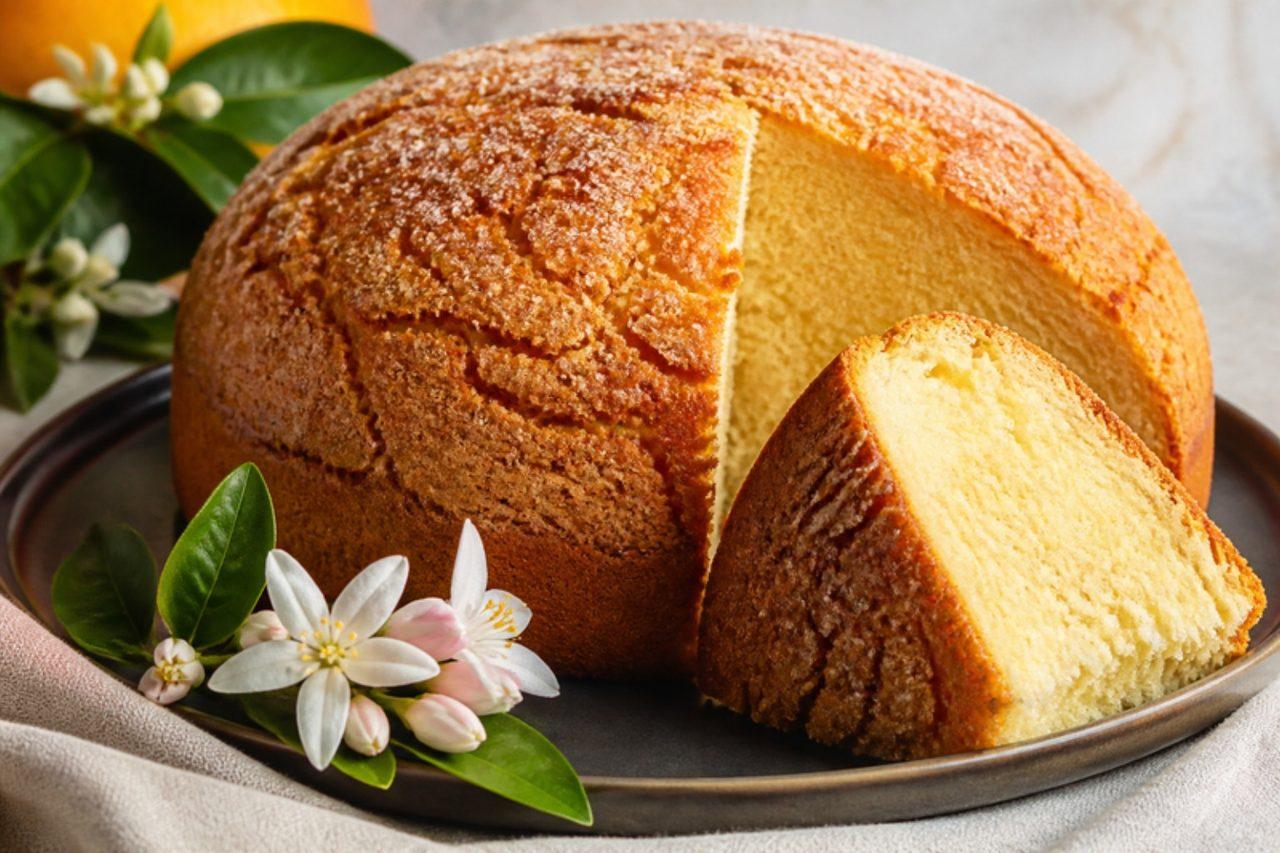
MounaOrange-flower brioche

Oran's mouna came over with Spanish settlers as the Easter mona, and it is still baked for spring outings, recalling the Easter Monday picnics once held at the Santa Cruz chapel above the city. It is a tall, light, golden brioche with a crackly sugar crust, softly flavoured with orange-flower water and lemon zest rather than butter-heavy, and it tears into long, feathery strands. Eat it with coffee or hot chocolate, plain or with jam. The dough is slow and sticky, so give it time. Chef's tip: let the dough rise slowly overnight in the fridge after the first knead; it becomes easier to shape and the flavour deepens.

by KrazyBadal 0 views

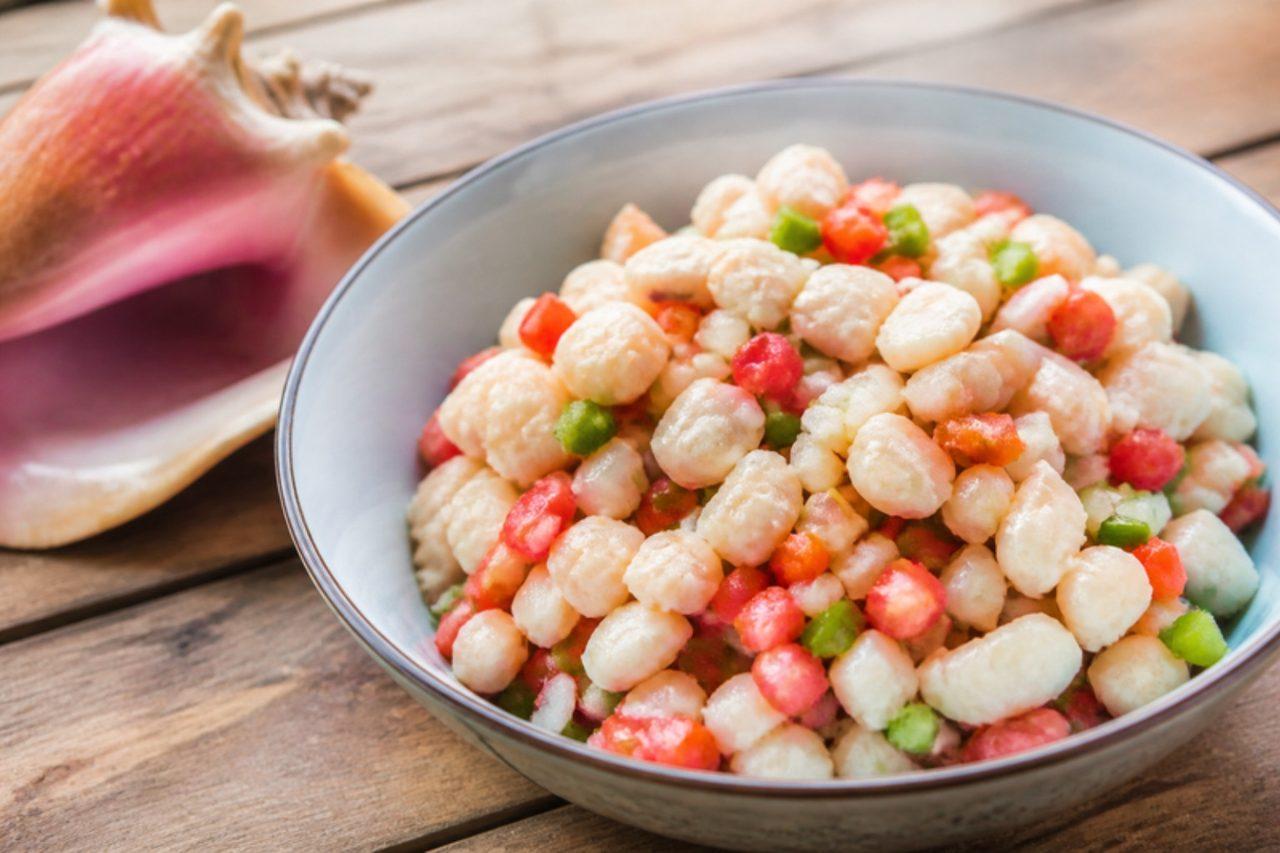
Bahamian conch salad

At the Fish Fry on Arawak Cay in Nassau, conch salad is made to order: a vendor cracks the shell, dices the conch with tomato, onion, sweet peppers and goat pepper, and drowns it in lime and sour orange in front of you. Traditionally the conch is eaten raw, "cooked" only by the citrus; that raw version is not for pregnant women, young children or anyone with a weakened immune system, and this recipe gives a safer version in which the conch is poached briefly first. Buy cleaned conch from a trusted fishmonger and discard any that smells of ammonia. The common mistake is dicing unevenly; everything should be in small, matching cubes. Chef's tip: make it no more than an hour ahead, or the lime turns the vegetables limp.

by KrazyBadal 0 views

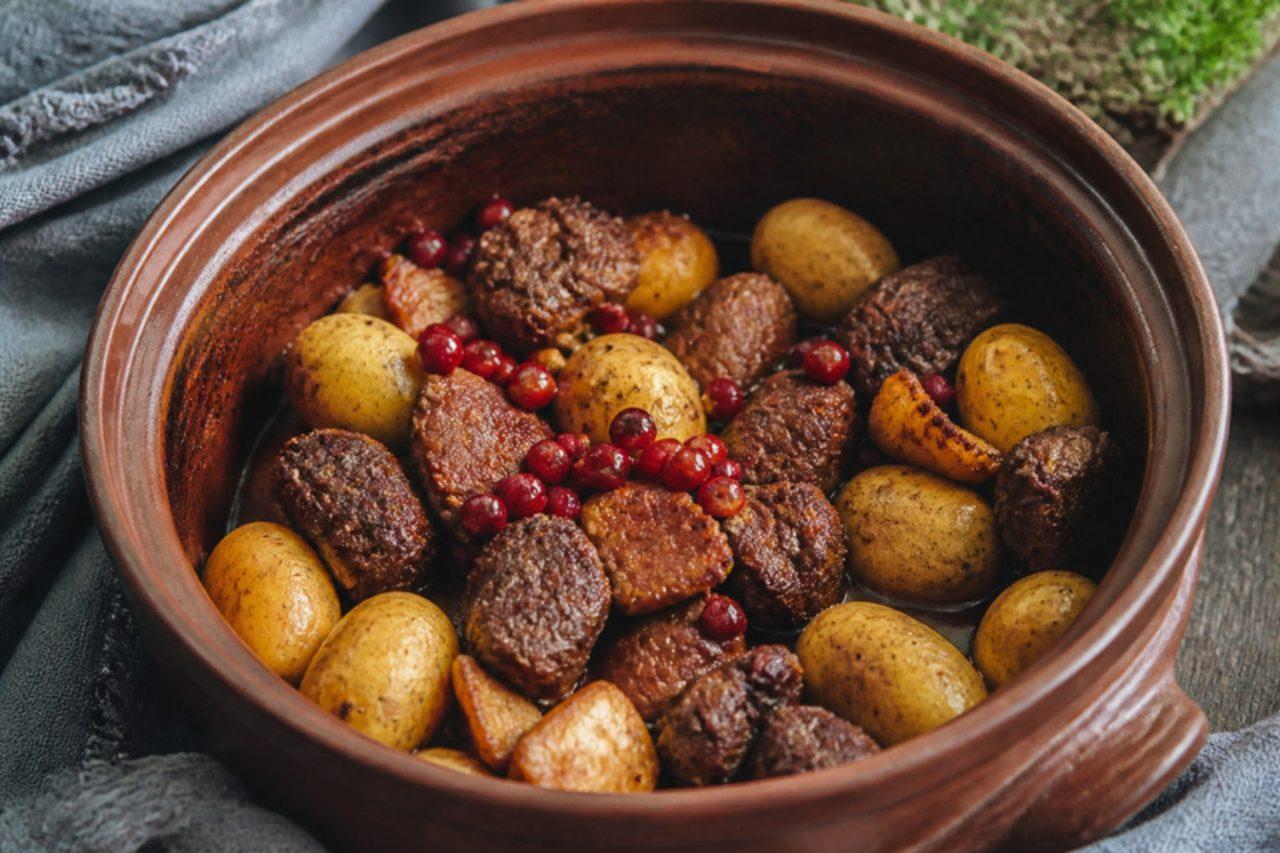
KarjalanpaistiBeef and pork hotpot

Karjalanpaisti, the Karelian hotpot, is one of Finland's national dishes, cooked for Independence Day, family celebrations and Christmas: chunks of beef and pork, sometimes lamb, layered with onion, whole allspice and bay, covered with water and baked slowly for hours in a clay pot until the meats are falling apart in a rich, peppery broth. This dish contains pork. It is served with mashed potato and lingonberries. A common mistake is a hot oven, which toughens the meat. Chef's tip: do not stir or brown the meat; Karelian cooks let it bake low and slow, and the long cooking alone gives the deep flavour.

by KrazyBadal 0 views

KasarPuffed rice and jaggery balls

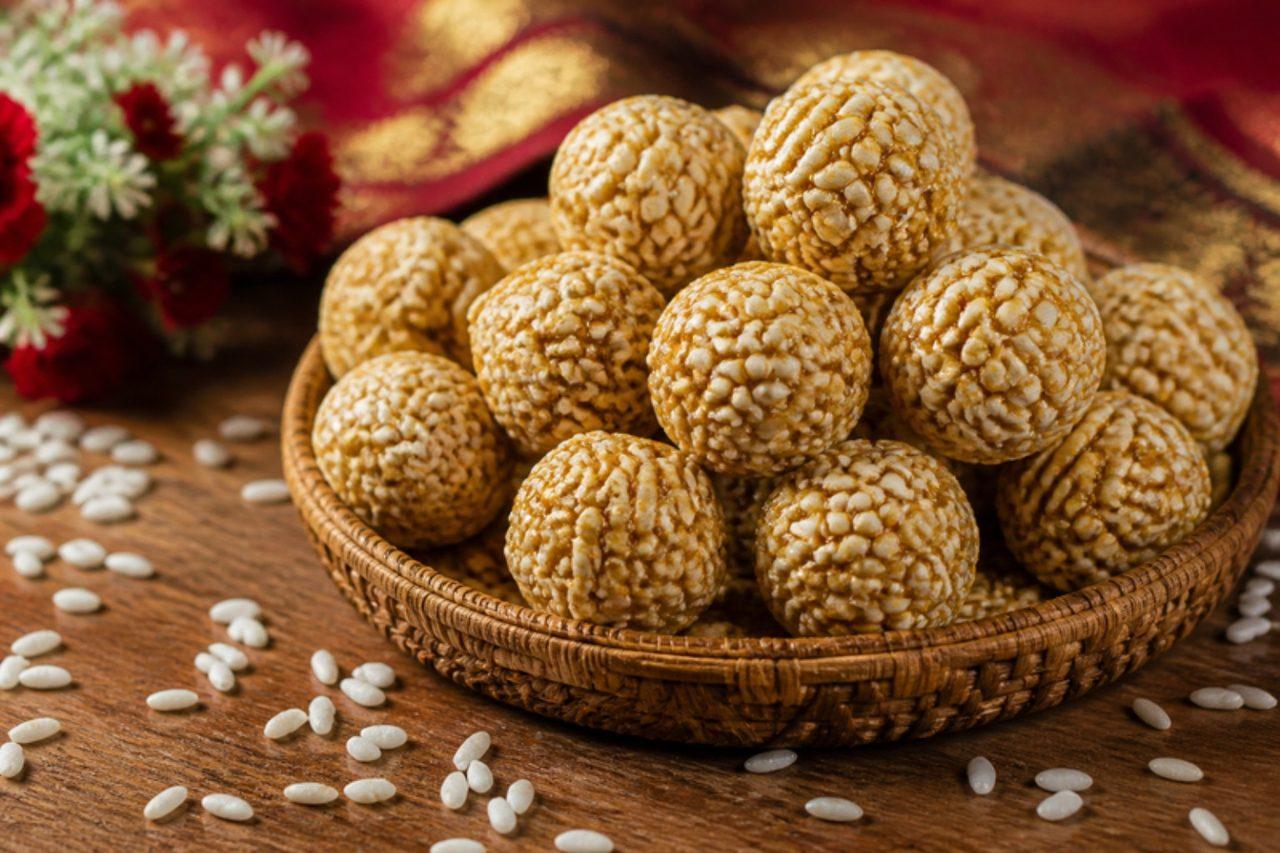
Kasar is a sweet of good fortune: Bahun and Chhetri families in the hills make it by the basketful to send with a bride to her new home, to hand out at bratabandha thread ceremonies and to fill the Tihar plates. It is the simplest of sweets, puffed rice stirred into bubbling jaggery syrup flavoured with cardamom and pressed into balls while warm, sometimes with sesame, coconut or peanuts added, and it is crunchy, light and caramel-sweet. Children love making it because it is all about quick hands and a bowl of cold water. The pitfall is syrup that is not cooked far enough, which gives soft, sticky balls that collapse in a day. Chef's tip: test the syrup by dropping a little into cold water; when it sets into a firm ball that cracks if you squeeze it, it is ready.

by KrazyBadal 0 views

Showing 36 of 7,762 recipes

Show more recipes

Page 224 of 863