

Skip to content
Zacuscă
Featured recipe

Zacuscă

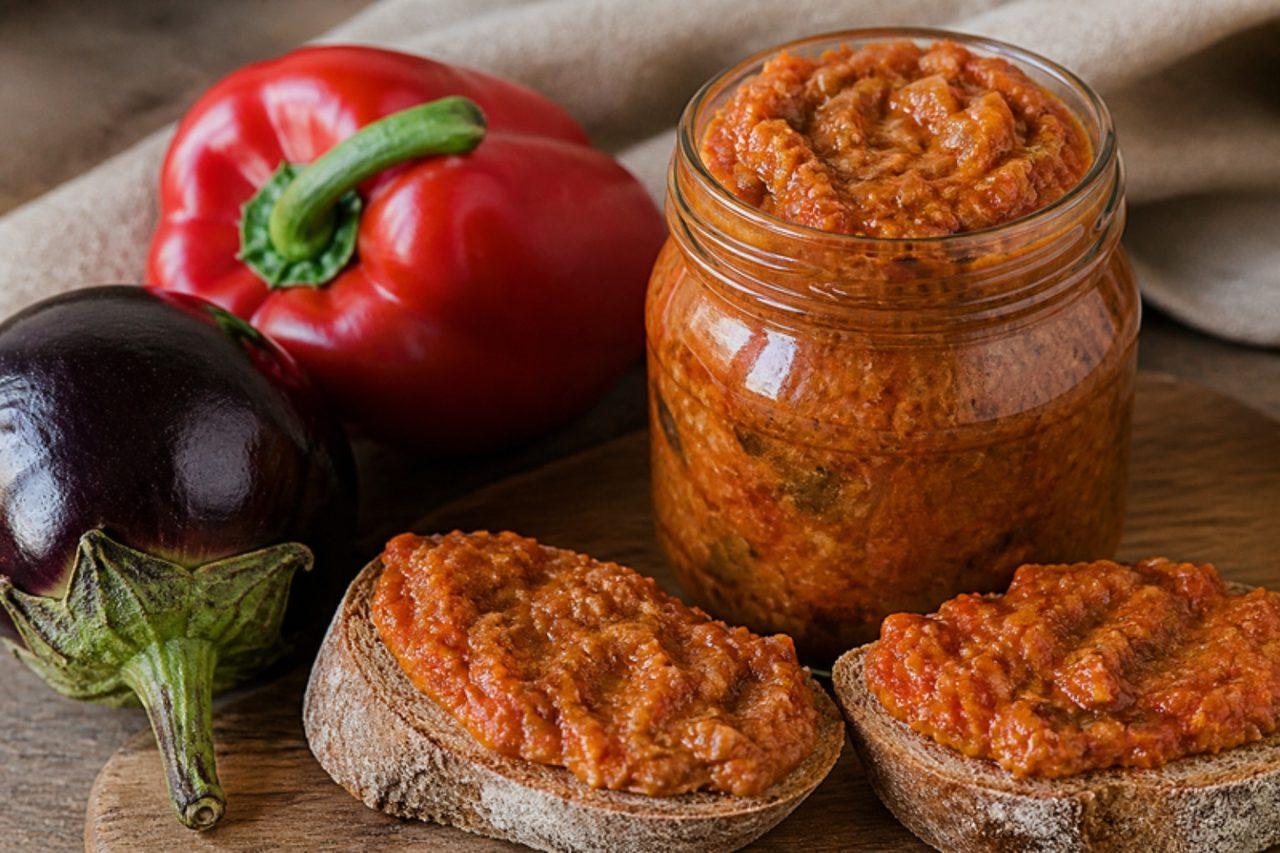
Zacuscă is the autumn preserve of Moldavia and Transylvania: in Iași and the villages around it, families spend a September weekend charring aubergines and red peppers over a grill and slowly frying them down with onion and tomato into a thick, chunky spread. The jars go into the cellar and come out all winter, spread on bread or eaten with mămăligă during the Orthodox fasts. It is coarser and more oniony than smooth Balkan ajvar, with bay and a long, jammy cook. Chef's tip: let the onions go fully soft and sweet before adding anything else; rushing them leaves a sharp, raw edge that the long cook never removes.

Read more 0 views
Can't decide?

What to eat today?

Spin the randomizer, search with what's already in your fridge, or browse recipes from our chefs.

Latest recipes

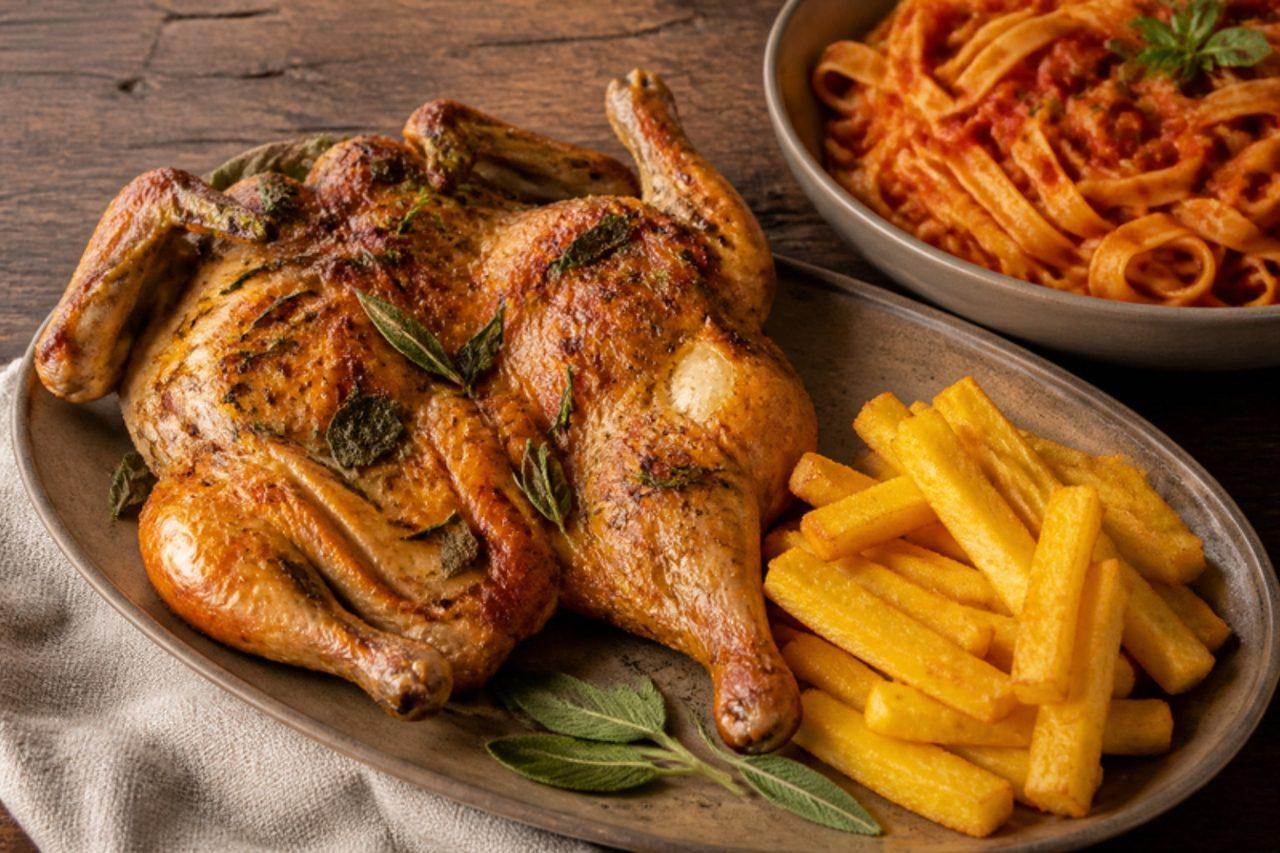
Galeto al primo canto

Caxias do Sul's galeterias serve galeto as an all-you-can-eat feast: young chicken, so small it is called al primo canto, at its first crow, marinated overnight in white wine, garlic, sage and rosemary, then roasted over embers and brought to the table with crisp fried polenta, pasta and salad. The habit came with the Italian immigrants of the Serra Gaúcha, and the meat is tender, juicy and fragrant with herbs. The marinade uses dry white wine; part of the alcohol cooks off during roasting but not all, so for an alcohol-free galeto use the same amount of chicken stock with 2 tbsp white wine vinegar. Marinate for at least 4 hours or overnight in the fridge. Many cooks baste with the raw marinade right to the end; stop 10 minutes before the chicken is done so no raw juices reach the plate. Chef's tip: set the polenta the day before so it slices cleanly and fries crisp.

by KrazyBadal 0 views

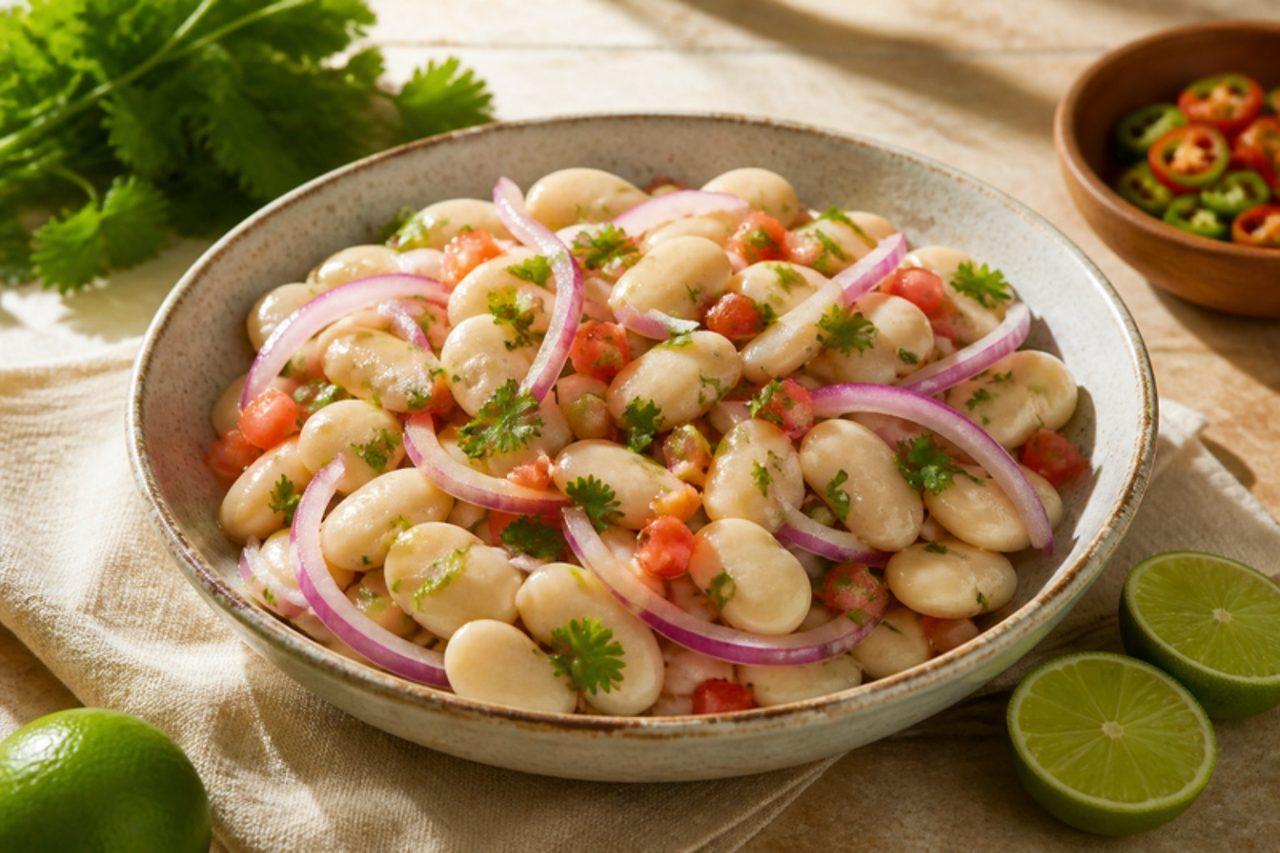
Ensalada de pallares

Around Ica, on Peru's southern desert coast, pallares grow in irrigated valleys and dry into fat, flat beans the size of a thumbnail; the region holds them in high regard and sells them by the sack at the Ica market. Cooked until creamy and dressed while warm, they become a filling salad that sits on the table beside fried fish, rice or a plate of boiled sweet potato, and it works as a light lunch on its own. The onion is cut the Peruvian way, in fine half-moons, rinsed so it stays crisp without biting, and the ají limo gives a fruity heat that you can turn up or down. A frequent slip is dressing the beans straight from the fridge: they stay chalky and the lime slides off instead of soaking in. Using dried beans adds an overnight soak; good jarred or canned large lima beans make it a 20-minute dish. Chef's tip: dress the beans while they are still warm with half the lime and salt, then add the onion, tomato and the rest of the lime just before serving.

by KrazyBadal 0 views

Sanduíche de mortadela

Tourists queue for it at the Mercado Municipal in São Paulo, where the sandwich counters on the mezzanine fold slice after slice of mortadella onto a hot griddle until the stack is taller than the bread. Mortadella is a cooked pork sausage, and warming it this way crisps the edges, softens the fat and makes it taste sweeter and more peppery; a layer of melted provolone or mild cheese glues it together inside a crusty French roll. It is gloriously over the top, best eaten with both hands and a paper napkin. The mistake most people make is stacking cold mortadella flat, which stays rubbery; fold the slices loosely so the heat gets between them. Chef's tip: ask for the mortadella sliced very thin, almost see-through; thin slices ruffle up and give the sandwich its height and tenderness.

by KrazyBadal 0 views

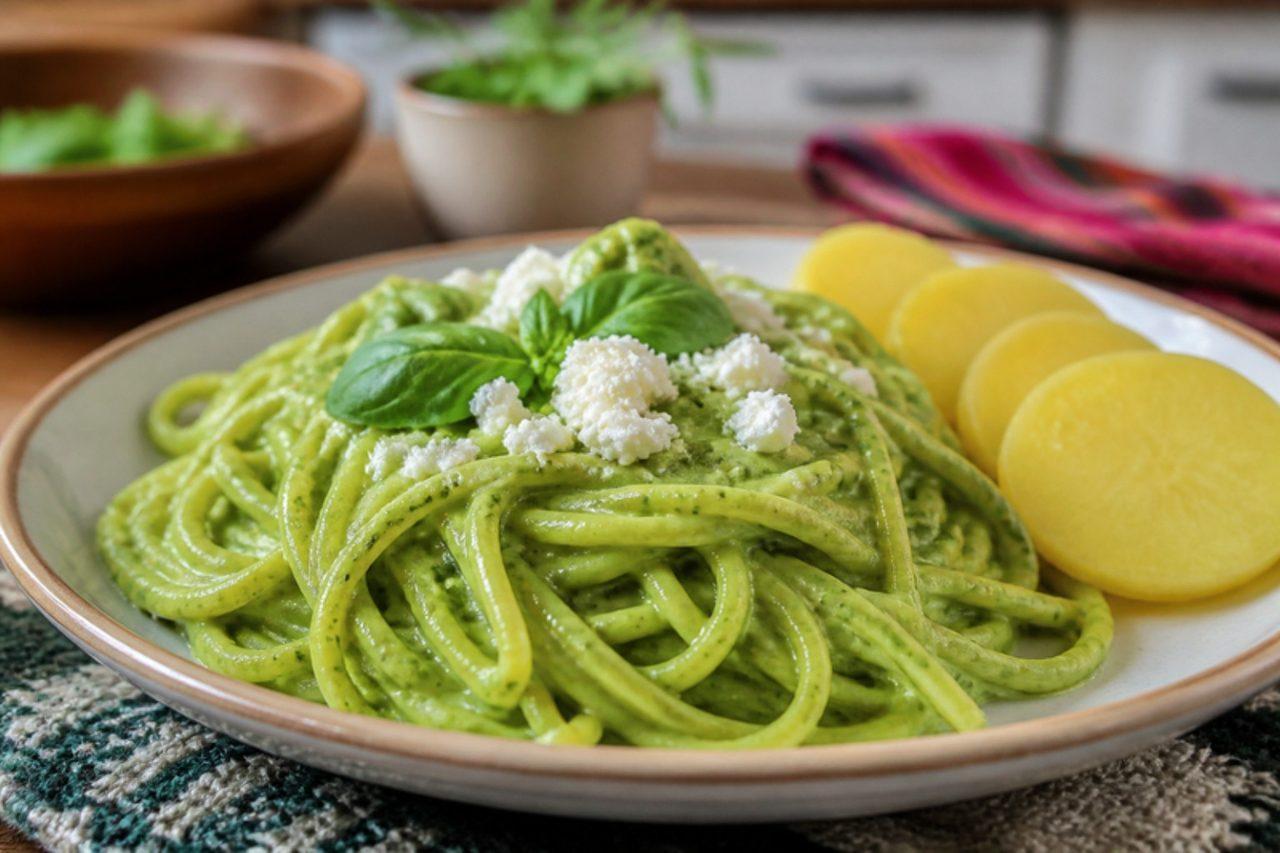
Tallarines verdes

Peru's answer to pesto came from Italian-Ligurian families who settled in Lima and Callao, and it was quickly rebuilt with what Peruvian kitchens had: spinach to stretch the basil, queso fresco instead of hard cheese, and a can of evaporated milk to make it creamy. Menú restaurants in Lima serve it on weekdays, often with a breaded steak or a fried egg beside it, and the sauce turns out milder, softer and greener than the Genoese original. This version stays vegetarian: serve it with a tomato and onion salad, or crown each plate with a fried egg if you eat them. The classic mistake is boiling the leaves too long, which turns the sauce khaki and dull; they need only 20 seconds in hot water. Note that queso fresco is usually made with animal rennet, so choose a vegetarian (microbial-rennet) fresh cheese if that matters to you. Chef's tip: blend the sauce with the evaporated milk while the leaves are still cold from their ice bath and it will stay bright for the whole meal.

by KrazyBadal 0 views

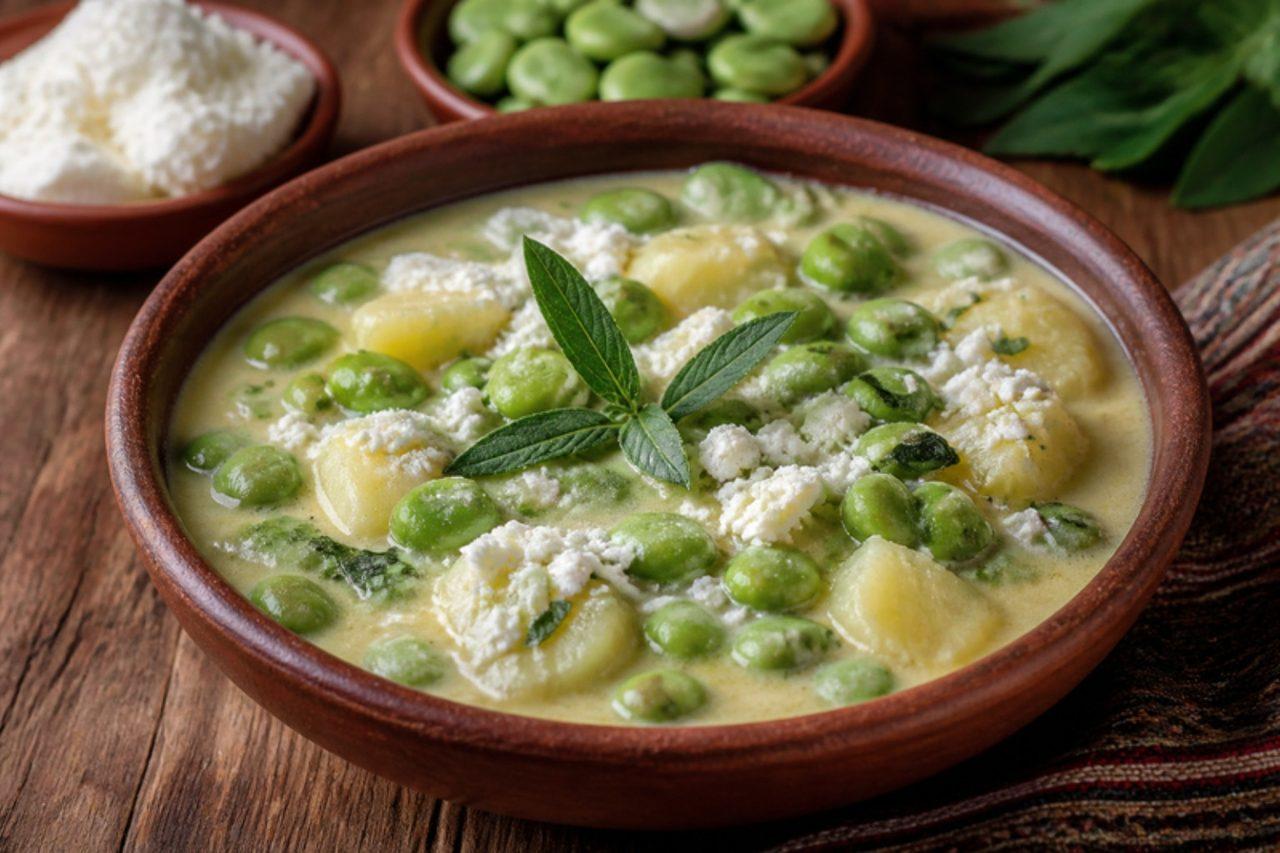
Kapchi

Kapchi (sometimes spelled capchi) comes from the Quechua for something like 'dressed' or 'creamed', and around Cusco it turns up when the fresh broad beans are in season: green habas, potatoes and soft fresh cheese simmered with milk until the sauce turns thick and pale, with ají and a handful of huacatay. Market stalls in San Pedro sell it with rice, and families make it at Easter as a meatless dish. It is gentle and creamy with a herby, slightly minty finish, and the beans stay sweet and tender. The trap is boiling the sauce once the cheese is in; it splits into curds and goes watery, so keep it at a bare simmer. Serve with white rice or boiled potatoes and a spoon of uchucuta. The same recipe works with sliced mushrooms instead of beans, which Cusco cooks also do. Queso fresco is usually set with animal rennet, so pick a vegetarian fresh cheese if you need to. Chef's tip: peel the beans of their pale inner skins after blanching; it takes ten minutes and makes the dish far silkier.

by KrazyBadal 0 views

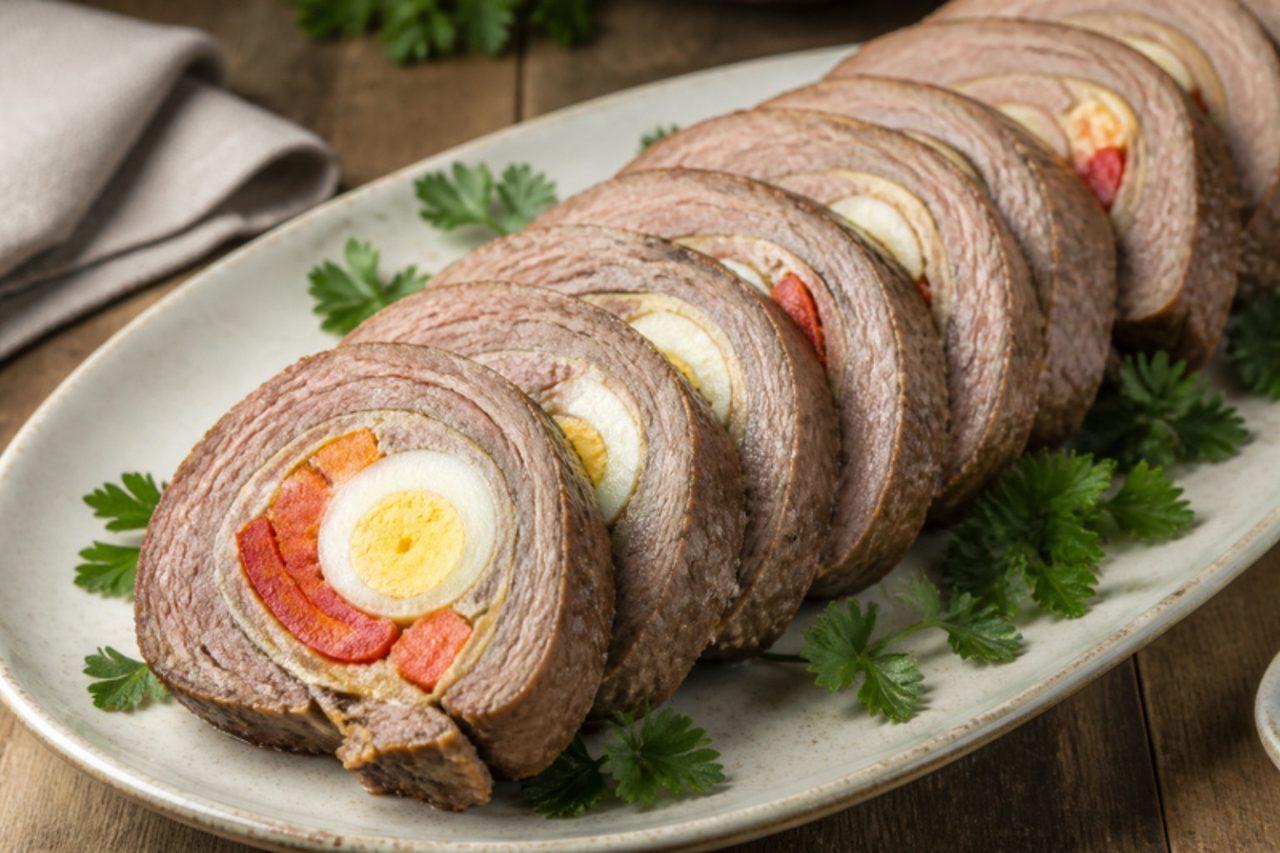
Matambre arrollado

Christmas and New Year in Argentina fall in high summer, so the festive table is crowded with cold dishes, and matambre arrollado is the one that draws a crowd: a thin sheet of beef from between the ribs and skin (matambre, the rose or flank cut), spread with garlic and parsley, layered with hard-boiled egg, carrot and red pepper, rolled into a fat sausage, poached and pressed. Rotiserías in the Buenos Aires suburbs sell it by the slice, and each round shows a mosaic of colours. Served cold with Russian salad and a sharp chimichurri, it is tender and savoury. Because the outside of the meat ends up rolled inside, cook it to a core temperature of 71 °C, as for minced meat. The usual mistake is slicing it warm: it falls apart, so press it under a weight in the fridge overnight. If you can't find matambre, ask the butcher for a thin flank steak butterflied to 1 cm. Chef's tip: lay the meat with the grain running along the roll, so each slice cuts across the fibres and stays tender.

by KrazyBadal 0 views

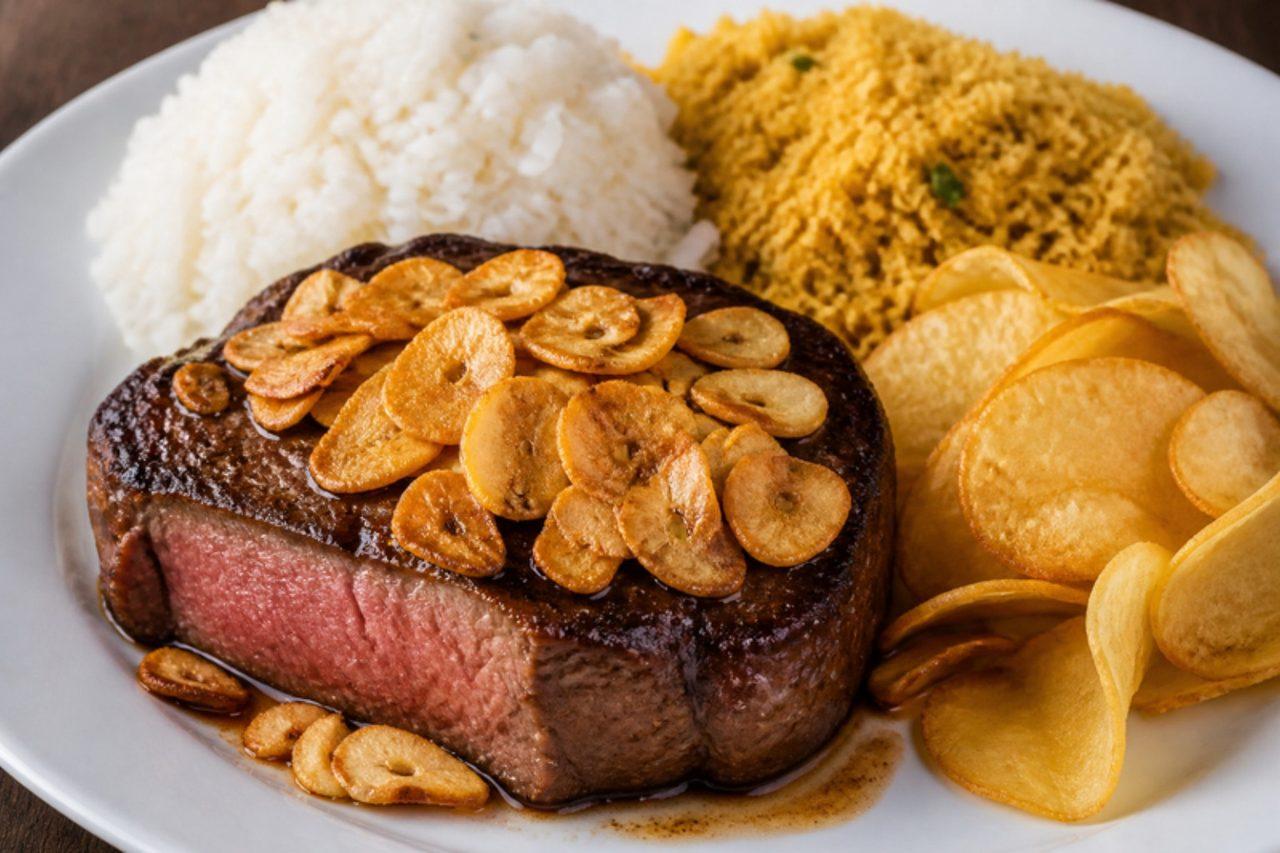
Filé à Oswaldo Aranha

Rio de Janeiro's old-school restaurants, the ones with white-jacketed waiters in Flamengo and Centro, have served this plate since the 1930s, named after the statesman who supposedly ordered it every day. It is simple and generous: a thick fillet steak, seared hard and buried under a pile of golden fried garlic, with white rice, buttery farofa and a heap of crisp potato straws. The garlic is sweet and nutty, the steak juicy, and the farofa soaks up the juices. Cook the steak to your liking; whole beef steaks are safe pink in the middle, but take them further if you prefer. The biggest mistake is frying the garlic too hot, which turns it bitter in seconds; it should go slowly from pale to light gold. Chef's tip: take the garlic out of the oil when it is only just golden, as it keeps darkening on the paper.

by KrazyBadal 0 views

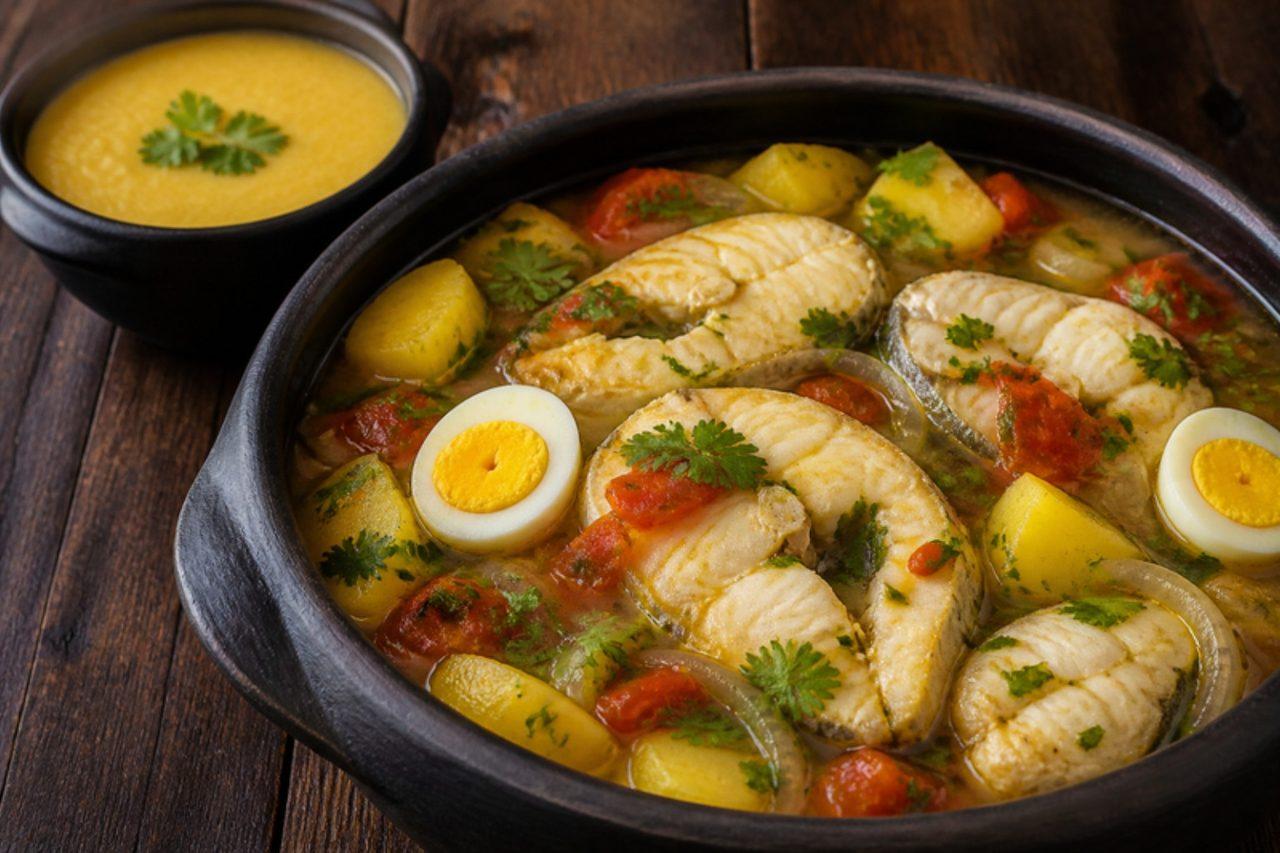
Caldeirada de tucunaré

Peacock bass, tucunaré, is the prize of the Rio Negro, and in Manaus it ends up in caldeirada: a layered pot of firm fish steaks, potatoes, tomatoes, onions and peppers, simmered in their own broth with coriander and culantro and finished with boiled eggs. Riverside restaurants and Sunday lunches serve it in big clay pots with white rice, pirão made from the broth and plenty of pimenta-de-cheiro. The broth is light, tangy and fresh, the fish sweet and meaty. Outside Brazil, use sea bass, snapper or any firm white fish cut into steaks. The commonest slip is stirring the pot once the fish is in; shake it gently instead so the steaks stay whole. Chef's tip: layer the potatoes at the bottom where the heat is strongest, so they finish cooking just as the fish turns opaque on top.

by KrazyBadal 0 views

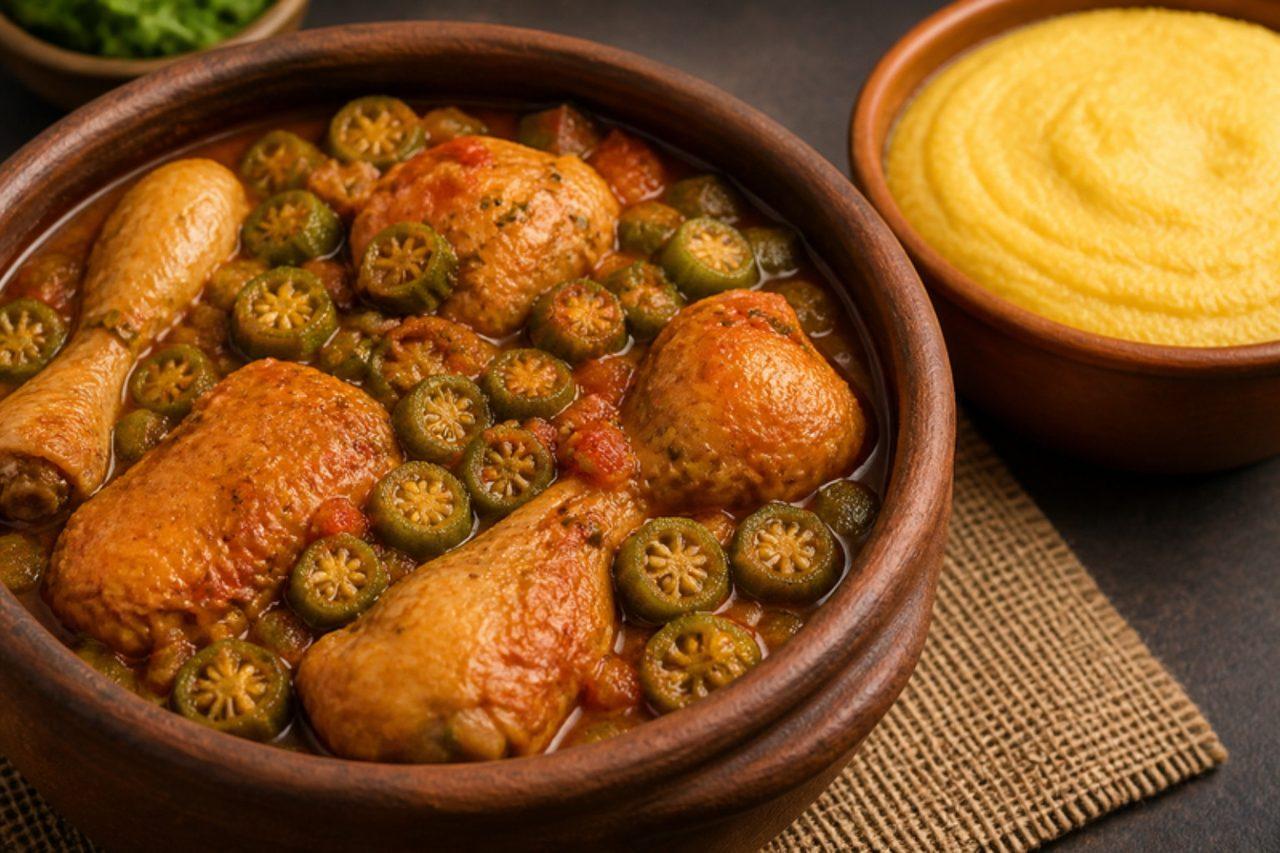
Frango com quiabo

Countryside Minas Gerais, especially around Belo Horizonte and the historic towns, cooks frango com quiabo for Sunday lunch: chicken pieces braised in a garlicky tomato sauce coloured with annatto, with okra fried separately and folded in at the end so it stays green and barely sticky. It is served over angu, a soft, unseasoned cornmeal porridge, with rice and a pot of hot pepper on the side. The sauce is savoury and homely, the okra tender with a little bite. People often add the raw okra straight to the pot, which makes the sauce slimy; frying it first in hot oil seals it. Chef's tip: stir the angu with a whisk as you pour in the cornmeal, then switch to a wooden spoon, and it will never go lumpy.

by KrazyBadal 0 views

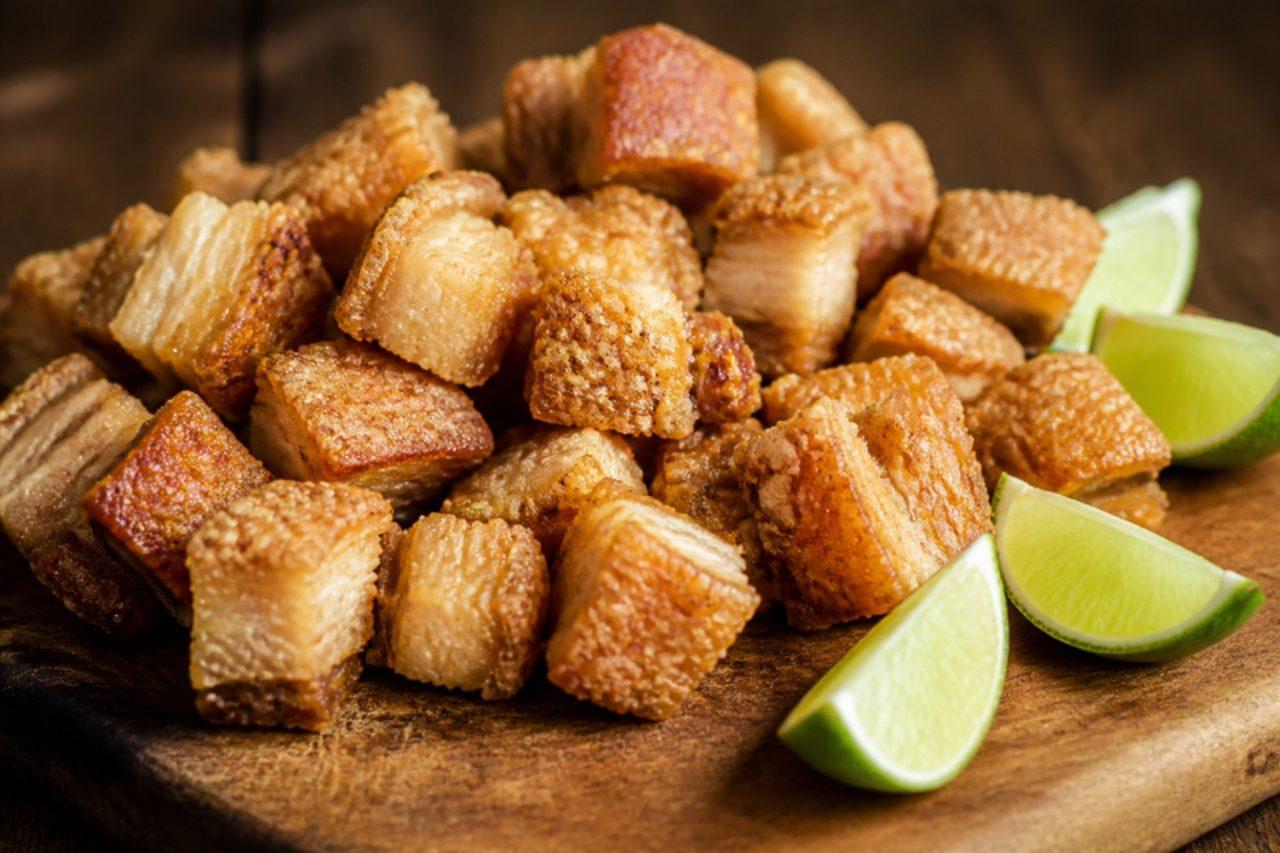
Torresmo

Every boteco in Minas Gerais keeps a tray of torresmo by the counter: chunks of pork belly with the skin on, fried so slowly the fat melts out, then blasted in hot fat until the skin bursts into crackling bubbles. Done right, each piece has a shatteringly crisp, blistered top, a layer of soft fat and a strip of juicy meat. Mineiros eat it as a snack with lime and with feijão tropeiro, tutu or couve at lunch. The classic error is frying wet skin in very hot fat at once, which gives hard, glassy skin and dangerous spitting; dry it well and fry it twice. Use a deep, heavy pot, never fill it more than a third with fat, and keep children away from it. Chef's tip: after the first slow fry, let the pieces cool completely, even overnight in the fridge; the drier the skin, the bigger the puff.

by KrazyBadal 0 views

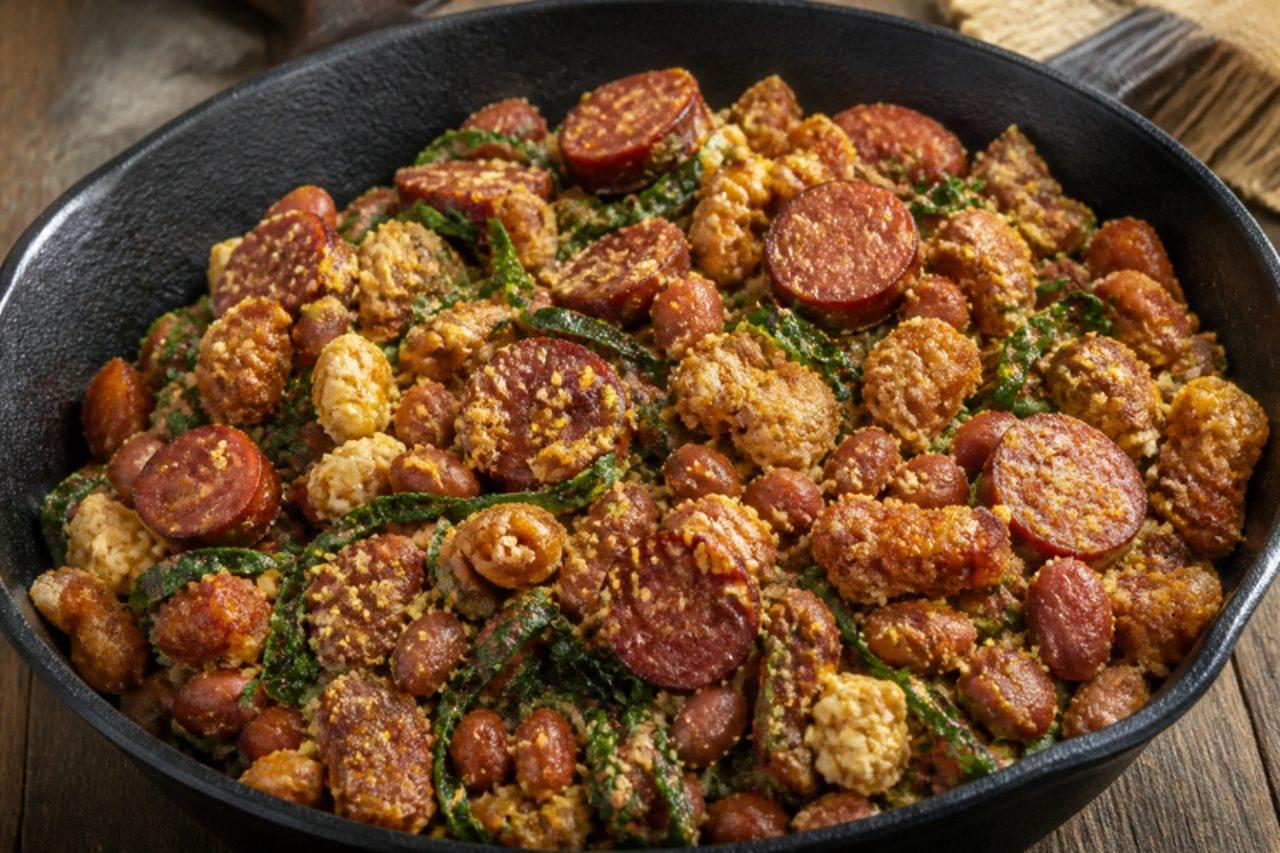
Feijão tropeiro

Mule drivers, the tropeiros, crossed Minas Gerais with sacks of beans, cassava flour and pork, and their trail food has become the state's pride: you will find feijão tropeiro at every comida mineira restaurant, at football grounds in Belo Horizonte and on Sunday tables, with rice, couve, torresmo and a grilled pork chop. The beans are cooked just tender, drained, and tossed in bacon and sausage fat with onions, scrambled egg, cassava flour and shredded collards, so the dish is moist but loose, smoky and very savoury. This is a pork dish: smoked bacon and pork sausage give it its flavour. If you start from dried beans, soak them overnight. The usual mistake is overcooking the beans; mushy beans turn the farofa into paste. For a vegetarian version, skip the meats and use butter and an extra egg. Chef's tip: add the farinha off the heat a handful at a time and stop when it looks moist and fluffy, not dry.

by KrazyBadal 0 views

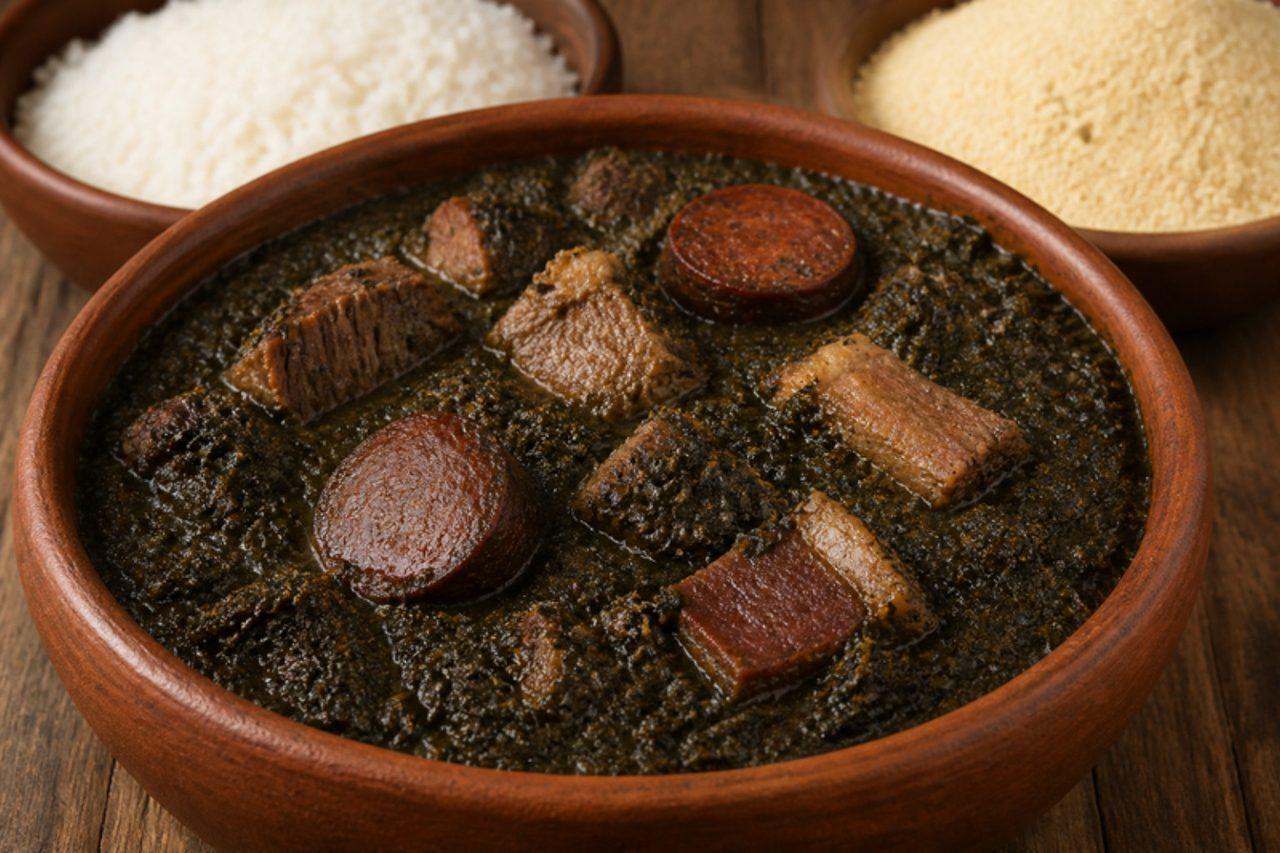
Maniçoba

Black-green, smoky and rich, maniçoba is the dish Belém cooks for the Círio de Nazaré in October, when families gather after the great procession, and it is sold all year at the Ver-o-Peso market. Its base is maniva, ground manioc leaves, which contain natural cyanide and must be cooked for days before they are safe; in Pará cooks simmer it for up to a week. Never use raw or home-ground manioc leaves for this dish. Buy only ready-cooked ground maniva (sold frozen in Brazilian shops and labelled pre-cooked), and follow the pack's further cooking time if it is longer than ours. The leaves are then simmered for hours with the cuts of a feijoada: salted pork ribs, smoked bacon, smoked pork sausage, beef jerky and pig's trotter, until the meat falls apart into a thick, smoky, faintly bitter stew. Serve it with white rice, farinha d'água and pimenta-de-cheiro. Plan ahead: the salted meats need soaking overnight. The usual mistake is adding the meat too early, so it disintegrates. Chef's tip: maniçoba tastes even better reheated the next day.

by KrazyBadal 0 views

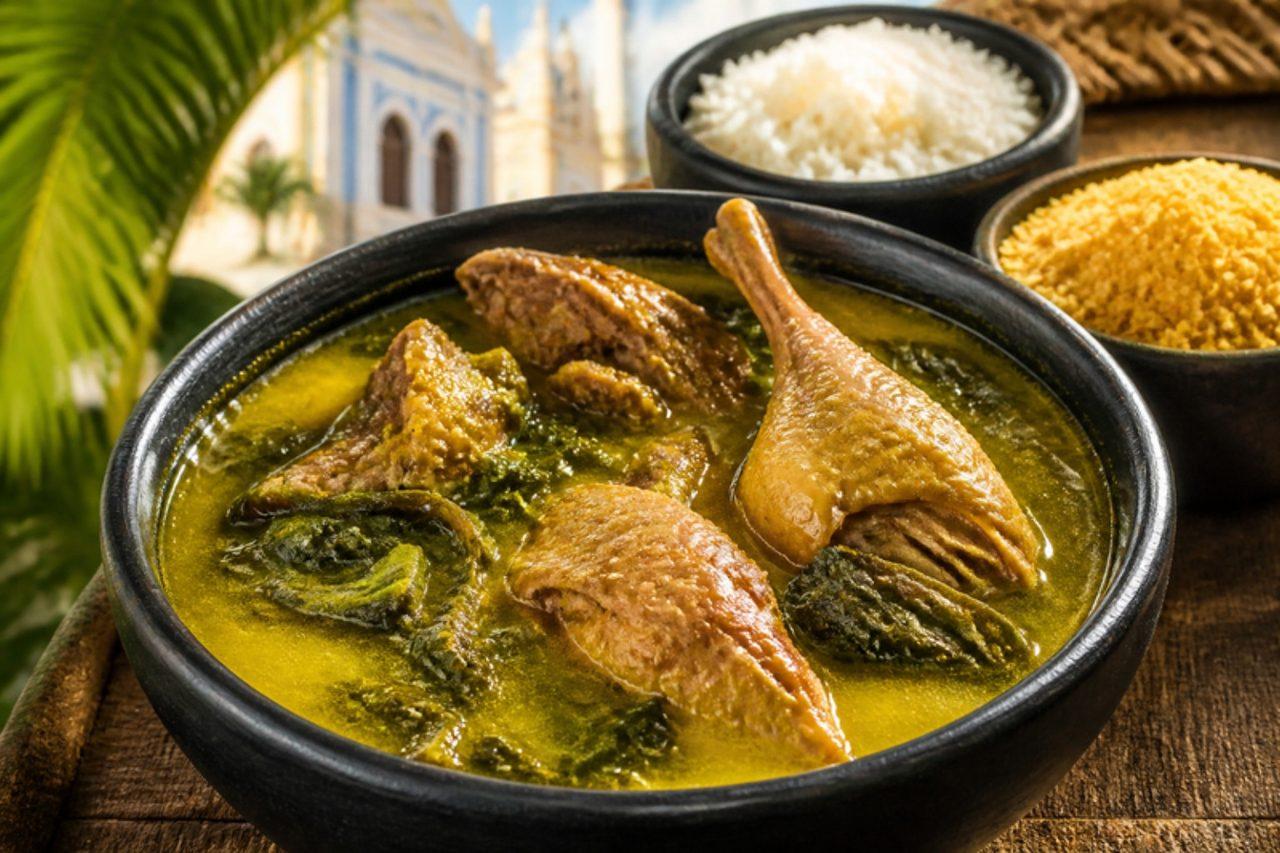
Pato no tucupi

Belém eats pato no tucupi above all at the Círio de Nazaré lunch in October, but restaurants around the Ver-o-Peso serve it year round. Duck is marinated, roasted until the skin is brown, then simmered in tucupi, the yellow, sour broth pressed from wild cassava, with garlic, culantro and basil, and finished with jambu, a leaf that makes lips tingle and go pleasantly numb. The flavour is tart, savoury and electric. Raw tucupi is toxic: buy only commercial tucupi sold frozen or bottled in Brazilian shops, which has already been cooked, and still boil it as below. Jambu is sold frozen there too, or as fresh paracress (Szechuan buttons). Allow an overnight marinade in the fridge. A frequent mistake is skipping the roast and just boiling the duck, which leaves the skin flabby and the broth greasy. Serve with white rice and farinha d'água. Chef's tip: blanch the jambu separately and add it at the end so it stays green and keeps its buzz.

by KrazyBadal 0 views

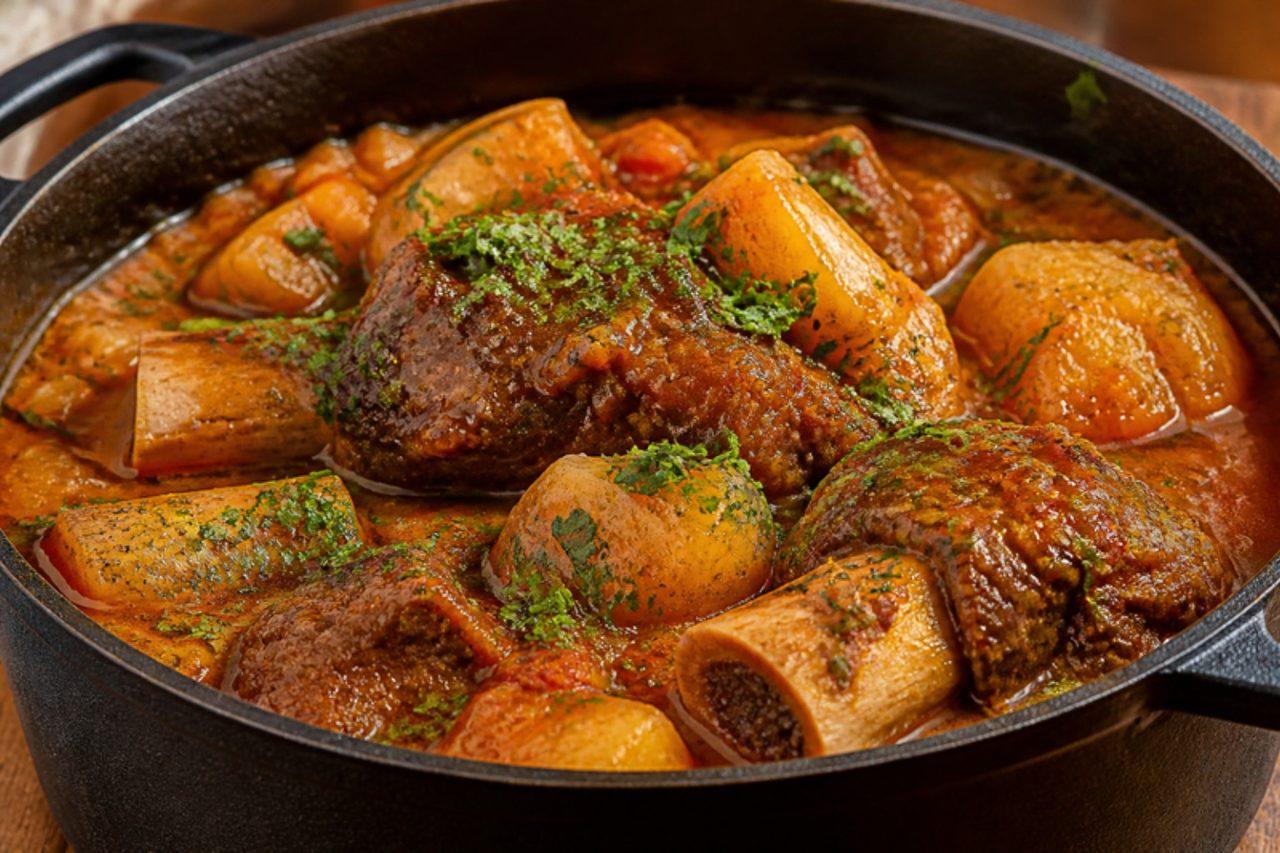
Vaca atolada

The name means cow stuck in the mud, and the picture is right: meaty beef ribs sunk in a thick stew of cassava that has half collapsed into the sauce. Vaca atolada comes from the cattle country of Minas Gerais and is a cold-night favourite at fazenda kitchens and comida mineira restaurants, served on its own or with white rice and a sharp pepper sauce. The ribs are browned, then braised slowly with onion, tomato, garlic and bay until the meat slips off the bone, and the cassava goes in for the last hour to thicken everything. People most often go wrong by adding the cassava at the start, so it dissolves completely; it should be soft but still in chunks. Cassava must be cooked right through and never eaten raw. Chef's tip: brown the ribs hard and deglaze the pan well; that dark crust is where most of the flavour comes from.

by KrazyBadal 0 views

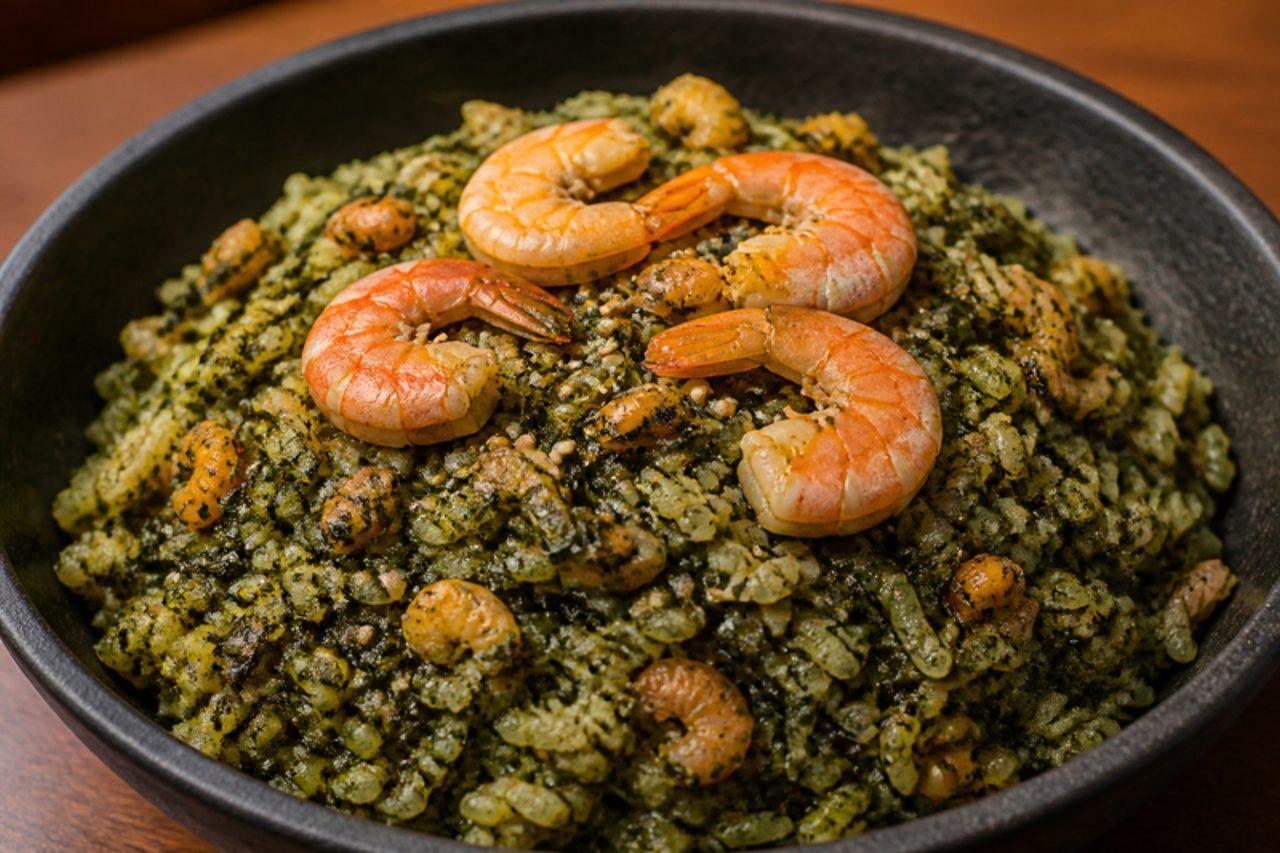
Arroz de cuxá

Green-flecked, sharp and nutty, arroz de cuxá is the signature rice of São Luís, served in Maranhão homes and seafood restaurants with fried fish, torta de camarão or a simple fried egg. The sourness comes from vinagreira, the leaves of the roselle hibiscus, cooked down into a thick cuxá sauce with dried shrimp, toasted sesame and a little cassava flour, then stirred into fluffy white rice. Roselle leaves are sold as gongura in Indian grocers and as sorrel leaves in Caribbean shops; spinach with lime juice is a mild stand-in. The common error is under-cooking the leaves, which leaves them stringy; they should collapse into a dark, soft purée. For a vegetarian version, leave out the shrimp and add a spoonful more sesame. Chef's tip: toast the sesame until it just turns gold and starts to pop, then grind it while warm so it releases its oil into the sauce.

by KrazyBadal 0 views

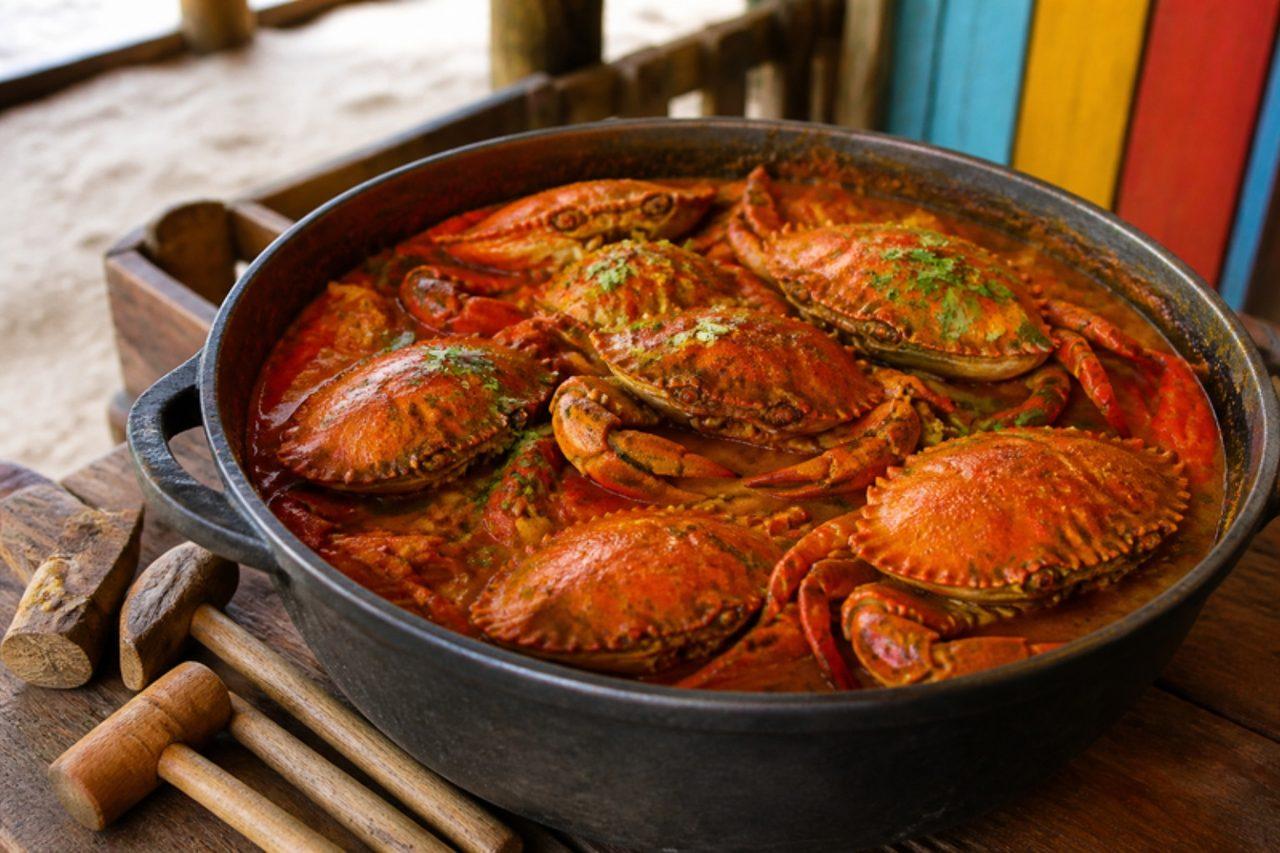
Caranguejada

Thursday night is crab night in Fortaleza: the beach shacks along Praia do Futuro fill up for the quinta do caranguejo, and tables are covered in whole crabs, wooden mallets and bowls of broth. The crabs are boiled in a spiced broth of tomato, onion, peppers, coconut milk and plenty of coriander, then cracked open by hand, the sweet meat dipped back into the broth and eaten with pirão and lime. Mangrove crabs are used in Ceará; blue crabs or brown crabs work well elsewhere. Crabs must be alive and lively when you buy them, or bought frozen raw or ready-cooked from a fishmonger; never cook a raw crab that has died. The big mistake is under-salting the broth, which leaves the meat bland; it should taste like well-seasoned soup. Chef's tip: chill live crabs in the freezer for about an hour before cooking so they are completely still and insensible, then scrub them well.

by KrazyBadal 0 views

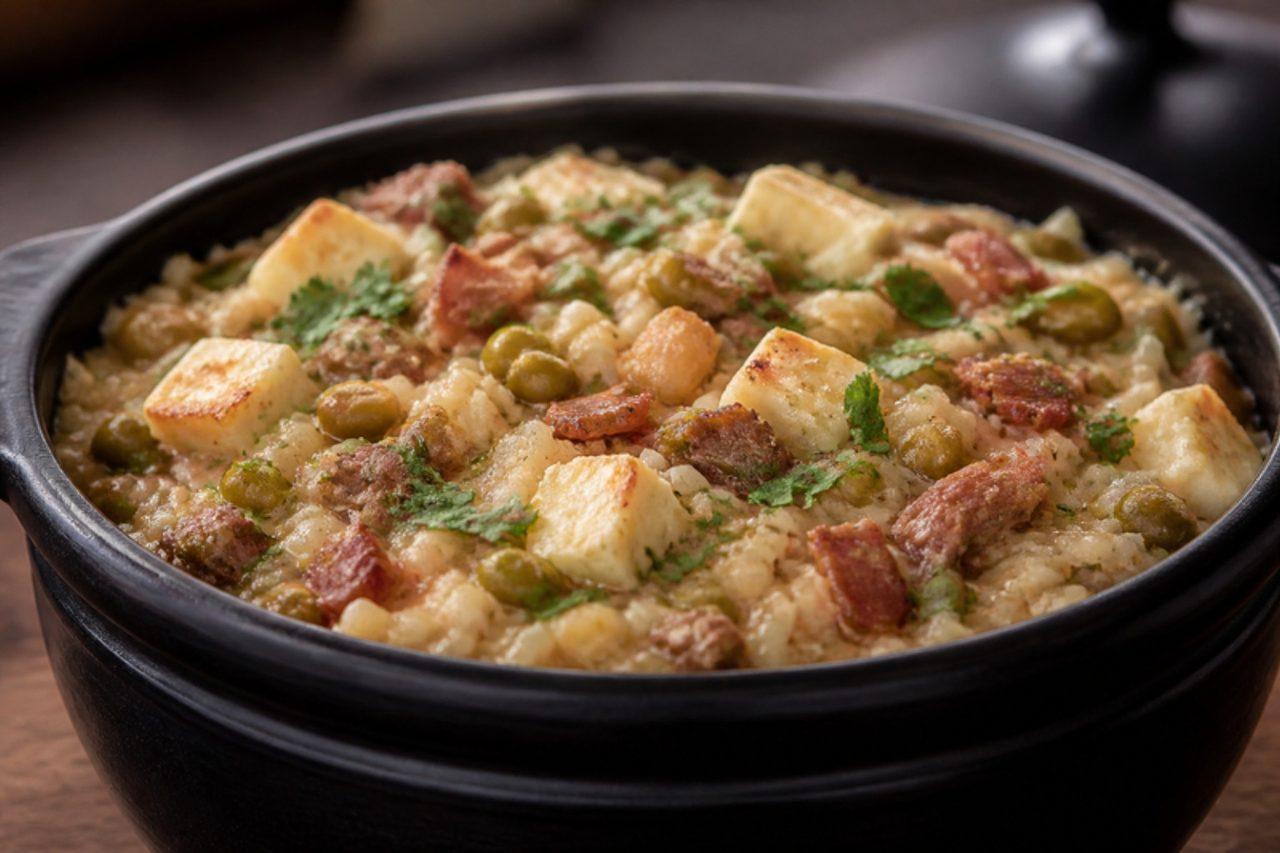
Rubacão

Paraíba's cousin of baião de dois, rubacão (also spelt rubação) is cooked for long family lunches in João Pessoa and Campina Grande, and it is a fixture of the São João season in June. Rice and freshly shelled green cowpeas (feijão verde) cook together with dried beef and smoky bacon, then coalho cheese and cream are folded through so the pot turns soft, creamy and stretchy, salty from the meat and sweet from the beans. Serve it on its own with a tomato salad and pepper sauce; it is a meal in one pot. If you use charque or carne seca, it needs soaking overnight in the fridge. The pitfall to avoid is adding the cheese while the pot is on the flame, which turns it rubbery; fold it in off the heat and let the steam soften it. Chef's tip: save the bean cooking water and use it to cook the rice; it gives the dish its earthy colour and flavour.

by KrazyBadal 0 views

Pirarucu de casaca

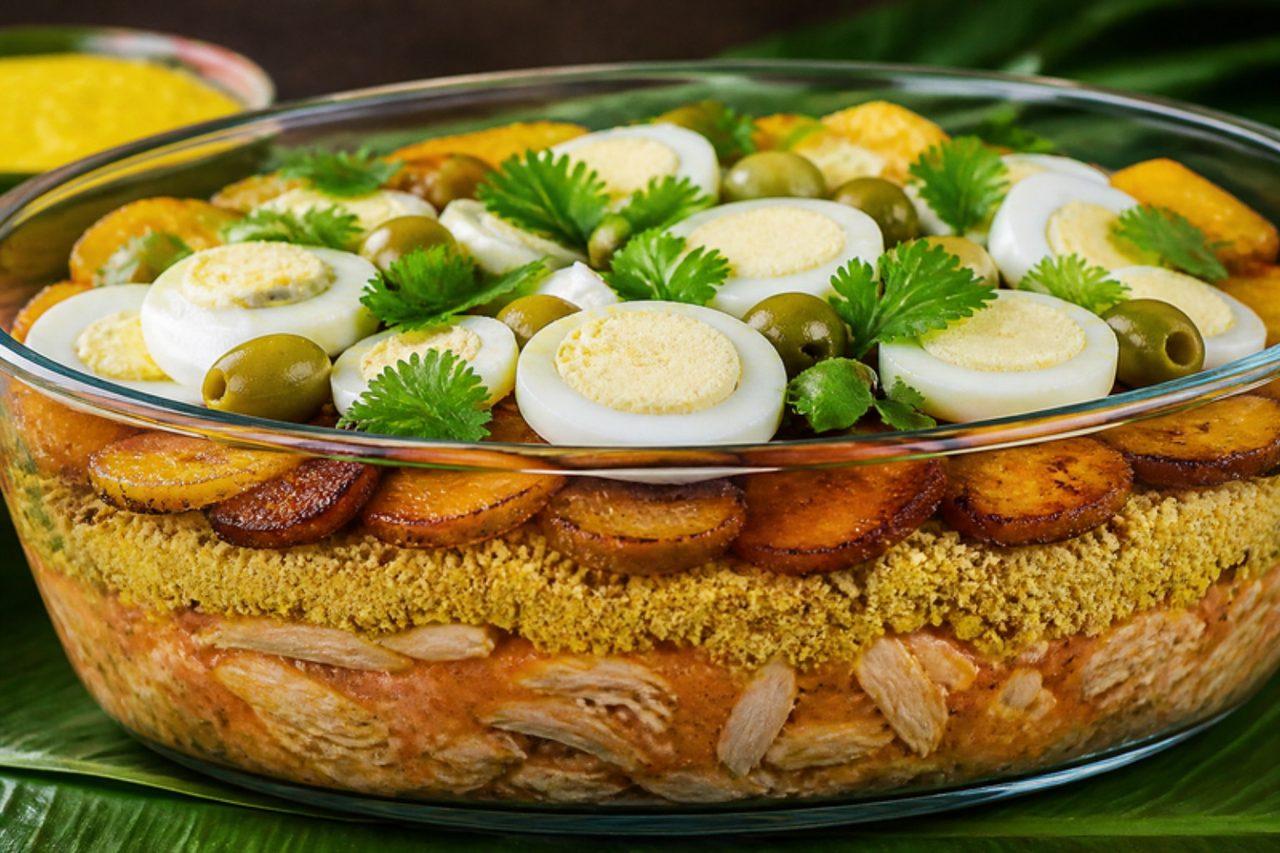
A party dish from Manaus and the Amazonas interior, pirarucu de casaca (pirarucu in a coat) is built in a big dish for birthdays and Christmas: a bed of buttery-looking farofa, a layer of shredded salt pirarucu cooked with tomato and coconut milk, golden slices of fried plantain, more farofa, and a scattering of raisins, olives, egg and herbs. Each spoonful is salty, sweet and crunchy at once. Pirarucu, the giant Amazon fish, is sold salted and dried like cod; salt cod is the easy substitute. Allow 24 hours to soak the fish in the fridge. A common slip-up is under-soaking, which makes the dish too salty to eat; taste a flake before you cook. Chef's tip: use very ripe, black-skinned plantain, fried slowly, so it caramelises and balances the salt of the fish.

by KrazyBadal 0 views

Showing 18 of 6,261 recipes

Show more recipes

Page 231 of 696