


Skip to content
Mampar
Featured recipe

Mampar

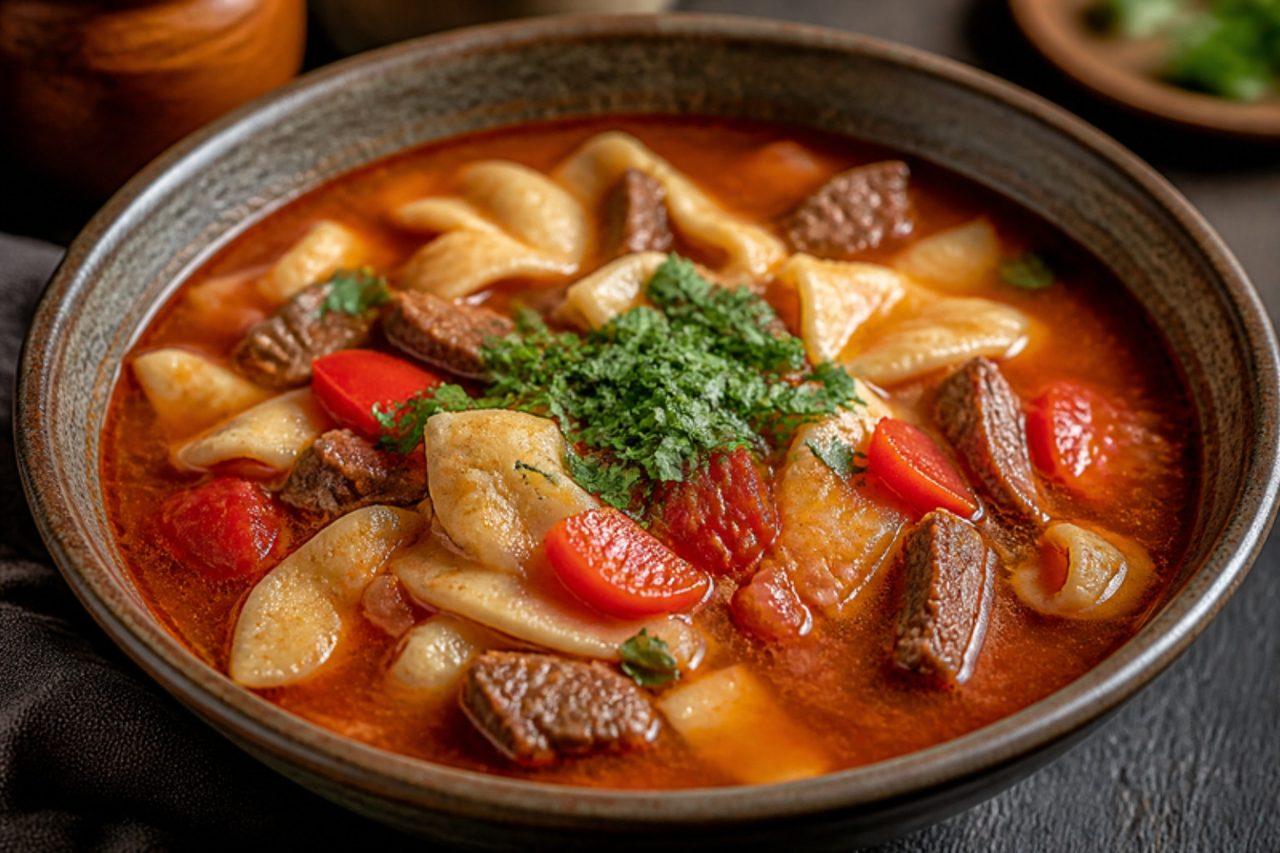
Torn noodle soup with beef

Mampar is a quick, filling noodle soup from Kyrgyzstan's Uyghur and Dungan cooks, popular in Bishkek cafés and Osh markets: a dough is pulled and torn into small, thin squares and dropped straight into a tomato-rich broth with fried beef or lamb, peppers, onion and garlic. It is thick enough to eat with a fork and spicy enough to warm you in winter. A common mistake is tearing the dough into thick pieces, which stay chewy and doughy. Chef's tip: oil the rested dough, flatten it into a long ribbon and tear off thumbnail-sized, almost see-through pieces straight into the pot.

Read more 0 views

What to eat today?

Around the world

Today's trip: Persian

A new country every day, from every cuisine on the site.

Persian

Ash-e doogh

Yogurt soup with rice and chickpeas 60 minMore from Persian (131) →

This week's collection

Kid-friendly dinners
537 recipes · a new collection every Monday

Latest recipes

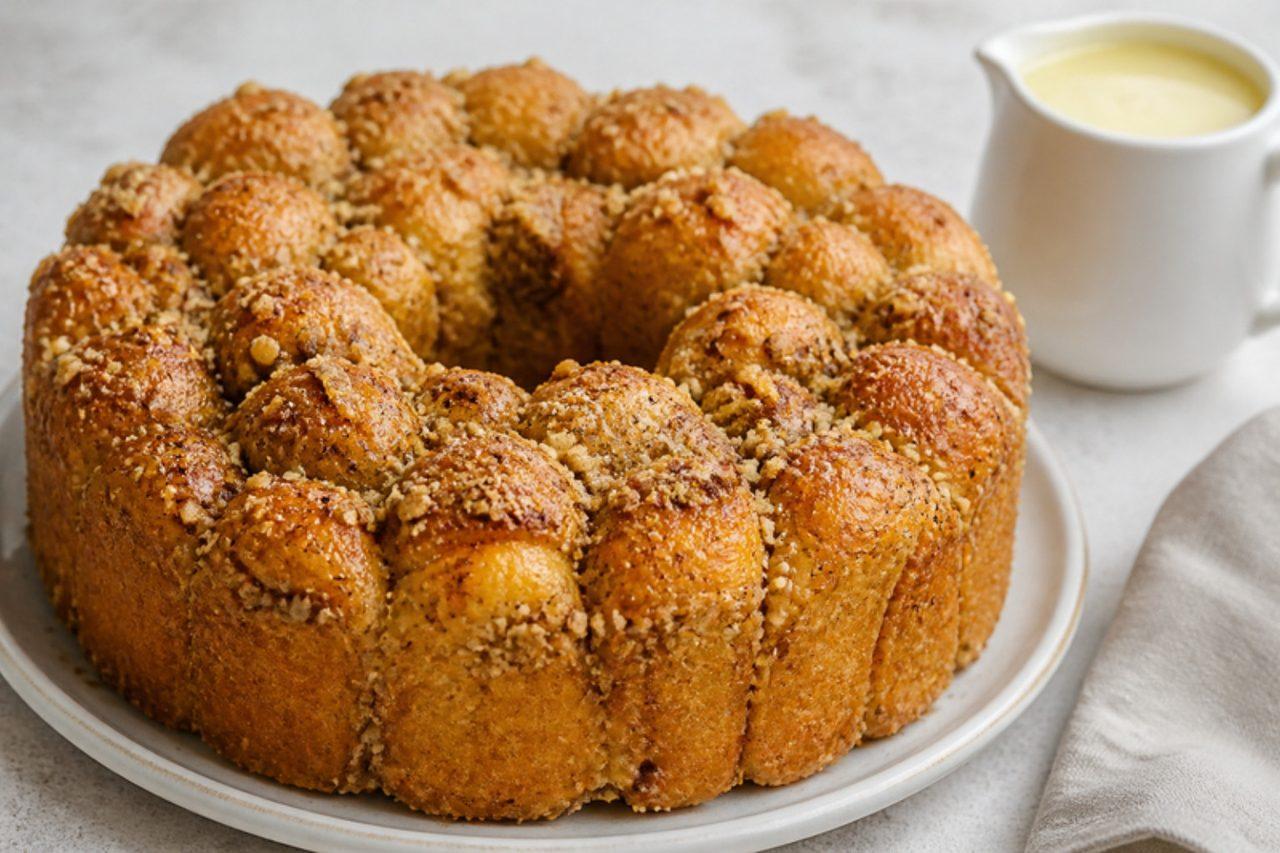
AranygaluskaGolden walnut yeast dumplings

Aranygaluska means golden dumplings, and the pull-apart cake really does come out of the oven bronze and gleaming. Walnut-sized balls of sweet yeast dough are dipped in melted butter, rolled in ground walnuts and sugar, stacked loosely in a ring tin and baked, so the nuts caramelise into a sticky crust. It is a family Sunday pudding all over Hungary and a favourite at school canteens, and Hungarian emigrants took it to America, where it became monkey bread. Pour warm vanilla custard over each helping. Some cooks serve it with a wine custard; this version keeps to vanilla, so it is alcohol-free. Where it goes wrong is packing the balls tightly; leave gaps so they can rise and the walnut coating reaches every side. Chef's tip: spoon a little apricot jam between the layers for a tart note.

by KrazyBadal 0 views

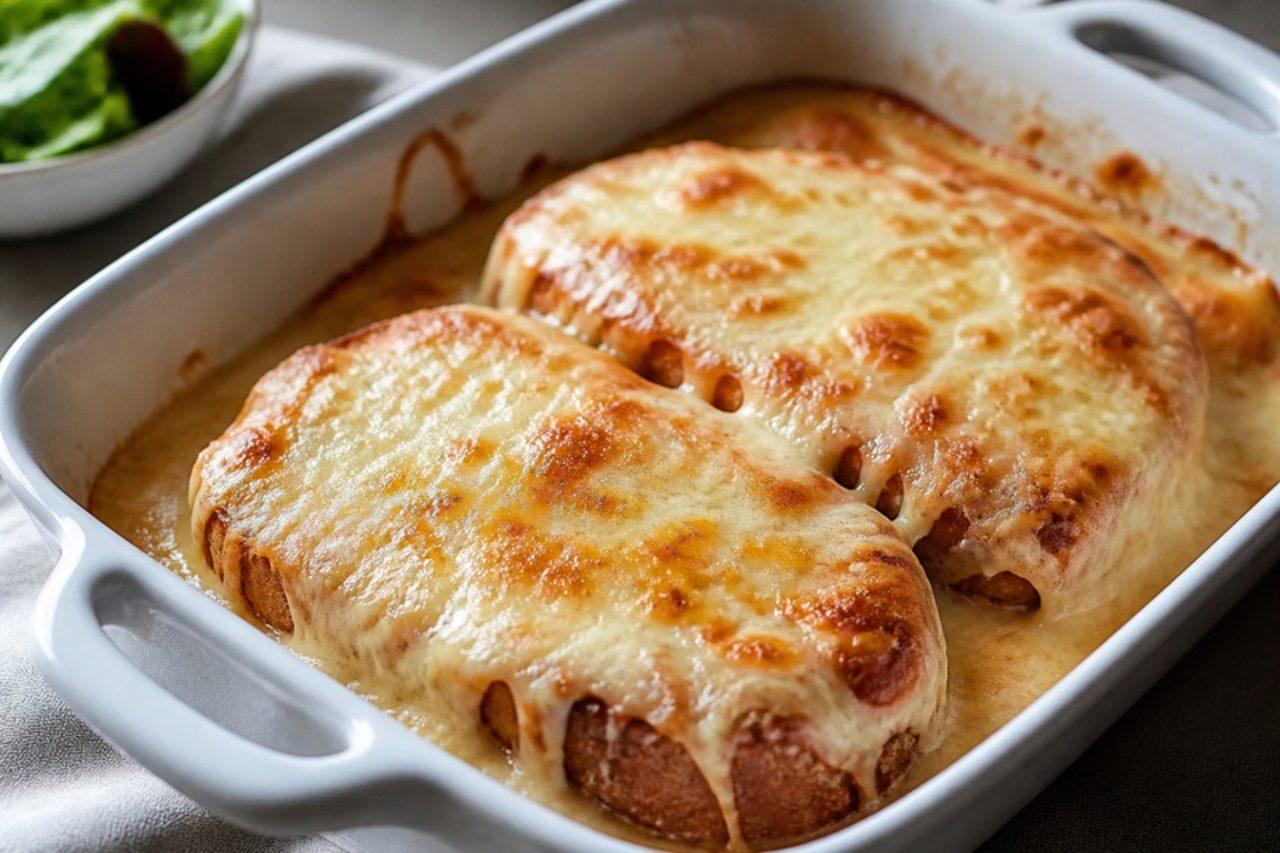
Croûte au fromageWine-soaked bread with Gruyère

Croûte au fromage is the après-ski supper of Valais and Vaud, served in mountain restaurants from Verbier to Zermatt in sizzling dishes: thick slices of stale bread sprinkled with white wine, rubbed with garlic, heaped with grated Gruyère and baked until bubbling, often with a fried egg on top. This recipe uses white wine, as it traditionally does; for an alcohol-free version, use the swap in the ingredient note. Gruyère is made with animal rennet, so choose a vegetarian Swiss-style cheese. A common mistake is soaking the bread with too much wine, which makes it soggy. Chef's tip: toast the bread first, then sprinkle, so it stays crisp underneath and soft on top.

by KrazyBadal 0 views

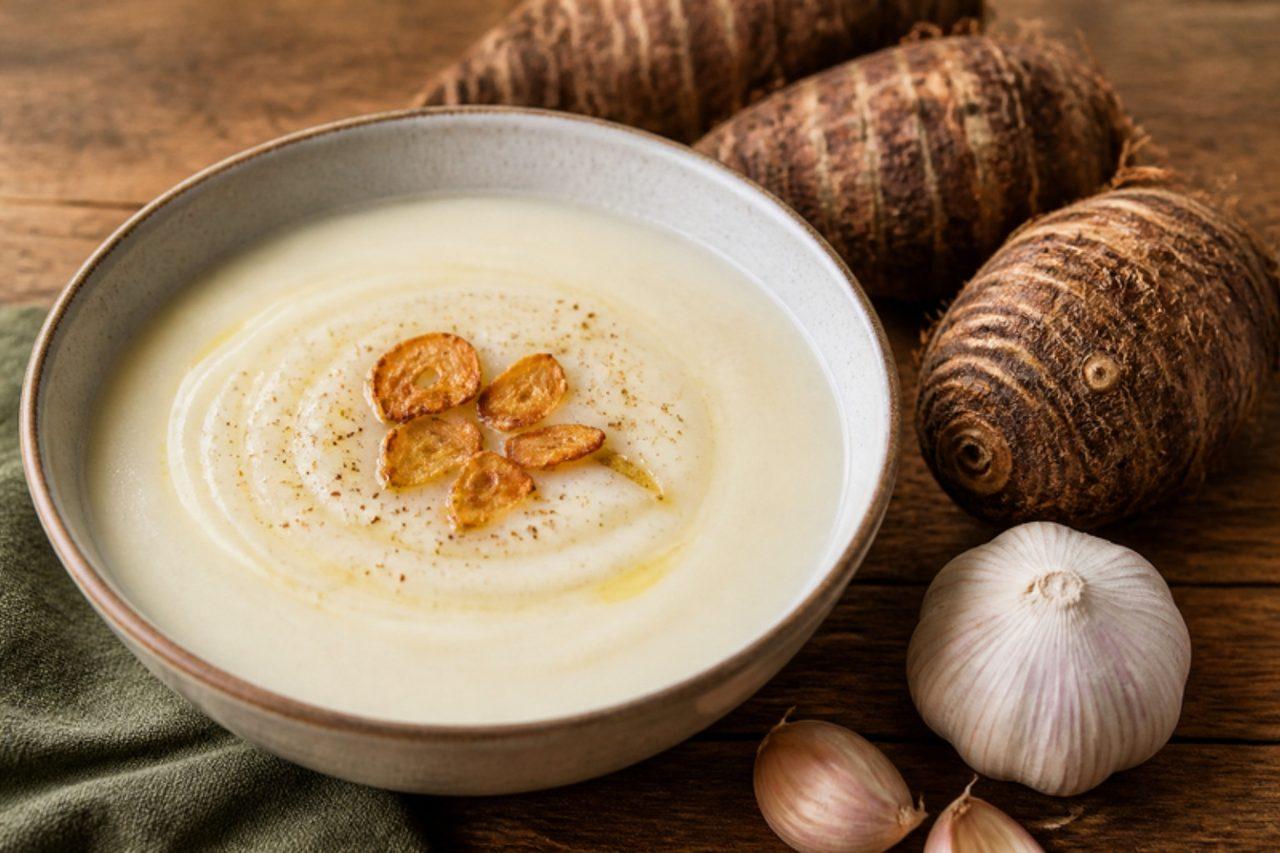
Crema de malangaMalanga root soup

Ask anyone raised in Havana what they were fed when they were ill and the answer is usually crema de malanga: a pale, velvety soup of the starchy root, gently scented with garlic and onion. It is also one of the first foods Cuban babies and grandparents alike are given, because it is soft, mild and filling. The classic mistake is grating raw malanga with bare hands, which can make your skin itch; peel it wearing gloves and rinse it well. Serve it plain or with a few croutons. Chef's tip: blend in the butter at the end rather than frying in it, so the soup tastes clean and creamy rather than heavy.

40 minCubanSoupsGluten free
by KrazyBadal 0 views

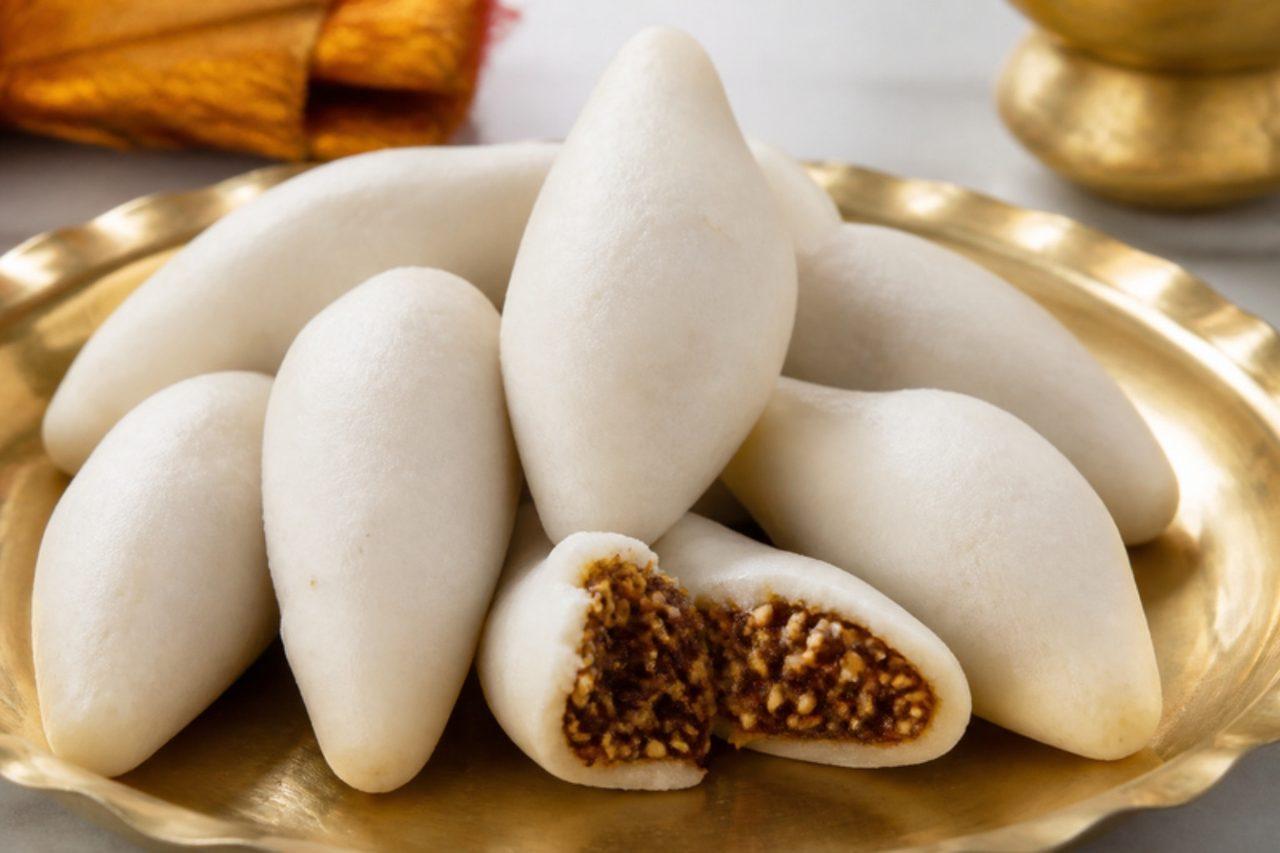
BagiyaSesame jaggery rice dumplings

When the new rice is harvested in late autumn, Maithil households in Janakpur, Siraha and Saptari steam bagiya, plump spindle-shaped dumplings of rice-flour dough that are offered to the gods, given to married daughters visiting home and eaten warm on cold winter mornings. The smooth, chewy shell hides a sweet centre, here toasted sesame bound with melted jaggery and a pinch of cardamom, though some families use molasses toffee (chaku), grated coconut or sweetened milk solids instead. Plain bagiya are also made and eaten with chutney. A common slip is using cold water for the dough, which makes it crumble and split; it must be made with boiling water. Chef's tip: knead the dough while it is still as hot as your hands can bear, with a little oil on your palms, until it is as smooth as play dough.

by KrazyBadal 0 views

KadaFlaky pastry with butter crumbs

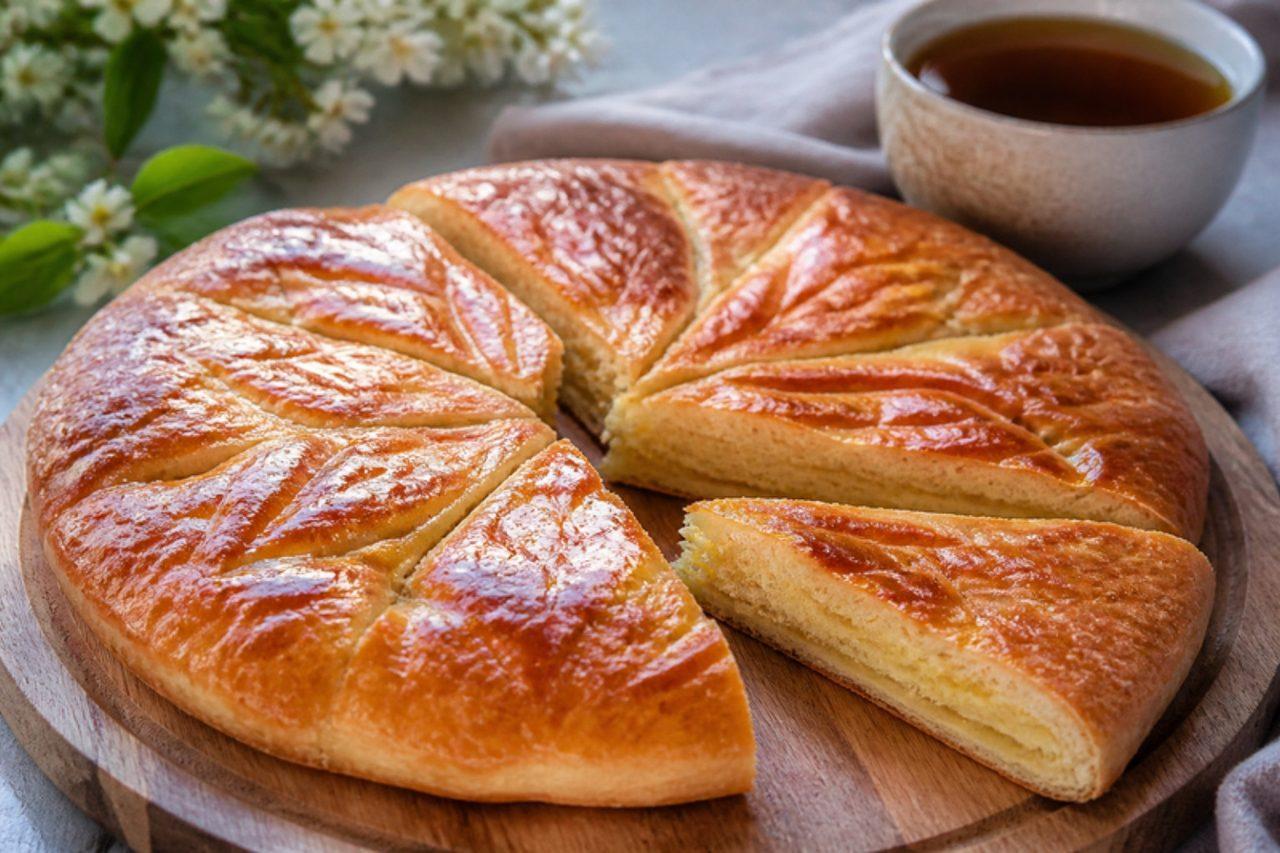
Kada is a tea-time pastry found in bakeries from Tbilisi to the Mtskheta monastery stalls, where it is sold warm beside churchkhela: a round of rich yeasted dough, folded around a sweet filling of flour, butter and sugar rubbed into crumbs, then rolled flat so the filling bakes into soft, melting layers. A common mistake is rolling the filled dough too hard, which pushes the crumbs through the surface. Chef's tip: chill the filling so the butter stays cold; it melts in the oven and makes flaky, buttery pockets.

by KrazyBadal 0 views

Kadala thel dalaStir-fried chickpeas

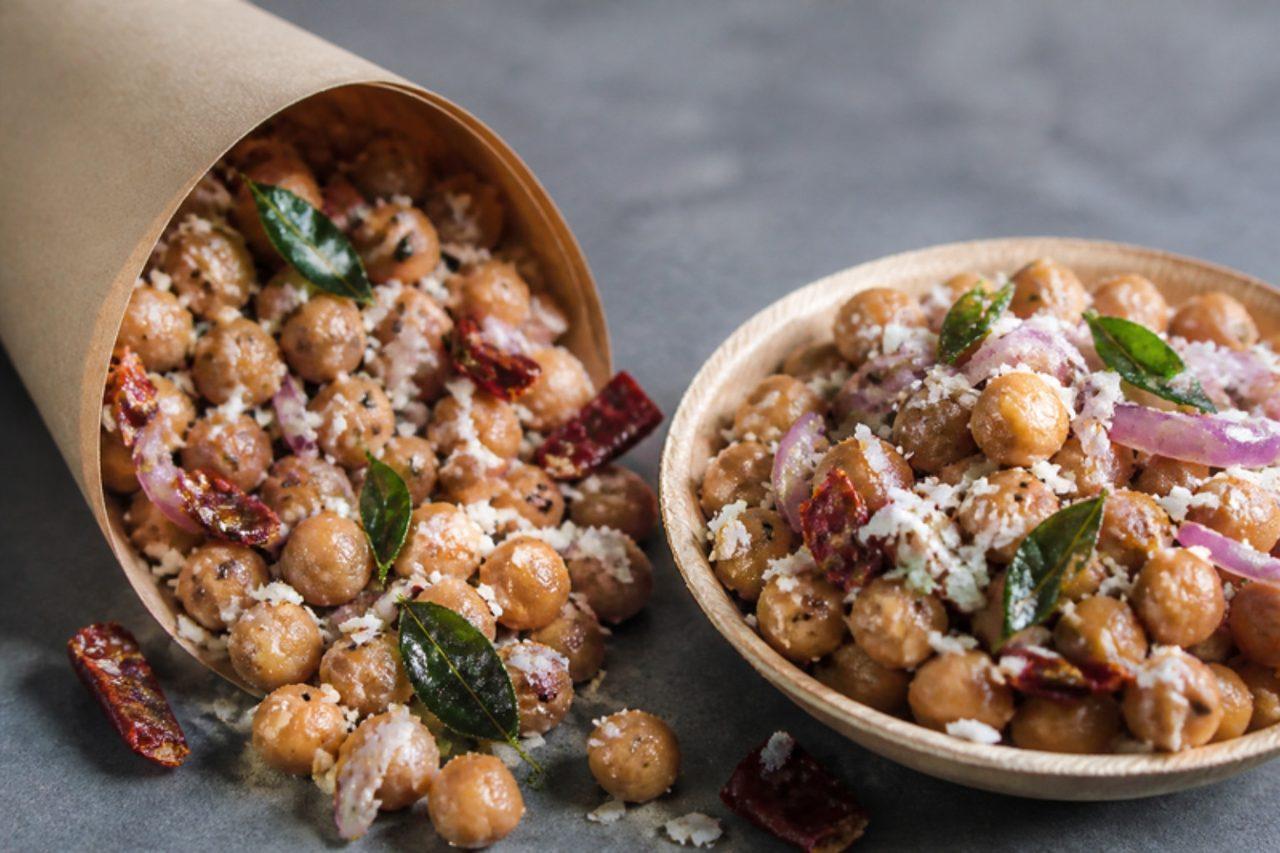
As the sun goes down over the sea at Galle Face Green in Colombo, vendors with glass-sided carts scoop warm kadala into cones twisted from old newspaper, and the same snack appears at temple festivals, perahera nights and every Avurudu gathering. Boiled chickpeas are tossed in coconut oil with mustard seeds, red onion, curry leaves, dried chilli and a handful of freshly grated coconut, so they are nutty, salty and gently hot, with a soft bite. Some vendors stir in Maldive fish; this version is vegan. Tinned chickpeas make it a ten-minute job, though home-boiled dried ones have a firmer, nuttier texture. Wet chickpeas are the problem to avoid, as they spit in the oil and the spices slide off; drain and pat them dry. Chef's tip: let the onion and curry leaves fry until the edges just begin to brown before the chickpeas go in; that toasty flavour is what makes street kadala so addictive.

by KrazyBadal 0 views

Kaha bathTurmeric coconut rice

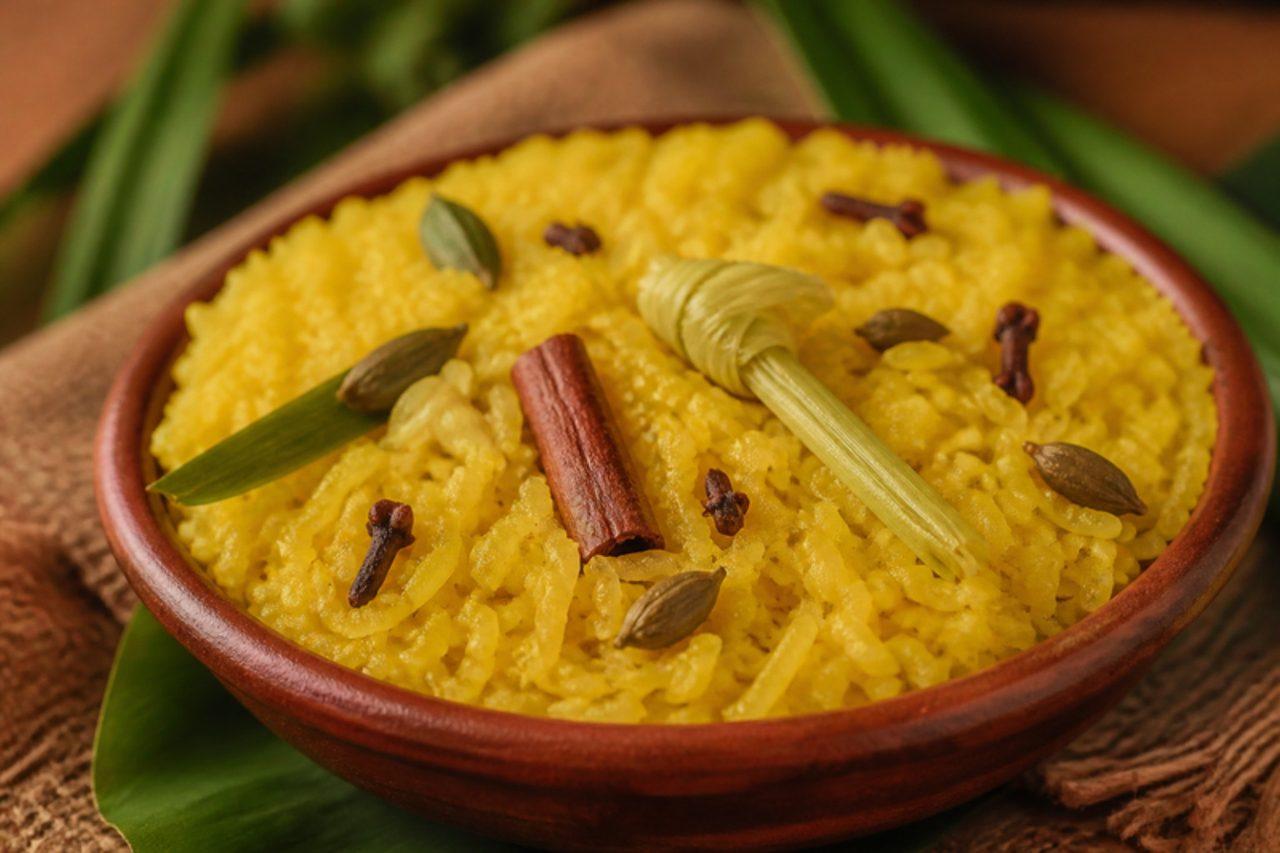
Burgher Sunday lunches, Christmas tables and Colombo wedding buffets share one thing: a heap of fragrant, saffron-coloured kaha bath, the yellow rice that also forms the base of lamprais. Long-grain or samba rice is fried with onion, cinnamon, cardamom, cloves and curry leaves, then cooked in coconut milk with turmeric, lemongrass and pandan until every grain is separate, glossy and perfumed. It is served with chicken or beef curry, brinjal moju and a sharp achcharu, and is often scattered with fried cashews and raisins. Burgher cooks usually use ghee or butter and chicken stock; this version is vegan, with coconut oil and coconut milk carrying the richness. Lifting the lid to stir while it cooks is the slip that turns it mushy, so seal the pot and leave it alone. Chef's tip: rinse the rice until the water runs clear and drain it well; dry grains toast better in the oil and stay fluffy.

by KrazyBadal 0 views

KarjalanpaistiBeef and pork hotpot

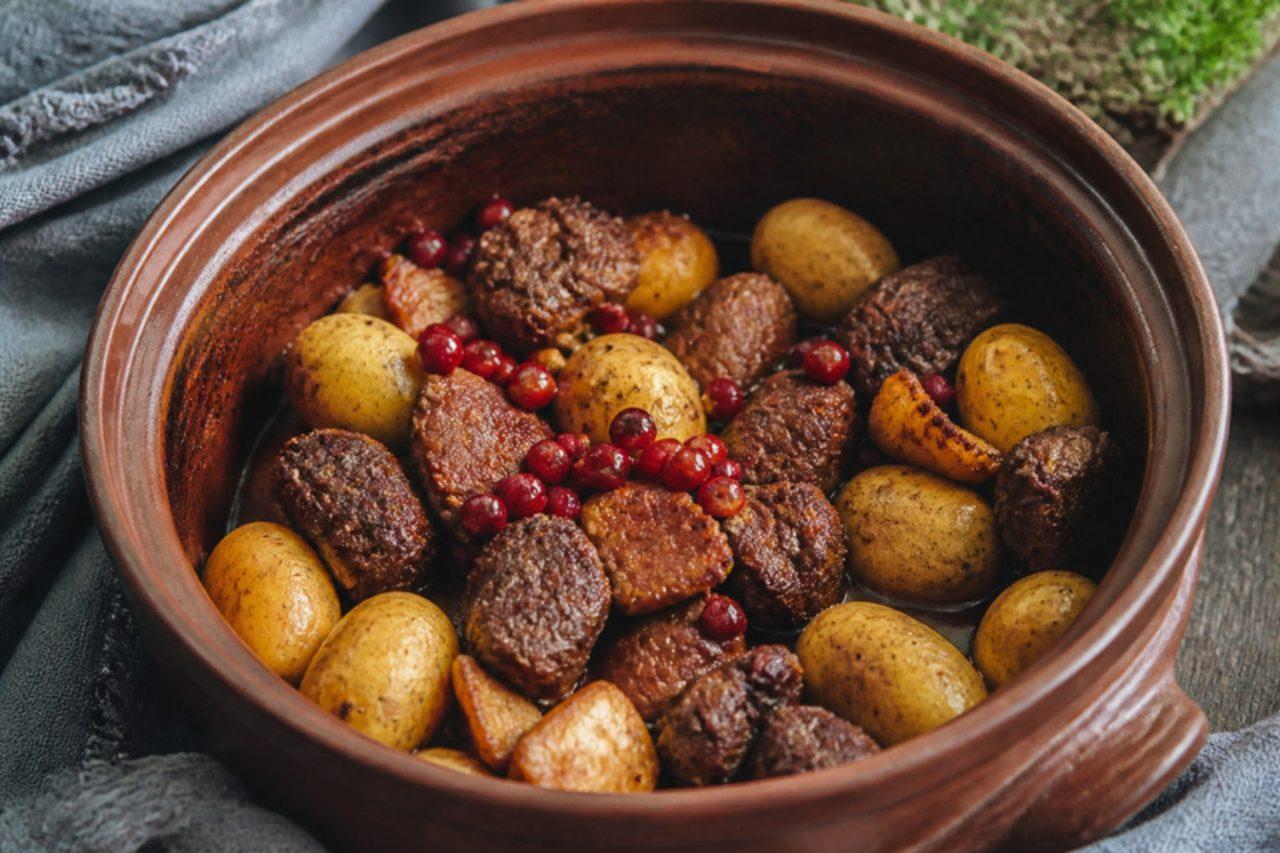
Karjalanpaisti, the Karelian hotpot, is one of Finland's national dishes, cooked for Independence Day, family celebrations and Christmas: chunks of beef and pork, sometimes lamb, layered with onion, whole allspice and bay, covered with water and baked slowly for hours in a clay pot until the meats are falling apart in a rich, peppery broth. This dish contains pork. It is served with mashed potato and lingonberries. A common mistake is a hot oven, which toughens the meat. Chef's tip: do not stir or brown the meat; Karelian cooks let it bake low and slow, and the long cooking alone gives the deep flavour.

by KrazyBadal 0 views

KajmakClotted milk cream

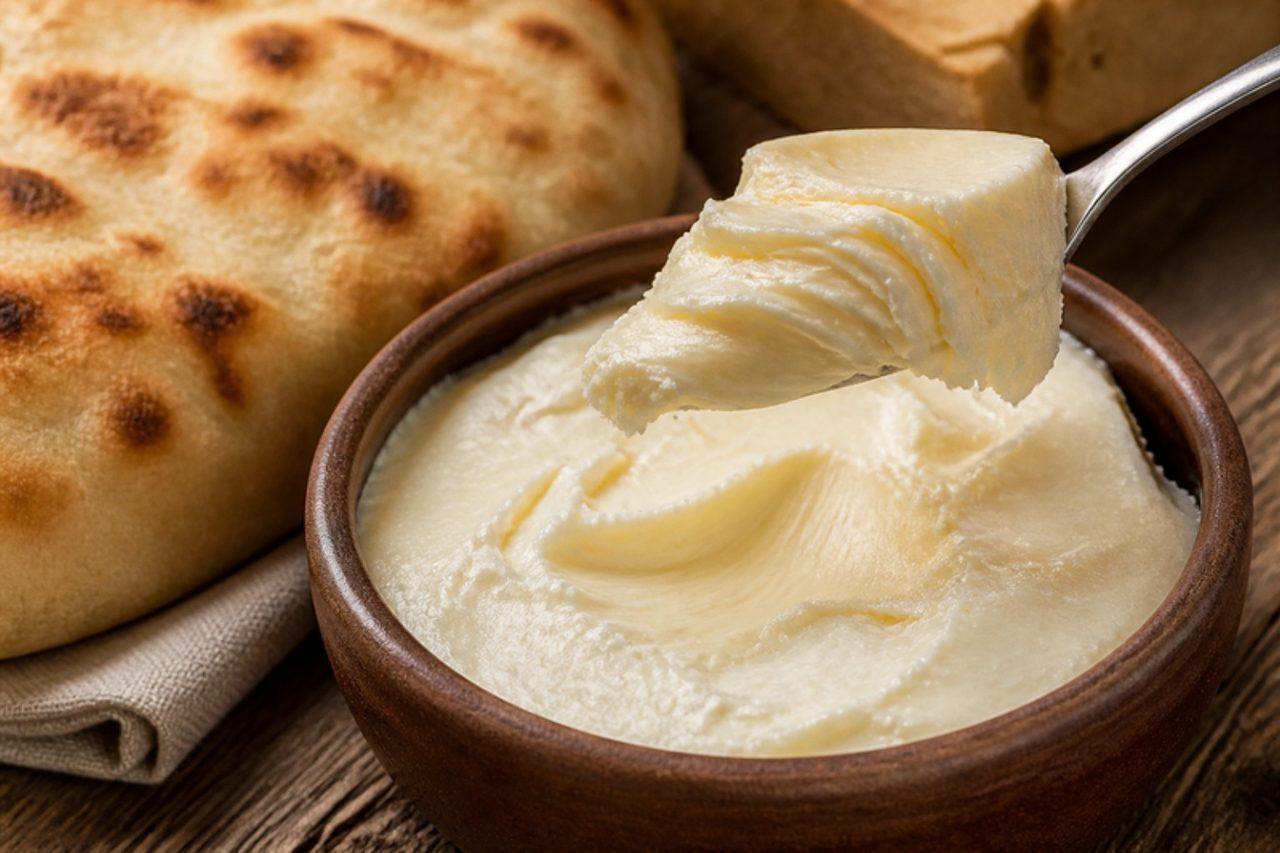
At the Zlatibor and Čačak markets, women sell kajmak from wide tubs, cut in soft ivory folds that taste of cooked milk, butter and a little salt. It is made by slowly heating rich milk, letting it settle in shallow pans and lifting off the thick skin that forms as it cools, then layering those skins with salt. This home version uses pasteurised milk and cream and stays in the fridge throughout; the long-aged, raw-milk kajmak of the villages is not something to copy at home. Spread it on warm lepinja or proja, or stir it into hot potatoes. A common mistake is letting the milk boil: the bubbles tear the skin and you end up with flecks instead of a thick sheet. Chef's tip: keep the skimmed milk left underneath for porridge, proja or pancakes; nothing goes to waste.

1440 minBalkanBasicsGluten free
by KrazyBadal 0 views

Dabba goshtMutton and macaroni bake

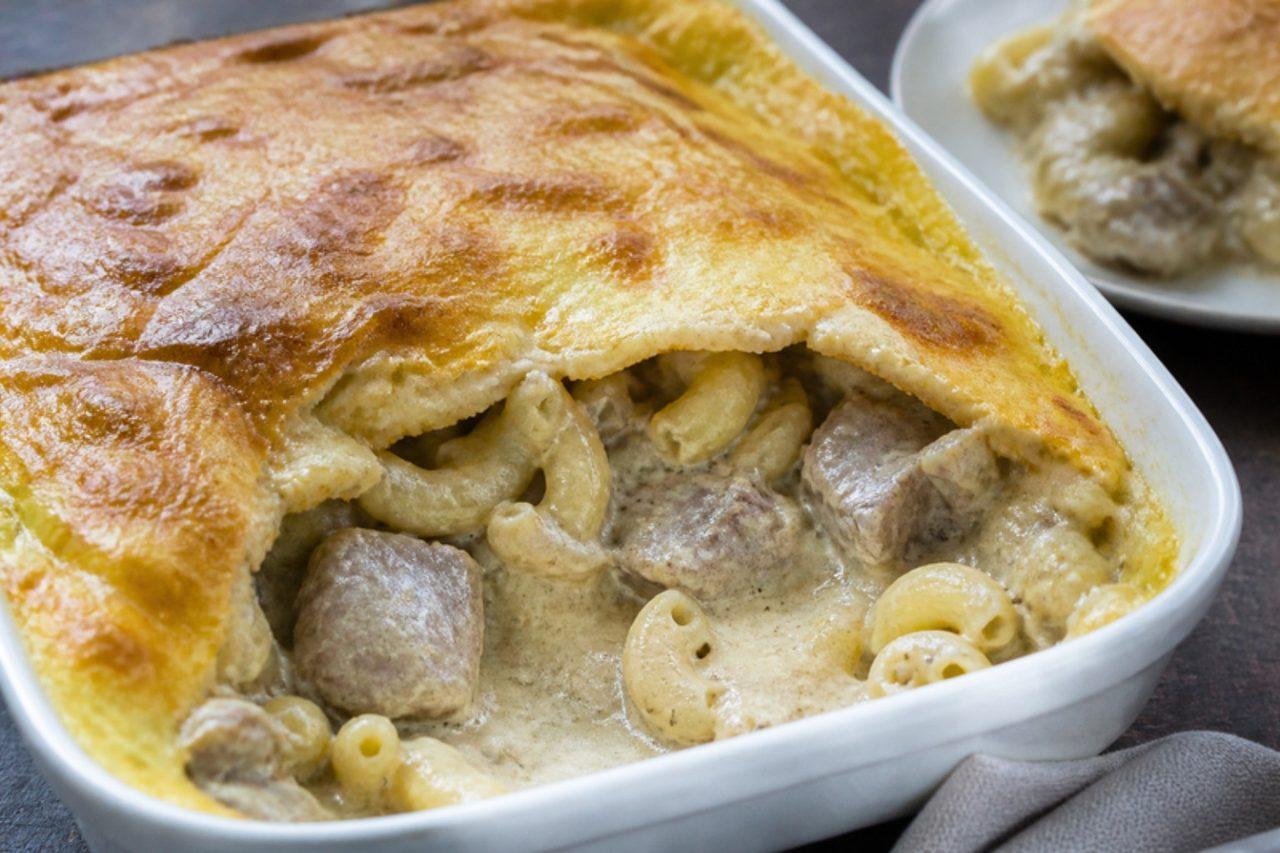
Only a Dawoodi Bohra kitchen would put macaroni into a mutton curry and bake it under a lid of egg, and dabba gosht is the triumphant result, made in Karachi for weddings, Eid and the big communal meals of Muharram. Boneless mutton is simmered until tender in a pale gravy of yogurt and ground cashew, mixed with soft elbow macaroni, poured into a dabba (a tin or deep dish), covered with whisked eggs and baked until golden on top. Inside it is creamy and mild with black pepper and cardamom; the crust is soft and set. The pitfall is overcooking the pasta before it goes in, because it keeps drinking sauce in the oven; boil it two minutes short. Chef's tip: keep the sauce looser than you think it should be when you assemble, as it thickens a lot under the egg.

by KrazyBadal 0 views

Dominica crab backsBaked spiced crab in the shell

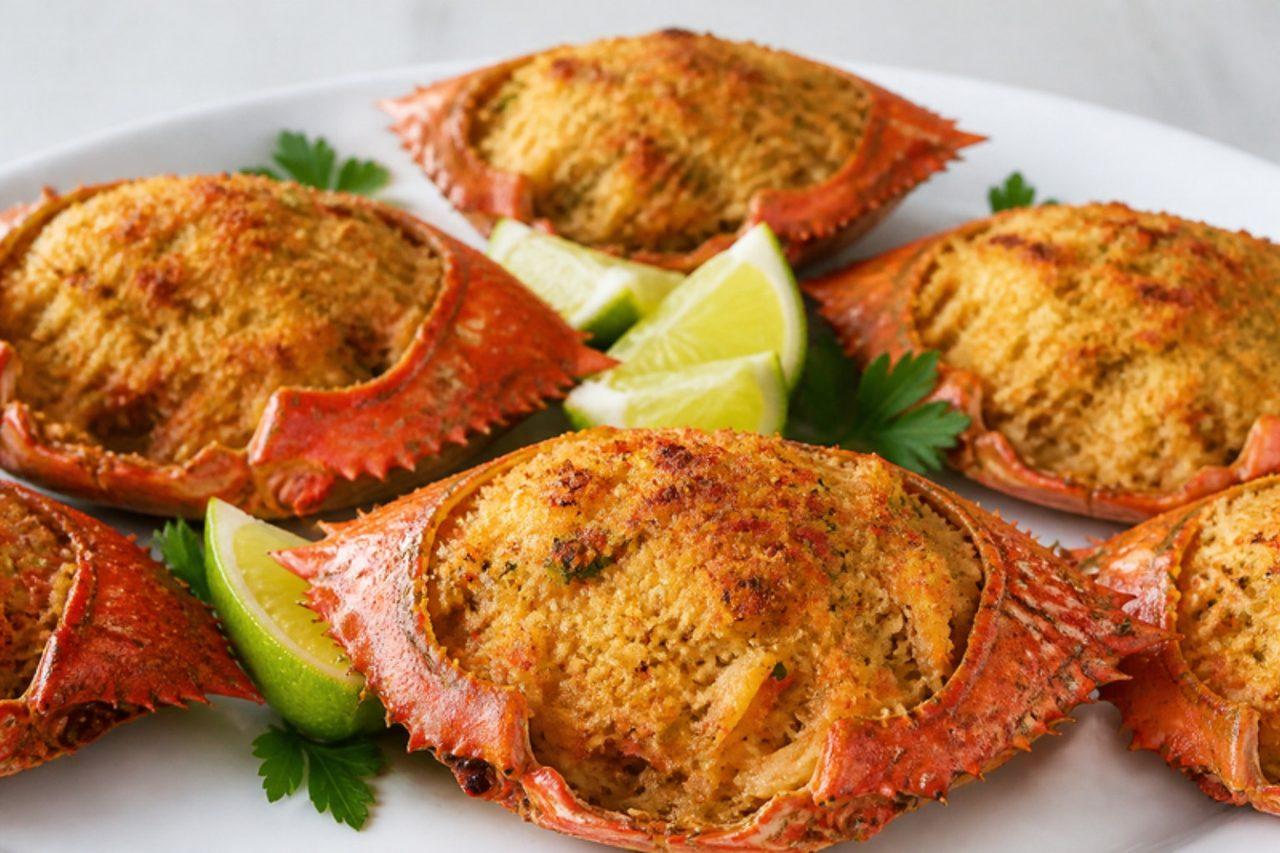
In Dominica, crab backs are a celebration starter, especially around Independence Day in November: the island's land-crab meat is picked, seasoned with lime, chives, garlic, thyme and hot pepper, piled back into the cleaned shells, topped with breadcrumbs and baked until crisp. Land crabs are hard to come by and their season is protected, so this home version uses cooked crab meat. Buy it fresh or pasteurised from a trusted fishmonger, or cook your own live crabs, discarding any that are already dead or smell bad before cooking. The common mistake is drowning the crab in breadcrumbs; it should be mostly crab, held together lightly. Bake in cleaned crab shells or small ramekins. Chef's tip: mix in a little of the brown meat with the white for a richer, sweeter flavour.

by KrazyBadal 0 views

Atama soupPalm nut and atama leaf soup

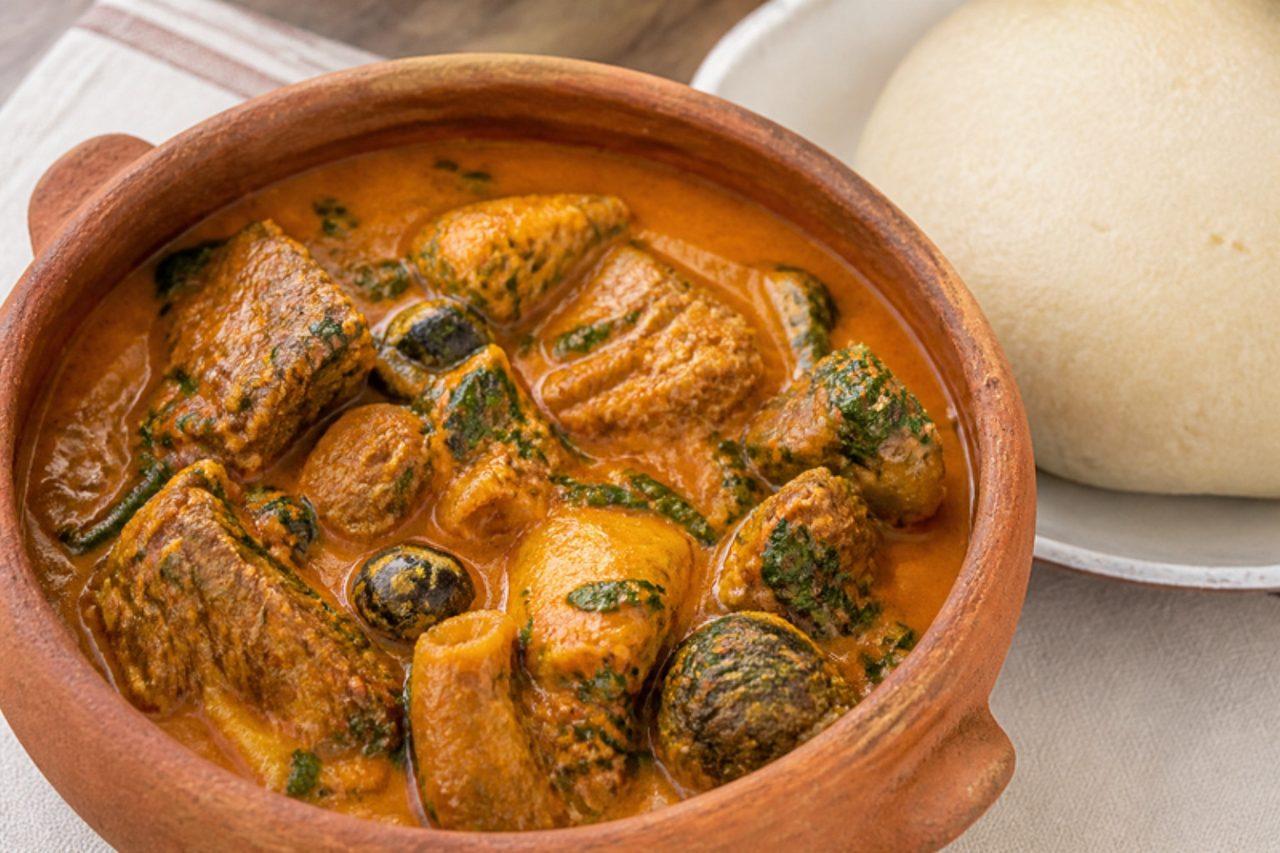
From Abak and the Ibibio heartland of Akwa Ibom comes this palm-nut soup with a perfume all its own: atama leaves, which smell somewhere between mint, anise and fresh hay. The palm cream is cooked with assorted meat, stockfish, dried fish and periwinkles until the oil glistens on top, then the atama goes in near the end. It is weekend and visitors' food, eaten with pounded yam, fufu or eba. Dried atama is sold in African shops; dried tarragon is the closest substitute. Periwinkles should be bought cleaned, and any with cracked shells thrown away. Avoid adding the atama leaves too early: long boiling dulls their perfume. Chef's tip: go easy on the atama, as too much turns the soup bitter, so start with the amount below and taste before adding more.

by KrazyBadal 0 views

Maqaw chicken soupMountain pepper chicken soup

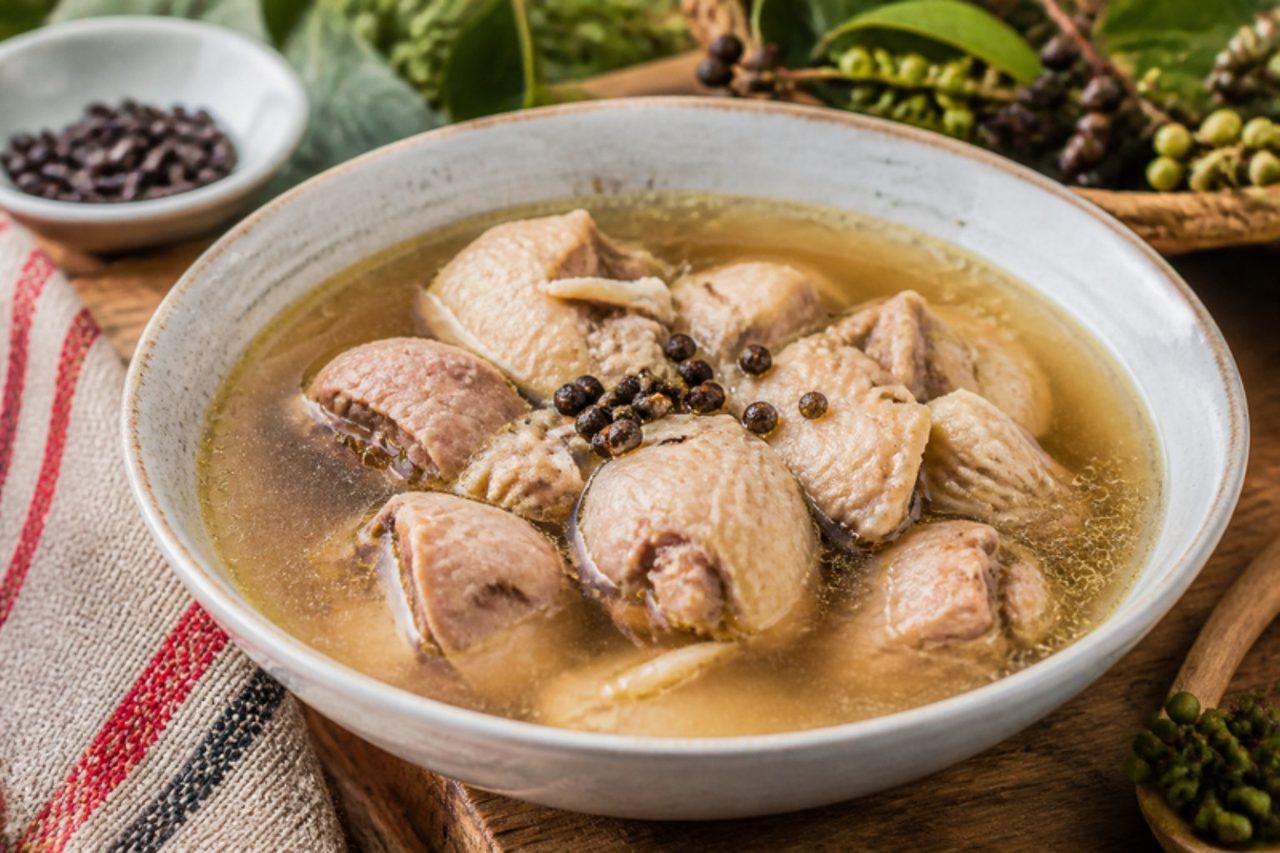
High in the mountains of northern Taiwan, in Atayal villages around Wulai and Fuxing, maqaw berries are picked from the mountain litsea tree in summer and dried to flavour soups, grilled meat and tea. In this clear chicken soup, served at home suppers and in Indigenous restaurants with millet or rice and wild greens, the crushed berries give a fresh lemongrass-and-ginger perfume with a gentle peppery tingle. Bone-in chicken simmered slowly makes a light, golden broth. People spoil it by adding the maqaw at the start and boiling it for an hour, which turns it bitter; add it for the last 15 minutes instead. If you can't find maqaw, use black peppercorns, a stalk of lemongrass and a strip of lemon zest. Chef's tip: lightly crush the berries just before they go in; whole ones barely flavour the broth, while powder makes it cloudy.

by KrazyBadal 0 views

Diram fittiSprouted wheat bread with butter

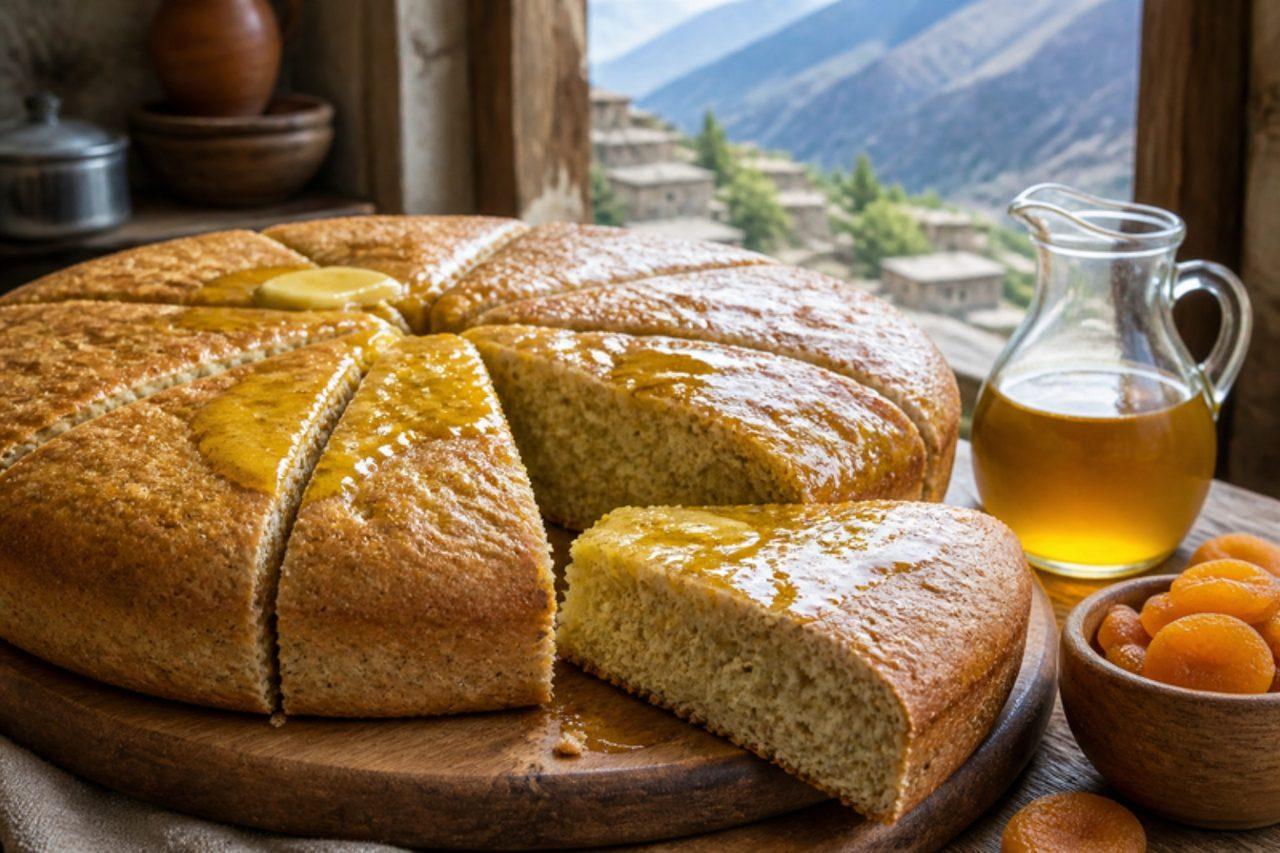
High in the Hunza valley, diram is flour ground from wheat that has been soaked, sprouted and sun-dried, and it gives this thick, round bread a gentle natural sweetness and a faintly malty smell. Diram fitti is cooked slowly in a covered pan, then broken into rough pieces while still hot and drowned in melted butter and a little apricot-kernel oil, so it turns rich, soft and fragrant; in Karimabad and Altit it is made for guests, for festivals such as Ginani at harvest time and to feed someone through a hard winter. It is eaten with the hands, often with salty Hunza tea. Pale, raw centres are the common fault, so cook it slowly with the lid on. Chef's tip: sprouted wheat flour is sold in health-food shops; use only food-grade culinary apricot-kernel oil, or swap in walnut oil or more butter.

by KrazyBadal 0 views

CramiqueRaisin brioche

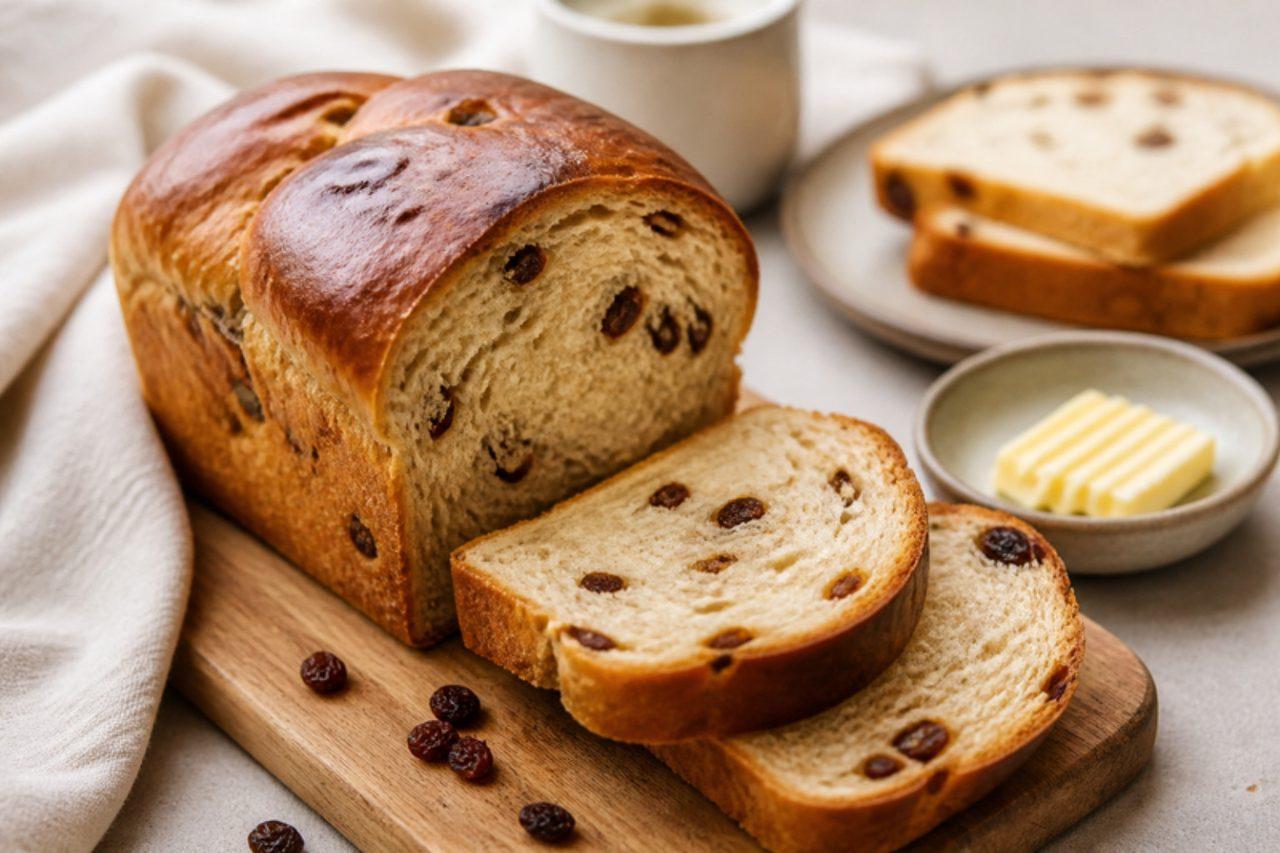
Cramique is the Sunday breakfast loaf of Brussels and Wallonia: a soft, golden brioche packed with raisins, bought from the bakery on Sunday morning and sliced thickly with salted butter. Its sister, craquelin, swaps the raisins for pearl sugar. A common mistake is adding the raisins at the start of kneading, which tears the gluten and turns the dough grey. Chef's tip: soak the raisins in warm tea for 20 minutes, then knead them in only at the end, gently.

by KrazyBadal 0 views

Bahamian guava duffSteamed guava roll

Guava duff is the Bahamas' best-loved dessert, served at Junkanoo season, Sunday dinners and Nassau restaurants alike: a soft dough spread with sweet stewed guava, rolled up, wrapped in cloth or foil and steamed until tender, then sliced and drowned in a warm butter sauce. Traditionally the sauce has rum in it, which is only lightly cooked, so the rum version is for adults only; the vanilla sauce below makes it alcohol-free for everyone. The most common mistake is rolling the duff too tight, which stops it rising; leave room in the wrapping for it to swell. Chef's tip: sieve the guava pulp to remove the hard seeds, and keep the thick paste for the filling.

by KrazyBadal 0 views

Begova čorbaChicken and okra soup

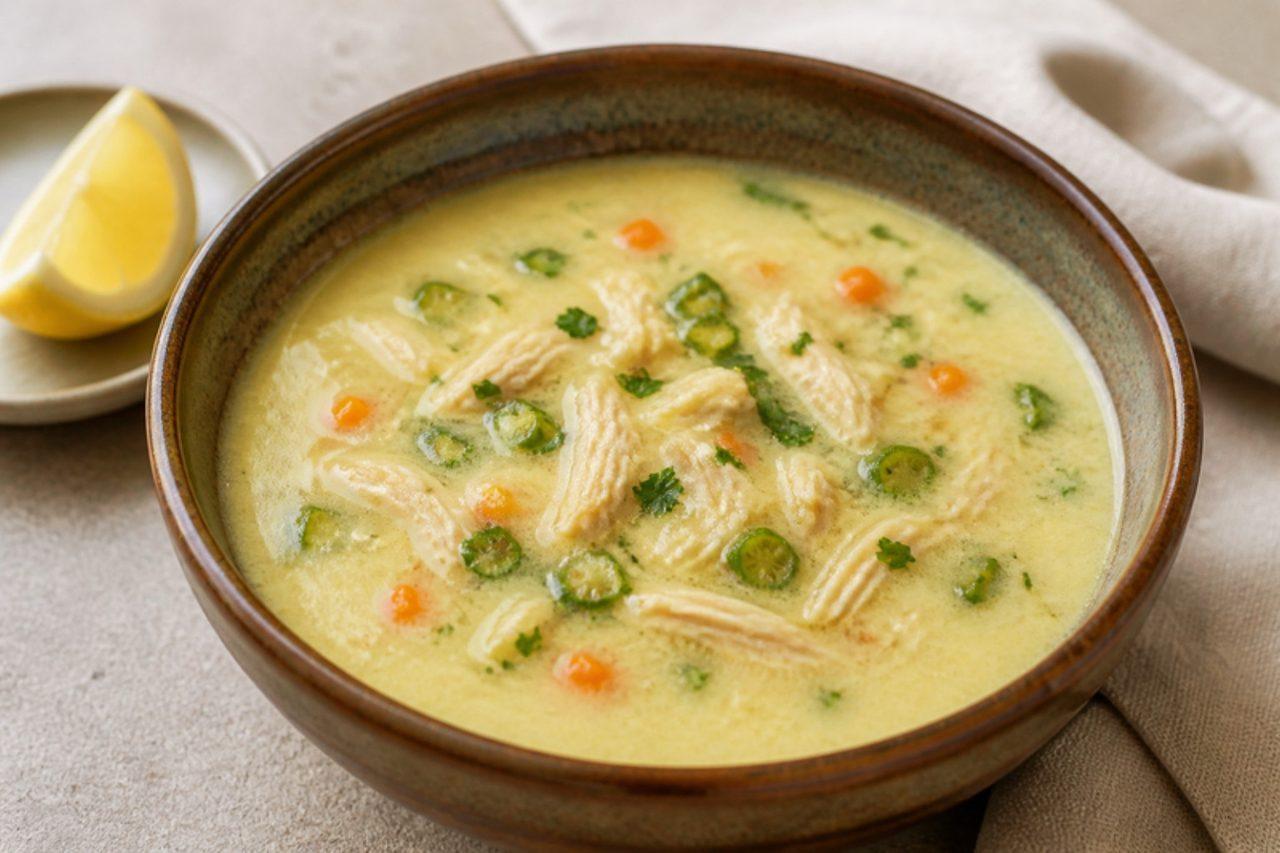
Fit for an Ottoman bey, this velvety soup is the opening course of special dinners in Sarajevo and across Bosnia and Herzegovina, ladled out at weddings, Bajram tables and in the old aščinice, the canteens of the Baščaršija bazaar. Chicken simmers with carrot, celeriac and parsley root, and small okra pods go in to give a gentle, silky body; at the end, egg yolks and sour cream turn it creamy and pale gold, with a sharp lift from lemon. A common mistake is pouring the yolks straight into boiling soup, where they scramble: warm them with a little broth first. Chef's tip: dried okra, if you can find it in a Turkish shop, is traditional and less slimy; soak it in water with a splash of vinegar.

by KrazyBadal 0 views

Csabai kolbászPaprika pork sausage

Every October the town of Békéscsaba holds a sausage festival where teams grind, season and stuff pork by hand, and the town's name is on Hungary's most famous paprika sausage. The real csabai is smoked over beech and then air-dried for weeks; curing like that needs curing salt, careful temperature and humidity control and a lot of experience, so this recipe makes the same spicy pork mixture as a fresh sausage that is cooked through to 71 °C and never eaten raw. It is fiery, garlicky and deep red from sweet and hot paprika with a warm hint of caraway, and is excellent grilled or pan-fried, with mustard, fresh bread, pickled peppers and raw onion. The usual slip is letting the meat get warm while you work, which smears the fat and gives a dry, crumbly sausage; keep everything ice cold. Chef's tip: fry a small test patty before stuffing to check the salt and heat.

by KrazyBadal 0 views

Kachumar saladTomato, onion and cucumber salad

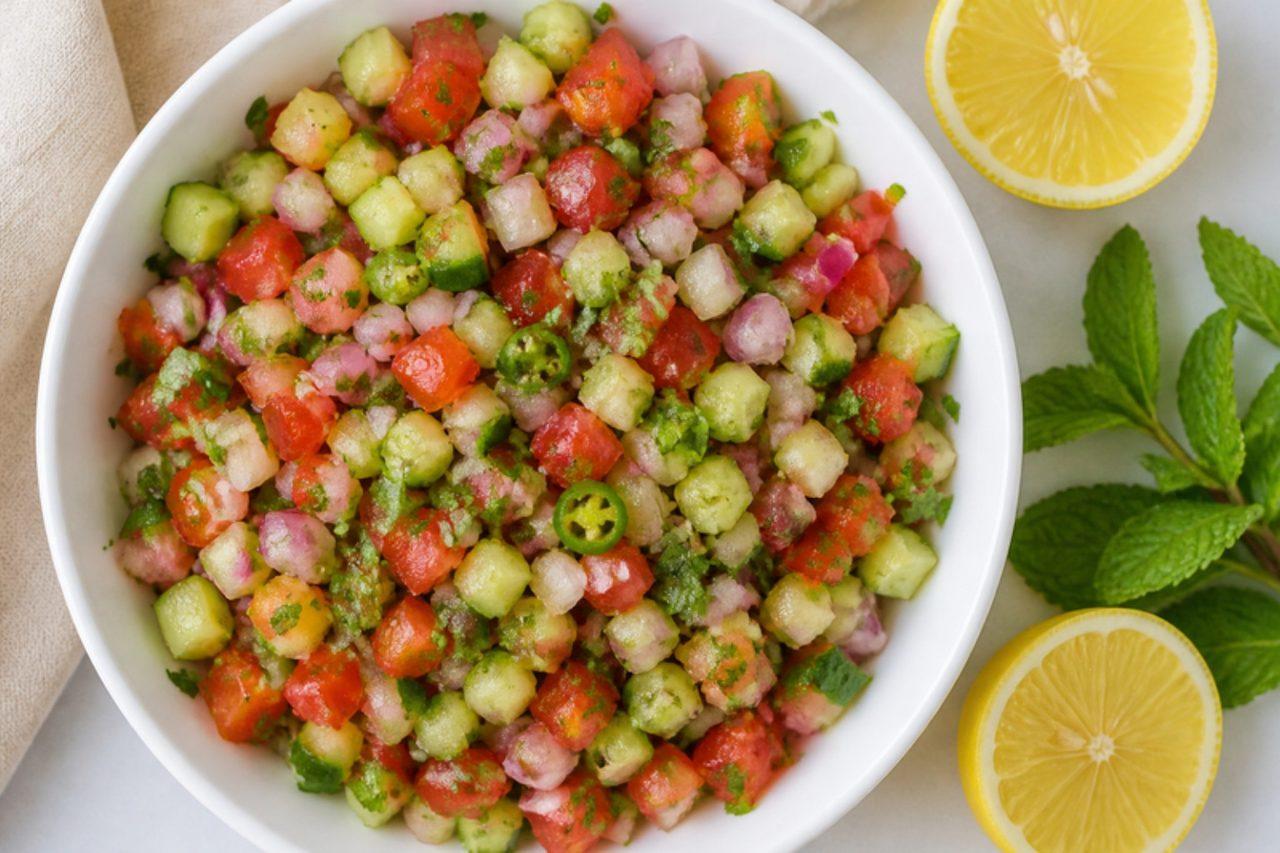
No Pakistani dastarkhwan feels complete without a little bowl of kachumar, whether it sits beside a biryani at a Karachi wedding, a karahi at a highway truck stop or plain dal at home on a Tuesday. It is nothing more than tomato, onion and cucumber cut into very small, even dice, dressed at the last moment with lemon, salt, green chilli and coriander, yet the crunch and sharpness are what make rich food feel lighter. Some families add a pinch of roasted cumin or a few mint leaves; in Punjab it is often spooned straight onto the side of the plate rather than served apart. Dressing it too early is the main trap, because the salt pulls water from the tomatoes and leaves a soggy puddle. Chef's tip: seed the tomatoes and cucumber before dicing so the salad stays crisp for the whole meal.

by KrazyBadal 0 views

Kaju maluwaCashew and pea coconut curry

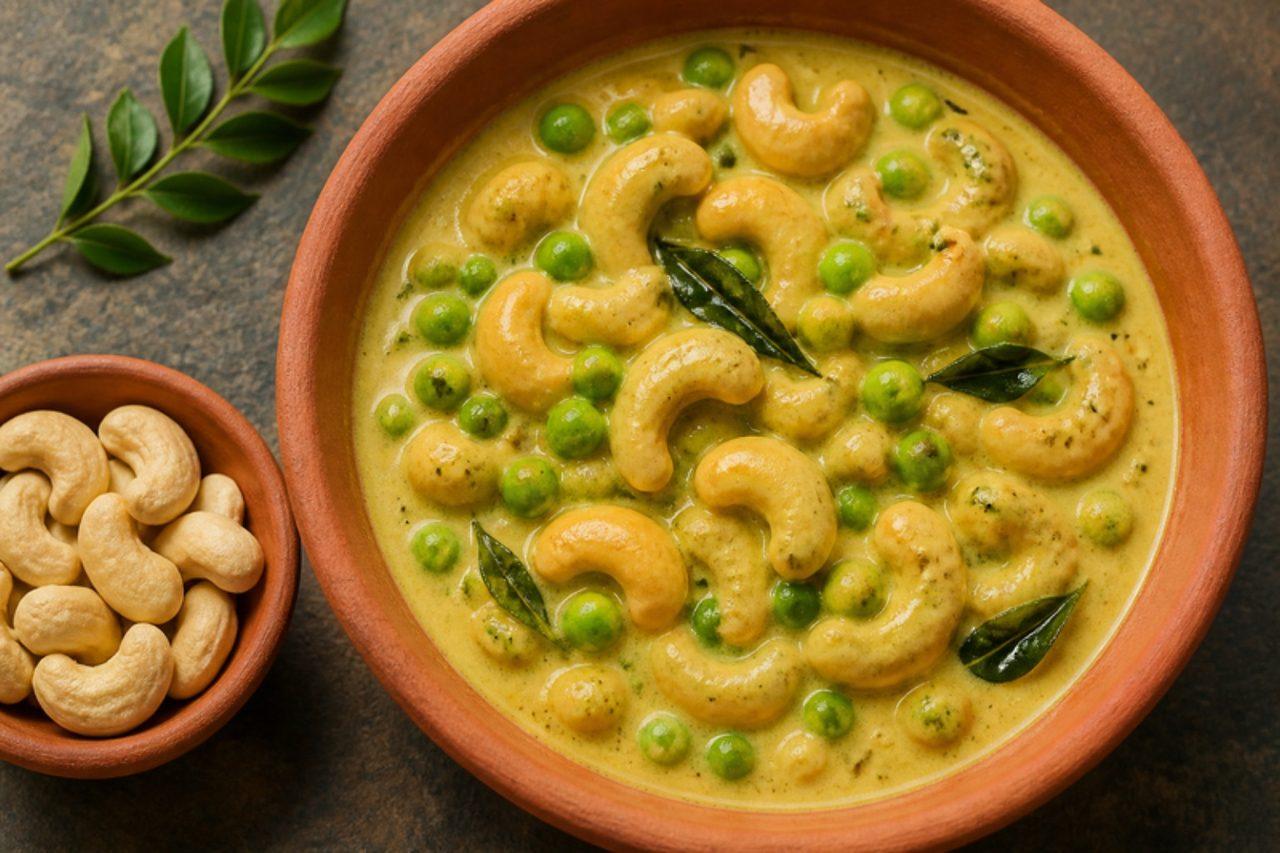
In the cashew-growing country north of Colombo, around Kurunegala and Puttalam, fresh green cashews are cooked into this creamy curry for weddings, almsgivings and the Avurudu table, and no one would dream of calling it everyday food. The nuts turn soft and buttery in a mild, pale gravy of coconut milk scented with cinnamon, pandan and unroasted curry powder, with green peas for colour, and it sits on the festive spread beside yellow rice and a sharp pickle. Fresh cashews are hard to find outside Sri Lanka, so this recipe uses raw dried ones soaked until they are almost like the fresh kind. Not soaking them long enough is the usual mistake; they stay chalky in the middle however long they simmer, so give them at least six hours, or overnight. Chef's tip: a pinch of bicarbonate of soda in the soaking water softens the nuts faster and gives them that tender, just-picked texture.

by KrazyBadal 0 views

Khajoor ka halwaDate halwa

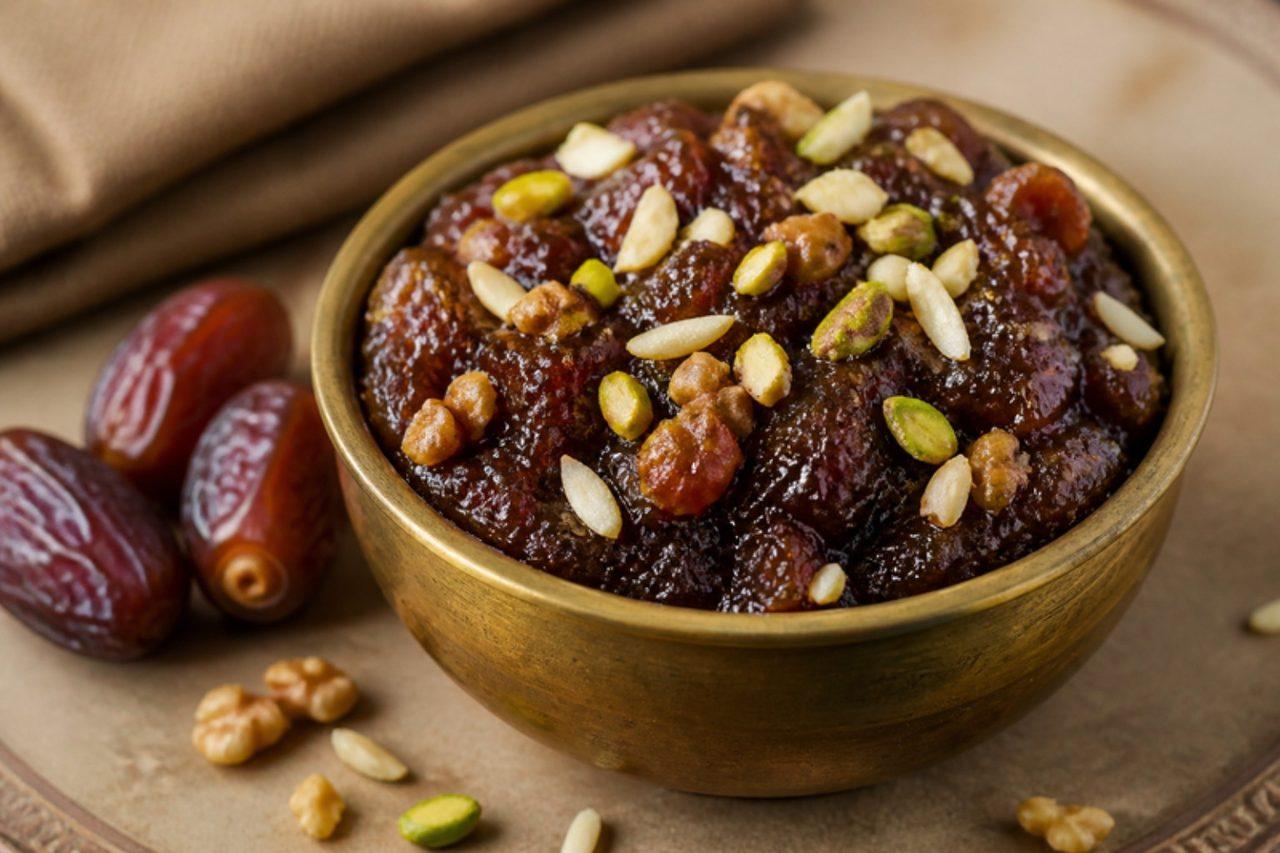
The oasis towns of Turbat and Panjgur in Makran grow some of Pakistan's finest dates, the soft, honeyed Begum Jangi and Muzawati among them, and after the late-summer harvest households turn the surplus into this rich, fudgy halwa. Dates are softened in warm milk, mashed and cooked down slowly in ghee until the mixture is dark and glossy and comes away from the pan, then finished with almonds, walnuts and cardamom. It needs little or no added sugar, and it is served in small portions at Eid, to new mothers and to guests with green tea. Using dry, hard dates without soaking is where it goes wrong, leaving the halwa lumpy and leathery. Chef's tip: choose soft, moist dates and blend them only briefly after soaking, so a few small pieces remain for texture.

by KrazyBadal 0 views

Curaçao kabritu stobaGoat stew with peppers

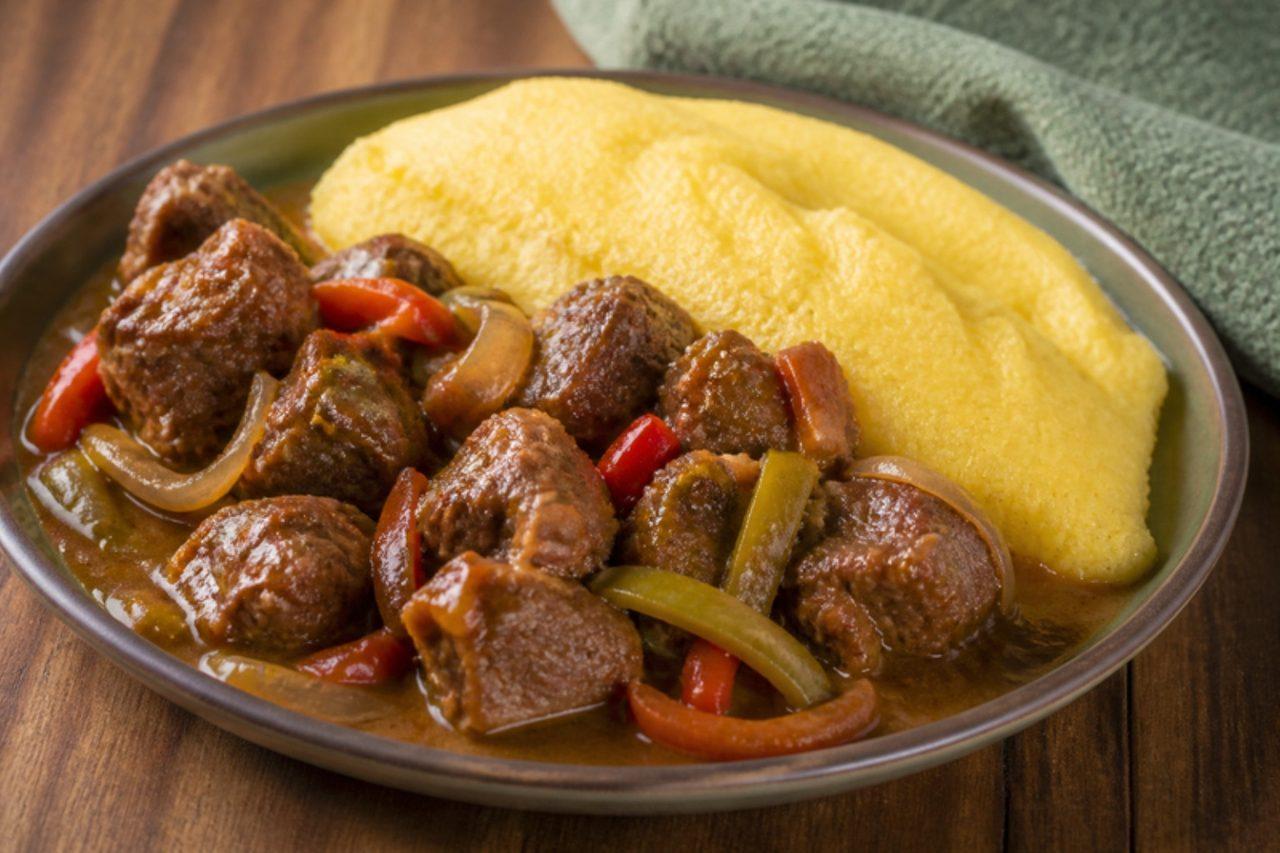
Stoba di kabritu is the home cooking of Curaçao and Aruba, a goat stew made in nearly every kunuku (country) kitchen and at birthday parties: bone-in goat browned and slowly braised with sweet peppers, tomato, onion, cumin, a hint of nutmeg and hot madame jeanette pepper, often with cucumber or papaya stirred in at the end. It is served with funchi (cornmeal), rice or fried plantain. The usual mistake is browning the goat too briefly; deep colour at the start gives the stew its rich brown sauce. Ask your butcher for goat cut into small pieces. Chef's tip: a teaspoon of brown sugar caramelised in the oil before the meat goes in gives the authentic dark, slightly sweet base.

by KrazyBadal 0 views

KabuniFestive rice with raisins and cinnamon

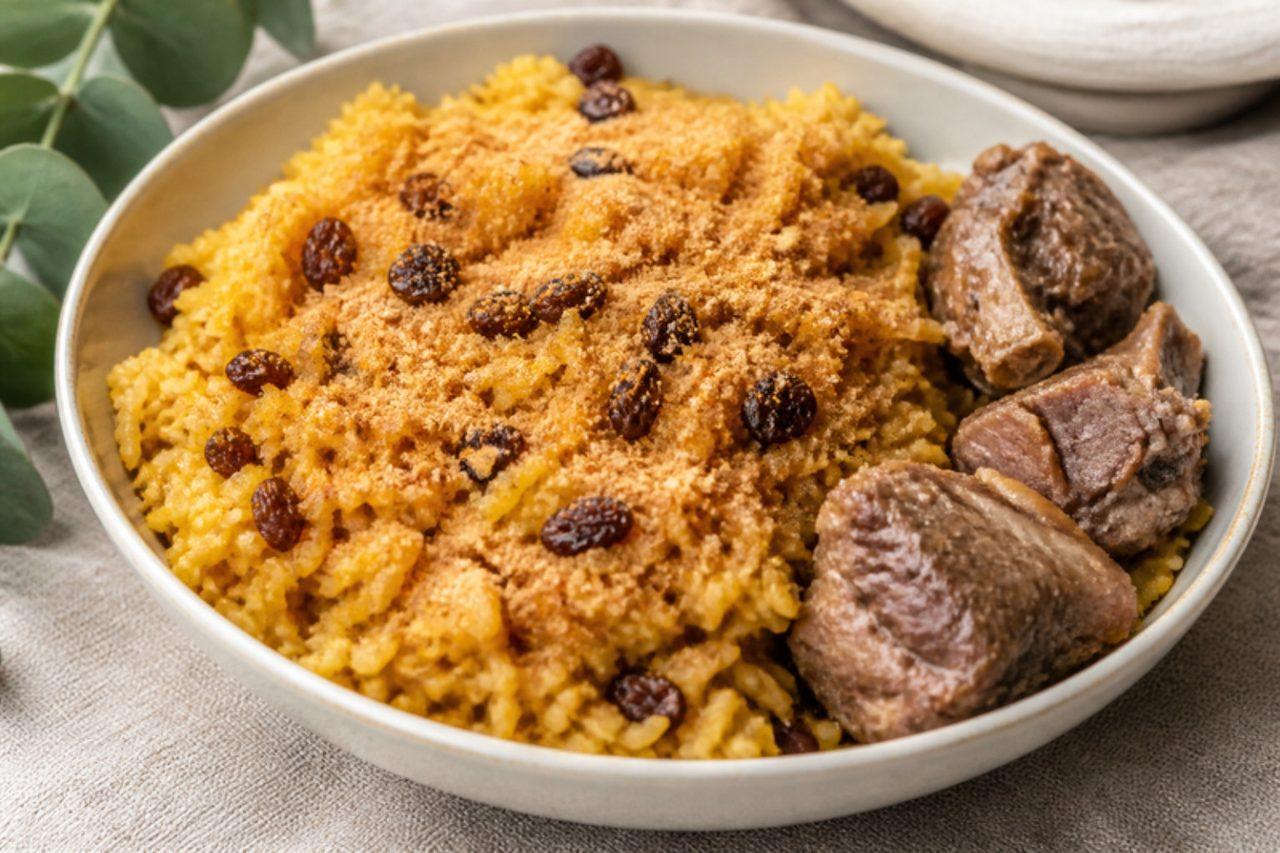
Kabuni is one of the oldest dishes of Albania, served in Tirana and the central lowlands at Bajram, weddings and wakes: rice fried in butter, cooked in a savoury lamb broth, then sweetened with sugar and studded with raisins and cinnamon. The result is buttery, gently sweet and fragrant, a sweet course with a savoury soul, eaten warm in small bowls. Because it is cooked in lamb stock it is not vegetarian. Where most people go wrong is skipping the frying of the rice; it is the toasting in butter that gives kabuni its nutty taste. Chef's tip: soak the raisins in hot water while the rice cooks so they swell and stay juicy.

by KrazyBadal 0 views

KattamaFlaky onion flatbread

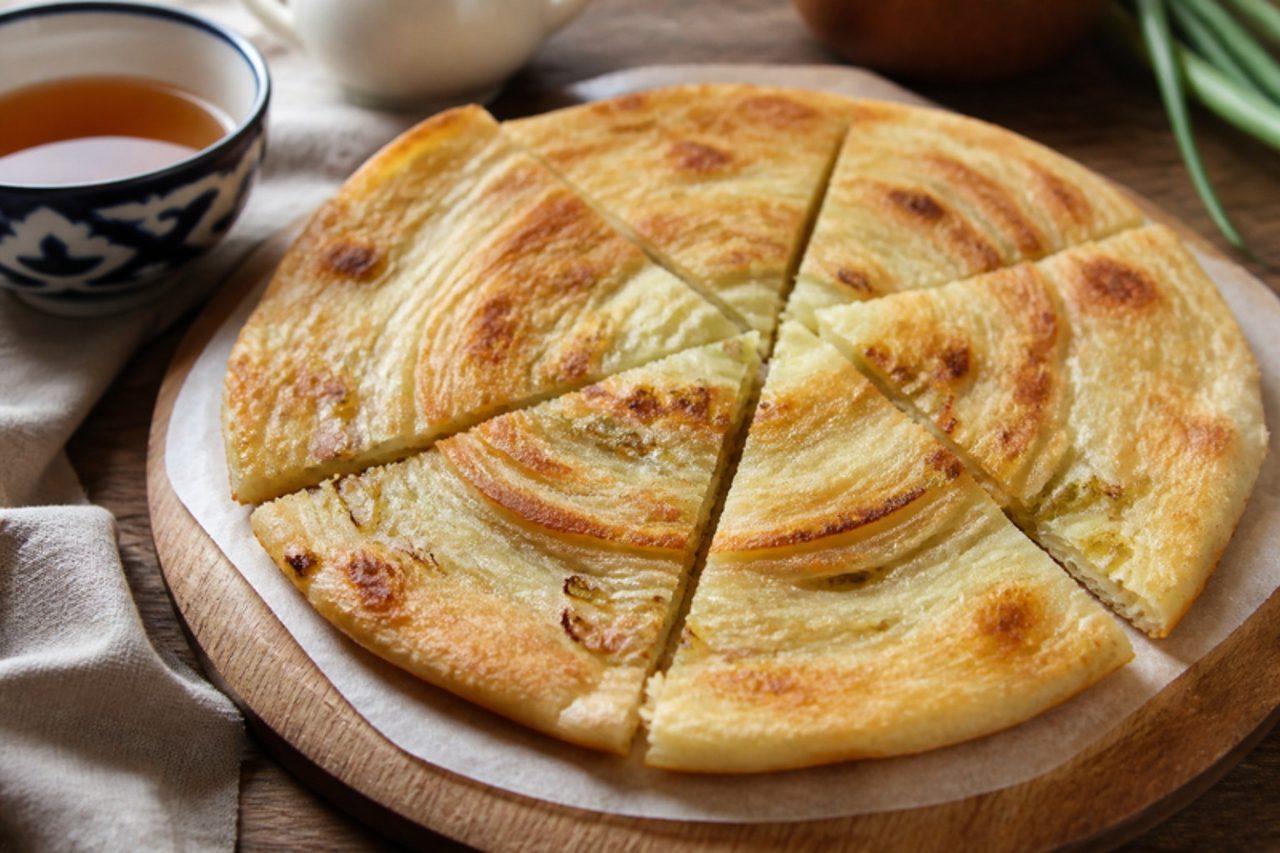
Kattama is the layered flatbread of Kyrgyz homes, made to go with tea on cold mornings in Bishkek and the villages around Lake Issyk-Kul: a plain dough rolled thin, spread with butter and chopped onion, rolled up, coiled and rolled flat again, then fried in a pan so it puffs into flaky, crisp layers. A common mistake is pressing the coiled dough too hard, which squeezes out the butter and flattens the layers. Chef's tip: let the coils rest for 15 minutes before the final rolling; the gluten relaxes and the bread opens up into layers as it cooks.

by KrazyBadal 0 views

Antiguan ducanaSweet potato coconut dumplings

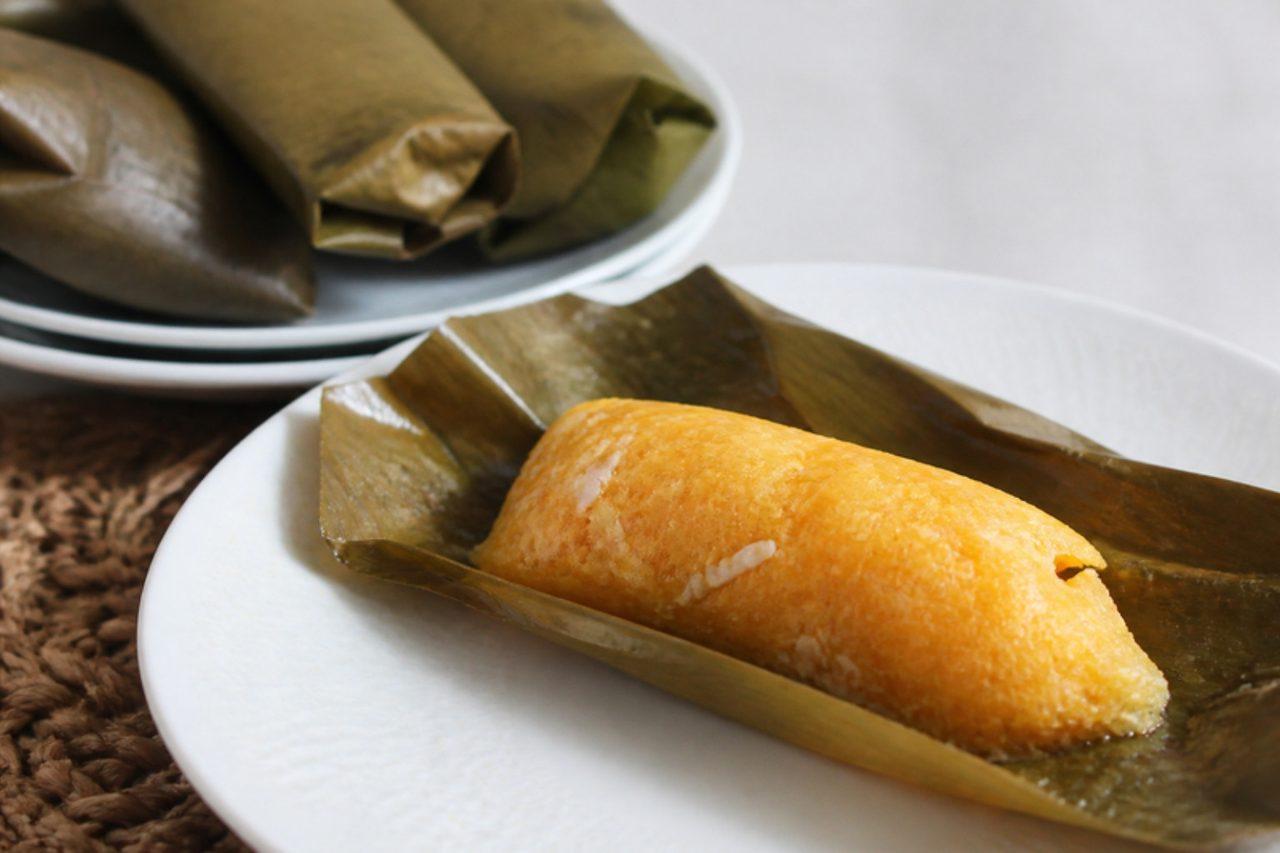
In Antigua, ducana turns up beside saltfish and chop up on Saturday plates and at Independence celebrations in November, little leaf-wrapped parcels of grated sweet potato and coconut with sugar, raisins and spice, boiled until set. It cuts through the salty fish with a soft, sticky sweetness. Many cooks add a little flour; this version keeps to sweet potato and coconut and is gluten free. The common mistake is wrapping the parcels loosely, so water seeps in and they turn mushy. Chef's tip: grate the sweet potato finely on the small holes and the ducana will hold together without any flour.

by KrazyBadal 0 views

ThamekfoultCouscous with broad beans and peas

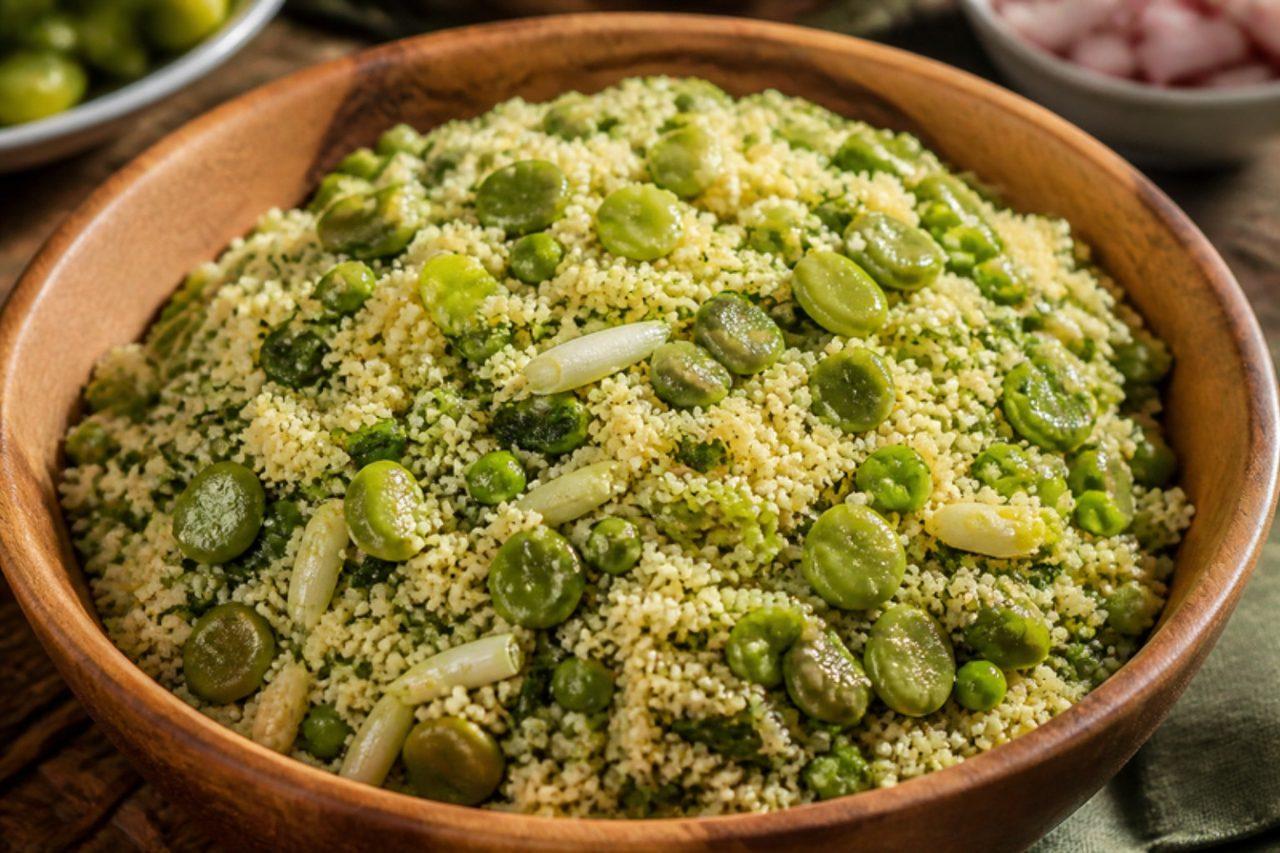
Spring in the Kabyle villages means thamekfoult: when the first broad beans and peas come in, they are steamed in the same basket as the couscous, so grain and vegetables cook together in one fragrant cloud of steam. There is no sauce at all; instead, the hot couscous is dressed generously with the region's peppery olive oil, so it tastes green, sweet and grassy. It is a family lunch dish, often eaten with a glass of buttermilk or a few olives; this version keeps it vegan. Chef's tip: oil the couscous before the first steaming, rubbing every grain; that stops it clumping and helps it swell evenly.

by KrazyBadal 0 views

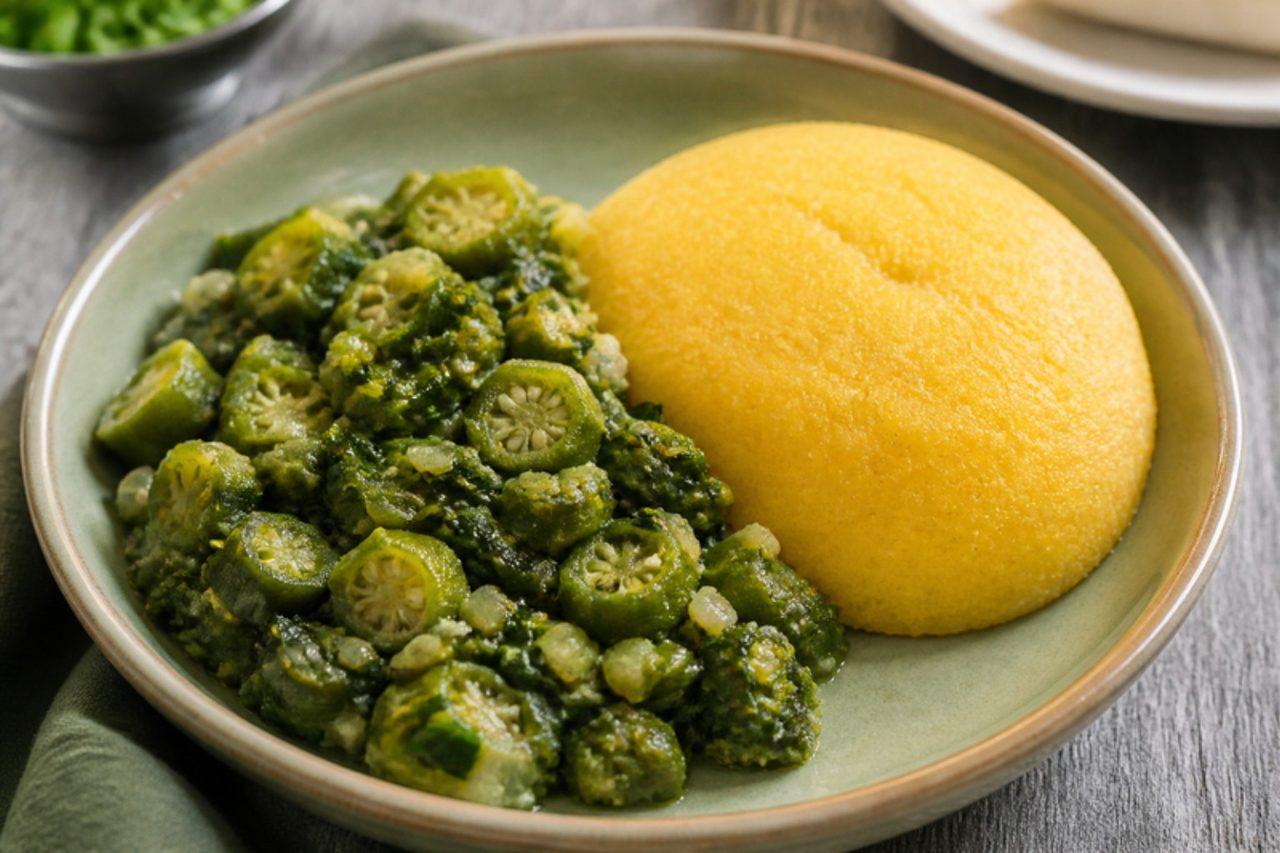
Antiguan chop upMashed aubergine, okra and spinach

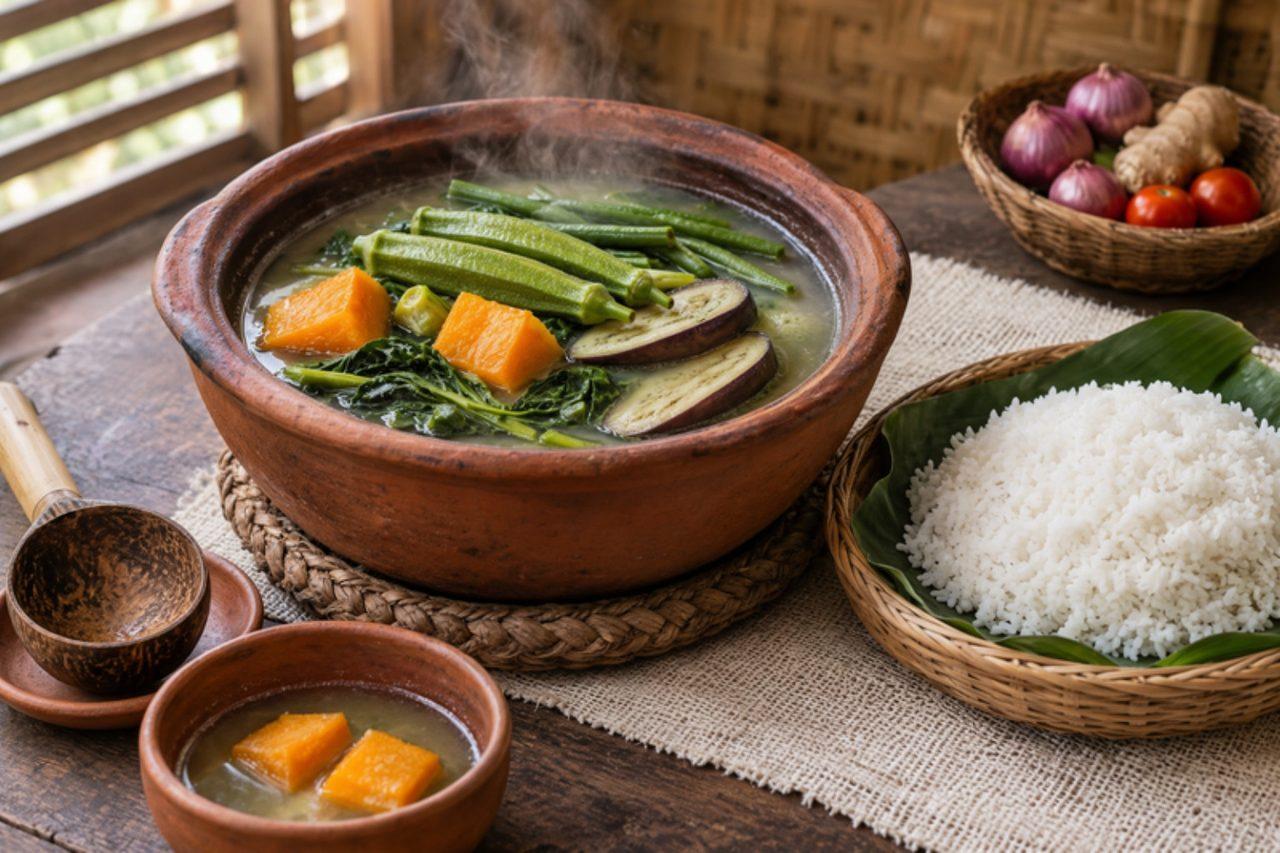
Antigua's national plate pairs fungee, a cornmeal and okra loaf, with pepperpot, and on the side there is often chop up: aubergine, okra and spinach cooked down with onion, garlic and thyme, then mashed to a soft, green-flecked purée. It is gentle, savoury and silky, and some cooks add butter or salted meat; this version is vegan and uses coconut oil. The mistake to avoid is stirring the okra too much early on, which makes it slimy; let it soften undisturbed, then mash. Chef's tip: a squeeze of lime at the end lifts the flavour and calms any okra stickiness.

by KrazyBadal 0 views

Showing 27 of 7,762 recipes

Show more recipes

Page 281 of 863