Skip to content
Berenjenas con miel de caña
Featured recipe

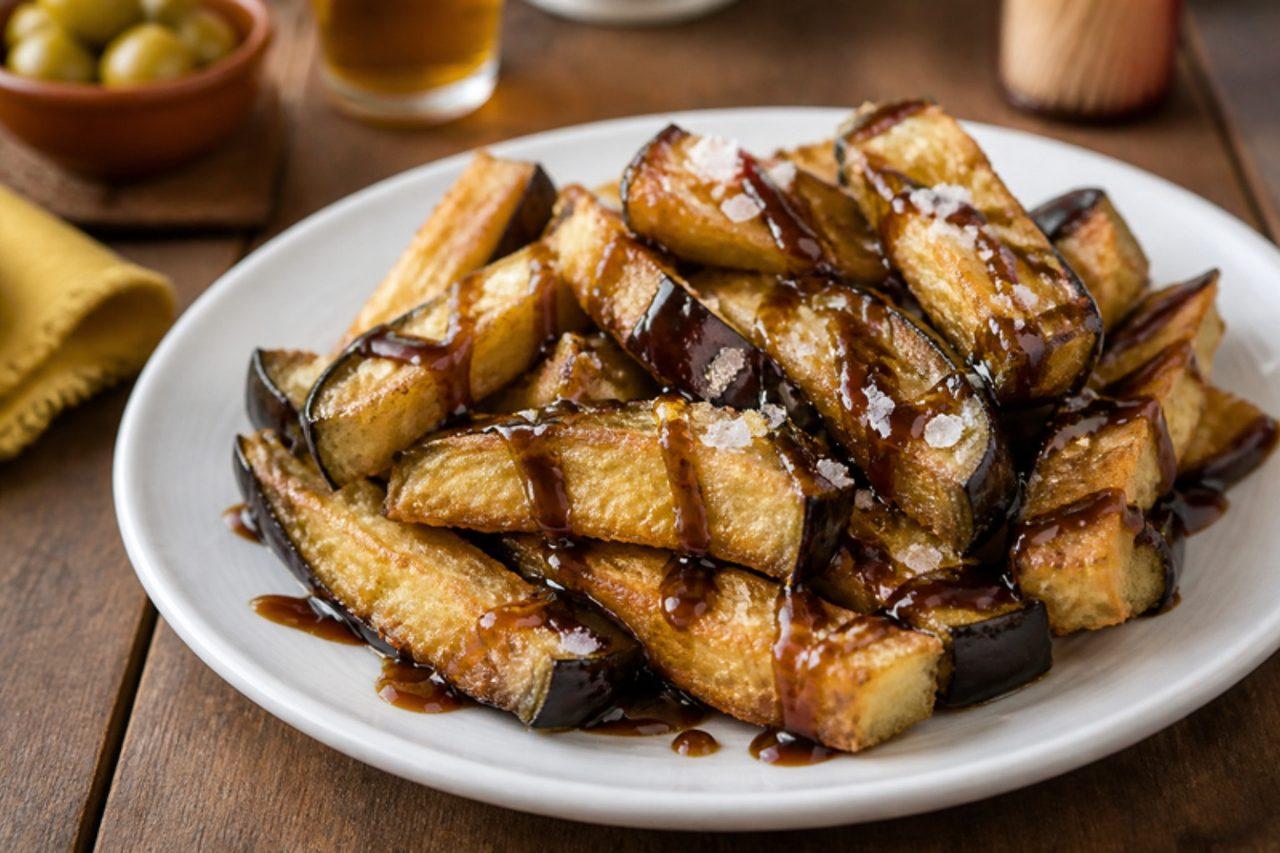
Berenjenas con miel de caña

Berenjenas con miel are a classic tapa in Andalusia, especially in Córdoba, Málaga and Granada: thin batons or slices of aubergine, lightly floured and fried until crisp, then drizzled with dark, treacly miel de caña. Despite the name, miel de caña is not bee honey but sugarcane molasses, made in the last cane mill in Europe at Frigiliana on the Málaga coast, so the dish is naturally vegan. The contrast of salty, crunchy aubergine and bittersweet syrup is irresistible; serve it the moment it leaves the pan with a cold drink. Chef's tip: soak the aubergine in salted water (or milk, as many Andalusian cooks do) for 15 minutes and pat dry; it seasons the flesh, softens any bitterness and helps the flour cling so the coating stays thin and crisp.

Read more 0 views
Can't decide?

What to eat today?

Spin the randomizer, search with what's already in your fridge, or browse recipes from our chefs.

Latest recipes

Cau cau

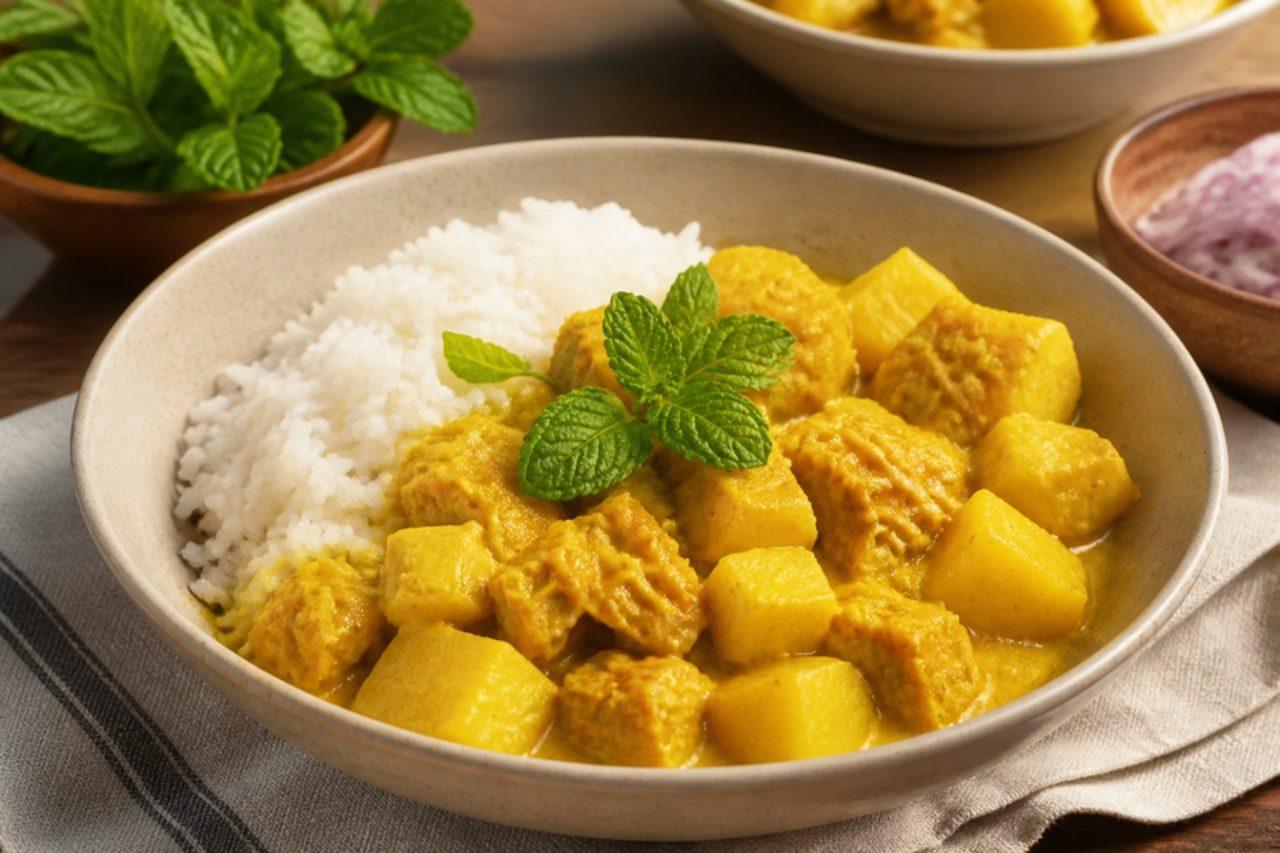
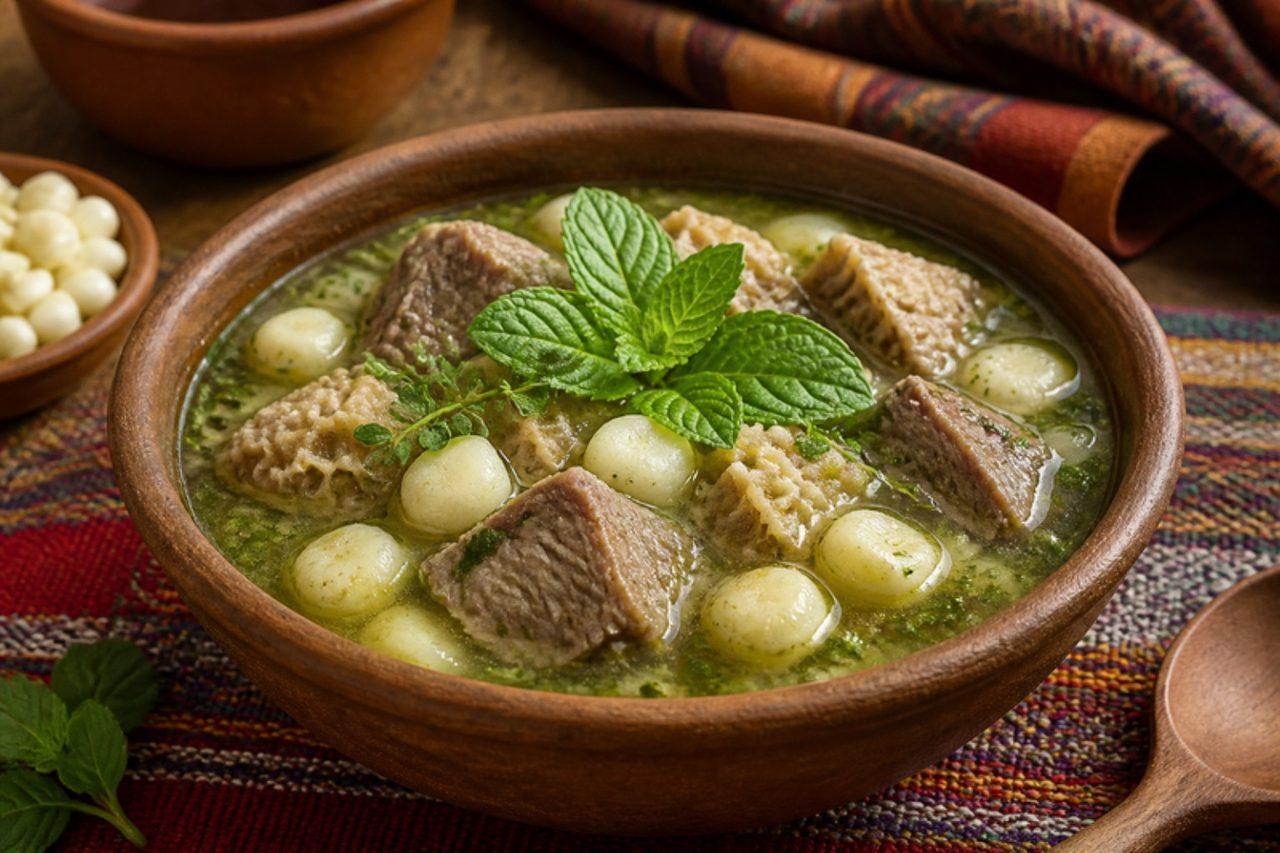
Cheap, filling and deeply loved, cau cau is a lunchtime staple at Lima's menú restaurants and market comedores, served with white rice. Pieces of honeycomb tripe are simmered until soft, then stewed with diced potato in a golden sauce of ají amarillo, garlic and turmeric, finished with a fistful of mint (hierbabuena) that freshens the richness. The texture is soft and slightly springy, the sauce mild, warm and herby. Buy tripe from a butcher or Latin, Asian or halal shop already cleaned and blanched (white honeycomb); it must be simmered until fully tender and cooked through. The common mistake is undercooking the tripe: if it squeaks between your teeth it needs longer. Chef's tip: cut the potatoes small and let some of them break up at the end; they thicken the sauce naturally.

by KrazyBadal 0 views

Zorongollo

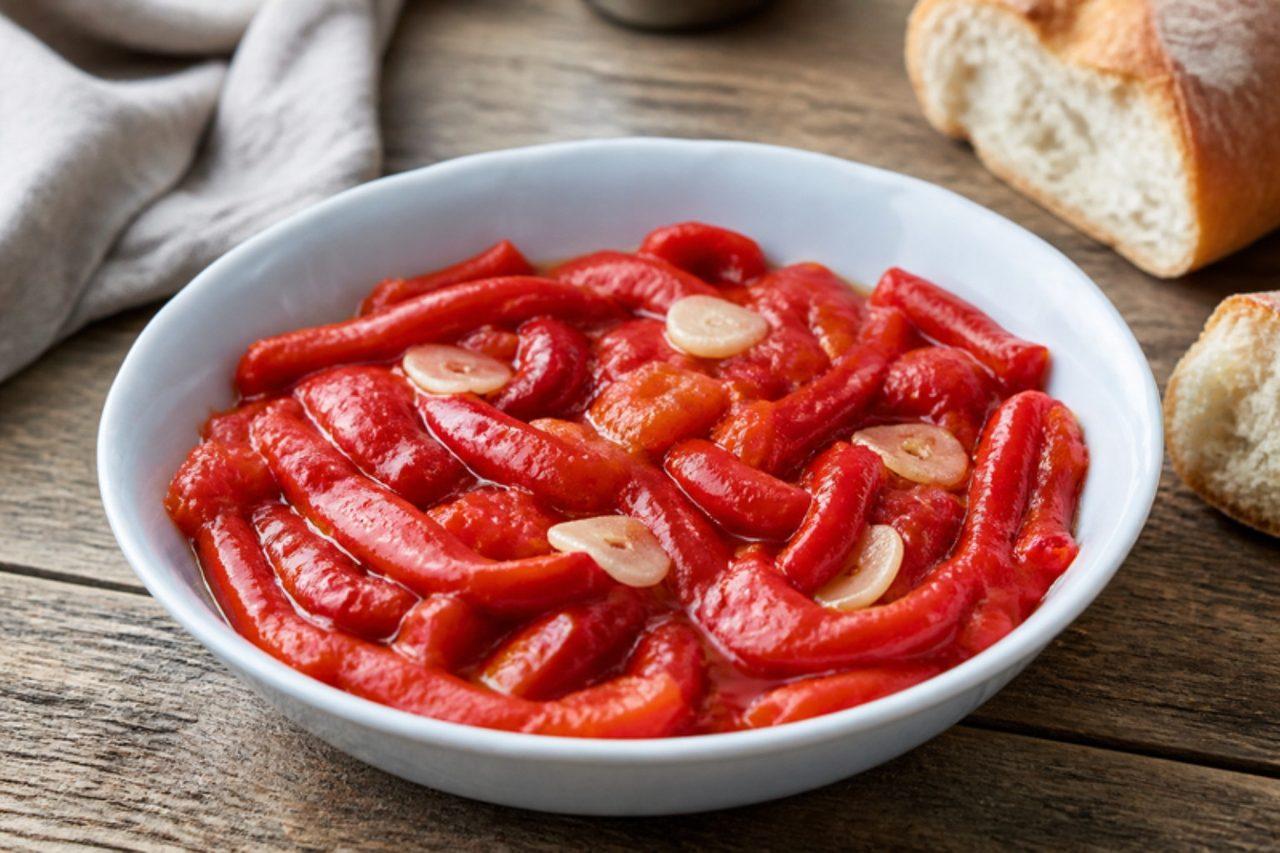
Zorongollo is the summer salad of the Extremaduran countryside around Cáceres and the Vegas del Guadiana, made when red peppers are sweet and cheap. The peppers and tomatoes are roasted until blackened, peeled, torn by hand into strips and soaked in olive oil, garlic and a little vinegar, and it is served on its own with bread or beside grilled meat at summer lunches. It keeps for days in the fridge and improves overnight. Chef's tip: tear the peppers along their natural ridges rather than slicing them, so the strips stay soft and catch more dressing.

by KrazyBadal 0 views

Chupe de camarones

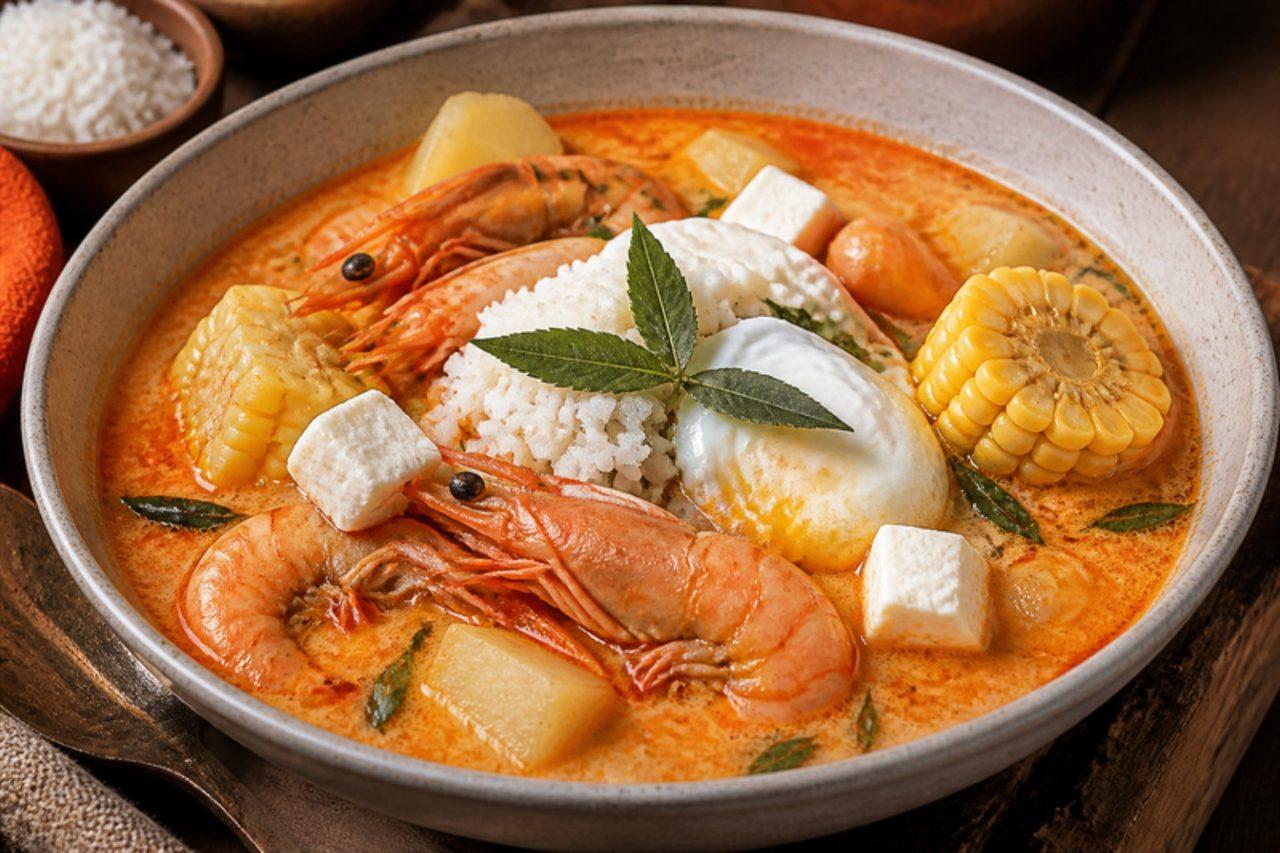
Arequipa's picanterías serve one chupe on each day of the week, and the prawn one, made with crayfish-like camarones from the Majes and Ocoña rivers, is the grandest, especially on Fridays in Lent. It is a big orange chowder: a broth made from the prawn shells and heads, coloured with ají panca, filled with potatoes, corn, broad beans and a little rice, then softened with evaporated milk and fresh cheese, with an egg poached in each bowl. Rich, sweet and gently spicy, it needs nothing but bread. Large shell-on prawns stand in well for river prawns. Many cooks boil the prawns from the start and they turn to rubber; add them at the end and cook only until pink and opaque. Chef's tip: fry the heads and shells in the oil first and press them hard; the orange fat that comes out is what gives chupe its colour and depth.

by KrazyBadal 0 views

Puca picante

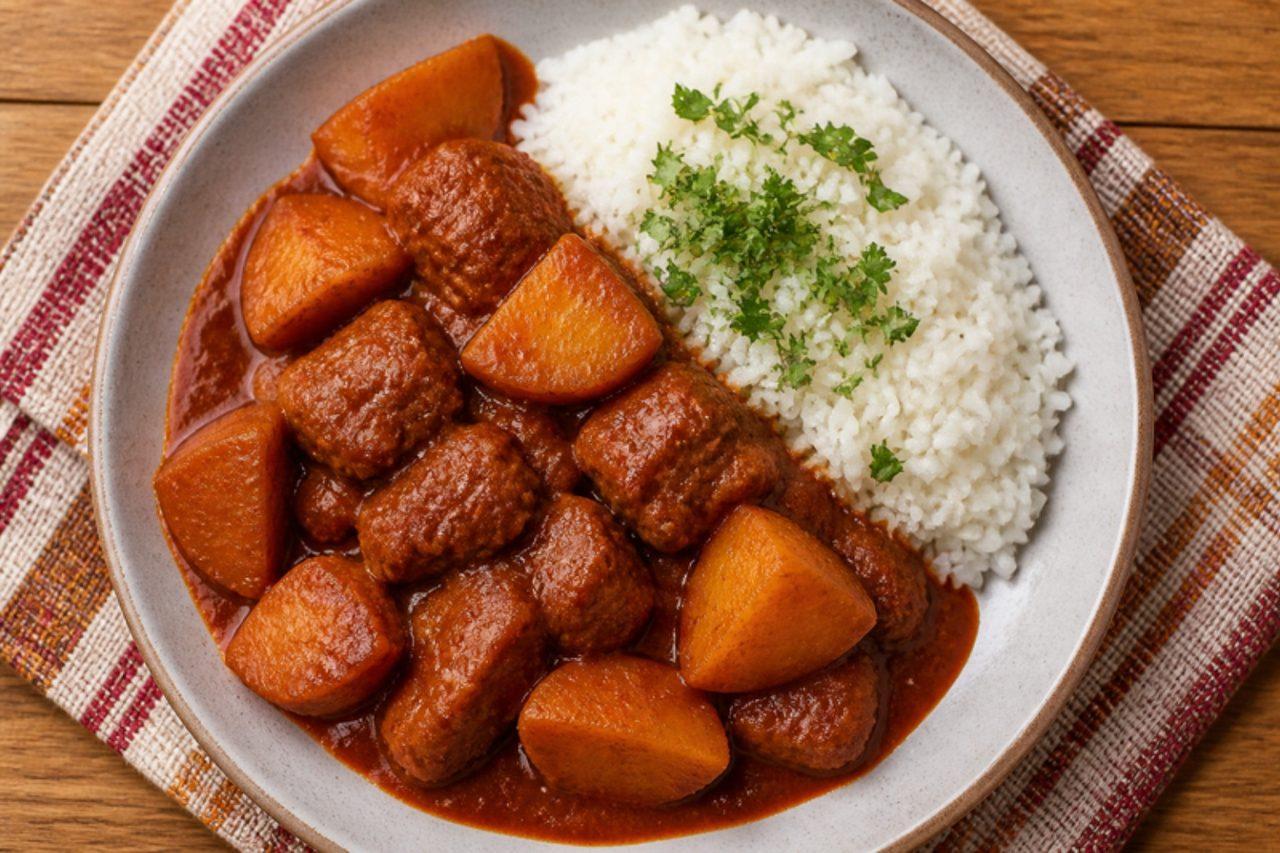
Puca means red in Quechua, and Ayacucho's puca picante is as red as a stew gets, thanks to ají panca and a little beetroot. Cubes of pork and potato simmer in a sauce thickened with ground toasted peanuts until creamy, nutty and mildly hot; it is served at Ayacucho's Sunday lunches and during Semana Santa with white rice, a fried pork chunk on top and a sharp salsa criolla. A frequent error is too much beetroot, which makes it earthy and sweet; you only need enough for the colour. Chef's tip: toast the peanuts in a dry pan before grinding them, and the sauce tastes twice as deep.

by KrazyBadal 0 views

Patasca

Through the highlands of Ayacucho, Huancavelica and Apurímac, patasca (also called mondongo) is the soup for cold mornings, carnivals and the day after a fiesta: plump white mote, dried maize kernels that burst open like flowers after long boiling, in a clear, rich broth with honeycomb tripe and beef shin, perfumed with mint and oregano. It is filling and gentle, and gets its fire at the table from a spoon of rocoto sauce. Plan ahead: the maize needs an overnight soak and several hours of simmering. Buy tripe cleaned and blanched from a butcher or Latin or halal shop; it must be simmered until soft and fully cooked. The typical mistake is salting the mote early, which keeps the kernels hard. Chef's tip: cook the maize and the tripe in separate pots, then combine; each needs a different time and the broth stays cleaner.

by KrazyBadal 0 views

Muéganos de Huamantla

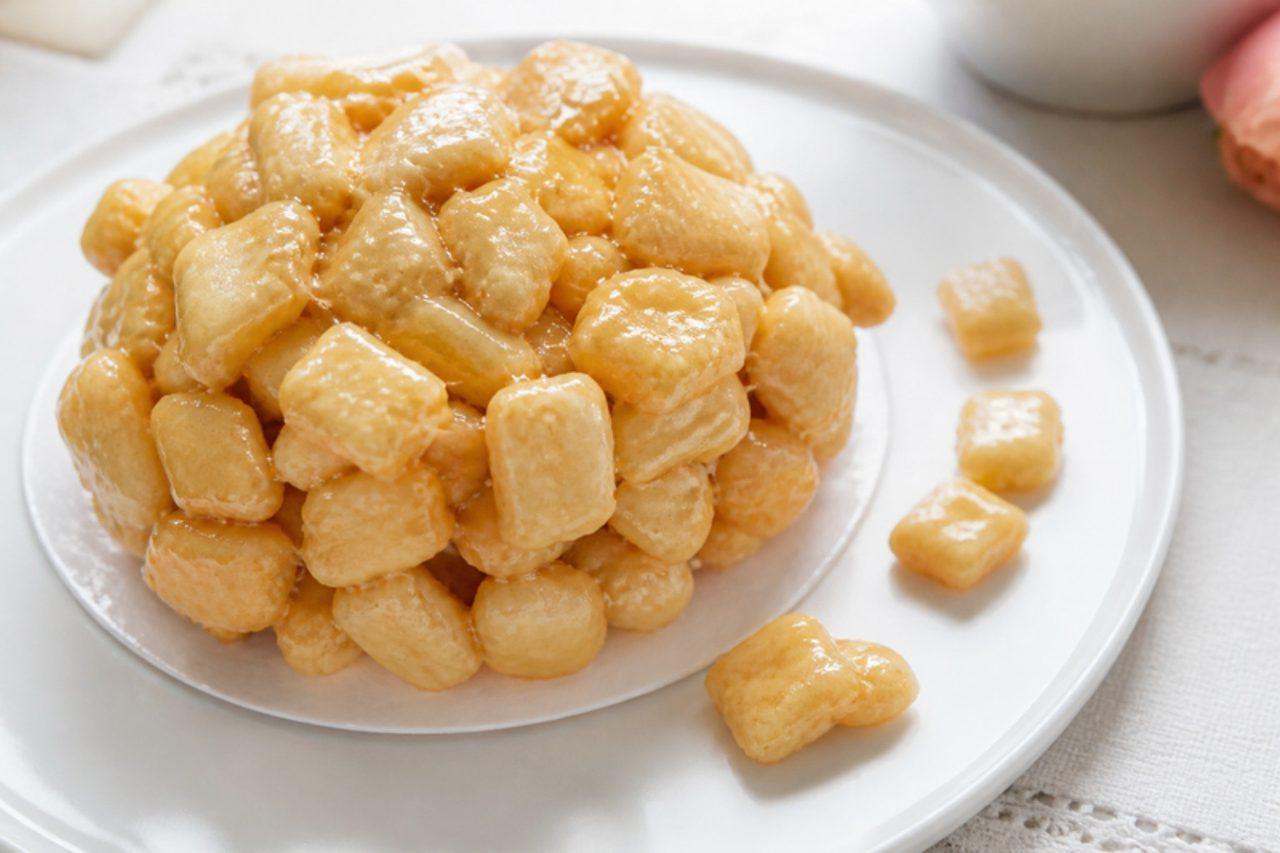
Huamantla, in Tlaxcala, is known for its August fair, when the streets are carpeted with coloured sawdust and flowers, and for muéganos: little cubes of fried dough glued together with dark piloncillo syrup into a sticky cluster, often pressed onto a round wafer. Visitors buy them in stacks from sweet shops around the main square. The dough is crisp and light, the syrup spiced with cinnamon and clove. Chef's tip: cut the dough into small, even cubes so they all fry golden at the same time.

by KrazyBadal 0 views

Anchi

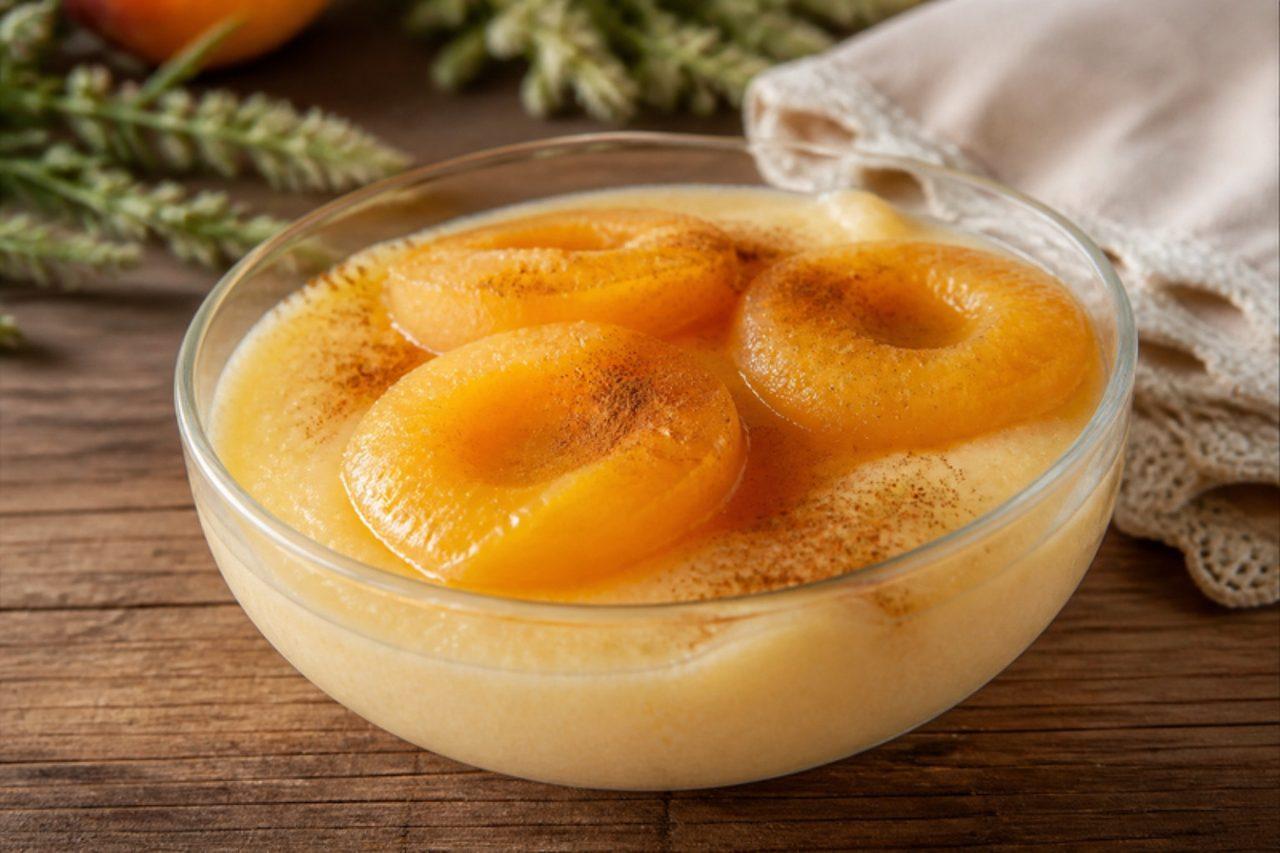
Sold in plastic cups from coolers at Salta's Mercado San Miguel and on village plazas at the end of a hot afternoon, anchi is a thin, sweet pudding of fine maize semolina cooked with water, sugar and plenty of lemon. It sets only softly, so it is half eaten and half drunk, cold and refreshing, often with slices of poached peach or a few rehydrated orejones (dried peaches) on top, and sometimes a dusting of cinnamon. There's no milk or egg in it, which is what keeps it light. Too much semolina is the easy error: anchi should pour slowly from the spoon when cold, not slice like polenta, so stick to the ratio and remember it thickens as it cools. Fine maize semolina is the Salta choice; fine wheat semolina works too. Chef's tip: add the lemon juice off the heat at the end; boiled lemon loses its fresh sharpness.

by KrazyBadal 0 views

Trucha frita

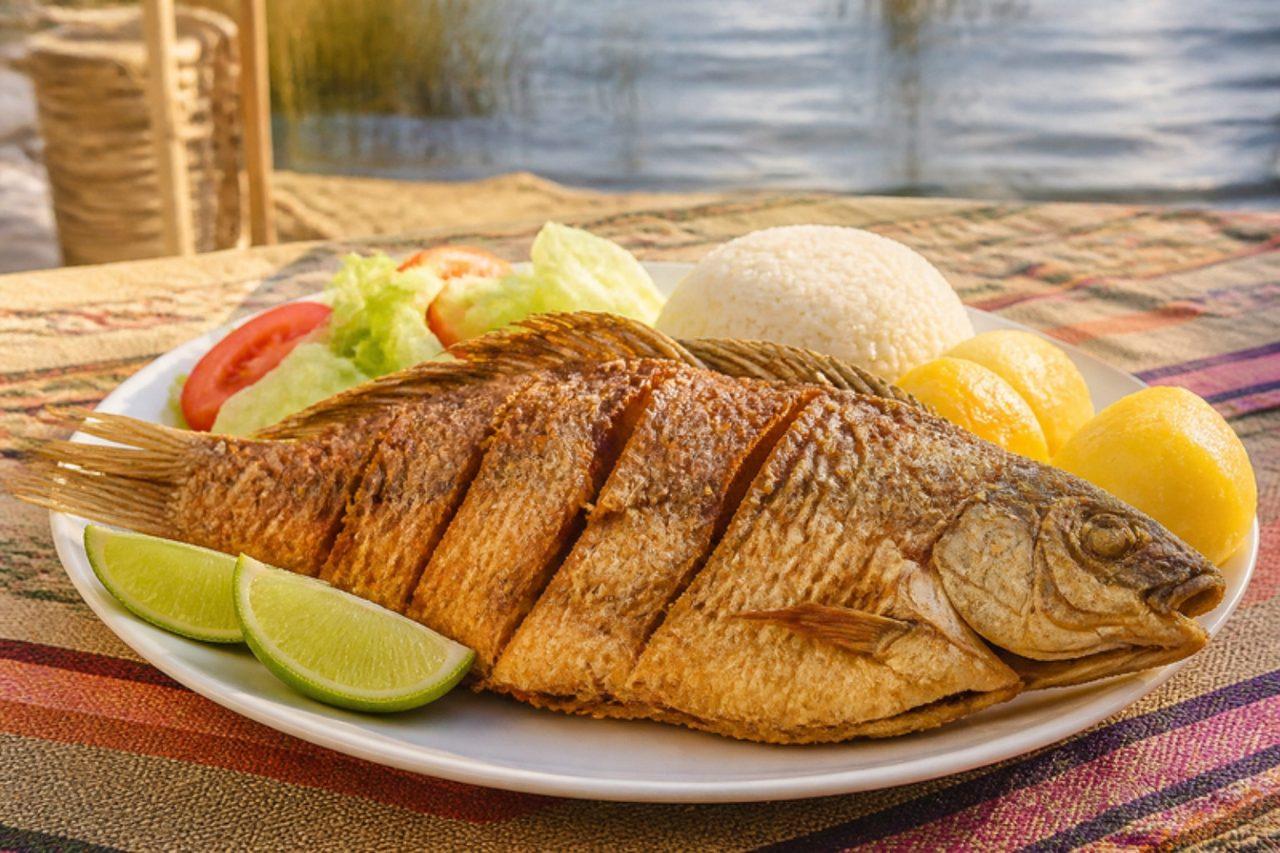
Rainbow trout farmed in the cold, clear water of Lake Titicaca is what you eat in Puno, at lakeside restaurants and on the floating islands: a whole fish, dusted in flour and fried until the skin crackles, with boiled Andean potatoes, rice, a simple salad and lime. The flesh is pink-white, sweet and moist; nothing else is needed. Ask your fishmonger to gut and scale the trout. The most common mistake is moving the fish too early, which tears the skin; leave it until it releases from the pan by itself. Chef's tip: slash the thick part of each side twice before flouring, so the fish cooks evenly and the skin crisps right up to the head.

by KrazyBadal 0 views

Thimpu de carachi

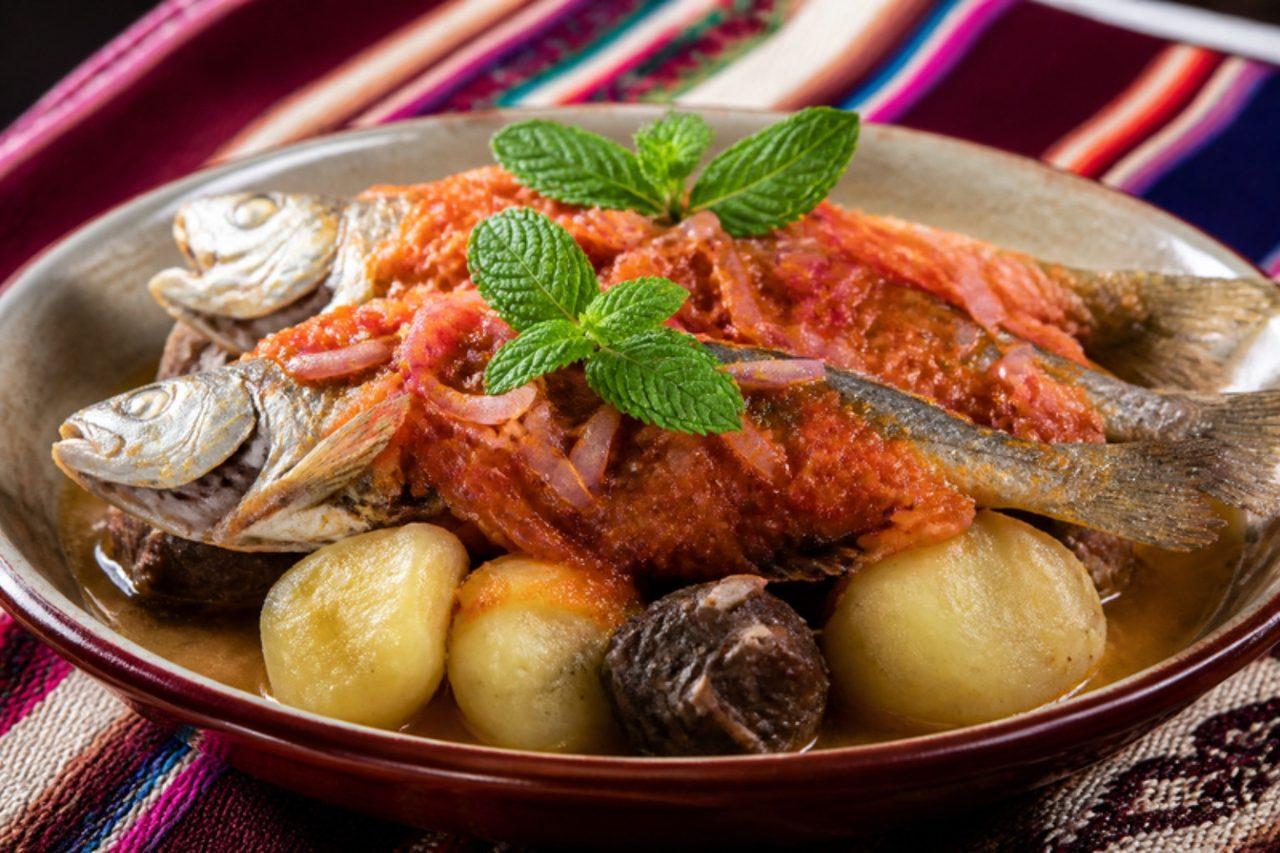
Around the shores of Lake Titicaca, thimpu is weekday food and Lent food alike: carachi, a small native lake fish, laid over potatoes and chuño (freeze-dried Andean potato) and gently poached, then drenched at the table with a hot sauce of onion fried with ají. The fish is soft and delicate, the chuño earthy and pleasantly chewy, and the sauce brings colour and fire. Outside Puno, small whole trout, tilapia or perch, or thick trout fillets, work well. Chuño needs an overnight soak (plan for it) and is sold in Andean and Latin shops; swap in extra waxy potatoes if you can't find it. The trap here is boiling the fish hard so it falls apart; keep the water at a bare shiver. Chef's tip: make the sauce while the fish poaches and spoon it on boiling hot, so it sizzles over the plate.

by KrazyBadal 0 views

Fave e cicorie

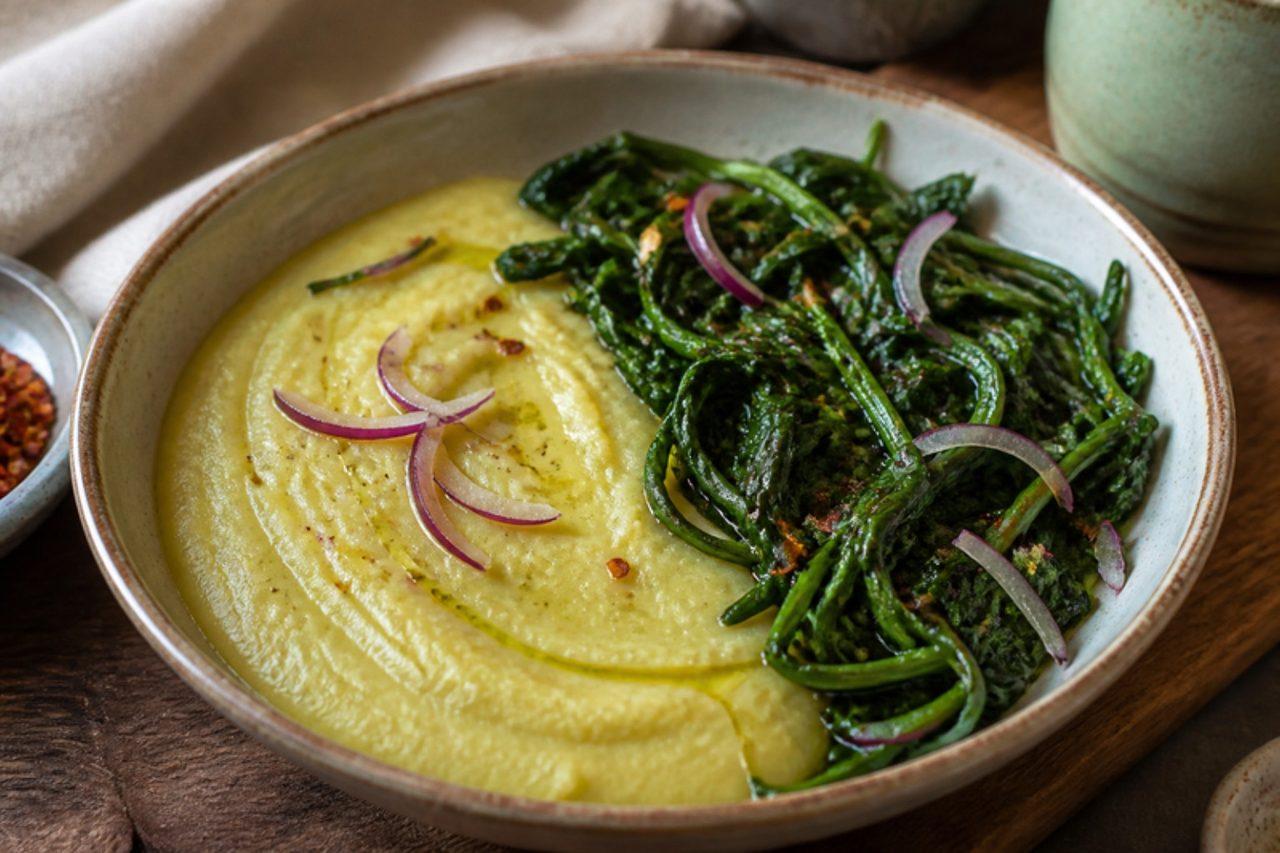
Few plates say Puglia as plainly as this one: a pale, velvety purée of dried broad beans beside a tangle of boiled wild chicory, the two joined by a stream of green olive oil. Families from the Murgia to the Salento cook it on winter weekdays and through Lent, and Bari trattorias still put it on the menu as the true taste of cucina povera. The beans are sweet and earthy, the greens bitter, and every forkful should carry a little of both. Chef's tip: buy dried broad beans that are already skinned and split; they cook to a cream on their own, with no sieving.

by KrazyBadal 0 views

Aeropuerto

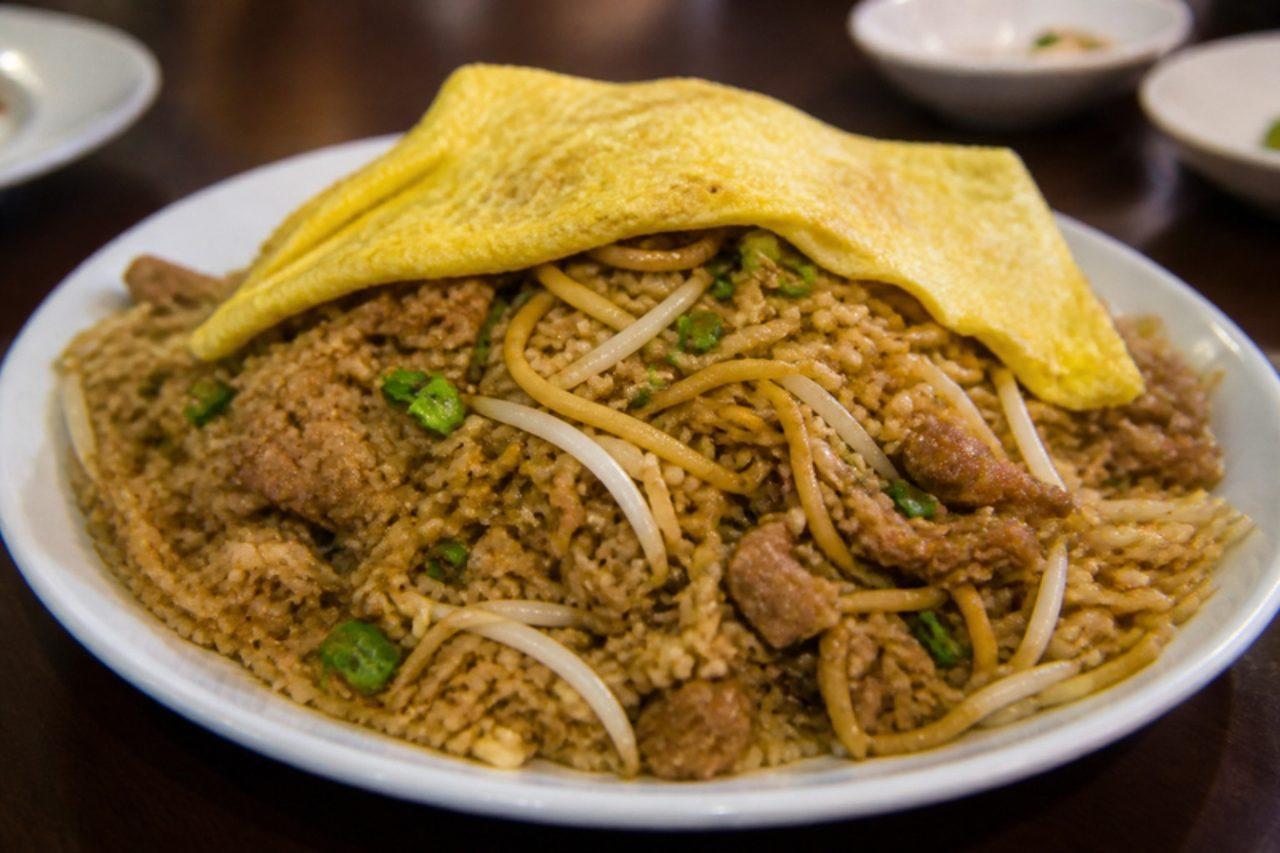
Nobody agrees why Lima's chifas call it 'airport', though the favourite story is that everything 'lands' on one plate: arroz chaufa and fried noodles stir-fried together in a smoking wok with roast pork, bean sprouts, snow peas and spring onion, then crowned with a thin egg omelette, sometimes with a few fried wontons alongside. It is hearty, smoky and salty from soy and oyster sauce, a late-night and lunchtime favourite to share. The main mistake is using freshly cooked rice, which goes mushy; use rice cooked the day before and kept in the fridge. Chef's tip: for a veg version, swap the pork for firm tofu and extra vegetables, and use a mushroom-based 'oyster' sauce.

by KrazyBadal 0 views

Polenta con tuco

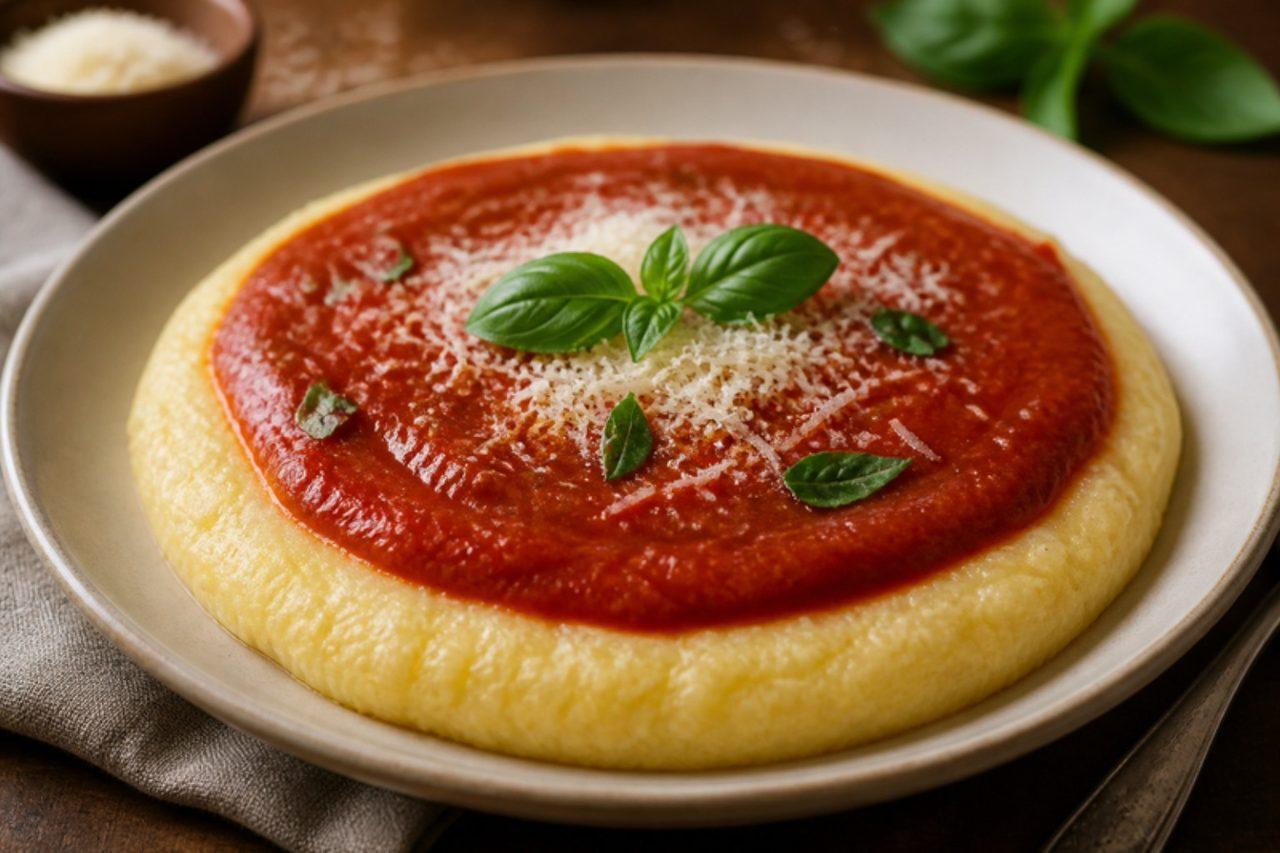
Tuco is what Argentines call the red sauce of their Italian grandparents, and spooned over a mound of soft polenta it is one of the most ordinary, best-loved cold-weather suppers in Buenos Aires and across the pampas. On Sundays the sauce often gets a piece of beef; this is the everyday meatless version, with onion, red pepper, carrot, bay and a long simmer that turns the tomato sweet and deep. The polenta is enriched with butter and cheese until it falls off the spoon like thick custard. The most common mistake is pouring the cornmeal into the water all at once, which gives you lumps you will never beat out, so rain it in slowly while whisking. Grated hard cheese is usually made with animal rennet; choose a vegetarian one if needed. Chef's tip: make the tuco first and let it rest off the heat while the polenta cooks; even 15 minutes of standing rounds out its flavour.

by KrazyBadal 0 views

Pollo chi jau kay

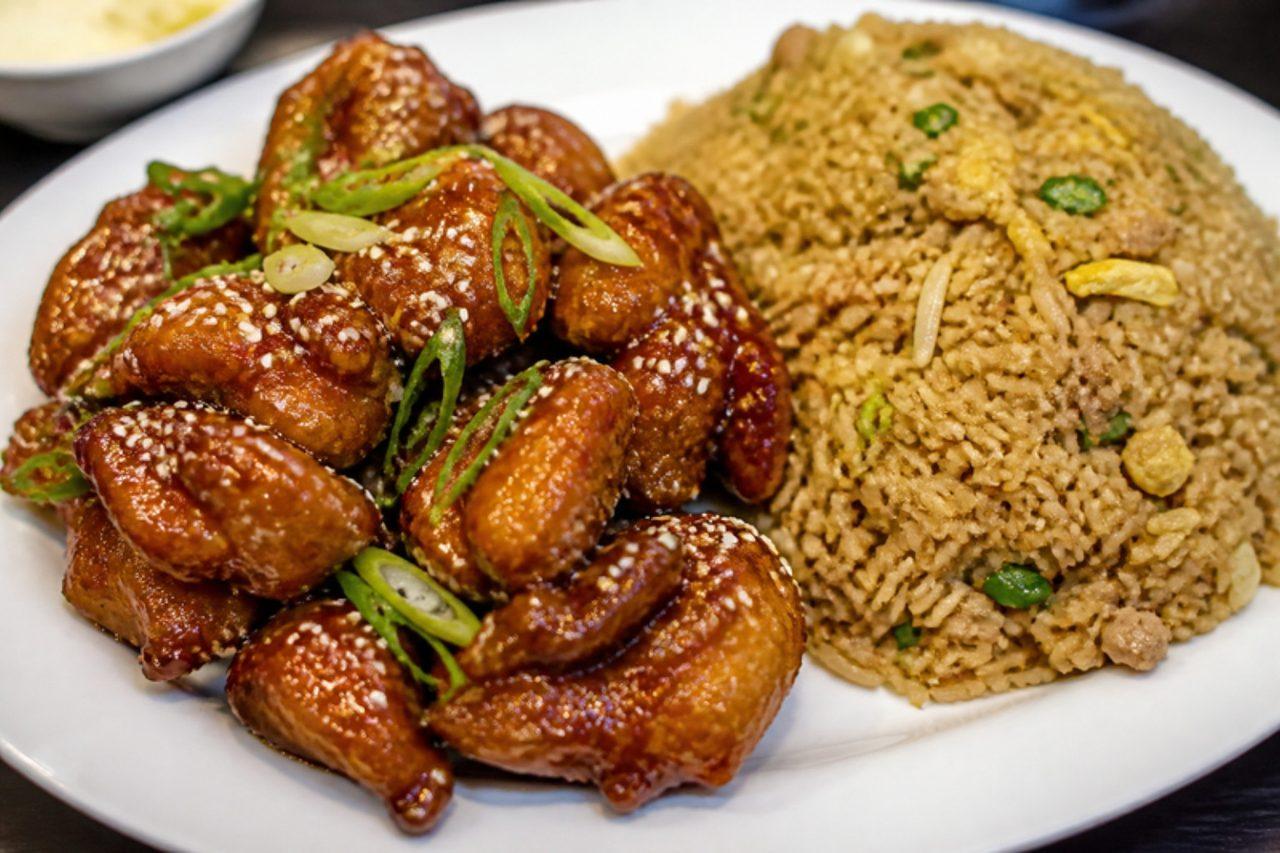
Any chifa in Lima, from the old dining rooms of Barrio Chino on Calle Capón to the corner chifa in every district, will have chi jau kay on the menu: boneless chicken marinated in soy and ginger, fried in a crisp coating and served under a dark, glossy oyster sauce, scattered with sesame seeds and spring onion. The crust stays crunchy where the sauce hasn't reached and goes sticky where it has. It is shared with arroz chaufa or plain rice and a Chinese soup. The usual misstep is tossing the chicken in the sauce in the pan, which makes it soggy; Lima chifas pour the sauce over at the table. Chef's tip: fry the chicken twice, once to cook and once very hot for a minute to crisp, and it will stay crunchy under the sauce.

by KrazyBadal 0 views

Doce de caju

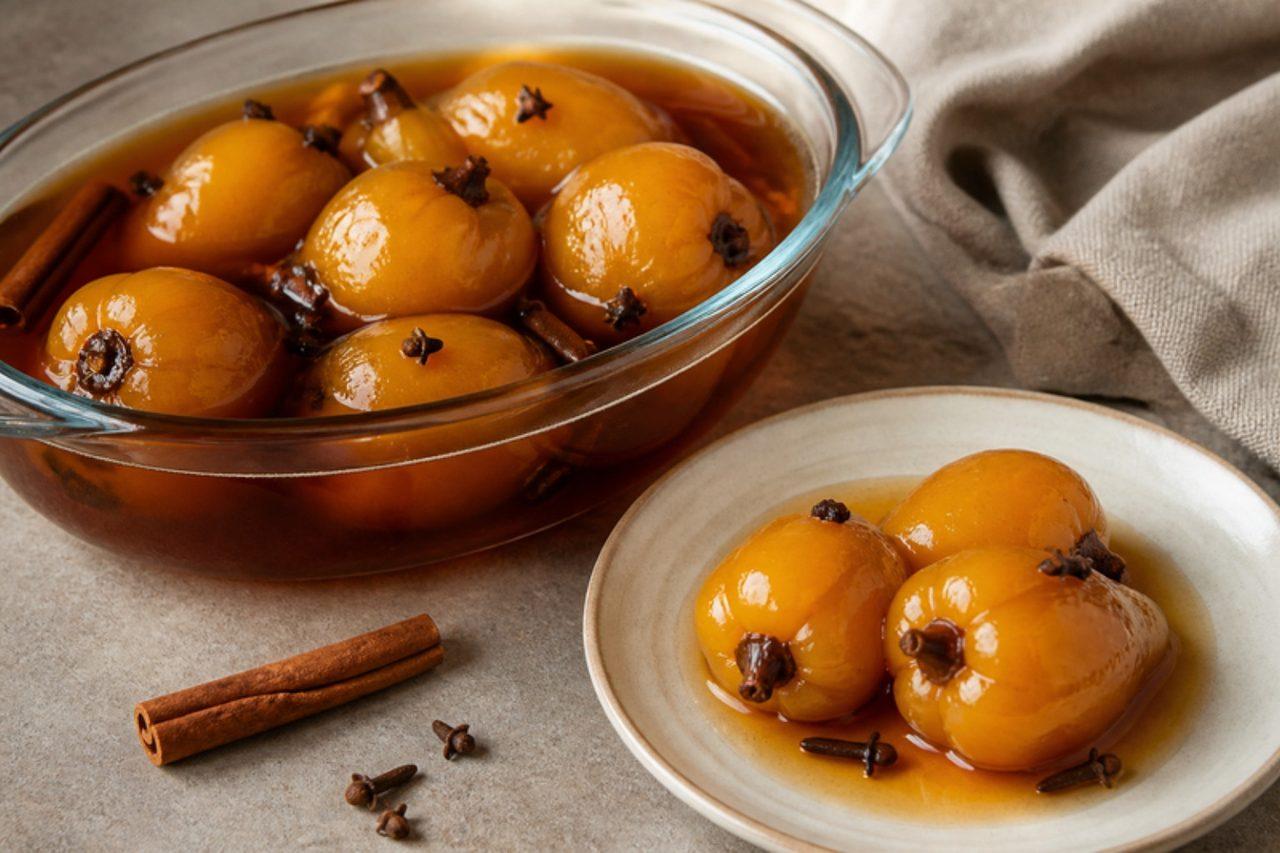
Ceará grows more cashews than anywhere in Brazil, and in the season from September to December the soft, fragrant cashew apples are everywhere: pressed for juice, sold at roadside stalls and preserved whole in syrup like this. The fruit is pricked, squeezed of its astringent juice, blanched and then cooked slowly with sugar and cloves until it turns amber, glossy and tender with a chewy bite. Fortaleza families keep jars for Christmas and serve the fruit with a slice of white cheese or simply on a saucer with its syrup. Outside Brazil look for whole frozen cajus in Brazilian shops. Twist off and discard the grey nut before cooking: its raw shell holds a caustic oil and should not be cut, burnt or eaten at home. Skipping the squeezing and blanching is where it goes wrong; the sweet ends up rough and furry in the mouth. Chef's tip: let the fruit rest overnight in the syrup halfway through; it plumps up and soaks in the sugar evenly.

by KrazyBadal 0 views

Biscoito de polvilho

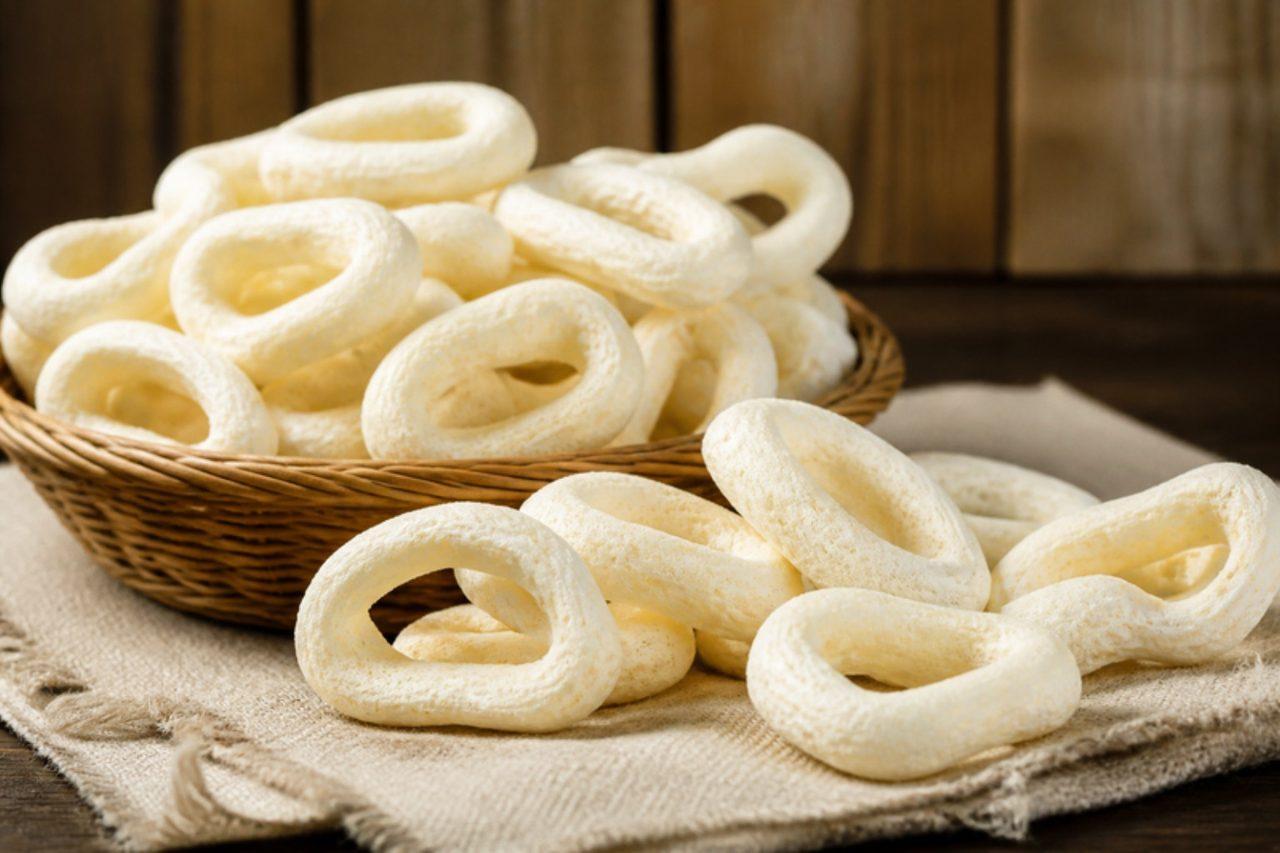
Light enough to float off the plate, these rings are sold by the bagful at bus stations, beaches and football grounds all over Brazil, but they belong to Minas Gerais, where sour cassava starch (polvilho azedo) has been made for centuries. Scalding the starch with hot milk, water and oil and then beating in eggs gives a sticky paste that puffs in a hot oven into crisp, airy, slightly tangy shells. Mineiros eat them with coffee in the afternoon or nibble them all day. Bake them in a hot oven and do not open the door: the rings collapse into flat, hard discs if the heat drops in the first 20 minutes. Chef's tip: the paste should pipe like thick mayonnaise; add a spoon of water if it is too stiff, because a soft dough is what makes the biscuits hollow.

by KrazyBadal 0 views

Dom Rodrigos

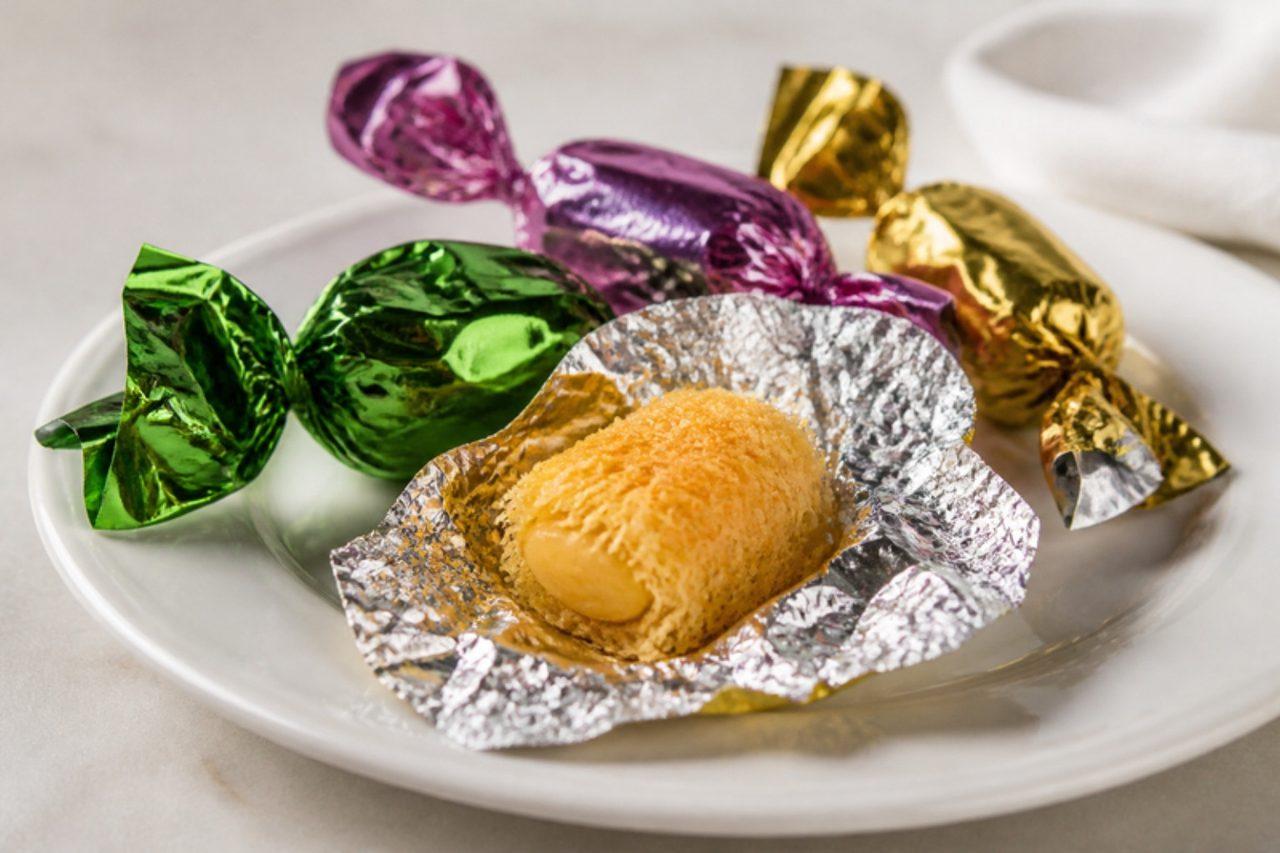
Walk past any pastelaria in Lagos or Portimão and you will see little twists of bright foil piled in the window: each one hides a nest of golden egg threads bound with an almond and yolk cream, scented with cinnamon. They are eaten after Sunday lunch with a bica, bought by the half dozen to take home, and set out at Algarve weddings and christenings. The work is in the egg threads, drizzled into boiling syrup, but once you have the rhythm it goes quickly. Chef's tip: sieve the yolks twice, because any trace of white or the chalaza blocks the funnel and makes the threads break.

by KrazyBadal 0 views

Doces finos do Algarve

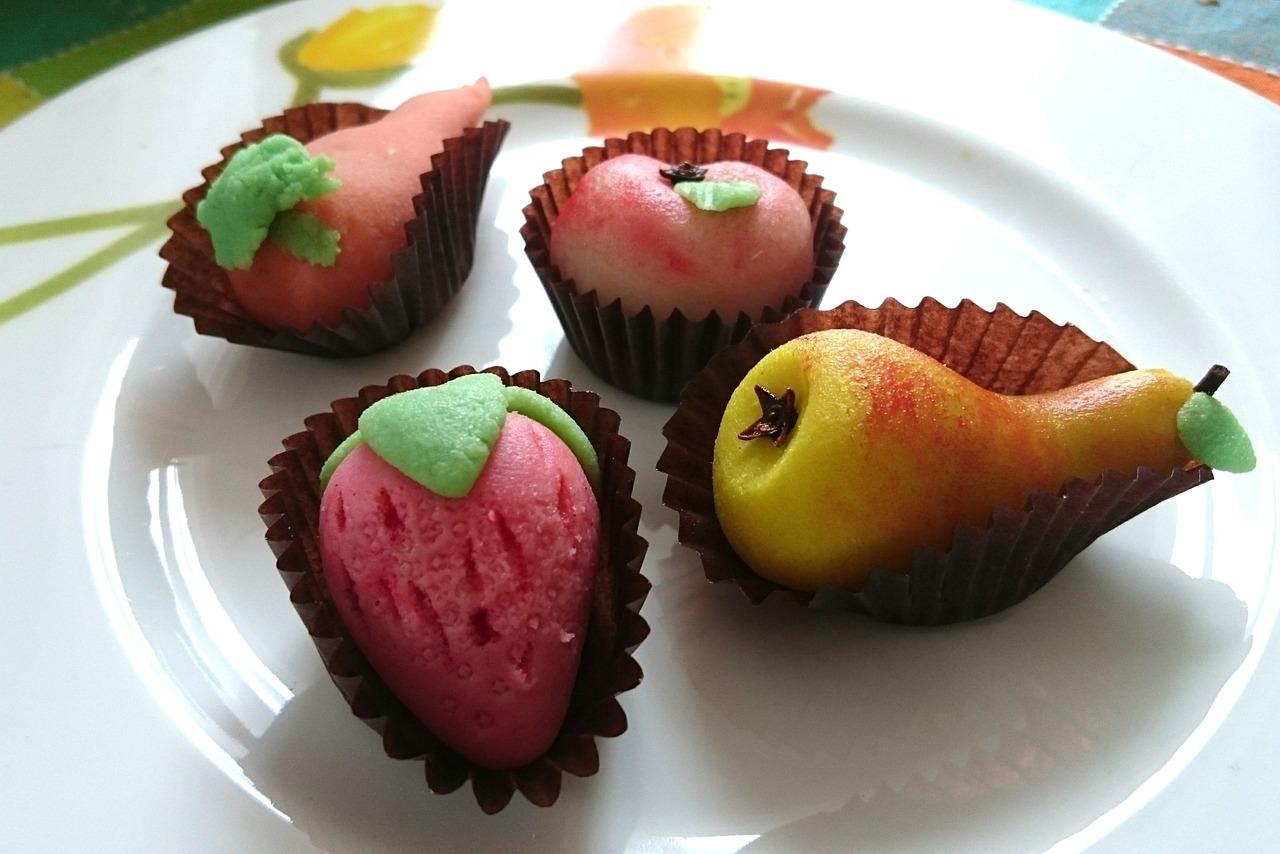
Tiny pears, oranges, strawberries and even fish, all made of almond paste and painted by hand: these are the sweets Algarve families order for Christmas, Easter and weddings, and that every January market in Loulé shows off. Inside each one sits a spoonful of doce de ovos, the sunny yolk cream found all over Portuguese convent baking. The almond paste here is cooked in syrup, which makes it smooth and easy to model. Chef's tip: dust your hands and the work surface with icing sugar, never flour, or the shapes go chalky.

by KrazyBadal 0 views

Salsa golf

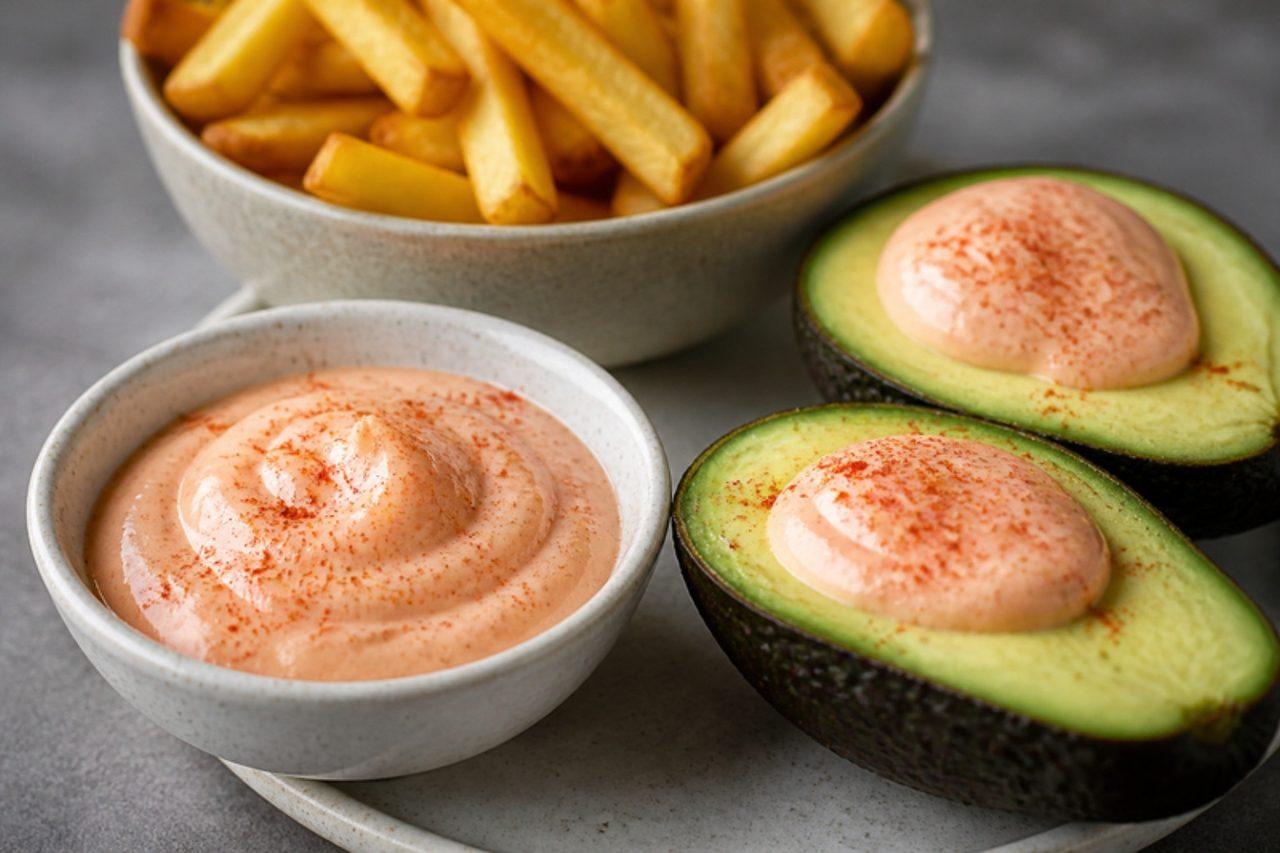
Mar del Plata's golf club gave its name to this sauce in the 1920s, so the story goes, and Argentines have been mixing mayonnaise and ketchup ever since. It is the pink sauce of the 1970s cocktail party and the seaside: spooned into half avocados (palta a la golf), over hearts of palm, onto a cold hard-boiled egg, beside fries or into a prawn cocktail, and every family has its own ratio. A drop of lemon and a dash of mustard lift it from a simple mix to something tangy and creamy. Too much ketchup is the misstep that turns it sweet and orange; it should be a soft salmon pink. Use shop-bought mayonnaise, which is made with pasteurised egg; if you make your own, use pasteurised eggs. Check the labels of the mayonnaise, ketchup and mustard if you need it gluten free. Chef's tip: let it sit in the fridge for 15 minutes before serving; the flavours blend and it thickens slightly.

by KrazyBadal 0 views

Berenjenas en escabeche

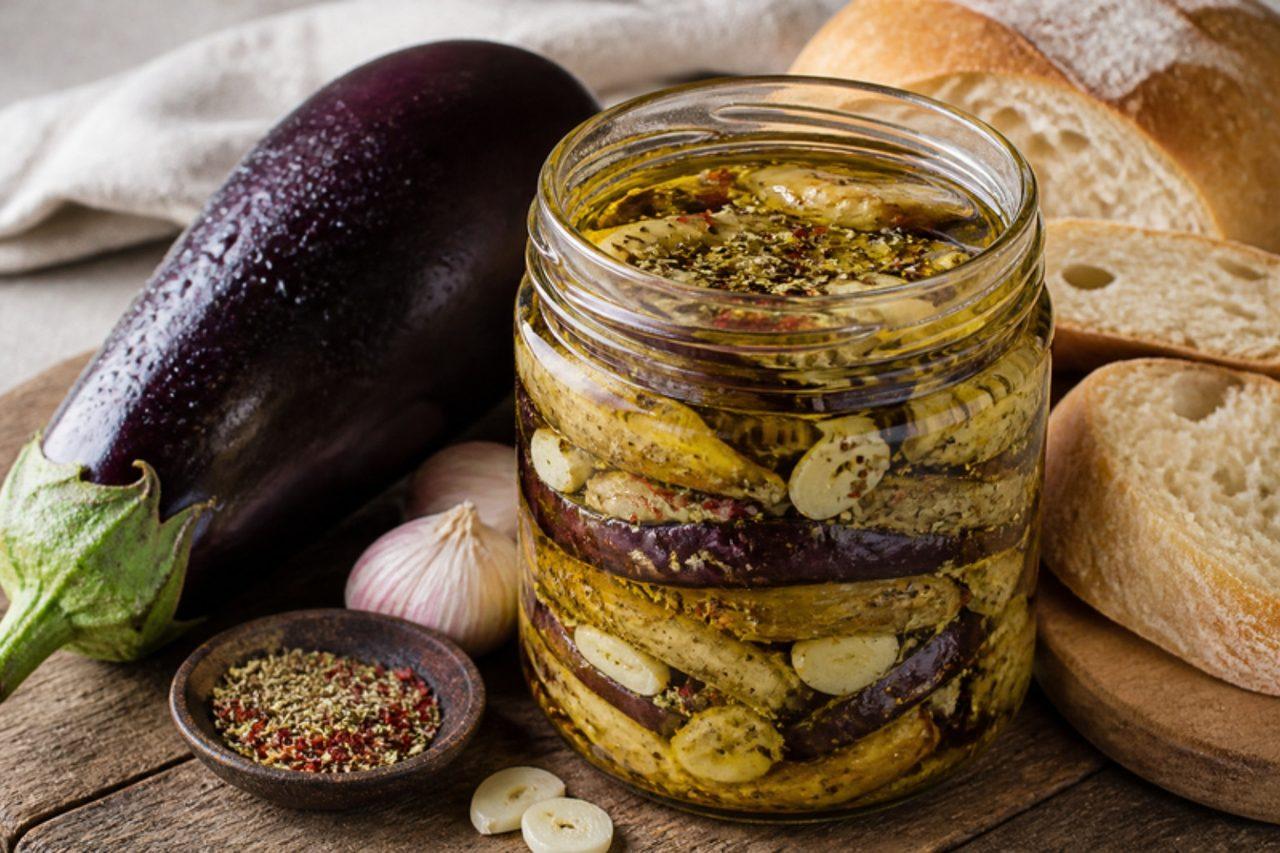
Jars of these marinated aubergines sit in every Argentine grandmother's fridge, a legacy of Italian and Spanish immigrants, and they come out for the picada before the asado, alongside salami, cheese and bread, or to fill a sandwich. Strips of aubergine are salted, blanched briefly in vinegar and water, then layered with garlic, chilli flakes, oregano and plenty of oil. They turn soft, silky and sharp, with a slow heat from the chilli. Overboiling is the error: the strips should be just tender after 2–3 minutes, or they turn to mush in the jar. Allow 2 hours for salting before you start and a day in the fridge before eating. Garlic kept in oil can carry botulism, so keep the jar refrigerated and eat it within two weeks. Chef's tip: press the drained aubergine hard between tea towels before jarring; the drier the strips, the longer they stay firm.

by KrazyBadal 0 views

Maki acevichado

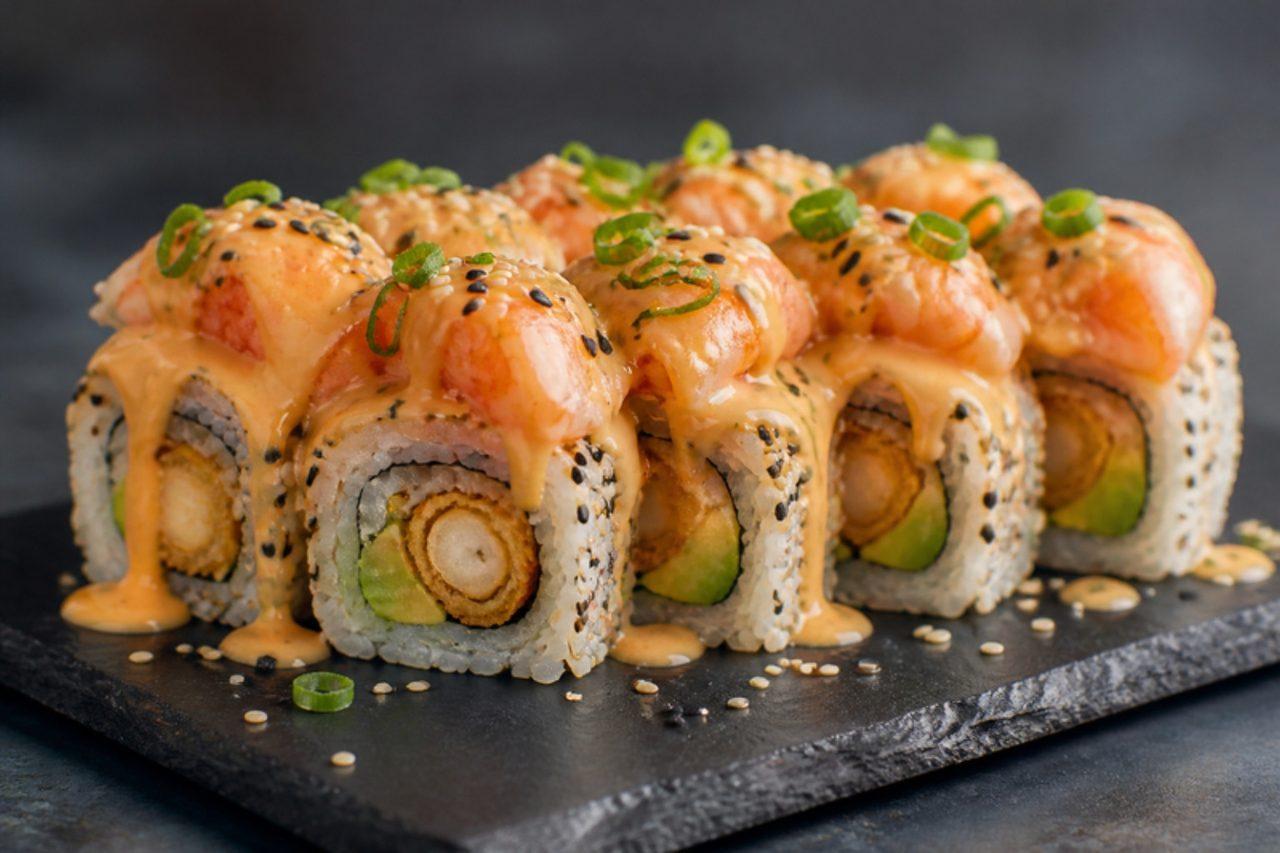
Lima's Nikkei sushi bars invented the acevichado and it has become the roll every Peruvian orders: prawn tempura and avocado rolled in rice, topped with thin slices of fish and drenched in a creamy, lime-sharp sauce built from leche de tigre, ají amarillo and mayonnaise. Crisp, warm, cold and tangy in one bite, it is party food and Friday-night takeaway alike. For a safer topping, use sashimi-grade fish frozen at −20 °C for 24 hours first, keep it cold and eat the rolls at once; you can also sear the slices with a blowtorch or use cooked prawns instead. Even so, the raw-fish topping is not for pregnant women, young children or anyone with a weakened immune system. Overfilling is the usual mistake: the roll won't close and the rice splits. Chef's tip: use a pasteurised-egg mayonnaise and wet your hands with vinegared water so the rice doesn't stick.

by KrazyBadal 0 views

Pizza al molde

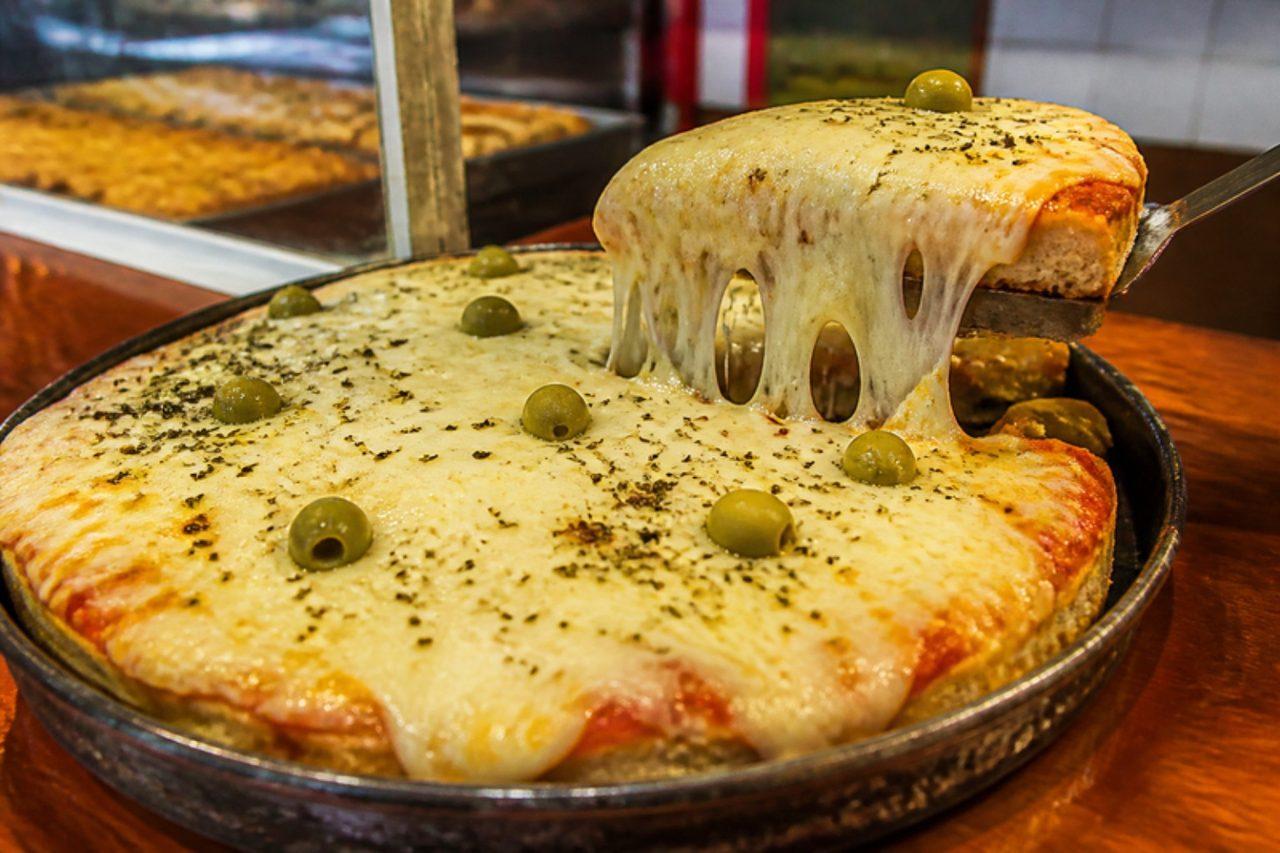
Order "una grande de muzza" at a Corrientes Avenue pizzería and this is what lands on the metal stand: a tall, airy base baked in a round black tin, a thin layer of tomato sauce and so much mozzarella it spills over the edge and fries against the metal. Porteños eat it standing at the counter or at a Formica table, often with a wedge of fainá on top and a cold soda beside it, and at home it is Friday-night food the whole family agrees on. The crumb should be soft and bready like focaccia, the base crisp from the oiled tin. Most home cooks go wrong by loading the cheese on raw dough: by the time the base has baked the mozzarella has split into grease. Here the base is part-baked with its sauce first, the way pizzerías keep pre-pizzas ready, and the cheese only goes in for the last minutes. The mozzarella is usually made with animal rennet, so pick a vegetarian one if that matters to you. Chef's tip: let the dough rise a second time inside the oiled tin; that last proof is what gives the high, open edge.

by KrazyBadal 0 views

Matambre arrollado

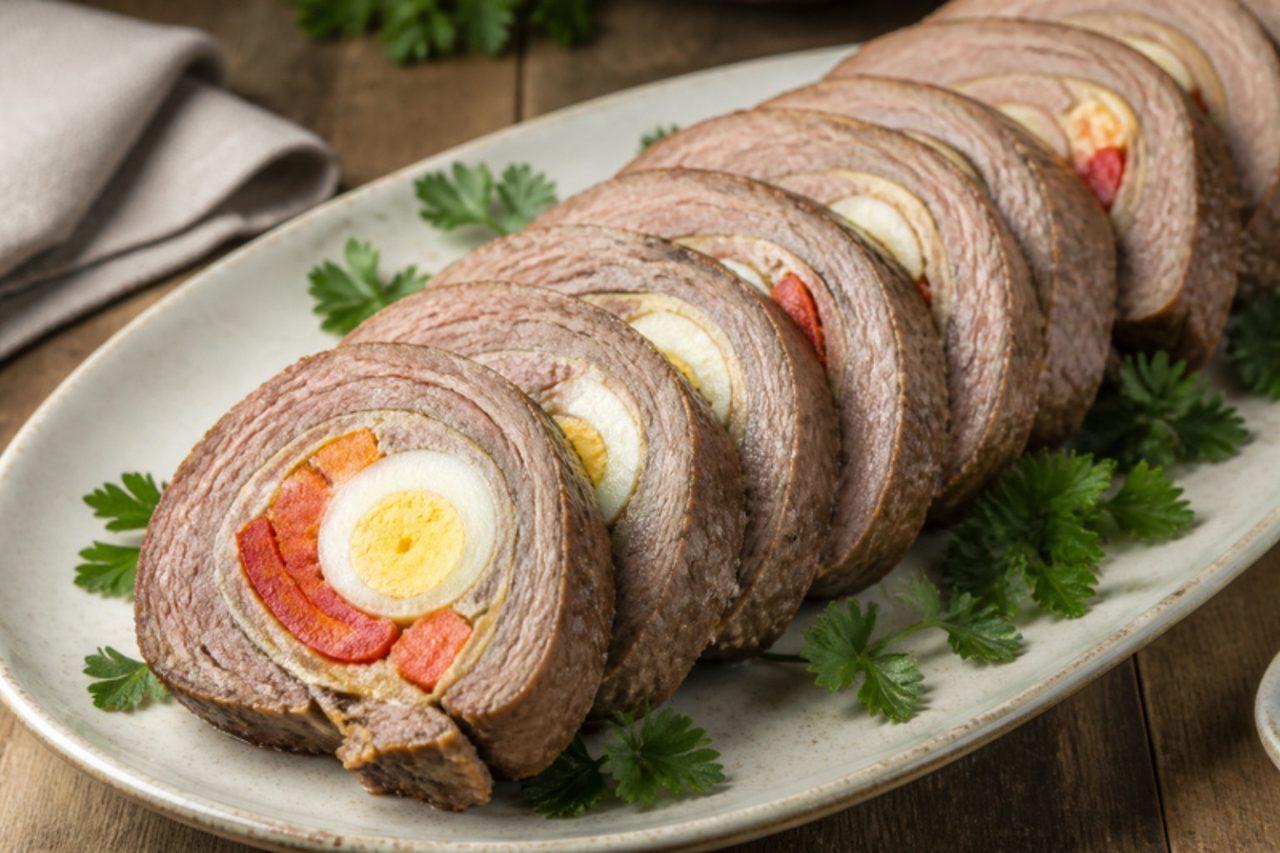
Christmas and New Year in Argentina fall in high summer, so the festive table is crowded with cold dishes, and matambre arrollado is the one that draws a crowd: a thin sheet of beef from between the ribs and skin (matambre, the rose or flank cut), spread with garlic and parsley, layered with hard-boiled egg, carrot and red pepper, rolled into a fat sausage, poached and pressed. Rotiserías in the Buenos Aires suburbs sell it by the slice, and each round shows a mosaic of colours. Served cold with Russian salad and a sharp chimichurri, it is tender and savoury. Because the outside of the meat ends up rolled inside, cook it to a core temperature of 71 °C, as for minced meat. The usual mistake is slicing it warm: it falls apart, so press it under a weight in the fridge overnight. If you can't find matambre, ask the butcher for a thin flank steak butterflied to 1 cm. Chef's tip: lay the meat with the grain running along the roll, so each slice cuts across the fibres and stays tender.

by KrazyBadal 0 views

Tarta de choclo

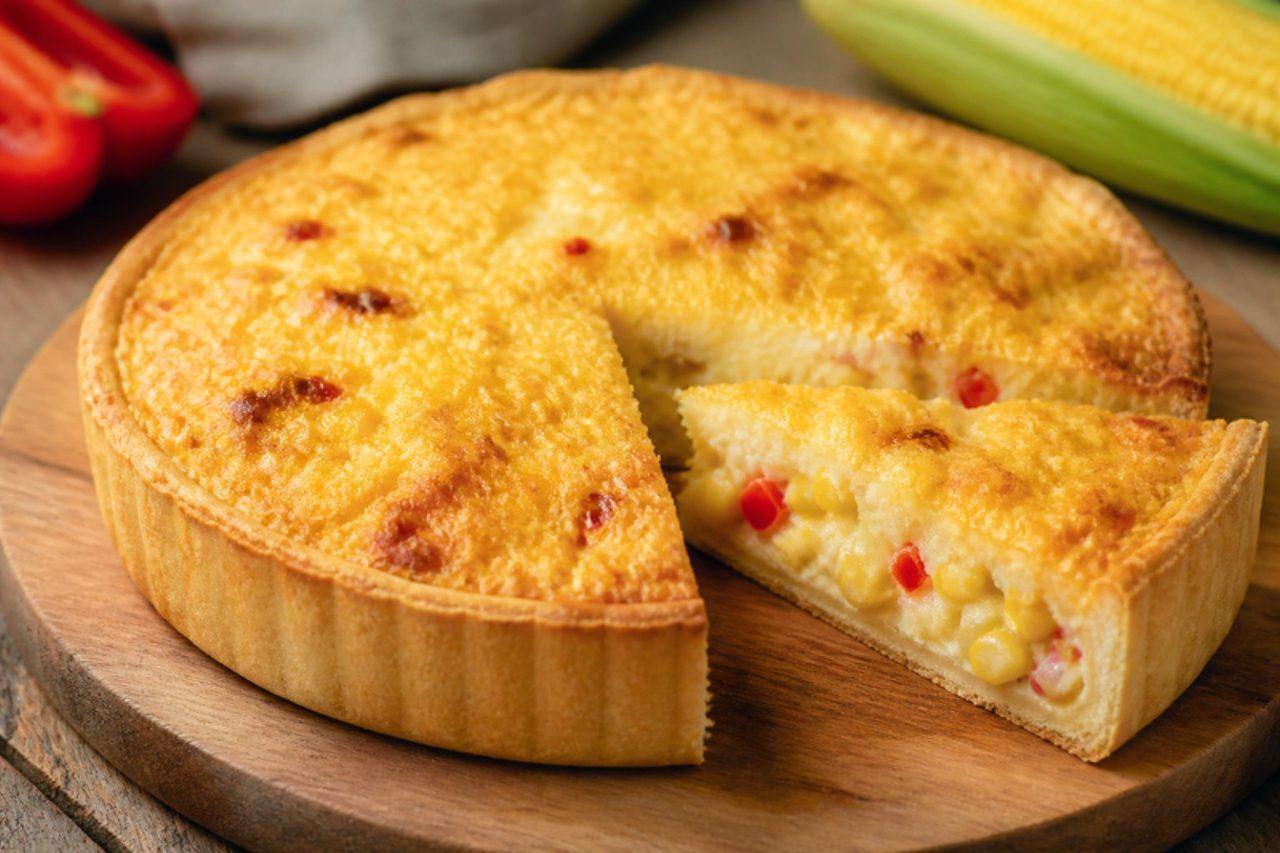
Ask any Argentine rotisería for a slice of tarta and choclo will be next to the chard and the ham-and-cheese. This is the creamy one: sweetcorn kernels folded into a thick white sauce with softened onion and red pepper, set with egg and cheese inside a buttery shortcrust. It is lunchbox and picnic food, eaten warm or at room temperature with a green salad, and it is a big favourite with children for its sweetness. The filling should slice cleanly but still be soft. A runny centre is the usual problem, and it comes from a thin white sauce or from forgetting to blind-bake: make the sauce thick enough to coat the spoon heavily, and part-bake the case. Mozzarella and grated hard cheese are often made with animal rennet, so buy vegetarian ones if that matters. Chef's tip: blitz a third of the corn with the white sauce; it gives a creamier, more corn-tasting filling while the whole kernels keep some bite.

by KrazyBadal 0 views

Tortilla al rescoldo

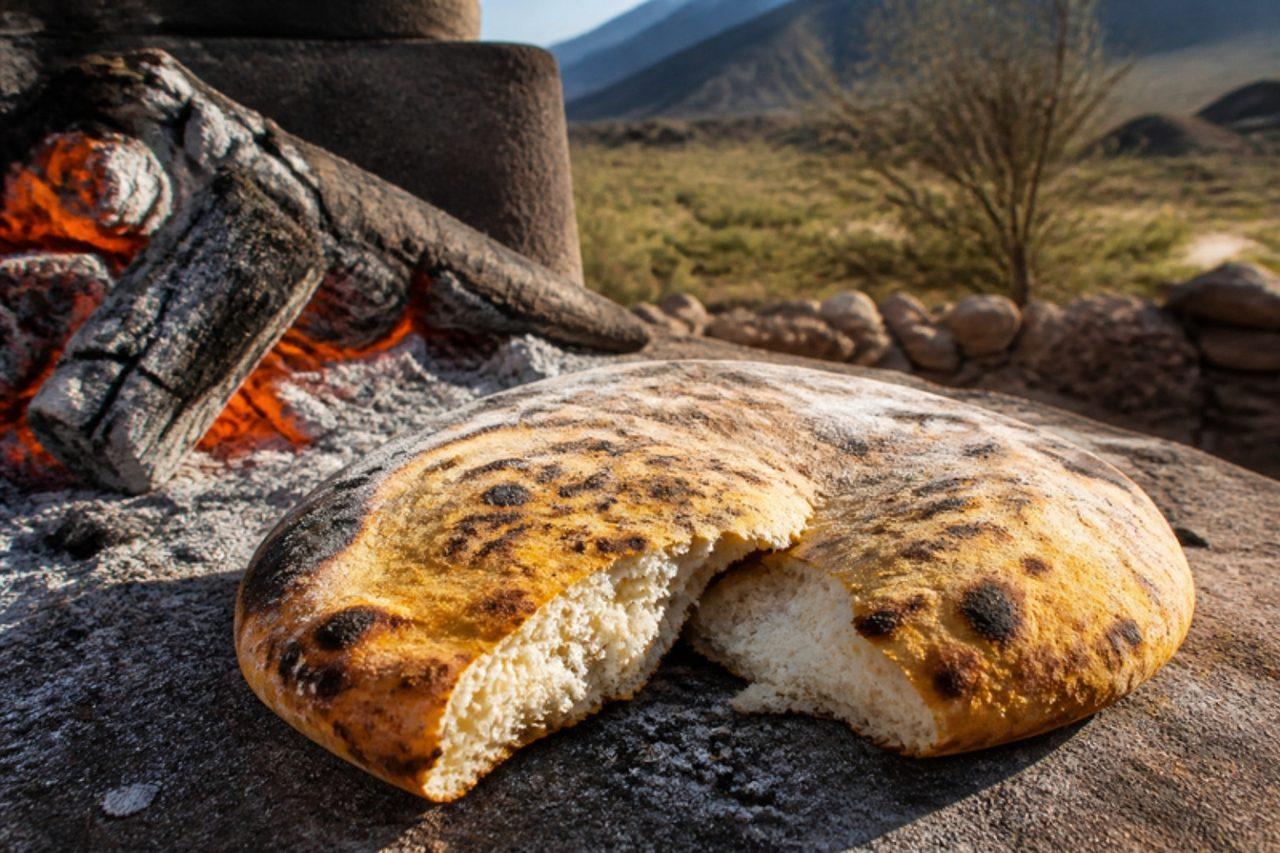
Puesteros in the hills of Salta and the Calchaquí valleys bake this bread the oldest way there is: a thick disc of plain dough laid straight onto the hot ash at the edge of the fire, covered with more embers and dug out 20 minutes later with a crust that is blistered and smoky and a crumb that is dense and soft. You brush off the ash, break it with your hands and eat it with goat's cheese, a mate or a bowl of locro. The traditional fat is lard (grasa); this version uses butter or vegetable shortening so it stays vegetarian. Laying the dough on flaming wood instead of a bed of settled grey embers is the mistake that burns the outside black before the middle cooks, so wait until the fire has died back. No fire? A dry cast-iron pan and a hot oven give you a close result. Chef's tip: knock the bread on its base when you lift it out; a hollow sound means it is cooked through.

by KrazyBadal 0 views

Zapallo en almíbar

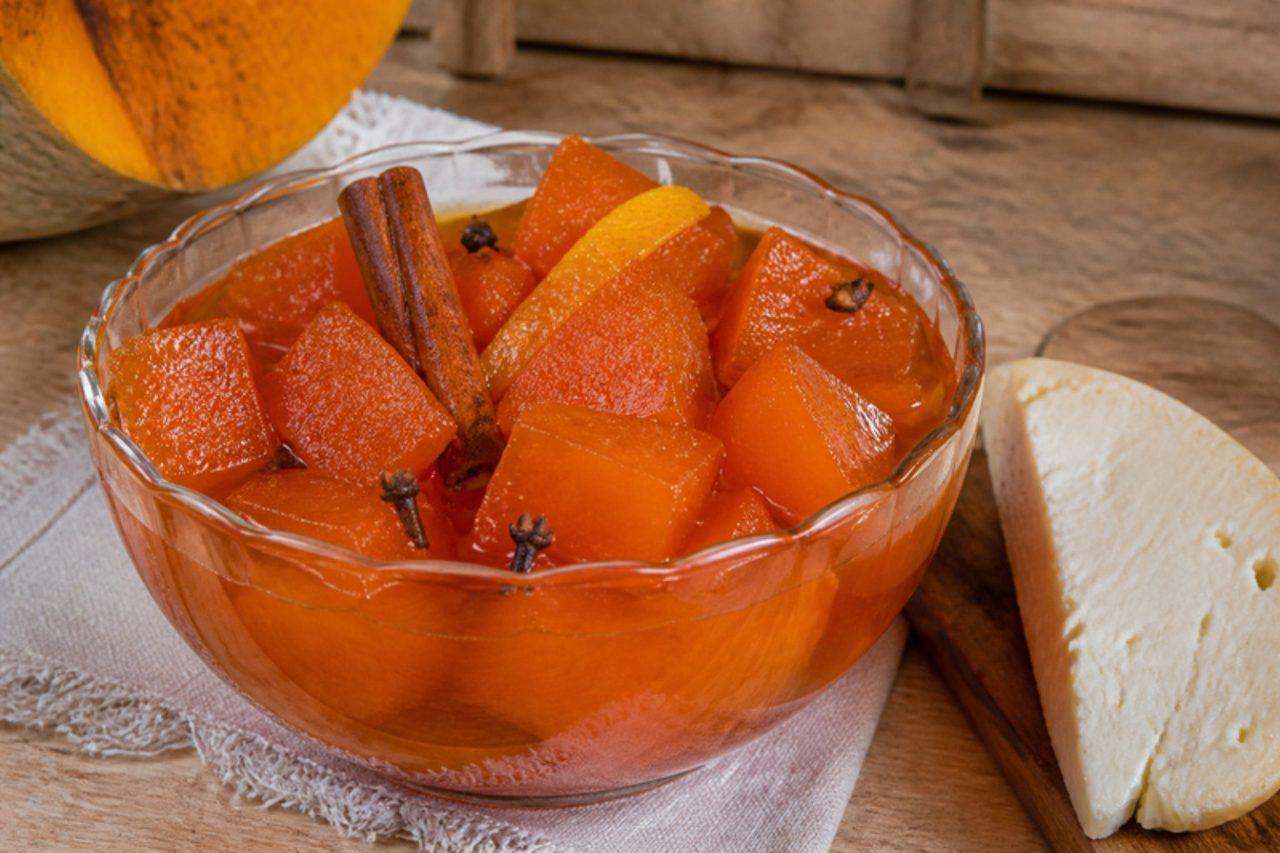
Across the Argentine countryside, when the autumn squash harvest piles up, cooks turn some of it into zapallo en almíbar: cubes of firm orange squash soaked briefly in slaked lime (cal) and then simmered in syrup until they are crisp-skinned outside and tender, almost translucent inside. Farm stalls in Córdoba and Santiago del Estero sell it in jars, and it is eaten as dessert with a slice of cheese, the same idea as postre vigilante. This home version skips the lime and uses a short sugar cure instead, which still keeps the pieces whole. It is vegan as written; serve it with vegan cheese or toasted walnuts to keep it that way. The mistake to avoid is stirring: the squash breaks into purée, so shake the pan instead. Chef's tip: use a dense, dry squash such as Crown Prince or butternut neck, and cook the syrup slowly; if it boils hard the outside candies before the centre softens.

by KrazyBadal 0 views

Quesillo con miel de caña

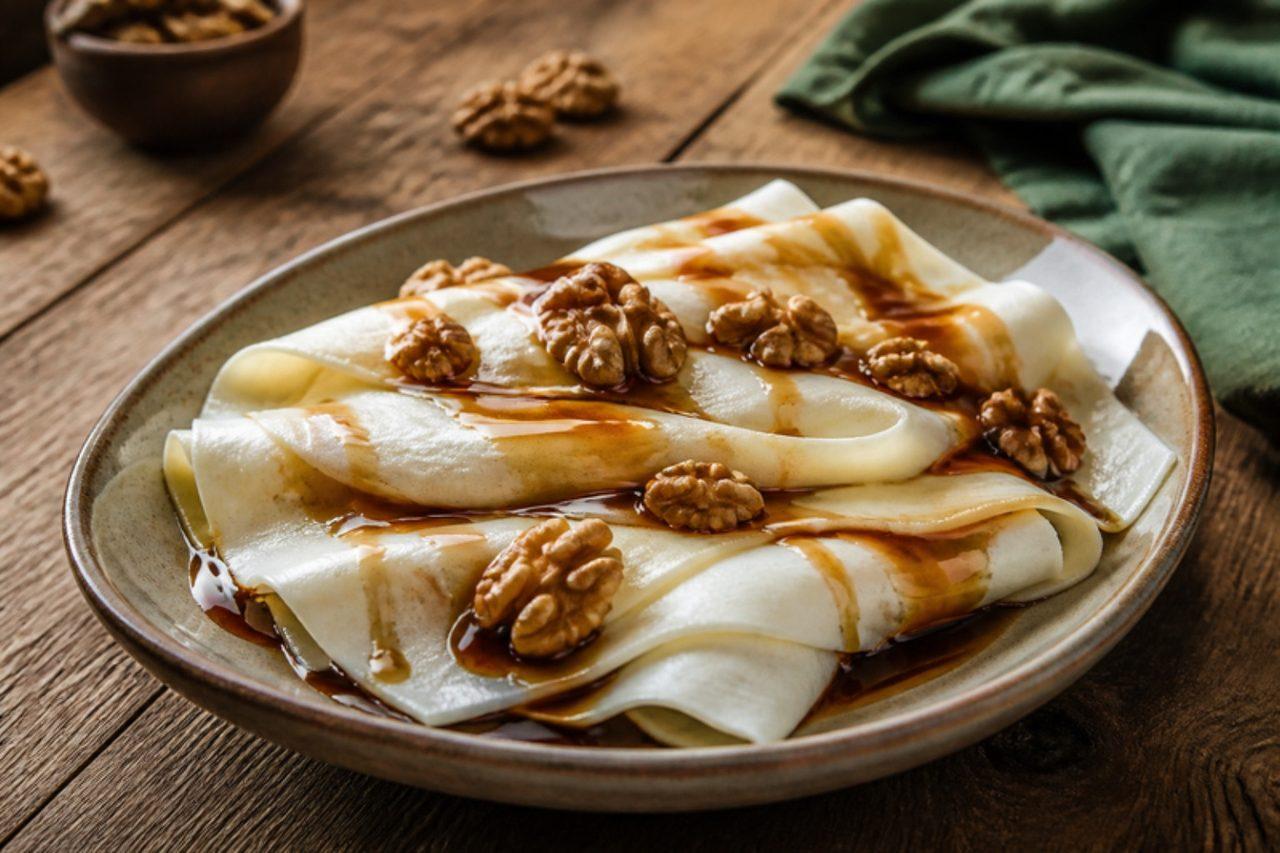
In the Tafí del Valle hills above San Miguel de Tucumán, quesillo is made by stretching hot curd into long, thin, elastic sheets and folding them into flat rounds; along the road up from the city, stalls sell it beside jars of miel de caña, the dark syrup boiled from the juice of Tucumán's sugarcane. Put the two together and you have the province's simplest dessert: mild, milky, slightly squeaky cheese with a pour of syrup that tastes of molasses and caramel, plus walnuts for crunch. It is eaten after lunch or as a merienda with mate. Drowning the cheese is the usual misstep; the syrup is intense, so pour a ribbon, not a puddle. Real quesillo is hard to find abroad: fresh mozzarella, Oaxaca cheese or another fresh stretched-curd cheese is closest, and light cane syrup or a 2:1 mix of golden syrup and black treacle stands in for miel de caña. Most of these cheeses use animal rennet; choose a vegetarian one if needed. Chef's tip: warm the syrup slightly so it runs into the folds of the cheese.

by KrazyBadal 0 views

Tomaticán

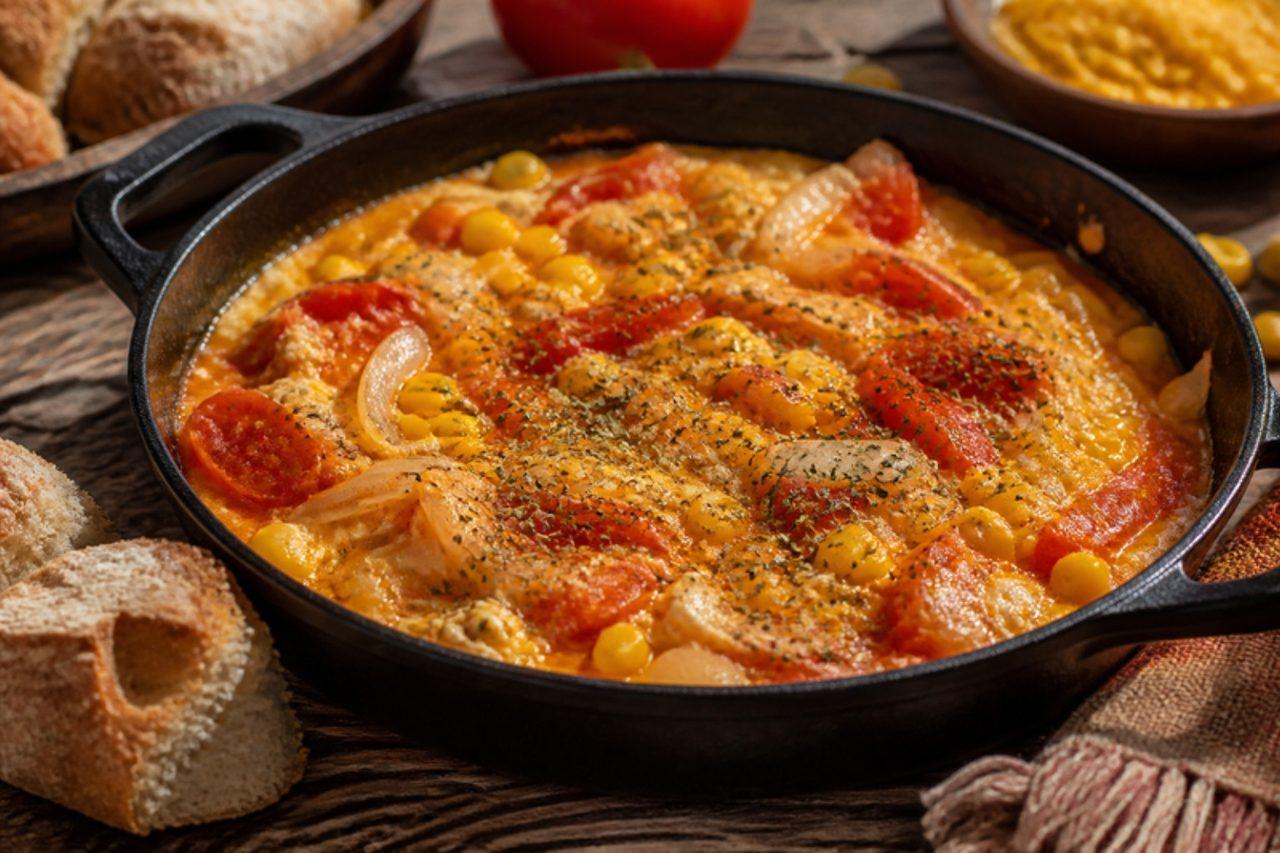
Mendoza's irrigated orchards and fincas drown in tomatoes in February, and tomaticán is the old Cuyo answer to the glut: a quick pan stew of onion, chopped ripe tomato and fresh sweetcorn, seasoned with oregano and a little ají, with beaten egg stirred through at the end until it sets in soft curds. It is a farmhouse lunch and a cheap supper, eaten with crusty bread to mop the juice, and some cooks add diced potato to stretch it. The flavour is bright and sweet-sour, the texture loose and juicy. People often add the egg to a pan full of liquid and end up with egg soup; cook the tomatoes down until the juices are jammy first. Bread for dipping is traditional, so pick a gluten-free loaf if you need it. Chef's tip: stir the egg in off the heat and let the pan's heat set it; you want soft, creamy ribbons, not a dry scramble.

by KrazyBadal 0 views

Dulce de alcayota

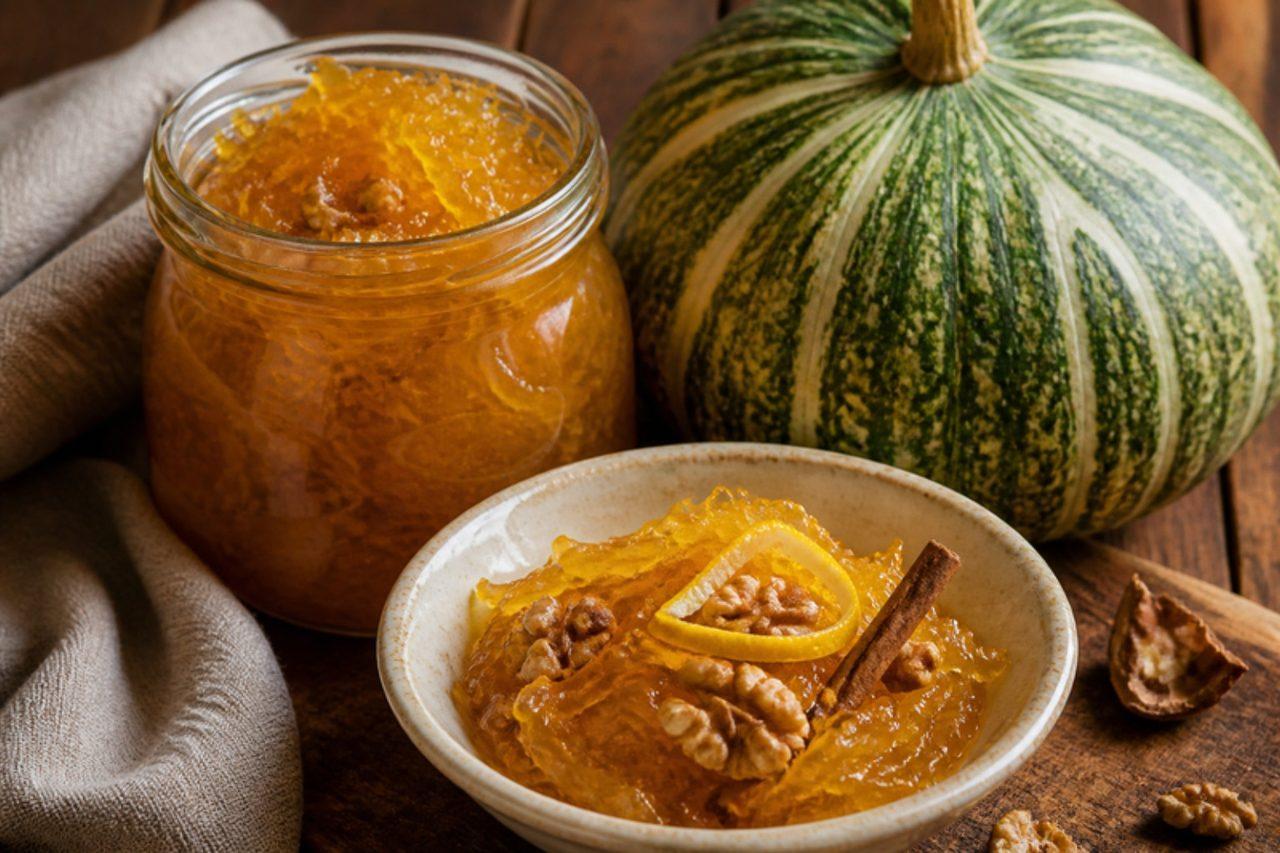
Late autumn in San Juan and Mendoza, the huge striped alcayotas (fig-leaf gourds, Cucurbita ficifolia) are left to cure in the sun, then split open for this preserve: the white flesh separates into long strands like angel hair, which cook in syrup until golden, glossy and translucent, with walnuts and a hint of cinnamon and clove. It is spooned onto bread, eaten with fresh cheese, and used to fill empanadas and pastries. Look for alcayota at Latin American grocers (sometimes sold as chilacayote or cidra); spaghetti squash makes a respectable stand-in. Cooking the syrup too hard is the trap: it caramelises and turns the preserve dark and bitter, so keep it at a gentle bubble. For safe storage, jars must be sterilised and sealed hot. Chef's tip: rinse the cooked strands in cold water before they go into the syrup; it washes off the starch and keeps the threads separate and clear.

by KrazyBadal 0 views

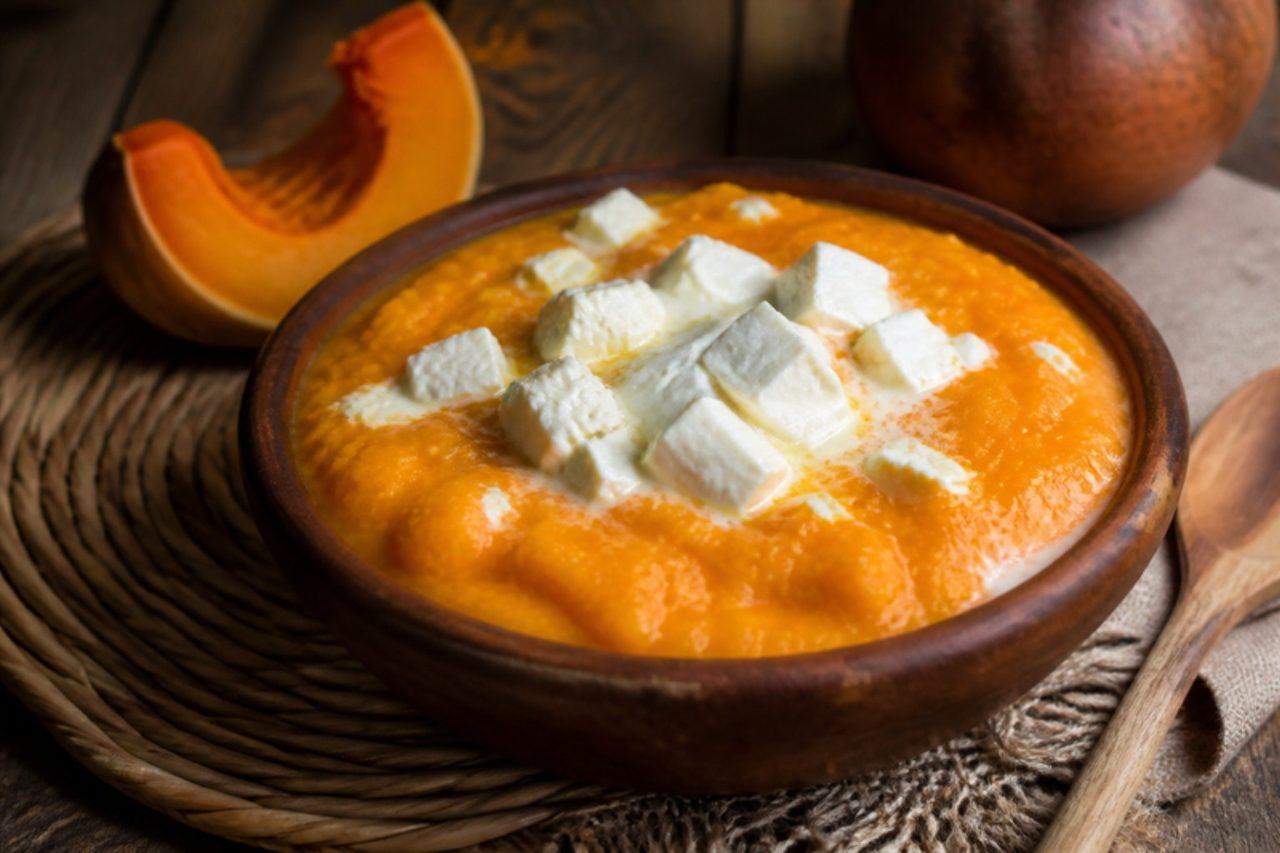
Kiveve

Kiveve (also written quibebe) is Guaraní food, cooked across Corrientes and Paraguay as a side for grilled meat or a supper on its own: ripe squash is simmered with onion until it falls apart, then thickened with a spoonful of cornmeal and enriched with milk and fresh cheese until it is smooth, orange and as soft as polenta, slightly sweet and slightly salty. Correntinos often serve it with chipá or sopa paraguaya on the side. The cornmeal is easy to get wrong: added all at once to a hot pot, it clumps into dry little lumps, so slake it first in cold milk and pour it in while stirring. Queso fresco or queso criollo is usually made with animal rennet; choose a vegetarian fresh cheese if needed. Chef's tip: use the deepest orange squash you can find, ideally a ripe Argentine anco or a kabocha; a pale squash gives a watery, bland kiveve.

by KrazyBadal 0 views

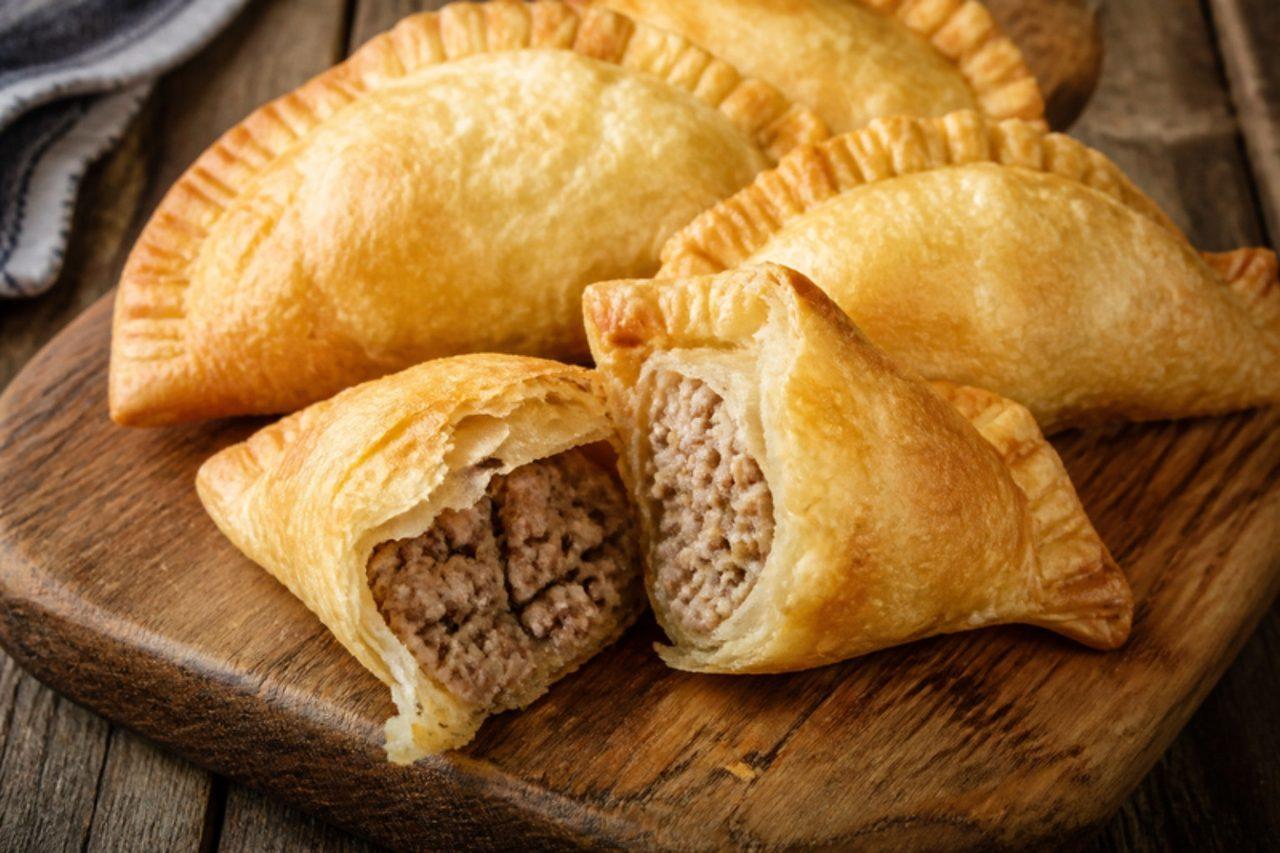
Pastel de Chaves

In the spa town of Chaves near the Spanish border, these crescent-shaped pasties are sold warm from bakeries all day and eaten for breakfast, lunch or with a coffee on the old Roman bridge. Many crisp, buttery layers enclose a savoury filling of minced veal. Chaves bakers use their own protected dough; at home, good all-butter puff pastry gets very close. A common mistake is a warm filling; it melts the butter in the pastry, so cool the meat completely before shaping. Chef's tip: cook the filling and let it cool completely before filling, or it melts the butter in the pastry and the layers will not rise.

by KrazyBadal 0 views

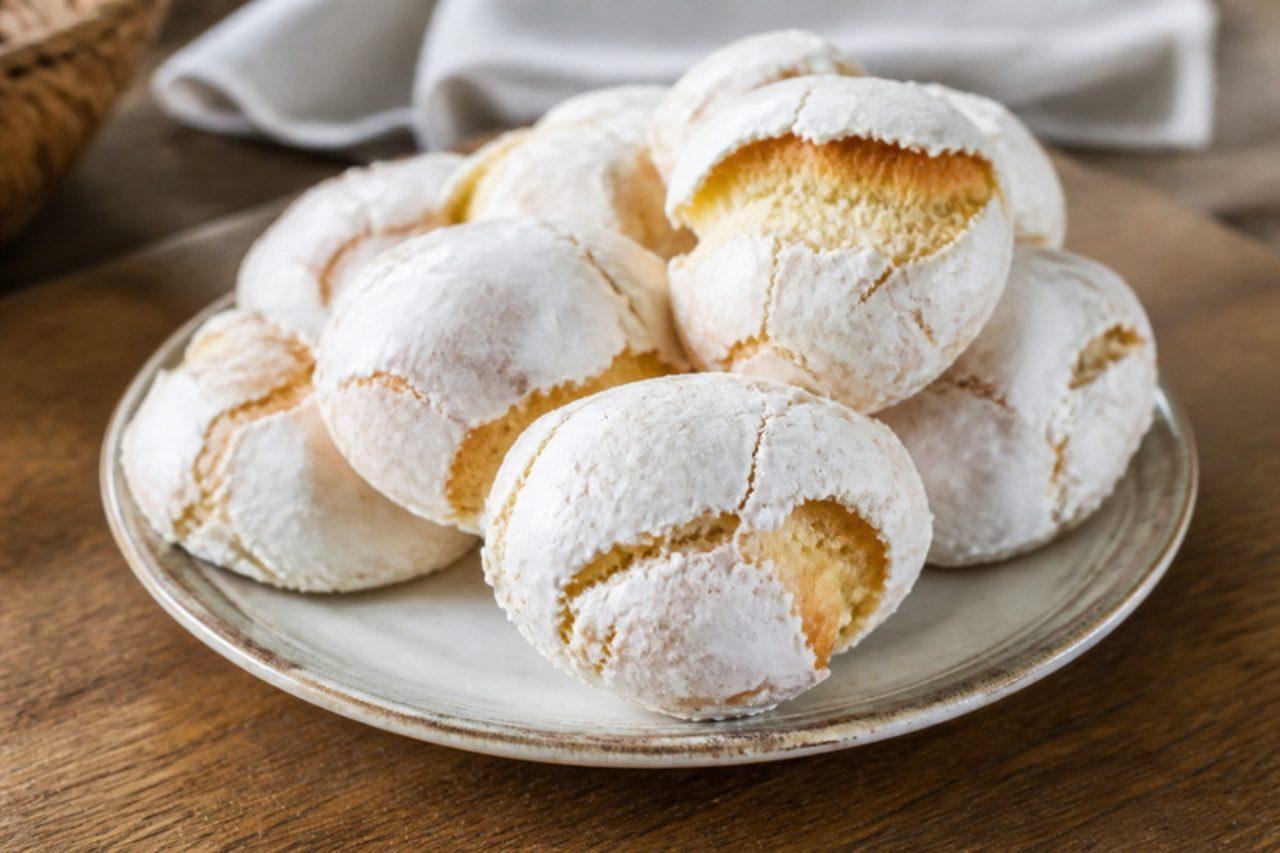
Cavacas de Resende

Resende, a town of cherry orchards above the Douro, has made cavacas for centuries, and stalls at its fairs and the Festa de São Pedro sell them by the bag. They are a curious and lovely thing: a simple batter of eggs, flour and oil puffs up in the oven into a hollow, crisp shell, which is then brushed with a boiled sugar glaze that dries brilliant white. A common mistake is opening the oven early, which makes the puffed biscuits sink before their crust sets. Chef's tip: keep the oven door shut for the first 20 minutes, because opening it early makes the cavacas collapse.

by KrazyBadal 0 views

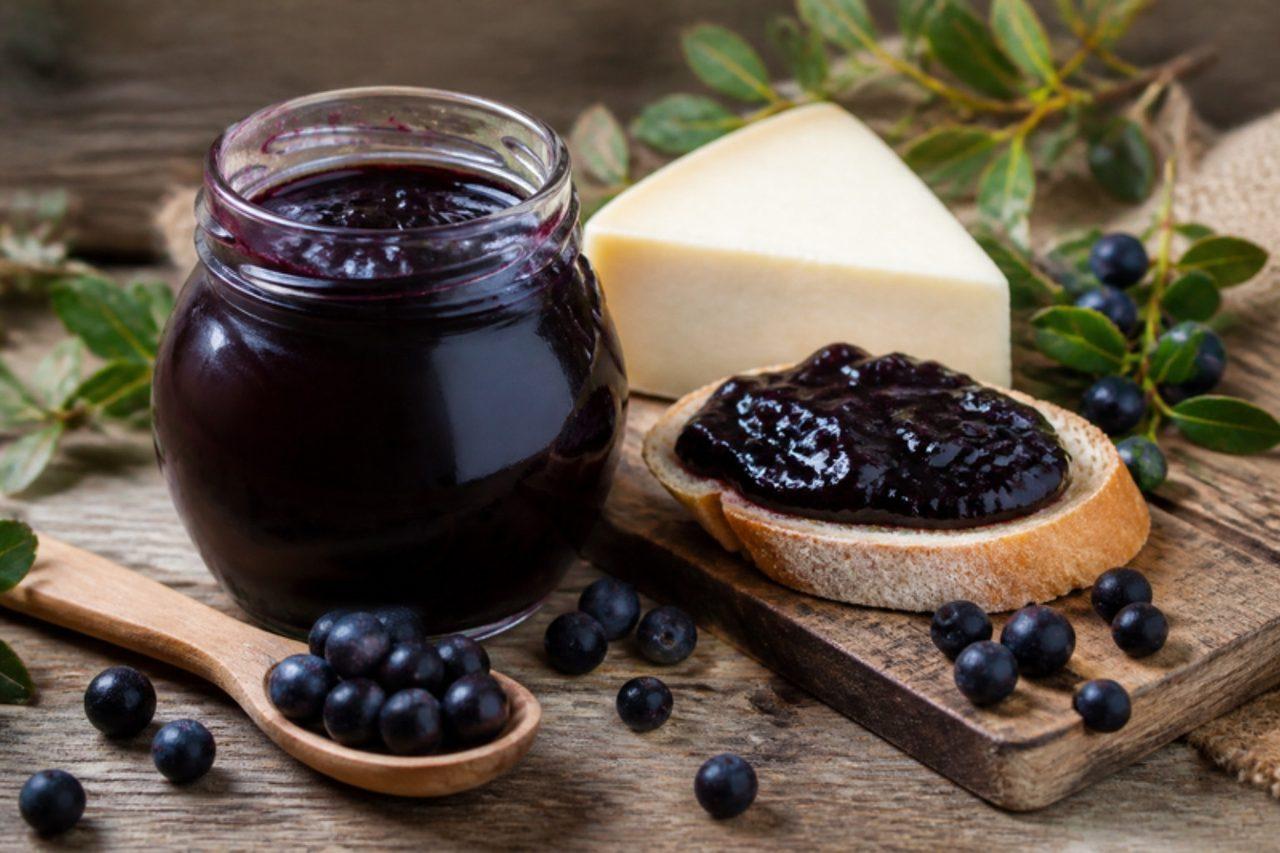
Dulce de calafate

Legend says whoever eats calafate will come back to Patagonia, and in El Calafate, the town on Lake Argentino named after the thorny bush, the small blue-black berries turn up in ice cream, sauces, and above all this jam. The fruit ripens in midsummer across Santa Cruz and Tierra del Fuego; it is tart and seedy, somewhere between a blueberry and a blackcurrant, and the jam is dark purple, glossy and gently spiced by the fruit itself. It goes on bread at breakfast, with a slab of cheese after dinner, or with pancakes. Outside Patagonia, frozen calafate is hard to find; blueberries with a handful of blackcurrants or barberries give a similar balance of sweet and sharp. Overcooking is the slip that turns it into a stiff, dull paste, because the berries are naturally high in pectin, so test early. Chef's tip: crush a third of the berries before cooking; you get a jam with body and some whole fruit to bite on.

by KrazyBadal 0 views

Hongos de pino en escabeche

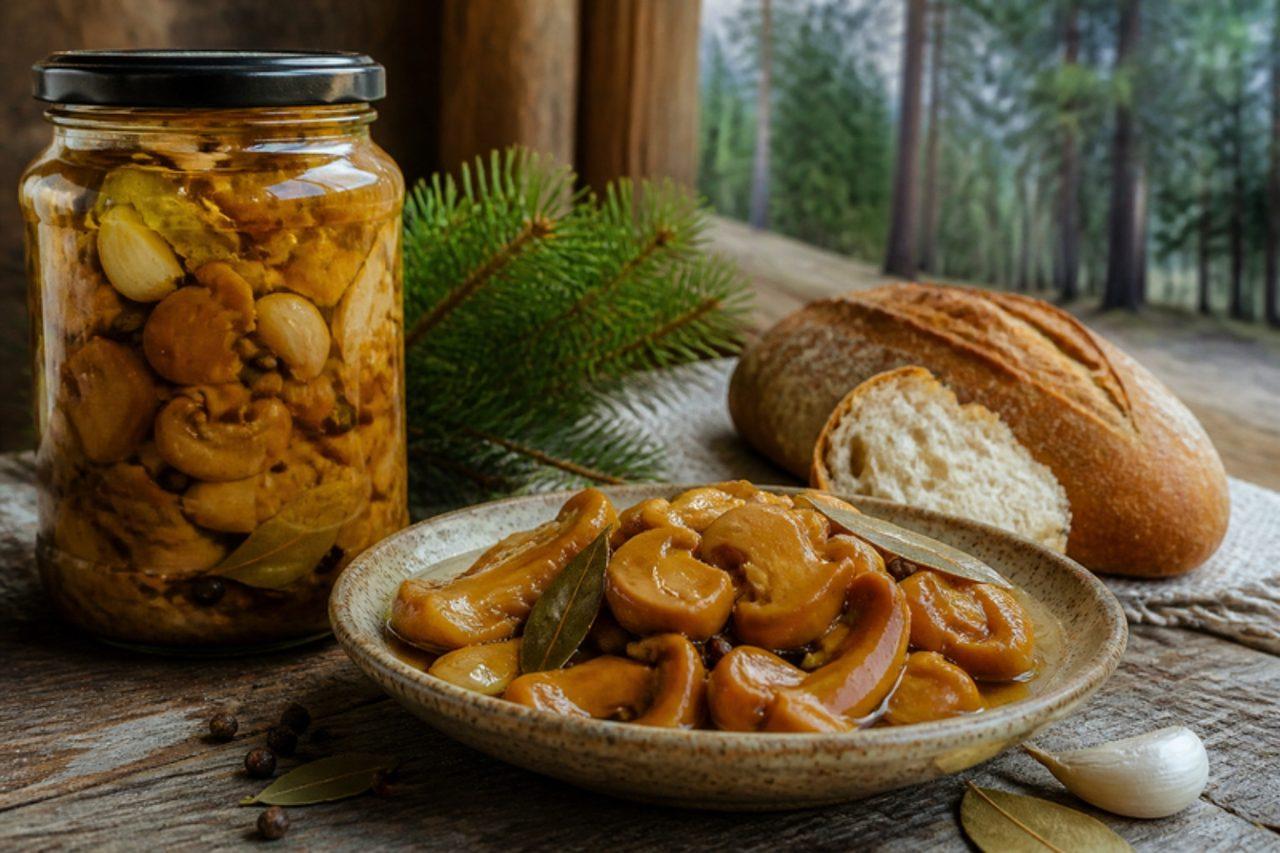
After the autumn rains in the pine plantations of Neuquén and Río Negro, slippery jacks (Suillus luteus) pop up by the thousand, and around San Martín de los Andes and Villa La Angostura they are sold fresh by the roadside, dried in bags, or bottled like this. The mushrooms are blanched in vinegar, then kept in oil with garlic, bay and peppercorns, ending up tender, tangy and slightly silky, a classic part of a picada with cheese and bread or beside grilled vegetables. Wild mushrooms must only be eaten if identified by an expert or bought from a trusted seller; if in doubt, use cultivated mushrooms such as chestnut or king oyster. The common mistake is skipping the peeling: the slimy skin on the cap turns the pickle gluey, so pull it off first. Garlic in oil can carry botulism, so the jar must live in the fridge and be eaten within two weeks. Chef's tip: let the jar rest for two days before opening; the vinegar mellows and the flavours come together.

by KrazyBadal 0 views

Rosinenstuten

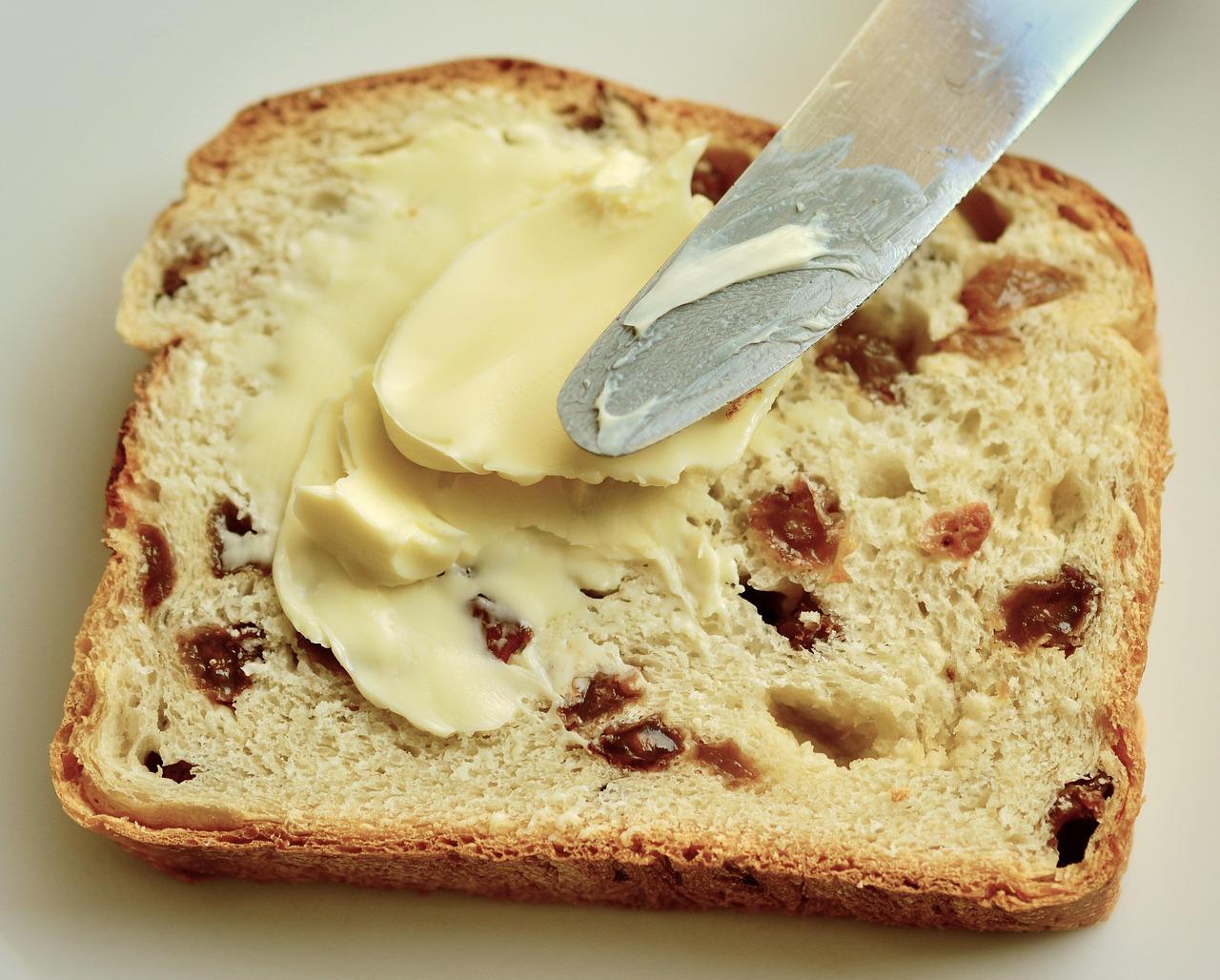
Rosinenstuten is the soft, slightly sweet raisin loaf that Westphalian and Rhineland families buy for Sunday breakfast and for christenings, where a giant one was once the traditional gift. It is baked in a long tin, sliced thick and spread with good butter, sometimes with a layer of cheese on top, which sounds odd and works beautifully. The crumb is fine and fluffy and the crust soft and shiny. A common mistake is adding dry raisins straight to the dough; they burn on the crust and steal moisture. Chef's tip: soak the raisins in hot water for 15 minutes, pat them dry and knead them in only at the very end, gently, so the dough stays light.

190 minGermanBaking
by KrazyBadal 0 views

Salsa criolla

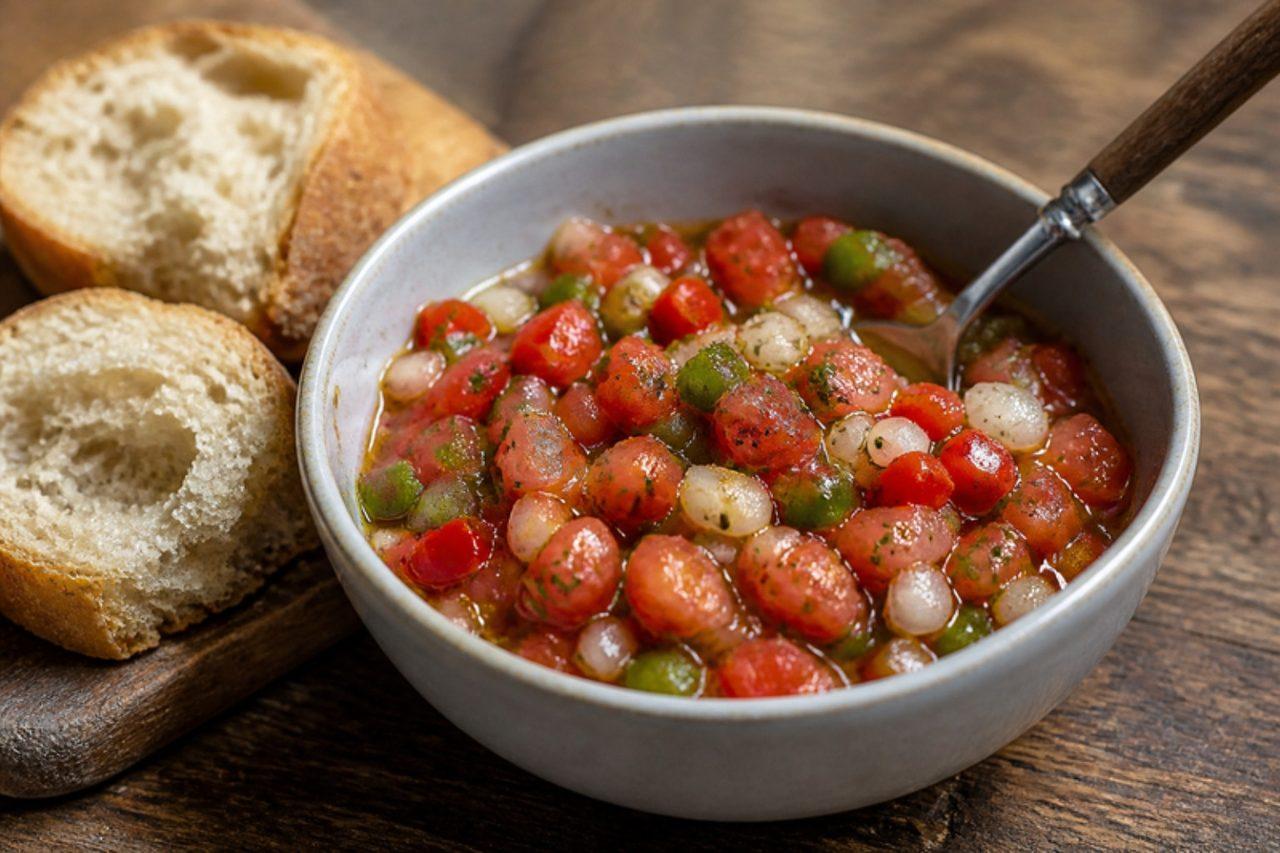
Chimichurri gets the fame, but at a Sunday asado anywhere from Buenos Aires to Salta the other bowl on the table is salsa criolla: tomato, onion and red and green pepper cut into small, even dice, dressed with vinegar, oil, oregano and salt, and left to sit until the juices pool. It is spooned over steak, chorizo and provoleta, piled into choripán, and eaten with grilled vegetables, and it brings freshness and acid to rich, smoky food. Expect crunch, a clean sour note and a mild sweetness from the peppers. Chopping it all in a food processor is the mistake: it turns watery and pulpy, so take the time to dice by hand. Some cooks use only red onion, others add spring onion or a pinch of chilli; adjust to taste. Chef's tip: dress the onion with the vinegar and salt first for 10 minutes before adding the rest; it softens the raw bite without losing the crunch.

by KrazyBadal 0 views

Papas a la provenzal

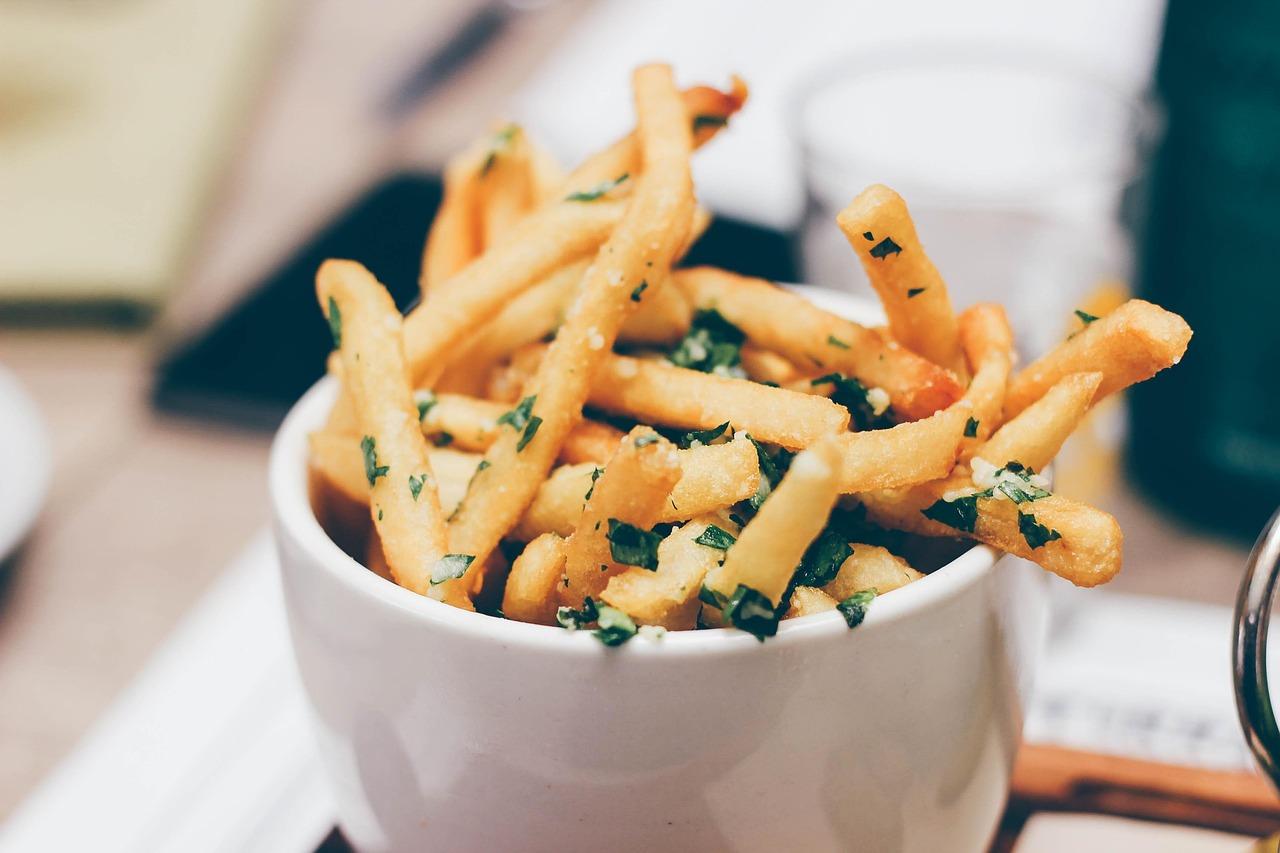
Bodegones, the old-school Buenos Aires canteens with jamón hanging from the ceiling and waiters in white jackets, serve mountains of papas fritas, and the upgrade everyone orders is "a la provenzal": crisp chips tossed while still sizzling in a mix of finely chopped raw garlic and parsley. The heat of the potatoes takes the edge off the garlic, so it turns fragrant rather than fiery, and the parsley stays bright green. They go with milanesas, grilled steak or a plate of fried eggs. Adding the garlic to the frying oil is the error many make: it burns in seconds and turns bitter; it goes on only after frying. This method fries the chips twice for a crunch that lasts; for an oven version, toss the chips with 3 tbsp oil and roast at 220 °C for 35 minutes, turning once, then dress them the same way. Chef's tip: rinse and dry the cut potatoes very well; surface starch and water are what make chips limp.

by KrazyBadal 0 views

Morrones con huevo a la parrilla

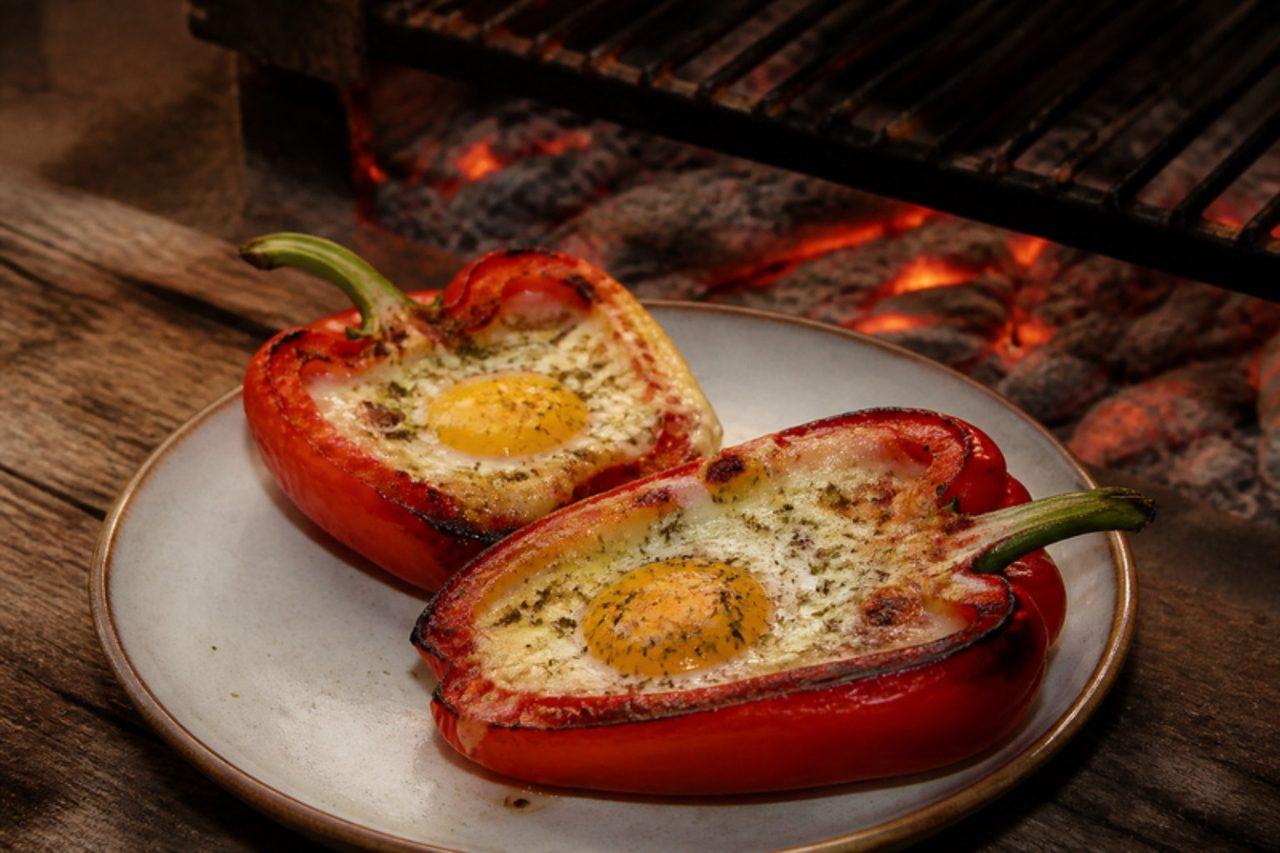
While the meat rests on the cooler side of the parrilla, many asadores put halved red peppers cut side up over the coals, let them soften and char, then crack an egg into each one with a piece of cheese and a pinch of oregano. The pepper becomes a little dish: sweet, smoky and juicy, with a just-set egg and molten cheese in the middle. It is one of the classic starters at an Argentine asado, eaten with bread before the steak arrives, and it makes a good vegetarian main for anyone who skips the meat. The mistake is cracking the egg into a raw pepper: the egg overcooks before the pepper softens, so grill the shells first. Cook until the white is completely set. Queso cremoso or mozzarella is usually made with animal rennet; pick a vegetarian one if needed. Chef's tip: cover the peppers with a foil tent or a lid once the egg goes in; the trapped heat sets the top of the egg without burning the base.

by KrazyBadal 0 views

Agua de fresa cremosa

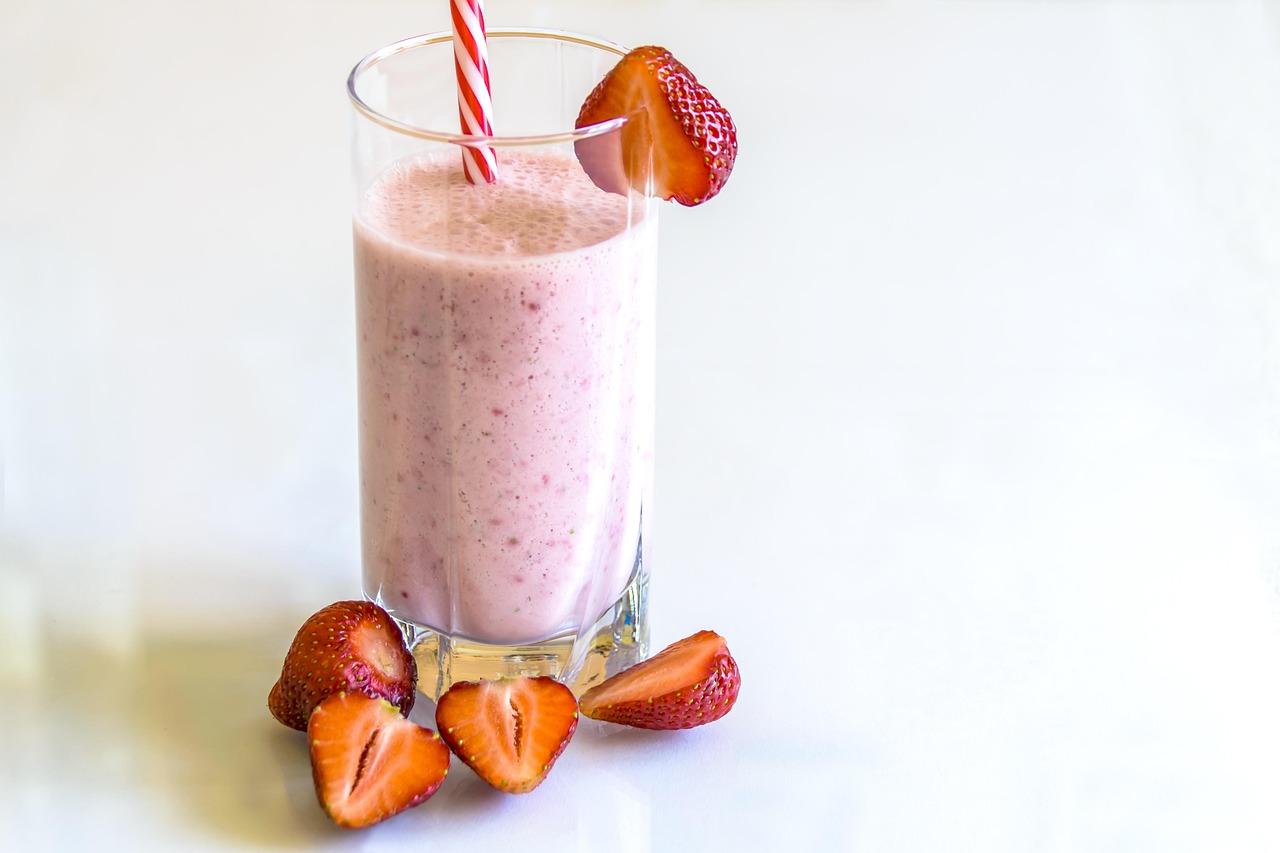
In Hidalgo, the pulque country north of Mexico City, the pulquerías serve curados: pulque blended with fruit, and the strawberry one is pink, thick and creamy. Home cooks and taquerías make this alcohol-free cousin for the whole family, a strawberry agua fresca blended with evaporated milk, so it is like a light milkshake that you drink with tacos on a hot afternoon. It contains no pulque or alcohol. Chef's tip: use the ripest, darkest strawberries you can find; pale ones give a thin, sour drink.

by KrazyBadal 0 views

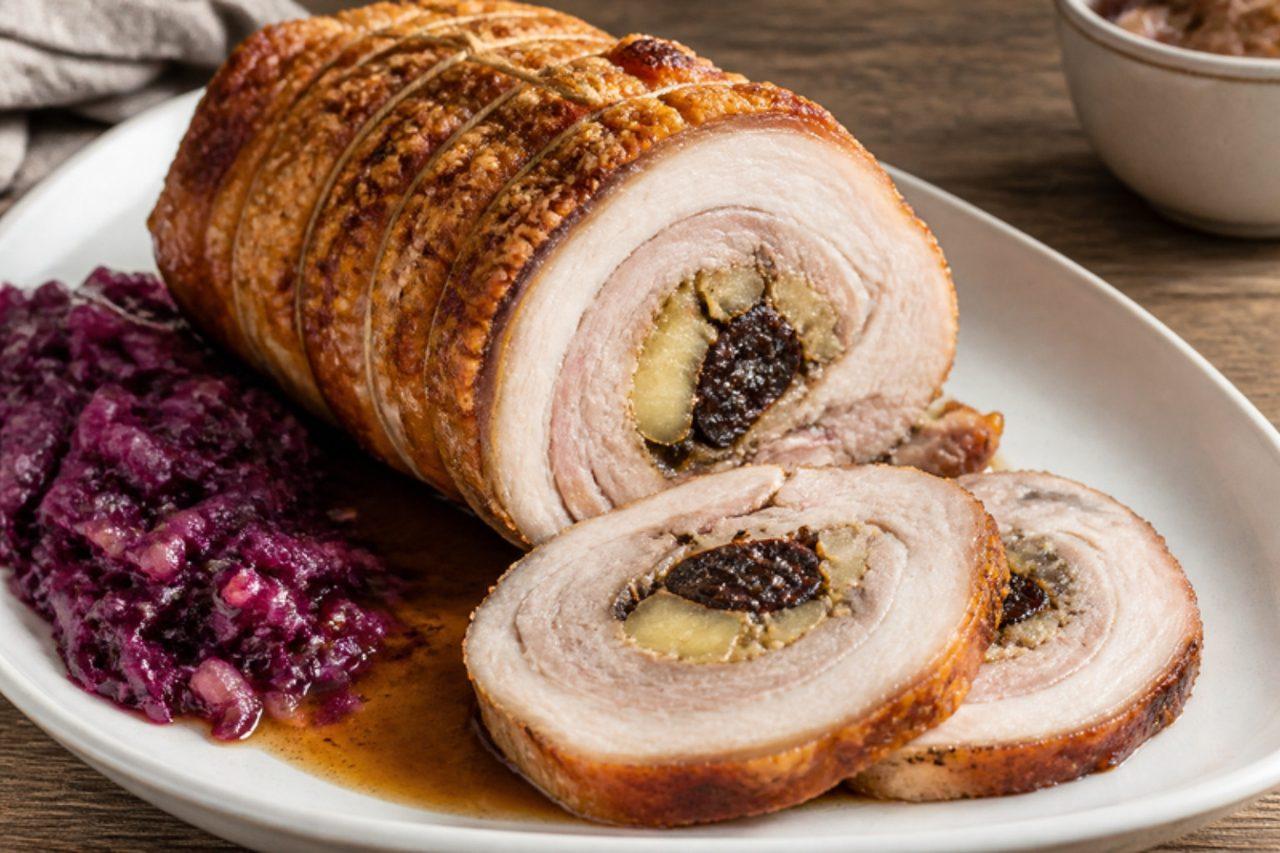
Porchetta

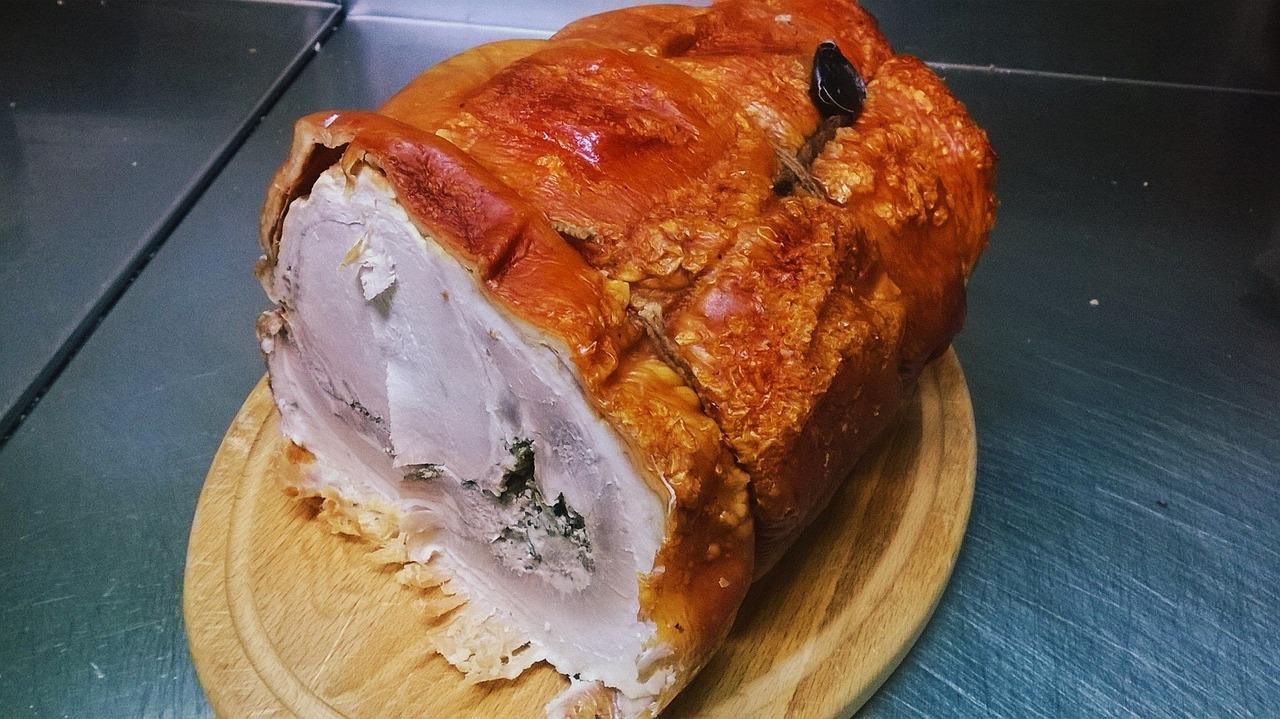
Porchetta is the street food of central Italy: in Ariccia, in the hills south of Rome, and across Umbria, vans at markets and village festivals carve thick slices of this slow-roasted pork, stuffed with garlic, rosemary, fennel and pepper, straight into crusty rolls. Whole pigs are used there; at home, a piece of pork belly rolled around the loin gives the same juicy meat, herby centre and shatteringly crisp crackling. Serve it in rolls, or hot in slices with roast potatoes and greens, and the leftovers are just as good cold. Chef's tip: leave the tied roll uncovered in the fridge overnight; a dry skin is what turns into blistered crackling.

280 minItalianMeat
by KrazyBadal 0 views

Pepas de membrillo

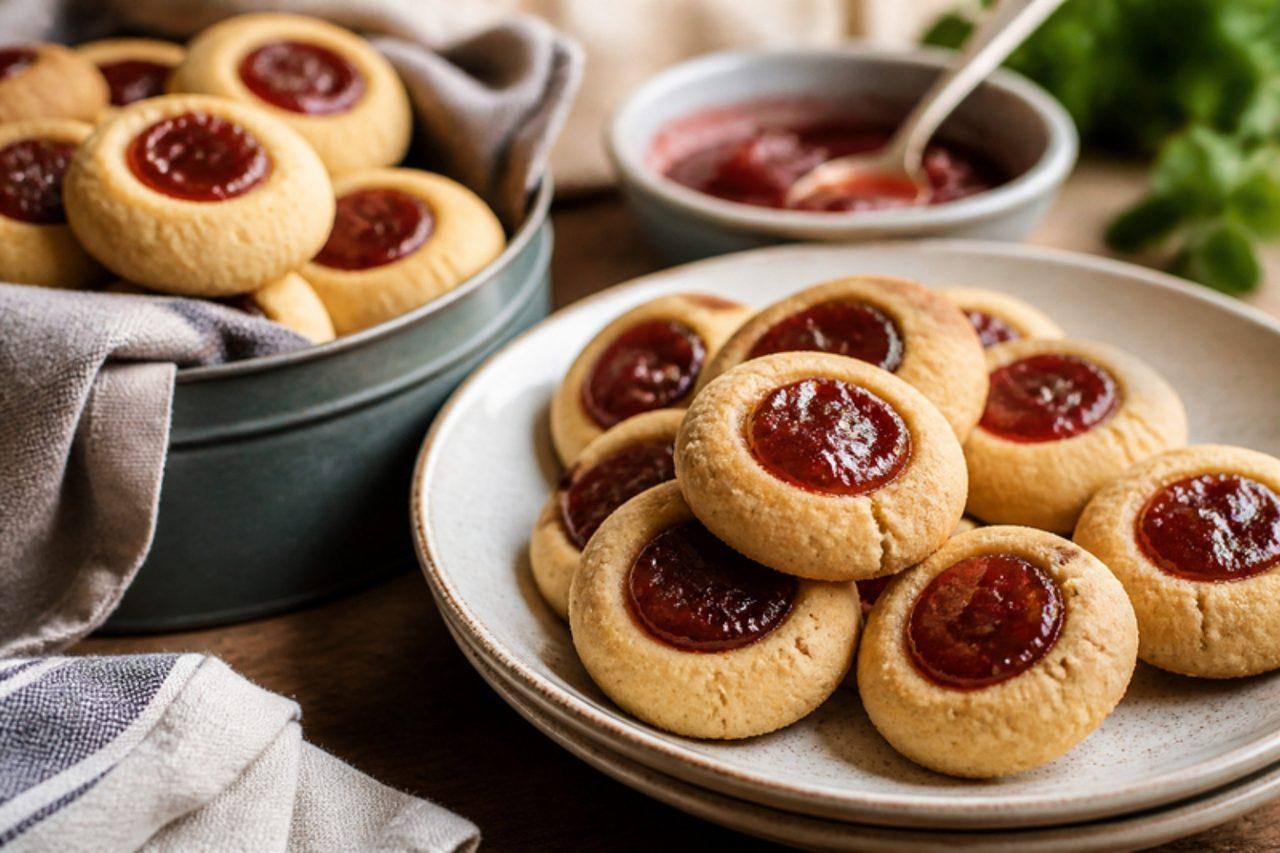
Pepas are the little round cookies with a jewel of quince jam in the middle that Argentine kiosks sell by the bag and grandmothers keep in a tin for the mate round. They are tender and crumbly, not crisp, with just enough sugar that the tart, dark membrillo stands out. Children love pressing the thumbprint and filling it, which makes them a good first baking job, and they keep for a week in an airtight jar. Kiosk versions are often made with margarine; butter tastes far better. Overbaking is the usual problem: take them out while the tops are still pale and only the bottoms are golden, because they firm up as they cool. Chef's tip: use quince paste softened with a spoonful of hot water and pipe it from a small bag; a spoon leaves smears on the dough that burn.

by KrazyBadal 0 views

Bolas de fraile

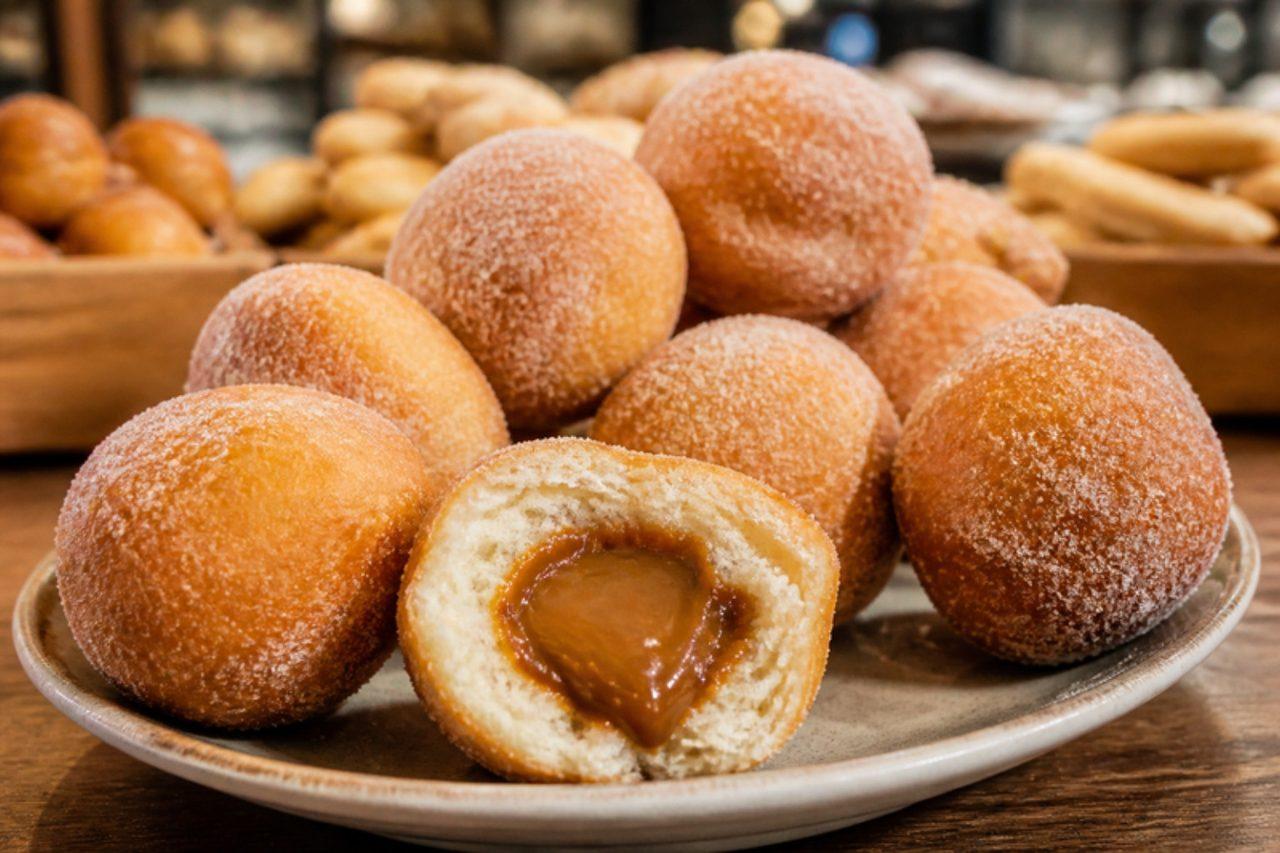
Friars' balls, to translate them literally, are a fixture of the Buenos Aires panadería counter among the facturas that porteños buy by the dozen on Sunday morning: soft, round yeast doughnuts, fried golden, rolled in sugar and split or piped with dulce de leche or crema pastelera. Children dive for them first. Inside they are light and fluffy, outside slightly crisp and sweet, and they are at their best within a few hours, with mate or coffee with milk. Oil that is too hot is the mistake: the outsides brown in seconds and the centres stay raw and doughy, so keep it at 170 °C and fry slowly. A thermometer helps a lot. Pastry cream is the other classic filling if you prefer it. Chef's tip: let the shaped balls rise on individual squares of baking paper and slide them into the oil on the paper; they keep their round shape and the paper peels off after a few seconds.

by KrazyBadal 0 views

Selkirk bannock

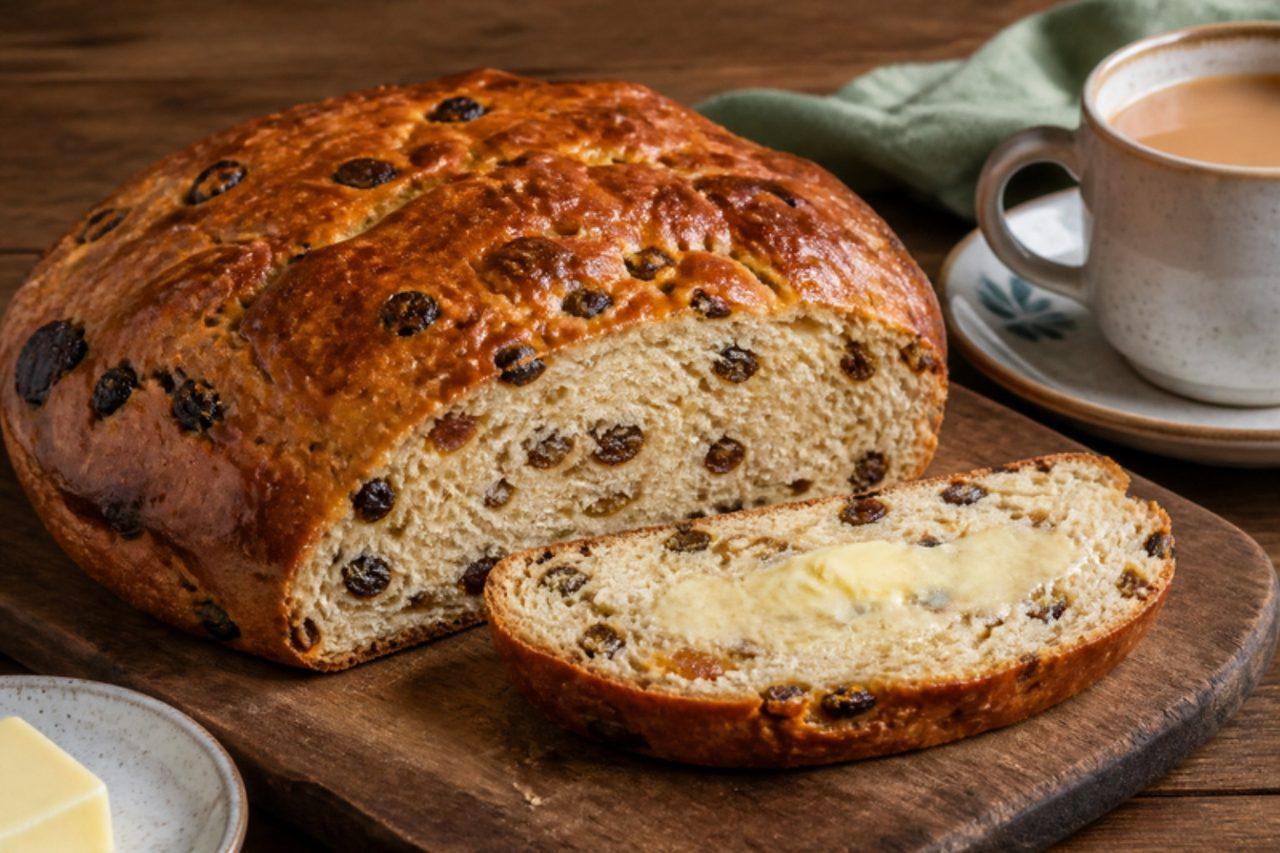
The Selkirk bannock is a round, glossy fruit bread from the Border town of Selkirk, first baked in the 1850s and famously eaten by Queen Victoria at Abbotsford. Unlike a plain oat bannock it is a rich yeast dough that is mostly sultanas, sliced and buttered with afternoon tea. Chef's tip: work the sultanas in only after the dough has risen once, or they tear the gluten and the loaf won't lift.

by KrazyBadal 0 views

Postre de natas

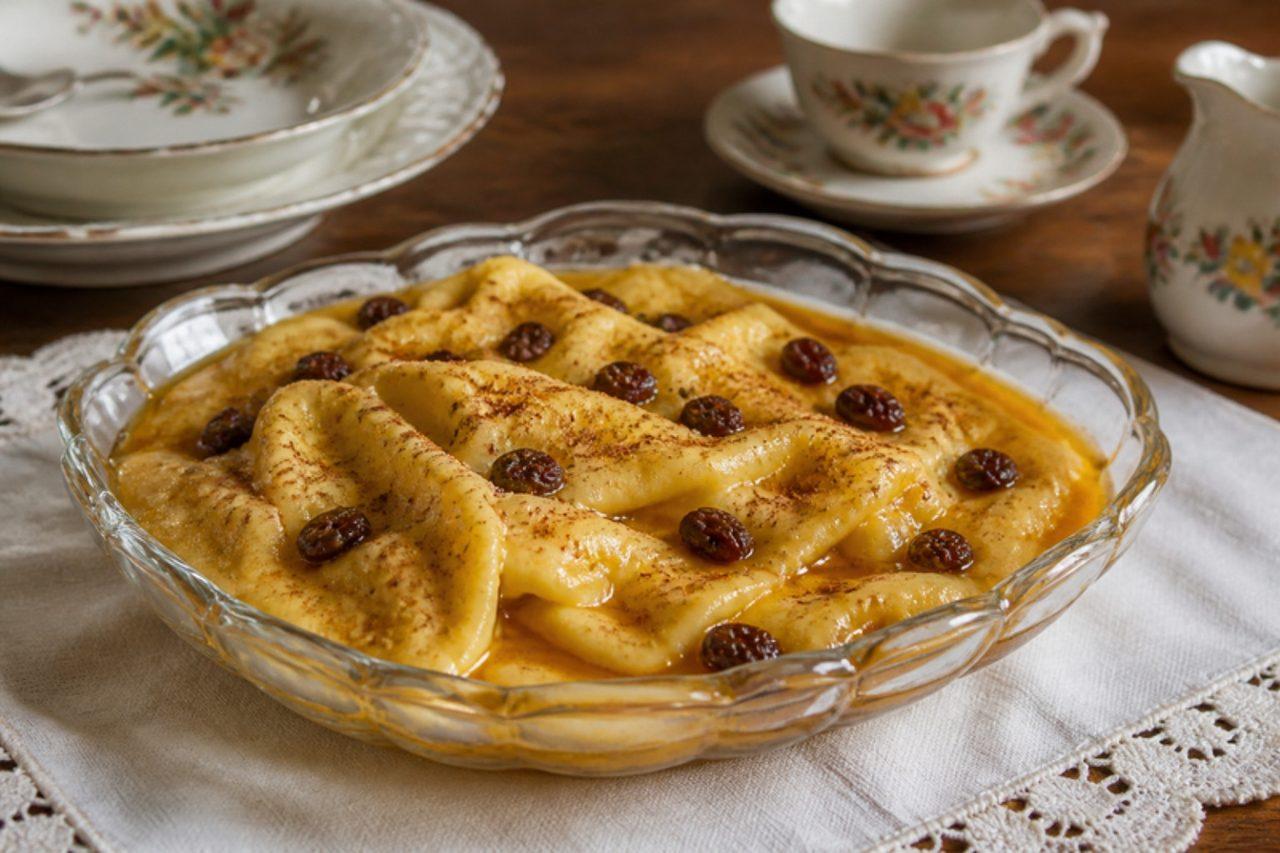
Postre de natas comes from colonial Santa Fe de Bogotá, when farm milk was boiled every day and the thick skins (natas) that formed on top were saved rather than wasted. Today it is a dessert for Christmas and family gatherings: soft, creamy ribbons of milk skin in a pale golden, cinnamon-scented custard dotted with raisins, served cold in small bowls. It takes patience rather than skill. Use full-fat, ideally non-homogenised milk, which forms thicker skins. Stirring the milk while the natas form is the common slip: it breaks them up so nothing can be lifted off. Older recipes add a splash of brandy or sherry; this one leaves it out. Chef's tip: lift each skin with a slotted spoon into a bowl and keep going; the more natas you collect, the more texture the dessert has. Chill for at least 4 hours before serving.

by KrazyBadal 0 views

Pan dulce

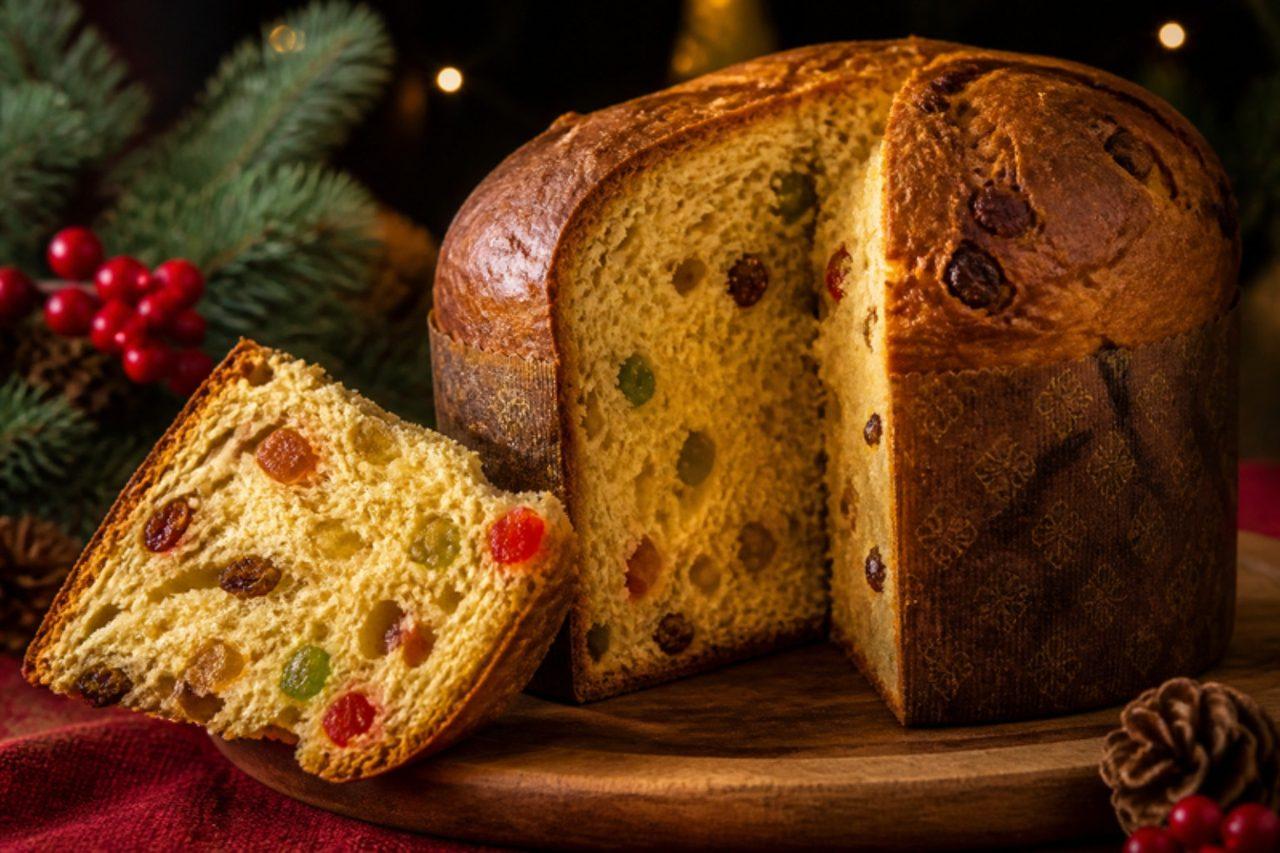
No Argentine Christmas Eve table is complete without a pan dulce, set out at midnight with turrón, nuts and a cold cider for the adults. The bread is the River Plate take on Genoese pandolce and Milanese panettone: a tall, buttery yeast dough scented with orange blossom and lemon, packed with candied fruit, raisins and walnuts. The crumb is closer and moister than panettone, and it keeps for a week wrapped in a cloth. Allow a long day, as the dough has a sponge and two rises. Some bakers soak the fruit in rum or sweet wine; here it is soaked in orange juice, so the bread is alcohol-free. People often add the fruit at the start of kneading, which shreds the gluten and gives a heavy, sunken loaf; work it in only once the dough is silky. Chef's tip: bake it in a tall paper mould or a 16 cm tin lined with a collar of baking paper, and turn it upside down onto a rack for the first 20 minutes of cooling so the top does not sink.

by KrazyBadal 0 views

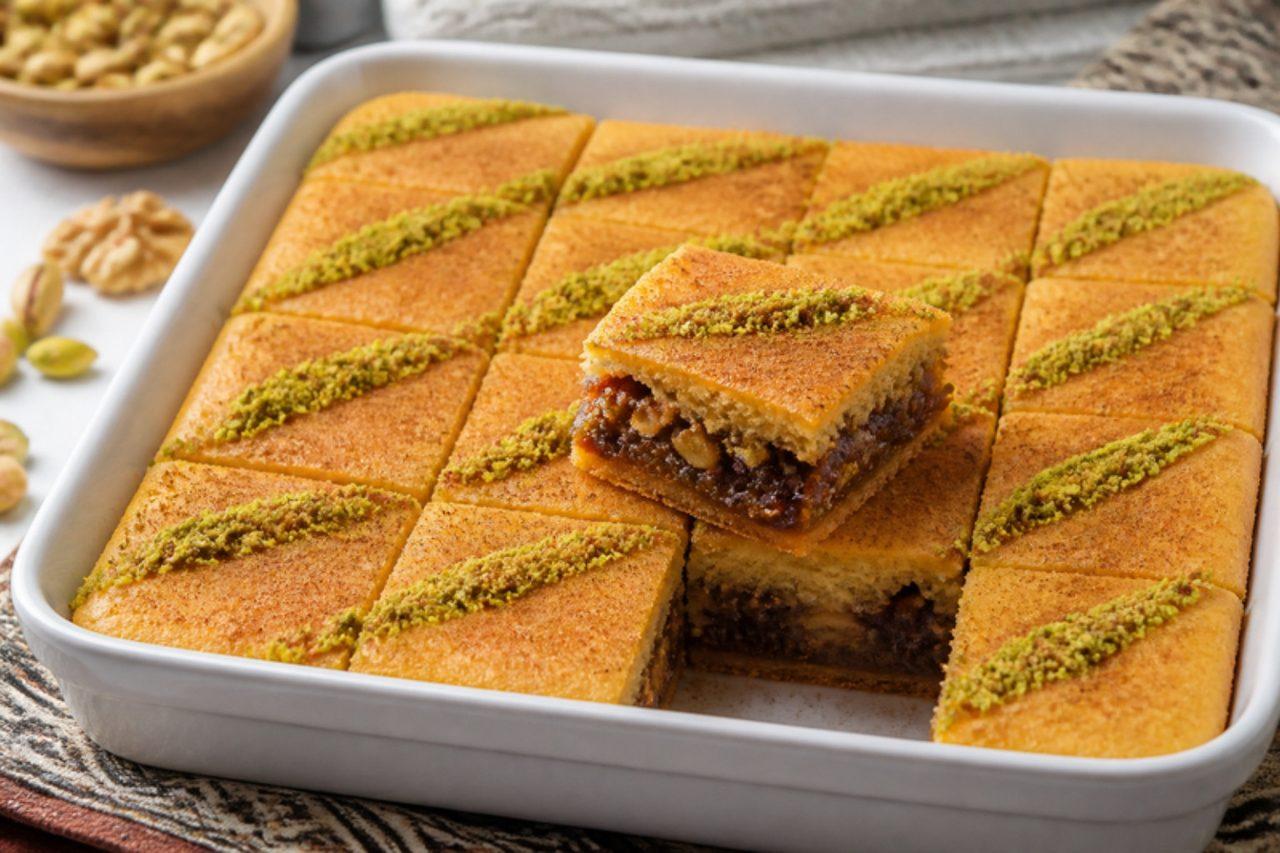
Ranginak

Ranginak is the date sweet of the south, made in Shiraz, Bushehr and Kerman in late summer when the new dates arrive and served in squares with bitter tea, and also at mourning gatherings and Ramadan iftar. Soft dates are stuffed with walnuts, packed into a dish and covered with flour slowly toasted in butter until it smells of biscuits, then dusted with cinnamon and pistachio. A common mistake is toasting the flour on too high a heat: it scorches before it turns nutty, so stir it patiently over a low flame. Chef's tip: use soft, moist dates such as Kabkab or Medjool; dry dates go hard once the butter sets.

by KrazyBadal 0 views

Showing 45 of 6,261 recipes

Show more recipes

Page 302 of 696