






Skip to content
Sayur lodeh
Featured recipe

Sayur lodeh

Sayur lodeh is everyday cooking in Central Java, made in big pots in Solo and Semarang kitchens and ladled over rice, with lontong rice cakes at Lebaran, or alongside opor and sambal goreng on festive tables. It's soupy rather than thick: a fragrant broth of coconut milk, galangal, lemongrass and lime leaf that carries chunks of aubergine, long beans, chayote and sweetcorn, plus tempeh and tofu to make it a meal. The flavour is mellow and slightly sweet, so the heat comes from sambal on the side. Chef's tip: keep the pot at a gentle simmer once the coconut milk goes in and stir now and then — a rolling boil splits the coconut milk into oily curds.

Read more 3 views
Can't decide?

What to eat today?

Spin the randomizer, search with what's already in your fridge, or browse recipes from our chefs.

Latest recipes

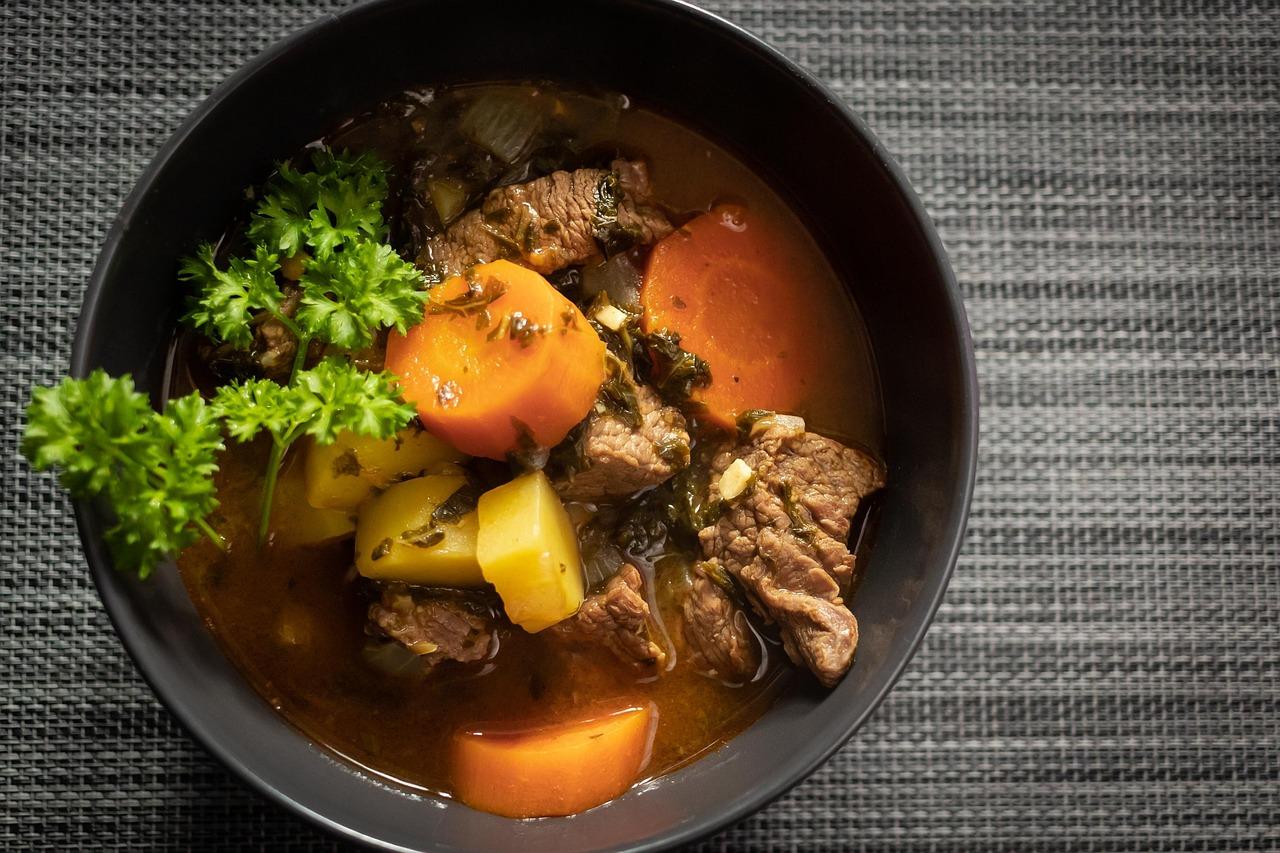
Irish stout beef stew

In pubs across Ireland, and in plenty of homes on a wet Sunday, beef stewed in dark stout is the dish that arrives with mash or a slab of brown bread. The stout (it contains alcohol, most of which cooks off but not all) gives the gravy a deep, slightly bitter malt flavour that a spoon of brown sugar balances. For an alcohol-free version use alcohol-free stout, or the same volume of extra beef stock with 1 tablespoon of black treacle. Chef's tip: brown the beef properly in batches; the dark crust on the meat is half the flavour of the gravy.

190 minIrishMeat
by KrazyBadal 0 views

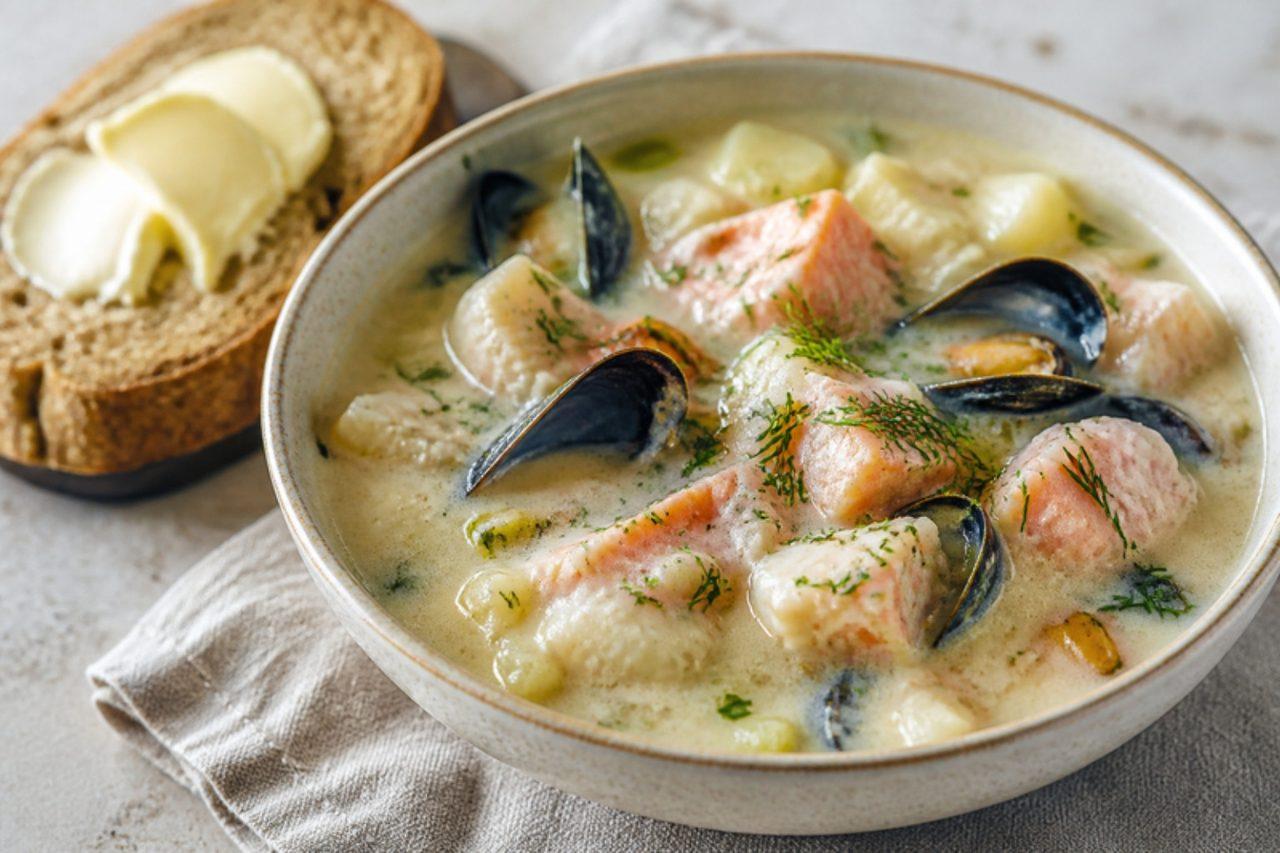
Irish seafood chowder

Along Ireland's west coast, from Galway Bay to the harbours of Kerry and West Cork, nearly every pub kitchen has its own seafood chowder, served with a thick slice of brown bread and butter. It is chunkier and smokier than the American kind: fresh mussels, a piece of smoked haddock or coley, salmon and white fish poached in a creamy base with leek, celery and potato, finished with dill. Chef's tip: add the fish in order of cooking time and take the pot off the heat as soon as it is just done; it keeps cooking in the hot soup.

55 minIrishSoups
by KrazyBadal 0 views

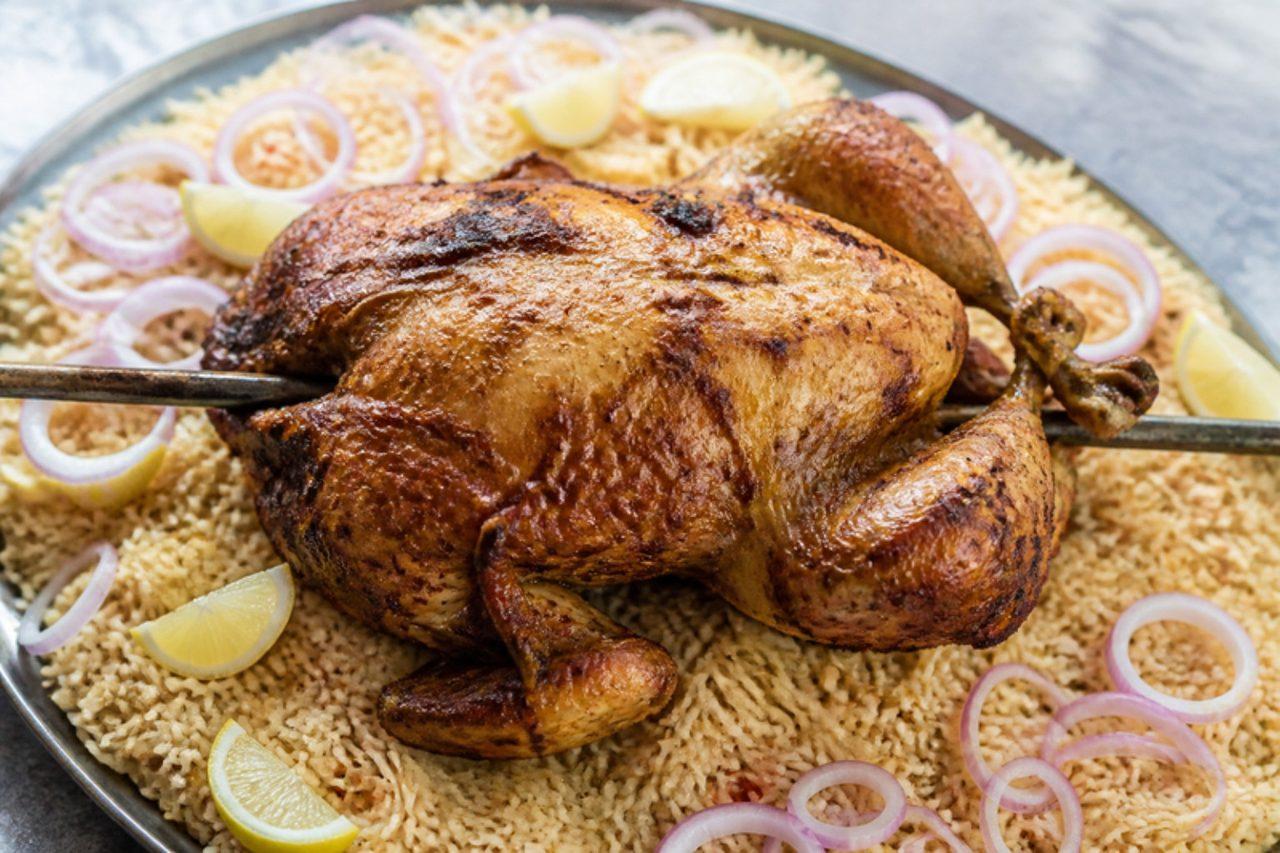
Chicken sajji

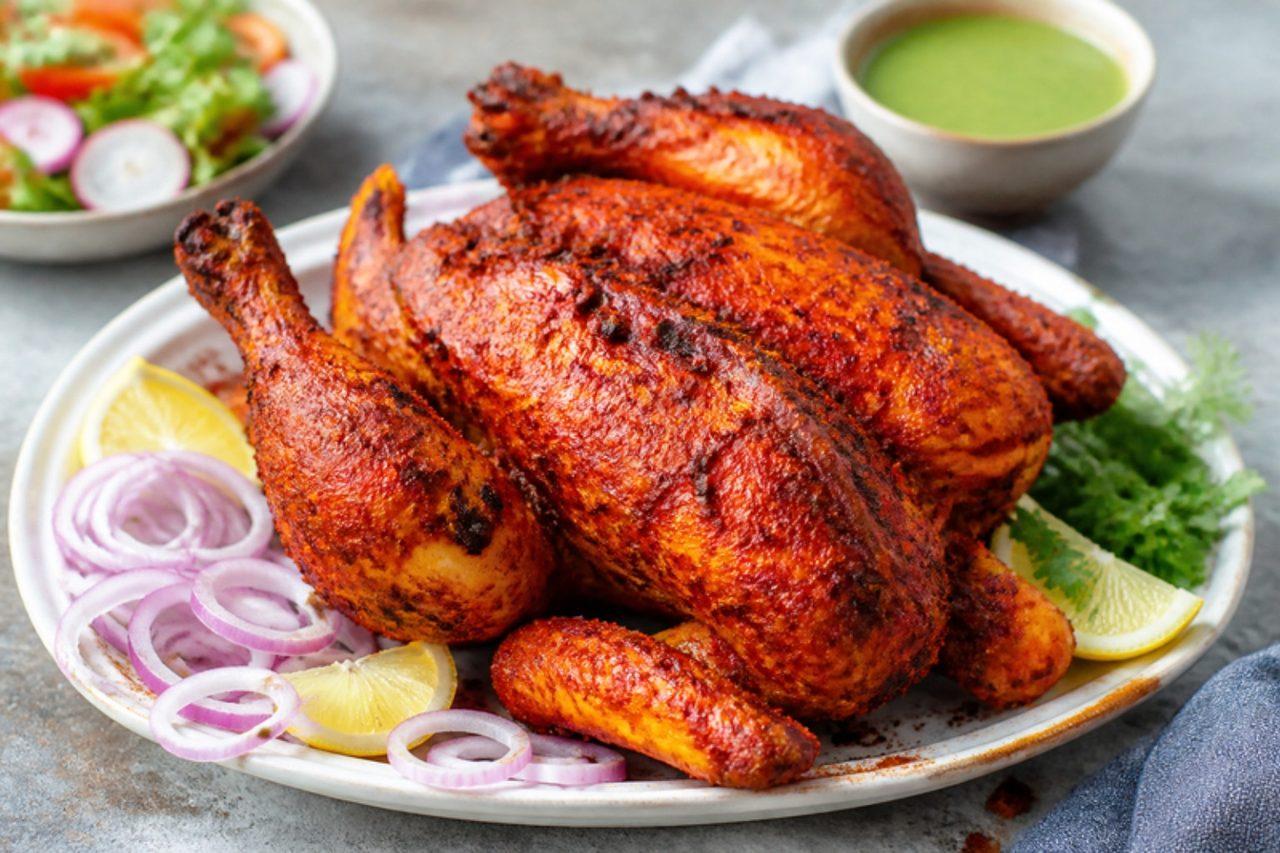
Sajji comes from Balochistan, where shepherds once roasted whole lambs on sticks around an open fire with nothing but salt. In Quetta and Karachi's Balochi restaurants it is now usually a whole chicken, lightly spiced, roasted slowly until the skin is crisp and the meat drips with juice, then served on a heap of rice or with flat kaak bread. It is a festive dish for gatherings and family Sundays. This oven version stays true to the simple style: salt, a little lemon and green papaya, and slow heat. Chef's tip: roast it low first and finish hot; slow cooking keeps the meat juicy while the final blast crisps the skin.

by KrazyBadal 0 views

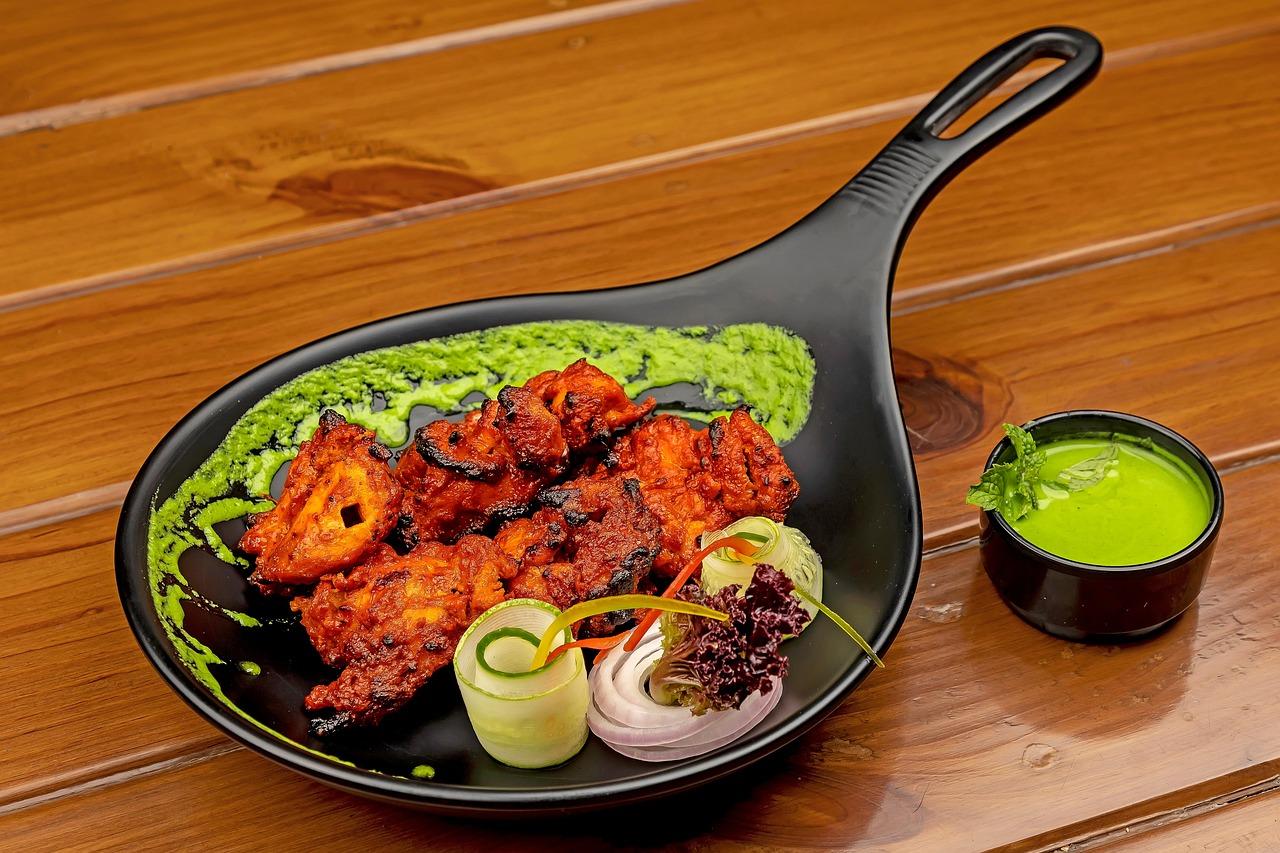
Chicken tikka (Karachi style)

Karachi's barbecue streets, from Burns Road to Boat Basin, are famous for chicken tikka cooked on the bone: whole legs and breast quarters soaked in a red, sharp yogurt-chilli marinade and grilled over charcoal until charred at the edges. It's late-night food after a wedding or a cricket match, eaten with paratha, raita and onion rings. This home version uses the oven grill and a quick smoke at the end for that barbecue taste. Chef's tip: let the marinade sit overnight; chicken on the bone needs time for the flavour to reach the middle.

by KrazyBadal 0 views

Krupnik

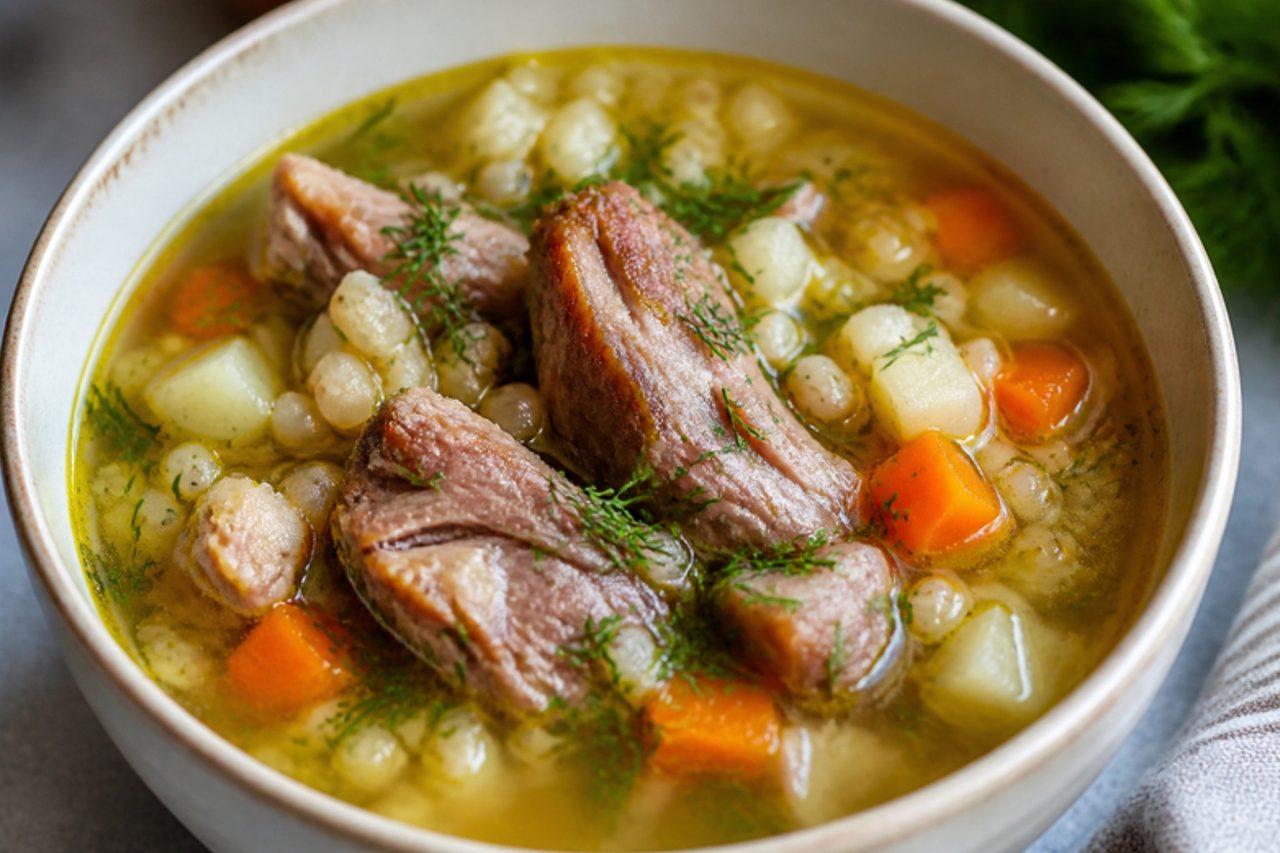
Krupnik is a thrifty, warming soup from every Polish grandmother's kitchen, from the villages of Podlasie to city milk bars, and it is the soup people make when someone in the house has a cold. Pearl barley (kasza jęczmienna), carrot, celeriac, parsley root and potato simmer in a broth of smoked pork ribs, which gives it a gentle smoky depth; this version contains pork. Dried mushrooms add an earthy note. Chef's tip: rinse the barley well and add it early; it releases starch that gives krupnik its slightly creamy body.

by KrazyBadal 0 views

Bigos

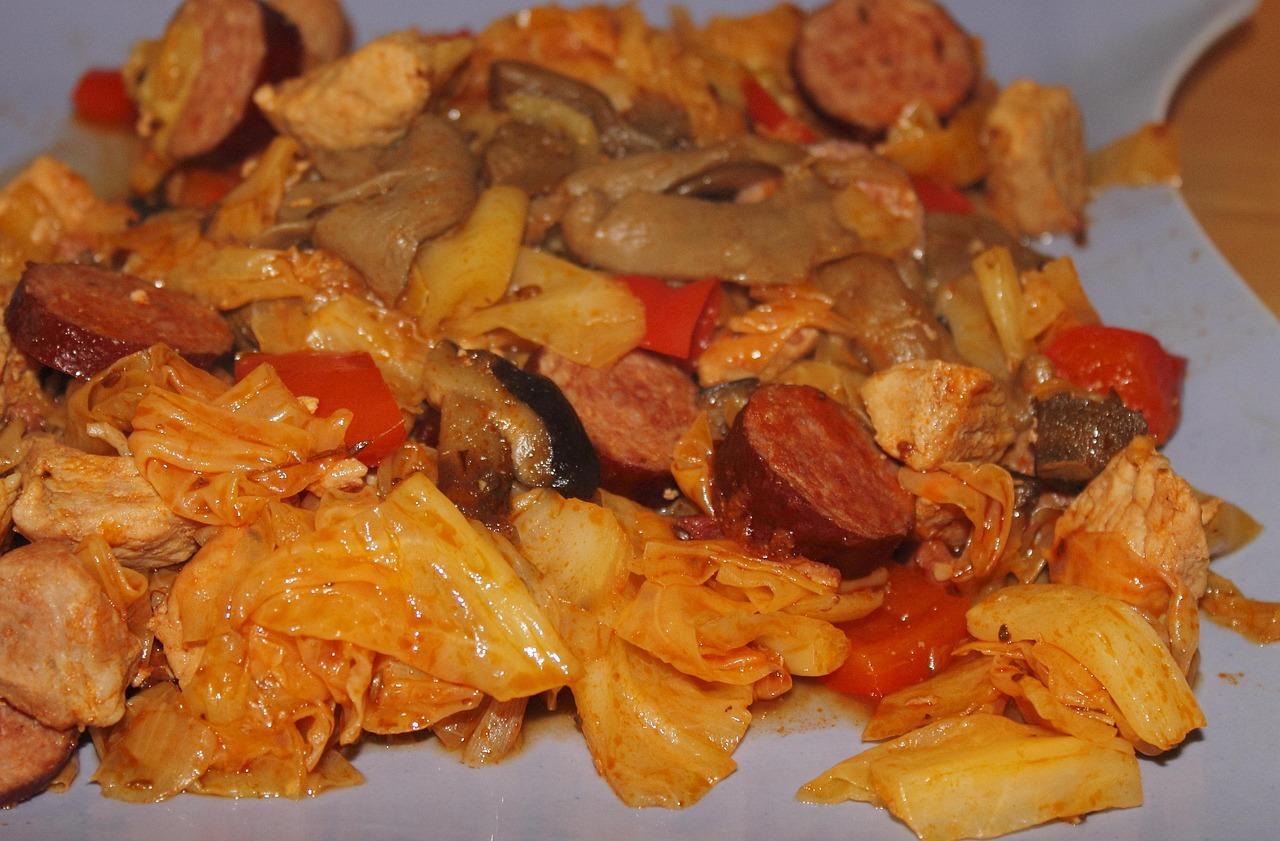
Bigos, the hunter's stew, is cooked in huge pots across Poland for Christmas, New Year and the long winter, and every family insists theirs is best on the third reheating. Sauerkraut and fresh cabbage stew for hours with pork shoulder, smoked kiełbasa and bacon, dried wild mushrooms, prunes, juniper and a splash of red wine; it is a pork dish through and through. The wine contains alcohol; for an alcohol-free version use 100 ml apple juice with 1 tbsp cider vinegar. Serve with rye bread or boiled potatoes. Chef's tip: taste the sauerkraut first; if it is very sharp, rinse it once in cold water and squeeze it dry.

240 minPolishMeatGluten free
by KrazyBadal 0 views

Acılı ezme

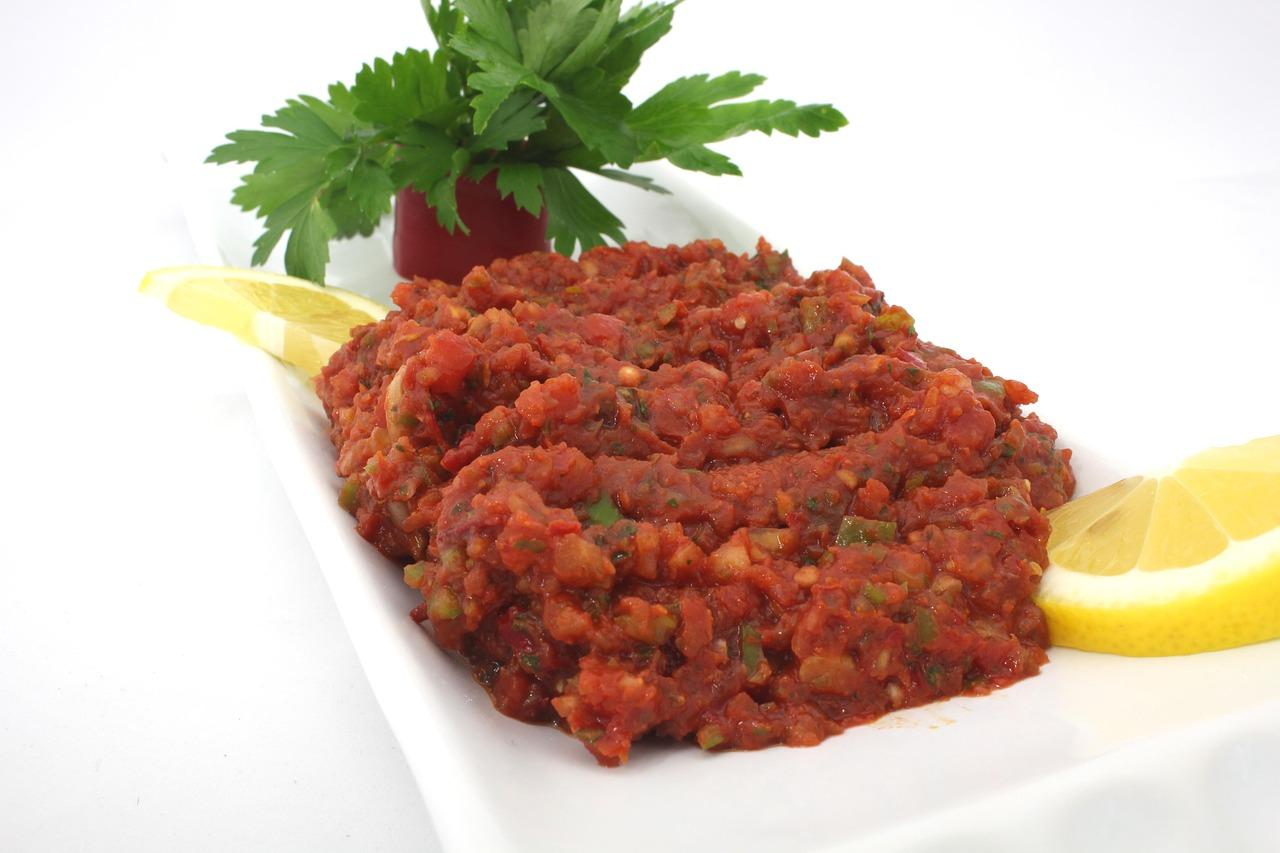
Sit down at a kebab house in Adana or Gaziantep and a small dish of acılı ezme arrives before you have ordered: tomato, pepper, onion and parsley chopped almost to a paste, sharpened with pomegranate molasses and hot pepper flakes. It works just as well at a vegetarian table, spooned onto bulgur pilaf, falafel or grilled vegetables, or scooped up with warm flatbread. The mistake most people make is using a food processor: it turns the vegetables into watery soup instead of a thick, rough relish. Chef's tip: chop everything by hand with a big knife, then drain the tomatoes in a sieve for 5 minutes before mixing, so the ezme stays thick enough to sit on bread.

by KrazyBadal 0 views

Gulyásleves

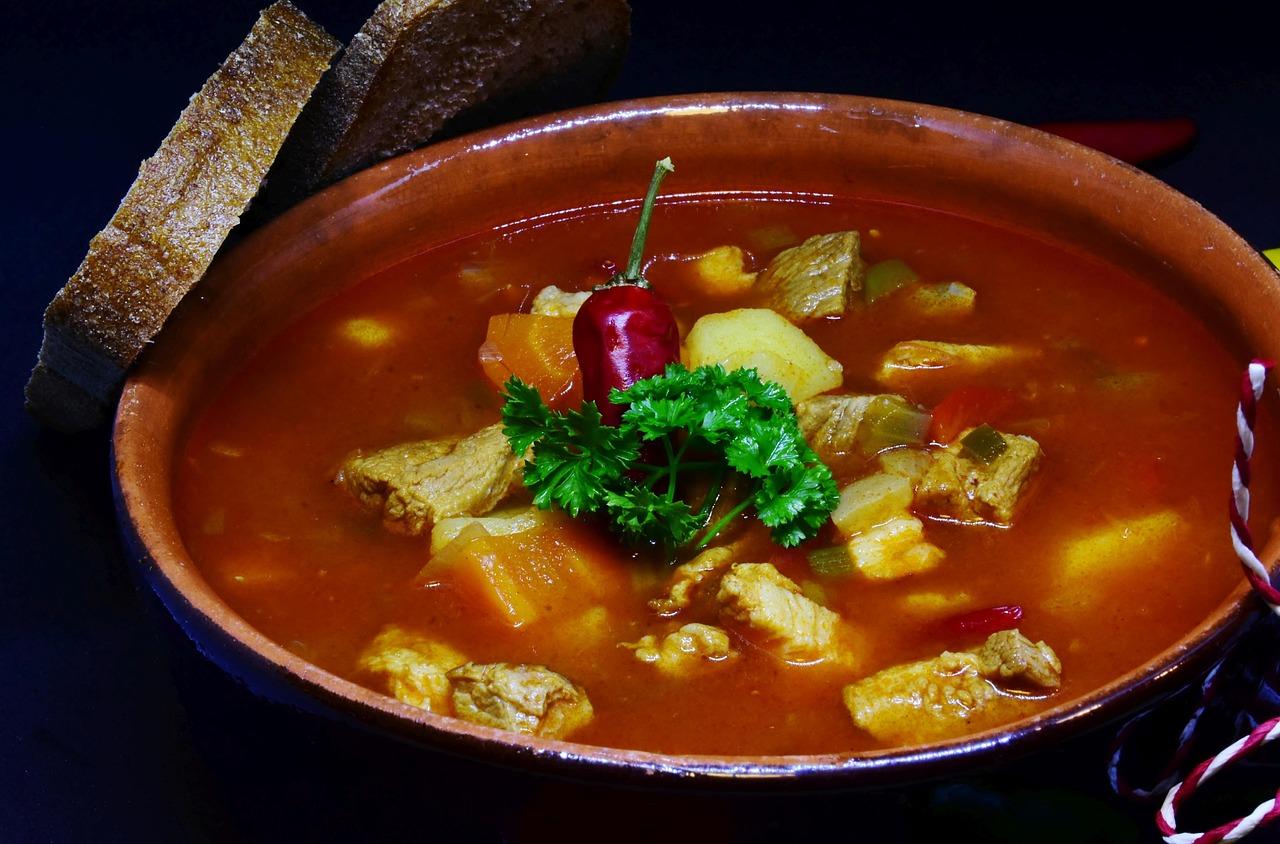
Real Hungarian goulash is a soup, gulyásleves, born in the cattle herders' kettles of the Great Plain and still cooked over open fires at summer festivals and in every csárda (country inn) between Budapest and Debrecen. Beef shin or chuck simmers with lots of onion, sweet paprika, caraway and green pepper until tender, then potatoes and carrots go in. It is brothy, rich red and gently spicy, eaten with fresh bread. Chef's tip: take the pot off the heat before adding the paprika; it burns in seconds in hot fat and turns bitter.

by KrazyBadal 0 views

Csirkepaprikás

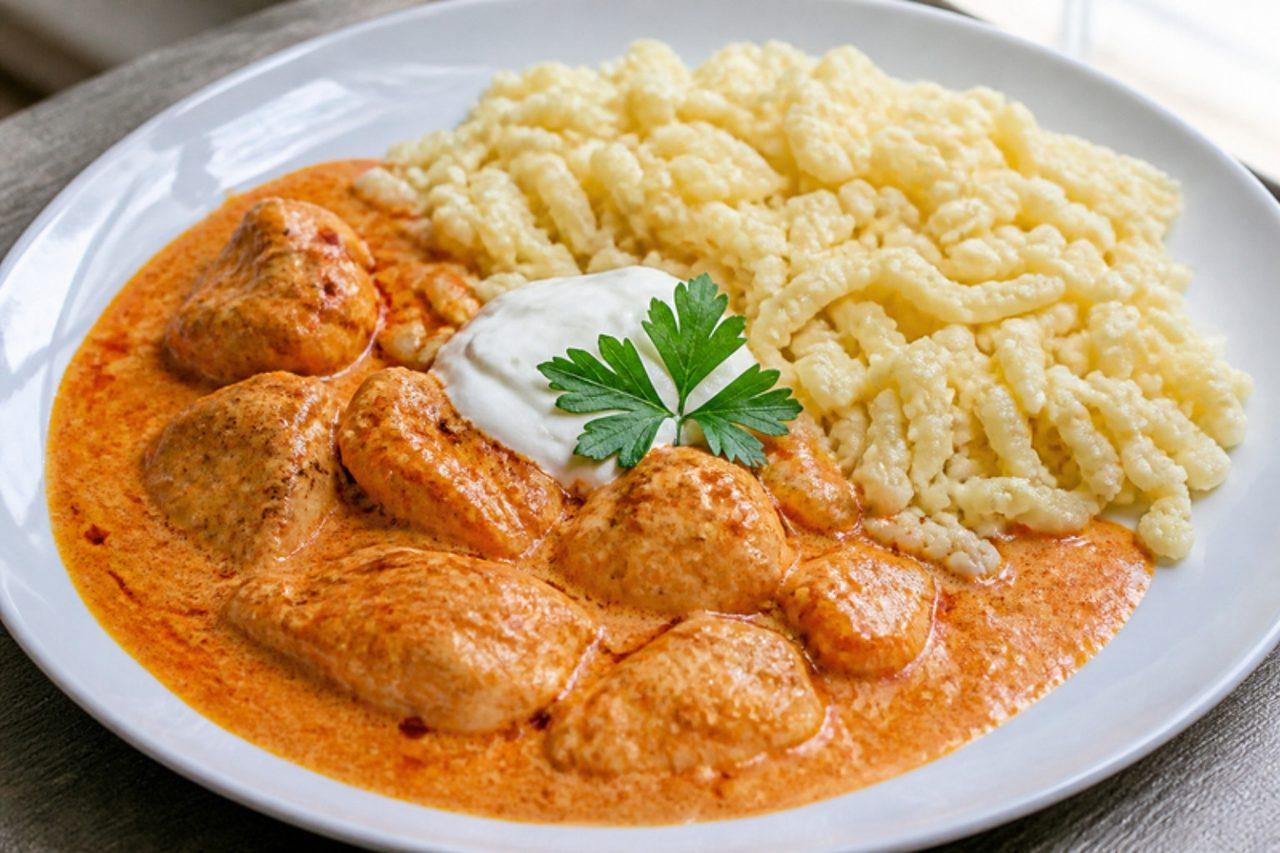
Csirkepaprikás is the Sunday chicken of Hungarian homes, cooked by grandmothers in villages and in Budapest flats alike and always served with nokedli, the little egg dumplings. Chicken thighs braise gently with onion, plenty of sweet paprika, tomato and pepper, then soured cream is stirred in to make a velvety, brick-orange sauce. Chef's tip: mix the soured cream with a spoonful of flour and some hot sauce before adding it; this stops it from splitting.

by KrazyBadal 0 views

Töltött káposzta

Töltött káposzta is the dish Hungarians make for Christmas and the wedding feasts of the countryside, a huge pot that tastes better each day. It is a pork dish: soured cabbage leaves are rolled around a filling of pork mince, rice, onion and paprika, then layered with chopped sauerkraut and smoked pork ribs or sausage and simmered for hours. It is served with a dollop of soured cream and bread. Chef's tip: look for whole soured cabbage heads (sold for this dish in Eastern European shops); if you cannot find them, blanch fresh savoy leaves and add extra sauerkraut.

by KrazyBadal 0 views

Lahori fried fish

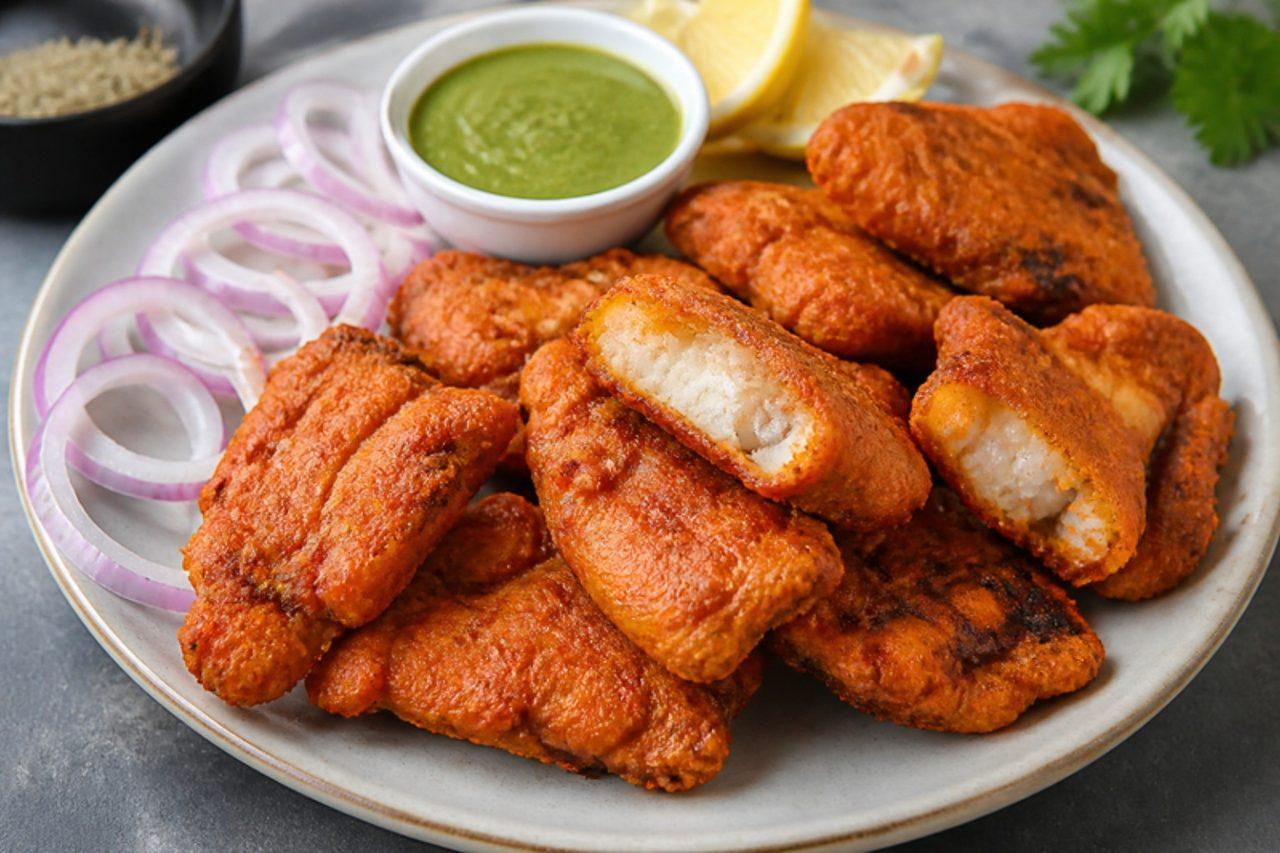
When the first cold nights arrive in Lahore, people head to the fish stalls around Mozang and Gawalmandi, where chunks of river fish sizzle in giant woks of oil. The batter is made with gram flour, ajwain (carom seeds), red chilli and a squeeze of lemon, so it fries crisp, orange and very savoury. It's winter street food, but it's quick enough for a weeknight at home with a white fish fillet. Eat it hot with mint chutney, lemon and sliced onion. Chef's tip: marinate the fish in lemon and garlic first, then add the gram flour just before frying so the coating stays crisp, not pasty.

by KrazyBadal 0 views

Aloo keema

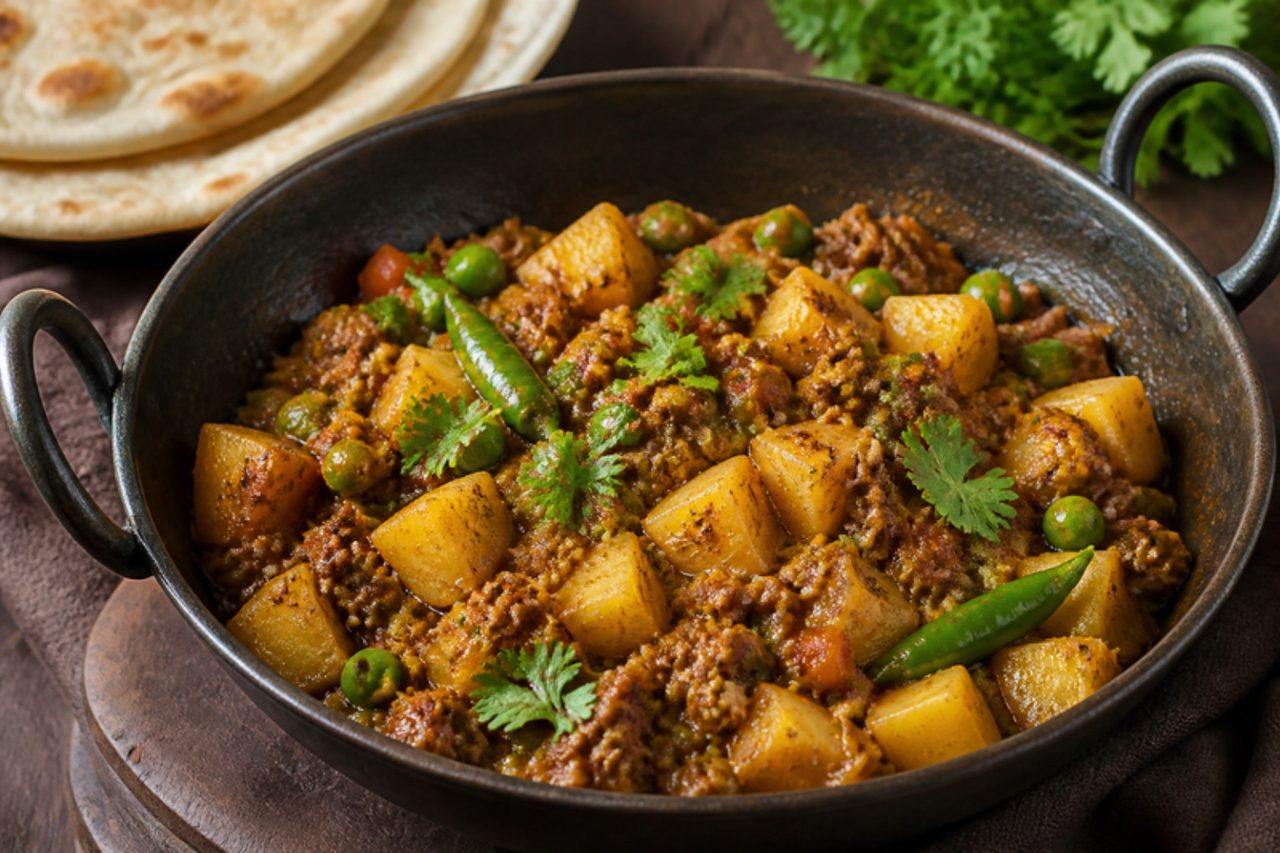
Aloo keema is the dinner that turns up in Pakistani homes from Karachi to Peshawar several times a month: quick, cheap, and loved by children and grandparents alike. Mince is browned with onion, tomato and whole spices, then simmered with potato cubes and peas until the potatoes soak up the masala. It is usually eaten with hot chapati or paratha, and leftovers become a filling for sandwiches and samosas the next day. Chef's tip: keep frying the mince until all the water it releases has gone and it starts to sizzle; that's where the browned, meaty flavour comes from.

by KrazyBadal 0 views

Zeytinyağlı enginar

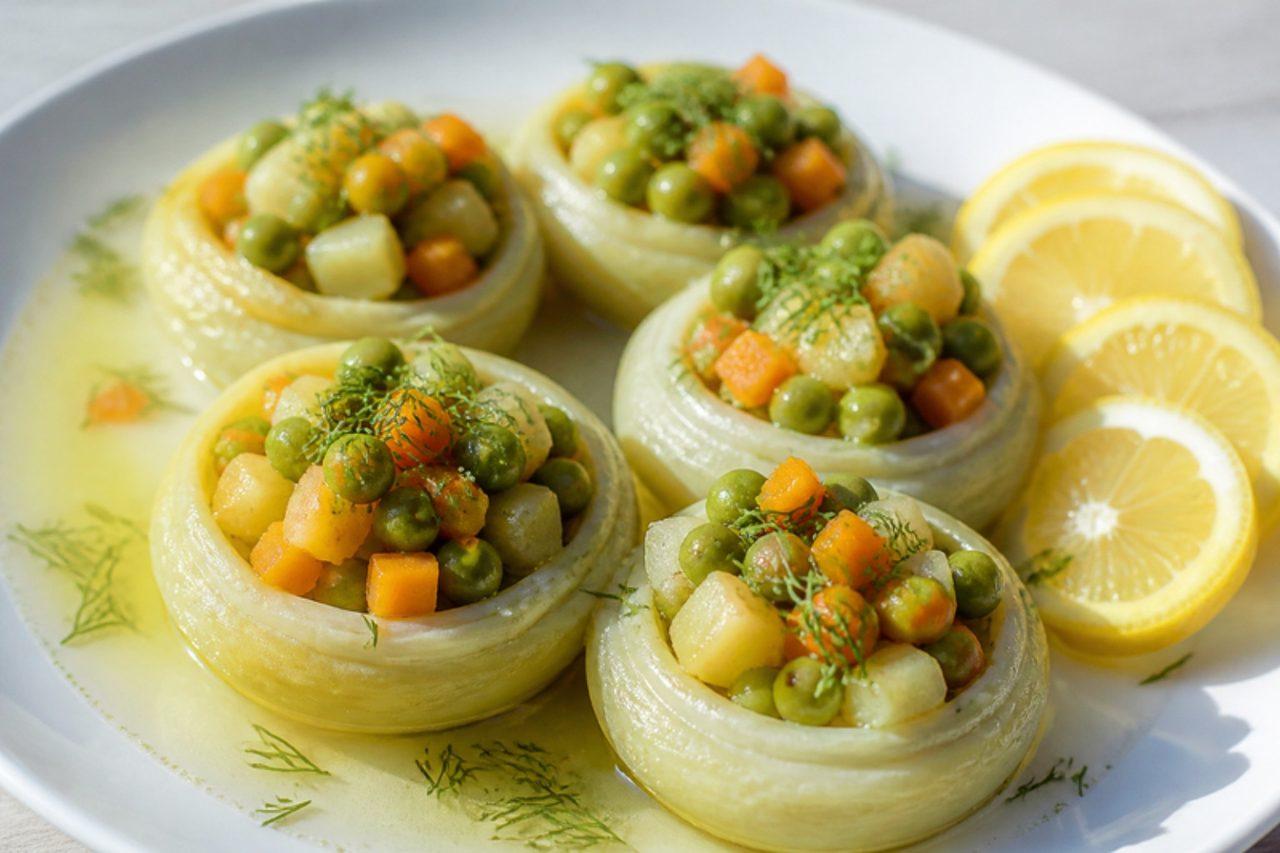
In spring, when globe artichokes pile up on stalls in İzmir and Urla, market sellers trim them on the spot into pale hearts kept in lemon water, and families take them home to make zeytinyağlı enginar. The hearts are braised cup-side up with small onions, carrots, potato and peas in olive oil and lemon, then served cold with a shower of dill, often as the first course of a spring dinner. The classic mistake is leaving trimmed artichokes in the air: they turn grey within minutes. Chef's tip: rub every cut surface with lemon as you go and drop the hearts straight into water with lemon juice and a spoonful of flour, which keeps them pale and cream-coloured.

by KrazyBadal 0 views

Satsivi

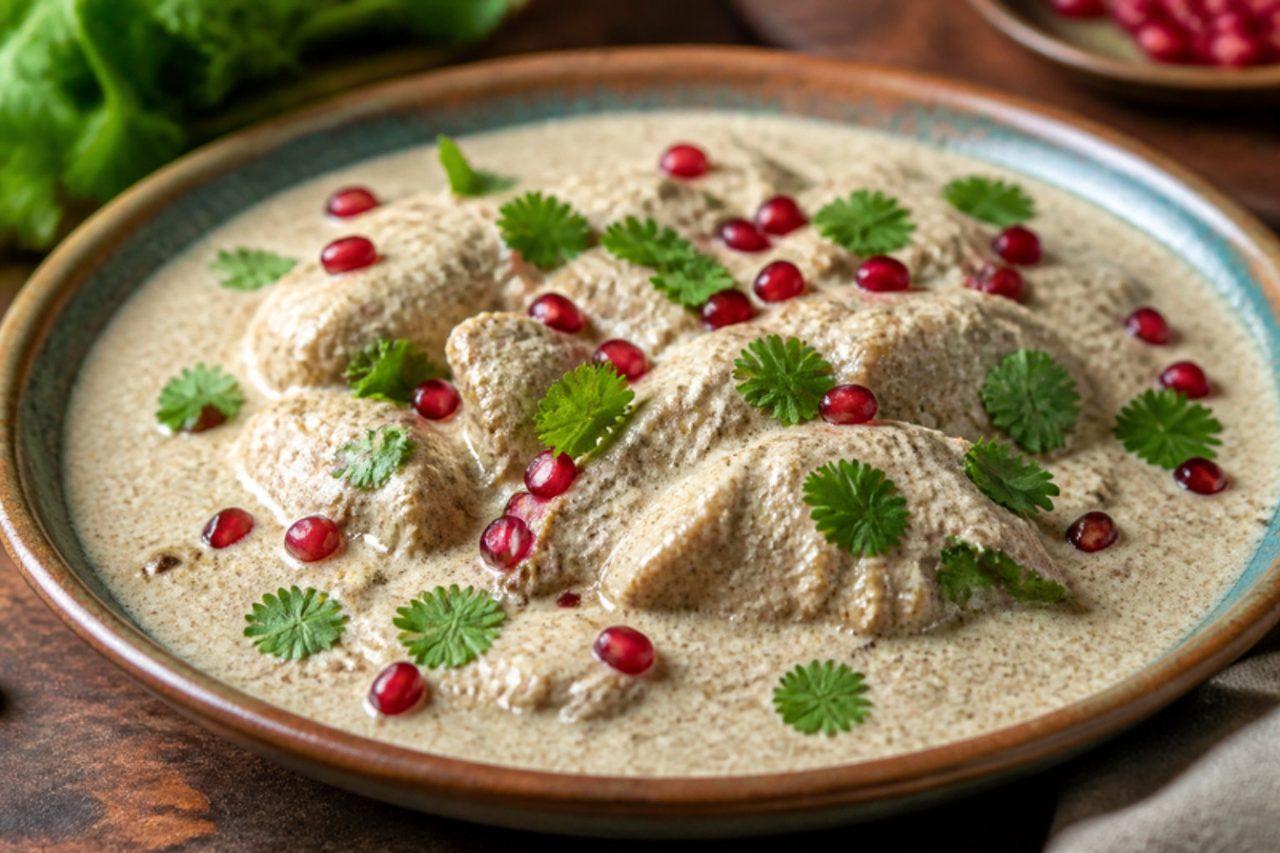
Satsivi is a dish of the Georgian New Year table, prepared in homes across western Georgia, Imereti and Samegrelo, a day ahead so it can be served cold at the long supra feast on 1 January. Poached chicken is covered in a thick, ivory walnut sauce scented with garlic, fenugreek, coriander and marigold petals and sharpened with vinegar. It is rich and fragrant, eaten with cornbread (mchadi) or fresh bread. Chef's tip: blend the walnuts with a little warm stock until they release their oil; this gives the sauce its silky texture.

by KrazyBadal 0 views

Chakhokhbili

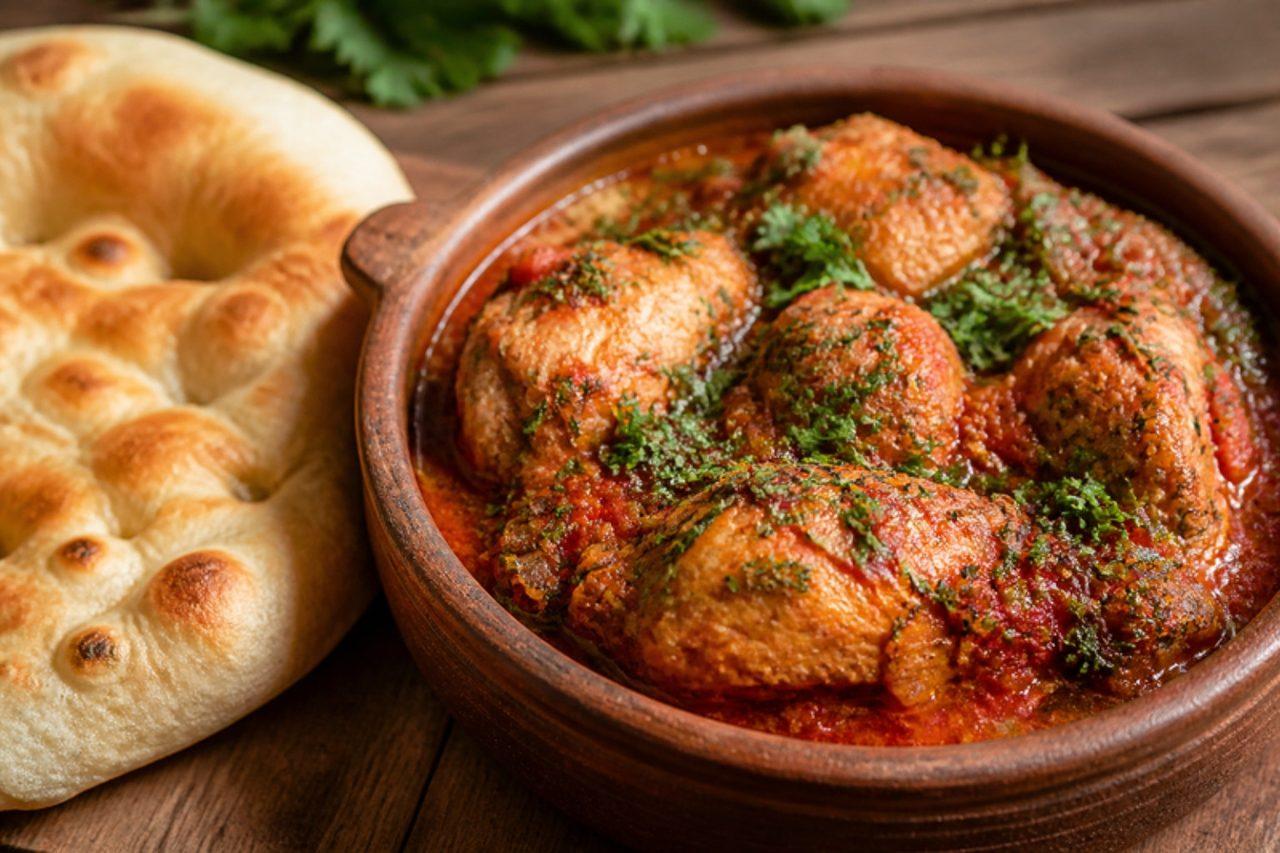
Chakhokhbili was first made with pheasant (khokhobi), but in Georgian homes from Tbilisi to Kutaisi today it is an everyday chicken stew, the kind cooked on a weeknight and served with bread to wipe the plate. Chicken pieces are browned without oil, then simmered with a lot of onion and ripe tomato, garlic, chilli and khmeli suneli spice, and finished with a big handful of fresh coriander, basil and dill. Chef's tip: brown the chicken skin side down in a dry pan; it releases enough fat to cook the onions.

by KrazyBadal 0 views

Chashushuli

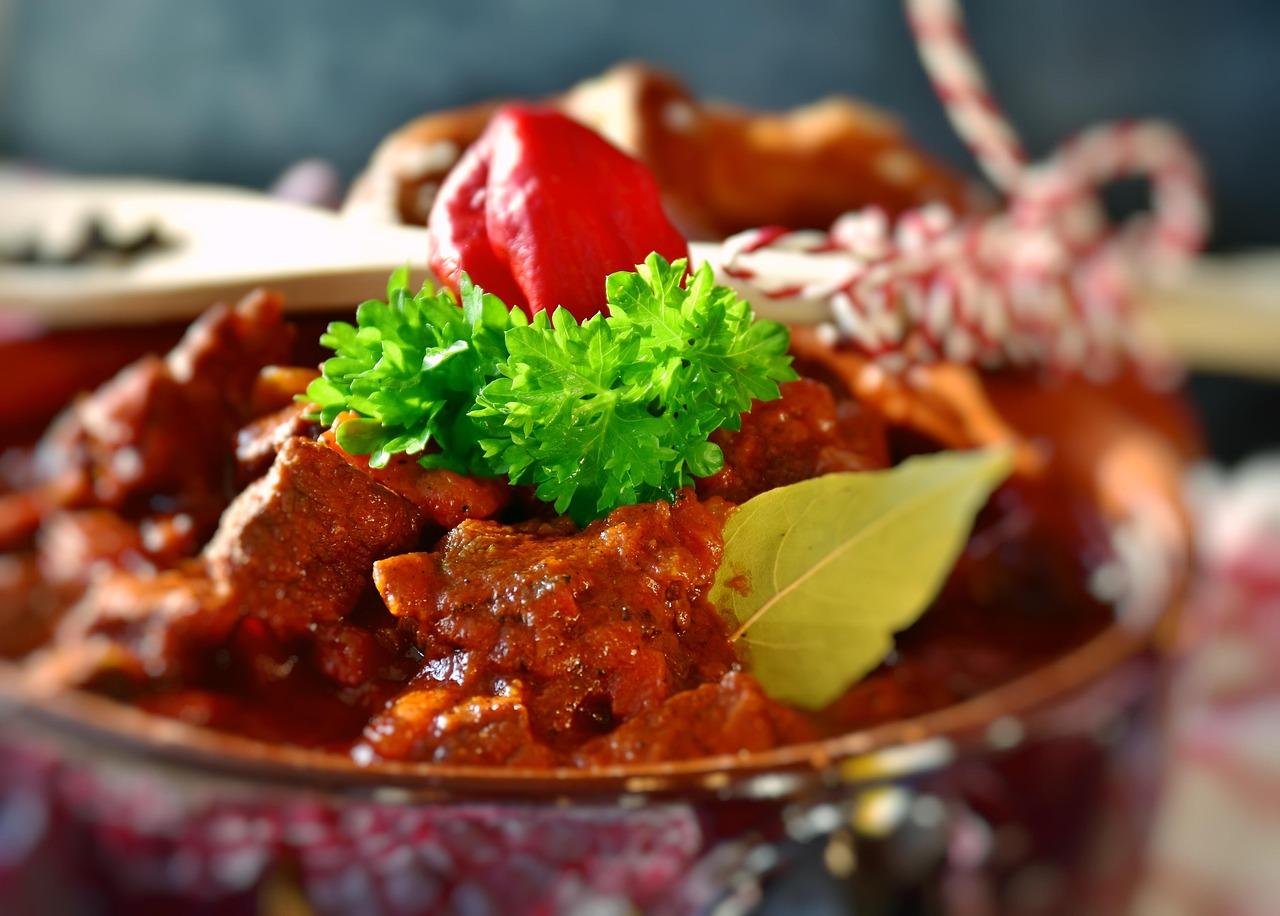
Chashushuli is a fiery beef stew from the home kitchens and Tbilisi taverns of eastern Georgia, cooked in a clay ketsi pot or a heavy pan and eaten with shoti bread. Beef simmers slowly with lots of onion and tomato, then gets a hit of garlic, chilli, khmeli suneli and fresh coriander right at the end. It is meant to be spicy, but you can halve the chilli. Chef's tip: cook it until the sauce is thick enough to scoop with bread; Georgians do not eat it like soup.

120 minGeorgianMeatGluten freeSpicy
by KrazyBadal 0 views

Mtsvadi

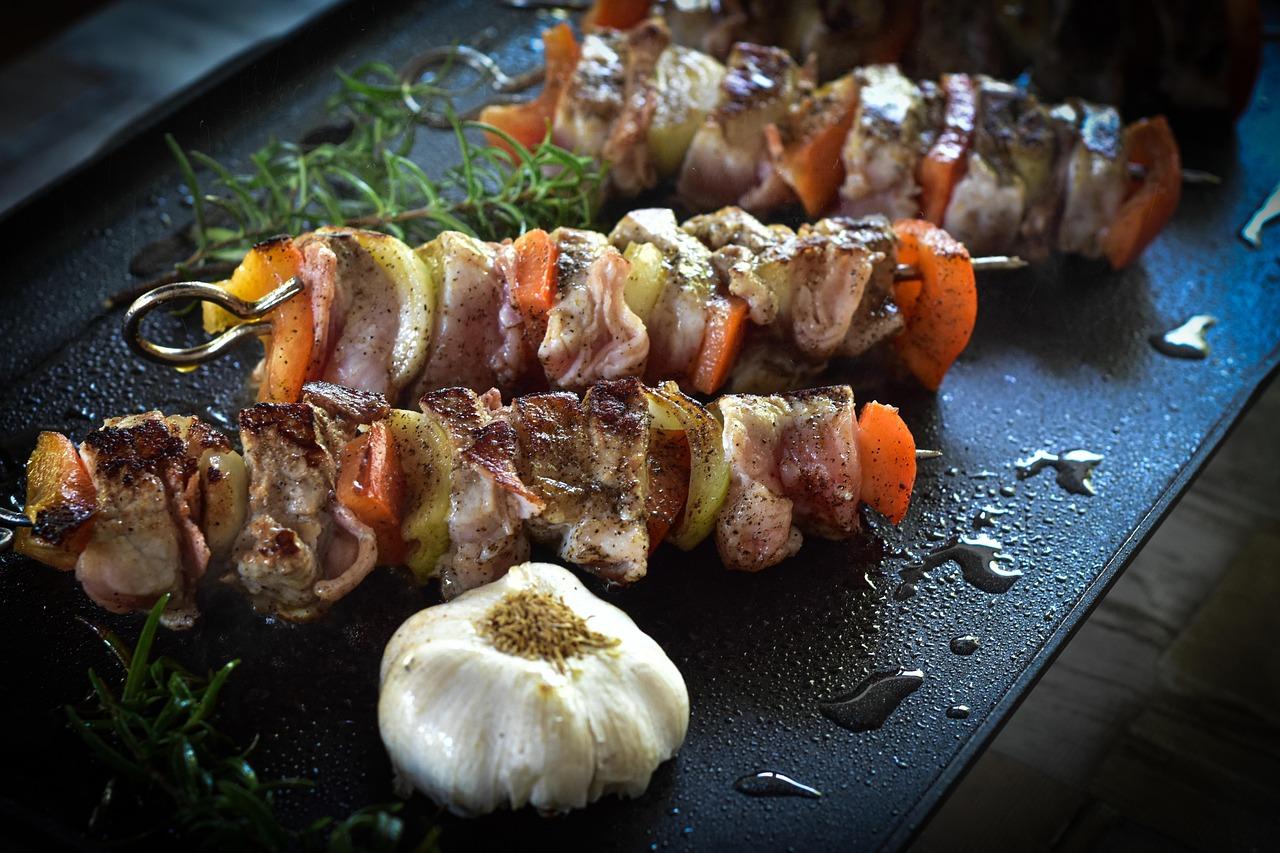
Mtsvadi are the grilled skewers of the Georgian supra and every summer picnic, and in the wine region of Kakheti they are cooked over the embers of dried grapevine cuttings left from pruning. This version is pork: chunks of fatty pork neck marinated simply with onion, salt and pepper, threaded on skewers and grilled until charred at the edges and juicy inside. Serve with raw onion rings, pomegranate seeds and tkemali (sour plum sauce). Chef's tip: keep the marinade simple; Georgians say good mtsvadi needs only good meat and good fire.

by KrazyBadal 0 views

Lahori chargha

Chargha is a Lahore speciality, sold from the busy food streets of Lakshmi Chowk and the old city, where whole birds are coated in a red, tangy masala, steamed in big pots and then dropped into hot oil to order. It is the centrepiece of wedding dinners and Saturday-night family outings, and makes an impressive home dinner for guests. Steaming keeps the meat moist and cooked through before frying gives it a crisp, spicy skin. Serve it with naan, raita, salad and a squeeze of lime. Chef's tip: slash the chicken deeply to the bone so the masala and steam reach the thickest parts.

by KrazyBadal 0 views

Showing 18 of 4,484 recipes

Show more recipes

Page 310 of 499