


Skip to content
Thai fresh fruit dessert
Featured recipe

Thai fresh fruit dessert

A bowl of colourful fresh fruit (kiwi, strawberries, pineapple, cherries and orange) covered with a smooth coconut cream sauce, lightly thickened with cornflour, enriched with fresh cream and scented with rose. Serve well chilled.

Read more 0 views

What to eat today?

Around the world

Today's trip: Paraguayan

A new country every day, from every cuisine on the site.

Paraguayan

Chipa

Cheese bread rings 50 minMore from Paraguayan (27) →

This week's collection

Kid-friendly dinners
537 recipes · a new collection every Monday

Latest recipes

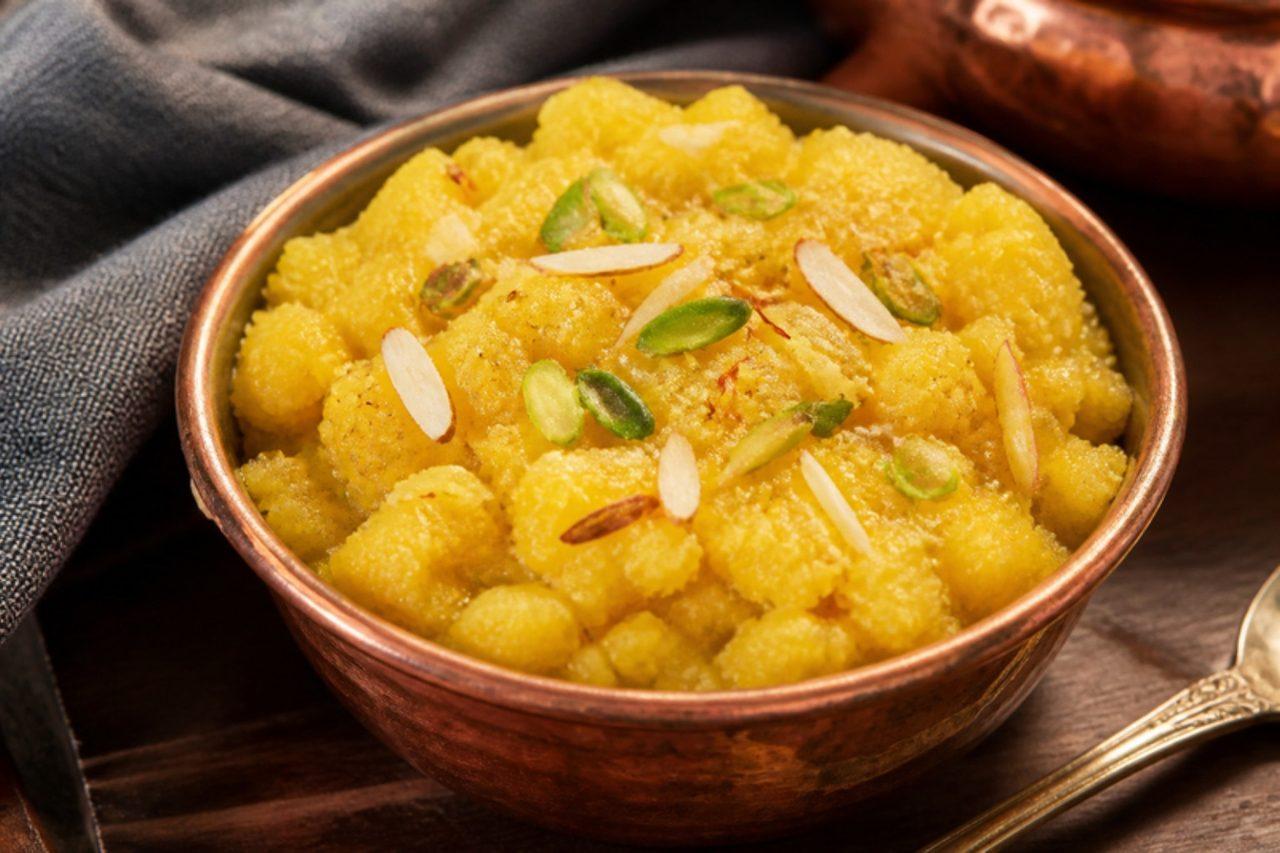
Anday ka halwaEgg halwa

Sweet, golden and grainy like a rich crumble, egg halwa is the quick showpiece of Hyderabadi and Karachi home kitchens, made when unexpected guests arrive or for a winter Sunday, and it fills the house with the smell of ghee and cardamom. Eggs are beaten with milk, sugar and milk powder, then stirred in ghee until the custard sets, breaks and finally fries into soft, sandy granules that cling together like khoya; there is no eggy taste once it is properly cooked. It is served warm in small bowls, topped with almonds and pistachios, sometimes with a few saffron threads. The commonest failure is stopping too soon, when the halwa is still wet and scrambled-egg-like, rather than cooking on until it turns granular and golden and the ghee separates. Chef's tip: strain the beaten egg mixture through a sieve before cooking, which removes the stringy whites and gives a smooth, even grain.

by KrazyBadal 0 views

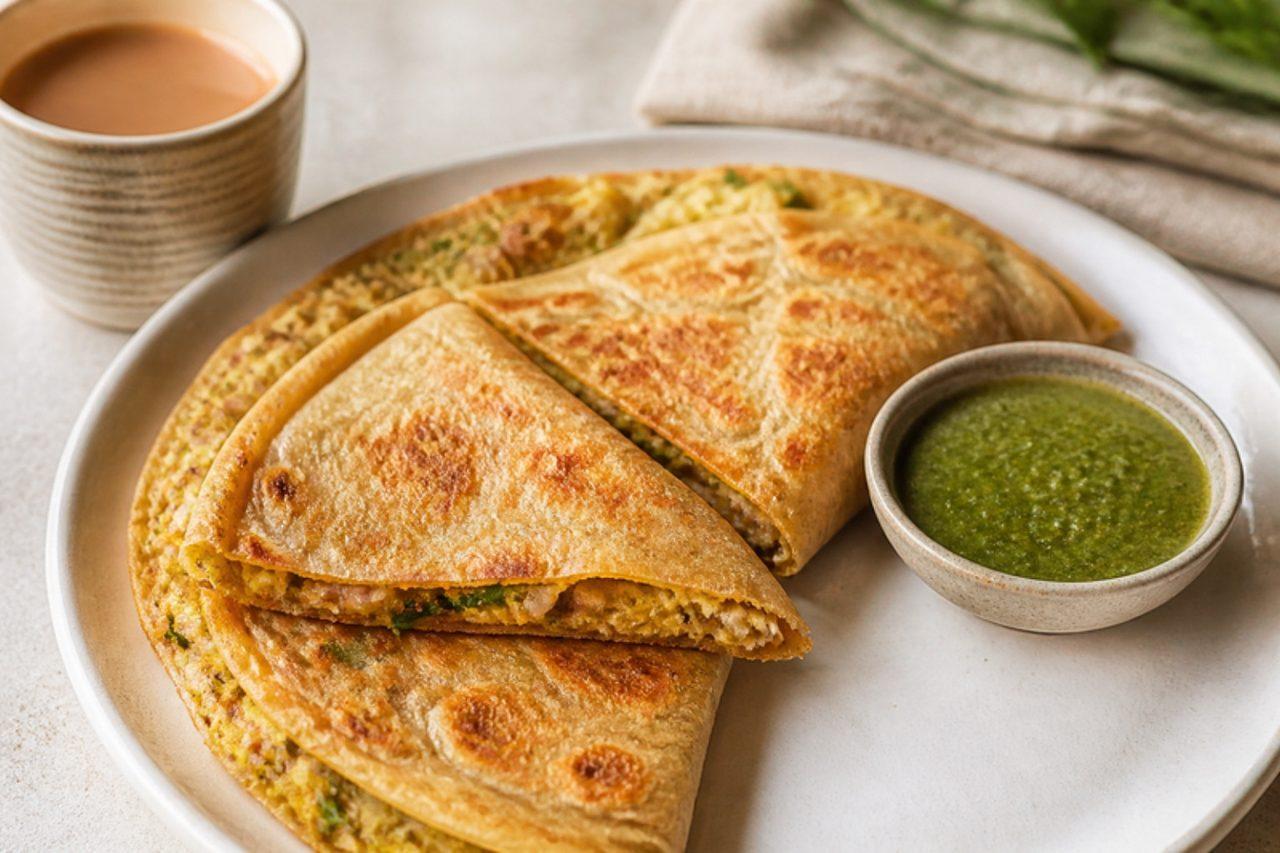
Anda parathaEgg-stuffed paratha

At the dhabas along the GT Road and the breakfast stalls of Rawalpindi's Saddar, the paratha-wala cracks an egg straight into a bowl with onion and chilli, half-cooks a paratha, pours the egg over and flips the whole thing onto the tawa so the egg fries into the bread. The result is one golden, layered disc that is crisp at the edges, soft where the egg meets the dough, and peppery with green chilli. Truck drivers, students and office workers eat it folded in half with chai, ketchup or green chutney, and it is a common packed lunch for school because it needs no curry. The problem most people run into is pouring the egg onto a raw paratha, which tears, or onto a fully cooked one, which will not let the egg stick. Chef's tip: cook the first side only until brown spots appear, then add the egg to the cooked side and flip so the egg sets against the hot iron.

by KrazyBadal 0 views

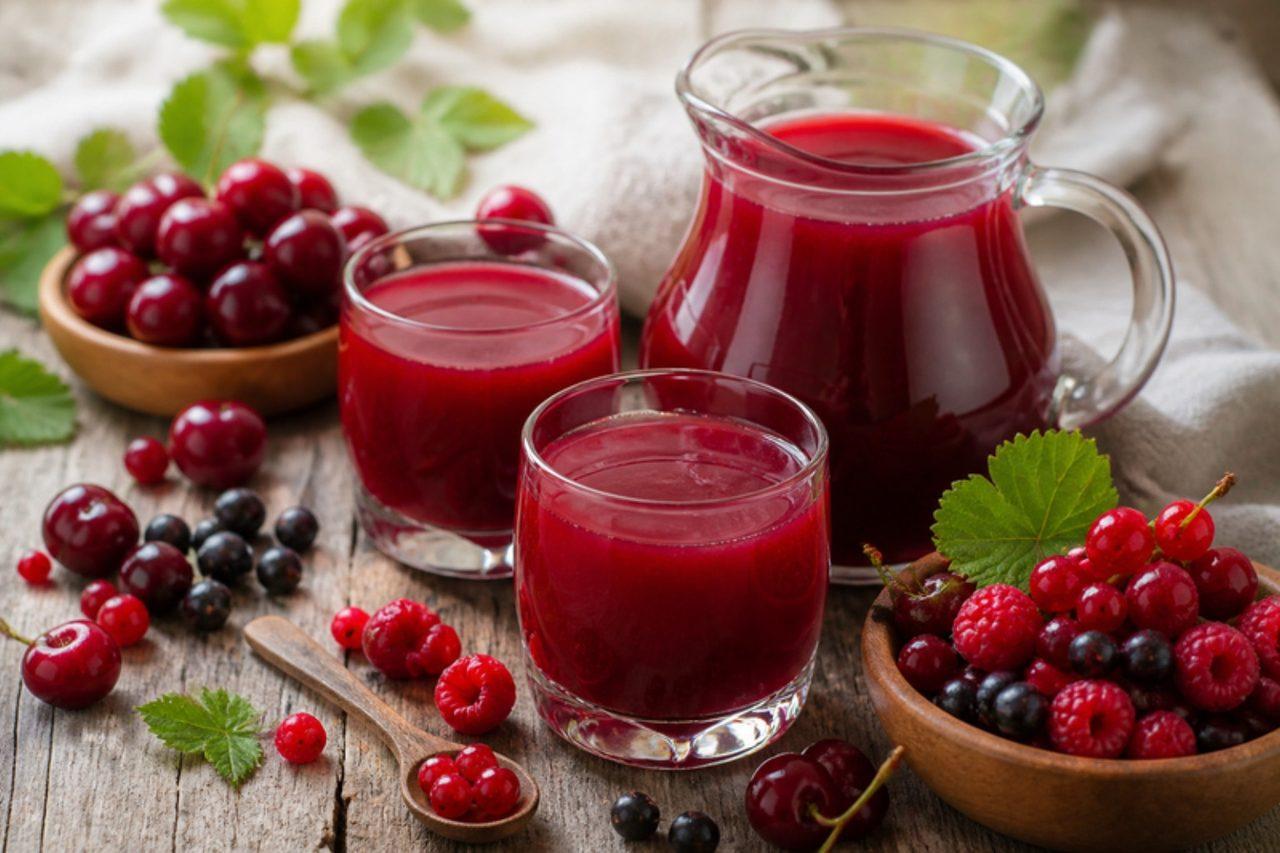
Kissel

Kissel is the drink of Russian childhoods: a glass of silky, ruby-red berry juice, just thick enough to coat the tongue, poured warm at kindergarten lunch or cold in summer from a jug on the dacha veranda. It is also the old Maslenitsa and wake-table drink, and frozen berries make it possible all year. The flavour is sweet-sharp and fresh, the texture smooth and slightly jelly-like. A common mistake is adding the starch mixture to boiling liquid and letting it bubble for minutes; bring it just back to a simmer, then take it off, or it thins out again and can turn gluey. More starch makes a spoonable dessert kissel. Chef's tip: lay cling film or sprinkle a little sugar on the surface as it cools to stop a skin forming.

by KrazyBadal 0 views

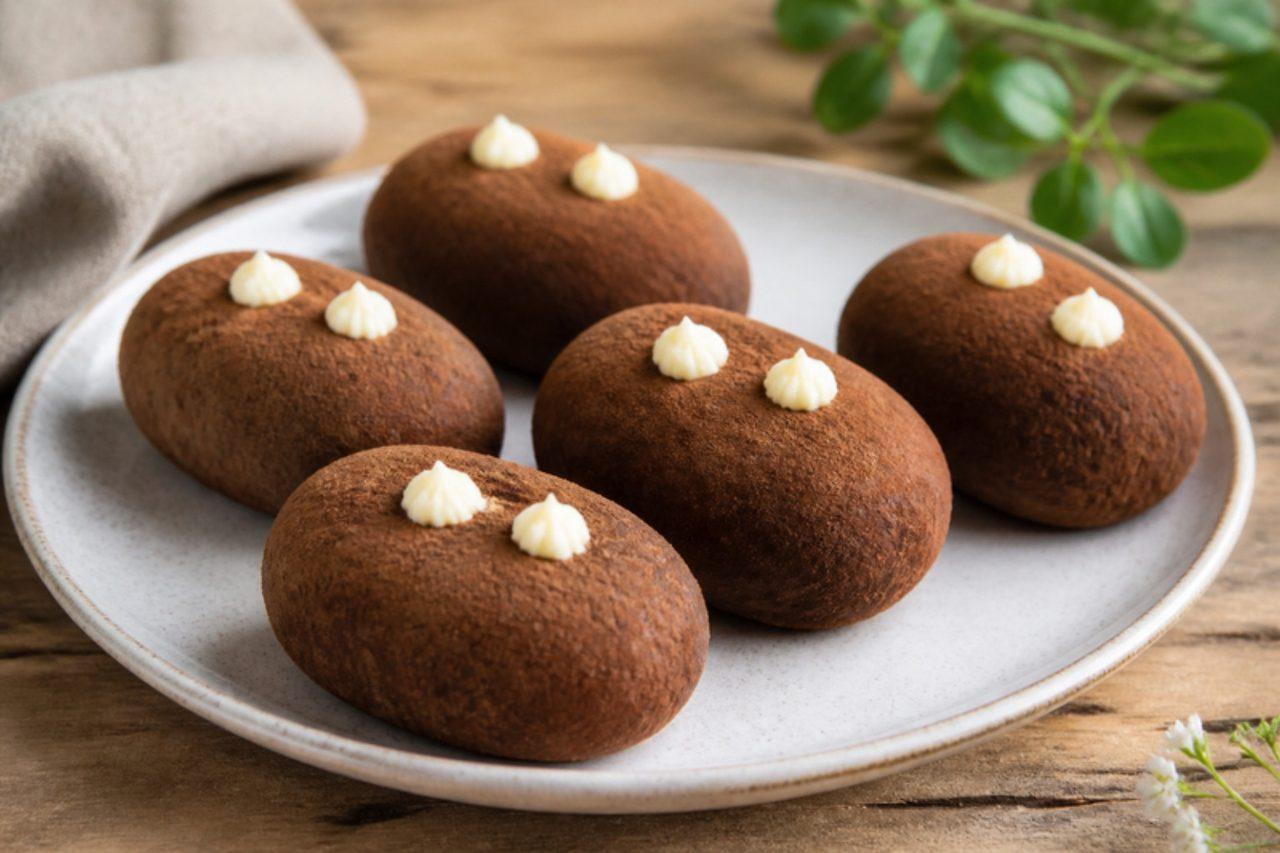
Kartoshka cakeCocoa and cake crumb truffles

Soviet cafés and school canteens sold these knobbly brown 'potatoes' for a few kopecks, and they began as a thrifty way to use up sponge and biscuit trimmings at the bakery. Crumbs are bound with butter and sweetened condensed milk, flavoured with cocoa and vanilla, shaped into little potatoes, rolled in cocoa and finished with two dabs of pale butter cream for the sprouts. They are fudgy and dense like a brownie truffle, need no oven, and children love making them. Traditional bakers added a spoonful of rum, an optional extra for adult batches only; this version is alcohol-free with vanilla. The usual slip is coarse crumbs, which make the potatoes crack, so blitz them as fine as sand. Chef's tip: chill the shaped potatoes for at least 20 minutes so they hold their shape and slice cleanly.

by KrazyBadal 2 views

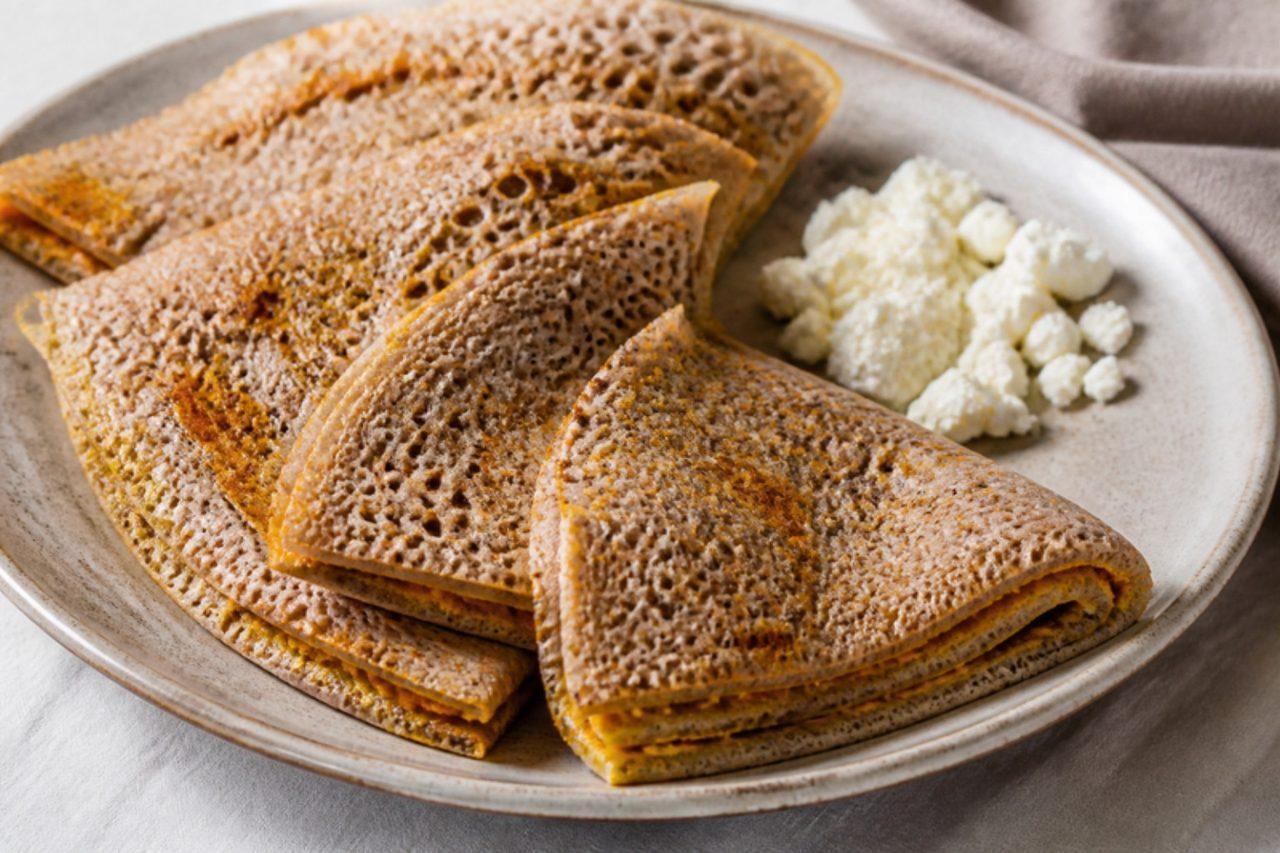
AnababeroLayered injera with spiced butter

Ask for anababero at a breakfast café in Addis Ababa and two injeras arrive stacked as one, glued together with melted niter kibbeh and a dusting of berbere, then warmed on the griddle until the butter soaks through. The result is soft and tangy inside, a little crisp at the edges, and much richer than plain injera; the name roughly means 'layered' or 'piled on top'. It is torn and eaten as it is with sweet spiced tea or coffee, or served beside a bowl of ayib or a spoon of awaze for anyone who wants it hotter. Because it uses yesterday's injera, it is a favourite way to turn leftovers into a proper breakfast. Chef's tip: brush the butter on warm, not hot, so it melts into the injera's holes instead of pooling on the surface.

by KrazyBadal 0 views

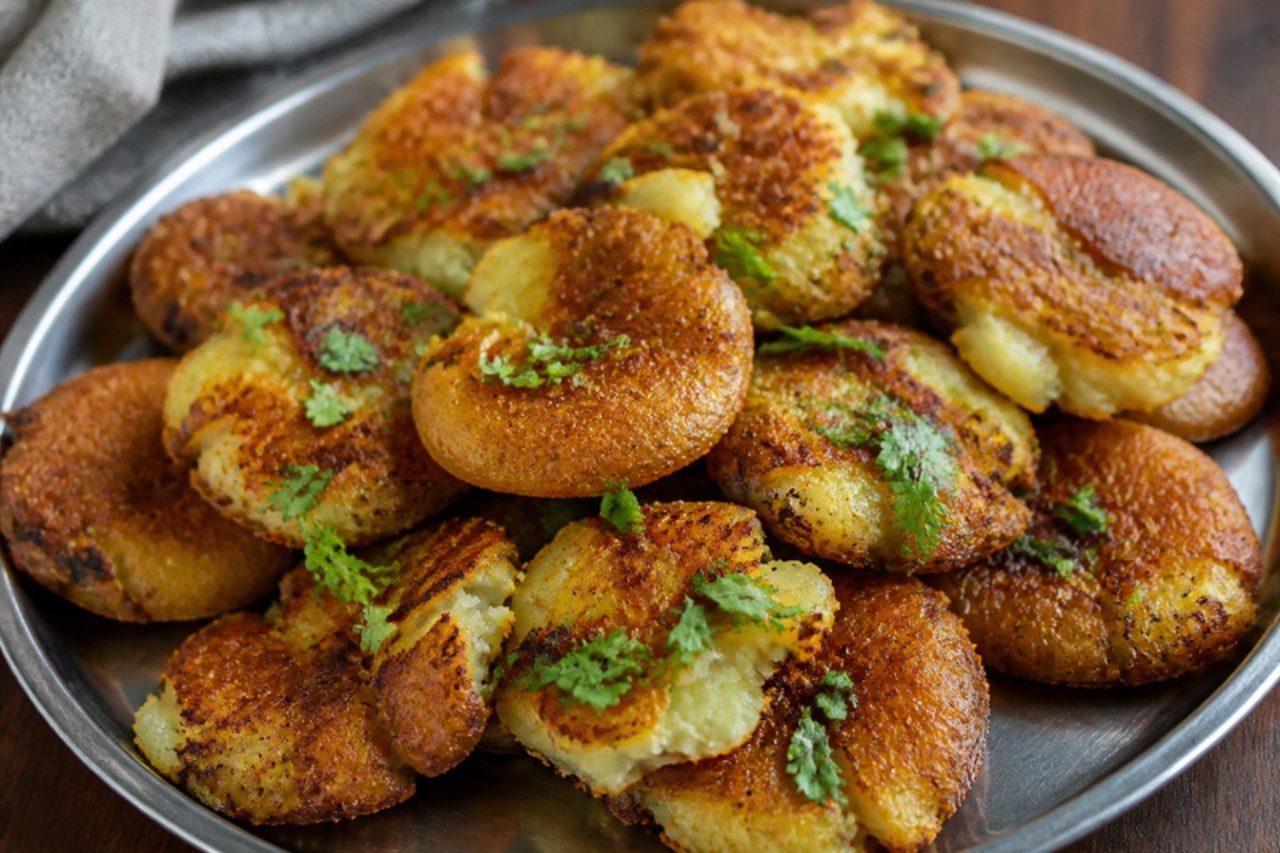
Aloo tukTwice-fried pressed potatoes

Aloo tuk is the crunch on a Sindhi plate, the thing children steal first: small potatoes boiled, fried, squashed flat and fried again until they are craggy and crisp at the edges and fluffy within, then showered with red chilli, tangy amchur and salt. In Sindhi homes from Karachi to Shikarpur they sit beside Sindhi kadhi and rice or dal and bhuga chawal, and they are also served on their own as a teatime snack with green chutney. The most common error is pressing the potatoes while they are still raw-centred or too hot and wet, which makes them tear instead of flatten neatly. Chef's tip: after the first fry let them cool for five minutes, then press each one under a flat-bottomed bowl so it cracks at the edges, since those cracks become the crispest bits. For children, go easy on the chilli and use more amchur.

by KrazyBadal 0 views

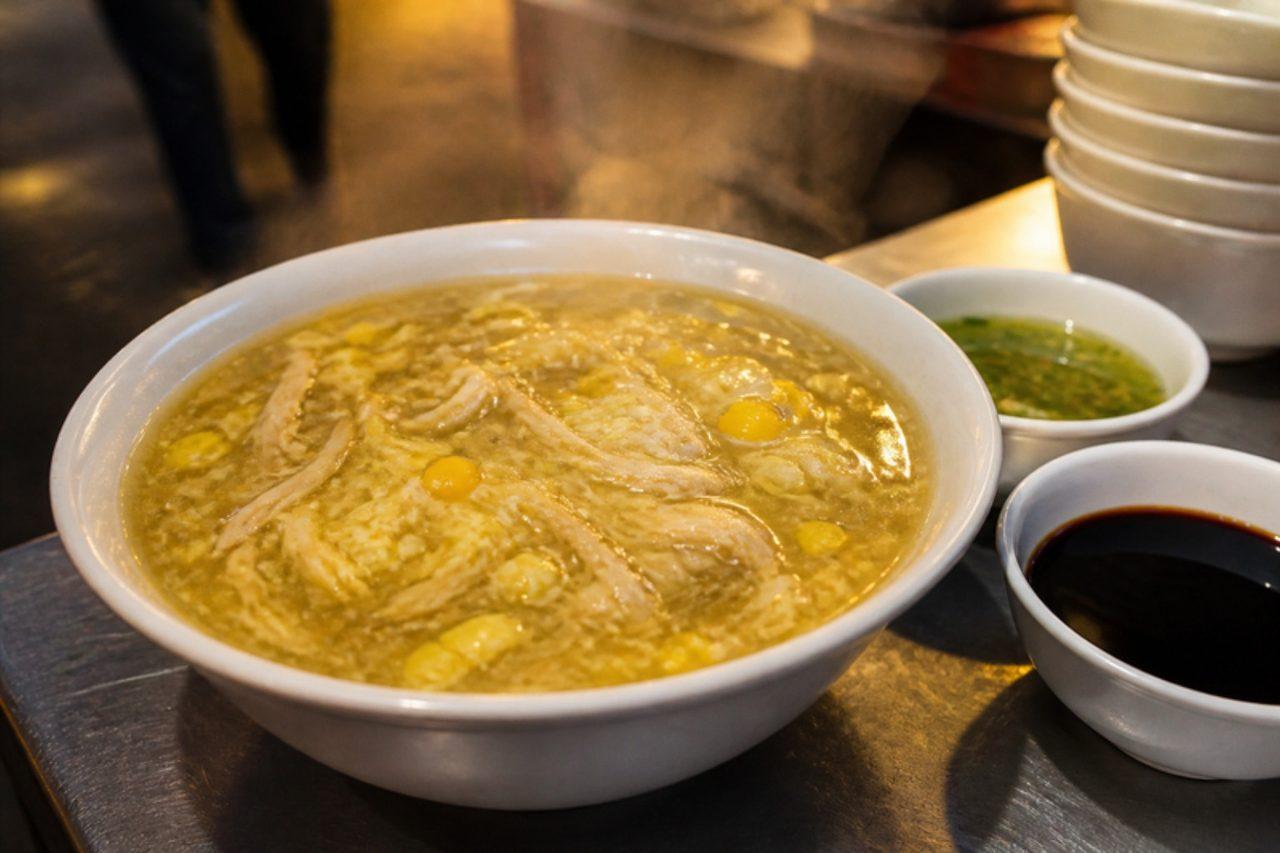
Pakistani chicken corn soup

Come the first cold evening of winter, carts with steaming steel pots appear on Karachi's Tariq Road and Lahore's Liberty Market, and queues form for chicken corn soup in disposable cups. It is Pakistani-Chinese food at its most loved: a thick, glossy soup of shredded chicken, creamed sweetcorn and silky egg ribbons, which each person seasons at the cart with chilli vinegar, soy sauce and chilli sauce from squeezy bottles. Children love it plain; adults douse it. Pouring the egg into a rapidly boiling soup turns it into scrambled lumps, so keep it at a gentle simmer and stir slowly in one direction. Chef's tip: for a vegetarian version, use a good vegetable stock, leave out the chicken and add a handful of finely chopped carrot and cabbage.

by KrazyBadal 0 views

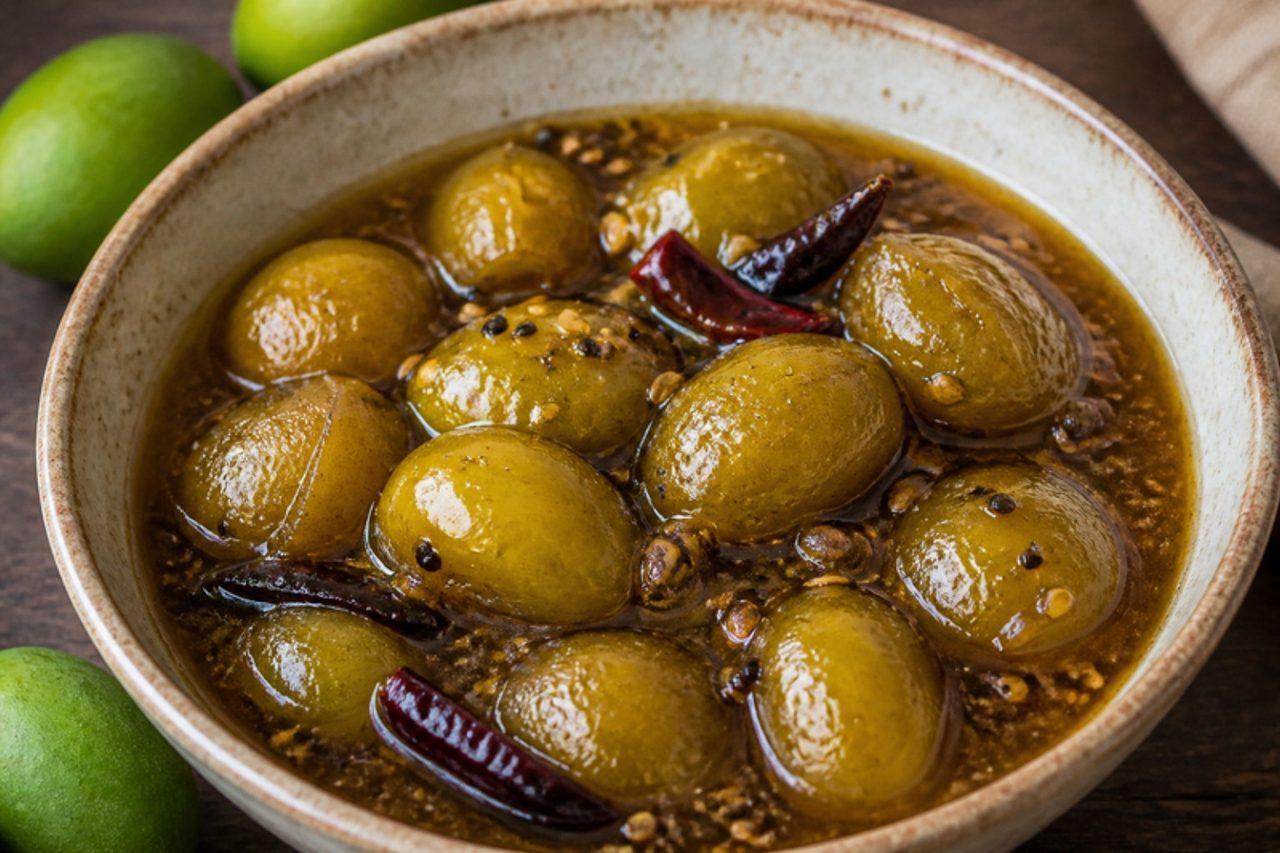
Amra chutneyHog plum chutney

Barisal is famous for its amra, the green, tart hog plums that pile up on market stalls from August to October, and every household there turns some of the harvest into a glossy, jammy chutney. The fruit is scored so the jaggery syrup can soak in, then simmered with panch phoron, dried chilli and a little turmeric until the flesh is soft around the hard, spiny stone. Sweet, sour and gently hot, it is served at the end of a wedding feast or a festive lunch, a spoonful eaten with the last of the rice, and children suck the stones clean. Cooking it too hard reduces the syrup to toffee once it cools, so stop while it still runs off the spoon. Chef's tip: if you can't find hog plums, sour green plums or a firm green mango cut into chunks make a good stand-in.

by KrazyBadal 0 views

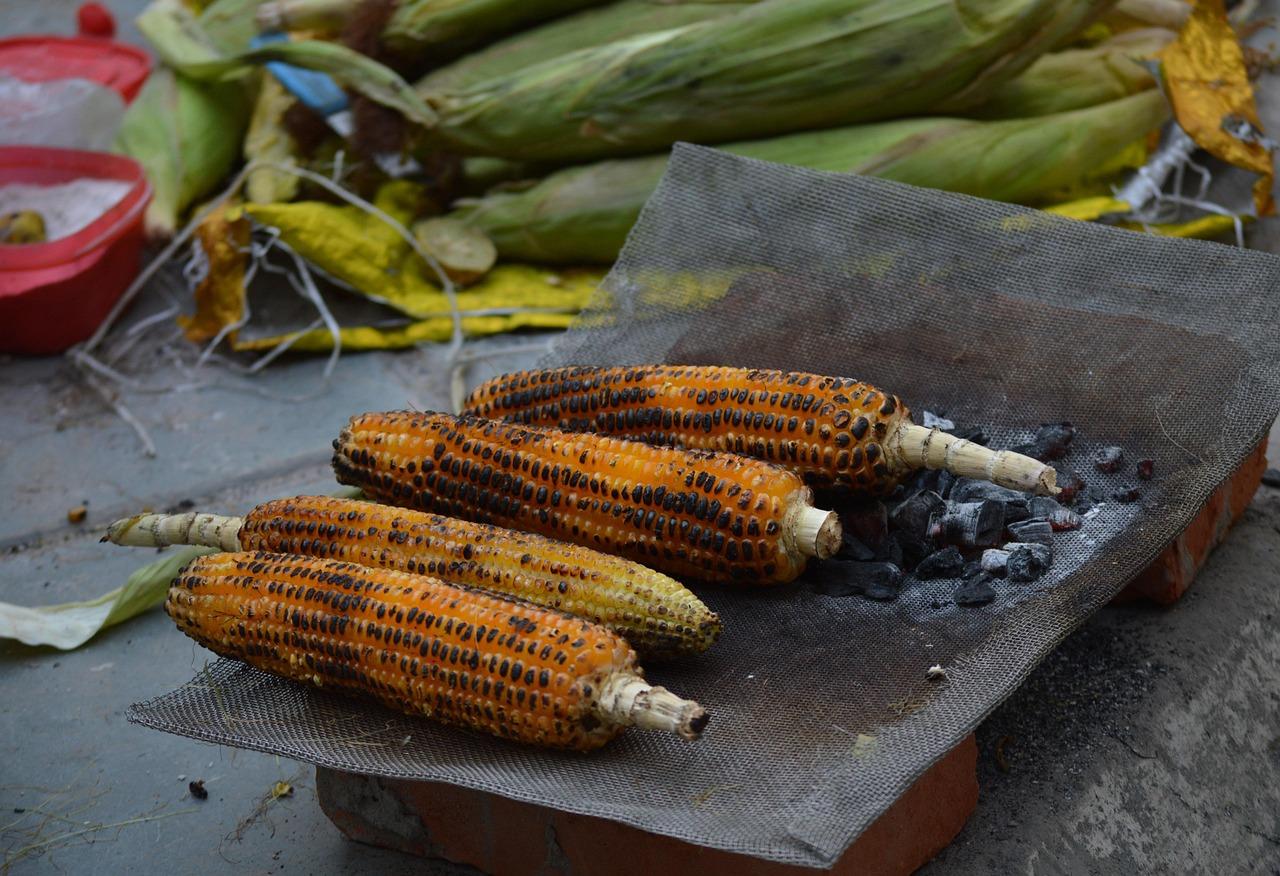
Roasted corn and ube (African pear)

When the rains come between June and September, roadside roasters all over southern Nigeria fan charcoal under rows of maize cobs, and next to them sits a basin of ube, the purple African pear, softened in hot water. A bite of chewy, smoky corn and a scrape of the pear's rich, salty, almost avocado-like flesh is the whole point, and at home a grill or a gas flame does the job. Dropping ube into boiling water is a common mistake: the skins split and the flesh turns watery and bitter, so use water that is hot but not bubbling. Chef's tip: no ube? Fresh coconut chunks are the other classic partner for roasted corn.

by KrazyBadal 0 views

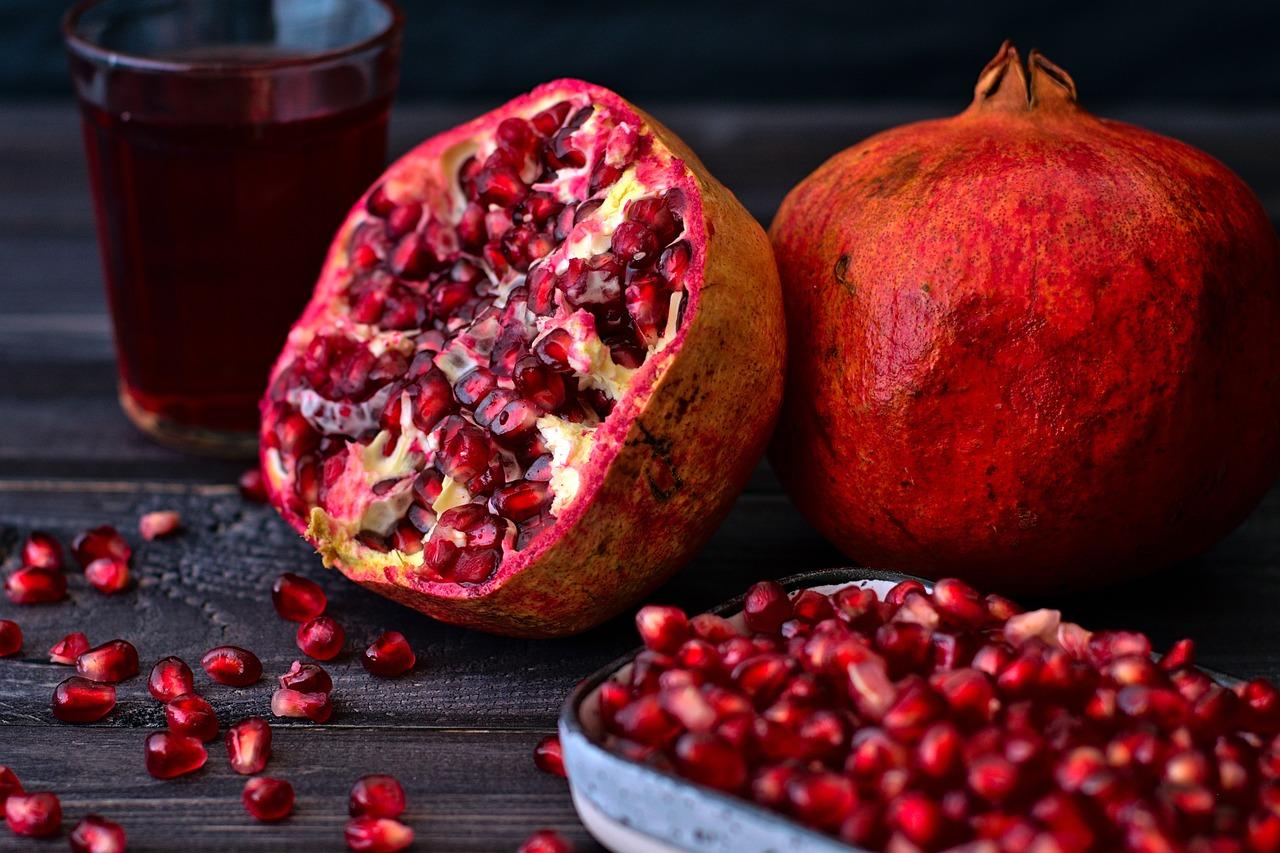
Kandahari pomegranate juice

Kandahar's pomegranates, heavy fruits with dark ruby seeds and soft pips, are the pride of southern Afghanistan, and in October and November juice stalls in the city's bazaars press them to order in big iron hand presses. The juice is deep red, sweet with a clean sour finish and a faint tannic grip, drunk on its own in a tall glass, often with a pinch of salt. At home you can get almost the same thing with a citrus press or a blender. The bitterness that ruins many homemade glasses comes from crushing the white pith and hard pips, so blend the seeds only for a few seconds, or press the halves gently. Chef's tip: roll each whole pomegranate firmly on the worktop before cutting it, which bursts many of the seeds inside and makes juicing faster.

by KrazyBadal 0 views

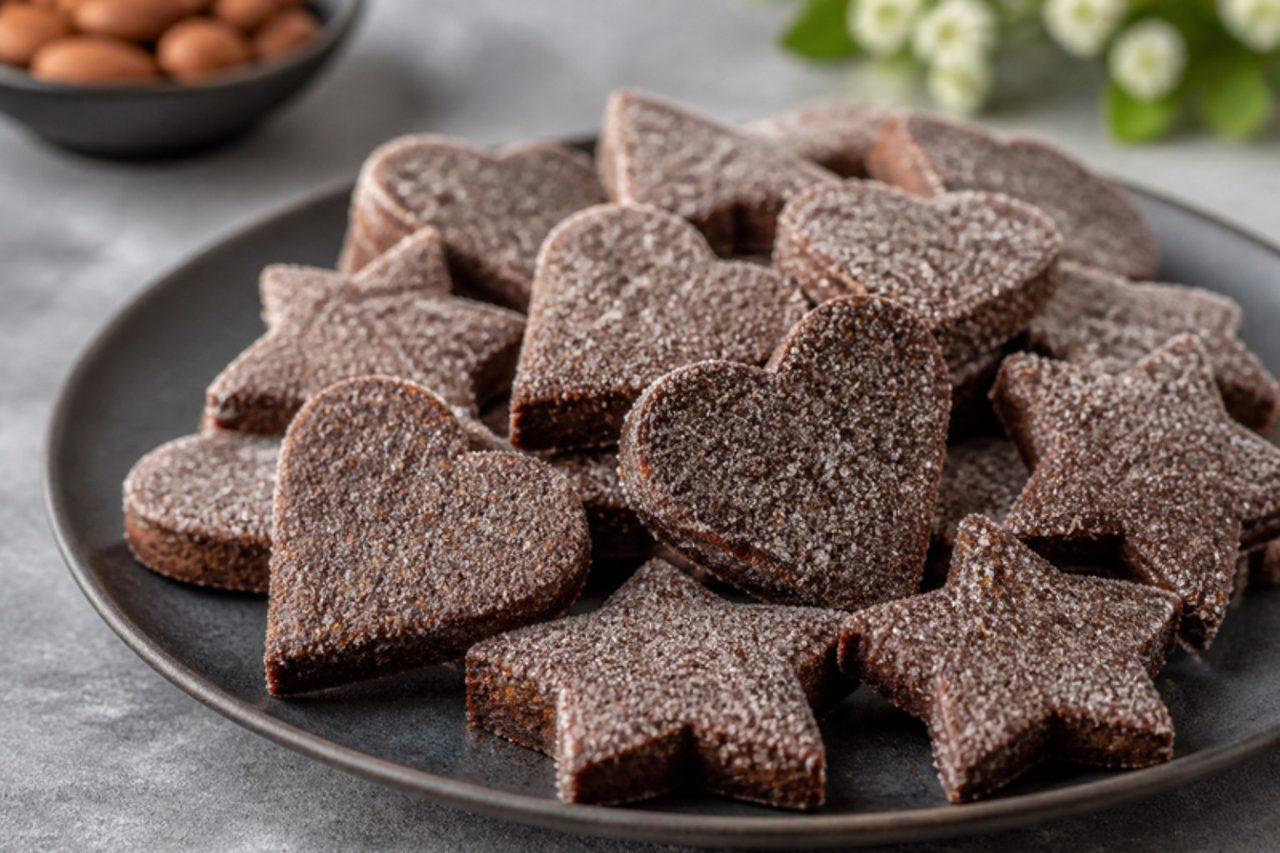
BrunsliChocolate almond biscuits

Brunsli are the dark, chewy Christmas biscuits of Basel, one of the 'Basler Weihnachtsguetzli' along with Läckerli and Zimtsterne: ground almonds, sugar, dark chocolate, cinnamon and cloves bound with egg white, rolled out on sugar and cut into hearts, stars and clovers, then dried overnight and baked briefly so they stay soft inside. They are flourless. A common mistake is baking them too long, which turns them hard. Chef's tip: leave the cut shapes to dry overnight at room temperature; they form a thin crust and keep their sharp shape in the oven. Use a dairy-free chocolate to keep them dairy-free.

by KrazyBadal 0 views

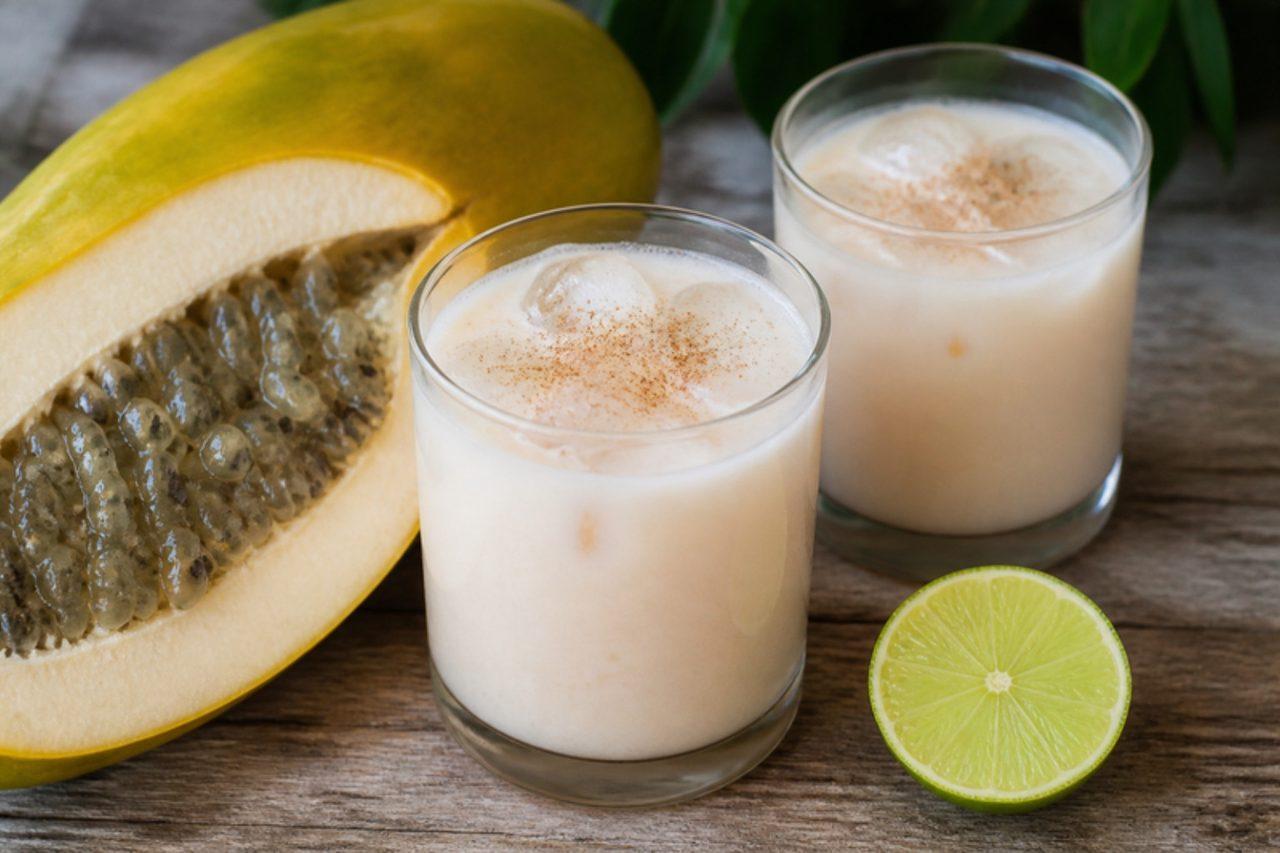
Barbadine punchGranadilla milk drink

Barbadine, the giant granadilla, grows on vines over backyard fences across Trinidad and turns up at Sunday lunch blended into a pale, creamy punch. The fruit's soft white flesh and the perfumed seed pulp inside are both used, giving a gentle passion-fruit flavour that milk, nutmeg and a little sugar round out. It is alcohol-free and made for the whole family. A frequent mistake is blending the seeds hard, which cracks them and turns the drink gritty and bitter: pulse the pulp briefly and strain it. Chef's tip: if you can't find barbadine, use the pulp of 6 passion fruit plus 200 g peeled honeydew melon for a similar taste.

by KrazyBadal 0 views

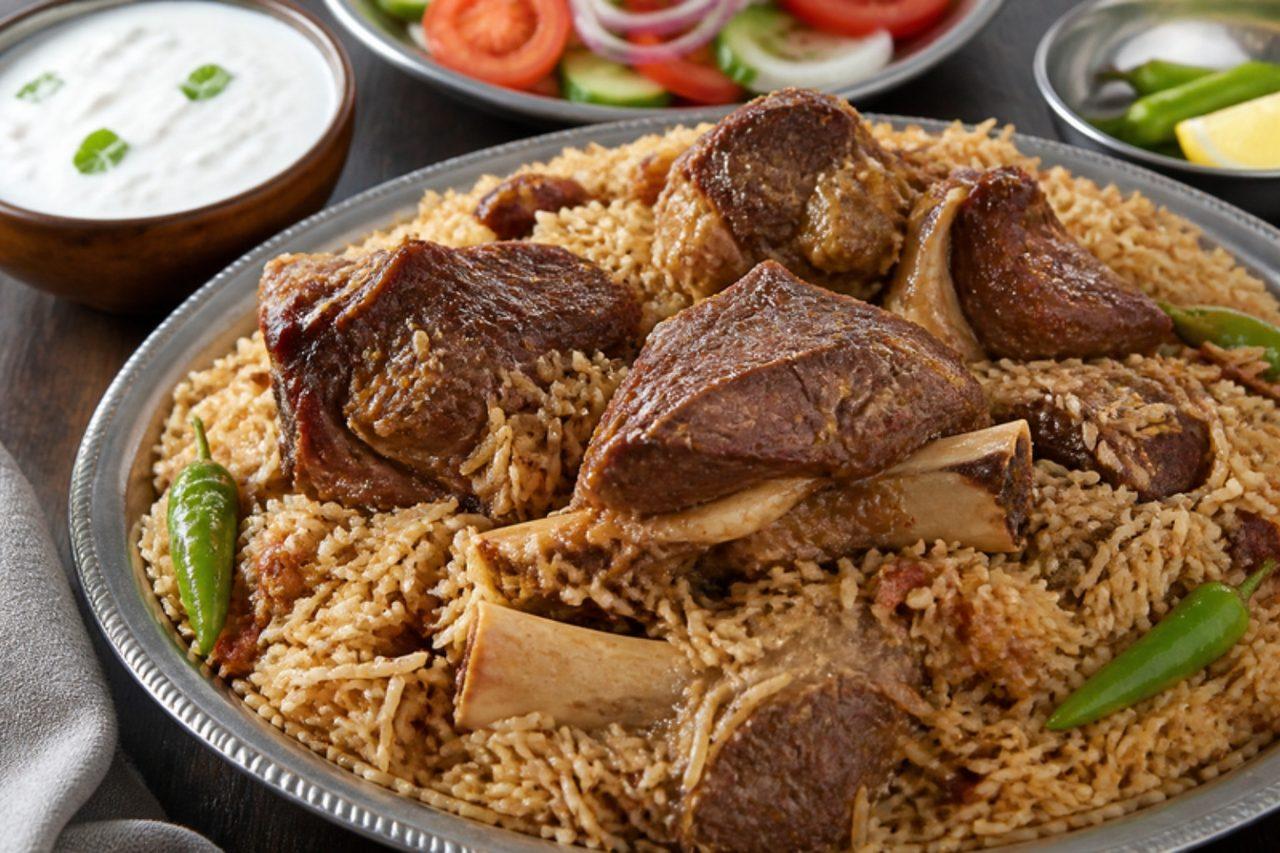
Bannu pulaoBeef pulao in bone marrow stock

Bannu, a town in southern Khyber Pakhtunkhwa, has given its name to one of Pakistan's richest rice dishes, now sold by pulao houses across Peshawar, Islamabad and Karachi with the town's name painted proudly over the door. Its secret is the stock: beef and marrow bones simmered for hours until the liquid turns cloudy and gelatinous, then used to cook long-grain rice so every grain is glossy with beef fat. The rice is served piled up with fist-sized pieces of boiled beef on top, alongside raita and a fresh chilli-tomato salad, at weddings and Friday lunches. Watery rice is the common failure, because the stock is not reduced enough; it must be concentrated, almost like gravy. Chef's tip: let the stock cool and lift off some of the fat, then fry the onions in that fat, so nothing is wasted and the rice tastes of beef throughout.

by KrazyBadal 0 views

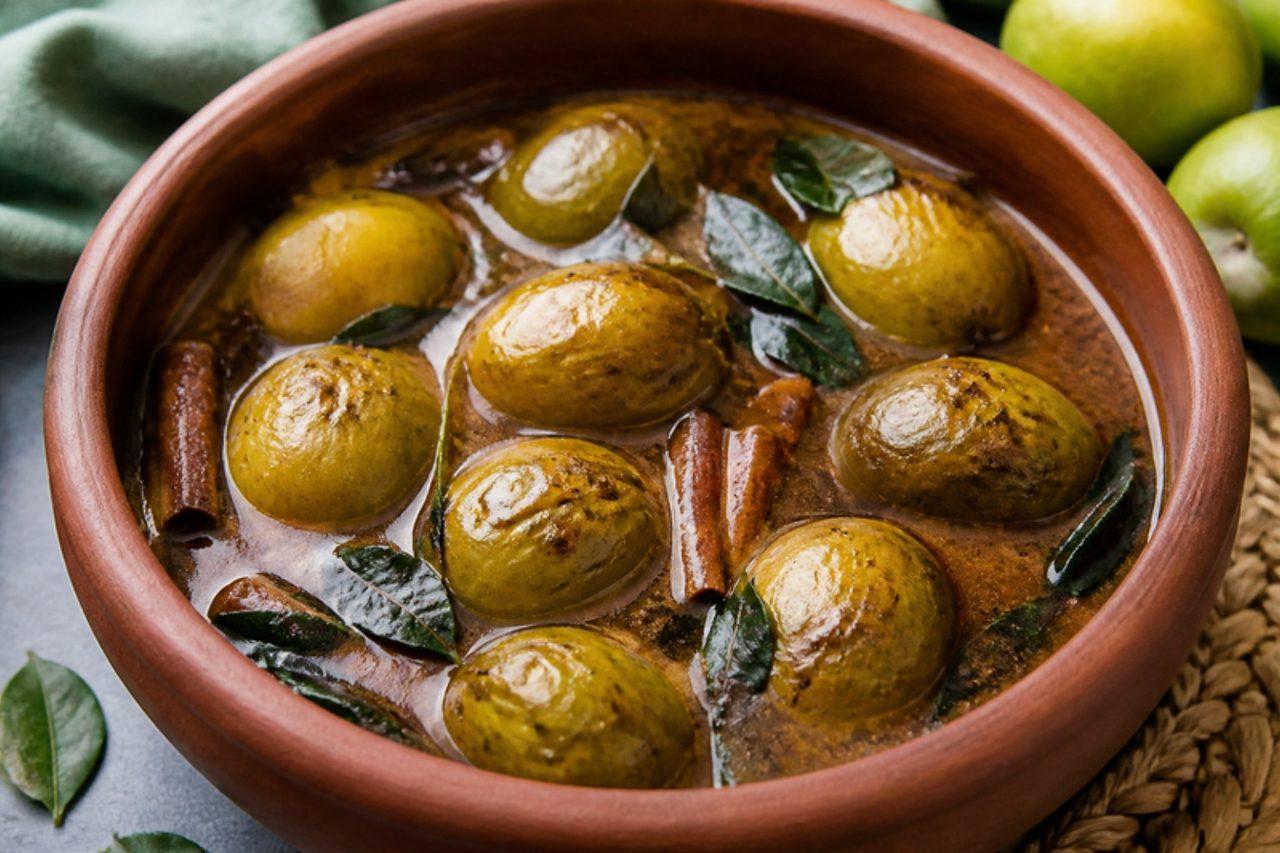
Ambarella curryJune plum curry

Ambarella trees, heavy with green, plum-sized fruit, shade countless gardens around Galle, and when the crop comes in, cooks turn the sour, crunchy fruit into this sweet-sour curry for Sunday lunch and family gatherings. The fruits are scored and cooked whole with roasted curry powder, garlic, cinnamon and cloves, then sweetened with sugar and finished in coconut milk, until the flesh softens and drinks in the dark, glossy gravy. Its tangy, fruity flavour cuts through richer dishes, and it is served in small portions with rice alongside a dhal and a meat or fish curry. Each fruit hides a spiky, fibrous stone, so warn guests to nibble around it. Leaving the skins whole and unscored is where many go wrong, because the spices never get in; make several deep cuts in each fruit. Frozen ambarella is sold in Sri Lankan shops; firm green mango is the nearest stand-in. Chef's tip: let the curry rest for an hour before serving, as the fruit keeps soaking up flavour.

by KrazyBadal 0 views

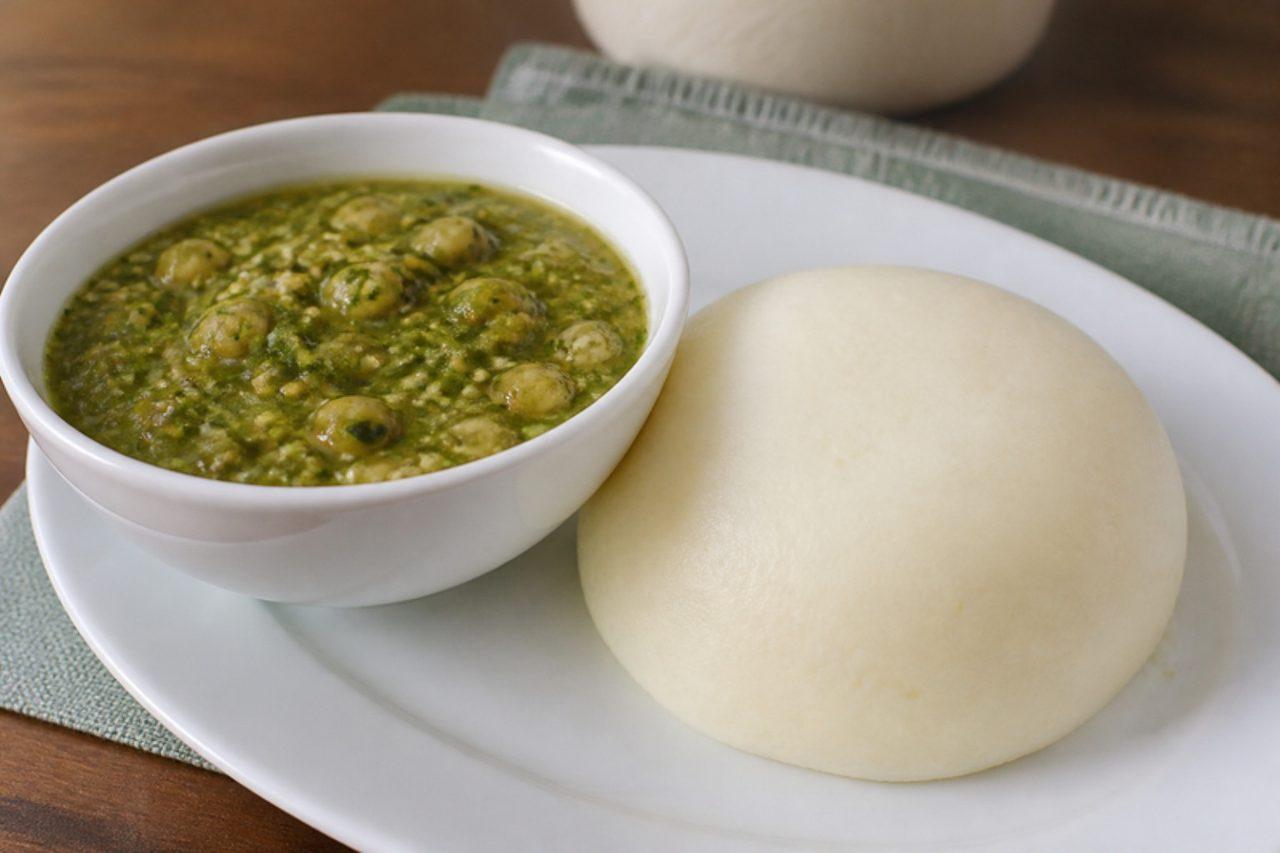
Tuwo masara (stiff maize swallow)

On the Plateau and throughout the north, a pot of white maize flour turned stiff with a wooden paddle is the daily partner to miyan kubewa (okra soup), miyan kuka and vegetable soups. Tuwon masara is smooth, slightly springy and mild, with a faint sweetness of corn. The secret is to start with a thin cooked paste and only then add the dry flour, which keeps it lump-free; dumping all the flour into boiling water is the mistake that gives raw, gritty pockets. Chef's tip: use a sturdy, flat wooden spoon and press the tuwo hard against the side of the pot when you turn it.

by KrazyBadal 0 views

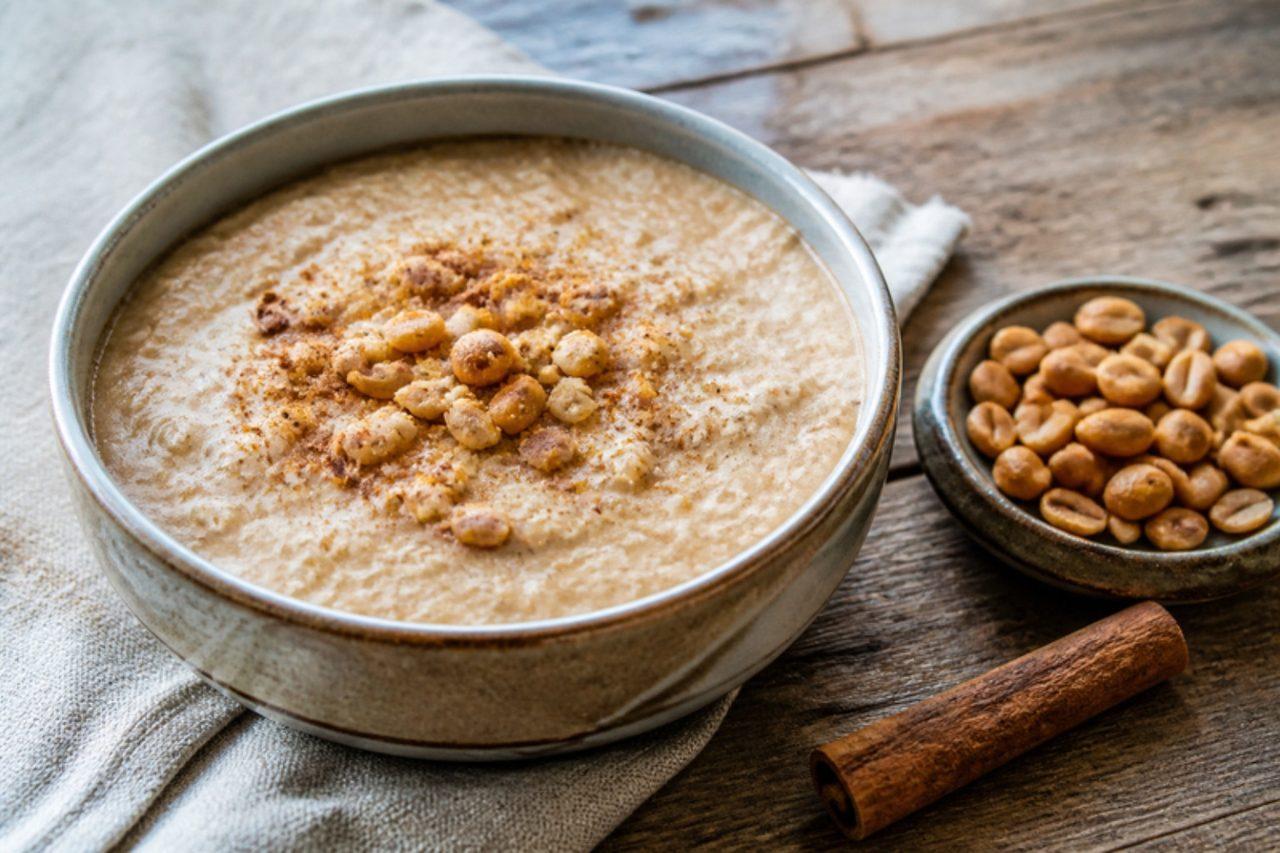
Jamaican peanut porridge

Before an early shift or a long day in the field, plenty of Jamaicans swear by peanut porridge, thick, nutty and filling enough to last until lunch; it is sold hot in cups from carts in downtown Kingston in the mornings. Roasted peanuts are blended with oats and water into a smooth paste, then cooked with milk until creamy and finished with nutmeg, vanilla and condensed milk. The mistake people make is cooking it over too high a heat, which scorches the bottom within minutes; peanuts burn easily, so stir and keep it at a simmer. This contains peanuts, milk and oats (gluten unless certified gluten-free). Chef's tip: toast the peanuts in a dry pan until they smell rich before blending, which deepens the flavour enormously.

by KrazyBadal 0 views

Jamaican roast corn

Drive the road over Mount Diablo or past Faith's Pen and you will see vendors fanning half-drums of glowing coal, with corn cobs turning slowly until the kernels are charred, chewy and smoky. Jamaican roast corn is drier and nuttier than boiled corn, closer to a snack to gnaw on the move, sometimes rubbed with salted butter and sometimes eaten plain with a cup of hot "fish tea" soup. The most common mistake is roasting over flames rather than embers, which blackens the outside before the inside cooks. Starchy, slightly mature cobs are traditional; very sweet corn burns faster, so keep it moving. Chef's tip: pull off the husks before roasting, as the vendors do, so the kernels char directly and pick up all the smoke.

by KrazyBadal 0 views

Mchewek (almond cookies)

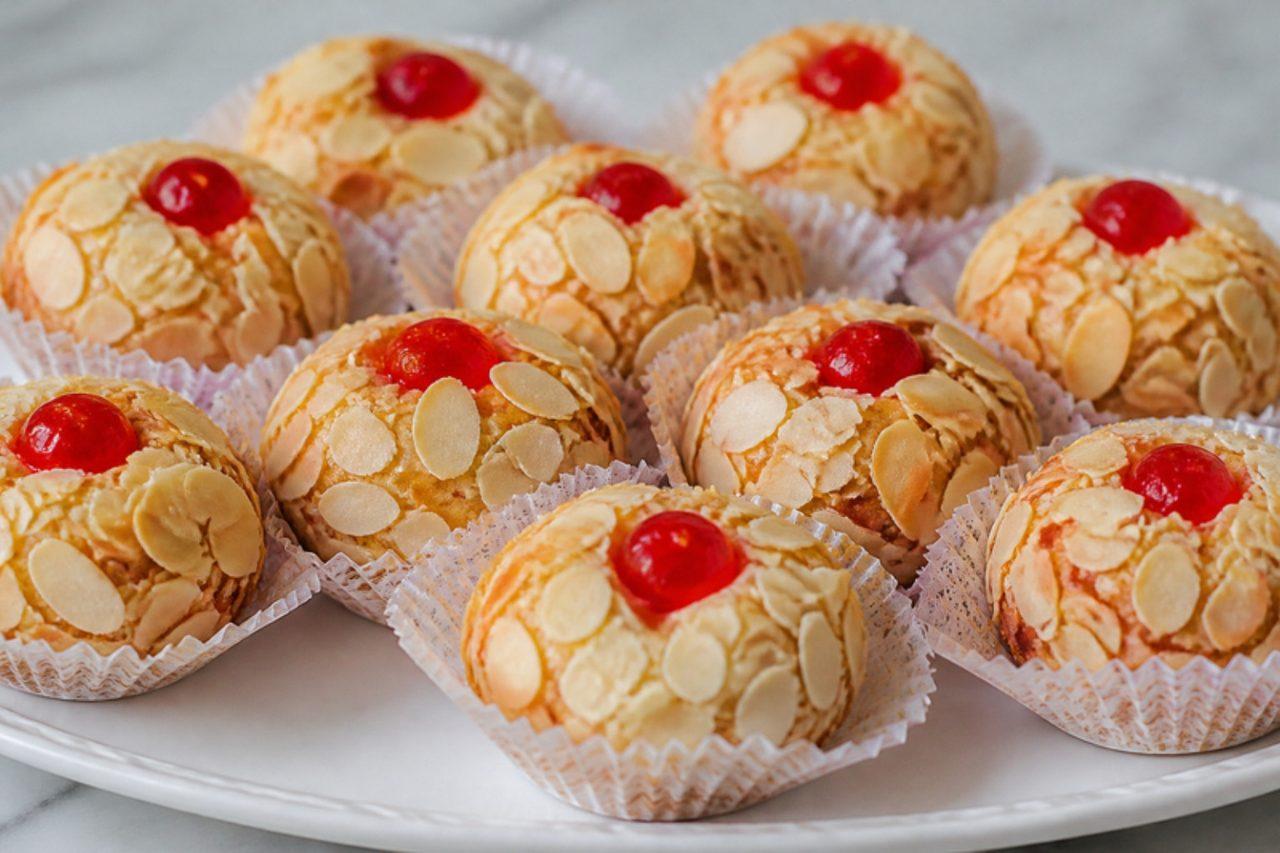
Mchewek means something like 'prickly', which is exactly how these cookies look: balls of almond paste rolled in flaked almonds so the flakes stick out like spines, each topped with half a candied cherry and baked only until the tips turn gold. Inside they stay soft and chewy, like a rustic macaroon. Being made with no flour, they suit anyone avoiding gluten, and they appear on Eid and wedding trays all over Algeria, often brushed with a little honey syrup for shine. Chef's tip: take them out when the edges are just golden and the centres still feel soft; overbaking is the classic mistake and leaves them dry and crumbly once cool.

by KrazyBadal 0 views

Showing 18 of 7,762 recipes

Show more recipes

Page 312 of 863