


Skip to content
Spettekaka
Featured recipe

Spettekaka

Lacy spit cake

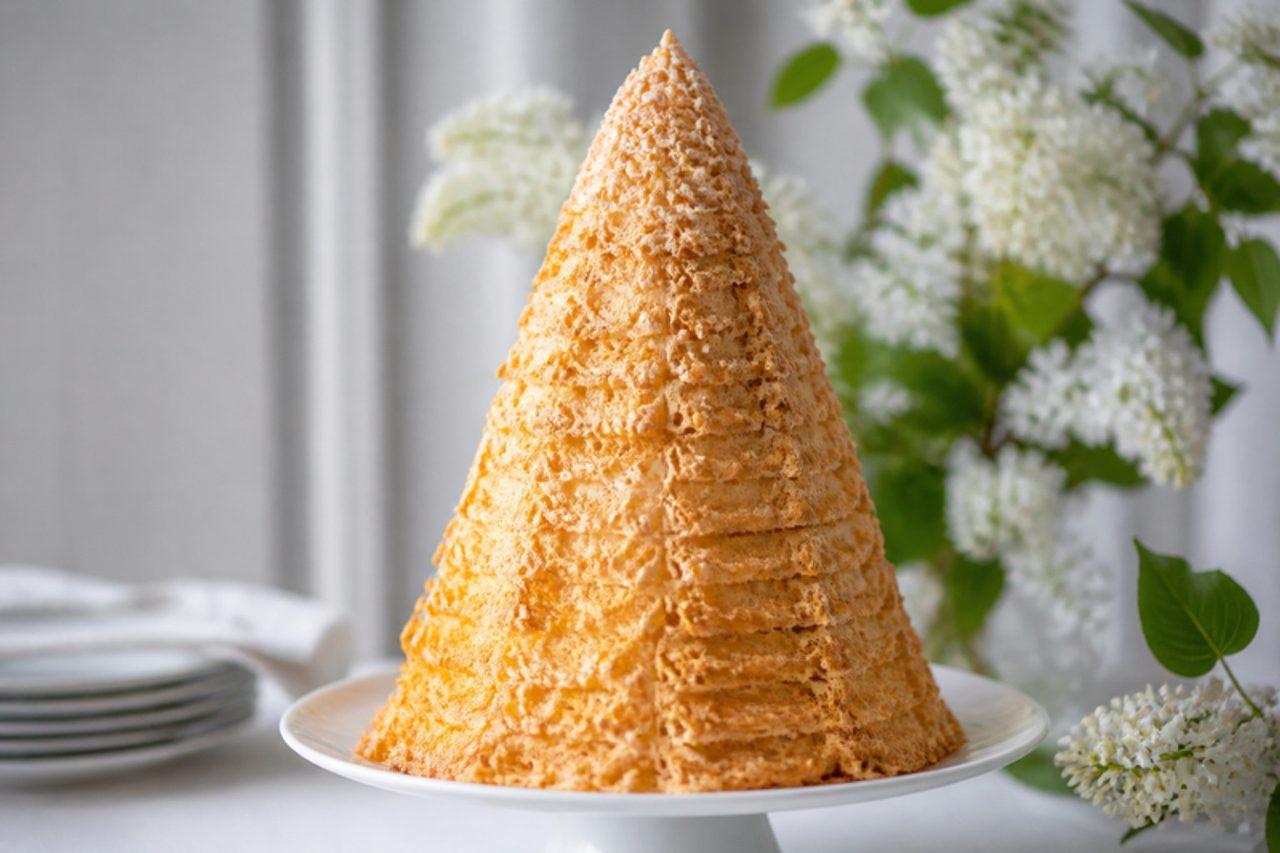
Spettekaka is the showpiece cake of Skåne, piped in lacy layers onto a cone-shaped spit turning slowly in front of the heat until it builds up into a tall, crisp, meringue-like tower. Bakeries around Ystad and Sjöbo still make them by hand for weddings and Christmas, and slices are broken off with a knife. This home method uses a foil-covered cone of card on a rotisserie or a wooden rolling pin turned under a low grill, piping layer by layer. A common mistake is piping too thick, which leaves the inside sticky and the layers sagging. Chef's tip: dry each layer until it is set and pale gold before piping the next; patience is what gives the airy lace.

Read more 0 views

What to eat today?

Around the world

Today's trip: Persian

A new country every day, from every cuisine on the site.

Persian

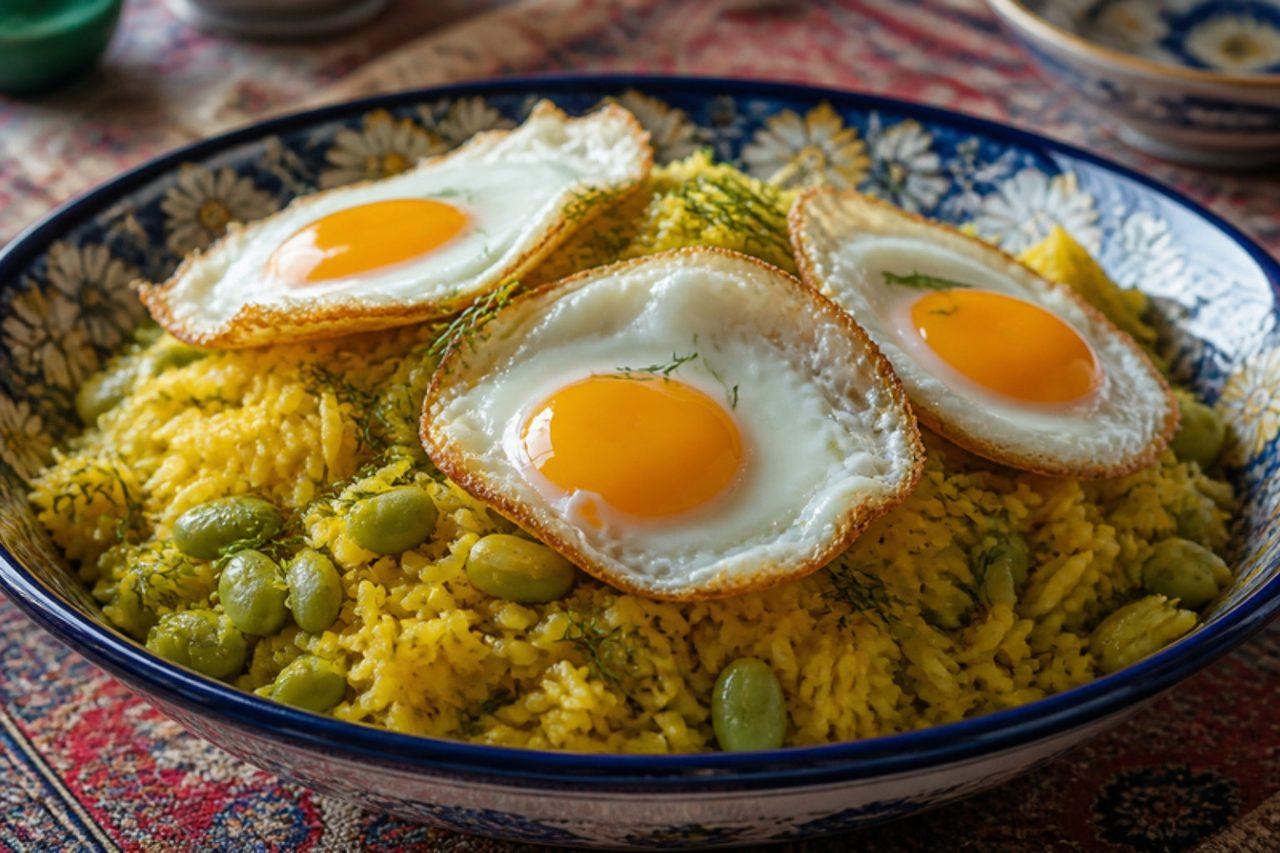
Dampokhtak

Turmeric rice with lima beans 65 minMore from Persian (163) →

This week's collection

Kid-friendly dinners
645 recipes · a new collection every Monday

Coming up

All occasions →

Latest recipes

Pasta e cavolfiorePasta with cauliflower

Pasta e cavolfiore belongs to the family of thick Neapolitan 'pasta e…' dishes eaten at home on Fridays and cold weekdays, when a single cauliflower and a handful of mixed pasta ends have to feed the family. The cauliflower is softened with garlic, a little tomato and chilli, then the pasta is cooked right in it with small additions of hot water until the whole pot is creamy and the cauliflower has partly melted into the sauce. Finish with pecorino and black pepper. The usual mistake is cooking the cauliflower in big florets, which never break down; cut it small so some of it becomes the sauce. Chef's tip: let it rest for two minutes off the heat after the cheese goes in; it thickens into the proper 'azzeccata' texture that holds a fork upright.
by KrazyBadal 0 views

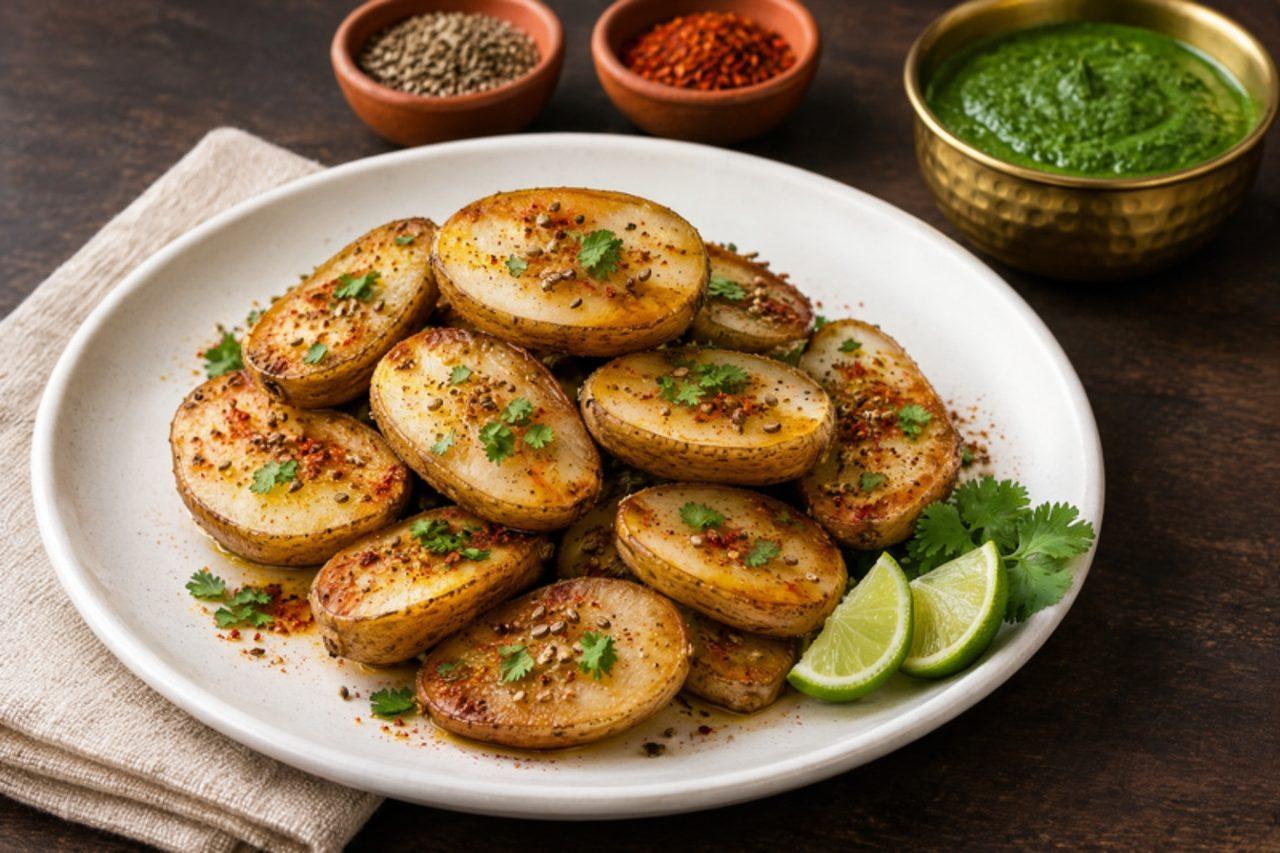
Ajwaini arbiPan-fried colocasia with carom seeds

Across Delhi, Punjab and Uttar Pradesh, arbi is the vegetable that goes into a dabba with ajwain rotis or plain phulkas: the small colocasia roots are boiled, flattened slightly and pan-fried with carom seeds, red chilli and dried mango powder until crisp outside and creamy inside. Ajwain is there for its flavour and because it is said to help digest the starchy root. The mistake is boiling the arbi too long: it turns slimy and falls apart in the pan. Cook it until just tender, then cool fully before peeling. Chef's tip: press each piece gently with your palm to crack it before frying; the cracks catch the spices and crisp up.

by KrazyBadal 0 views

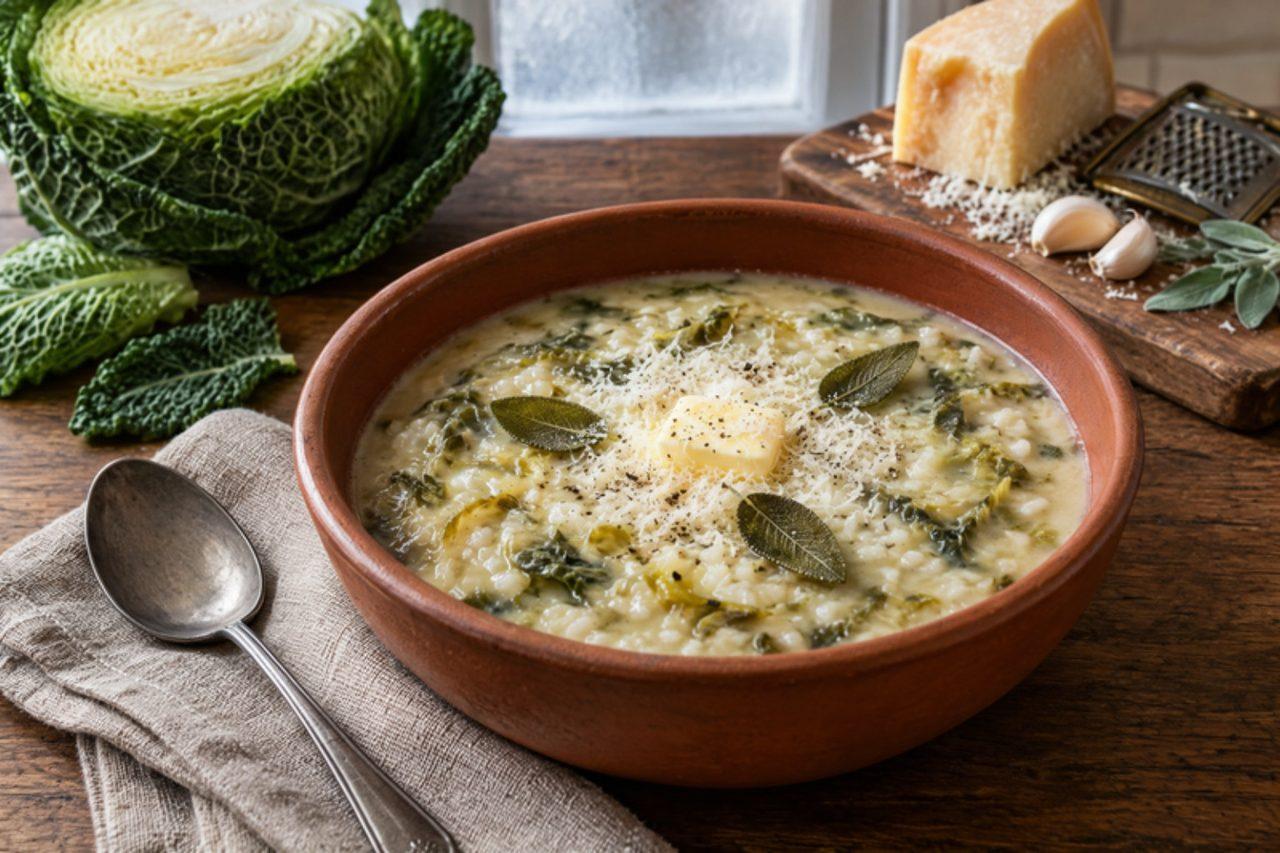
Riso e verzeRice and cabbage soup

Riso e verze is a Lombard and Venetian farmhouse supper for the coldest months, when Savoy cabbage has been sweetened by the frost. Shredded cabbage is stewed slowly in butter and onion until it melts, then rice and stock go into the same pot and simmer into a thick, spoon-standing soup finished with grated cheese. Serve it in deep bowls with black pepper and crusty bread. The usual mistake is boiling the cabbage straight in stock, which makes it taste of sulphur; stew it in butter first until it is soft and sweet. Chef's tip: make it a little loose, because the rice keeps drinking the broth as it stands.

by KrazyBadal 0 views

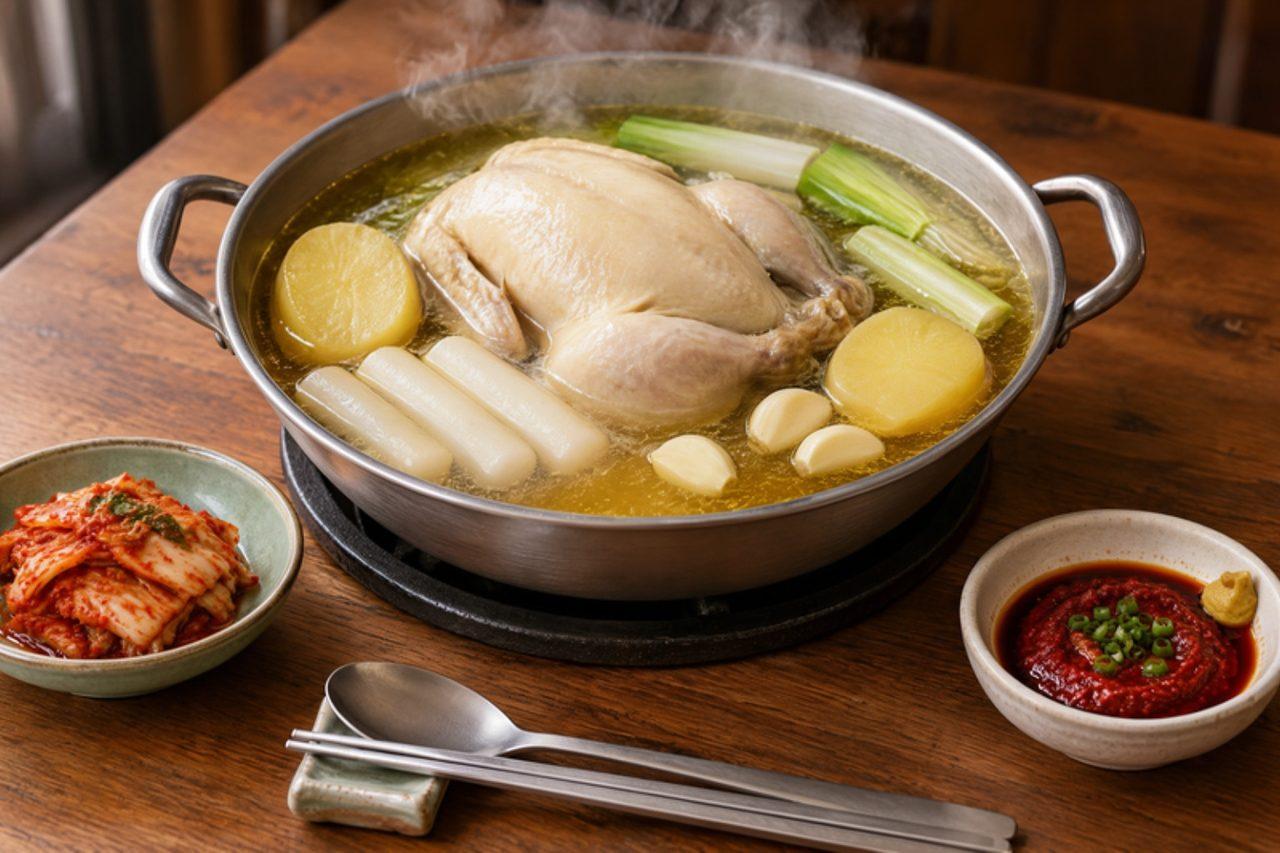
Dak hanmariWhole chicken hot pot

Dak hanmari, literally 'one chicken', comes from the alley of restaurants beside Dongdaemun market in Seoul, where a whole chicken arrives in a basin of pale broth and finishes cooking on a burner at the table. Potatoes and chewy rice cakes simmer alongside, and each piece is dunked in a sharp dipping sauce of chilli, soy, vinegar and mustard that you mix to your own taste. When the chicken is gone, knife-cut noodles go into the broth. The usual mistake is rushing the first simmer: the broth needs its full time with garlic and leek to taste of chicken. Chef's tip: let everyone build their own dip, adding a spoon of hot broth so the chilli flakes bloom.

by KrazyBadal 0 views

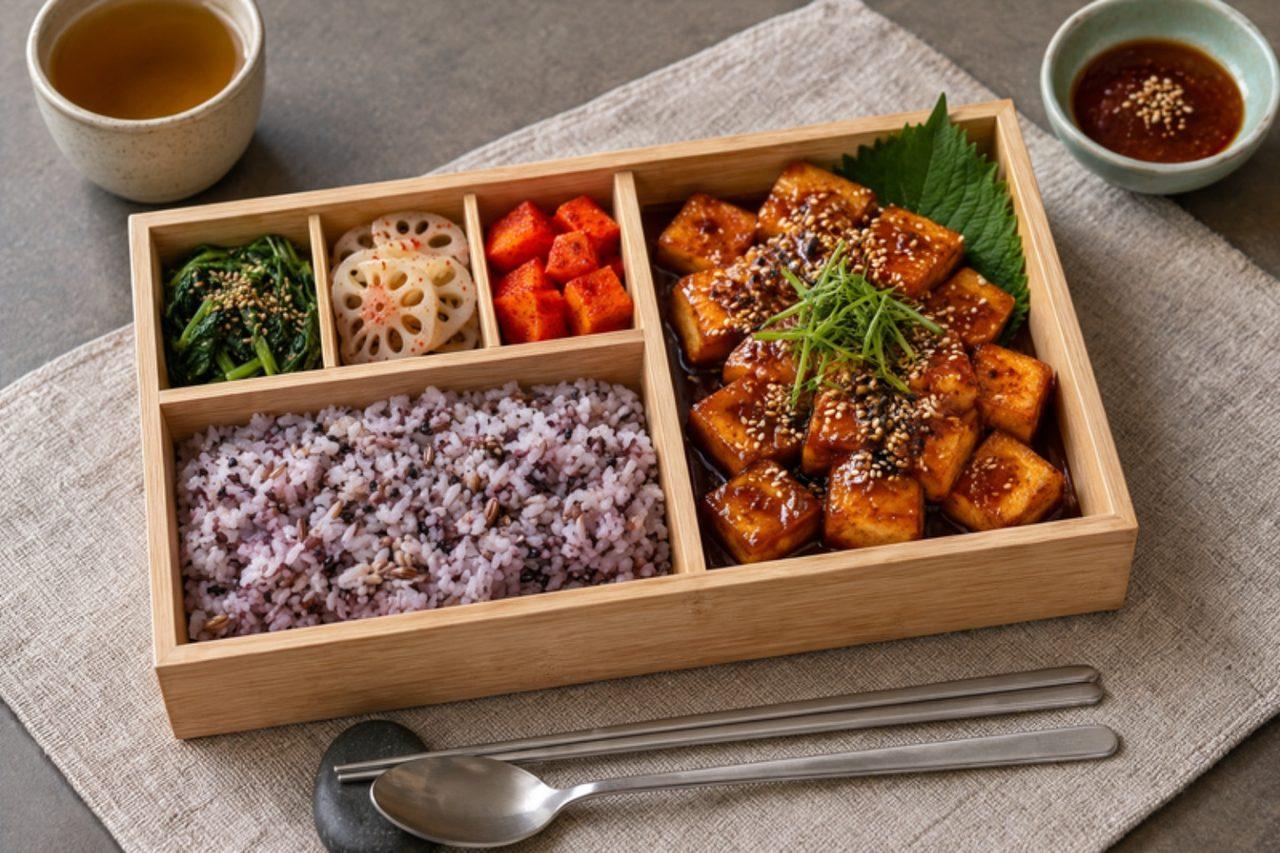
Dubu gangjeongSticky fried tofu cubes

Gangjeong usually means sticky glazed fried chicken, but Korean mothers make this tofu version for the dosirak because the starch coating stays crisp even after a morning in the lunchbox. The glaze is mild, sweet and garlicky, so children love it; add gochujang for the grown-ups. The common mistake is skipping the pressing, which leaves wet tofu that spits in the oil and goes soggy under the sauce. Chef's tip: let the fried cubes cool for two minutes before glazing, and boil the sauce to large, slow bubbles first, so it clings instead of soaking in.

by KrazyBadal 0 views

PinolilloToasted corn and cacao drink

Nicaraguans call themselves pinoleros after this drink, sold cold from plastic jugs at markets in Masaya and León and stirred up at home in gourd cups called jícaras. Toasted ground corn, cacao and a little cinnamon and clove are whisked into water or milk, giving a nutty, gently chocolatey drink with a soft, grainy body that settles if you leave it. Made with water or a plant milk it is vegan. Burning the corn while toasting is the mistake to avoid: it only needs to turn biscuit-coloured, and anything darker tastes bitter. Chef's tip: shake the powder and liquid in a lidded jar with ice instead of stirring, and there will be no lumps.

by KrazyBadal 0 views

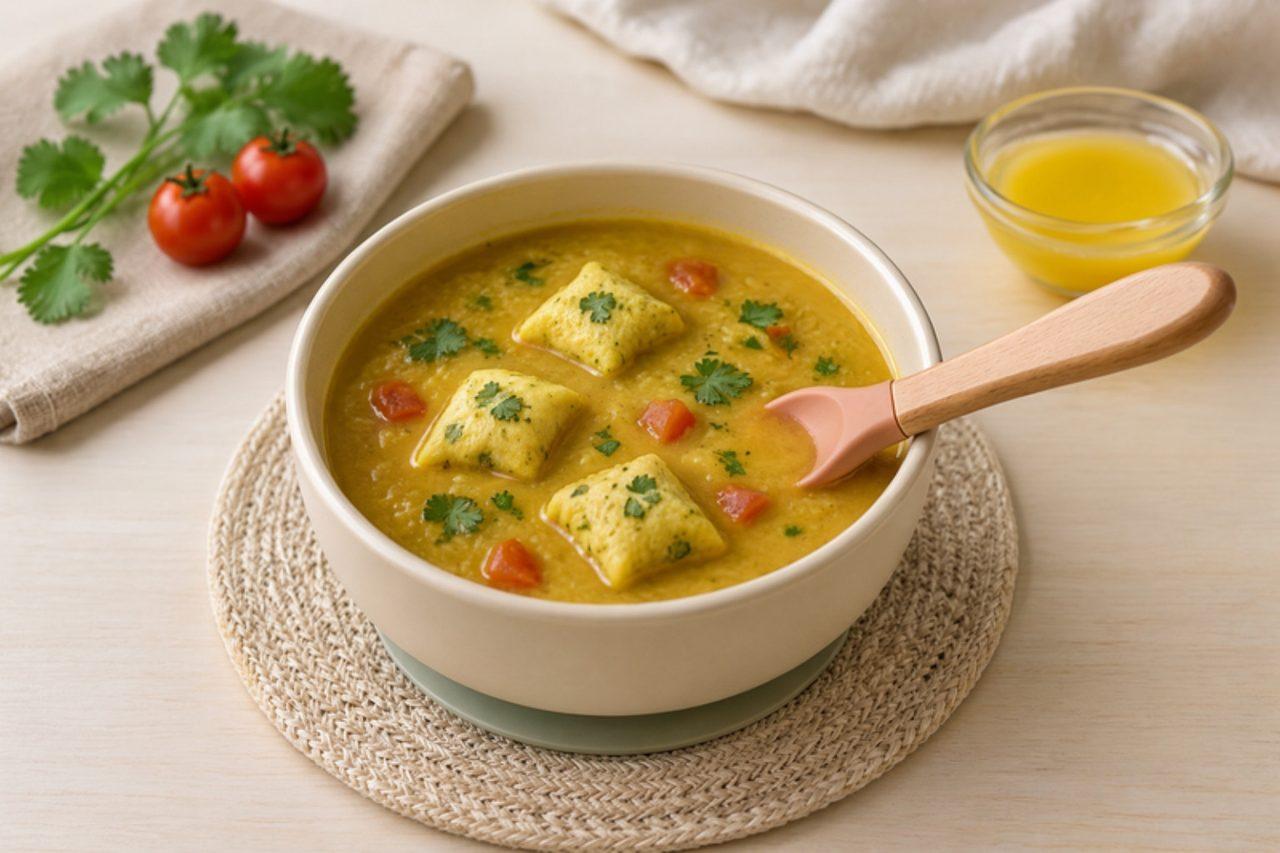
Dal dhokli for toddlersWheat dumplings in dal for toddlers

In Ahmedabad pols and Surat kitchens dal dhokli is the Sunday one-pot lunch: diamonds of spiced wheat dough cooked straight in tangy toor dal. This toddler version, for children from 12 months, keeps the soft pasta-like pieces small, leaves out the chilli, peanuts and cloves, and uses only a pinch of jaggery so the dal stays sweet-sour the way Gujarati families like it. It is cooked in oil, so it is dairy free and vegan. It contains wheat (gluten); there is no milk, egg, nuts or soya. Chef's tip: roll the dough thin, about 2 mm; thick dhokli stay chewy in the middle.

by KrazyBadal 0 views

Bol renverséUpside-down rice bowl

Order a bol renversé in a Port Louis canteen or a Grand Baie food court and it arrives as a neat dome of rice with a fried egg perched on top; break into it and a glossy stir-fry of chicken, prawns, mushrooms and Chinese leaves spills out. The trick is building it backwards in a bowl, egg first, then the stir-fry, then rice packed down, before flipping it onto a plate. The sauce should be thick enough to coat the vegetables but loose enough to soak into the rice. People often make the sauce too thin and the dome slides apart in a flood, so simmer it until it glazes the back of a spoon. Chef's tip: fry the eggs only until the whites are set and the edges are crisp, and lay them yolk-side down in the bowl so the yolk faces up and stays runny when you turn it out.

by KrazyBadal 0 views

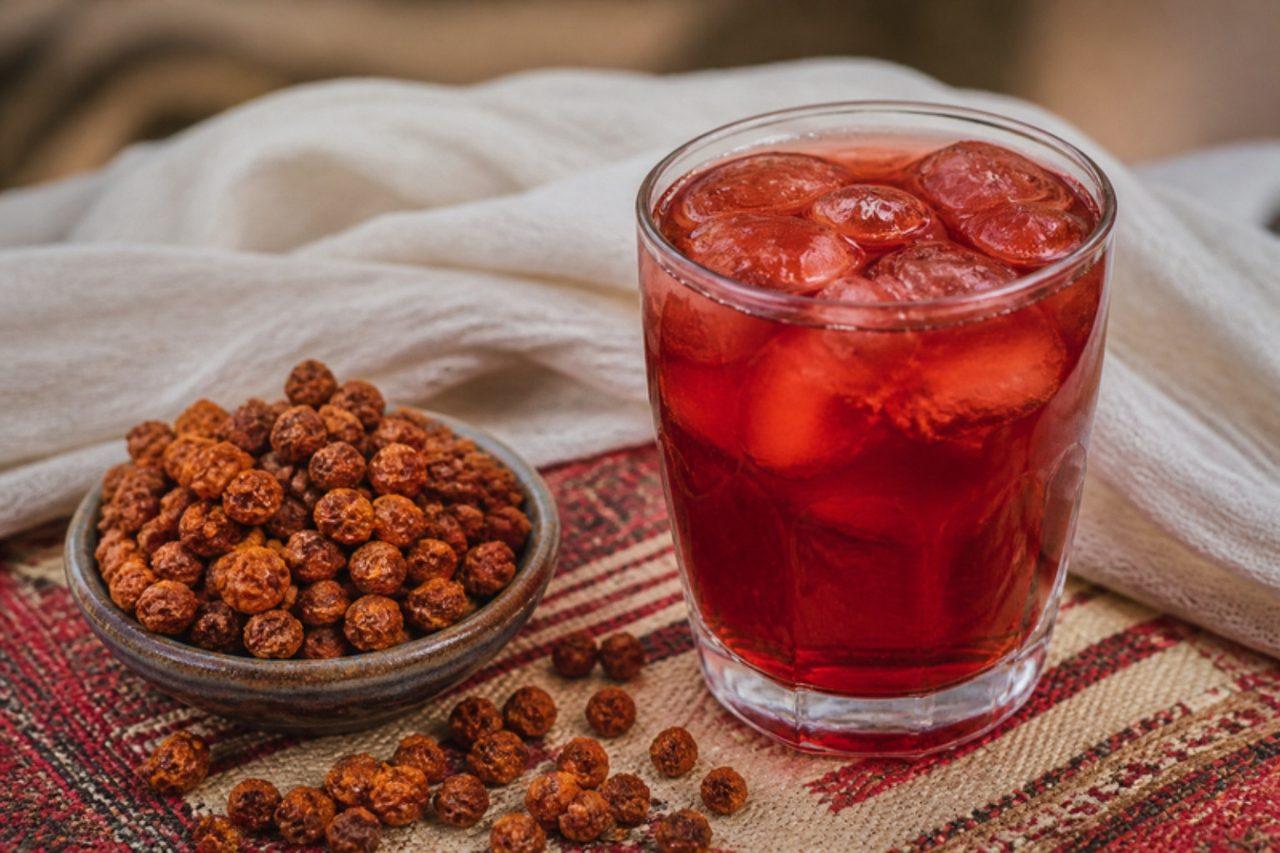
Guddaim (Sudanese grewia berry drink)

Small, round guddaim berries, the fruit of a wild grewia shrub that grows across Kordofan and Darfur, are dried and sold by the cupful in Sudanese markets. Soaked in water and rubbed off their stones, they give a cloudy reddish-brown drink that tastes a little like dates and sour cherries, with a pleasantly sharp finish. It is drunk ice-cold in the heat of the day, at iftar and to welcome guests. Look for dried guddaim in Sudanese or East African shops. If you cannot find it, a mix of 150 g pitted dates and 50 g tamarind pulp soaked the same way gives a similar sweet-sour drink, though not the same. Rubbing too hard and breaking the stones is the usual mistake, as it clouds the drink with grit; rub gently. Chef's tip: soak the berries in cool water overnight in the fridge for the fullest flavour.

by KrazyBadal 0 views

Aradeib (Sudanese tamarind drink)

Tamarind trees shade villages throughout Darfur and Kordofan, and their sticky brown pods become aradeib, one of the best-loved Sudanese cold drinks. The pulp is soaked, rubbed and strained, then sweetened to make a deep amber, puckeringly sour drink that cuts through rich food and is much loved at iftar through Ramadan. It is also drunk as a home remedy for upset stomachs and heat. Seedy block tamarind from any Asian or African shop works perfectly. Pouring boiling water straight onto the pulp and leaving it too long draws out a harsh, tannic edge, so use hot rather than boiling water and strain after an hour. Avoid squeezing the soaked tamarind through a cloth too hard; fibres get through and make the drink cloudy and gritty. Chef's tip: make a concentrate and keep it in the fridge for up to a week; dilute with cold water by the glass.

by KrazyBadal 0 views

Madeeda (Sudanese warm millet and milk drink)

Thick enough to sip slowly from a glass but thinner than porridge, madeeda is a warming drink from northern Sudan made by cooking flour, often pearl millet, in milk and sweetening it with sugar or dates. Families make it on cool winter mornings, for anyone feeling under the weather and for new mothers, and it is a gentle way to break the fast in Ramadan. This version uses millet flour with cardamom and a little cinnamon, so it is smooth, nutty and lightly spiced. Lumps are the usual problem: whisk the flour into cold milk before it goes onto the heat. A frequent slip is not stirring enough, so the millet catches and the milk scorches. Chef's tip: for a date version, blitz 6 soft pitted dates with the milk and halve the sugar.

by KrazyBadal 0 views

Pescado con cocoFish in coconut sauce

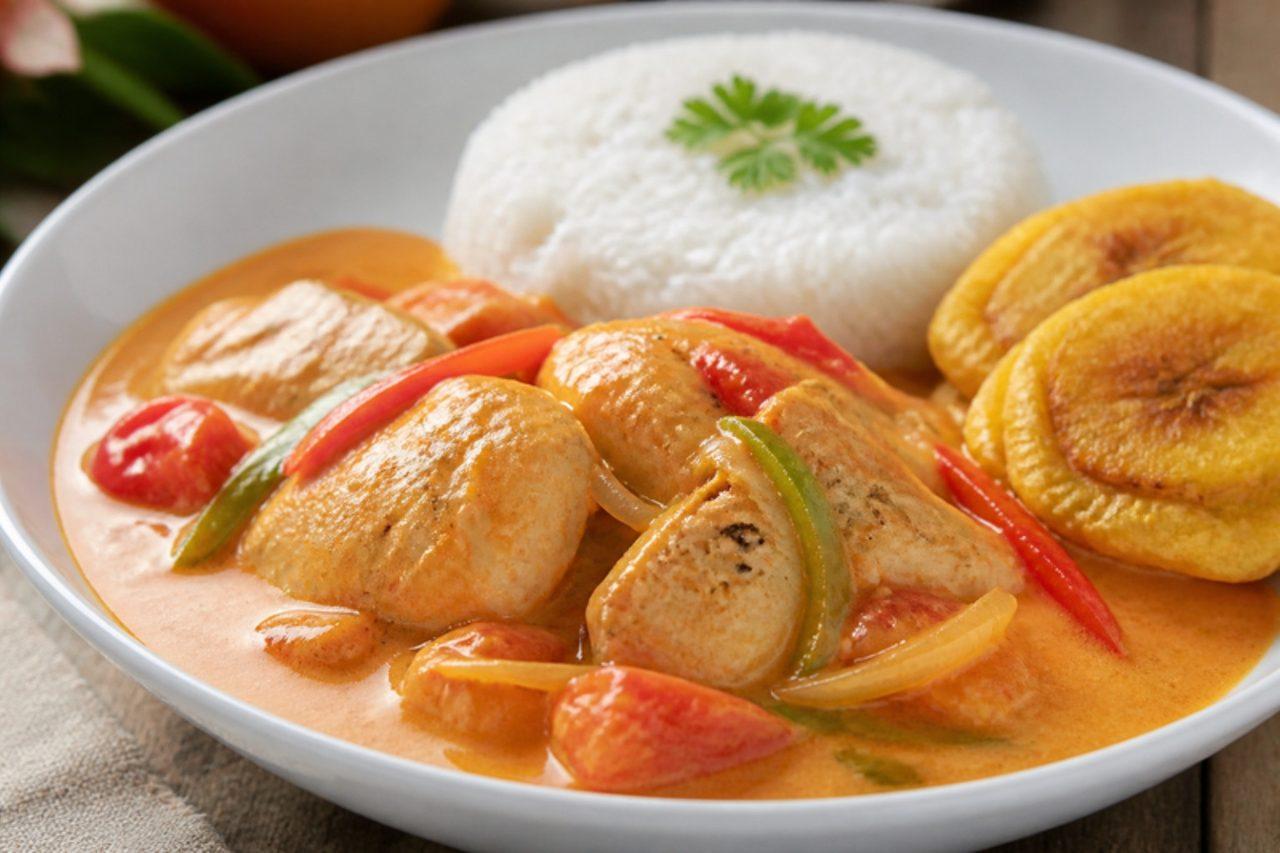
On the Samaná peninsula in the north-east of the Dominican Republic, where coconut palms grow down to the sea and the local cooking carries traces of the African-American settlers who arrived there in the 1820s, fish is braised in fresh coconut milk with tomato, peppers and herbs. It is served at beach shacks in Las Terrenas with white rice and tostones to mop up the sauce. The common mistake is boiling the sauce hard once the coconut milk is in, which makes it split and oily; keep it at a gentle simmer. Chef's tip: let the fish sit in lime, garlic and salt in the fridge for 15 minutes first, but no longer, or the acid starts to cook it.

by KrazyBadal 0 views

Senegalese ginger juice

Nearly every Senegalese party, baptism and wedding table carries a jug of jus de gingembre next to the bissap, and Dakar street sellers keep it in frosted plastic bottles. Fresh ginger is blended with water, left to steep, strained and sweetened, then brightened with lemon and mint. Expect a sweet first sip followed by a strong, warming burn that is surprisingly refreshing when the drink is ice cold. Some cooks add a little pineapple juice or vanilla for a rounder taste. Chef's tip: taste before serving and dilute with cold water if it is too fierce; the most common mistake is serving it undiluted, when it can be strong enough to make people cough.

by KrazyBadal 0 views

AnoushabourChristmas wheat pudding

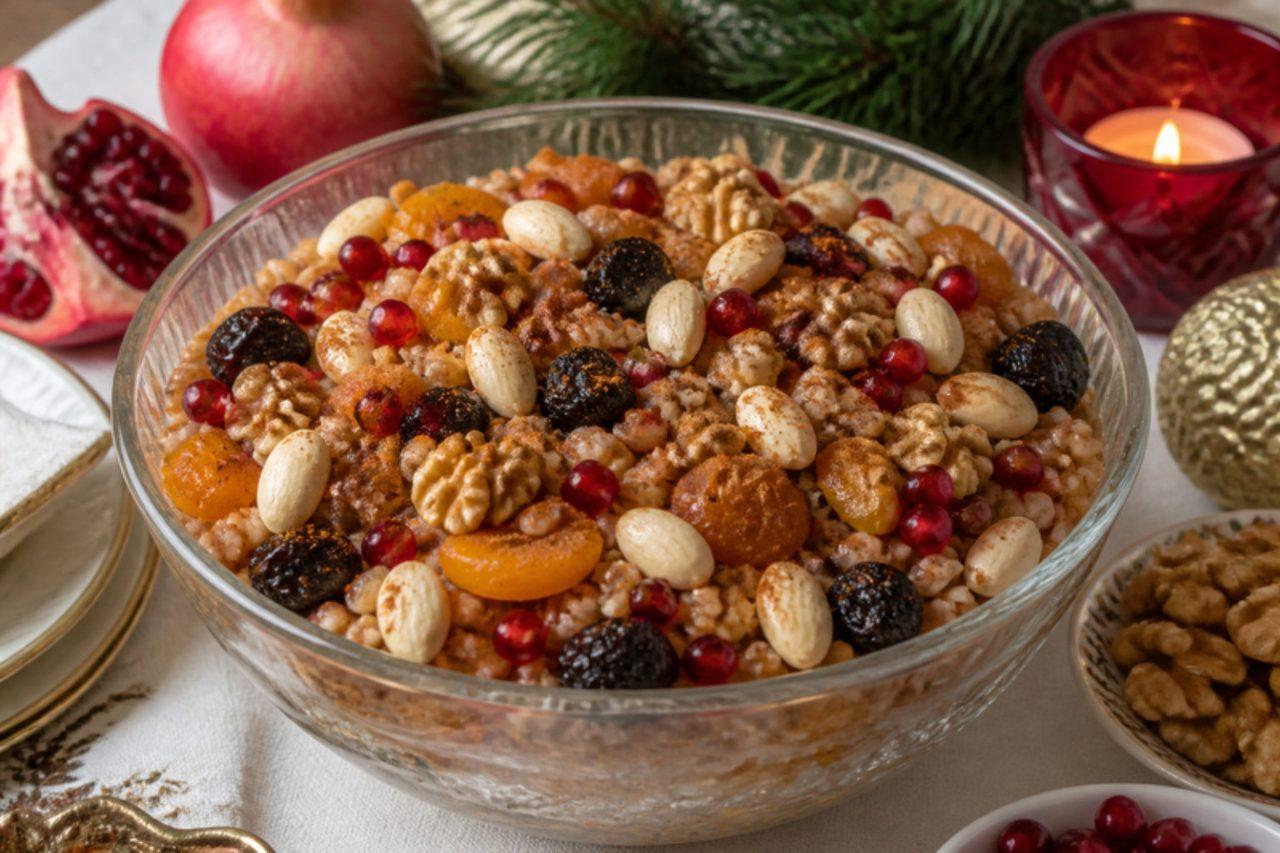
Anoushabour, 'sweet soup', is cooked by Armenian families for New Year and for Christmas, which the Armenian church keeps on 6 January; in Yerevan and diaspora kitchens a big pot is made and bowls are carried to friends. Whole hulled wheat is simmered until creamy, sweetened and filled with apricots, raisins and prunes, then topped with walnuts, almonds, pomegranate and cinnamon. A common mistake is adding the fruit early, which turns it to pulp. Chef's tip: stir in a spoon of rose water at the end and serve the pudding cool; it sets slightly and the flavours come together.

by KrazyBadal 0 views

Tabaldi (Sudanese baobab drink)

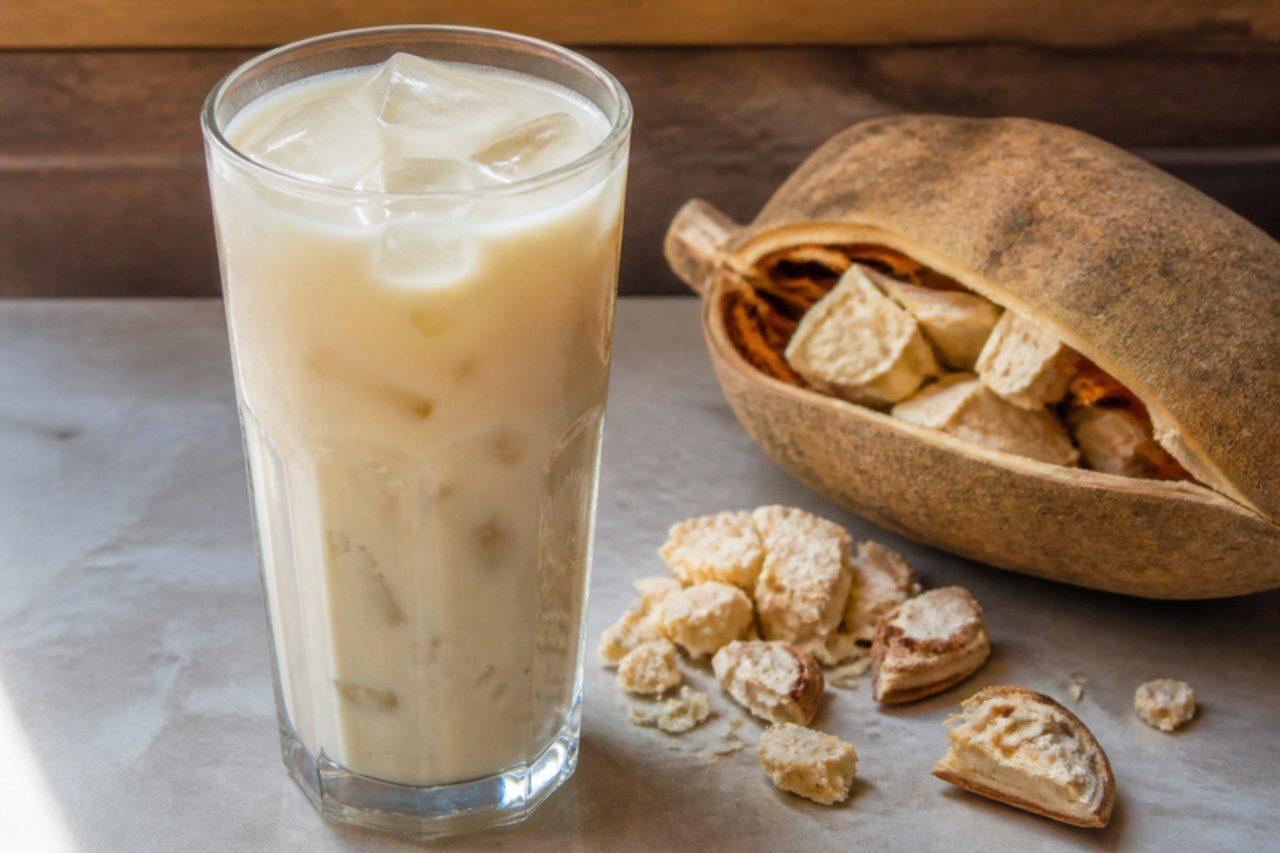
The great baobab trees of Kordofan and Darfur drop hard pods full of chalky, cream-coloured pulp, and Sudanese cooks soak it in water to make tabaldi, a thick, milky-looking drink with a sherbet-like tang. It is sold from big cool-boxes in Khartoum markets in summer, served at weddings, and appears on the iftar table during Ramadan. Fresh pulp pieces with seeds are sold in African and Middle Eastern shops; baobab powder is a good substitute and needs no straining. Leave the drink to soak for an hour in the fridge before straining (soaking time is not counted in the total). The usual mistake is blending the seeds, which makes the drink bitter; rub the pulp off by hand instead. Chef's tip: a few drops of rose water or a pinch of ground cardamom makes it feel festive.

by KrazyBadal 0 views

Bitifoor (Sudanese Eid butter biscuits)

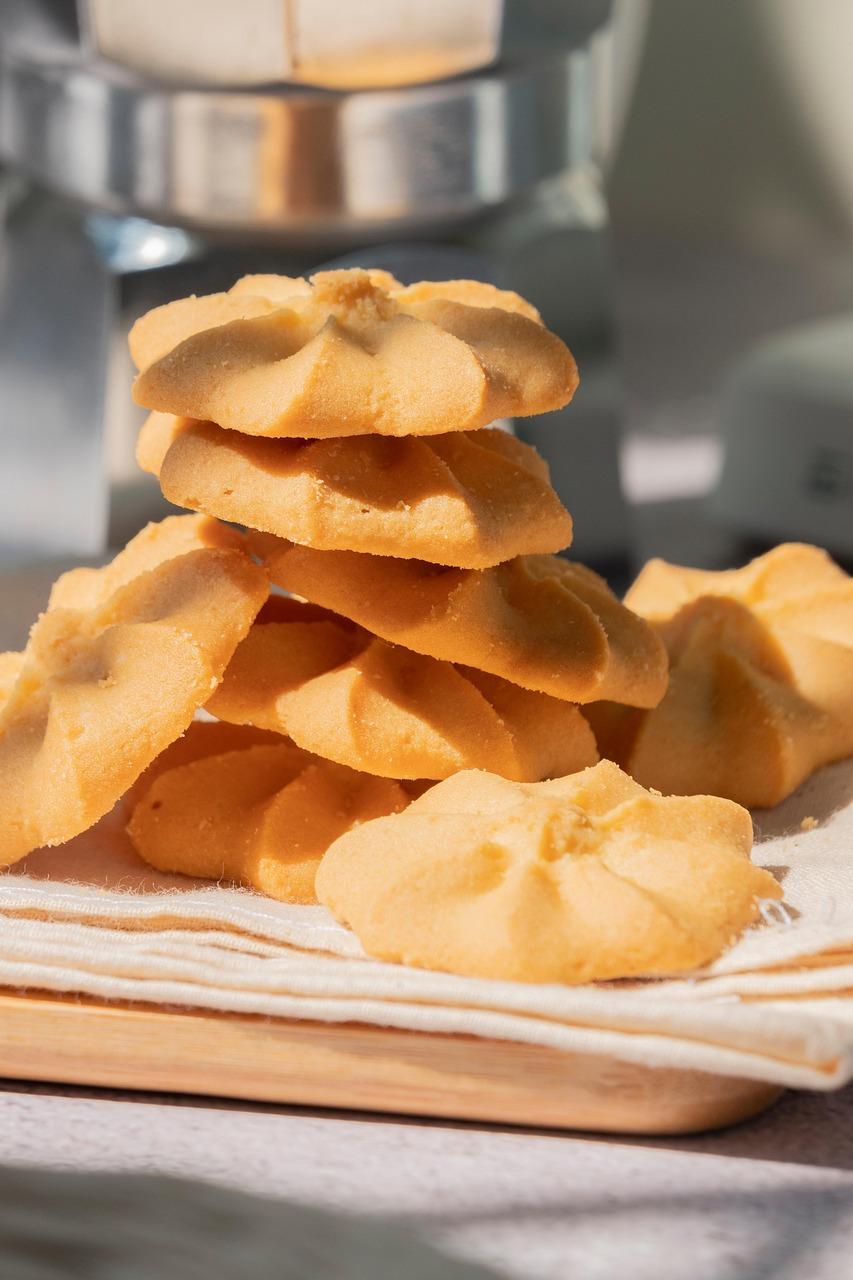
During the last days of Ramadan, Khartoum neighbourhoods smell of butter and vanilla as women bake bitifoor, the piped biscuits whose name comes from the French petit four, for the Eid visits that follow. They are piped into rosettes, fingers and swirls, sometimes topped with a piece of glacé cherry or dipped in chocolate, and arranged on platters with ka'ak and sweets for guests. The texture is melt-in-the-mouth, short and delicate. Over-soft butter is the classic mistake, giving biscuits that spread into flat puddles; use butter soft enough to dent, not oily, and chill the piped trays for 15 minutes. Chef's tip: a little cornflour in the flour keeps them extra tender and crisp.

by KrazyBadal 0 views

Hot butter cuttlefish

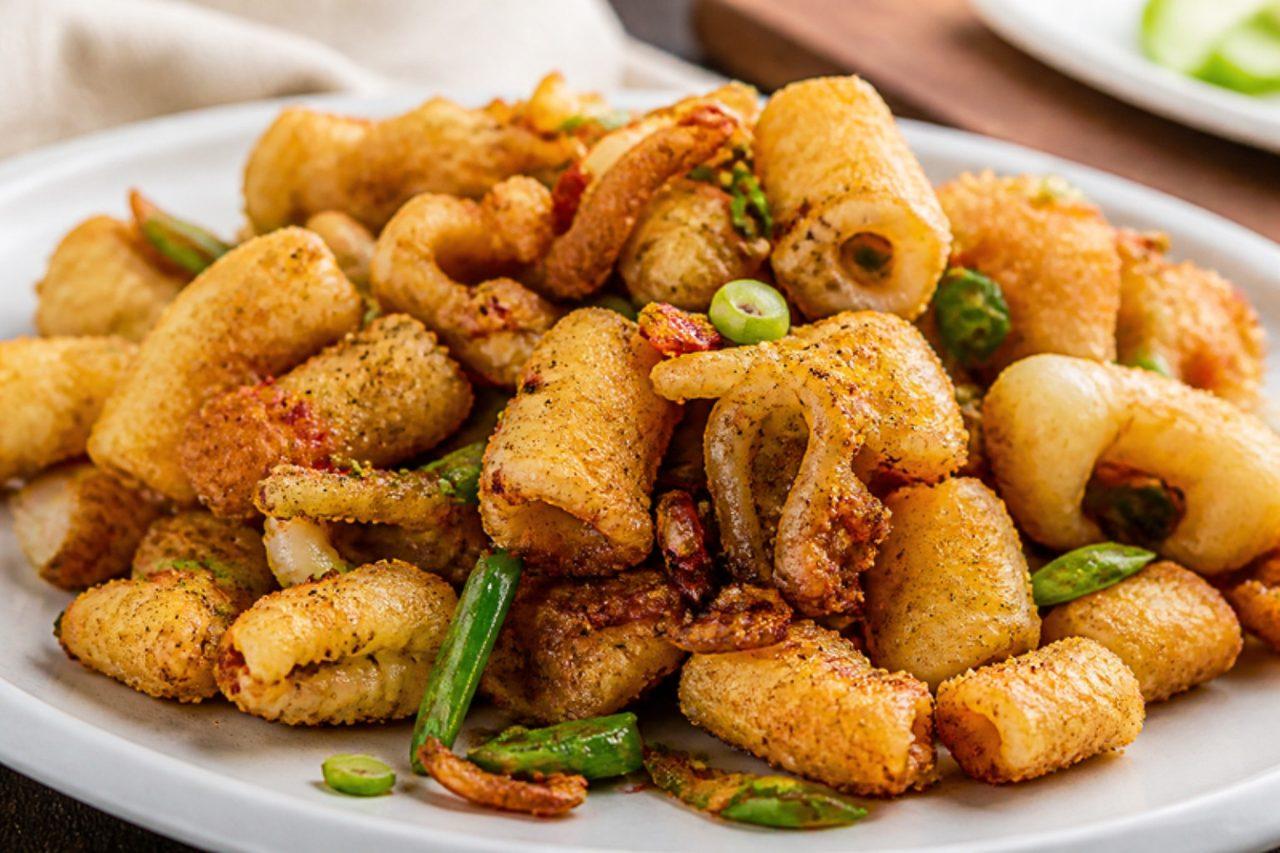
Along Colombo's Galle Road and in the seafood restaurants of Negombo, hot butter cuttlefish is the dish nearly every table orders first, a heap of golden, crunchy strips that disappear while the rice and curries are still on their way. The cuttlefish is scored, dipped in a light, chilli-spiked batter and fried hard, then thrown into a pan of foaming butter with garlic, dried chilli flakes, green chilli and a big handful of spring onion. The result is crisp outside, tender within, rich, salty and properly hot, and it is eaten as a starter or alongside fried rice and a fresh lime. It goes wrong when the cuttlefish fries too long, because it turns rubbery after about two minutes in the oil. Chef's tip: score the inside of each piece in a fine criss-cross so it curls and grabs the batter, and fry in small batches so the oil stays hot.

by KrazyBadal 0 views

Dominican berenjena guisadaStewed aubergine

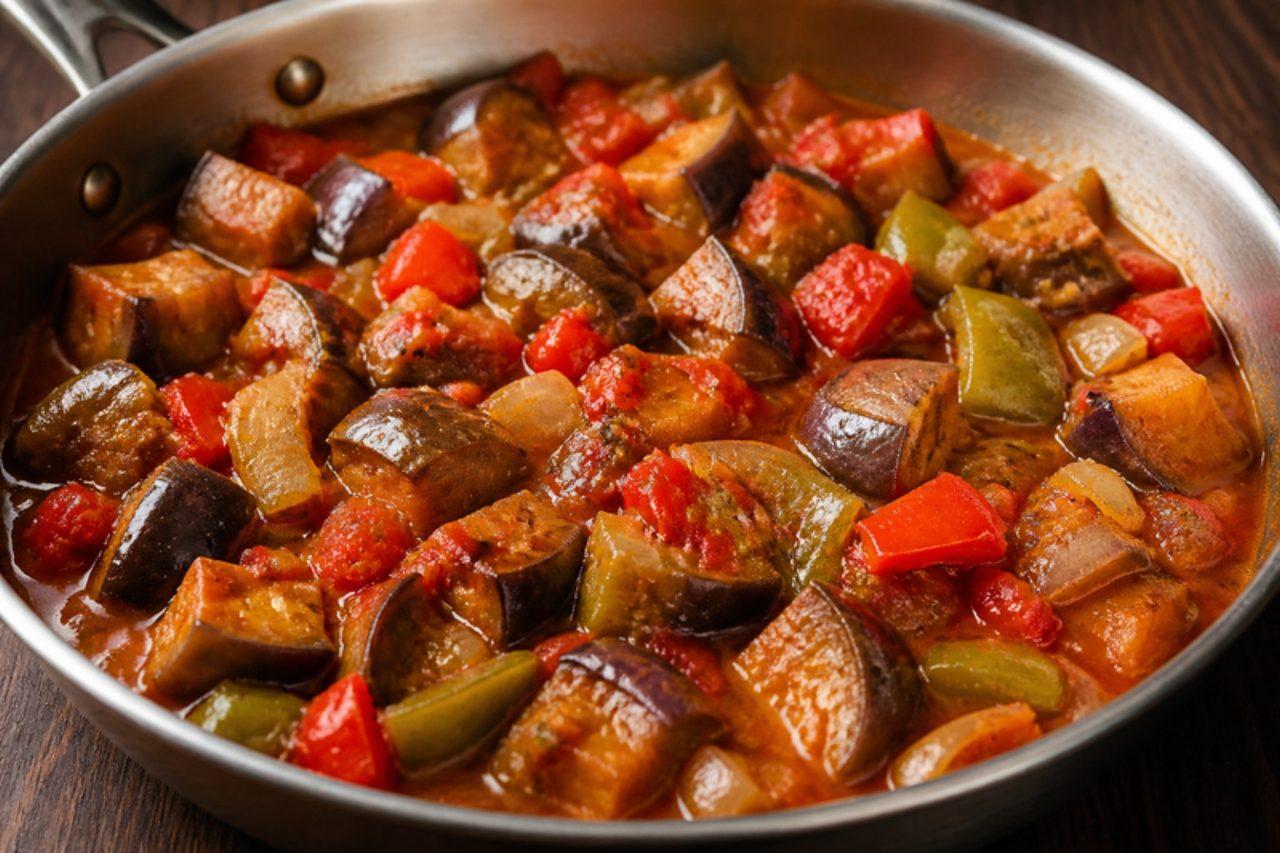
Dominican home cooks make berenjena guisada as a weekday side next to white rice and beans, the aubergine stewed down with tomato, sweet peppers and plenty of dried oregano into a soft, savoury guiso. It is light, quick and good hot or at room temperature. The common mistake is adding all the water at the start, which boils the aubergine grey; let it soak up the oil and sofrito first, then add liquid a little at a time. Chef's tip: rub the dried oregano between your palms as it goes in, to release the oils; Dominican cooks swear by it.

by KrazyBadal 1 views

Malian tô (millet swallow)

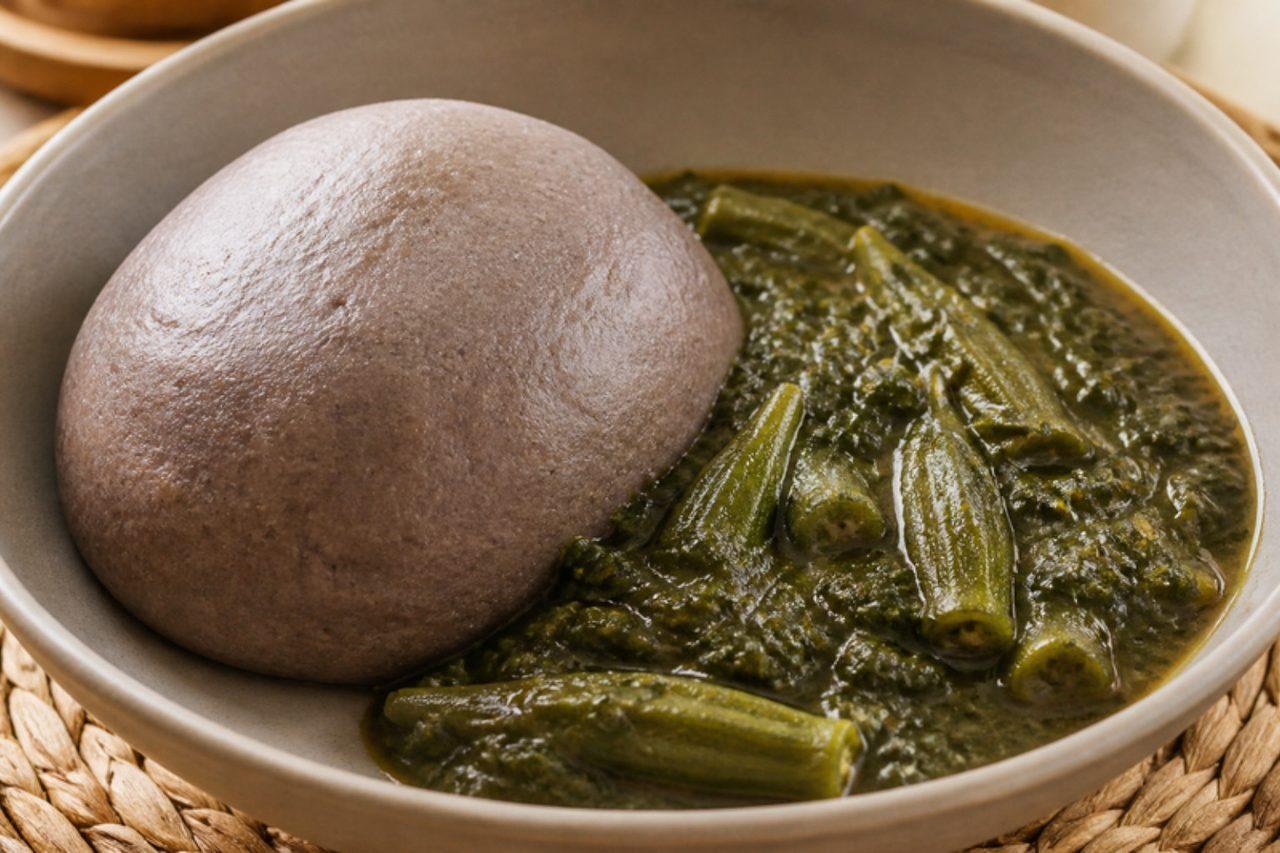
Across Mali, from Bamako courtyards to villages along the Niger, the evening meal very often means tô: a firm, smooth paste of millet or sorghum flour, beaten in a pot over the fire until it holds its shape. It is the plain, filling partner to slippery sauces of okra or baobab leaf (lalo), torn off with the right hand and dipped. Tô has a mild, slightly sour grain taste and a texture like firm polenta. A little tamarind water or lime helps it set and keeps it from tasting flat. Chef's tip: add the flour to the porridge in several small batches and beat hard after each one; dumping it all in at once is the classic mistake, and it leaves dry lumps that never smooth out.

by KrazyBadal 0 views

Hilu-mur (Sudanese spiced sorghum Ramadan drink)

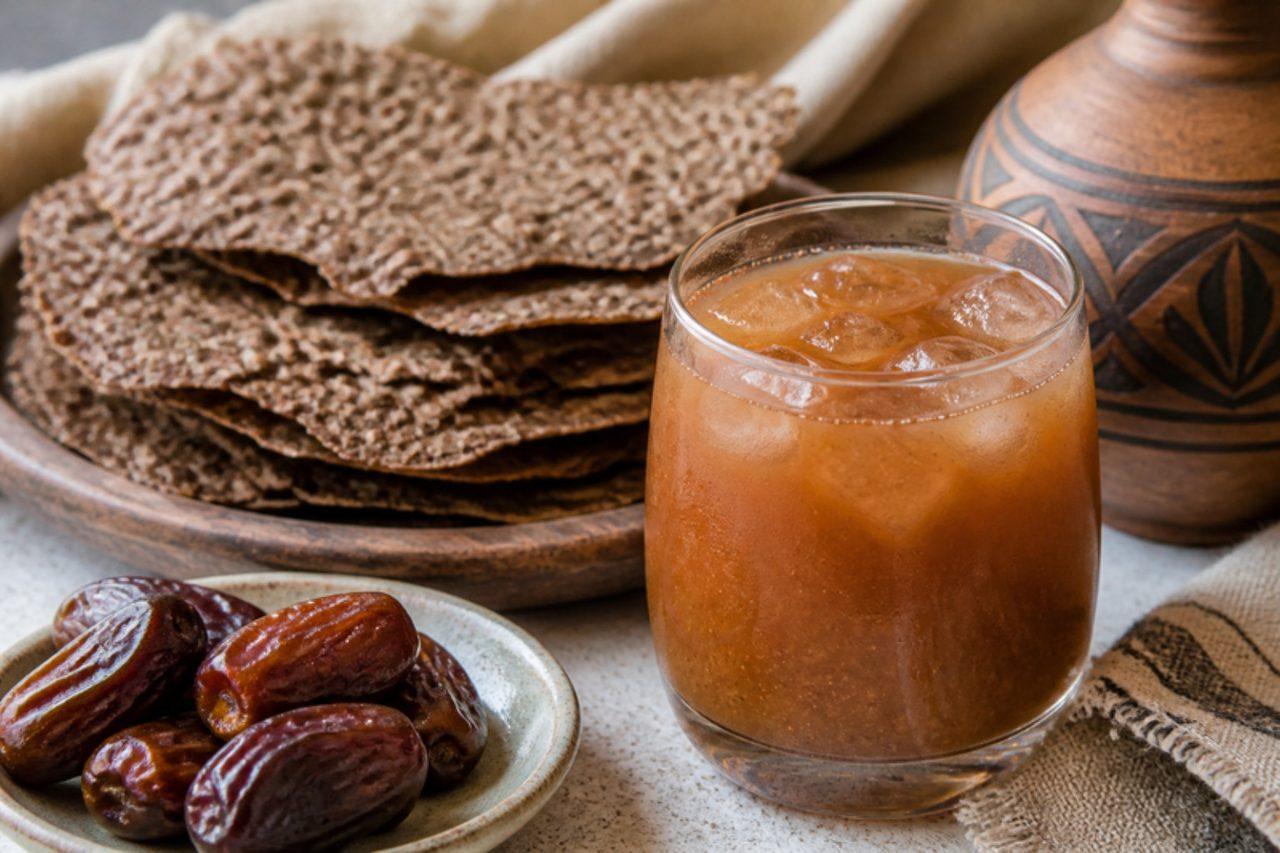
Weeks before Ramadan, households across Sudan fill with the smell of hilu-mur, literally 'sweet-bitter', as sorghum is sprouted, dried, ground and mixed with flour, dates and a heady spice blend, left to sour for a day, then spread paper-thin on a hot griddle into brittle reddish-brown flakes. Each evening during the month a handful is soaked in water, strained and sweetened, giving the dark, tangy, clove-and-ginger-scented drink that breaks the fast. The souring is short, like a sourdough, and the flakes are cooked dry; the drink is non-alcoholic and served to the whole family. The full process takes about 5 days: 3 days to sprout, 1 to dry and a night to sour, so only active and cooking time are in the totals. Many people buy ready-made flakes from Sudanese shops. Discard any grain that smells musty or shows mould while sprouting. The usual mistake is pouring the batter too thick on the griddle; the flakes should be paper-thin to dry crisp. Chef's tip: spread the batter as thinly as you can; thick flakes stay chewy and go mouldy in storage.

by KrazyBadal 0 views

Jaffna crab curry

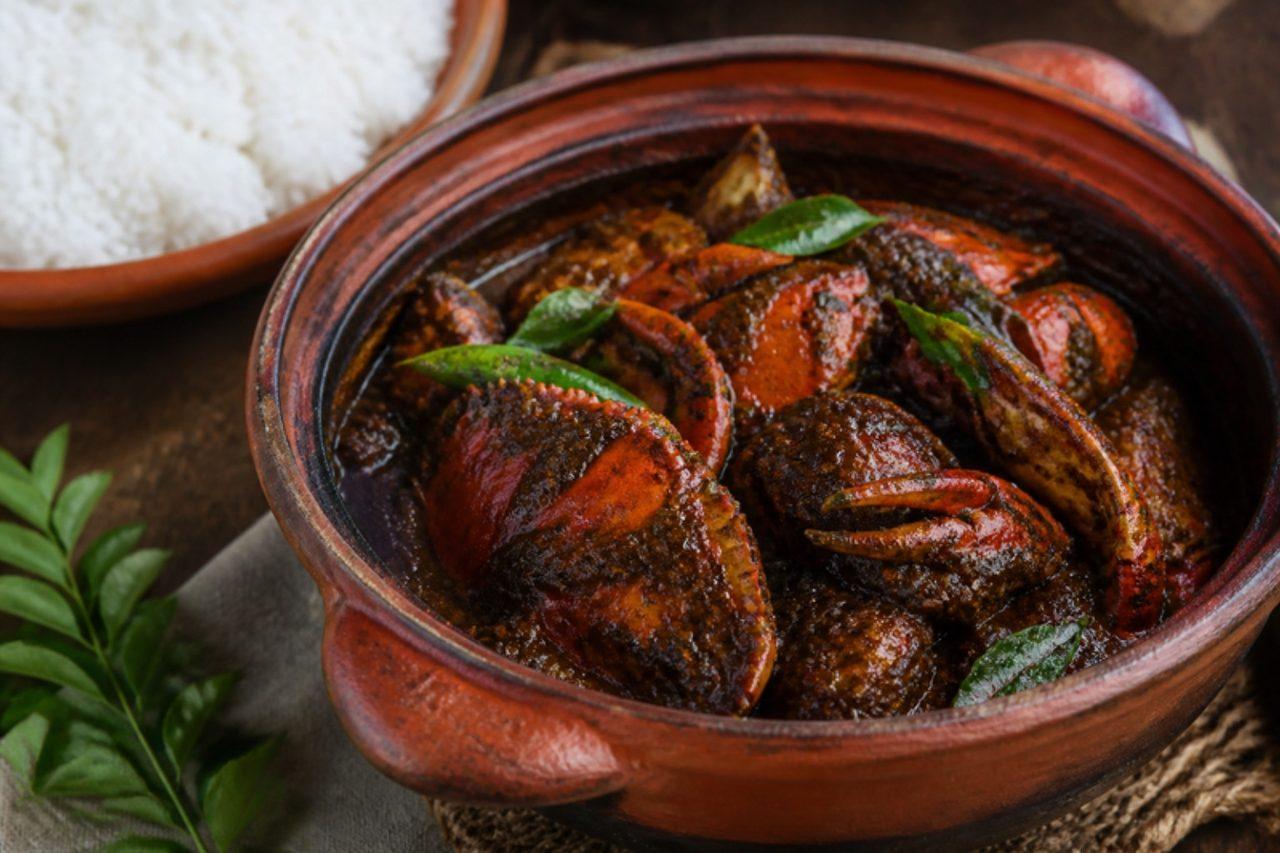
The shallow lagoons around Jaffna and the islands of Kayts and Delft produce big, sweet mud crabs, and the town's answer to them is a curry so dark and hot that visitors are warned before they order. Jaffna curry powder, heavy with roasted red chilli, coriander and fennel, is fried in sesame oil with onion and garlic, then loosened with tamarind and a little coconut milk so the sauce clings to every crack in the shell. A handful of moringa leaves wilted in at the end adds a grassy note, and the crab is eaten with the hands, sucked from the shell, alongside plain rice or puttu. A frequent misstep is boiling the crab hard for too long, which makes the meat dry and stringy. Chef's tip: crack the claws before cooking so the sauce soaks in and the meat is easy to reach at the table.

by KrazyBadal 0 views

Antiguan chop upMashed aubergine, okra and spinach

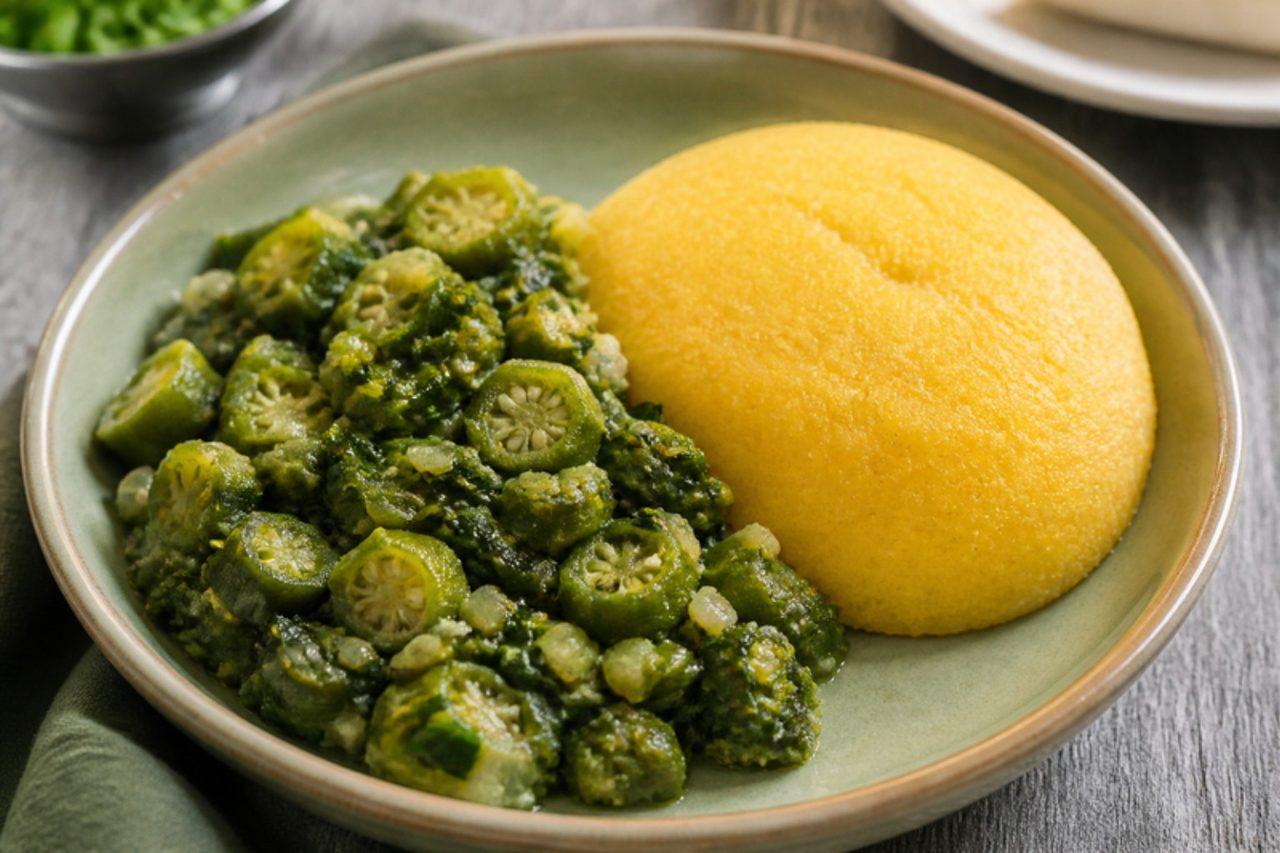
Antigua's national plate pairs fungee, a cornmeal and okra loaf, with pepperpot, and on the side there is often chop up: aubergine, okra and spinach cooked down with onion, garlic and thyme, then mashed to a soft, green-flecked purée. It is gentle, savoury and silky, and some cooks add butter or salted meat; this version is vegan and uses coconut oil. The mistake to avoid is stirring the okra too much early on, which makes it slimy; let it soften undisturbed, then mash. Chef's tip: a squeeze of lime at the end lifts the flavour and calms any okra stickiness.

by KrazyBadal 0 views

Falsa sherbetFalsa berry drink

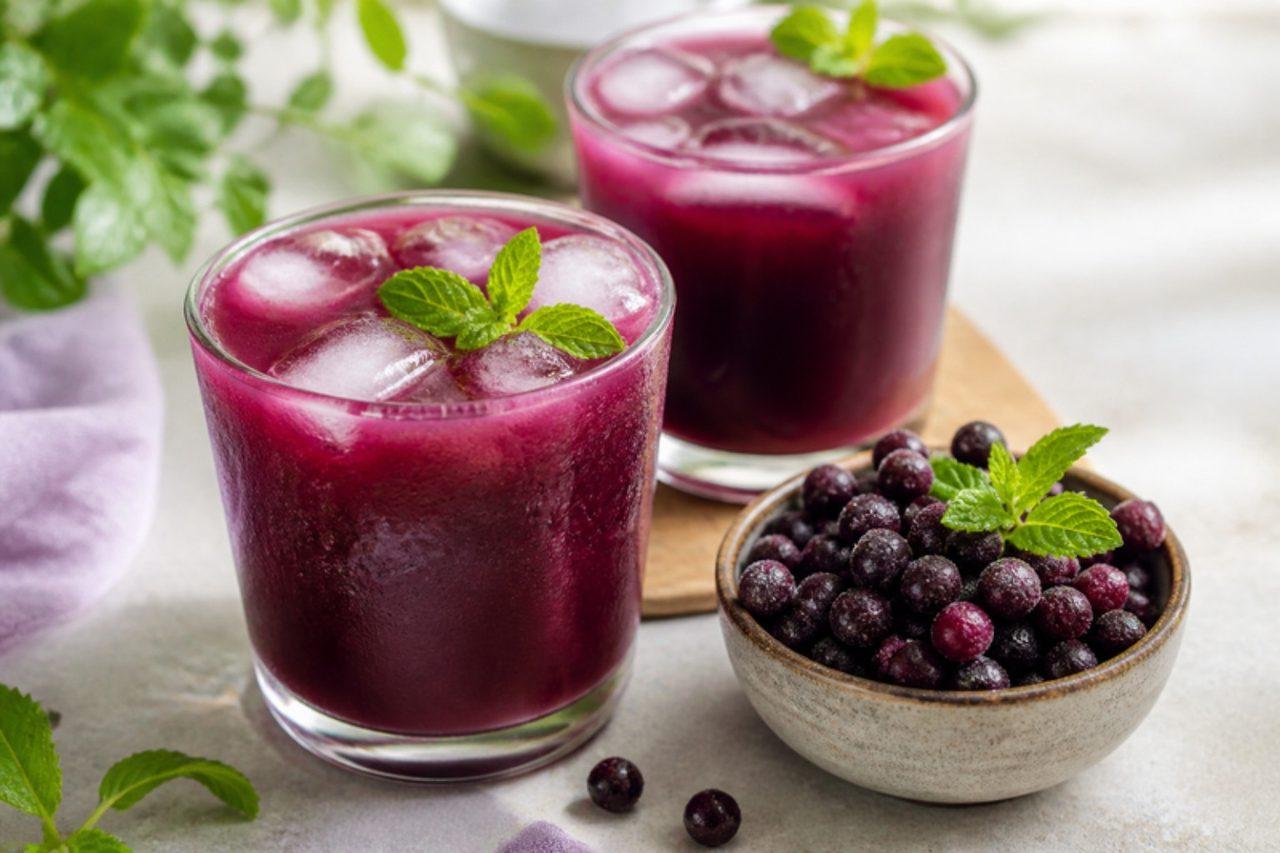
For a few short weeks in May and June, Punjabi fruit sellers from Multan to Lahore pile their carts with falsa, tiny purple-black berries with a big seed and a sweet-sour, grape-like flavour, and roadside stalls crush them in big jugs of iced water with sugar and a pinch of black salt. The sherbet is a striking magenta, tart and salty-sweet, and people swear by it as a cooler against the loo, the scorching summer wind; it is also a favourite at iftar when Ramadan falls in summer. Outside Pakistan look for frozen falsa in South Asian grocers, or use blackcurrants, which give a similar colour and sharpness. A common slip is blending the berries hard, which cracks the seeds and turns the drink bitter. Chef's tip: just rub the berries with the sugar and a little water by hand or pulse very briefly, then strain, so you get all the juice and colour and none of the bitterness.

by KrazyBadal 0 views

Sabaayad (Somali flaky layered flatbread)

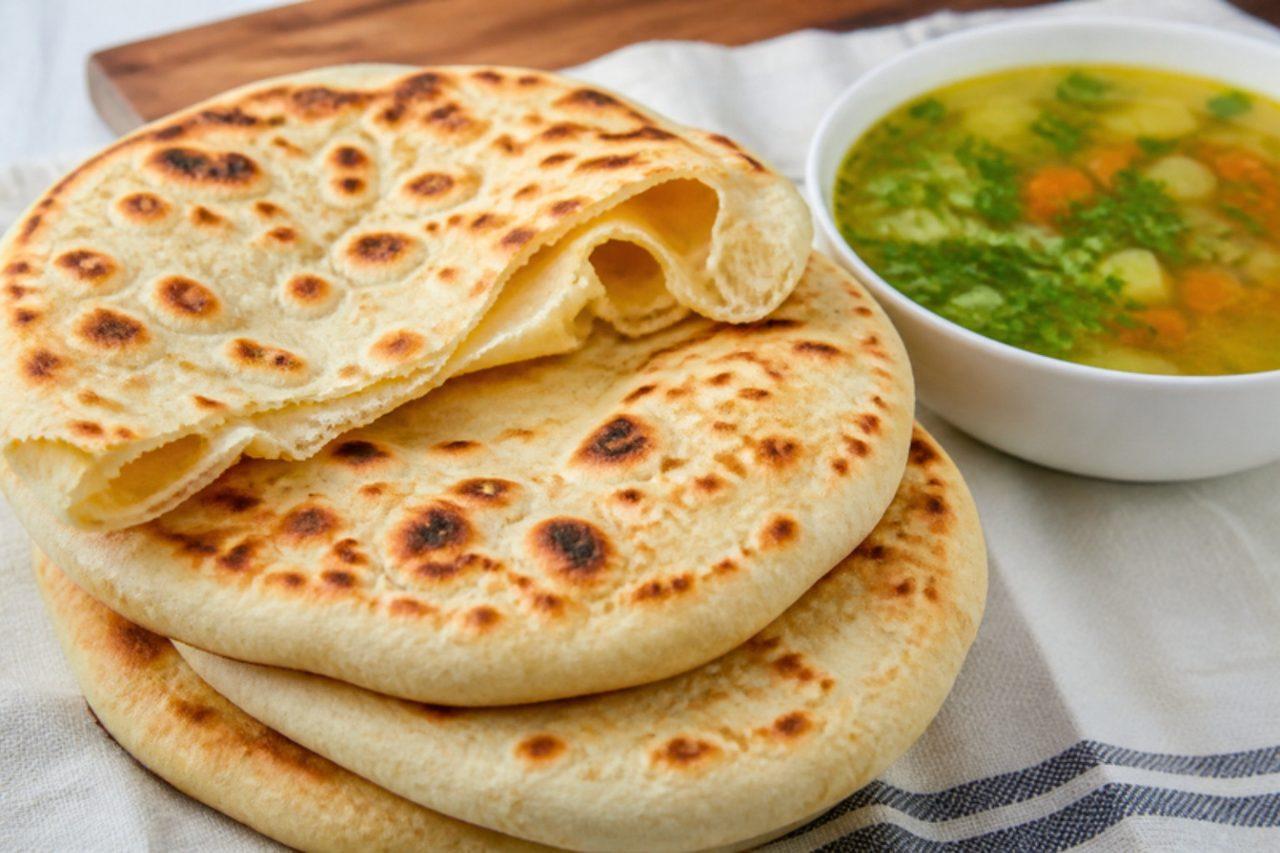
Hargeisa cooks are proud of their sabaayad, a soft, flaky flatbread made by brushing a thin sheet of dough with oil or ghee, rolling it into a coil and flattening it again so it cooks into dozens of buttery layers. It is eaten for breakfast with sugar and shaah, torn into pieces with muqmad or liver, and served at lunch with beef or chicken stews; at Eid and weddings it is made in big stacks. The texture should be tender and pliable with crisp spots, never dry. Rolling the dough straight after kneading is a common mistake: it springs back and tears, so give it at least 20 minutes to relax. Chef's tip: once each bread is cooked, scrunch it between your hands while hot to open up the layers.

by KrazyBadal 0 views

SalufPuffy flatbread

Saluf is the everyday bread of Yemenite Israelis, slapped onto a hot pan or taboon in Rosh HaAyin and Sha'arayim in Rehovot and eaten with marak temani, hilbe and zhug. It is soft and blistered, thicker than pita and with no pocket, made to tear and dunk. Home cooks often roll it too thin, which gives a cracker; it should be about 1 cm thick so it stays pillowy. Chef's tip: cook it under a lid on a very hot dry pan for the first minute, which traps steam and puffs it the way a taboon does.

by KrazyBadal 1 views

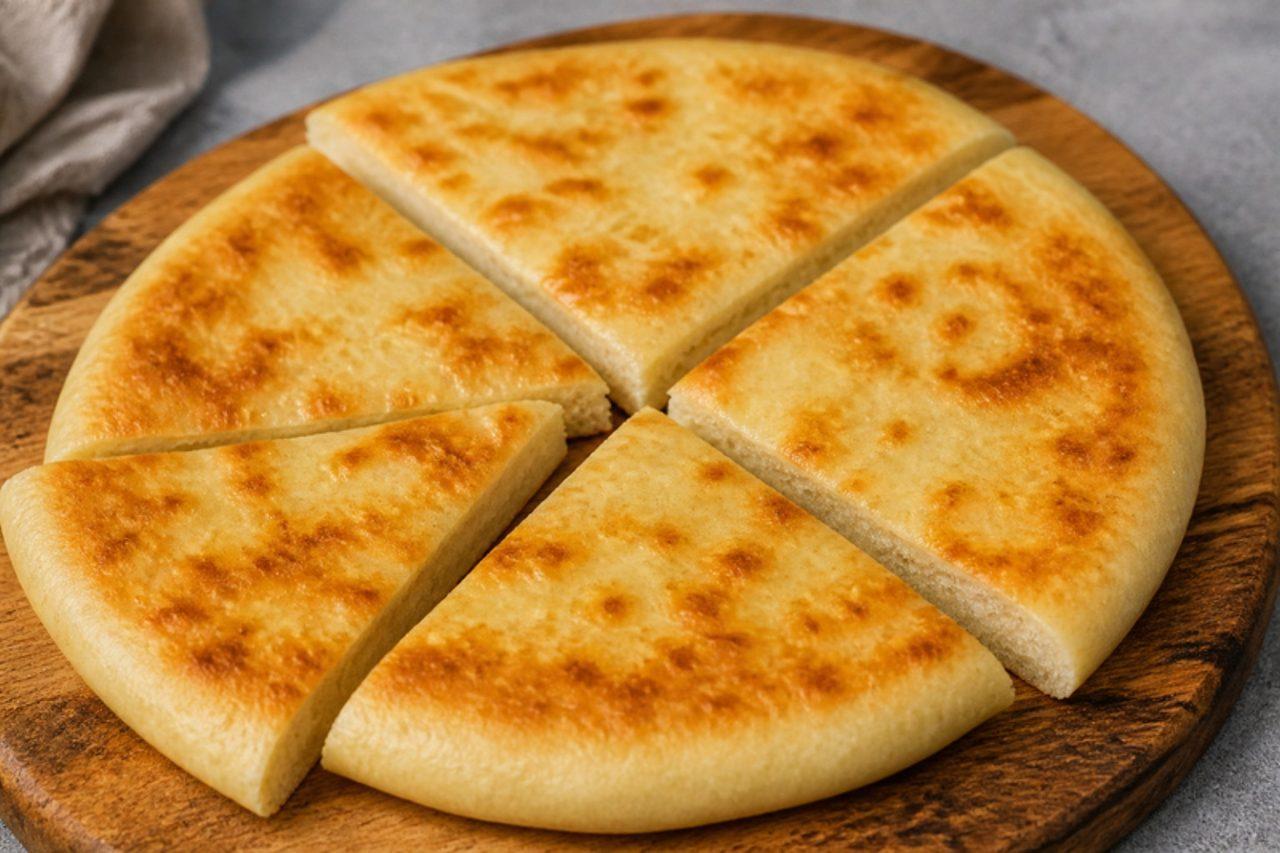
Kimis (Somali thick pan bread)

Thicker and plainer than sabaayad, kimis is the everyday bread of Hargeisa and the north, cooked in a heavy pan and cut into wedges to soak up maraq, the thin spiced meat or vegetable broths eaten at lunch. The dough is simple flour and water raised with a little baking powder, so it puffs into a soft, bready round about 2 cm thick with a lightly freckled crust. It is also good for breakfast with tea and a spoonful of sugar or honey. This version uses oil, so it is vegan. Cooking over too high a heat is the classic mistake: the outside scorches before the middle is done, so keep the flame medium-low and cover the pan. Chef's tip: knock the bread on its base when you think it is ready; it should sound hollow.

by KrazyBadal 0 views

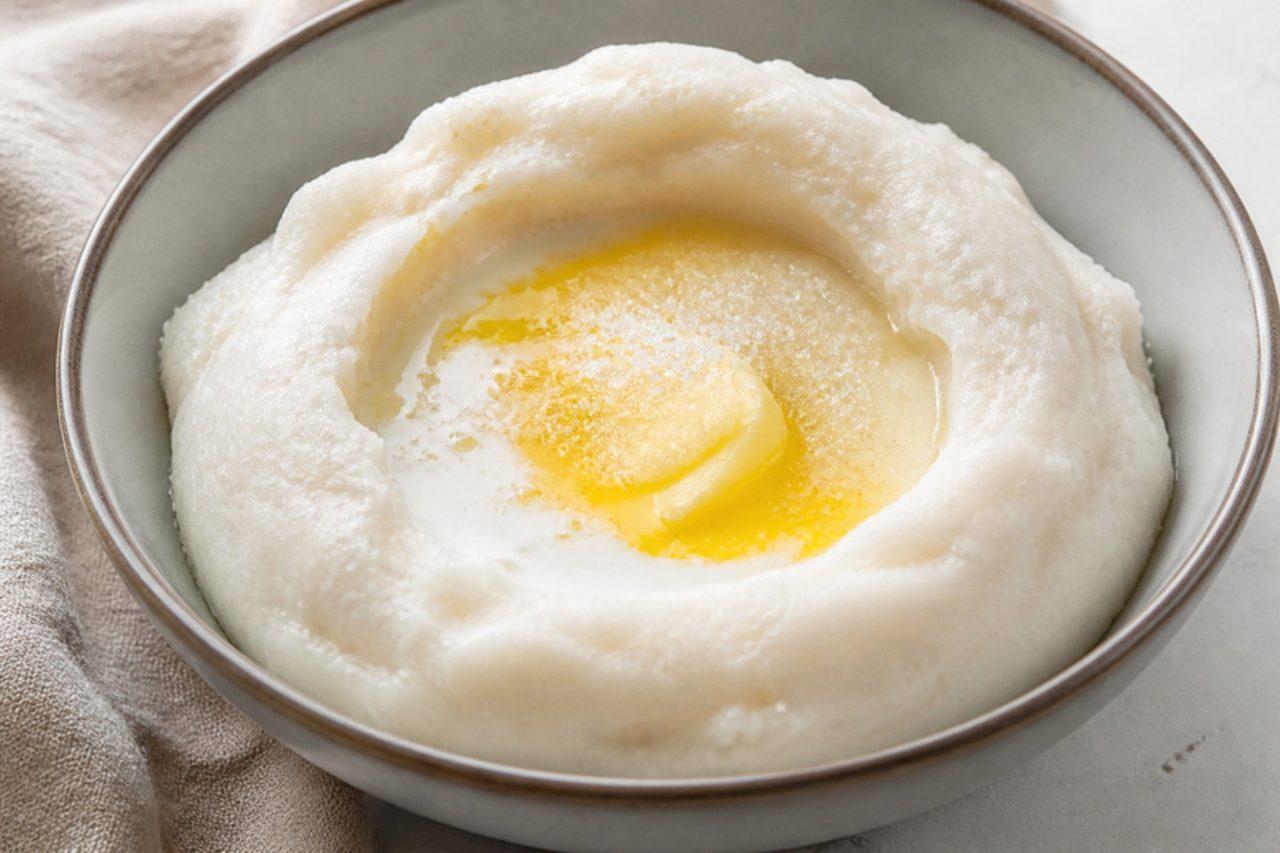
Soor (Somali maize porridge with butter and milk)

Herding families in Somaliland and the countryside around Hargeisa have long relied on soor, a thick porridge of maize meal stirred until it holds its shape on a plate. It is shaped into a mound, a well is pressed into the centre and filled with melted butter or ghee, then warm milk and a little sugar are poured round the edge; on other days the well is filled with a meat sauce instead. You eat it with your right hand or a spoon, scooping porridge through the butter. The result is mild, sweet and very filling. Lumps are the usual complaint, and they come from tipping the meal in all at once; mix part of it with cold water first, then rain the rest in while stirring. The usual mistake is adding the maize meal too fast, so it goes lumpy; whisk constantly as you pour. Chef's tip: cover the pan and let the porridge steam for 5 minutes at the end to cook out any raw taste.

by KrazyBadal 0 views

Showing 27 of 9,131 recipes

Show more recipes

Page 321 of 1,015