


Skip to content
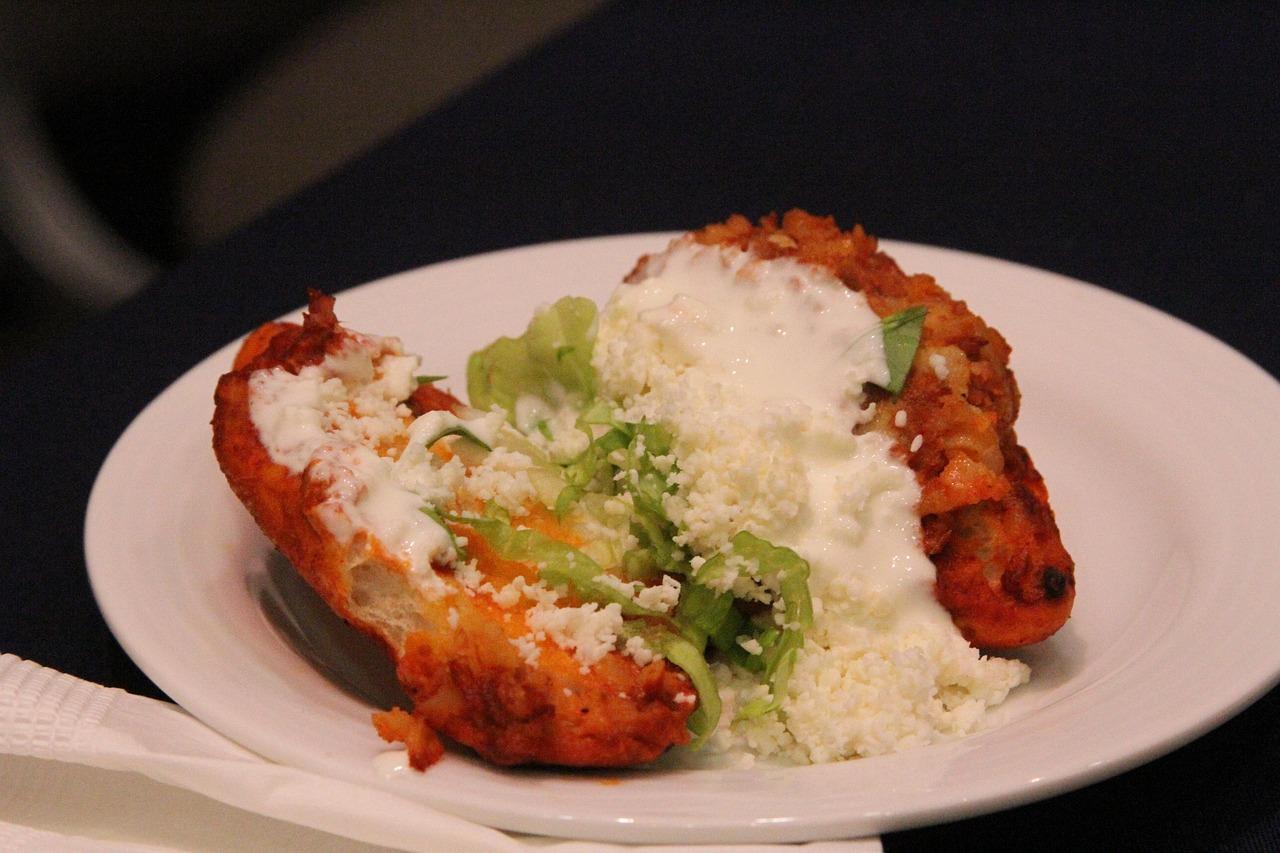
Pambazo
Featured recipe

Pambazo

Dipped roll with potato and chorizo

Pambazos are a Mexico City street classic, sold at night from griddles outside metro stations and at the fondas that open for Lent and village fiestas. A soft, light roll is split, filled with potato fried with pork chorizo, then dipped in a garlicky red guajillo sauce and crisped on the griddle, so the outside turns deep red, slightly crunchy and a little messy. Inside go shredded lettuce, cream and crumbled cheese, with salsa verde for heat. Eat it straight off the griddle with plenty of napkins. Chef's tip: use day-old rolls; fresh, soft bread soaks up too much sauce and falls apart on the griddle.

Read more 0 views

What to eat today?

Around the world

Today's trip: Persian

A new country every day, from every cuisine on the site.

Persian

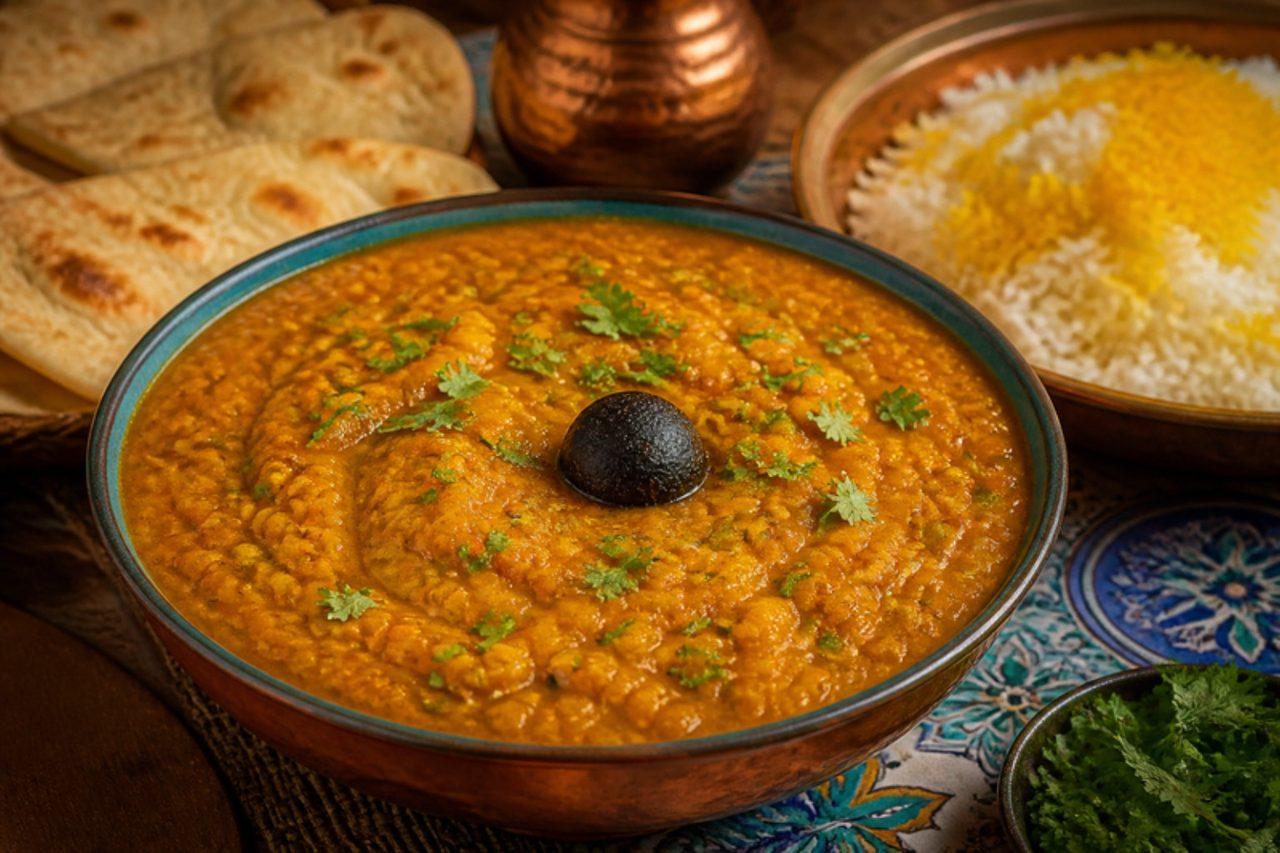
Dal adas

Red lentil curry with dried lime 50 minMore from Persian (177) →

This week's collection

Kid-friendly dinners
739 recipes · a new collection every Monday

Coming up

All occasions →

Latest recipes

Calamansi juice

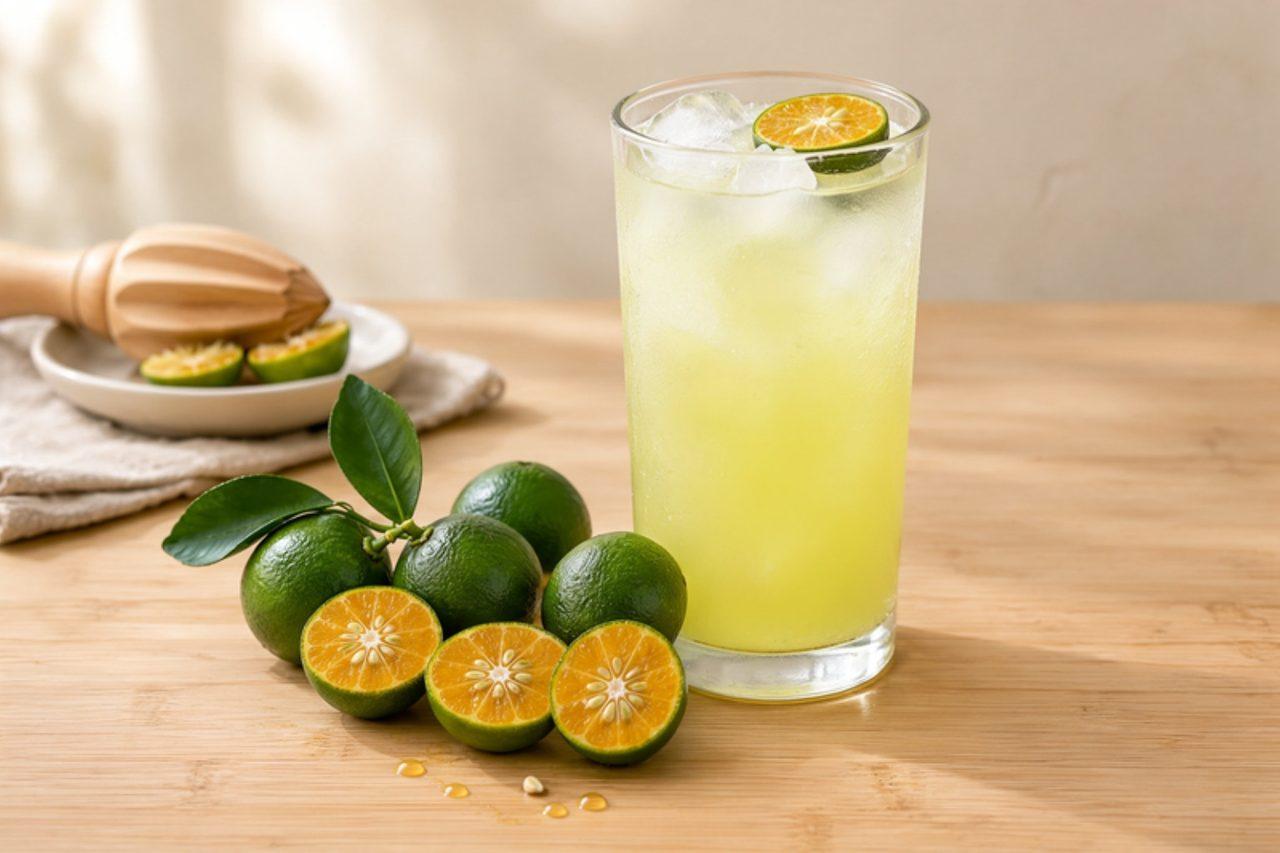
Every Filipino household seems to have a calamansi bush or a bag of the little green fruit in the fridge, from Manila condos to farmhouses in Mindoro, the island that grows most of them. At lunch in the dry season the juice comes out iced in a big pitcher; in the rainy months, when everyone has a cough, a lola stirs the same juice into hot water with a little sugar or honey and hands it over at bedtime. It tastes like a lime crossed with a mandarin: sharp, floral and slightly bitter at the edges, with a pale green-gold colour. The usual mistake is squeezing the fruit hard and letting the seeds and pith fall in, which turns the juice bitter within minutes; halve each fruit across, squeeze gently over a small strainer and stop before the peel folds. It is ready when the sugar has fully dissolved, the juice tastes bright rather than harsh and a cold glass fogs on the outside. Chef's tip: dissolve the sugar in a little warm water first, as it never melts properly in iced juice.

by KrazyBadal 0 views

Divul kiri (wood apple drink)

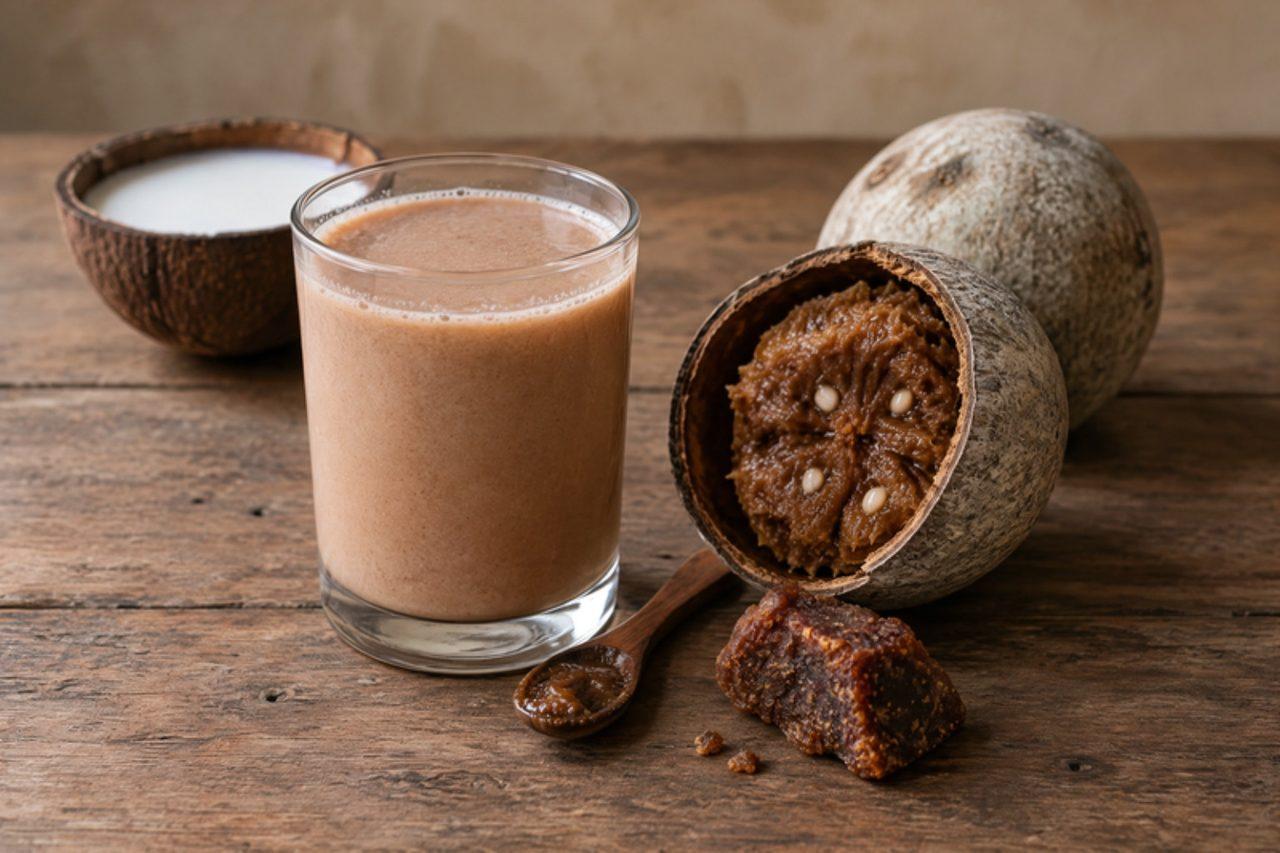
In Sri Lanka's dry zone, around Anuradhapura, Polonnaruwa and down towards Hambantota, wood apple trees fruit through the hot months, and roadside sellers crack the hard grey shells open for you. Divul kiri, wood apple with coconut milk, is what families blend at home in the afternoon heat or offer guests during the Sinhala and Tamil New Year season in April. The pulp is brown, sticky and full of seeds, with a sour, funky smell that turns fruity once it meets creamy coconut milk and dark jaggery. The drink is thick and smooth, tangy-sweet and a little smoky. The common mistake is blending the seeds in: they break and make the drink gritty and bitter. Squeeze the pulp by hand and strain out every seed before blending. It is ready when it is thick enough to coat a glass, pale caramel-brown and tastes clearly sour under the sweetness. Outside Sri Lanka, look for frozen or tinned wood apple pulp in South Asian shops; there is no true substitute, though tamarind pulp with a few soft dates gives a similar sweet-sour idea. Chef's tip: pick a fruit that sounds hollow when tapped and smells strongly when cracked; it is fully ripe.

by KrazyBadal 1 views

Beli mal (bael flower tea)

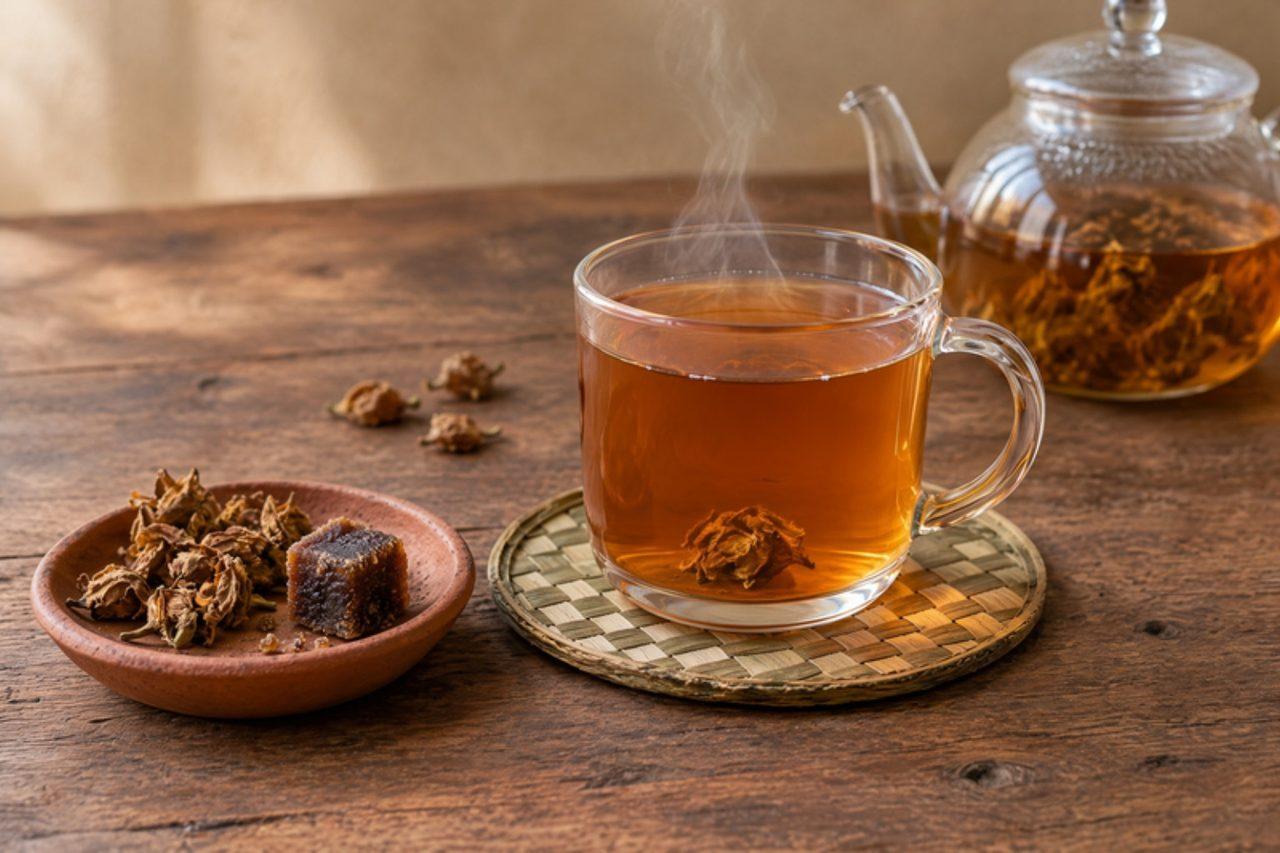
Beli mal is the herbal tea almost every Sri Lankan grandmother keeps in a tin. The small white flowers of the bael tree, the sacred tree found around temples and village gardens, are dried in the sun and brewed into a fragrant, amber drink that tastes softly floral, slightly fruity and a little bitter, a bit like a lighter chamomile. It is drunk in the morning or in the evening instead of black tea, offered at almsgivings and alongside kevum and kokis at Avurudu, and is traditionally taken after rich food to help digestion. Coriander seeds and a slice of ginger are a common addition at home. The custom is to sip it hot with a small piece of kithul jaggery held in the mouth, or stirred in. The common mistake is boiling the flowers fast for a long time: the tea turns dark and unpleasantly bitter. Simmer gently for a few minutes and then let it steep off the heat. It is ready when the tea is clear amber and smells sweet and flowery. It is caffeine-free, but bael may lower blood sugar, so check with a doctor if you take diabetes medication or are pregnant. Chef's tip: buy flowers that look pale cream; dark brown, crumbly ones are old.

by KrazyBadal 0 views

Melon juice (cantaloupe drink)

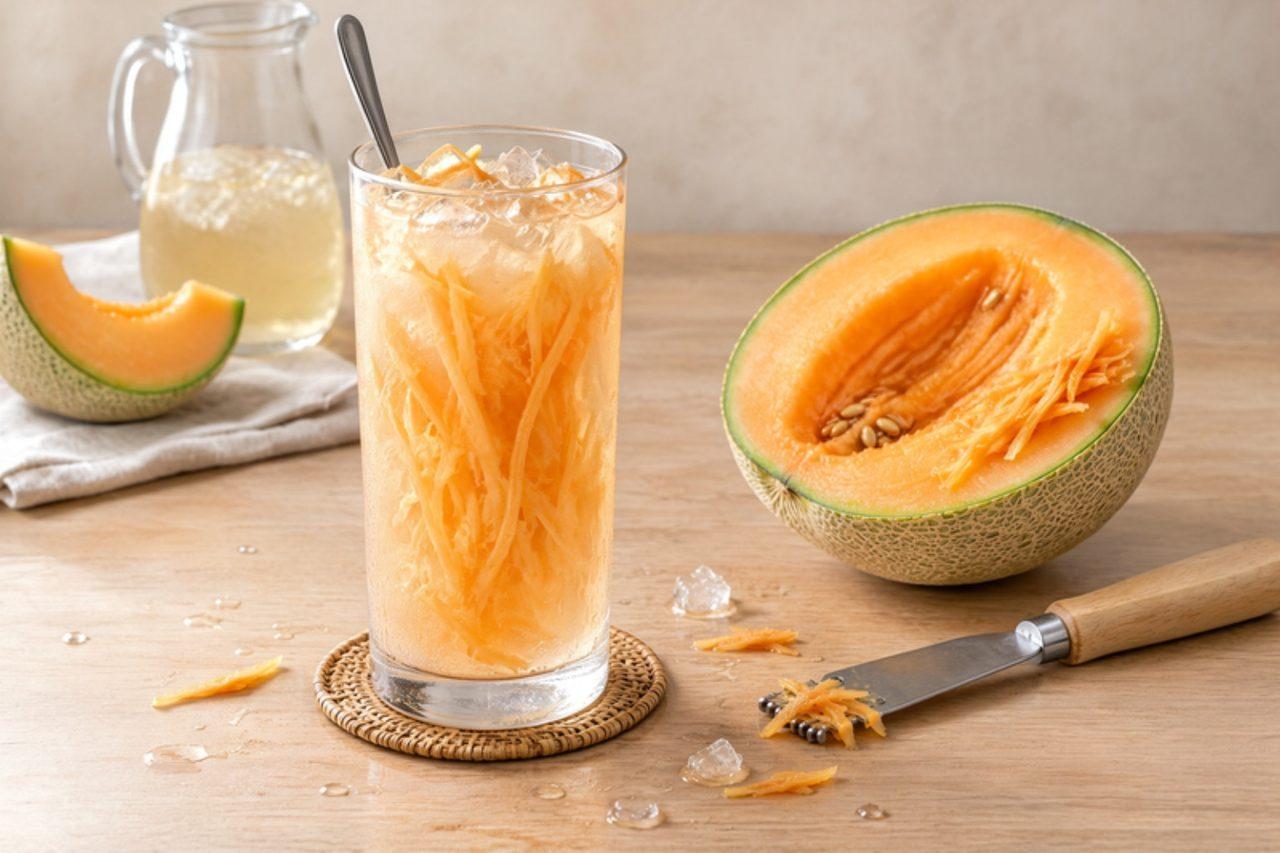
Afternoon merienda across the Philippines means something cold from a plastic cooler at the school gate, a jeepney stop or a carinderia: sago't gulaman, buko juice or this melon drink, with ribbons of orange cantaloupe suspended in sweet water. Vendors scrape the melon with a special spiral shredder, a kayod ng melon, so you get thin strands to chew through a fat straw. It tastes fresh, sweet and gently musky, more refreshing than a smoothie because the water stays clear and light; some stalls add evaporated milk, but the plain version is the classic. The common mistake is using a melon that is not fully ripe, which gives pale, crunchy strands and a flat drink; choose one that smells sweet at the stem end and gives slightly when pressed there. Shred straight into the jug so the juice from the melon is not lost. It is ready when the strands are soft and floating, the water has turned faintly orange and it tastes of melon rather than plain syrup. Chef's tip: a box grater's coarse side or a fork scraped along the flesh both work if you don't own a melon shredder.

by KrazyBadal 0 views

Lahpet yay (Burmese milk tea)

Yangon runs on lahpet yay. From before dawn, crowded teashops set out tiny plastic stools on the pavement, and the tea comes with mohinga, palata or a plate of samusa; people linger again at four in the afternoon to talk. The tea is a dark, very strong brew of cheap black leaf that has been boiled and kept hot in a kettle, mixed in the cup with condensed milk and evaporated milk. Regulars order in code: cho seint is sweet and creamy, kya seint is strong and less sweet, pawsein is the standard. It should be thick, silky, sweet, faintly smoky and bitter underneath. The common mistake is brewing it like ordinary tea: it ends up thin and the condensed milk just tastes of sugar. Boil the leaves hard and then let them stand so the liquor is almost black; the bitterness is needed to stand up to the milk. It is ready when the tea poured from height into the cup has a light froth and the colour of milk chocolate. It is strongly caffeinated, so not one for children or late evenings. Chef's tip: pour the finished tea between two jugs a few times to cool it slightly and give it the teashop froth.

by KrazyBadal 0 views

Sharbat-e bidmeshk (willow blossom sherbet)

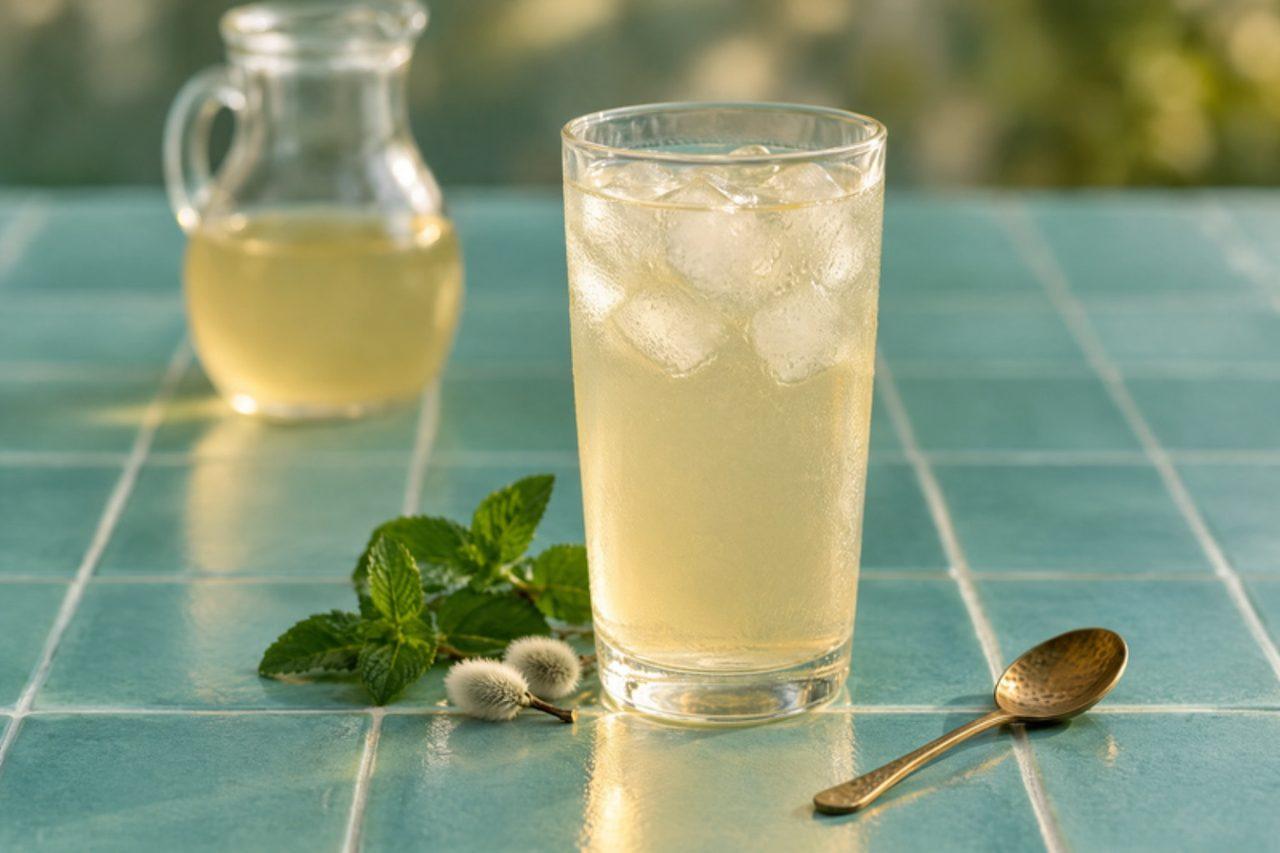
Kashan and the villages of Qamsar and Niasar are famous for distilling flowers in spring: rose water in May, and before that araq-e bidmeshk, the distillate of the fuzzy catkins of the musk willow. In summer, when the desert heat settles over the old houses, the same bottles go into sharbat-e bidmeshk, a pale syrup diluted with icy water and served to guests in tall glasses, sometimes with swollen basil seeds. It is traditionally drunk to calm the nerves and cool the body. The taste is delicate, sweet and haunting, somewhere between honeysuckle, musk and fresh hay. The common mistake is adding the distillate to hot syrup; the heat drives the scent away within minutes, so cool the syrup completely first. The syrup is ready when it is clear and pours like thin honey, and the finished sherbet should smell floral the moment you lift the glass. Look for the distillate in Iranian shops; there is no true substitute, though rose water with a few drops of orange-blossom water makes a pleasant but different drink. Chef's tip: a squeeze of lemon in the syrup stops it crystallising in the fridge, where it keeps for a month.

by KrazyBadal 0 views

Sharbat-e zaferan (saffron sherbet)

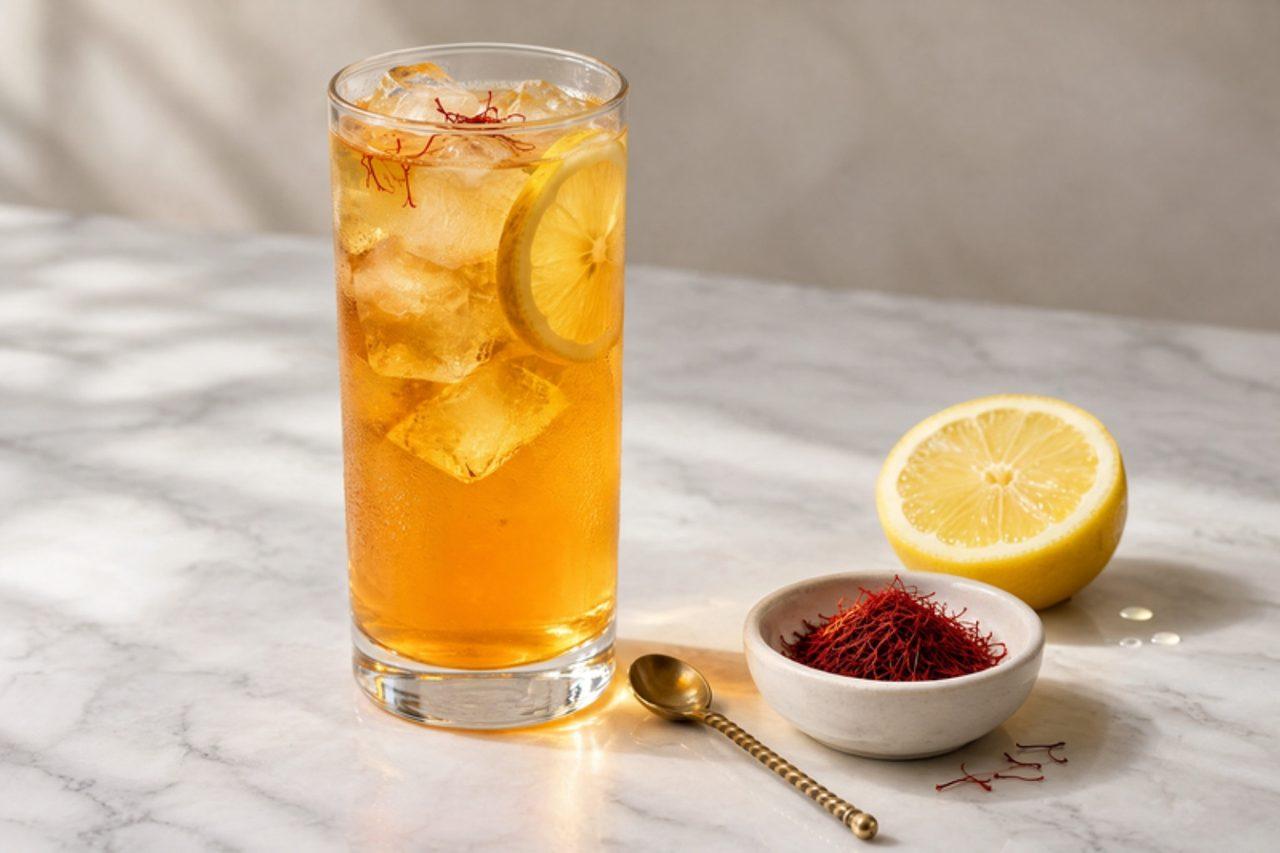
Big steel urns of golden saffron sherbet are poured for guests at Iranian weddings and engagement parties, and the same drink is handed out on the street as nazri during Muharram and at memorial gatherings, when families offer something sweet and cool in the name of the departed. Saffron from Khorasan is ground with a sugar cube, bloomed in a little water and stirred into syrup with rose water and lemon. The result is honey-sweet and floral, with saffron's faint bitterness and hay-like perfume at the end, and a colour that should be a clear, sunny orange-gold. The usual mistake is dropping whole threads straight into cold water, which gives a pale, patchy drink and wastes expensive saffron; grind it first and let it bloom for at least 10 minutes. You know the bloom is ready when the water is a deep red-orange and smells strongly of saffron. Taste before serving: it should be sweet but finish clean, with the lemon just noticeable. Chef's tip: an ice cube placed on the ground saffron and left to melt slowly gives the deepest colour of all, an old Iranian trick.

by KrazyBadal 0 views

Sharbat-e rivas (rhubarb sherbet)

For a few weeks in spring, after Nowruz, sellers come down from the Alborz foothills, the mountains of Khorasan and Kurdistan with bundles of rivas, the thick-stalked wild rhubarb. People peel and eat the stalks raw with salt, cook them into khoresh, and boil the rest into syrup to keep the taste of the season into summer. Sharbat-e rivas is pink, sharp and refreshing, like sour cherry and green apple together, softened by sugar and lifted by mint. The common mistake is boiling the rhubarb hard and pressing it through the sieve, which makes the syrup cloudy, brownish and stringy; simmer gently and let it drip on its own. Use only the stalks, never the leaves, which are poisonous. The syrup is ready when it is clear, rose-coloured and coats a spoon in a thin film; it keeps for two weeks in a clean bottle in the fridge, and should be thrown away if it fizzes, smells of alcohol or grows mould. Garden rhubarb is a good substitute for rivas; the reddest stalks give the prettiest colour. Chef's tip: a strip of lemon peel in the pot brightens the colour and stops the syrup tasting flat.

by KrazyBadal 0 views

Yansoon (anise tea)

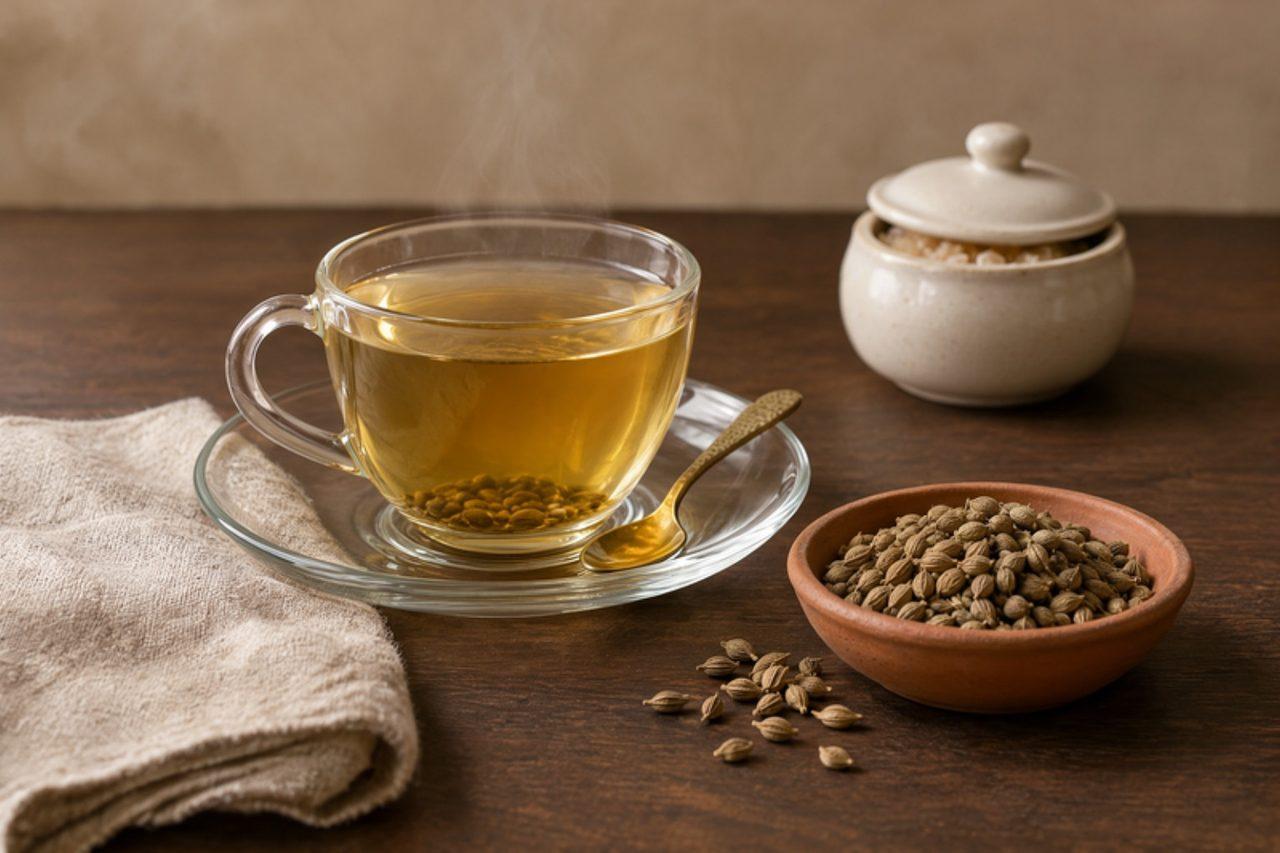
Every Cairo ahwa has yansoon on its menu, chalked up next to tea and helba, and in Egyptian homes it is the drink of evenings, colds and upset stomachs. It is made with green aniseed, often from Upper Egypt, simmered briefly and sweetened. People reach for it after a feast at Eid, during winter coughs, or simply at night because it is caffeine-free and traditionally drunk to calm and help sleep. It is pale gold and sweet, with a soft liquorice scent and a slightly peppery warmth at the end. Many Egyptian mothers give a weak version to infants, but herbal teas are not suitable for babies under six months; ask your doctor first. The common mistake is boiling the seeds for too long, which makes the tea cloudy and bitter: crush them lightly, boil for only a few minutes, then let them steep off the heat. Also do not swap in star anise, a different plant with a harsher taste. It is ready when the liquid is light golden and smells strongly of anise when you lift the lid. Chef's tip: a thin slice of lemon or a few drops of lemon juice brightens the cup without hiding the anise.

by KrazyBadal 0 views

Berezovy sok (birch sap)

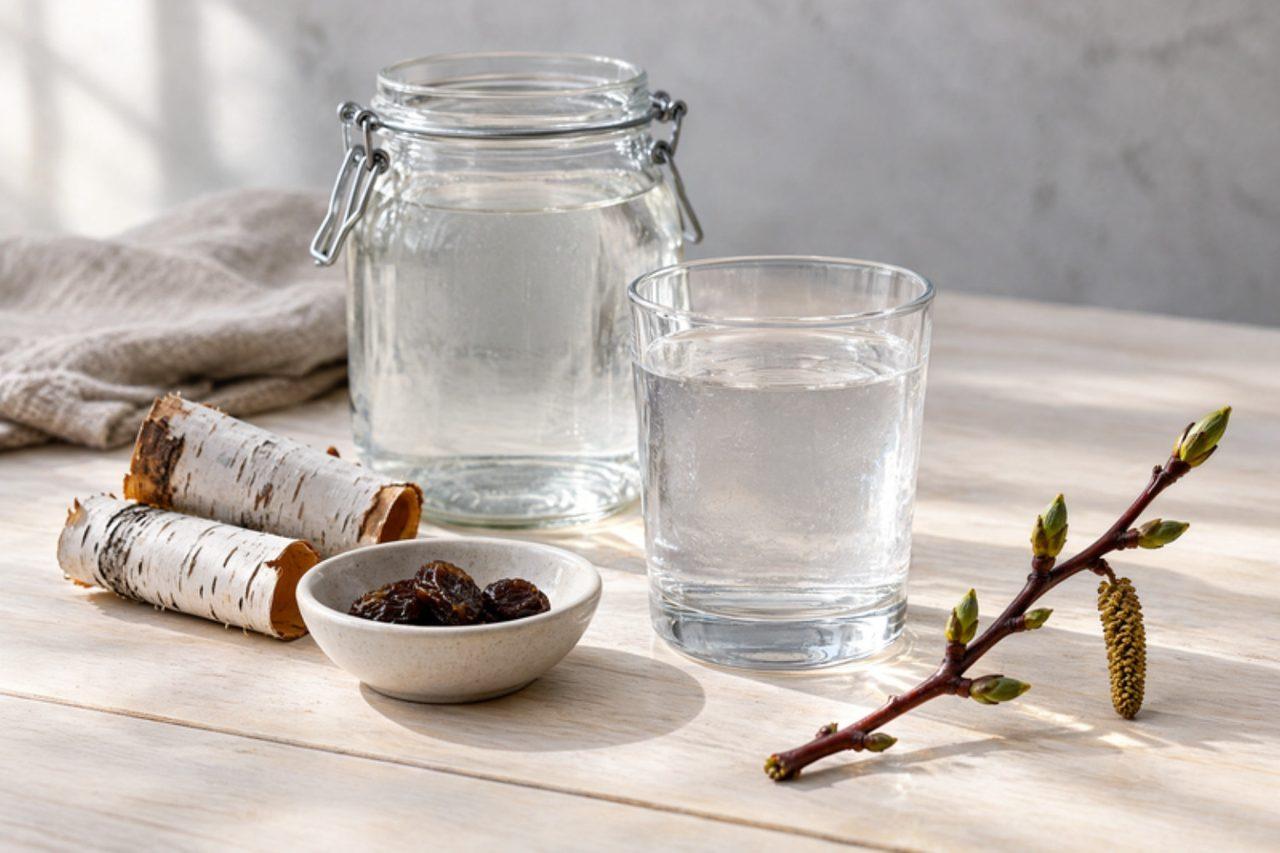
For two or three weeks at the end of March and into April, while there is still snow under the trees and before the buds open, the birches around Moscow, Tver, Vologda and across the north start to run. Families tap a few trees at the dacha and drink the sap straight from the jar: clear, cold, very faintly sweet, tasting of rainwater and fresh wood. Because it spoils within two or three days, villagers bottled the rest with sugar, raisins and lemon zest, letting it ferment slightly into a sparkling drink that kept into early summer; like any ferment it makes a trace of alcohol, well under 1% if drunk young. Only tap with the owner's permission, choose trees thicker than 20 cm, drill one small hole and plug it with a wooden peg afterwards so the tree heals. The common mistake is sealing the bottles tight at warm room temperature, which can make them burst; keep them cool and open the caps daily. The bottled sap is ready when the raisins float, a ring of fine bubbles forms on top and it tastes gently sparkling. Chef's tip: drink the first glass straight from the tree; it is never quite as good again.

by KrazyBadal 0 views

Ivan-chai (fireweed tea)

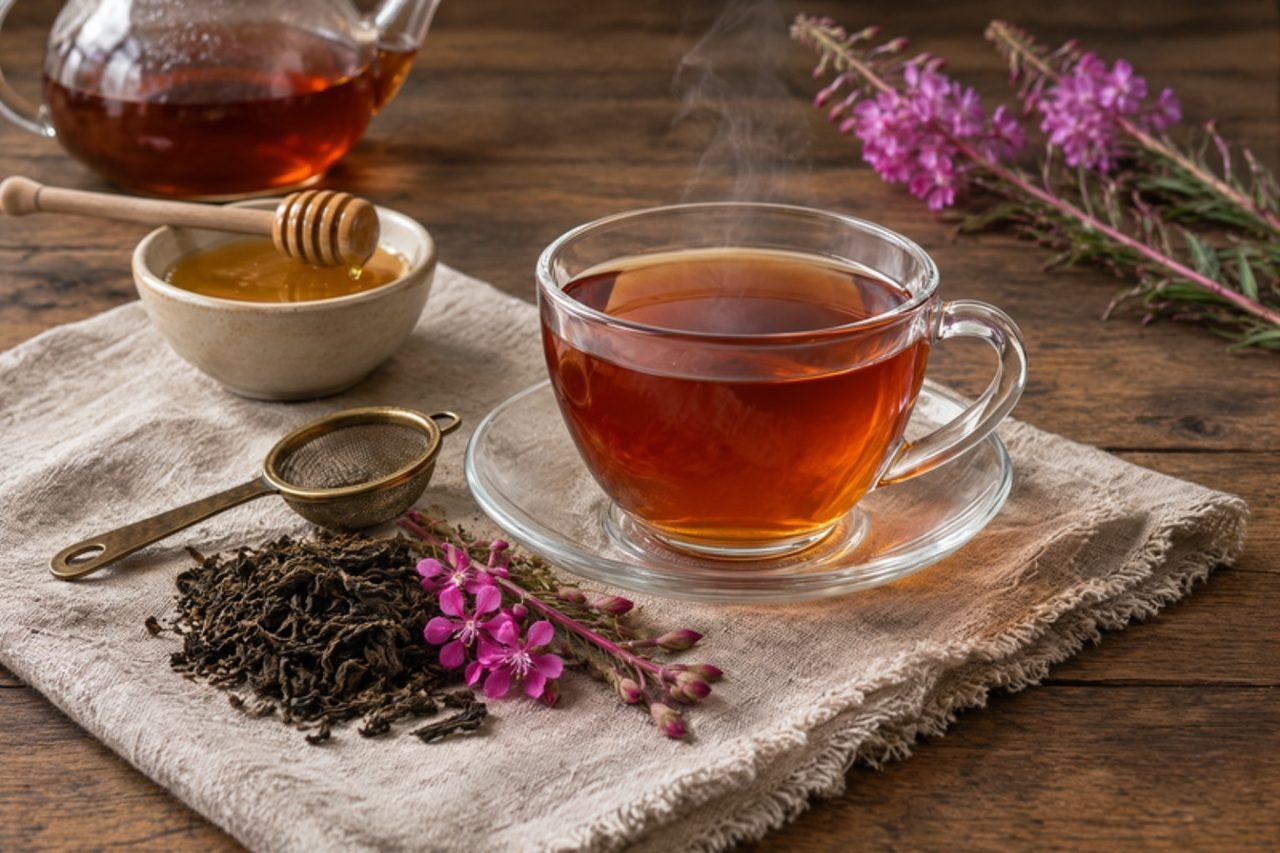
Long before Chinese tea reached ordinary villages, peasants around Koporye near St Petersburg, and on through Karelia and the Arkhangelsk forests, were rolling and fermenting the leaves of fireweed, the tall pink-flowered plant that floods clearings every July. Ivan-chai is having a revival now, sold in paper bags at markets and drunk at the dacha in the evening from the samovar, because it has no caffeine and will not keep anyone awake. It brews to a clear amber with a soft, slightly fruity, honey-and-dried-apple taste and almost no bitterness. Granular kinds taste deeper, leaf kinds more floral. The common mistake is brewing it for two or three minutes like black tea; it needs a full 10 minutes in a warmed pot to open up, and it never turns bitter if you leave it longer. It is ready when the liquid is a deep golden-amber and smells of honey and dried fruit. It is traditionally drunk as a calming evening tea; if you are pregnant or on regular medication, check with a doctor before drinking it daily. Chef's tip: the same leaves give a second, lighter pot; just top up with fresh hot water and wait another 10 minutes.

by KrazyBadal 0 views

Oblepikha tea (sea buckthorn tea)

Sea buckthorn grows wild along the rivers of Altai and the Baikal shore, and by October its thorny branches are crowded with tiny orange berries. Siberians freeze them by the bucketful, and all winter a glass teapot of oblepikha tea glows on café tables from Irkutsk to Moscow, ordered after skiing or against the dark afternoons. The taste is sharp and tropical, somewhere between passion fruit, pineapple and lemon, with a faint oily richness from the berries, softened by honey and warmed by ginger. The common mistake is pouring boiling water straight onto the honey and berries: it dulls the fruit, makes the honey taste flat and can turn the tea bitter. Let the kettle settle for a couple of minutes first. It is ready when the tea is a cloudy sunset orange, smells of citrus and ginger and the berries have released their juice. Outside Russia, look for frozen sea buckthorn in Eastern European or Nordic shops, or use unsweetened sea buckthorn purée. Chef's tip: crush a big batch of berries with honey, keep it in a jar in the fridge for a week, and spoon it into mugs whenever you want a cup.

by KrazyBadal 0 views

Mauritian vanilla tea

In Mauritius the kettle goes on for dité at breakfast and again at four, when the heat of the day breaks and someone brings out gato piment, a packet of biscuits or a slice of gato patate. The tea is grown on the island's central plateau, around Curepipe and the Bois Chéri hills, and the local favourite is black tea perfumed with vanilla, the same vanilla that grows on the neighbouring islands. It is drunk strong, very sweet and milky, often with evaporated or condensed milk: a round, creamy cup with a soft caramel-vanilla scent and no bitterness. The common mistake is boiling the tea leaves with the milk until they stew; brew the tea in water first, then add hot milk. It is ready when the tea is the colour of milky caramel and the kitchen smells of vanilla. A cup has about as much caffeine as ordinary black tea. If you cannot find vanilla-scented Mauritian tea, a strong black tea and a split vanilla pod do the job well. Chef's tip: dry the used vanilla pod and bury it in your sugar jar; next time the sugar alone will scent the tea.

by KrazyBadal 0 views

Helba (fenugreek tea)

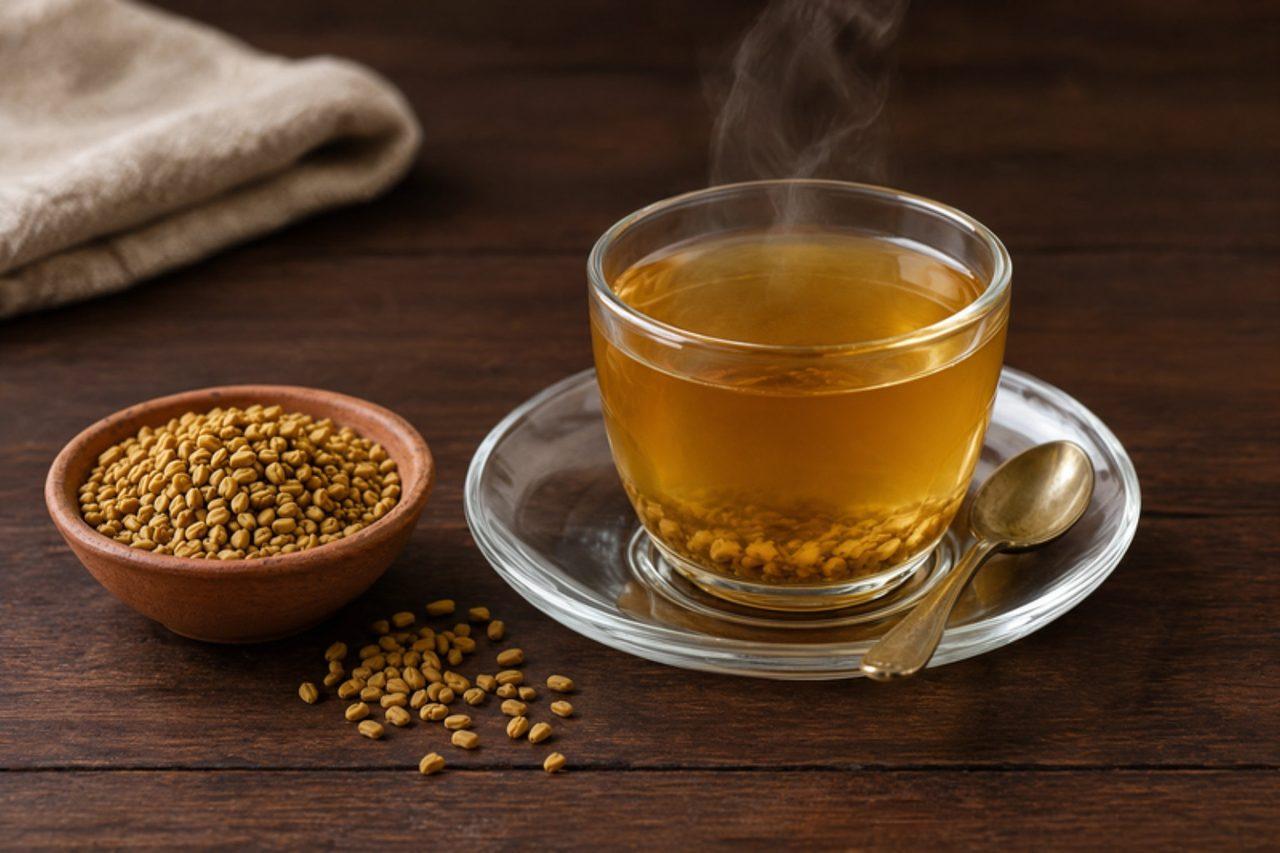
Helba is the other hot drink chalked on the board of every Egyptian coffee house, ordered in winter by students and old men playing dominoes alike. At home it is brewed when someone has a cold, after childbirth, or simply on chilly nights in the Delta, and is traditionally drunk to soothe the chest and the stomach. Fenugreek seeds are boiled until the water turns amber-yellow; the cup tastes nutty and toasty, like maple and celery, with a pleasant bitterness that sugar softens. Some people add a splash of milk at the end. Fenugreek is not advised during pregnancy, can lower blood sugar and may interact with blood thinners, so check with your doctor if you take medication; it can also make your sweat smell faintly of maple, which is harmless. The common mistake is boiling unrinsed seeds hard for a long time, which gives a slimy, very bitter tea. Rinse them, toast them briefly and boil only 8–10 minutes. It is ready when the liquid is clear golden-amber and smells of warm maple. Chef's tip: soak the seeds overnight first for a milder, rounder brew, and eat the softened seeds with a spoon as Egyptians do.

by KrazyBadal 0 views

Malai cha (cream tea)

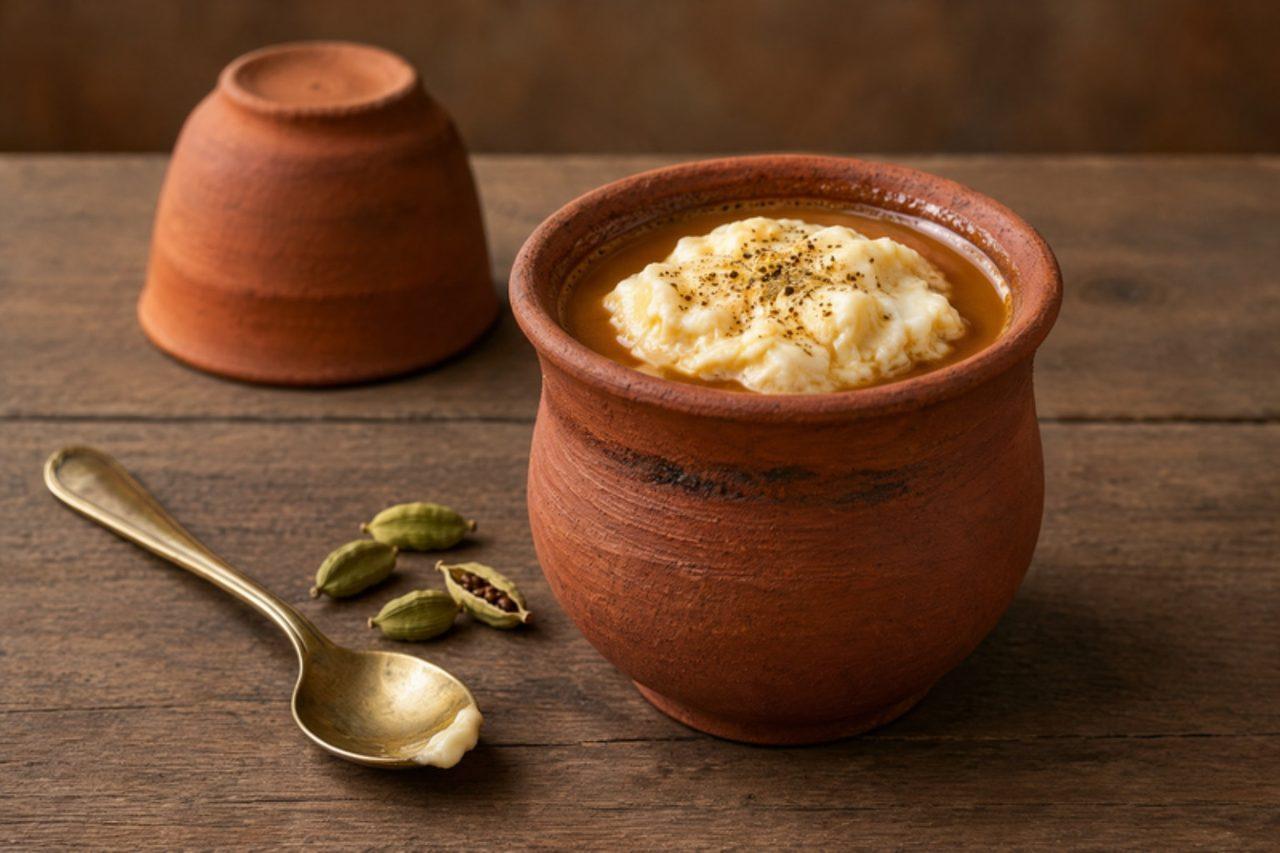
In Bogura, the town famous for its sweet doi, and in the lanes of Old Dhaka around Nazira Bazar, tea stalls keep a wide karai of milk barely simmering all evening. Layers of skin build up on top; the tea-maker lifts them off as malai and lays a thick spoonful on every cup of strong, sweet milk tea, poured into small unglazed clay bhar that give the tea a faint earthy smell. People stand around after maghrib prayers or late at night, sipping through the cream and finally eating it with a finger. The tea is malty and syrupy-sweet; the malai is soft, rich and slightly caramelised. The usual mistake is boiling the milk hard: a rolling boil breaks the skin into flakes and you never get a thick sheet. Keep it at a lazy shiver and lift the skin every 5 minutes. The tea is ready when it is the colour of milky caramel and coats the back of a spoon; the malai is ready when it lifts off as a wrinkled, leathery sheet. Strong CTC tea makes this fairly caffeinated. Chef's tip: soak clay cups in water for ten minutes first, so they don't drink up the tea or smell dusty.

by KrazyBadal 0 views

Winter melon tea

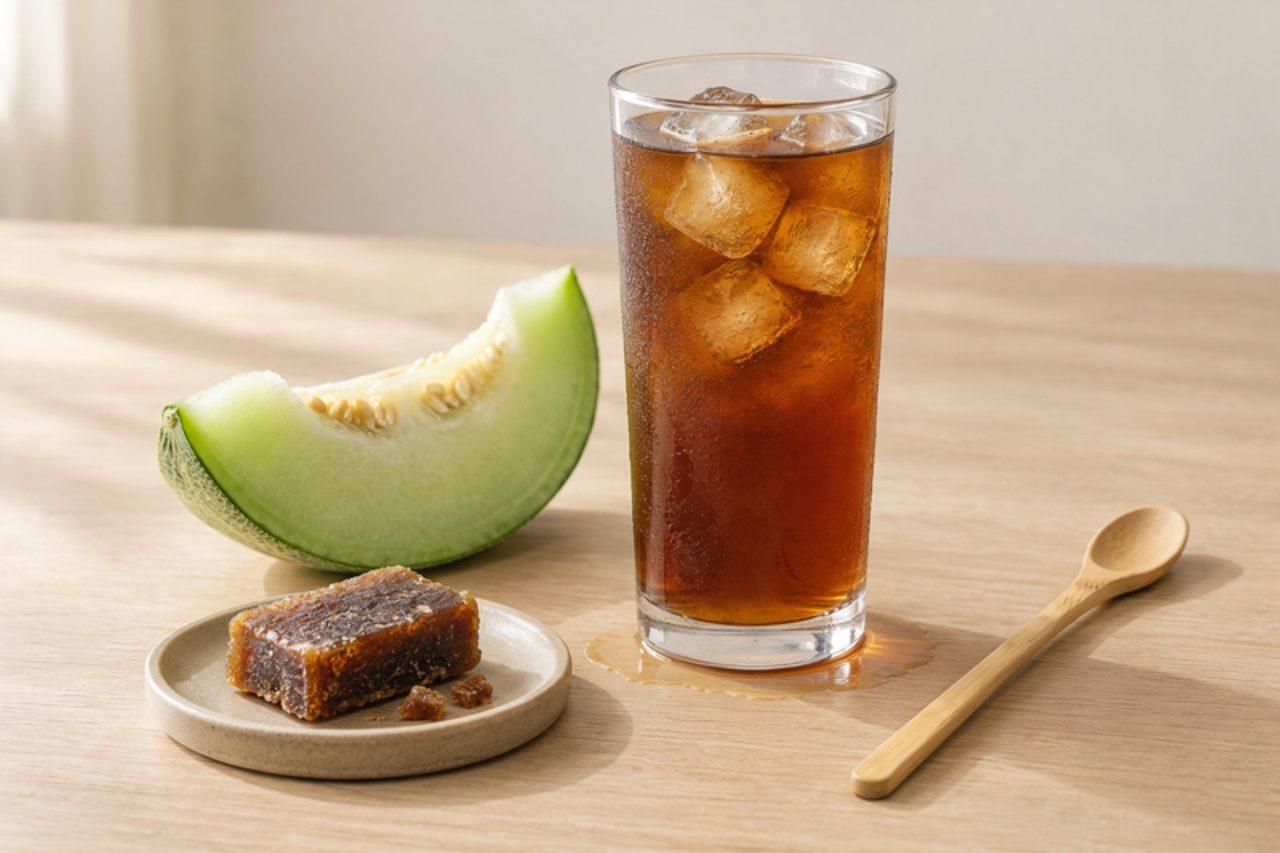
All over Taiwan, from Tainan's old markets to Taipei's night-market stalls, winter melon tea is sold in plastic cups packed with ice through the steaming summer. Despite the name there is no tea in it: chunks of winter melon are cooked down for hours with brown and white sugar until the melon disappears into a thick, dark, toffee-scented paste, which is set into blocks and later dissolved in hot water and chilled. The drink tastes of caramel and light molasses with a gentle, grassy melon note, and it is often mixed half and half with lemon juice or fresh milk. The common mistake is stopping too early, when the mixture is still runny: it will not set and it tastes boiled rather than caramelised. Keep stirring until a drop on a cold plate sets firm and the paste pulls away from the pan. Ready blocks keep 2 months in the fridge, or 6 months frozen; make the drink whenever you want it. If you cannot find winter melon (ash gourd, available frozen in Asian shops), there is no good substitute. Chef's tip: a final 10 minutes on low heat with constant stirring gives the deep, smoky colour that market versions have.

by KrazyBadal 0 views

Papaya milk

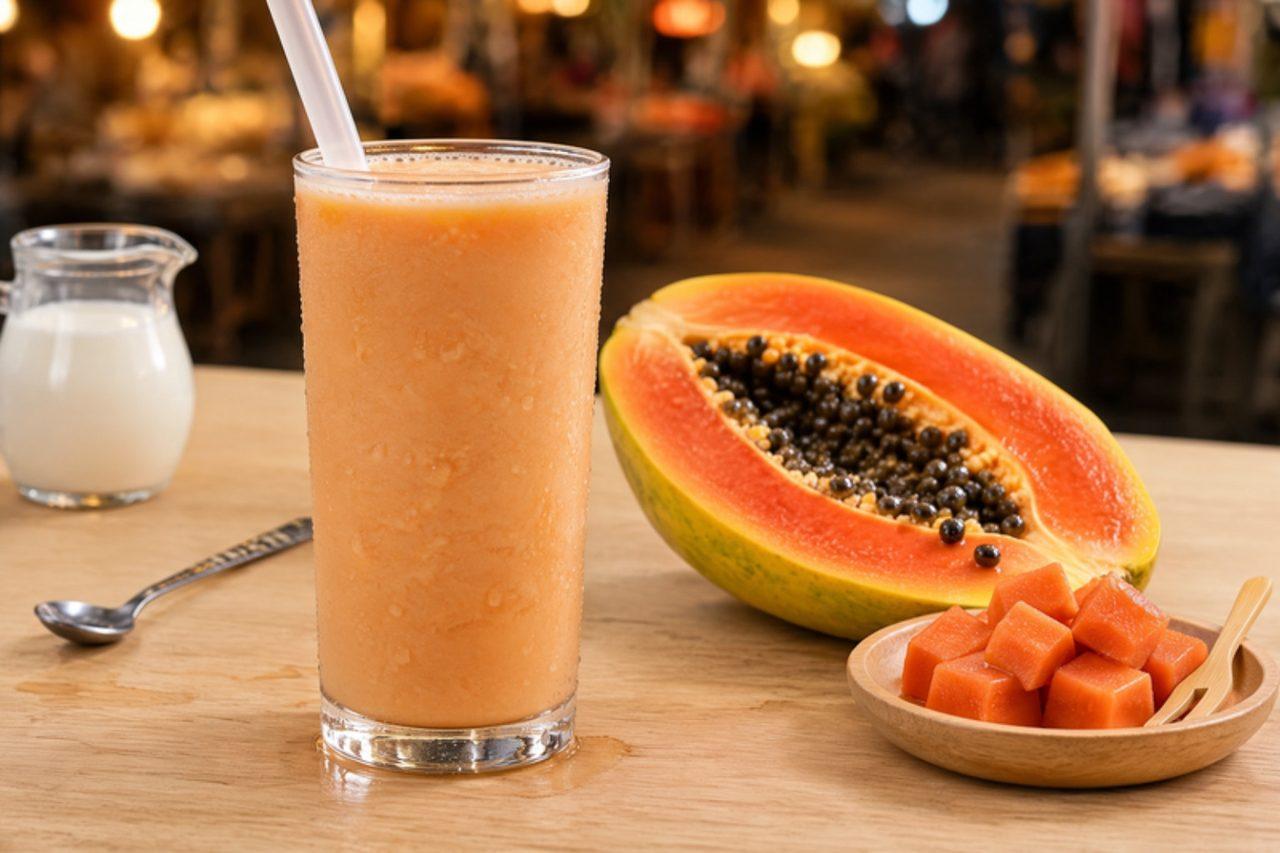
Kaohsiung claims papaya milk as its own: the southern port city's fruit stalls, and the famous old shop on Liuhe night market's doorstep, have been blending it since the 1960s, when sweet red-fleshed papayas from Pingtung became cheap and plentiful. It is now sold all over Taiwan, a thick orange-pink shake in a tall cup, drunk on sticky evenings while walking between food stalls or in the morning with a scallion pancake. It tastes of ripe papaya and cold milk, sweet and mellow, with a smooth, slightly airy body. The classic mistake is making it in advance: papaya contains the enzyme papain, which starts working on milk proteins within about 20 minutes and leaves the drink bitter and curdled-looking. Blend it just before drinking. Your papaya is ripe when the skin is mostly yellow-orange and gives slightly to a thumb, and it smells sweet at the stalk end; it is ready to serve when it is fully smooth, foamy on top and evenly coloured. Children love it, and with little added sugar it is a fine after-school snack. Chef's tip: chill the papaya well beforehand so you need less ice and the shake stays thick.

by KrazyBadal 0 views

Paloma

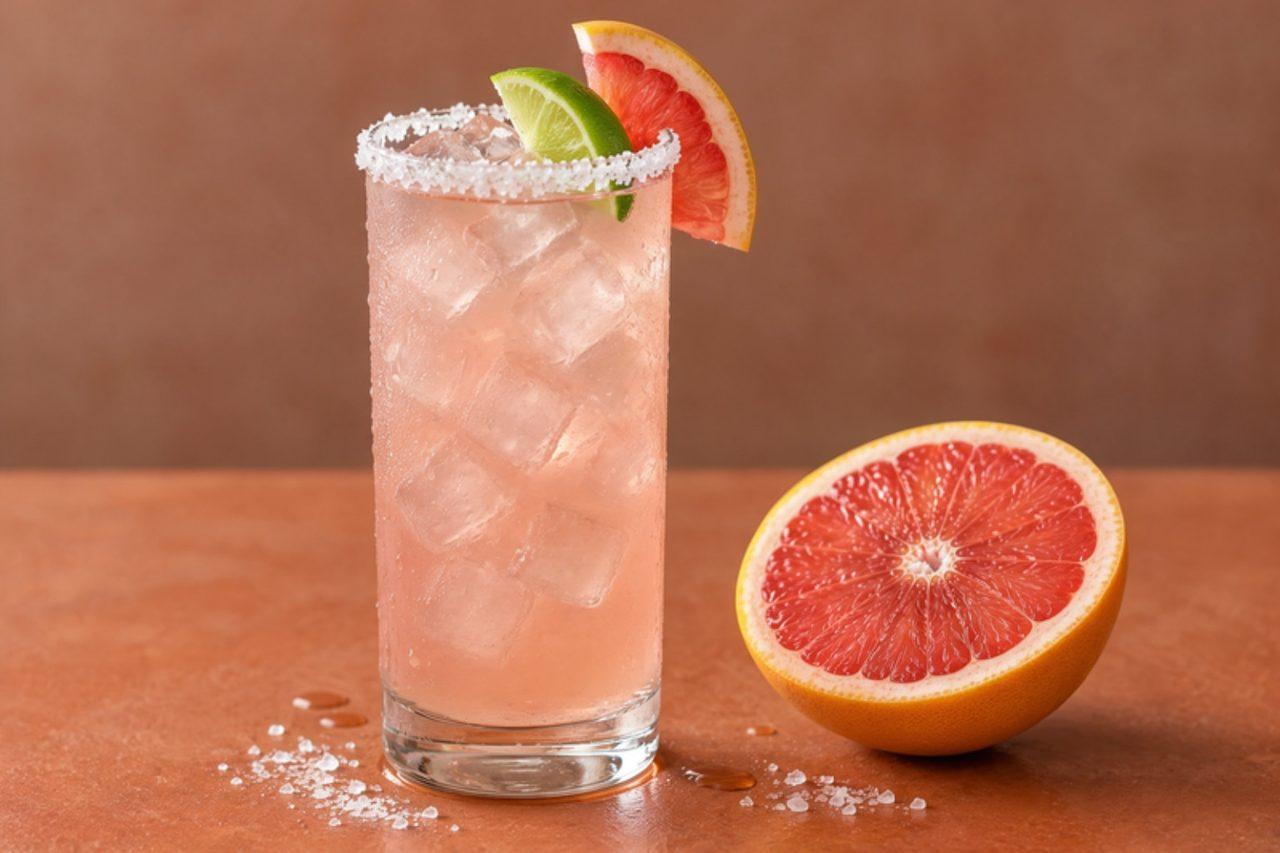
Ask for a drink in a Guadalajara cantina or a family patio in the town of Tequila and you are more likely to get a paloma than a margarita. It is the easy Sunday drink of Jalisco, poured alongside birria, tortas ahogadas and plates of peanuts with chilli, and like every cocktail here it is for adults only. A paloma is tall, cold and fizzy: bitter-sweet grapefruit, a sharp hit of lime, the earthy agave of the tequila and a pinch of salt that makes the citrus pop. The common mistake is pouring the soda in hard and stirring like mad, which knocks out the bubbles and leaves a flat, sweet drink. Build it over plenty of ice, pour the soda down the side of the glass and lift once with a spoon. It is ready when the glass is beaded with cold, the salt rim is still crisp and the drink is still fizzing loudly. Keep a glass of water alongside and drink responsibly. If you cannot find Mexican grapefruit soda, use fresh pink grapefruit juice topped up with soda water and a little sugar syrup. Chef's tip: add a tiny pinch of salt to the drink itself, not just the rim; it softens the bitterness of the grapefruit.

by KrazyBadal 0 views

Pisco sour

Lima drinks its pisco sour as the aperitif before a long ceviche lunch, and celebrates it every year on the first Saturday of February; the recipe took shape in the city's bars in the 1920s. It is for adults only and stronger than its pillowy look suggests. Underneath a thick white foam you get sharp Peruvian lime, a clean sweetness and the floral, grapey warmth of quebranta pisco, with the bitters adding a spicy smell to every sip. The texture should be silky, almost creamy, never thin. The classic mistake is squeezing the limes too hard or too early: the oil from the pith turns the drink bitter within half an hour. Halve the limes, press each half gently by hand just before mixing and stop when the juice slows. The egg white is raw, so use pasteurised egg white for anyone pregnant, for babies, older people or anyone unwell, or swap in 30 ml aquafaba. It is ready when the foam stands about 1 cm high and is firm enough to hold the drops of bitters on its surface. Sip one slowly and drink responsibly. Chef's tip: shake once without ice first to whip the egg white, then again with ice; the foam will be twice as thick.

by KrazyBadal 0 views

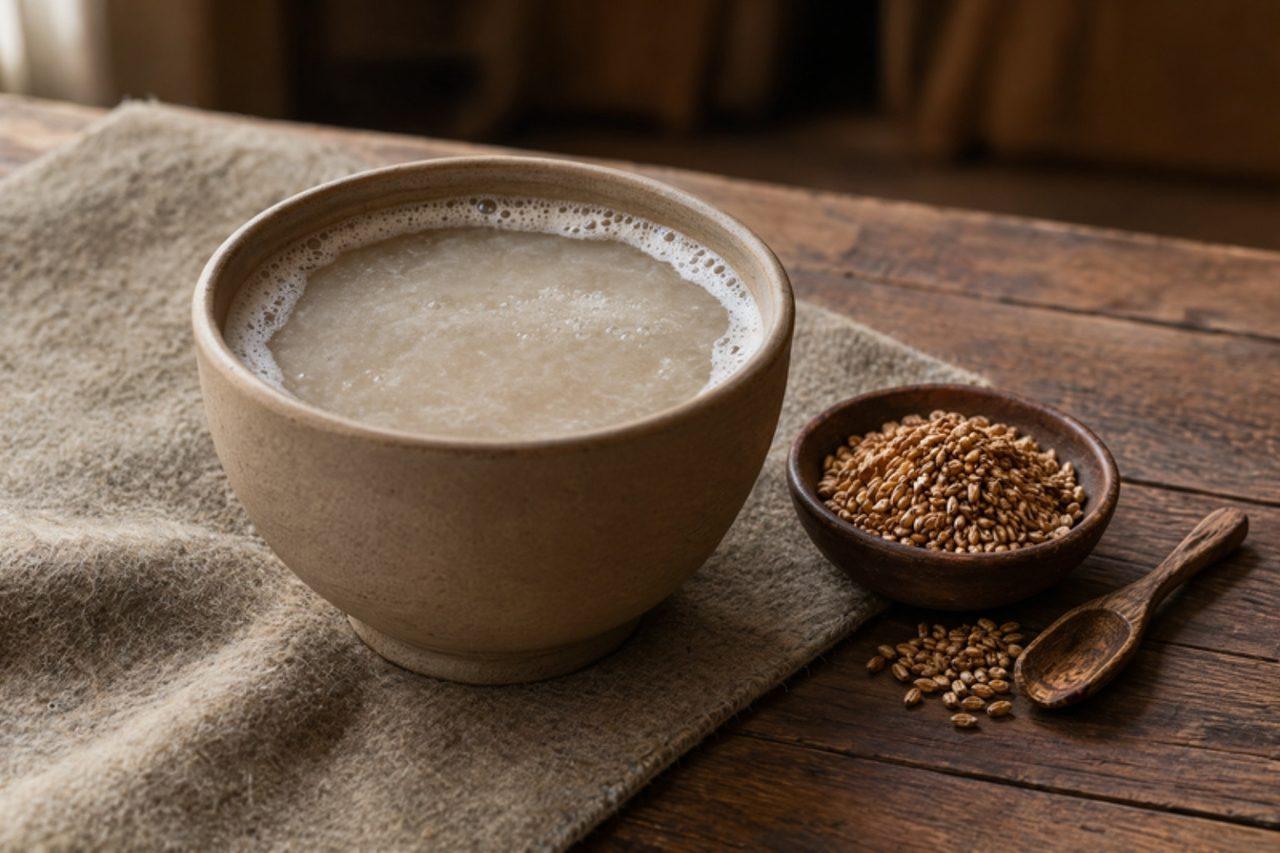
Maksym (Kyrgyz grain drink)

On summer days in Bishkek and Osh, blue and yellow street barrels sell maksym by the glass, next to chalap and kymyz. It is a sour grain drink of Kyrgyz herders: barley (or millet or corn) is toasted, ground and cooked with fried wheat flour into a thin gruel, then left overnight with a little of yesterday's batch until it turns pleasantly sour and slightly sparkling. It is drunk cold with plov, samsa or simply to cool down in July heat. It tastes nutty, like toast and rye bread, with a yogurt-like tang and a gentle salty edge; the texture is thicker than kvass, about like thin buttermilk. Like all ferments it develops a trace of alcohol, well under 1% when drunk young. The classic mistake is adding the starter while the gruel is still hot, which kills it; wait until it feels just warm, about 30 °C. It is ready when small bubbles rise, it smells pleasantly sour and a foamy cap forms. Keep it in the fridge in a loosely capped jug for 3–4 days; it gets sourer and more alcoholic as it sits. Discard if you see coloured mould, slime or smell anything rotten. Contains gluten. Chef's tip: toast the barley until it smells like coffee for the deepest flavour.

by KrazyBadal 0 views

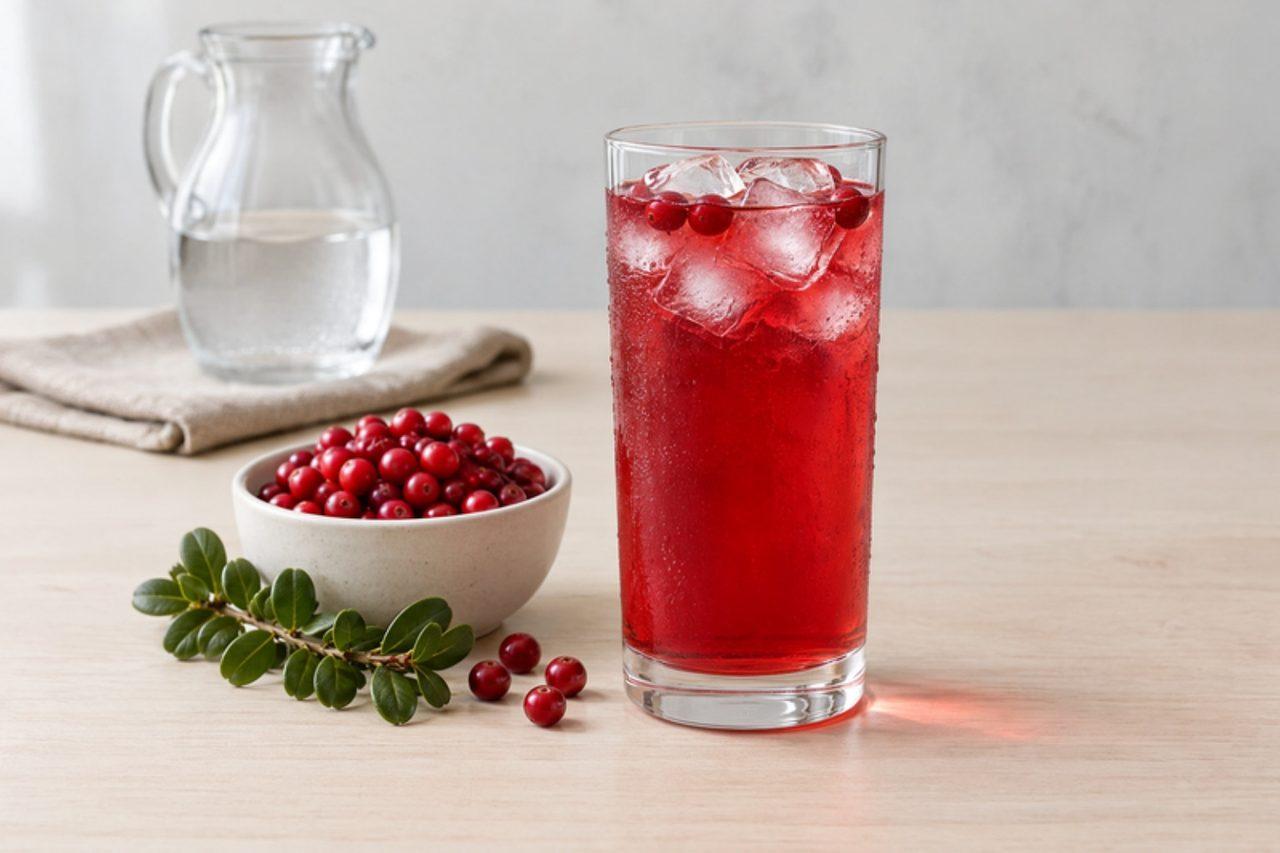
Lingondricka (lingonberry cordial)

In Sweden the jug of red lingondricka sits on the table at weekday dinners, in school canteens and at the julbord, poured beside meatballs, pyttipanna or a Saturday pea soup. Lingonberries grow wild in the forests of Norrland and Dalarna, and in late August families pick them by the bucket with a wooden berry rake. Cooked with sugar and strained, they become a cordial that is both sweet and sharp, with a slight bitter-almond edge from the skins, bright enough to cut through rich, creamy food. The common mistake is boiling the berries hard for a long time: the cordial turns jammy and brownish, and the pectin can make it set in the bottle. Bring it just to the boil, crush, then simmer only briefly. The syrup is ready when it is clear ruby, flows like a thin syrup and tastes tart then sweet. Lingonberries are sold frozen in Nordic and Eastern European shops; cranberries work as a substitute, with a little more sugar. Bottled hot into sterilised bottles it keeps 2 months in the fridge, or 6 months frozen. Throw it out if you see mould or it fizzes. Chef's tip: mix one part cordial to five of chilled sparkling water for a party version.

by KrazyBadal 0 views

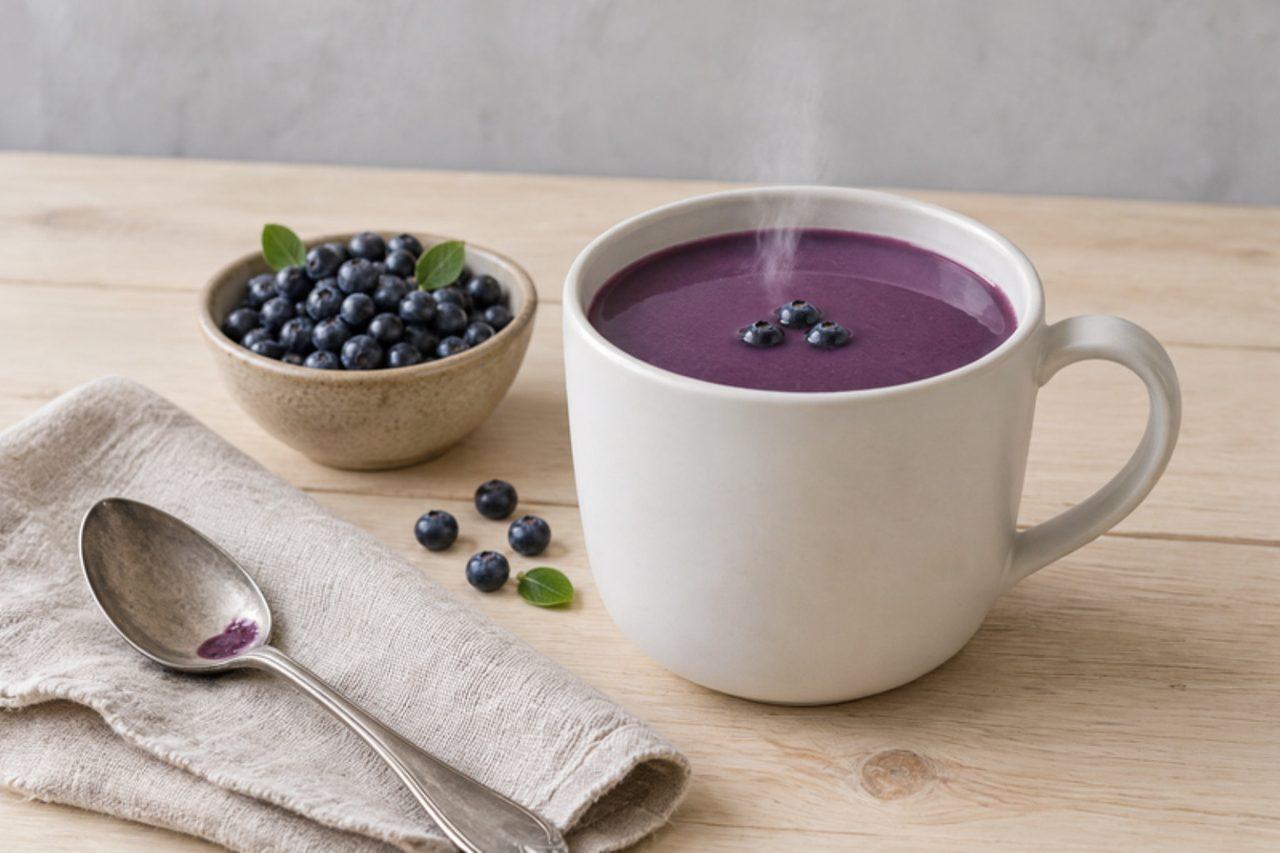
Blåbärssoppa (warm bilberry drink)

Every first Sunday of March, the 90-kilometre Vasaloppet ski race from Sälen to Mora is fuelled by blåbärssoppa: volunteers at the feeding stations hand thousands of skiers paper cups of the warm purple drink, and Swedes drink it from thermoses on winter hikes, after skating and on the ski slopes. It is made from wild bilberries, the small dark forest berries with purple flesh, cooked with sugar and thickened with potato starch so it is just thick enough to coat the cup. It is sweet, softly tart and tastes intensely of berries, with a silky, almost glossy body. The common mistake is stirring the starch straight into the hot pot: it forms jelly lumps at once. Always mix potato starch with cold water first, take the pot off the boil, then stir it in and bring back just to a bubble; long boiling thins it again. It is ready when it turns glossy and coats a spoon in a thin film. Bilberries are sold frozen in Nordic shops; cultivated blueberries work too, with a squeeze of lemon for sharpness. Chef's tip: it is just as good cold the next day, or served as a soup with whipped cream and almond biscuits.

by KrazyBadal 0 views

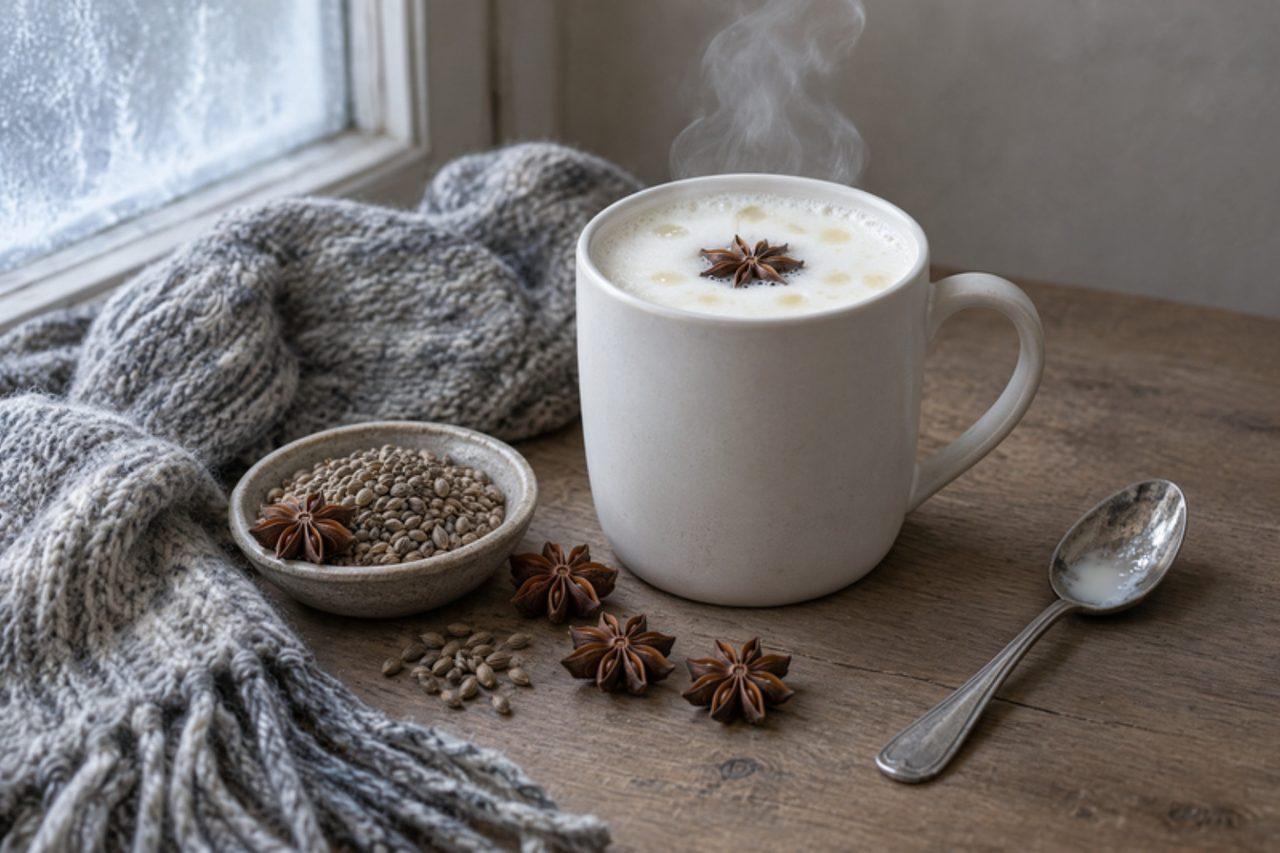
Anijsmelk (aniseed milk)

When the canals of Friesland freeze hard and the whole of the Netherlands goes out on skates, koek-en-zopie stalls appear on the ice selling erwtensoep, warm sausage and steaming cups of anijsmelk. At home it is a winter bedtime drink for children and grandparents alike, made either by crushing aniseed into simmering milk or, as many Dutch families do, by stirring in anijsblokjes, sugar cubes flavoured with aniseed. It tastes softly sweet and liquorice-like without being sharp, and it is smooth and warming, with a faint warmth on the tongue. The common mistake is boiling the milk: it rises over the pan, scorches on the base and forms a thick skin. Heat it slowly and stop when tiny bubbles appear around the edge. It is ready when the milk smells clearly of anise after steeping and has turned faintly ivory. Anise seeds are sold in spice shops; in a pinch use one star anise, though it tastes stronger and less sweet. There is no caffeine, which is why Dutch parents serve it at bedtime. Chef's tip: crush the seeds just before using, the oils fade quickly once ground.

by KrazyBadal 0 views

Socată (elderflower fizz)

In late May and early June, when elder bushes bloom white along every Romanian village lane and riverbank, grandmothers fill big glass jars with water, sugar, lemon slices and elderflower heads and set them on a sunny windowsill or balcony. Three or four days later the jar is fizzing gently and socată, the most beloved summer drink of rural Romania, is bottled and chilled for haymaking days, family lunches and long evenings in the courtyard. It is sweet and floral, like honeyed lemonade with the scent of muscat grapes, with a light natural sparkle. Like all young ferments it makes a trace of alcohol, well under 1% if drunk within a week. The common mistake is washing the flowers or picking them after rain: the pollen and wild yeast that start the fermentation are rinsed away and nothing happens. Pick dry, fully open heads on a sunny morning and just shake off insects. It is ready to strain when fine bubbles rise steadily and it smells floral and slightly tangy. Use only the flowers: elder stems, leaves and unripe berries are toxic. Chef's tip: a few raisins in the jar give the yeast a boost if your flowers are slow.

by KrazyBadal 0 views

Attaya (Senegalese mint tea)

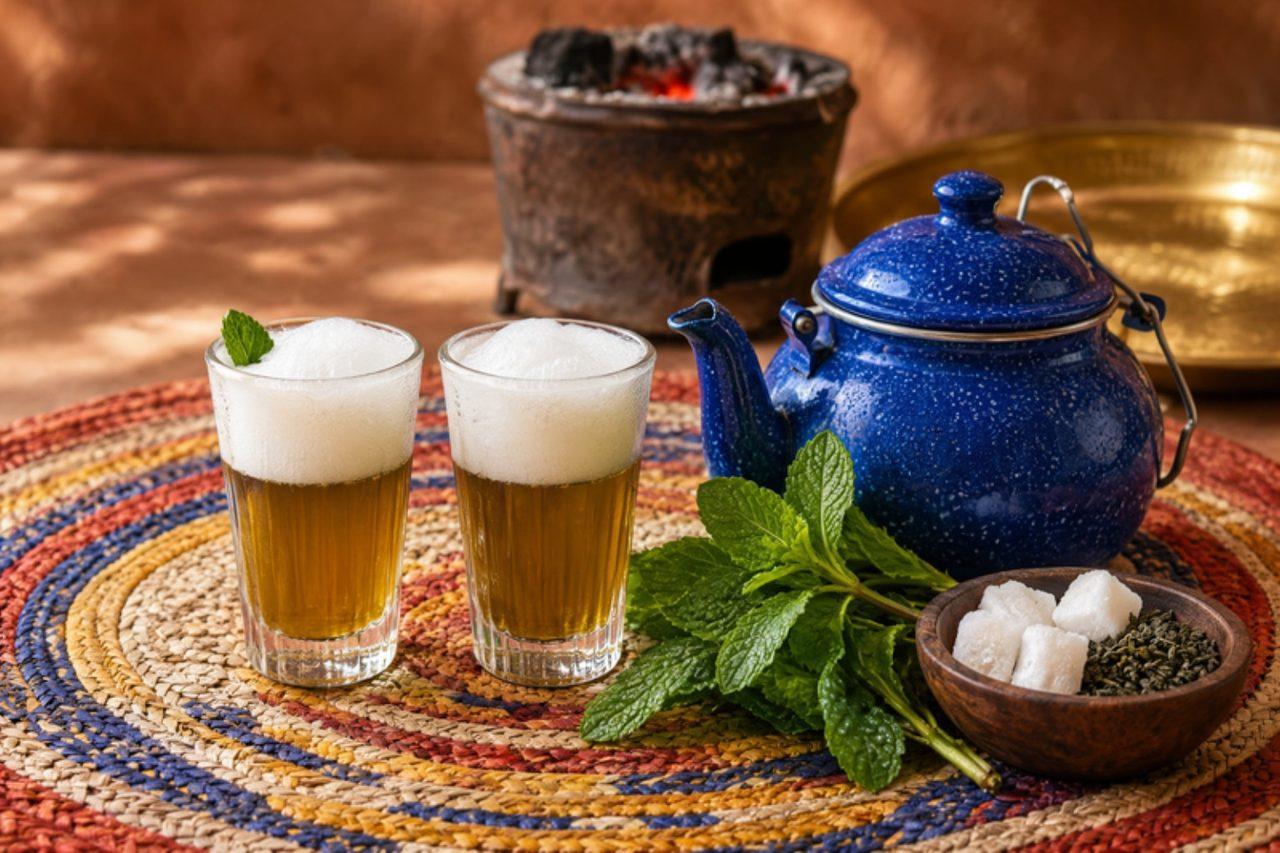
Attaya is less a drink than an afternoon. In Dakar courtyards, Banjul markets and village shade trees across Senegal and the Gambia, someone, usually the youngest man present, sets a tiny enamel teapot on a charcoal burner after lunch and makes three rounds, slowly, for an hour or more while everyone talks. The first glass, lewel, is strong and bitter; the second, naani, is sweeter and softer; the third, ñetteel, is the sweetest and most minty. The saying is that the first is bitter like death, the second gentle like life, the third sweet like love. Each tiny glass carries a thick, pale foam made by pouring the tea back and forth from height. The tea is boiled very strong, so it is high in caffeine: keep the glasses small and do not give it to children. The common mistake is rushing the foam; pour slowly and patiently, from as high as you can control, until a 1 cm head stands on the glass. A round is ready when the tea is dark amber, very sweet-bitter and the foam holds. Chef's tip: warm the empty glasses with a little hot tea first; foam lasts far longer in a warm glass.

by KrazyBadal 1 views

Charbat (Algerian lemon drink)

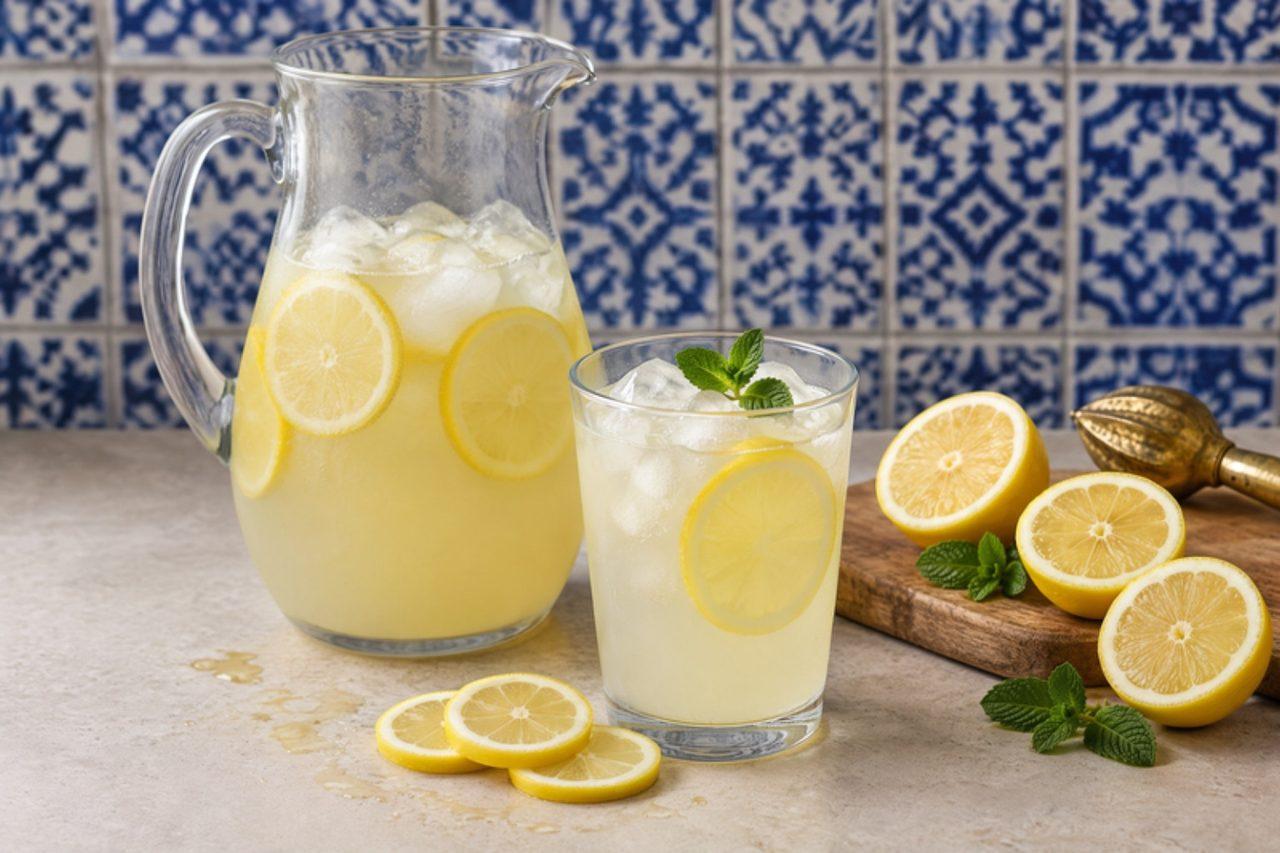
During Ramadan, as the afternoon wears on, vendors in Algiers' Bab El Oued, in Blida and Boufarik and in the old streets of Constantine fill plastic bags and jugs with ice-cold charbat for families to carry home before the call to iftar. It is lemonade made with lemon zest rubbed into sugar, a good splash of orange blossom water and a little milk, which turns it pale, opaque and silky and takes the sharp edge off the lemon. Served with zlabia, qalb el louz or straight after the dates and chorba, it tastes like lemon sherbet with a floral finish. The common mistake is adding the milk to strong, undiluted lemon juice, which curdles it into flecks; dilute the lemon fully, chill it, and only then pour in cold milk slowly while stirring. It is ready when it looks like pale lemon cream, smells of orange blossom and tastes sweet first, then tart. Lemon-and-milk drinks do not keep well, so make it the afternoon you serve it. Chef's tip: let the zest sit in the sugar for a good 10 minutes before adding water; the oils give charbat its perfume, far more than the juice alone.

by KrazyBadal 0 views

Mojito

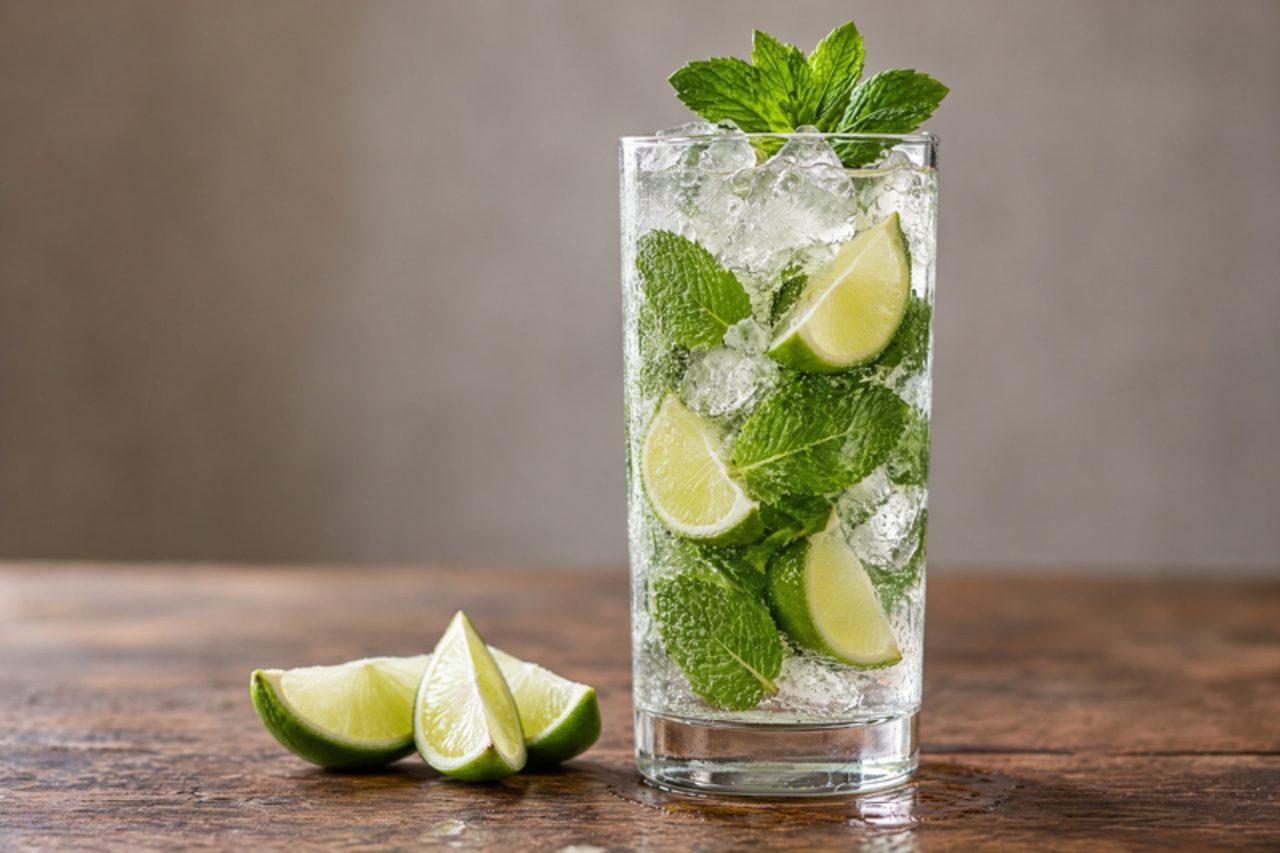
In Old Havana the mojito is the answer to three o'clock heat: made at bar counters along Obispo Street, on the Malecón and at home on the patio, often with a plate of tostones or chicharritas on the side. It is a drink for adults only, though its cool, fresh taste can fool you; sip it slowly and drink responsibly. A real Cuban mojito is fragrant and grassy from hierbabuena, the mild local mint, sharp with lime, gently sweet and lightly sparkling, with the rum giving it backbone rather than burn. The common mistake is shredding the mint with heavy muddling: the leaves turn black, bitter and stick in your teeth. Press the leaves softly against the sugar and lime just until you can smell them strongly, then stop. It is ready when the sugar has dissolved, the glass is fully frosted and the mint leaves are scattered bright green through the ice. Outside Cuba, use spearmint; peppermint tastes like toothpaste here. Chef's tip: slap the garnish sprig between your palms before tucking it in beside the straw; every sip then comes with the smell of fresh mint.

by KrazyBadal 0 views

Daiquiri

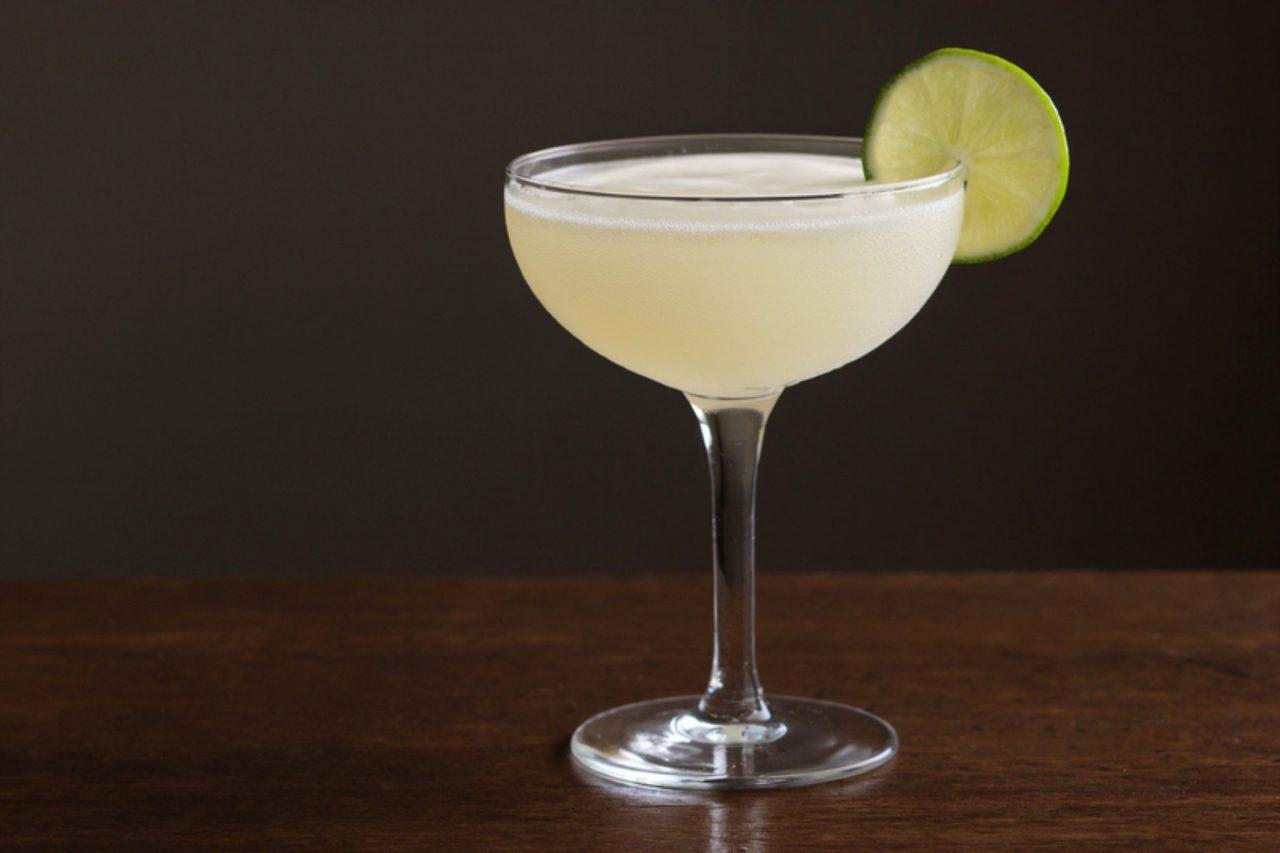
The daiquirí is named after a beach and the old iron mines east of Santiago de Cuba, where engineers and miners at the turn of the twentieth century mixed the local white rum with lime and sugar to cut the heat. Later Havana's bars turned it into a frozen blended drink, but in eastern Cuba it is still drunk the plain way, shaken, in the late afternoon or before a dinner of congrí and roast pork. It is a cocktail for adults only, short and clean: tart lime, a light touch of sugar and the soft, dry vanilla notes of light rum, served so cold it almost stings. The common mistake is a lazy shake, which leaves the drink warm, harsh and too strong. Fill the shaker with ice and shake hard for a full 12–15 seconds. It is ready when the tin is too cold to hold, there are tiny shards of ice on the surface and the drink has a fine foam at the rim. Have one and drink responsibly. Balance matters more than amounts: taste your limes, and add a little more syrup if they are very sour. Chef's tip: chill the coupe in the freezer first; a daiquirí loses its magic within minutes in a warm glass.

by KrazyBadal 0 views

Bombai motai (Sri Lankan candyfloss)

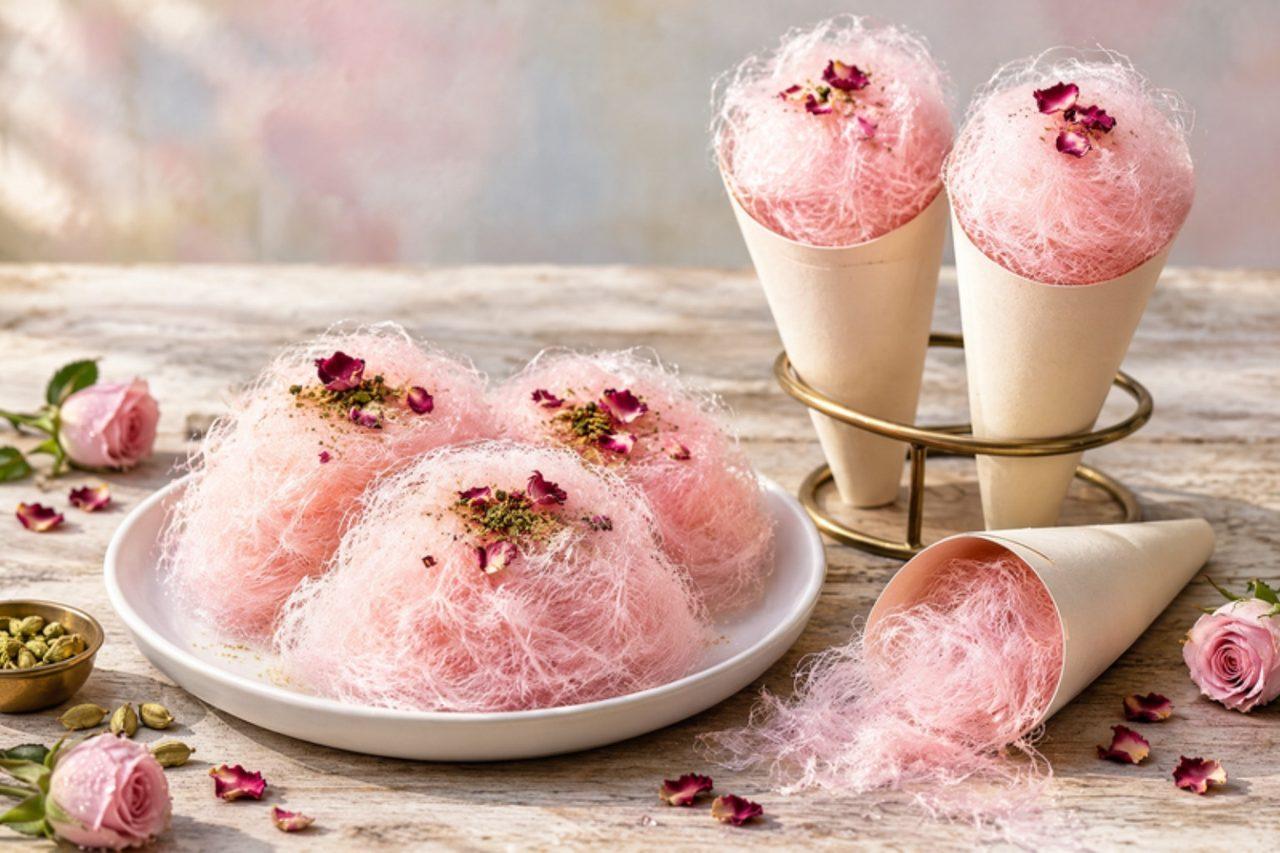
On Galle Face Green at sunset, and at every Vesak fair, the bombai motai seller walks with a glass box of pink candyfloss and a little bell, handing it out in small cones. You can spin a home version without a machine: sugar boiled to the hard-crack stage, then flicked from a fork in thin threads over two spoon handles. Children love to watch, but they must stay well back while the sugar is hot. Contains no major allergens. Chef's tip: make it on a dry day; humidity melts the threads back into sticky sugar.

by KrazyBadal 0 views

Bellini

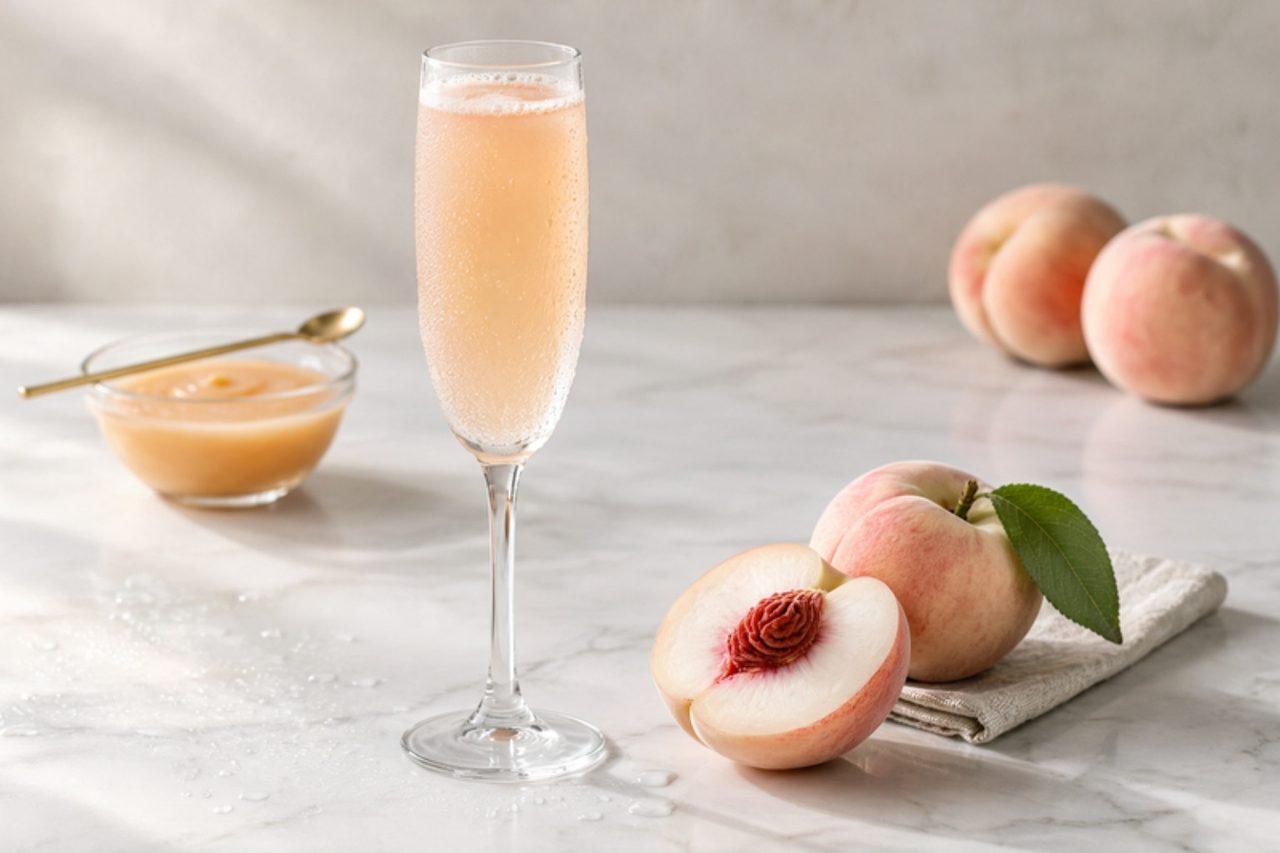
Venice invented the Bellini in the late 1940s, when a bar owner near San Marco mixed puréed white peaches with Prosecco and named the pale pink result after the Renaissance painter Giovanni Bellini. It is still a seasonal pleasure, best from July to September when white peaches are ripe and scented, and drunk late in the morning, at weddings or before lunch on the lagoon. This is a drink for adults only, though a gentle one. It should taste of fresh peach first, soft and perfumed, with the Prosecco adding light fizz and dryness, and the texture should be smooth and lightly velvety, never pulpy. The usual mistake is pouring the Prosecco fast onto the purée: it foams over and the peach stays sunk at the bottom. Tilt the glass, pour slowly in two goes and give a single gentle stir. It is ready when the drink is an even blush pink from top to bottom with a fine, slow bead. Enjoy it with food and drink responsibly. Out of season, use frozen white peach purée or ripe yellow peaches with a little more lemon. Chef's tip: a single raspberry blended into the purée gives the classic pink colour without changing the taste.

by KrazyBadal 0 views

Kir

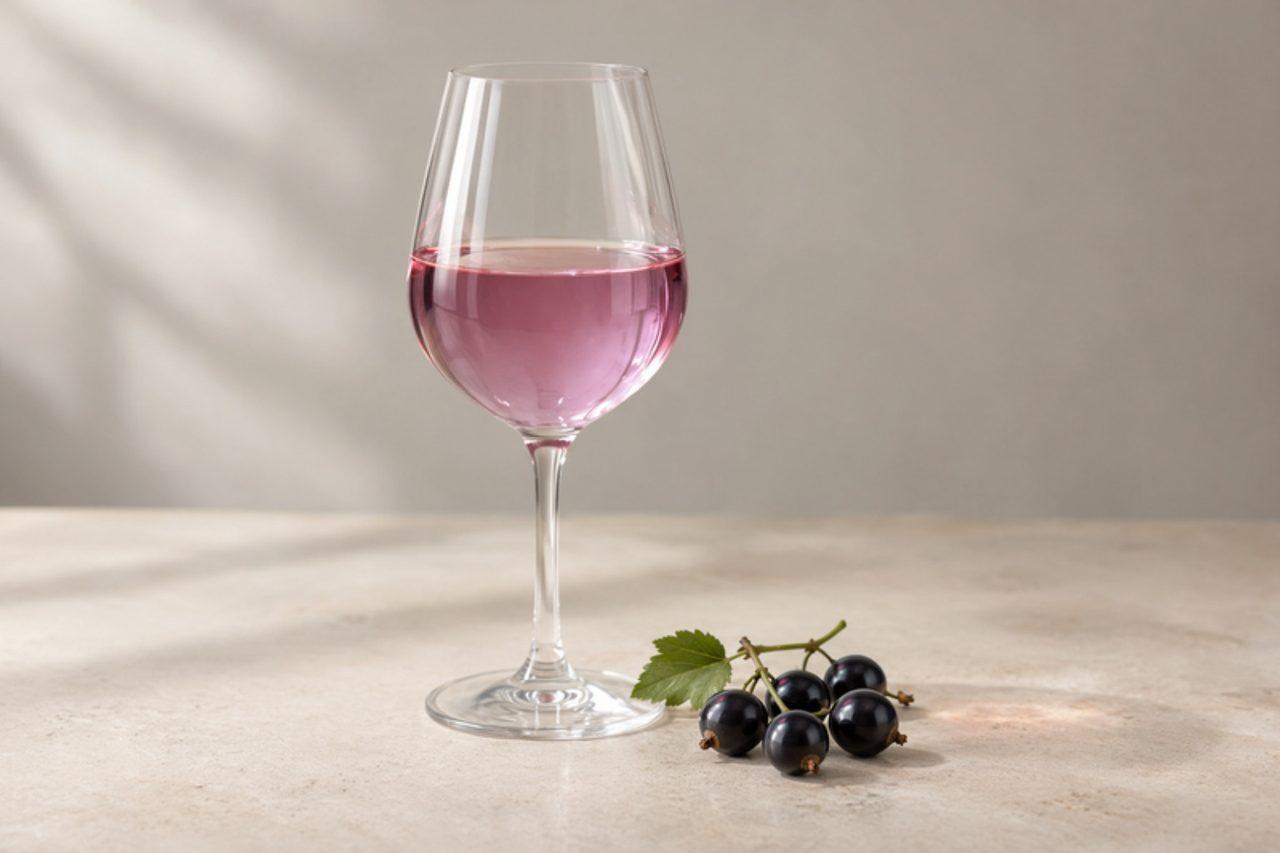
Dijon's own aperitif carries the name of Canon Félix Kir, the priest who became the city's mayor after the war and poured blanc-cassis at every reception to show off two Burgundy products at once: the sharp white Aligoté grape and the blackcurrant liqueur made around the city. It is still what you are offered before a family Sunday lunch in Burgundy, with a warm plate of gougères. It is a drink for adults only, low-key and refreshing: tart, mineral white wine with a dark, jammy blackcurrant note, deep ruby-violet in the glass, served cold with no ice. The usual mistake is too much cassis, which makes a sticky, syrupy drink that hides the wine. Keep to about one part cassis to five or six parts wine. It is ready when the colour is a clear, deep pink-purple you can still see light through and the glass mists with cold. Enjoy one before the meal and drink responsibly. If you cannot find Aligoté, use any dry, unoaked, high-acid white. Swap the wine for Champagne or crémant and you have a kir royal. Chef's tip: pour the cassis in first and the wine on top; it mixes itself and you need not stir.

by KrazyBadal 0 views

French 75

The French 75 took its name from the light field gun of the First World War, because Parisian bartenders of the late 1910s and 1920s said it hit you just as hard. It has stayed a celebration drink in Paris and beyond: raised at weddings, New Year's Eve and long weekend brunches. It is for adults only and stronger than it tastes, so drink responsibly. A good one is bright and lemony with gin botanicals underneath, then a fine, persistent Champagne fizz that makes it feel light and dry. The common mistake is putting the sparkling wine in the shaker, which either blows the lid off or leaves the drink completely flat. Shake only the gin, lemon and syrup with ice, strain them into the glass and top with Champagne there. It is ready when the shaker is frosted, the foam has risen and fallen once, and a steady stream of small bubbles runs up the flute. Any dry traditional-method sparkling wine such as crémant works in place of Champagne; check the label if vegan matters. Chef's tip: twist the lemon peel over the glass, not into the shaker; the oil on the surface is the first thing you smell.

by KrazyBadal 0 views

Margarita

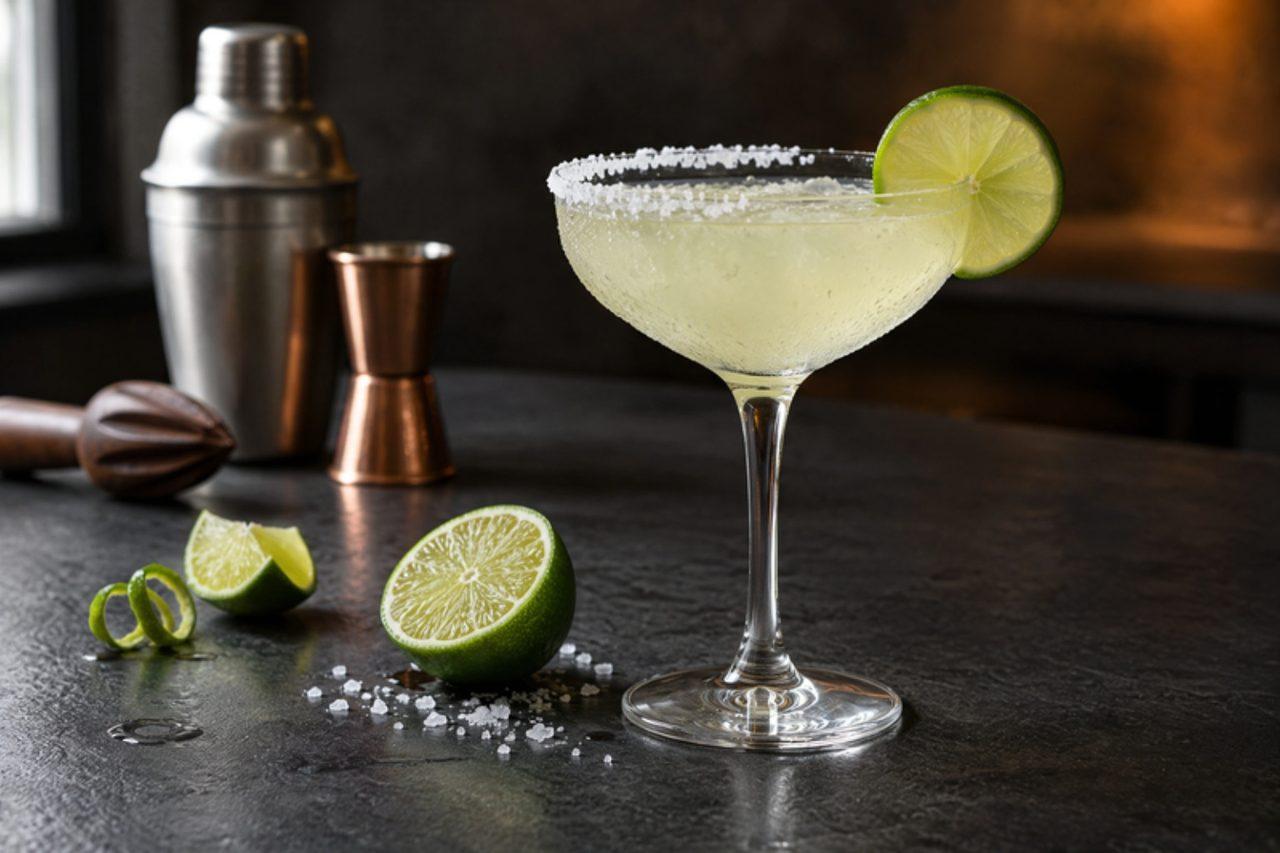
Several towns along Mexico's northern border, from Tijuana and Ensenada to Ciudad Juárez, claim the margarita as their own, born in the 1930s and 40s when visitors crossed over for tequila and tacos. Today it is the Friday-evening drink of norteño restaurants and family parties, poured beside carne asada and guacamole. This version is for adults only and it is simple: good 100% agave blanco tequila, fresh lime and orange liqueur. It should be bright and tart first, then gently sweet, with the salt on the rim making the lime taste even sharper. The usual mistake is reaching for bottled lime juice or ready-made sour mix, which gives a flat, sugary drink with a chemical bite. Squeeze limes just before shaking. A second slip is salting the whole rim inside and out; salt only the outside of half the rim so each sip is your choice. It is ready when the shaker is too cold to hold comfortably and a thin layer of ice crystals floats on top. Enjoy one slowly and drink responsibly. Chef's tip: use coarse sea salt mixed with a little grated lime zest for the rim; it sticks better and smells of lime.

by KrazyBadal 0 views

Negroni

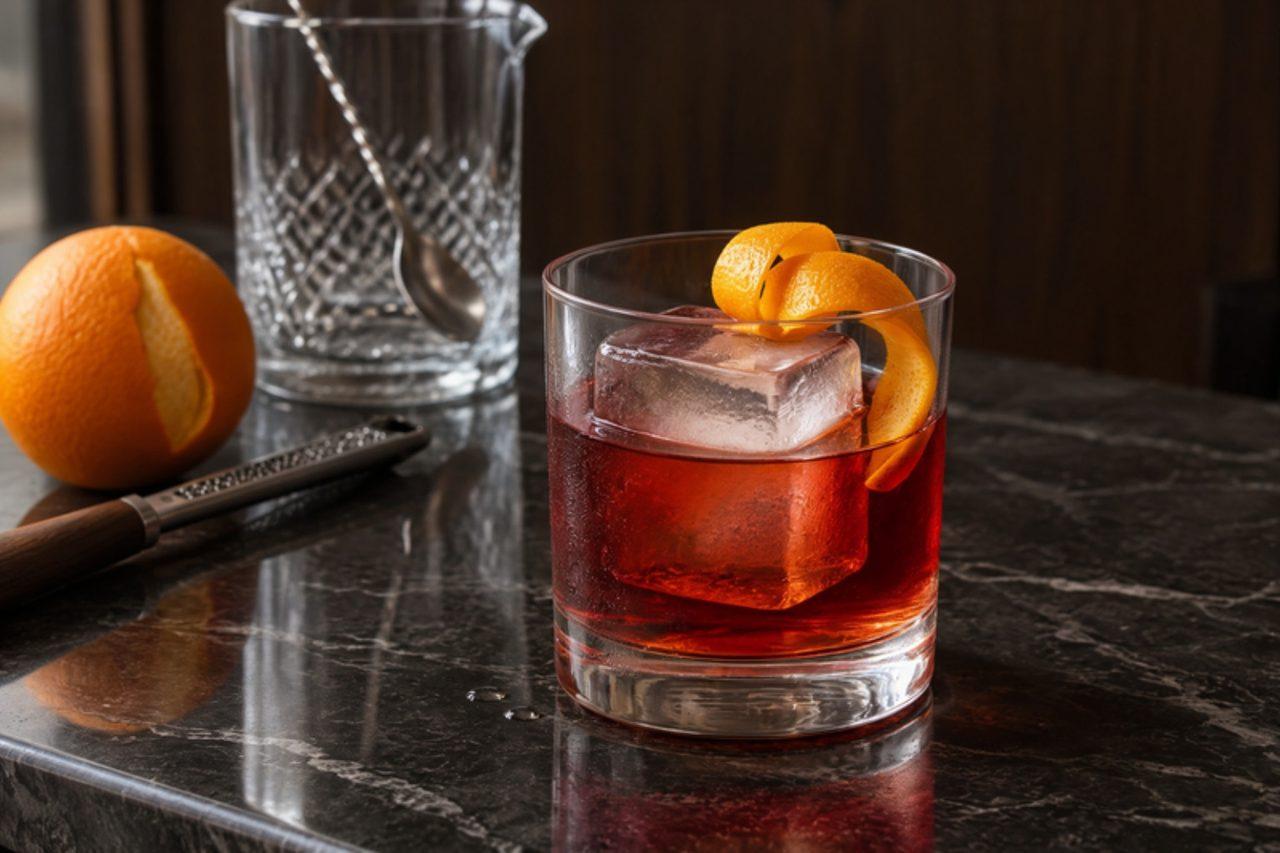
The story goes that around 1919, in a café on Florence's Via de' Tornabuoni, Count Camillo Negroni asked for his usual Americano with gin in place of the soda water. A century later the Negroni is the backbone of Italian aperitivo: drunk between six and eight in the evening, with olives, salted crisps or little crostini, before dinner rather than with it. It is a drink for adults only and a strong one, so one is plenty; drink responsibly. Taste it and you get bitterness first, then dark herbal sweetness from the vermouth and a dry juniper finish, all lifted by the smell of fresh orange oil. The texture should be silky and weighty. The common mistake is shaking it: shaken, a Negroni turns cloudy, foamy and watery. Stir it over ice instead for 20–30 seconds. It is ready when the outside of the mixing glass is frosted, the drink has softened slightly in colour and it pours like glossy syrup. Choose a bitter aperitivo coloured without carmine, and check the vermouth label if vegan matters. Chef's tip: serve it over one large clear ice cube; it melts slowly and keeps the last sip as good as the first.

by KrazyBadal 0 views

Piña colada

Two bars in 1950s San Juan claim to have created the piña colada, and Puerto Rico made it the island's official drink in 1978. It is the drink of hot afternoons on the beaches of Condado and Isla Verde, of hotel pools and of family parties where the blender runs all day. The rum version is for adults only, and because it tastes like a dessert it is easy to drink too fast, so keep to one or two and drink responsibly. A good piña colada is thick, frosty and smooth, coconut-sweet but kept fresh by the sharp acidity of pineapple, with the rum warming the finish. The common mistake is using coconut milk or unsweetened coconut cream instead of cream of coconut, the thick sweetened coconut syrup sold in tins and squeeze bottles: the drink comes out bland and splits into icy water and fat. If you only have coconut cream, blend in 2 tbsp sugar. It is ready when the drink is thick enough to hold a straw upright for a moment, has no crunchy ice and has turned a pale, creamy yellow. Chef's tip: freeze half of the pineapple juice into ice cubes the day before; you will need less ice and the colada stays thick to the last sip.

by KrazyBadal 0 views

Bajan rum punch

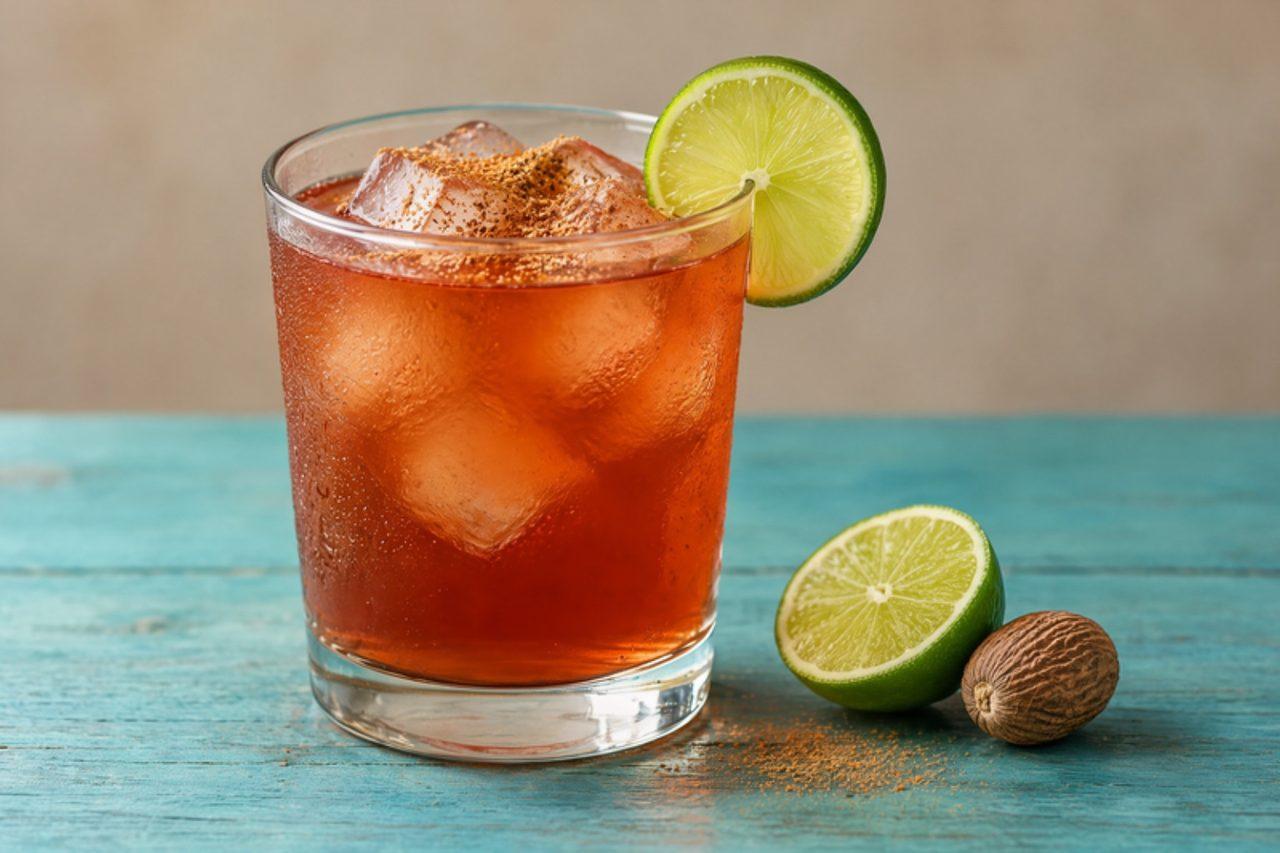
Every Barbadian knows the rhyme: one of sour, two of sweet, three of strong, four of weak. It is how rum punch is mixed for Sunday lunch, at beach limes, at the Friday night fish fry in Oistins and through the Crop Over festival in July and August. The punch is for adults only and it is strong, so pour it over plenty of ice and drink responsibly. Made right, it tastes bright and tangy from lime, rounded by brown-sugar syrup, warm with golden Barbados rum and finished by aromatic bitters and the woody smell of fresh nutmeg on top. The usual mistake is reading 'weak' as fruit juice or adding extra rum: the four of weak is water (and melting ice), and swapping in sweet juices makes the punch cloying. Make the syrup properly, measure by volume and taste before you add the last of the water. It is ready when the sweet and sour are in balance, nothing catches your throat and the jug is beaded with cold. It also keeps 2 days in the fridge, so it can be made ahead. Chef's tip: grate the nutmeg over each glass at the table; ready-ground nutmeg has lost the smell that makes Bajan punch what it is.

by KrazyBadal 0 views

Caesar

The Caesar was created in Calgary in 1969, when a hotel bartender was asked to invent a drink for a new Italian restaurant and thought of spaghetti alle vongole: clams, tomato, garlic, a squeeze of lemon. It has become Canada's own cocktail, ordered at weekend brunch, poured at the cottage on long weekends and raised on Canada Day, often with a celery stick or a spicy green bean standing in the glass. It is for adults only. Note that it is not vegetarian: the clam-tomato juice is made with clam broth, and Worcestershire sauce contains anchovy. A Caesar tastes savoury before anything else, briny and tomatoey, with heat from the hot sauce, tang from lime and a salty, herbal crunch from the celery-salt rim. The common mistake is shaking it hard like a sour: the tomato juice turns frothy, pale and watery. Roll it instead, pouring it back and forth between two glasses a few times. It is ready when the drink is evenly red, ice-cold and the rim is still neatly coated. Drink responsibly; it goes down easily. No clam-tomato juice? Mix 120 ml tomato juice with 30 ml bottled clam broth. Chef's tip: add a little grated horseradish for a sharper, more peppery Caesar.

by KrazyBadal 0 views

Scotch bonnet pepper sauce

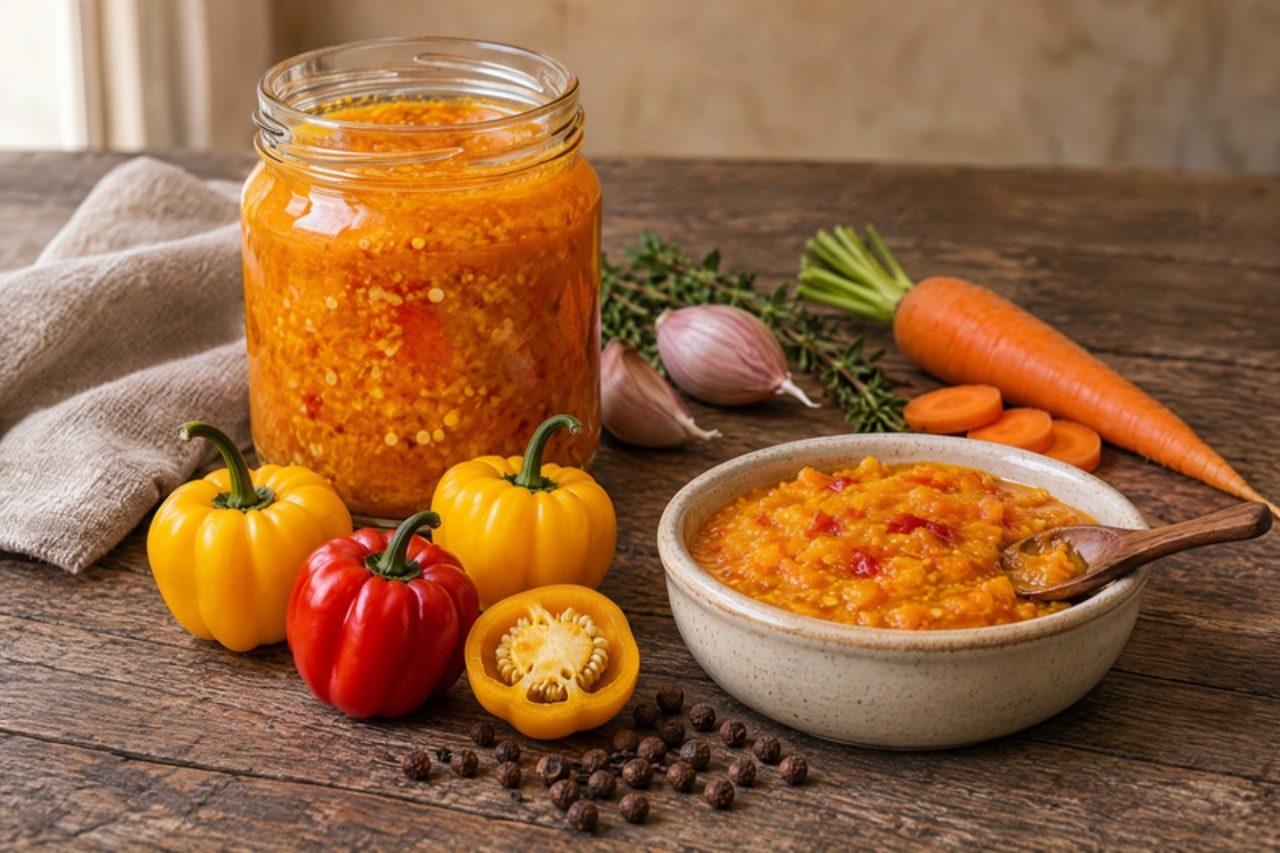
On a Jamaican Sunday dinner table the bottle of pepper sauce sits next to the salt, shaken over rice and peas, brown stew chicken, escovitch fish and the beef patty from the corner shop. Home versions differ from yard to yard, but most cook scotch bonnets briefly in vinegar with onion, carrot, garlic and the island's own pimento (allspice) berries, then blend them smooth. The result is a pourable, bright orange sauce: fruity, floral heat first, then the sweetness of carrot and the warm clove note of pimento, with a clean vinegar finish. A few drops are plenty. Wear gloves, open a window and never lean over the pot or blender; the fumes sting. Common mistake: blending raw peppers with too little vinegar and leaving the bottle on the counter; keep the full amount of vinegar (at least 5% acidity) and store it in the fridge. It is ready when the carrot is soft and the sauce is smooth and pourable; the flavour mellows and rounds after two days. Chef's tip: for a milder sauce, cut out the seeds and white ribs from half the peppers before cooking.

by KrazyBadal 1 views

Trini pepper sauce

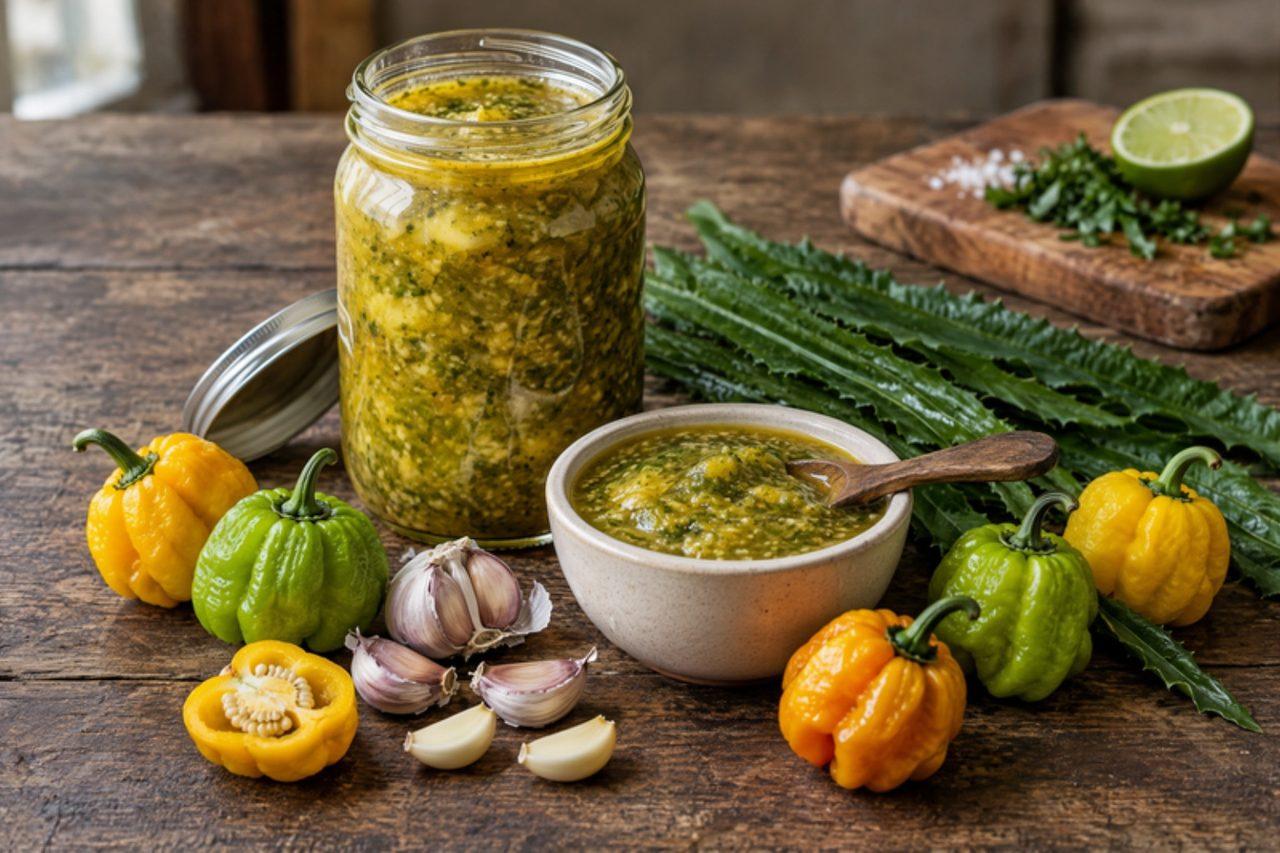
Ask for doubles anywhere in Trinidad and the vendor will ask "slight or heavy?", meaning how much pepper sauce goes on. This raw, rough-blended sauce also goes on pholourie, aloo pie, bake and saltfish and Christmas pastelles, and every family swears theirs is best. Scotch bonnet or local congo peppers are blended with shado beni (culantro), plenty of garlic, prepared mustard, vinegar and lime, and many cooks stretch it with grated green papaya or green mango for body. It tastes ferociously hot, sharp, garlicky and green, with a tangy mustard finish. Abroad, swap the culantro for double the amount of coriander with its stalks. Common mistake: following the old habit of standing the bottle in the sun to "cure"; raw garlic and herbs are not safe at room temperature, so let the flavours marry in the fridge instead. Wear gloves and keep the blender lid on. It is ready after 2–3 days in the fridge, when the colour turns from bright to olive and the raw garlic edge has softened. Chef's tip: salt and squeeze the grated papaya before adding it, so it does not water the sauce down.

by KrazyBadal 0 views

Dalvada (Ahmedabad moong dal fritters)

The first monsoon shower in Ahmedabad sends people straight to the dalvada counters by Raipur Darwaja, where fritters of split green moong come out of the karahi by the basketful and are sold by weight with sliced raw onion and salted fried chillies. They are rough and craggy outside, light and steamy inside, warm with ginger and cracked pepper. Eat them hot with masala chai while the rain falls. Chef's tip: grind the dal coarse with almost no water, then whisk the batter by hand for a few minutes; the air you beat in is what keeps them light.

by KrazyBadal 0 views

Ahmedabad chocolate sandwich

Manek Chowk is a jewellery market by day; at night its square fills with stalls, and among the pav bhaji and sandwich carts the chocolate sandwich is the one children beg for. Buttered white bread is packed with grated chocolate, sometimes with a layer of grated cheese for a salty edge, then toasted in a long-handled iron until crisp and dripping. Contains wheat and dairy, and the chocolate may contain soya and traces of nuts. If you add cheese, many cheeses are made with animal rennet; pick one labelled vegetarian. Chef's tip: toast it slowly over a medium-low heat, so the chocolate melts before the bread browns.

by KrazyBadal 1 views

Mazorcada (Bogotá loaded corn bowl)

Late at night, when the bars of the Zona T and Usaquén empty, the food trucks and carts around Bogotá's Parque de la 93 do a roaring trade in mazorcada, a huge tray of sweetcorn buried under shredded chicken or beef, melted cheese, salsa rosada and crunchy potato sticks. It is messy, salty-sweet and very filling, and Colombians argue about whether pineapple sauce belongs on top. Chef's tip: melt the cheese first and add the potato sticks at the very end, so they stay crunchy.

by KrazyBadal 0 views

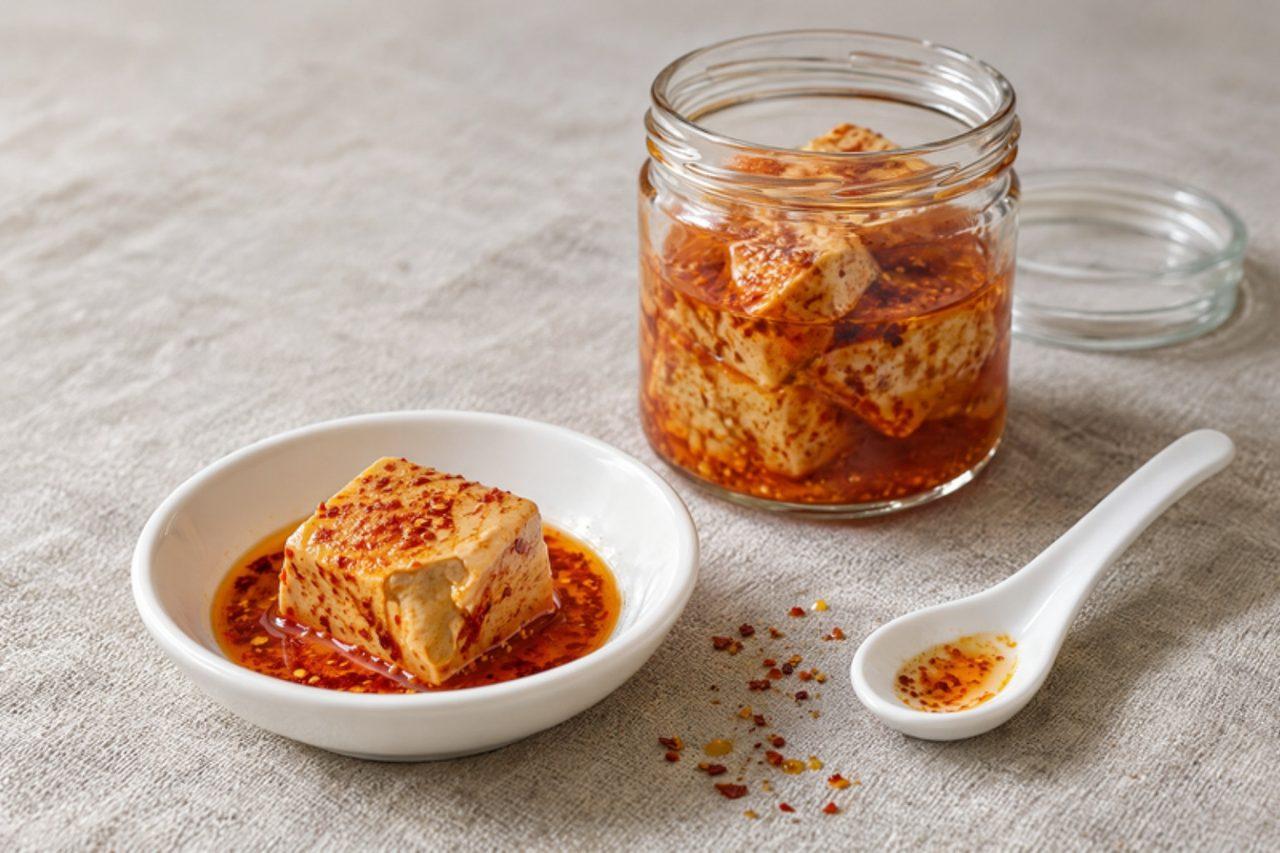
Fermented bean curd

Fu ru is made all over China, from Guilin's chilli-red cubes to Shaoxing's pale ones, and is usually prepared in the cool months between late autumn and early spring, when the moulds grow slowly and cleanly. Firm tofu cubes sit on rice straw or a rack until a soft white fuzz covers them; they are then rolled in salt and chilli and aged in brine until the centre turns custard-soft and the flavour becomes deep, cheesy and savoury. A quarter of a cube is mashed over plain rice congee for breakfast, or stirred into a sauce for stir-fried water spinach. Common mistake: making it in a warm kitchen; above about 20 °C the wrong moulds and bacteria take over. The bloom must be white or greyish-white and fluffy, smelling mildly of mushrooms; throw away any cube with green, black, pink, orange or yellow spots, sliminess or an ammonia or rotten smell, and if many are affected discard the whole batch. Do not reduce the salt: it is what keeps this low-acid soy ferment safe, and the whole ageing happens in the fridge. It is ready after 6–8 weeks, when a cube is soft right through. Chef's tip: press the tofu overnight first, drier cubes grow a cleaner bloom.

by KrazyBadal 0 views

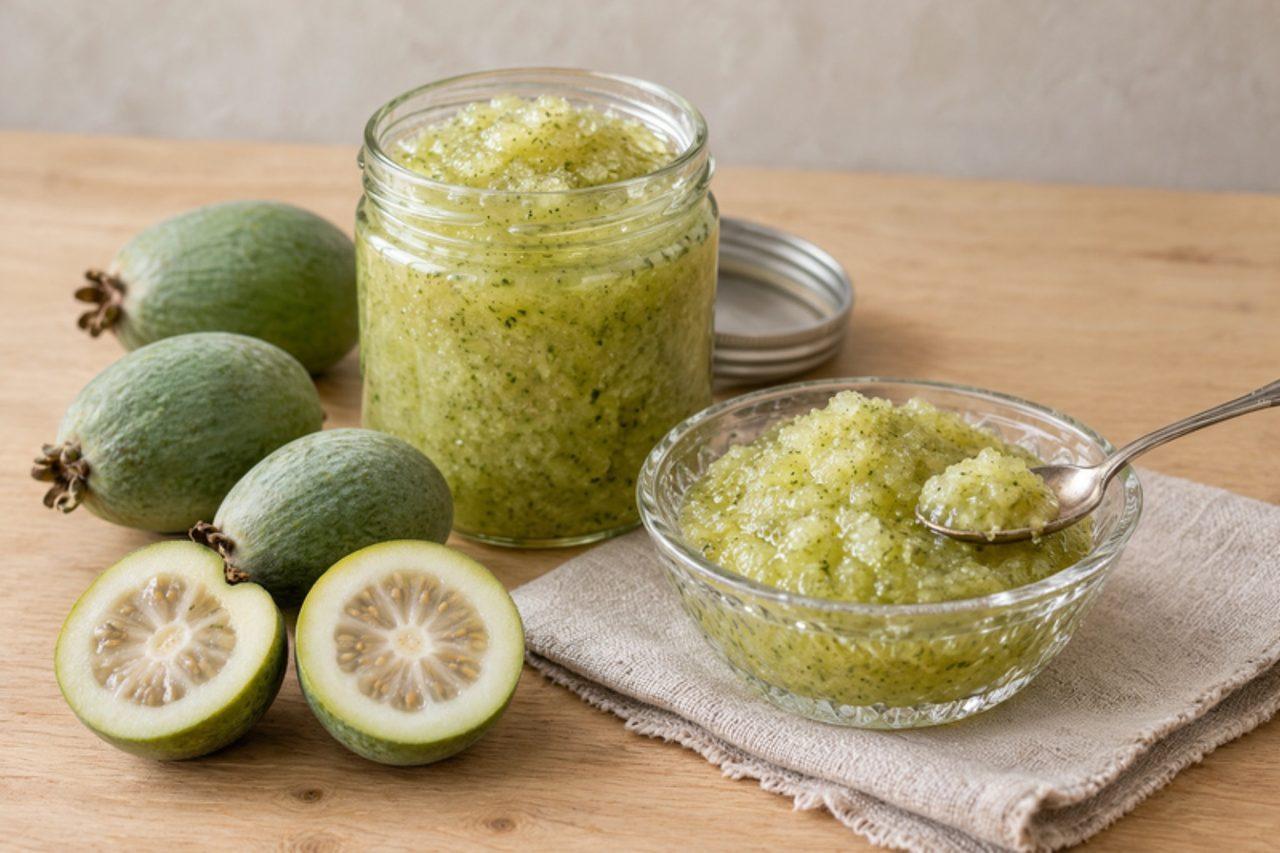
Feijoa jam

Feijoa bushes grow in almost every garden along Georgia's Black Sea coast, in Batumi, Kobuleti and the hills of Guria, and in late October and November the egg-shaped green fruit drop faster than anyone can eat them. The local answer is a raw jam: the whole fruit, skin and all, minced with sugar and kept cold, so it keeps the fresh, heady taste of pineapple, guava and mint. It is spooned into small glass dishes beside a cup of black tea, spread on bread for breakfast, stirred into yoghurt and eaten by the teaspoon through the winter cold season. The texture is a loose, pale-green pulp with a little grit from the seeds and skin; the flavour is sweet, tart and very aromatic. Common mistake: leaving the cut fruit to stand before mixing with sugar; it browns within minutes, so mince straight into the sugar and stir. The jam is ready when the sugar has fully dissolved and the colour is an even jade green. Because it is never cooked it must live in the fridge or freezer. Chef's tip: use fruit that gives slightly when pressed and smells strongly; hard feijoas taste of skin, overripe ones have brown jelly inside and turn the jam muddy.

by KrazyBadal 0 views

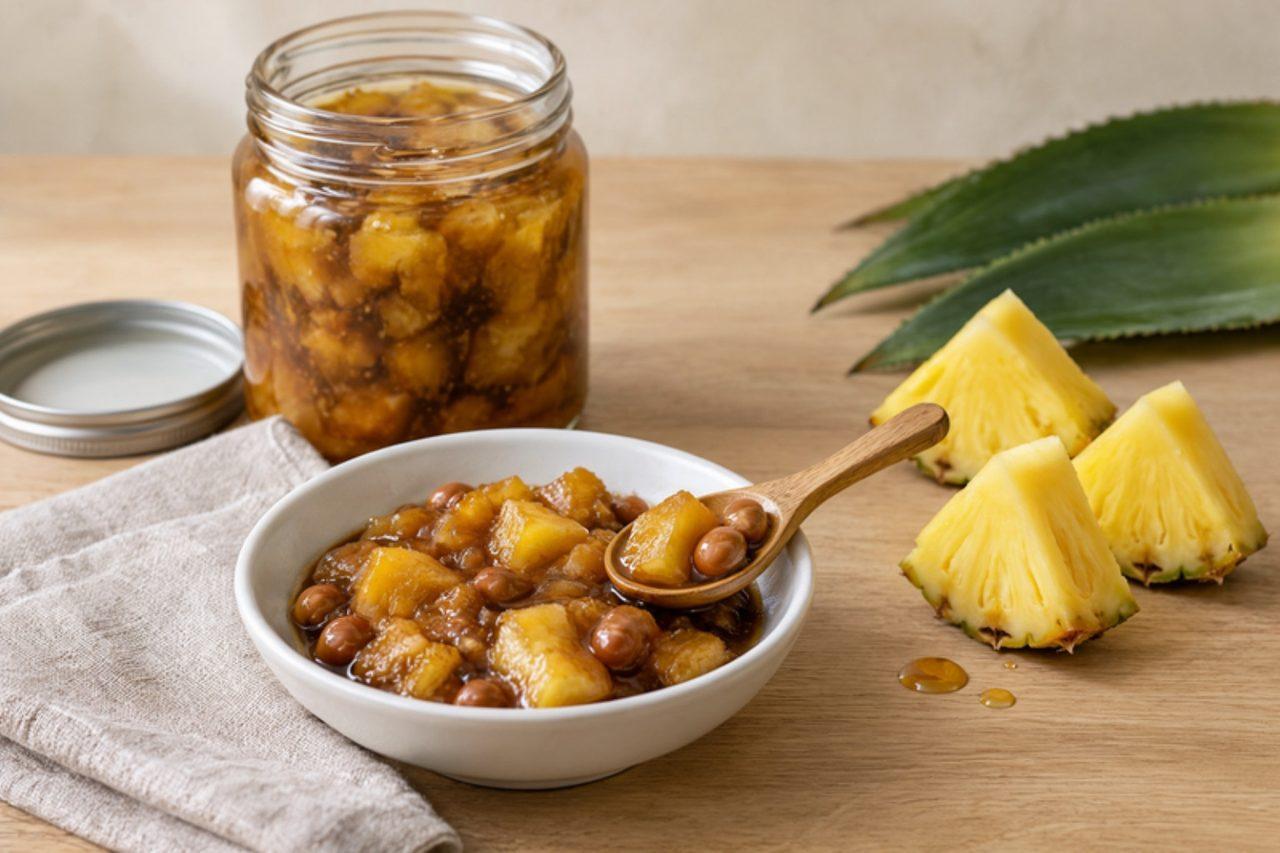
Pineapple soybean paste

Hakka households in Miaoli, Hsinchu and Pingtung are frugal and patient, and pineapple soybean paste (ong lai dau jiong) shows both. In early summer, when Taiwan's pineapples are plentiful, the fruit is cut into wedges and layered in jars with salted soybean koji and sugar, then left in a cool corner for months. The pineapple softens and goes golden-brown, the beans melt into a thick sauce, and the whole jar turns sweet, salty and tangy with a soft funk like miso. Spooned over steamed fish with ginger and scallion, stirred into braised bitter melon or tossed through stir-fried greens and wood ear, it is a back-pocket seasoning for everyday Hakka meals and bento. Common mistake: using very ripe, juicy pineapple; the fruit breaks into mush and the extra water dilutes the salt. Choose firm, just-ripe fruit and dry it after cutting. It is ready when the pineapple has turned amber and translucent and the beans are soft, after 1–3 months. Chef's tip: read the koji label — many brands are dusted with wheat flour, so it is not reliably gluten free.

by KrazyBadal 0 views

Showing 45 of 9,812 recipes

Show more recipes

Page 323 of 1,091