


Skip to content
Methi besan bhaji
Featured recipe

Methi besan bhaji

Fenugreek and gram flour stir-fry

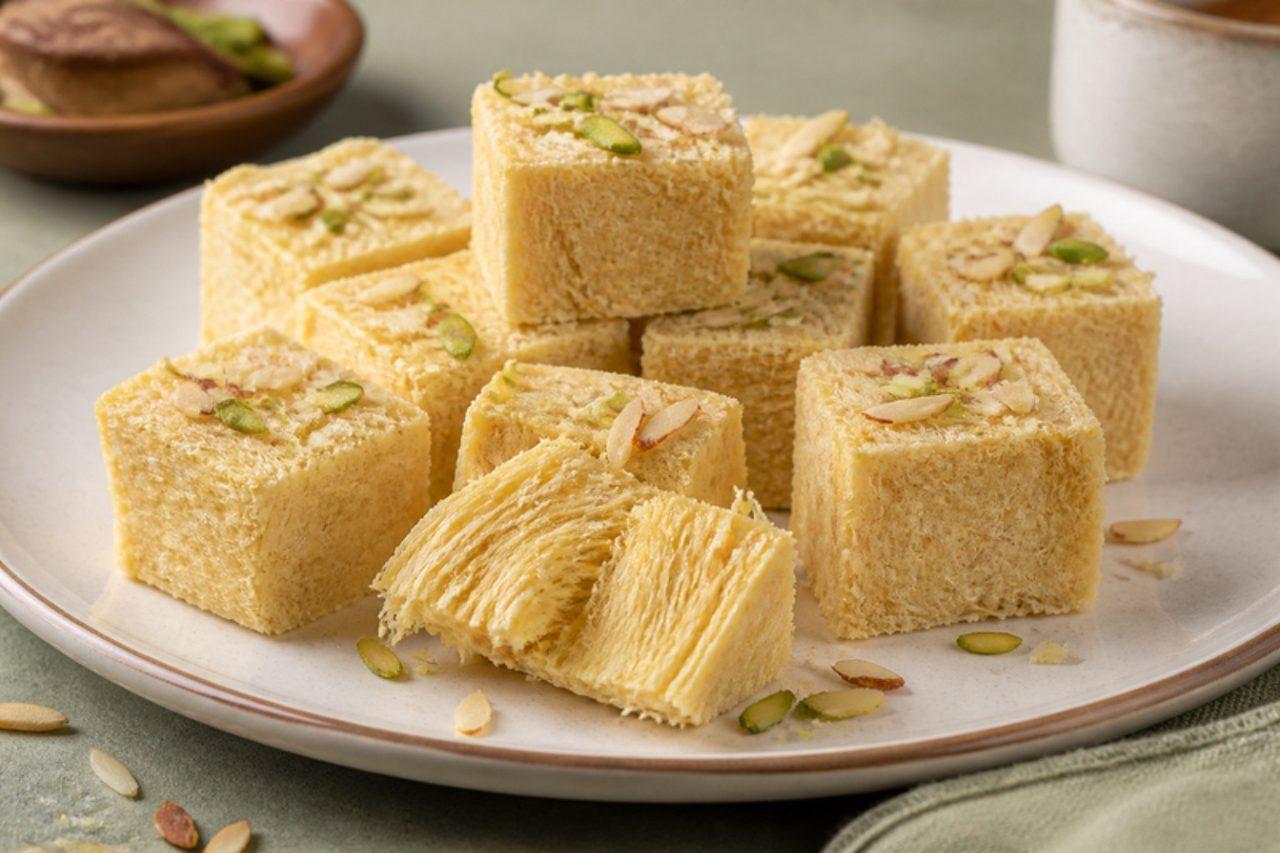
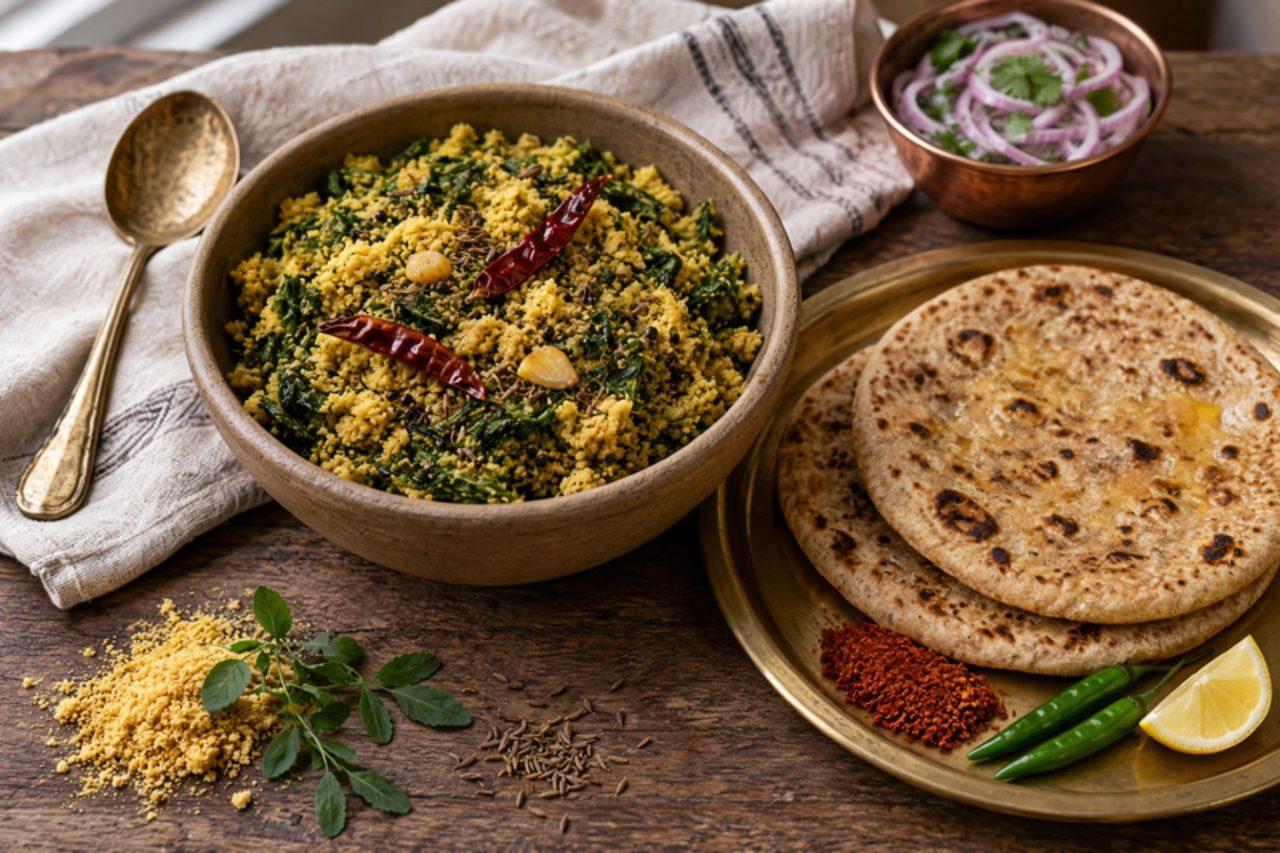
Farmers in Vidarbha and households in Jodhpur both make a version of this: chopped methi leaves cooked down and then dusted with roasted besan until the whole pan turns into dry, savoury crumbs that cling to a chapati. Because it has almost no moisture, it is one of the best sabzis for a long journey or a hot day's dabba. The mistake is adding raw gram flour straight to the leaves, which leaves a pasty, raw taste. Roast the besan dry until it smells like biscuits first. Chef's tip: sprinkle a few drops of water over the crumbs and cover for a minute at the end, so they soften just enough without turning into a paste.

Read more 0 views

What to eat today?

Around the world

Today's trip: Persian

A new country every day, from every cuisine on the site.

This week's collection

Kid-friendly dinners
745 recipes · a new collection every Monday

Coming up

All occasions →

Latest recipes

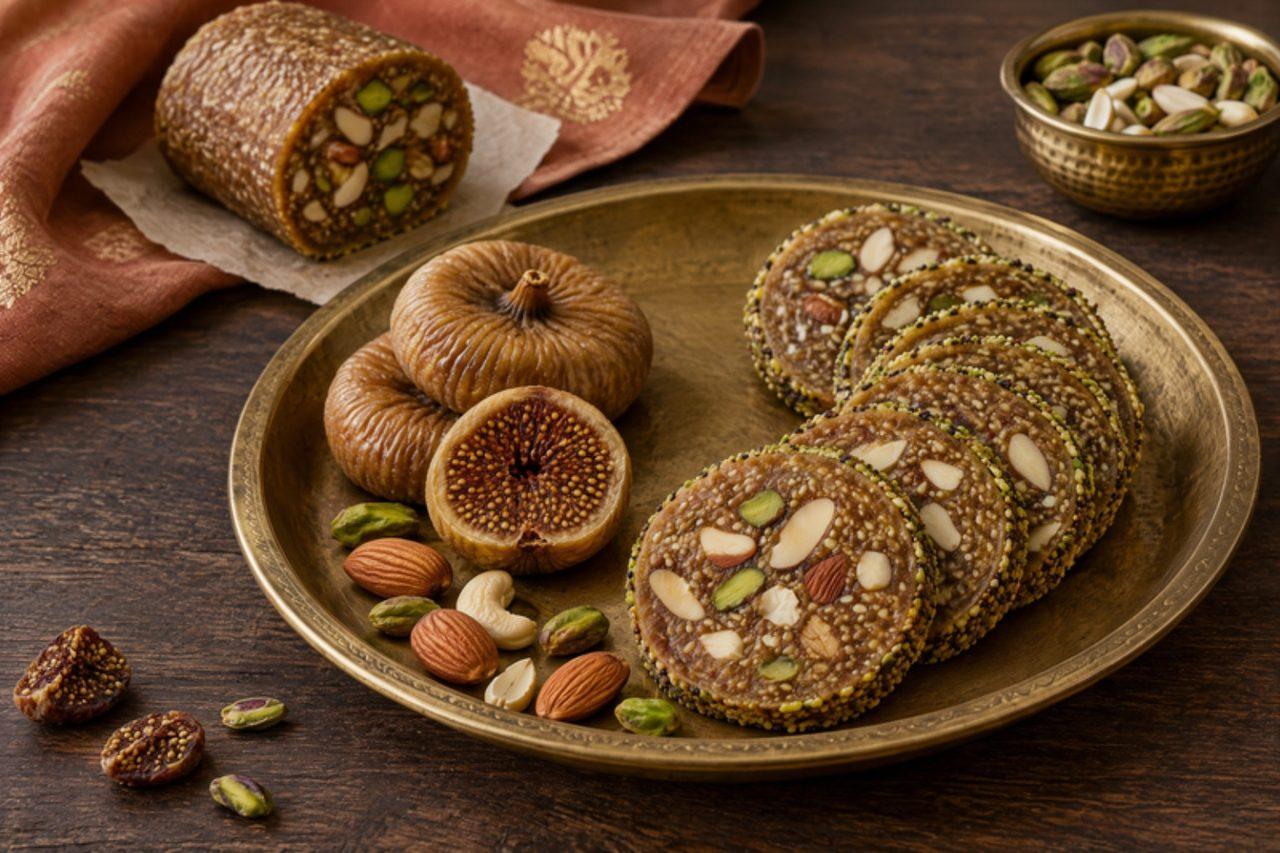
Anjeer pakFig and nut fudge

Gujarati families make anjeer pak for Diwali boxes and for fast days, when it gives quick energy without any grain or refined sugar. Soaked dried figs are cooked down in ghee into a thick jammy paste, mixed with toasted almonds, cashews and pistachios, and rolled into logs that slice into pretty pink-and-green rounds. It keeps for two weeks in the fridge. The common mistake is under-cooking the fig paste, which leaves the logs soft and sticky so they never slice cleanly. Chef's tip: keep stirring until the paste rolls into a ball that no longer sticks to the pan or your greased palm.

by KrazyBadal 0 views

Atol de plátanoWarm plantain and milk drink

In Guatemalan markets, steaming pots of atol are sold from early morning: thick, sweet, drinkable porridges made from corn, rice, oats or, in this case, very ripe plantain blended with milk and cinnamon. Atol de plátano is creamy and fruity, a filling breakfast in a mug. The common mistake is boiling it hard after the milk goes in, which catches and burns on the bottom; keep it at a gentle bubble and stir. Chef's tip: simmer the plantain with the cinnamon in water first, then blend; this cooks the starch fully and gives a silky drink without any raw-banana taste.

by KrazyBadal 0 views

MufeteGrilled fish with beans and plantain

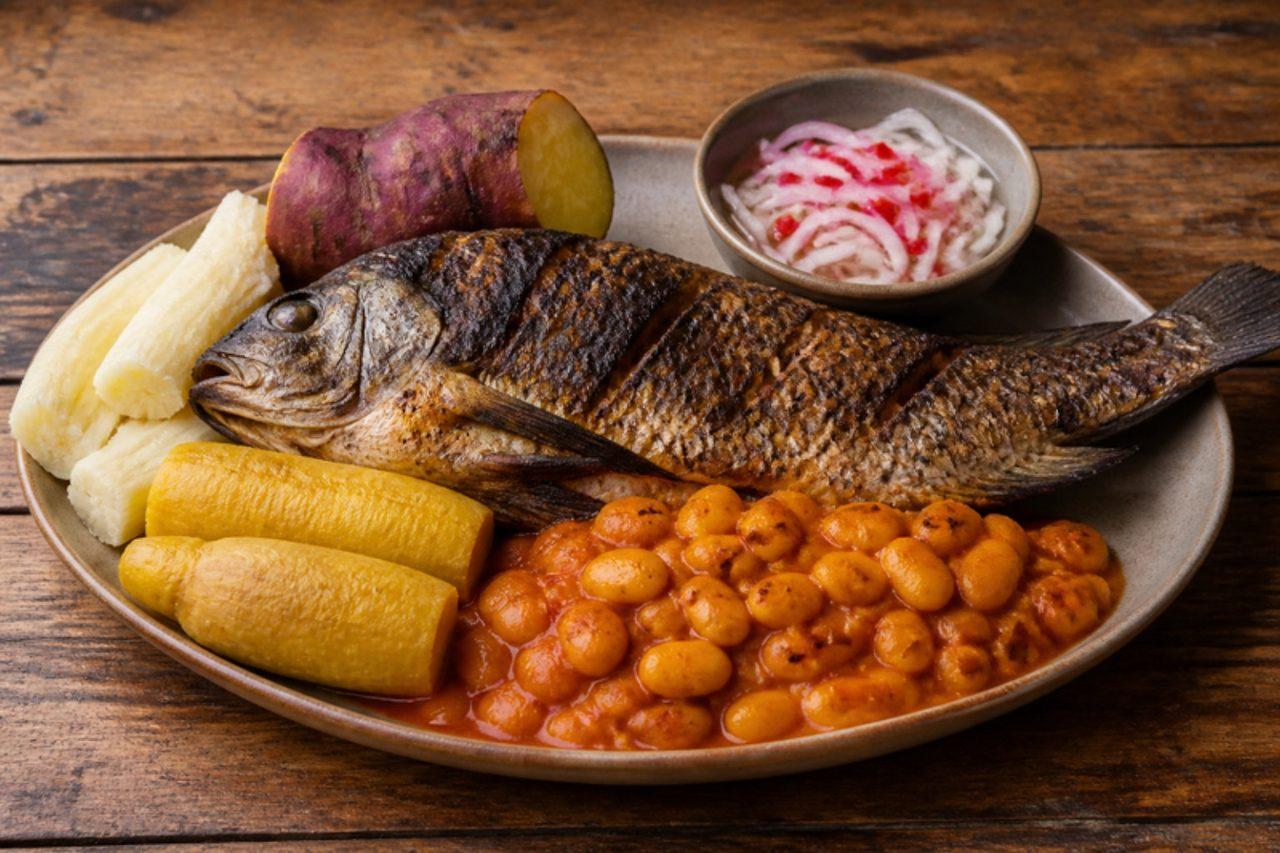
On the Ilha de Luanda and at the beach restaurants of Mussulo, mufete is the weekend feast: a whole grilled cacusso (tilapia) laid across a platter heaped with beans in palm oil, boiled plantain, sweet potato and cassava, with a sharp sauce of raw onion, vinegar and oil spooned over everything. The fish is smoky and juicy, the roots soft and sweet, and the onion sauce cuts through the richness of the beans. It is eaten slowly, with cold drinks and plenty of conversation. Ask the fishmonger to gut and scale the fish. Cassava must always be peeled, cored and boiled until fully soft, never eaten raw. Chef's tip: oil the grill bars and the fish well and don't try to turn it until the skin releases on its own, or it will tear.

by KrazyBadal 0 views

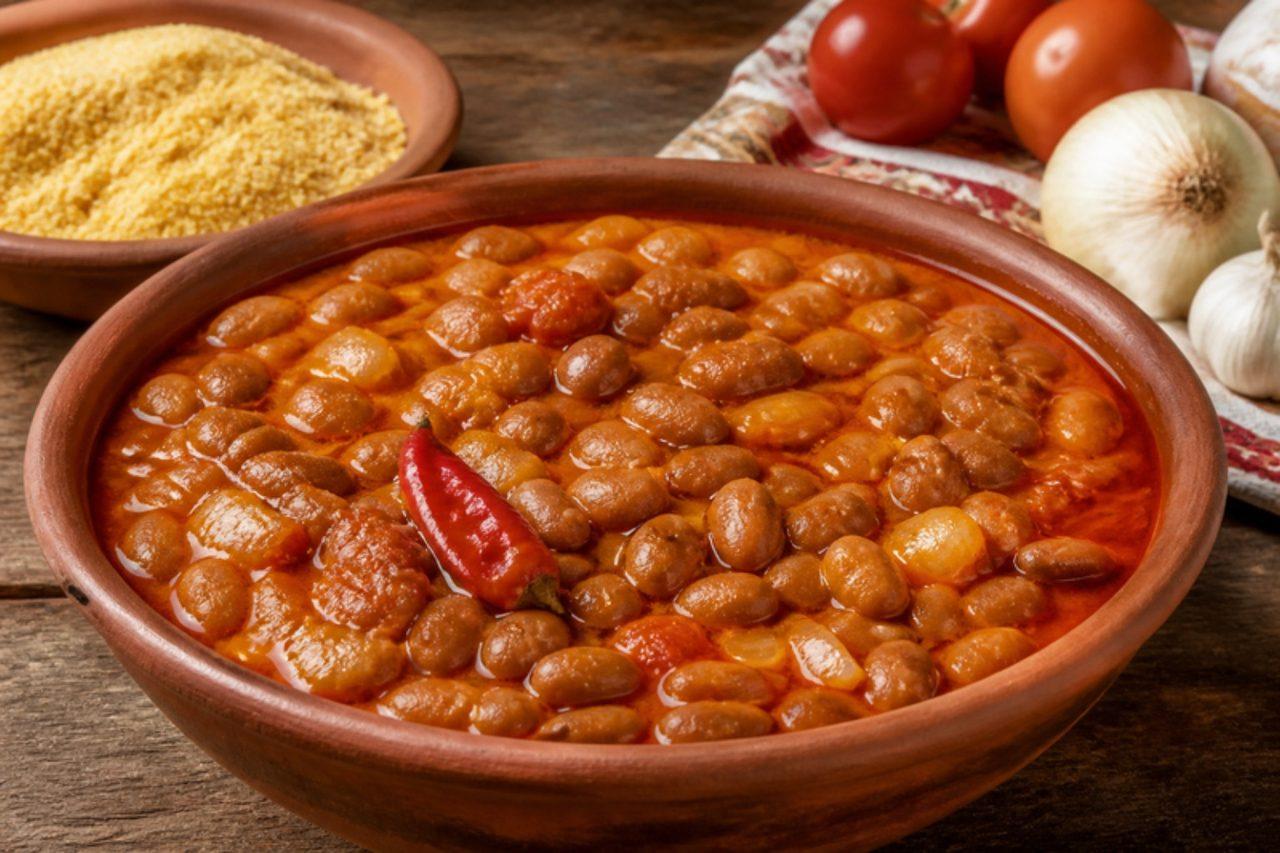
Feijão de óleo de palmaPalm oil beans

No Saturday table in Luanda feels complete without a pot of these beans next to the funge, and the deep orange colour of the dende oil tells you they are ready. Soft, creamy beans are simmered with onion, garlic, tomato and a generous pour of red palm oil until the broth thickens and every bean is coated, earthy, faintly smoky and rich. Serve them with funge de bombó (cassava) or funge de milho, with fried plantain, or with rice and greens. Buy unrefined red palm oil from an African grocer, ideally certified sustainable; it is not the same as the pale refined kind. Chef's tip: hold back the salt and tomato until the beans are truly soft, because both firm up the skins and are the usual reason a bean pot never gets creamy.

by KrazyBadal 0 views

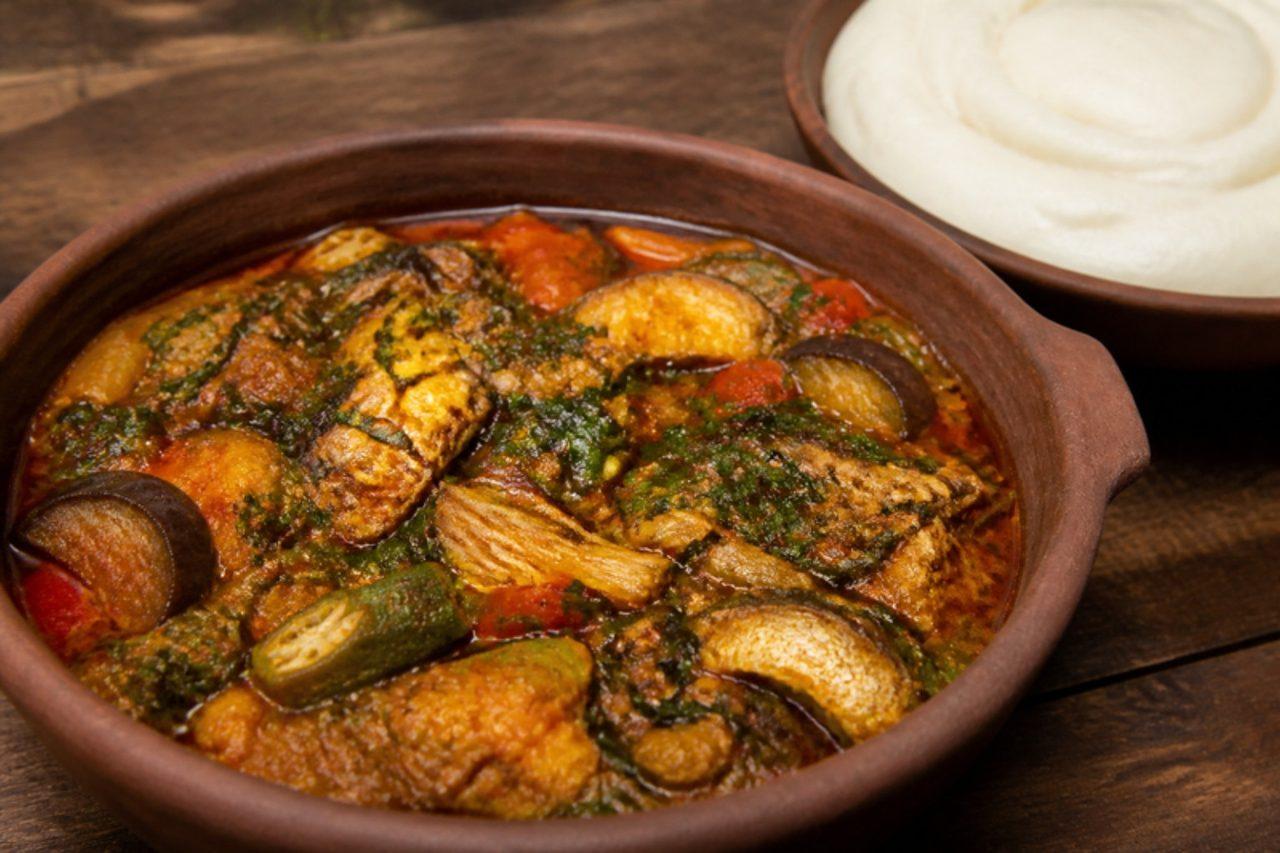
CaluluDried and fresh fish stew

Calulu is what Luanda families cook when the whole family comes for Sunday lunch, and the Ilha's fish sellers know the order by heart: a piece of dried fish for depth, a firm fresh fish for sweetness. The two are layered in a pot with onion, tomato, okra, aubergine and sweet potato leaves, then simmered in red palm oil until the sauce turns silky from the okra and tastes of the sea, smoke and greens all at once. It is served with funge, feijão de óleo de palma and a little hot sauce. Salted dried fish needs a long soak to draw out the salt, so start it the day before; skipping that step is the classic way to ruin the pot. Chef's tip: lay the fresh fish on top and leave it alone, shaking the pot rather than stirring, so the pieces stay whole.

by KrazyBadal 0 views

Angakar rotiThick rice flour roti

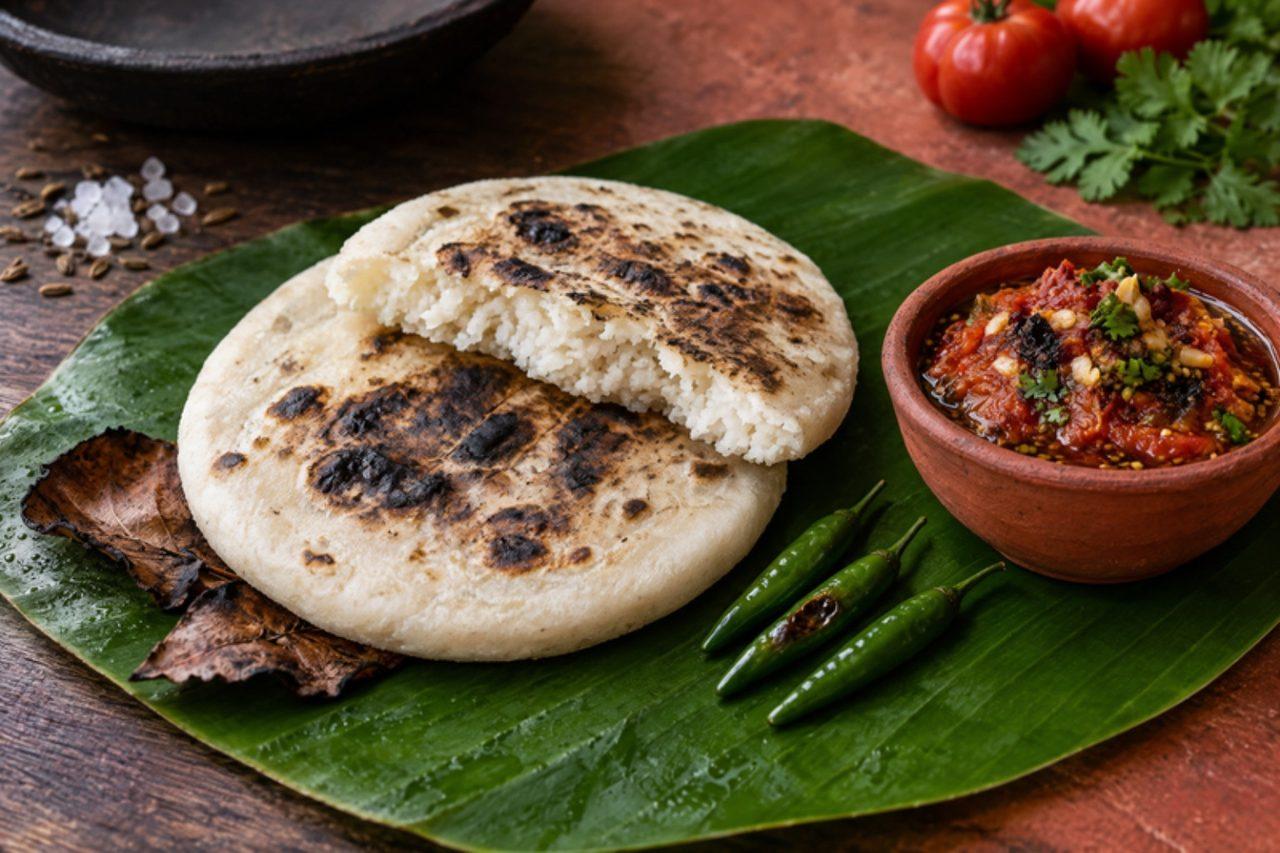
Angakar roti takes its name from angaar, the glowing coals of a village chulha in Chhattisgarh, where a thick round of rice dough is sandwiched between palash or banana leaves and buried in the embers until smoky and crusted. Farmers carry it to the fields with chutney and a green chilli, and it is still a winter breakfast across Bilaspur and Raipur. At home a heavy tawa and a lid do the job. The common slip is making the dough too wet; it should be soft but hold a fingerprint, or the roti stays gummy in the middle. Chef's tip: mix in a spoon of leftover cooked rice for a softer crumb, just as Chhattisgarhi grandmothers do.

by KrazyBadal 0 views

AmrusuRice porridge with chicken and greens

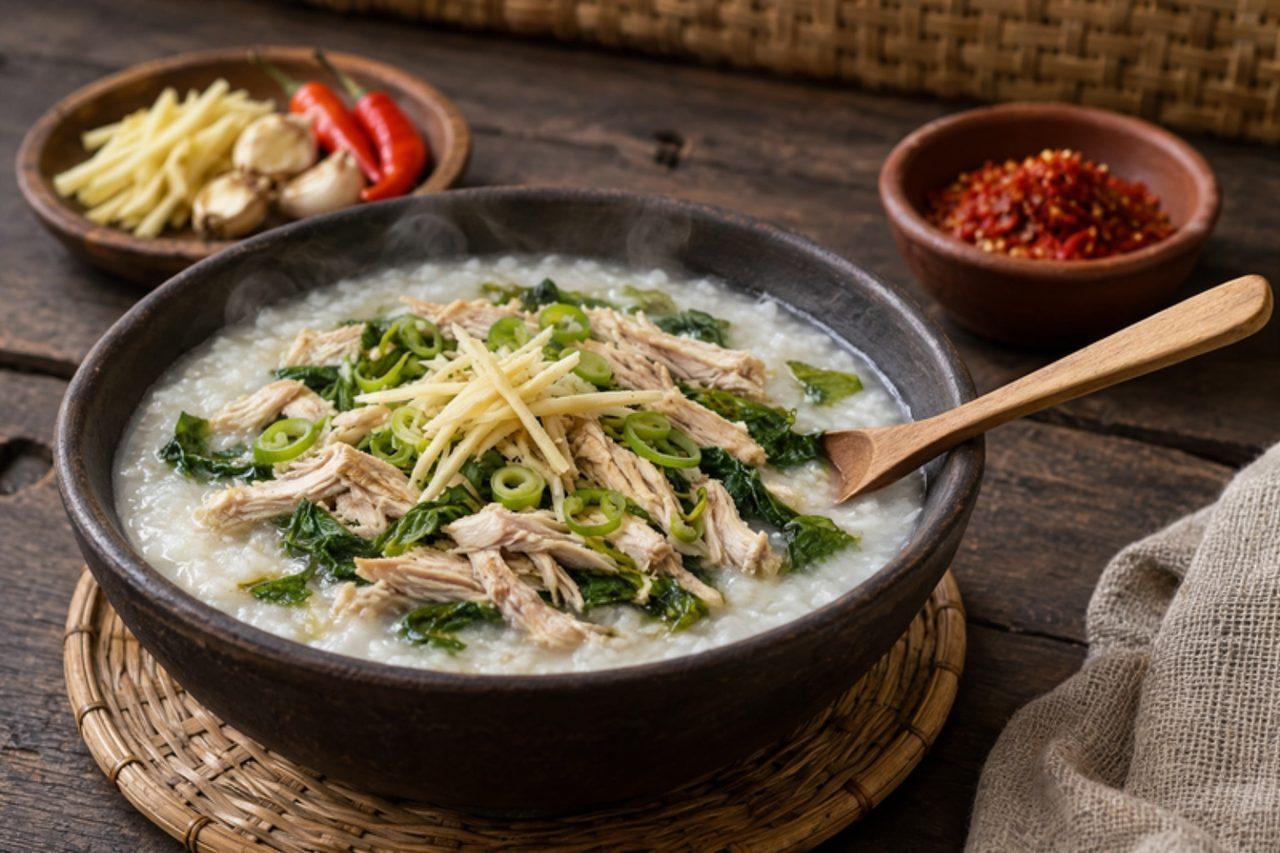
Amrusu is the Ao Naga porridge of Mokokchung in Nagaland, cooked for the sick, for cold mornings and for long community workdays: rice simmered with chicken, ginger, chilli and leafy greens until thick and soothing. It is filling yet light. Chicken must reach 74 °C; cook bone-in pieces until the meat pulls easily from the bone. The common mistake is adding the greens too early, so they turn grey; add them in the last few minutes. Chef's tip: lightly crush the rice in your hand before cooking for a creamier texture.

by KrazyBadal 0 views

Ambot tikSour-hot fish curry

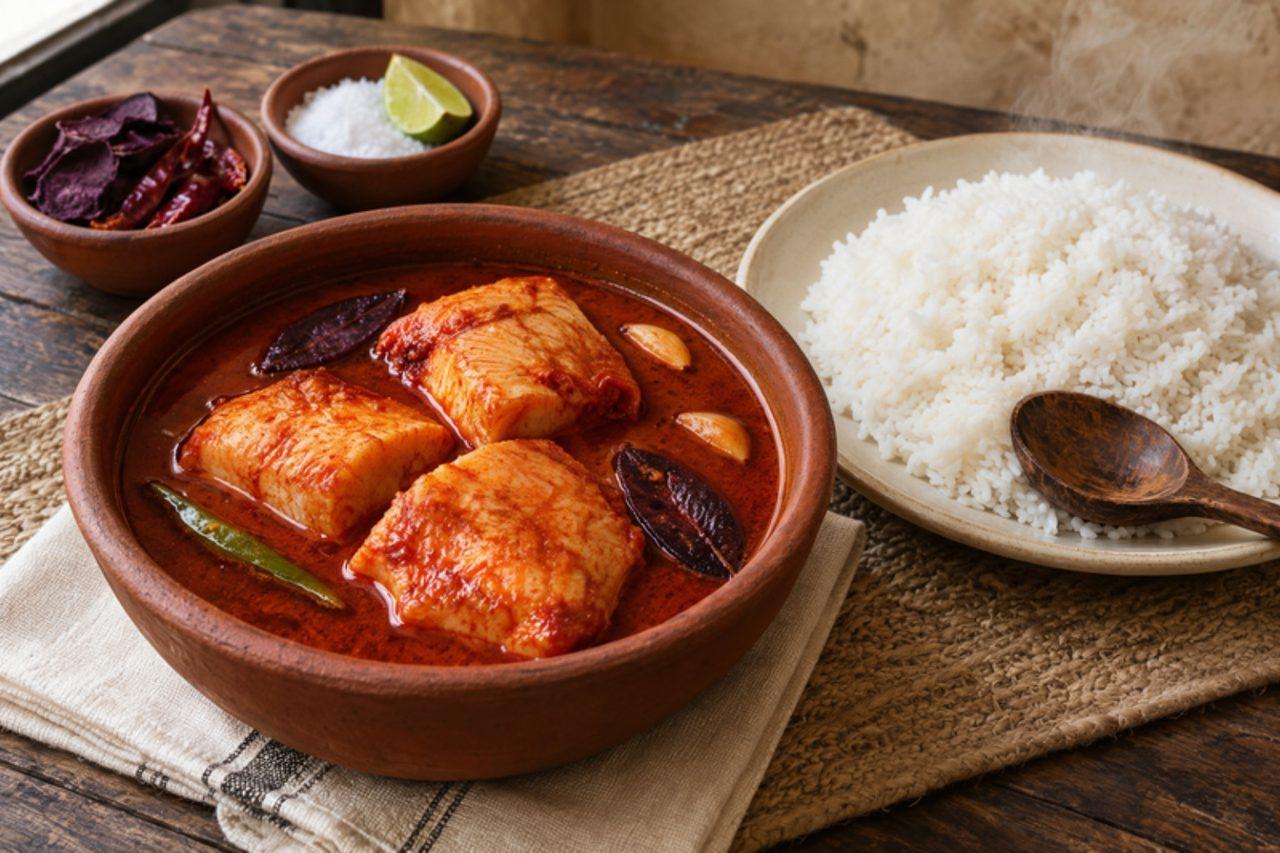
Ambot tik means sour and spicy in Konkani, and that is exactly what this Goan Catholic curry is: firm fish, often shark or catfish in Goa (any firm white fish or kingfish at home), in a thin, brick-red gravy of Kashmiri and hot chillies ground with garlic, cumin, turmeric and vinegar, soured further with tamarind and kokum. It is a weekday lunch with rice, and many say it is better the next day. The common mistake is boiling the fish hard once it goes in, which breaks it into flakes before it reaches the plate. Fish is done when the flesh is opaque all the way through and flakes when pressed. Chef's tip: marinate the fish in salt and turmeric in the fridge for 15 minutes; it firms the flesh and seasons it to the bone.

45 minIndianFishGluten freeSpicy
by KrazyBadal 0 views

AmbalSweet and sour pumpkin

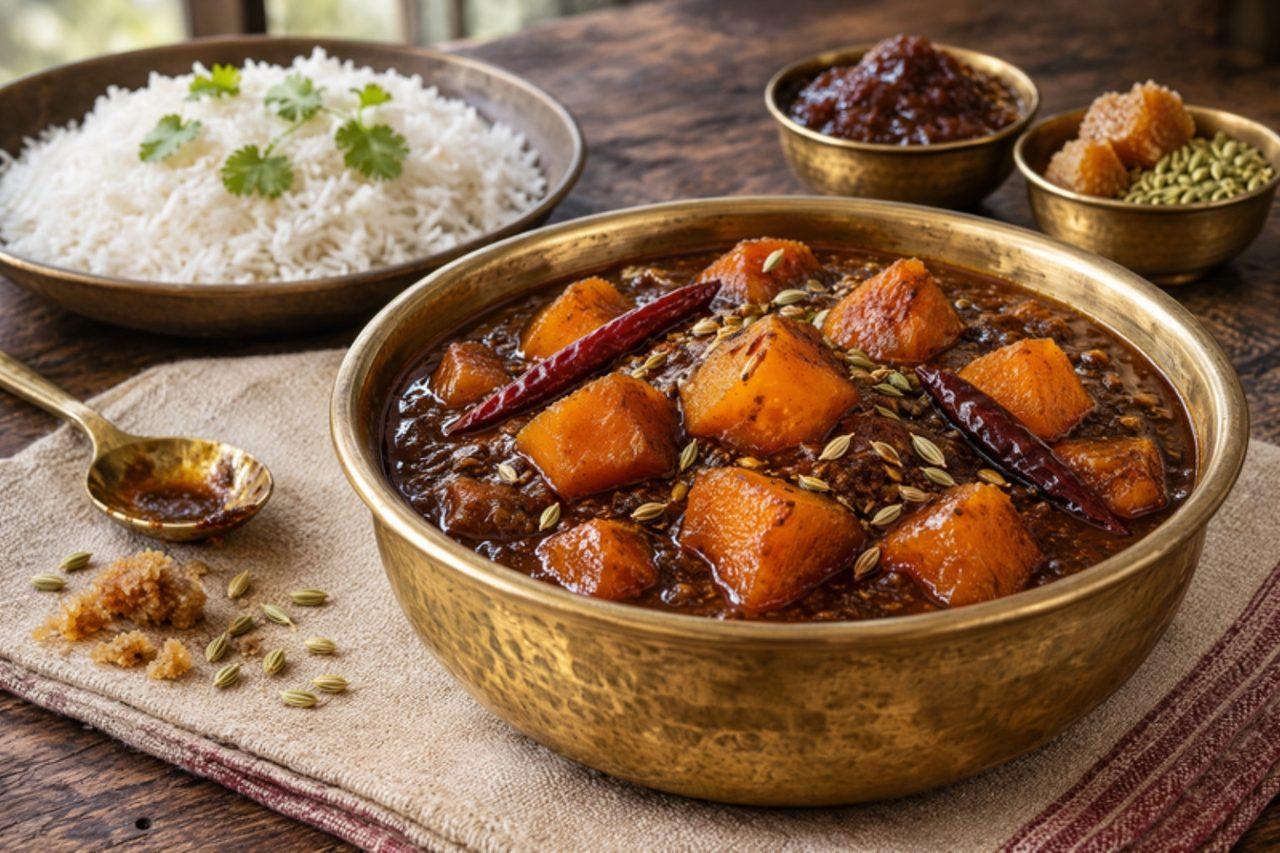
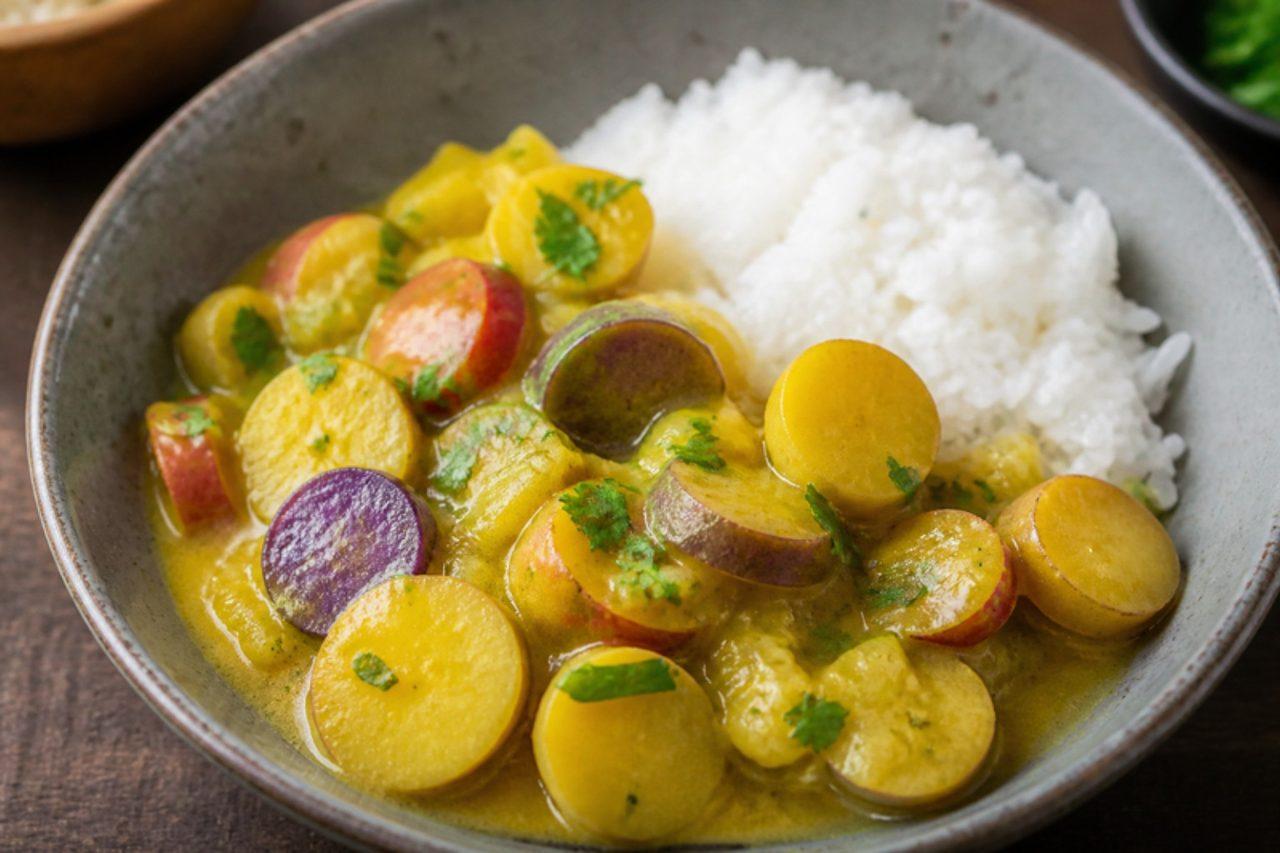
Ambal belongs to the Dogra dham of Jammu, the feast cooked by the hereditary siyan cooks for weddings and festivals and served on leaf plates in a fixed order. Yellow pumpkin is softened with fenugreek seeds and fennel, then simmered in a dark tamarind and jaggery sauce until it is sticky, sour and sweet at once, which is what the name, from 'amla' for sour, promises. It is eaten with rice alongside the dham's dals and madra. The common mistake is stirring hard once the pumpkin is soft, which turns it to mush; shake the pan instead. Chef's tip: let it rest an hour before serving, as the tamarind settles and the flavour deepens.

by KrazyBadal 0 views

Ambadyachi udda methiHog plum coconut gravy

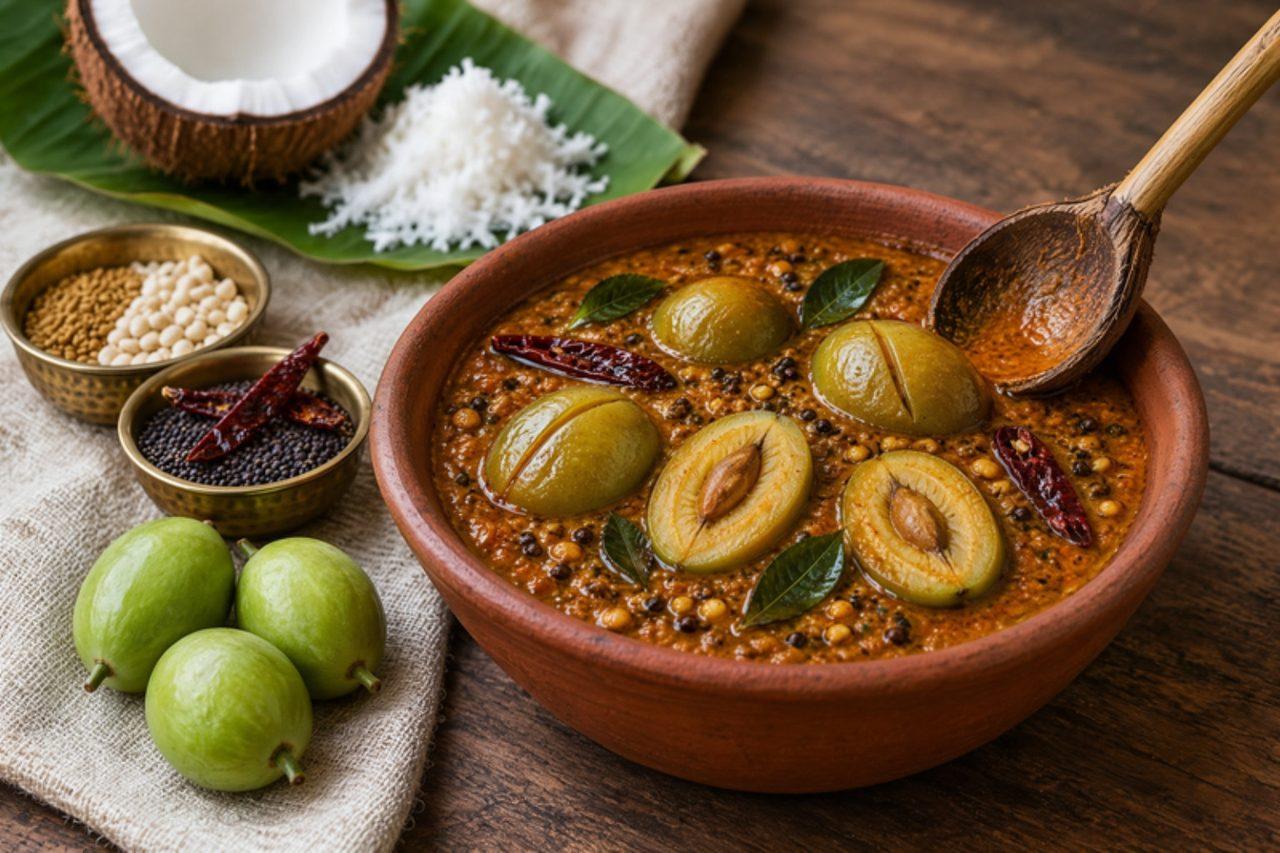
Udda methi is a Goan Saraswat curry named for its two roasted seasonings, urad dal and fenugreek seeds, and in the monsoon months the best version is made with tart green hog plums, ambade. The plums simmer whole in a coconut gravy that is sour, a little bitter, hot and faintly sweet from jaggery, and it is eaten with plain rice on rainy days or at a Shravan meal. The common mistake is burning the fenugreek: it should be roasted only until reddish, because dark seeds make the whole pot bitter. Raw mango works in place of ambade outside the season. Chef's tip: crush each hog plum lightly with a pestle before cooking so the gravy can soak into the flesh around the stone.

by KrazyBadal 0 views

AmadumbeBoiled taro

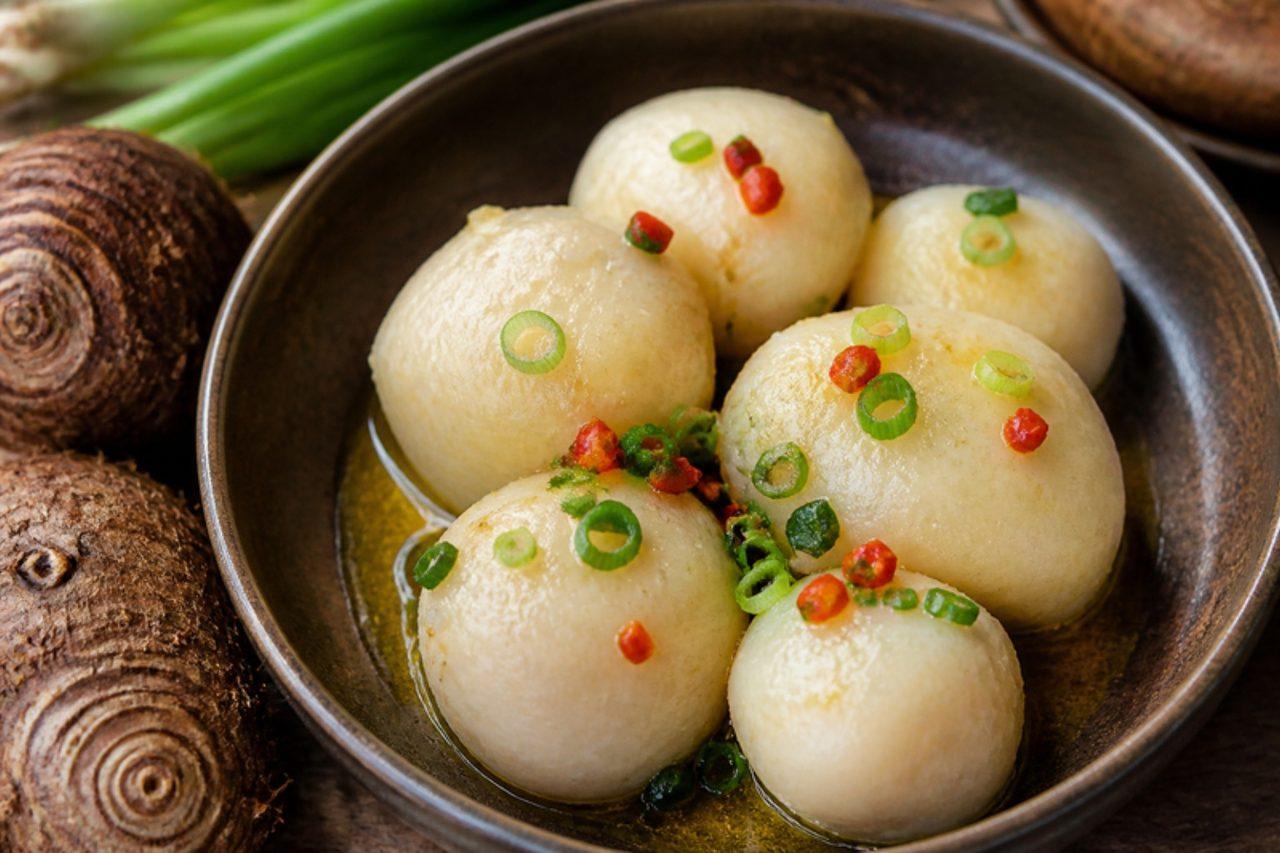
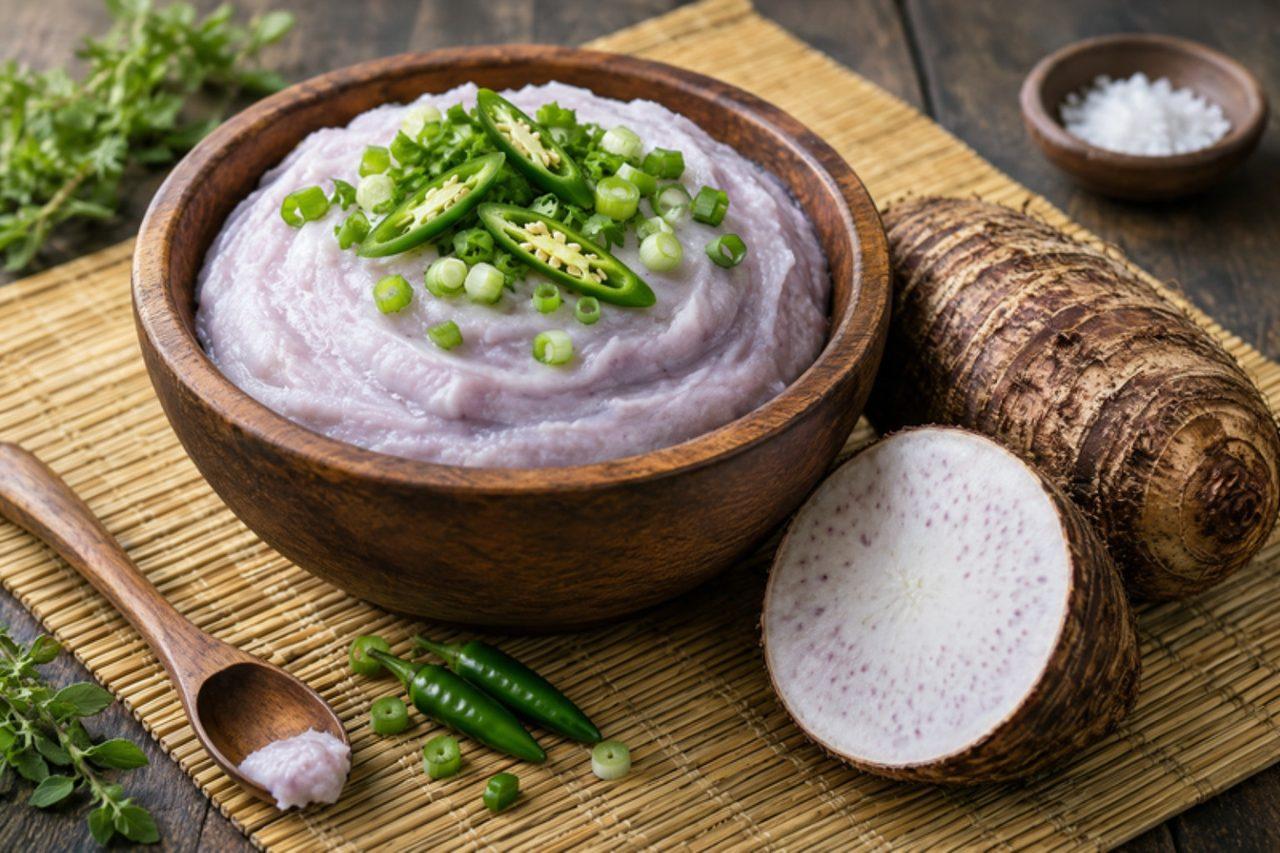
Market women in Pietermaritzburg and along the KwaZulu-Natal north coast sell amadumbe by the bucket, hairy brown corms that look unpromising until boiled and peeled to reveal dense, creamy white flesh with a nutty, almost chestnut-like flavour. They are eaten hot as a starch with a stew, cold as a snack, or simply split and buttered; this vegan version dresses them in oil warmed with spring onion and chilli. Peeling them raw is the mistake to avoid, because the sap irritates the skin and leaves your hands itching. Always cook taro right through: undercooked corms taste scratchy in the throat. Chef's tip: boil them in their skins and slip the skins off while still warm, when they come away cleanly with a small knife.

by KrazyBadal 0 views

Aloo seddho bhaat for toddlersRice and potato mash for toddlers

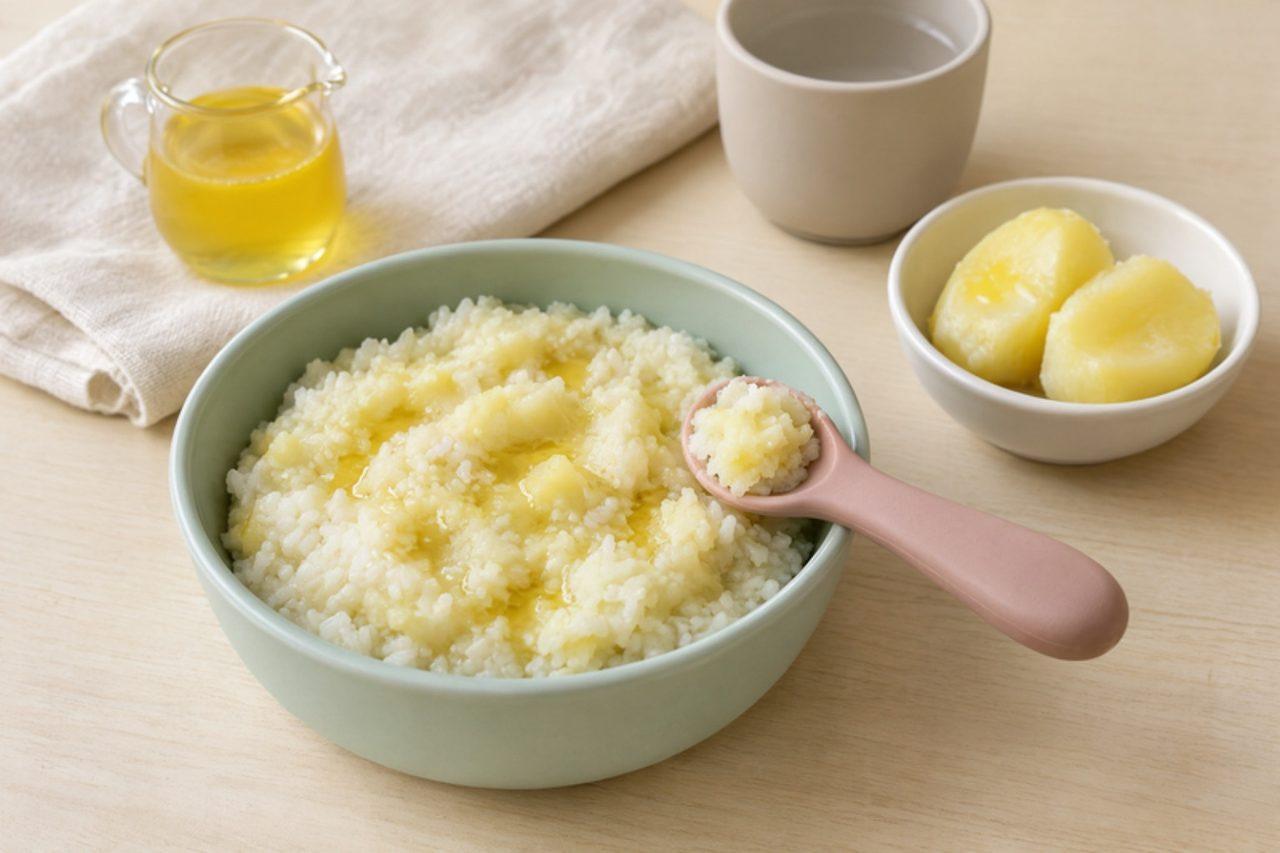
In Kolkata homes, from north Kolkata's old paras to the flats of Salt Lake, aloo seddho bhaat is what you cook when someone is tired, ill or very small: a potato boiled right in the rice pot, mashed with hot rice. Grown-ups add raw mustard oil, green chilli and onion; for toddlers from 12 months it is mashed instead with a spoon of ghee, so it's soft, buttery and mild. Gobindobhog rice gives it a lovely fragrance. It contains milk (ghee); there is no gluten, egg, nuts or soya. Chef's tip: mash the potato and rice with a fork or your fingers, never a blender, or it turns gluey.

by KrazyBadal 0 views

Aloo sadekoSpiced potato salad

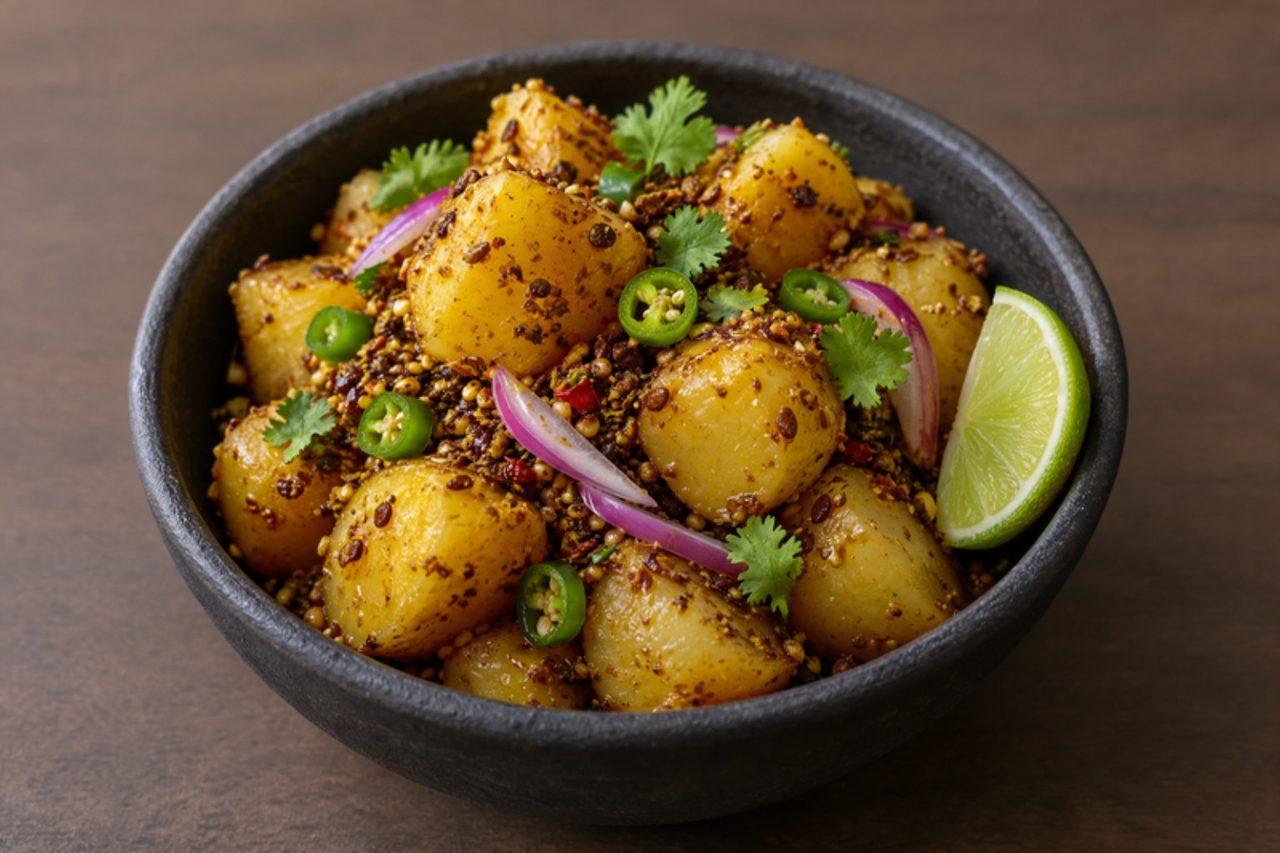
Sadeko means marinated, and aloo sadeko is the sharp, tingly potato salad served in every khaja ghar, the little snack houses round Asan Tole and New Road, as afternoon khaja beside beaten rice and a cup of tea. Cool boiled potatoes are dressed with mustard oil heated with fenugreek seeds until they turn dark and nutty, then timur (Nepal's numbing Sichuan pepper), green chilli, toasted sesame and lots of lime. Contains sesame and mustard. Chef's tip: fry the fenugreek seeds until reddish-brown, not black; burnt fenugreek makes the whole bowl bitter.

by KrazyBadal 0 views

Aloo pitikaMashed potato with mustard oil

Aloo pitika is the first thing on many Assamese lunch plates, a rough mash of boiled potato sharpened with raw mustard oil, onion, green chilli and coriander, eaten with the first mouthfuls of rice and dal. Guwahati families make it daily, and in winter it may be mixed with roasted aubergine or a boiled egg. The usual mistake is making it smooth like a Western purée; it should be coarse and hand-mashed so the onion and chilli stay crunchy. Chef's tip: use pungent kachi ghani mustard oil and rub it in last, so its heat hits the nose.

by KrazyBadal 0 views

Aloo bhindiPotato and okra stir-fry

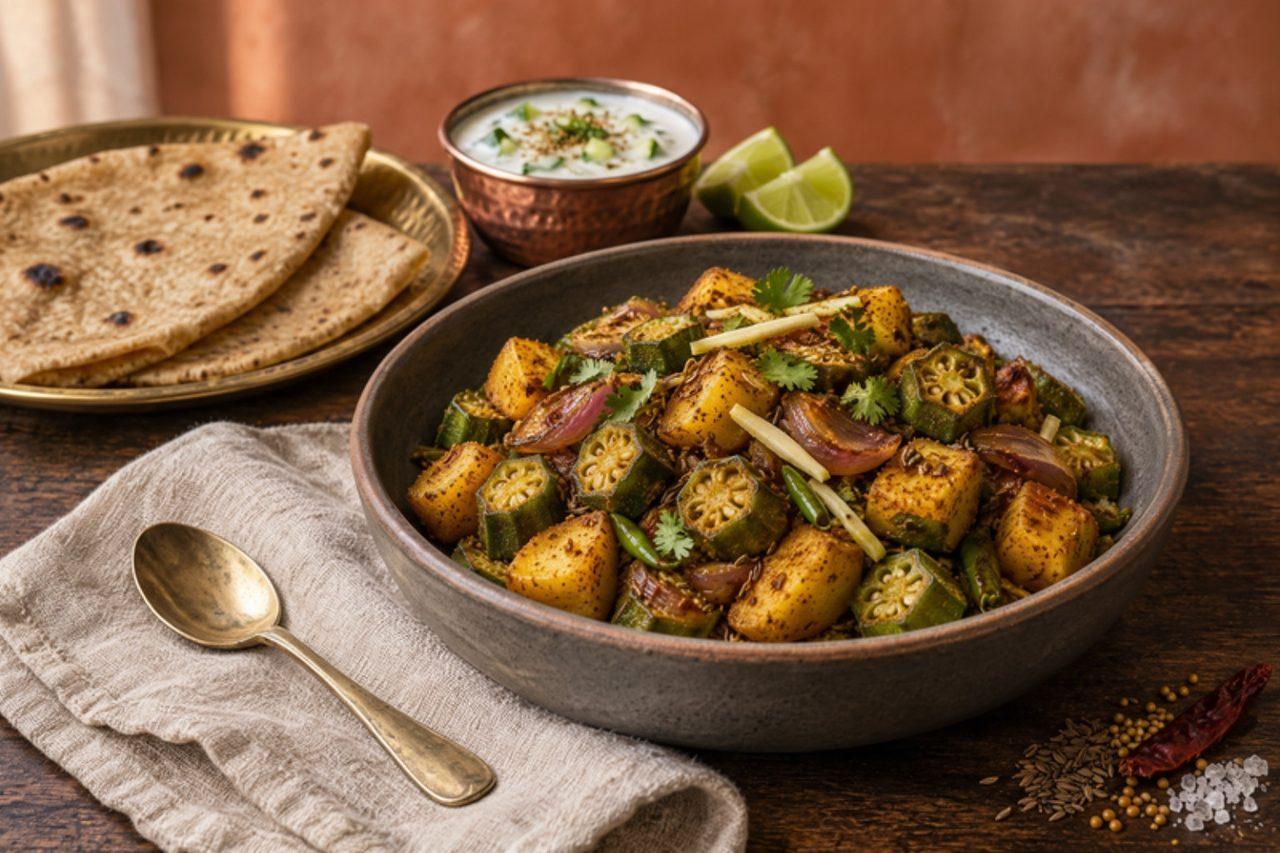
Aloo bhindi is the sabzi that Delhi children are happiest to find in their dabba with soft phulkas: okra fried until its edges crisp, potato cubes browned alongside, and sliced onion cooked sweet, all dusted with amchur and cumin. The single big mistake is washing the okra and cutting it wet, which releases slime that never cooks off. Wash it, dry every pod with a cloth and wait half an hour before slicing. Chef's tip: add the salt only at the very end; salt draws moisture out of the okra and makes it sticky.

by KrazyBadal 0 views

Alle belleCoconut-filled pancake rolls

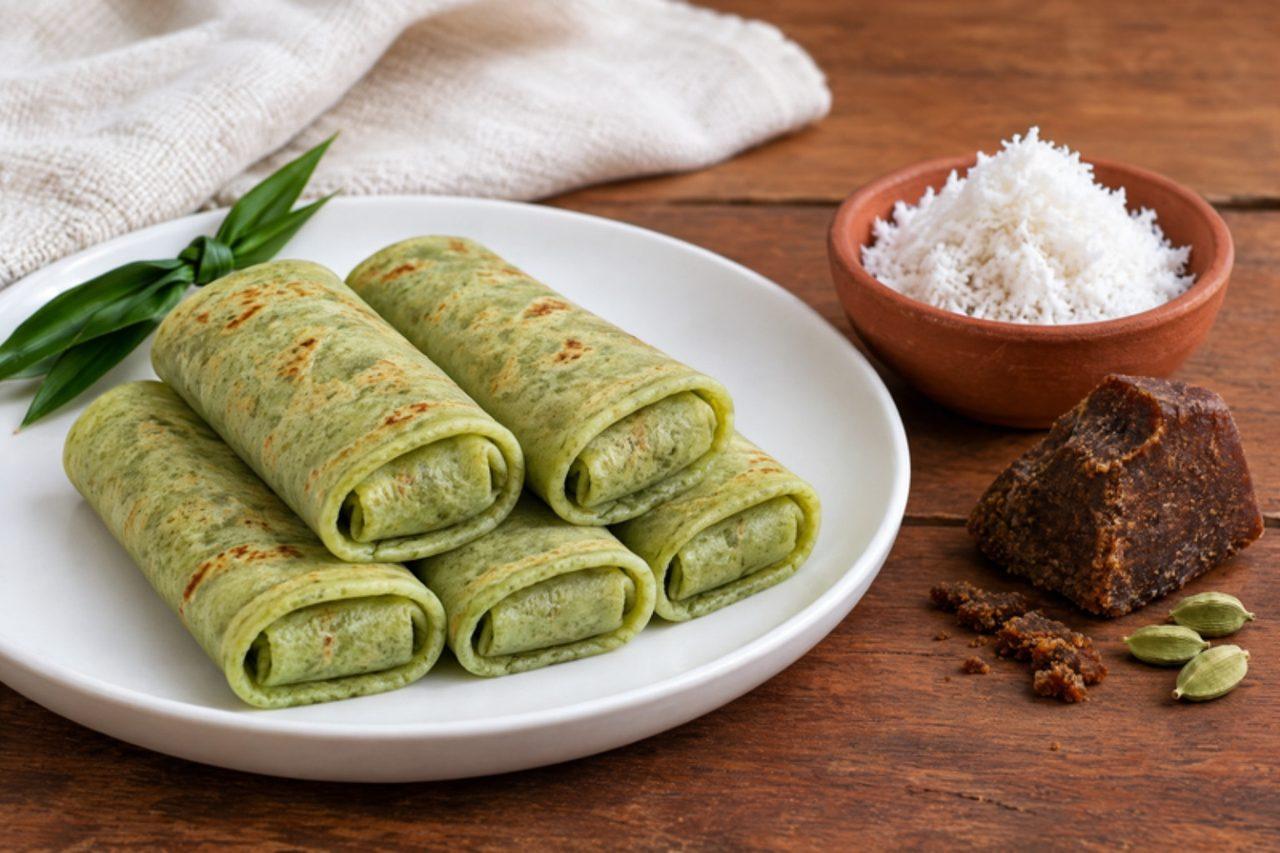
Alle belle are the tea-time sweet of Goan Catholic homes: soft, lacy pancakes, sometimes tinted with a little green from pandan or turmeric leaf, rolled up around a sticky filling of fresh coconut and dark palm jaggery (godd). They appear at feast-day teas, at village fairs and in school tiffin boxes, and they contain egg in the batter. The common mistake is a thick batter, which gives heavy pancakes that crack when rolled; it should pour like single cream and spread thinly with a swirl of the pan. Chef's tip: cook the filling until it is sticky but still soft, then add a pinch of salt, because the salt makes the palm jaggery taste richer.

by KrazyBadal 0 views

AlkubusSteamed wheat bread

In Kano, Katsina and Sokoto, alkubus is a breakfast bread you steam rather than bake: a soft yeasted wheat dough set in small cups or tins over boiling water until it puffs into fluffy, slightly sticky domes. It is eaten warm, pulled apart and dipped into groundnut oil with yaji, the peanut and chilli spice mix, or with a bowl of miyan taushe or other soup. The common mistake is lifting the lid during steaming; the rush of cold air makes the breads sink and turn dense. Yaji contains peanuts. Chef's tip: wrap the pot lid in a tea towel so condensation can't drip back and leave wet craters on the tops.

by KrazyBadal 0 views

Akoho sy sakamalaoGinger and garlic chicken

Sakamalao means ginger, and Malagasy cooks are generous with it: this everyday braise from family kitchens across the island uses a whole fist of the root, along with a full head of garlic and soft onions. Bone-in chicken is browned, then simmered gently in its own juices until the meat slides off the bone and the sauce turns golden, sticky and warming, with ginger heat that lingers rather than burns. Serve it with a big plate of rice, a dish of romazava greens or lasary, and sakay for anyone who wants more fire. Many people rush the onions; give them time to turn soft and golden, because they become the body of the sauce. Chef's tip: pound the ginger and garlic together into a coarse paste rather than slicing them, so they melt into the sauce and coat every piece of chicken.

by KrazyBadal 0 views

AkibiyeCreamy taro with fermented soybean

Akibiye is Sumi Naga comfort food from Nagaland: colocasia boiled until it melts into a thick, creamy stew, flavoured with chilli and axone, the fermented soybean that gives Naga cooking its deep savour. It is eaten with rice, especially in winter. For homemade axone, keep boiled soybeans wrapped in leaves at 30–40 °C for 3–5 days until sticky and pungent, then dry or use fresh; discard if black, green or pink mould appears or it smells rotten. The mistake is handling raw taro with bare hands, which itches; wear gloves or oil your hands. Chef's tip: bought axone, kinema or natto work well.

by KrazyBadal 0 views

Ajmeri kadhi kachoriDal kachori in spiced kadhi

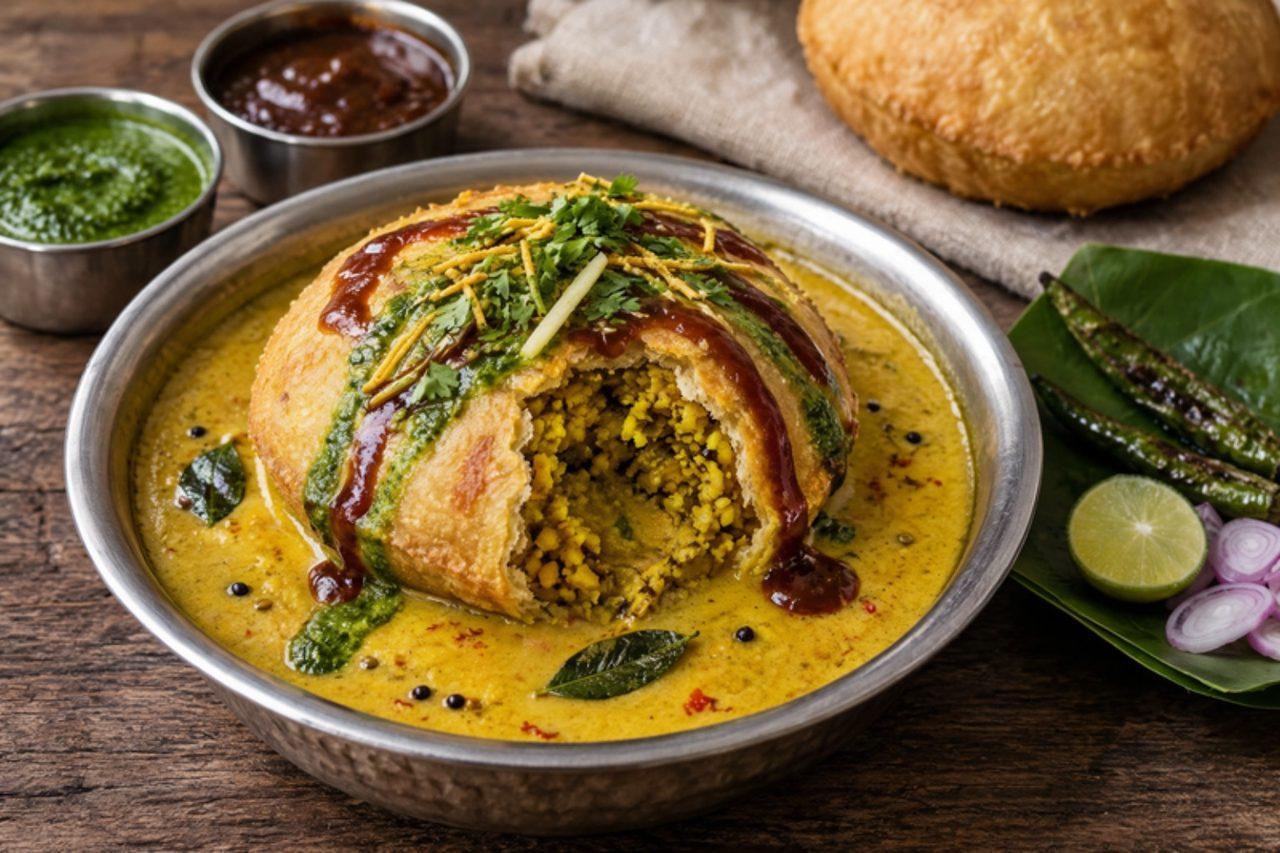
In Ajmer, near the dargah and in the lanes around Naya Bazaar, the breakfast crowd orders kadhi kachori: a crisp moong dal kachori broken open on a leaf plate and drowned in hot, thin, spicy kadhi, then topped with green chutney, sweet tamarind chutney and raw onion. The kachori soaks up the kadhi but keeps some crunch at the edges. The kadhi here is thinner and hotter than Gujarati kadhi, without sweetness. The common mistake is letting the kadhi boil hard before the gram flour cooks, which splits it; stir until it comes to the boil. Chef's tip: make the kachoris a day ahead and re-crisp them in a low oven, so only the kadhi is cooked fresh.

by KrazyBadal 0 views

Ají de tomate de árbolTamarillo chilli sauce

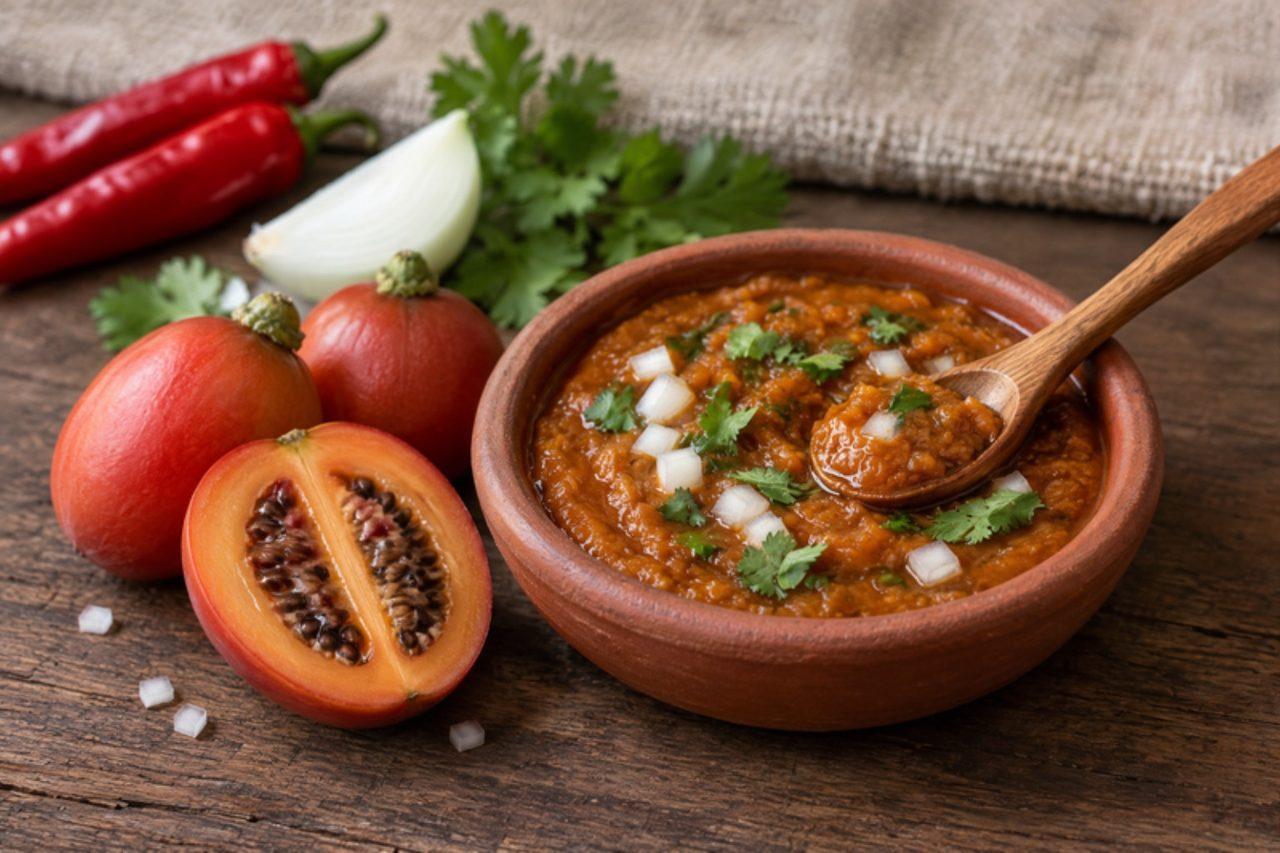
No Ecuadorian table in the Sierra, from Quito to Cuenca, is complete without a small bowl of ají, and the tamarillo version is the household favourite. Tomate de árbol, the egg-shaped, wine-red tree tomato, is blanched and peeled, blended with fresh hot chilli, salt and a little water, then finished with finely chopped onion and fresh coriander. It is spooned over locro de papa, llapingachos, empanadas de viento, hornado and fritada at the long Sunday family lunch, and onto everything at the street stalls of the Saturday markets. The flavour is tangy, fruity and slightly bitter-sweet, more sour than a tomato salsa, with a fresh bite of onion and a clean chilli heat. The common mistake is blending the tamarillos with their skins on, which makes the sauce bitter; blanch them until the skins split and slip off. It is ready when it is bright orange-red, loose and juicy, and the onion is still crisp. Abroad, tamarillos turn up in larger supermarkets; ripe plum tomatoes with the pulp of a passion fruit are the best stand-in. Chef's tip: rinse the chopped onion in salted water first, which tames its sharpness, as Ecuadorians do.

by KrazyBadal 0 views

Ají de papalisaUlluco in yellow chilli

Papalisa, the glossy pink-and-yellow tuber called ulluco in Peru, has a crisp, slightly slippery bite that holds up beautifully in this ají from the La Paz highlands. The tubers are cut into fine sticks and stewed with onion, tomato and yellow chilli until tender, then served with white rice and a boiled potato. Highland cooks often add shredded dried beef; this vegan version keeps all the flavour with extra onion and cumin. Look for papalisa fresh or in jars in Latin American shops; waxy new potatoes cut the same way are a fair stand-in. The mistake most people make is skipping the soaking and rinsing, which leaves the sauce gummy. Chef's tip: cut the papalisa into matchsticks as thin as you can, so they soak up the chilli sauce like noodles.

by KrazyBadal 0 views

Ají amarillo pasteYellow chilli paste

In Lima's markets ají amarillo is sold fresh all year, and most Peruvian cooks keep a tub of this paste in the fridge the way others keep tomato purée: it is the golden base of causa limeña, ají de gallina, papa a la huancaína, chupe and the sauce for tiraditos. The chillies are seeded, de-veined and blanched in three changes of water, which tames the heat and the raw grassiness, then peeled and blended with oil into a thick, silky, saffron-orange paste. It tastes fruity and sunny, almost like apricot and passion fruit, with a rounded, medium heat. Abroad, buy whole frozen ají amarillo from Latin grocers; dried ají mirasol, soaked, gives a darker, earthier paste. Common mistake: skipping the peeling; the thin skins leave papery flecks and a bitter edge. It is ready when it is completely smooth and holds a soft peak like thick hummus. This is a low-acid paste: keep it in the fridge for a week or freeze it, never on the shelf. Chef's tip: freeze it in an ice-cube tray; one cube is about a tablespoon, just right for a pot of ají de gallina.

by KrazyBadal 0 views

Agua de chilacayoteFig-leaf squash drink

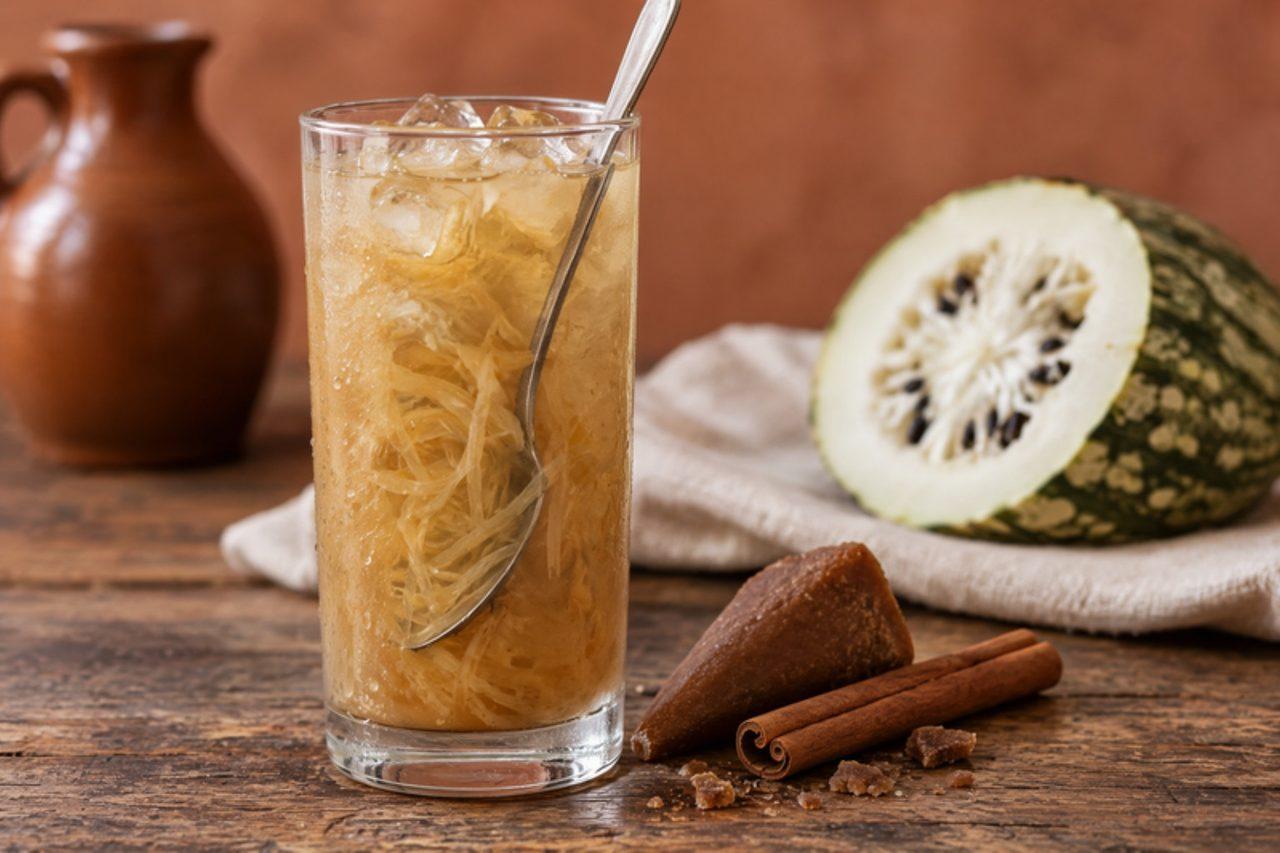
When the big, mottled chilacayote squashes ripen at the end of the rains, cooks in Oaxaca's valleys and the Mixteca of Puebla turn them into a drink you eat with a spoon. The flesh is cooked with dark piloncillo and cinnamon until it falls into translucent threads, then cooled and loosened with water; in Oaxaca it is ladled out of clay jars at fairs, weddings and the Day of the Dead, often with a little pineapple. It tastes like cinnamon-scented panela, with soft, slightly crunchy strands that slide up the straw. The usual mistake is boiling it to mush; overcooked flesh goes cloudy and the strands disappear. Simmer gently and stop when the threads separate easily with a fork but still have a little bite. It is ready when the syrup is amber and the strands look glassy. Chilacayote is hard to find outside Mexico; spaghetti squash is the best substitute and gives the same threads. Keeps 3 days in the fridge. Chef's tip: grate a little orange zest into the pot in the last minute to brighten the piloncillo.

by KrazyBadal 0 views

Agra dalmothFried lentil snack mix

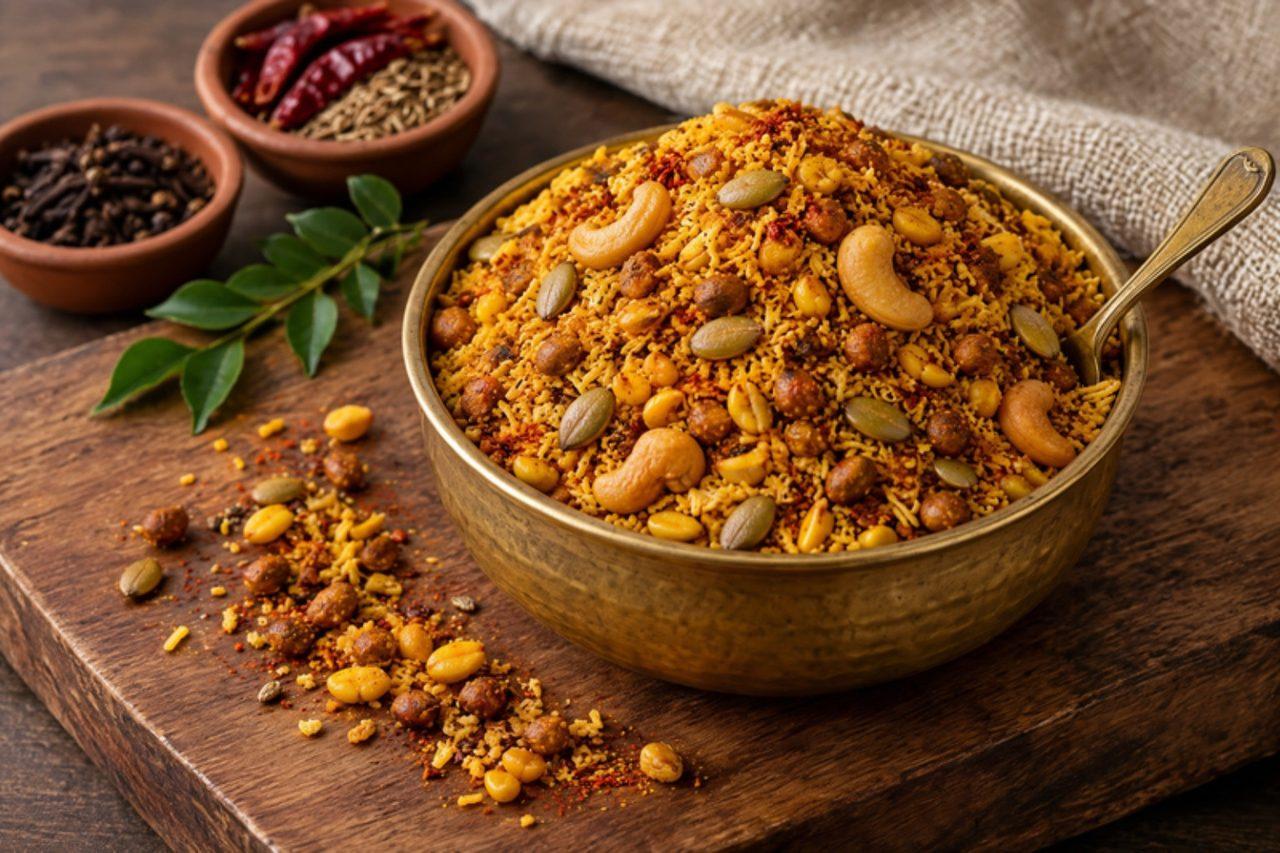
Agra is famous for two sweets and one namkeen, and dalmoth is the namkeen: soaked masoor and chana dal fried until crunchy and tossed with chilli, black salt, dry mango and a little sugar, sold in big tins near the Taj and packed for every train journey. It is eaten with tea in the afternoon and handed round to guests at Diwali. The dal is fried dry, without any batter coating. The common mistake is frying the dal straight from soaking water; any moisture makes the oil spit dangerously and the dal chewy, so dry it on a cloth for at least an hour. Chef's tip: fry the masoor and chana separately, as they need different times to turn crisp.

by KrazyBadal 0 views

ÄggostEgg cheese

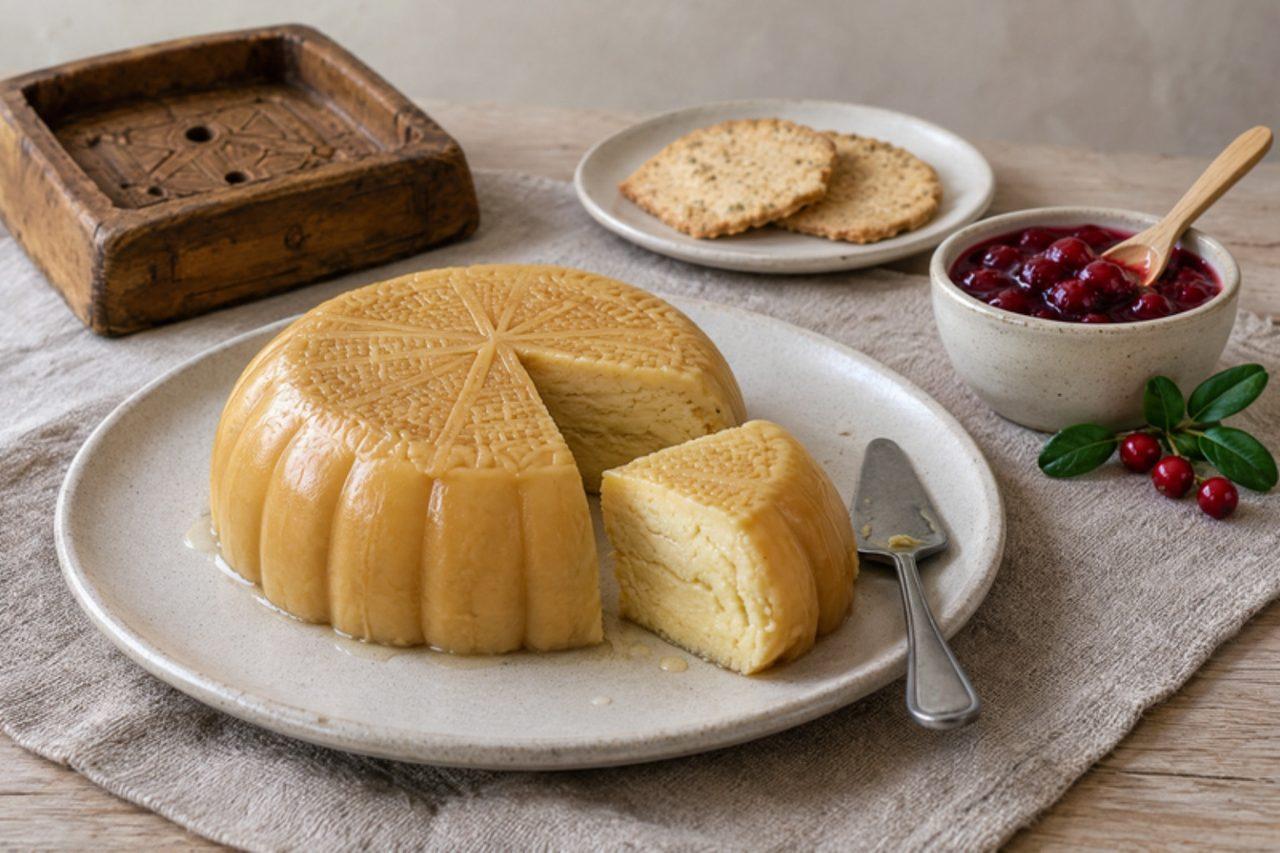
Äggost, egg cheese, belongs to the farm kitchens of Västergötland and Halland in west Sweden, where it is made for Christmas, Easter and midsummer tables and the leftovers become breakfast with cloudberry or lingonberry jam. Eggs and milk are heated until soft, sweet curds form, which are drained in a holed mould so they keep its pattern. It is creamy, mild and slightly sweet. The common mistake is rushing the heat: boiling the milk too hard makes rubbery curds, so keep it at a gentle simmer. Chef's tip: this version sets the curds with buttermilk, not rennet, so it is suitable for vegetarians; drain it overnight in the fridge for the firmest slice.

by KrazyBadal 0 views

Ägg och kaviarBoiled eggs with fish roe spread

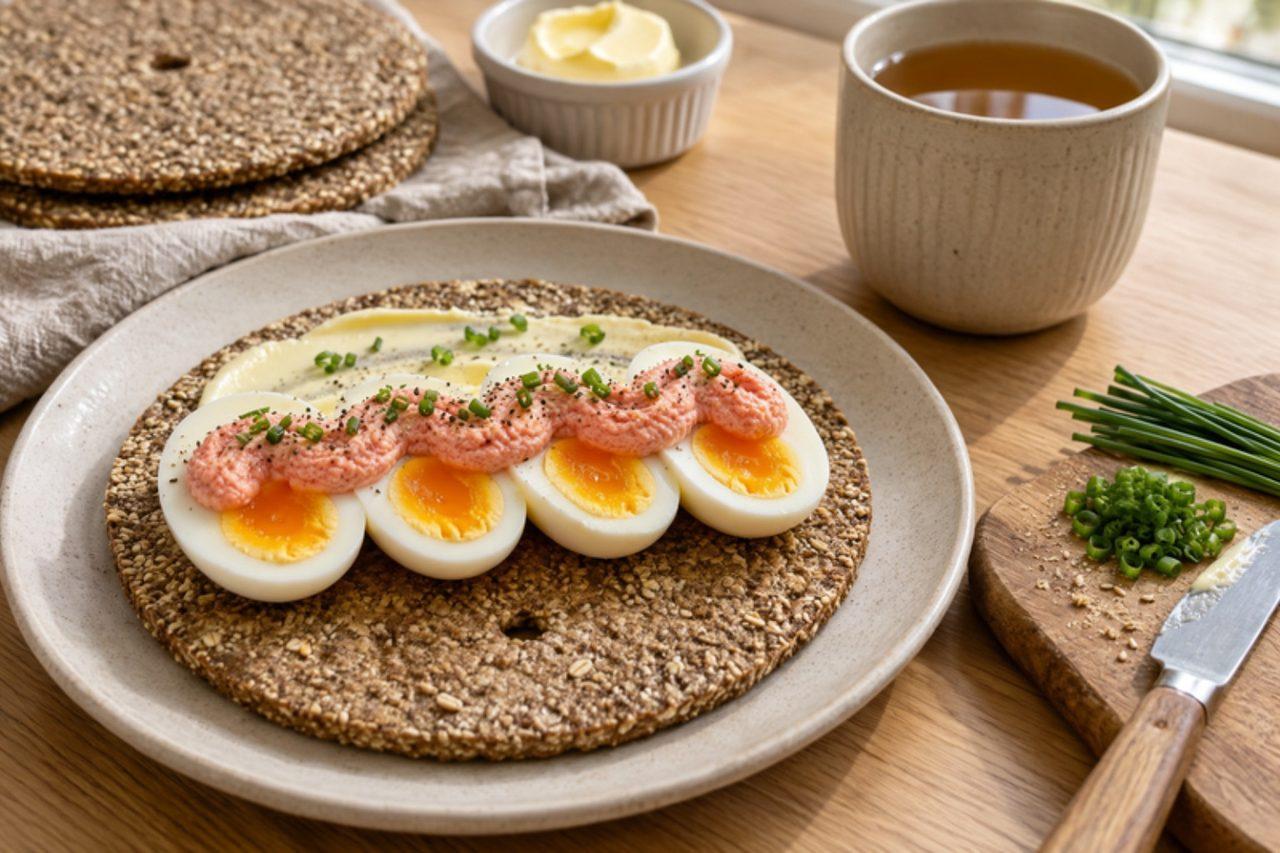
Open any fridge in Stockholm or Gothenburg and you'll find a blue tube of kaviar, a salty, smoky, slightly sweet spread of smoked cod roe, and at breakfast it goes on halved boiled eggs on crispbread or buttered bread. It's a combination Swedes love from childhood, eaten every day and at Easter. The kaviar is smoked and pasteurised, so it is safe for most people; boil the eggs fully for pregnant people and young children. The common mistake is over-boiling the eggs to a grey, chalky yolk; 8 minutes gives a set yolk that's still bright and slightly fudgy. Chef's tip: plunge the eggs into iced water straight away; they peel cleanly and the yolks stay sunny yellow.

by KrazyBadal 0 views

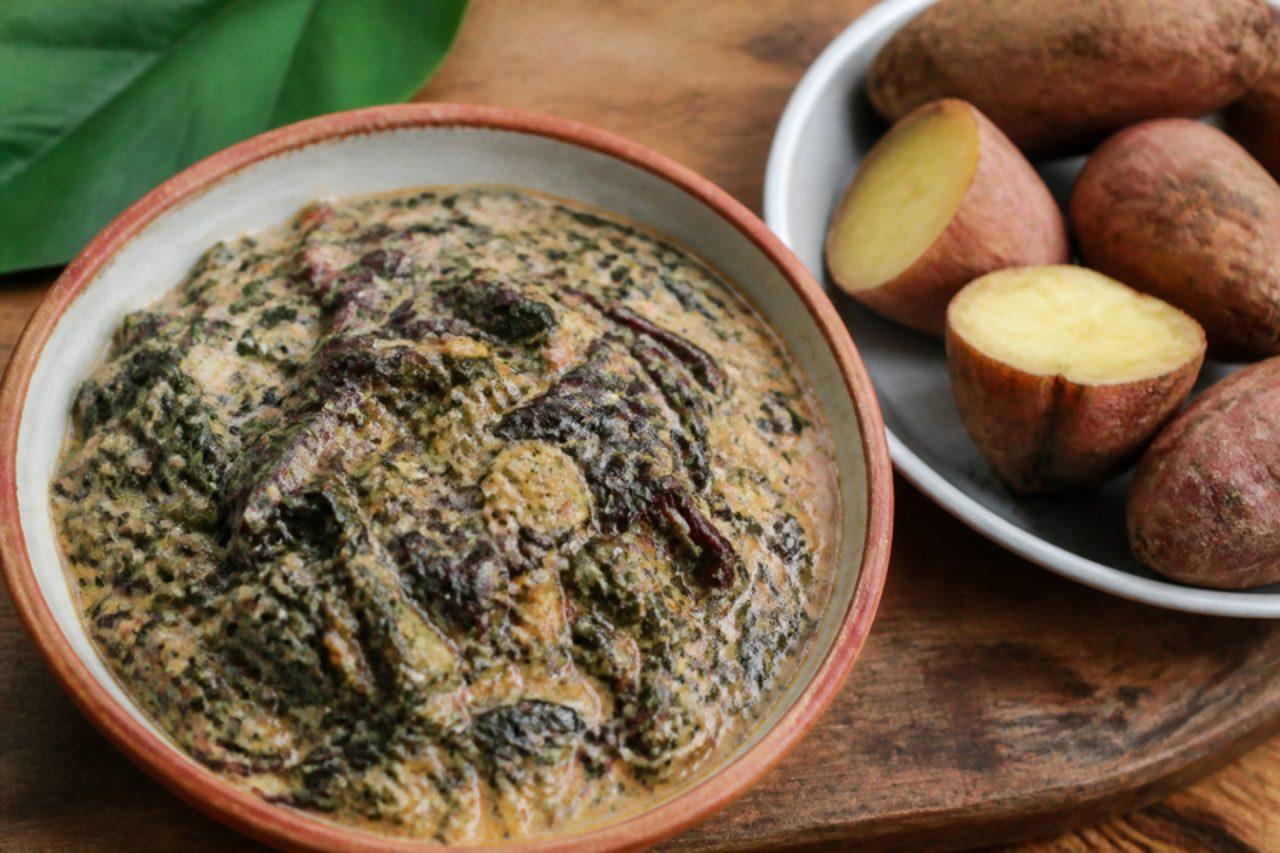
MalakwangSour greens in peanut paste

Gulu and the villages of Acholiland wait for the rains, when malakwang, the tart young leaves of the roselle hibiscus, come into the markets in big bundles. Simmered down with onion and tomato and finished with roasted peanut or sesame paste, they make a thick, dark green, sharply sour and richly nutty sauce that tastes of lemon and cream at once. It is eaten with boiled sweet potatoes, cassava or millet bread at a family meal. Look for fresh or frozen roselle leaves at African grocers, or the same leaf sold as gongura or sorrel leaves in Indian shops; spinach with lime juice is a fallback. Chef's tip: let the leaves collapse fully before the paste goes in, otherwise their sourness stays raw and harsh.

by KrazyBadal 0 views

LapenaPigeon peas in sesame paste

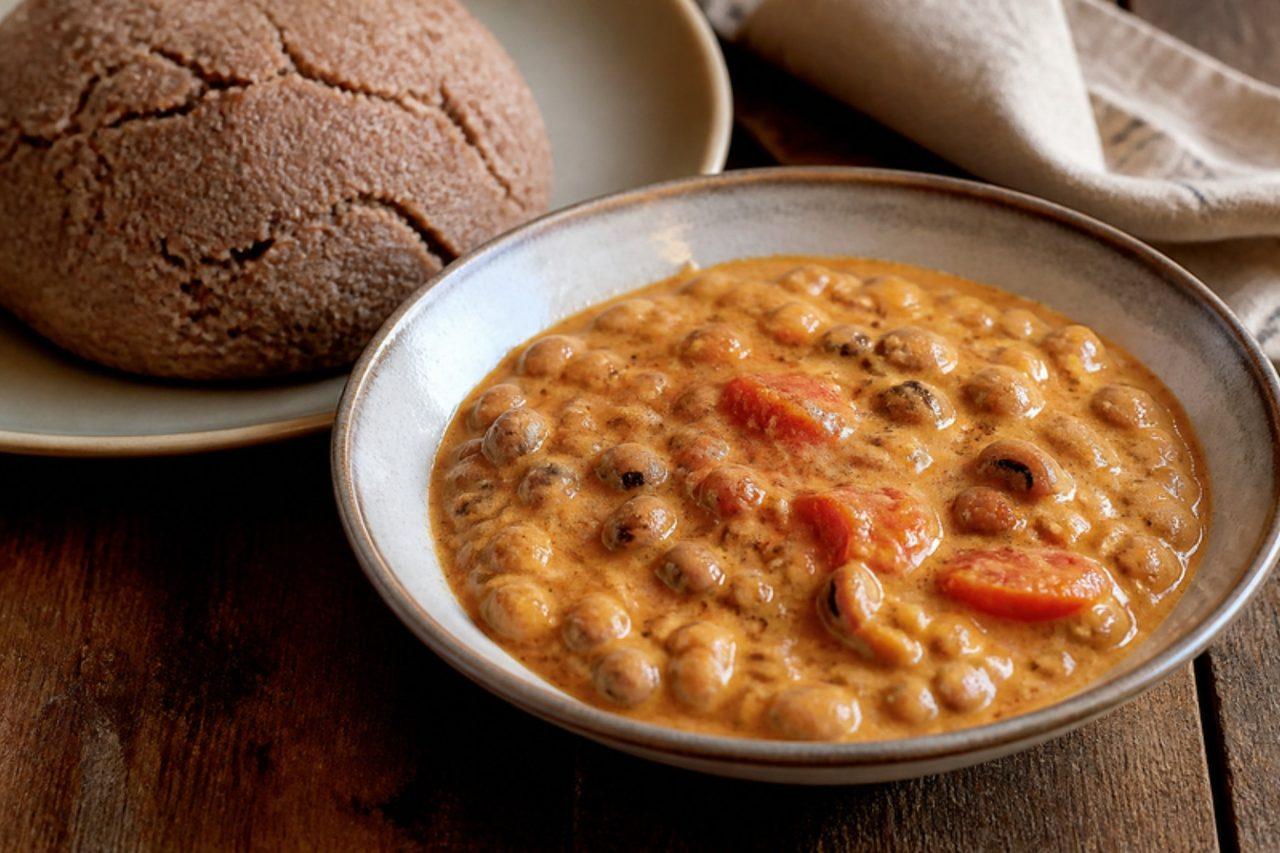
Lapena comes out for Christmas, weddings and the days when relatives arrive in Gulu from Kampala: dried pigeon peas boiled until soft, then cooked slowly in roasted sesame paste until thick, earthy and nutty, with a faint bitterness from the sesame that balances the sweetness of the peas. Some families mash it smooth, others keep the peas whole; both are eaten with kwon millet bread, rice or boiled cassava. Dried pigeon peas are sold as toor or arhar (whole, not split) in Indian grocers. The common mistake is adding salt before the peas are tender, which keeps the skins tough. Chef's tip: if you can only find light tahini, toast it in a dry pan for a minute or two until it darkens to get closer to Acholi sesame paste.

by KrazyBadal 0 views

BooCowpea leaves in peanut paste

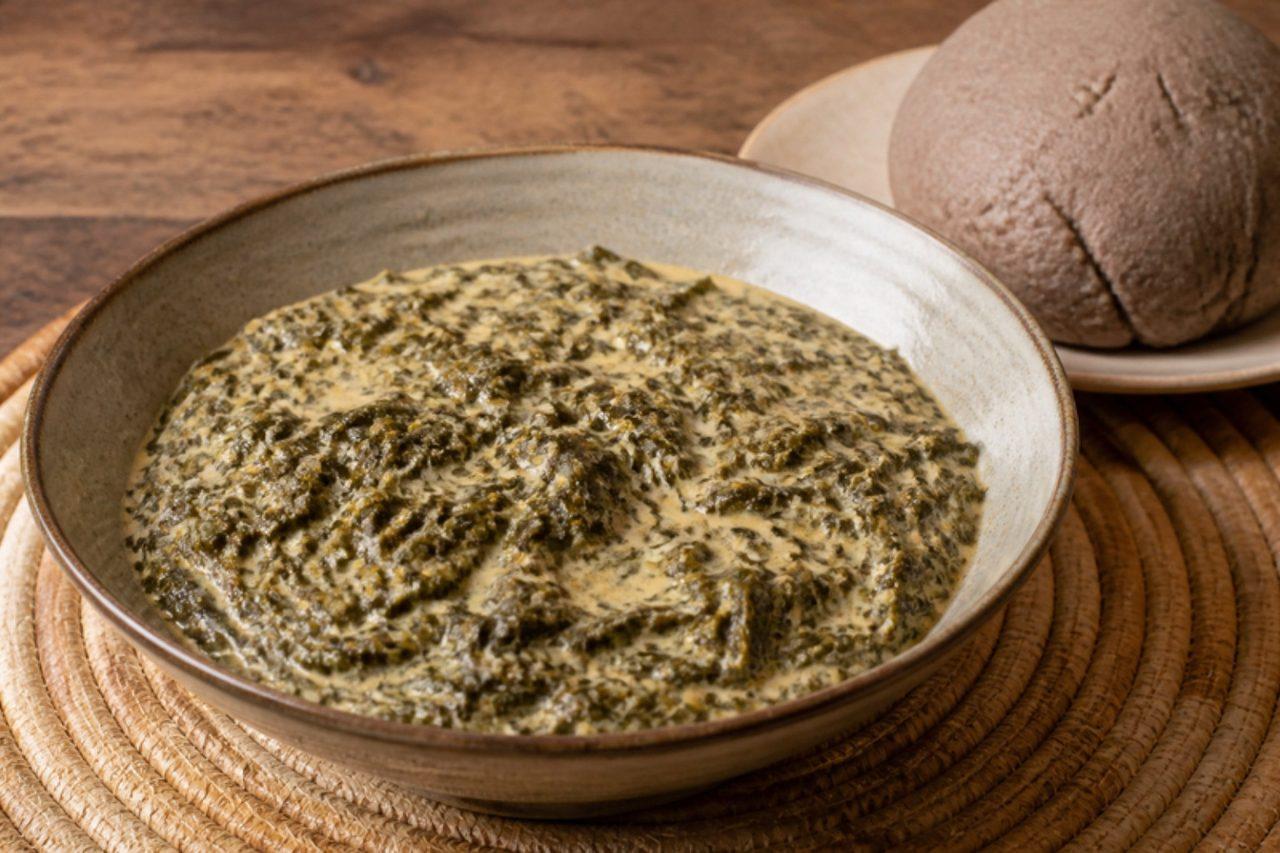
Ask someone from Lira or Kitgum what home tastes like and many will say boo, the leaves of the cowpea plant, picked young from the same fields that give the beans. Slow-cooked until they are dark and silky, then thickened with groundnut paste, they turn into a mellow, slightly bitter, deeply savoury green sauce with none of the tartness of malakwang. It is everyday food, eaten with kalo, posho or sweet potatoes. Fresh, frozen or dried cowpea leaves are sold at African grocers; kale or spring greens stand in well. Chef's tip: a pinch of bicarbonate of soda in the first boil softens tough leaves quickly and keeps their colour; any more than a pinch makes them soapy.

by KrazyBadal 0 views

Acar timunPickled cucumber and carrot

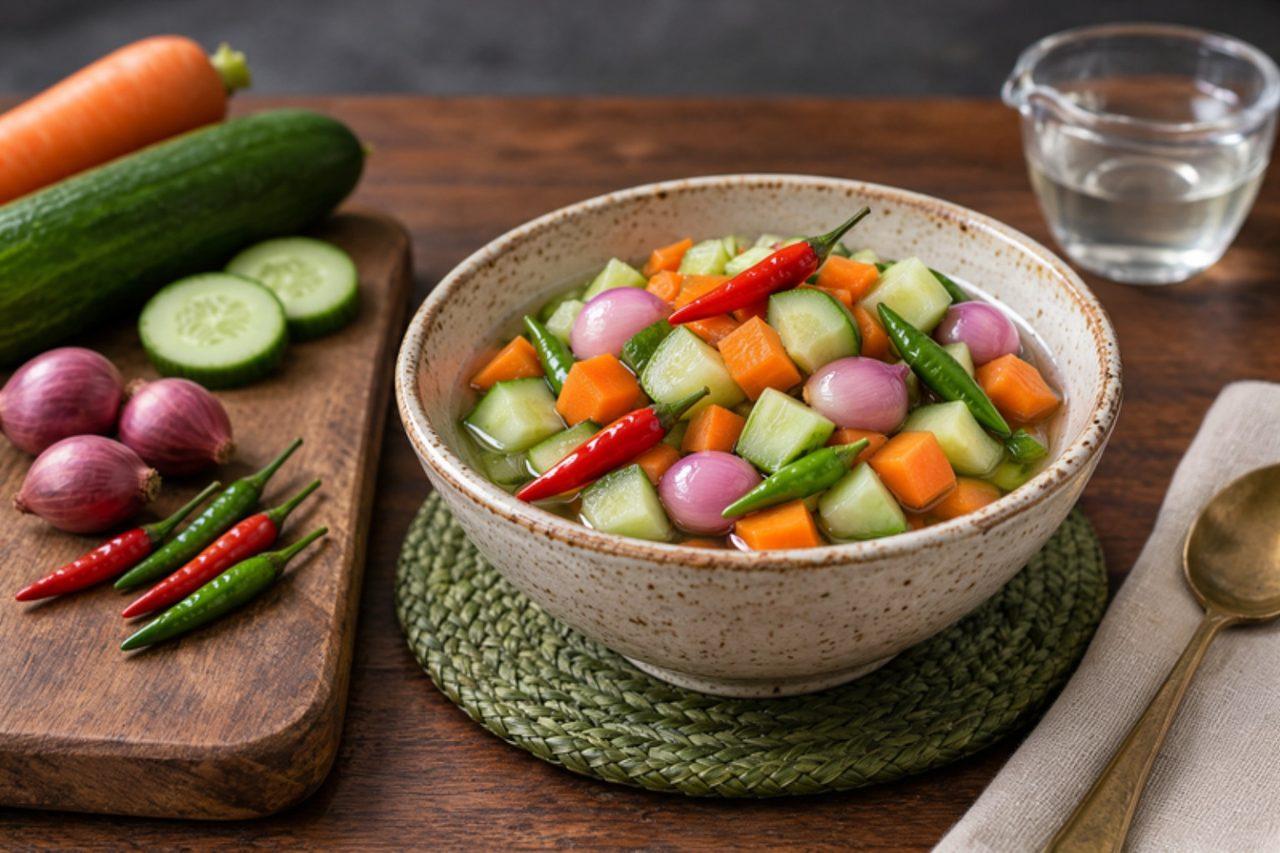
Order sate at a Madurese stall in Java, or nasi goreng from a night-time warung tenda, and a little saucer of acar timun comes with it: cubes of cucumber and carrot, whole small shallots and a few green or red bird's eye chillies in a sweet, sharp vinegar dressing. It is also spooned beside martabak telur and served at kenduri feasts and weddings. It is cold, crunchy and refreshing, sweet first, then sour, with a sudden bite when you hit a chilli, and it cuts the richness of peanut sauce and fried rice. Make it fresh: it is at its best the same day. Common mistake: pouring the dressing on warm or cutting the cucumber too thin, which turns everything limp and watery; dissolve the sugar in warm water, then let it cool before mixing. It is ready after 10–15 minutes, when the shallots have lost their raw edge and the cucumber is lightly seasoned but still snaps. Chef's tip: leave the bird's eye chillies whole so guests can choose whether to eat them; slit one or two if you want the dressing itself to carry heat.

by KrazyBadal 0 views

Acar buahFruit pickle

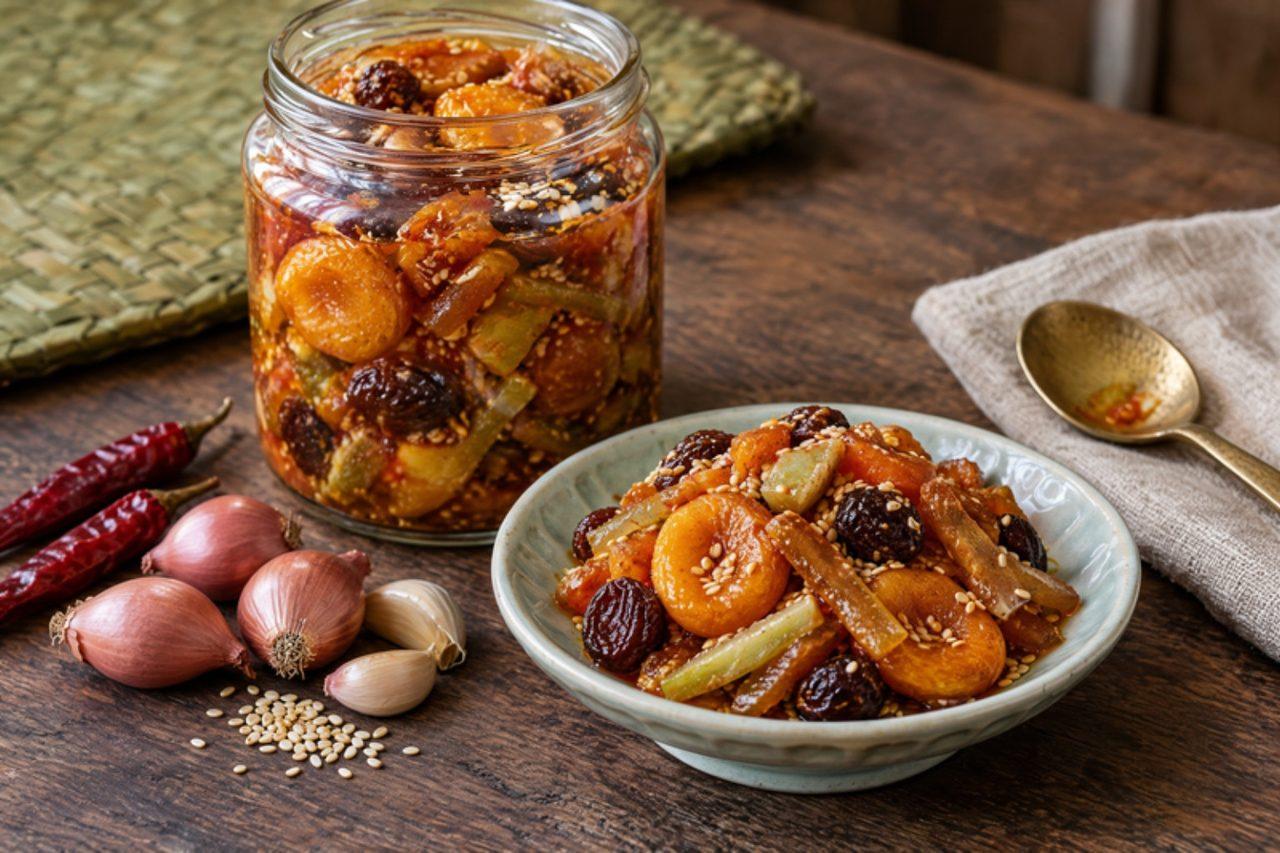
In Penang, Nyonya households start filling big glass jars with acar buah a week before Chinese New Year, so there is always a dish to set out for visitors with tea, and to eat beside nasi lemak or curry through the fifteen days. Penang is nutmeg country, and candied strips of nutmeg fruit (buah pala) from the Balik Pulau orchards go in with green papaya, dried apricots and raisins, all coated in a rempah of chillies, shallots, garlic, galangal and candlenuts fried until the oil splits, then cooked with vinegar and sugar. A shower of toasted sesame and crushed peanuts finishes it. It is sticky, jammy, sweet-hot and tangy, with crunchy papaya against chewy fruit. Many cooks add a little toasted belacan to the rempah; it is left out here to keep it vegan. Common mistake: frying the rempah too briefly, which leaves it harsh and makes the pickle spoil faster; cook it slowly until dark red and the oil separates. It tastes best after two days in the fridge. Chef's tip: squeeze the salted papaya as hard as you can, or the pickle turns watery.

by KrazyBadal 0 views

Aate ka halwaWholewheat flour halwa

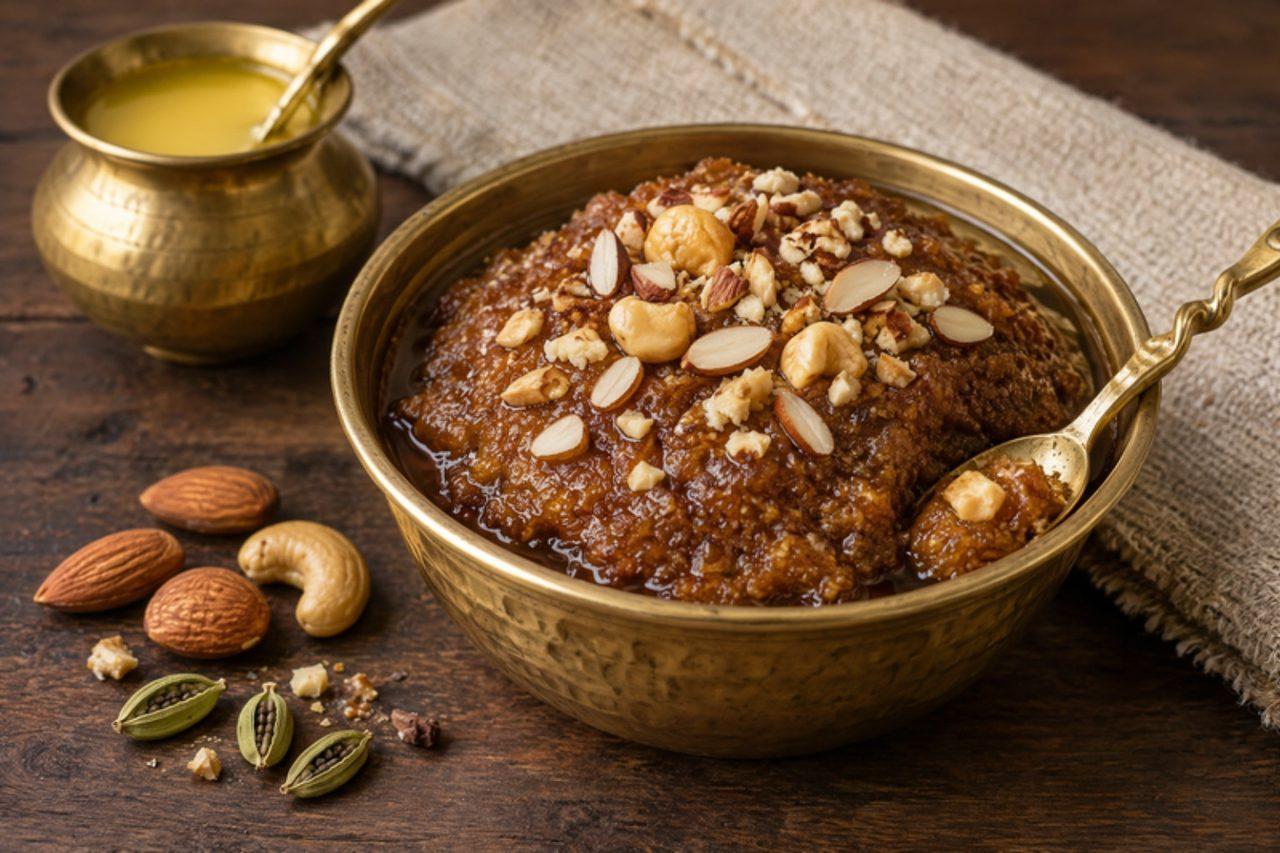
Across Marwar, this simple halwa is the one cooked for temple prasad, for Satyanarayan katha and for women in the weeks after giving birth, when ghee and jaggery are thought to build strength. Wholewheat flour is roasted slowly in plenty of ghee until it turns a deep nutty brown, then cooked with hot water and sugar or jaggery until soft and glossy. The whole thing takes 30 minutes. The common mistake is rushing the roast on high heat, which leaves the flour raw-tasting inside and scorched outside. Chef's tip: roast on low heat until the colour is like milky tea and the ghee starts to separate and bubble around the flour.

by KrazyBadal 0 views

Aam telMango pickle in mustard oil

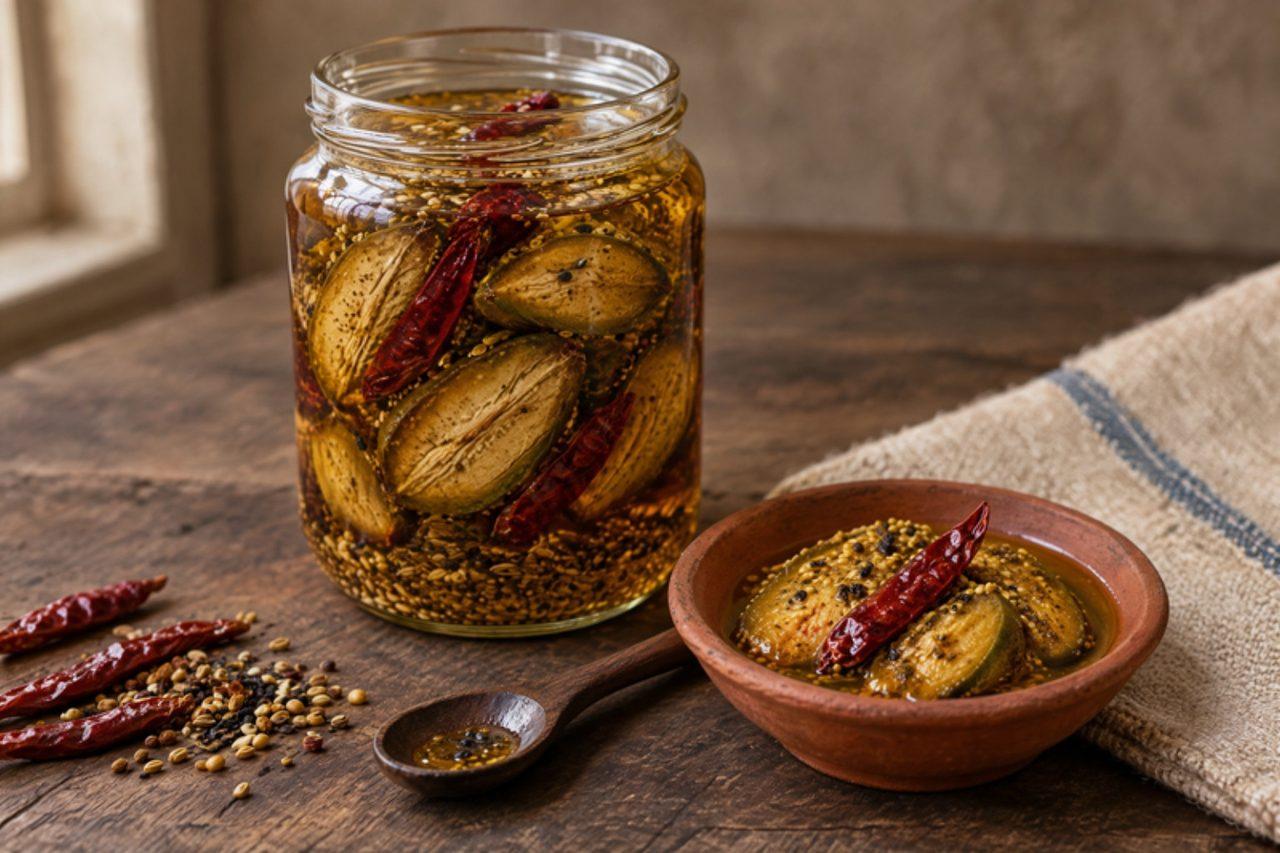
In Bengal the summer of kal-baishakhi storms is also the season of aam tel, mango oil. Slices of hard green mango are salted and sun-dried until leathery, then sunk in mustard oil with roasted panch phoron and chilli and left to steep for a couple of weeks. The mango turns chewy, salty and sour; the oil turns golden, sharp and fruity, and that oil is the real treasure. A spoonful goes into jhalmuri (spiced puffed rice) on every Kolkata street corner, over plain rice with a fried egg or mashed potato, or into a bowl of panta bhat in the heat. The common mistake is not drying the mango enough: if it still feels wet when pressed, it will grow mould under the oil. Dry it until the slices are shrunken, leathery and bend without releasing juice. The pickle is ready when the oil has turned golden and smells strongly of mango and spice. Because the mango is salt-cured and acidic and stays fully under the oil in a dry jar, with no garlic, it keeps up to a year in a cool cupboard; in hot, humid weather keep it in the fridge. Chef's tip: no strong sun? Dry the salted slices in the oven at 60–70 °C with the door propped open, for 5–6 hours.

by KrazyBadal 0 views

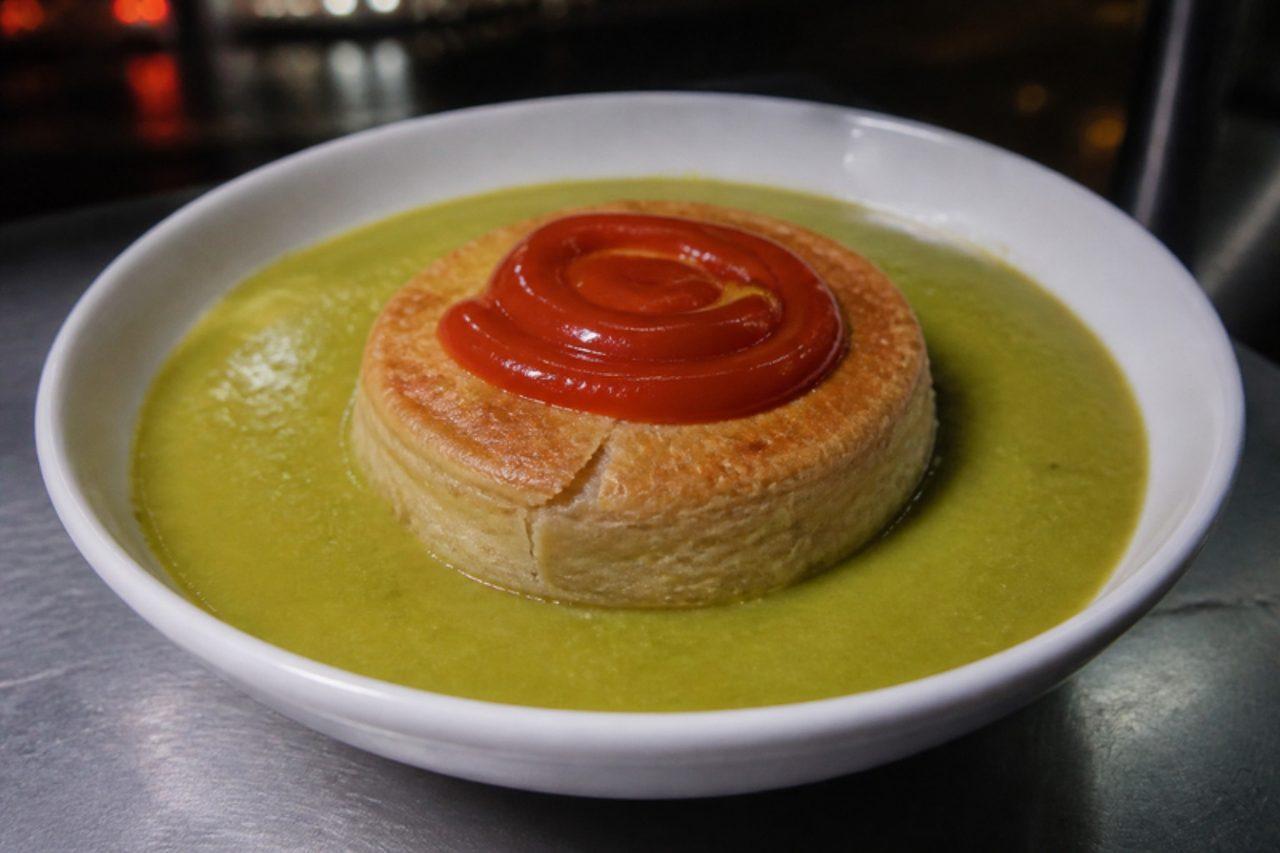
Pie floaterMeat pie in pea soup

The pie floater is Adelaide's late-night street food, sold from pie carts outside the railway station and on North Terrace since the 1870s: a beef mince pie turned upside down in a bowl of thick, green split-pea soup and topped with a swirl of tomato sauce. It sounds odd and tastes wonderful on a cold night. This recipe makes both the soup and the pies; you could use good bakery pies to save time. A common mistake is a thin soup; it should be thick enough to hold the pie up. Chef's tip: make the pea soup the day before, it thickens overnight.

by KrazyBadal 0 views

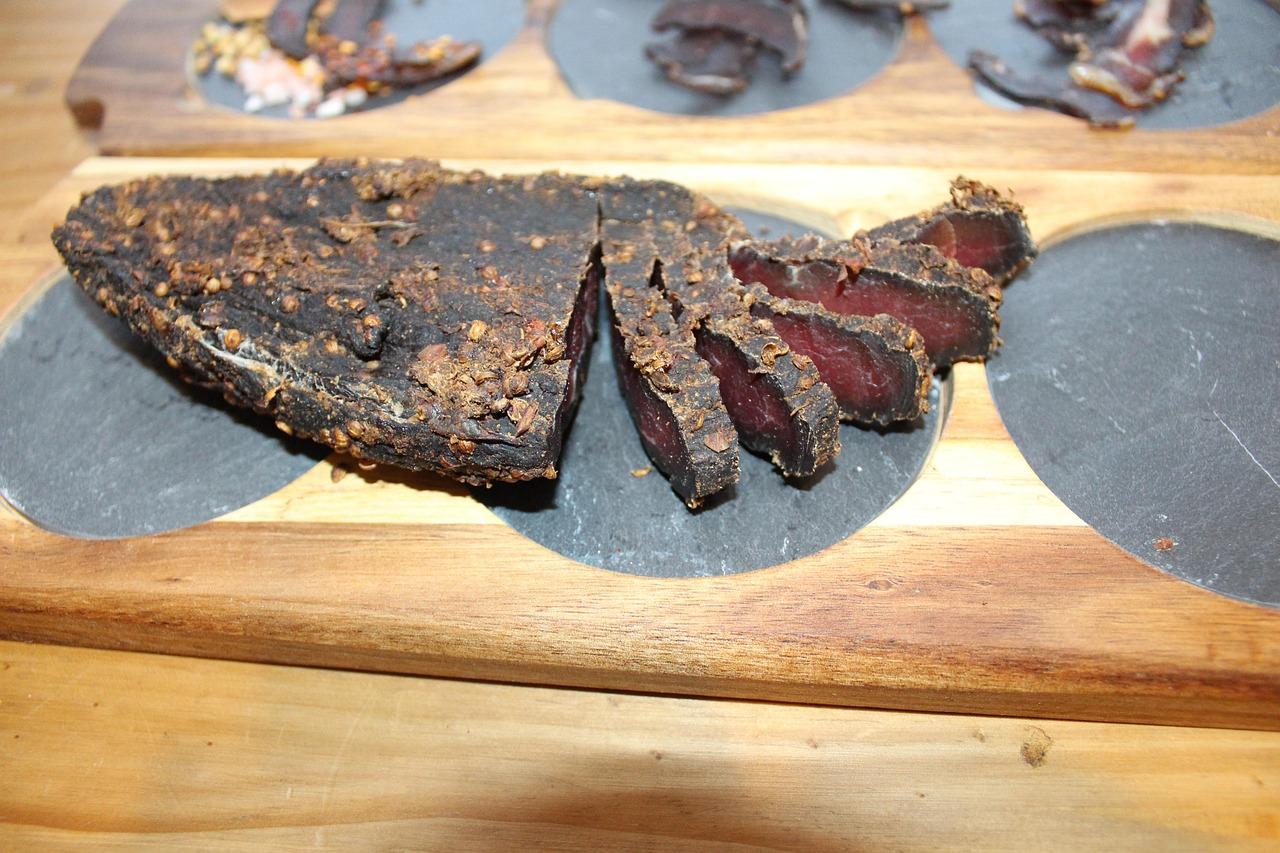
Biltong

Rugby on the television, a paper bag of biltong passed round the room: few snacks say South Africa so plainly. Thick strips of beef are cured with vinegar, toasted coriander, salt and pepper, then dried until the outside is dark and firm and the inside still a little moist, ready to be sliced thin with a sharp knife. Farmers once hung it in the cold winter wind; this home method first heats the cured strips to 71 °C in a hot oven to make them safe, then dries them low and slow in the oven or a biltong box. Even so, home-dried meat is not for pregnant women, young children or anyone with a weakened immune system. The classic mistake is cutting the strips across the grain, so they crumble when you slice them. Chef's tip: toast the coriander seeds until they smell like orange peel before crushing them; that warm, citrusy note is what makes biltong taste right.

by KrazyBadal 0 views

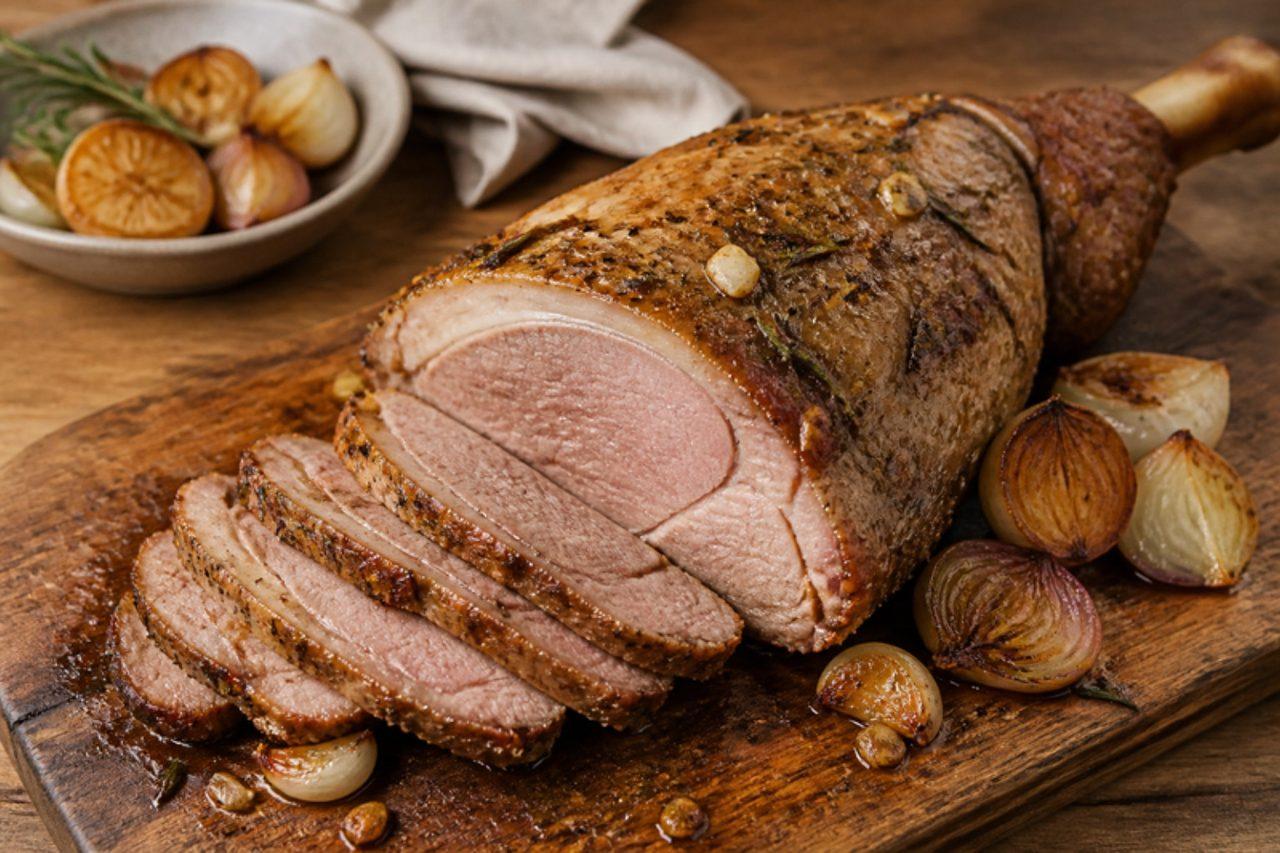
Karoo roast leg of lamb

Sheep in the Great Karoo graze on wild bossies and shrubs, and farmers around Prince Albert and Graaff-Reinet swear the meat comes out of the oven tasting faintly of the veld. That is why the seasoning stays plain: garlic slivers pushed deep into the meat, rosemary, salt and pepper, and a long, slow roast over a bed of onions that melt into the pan juices. Sunday lunch on a farm stoep means slices of rosy lamb with roast potatoes, sweet pumpkin with cinnamon, geelrys with raisins and a jug of gravy. Many cooks carve the moment the leg leaves the oven, and the juices end up on the board instead of in the meat. Chef's tip: give the leg a full 20 minutes' rest under foil; the temperature climbs a few degrees and every slice stays moist.

by KrazyBadal 0 views

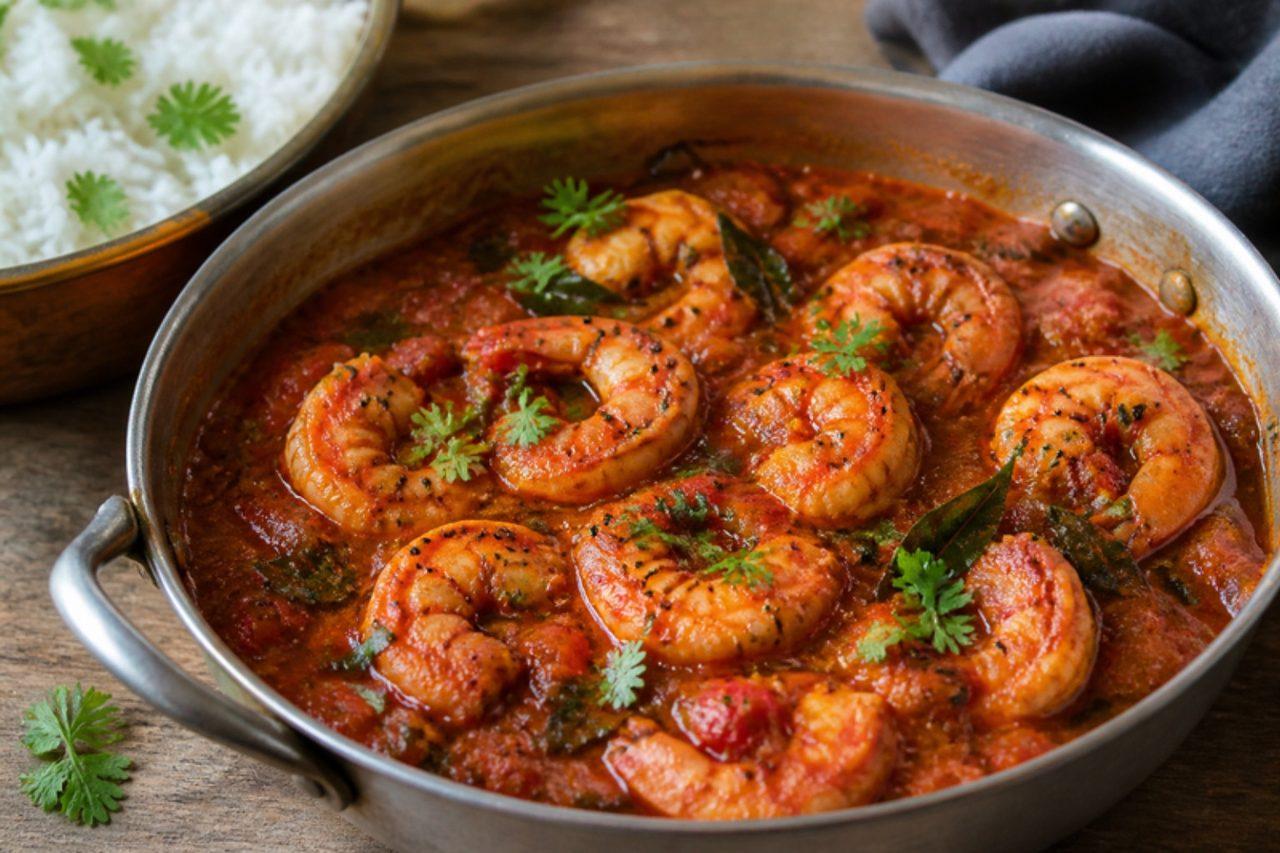
Durban prawn curry

Durban's beachfront takeaways and Indian family kitchens along the North Coast make prawn curry fast: the gravy of tomato, red masala, mustard seeds and curry leaves is cooked first, and the prawns go in only for the last few minutes. The result is a tangy, fiery red sauce with sweet, juicy prawns, lighter and sharper than a slow meat curry. Serve it with white rice or soft rotis and a wedge of lemon. Overcooking is the big mistake: prawns turn rubbery within a minute or two of being done, so take the pot off as soon as they are pink and opaque all the way through. Chef's tip: thaw frozen prawns overnight in the fridge and pat them very dry, or their water thins the gravy.

by KrazyBadal 0 views

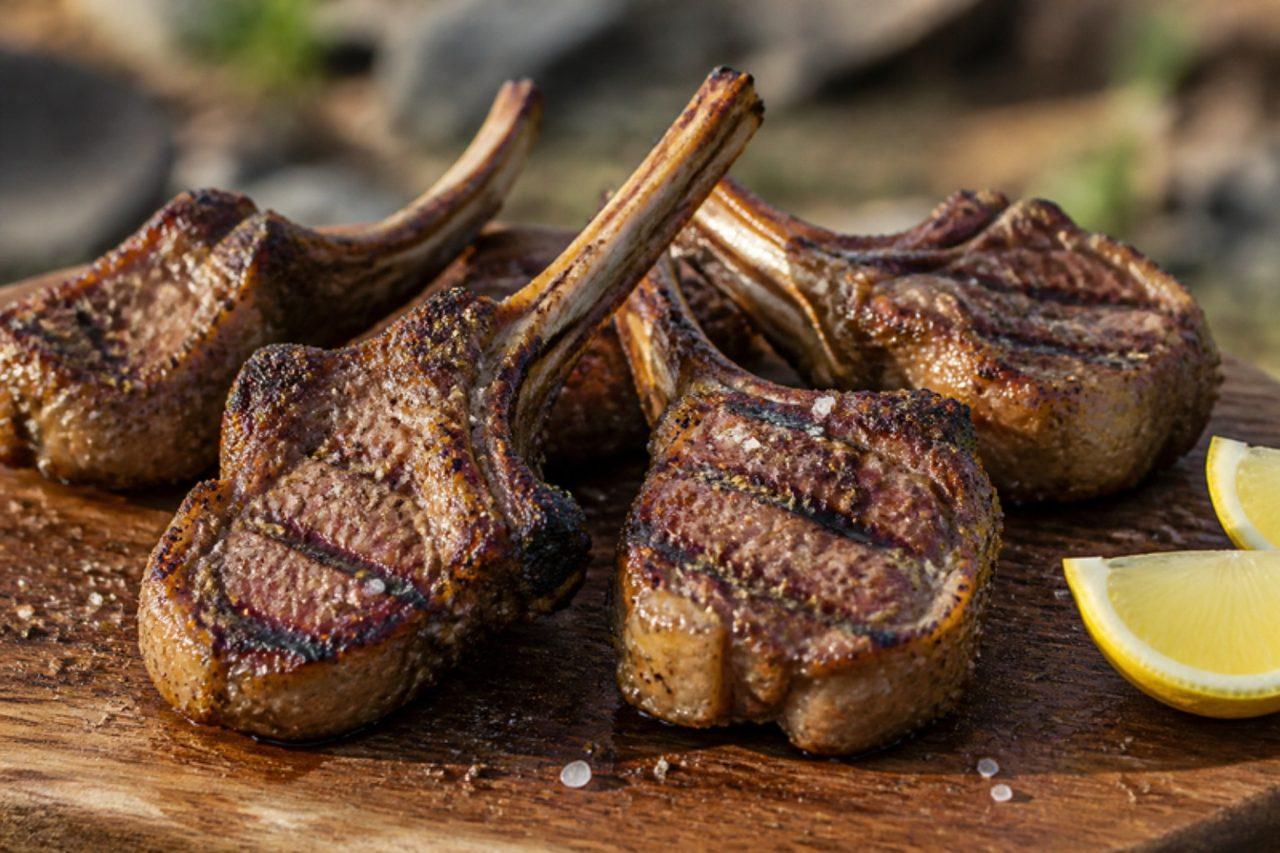
Braaied lamb chops

Ask a Karoo farmer for a braai rub and you will be handed the salt grinder: good lamb chops off the veld need salt, pepper and wood coals, and nothing else. On a Saturday evening in Colesberg or Cradock the chops go on last, after the boerewors, and come off with crisp, smoky fat and juicy, rosy meat. Pile them on a board with pap and tomato smoor, a potato salad and a braaibroodjie or two. Chops cut too thin, under 2 cm, dry out before the fat crisps, so ask the butcher for thick ones. Chef's tip: stand the chops upright on their fat edge for the first few minutes, held together with tongs, so the fat renders and crisps before the meat goes flat on the grid.

by KrazyBadal 0 views

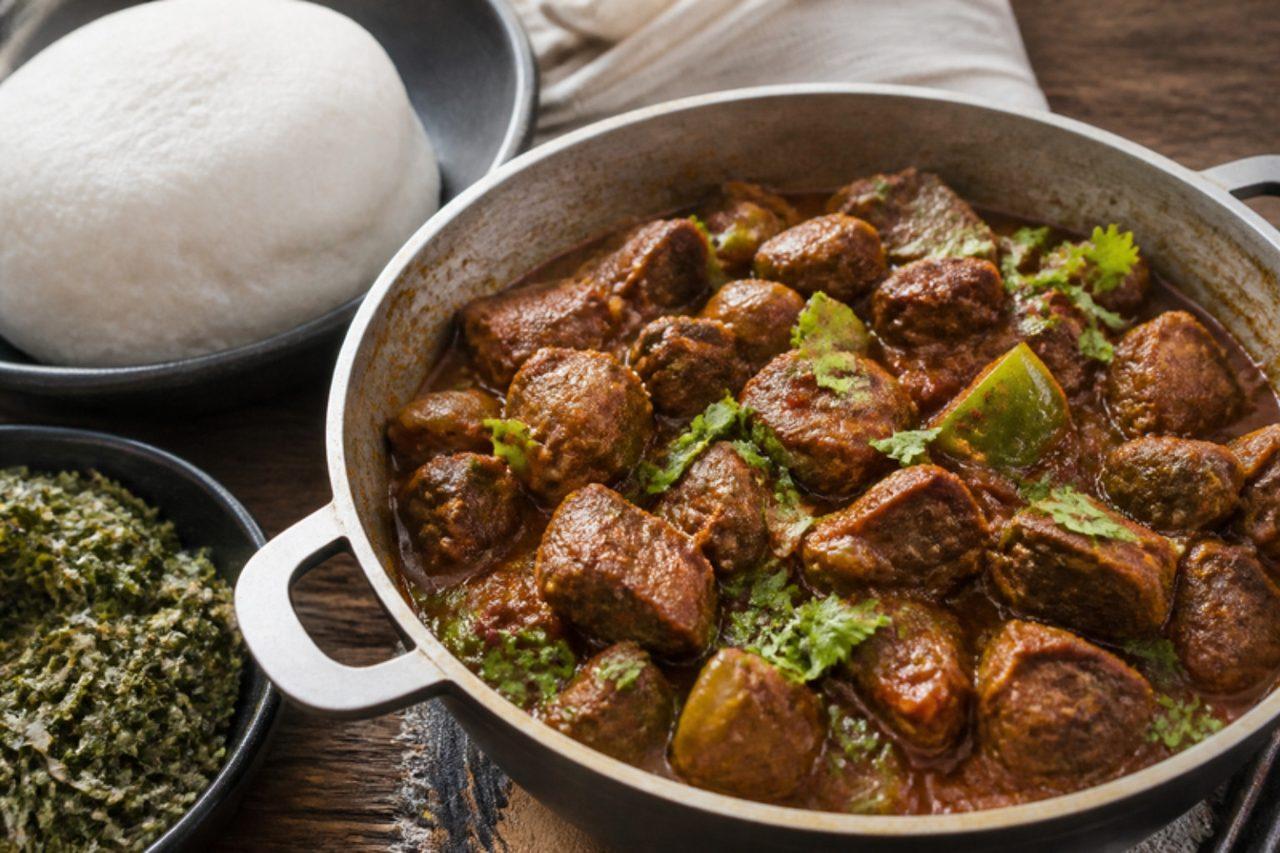
Beef wet fry

Order 'beef wet fry' at any Nairobi hoteli, from a River Road lunch counter to a Westlands nyama joint, and a sizzling dish of browned beef cubes arrives in a thick, tomato-red sauce glossy with fat. It sits halfway between a dry fry and a stew: the meat is chewy-tender and well seared, and the sauce is reduced so far it clings rather than pools. Ugali is the classic partner, with kachumbari and a tangle of sukuma wiki, though chapati or rice are just as common. The mistake most home cooks make is crowding the pan, so the beef steams grey in its own juices instead of browning. Chef's tip: give the beef a short covered simmer in a splash of water before frying; it tenderises the cheaper cuts Kenyan butchers sell and the water cooks off in time for the browning.

by KrazyBadal 0 views

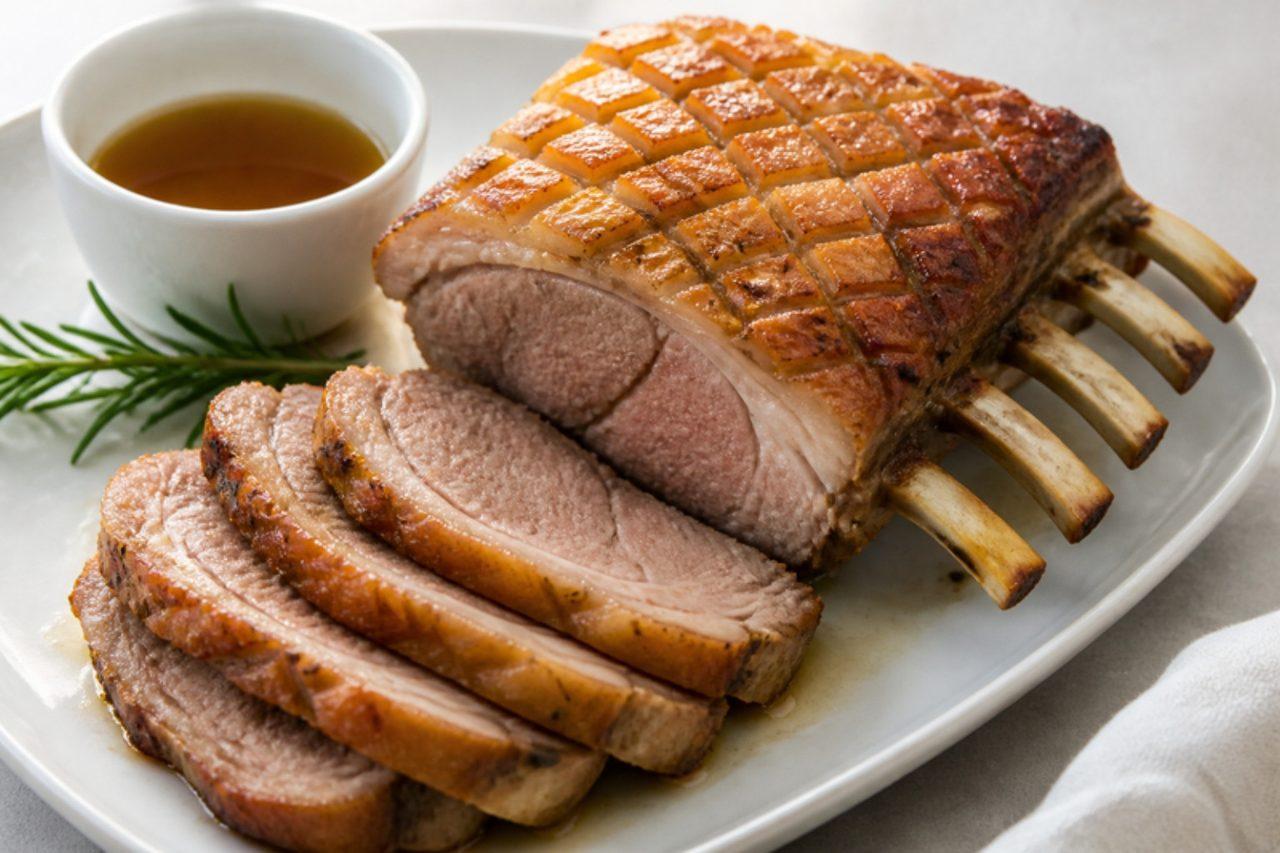
Uuts-style roast lamb saddle

Uuts, the whole back and fat tail of a sheep, is the grandest dish of Tsagaan Sar, the Mongolian Lunar New Year: boiled, then set in the centre of the table in every Ulaanbaatar and countryside home and carved for each visitor during the days of family visits. The real thing weighs many kilos and needs a huge pot, so this home version uses a bone-in saddle of lamb with its fat, simmered first and then roasted until the fat is crisp, keeping the uuts idea of a whole, impressive cut to carve at the table. A common mistake is trimming away all the fat; in Mongolia it is the most prized part. Chef's tip: score the fat in a criss-cross so it renders and crisps evenly.

by KrazyBadal 0 views

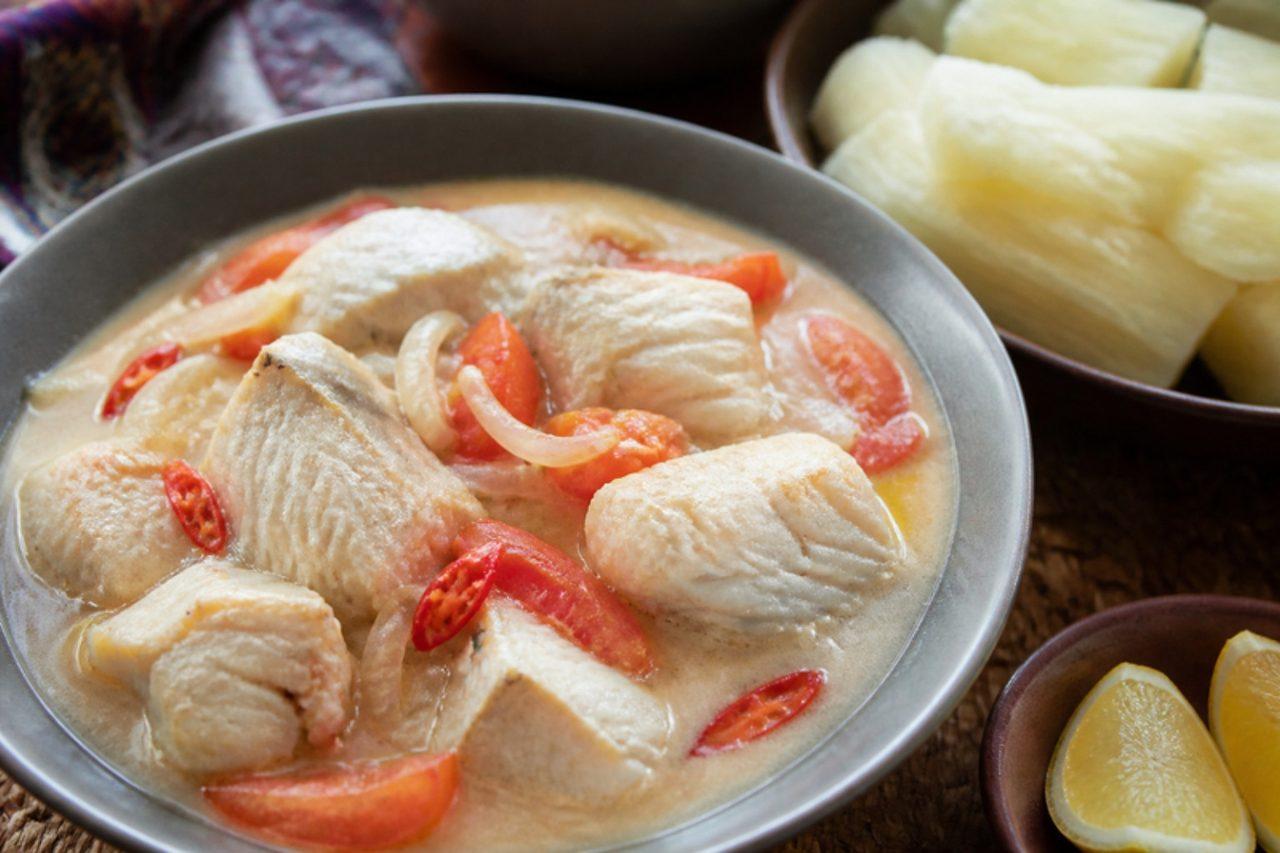
Fish in coconut milk

Ika vakalolo is the Sunday and everyday fish dish of iTaukei Fijian homes, from the fishing villages of the Coral Coast to the outer islands of Lau. Fresh reef fish is gently simmered in lolo, fresh coconut milk, with onion, tomato, chilli and a squeeze of lemon, then served with boiled cassava, taro or rice. It is mild, creamy and ready in half an hour. A common mistake is stirring once the fish is in, which breaks the fillets; just spoon the sauce over. Chef's tip: lemon goes in at the very end so the coconut milk doesn't split.

by KrazyBadal 0 views

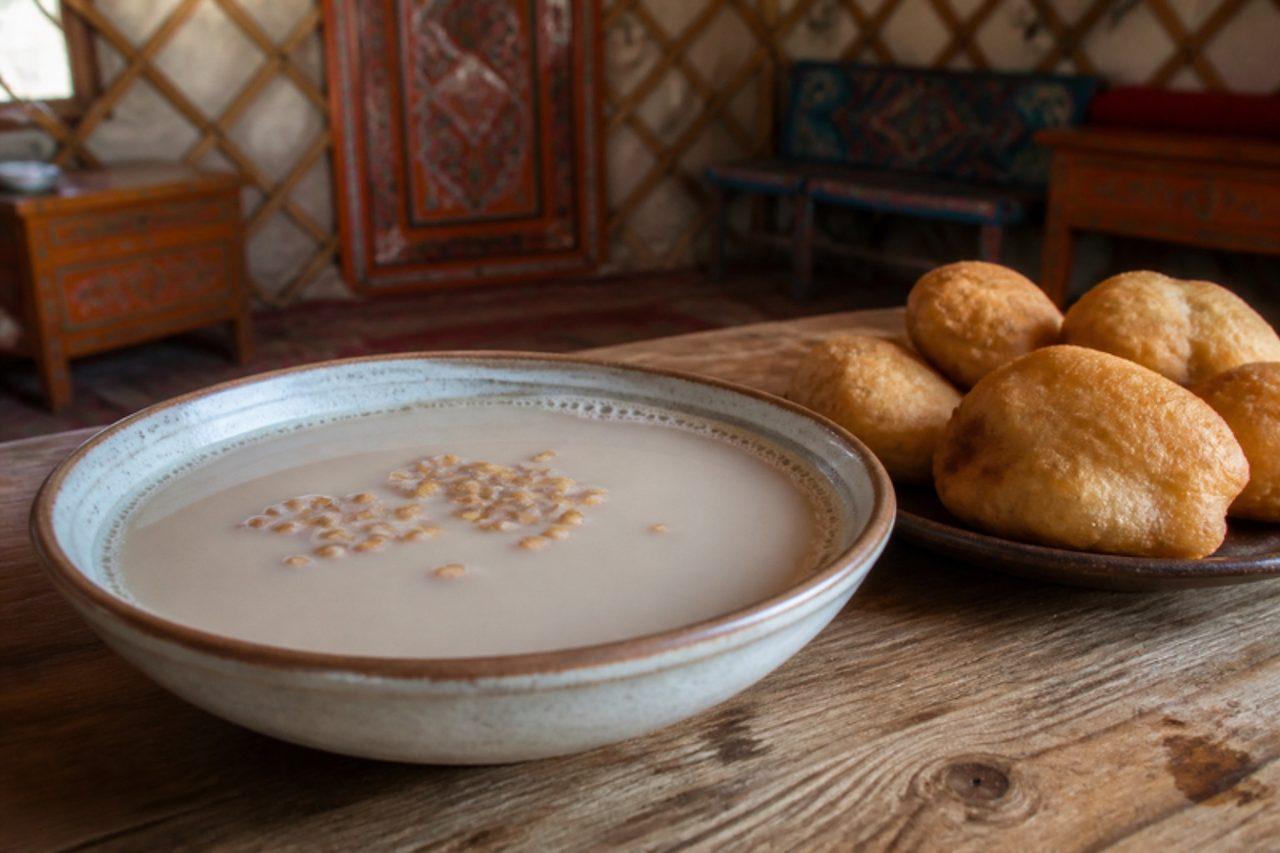
Mongolian salty milk tea

Süütei tsai is the first thing offered to anyone who steps into a ger on the Mongolian steppe, from Arkhangai to the Gobi, and families drink it all day long from wide bowls. Green brick tea is boiled in water, then milk and a pinch of salt go in, and the tea is ladled high and poured back again and again to aerate it. Some households add a knob of butter or a spoon of toasted millet for a richer, more filling bowl. It is savoury, not sweet, which surprises first-time visitors. A common mistake is using black tea leaves, which go bitter; use green brick tea or a mild green tea. Chef's tip: the ladling is not just ritual, it gives the tea a smooth, rounded taste.

by KrazyBadal 0 views

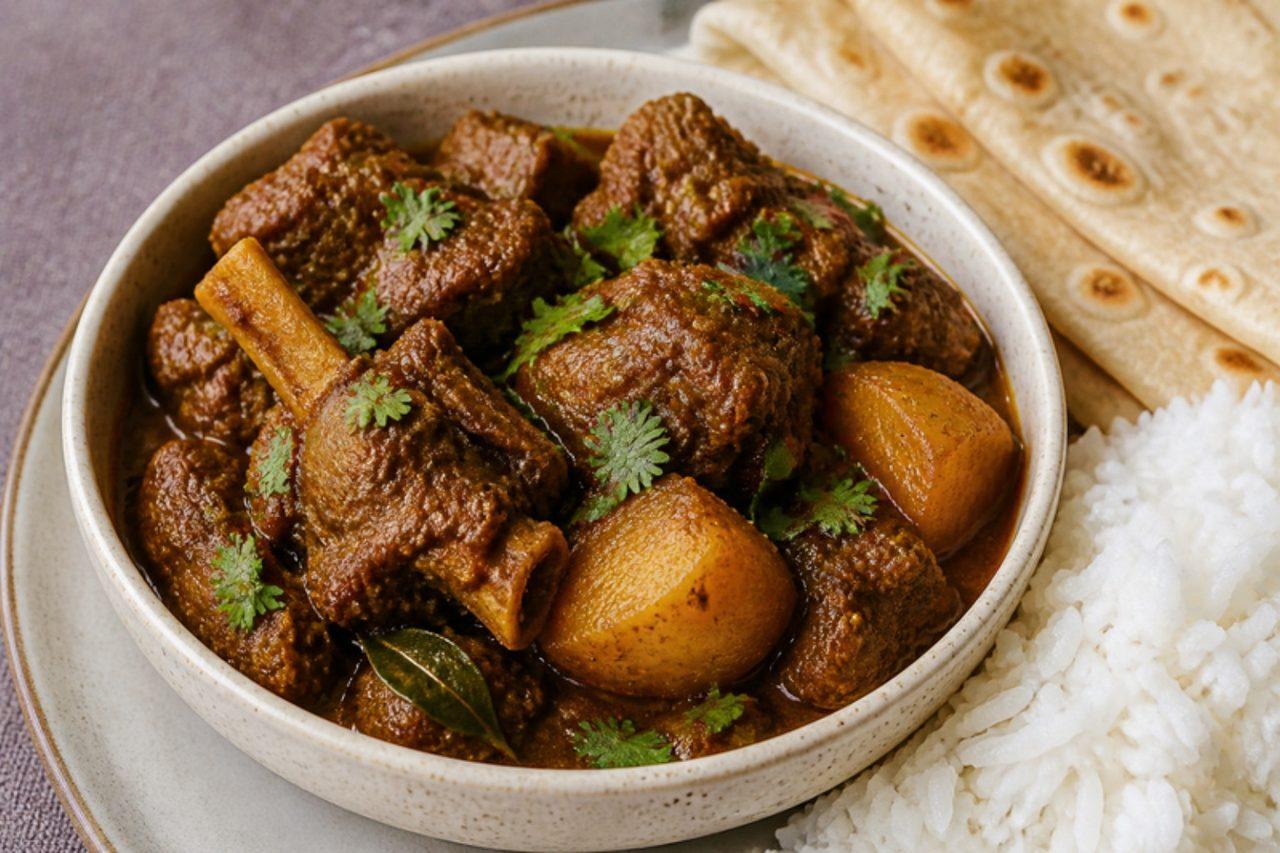
Fiji goat curry

Goat curry is the dish of Indo-Fijian weddings, Diwali gatherings and Sunday family lunches from Lautoka to Labasa, brought by indentured labourers from India in the 1800s and shaped by Fiji's own curry powder blend. Bone-in goat is browned with onion, garlic, ginger and masala, then braised slowly with potatoes until tender, and eaten with roti or rice and dhal. A common mistake is rushing the onion and masala; they need to fry until the oil separates. Chef's tip: marinate the goat overnight in the fridge with the masala for deeper flavour.

by KrazyBadal 0 views

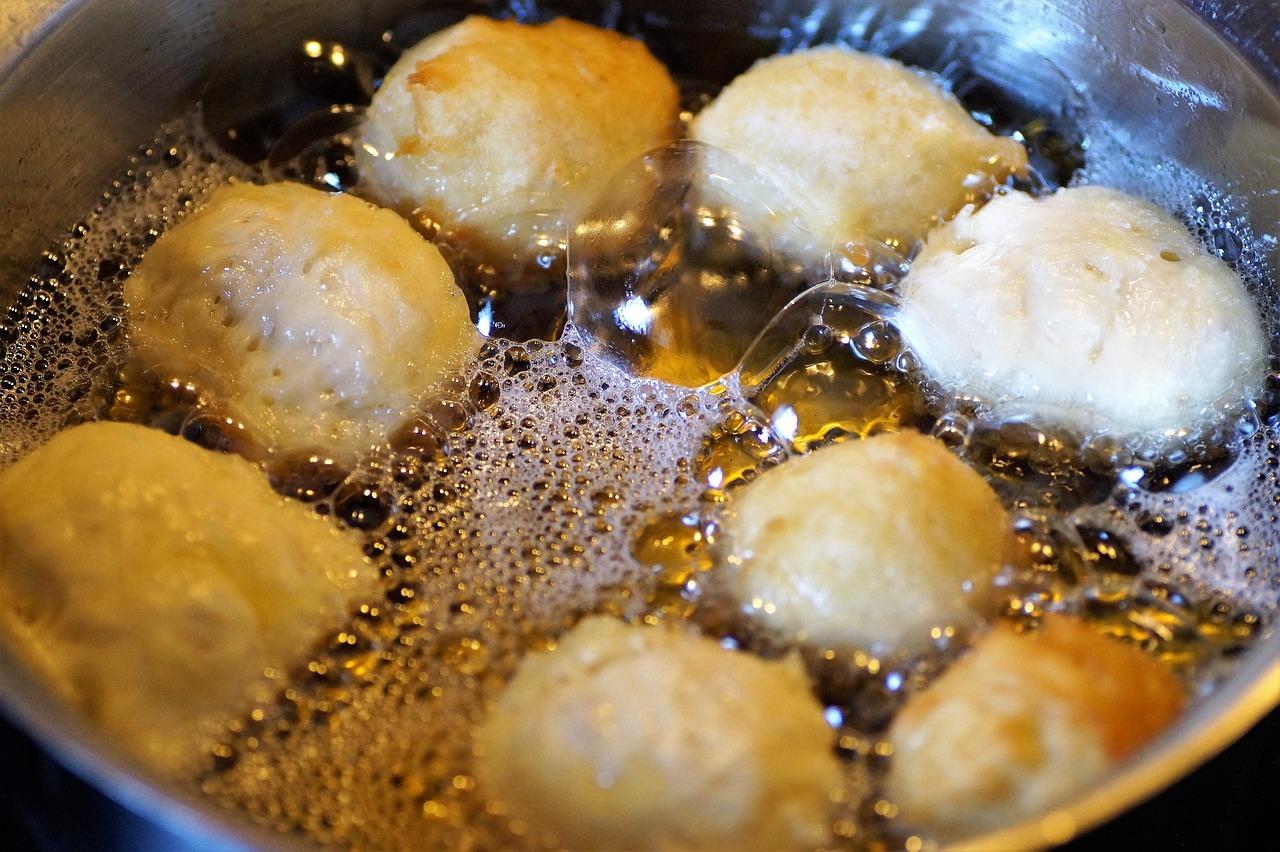
BabakauFried dough balls

Babakau are the fluffy fried dough balls sold at Fijian market stalls and village canteens at breakfast time, eaten with a mug of milky tea or hot koko before school or work in Suva and Nadi. The dough is lightly sweet and the balls puff up as they fry, golden outside and soft as a bun inside. A common mistake is oil that's too hot, which leaves raw centres; 170 °C is right. Chef's tip: wet your fingers to drop spoonfuls of dough into the oil so it slips off cleanly.

by KrazyBadal 0 views

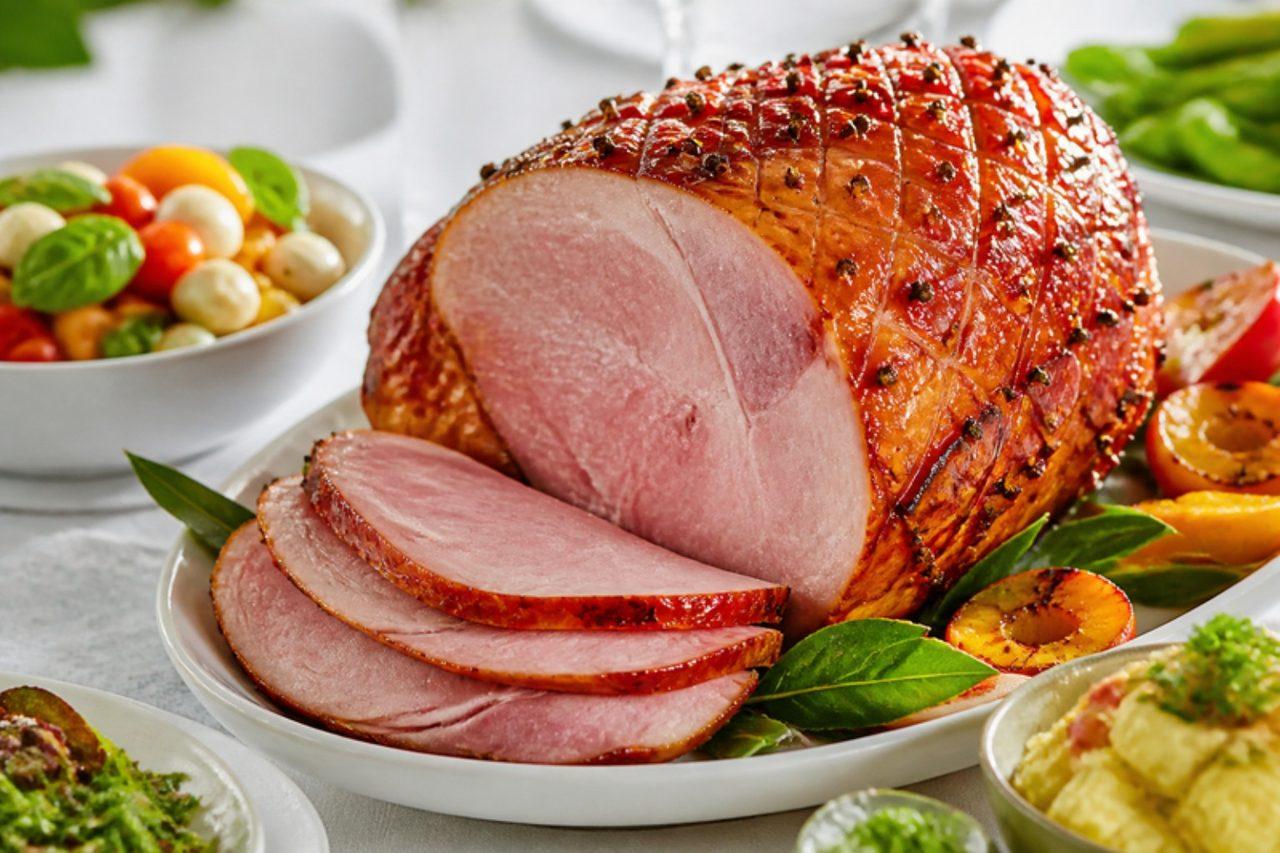
Glazed Christmas ham

A whole glazed leg ham is the centrepiece of the Australian Christmas table, served cold with salads and mustard on a hot December day and eaten in sandwiches for a week after Boxing Day. It is a cured, smoked leg of pork, already cooked, that is scored, studded with cloves and baked with a sticky orange and honey glaze. A common mistake is cutting the rind off too roughly; ease it away with your fingers so the fat stays smooth. Chef's tip: store the leftover ham in a cotton ham bag soaked in water and vinegar in the fridge to keep it moist.

by KrazyBadal 0 views

Whitebait fritters

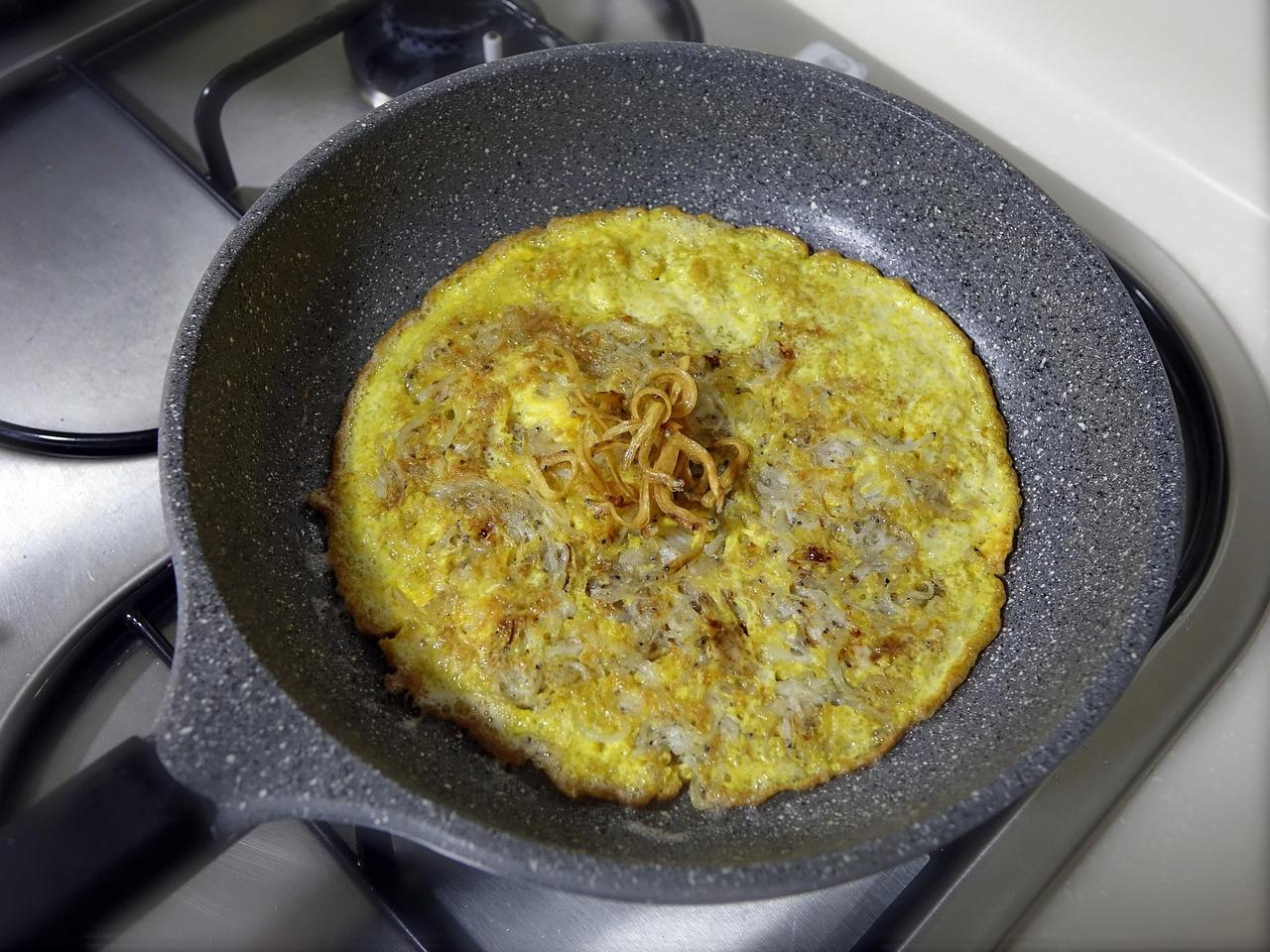
Every spring, from September to November, the rivers of New Zealand's West Coast, around Hokitika and Haast, line with people scooping tiny translucent whitebait in nets, and the season's prize is a whitebait fritter. The fish are bound with just enough egg to hold them, fried in butter and eaten between slices of buttered white bread with a squeeze of lemon. Buy fresh or frozen whitebait from a trusted seller. A common mistake is adding flour, which hides the delicate fish; the true West Coast fritter is almost all whitebait. Chef's tip: beat the egg white separately and fold it in for a lighter fritter.

by KrazyBadal 0 views

Barbecued garlic prawns

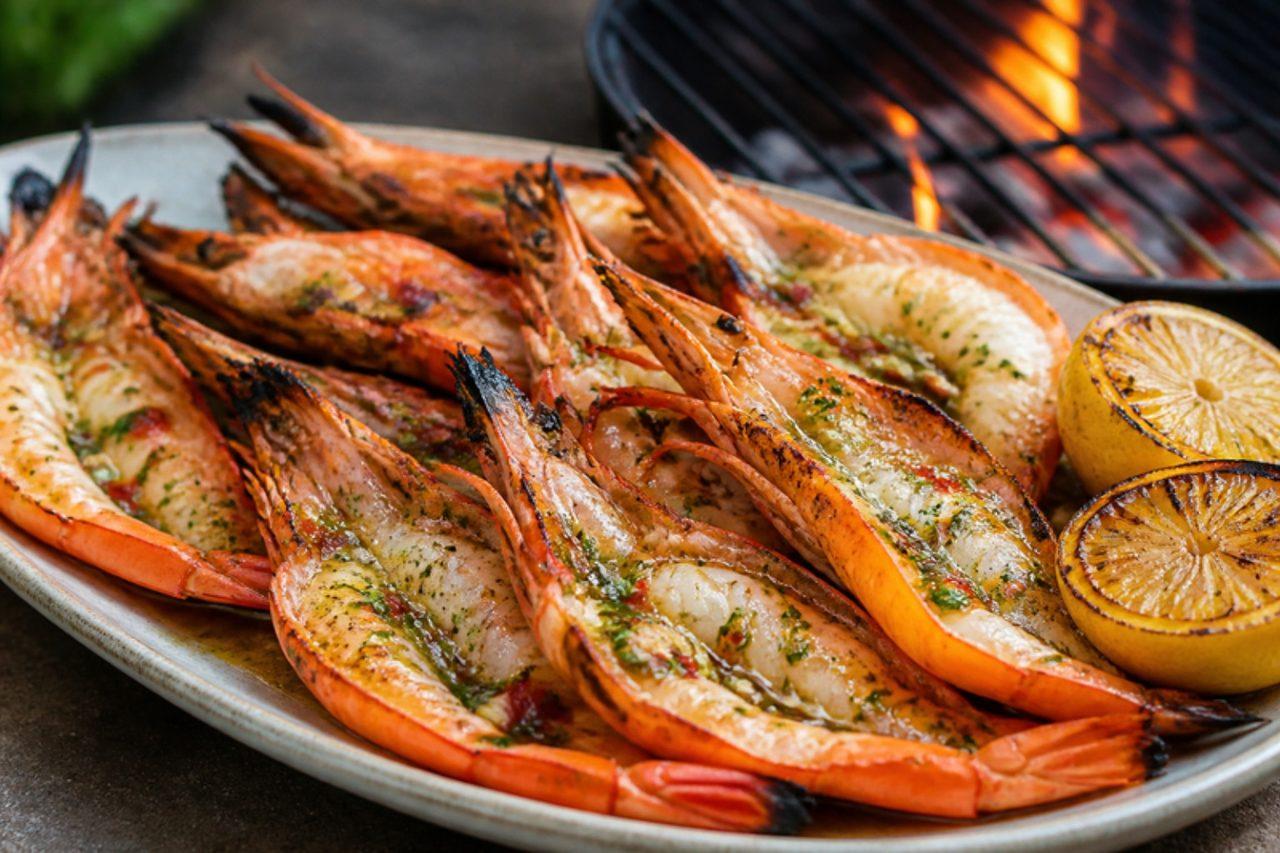
Prawns on the barbie are the true Australian Christmas and summer meal, cooked on the backyard barbecue from Perth to the Gold Coast with a cold drink in hand. Big raw king or tiger prawns are marinated in garlic, chilli, lemon and olive oil, then grilled quickly in their shells, which keeps them juicy. A common mistake is leaving them in the marinade too long; the lemon starts to cook them. Chef's tip: cut down the back of the shell and remove the vein but leave the shell on, so the marinade gets in and the prawns don't dry out.

by KrazyBadal 0 views

Mince and cheese pie

Mince and cheese is New Zealand's best-selling bakery pie, the go-to lunch for tradies, students and rugby crowds from Auckland to Dunedin, with a rich, peppery beef mince gravy under a thick layer of melted cheese and a flaky puff lid. It is eaten from the paper bag with tomato sauce. Cheddar is often made with animal rennet. A common mistake is filling the pastry with hot mince, which makes the base soggy; cool it fully. Chef's tip: put the cheese on top of the mince, right under the lid, so it melts into a gooey layer.

by KrazyBadal 0 views

Sydney rock oysters with mignonette

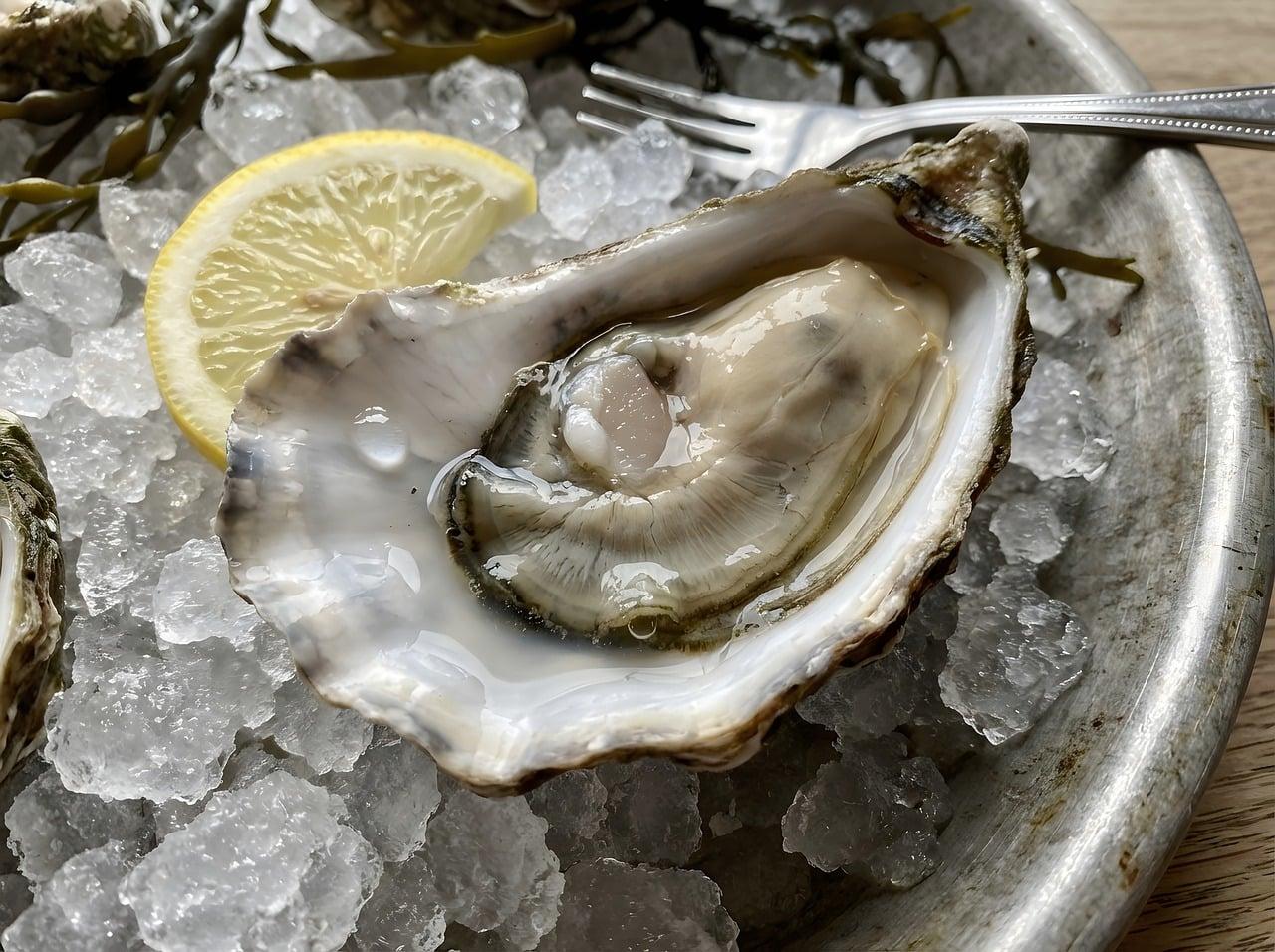
Sydney rock oysters grow in the estuaries of the New South Wales coast, from the Hawkesbury River to Merimbula, and are the pride of the Sydney fish market, slurped by the dozen with a glass of something cold on summer afternoons. They are smaller and creamier than Pacific oysters, with a rich, mineral taste. A sharp shallot and vinegar mignonette is all they need. These oysters are eaten raw, so they are not for pregnant women, young children or anyone with a weakened immune system; for them, grill the oysters for 3–4 minutes until the edges curl. Buy from a trusted fishmonger and eat them the day you buy them. A common mistake is rinsing opened oysters under the tap, which washes away their flavourful juice. Chef's tip: shuck them just before serving and keep them on crushed ice.

by KrazyBadal 0 views

Vanilla slice

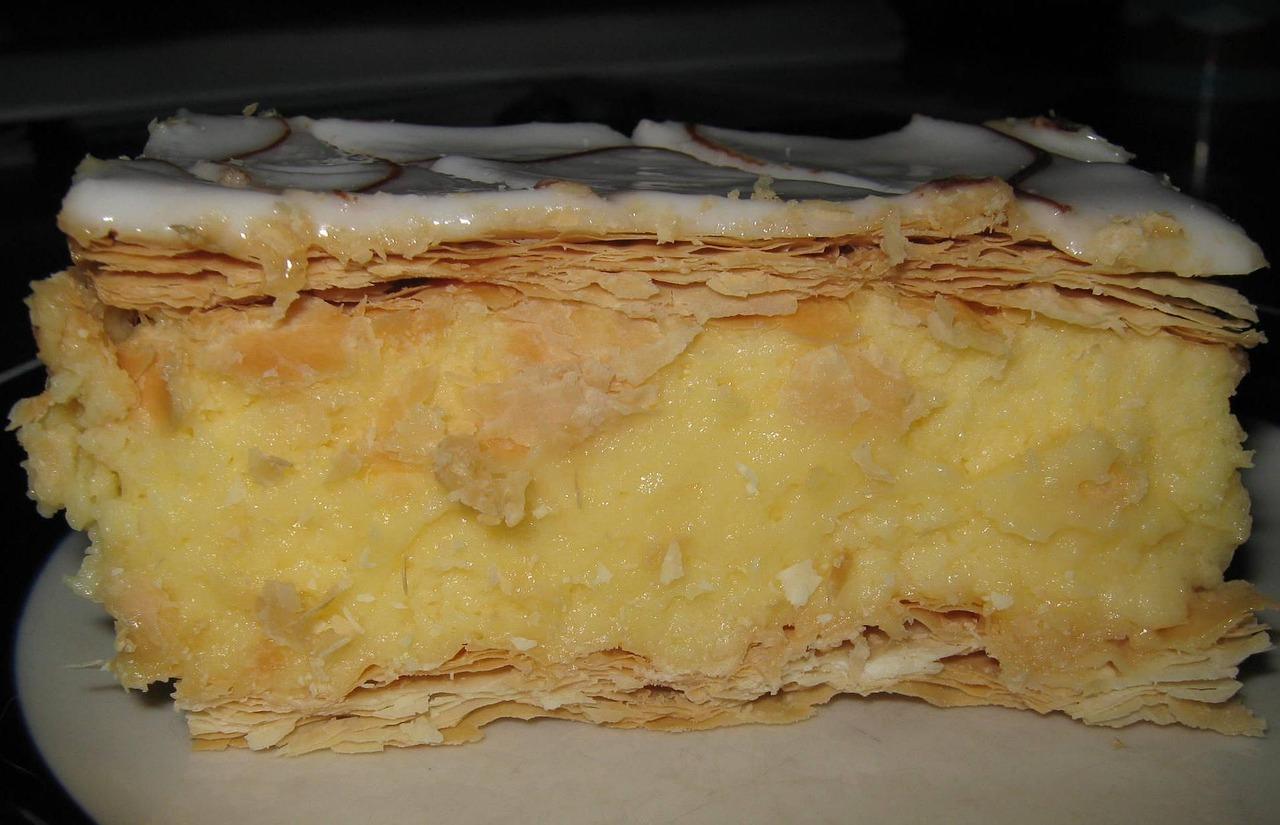
The vanilla slice, or snot block as Aussie kids call it, is the country bakery's pride; towns like Ouyen in north-west Victoria even hold a yearly competition for the best one. A thick, wobbly vanilla custard is set between two sheets of crisp puff pastry and topped with white or passionfruit icing. It needs a few hours to set but is easy. A common mistake is a soft custard that oozes when cut; it must boil for a full minute to thicken properly. Chef's tip: prick and weigh the pastry down with a tray while baking so it stays flat and thin.

by KrazyBadal 0 views

Feijoa crumble

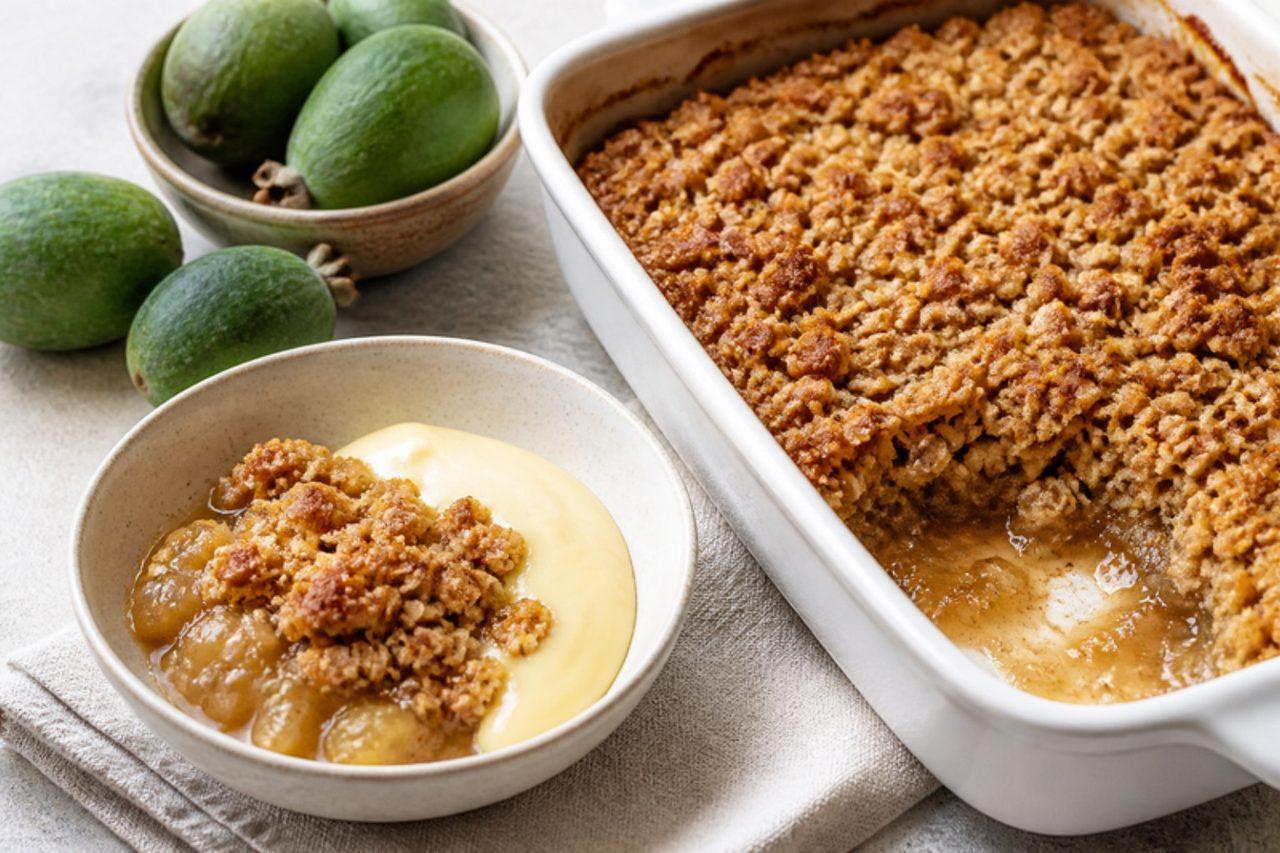
Every autumn, from March to June, New Zealand back gardens drop more feijoas than anyone can eat, and bags of the green, perfumed fruit get passed over fences and left on office desks. Baking them into a crumble is the classic way to use them: their fragrant, pineapple-guava flavour softens under a buttery oat and brown-sugar topping. Serve with custard or vanilla ice cream. A common mistake is leaving the gritty skin on; scoop out the flesh. Chef's tip: add a couple of apples to stretch the feijoas and give the filling body.

by KrazyBadal 0 views

Wattleseed ice cream

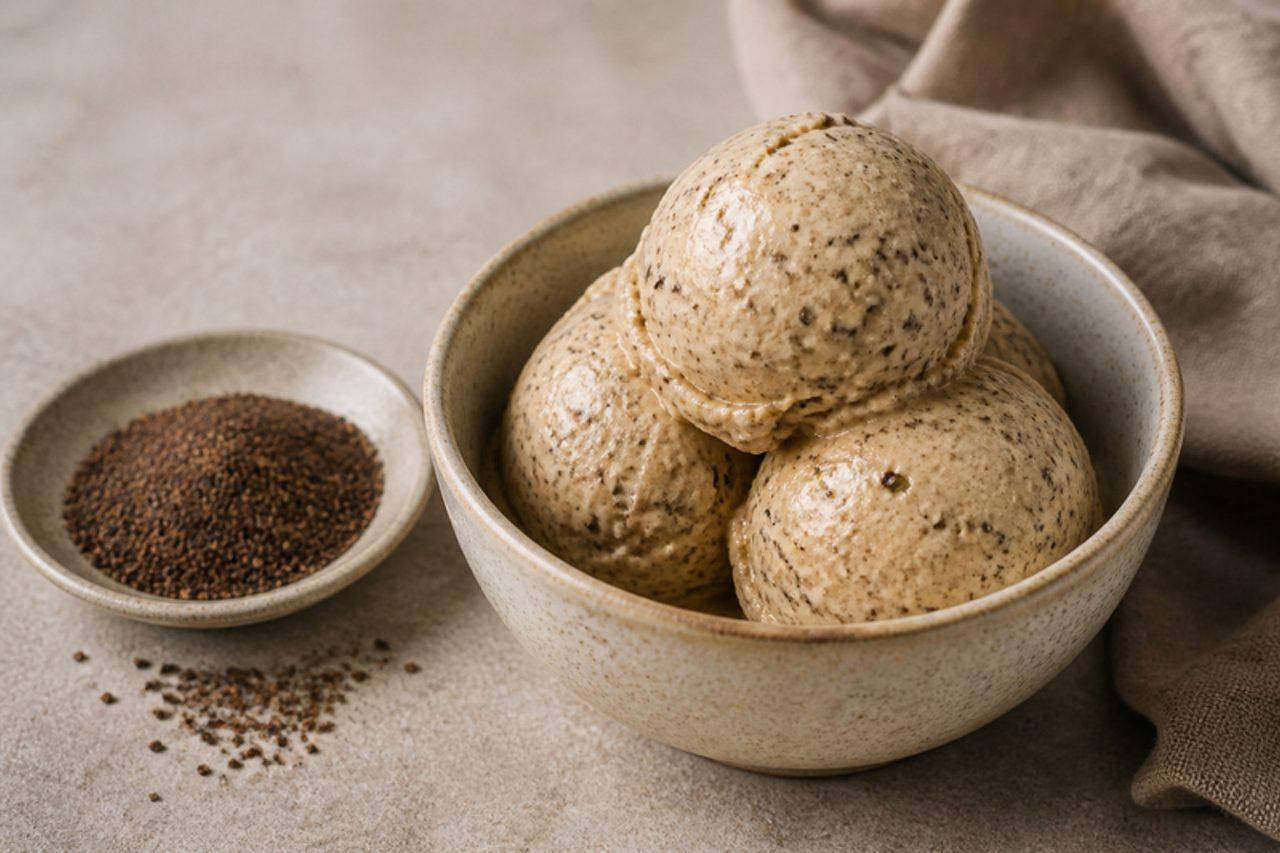
Roasted wattleseed, from a few edible acacias of the Australian inland, has been ground into flour by Aboriginal people for millennia, and today chefs in Sydney and Melbourne use it for its flavour of coffee, chocolate and hazelnut. Steeped in a rich custard and churned, it makes a lovely ice cream to serve with pavlova or a slice of passionfruit sponge. Buy roasted, ground wattleseed from a native food supplier; many acacias are not edible. A common mistake is overheating the custard so it scrambles; take it off at 82 °C. Chef's tip: steep the wattleseed in the hot milk for 20 minutes before making the custard.

by KrazyBadal 0 views

Magic coffee

The magic is a Melbourne café insider's order, born in the city's Fitzroy and Collingwood coffee bars: a double ristretto (the short, intense first part of the espresso shot) topped with silky steamed milk in a 160 ml cup. It is stronger and sweeter-tasting than a flat white because there's less milk and only the richest part of the shot. A common mistake is scalding the milk; above about 65 °C it loses its natural sweetness. Chef's tip: stop the shot early, at about 30 ml for a double, to get that syrupy ristretto.

by KrazyBadal 0 views

Showing 54 of 10,046 recipes

Show more recipes

Page 324 of 1,117