


Skip to content
Shakarkandi chaat
Featured recipe

Shakarkandi chaat

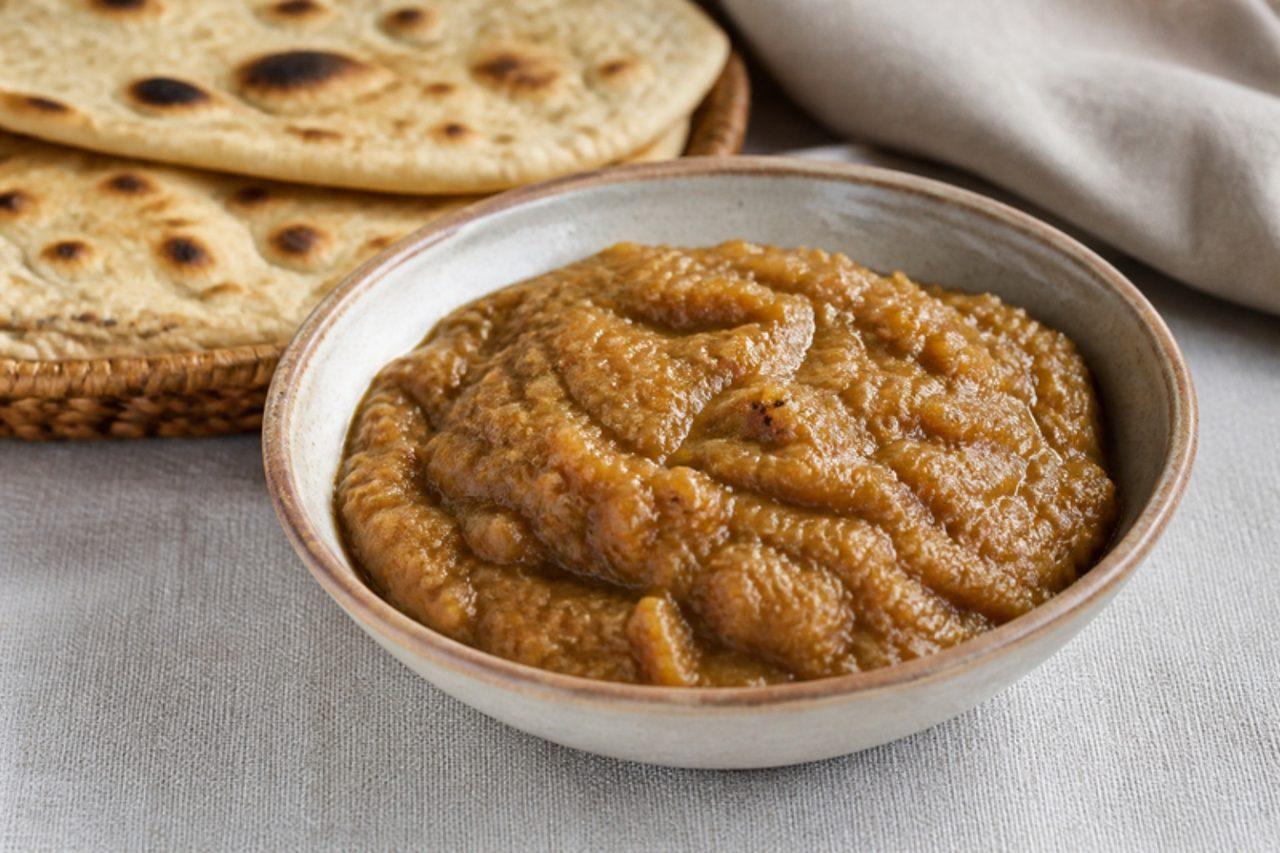
Charred sweet potato chaat

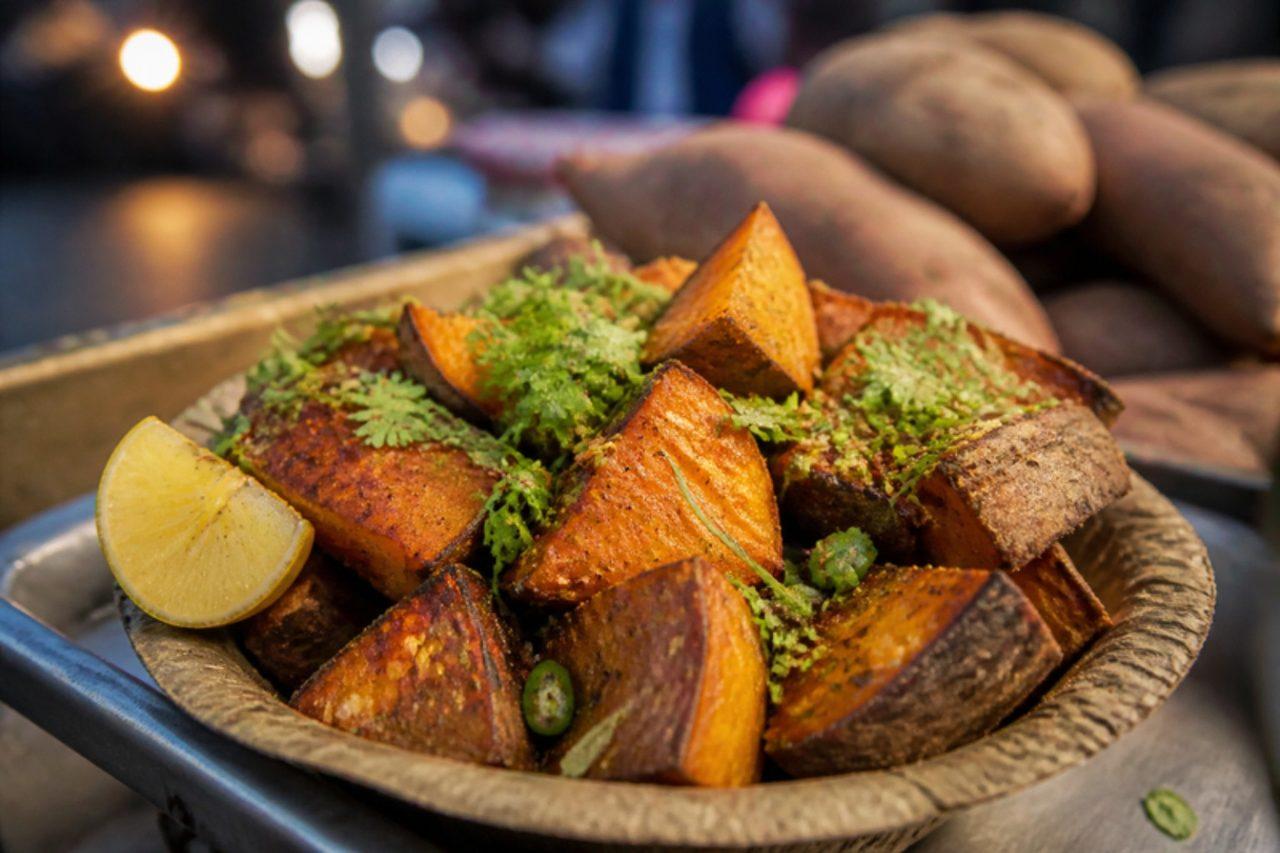
When the fog settles over Lahore in December, handcarts appear on Ferozepur Road and around Data Darbar with sweet potatoes roasting in a bed of hot sand and charcoal, the vendor slicing them onto a leaf plate and shaking over his own spice mix. The flesh is soft and honeyed, the skin smoky and slightly blistered, and the spice brings salt, sourness from dried mango and a little heat, finished with a hard squeeze of lemon. Families eat it standing at the cart on the way home from the market, and it is also a favourite school-gate snack across Punjab in winter. At home the closest result comes from par-boiling thick slices and then charring them in a dry, very hot tawa. A frequent slip is boiling the slices until they are soft through, which leaves them too wet to take any colour. Chef's tip: mix the spice yourself with black salt, toasted cumin and amchur so it tastes as bright as the street version and stays gluten free.

Read more 0 views

What to eat today?

Around the world

Today's trip: Persian

A new country every day, from every cuisine on the site.

Persian

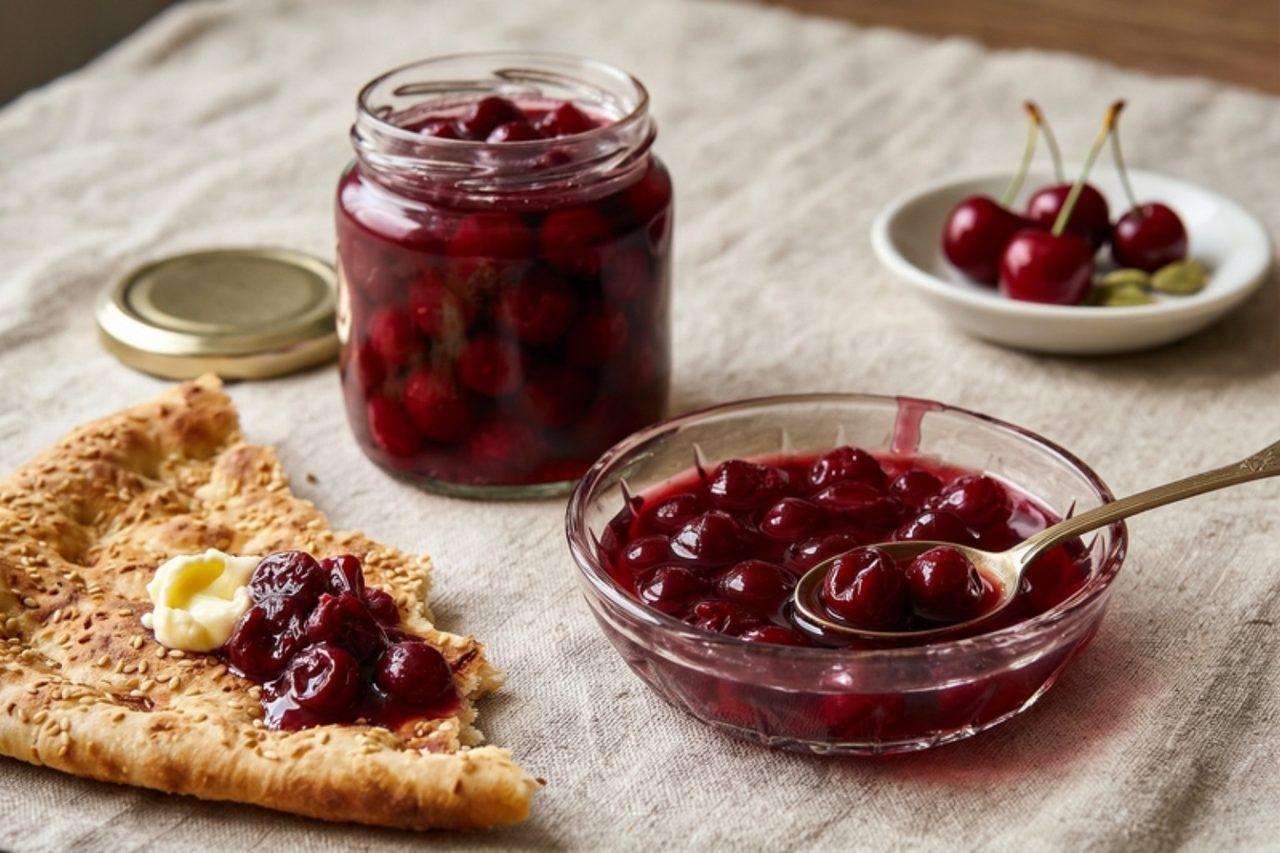
Morabba-ye albaloo

Sour cherry preserve 65 minMore from Persian (131) →

This week's collection

Kid-friendly dinners
541 recipes · a new collection every Monday

Latest recipes

Muri ghonto

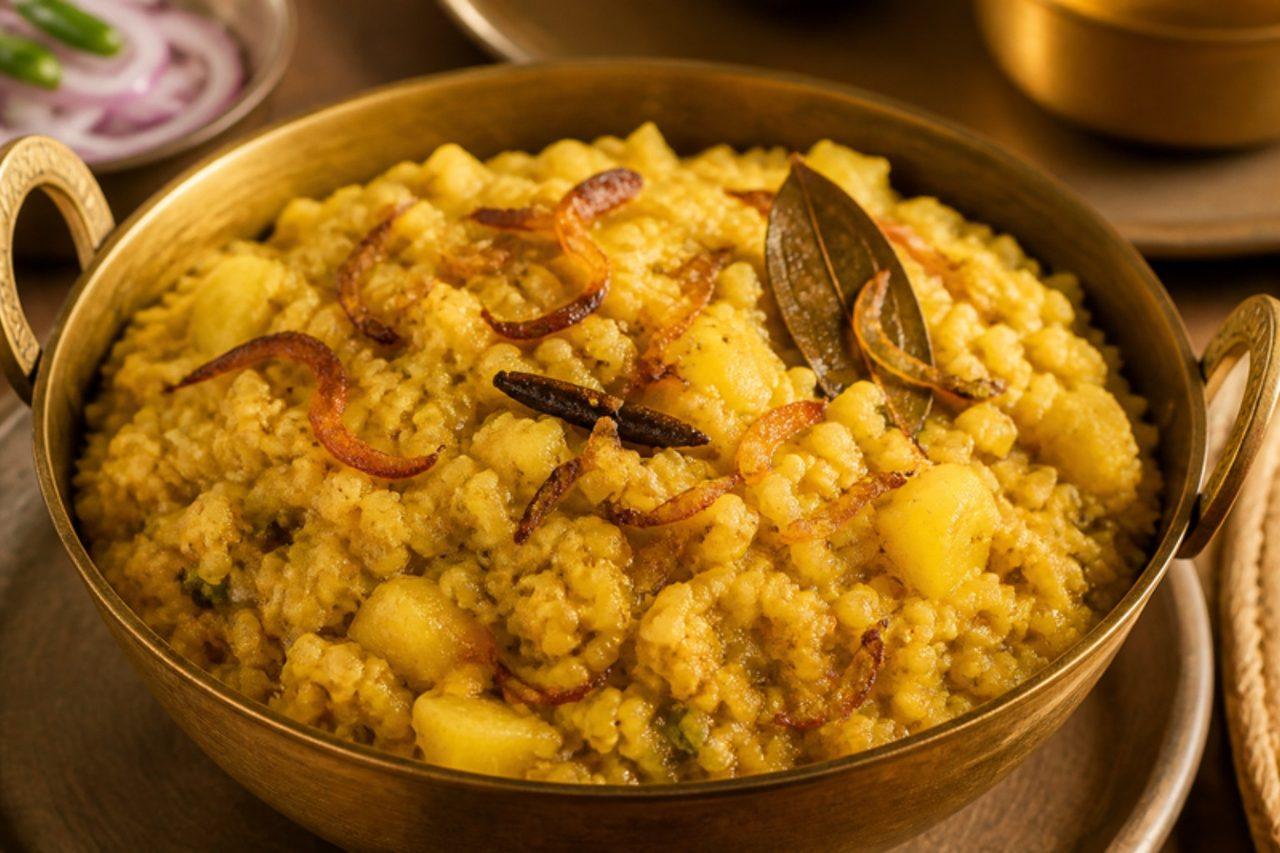
For a Bengali family, the head of a big rohu is the part saved for the guest of honour or the new son-in-law at Jamai Shashthi, and the finest thing to do with it is muri ghonto. The head is fried in mustard oil, broken into pieces and cooked with a handful of fragrant short-grain rice, diced potato and warm spices until it becomes a thick, almost dry mash, finished with ghee and garam masala. In Dhaka homes it is eaten in the middle of a meal, after the shak and dal and before the main fish curry, with plain rice. Many cooks leave the head in big lumps, but it should be broken up after frying so the rich flavour from the head spreads through the rice. Chef's tip: buy the head from a large fish of at least 2 kg and ask the fishmonger to remove the gills and split it for you.

by KrazyBadal 0 views

Bangladeshi dal puriLentil-filled puri

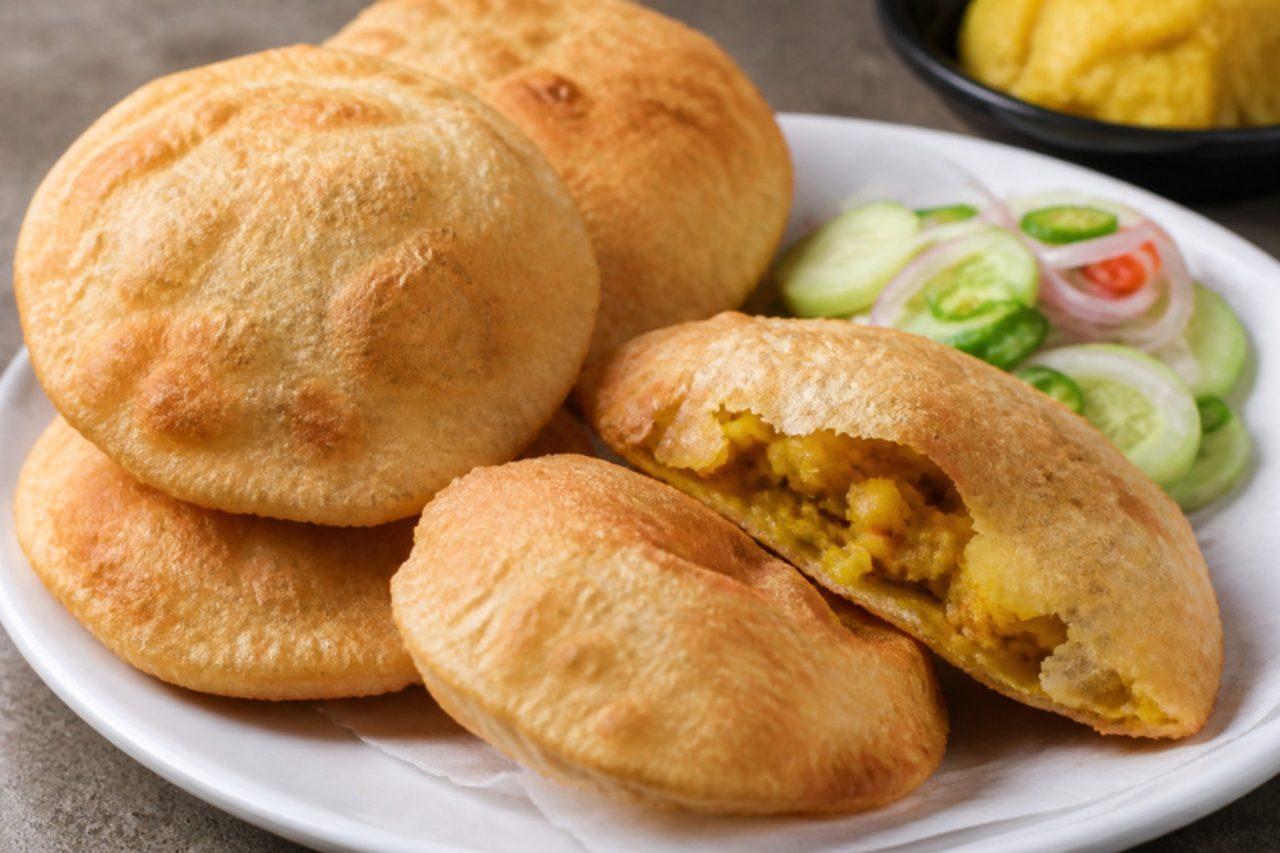
Wherever there is a tea stall in Dhaka, from the Nilkhet book market to the gates of the university, there is a wok of oil and a man rolling dal puri at speed, three or four at a time. These are thin and flat, not puffed, with a seam of dry, cumin-scented red lentil filling that you can see through the blistered skin; they are eaten straight from the wok with a cup of sweet tea, a spoon of tamarind chutney or just a pinch of raw onion and green chilli. Students treat them as lunch and office workers as an afternoon snack. Where people usually go wrong is a filling that is too wet, which bursts through the dough and spits in the oil. Chef's tip: cook the lentils just until they crush, then dry the mash in the pan with the onions until it holds together like crumbly dough.

by KrazyBadal 0 views

Asopao de polloSoupy chicken and rice

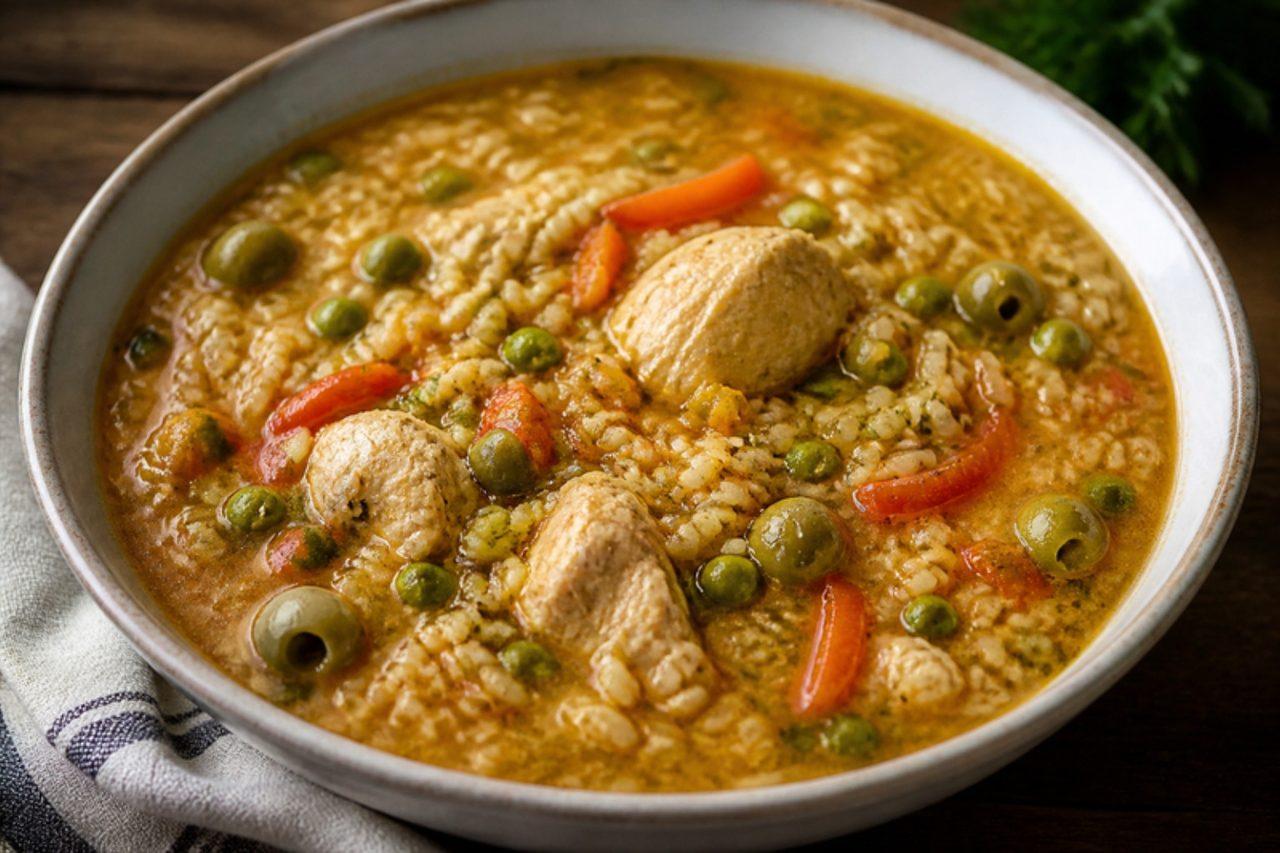
Somewhere between a soup and a risotto, asopao is the pot Puerto Rican mothers put on for a rainy Sunday, a cold, or a hangover after a long party night, and it is spooned straight from deep bowls with tostones on the side. Bone-in chicken is seasoned with garlic, oregano and lime, simmered in a sofrito broth, then rice goes in until the whole pot turns thick and brothy, finished with olives, capers, peas and strips of roasted pepper. The common mistake is making it ahead: the rice keeps drinking the broth and turns stodgy, so cook it just before eating, or keep extra stock to loosen leftovers. Chef's tip: take the pot off the heat while the rice is still a touch firm; it carries on cooking in the bowl.

by KrazyBadal 0 views

Chakma bamboo shoot curry

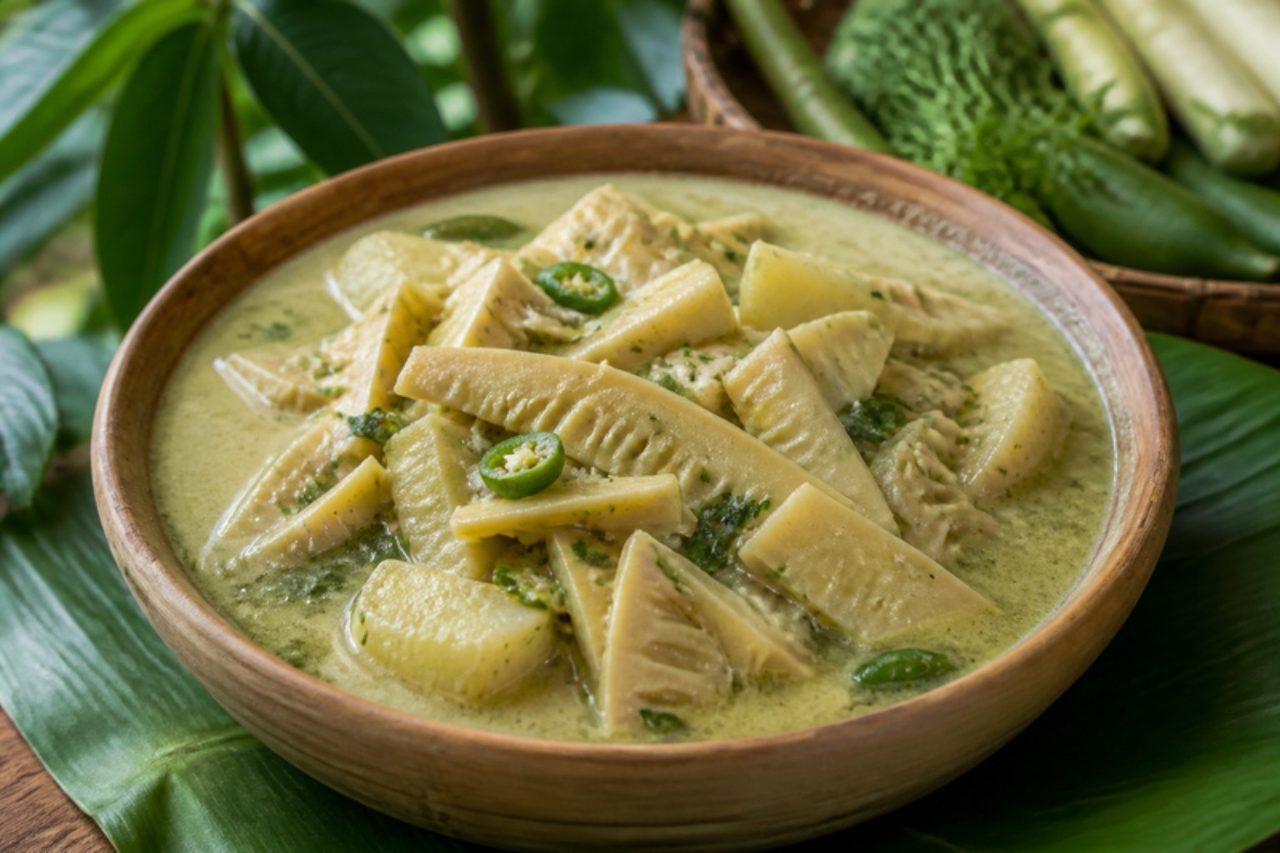
When the monsoon reaches the Chittagong Hill Tracts, young bamboo shoots push up through the forest floor around Rangamati and Bandarban, and Chakma and Marma families cut them for a quick, clean-tasting curry. Hill cooking uses very little oil and few dry spices; the flavour comes from fistfuls of green chilli, garlic and herbs such as culantro (sawtooth coriander), and a spoon of ground rice thickens the broth. At home it is very often cooked with shidol, a fermented dried fish paste, or nappi; this version is fully vegetarian. The shoots are crunchy and faintly sweet, and the curry is eaten with plenty of plain rice. Raw fresh bamboo shoots contain natural toxins, so they must always be boiled first and the water thrown away; skipping that step is the one mistake you cannot make here. Chef's tip: if you use canned or vacuum-packed shoots, rinse and boil them for 5 minutes anyway to freshen their taste.

by KrazyBadal 0 views

HangikjötSmoked lamb with white sauce

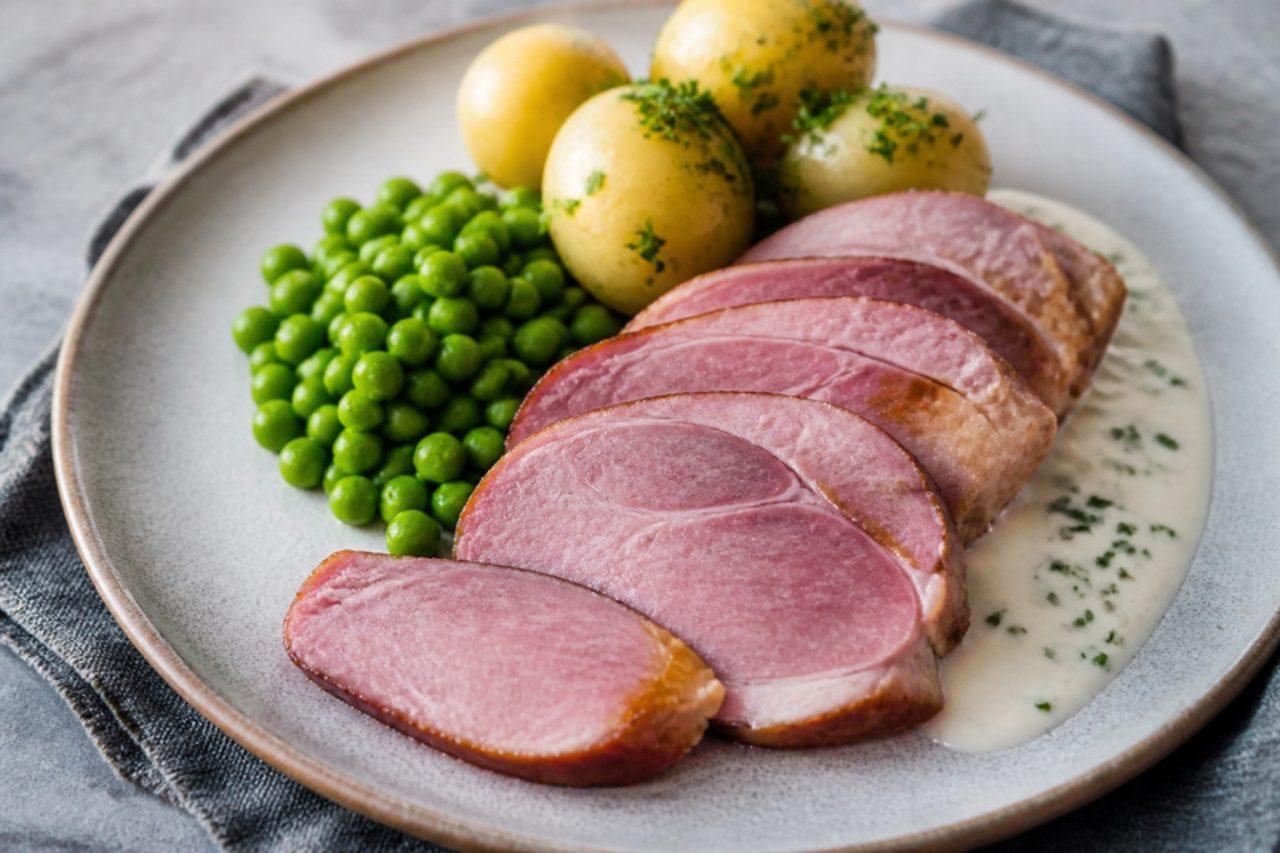
Hangikjöt, 'hung meat', is the Icelandic Christmas Day dinner: lamb or mutton smoked over birch or dried sheep dung, then simmered slowly and served hot or cold with potatoes in white sauce (uppstúfur), green peas, red cabbage and laufabrauð or flatkökur. Icelanders buy it ready-smoked in December; it is cooked at home. A common mistake is boiling it hard, which toughens the meat and makes it too salty. Chef's tip: let it cool in its cooking water; the meat stays juicy and absorbs back some of the flavour.

by KrazyBadal 0 views

Mahi (Kabul fried fish)Fried battered fish

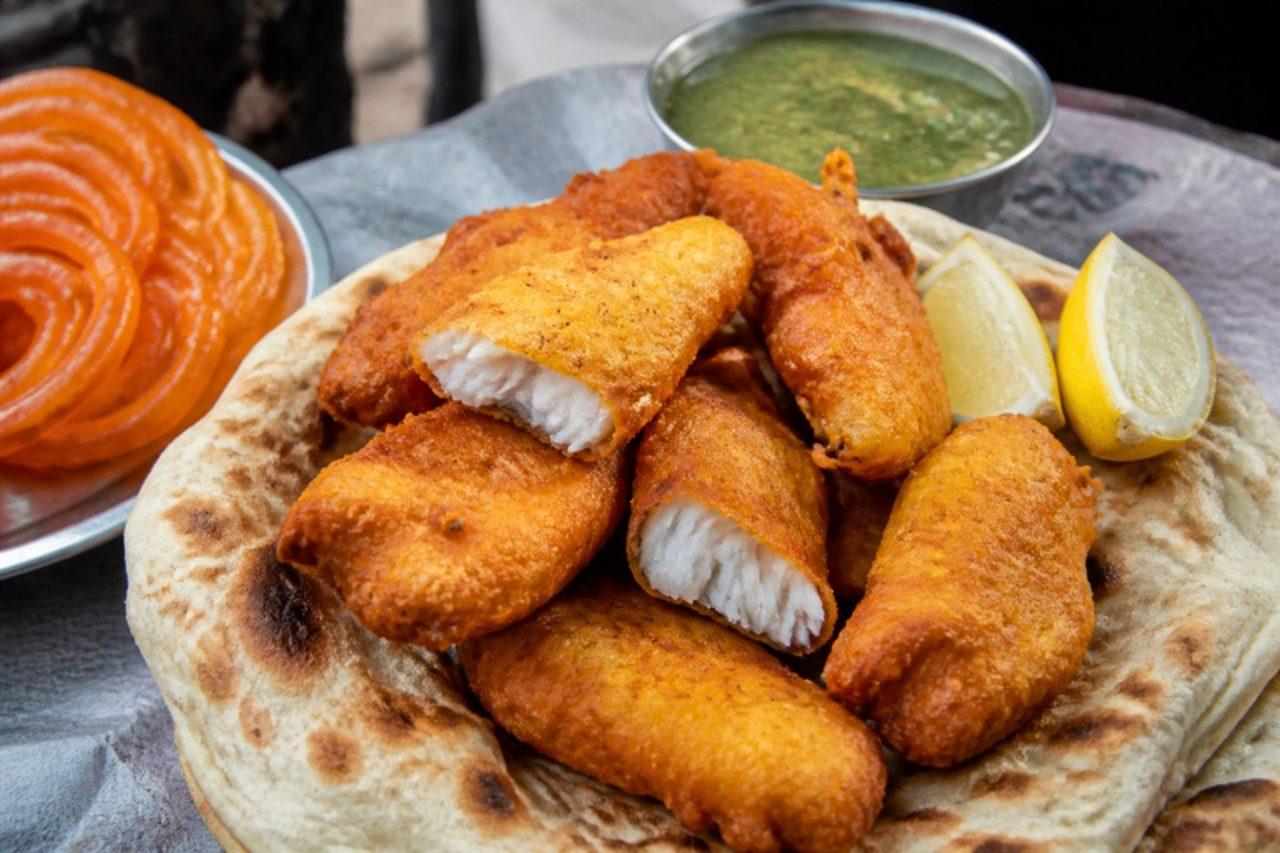
When the snow comes, Kabul's fish sellers set up their huge woks of oil, and the smell of mahi frying drifts across the city's bridges and bazaars, with stalls next door piling up bright orange jalebi to eat alongside it; mahi wa jalebi, fish and sweets, is a winter outing for the whole family. Chunks of firm fish are coated in a thin, spiced batter of flour, garlic, coriander seed, cumin and chilli and fried until crisp and reddish-gold, then eaten hot with naan, green chutney and a squeeze of lemon. Carp or other river fish is traditional, but any firm white fish works. Crowding the pan drops the oil temperature and gives soggy, greasy pieces, so fry only a few at a time. Chef's tip: salt the fish and leave it for 10 minutes, then pat it completely dry so the batter grips.

40 minAfghanFish
by KrazyBadal 0 views

Afghan green chutney

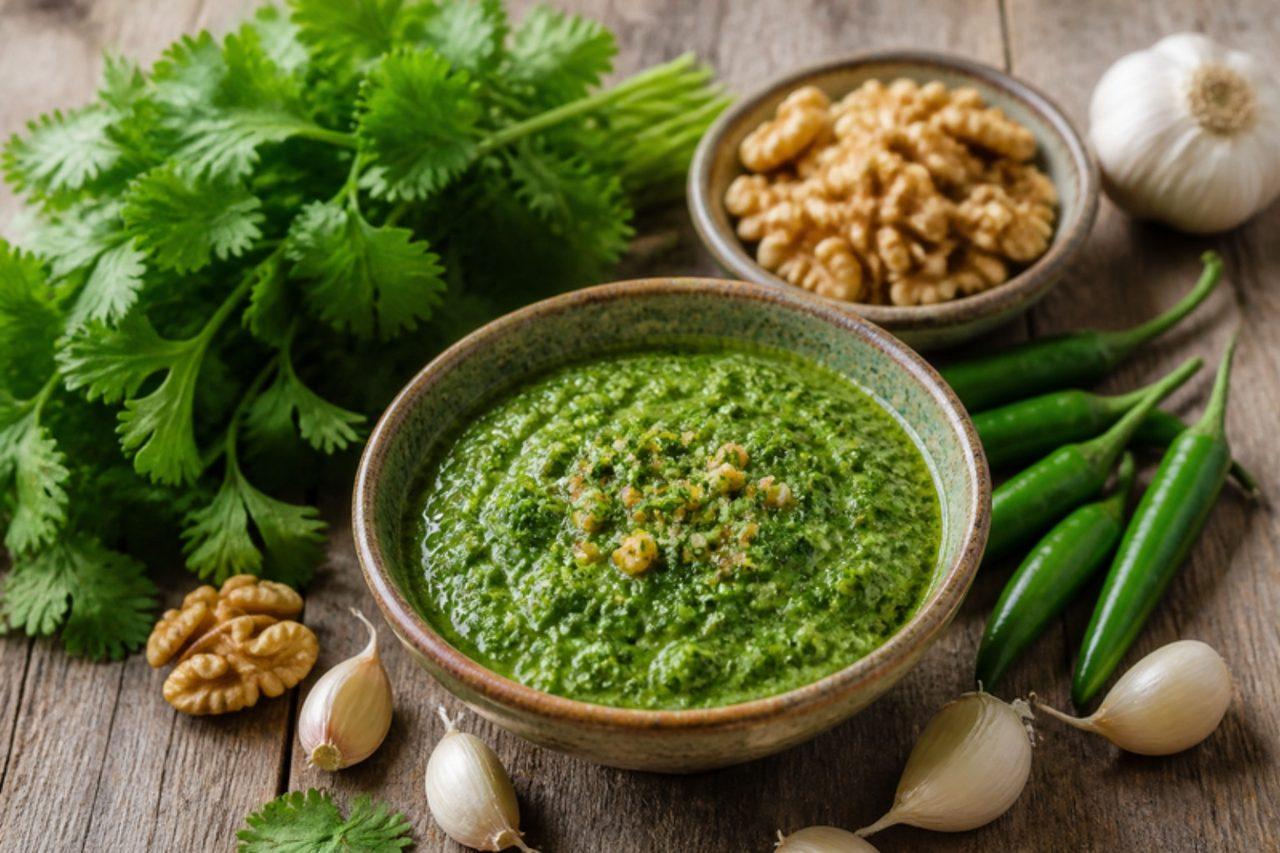
No Afghan table of kebab or palaw feels complete without a little bowl of green chutni, the sharp, fiery relish spooned beside the rice, onto bolani and over grilled meat from Kabul to Kandahar. Unlike many South Asian green chutneys, the Afghan one leans on vinegar rather than lime and is thickened with walnuts, so it is slightly creamy, bright green and properly hot, with a pungent hit of raw garlic. Households make a jar at a time and keep it in the fridge through the week. People often blitz it into a thin juice; pulse it instead so you can still see flecks of leaf and nut. Chef's tip: keep the coriander stalks in, as they have more flavour than the leaves and help the chutney stay green for days.

by KrazyBadal 0 views

KhajurFried dough cookies

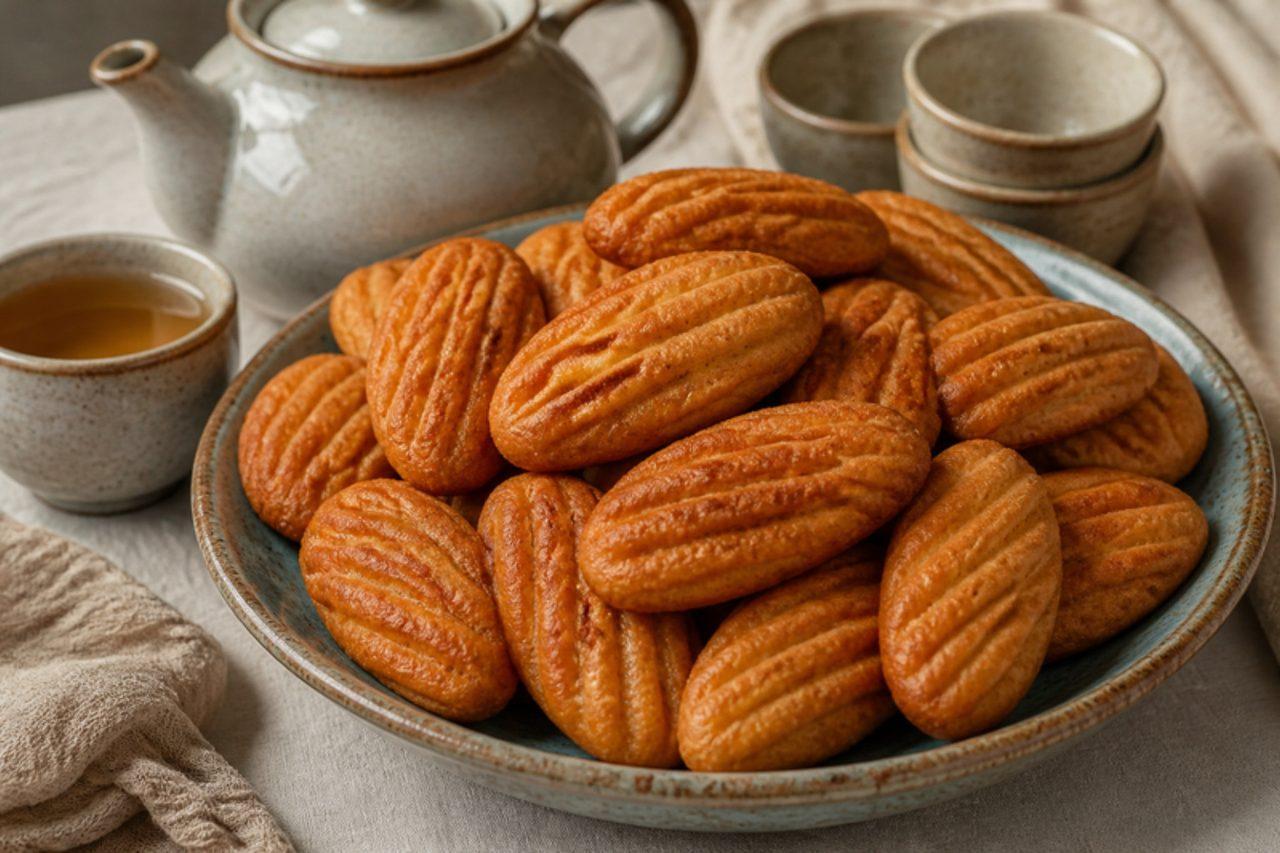
Khajur take their name from dates, which their plump oval shape resembles, but there is no fruit in them: they are little cardamom-scented dough cookies, pressed onto a sieve or the back of a grater for a ridged pattern and fried until deep gold. Afghan families fry great batches before Eid and Nowruz and pack them into tins to offer guests with tea, and Kabul bakeries sell them by the kilo. They are crunchy on the outside with a soft, cakey middle and only gently sweet. Oil that is too hot is the classic error, browning them in a minute while the centres stay raw and doughy; keep it moderate and patient. Chef's tip: fry one test khajur first and break it open, then adjust the heat before frying the rest.

by KrazyBadal 0 views

Afghan dopiazaLamb with onions and split peas

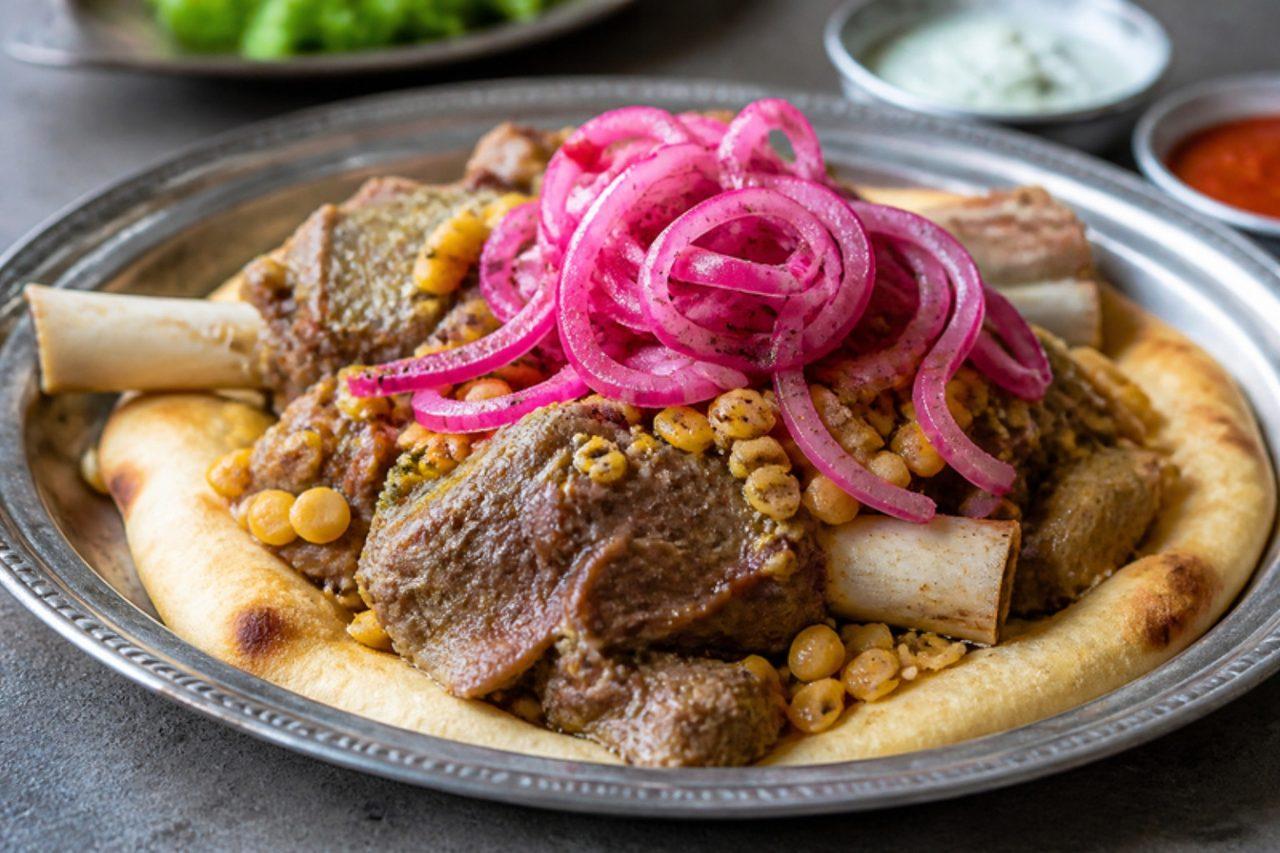
Afghan dopiaza has little in common with the Indian curry of the same name: in Kabul and Mazar it is a dish of chaikhanas and lunch restaurants, where a slab of naan is laid on the plate, covered with chunks of lamb braised with onion until soft, then topped with boiled yellow split peas and a tangle of red onions that have been sitting in vinegar until they turn pink. The juices soak into the bread, the onions are sharp and crunchy, the split peas earthy, and the whole thing is eaten with the fingers. Split peas cooked to mush ruin the contrast, so boil them only until just tender and drain at once. Chef's tip: soak the sliced onions in vinegar at least 30 minutes ahead; they lose their harshness and turn a beautiful bright pink.

120 minAfghanMeat
by KrazyBadal 0 views

Kata-kat

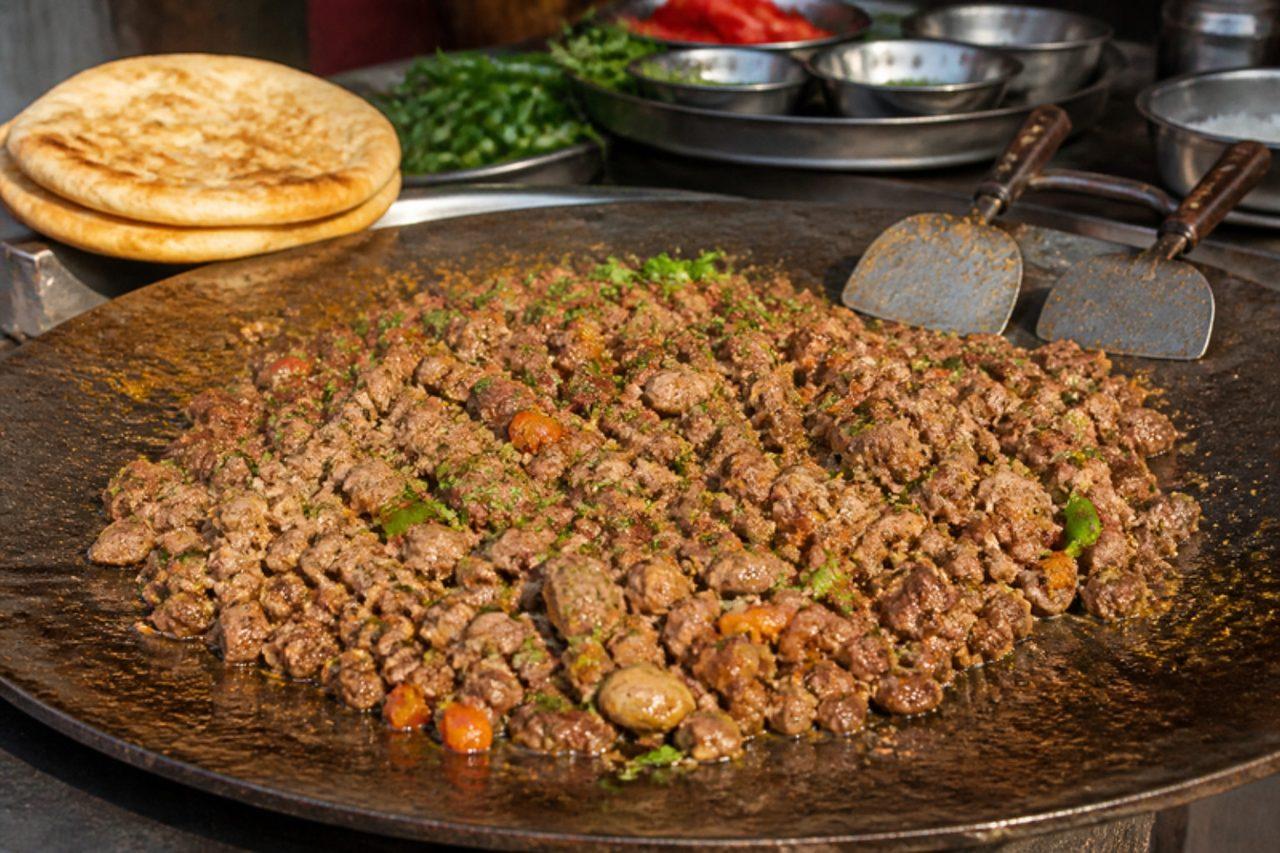
You hear kata-kat before you see it: on Karachi's Burns Road and around Lahore's Gawalmandi, the cook stands over a tawa a metre wide, chopping kidneys, hearts and meat with two heavy steel blades in a clattering rhythm that gives the dish its name. Butter, tomatoes, green chillies and spice go in by the handful, and the mix is cooked down until rich and sticky, then scooped up with naan late at night. Traditional versions include brains, cooked in at the end; here they are optional. The danger is undercooking the offal while the meat is still chewy, so start the meat first and add kidney and heart later, cooking until there is no pink at all. Chef's tip: soak the kidneys in salted water for 20 minutes after removing the white core, which takes away any strong smell.

by KrazyBadal 0 views

AfararWild herb and cottage cheese pie

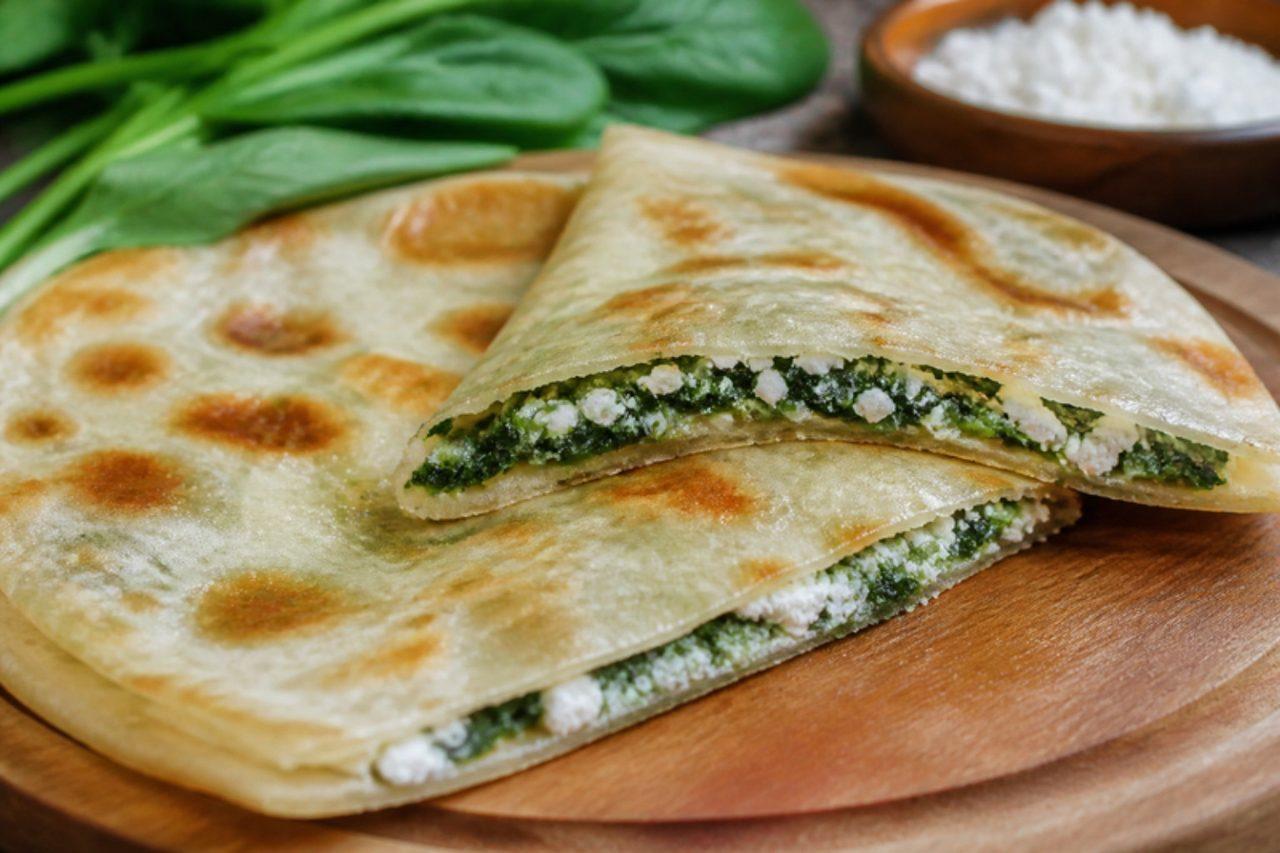
In the mountain villages around Quba and Qusar, where many Lezgin families live, spring brings armfuls of nettles, sorrel, wild garlic and orache, and the first thing made with them is afarar: two very thin sheets of dough enclosing a filling of chopped herbs mixed with cottage cheese, cooked on a hot griddle or saj and brushed with butter. A common mistake is using wet herbs, which steam the dough and make it tear. Chef's tip: wilt the herbs in a dry pan for a minute and squeeze them, then mix with the cheese only just before filling. Check that your cottage cheese uses no animal rennet.

by KrazyBadal 0 views

Afang soupWaterleaf and afang leaf soup

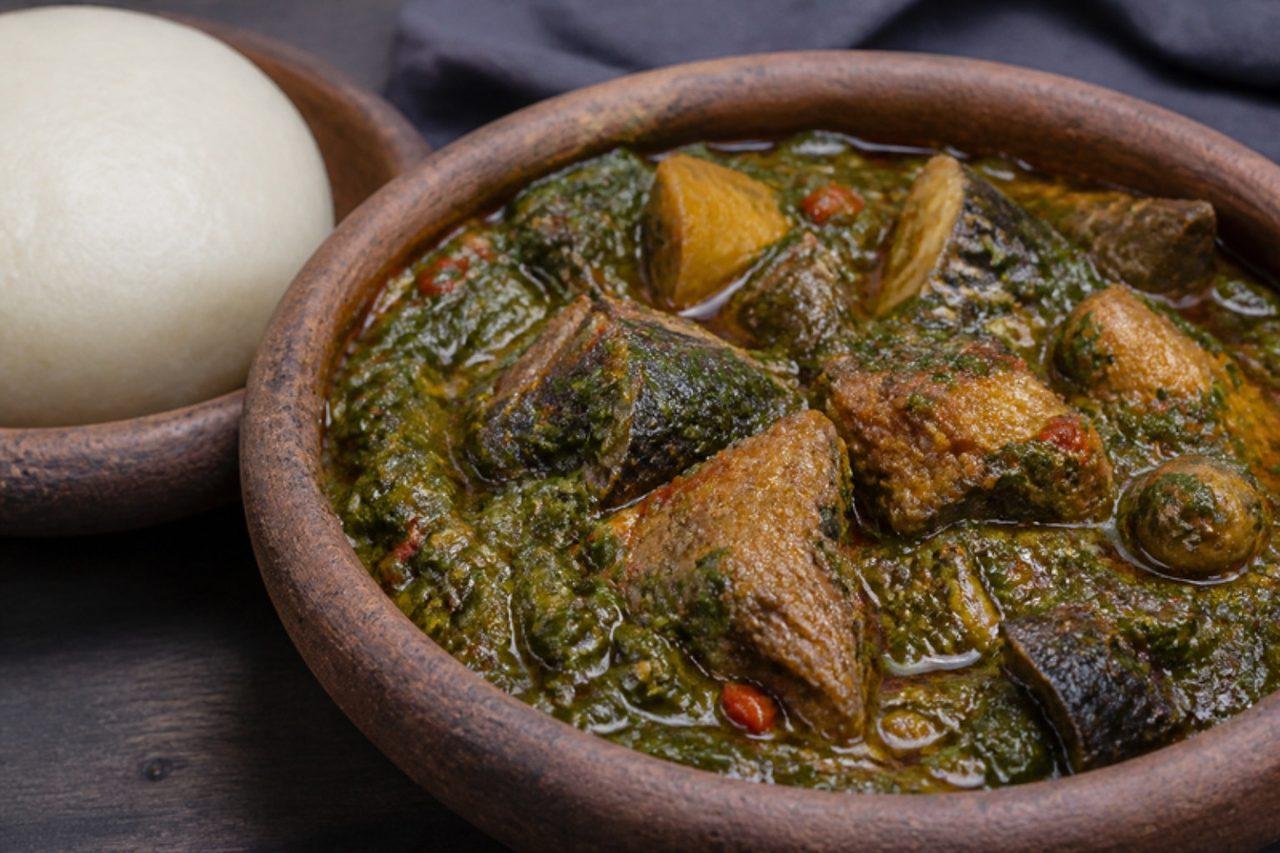
Ask anyone from Calabar or Uyo what to serve a guest and afang will come up first. Finely shredded afang leaves, chewy and a little nutty, are cooked down with a mountain of waterleaf, palm oil, beef, cow skin, stockfish and periwinkles, and the waterleaf gives off all the liquid the soup needs. It is thick, dark green and deeply savoury, and it goes with pounded yam, fufu or eba. Outside Nigeria, frozen ground afang (also sold as okazi) and spinach stand in well. Periwinkles must be bought cleaned from a reputable seller; discard any with cracked shells or an off smell. Chef's tip: never add water to afang; if it looks dry, cover the pot for a minute and the waterleaf will release more.

by KrazyBadal 0 views

Usi (Urhobo starch swallow)

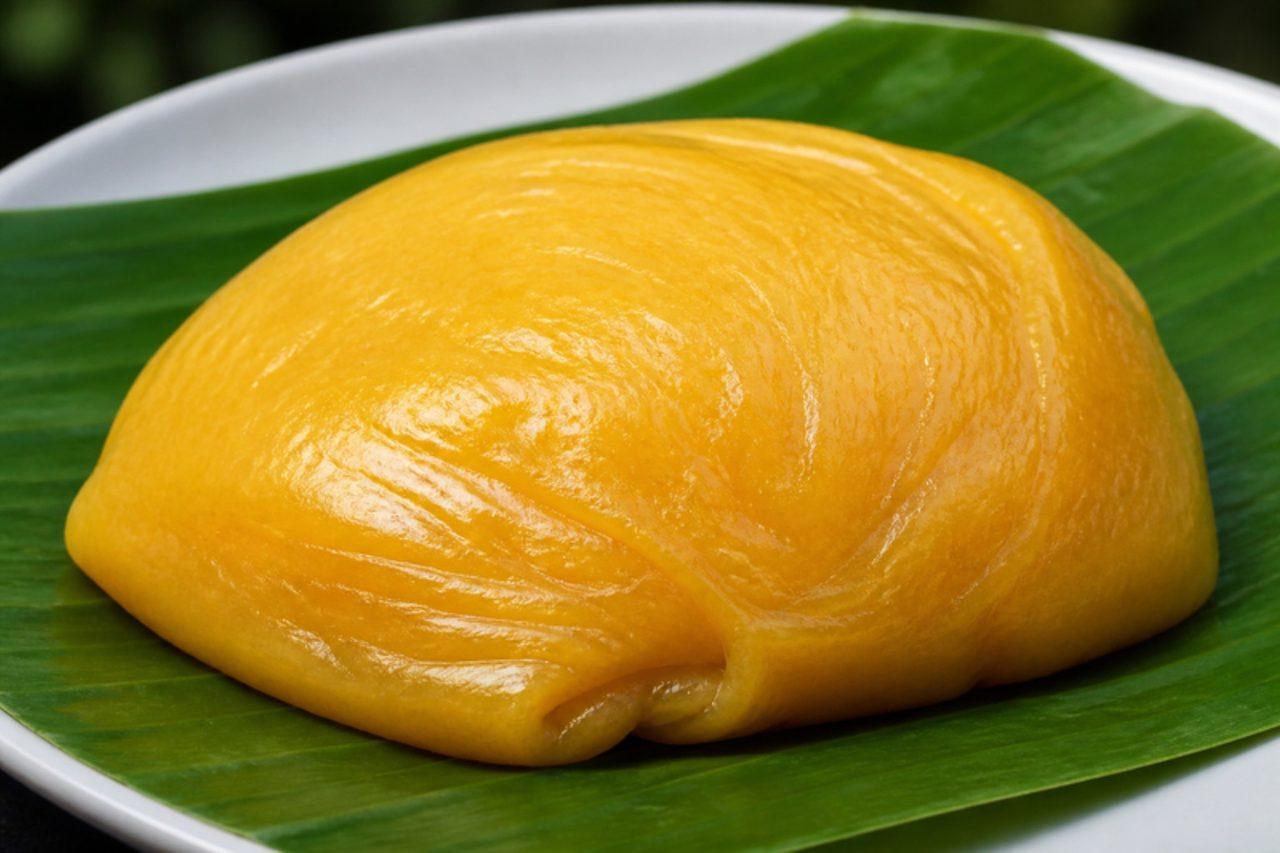
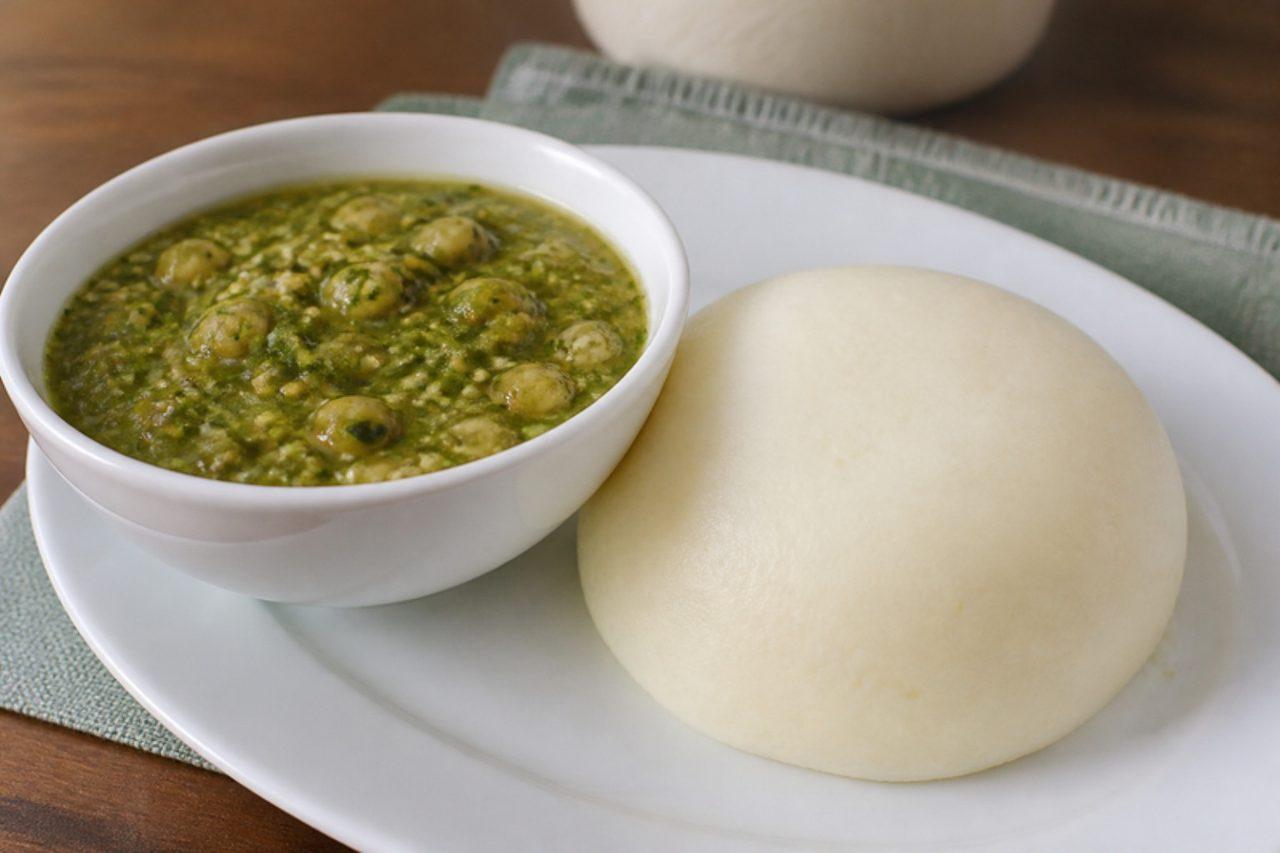
Bright yellow-orange and wobbly, usi, often just called starch, is the pride of Urhobo cooking in Delta State, and in Warri and Ughelli it is the only proper partner for banga (palm-nut) soup or owo soup. It is made from cassava starch cooked with water and a little palm oil, stirred hard over a low heat until it turns from a chalky white paste into a translucent, glossy, elastic mass. It tastes very mild; it is a vehicle for rich soups, and its smooth stretch is the point. Look for cassava starch (wet or dried) in African shops. Banga and owo soup are usually made with fish, so serve usi with a meat-free banga for a vegan meal. Chef's tip: keep the heat low and never stop stirring; a high flame is the mistake that scorches the bottom and leaves raw, white lumps.

by KrazyBadal 0 views

Kuli-kuli (crisp groundnut rings)

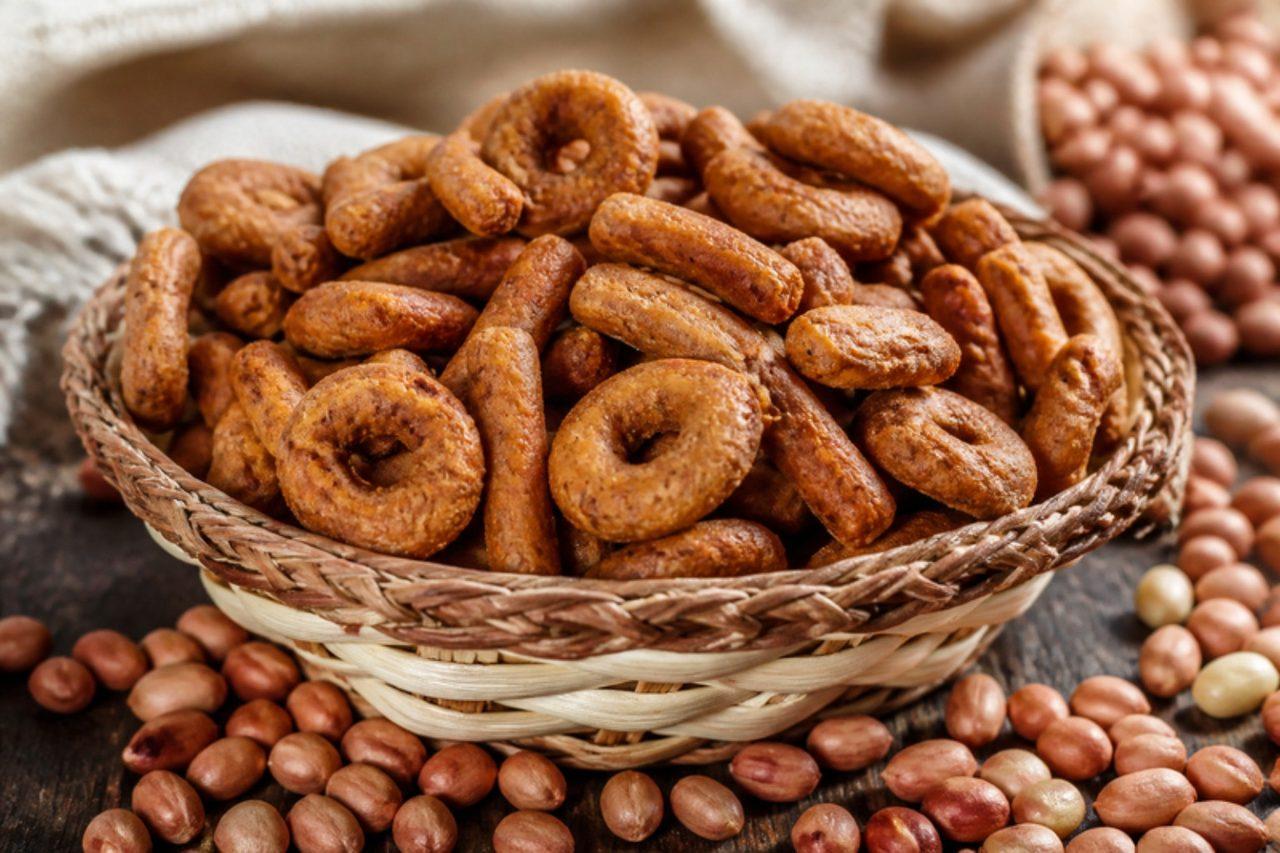
Kano's markets sell kuli-kuli by the bagful: hard, crunchy rings and sticks of roasted groundnut paste that has had its oil pressed out before frying. They taste deeply nutty, with a warm kick of ginger and chilli, and keep for weeks in a tin. People crunch them with soaked gari, with kunun drinks or crumble them over salads like zogale. If the oil isn't squeezed out properly the paste collapses in the pan, so keep working it until it feels firm and dry. The usual mistake is not pressing out enough oil from the groundnut paste, so the rings fall apart in the fryer. Chef's tip: they only crisp fully as they cool, so judge doneness by their deep brown colour, not by how hard they feel in the pan.

by KrazyBadal 0 views

Burabisko (Borno millet couscous)

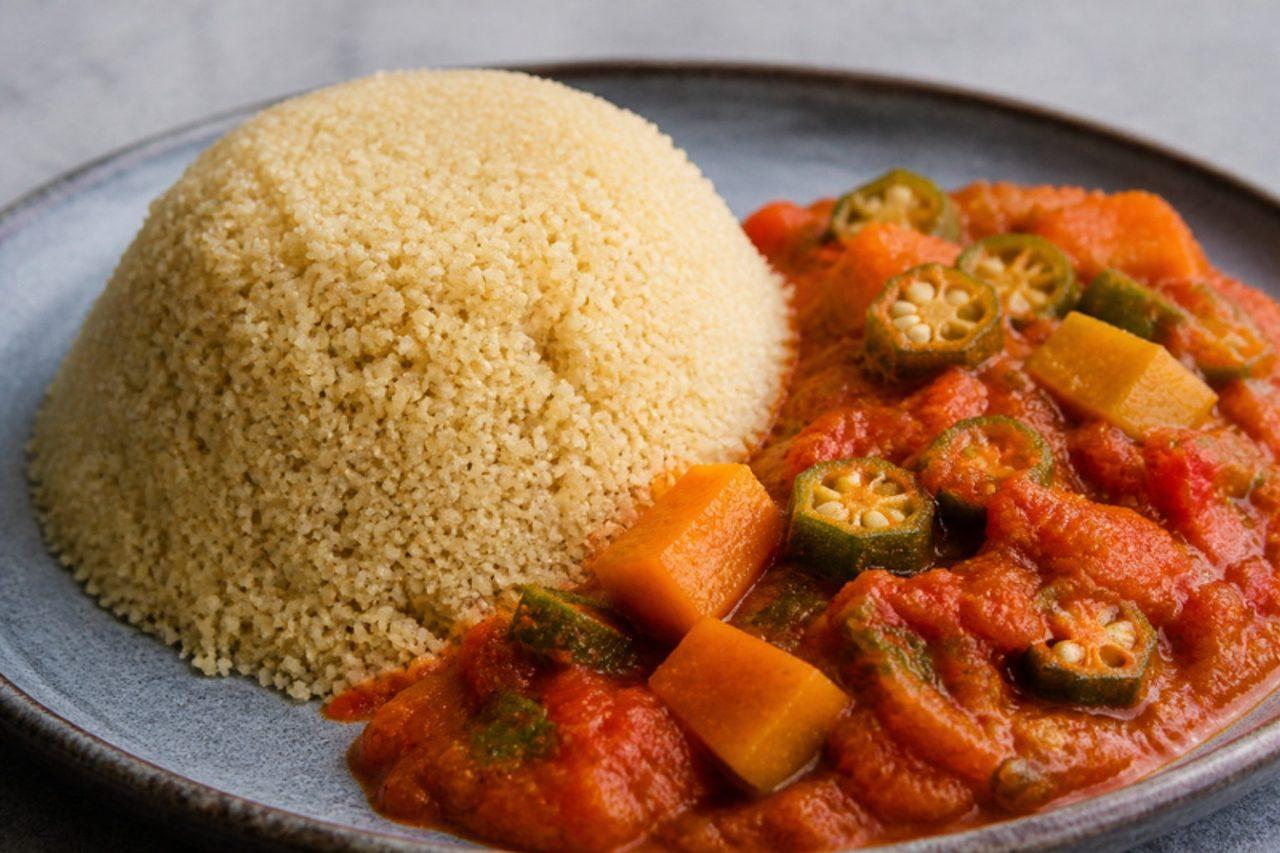
Kanuri cooks in Maiduguri and across Borno make burabisko by rubbing millet flour with water into tiny grains and steaming them twice, much like the couscous of the Sahara, to which it is related. The grains turn fluffy and slightly nutty, and they are heaped beside a tomato and pepper sauce for Sallah, weddings and Friday lunch. The sauce usually holds lamb or beef; this meat-free version uses carrots, green beans and potato, as is common on ordinary days. Too much water at the rubbing stage turns the flour into a paste instead of grains, so sprinkle and rub, never pour. Chef's tip: short of time, steam 300 g wheat couscous over the sauce instead (it will no longer be gluten free).

by KrazyBadal 0 views

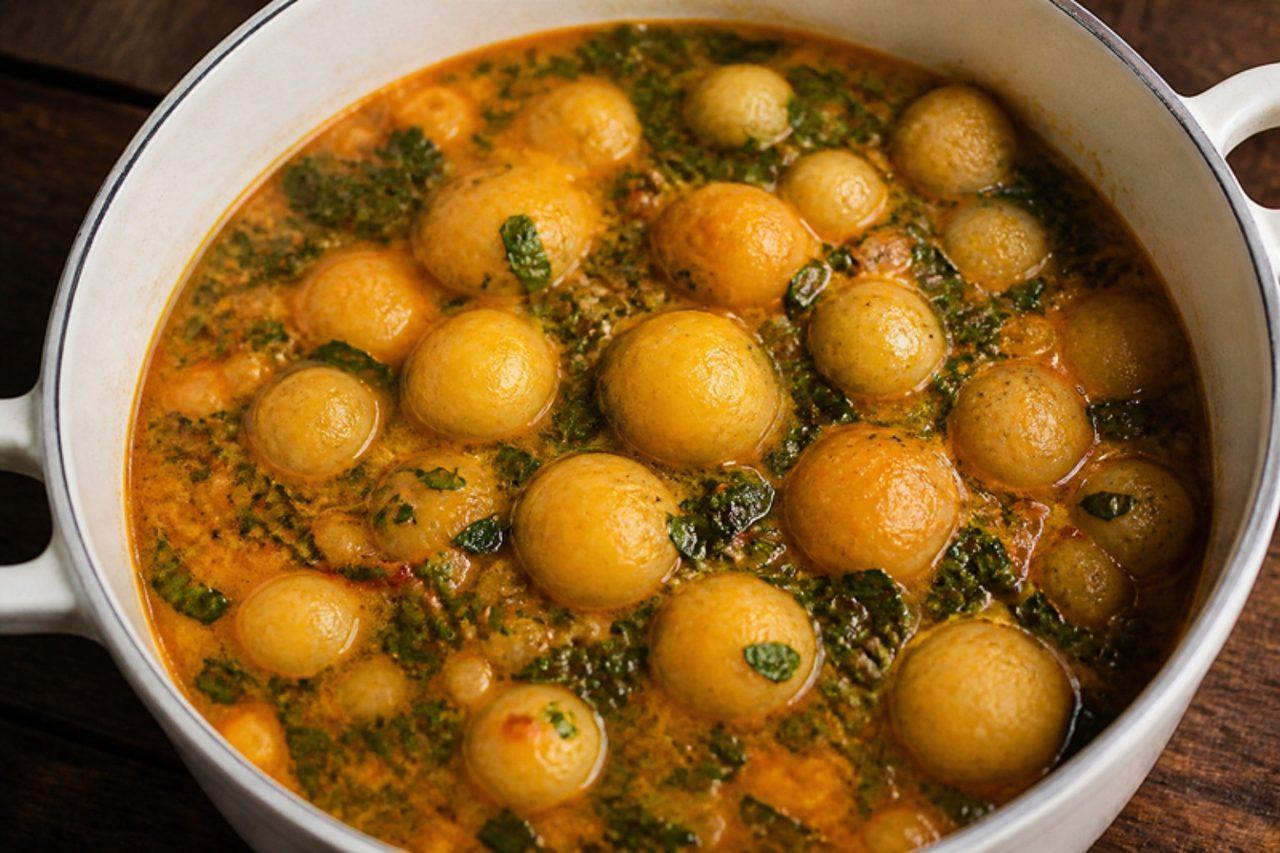
Gwote (grain-ball porridge with leaves)

Cold harmattan mornings in the villages around Kano and Bauchi are when gwote comes into its own: a pot of small, chewy maize or millet balls simmered in a tomato and pepper broth with whatever leaves are to hand. The balls swell and cloud the liquid until it becomes a thick, savoury porridge, warming and filling on a modest budget. It is eaten from a bowl with a spoon, with nothing else needed. Watch out for balls that are too big; they stay raw and floury in the middle, so keep them marble-sized. Chef's tip: knead the dough while it is still hot, so it turns smooth and the balls keep their shape in the pot.

by KrazyBadal 0 views

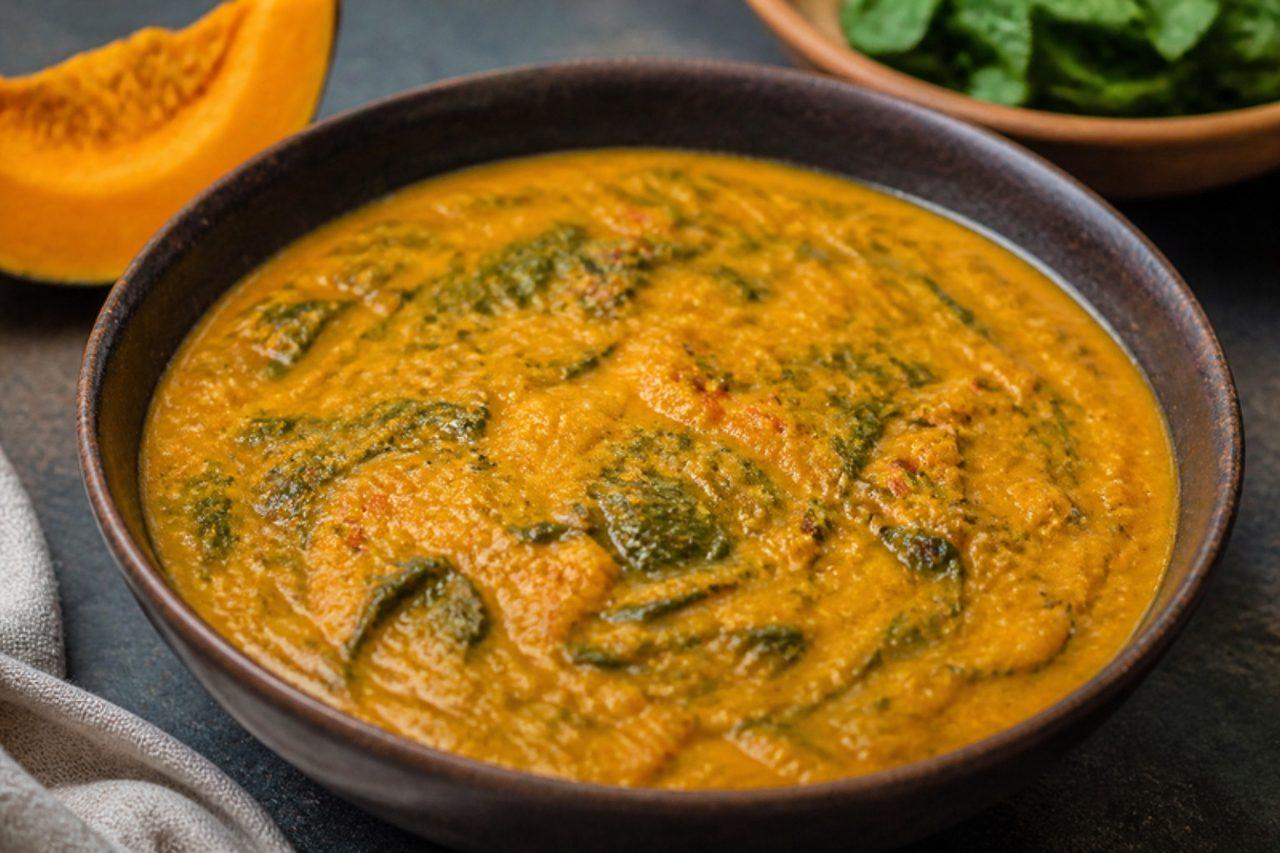
Miyan taushe (pumpkin and groundnut soup)

Golden pumpkin, sour sorrel leaves and freshly ground roasted groundnuts meet in this thick, gently sweet soup from Kano and the Hausa north. It is cooked for family meals and special visits alike, and served with tuwon shinkafa or with masa, the little fermented rice cakes. Meat or dried fish usually simmers in it; this version is meat-free, so it leans on dawadawa and a good vegetable stock for savouriness. The groundnut catches on the pot easily, and scorching it is the most common mistake: once it goes in, keep the heat low and stir from the bottom. Chef's tip: leave some pumpkin cubes whole while mashing the rest, so the soup is thick but still has soft pieces to bite.

by KrazyBadal 0 views

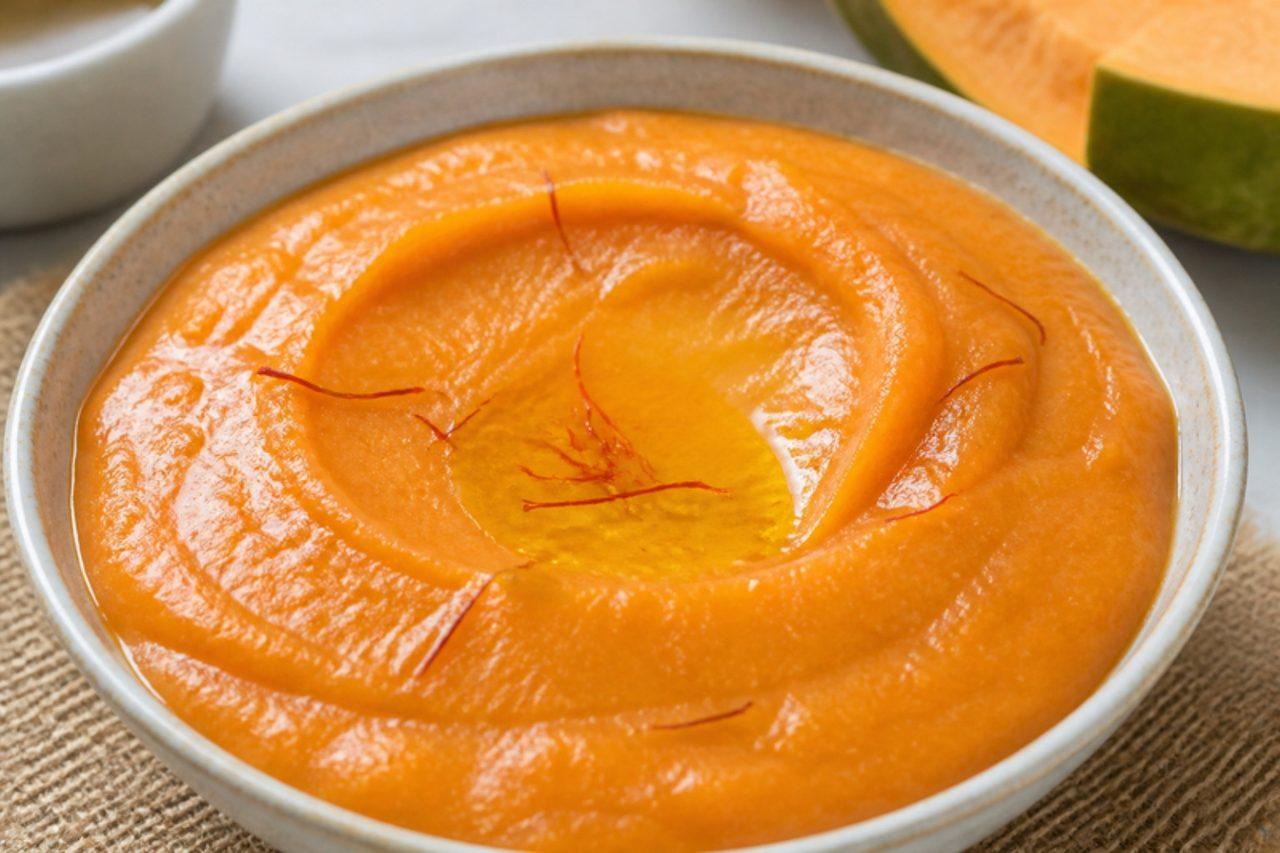
Aseedat bobarPumpkin pudding with ghee

In Doha and Kuwait City, aseedat bobar arrives on winter evenings and at Ramadan iftar in a shallow dish, smooth and orange, with a little pool of melted ghee in the centre. Bobar is the Gulf word for red pumpkin, cooked down and thickened with toasted flour, sugar and cardamom into a soft, spoonable sweet that tastes a bit like a spiced pumpkin pie filling. Scoop it warm with a spoon or with pieces of bread, alongside Arabic coffee. Stopping the stirring too soon is the usual mistake: the pudding must cook until it pulls away from the sides, or it tastes of raw flour. Chef's tip: toast the flour in a dry pan until it smells like biscuits before it goes in; that nutty note is what makes it.

by KrazyBadal 0 views

Miyan kuka (baobab leaf soup)

Dried baobab leaves, pounded to a fine green-grey powder, give miyan kuka its earthy, faintly tea-like taste and its slippery body, a little like okra. Northern households from Kano to Sokoto cook it as everyday food and pair it almost always with tuwon shinkafa or tuwon masara. Dried fish or a handful of meat often goes into the pot; this meat-free version, as many homes cook it when the budget is tight, gets its depth from dawadawa, onion and a peppery tomato base instead. A common mistake is tipping the kuka in all at once, which leaves stubborn green lumps; sift it in slowly while whisking. Chef's tip: once the kuka is in, simmer only 2–3 minutes, because long boiling dulls its colour and its fresh, grassy edge.

by KrazyBadal 0 views

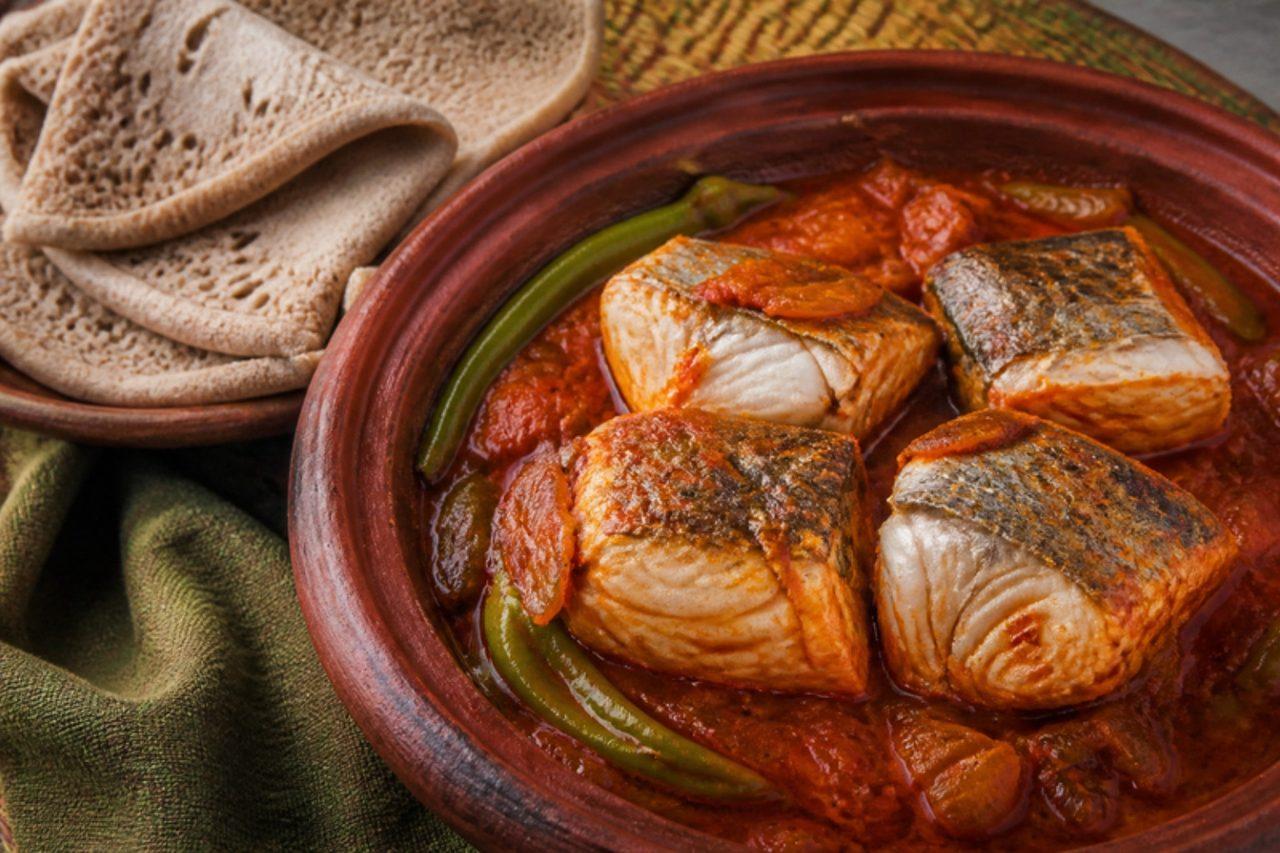
Asa watFish in berbere stew

Around Lake Tana in Bahir Dar and on the shores of Lake Hawassa, fresh tilapia, Nile perch and catfish are cheap and plentiful, so fish goes into the same deep red berbere sauce that elsewhere would hold beef or chicken. Asa wat has the familiar long-cooked onion base and warming spice, but it is lighter than a meat wat, with tender, sweet chunks of fish soaking up the sauce. It is eaten with injera, often alongside a lentil or greens dish, and is a popular choice on fasting days for those who eat fish. Stirring once the fish is in is the classic mistake; it breaks into shreds, so shake the pan instead. Chef's tip: add the fish only once the sauce is fully cooked and thick, then give it no more than 10 minutes.

by KrazyBadal 0 views

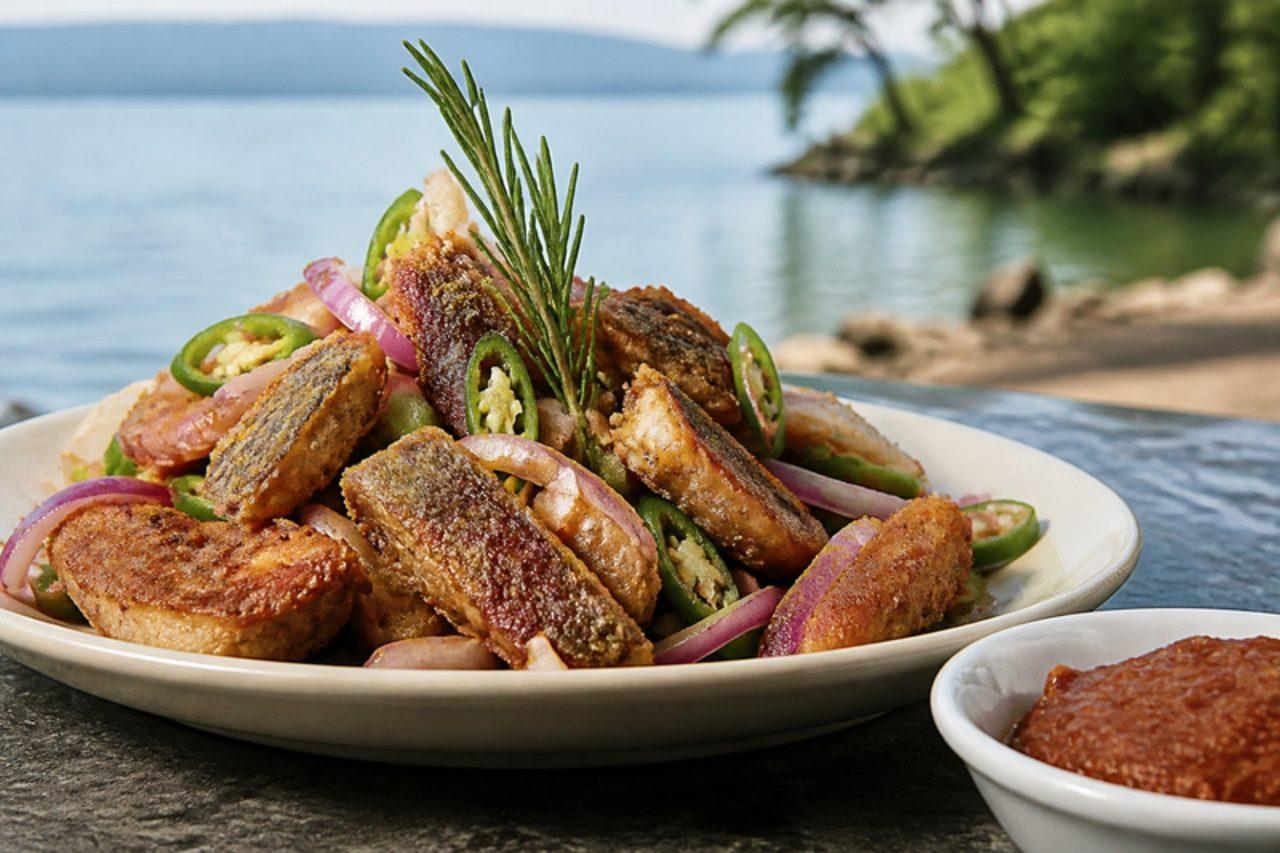
Asa tibsFried tilapia pieces

Down by the fish market on the shore of Lake Hawassa, cooks fry tilapia straight from the boats and serve it with injera, bread and a fiery dip, and asa tibs is the version you can easily make at home. Bite-sized pieces of fillet are dusted, fried until crisp and golden, then tossed briefly with soft onion, green chilli and a spoon of awaze, so the fish is crunchy outside, flaky and sweet inside, and coated in a spicy glaze. It is a favourite on fasting days for people who eat fish, and quick enough for a weeknight. Chef's tip: leave each piece undisturbed until it releases from the pan by itself; moving fish too early is the common mistake, and it tears the coating and breaks the flesh.

by KrazyBadal 0 views

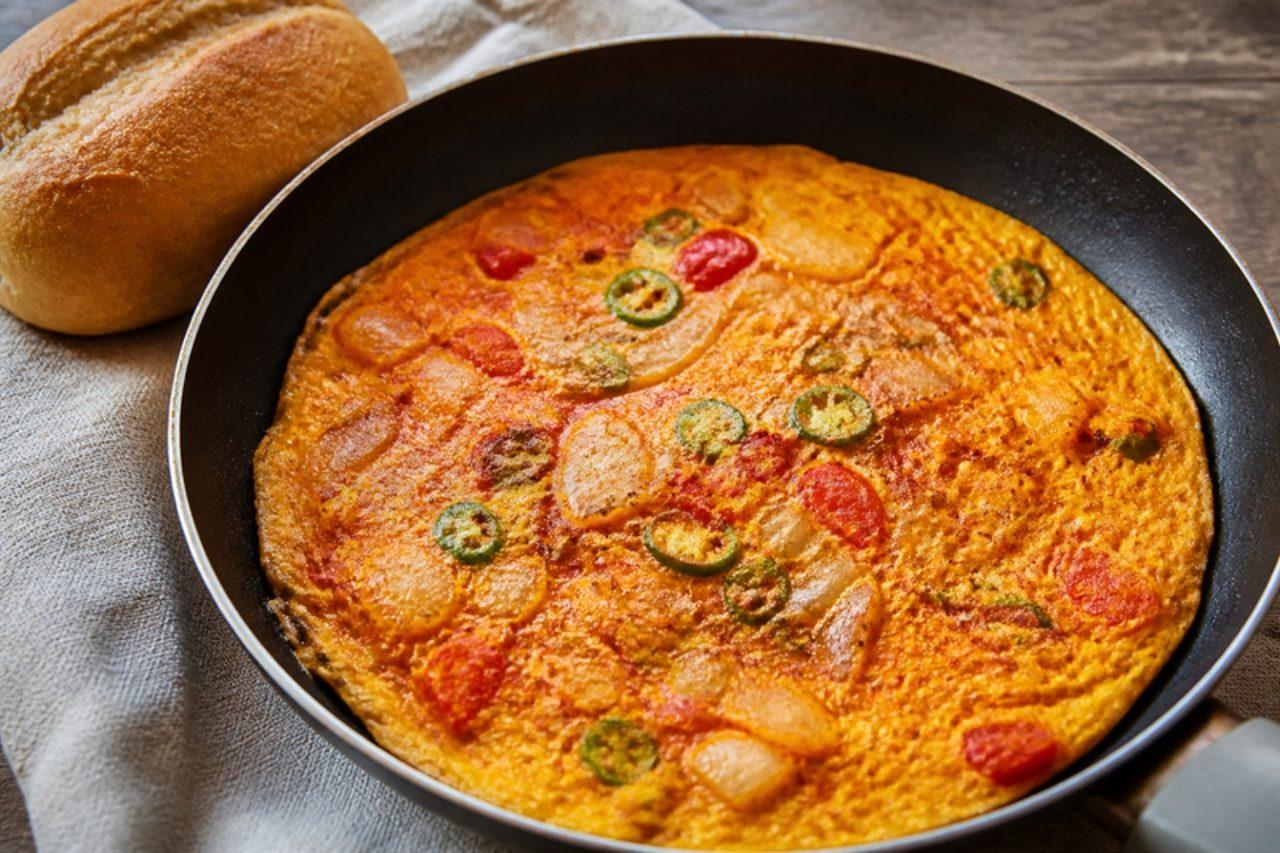
Eritrean frittata

Asmara's cafés kept the Italian word but changed the flavour: an Eritrean frittata is eggs beaten with softened onion, tomato and green chilli, warmed with berbere and cooked flat in a small pan until just set. It comes to the table in its pan with fresh bread and a coffee or sweet tea, and some places fold in a little extra chilli for those who ask. The texture is soft and moist in the middle, with sweet tomato and a gentle heat running through it. A common mistake is cooking the eggs over a high flame, which makes the base tough and brown before the top sets; keep the heat low and cover the pan. Chef's tip: cook the tomato until its juice has evaporated before the eggs go in, or the frittata turns watery.

by KrazyBadal 0 views

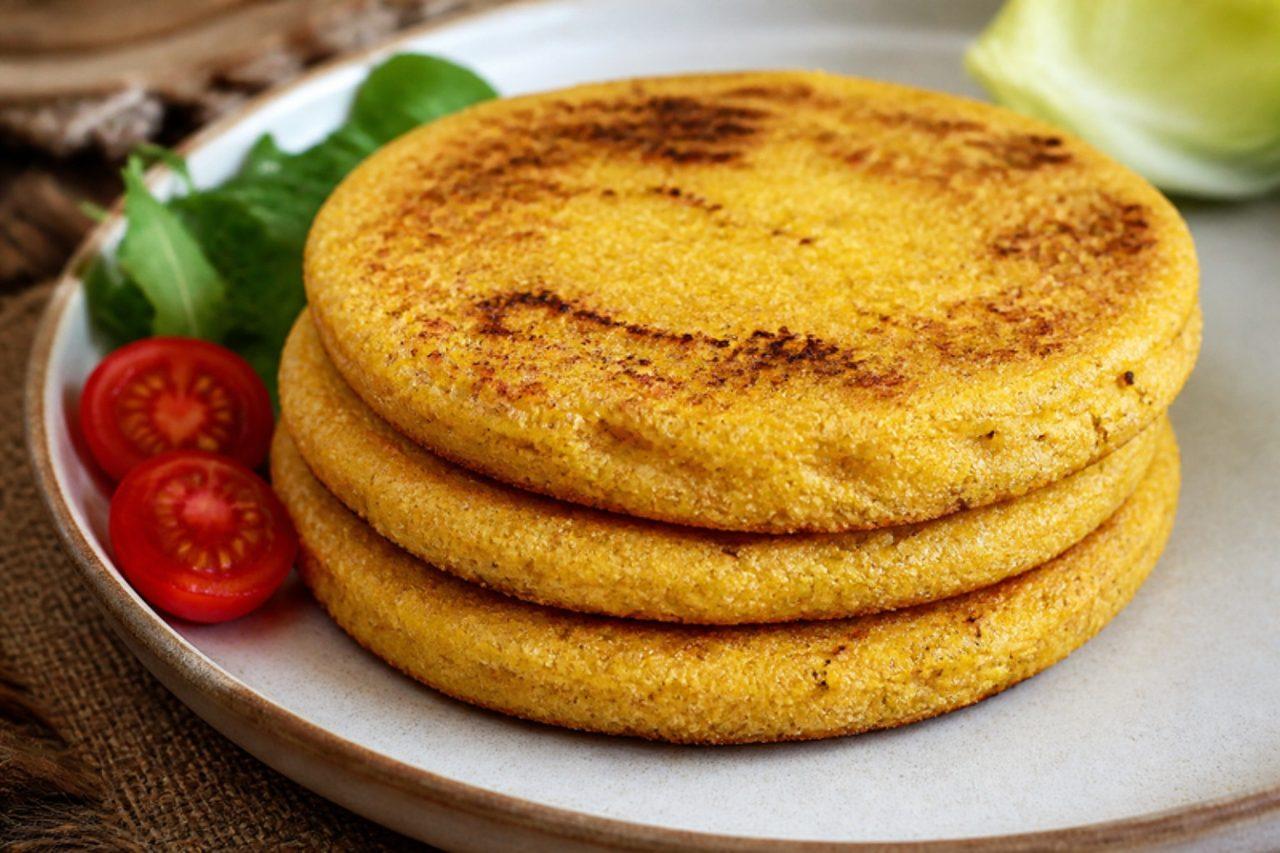
Aruban pan batiSweet cornmeal pancakes

Aruban families put a stack of pan bati on the table with almost every bowl of soup or stew, from sopi di pisca to kabritu stoba: thick, slightly sweet pancakes of cornmeal and flour, cooked on a dry griddle and torn to mop up the broth. They are soft, a little grainy and golden at the edges. The mistake is cooking them too fast, so they burn outside and stay raw in the middle. Chef's tip: let the batter rest for 10 minutes so the cornmeal softens and the pancakes come out tender.

by KrazyBadal 0 views

KletskoppenLacy almond biscuits

Kletskoppen are the lacy, crackly biscuits of Bruges, sold in the old city's bakeries and served with coffee in the cafés around the Markt: brown sugar, butter and chopped almonds with very little flour (this version uses none), baked until they spread into thin, see-through, toffee-flavoured lace. A common mistake is putting them too close on the tray; they spread enormously and join up. Chef's tip: let them cool for a minute on the tray before lifting, and drape them over a rolling pin while still warm if you want curved tuiles.

by KrazyBadal 0 views

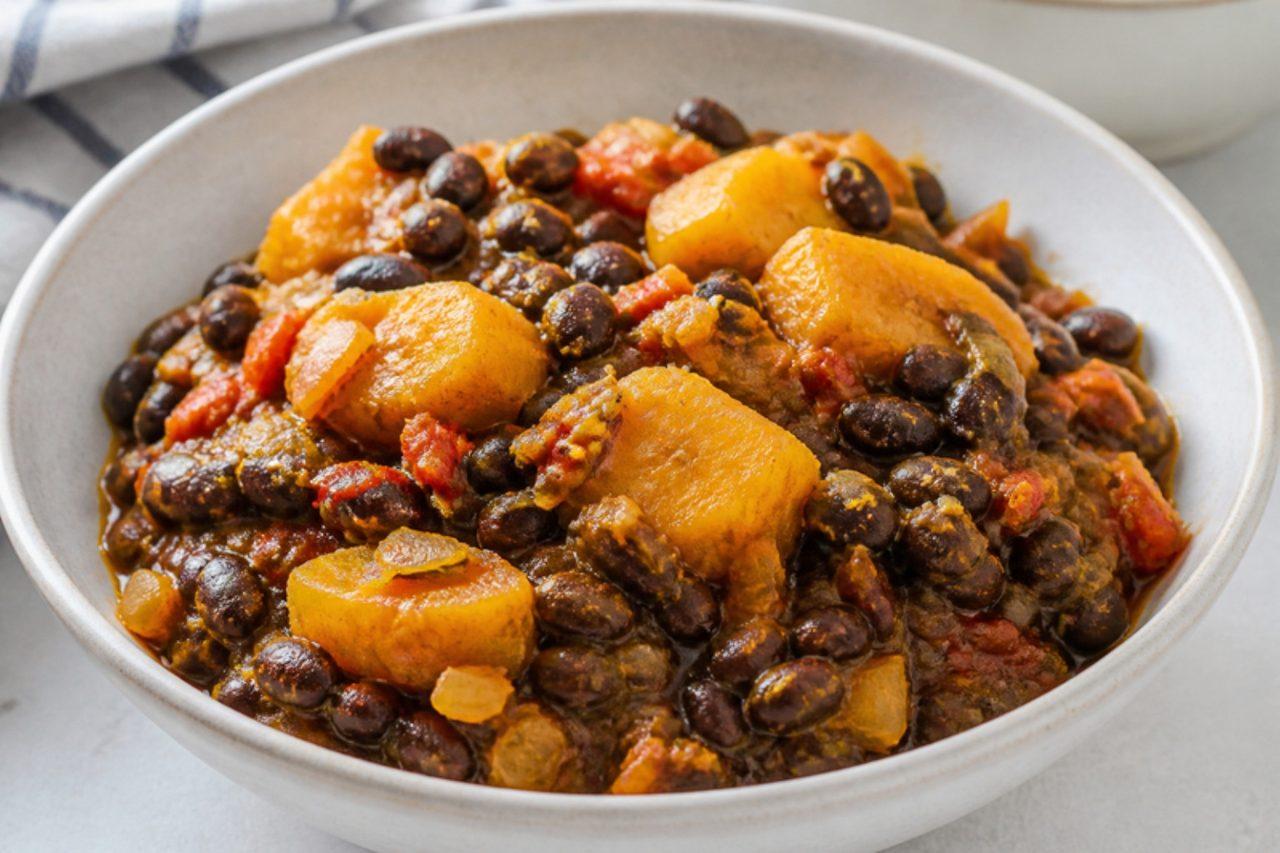
Akidi (Igbo black beans with plantain)

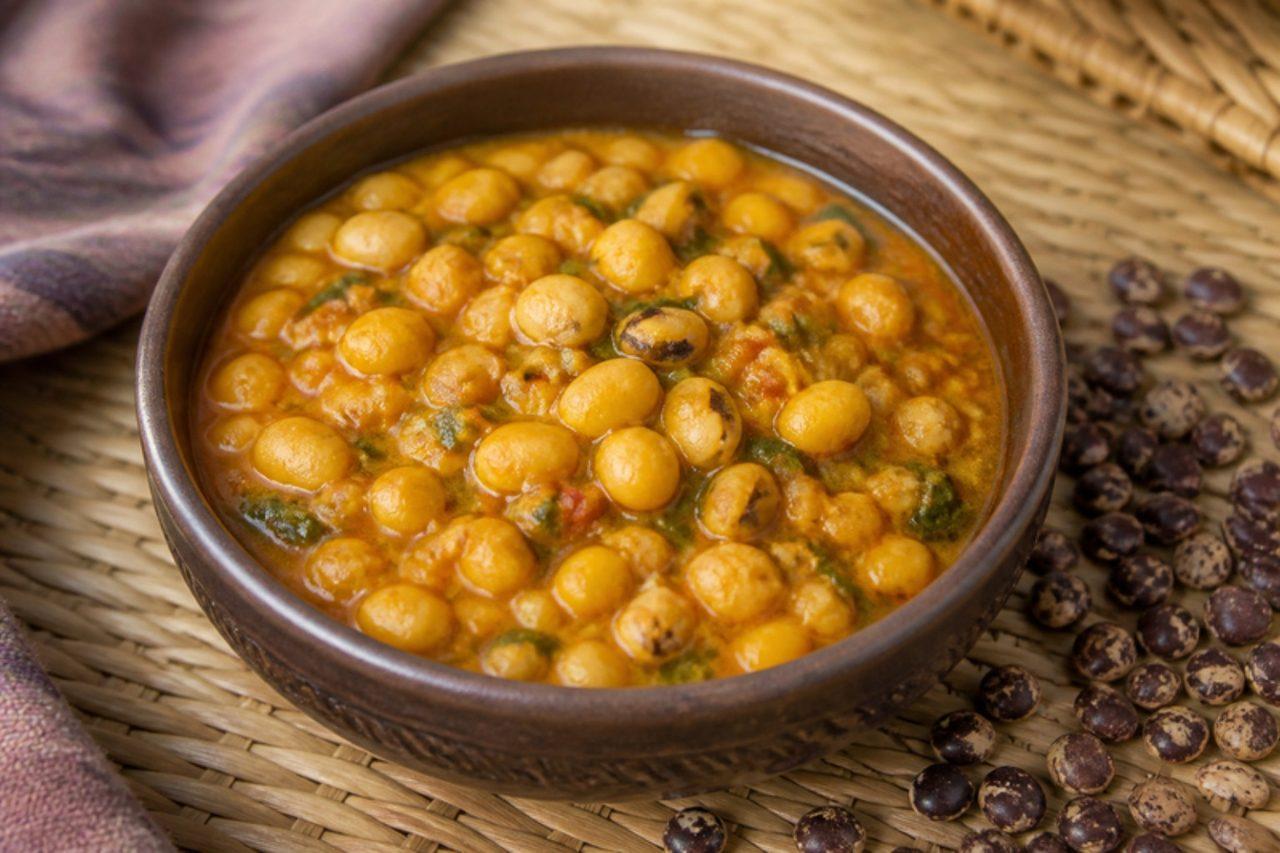
Akidi, a small, glossy black bean, is a quiet staple of Igbo home cooking around Enugu, Anambra and Imo, cooked like beans porridge and usually with ripe plantain for sweetness. After a long simmer the beans turn creamy inside while holding their shape, and they are finished with palm oil, onion, scotch bonnet and a handful of fragrant leaves, so the pot tastes earthy, sweet and peppery. It is a filling meal on its own, often eaten with a cold drink or a side of fried plantain. If you cannot find akidi, black turtle beans are a good substitute. Chef's tip: add the plantain only for the last 15 minutes; put in at the start, it dissolves into the beans, which is the usual mistake.

by KrazyBadal 0 views

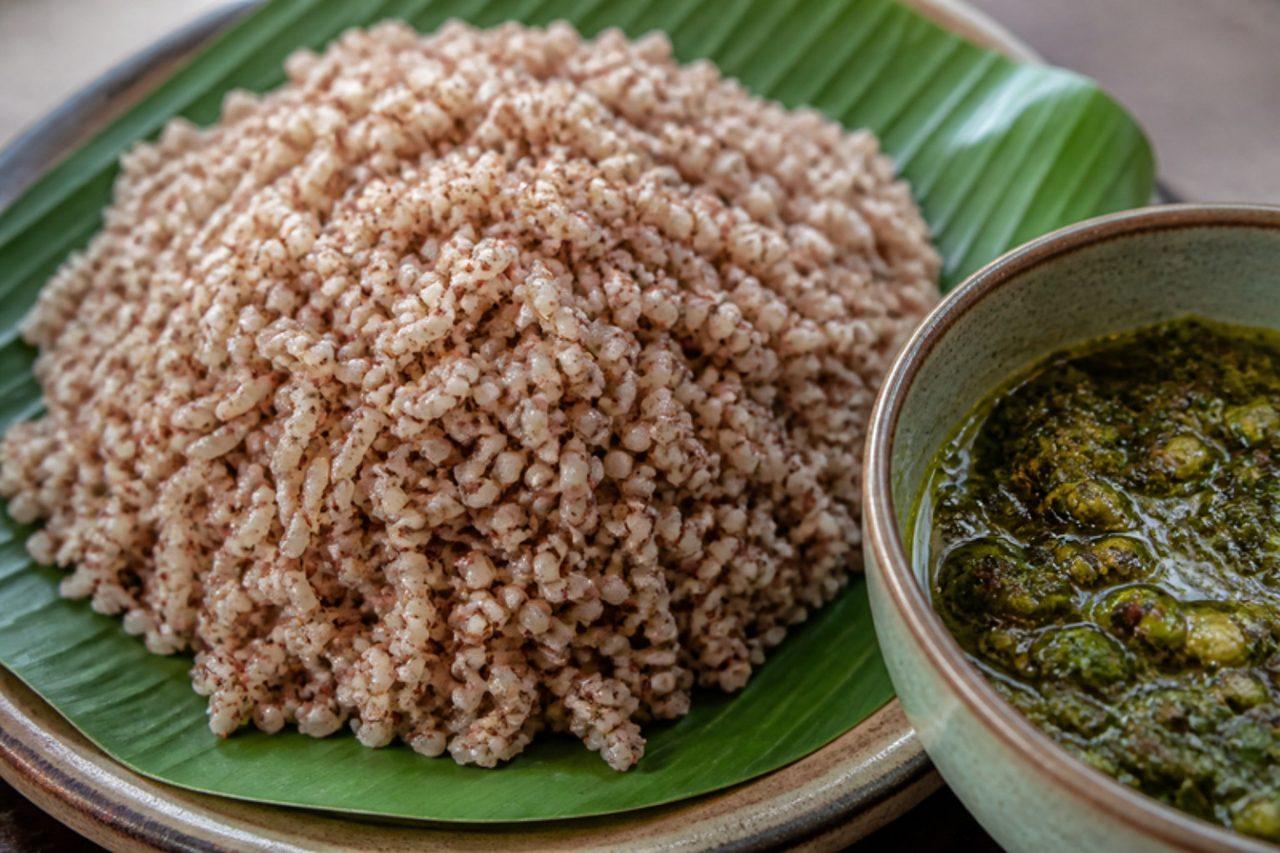
Ofada rice with green pepper sauce

Ofada rice takes its name from a town in Ogun State and is grown on small farms across the Southwest; the grains are short, unpolished and sometimes speckled, with a nutty, earthy aroma that some love and others find strong. It is served wrapped in uma (thaumatococcus) leaves at parties and in Lagos restaurants, with ayamase, a fiery green pepper sauce cooked in bleached palm oil. Ayamase is usually loaded with assorted meats and boiled eggs; this vegan version keeps the green peppers, scotch bonnets and locust beans and adds mushrooms if you like. Banana leaves or a plain plate stand in for uma leaves. The mistake to avoid is skipping the picking and washing: local rice often holds small stones and husk. Chef's tip: bleach the palm oil with the lid nearby, the window open and the extractor on full, and never leave the pan.

by KrazyBadal 0 views

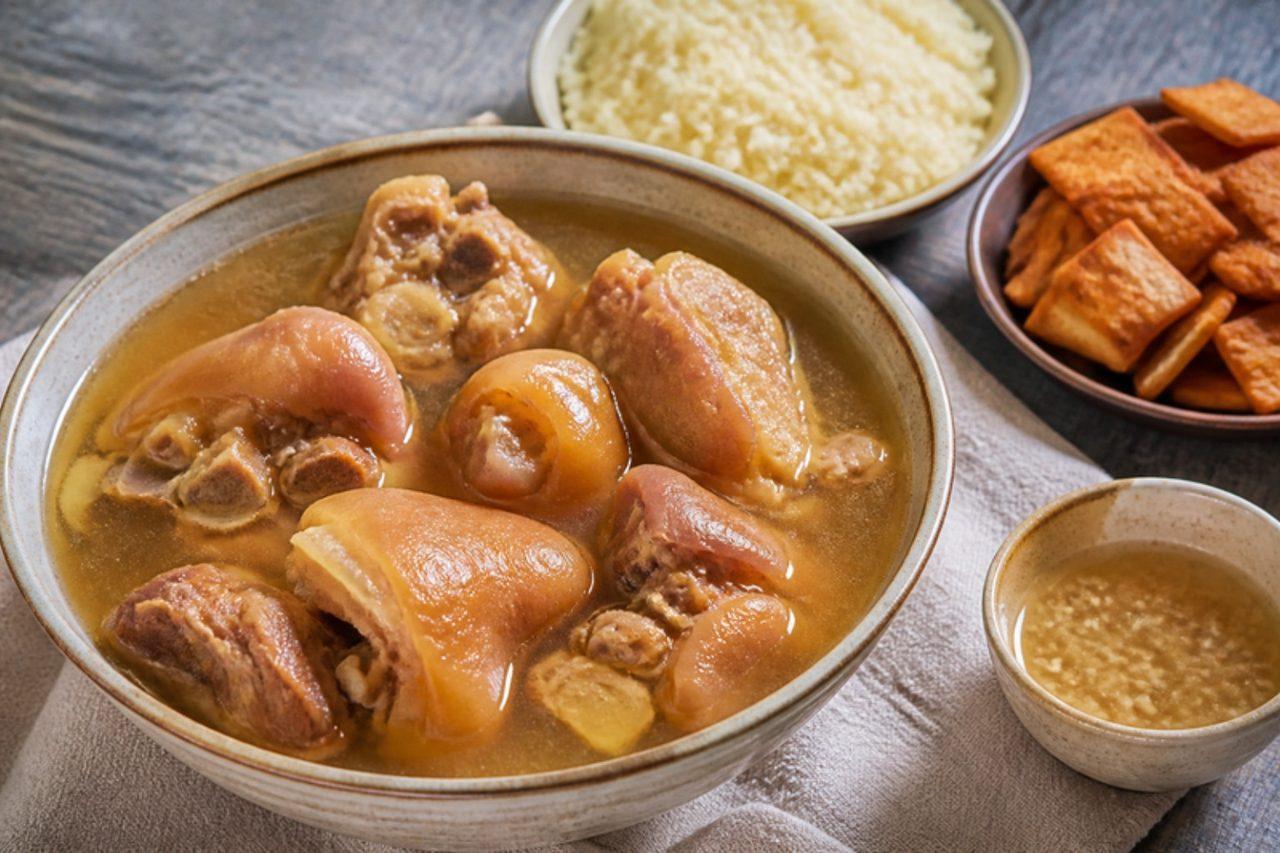
Kaware' (cow's trotter soup with fatta)

Old Cairo eateries that specialise in it open early, and kaware' has a loyal following on cold winter mornings and as a restorative after Ramadan nights; at home it is usually made after Eid al-Adha. Cow's feet are cleaned, blanched and then simmered for hours with onion, garlic and whole spices until the meat and skin turn soft and sticky and the broth sets like jelly when cold. It is served over fatta: layers of toasted flatbread and rice drenched with broth and a sharp garlic-and-vinegar sauce, with the tender trotter pieces on top. Ask the butcher to clean the feet and saw them into pieces. Chef's tip: a pressure cooker cuts the simmering to about 1 hour 30 minutes with no loss of flavour.

260 minEgyptianMeat
by KrazyBadal 0 views

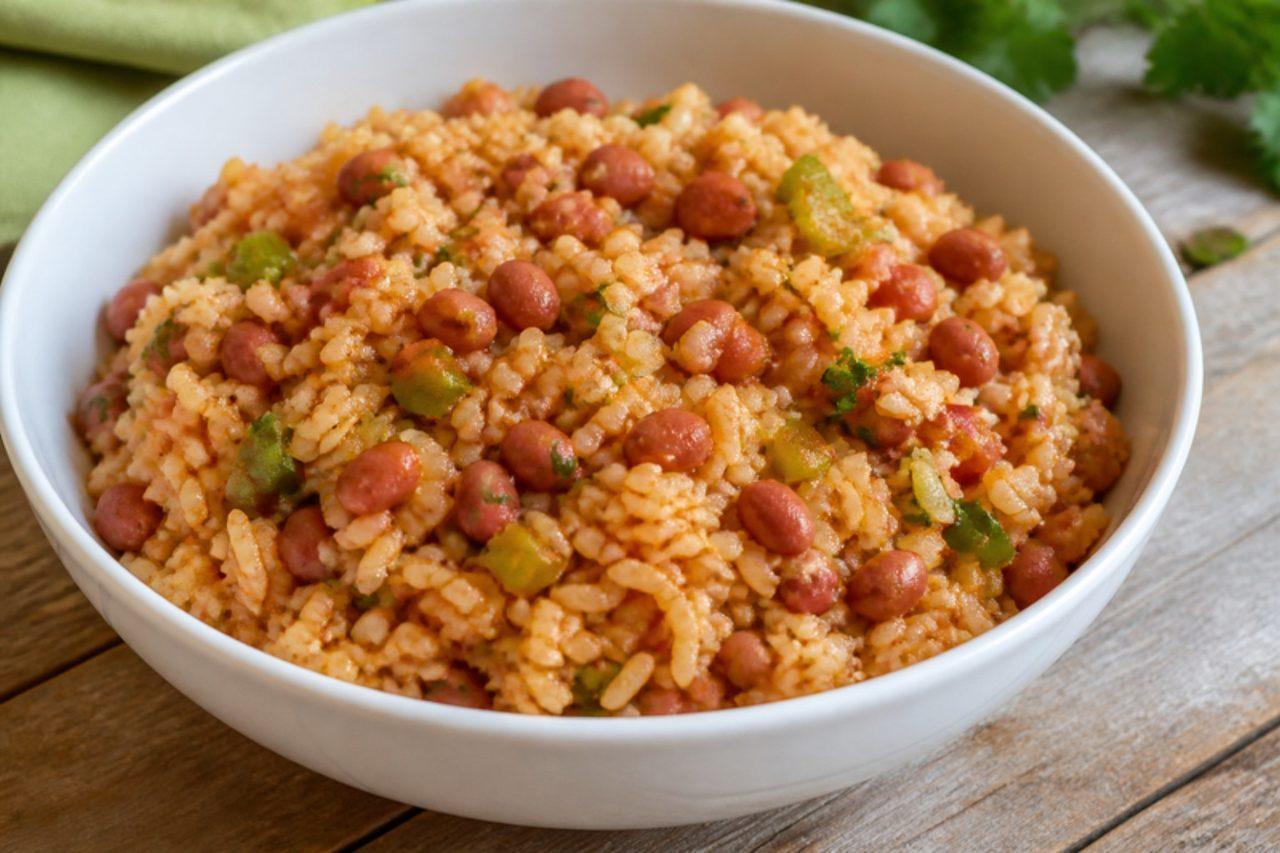
Arroz mamposteaoFried rice and stewed beans

Fondas around San Juan put arroz mamposteao on the menu as a way to use yesterday's white rice and the last ladle of habichuelas, and at home it is the Sunday-night fix when the pots from lunch come out of the fridge. The rice is fried in olive oil with a fresh sofrito, then the beans and their sauce go in until every grain is stained pink and the edges catch and crisp. Many cooks add ham or bacon; this version stays meat-free and gets its depth from the sofrito and a little smoked paprika. The common mistake is using freshly cooked rice, which turns to paste; cold, day-old rice keeps separate grains. Chef's tip: leave the pan alone for the last few minutes so a crunchy layer forms on the bottom, then fold it through.

by KrazyBadal 0 views

AchmaLayered cheese pie

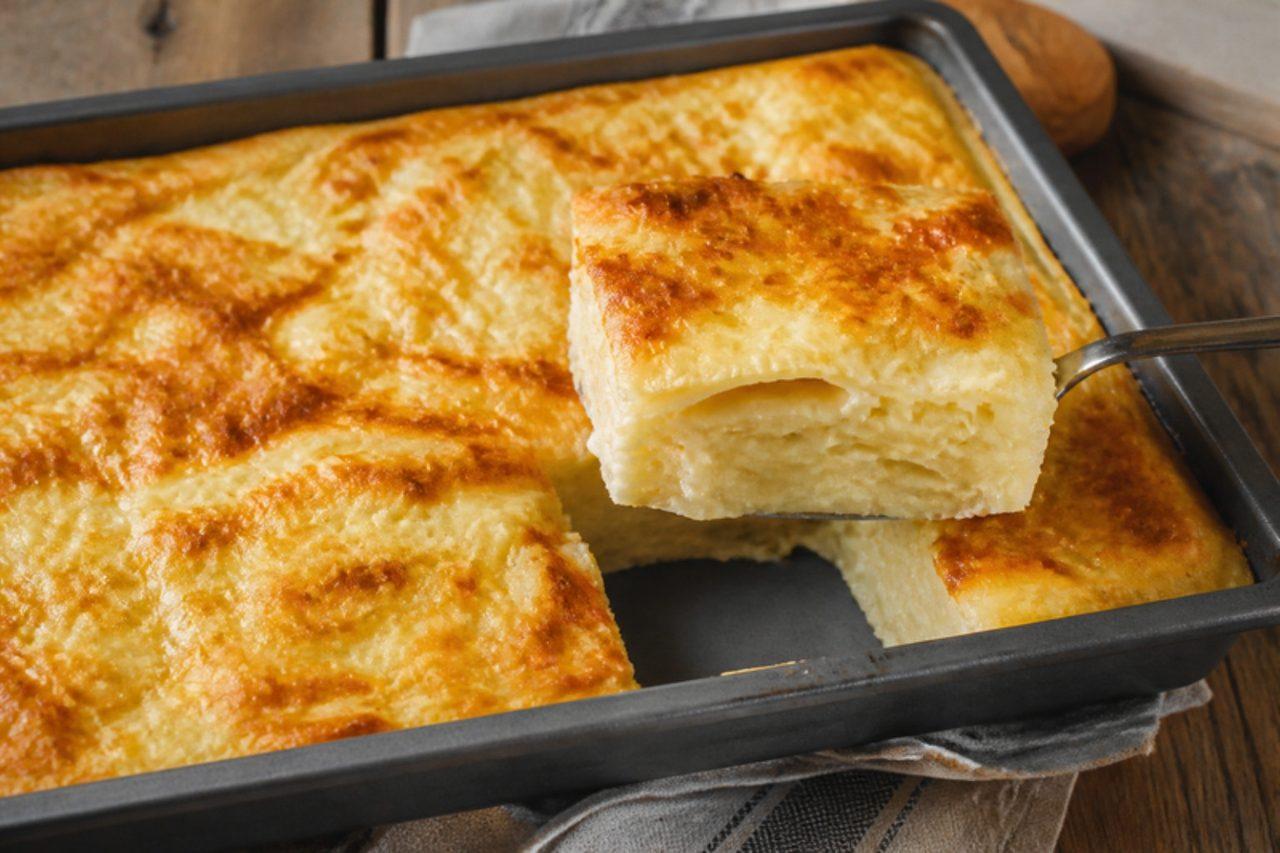
Ask in Batumi and someone will call achma the Georgian lasagne: thin sheets of egg dough are boiled one by one, layered in a deep tray with salty cheese and a lot of butter, and baked until the top crackles and the inside is soft and molten. It is made for name days and holidays across Adjara, and slices are carried to neighbours on a plate. A common mistake is boiling the sheets too long; they should be barely cooked and still firm, or the layers merge into a heavy paste. Chef's tip: plunge every boiled sheet into iced water and lay it out on a towel, so the layers stay distinct and silky. Most sulguni and imeruli cheeses use animal rennet, so choose vegetarian versions.

by KrazyBadal 0 views

Dodo Ikire (Ikire plantain balls)

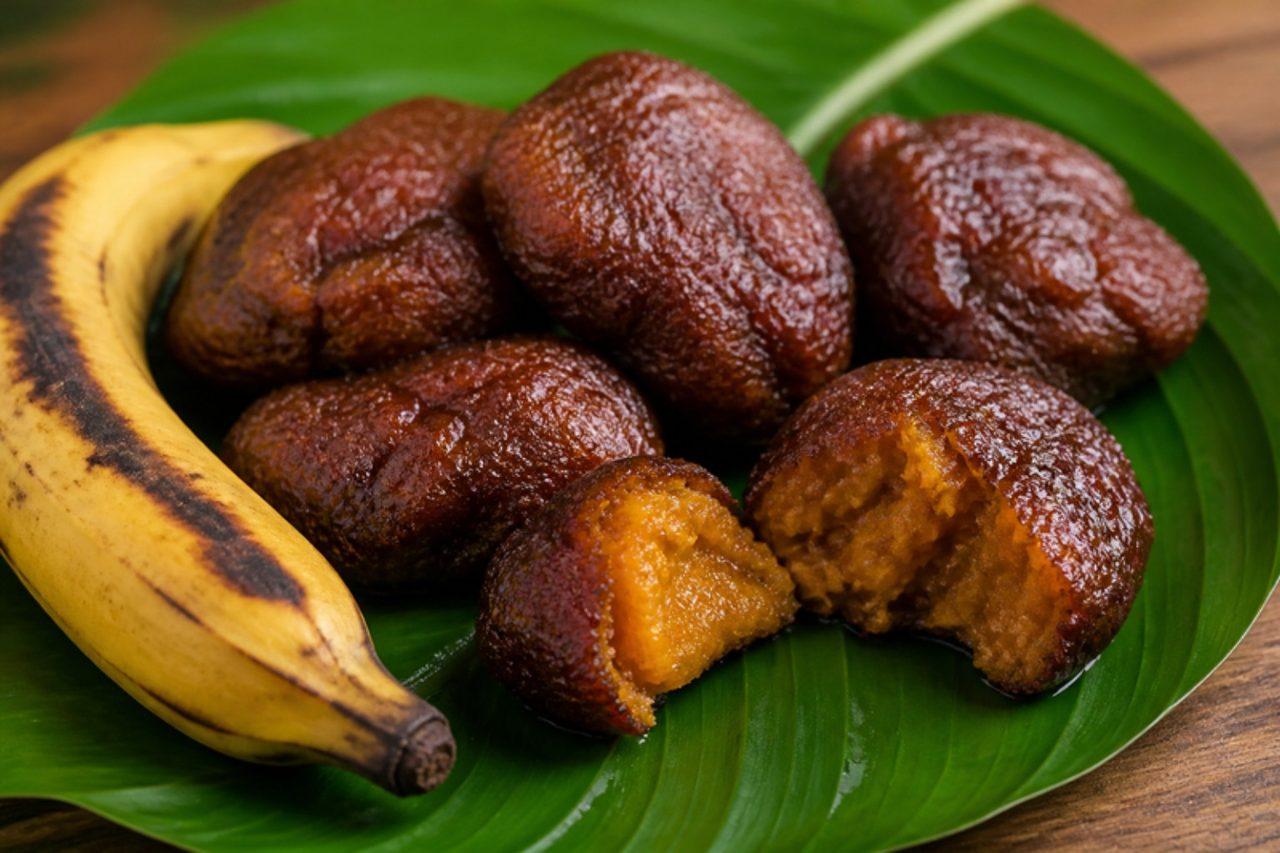
Travellers on the Ibadan–Ife road stop at Ikire in Osun State to buy cones of dodo Ikire from the women who line the roadside, and the town is famous for little else. Overripe plantain, black-skinned and soft, is fried, mashed with fresh scotch bonnet and salt, moulded into small balls or cones and fried again until it is almost black outside, sticky and chewy inside, with a sweet-hot flavour like plantain caramel with a kick. It keeps well and is eaten as a snack on its own or with roasted groundnuts. Don't use firm plantain: it must be black and very soft, or the balls never turn dark and chewy. Chef's tip: use plantains so ripe they feel soft and the skins are fully black; yellow plantain gives ordinary fried dodo, not the dark, toffee-like Ikire kind.

by KrazyBadal 0 views

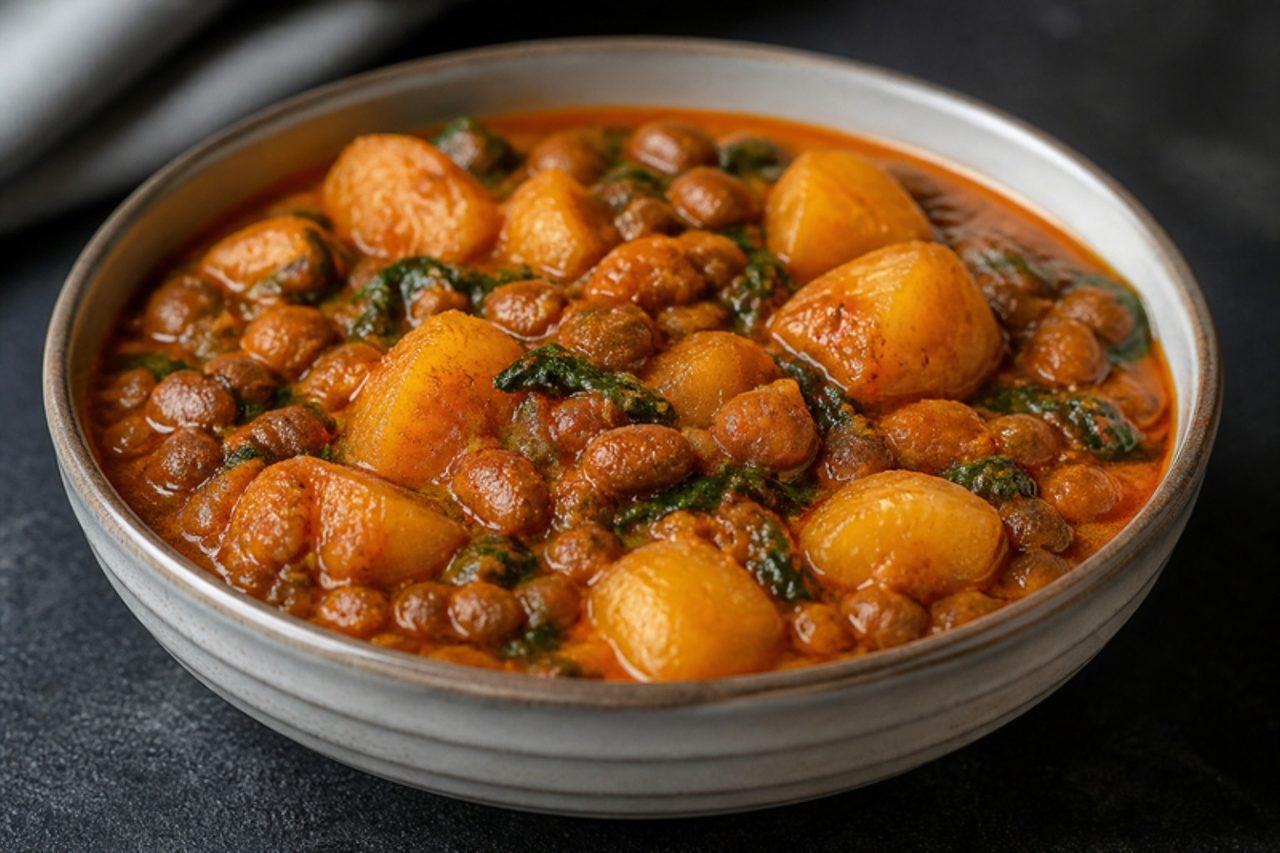
Unripe plantain porridge

Green plantain porridge is everyday home food in Rivers and Delta states and well beyond, and many Nigerians cook it when they want something filling but lighter than yam or rice. Hard, green plantains are cut into chunks and cooked in a pepper broth with a little palm oil until they soften and the starch thickens the liquid into a savoury, slightly tangy stew, finished with peppery scent leaf. Smoked fish, crayfish or periwinkles often go in; this version is meat-free and still deeply savoury. It is a meal in itself. Adding the scent leaf too early is the usual mistake; stir it in at the very end so it stays fragrant rather than bitter. Chef's tip: oil your hands before peeling green plantain to stop the sticky sap staining your skin.

by KrazyBadal 0 views

Achar goshtPickle-spiced mutton curry

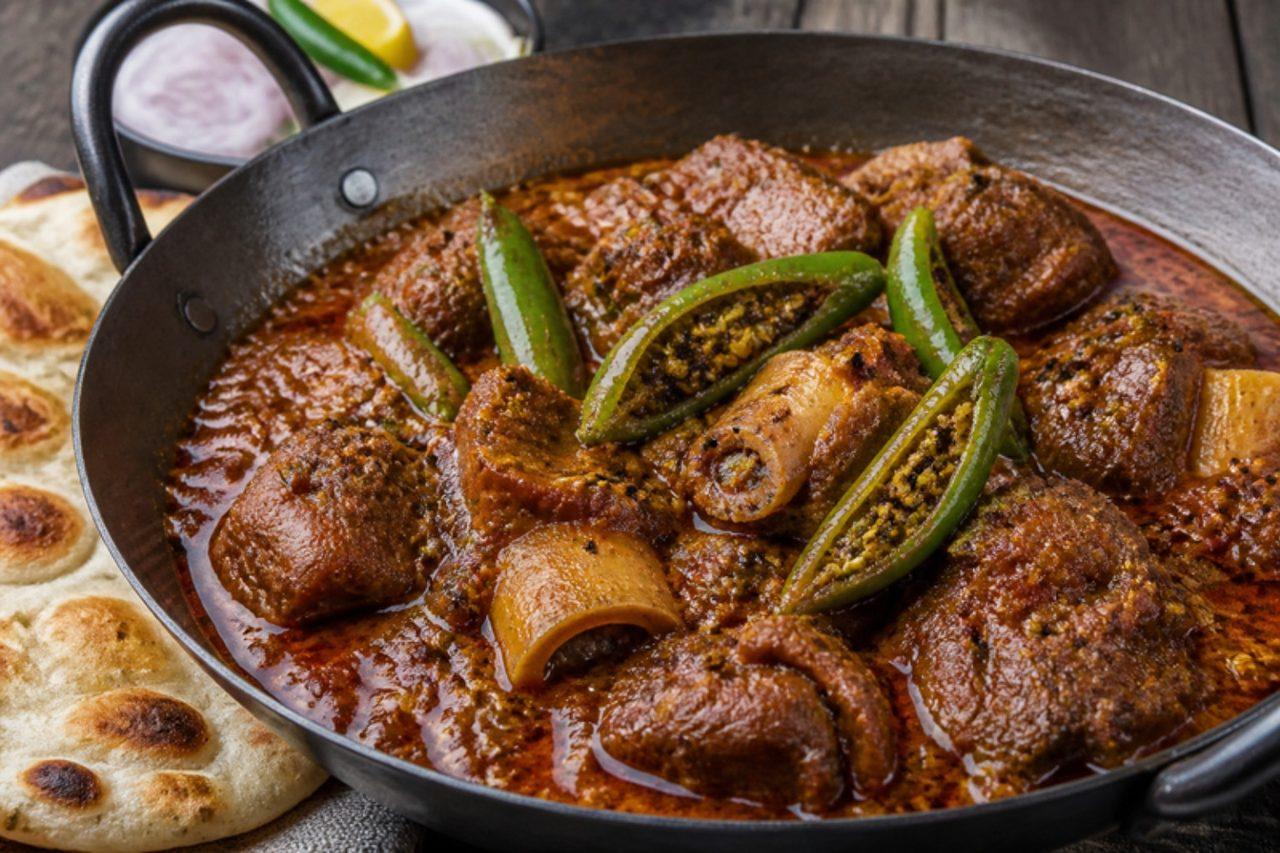
Sour, hot and pungent, achar gosht borrows its whole flavour from a jar of pickle: fennel, nigella, fenugreek, mustard seed and cumin fried in mustard oil, with lemon and long green chillies stuffed with the same spices. It belongs to the Urdu-speaking kitchens of Karachi and Hyderabad, where it is made for dinner guests and shared at office lunches, and it is eaten with naan or tandoori roti, never with a delicate pulao. The gravy is thick and clings to the meat, glistening with oil. The step people rush is roasting the pickling spices; they must be toasted and coarsely crushed, not used whole, or the curry tastes raw and seedy. Chef's tip: mustard oil gives the true pickle tang; heat it until it smokes, then let it cool for a minute before adding anything, so it loses its harsh edge.

by KrazyBadal 0 views

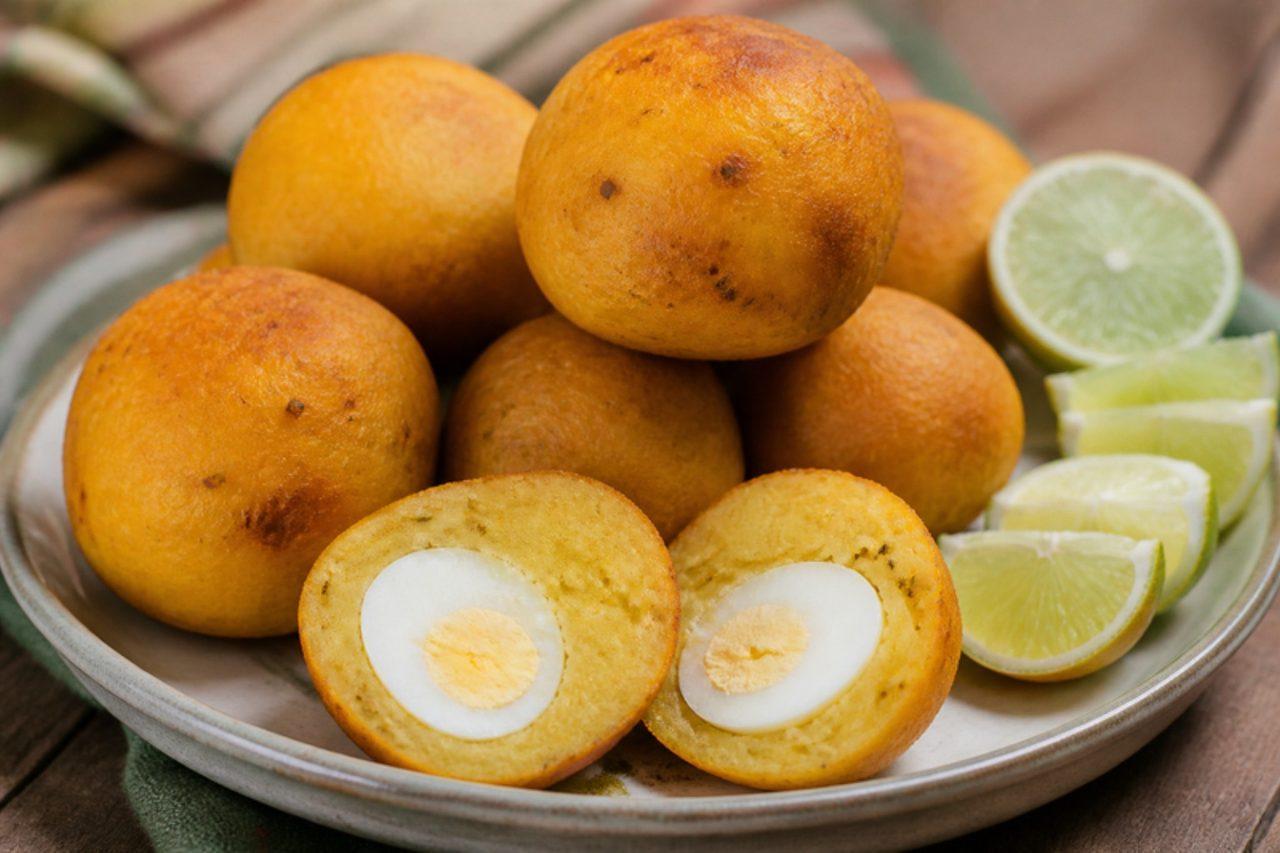
Nafaqo (Somali potato-wrapped eggs)

Sold warm from street stalls and cafés around Mogadishu, especially in the late afternoon and at iftar in Ramadan, nafaqo is a fried snack with a surprise inside: a whole boiled egg wrapped in mashed potato seasoned with onion, coriander and xawaash. A light chickpea-flour batter gives it a crisp golden shell, and it is cut in half to show the yolk and eaten with a squeeze of lime and hot green chilli sauce. Kids love it, and it travels well in a lunchbox. A common mistake is using wet, freshly boiled mash, which slides off the egg and splits in the oil; steam-dry the potatoes and let the mash cool before shaping. Chef's tip: roll the peeled eggs in a little chickpea flour before wrapping them, so the potato grips the slippery white.

by KrazyBadal 0 views

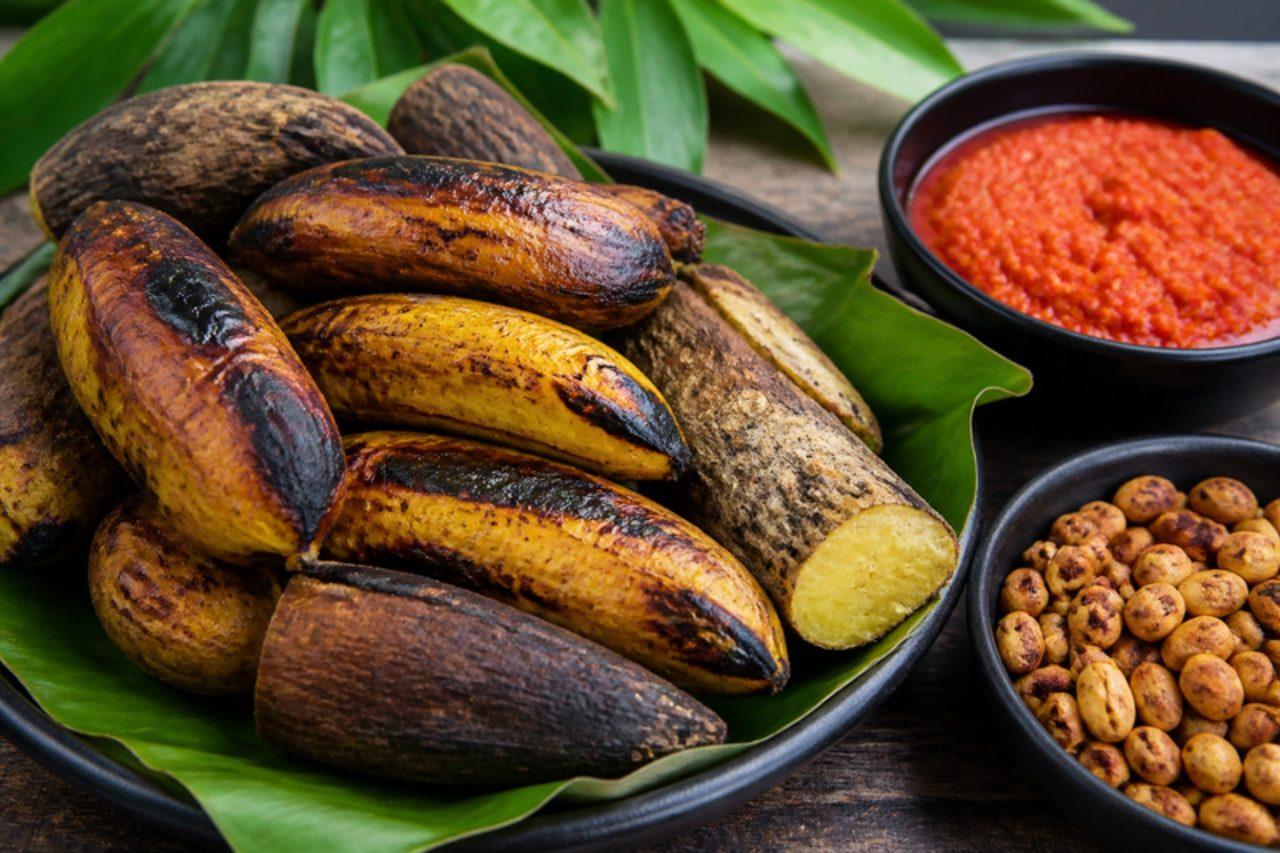
Bole (roasted plantain with pepper sauce)

Roadside grills all over Port Harcourt send up smoke from bole, the city's beloved street food, and the Rivers State capital even holds a festival in its honour. Plantains and pieces of yam are roasted over charcoal until the skins blacken and the flesh turns smoky, sweet and creamy, then split and served with a spicy palm-oil pepper sauce. The full version comes with grilled fish; this meat-free way pairs it with a handful of roasted groundnuts, which is also how many people snack on it at the roadside. A gas flame, barbecue or a very hot oven all work at home. Chef's tip: choose plantains that are just yellow and still firm; very ripe ones turn mushy and burn before the inside cooks, the commonest bole mistake.

by KrazyBadal 0 views

Arroz con maízRice with sweetcorn

In central Cuba, when the fields are full of young corn, families cut the kernels straight off the cob into the rice pot with a sofrito of onion, pepper, garlic and annatto, cooking everything together until golden and sticky at the base. Many farm cooks add salt pork; this vegan version leans on cumin and a little smoked paprika. A common mistake is using too much water, as fresh corn releases its own milk, so keep to the amounts given. Serve with black beans or a tomato and avocado salad. Chef's tip: scrape the cobs with the back of the knife after cutting off the kernels and add that milky pulp; it gives the rice a creamy sweetness.

by KrazyBadal 0 views

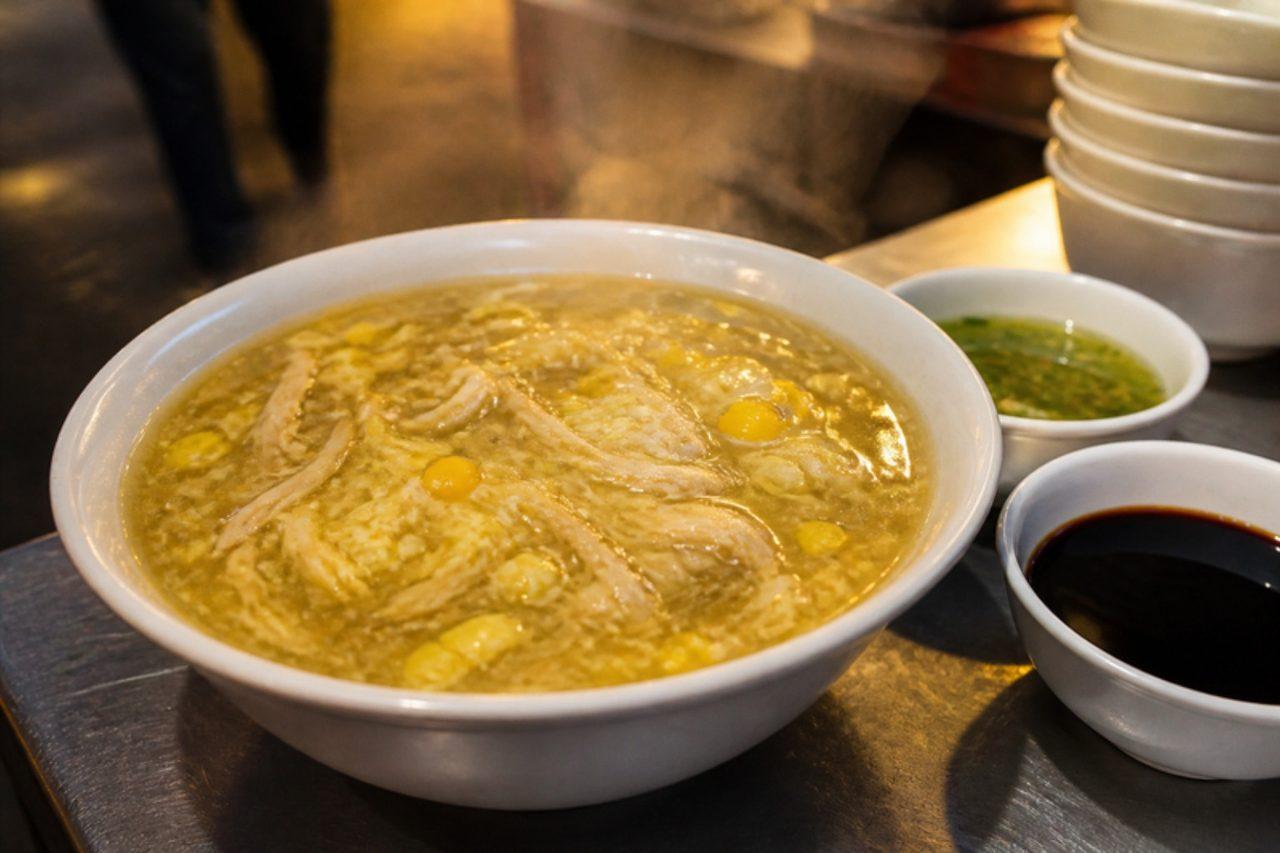
Pakistani chicken corn soup

Come the first cold evening of winter, carts with steaming steel pots appear on Karachi's Tariq Road and Lahore's Liberty Market, and queues form for chicken corn soup in disposable cups. It is Pakistani-Chinese food at its most loved: a thick, glossy soup of shredded chicken, creamed sweetcorn and silky egg ribbons, which each person seasons at the cart with chilli vinegar, soy sauce and chilli sauce from squeezy bottles. Children love it plain; adults douse it. Pouring the egg into a rapidly boiling soup turns it into scrambled lumps, so keep it at a gentle simmer and stir slowly in one direction. Chef's tip: for a vegetarian version, use a good vegetable stock, leave out the chicken and add a handful of finely chopped carrot and cabbage.

by KrazyBadal 0 views

Fio fio (pigeon pea pottage with cocoyam)

Pigeon peas are called fio fio or echicha in Enugu, and around Udi and Nsukka they are cooked into a thick pottage for family meals, sometimes with fresh corn in season and often with cocoyam, which melts into the pot and thickens it. The peas stay firm and nutty, the cocoyam turns soft and creamy, and the palm-oil pepper sauce ties it together into a hearty, savoury meal. Dried pigeon peas are sold in African and South Asian shops (as toor or gandules). Pigeon peas are tough and need a long simmer; the mistake is seasoning or adding cocoyam before they are completely tender. Wear gloves to peel cocoyam, which can itch. Chef's tip: soak the peas overnight and boil them hard for the first 10 minutes; it shortens the cooking and makes them evenly tender.

by KrazyBadal 0 views

Reform tortaWalnut meringue chocolate cake

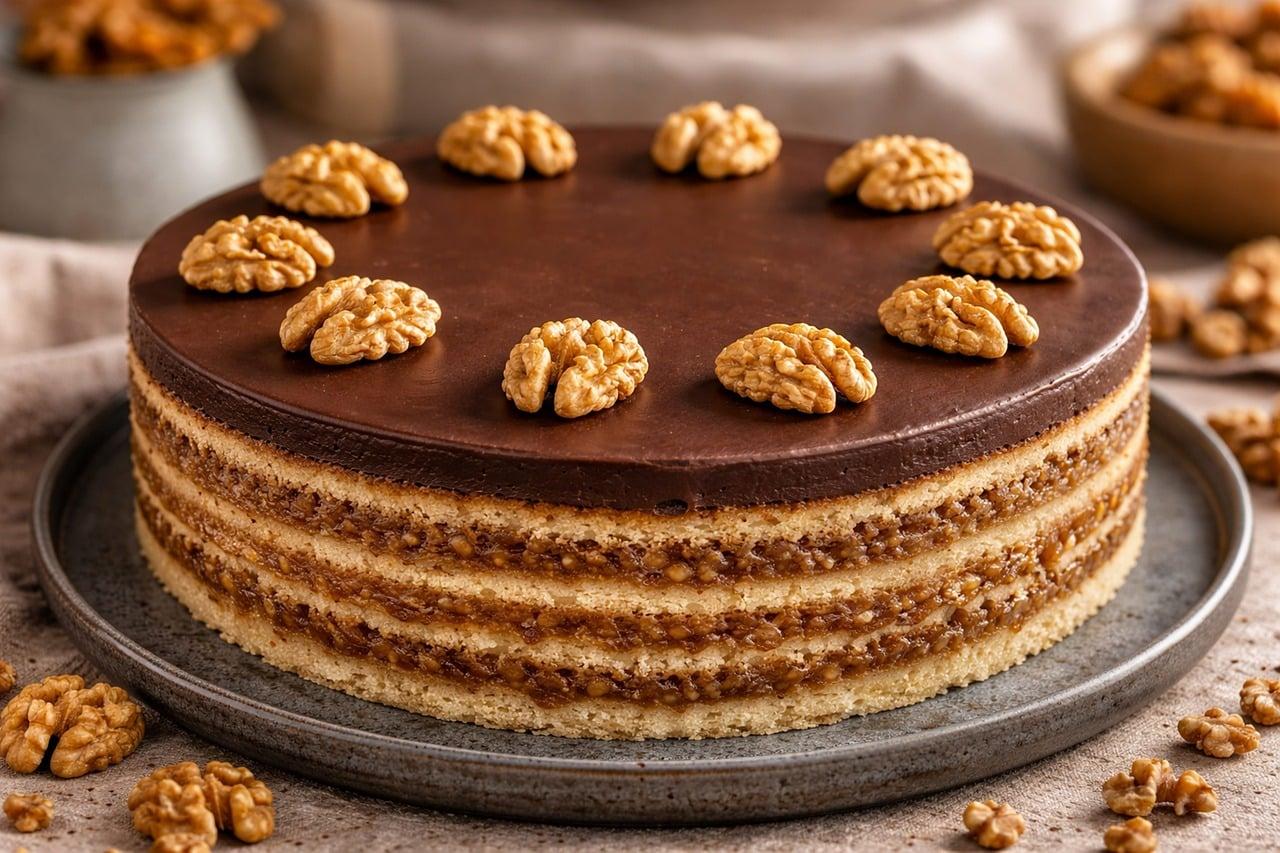
Belgrade pastry shops have sold reform torta since the early twentieth century, and it is still the cake Serbian families bring out for birthdays, weddings and the slava. Three thin layers of walnut meringue, crisp at the edge and chewy inside, are stacked with a dense chocolate butter cream made with egg yolks cooked over steam until thick. It is very rich, so cut thin slices and serve with strong coffee. The usual slip is beating the butter into a chocolate mixture that is still warm, which melts it and splits the cream; let it cool to room temperature first. Chef's tip: assemble the cake the day before; overnight in the fridge the meringue softens a little and the cake slices cleanly with a hot knife.

150 minBalkanBaking
by KrazyBadal 1 views

Arroz con dulceCoconut rice pudding

From the start of December to the Three Kings in January, trays of arroz con dulce cool on Puerto Rican kitchen counters, sliced into squares and handed round at parrandas when carollers arrive at the door late at night. Unlike a milky rice pudding, it is cooked in a water steeped with fresh ginger, cinnamon, cloves and star anise, then finished with coconut milk and raisins, so it is fragrant, firm enough to cut and dairy free. The common mistake is adding the sugar too early, which keeps the rice grains hard; sweeten only once they are soft. Chef's tip: soak the rice for an hour first, and it cooks evenly and absorbs the spiced coconut far better.

by KrazyBadal 0 views

Arroz a la cubanaRice with tomato and egg

Havana cafeterías put this plate on the lunch board when cooks want something cheap, fast and filling: a mound of plain white rice, a ladle of garlicky tomato sauce, a fried egg with a runny yolk and slices of caramelised ripe plantain. Breaking the yolk into the rice and sauce is the whole point, so the eggs should be fried at the last minute. The usual mistake is using plantains that are still yellow-green; they need black-spotted skins to turn soft and sweet in the pan. Serve with a simple avocado salad. Chef's tip: baste the egg whites with hot oil from the pan so they set with lacy edges while the yolks stay liquid.

by KrazyBadal 0 views

Kokoro (crunchy maize sticks)

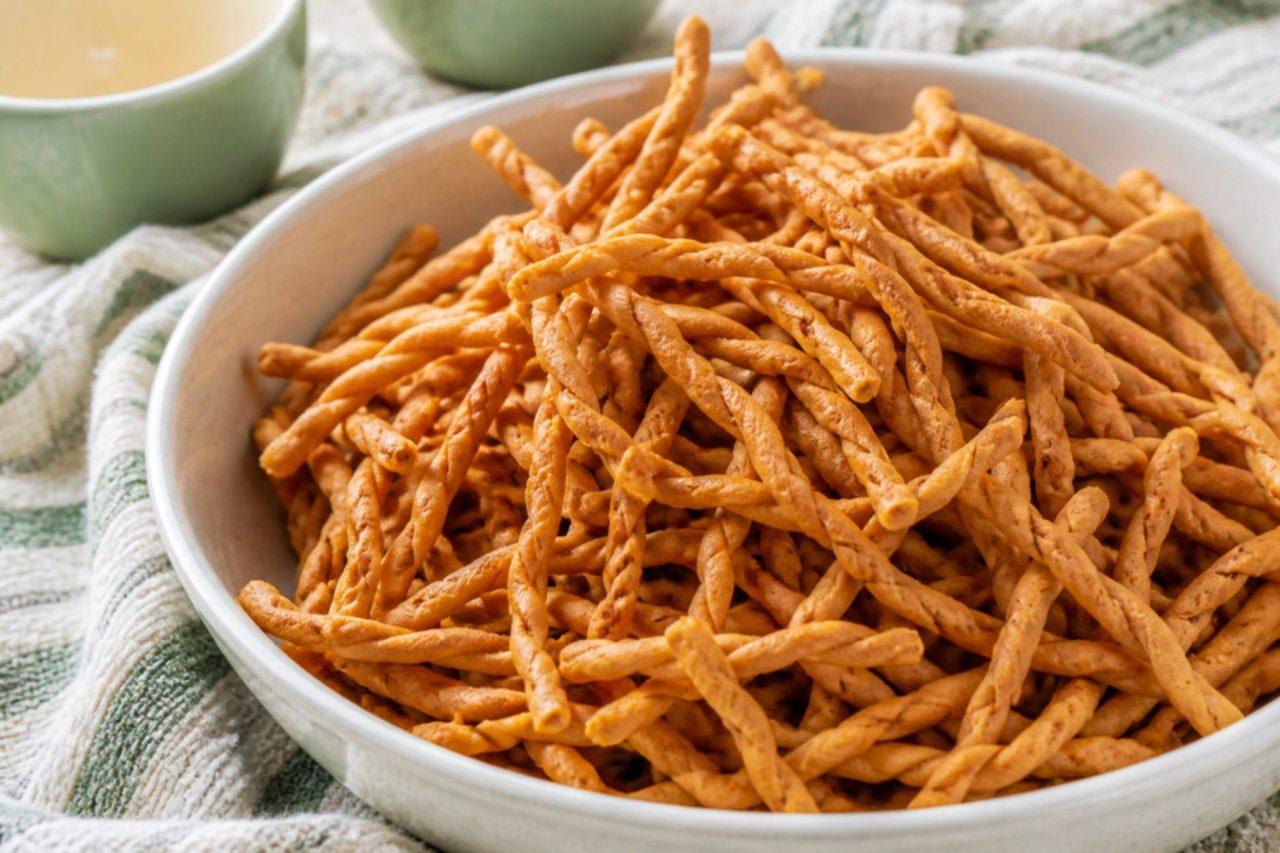
Kokoro is sold in clear bags at motor parks, markets and school gates across the Southwest, and it is the snack people tuck into a pocket for a long bus ride. The dough is made by cooking part of the maize flour with water into a thick paste, then kneading in more flour with a little sugar, salt, chilli and ginger, and rolling it into thin sticks that are fried slowly until hard and golden. The result is very crunchy, lightly sweet and peppery, and it keeps for weeks. Children love it, and it is traditionally eaten with roasted groundnuts or coconut. Avoid frying in oil that is too hot; the outside browns before the sticks are crisp all the way through. Chef's tip: roll the sticks no thicker than a pencil and fry them at a moderate heat so they crisp right through; thick sticks fried hot stay hard outside and doughy inside.

by KrazyBadal 0 views

BozartmaLamb stew with tomato and saffron

Bozartma comes from Ganja, Azerbaijan's second city at the foot of the Lesser Caucasus, where lamb on the bone is browned and then stewed with a mountain of onions and tomatoes until the sauce turns thick and red-gold with saffron. The name hints at the browning (boz, 'grey-brown'), and Ganja cooks say the onions must melt completely. It is eaten with bread and greens, and a chicken version is common too. A common mistake is adding water; the onions and tomatoes give all the liquid needed. Chef's tip: cook it uncovered for the last 15 minutes, until the fat rises to the top; that is how Ganja cooks know bozartma is ready.

by KrazyBadal 0 views

Dundun (fried yam)

In the evenings, Lagos street corners fill with the smell of dundun: big woks of oil, sliced white yam frying next to plantain and akara, sold by the piece in a twist of paper with a spoon of pepper sauce. Good dundun is golden and crisp outside and soft and fluffy as a baked potato inside, with a faint sweetness from the yam. At home it is a favourite Saturday breakfast or a quick supper, and children happily eat it on its own while the adults pile on the sauce. Don't fry over a very high heat: the outside browns before the middle cooks, the commonest dundun mistake. Chef's tip: soak the yam pieces in salted water for 5 minutes and pat them dry; the salt seasons them through and they fry crisper.

by KrazyBadal 0 views

Kandahari pomegranate juice

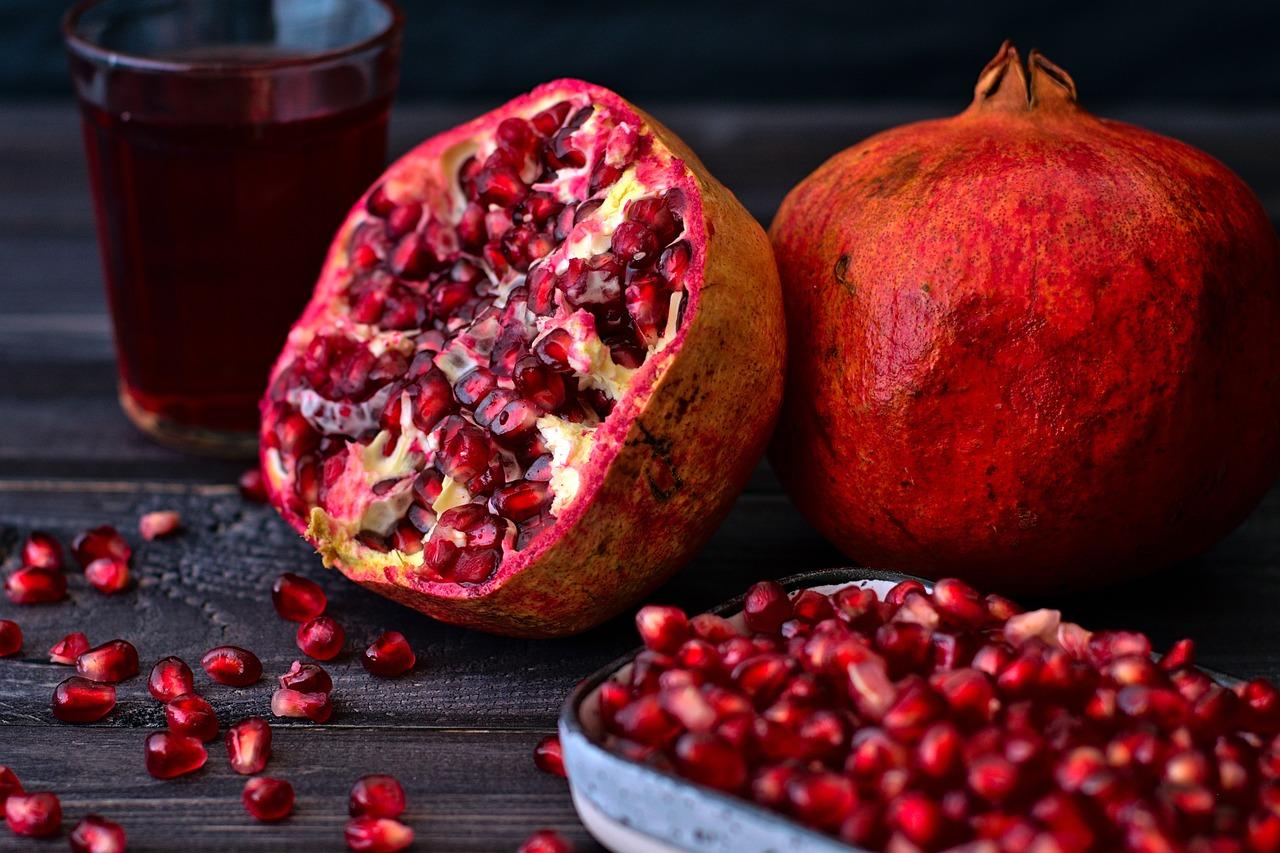
Kandahar's pomegranates, heavy fruits with dark ruby seeds and soft pips, are the pride of southern Afghanistan, and in October and November juice stalls in the city's bazaars press them to order in big iron hand presses. The juice is deep red, sweet with a clean sour finish and a faint tannic grip, drunk on its own in a tall glass, often with a pinch of salt. At home you can get almost the same thing with a citrus press or a blender. The bitterness that ruins many homemade glasses comes from crushing the white pith and hard pips, so blend the seeds only for a few seconds, or press the halves gently. Chef's tip: roll each whole pomegranate firmly on the worktop before cutting it, which bursts many of the seeds inside and makes juicing faster.

by KrazyBadal 0 views

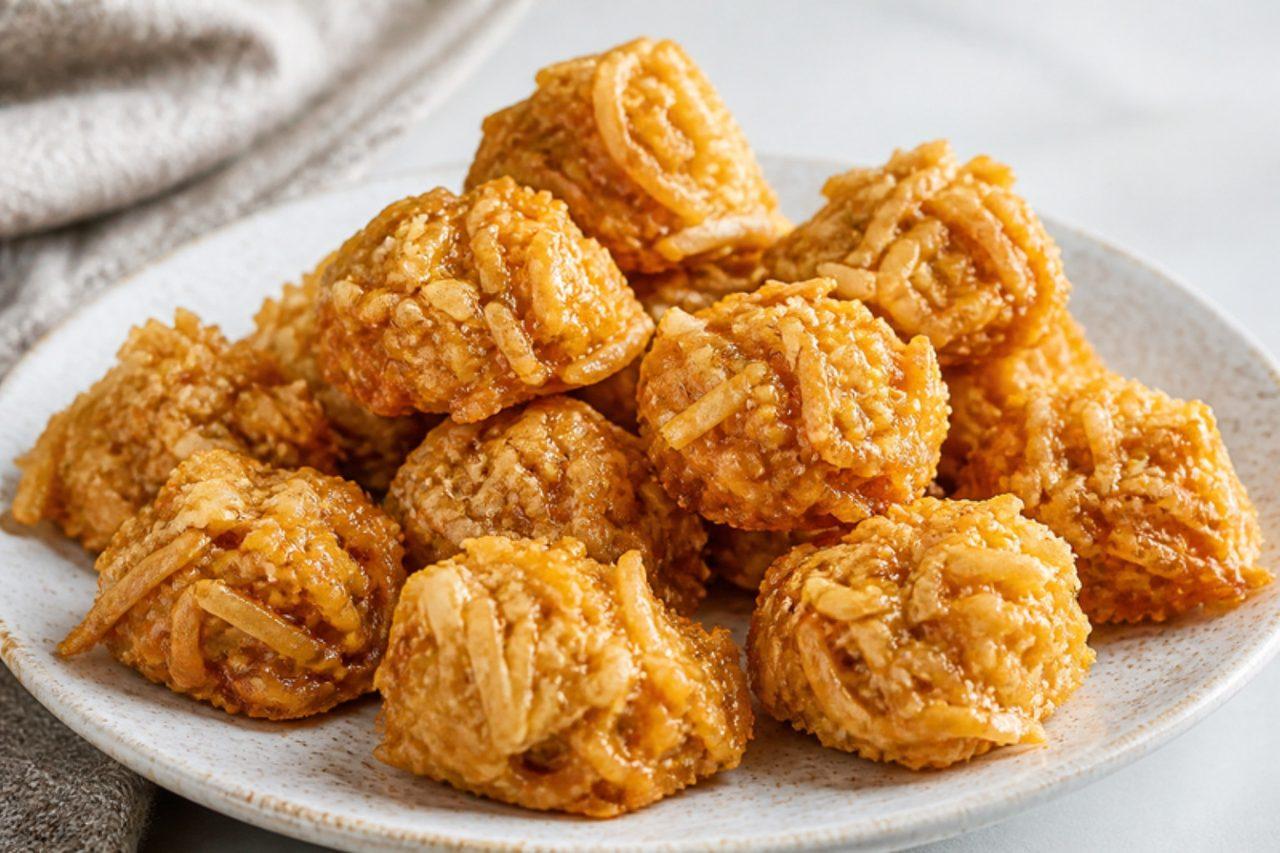
Nigerian coconut candy

Children across Nigeria spend their pocket money on coconut candy, little clusters of fresh coconut set in amber caramel, sold in small bags by school gates and at market stalls. Made at home it takes about half an hour, with a chewy-crunchy bite and a toffee flavour against the clean taste of fresh coconut. Taking the caramel too far is the common mistake, since dark caramel tastes bitter, so stop at a deep golden colour. Children can help shape the cooled candy, but keep them away from the hot sugar. Chef's tip: use freshly grated coconut, not desiccated; its moisture keeps the clusters chewy in the centre.

by KrazyBadal 0 views

Brabants worstenbroodSausage roll

Worstenbrood is a Brabant institution, bought from bakeries in Eindhoven, Tilburg and Den Bosch for birthday mornings, Sunday breakfast and above all for carnival in February: a soft, slightly sweet bread dough wrapped around a log of minced pork seasoned with nutmeg, pepper and clove, baked golden. This is a pork dish. A common mistake is wrapping the dough too thick, which leaves a doughy roll and an undercooked middle. Chef's tip: roll the dough thin and bake until the filling reaches 71 °C; eat it warm from the oven.

by KrazyBadal 0 views

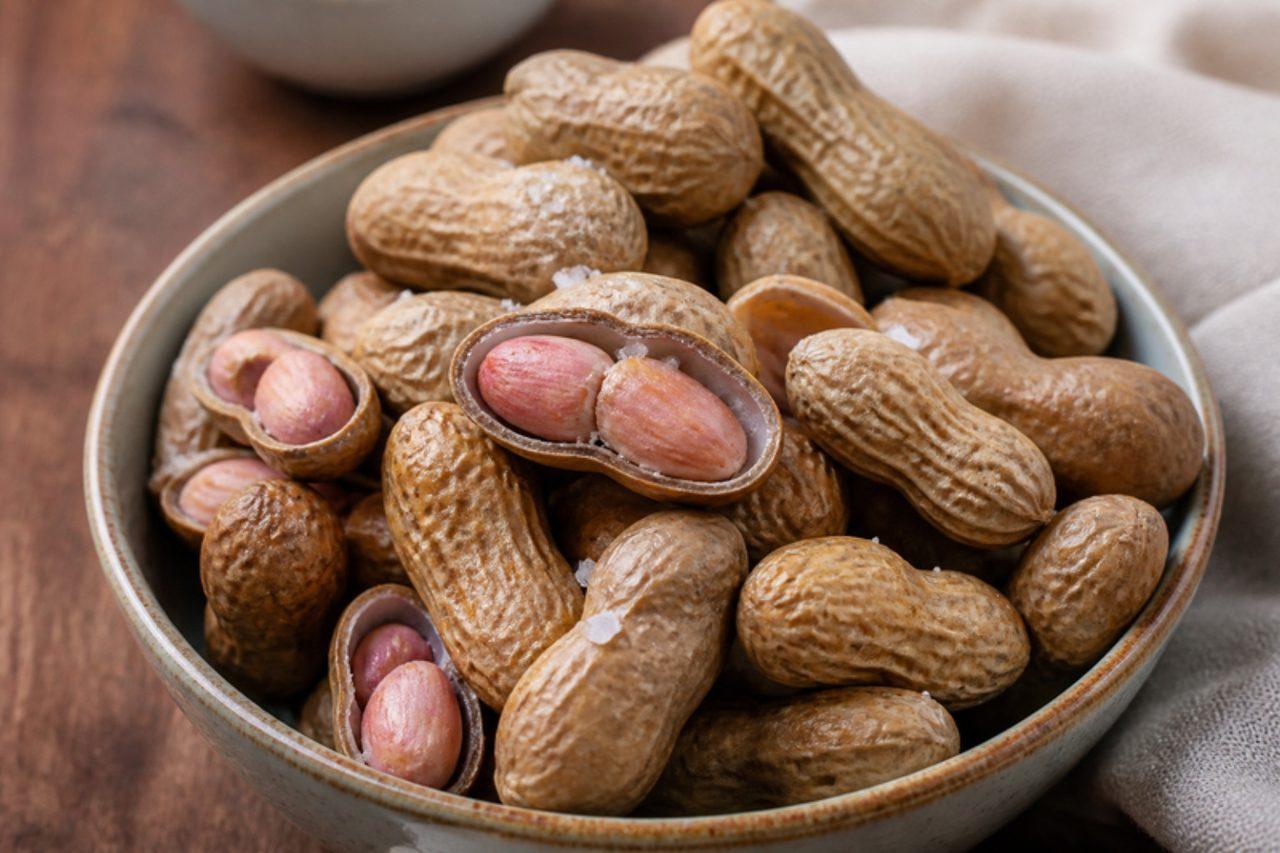
Boiled groundnuts in the shell

Freshly dug groundnuts appear in markets from Ibadan to Kano when the rains come, still muddy in their pale shells, and hawkers sell them boiled in salt water by the cupful, often next to roasted corn. Boiling turns the kernels soft and creamy, like a cooked bean, with salt seeping through the shell. They are eaten warm on the way home, cracked open with the thumbs. Using dried shop peanuts and boiling them for the same time is the usual mistake: they stay hard, so soak dried ones overnight and boil for 2–3 hours. Chef's tip: let them sit in the hot brine for 15 minutes after cooking, so the salt soaks in.

by KrazyBadal 0 views

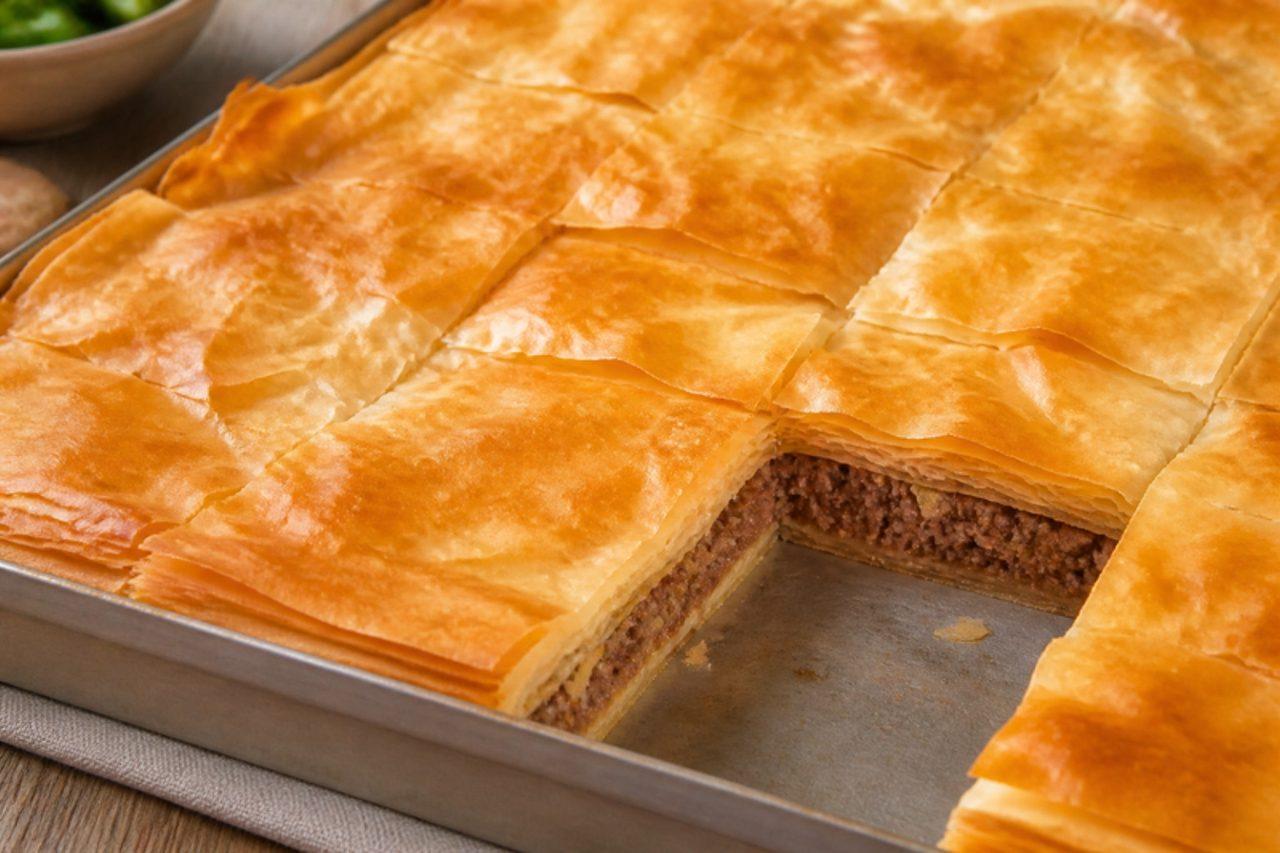
Gollash meat pie (filo and spiced beef)

Egyptian bakeries sell sweet and savoury gollash, but the minced-beef version is the one home cooks make for Ramadan iftar, Eid visits and big family lunches, cut into neat diamonds on a large round tray. Thin sheets of filo are brushed with melted butter and stacked around a filling of beef cooked dry with onion, pepper and a little allspice, then soaked with a splash of milk and egg so the top layers bake puffed and shatteringly crisp while the middle stays tender. Serve warm with a salad and yoghurt or as part of a spread of mezze. Avoid skimping on butter between the sheets; unbuttered layers bake dry and papery instead of crisp and golden. Chef's tip: let the cooked filling cool completely before layering; hot, steamy mince turns the bottom sheets soggy, which is the most common gollash disappointment.

by KrazyBadal 0 views

Moukhbaza (Kassala mashed banana)

Kassala, in the green orchard country of eastern Sudan near the Eritrean border, grows bananas in abundance, and its signature dish uses them very simply: very ripe bananas mashed with a little sugar and cooked briefly until thick and jammy. Moukhbaza is eaten as a snack or light breakfast, torn kisra or soft gurasa pancakes dragged through it, and children adore it. It tastes like warm banana bread without the oven. Under-ripe fruit is the usual mistake; you want bananas with heavily speckled, almost black skins, or the mash is starchy and bland. Chef's tip: a squeeze of lime at the end keeps the colour bright and balances the sweetness.

by KrazyBadal 0 views

Massawa oven fish

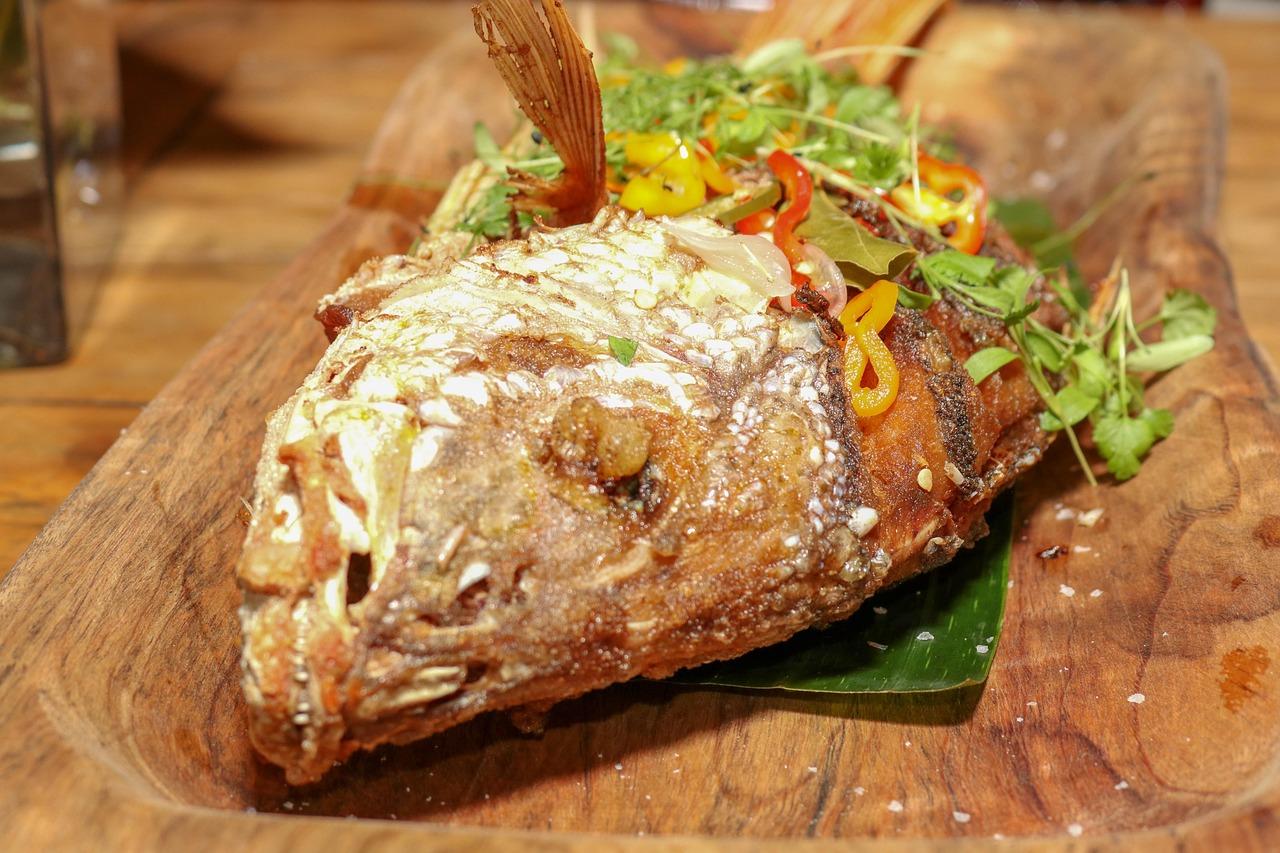
Along the waterfront in Massawa, on Eritrea's Red Sea coast, fish restaurants slap whole snapper and grouper with a red berbere paste and lower them into scorching clay ovens, then bring them to the table on a tray with flatbread, lime and a fresh chilli relish. The skin chars and blisters, the spice paste turns smoky, and the flesh stays moist and sweet underneath. Everyone tears off pieces of bread and pulls the fish from the bone with their fingers. A domestic oven turned up as high as it goes gives a very good result. Chef's tip: score the fish deeply down to the bone and push the paste into the cuts, so the flavour reaches the middle and the thickest part cooks as fast as the tail.

by KrazyBadal 0 views

Alu kesel curryPlantain turmeric curry

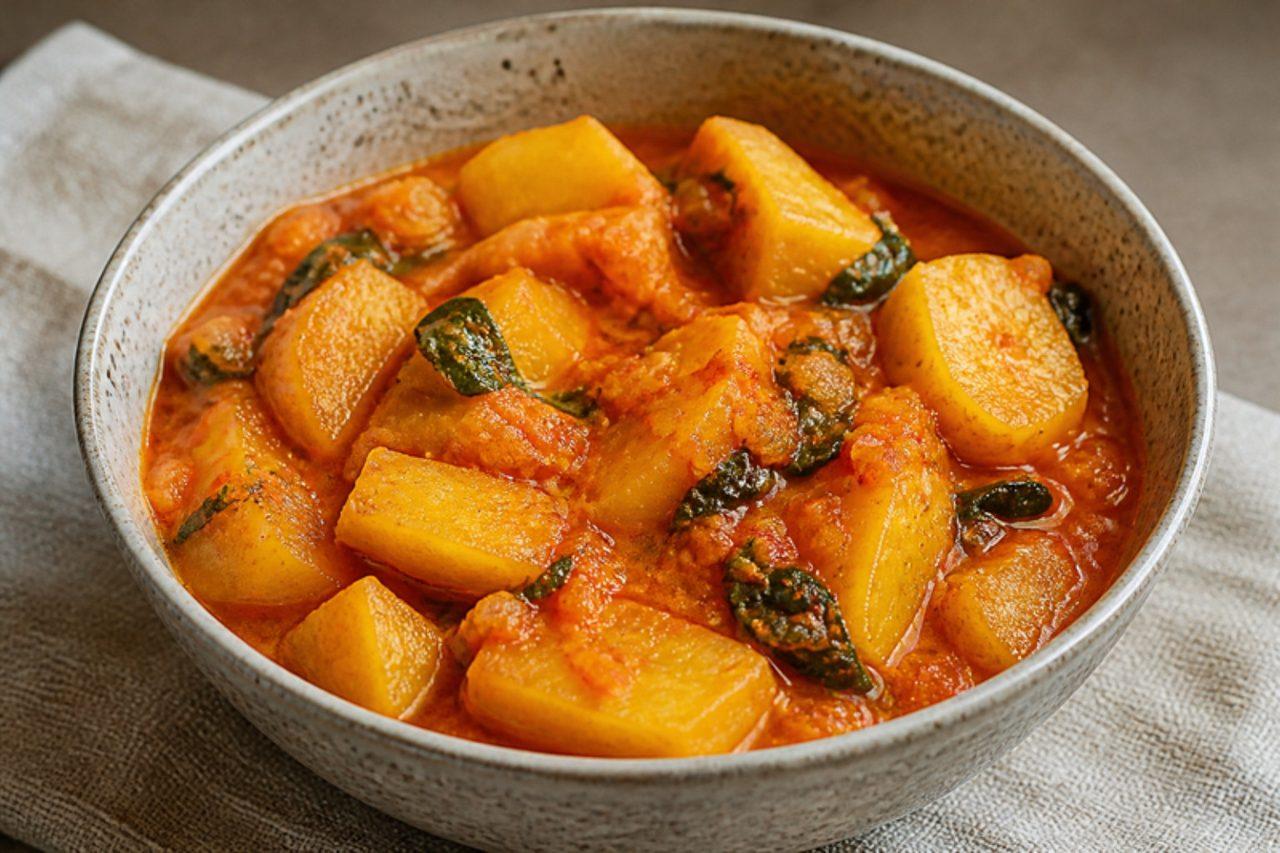
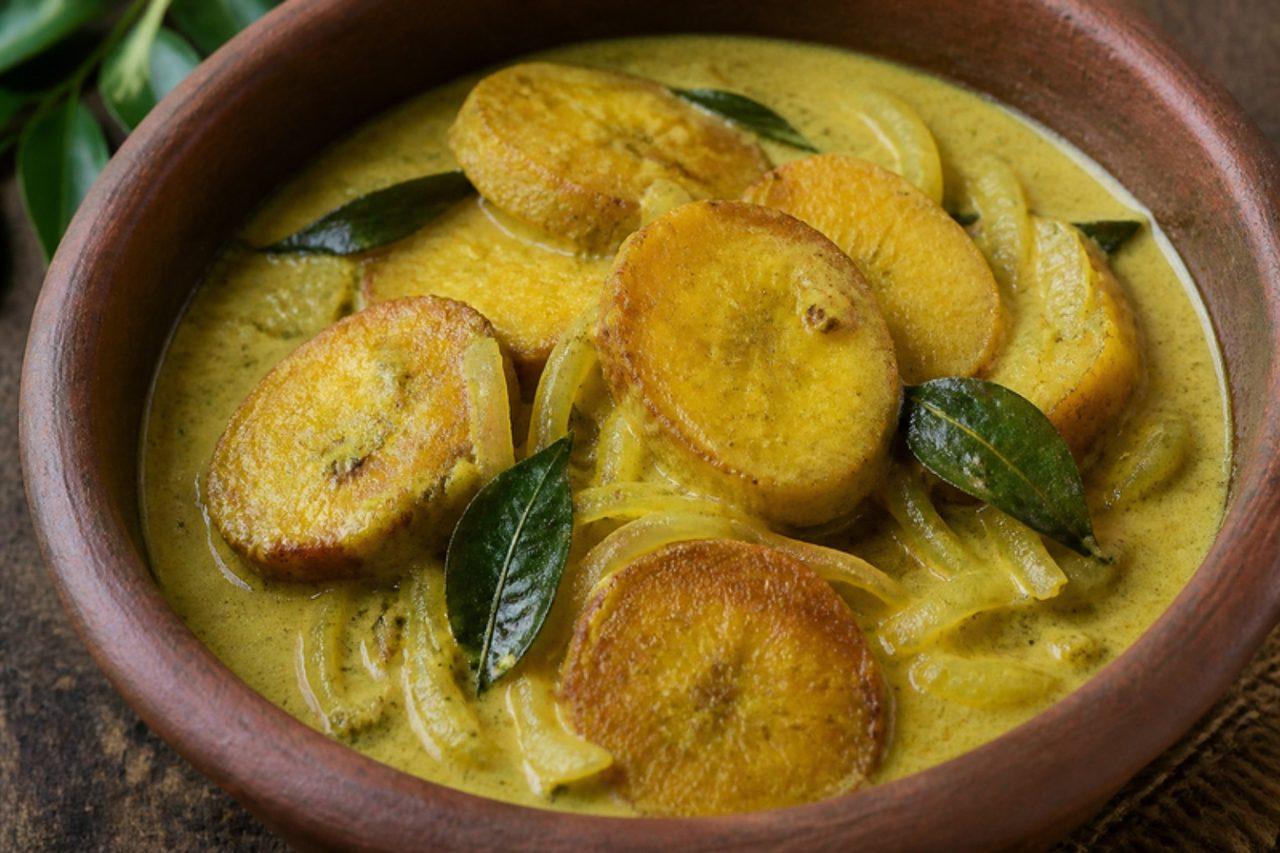
Alu kesel, the grey-skinned cooking plantain whose name means ash banana, is picked green and treated like a vegetable, and this creamy curry is a regular on Kandyan lunch tables and at temple almsgivings, where it fills out the spread cheaply and well. The slices are rubbed with turmeric and salt, fried until golden at the edges, then simmered in coconut milk with unroasted curry powder, fenugreek, cinnamon and pandan, so they turn soft and starchy like potato with a hint of banana sweetness. It sits happily beside parippu, a green mallung and a sharp pickle. Peeling the plantains with dry hands is a messy mistake, because the sap stains skin and knives black; oil your hands and the blade first. Chef's tip: frying the slices before they go into the gravy keeps them in neat pieces; unfried plantain tends to fall apart and thicken the curry into paste.

by KrazyBadal 0 views

PloyesBuckwheat griddle cakes

Ployes come from the Acadian villages of the Madawaska in north-west New Brunswick, on the border with Maine, where they are eaten at almost every meal in place of bread. The batter of light buckwheat flour, plain flour and baking powder is poured onto a very hot dry griddle and cooked on one side only, until the top is covered in tiny holes. Roll them with butter and molasses, or use them to mop up a stew. Chef's tip: let the batter rest 5 minutes so the bubbles start; without them you get flat pancakes instead of the lacy holes.

by KrazyBadal 0 views

AluwaRice flour diamond sweets

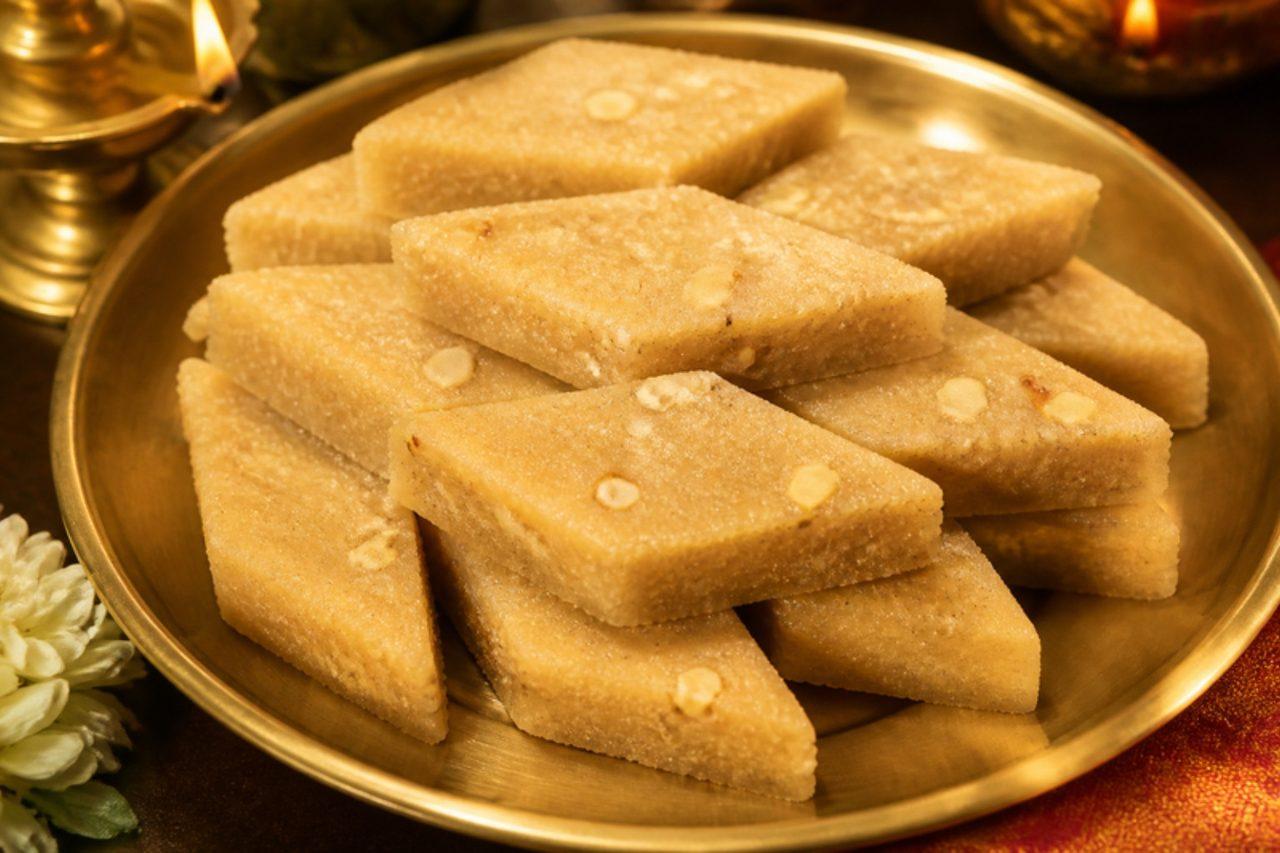
Pale, smooth and cut into precise little diamonds, aluwa brings a touch of order to the crowded Avurudu sweet tray, and it is often the first sweet children learn to help make because there is no deep-frying involved. Rice flour is roasted until it smells like biscuits, then kneaded with hot sugar syrup, chopped cashews and cardamom into a firm dough, rolled out and cut. The finished sweet is dense, slightly crumbly and not too sweet, with a gentle nuttiness, and it keeps for weeks in a tin to be offered to visitors with tea. The point where it goes wrong is the syrup: too thin and the aluwa never sets, too thick and the dough cracks before you can roll it, so aim for the one-thread stage. Chef's tip: roll the dough between two sheets of baking paper and cut it while it is still warm and pliable; once cold it breaks instead of slicing.

by KrazyBadal 0 views

ArishtaButtered egg noodles

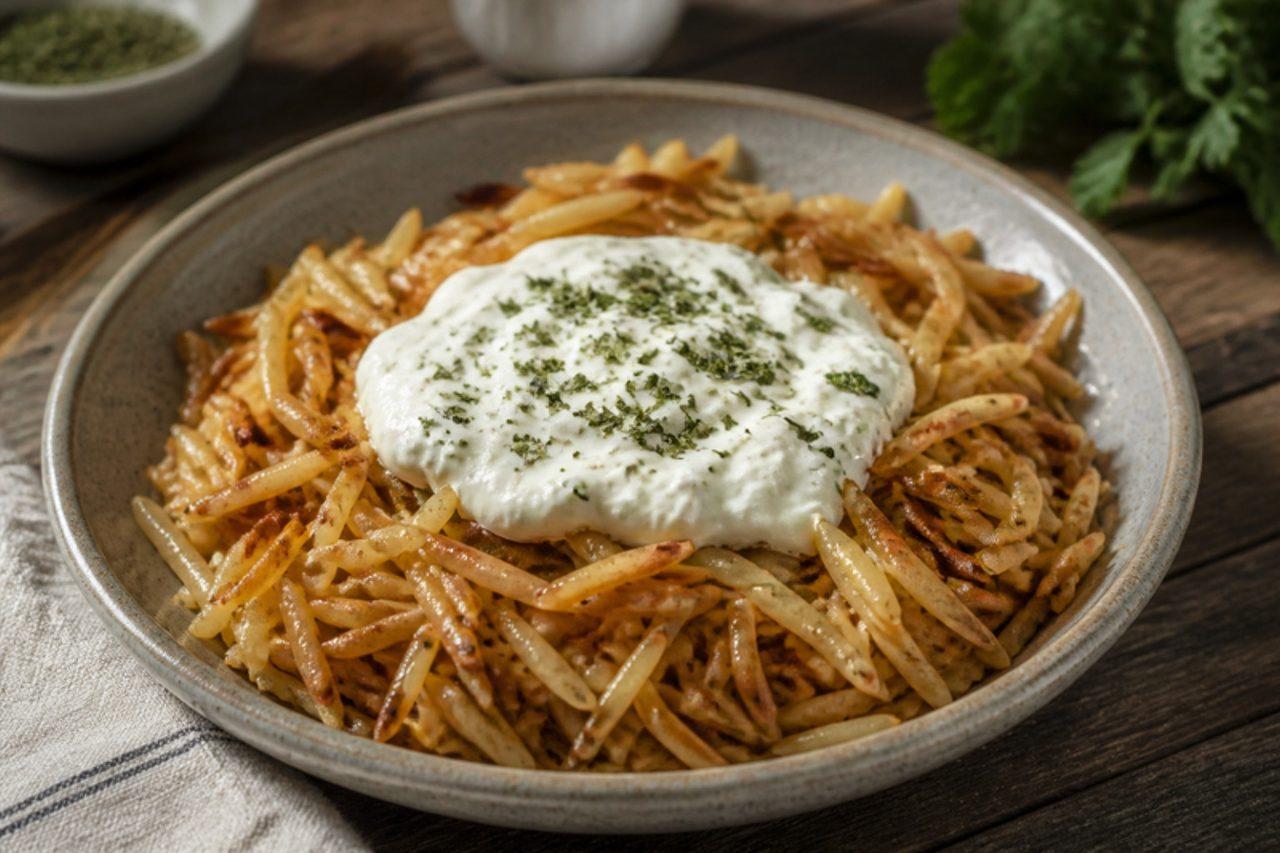
In Gyumri and the villages of Shirak, grandmothers still roll arishta by hand, cut it into thin strips and dry it in the sun to store for winter. To serve, the noodles are first toasted in butter until they turn golden and nutty, then boiled until tender and topped with garlicky matsun yogurt. It is simple, filling food for cold days on the Shirak plateau. A common mistake is skipping the toasting step, which gives soft, plain noodles without the characteristic roasted flavour. Chef's tip: dry the cut noodles for at least an hour before toasting, so they brown evenly instead of clumping.

by KrazyBadal 0 views

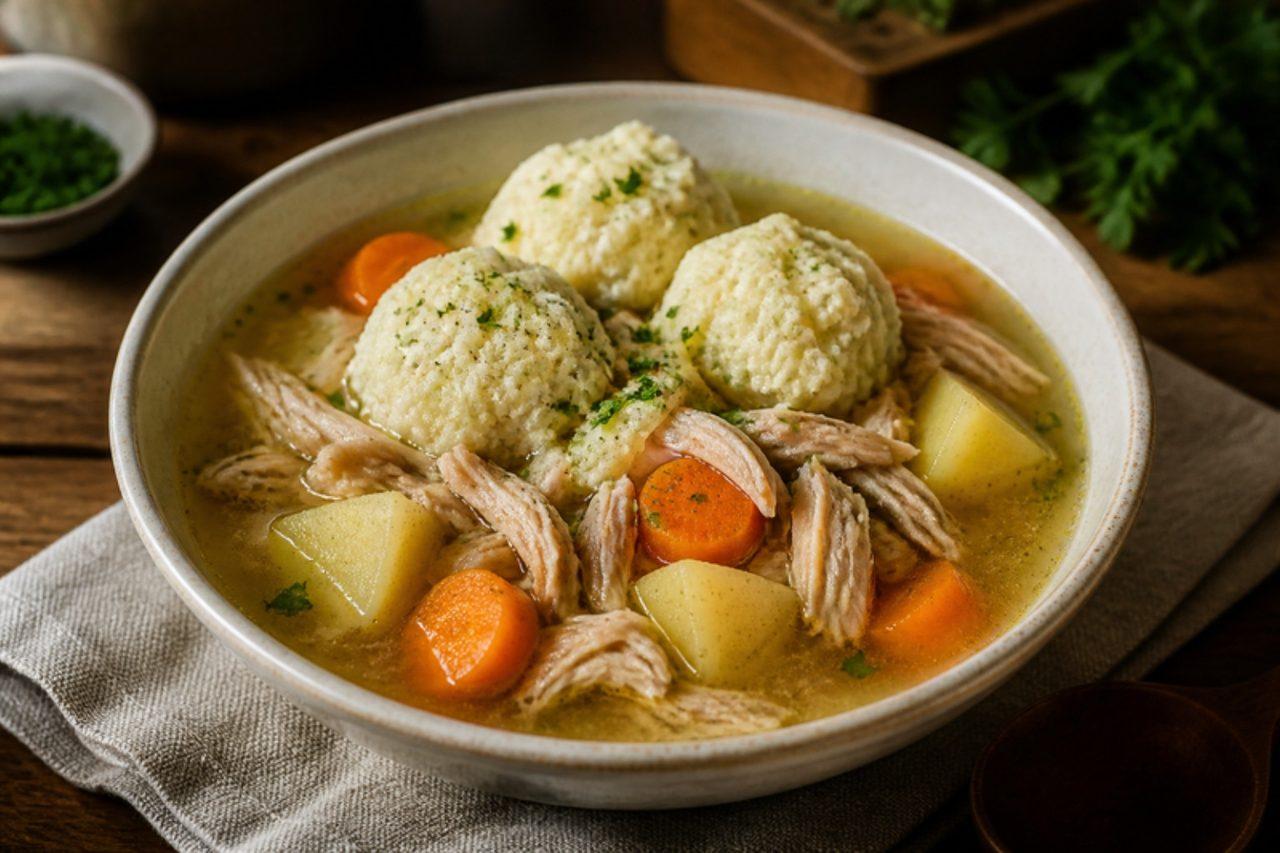
Chicken fricotChicken stew with dumplings

Fricot is the everyday stew of Acadian kitchens in New Brunswick, Prince Edward Island and Nova Scotia, and on Chéticamp it is still what grandmothers serve when the family comes home. Chicken simmers with potatoes, onion and plenty of summer savory, and fluffy dumplings called pâte steam on top at the end. It is simple, comforting food for cold evenings. A common mistake is a stew that is boiling hard when the dumplings go in, which breaks them up; keep it at a lively simmer. Chef's tip: summer savory is the defining herb; use thyme only if you really can't find it.

by KrazyBadal 0 views

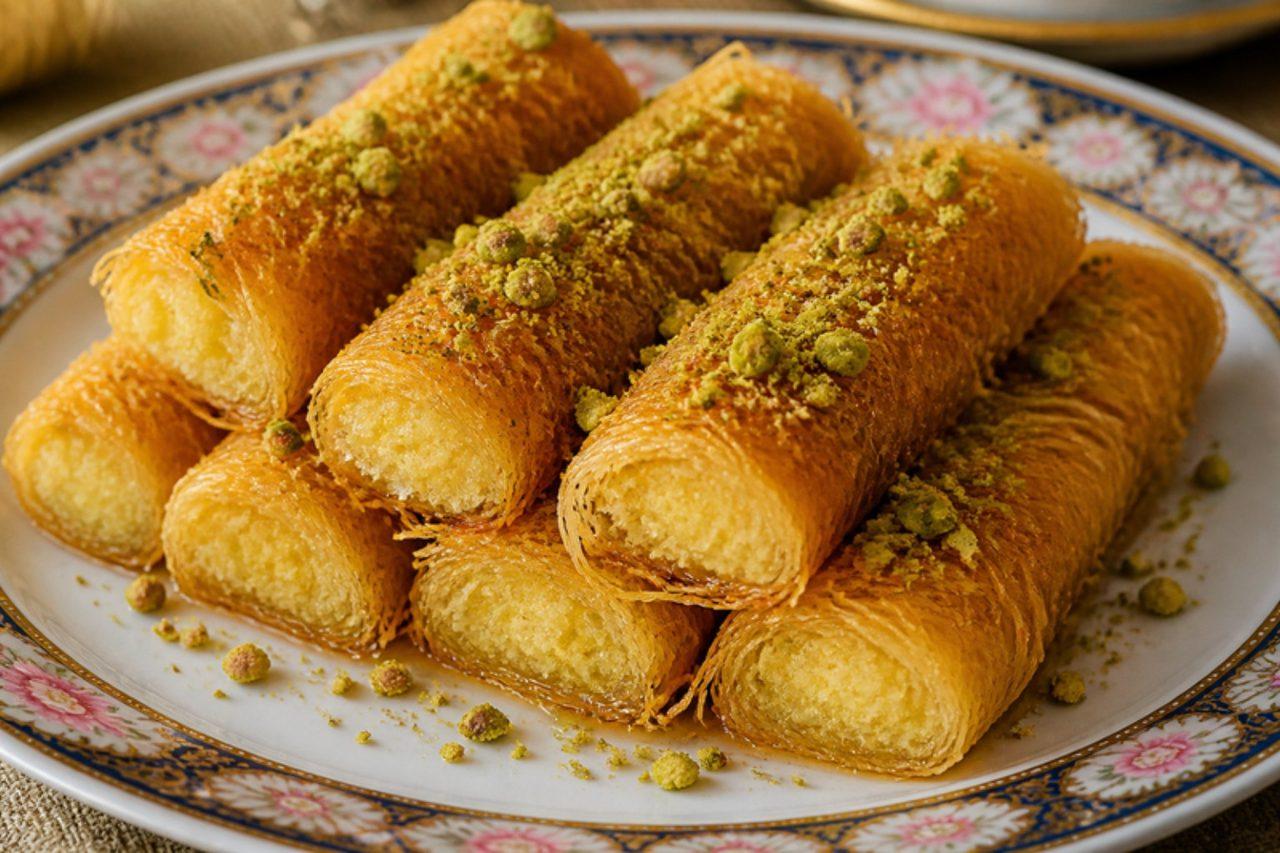
Abrisham kebabEgg thread rolls in syrup

Despite the name there is no meat in abrisham kebab, the silk kebab: it is a show-off Kabul sweet made from nothing more than beaten egg drizzled in fine threads over hot oil until it sets into a lacy golden net, which is rolled up like a kebab on a skewer, dipped in syrup and dusted with ground pistachios. It is made for weddings, engagements and Eid, and the skill is in the wrist, so many families leave it to one aunt who has the knack. The texture is unusual and delightful, soft and springy, slightly chewy and soaked with cardamom-scented syrup. Pouring the egg too thickly gives you an omelette rather than silk; let it fall from your fingers in thin streams and keep moving. Chef's tip: strain the eggs first, as removing the stringy white makes the threads much finer and more even.

by KrazyBadal 0 views

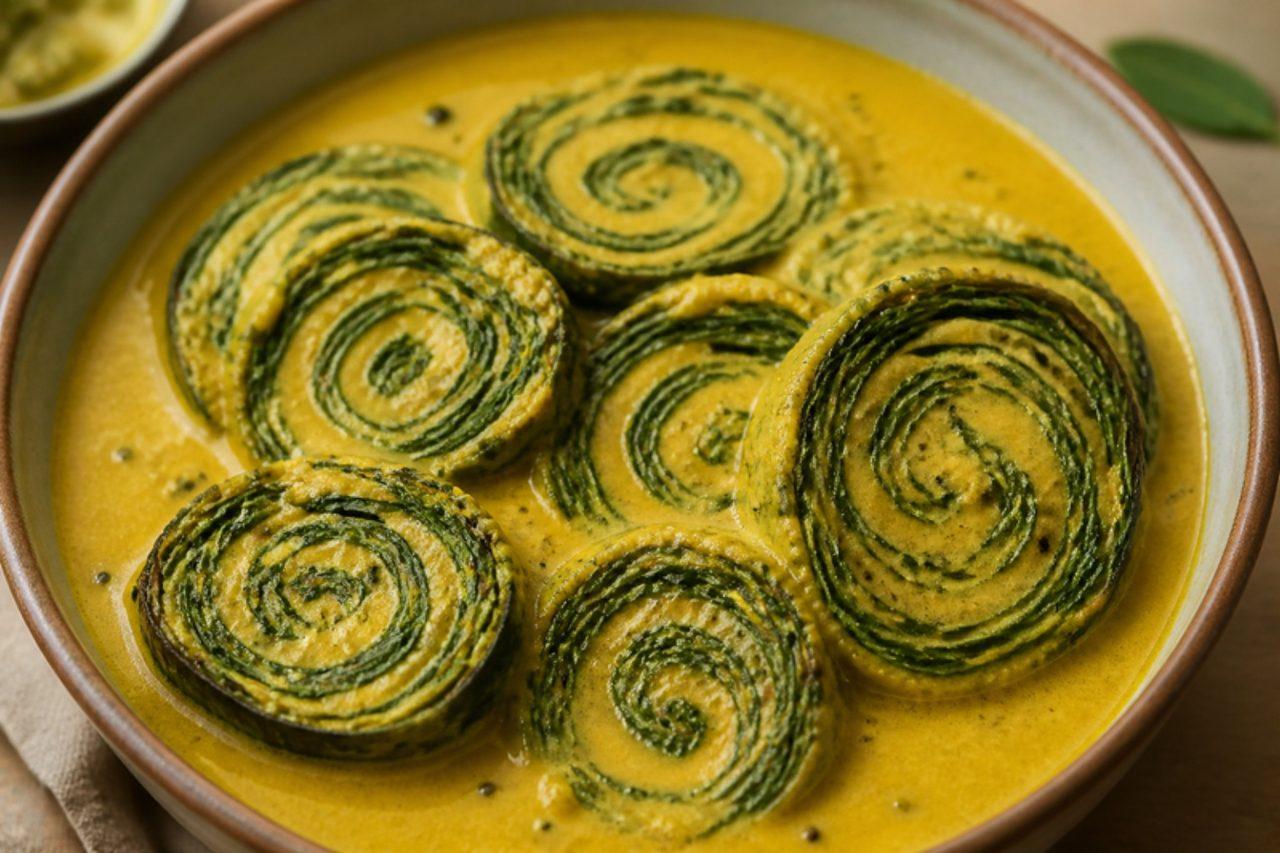
ArikanchanTaro leaf rolls in mustard gravy

Arikanchan is a monsoon speciality of Maithil kitchens in Janakpur and the eastern Terai, cooked when the taro plants in the courtyard put out huge, tender leaves. A spiced chickpea-flour paste is spread over the leaves, which are rolled up tight like a Swiss roll and steamed, then the rolls are sliced into spirals, fried and simmered in a punchy gravy of ground mustard seed, garlic, chilli and tomato cooked in mustard oil. The result is soft and layered, with a gentle sourness and the nose-tingling heat of fresh mustard, eaten with rice and a dal. The biggest risk is undercooking the taro leaves, which can leave an itchy, scratchy feeling in the throat. Chef's tip: use only young leaves, strip the thick ribs, and always include the tamarind in the paste, because the sourness neutralises the irritant in the leaves.

by KrazyBadal 0 views

Honey and milk bread (yemarina yewotet dabo)

Softer and sweeter than everyday ambasha, this round loaf is the bread Ethiopian families bake for a holiday table, a christening or guests at a coffee ceremony, when there is milk and good honey in the house. The dough is enriched with egg and butter, so it bakes up tender with a fine, cake-like crumb, and the spices are gentle: toasted coriander, a whisper of fenugreek and cardamom that perfumes the kitchen. It is sliced and eaten as it is, with spiced tea or coffee, or spread with a little honey. Allow about 1¾ hours for the two rises. Chef's tip: keep the fenugreek to a quarter teaspoon; any more and its bitterness takes over the honey.

by KrazyBadal 0 views

Roasted corn and ube (African pear)

When the rains come between June and September, roadside roasters all over southern Nigeria fan charcoal under rows of maize cobs, and next to them sits a basin of ube, the purple African pear, softened in hot water. A bite of chewy, smoky corn and a scrape of the pear's rich, salty, almost avocado-like flesh is the whole point, and at home a grill or a gas flame does the job. Dropping ube into boiling water is a common mistake: the skins split and the flesh turns watery and bitter, so use water that is hot but not bubbling. Chef's tip: no ube? Fresh coconut chunks are the other classic partner for roasted corn.

by KrazyBadal 0 views

Kita (quick Ethiopian flatbread)

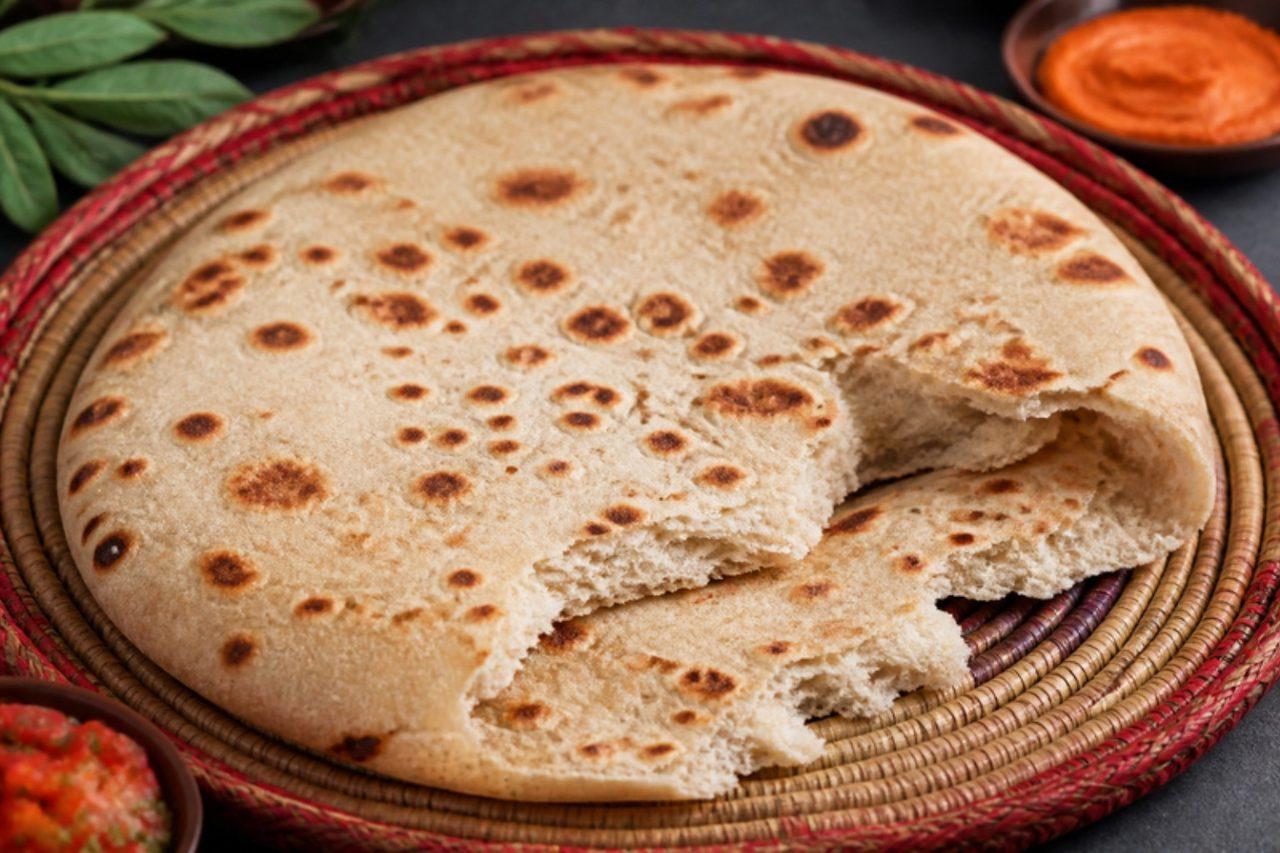
When there is no fermented injera batter ready, households across Ethiopia make kita: a plain unleavened flatbread of flour, water and salt, spread thin and cooked on the mitad or a heavy pan in minutes. It is soft and slightly chewy with toasty brown spots, and is eaten hot with tea, with shiro or buticha on fasting days, or torn up for kita firfir. Children often eat it warm with a sprinkle of berbere and oil. A wheat dough is easiest at home; mixing in a portion of teff flour adds an earthy flavour. Too thick a layer is the common mistake, as the middle stays raw; spread it thin and cook it covered. Chef's tip: wet your fingertips or the back of a spoon to press the batter-like dough out evenly in the hot pan.

by KrazyBadal 0 views

Tuwo masara (stiff maize swallow)

On the Plateau and throughout the north, a pot of white maize flour turned stiff with a wooden paddle is the daily partner to miyan kubewa (okra soup), miyan kuka and vegetable soups. Tuwon masara is smooth, slightly springy and mild, with a faint sweetness of corn. The secret is to start with a thin cooked paste and only then add the dry flour, which keeps it lump-free; dumping all the flour into boiling water is the mistake that gives raw, gritty pockets. Chef's tip: use a sturdy, flat wooden spoon and press the tuwo hard against the side of the pot when you turn it.

by KrazyBadal 0 views

Ukwa (African breadfruit porridge)

Ukwa is festival and family food in the Igbo Southeast, cooked for guests and for the New Yam season, and its price in the market shows how prized it is. The seeds of the African breadfruit are dehulled and slow-cooked with a little potash until soft and creamy, then finished with palm oil, onion, pepper and fragrant utazi or scent leaves, giving a rich, nutty, slightly beany porridge. Dried fish is often stirred in; this version stays meat-free. Some cooks add fresh sweetcorn or cooked maize in the last 10 minutes. A pressure cooker saves an hour of simmering. Chef's tip: add the salt and stock cube only once the seeds are soft; seasoning early, a common mistake, keeps them hard for much longer.

by KrazyBadal 0 views

Senafich (Ethiopian mustard seed paste)

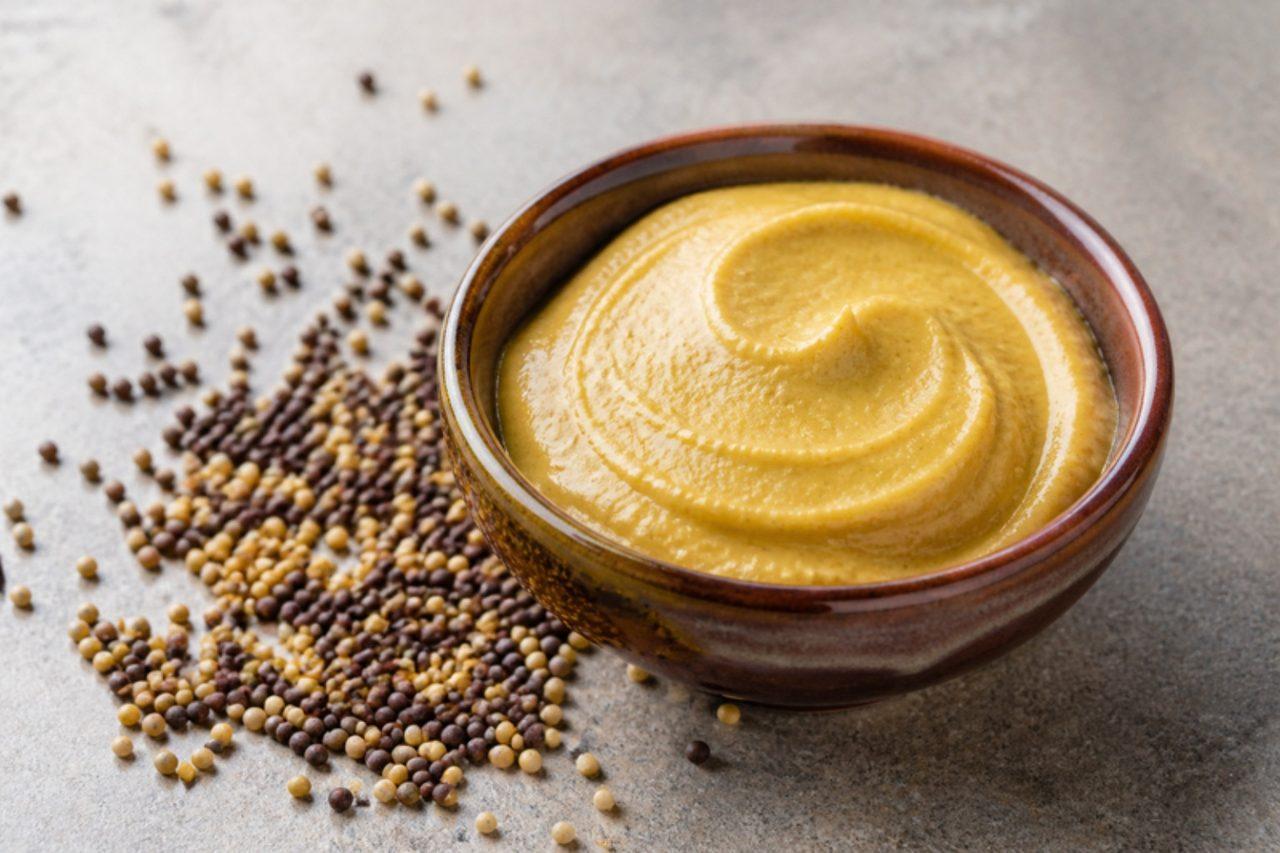
On Ethiopian fasting platters there is often one little dab of yellow among the reds and greens: senafich, a punchy mustard paste that clears the nose and cuts through the oil of the wats. Brown or yellow mustard seed is ground, mixed with warm water and left to rest, which takes the bitterness away, then beaten with lemon, oil, ginger and garlic until it is smooth and creamy. It is served with injera, shimbra asa and boiled vegetables, and some cooks thin it into a sauce for raw chillies. A common mistake is serving it straight after mixing, when it is harsh and bitter; let it stand for at least an hour (it is even better the next day). Chef's tip: use warm water rather than boiling for the soak; very hot water kills the mustard's heat and leaves it flat.

by KrazyBadal 0 views

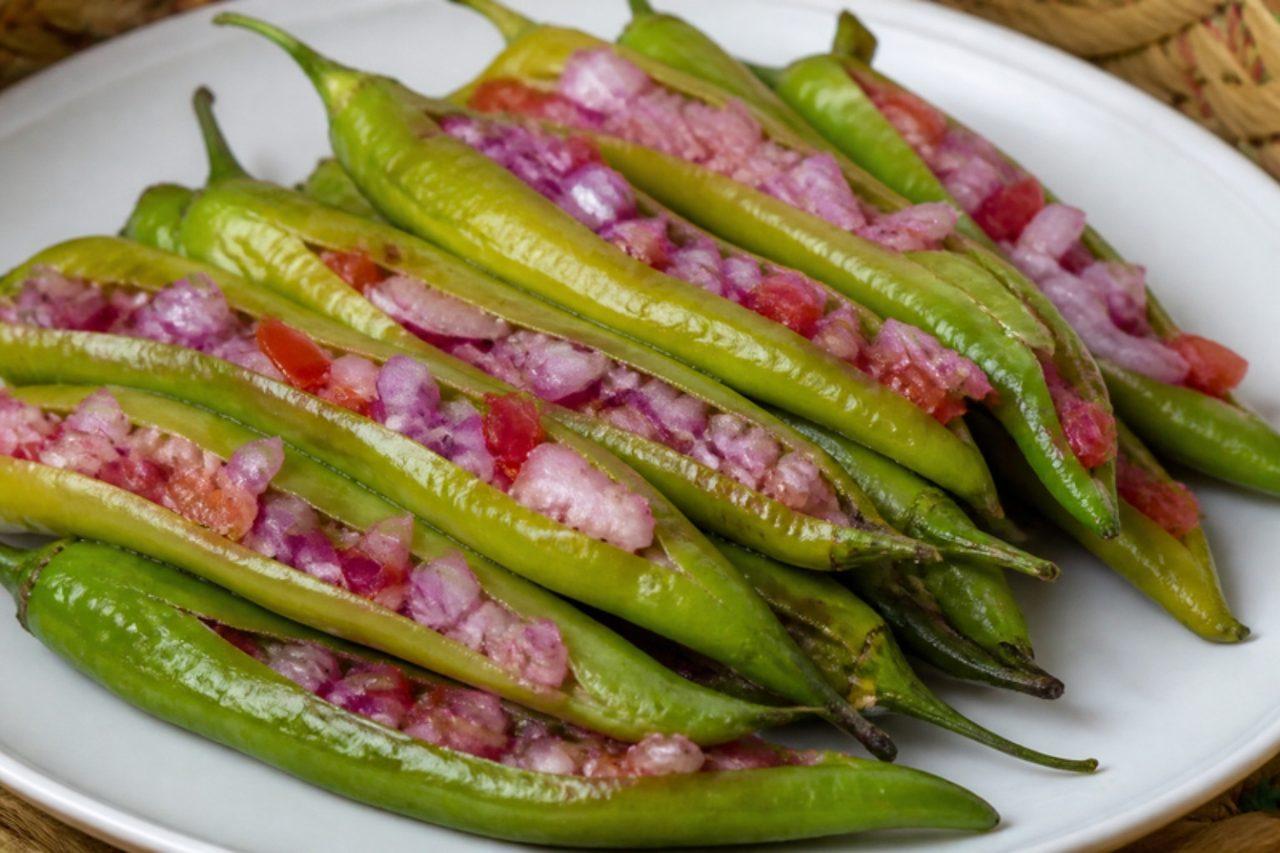
Sinig karia (stuffed green chillies)

Long, pale green karia chillies are piled high in the markets of Addis Ababa, and on fasting days cooks slit them, scrape out the seeds and fill them with a sharp little salad of onion and tomato soaked in lemon. The result is crunchy, fresh and juicy, with a mild chilli warmth, and the chillies are eaten with the fingers between mouthfuls of injera and spicy wat, or set out as a starter. Choose mild long peppers such as Anaheim, Hungarian wax or long sweet green peppers. A common mistake is leaving the white ribs in, which keeps the heat high and can make them bitter; scrape them out with a teaspoon. Chef's tip: dip the chillies in boiling water for one minute and cool them in cold water first if you want them a little softer and easier to stuff.

by KrazyBadal 0 views

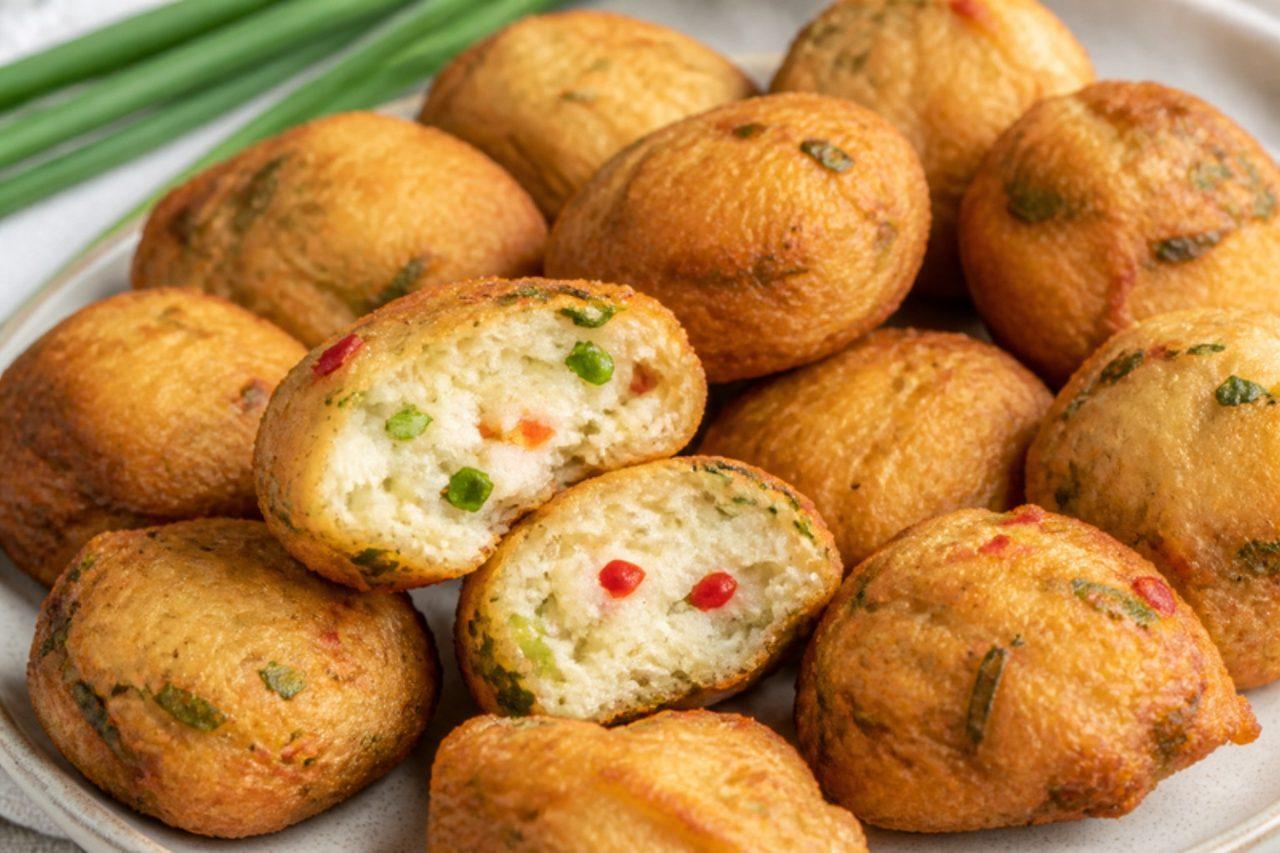
AboloSteamed corn and rice bread

Along the lagoon towns of Keta and Anloga, women carry trays of abolo to the lorry parks: pale, spongy little cakes of fermented corn and rice dough, sweetened a little and steamed until springy. They taste gently sour and sweet, a bit like a steamed bun, and are traditionally eaten with fried fish and shito or a raw pepper sauce; with fresh pepper sauce and avocado they make a meat-free meal. The batter needs about an hour to rise, which is counted in the timings below. Chef's tip: cook a small part of the corn dough into a thick porridge first and mix it back in; this is what gives abolo its soft, bouncy crumb, and skipping it, the common mistake, gives dense, heavy cakes.

by KrazyBadal 0 views

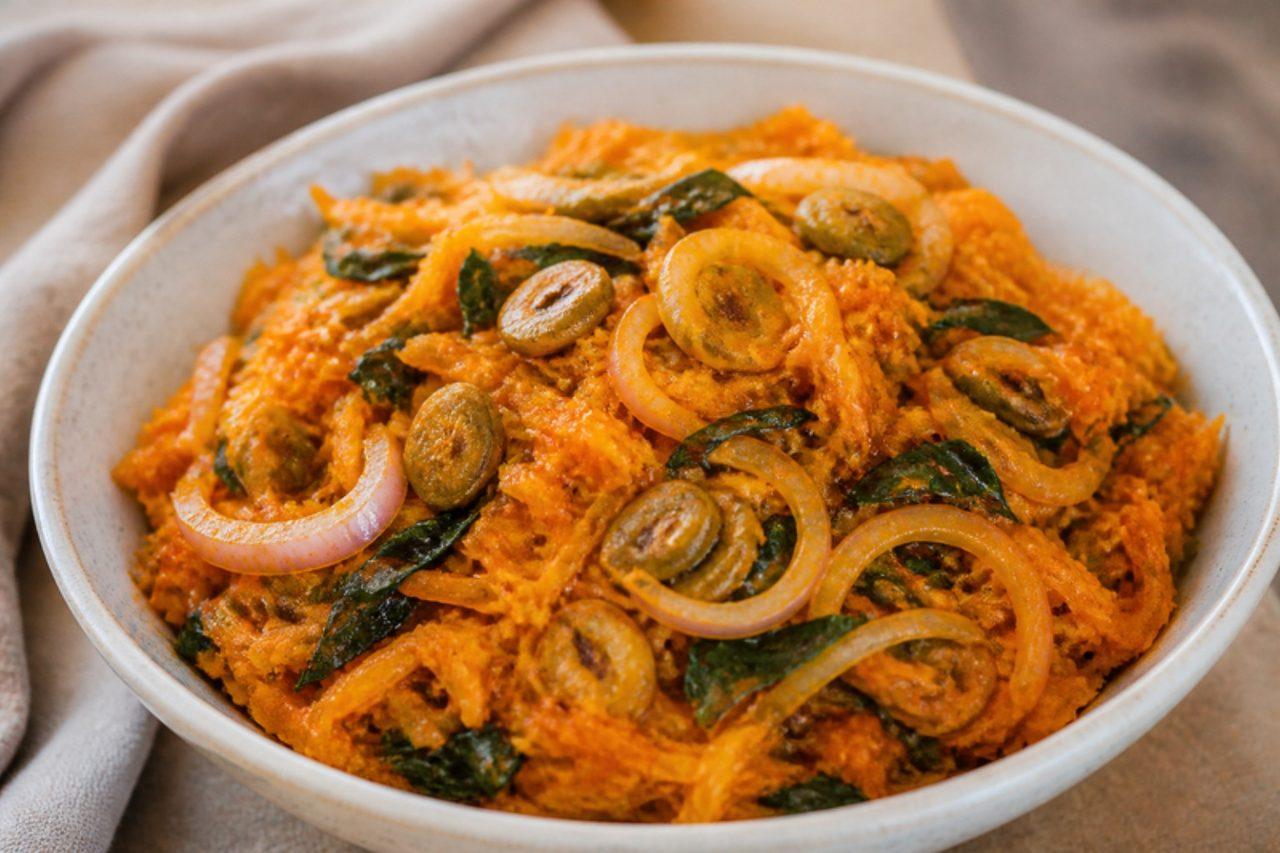
Abacha (African salad)

Abacha is the evening snack of Anambra and Enugu, sold by women on street corners and served at Igbo weddings and funerals, where people call it African salad. Dried cassava shreds are softened in water and tossed in ncha, a thick yellow emulsion made by stirring palm oil with potash water, together with fermented oil bean (ugba), sliced onion, pepper and ground calabash nutmeg, then finished with garden egg leaves and fresh garden eggs. It is chewy, oily, peppery and fresh all at once. Stockfish, ponmo or crayfish are often added; this is the meat-free way. Outside Nigeria, African shops sell abacha and ugba; leave the ugba out if you cannot find it. Chef's tip: soak the abacha only until it is just pliable; left too long it turns mushy, which is the mistake that ruins the texture.

by KrazyBadal 0 views

AboboiBambara beans in palm oil

Bambara beans, round and speckled, are one of West Africa's oldest crops, and in Accra they become aboboi: simmered for a long time until creamy, then finished in red palm oil fried with onion and pepper. Street sellers dish it out in the evening, often with gari sprinkled on top for crunch and sometimes with fried fish; this version keeps it meat-free and lets the earthy, chestnut-like beans shine. It is filling, protein-rich and costs little. Dried Bambara beans are sold in African and Asian shops; black-eyed beans cook faster if you cannot find them. Don't add salt before the beans are soft, or the skins stay hard however long they cook. Chef's tip: soak the beans overnight and use a pressure cooker if you have one, as unsoaked Bambara beans can take three hours and still stay hard, which is the most common disappointment.

by KrazyBadal 0 views

Ojojo (water yam fritters)

Ojojo is what Yoruba households do with water yam when they want a snack instead of a pottage, and roadside fryers in the Southwest sell it hot in paper with akara. The grated yam is mixed with chopped onion, fresh chilli and salt, then dropped by the spoonful into hot oil, where it puffs into craggy, golden fritters with a crisp shell and a soft, slightly chewy centre. Eat it hot with a pepper sauce, or with ogi (fermented corn pap) for breakfast. Wear gloves to peel and grate water yam, which makes the skin itch. Chef's tip: grate the yam just before frying and don't let the batter sit; it darkens and loosens as it stands.

by KrazyBadal 0 views

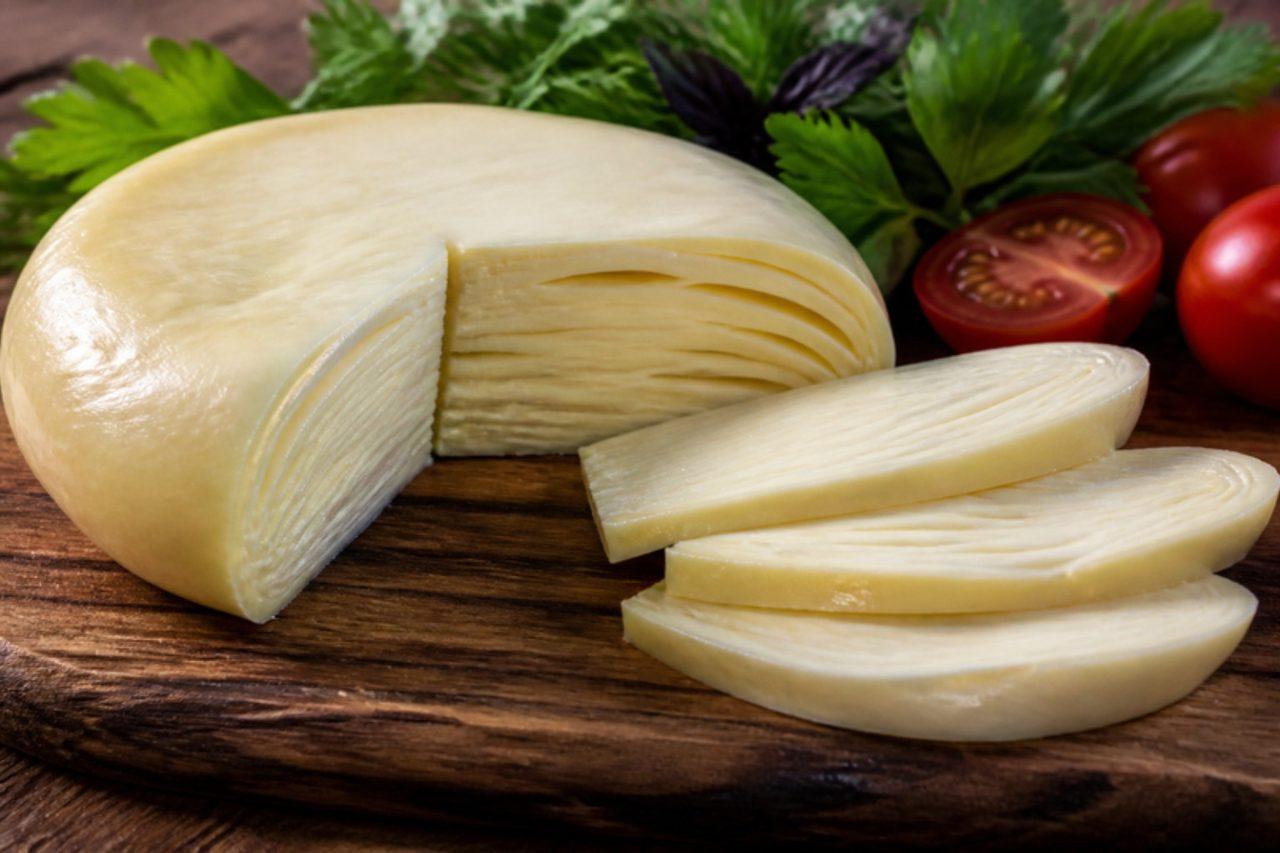
SulguniStretched cheese

Sulguni is the famous cheese of Samegrelo, made in Zugdidi homes by taking fresh, slightly soured curd, cutting it up and working it in hot water until it can be pulled into a glossy, layered, salty ball. It is eaten in thick slices, melted into elarji and khachapuri, and smoked over embers for a darker version. The curd has to be acidic enough to stretch, so you make the cheese one day and stretch it the next, or buy fresh Imeretian cheese and start from there. Traditionally animal rennet is used; vegetarian rennet works too. A common mistake is trying to stretch fresh, sweet curd; it melts into a puddle instead of pulling. Chef's tip: test a small piece in hot water first; if it stretches 30 cm without breaking, the curd is ready.

by KrazyBadal 0 views

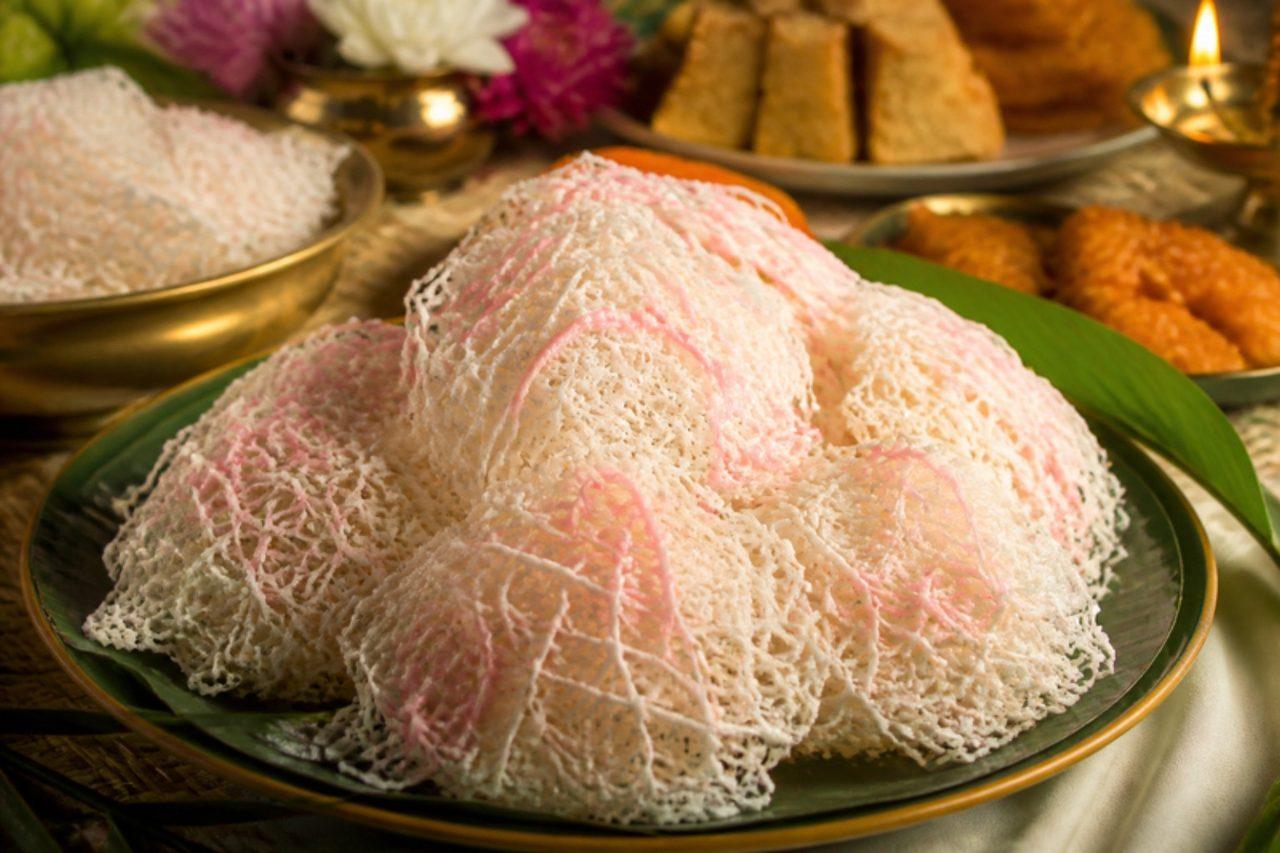
AasmiFried rice flour nests with syrup

Aasmi is the most delicate sweet on the Sinhala New Year table, a crisp, cream-coloured nest of tangled rice threads drizzled with pink syrup, and making it is a skill that village women in the Kandy and Kurunegala districts are rightly proud of. The batter gets its unique, almost glassy crispness from the slippery sap of davul kurundu leaves, a wild relative of laurel sometimes sold dried or frozen in Sri Lankan shops, which binds the rice flour and coconut milk. It is poured in a fine stream into hot oil to form a lace, folded while still soft and fried until crisp but still pale, then decorated with lines of thick sugar syrup. If you cannot find the leaves, a little tapioca starch helps the batter hold, but the lace will be softer. The usual error is frying until golden: aasmi should stay pale cream, so keep the oil moderate. Chef's tip: test the batter with one thread first; it should fall in a smooth, unbroken stream.

by KrazyBadal 0 views

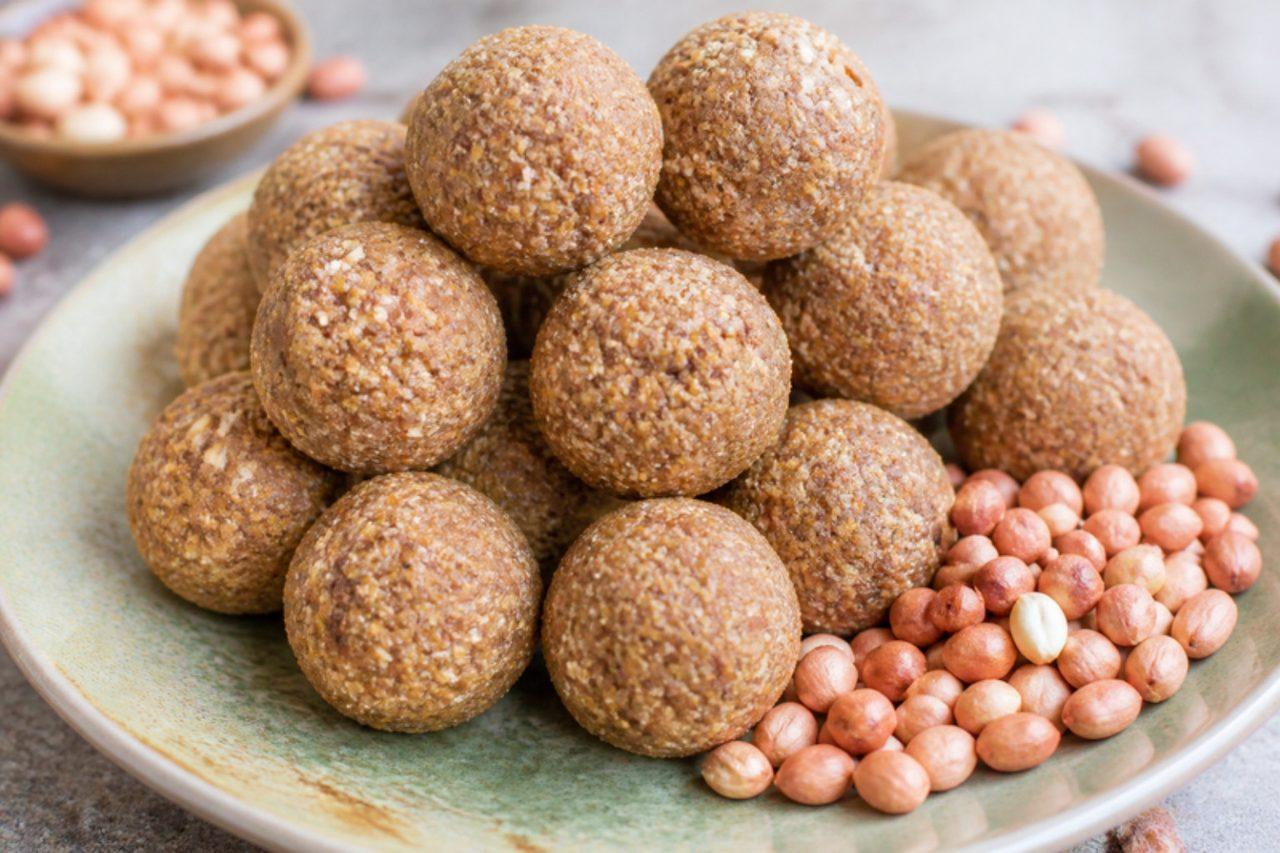
Dakuwa (groundnut and grain balls)

Hawkers in northern towns carry dakuwa on trays to schools and motor parks, and it keeps well enough to be a travelling snack. Roasted groundnuts are pounded with toasted maize or millet, sugar and warm spices until the oil from the nuts binds everything, then pressed into firm balls that are sweet, nutty and gently peppery. No cooking beyond toasting is needed. The usual mistake is over-blending until the nuts turn to butter and the mixture goes greasy; pulse and stop as soon as it holds when squeezed. Chef's tip: shape the balls while the mixture is still warm from the processor, when the oils are soft and it presses together easily.

by KrazyBadal 0 views

Aargauer RüeblitorteCarrot and almond cake

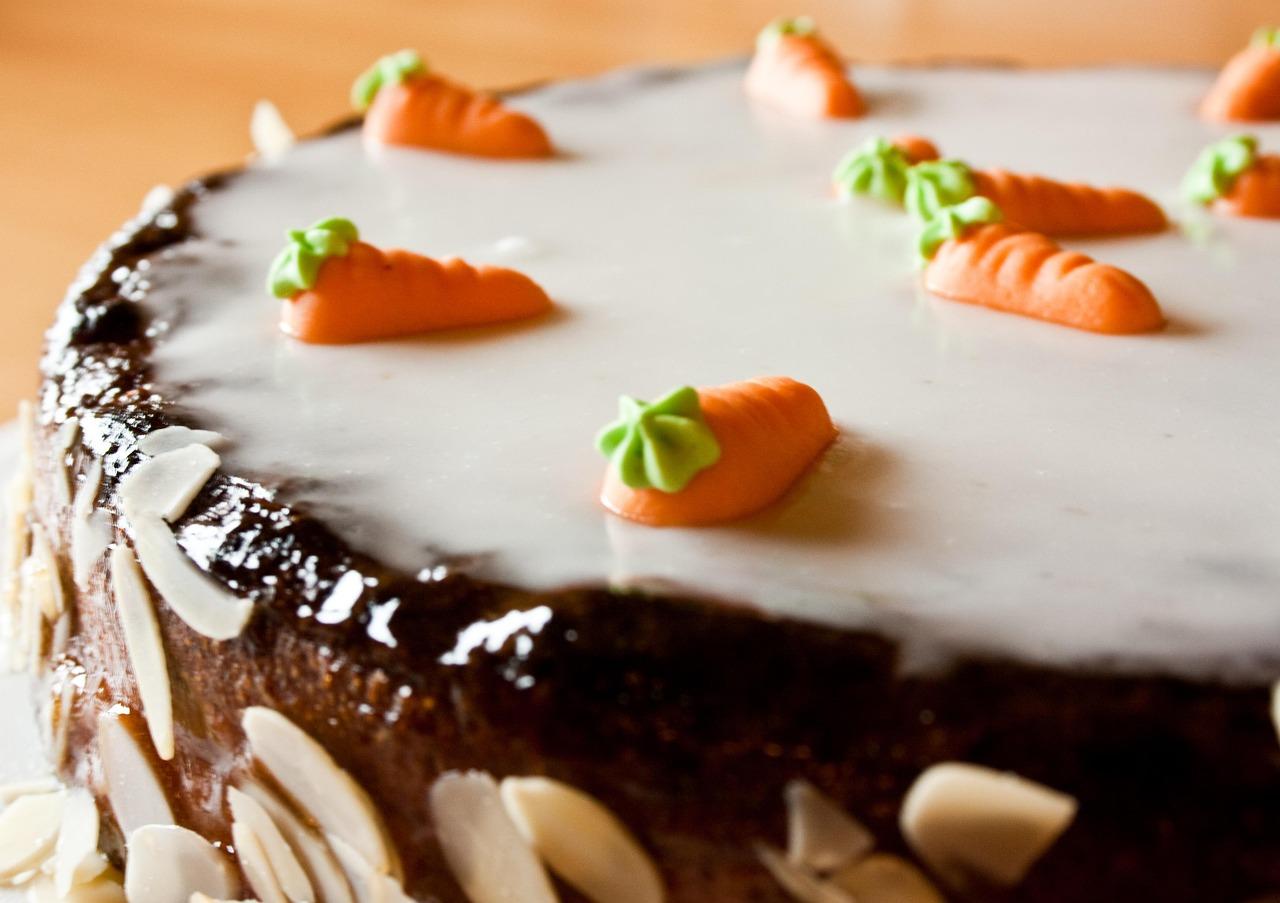
Rüeblitorte is the carrot cake of the canton of Aargau, between Zurich and Basel, where carrots grow well in the flat farmland: a moist, flourless cake of grated carrot and ground almonds lifted with whisked egg whites, glazed with a thin lemon or kirsch icing and decorated with little marzipan carrots. It is the traditional Swiss birthday cake for children and appears at Easter. A common mistake is skipping the separate whisking of the whites, which makes it heavy. Chef's tip: grate the carrots finely and squeeze out a little juice, so the cake is moist but not soggy. This version uses lemon icing.

by KrazyBadal 0 views

Kebda iskandarani (Alexandrian liver)

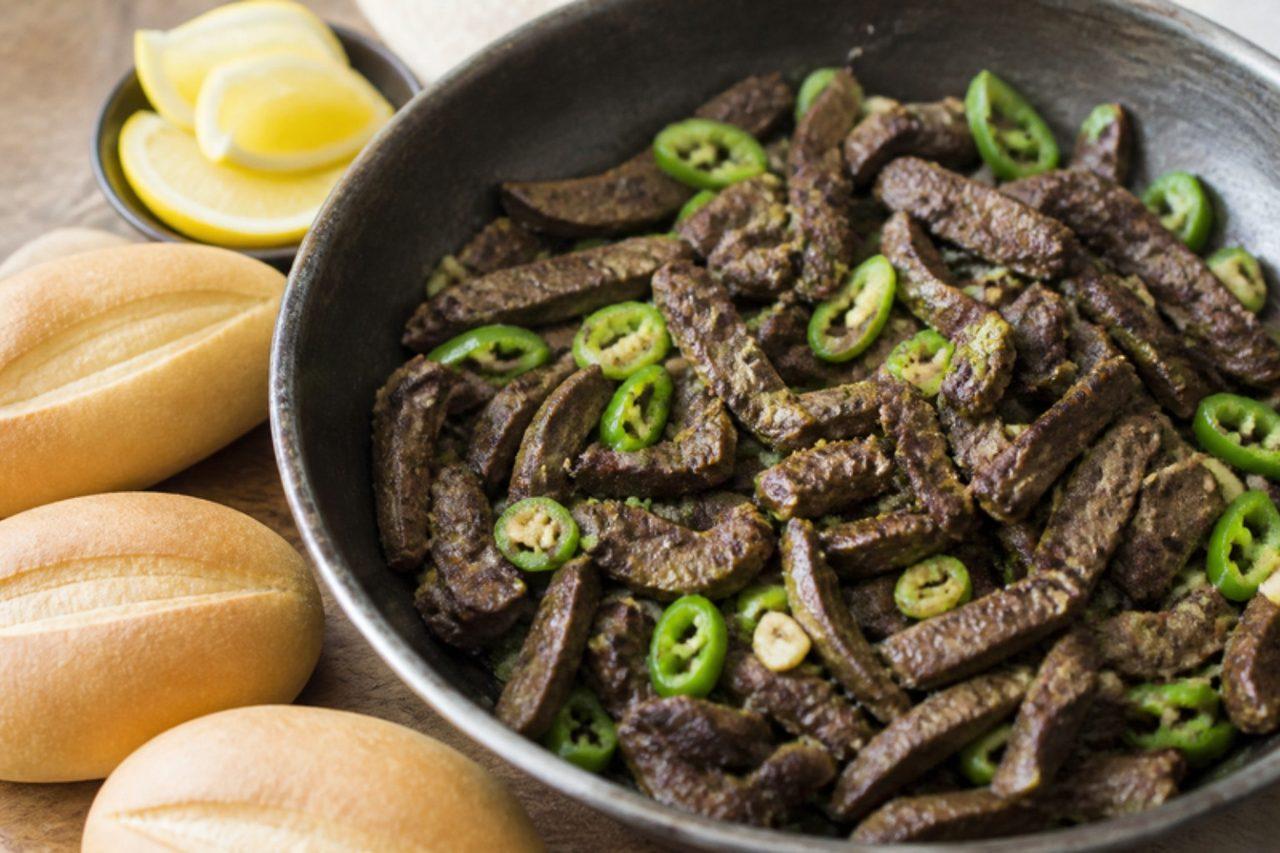
After dark in Alexandria, carts and tiny shops fry liver to order on blackened griddles, and a couple of small, crackly baguette sandwiches of kebda make a late supper or a working breakfast all over Egypt. The liver is sliced into thin ribbons and seared hard and fast with plenty of garlic, hot green chilli, green pepper and cumin, finished with lemon so it stays juicy, tender and sharp. Stuff it into soft rolls with a smear of tahini and a few pickles. Liver is very rich in vitamin A, so pregnant women are usually advised to avoid it. Chef's tip: soak the strips in cold water for 15 minutes and pat them very dry; they sear rather than stew and taste milder.

by KrazyBadal 0 views

AamshottoSun-dried mango sheets

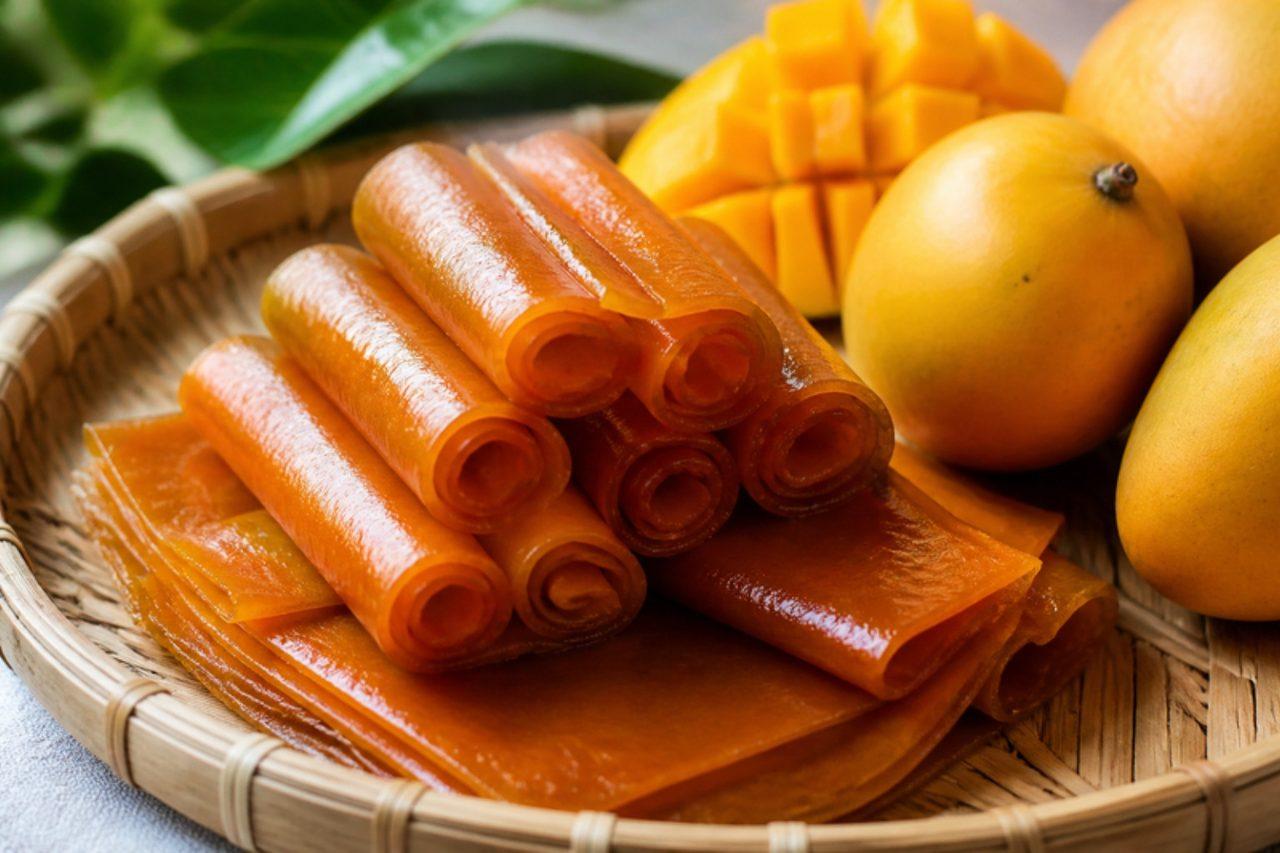
In June the mango orchards of Rajshahi and Chapai Nawabganj produce more fruit than anyone can eat, and on rooftops across the region the surplus is turned into aamshotto, sheets of sweet mango pulp spread thin on bamboo trays and dried in the sun. A fresh layer is spread over the last one each day, so the finished slab is built up from many thin films, chewy, deep orange and intensely fruity. It is cut into strips and kept for the rainy months, eaten as a snack, packed in children's lunchboxes or chopped into chutney. In a damp climate, sun-drying is slow and risks mould, so this version uses a low oven. Spreading the pulp too thick is the classic misjudgement; the middle never dries and stays sticky. Chef's tip: use fibre-free mangoes such as Himsagar, Langra or Alphonso and push the pulp through a sieve for a smooth sheet.

by KrazyBadal 0 views

Gullisuwa (fried milk balls in syrup)

Small kiosks in Kano sell gullisuwa in twists of plastic, and Hausa families make platefuls for Sallah and weddings. Milk powder, a little flour and sugar are worked into a soft dough, rolled into balls and fried slowly until deep golden, then soaked in syrup, which gives a rich, fudge-like centre and a faintly caramel crust. They recall Indian gulab jamun, but they are firmer and less spiced. Milk sugars burn fast, so the common mistake is hot oil that browns the outside in seconds while the inside stays doughy; keep it low. Chef's tip: oil your palms when rolling, so the balls stay smooth and don't crack in the pan.

by KrazyBadal 0 views

Aab goshtMutton in spiced milk

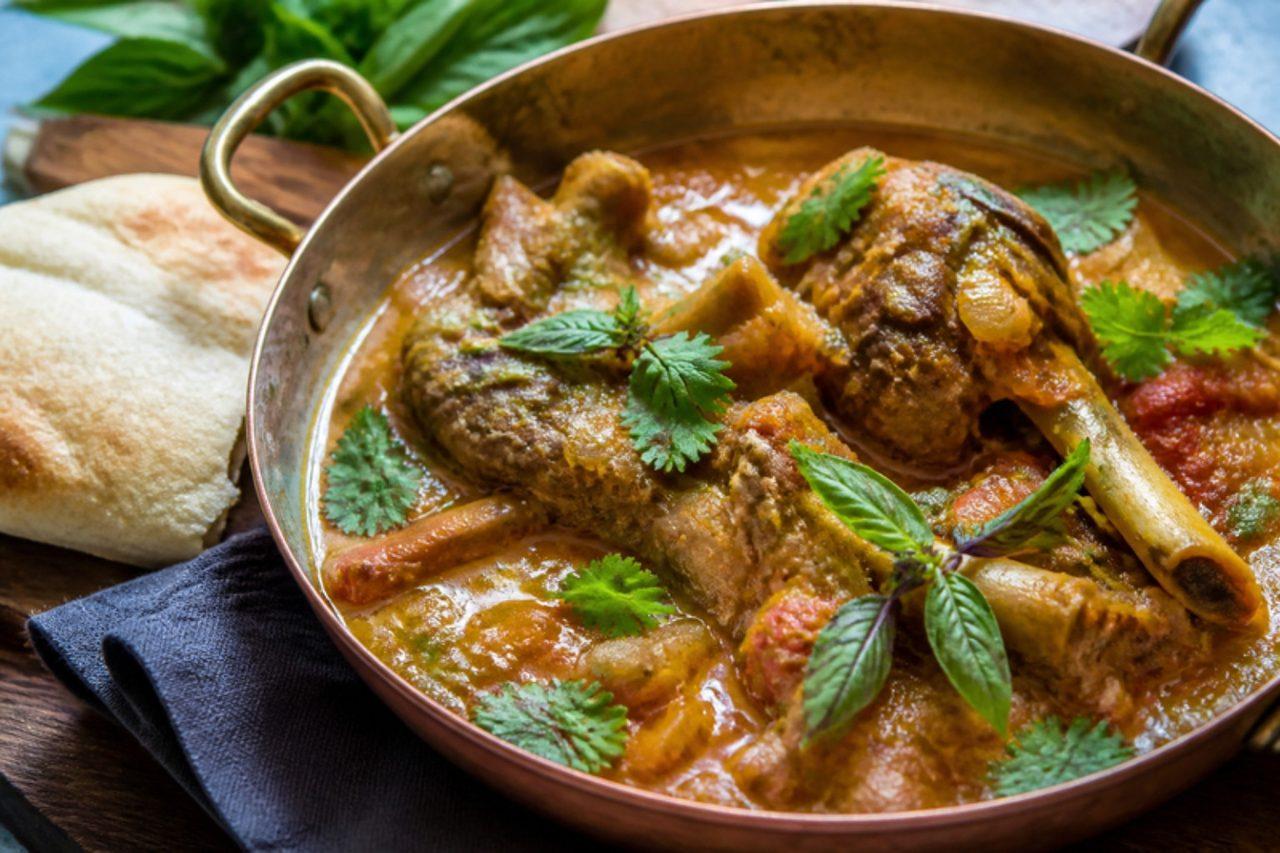
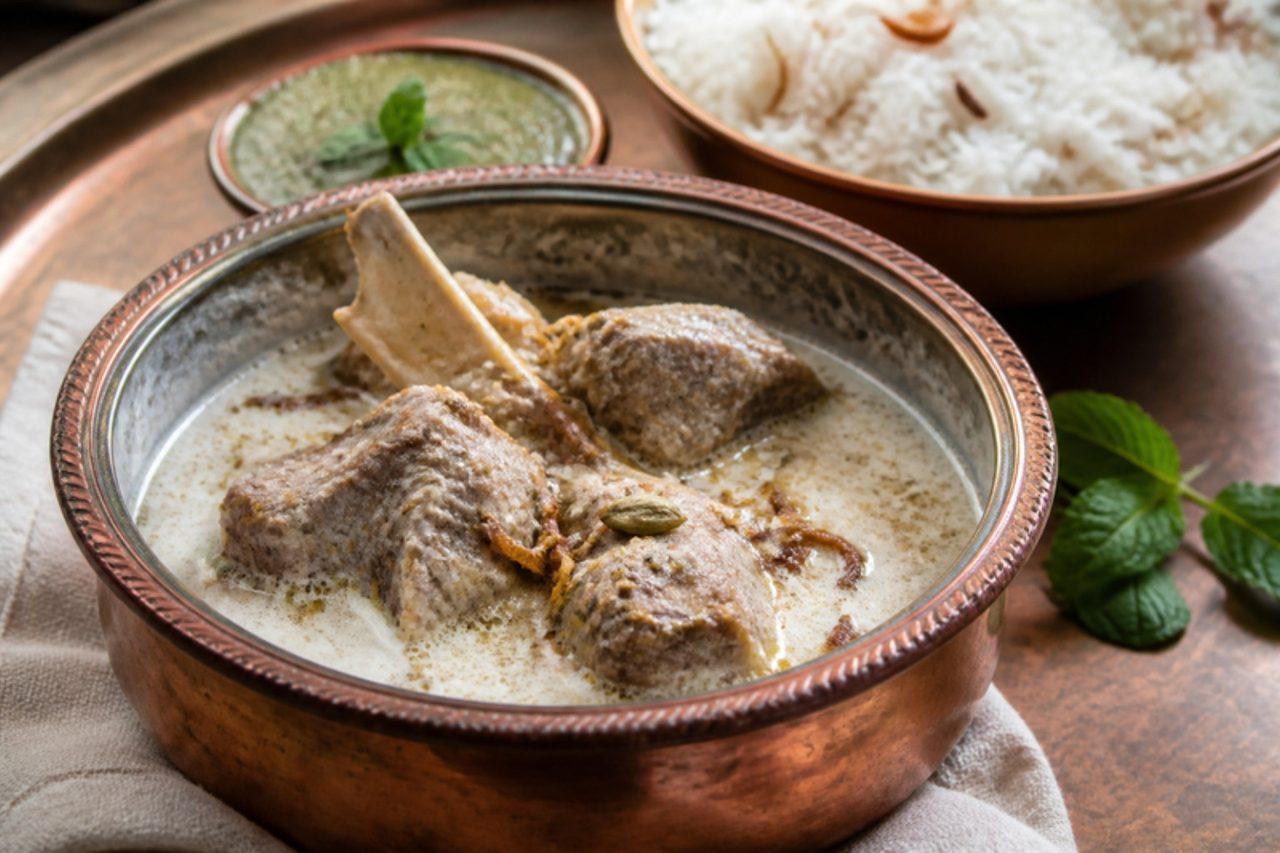
Pale, gentle and fragrant with green cardamom, aab gosht is the Kashmiri kitchen's answer to anyone who thinks the cuisine is all chilli. Mutton on the bone is first boiled with whole spices, then finished in reduced milk with fennel and dry ginger until the sauce turns ivory and thick, almost like a savoury kheer. It is a wazwan dish and a family favourite for Sunday lunch among Kashmiri households in Muzaffarabad and Lahore, eaten over plain rice with a sharp green chutney on the side for contrast. Boiling the milk hard is what ruins it, since it catches on the base and leaves a scorched taste through the whole pot. Chef's tip: reduce the milk in a separate wide pan while the meat cooks, then combine them; it thickens faster and is far less likely to burn.

by KrazyBadal 0 views

Kartoshka cakeCocoa and cake crumb truffles

Soviet cafés and school canteens sold these knobbly brown 'potatoes' for a few kopecks, and they began as a thrifty way to use up sponge and biscuit trimmings at the bakery. Crumbs are bound with butter and sweetened condensed milk, flavoured with cocoa and vanilla, shaped into little potatoes, rolled in cocoa and finished with two dabs of pale butter cream for the sprouts. They are fudgy and dense like a brownie truffle, need no oven, and children love making them. Traditional bakers added a spoonful of rum, an optional extra for adult batches only; this version is alcohol-free with vanilla. The usual slip is coarse crumbs, which make the potatoes crack, so blitz them as fine as sand. Chef's tip: chill the shaped potatoes for at least 20 minutes so they hold their shape and slice cleanly.

by KrazyBadal 2 views

Kebab halla (beef braised in onions)

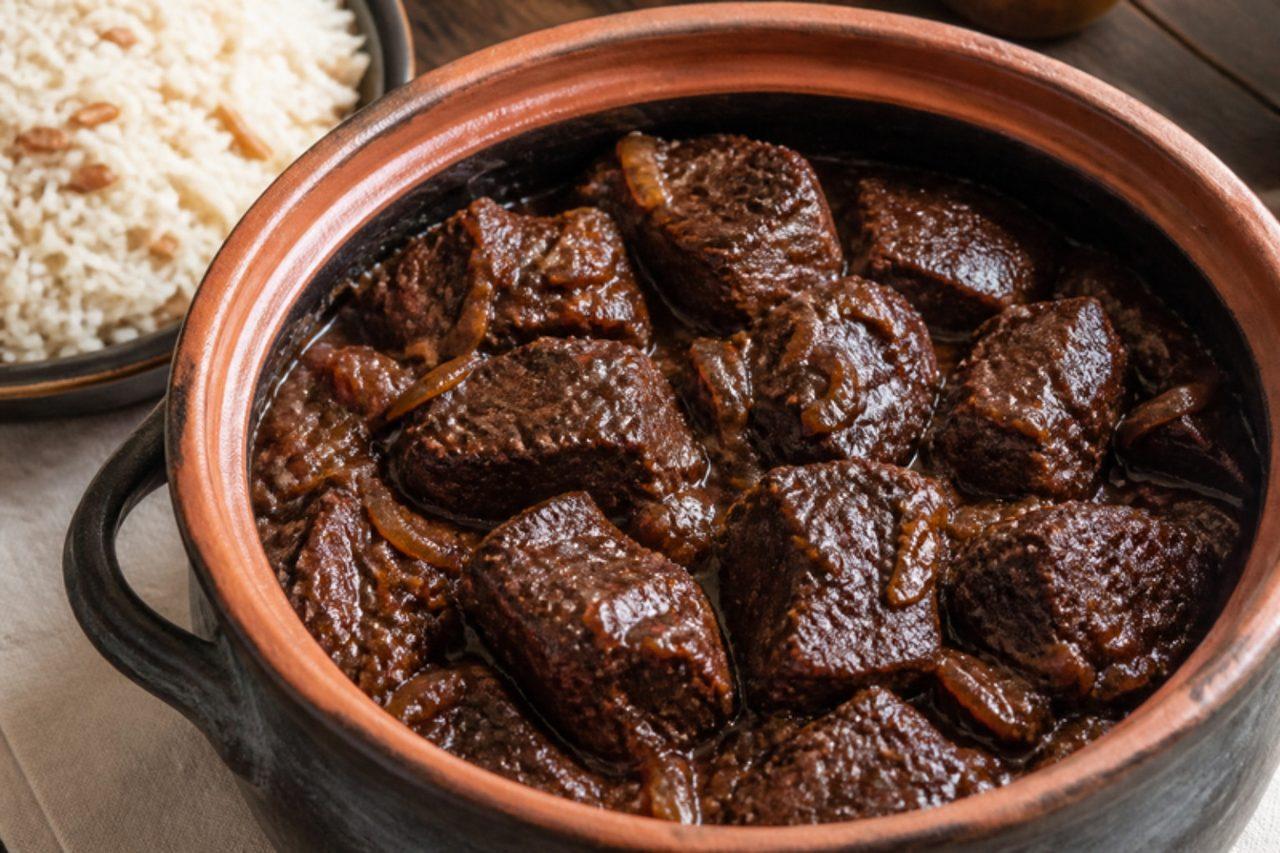
Despite the name, nothing here goes near a grill: kebab halla means "pot kebab", and it is the kind of unfussy Sunday or Friday dish that Cairo home cooks put on the stove and leave to its own devices. Chunks of beef are seared and then buried under a heap of sliced onions, which slowly give up their water and collapse into a glossy, almost jammy brown sauce with cardamom and bay. The meat ends up spoon-tender and the gravy tastes deeply savoury and a little sweet. It is eaten with Egyptian vermicelli rice, crusty bread or chips. Chef's tip: slice the onions into half-moons rather than chopping them; they melt evenly and give the sauce its silky body.

125 minEgyptianMeatGluten free
by KrazyBadal 0 views

Moza (Egyptian lamb shanks with rice)

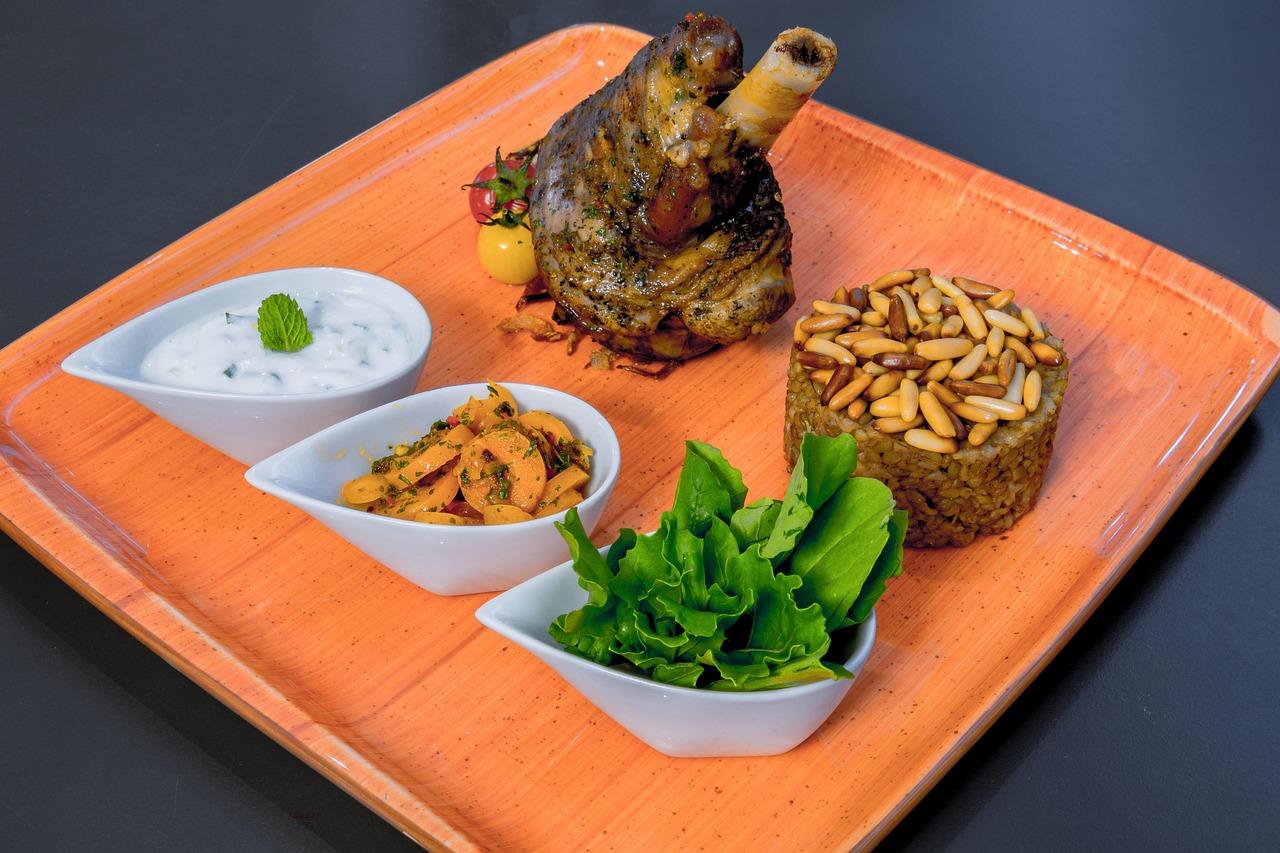
On Eid al-Adha, when there is lamb in every kitchen, and in the grill houses of Cairo where it is a favourite order, moza is the cut people point to: a whole shank per person, standing on a mound of rice. The shanks are first simmered gently with onion, cardamom, bay and a little mastic until the meat is ready to slip off the bone, then roasted in a hot oven so the outside turns brown and sticky. The rice cooks in the fragrant broth, so every grain carries the lamb flavour. A bowl of the remaining broth, a salad of tomato and cucumber and some tahini make it a feast. Chef's tip: skim the pot carefully in the first 15 minutes of simmering; a clear broth makes cleaner-tasting rice.

155 minEgyptianMeatGluten free
by KrazyBadal 0 views

Timatim fitfit (torn injera with fresh tomato)

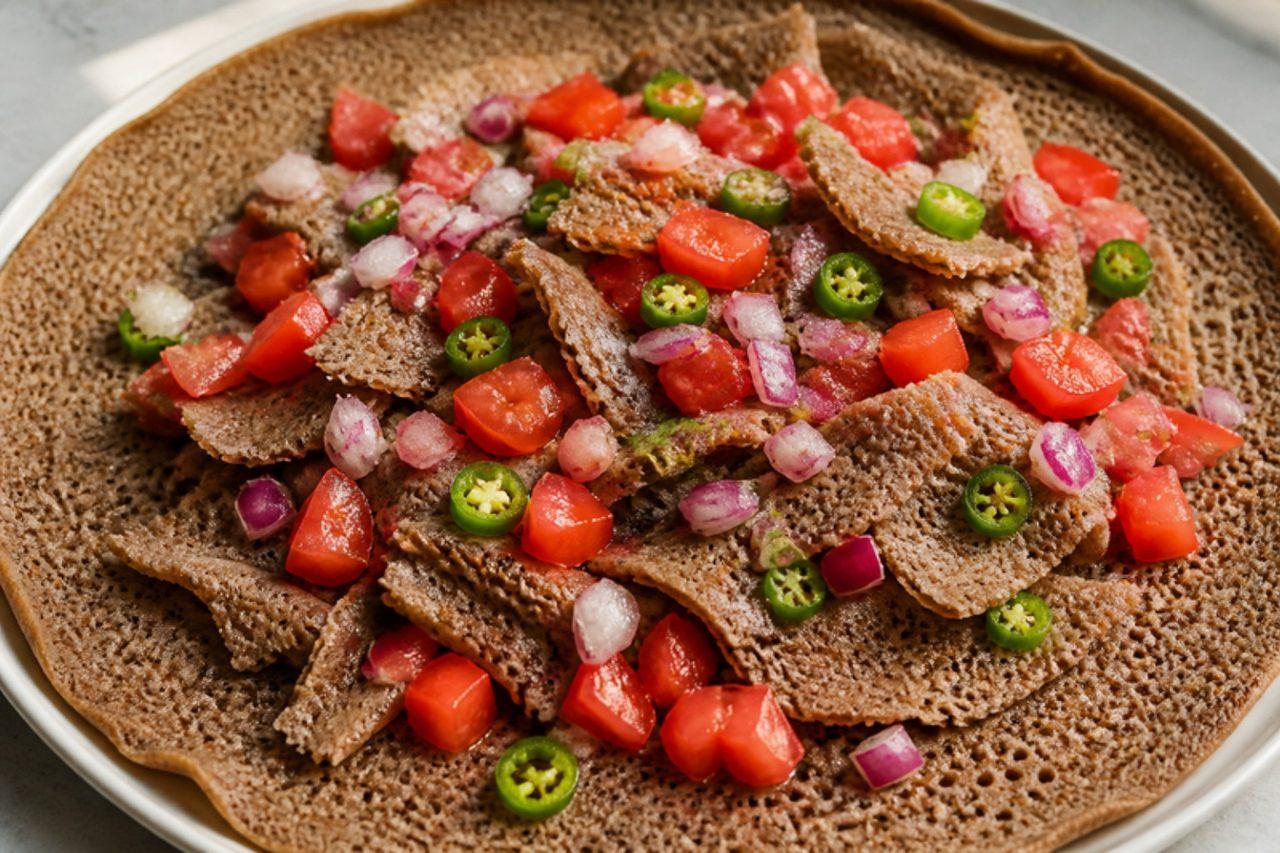
Leftover injera never goes to waste: torn into bite-sized pieces and tossed with juicy chopped tomato, red onion, green chilli, lemon and oil, it becomes timatim fitfit, a cool, tangy salad eaten for a light lunch on hot days and on fasting days all over the country. Unlike timatim salata, which is just the tomato salad, this version is a meal in itself: the injera drinks up the dressing and turns soft and spongy while keeping a little chew. It is usually served in a bowl and eaten with more injera or with a spoon. The common mistake is mixing it too early, which turns the bread soggy; toss it no more than ten minutes before eating. It is gluten free only if your injera is made from 100% teff. Chef's tip: use day-old injera, which is slightly drier and holds its shape better than fresh.

by KrazyBadal 0 views

Jamaican peanut porridge

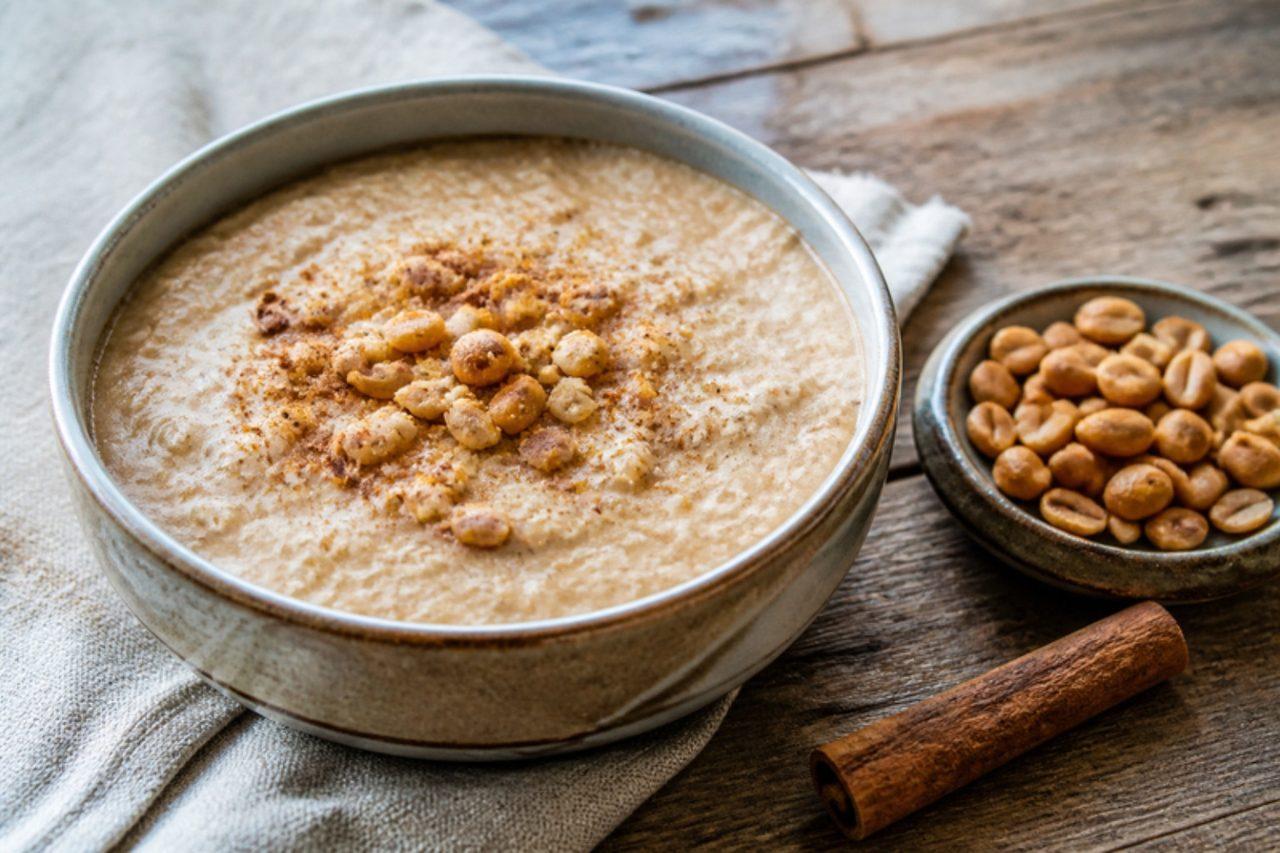
Before an early shift or a long day in the field, plenty of Jamaicans swear by peanut porridge, thick, nutty and filling enough to last until lunch; it is sold hot in cups from carts in downtown Kingston in the mornings. Roasted peanuts are blended with oats and water into a smooth paste, then cooked with milk until creamy and finished with nutmeg, vanilla and condensed milk. The mistake people make is cooking it over too high a heat, which scorches the bottom within minutes; peanuts burn easily, so stir and keep it at a simmer. This contains peanuts, milk and oats (gluten unless certified gluten-free). Chef's tip: toast the peanuts in a dry pan until they smell rich before blending, which deepens the flavour enormously.

by KrazyBadal 0 views

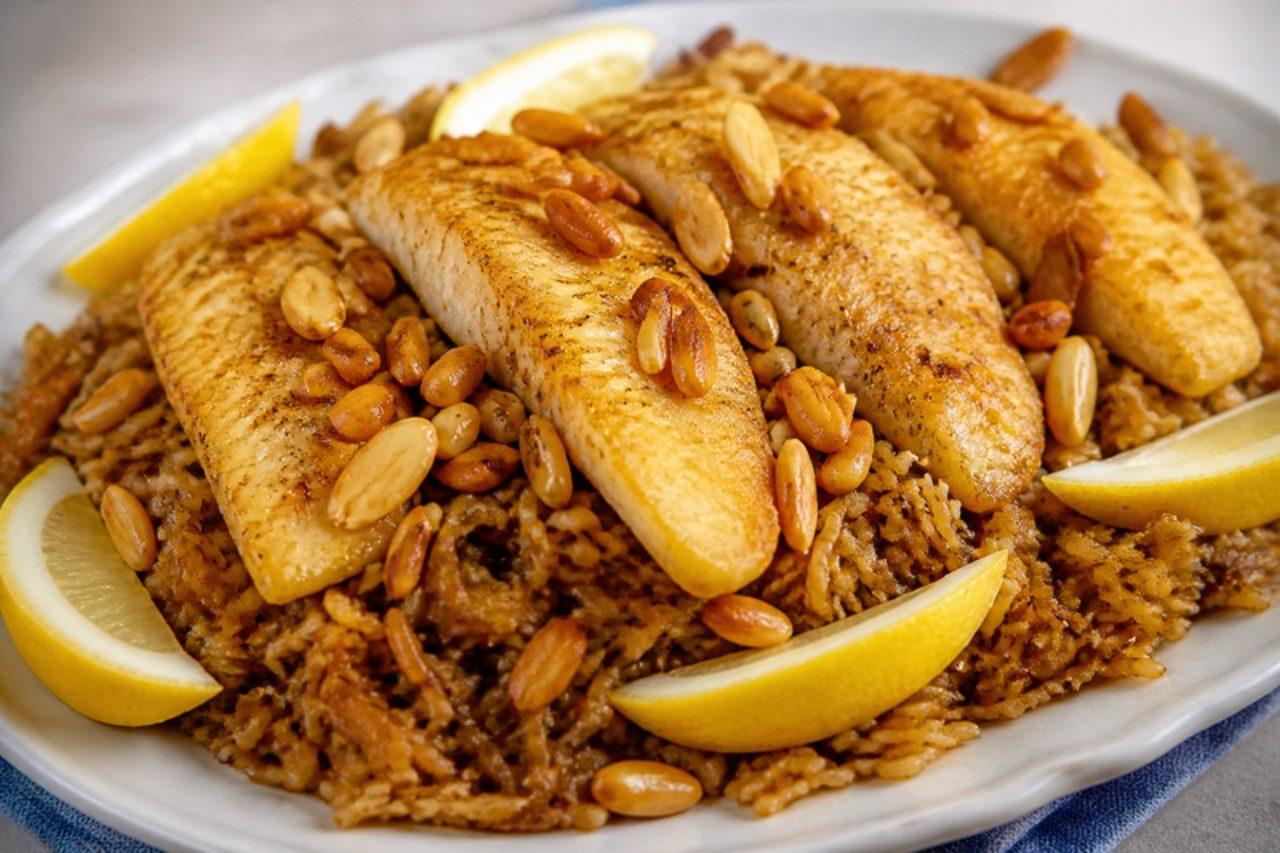
Sayadiya (fisherman's fish and rice)

The name comes from the word for fisherman, and sayadiya is the pride of the fish restaurants along the Alexandria seafront and in Suez, where it is ordered as a platter for the whole table. Its signature is the colour: onions are fried slowly until mahogany, then simmered into a stock that turns the rice a deep brown and fills it with sweet, savoury, cumin-scented flavour. On top go pieces of crisp fried fish and a scatter of toasted pine nuts and almonds, with lemon wedges, tahini and a green salad alongside. Chef's tip: watch the onions closely in the last few minutes and lift them out when they are dark brown, never black; burnt onions make the whole pot bitter.

by KrazyBadal 0 views

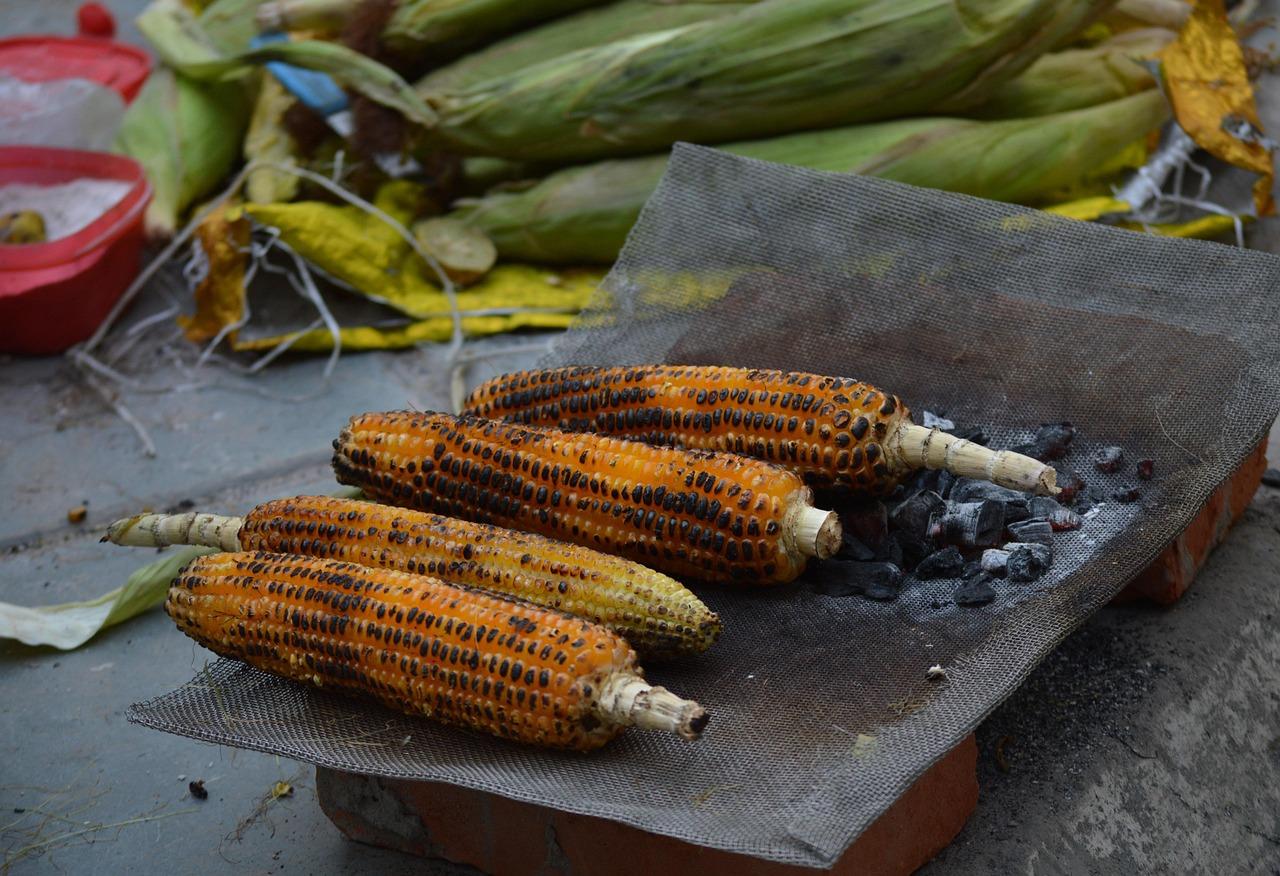
Jamaican roast corn

Drive the road over Mount Diablo or past Faith's Pen and you will see vendors fanning half-drums of glowing coal, with corn cobs turning slowly until the kernels are charred, chewy and smoky. Jamaican roast corn is drier and nuttier than boiled corn, closer to a snack to gnaw on the move, sometimes rubbed with salted butter and sometimes eaten plain with a cup of hot "fish tea" soup. The most common mistake is roasting over flames rather than embers, which blackens the outside before the inside cooks. Starchy, slightly mature cobs are traditional; very sweet corn burns faster, so keep it moving. Chef's tip: pull off the husks before roasting, as the vendors do, so the kernels char directly and pick up all the smoke.

by KrazyBadal 0 views

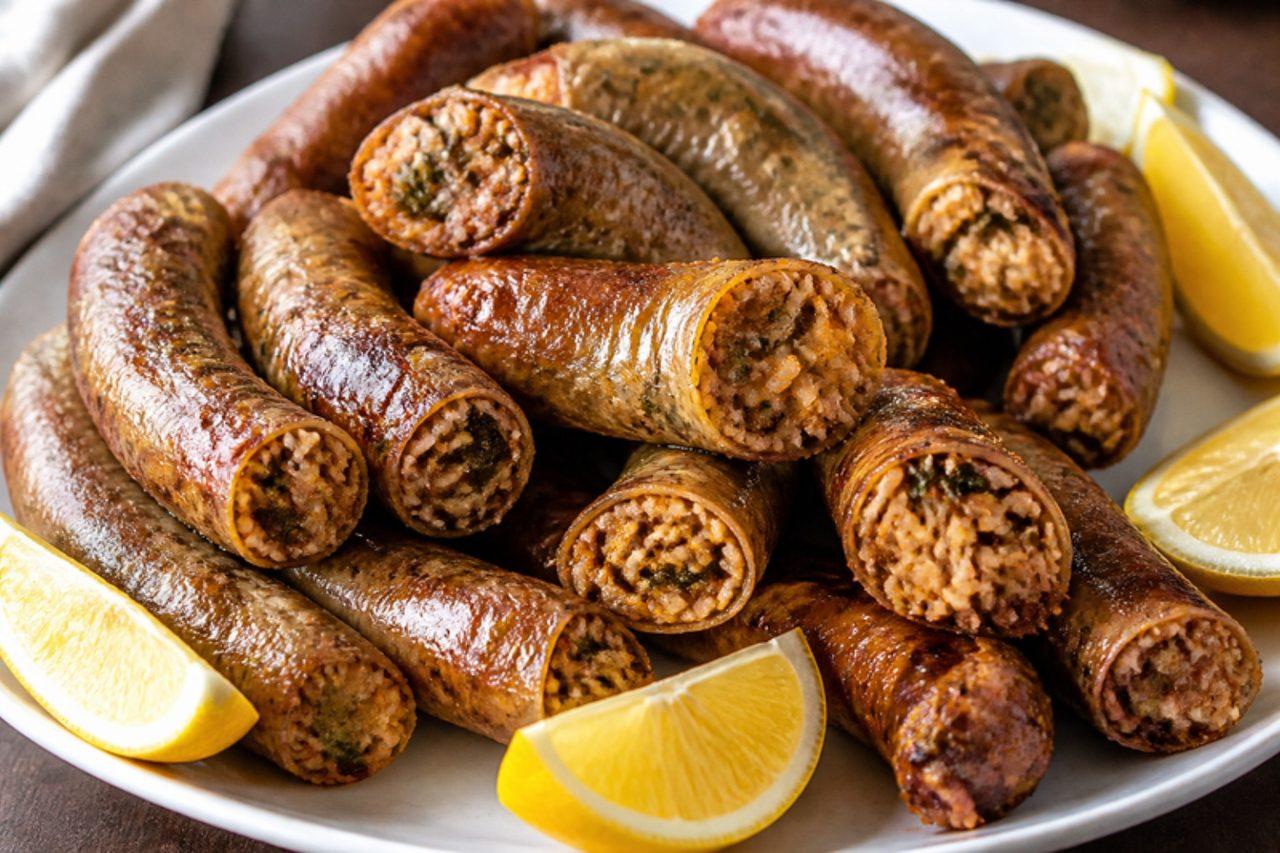
Mombar (rice-stuffed beef casings)

Mombar is festival food: in the days after Eid al-Adha, when the butchers have plenty of cleaned casings, families across Cairo and the Delta settle down to stuff them together, and street cooks in popular neighbourhoods sell crisp coils of it by weight. The filling is Egyptian short-grain rice with tomato, onion, dill, parsley and coriander, which swells inside the casing as it simmers, so each bite is soft, herby rice wrapped in a thin, crackling skin. It is eaten hot as a main dish or a side to roast meat, with lemon and a plate of pickles. Buy the casings ready-cleaned from a butcher; this recipe assumes they have been. The commonest mistake is overfilling the casings; packed full, the rice swells and they burst in the pot. Chef's tip: fill each length only two-thirds full; the rice doubles in size and an overstuffed casing bursts in the pot.

145 minEgyptianMeat
by KrazyBadal 0 views

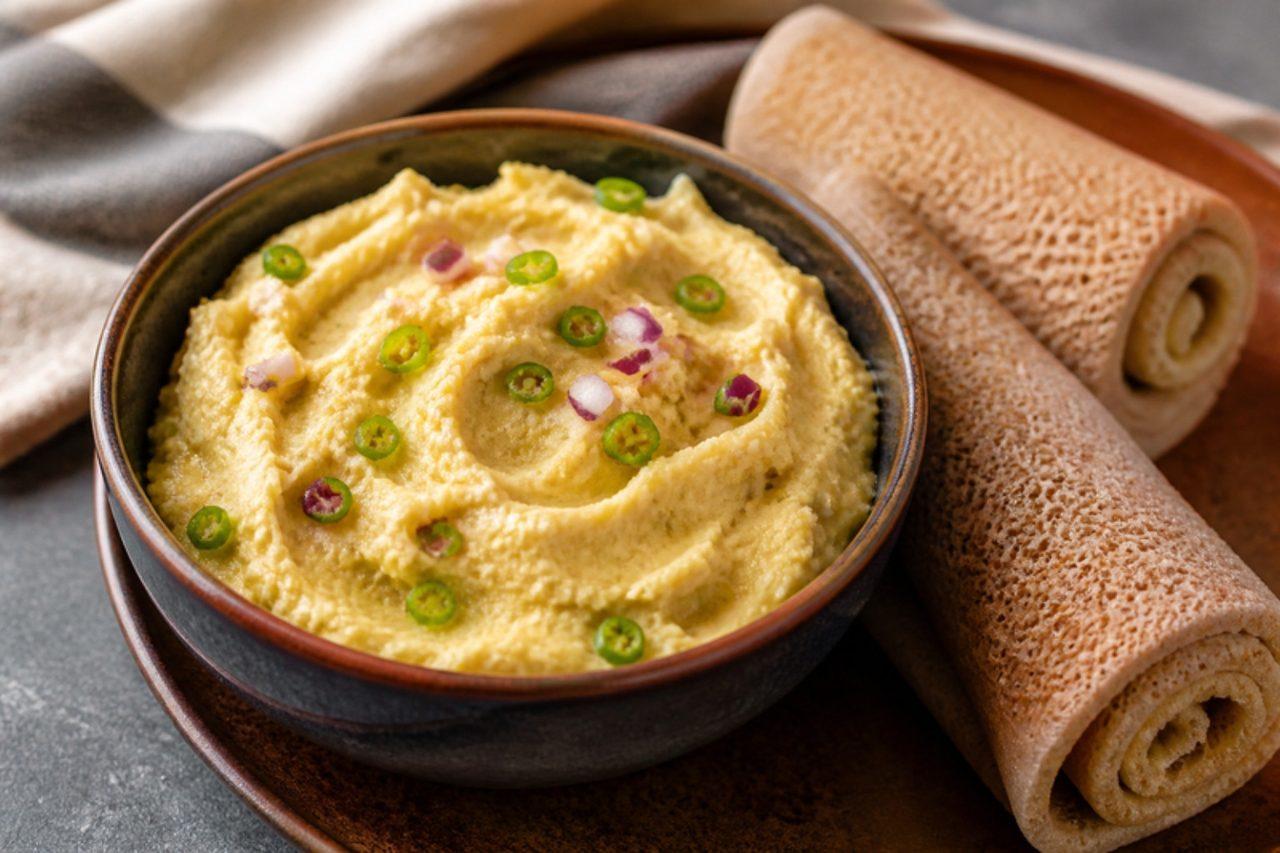
Buticha (whipped chickpea flour dip)

Ethiopian Orthodox kitchens make buticha on fasting days as a plant-based stand-in for scrambled egg or fresh cheese, and it often sits as a pale, fluffy mound on the vegan platters of Addis Ababa's restaurants. Chickpea flour is cooked with water into a thick paste, cooled, then beaten with oil and plenty of lemon juice and mixed with raw red onion and green chilli. The texture is soft, crumbly and light, the flavour tangy and fresh against the rich, red wats. Serve it cool with injera, or as a dip with kita. A common mistake is beating it while still hot, which makes it gluey instead of fluffy; let it cool completely first. Chef's tip: cook the paste a full eight minutes after it thickens, so no raw, beany taste is left.

by KrazyBadal 0 views

Gbegiri (Yoruba bean soup)

Order amala at any buka in Ibadan or Oyo and the server will ask "abula?", meaning a ladle of gbegiri and a ladle of ewedu poured side by side, usually crowned with a spoon of pepper stew. Gbegiri itself is smooth, mellow and earthy: peeled black-eyed beans cooked until they fall apart, beaten to a cream and simmered with red palm oil and pungent locust beans. Many cooks add ground crayfish or smoked fish; this is the meat-free way, which loses nothing of its velvet texture. Serve it with amala and ewedu or spooned over boiled yam. The mistake to avoid is leaving bean skins in, which turns the soup grey and gritty, so rub and rinse until the beans are white. Chef's tip: whisk the cooked beans with a balloon whisk or the traditional ijabe broom rather than a blender for the lightest, fluffiest gbegiri.

by KrazyBadal 0 views

Arepa dominicanaSweet cornmeal coconut cake

Not the stuffed corn patty of Venezuela: in the Dominican Republic arepa means a dense, sweet cornmeal cake that grandmothers once baked in a covered pot with hot coals on the lid. The cornmeal is first cooked with coconut milk, milk, butter, sugar and cinnamon into a thick porridge, then baked until it sets with a dark, caramelised crust and a soft, pudding-like centre. It is eaten at merienda with coffee or a glass of cold milk. The common mistake is not cooking the cornmeal long enough on the hob, which leaves the cake gritty. Chef's tip: let the arepa cool completely before slicing; warm, it is too soft to cut cleanly.

by KrazyBadal 0 views

Arepa di pampunaCinnamon pumpkin pancakes

Curaçao and Aruba use the word arepa differently from their South American neighbours: arepa di pampuna are not corn arepas but small, sweet pumpkin pancakes, fried in a little oil and eaten warm for breakfast, or alongside a bowl of soup or stoba at lunch. The mashed pumpkin makes them tender and bright orange, with cinnamon and a little sugar. The mistake is too much flour, which makes them dense; the batter should be thick but soft. Chef's tip: cook the pumpkin the day before and drain it overnight in the fridge for the lightest pancakes.

by KrazyBadal 0 views

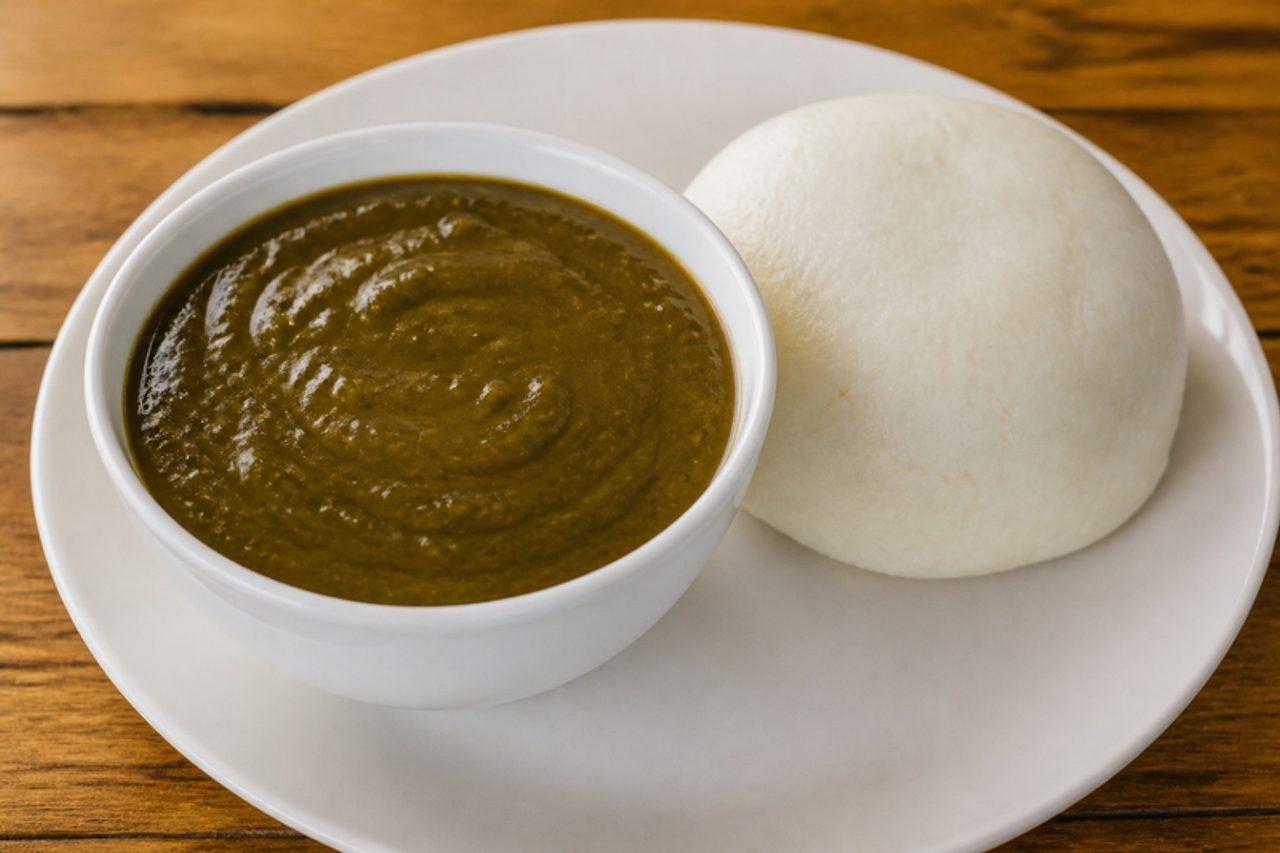
Ewedu (jute leaf soup)

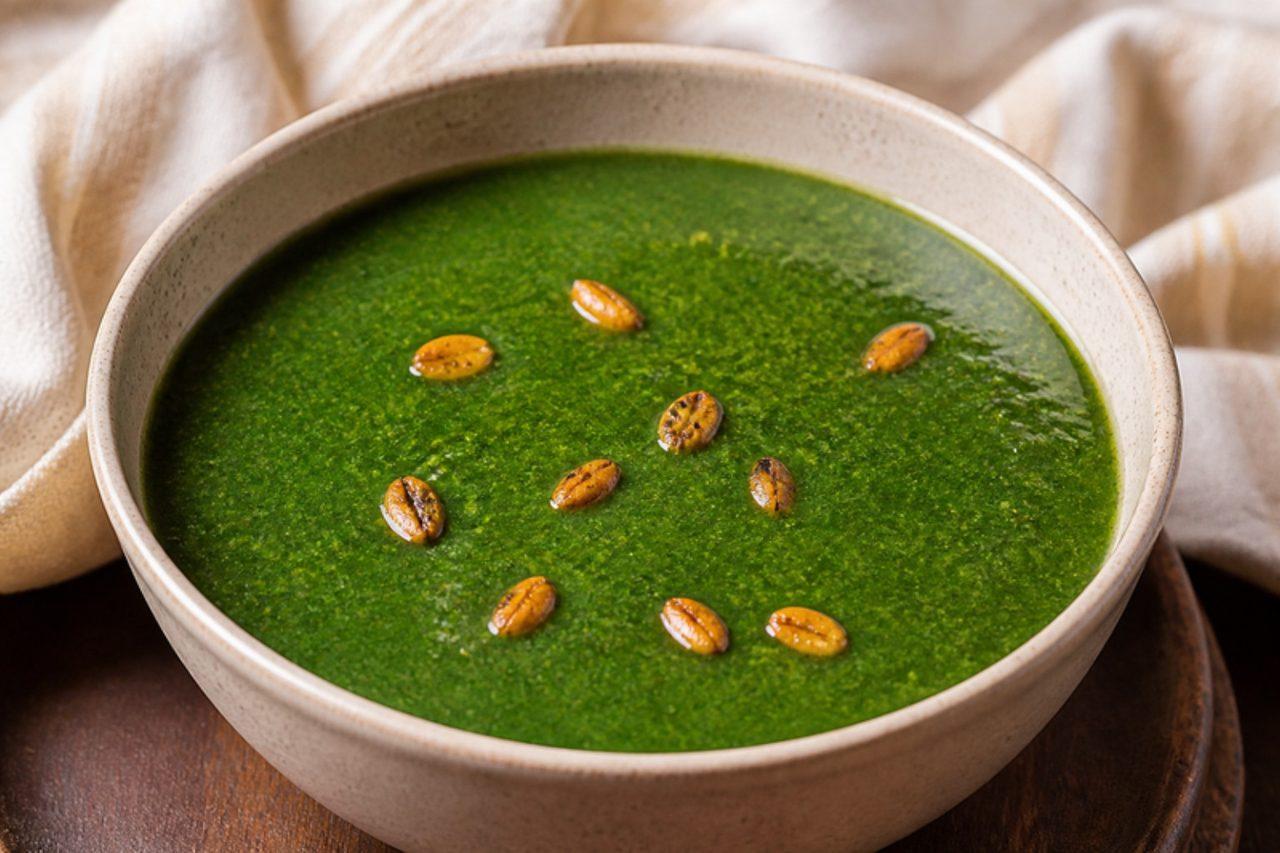
Bright green, light and famously slippery, ewedu is the soup that makes amala slide down so easily, and in Ibadan and across Oyo State it is rare to see one without the other. Only the tender jute leaves are picked from the stems, boiled for a few minutes and then beaten with a small broom until finely shredded and stretchy, with a few locust beans for a savoury, funky depth. Some cooks add crayfish; this version keeps it meat-free. It tastes fresh and grassy and is eaten with amala, gbegiri and a red pepper stew. Frozen chopped ewedu or Egyptian molokhia leaves work well outside Nigeria. Chef's tip: cook it briefly and uncovered; long boiling or a lid turns the bright green an olive drab, the most common ewedu mistake.

by KrazyBadal 0 views

Ye-dinich wat (spicy Ethiopian potato stew)

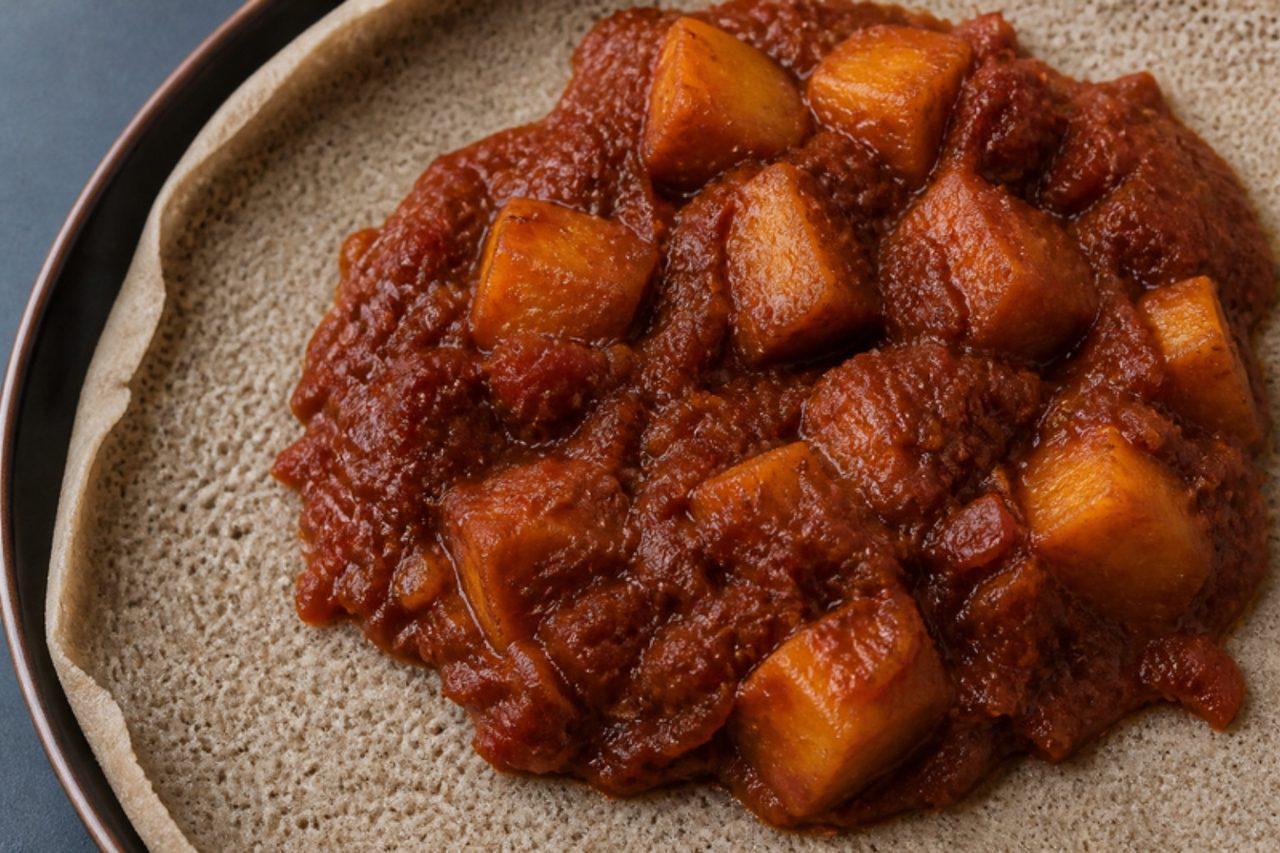
Wednesday and Friday lunch in countless Ethiopian homes and canteens includes a pot of ye-dinich wat, the potato stew that turns a few cheap ingredients into something deeply savoury. Red onions are cooked down slowly, then berbere, garlic and ginger go in with oil to build a dark, glossy sauce, and cubes of potato simmer in it until they soften and start to thicken it at the edges. It is hot, earthy and comforting, and scooped up with injera next to shiro, misir and gomen on a fasting platter. Because it uses oil and no butter, it is fully vegan. Hurrying the onion base is the usual mistake; give it the full time or the sauce tastes thin and raw. Chef's tip: cut the potatoes into even 2 cm cubes, so they cook at the same rate and hold their shape.

by KrazyBadal 0 views

Showing 90 of 7,888 recipes

Page 335 of 877