


Skip to content
Matambre a la pizza
Featured recipe

Matambre a la pizza

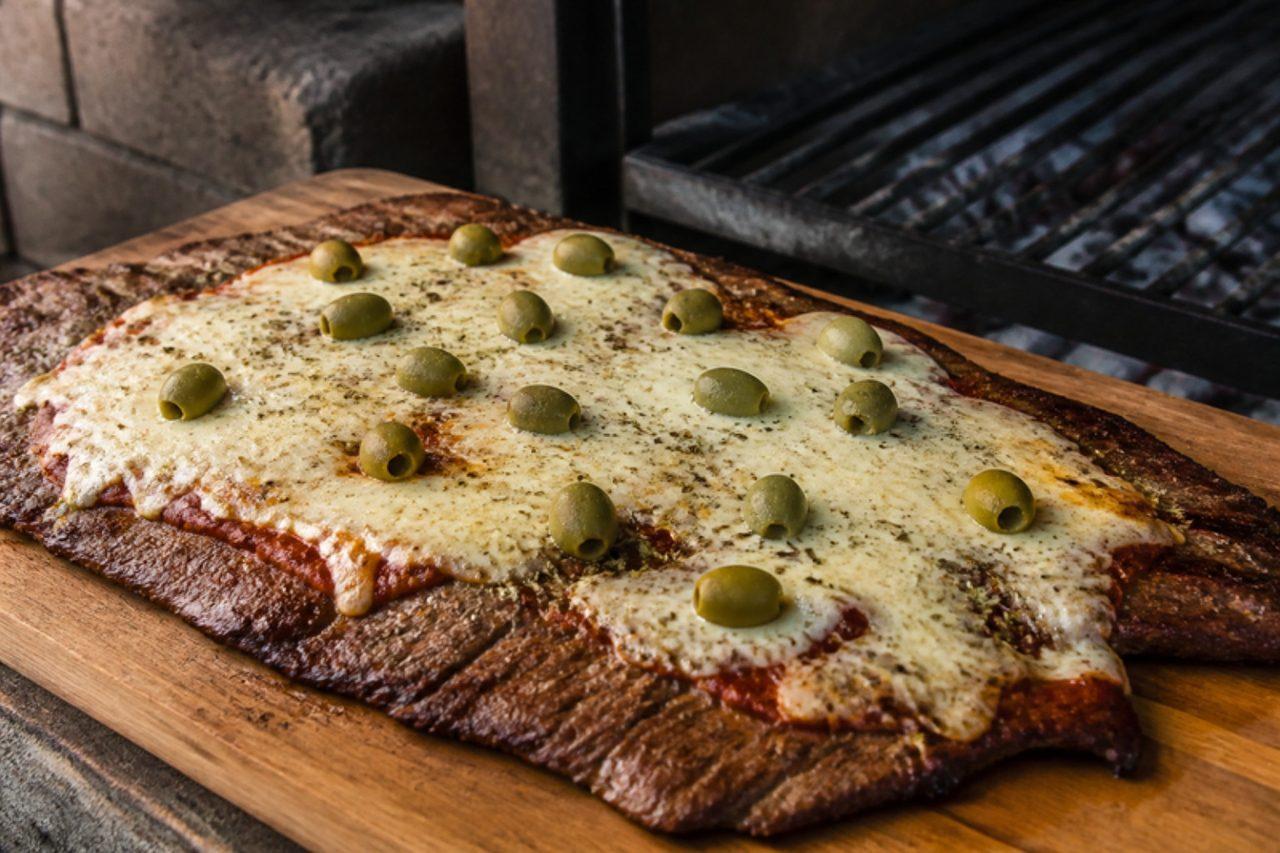
Flank steak with tomato and mozzarella

Weekend asados around Buenos Aires usually end with a show-off dish from the grill, and matambre a la pizza is the one that makes children cheer: a whole sheet of matambre (the thin flank cut that sits under the skin) cooked slowly until tender, flipped, then spread with tomato sauce, oregano and mozzarella and left on the grill until the cheese bubbles. Parrillas in the suburbs sell it cut into squares. Many cooks first simmer the meat in milk, which keeps the lean cut juicy and soft; that is the method here, finished under a hot grill or in the oven if you have no barbecue. Matambre is eaten well done and tender rather than pink. The usual mistake is grilling it straight away like a steak, which leaves it leathery: slow cooking first is what makes it tender. Chef's tip: score the membrane on the fatty side in a criss-cross before cooking, so the sheet stays flat instead of curling up when it hits the heat.

Read more 0 views

What to eat today?

Around the world

Today's trip: Persian

A new country every day, from every cuisine on the site.

Persian

Morabba-ye albaloo

Sour cherry preserve 65 minMore from Persian (131) →

This week's collection

Kid-friendly dinners
541 recipes · a new collection every Monday

Latest recipes

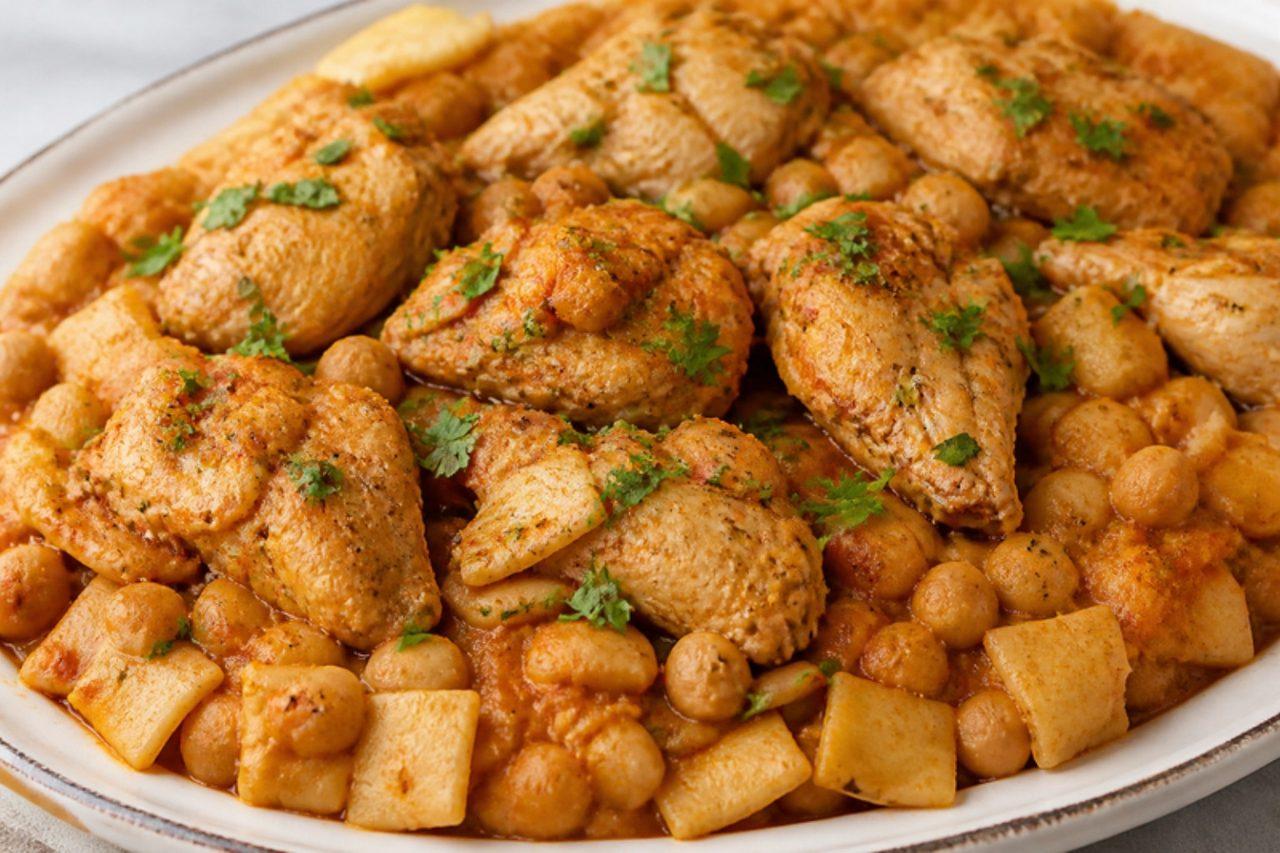
Trida (steamed pasta squares in chicken sauce)

Making trida is an afternoon's work shared around a Constantine kitchen table, especially before Mawlid or a family celebration: a firm semolina dough is rolled paper-thin, cut into small squares, dried, and then steamed twice over a pot of chicken and chickpea sauce flavoured with cinnamon and a touch of tomato. The squares come out tender with a slight bite, glossy with butter and sauce, and are piled on a platter under the chicken. A pasta machine saves a lot of rolling. Chef's tip: dust the cut squares well with semolina and let them dry for half an hour; damp squares are the usual mistake and stick into a single mass in the steamer.

by KrazyBadal 0 views

Chakhchoukha (torn flatbread in lamb sauce)

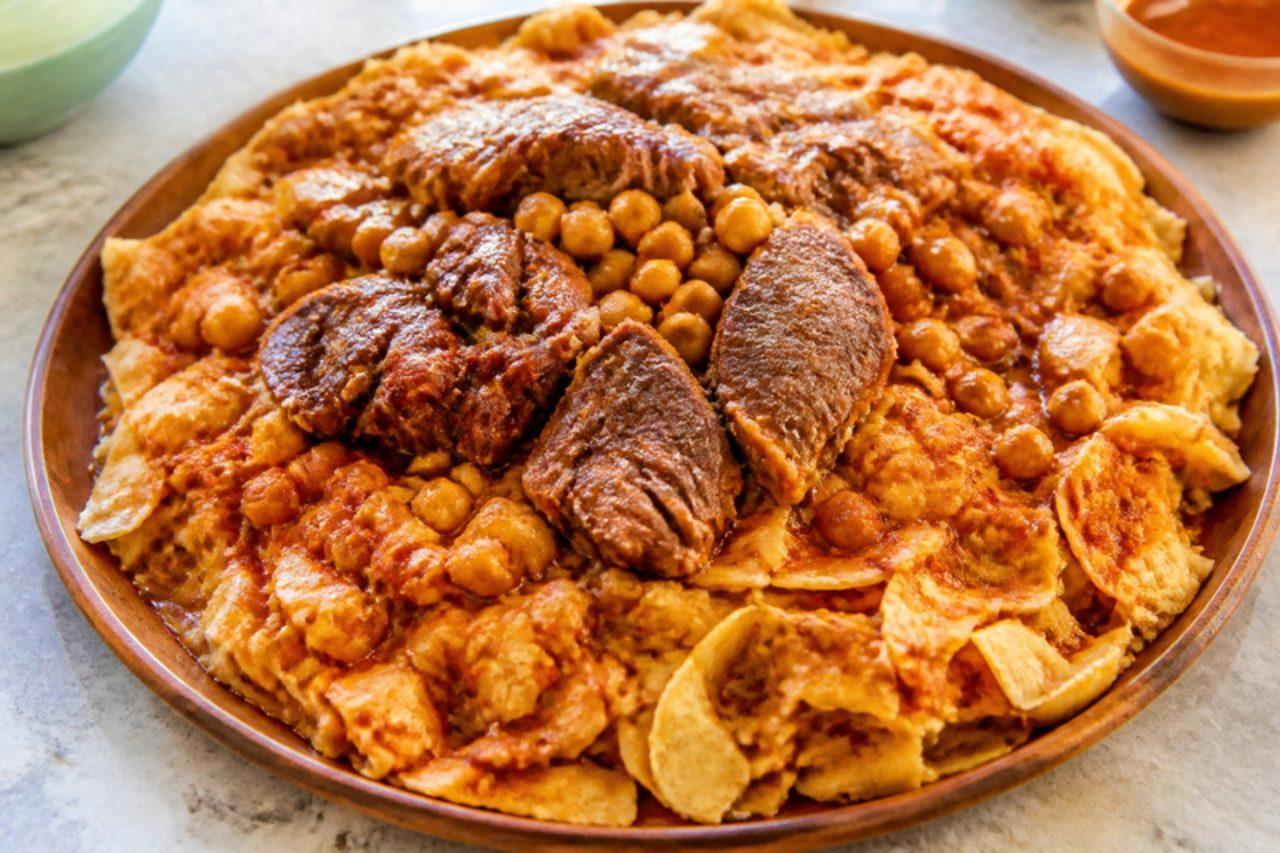
Biskra claims chakhchoukha as its own, though Constantine and the whole east cook it for weddings, Eid and the arrival of guests: sheets of thin rougag are torn into small pieces, softened with steam and soaked in a fiery red sauce of lamb, tomato, chickpeas and whole green chillies, then served from one big wooden or clay dish. The bread turns soft and silky, almost like pasta, and soaks up the peppery, deeply savoury sauce. Use homemade rougag or the dried sheets sold in Algerian shops. Chef's tip: moisten the bread with sauce a ladle at a time and toss between additions; pouring it all over at once is the usual mistake, and the bread turns to paste.

120 minAlgerianMeatSpicy
by KrazyBadal 0 views

Chbah essafra (almond fritters in lamb sauce)

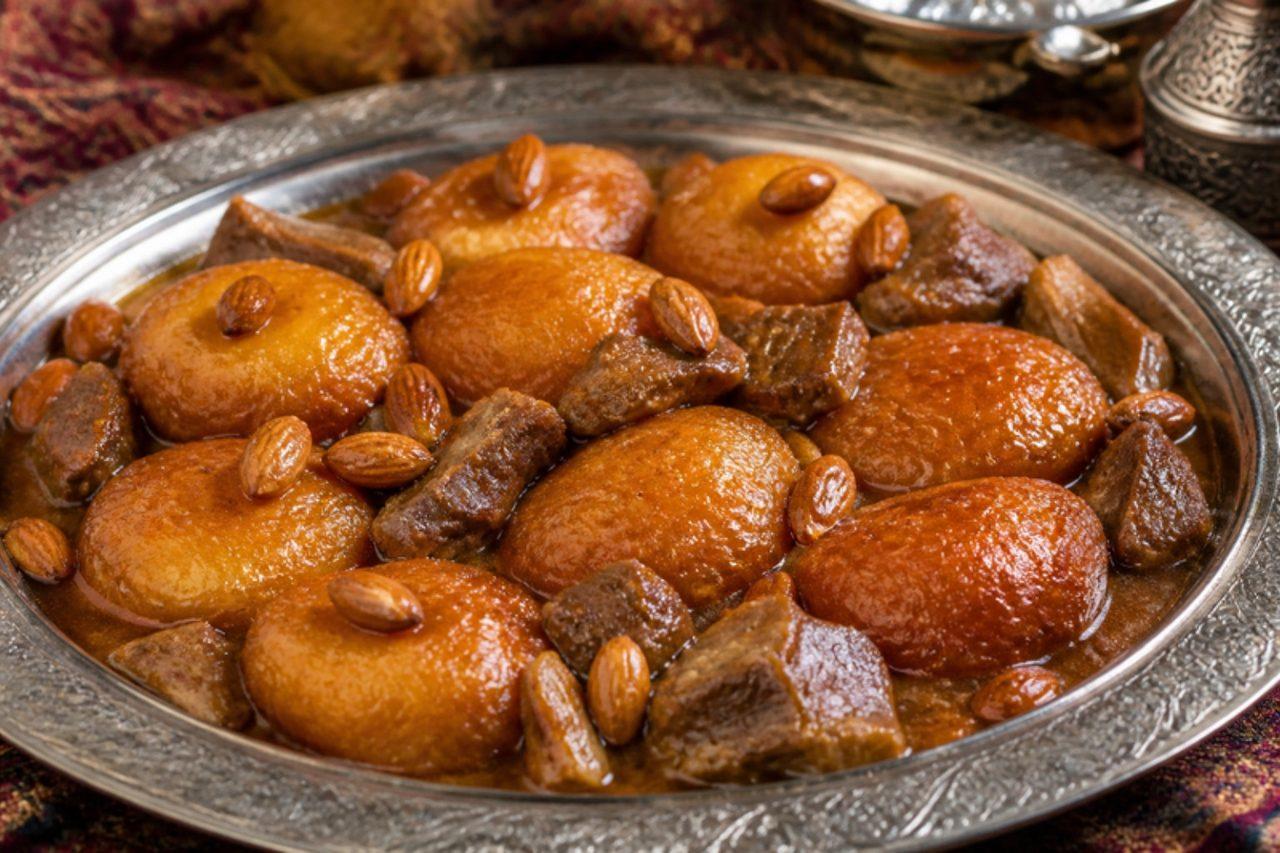
Cooks in Algiers bring out chbah essafra for weddings and grand family dinners, where it is served as the sweet main course: diamonds of almond paste scented with lemon and cinnamon are dipped in egg, fried golden and laid around tender lamb in a pale, buttery sauce sweetened with sugar and orange-blossom water. The contrast of savoury meat and soft, sweet almond is the point, and the dish is rich, so small portions with bread are usual. Chicken can replace the lamb, with a shorter cooking time. Chef's tip: warm the fritters in the sauce only at the table; dropping them into bubbling sauce is a common mistake, and they fall apart.

130 minAlgerianMeat
by KrazyBadal 0 views

Tlitli (Algerian rice-shaped pasta with chicken)

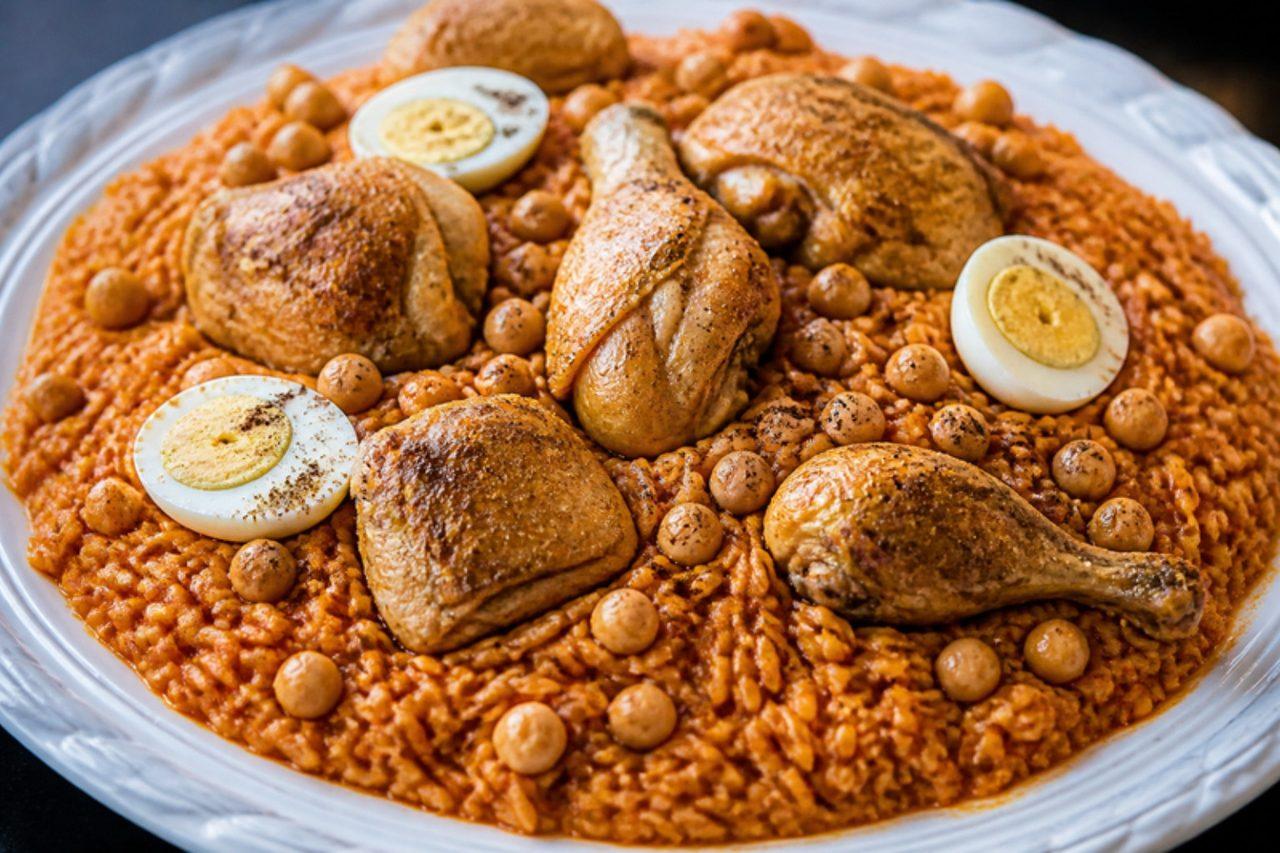
Tlitli is a tiny pasta shaped like grains of rice, once rolled by hand and now sold dried, and in Algiers and Constantine it is cooked for family feasts such as Ennayer, the Amazigh New Year, or the return of a pilgrim. The pasta soaks up a red sauce of chicken, onion, tomato, paprika, cinnamon and chickpeas, and is piled on a platter with the chicken and halved boiled eggs on top. Expect a cosy, gently spiced dish, a bit like a red risotto, with soft pasta and tender chicken. Orzo is a good stand-in if you cannot find tlitli. Chef's tip: toast the pasta in oil before adding sauce; untoasted tlitli tends to clump and turn mushy, a common mistake.

by KrazyBadal 0 views

Sfiria (cheese croquettes in chicken sauce)

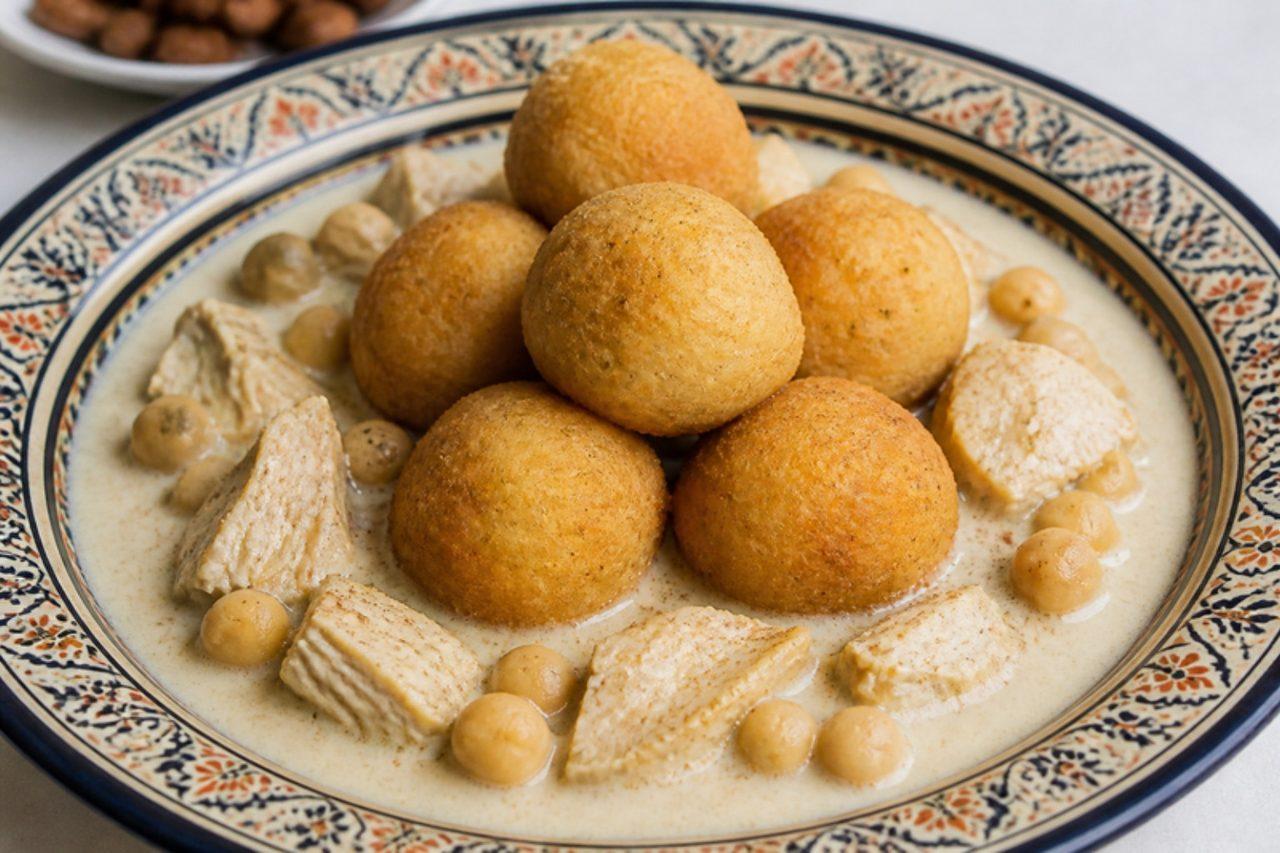
Sfiria belongs to the old bourgeois cooking of Algiers, served on Ramadan evenings and at family celebrations: little croquettes of soaked bread, grated cheese and egg, scented with cinnamon, are fried golden and then laid in a pale chicken and chickpea sauce flavoured with cinnamon and white pepper. The croquettes are light and spongy, soaking up just enough sauce to be juicy, and the dish tastes delicate and faintly sweet. Day-old white bread without crusts gives the best texture. Chef's tip: add the croquettes to the sauce only at the last minute; leaving them to simmer is the common mistake, and they swell, go soggy and fall apart.

by KrazyBadal 0 views

Chorba beida (Algerian white chicken soup)

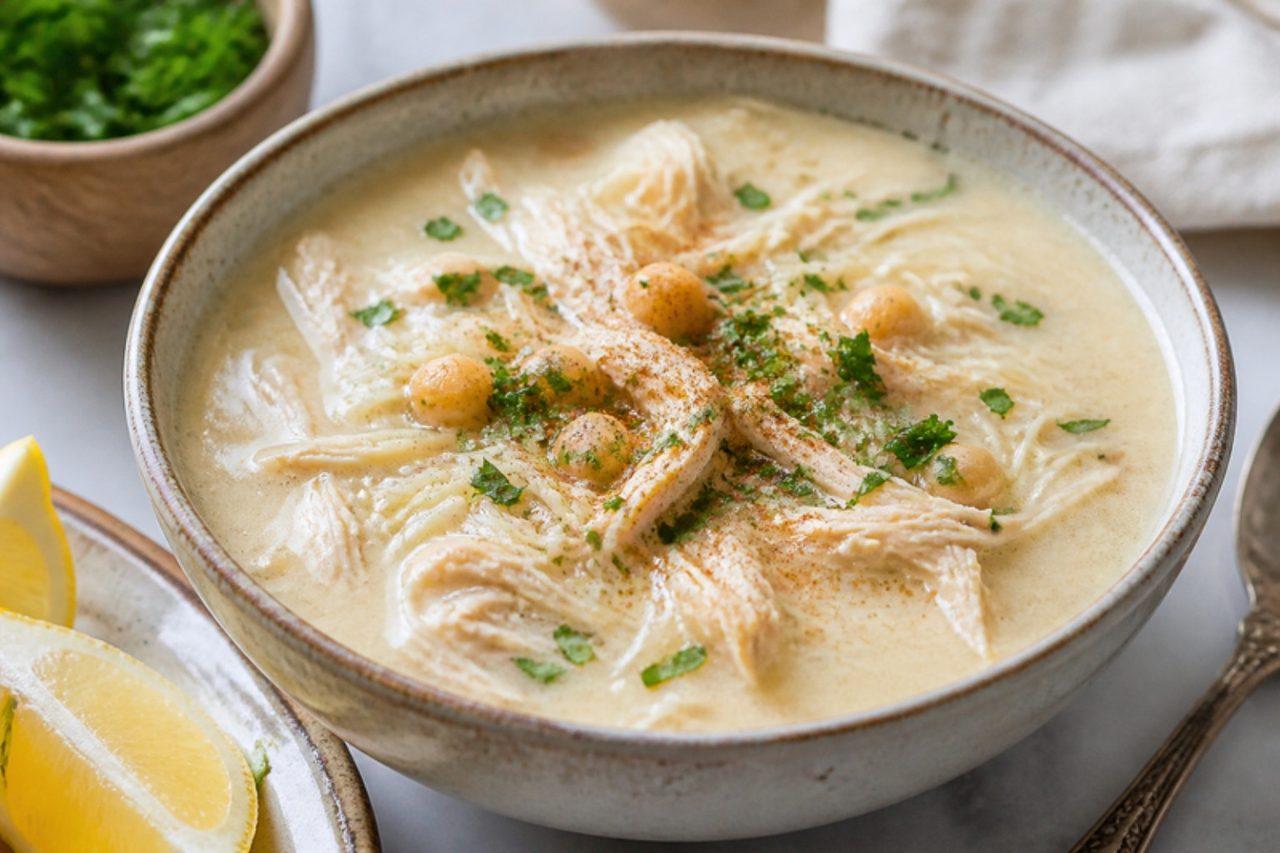
Unlike the red chorba of the rest of the country, the 'white' chorba of Algiers has no tomato at all: chicken, onion and a cinnamon stick are cooked gently in butter, simmered with chickpeas and fine vermicelli, then thickened at the end with egg yolks and lemon. It is a classic of Ramadan tables in the capital, and is also cooked for guests at weddings and family gatherings. The soup is silky and pale gold, mild and comforting, with a soft lemony tang. Serve it with bread and a squeeze of extra lemon. Chef's tip: once the egg yolks are in, never let the soup boil; boiling is the common mistake that curdles it into scrambled threads.

by KrazyBadal 0 views

Djelbana (Algerian lamb and pea stew)

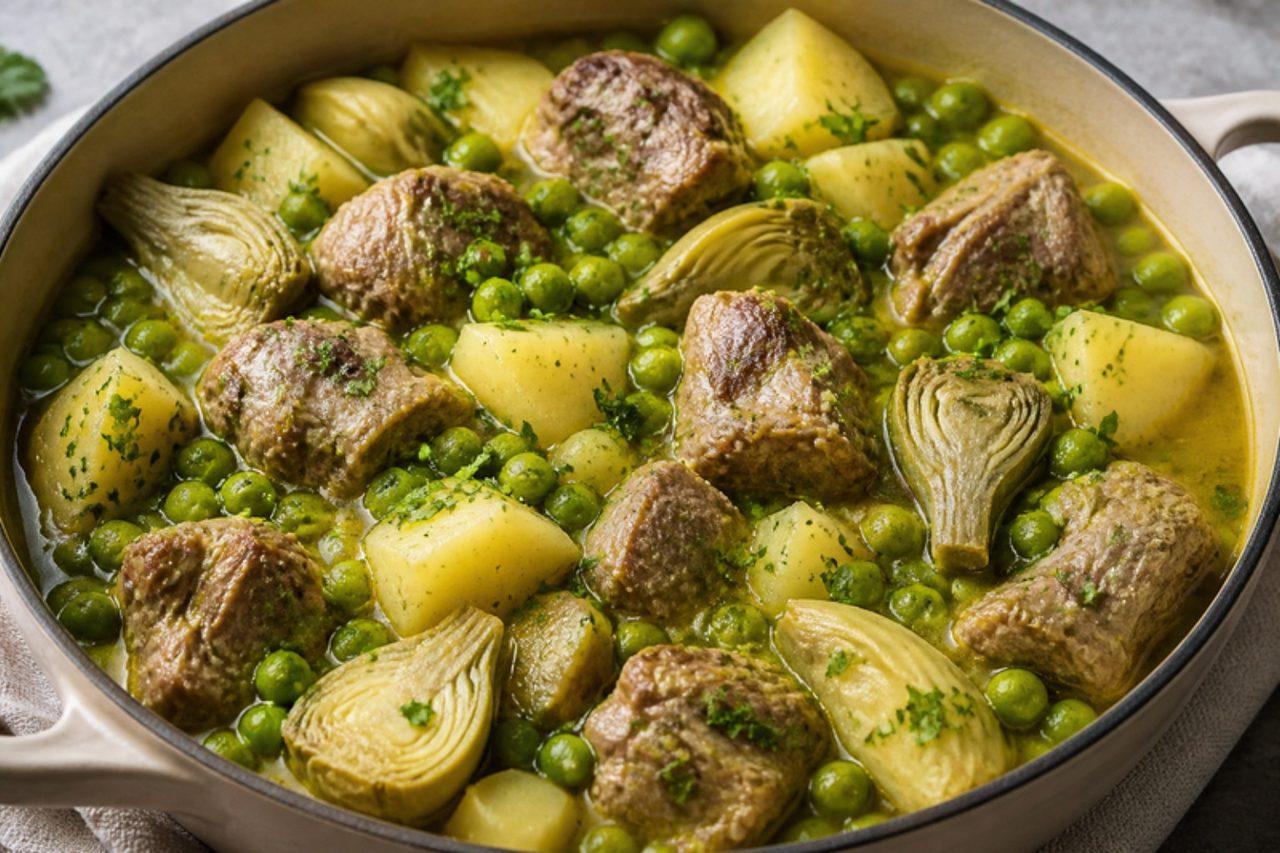
Spring markets in Algiers fill with sacks of fresh peas and violet artichokes, and that is the moment for djelbana, a light, pale stew of lamb, peas, artichoke hearts and potatoes cooked with onion, garlic and a little turmeric, finished with fresh coriander. Families serve it at lunch with plenty of bread to soak up the sauce; on meat-free days it is made the same way without the lamb. It tastes fresh, sweet and gently peppery rather than heavily spiced. Frozen peas and artichoke hearts are fine out of season. Chef's tip: add the peas only for the last 10 minutes; peas put in with the meat are the usual mistake and turn grey and mushy.

by KrazyBadal 0 views

Ayamase (ofada green pepper stew)

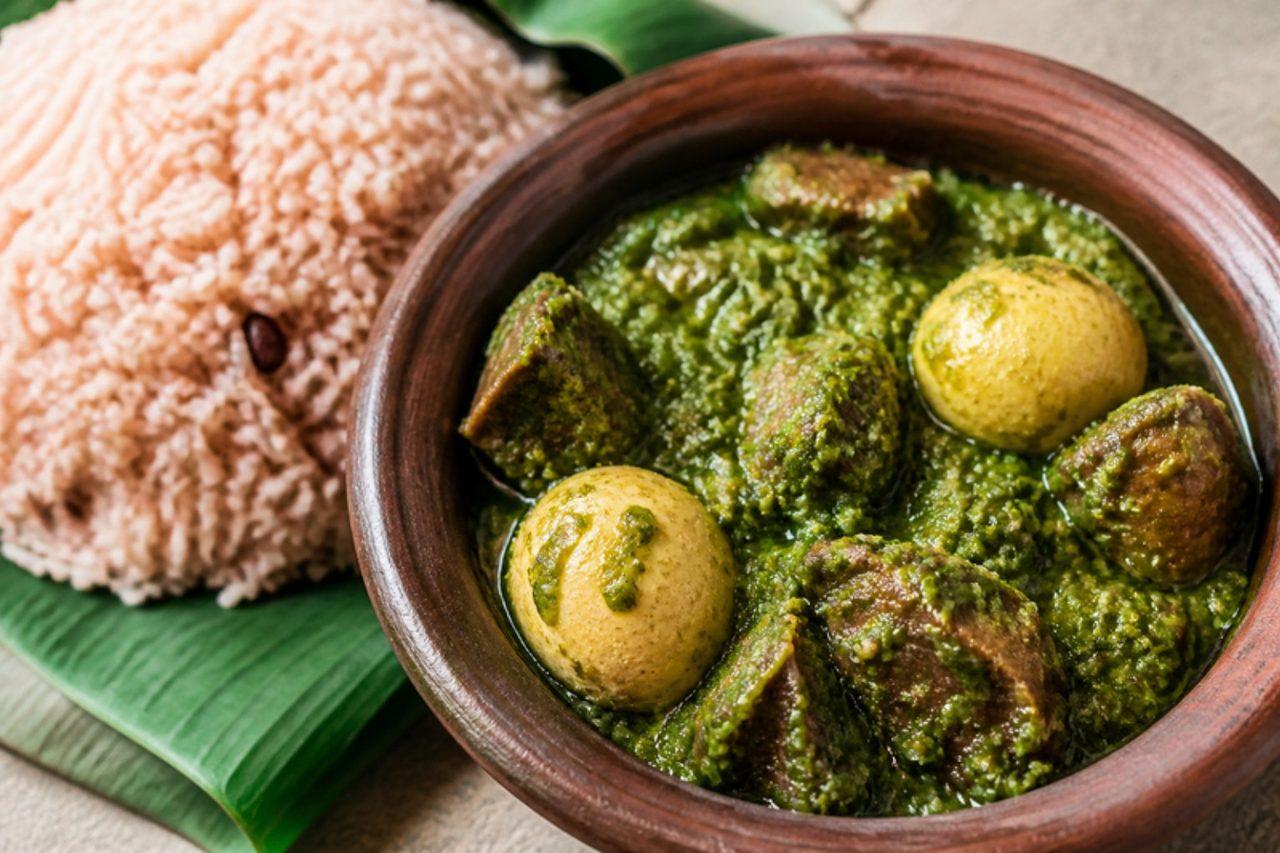
Ofada rice, the short, fragrant local rice from Ogun State, is almost always served in Lagos with ayamase, a stew so green and so hot it is sometimes called designer stew. Green bell peppers and green scotch bonnets are blended coarse, dried out in the pot, then fried in palm oil that has been bleached clear, with plenty of iru for a deep, funky savouriness. Assorted meat (beef, tripe and cow skin) and boiled eggs are folded in. Watery pepper is the mistake that makes it taste sour and raw, so boil the blended pepper dry before it meets the oil. Chef's tip: bleaching palm oil makes heavy smoke; open the windows, keep the lid nearby and never leave the pot.

120 minNigerianMeatGluten freeSpicy
by KrazyBadal 0 views

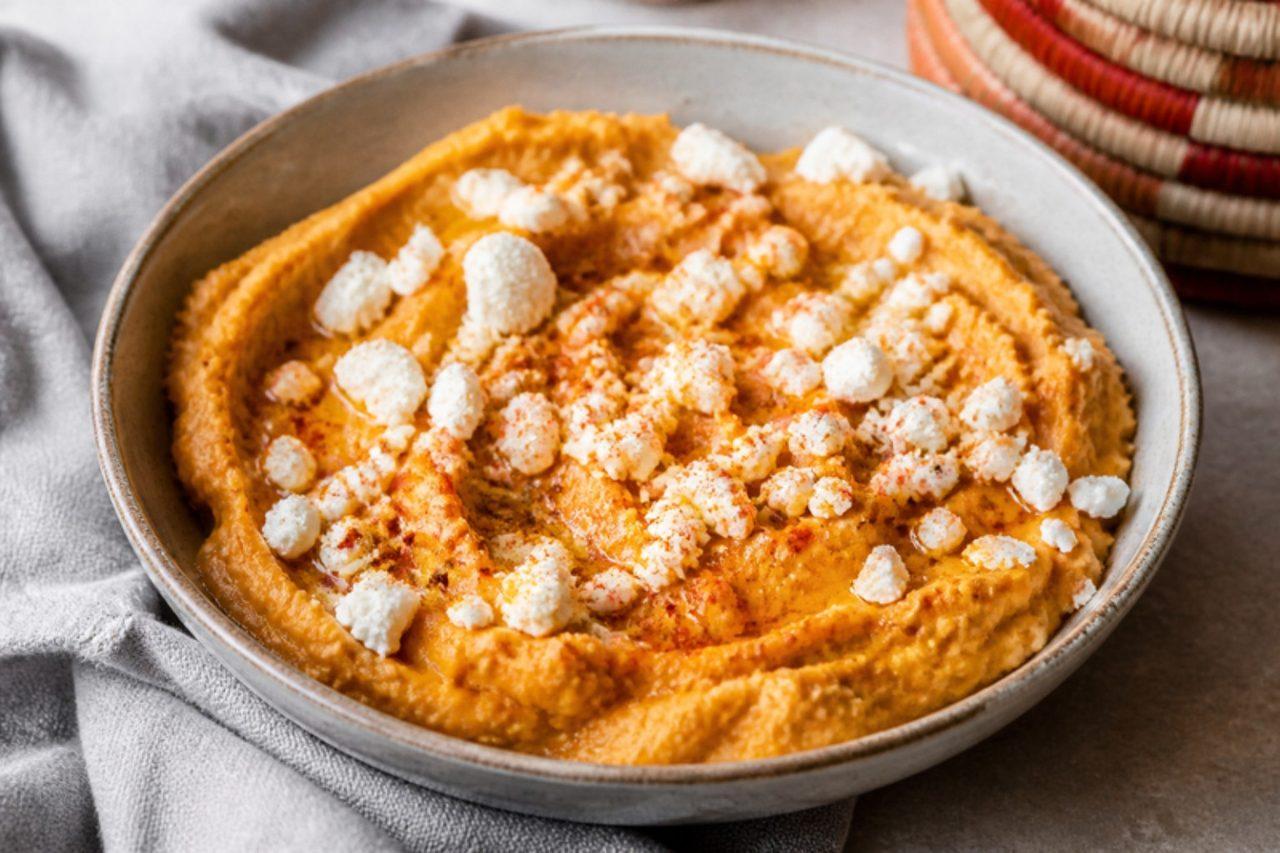
Molasses with tahini

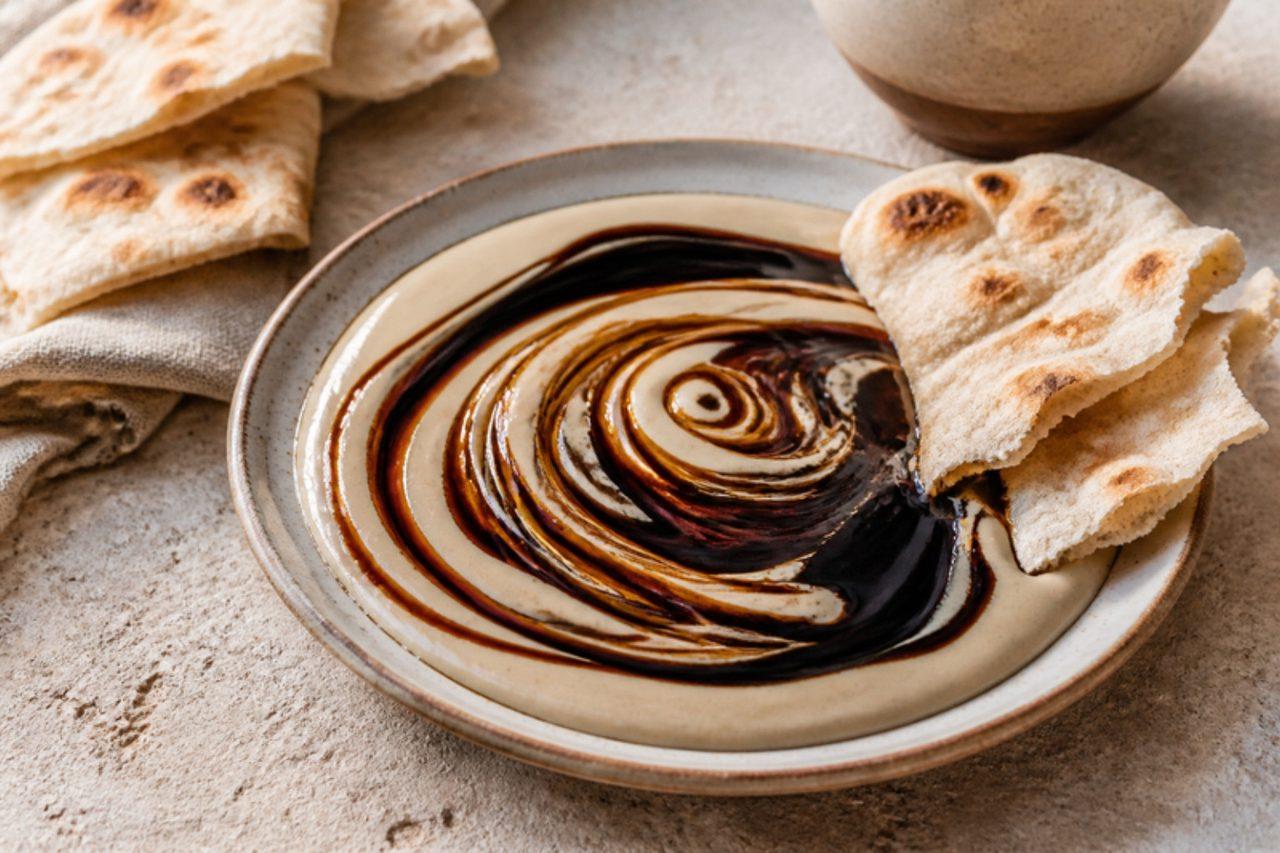
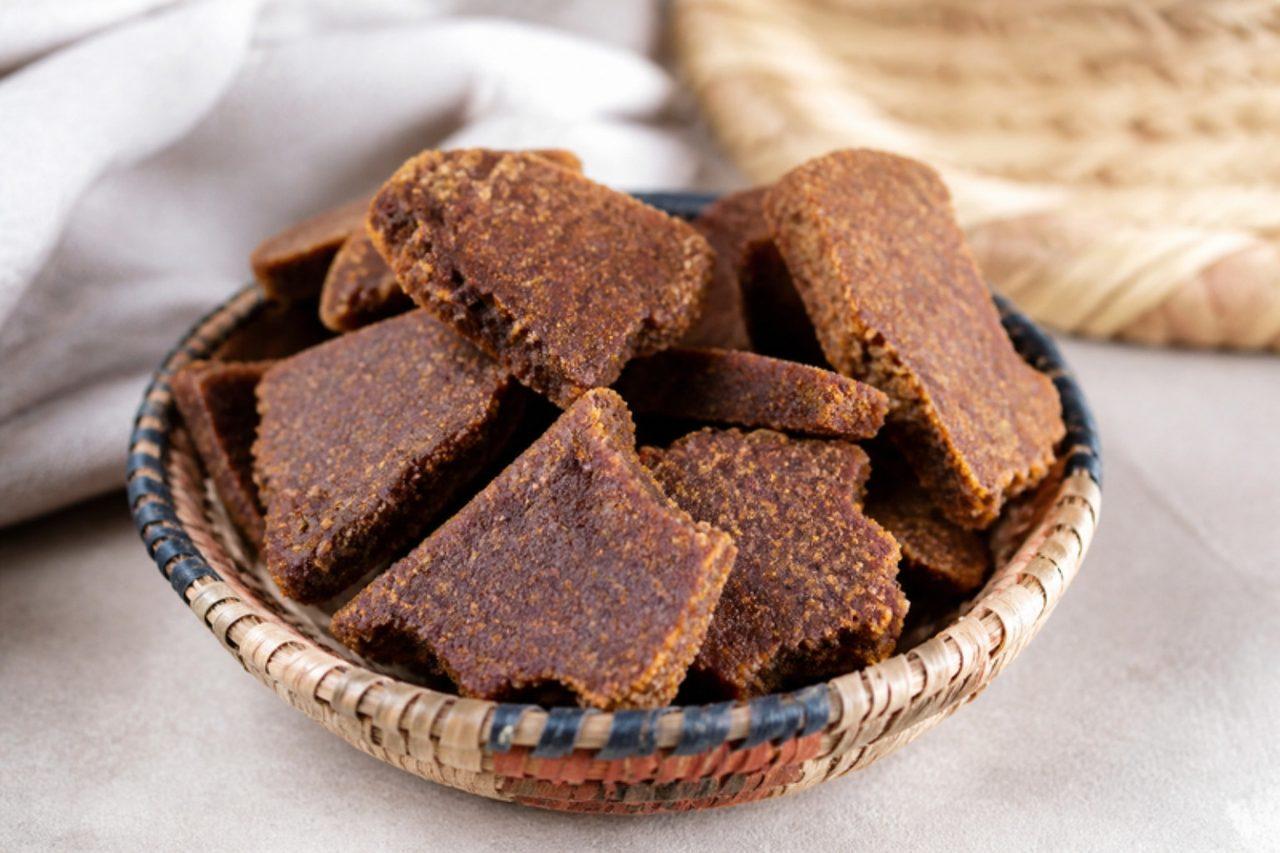
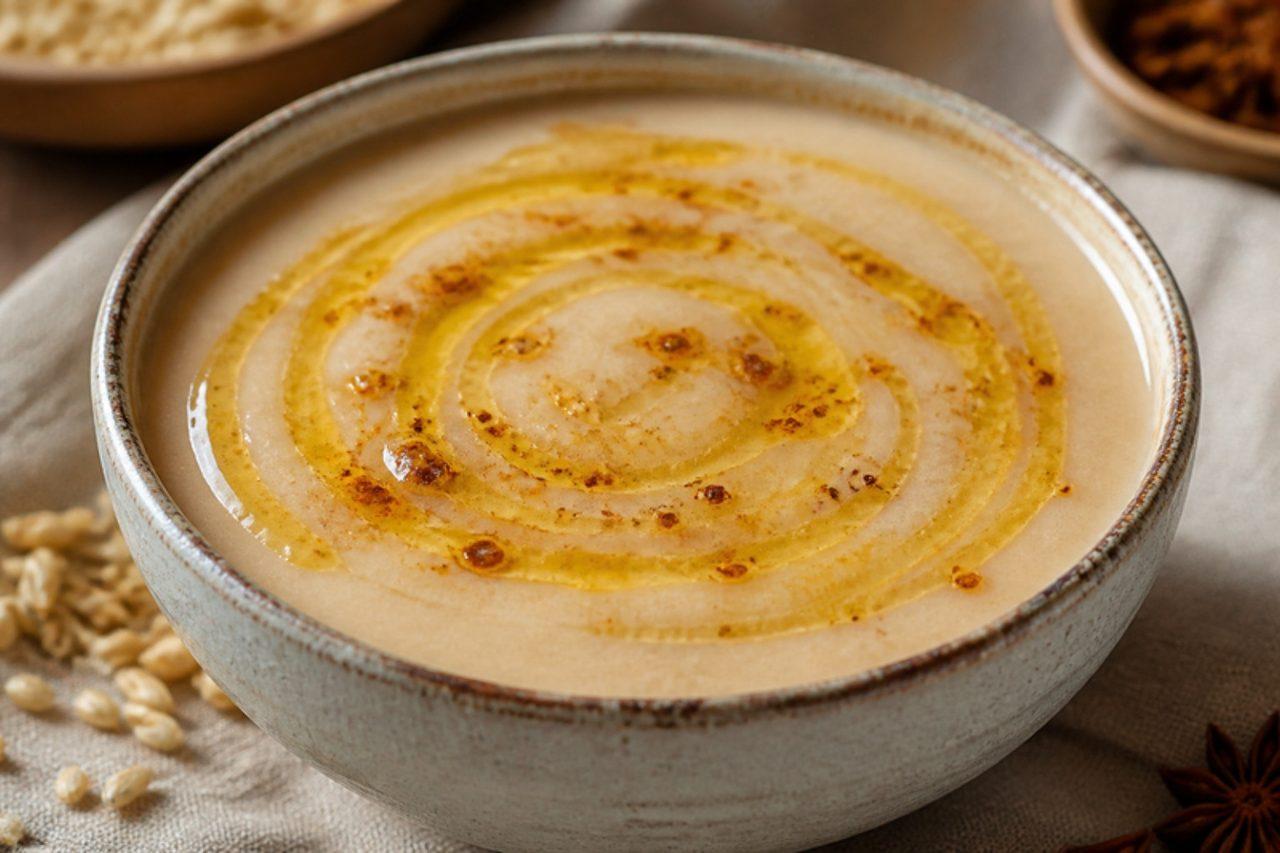
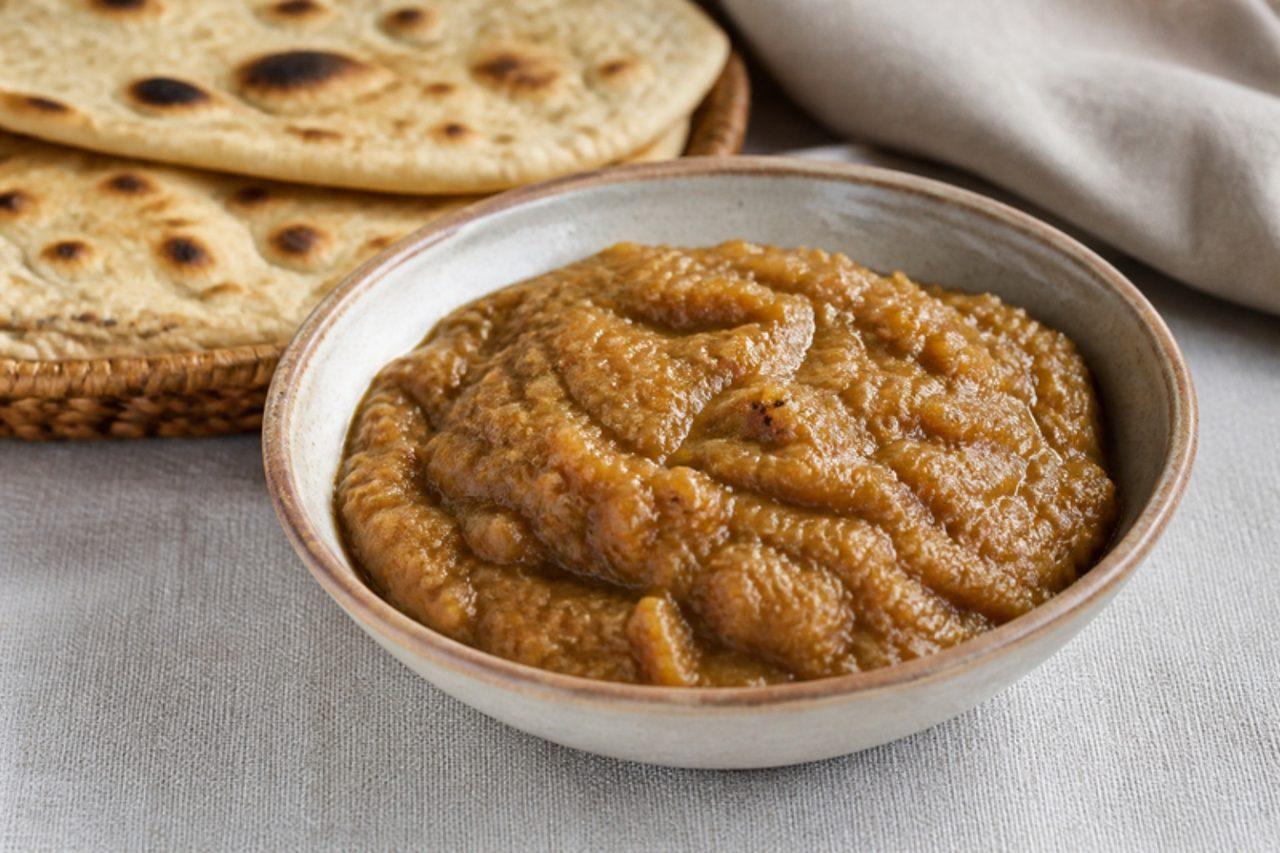
Upper Egypt grows the country's sugarcane, and its dark molasses, asal eswed or black honey, has found its way onto breakfast and supper tables from Aswan to Alexandria. Spooned over tahini and swirled together, it becomes a glossy, bittersweet, nutty dip that children love and grown-ups eat after a light evening meal, scooped up with warm aish baladi or fino. Many families eat it in winter, when they want something warming and filling. A frequent slip is stirring the molasses and tahini together completely; leave them swirled so each bite gets both. Chef's tip: stir the tahini jar thoroughly first; the thick paste at the bottom and the oil on top must be mixed, or the dip comes out stiff and dry.

by KrazyBadal 0 views

Rouz jerbi (Djerban steamed rice)

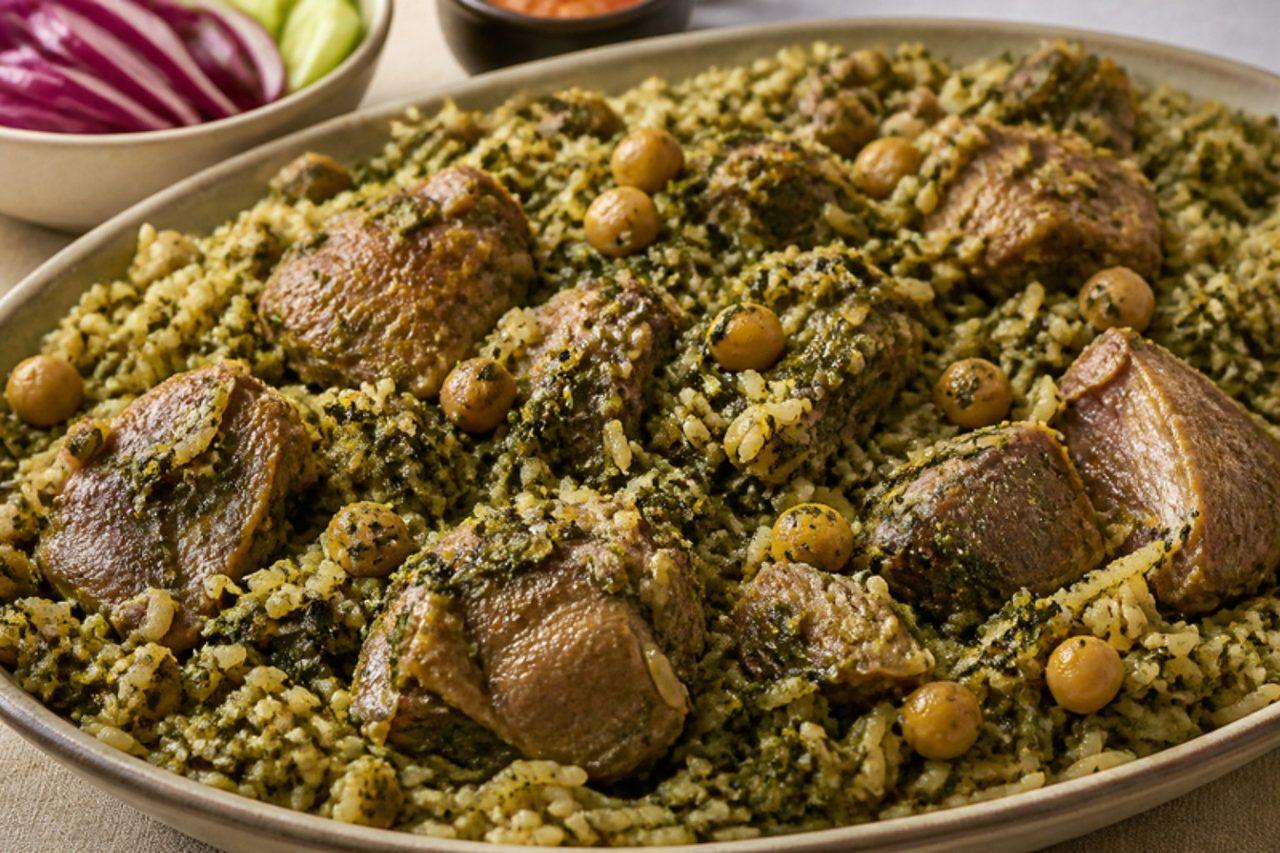
Djerba islanders cook rice the way the rest of Tunisia cooks couscous, in the top of a couscoussier: raw rice is mixed with small pieces of lamb, chopped spinach, a mound of herbs, chickpeas, tomato paste, harissa and spices, then steamed over boiling water until every grain is tender and stained red-gold. Rouz jerbi is a Friday and family-gathering dish on the island, served from one large platter. The rice stays separate and fluffy, the greens melt in, and the lamb picks up the scent of mint and tabil. Chef's tip: stir the rice from the bottom every 20 minutes; leaving it untouched is a common mistake, as the bottom turns soggy while the top stays hard.

by KrazyBadal 0 views

Chorbet hout (Sfax fish soup)

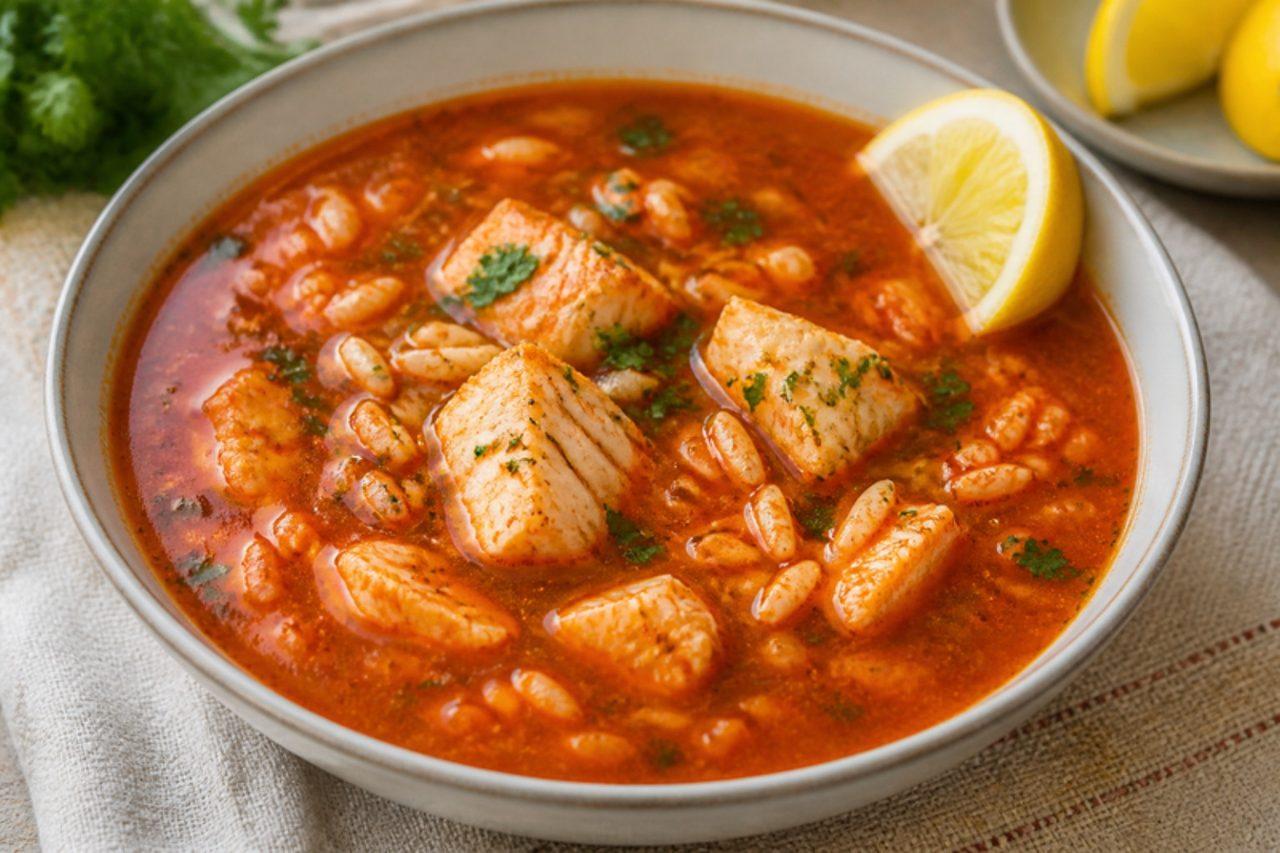
Along the coast around Sfax, a bowl of chorbet hout often opens the meal at Ramadan iftar, after dates and water: a red, peppery broth of tomato, harissa and caraway, thick with tiny bird's-tongue pasta and flakes of white fish, finished with a squeeze of lemon. Grouper, sea bream or mullet are the local choices, and any firm white fish works. The soup is warming and spicy with a fresh lift from parsley and celery, and goes well with bread and a brik. Chef's tip: poach the fish briefly, lift it out and only return the flakes at the end; leaving it to boil with the pasta is the common mistake, and it breaks into threads.

by KrazyBadal 0 views

Ampesi with garden egg stew

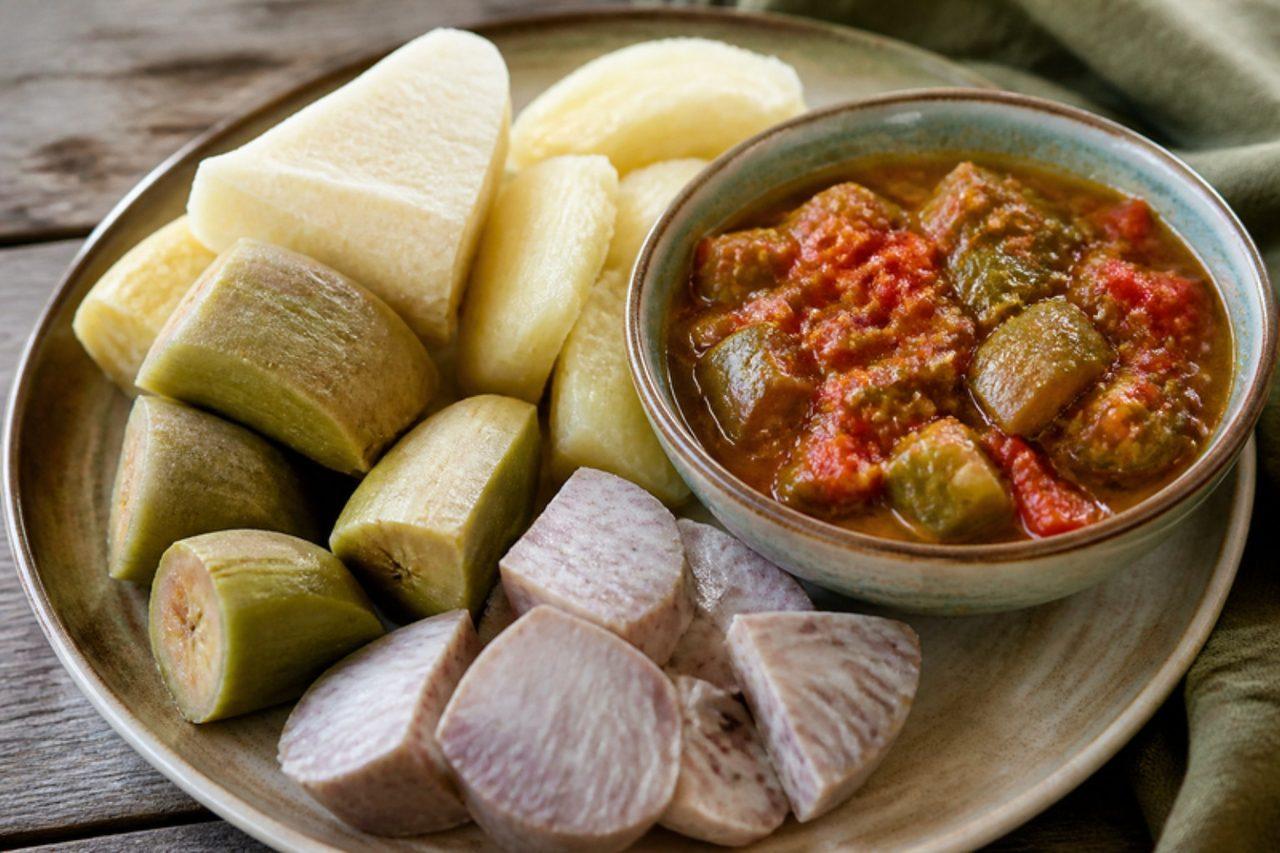
Ampesi is about as plain and honest as Ashanti food gets: slices of yam, green plantain and cocoyam boiled until tender and eaten with a stew, here one made from garden eggs, the small white or green African eggplants sold by the bowlful in Kumasi markets. They are boiled, mashed and simmered with onion, tomato and pepper into a soft, slightly bitter, savoury stew with very little oil. Ghanaian homes often add fish or egg to it; this version is fully vegan and light. Asian or Thai aubergines are a good swap if you cannot get garden eggs. Chef's tip: boil the yam, plantain and cocoyam separately or add them in stages; cooking them together from the start is the common mistake, and the yam turns to mush before the plantain is done.

by KrazyBadal 0 views

Ghanaian rock buns

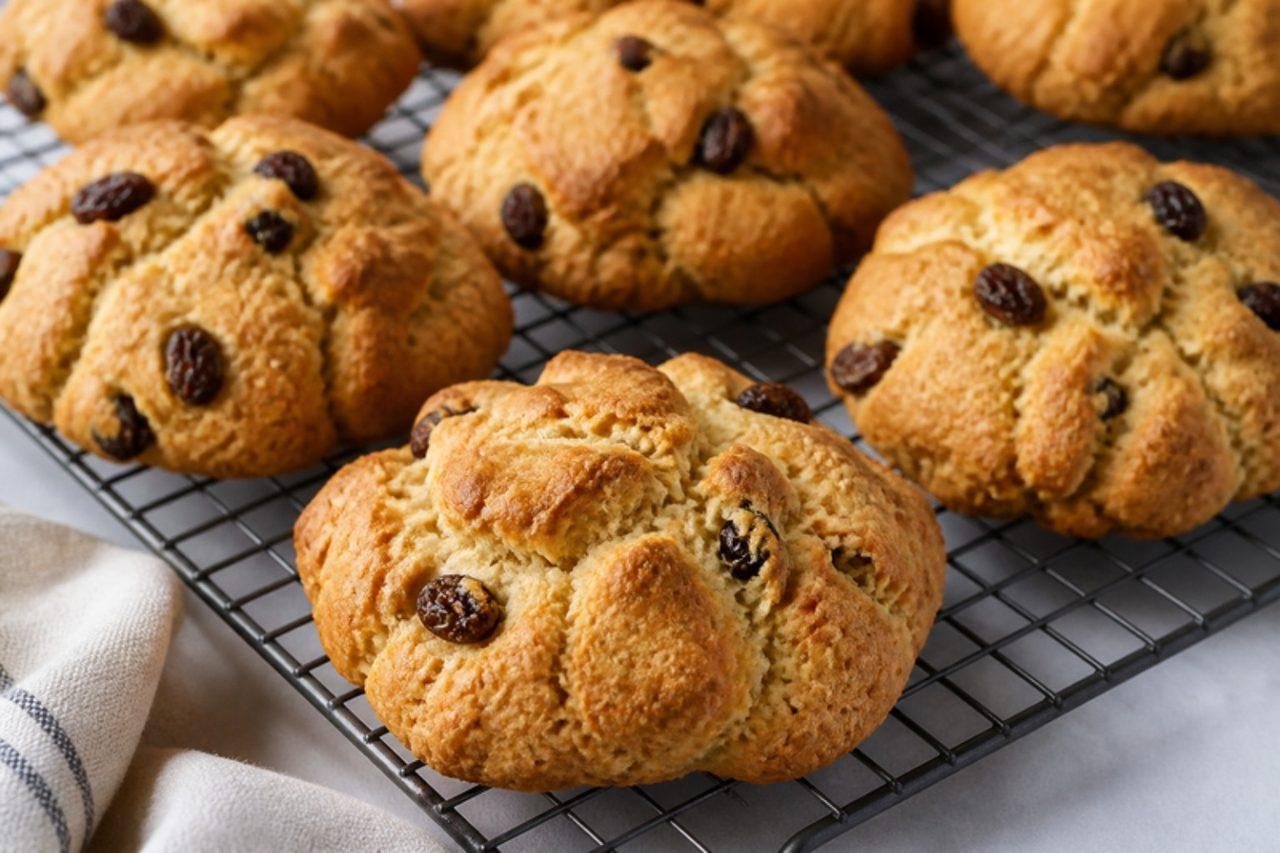
Rock buns came to Ghana with colonial-era baking and never left: every neighbourhood bakery and many school canteens sell these rough, golden mounds, eaten with tea in the morning or with a soft drink after school. They are crisp on the craggy outside, soft and cakey inside, scented with nutmeg and studded with raisins. They take minutes to mix and are a good first bake for children. Chef's tip: keep the dough stiff and drop it in rough heaps without smoothing; too much milk is the common mistake, and the buns spread into flat cookies instead of rising into 'rocks'.

by KrazyBadal 0 views

Aprapransa (Fante palm nut pottage with crab)

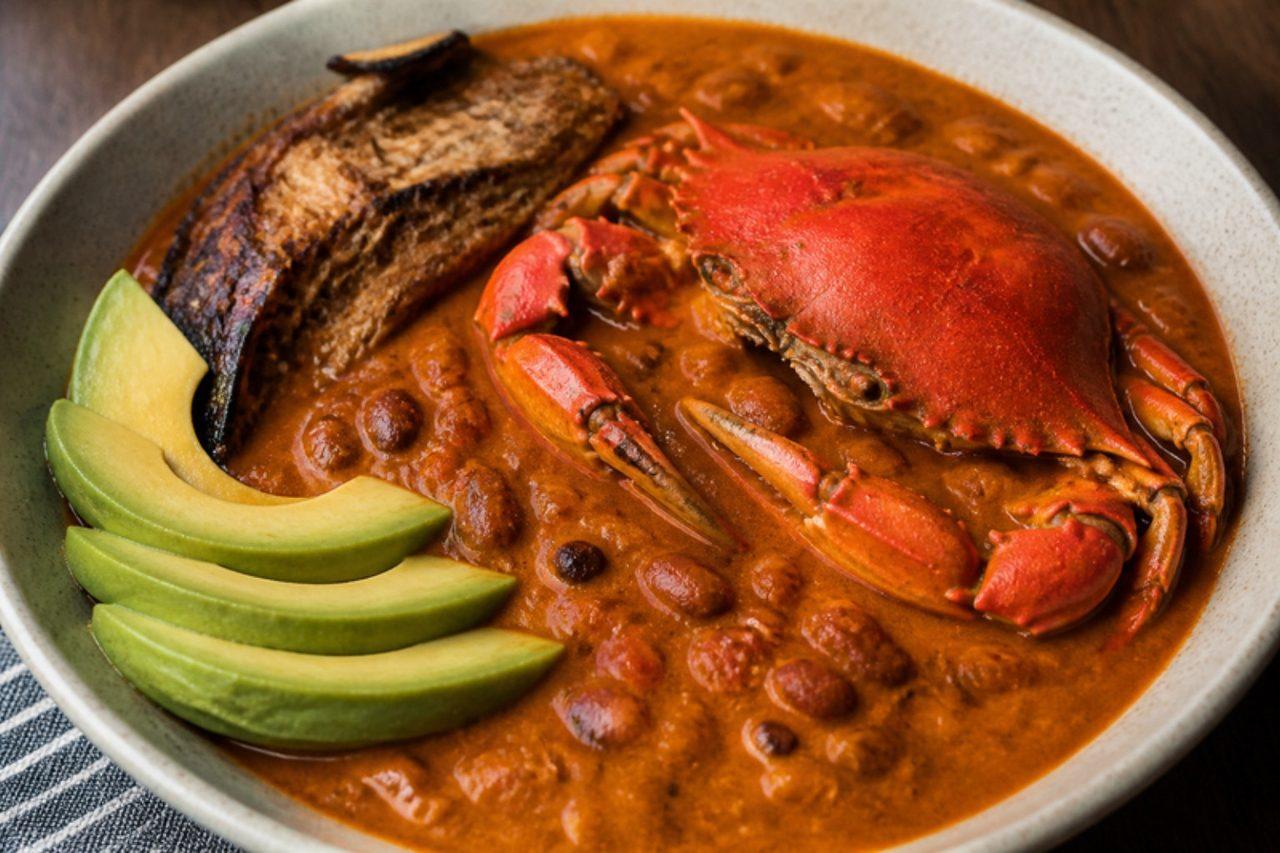
A coastal Fante dish from Cape Coast and the Central Region, aprapransa is made for festive days and big family meals: palm-nut soup with crab and smoked fish is stirred with toasted corn flour until it becomes a thick, spoonable pottage, then finished with tender black-eyed beans. The texture is somewhere between a stew and a soft dumpling, the colour a deep orange-brown, and the toasted corn gives a nutty, almost biscuity flavour under the rich palm fruit. It is often served with sliced avocado. Live crabs must come from a good fishmonger; discard any that are dead or smell off. The usual mistake is adding the toasted corn flour all at once, which makes lumps; sprinkle it in while stirring. Chef's tip: toast the corn flour until it is evenly deep golden and smells like popcorn, then add it to the soup gradually while stirring, because tipping it in at once is how the pottage turns lumpy.

by KrazyBadal 0 views

Superkanja (Gambian okra stew)

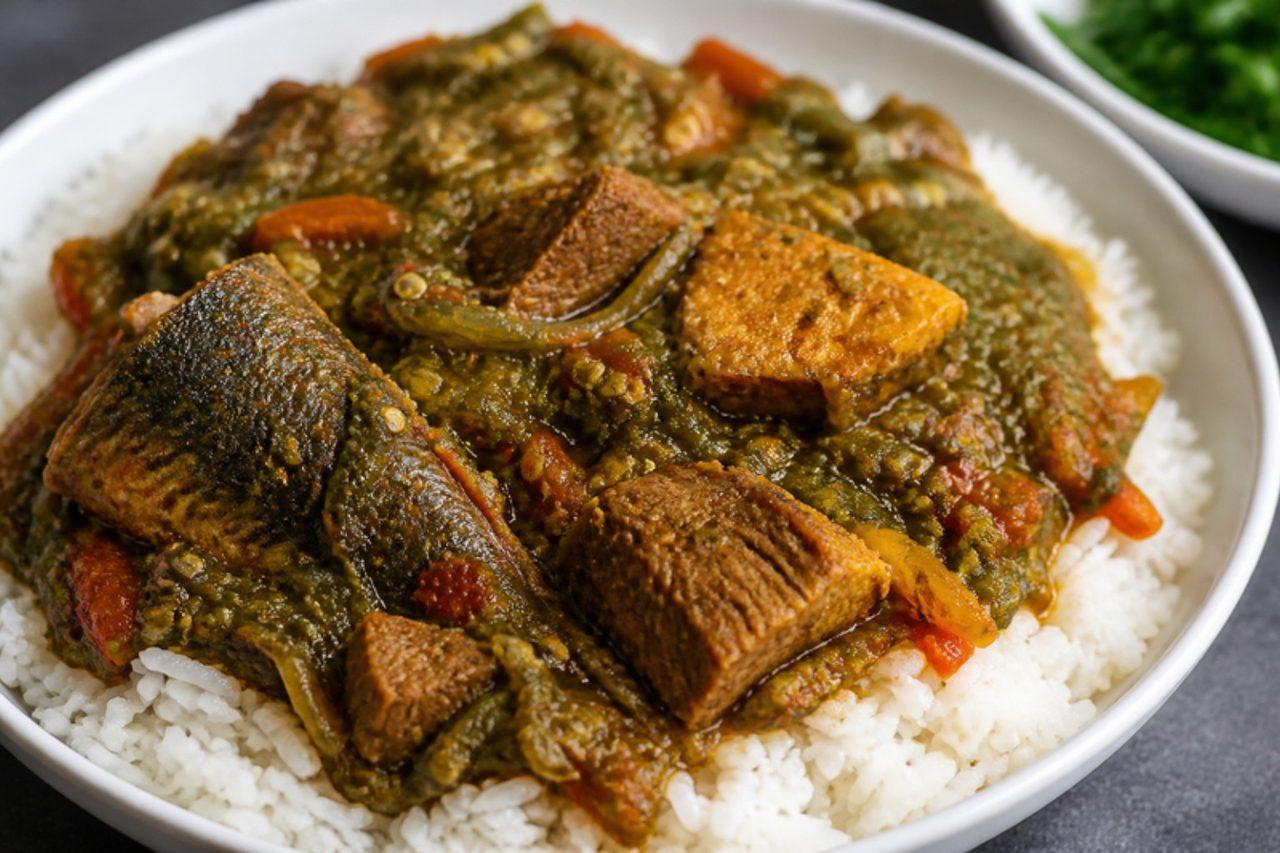
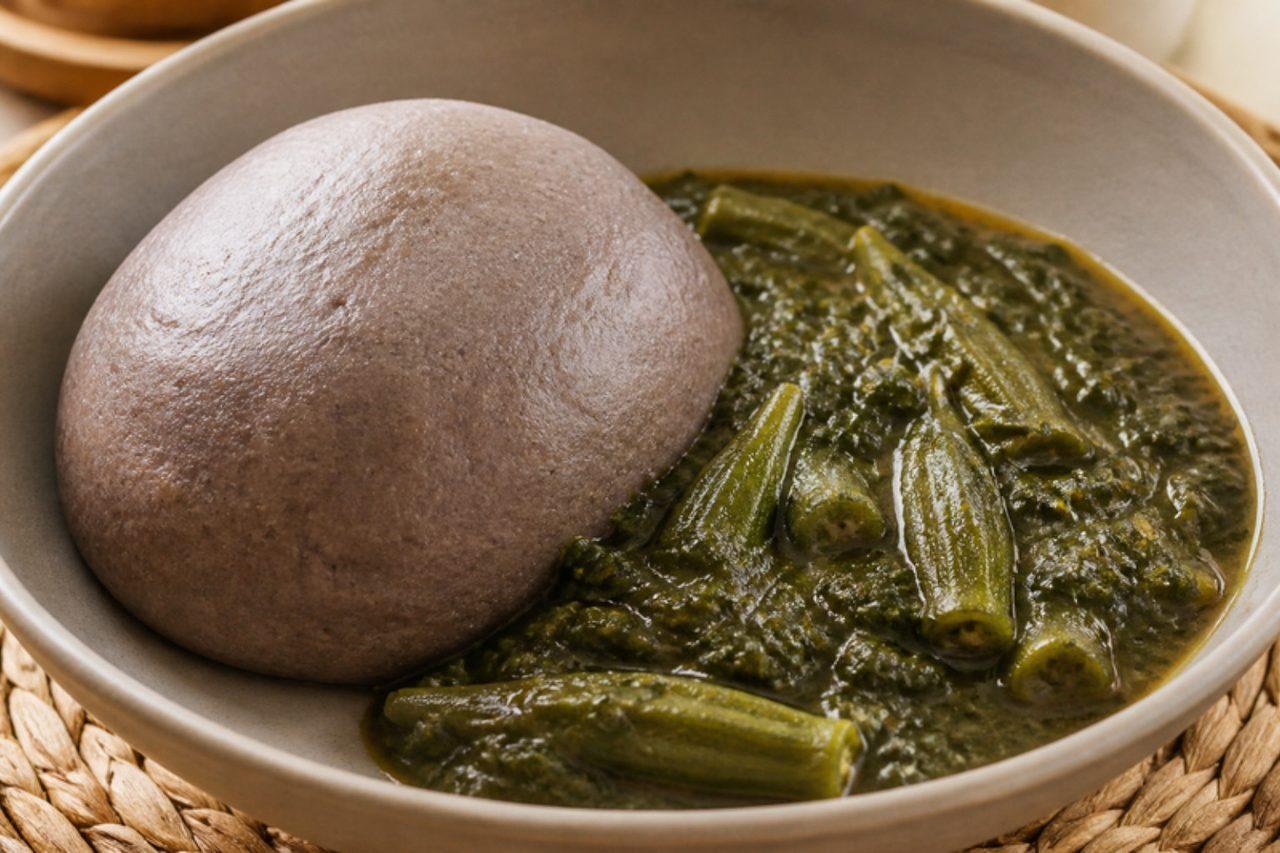
Superkanja is one of The Gambia's best-loved stews, cooked in compounds from Banjul to the river villages and always served with plain white rice. Okra is simmered and beaten into a thick, glossy stew with red palm oil, beef, fish and nététou, the pungent fermented locust beans that give West African cooking its deep savoury base. Smoked or dried fish adds smokiness, Scotch bonnets bring the heat, and the whole thing is slippery, rich and earthy. If you cannot find nététou, iru or dawadawa from African shops do the same job. Chef's tip: beat the okra vigorously with a wooden spoon for the last few minutes of cooking; that beating is what turns it into the smooth, cohesive kanja rather than a loose soup.

by KrazyBadal 0 views

Ekwang with mushrooms

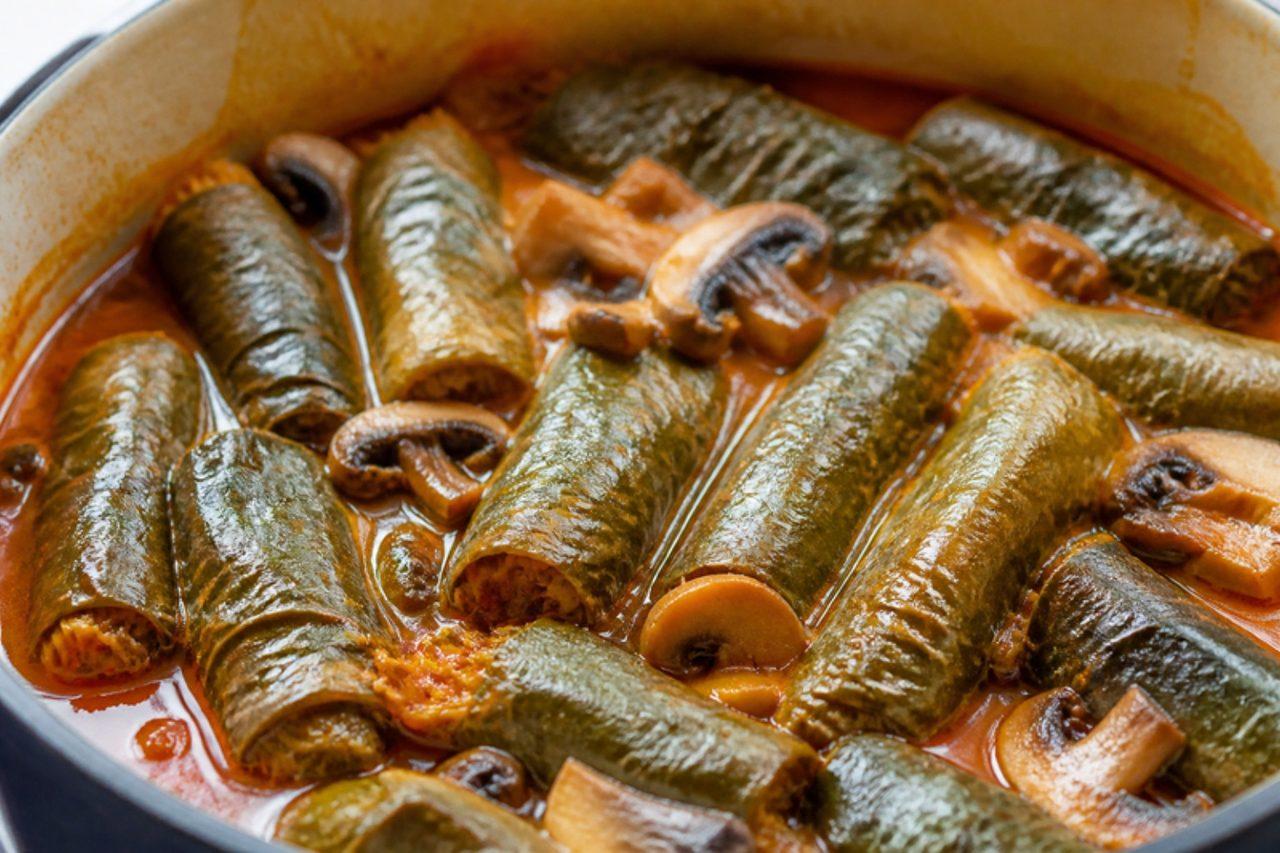
Rolling ekwang is a job for many hands: in the Southwest and around Douala, relatives sit together grating cocoyam and tucking it into leaves for a festive Sunday or a homecoming. The little green cigars are packed into a pot, drenched in red palm oil and left to simmer until the grated tuber binds into soft, almost creamy rolls in a rich, glossy sauce. Smoked fish and crayfish are the usual partners; this meat-free version gets its depth from fresh and dried mushrooms and a pinch of smoked paprika, so it suits vegetarian and vegan guests alike. Serve it on its own, scooping up the sauce, or with boiled plantain. Chef's tip: grate the cocoyam on the finest holes, almost to a purée, so the rolls hold together; coarse shreds stay separate and the pot turns grainy.

by KrazyBadal 0 views

Lakh (millet porridge with sweet curd)

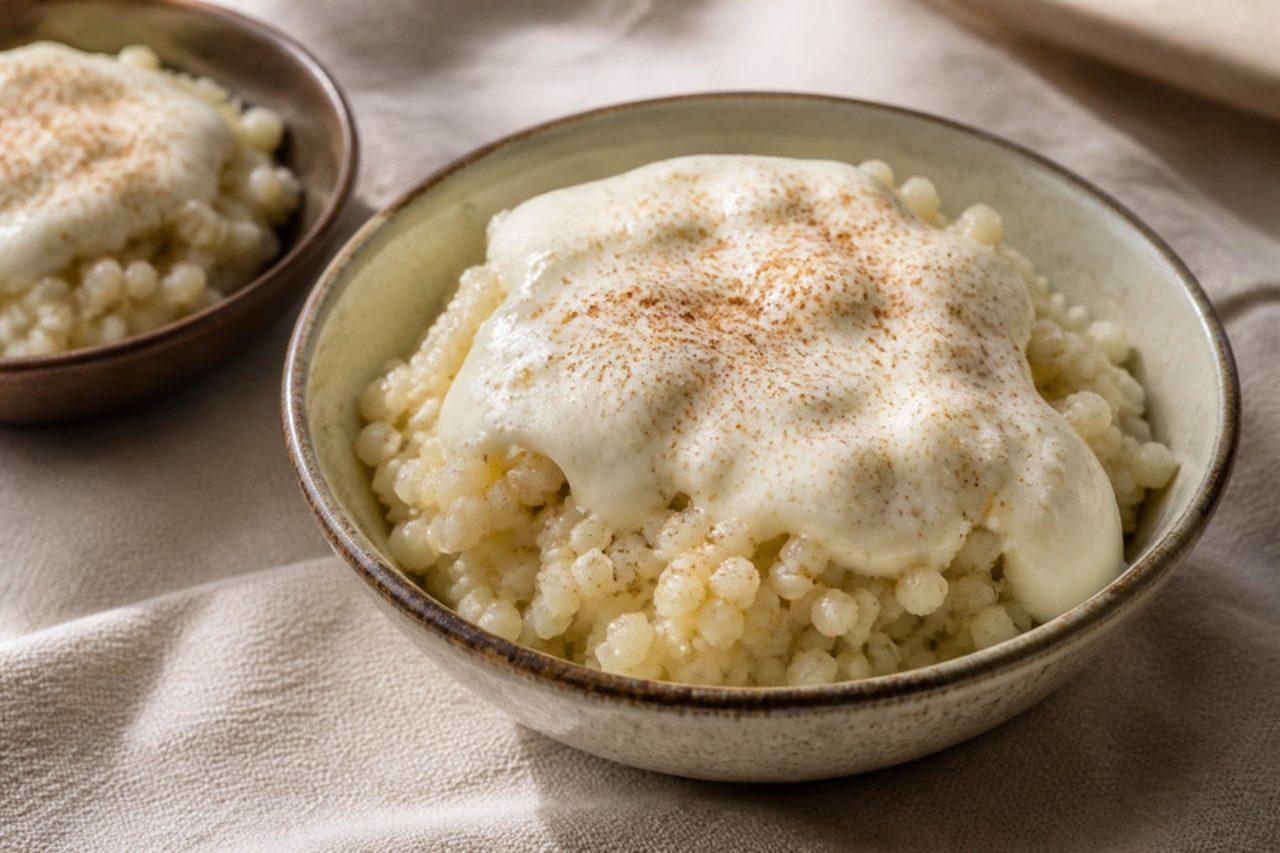
Thick, warm millet porridge topped with cold, sweetened curd: lakh is a Senegalese pairing of contrasts that turns up at naming ceremonies, family gatherings and on Ramadan evenings in Dakar. The millet is rolled into tiny pellets and simmered until it sets like soft polenta, then a creamy sauce of soured milk, sugar and baobab powder is poured over, its tang lifted by vanilla or orange flower water. Each spoonful mixes chewy, nutty grains with something cool and lightly sour. Plain yoghurt mixed with a little cream stands in well for Senegalese soow; use pasteurised dairy and keep leftovers in the fridge. Don't pour the curd over hot porridge; let the lakh cool so the curd stays thick and fresh. Chef's tip: cool the porridge until just warm before adding the curd, so the sauce stays thick instead of thinning out.
by KrazyBadal 0 views

Ngalakh (millet in baobab-peanut cream)

Every Easter, Christian families in Dakar, Thiès and Ziguinchor make big pots of ngalakh and carry bowls of it to Muslim neighbours and friends, a gesture of sharing that many Senegalese treasure. Steamed millet pellets are folded into a thick, tangy cream of baobab pulp and peanut butter, scented with vanilla, orange flower water and nutmeg, and sometimes studded with raisins. It is served chilled, sweet and nutty with a citrus-like sourness from the baobab, and it keeps well for a couple of days. No dairy is used, so it is vegan. Chef's tip: use plain peanut butter with no added sugar or palm oil, and let the dessert rest in the fridge for a few hours, because the flavours only come together once the millet has drunk up some of the cream.

by KrazyBadal 0 views

Sombi (Senegalese coconut rice pudding)

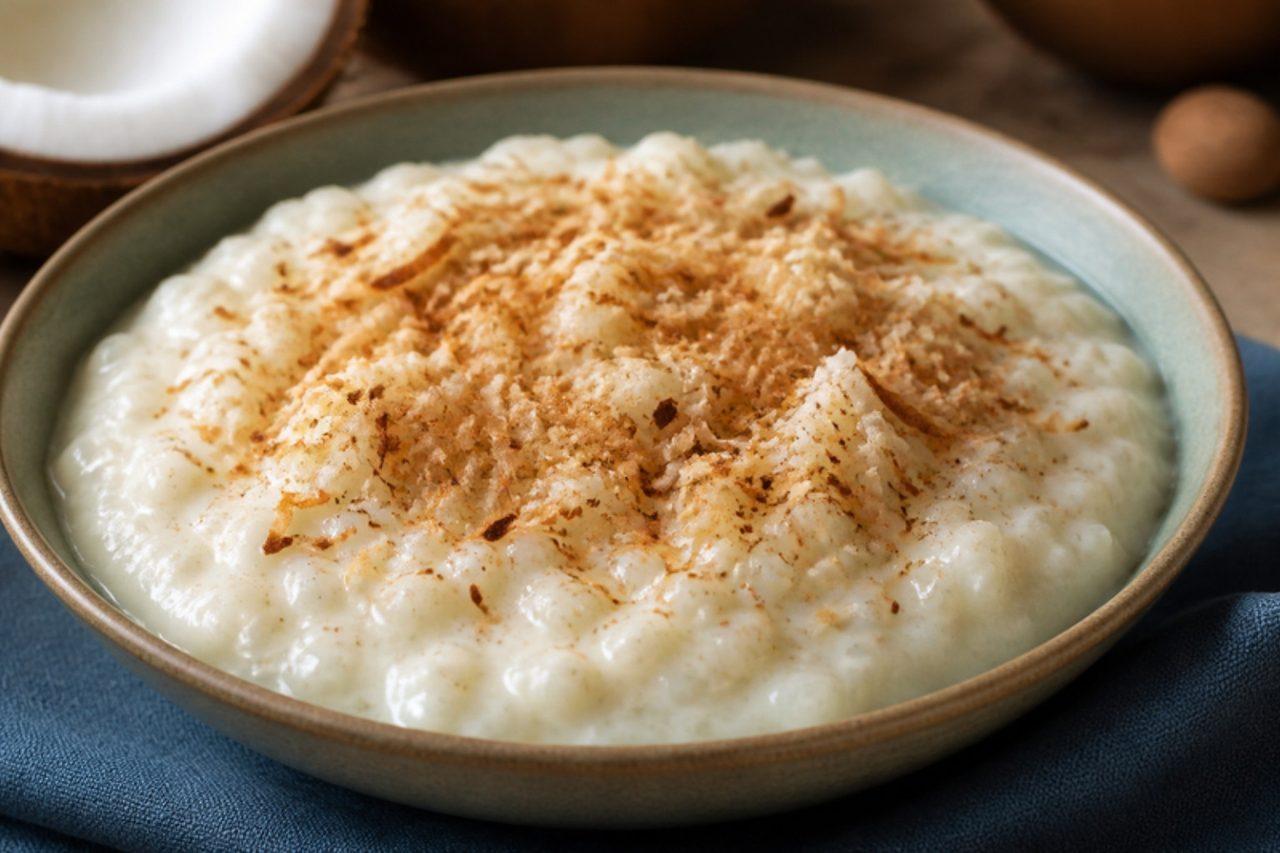
Spooned warm from a pot at the Ramadan ndogu, the evening break of the fast, or eaten as a gentle supper on cool Dakar nights, sombi is the Senegalese take on rice pudding. Broken rice is simmered in water first, then in coconut milk and a little dairy milk until it turns soft and creamy, sweetened just enough and finished with vanilla and a pinch of nutmeg. The texture is looser than a baked rice pudding, almost porridge-like, with a clean coconut taste. Broken rice, sold as brisures in African shops, cooks fastest and gives the right silky feel. Avoid boiling hard once the coconut milk goes in, or it splits and turns greasy. Chef's tip: add the coconut milk only after the rice is half cooked in water, because grains boiled from raw in coconut milk stay hard and the fat can split.

by KrazyBadal 0 views

Chura gerte (Gambian rice and peanut porridge)

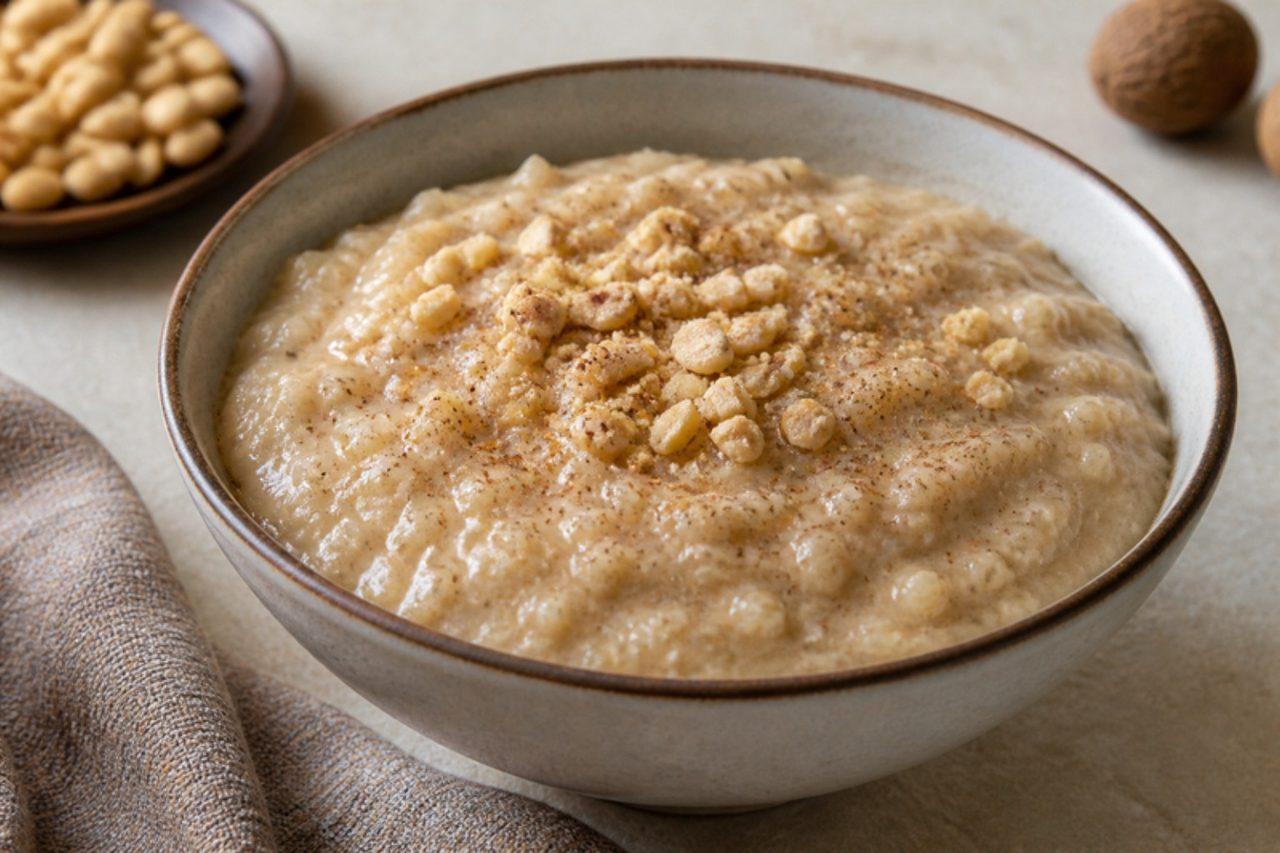
Groundnuts are The Gambia's great crop, and chura gerte, rice porridge cooked with ground roasted peanuts, is how many families in Banjul and Serekunda start the day. Broken rice is simmered until soft and creamy, then the peanut paste goes in with sugar, a pinch of salt and sometimes vanilla or nutmeg. It is thick, comforting and nutty, a bowl that keeps children going until lunch. Some households pour sour milk over the top; leave it out, as here, and the porridge is vegan. Avoid adding the peanut paste in one lump; whisk it in loosened with hot liquid or it clumps. Chef's tip: stir the peanut paste into the rice only once the grains are completely soft, because rice cooked in peanut from the start catches on the base and stays chalky.

by KrazyBadal 0 views

Domedo (Ghanaian spiced pork)

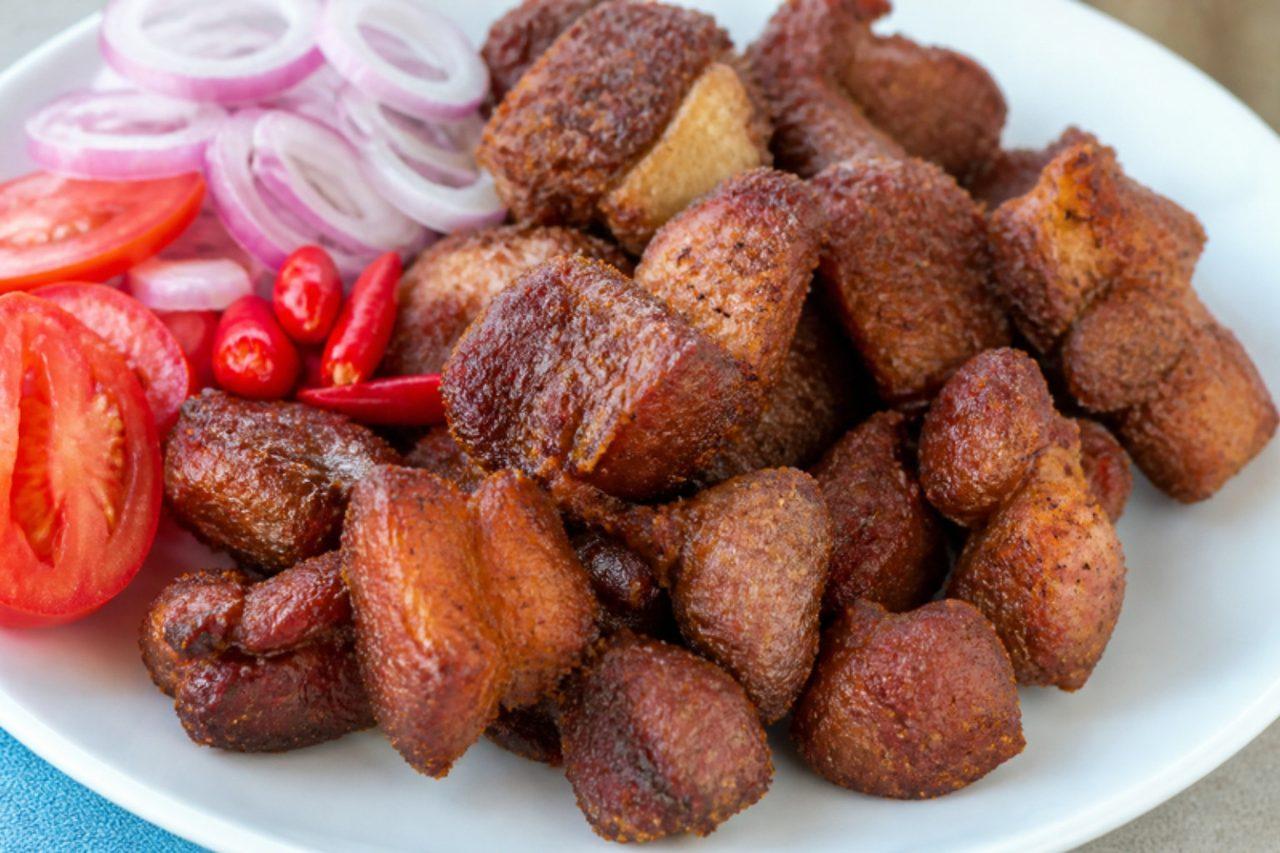
Domedo is pork: chunks of pork shoulder or belly rubbed with ginger, garlic, onion, cloves and chilli, simmered until tender, then roasted or fried until the edges turn crisp and caramelised. Around Accra it is a favourite at chop bars and roadside grills in the evening, wrapped in paper with raw onion, sliced tomato and a pile of fresh pepper, often alongside kenkey. The meat is juicy and spicy with a crackling, salty outside. Cooking it twice means the fat renders out and the chunks stay moist. Chef's tip: dry the boiled pork well before roasting and give the pieces space on the tray; crowding them is the usual mistake, and they steam instead of crisping.

by KrazyBadal 0 views

Abenkwan (palm nut soup with goat)

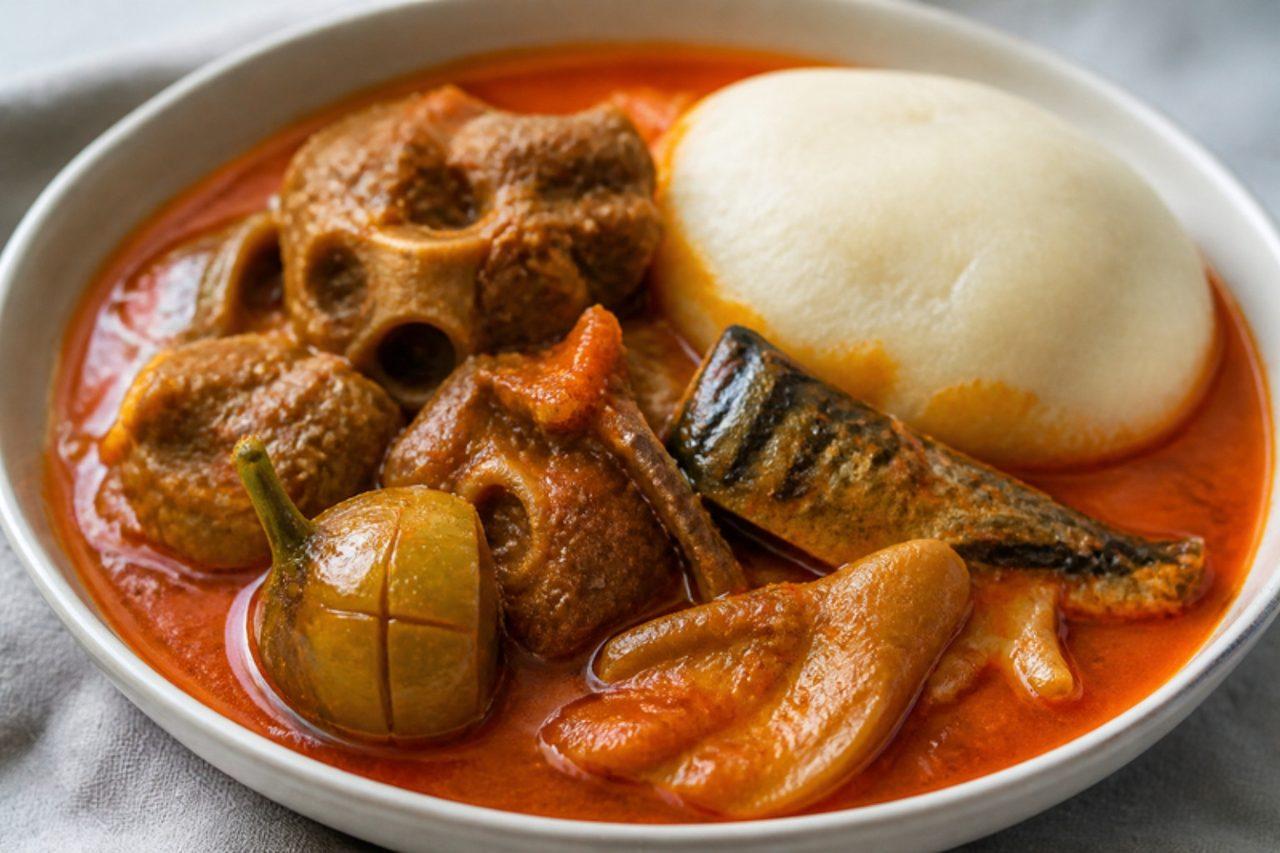
Sunday lunch in Kumasi often means a deep bowl of abenkwan, the brick-red palm-nut soup that chop bars serve all week with pounded fufu. Goat is first steamed in its own juices with onion and ginger, then simmered with garden eggs, tomatoes and pepper that are blended back in, and finally with the rich cream of palm fruit until a layer of orange oil floats on top. Smoked fish adds a savoury, smoky edge. The soup is thick, slightly sweet, earthy and peppery. Canned palm nut cream, sold in African shops, saves hours of pounding fresh fruit; small white aubergines can replace garden eggs. Chef's tip: simmer until the palm oil rises and collects on the surface; serving it earlier is the most common mistake and leaves the soup tasting raw and heavy.

130 minGhanaianMeatGluten free
by KrazyBadal 0 views

Abunuabunu (Ghanaian green soup)

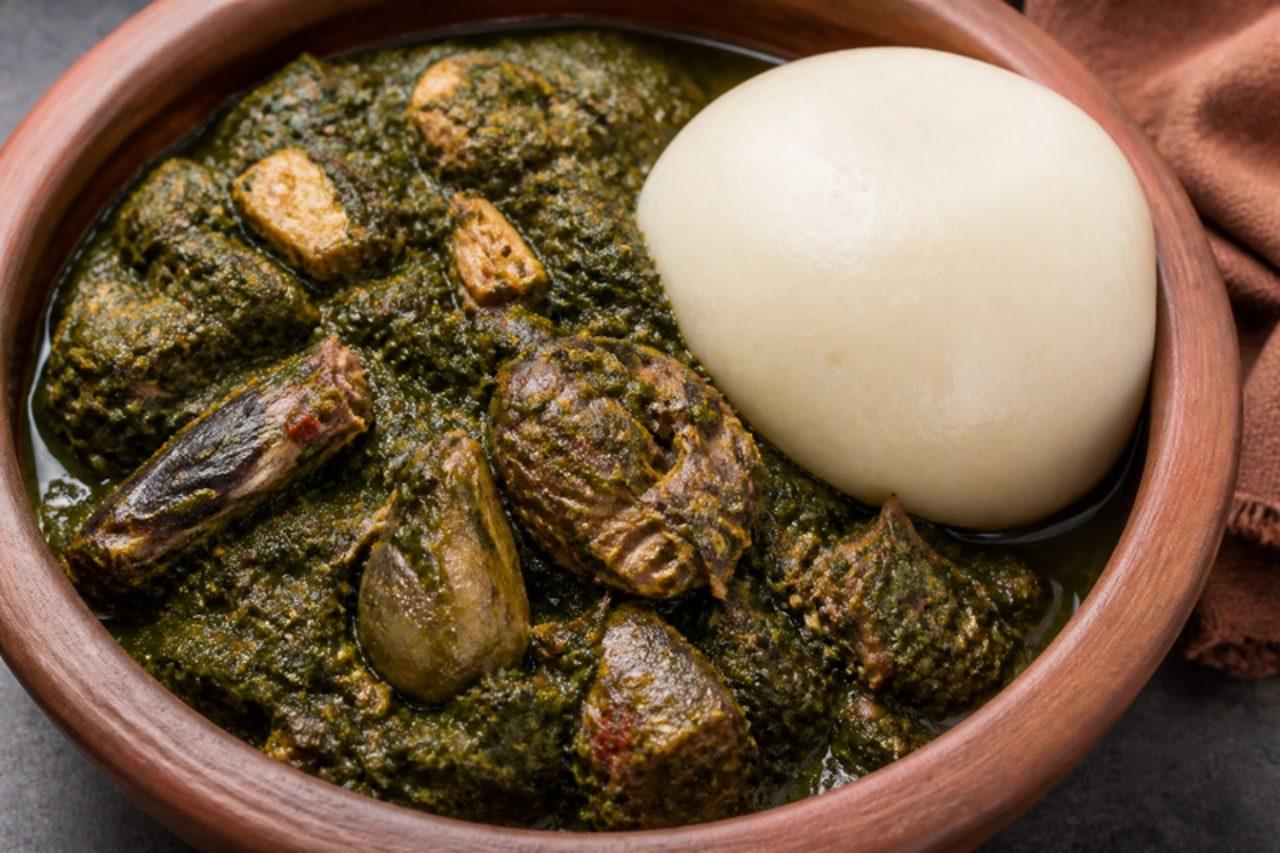
Green from cocoyam leaves (kontomire), garden eggs and green chillies, abunuabunu is a home-style soup from the Ashanti and Bono farmlands, cooked when the leaves are young and plentiful. Traditionally it is made with giant land snails or bush meat; this version uses goat or beef with smoked fish, which are easier to find. The leaves and vegetables are boiled, pounded or blended and returned to the meat stock, giving a fresh, grassy, peppery soup with a gentle bitterness. It is eaten with fufu or ampesi (boiled yam and plantain). Spinach works if you cannot buy cocoyam leaves. Don't skimp on the cooking time for the cocoyam leaves; undercooked, they leave an itchy, scratchy feel in the throat. Chef's tip: always boil cocoyam leaves for at least 15 minutes, because underdone leaves leave an itchy, scratchy feeling in the throat; if you use snails, buy them cleaned from a reputable seller and simmer them until firm.

by KrazyBadal 0 views

Café Touba (spiced Senegalese coffee)

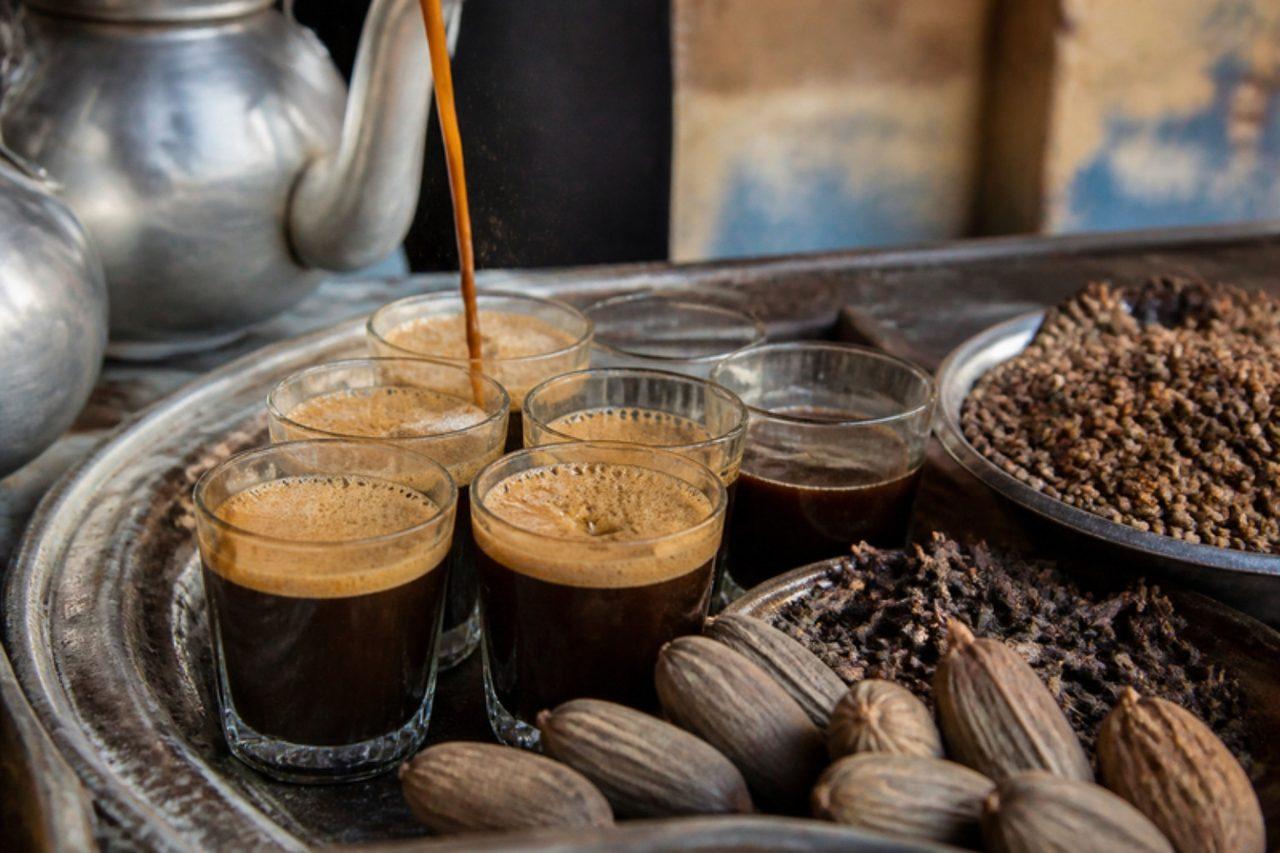
Poured from tall kettles into small cups on street corners from Dakar to the holy city of Touba, café Touba is coffee roasted together with djar, the smoky, peppery pods also called grains of selim, and often a few cloves. The drink is linked with the Mouride brotherhood and its founder Cheikh Amadou Bamba, and it is drunk sweet and strong at any hour. It has a deep roasted bitterness with a tingle of pepper and clove at the back of the throat. Roasting green beans at home takes about 20 minutes and makes enough for several pots; if you cannot get green beans, toast the spices separately and grind them with medium-roast coffee. Most people go wrong by grinding the djar (selim pepper) too coarsely, so its peppery note never comes through. Chef's tip: roast over a moderate heat and keep the beans moving, since high heat burns the outside while the inside stays raw and sour.

by KrazyBadal 0 views

Senegalese ginger juice

Nearly every Senegalese party, baptism and wedding table carries a jug of jus de gingembre next to the bissap, and Dakar street sellers keep it in frosted plastic bottles. Fresh ginger is blended with water, left to steep, strained and sweetened, then brightened with lemon and mint. Expect a sweet first sip followed by a strong, warming burn that is surprisingly refreshing when the drink is ice cold. Some cooks add a little pineapple juice or vanilla for a rounder taste. Chef's tip: taste before serving and dilute with cold water if it is too fierce; the most common mistake is serving it undiluted, when it can be strong enough to make people cough.

by KrazyBadal 0 views

Malian tô (millet swallow)

Across Mali, from Bamako courtyards to villages along the Niger, the evening meal very often means tô: a firm, smooth paste of millet or sorghum flour, beaten in a pot over the fire until it holds its shape. It is the plain, filling partner to slippery sauces of okra or baobab leaf (lalo), torn off with the right hand and dipped. Tô has a mild, slightly sour grain taste and a texture like firm polenta. A little tamarind water or lime helps it set and keeps it from tasting flat. Chef's tip: add the flour to the porridge in several small batches and beat hard after each one; dumping it all in at once is the classic mistake, and it leaves dry lumps that never smooth out.

by KrazyBadal 0 views

Djouka (fonio with peanut sauce)

Fonio, the tiny ancient grain of the Sahel, cooks in minutes, and Fula (Peul) families in Mali turn it into djouka by steaming it fluffy and folding it into a thick, savoury peanut sauce with onion, tomato and chilli. Meat is often added for guests and festivals; this is the meat-free home version, rich enough to stand alone as a main dish. The grains stay light and separate, coated in a sauce that is nutty, gently sweet from slow-cooked onion and warm with pepper. Serve it with a fresh tomato and onion salad or a bowl of sour milk on the side if you are not keeping it vegan. The usual mistake is cooking fonio in too much water; it turns to paste. Steam it or use a small amount of water. Chef's tip: rinse fonio in several changes of water and let the grit settle each time, because unwashed fonio often carries fine sand.

by KrazyBadal 0 views

Moni (millet dumpling porridge with tamarind)

Bamako mornings, and especially Ramadan mornings before dawn, often start with a bowl of moni: tiny balls of millet flour rolled by hand and cooked in water until they turn plump and chewy in a smooth porridge. Tamarind gives it a clear sourness, sugar balances it, and some cooks add a squeeze of lemon or a little fresh ginger. It is thinner than tô and meant to be drunk from the bowl or eaten with a spoon. This version is vegan; some families stir in milk or soured milk at the table. Don't drop the dumplings into water that isn't boiling, or they dissolve into the porridge. Chef's tip: roll the balls small, no bigger than a chickpea, and let them dry on the tray for ten minutes before cooking so they hold together instead of dissolving.

by KrazyBadal 0 views

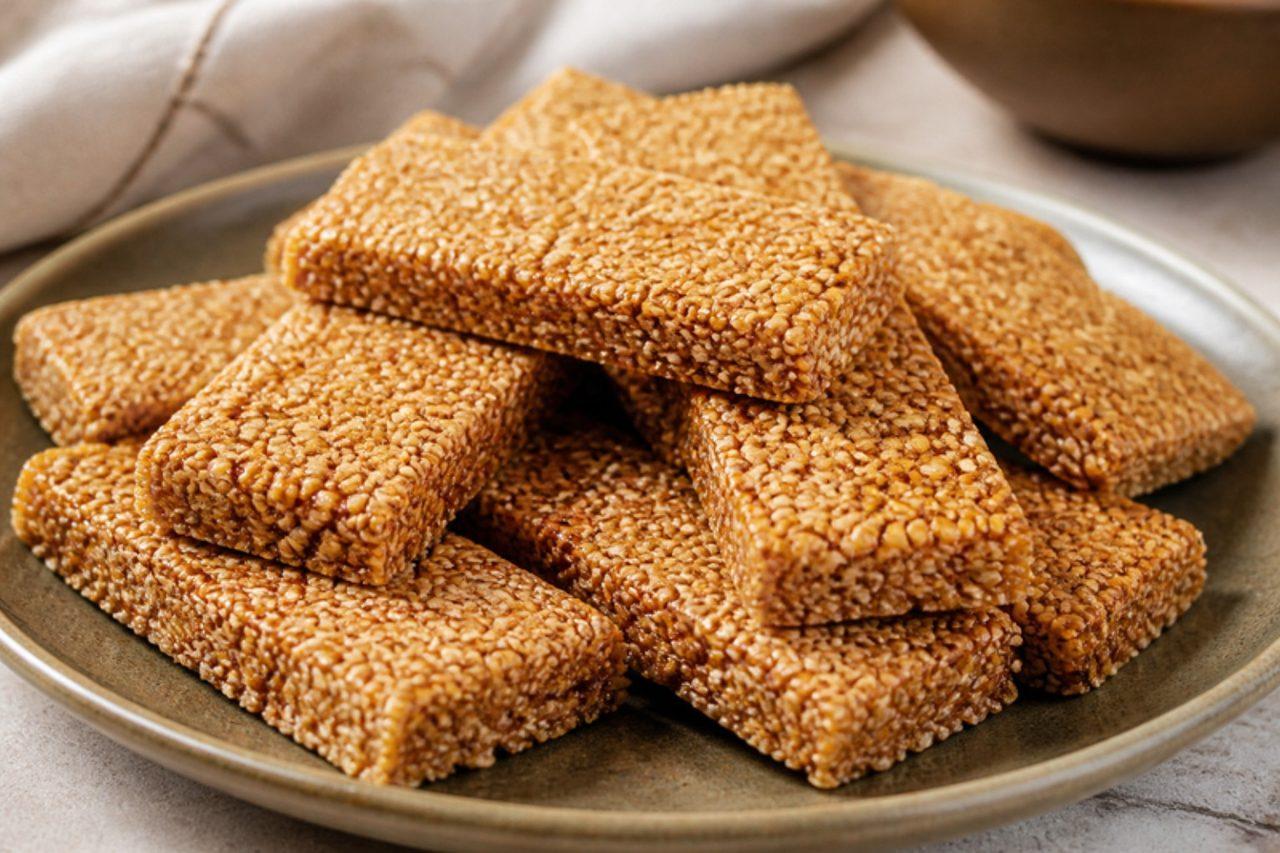
Meni-meniyong (Malian sesame honey sticks)

Toasted sesame seeds bound with hot honey and a knob of butter, then pulled into sticks before they harden: meni-meniyong is a little Malian sweet sold at markets and made at home for guests and festive days. The sticks are crisp at the edges, chewy in the middle, and taste deeply of toasted seeds and dark honey. They need only three ingredients but reward careful heat. Children love them, and they keep well in a tin. Chef's tip: cook the honey until a drop in cold water forms a firm ball; pulling it off too early is the usual mistake, and the sticks stay soft and sticky instead of setting.

by KrazyBadal 0 views

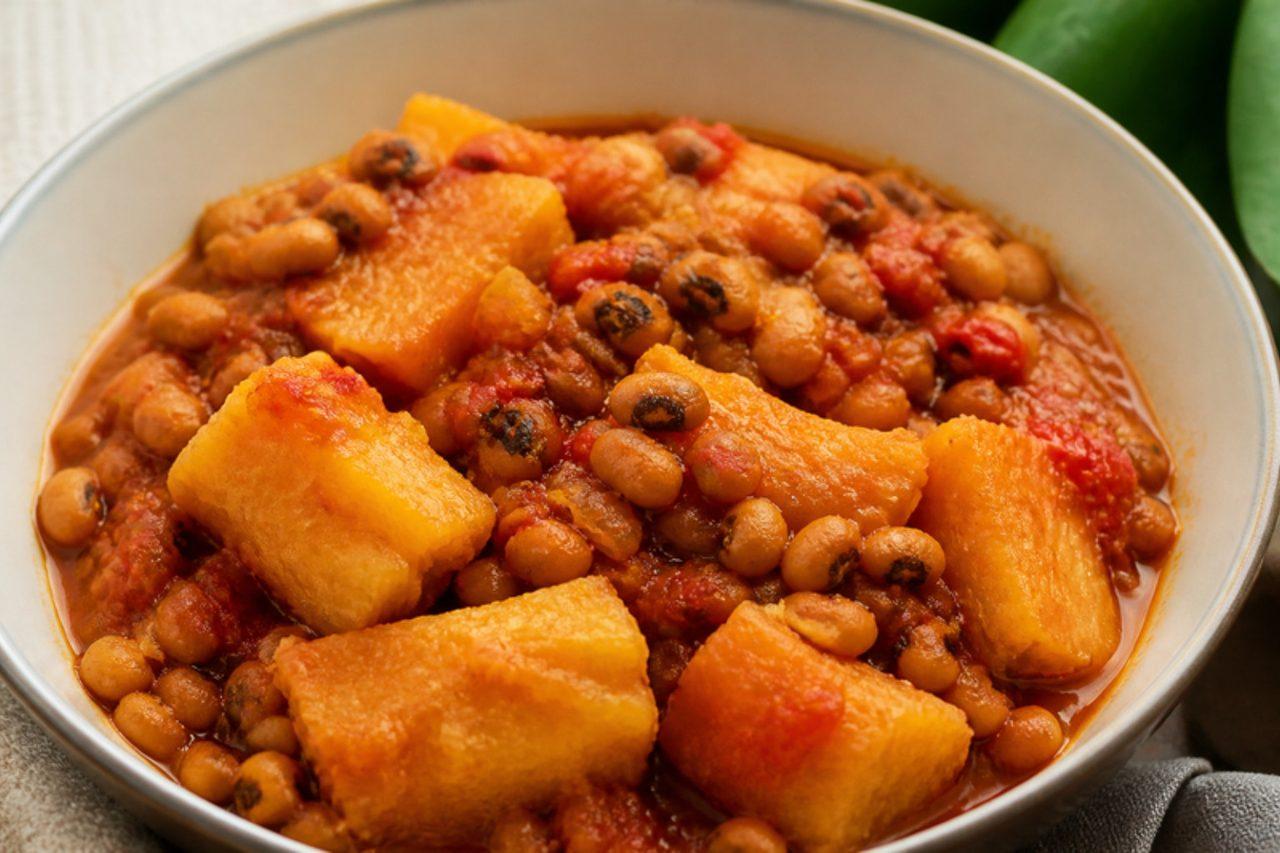
Nyambeh nyebbeh (cassava and beans in palm oil)

Bright with red palm oil, nyambeh nyebbeh, cassava (nyambeh) and beans (nyebbeh), is a favourite Gambian lunch from Banjul compounds to roadside food stalls. Chunks of cassava and black-eyed beans are boiled until tender, then dressed with a hot sauce of red palm oil, onion and Scotch bonnet. Cassava gives starchy, slightly sweet bites, the beans turn creamy, and the palm oil adds its earthy, peppery depth. Dried fish is often crumbled in; this is the meat-free version. Chef's tip: always cook cassava fully and pull out the woody core string, since undercooked or raw cassava is unsafe to eat; it is ready when a knife slides through with no resistance.

by KrazyBadal 0 views

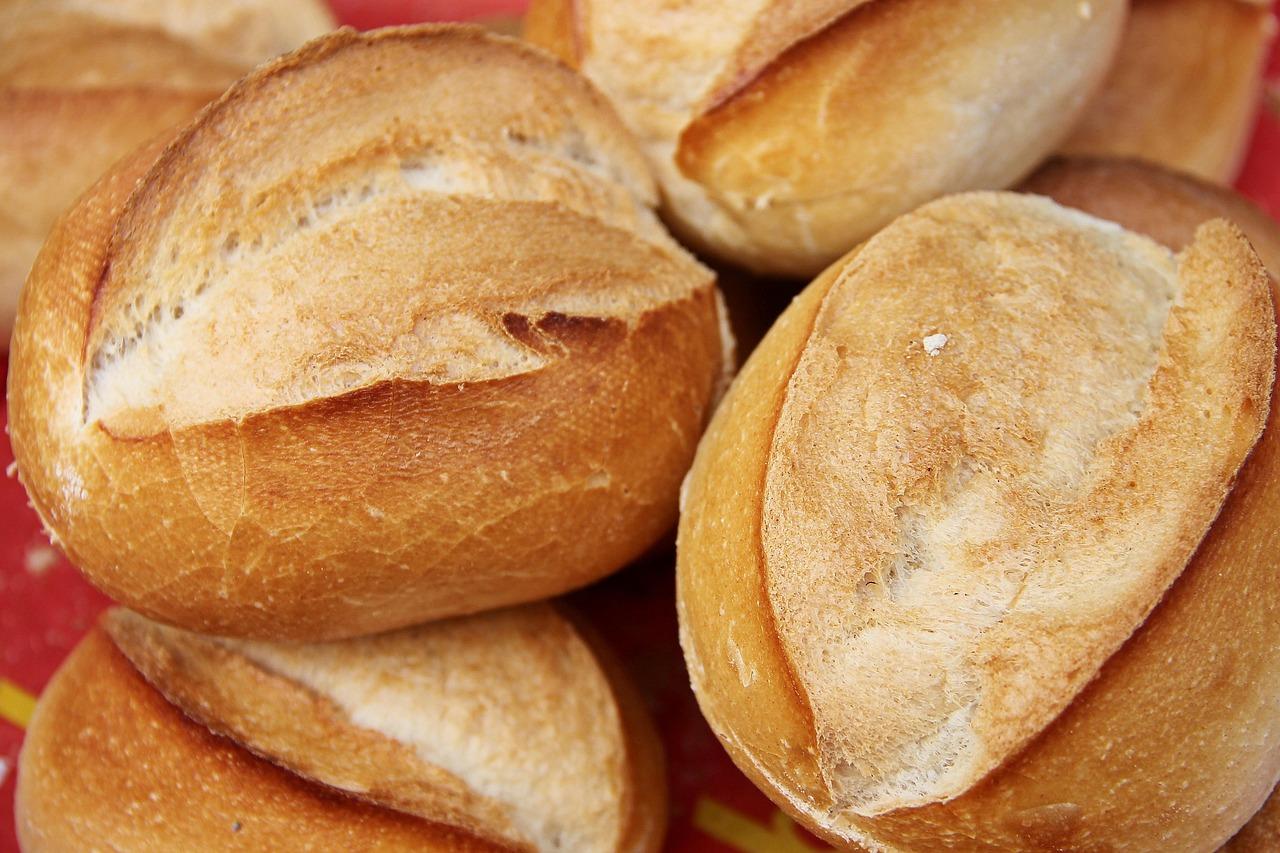
Tapalapa (Gambian crusty bread)

Early each morning, small bakeries around Serekunda and Brikama pull trays of tapalapa from wood-fired ovens, and the short, rustic loaves are on every breakfast stall by sunrise. Denser and chewier than a French baguette, tapalapa has a thick, crackling crust and a slightly tight crumb that holds up to fillings: black-eyed beans in sauce, an omelette, or a smear of chocolate spread. A very hot oven, a baking stone and a tray of steam get you close at home. Allow about two and a half hours of rising. Chef's tip: let the shaped loaves rise only until puffy, not doubled; over-proving is the common mistake, and the loaves flatten and lose the chewy bite.

by KrazyBadal 0 views

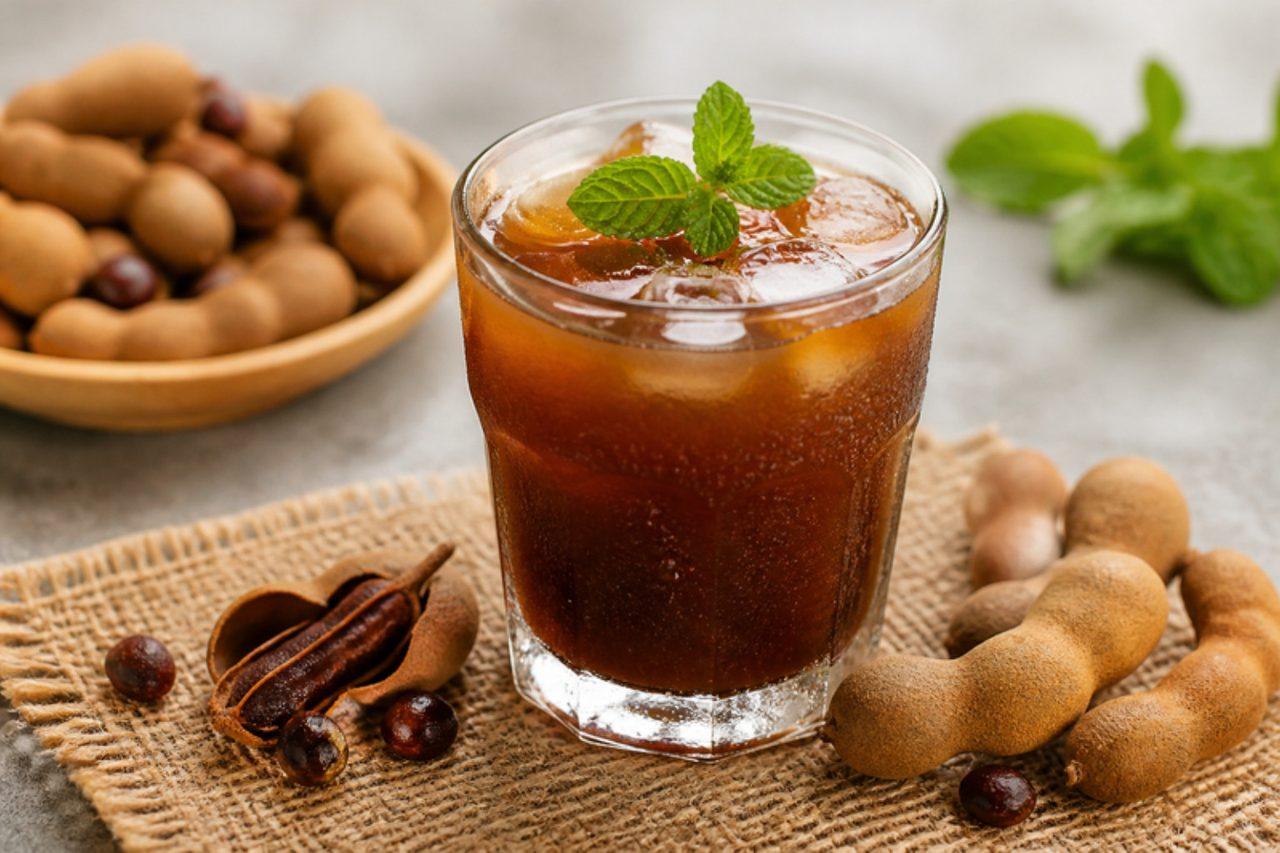
Guinean tamarind juice

Tomi is the name for tamarind in Guinea, and in Conakry its juice is poured from plastic bottles kept on ice at markets, bus stops and family celebrations alongside bissap and ginger juice. The sticky brown pulp is soaked in hot water, kneaded and strained into a drink that is brown-gold, fruity and pleasantly sour, sweetened with sugar and lifted with a little ginger and vanilla. It is especially welcome at sunset during Ramadan. Chef's tip: soak the pulp in hot, not boiling, water and knead it well; boiling the tamarind is a common mistake that pulls out bitterness from the seeds and skins.

by KrazyBadal 0 views

Banku and grilled tilapia

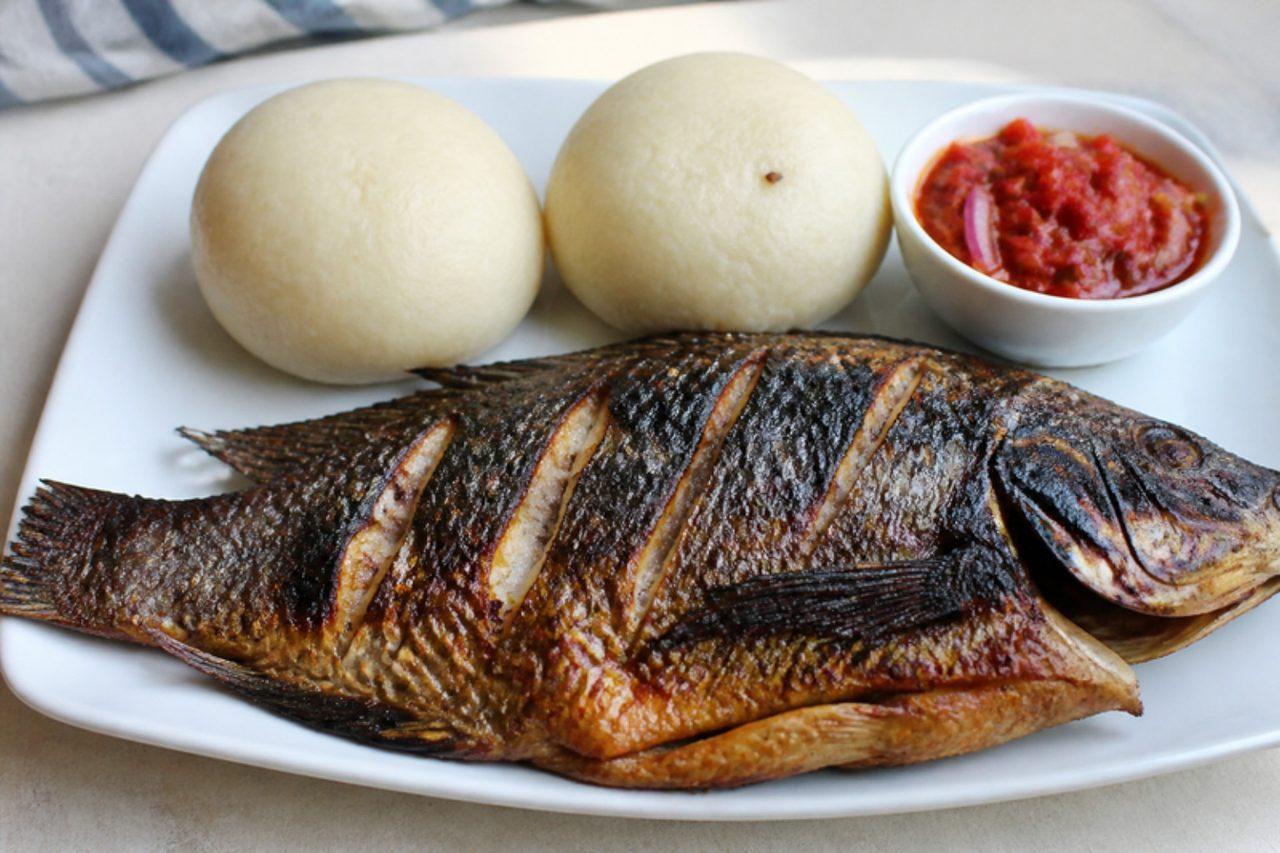
Night falls in Accra and the smoke rises from Osu to Labadi: whole tilapia, slashed and rubbed with ginger, garlic and chilli, crackles over charcoal at roadside grills and beach spots, served with a ball of banku, a heap of raw pepper sauce and sliced onions. Banku is a smooth, stretchy dough of fermented corn and cassava, slightly sour, cooked and beaten in a pot until it pulls away from the sides. Together they make a messy, joyful meal eaten with the fingers: smoky fish, tangy banku and a sauce hot enough to make your eyes water. Corn and cassava dough are sold in African shops, often as banku mix. The commonest mistake is turning the fish too soon; leave it until it releases cleanly from the grill. Chef's tip: marinate the fish in the fridge, not on the counter, and oil the grill and the fish well, because skin sticking to the bars is the most common way to lose a whole tilapia.

by KrazyBadal 0 views

Ebbeh (Gambian cassava and fish soup)

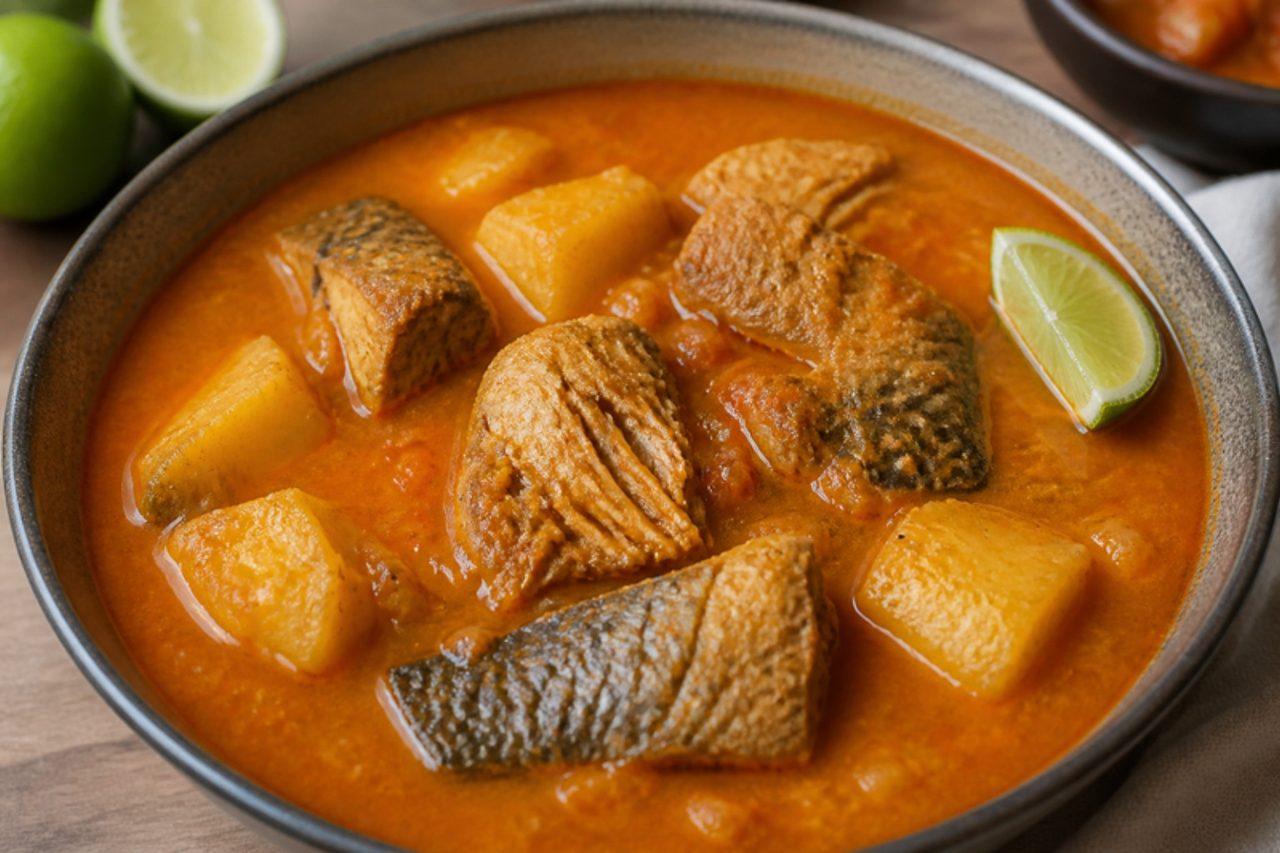
Bowls of ebbeh are a favourite late-afternoon snack and supper at Gambian markets and beach stalls, sold steaming from big pots. Cassava is boiled until it breaks down and thickens the broth, then fish, red palm oil, onion and plenty of chilli go in, and the soup is finished with a sharp squeeze of lime. It is thick and starchy, hot, sour and savoury all at once, with soft chunks of cassava and flaky fish. Some cooks add crab or a little smoked fish; this version uses fresh fish with smoked fish for depth. Avoid stirring hard once the fish goes in, or it breaks into shreds. Chef's tip: cook the cassava until some of it collapses before adding the fish, because the cassava itself is the thickener; undercooked cassava gives a thin soup and is unsafe to eat.

by KrazyBadal 0 views

Fetri detsi (Ewe okra soup with crab)

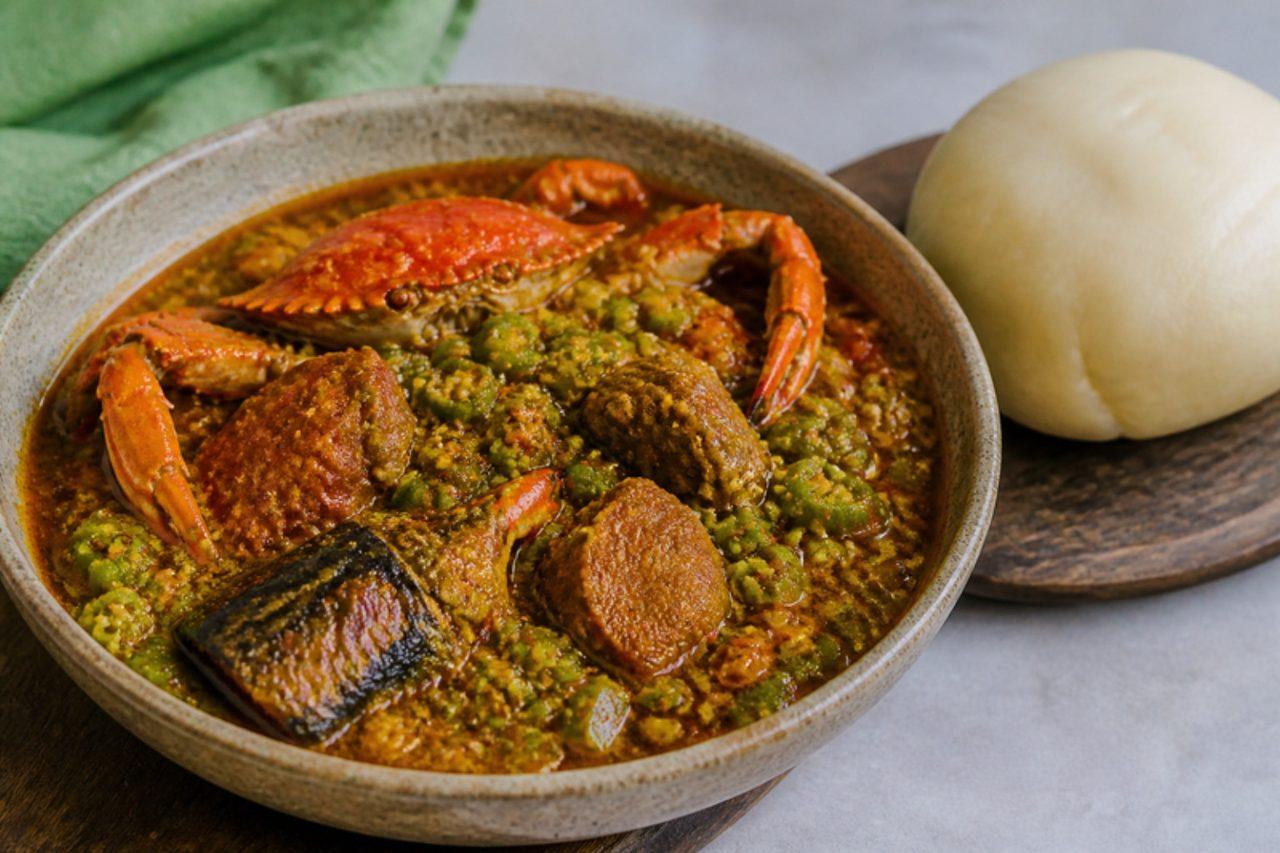
Along the Volta lagoons and in towns like Ho and Keta, the Ewe cook fetri detsi when there are fresh crabs to be had: a light tomato and pepper broth made rich with beef or goat, smoked fish and crab, then thickened at the last minute with chopped okra until it turns silky and slippery. It is eaten with akple, a smooth dough of corn and cassava, which is dipped and pulled through the soup. The flavours are of the sea, smoke and fresh pepper. Buy live crabs from a reputable fishmonger and discard any that are dead, cracked or smell off before cooking. Avoid overcooking the okra; added too early it loses its bright green and its draw. Chef's tip: add the okra only at the end and cook it for no more than 8 minutes; overcooked okra loses its green colour and its slipperiness, the very thing this soup is about.

by KrazyBadal 0 views

Fante fante (Fante fresh fish stew)

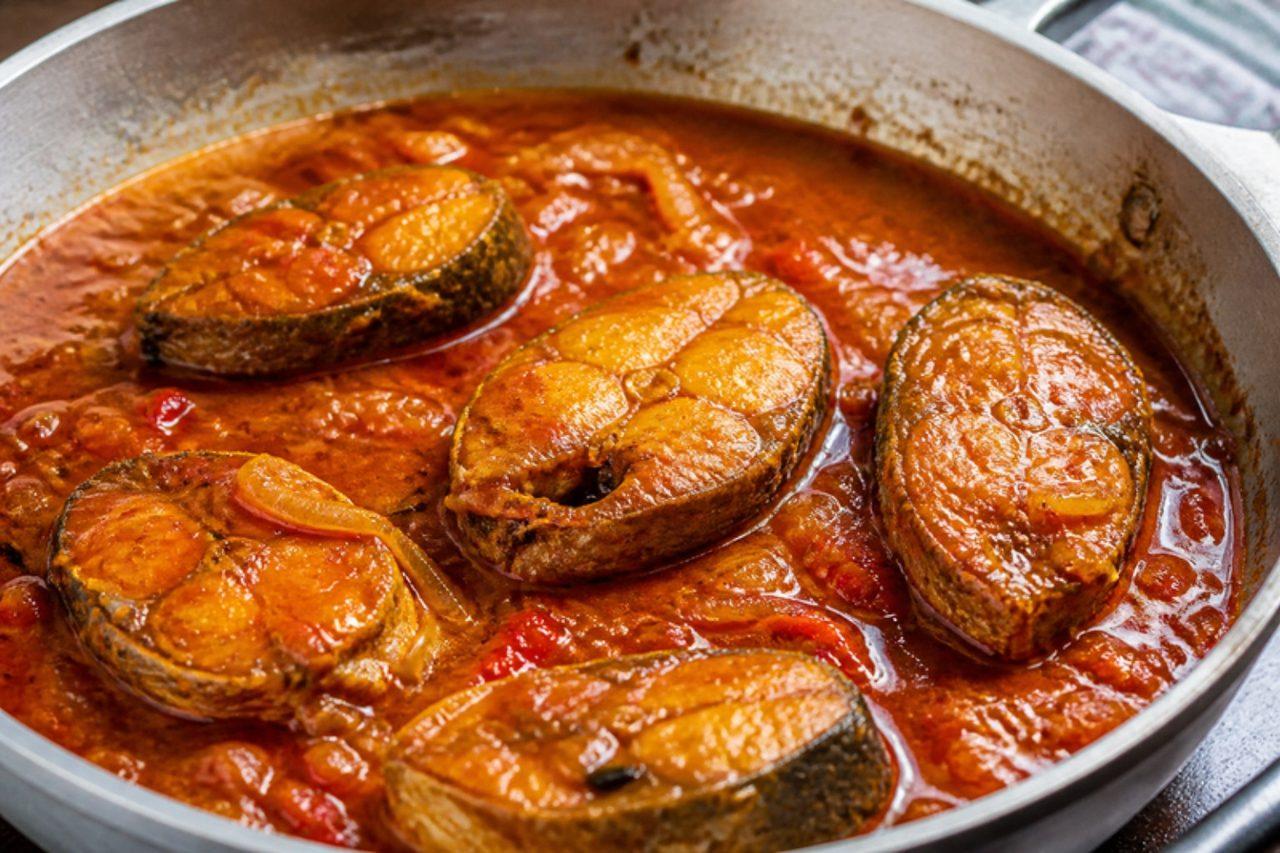
Fishing towns such as Elmina and Winneba cook fante fante when the canoes come in: fresh fish laid into a fragrant red sauce of palm oil, onion, tomato and pepper and gently simmered until just cooked. It is quick, bright and spicy, with the palm oil giving the sauce its colour and a slightly floral, earthy note, and the fish staying sweet and juicy. Serve it with kenkey, banku or boiled plantain, and plenty of sauce. Any firm white fish or oily fish steaks work, from red snapper to mackerel. Chef's tip: once the fish is in, shake the pan rather than stirring; stirring is the usual mistake and breaks the fish into shreds.

by KrazyBadal 0 views

Mbakhal (Saloum rice with peanuts and dried fish)

Mbakhal belongs to the Saloum, the peanut country around Kaolack and the Sine-Saloum delta, where it is cooked for gatherings and the Muslim feast days. Rice is simmered until soft and almost porridge-like in a sauce of ground peanuts, tomato and onion, together with black-eyed beans and guedj, the sun-dried, salted fish of the Senegalese coast. The flavour is deep and savoury, the texture creamy with bursts of bean and chewy flakes of fish. Salt cod or smoked fish are fair substitutes for guedj. Chef's tip: soak and taste the dried fish before you season, and add salt only at the end; over-salting is the most common mistake with mbakhal, since guedj and stock both carry plenty.

by KrazyBadal 0 views

Dakhine (rice with peanut sauce and lamb)

Somewhere between mafé and a risotto, dakhine is everyday Dakar comfort food: lamb or beef simmered in a peanut and tomato sauce, with the rice cooked right in the same pot until it soaks up all that nutty, savoury flavour. The result is thick, rich and very filling, the meat falling apart into the rice and a gentle heat from a whole Scotch bonnet. It is eaten from a shared bowl at lunchtime, with a squeeze of lime or a little chilli sauce on the side. Chef's tip: make sure the lamb is completely tender before the rice goes in, because the rice sets the timetable after that; adding it too early is the common mistake that leaves tough meat in mushy rice.

by KrazyBadal 0 views

Bassi salté (festive millet couscous)

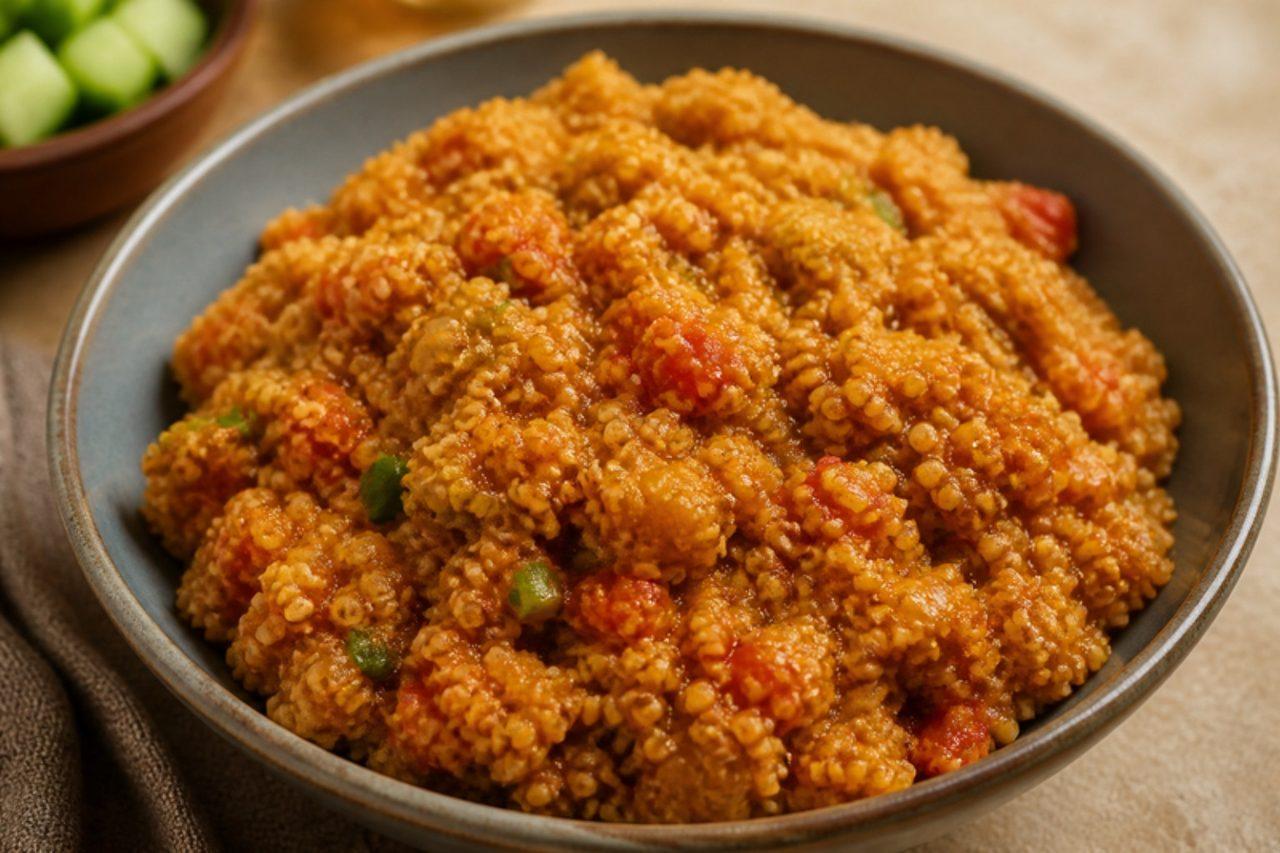
When a Senegalese family celebrates, a wedding, a baptism or a religious feast, bassi salté may well be the dish that comes out in huge enamel bowls. Fine millet couscous is steamed twice until feather-light, then crowned with lamb and chicken in a tomato-onion sauce with carrots, cabbage, turnips and sweet potato, and a sweet note from raisins. It is a long cook but most of it is simmering, and the reward is a dish that feeds a crowd: fluffy grains, rich sauce, tender meat and soft vegetables in every spoonful. Don't drown the millet when moistening it between steamings; it should be damp, not wet, or it turns into porridge. Chef's tip: cook the chicken only for the last 35 minutes and check that the thickest piece reaches 74 °C; added at the start with the lamb, it overcooks to dry shreds while the lamb is still tough.

by KrazyBadal 0 views

Caldou (Casamance fish in lemon broth)

Light, tangy and clean-tasting, caldou is the fish dish of Ziguinchor and the river towns of Casamance, where fresh catches from the estuary are poached in a broth sharp with lemon, sweet with soft onion and tomato, and warmed by a whole chilli. It is ladled over plain white rice so the grains soak up the broth, with an extra squeeze of lemon at the table. Some cooks add a few okra or a spoon of palm oil; this version keeps it simple and light. Firm white fish such as grouper, sea bream or hake is ideal. Chef's tip: keep the broth at a bare simmer once the fish goes in; boiling it hard is the common mistake and turns delicate fish dry and broken.

by KrazyBadal 0 views

Yokhos (Casamance oysters with onion and lemon)

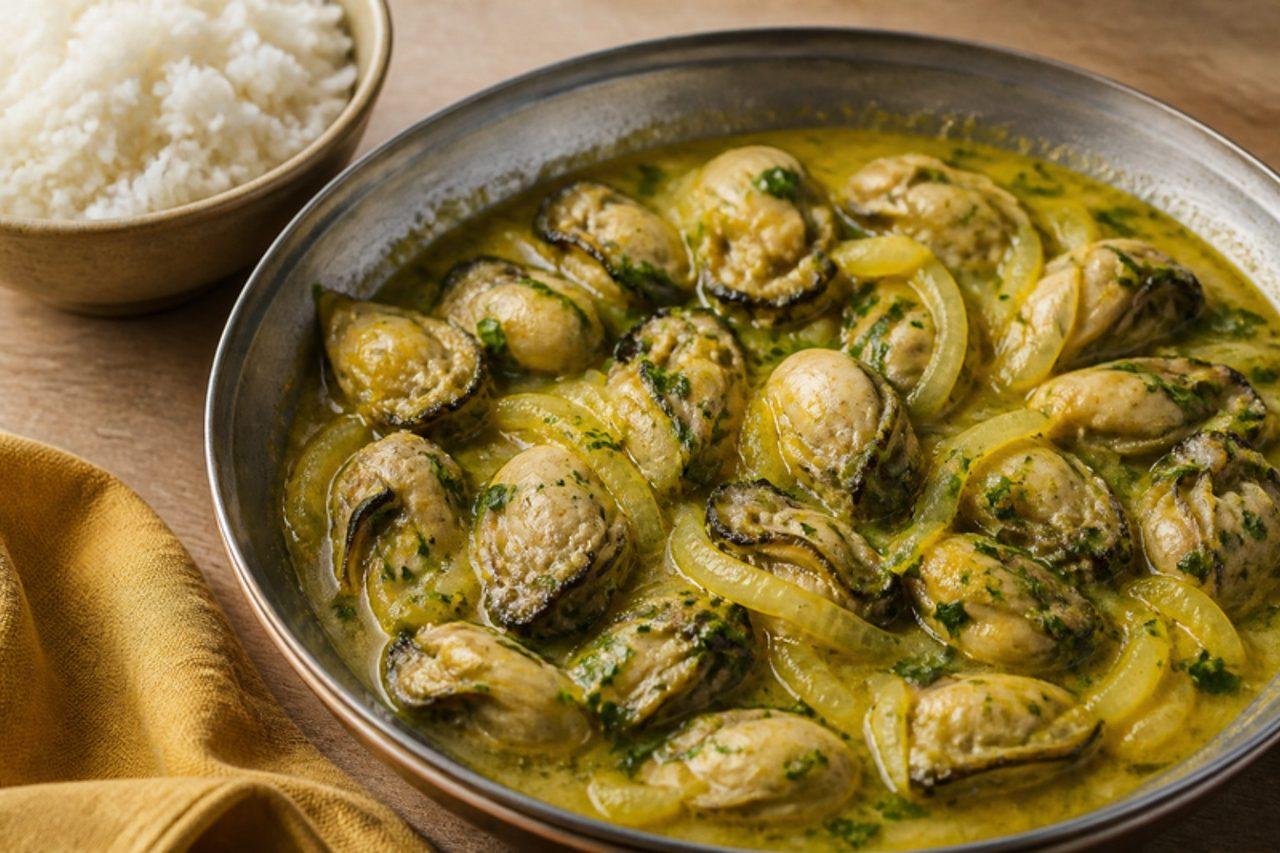
In the mangrove creeks of Casamance, women gather oysters from the roots at low tide, and in villages around Ziguinchor and Oussouye yokhos are grilled over wood until they pop open, then tossed in a sauce of soft onion, lemon and chilli. The oysters turn plump and firm, briny against the sharp, sweet onions. Eat them with rice or bread as a light meal. Mangrove oysters are rarely sold abroad, so use any fresh rock or Pacific oysters. This dish is always cooked: buy live oysters from a reputable fishmonger, discard any with broken shells or that are open and do not close when tapped, and throw away any that stay shut after grilling. Chef's tip: simmer the oyster meat in the sauce only until the edges curl and the flesh is firm right through; that takes about 3 minutes, and going much longer makes them rubbery.

by KrazyBadal 0 views

Lafidi (Guinean rice with lamb and peanut sauce)

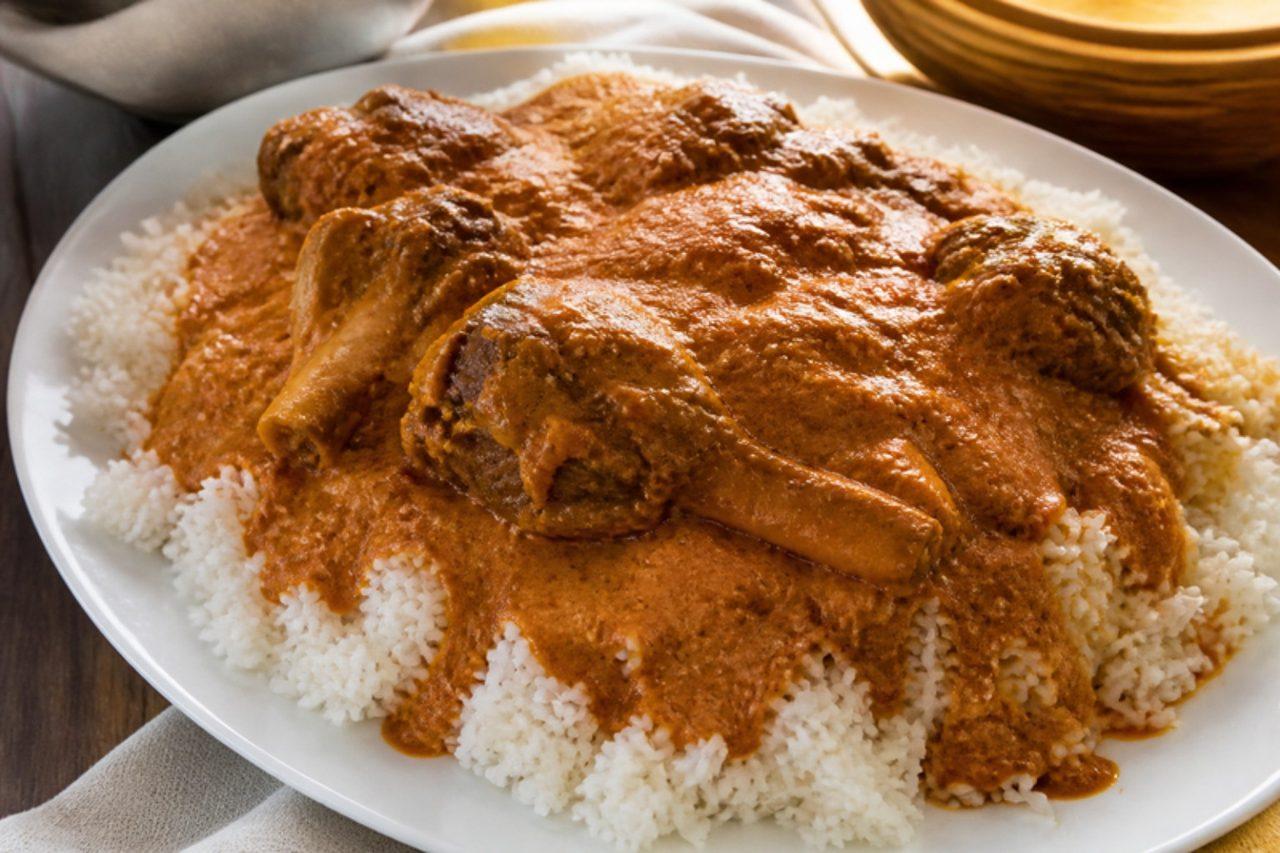
High in the green hills of the Fouta Djallon in Guinea, Fula (Peul) families prepare lafidi for feast days and for guests: a mound of white rice topped with tender lamb and a generous peanut sauce, served on a shared platter. Some households make it with a leaf sauce of cassava or sweet potato leaves instead; this version uses the peanut sauce, which is smooth, nutty and lightly tangy from tomato, with a steady warmth of chilli. The lamb is simmered slowly in the sauce, so it is soft enough to pull apart with your fingers. Chef's tip: simmer the peanut sauce uncovered and stir it from the bottom often; peanut sauces catch and burn easily, and a scorched taste runs through the whole pot.

100 minAfricanMeatGluten free
by KrazyBadal 0 views

Corn chaff

Big pots of corn chaff are everyday food in the North West, from Bamenda's Food Market to boarding-school dining halls, where maize and beans stretch a long way. Dried corn and beans are simmered until soft, then folded into a red palm oil sauce with onion, tomato and hot pepper, with a handful of greens stirred through at the end. The result is hearty and chewy with a deep, slightly smoky sweetness from the oil, and it tastes even better the next day. Serve it in bowls, with ripe avocado on the side when it is in season. Soak the maize and beans overnight. Chef's tip: give the dried maize a head start of about 45 minutes before adding the beans, because it takes far longer to soften.

by KrazyBadal 0 views

Wagasi in tomato sauce

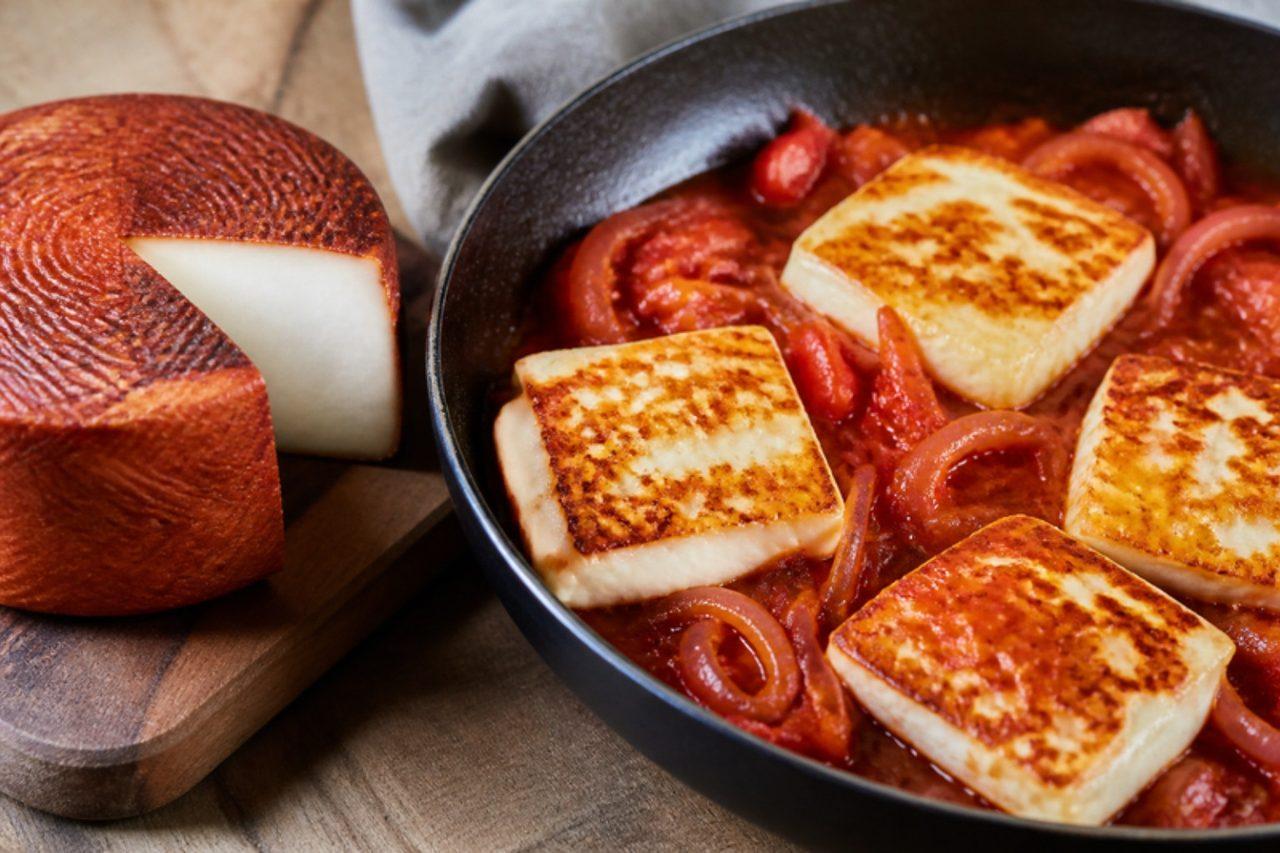
In the Borgou and Alibori country of northern Benin, Fulani women carry wagasi to market in basins: small, springy rounds of fresh cheese, often with a red rind coloured by sorghum leaves. Sliced, fried golden and simmered in tomato and pepper sauce, it is sold across Benin and eaten with rice, akassa or bread. Herders traditionally set the milk with sap from the Calotropis shrub; that sap is toxic, so never use it at home. This version sets pasteurised whole milk with vegetarian rennet, giving the same mild, squeaky, slightly chewy cheese; bought wagasi, or paneer as a vegetarian stand-in, lets you skip straight to the frying. Chef's tip: let the slices sit undisturbed in the hot oil until a crust forms; moved too soon, fresh cheese sticks and tears.

by KrazyBadal 0 views

Key sir alicha (mild beetroot and potato)

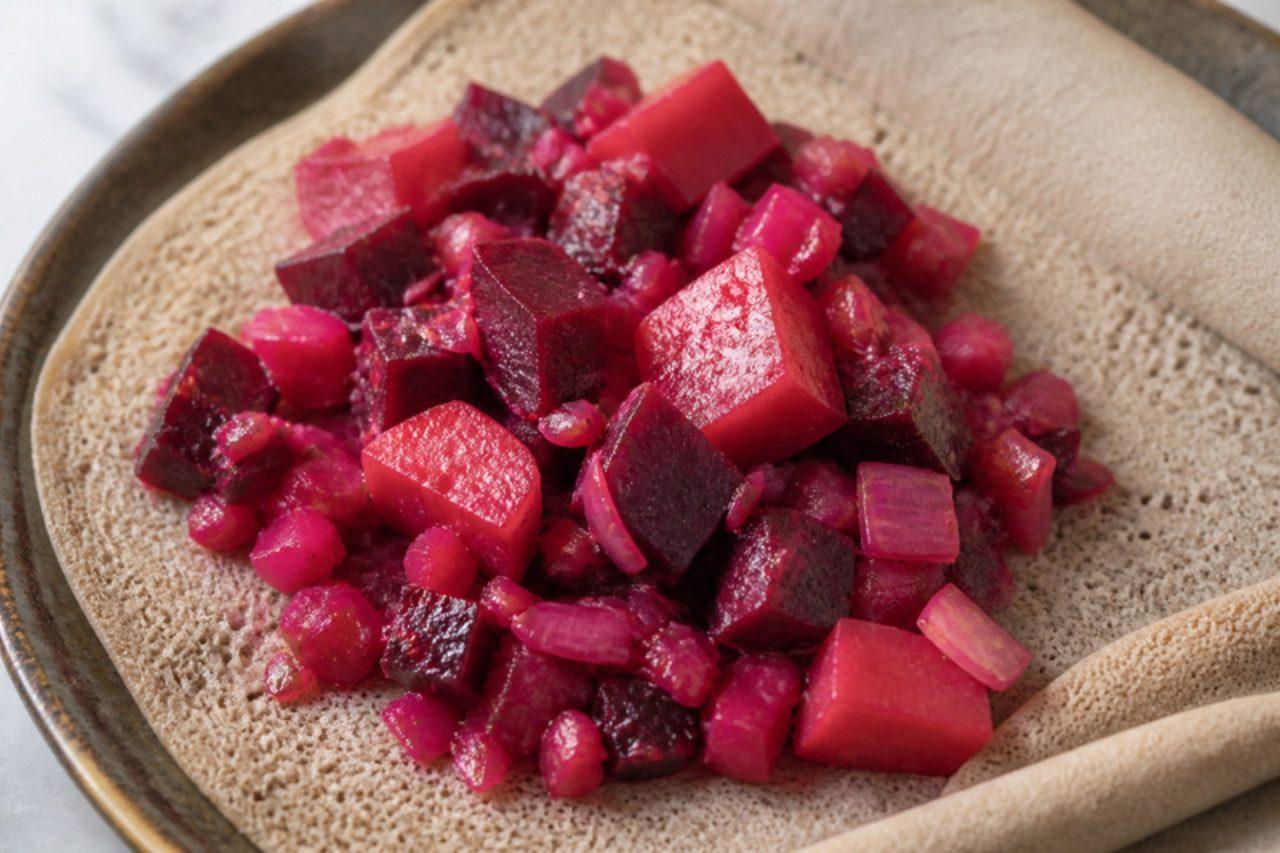
A magenta heap of key sir is the splash of colour on a beyaynetu fasting platter, served in restaurants all over Addis Ababa and at home through Lent. Being an alicha, it is mild rather than fiery: beetroot and potato cook slowly with onion, garlic, ginger and oil until tender and shiny, sweet and earthy with only a little heat from green chilli. It balances the hotter wats and cools the palate between bites of injera. A common mistake is cutting the beetroot too large, so the potato turns to mush before the beet is tender; cut the beet smaller, or give it a ten-minute head start. Chef's tip: cook it a day ahead if you can, because the flavours mellow and the potatoes take on even more colour overnight.

by KrazyBadal 0 views

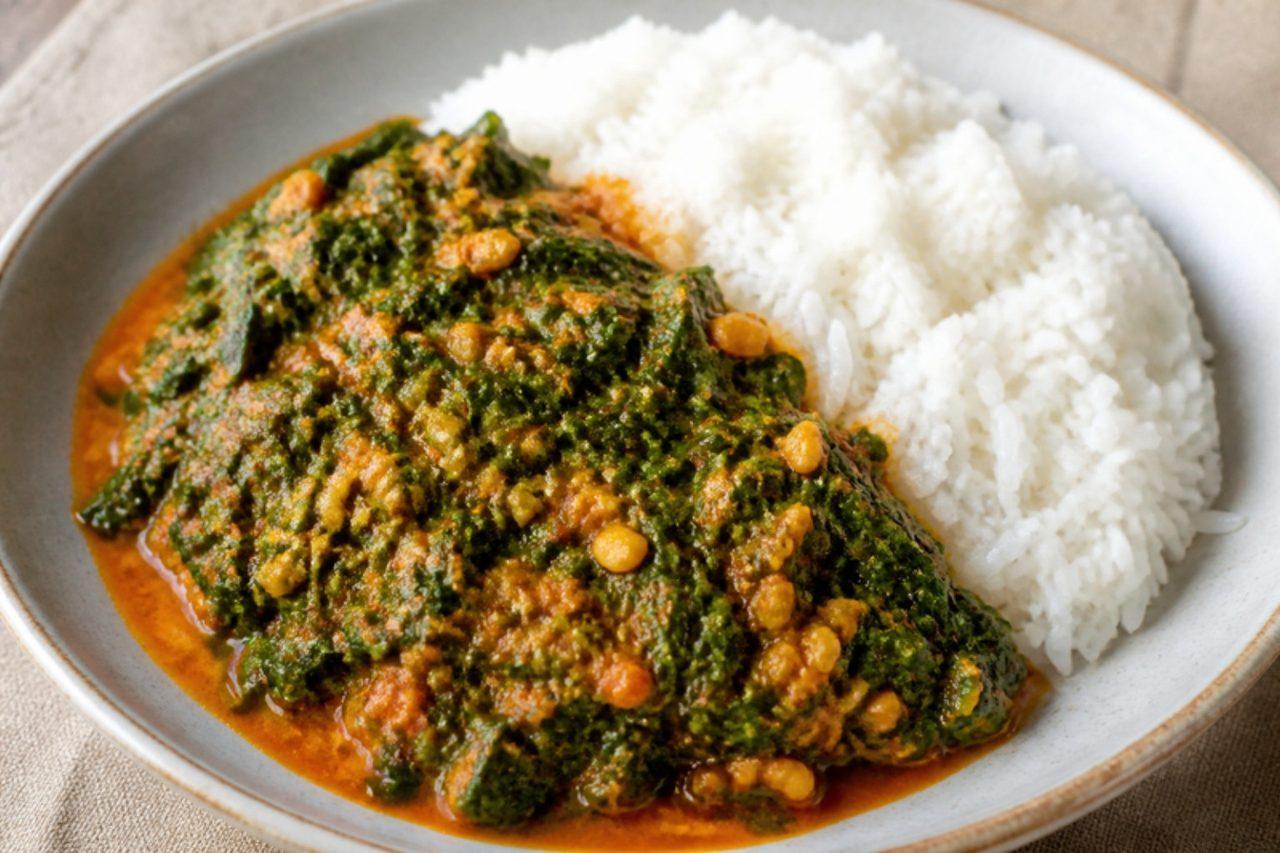
Ye-kosta wat (Swiss chard and potato)

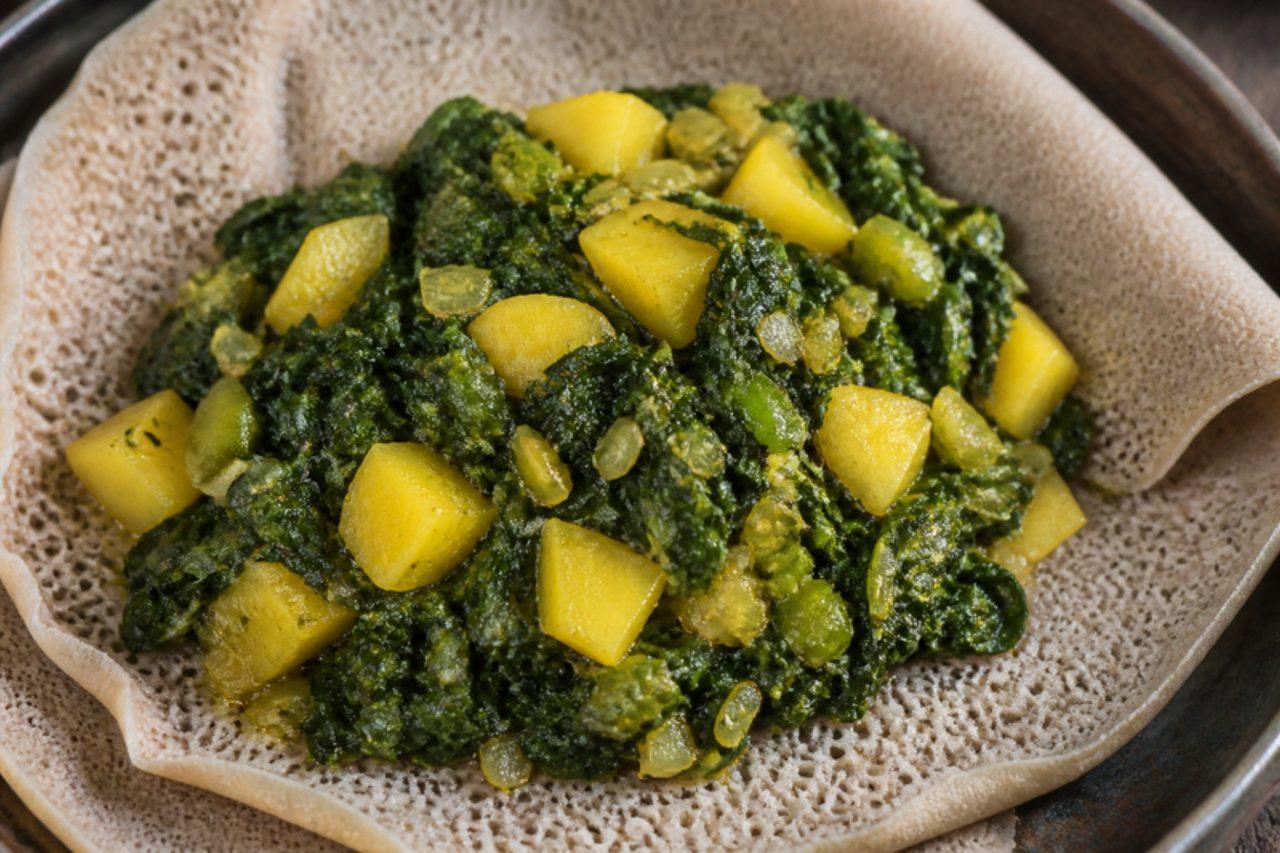
Kosta, Swiss chard, is grown in backyard plots from Bahir Dar to Hawassa, and during the long fasts it is stewed with potatoes into this simple green dish found on almost every vegan beyaynetu. Onion, garlic and ginger soften in oil, potatoes go in first, then the chopped chard stems and leaves, all cooking down together into a soft, juicy stew that is mild, fresh and a little sweet, with a gentle heat from green chilli. Spoon it onto injera beside spicier wats, or eat it with rice. The common mistake is adding the stems and leaves at the same time; the stems need a few minutes longer. Chef's tip: a pinch of turmeric is not traditional in every home but gives the potatoes a warm golden colour against the green.

by KrazyBadal 0 views

Digir (Somali spiced black-eyed peas)

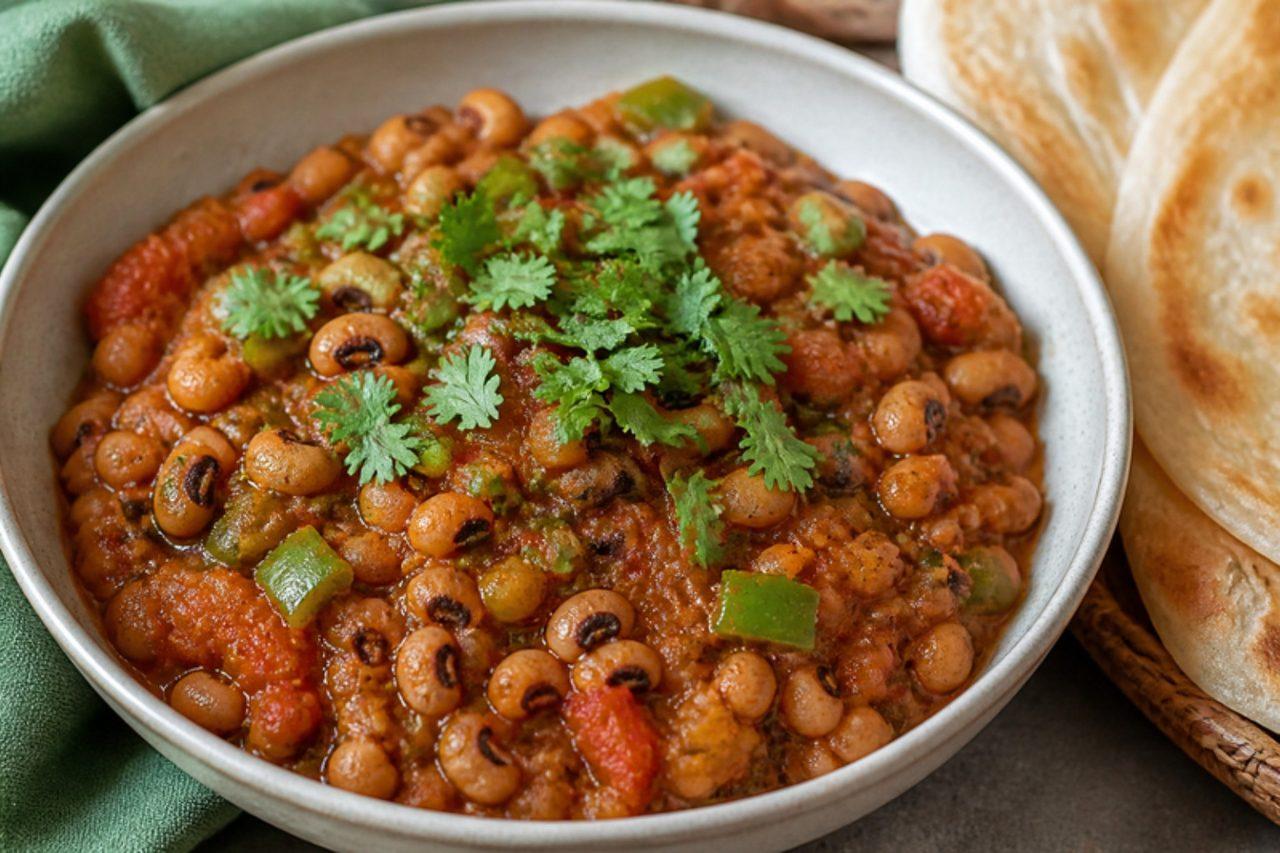
Mornings at Mogadishu tea shops often start with a bowl of digir, black-eyed peas cooked down with onion, tomato, garlic and a warm hit of xawaash until the sauce clings to every pea. It is scooped up with canjeero, muufo or a piece of soft bread and washed down with spiced shaah, and it keeps people full well past noon. The finished dish is thick rather than soupy, earthy and gently spiced, with a little green chilli for anyone who wants it. Tomatoes added before the onions have softened are the usual misstep: the sauce stays sharp and watery, so cook the onions properly first. Avoid boiling the peas at a gallop; they burst and go mushy. Simmer them gently. Chef's tip: save a cup of the bean cooking water; a splash of it at the end loosens the stew and makes it glossy without diluting the flavour.

by KrazyBadal 0 views

Halwat tabaa (stamped jam biscuits)

Ask anyone who grew up in Algeria about the night before Eid and they will mention the smell of halwat tabaa baking: buttery shortbread cut and printed with a patterned metal stamp, then sandwiched in pairs with apricot jam. Children love helping to press the patterns, and the biscuits fill the tins offered to neighbours on the morning of the feast. They are tender and short, with a clean vanilla flavour against the tangy jam, and keep well for a week. A fluted round cutter and the tines of a fork will do if you have no stamp. Avoid working the dough too much or letting it get warm, as the stamped pattern then spreads and blurs in the oven. Chef's tip: dip the stamp in flour and tap off the excess before every press; a sticky stamp blurs the pattern, which is the most common disappointment.

by KrazyBadal 0 views

Rfis constantinois (date and semolina sweet)

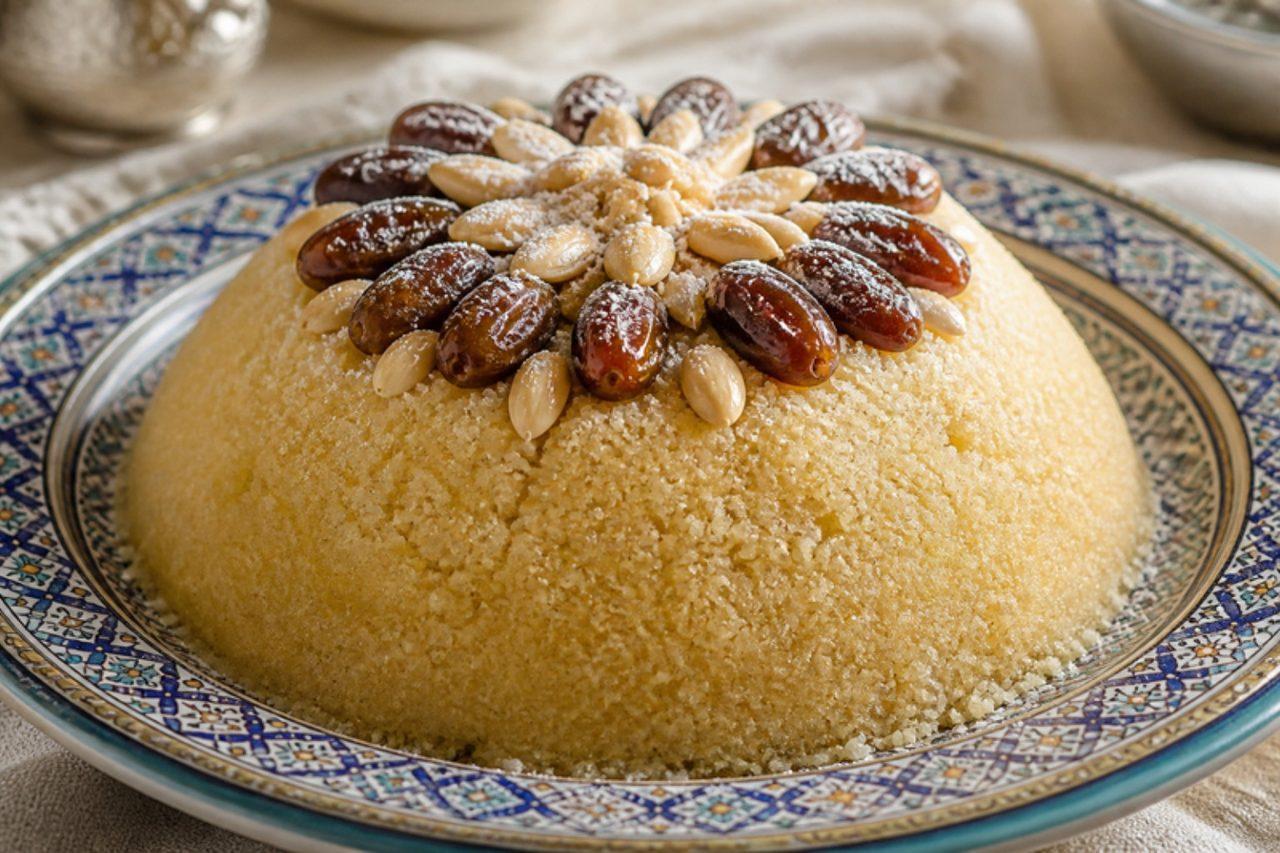
Rather than toasting loose semolina, Constantine cooks first bake a thick semolina galette on the griddle, then crumble it while still hot and work it with melted butter and soft date paste until it turns into a fragrant, crumbly sweet. Rfis is made to celebrate a birth and for Mawlid, and is set out in a large dish, shaped into a dome and studded with almonds, for family to pinch from with coffee. It tastes of toasted bread, caramel-like dates and butter, with warm cinnamon at the end. Where rfis goes wrong is crumbling the galette after it has cooled; it must be broken up hot so the butter and dates bind it. Chef's tip: grate or rub the galette while it is hot; once it cools, it hardens and crumbles into coarse lumps instead of fine, even crumbs.

by KrazyBadal 0 views

Potato leaf stew with groundnut

Freetown's Sunday pots and the cookshops of Lumley and Kissy turn out potato leaf almost as often as cassava leaf: tender sweet potato greens shredded finely, then simmered in red palm oil with onion and Scotch bonnet until the oil floats to the top. It is usually rich with fish or beef; this meat-free pot leans on a good spoonful of groundnut paste instead, which makes the sauce creamy and nutty and gives it real body. Spoon it over a mound of white rice, the way it is eaten all over Sierra Leone. Chef's tip: wait until the palm oil gathers in a red layer on the surface before you take the pot off the heat; that is the sign the stew is properly cooked.

by KrazyBadal 0 views

Anchote (Oromo root with spiced butter)

Anchote is a climbing plant native to western Ethiopia, and its orange-fleshed root is treasured in Wollega, where it is served at Meskel, at weddings and whenever honoured guests arrive. The root is boiled whole in its skin, peeled, then chopped or roughly mashed and warmed through with niter kibbeh, garlic and a pinch of fiery mitmita. The result is soft, slightly sticky and buttery, with a gentle sweetness somewhere between sweet potato and squash, and it is eaten on its own or with ayib and injera. Look for anchote at Ethiopian grocers; if you cannot find it, taro or cassava boiled the same way gives a close texture with a milder taste. Peeling it raw is a mistake: the sap is sticky and the flesh crumbles; boil it in its skin and the peel slips off. Chef's tip: stir the butter in over a very low heat so the root becomes glossy without frying or catching.
by KrazyBadal 0 views

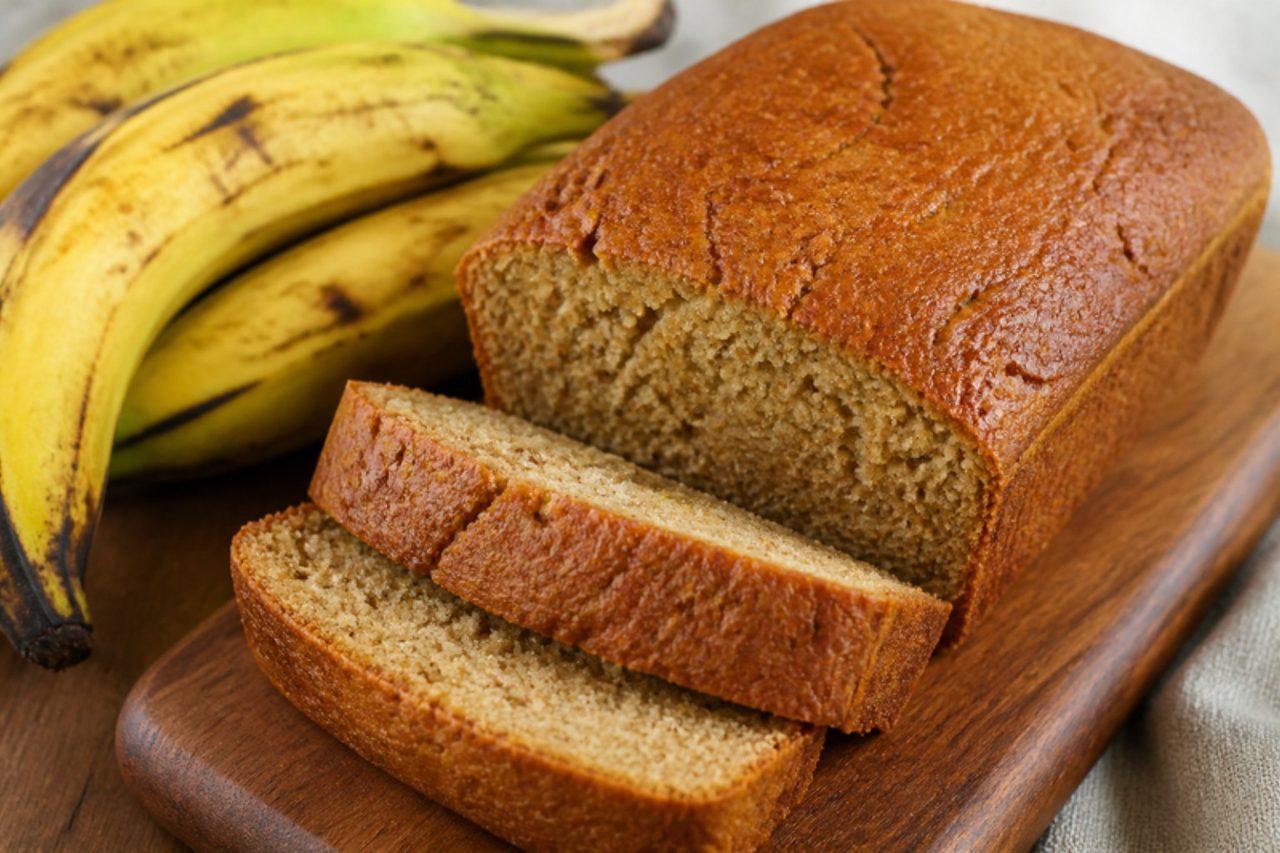
Liberian rice bread

Liberian rice bread sits somewhere between banana bread and a soft pudding: a moist, close-textured loaf made with cream of rice instead of wheat, sweetened with very ripe bananas and warmed with nutmeg. Families in Monrovia bake it for Sunday breakfast, birthdays and holiday gatherings, and slices are often eaten with tea or coffee. Because it contains no wheat flour, it is naturally gluten free when you use a gluten-free baking powder. The batter is surprisingly runny, so do not be tempted to add more rice. Chef's tip: let the loaf cool in the tin for at least fifteen minutes; rice batters firm up as they cool and fall apart if cut hot.

by KrazyBadal 0 views

Enkulal firfir (Ethiopian spiced egg scramble)

Cafés across Addis Ababa put enkulal firfir on the breakfast menu next to ful and chechebsa, and at home it is the fast weekend breakfast when there is no leftover injera to make firfir with. Red onion is softened in niter kibbeh, tomato and green chilli cook down into a loose sauce, and eggs are stirred through it until they set into soft, juicy curds with a gentle warmth. A pinch of berbere is optional; many cooks keep it clean and let the chilli do the work. It is scooped up with warm bread rolls or rolled into injera, with a glass of sweet tea or a macchiato on the side. Don't cook the eggs over high heat; they turn rubbery instead of soft and creamy. Chef's tip: take the pan off the heat while the eggs still look slightly wet; they finish setting on the plate and stay soft instead of turning rubbery and dry.

by KrazyBadal 0 views

Ertib (Addis Ababa street sandwich)

Ertib means 'wet' in Amharic, and the name fits: small kiosks around Piassa, Merkato and the universities of Addis Ababa split soft rolls and pack them with mashed spiced potato, sliced boiled egg, tomato, raw onion and a spoon of runny chilli sauce that soaks into the crumb. Some stalls tuck in a crushed sambusa or a spoon of canned tuna; this version keeps it meat-free with potato and egg, the way most students buy it. It is cheap, filling and messy, eaten standing up at lunchtime or after school. The sauce is a quick awaze-style mix of berbere, lemon and oil, so the sandwich is tangy and hot against the mild potato. Avoid filling the bread too far ahead; the sauce soaks through and the sandwich falls apart. Chef's tip: dress the onion and tomato with the lemon and salt a few minutes before building, so their juice softens the bread the way the street version does.

by KrazyBadal 0 views

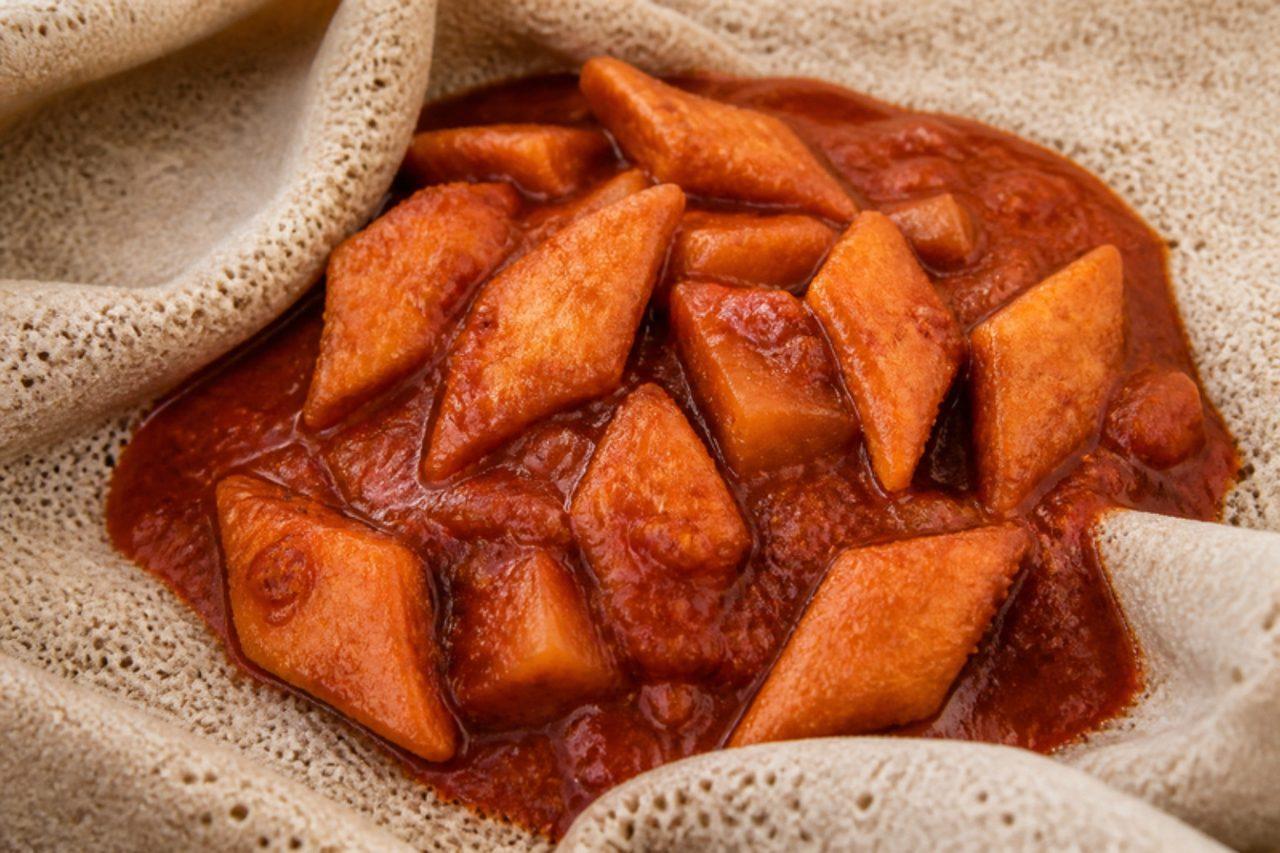
Shimbra asa (chickpea 'fish' in berbere sauce)

During the 55 days of Lent, when fish and meat are off the table in Orthodox homes of Gondar and Gojjam, cooks make 'chickpea fish': a firm dough of chickpea flour cut into diamonds, fried until golden, then dropped into a dark, oily berbere sauce. The pieces soak up the wat but keep a pleasant bite, a bit like a dense dumpling, and the sauce itself is rich with slow-cooked onion, garlic and ginger. It is a dish for fasting-day guests and Lenten Sundays, served on injera with gomen and a spoon of senafich. Everything is plant-based and fried in oil, so it suits the fast. A common mistake is a dough that is too soft, which breaks up in the sauce; it should feel like firm play dough before you roll it. Chef's tip: add the fried pieces to the sauce only in the last few minutes and shake the pan rather than stirring, so the diamonds stay whole.

by KrazyBadal 0 views

Telba (roasted flaxseed drink)

Flax grows across the highlands of Gojjam, and on Wednesdays, Fridays and through Lent its toasted seeds become telba, a creamy, nutty drink that fills you up when animal food is off the menu. The seeds are dry-roasted until they pop, ground fine, then whisked with water and strained, giving a pale brown drink with a faint toasted-sesame flavour and a slightly silky body. It is also taken as a gentle remedy for an upset stomach. Families often sweeten it with honey; sugar keeps it fully vegan. Don't roast the flaxseed too far: over-roasted seeds turn the drink bitter. Chef's tip: grind only what you need that day, because ground flax goes stale and bitter within days; whole roasted seeds keep for weeks in a jar.

by KrazyBadal 0 views

Defo dabo (Ethiopian festive pot bread)

For Genna (Christmas), Fasika (Easter), weddings and christenings, cooks in Gondar and Gojjam bake defo dabo: a huge, tall round loaf whose dough is wrapped in enset or banana leaves and baked slowly in a heavy covered pot, traditionally with coals above and below. The leaves leave a faint green aroma and a pale, soft crust, and the crumb is fine and close, scented with black cumin, korerima and a little niter kibbeh. On feast days the loaf is blessed and cut before it is shared out. At home a cast-iron casserole in the oven does the job; allow about 2 hours of rising on top of the times given. Do not cut it hot: the crumb is still setting and turns gummy. Chef's tip: bake until the inside reads 94 °C on a probe thermometer; this dense loaf can look brown long before the centre is cooked.

by KrazyBadal 0 views

Chuko (Tigrayan roasted barley and spiced butter snack)

Tigrayan mothers pack chuko for sons and daughters leaving home, for pilgrims walking to Aksum and for long bus journeys, because it keeps for weeks and a small piece goes a long way. Roasted barley flour is rubbed with warm niter kibbeh, berbere and a little sugar and salt, then pressed into a dense cake or shaped into fingers. The texture is crumbly and rich, like a savoury shortbread that melts in the mouth, with a slow chilli warmth and the toasty taste of the grain. It is eaten with coffee or black tea. The usual mistake is skimping on the butter, which leaves a dry mix that will not hold; squeeze a handful, and it should keep its shape. Chef's tip: warm the butter until just liquid, not hot, and work it in with your fingertips so every grain of flour is coated.

by KrazyBadal 0 views

Gomen kitfo (Gurage minced collards with spiced butter)

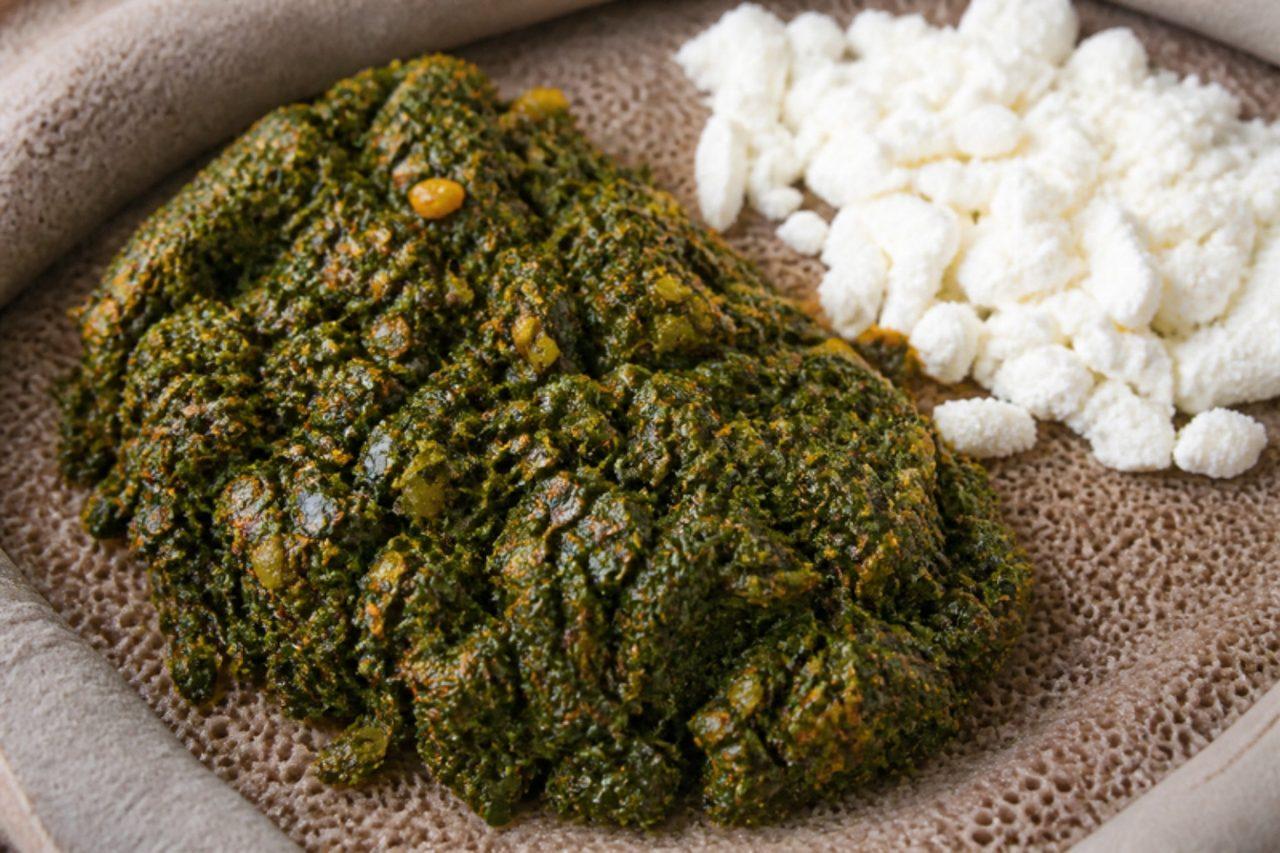
Meskel in the Gurage highlands is the year's great feast, and next to the beef kitfo on the table there is always gomen kitfo, the meat-free 'kitfo' of greens. Collards are boiled until tender, squeezed hard and chopped so finely they become almost a paste, then worked with warm niter kibbeh, mitmita and a little korerima. The result is dark green, silky and rich, with a sharp chilli kick and a deep, slightly bitter leafy flavour. It is eaten with kocho and a heap of fresh ayib, and is also made on its own on non-fasting days. The usual mistake is leaving water in the greens, which makes it soggy and dilutes the butter; wring them out in a clean cloth. Chef's tip: chop with a heavy knife, rocking it again and again, rather than blending; a blender turns it into a purée and loses the fine, almost-minced texture.

by KrazyBadal 0 views

Besso (roasted barley flour drink and balls)

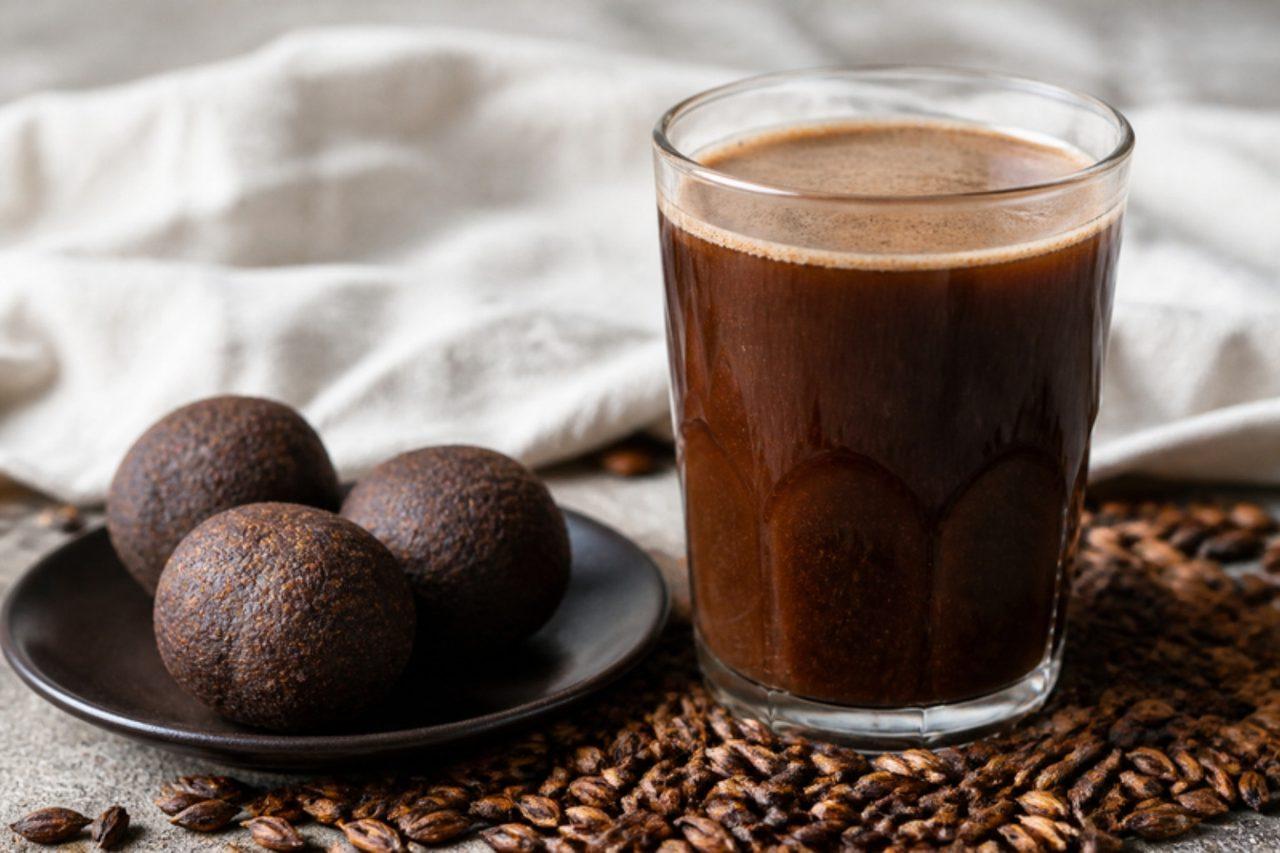
Farmers and travellers in Gojjam and Wollo have long carried a pouch of besso on journeys, because a handful of this roasted barley flour turns a cup of water into a filling meal. The barley is roasted until deep brown, ground fine and stored for weeks; stirred into cold water with a little sugar it makes a smooth, malty, slightly toasty drink, and kneaded with oil it becomes chewy little balls called chibto. It is eaten on fasting days, in the fields and by students before exams. Many families sweeten it with honey; sugar keeps this version vegan. The usual mistake is adding the barley flour to water all at once, which leaves dry clumps; whisk it in gradually. Chef's tip: roast the barley until it is the colour of milk chocolate and smells like toast; pale grains give a raw, floury taste, while black ones taste burnt.

by KrazyBadal 0 views

Atmit (warm barley gruel with spiced butter and honey)

When a baby is born in an Amhara household, visiting women bring or cook atmit for the new mother, and the same soft, sippable gruel is made for anyone recovering from illness. Roasted barley flour (or oat flour) is whisked into water and simmered until it thickens to the texture of a thin custard, then enriched with a spoon of niter kibbeh, honey and a pinch of korerima. It tastes nutty, sweet and buttery, and is drunk warm from a cup rather than eaten with a spoon. Some homes add a little milk for extra richness. A common mistake is tipping the flour straight into hot water, which makes lumps; slake it in cold water first. Chef's tip: keep it thinner than you think; atmit thickens as it cools, and it should still pour easily from the cup.

by KrazyBadal 0 views

Kinche (Ethiopian cracked wheat breakfast)

Rooms full of hotel guests in Adama and Bishoftu are offered kinche at breakfast, and in Oromo and Amhara homes it is the quick morning dish made from a sack of cracked wheat or barley kept in the cupboard. The grain is boiled until it has drunk all its water and turns fluffy and separate, like a cross between bulgur pilaf and porridge, then a generous spoon of niter kibbeh is stirred through so every grain is glossy and fragrant. It is nutty, soft and buttery, eaten with a spoon and a cup of coffee, sometimes topped with a little ayib or a spoon of berbere-spiked oil. The common mistake is too much water, which makes it mushy; measure it and keep the lid on. Chef's tip: toast the dry grain in a little of the butter for two minutes before adding water; it stays more separate and tastes nuttier.

by KrazyBadal 0 views

Buna qalaa (Oromo butter-roasted coffee beans)

Among the Oromo, buna qalaa is less a snack than a ritual: coffee beans are roasted in butter and shared at weddings, after a birth, at Irreecha and when elders bless a new undertaking, each guest taking a small spoonful. The beans turn glossy and dark, crunchy outside and slightly chewy within, with a bitter-sweet roast flavour, a rich buttery coating and a touch of salt. Some families use green beans and roast them right through in the butter, which is what this recipe does. Buy raw (green) coffee beans from a coffee roaster or Ethiopian shop. They are very high in caffeine, so serve a tablespoon each and keep them away from children. A common slip is frying the beans on high heat, which burns the butter before the beans are roasted. Chef's tip: keep the heat low and patient; on a high flame the butter burns black long before the beans are roasted inside.
by KrazyBadal 0 views

Fetira (Harari layered egg flatbread with honey)

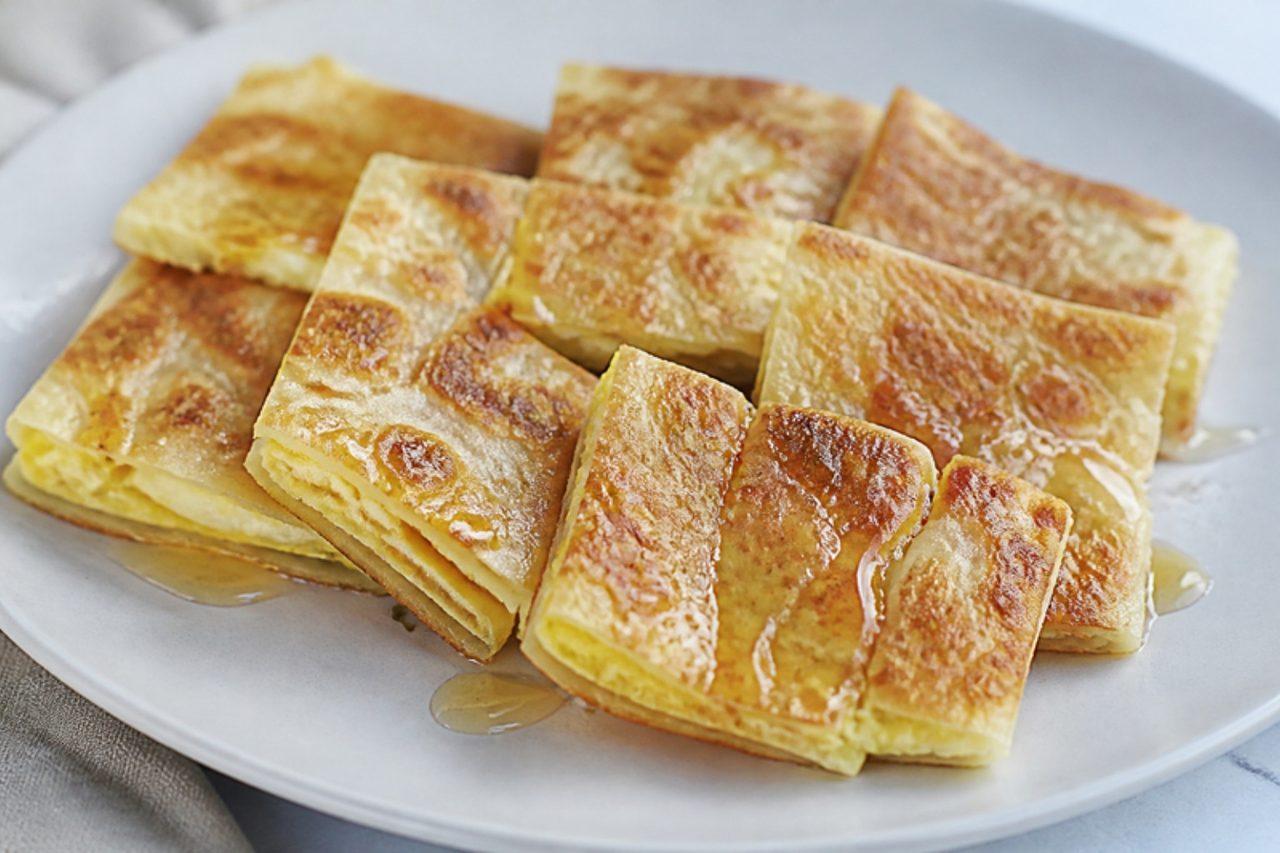
Morning in the old walled city of Harar and in Dire Dawa often starts with fetira, especially in Muslim homes during Ramadan's pre-dawn meal and on Eid mornings. A soft wheat dough is stretched until it is almost see-through, spread with beaten egg, folded into a parcel and fried in a little oil and butter until crisp and flaky outside, soft and eggy inside. It is cut into squares and eaten warm, drizzled with honey, with a cup of spiced tea or coffee. A common mistake is stretching the dough without a proper rest, so it tears; give it 30 minutes covered with oil and it stretches easily. Chef's tip: oil the worktop and your hands rather than flouring them, so the dough slides and stretches thin without sticking.

by KrazyBadal 0 views

Kuti (Harari coffee-leaf tea)

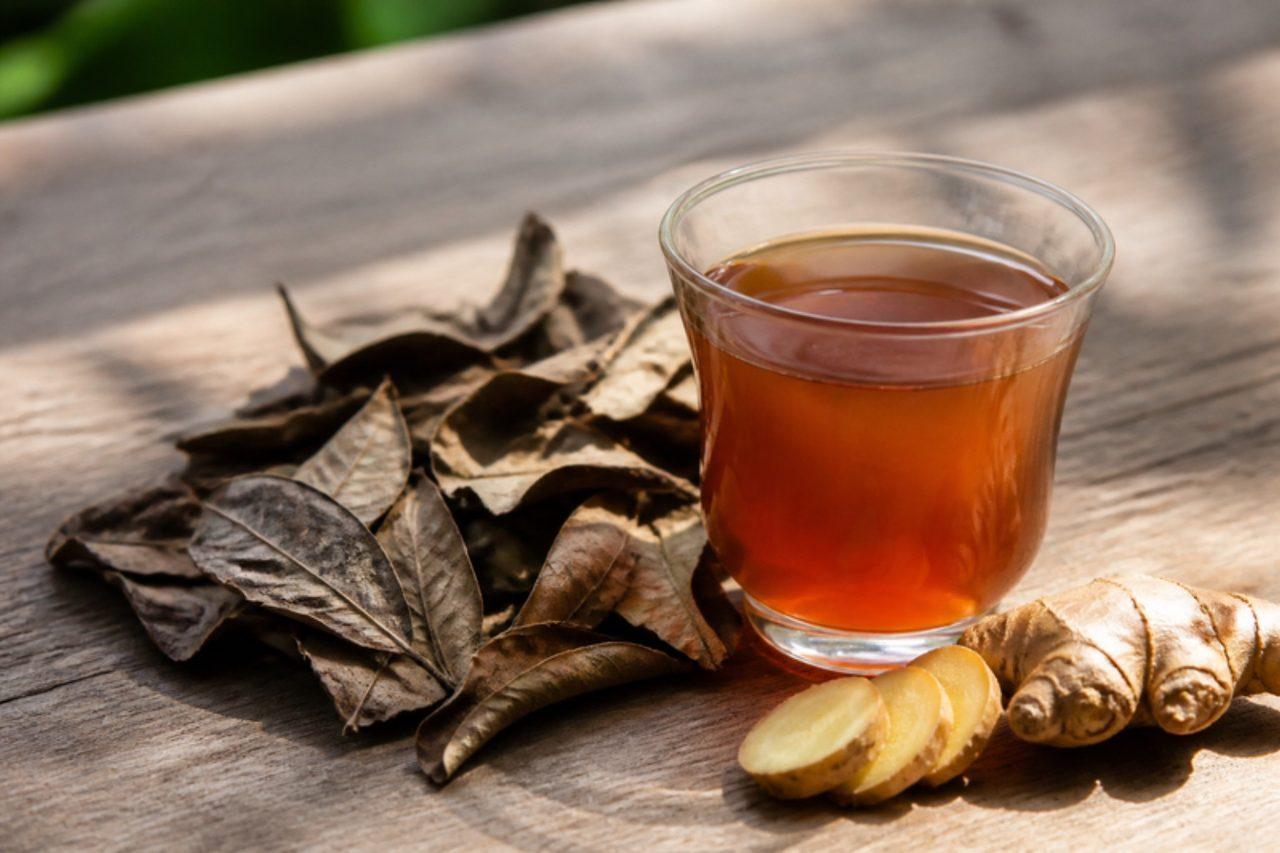
Harar sits in old coffee country, and its households drink not only the beans but the leaves: kuti is made by toasting dried coffee leaves and brewing them into a light, amber tea. It tastes soft and grassy with a hint of roasted coffee and far less caffeine than a cup of buna, so it is sipped through the afternoon, during long chats and after the fast is broken in Ramadan. Many Harari homes add milk and sugar; leave the milk out or use a plant milk to keep it vegan. Dried coffee leaves are sold as coffee leaf tea by some coffee and tea merchants. Do not swap in cascara, which is the dried coffee cherry husk and makes a different, fruitier drink. Chef's tip: toast the leaves only until they darken a shade and smell like toasted hay; overdone, they taste of ash.

by KrazyBadal 0 views

Ayib be gomen (fresh cheese with spiced collards)

Gurage cooks bring ayib be gomen to the table beside kitfo, and it is just as welcome on its own with kocho or injera on an ordinary non-fasting day. Soft, mild ayib is mixed with collards that have been boiled and chopped fine, then dressed with warm niter kibbeh, garlic and mitmita, so the creamy cheese cools the chilli and the greens add an earthy bite. Ayib is an acid-set cheese made by gently heating soured milk or buttermilk (or milk with lemon juice) until curds form, so it needs no rennet and suits vegetarians. Ricotta or well-drained cottage cheese are close substitutes; if you use a bought cottage cheese, check the label for vegetarian rennet. Do not heat the cheese in the pan, or it turns rubbery and weeps; fold it in off the heat. Chef's tip: squeeze the cooked greens until they are almost dry so the dish stays fluffy rather than watery.

by KrazyBadal 0 views

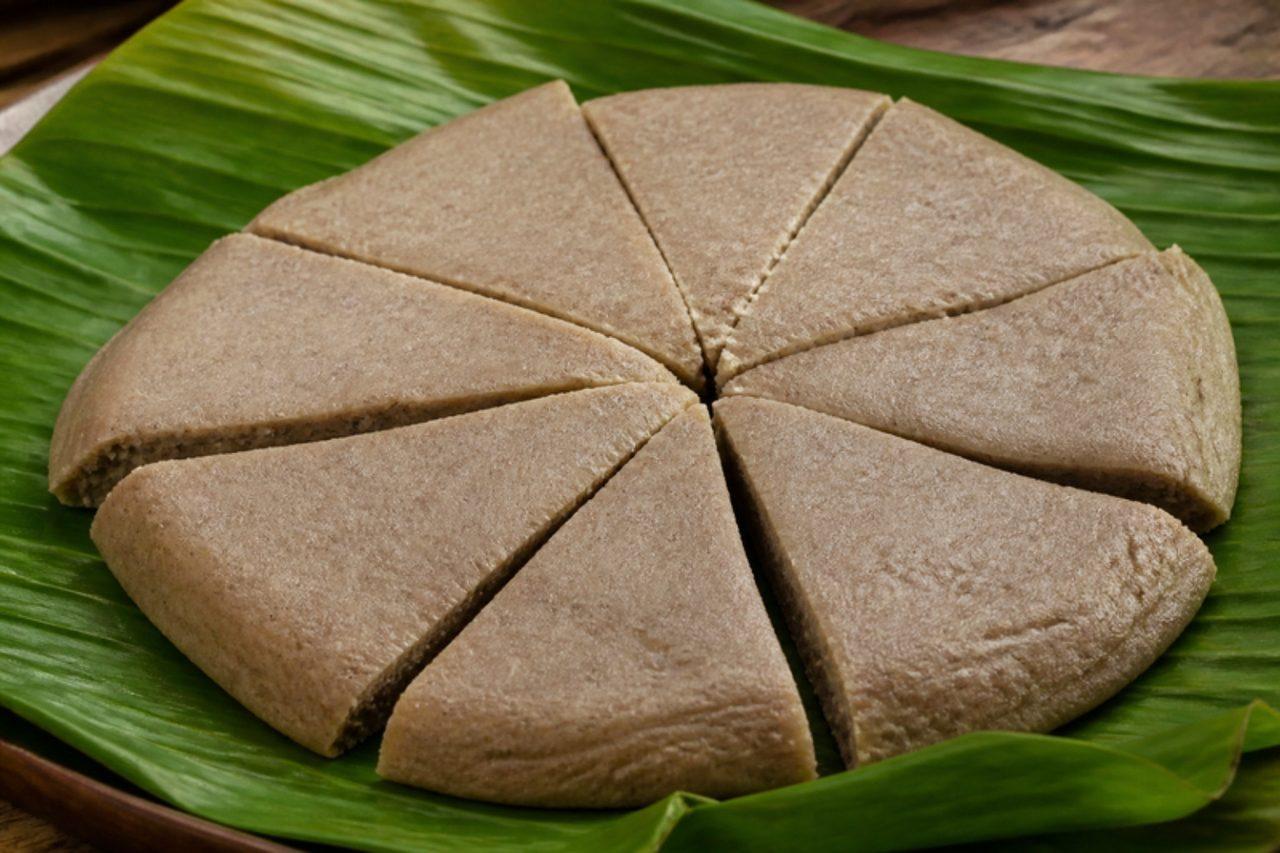
Kocho (Gurage enset flatbread)

Across the green Gurage and Sidama highlands, the enset or 'false banana' plant feeds whole families, and its scraped, fermented pulp becomes kocho, the dense flatbread that is the only proper partner for kitfo. Fermentation happens over weeks or months in leaf-lined pits, so outside Ethiopia you start with ready-fermented kocho, sold frozen or chilled in Ethiopian shops; there is no real substitute. The pulp is squeezed, chopped fine, patted into a round on enset or banana leaves and baked slowly on a griddle. The bread is chewy, slightly fibrous and pleasantly sour, with a faint fermented aroma, and it is torn and used to scoop kitfo, gomen kitfo and ayib, especially at Meskel. Too much moisture is the classic mistake, giving a gummy, raw-tasting middle; wring the pulp out well. Chef's tip: cook it low and slow under a lid, so the centre dries and sets before the leaves burn.

by KrazyBadal 0 views

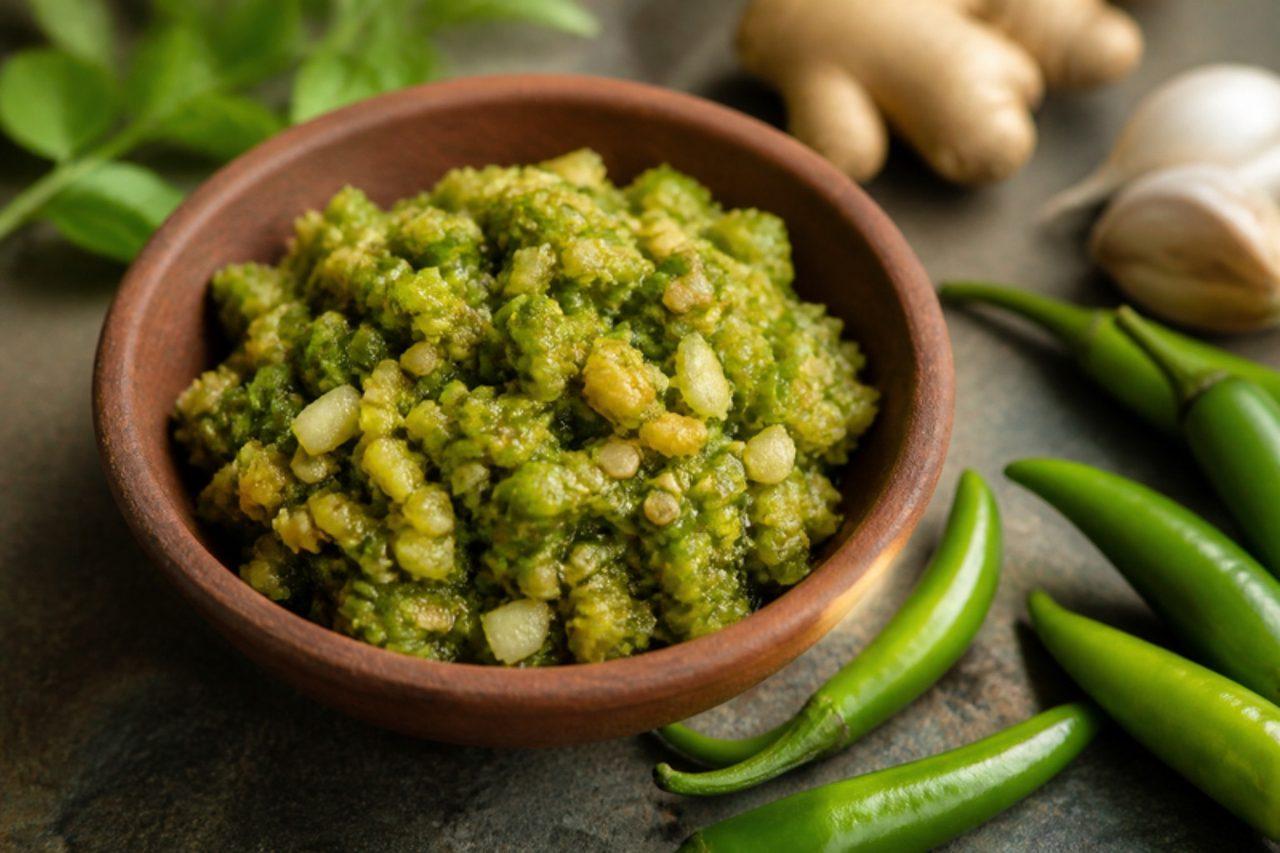
Datta (Gurage green chilli relish)

A small bowl of datta sits beside every plate of kitfo in Gurage country, and Addis kitfo houses serve it the same way; a dab of it wakes up mild ayib, kocho or a bowl of shiro. Fresh green chillies are pounded in a mortar with garlic, ginger and salt, sometimes with a little onion and lemon, into a coarse, bright paste that is sharp, grassy and very hot. It is a fasting-friendly relish, since it is nothing but vegetables, oil and lemon. Blitzing it to a smooth liquid in a blender is a common mistake: you lose the texture and the chillies turn bitter; pound it, or pulse briefly. Wear gloves when handling the chillies, and wash the board well afterwards. Chef's tip: for a milder datta, scrape out the seeds and pale ribs of half the chillies before pounding.

by KrazyBadal 0 views

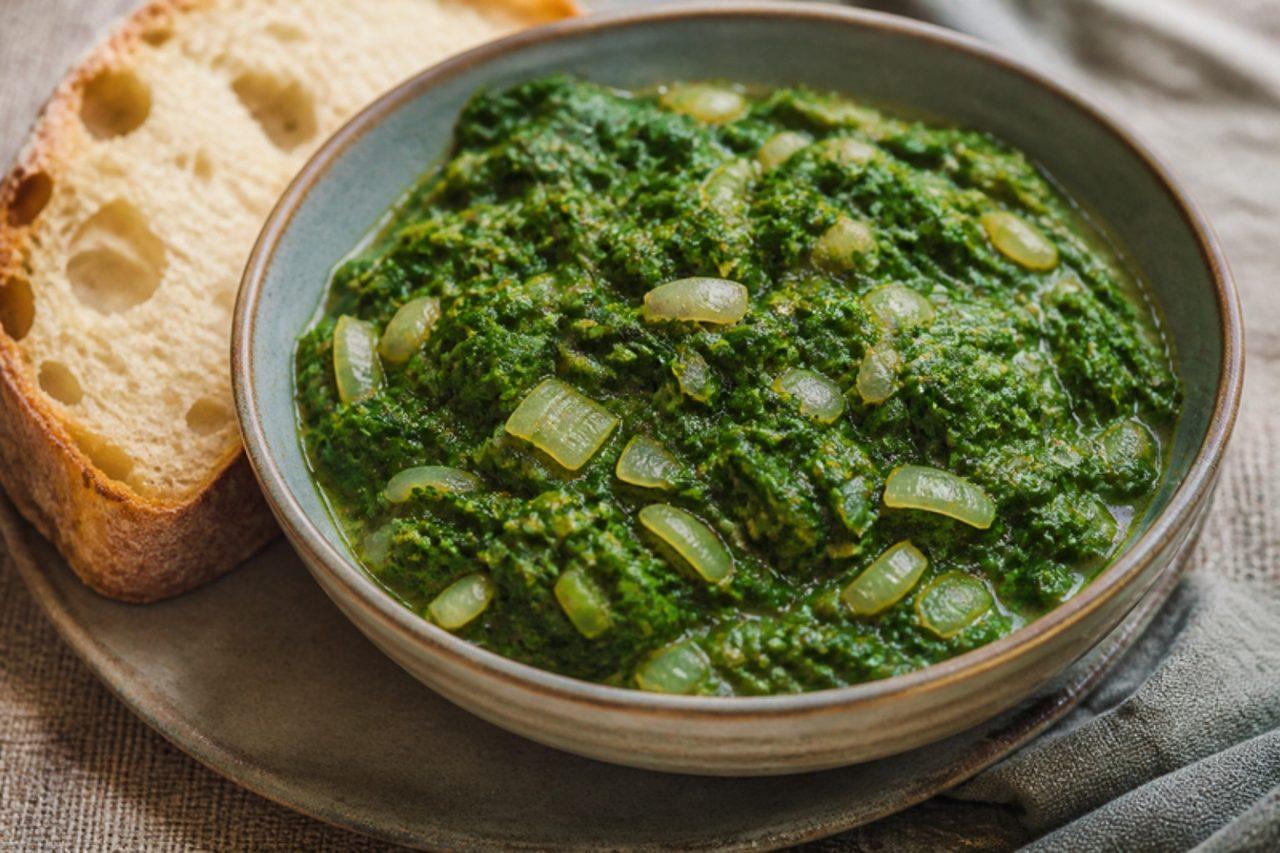
Moringa leaf stew (Konso shiferaw)

On the stone terraces of Konso, moringa trees grow beside almost every house, and their young leaves are picked daily for a simple green stew eaten with sorghum dumplings or injera. The leaves are stripped from their stems and simmered with onion, garlic, a little green chilli and oil until soft, giving a deep green, slightly peppery dish that tastes a little like spinach crossed with watercress. It is plain, nourishing and naturally vegan, so it fits any fasting day. Fresh or frozen moringa leaves are sold in many Indian and Asian grocers; if you cannot find them, use spinach with a squeeze of lemon. Leaving the stems in is the usual mistake; they stay woody, so strip the leaves off. Chef's tip: add the leaves in handfuls and stop cooking as soon as they are tender, so they keep their colour and their gentle bitterness does not deepen.

by KrazyBadal 0 views

Bula (enset starch porridge with spiced butter and ayib)

Bula is the finest part of the enset plant, a white starch that settles out when the pulp is squeezed, and in Sidama and Gurage homes it is cooked into a smooth, wobbly porridge for honoured guests, new mothers and anyone feeling weak. Whisked into water and stirred until glossy and translucent, it is very mild and slightly elastic, then topped with melted niter kibbeh, crumbled ayib and a pinch of mitmita for warmth. It is eaten for breakfast or as a light supper, often with coffee. Dried bula is sold in Ethiopian shops; tapioca starch is the closest stand-in. Lumps are the common mistake, so always slake the starch in cold water first and whisk as it heats. Chef's tip: keep stirring right to the end; bula thickens suddenly and catches on the base of the pan in seconds.

by KrazyBadal 0 views

Godere (taro with spiced butter and mitmita)

Through the wet south of Ethiopia, from Wolaita to Sidama, taro (godere) grows in garden plots, and boiled and buttered it is the snack that comes out with the coffee pot or the side dish at harvest gatherings. The corms are boiled until creamy, cut into chunks and tossed in warm niter kibbeh with mitmita and salt, so they turn glossy, soft and nutty with a chilli edge. They are eaten with the fingers or alongside kitfo, ayib and greens. Raw taro must never be eaten: it contains irritant crystals that only proper cooking breaks down, and the raw sap can itch, so wear gloves to peel and boil it until fully tender. Chef's tip: boil the taro in its skin for a firmer, less slimy texture, then peel while still warm.

by KrazyBadal 0 views

Ye-dinich wat (spicy Ethiopian potato stew)

Wednesday and Friday lunch in countless Ethiopian homes and canteens includes a pot of ye-dinich wat, the potato stew that turns a few cheap ingredients into something deeply savoury. Red onions are cooked down slowly, then berbere, garlic and ginger go in with oil to build a dark, glossy sauce, and cubes of potato simmer in it until they soften and start to thicken it at the edges. It is hot, earthy and comforting, and scooped up with injera next to shiro, misir and gomen on a fasting platter. Because it uses oil and no butter, it is fully vegan. Hurrying the onion base is the usual mistake; give it the full time or the sauce tastes thin and raw. Chef's tip: cut the potatoes into even 2 cm cubes, so they cook at the same rate and hold their shape.

by KrazyBadal 0 views

Buticha (whipped chickpea flour dip)

Ethiopian Orthodox kitchens make buticha on fasting days as a plant-based stand-in for scrambled egg or fresh cheese, and it often sits as a pale, fluffy mound on the vegan platters of Addis Ababa's restaurants. Chickpea flour is cooked with water into a thick paste, cooled, then beaten with oil and plenty of lemon juice and mixed with raw red onion and green chilli. The texture is soft, crumbly and light, the flavour tangy and fresh against the rich, red wats. Serve it cool with injera, or as a dip with kita. A common mistake is beating it while still hot, which makes it gluey instead of fluffy; let it cool completely first. Chef's tip: cook the paste a full eight minutes after it thickens, so no raw, beany taste is left.

by KrazyBadal 0 views

Timatim fitfit (torn injera with fresh tomato)

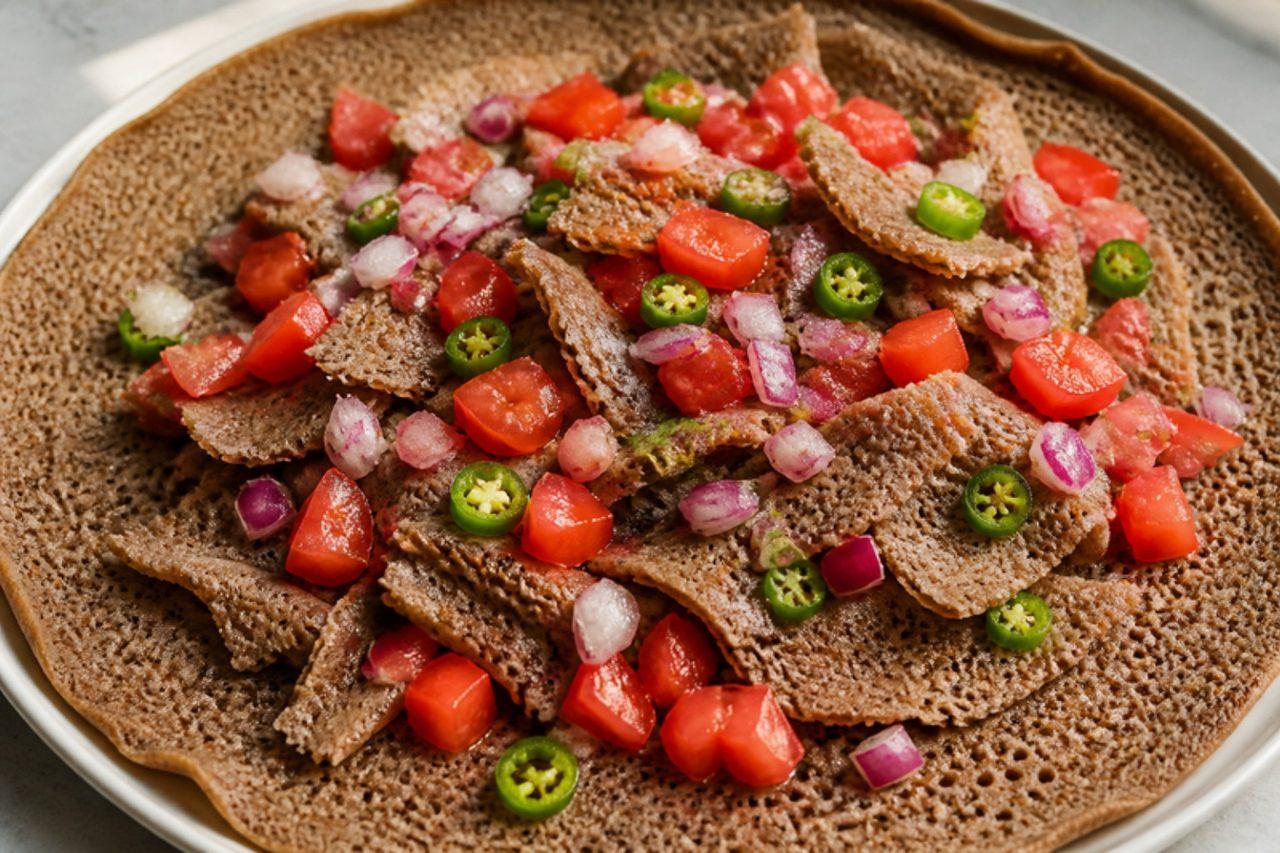
Leftover injera never goes to waste: torn into bite-sized pieces and tossed with juicy chopped tomato, red onion, green chilli, lemon and oil, it becomes timatim fitfit, a cool, tangy salad eaten for a light lunch on hot days and on fasting days all over the country. Unlike timatim salata, which is just the tomato salad, this version is a meal in itself: the injera drinks up the dressing and turns soft and spongy while keeping a little chew. It is usually served in a bowl and eaten with more injera or with a spoon. The common mistake is mixing it too early, which turns the bread soggy; toss it no more than ten minutes before eating. It is gluten free only if your injera is made from 100% teff. Chef's tip: use day-old injera, which is slightly drier and holds its shape better than fresh.

by KrazyBadal 0 views

Sinig karia (stuffed green chillies)

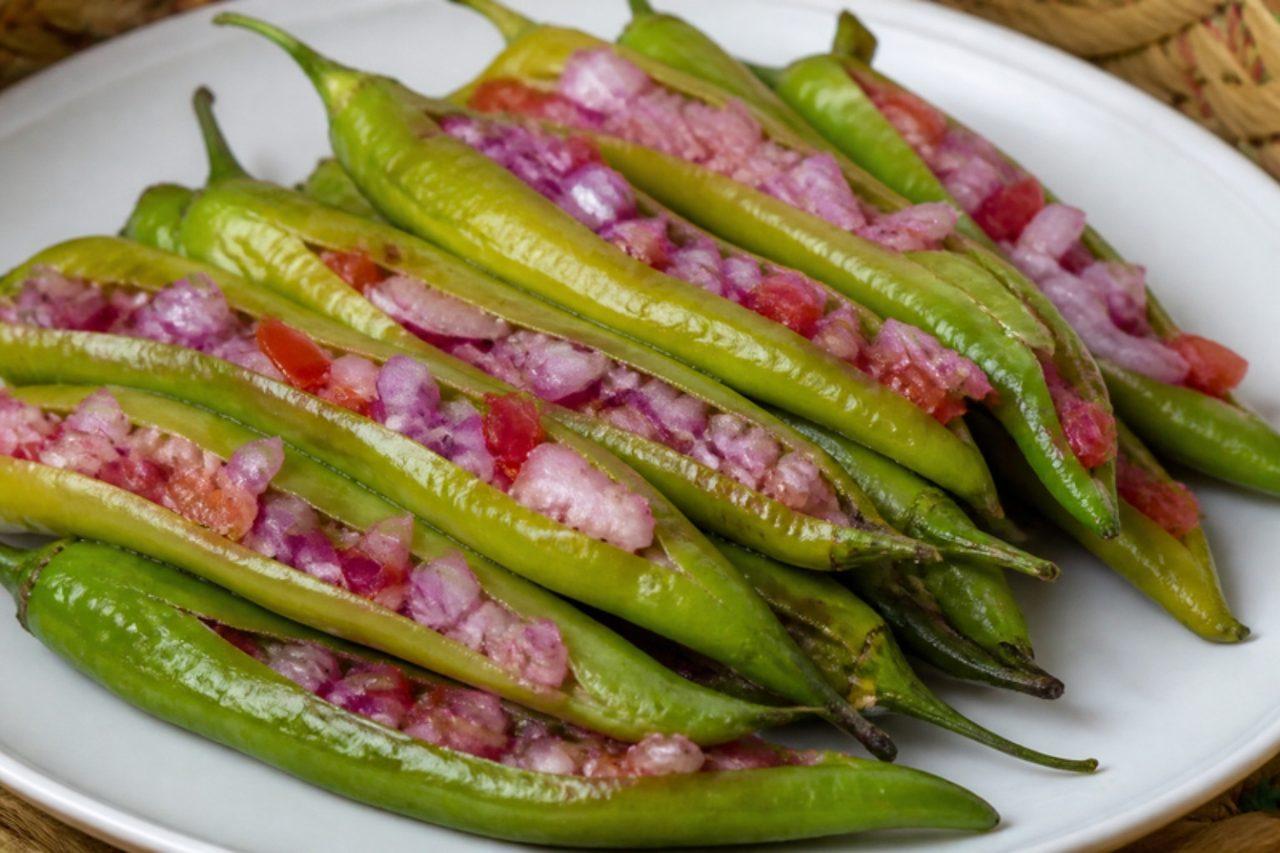
Long, pale green karia chillies are piled high in the markets of Addis Ababa, and on fasting days cooks slit them, scrape out the seeds and fill them with a sharp little salad of onion and tomato soaked in lemon. The result is crunchy, fresh and juicy, with a mild chilli warmth, and the chillies are eaten with the fingers between mouthfuls of injera and spicy wat, or set out as a starter. Choose mild long peppers such as Anaheim, Hungarian wax or long sweet green peppers. A common mistake is leaving the white ribs in, which keeps the heat high and can make them bitter; scrape them out with a teaspoon. Chef's tip: dip the chillies in boiling water for one minute and cool them in cold water first if you want them a little softer and easier to stuff.

by KrazyBadal 0 views

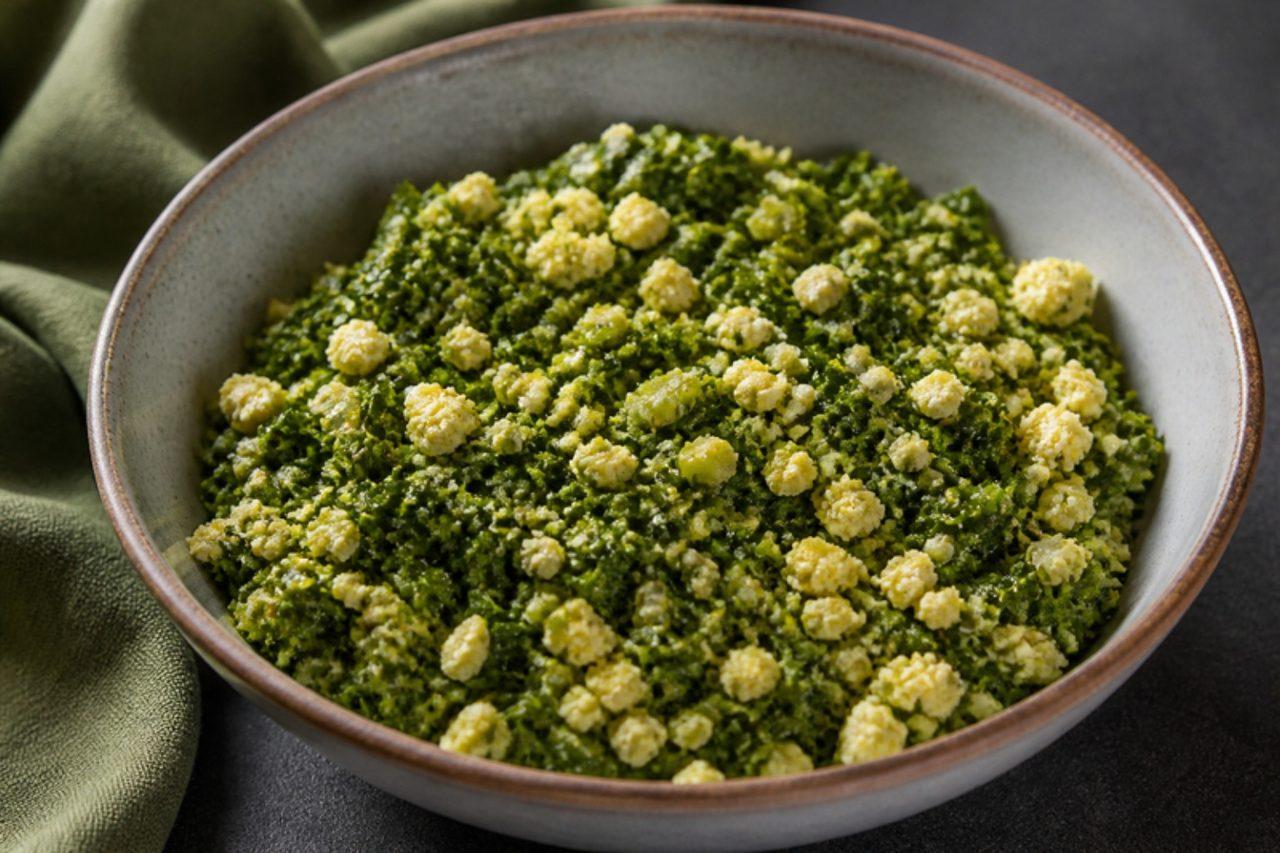
Senafich (Ethiopian mustard seed paste)

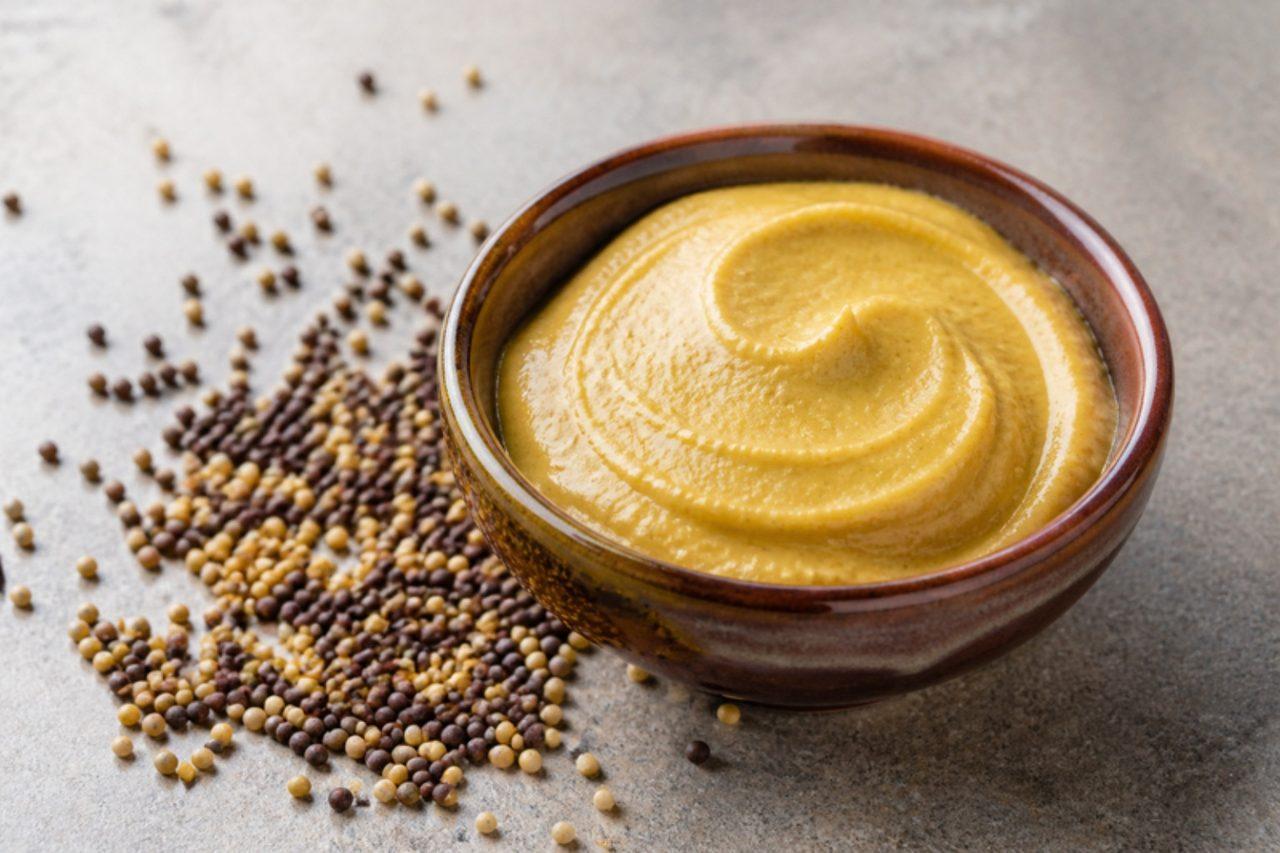
On Ethiopian fasting platters there is often one little dab of yellow among the reds and greens: senafich, a punchy mustard paste that clears the nose and cuts through the oil of the wats. Brown or yellow mustard seed is ground, mixed with warm water and left to rest, which takes the bitterness away, then beaten with lemon, oil, ginger and garlic until it is smooth and creamy. It is served with injera, shimbra asa and boiled vegetables, and some cooks thin it into a sauce for raw chillies. A common mistake is serving it straight after mixing, when it is harsh and bitter; let it stand for at least an hour (it is even better the next day). Chef's tip: use warm water rather than boiling for the soak; very hot water kills the mustard's heat and leaves it flat.

by KrazyBadal 0 views

Kita (quick Ethiopian flatbread)

When there is no fermented injera batter ready, households across Ethiopia make kita: a plain unleavened flatbread of flour, water and salt, spread thin and cooked on the mitad or a heavy pan in minutes. It is soft and slightly chewy with toasty brown spots, and is eaten hot with tea, with shiro or buticha on fasting days, or torn up for kita firfir. Children often eat it warm with a sprinkle of berbere and oil. A wheat dough is easiest at home; mixing in a portion of teff flour adds an earthy flavour. Too thick a layer is the common mistake, as the middle stays raw; spread it thin and cook it covered. Chef's tip: wet your fingertips or the back of a spoon to press the batter-like dough out evenly in the hot pan.

by KrazyBadal 0 views

Honey and milk bread (yemarina yewotet dabo)

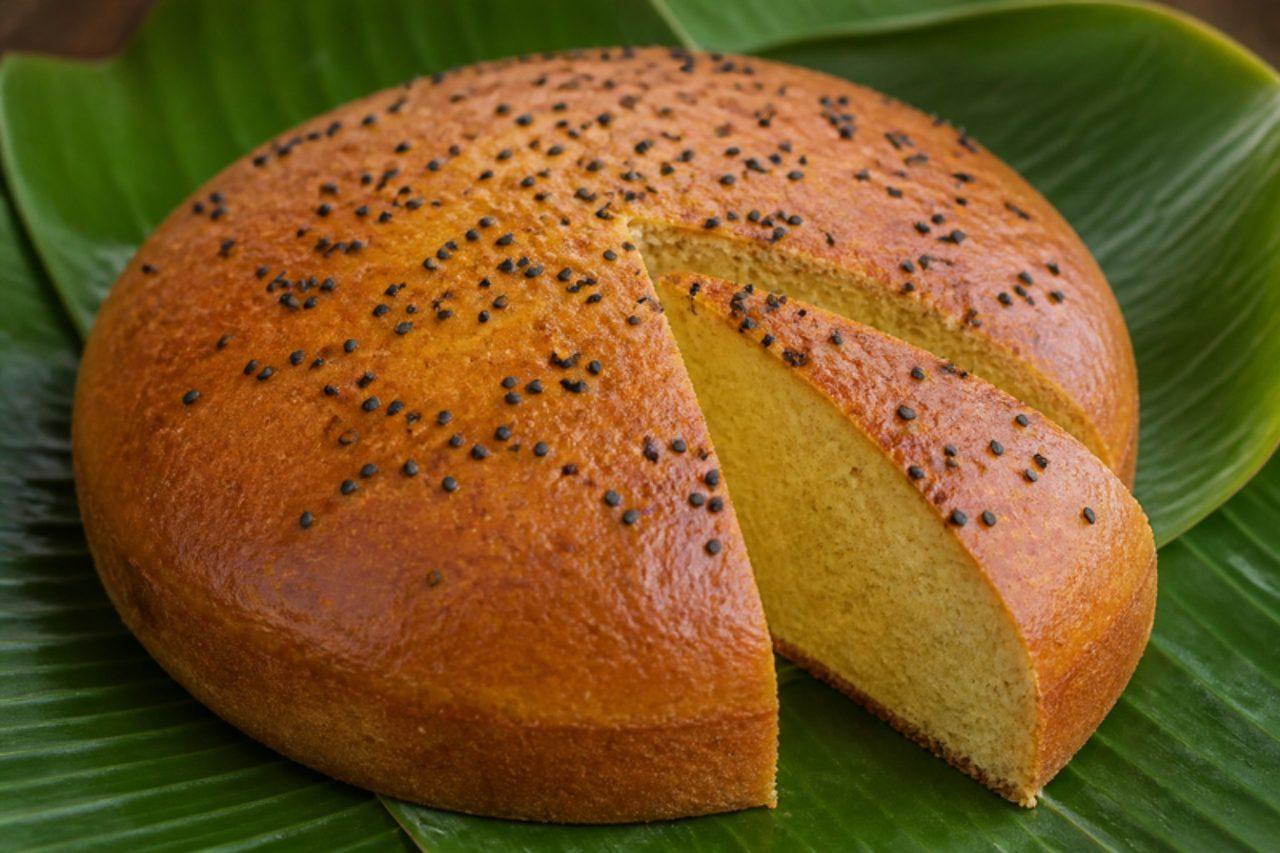
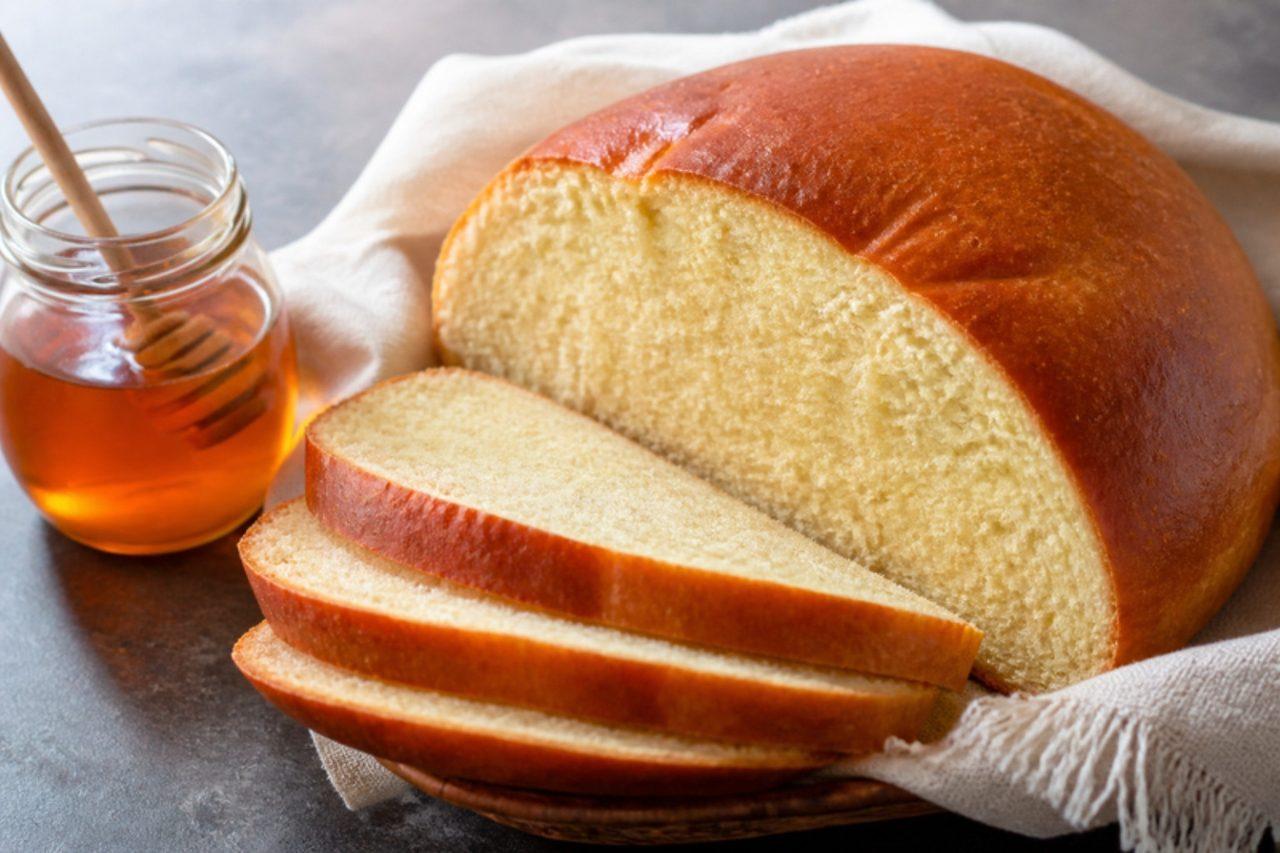
Softer and sweeter than everyday ambasha, this round loaf is the bread Ethiopian families bake for a holiday table, a christening or guests at a coffee ceremony, when there is milk and good honey in the house. The dough is enriched with egg and butter, so it bakes up tender with a fine, cake-like crumb, and the spices are gentle: toasted coriander, a whisper of fenugreek and cardamom that perfumes the kitchen. It is sliced and eaten as it is, with spiced tea or coffee, or spread with a little honey. Allow about 1¾ hours for the two rises. Chef's tip: keep the fenugreek to a quarter teaspoon; any more and its bitterness takes over the honey.

by KrazyBadal 0 views

Massawa oven fish

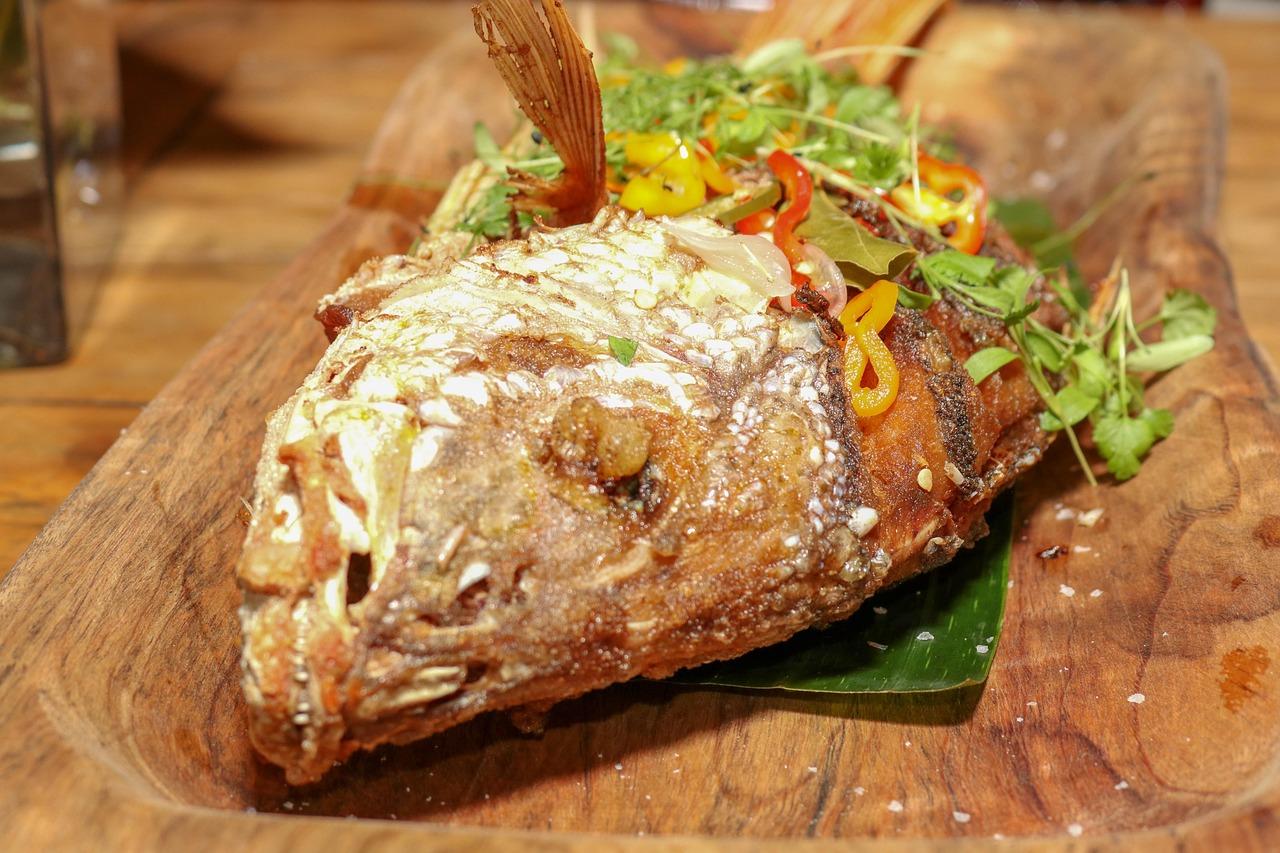
Along the waterfront in Massawa, on Eritrea's Red Sea coast, fish restaurants slap whole snapper and grouper with a red berbere paste and lower them into scorching clay ovens, then bring them to the table on a tray with flatbread, lime and a fresh chilli relish. The skin chars and blisters, the spice paste turns smoky, and the flesh stays moist and sweet underneath. Everyone tears off pieces of bread and pulls the fish from the bone with their fingers. A domestic oven turned up as high as it goes gives a very good result. Chef's tip: score the fish deeply down to the bone and push the paste into the cuts, so the flavour reaches the middle and the thickest part cooks as fast as the tail.

by KrazyBadal 0 views

Moukhbaza (Kassala mashed banana)

Kassala, in the green orchard country of eastern Sudan near the Eritrean border, grows bananas in abundance, and its signature dish uses them very simply: very ripe bananas mashed with a little sugar and cooked briefly until thick and jammy. Moukhbaza is eaten as a snack or light breakfast, torn kisra or soft gurasa pancakes dragged through it, and children adore it. It tastes like warm banana bread without the oven. Under-ripe fruit is the usual mistake; you want bananas with heavily speckled, almost black skins, or the mash is starchy and bland. Chef's tip: a squeeze of lime at the end keeps the colour bright and balances the sweetness.

by KrazyBadal 0 views

Nafaqo (Somali potato-wrapped eggs)

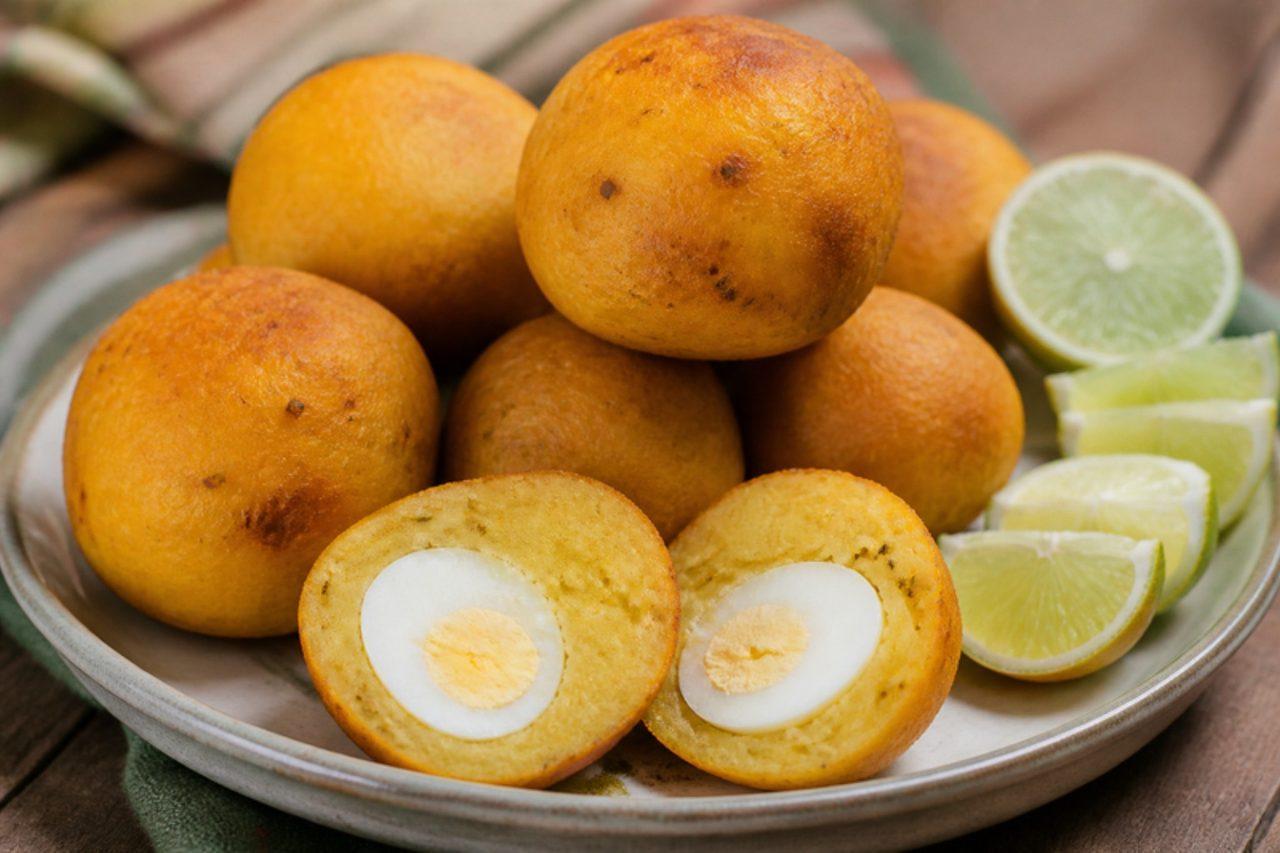
Sold warm from street stalls and cafés around Mogadishu, especially in the late afternoon and at iftar in Ramadan, nafaqo is a fried snack with a surprise inside: a whole boiled egg wrapped in mashed potato seasoned with onion, coriander and xawaash. A light chickpea-flour batter gives it a crisp golden shell, and it is cut in half to show the yolk and eaten with a squeeze of lime and hot green chilli sauce. Kids love it, and it travels well in a lunchbox. A common mistake is using wet, freshly boiled mash, which slides off the egg and splits in the oil; steam-dry the potatoes and let the mash cool before shaping. Chef's tip: roll the peeled eggs in a little chickpea flour before wrapping them, so the potato grips the slippery white.

by KrazyBadal 0 views

Eritrean frittata

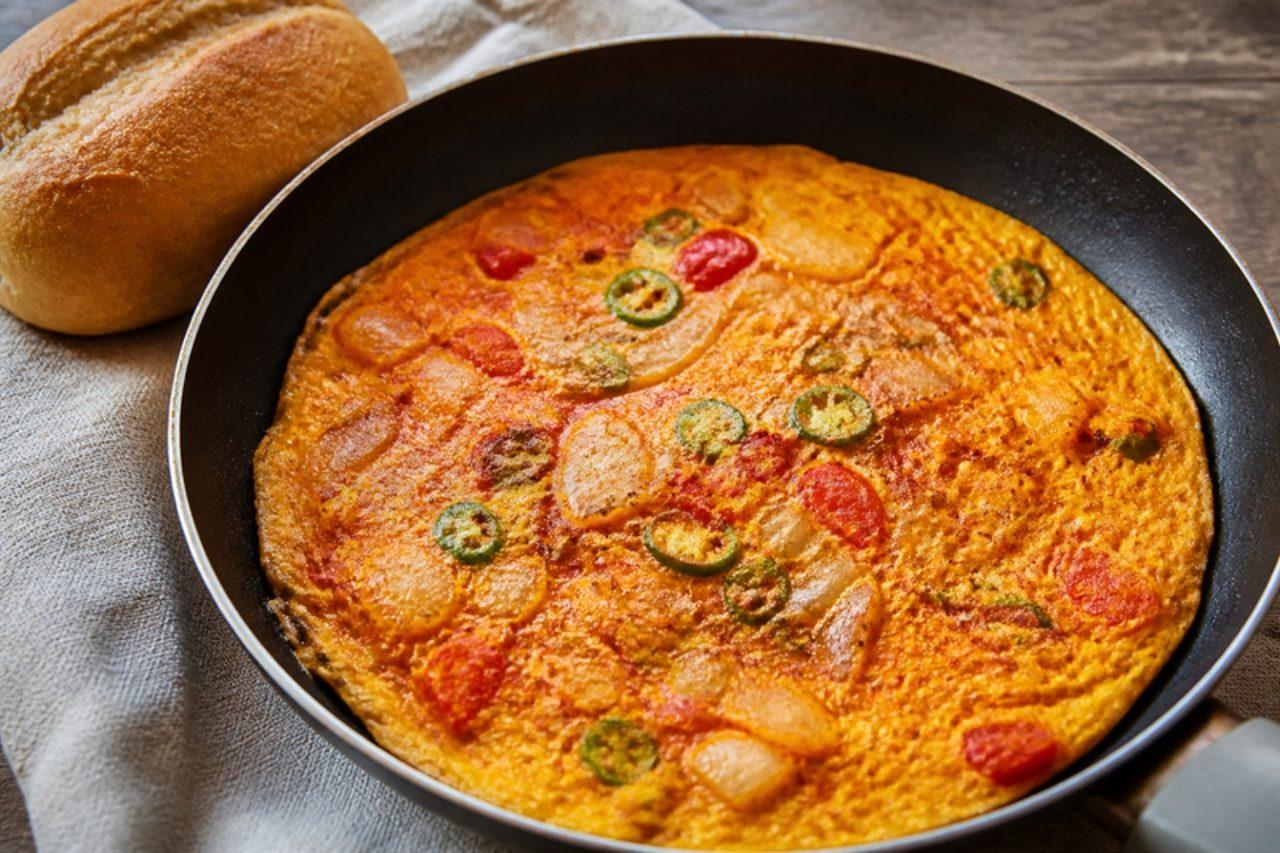
Asmara's cafés kept the Italian word but changed the flavour: an Eritrean frittata is eggs beaten with softened onion, tomato and green chilli, warmed with berbere and cooked flat in a small pan until just set. It comes to the table in its pan with fresh bread and a coffee or sweet tea, and some places fold in a little extra chilli for those who ask. The texture is soft and moist in the middle, with sweet tomato and a gentle heat running through it. A common mistake is cooking the eggs over a high flame, which makes the base tough and brown before the top sets; keep the heat low and cover the pan. Chef's tip: cook the tomato until its juice has evaporated before the eggs go in, or the frittata turns watery.

by KrazyBadal 0 views

Muufo (Somali maize flatbread)

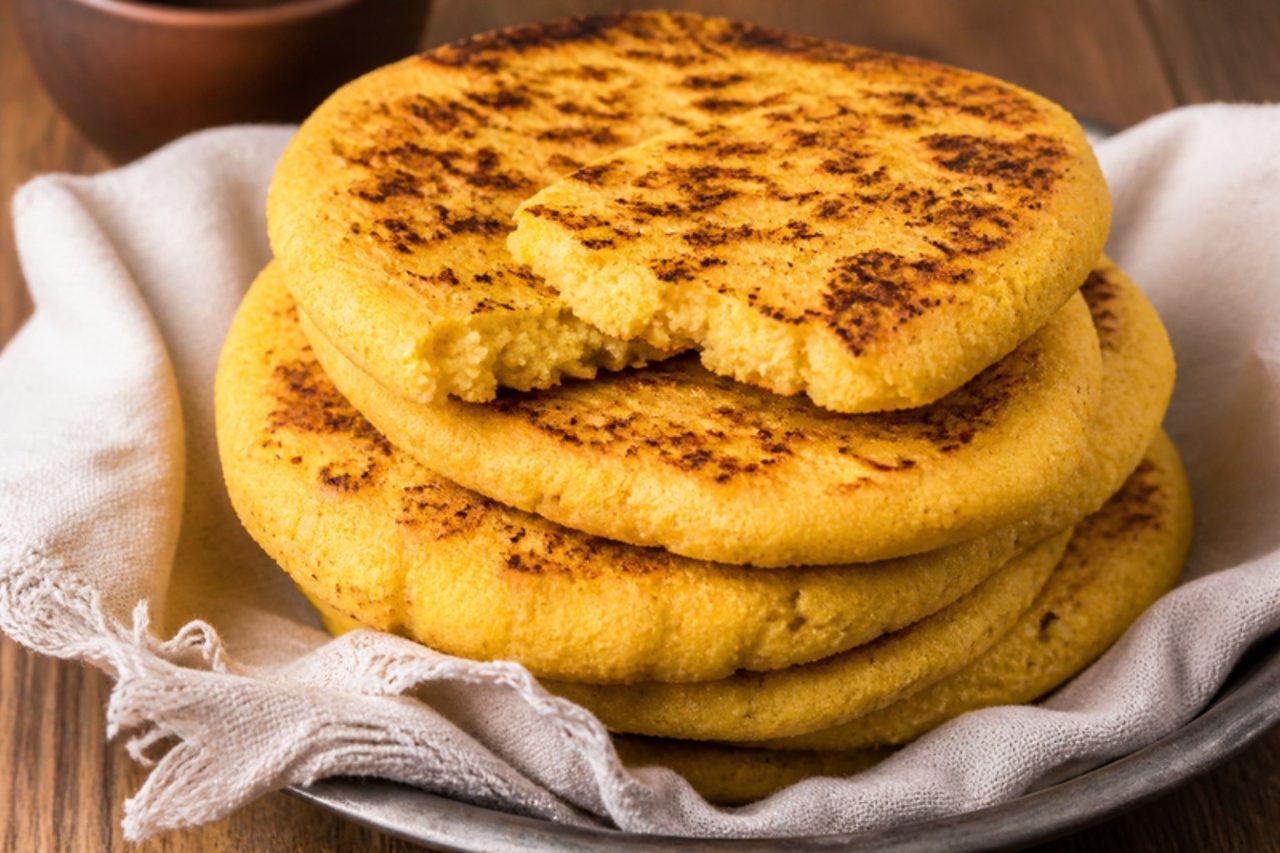
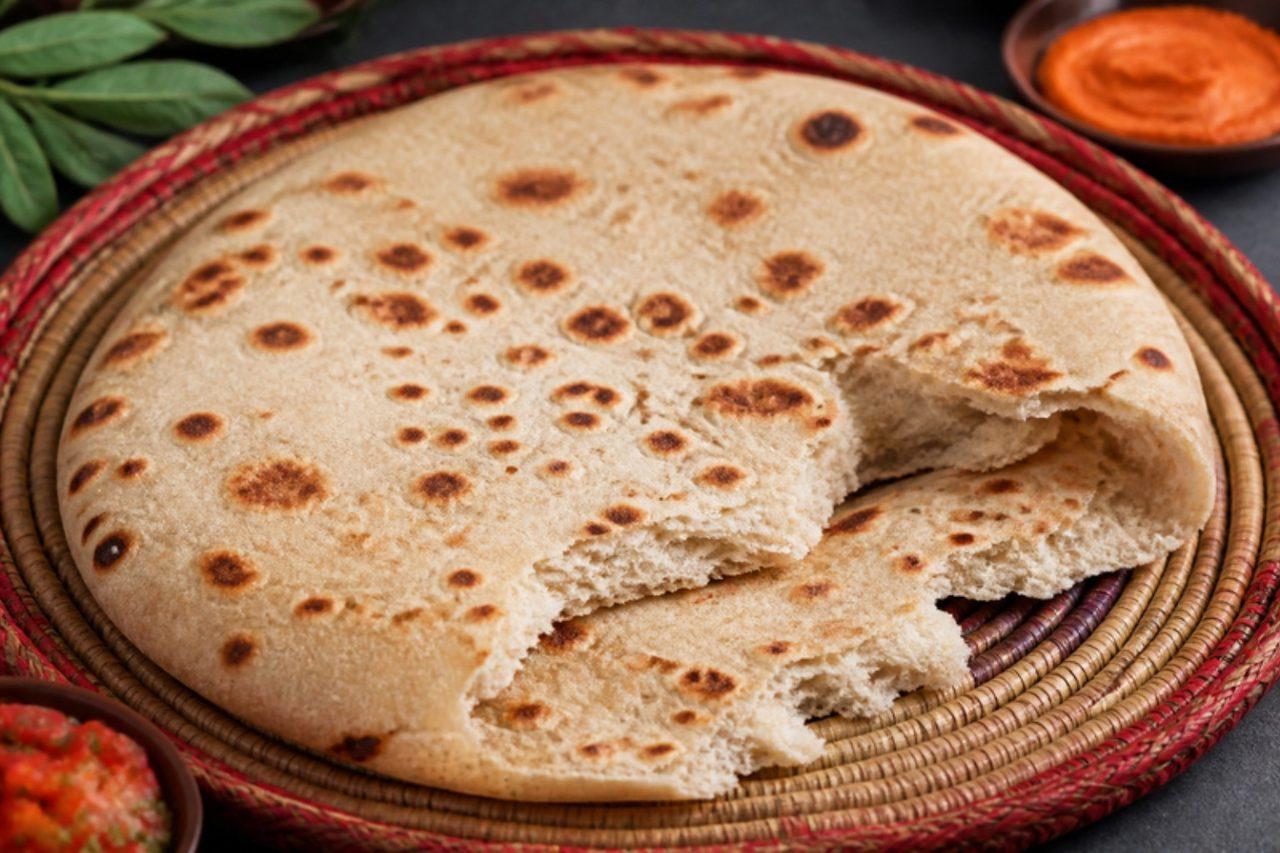
Along the southern Somali coast and in the farming areas of the Shabelle valley, muufo is baked by pressing rounds of maize dough against the hot inner wall of a clay oven, where they puff and char in minutes. The bread is thick, a little sweet from the corn and slightly tangy, and its dimpled surface is perfect for soaking up digir, maraq or a drizzle of sesame oil and sugar at breakfast. At home a heavy pan and a very hot grill do a good job. Most cooks mix maize flour with some wheat flour so the dough holds together; this version uses yeast and oil, so it is vegan. The usual mistake is an oven or pan that is not hot enough, which gives a pale, dense bread; let the pan heat for a full 5 minutes. Chef's tip: wet your hands when shaping, as the sticky dough is far easier to pat out.
by KrazyBadal 0 views

Baasto (Somali spaghetti with spiced beef sauce)

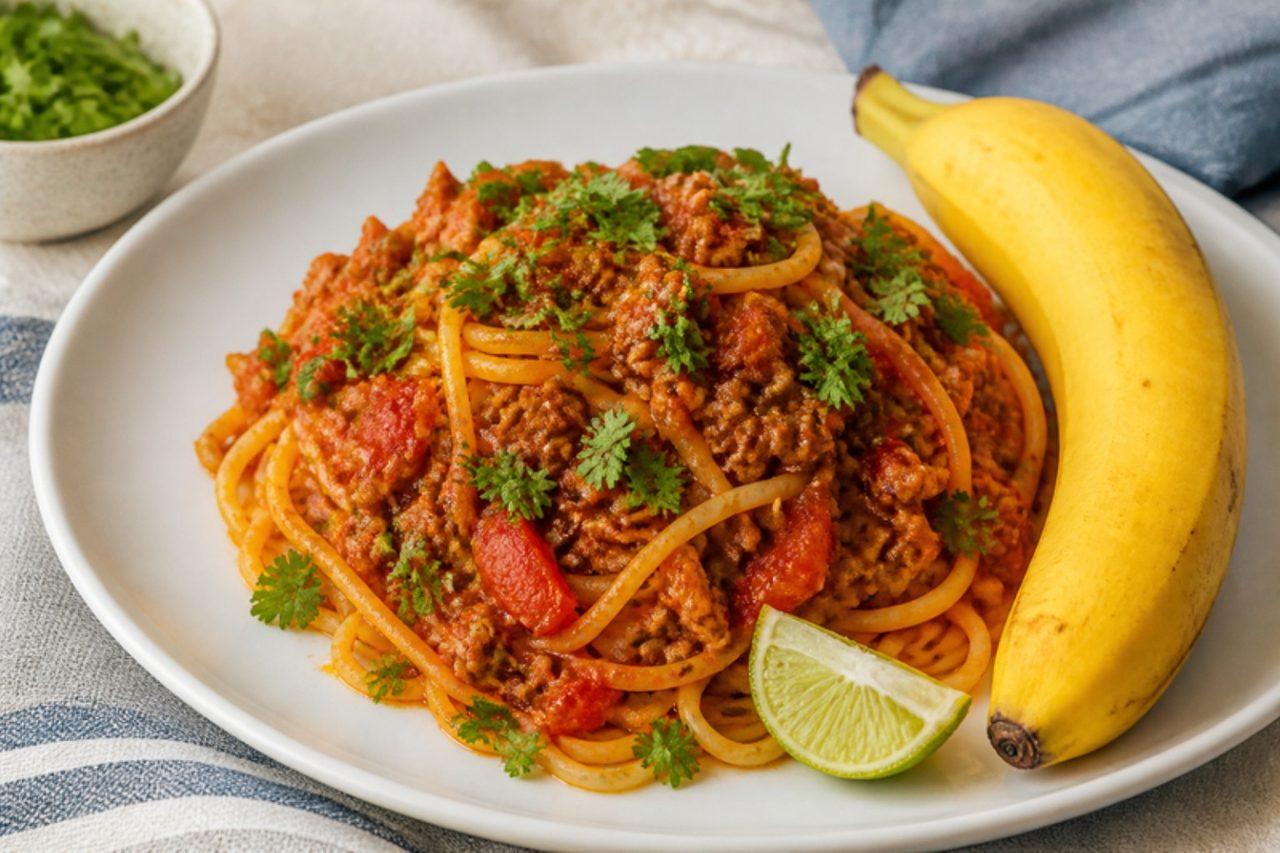
Pasta arrived in Mogadishu during the Italian colonial period and was firmly adopted, so that today baasto with suugo is a standard Friday lunch and a staple of the city's restaurants. The sauce is a long-cooked mix of minced beef, onion, peppers and tomato seasoned with xawaash, garlic and a little chilli, closer to a spiced Somali stew than to an Italian ragù. A ripe banana is served alongside and eaten in alternate bites, cooling and sweet against the spice; a green chilli sauce and a squeeze of lime finish the plate. Overcooking the spaghetti is the usual error, because it carries on softening in the hot sauce; drain it a minute before the packet time. For a meat-free version simply leave out the beef and add a tin of chickpeas. Chef's tip: let the beef brown properly before the tomato goes in; that colour gives the sauce its depth.
by KrazyBadal 0 views

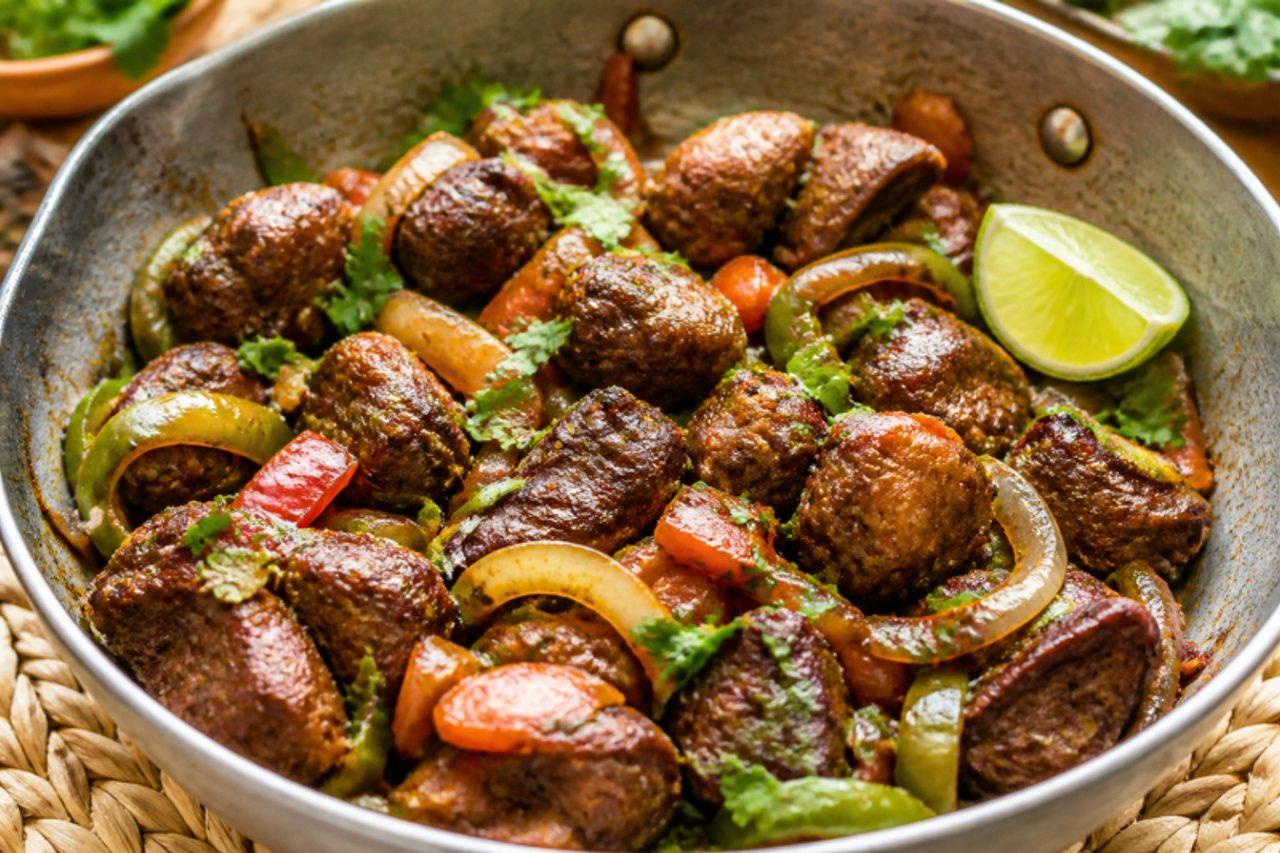
Beer (Somali fried liver)

Beer means liver in Somali, and a plate of it, cut into small cubes and fried hard with onion, green pepper and xawaash, is a breakfast institution in Mogadishu cafés, especially on weekends and through Eid when there is fresh lamb or goat liver at hand. It arrives sizzling, with canjeero or sabaayad to scoop it up, a wedge of lime and a cup of sweet spiced tea. Good beer is tender and browned on the outside, cooked through with no pink left in the centre. The classic mistake is salting the liver at the start, which draws out moisture and makes it tough; add the salt at the very end. Lamb, goat, calf or beef liver all work. Chef's tip: cut the liver into even 2 cm cubes so every piece cooks through in the same few minutes.

22 minSomaliMeatGluten free
by KrazyBadal 0 views

Hilib ari (Somali slow-cooked goat with xawaash)

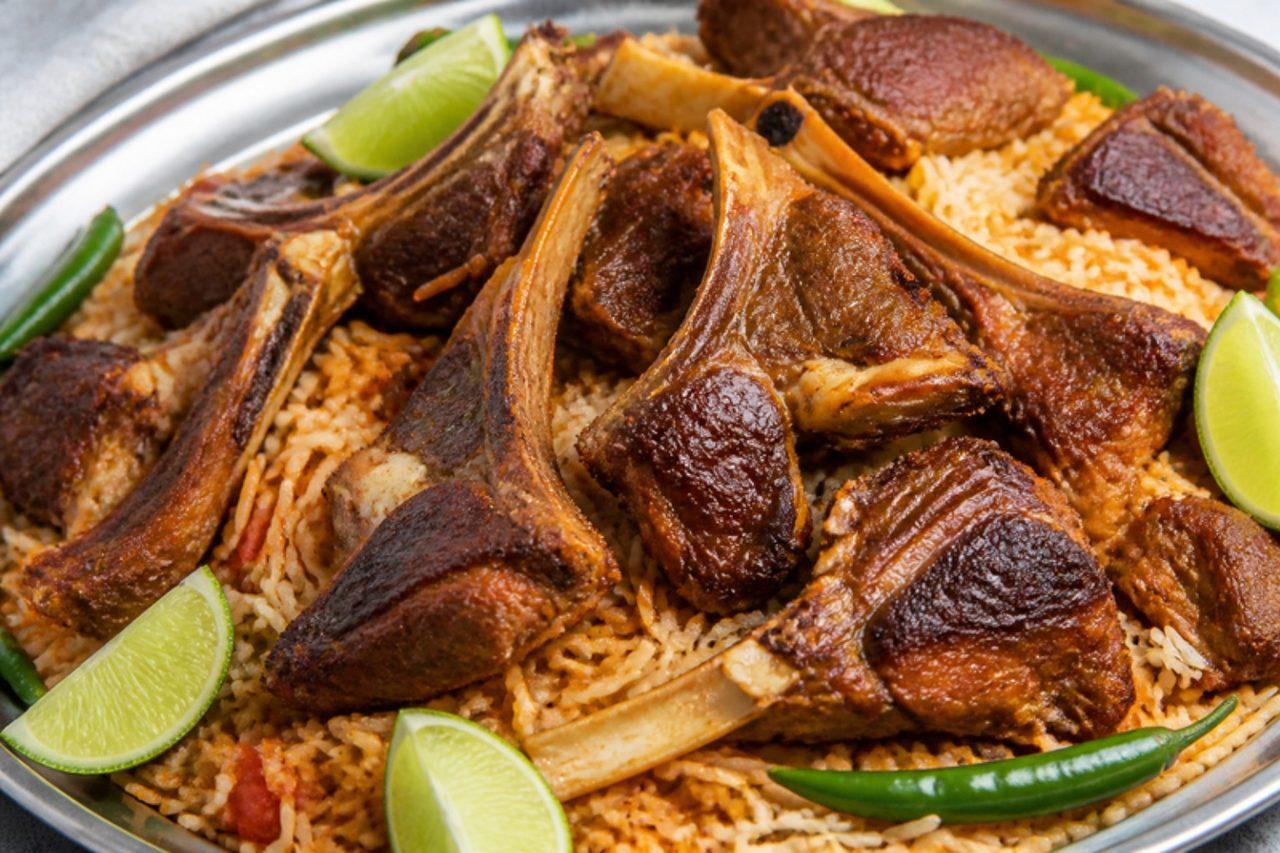
Goat is the festive meat of Somaliland, slaughtered for weddings, Eid and the arrival of guests, and hilib ari, goat on the bone cooked until it falls away, is the centrepiece of those meals. The meat is first simmered slowly with onion, garlic and xawaash, then the liquid is boiled away and the pieces are fried in their own fat until browned and crisp at the edges, so you get both tenderness and crunch. It is piled on a big platter of spiced rice with banana, lime wedges and green chilli sauce. Rushing the first stage is the mistake to avoid: goat stays chewy unless it simmers gently until a knife slides through. Chef's tip: ask the butcher for shoulder or leg cut into 5 cm pieces on the bone; the bones give the meat flavour and the leftover broth makes a good maraq.

125 minSomaliMeatGluten free
by KrazyBadal 0 views

Cambuulo (Somali adzuki beans with butter and sugar)

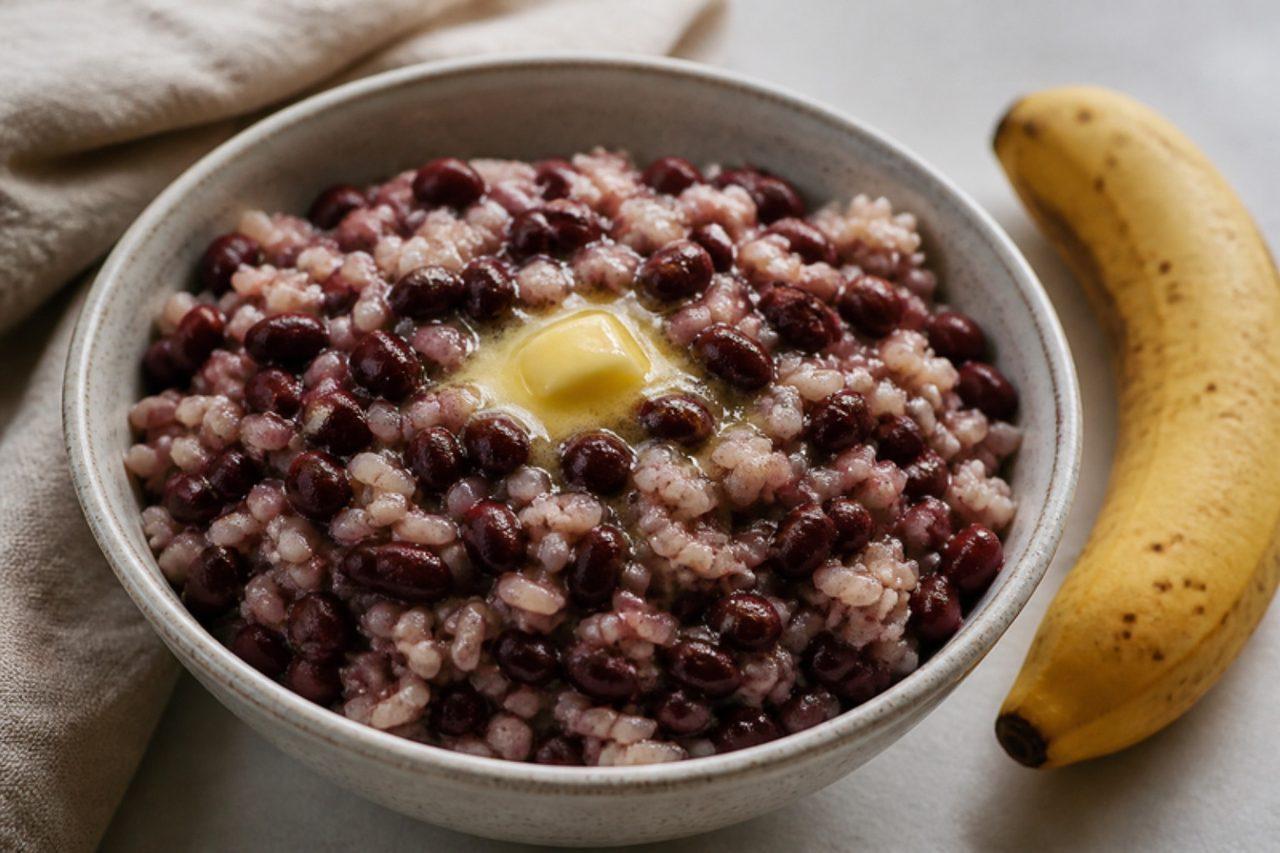
Small red adzuki beans, cooked slowly until they almost collapse, are the heart of cambuulo, a dish Mogadishu households make for a cheap, filling evening meal. Once the beans are soft they are glossed with butter, a spoonful of sugar and a pinch of salt, so the flavour lands somewhere between savoury and gently sweet. Many families stir the beans into plain rice or serve the two side by side, with a drizzle of sesame oil and a banana on the plate. The texture should be creamy, with some beans still whole. The usual mistake is pulling the pot off too early: firm beans never turn creamy, so keep simmering until one crushes easily against the side of the pan. Chef's tip: soak the beans overnight and change the water before cooking; they cook more evenly and are easier to digest.

by KrazyBadal 0 views

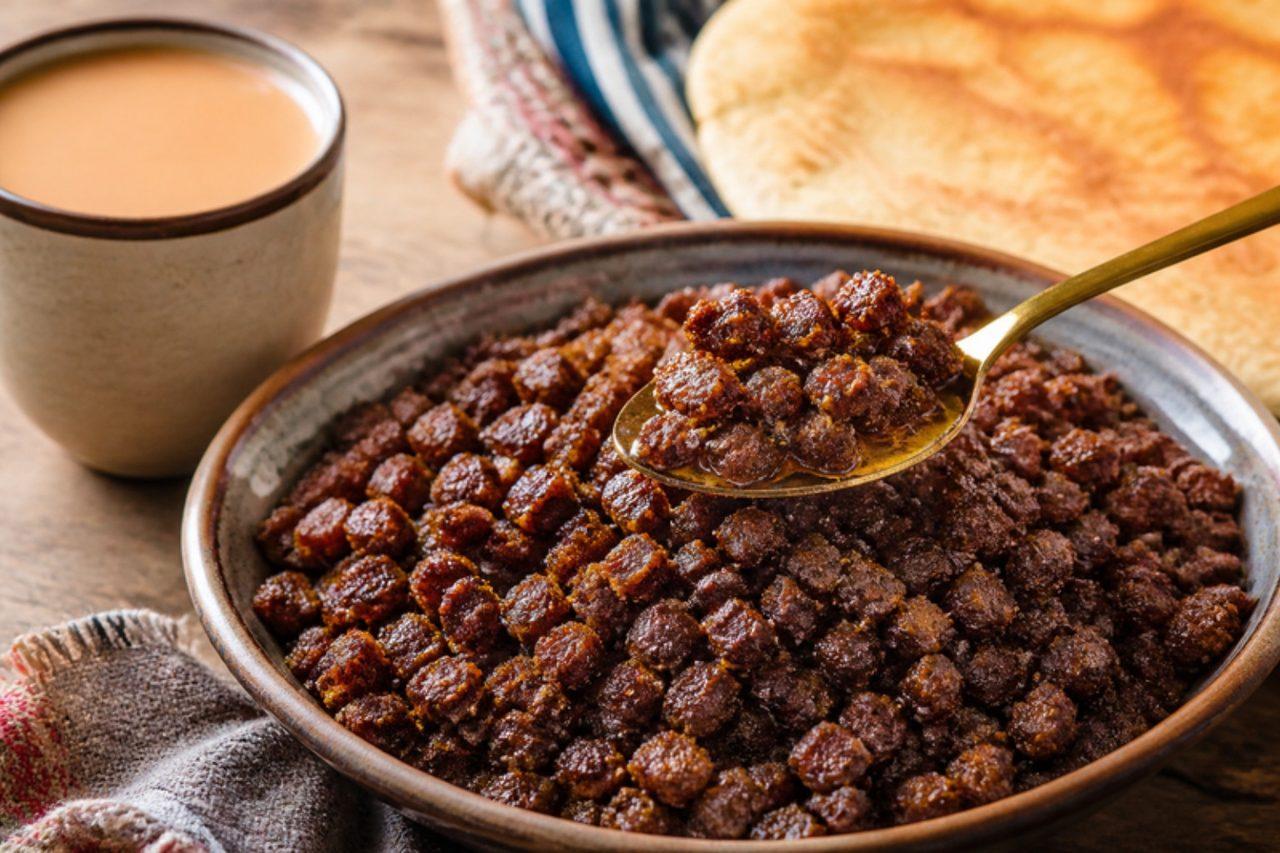
Muqmad (Somali spiced meat preserved in ghee)

Before fridges, nomadic families in Somaliland preserved meat as muqmad, also called oodkac: beef or camel cut into tiny cubes, dried in the sun, fried in ghee with garlic and spices and packed into a container topped with more ghee. A spoonful is eaten for breakfast with sabaayad or canjeero and tea, and jars are made for Eid, weddings and travellers. Sun-drying raw meat is risky in a home kitchen, so this safer version cooks the cubes through to 71 °C first, then dries them in a low oven and keeps the finished jar in the fridge. The traditional raw-dried version is not for pregnant women, young children or anyone with a weakened immune system. Cutting the cubes unevenly is the common mistake: big pieces stay moist inside while small ones burn, so aim for 1 cm all round. Chef's tip: partly freeze the meat for 45 minutes and it cuts into neat cubes far more easily.

240 minSomaliMeatGluten free
by KrazyBadal 0 views

Hilib geel (Somali fried camel meat)

Camels are wealth in Somaliland, and their meat, lean and slightly sweet with a deep red colour, is a favourite in Hargeisa restaurants, where hilib geel is served fried with onion, garlic and xawaash alongside rice or sabaayad, banana and lime. Camel is a hard-working muscle, so it is first simmered until tender and then fried quickly in a hot pan until browned and fragrant. Halal butchers serving East African communities often sell it; if you cannot find it, beef chuck is the closest substitute and cooks the same way. Skipping the simmer and frying the raw meat straight away is the usual mistake, and it leaves the cubes tough as boots. Chef's tip: keep the simmering liquid; a ladle of it in the pan at the end makes a little glossy sauce for the rice.

85 minSomaliMeatGluten free
by KrazyBadal 0 views

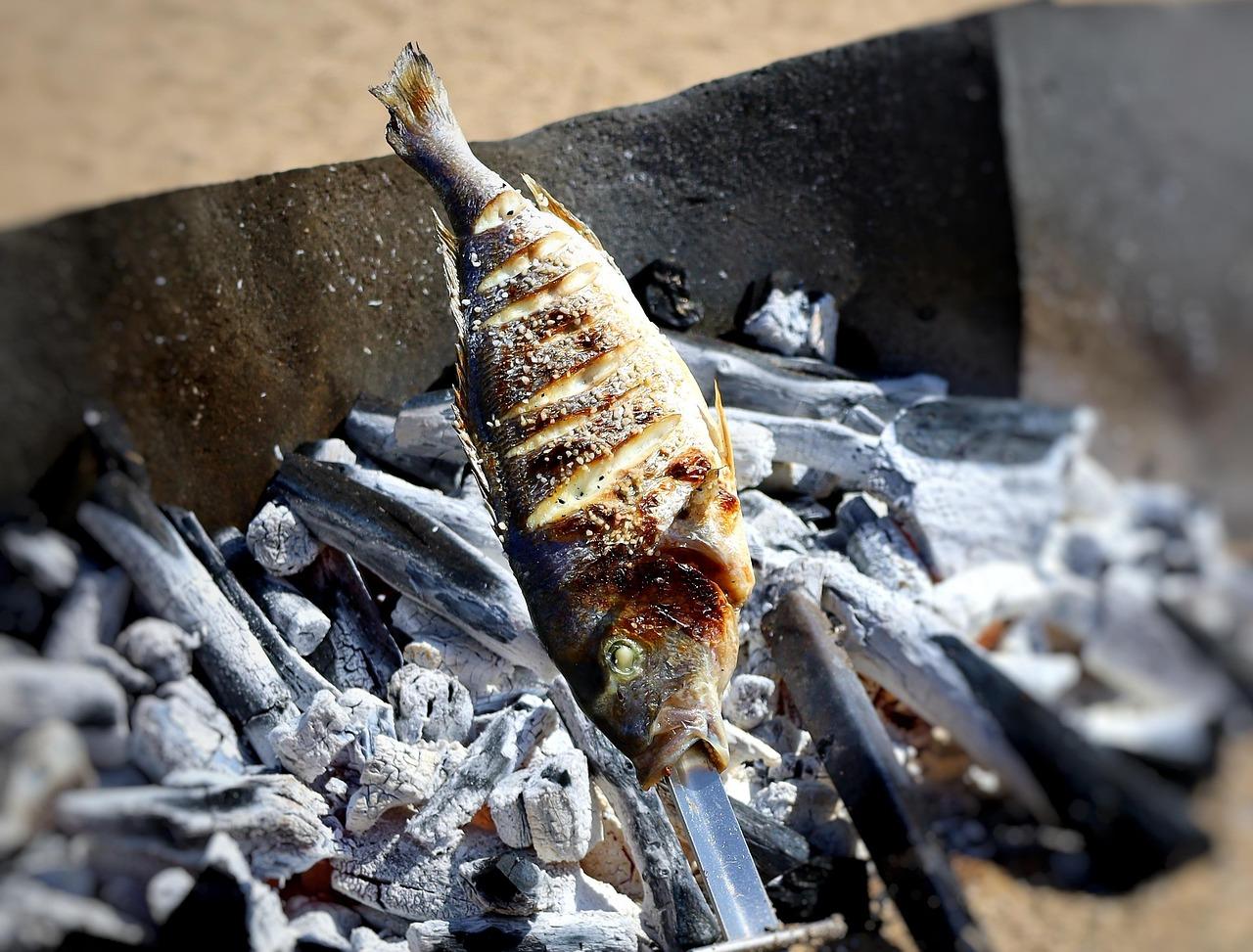
Kalluun duban (Somali grilled whole fish)

Seafront restaurants on Mogadishu's Lido beach are famous for kalluun duban, whole fish rubbed with a paste of garlic, lime, chilli and xawaash and grilled over charcoal until the skin blisters. Diners pick a fresh catch, often snapper, grouper or kingfish, and it comes to the table on a platter of spiced rice with lime, salad, banana and fiery basbaas. The flesh should be moist and smoky, tangy with lime. Marinating fish for hours in lime juice is a mistake: the acid starts to 'cook' it and the flesh turns mushy, so 20–30 minutes in the fridge is plenty. Chef's tip: slash the fish deeply down to the bone on both sides, so the marinade gets in and the thick part cooks as fast as the tail.

40 minSomaliFishGluten free
by KrazyBadal 0 views

Showing 90 of 7,888 recipes

Page 341 of 877