


Skip to content
Maeun galbijjim
Featured recipe

Maeun galbijjim

Spicy braised short ribs

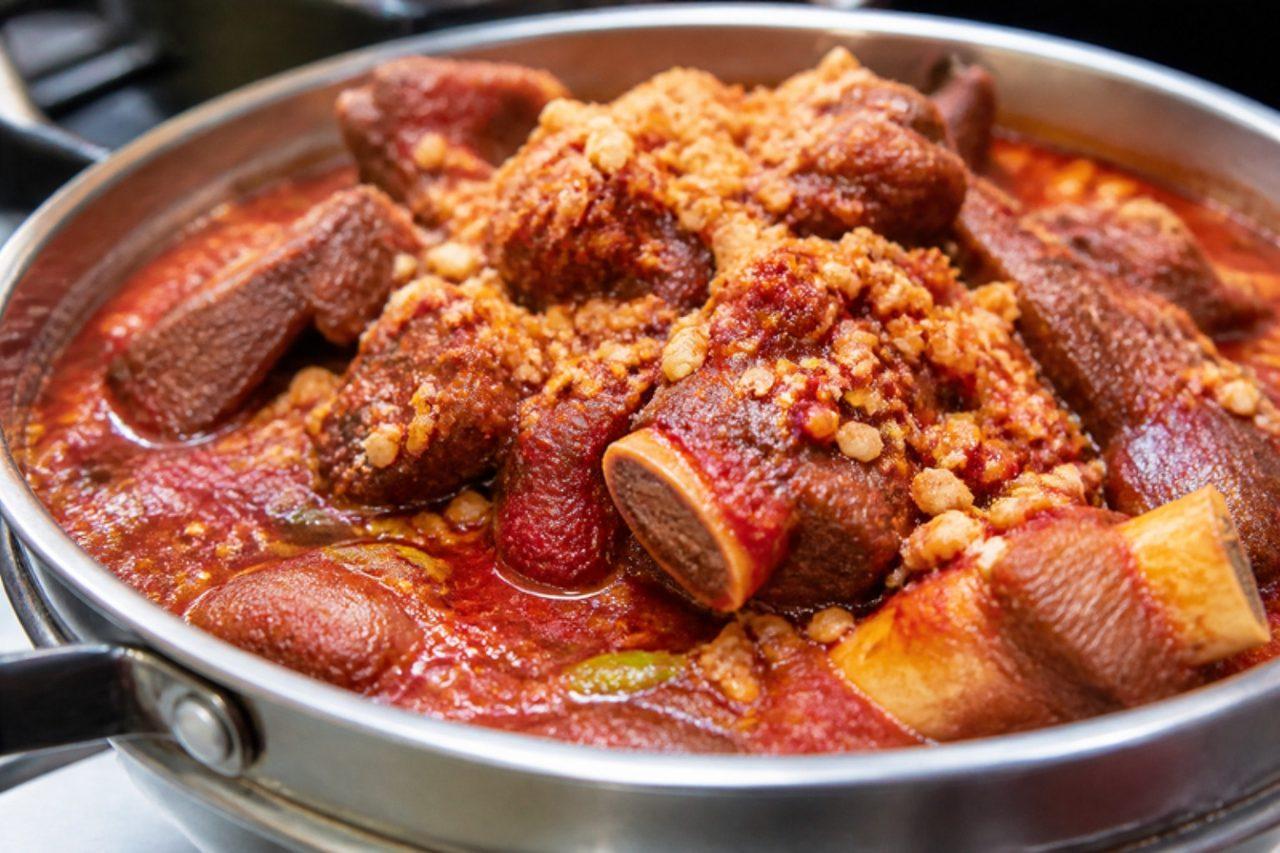
Dongin-dong in Daegu has a street of restaurants that serve one thing: beef short ribs braised until soft and smothered in a thick paste of red chilli and crushed garlic, brought to the table in battered aluminium pots. The dish is counted among Daegu's ten signature foods, and the city is known for liking its food hot. It's much spicier and less sweet than the soy-braised galbijjim made for holidays. Eat it with plenty of rice, lettuce and a cold drink, and keep a napkin handy. Chef's tip: use far more garlic than seems sensible; the crushed raw garlic stirred in at the end is what makes the Dongin-dong style.

Read more 0 views

What to eat today?

Around the world

Today's trip: Paraguayan

A new country every day, from every cuisine on the site.

Paraguayan

Kosereva

Candied bitter orange peel 180 minMore from Paraguayan (27) →

This week's collection

Kid-friendly dinners
537 recipes · a new collection every Monday

Latest recipes

Bermuda cassava pieCassava pie with chicken and pork

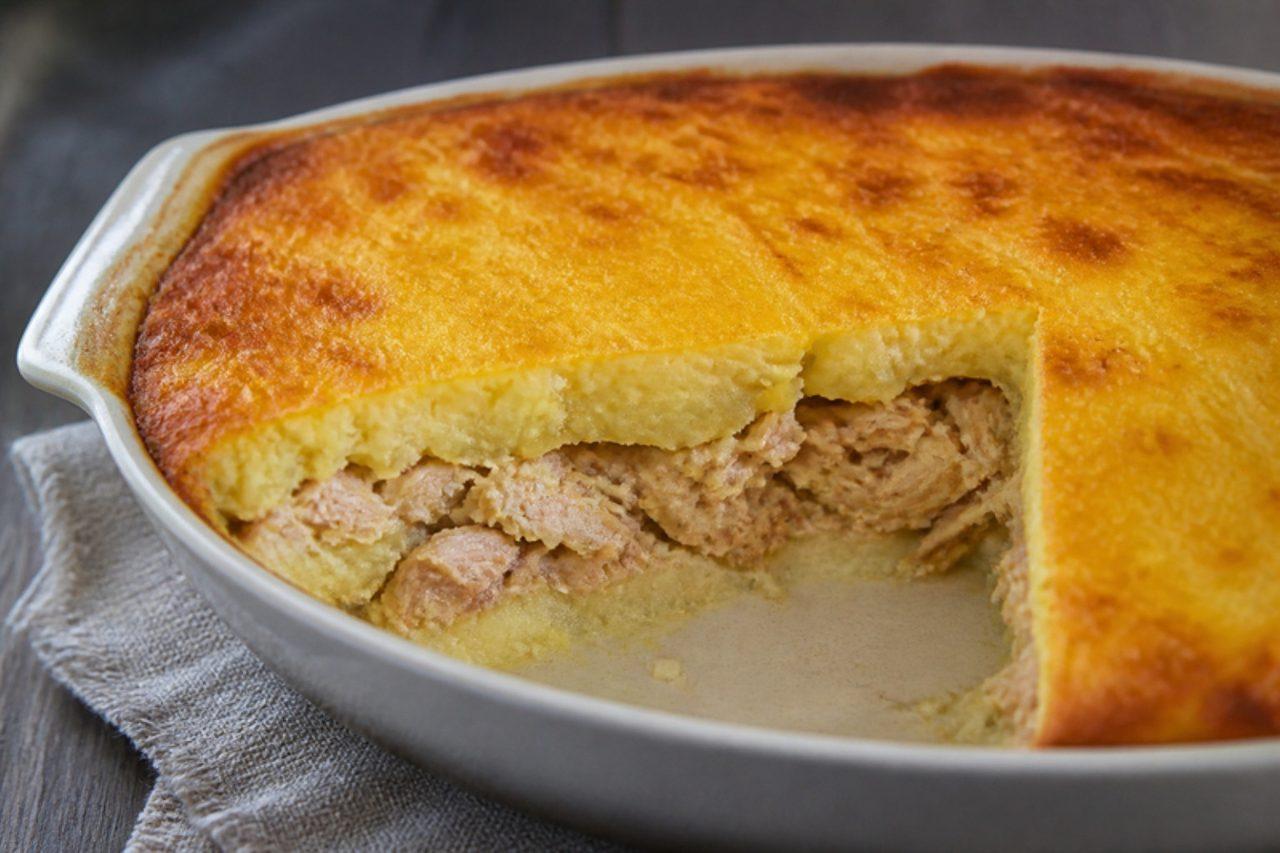
No Bermudian Christmas table is complete without cassava pie, a dense, golden, faintly sweet bake of grated cassava, eggs, butter, sugar and nutmeg layered around a filling of stewed chicken and pork. Families compare recipes and argue over sweetness; it is served in slices with the turkey on Christmas Day and eaten cold for days after. The pork here is boneless pork shoulder, stewed with the chicken until tender. The common mistake is underbaking: the cassava must set firm and brown deeply, or it is gluey in the middle. Use frozen grated cassava, squeezed dry. Chef's tip: make the filling the day before; cold meat is easier to layer and the stock gels into a juicy middle.

by KrazyBadal 0 views

AushNoodle soup with beans and yogurt

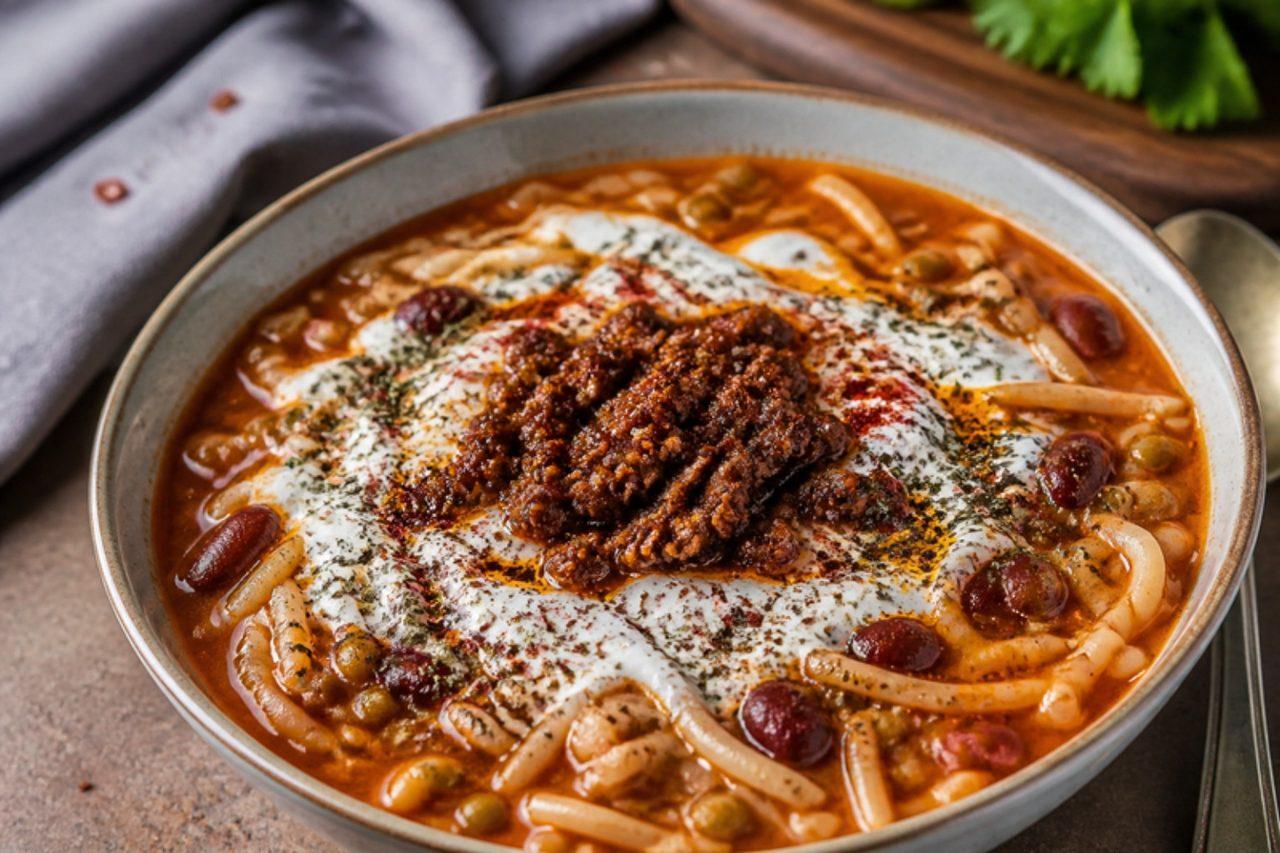
Aush is the bowl Afghan mothers make when someone in the house has a cold or the first snow falls on Kabul, a thick, tangy soup of hand-cut noodles, kidney beans and chickpeas, enriched with garlicky yogurt and finished with a spoonful of spiced minced meat and a heavy dusting of dried mint. The broth is slightly sour, creamy and warming with chilli, and the noodles are soft and a little slippery. It is a meal in itself, eaten with nothing more than naan and pickles. For a vegetarian version, leave out the meat sauce and add a handful of cooked mung beans. Noodles dropped into a soup that has gone off the boil stick together into a clump, so keep it bubbling as you add them a few at a time. Chef's tip: stir the yogurt in only after the pan is off the heat, so it turns the broth creamy without splitting.

by KrazyBadal 0 views

Atjar tjampoerSweet-sour mixed vegetable pickle

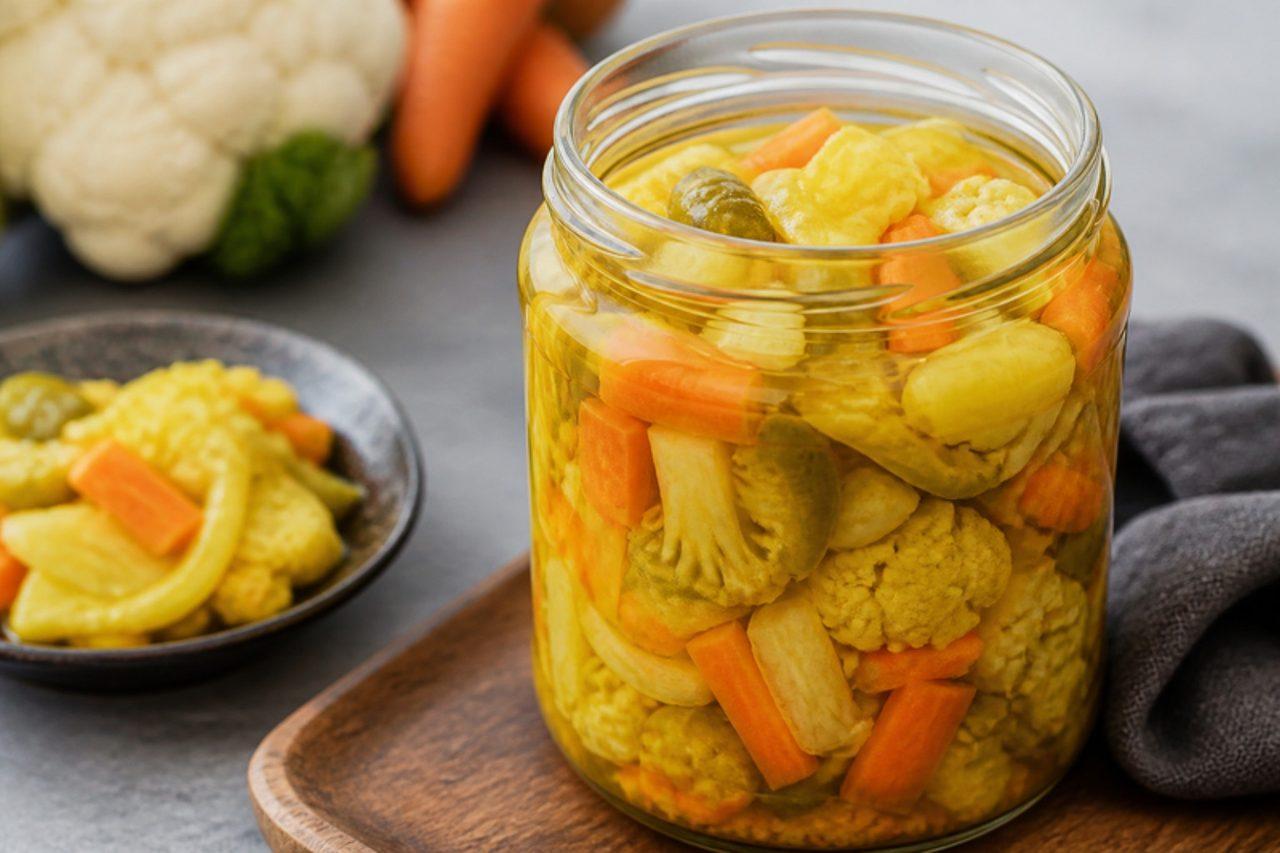
Atjar tjampoer is the bright yellow pickle in every Dutch-Indonesian toko and on every rijsttafel: crisp cucumber, carrot, cabbage, cauliflower and shallot pickled in a sweet-sour vinegar brine coloured with turmeric, with a little chilli and ginger. It cuts through rich satay and rendang. A common mistake is cooking the vegetables, which makes them soft; they should only be blanched or simply covered with hot brine. Chef's tip: salt the cucumber first and squeeze it, so it stays crunchy for days.

by KrazyBadal 0 views

AthirasaFried rice flour jaggery cakes

Athirasa, a dark, flat disc with a shiny, slightly crinkled surface, is one of the keeping sweets of the Avurudu season: families fry stacks of them in early April, store them in tins and offer them to every visitor for weeks. The dough is simply rice flour stirred into jaggery syrup cooked to the soft-ball stage, flavoured with cardamom and left to rest, then patted into rounds and fried until deep brown. The cook presses each one firmly between two flat spoons or saucers to squeeze out excess oil, which gives athirasa its chewy, toffee-like centre and lacy, crisp edges. The typical slip is undercooking the syrup, which makes the dough too soft to shape and causes the rounds to fall apart in the oil. Chef's tip: shape the discs on a piece of oiled banana leaf or baking paper and slide them straight into the oil from it, so they keep a neat round shape.

by KrazyBadal 0 views

Maqaw chicken soupMountain pepper chicken soup

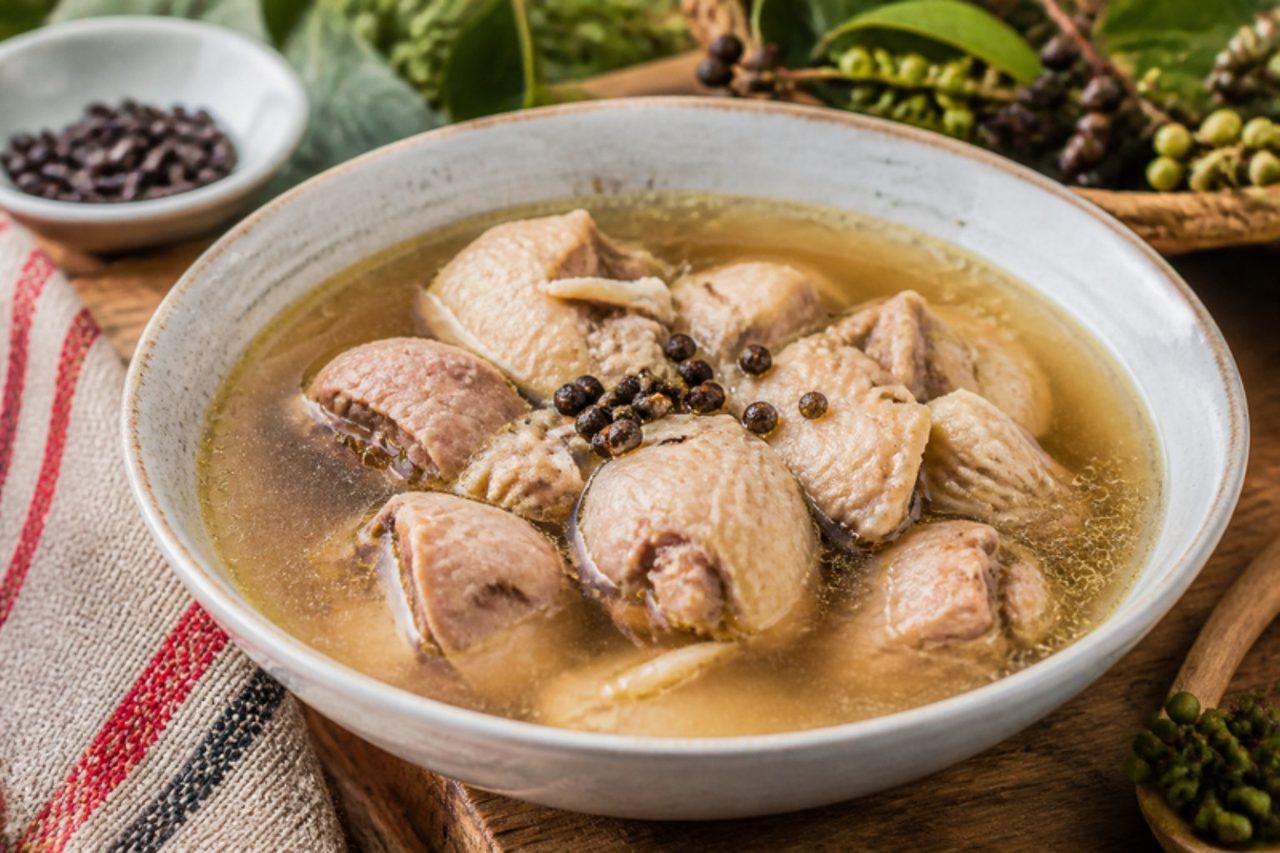
High in the mountains of northern Taiwan, in Atayal villages around Wulai and Fuxing, maqaw berries are picked from the mountain litsea tree in summer and dried to flavour soups, grilled meat and tea. In this clear chicken soup, served at home suppers and in Indigenous restaurants with millet or rice and wild greens, the crushed berries give a fresh lemongrass-and-ginger perfume with a gentle peppery tingle. Bone-in chicken simmered slowly makes a light, golden broth. People spoil it by adding the maqaw at the start and boiling it for an hour, which turns it bitter; add it for the last 15 minutes instead. If you can't find maqaw, use black peppercorns, a stalk of lemongrass and a strip of lemon zest. Chef's tip: lightly crush the berries just before they go in; whole ones barely flavour the broth, while powder makes it cloudy.

by KrazyBadal 0 views

Atama soupPalm nut and atama leaf soup

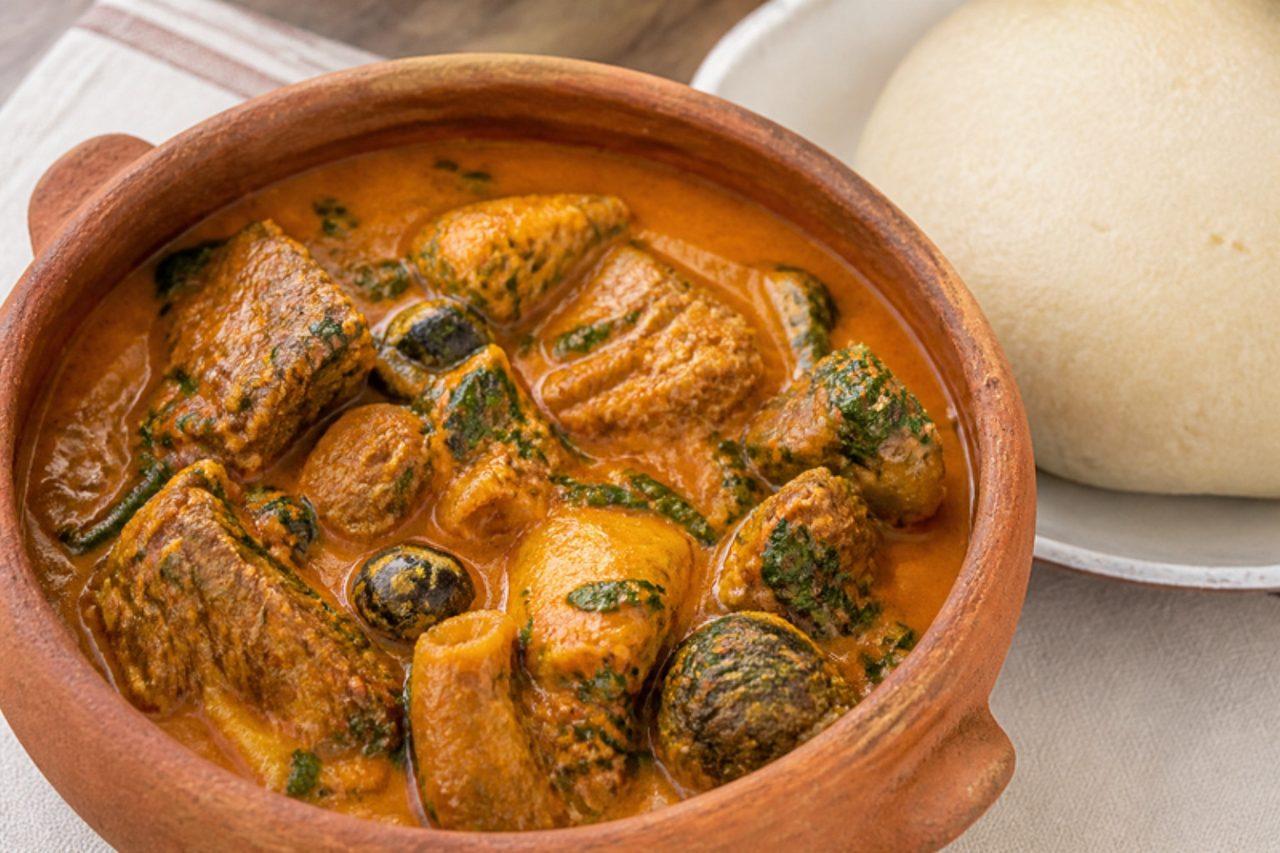
From Abak and the Ibibio heartland of Akwa Ibom comes this palm-nut soup with a perfume all its own: atama leaves, which smell somewhere between mint, anise and fresh hay. The palm cream is cooked with assorted meat, stockfish, dried fish and periwinkles until the oil glistens on top, then the atama goes in near the end. It is weekend and visitors' food, eaten with pounded yam, fufu or eba. Dried atama is sold in African shops; dried tarragon is the closest substitute. Periwinkles should be bought cleaned, and any with cracked shells thrown away. Avoid adding the atama leaves too early: long boiling dulls their perfume. Chef's tip: go easy on the atama, as too much turns the soup bitter, so start with the amount below and taste before adding more.

by KrazyBadal 0 views

Asun peppered goatPeppered grilled goat

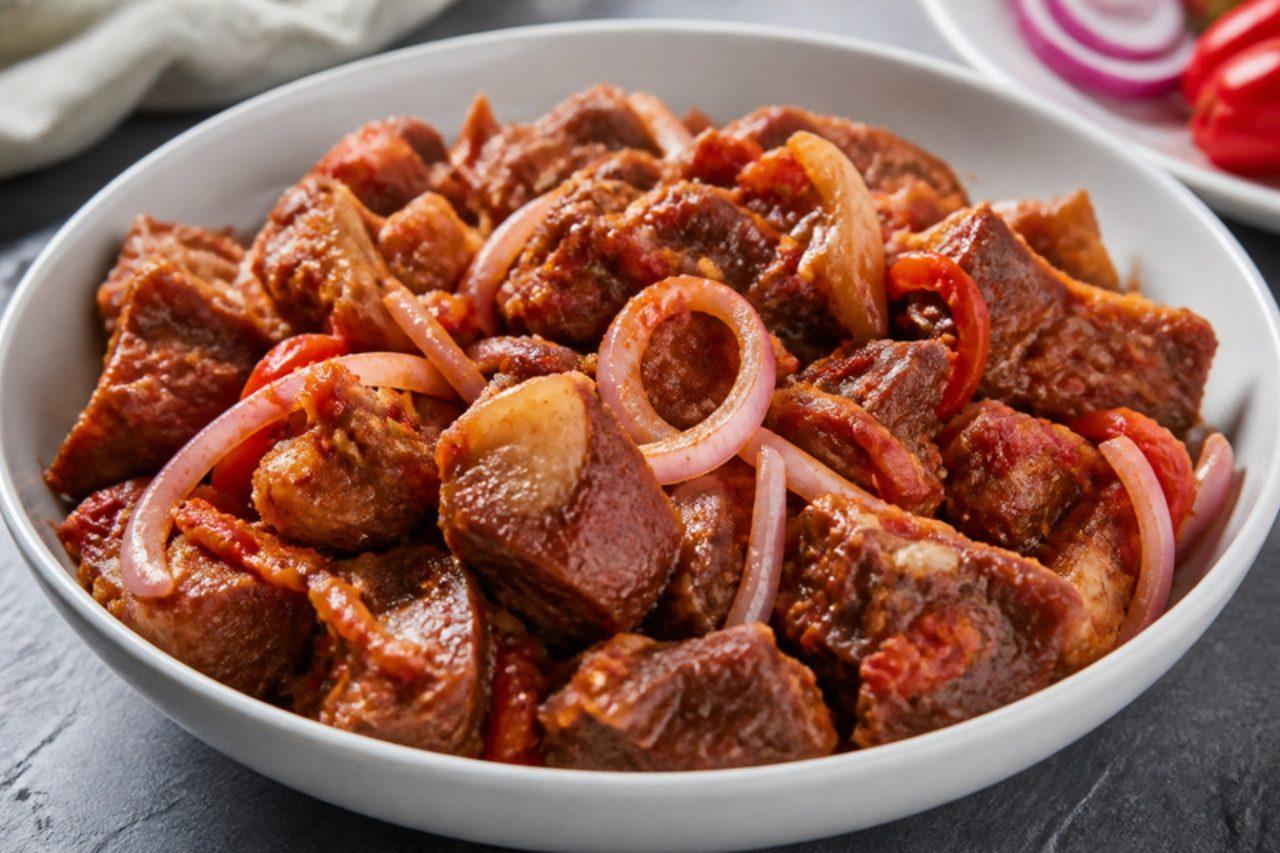
Asun started in Ekiti, where goat was roasted whole over an open fire, and it has become the star of Lagos owambe parties and Friday evenings at the bar. Skin-on goat is boiled with seasoning until just tender, grilled until smoky and charred at the edges, chopped into bite-size pieces, then tossed in a hot sauce of scotch bonnet, onion and a little oil. It is chewy in a good way, smoky and very spicy, eaten on its own, with jollof rice or with cold drinks. Cook the goat until tender and no pink remains. Chef's tip: dry the boiled goat well before grilling; wet meat steams and never takes on the charred, smoky flavour that makes asun.

by KrazyBadal 0 views

Asopao de polloSoupy chicken and rice

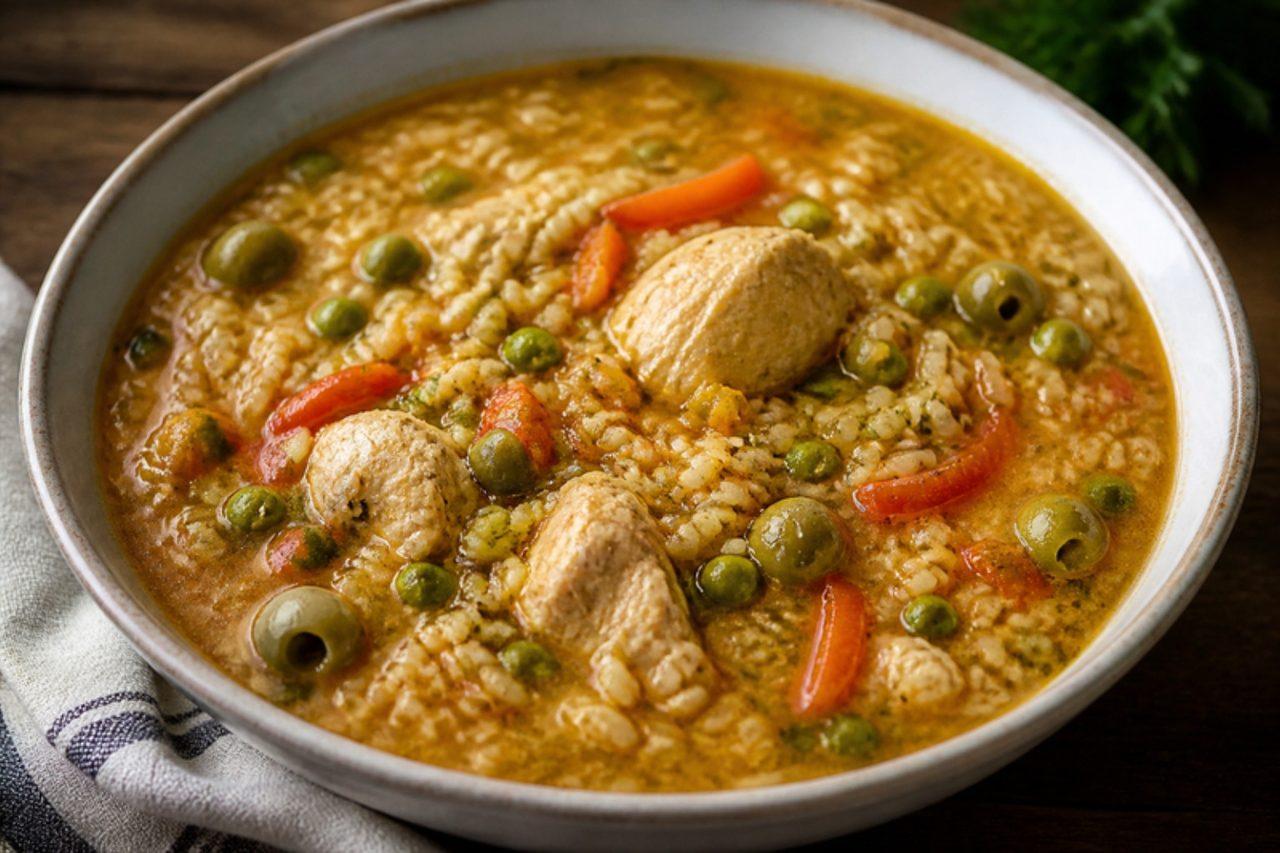
Somewhere between a soup and a risotto, asopao is the pot Puerto Rican mothers put on for a rainy Sunday, a cold, or a hangover after a long party night, and it is spooned straight from deep bowls with tostones on the side. Bone-in chicken is seasoned with garlic, oregano and lime, simmered in a sofrito broth, then rice goes in until the whole pot turns thick and brothy, finished with olives, capers, peas and strips of roasted pepper. The common mistake is making it ahead: the rice keeps drinking the broth and turns stodgy, so cook it just before eating, or keep extra stock to loosen leftovers. Chef's tip: take the pot off the heat while the rice is still a touch firm; it carries on cooking in the bowl.

by KrazyBadal 0 views

AmiwoRed tomato cornmeal

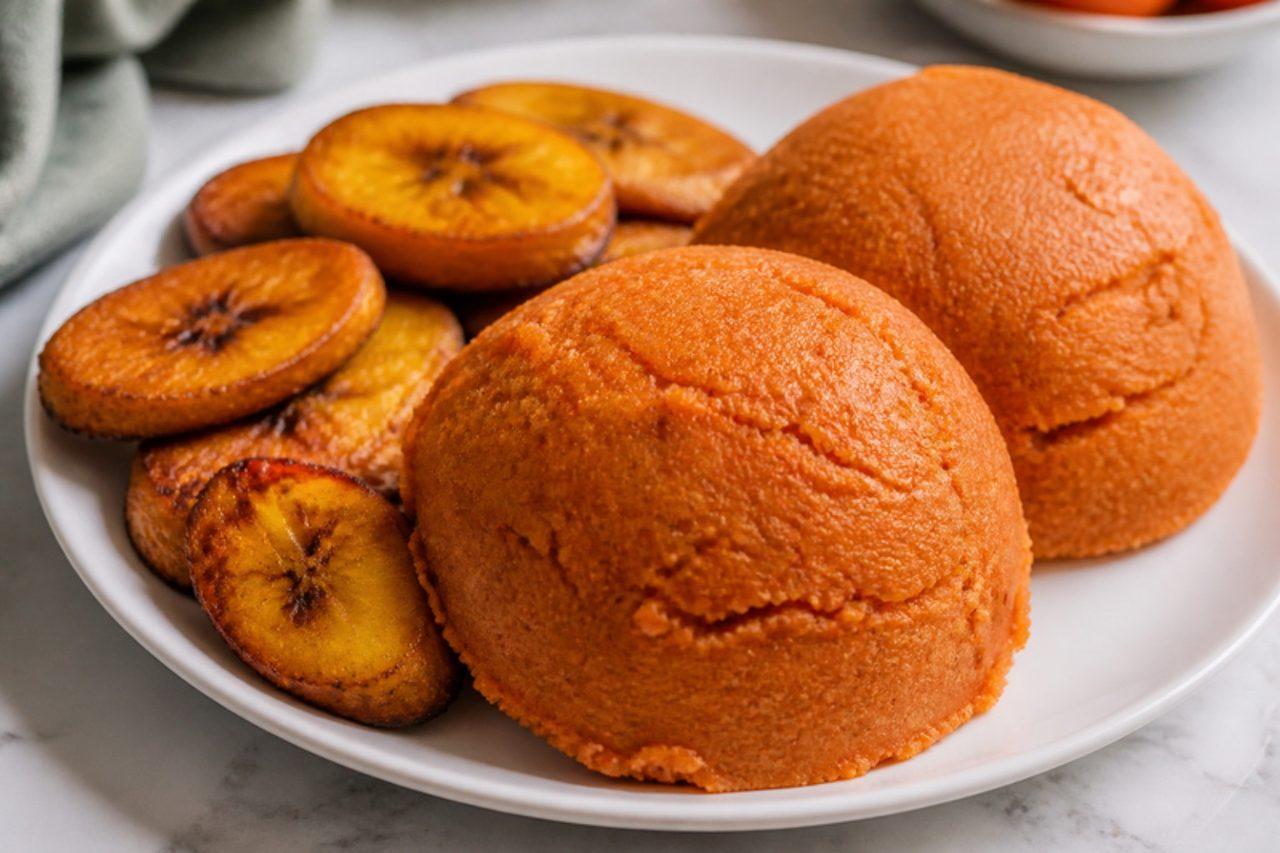
Fon cooks in southern Benin make amiwo for weddings, christenings and big Sunday tables, and you will find it at celebrations across the border in Lomé too. Maize meal is cooked straight into a well-fried tomato, onion and pepper base until it becomes a thick, brick-red paste that is savoury, slightly sweet and full of tomato. Most often it arrives with fried chicken; this meat-free version uses vegetable stock and comes with fried ripe plantain and an extra spoonful of tomato sauce. Chef's tip: hold back a ladle of the tomato base before adding the cornmeal and spoon it over each portion to serve.

by KrazyBadal 0 views

Aseedat bobarPumpkin pudding with ghee

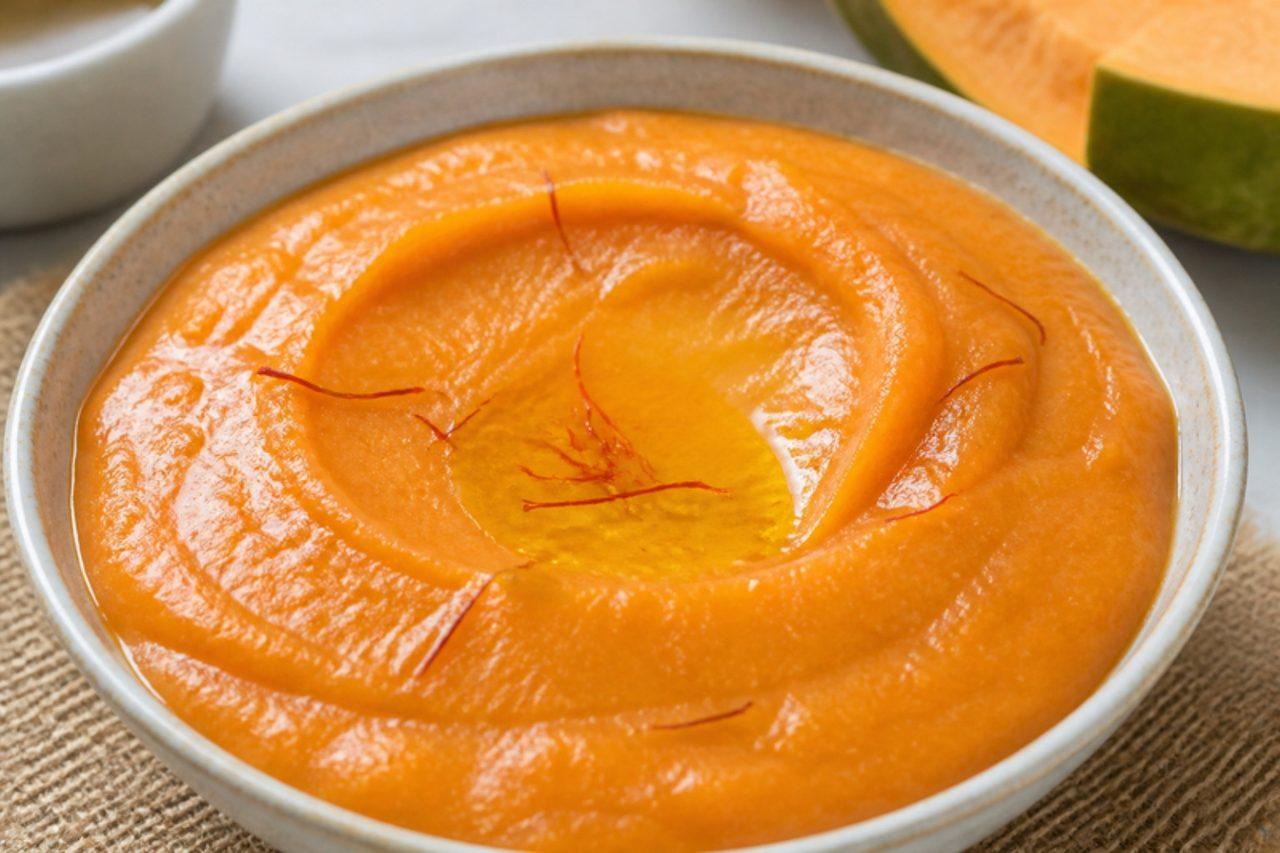
In Doha and Kuwait City, aseedat bobar arrives on winter evenings and at Ramadan iftar in a shallow dish, smooth and orange, with a little pool of melted ghee in the centre. Bobar is the Gulf word for red pumpkin, cooked down and thickened with toasted flour, sugar and cardamom into a soft, spoonable sweet that tastes a bit like a spiced pumpkin pie filling. Scoop it warm with a spoon or with pieces of bread, alongside Arabic coffee. Stopping the stirring too soon is the usual mistake: the pudding must cook until it pulls away from the sides, or it tastes of raw flour. Chef's tip: toast the flour in a dry pan until it smells like biscuits before it goes in; that nutty note is what makes it.

by KrazyBadal 0 views

Asa watFish in berbere stew

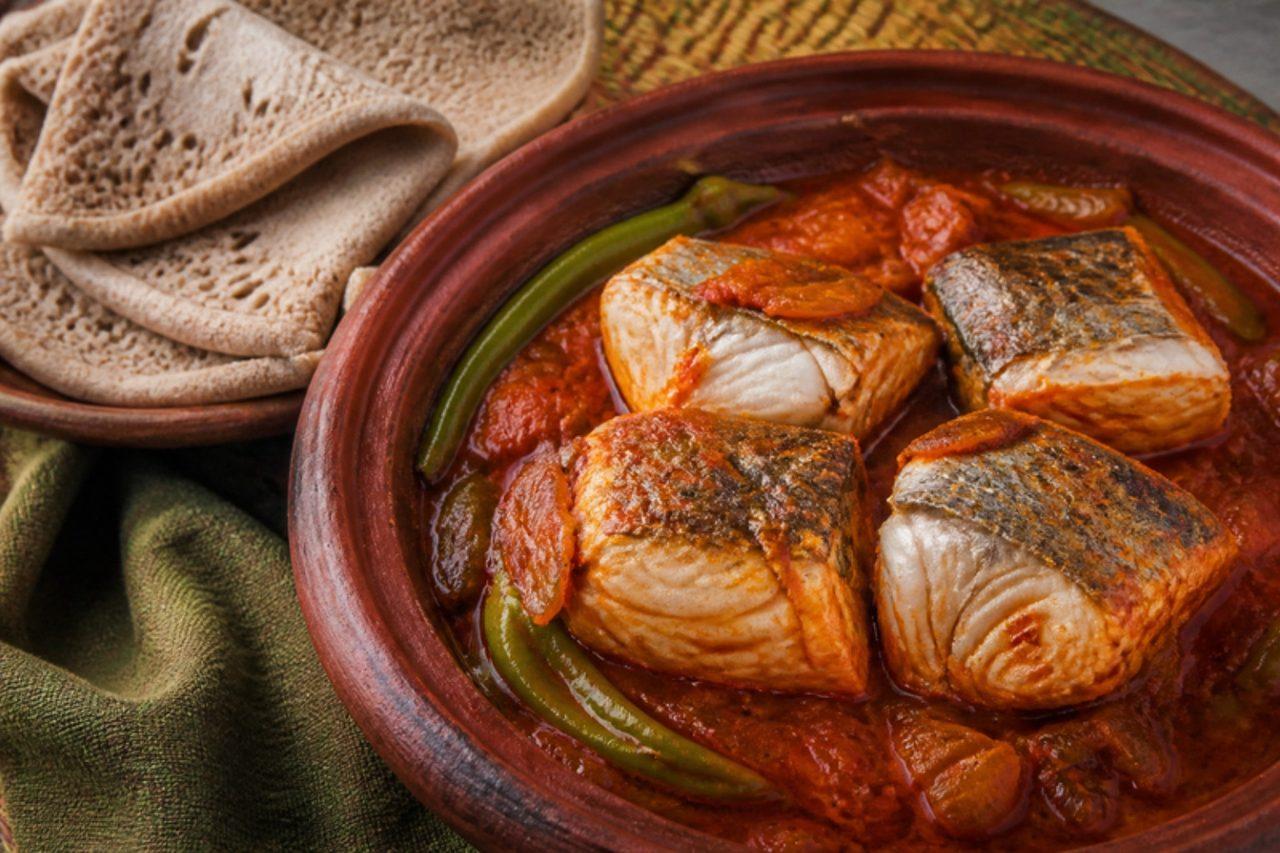
Around Lake Tana in Bahir Dar and on the shores of Lake Hawassa, fresh tilapia, Nile perch and catfish are cheap and plentiful, so fish goes into the same deep red berbere sauce that elsewhere would hold beef or chicken. Asa wat has the familiar long-cooked onion base and warming spice, but it is lighter than a meat wat, with tender, sweet chunks of fish soaking up the sauce. It is eaten with injera, often alongside a lentil or greens dish, and is a popular choice on fasting days for those who eat fish. Stirring once the fish is in is the classic mistake; it breaks into shreds, so shake the pan instead. Chef's tip: add the fish only once the sauce is fully cooked and thick, then give it no more than 10 minutes.

by KrazyBadal 0 views

Asa tibsFried tilapia pieces

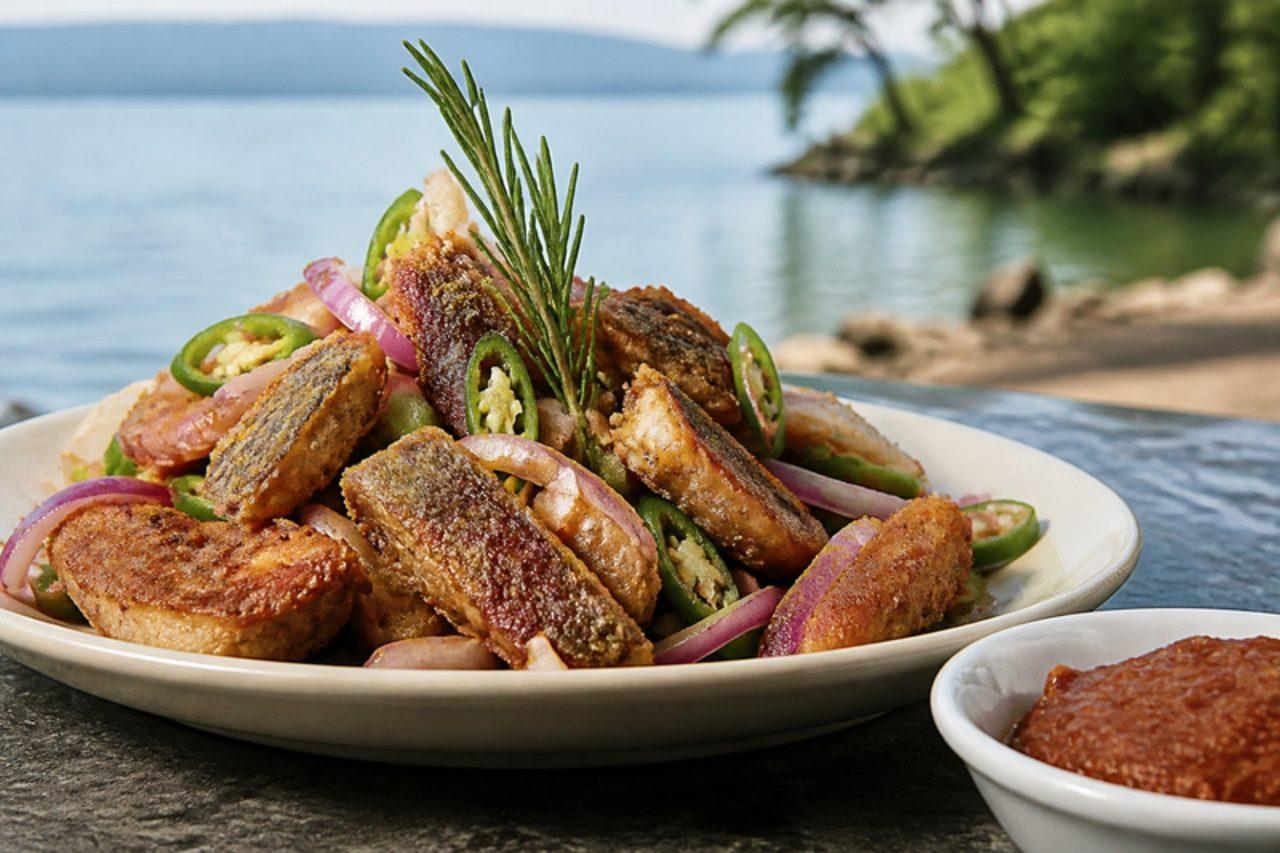
Down by the fish market on the shore of Lake Hawassa, cooks fry tilapia straight from the boats and serve it with injera, bread and a fiery dip, and asa tibs is the version you can easily make at home. Bite-sized pieces of fillet are dusted, fried until crisp and golden, then tossed briefly with soft onion, green chilli and a spoon of awaze, so the fish is crunchy outside, flaky and sweet inside, and coated in a spicy glaze. It is a favourite on fasting days for people who eat fish, and quick enough for a weeknight. Chef's tip: leave each piece undisturbed until it releases from the pan by itself; moving fish too early is the common mistake, and it tears the coating and breaks the flesh.

by KrazyBadal 0 views

Aruban pan batiSweet cornmeal pancakes

Aruban families put a stack of pan bati on the table with almost every bowl of soup or stew, from sopi di pisca to kabritu stoba: thick, slightly sweet pancakes of cornmeal and flour, cooked on a dry griddle and torn to mop up the broth. They are soft, a little grainy and golden at the edges. The mistake is cooking them too fast, so they burn outside and stay raw in the middle. Chef's tip: let the batter rest for 10 minutes so the cornmeal softens and the pancakes come out tender.

by KrazyBadal 0 views

Beet kvass

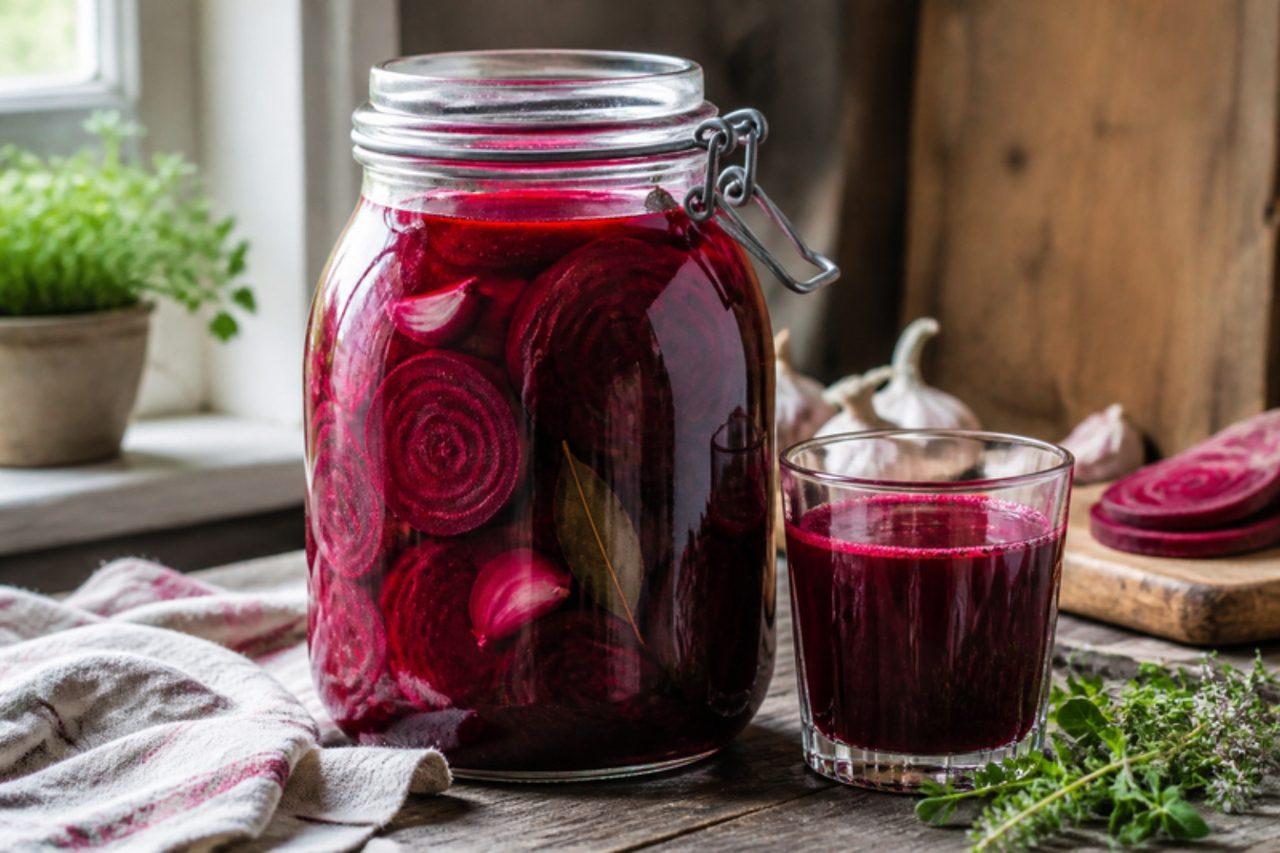
Before lemons and vinegar were easy to buy, Ukrainian cooks soured their borscht with beet kvass, a ruby-red brine made by leaving sliced raw beetroot in salted water for a few days. It is lightly fermented, so it contains no more than a negligible trace of alcohol, and it tastes earthy, salty and pleasantly sharp. In Poltava and Chernihiv villages a jar always stood by the stove; a splash went into the soup pot and a small glass was drunk in the morning as a tonic. Some families add a crust of rye bread to speed things up, which makes it no longer gluten-free. The mistake most people make is leaving the beetroot floating: anything above the brine can grow mould, so keep it weighed down. Discard any batch with fuzzy or coloured mould, a slimy texture or a rotten smell. Chef's tip: a few slices left in the jar from the previous batch start the next one in half the time.

by KrazyBadal 0 views

Arroz mamposteaoFried rice and stewed beans

Fondas around San Juan put arroz mamposteao on the menu as a way to use yesterday's white rice and the last ladle of habichuelas, and at home it is the Sunday-night fix when the pots from lunch come out of the fridge. The rice is fried in olive oil with a fresh sofrito, then the beans and their sauce go in until every grain is stained pink and the edges catch and crisp. Many cooks add ham or bacon; this version stays meat-free and gets its depth from the sofrito and a little smoked paprika. The common mistake is using freshly cooked rice, which turns to paste; cold, day-old rice keeps separate grains. Chef's tip: leave the pan alone for the last few minutes so a crunchy layer forms on the bottom, then fold it through.

by KrazyBadal 0 views

Arroz con maízRice with sweetcorn

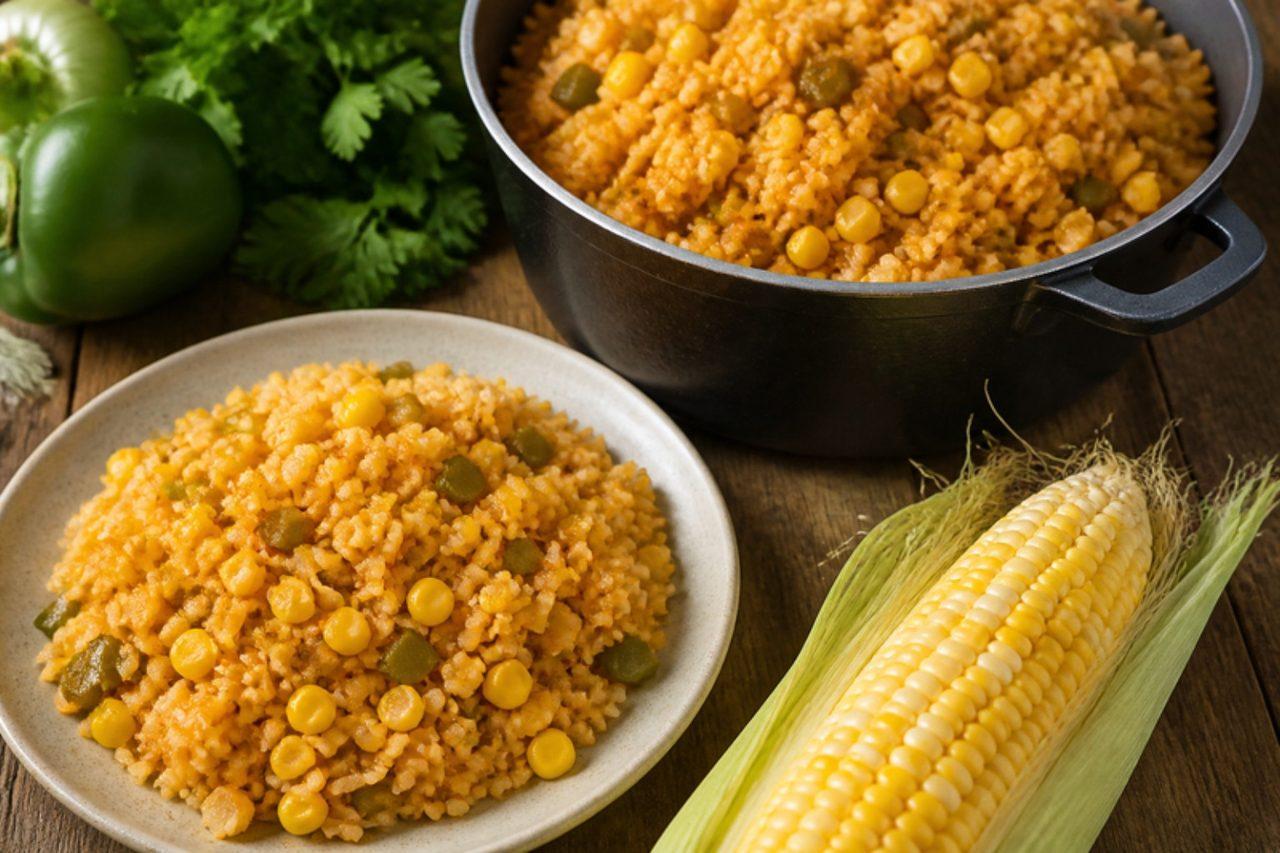
In central Cuba, when the fields are full of young corn, families cut the kernels straight off the cob into the rice pot with a sofrito of onion, pepper, garlic and annatto, cooking everything together until golden and sticky at the base. Many farm cooks add salt pork; this vegan version leans on cumin and a little smoked paprika. A common mistake is using too much water, as fresh corn releases its own milk, so keep to the amounts given. Serve with black beans or a tomato and avocado salad. Chef's tip: scrape the cobs with the back of the knife after cutting off the kernels and add that milky pulp; it gives the rice a creamy sweetness.

by KrazyBadal 0 views

Batticaloa fish curry

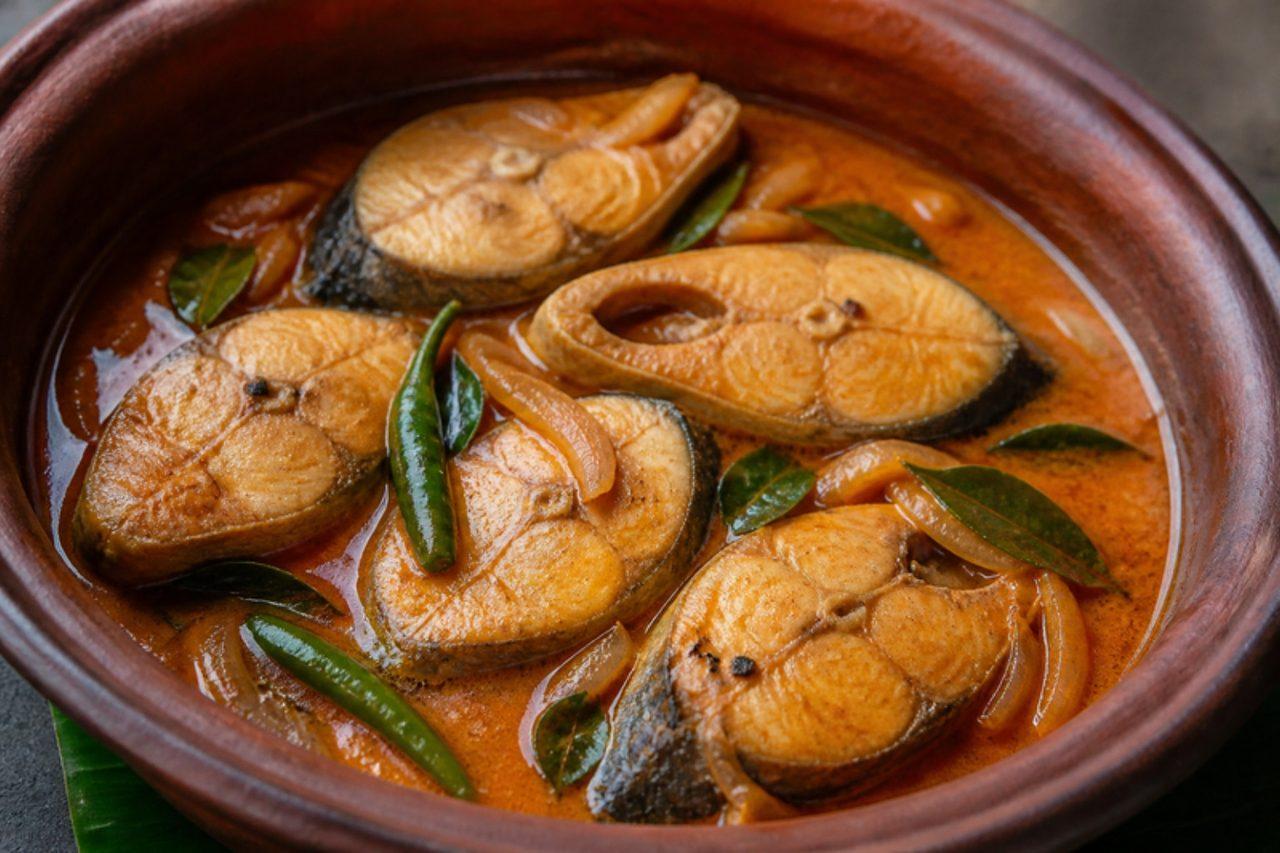
Batticaloa sits between a long lagoon and the sea, and its Tamil and Muslim cooks make a fish curry that tastes of both: sour with tamarind, round and mellow with coconut milk, and fragrant with fennel, fenugreek and curry leaves. Seer fish, called thora or vanjiram, is the favourite because its firm steaks hold together in the gravy, though any meaty sea fish works. The curry is a weekday staple, cooked in the morning and eaten at lunch with rice, a lentil dhal and a fried vegetable, and it is even better a few hours later once the fish has absorbed the sauce. Most disappointing versions come from stirring the pot after the fish goes in, which breaks the steaks into flakes. Chef's tip: swirl the pan instead of stirring, and spoon the sauce over the fish so it cooks evenly without being moved.

by KrazyBadal 0 views

Sri Lankan vegetable roti

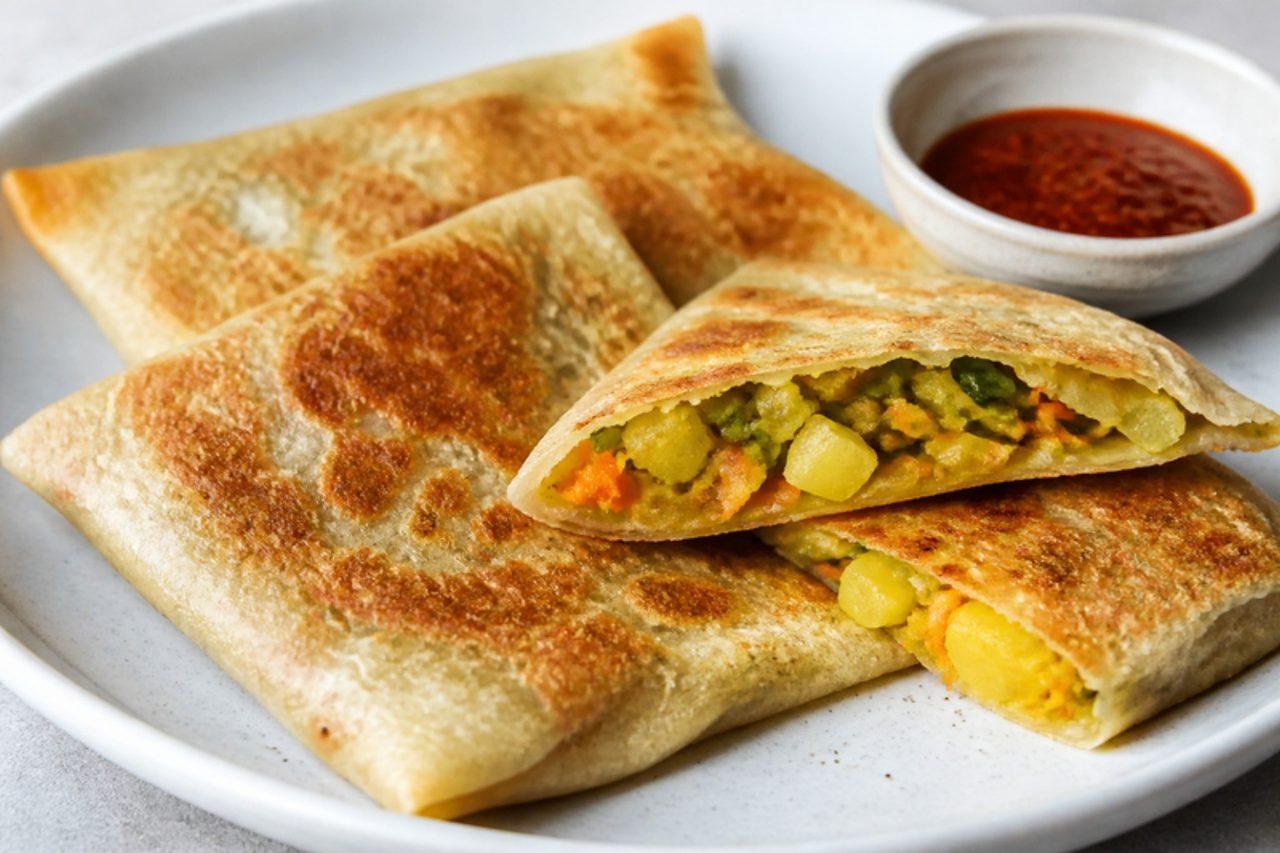
The glass cabinet of every Colombo bakery and railway canteen holds a pile of short eats at teatime, and the neat, golden triangles of vegetable roti are usually the first to go. They are made from godamba dough, oiled and rested until it can be stretched almost transparent, then wrapped around a peppery potato filling with leek, carrot, curry leaves and chilli, and cooked on a hot griddle until crisp and blistered. People eat them hot from the paper bag with a bottle of chilli sauce or a cup of milk tea. Fish and egg roti are just as common; this one is fully vegan. Most first attempts fail because the dough is not rested long enough and springs back when stretched; give it at least two hours under oil, or overnight in the fridge. Chef's tip: make the filling fairly dry and cool it completely before folding, otherwise the steam tears the delicate dough.

by KrazyBadal 0 views

Arroz con dulceCoconut rice pudding

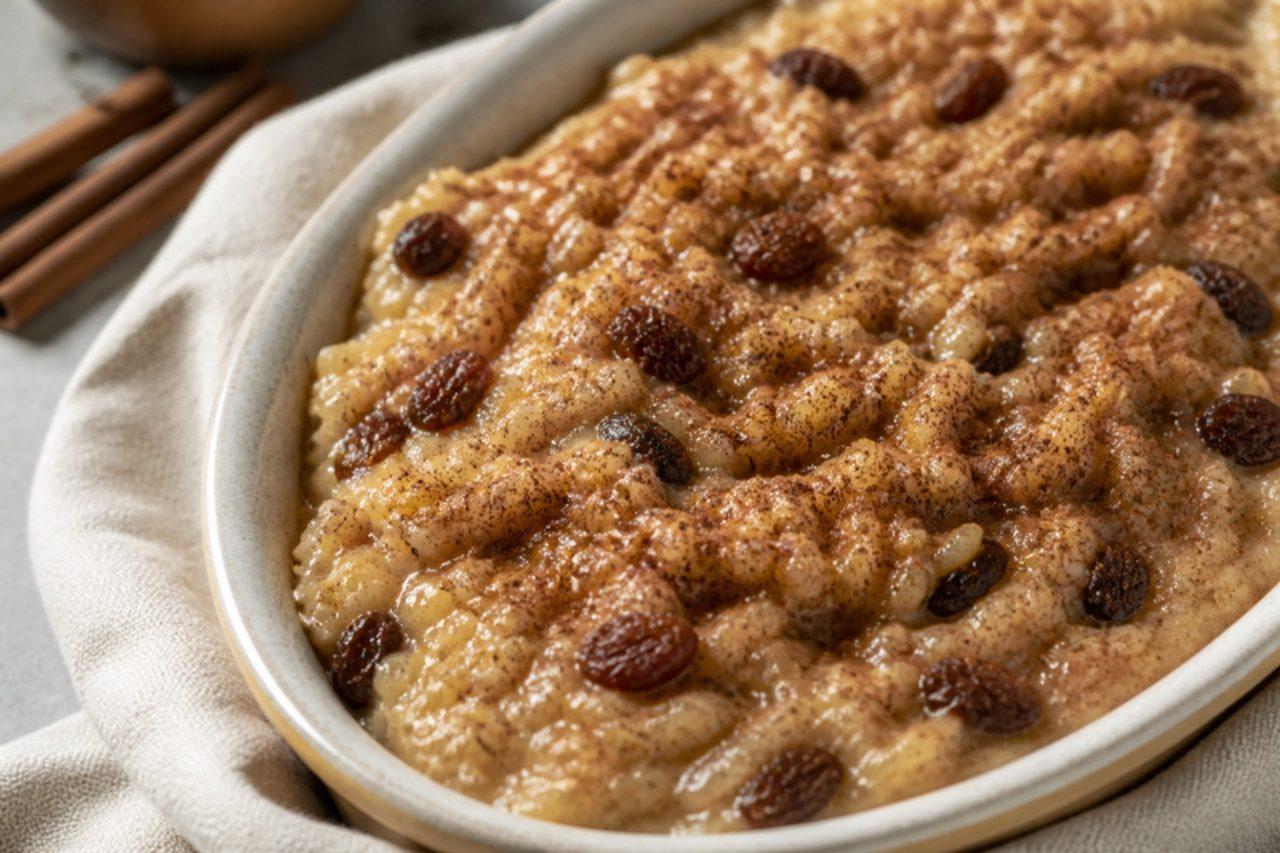
From the start of December to the Three Kings in January, trays of arroz con dulce cool on Puerto Rican kitchen counters, sliced into squares and handed round at parrandas when carollers arrive at the door late at night. Unlike a milky rice pudding, it is cooked in a water steeped with fresh ginger, cinnamon, cloves and star anise, then finished with coconut milk and raisins, so it is fragrant, firm enough to cut and dairy free. The common mistake is adding the sugar too early, which keeps the rice grains hard; sweeten only once they are soft. Chef's tip: soak the rice for an hour first, and it cooks evenly and absorbs the spiced coconut far better.

by KrazyBadal 0 views

Arroz a la cubanaRice with tomato and egg

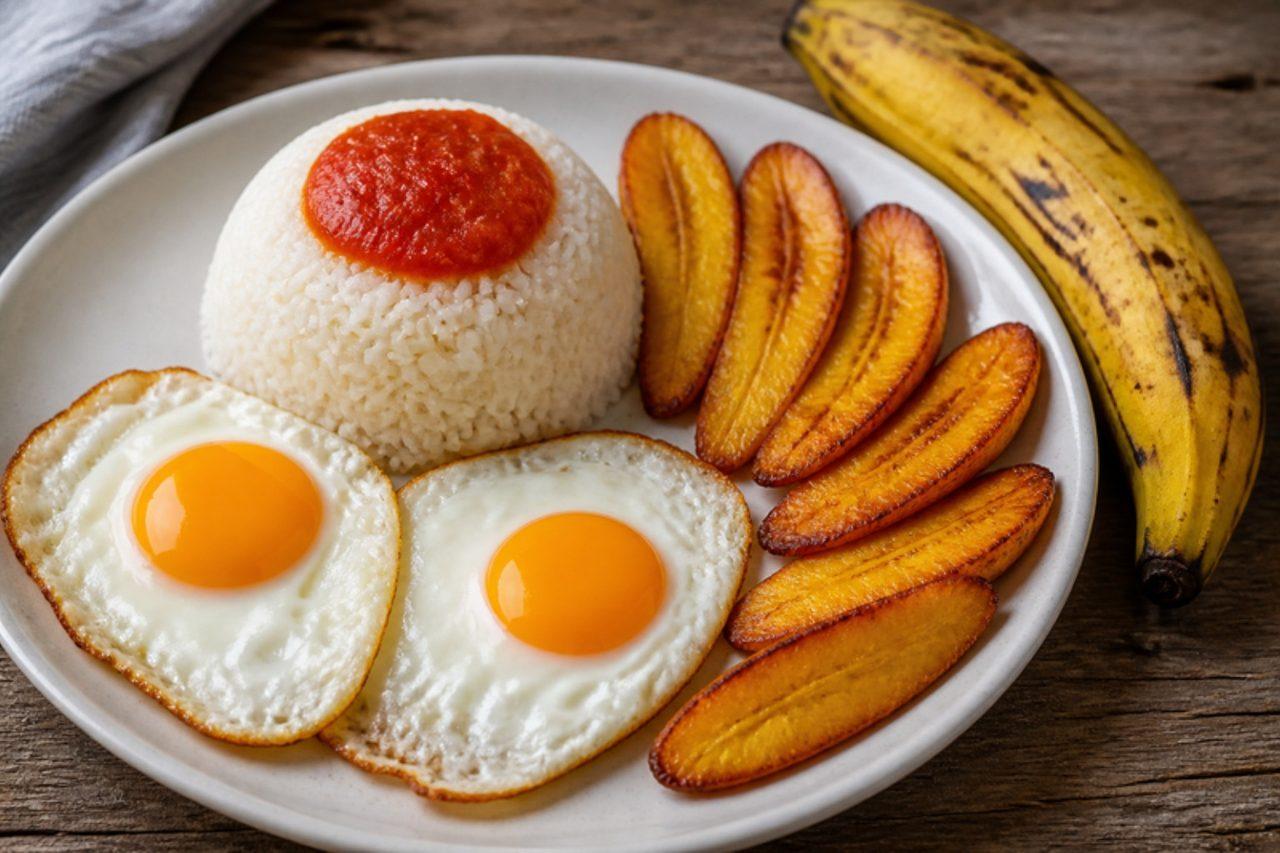
Havana cafeterías put this plate on the lunch board when cooks want something cheap, fast and filling: a mound of plain white rice, a ladle of garlicky tomato sauce, a fried egg with a runny yolk and slices of caramelised ripe plantain. Breaking the yolk into the rice and sauce is the whole point, so the eggs should be fried at the last minute. The usual mistake is using plantains that are still yellow-green; they need black-spotted skins to turn soft and sweet in the pan. Serve with a simple avocado salad. Chef's tip: baste the egg whites with hot oil from the pan so they set with lacy edges while the yolks stay liquid.

by KrazyBadal 0 views

ArishtaButtered egg noodles

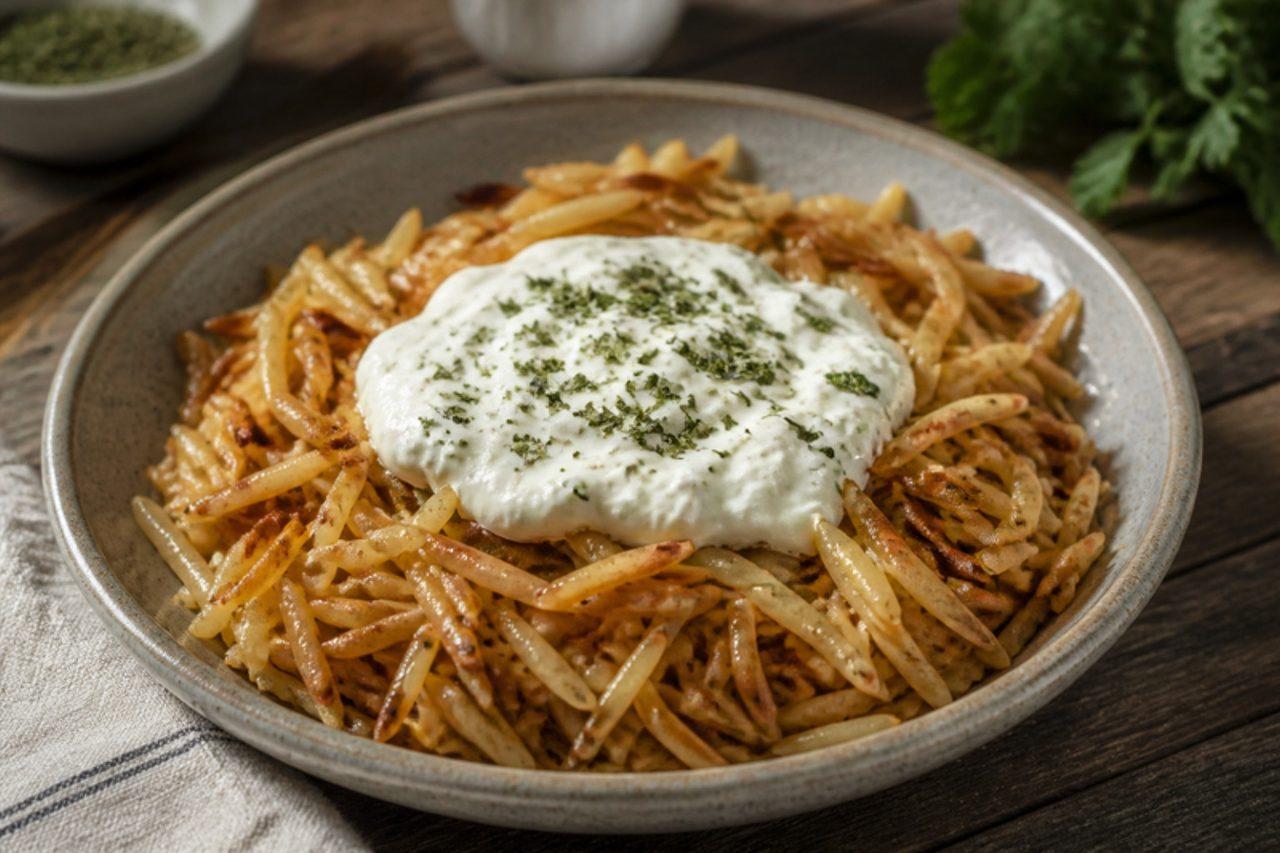
In Gyumri and the villages of Shirak, grandmothers still roll arishta by hand, cut it into thin strips and dry it in the sun to store for winter. To serve, the noodles are first toasted in butter until they turn golden and nutty, then boiled until tender and topped with garlicky matsun yogurt. It is simple, filling food for cold days on the Shirak plateau. A common mistake is skipping the toasting step, which gives soft, plain noodles without the characteristic roasted flavour. Chef's tip: dry the cut noodles for at least an hour before toasting, so they brown evenly instead of clumping.

by KrazyBadal 0 views

ArikanchanTaro leaf rolls in mustard gravy

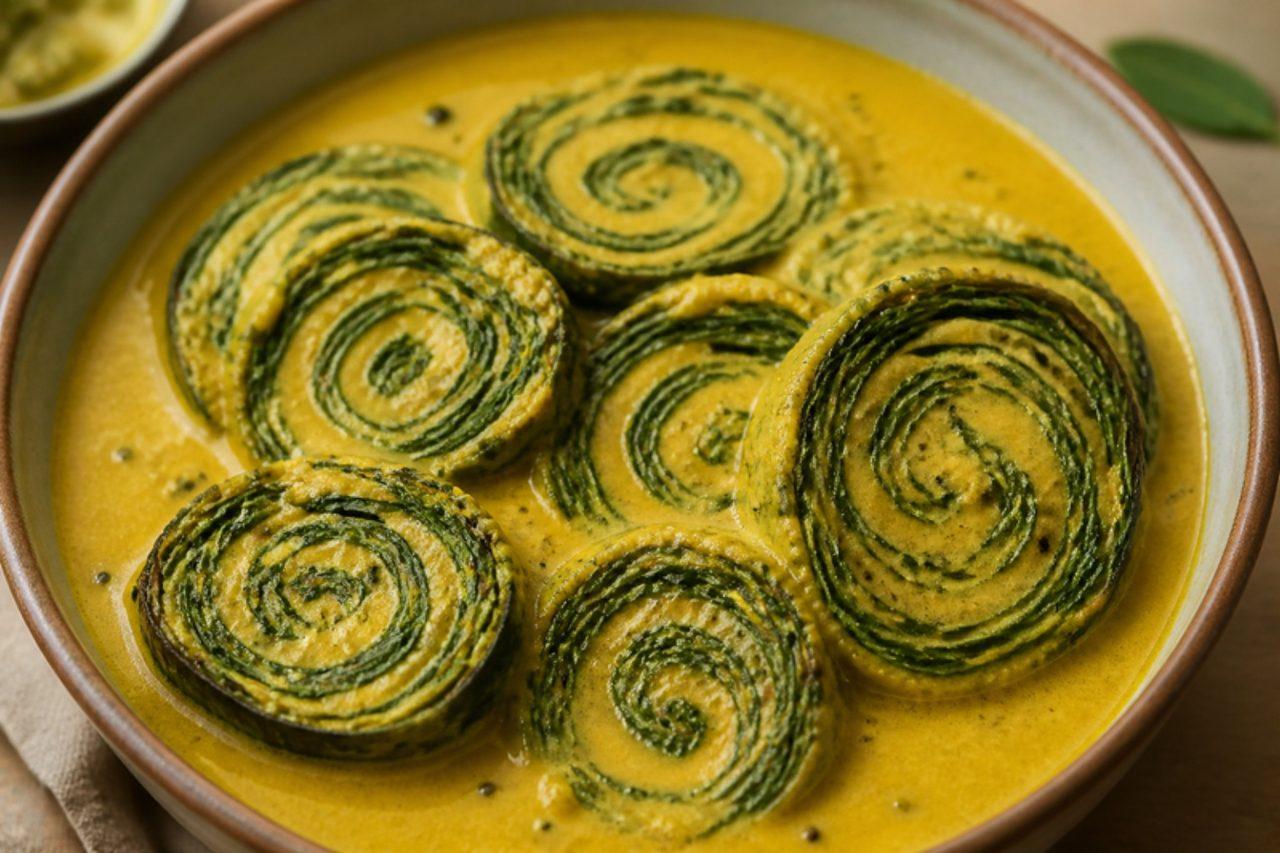
Arikanchan is a monsoon speciality of Maithil kitchens in Janakpur and the eastern Terai, cooked when the taro plants in the courtyard put out huge, tender leaves. A spiced chickpea-flour paste is spread over the leaves, which are rolled up tight like a Swiss roll and steamed, then the rolls are sliced into spirals, fried and simmered in a punchy gravy of ground mustard seed, garlic, chilli and tomato cooked in mustard oil. The result is soft and layered, with a gentle sourness and the nose-tingling heat of fresh mustard, eaten with rice and a dal. The biggest risk is undercooking the taro leaves, which can leave an itchy, scratchy feeling in the throat. Chef's tip: use only young leaves, strip the thick ribs, and always include the tamarind in the paste, because the sourness neutralises the irritant in the leaves.

by KrazyBadal 0 views

Arepa dominicanaSweet cornmeal coconut cake

Not the stuffed corn patty of Venezuela: in the Dominican Republic arepa means a dense, sweet cornmeal cake that grandmothers once baked in a covered pot with hot coals on the lid. The cornmeal is first cooked with coconut milk, milk, butter, sugar and cinnamon into a thick porridge, then baked until it sets with a dark, caramelised crust and a soft, pudding-like centre. It is eaten at merienda with coffee or a glass of cold milk. The common mistake is not cooking the cornmeal long enough on the hob, which leaves the cake gritty. Chef's tip: let the arepa cool completely before slicing; warm, it is too soft to cut cleanly.

by KrazyBadal 0 views

Arepa di pampunaCinnamon pumpkin pancakes

Curaçao and Aruba use the word arepa differently from their South American neighbours: arepa di pampuna are not corn arepas but small, sweet pumpkin pancakes, fried in a little oil and eaten warm for breakfast, or alongside a bowl of soup or stoba at lunch. The mashed pumpkin makes them tender and bright orange, with cinnamon and a little sugar. The mistake is too much flour, which makes them dense; the batter should be thick but soft. Chef's tip: cook the pumpkin the day before and drain it overnight in the fridge for the lightest pancakes.

by KrazyBadal 0 views

AreekaWholemeal bread with ghee and honey

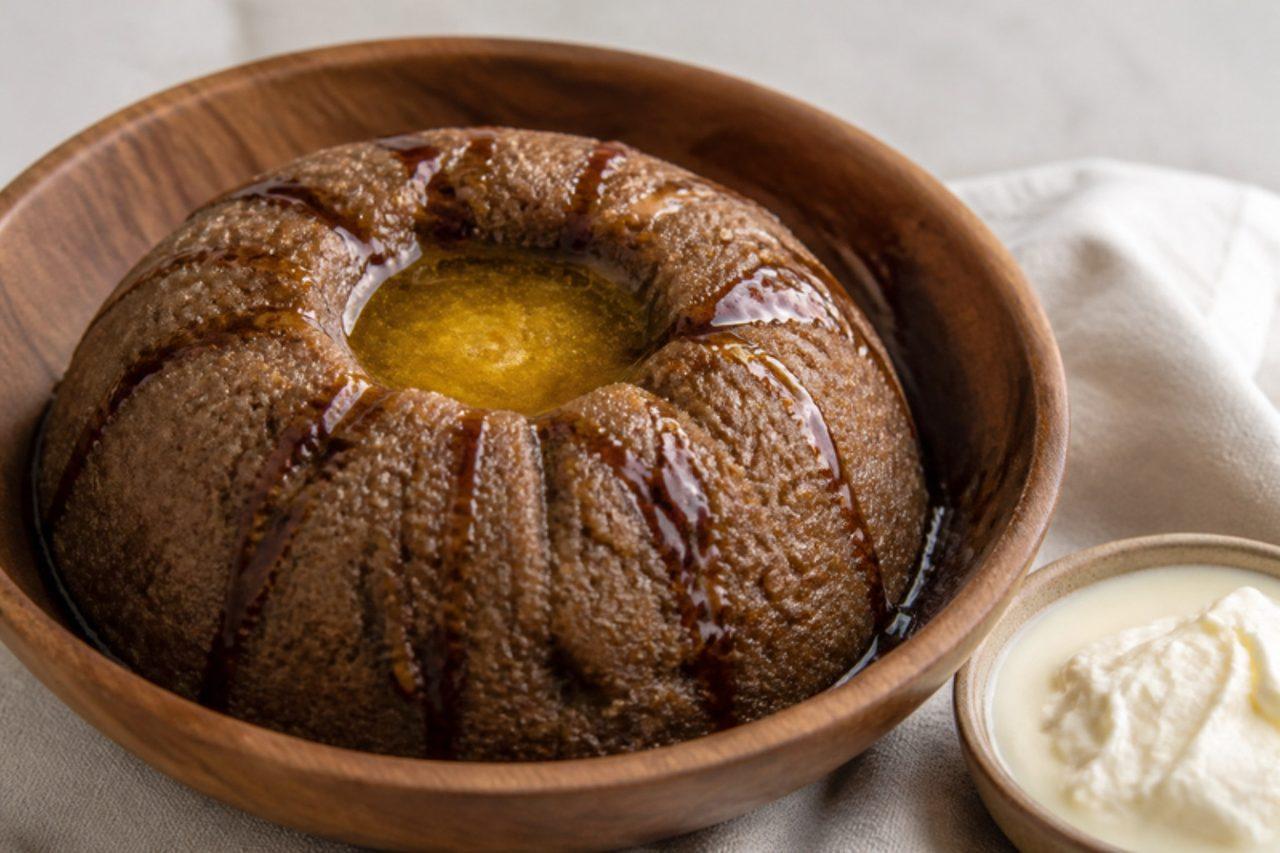
In the green mountains of Asir in south-west Saudi Arabia, areeka is the breakfast for guests, weddings and cold mornings in Abha: thick wholemeal breads are torn while still hot and kneaded with ghee into a smooth, soft dome, then hollowed out and filled with a pool of warm ghee, mountain honey and date syrup. Everyone eats from the same plate, pinching off pieces and dragging them through the sweet centre. It is rich, warm and comforting, with a nutty wheat flavour. The usual mistake is letting the bread cool before kneading; it must be worked hot or it will not bind. Serve with cardamom coffee or milky tea, and a spoonful of cream if you like. Chef's tip: wear clean rubber gloves so you can knead the bread while it is properly hot.

by KrazyBadal 0 views

Sri Lankan love cake

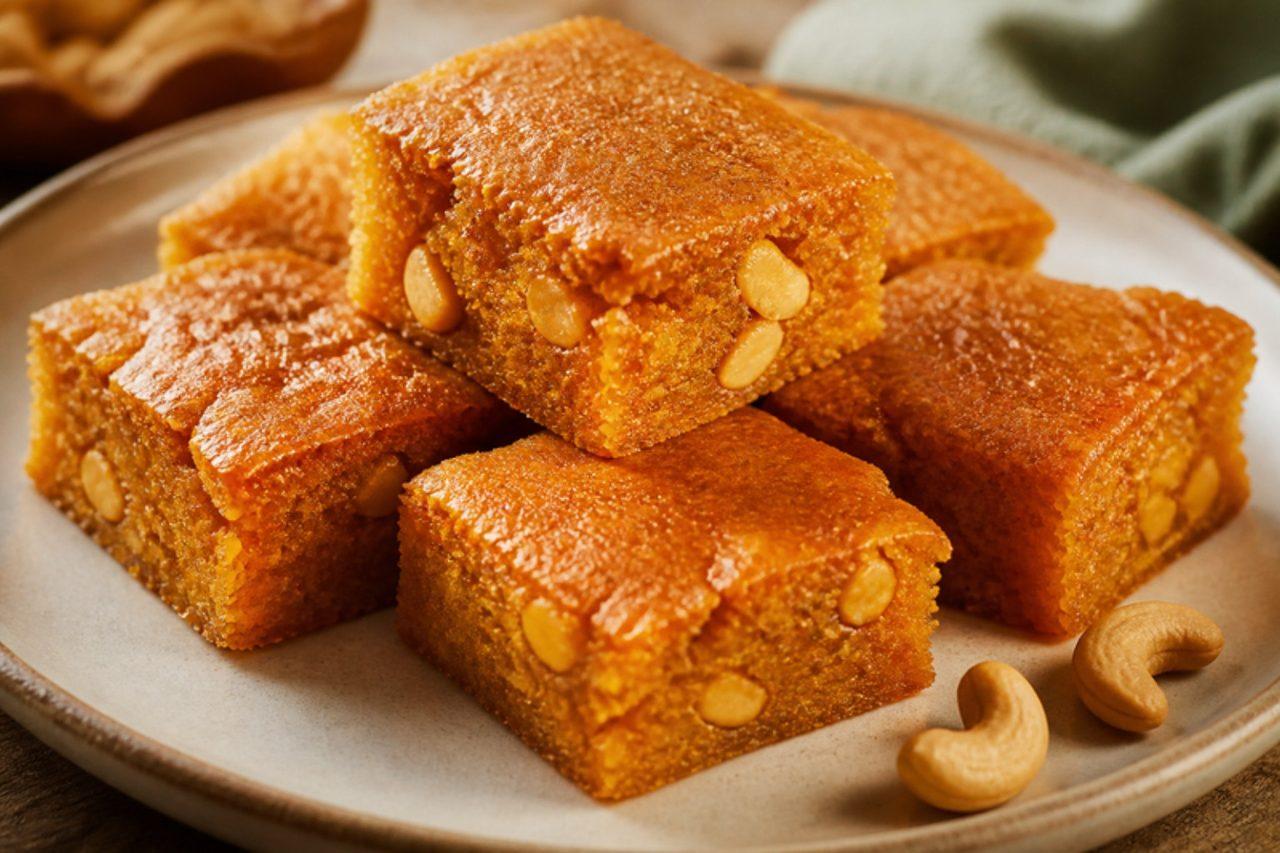
Love cake is the Burgher Christmas and birthday cake, a legacy of Portuguese rule shaped by Sri Lankan spice gardens, and Colombo families argue happily over whose grandmother's recipe is best. Roasted semolina, butter and a huge quantity of whisked egg yolks and sugar are folded with chopped cashews, pumpkin preserve, rosewater, cardamom, cinnamon and nutmeg, then baked slowly so the top forms a crisp, sugary crust while the inside stays moist, dense and almost chewy. It is cut into small squares because it is very rich, and served with tea or packed into little boxes for guests. A common mistake is baking until a skewer comes out completely clean, which leaves it dry; the centre should still be slightly sticky. Pumpkin preserve (puhul dosi) is sold in Sri Lankan shops; candied winter melon, sold as petha, is the closest substitute. Chef's tip: make it two days ahead, as the spices and rosewater deepen as the cake rests.

by KrazyBadal 0 views

KletskoppenLacy almond biscuits

Kletskoppen are the lacy, crackly biscuits of Bruges, sold in the old city's bakeries and served with coffee in the cafés around the Markt: brown sugar, butter and chopped almonds with very little flour (this version uses none), baked until they spread into thin, see-through, toffee-flavoured lace. A common mistake is putting them too close on the tray; they spread enormously and join up. Chef's tip: let them cool for a minute on the tray before lifting, and drape them over a rolling pin while still warm if you want curved tuiles.

by KrazyBadal 0 views

Showing 27 of 7,762 recipes

Show more recipes

Page 340 of 863