Skip to content
Pho bo
Featured recipe

Pho bo

Beef noodle soup

Before Hanoi's offices open, pavement pho stalls are already busy, with diners on low plastic stools bent over bowls of rice noodles in a clear, spiced beef broth. The northern style is restrained: brisket and thin slices of raw beef that cook in the bowl, spring onion and a little coriander, with lime and chilli on the side rather than a heap of herbs and sauces. The work is in the broth, simmered slowly from bones with blackened onion and ginger and a small bag of toasted spices. Make it on a weekend; it keeps for three days and the bowls then take ten minutes. Chef's tip: char the onion and ginger until they are properly black in patches, because that smoky sweetness is what makes the broth taste of pho rather than plain beef stock.

Read more 1 views

What to eat today?

Around the world

Today's trip: Paraguayan

A new country every day, from every cuisine on the site.

Paraguayan

Chipa

Cheese bread rings 50 minMore from Paraguayan (27) →

This week's collection

Kid-friendly dinners
537 recipes · a new collection every Monday

Latest recipes

Labrador tea

Labrador tea grows in the bogs and boreal forests right across northern Canada, and Cree, Dene and Inuit families have long dried its leathery, rust-backed leaves for a hot drink on the land and at home. It tastes resinous and piney, a bit like rosemary and eucalyptus, and is often sweetened with a little sugar. The leaves contain natural compounds that are harmful in large amounts, so brew it weak, drink a cup or two, and don't steep it for hours. It is not for pregnant or breastfeeding women. Only pick it if you know the plant well: the poisonous bog laurel grows alongside it; dried leaves from a trusted seller are safest. A common mistake is using a big handful of leaves; one tablespoon makes two cups. Chef's tip: steep below boiling and briefly; a long boil makes it bitter and stronger than you want.

by KrazyBadal 0 views

Three Sisters soup

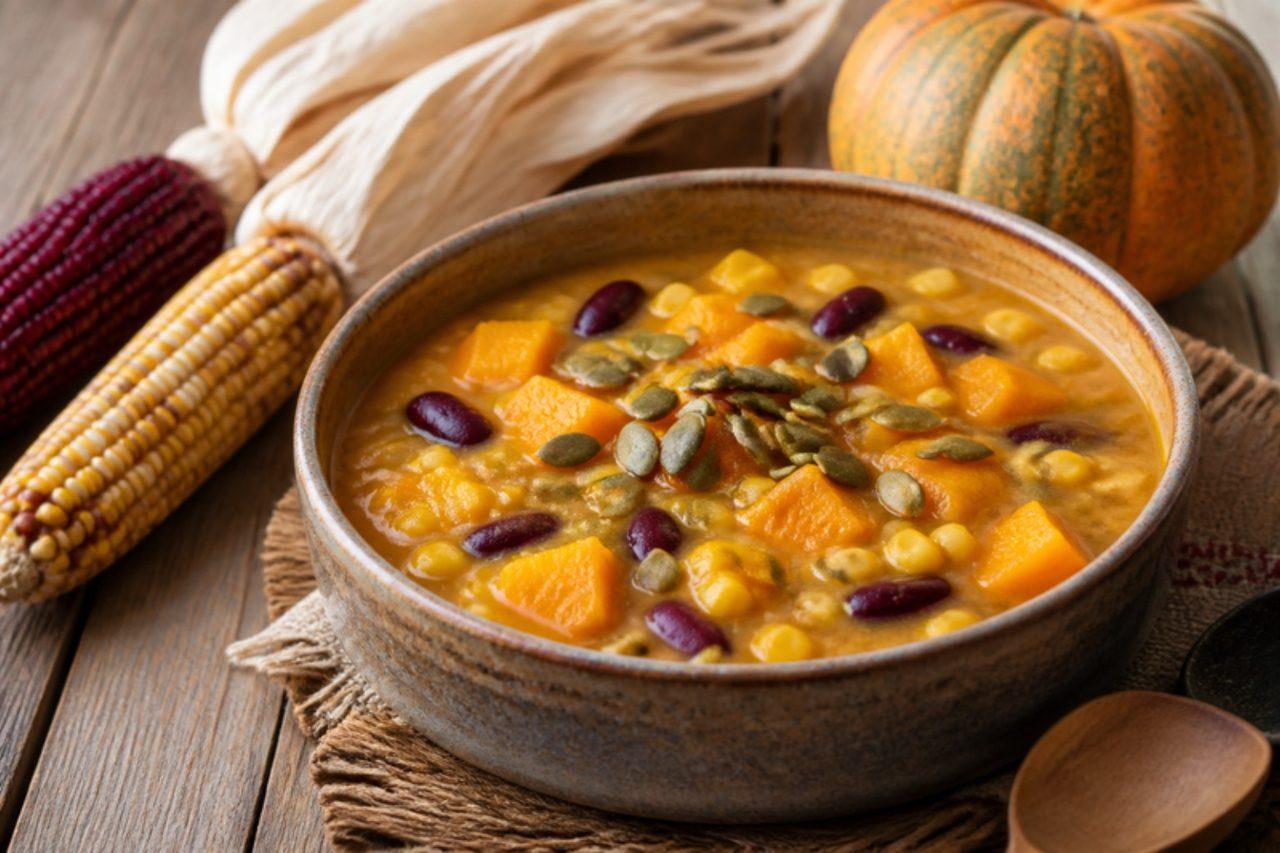
The Three Sisters, corn, beans and squash planted together in one mound, are the heart of Haudenosaunee farming in what is now southern Ontario and Quebec, and of many other Eastern Woodlands nations. Simmered together, they make a filling, golden autumn soup served at harvest gatherings and at home through the winter. This version uses dried beans and fresh squash for a thick, naturally sweet pot. A common mistake is adding the corn too early, which makes it tough; it goes in for the last 10 minutes. Chef's tip: roast half the squash first for a deeper, nuttier flavour.

by KrazyBadal 0 views

Honey dill sauce

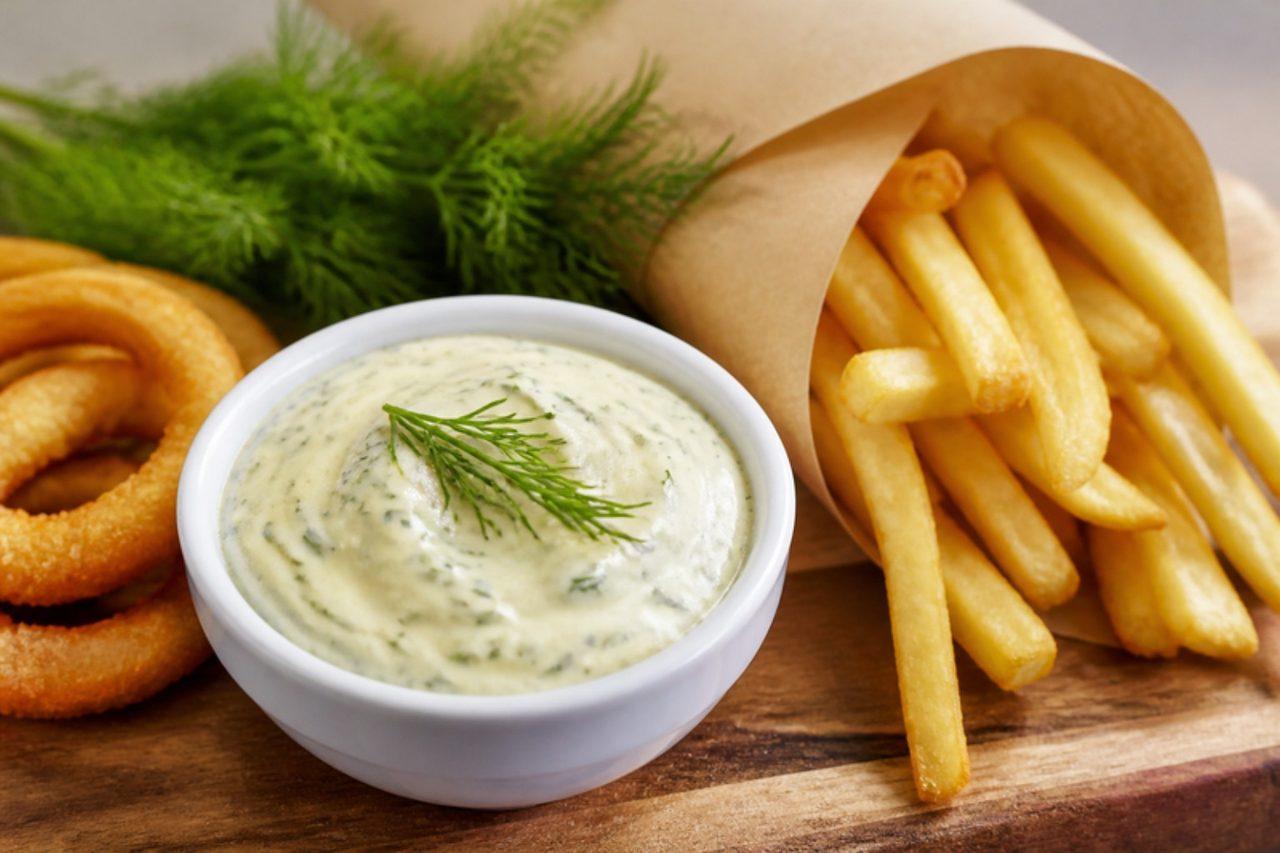
Ask for honey dill anywhere outside Manitoba and you'll get a blank look, but in Winnipeg every pub, burger stand and school canteen serves it with chicken fingers, fries and onion rings. It is simply mayonnaise sweetened with liquid honey and full of fresh dill, and it takes five minutes. It is also good on veggie burgers and baked potatoes. A common mistake is using thick set honey, which won't blend; warm it first. Chef's tip: make it an hour ahead so the dill flavours the whole sauce.

by KrazyBadal 0 views

Sour cream raisin pie

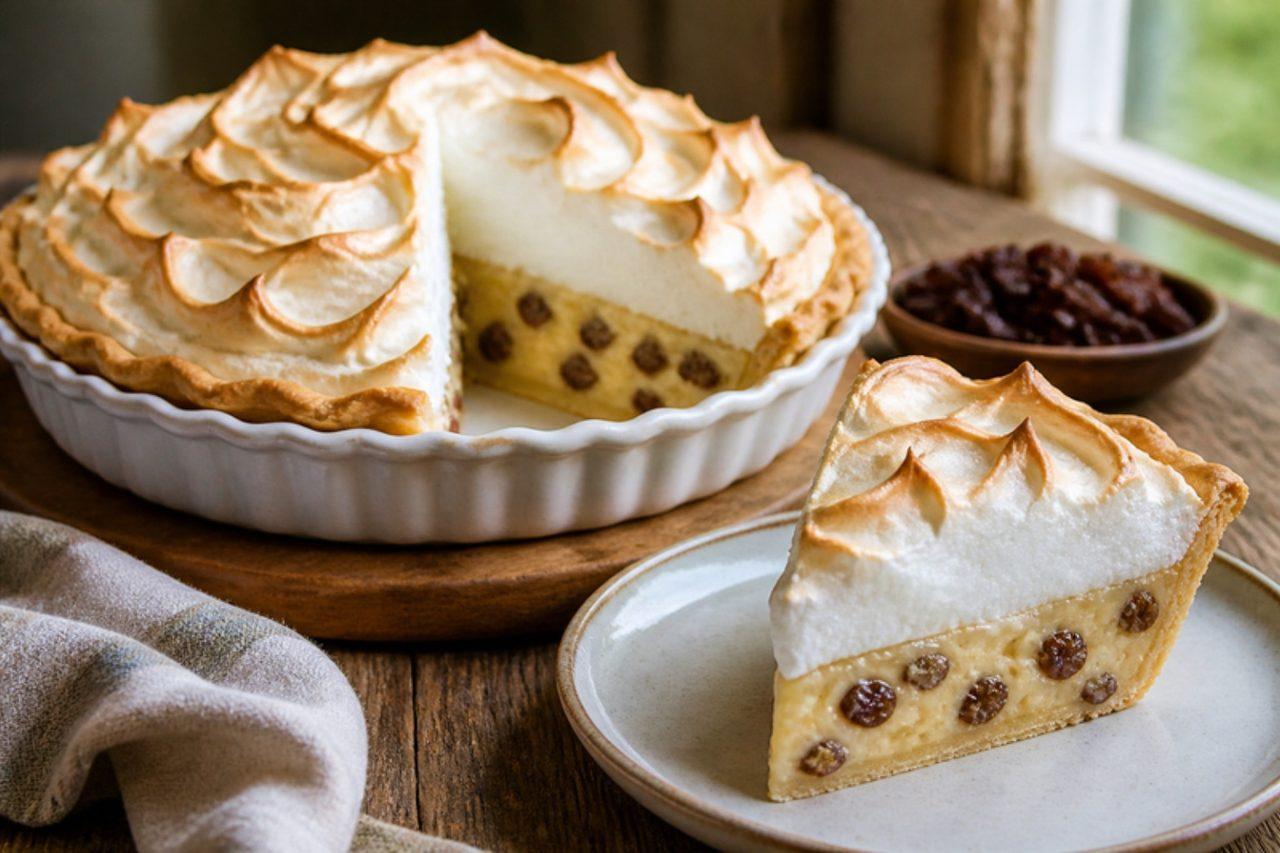
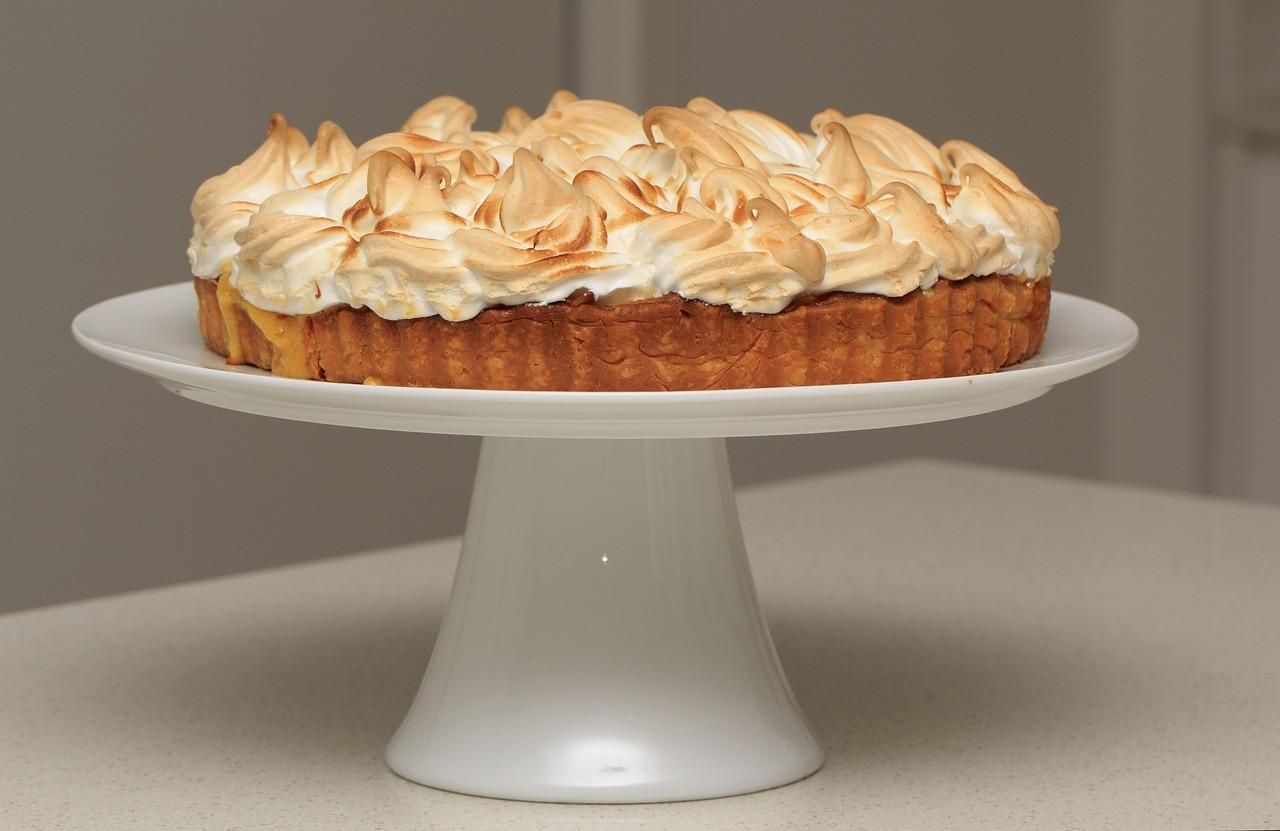
Sour cream raisin pie is a farm-kitchen dessert from the Old Order Mennonite communities of Waterloo County, Ontario, found at the St Jacobs market and at church suppers around Elmira. Plump raisins sit in a tangy sour-cream custard, warm with cinnamon and clove, under a tall cloud of meringue. It is made ahead and served cool, cut in generous wedges. A common mistake is spreading the meringue on a cold filling, which makes it weep; spread it while the filling is hot. Chef's tip: simmer the raisins first so they are soft and juicy instead of chewy in the custard.

by KrazyBadal 0 views

Wild rice salad

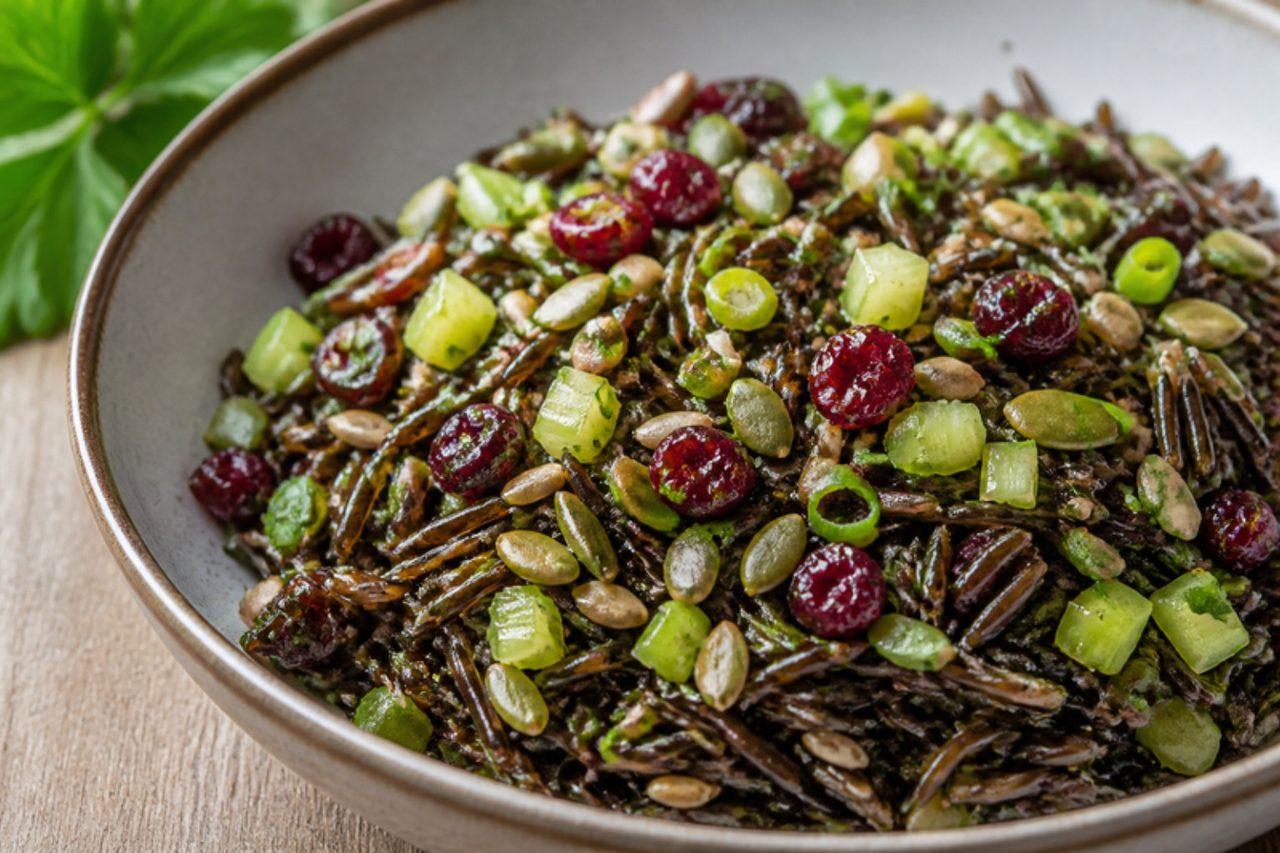
Manoomin, true wild rice, is hand-harvested by canoe by Anishinaabe families on the shallow lakes of northern Ontario and Manitoba in late summer, the grains knocked into the boat with cedar sticks. Its nutty, smoky taste is lovely cold in a salad with dried cranberries, toasted sunflower and pumpkin seeds and a light maple vinaigrette, the kind of dish brought to a feast or a summer potluck. Hand-harvested lake rice cooks faster than the black cultivated paddy rice, so check it early. A common mistake is cooking it until it splits wide open and turns mushy. Chef's tip: dress the rice while it is still warm so it drinks in the vinaigrette.

by KrazyBadal 0 views

Chopped liver

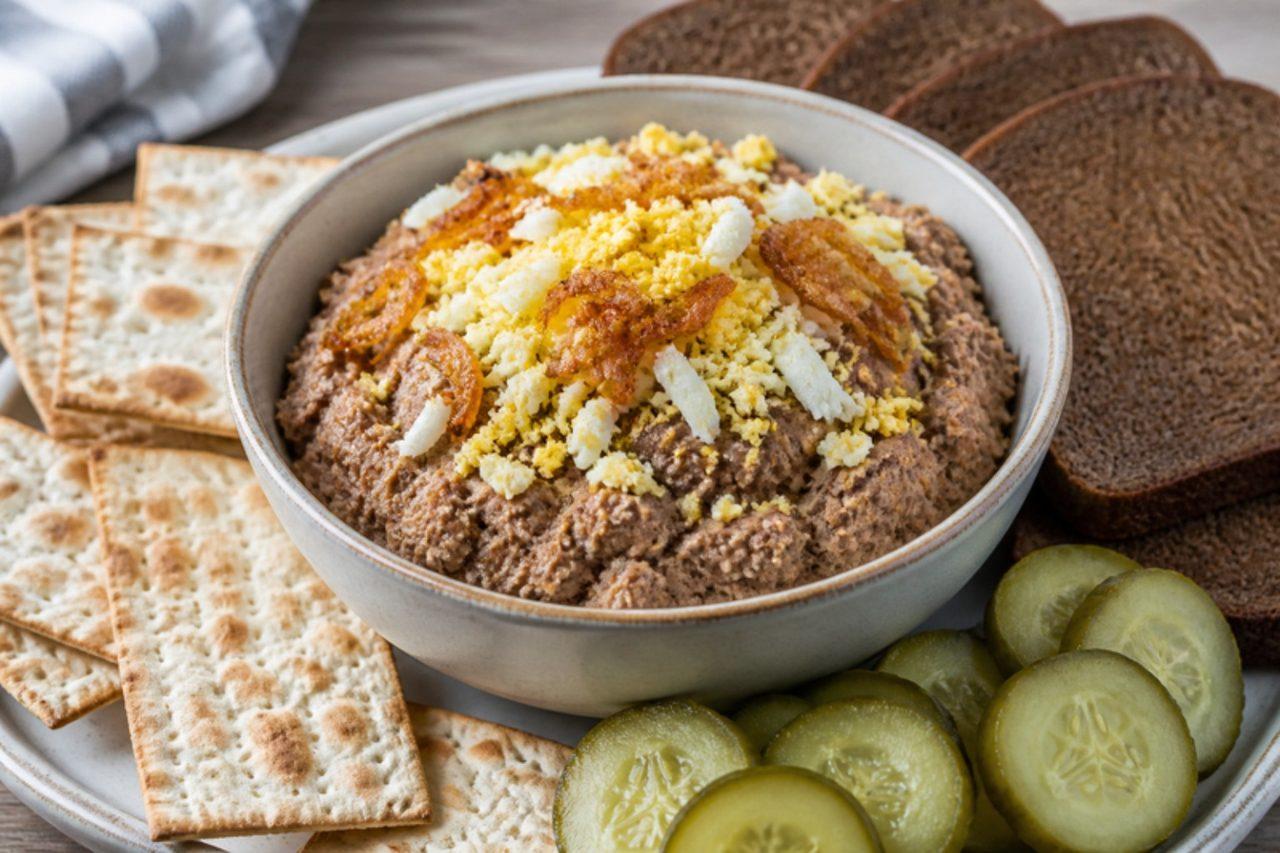
Chopped liver is the first course of many Friday-night dinners in Ashkenazi homes from Haifa to Petah Tikva, spread on challah before the soup, and Tel Aviv delis still sell it by weight on Thursdays. Chicken livers are cooked through in schmaltz with a mountain of slowly browned onion, then chopped with hard-boiled egg into a coarse, rich spread that is sweet from the onion and deeply savoury. It is served cool, with challah, crackers or rye bread and a pickled cucumber. People often undercook the livers to keep them soft, but for safety they must have no pink left inside; the onion and schmaltz keep the texture tender anyway. Chef's tip: pulse in short bursts or chop by hand; a smooth purée loses the rustic texture that makes this different from a French pâté.

by KrazyBadal 0 views

Puffed maple omelette

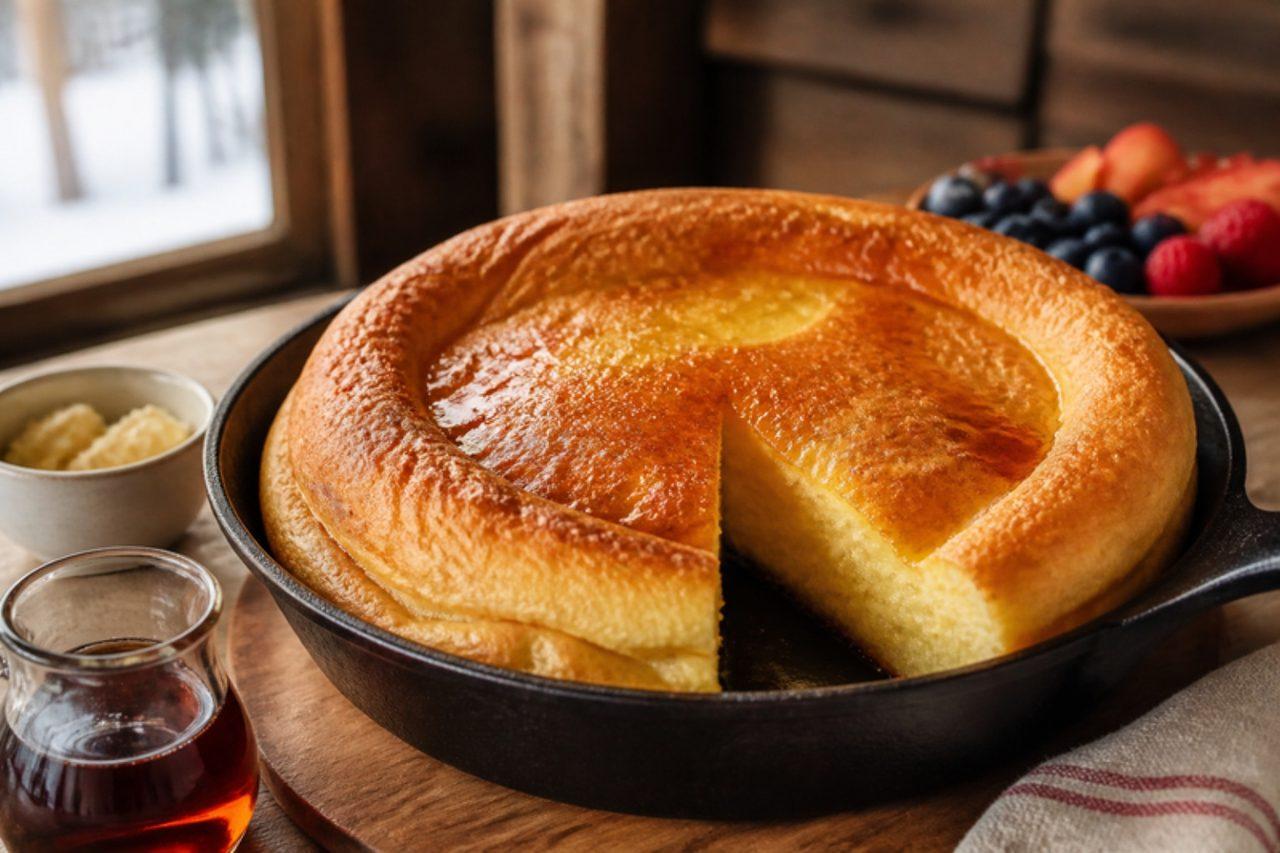
A tall, golden puffed omelette arrives on every table at the cabanes à sucre of the Laurentians and the Eastern Townships, sliced into wedges and drowned in fresh maple syrup alongside beans and ham. The eggs are separated, the whites whipped and folded back in, then the omelette starts on the hob and finishes in the oven so it rises like a soufflé. It must go to the table at once, before it sinks. A common mistake is beating the whites until stiff and dry, which makes the omelette grainy. Chef's tip: fold the whites in with a large metal spoon in three goes, keeping as much air as you can.

by KrazyBadal 0 views

Montreal-style bagels

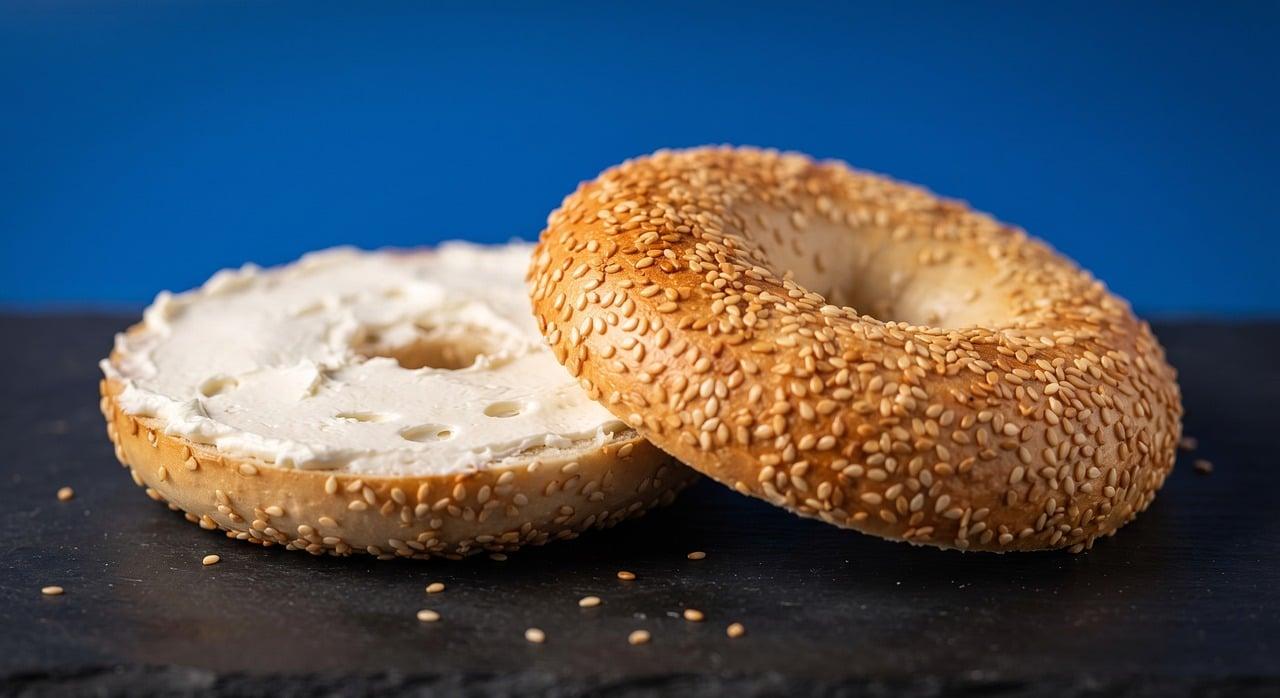
On Fairmount and St-Viateur streets in Montreal's Mile End the bagel bakeries run all night, rolling dough by hand, boiling it in honey water and baking it on long planks in wood-fired ovens. The result is smaller, sweeter and denser than a New York bagel, with a big hole and a crust thickly coated in sesame. They are eaten warm from the paper bag, plain or with cream cheese. Egg goes into the dough and there is no salt-heavy chew, which is what gives that light sweetness. Chef's tip: bake on the hottest oven setting and on a preheated stone or heavy tray, the closest a home oven gets to the wood fire.

by KrazyBadal 0 views

Braised brisket

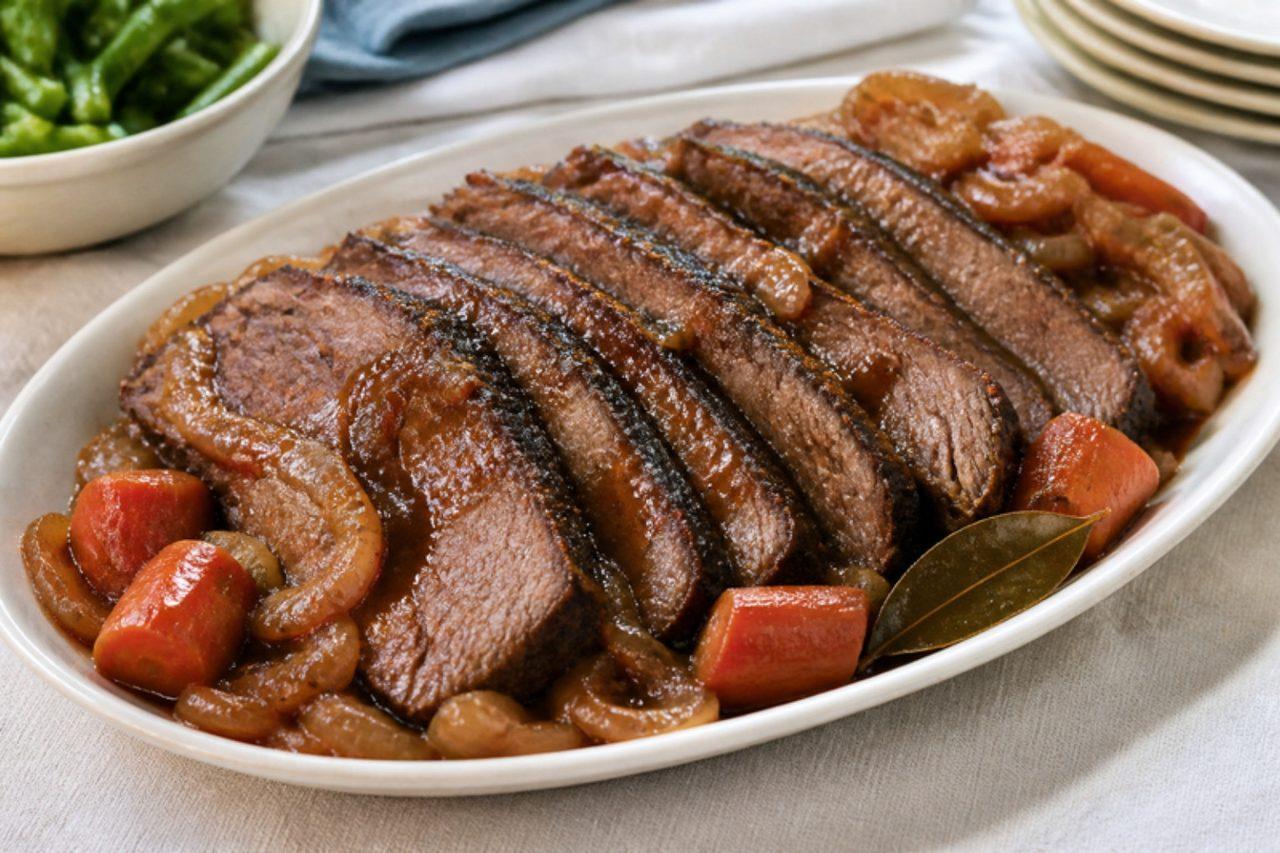
A slowly braised brisket is the centrepiece of the Rosh Hashanah and Passover table for many Ashkenazi families in Israel, from Ra'anana to Jerusalem's German Colony, often made two days ahead because it slices better and tastes deeper once it has rested in its gravy. The beef sits on a bed of sliced onions with carrots, garlic, tomato paste and a little sugar and vinegar, covered tightly, and cooks for hours until fork-tender, while the onions melt into a rich brown sauce. Serve with potato kugel, tzimmes or mashed potatoes. Slicing it hot and along the grain is the usual mistake: chill it, then cut across the grain into thin slices. Chef's tip: return the slices to the gravy and reheat gently so every piece soaks up the sauce.

260 minIsraeliMeatGluten free
by KrazyBadal 0 views

Tahini cookies

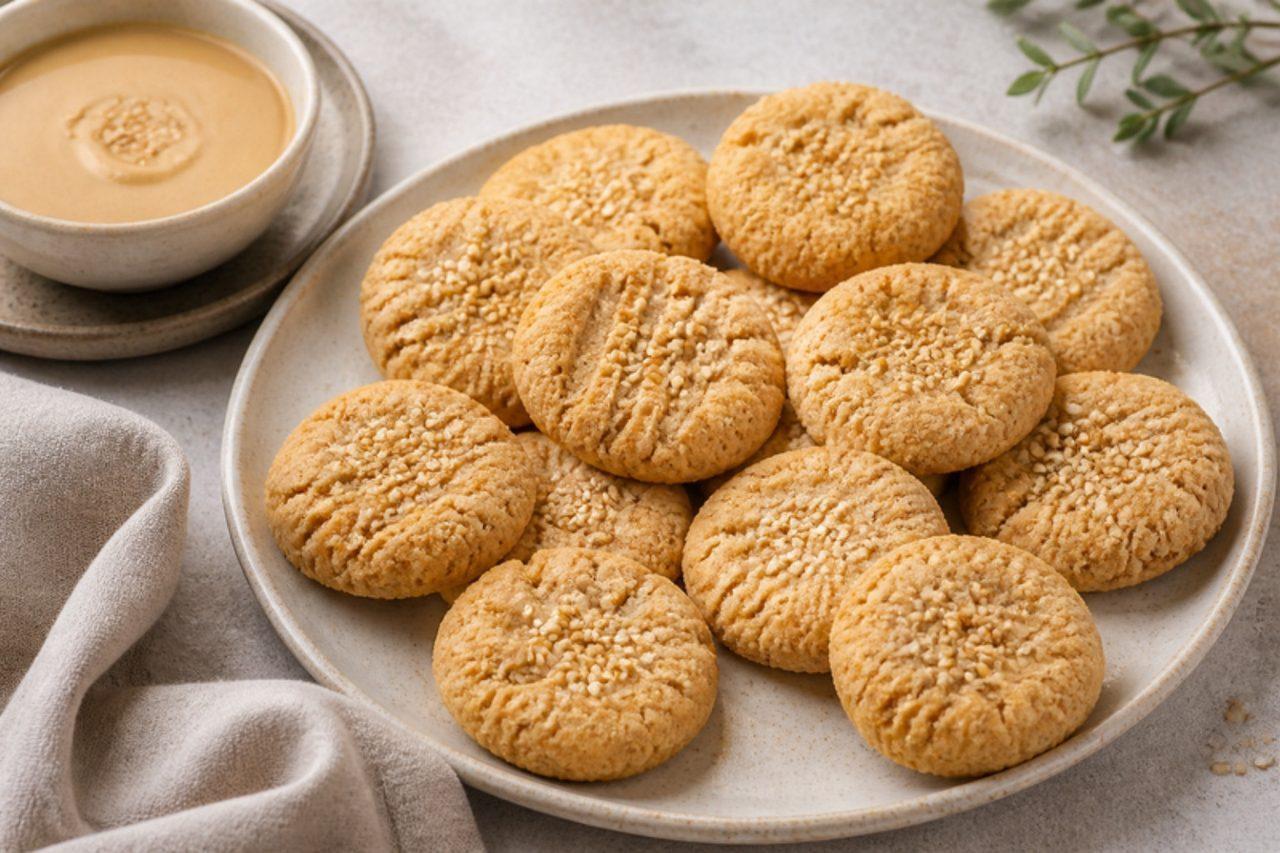
Every Israeli bakery and grandmother's biscuit tin has ugiyot tahini, little domed cookies that crumble and melt on the tongue with a deep, toasty sesame flavour. They are baked for Shabbat coffee, for guests dropping by in Haifa or Jerusalem, and as an easy dairy-free sweet to follow a meat meal. This version uses oil rather than butter, so it is vegan. The mistake is baking until they turn golden all over; they firm up as they cool and should leave the oven pale with just-coloured bases. Chef's tip: stir the tahini jar thoroughly first, since the oil separates and a dry spoonful from the bottom makes sandy, dry cookies.

by KrazyBadal 0 views

Polish-style cauliflower

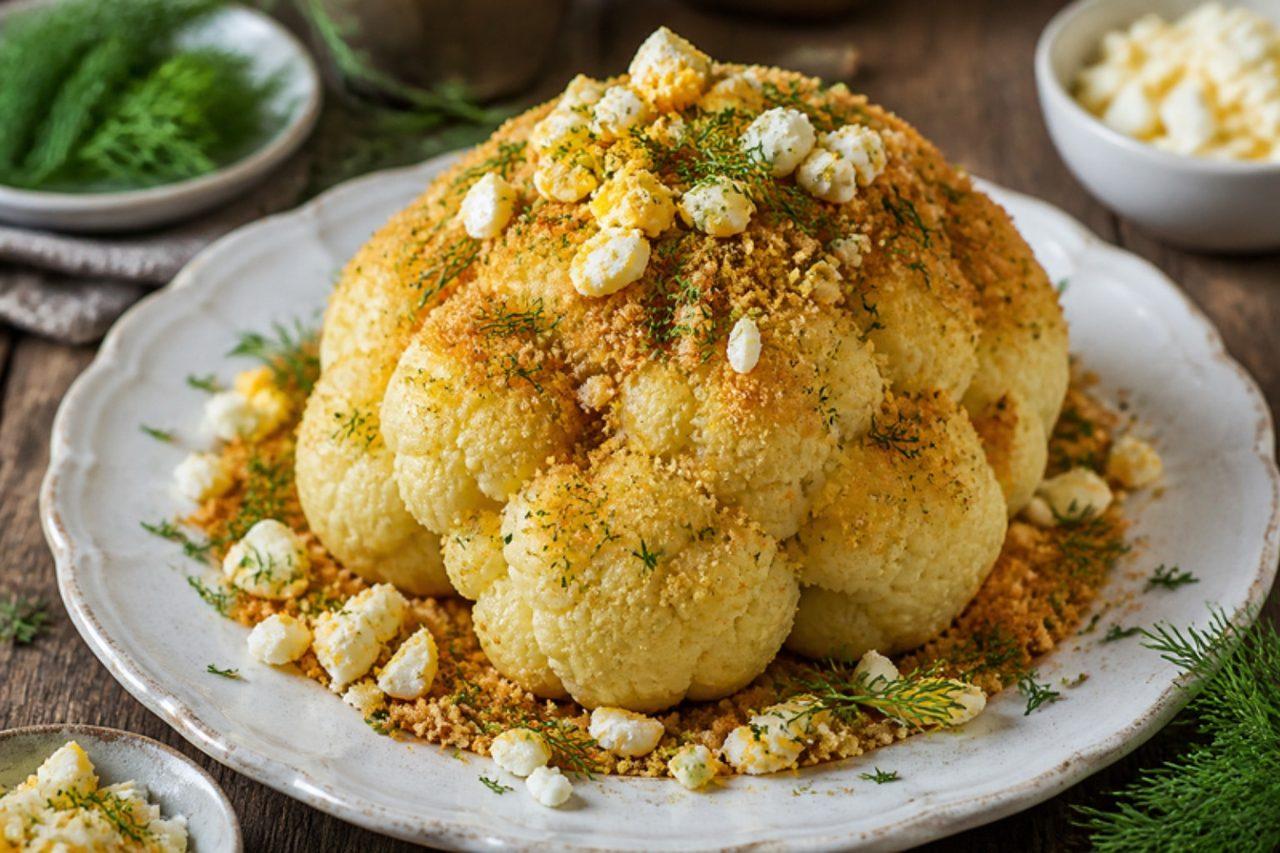
‘Po polsku’ on a Polish menu means one thing: a vegetable topped with crumbs fried in plenty of butter. In Warsaw canteens and on Sunday tables, a whole cauliflower arrives this way next to potatoes and a salad, and children who claim to hate cauliflower eat it happily. The florets are tender and sweet, the crumbs nutty and crisp. A common mistake is boiling the cauliflower until it falls apart; it should keep a slight bite in the stalk. Chef's tip: a pinch of sugar and a splash of milk in the boiling water keep the cauliflower white and sweet.

by KrazyBadal 0 views

Egg salad guédille

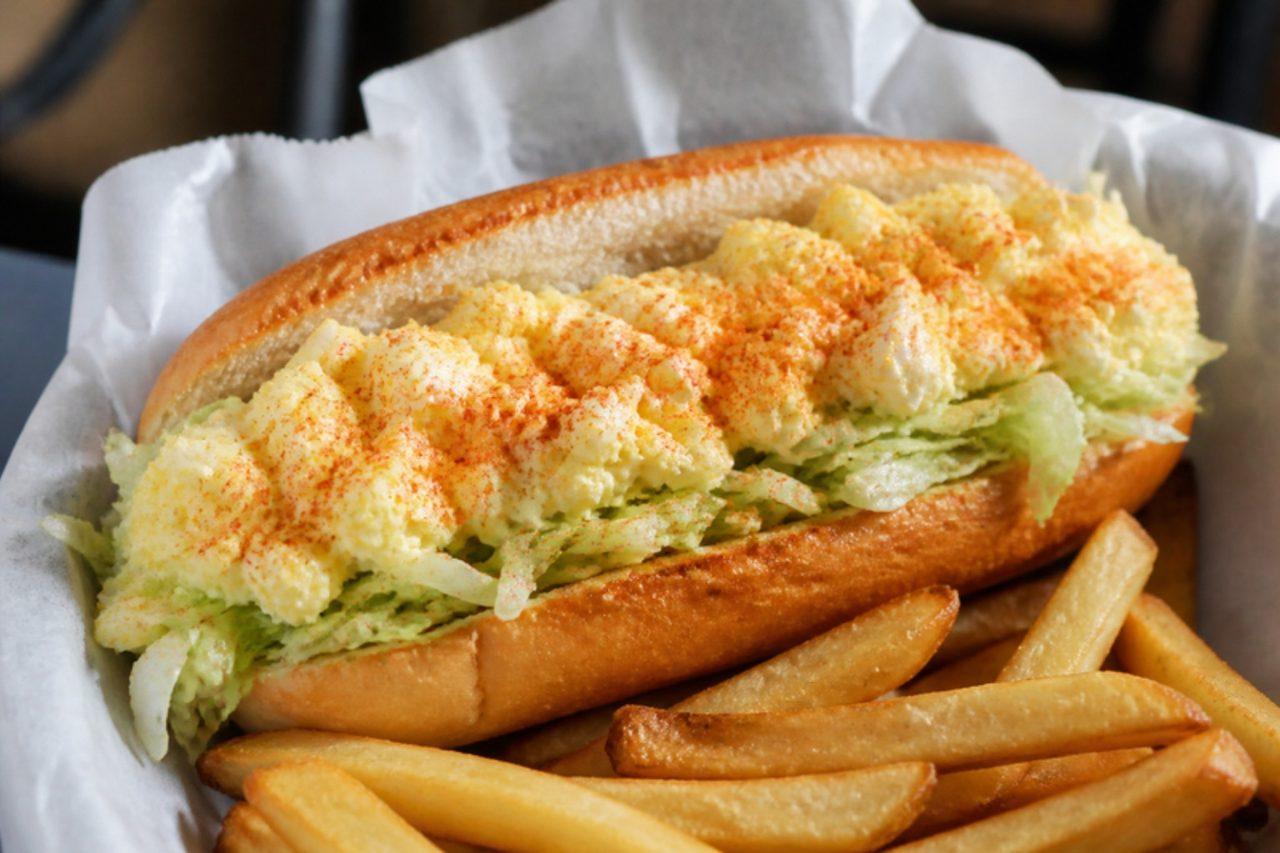
A guédille is the snack-bar sandwich of Quebec, sold at the casse-croûte stands along the St Lawrence and in the Lower Saint-Lawrence towns all summer. A top-split hot-dog bun is buttered and toasted on the flat-top, then stuffed high with shredded iceberg and a soft egg salad. By the sea the same bun is filled with lobster, but the egg guédille is the everyday version kids order with fries. It takes 25 minutes and is just as good for a picnic lunch. A common mistake is filling the buns too early, which turns them soggy. Chef's tip: shred the lettuce very finely and put it under the egg so the bun stays crisp.

by KrazyBadal 0 views

Quebec pea soup

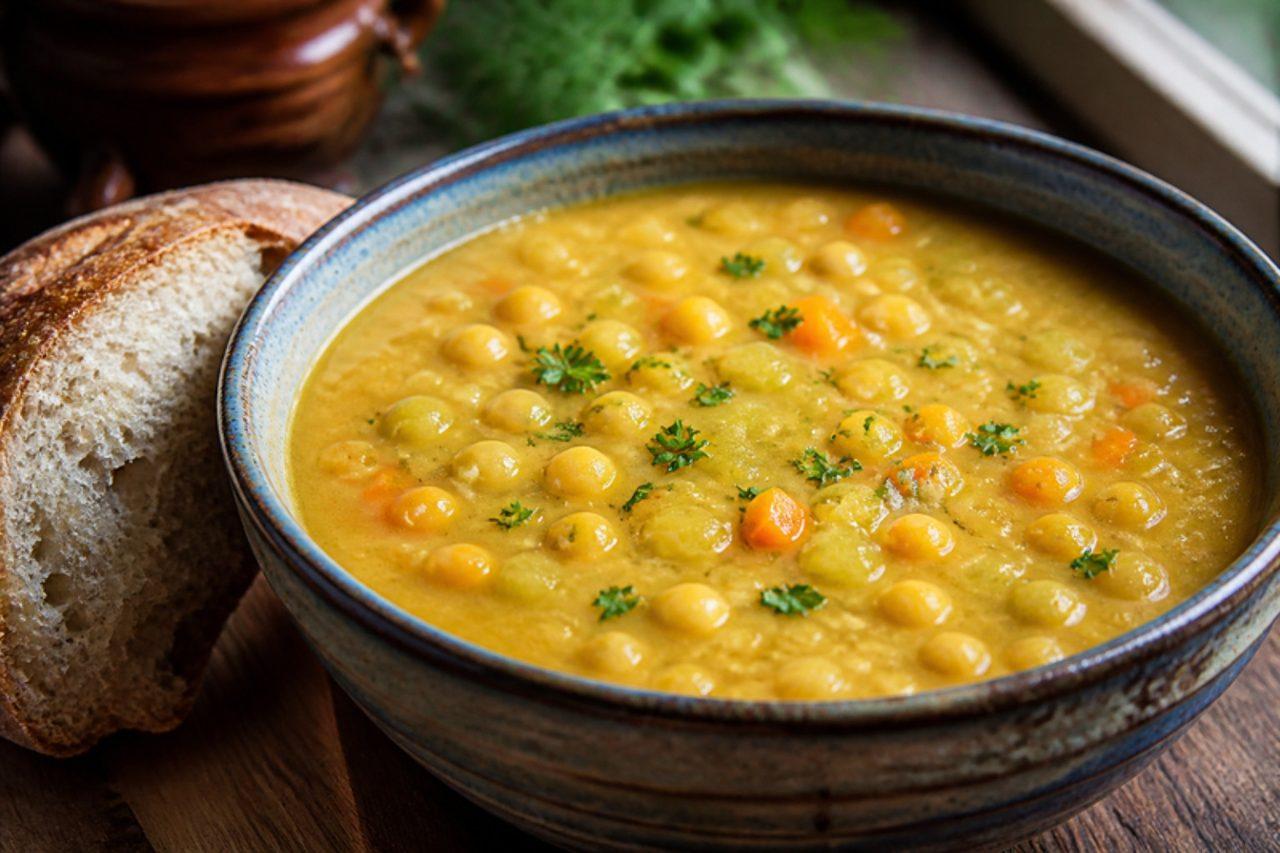
In Quebec farmhouses a pot of soupe aux pois went on the back of the wood stove on Saturday and fed the family through the cold weeks; it is still served at sugar shacks and on chilly Sundays from Gaspé to Gatineau. Whole yellow peas break down over three hours into a thick, golden, earthy soup scented with summer savory. The old version is cooked with a slab of salt pork; this pot leaves it out and builds depth with browned onion and a bay leaf instead, so it is vegan. Serve with crusty bread or a ploye. Chef's tip: use whole yellow peas, not split ones; they hold some bite and give the soup its proper rustic body.

by KrazyBadal 0 views

Eggs poached in maple syrup

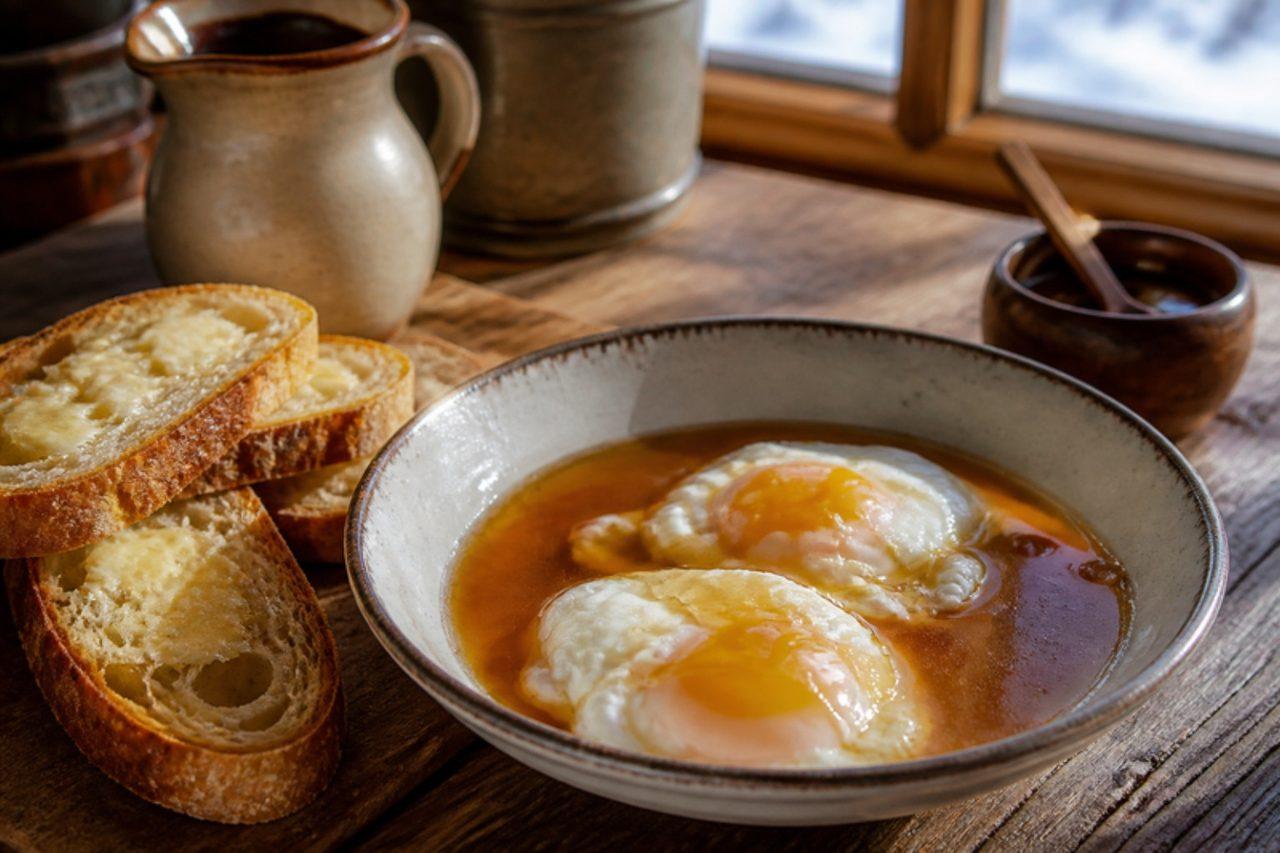
At Quebec sugar shacks in early spring, the oldest treat of all is an egg cracked straight into a pan of boiling maple syrup, cooked until the white sets into lacy sweet ribbons. Families in the Appalachian regions of Beauce and Chaudière-Appalaches eat it with buttered country bread to mop up the syrup. It is sweet, rich and surprisingly simple. A common mistake is letting the syrup boil hard, which scorches it and turns the eggs rubbery. Chef's tip: use very fresh eggs; their whites hold together and wrap round the yolk instead of spreading.

by KrazyBadal 0 views

Flapper pie

Flapper pie is the "Prairie pie" of Saskatchewan and Manitoba, served in small-town cafés and at fall suppers from Moose Jaw to Brandon since the 1920s, when graham crumbs, milk and eggs were what the farm pantry always had. A crunchy cinnamon graham base holds a soft vanilla custard topped with meringue and more crumbs. It is best eaten the day it is made, slightly chilled. A common mistake is pouring a lumpy custard; whisk without stopping and strain it if needed. Chef's tip: save a few spoonfuls of the crumb mix to scatter on the meringue, which is the pie's signature look.

by KrazyBadal 0 views

Cheese blintzes

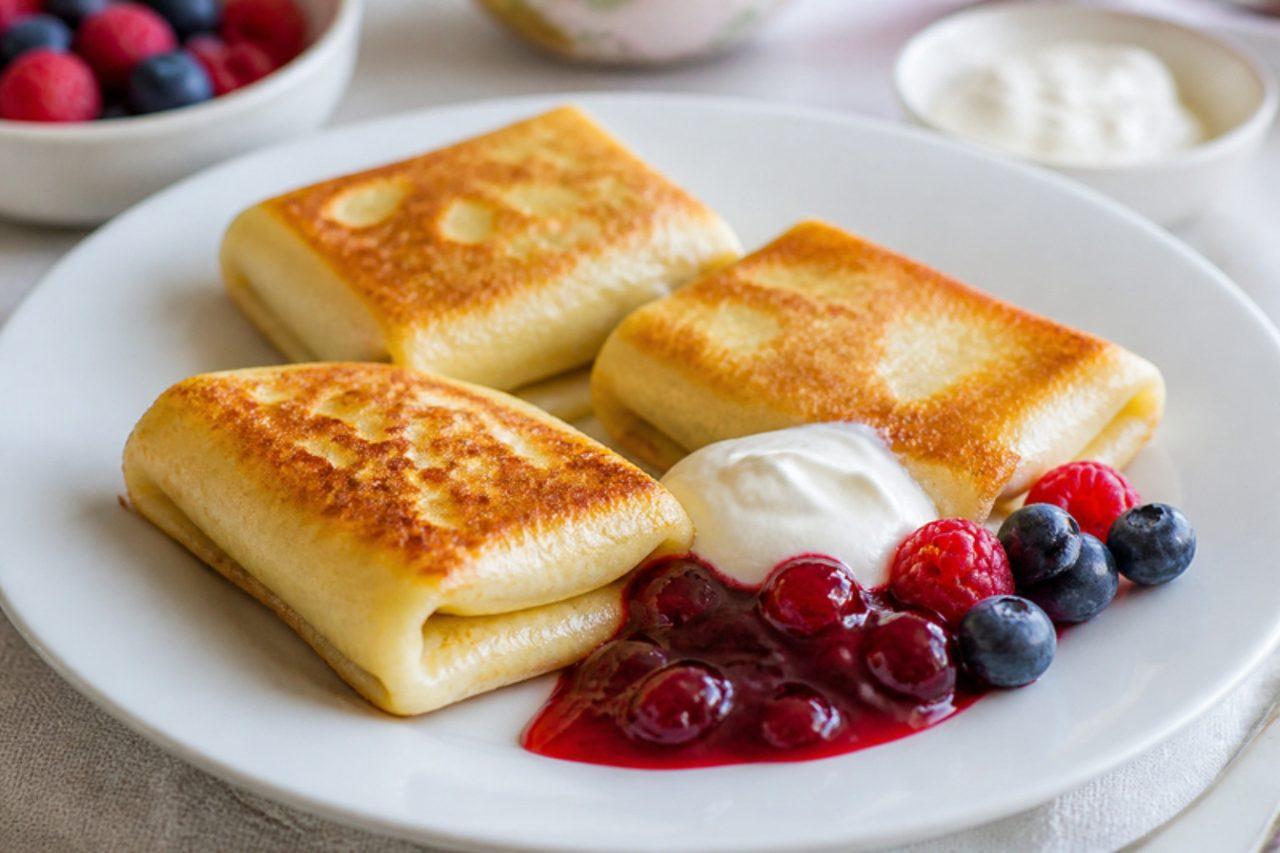
Cheese blintzes are the star of Shavuot breakfasts in Ashkenazi homes across Israel, and Jerusalem dairy cafés have served them for generations with soured cream and berry sauce. Thin crêpes, cooked on one side only, are wrapped around sweetened farmer cheese with lemon and vanilla, then fried in butter until crisp and golden outside and creamy within. Serve two per person with soured cream and a spoon of cherry or blueberry compote. Farmer cheese is usually rennet-free, but check the label and choose a vegetarian one. A common mistake is a wet filling: drain the cheese well or it leaks and the blintzes burst in the pan. Chef's tip: fill on the cooked side, so the pale raw side ends up outside and browns properly in the final fry.

by KrazyBadal 0 views

Coconut macaroons

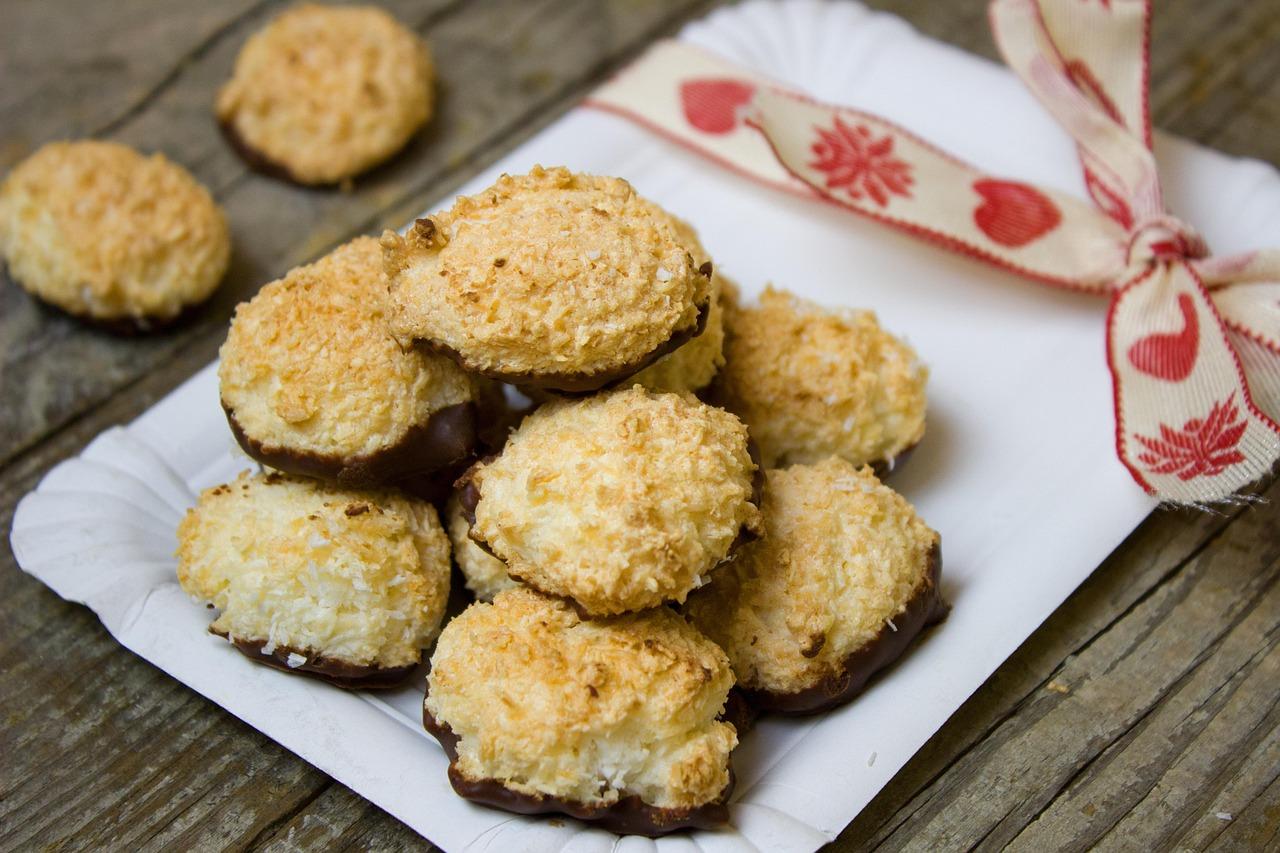
Coconut macaroons are the Passover biscuit in Israel: every supermarket stacks them high before the holiday, but homemade ones from a Haifa or Jerusalem kitchen are far better, crisp and golden on the outside and moist and chewy inside. They need just desiccated coconut, egg whites, sugar and vanilla, with no flour or leavening, so they suit the Passover rules and are naturally gluten free and dairy free. Dip the bases in dark chocolate if you like. The common mistake is baking them on a hot tray straight from a previous batch, which burns the bases before the tops colour. Chef's tip: let the mixture rest for 15 minutes so the coconut soaks up the whites and the mounds hold their shape.

by KrazyBadal 0 views

Flourless chocolate cake

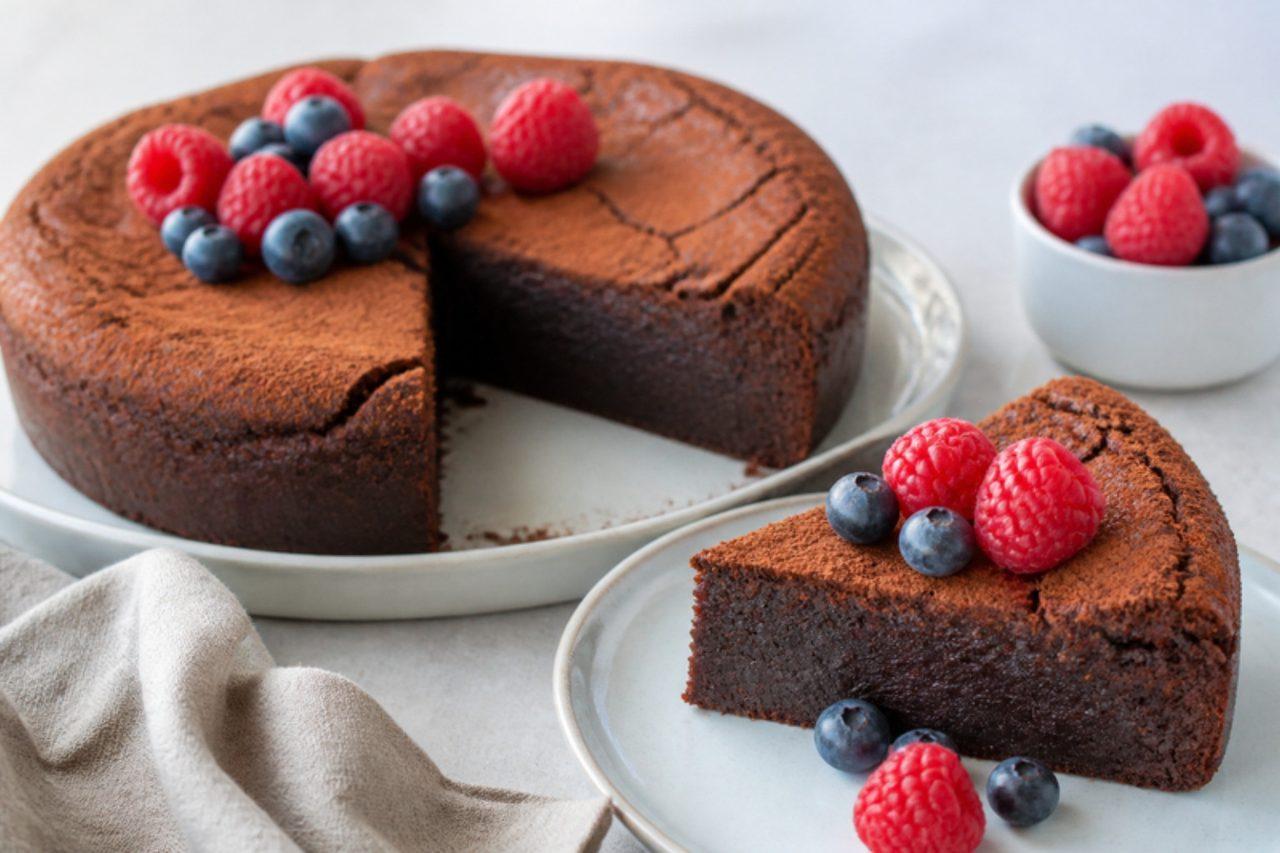
In Israel this dense chocolate cake is the dessert of the Passover seder in countless homes, from Tel Aviv flats to kibbutz dining halls, because it needs no flour and only rises on whisked eggs. Dark chocolate, eggs, ground almonds and a little butter bake into a cake with a thin, crackled top and a deep, fudgy middle, rich enough to serve in slim slices with berries or whipped cream. Made with oil instead of butter, it can follow a meat meal. The common mistake is overbaking: take it out while the centre still wobbles slightly, as it sets as it cools. Chef's tip: fold the whites into the chocolate in three goes, the first one roughly, to loosen it, then the rest gently to keep the air.

by KrazyBadal 0 views

Showing 18 of 7,762 recipes

Show more recipes

Page 355 of 863