


Skip to content
Cauliflower avakaya
Featured recipe

Cauliflower avakaya

Cauliflower pickle

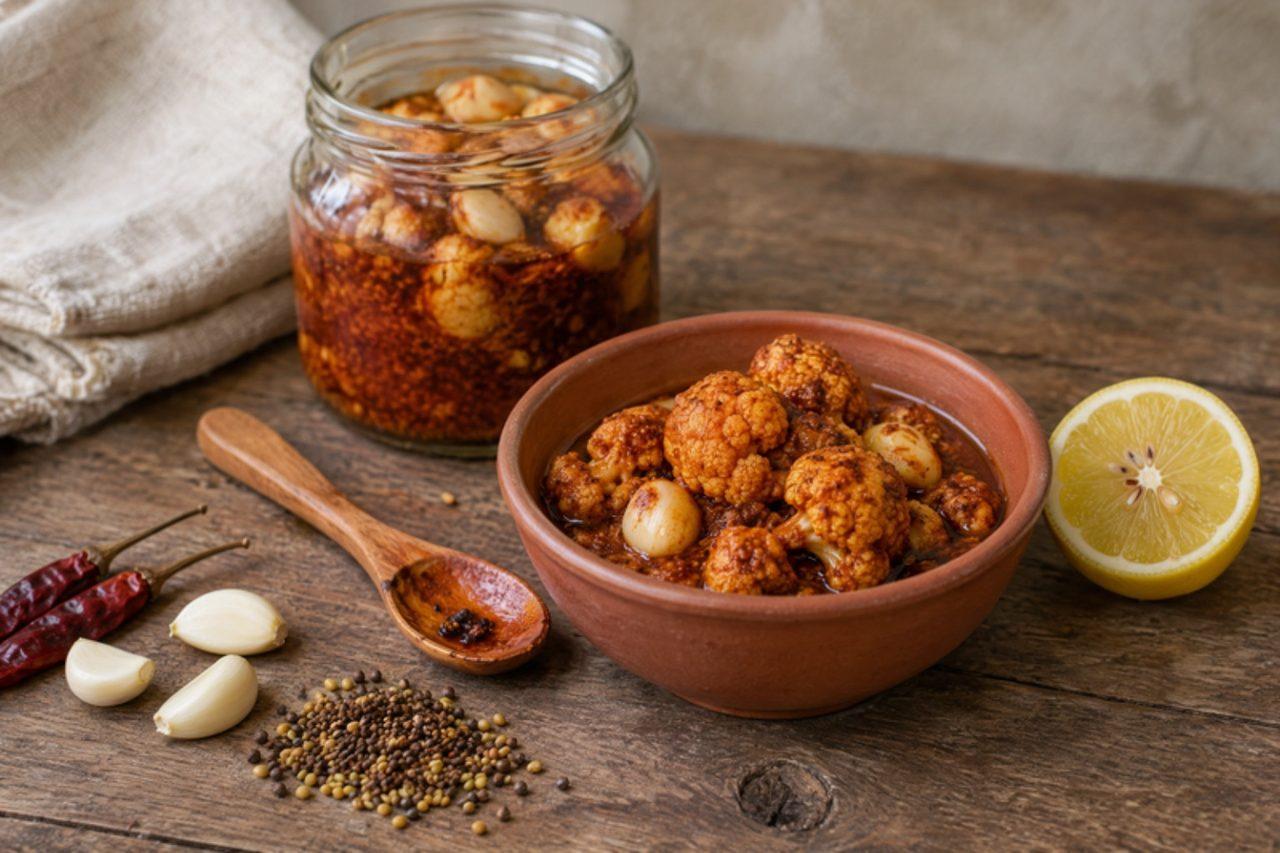
When the mango jars run low and the Andhra and Telangana winter brings piles of dense white cauliflower to the markets, from December to February, households make a cauliflower avakaya. Lemon juice stands in for the sour mango, and the florets are coated in the same masala of mustard powder, chilli, salt, fenugreek and garlic, tempered with gingelly oil. After two days the florets have soaked up the masala but still crunch; the pickle is hot, nose-tingling and bright with lemon. Serve it with hot rice and ghee, with chapati, or beside a plain dal. Cauliflower is not acidic by itself and this pickle contains raw garlic, so it is always kept in the fridge, with plenty of lemon. Common mistake: packing florets that are still damp; wash them in hot salted water to drive out any insects, then dry them for several hours until no moisture remains. It is ready when the florets taste seasoned to the core and the oil and lemon have formed a glossy red sauce. Chef's tip: cut the florets small, about 2 cm, so the masala can reach the middle.

Read more 0 views

What to eat today?

Around the world

Today's trip: Persian

A new country every day, from every cuisine on the site.

This week's collection

Kid-friendly dinners
541 recipes · a new collection every Monday

Latest recipes

Wagasi in tomato sauce

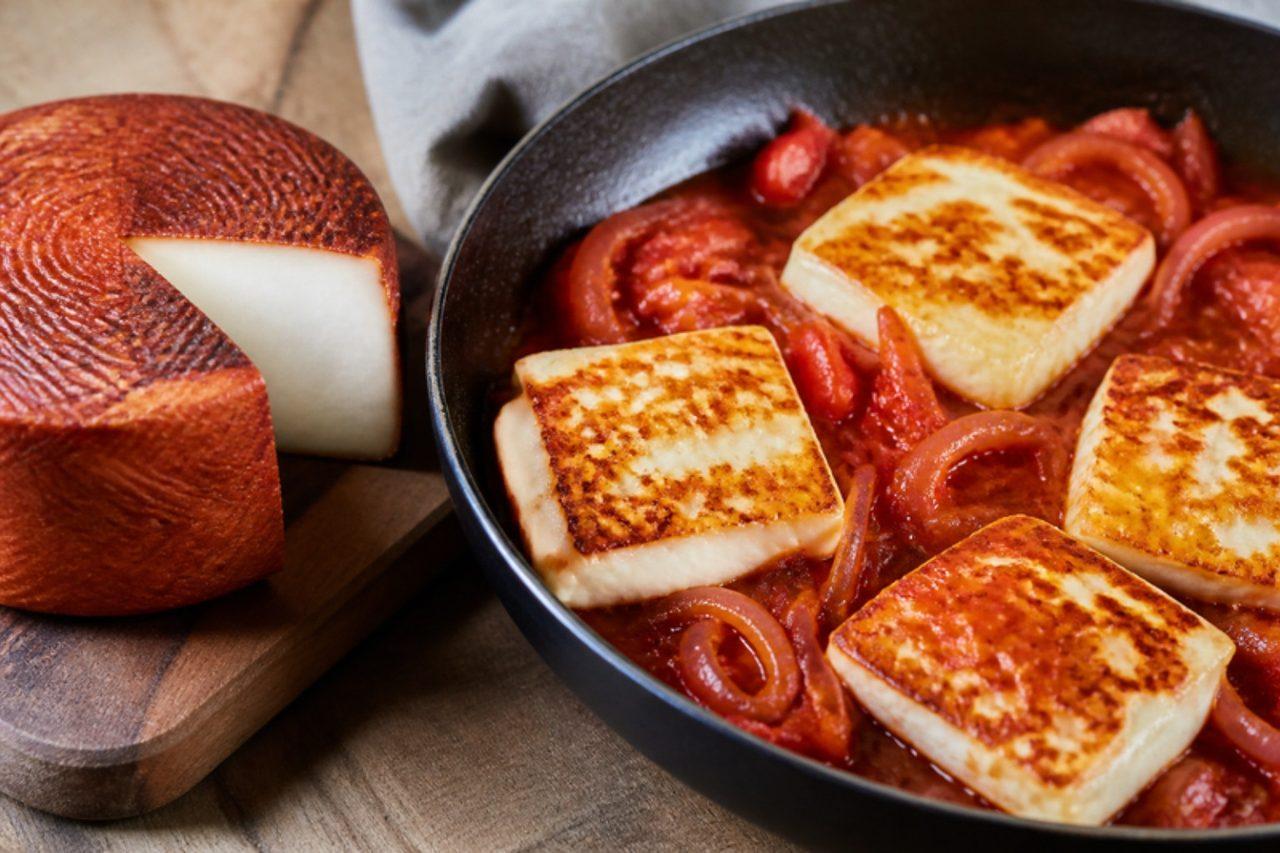
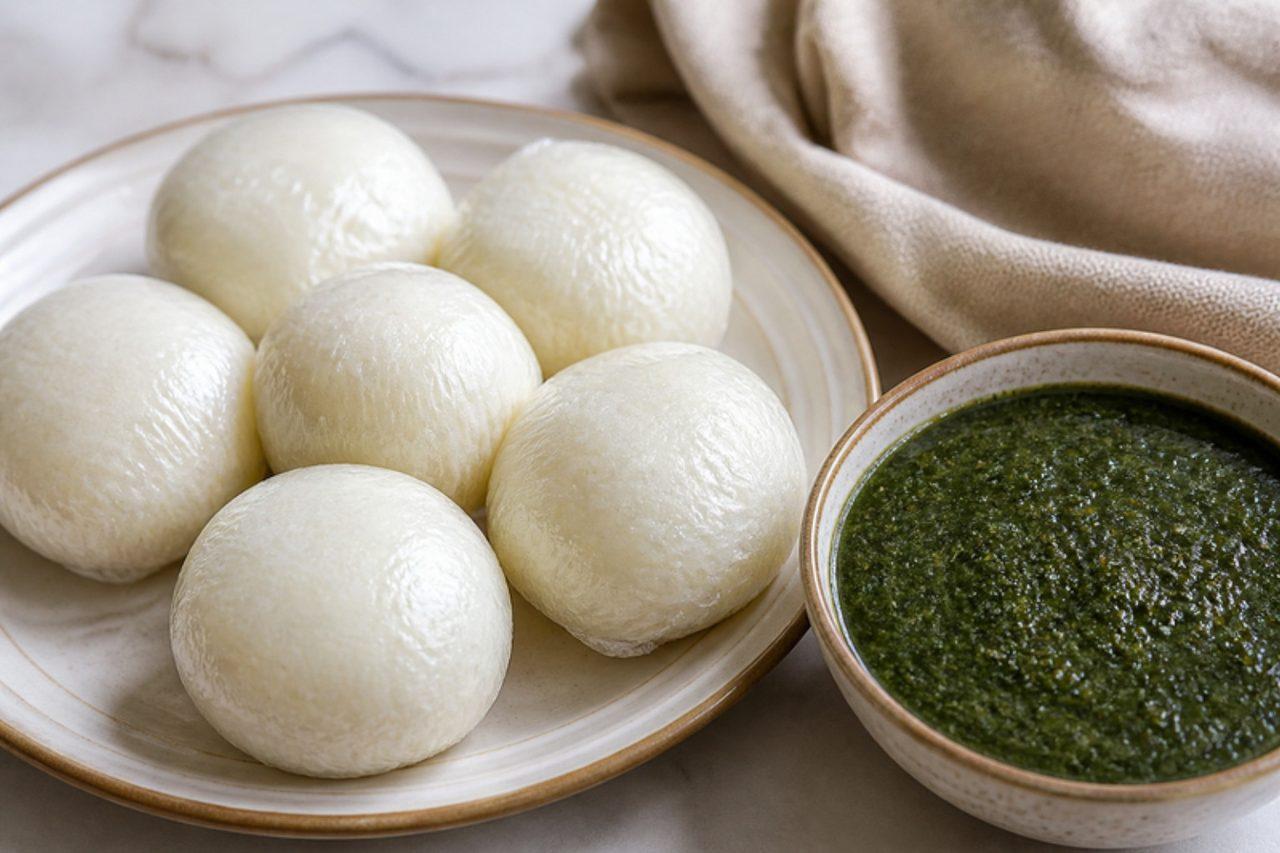
In the Borgou and Alibori country of northern Benin, Fulani women carry wagasi to market in basins: small, springy rounds of fresh cheese, often with a red rind coloured by sorghum leaves. Sliced, fried golden and simmered in tomato and pepper sauce, it is sold across Benin and eaten with rice, akassa or bread. Herders traditionally set the milk with sap from the Calotropis shrub; that sap is toxic, so never use it at home. This version sets pasteurised whole milk with vegetarian rennet, giving the same mild, squeaky, slightly chewy cheese; bought wagasi, or paneer as a vegetarian stand-in, lets you skip straight to the frying. Chef's tip: let the slices sit undisturbed in the hot oil until a crust forms; moved too soon, fresh cheese sticks and tears.

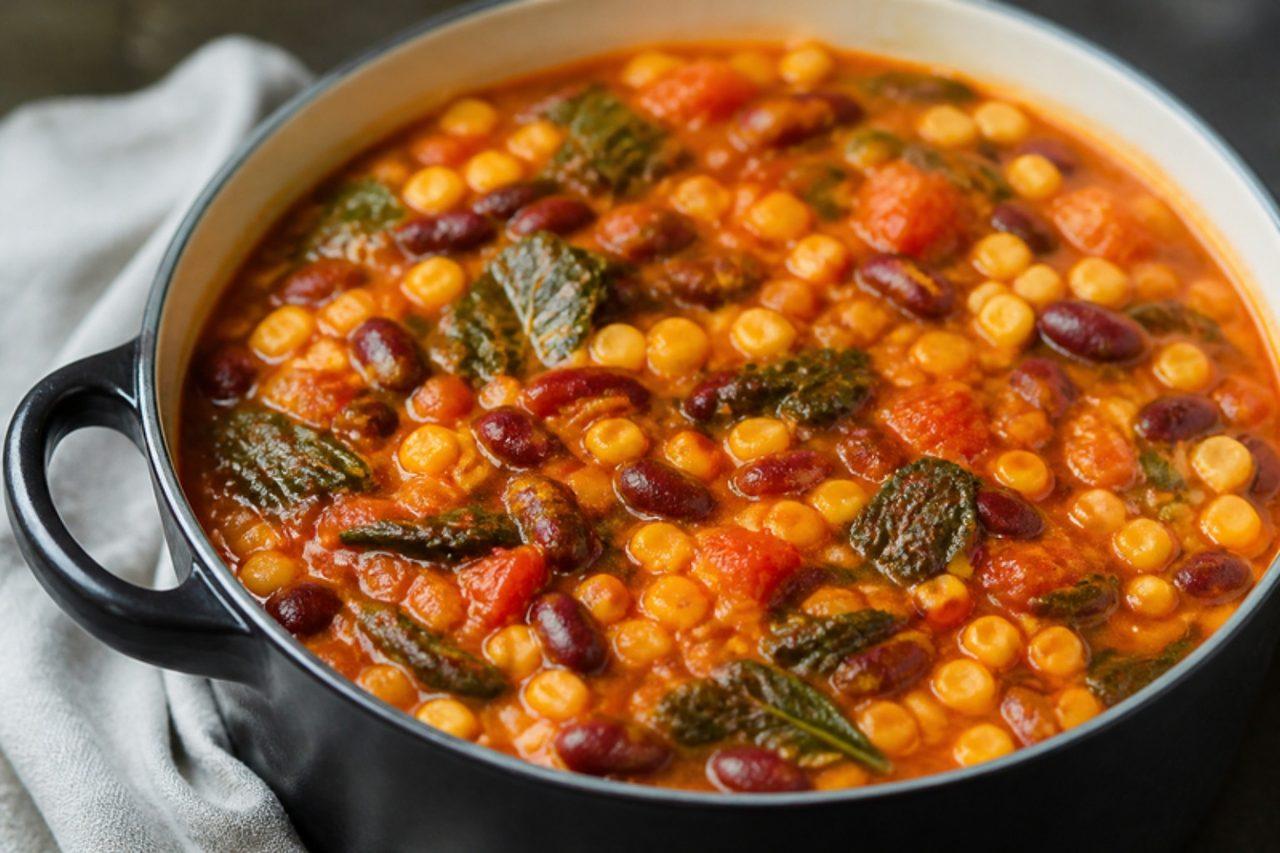
by KrazyBadal 0 views

Corn chaff

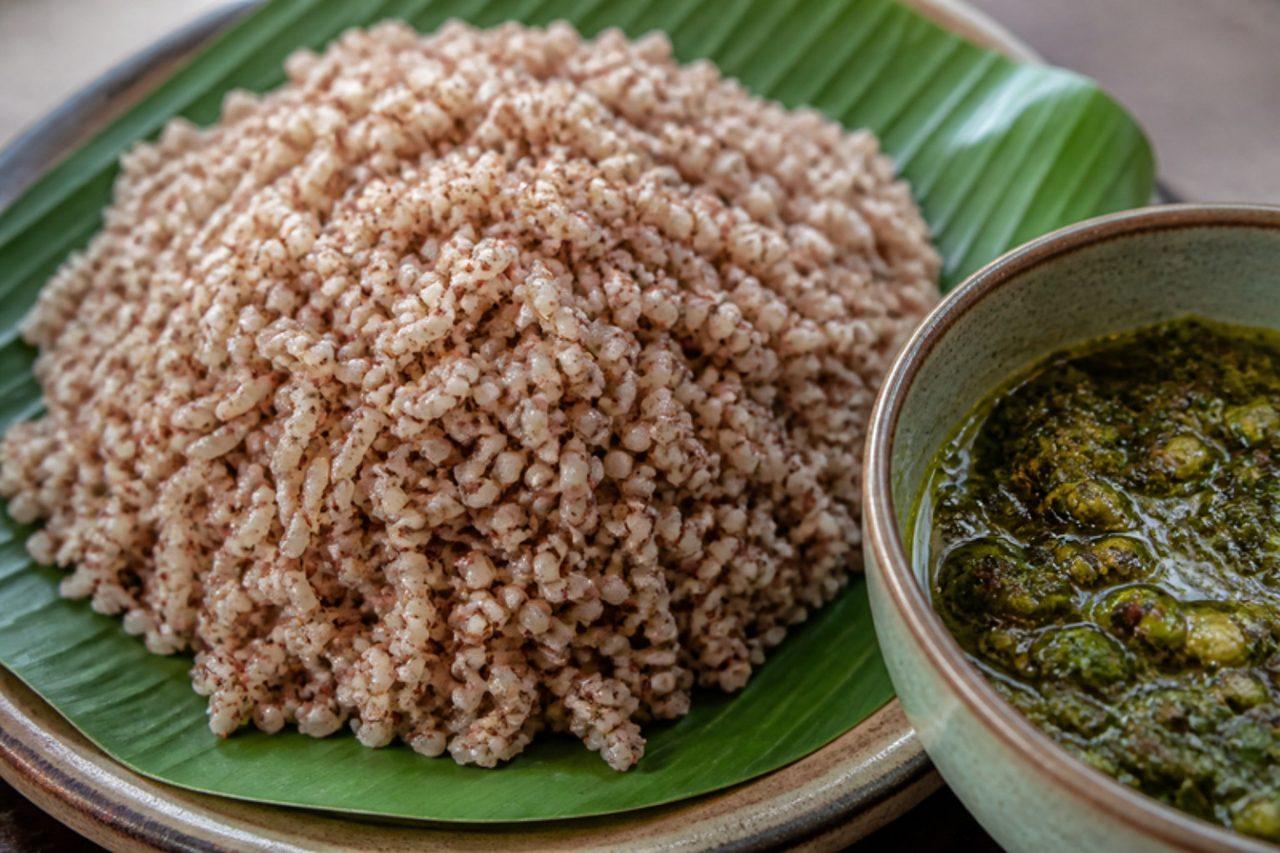
Big pots of corn chaff are everyday food in the North West, from Bamenda's Food Market to boarding-school dining halls, where maize and beans stretch a long way. Dried corn and beans are simmered until soft, then folded into a red palm oil sauce with onion, tomato and hot pepper, with a handful of greens stirred through at the end. The result is hearty and chewy with a deep, slightly smoky sweetness from the oil, and it tastes even better the next day. Serve it in bowls, with ripe avocado on the side when it is in season. Soak the maize and beans overnight. Chef's tip: give the dried maize a head start of about 45 minutes before adding the beans, because it takes far longer to soften.

by KrazyBadal 0 views

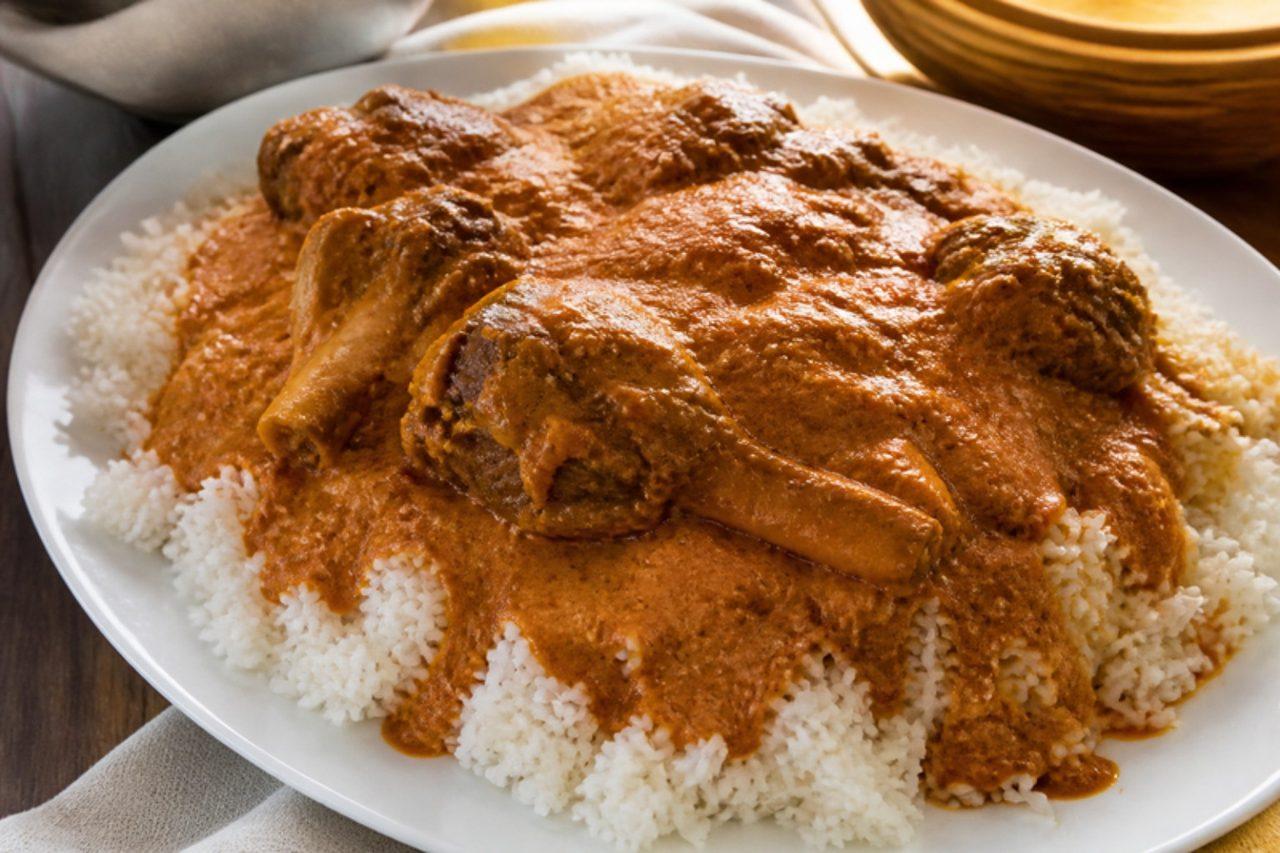
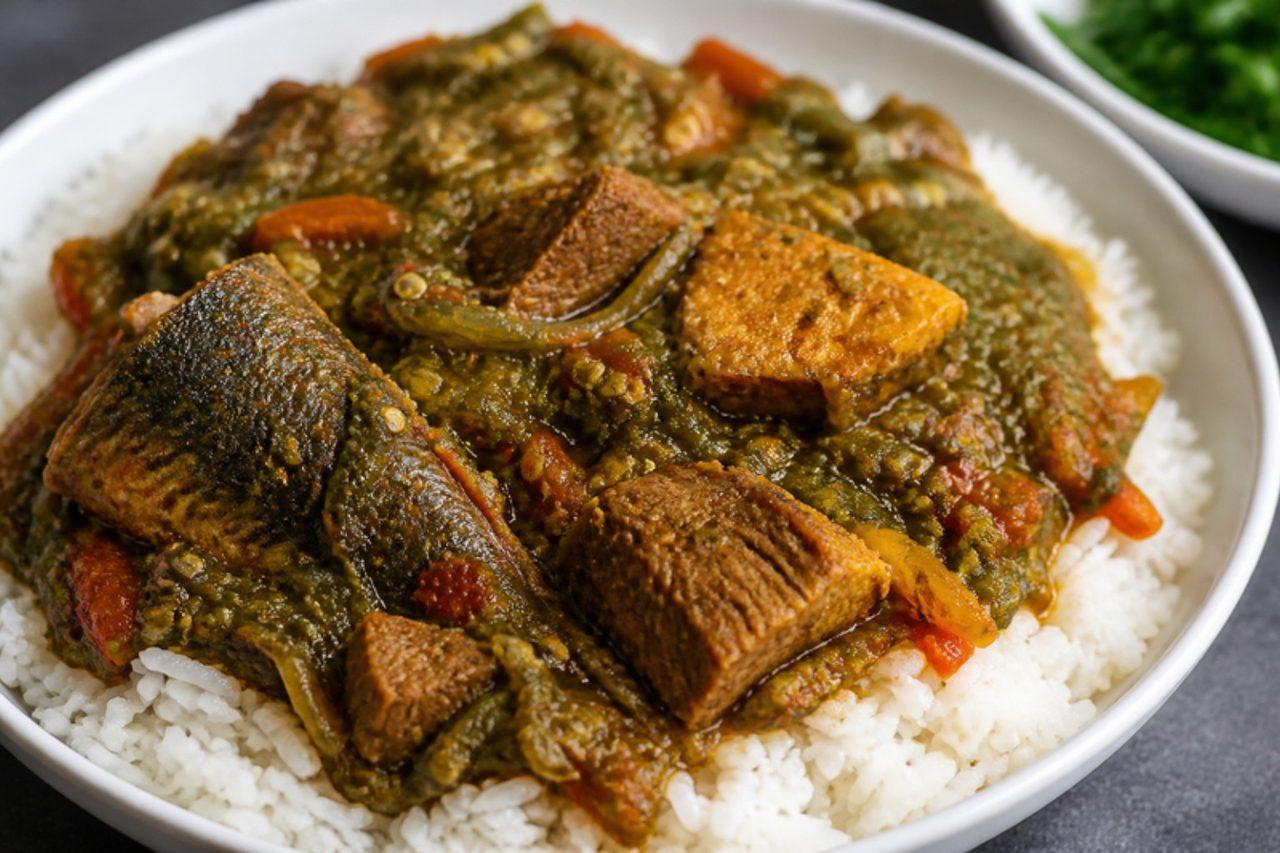
Lafidi (Guinean rice with lamb and peanut sauce)

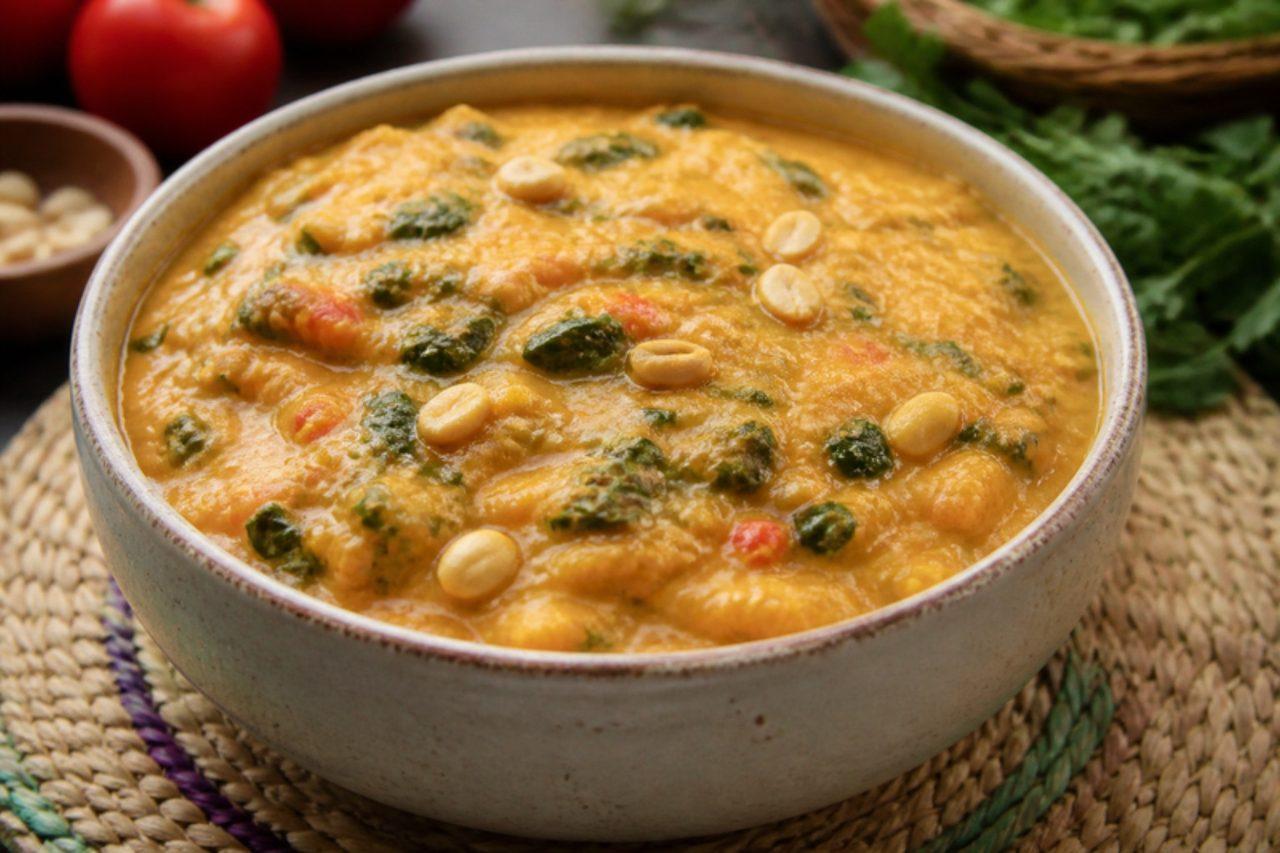
High in the green hills of the Fouta Djallon in Guinea, Fula (Peul) families prepare lafidi for feast days and for guests: a mound of white rice topped with tender lamb and a generous peanut sauce, served on a shared platter. Some households make it with a leaf sauce of cassava or sweet potato leaves instead; this version uses the peanut sauce, which is smooth, nutty and lightly tangy from tomato, with a steady warmth of chilli. The lamb is simmered slowly in the sauce, so it is soft enough to pull apart with your fingers. Chef's tip: simmer the peanut sauce uncovered and stir it from the bottom often; peanut sauces catch and burn easily, and a scorched taste runs through the whole pot.

100 minAfricanMeatGluten free
by KrazyBadal 0 views

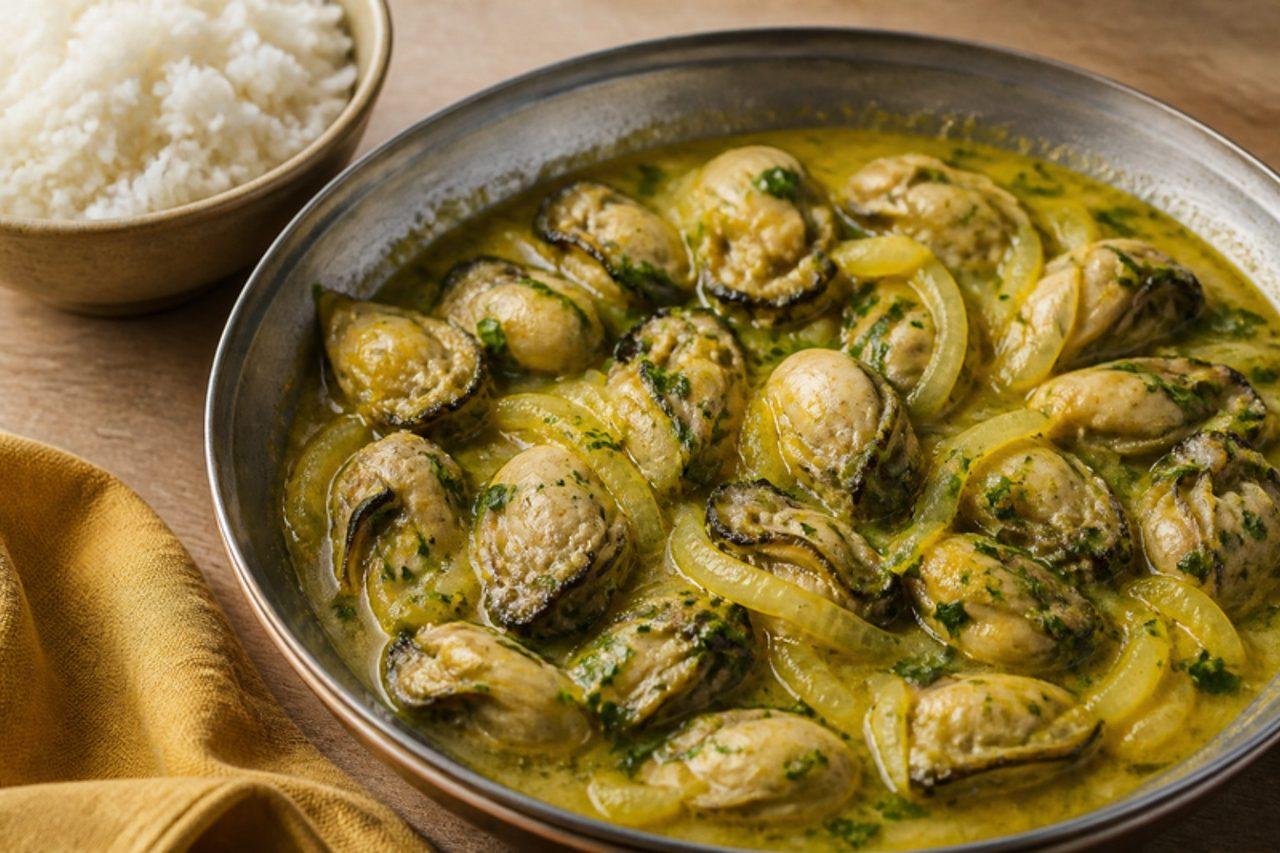
Yokhos (Casamance oysters with onion and lemon)

In the mangrove creeks of Casamance, women gather oysters from the roots at low tide, and in villages around Ziguinchor and Oussouye yokhos are grilled over wood until they pop open, then tossed in a sauce of soft onion, lemon and chilli. The oysters turn plump and firm, briny against the sharp, sweet onions. Eat them with rice or bread as a light meal. Mangrove oysters are rarely sold abroad, so use any fresh rock or Pacific oysters. This dish is always cooked: buy live oysters from a reputable fishmonger, discard any with broken shells or that are open and do not close when tapped, and throw away any that stay shut after grilling. Chef's tip: simmer the oyster meat in the sauce only until the edges curl and the flesh is firm right through; that takes about 3 minutes, and going much longer makes them rubbery.

by KrazyBadal 0 views

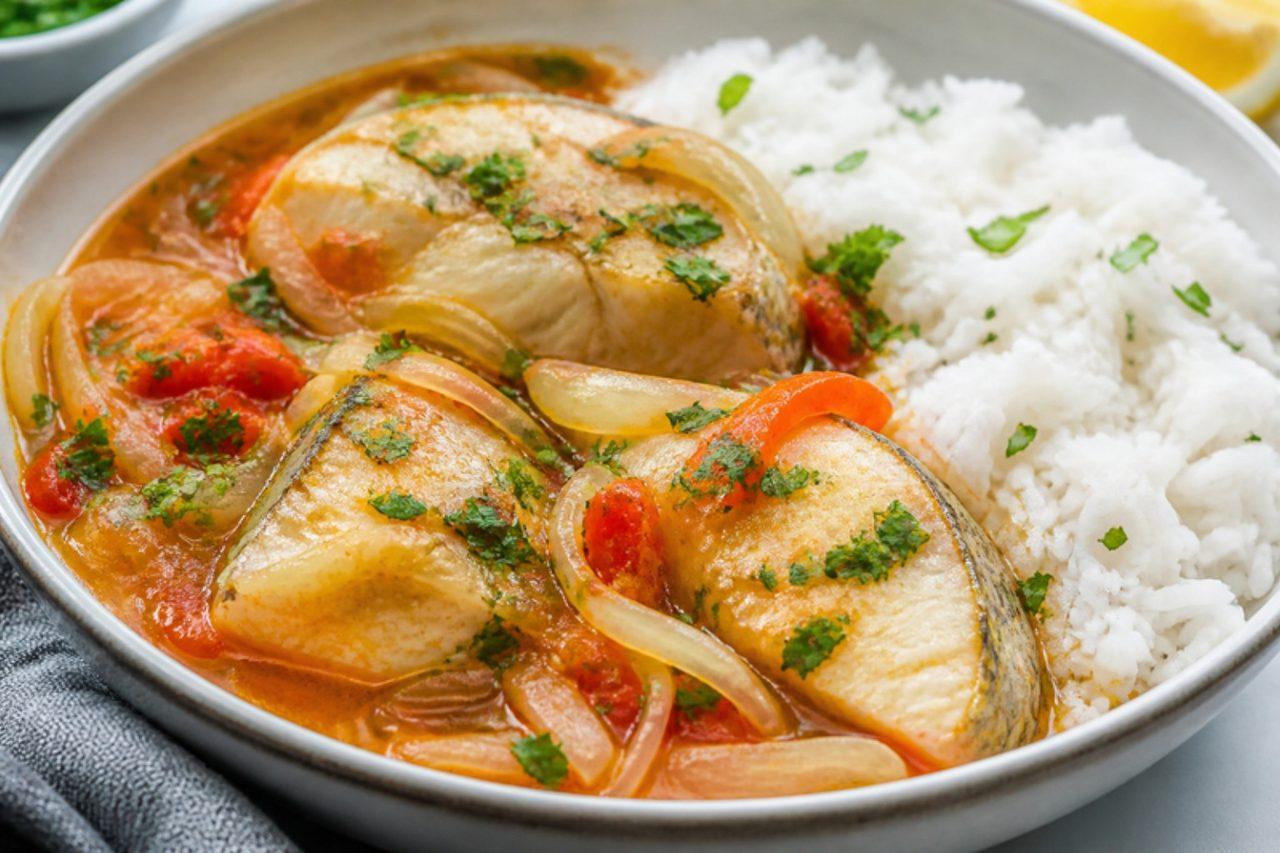
Caldou (Casamance fish in lemon broth)

Light, tangy and clean-tasting, caldou is the fish dish of Ziguinchor and the river towns of Casamance, where fresh catches from the estuary are poached in a broth sharp with lemon, sweet with soft onion and tomato, and warmed by a whole chilli. It is ladled over plain white rice so the grains soak up the broth, with an extra squeeze of lemon at the table. Some cooks add a few okra or a spoon of palm oil; this version keeps it simple and light. Firm white fish such as grouper, sea bream or hake is ideal. Chef's tip: keep the broth at a bare simmer once the fish goes in; boiling it hard is the common mistake and turns delicate fish dry and broken.

by KrazyBadal 0 views

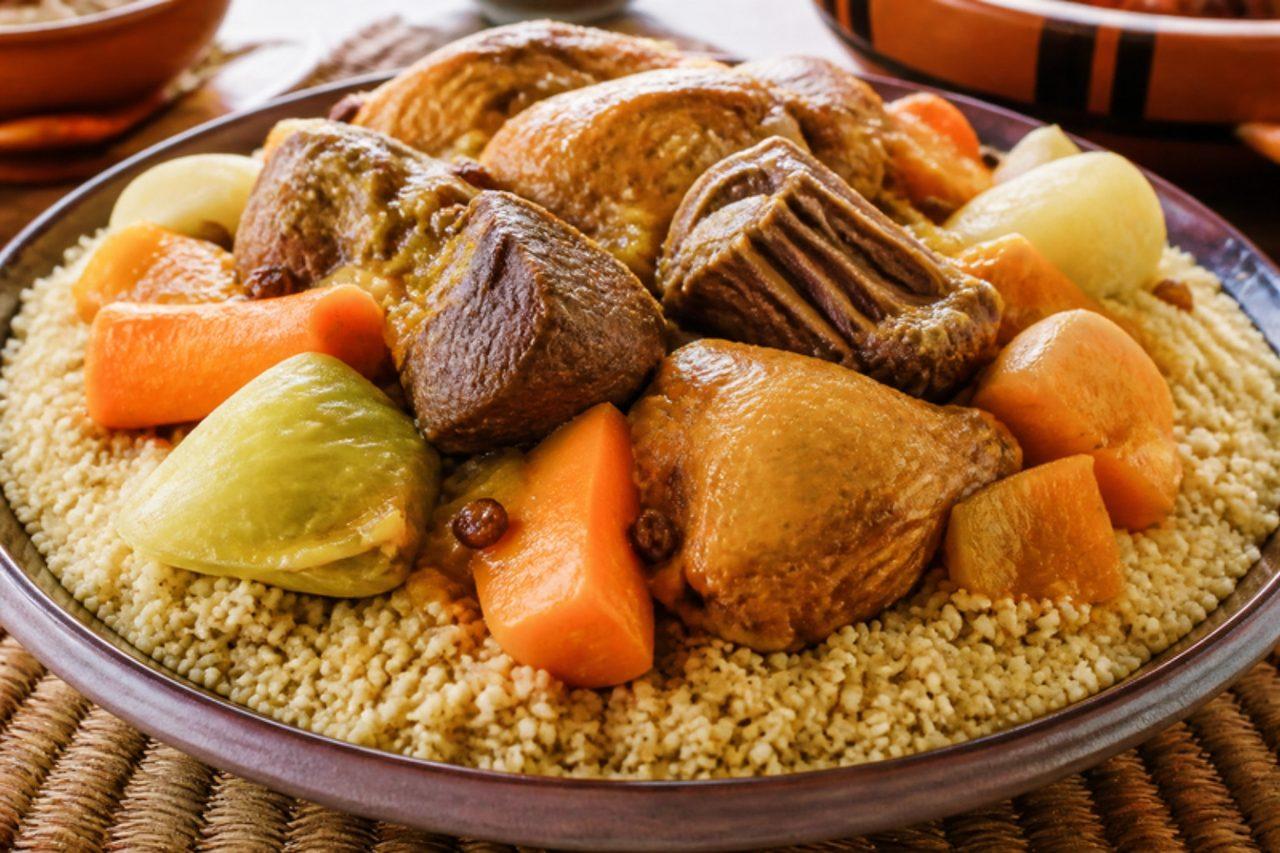
Bassi salté (festive millet couscous)

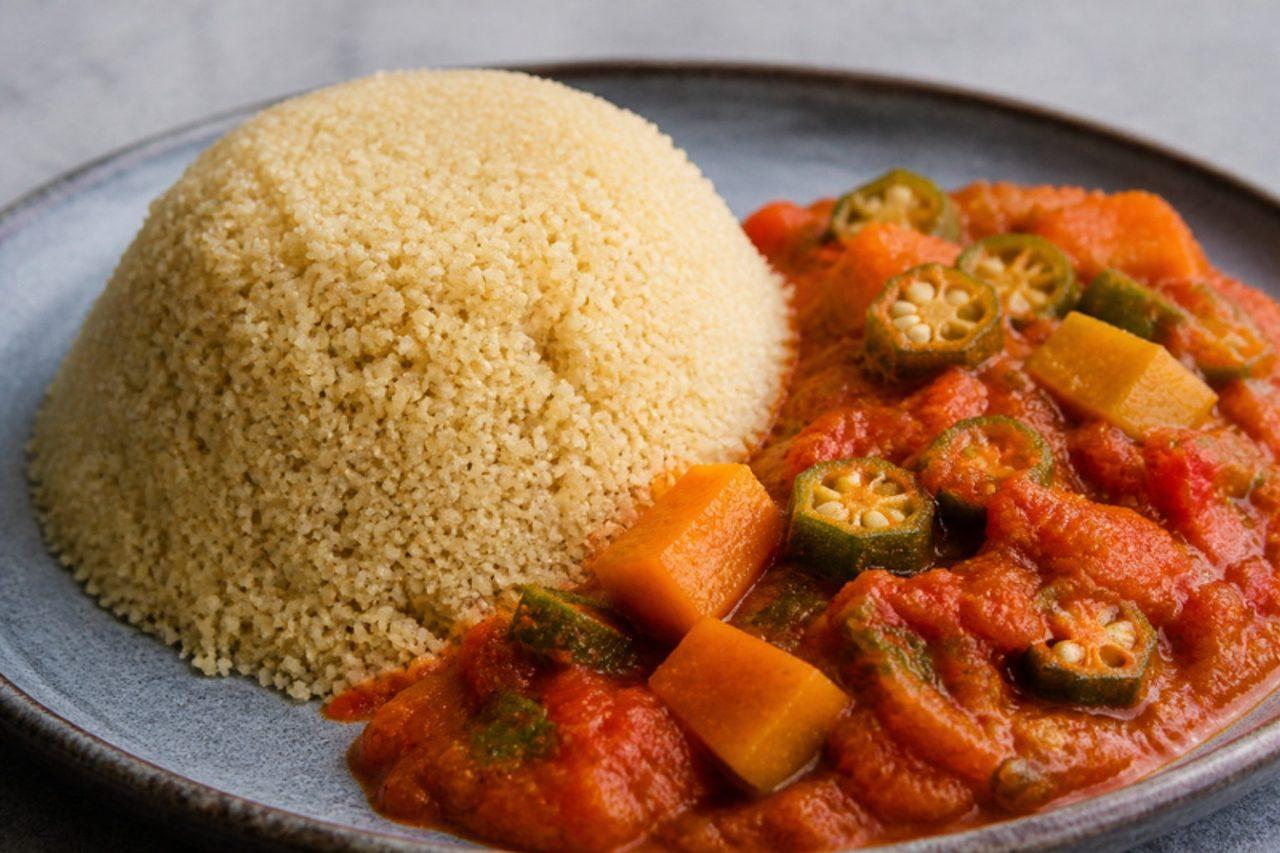
When a Senegalese family celebrates, a wedding, a baptism or a religious feast, bassi salté may well be the dish that comes out in huge enamel bowls. Fine millet couscous is steamed twice until feather-light, then crowned with lamb and chicken in a tomato-onion sauce with carrots, cabbage, turnips and sweet potato, and a sweet note from raisins. It is a long cook but most of it is simmering, and the reward is a dish that feeds a crowd: fluffy grains, rich sauce, tender meat and soft vegetables in every spoonful. Don't drown the millet when moistening it between steamings; it should be damp, not wet, or it turns into porridge. Chef's tip: cook the chicken only for the last 35 minutes and check that the thickest piece reaches 74 °C; added at the start with the lamb, it overcooks to dry shreds while the lamb is still tough.

by KrazyBadal 0 views

Dakhine (rice with peanut sauce and lamb)

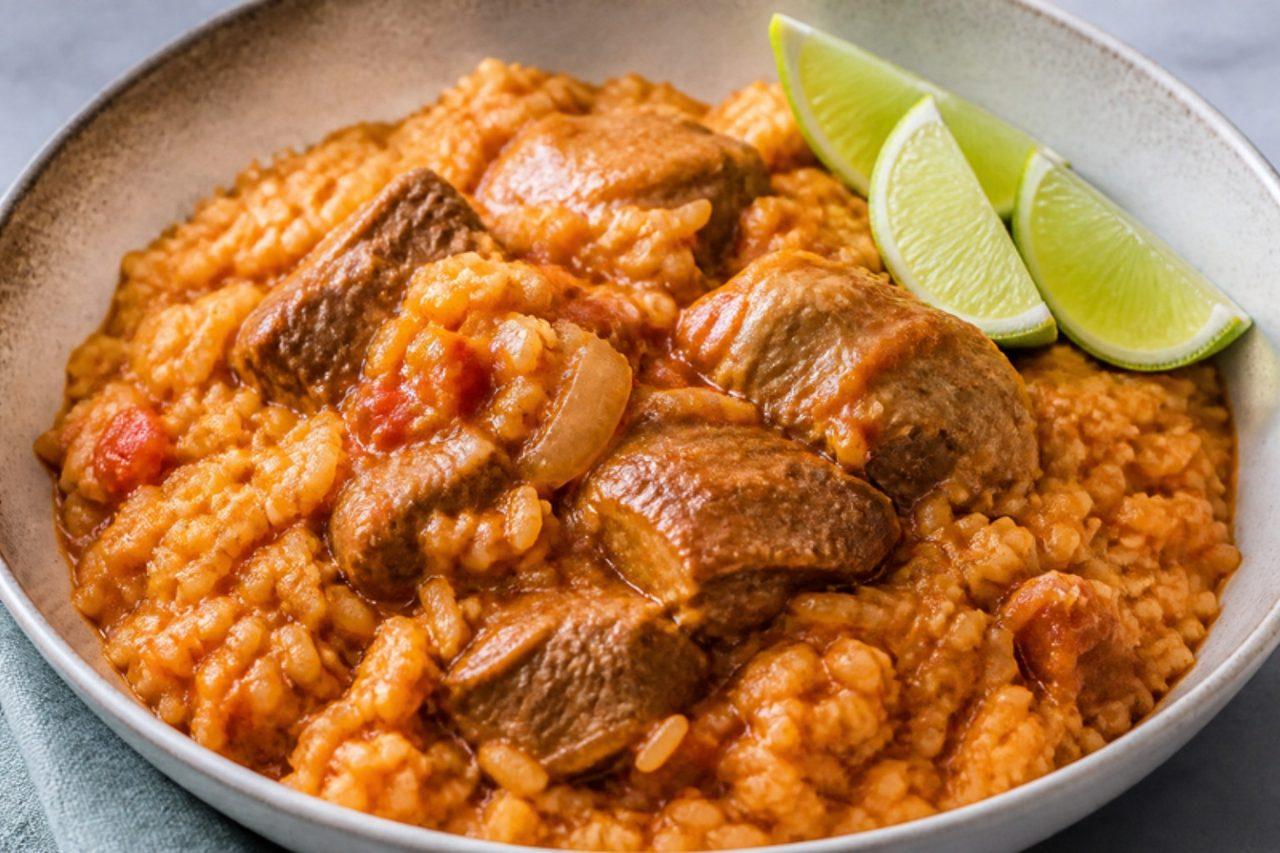
Somewhere between mafé and a risotto, dakhine is everyday Dakar comfort food: lamb or beef simmered in a peanut and tomato sauce, with the rice cooked right in the same pot until it soaks up all that nutty, savoury flavour. The result is thick, rich and very filling, the meat falling apart into the rice and a gentle heat from a whole Scotch bonnet. It is eaten from a shared bowl at lunchtime, with a squeeze of lime or a little chilli sauce on the side. Chef's tip: make sure the lamb is completely tender before the rice goes in, because the rice sets the timetable after that; adding it too early is the common mistake that leaves tough meat in mushy rice.

by KrazyBadal 0 views

Mbakhal (Saloum rice with peanuts and dried fish)

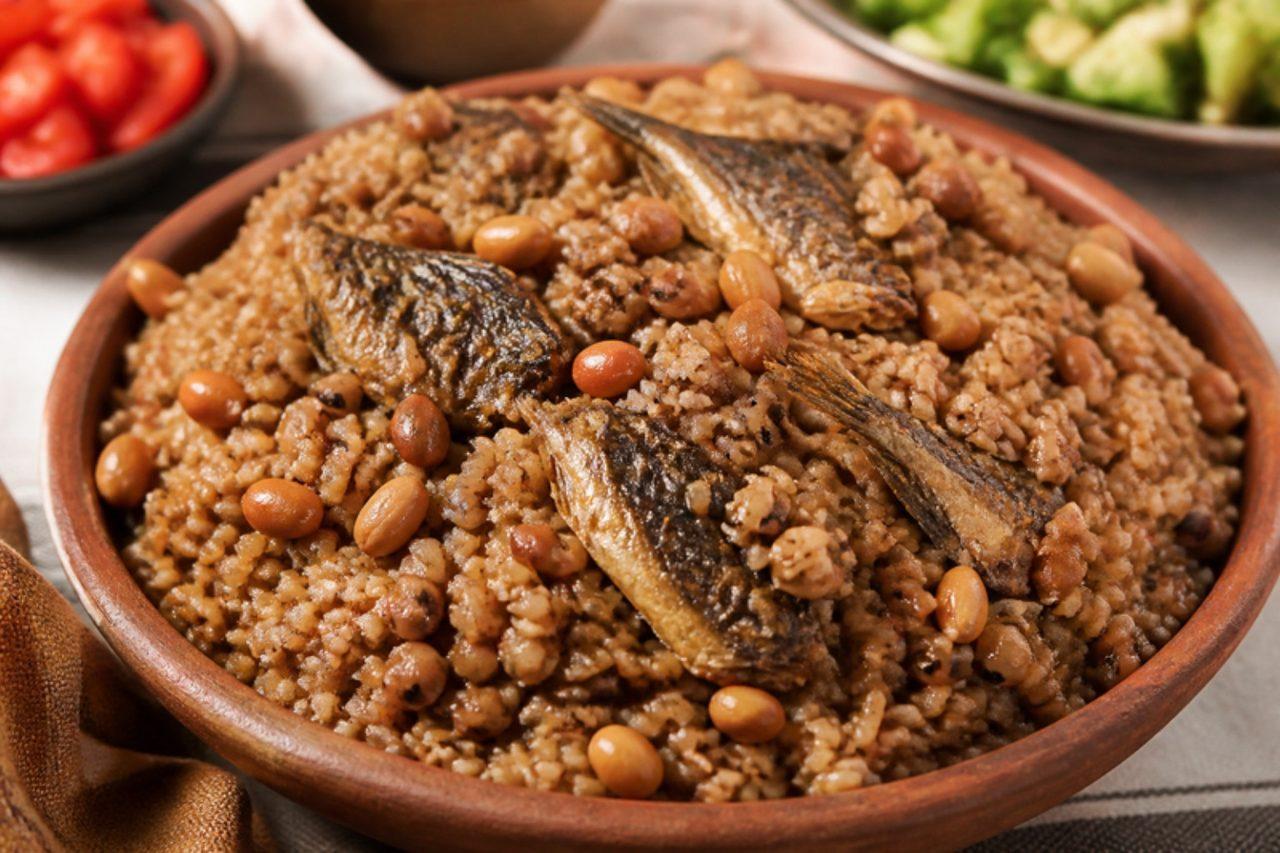
Mbakhal belongs to the Saloum, the peanut country around Kaolack and the Sine-Saloum delta, where it is cooked for gatherings and the Muslim feast days. Rice is simmered until soft and almost porridge-like in a sauce of ground peanuts, tomato and onion, together with black-eyed beans and guedj, the sun-dried, salted fish of the Senegalese coast. The flavour is deep and savoury, the texture creamy with bursts of bean and chewy flakes of fish. Salt cod or smoked fish are fair substitutes for guedj. Chef's tip: soak and taste the dried fish before you season, and add salt only at the end; over-salting is the most common mistake with mbakhal, since guedj and stock both carry plenty.

by KrazyBadal 0 views

Fante fante (Fante fresh fish stew)

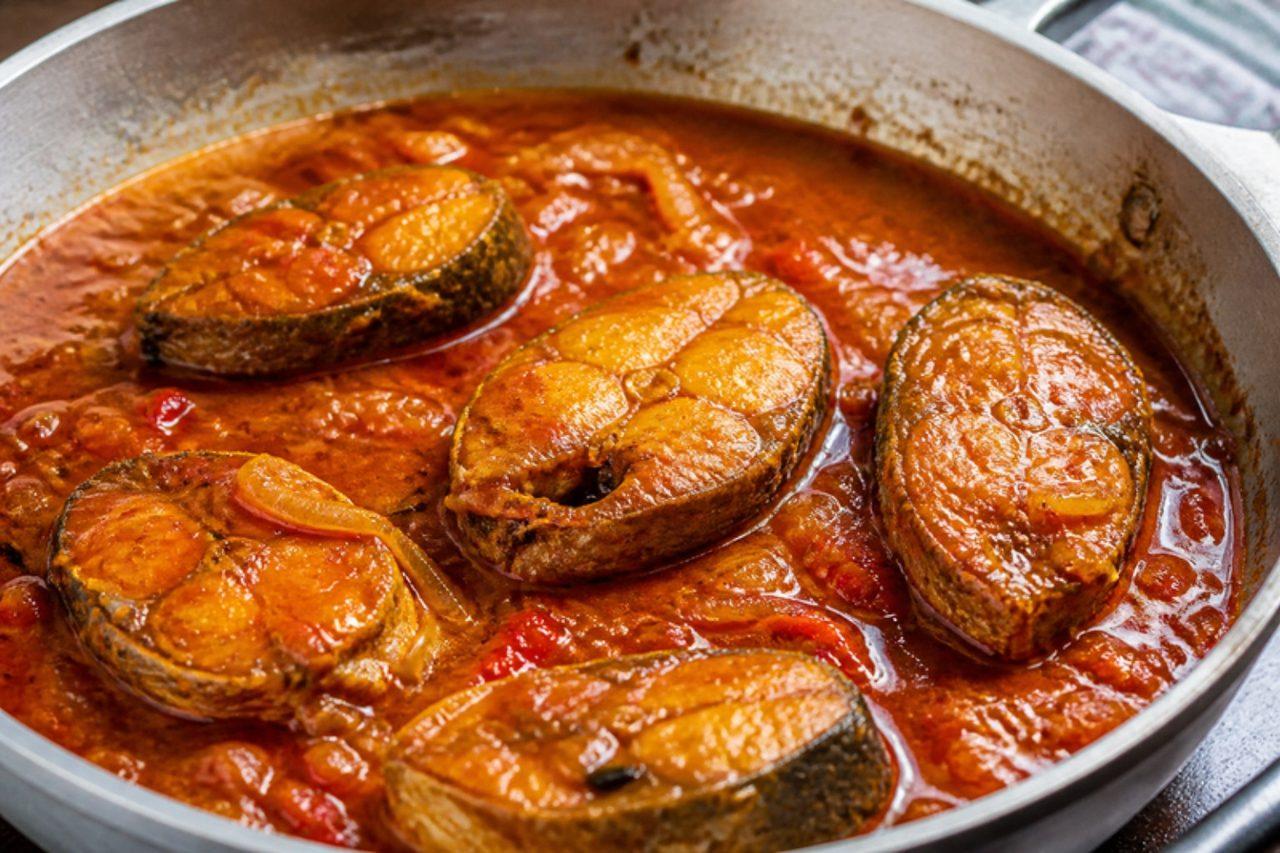
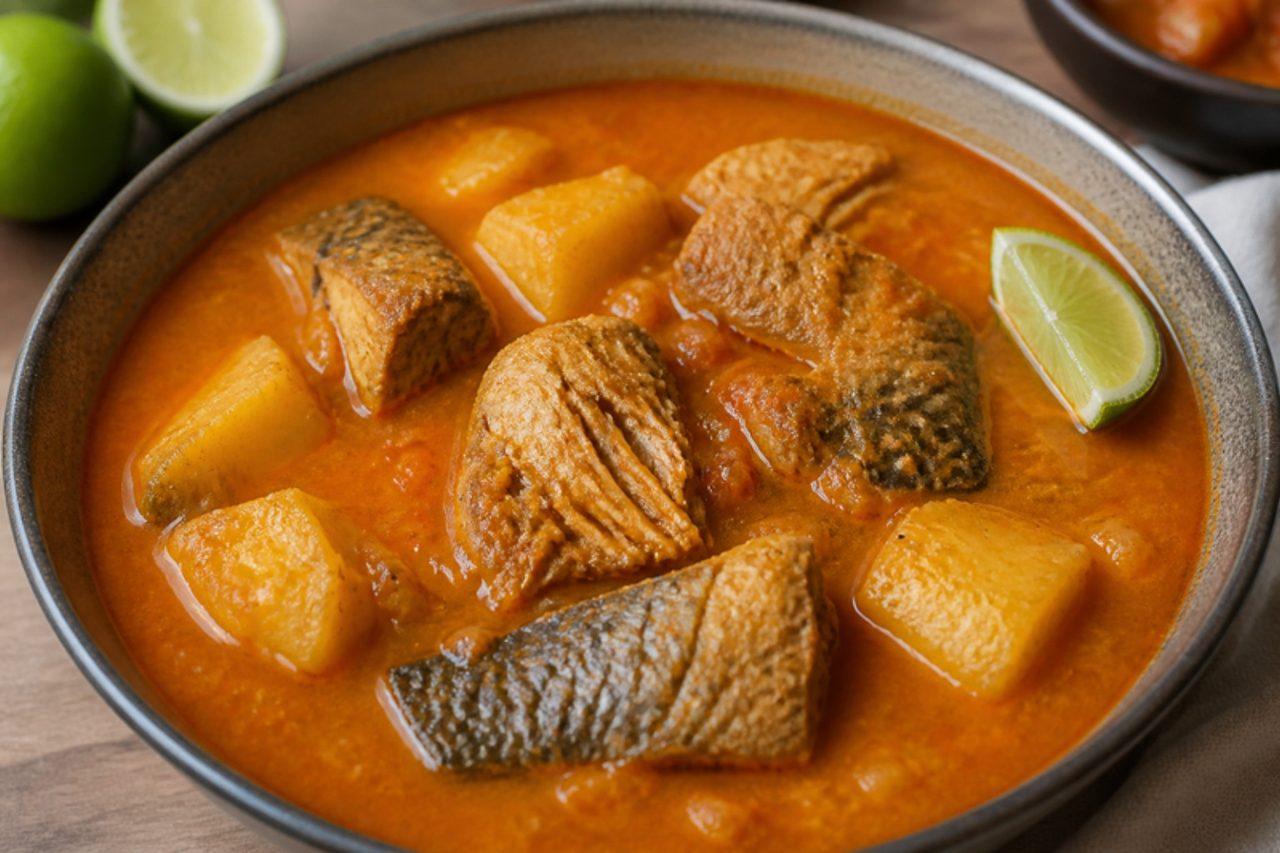
Fishing towns such as Elmina and Winneba cook fante fante when the canoes come in: fresh fish laid into a fragrant red sauce of palm oil, onion, tomato and pepper and gently simmered until just cooked. It is quick, bright and spicy, with the palm oil giving the sauce its colour and a slightly floral, earthy note, and the fish staying sweet and juicy. Serve it with kenkey, banku or boiled plantain, and plenty of sauce. Any firm white fish or oily fish steaks work, from red snapper to mackerel. Chef's tip: once the fish is in, shake the pan rather than stirring; stirring is the usual mistake and breaks the fish into shreds.

by KrazyBadal 0 views

Fetri detsi (Ewe okra soup with crab)

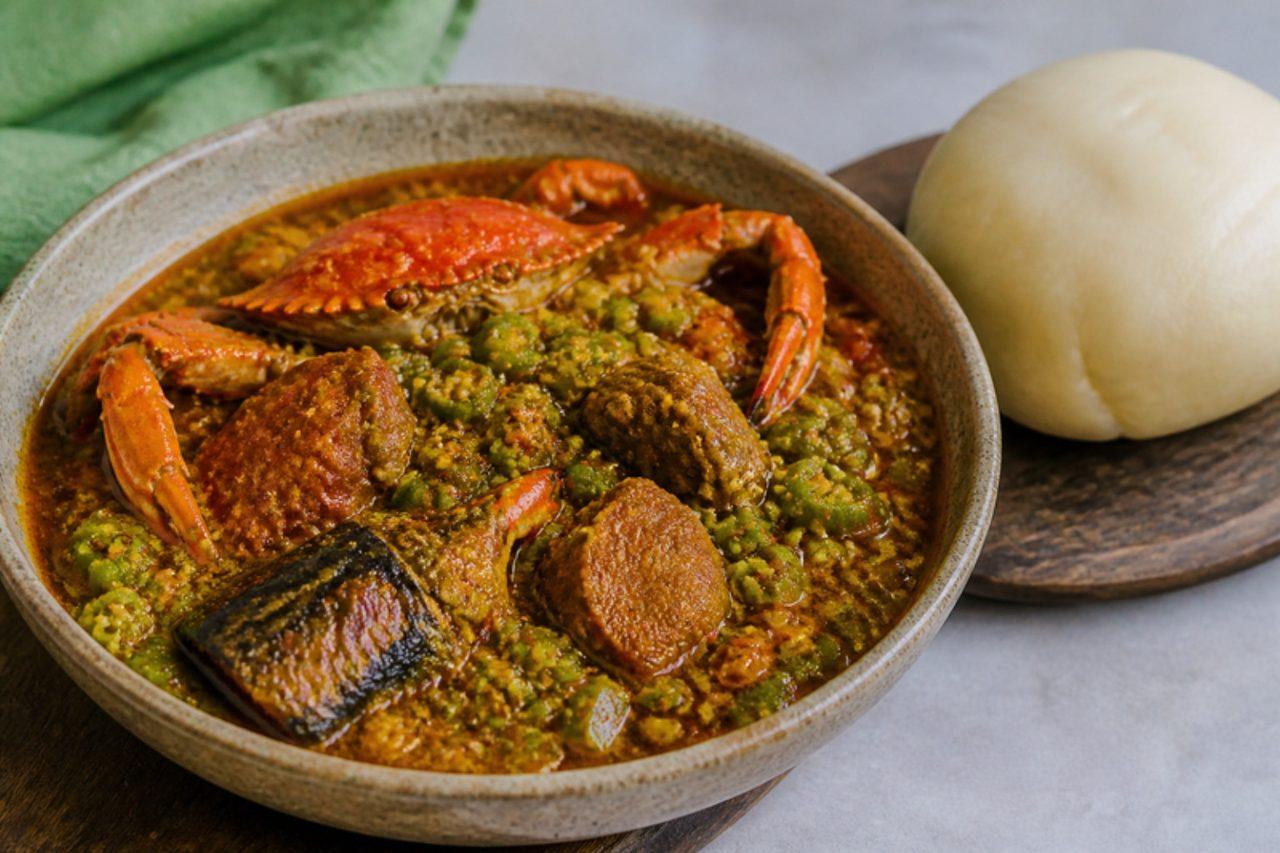
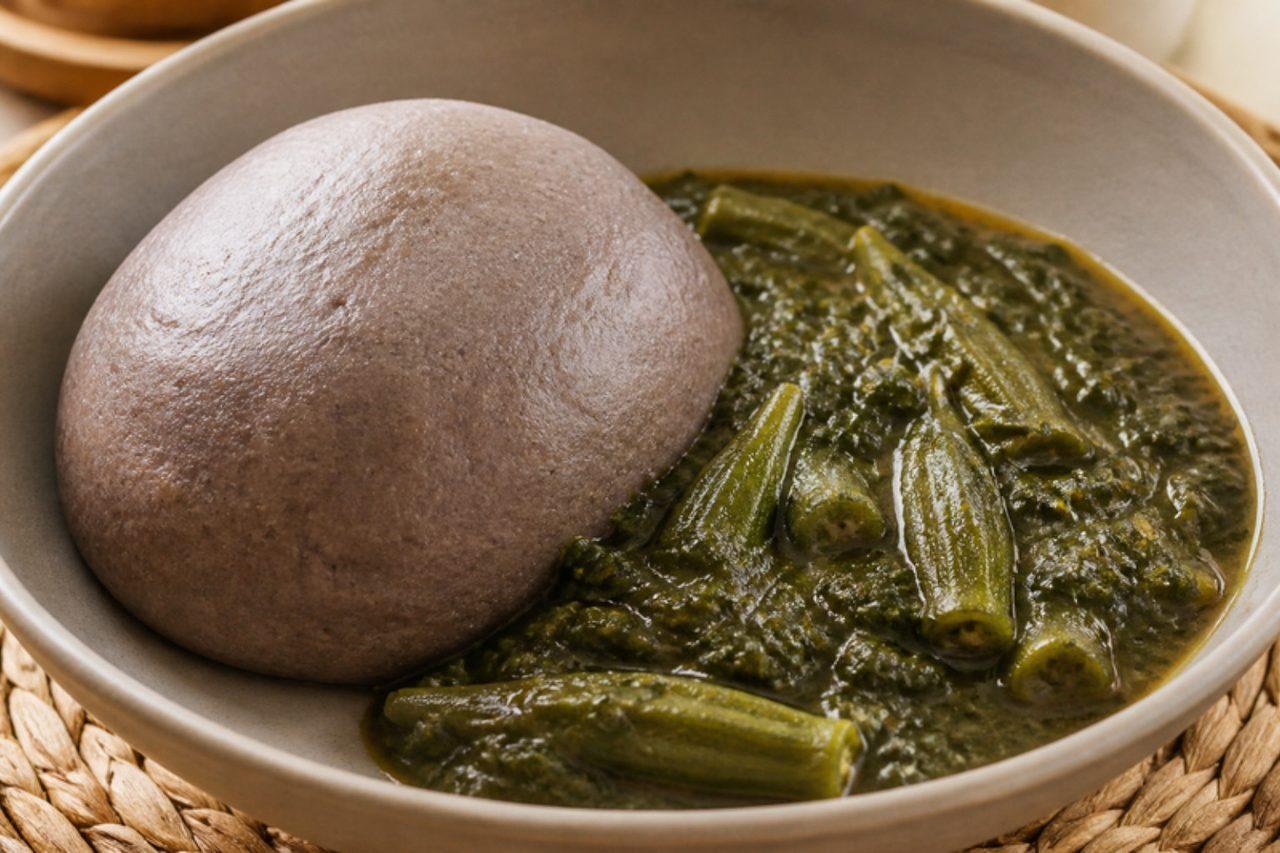
Along the Volta lagoons and in towns like Ho and Keta, the Ewe cook fetri detsi when there are fresh crabs to be had: a light tomato and pepper broth made rich with beef or goat, smoked fish and crab, then thickened at the last minute with chopped okra until it turns silky and slippery. It is eaten with akple, a smooth dough of corn and cassava, which is dipped and pulled through the soup. The flavours are of the sea, smoke and fresh pepper. Buy live crabs from a reputable fishmonger and discard any that are dead, cracked or smell off before cooking. Avoid overcooking the okra; added too early it loses its bright green and its draw. Chef's tip: add the okra only at the end and cook it for no more than 8 minutes; overcooked okra loses its green colour and its slipperiness, the very thing this soup is about.

by KrazyBadal 0 views

Ebbeh (Gambian cassava and fish soup)

Bowls of ebbeh are a favourite late-afternoon snack and supper at Gambian markets and beach stalls, sold steaming from big pots. Cassava is boiled until it breaks down and thickens the broth, then fish, red palm oil, onion and plenty of chilli go in, and the soup is finished with a sharp squeeze of lime. It is thick and starchy, hot, sour and savoury all at once, with soft chunks of cassava and flaky fish. Some cooks add crab or a little smoked fish; this version uses fresh fish with smoked fish for depth. Avoid stirring hard once the fish goes in, or it breaks into shreds. Chef's tip: cook the cassava until some of it collapses before adding the fish, because the cassava itself is the thickener; undercooked cassava gives a thin soup and is unsafe to eat.

by KrazyBadal 0 views

Banku and grilled tilapia

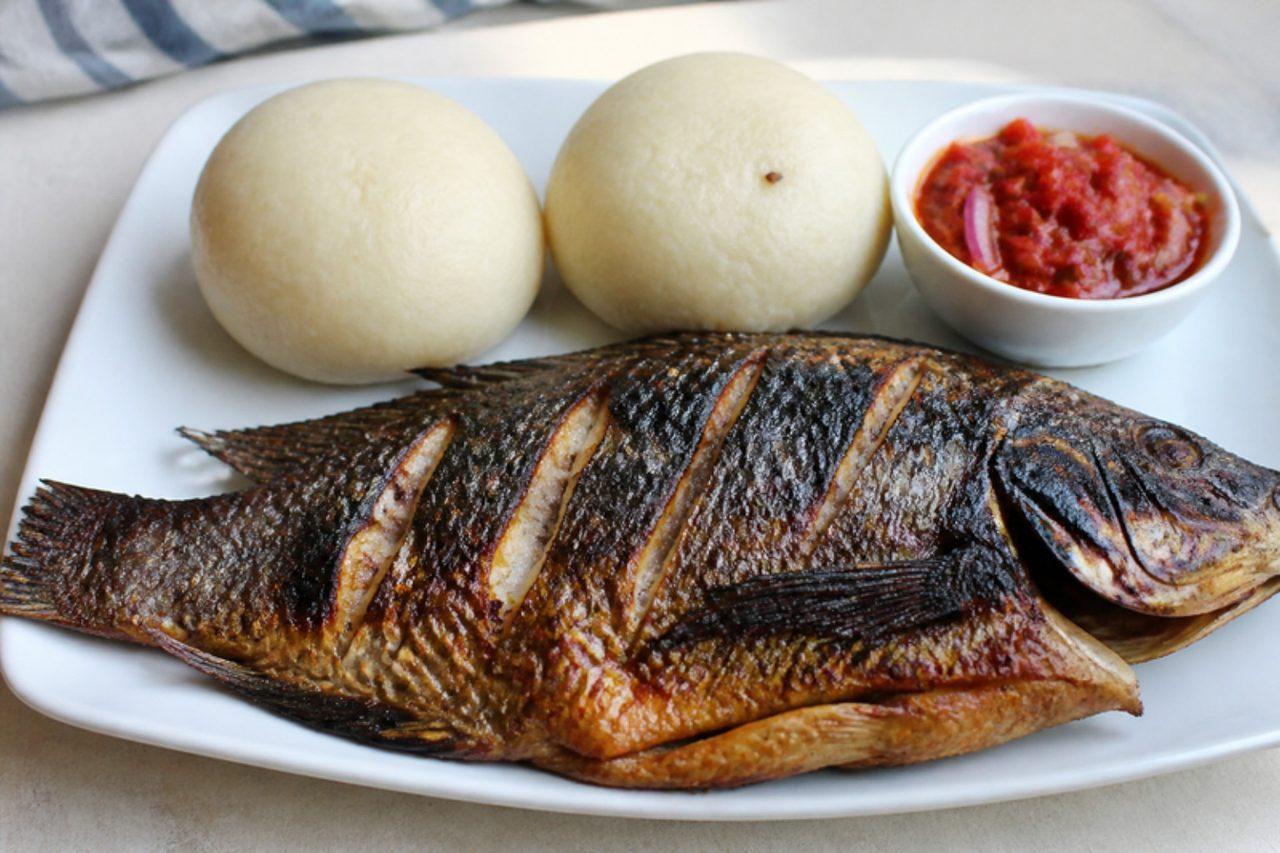
Night falls in Accra and the smoke rises from Osu to Labadi: whole tilapia, slashed and rubbed with ginger, garlic and chilli, crackles over charcoal at roadside grills and beach spots, served with a ball of banku, a heap of raw pepper sauce and sliced onions. Banku is a smooth, stretchy dough of fermented corn and cassava, slightly sour, cooked and beaten in a pot until it pulls away from the sides. Together they make a messy, joyful meal eaten with the fingers: smoky fish, tangy banku and a sauce hot enough to make your eyes water. Corn and cassava dough are sold in African shops, often as banku mix. The commonest mistake is turning the fish too soon; leave it until it releases cleanly from the grill. Chef's tip: marinate the fish in the fridge, not on the counter, and oil the grill and the fish well, because skin sticking to the bars is the most common way to lose a whole tilapia.

by KrazyBadal 0 views

Guinean tamarind juice

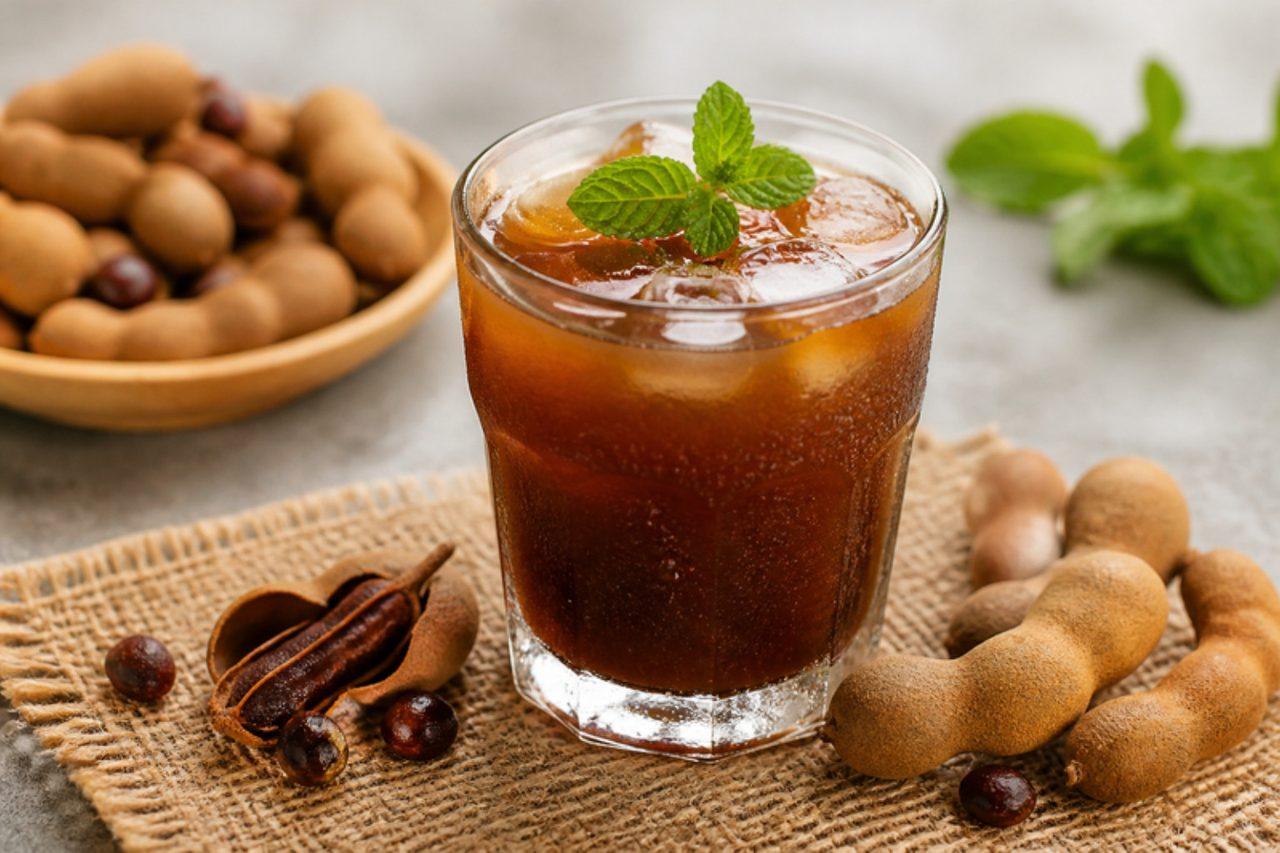
Tomi is the name for tamarind in Guinea, and in Conakry its juice is poured from plastic bottles kept on ice at markets, bus stops and family celebrations alongside bissap and ginger juice. The sticky brown pulp is soaked in hot water, kneaded and strained into a drink that is brown-gold, fruity and pleasantly sour, sweetened with sugar and lifted with a little ginger and vanilla. It is especially welcome at sunset during Ramadan. Chef's tip: soak the pulp in hot, not boiling, water and knead it well; boiling the tamarind is a common mistake that pulls out bitterness from the seeds and skins.

by KrazyBadal 0 views

Tapalapa (Gambian crusty bread)

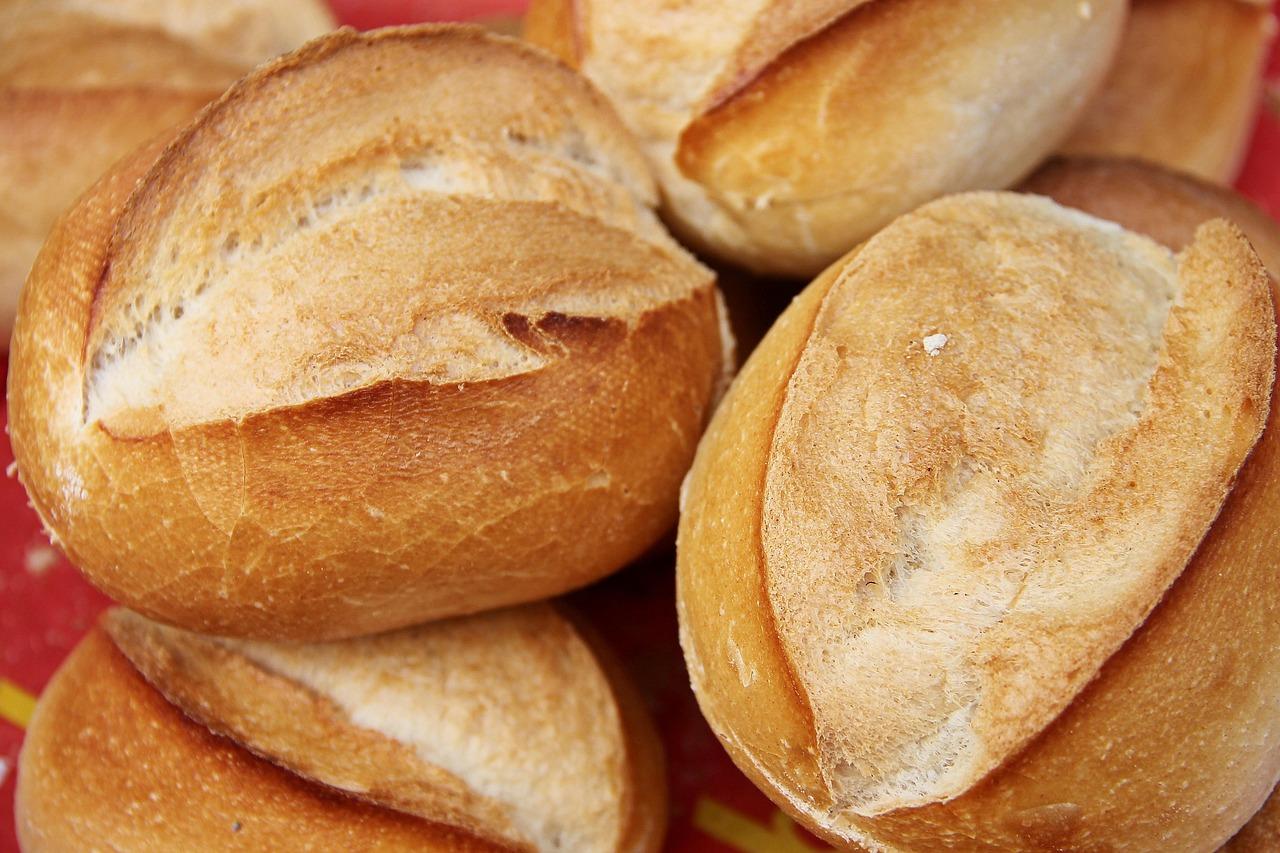
Early each morning, small bakeries around Serekunda and Brikama pull trays of tapalapa from wood-fired ovens, and the short, rustic loaves are on every breakfast stall by sunrise. Denser and chewier than a French baguette, tapalapa has a thick, crackling crust and a slightly tight crumb that holds up to fillings: black-eyed beans in sauce, an omelette, or a smear of chocolate spread. A very hot oven, a baking stone and a tray of steam get you close at home. Allow about two and a half hours of rising. Chef's tip: let the shaped loaves rise only until puffy, not doubled; over-proving is the common mistake, and the loaves flatten and lose the chewy bite.

by KrazyBadal 0 views

Nyambeh nyebbeh (cassava and beans in palm oil)

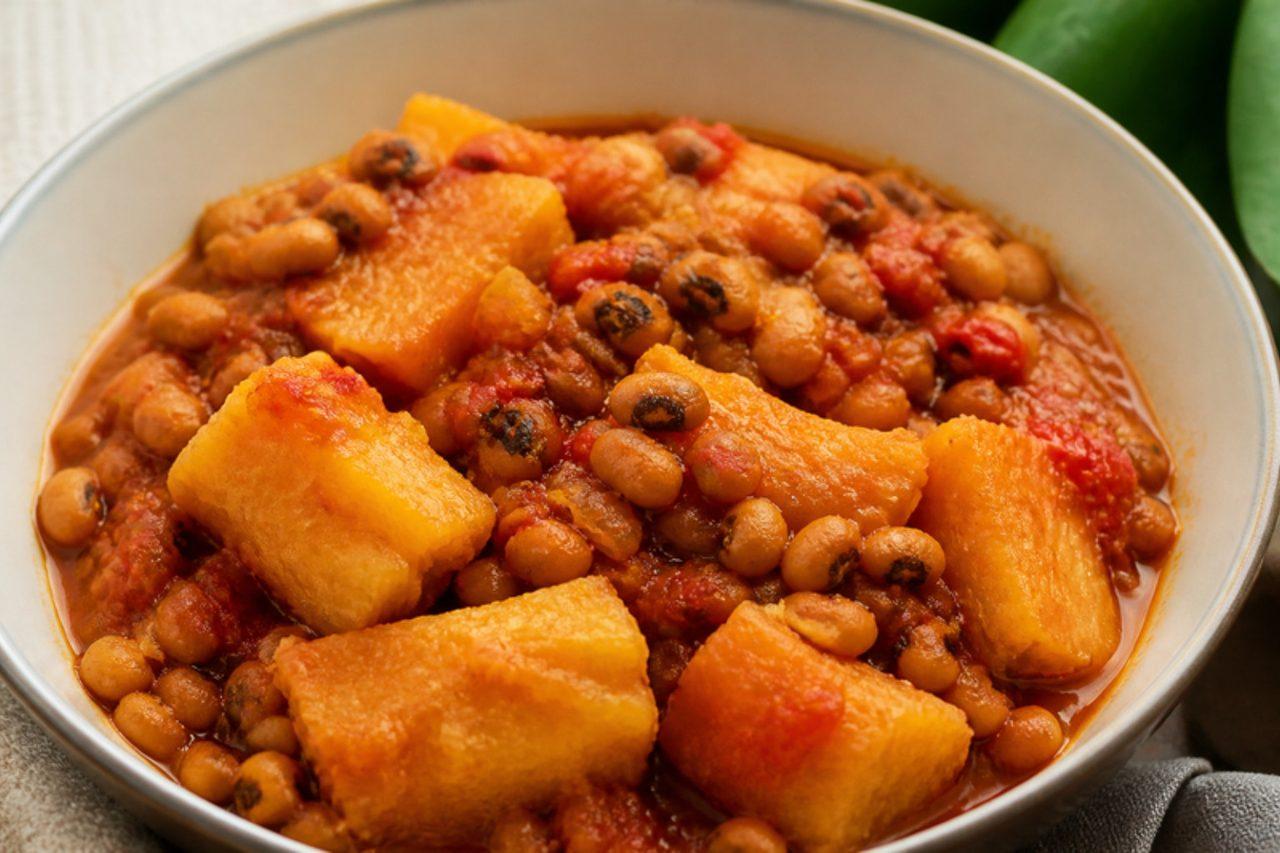
Bright with red palm oil, nyambeh nyebbeh, cassava (nyambeh) and beans (nyebbeh), is a favourite Gambian lunch from Banjul compounds to roadside food stalls. Chunks of cassava and black-eyed beans are boiled until tender, then dressed with a hot sauce of red palm oil, onion and Scotch bonnet. Cassava gives starchy, slightly sweet bites, the beans turn creamy, and the palm oil adds its earthy, peppery depth. Dried fish is often crumbled in; this is the meat-free version. Chef's tip: always cook cassava fully and pull out the woody core string, since undercooked or raw cassava is unsafe to eat; it is ready when a knife slides through with no resistance.

by KrazyBadal 0 views

Meni-meniyong (Malian sesame honey sticks)

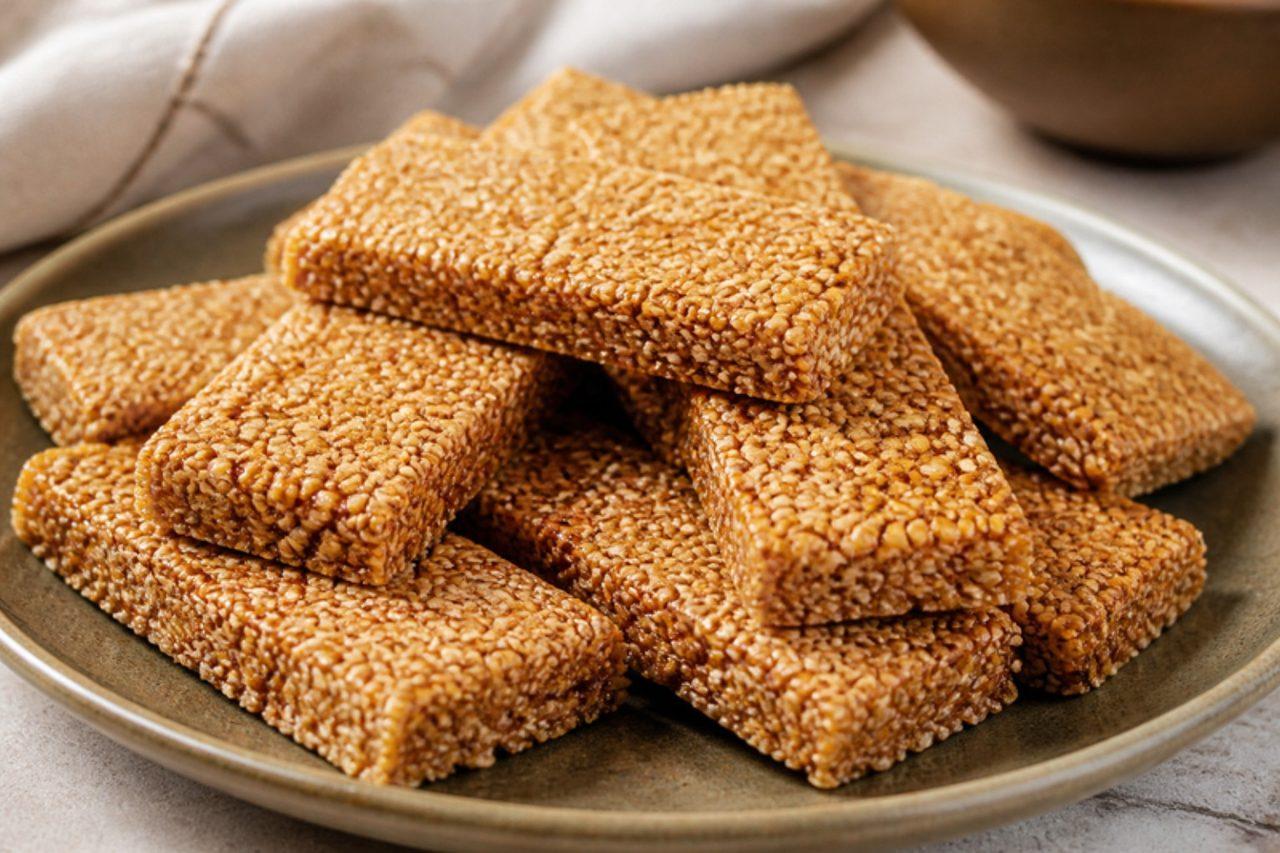
Toasted sesame seeds bound with hot honey and a knob of butter, then pulled into sticks before they harden: meni-meniyong is a little Malian sweet sold at markets and made at home for guests and festive days. The sticks are crisp at the edges, chewy in the middle, and taste deeply of toasted seeds and dark honey. They need only three ingredients but reward careful heat. Children love them, and they keep well in a tin. Chef's tip: cook the honey until a drop in cold water forms a firm ball; pulling it off too early is the usual mistake, and the sticks stay soft and sticky instead of setting.

by KrazyBadal 0 views

Moni (millet dumpling porridge with tamarind)

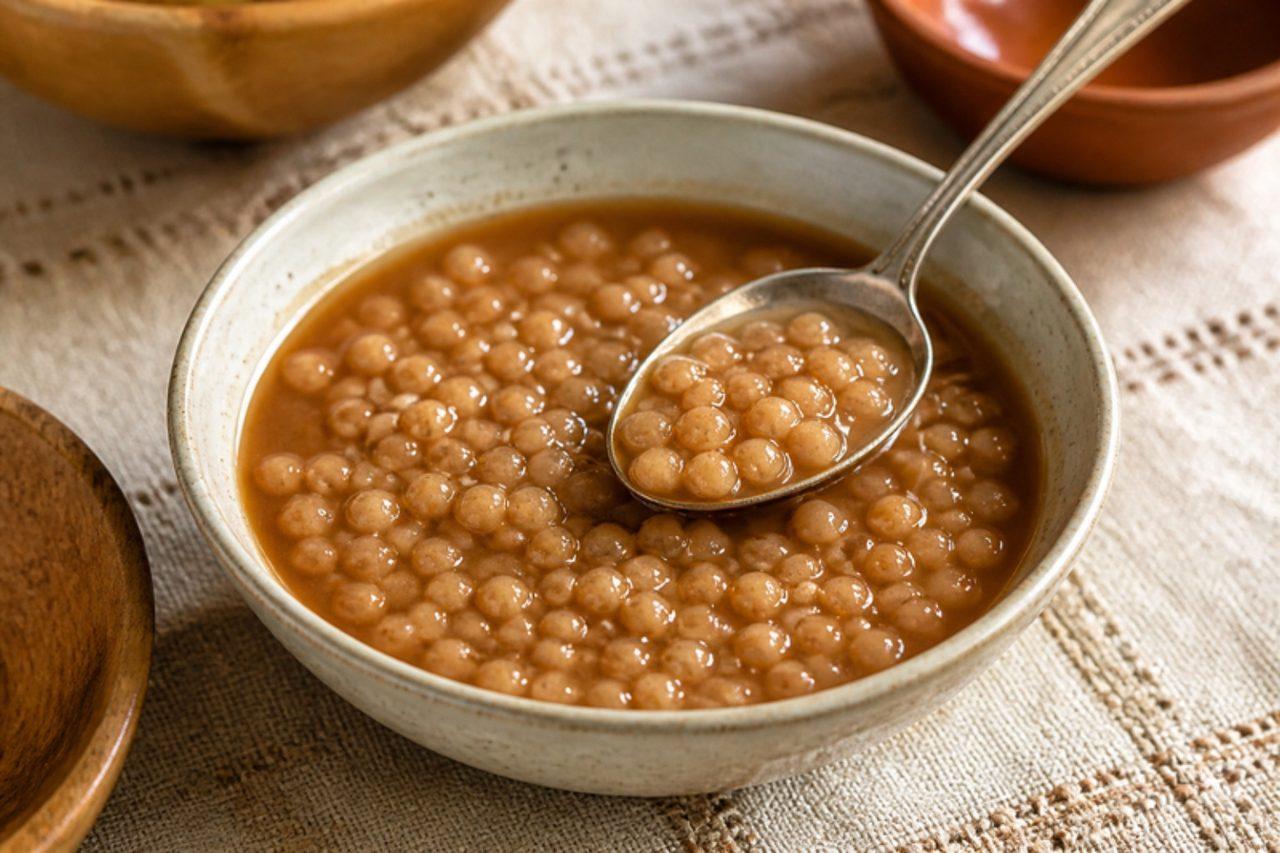
Bamako mornings, and especially Ramadan mornings before dawn, often start with a bowl of moni: tiny balls of millet flour rolled by hand and cooked in water until they turn plump and chewy in a smooth porridge. Tamarind gives it a clear sourness, sugar balances it, and some cooks add a squeeze of lemon or a little fresh ginger. It is thinner than tô and meant to be drunk from the bowl or eaten with a spoon. This version is vegan; some families stir in milk or soured milk at the table. Don't drop the dumplings into water that isn't boiling, or they dissolve into the porridge. Chef's tip: roll the balls small, no bigger than a chickpea, and let them dry on the tray for ten minutes before cooking so they hold together instead of dissolving.

by KrazyBadal 0 views

Djouka (fonio with peanut sauce)

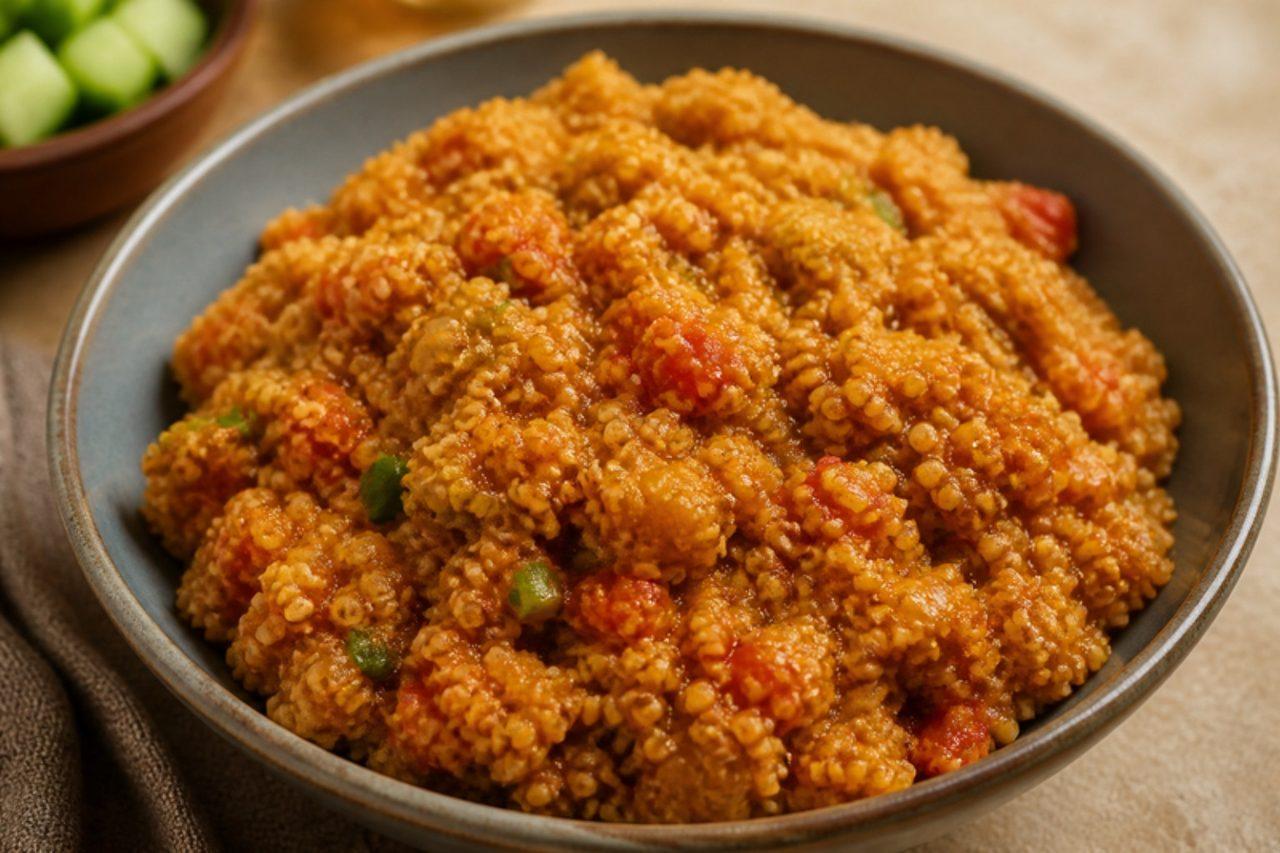
Fonio, the tiny ancient grain of the Sahel, cooks in minutes, and Fula (Peul) families in Mali turn it into djouka by steaming it fluffy and folding it into a thick, savoury peanut sauce with onion, tomato and chilli. Meat is often added for guests and festivals; this is the meat-free home version, rich enough to stand alone as a main dish. The grains stay light and separate, coated in a sauce that is nutty, gently sweet from slow-cooked onion and warm with pepper. Serve it with a fresh tomato and onion salad or a bowl of sour milk on the side if you are not keeping it vegan. The usual mistake is cooking fonio in too much water; it turns to paste. Steam it or use a small amount of water. Chef's tip: rinse fonio in several changes of water and let the grit settle each time, because unwashed fonio often carries fine sand.

by KrazyBadal 0 views

Malian tô (millet swallow)

Across Mali, from Bamako courtyards to villages along the Niger, the evening meal very often means tô: a firm, smooth paste of millet or sorghum flour, beaten in a pot over the fire until it holds its shape. It is the plain, filling partner to slippery sauces of okra or baobab leaf (lalo), torn off with the right hand and dipped. Tô has a mild, slightly sour grain taste and a texture like firm polenta. A little tamarind water or lime helps it set and keeps it from tasting flat. Chef's tip: add the flour to the porridge in several small batches and beat hard after each one; dumping it all in at once is the classic mistake, and it leaves dry lumps that never smooth out.

by KrazyBadal 0 views

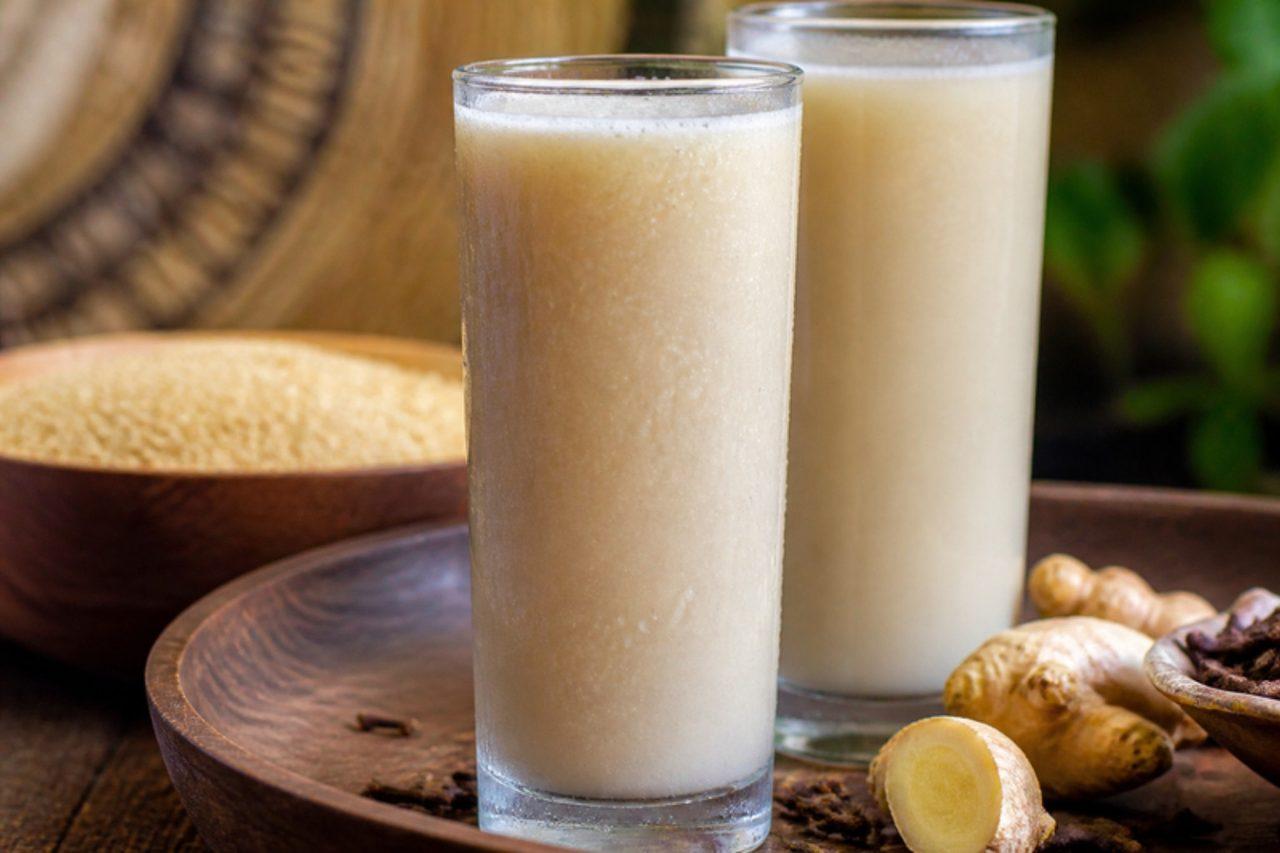
Senegalese ginger juice

Nearly every Senegalese party, baptism and wedding table carries a jug of jus de gingembre next to the bissap, and Dakar street sellers keep it in frosted plastic bottles. Fresh ginger is blended with water, left to steep, strained and sweetened, then brightened with lemon and mint. Expect a sweet first sip followed by a strong, warming burn that is surprisingly refreshing when the drink is ice cold. Some cooks add a little pineapple juice or vanilla for a rounder taste. Chef's tip: taste before serving and dilute with cold water if it is too fierce; the most common mistake is serving it undiluted, when it can be strong enough to make people cough.

by KrazyBadal 0 views

Café Touba (spiced Senegalese coffee)

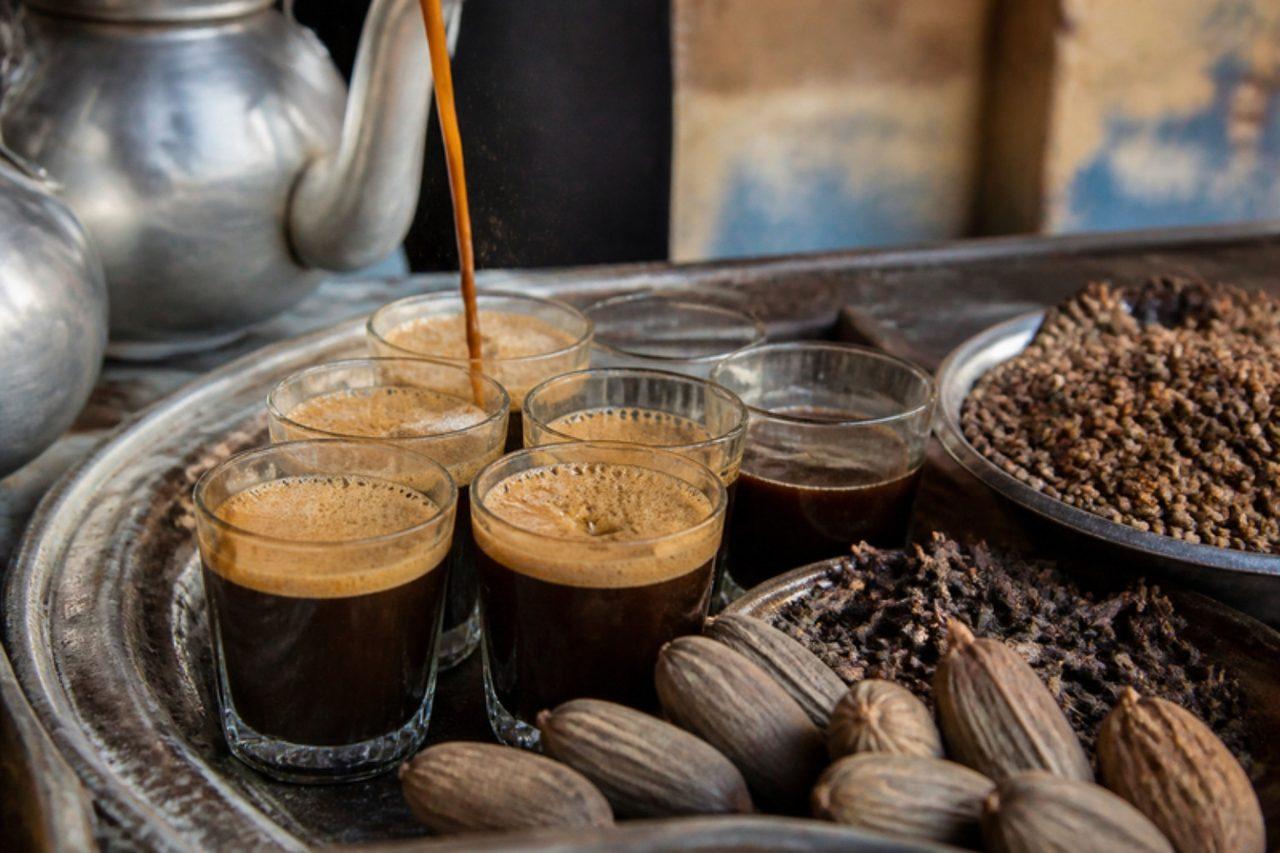
Poured from tall kettles into small cups on street corners from Dakar to the holy city of Touba, café Touba is coffee roasted together with djar, the smoky, peppery pods also called grains of selim, and often a few cloves. The drink is linked with the Mouride brotherhood and its founder Cheikh Amadou Bamba, and it is drunk sweet and strong at any hour. It has a deep roasted bitterness with a tingle of pepper and clove at the back of the throat. Roasting green beans at home takes about 20 minutes and makes enough for several pots; if you cannot get green beans, toast the spices separately and grind them with medium-roast coffee. Most people go wrong by grinding the djar (selim pepper) too coarsely, so its peppery note never comes through. Chef's tip: roast over a moderate heat and keep the beans moving, since high heat burns the outside while the inside stays raw and sour.

by KrazyBadal 0 views

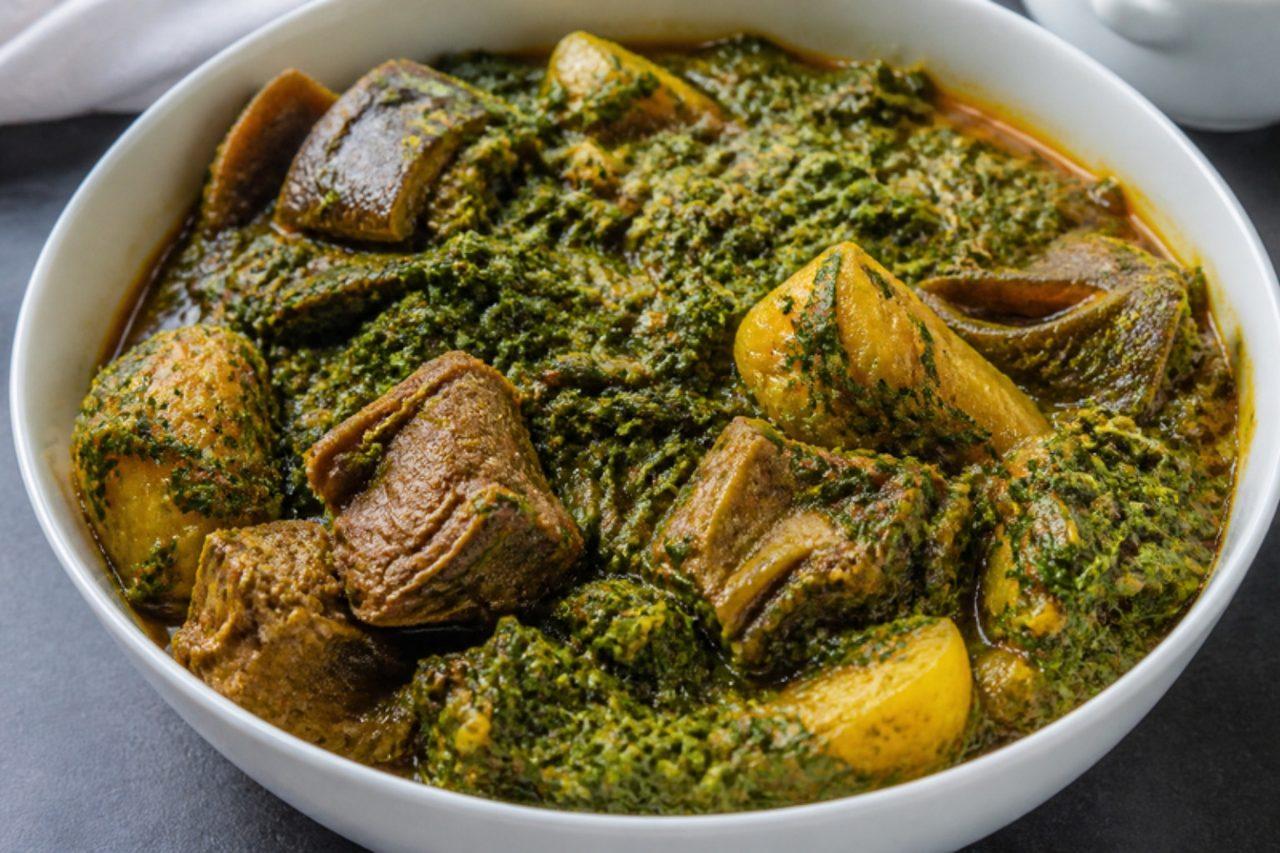
Abunuabunu (Ghanaian green soup)

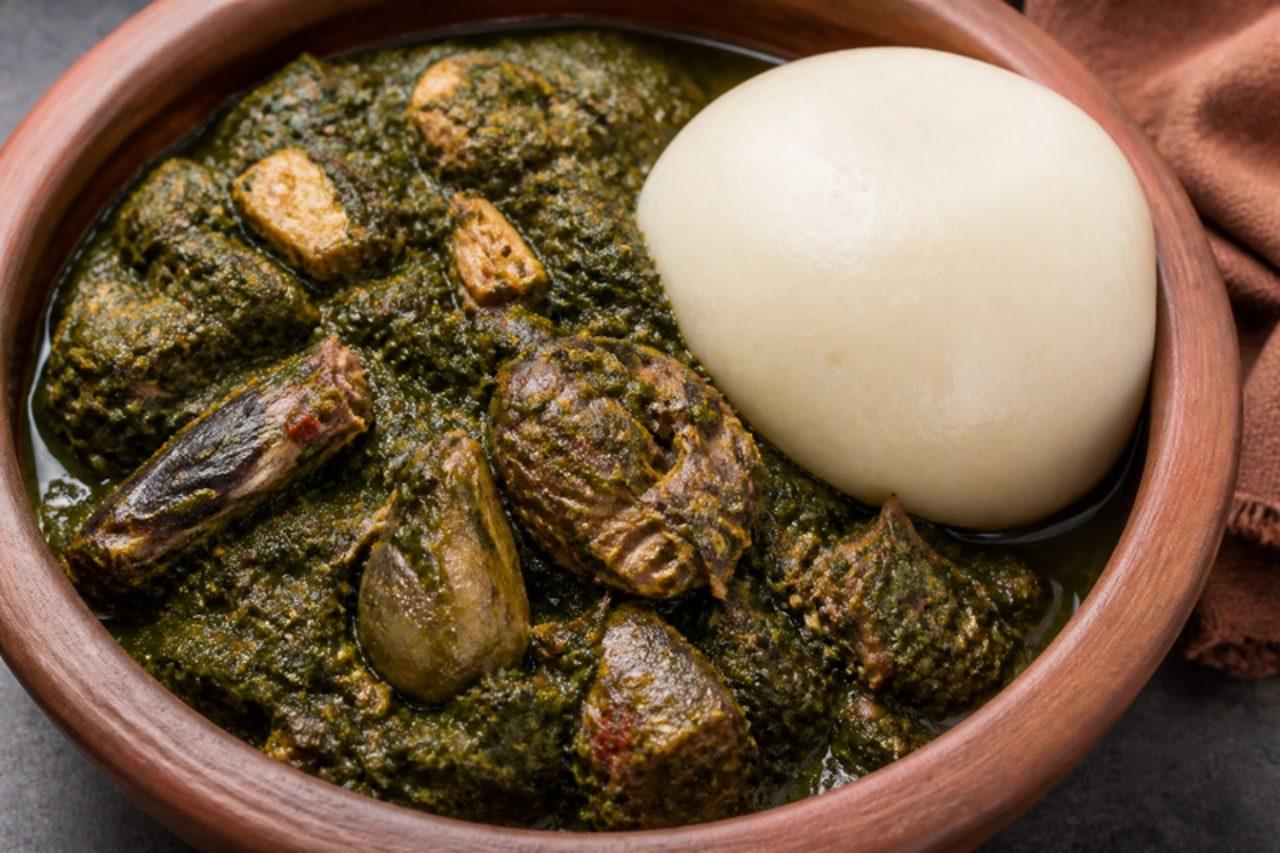
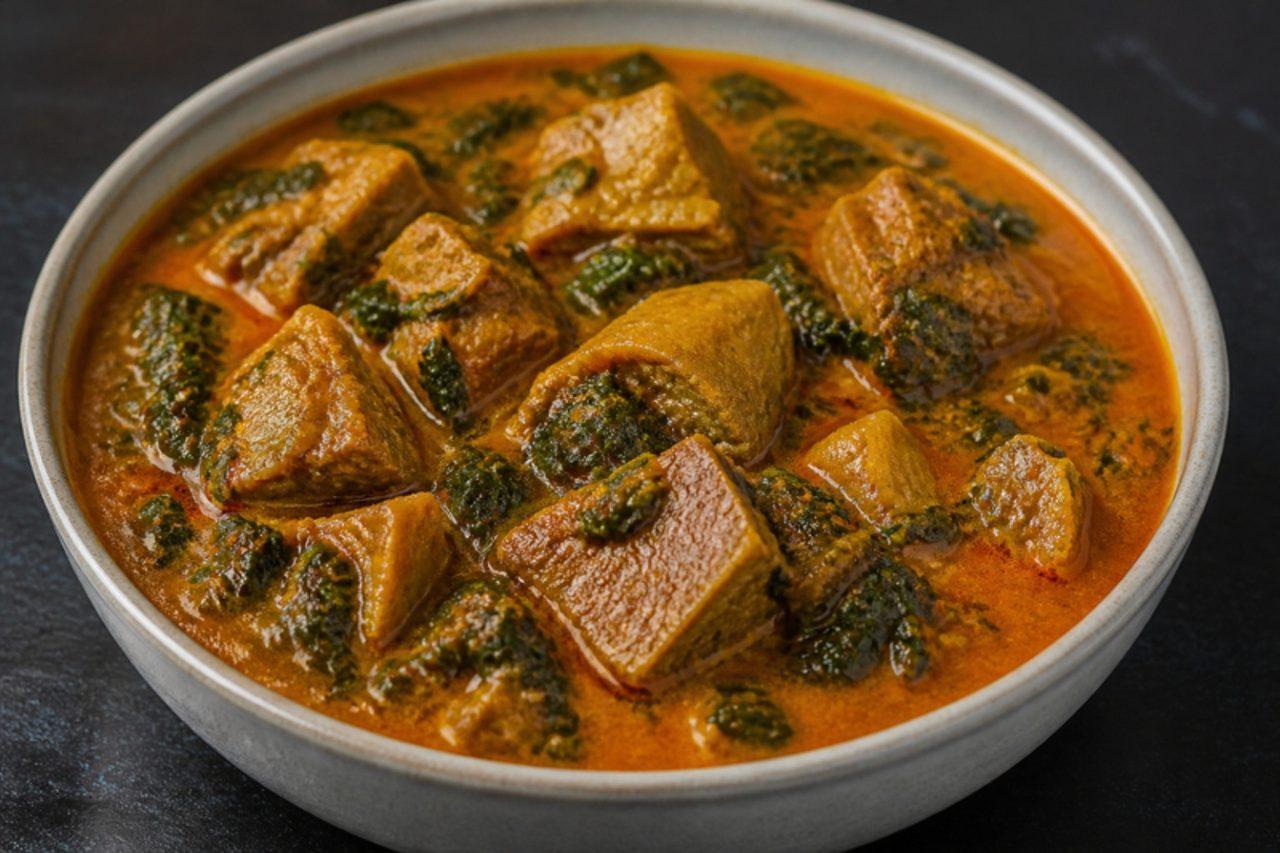
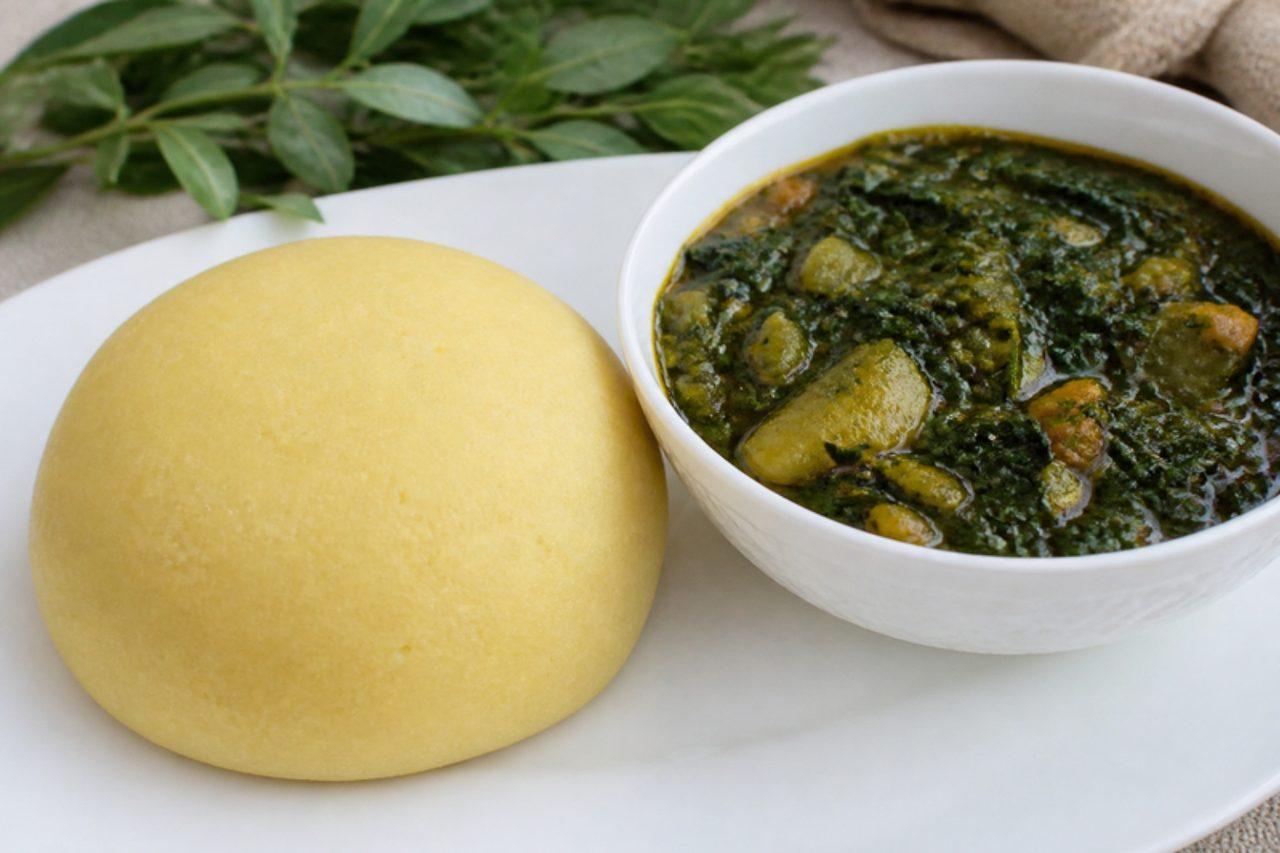
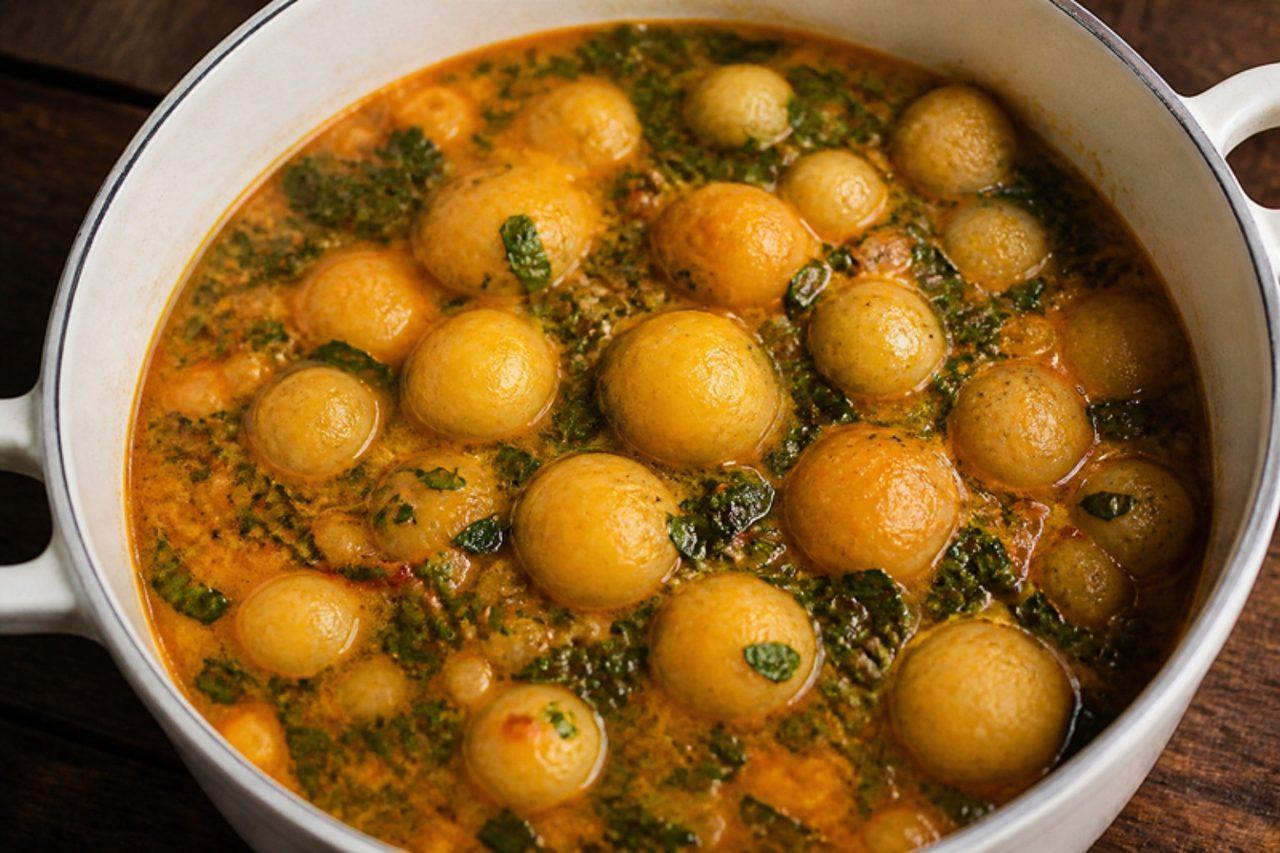
Green from cocoyam leaves (kontomire), garden eggs and green chillies, abunuabunu is a home-style soup from the Ashanti and Bono farmlands, cooked when the leaves are young and plentiful. Traditionally it is made with giant land snails or bush meat; this version uses goat or beef with smoked fish, which are easier to find. The leaves and vegetables are boiled, pounded or blended and returned to the meat stock, giving a fresh, grassy, peppery soup with a gentle bitterness. It is eaten with fufu or ampesi (boiled yam and plantain). Spinach works if you cannot buy cocoyam leaves. Don't skimp on the cooking time for the cocoyam leaves; undercooked, they leave an itchy, scratchy feel in the throat. Chef's tip: always boil cocoyam leaves for at least 15 minutes, because underdone leaves leave an itchy, scratchy feeling in the throat; if you use snails, buy them cleaned from a reputable seller and simmer them until firm.

by KrazyBadal 0 views

Abenkwan (palm nut soup with goat)

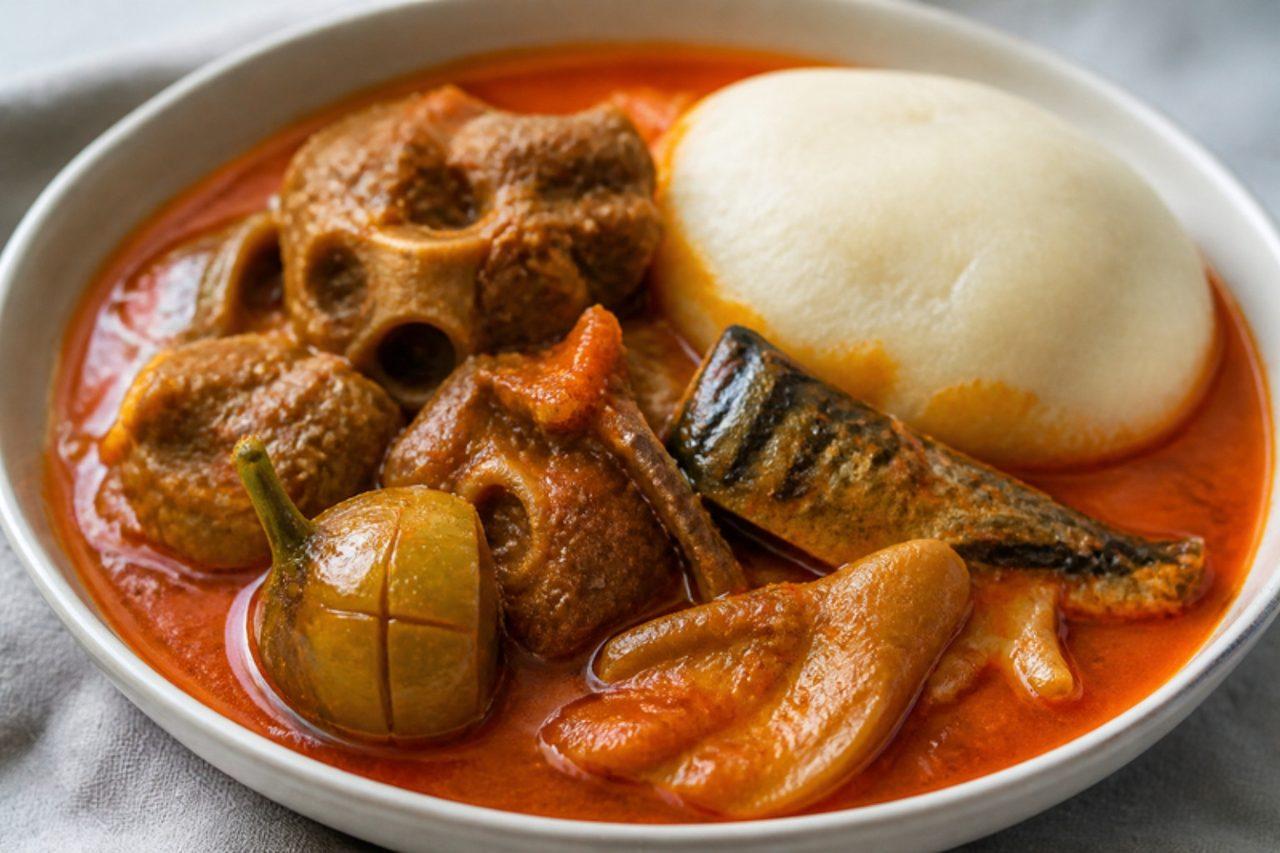
Sunday lunch in Kumasi often means a deep bowl of abenkwan, the brick-red palm-nut soup that chop bars serve all week with pounded fufu. Goat is first steamed in its own juices with onion and ginger, then simmered with garden eggs, tomatoes and pepper that are blended back in, and finally with the rich cream of palm fruit until a layer of orange oil floats on top. Smoked fish adds a savoury, smoky edge. The soup is thick, slightly sweet, earthy and peppery. Canned palm nut cream, sold in African shops, saves hours of pounding fresh fruit; small white aubergines can replace garden eggs. Chef's tip: simmer until the palm oil rises and collects on the surface; serving it earlier is the most common mistake and leaves the soup tasting raw and heavy.

130 minGhanaianMeatGluten free
by KrazyBadal 0 views

Domedo (Ghanaian spiced pork)

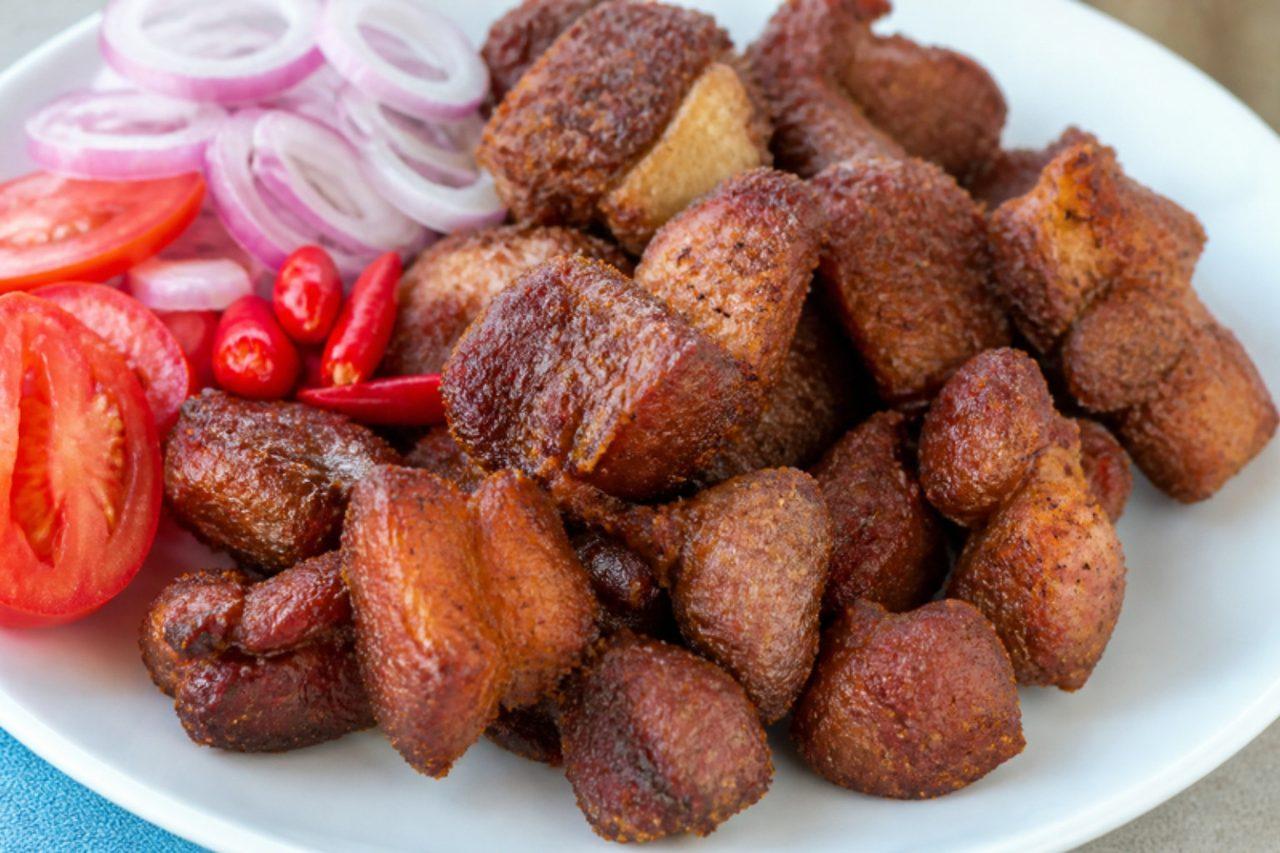
Domedo is pork: chunks of pork shoulder or belly rubbed with ginger, garlic, onion, cloves and chilli, simmered until tender, then roasted or fried until the edges turn crisp and caramelised. Around Accra it is a favourite at chop bars and roadside grills in the evening, wrapped in paper with raw onion, sliced tomato and a pile of fresh pepper, often alongside kenkey. The meat is juicy and spicy with a crackling, salty outside. Cooking it twice means the fat renders out and the chunks stay moist. Chef's tip: dry the boiled pork well before roasting and give the pieces space on the tray; crowding them is the usual mistake, and they steam instead of crisping.

by KrazyBadal 0 views

Chura gerte (Gambian rice and peanut porridge)

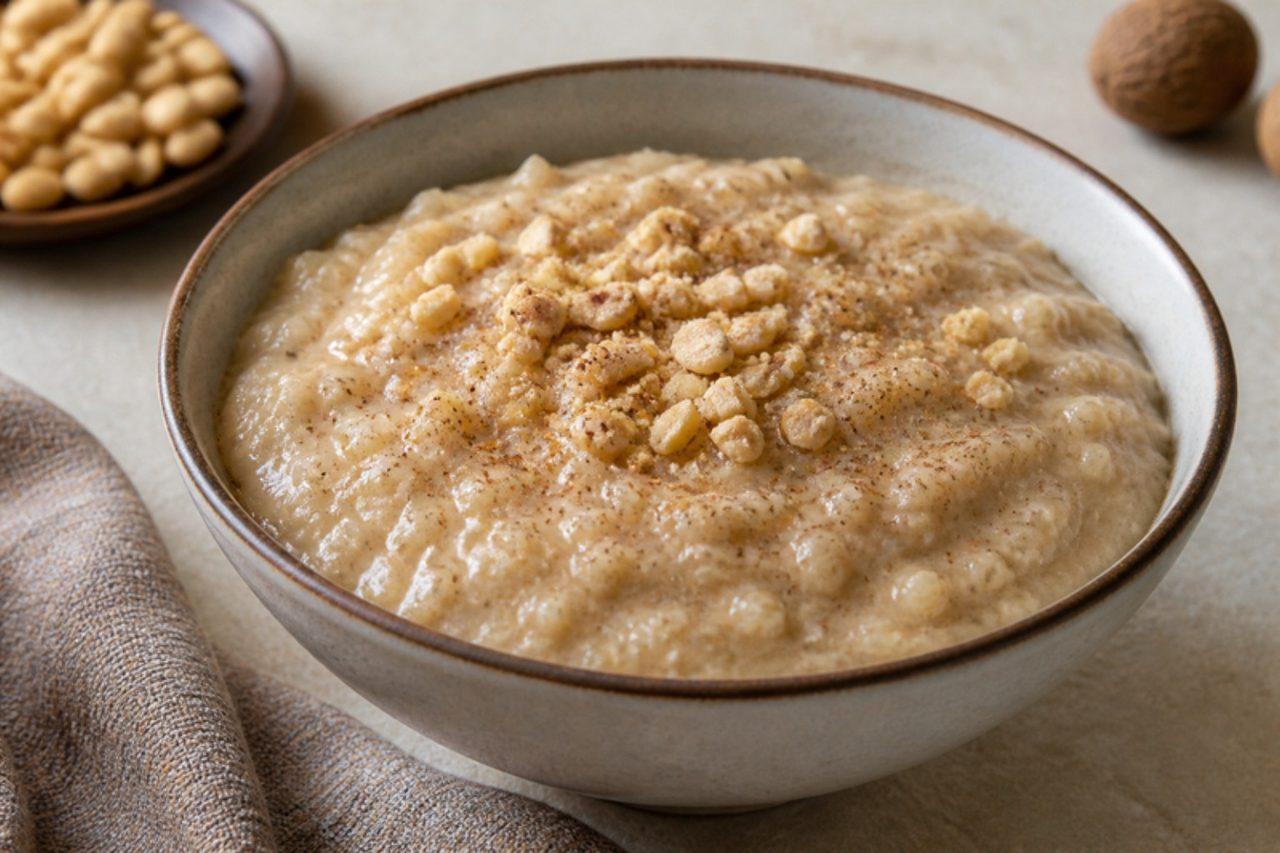
Groundnuts are The Gambia's great crop, and chura gerte, rice porridge cooked with ground roasted peanuts, is how many families in Banjul and Serekunda start the day. Broken rice is simmered until soft and creamy, then the peanut paste goes in with sugar, a pinch of salt and sometimes vanilla or nutmeg. It is thick, comforting and nutty, a bowl that keeps children going until lunch. Some households pour sour milk over the top; leave it out, as here, and the porridge is vegan. Avoid adding the peanut paste in one lump; whisk it in loosened with hot liquid or it clumps. Chef's tip: stir the peanut paste into the rice only once the grains are completely soft, because rice cooked in peanut from the start catches on the base and stays chalky.

by KrazyBadal 0 views

Sombi (Senegalese coconut rice pudding)

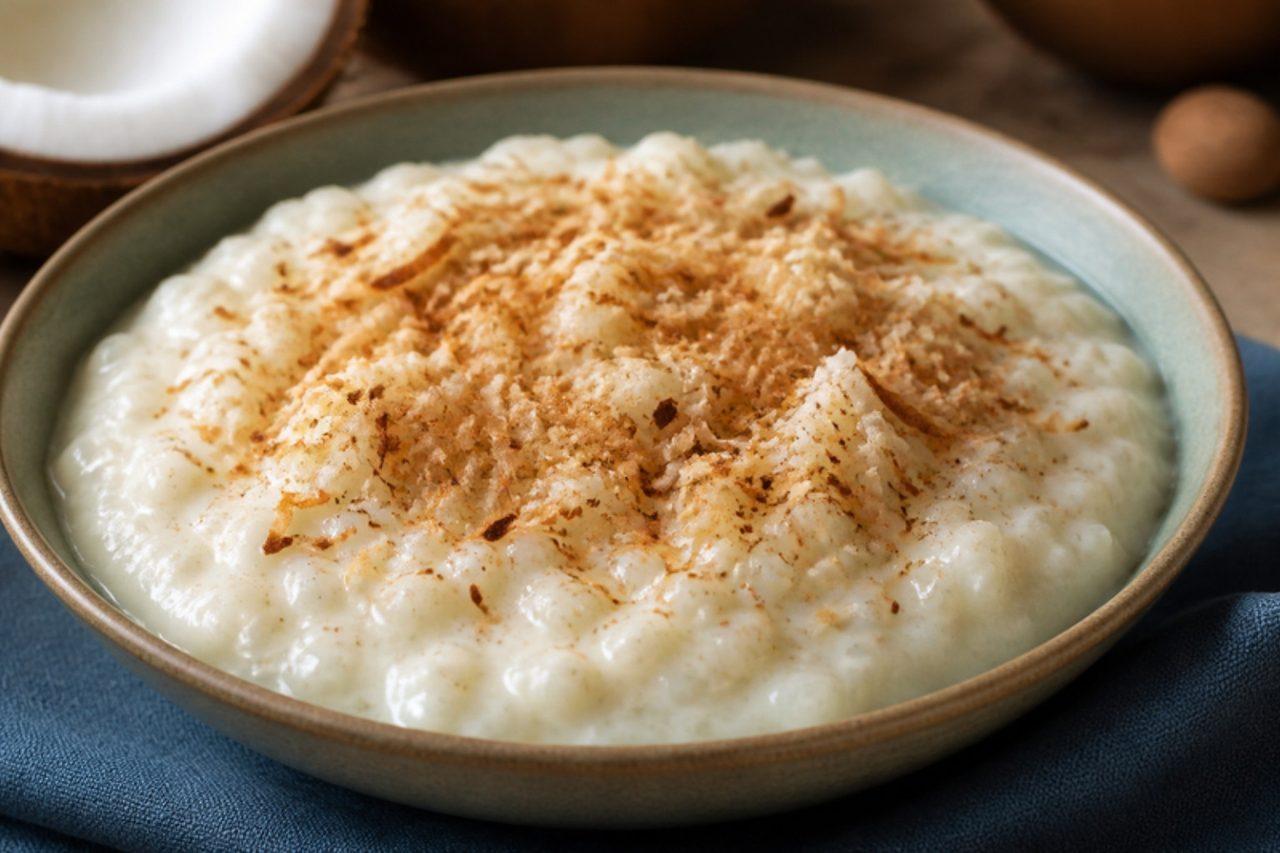
Spooned warm from a pot at the Ramadan ndogu, the evening break of the fast, or eaten as a gentle supper on cool Dakar nights, sombi is the Senegalese take on rice pudding. Broken rice is simmered in water first, then in coconut milk and a little dairy milk until it turns soft and creamy, sweetened just enough and finished with vanilla and a pinch of nutmeg. The texture is looser than a baked rice pudding, almost porridge-like, with a clean coconut taste. Broken rice, sold as brisures in African shops, cooks fastest and gives the right silky feel. Avoid boiling hard once the coconut milk goes in, or it splits and turns greasy. Chef's tip: add the coconut milk only after the rice is half cooked in water, because grains boiled from raw in coconut milk stay hard and the fat can split.

by KrazyBadal 0 views

Ngalakh (millet in baobab-peanut cream)

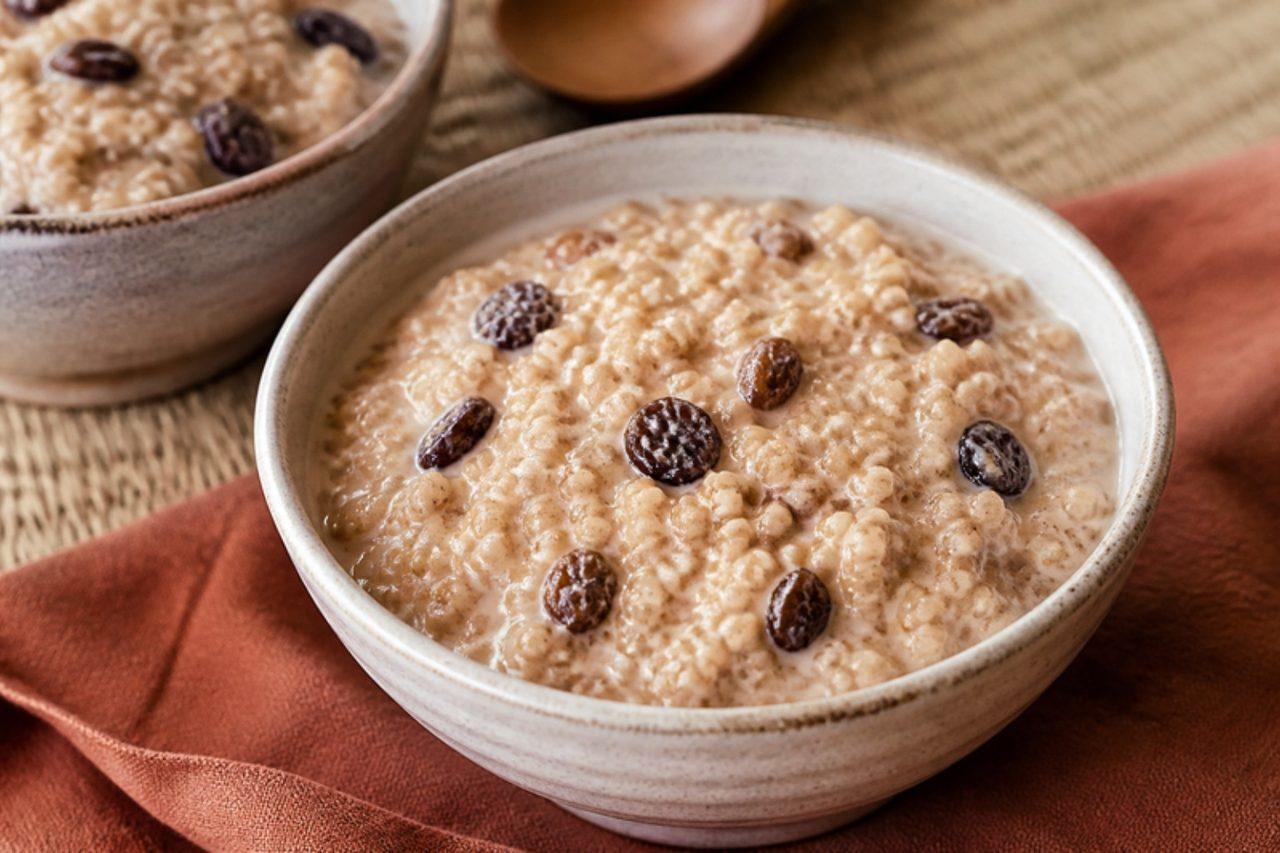
Every Easter, Christian families in Dakar, Thiès and Ziguinchor make big pots of ngalakh and carry bowls of it to Muslim neighbours and friends, a gesture of sharing that many Senegalese treasure. Steamed millet pellets are folded into a thick, tangy cream of baobab pulp and peanut butter, scented with vanilla, orange flower water and nutmeg, and sometimes studded with raisins. It is served chilled, sweet and nutty with a citrus-like sourness from the baobab, and it keeps well for a couple of days. No dairy is used, so it is vegan. Chef's tip: use plain peanut butter with no added sugar or palm oil, and let the dessert rest in the fridge for a few hours, because the flavours only come together once the millet has drunk up some of the cream.

by KrazyBadal 0 views

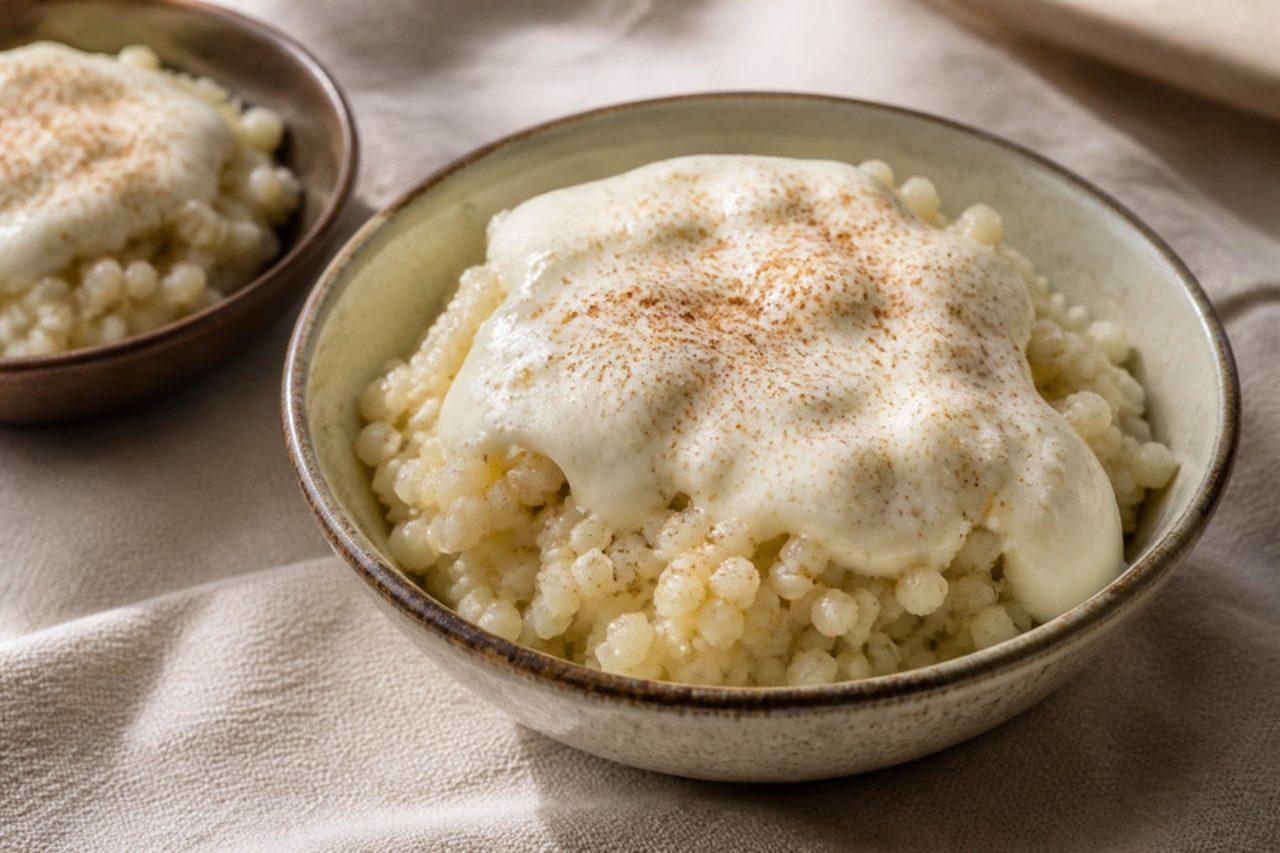
Lakh (millet porridge with sweet curd)

Thick, warm millet porridge topped with cold, sweetened curd: lakh is a Senegalese pairing of contrasts that turns up at naming ceremonies, family gatherings and on Ramadan evenings in Dakar. The millet is rolled into tiny pellets and simmered until it sets like soft polenta, then a creamy sauce of soured milk, sugar and baobab powder is poured over, its tang lifted by vanilla or orange flower water. Each spoonful mixes chewy, nutty grains with something cool and lightly sour. Plain yoghurt mixed with a little cream stands in well for Senegalese soow; use pasteurised dairy and keep leftovers in the fridge. Don't pour the curd over hot porridge; let the lakh cool so the curd stays thick and fresh. Chef's tip: cool the porridge until just warm before adding the curd, so the sauce stays thick instead of thinning out.

by KrazyBadal 0 views

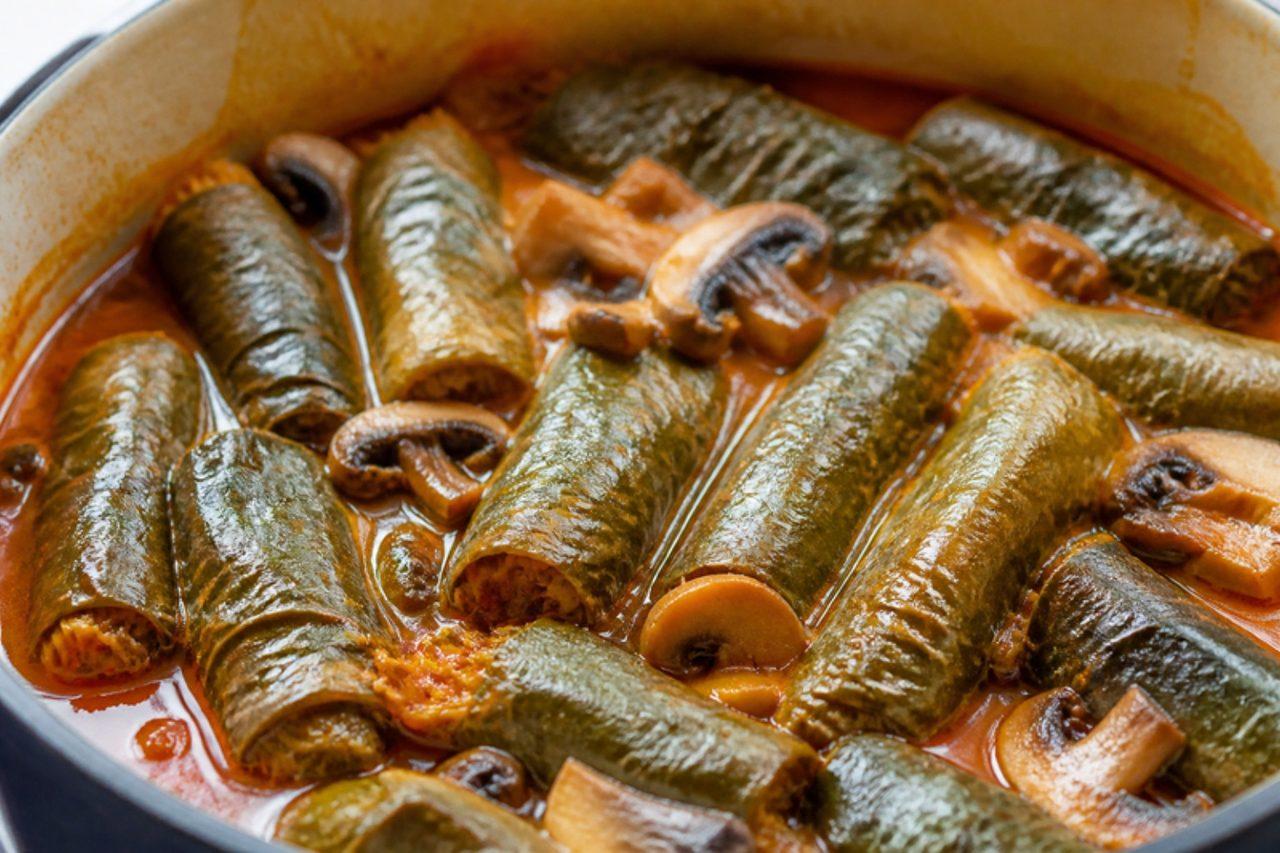
Ekwang with mushrooms

Rolling ekwang is a job for many hands: in the Southwest and around Douala, relatives sit together grating cocoyam and tucking it into leaves for a festive Sunday or a homecoming. The little green cigars are packed into a pot, drenched in red palm oil and left to simmer until the grated tuber binds into soft, almost creamy rolls in a rich, glossy sauce. Smoked fish and crayfish are the usual partners; this meat-free version gets its depth from fresh and dried mushrooms and a pinch of smoked paprika, so it suits vegetarian and vegan guests alike. Serve it on its own, scooping up the sauce, or with boiled plantain. Chef's tip: grate the cocoyam on the finest holes, almost to a purée, so the rolls hold together; coarse shreds stay separate and the pot turns grainy.

by KrazyBadal 0 views

Superkanja (Gambian okra stew)

Superkanja is one of The Gambia's best-loved stews, cooked in compounds from Banjul to the river villages and always served with plain white rice. Okra is simmered and beaten into a thick, glossy stew with red palm oil, beef, fish and nététou, the pungent fermented locust beans that give West African cooking its deep savoury base. Smoked or dried fish adds smokiness, Scotch bonnets bring the heat, and the whole thing is slippery, rich and earthy. If you cannot find nététou, iru or dawadawa from African shops do the same job. Chef's tip: beat the okra vigorously with a wooden spoon for the last few minutes of cooking; that beating is what turns it into the smooth, cohesive kanja rather than a loose soup.

by KrazyBadal 0 views

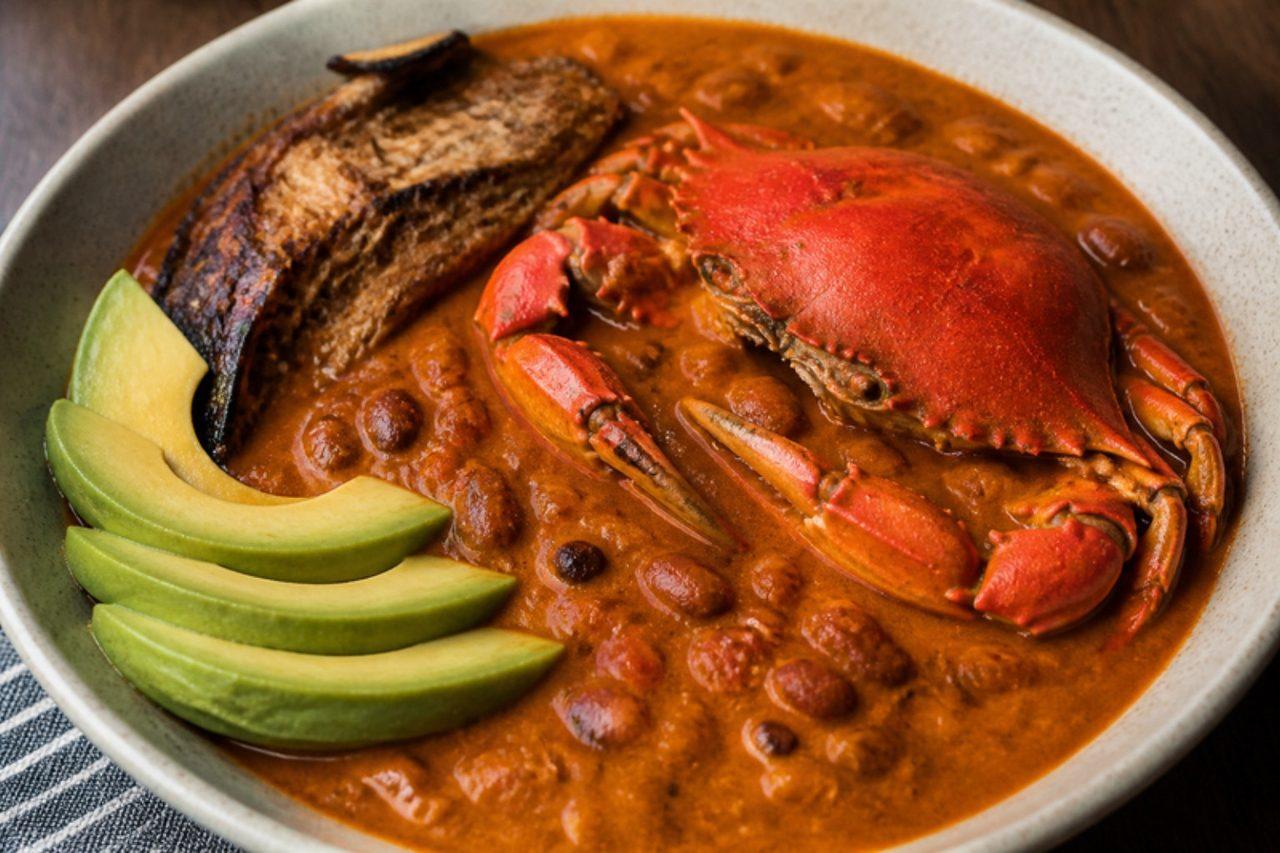
Aprapransa (Fante palm nut pottage with crab)

A coastal Fante dish from Cape Coast and the Central Region, aprapransa is made for festive days and big family meals: palm-nut soup with crab and smoked fish is stirred with toasted corn flour until it becomes a thick, spoonable pottage, then finished with tender black-eyed beans. The texture is somewhere between a stew and a soft dumpling, the colour a deep orange-brown, and the toasted corn gives a nutty, almost biscuity flavour under the rich palm fruit. It is often served with sliced avocado. Live crabs must come from a good fishmonger; discard any that are dead or smell off. The usual mistake is adding the toasted corn flour all at once, which makes lumps; sprinkle it in while stirring. Chef's tip: toast the corn flour until it is evenly deep golden and smells like popcorn, then add it to the soup gradually while stirring, because tipping it in at once is how the pottage turns lumpy.

by KrazyBadal 0 views

Ghanaian rock buns
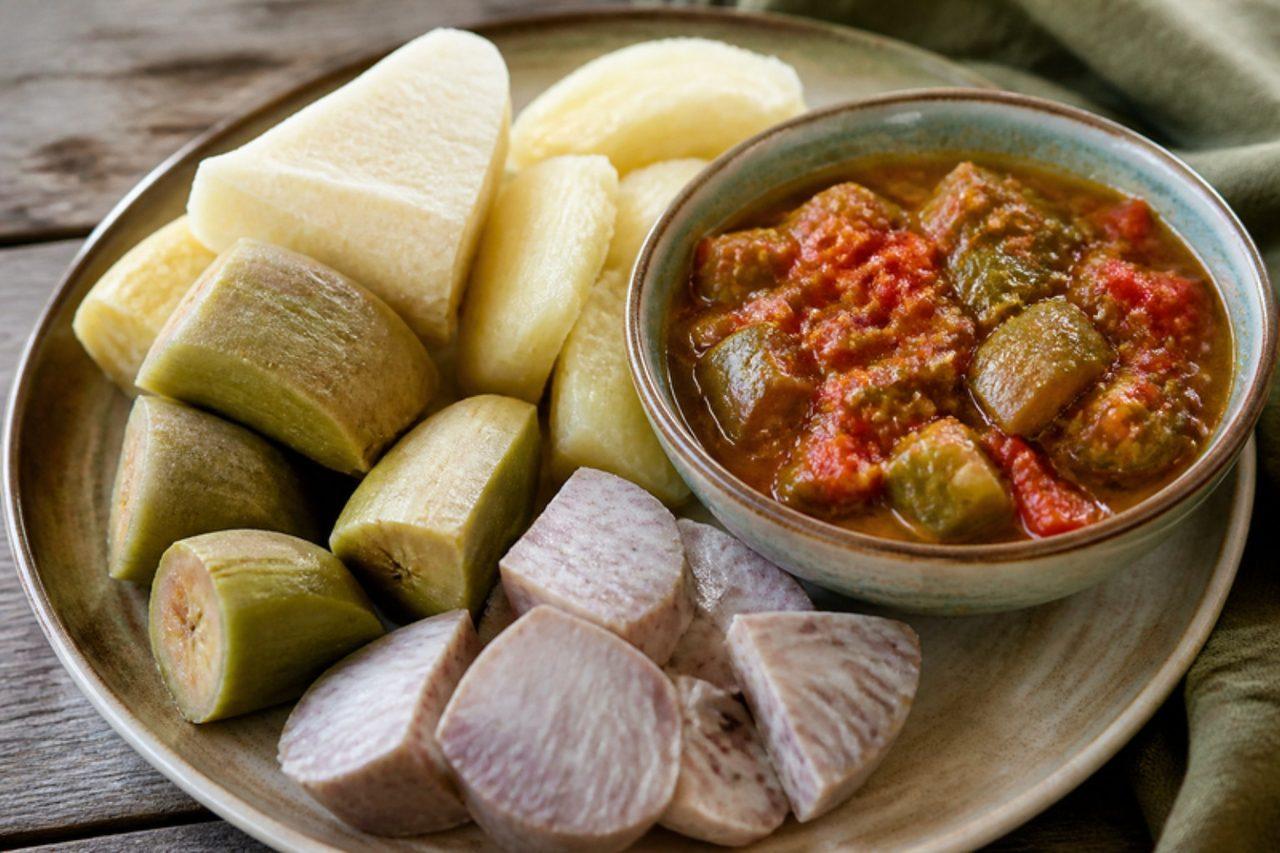
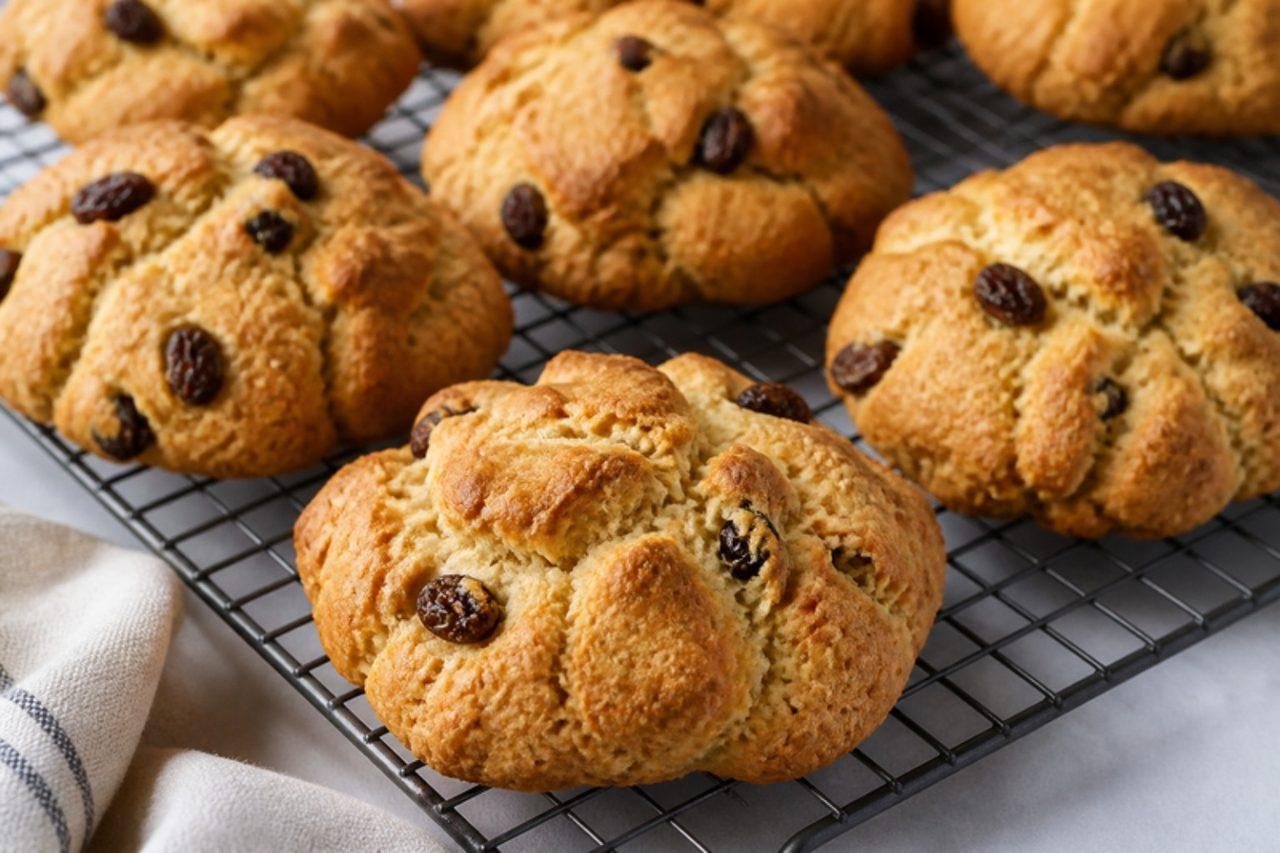
Rock buns came to Ghana with colonial-era baking and never left: every neighbourhood bakery and many school canteens sell these rough, golden mounds, eaten with tea in the morning or with a soft drink after school. They are crisp on the craggy outside, soft and cakey inside, scented with nutmeg and studded with raisins. They take minutes to mix and are a good first bake for children. Chef's tip: keep the dough stiff and drop it in rough heaps without smoothing; too much milk is the common mistake, and the buns spread into flat cookies instead of rising into 'rocks'.

by KrazyBadal 0 views

Ampesi with garden egg stew

Ampesi is about as plain and honest as Ashanti food gets: slices of yam, green plantain and cocoyam boiled until tender and eaten with a stew, here one made from garden eggs, the small white or green African eggplants sold by the bowlful in Kumasi markets. They are boiled, mashed and simmered with onion, tomato and pepper into a soft, slightly bitter, savoury stew with very little oil. Ghanaian homes often add fish or egg to it; this version is fully vegan and light. Asian or Thai aubergines are a good swap if you cannot get garden eggs. Chef's tip: boil the yam, plantain and cocoyam separately or add them in stages; cooking them together from the start is the common mistake, and the yam turns to mush before the plantain is done.
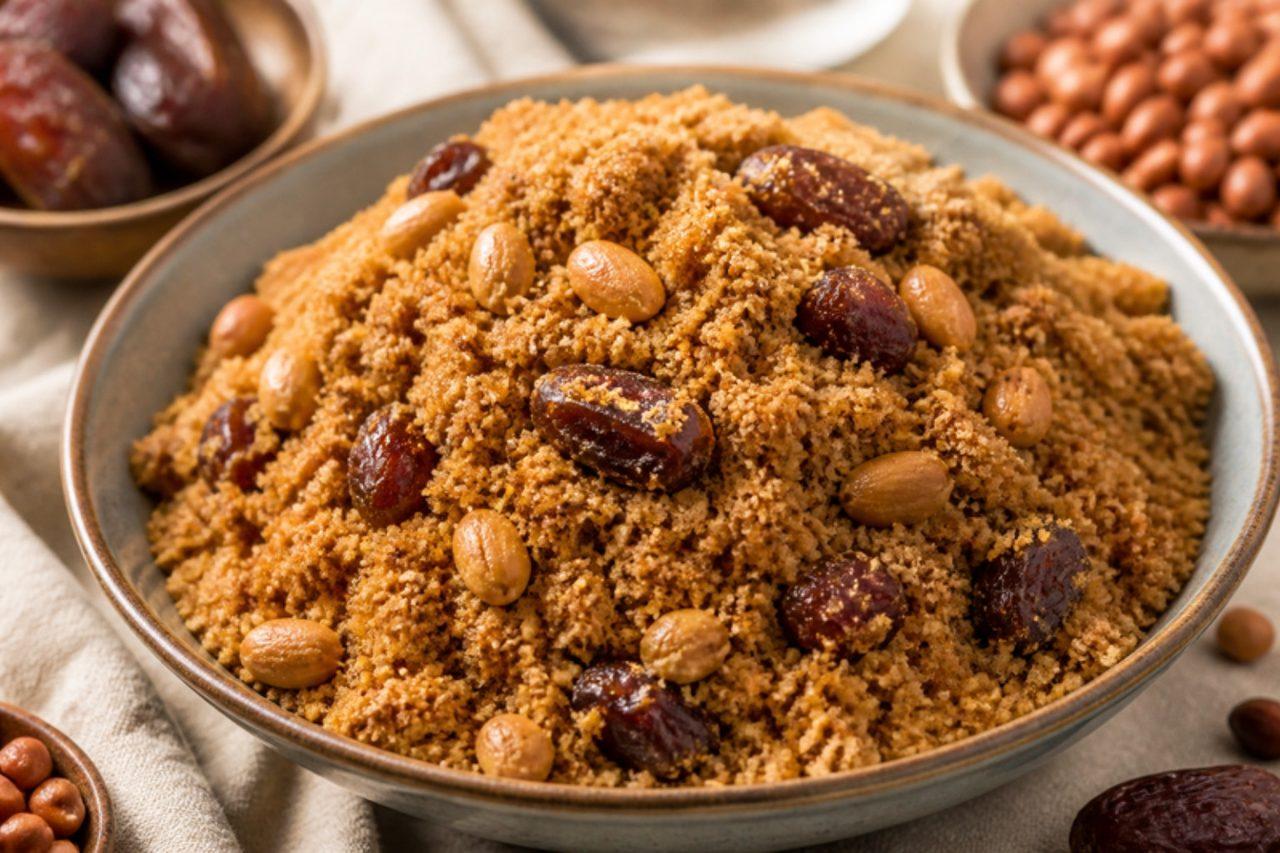
by KrazyBadal 0 views

Mbourake (peanut and date bread crumble)

Yesterday's baguette never goes to waste in a Senegalese kitchen during Ramadan. Mbourake turns it into a rich, crumbly sweet: the bread is dried, rubbed to crumbs and pounded with roasted peanut paste and sugar until it clumps, then mixed with chopped dates and pressed into balls or served loose in a bowl at the ndogu, the evening meal that breaks the fast. Some families use steamed millet instead of bread. It tastes like a cross between peanut cookie dough and a date bar, sweet, nutty and filling, and it is good with a glass of café Touba or milk. Chef's tip: dry the bread fully until it snaps; soft bread gives a gummy paste instead of a light crumble.

by KrazyBadal 0 views

Lamugin (spiced ginger millet drink)

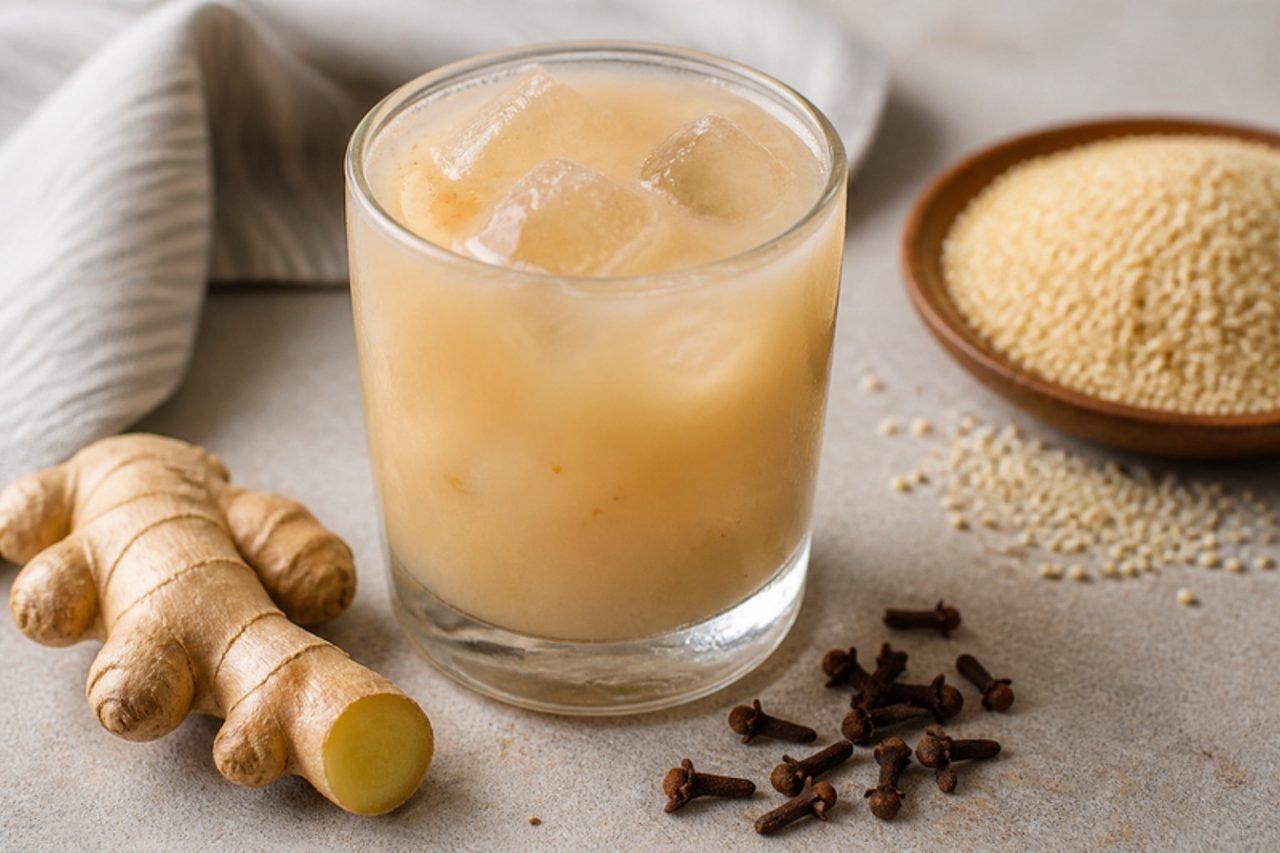
Around Tamale and across Northern Ghana, lamugin is the drink that bites back: millet flour stirred into ginger water spiked with cloves, black pepper and chilli, then sweetened and served very cold. Sellers keep it in sachets or calabashes at markets and roadside stands, and it is handed round at gatherings and during Ramadan evenings. It is cloudy and slightly thick from the millet, with a sweet start and a long peppery warmth. This version is non-alcoholic and cooks the millet briefly so it tastes clean rather than raw. Chef's tip: pass the ginger water through a fine cloth before adding the millet, so the drink stays smooth instead of stringy.

by KrazyBadal 0 views

Asaana (caramelised corn drink)

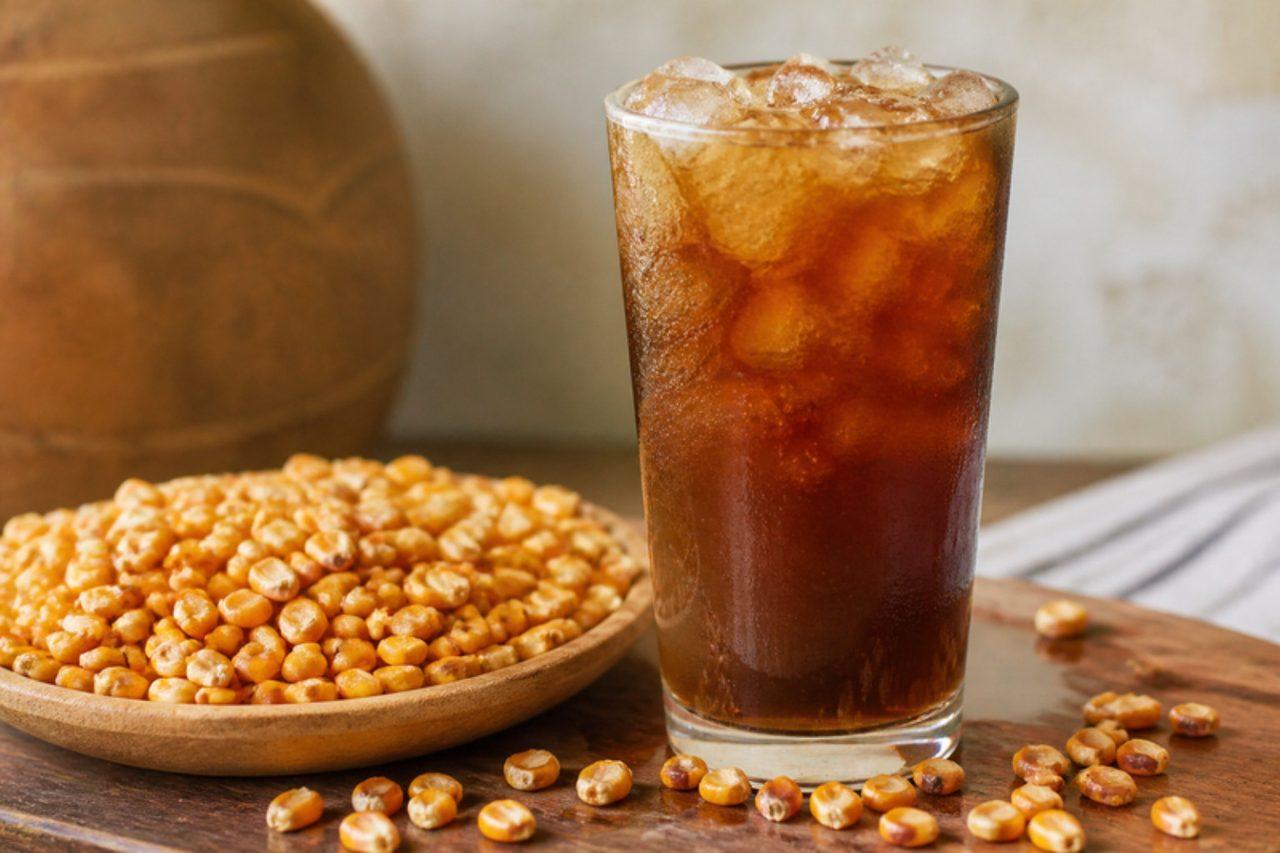
Chilled in plastic bottles and sold from cool boxes at lorry parks, schools and roadside stalls, asaana is one of the most loved soft drinks in Ghana. Maize is soaked, ground and left to sour for a day, then boiled and strained, and the pale liquid is coloured and sweetened with sugar caramelised almost to bitterness. The result is tangy, toasty and refreshing, a little like a light malt drink. Boiling after the souring stops the fermentation, so asaana is a non-alcoholic drink. It needs about two days of mostly hands-off waiting. Chef's tip: take the caramel to a deep mahogany colour before adding water; pale caramel is the usual mistake and gives a flat, sugary drink without the classic toasted edge.

by KrazyBadal 0 views

Atadwe milkye (tiger nut pudding)

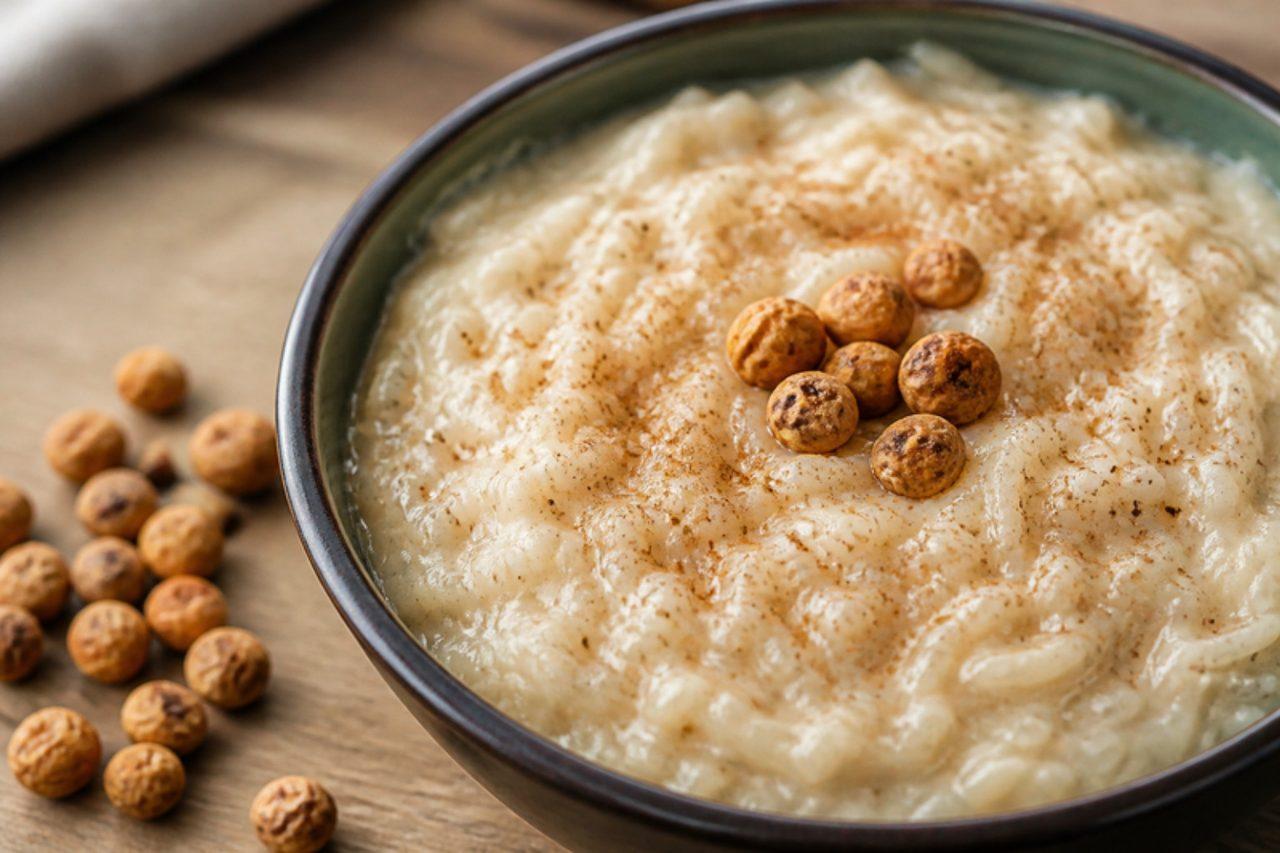
Tiger nuts, called atadwe in Twi, are small wrinkled tubers sold in heaps by market women across southern Ghana during the rainy season. For atadwe milkye they are soaked, blended and squeezed into a sweet, nutty milk, then cooked with ground rice and coconut milk into a pourable pudding that sets softly as it cools. Street sellers ladle it into small bags or cups, and at home it is eaten warm for breakfast or chilled as an afternoon treat. The flavour is mild, like almond and coconut with a light earthy note. Start soaking the tiger nuts the night before. Chef's tip: stir without stopping once the rice paste goes in; walking away for even a minute is the common mistake, and it leaves lumps and a scorched base.

by KrazyBadal 0 views

Ghana sugar bread

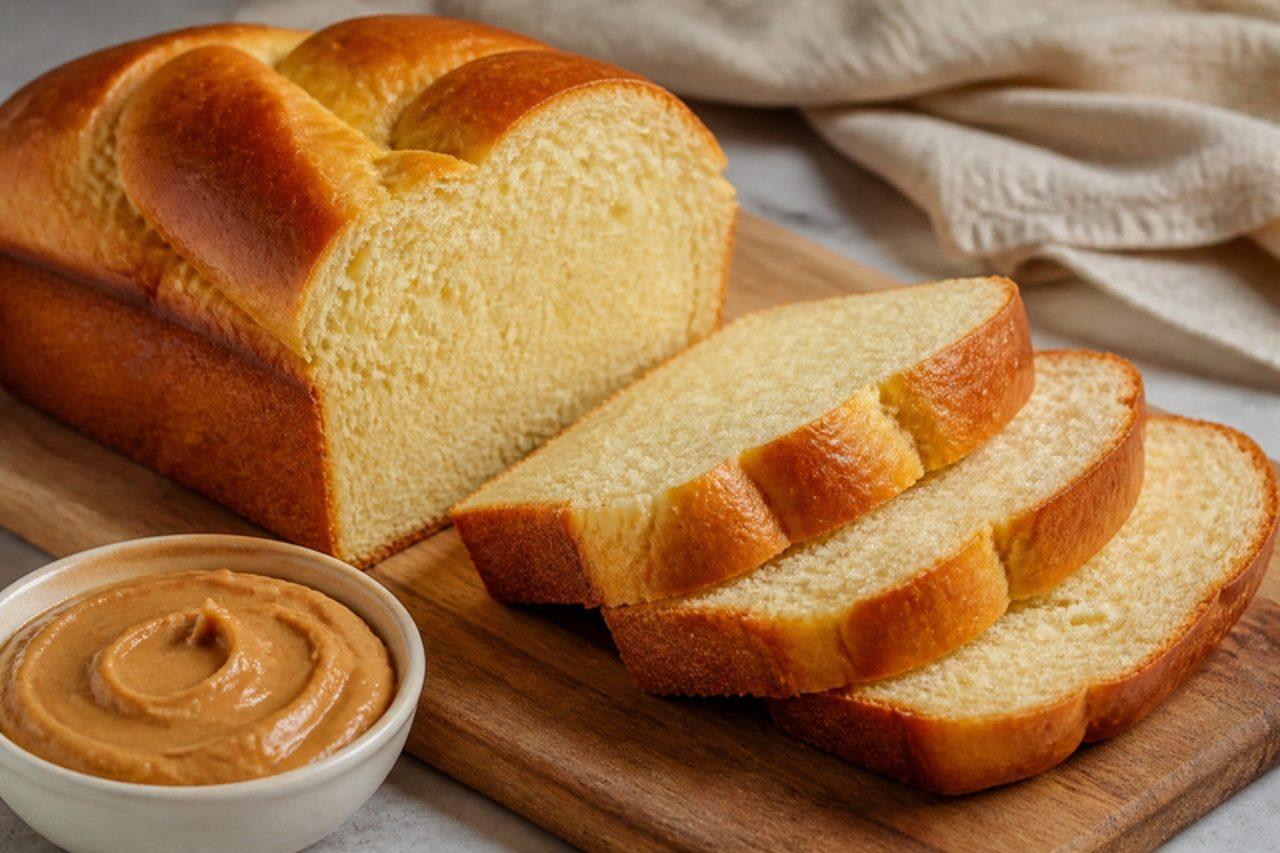
Bread vans, kiosks and hawkers balancing glass boxes on their heads sell sugar bread all over Ghana, from Accra lorry stations to small-town junctions. The crumb is soft, fine and slightly yellow from egg and butter, with a gentle sweetness and a hint of nutmeg, and it tears into fluffy strands. Ghanaians eat it with a mug of tea or cocoa drink, spread with groundnut paste, or wrapped around an omelette for a quick breakfast. Allow about two hours for the two rises. Chef's tip: the dough should stay soft and a little tacky after kneading; adding extra flour to make it easy to handle is the usual mistake, and it gives a dry, crumbly loaf.

by KrazyBadal 0 views

Nigerian fish roll

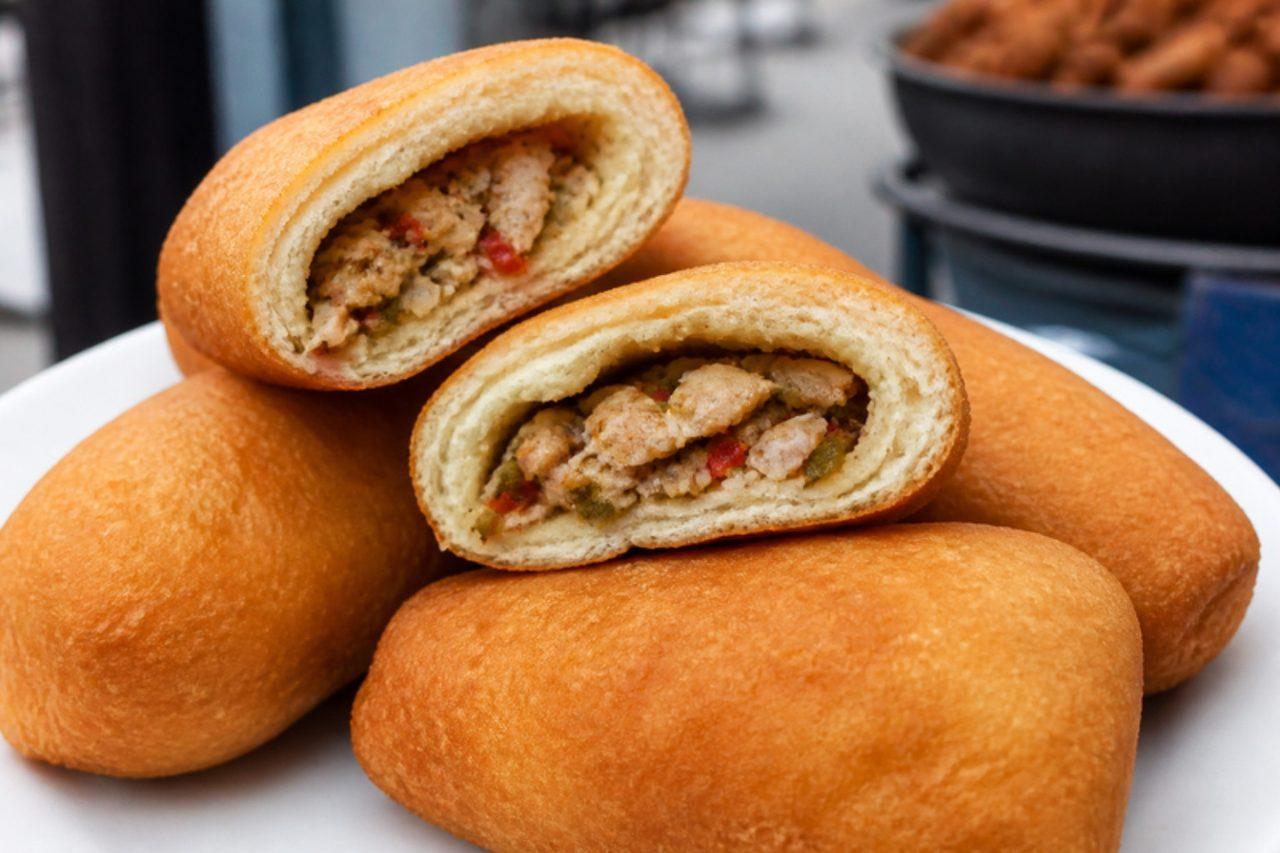
Hawkers carry glass boxes of fish rolls through Lagos traffic, and they are a fixture at parties among the small chops. The dough is a sweetish, slightly cakey one, wrapped around mackerel mashed with onion, pepper and thyme, then deep-fried to a deep gold with a crisp shell. They are good warm or at room temperature, with a soft drink or tea. Tinned mackerel works as well as fresh; poach fresh fish until it flakes before mashing. This version uses oil in the dough, so it is dairy free. Chef's tip: keep the oil at 170 °C; the common mistake is frying too hot, which browns the outside while the inner layer of dough stays raw.

by KrazyBadal 0 views

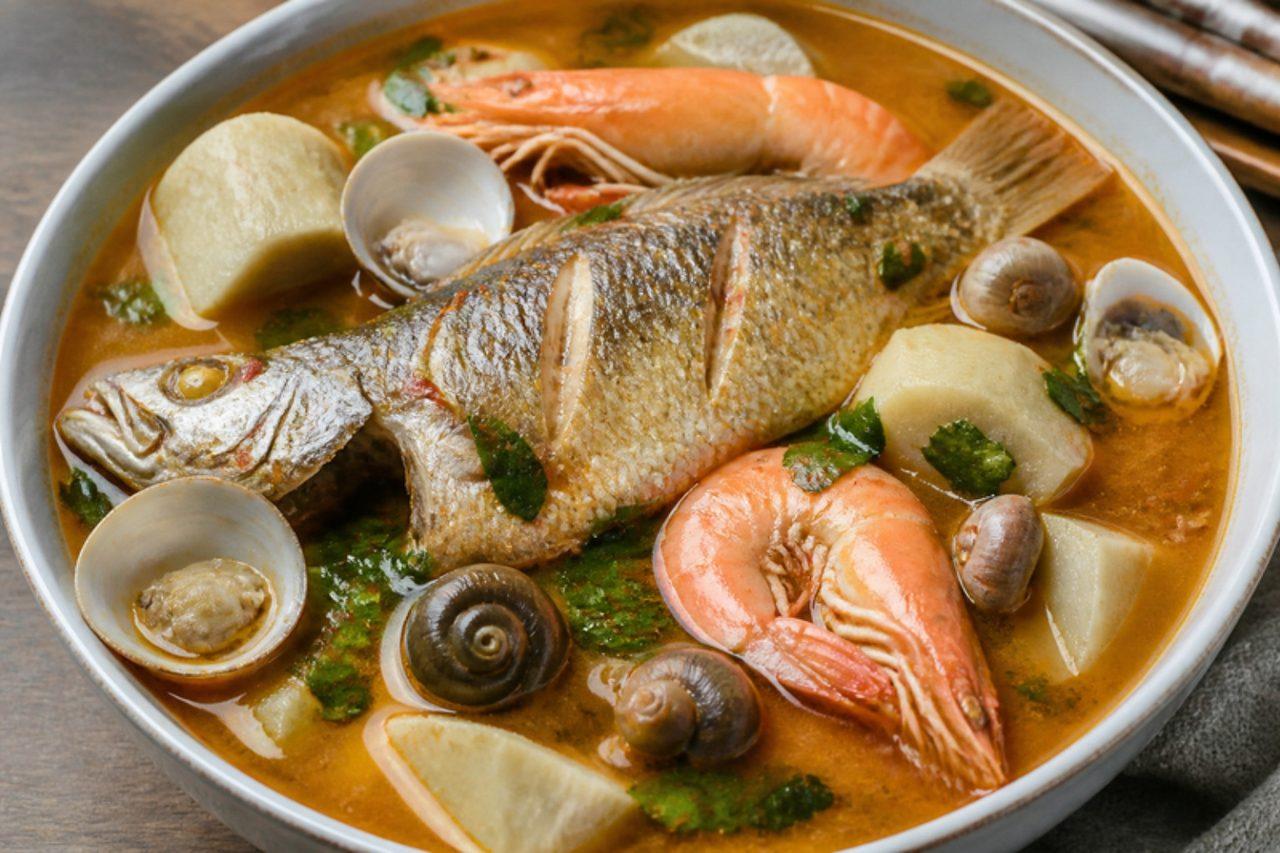
Nigerian sausage roll
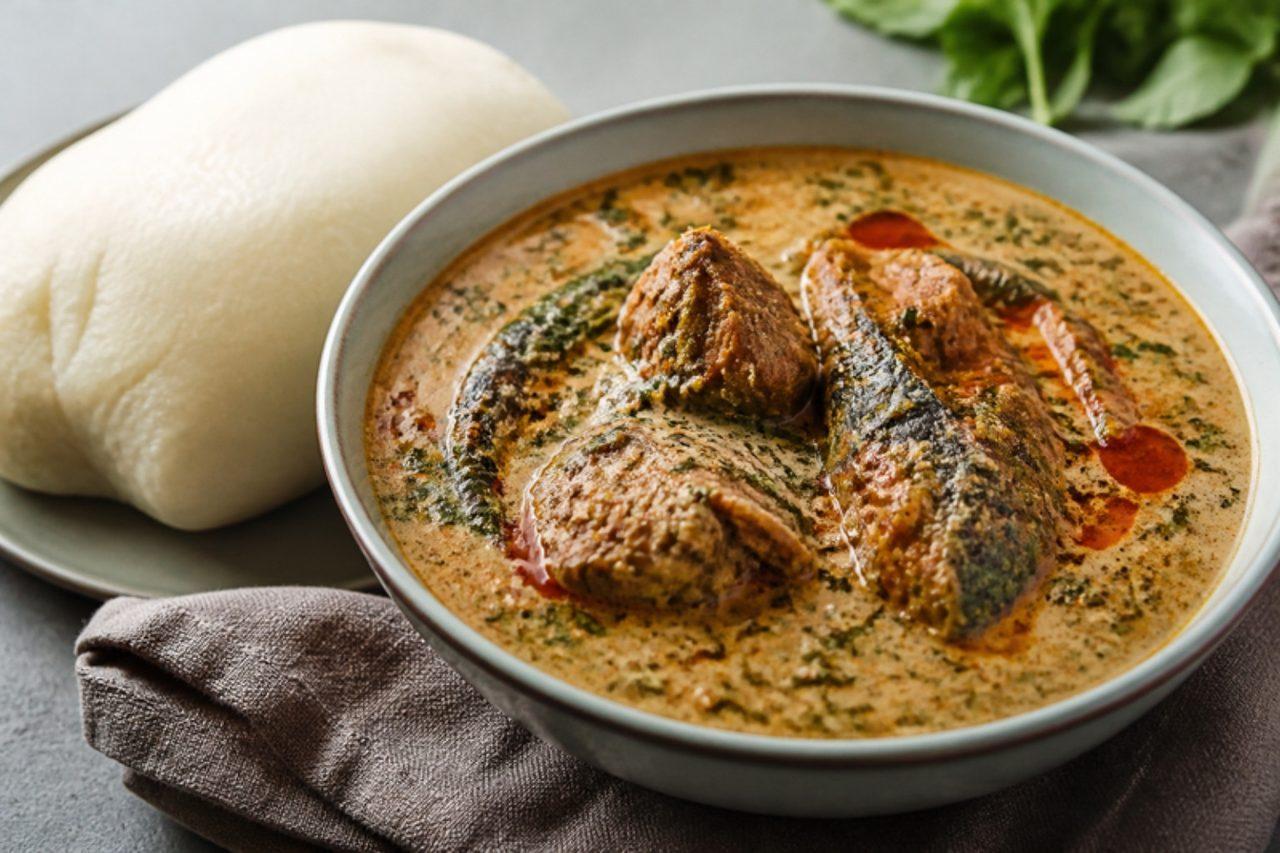
Every Lagos bakery and supermarket counter has a tray of these, wrapped in paper and eaten mid-morning with a cold soft drink, at school break or on the way to work. The Nigerian sausage roll is made with seasoned minced beef rather than pork sausage meat, flavoured with onion, thyme, curry powder and a little chilli, and wrapped in a rich, short pastry that flakes rather than puffs. Children love them, and they freeze well before baking. The filling goes in raw, so bake until the meat reaches 71 °C in the centre. Chef's tip: keep the butter and water ice cold and stop mixing as soon as the dough comes together; warm, overworked pastry is the common mistake that bakes up tough.
by KrazyBadal 0 views

Ocho beniseed soup

Beniseed, the local name for sesame, grows widely in Benue, and the Idoma turn it into ocho: a creamy, nutty soup thickened with the ground seeds, cooked with beef, dried fish and green leaves. It has a gentle, toasty flavour and a slightly grainy, pleasant texture, and it is eaten with pounded yam, often at family gatherings and festive meals. Cooks vary the leaves; spinach or ugu are easy to find. Some families add palm oil and some leave it pale; this version uses a little. Chef's tip: toast the beniseed in a dry pan only until it smells nutty and turns light gold; the common mistake is letting it go brown, which makes the whole pot bitter.

by KrazyBadal 0 views

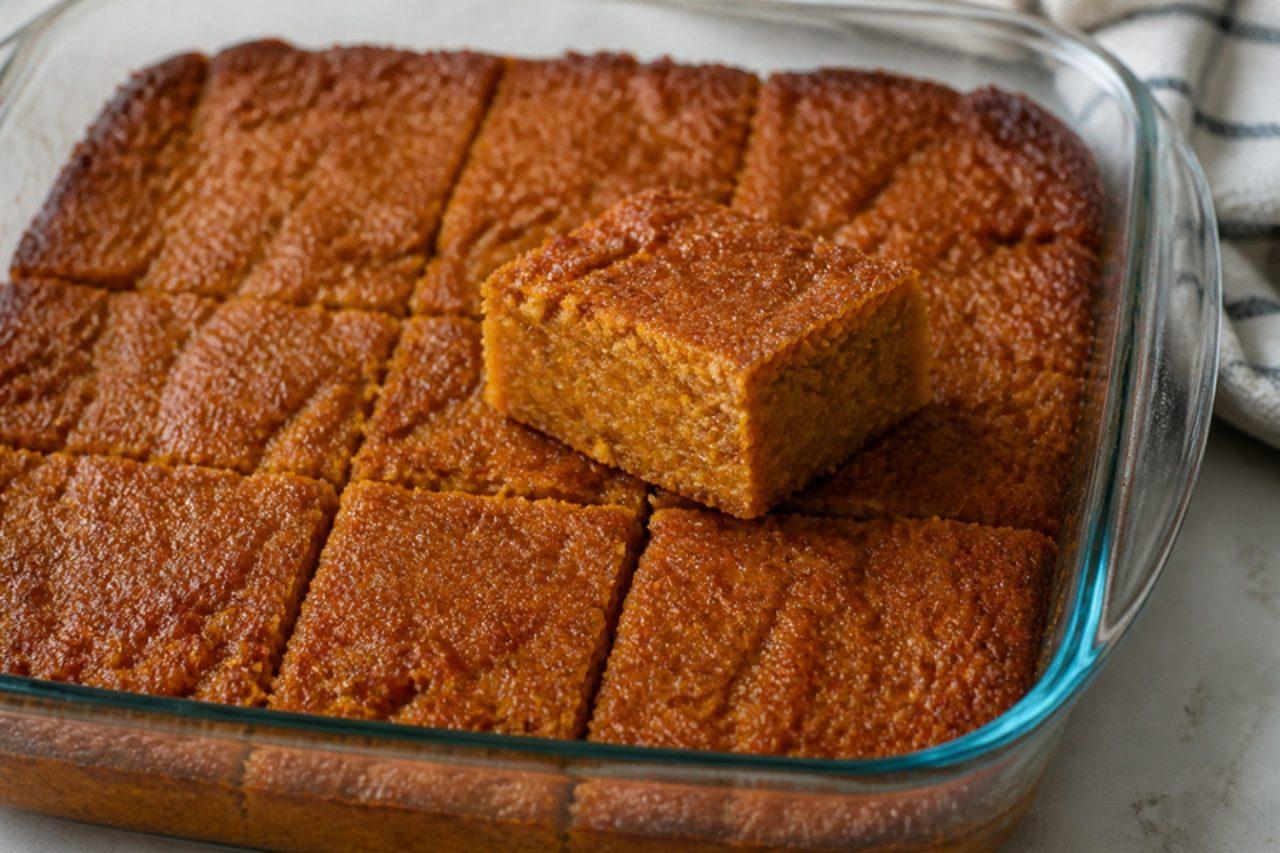
Fisherman soup

Fishing families in the creeks of Rivers and Bayelsa made this soup from whatever came in on the boat, and it is still the pride of Port Harcourt and Yenagoa kitchens. Unlike heavier Nigerian soups it is light and brothy, just thickened with a little cocoyam paste, so the sweetness of fresh fish, prawns and periwinkles comes through the scotch bonnet heat and the scent leaf. Eat it with boiled yam, plantain or a light swallow such as eba or starch. Buy shellfish from a reputable fishmonger, discard any periwinkles with broken shells, and if you add clams, throw away any that stay open when tapped before cooking or stay shut after. Chef's tip: add the seafood in order of cooking time, fish first and prawns last, so nothing turns rubbery.
by KrazyBadal 0 views

Sweet potato pone

Potato pone came to Liberia with the settlers who arrived from the American South in the nineteenth century, and it is still baked in Monrovia and along the coast for holidays, church gatherings and Sunday dinner. Raw sweet potato is grated finely, mixed with sugar, butter, eggs, milk and plenty of ginger and nutmeg, then baked slowly until it sets into a dense, sliceable pudding with dark, chewy, caramelised edges. It is sweet, spicy and moist, lovely warm or cold the next day. Chef's tip: bake until the edges pull away and turn almost toffee-dark; those crisp corners are the part everyone fights over.

by KrazyBadal 0 views

Nnam ngon with mushrooms

Steamed parcels of nnam ngon turn up at Beti weddings, funerals and big Sunday tables in the Centre, unwrapped to reveal a firm, pale cake of ground pumpkin seeds that slices like a terrine. The seeds are ground with onion, garlic, ginger and hot pepper, then bound with water and steamed slowly in leaves until rich, savoury and almost meaty. Smoked fish is the classic addition; here browned mushrooms take its place, so the parcels are vegan and still very filling. Serve with bobolo, boiled plantain or sweet ripe plantain. Chef's tip: brown the mushrooms in a dry pan first; added raw, they release water inside the parcel and leave the mixture loose.

by KrazyBadal 0 views

Roasted safou

When the rainy season brings fresh maize to Cameroon, the safou trees fruit at the same time, and roadside grills from Douala to Yaoundé sell the violet plums alongside charred corn cobs. A few minutes over embers turns the firm, sour flesh soft, buttery and slightly tangy, which is why safou is often called the African butter fruit. People peel back the skin with their teeth, scrape the pale green flesh off the stone and alternate bites with sweet corn or a chunk of boiled plantain. Look for fresh or frozen safou in African grocers. Chef's tip: a pinch of salt sprinkled on while the fruit is hot brings out its savoury, olive-like side.

by KrazyBadal 0 views

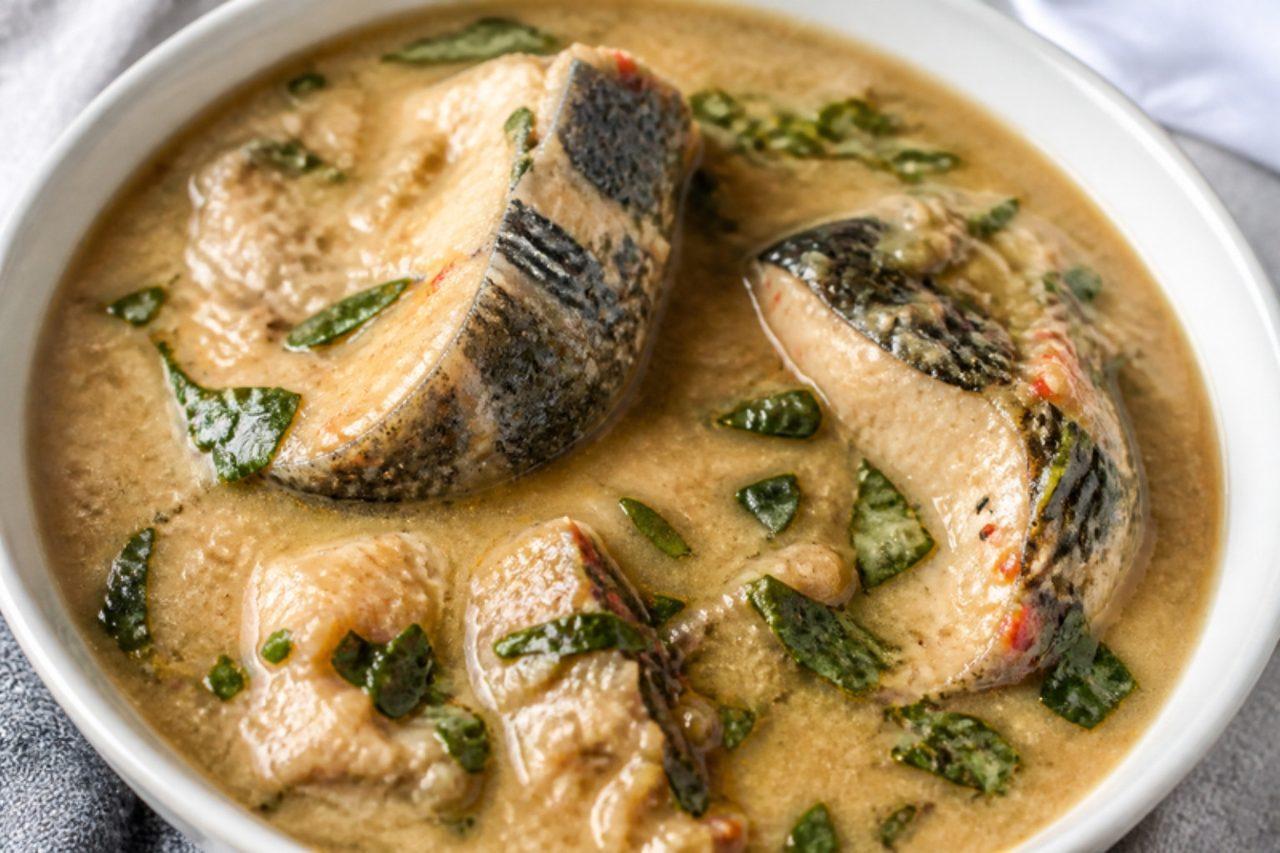
Banga soup with fresh catfish

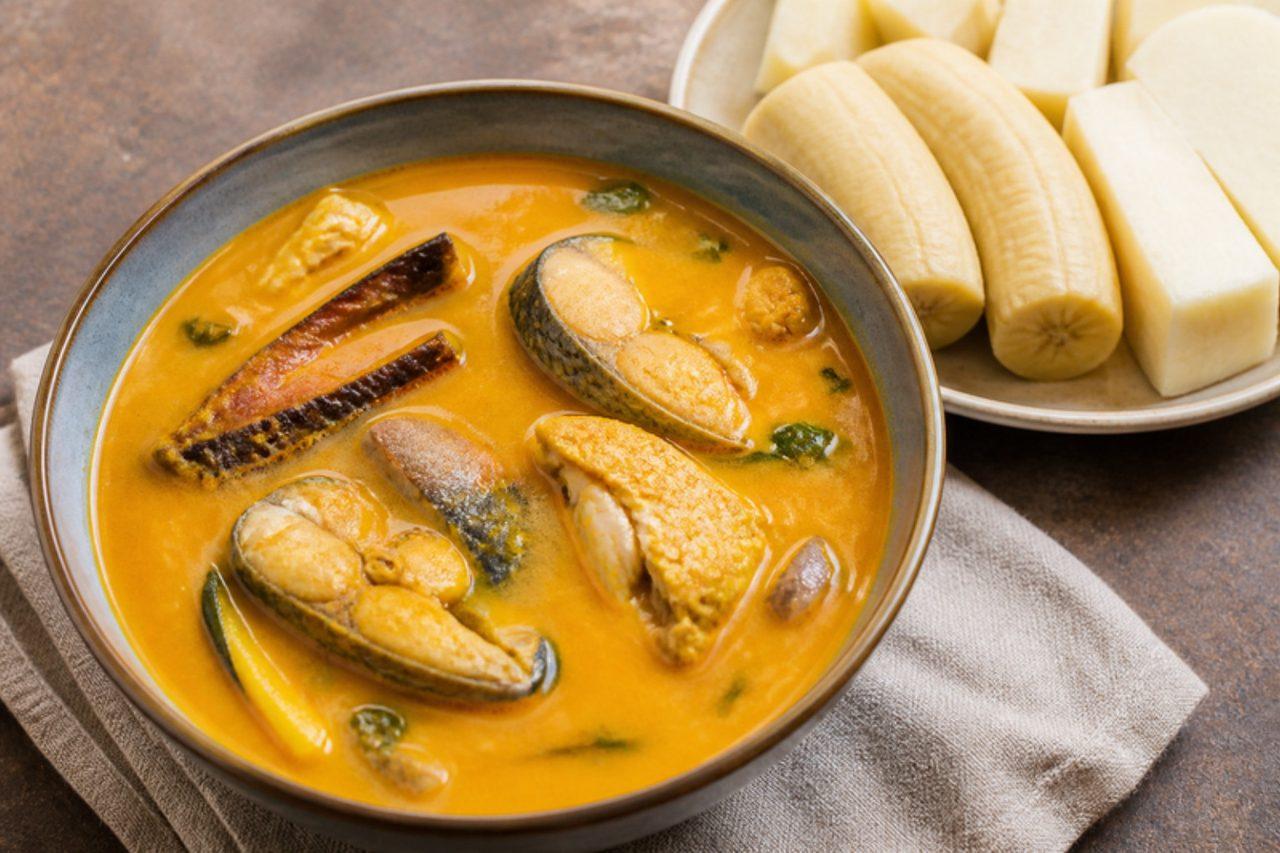
Across Warri, Sapele and the Urhobo and Itsekiri towns of Delta State, a pot of banga is what Sunday lunch smells like: fresh palm fruit boiled and pounded into a rich orange cream, then simmered with the region's own banga spice and the dried, slightly minty beletete leaf. Fresh catfish is the favourite fish, cooked gently so the steaks stay whole in a soup that is thick enough to coat a spoon but never pasty. It is eaten with Delta starch, eba or plain boiled rice, and leftovers often become 'banga rice' the next day. Tinned palm-fruit concentrate saves hours and gives a very good result. Chef's tip: once the fish goes in, shake the pot by its handles instead of stirring, so the soft catfish does not break into shreds.

by KrazyBadal 0 views

Peppered snail

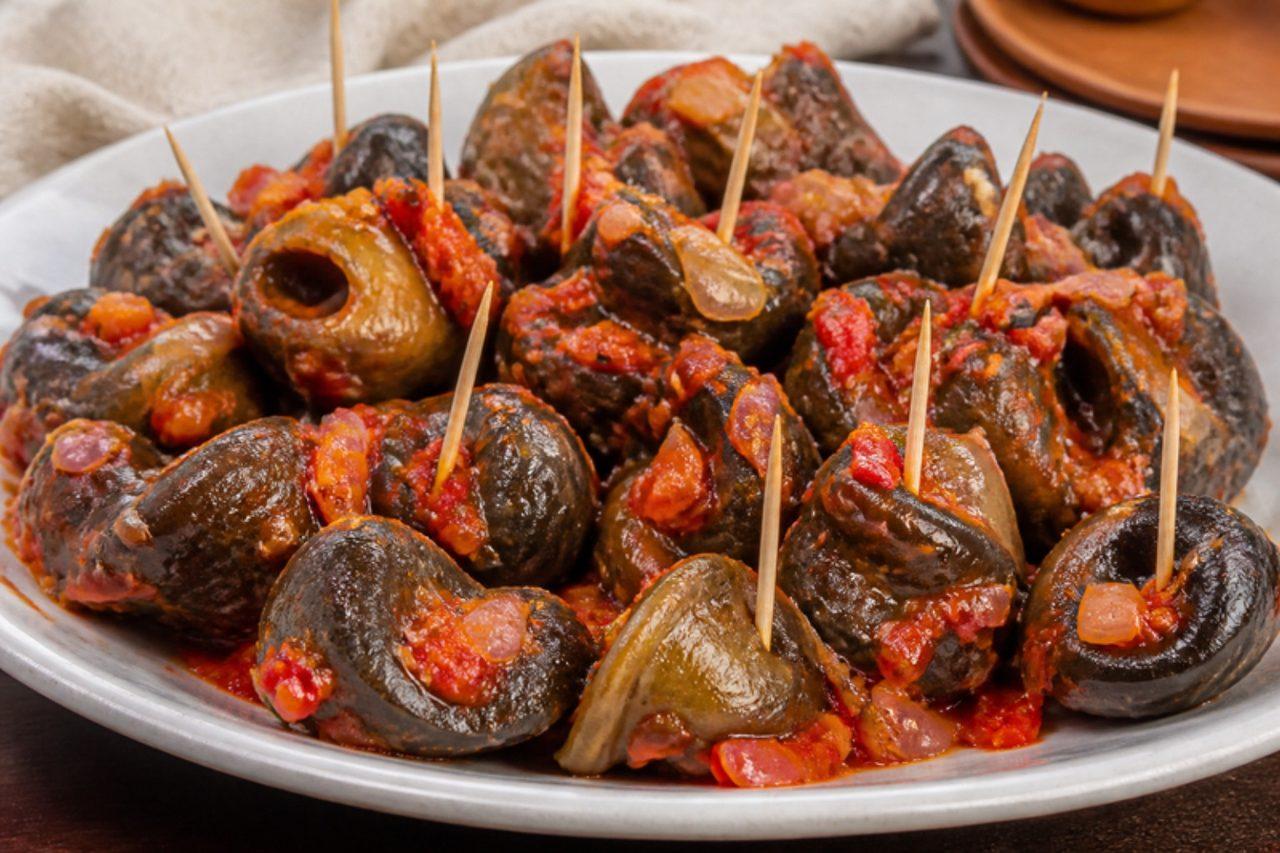
Peppered snail is a Yoruba delicacy, served on cocktail sticks at Lagos and Ibadan parties and in restaurants as a pricy small chop. The big African land snail has firm, meaty flesh like a cross between mushroom and clam; it is cleaned of its slime, boiled with seasoning, then fried briefly in a hot sauce of scotch bonnet and red pepper. Only use farmed snails that are sold cleaned and shelled, from a reputable African grocer or fishmonger; never collect wild snails, which can carry parasites. Cook them through, and wash your hands, boards and knives well after handling them raw. Chef's tip: do not skip the rubbing with lime and salt; leftover slime is the common mistake, and it makes the sauce cloudy and the snails slippery.

by KrazyBadal 0 views

Owo soup with fish

Owo looks almost like custard: palm oil is whisked with a little potash water until it turns from red to a creamy yellow, then thickened with cassava starch and seasoned with crayfish and pepper. Urhobo and Isoko homes in Delta State serve it with boiled unripe plantain or yam, which you dip and scoop rather than swallow, and it is a favourite on market days because it is quick once the fish is ready. Fresh or smoked fish both work; many cooks use both. Too much potash makes the soup soapy and bitter, so add the strained potash water little by little and stop as soon as the colour changes. The usual mistake is pouring in the potash too fast, which splits the palm oil instead of turning it smooth and yellow. Chef's tip: mix the starch with cold water first, then pour it into the pot in a thin stream while stirring, or it will set in lumps.

by KrazyBadal 0 views

Nkwobi (cow foot in spicy palm-oil sauce)

Pieces of cow foot, cooked for hours until gelatinous and sticky, are what make nkwobi so popular in bars and small restaurants across Anambra, Enugu and Lagos. The meat is tossed in the same kind of thick, peppery palm-oil and potash sauce used for isi ewu, spiked with ehuru and crayfish, then finished with sliced onion and bitter utazi leaves. It is eaten as an evening dish in its wooden bowl, slowly, with plenty of conversation. Undercooking the cow foot is the mistake to avoid; it should be soft enough to pull from the bone with a fork, so give it the full time or use a pressure cooker. Chef's tip: add the potash liquid to the oil slowly and stop when the sauce is thick, as too much potash makes it taste soapy.

170 minNigerianMeatGluten freeSpicy
by KrazyBadal 0 views

Ofe oha (oha leaf soup)

Tender oha leaves, with their mild, slightly sweet taste, are prized in Enugu and Anambra, and ofe oha is the soup many Igbo families bring out for Christmas, weddings and Sunday visits. Boiled cocoyam is pounded and melted into a palm-oil broth rich with beef, stockfish, dried fish and crayfish, giving a thick, velvety soup with the oha folded in at the very end, to eat with pounded yam, fufu or eba. Adding all the cocoyam at once is a frequent mistake that turns the soup gluey; add it in stages and stop at the thickness you want. Stockfish needs an overnight soak first unless you buy it pre-soaked. Chef's tip: tear oha leaves by hand rather than cutting them, as cooks traditionally do, and add them in the last 2 minutes.

120 minNigerianMeatGluten free
by KrazyBadal 0 views

Gizdodo (gizzards and plantain in pepper sauce)

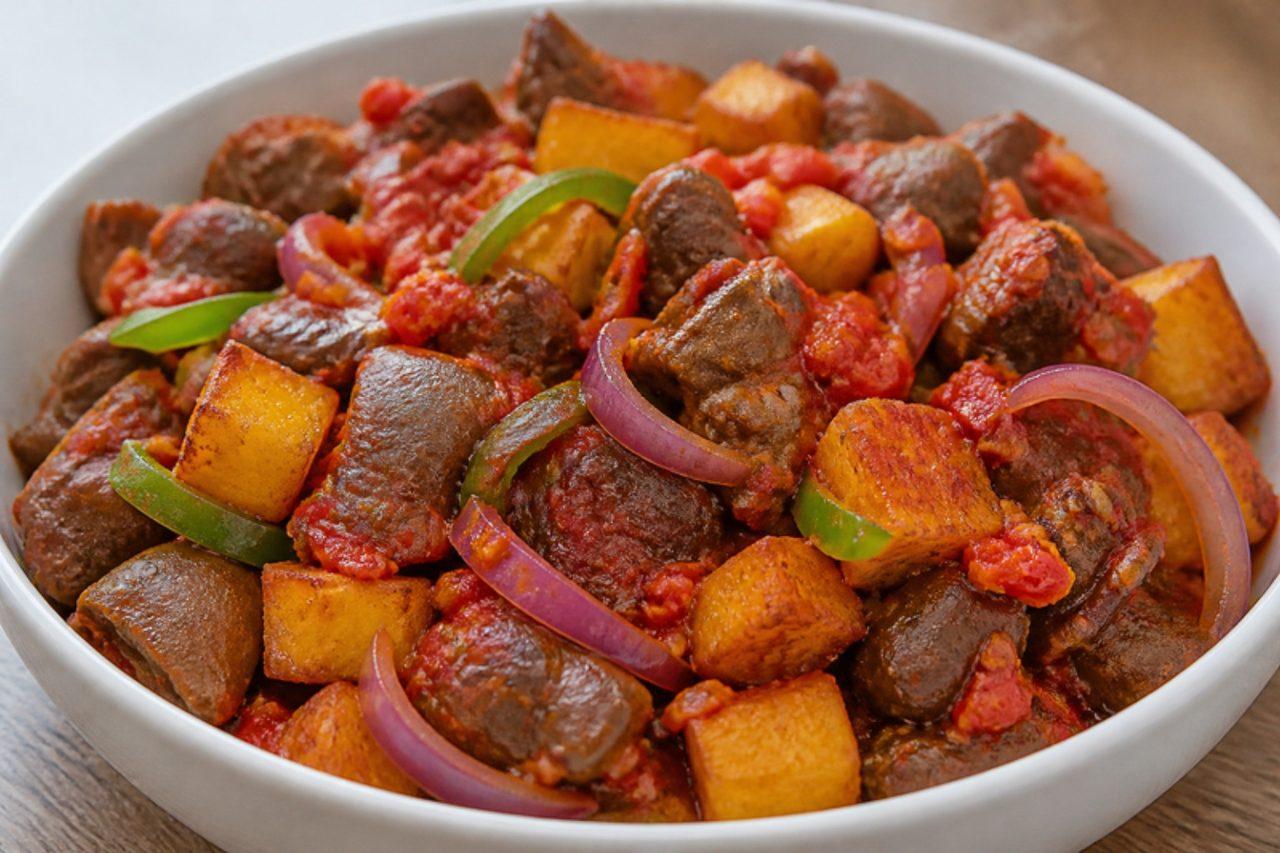
No Lagos owambe buffet is complete without a tray of gizdodo, where chewy fried chicken gizzards and caramelised cubes of ripe plantain (dodo) are tossed together in a glossy, fiery tatashe and scotch bonnet sauce. It is sweet, hot and savoury all at once, and served as a starter, a side to jollof or a snack. Gizzards must be boiled until tender before frying, and for safety they should reach 74°C in the thickest part, which they easily do by the end of the simmer. Frying plantain that is too green is a common mistake, leaving it starchy instead of sweet, so choose yellow fruit with black spots. Chef's tip: fry the plantain last, just before tossing, so it stays crisp-edged rather than soggy.

by KrazyBadal 0 views

Kunun zaki (millet and ginger drink)

Chilled kunun zaki is what people reach for in the heat of Kano and Kaduna afternoons, and at Ramadan iftar it is one of the first things poured. Millet is soaked, ground with fresh ginger and cloves, then partly cooked; the uncooked portion stirred back in sweetens the drink naturally and gives it a light, refreshing tang. It is creamy-looking but thin, spicy at the back of the throat and best ice cold. Pouring boiling water over all the slurry is the classic mistake, since it stops the natural sweetening, so always keep a third raw. Chef's tip: start a day ahead (12 hours soaking, 4–6 hours resting) and strain twice through a fine cloth for a silky drink with no grit.

by KrazyBadal 0 views

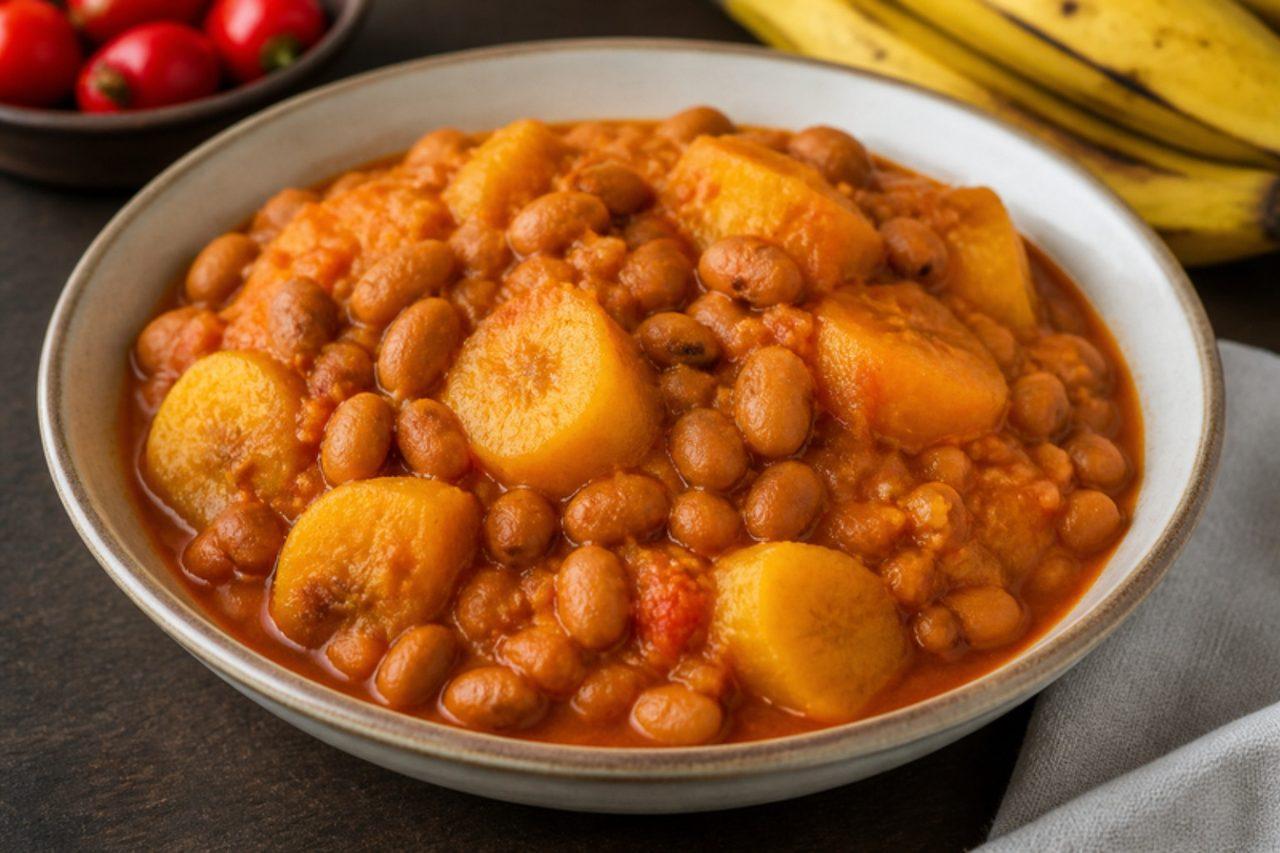
Beans and plantain porridge

A big pot of this sweet-and-savoury porridge feeds a family through Saturday breakfast and beyond, and it is cooked from Lagos to Port Harcourt. Brown or honey beans (oloyin) are boiled until they start to break up, then finished in palm oil with blended pepper, onion and chunks of ripe plantain, which melt into the beans and sweeten them. Crayfish is common in the pot; this version is vegan and still rich. Tomatoes and salt added too early slow the beans down, so stir in the pepper base only once they are soft. Avoid adding the plantain at the start: it collapses into mush before the beans are soft. Chef's tip: draining the first 10-minute boil of the beans makes them gentler on the stomach.

by KrazyBadal 0 views

Ofe Owerri (festive ugu and okazi soup)

Owerri people speak of their soup with pride, and it is famous for how much goes into the pot: goat meat, tripe, stockfish and dried fish, simmered in palm oil and thickened with cocoyam, then finished with two leaves, chewy okazi and soft, sweet ugu. It is festive food for weddings, Christmas and big family gatherings across Imo State, and it is served with pounded yam or fufu. Adding the ugu too early is a common mistake that leaves the leaves dark and mushy; it goes in last, after the okazi has had time to soften. Stockfish needs an overnight soak first unless bought pre-soaked. Chef's tip: soak dried okazi in warm water for 10 minutes before cooking so it softens evenly.

140 minNigerianMeatGluten free
by KrazyBadal 0 views

Ofe nsala (catfish white soup)

No palm oil goes into ofe nsala, which is why Igbo cooks in Anambra, Enugu and Imo call it white soup: a light, peppery broth of fresh catfish thickened with pounded yam and perfumed with uziza seeds. It is warming and clean-tasting, often cooked for new mothers and for anyone feeling under the weather, and served with pounded yam. Stirring hard after the fish goes in is the usual mistake, as catfish breaks up easily, so swirl the pot instead. Chef's tip: scrub the catfish with hot water and a little salt before cooking to remove the slime, which keeps the broth clear.

by KrazyBadal 0 views

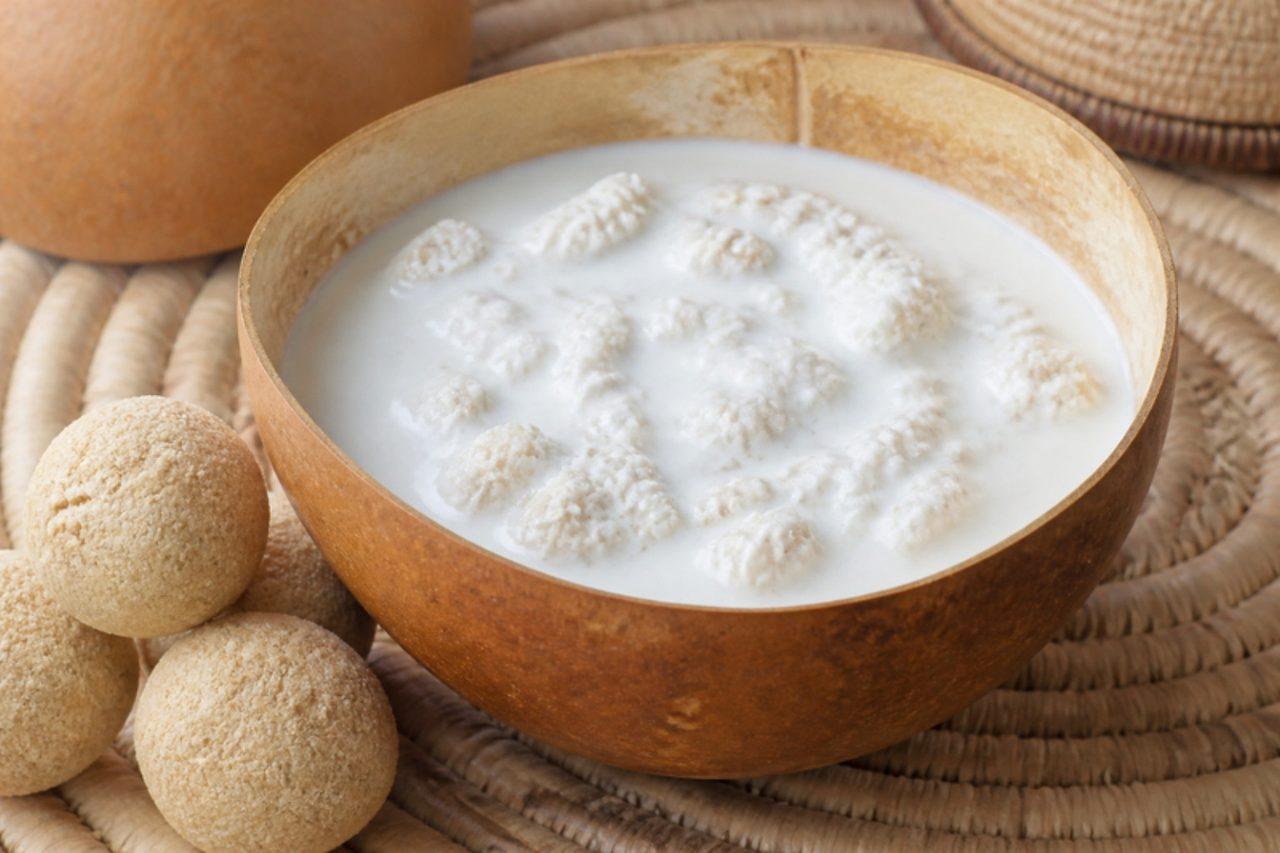
Fura da nono (millet balls in cultured milk)

Fulani women carry fura da nono to markets across the north in calabashes balanced on their heads: balls of spiced, cooked millet dough sold next to nono, cow's milk that has been left to sour. Crumbled into the milk and sweetened, the fura makes a thick, cooling drink that is part breakfast, part refreshment, tangy with ginger and a gentle heat from the spices. Traditional nono is made from raw milk; this home version uses pasteurised yoghurt and milk for safety, and it should be kept in the fridge. Mashing the fura straight into all the milk leaves lumps, so crumble it with a little milk first. Don't crumble the fura balls coarsely; large lumps stay chalky in the drink. Chef's tip: dust the shaped fura in millet flour and it keeps for 3 days in the fridge, ready to mix.

by KrazyBadal 0 views

Kunun gyada (groundnut and rice gruel)

Breakfast sellers in Kano and Zaria pour kunun gyada from big flasks into bowls, steaming hot on cool mornings and at Ramadan suhoor. Raw groundnuts are blended into a milk, boiled with rice until it thickens, and then soured with tamarind, which gives a creamy, nutty, sweet-sour gruel with soft grains of rice. It is filling enough to stand as breakfast on its own, or with a few pieces of kosai. Groundnut milk foams up just like dairy milk and is the cause of the most common mishap, so use a big pan and stay close. A frequent slip is adding the tamarind too early, which can make the groundnut milk curdle; stir it in at the end. Chef's tip: add the tamarind off the heat; boiling it hard can make the gruel split grainily.

by KrazyBadal 0 views

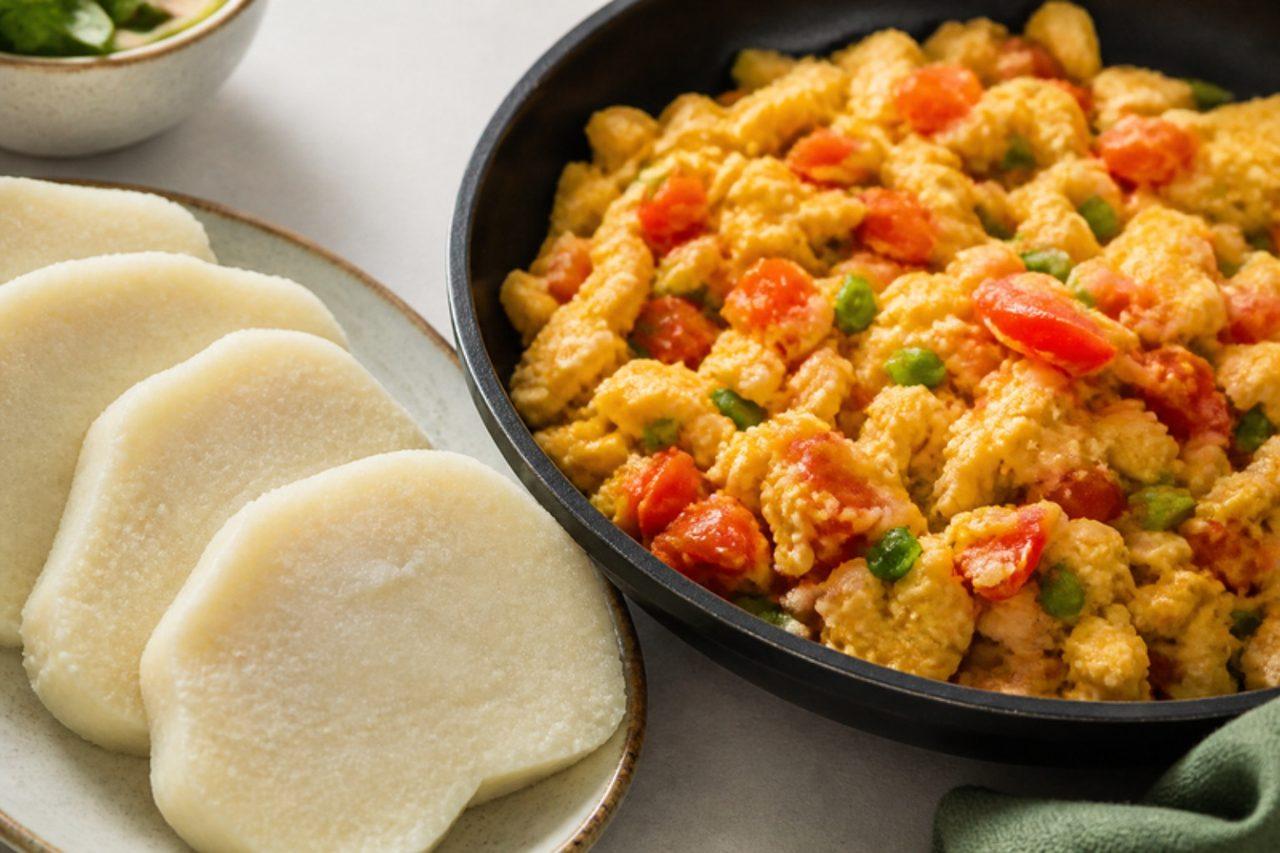
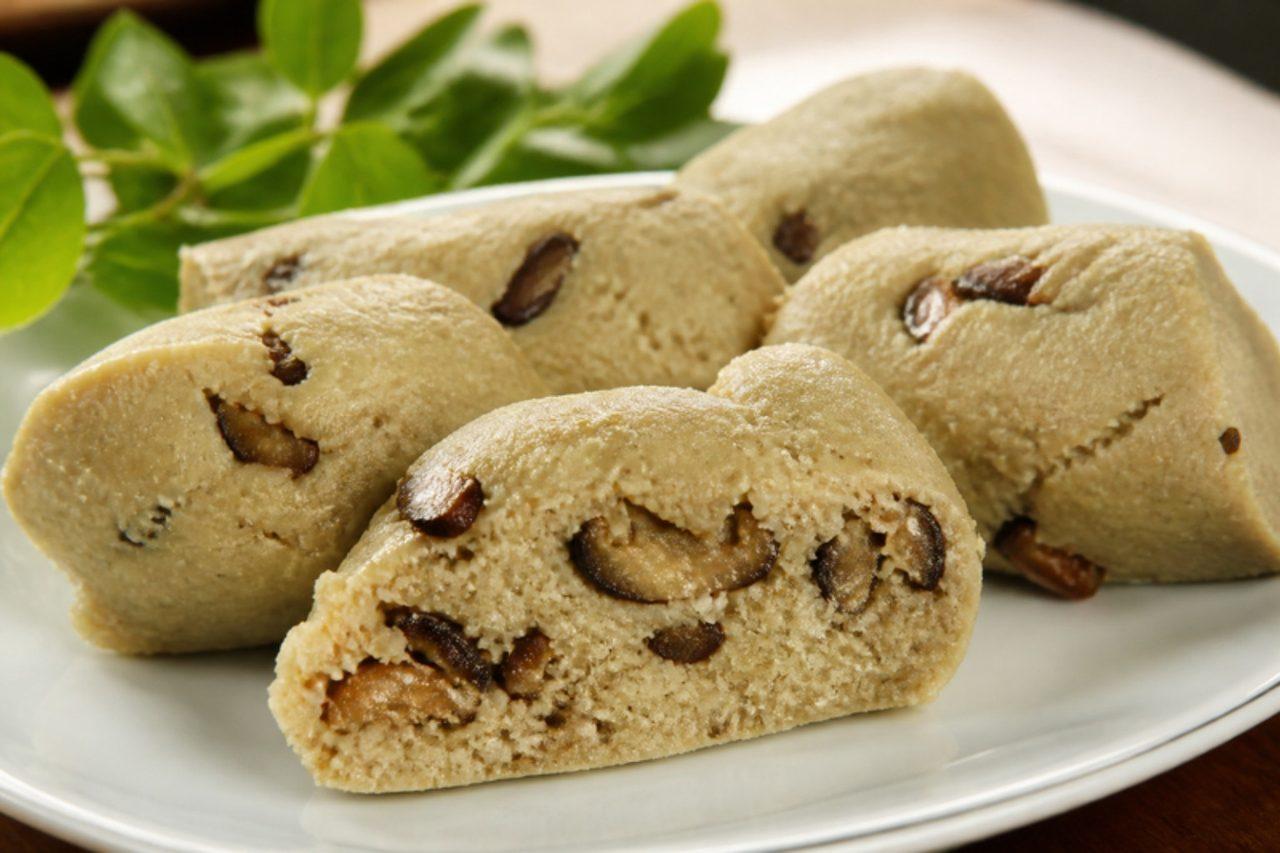
Boiled yam with egg sauce

Saturday breakfast in many Nigerian homes means thick slices of boiled white yam and a pan of egg sauce, eggs gently scrambled into a quick fried sauce of tomato, onion and fresh chilli. The yam is fluffy and starchy, the sauce juicy, peppery and soft, and the two are made in the same half hour. It is just as popular for supper. Overcooking the eggs is the usual mistake: take the pan off the heat while they still look slightly wet and they finish in their own warmth. Chef's tip: wear gloves or oil your hands while peeling yam, since the raw skin and flesh can make your hands itch.
by KrazyBadal 0 views

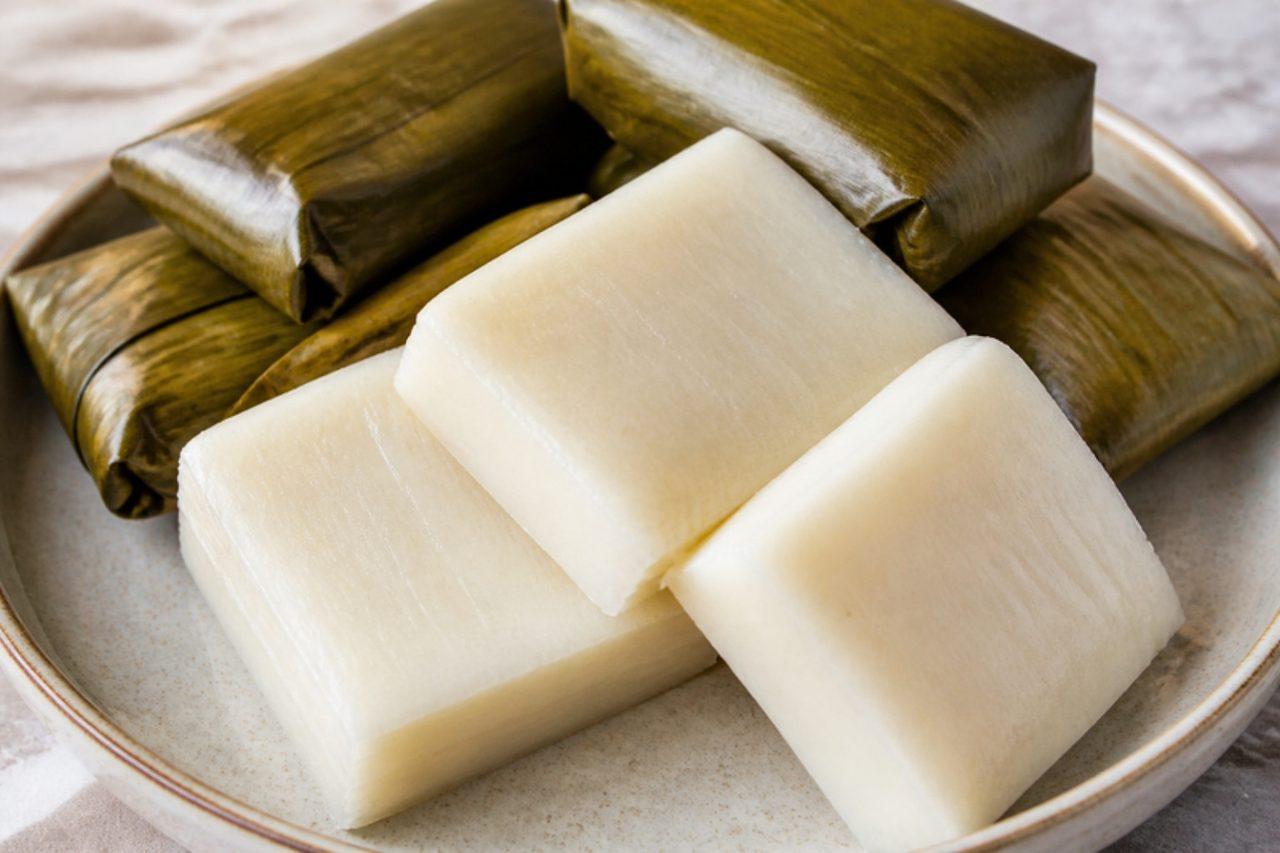
Agidi (set fermented maize in leaves)

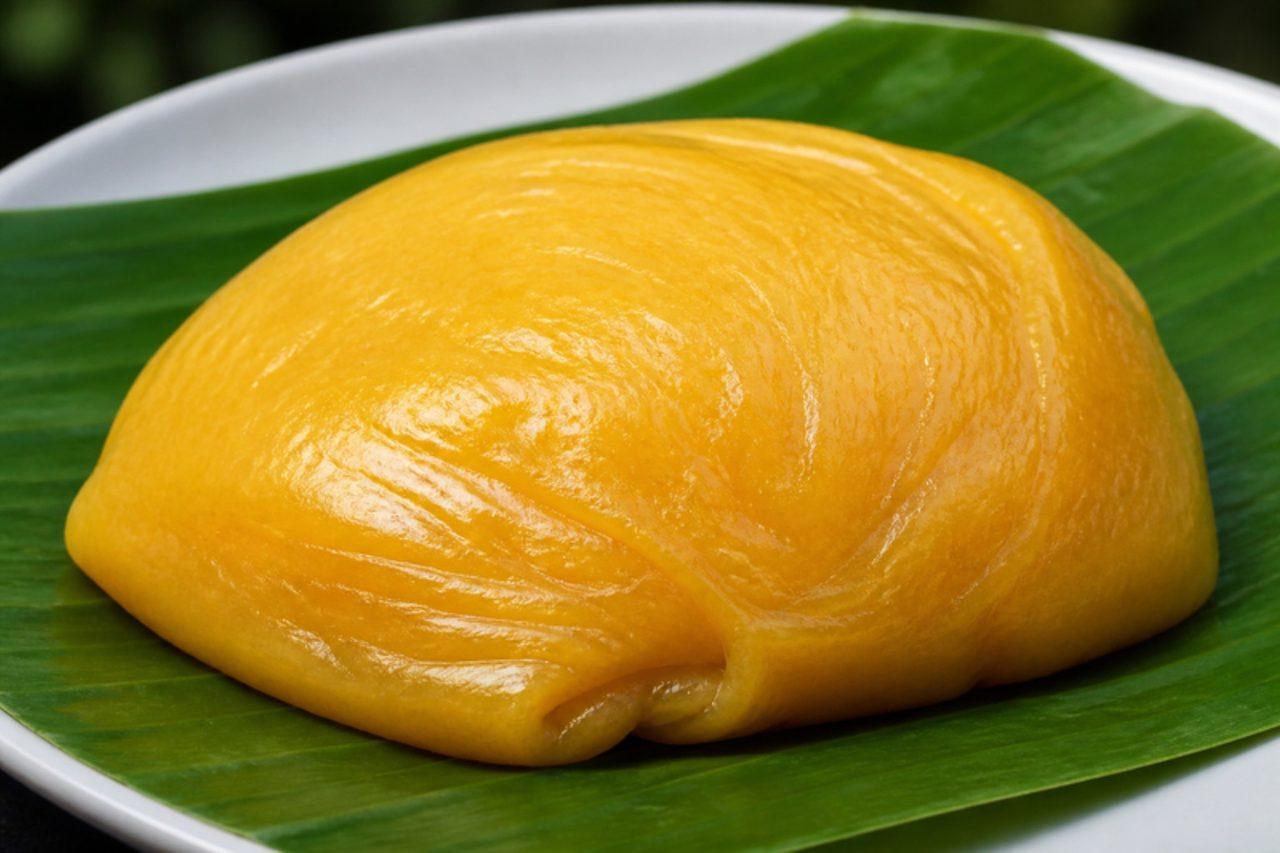
Wrapped in green leaves and stacked in pyramids, ẹ̀kọ (Yoruba) or agidi (Igbo) is the solid form of ogi: the same fermented maize paste cooked much thicker, then left to set into a cool, wobbly block. It tastes gently sour and very clean, which is why it suits a hot pepper stew, moi moi, akara or a bowl of efo. Buka in Lagos and Ibadan sell it at breakfast and lunch. Undercooking is the most common mistake, and the agidi then stays soft and runny, so cook until a spoon leaves a clear trail across the pot. Chef's tip: pass banana leaves quickly over a flame until they turn shiny and supple, and they will fold without tearing.

by KrazyBadal 0 views

Eba (gari swallow)

Students in hostels, office workers at lunchtime buka and families from Warri to Lagos all lean on eba, because it is ready in about five minutes from a bag of gari, the toasted granules of fermented cassava. Stirred into hot water, gari swells into a smooth, firm, slightly tangy dough that you pinch, roll and dip into egusi, okra, ogbono or efo riro. Yellow gari has been fried with a little palm oil and gives a richer, golden eba; white gari is sharper and paler. Chef's tip: pour the gari onto the water, never the water onto the gari, and wait a minute before stirring so every grain soaks evenly.

by KrazyBadal 0 views

Kunun aya (tiger nut drink)

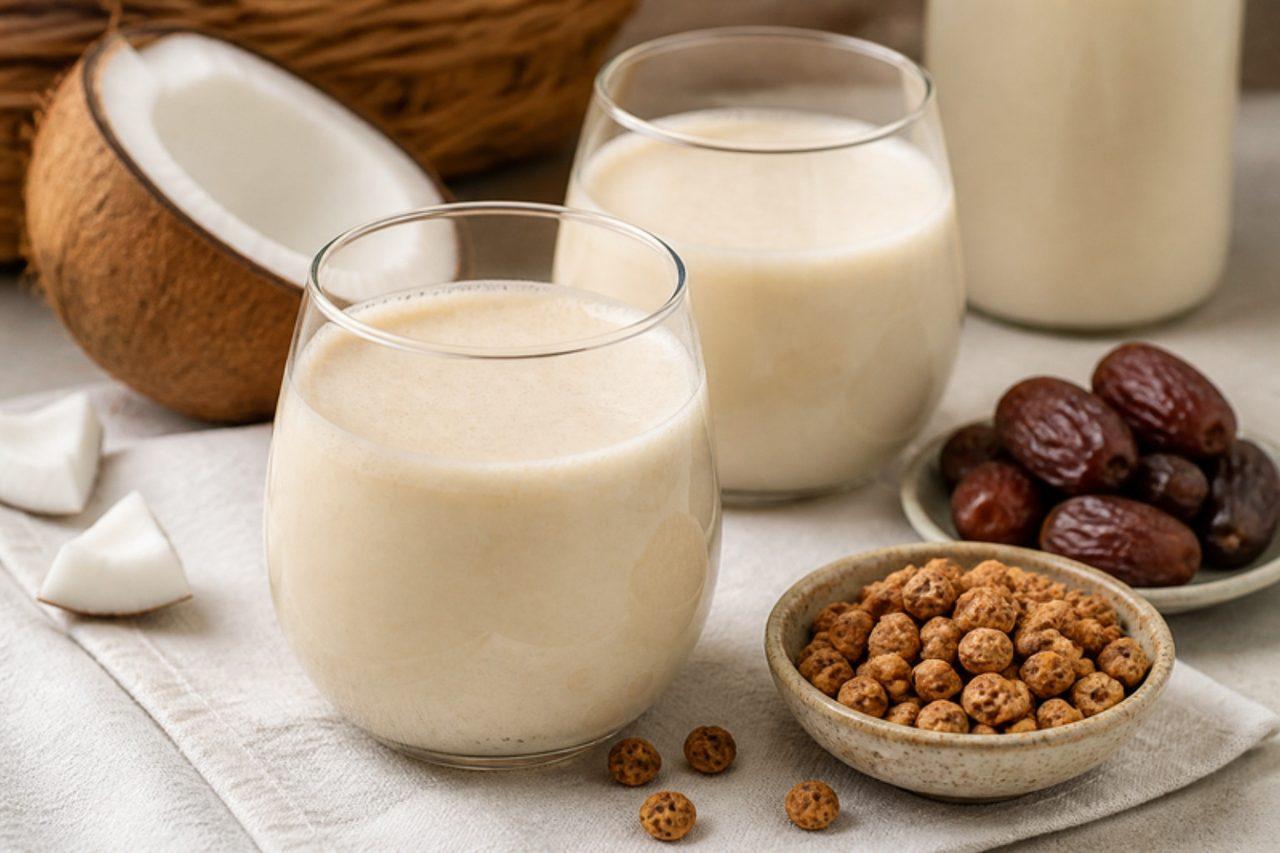
Street sellers in Jos, Kaduna and Kano keep kunun aya cold in coolers, and on a hot afternoon a glass of the creamy, nutty milk is hard to beat. Tiger nuts, which are small tubers rather than nuts, are soaked until plump, blended with dates, fresh coconut and a little ginger, then strained. Dates do the sweetening, so most people add no sugar at all. Skimping on the soak is the most common mistake; dry tiger nuts give a thin, gritty drink, so soak them for at least 8 hours. Chef's tip: soak them in the fridge and keep everything cold, because the fresh milk sours quickly in the heat.

by KrazyBadal 0 views

Garden egg sauce

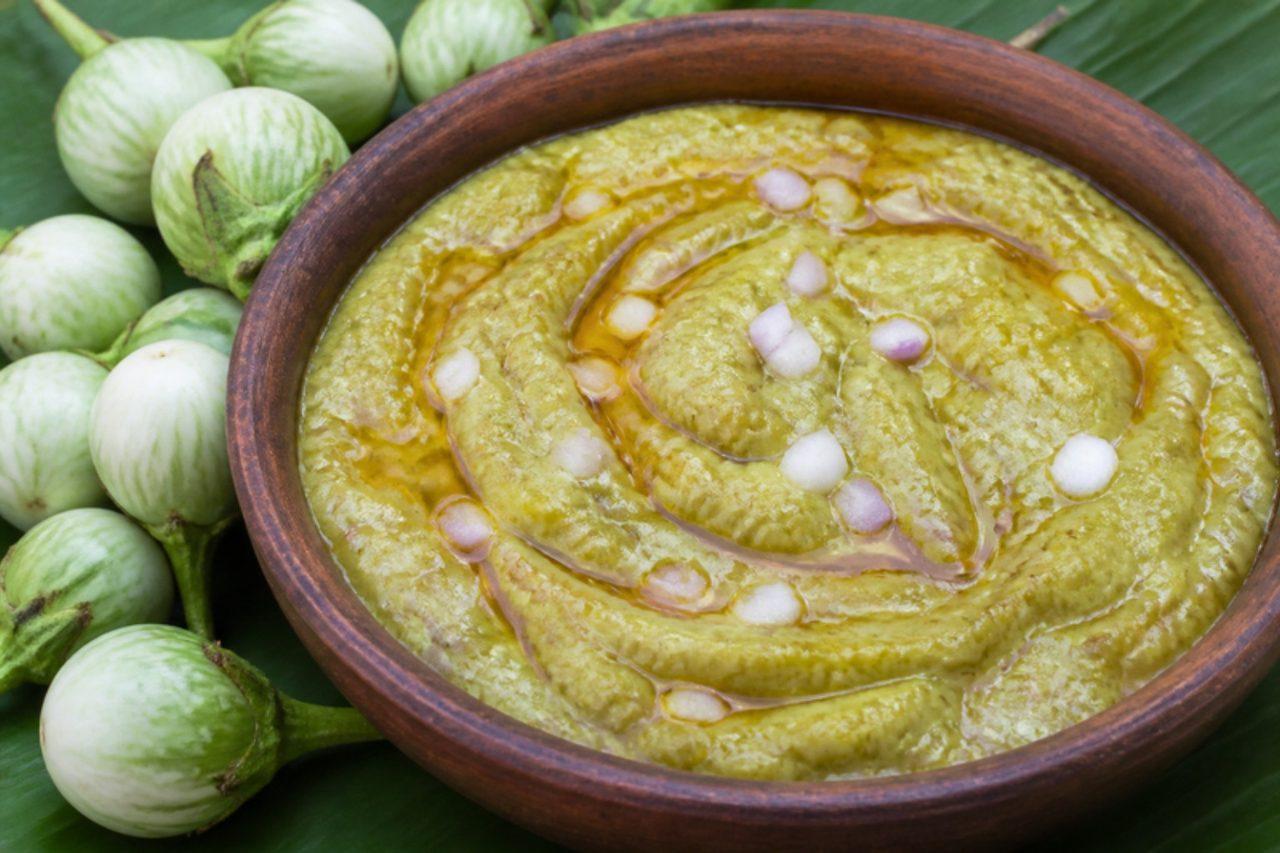
Igbo families in Enugu, Anambra and Imo cook the little white-and-green garden eggs into a soft, chunky sauce to scoop up with boiled yam, plantain or rice. The aubergines are boiled, peeled and mashed, then simmered in palm oil with onion and fresh chilli, giving a smoky-sweet, slightly bitter, very savoury spread. Crayfish or dried fish is often stirred in; leave them out, as here, for a vegan sauce. Chef's tip: soften the garden eggs fully before mashing, or the sauce will be squeaky and raw-tasting instead of creamy.

by KrazyBadal 0 views

Jos potato pottage

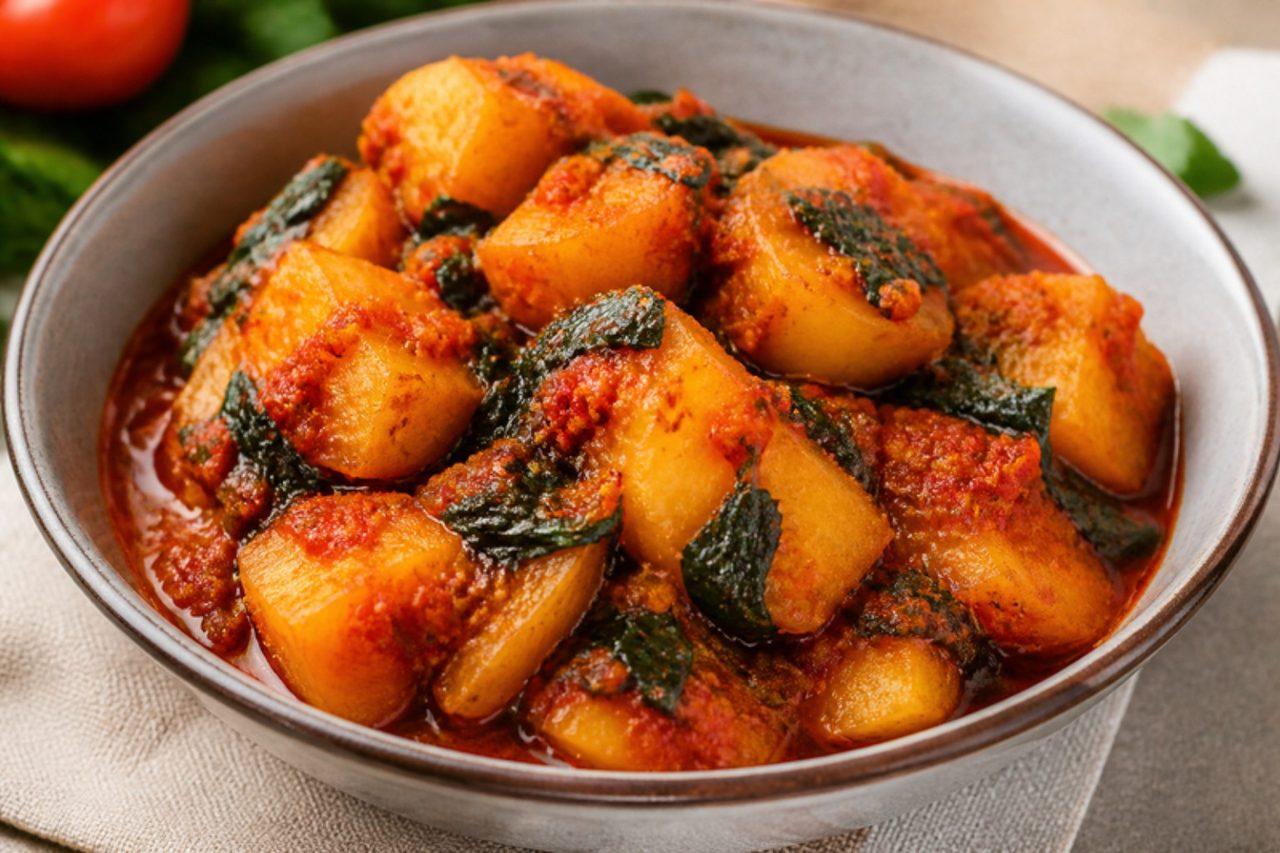
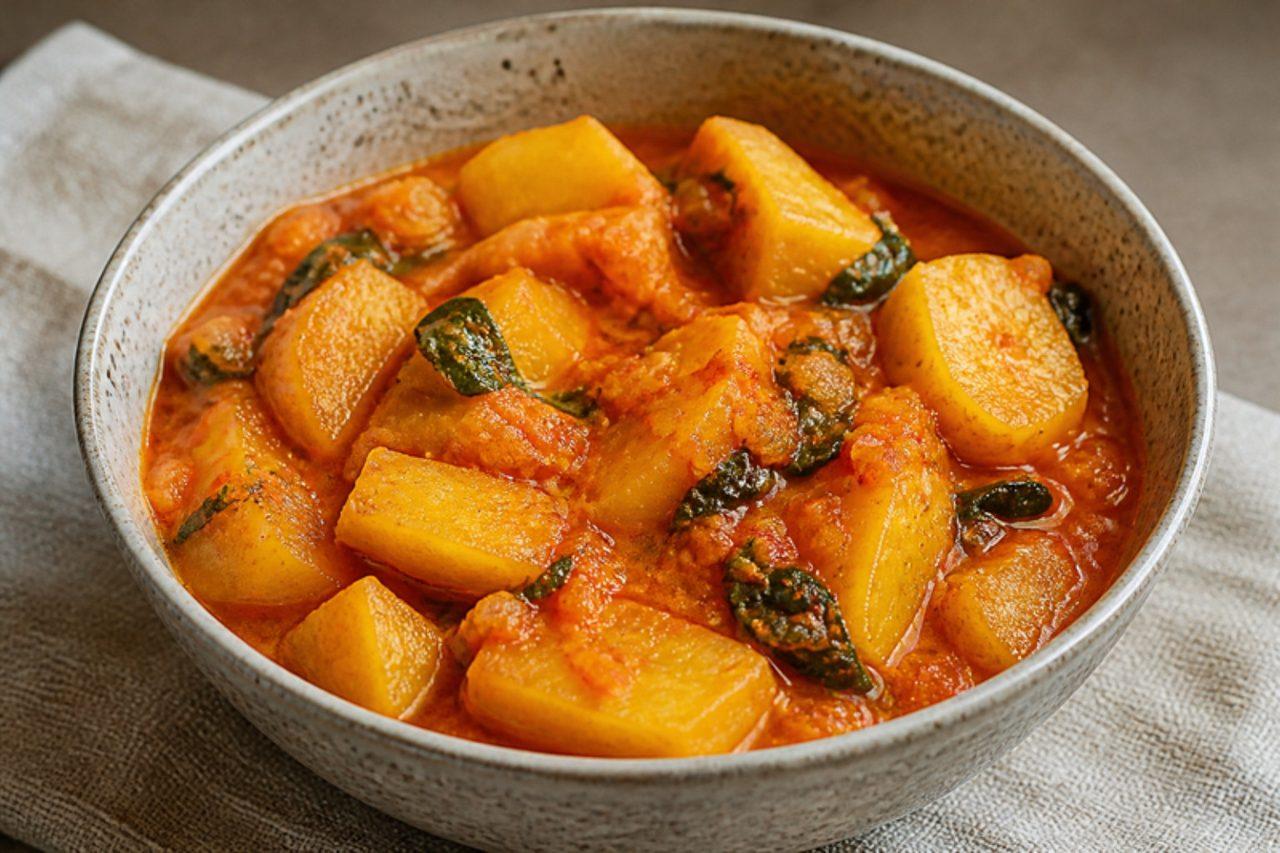
Jos and the cool Plateau highlands grow most of Nigeria's potatoes, which everyone there calls Irish potatoes, and this pottage is how many households cook them on a weeknight. Chunks of potato simmer in a palm-oil, tomato and pepper sauce until some fall apart and thicken the pot while others stay whole, giving a comforting, gently spicy stew. It is often cooked with crayfish or fish; this version keeps it vegan, and children usually love it with the chilli kept mild. Dicing everything small and even is the mistake that turns it into mash, so cut big and small pieces on purpose. Chef's tip: finish with a handful of greens to brighten the orange sauce.

by KrazyBadal 0 views

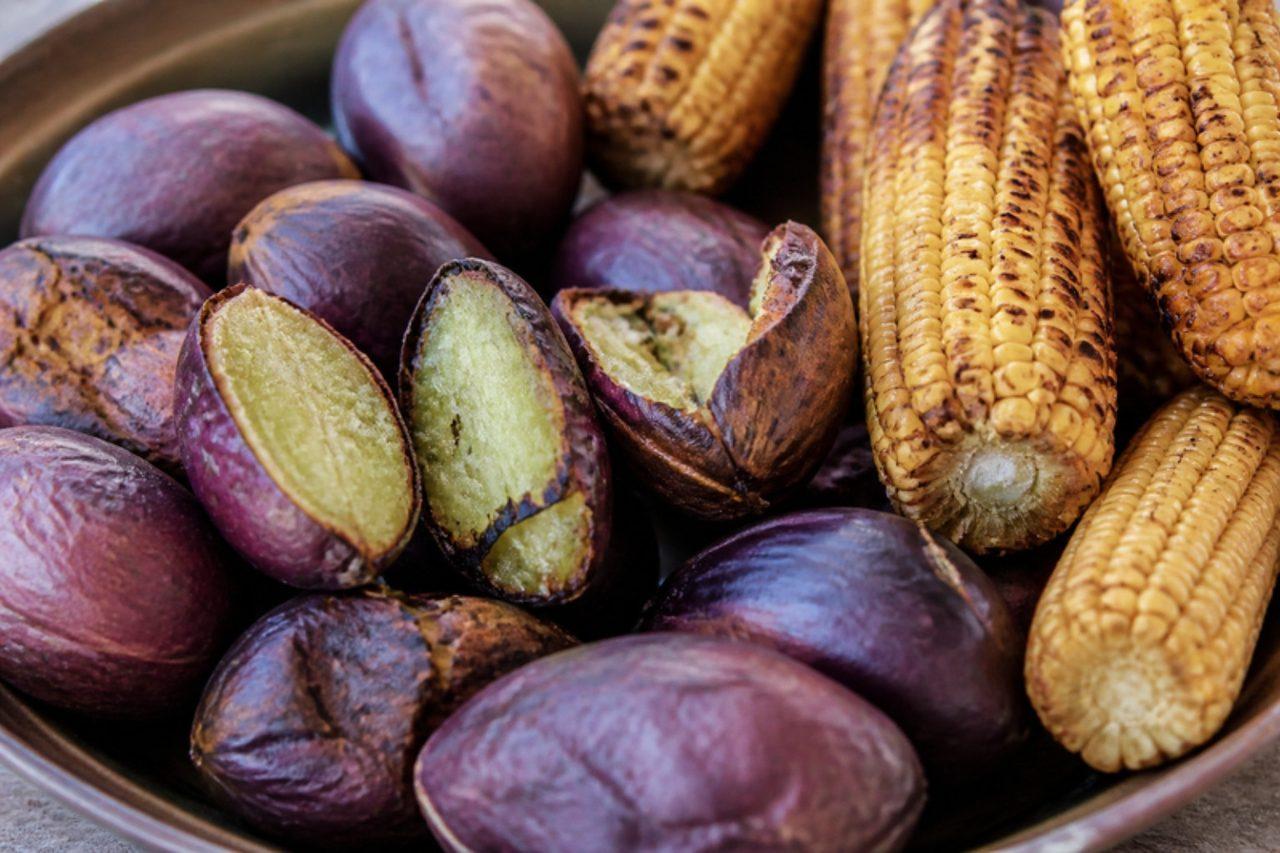
Pate (Nigerian maize porridge with greens)

Not the French spread at all: Nigerian pate is a thick, savoury porridge of coarsely ground maize from Southern Kaduna and the Plateau, where it is everyday food at home and in small chop houses. The maize simmers in a palm-oil and tomato base with groundnut and plenty of leaves until it is soft and spoonable, a bit like a rustic polenta packed with greens. Some cooks use acha (fonio) instead, and many add dried fish or meat; this version is meat-free. Pouring the maize in all at once makes lumps, so rain it in while stirring. Don't stop stirring after adding the maize: lumps form fast and stick to the base. Chef's tip: heat the palm oil gently, just until it melts and turns runny, so it keeps its colour and fruity taste.
by KrazyBadal 0 views

Mullah rob (Sudanese peanut and yoghurt stew)

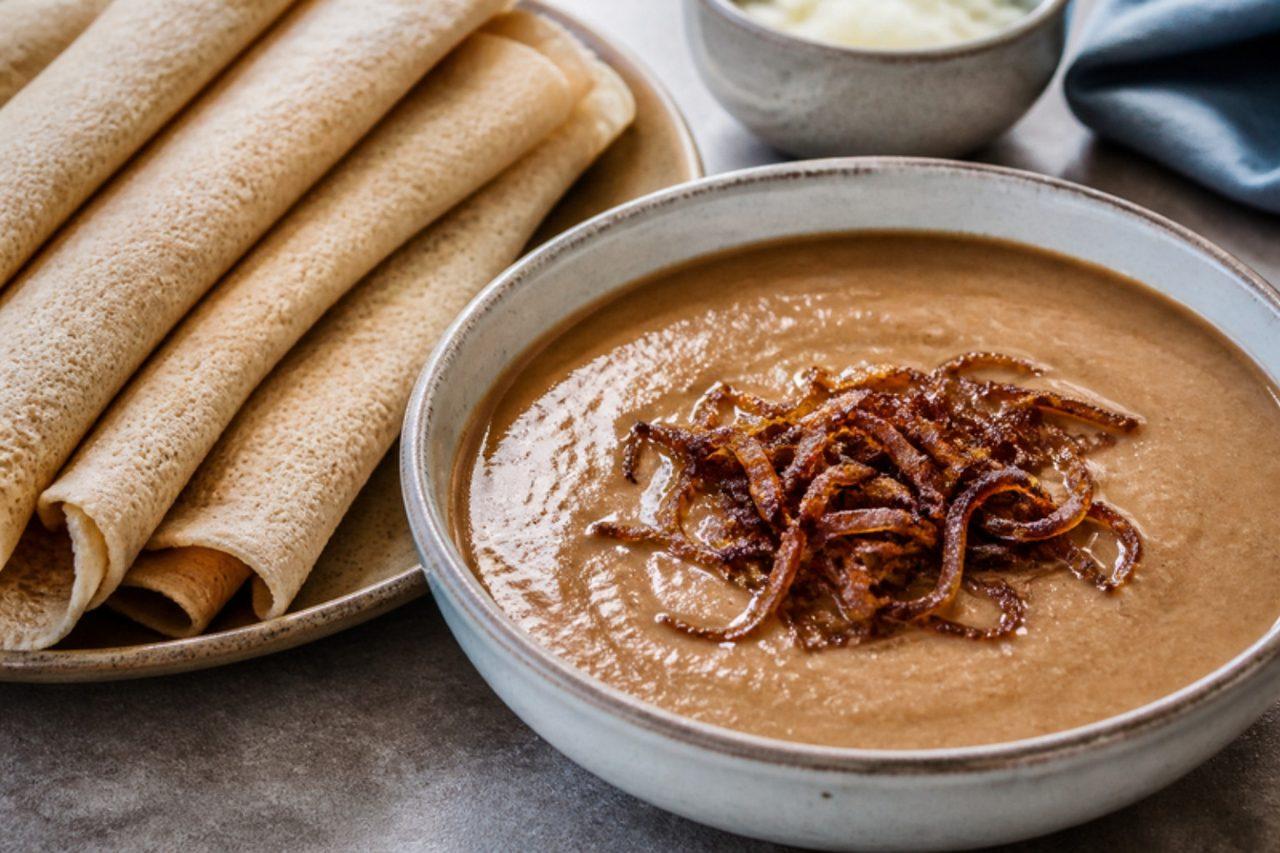
Rob is the Sudanese word for soured milk, and in Khartoum kitchens it goes into one of the simplest, most comforting stews of all: onions cooked down until sweet, peanut butter stirred in for body, and rob whisked through at the end to make a creamy, tangy, pale-gold sauce. It is everyday food, eaten at lunch with sheets of kisra or a mound of aseeda, and it costs very little to make. Without fermented milk to hand, pasteurised natural yoghurt thinned with water does the job well. Boiling the sauce once the yoghurt is in is the classic mistake, because it curdles into grainy flecks; keep it just below a simmer. Chef's tip: let the onions go properly soft and golden, about 15 minutes; they carry the flavour of the whole dish.

by KrazyBadal 0 views

Fah-fah (Djiboutian spicy goat soup)

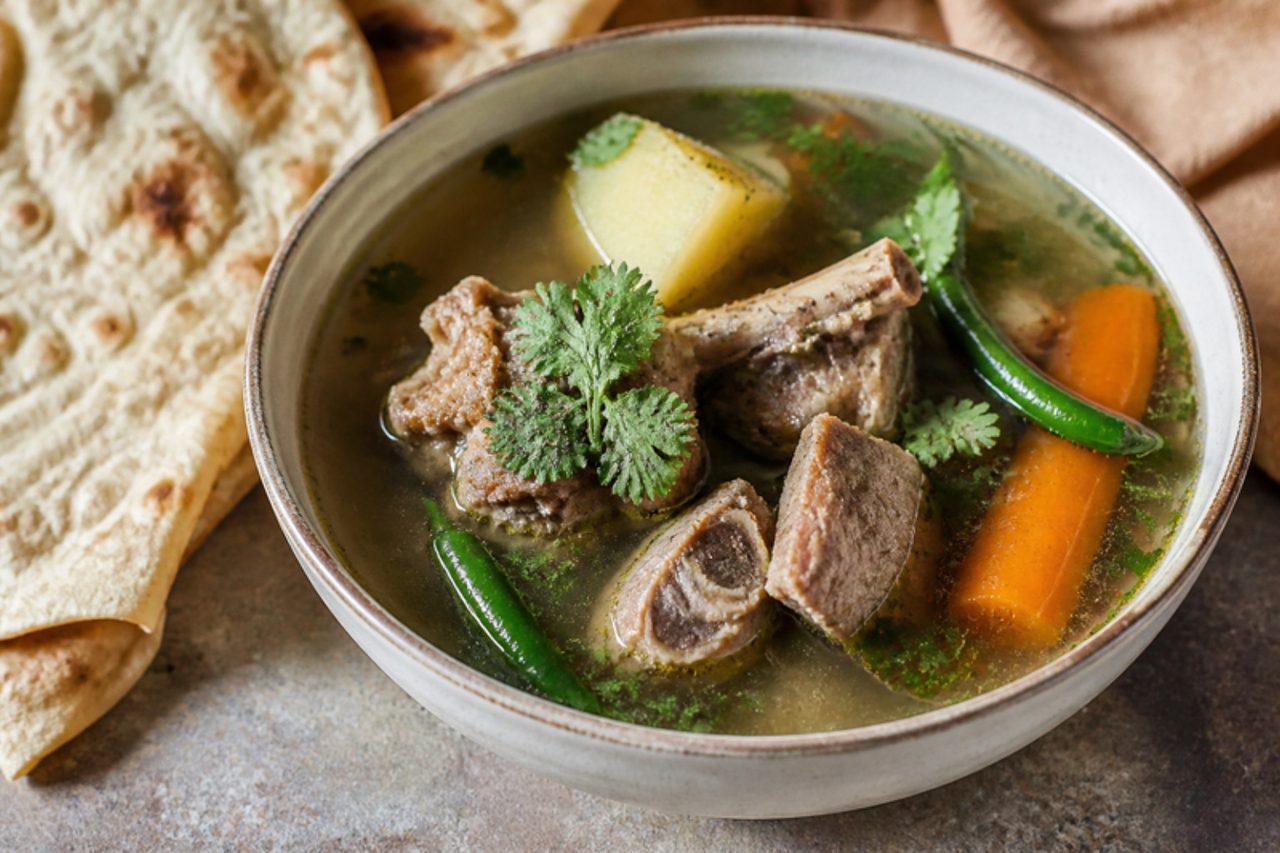
Djibouti City's cafés and Somali-speaking homes across the Horn claim fah-fah as a national dish: a clear but deeply flavoured goat broth simmered on the bone with garlic, cumin and black pepper, filled with potatoes and carrots and sharpened at the end with plenty of green chilli and coriander. It is often eaten at lunch or as a restorative supper, and is especially loved during the cool season and Ramadan, with canjeero torn into the bowl to soak. The broth should be clean-tasting and spicy rather than thick. Letting the soup boil hard makes it cloudy and greasy, so skim well and keep it at a gentle simmer. Don't skip skimming the broth at the start, or the soup stays cloudy and tastes muddy. Chef's tip: add the chilli and coriander only in the final minutes so they stay bright and green.

110 minSomaliSoupsGluten freeSpicy
by KrazyBadal 0 views

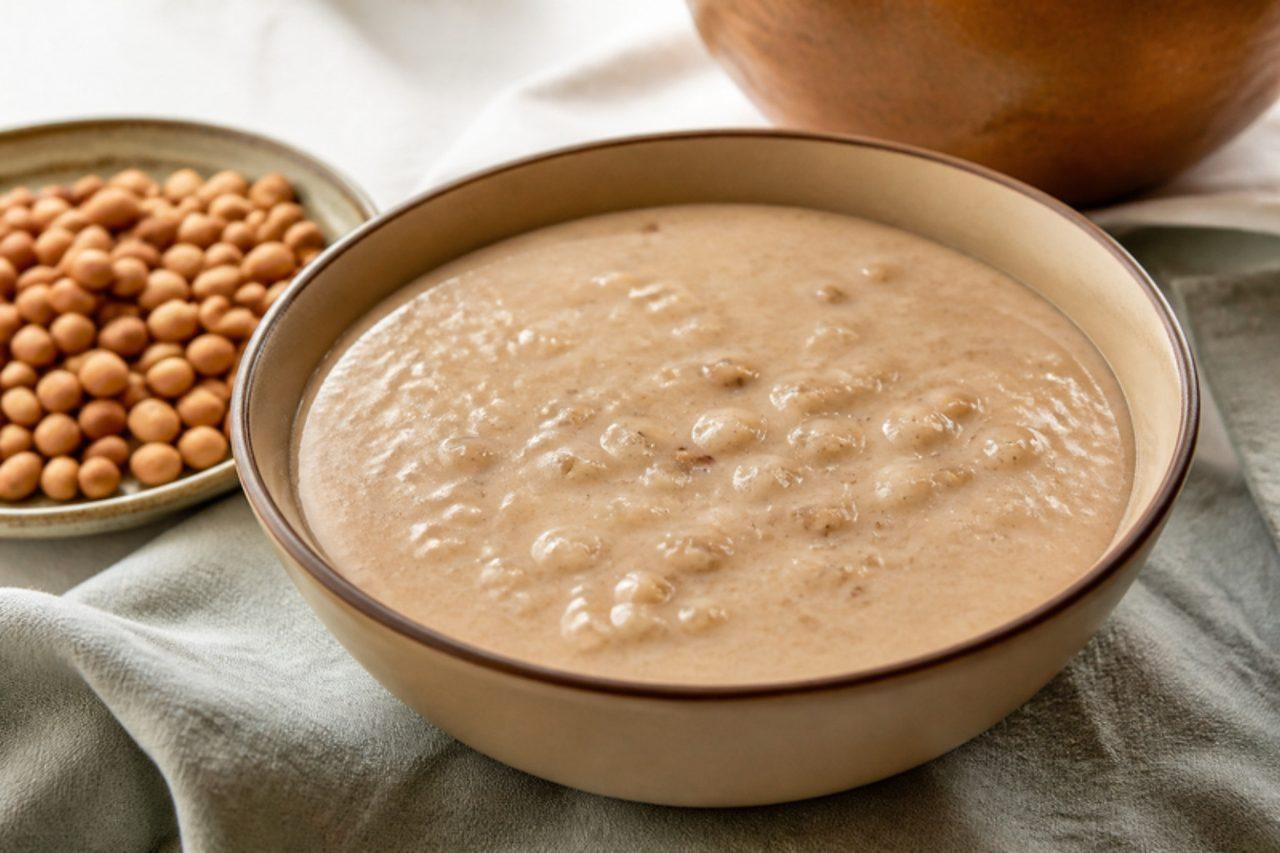
Ogi (pap, fermented maize porridge)

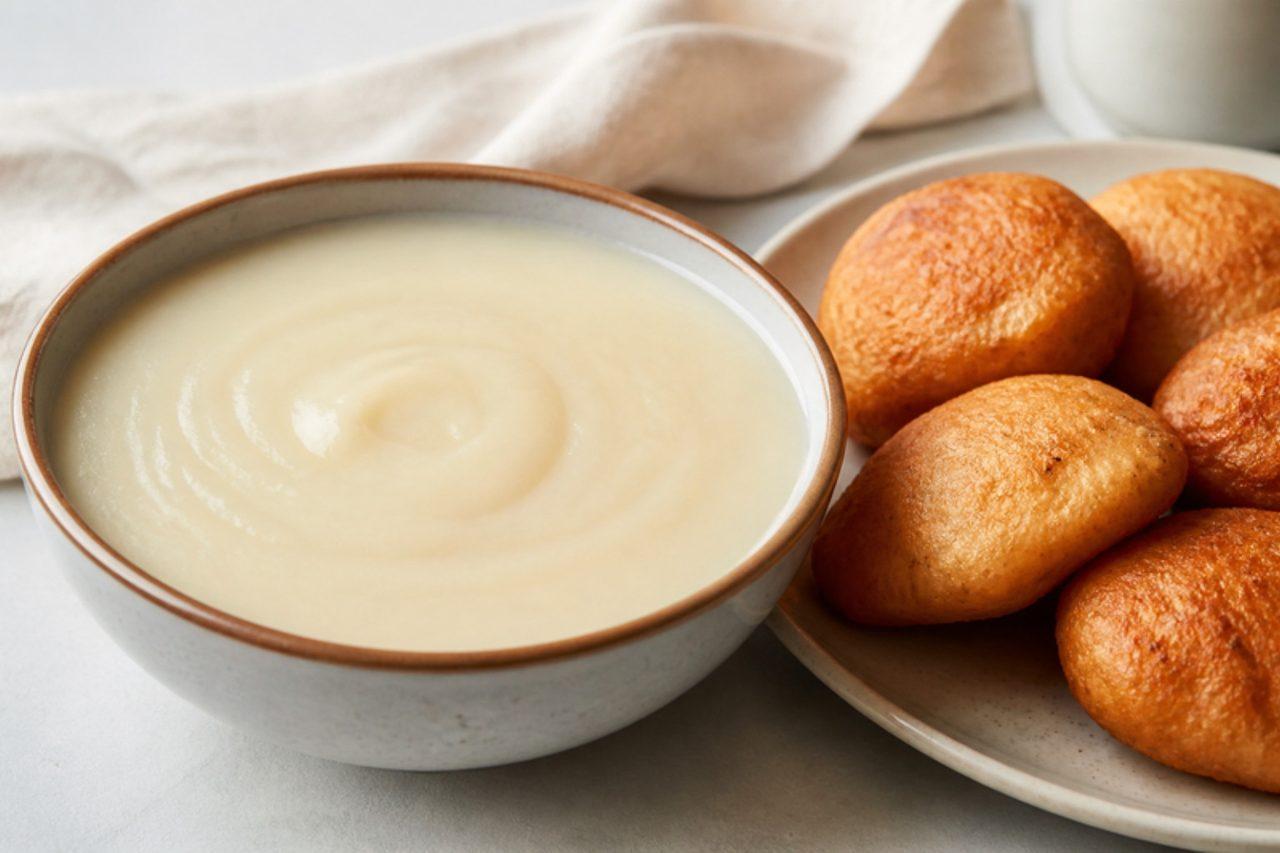
Early mornings across Nigeria smell of akara frying and ogi being stirred: the smooth, pourable porridge that Yoruba homes call ogi and Igbo homes call akamu. It is made from maize soaked for two or three days, ground, sieved and left to settle into a soft white paste, which is sold fresh in markets wrapped in leaves or plastic. Boiling water turns the paste glossy and thick, with a clean sourness that is often softened with sugar and milk. Water that is merely hot rather than boiling is the usual mistake, leaving the pap thin and chalky; if that happens, stir it over a low flame for a minute. Chef's tip: sorghum ogi (ogi baba) is redder and earthier, and millet ogi is lighter; all three cook the same way.

by KrazyBadal 0 views

Alkaki (Hausa syrup-dipped twists)

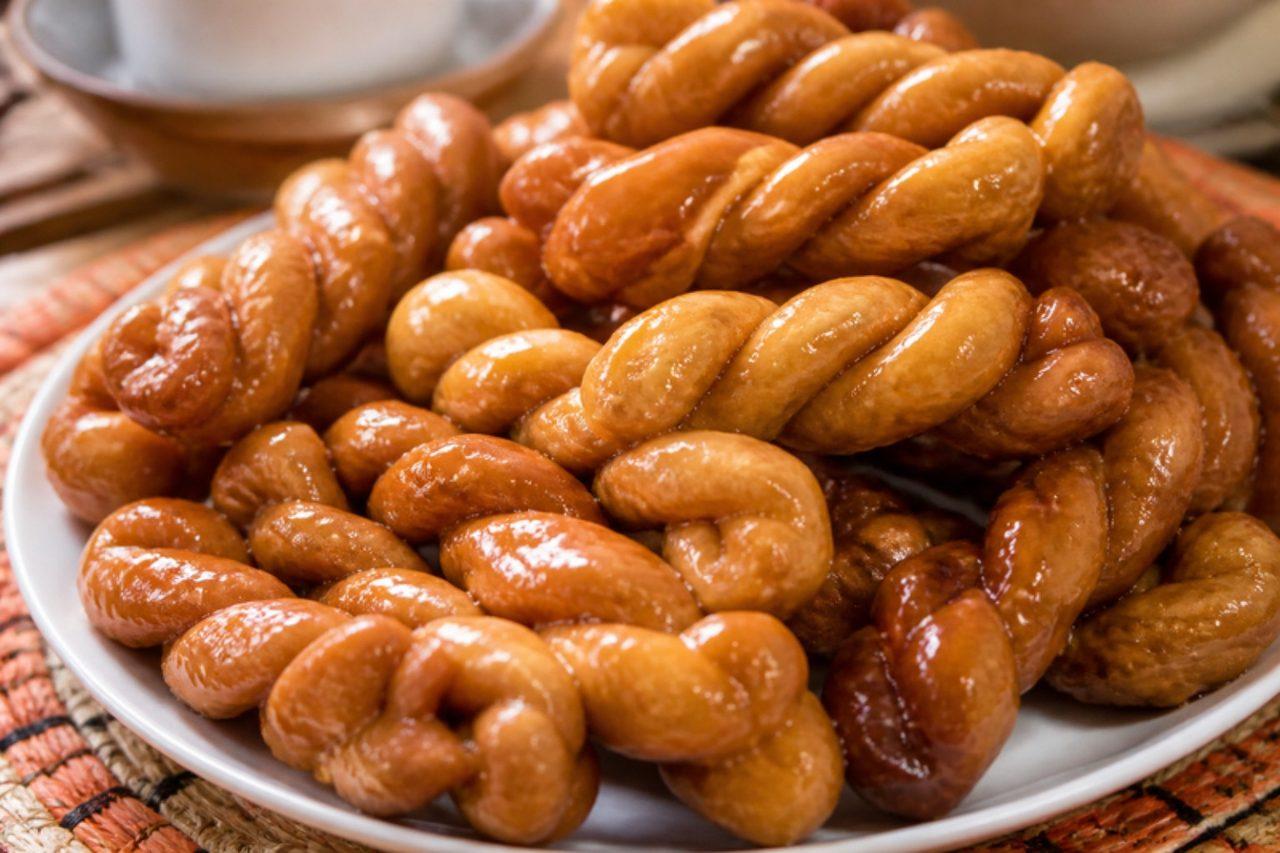
Trays of alkaki are a sign that a Hausa wedding is close: in Sokoto and Kano the twisted fried dough is made in big batches for the bride's family to share out, and again for Sallah visits. The dough is simple flour and water, rolled into ropes and twisted before frying, then dipped in a thick syrup that sets into a thin, crackly white coat. Under it the dough is crunchy at the edges and slightly chewy inside. Frying too hot is the trap; the outside browns while the middle stays raw, so keep the oil moderate and be patient. Chef's tip: boil the syrup until it falls from a spoon in a thin thread, and it will dry glossy rather than sticky.

by KrazyBadal 0 views

Danwake (bean flour dumplings)

Roadside danwake sellers in Kano and Kaduna ladle the little dumplings out of big pots, then dress them on the plate with groundnut oil, a dusting of fiery yaji, raw onion and tomato. The dough is bean flour stiffened with baobab leaf powder and a pinch of potash or bicarbonate, which gives the dumplings their dark colour and springy bite. Boiled eggs are often served alongside; leave them out, as here, and the dish is fully vegan and still satisfying, thanks to the beans. A dough that is too soft falls apart in the water, so boil one test dumpling before you shape the rest. Chef's tip: drop the cooked dumplings into cold water straight away; it stops them sticking together and firms the surface.

by KrazyBadal 0 views

Masa (Hausa fermented rice cakes)

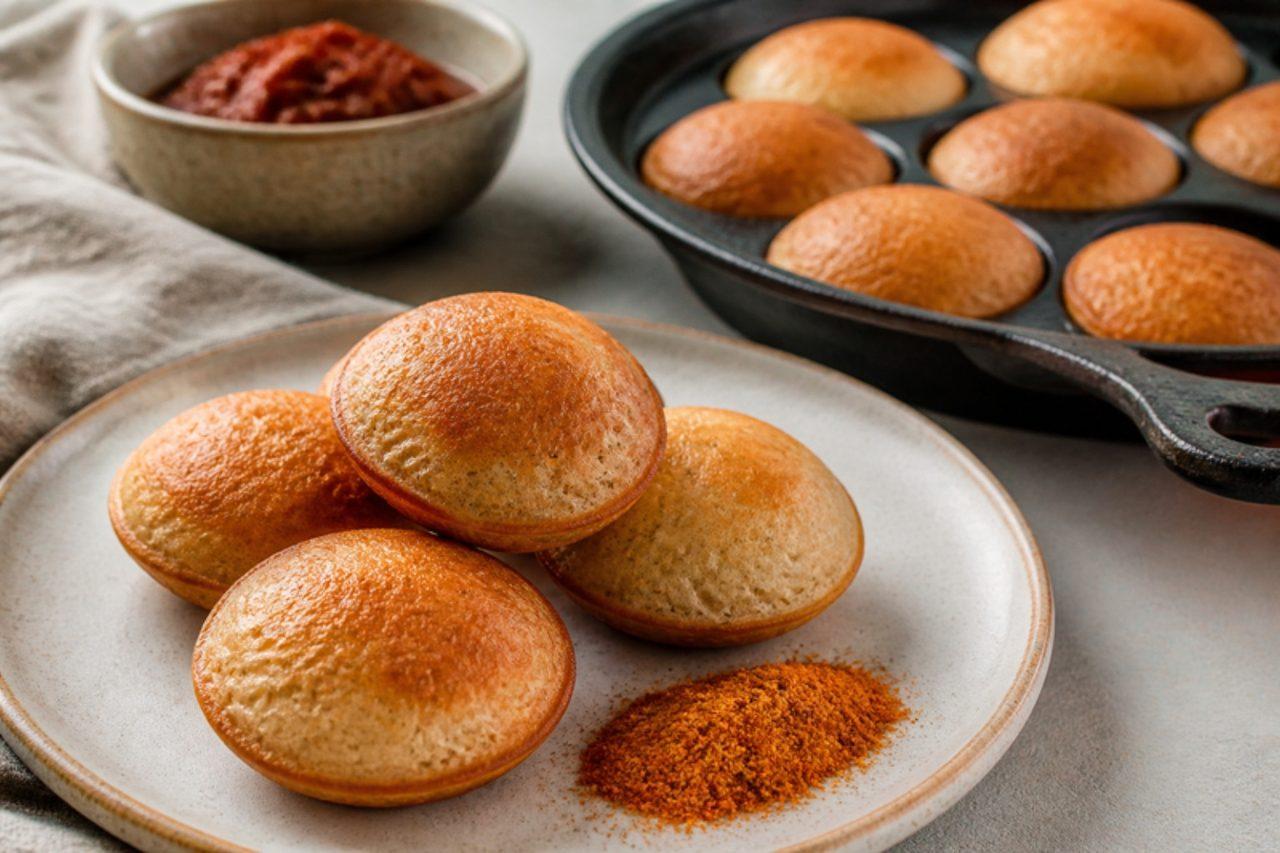
Before sunrise in Kano, Sokoto and Katsina, women set out clay or cast-iron pans with round hollows and fry masa by the dozen for breakfast, and during Ramadan they are a favourite at the breaking of the fast. Soaked rice is ground with a little cooked rice, left to ferment until bubbly, then cooked in the hollows, so each cake is crisp and brown underneath and soft and spongy inside, with a gentle sourness. They are eaten with sugar syrup, yaji pepper or miyan taushe (honey is common too, while syrup keeps them vegan). A thin batter is the classic mistake: it spreads and fries flat, so aim for the thickness of a thick pancake batter. Chef's tip: start the night before, since the rice soaks 8 hours and the batter ferments 4–8 hours more, and use an aebleskiver or paniyaram pan if you have no masa pan.

by KrazyBadal 0 views

Miyan zogale (moringa leaves with groundnut)

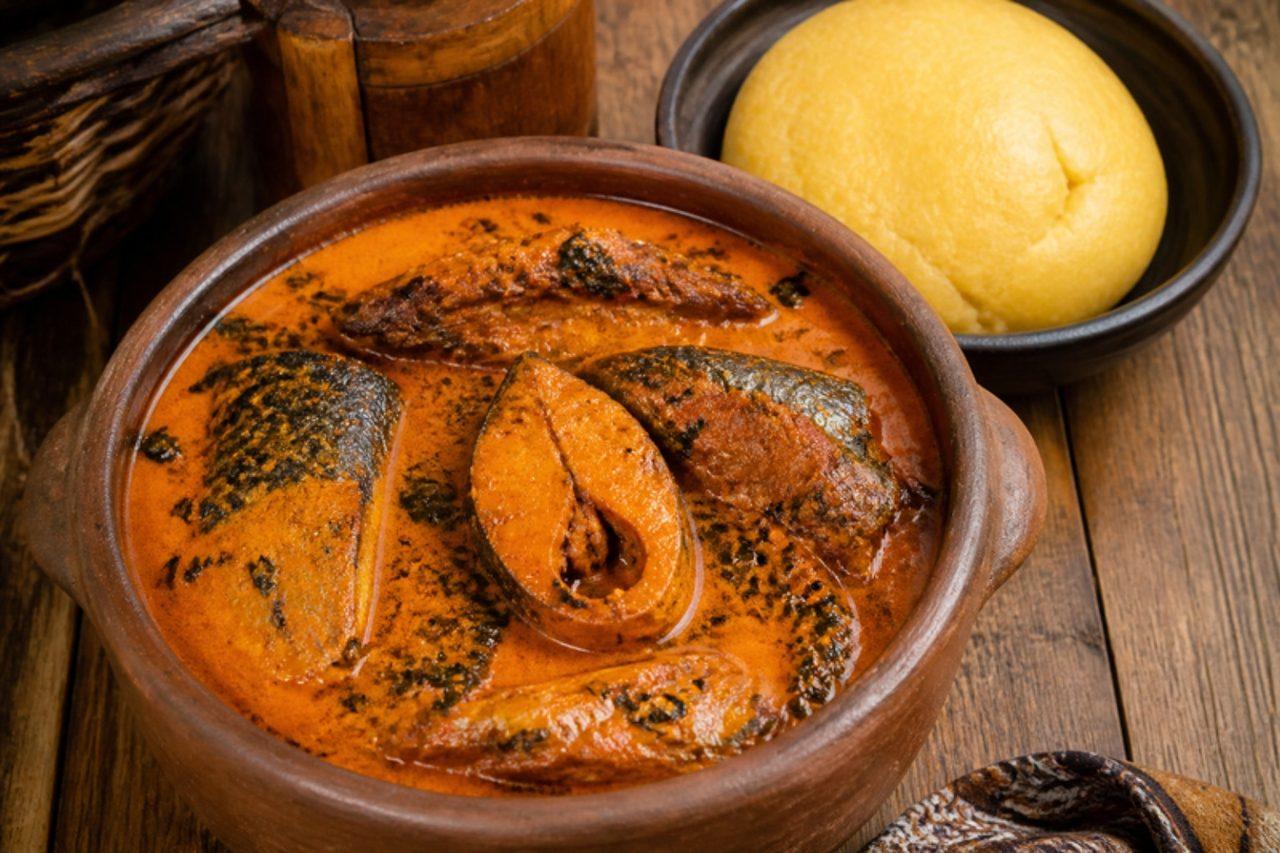
Moringa trees grow by the compound walls of many northern Nigerian homes, and their small, round leaves end up in this quick, nourishing relish. The leaves are blanched, then cooked down with onion, tomato and dawadawa and bound with groundnut paste, giving a green, slightly peppery dish with a nutty finish. Families in Kano, Katsina and Zaria eat it with tuwo, or as a light meal on its own. Because only a little groundnut goes in, it stays light. Chef's tip: strip the leaves off their stalks completely, since even thin stems stay stringy after cooking.
by KrazyBadal 0 views

Nigerian pancakes
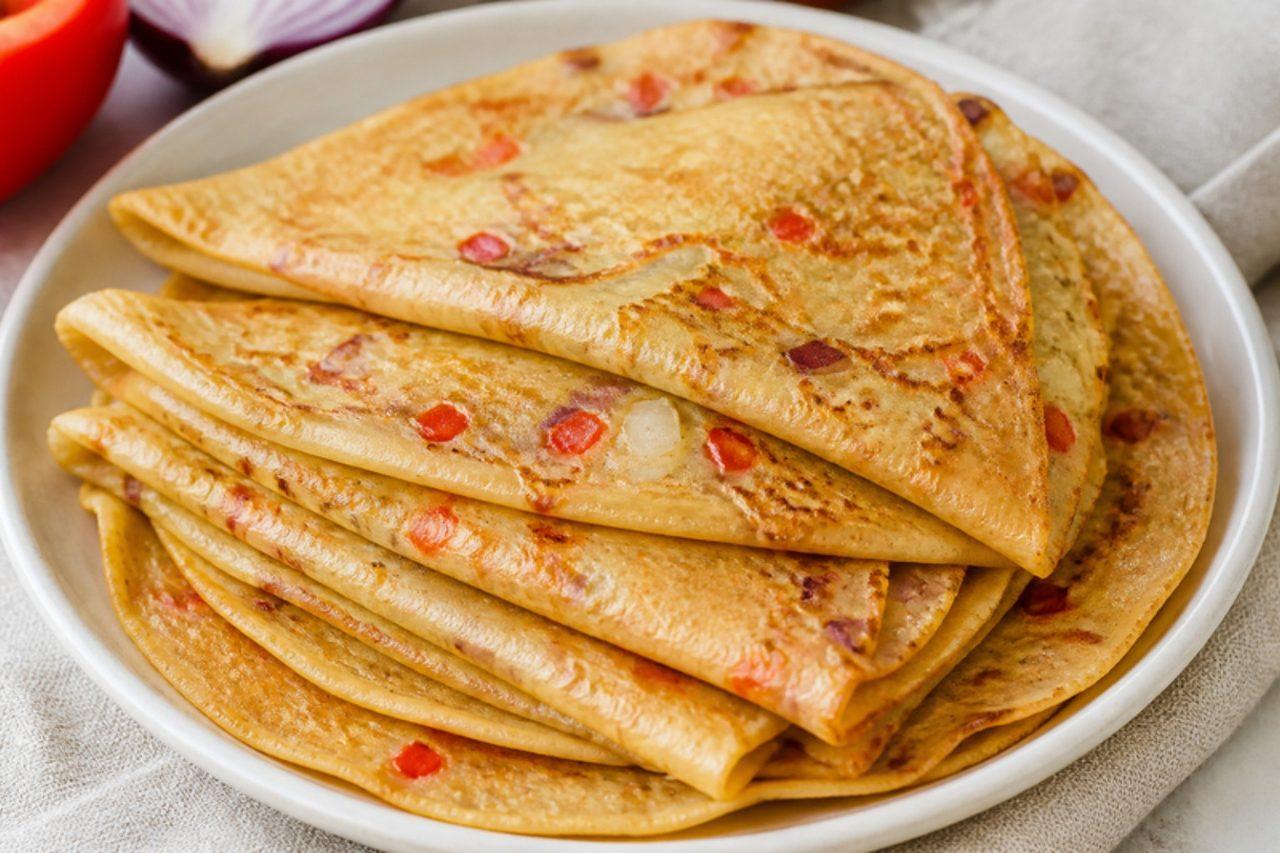
Somewhere between a crêpe and a Western pancake, the Nigerian version is thin, slightly chewy and folded into quarters, often cooked for children before school or on a slow Saturday. Savoury ones get chopped onion and a bit of fresh chilli in the batter; sweet ones simply have more sugar and a pinch of nutmeg. They need nothing alongside except tea or a cup of hot chocolate. A pan that isn't hot enough is the classic mistake and gives pale, greasy pancakes, so heat it until a drop of batter sets at once. Chef's tip: rest the batter for 10 minutes while the pan heats; it gives a smoother, chewier pancake.
by KrazyBadal 0 views

Tuwo shinkafa (soft rice swallow)

Across Kano, Kaduna and the wider Hausa north, the evening meal very often means a dome of tuwon shinkafa beside a bowl of soup. Short-grain rice is cooked well past the point most cooks would stop, then beaten with a wooden spoon until the grains collapse into a smooth, faintly sticky mass that still shows a few soft grains. It tastes mild and clean, which is exactly its job: you pinch off a piece, dip it into miyan kuka, miyan taushe or an okra soup and swallow. It also turns up at naming ceremonies and weddings, wrapped in plastic or leaves and carried home by guests. Chef's tip: wet the bowl or cup you mould it in, and the balls slide out glossy and round instead of tearing.

by KrazyBadal 0 views

Usi (Urhobo starch swallow)

Bright yellow-orange and wobbly, usi, often just called starch, is the pride of Urhobo cooking in Delta State, and in Warri and Ughelli it is the only proper partner for banga (palm-nut) soup or owo soup. It is made from cassava starch cooked with water and a little palm oil, stirred hard over a low heat until it turns from a chalky white paste into a translucent, glossy, elastic mass. It tastes very mild; it is a vehicle for rich soups, and its smooth stretch is the point. Look for cassava starch (wet or dried) in African shops. Banga and owo soup are usually made with fish, so serve usi with a meat-free banga for a vegan meal. Chef's tip: keep the heat low and never stop stirring; a high flame is the mistake that scorches the bottom and leaves raw, white lumps.

by KrazyBadal 0 views

Kuli-kuli (crisp groundnut rings)

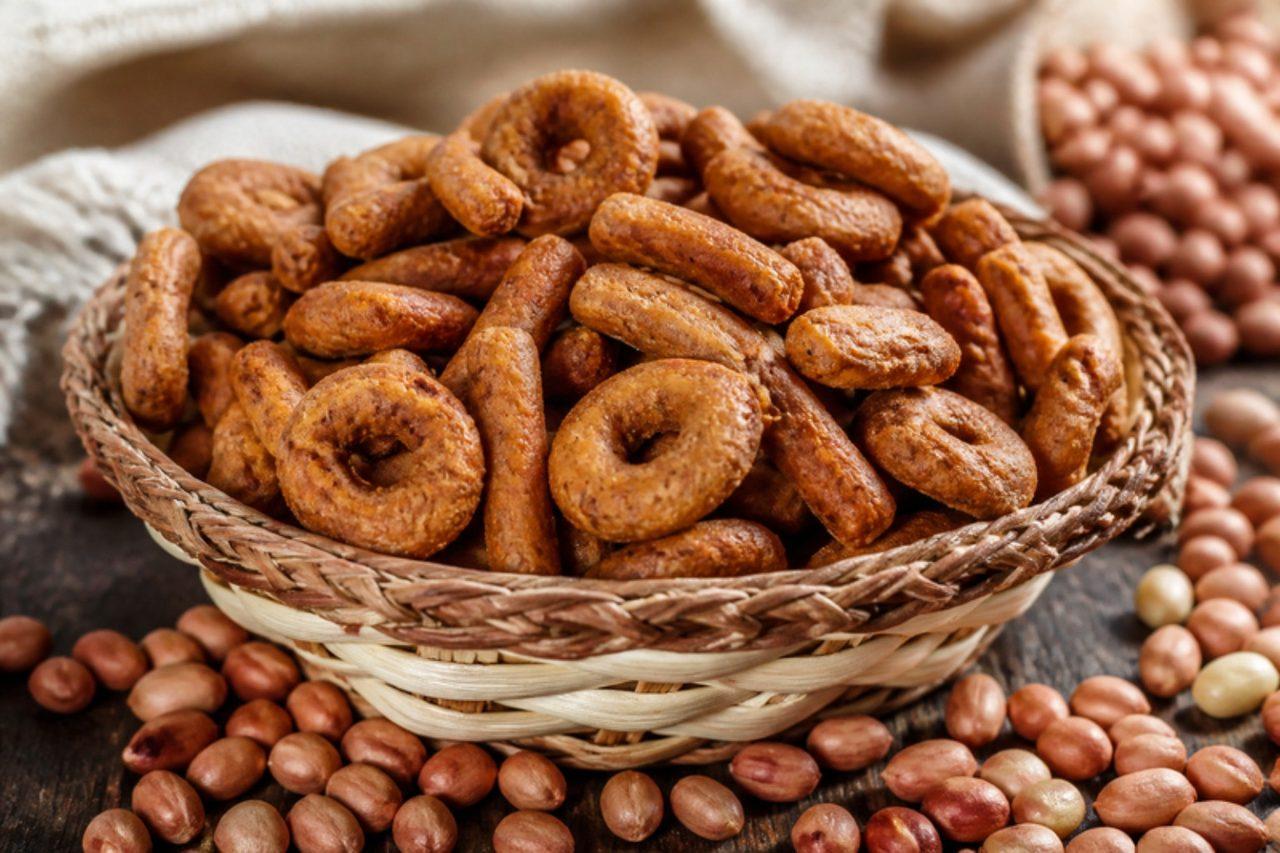
Kano's markets sell kuli-kuli by the bagful: hard, crunchy rings and sticks of roasted groundnut paste that has had its oil pressed out before frying. They taste deeply nutty, with a warm kick of ginger and chilli, and keep for weeks in a tin. People crunch them with soaked gari, with kunun drinks or crumble them over salads like zogale. If the oil isn't squeezed out properly the paste collapses in the pan, so keep working it until it feels firm and dry. The usual mistake is not pressing out enough oil from the groundnut paste, so the rings fall apart in the fryer. Chef's tip: they only crisp fully as they cool, so judge doneness by their deep brown colour, not by how hard they feel in the pan.

by KrazyBadal 0 views

Burabisko (Borno millet couscous)

Kanuri cooks in Maiduguri and across Borno make burabisko by rubbing millet flour with water into tiny grains and steaming them twice, much like the couscous of the Sahara, to which it is related. The grains turn fluffy and slightly nutty, and they are heaped beside a tomato and pepper sauce for Sallah, weddings and Friday lunch. The sauce usually holds lamb or beef; this meat-free version uses carrots, green beans and potato, as is common on ordinary days. Too much water at the rubbing stage turns the flour into a paste instead of grains, so sprinkle and rub, never pour. Chef's tip: short of time, steam 300 g wheat couscous over the sauce instead (it will no longer be gluten free).

by KrazyBadal 0 views

Gwote (grain-ball porridge with leaves)

Cold harmattan mornings in the villages around Kano and Bauchi are when gwote comes into its own: a pot of small, chewy maize or millet balls simmered in a tomato and pepper broth with whatever leaves are to hand. The balls swell and cloud the liquid until it becomes a thick, savoury porridge, warming and filling on a modest budget. It is eaten from a bowl with a spoon, with nothing else needed. Watch out for balls that are too big; they stay raw and floury in the middle, so keep them marble-sized. Chef's tip: knead the dough while it is still hot, so it turns smooth and the balls keep their shape in the pot.

by KrazyBadal 0 views

Miyan taushe (pumpkin and groundnut soup)

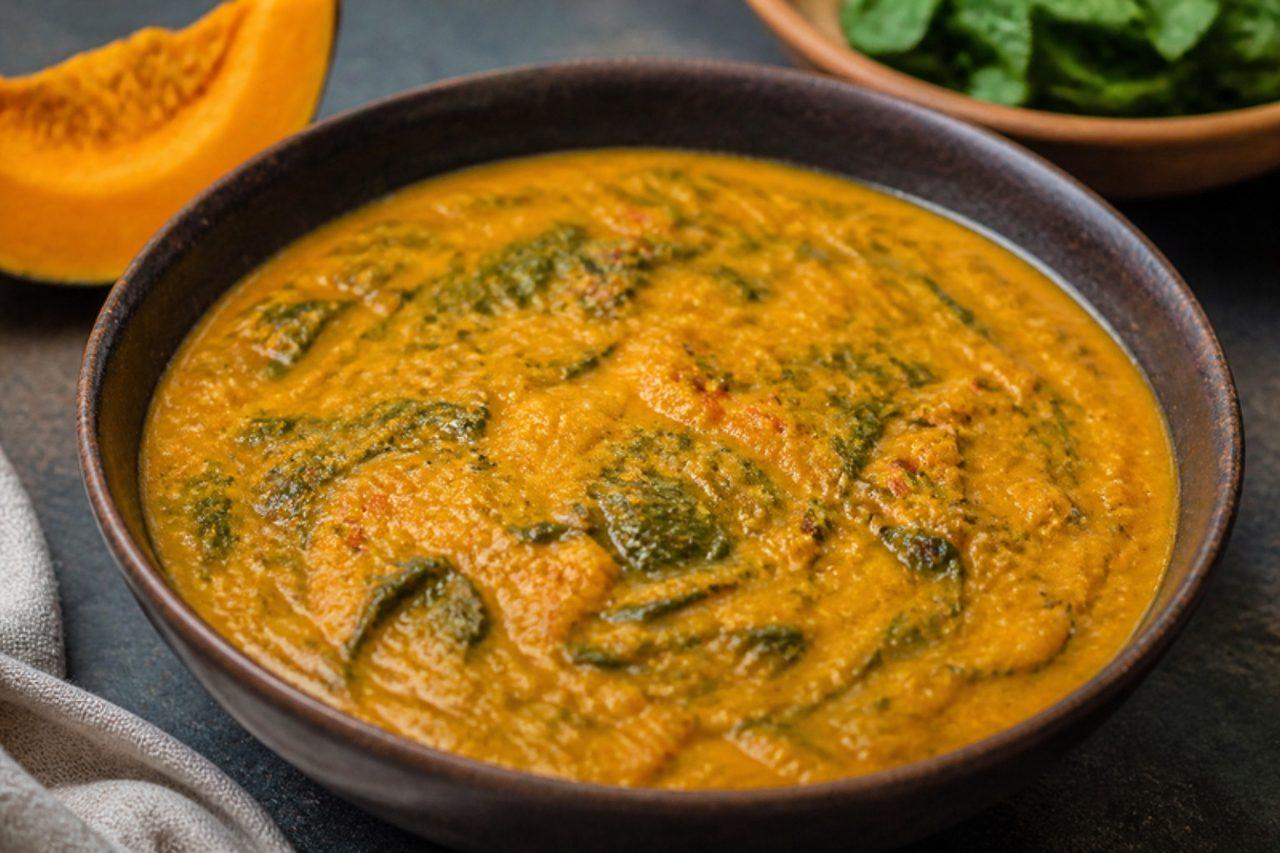
Golden pumpkin, sour sorrel leaves and freshly ground roasted groundnuts meet in this thick, gently sweet soup from Kano and the Hausa north. It is cooked for family meals and special visits alike, and served with tuwon shinkafa or with masa, the little fermented rice cakes. Meat or dried fish usually simmers in it; this version is meat-free, so it leans on dawadawa and a good vegetable stock for savouriness. The groundnut catches on the pot easily, and scorching it is the most common mistake: once it goes in, keep the heat low and stir from the bottom. Chef's tip: leave some pumpkin cubes whole while mashing the rest, so the soup is thick but still has soft pieces to bite.

by KrazyBadal 0 views

Miyan kuka (baobab leaf soup)

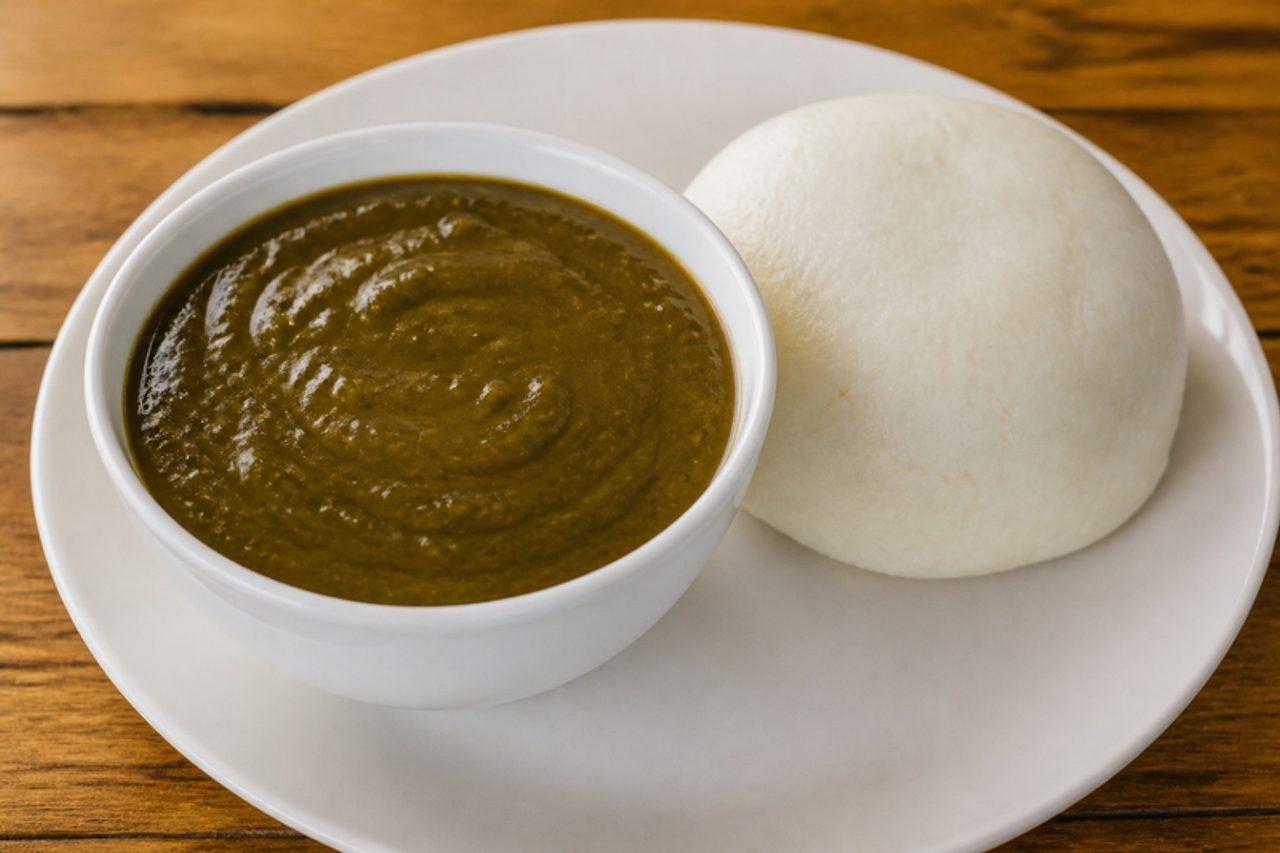
Dried baobab leaves, pounded to a fine green-grey powder, give miyan kuka its earthy, faintly tea-like taste and its slippery body, a little like okra. Northern households from Kano to Sokoto cook it as everyday food and pair it almost always with tuwon shinkafa or tuwon masara. Dried fish or a handful of meat often goes into the pot; this meat-free version, as many homes cook it when the budget is tight, gets its depth from dawadawa, onion and a peppery tomato base instead. A common mistake is tipping the kuka in all at once, which leaves stubborn green lumps; sift it in slowly while whisking. Chef's tip: once the kuka is in, simmer only 2–3 minutes, because long boiling dulls its colour and its fresh, grassy edge.

by KrazyBadal 0 views

Akidi (Igbo black beans with plantain)

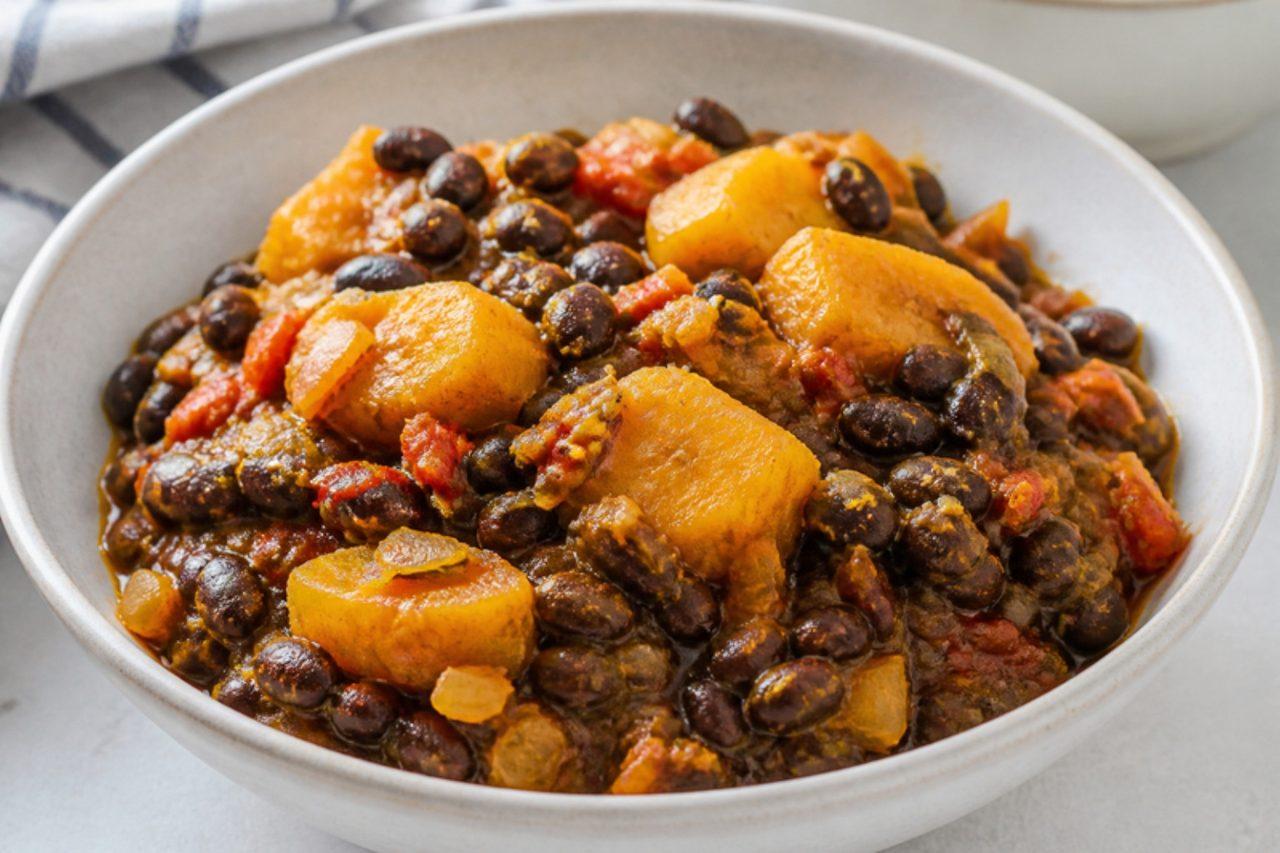
Akidi, a small, glossy black bean, is a quiet staple of Igbo home cooking around Enugu, Anambra and Imo, cooked like beans porridge and usually with ripe plantain for sweetness. After a long simmer the beans turn creamy inside while holding their shape, and they are finished with palm oil, onion, scotch bonnet and a handful of fragrant leaves, so the pot tastes earthy, sweet and peppery. It is a filling meal on its own, often eaten with a cold drink or a side of fried plantain. If you cannot find akidi, black turtle beans are a good substitute. Chef's tip: add the plantain only for the last 15 minutes; put in at the start, it dissolves into the beans, which is the usual mistake.

by KrazyBadal 0 views

Ofada rice with green pepper sauce

Ofada rice takes its name from a town in Ogun State and is grown on small farms across the Southwest; the grains are short, unpolished and sometimes speckled, with a nutty, earthy aroma that some love and others find strong. It is served wrapped in uma (thaumatococcus) leaves at parties and in Lagos restaurants, with ayamase, a fiery green pepper sauce cooked in bleached palm oil. Ayamase is usually loaded with assorted meats and boiled eggs; this vegan version keeps the green peppers, scotch bonnets and locust beans and adds mushrooms if you like. Banana leaves or a plain plate stand in for uma leaves. The mistake to avoid is skipping the picking and washing: local rice often holds small stones and husk. Chef's tip: bleach the palm oil with the lid nearby, the window open and the extractor on full, and never leave the pan.

by KrazyBadal 0 views

Dodo Ikire (Ikire plantain balls)

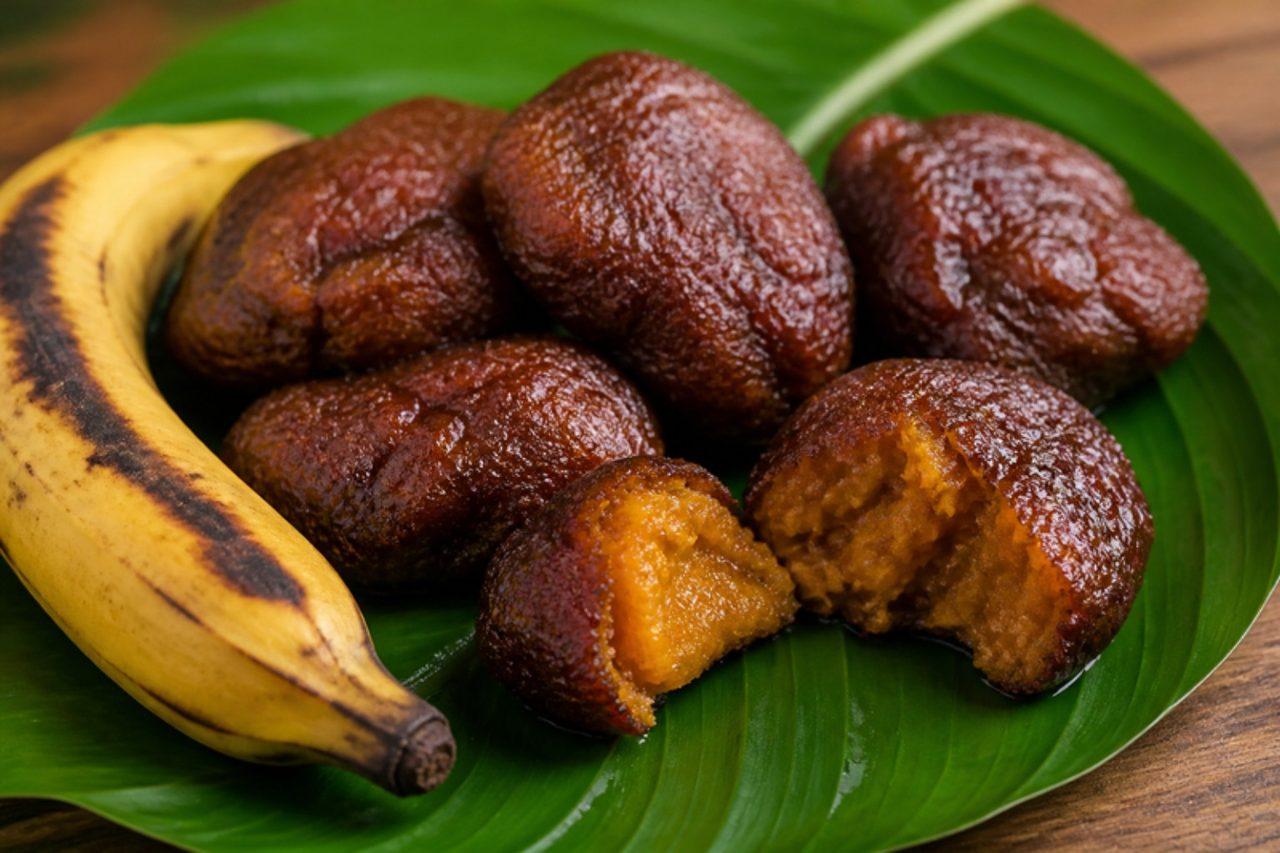
Travellers on the Ibadan–Ife road stop at Ikire in Osun State to buy cones of dodo Ikire from the women who line the roadside, and the town is famous for little else. Overripe plantain, black-skinned and soft, is fried, mashed with fresh scotch bonnet and salt, moulded into small balls or cones and fried again until it is almost black outside, sticky and chewy inside, with a sweet-hot flavour like plantain caramel with a kick. It keeps well and is eaten as a snack on its own or with roasted groundnuts. Don't use firm plantain: it must be black and very soft, or the balls never turn dark and chewy. Chef's tip: use plantains so ripe they feel soft and the skins are fully black; yellow plantain gives ordinary fried dodo, not the dark, toffee-like Ikire kind.

by KrazyBadal 0 views

Unripe plantain porridge

Green plantain porridge is everyday home food in Rivers and Delta states and well beyond, and many Nigerians cook it when they want something filling but lighter than yam or rice. Hard, green plantains are cut into chunks and cooked in a pepper broth with a little palm oil until they soften and the starch thickens the liquid into a savoury, slightly tangy stew, finished with peppery scent leaf. Smoked fish, crayfish or periwinkles often go in; this version is meat-free and still deeply savoury. It is a meal in itself. Adding the scent leaf too early is the usual mistake; stir it in at the very end so it stays fragrant rather than bitter. Chef's tip: oil your hands before peeling green plantain to stop the sticky sap staining your skin.

by KrazyBadal 0 views

Bole (roasted plantain with pepper sauce)

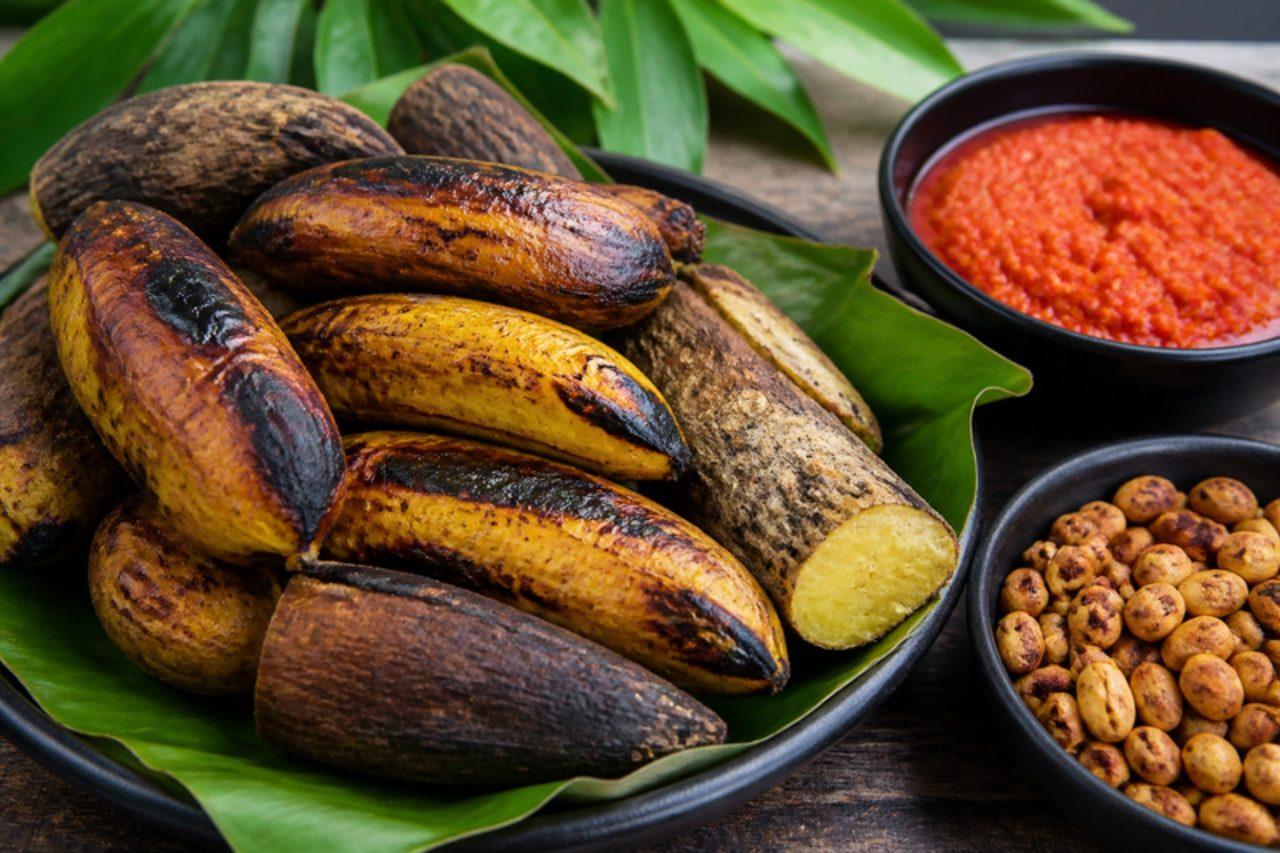
Roadside grills all over Port Harcourt send up smoke from bole, the city's beloved street food, and the Rivers State capital even holds a festival in its honour. Plantains and pieces of yam are roasted over charcoal until the skins blacken and the flesh turns smoky, sweet and creamy, then split and served with a spicy palm-oil pepper sauce. The full version comes with grilled fish; this meat-free way pairs it with a handful of roasted groundnuts, which is also how many people snack on it at the roadside. A gas flame, barbecue or a very hot oven all work at home. Chef's tip: choose plantains that are just yellow and still firm; very ripe ones turn mushy and burn before the inside cooks, the commonest bole mistake.

by KrazyBadal 0 views

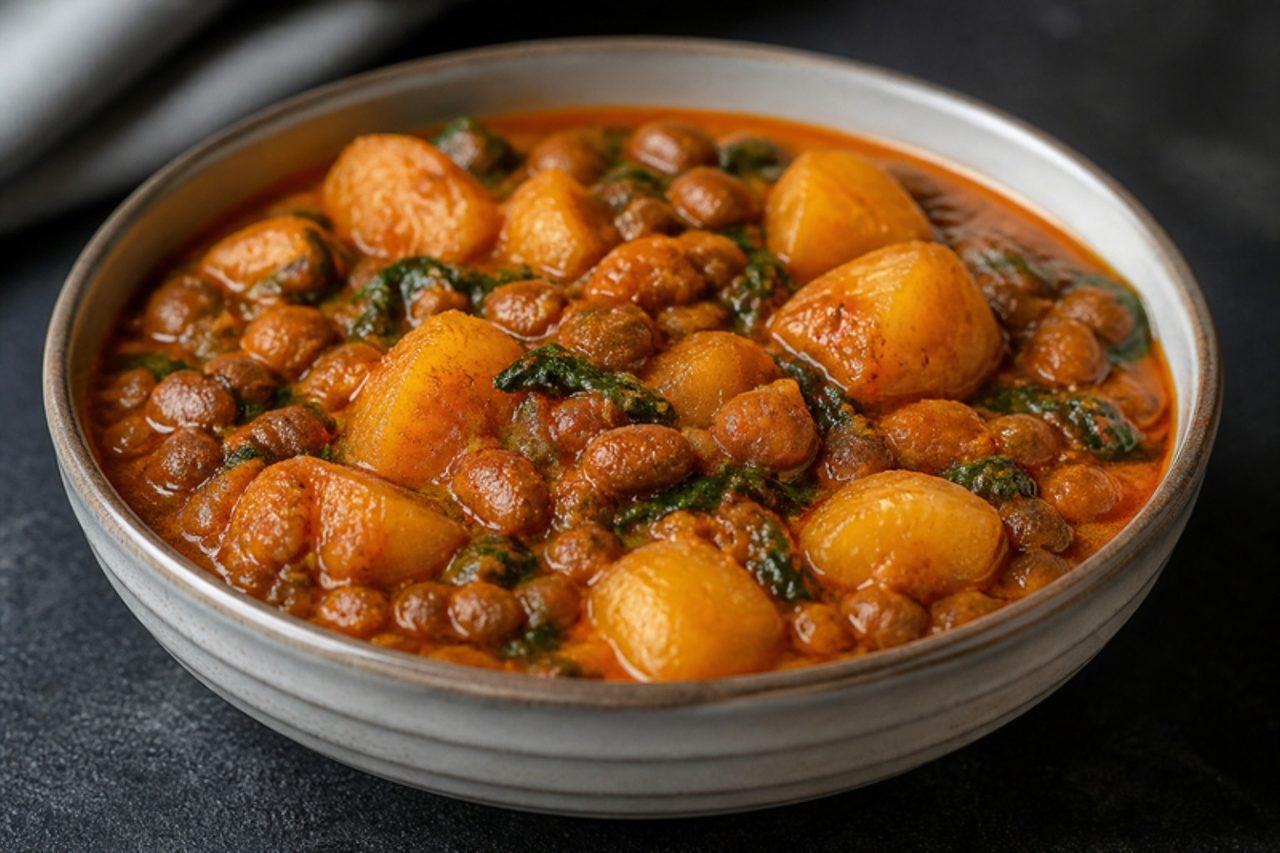
Fio fio (pigeon pea pottage with cocoyam)

Pigeon peas are called fio fio or echicha in Enugu, and around Udi and Nsukka they are cooked into a thick pottage for family meals, sometimes with fresh corn in season and often with cocoyam, which melts into the pot and thickens it. The peas stay firm and nutty, the cocoyam turns soft and creamy, and the palm-oil pepper sauce ties it together into a hearty, savoury meal. Dried pigeon peas are sold in African and South Asian shops (as toor or gandules). Pigeon peas are tough and need a long simmer; the mistake is seasoning or adding cocoyam before they are completely tender. Wear gloves to peel cocoyam, which can itch. Chef's tip: soak the peas overnight and boil them hard for the first 10 minutes; it shortens the cooking and makes them evenly tender.

by KrazyBadal 0 views

Kokoro (crunchy maize sticks)

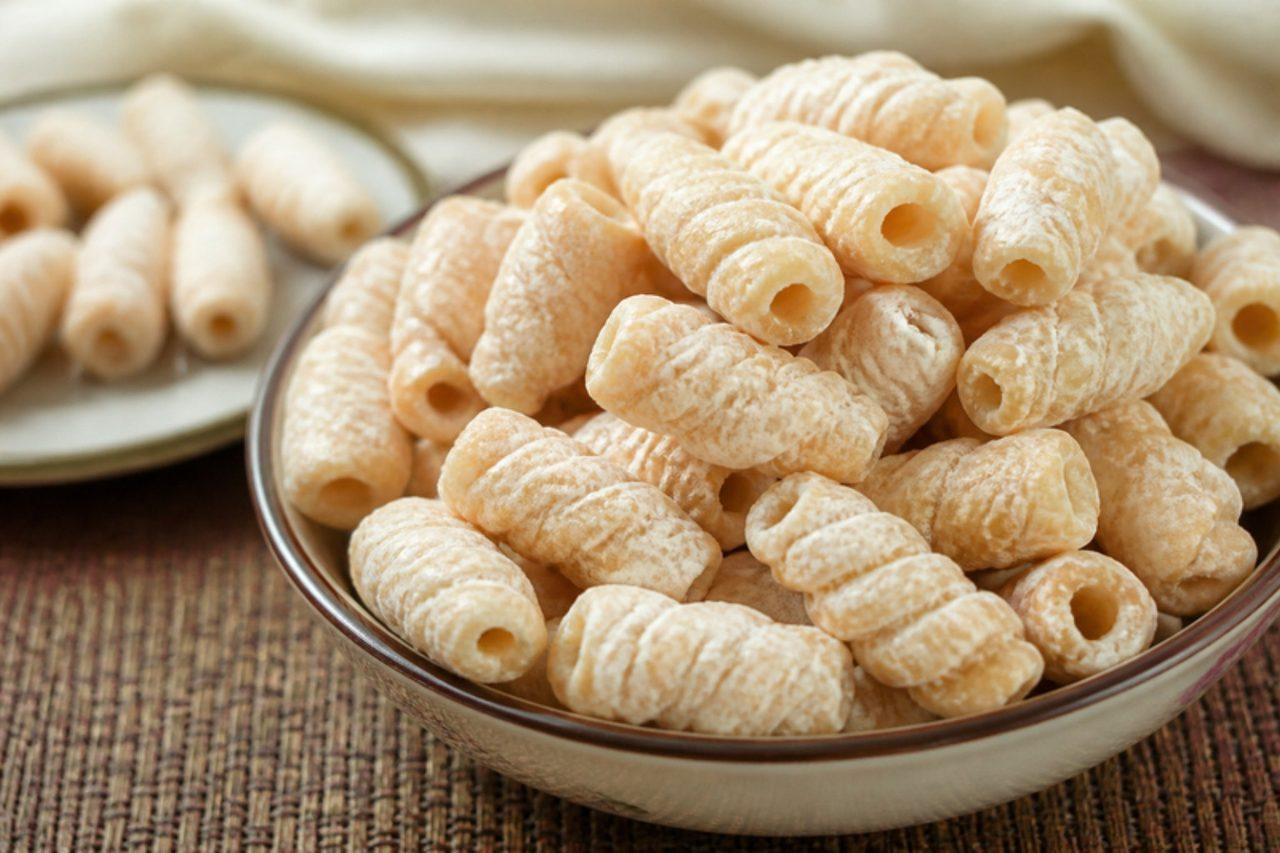
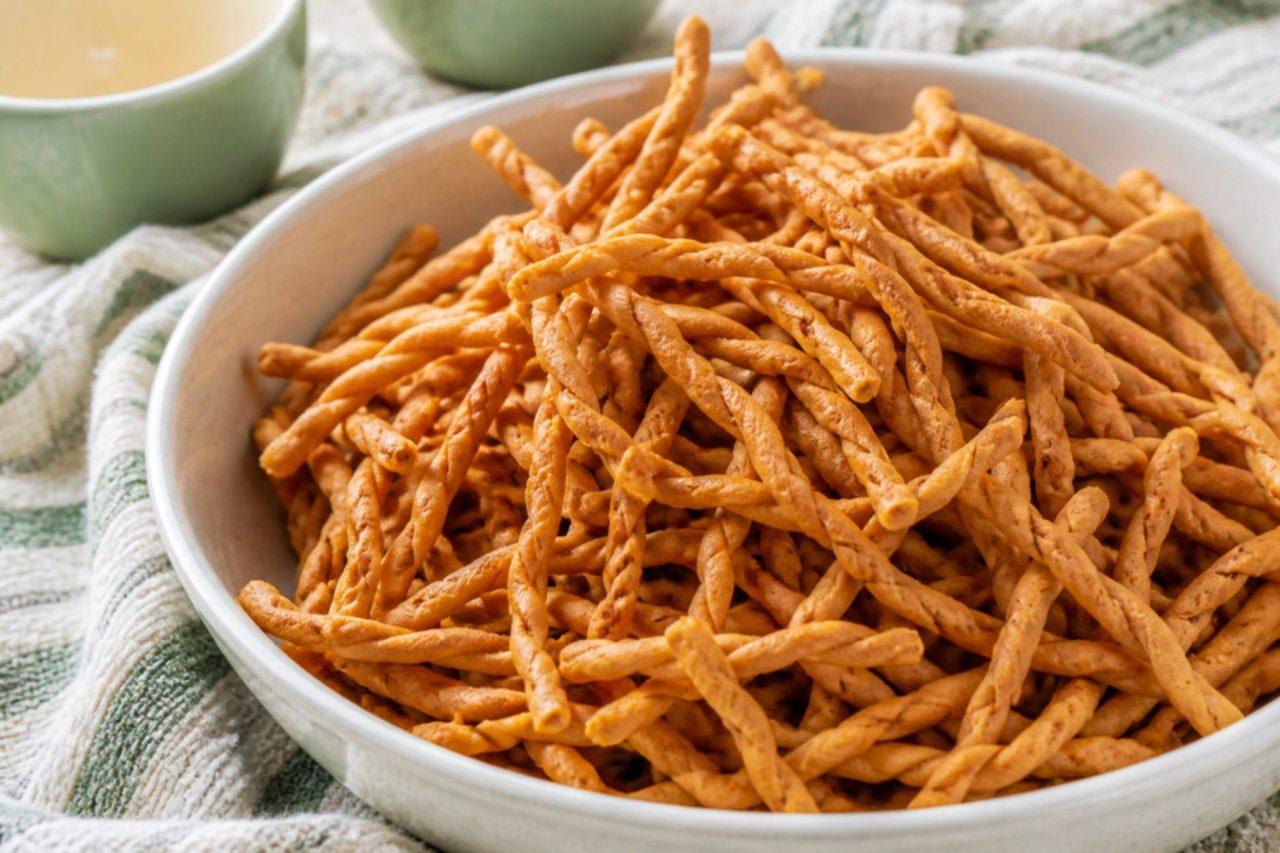
Kokoro is sold in clear bags at motor parks, markets and school gates across the Southwest, and it is the snack people tuck into a pocket for a long bus ride. The dough is made by cooking part of the maize flour with water into a thick paste, then kneading in more flour with a little sugar, salt, chilli and ginger, and rolling it into thin sticks that are fried slowly until hard and golden. The result is very crunchy, lightly sweet and peppery, and it keeps for weeks. Children love it, and it is traditionally eaten with roasted groundnuts or coconut. Avoid frying in oil that is too hot; the outside browns before the sticks are crisp all the way through. Chef's tip: roll the sticks no thicker than a pencil and fry them at a moderate heat so they crisp right through; thick sticks fried hot stay hard outside and doughy inside.

by KrazyBadal 0 views

Dundun (fried yam)

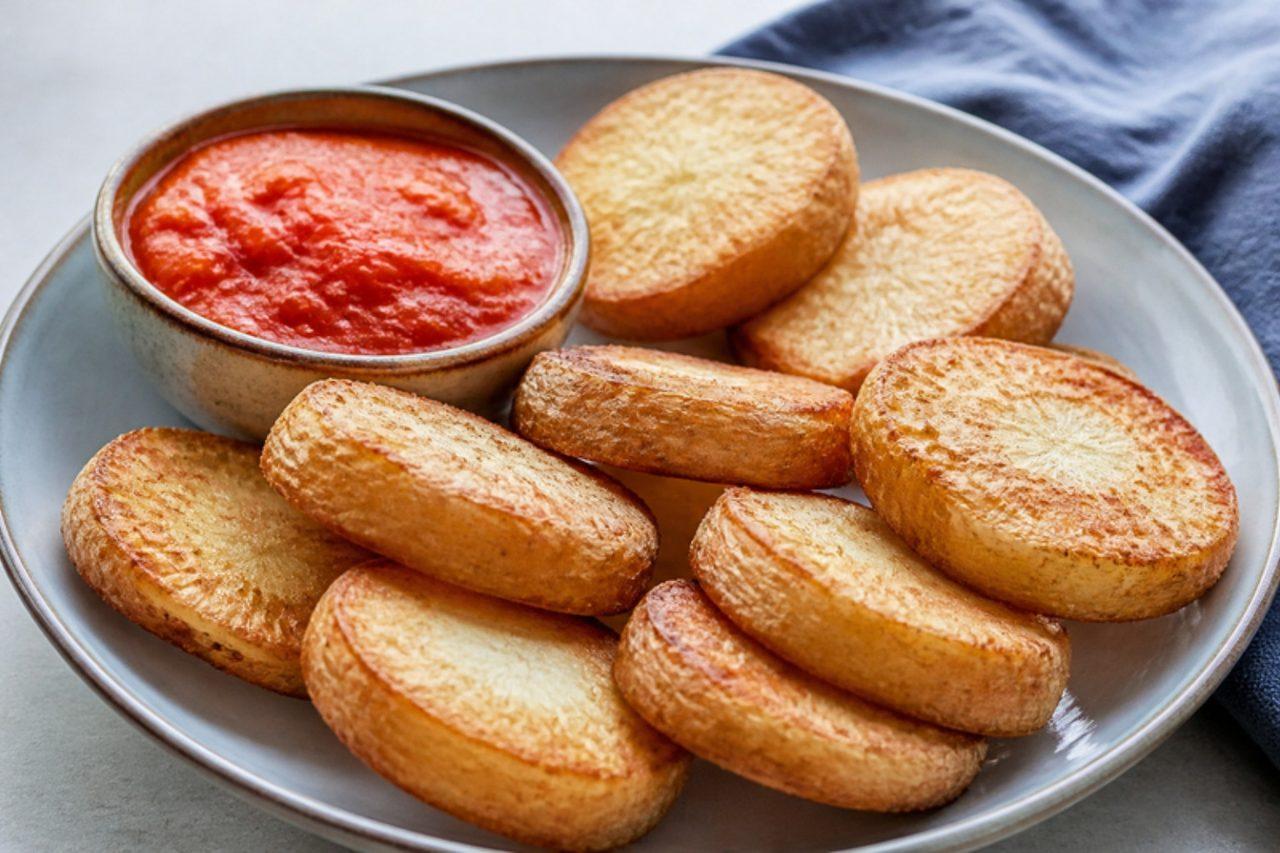
In the evenings, Lagos street corners fill with the smell of dundun: big woks of oil, sliced white yam frying next to plantain and akara, sold by the piece in a twist of paper with a spoon of pepper sauce. Good dundun is golden and crisp outside and soft and fluffy as a baked potato inside, with a faint sweetness from the yam. At home it is a favourite Saturday breakfast or a quick supper, and children happily eat it on its own while the adults pile on the sauce. Don't fry over a very high heat: the outside browns before the middle cooks, the commonest dundun mistake. Chef's tip: soak the yam pieces in salted water for 5 minutes and pat them dry; the salt seasons them through and they fry crisper.

by KrazyBadal 0 views

Nigerian coconut candy
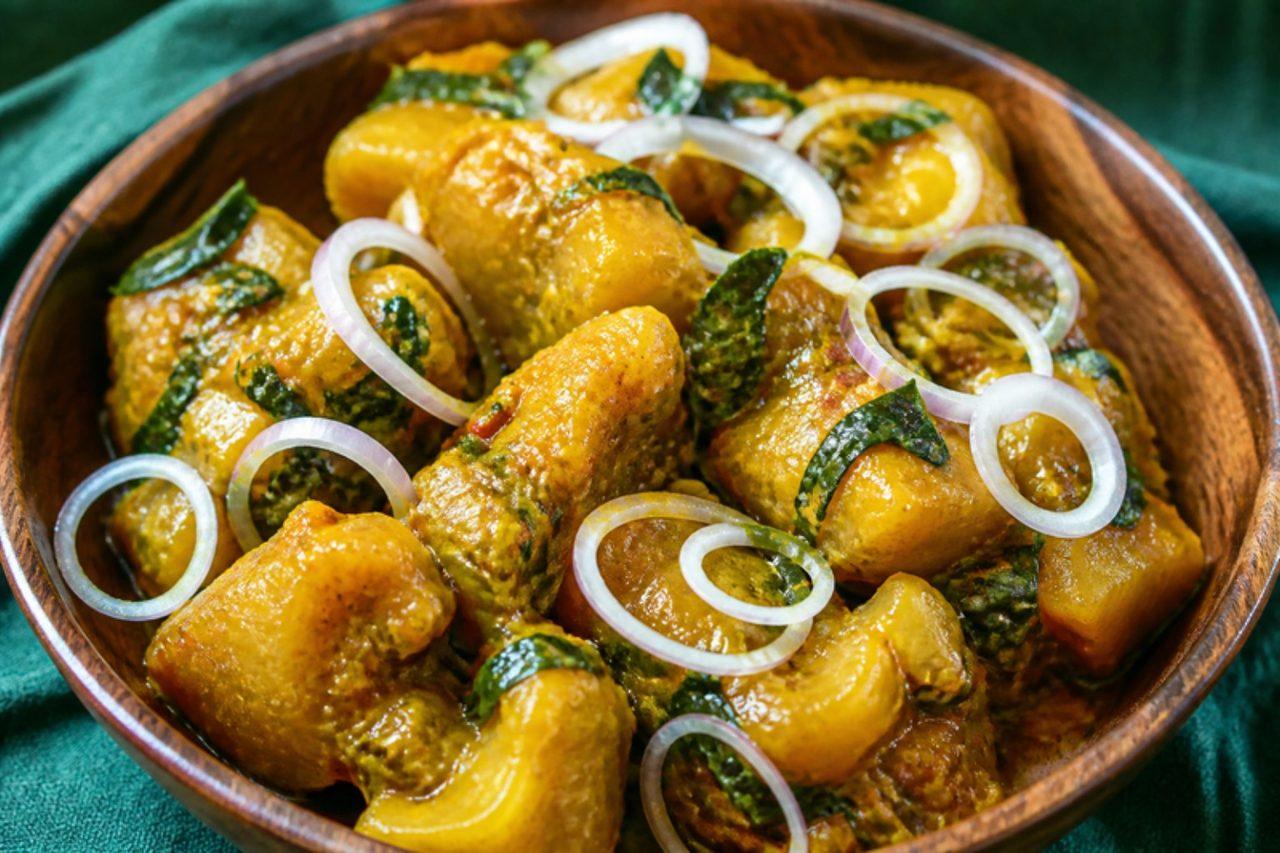
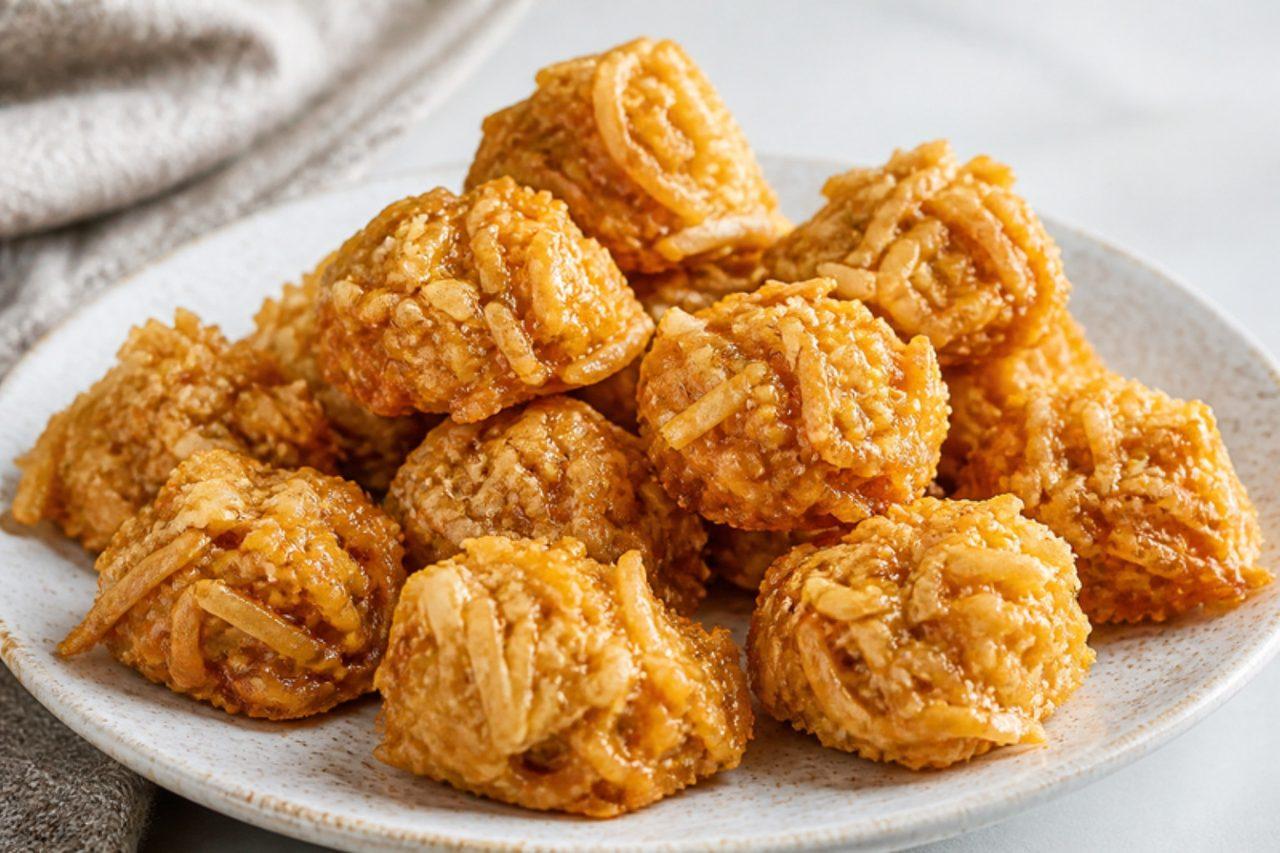
Children across Nigeria spend their pocket money on coconut candy, little clusters of fresh coconut set in amber caramel, sold in small bags by school gates and at market stalls. Made at home it takes about half an hour, with a chewy-crunchy bite and a toffee flavour against the clean taste of fresh coconut. Taking the caramel too far is the common mistake, since dark caramel tastes bitter, so stop at a deep golden colour. Children can help shape the cooled candy, but keep them away from the hot sugar. Chef's tip: use freshly grated coconut, not desiccated; its moisture keeps the clusters chewy in the centre.

by KrazyBadal 0 views

Boiled groundnuts in the shell

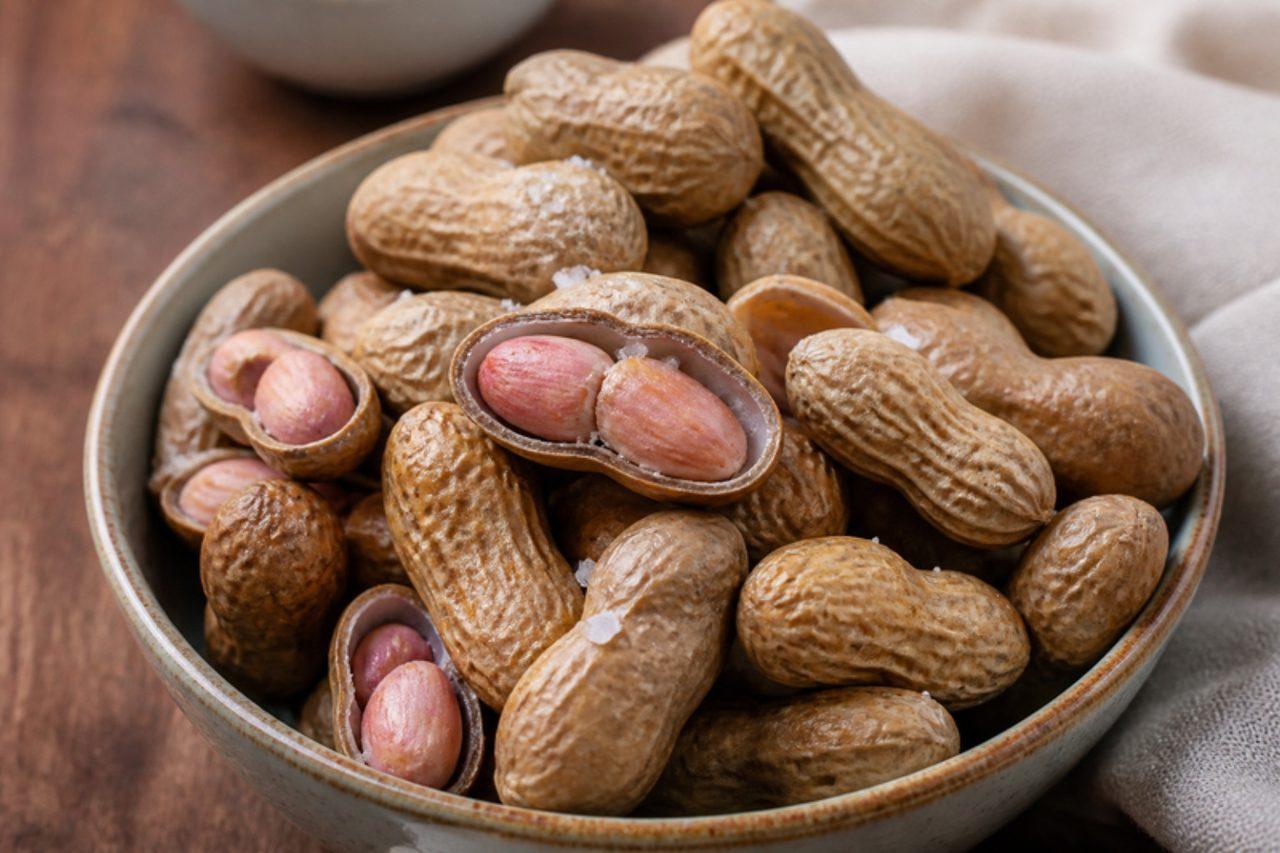
Freshly dug groundnuts appear in markets from Ibadan to Kano when the rains come, still muddy in their pale shells, and hawkers sell them boiled in salt water by the cupful, often next to roasted corn. Boiling turns the kernels soft and creamy, like a cooked bean, with salt seeping through the shell. They are eaten warm on the way home, cracked open with the thumbs. Using dried shop peanuts and boiling them for the same time is the usual mistake: they stay hard, so soak dried ones overnight and boil for 2–3 hours. Chef's tip: let them sit in the hot brine for 15 minutes after cooking, so the salt soaks in.

by KrazyBadal 0 views

Roasted corn and ube (African pear)

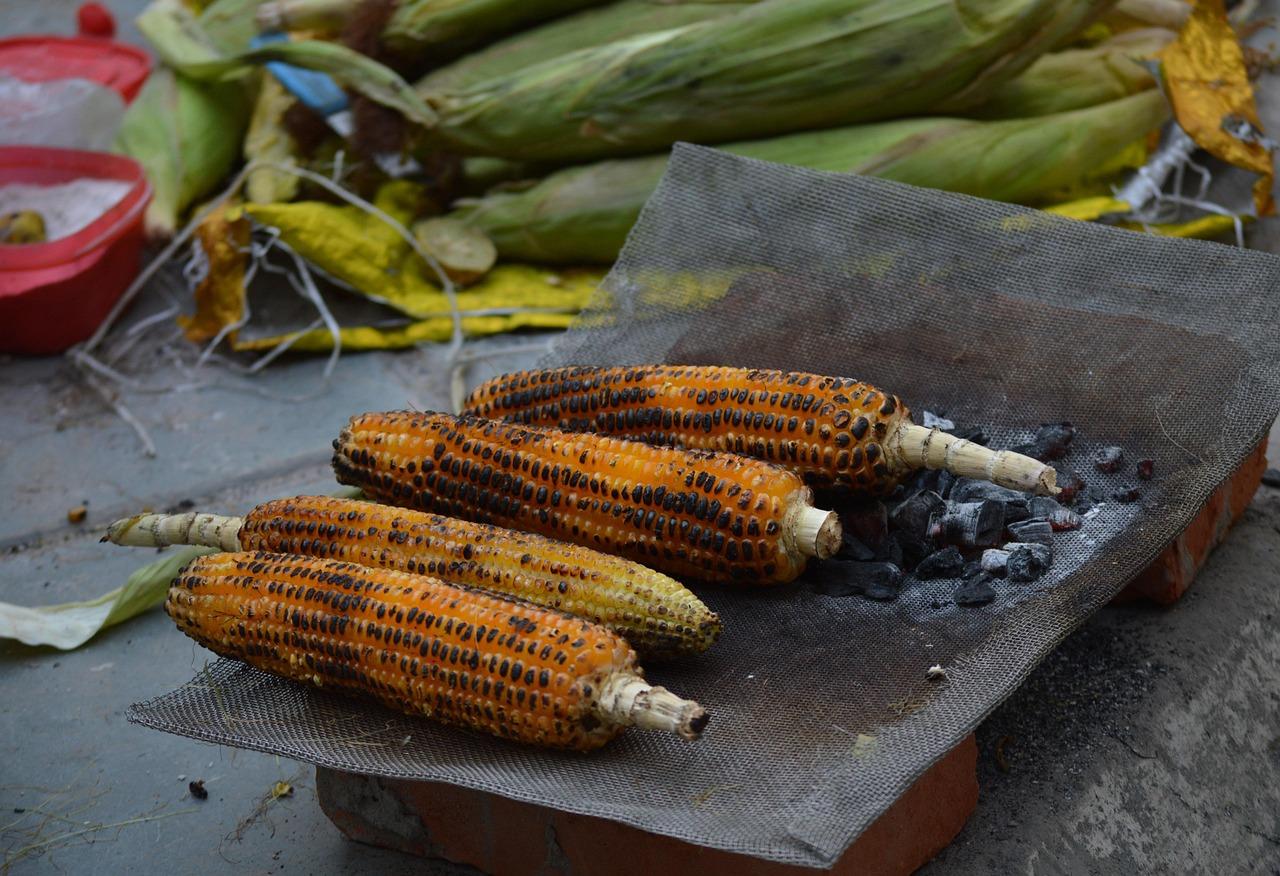
When the rains come between June and September, roadside roasters all over southern Nigeria fan charcoal under rows of maize cobs, and next to them sits a basin of ube, the purple African pear, softened in hot water. A bite of chewy, smoky corn and a scrape of the pear's rich, salty, almost avocado-like flesh is the whole point, and at home a grill or a gas flame does the job. Dropping ube into boiling water is a common mistake: the skins split and the flesh turns watery and bitter, so use water that is hot but not bubbling. Chef's tip: no ube? Fresh coconut chunks are the other classic partner for roasted corn.

by KrazyBadal 0 views

Showing 90 of 7,888 recipes

Page 365 of 877