


Skip to content
Horchata de chufa
Featured recipe

Horchata de chufa

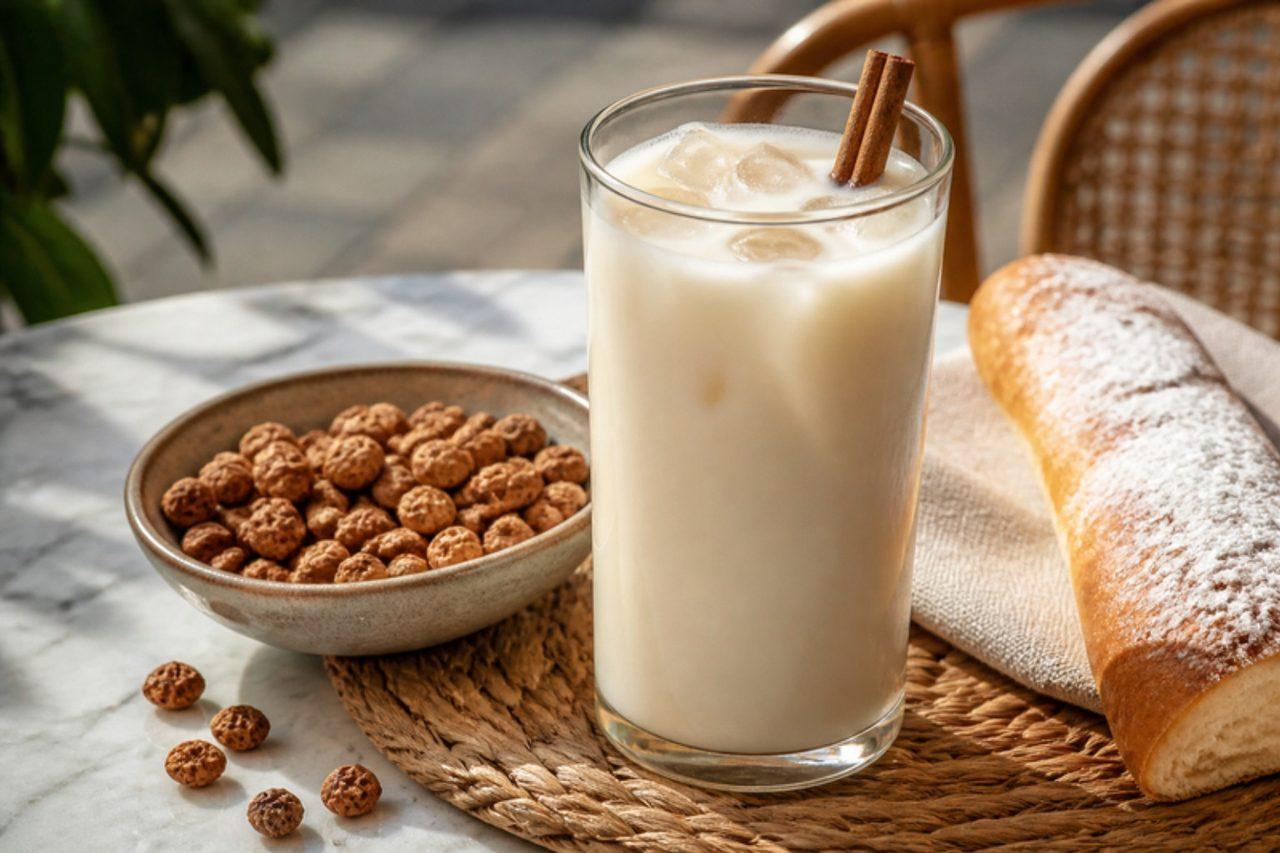
Horchata de chufa is the drink of Valencia's summer, sold ice-cold in the city's horchaterías with long, soft fartons pastries for dipping. It is made from chufas, or tiger nuts: small wrinkled tubers grown around the village of Alboraya just north of Valencia, which have their own protected designation of origin. Soaked, ground with water, strained and sweetened, they give a creamy, nutty, naturally dairy-free milk with a hint of cinnamon. Valencians drink it very cold, or half-frozen as 'granizada'. Chef's tip: soak the tiger nuts for a full 24 hours and change the water once; they must be plump and soft enough to blend into a fine pulp, or the horchata will be thin and taste of raw starch.

Read more 1 views

What to eat today?

Around the world

Today's trip: Paraguayan

A new country every day, from every cuisine on the site.

This week's collection

Make-ahead meals
1963 recipes · a new collection every Monday

Latest recipes

Bajan pumpkin fritters

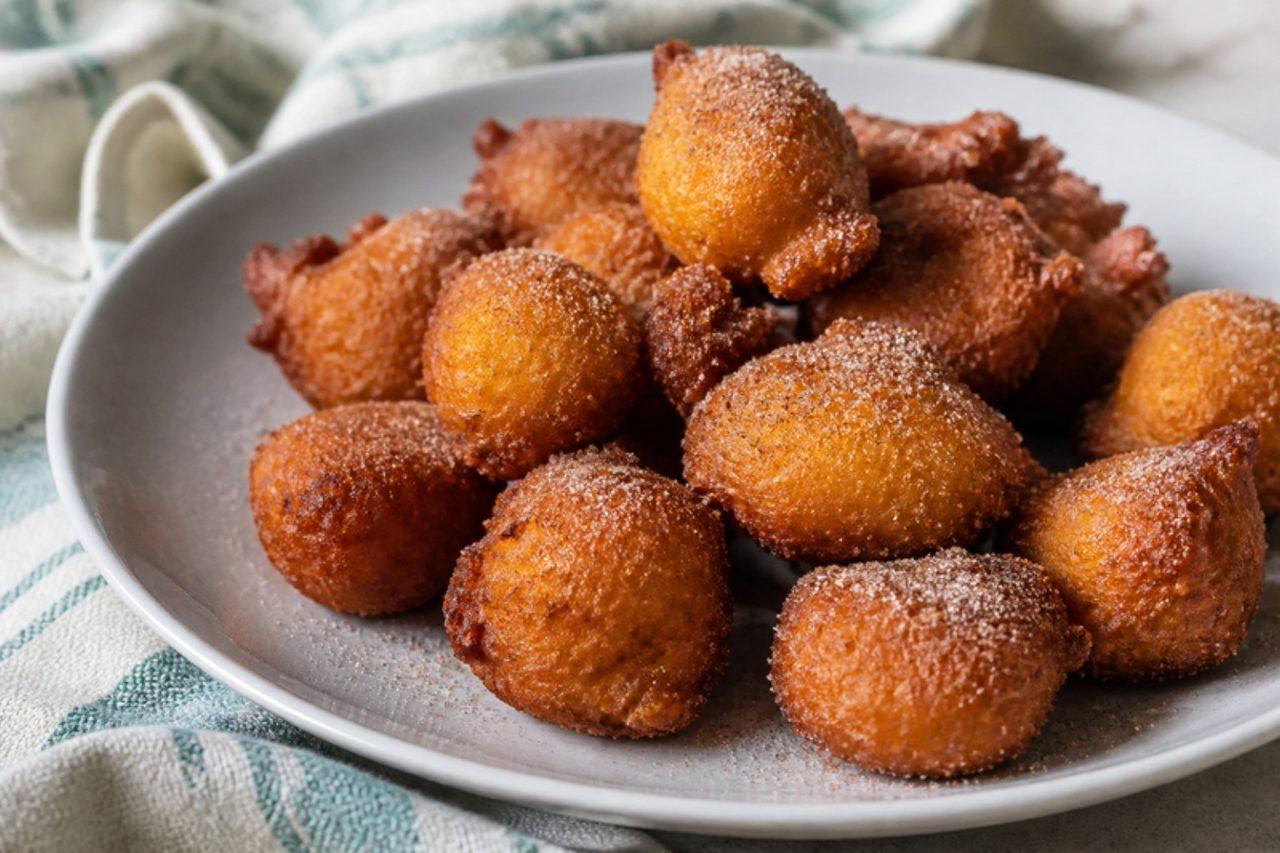
Barbadian grandmothers turn leftover boiled pumpkin into these little fritters for Sunday tea, frying spoonfuls of a soft, spiced batter until puffed and golden, then rolling them in sugar while still hot. Inside they are tender and custardy, with cinnamon, nutmeg and a hint of vanilla. They're best eaten warm, straight from the paper towel. The common mistake is a watery batter from wet pumpkin, which makes flat, greasy fritters: drain the cooked pumpkin well. Chef's tip: use the dense, orange West Indian pumpkin or butternut squash; watery jack-o'-lantern pumpkins don't work well.

by KrazyBadal 0 views

Antiguan ducana

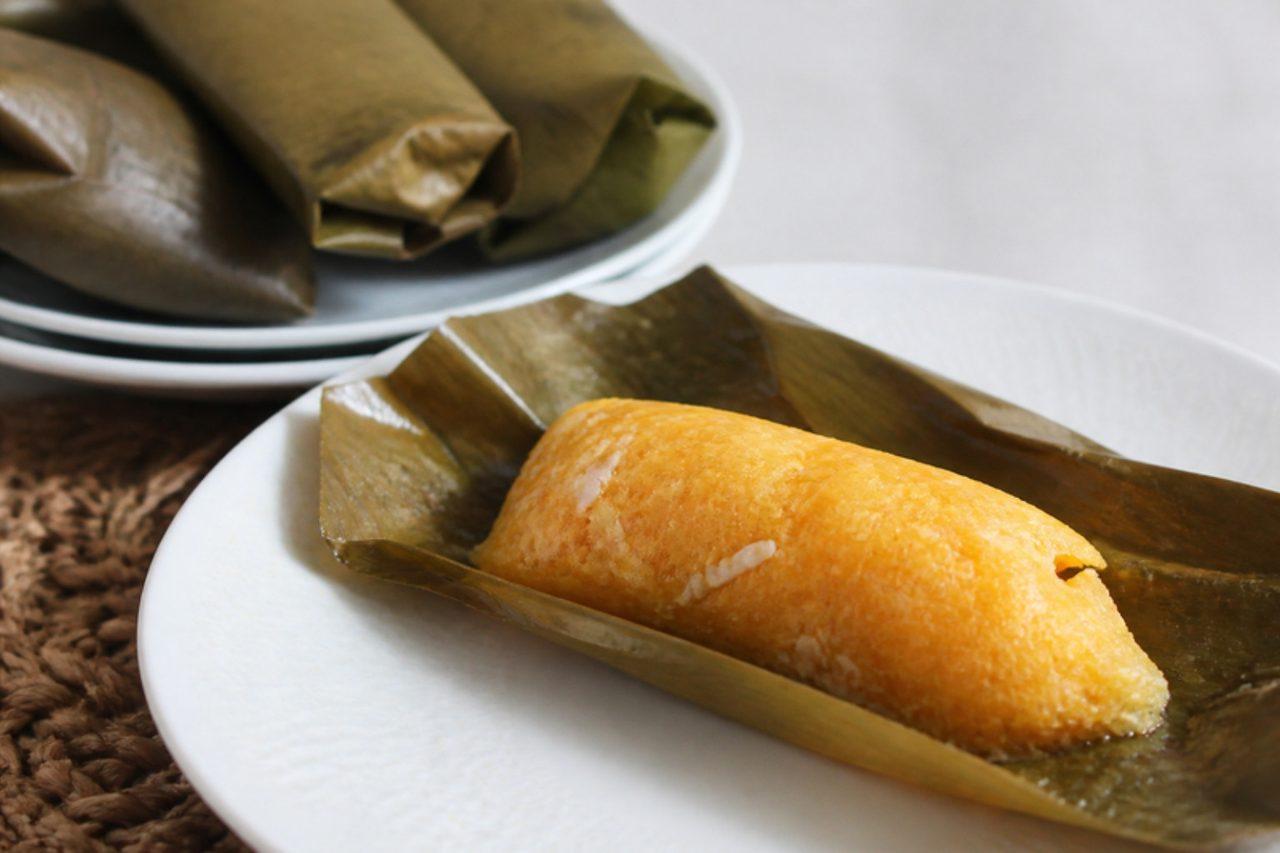
In Antigua, ducana turns up beside saltfish and chop up on Saturday plates and at Independence celebrations in November, little leaf-wrapped parcels of grated sweet potato and coconut with sugar, raisins and spice, boiled until set. It cuts through the salty fish with a soft, sticky sweetness. Many cooks add a little flour; this version keeps to sweet potato and coconut and is gluten free. The common mistake is wrapping the parcels loosely, so water seeps in and they turn mushy. Chef's tip: grate the sweet potato finely on the small holes and the ducana will hold together without any flour.

by KrazyBadal 0 views

Bajan fish cutter

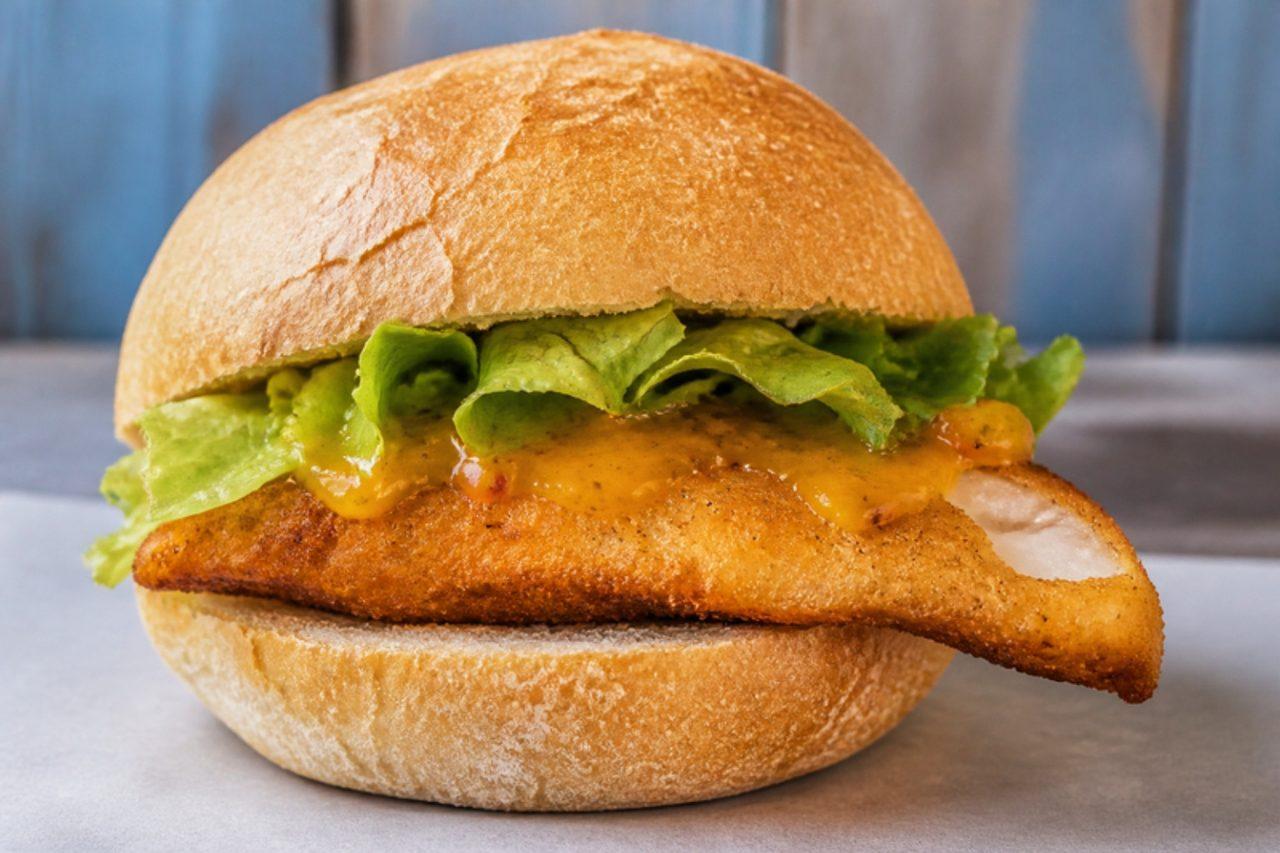
Around Barbados a "cutter" is any sandwich in a salt bread roll, and the fish cutter is the lunch people queue for at beach bars from Oistins to Bathsheba: a piece of flying fish (or mahi-mahi, called dolphin locally) seasoned with Bajan seasoning, crumbed, fried crisp and stuffed into a split roll with lettuce, tomato and a dab of fiery yellow pepper sauce. The fish should be juicy and the crust shattering. The usual mistake is frying too cool, which makes the coating greasy; keep the oil hot and fry in small batches. Use flying fish fillets if you can find them frozen, or any thin white fish. Chef's tip: rub a little of the frying oil over the cut sides of the rolls and toast them in a dry pan, so the bread doesn't go soggy under the fish.

by KrazyBadal 0 views

Bajan jug jug

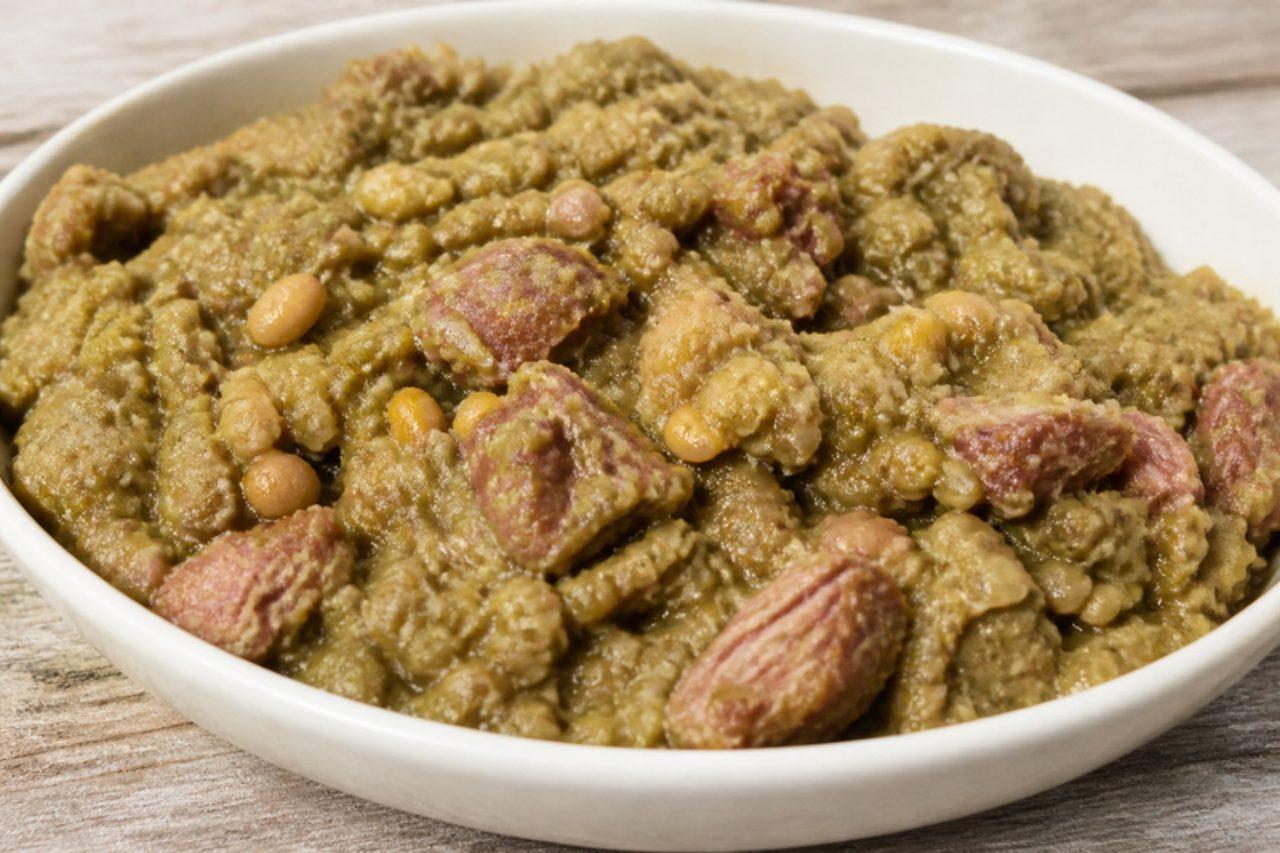
Jug jug belongs to Christmas in Barbados, served alongside baked ham and roast pork on the big lunch table: green pigeon peas and salted beef and salted pork, cooked tender and minced, then stirred with guinea corn (sorghum) flour, herbs and onion into a thick, savoury, mouldable mash. Its roots are often traced to Scottish settlers' haggis and West African grain cookery, and it tastes rich, salty and herby. The common mistake is not soaking the salt meats long enough, which makes the whole pot too salty to eat; soak them overnight in plenty of water. Cook until the minced meat mixture is piping hot (71 °C) throughout. Chef's tip: stir in the sorghum flour a spoonful at a time while the pot bubbles, like making polenta, so it never turns lumpy.

180 minBajanMeat
by KrazyBadal 0 views

Serradura

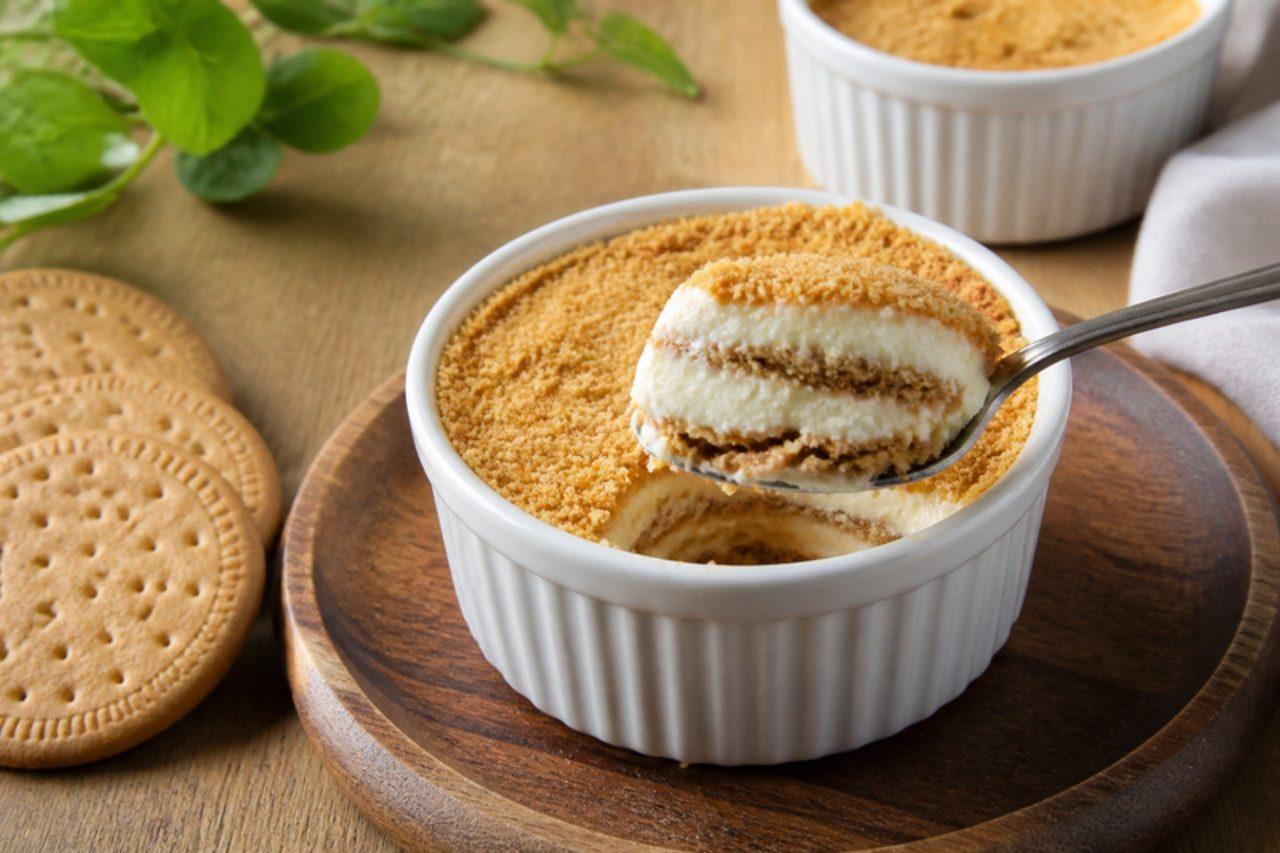
Portuguese for 'sawdust', serradura is the cool, creamy dessert you'll find in every Macanese restaurant and café from Taipa to the Senado Square backstreets, ordered to round off a long Macanese lunch. Alternating layers of sweetened whipped cream and powder-fine tea biscuit crumbs set softly in the fridge, so each spoonful is light, milky and caramel-sweet, with a gentle crumbly texture. It is usually served in small glasses, sometimes semi-frozen like an ice cream cake. Coarse crumbs are where it goes wrong; they stay crunchy and gritty instead of melting into the cream, so grind the biscuits as fine as sand. Chef's tip: whip the cream and condensed milk together only to firm peaks and stop there, or it turns grainy and buttery.

by KrazyBadal 0 views

Soy sauce chicken

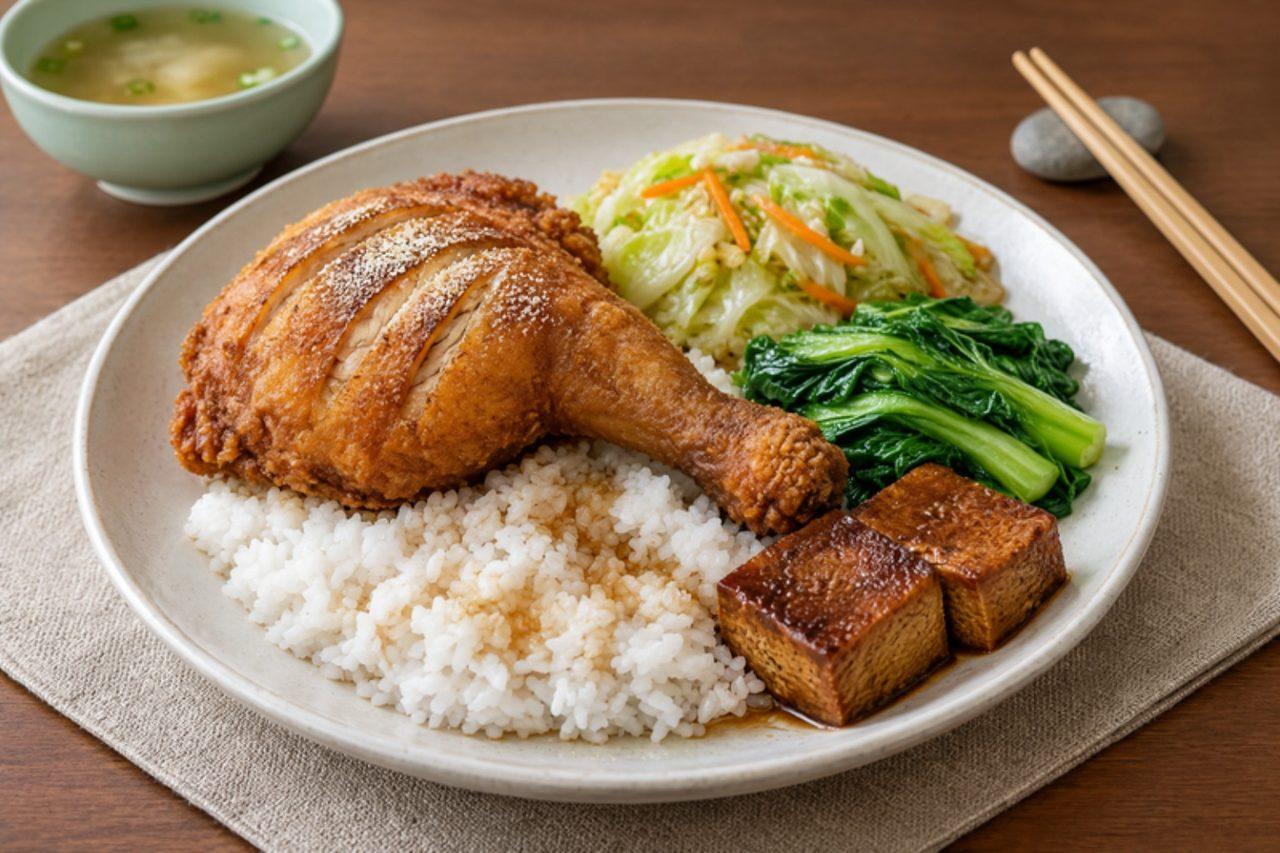
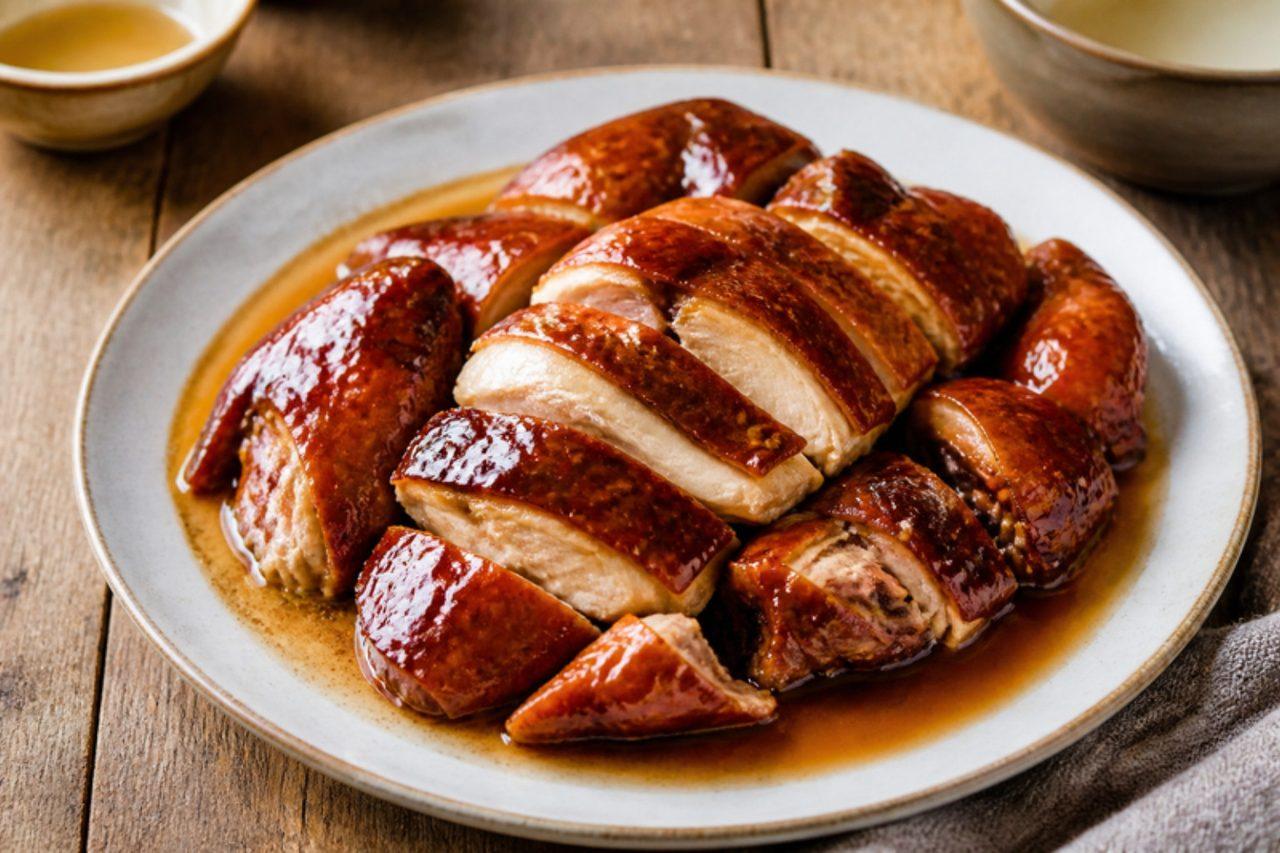
Glossy, chestnut-brown and hung by the neck in siu mei shop windows across Hong Kong, see yau gai is the gentle cousin of roast meats: a whole chicken poached in a fragrant master stock of light and dark soy, rock sugar, star anise, cinnamon and ginger until the skin is lacquered and the meat silky and sweet-savoury. It is chopped onto plates of rice with a ladle of the sauce for a quick lunch, or served at home with blanched greens. Shaoxing rice wine goes into the stock, with an alcohol-free option in the list. Traditional cooks pull the bird while it is still pink at the bone; this recipe does not, and the chicken is cooked to 74 °C in the thickest part of the thigh. The main pitfall is a rolling boil, which tears the skin and toughens the breast; keep the stock barely trembling. Chef's tip: strain and freeze the stock, and it gets deeper every time you reuse it.

by KrazyBadal 0 views

Bahamian guava duff

Guava duff is the Bahamas' best-loved dessert, served at Junkanoo season, Sunday dinners and Nassau restaurants alike: a soft dough spread with sweet stewed guava, rolled up, wrapped in cloth or foil and steamed until tender, then sliced and drowned in a warm butter sauce. Traditionally the sauce has rum in it, which is only lightly cooked, so the rum version is for adults only; the vanilla sauce below makes it alcohol-free for everyone. The most common mistake is rolling the duff too tight, which stops it rising; leave room in the wrapping for it to swell. Chef's tip: sieve the guava pulp to remove the hard seeds, and keep the thick paste for the filling.

by KrazyBadal 0 views

Bahamian switcha

On Bahamian porches and at Fish Fry stalls in Nassau, switcha is the everyday cooler: fresh key limes squeezed with sugar and cold water, stirred up in a big jug with plenty of ice. It's sharper and more fragrant than lemonade, and you'll see the lime halves floating in the jug. The usual mistake is putting sugar straight into cold water, where it sinks undissolved: make a quick syrup first. Chef's tip: drop a few squeezed lime halves into the jug for 10 minutes for extra aroma, then take them out before the pith turns it bitter.

by KrazyBadal 0 views

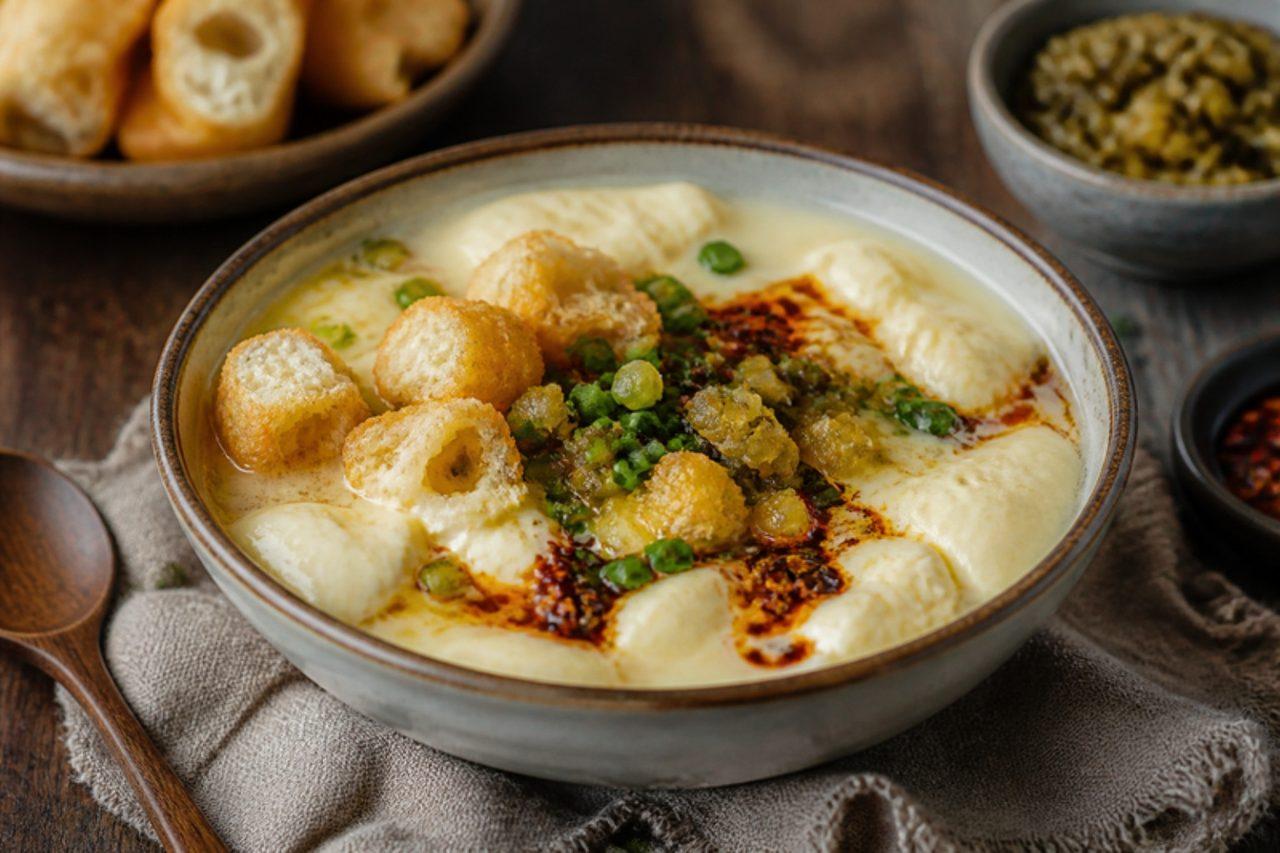
Taiwanese salty soy milk

Long before sunrise, the soy-milk shops of Yonghe, just across the river from Taipei, pour bowl after bowl of this savoury breakfast for taxi drivers, students and night-shift workers. Scalding unsweetened soy milk hits a splash of vinegar and soy sauce in the bowl and splits into trembling, cloud-like curds, somewhere between a soup and a soft tofu pudding. Shops usually add dried shrimp; this vegetarian bowl gets its savoury crunch from chopped pickled radish, scallion, chilli oil and torn pieces of youtiao, with a sesame flatbread on the side. Pouring soy milk that is merely warm is where most people go wrong: it must be just off the boil, or it stays thin and never curdles. Chef's tip: pour the milk from a height in one go and don't stir, so the curds form big, soft clouds.

by KrazyBadal 0 views

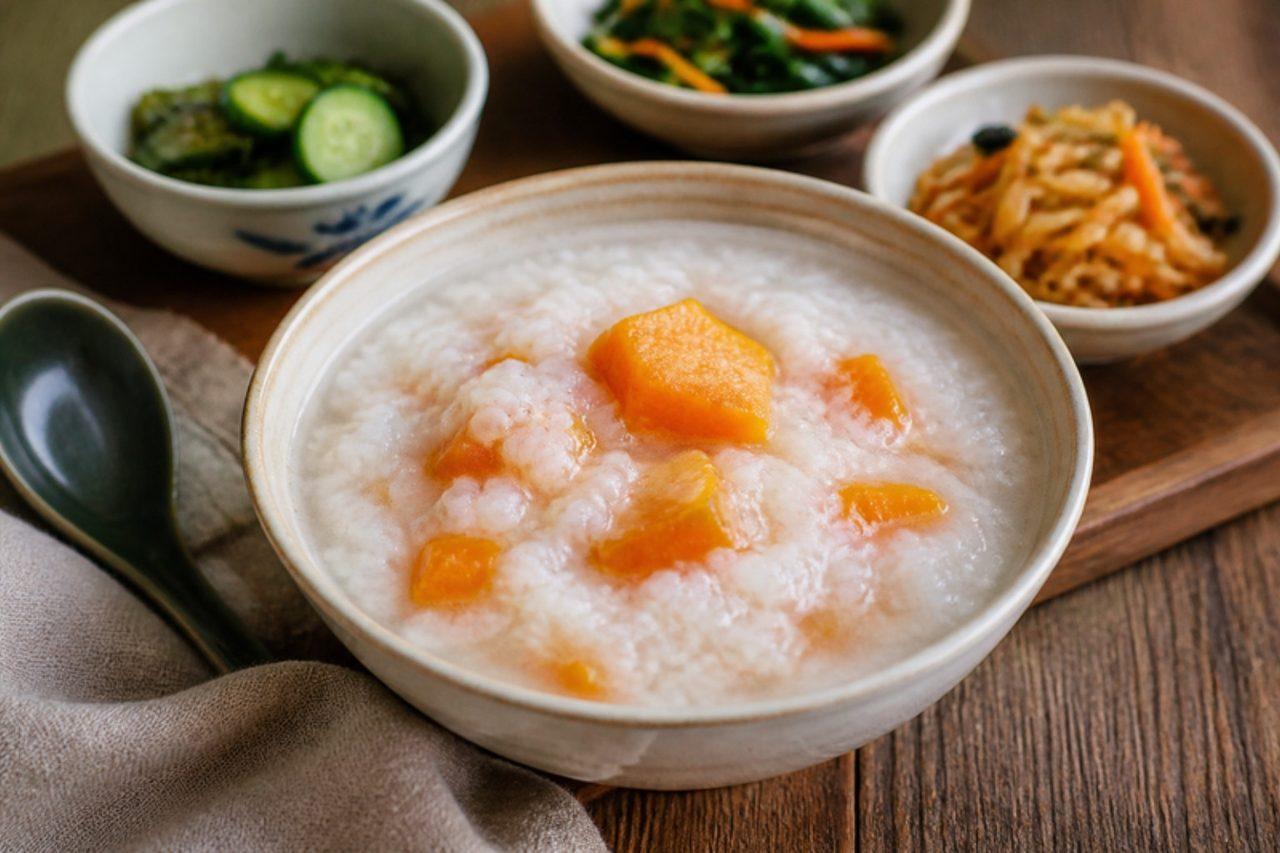
Taiwanese sweet potato congee

Tainan's late-night congee shops lay out dozens of little dishes under glass, and the bowl that goes with them is this loose, gently sweet rice porridge dotted with soft orange sweet potato. Older Taiwanese remember it as the food of lean years, when sweet potato stretched the rice; today it is comfort food at breakfast, at midnight after the markets, and whenever someone is unwell. Unlike Cantonese congee, the grains stay distinct in a cloudy, silky liquid. Many cooks cut the sweet potato too small, so it collapses into mush and turns the pot muddy; chunks of about 3 cm keep their shape. Chef's tip: serve it with something salty and crunchy, such as pickled cucumbers, peanuts or a radish omelette, because the contrast is the whole point.

by KrazyBadal 0 views

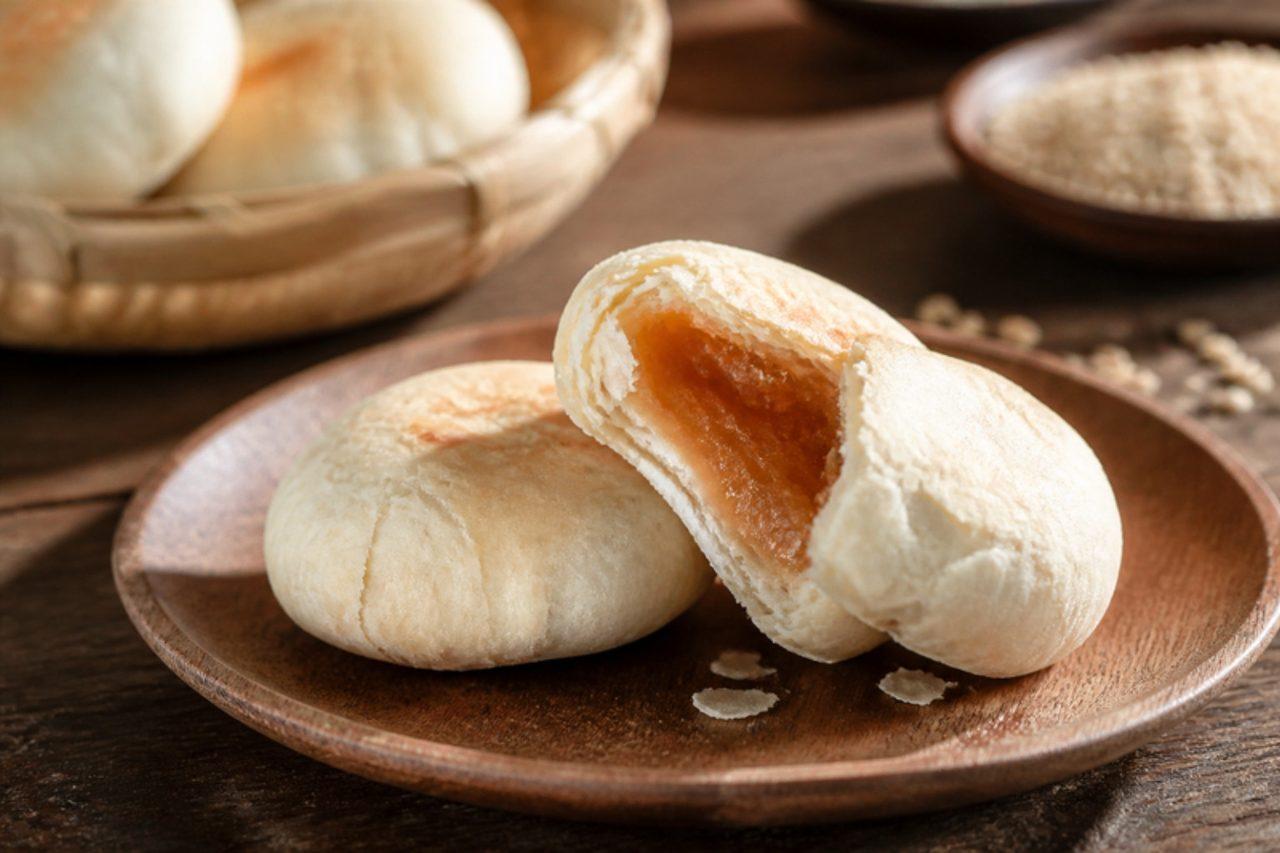
Taichung sun cakes

Walk down Ziyou Road in Taichung and almost every second shopfront sells boxes of these round, pale pastries, the gift every visitor is expected to bring home. Paper-thin layers shatter at the first bite onto a soft, chewy, honey-like centre of maltose and butter; they're eaten with oolong tea, and older locals break them into a bowl of hot water to make a sweet, milky porridge. Traditional bakeries use lard in the pastry, so this vegetarian version swaps in vegetable shortening, with butter in the filling. Overbaking is the classic error: sun cakes should stay creamy white with only a faint gold tinge, not brown. Chef's tip: keep the dough covered at every stage, because the thin skin dries quickly and then cracks instead of flaking.

by KrazyBadal 0 views

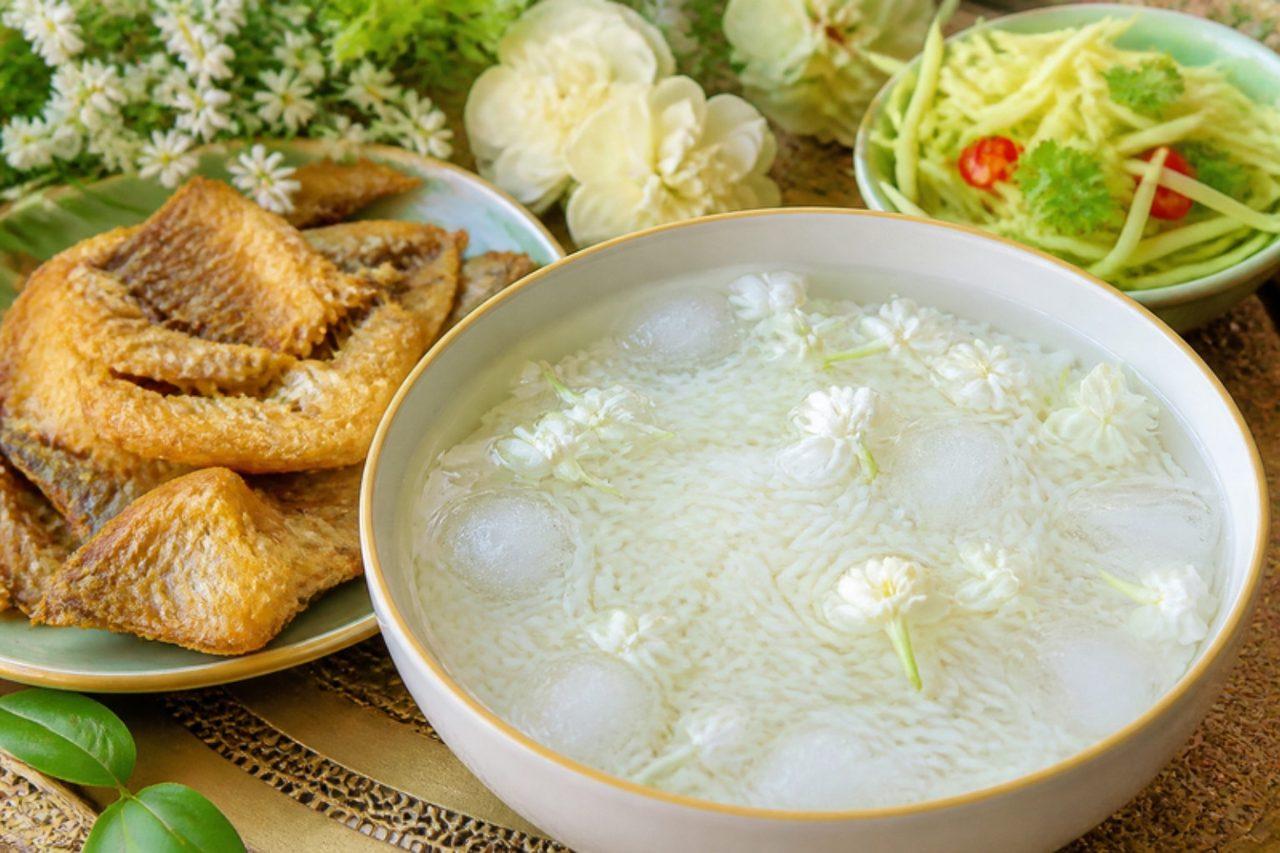
Thingyan rice

When the April water festival arrives and the heat is at its fiercest, Mon households in Mawlamyine and the villages around it prepare cool rice in jasmine-scented water, offer the first bowls to monks and elders, then share the rest with neighbours. The rice is cooked, rinsed until the grains are clean and separate, and served floating in chilled, flower-perfumed water; the same dish travelled to Thailand, where it became khao chae. Alongside go salty, crisp-fried dried fish, a sweet-sour green mango salad and fried shallots, and you take a little of each with every cold spoonful. Leaving the rice sitting warm on the counter before it is chilled is the mistake to avoid, both for safety and texture: cool it fast and keep it cold until serving. Chef's tip: use only unsprayed, edible jasmine flowers; if you can't find them, a few drops of food-grade jasmine water or a pandan leaf gives a gentle scent.

by KrazyBadal 0 views

Prahok ktis

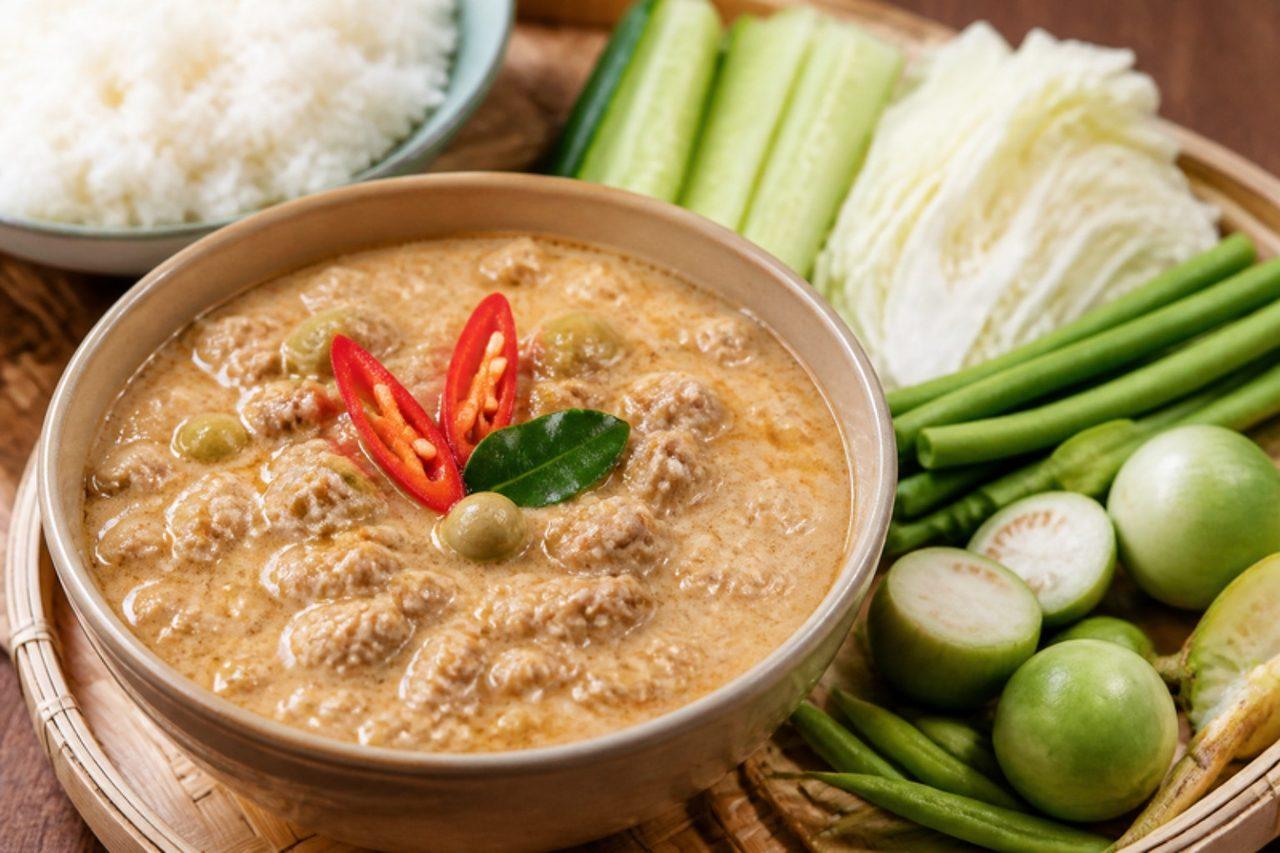
Prahok, the pungent fermented fish paste of the Tonlé Sap, is softened here into something mellow and moreish: it is simmered with coconut cream, minced pork, a fragrant lemongrass paste and pea aubergines until thick and orange-flecked. In Phnom Penh it is a family-table dish for lunch or a weekend feast, set in a bowl in the middle with a platter of crisp raw vegetables (cucumber, cabbage wedges, long beans, Thai aubergines) and steamed rice for everyone to scoop with. Salty, sweet, funky and creamy all at once, it tastes far gentler than the jar smells. Prahok tossed in at the end goes wrong: it stays harsh and is not cooked through, so it must simmer properly with the pork. Chef's tip: buy prahok in jars from an Asian grocer, mash it with a splash of hot water before adding, and let the dip simmer for a full 10 minutes after the pork is cooked.

by KrazyBadal 0 views

Arepa di pampuna

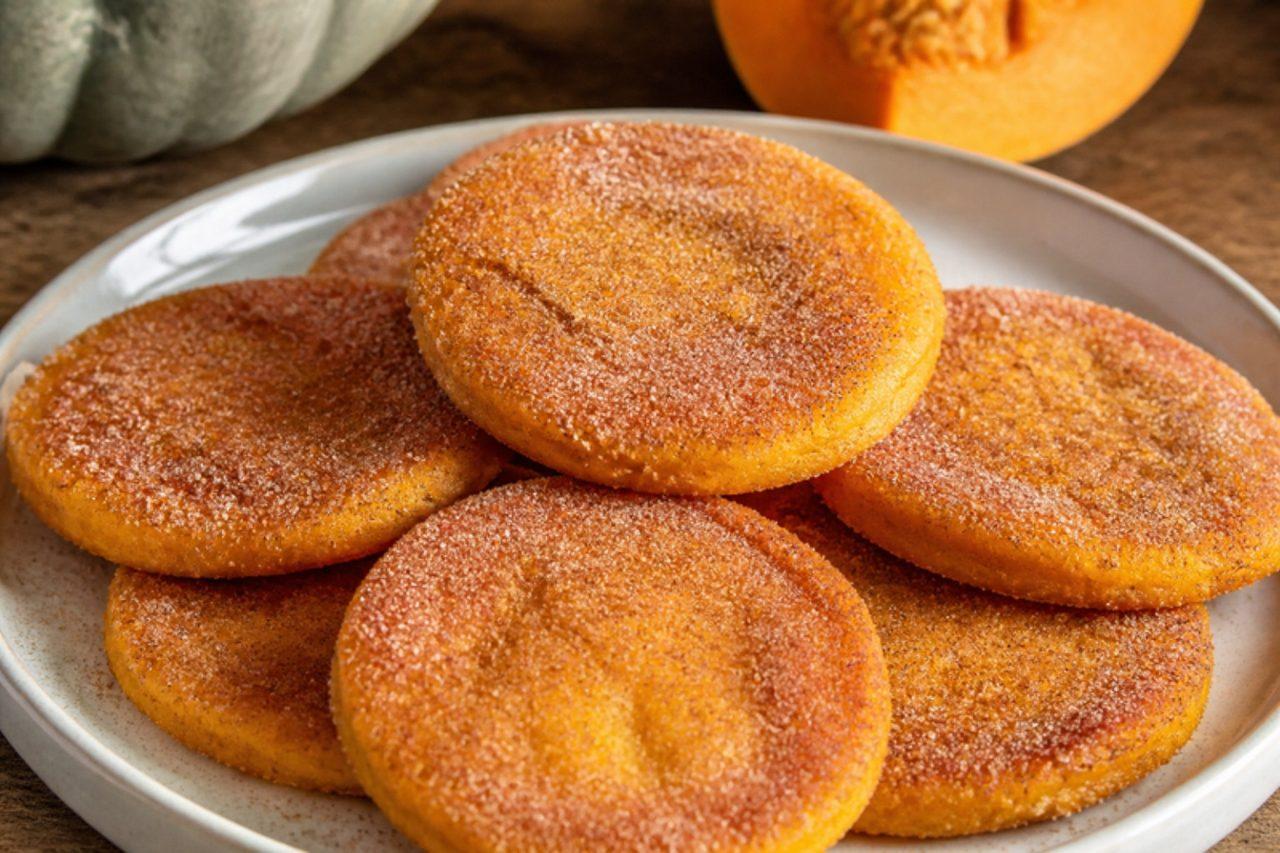
Curaçao and Aruba use the word arepa differently from their South American neighbours: arepa di pampuna are not corn arepas but small, sweet pumpkin pancakes, fried in a little oil and eaten warm for breakfast, or alongside a bowl of soup or stoba at lunch. The mashed pumpkin makes them tender and bright orange, with cinnamon and a little sugar. The mistake is too much flour, which makes them dense; the batter should be thick but soft. Chef's tip: cook the pumpkin the day before and drain it overnight in the fridge for the lightest pancakes.

by KrazyBadal 0 views

Minchi (Macanese minced meat with potatoes)

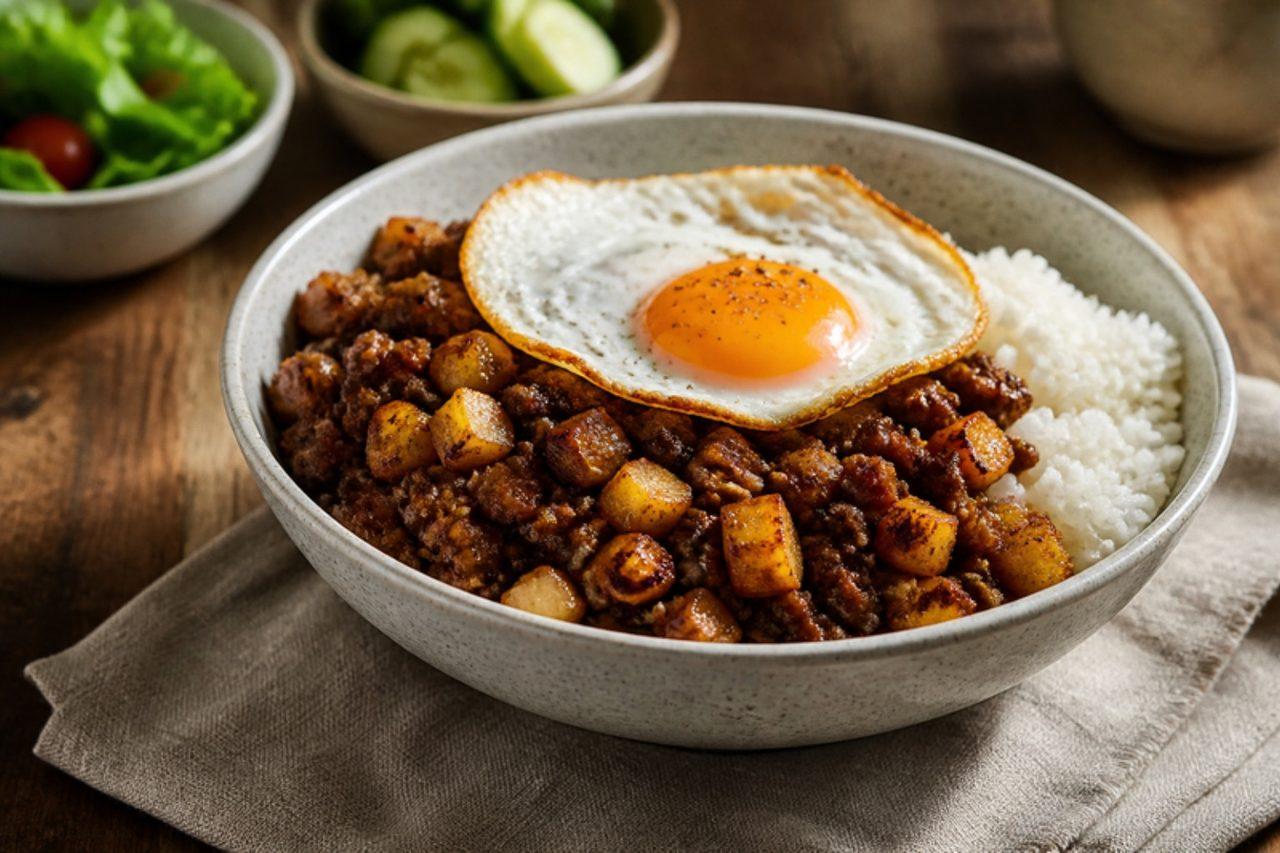
If one dish says home to Macanese families, the descendants of Portuguese and Chinese Macau, it is minchi: a quick hash of minced beef and pork seasoned with soy sauce, Worcestershire sauce and a touch of sugar, mixed with crisp little cubes of fried potato and crowned with a runny fried egg. It appears on weeknight tables, at Macanese restaurants near Rua do Cunha, and at gatherings of the Macanese community abroad, always with plain white rice. Savoury, slightly sweet and full of crunch, it tastes like the meeting of a Portuguese kitchen and a Cantonese wok. A common error is stirring the potatoes into the meat too early, which makes them soft and floury; fry them separately until crisp and fold them in at the end. Chef's tip: let the mince sit undisturbed for a minute in the hot pan before stirring, so it browns instead of stewing.

by KrazyBadal 0 views

Vegetarian mee rebus

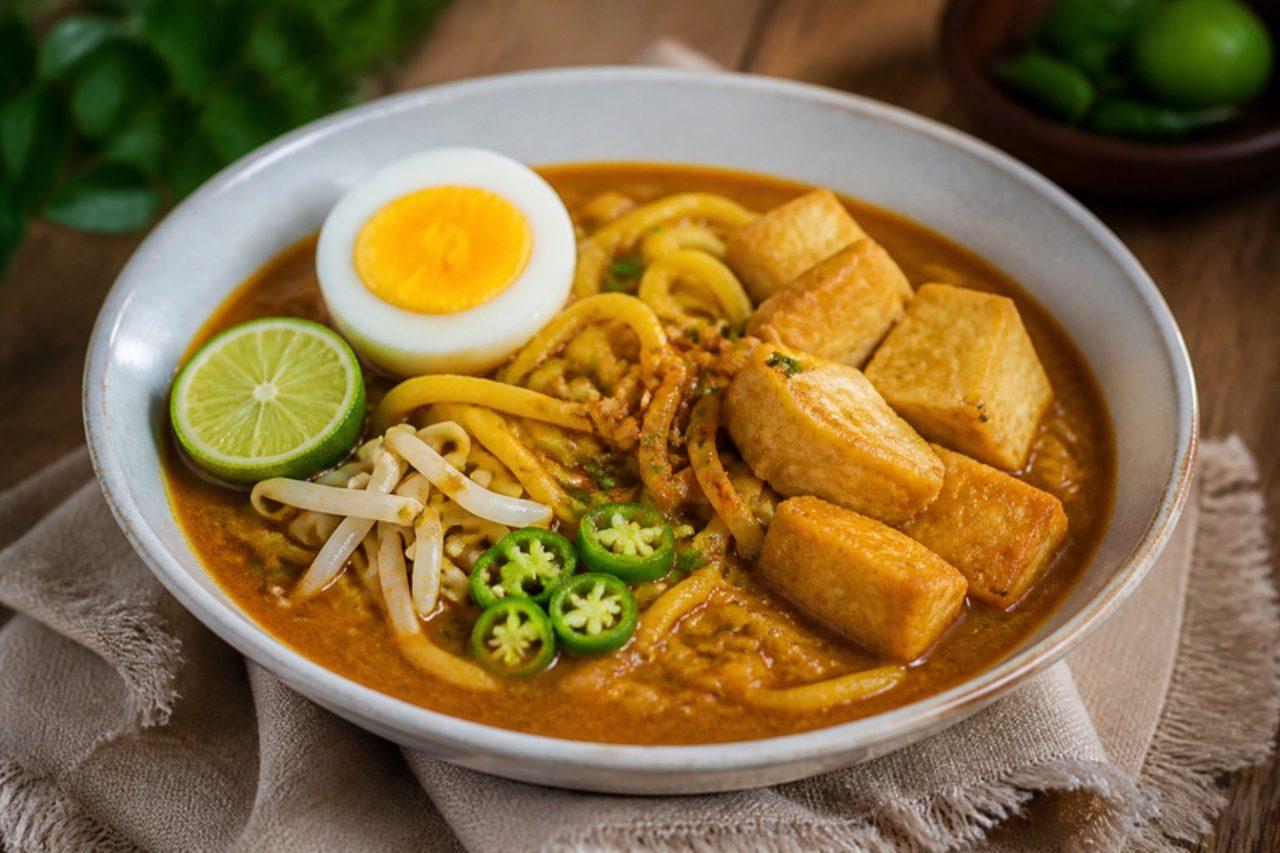
Malay hawker stalls at Geylang Serai and the old Adam Road food centre ladle mee rebus from a vat of thick, reddish-brown gravy that is sweet, gently spiced and earthy, poured over springy yellow noodles and heaped with halved boiled egg, fried tau kwa, bean sprouts, green chilli and a squeeze of calamansi. It is eaten any time, but especially on Hari Raya mornings and as a filling lunch. Many stalls build the gravy on dried shrimp and beef stock; this vegetarian version gets its body from mashed sweet potato, its savoury depth from fermented soybean paste (taucheo) and a well-fried spice paste, and uses vegetable stock. The usual mistake is under-frying the rempah, which leaves the gravy tasting raw and sharp; cook it until the oil separates and turns red. Chef's tip: the gravy thickens as it stands, so keep a kettle of hot stock nearby and loosen it to a pourable, velvety consistency just before serving.

by KrazyBadal 0 views

Durian pengat

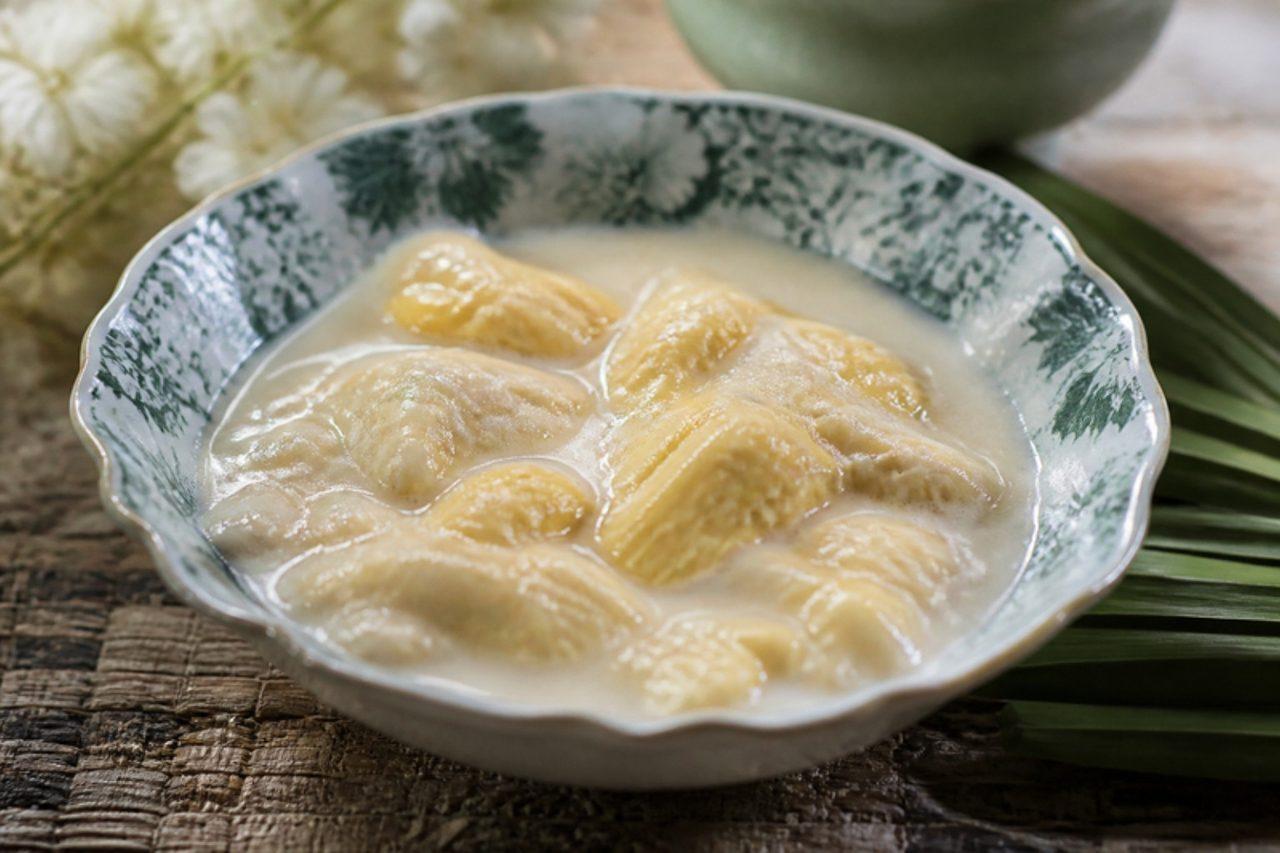
When the durian season peaks in Singapore from June to August, Peranakan families in Katong and Joo Chiat turn leftover or slightly overripe fruit into pengat, a thick, golden custard-like dessert of durian flesh cooked down in coconut milk with gula melaka and pandan. It is rich, creamy and boldly fragrant, with a caramel edge from the palm sugar and a little salt to balance it, and it is eaten warm or chilled in small bowls, or spooned over plain steamed glutinous rice or slices of white bread. The usual mistake is boiling the coconut milk hard, which splits it into oily curds; keep it to a lazy simmer. Chef's tip: mash half the durian and keep half in soft chunks, so you get both a smooth base and creamy pieces to bite into.

by KrazyBadal 0 views

Singapore prawn noodle soup

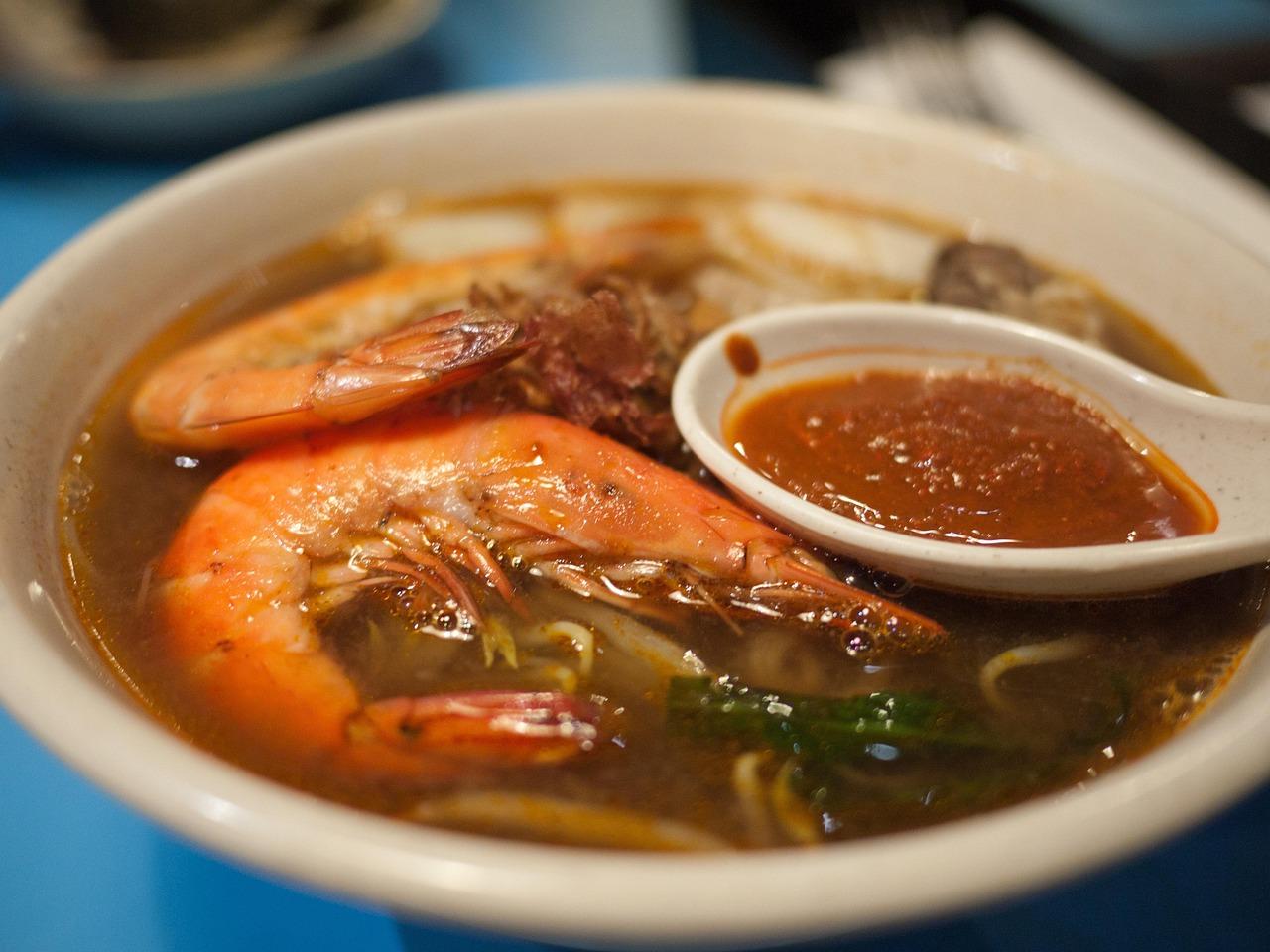
Long before lunch, the big pots at Singapore's prawn mee stalls have been bubbling with fried prawn shells and pork bones, and the regulars from Zion Road to Tiong Bahru arrive with one question: soup or dry? This is the soup version, which is different from the stir-fried Hokkien prawn mee: a sweet, briny, rust-coloured broth poured over yellow noodles and rice vermicelli, topped with halved prawns, tender pork ribs, kangkong and bean sprouts, finished with fried shallots and a dusting of chilli powder. A dish of sliced red chilli in soy sauce sits alongside. The most common mistake is boiling the shells without frying them first, which gives a pale, thin broth; the depth comes from shells toasted in oil until they are deep red and smell like the sea. Chef's tip: freeze prawn shells and heads from other meals over a few weeks so you have a big bag ready for the stock.

by KrazyBadal 0 views

Sambal stingray

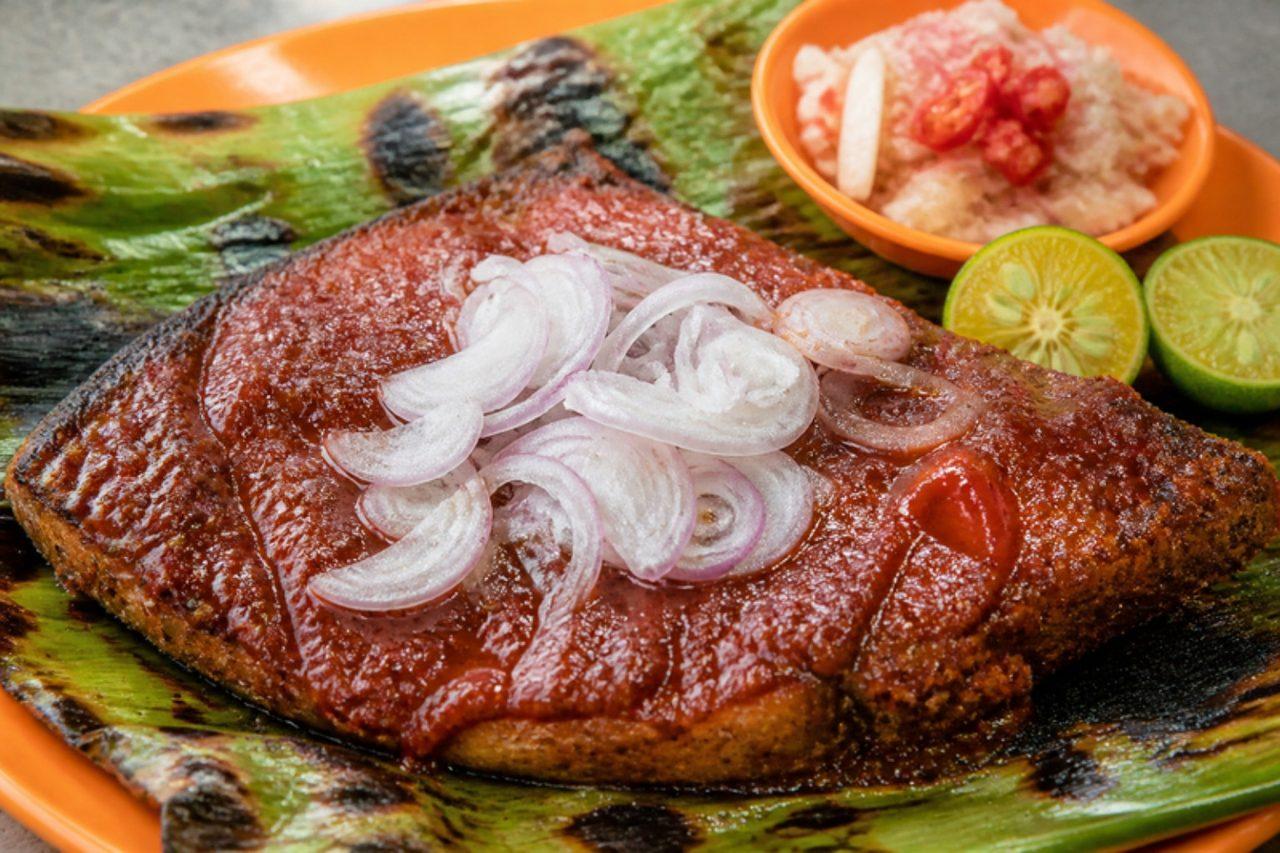
Weekend evenings at the seafood stalls of Newton, Chomp Chomp and East Coast Lagoon smell of charring banana leaf, and the dish sending up that smoke is usually sambal stingray. A fan-shaped stingray wing is spread thickly with a dark red, slow-fried sambal of chillies, shallots, candlenuts and toasted shrimp paste, laid on banana leaf and cooked over high heat until the sweet, delicate flesh pulls cleanly off the soft cartilage in strands. It comes with calamansi or lime, raw sliced shallots and a little dish of sour chinchalok, and a plate of steamed rice. Underfrying the sambal is the classic error: until the oil splits away and turns red, the paste tastes raw and harsh. If you can't find stingray, skate wing is the best substitute and cooks the same way. Chef's tip: score the thick end of the wing and push sambal into the cuts, so the flavour gets right into the flesh.

by KrazyBadal 0 views

Sup tulang

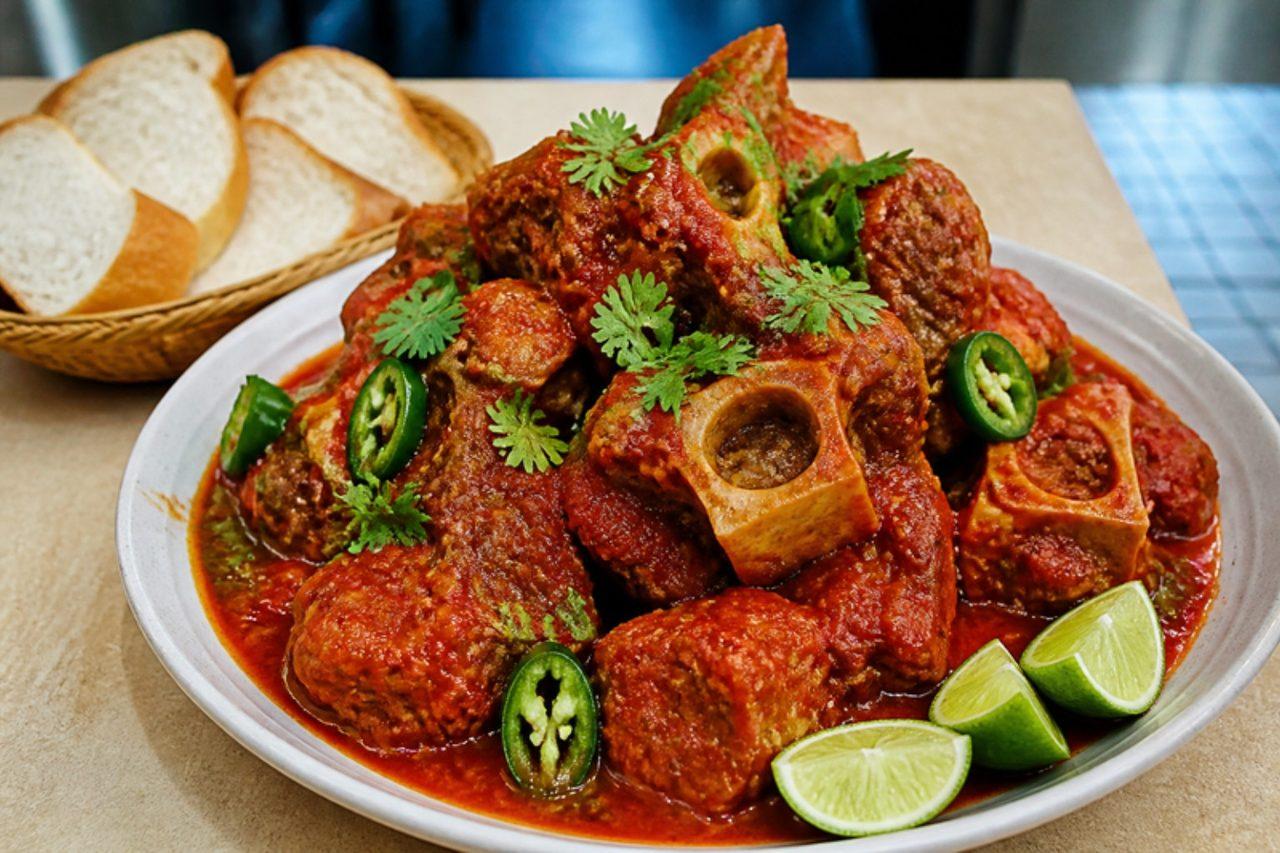
Few dishes are as gloriously messy as the sup tulang served by the Indian-Muslim stalls along Singapore's Beach Road and Golden Mile, where supper crowds sit hunched over plates of mutton bones in a vivid red gravy, armed with straws to suck out the marrow. The gravy is thick, sweet, tangy and gently fiery, built on tomato, chilli and warm whole spices, and it clings to every scrap of meat on the bone. It is mopped up with slices of soft white bread (leave the bread out if you need it gluten free), with green chillies and lime alongside, and plenty of napkins. Stopping the simmer too early is where it goes wrong: the meat must be soft enough to fall off and the marrow wobbling, which takes a good hour and a half. Chef's tip: ask the butcher to saw the bones crossways into short lengths so the marrow is exposed at both ends and easy to reach.

by KrazyBadal 0 views

Curaçao kabritu stoba

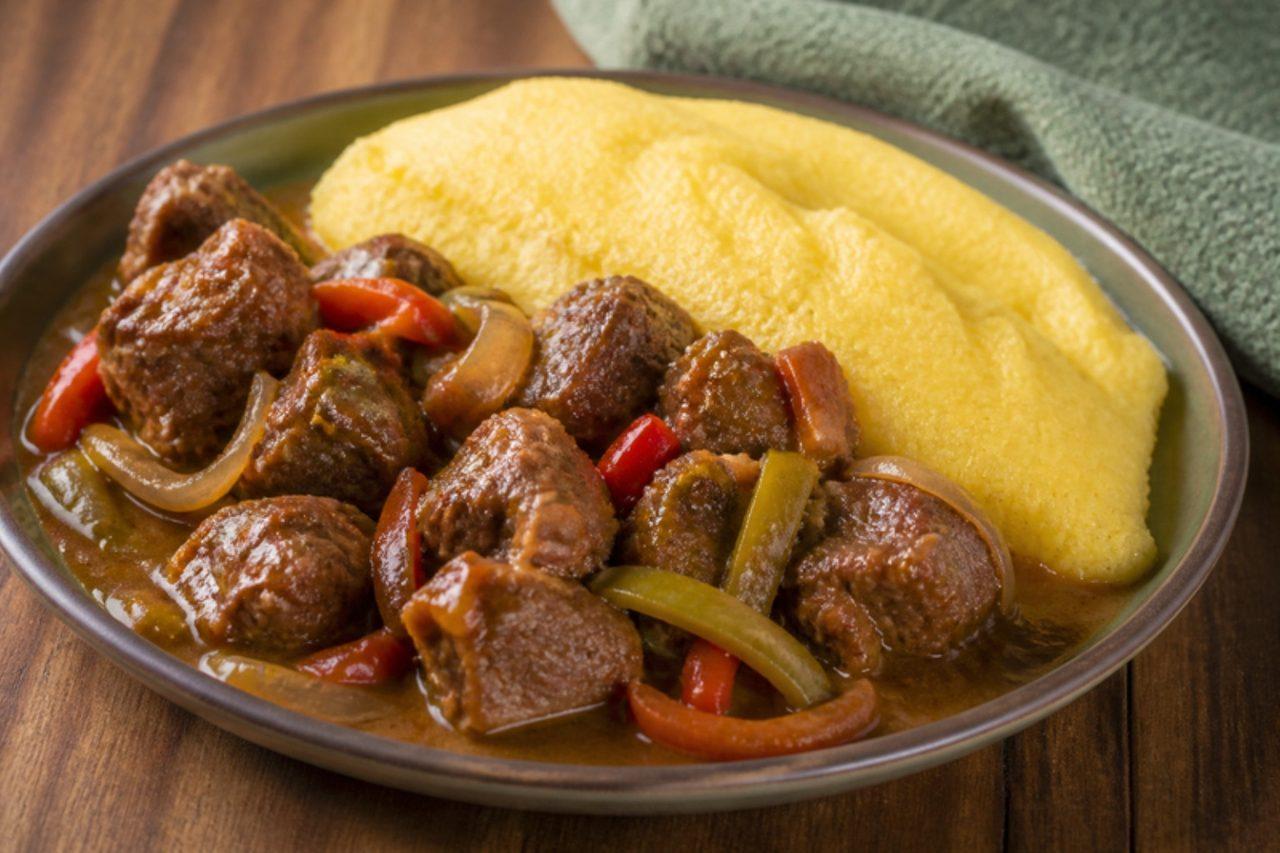
Stoba di kabritu is the home cooking of Curaçao and Aruba, a goat stew made in nearly every kunuku (country) kitchen and at birthday parties: bone-in goat browned and slowly braised with sweet peppers, tomato, onion, cumin, a hint of nutmeg and hot madame jeanette pepper, often with cucumber or papaya stirred in at the end. It is served with funchi (cornmeal), rice or fried plantain. The usual mistake is browning the goat too briefly; deep colour at the start gives the stew its rich brown sauce. Ask your butcher for goat cut into small pieces. Chef's tip: a teaspoon of brown sugar caramelised in the oil before the meat goes in gives the authentic dark, slightly sweet base.

by KrazyBadal 0 views

Hakka mochi

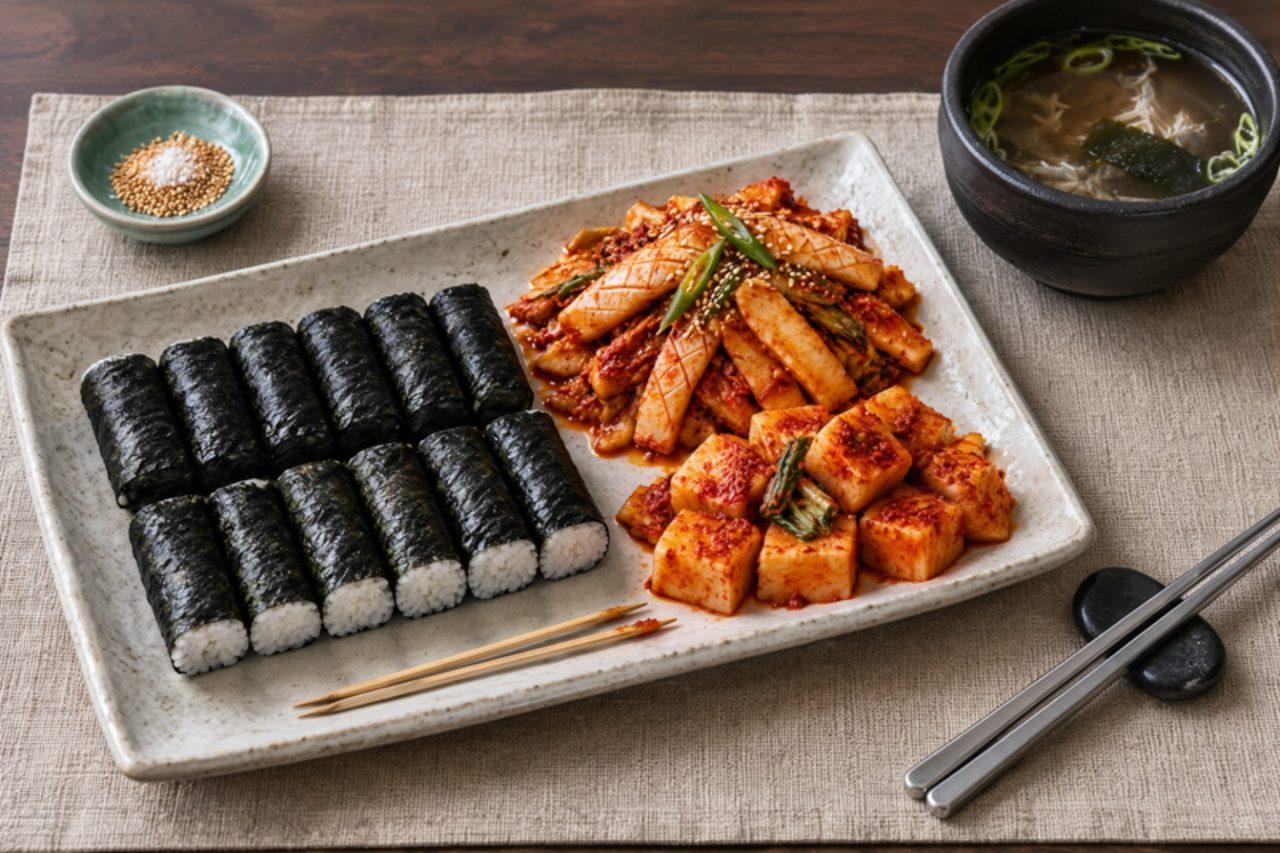
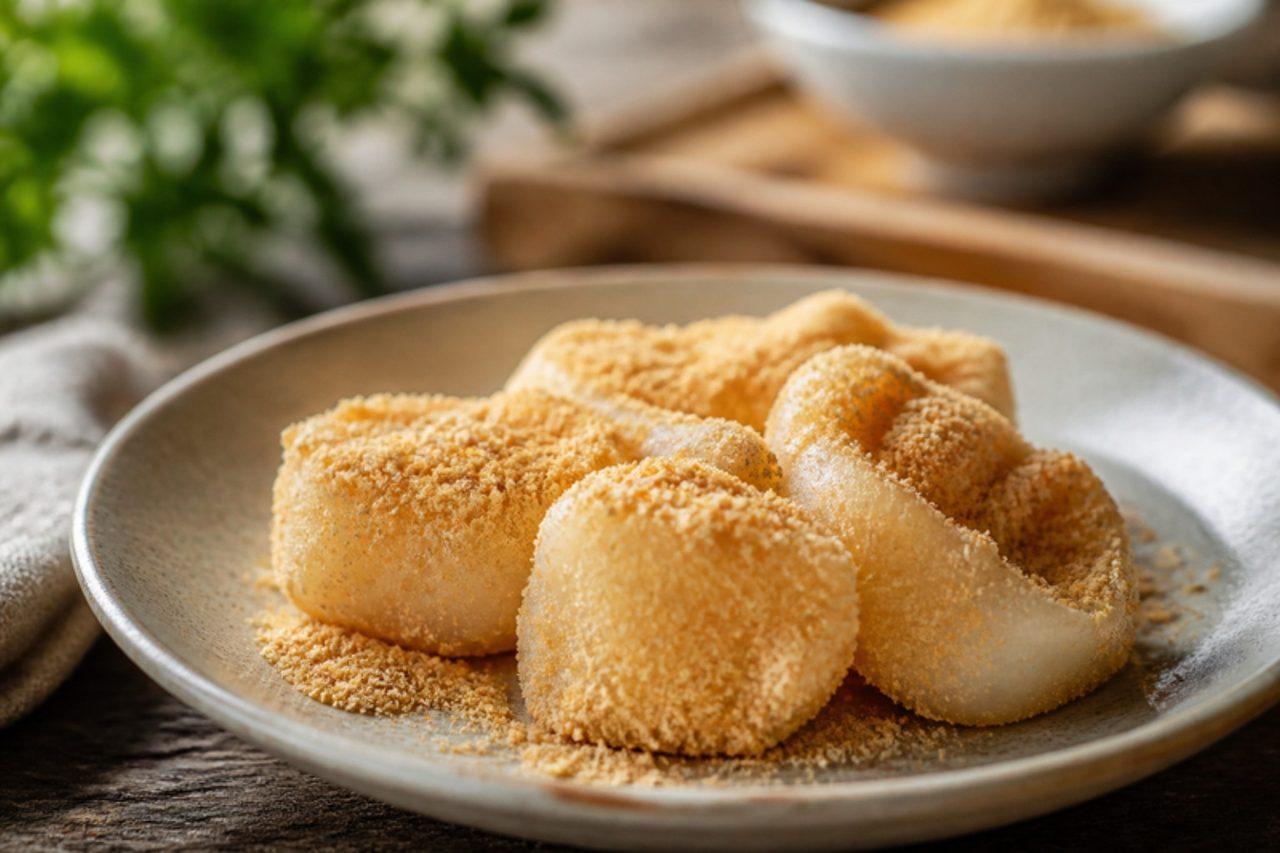
At Hakka weddings, temple festivals and housewarmings in Hsinchu and Miaoli, an aunt stands over a big bowl of warm, glossy rice dough and squeezes it out between thumb and forefinger, dropping each little ball straight into sweet ground peanuts for the guests. The dough is soft, stretchy and barely sweet; the peanut sugar coats it in a fragrant, slightly gritty layer. In Beipu old town it's sold the same way to visitors, with black sesame as a second coating. People often grind the peanuts too long and end up with peanut butter, which clumps instead of dusting. Chef's tip: oil your hands and the bowl lightly before pinching, and eat the mochi the same day, while it's still pillowy.

by KrazyBadal 0 views

Sweet potato balls

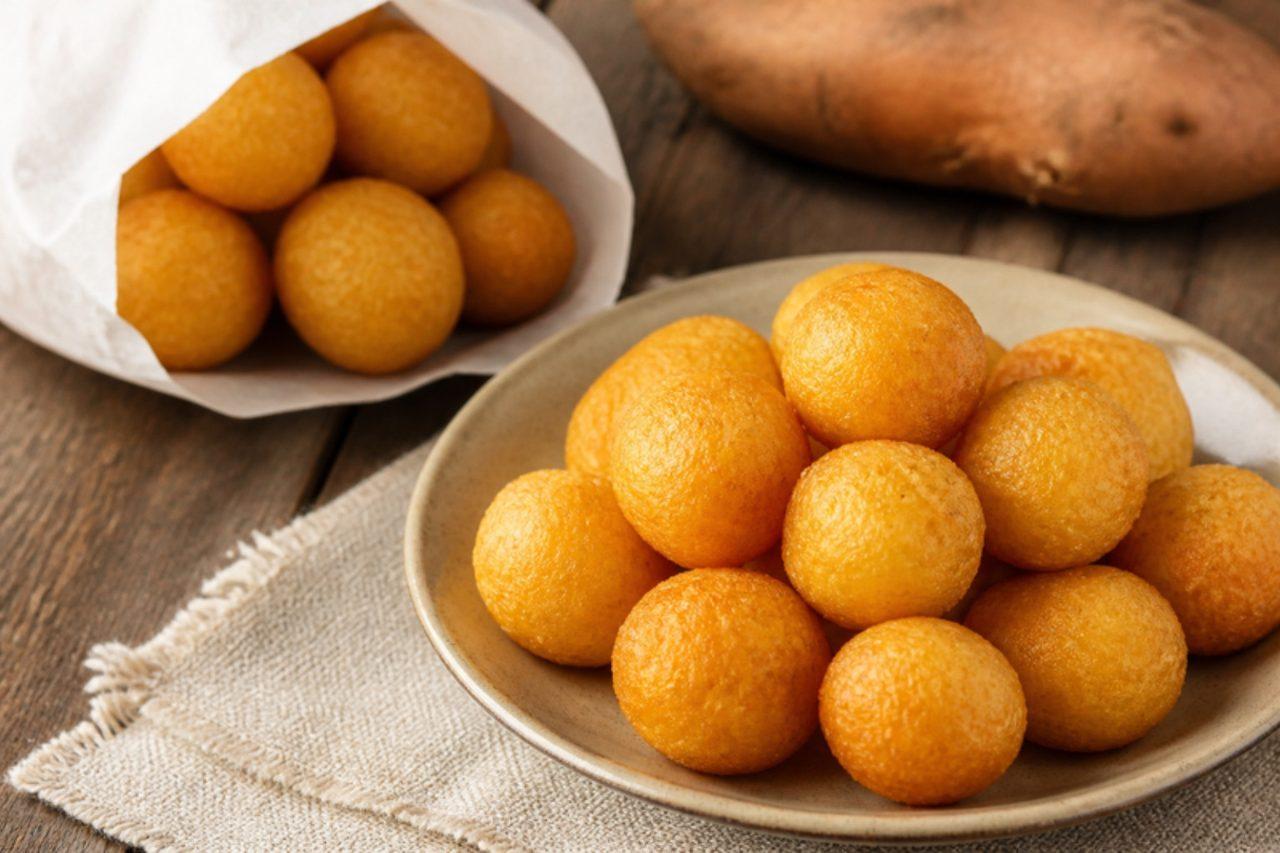
Queue at almost any Taiwanese night market, from Shilin in Taipei to Tainan's Flower Market, and you'll see a vendor pressing a basket of golden balls against the bottom of a wok again and again until they swell up like ping-pong balls. That pressing is the trick: it pushes out air and stretches the tapioca dough, so each ball turns hollow, with a thin, crackly shell and a bouncy, chewy wall. They come in a paper bag, sometimes dusted with plum powder. The big mistake is dropping them into hot oil, which sets the crust before they can expand, so they stay small and solid; start them in warm oil. Chef's tip: steam the sweet potato rather than boiling it, as wet mash makes a sticky dough that never puffs.

by KrazyBadal 0 views

Mango shaved ice

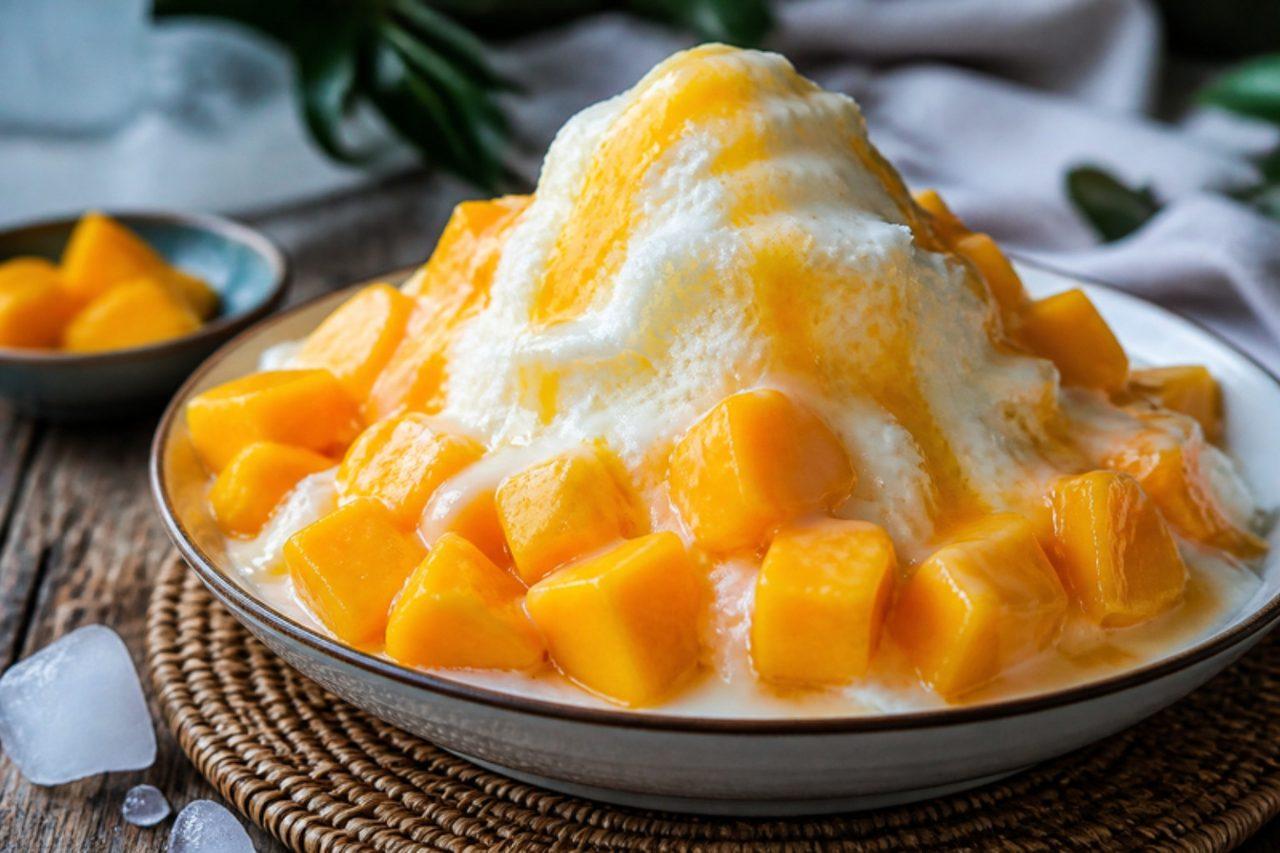
Every summer, from late May to September, the dessert shops of Taipei's Yongkang Street have queues that stretch round the corner for one thing: a mountain of feathery milk ice buried under cubes of ripe Aiwen mango. The ice is frozen milk shaved so thinly it melts on the tongue like snow, and it's drenched in mango syrup and sweetened condensed milk, often with a scoop of mango sorbet on top. At home, freeze the milk base the night before; the active work then takes about 15 minutes. Shaving the block straight from the freezer is a common mistake, as it splinters into icy shards; let it soften for 5 minutes so it curls into ribbons. Chef's tip: chill the serving bowls in the freezer too, so the snow holds its height while you add the toppings.

by KrazyBadal 0 views

Chive pockets

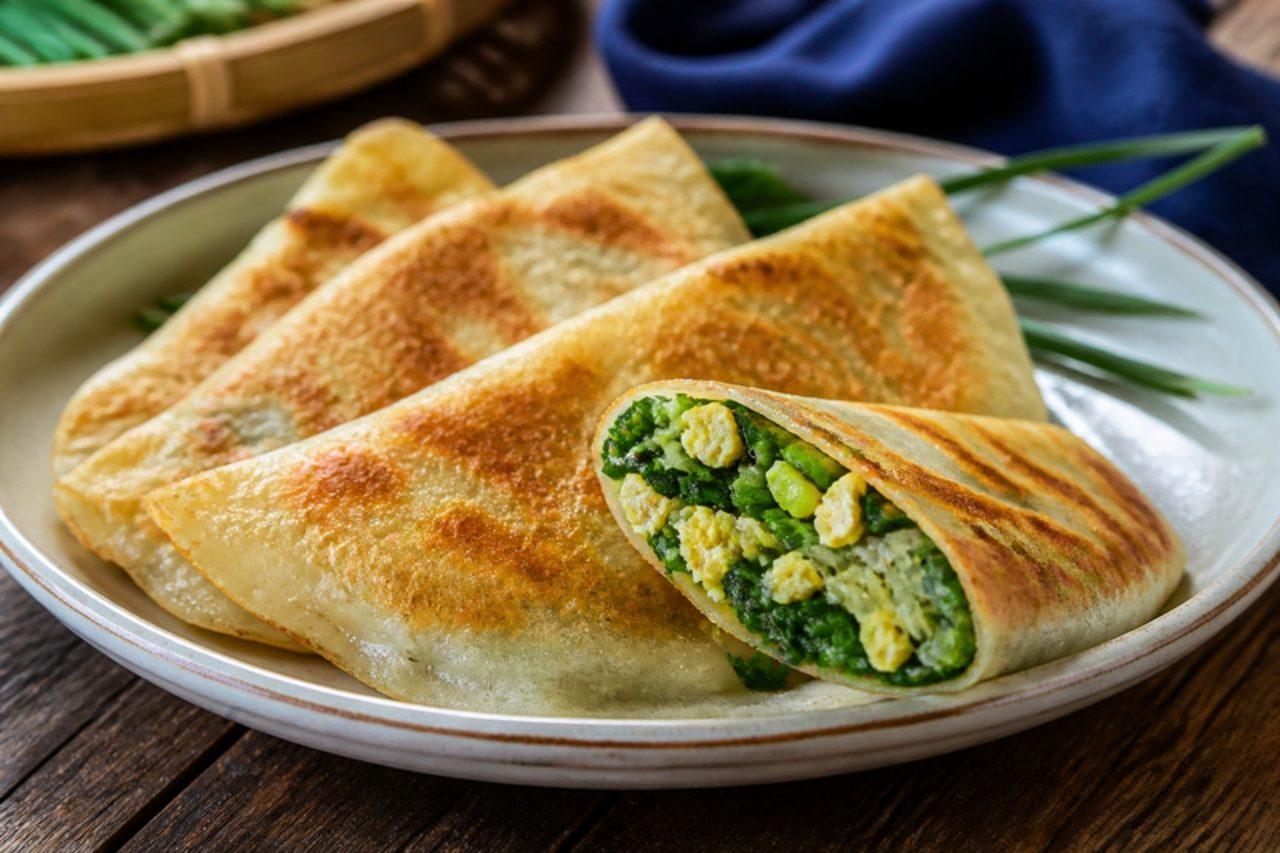
At breakfast shops and morning street griddles all over Taiwan, these fat half-moons sit in rows on a flat iron, blistering slowly until golden, and people buy them with soy milk on the way to work. Inside the thin, crisp-chewy hot-water pastry is a juicy, garlicky filling of chopped garlic chives, scrambled egg and slippery glass noodles. Street vendors often add dried shrimp; this vegetarian version leans on sesame oil and white pepper instead. The common error is salting the filling too early, which draws water out of the chives and makes the pastry soggy and liable to tear; season only just before wrapping. Chef's tip: toss the chives in sesame oil first, because the oil coats them and keeps the juices in.

by KrazyBadal 0 views

Taiwanese sesame oil chicken soup

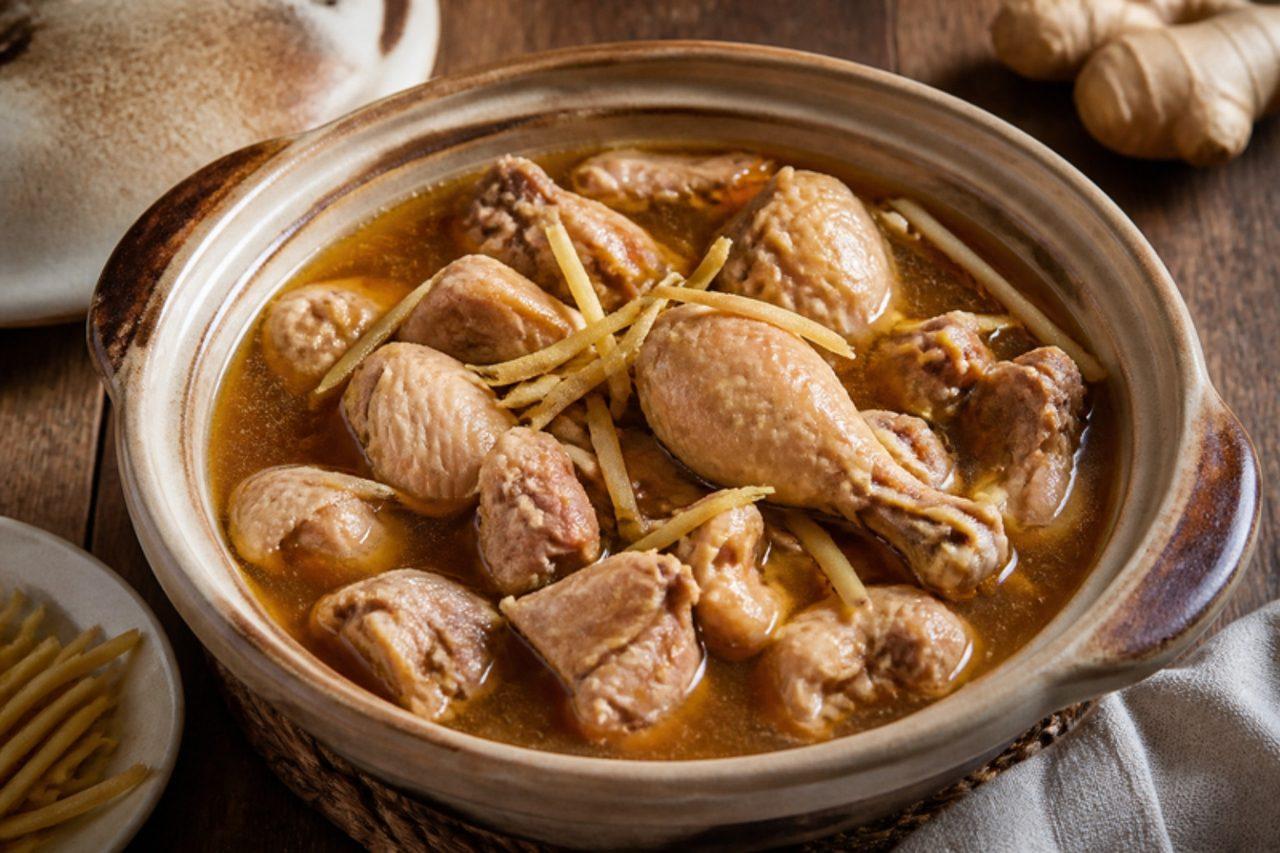
When the first cold fronts reach Taipei, steam rises from clay pots of this at street-corner stalls, and families make it at home for new mothers and anyone run down by winter. Bone-in chicken is browned in dark, toasty black sesame oil with a mound of ginger fried until curled and crisp, then simmered in rice wine for a deeply warming, slightly bitter-sweet broth that is eaten with rice or thin wheat noodles. This soup is traditionally made with plenty of rice wine, and simmering does not cook all the alcohol off; for an alcohol-free pot, use the stock option given with the wine. A common error is heating black sesame oil on a high flame: it scorches quickly and makes the whole soup bitter. Chef's tip: fry the ginger slowly in the oil before the chicken goes in, until the slices curl at the edges and look dry; that is where the soup's warmth comes from.

by KrazyBadal 0 views

Tainan rice bowl cake

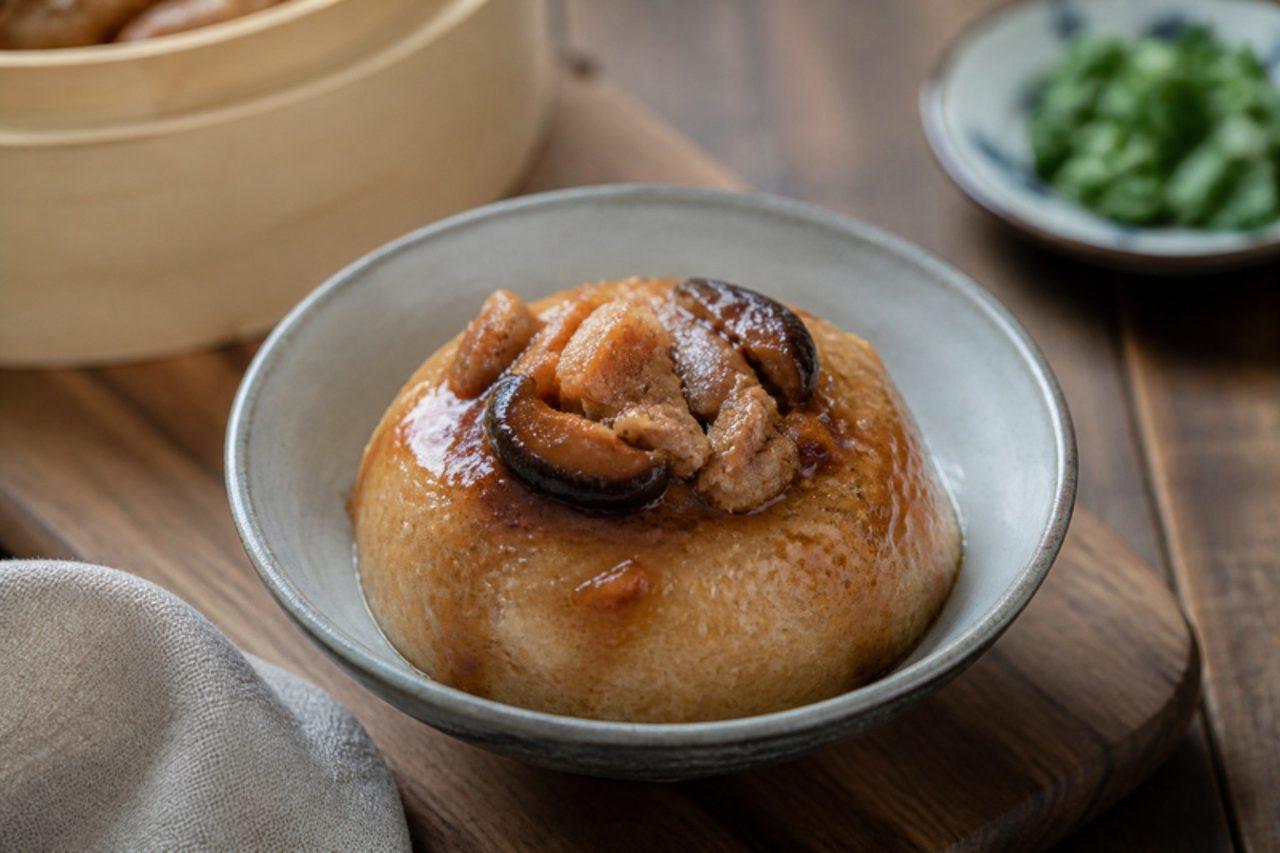
Small china bowls of this turn up at Tainan breakfast counters and temple-side stalls from early morning, each one turned out or eaten straight from the bowl with a bamboo spatula. The rice batter steams into a soft, slightly springy cake, tinted brown with shallot oil and soy, hiding a nugget of pork, shiitake and dried shrimp in its centre, and it is always doused in a thick, sweet soy sauce and a little garlic paste. People get it wrong by pouring raw, watery batter into the bowls, so the fillings sink and the cake turns out dense; cook it on the stove to a thin porridge first. For a truly gluten-free version, make the sauce with tamari or gluten-free soy sauce, as here. Chef's tip: steam on a steady medium heat and wrap the lid in a tea towel, so drips don't pit the smooth tops.

by KrazyBadal 0 views

Bamboo tube rice

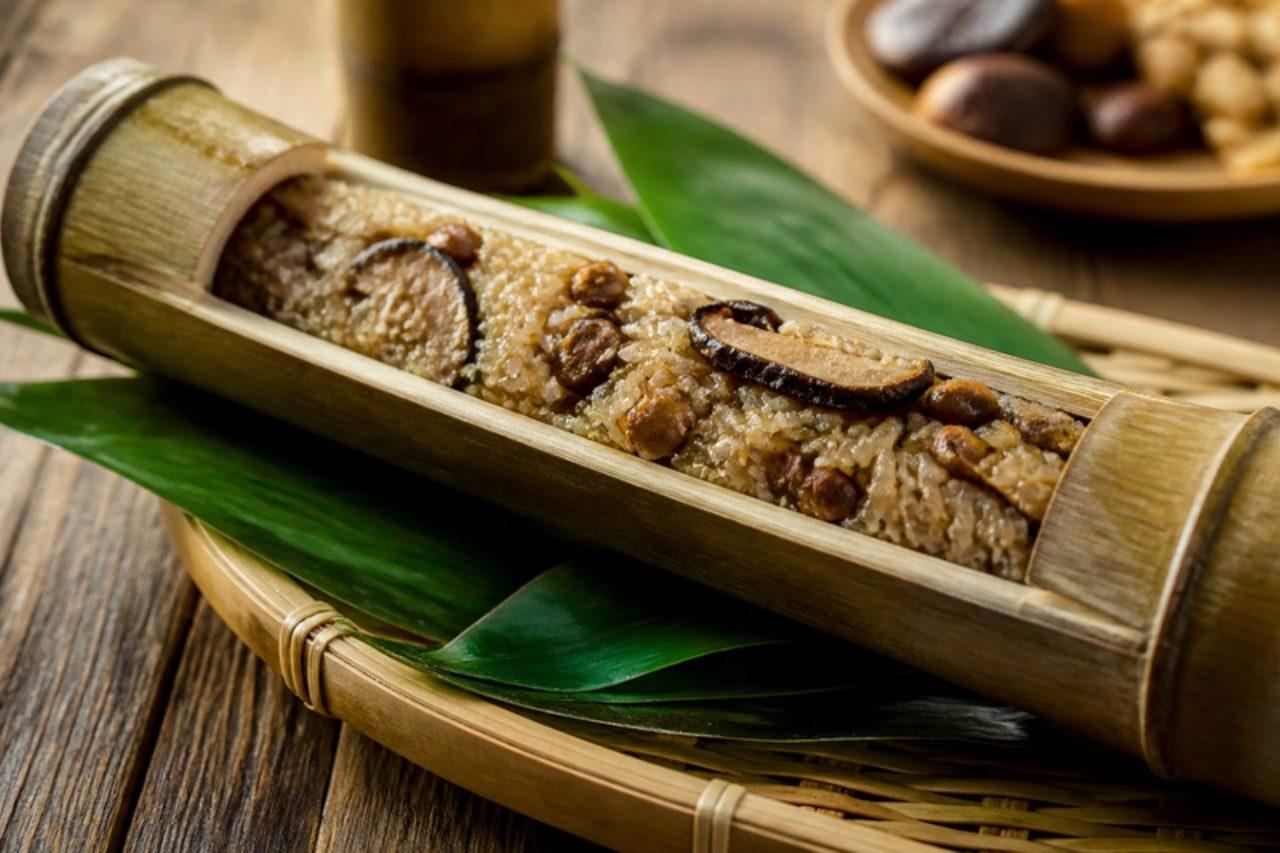
Drive the mountain roads around Alishan, or through the Amis villages of Hualien, and you'll smell this before you see it: lengths of green bamboo lined up over charcoal at roadside stalls, their skins blackening as the rice inside steams. Indigenous Taiwanese cooks have long carried rice into the hills this way. When the tube is split, the rice comes out as a firm, sticky cylinder wrapped in a papery inner membrane, perfumed with grassy bamboo and earthy shiitake. Soak the glutinous rice for at least 4 hours or overnight before you start. Packing the tubes to the top is a common error: rice expands, so fill them only three-quarters full and plug them loosely. Chef's tip: use only fresh, green bamboo with one node closed at the bottom, and never seal both ends tight, or steam pressure can split the tube.

by KrazyBadal 0 views

Tainan mi gao

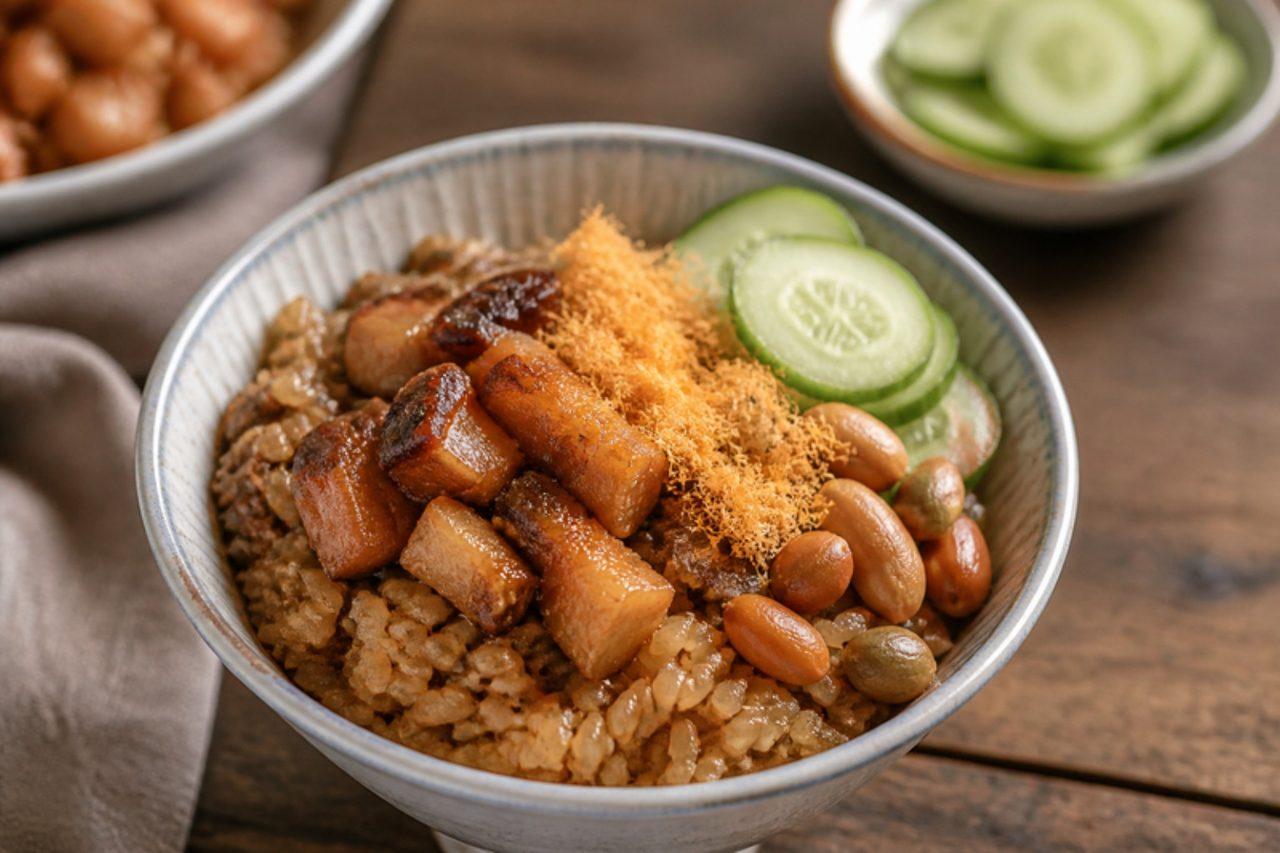
Order a bowl of this in Tainan, alongside a cup of fish ball soup, and you get a compact mound of glistening glutinous rice, chewy and seasoned with shallot oil and soy, topped with a spoonful of sticky braised pork, a tuft of sweet fish floss, soft boiled peanuts and a slice of cucumber pickle. Shops serve it from late morning into the night as a filling snack between meals. The rice must be soaked ahead, so start it the night before or in the morning. A frequent slip is boiling glutinous rice in water like ordinary rice, which turns it into paste; steam it instead. Chef's tip: sprinkle a few spoonfuls of the pork braising liquid over the rice halfway through steaming; the grains soak it up and turn glossy and amber.

by KrazyBadal 0 views

Bsissa

A tin of bsissa sits in many Tunisian kitchen cupboards, from Tunis flats to farmhouses in the south: a finely ground flour of roasted barley, roasted chickpeas and spices such as coriander, fennel and aniseed. In the morning a few spoonfuls are worked with olive oil and something sweet into a nutty, crumbly paste, or stirred with water into a thick drink, and it keeps you going until lunch. Travellers and pilgrims once carried it for the road. Roasting your own flour takes 15 minutes and makes a jar that lasts weeks. Sugar and dates keep it vegan; some families use honey. Chef's tip: roast the flours separately over a low heat and stir constantly; the moment they smell like toasted biscuits and turn light tan, tip them out of the pan.

by KrazyBadal 2 views

Omek houria

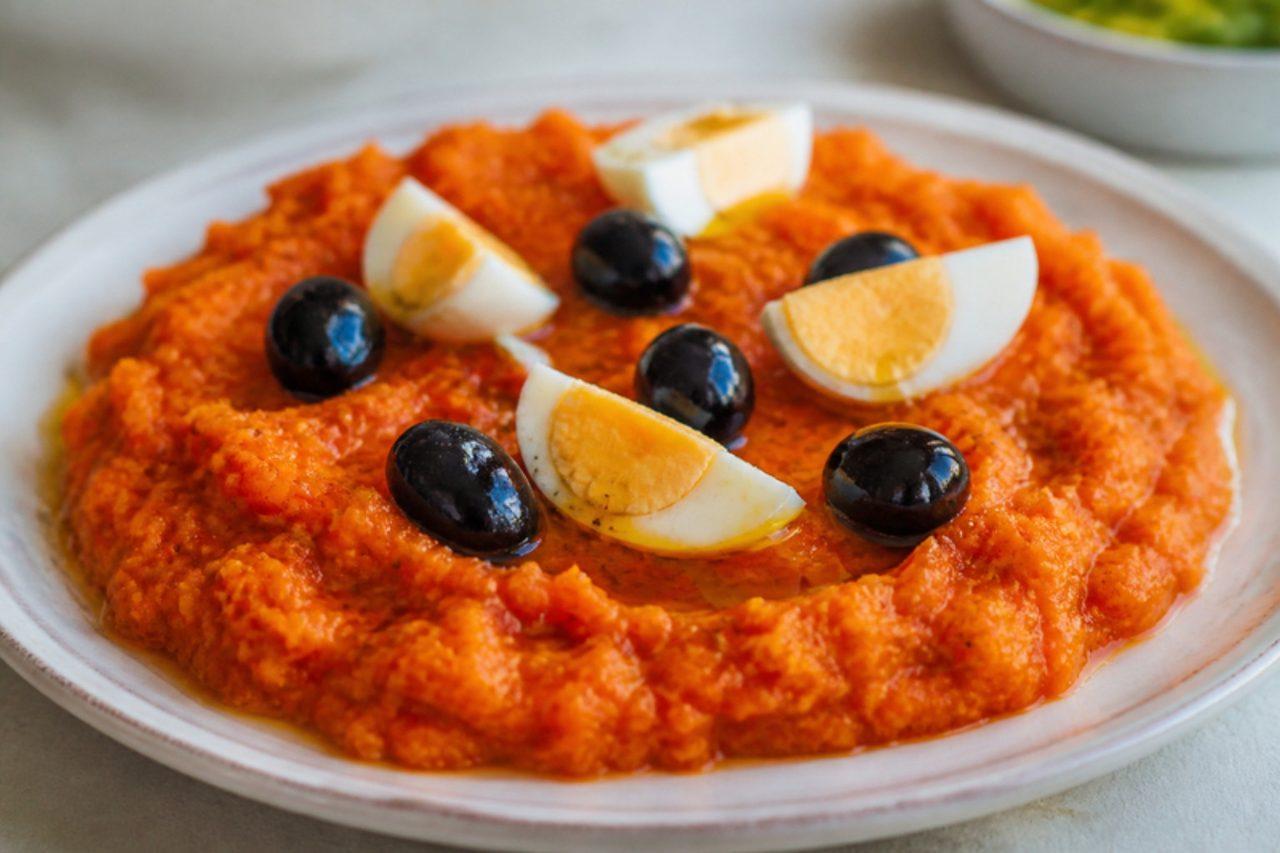
Nobody quite agrees why this salad is called mother of Houria, but every Tunis household knows it as one of the small dishes that open a meal, set out with bread, olives and brik during Ramadan or at a Sunday lunch. Carrots are boiled soft, crushed with a fork rather than puréed, and seasoned boldly with garlic, ground caraway, harissa, vinegar and good olive oil, so the sweetness of the carrot sits under a garlicky, warm heat. It is finished with black olives and wedges of hard-boiled egg and eaten at room temperature, scooped up with crusty bread. This version is vegetarian; some cooks add tuna on top. Chef's tip: dress the carrots while still warm; they soak up the oil and vinegar far better than cold ones.

by KrazyBadal 0 views

Citronnade

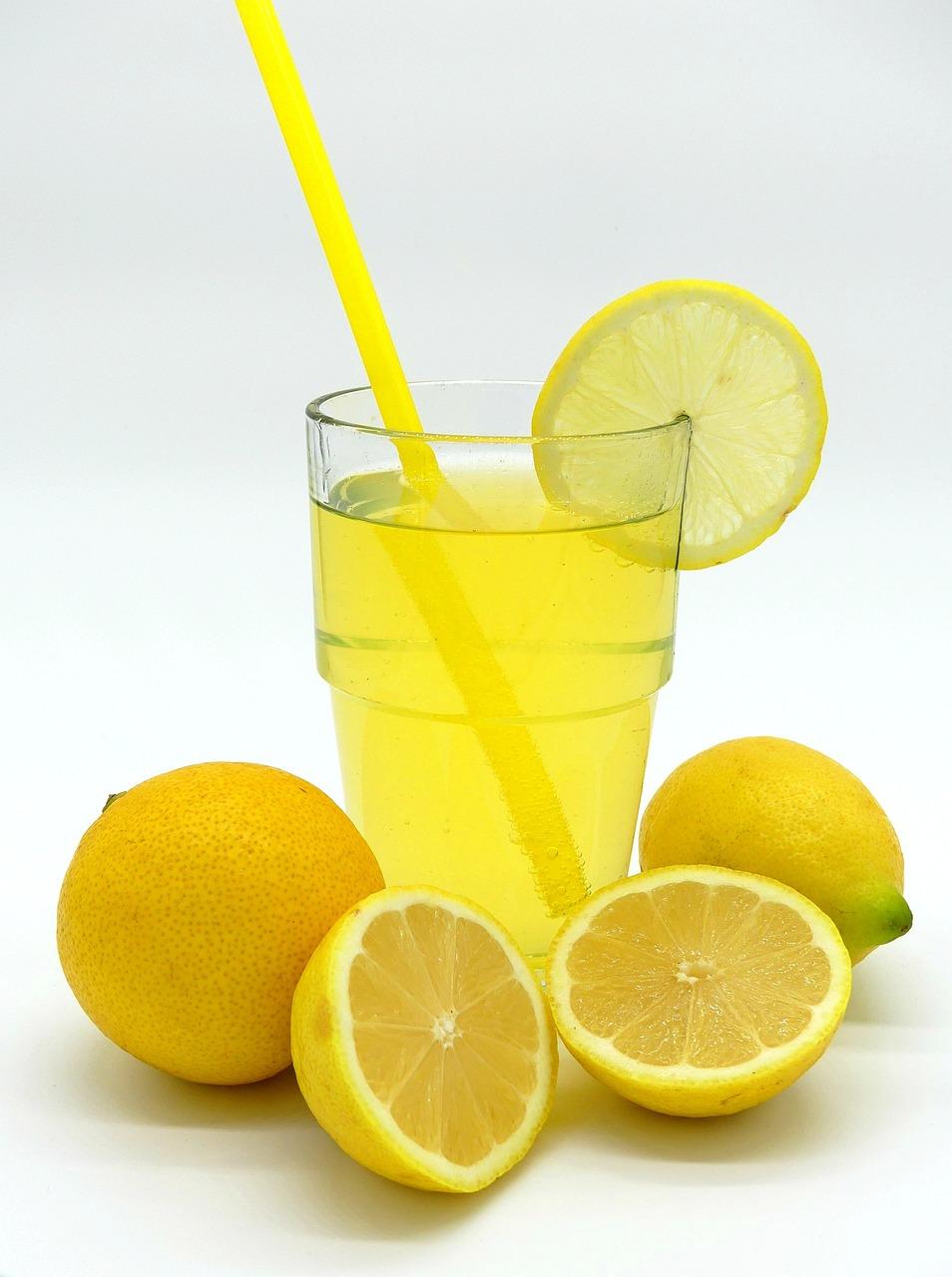
Café terraces in Tunis serve citronnade in tall glasses on hot afternoons and through Ramadan evenings, and it is nothing like clear lemonade: whole lemons, peel and all, are blended with sugar and water, then strained, giving a cloudy, pale-yellow drink that tastes of the zest as much as the juice. A drop of orange-flower water rounds it off. It should be sharp, sweet and very cold. Use unwaxed lemons with thin skins. Chef's tip: let the cut lemons sit with the sugar for 10 minutes before blending; the sugar draws out the fragrant oils from the peel.

by KrazyBadal 0 views

Tunisian samsa

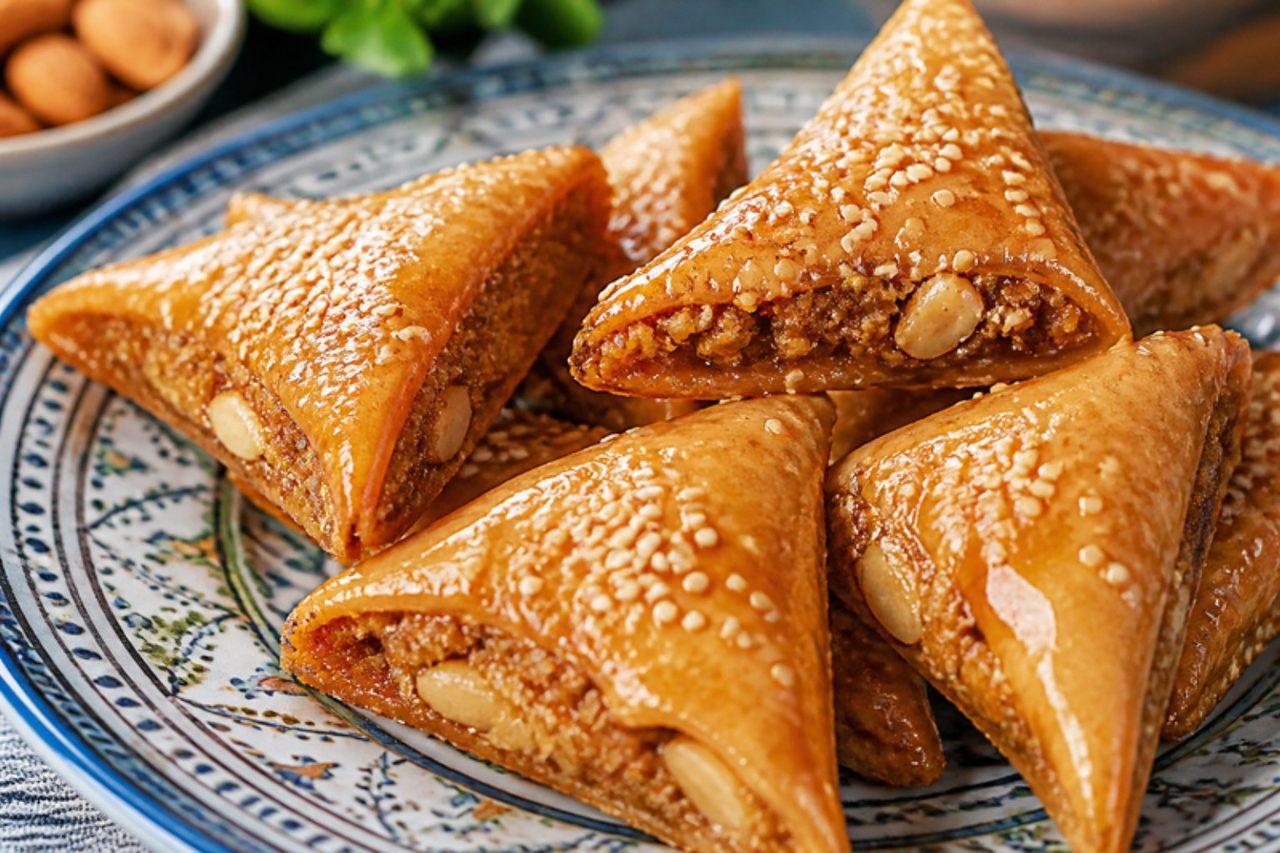
Tunisian pastry shops in the old medina stack samsa in neat pyramids at Eid and weddings, and families make trays of them at home before the feast. The triangles are folded from malsouka, a paper-thin pastry also used for brik, around a filling of ground almonds and toasted sesame scented with orange zest and orange-flower water, then baked or fried and dropped into a lemony syrup. They are shatteringly crisp at the corners, sticky and nutty in the middle, and go with a glass of mint or pine-nut tea. Spring roll pastry, brick pastry or filo can stand in for malsouka. Chef's tip: dip hot pastries into cool syrup, never hot into hot; that contrast keeps them crisp instead of soggy.

by KrazyBadal 0 views

Kaak warka

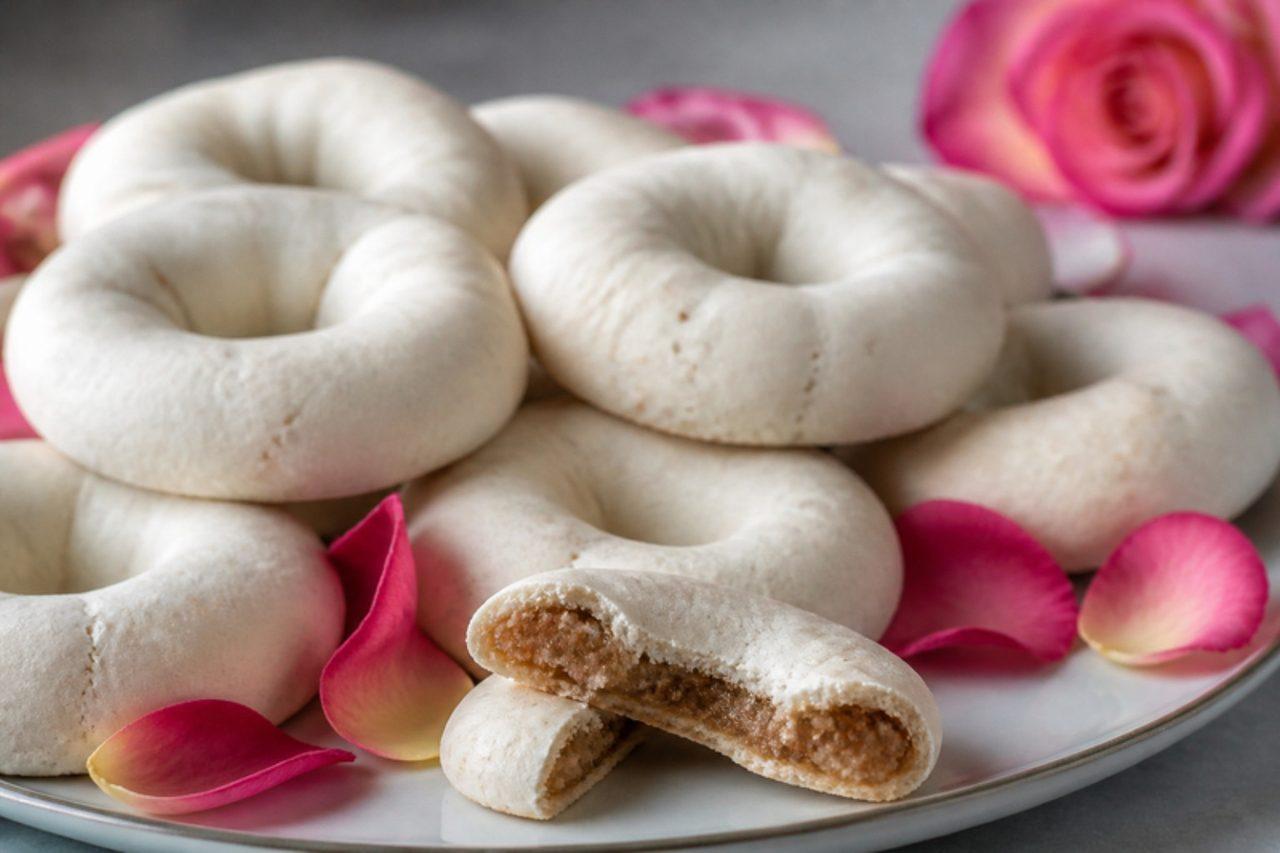
The hill town of Zaghouan, south of Tunis, is famous for two things: its Roman water temple and kaak warka, delicate rings of very thin, crumbly pastry wrapped around almond paste perfumed with rose geranium or rose water. They are a celebration sweet, bought in boxes for weddings, circumcisions and Eid, and should stay white when baked, with a fine sugary crumb and a soft, fragrant centre. Making them takes patience: the dough is rolled thin, wrapped around ropes of almond paste and shaped into rings. Chef's tip: bake low and short; the moment the bases colour, they are done, as any browning on top ruins their famous pale look.

by KrazyBadal 0 views

Zrir

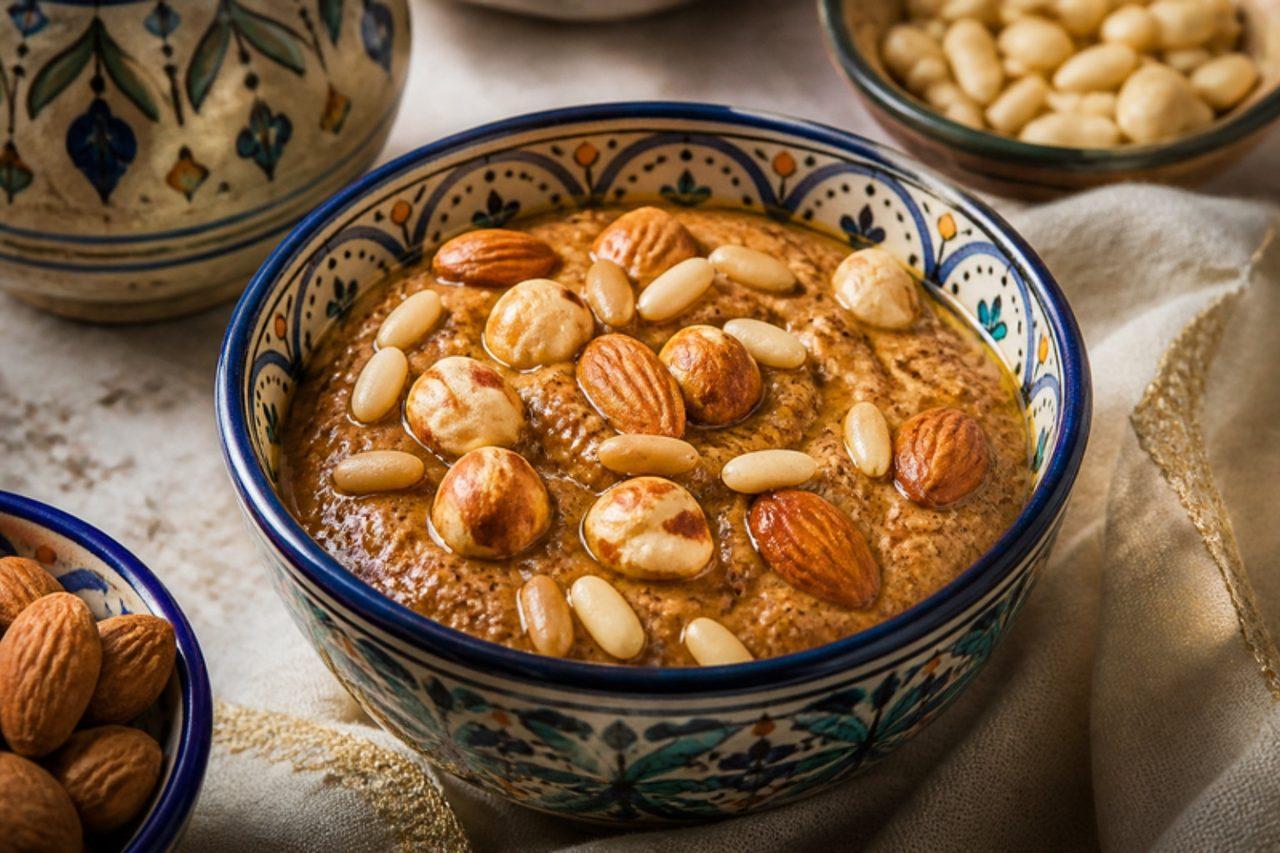
When a baby arrives in a Tunis family, visitors who come to see mother and child are offered zrir, a dense, glossy paste of toasted sesame, hazelnuts and almonds bound with butter and honey, believed to give strength to the new mother. It is served in tiny bowls or shaped into a mound and studded with nuts, and a spoonful is plenty. The taste is like a very rich halva with honey and toasted nuts. It keeps for a couple of weeks in a jar. Chef's tip: grind the sesame while it is still slightly warm; the oils release more easily and the paste turns smooth rather than sandy.

by KrazyBadal 0 views

Pine nut tea

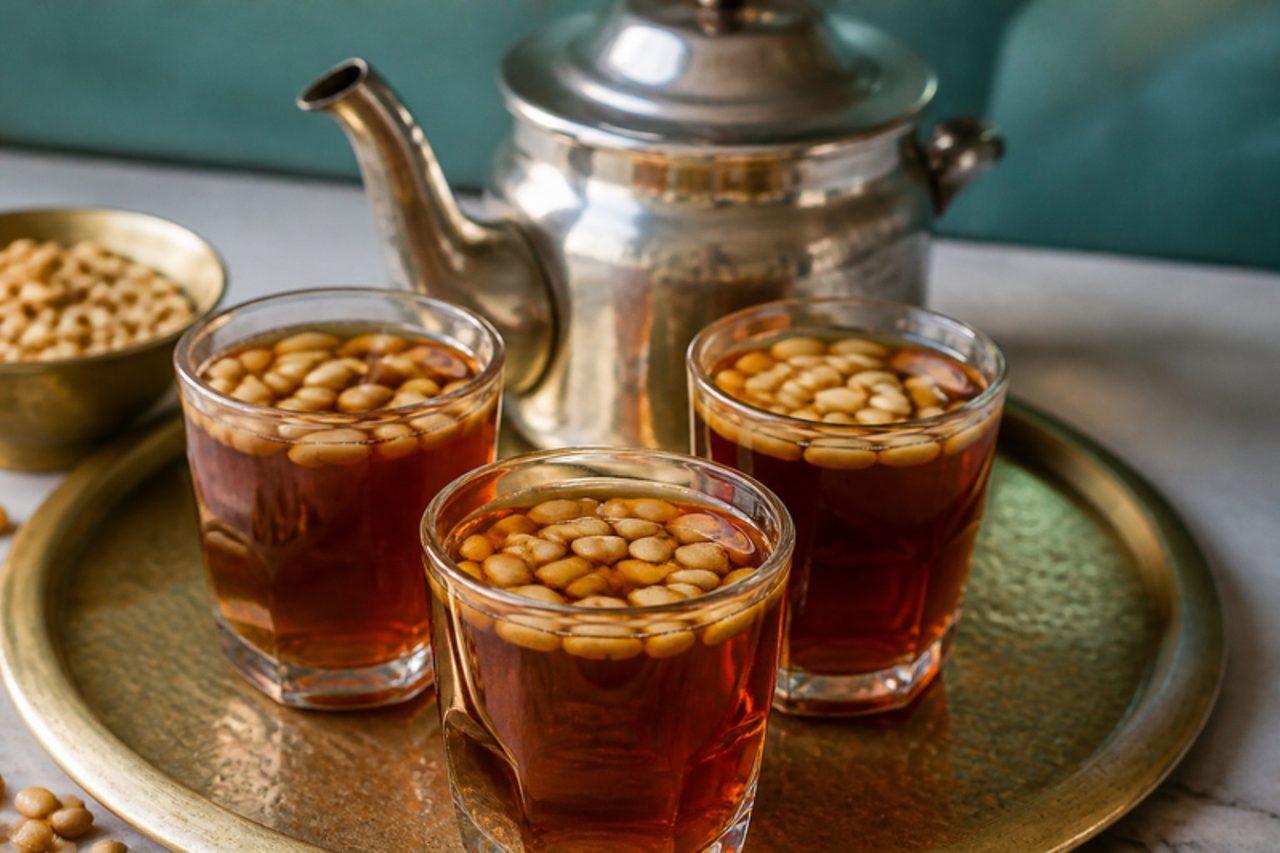
Order tea in a Tunis café, especially in the cafés of Sidi Bou Said overlooking the bay, and it often arrives with a spoonful of pale pine nuts bobbing on top. The tea itself is brewed strong and very sweet, green with mint or dark black tea boiled until syrupy, and poured from a height into small glasses so it froths. The nuts soften slightly in the heat and you eat them at the bottom of the glass, buttery against the bitter-sweet tea. It is drunk after meals and through the evening. Chef's tip: toast the pine nuts lightly in a dry pan; just a hint of colour brings out their butteriness without making them sink.

by KrazyBadal 0 views

Showing 36 of 7,762 recipes

Show more recipes

Page 365 of 863