


Skip to content
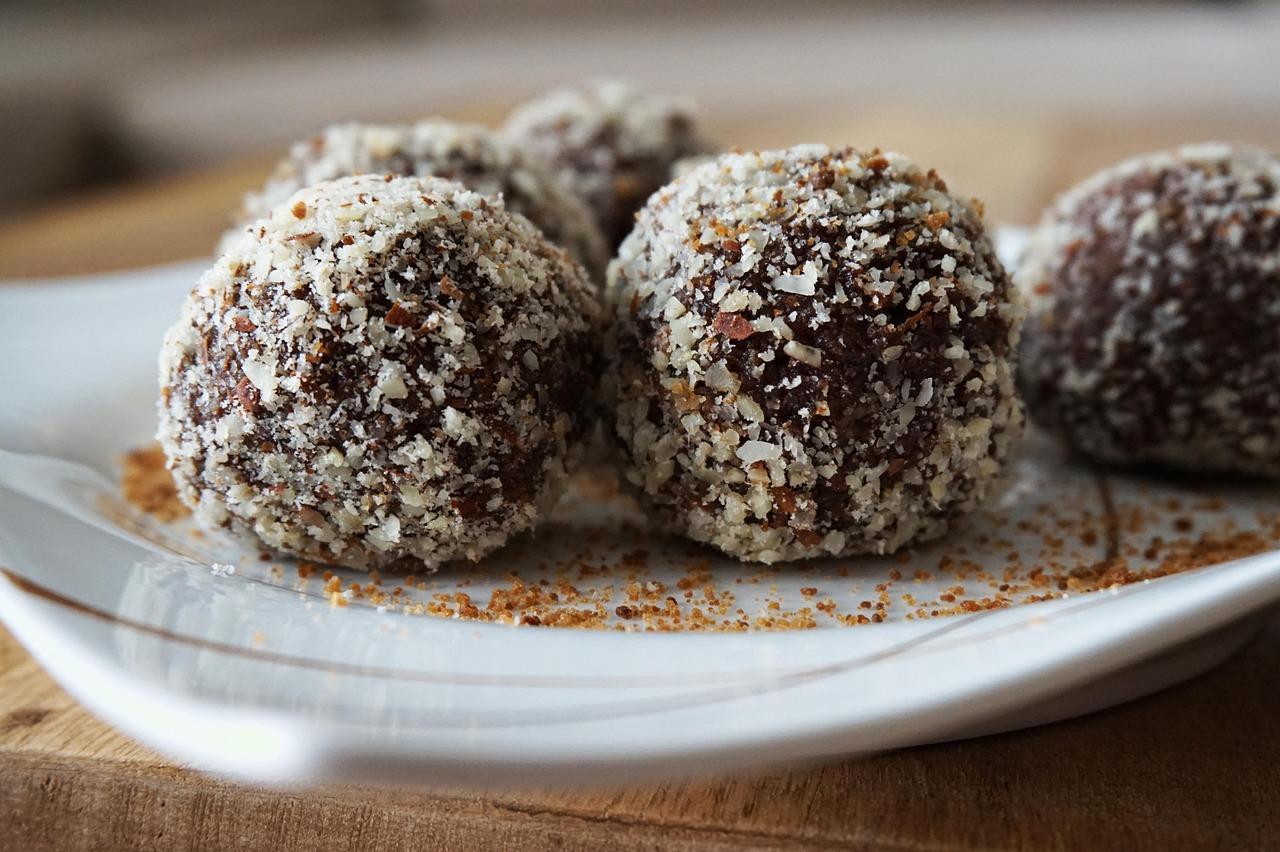
Lebanese date and coconut balls
Featured recipe

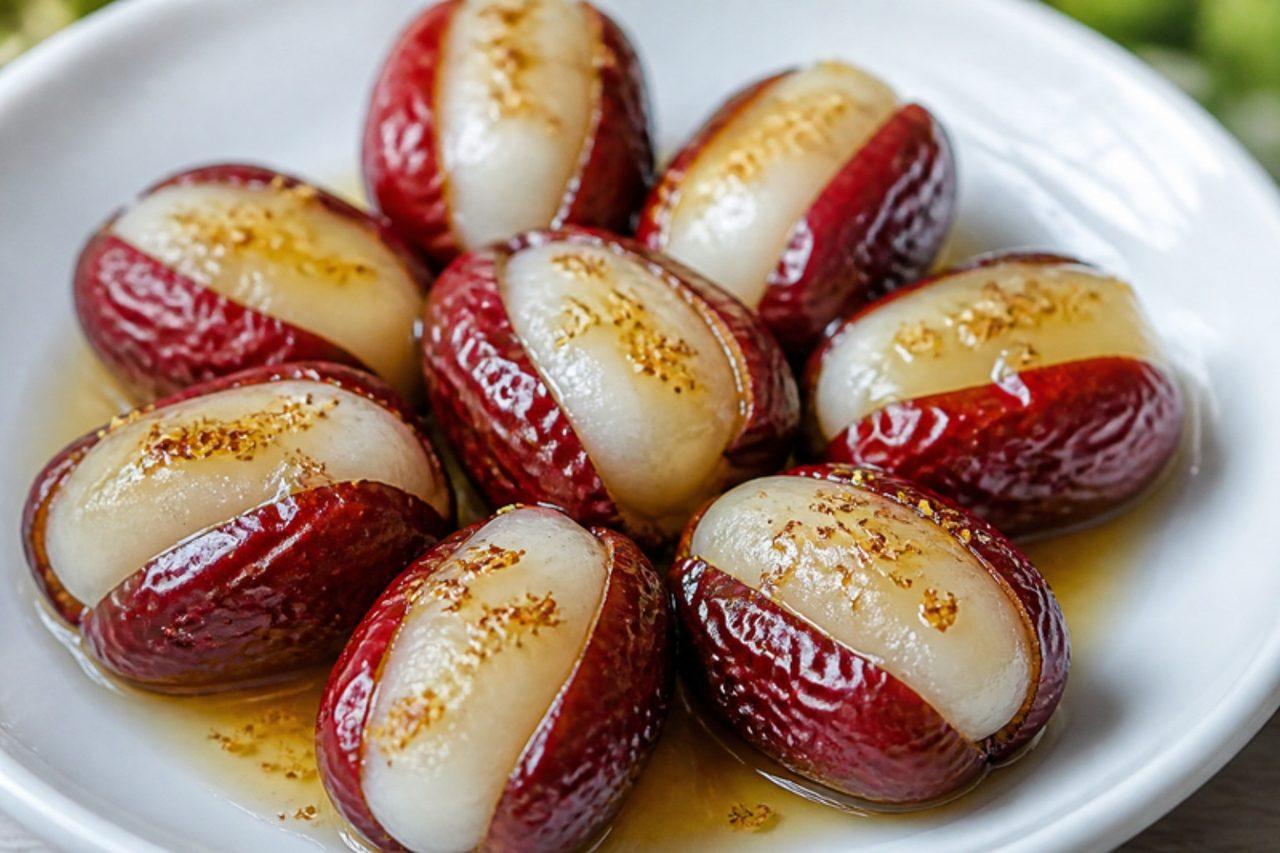
Lebanese date and coconut balls

Soft dates cooked briefly in butter with cardamom, shaped around a fried almond and rolled in desiccated coconut. A simple no-bake sweet that is rich, chewy and naturally sweet, perfect for festive trays and with coffee. Makes about 40.

Read more 0 views

What to eat today?

Around the world

Today's trip: Persian

A new country every day, from every cuisine on the site.

Persian

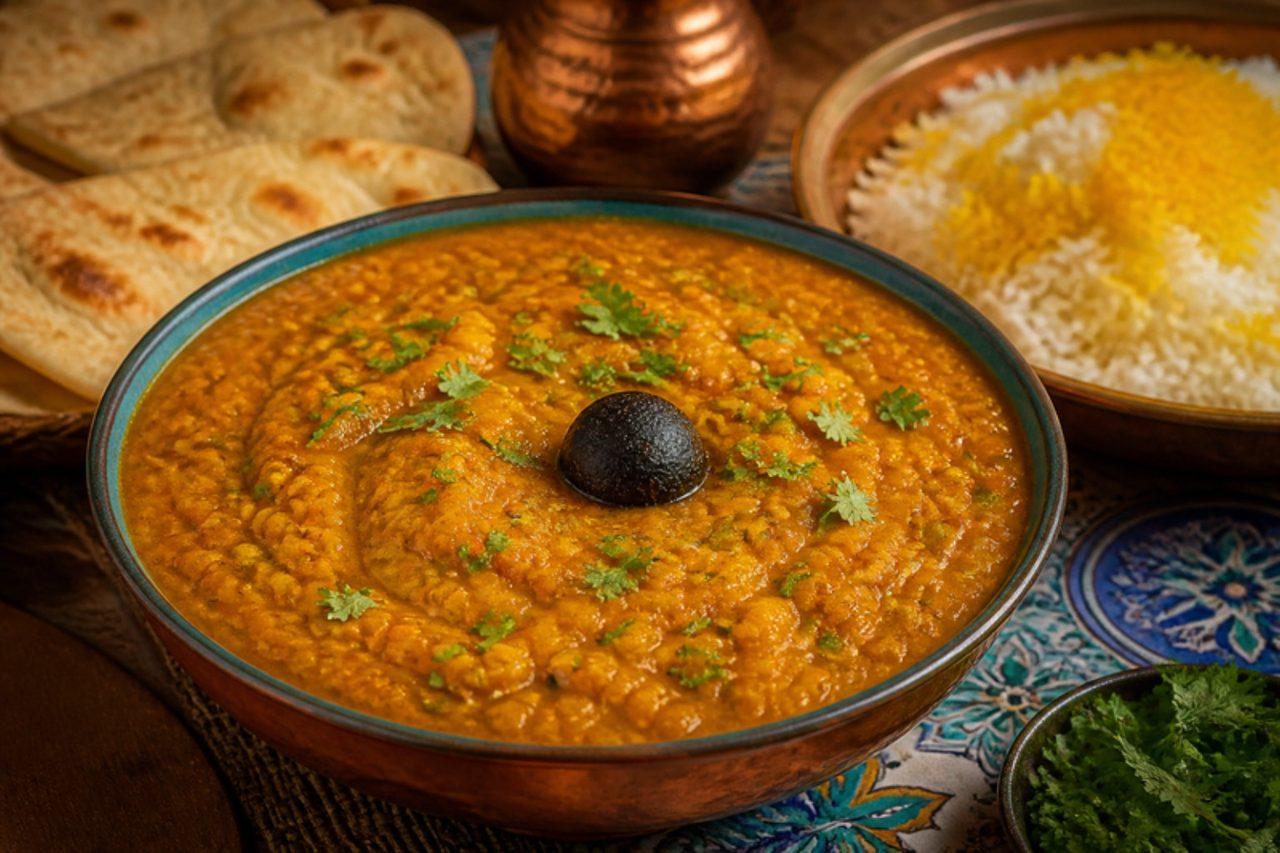
Dal adas

Red lentil curry with dried lime 50 minMore from Persian (177) →

This week's collection

Kid-friendly dinners
739 recipes · a new collection every Monday

Coming up

All occasions →

Latest recipes

SoetpatatsGlazed sweet potatoes

Sunday lunch in an Afrikaans home means a table crowded with sweet and savoury sides around the roast, and soetpatats is always one of them, sitting next to the yellow rice, the green beans and the pumpkin. Thick rounds of sweet potato are cooked slowly in a covered pan with butter, brown sugar, a cinnamon stick and a strip of orange peel until they are soft right through and lacquered in a sticky, toffee-like glaze. Every family has a view on how sweet they should be; this version is rich but not cloying, with a pinch of salt and a squeeze of orange to keep it lively. They go well with a nut roast, pap tert or a lentil bobotie for a vegetarian table. Stirring too much is the trap: the rounds break up into mash, so shake the pan instead. Chef's tip: leave the lid off for the last ten minutes and the syrup reduces into a proper glaze.

by KrazyBadal 0 views

SoetkoekiesSpiced almond biscuits

Cape Malay and Dutch kitchens in Stellenbosch and the old Bo-Kaap have been baking soetkoekies for at least two centuries, stacking them in tins for Christmas, New Year and visiting season. They are thin, snappy-edged biscuits with a slightly chewy centre, warm with cinnamon, ginger and a deep note of cloves, and nutty from ground almonds. Old recipes often splash in sweet wine; this one uses milk and a spoon of golden syrup instead, so there is no alcohol at all. The most common mistake is baking until they look firm, which makes them hard once cool: take them out while they still feel soft in the middle. Chef's tip: rest the dough overnight in the fridge if you can, because the spices deepen and the dough rolls more cleanly.

by KrazyBadal 0 views

Simi ko tarkariGreen bean stir-fry

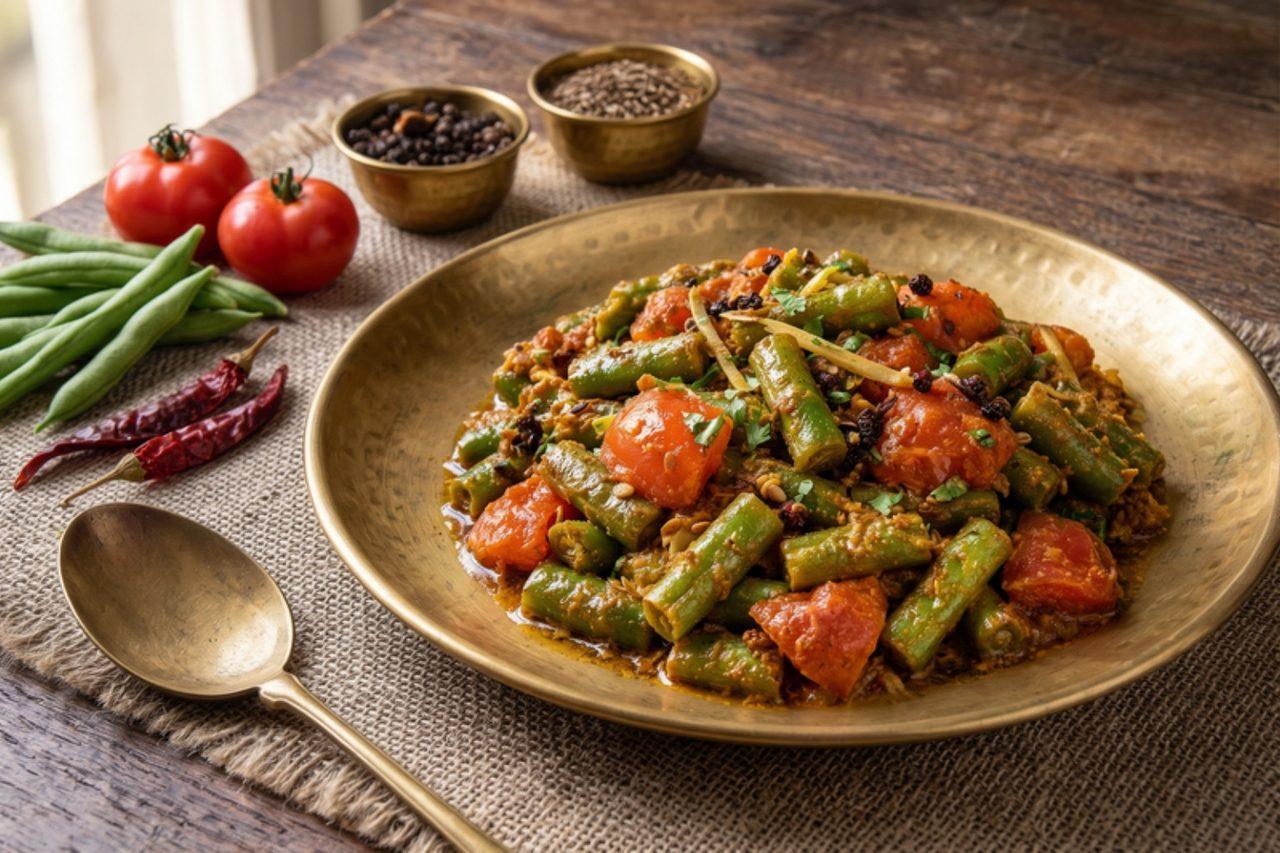
Simi ko tarkari is cooked all summer in Nepal, when runner and French beans climb the bamboo poles of every hill farm, and it is one of the dry sides on the plate with dal, rice and achar. The beans are stir-fried in mustard oil with cumin, garlic and tomato, and finished with crushed timur, Nepal's citrusy, tingling pepper. Suitable as part of a balanced diet, it is a high-fibre vegetable side: about 110 kcal and 10 g carbohydrate per portion. The usual mistake is covering the pan for too long, which steams the beans grey; keep the heat high and the lid off for most of the cooking. Chef's tip: toast the timur briefly in a dry pan before crushing; its lemony scent doubles.

by KrazyBadal 0 views

Vary sosoa for babiesSoft rice with greens for babies

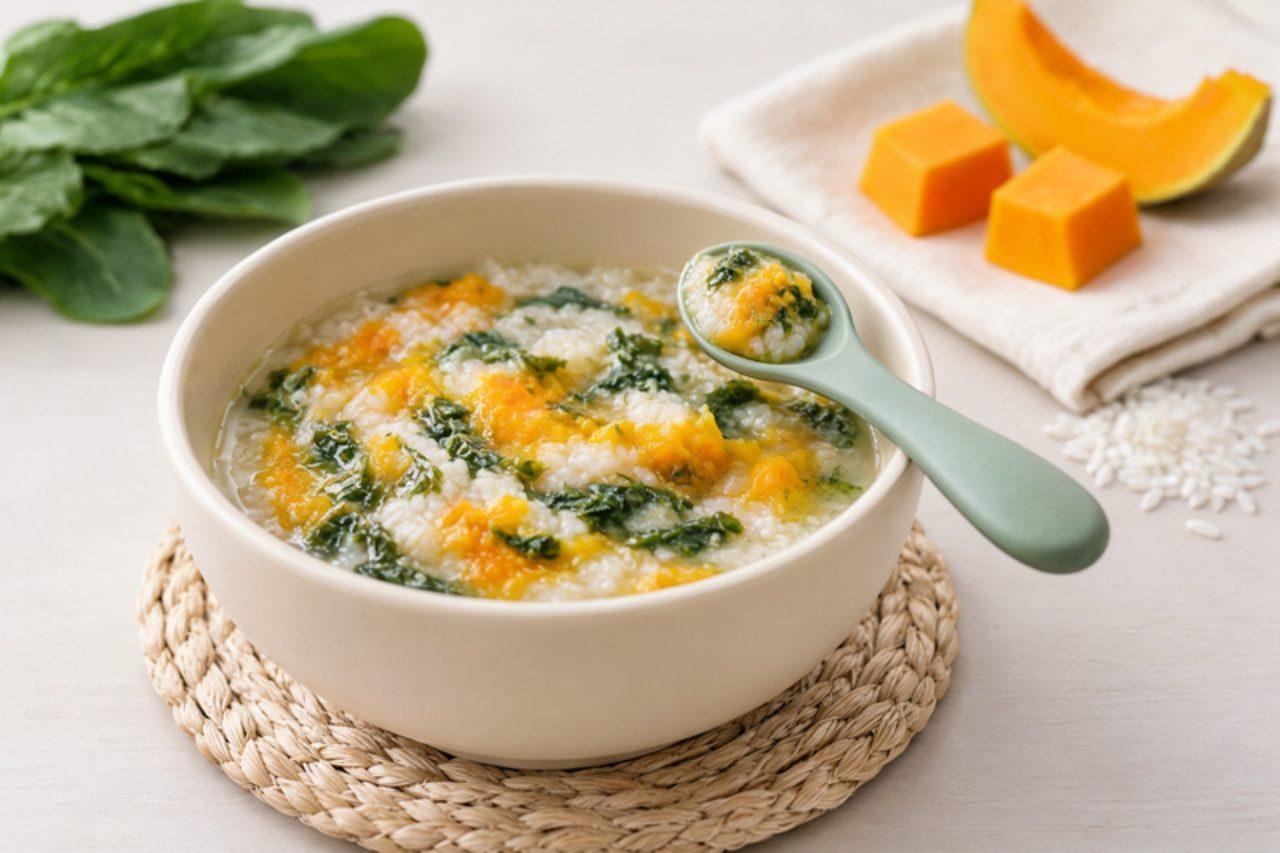
Vary sosoa, rice cooked with lots of water until soft and soupy, is the classic Malagasy breakfast, eaten in Antananarivo and the highland villages before the day's work starts, and the food given to the sick and the very young. For babies from about nine months it is cooked with diced pumpkin and finished with a handful of mild greens, then mashed. It is gentle, sweet and creamy. Skip brède mafane (paracress), the tingling green used for grown-ups' romazava, as it numbs the mouth; spinach or sweet potato leaves are kinder. It is free of the major allergens: no milk, egg, gluten, nuts, soya, sesame or fish. Chef's tip: use a short, starchy rice such as vary gasy or any broken rice; it releases more starch and makes the creamiest sosoa.

by KrazyBadal 0 views

SobachaRoasted buckwheat tea

Sobacha is roasted buckwheat tea, drunk all over Japan and especially in the soba country of Nagano and Hokkaido, where it is poured free in noodle shops and kept in jugs in the fridge through summer. Toasted buckwheat groats are steeped in hot water to make a golden, caffeine-free tea with a nutty, almost popcorn aroma, and the softened groats can be eaten too, stirred into rice or salads. Nothing is added: no salt, no sugar, so about 0.0 g salt per cup. The usual mistake is burning the groats when roasting your own; keep the heat at medium and keep the pan moving. Use Tartary buckwheat (dattan soba) for a deeper yellow tea. Anyone with a buckwheat allergy should avoid it, as reactions can be serious. Chef's tip: steep a second time with slightly hotter water; the second cup is often the sweetest.

by KrazyBadal 0 views

Sing pakPeanut fudge

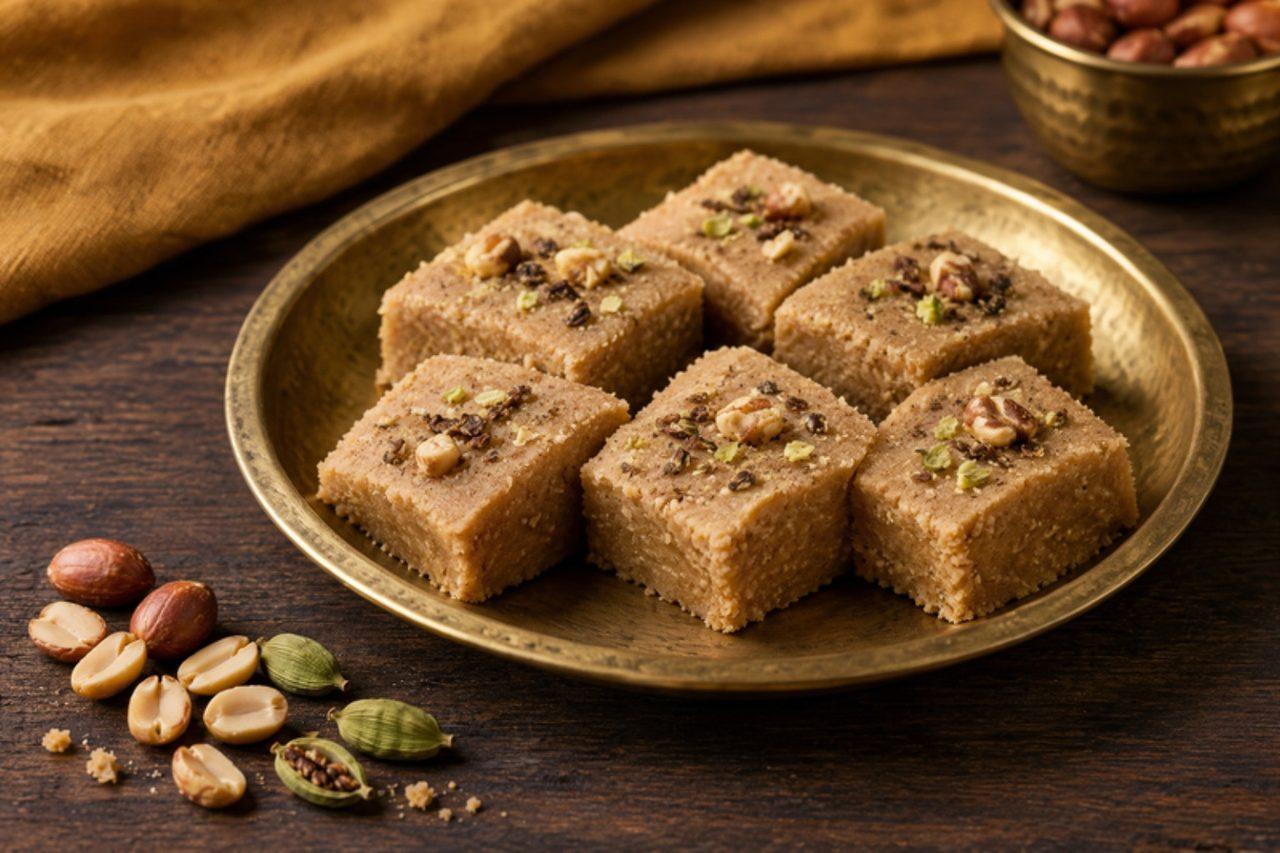
Sing pak is the Gujarati fasting-day fudge: peanuts roasted, skinned and ground coarse, then cooked into a one-string sugar syrup with ghee and cardamom and set in a tray. Because it uses no grain, it is made for Ekadashi, Shravan Mondays and Navratri, and children love it any day. It is soft, rich and a little crumbly. The common mistake is cooking the syrup too far; past one string it sets rock-hard and grainy. Chef's tip: pinch a drop of syrup between finger and thumb (carefully, after cooling it on a spoon): one thin thread should form as you pull them apart.

by KrazyBadal 0 views

SmochaSausage chapati roll

Smocha is a Nairobi invention: a smokie (a smoked pork sausage) rolled up in a chapati, which gives the snack its name. Glass-fronted handcarts keep the smokies hot in water on every corner of the CBD, along Moi Avenue and outside the University of Nairobi, and the sellers split them, add a spoon of fresh kachumbari salad and a squeeze of chilli sauce or ketchup, roll the lot in a chapati and twist it in paper. It is the cheap, filling bite students grab between lectures and workers eat on the walk to the matatu. It is not the same as smokie pasua, which is the sausage on its own with the salad. Chef's tip: drain the kachumbari well before it goes in, or the chapati turns soggy.

by KrazyBadal 0 views

Zhu jiao jiangPork trotters in ginger and vinegar

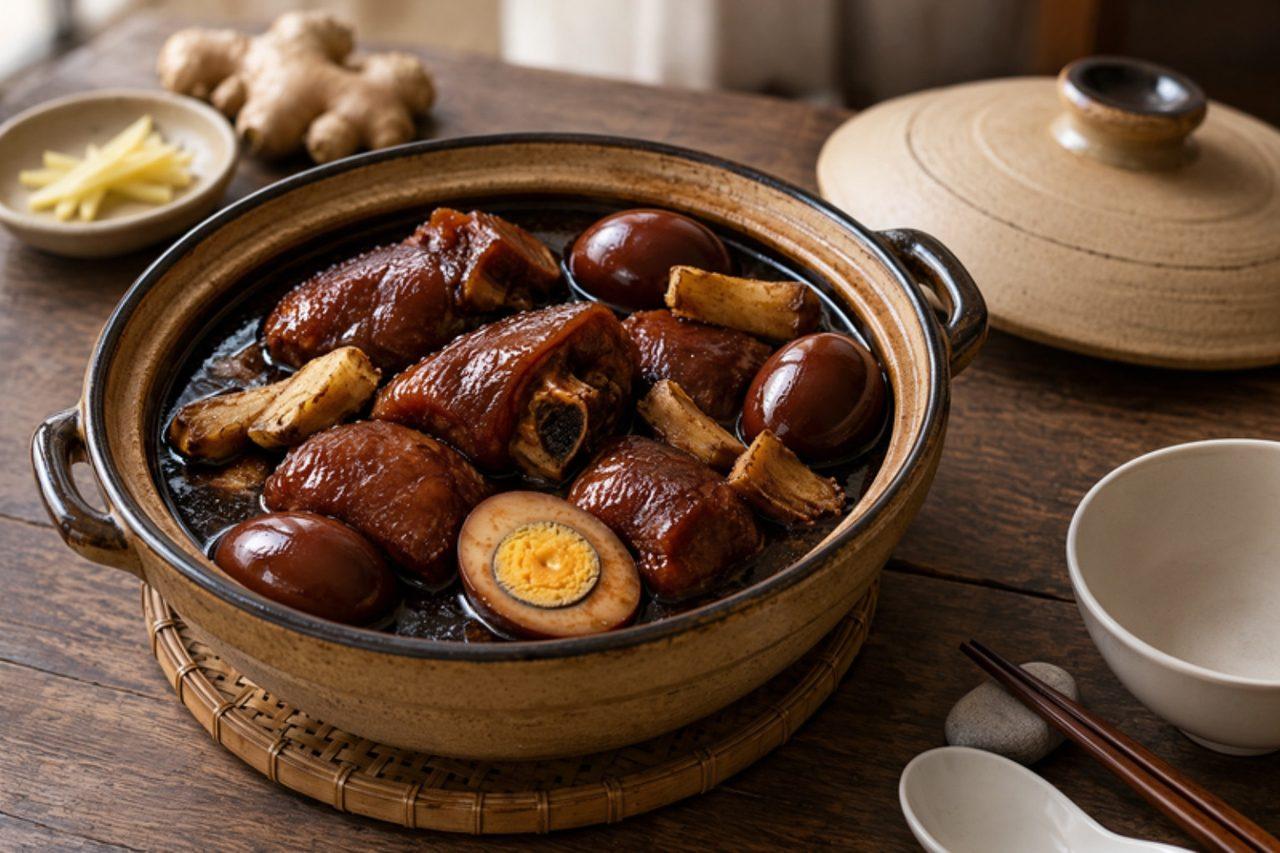
Zhu jiao jiang is the Cantonese confinement dish that Hong Kong families cook in a big clay pot after a baby arrives, offering a bowl to visiting friends to share the good news; many also make it in winter simply because it is delicious. Pork trotters, hard-boiled eggs and a great deal of old ginger stew slowly in sweet black rice vinegar until the trotters are sticky and tender and the eggs turn dark and tangy. The usual mistake is skipping the trotters' blanch: they must be boiled first and rinsed to clean them. Chef's tip: dry-fry the ginger in the pot before the oil goes in, so it loses some moisture and keeps its bite through the long stew; the pot tastes best after resting overnight.

by KrazyBadal 0 views

SiomaySteamed fish dumplings with peanut sauce

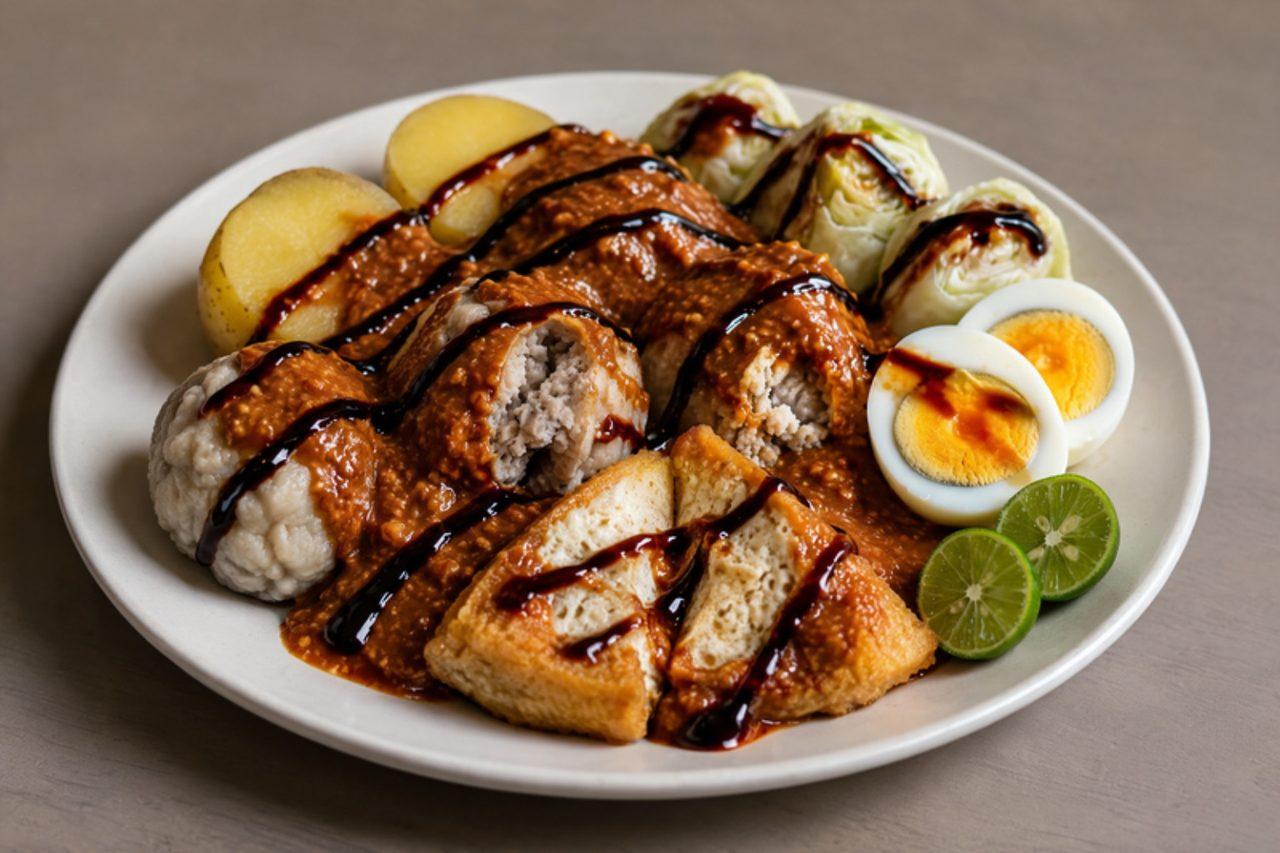
Siomay travelled from Bandung to Jakarta on the backs of bicycles: the vendors' tall aluminium steamers still clank through housing estates and park outside offices in Kuningan at lunch. Inside sit dumplings of mackerel and tapioca, stuffed tofu, cabbage rolls, potato, bitter melon and eggs, all kept hot over steam, then snipped into pieces with scissors and buried under a thick, garlicky peanut sauce with kecap manis and lime. The fish dumplings are soft but springy. Contains fish, peanuts, soy, egg and wheat (in the wrappers and kecap). Chef's tip: keep the fish and the bowl cold while you mix; warm fish paste goes mushy and won't hold its bounce.

by KrazyBadal 0 views

Pasta cresciutaPuffy yeast fritters

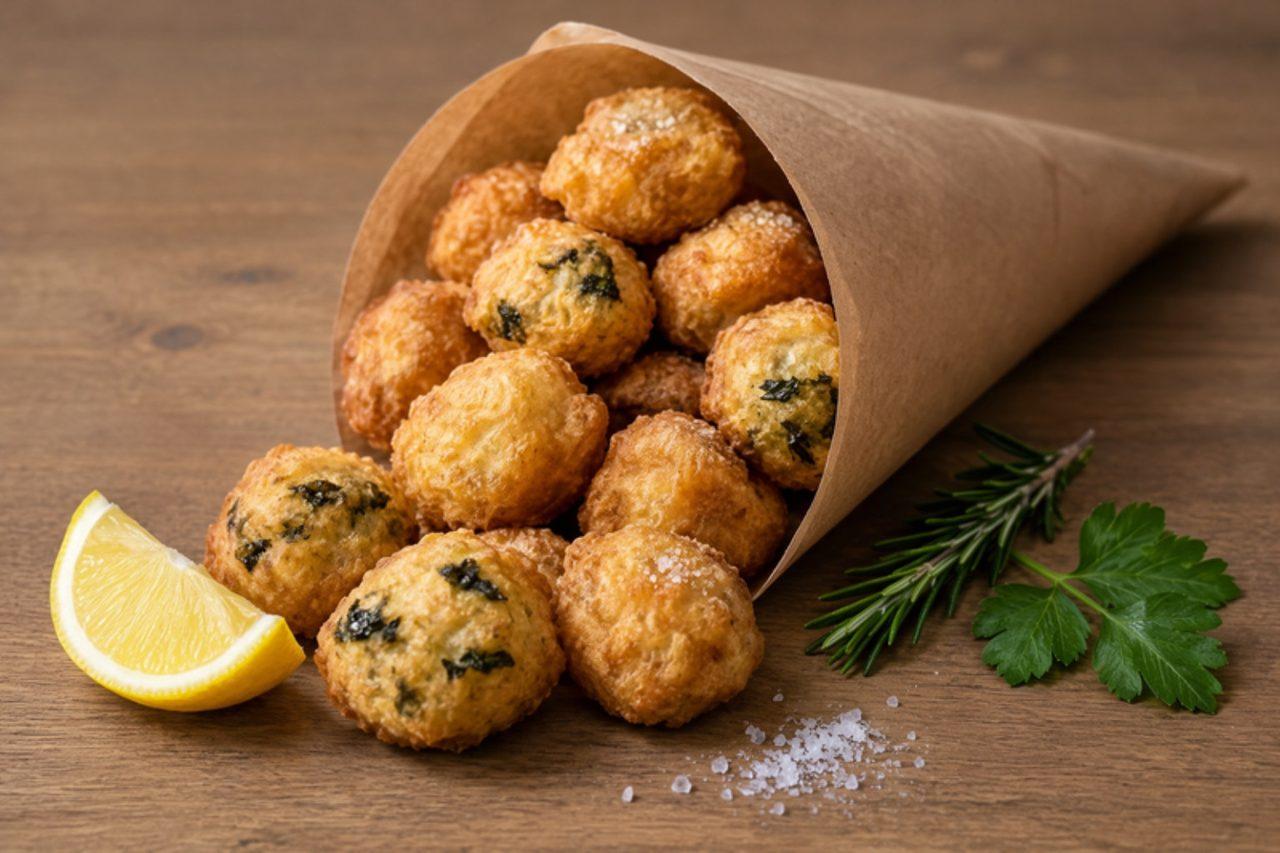
Pasta cresciuta means "risen dough", and that is all it is: a loose, sticky yeast batter dropped by the spoonful into hot oil, where it swells into airy, irregular puffs. In Naples the friggitorie around Piazza Mercato and the Quartieri Spagnoli sell them by the paper cone, plain or with a little seaweed (alghe) folded in, and at Christmas they appear as zeppoline on every table. They are best eaten within minutes, while crisp outside and chewy-soft within. Chef's tip: wet your spoon in a glass of water between each blob, so the sticky batter slides off cleanly into the oil.

by KrazyBadal 0 views

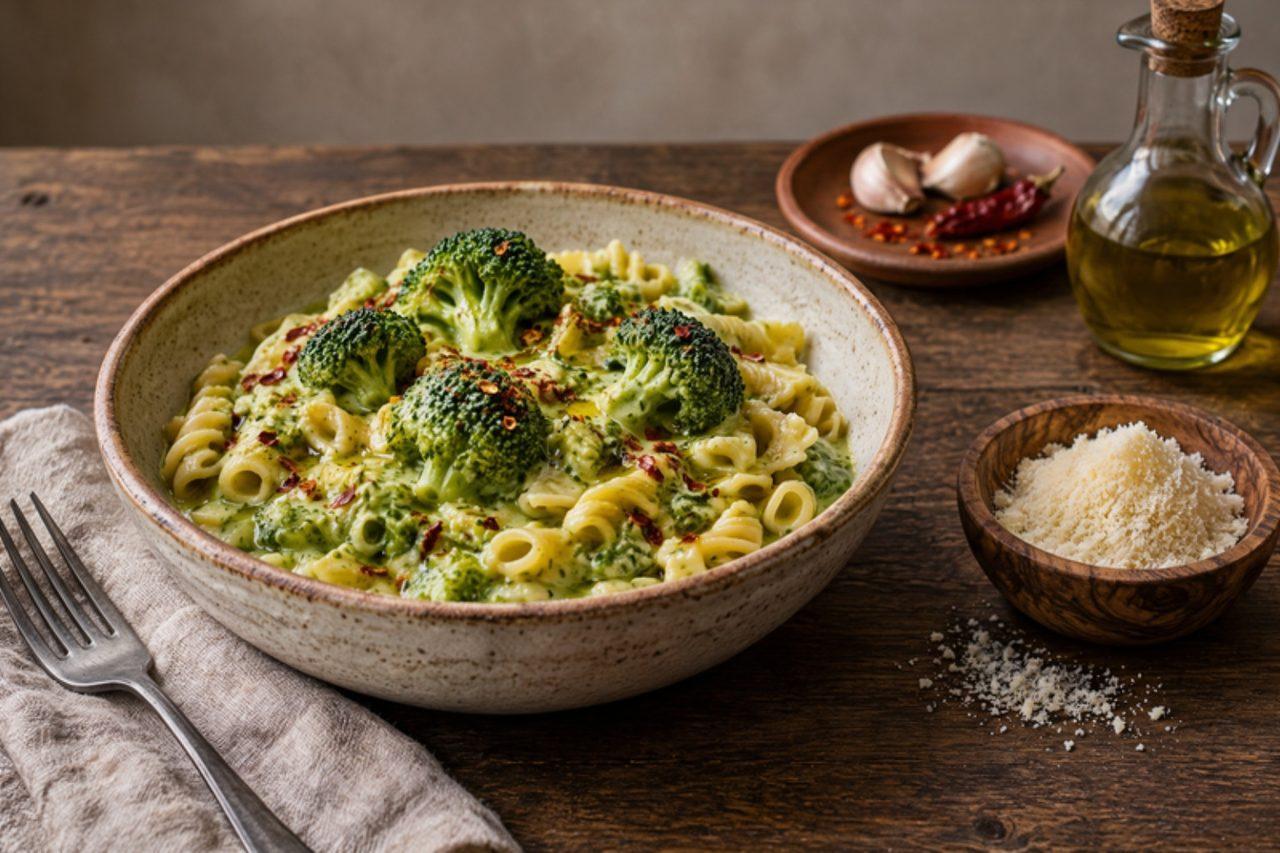
Pasta e broccoliPasta with broccoli

In Neapolitan homes pasta e broccoli is a midweek winter lunch, the sort of 'pasta e…' dish where vegetables and pasta are cooked in the same pot until they turn creamy without any cream. Broccoli is simmered with garlic, chilli and olive oil until it falls apart, then broken short pasta goes straight in with a little hot water and is stirred like a risotto, so the starch binds it all into a thick, green sauce. Finish with grated cheese and a thread of good oil. The usual mistake is adding too much water at once, which turns it into soup; add a ladle at a time. Chef's tip: chop the broccoli stalks finely and start them first, because they give the sauce most of its body.

by KrazyBadal 0 views

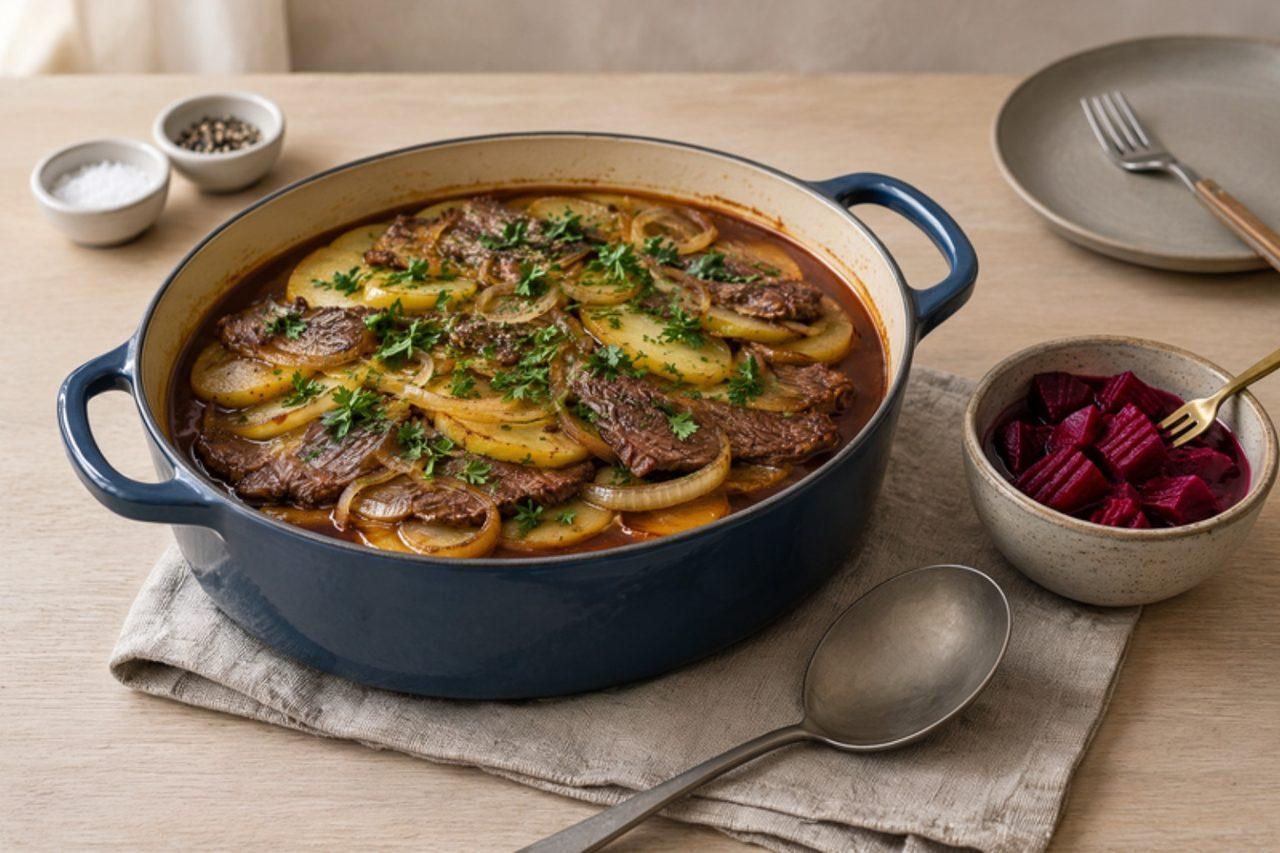
SjömansbiffBeef, onion and potato bake

Sjömansbiff, the 'sailor's beef', was the meal cooked in a single pot in the galleys of Swedish ships, and today it is a Saturday-evening favourite at home and on traditional husmanskost lunch menus. Thin slices of beef, sweet onions and sliced potatoes are browned, layered and braised in dark lager with thyme and bay until the potatoes soak up the meaty juices. The dish contains alcohol: the beer cooks for over an hour but some alcohol can remain, so for an alcohol-free pot use the same amount of beef stock with a teaspoon of dark molasses. The usual mistake is slicing the potatoes too thin, so they collapse into mash; keep them a good 1 cm thick. Serve with pickled beetroot or a crisp cucumber salad. Chef's tip: fry the onions slowly until truly golden before layering, because their sweetness is what balances the bitter edge of the beer.

by KrazyBadal 0 views

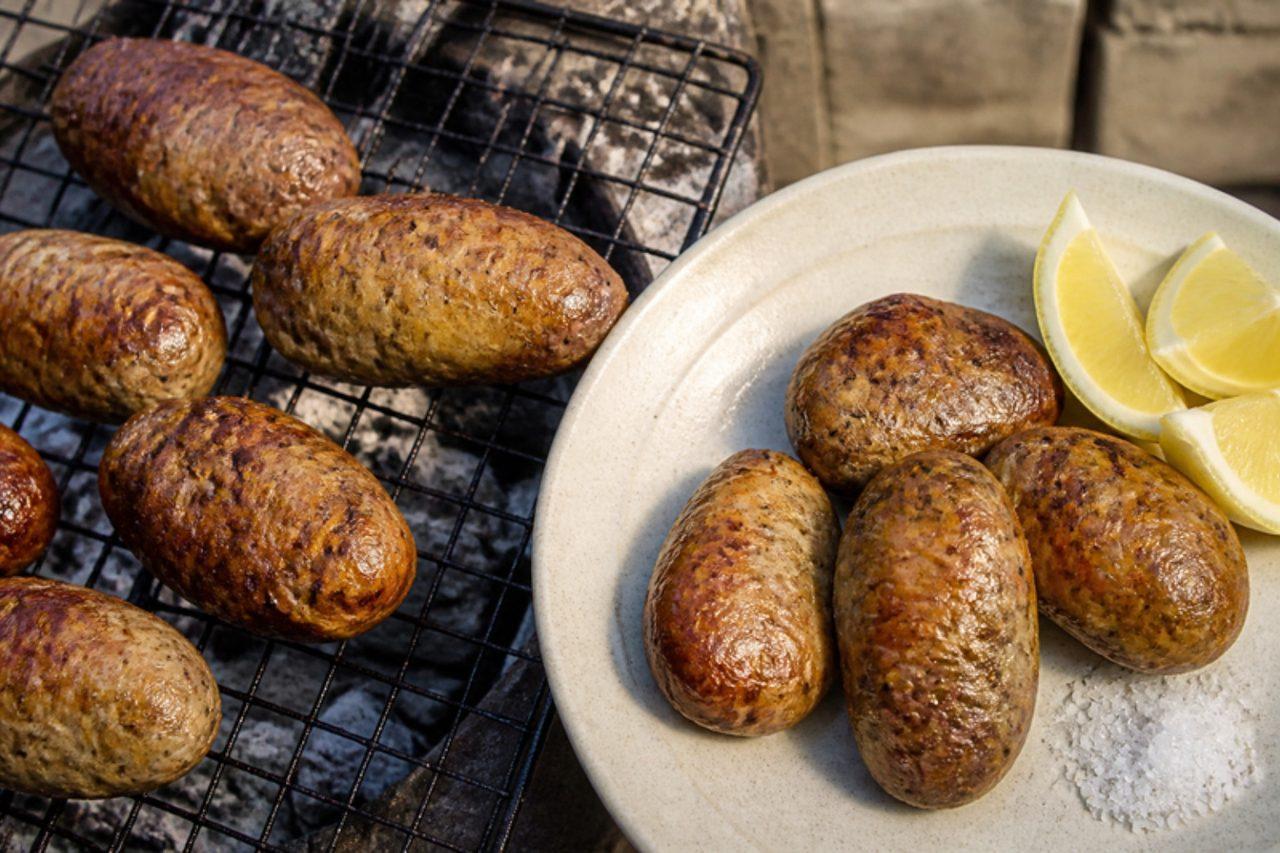
SkilpadjiesLamb liver parcels in caul fat

Their name means 'little tortoises', for the knobbly, lacy shell the caul fat forms around each parcel of liver as it crisps over the fire. On Free State and Karoo farms they are the cook's reward at a braai, eaten hot off the grid while the chops are still on, often with a slice of buttered braaibroodjie. The caul melts into a thin, crackling, slightly smoky wrap that bastes the liver, which stays soft and rich inside. Ask the butcher for lamb or beef caul fat (netvet) and fresh lamb liver; the liver must be cooked through to 71 °C with no pink, so cut it small enough to cook before the outside toughens. Chef's tip: soak the caul in lukewarm salted water first; cold, stiff caul tears, while relaxed caul stretches neatly round each piece.

by KrazyBadal 0 views

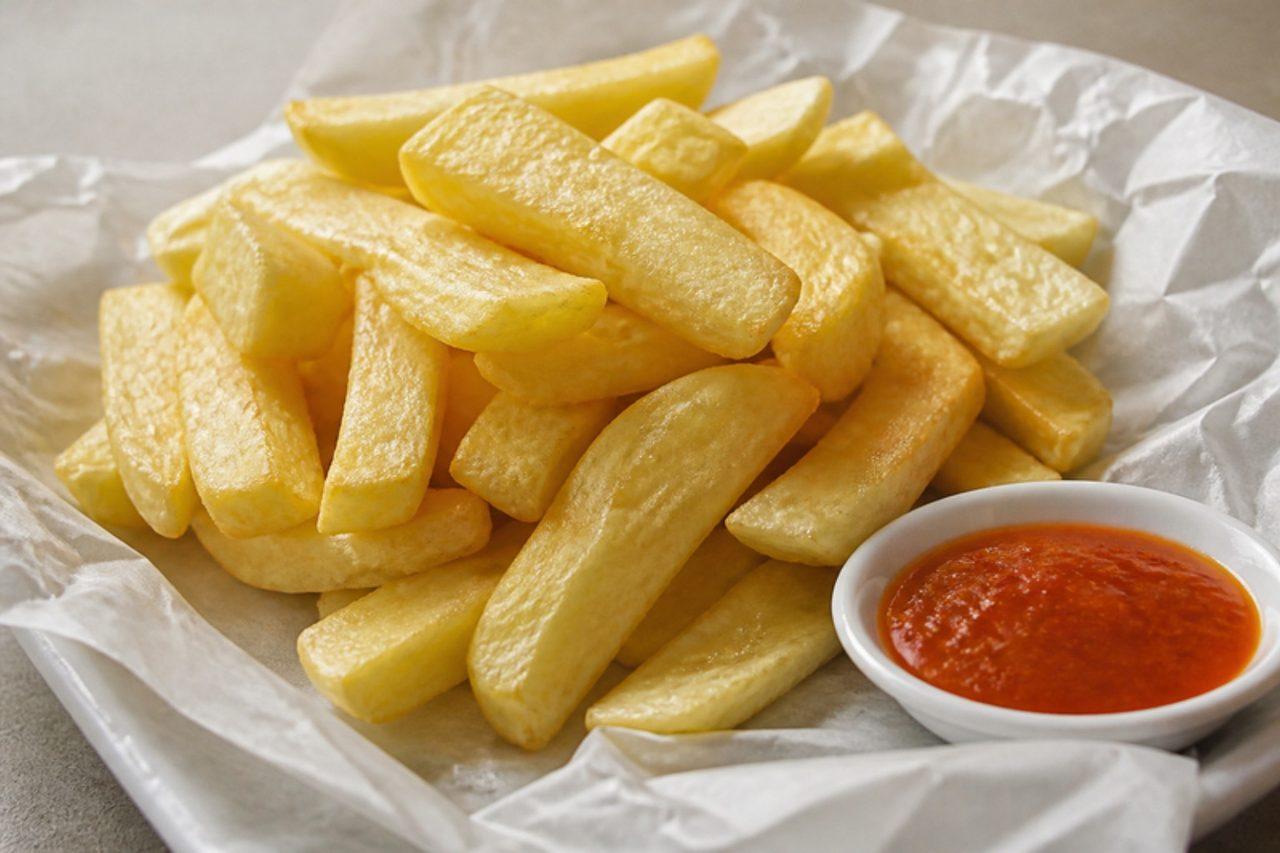
Slap chipsSoft vinegar chips

Order chips at a corner café in Hillbrow or a fish-and-chip counter in Soweto and they come limp, pale gold and steaming, shaken with salt and drenched in vinegar until the paper bag goes see-through. Slap means floppy in Afrikaans, and that is the whole point: these are not the crisp, crunchy fries of a burger chain but thick potato batons fried at a gentle heat until fluffy right through, then left to sweat in their wrapping so the vinegar soaks in. People eat them on the pavement with their fingers, stuff them into a half loaf as a chip roll, or pile on chilli sauce and atchar. Frying them too hot is the classic error, because the outside browns and hardens before the middle is cooked. Chef's tip: use white spirit vinegar rather than malt and the chips stay gluten free, with a sharper, cleaner bite.

by KrazyBadal 0 views

SlempSpiced saffron milk

Slemp is the Dutch holiday drink of earlier centuries: on Sinterklaas evening, around New Year and on skating days in the 18th and 19th centuries, a big kettle of milk was simmered with saffron, mace, cinnamon, cloves, lemon peel and a handful of tea leaves, and ladled into cups for family and visitors. Slemp evenings came back into fashion in Amsterdam museums and village fairs, and you can still buy dried 'slempkruiden' spice mixes in old-fashioned shops. The drink is golden, faintly floral from the saffron, warmly spiced and only lightly sweet, with a soft tea background; a spoon of cornflour gives it a slight body. The common mistake is throwing all the spices straight into boiling milk: cloves turn harsh and the milk catches. Steep the spices in the hot milk below the boil instead, then strain. It is ready when it has turned saffron-gold and smells of cinnamon and mace. The tea adds a small amount of caffeine. Chef's tip: soak the saffron in a spoon of warm milk for ten minutes first; the colour spreads more evenly and you need fewer threads.

by KrazyBadal 0 views

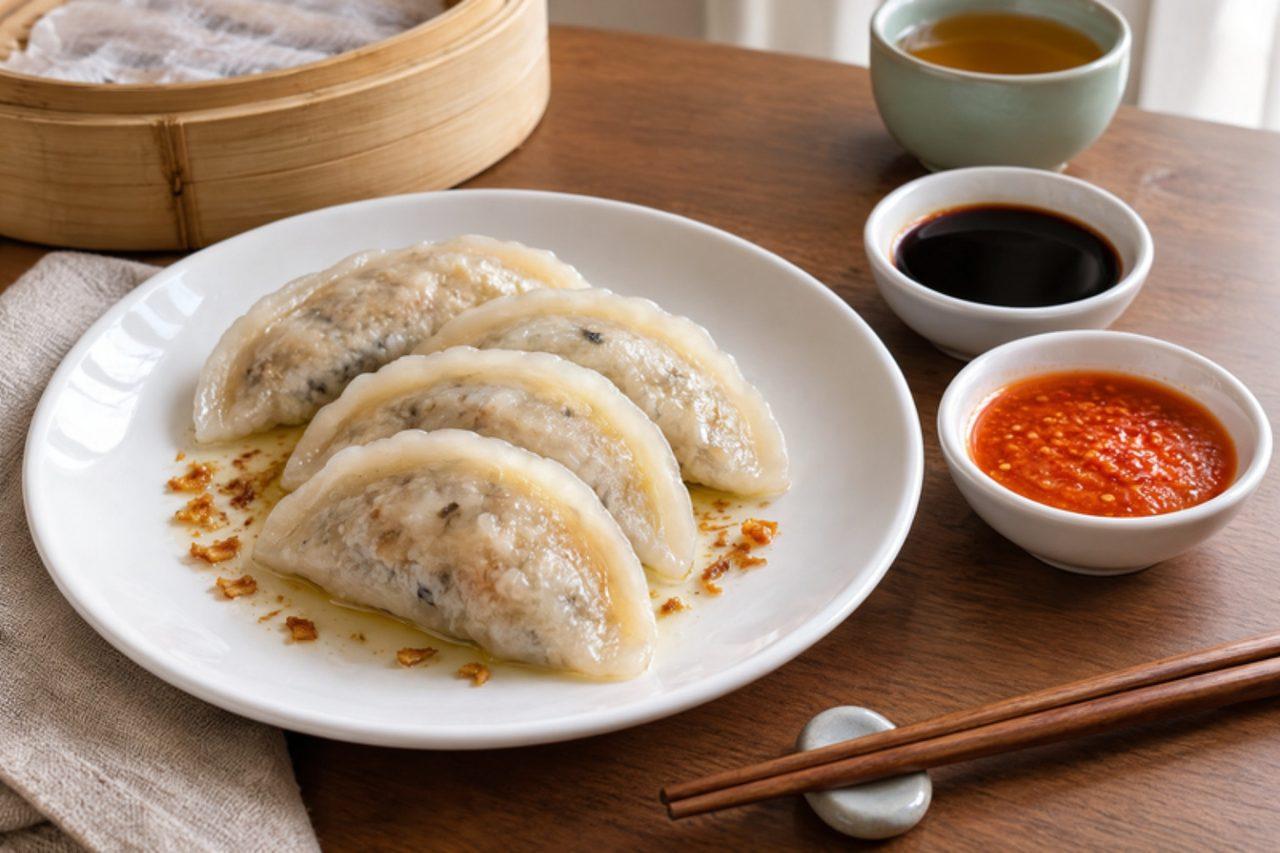
Soon kuehBamboo shoot dumplings

Soon kueh are the half-moon Teochew dumplings sold at Singapore hawker centres and kueh shops from early morning, their almost see-through skins showing a filling of shredded bamboo shoot and jicama with dried shrimp and mushroom. They are eaten warm with a drizzle of fried garlic oil, chilli sauce and thick sweet soy. The usual mistake is letting the dough cool before shaping; it cracks and will not seal. Chef's tip: pour the boiling water into the starches in one go and stir hard; the heat cooks the starch so the dough turns silky and stretchy.

by KrazyBadal 0 views

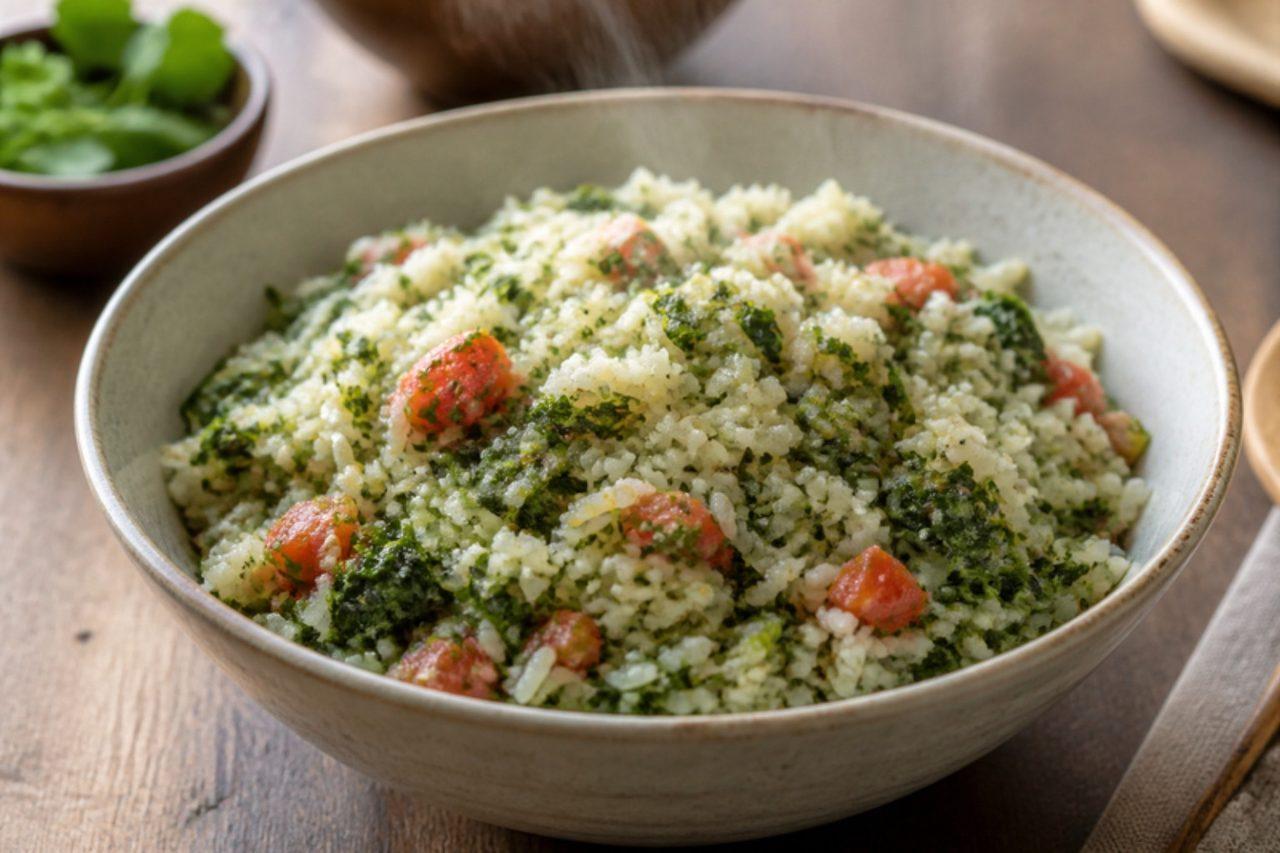
Vary amin'ananaRice with greens

Before the sun clears the hills of Antananarivo, steam is already rising from pots of vary amin'anana at the hotely, the little roadside cafés where office workers and taxi-brousse drivers stop for breakfast. Rice simmers with a heap of chopped greens, a little tomato and fresh ginger until the grains swell and soften into something between a pilaf and a loose porridge, green-flecked and gently savoury. Locals spoon sakay or a sharp lasary relish on top, and anyone with more appetite adds a few beans on the side. The greens matter most: brèdes mafana (paracress) give a faint tingle, but watercress, spinach or mustard greens from the shop all work well. Chef's tip: add the tender leaves only for the last 8 minutes; boiled from the start, they turn grey-brown and bitter, which is the commonest way this simple dish goes wrong.

by KrazyBadal 0 views

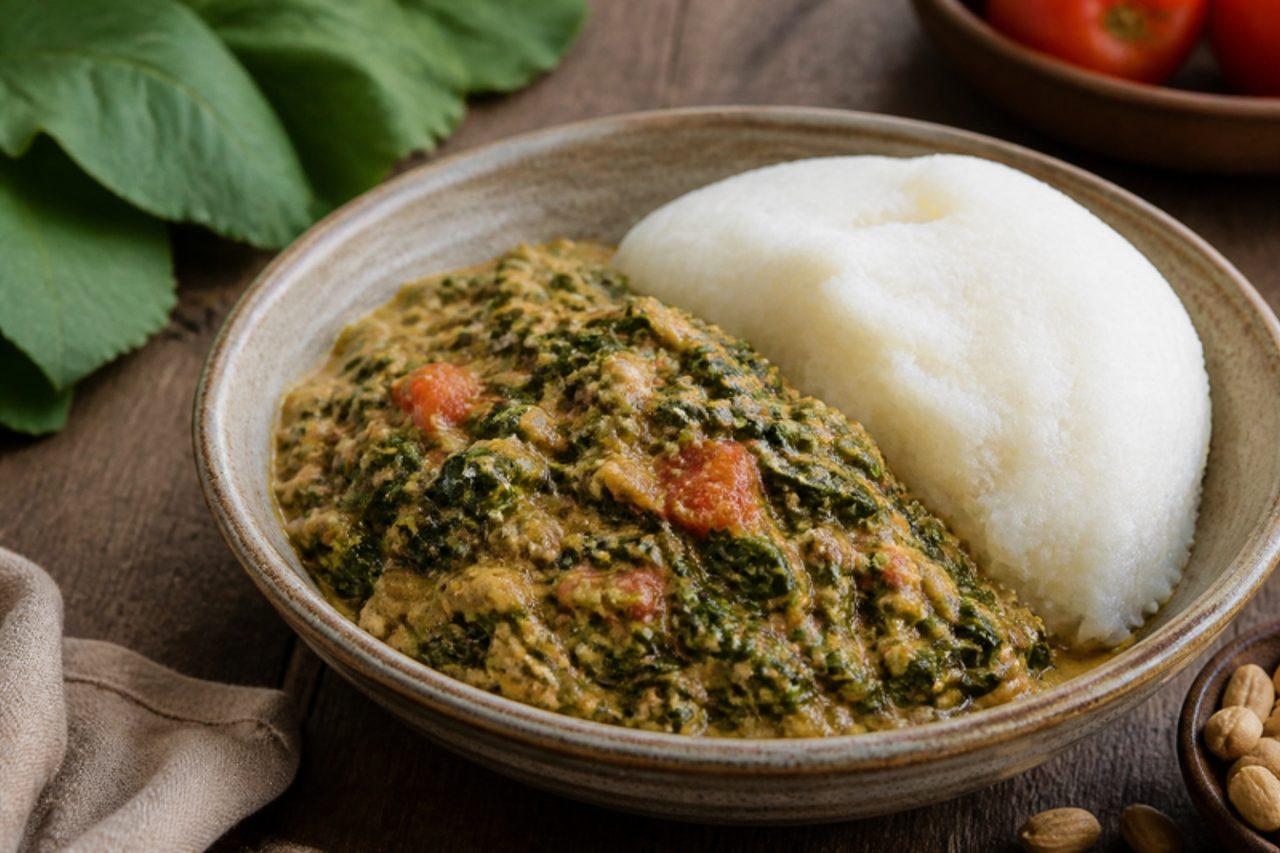
KundeCowpea leaves with peanut paste

Farms around Kisumu and Siaya grow cowpeas for the beans, but the young leaves are picked all season and sold in bundles at roadside stalls for an everyday village vegetable. Cooked down with onion and tomato, the leaves are soft with a gentle, almost green-bean flavour, and a spoon of peanut paste stirred through at the end makes the sauce nutty and creamy. Find cowpea leaves fresh or frozen at African grocers, or use young spinach with a few pea shoots, and serve with ugali, rice or boiled sweet potatoes. Adding the peanut paste too early and leaving it to boil is the usual pitfall: it catches and tastes scorched. Chef's tip: loosen the peanut paste with a few spoons of hot cooking liquid before stirring it in, so it melts smoothly instead of clumping.

by KrazyBadal 0 views

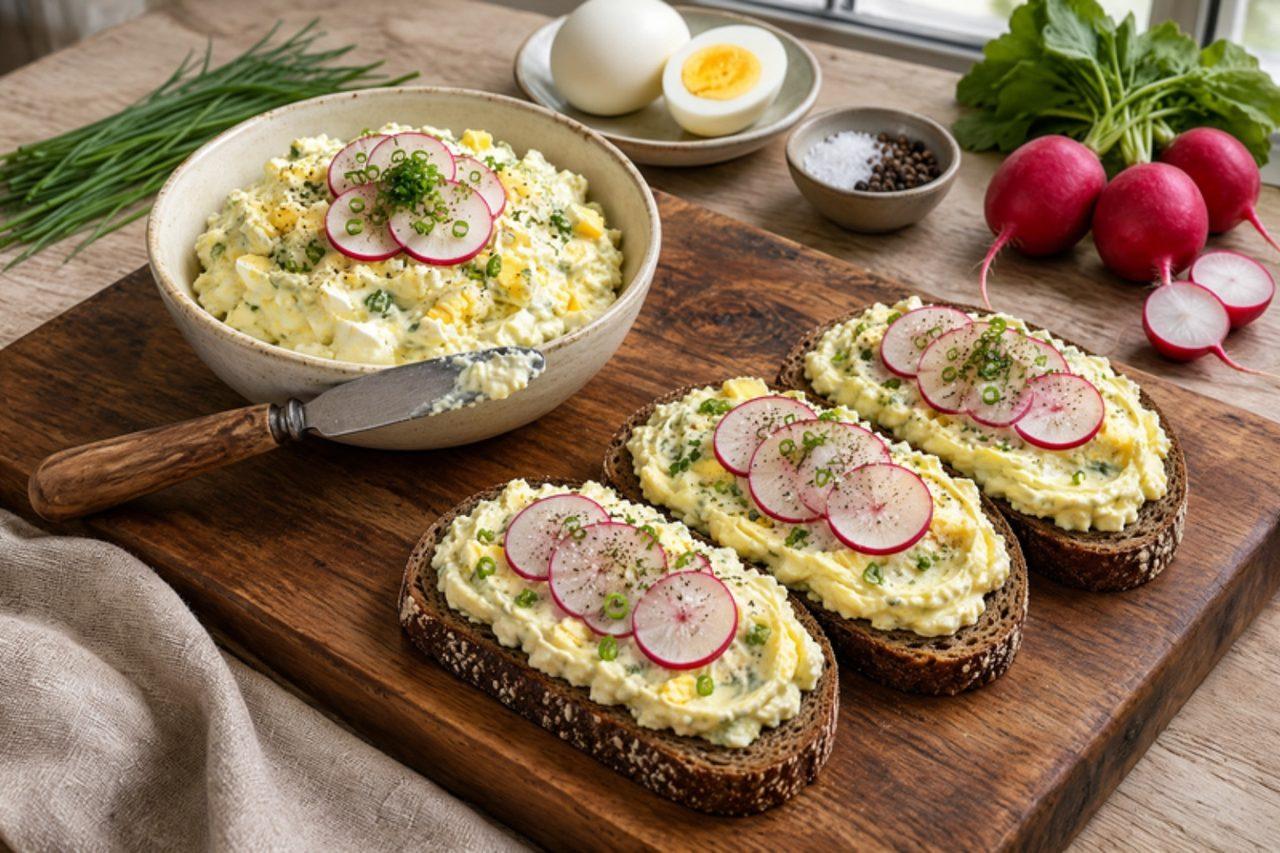
Pasta jajecznaEgg spread

In Poland pasta jajeczna is the everyday breakfast and kanapki spread, piled thickly on rye bread or a crusty roll and topped with radish slices, and it is always on the table at Easter breakfast. Hard-boiled eggs are chopped finely or mashed with mayonnaise, a little mustard and a lot of chives into a creamy, savoury spread. The common mistake is boiling the eggs too long: overcooked yolks turn grey-green and taste sulphurous, so stop at 10 minutes and chill them at once. Chef's tip: grate the eggs on the coarse side of a box grater instead of chopping; you get a fluffy, even spread in seconds without mashing it to paste.

by KrazyBadal 0 views

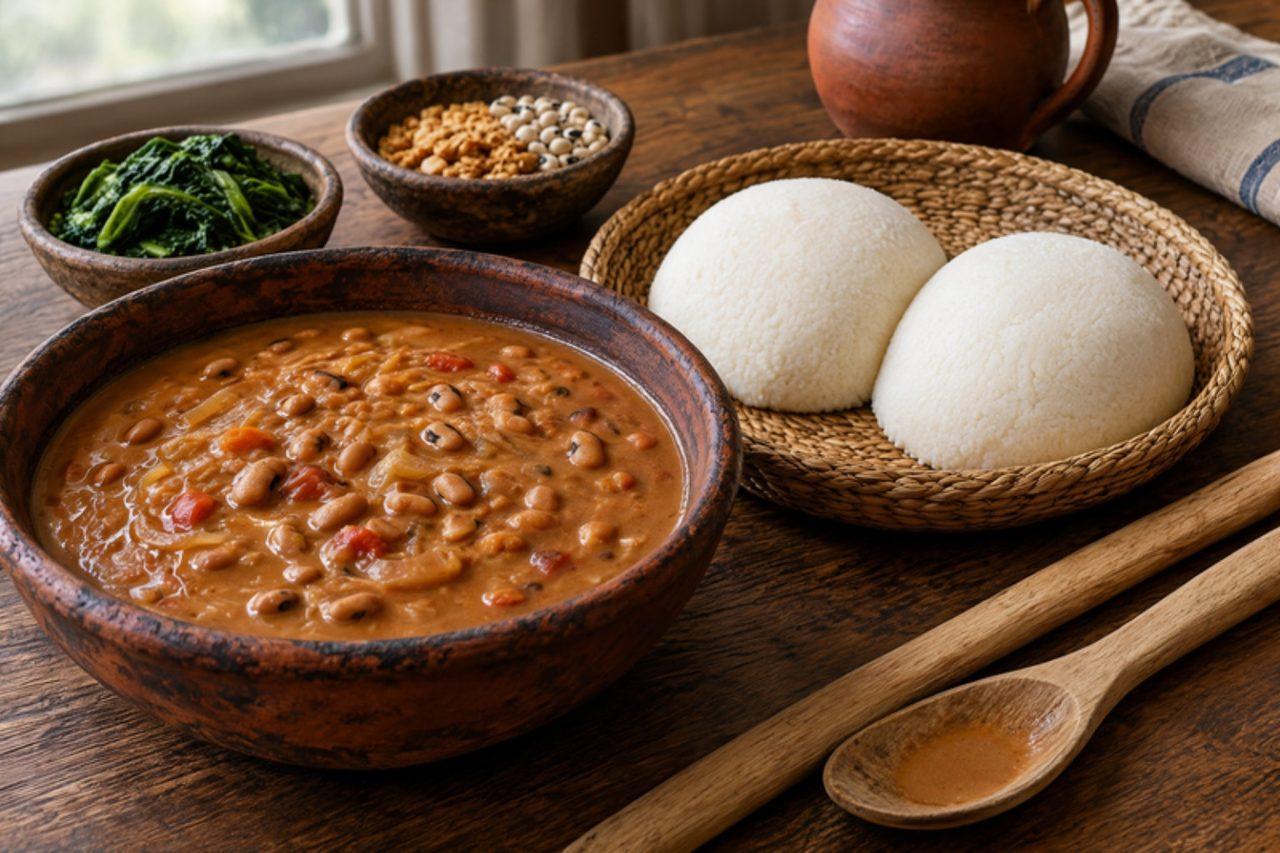
NyembaCowpeas with peanut butter

Nyemba are cowpeas, grown on almost every rural plot in Zimbabwe, and the stewed beans are an everyday relish eaten at lunch or supper with a mound of sadza (white maize meal). Dried cowpeas are boiled until soft, then cooked down with onion, tomato and a generous spoon of peanut butter (dovi), which makes the sauce thick, nutty and rich. The usual mistake is adding salt and tomato too soon, which can keep the beans from softening; season once they are tender. Pressure cooker option: cook the soaked cowpeas for 12 minutes at pressure. Chef's tip: stir the peanut butter in off the boil and let it melt slowly; boiling it hard can make it gritty.

by KrazyBadal 1 views

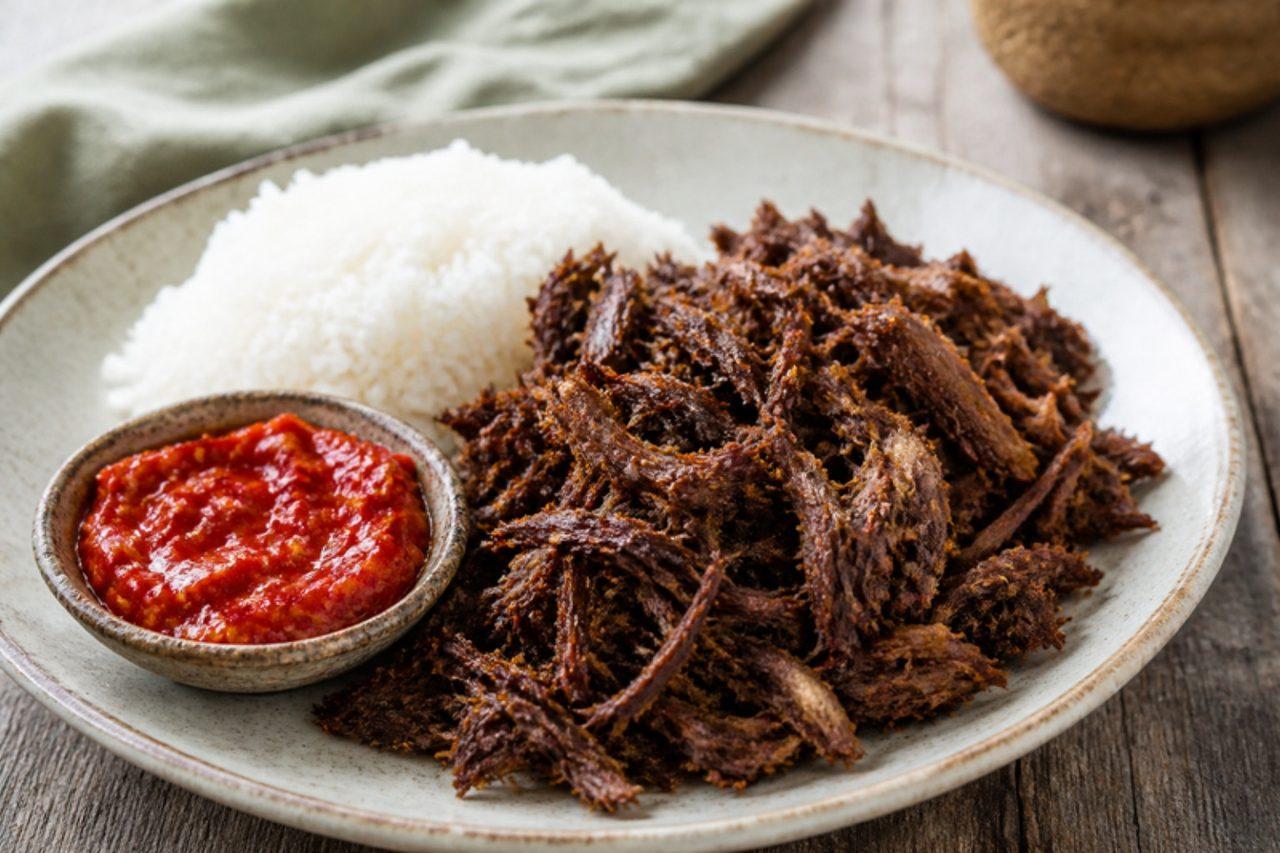
VarangaCrisp shredded beef

Varanga belongs to the big occasions of the Merina Highlands: family reunions, famadihana gatherings and long lunches outside Antananarivo, where a mound of it sits beside rice and a bowl of greens. Beef, traditionally zebu, is simmered with garlic, ginger and onion until it can be pulled apart with two forks, then the strands are fried in the fat and juices left in the pot until crisp and mahogany at the edges but still tender inside. The flavour is deeply beefy and salty-sweet, a little like the best bits stuck to a roasting tin. Cooks in a hurry shred the meat before it is truly tender, and the strands then fry up tough and stringy instead of crisp. Chef's tip: choose a cut with some fat and connective tissue, like chuck or brisket; lean steak gives dry, hard varanga.

150 minMalagasyMeatGluten free
by KrazyBadal 0 views

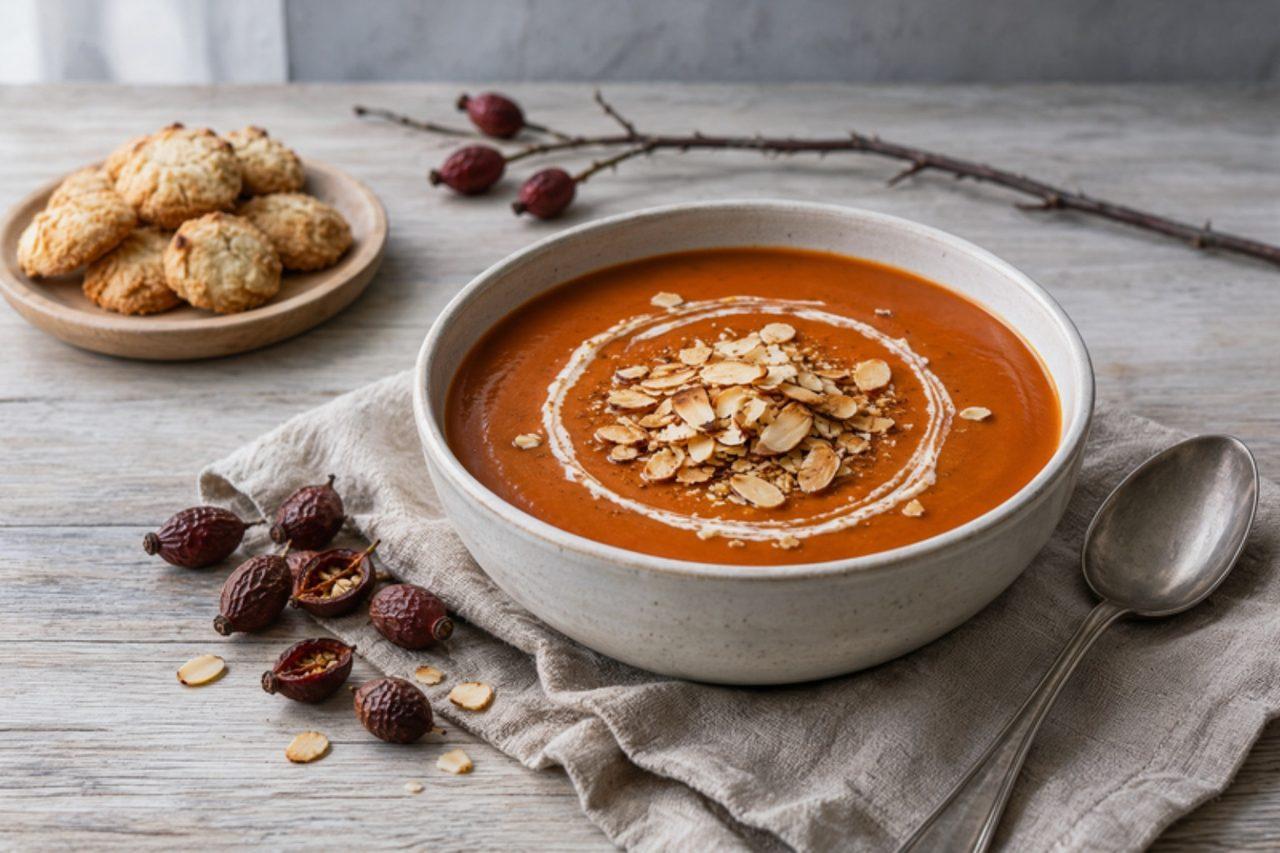
NyponsoppaRosehip soup

Nyponsoppa, rosehip soup, is one of Sweden's oldest breakfast and school-dinner soups, bright orange-red, gently sweet-sour and full of vitamin C. Families buy dried rosehip shells or powder, simmer them into a smooth soup and serve it warm in deep plates, traditionally with little almond biscuits or a spoon of cream on top. The mistake is not straining well enough: rosehips have tiny irritating hairs around the seeds, so use seedless dried shells and strain through a fine sieve. Chef's tip: finish with lemon juice off the heat, which brightens the colour and stops the soup tasting flat.

by KrazyBadal 0 views

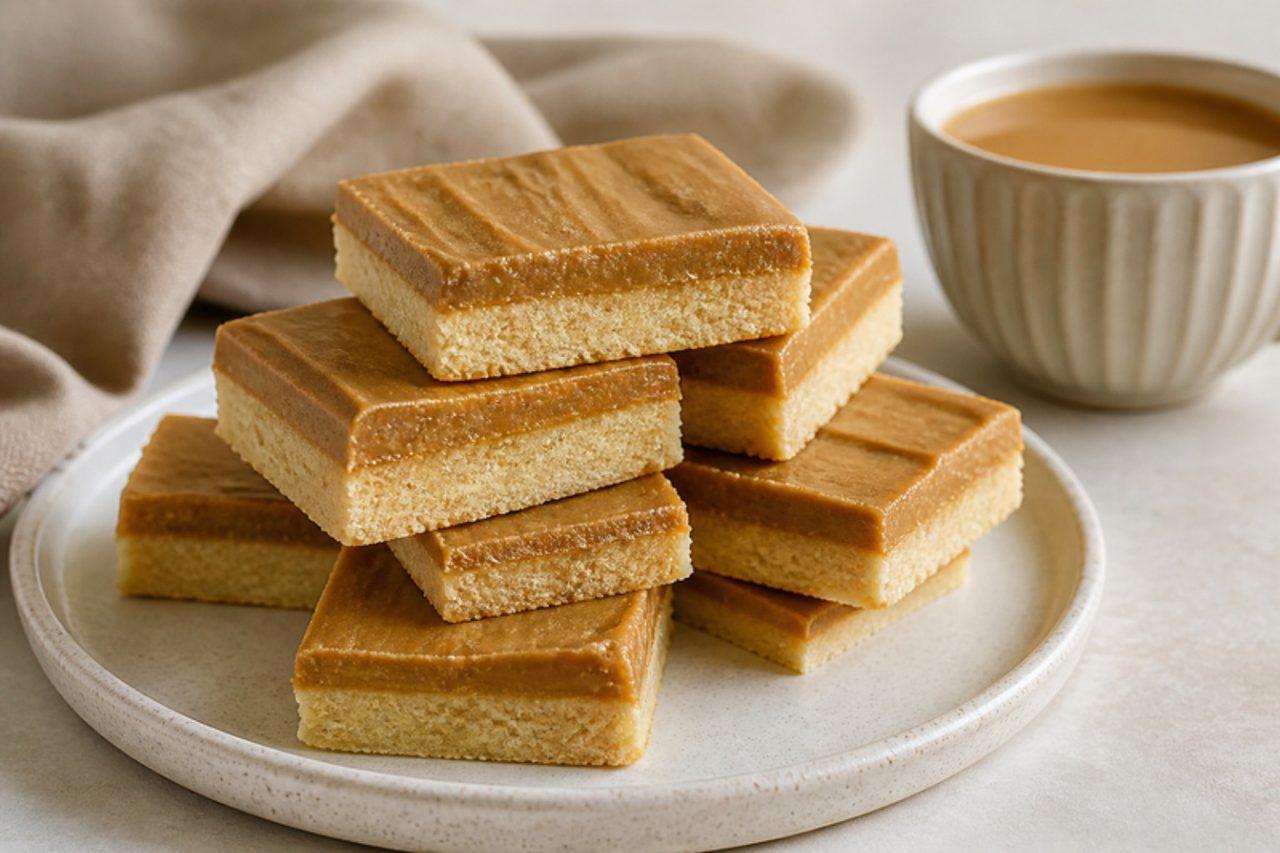
Ginger crunchGinger shortbread slice

Ginger crunch is in every New Zealand café cabinet and was in every school fair tin long before that, a recipe passed between generations in handwritten notebooks. A crisp, buttery ginger shortbread base is covered while still hot with a thick, fudgy icing of butter, golden syrup, icing sugar and plenty of ground ginger. Cut into bars, it keeps a week in a tin. A common mistake is letting the base cool before icing; hot base and hot icing set together properly. Chef's tip: use more ginger than you think; the icing should have a real bite.

by KrazyBadal 0 views

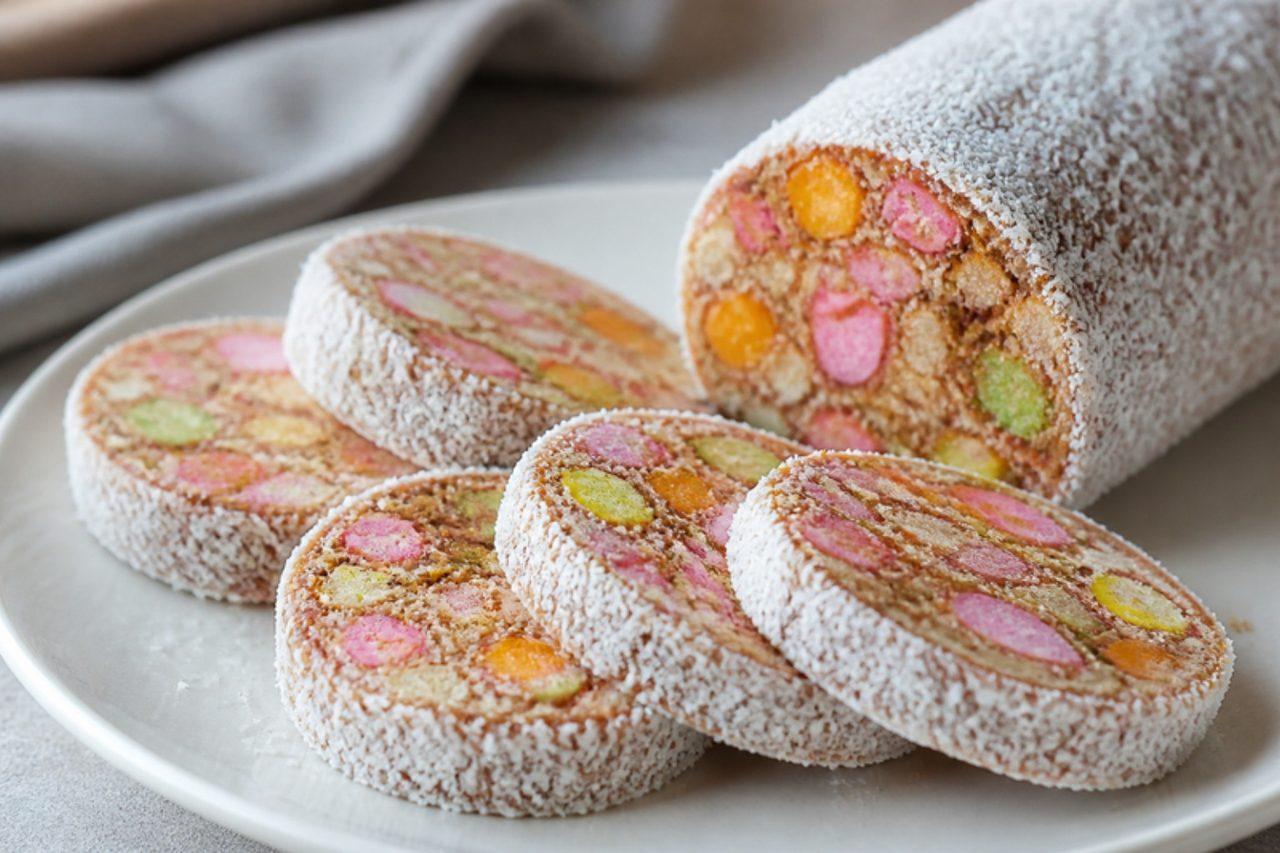
Lolly cakeNo-bake malt biscuit log

Lolly cake is the no-bake treat every New Zealand child helps make for birthday parties and bake sales, a log of crushed malt biscuits bound with butter and condensed milk, studded with chewy, brightly coloured fruit lollies (fruit puffs) and rolled in coconut. Sliced into rounds, it shows off the colours. A common mistake is crushing the biscuits to dust; leave some small chunks for texture. Many fruit lollies contain gelatine, so choose gelatine-free ones to keep it vegetarian. Chef's tip: wrap the log tightly in cling film and twist the ends so it chills into a neat cylinder.

by KrazyBadal 0 views

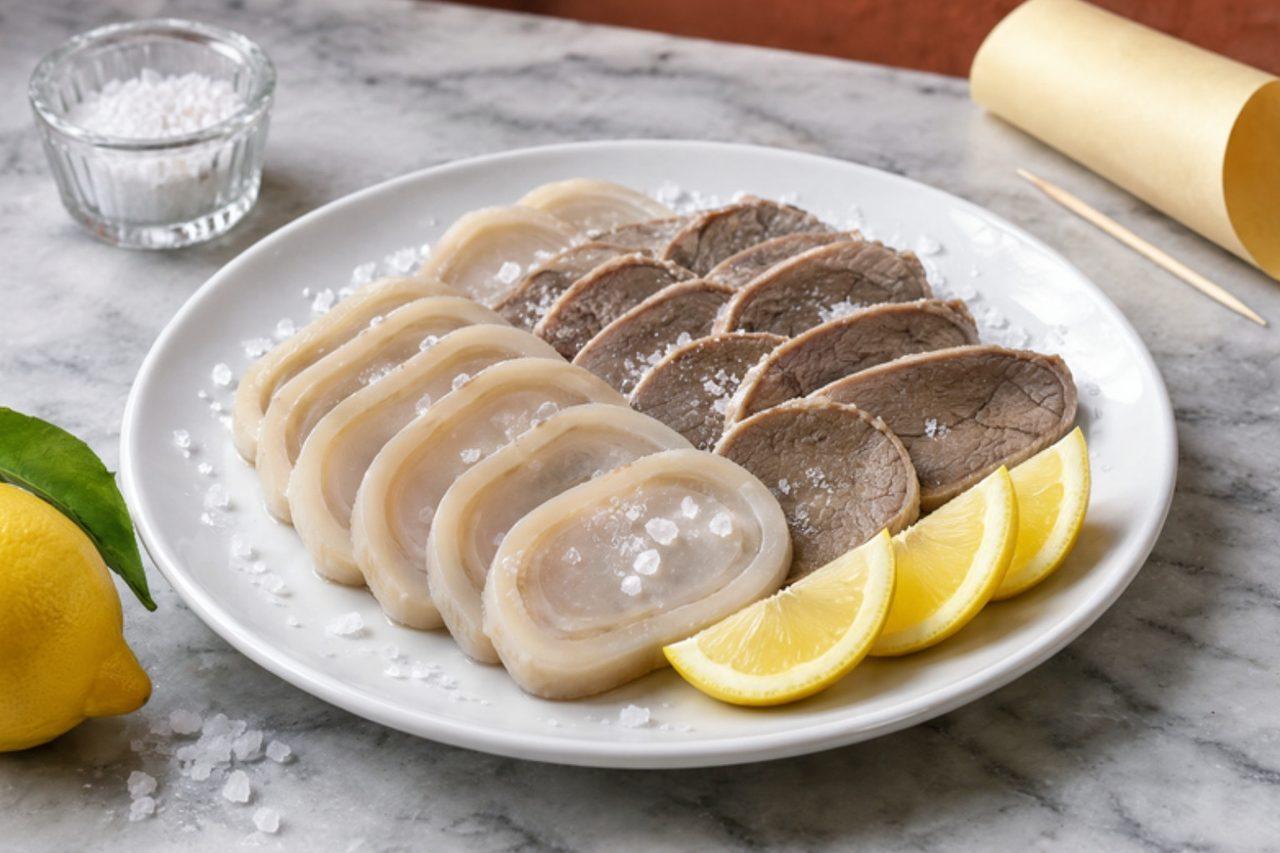
'O pere e 'o mussoCold boiled pork trotters

"The foot and the snout" is one of Naples' oldest street foods: pork trotters and veal muzzle, boiled for hours, cooled and sliced, then sold from marble-topped carts in Porta Nolana, the Pignasecca and around Piazza Garibaldi. The vendor dresses each paper plate with coarse salt from a hollowed ox horn and a squeeze of lemon. It is eaten cold, at any hour, often as a snack with a beer or a glass of wine, though lemonade works just as well. The texture is soft and gelatinous with a little chew from the skin. Buy the snout already cleaned and scalded from a butcher. Chef's tip: slice everything while it is fridge-cold and firm; at room temperature the gelatin turns slippery and the slices tear.

210 minItalianMeatGluten free
by KrazyBadal 0 views

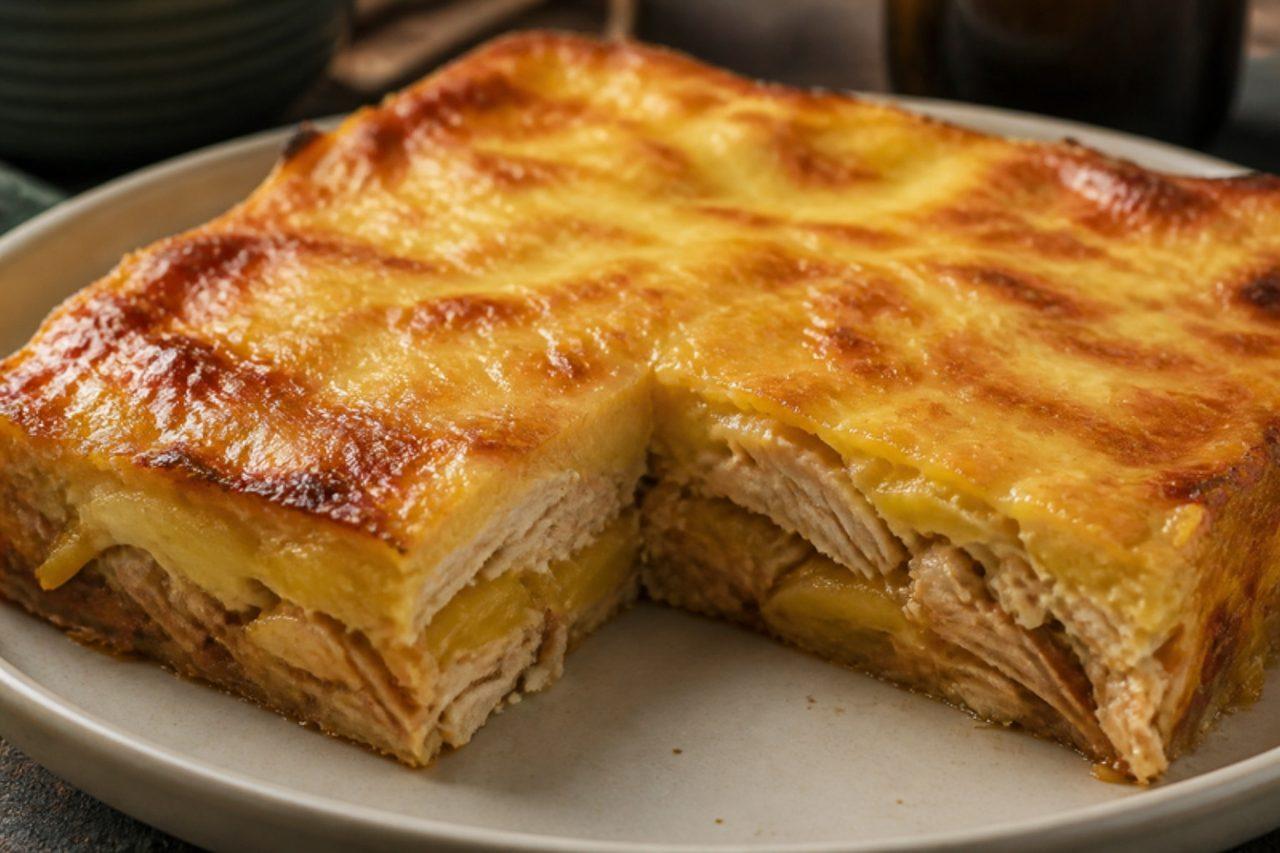
Pastel de chuchoStingray, plantain and cheese bake

On Margarita island, pastel de chucho is the pride of fishing villages like Juan Griego and El Tirano, and a fixture of Holy Week: shredded stingray (chucho) cooked in a rich sofrito, layered with fried ripe plantain and white cheese and set with beaten egg. Stingray can be hard to find and is not always sustainable, so a firm white fish such as hake, pollock or responsibly caught skate wing works well. The common mistake is a watery sofrito, which makes the bake soggy. Chef's tip: cook the fish sofrito until the pan is almost dry before layering.

by KrazyBadal 0 views

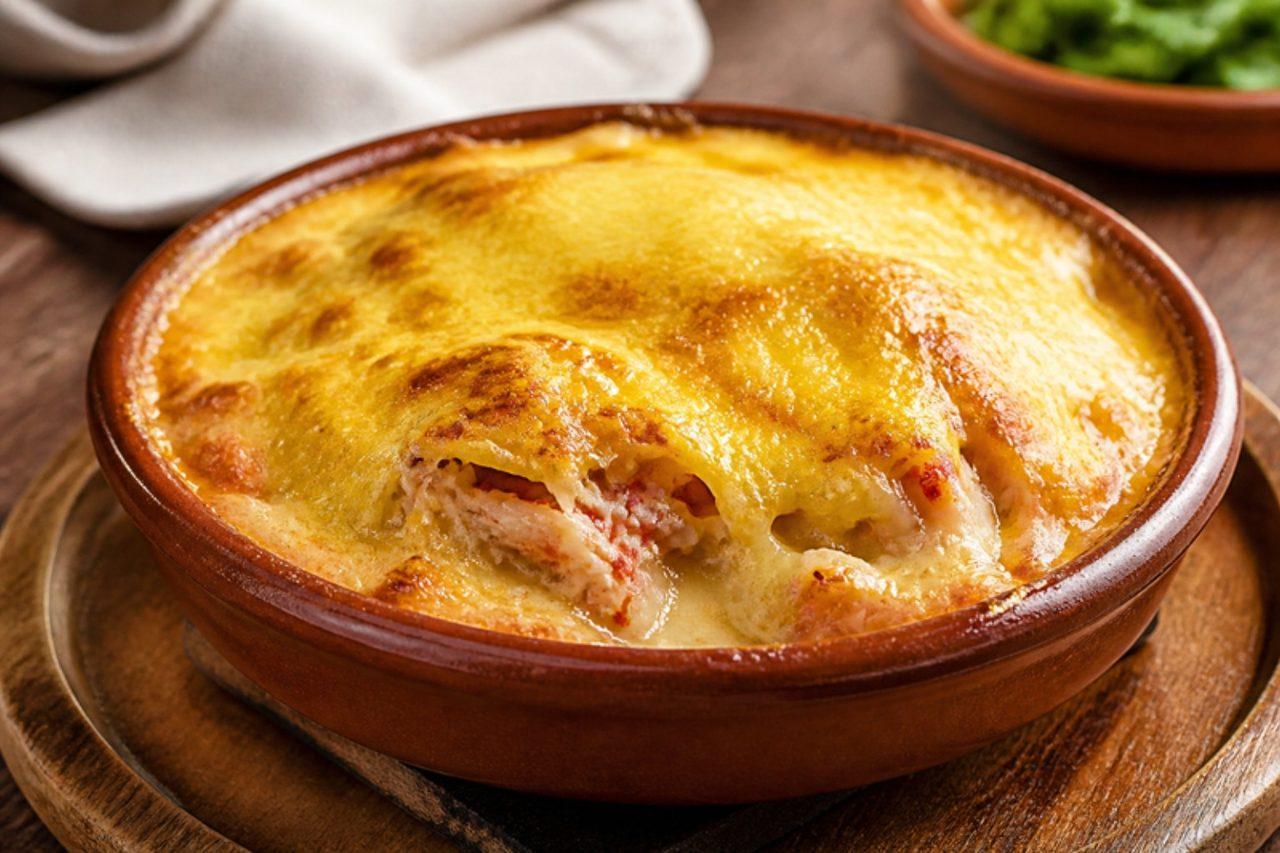
Pastel de jaibaCrab and cheese bake

Pastel de jaiba is the rich starter of the central coast's seafood restaurants, from Quintero to San Antonio: sweet crab meat folded into bread soaked in milk, cream and gently cooked onion, baked in individual clay dishes under a crust of cheese until it bubbles. Chileans use local jaiba crabs; any good cooked white and brown crab meat works. The mistake to avoid is leaving bits of shell in the crab; pick it over twice on a plate. Chef's tip: squeeze the soaked bread lightly before mixing, so the pastel is creamy rather than soggy, and bake until it is bubbling and steaming in the middle.

by KrazyBadal 0 views

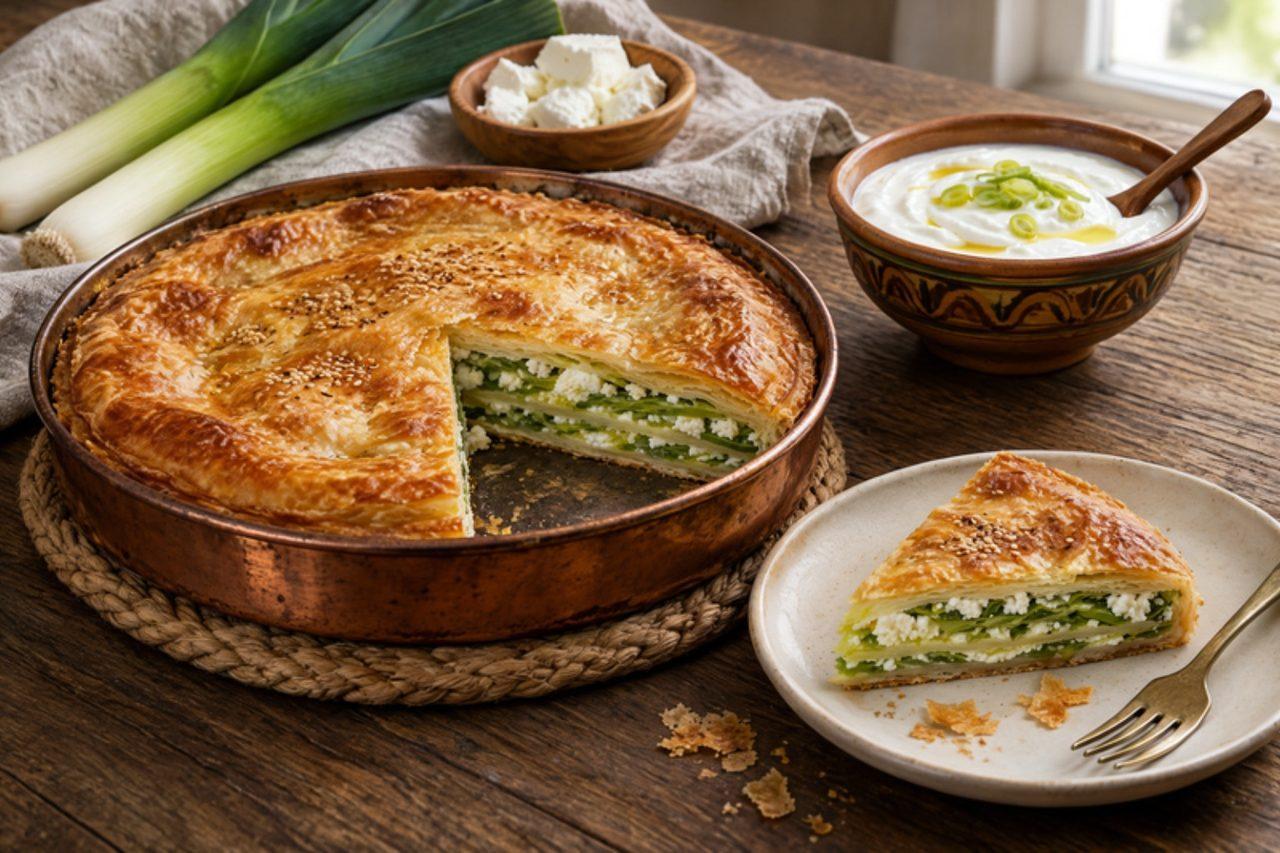
ZelnikLeek and cheese pie

In the Pirin and Struma valleys of southwest Bulgaria, zelnik is baked in a large round tin for Sunday breakfast and village feasts: crinkled sheets of thin pastry layered with sautéed leeks (or cabbage or spinach), crumbled sirene and egg, then baked until crisp and golden. It is cut into wedges and eaten with a bowl of thick yoghurt or a glass of ayran. The common mistake is a wet filling: squeeze or cook the leeks until all their liquid has gone, or the bottom layers turn soggy. Chef's tip: scrunch the pastry sheets loosely as you layer them instead of laying them flat, so the pie bakes up light and flaky.

by KrazyBadal 0 views

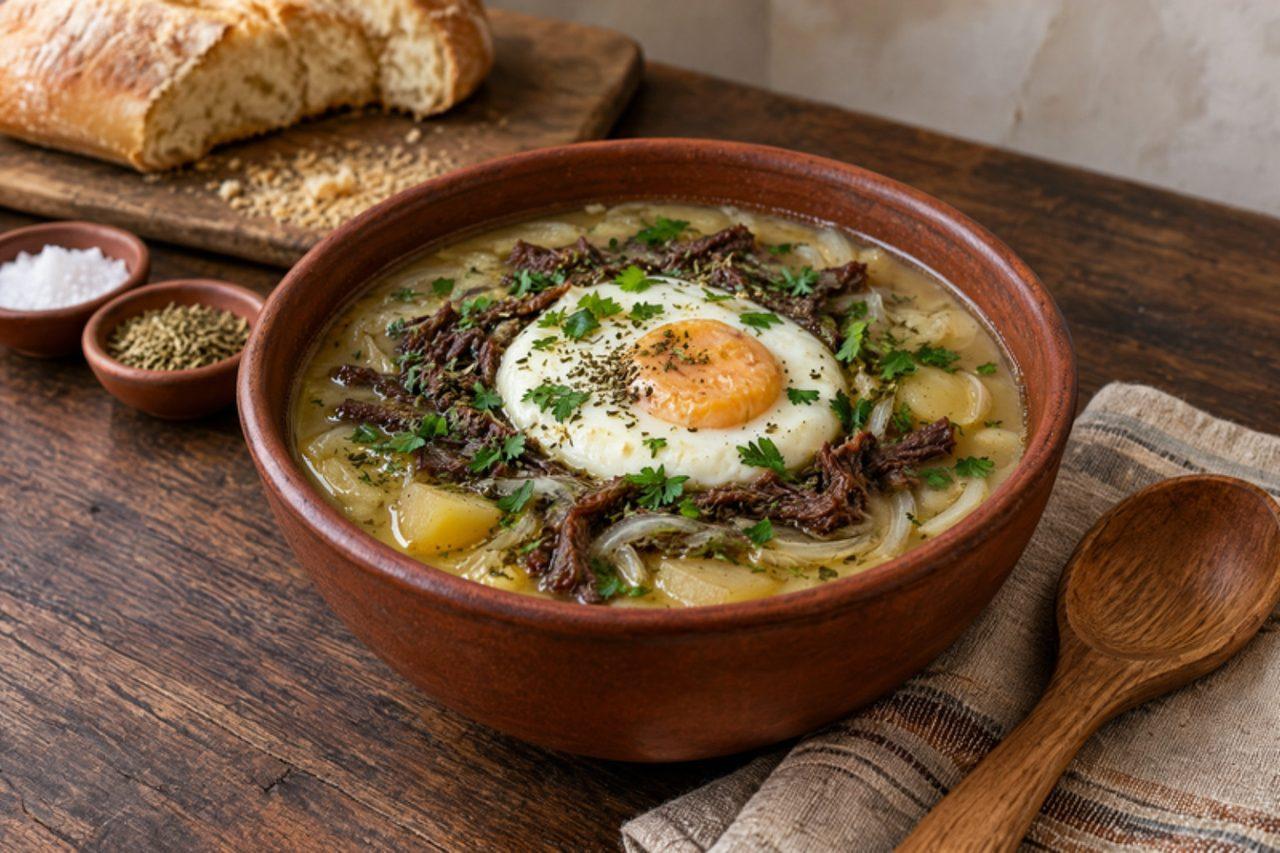
ValdivianoDried beef and potato soup

Valdiviano is one of Chile's oldest soups, said to date from the colonial days of Pedro de Valdivia, when soldiers carried charqui (sun-dried beef) on long marches. It is still a winter dish in the south, around Temuco and Valdivia, and a classic hangover cure in Santiago: a pot of slowly softened onions, potatoes and shredded dried beef in broth, scented with cumin and oregano, finished with a poached egg in each bowl. The usual mistake is skipping the soak: charqui must soak for at least 2 hours, or it stays leathery and over-salty. If you can't find charqui, use 300 g shredded cooked beef. A runny yolk is traditional; for pregnant women, young children or anyone with a weakened immune system, cook the egg until the yolk is firm. Chef's tip: cook the onions slowly until they almost melt, as they are what turn a humble broth into valdiviano.

by KrazyBadal 0 views

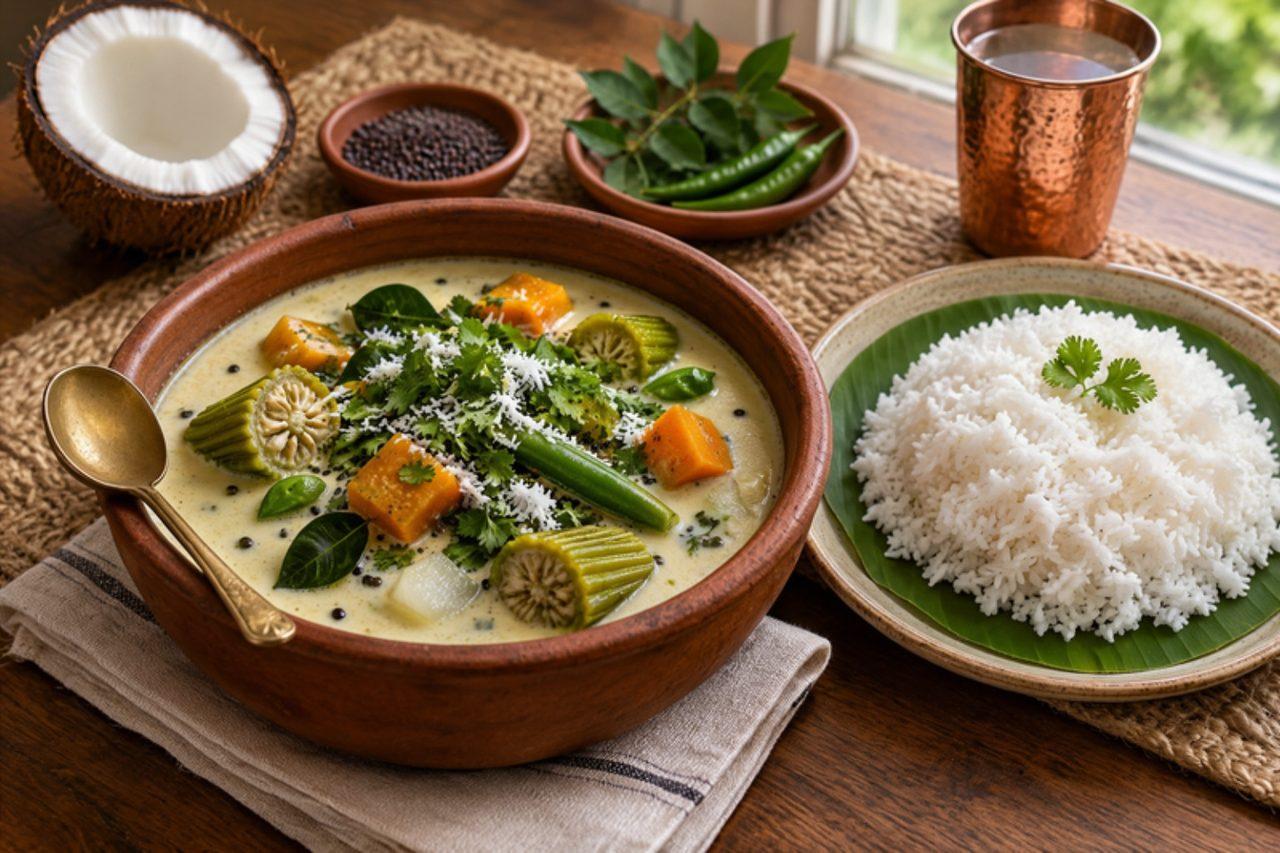
Val valMixed vegetables in coconut gravy

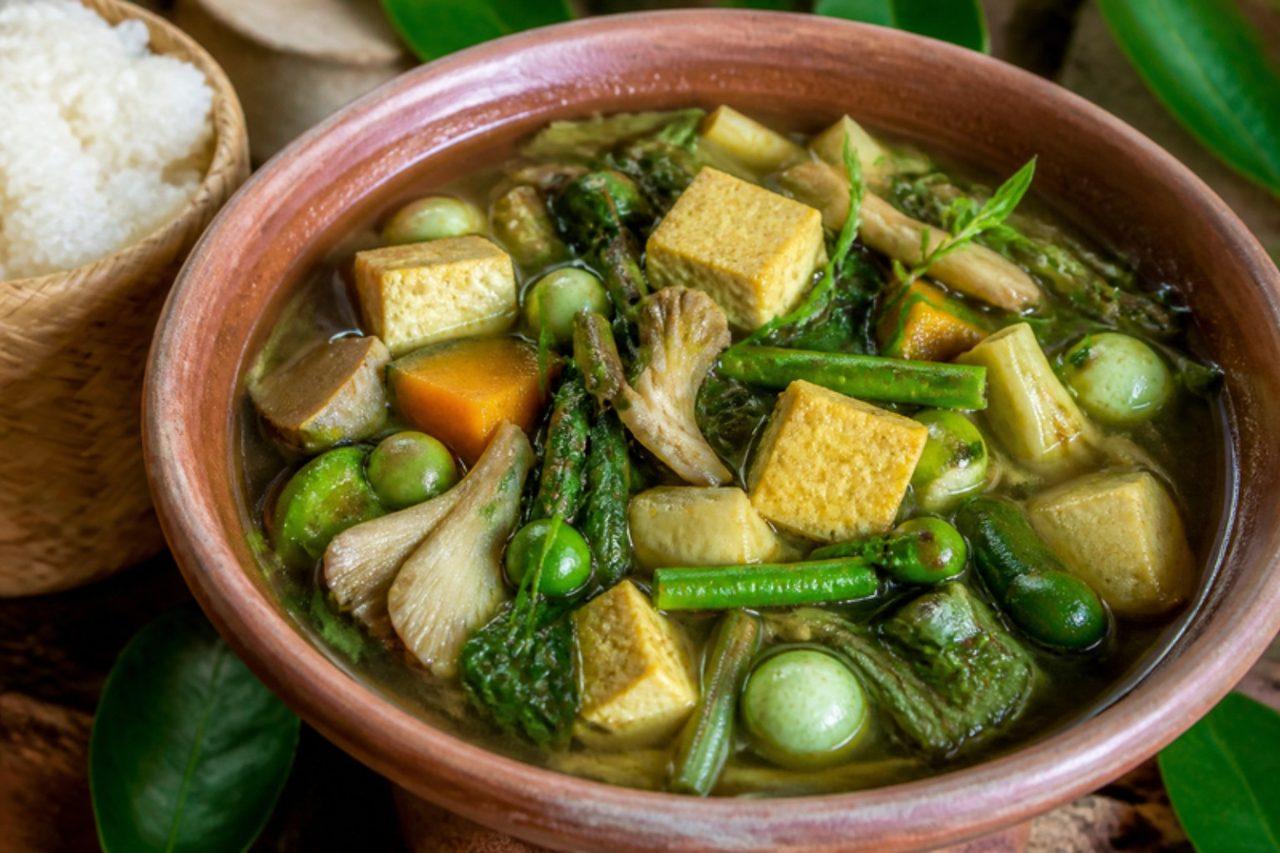
Val val is a gentle Goan Saraswat stew of mixed vegetables in coconut milk, cooked for festive meals at Ganesh Chaturthi, weddings and temple feasts in Ponda and Margao, where it balances hot curries and fried fish-free starters on the plate. Drumsticks, pumpkin, green beans and potato cook in thin coconut milk with green chilli and cumin, then thick coconut milk is stirred in at the end for a creamy, pale, mildly sweet sauce. Eat it with rice, or with puris for a feast. The usual mistake is boiling it after the thick coconut milk goes in, which splits it into oily curds. Chef's tip: grind the cumin with the green chillies and a spoon of coconut milk; it gives a fresh warmth without colouring the white sauce.

by KrazyBadal 0 views

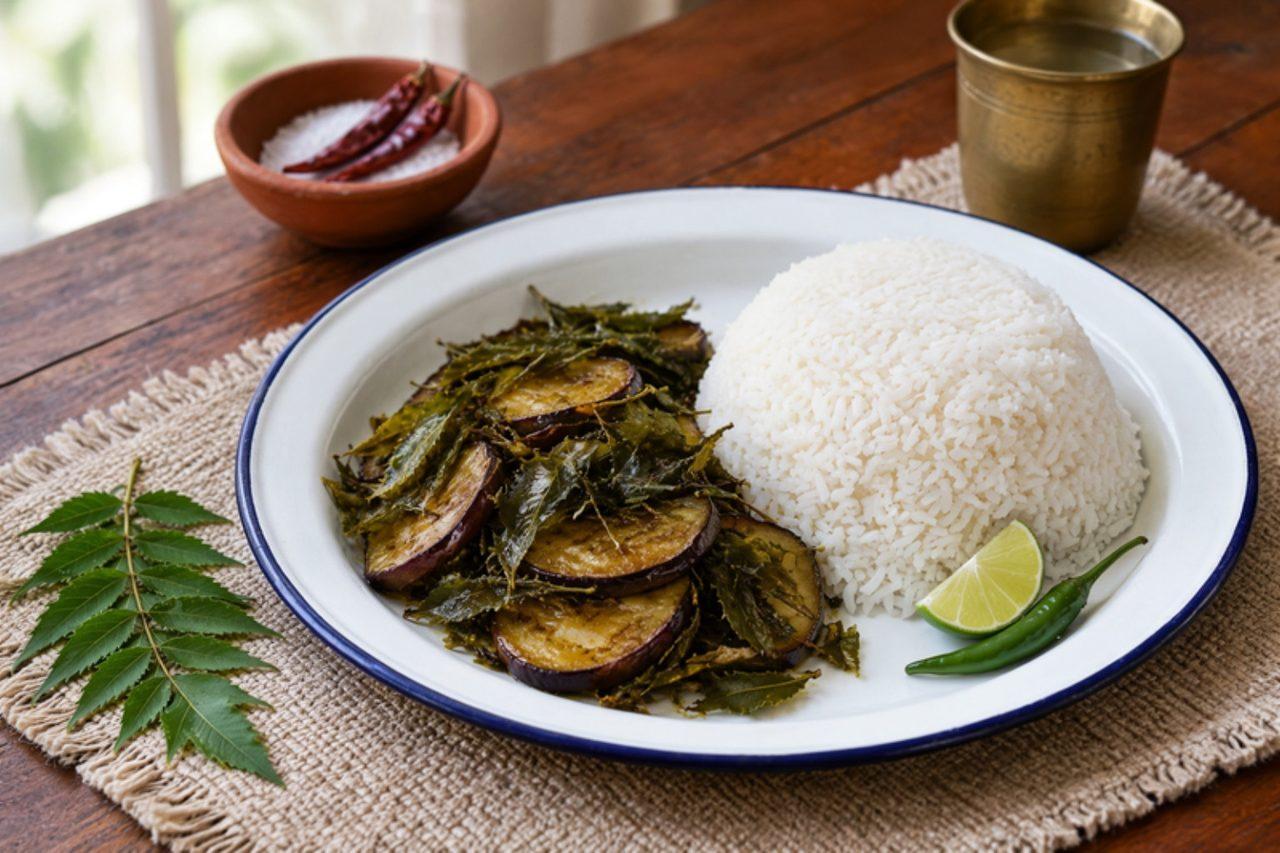
Neem begunNeem leaves with aubergine

Neem begun opens a traditional Bengali lunch in spring, especially around Poila Baisakh, when the neem trees of West Bengal put out soft new leaves. A few tender leaves are fried crisp in mustard oil, then tossed with small cubes of fried aubergine so the bitterness is softened by the creamy brinjal. Eat a spoonful or two with the first mouthfuls of rice, before the dal. It is suitable as part of a balanced diet and is meant to be eaten in small amounts, as Bengali cooks always have. About 110 kcal and 7 g carbohydrate per portion. The usual mistake is frying the neem too long, which turns it black and acrid; it needs only seconds. Chef's tip: dry the leaves completely on a cloth before they go into the oil, or they spit and steam instead of crisping.

by KrazyBadal 0 views

Vadukapuli naranga acharWild lime pickle

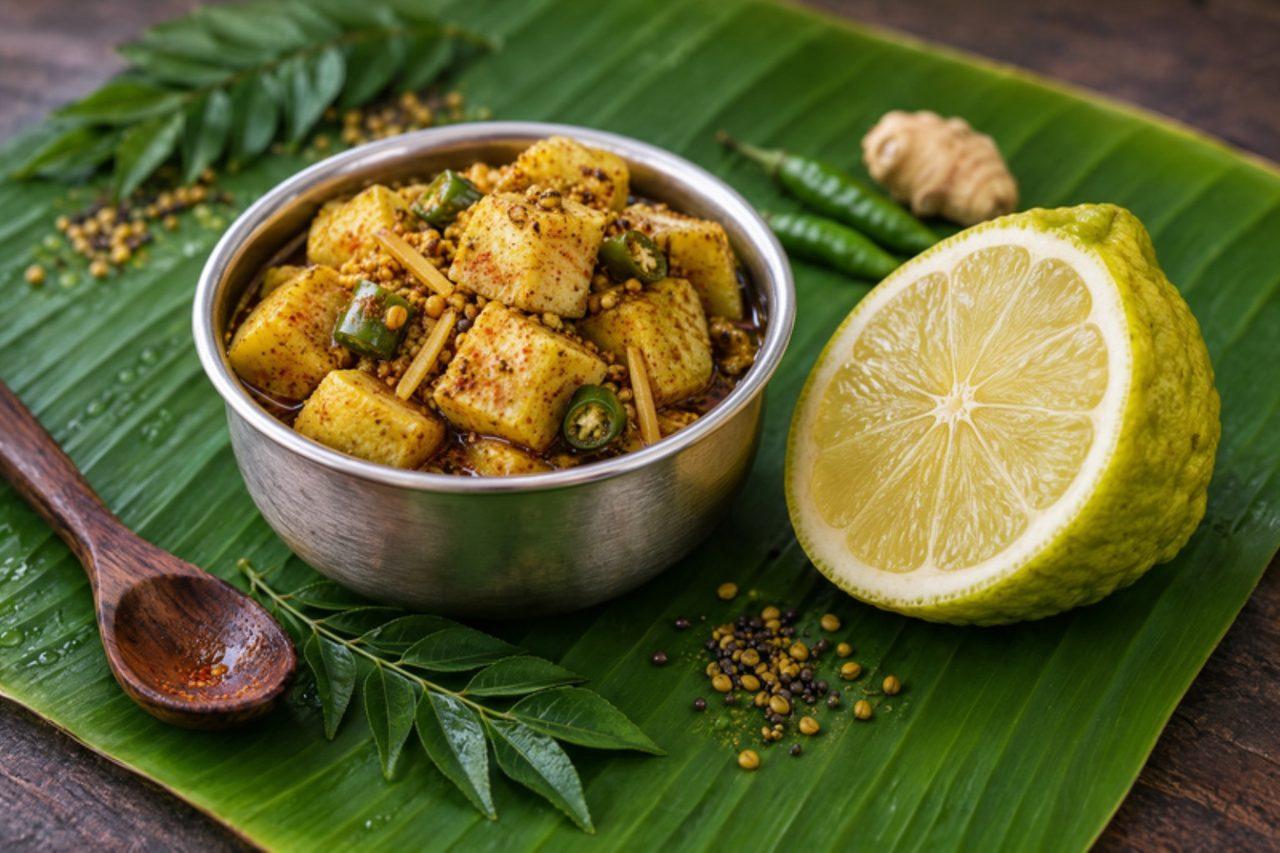
Vadukapuli naranga is a large, knobbly, thick-skinned wild lemon grown in Kerala backyards, and it is ripe just in time for Onam in August–September. Cut into small cubes with its spongy white pith and mixed with green chilli, ginger, chilli powder and a sesame-oil tempering, it becomes the pale yellow pickle dabbed on the end of every sadya banana leaf, next to inji puli and mango. It is sour, bitter and fresh at once, with juicy flesh and a soft, absorbent pith that soaks up the spices. It is just as welcome with curd rice or a simple moru curry. The common mistake is leaving the bitter seeds and the tough central core in; take them out or the whole jar turns harsh. It is ready to eat after a day, once the salt has drawn out the juice and the pieces look moist and slightly translucent. Because it has fresh ginger, green chilli and curry leaves, keep it in the fridge and eat within a month. Outside Kerala, use a citron or the biggest thick-skinned lemons you can find. Chef's tip: a spoon of vinegar sharpens the pickle and helps it keep; Kerala Christian homes often add one.

by KrazyBadal 0 views

VadouvanDried shallot and spice balls

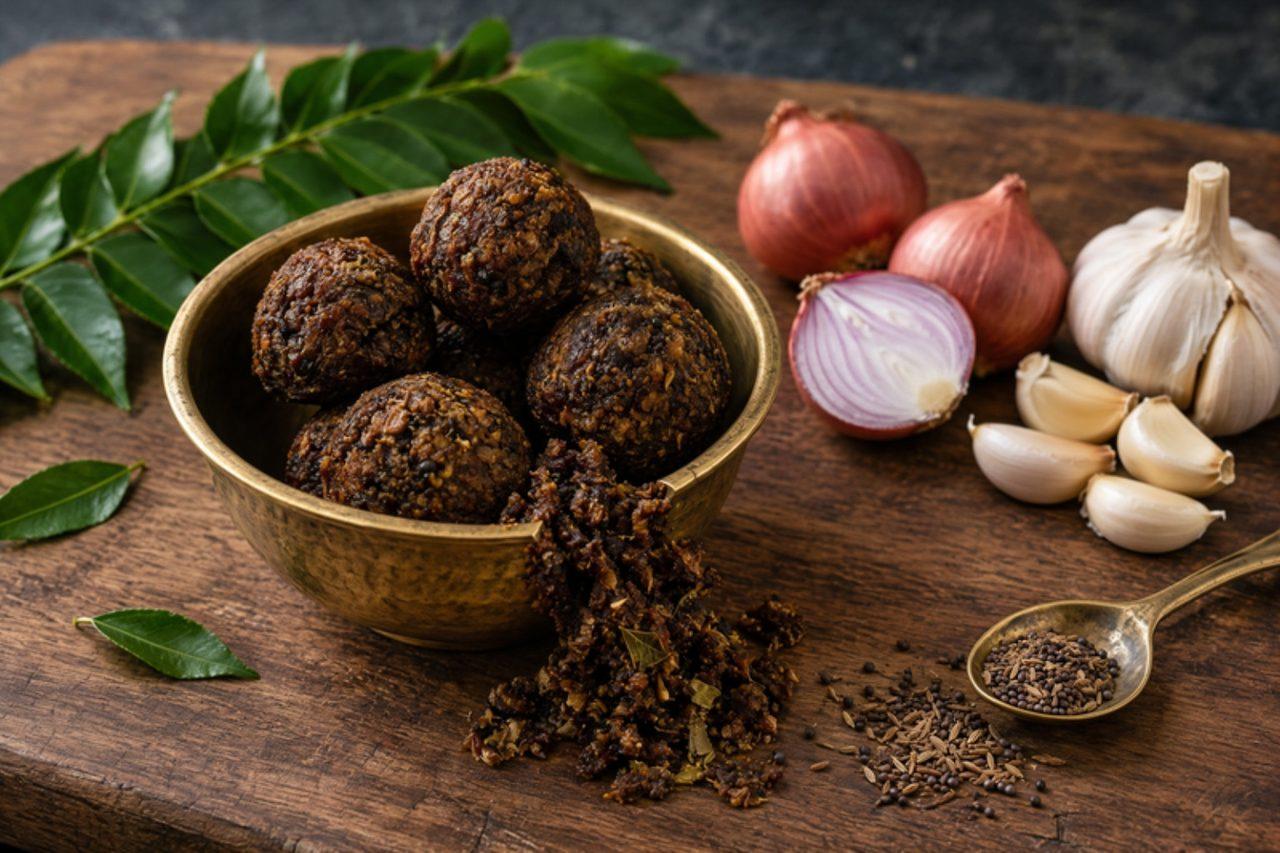
Vadagam, called vadouvan in Puducherry's French-Tamil kitchens, is a seasoning made in the hot months: shallots and garlic are pounded with mustard seeds, cumin, fenugreek, curry leaves and castor or gingelly oil, rolled into balls and dried in the sun for days. A piece crumbled into hot oil at the start of a sambar, a kuzhambu, a poriyal or even buttered vegetables gives a deep, sweet, smoky onion flavour. This version finishes the drying in a low oven, which is safer and quicker in cooler kitchens. The common mistake is storing the balls before they are bone dry; any softness inside can turn mouldy, so break one open to check. Chef's tip: crush a ball and warm it in ghee, then toss with roast carrots for a very Pondicherry side dish.

280 minIndianBasicsVeganGluten free
by KrazyBadal 0 views

PatandeSweet wheat and milk crepes

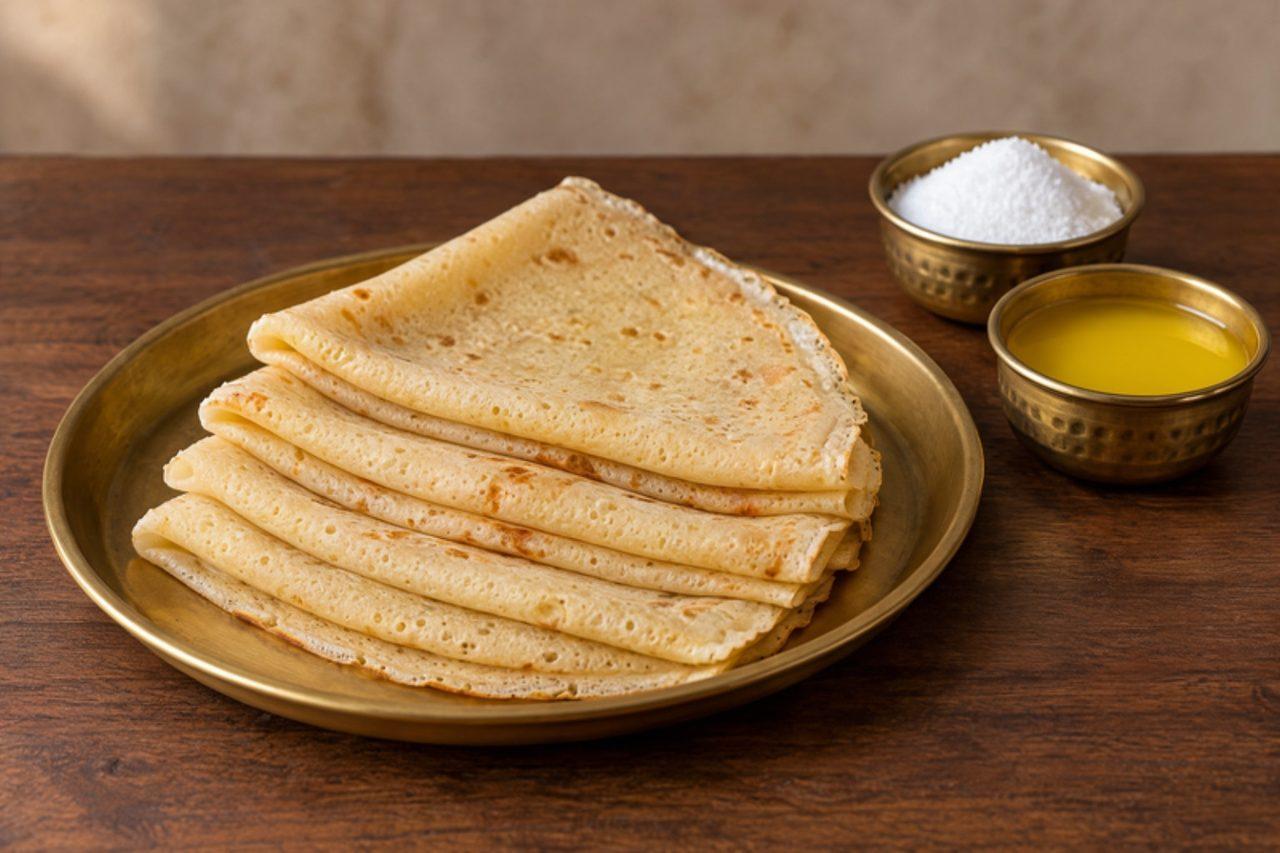
Patande are the special-occasion crepes of Sirmaur district in southern Himachal, poured for Diwali, the Bishu fairs and whenever a guest arrives unexpected. A thin batter of wheat flour and milk, sweetened and scented with cardamom, is spread paper-thin on a large iron griddle and folded into quarters, then eaten warm with ghee or honey. A salty version with green chilli is made too, but the sweet one is the festive favourite. The common mistake is a cold pan, which makes them stick and tear; it must sizzle when the batter touches it. Chef's tip: spread the batter with the back of a flat ladle in a spiral from the centre outwards, as hill cooks do.

by KrazyBadal 0 views

Zucchini sliceCourgette, cheese and egg slice

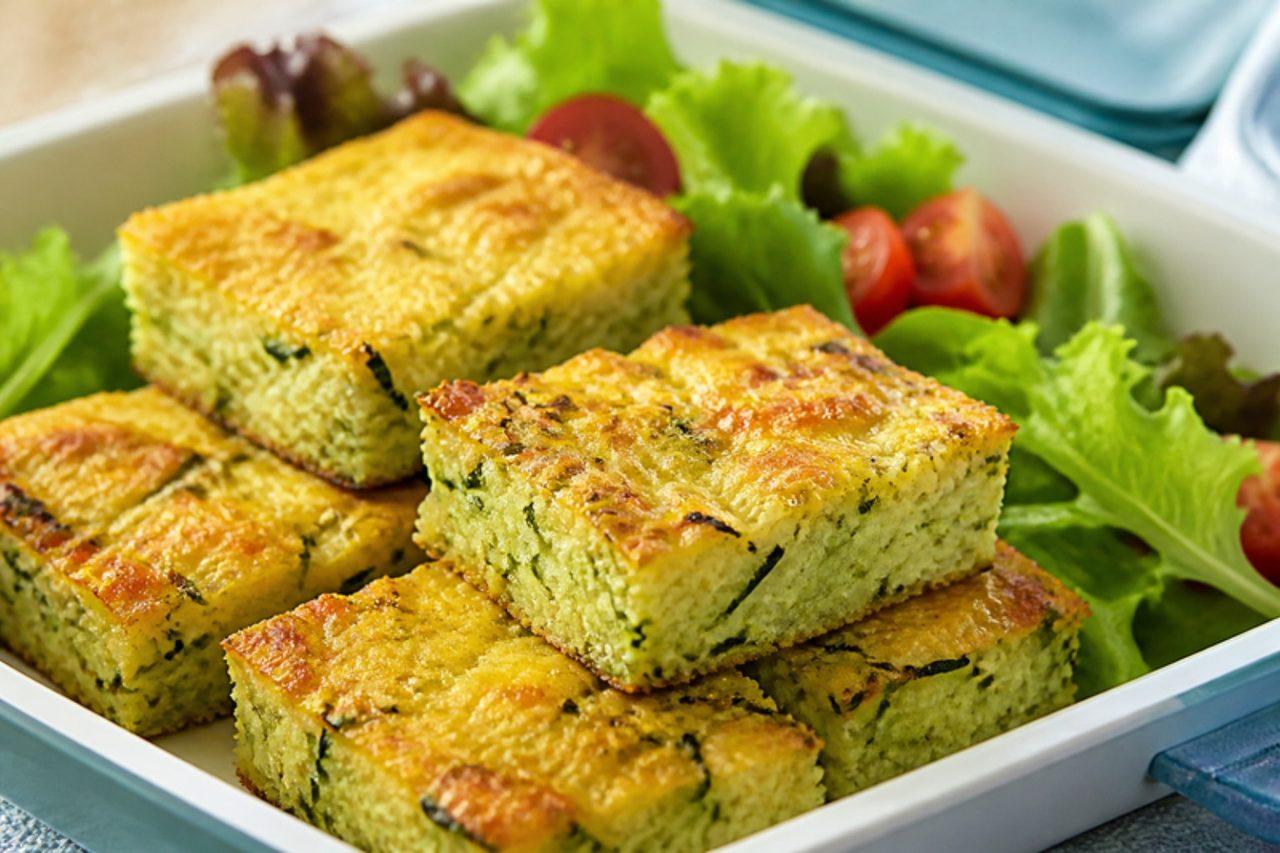
Zucchini slice is the lunchbox and picnic favourite of Australian home cooks, baked in a tray from Hobart to Darwin whenever the garden throws up too much zucchini. Grated zucchini, onion and cheese are bound with egg and self-raising flour and baked until golden, then cut into squares that are good warm or cold. Most families add bacon; this version leaves it out and keeps it vegetarian. Cheddar is often made with animal rennet, so choose a vegetarian cheese if you need to. A common mistake is not squeezing the zucchini, which gives a soggy slice. Chef's tip: let it rest 10 minutes before cutting so it holds clean edges.

by KrazyBadal 0 views

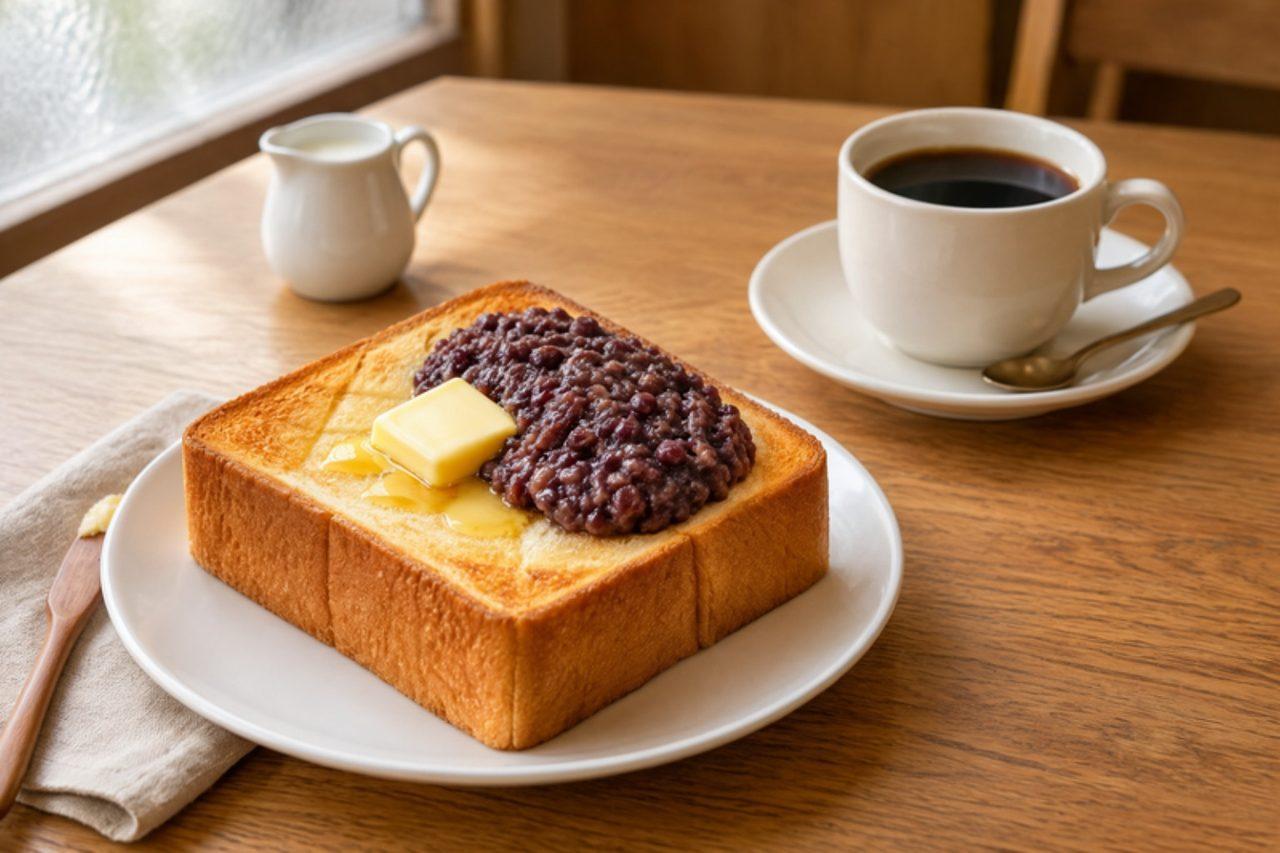
Ogura toastToast with sweet red bean

Walk into a kissaten coffee shop in Nagoya before 11 am, order a coffee, and the "morning service" brings a thick slab of toast spread with butter and a mound of ogura-an, coarse sweet azuki bean paste. The hot, salty butter melting into the cool, grainy beans is the whole point. The common mistake is thin sandwich bread: it goes limp under the paste, so use a 3–4 cm slice of shokupan or soft white bloomer. Chef's tip: butter the toast the second it comes out, then spread the bean paste only on half of each slice so every bite gets a different balance of salt and sweet.

by KrazyBadal 0 views

Showing 36 of 9,812 recipes

Show more recipes

Page 366 of 1,091