


Skip to content
African chicken (Macanese galinha africana)
Featured recipe

African chicken (Macanese galinha africana)

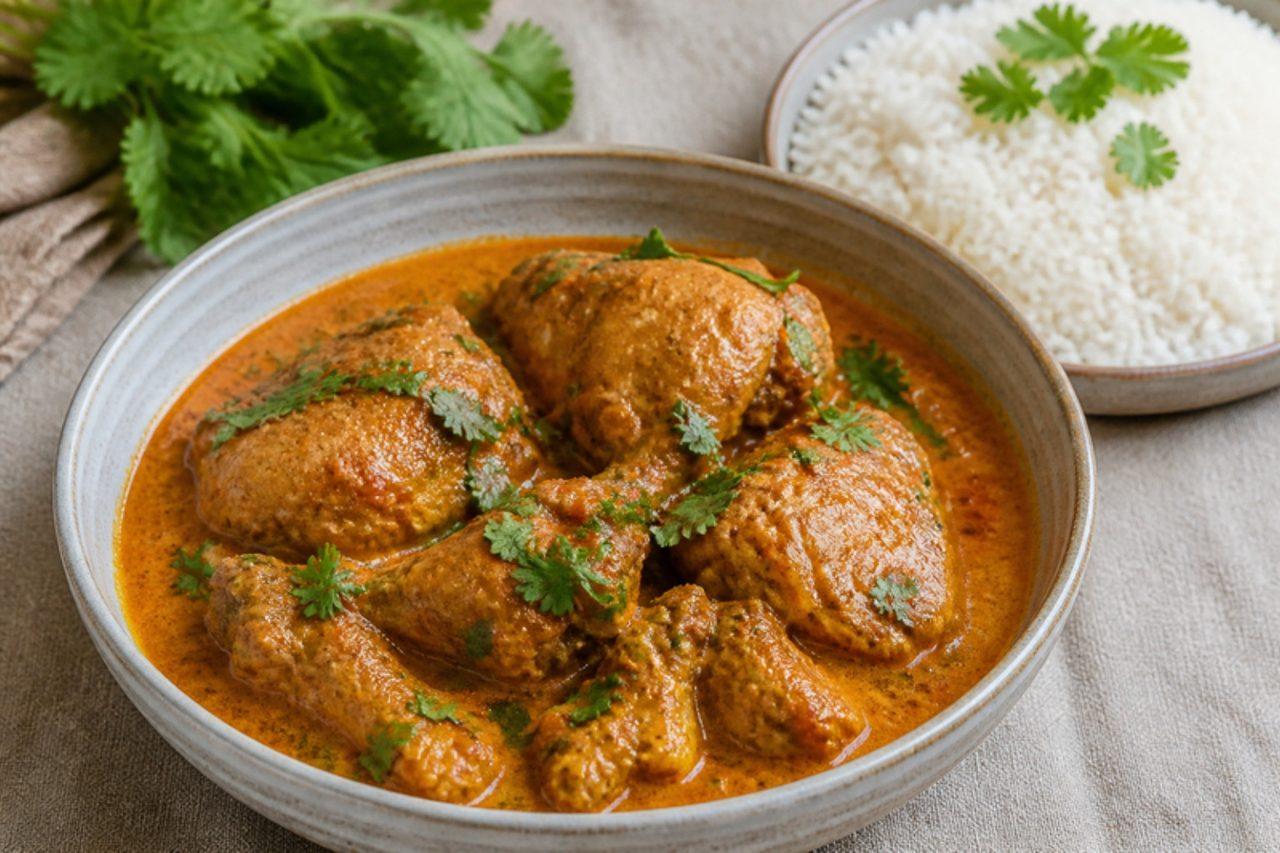
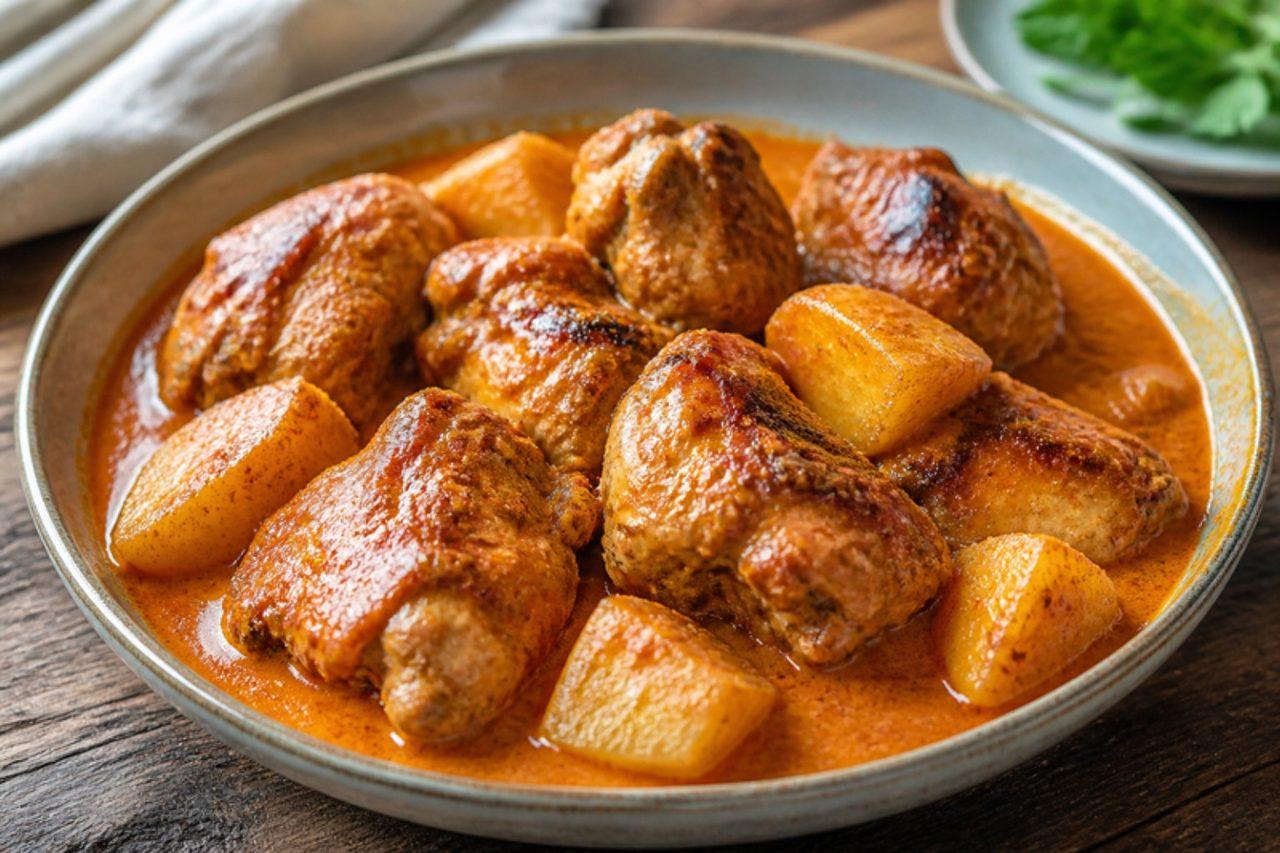
Macau restaurants have served galinha africana since the 1940s, and the story most often told is that a hotel chef in the city created it from spices that Portuguese sailors brought back from Mozambique and Angola. Today it is a signature at Macanese and Portuguese restaurants from Taipa village to Coloane, eaten at long weekend lunches with rice or crusty bread. Chicken pieces are marinated, grilled until charred, then baked under a thick, brick-coloured sauce of ground peanuts, coconut milk, chilli, paprika, garlic and onion that is rich, nutty and quietly fiery. It is often made with a pale, timid sauce; cook the onion, garlic and paprika slowly until really deep red before the coconut goes in. Chef's tip: marinate the chicken overnight in the fridge so the garlic and chilli reach the bone.

Read more 0 views

What to eat today?

Around the world

Today's trip: Persian

A new country every day, from every cuisine on the site.

Persian

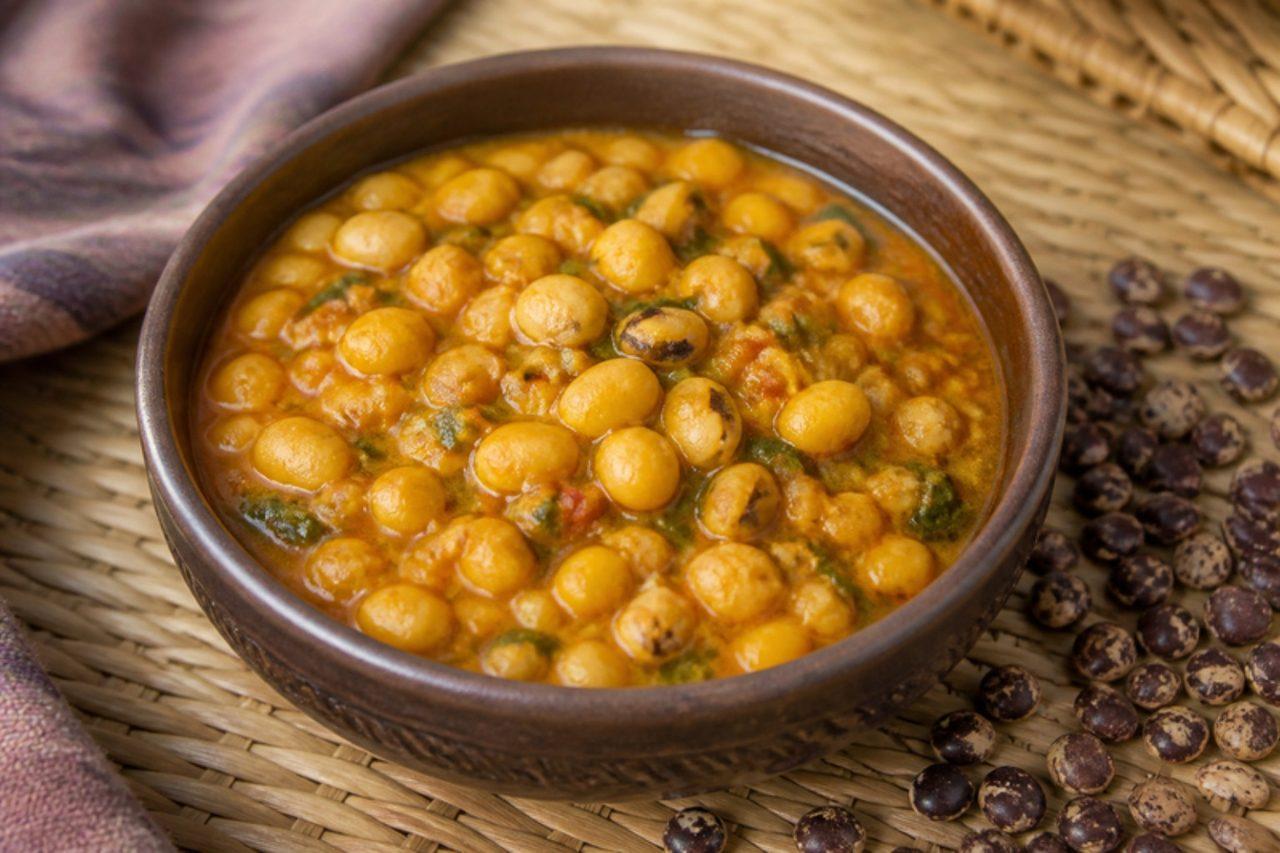
Dizi

Lamb and chickpea stew 245 minMore from Persian (131) →

This week's collection

Kid-friendly dinners
578 recipes · a new collection every Monday

Coming up

All occasions →

Latest recipes

Qolqas (taro with chard and coriander)

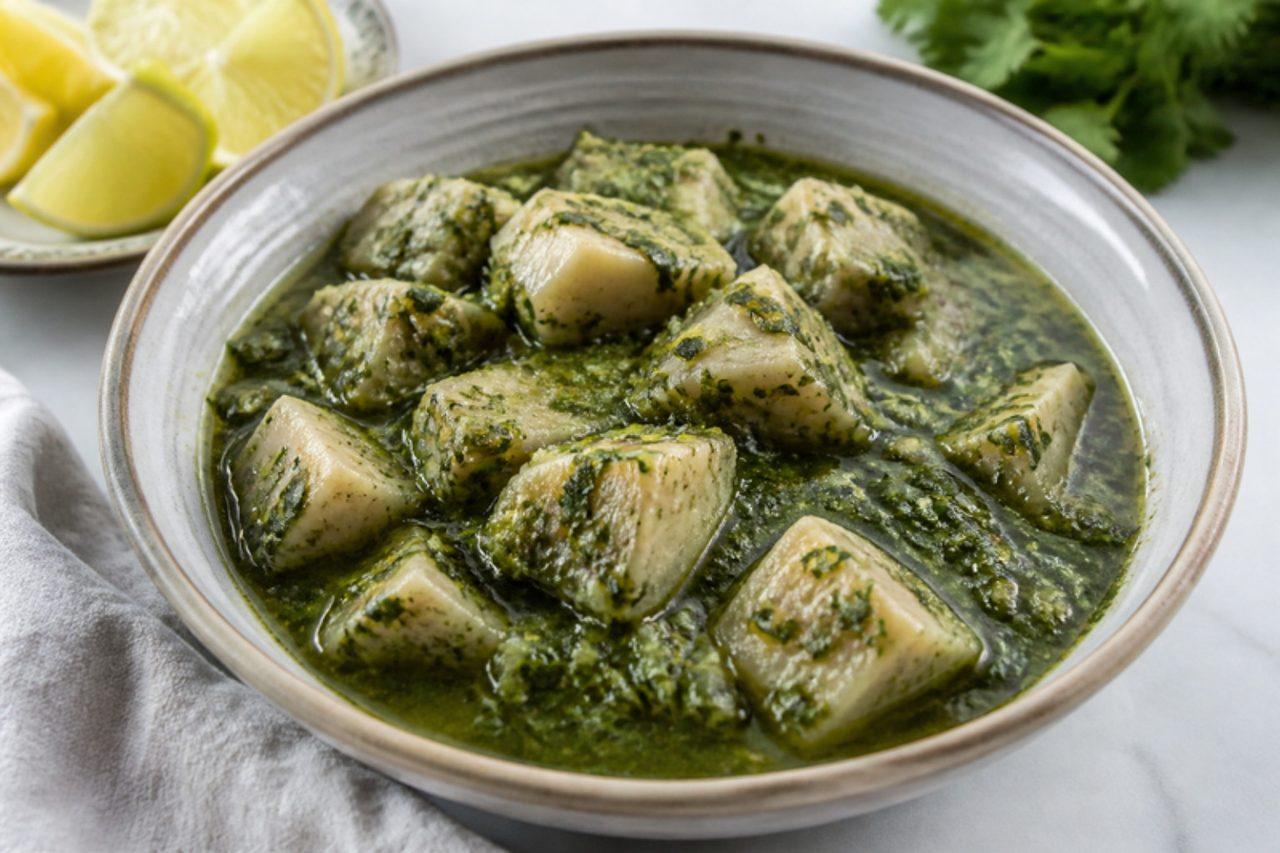
Coptic Christians across Egypt eat qolqas for the Feast of the Epiphany (Eid el-Ghitas) in January, together with sugarcane and oranges, and it is a winter favourite in Muslim homes too. Peeled taro is cut into cubes and simmered in chicken or beef stock until soft and almost creamy, then a green paste of chard, fresh coriander and garlic fried in oil is stirred through, turning the broth a deep, herby green. The texture is soft and slightly velvety from the taro's natural starch, and the flavour fresh and garlicky. It is served with white rice and often with the meat from the stock. Raw taro irritates the skin and mouth, so wear gloves to peel it and always cook it until completely tender. The usual mistake is touching peeled taro with bare hands or eating it undercooked; both bring an itchy, scratchy feel. Chef's tip: rub the cut cubes with lemon juice before cooking to keep them pale and reduce their sliminess.

by KrazyBadal 0 views

Amala (yam flour swallow)

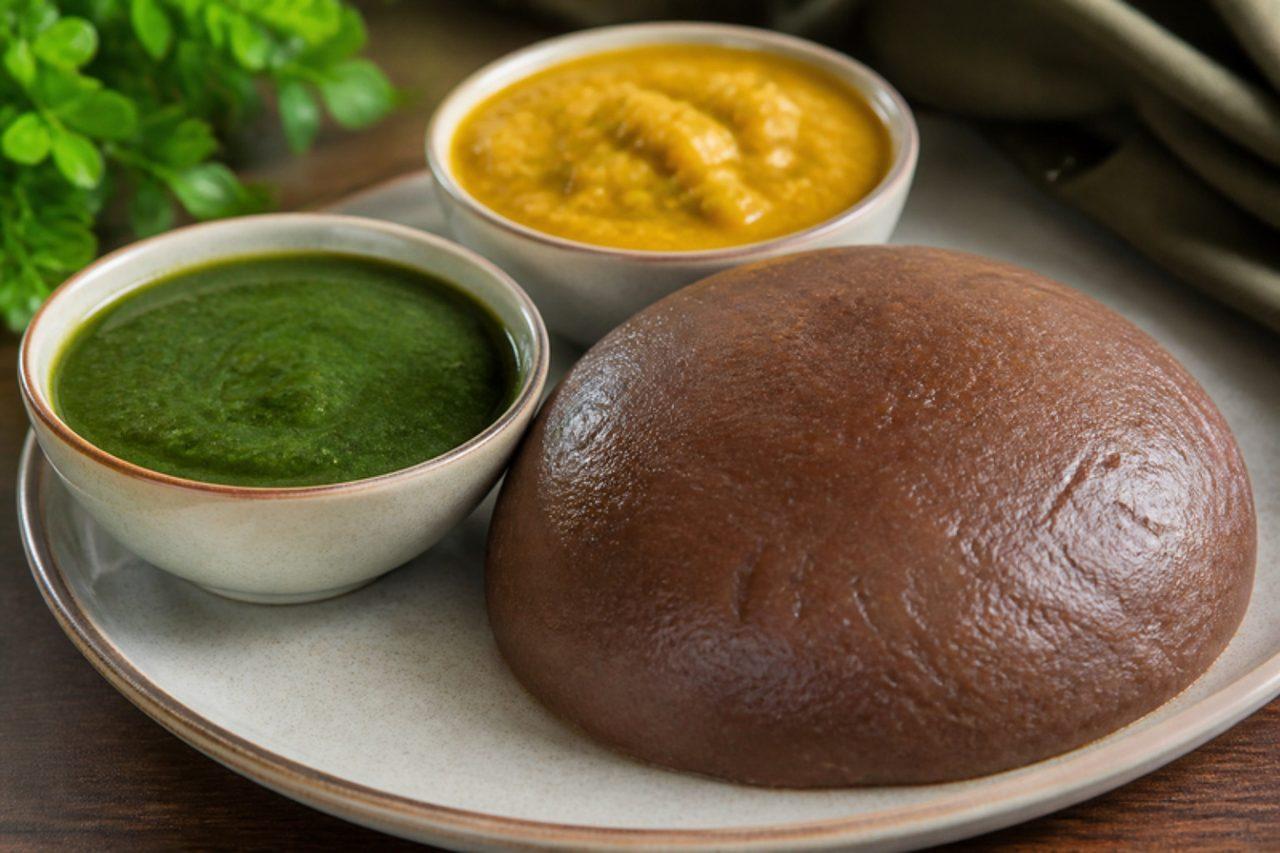
Amala gets its dusky brown colour from elubo, yam that has been peeled, sliced, sun-dried and milled, which gives it a faintly smoky, earthy taste. Ibadan's amala joints serve it from morning to night, soft and steaming, wrapped in leaves or cling film, with ewedu, gbegiri and stew; it is pinched off with the fingers and dipped, never chewed for long. Making it takes five minutes and a strong arm: the flour goes into boiling water and is stirred and turned against the side of the pot until it is perfectly smooth and stretchy. Lumps are the usual mistake, so add the flour off the heat and stir hard from the first second. Chef's tip: use a sturdy wooden spatula (omorogun) and press the dough against the pot rather than just stirring it round; that is what makes it silky.

by KrazyBadal 0 views

Sugarcane juice

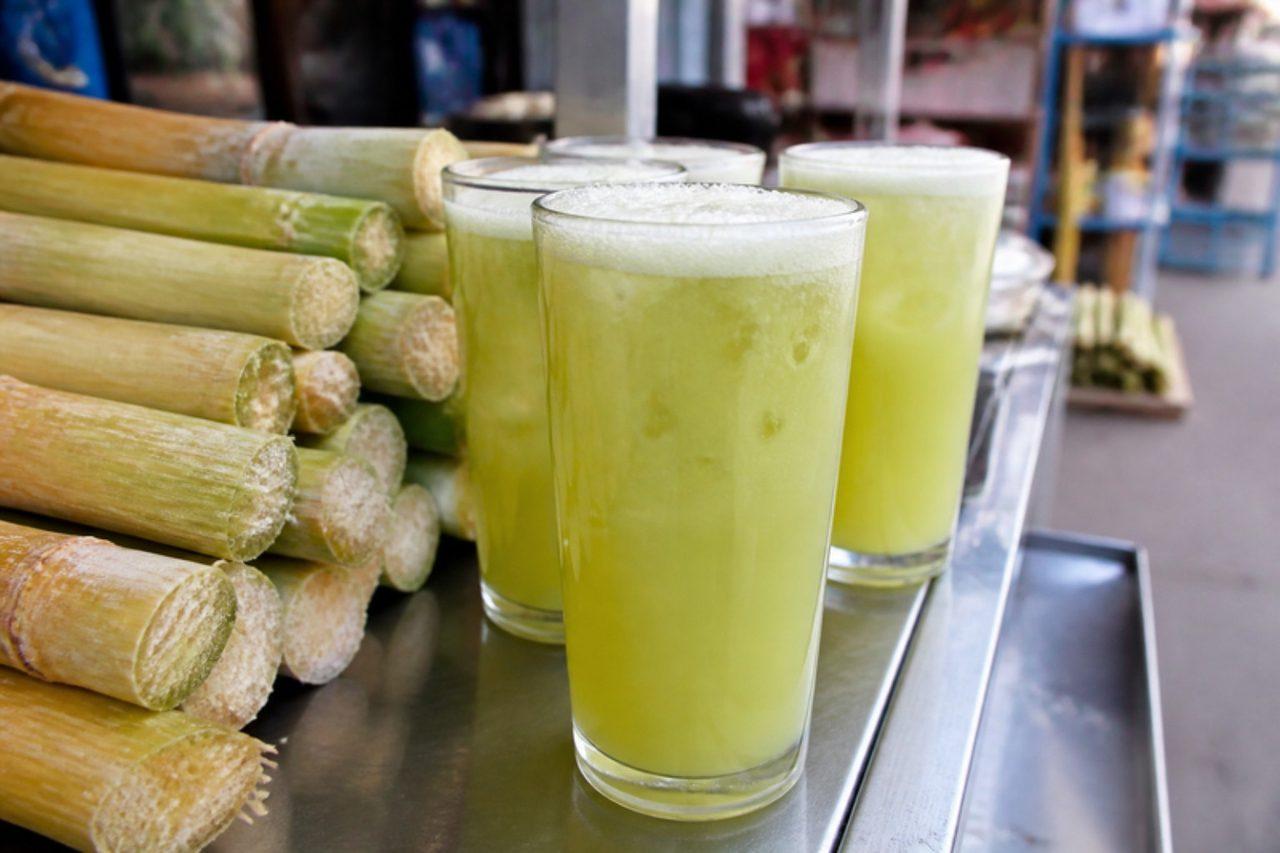
Juice shops all over Cairo and the towns of Upper Egypt crush sugarcane through clattering steel rollers and serve the pale green juice ice-cold for a few pounds a glass, a favourite in the summer heat and after Ramadan fasting. It is sweet, grassy and refreshing, with a faint lemony edge, and it tastes best within minutes of pressing. Without a press, peeled cane chopped small and blended with a little water gives a very close result at home. Chef's tip: peel the cane completely, because the hard green rind makes the juice bitter and dark.

by KrazyBadal 0 views

Doum drink

Spice and herb sellers in the Aswan souk pile up the hard, glossy brown fruit of the doum palm, and Nubian households soak it into a cold, sweet drink for the hot months and for Ramadan iftar. The dried flesh gives a cloudy amber drink that tastes surprisingly like gingerbread or caramel, with a faint woody bitterness. Buy it crushed or as coarse powder at Egyptian and African grocers; whole fruit is extremely hard to break. Leaving it to steep too long is the mistake to avoid, because it turns bitter. Chef's tip: strain twice, once through a sieve and again through muslin, to remove the gritty fibre.

by KrazyBadal 0 views

Bedouin sage tea

Visitors to a Bedouin camp in the Sinai mountains are handed small glasses of this tea almost before they sit down, brewed in a blackened kettle over the fire and sweetened generously. Wild maramiya, the local sage, is dropped in at the end, giving the strong black tea a soft, herbal, slightly camphor scent that is soothing after a long walk or a heavy meal. Garden sage works well, and dried sage is fine in a pinch. Boiling the sage is the mistake to avoid, because it turns the tea bitter. Sage is best taken in moderation and avoided in large amounts during pregnancy. Chef's tip: pour from a height into the glasses; the froth that forms is how Bedouin hosts like it served.

by KrazyBadal 0 views

Dundun (fried yam)

In the evenings, Lagos street corners fill with the smell of dundun: big woks of oil, sliced white yam frying next to plantain and akara, sold by the piece in a twist of paper with a spoon of pepper sauce. Good dundun is golden and crisp outside and soft and fluffy as a baked potato inside, with a faint sweetness from the yam. At home it is a favourite Saturday breakfast or a quick supper, and children happily eat it on its own while the adults pile on the sauce. Don't fry over a very high heat: the outside browns before the middle cooks, the commonest dundun mistake. Chef's tip: soak the yam pieces in salted water for 5 minutes and pat them dry; the salt seasons them through and they fry crisper.

by KrazyBadal 0 views

Gandofli (Alexandrian garlic clams)

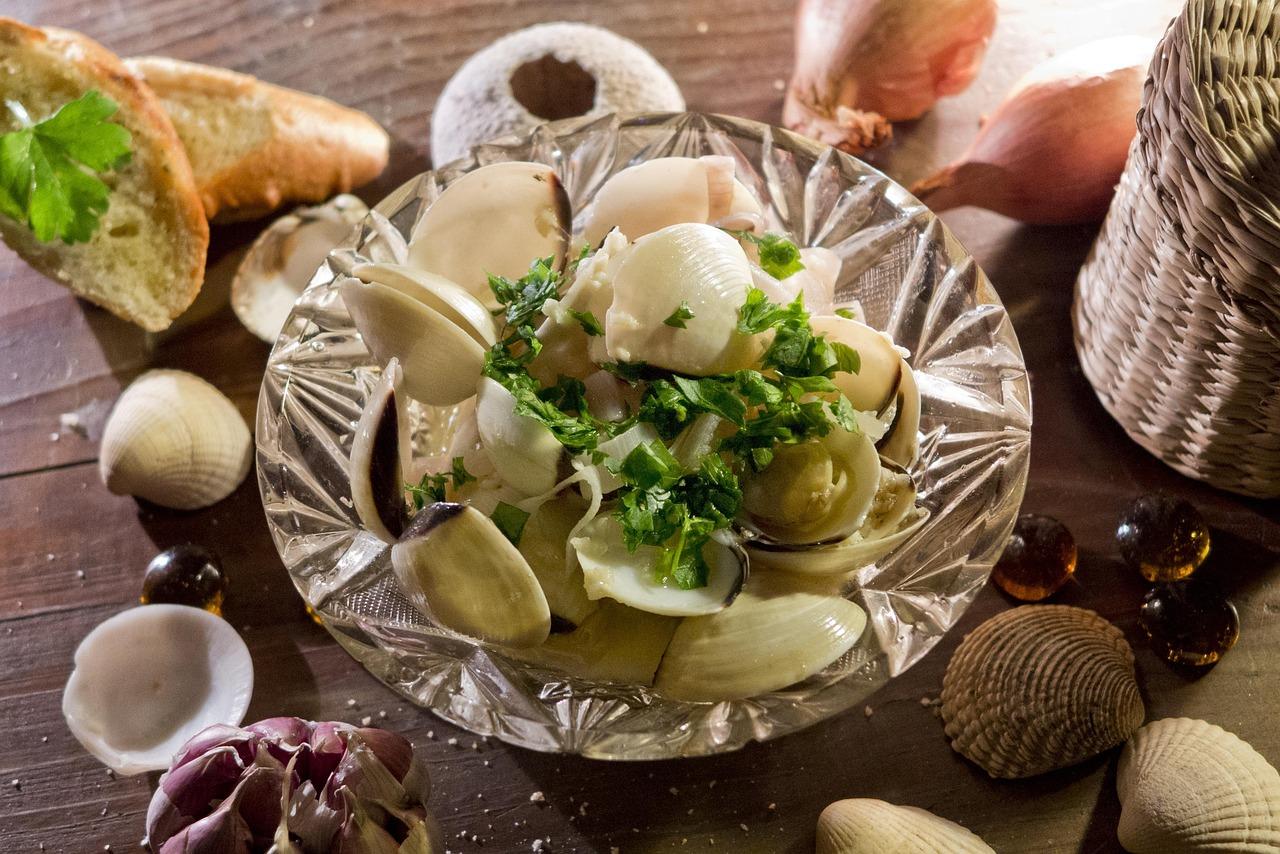
Along the Alexandria Corniche and in the old Anfushi fish quarter, gandofli are a summer seaside snack, often sold by the plateful with lemon and sometimes eaten raw. Raw shellfish carries a real risk of food poisoning, so this home version cooks them: the little clams go into a hot pan with olive oil, garlic, a pinch of cumin and chilli, and steam open in a minute or two, releasing sweet, salty juices that mix with lemon into a sauce for mopping up with bread. Buy them live from a reputable fishmonger and cook them the same day. Chef's tip: soak the clams in salted water in the fridge for 30 minutes before cooking so they spit out their sand; nothing spoils them faster than grit.

by KrazyBadal 0 views

MuscatSemolina milk sweet

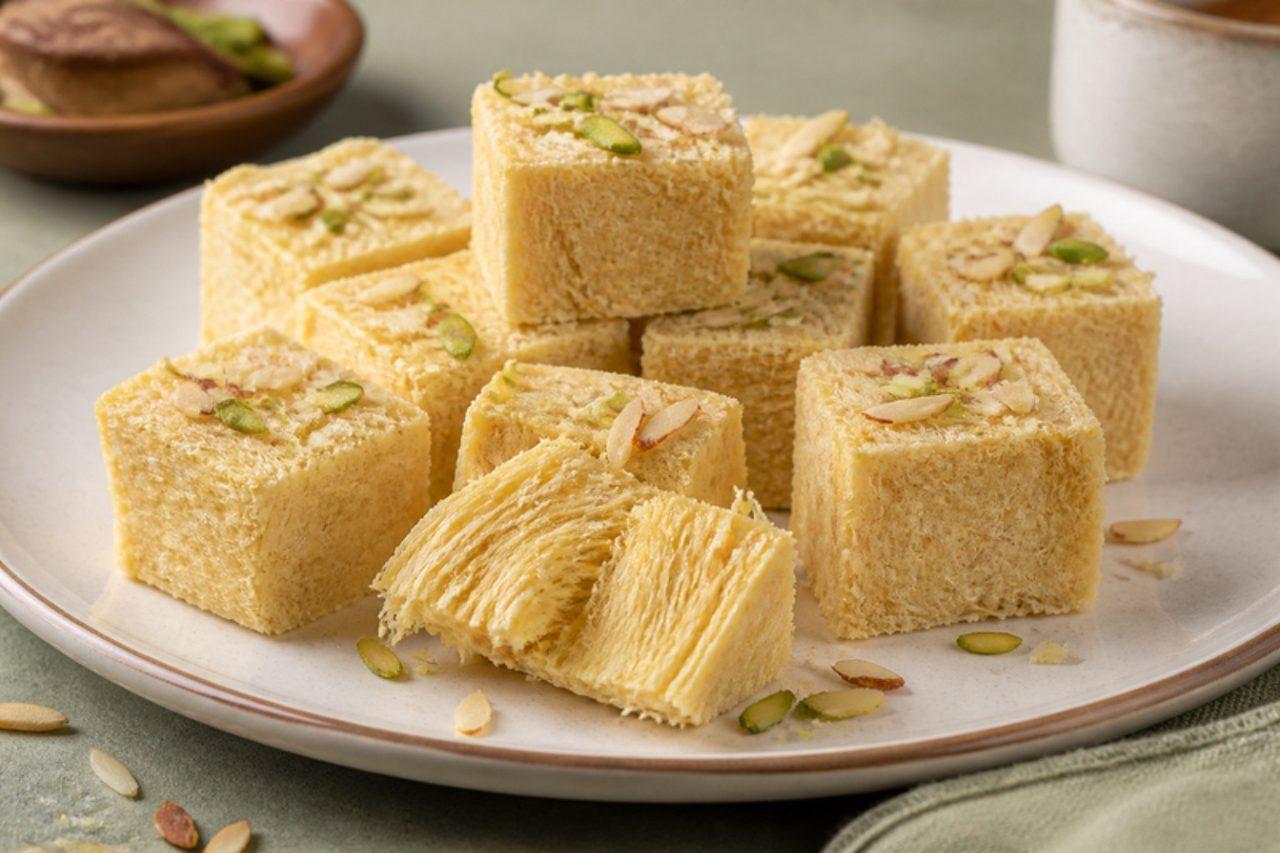
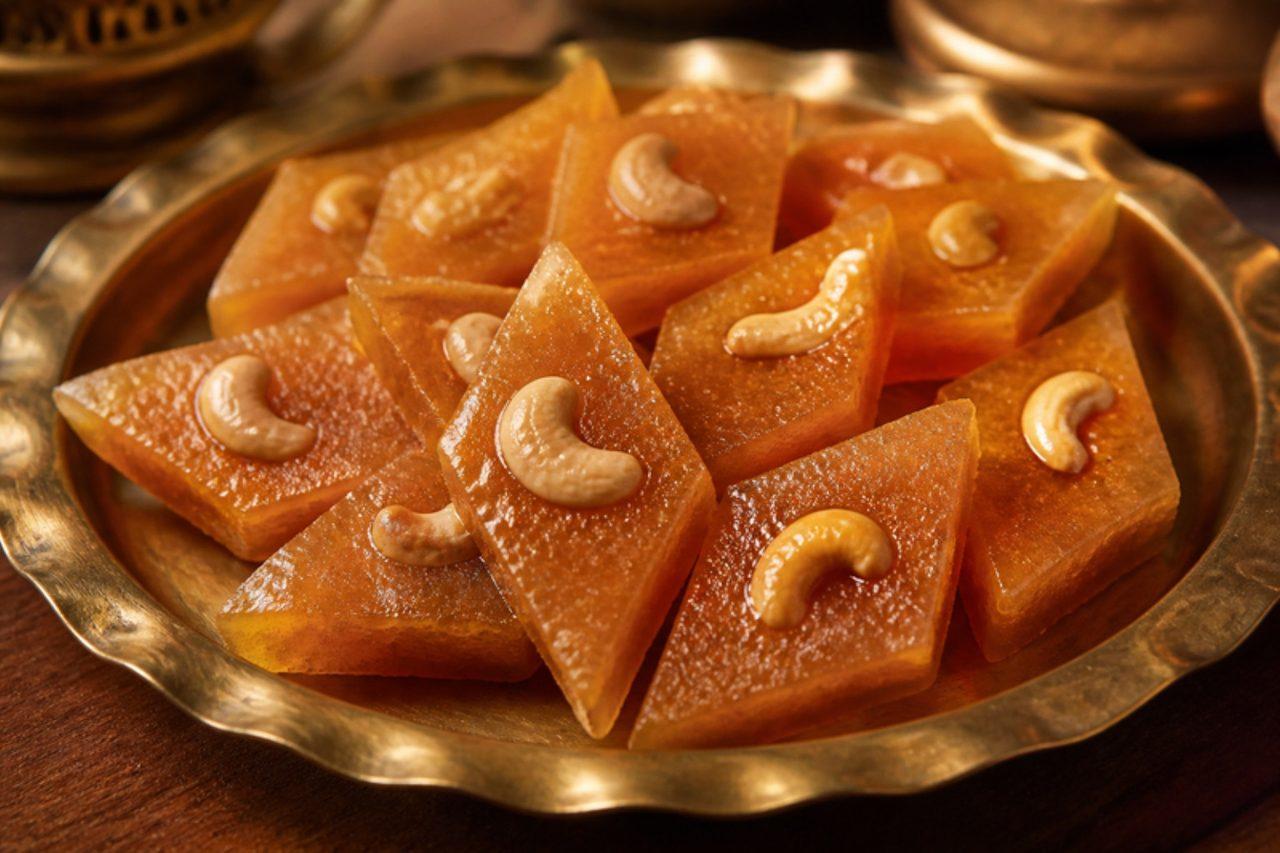
Walk past the Muslim sweet shops of Pettah in Colombo or the old trading streets of Beruwala before Eid and you will see trays of muscat, dense, jewel-like diamonds that are glossy with ghee and studded with cashews. The texture is the whole appeal: firm and chewy, almost like a soft Turkish delight, with a sweet, buttery, cardamom-scented flavour, and it is shared with neighbours at Eid, weddings and the Avurudu table. Traditional cooks extract the starch from wheat flour; this home version soaks and blends semolina, then strains it, which gives the same clear, bouncy set. Most failures come from adding the ghee too quickly, so it pools on top instead of being absorbed; pour it in a spoonful at a time and keep stirring. Chef's tip: the muscat is done when it rolls into a single glossy mass that leaves the pan clean and the ghee starts to seep back out at the edges.

by KrazyBadal 1 views

Café Touba (spiced Senegalese coffee)

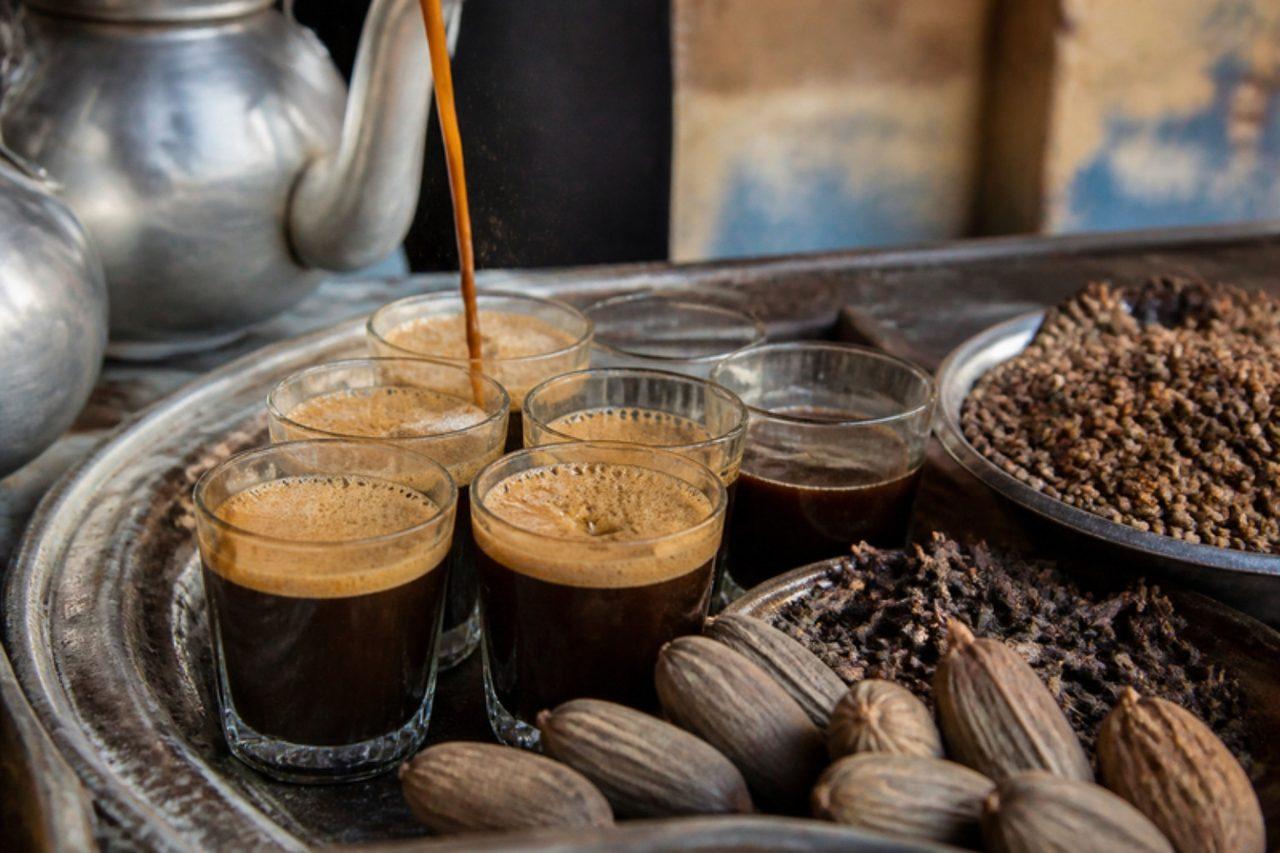
Poured from tall kettles into small cups on street corners from Dakar to the holy city of Touba, café Touba is coffee roasted together with djar, the smoky, peppery pods also called grains of selim, and often a few cloves. The drink is linked with the Mouride brotherhood and its founder Cheikh Amadou Bamba, and it is drunk sweet and strong at any hour. It has a deep roasted bitterness with a tingle of pepper and clove at the back of the throat. Roasting green beans at home takes about 20 minutes and makes enough for several pots; if you cannot get green beans, toast the spices separately and grind them with medium-roast coffee. Most people go wrong by grinding the djar (selim pepper) too coarsely, so its peppery note never comes through. Chef's tip: roast over a moderate heat and keep the beans moving, since high heat burns the outside while the inside stays raw and sour.

by KrazyBadal 0 views

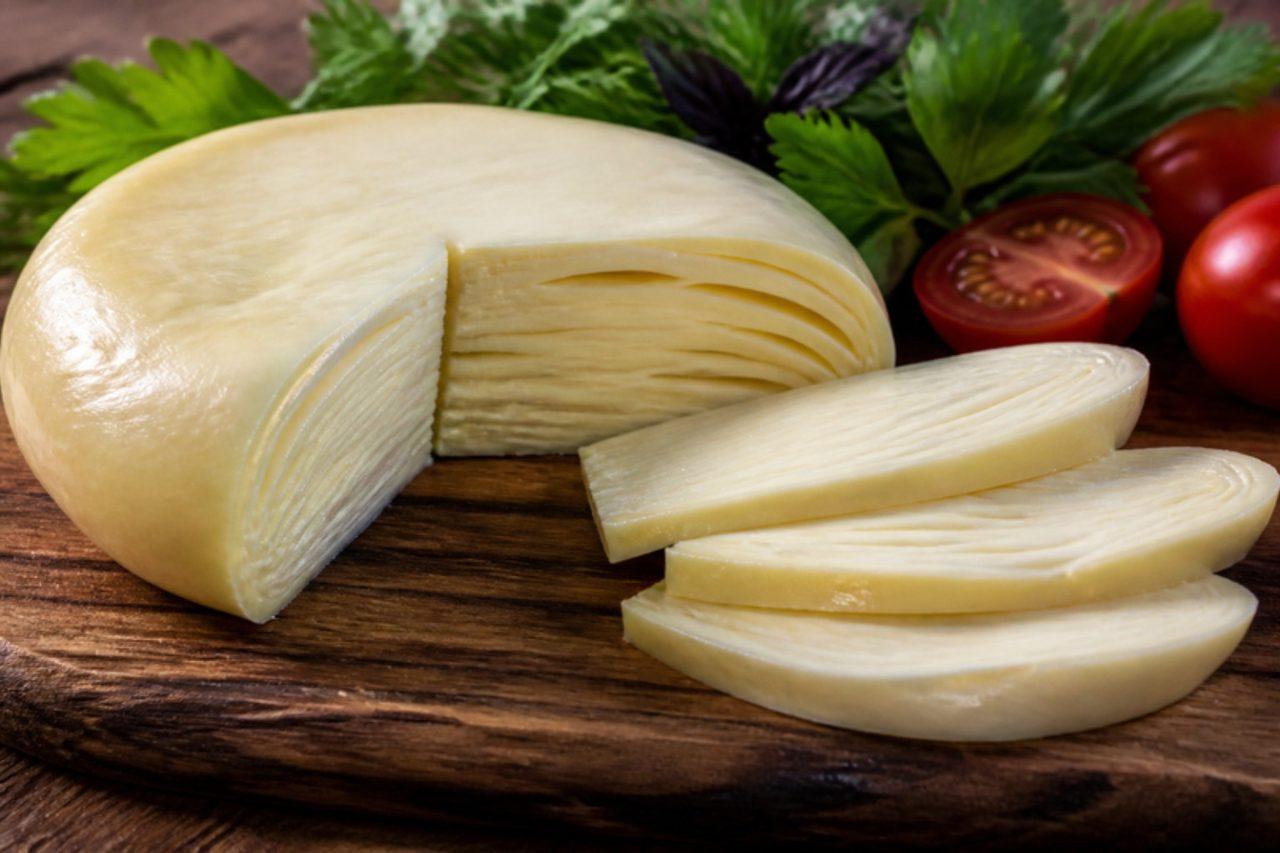
SulguniStretched cheese

Sulguni is the famous cheese of Samegrelo, made in Zugdidi homes by taking fresh, slightly soured curd, cutting it up and working it in hot water until it can be pulled into a glossy, layered, salty ball. It is eaten in thick slices, melted into elarji and khachapuri, and smoked over embers for a darker version. The curd has to be acidic enough to stretch, so you make the cheese one day and stretch it the next, or buy fresh Imeretian cheese and start from there. Traditionally animal rennet is used; vegetarian rennet works too. A common mistake is trying to stretch fresh, sweet curd; it melts into a puddle instead of pulling. Chef's tip: test a small piece in hot water first; if it stretches 30 cm without breaking, the curd is ready.

by KrazyBadal 0 views

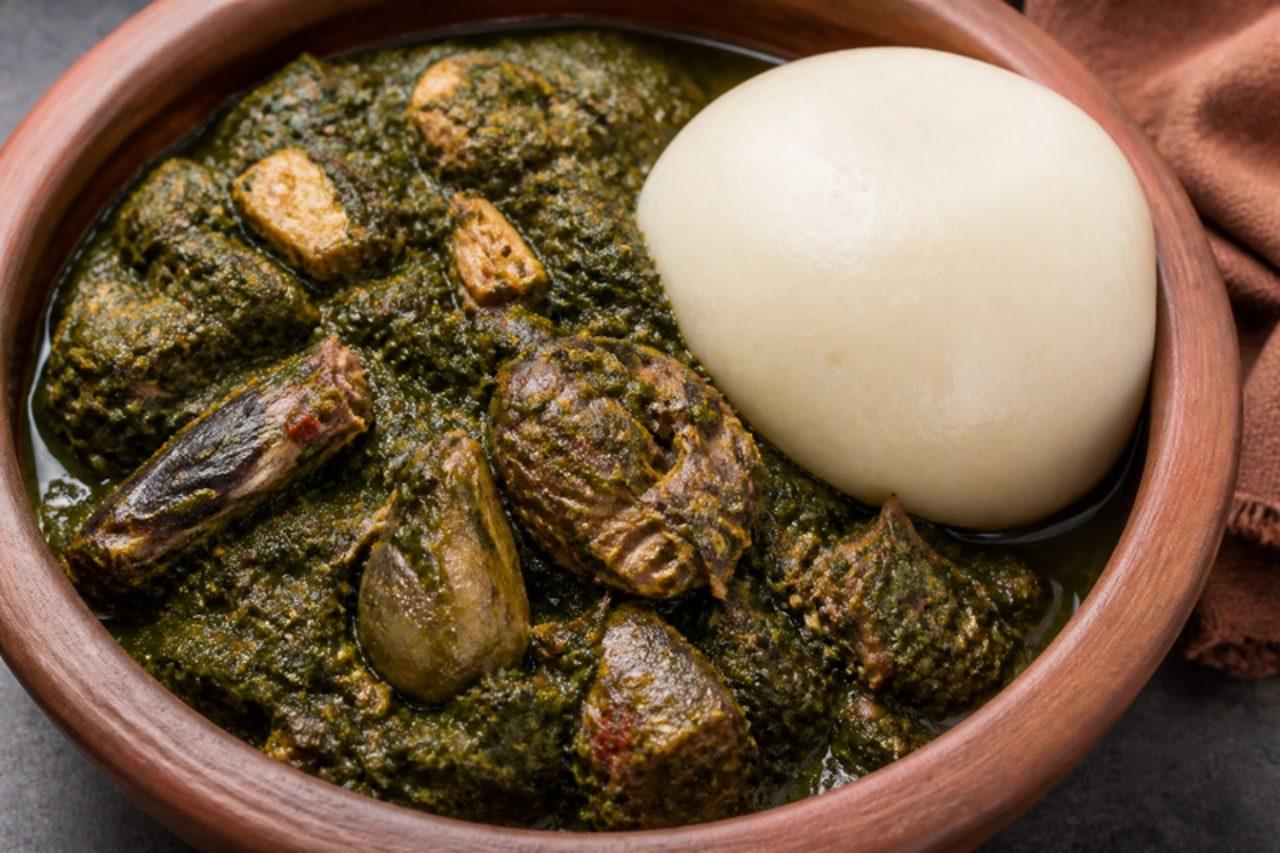
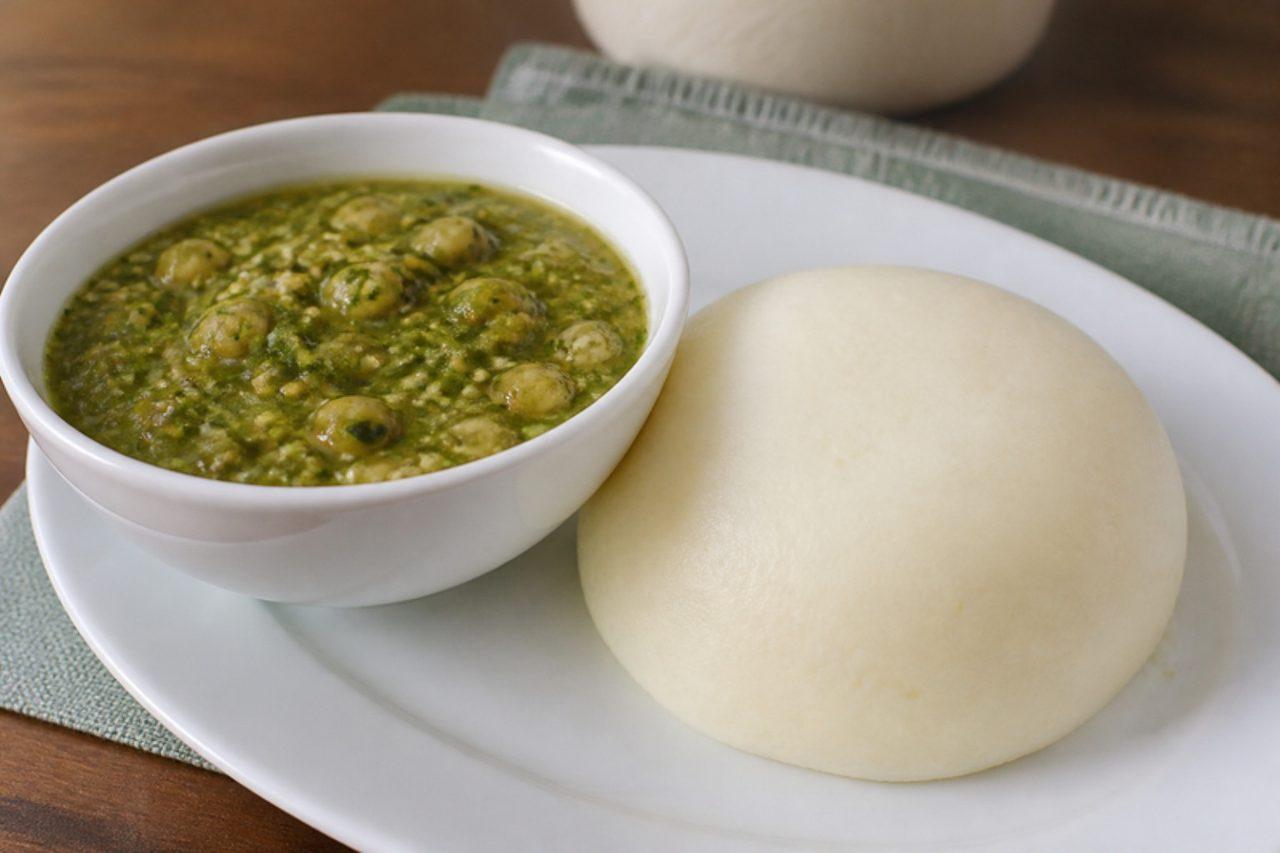
Abunuabunu (Ghanaian green soup)

Green from cocoyam leaves (kontomire), garden eggs and green chillies, abunuabunu is a home-style soup from the Ashanti and Bono farmlands, cooked when the leaves are young and plentiful. Traditionally it is made with giant land snails or bush meat; this version uses goat or beef with smoked fish, which are easier to find. The leaves and vegetables are boiled, pounded or blended and returned to the meat stock, giving a fresh, grassy, peppery soup with a gentle bitterness. It is eaten with fufu or ampesi (boiled yam and plantain). Spinach works if you cannot buy cocoyam leaves. Don't skimp on the cooking time for the cocoyam leaves; undercooked, they leave an itchy, scratchy feel in the throat. Chef's tip: always boil cocoyam leaves for at least 15 minutes, because underdone leaves leave an itchy, scratchy feeling in the throat; if you use snails, buy them cleaned from a reputable seller and simmer them until firm.

by KrazyBadal 0 views

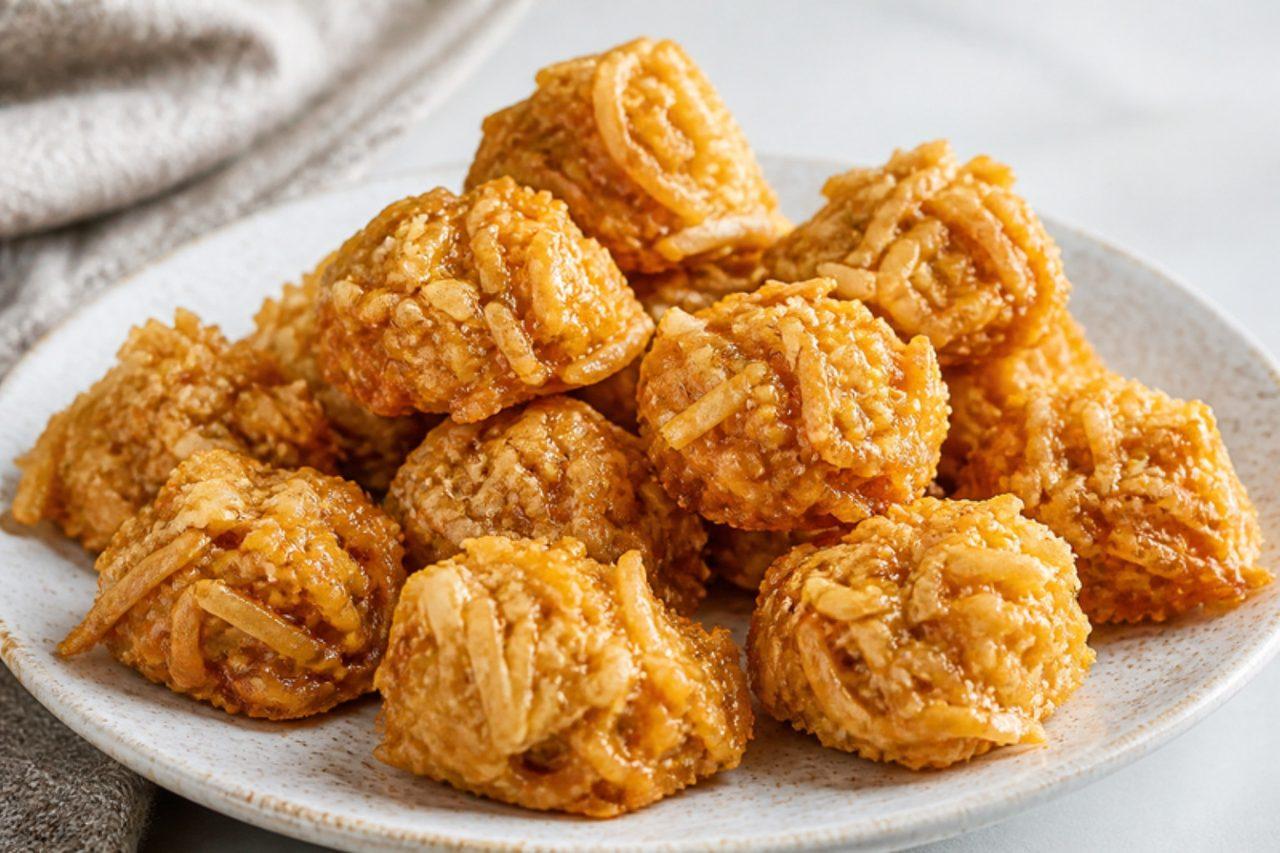
Nigerian coconut candy

Children across Nigeria spend their pocket money on coconut candy, little clusters of fresh coconut set in amber caramel, sold in small bags by school gates and at market stalls. Made at home it takes about half an hour, with a chewy-crunchy bite and a toffee flavour against the clean taste of fresh coconut. Taking the caramel too far is the common mistake, since dark caramel tastes bitter, so stop at a deep golden colour. Children can help shape the cooled candy, but keep them away from the hot sugar. Chef's tip: use freshly grated coconut, not desiccated; its moisture keeps the clusters chewy in the centre.

by KrazyBadal 0 views

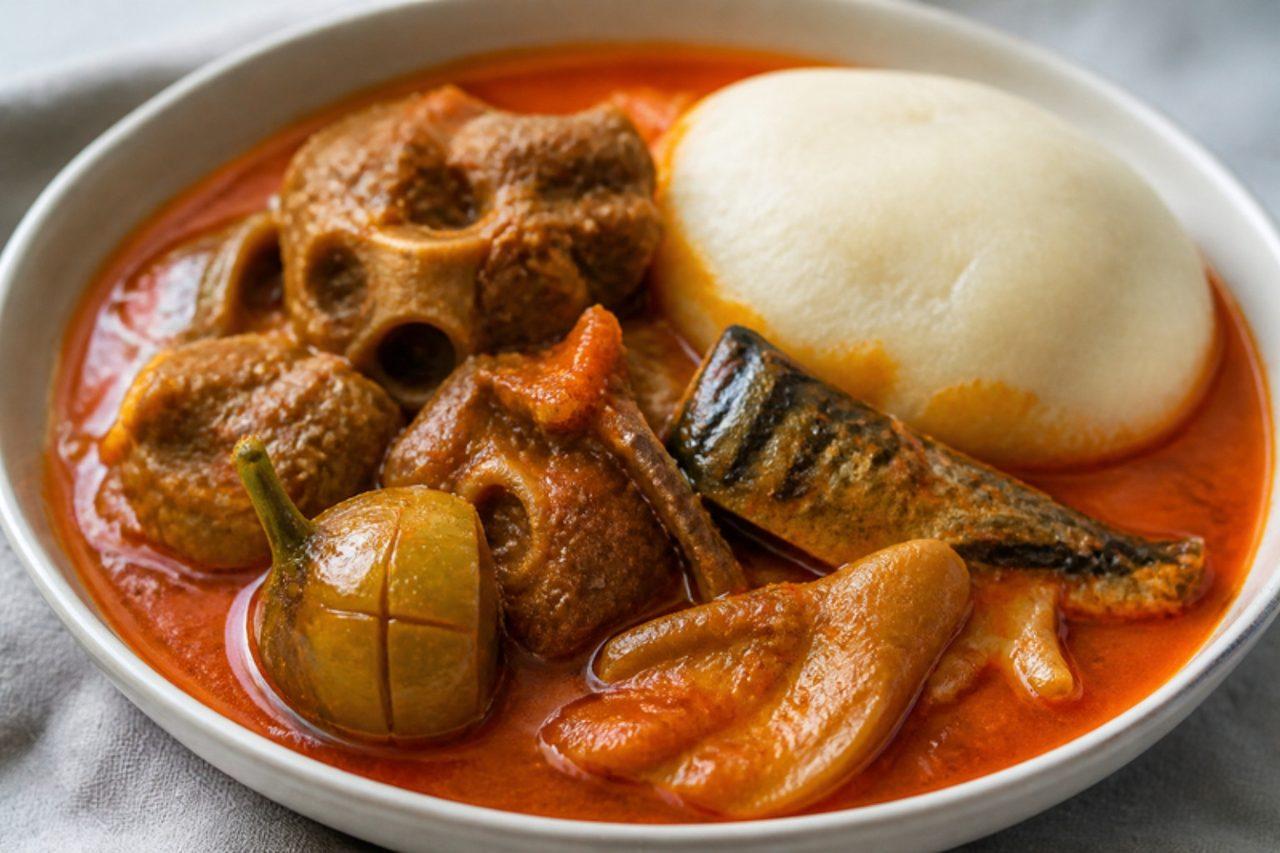
Abenkwan (palm nut soup with goat)

Sunday lunch in Kumasi often means a deep bowl of abenkwan, the brick-red palm-nut soup that chop bars serve all week with pounded fufu. Goat is first steamed in its own juices with onion and ginger, then simmered with garden eggs, tomatoes and pepper that are blended back in, and finally with the rich cream of palm fruit until a layer of orange oil floats on top. Smoked fish adds a savoury, smoky edge. The soup is thick, slightly sweet, earthy and peppery. Canned palm nut cream, sold in African shops, saves hours of pounding fresh fruit; small white aubergines can replace garden eggs. Chef's tip: simmer until the palm oil rises and collects on the surface; serving it earlier is the most common mistake and leaves the soup tasting raw and heavy.

130 minGhanaianMeatGluten free
by KrazyBadal 0 views

Hamam mahshi (stuffed pigeon)

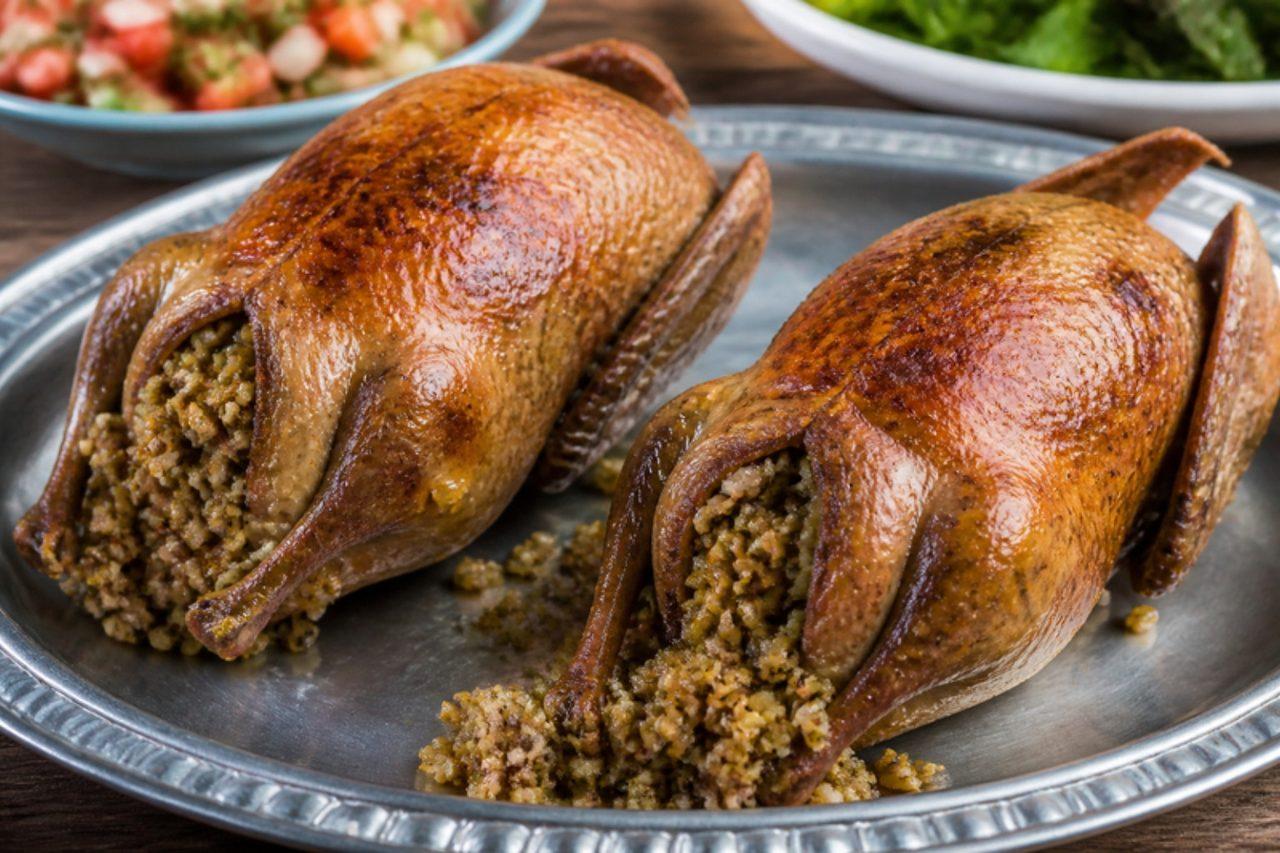
Pigeon towers still rise above villages in the Nile Delta, and stuffed pigeon is a celebration dish there and in Cairo's famous pigeon restaurants; it is traditionally served to newlyweds and at feasts. Each small bird is filled with freekeh (smoky green wheat) cooked with onion, giblets and warm spices, then simmered in a cardamom broth until tender and finished in a hot oven or fried so the skin turns deep brown and crackling. The meat is dark and rich, closer to duck than chicken, and the freekeh soaks up all the juices. Serve one bird each with a salad, pickles and the broth as soup. Use farmed squab from a poultry supplier. Chef's tip: stuff the birds loosely and sew or skewer them shut; freekeh swells as it cooks and an overfilled pigeon bursts.

by KrazyBadal 0 views

Domedo (Ghanaian spiced pork)

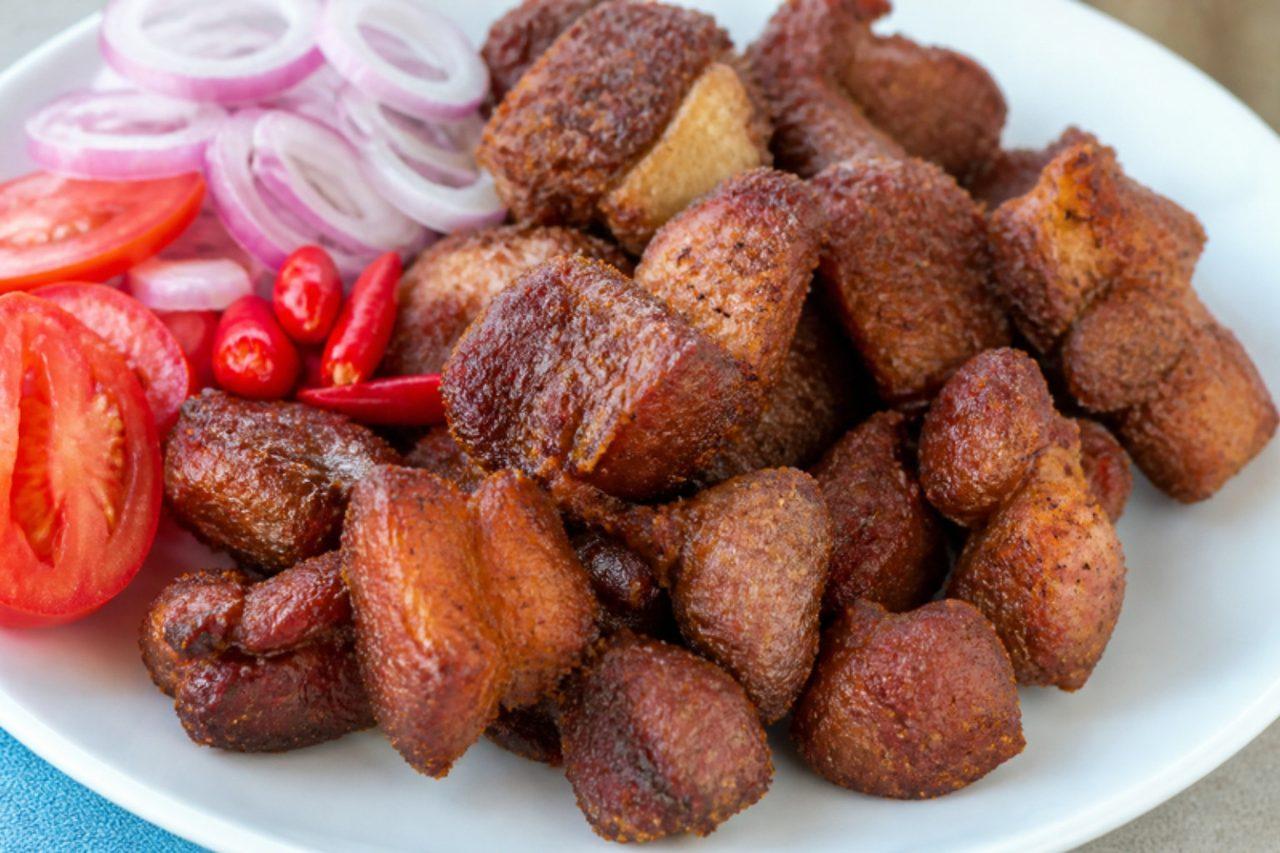
Domedo is pork: chunks of pork shoulder or belly rubbed with ginger, garlic, onion, cloves and chilli, simmered until tender, then roasted or fried until the edges turn crisp and caramelised. Around Accra it is a favourite at chop bars and roadside grills in the evening, wrapped in paper with raw onion, sliced tomato and a pile of fresh pepper, often alongside kenkey. The meat is juicy and spicy with a crackling, salty outside. Cooking it twice means the fat renders out and the chunks stay moist. Chef's tip: dry the boiled pork well before roasting and give the pieces space on the tray; crowding them is the usual mistake, and they steam instead of crisping.

by KrazyBadal 0 views

Tunisian octopus salad

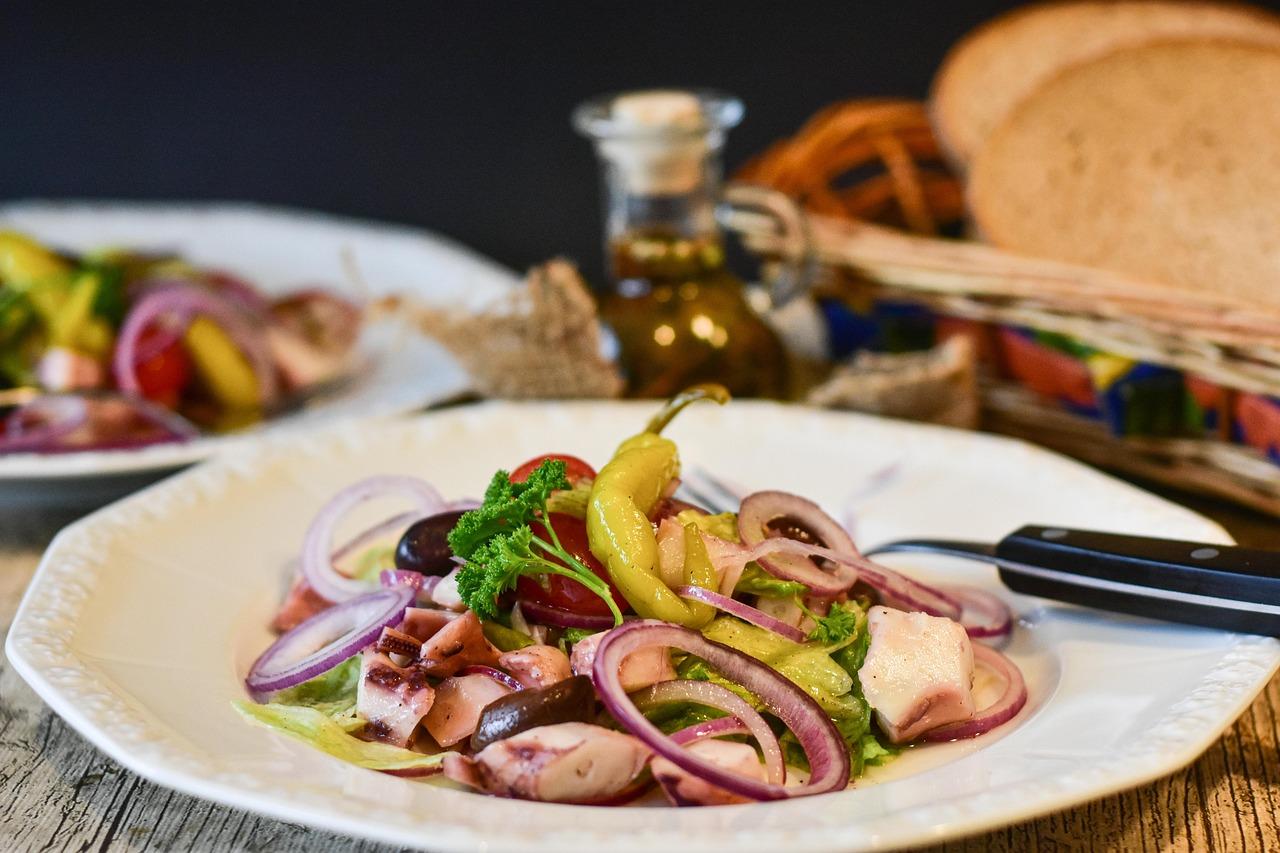
Fishermen of the Kerkennah islands, off Sfax, still catch octopus in clay pots laid on the shallow seabed, and in winter the season's catch turns up in harbour cafés and home kitchens as this simple salad. The octopus is simmered slowly until tender, cooled in its broth, then sliced and tossed with red onion, plenty of parsley, lemon juice and good olive oil, with a little harissa if you like. It is light, clean and briny, eaten as a starter with bread or on a summer table of salads and grilled fish. Buy octopus from a reputable fishmonger; frozen and thawed octopus is often more tender than fresh. A common mistake is boiling the octopus at a rolling boil, which makes it rubbery; keep it at a gentle simmer until a knife slides in easily. Chef's tip: let the cooked octopus cool in its cooking liquid for 20 minutes before slicing; it stays juicy rather than tightening up.

by KrazyBadal 0 views

Chura gerte (Gambian rice and peanut porridge)

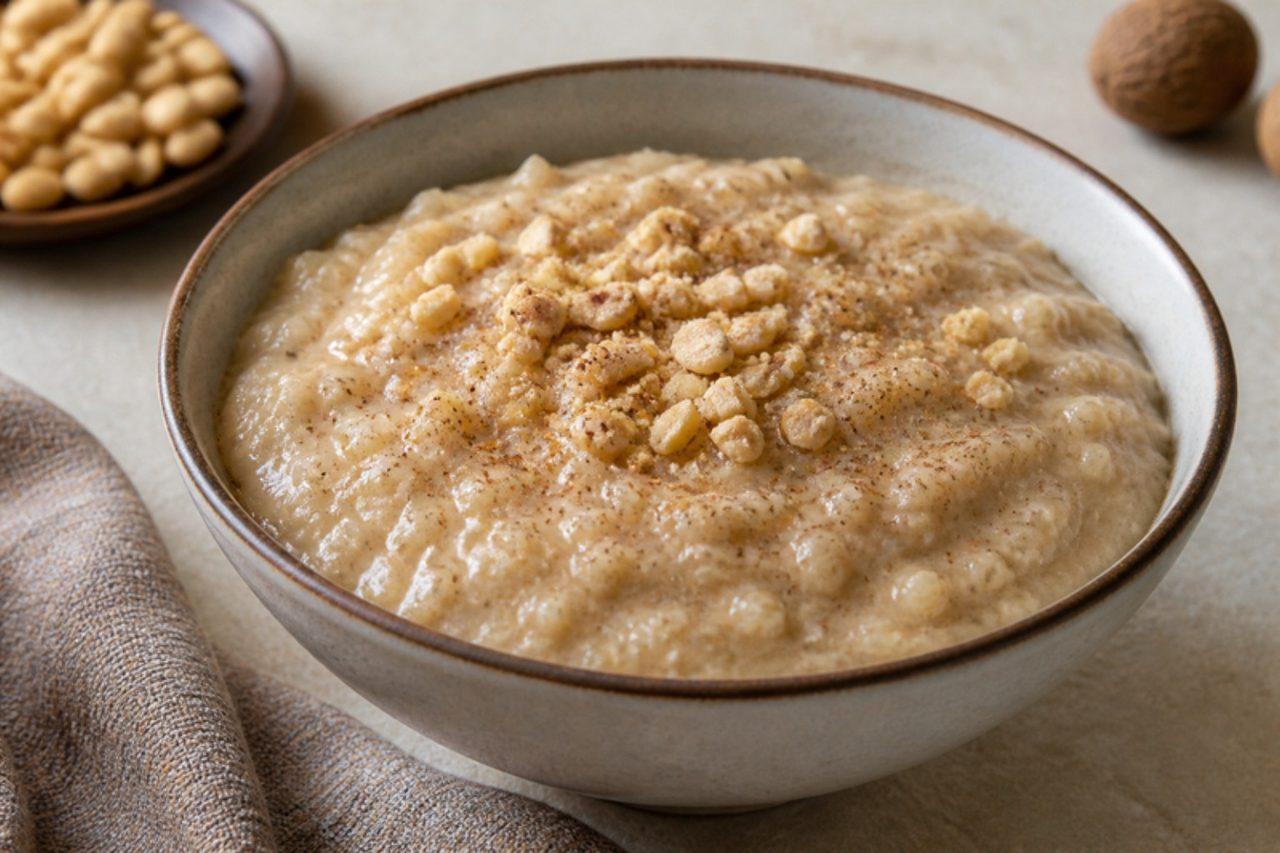
Groundnuts are The Gambia's great crop, and chura gerte, rice porridge cooked with ground roasted peanuts, is how many families in Banjul and Serekunda start the day. Broken rice is simmered until soft and creamy, then the peanut paste goes in with sugar, a pinch of salt and sometimes vanilla or nutmeg. It is thick, comforting and nutty, a bowl that keeps children going until lunch. Some households pour sour milk over the top; leave it out, as here, and the porridge is vegan. Avoid adding the peanut paste in one lump; whisk it in loosened with hot liquid or it clumps. Chef's tip: stir the peanut paste into the rice only once the grains are completely soft, because rice cooked in peanut from the start catches on the base and stays chalky.

by KrazyBadal 0 views

Boiled groundnuts in the shell

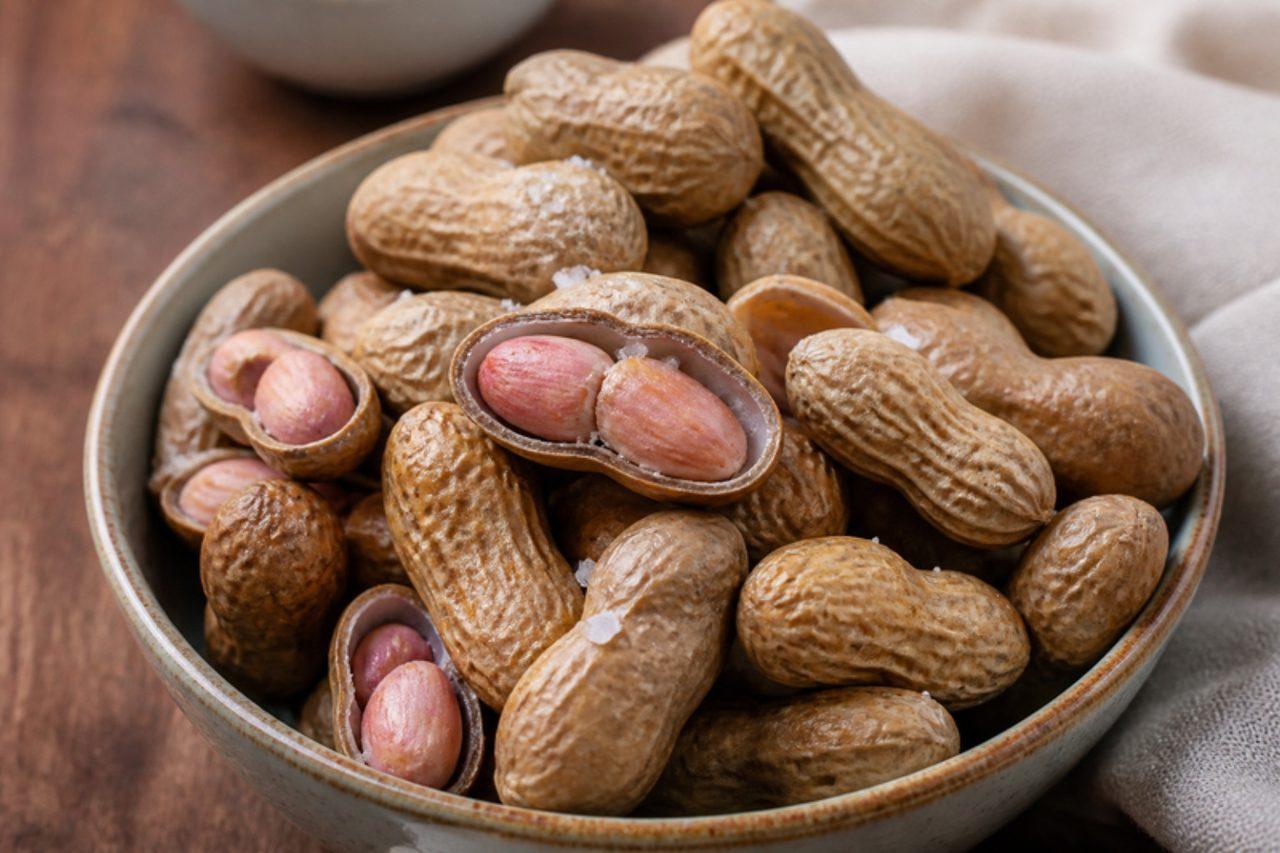
Freshly dug groundnuts appear in markets from Ibadan to Kano when the rains come, still muddy in their pale shells, and hawkers sell them boiled in salt water by the cupful, often next to roasted corn. Boiling turns the kernels soft and creamy, like a cooked bean, with salt seeping through the shell. They are eaten warm on the way home, cracked open with the thumbs. Using dried shop peanuts and boiling them for the same time is the usual mistake: they stay hard, so soak dried ones overnight and boil for 2–3 hours. Chef's tip: let them sit in the hot brine for 15 minutes after cooking, so the salt soaks in.

by KrazyBadal 0 views

Daal mashWhite urad dal with ghee tarka

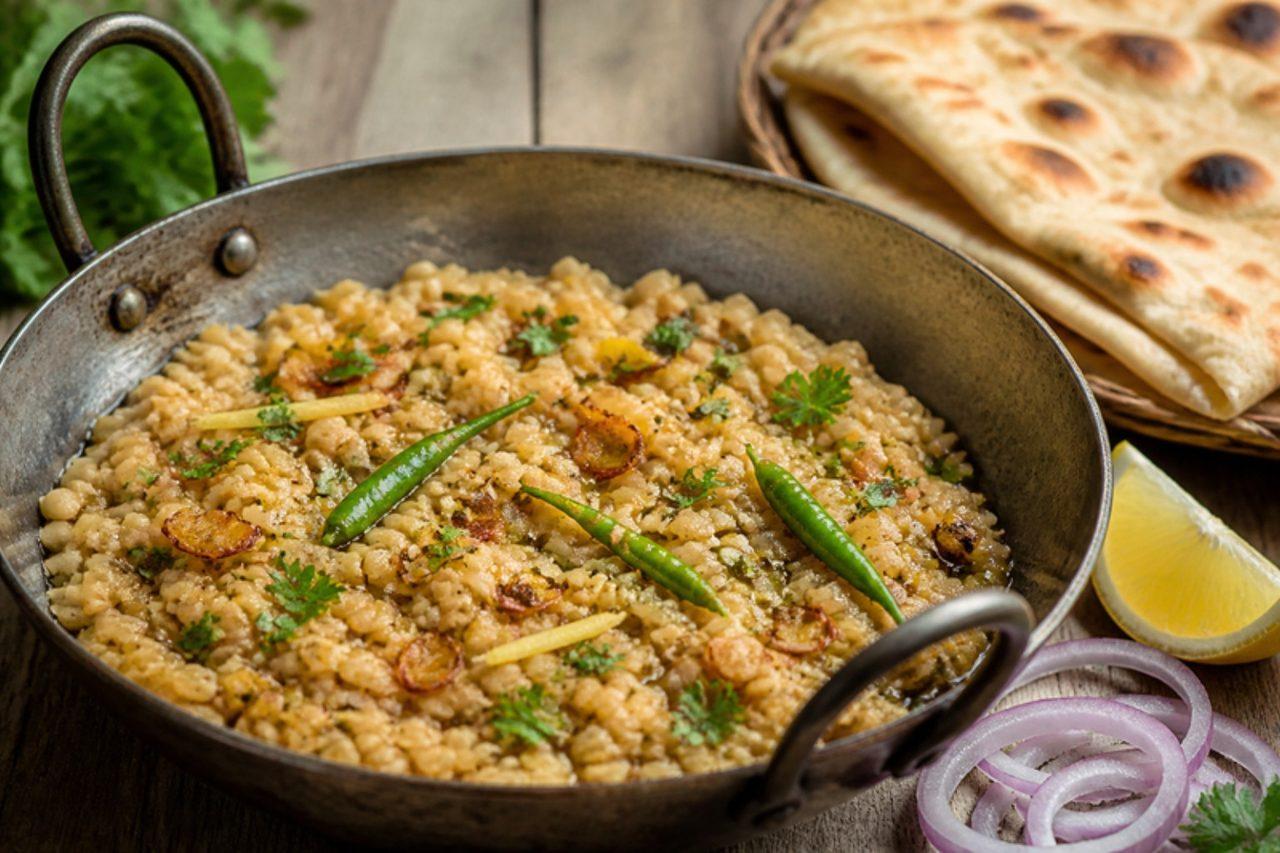
Walk into any dhaba on Lahore's Mall Road or in the lanes behind Anarkali after dark and daal mash is on the counter beside the tandoor, a pot of split white urad lentils cooked until each grain is soft but still separate, never a soup. It is eaten scooped up with hot tandoori roti, with a heap of raw onion rings and a squeeze of lemon, and it is rich enough to stand in for meat at a weeknight dinner. The flavour comes almost entirely from the last minute: a ladle of ghee crackling with garlic, ginger, green chilli and cumin poured over at the table. The usual mistake is adding too much water, which turns it to mush; it should cook in just enough to be absorbed. Chef's tip: soak the dal for 30 minutes and stir it as little as possible once it is in the pot, so the grains stay whole.

by KrazyBadal 1 views

Roasted corn and ube (African pear)

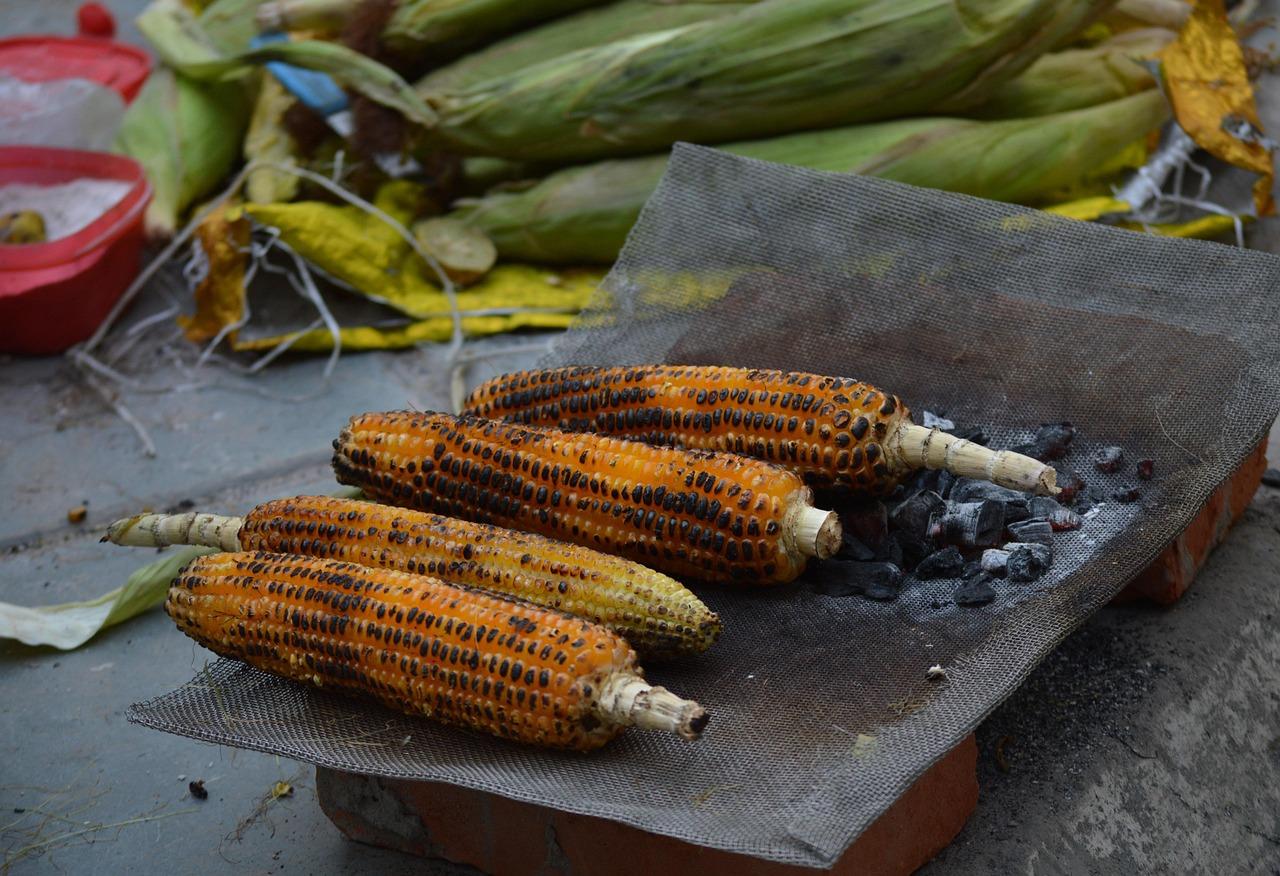
When the rains come between June and September, roadside roasters all over southern Nigeria fan charcoal under rows of maize cobs, and next to them sits a basin of ube, the purple African pear, softened in hot water. A bite of chewy, smoky corn and a scrape of the pear's rich, salty, almost avocado-like flesh is the whole point, and at home a grill or a gas flame does the job. Dropping ube into boiling water is a common mistake: the skins split and the flesh turns watery and bitter, so use water that is hot but not bubbling. Chef's tip: no ube? Fresh coconut chunks are the other classic partner for roasted corn.

by KrazyBadal 0 views

LencsefőzelékLentil stew

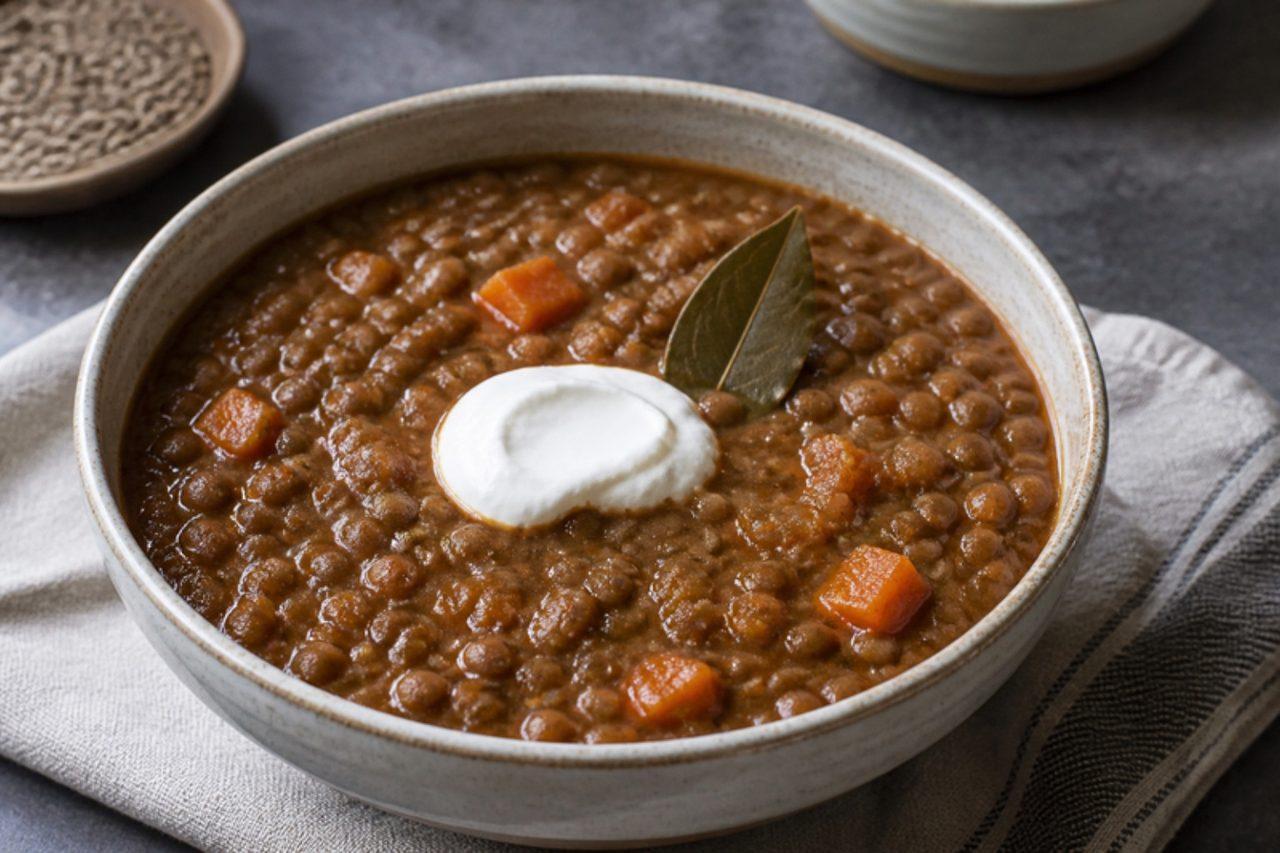
On New Year's Day all over Hungary, a pot of lencsefőzelék sits on the stove, because every lentil eaten is meant to bring a coin in the year ahead. The rest of the year it is an everyday Budapest canteen dish. Meat-eaters often top it with sausage or a fried egg; this version is fully plant-based and eaten with pickled vegetables and crusty bread. The lentils cook until creamy with a whole bay leaf, a little carrot and onion, then a paprika roux made with oil and a dash of vinegar turn them into a thick, savoury, gently sour stew. Where most people go wrong is making the roux too dark or adding paprika over high heat, which turns it bitter; take the pan off the heat first. Chef's tip: rest the finished stew for 10 minutes before serving; it thickens and the flavours settle.

by KrazyBadal 0 views

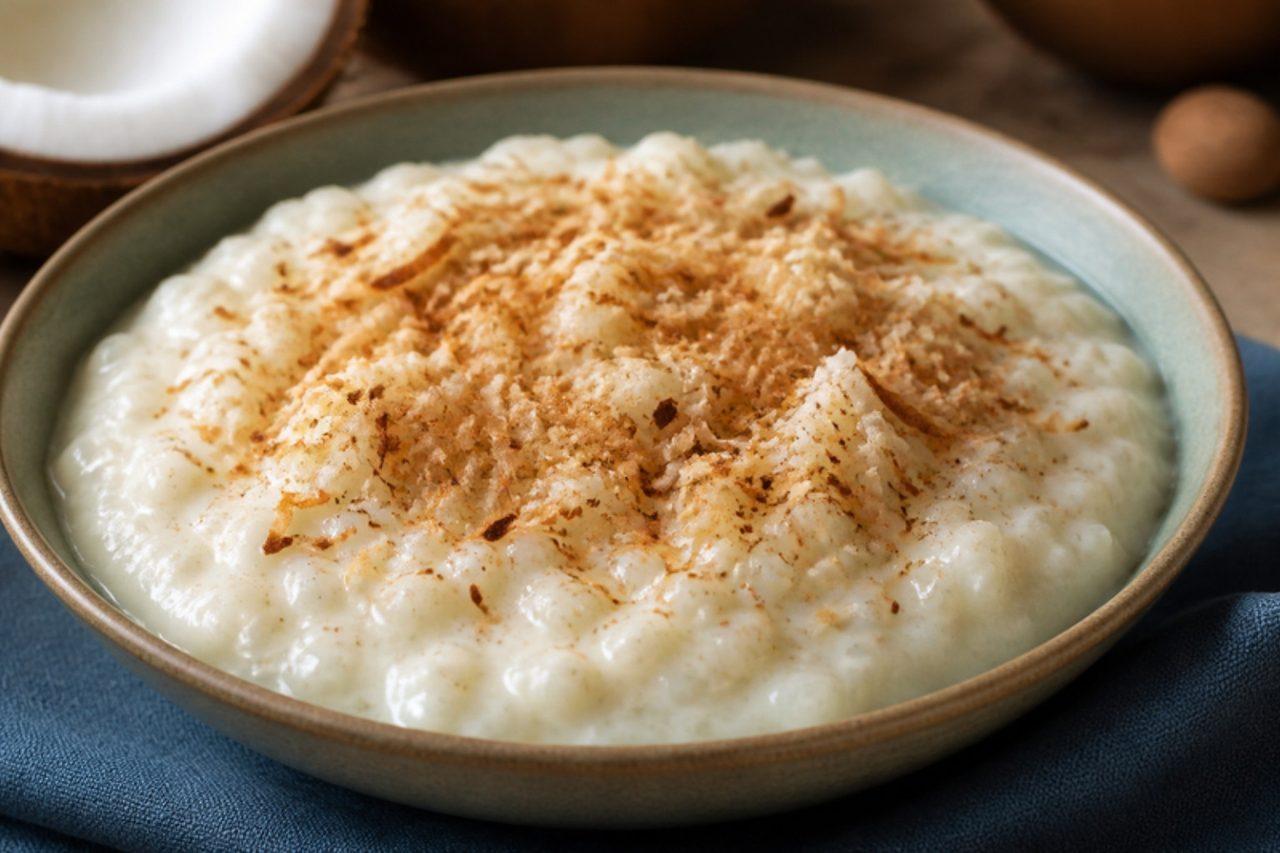
Sombi (Senegalese coconut rice pudding)

Spooned warm from a pot at the Ramadan ndogu, the evening break of the fast, or eaten as a gentle supper on cool Dakar nights, sombi is the Senegalese take on rice pudding. Broken rice is simmered in water first, then in coconut milk and a little dairy milk until it turns soft and creamy, sweetened just enough and finished with vanilla and a pinch of nutmeg. The texture is looser than a baked rice pudding, almost porridge-like, with a clean coconut taste. Broken rice, sold as brisures in African shops, cooks fastest and gives the right silky feel. Avoid boiling hard once the coconut milk goes in, or it splits and turns greasy. Chef's tip: add the coconut milk only after the rice is half cooked in water, because grains boiled from raw in coconut milk stay hard and the fat can split.

by KrazyBadal 0 views

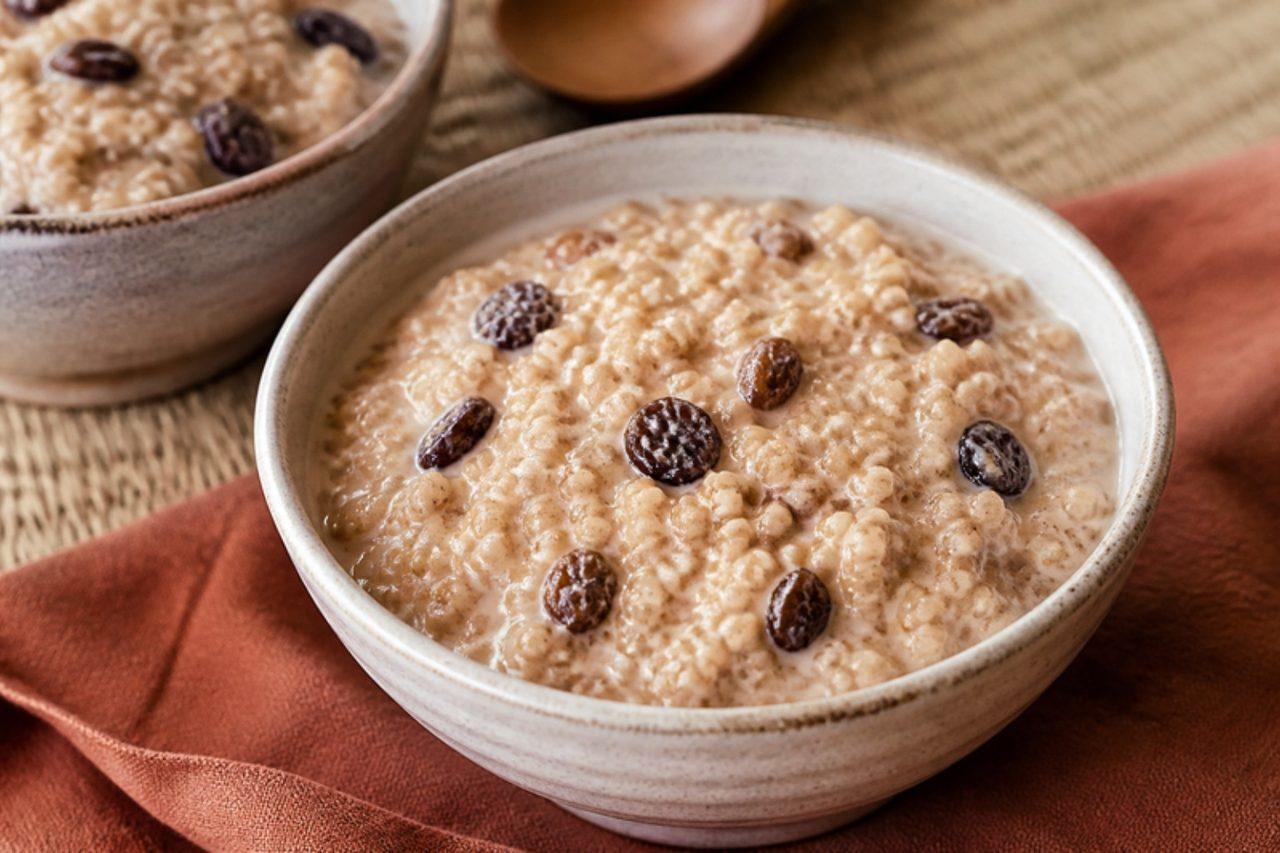
Ngalakh (millet in baobab-peanut cream)

Every Easter, Christian families in Dakar, Thiès and Ziguinchor make big pots of ngalakh and carry bowls of it to Muslim neighbours and friends, a gesture of sharing that many Senegalese treasure. Steamed millet pellets are folded into a thick, tangy cream of baobab pulp and peanut butter, scented with vanilla, orange flower water and nutmeg, and sometimes studded with raisins. It is served chilled, sweet and nutty with a citrus-like sourness from the baobab, and it keeps well for a couple of days. No dairy is used, so it is vegan. Chef's tip: use plain peanut butter with no added sugar or palm oil, and let the dessert rest in the fridge for a few hours, because the flavours only come together once the millet has drunk up some of the cream.

by KrazyBadal 0 views

Tuwo masara (stiff maize swallow)

On the Plateau and throughout the north, a pot of white maize flour turned stiff with a wooden paddle is the daily partner to miyan kubewa (okra soup), miyan kuka and vegetable soups. Tuwon masara is smooth, slightly springy and mild, with a faint sweetness of corn. The secret is to start with a thin cooked paste and only then add the dry flour, which keeps it lump-free; dumping all the flour into boiling water is the mistake that gives raw, gritty pockets. Chef's tip: use a sturdy, flat wooden spoon and press the tuwo hard against the side of the pot when you turn it.

by KrazyBadal 0 views

Ukwa (African breadfruit porridge)

Ukwa is festival and family food in the Igbo Southeast, cooked for guests and for the New Yam season, and its price in the market shows how prized it is. The seeds of the African breadfruit are dehulled and slow-cooked with a little potash until soft and creamy, then finished with palm oil, onion, pepper and fragrant utazi or scent leaves, giving a rich, nutty, slightly beany porridge. Dried fish is often stirred in; this version stays meat-free. Some cooks add fresh sweetcorn or cooked maize in the last 10 minutes. A pressure cooker saves an hour of simmering. Chef's tip: add the salt and stock cube only once the seeds are soft; seasoning early, a common mistake, keeps them hard for much longer.

by KrazyBadal 0 views

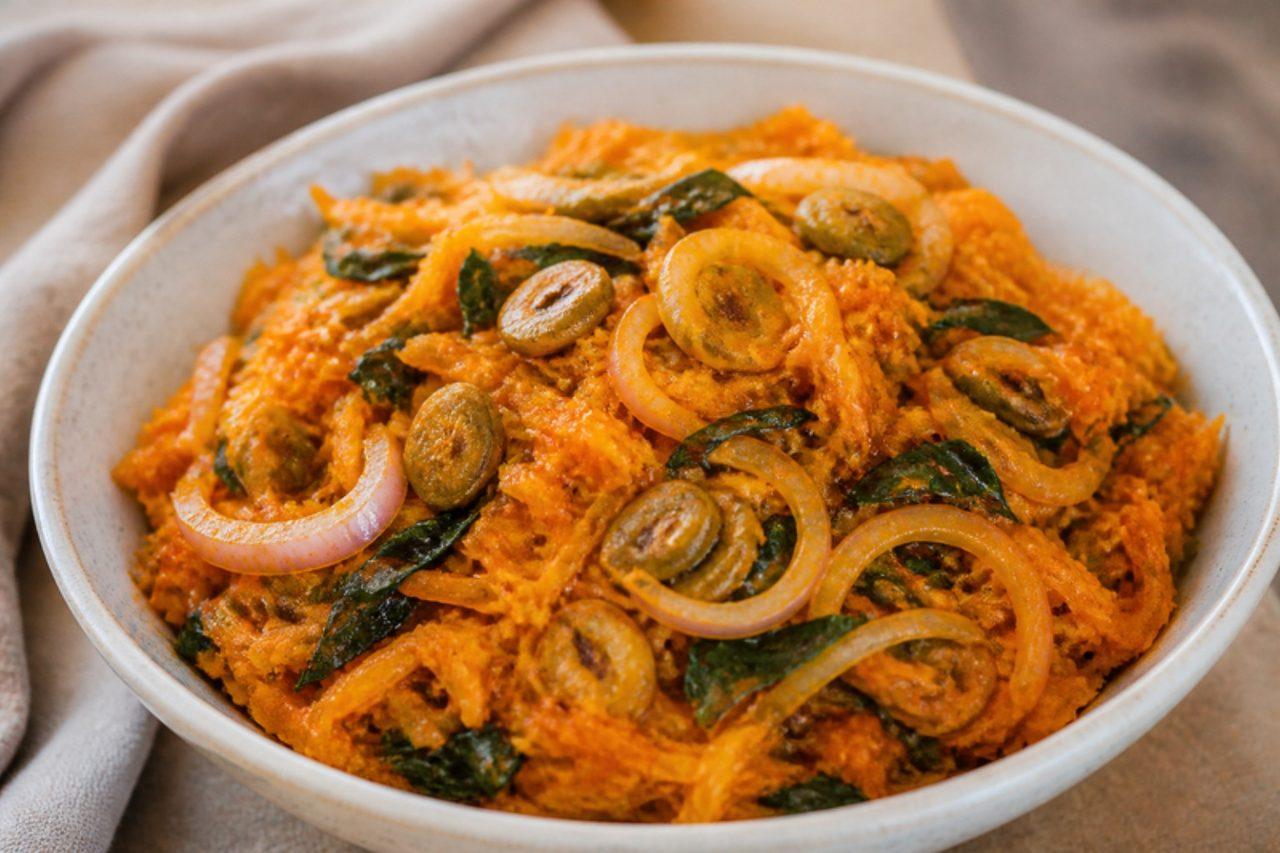
Abacha (African salad)

Abacha is the evening snack of Anambra and Enugu, sold by women on street corners and served at Igbo weddings and funerals, where people call it African salad. Dried cassava shreds are softened in water and tossed in ncha, a thick yellow emulsion made by stirring palm oil with potash water, together with fermented oil bean (ugba), sliced onion, pepper and ground calabash nutmeg, then finished with garden egg leaves and fresh garden eggs. It is chewy, oily, peppery and fresh all at once. Stockfish, ponmo or crayfish are often added; this is the meat-free way. Outside Nigeria, African shops sell abacha and ugba; leave the ugba out if you cannot find it. Chef's tip: soak the abacha only until it is just pliable; left too long it turns mushy, which is the mistake that ruins the texture.

by KrazyBadal 0 views

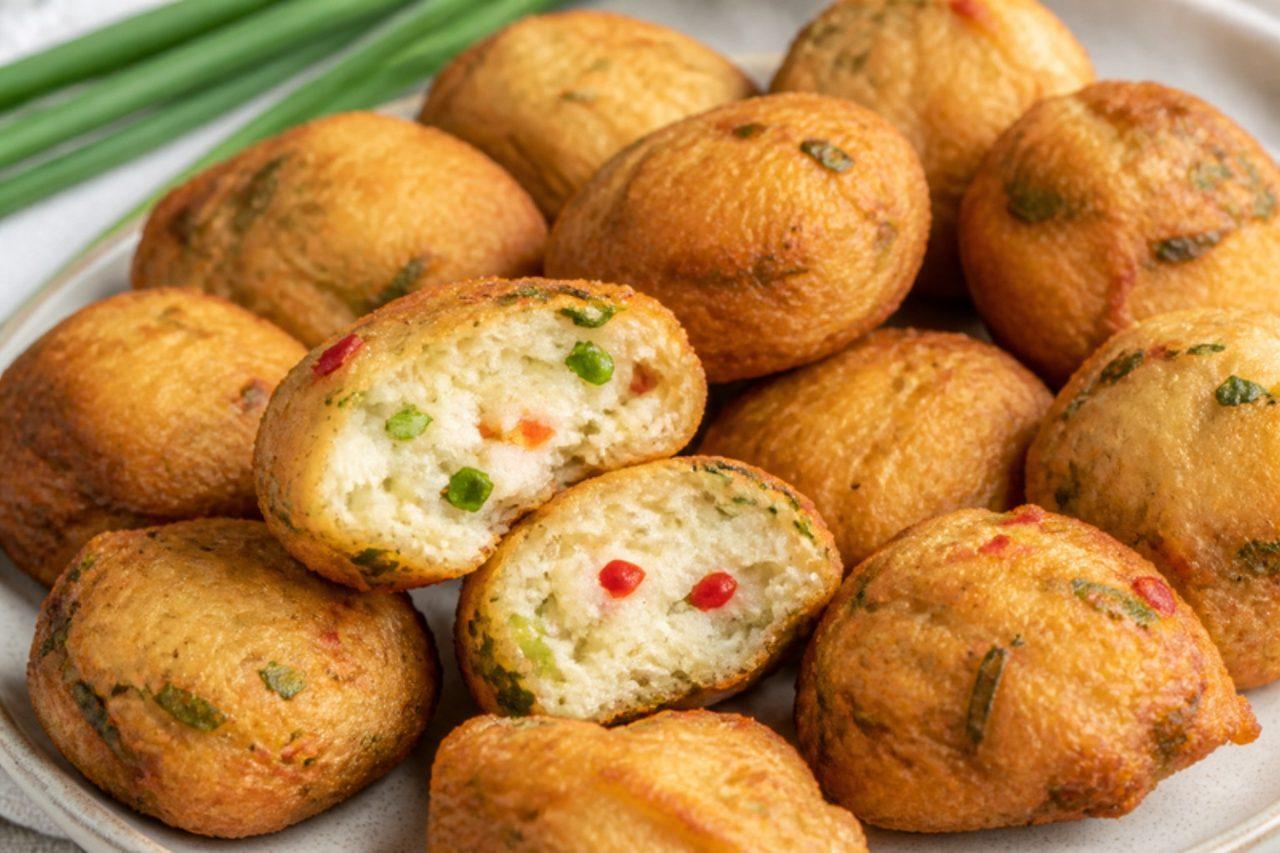
Ojojo (water yam fritters)

Ojojo is what Yoruba households do with water yam when they want a snack instead of a pottage, and roadside fryers in the Southwest sell it hot in paper with akara. The grated yam is mixed with chopped onion, fresh chilli and salt, then dropped by the spoonful into hot oil, where it puffs into craggy, golden fritters with a crisp shell and a soft, slightly chewy centre. Eat it hot with a pepper sauce, or with ogi (fermented corn pap) for breakfast. Wear gloves to peel and grate water yam, which makes the skin itch. Chef's tip: grate the yam just before frying and don't let the batter sit; it darkens and loosens as it stands.

by KrazyBadal 0 views

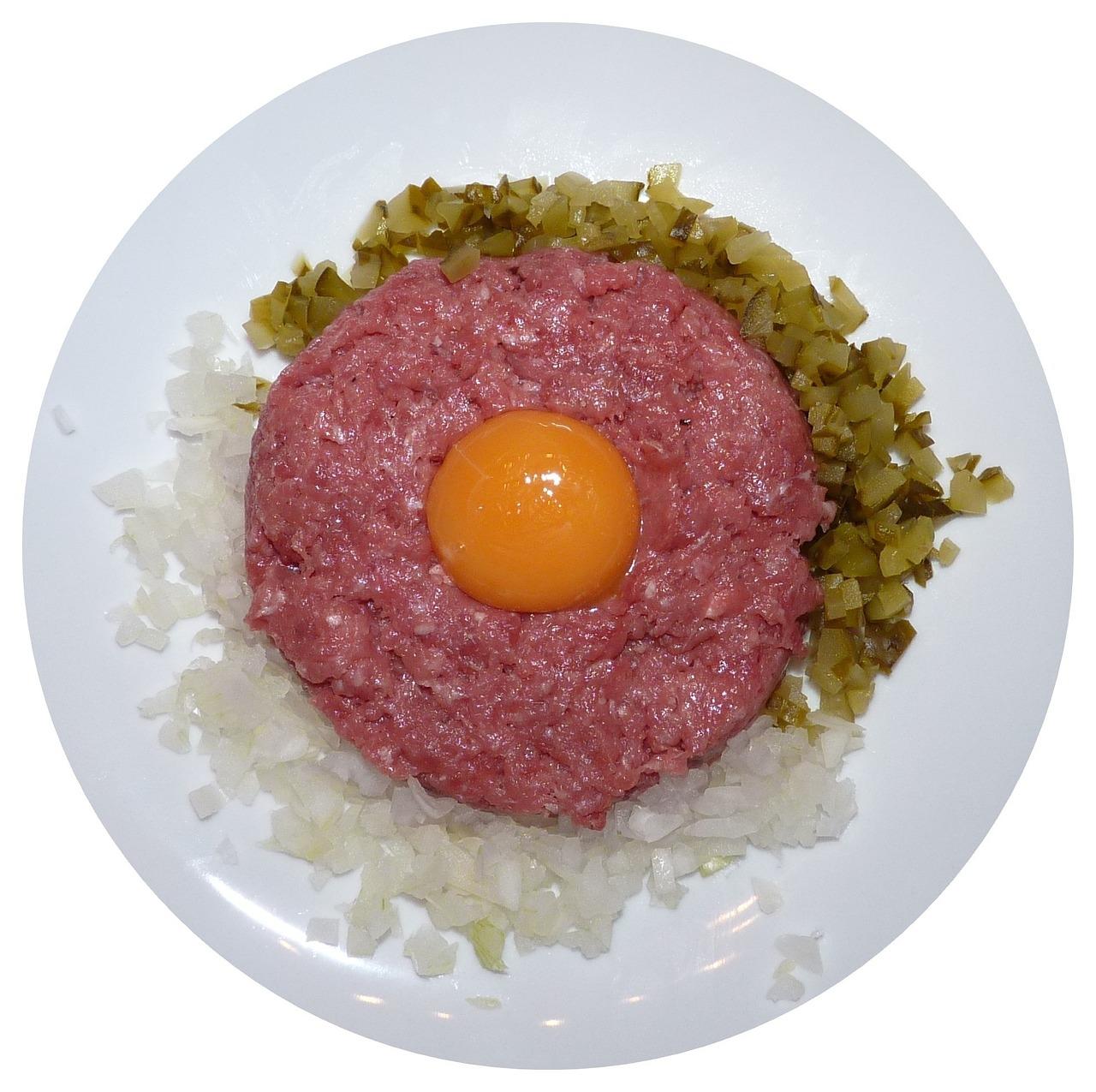
Filet américainRaw minced steak spread

Despite its name, filet américain is a Belgian classic, served in Brussels brasseries with a mound of fries, or spread on a baguette as the famous 'broodje américain': very fresh lean beef, finely minced and mixed with mayonnaise, mustard, capers, chopped onion, parsley and a dash of Worcestershire sauce and Tabasco, so it is creamy and tangy. The beef is eaten raw, so it is not for pregnant women, young children or anyone with a weakened immune system. Buy a whole piece of the freshest steak from a trusted butcher, trim it and mince it yourself just before serving; never use ready-minced beef. A common mistake is preparing it in advance; make it and eat it at once. Chef's tip: chill the meat and the bowl well and mix with a fork, not a processor, so it stays loose. Use shop-bought mayonnaise, which is made with pasteurised egg.

by KrazyBadal 1 views

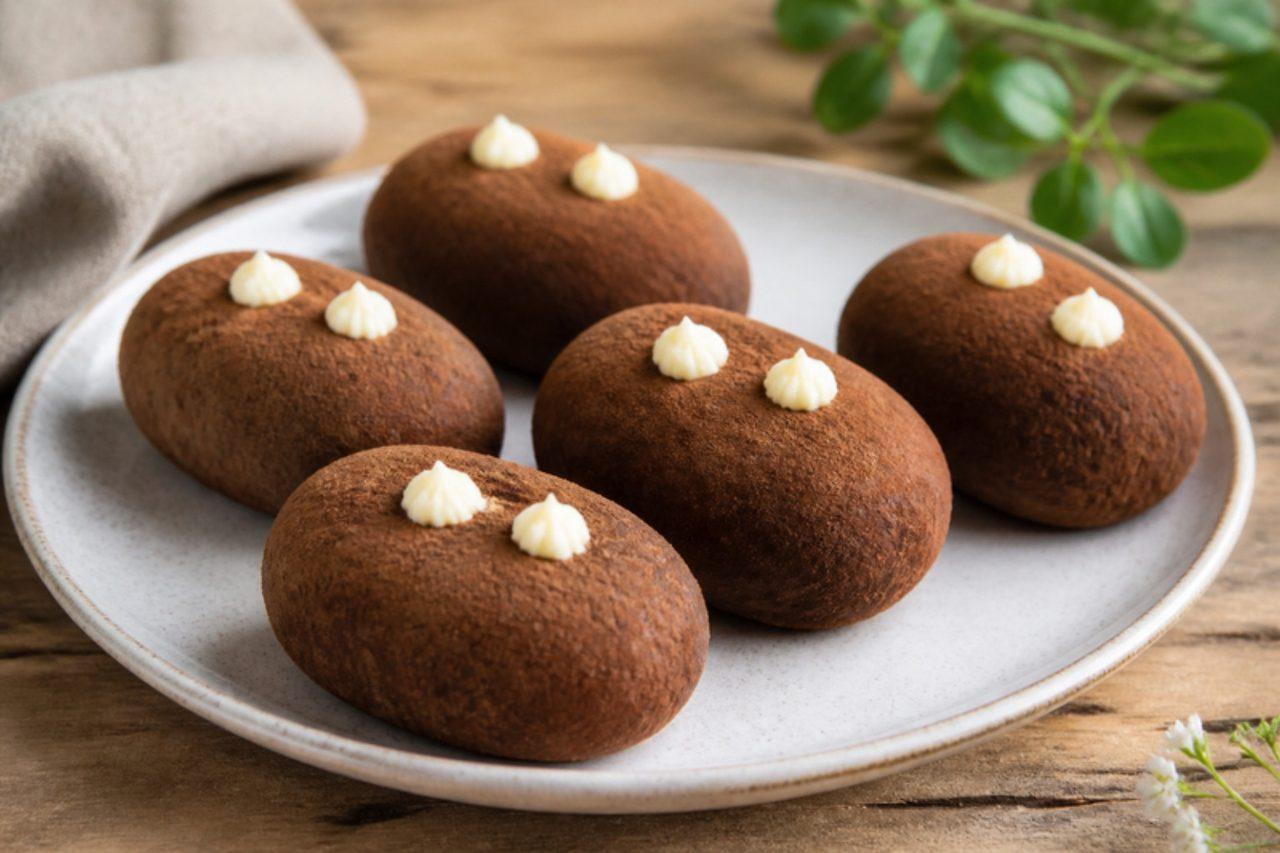
Kartoshka cakeCocoa and cake crumb truffles

Soviet cafés and school canteens sold these knobbly brown 'potatoes' for a few kopecks, and they began as a thrifty way to use up sponge and biscuit trimmings at the bakery. Crumbs are bound with butter and sweetened condensed milk, flavoured with cocoa and vanilla, shaped into little potatoes, rolled in cocoa and finished with two dabs of pale butter cream for the sprouts. They are fudgy and dense like a brownie truffle, need no oven, and children love making them. Traditional bakers added a spoonful of rum, an optional extra for adult batches only; this version is alcohol-free with vanilla. The usual slip is coarse crumbs, which make the potatoes crack, so blitz them as fine as sand. Chef's tip: chill the shaped potatoes for at least 20 minutes so they hold their shape and slice cleanly.

by KrazyBadal 2 views

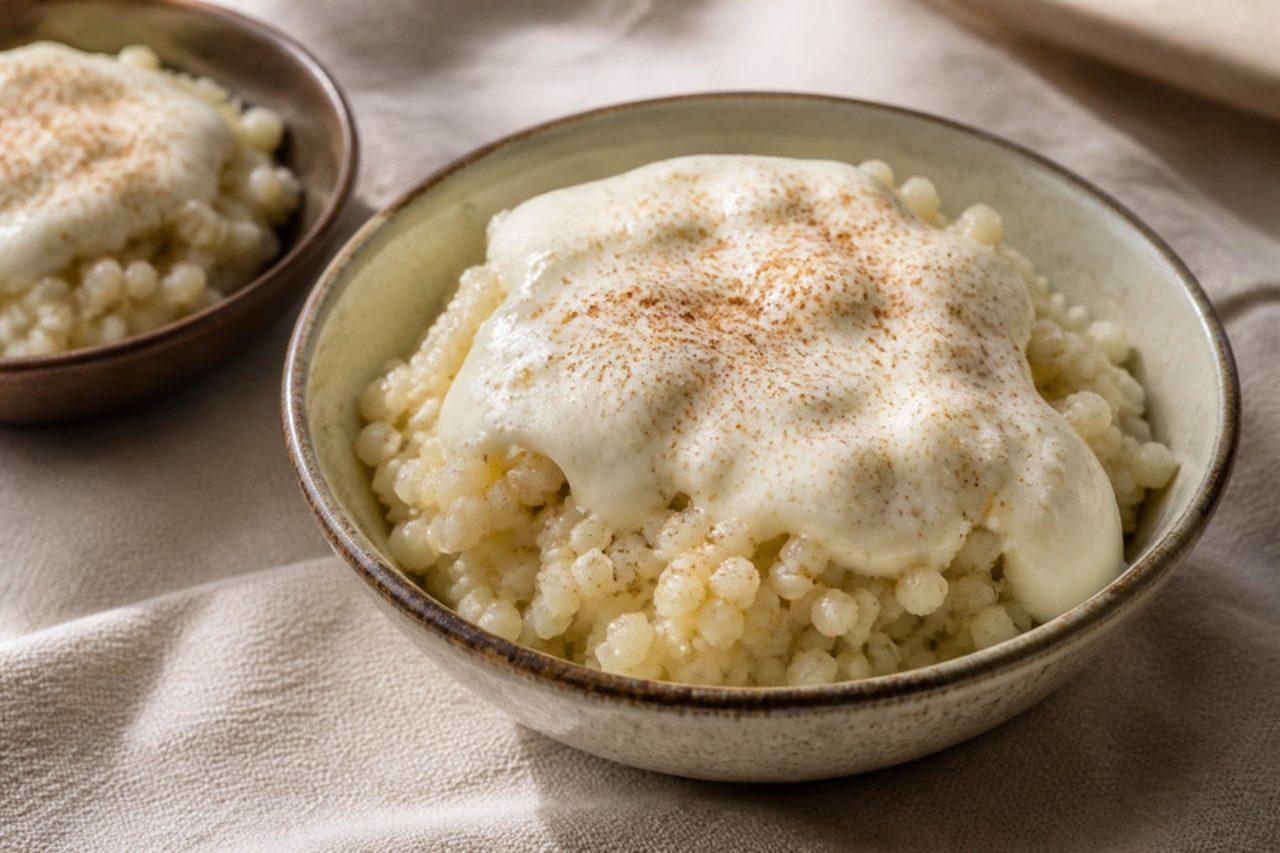
Lakh (millet porridge with sweet curd)

Thick, warm millet porridge topped with cold, sweetened curd: lakh is a Senegalese pairing of contrasts that turns up at naming ceremonies, family gatherings and on Ramadan evenings in Dakar. The millet is rolled into tiny pellets and simmered until it sets like soft polenta, then a creamy sauce of soured milk, sugar and baobab powder is poured over, its tang lifted by vanilla or orange flower water. Each spoonful mixes chewy, nutty grains with something cool and lightly sour. Plain yoghurt mixed with a little cream stands in well for Senegalese soow; use pasteurised dairy and keep leftovers in the fridge. Don't pour the curd over hot porridge; let the lakh cool so the curd stays thick and fresh. Chef's tip: cool the porridge until just warm before adding the curd, so the sauce stays thick instead of thinning out.

by KrazyBadal 0 views

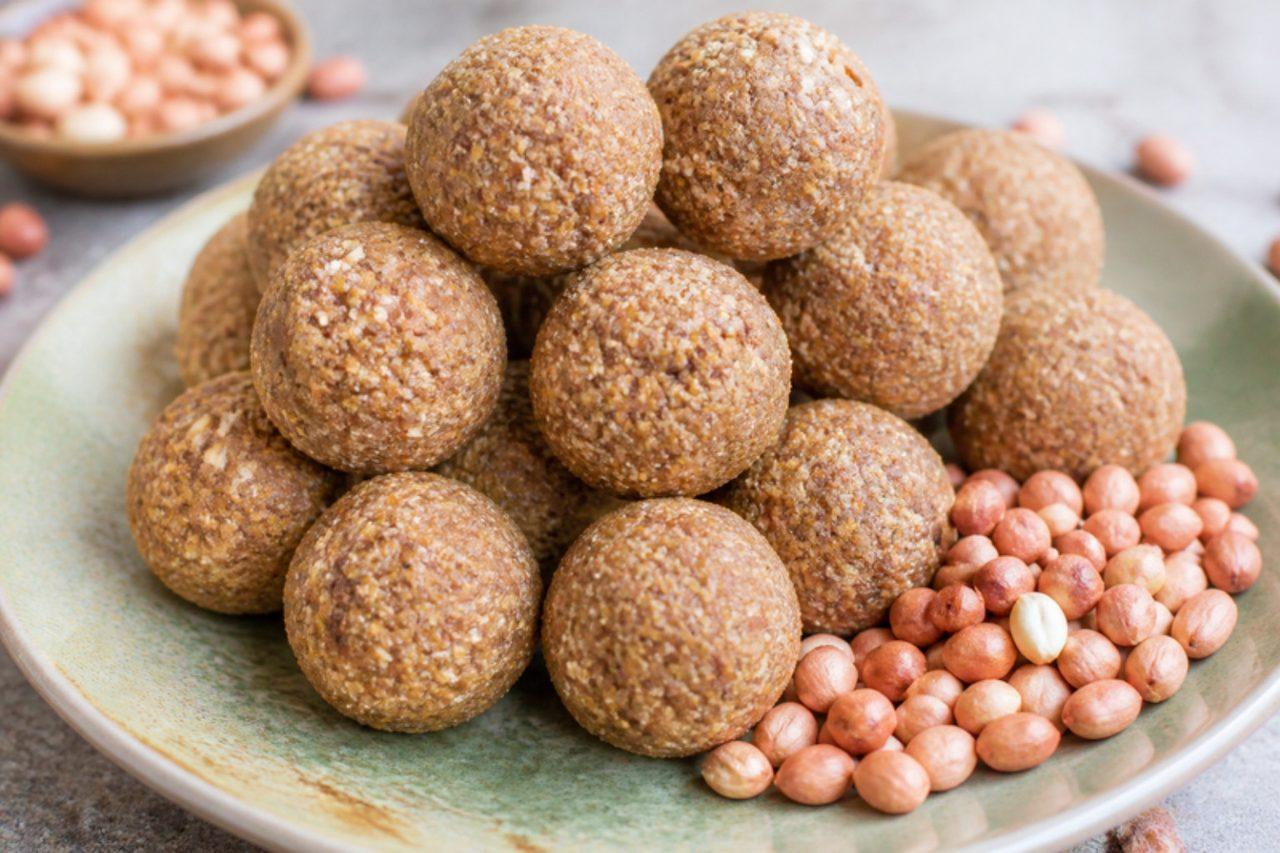
Dakuwa (groundnut and grain balls)

Hawkers in northern towns carry dakuwa on trays to schools and motor parks, and it keeps well enough to be a travelling snack. Roasted groundnuts are pounded with toasted maize or millet, sugar and warm spices until the oil from the nuts binds everything, then pressed into firm balls that are sweet, nutty and gently peppery. No cooking beyond toasting is needed. The usual mistake is over-blending until the nuts turn to butter and the mixture goes greasy; pulse and stop as soon as it holds when squeezed. Chef's tip: shape the balls while the mixture is still warm from the processor, when the oils are soft and it presses together easily.

by KrazyBadal 0 views

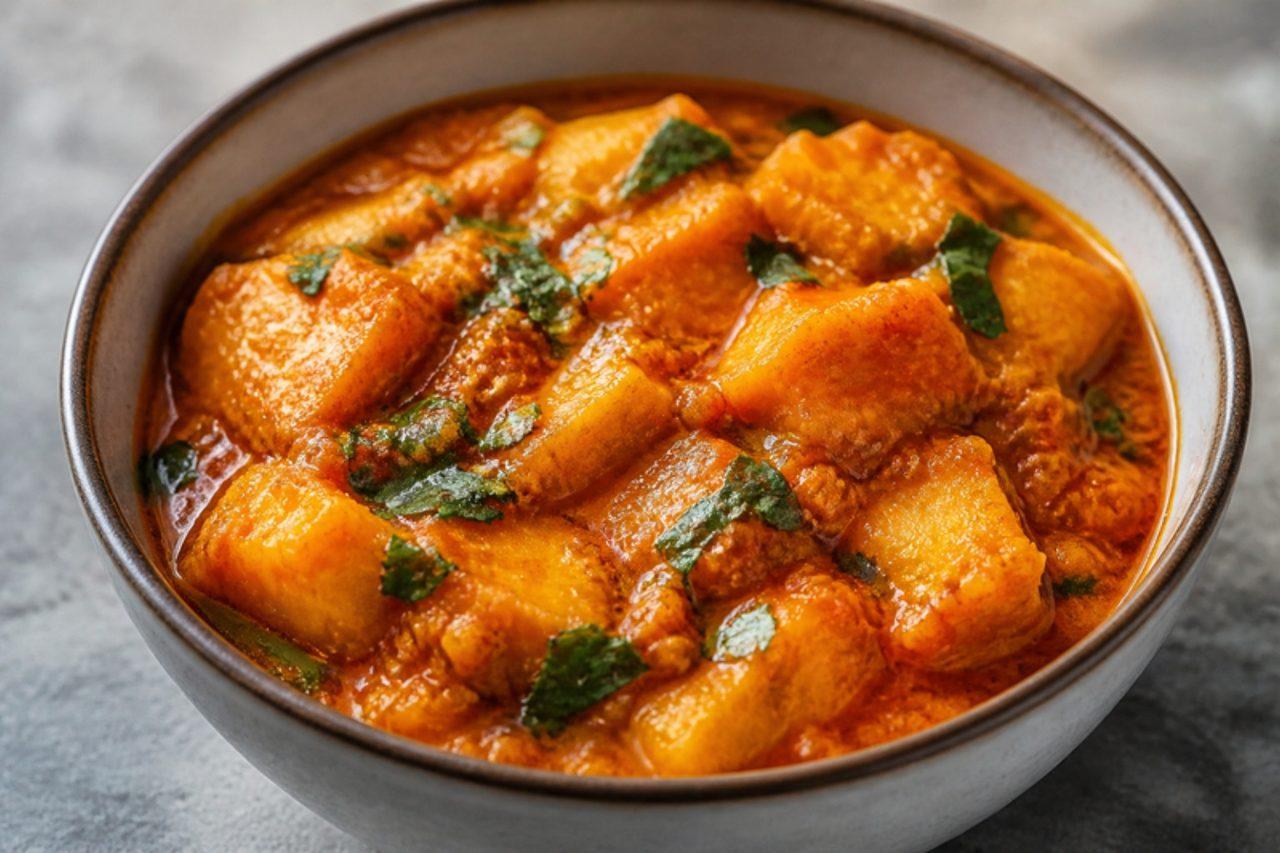
Asaro (yam pottage)

Lagos home cooks make asaro on busy weekdays because it needs one pot and very little fuss, and children usually love its soft, sweet-savoury comfort. Chunks of white puna yam simmer in a blended sauce of red bell pepper, tomato and scotch bonnet with palm oil, and as they cook some pieces collapse into a thick, orange porridge while others stay whole. It is often made with crayfish or smoked fish; this meat-free version gets its depth from locust beans and a vegetable stock cube. A handful of greens stirred in at the end turns it into a full meal, and it needs nothing alongside. For children, use half a scotch bonnet or leave it out. Chef's tip: don't stir in the first 15 minutes; mash only a third of the yam at the end, so there is both creamy sauce and tender chunks.

by KrazyBadal 0 views

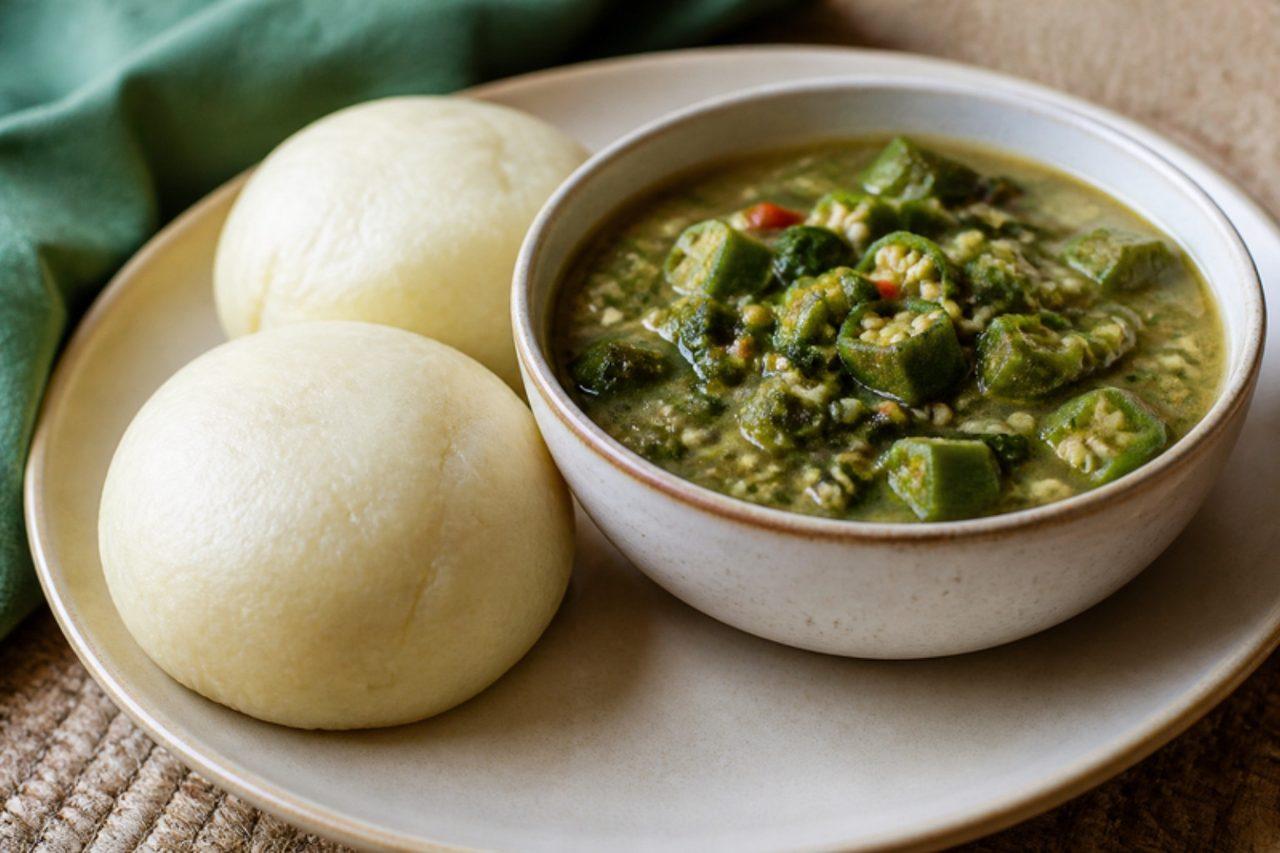
AkpleCorn and cassava swallow

Ewe homes in Ho, Keta and across the Volta Region eat akple at the main meal of the day, almost always with fetri detsi, the slippery okra soup that slides it down. It is firmer and less sour than banku, made by stirring fine maize meal into a hot base of fermented corn and cassava dough, and the finished balls are smooth, dense and mild. A vegetable okra soup makes it a meat-free meal. Chef's tip: add the dry maize meal in small handfuls and press every addition into the dough before the next; pouring it in all at once is the common mistake that leaves dry, floury pockets.

by KrazyBadal 0 views

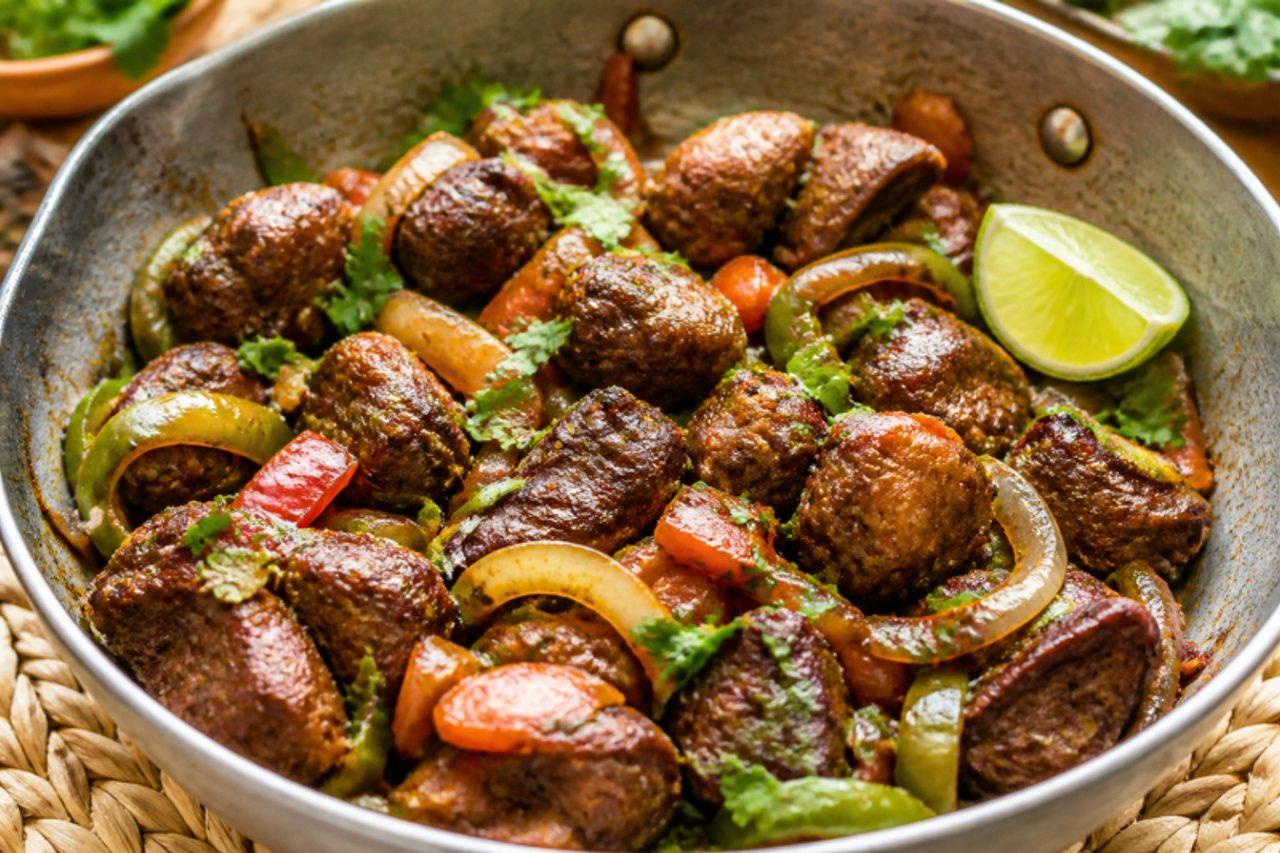
Beer (Somali fried liver)

Beer means liver in Somali, and a plate of it, cut into small cubes and fried hard with onion, green pepper and xawaash, is a breakfast institution in Mogadishu cafés, especially on weekends and through Eid when there is fresh lamb or goat liver at hand. It arrives sizzling, with canjeero or sabaayad to scoop it up, a wedge of lime and a cup of sweet spiced tea. Good beer is tender and browned on the outside, cooked through with no pink left in the centre. The classic mistake is salting the liver at the start, which draws out moisture and makes it tough; add the salt at the very end. Lamb, goat, calf or beef liver all work. Chef's tip: cut the liver into even 2 cm cubes so every piece cooks through in the same few minutes.

22 minSomaliMeatGluten free
by KrazyBadal 0 views

Hilib ari (Somali slow-cooked goat with xawaash)

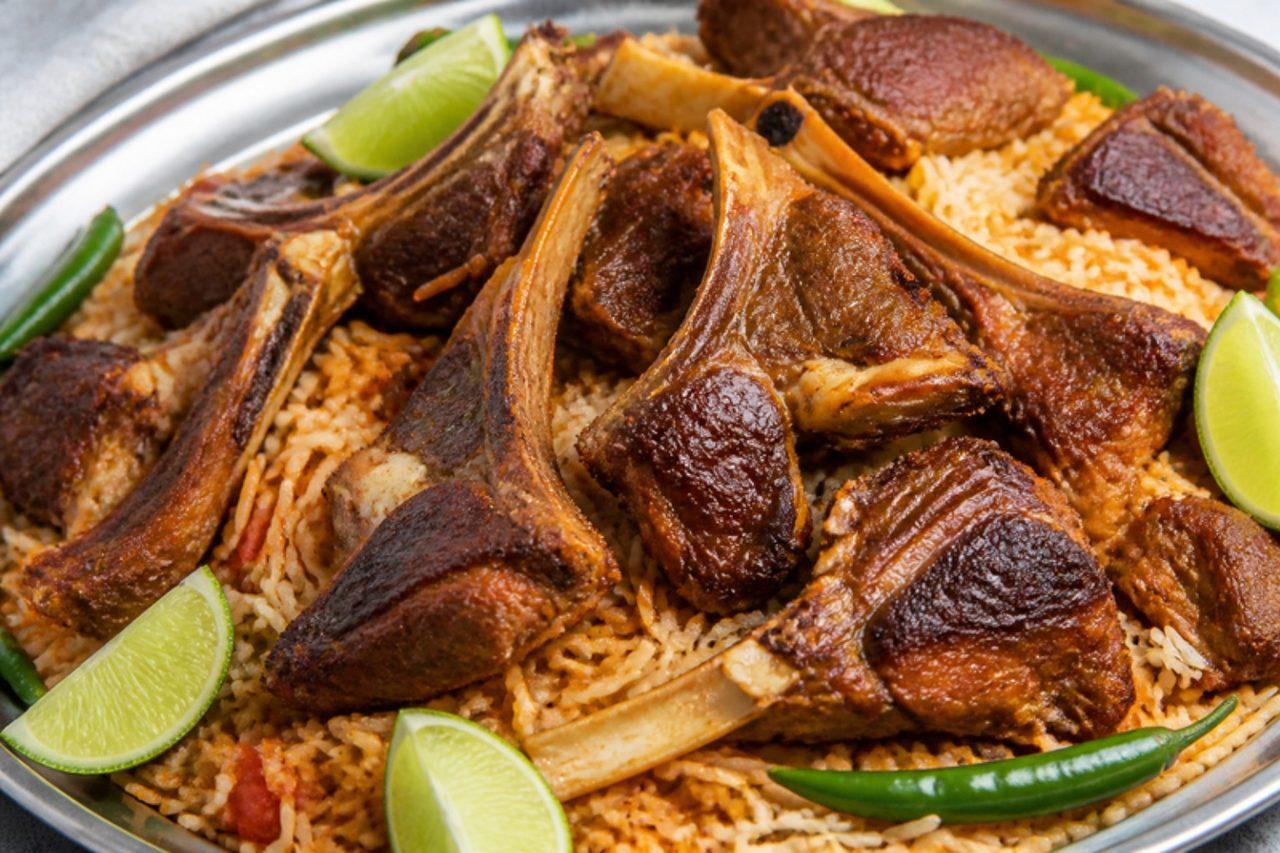
Goat is the festive meat of Somaliland, slaughtered for weddings, Eid and the arrival of guests, and hilib ari, goat on the bone cooked until it falls away, is the centrepiece of those meals. The meat is first simmered slowly with onion, garlic and xawaash, then the liquid is boiled away and the pieces are fried in their own fat until browned and crisp at the edges, so you get both tenderness and crunch. It is piled on a big platter of spiced rice with banana, lime wedges and green chilli sauce. Rushing the first stage is the mistake to avoid: goat stays chewy unless it simmers gently until a knife slides through. Chef's tip: ask the butcher for shoulder or leg cut into 5 cm pieces on the bone; the bones give the meat flavour and the leftover broth makes a good maraq.

125 minSomaliMeatGluten free
by KrazyBadal 0 views

Baasto (Somali spaghetti with spiced beef sauce)

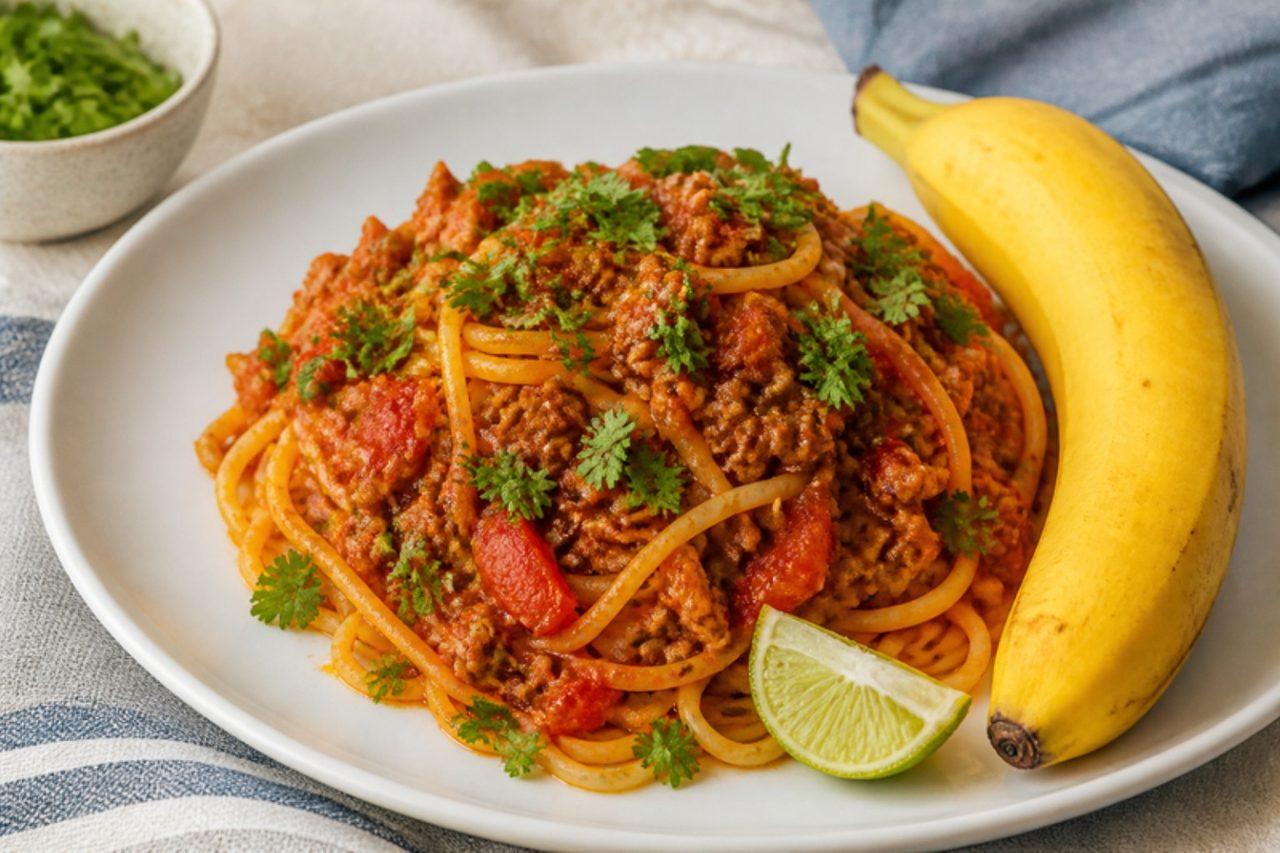
Pasta arrived in Mogadishu during the Italian colonial period and was firmly adopted, so that today baasto with suugo is a standard Friday lunch and a staple of the city's restaurants. The sauce is a long-cooked mix of minced beef, onion, peppers and tomato seasoned with xawaash, garlic and a little chilli, closer to a spiced Somali stew than to an Italian ragù. A ripe banana is served alongside and eaten in alternate bites, cooling and sweet against the spice; a green chilli sauce and a squeeze of lime finish the plate. Overcooking the spaghetti is the usual error, because it carries on softening in the hot sauce; drain it a minute before the packet time. For a meat-free version simply leave out the beef and add a tin of chickpeas. Chef's tip: let the beef brown properly before the tomato goes in; that colour gives the sauce its depth.

by KrazyBadal 0 views

Cambuulo (Somali adzuki beans with butter and sugar)

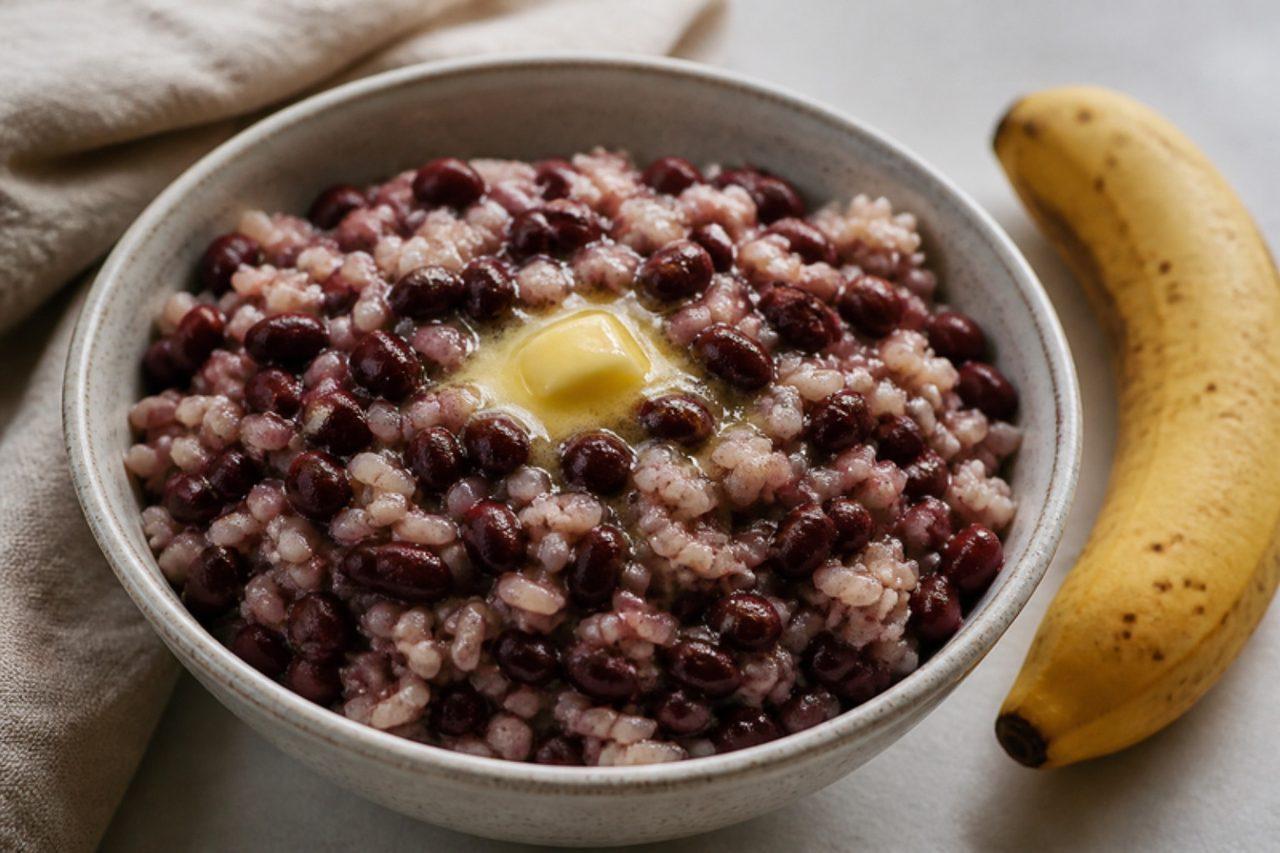
Small red adzuki beans, cooked slowly until they almost collapse, are the heart of cambuulo, a dish Mogadishu households make for a cheap, filling evening meal. Once the beans are soft they are glossed with butter, a spoonful of sugar and a pinch of salt, so the flavour lands somewhere between savoury and gently sweet. Many families stir the beans into plain rice or serve the two side by side, with a drizzle of sesame oil and a banana on the plate. The texture should be creamy, with some beans still whole. The usual mistake is pulling the pot off too early: firm beans never turn creamy, so keep simmering until one crushes easily against the side of the pan. Chef's tip: soak the beans overnight and change the water before cooking; they cook more evenly and are easier to digest.

by KrazyBadal 0 views

Muqmad (Somali spiced meat preserved in ghee)

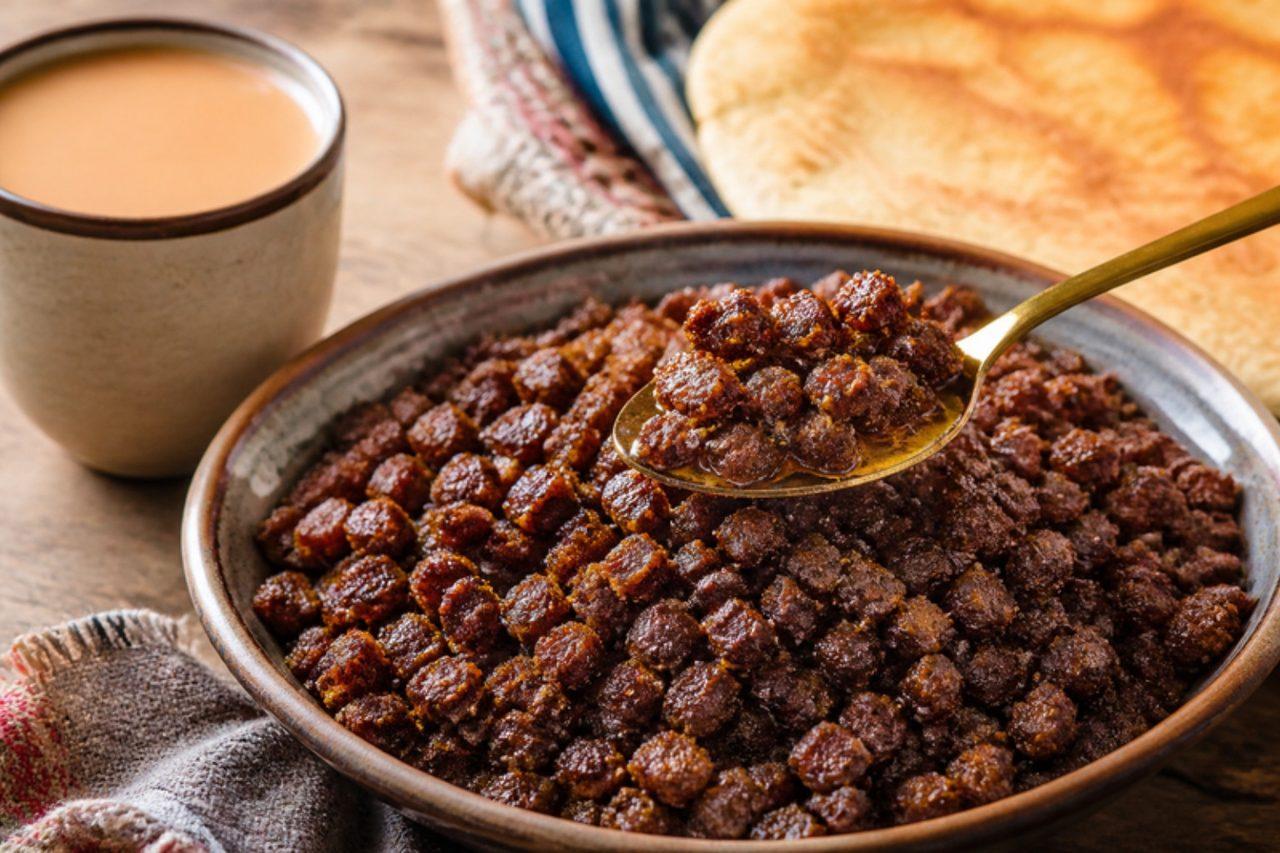
Before fridges, nomadic families in Somaliland preserved meat as muqmad, also called oodkac: beef or camel cut into tiny cubes, dried in the sun, fried in ghee with garlic and spices and packed into a container topped with more ghee. A spoonful is eaten for breakfast with sabaayad or canjeero and tea, and jars are made for Eid, weddings and travellers. Sun-drying raw meat is risky in a home kitchen, so this safer version cooks the cubes through to 71 °C first, then dries them in a low oven and keeps the finished jar in the fridge. The traditional raw-dried version is not for pregnant women, young children or anyone with a weakened immune system. Cutting the cubes unevenly is the common mistake: big pieces stay moist inside while small ones burn, so aim for 1 cm all round. Chef's tip: partly freeze the meat for 45 minutes and it cuts into neat cubes far more easily.

240 minSomaliMeatGluten free
by KrazyBadal 0 views

Hilib geel (Somali fried camel meat)

Camels are wealth in Somaliland, and their meat, lean and slightly sweet with a deep red colour, is a favourite in Hargeisa restaurants, where hilib geel is served fried with onion, garlic and xawaash alongside rice or sabaayad, banana and lime. Camel is a hard-working muscle, so it is first simmered until tender and then fried quickly in a hot pan until browned and fragrant. Halal butchers serving East African communities often sell it; if you cannot find it, beef chuck is the closest substitute and cooks the same way. Skipping the simmer and frying the raw meat straight away is the usual mistake, and it leaves the cubes tough as boots. Chef's tip: keep the simmering liquid; a ladle of it in the pan at the end makes a little glossy sauce for the rice.

85 minSomaliMeatGluten free
by KrazyBadal 0 views

Kalluun duban (Somali grilled whole fish)

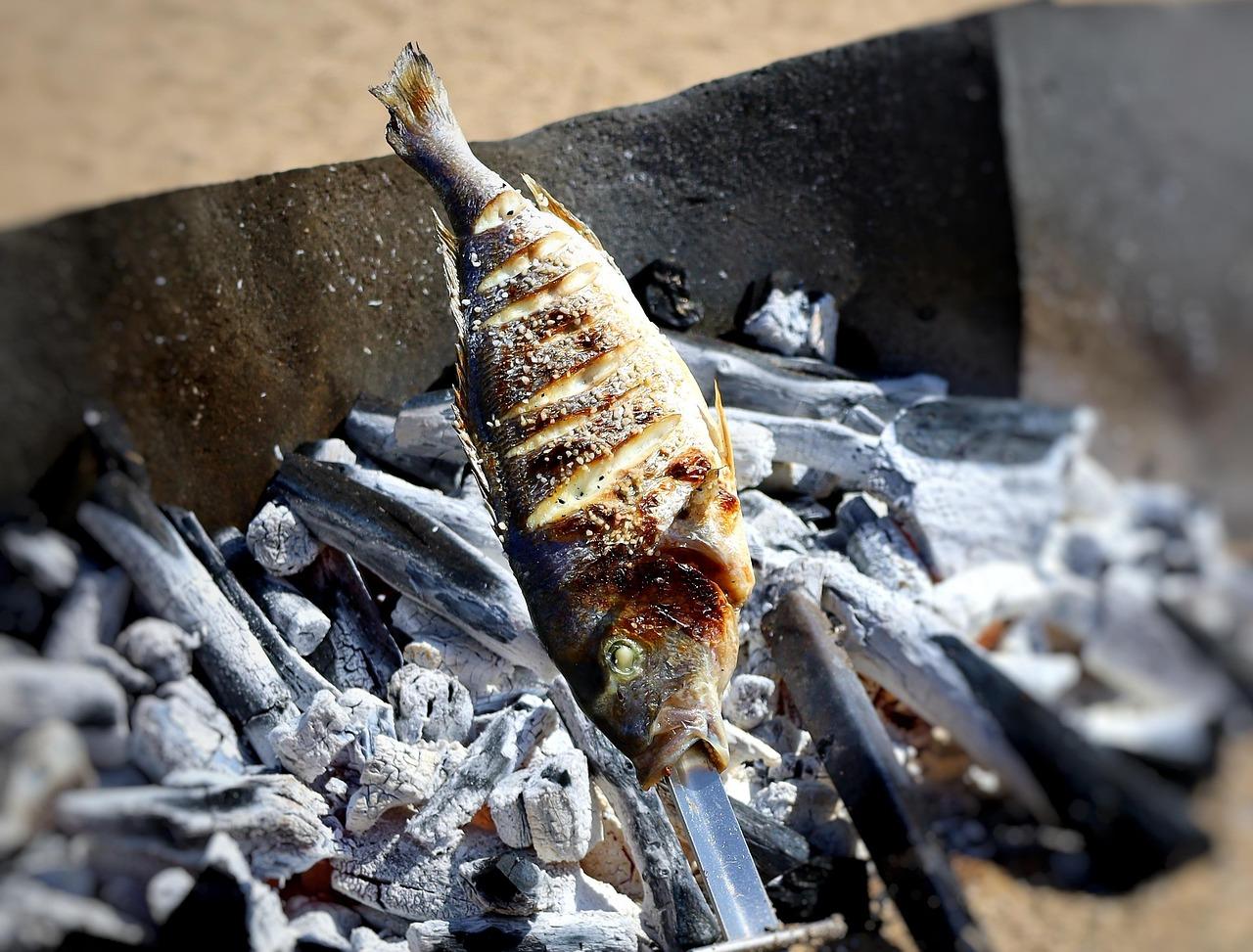
Seafront restaurants on Mogadishu's Lido beach are famous for kalluun duban, whole fish rubbed with a paste of garlic, lime, chilli and xawaash and grilled over charcoal until the skin blisters. Diners pick a fresh catch, often snapper, grouper or kingfish, and it comes to the table on a platter of spiced rice with lime, salad, banana and fiery basbaas. The flesh should be moist and smoky, tangy with lime. Marinating fish for hours in lime juice is a mistake: the acid starts to 'cook' it and the flesh turns mushy, so 20–30 minutes in the fridge is plenty. Chef's tip: slash the fish deeply down to the bone on both sides, so the marinade gets in and the thick part cooks as fast as the tail.

40 minSomaliFishGluten free
by KrazyBadal 0 views

Digaag qumbe (Somali chicken in coconut milk)

Coconut milk is the signature of the Benadir coast from Mogadishu south to Kismayo and Barawa, where the Swahili-speaking world meets Somali cooking, and digaag qumbe shows it off: chicken pieces simmered in a creamy coconut sauce with tomato, garlic, a hint of turmeric and xawaash. The sauce is mellow and gently spiced, coloured golden-orange, and generous enough to soak into rice, canjeero or sabaayad. Families make it for Friday lunch and to welcome guests. Boiling the sauce hard after the coconut milk goes in is the mistake to avoid, as it splits and turns oily; keep it at a gentle bubble. Chef's tip: brown the chicken well first, as the caramelised skin gives the mild sauce its savoury backbone.

by KrazyBadal 0 views

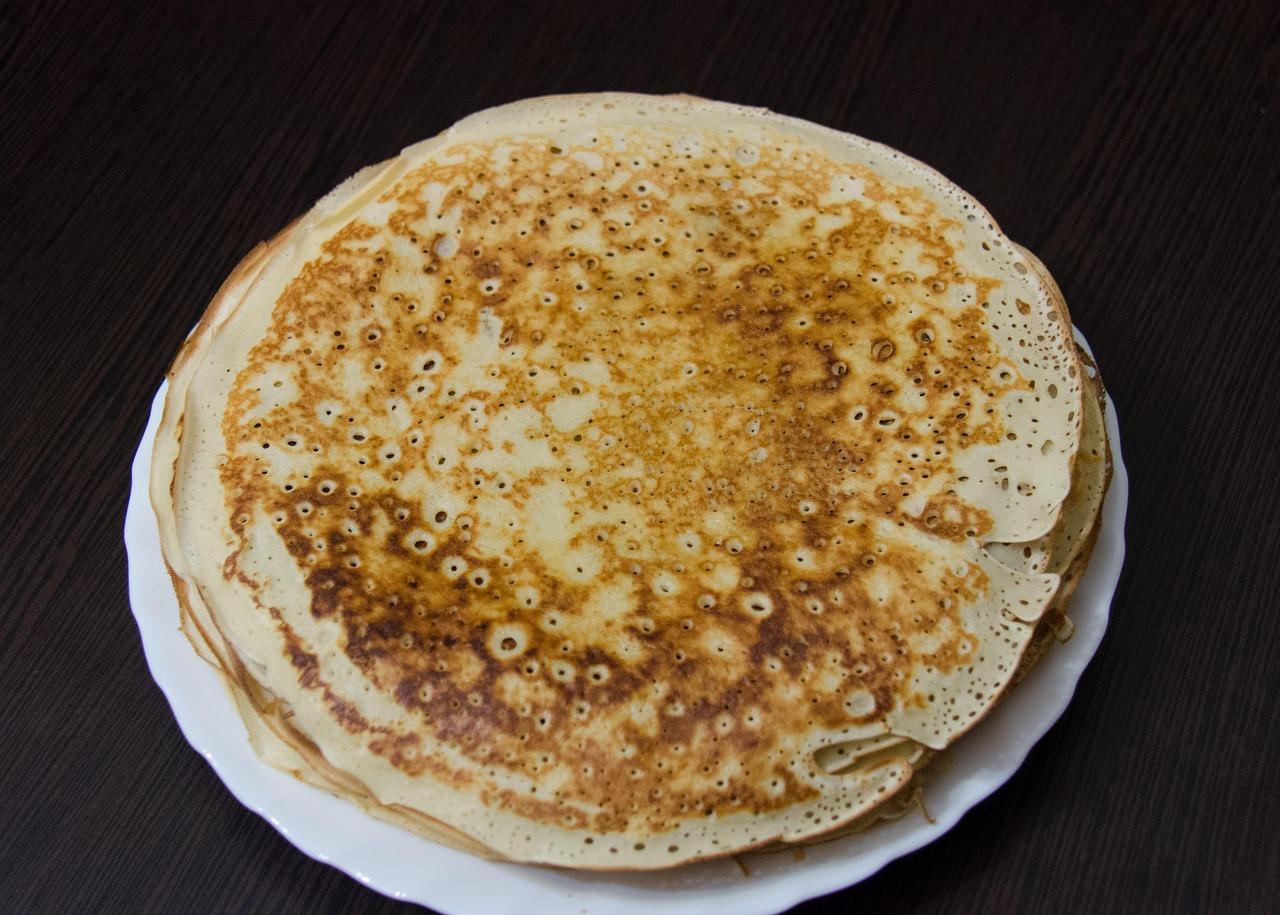
Malawax (Somali cardamom crepes)

Fragrant with cardamom and just sweet enough, malawax are the thin, soft pancakes Somali families make on weekend mornings and for guests, stacked high and eaten with honey, sugar or a smear of ghee beside a pot of shaah. They are thinner than canjeero and contain egg and milk, so they cook in a minute and stay tender rather than spongy. Children roll them up and eat them in their hands; adults tend to tear them and dip them in tea. The batter should be as thin as single cream, and the classic mistake is a pan that is not hot enough, which gives pale, rubbery crepes that stick. Chef's tip: let the batter rest for 10 minutes so the flour hydrates; the first crepe is always a tester, so adjust the heat after it.

by KrazyBadal 0 views

Kac kac (Somali fried dough cubes in cardamom sugar)

Jars of kac kac sit on the table at Somali weddings, Eid gatherings and afternoon tea across the country and in the diaspora, ready to be handed round by the fistful. The dough is enriched with egg and butter, cut into small cubes, fried until hard and golden, then tossed in hot cardamom syrup that dries to a frosty white crust. Each piece cracks loudly when bitten, which is how it got its name. Undercooking the syrup is the usual problem: it stays sticky instead of turning to a dry, sugary coat, so boil it until it forms a thread and keep stirring the cubes as it cools. Chef's tip: cut the cubes no bigger than 1.5 cm; small pieces fry right through and stay crunchy for weeks in an airtight jar.

by KrazyBadal 0 views

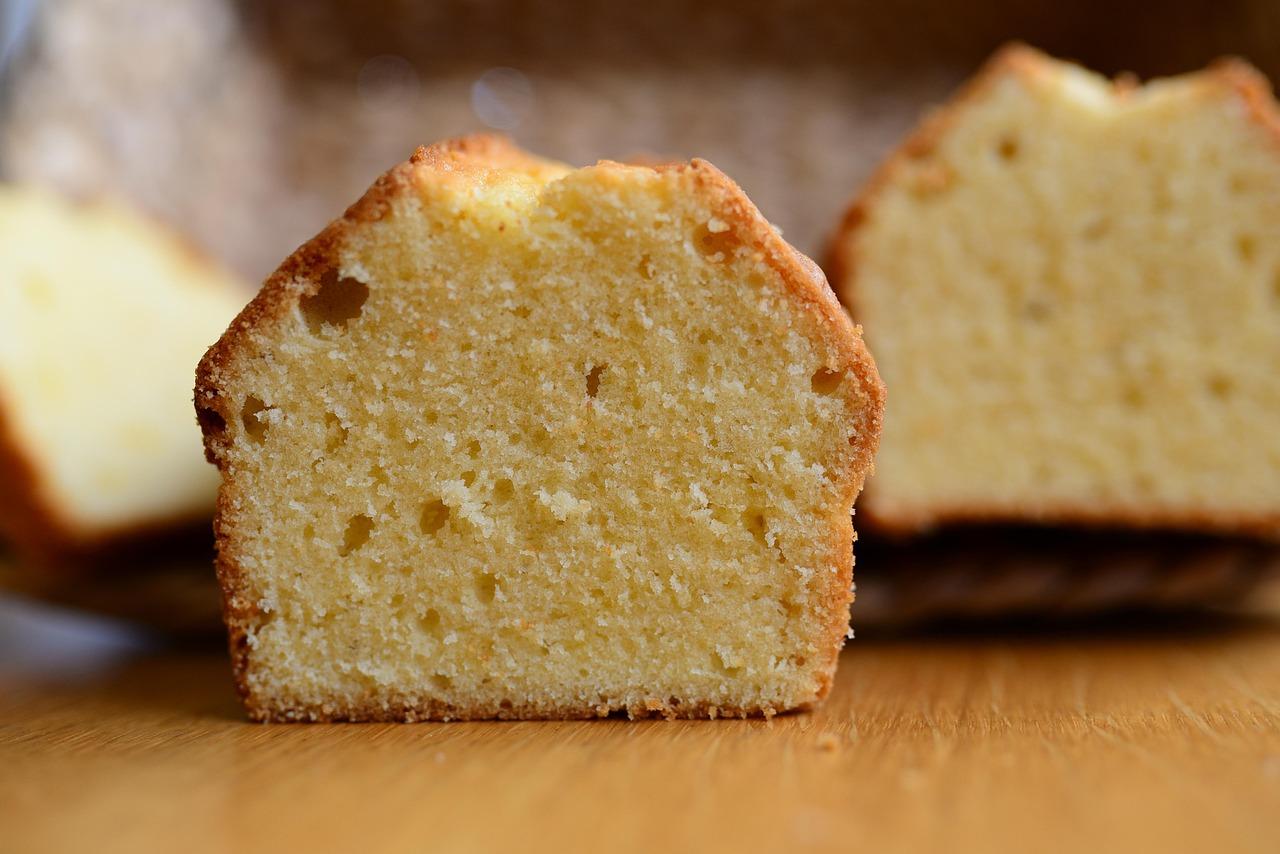
Doolsho (Somali cardamom sponge cake)

Ask a Somali host what goes with afternoon shaah and doolsho will be near the top of the list: a plain, airy sponge flavoured with cardamom and sometimes a little vanilla, baked in a tray and cut into generous squares. It turns up at Eid visits, weddings and family get-togethers, and is just as welcome at breakfast. The crumb should be fine and springy, never dense, which comes from whisking the eggs and sugar for a long time. Knocking the air out when the flour goes in is the mistake that ruins it; fold gently with a large spoon, in three goes, and stop as soon as no dry flour shows. Chef's tip: use eggs at room temperature; cold eggs never whip to the thick, pale ribbon that holds the cake up.

by KrazyBadal 0 views

Shushumow (Somali syrup-soaked rolled pastries)

Trays of shushumow appear for Eid across Somalia and in Somali homes abroad, made by the dozen a day or two ahead so there is plenty for visitors. A soft, buttery dough is rolled very thin, rolled up like a cigar, sliced and pressed so the layers show, then fried until crisp and soaked briefly in cardamom syrup. The result is flaky and crunchy at the edges with a sticky, sweet centre that is perfect with black tea. Soaking for too long is the usual error; a quick dip of a few seconds keeps the crunch, while minutes in the syrup leaves them soggy. Chef's tip: have the syrup warm and the pastries hot from the oil when they meet, so the syrup soaks in evenly without making them heavy.

by KrazyBadal 0 views

Sabaayad (Somali flaky layered flatbread)

Hargeisa cooks are proud of their sabaayad, a soft, flaky flatbread made by brushing a thin sheet of dough with oil or ghee, rolling it into a coil and flattening it again so it cooks into dozens of buttery layers. It is eaten for breakfast with sugar and shaah, torn into pieces with muqmad or liver, and served at lunch with beef or chicken stews; at Eid and weddings it is made in big stacks. The texture should be tender and pliable with crisp spots, never dry. Rolling the dough straight after kneading is a common mistake: it springs back and tears, so give it at least 20 minutes to relax. Chef's tip: once each bread is cooked, scrunch it between your hands while hot to open up the layers.

by KrazyBadal 0 views

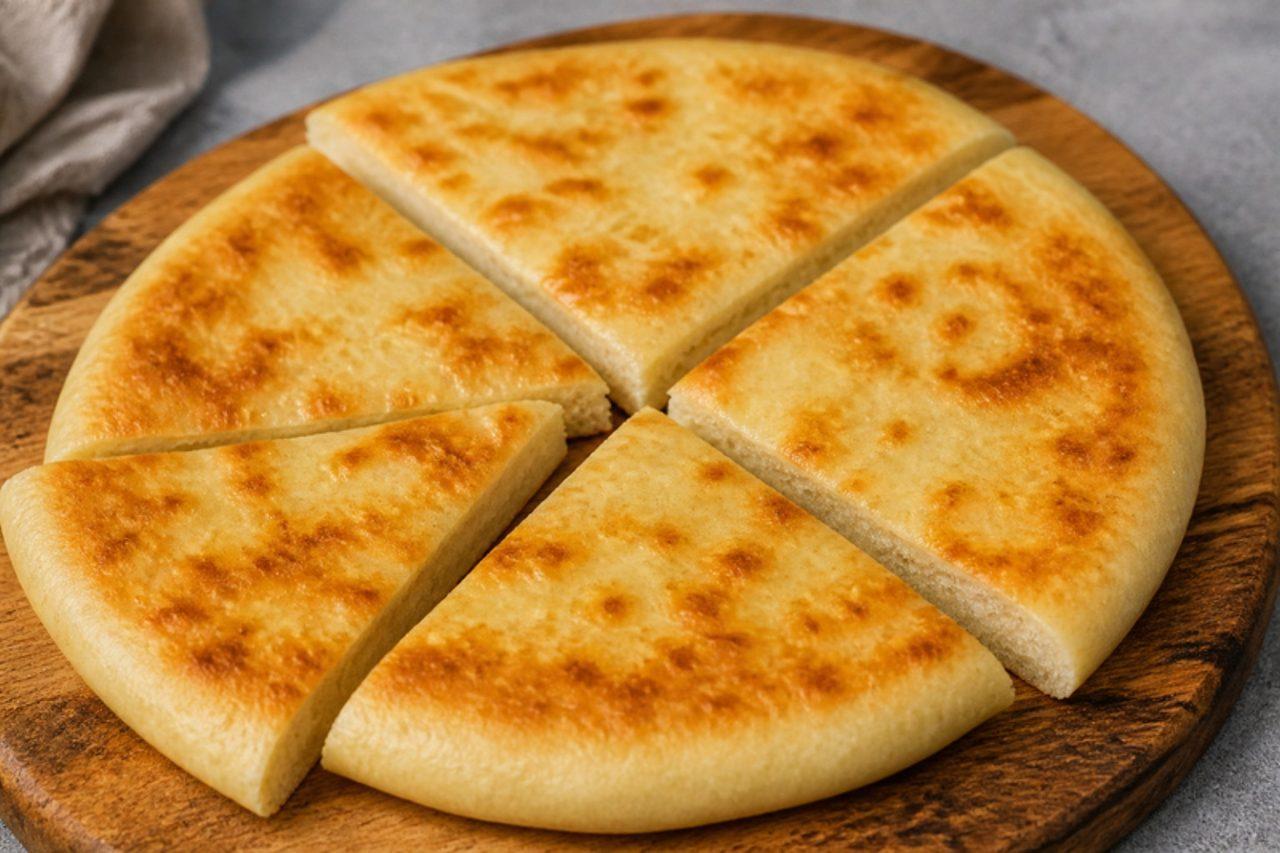
Kimis (Somali thick pan bread)

Thicker and plainer than sabaayad, kimis is the everyday bread of Hargeisa and the north, cooked in a heavy pan and cut into wedges to soak up maraq, the thin spiced meat or vegetable broths eaten at lunch. The dough is simple flour and water raised with a little baking powder, so it puffs into a soft, bready round about 2 cm thick with a lightly freckled crust. It is also good for breakfast with tea and a spoonful of sugar or honey. This version uses oil, so it is vegan. Cooking over too high a heat is the classic mistake: the outside scorches before the middle is done, so keep the flame medium-low and cover the pan. Chef's tip: knock the bread on its base when you think it is ready; it should sound hollow.

by KrazyBadal 0 views

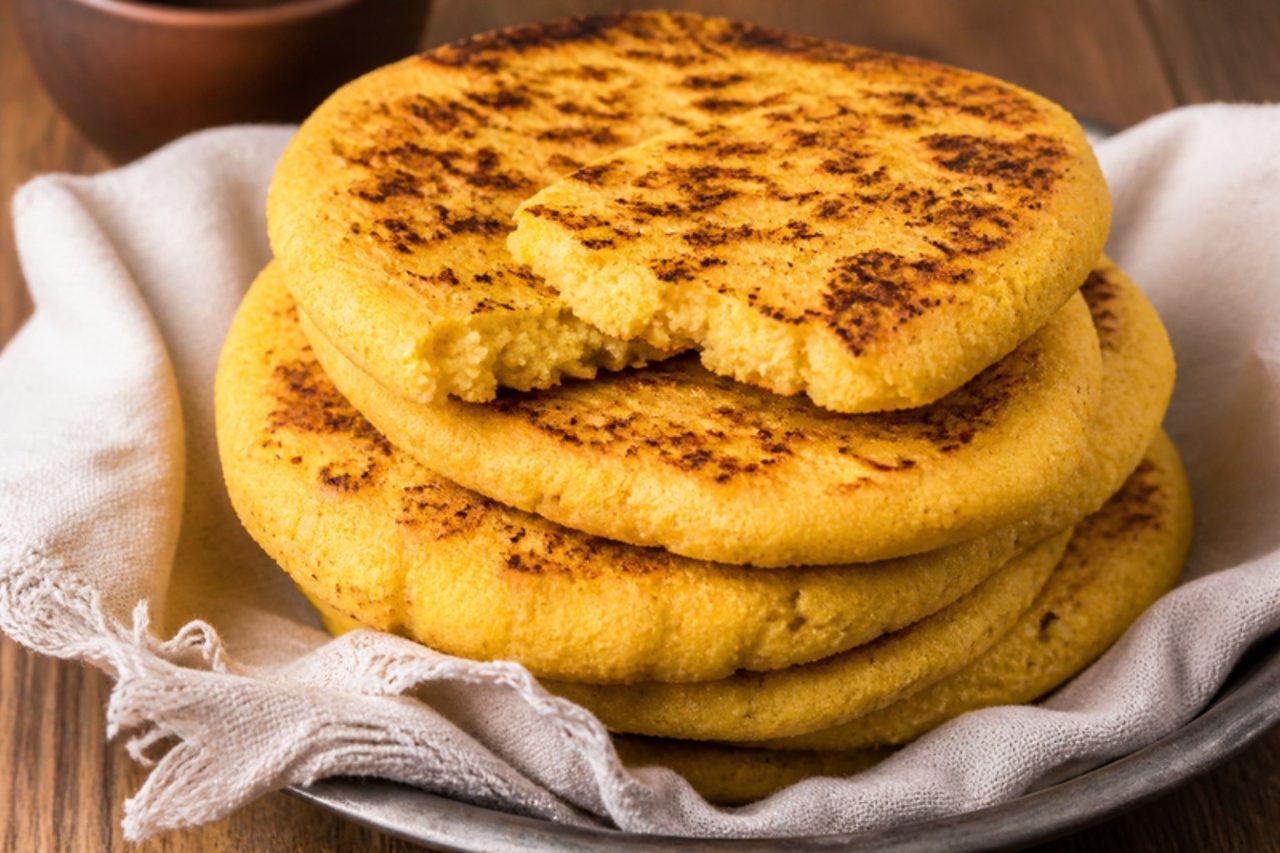
Muufo (Somali maize flatbread)

Along the southern Somali coast and in the farming areas of the Shabelle valley, muufo is baked by pressing rounds of maize dough against the hot inner wall of a clay oven, where they puff and char in minutes. The bread is thick, a little sweet from the corn and slightly tangy, and its dimpled surface is perfect for soaking up digir, maraq or a drizzle of sesame oil and sugar at breakfast. At home a heavy pan and a very hot grill do a good job. Most cooks mix maize flour with some wheat flour so the dough holds together; this version uses yeast and oil, so it is vegan. The usual mistake is an oven or pan that is not hot enough, which gives a pale, dense bread; let the pan heat for a full 5 minutes. Chef's tip: wet your hands when shaping, as the sticky dough is far easier to pat out.

by KrazyBadal 0 views

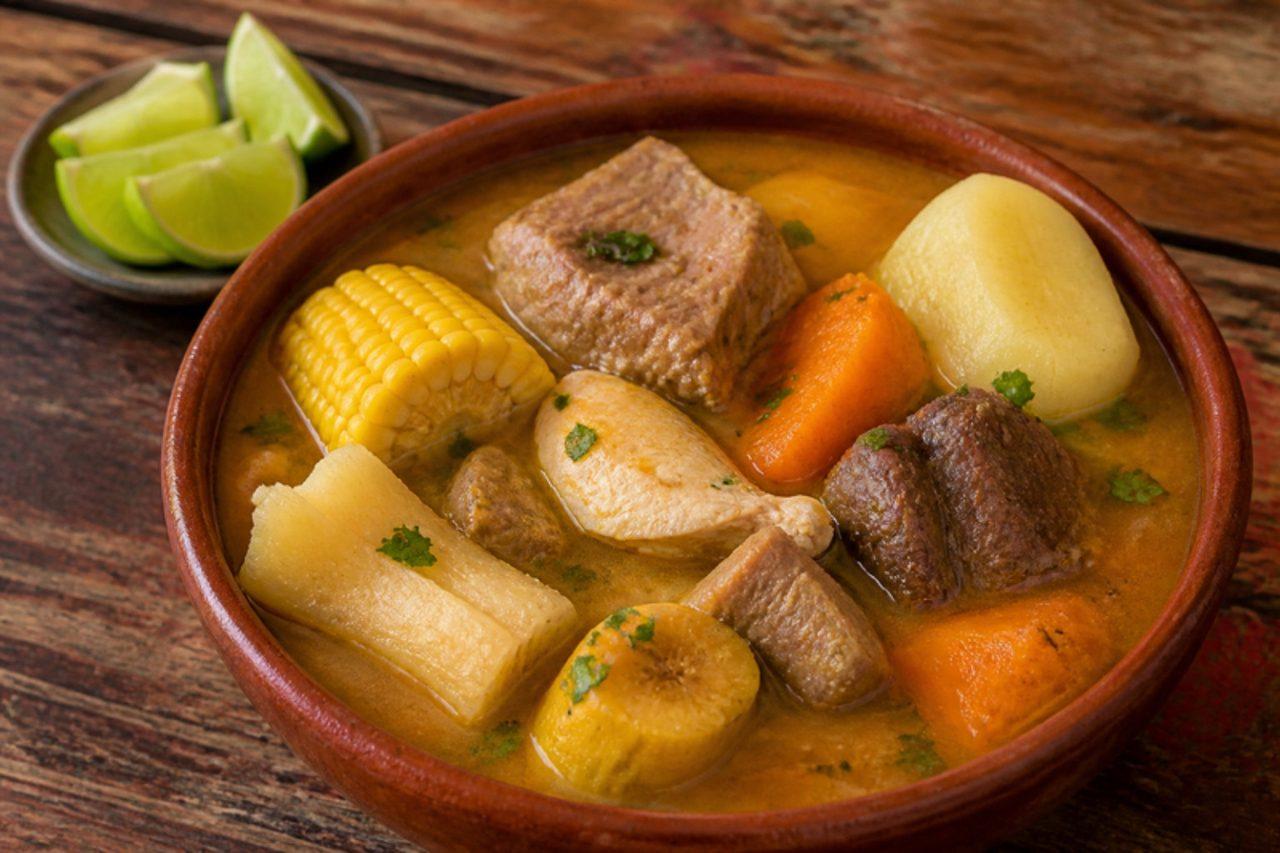
Ajiaco cubanoRoot vegetable and meat stew

Ajiaco is often called Cuba's national stew, and in Camagüey it is still cooked in huge pots for festivals and family gatherings: dried or fresh beef, pork and chicken simmered with malanga, yuca, boniato, green and ripe plantain, corn and calabaza until the roots break down and thicken the broth. It is a whole meal in a bowl, finished with lime and a fried sofrito. This version uses beef shin, pork shoulder and chicken thighs. The mistake most people make is adding every vegetable at once; firm roots go in first and soft pumpkin and ripe plantain last. Chef's tip: mash a few chunks of pumpkin and malanga against the side of the pot at the end, which gives the broth its body.

190 minCubanSoupsGluten free
by KrazyBadal 0 views

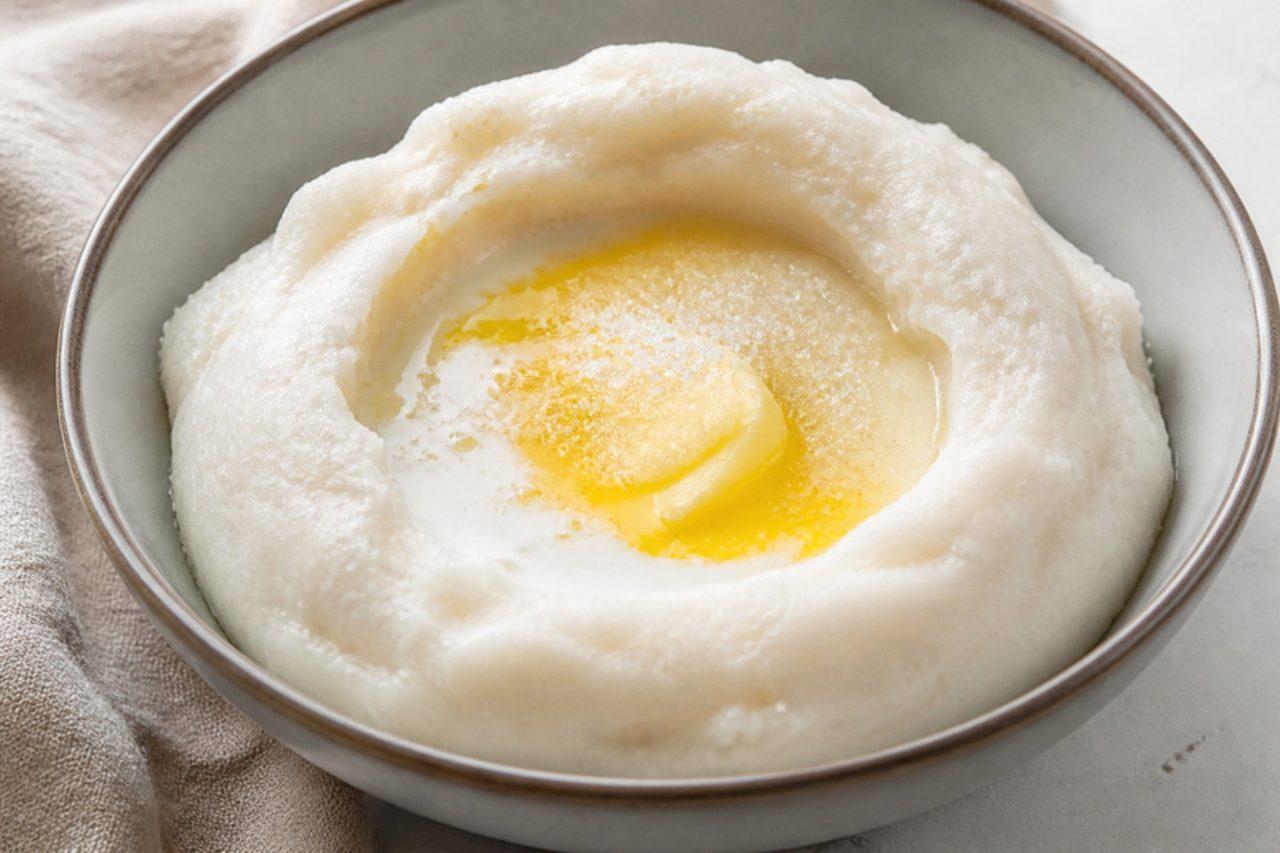
Soor (Somali maize porridge with butter and milk)

Herding families in Somaliland and the countryside around Hargeisa have long relied on soor, a thick porridge of maize meal stirred until it holds its shape on a plate. It is shaped into a mound, a well is pressed into the centre and filled with melted butter or ghee, then warm milk and a little sugar are poured round the edge; on other days the well is filled with a meat sauce instead. You eat it with your right hand or a spoon, scooping porridge through the butter. The result is mild, sweet and very filling. Lumps are the usual complaint, and they come from tipping the meal in all at once; mix part of it with cold water first, then rain the rest in while stirring. The usual mistake is adding the maize meal too fast, so it goes lumpy; whisk constantly as you pour. Chef's tip: cover the pan and let the porridge steam for 5 minutes at the end to cook out any raw taste.

by KrazyBadal 0 views

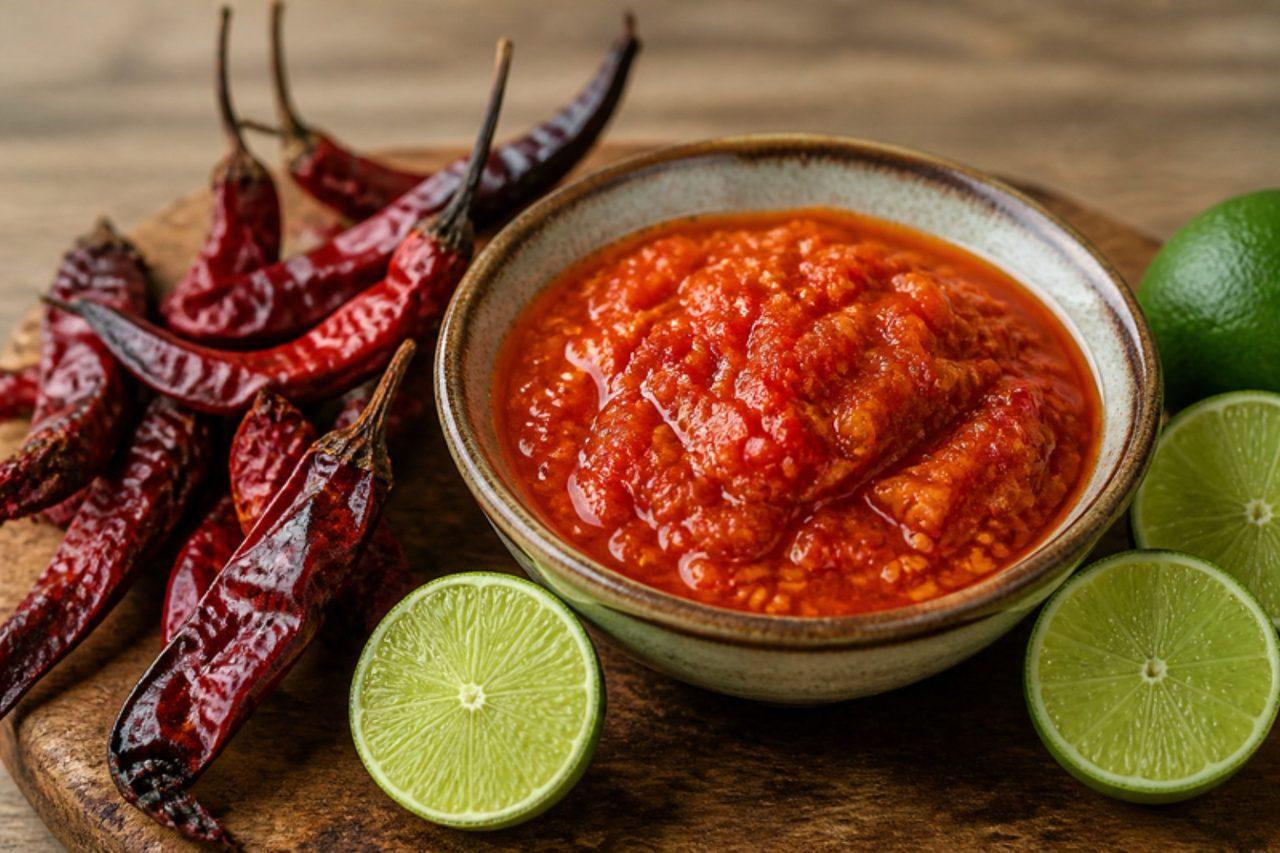
Sudanese shata (dried chilli, garlic and lime sauce)

No Sudanese meal is complete without a little dish of shata on the side, and every household and roadside grill from Port Sudan to Nyala has its own version. This one is the classic everyday type: dried red chillies soaked soft and pounded with raw garlic, salt and plenty of lime juice into a loose, brick-red sauce that is fiery, sour and garlicky all at once. A spoonful goes over ful, fried fish, grilled meat, salads and stews. Wear gloves when handling the chillies, and do not rub your eyes. Using the soaking water in place of fresh water is a mistake, as it can taste bitter and dusty; drain it off. Chef's tip: make it a few hours ahead and keep it in the fridge; the heat settles and the garlic mellows.

by KrazyBadal 0 views

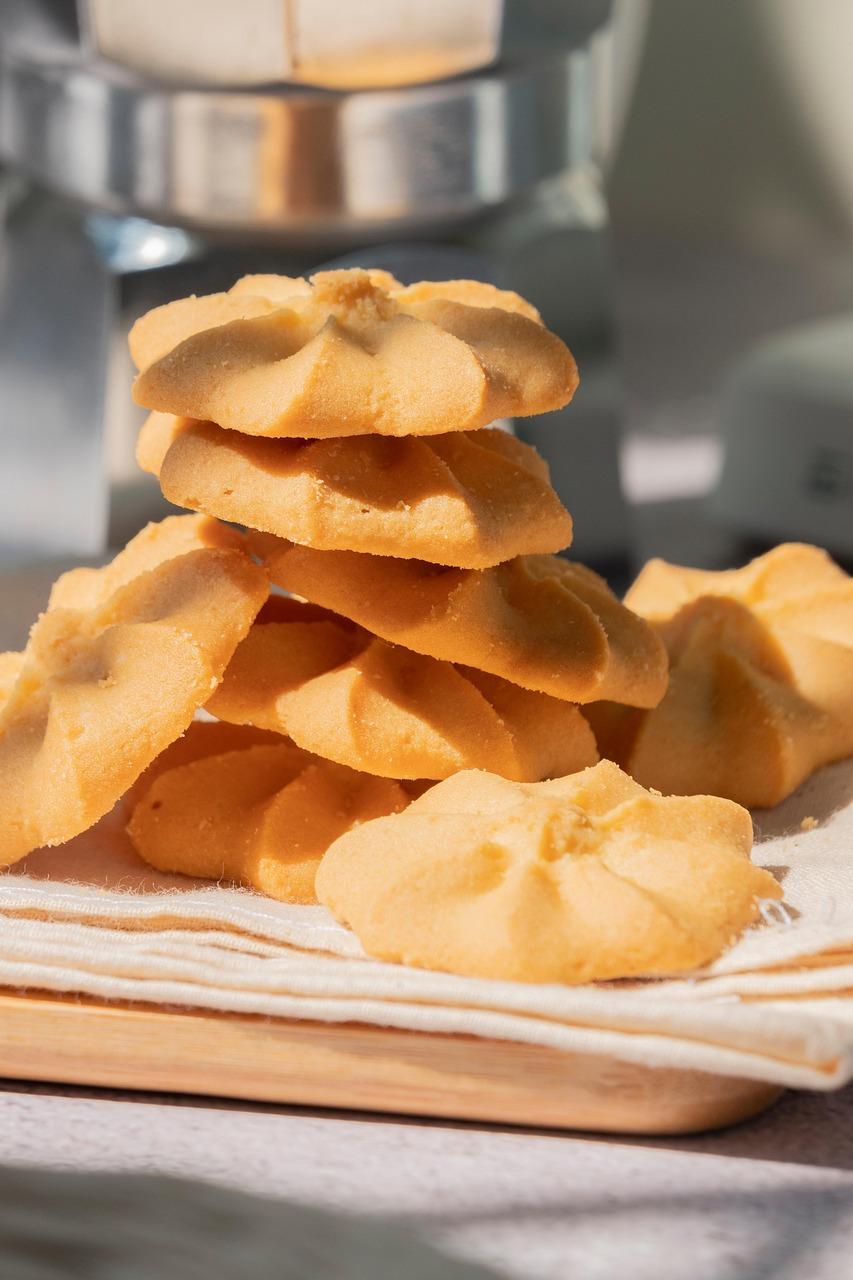
Bitifoor (Sudanese Eid butter biscuits)

During the last days of Ramadan, Khartoum neighbourhoods smell of butter and vanilla as women bake bitifoor, the piped biscuits whose name comes from the French petit four, for the Eid visits that follow. They are piped into rosettes, fingers and swirls, sometimes topped with a piece of glacé cherry or dipped in chocolate, and arranged on platters with ka'ak and sweets for guests. The texture is melt-in-the-mouth, short and delicate. Over-soft butter is the classic mistake, giving biscuits that spread into flat puddles; use butter soft enough to dent, not oily, and chill the piped trays for 15 minutes. Chef's tip: a little cornflour in the flour keeps them extra tender and crisp.

by KrazyBadal 0 views

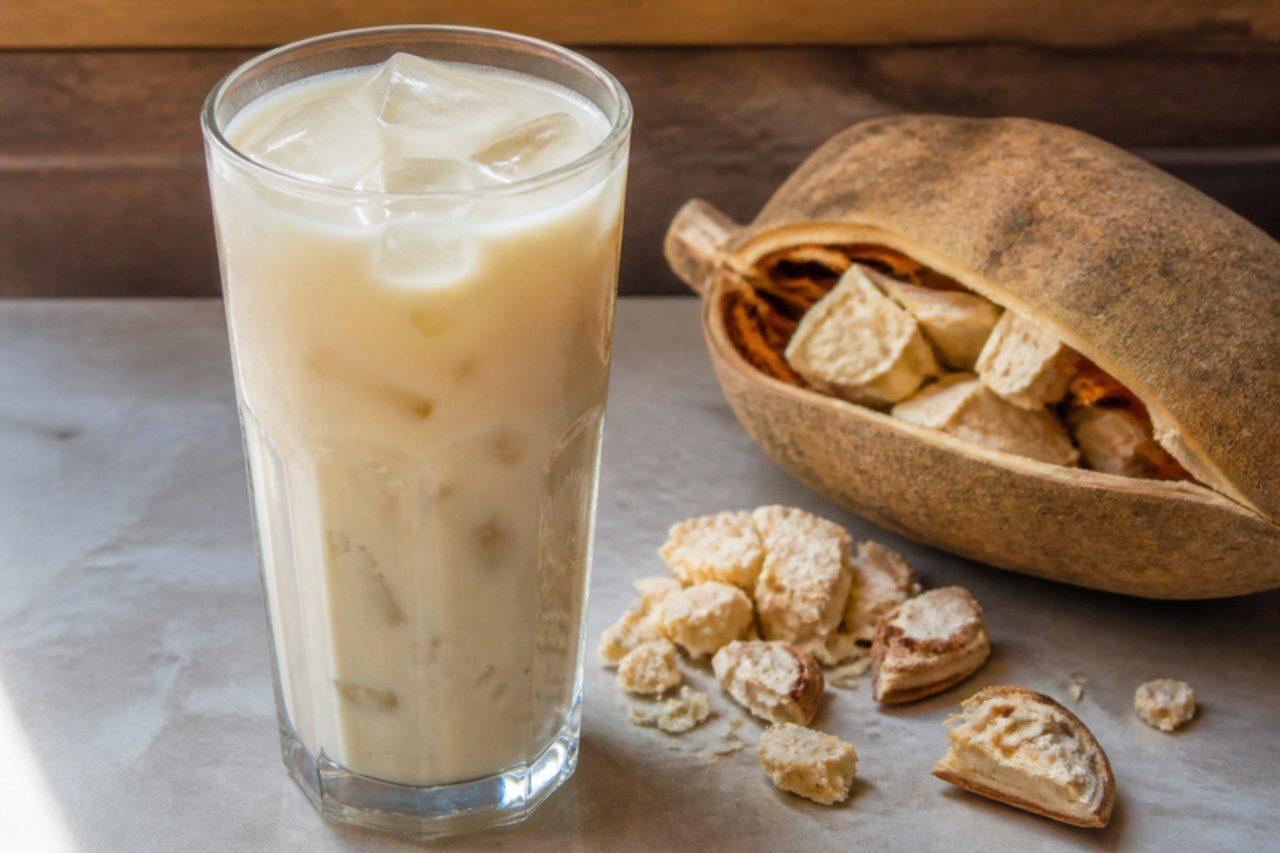
Tabaldi (Sudanese baobab drink)

The great baobab trees of Kordofan and Darfur drop hard pods full of chalky, cream-coloured pulp, and Sudanese cooks soak it in water to make tabaldi, a thick, milky-looking drink with a sherbet-like tang. It is sold from big cool-boxes in Khartoum markets in summer, served at weddings, and appears on the iftar table during Ramadan. Fresh pulp pieces with seeds are sold in African and Middle Eastern shops; baobab powder is a good substitute and needs no straining. Leave the drink to soak for an hour in the fridge before straining (soaking time is not counted in the total). The usual mistake is blending the seeds, which makes the drink bitter; rub the pulp off by hand instead. Chef's tip: a few drops of rose water or a pinch of ground cardamom makes it feel festive.

by KrazyBadal 0 views

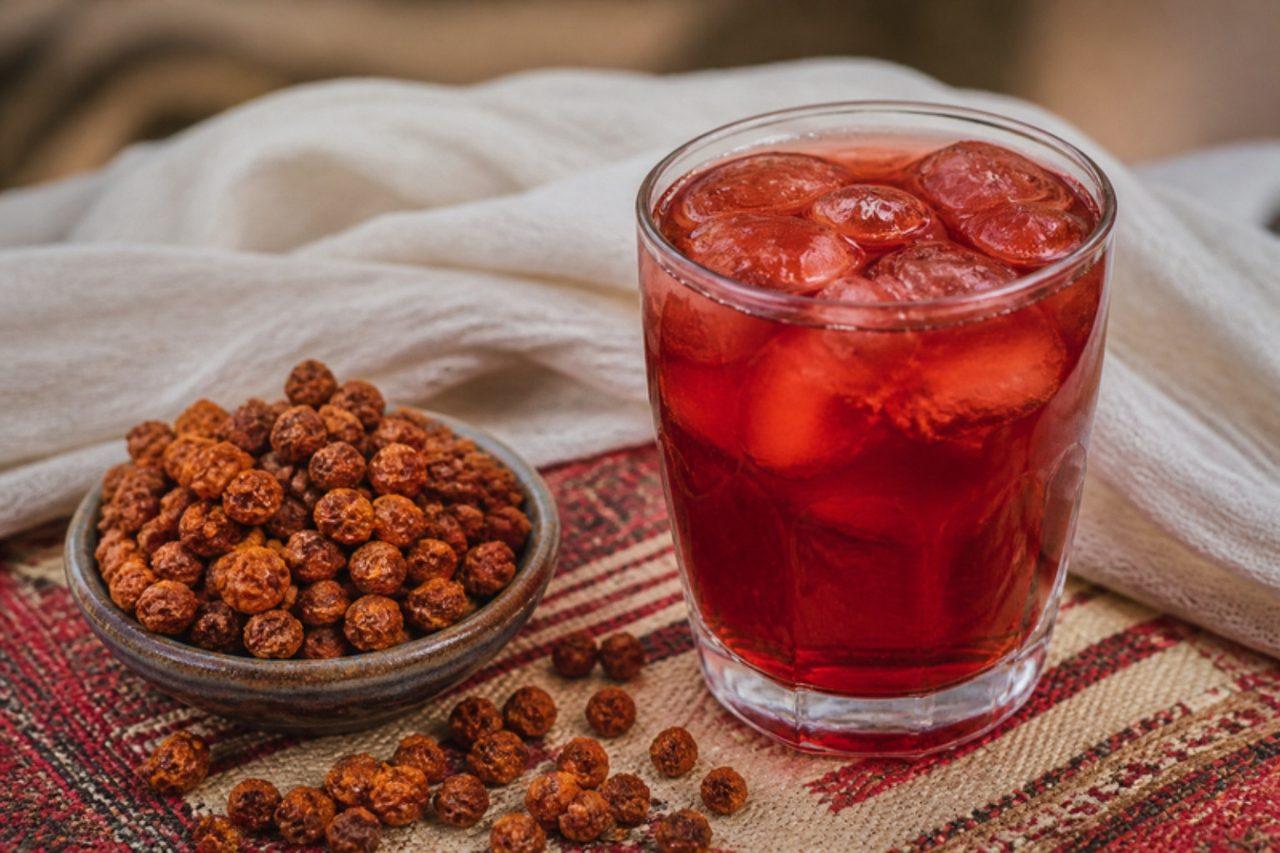
Guddaim (Sudanese grewia berry drink)

Small, round guddaim berries, the fruit of a wild grewia shrub that grows across Kordofan and Darfur, are dried and sold by the cupful in Sudanese markets. Soaked in water and rubbed off their stones, they give a cloudy reddish-brown drink that tastes a little like dates and sour cherries, with a pleasantly sharp finish. It is drunk ice-cold in the heat of the day, at iftar and to welcome guests. Look for dried guddaim in Sudanese or East African shops. If you cannot find it, a mix of 150 g pitted dates and 50 g tamarind pulp soaked the same way gives a similar sweet-sour drink, though not the same. Rubbing too hard and breaking the stones is the usual mistake, as it clouds the drink with grit; rub gently. Chef's tip: soak the berries in cool water overnight in the fridge for the fullest flavour.

by KrazyBadal 0 views

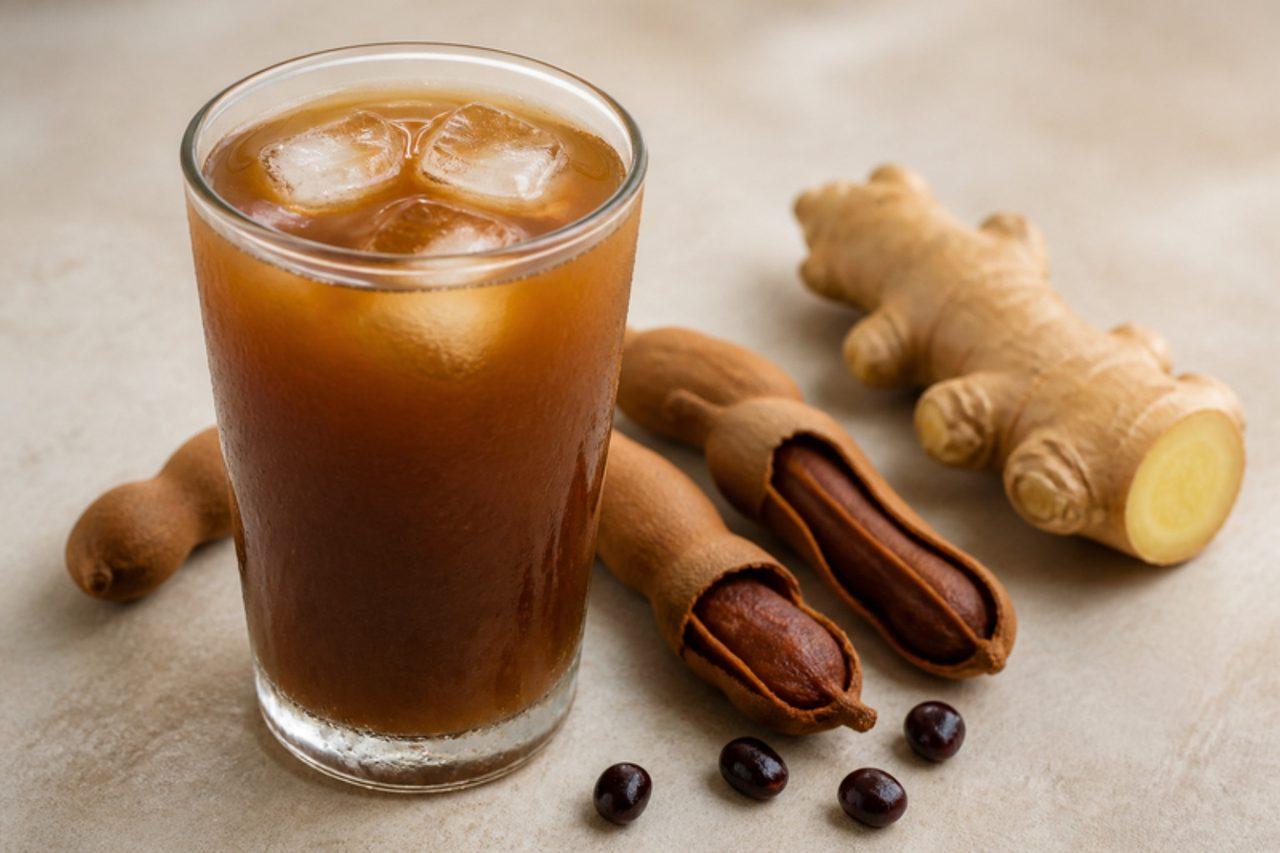
Aradeib (Sudanese tamarind drink)

Tamarind trees shade villages throughout Darfur and Kordofan, and their sticky brown pods become aradeib, one of the best-loved Sudanese cold drinks. The pulp is soaked, rubbed and strained, then sweetened to make a deep amber, puckeringly sour drink that cuts through rich food and is much loved at iftar through Ramadan. It is also drunk as a home remedy for upset stomachs and heat. Seedy block tamarind from any Asian or African shop works perfectly. Pouring boiling water straight onto the pulp and leaving it too long draws out a harsh, tannic edge, so use hot rather than boiling water and strain after an hour. Avoid squeezing the soaked tamarind through a cloth too hard; fibres get through and make the drink cloudy and gritty. Chef's tip: make a concentrate and keep it in the fridge for up to a week; dilute with cold water by the glass.

by KrazyBadal 0 views

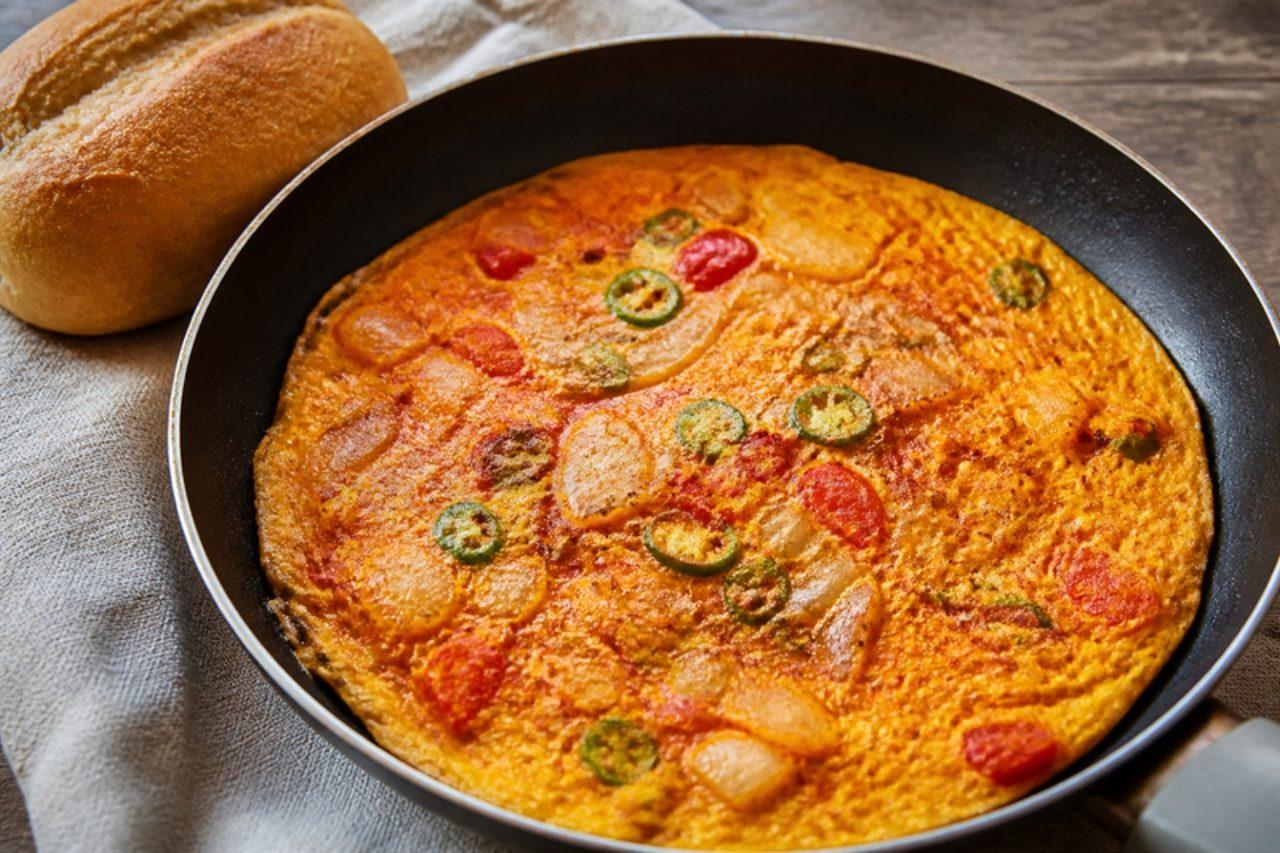
Eritrean frittata

Asmara's cafés kept the Italian word but changed the flavour: an Eritrean frittata is eggs beaten with softened onion, tomato and green chilli, warmed with berbere and cooked flat in a small pan until just set. It comes to the table in its pan with fresh bread and a coffee or sweet tea, and some places fold in a little extra chilli for those who ask. The texture is soft and moist in the middle, with sweet tomato and a gentle heat running through it. A common mistake is cooking the eggs over a high flame, which makes the base tough and brown before the top sets; keep the heat low and cover the pan. Chef's tip: cook the tomato until its juice has evaporated before the eggs go in, or the frittata turns watery.

by KrazyBadal 0 views

Madeeda (Sudanese warm millet and milk drink)

Thick enough to sip slowly from a glass but thinner than porridge, madeeda is a warming drink from northern Sudan made by cooking flour, often pearl millet, in milk and sweetening it with sugar or dates. Families make it on cool winter mornings, for anyone feeling under the weather and for new mothers, and it is a gentle way to break the fast in Ramadan. This version uses millet flour with cardamom and a little cinnamon, so it is smooth, nutty and lightly spiced. Lumps are the usual problem: whisk the flour into cold milk before it goes onto the heat. A frequent slip is not stirring enough, so the millet catches and the milk scorches. Chef's tip: for a date version, blitz 6 soft pitted dates with the milk and halve the sugar.

by KrazyBadal 0 views

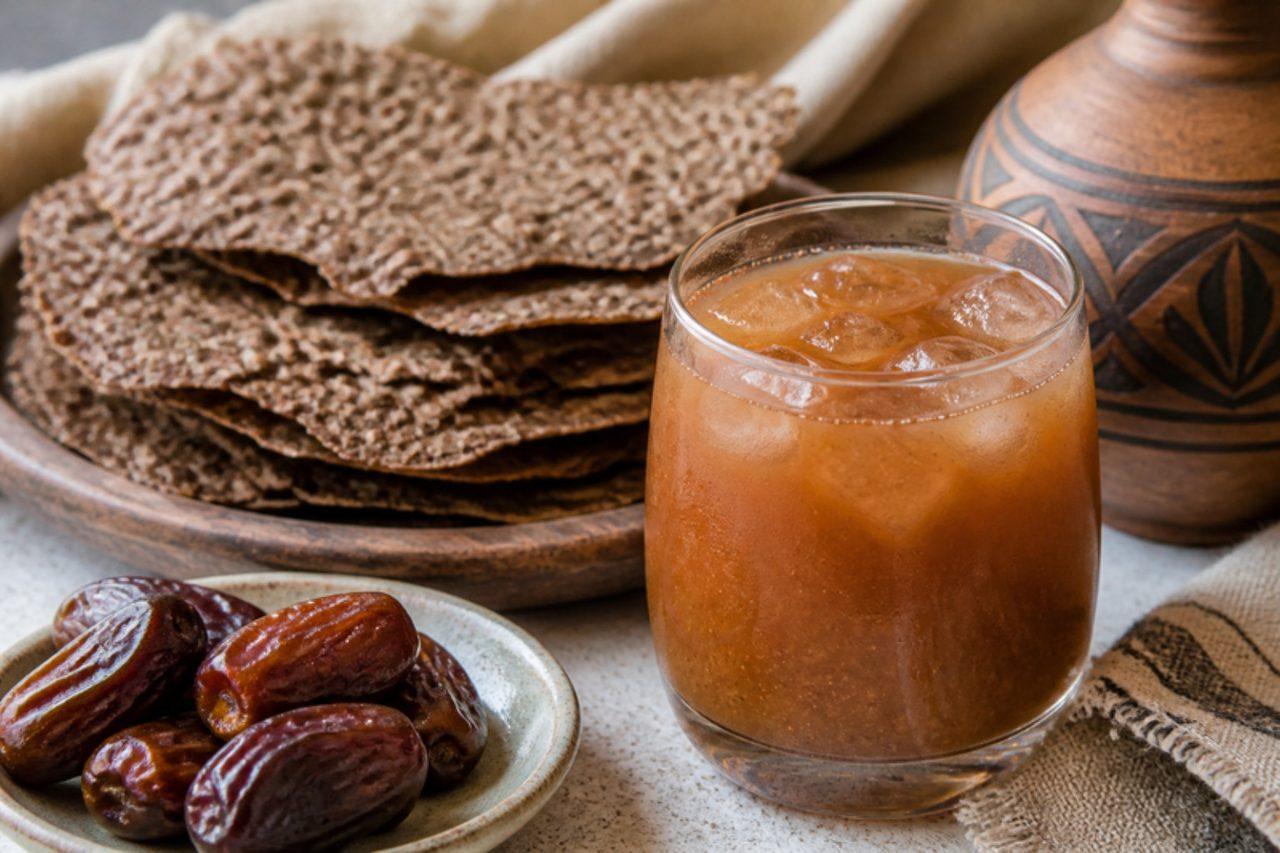
Hilu-mur (Sudanese spiced sorghum Ramadan drink)

Weeks before Ramadan, households across Sudan fill with the smell of hilu-mur, literally 'sweet-bitter', as sorghum is sprouted, dried, ground and mixed with flour, dates and a heady spice blend, left to sour for a day, then spread paper-thin on a hot griddle into brittle reddish-brown flakes. Each evening during the month a handful is soaked in water, strained and sweetened, giving the dark, tangy, clove-and-ginger-scented drink that breaks the fast. The souring is short, like a sourdough, and the flakes are cooked dry; the drink is non-alcoholic and served to the whole family. The full process takes about 5 days: 3 days to sprout, 1 to dry and a night to sour, so only active and cooking time are in the totals. Many people buy ready-made flakes from Sudanese shops. Discard any grain that smells musty or shows mould while sprouting. The usual mistake is pouring the batter too thick on the griddle; the flakes should be paper-thin to dry crisp. Chef's tip: spread the batter as thinly as you can; thick flakes stay chewy and go mouldy in storage.

by KrazyBadal 0 views

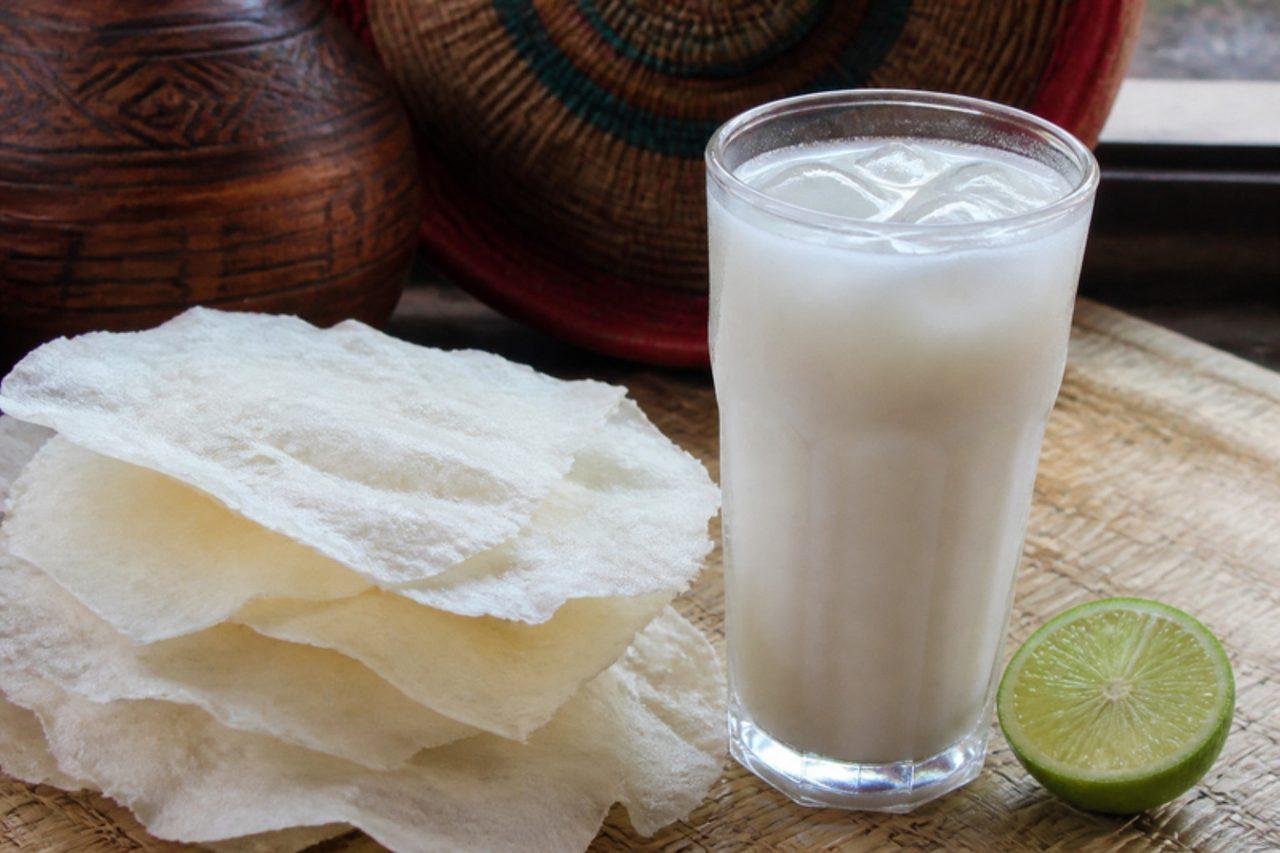
Abreh (Sudanese white sorghum flake drink)

Where hilu-mur is dark and spiced, abreh abyad, white abreh, is its pale, gentle partner: a batter of white sorghum flour is left to sour lightly, then baked into thin cream-coloured flakes that are soaked in cold, sweetened water and served at iftar across northern Sudan. The drink is cloudy, refreshing and faintly tangy, a good way to rehydrate after a long day of fasting; some families add a splash of lime or a little cardamom. The overnight souring takes 12–18 hours and is not counted in the totals; it is non-alcoholic, and the flakes are dried hard on the griddle. Spreading the batter too thickly is the classic mistake, so work fast and thin. Chef's tip: make a big batch in one session; the dry flakes keep for months in a tin, so a jug of abreh is only an hour away.

by KrazyBadal 0 views

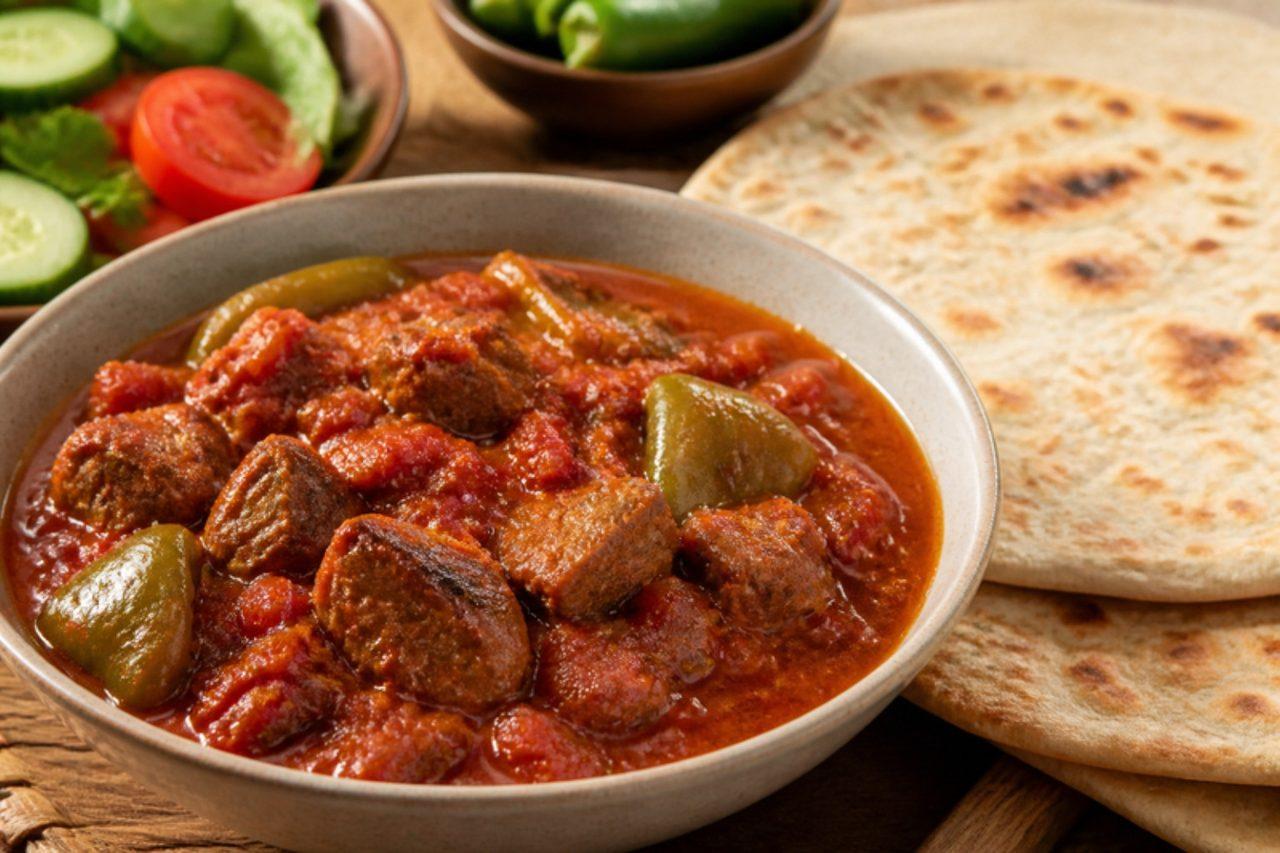
Dama (Sudanese beef and tomato stew)

Thick, red and full of garlic, dama is the tomato stew that Khartoum families make for weekday lunches and that restaurants serve in shiny steel bowls with gurasa, the soft, thick Sudanese pancake, or with bread and rice. Beef is browned, then simmered with a generous amount of onion, fresh tomato, tomato paste and gentle warm spices, cardamom and a little cinnamon, until the sauce is rich enough to cling to every piece. The meat ends up spoon-tender. Adding all the liquid at once is the common mistake; it gives a thin, watery sauce, so add water little by little as the stew needs it. Chef's tip: grate the onions rather than chopping them, so they melt into the sauce and thicken it without flour.

105 minSudaneseMeatGluten free
by KrazyBadal 0 views

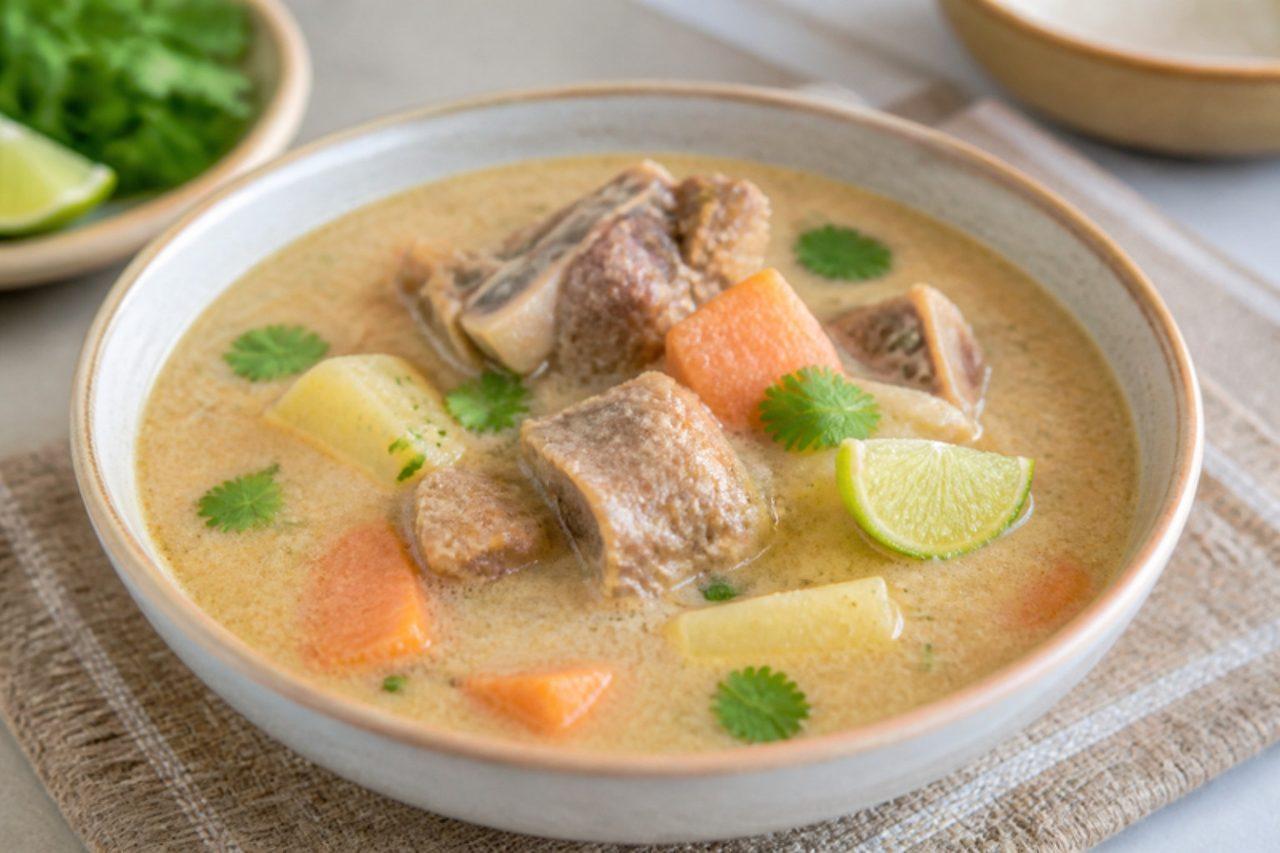
Sudanese shorba (lamb and peanut Ramadan soup)

Every evening during Ramadan, Khartoum tables are set with dates, juices and a big pot of shorba, a lamb broth full of carrots, potato and onion made creamy with peanut butter and sharpened with lime. It is the first thing many families eat after the dates, warm and gentle on an empty stomach, and it is made in quantity to share with neighbours. The soup is savoury, nutty and lightly spiced, thick enough to coat a spoon. Adding peanut butter straight into the pot is a mistake, as it clumps; whisk it smooth with hot broth first. Chef's tip: skim the broth carefully in the first 10 minutes for a clean taste, and finish with lime just before serving.

by KrazyBadal 0 views

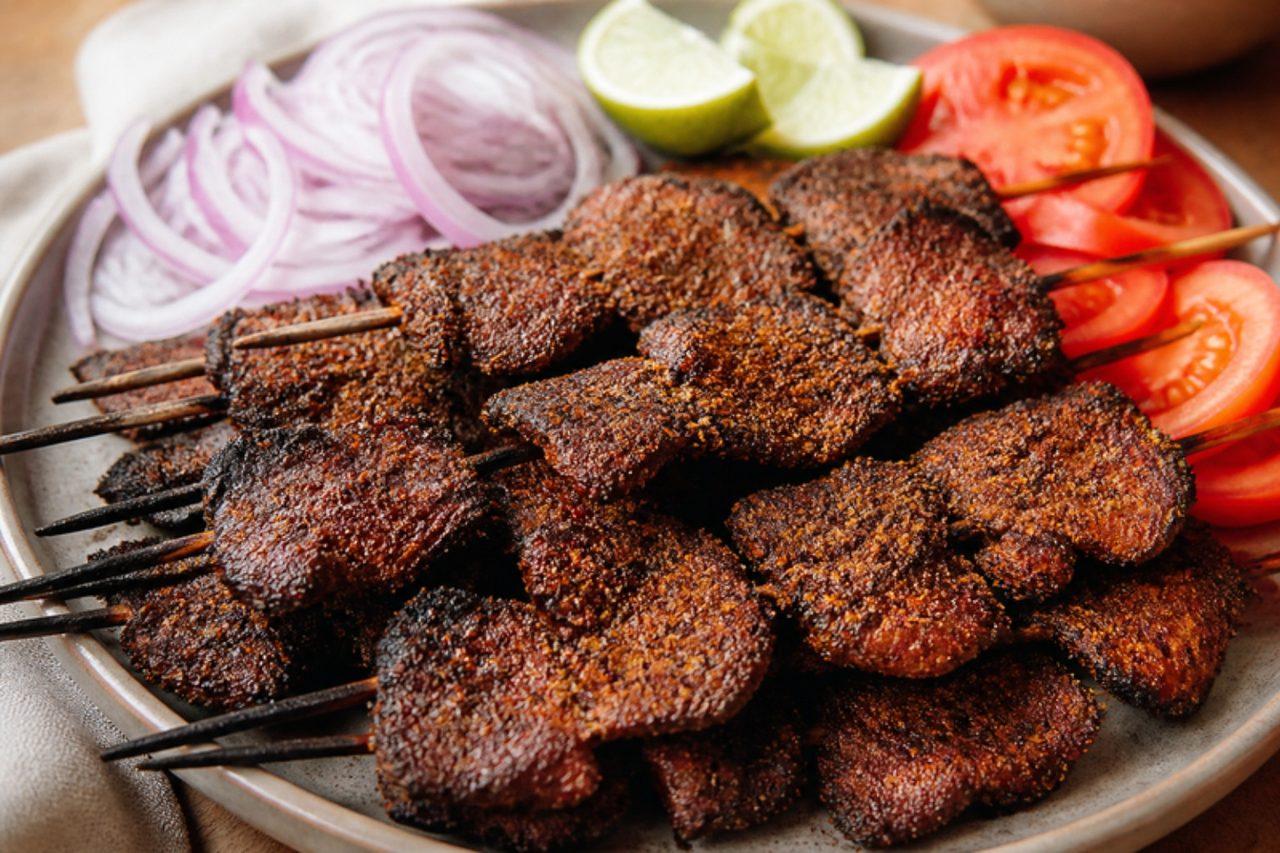
Agashe (Sudanese peanut-crusted beef skewers)

On Khartoum evenings the smoke from agashe grills drifts across the streets: thin slices of beef threaded onto sticks, coated in a dry rub of ground roasted peanuts, ginger, chilli and garlic, and grilled fast over charcoal until crusty and fragrant. The style came to Sudan with West African communities and is close cousin to Nigerian suya, but it has become a Khartoum favourite in its own right, served with sliced onion, tomato, lime and a sprinkle of extra spice. Slicing the beef too thick is the usual error, because the crust burns before the inside is done; aim for 5 mm. Marinate in the fridge, never on the counter. Chef's tip: dust the skewers with a second coat of peanut mix halfway through grilling for the best crust.

by KrazyBadal 0 views

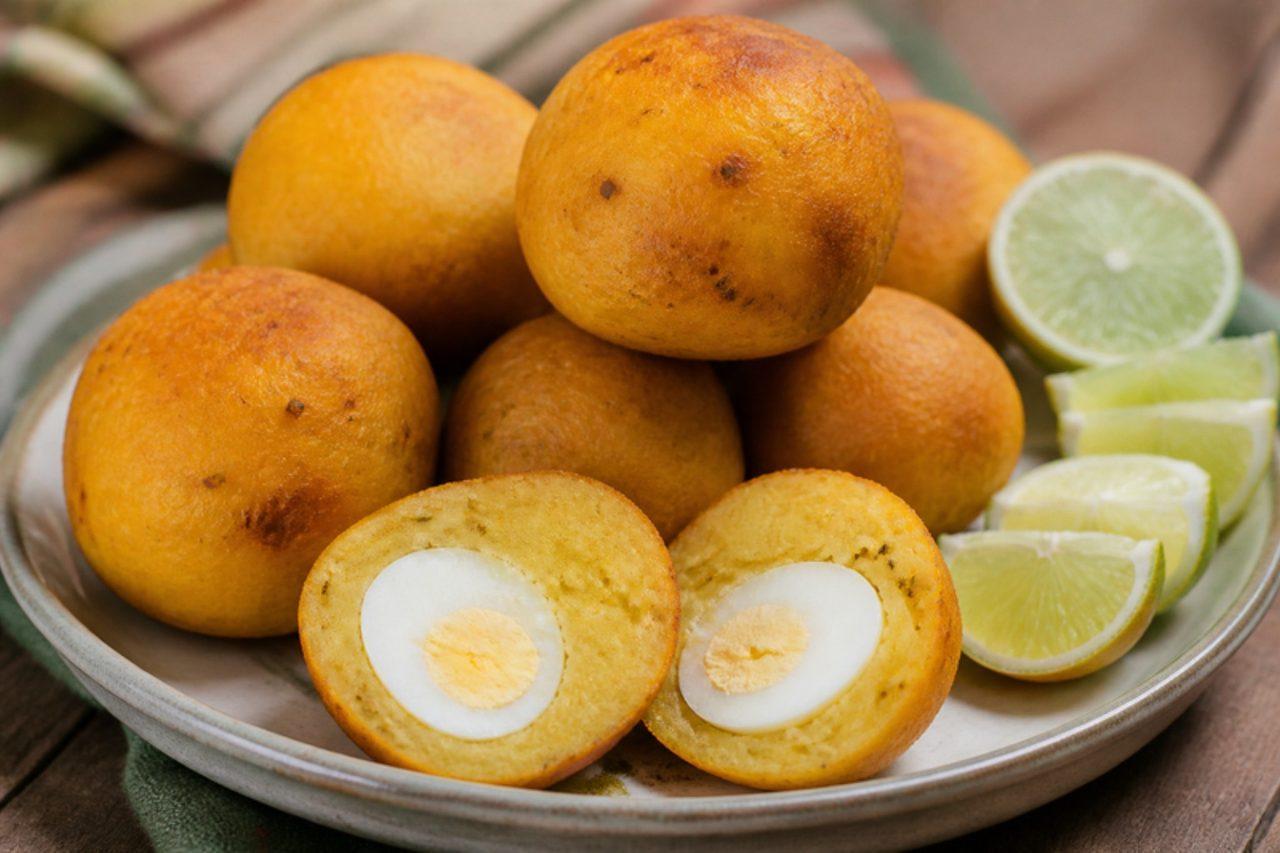
Nafaqo (Somali potato-wrapped eggs)

Sold warm from street stalls and cafés around Mogadishu, especially in the late afternoon and at iftar in Ramadan, nafaqo is a fried snack with a surprise inside: a whole boiled egg wrapped in mashed potato seasoned with onion, coriander and xawaash. A light chickpea-flour batter gives it a crisp golden shell, and it is cut in half to show the yolk and eaten with a squeeze of lime and hot green chilli sauce. Kids love it, and it travels well in a lunchbox. A common mistake is using wet, freshly boiled mash, which slides off the egg and splits in the oil; steam-dry the potatoes and let the mash cool before shaping. Chef's tip: roll the peeled eggs in a little chickpea flour before wrapping them, so the potato grips the slippery white.

by KrazyBadal 0 views

Showing 63 of 8,120 recipes

Show more recipes

Page 370 of 903