


Skip to content
Samlor machu kroeung
Featured recipe

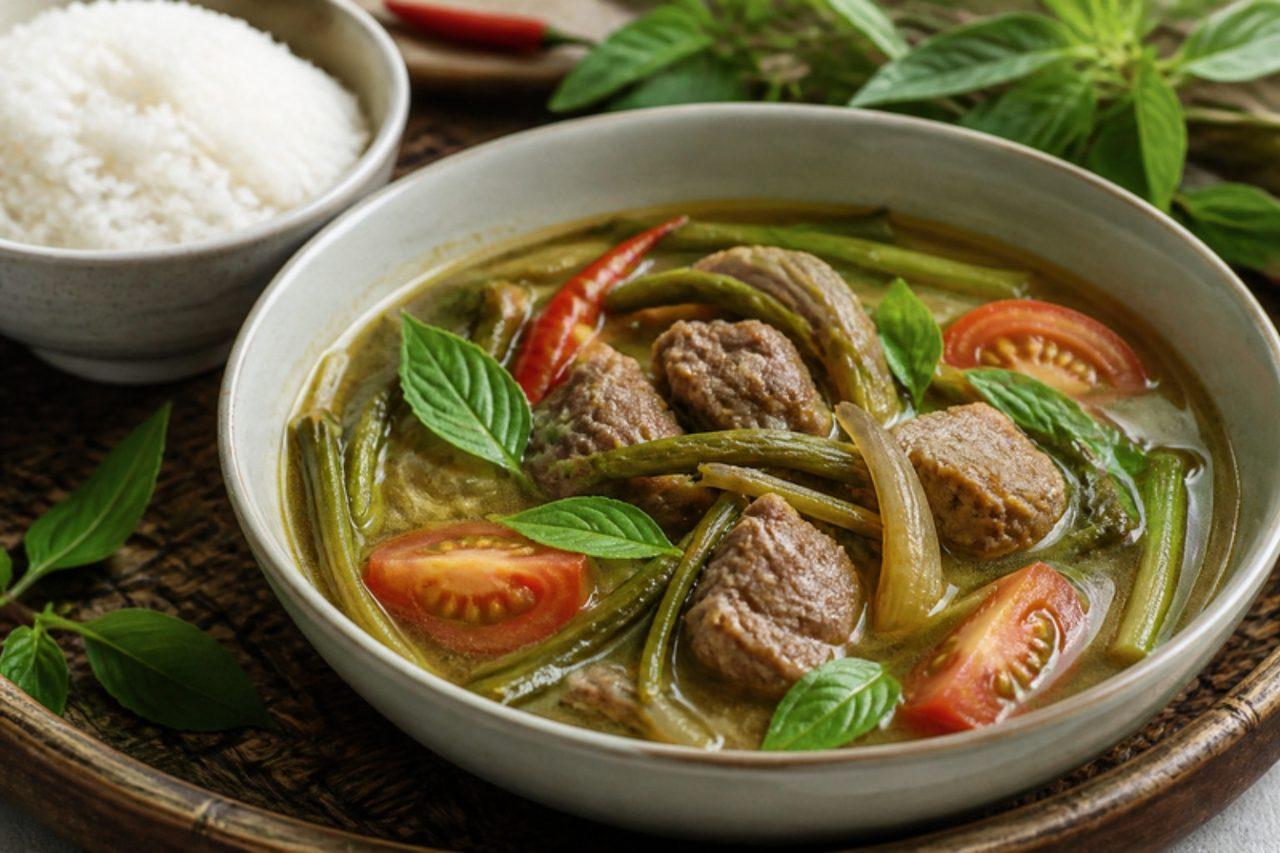
Samlor machu kroeung

Sour beef and lemongrass soup

Sour, herbal and gently golden from turmeric, samlor machu kroeung is one of the soups Phnom Penh families put on the table at lunch, ladled over rice with a side of something fried or grilled. Its base is a fresh kroeung of lemongrass, galangal, turmeric and kaffir lime, fried and simmered with slow-cooked beef until the broth turns aromatic, then soured with tamarind and finished with armfuls of crunchy morning glory. Many cooks use beef tripe; here it is braising beef, which turns spoon-tender. A slip that ruins it is adding the morning glory too early, so it turns khaki and slimy. Chef's tip: toast the kroeung in the beef fat until it darkens a shade and smells sweet; that is where the soup's depth comes from.

Read more 0 views

What to eat today?

Around the world

Today's trip: Paraguayan

A new country every day, from every cuisine on the site.

Paraguayan

Chipa

Cheese bread rings 50 minMore from Paraguayan (27) →

This week's collection

Kid-friendly dinners
537 recipes · a new collection every Monday

Latest recipes

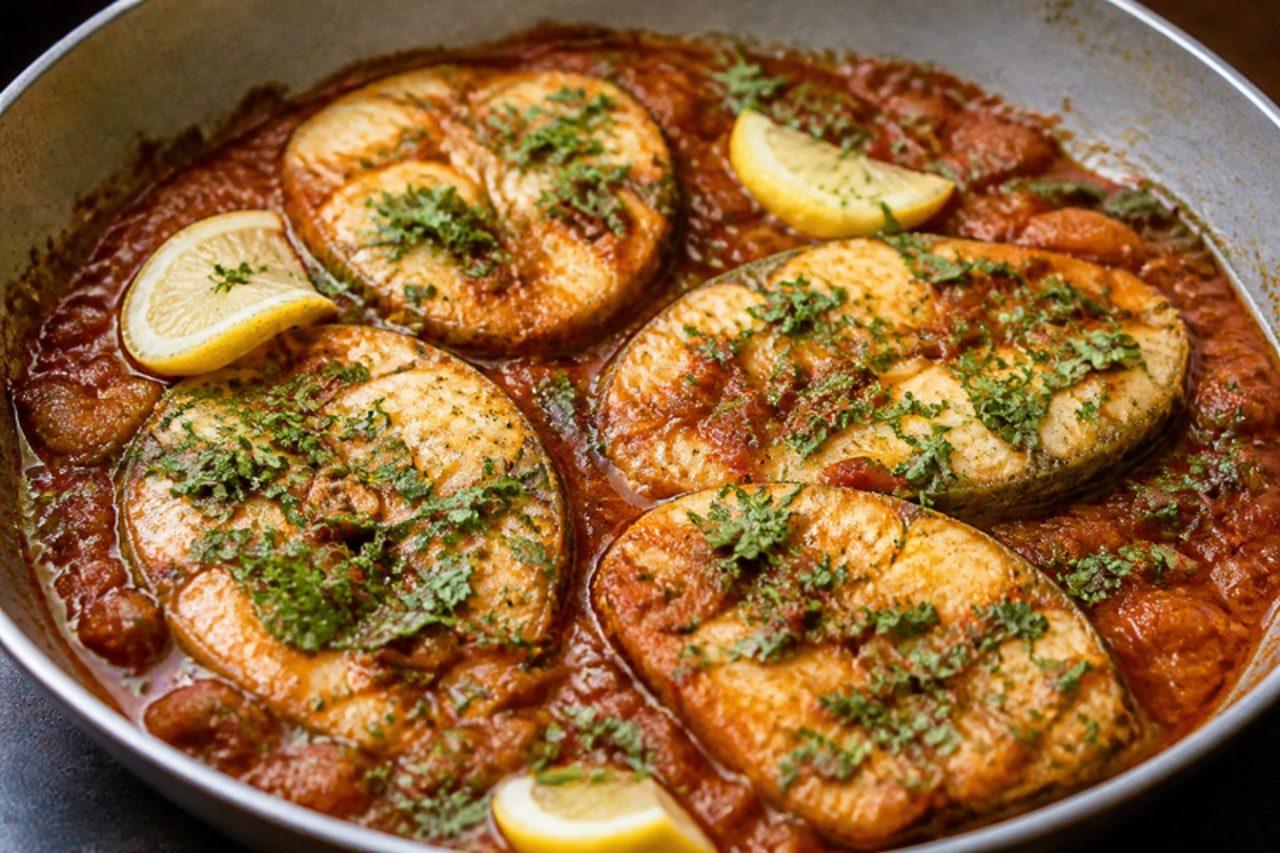
ChraimeFish in spicy garlic paprika sauce

Friday night in Moroccan and Libyan Jewish homes, from Casablanca to Tripoli and now Paris and Tel Aviv, often begins with a plate of chraime before the main course. Thick fish steaks simmer in a brick-red sauce built from a frightening amount of garlic, sweet and hot paprika, chilli, caraway and cumin, loosened with oil and a squeeze of lemon. It is spicy, garlicky and very savoury, and the oily sauce begs to be mopped up with challah or other good bread. It is also eaten cold the next day. Chef's tip: cook the spices in the oil over a low heat until they smell toasty but not dark; burnt paprika tastes acrid and you cannot rescue it.

by KrazyBadal 1 views

Lemon verbena tea (louiza)

After a big dinner or before bed, many Moroccan households swap green mint tea for a pot of louiza, lemon verbena, whose long, narrow leaves give a pale golden infusion that smells of lemon sherbet and has no caffeine. The fresh herb is sold in bunches alongside mint and absinthe at market herb stalls, and dried leaves keep all year. Drink it plain, lightly sweetened, or brewed with a few mint sprigs. It is soothing, clean-tasting and fragrant. Chef's tip: pour boiling water over the leaves and let them steep off the heat for 5 minutes; boiling the leaves in the pot, a common mistake, turns the tea grassy and bitter.

by KrazyBadal 0 views

Raib (set yogurt with orange-flower water)

Every Moroccan town has a mahlaba, a dairy café, with a fridge full of little glass pots of raib: soft, wobbly set yogurt, lightly sweetened and often scented with orange-flower water or flavoured with strawberry. It is eaten with a spoon as a snack, as a dessert after dinner, or with msemen at breakfast. The texture is delicate and spoonable rather than thick like strained yogurt. The oldest versions were set with rennet; this home version uses live yogurt as a starter (if you try rennet tablets, choose a vegetarian one). It needs 6–8 hours to set and a few hours to chill. Chef's tip: let the milk cool to 43 °C before adding the starter; too hot and the cultures die, so the raib never sets, which is the most common mistake.

by KrazyBadal 0 views

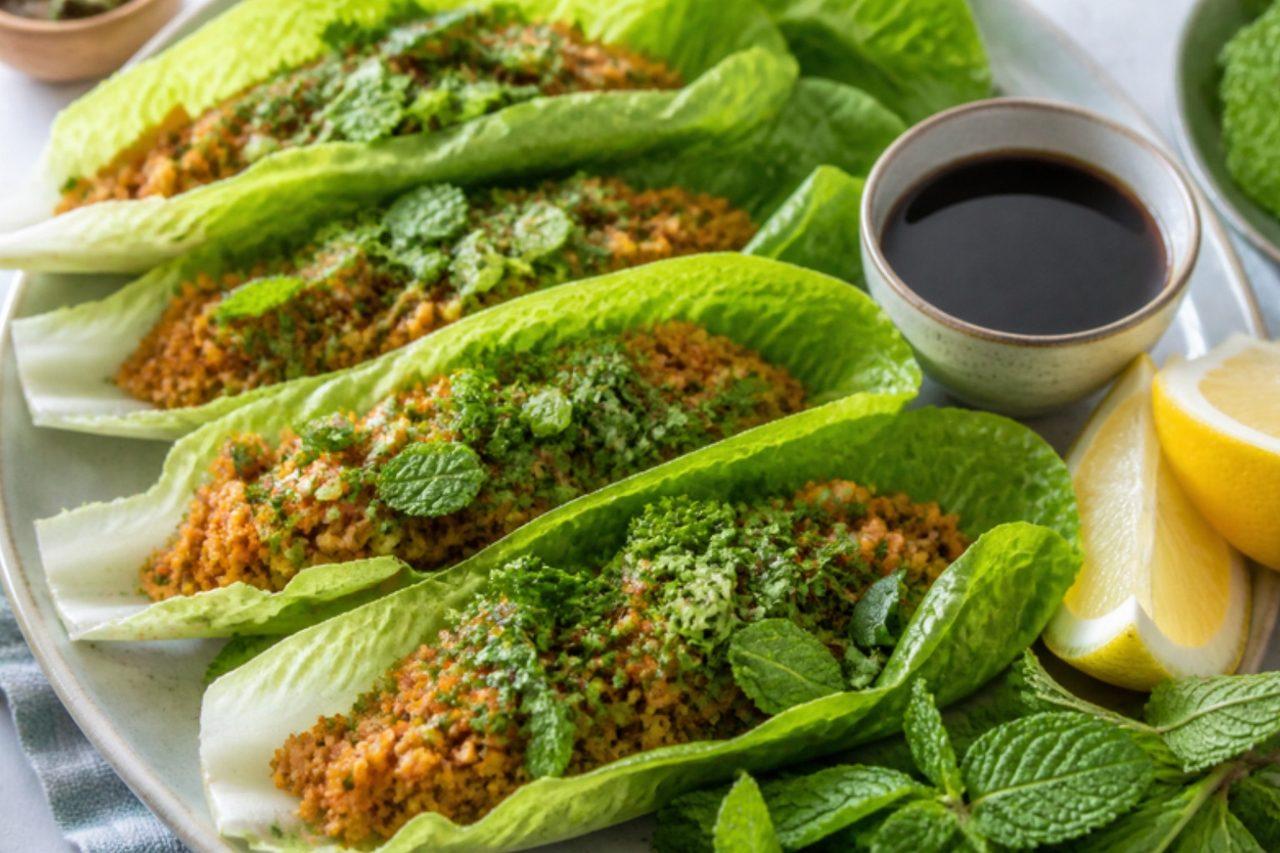
Çiğ köfteSpicy bulgur and pepper paste rolls

Şanlıurfa is the home of çiğ köfte, and the version sold today from shops all over Turkey is entirely meatless: fine bulgur kneaded for a long time with isot (Urfa's dark, smoky chilli), pepper paste, onion, garlic and pomegranate molasses until it turns soft and dough-like. Squeezed into finger shapes, it is wrapped in lettuce or lavaş with a squeeze of lemon and plenty of parsley, and in Urfa it is often made by a group of friends on a winter evening. Don't add all the water at once; the bulgur should be just moist, never wet. Chef's tip: the kneading is the cooking, so knead for at least 20 minutes until the mixture is glossy and holds a fingerprint.

by KrazyBadal 0 views

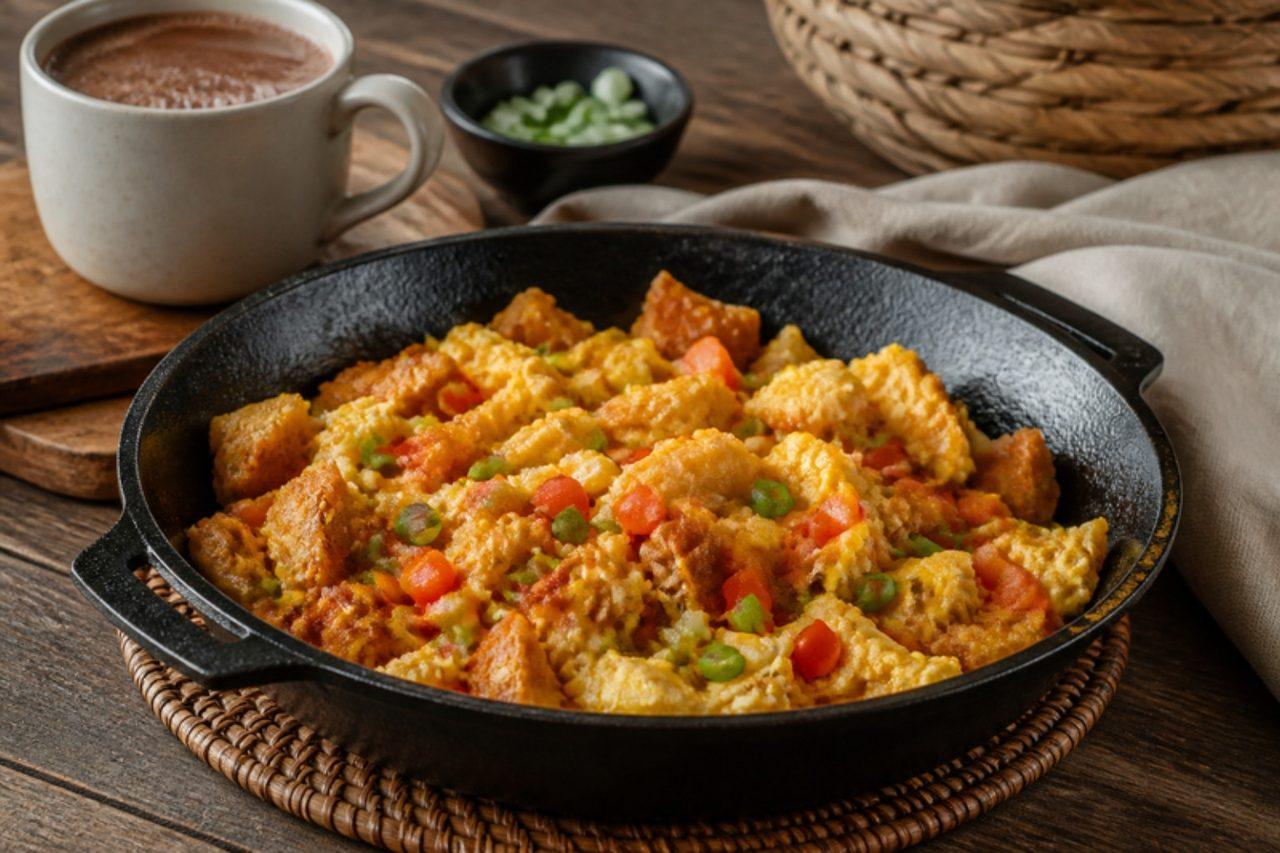
Migas de arepaArepa and scrambled egg hash

Nothing goes to waste in a paisa kitchen. Yesterday's arepas are torn into rough pieces and fried in a pan of hogao, the slow tomato and spring onion sauce of Antioquia, then folded through with soft scrambled eggs. It is a weekday breakfast across Medellín and the coffee towns, served with a cup of hot chocolate or a strong coffee, and it takes about as long as making toast. The texture should be part crisp, part soft, coated in eggy tomato. Most people stir it too much, which turns the arepa to mush; fry it first and let it crisp before the eggs go in. Use plain white-corn arepas, homemade or bought. Chef's tip: take the pan off the heat while the eggs still look a touch wet; they finish in the residual warmth and stay creamy.

by KrazyBadal 0 views

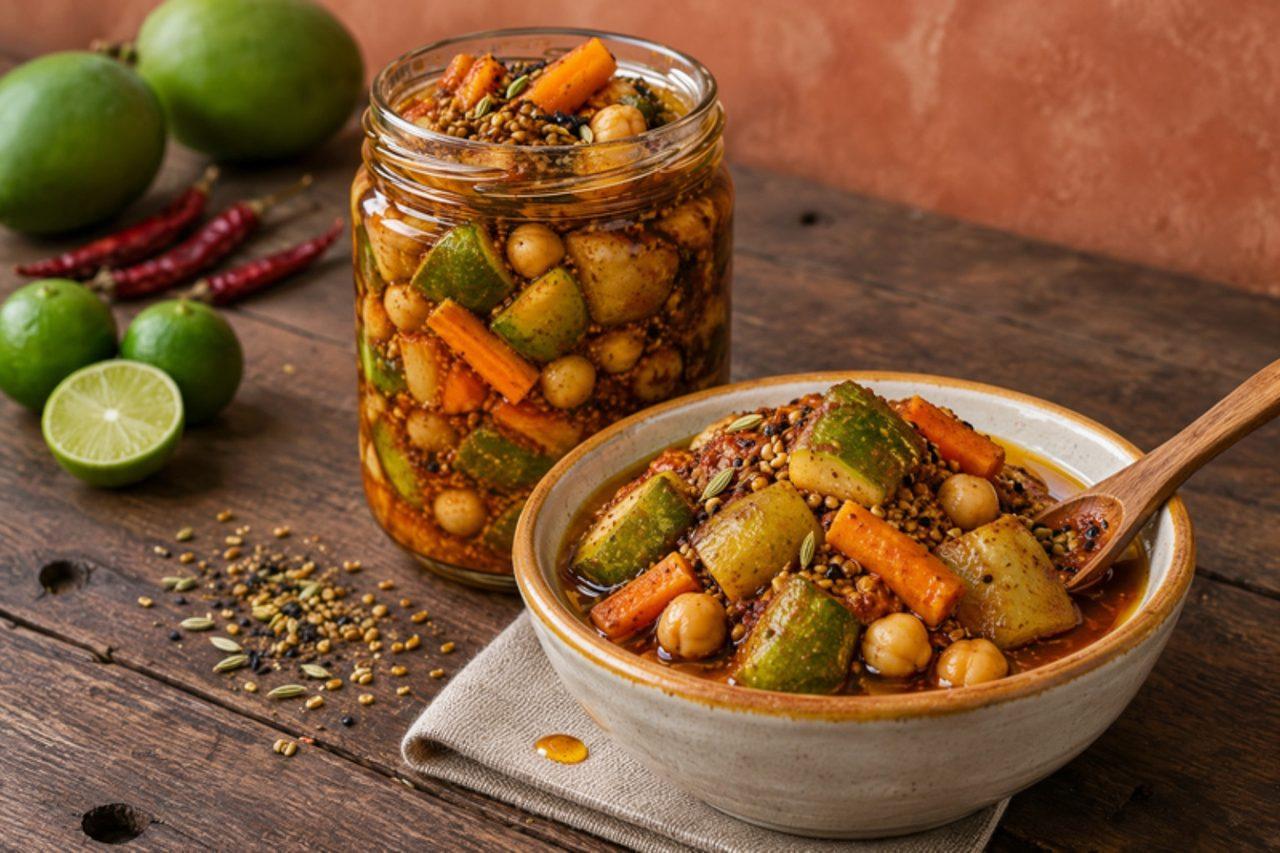
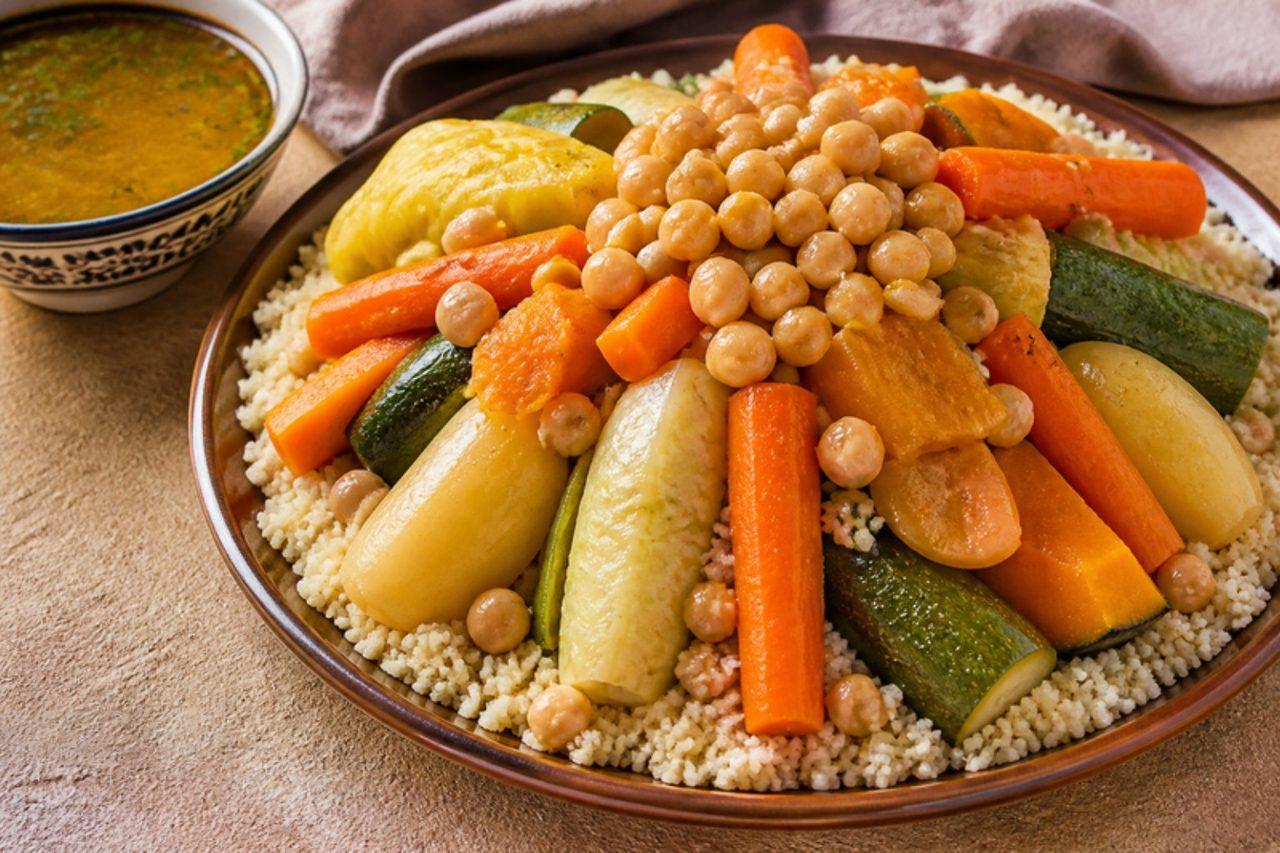
Barley couscous with vegetables (belboula)

In the palm oases of the Draa Valley, south of the Atlas, barley grows where wheat struggles, and the couscous cooked for family meals is often belboula: cracked barley grains steamed three times until fluffy, nutty and slightly chewy. It is heaped on a big platter, crowned with vegetables from the broth bubbling beneath it, such as carrots, turnips, pumpkin, courgettes and cabbage, plus chickpeas, then moistened with ladles of the turmeric-and-ginger broth. On hot days the same couscous is eaten cold with buttermilk instead. It takes time but very little skill once you know the rhythm of steaming. Chef's tip: oil and rub the grains between your palms before each steaming so they stay separate.

by KrazyBadal 0 views

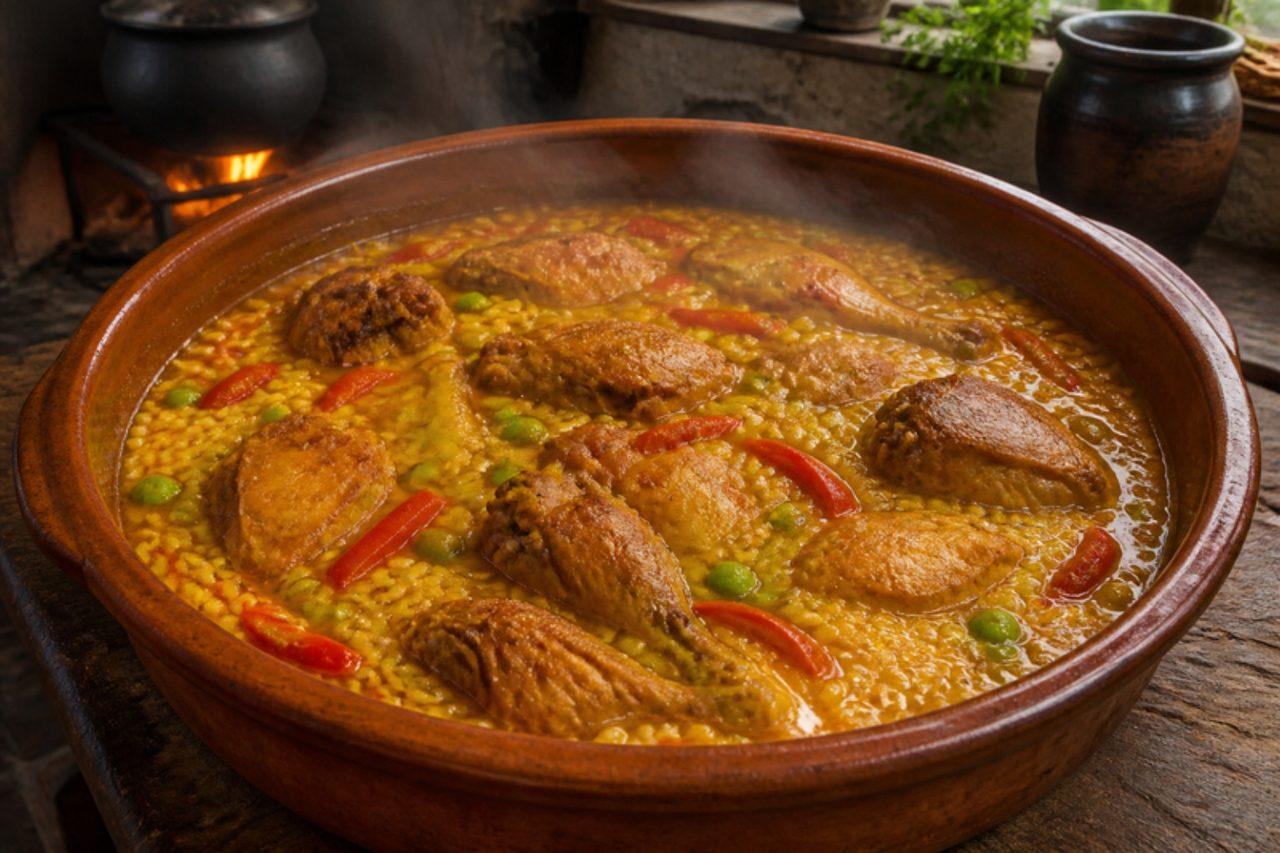
Arroz con pitu de caleyaSoupy rice with chicken

A pitu de caleya is a cockerel raised free in the lanes, or caleyas, of rural Asturias; its firm, flavourful meat needs long stewing, and families around Villaviciosa and Grado still cook it for feast days. The stew is often finished as a soupy rice, so the deep chicken juices go into every grain. Use the best free-range chicken you can find. The braise includes dry white wine; replace it with extra stock and a squeeze of lemon if you want it alcohol-free. Chef's tip: brown the chicken slowly and deeply; that colour is where the flavour of the whole pot comes from.

by KrazyBadal 1 views

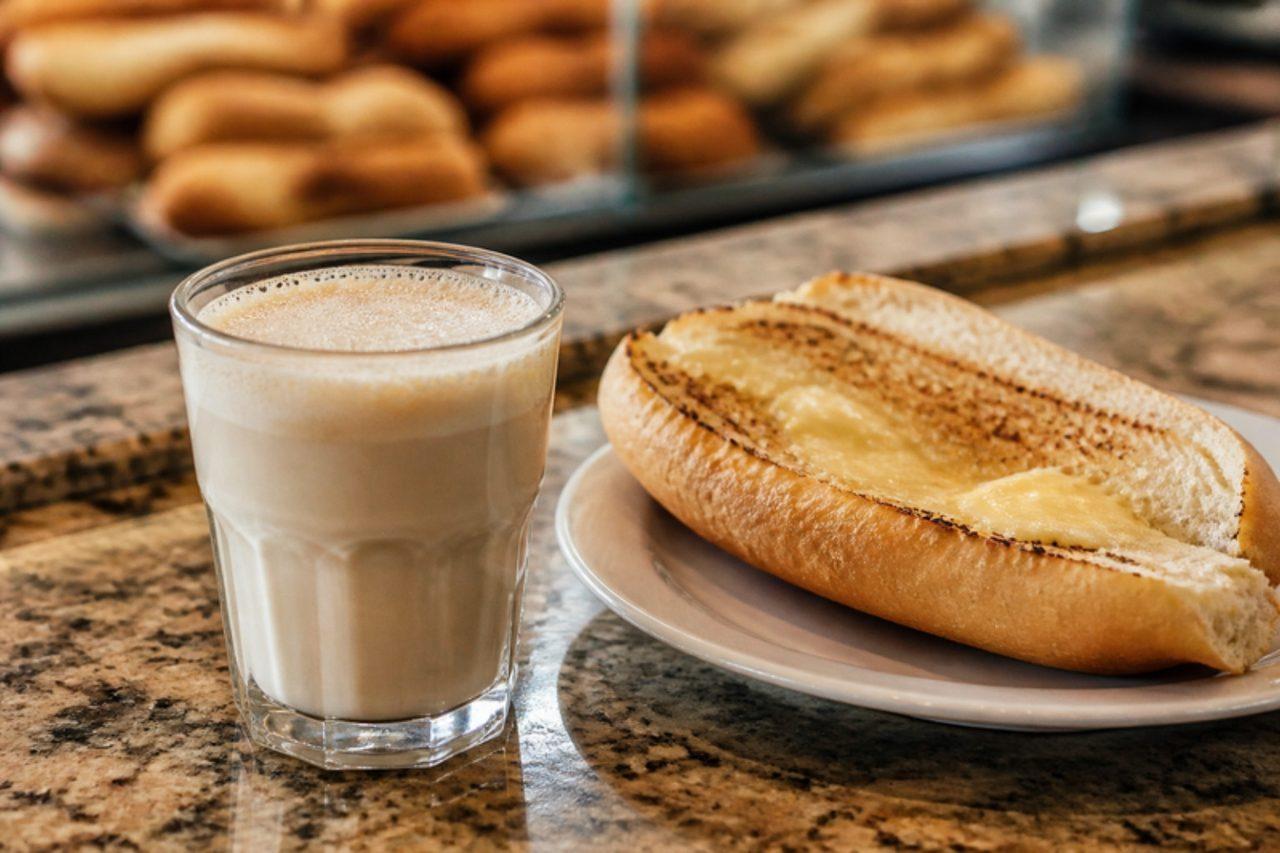
PingadoHot milk with coffee

Order 'um pingado' at the balcão of any São Paulo padaria at 7 in the morning and the attendant pours hot milk into a ridged glass tumbler (the copo americano) and 'drips' in a splash of strong coffee, hence the name. It is milkier and gentler than a média (half coffee, half milk), creamy and lightly sweet, usually drunk standing up with a pão na chapa, a toasted buttered roll. At home you need strong filter coffee and milk heated until steaming. Scalding the milk is the frequent mistake, as boiled milk tastes flat and forms a skin. Chef's tip: froth the hot milk for a few seconds with a whisk or by pouring it back and forth between two jugs before adding the coffee, as padaria machines do.

by KrazyBadal 1 views

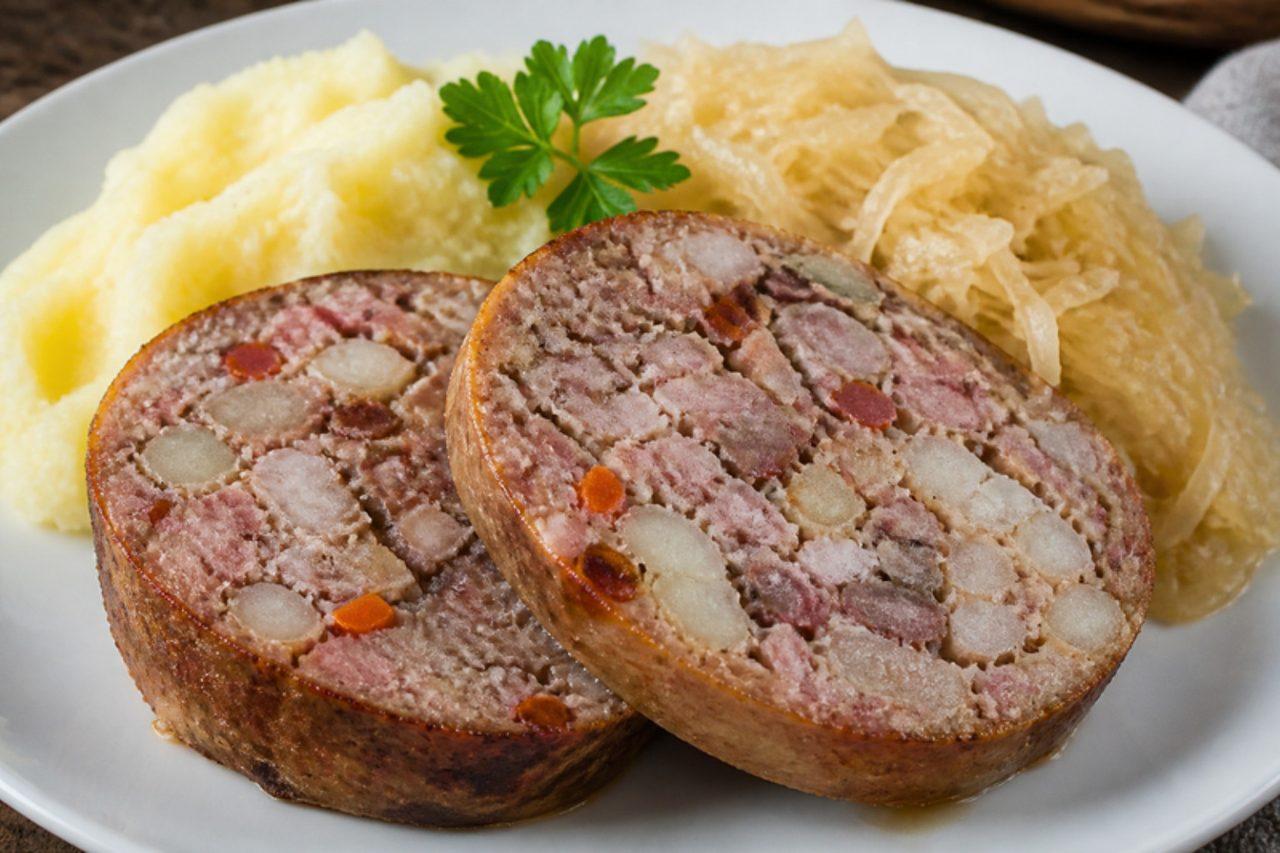
Pfälzer SaumagenStuffed pig's stomach

Saumagen is the pride of the Palatinate, served at wine-village festivals and family dinners from the Haardt hills to Ludwigshafen. A cleaned pig's stomach is stuffed with diced pork shoulder, pork sausage meat, potato and carrot seasoned with marjoram and nutmeg, poached slowly, then sliced thick and fried until crusty. The stomach works only as a casing and is ordered from a butcher; if you can't get one, bake the same filling in a covered terrine in a water bath. Serve with sauerkraut and mashed potato. Chef's tip: fill the stomach only three-quarters full, or it bursts as the potatoes swell.

225 minGermanMeatGluten free
by KrazyBadal 1 views

Bubble and squeak

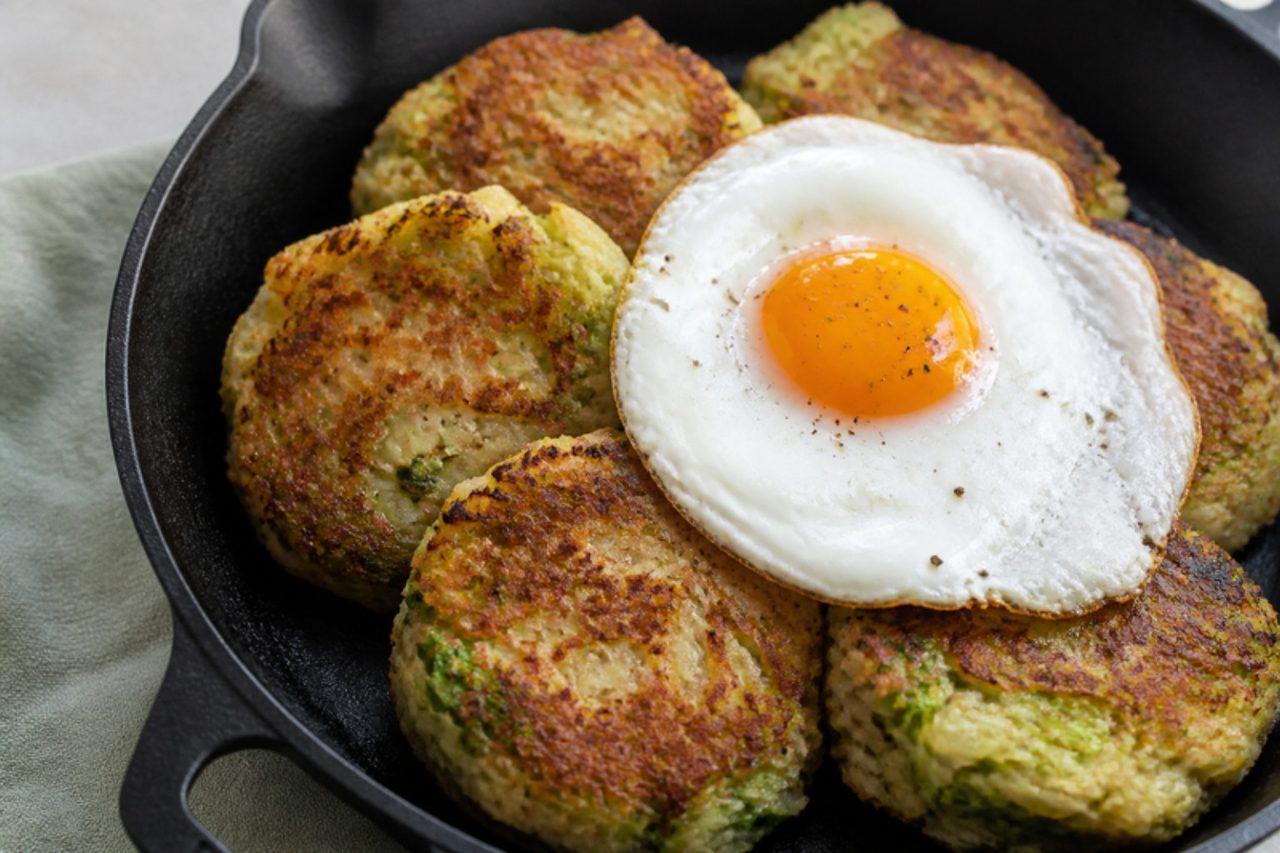
Bubble and squeak is what English households, especially in London, make on Boxing Day and Monday mornings from the Sunday roast's leftover potatoes and greens. It's named for the noise it makes in the pan. The mash and cabbage or sprouts are fried until a deep brown crust forms, then turned and crisped again. Serve with a fried egg and brown sauce. Chef's tip: press it flat and leave it alone in the pan; the crust only forms if you don't keep stirring.

by KrazyBadal 0 views

Midia saganakiMussels with tomato and feta

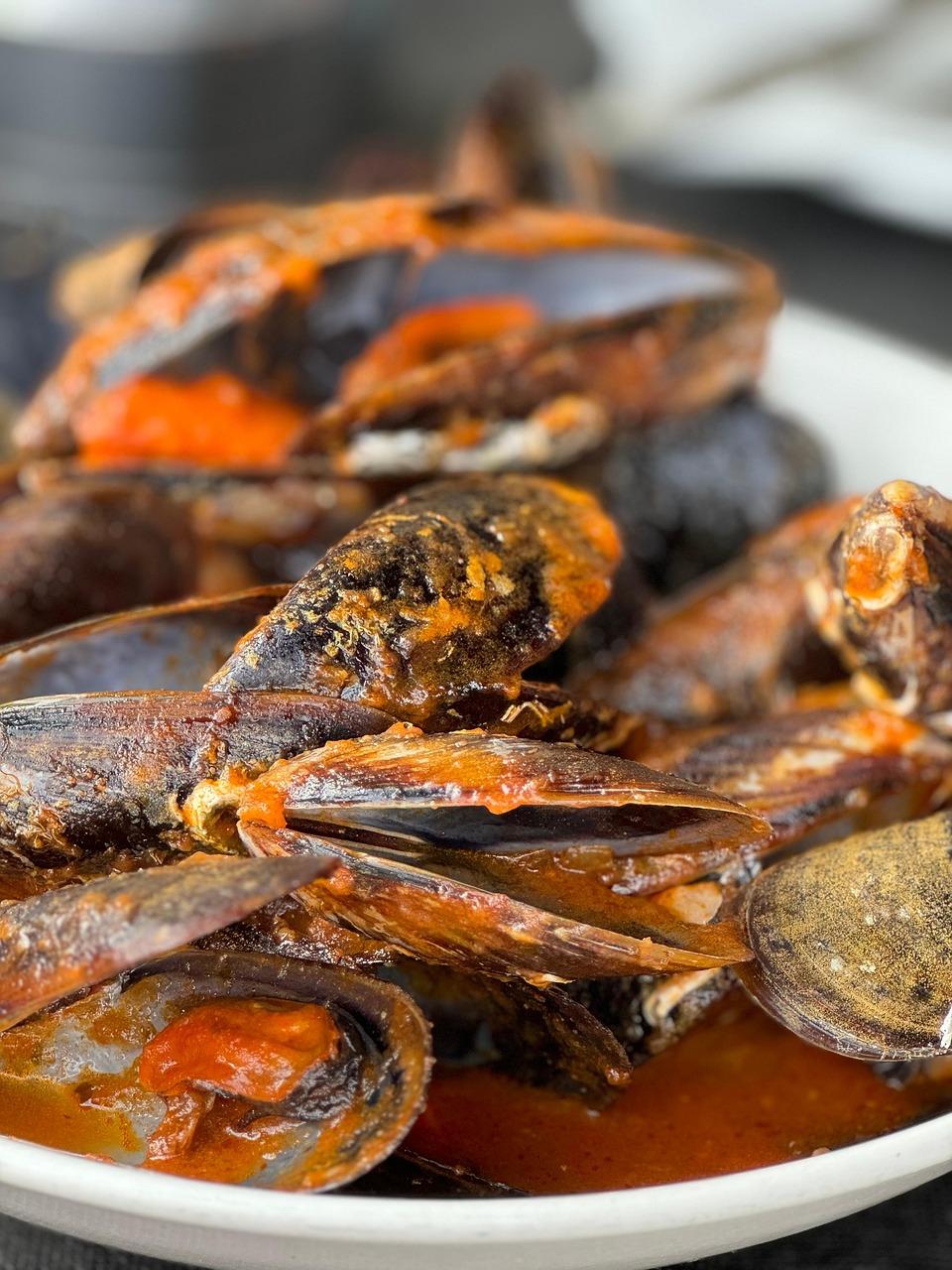
Thessaloniki is Greece's mussel capital, with farms in the Thermaic Gulf a few kilometres from the seafront ouzeries where this two-handled pan arrives, still bubbling, at the table. Mussels steam open in a quick sauce of peppers, tomato and chilli, and crumbled feta melts into the juices at the end. Bread is essential. The classic version adds a splash of ouzo; this one is alcohol-free, using a pinch of fennel seed for that aniseed note (add 2 tbsp ouzo with the tomatoes if you like). Common mistake: overcooking — take the pan off the heat as soon as the shells open. Chef's tip: buy mussels on the day and keep them in the fridge in a bowl covered with a damp cloth, never in water.

30 minGreekFishGluten freeSpicy
by KrazyBadal 1 views

All i pebreEel and potato paprika stew

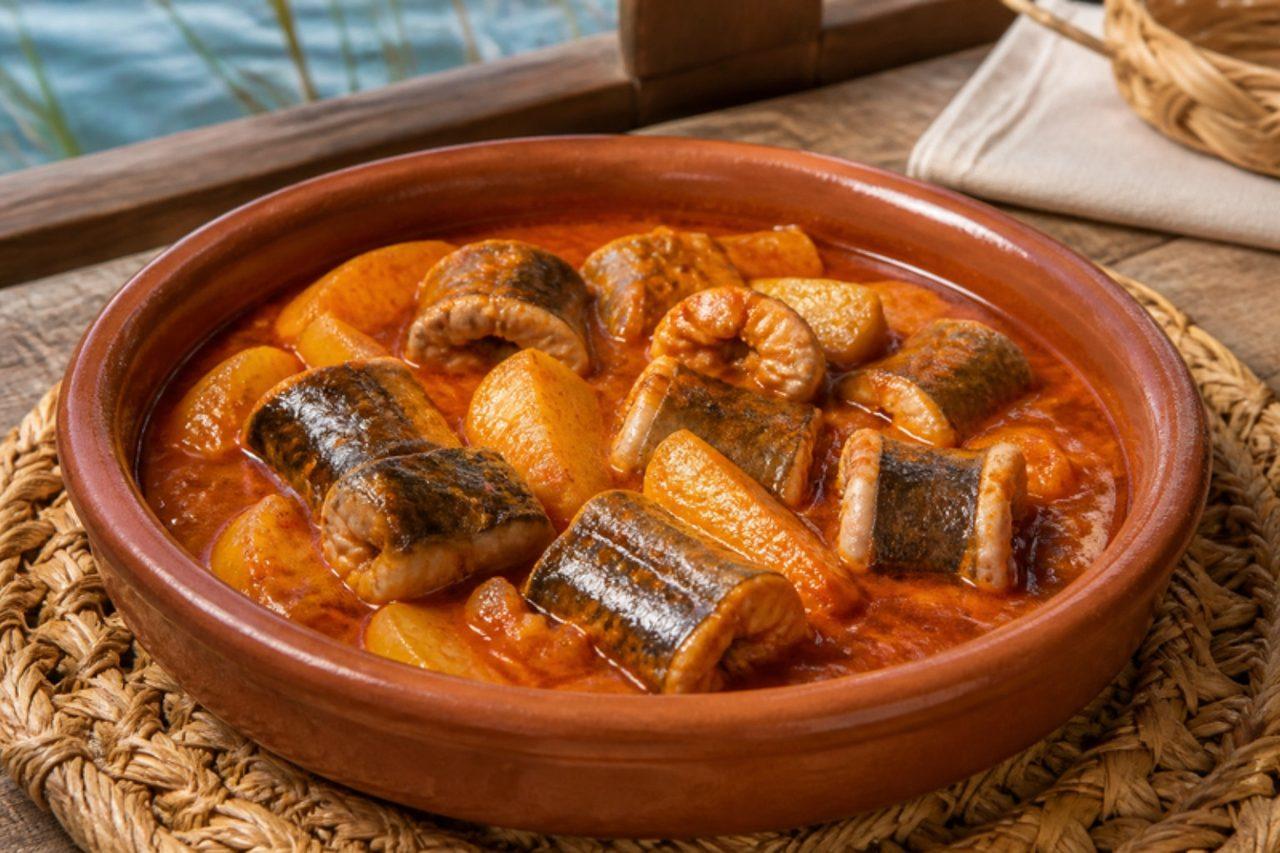
In El Palmar and the other villages around the Albufera lagoon south of Valencia, the restaurants that are famous for paella serve something older first: all i pebre, "garlic and pepper", a brick-red stew of lagoon eel and potatoes thickened with a pounded almond and fried-bread picada. It is rich, garlicky and gently hot, eaten with bread to mop up the sauce. Ask your fishmonger to skin and cut the eel, and handle it with gloves: raw eel blood is irritating, though harmless once cooked. If you can't find eel, monkfish or hake works well. A common mistake is letting the paprika burn; it turns bitter in seconds, so add it off the heat. Chef's tip: break the potatoes with a knife instead of cutting cleanly; the rough edges release starch and thicken the sauce.

by KrazyBadal 1 views

Escudella i carn d'ollaChristmas soup with giant pasta

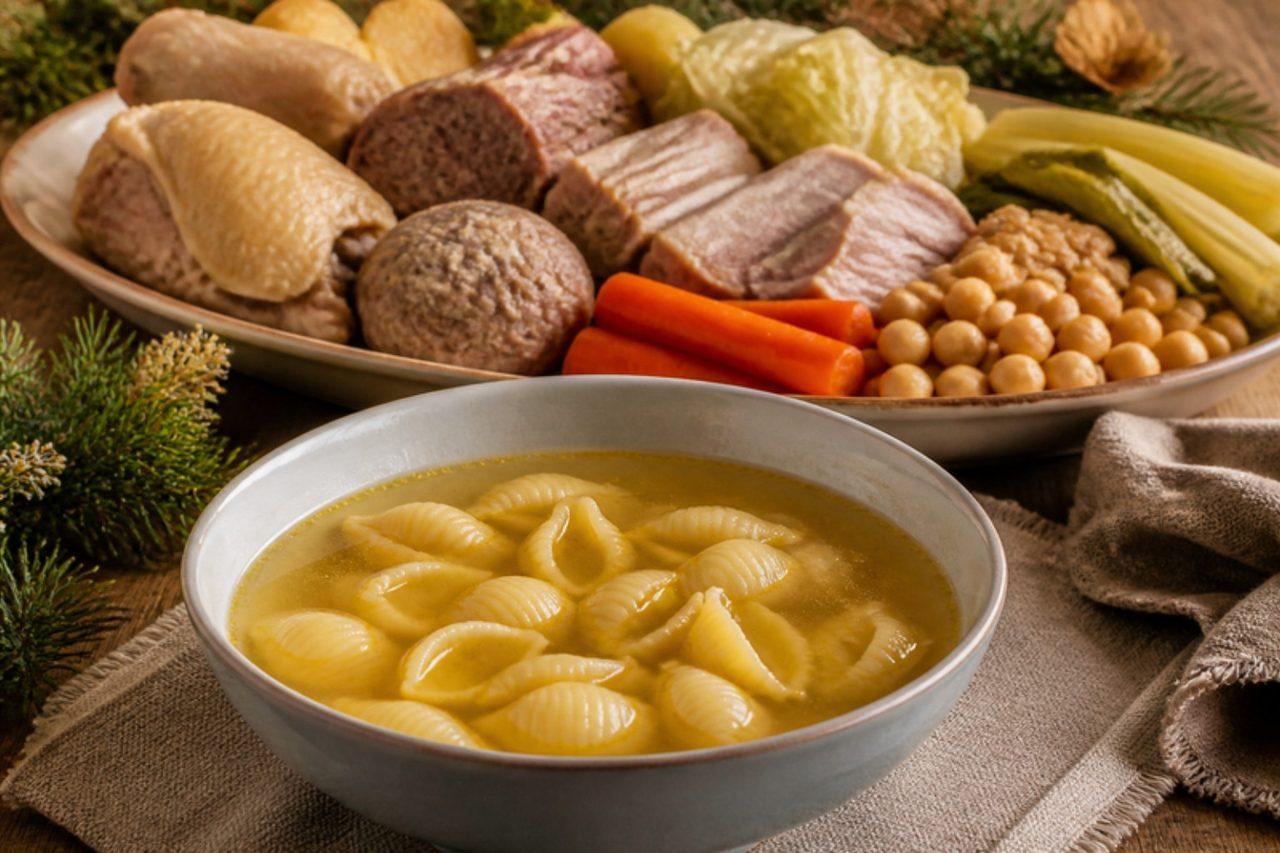
This contains pork (pork belly and pork mince). On Christmas Day, Catalan families sit down to escudella i carn d'olla, served in two courses: first the broth with giant snail-shaped galets pasta, then the carn d'olla, a platter of the meats, chickpeas and vegetables that made it, including the pilota, a large herby meatball. The pot simmers for hours, and the leftovers become the next day's canelons. Chef's tip: start the meats in cold water and skim patiently as it comes to the boil; it is the only way to a clear, golden broth.

255 minSpanishSoups
by KrazyBadal 1 views

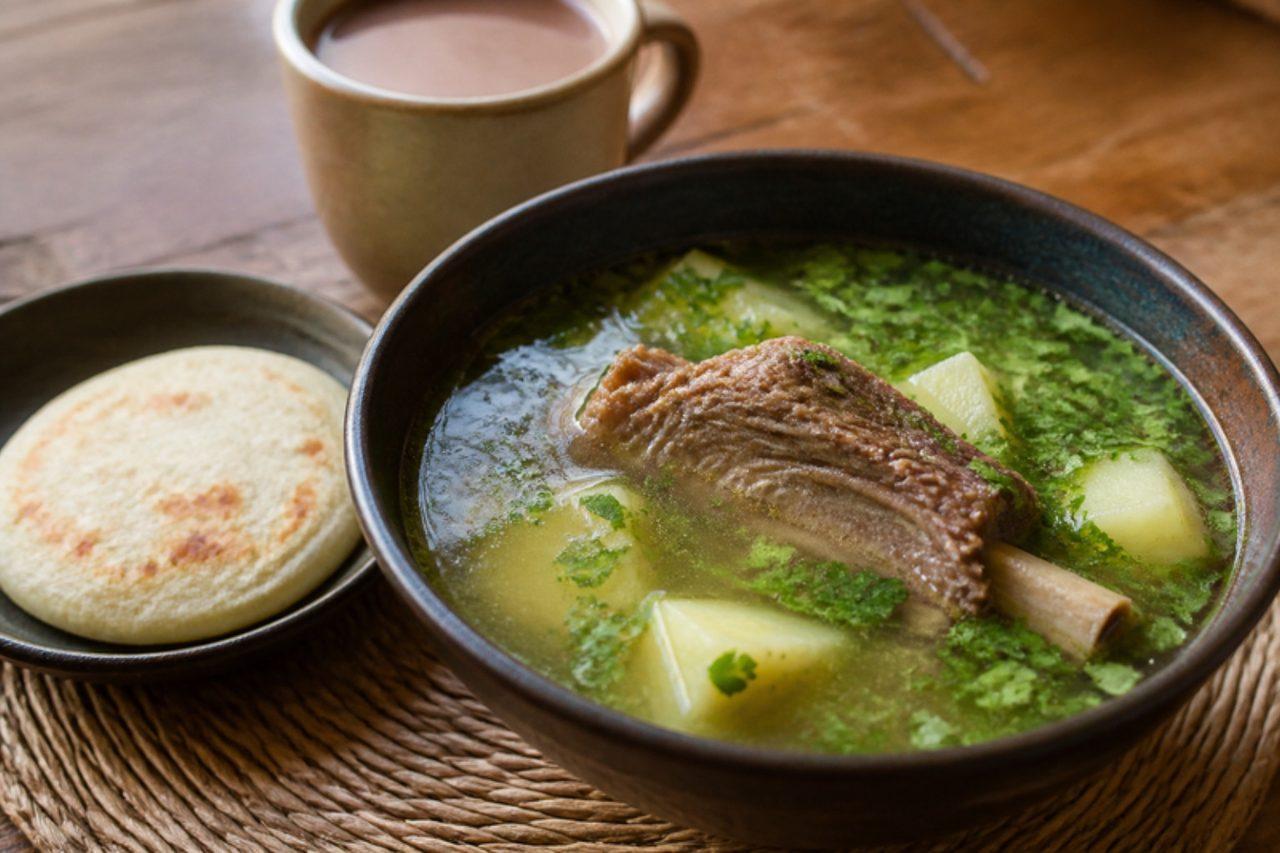
Caldo de costillaBeef rib broth

Bogotá wakes up to caldo de costilla. Cafeterías near markets and bus terminals ladle it out from early morning, and it is the city's famous cure after a late night: beef short ribs simmered until tender in a clear, golden broth with potatoes, onion, garlic and a big handful of coriander. It's simple, beefy and restoring, served with an arepa, a cup of hot chocolate or coffee and maybe a slice of bread. People are tempted to boil it hard to save time; the broth turns cloudy and greasy and the meat tightens, so give it a slow, steady simmer. Chef's tip: make the broth the night before and chill it; you can lift off the solid fat in the morning and simply reheat with the potatoes for a fast, clean breakfast.

by KrazyBadal 0 views

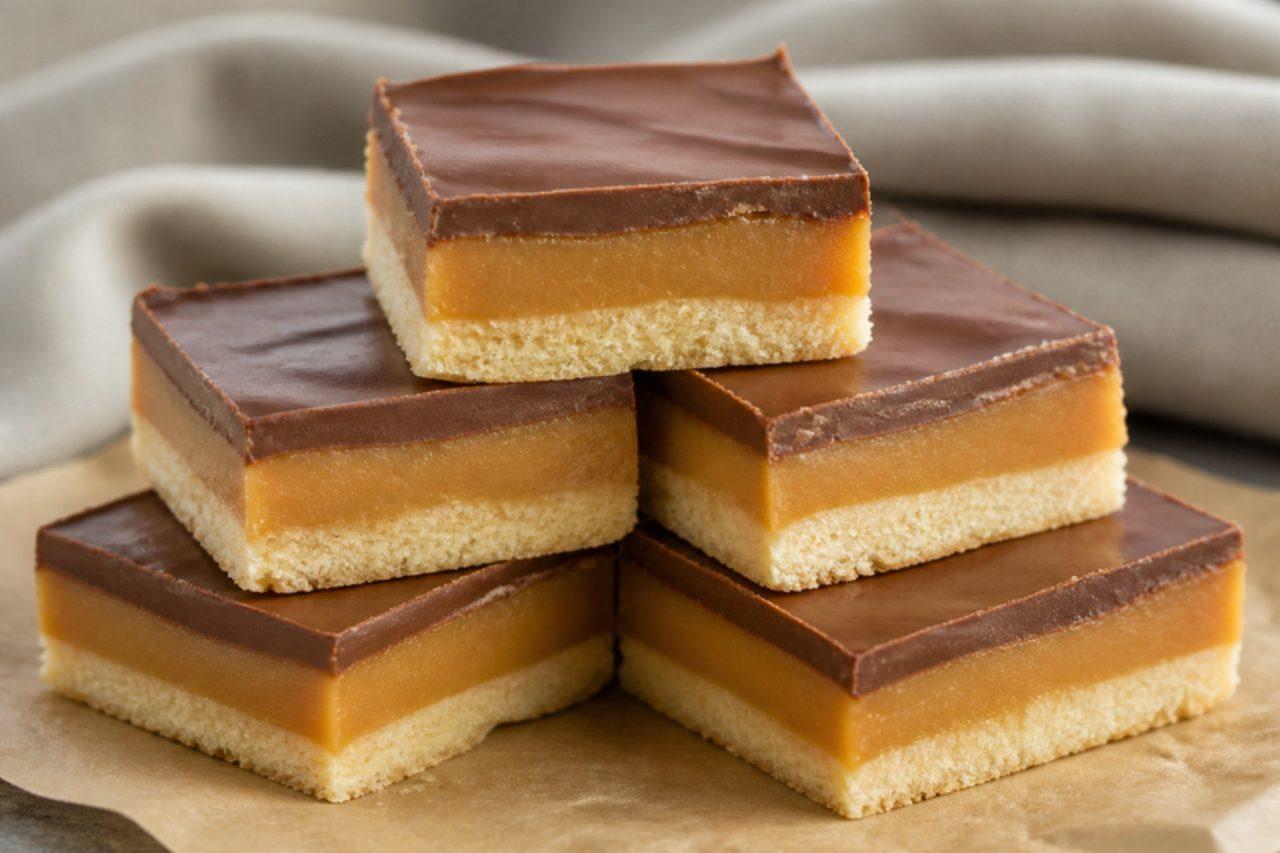
Millionaire's shortbread

Millionaire's shortbread, called caramel shortcake in much of Scotland and caramel squares across the water in Belfast, is the traybake of school bake sales, cafés and church teas. A crisp shortbread base is covered with thick condensed-milk caramel and a layer of chocolate, rich enough to justify the name. Chef's tip: keep stirring the caramel the whole time it bubbles; it catches on the bottom in seconds.

by KrazyBadal 0 views

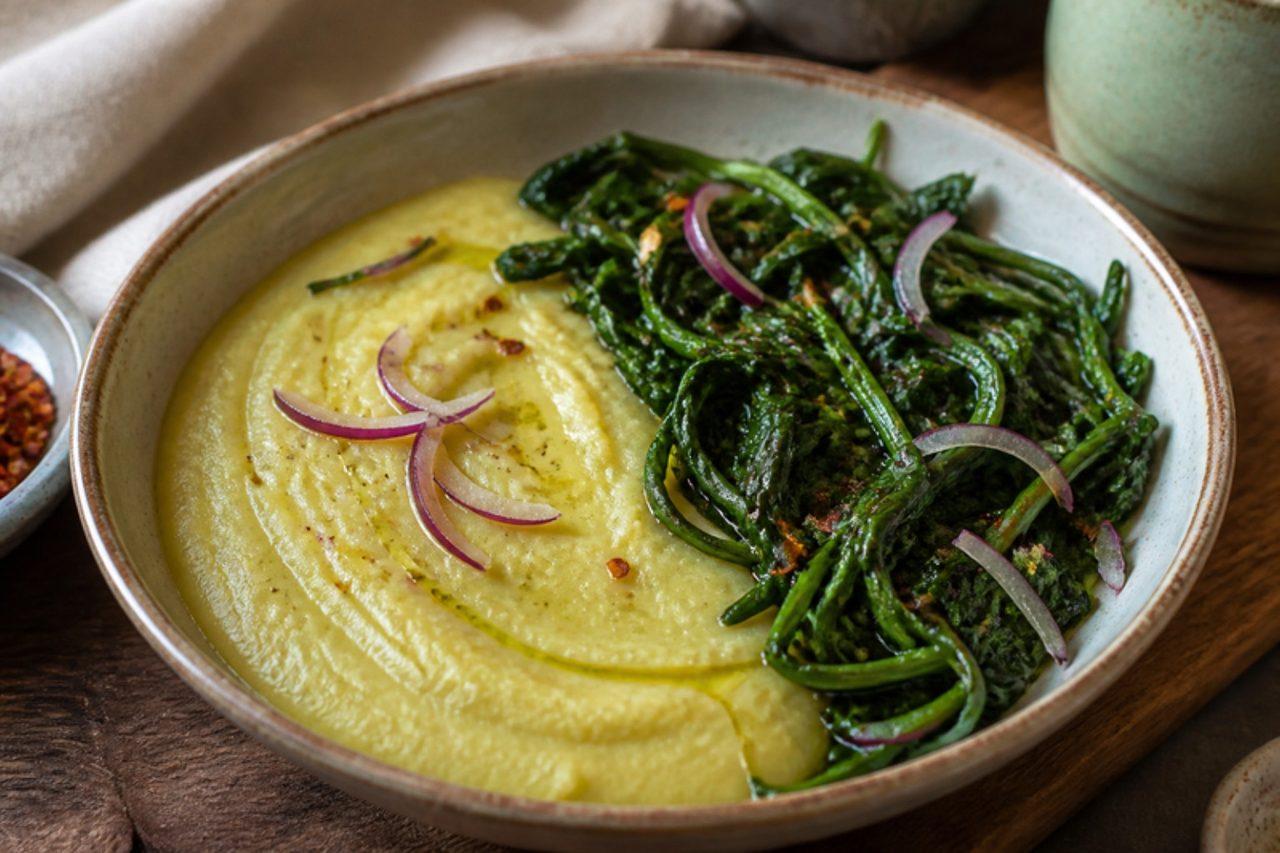
Fave e cicorieBroad bean purée with chicory

Few plates say Puglia as plainly as this one: a pale, velvety purée of dried broad beans beside a tangle of boiled wild chicory, the two joined by a stream of green olive oil. Families from the Murgia to the Salento cook it on winter weekdays and through Lent, and Bari trattorias still put it on the menu as the true taste of cucina povera. The beans are sweet and earthy, the greens bitter, and every forkful should carry a little of both. Chef's tip: buy dried broad beans that are already skinned and split; they cook to a cream on their own, with no sieving.

by KrazyBadal 0 views

Agua de fresa cremosaCreamy strawberry drink

In Hidalgo, the pulque country north of Mexico City, the pulquerías serve curados: pulque blended with fruit, and the strawberry one is pink, thick and creamy. Home cooks and taquerías make this alcohol-free cousin for the whole family, a strawberry agua fresca blended with evaporated milk, so it is like a light milkshake that you drink with tacos on a hot afternoon. It contains no pulque or alcohol. Chef's tip: use the ripest, darkest strawberries you can find; pale ones give a thin, sour drink.

by KrazyBadal 0 views

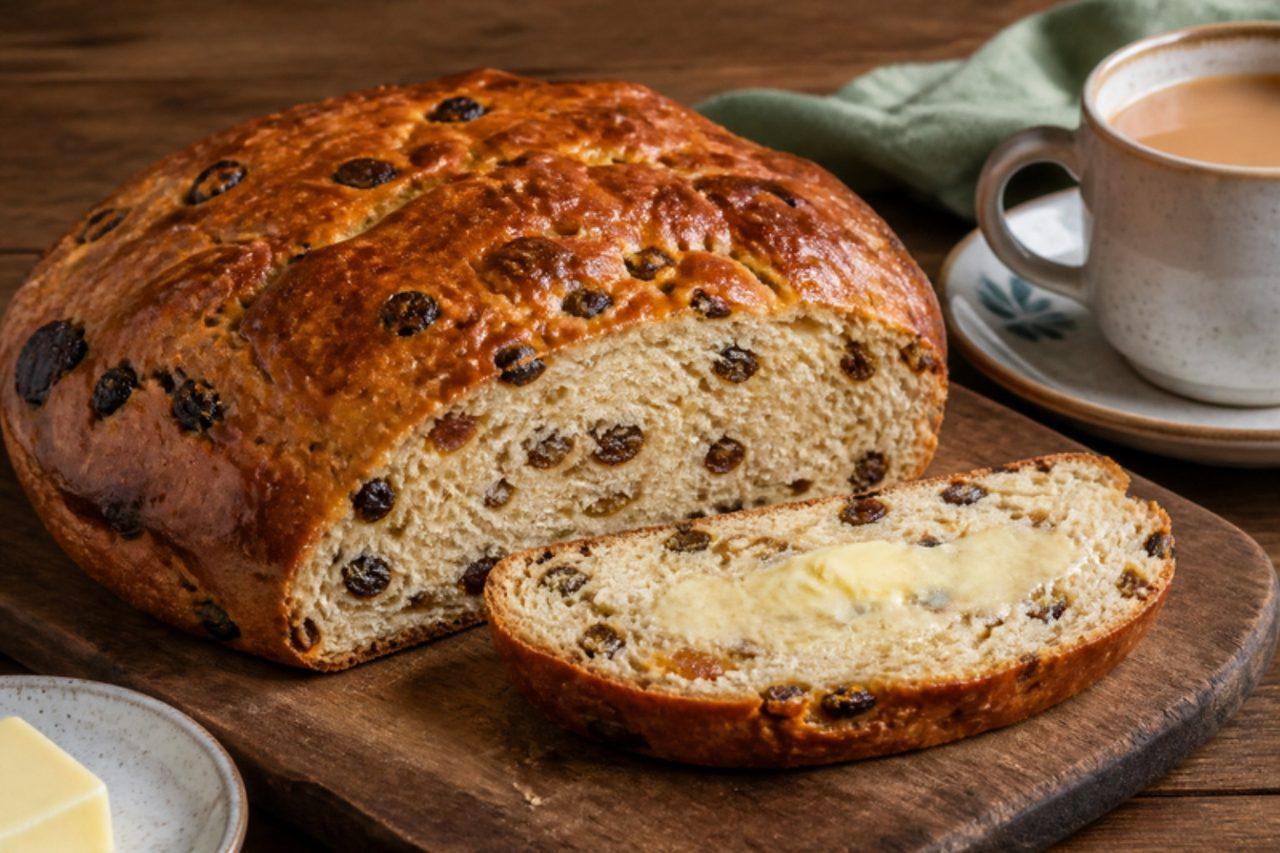
Selkirk bannockSultana yeasted loaf

The Selkirk bannock is a round, glossy fruit bread from the Border town of Selkirk, first baked in the 1850s and famously eaten by Queen Victoria at Abbotsford. Unlike a plain oat bannock it is a rich yeast dough that is mostly sultanas, sliced and buttered with afternoon tea. Chef's tip: work the sultanas in only after the dough has risen once, or they tear the gluten and the loaf won't lift.

by KrazyBadal 0 views

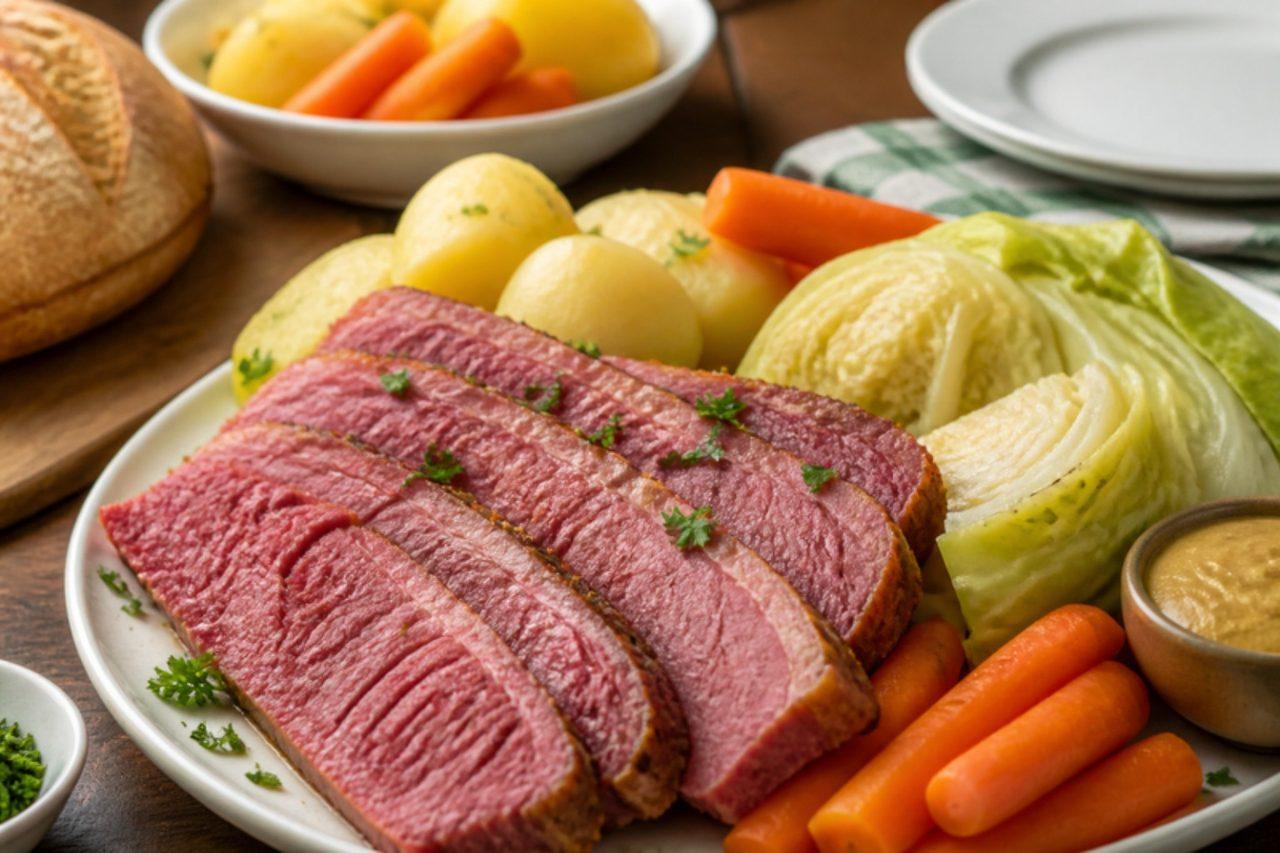
Corned beef and cabbage

In Boston, Irish families made corned beef the centre of St Patrick's Day, swapping the bacon joint of home for the cheaper brisket sold by Jewish butchers, and New Englanders still call the whole pot a boiled dinner. Salt-cured beef brisket is simmered for hours with spices, then potatoes, carrots and wedges of cabbage cook in the same broth. Serve with grainy mustard. Chef's tip: slice the beef across the grain, thinly; cut along the grain it looks stringy and chews tough.

230 minAmericanMeat
by KrazyBadal 0 views

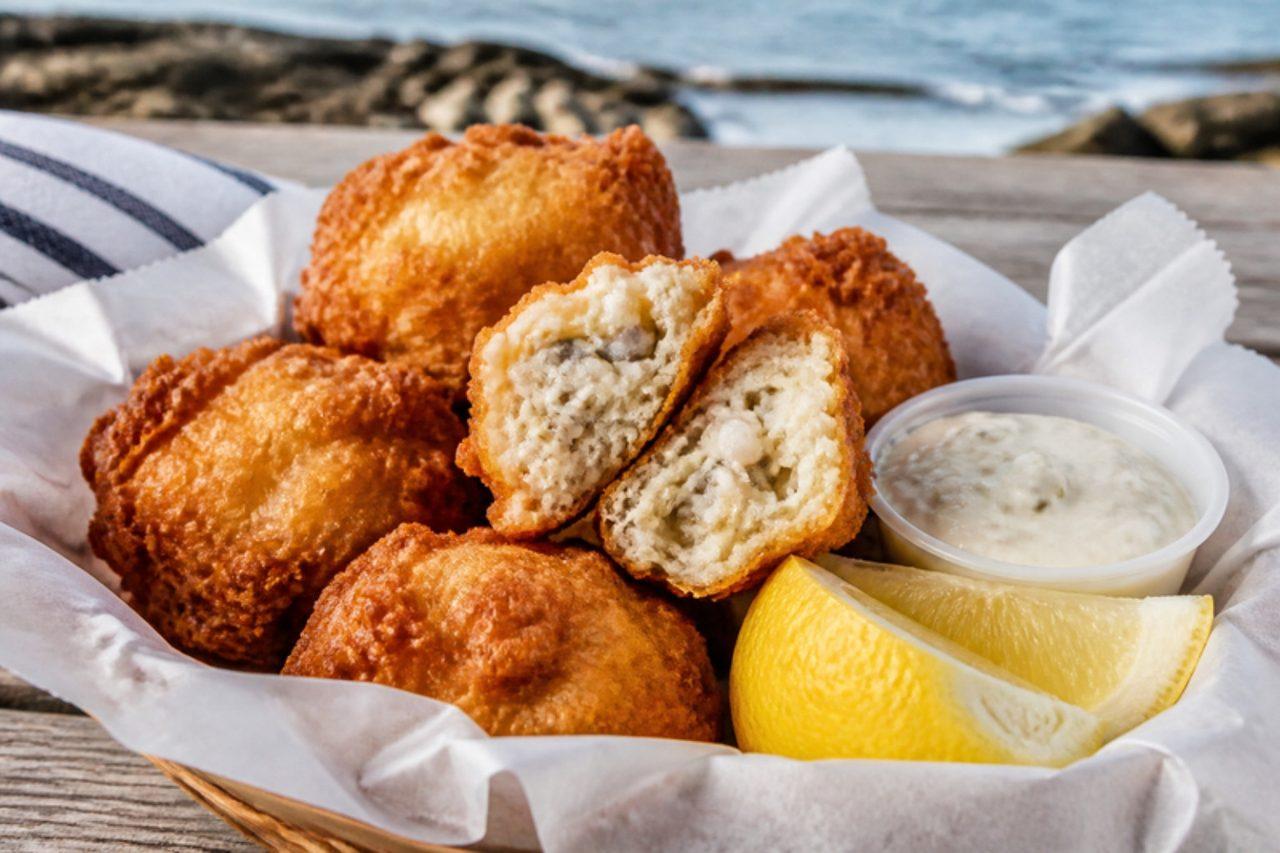
Rhode Island clam cakes

At beach shacks along Narragansett Bay and in Galilee, clam cakes are bought by the paper bag, half a dozen at a time, to dunk in a cup of clear clam chowder. They are not patties but craggy, golden fritters, crisp outside and soft inside, studded with chopped quahog clams. Chef's tip: use the clam juice as part of the liquid; it puts the sea flavour into every bite of batter.

by KrazyBadal 0 views

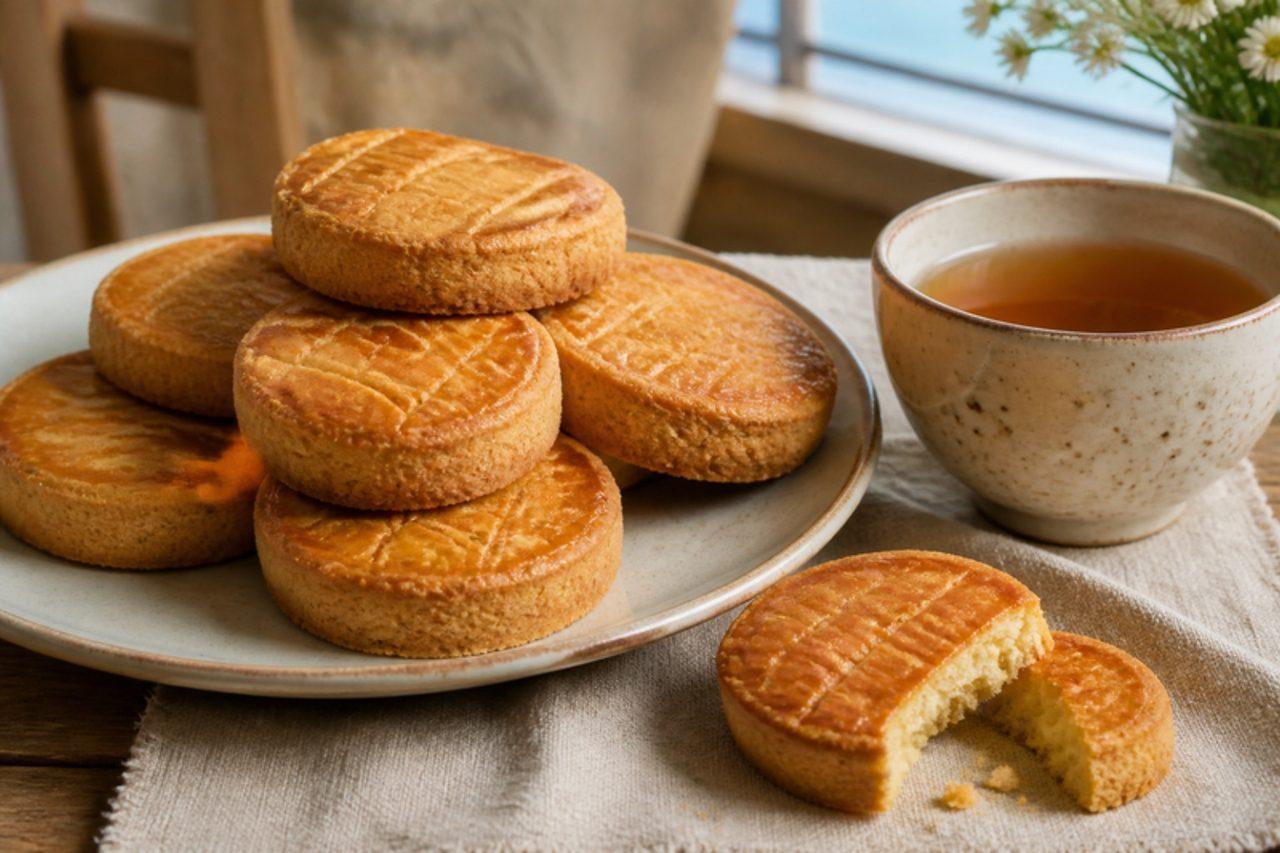
Palets bretonsSalted butter biscuits

Palets are the thick cousin of the thin Breton galette biscuit: chunky rounds as wide as a small cookie and nearly a centimetre high, crisp on the outside and crumbly within, tasting strongly of salted butter. Bakeries in Pont-Aven and all along the Finistère coast sell them in tins, and Breton families serve them with coffee, with a bowl of cider-poached apples or crumbled over ice cream. Baking them in muffin tins or metal rings keeps their shape and straight edges. Chef's tip: use proper salted butter rather than adding salt to unsalted; the flavour is rounder and the dough handles better.

by KrazyBadal 0 views

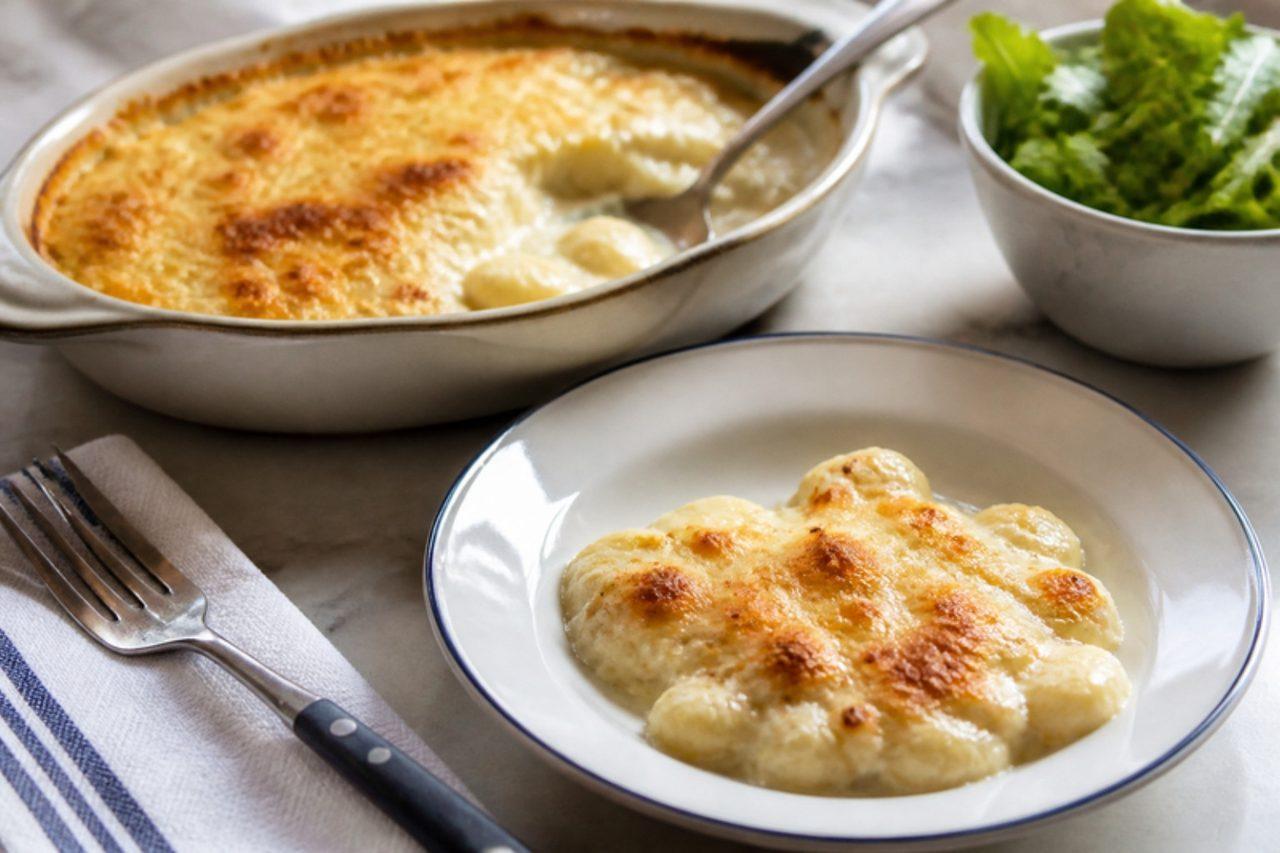
Gnocchi à la parisienneChoux dumplings in béchamel

Unlike Italian potato gnocchi, the Paris version is made from choux paste flavoured with cheese and mustard, piped straight into simmering water and cut into little logs with a knife. The poached dumplings go into a dish with béchamel and more cheese and are baked until puffed and golden. It was a classic of old Parisian brasseries and grand-hotel kitchens and still turns up as a comforting supper or a side in bistros. Gruyère and Comté are traditionally made with animal rennet, so use a vegetarian mountain cheese. Chef's tip: dip the knife in hot water between cuts; the paste drops off cleanly instead of stretching into strings.

by KrazyBadal 0 views

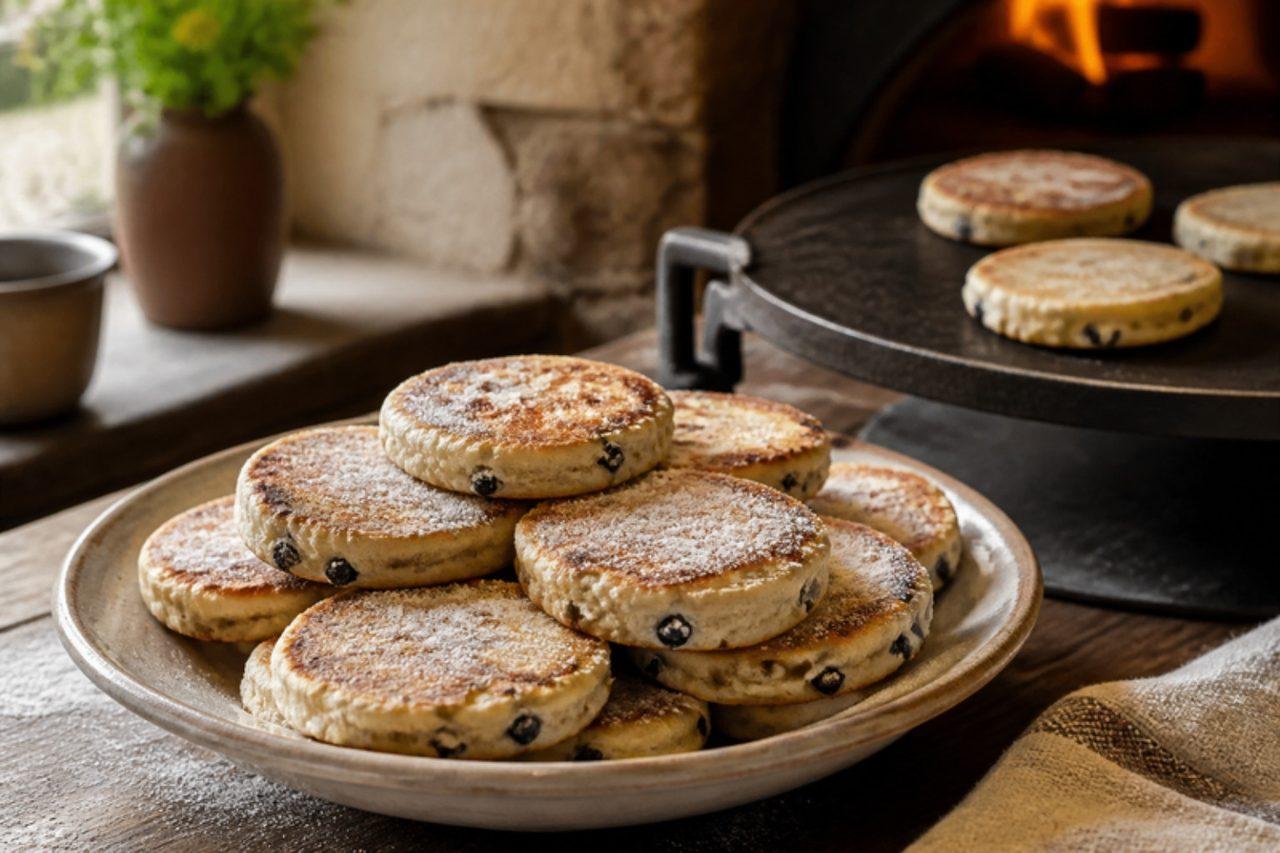
Welsh cakes

Welsh cakes, picau ar y maen or 'cakes on the stone', are cooked on a cast-iron bakestone in kitchens across Wales and sold warm at markets and rugby matches, and they are a must on St David's Day, 1 March. The dough is like a rich scone with currants and mixed spice, and they are dusted with sugar while hot. Chef's tip: keep the heat medium-low; they need time for the middle to cook before the outside darkens.

by KrazyBadal 0 views

Rosquillas de San IsidroAniseed doughnut rings

Every 15 May, crowds head to the Pradera de San Isidro on Madrid's southern edge for the patron saint's festival, and stalls sell rosquillas by the dozen: plain "tontas" (silly ones) and iced "listas" (clever ones). Many families now bake them at home that week. Old recipes ice the listas with raw egg white; this one uses a lemon and icing-sugar glaze, which is safer and sets just as white. Chef's tip: oil your hands to shape the rings; the dough is soft and sticky by design.

by KrazyBadal 0 views

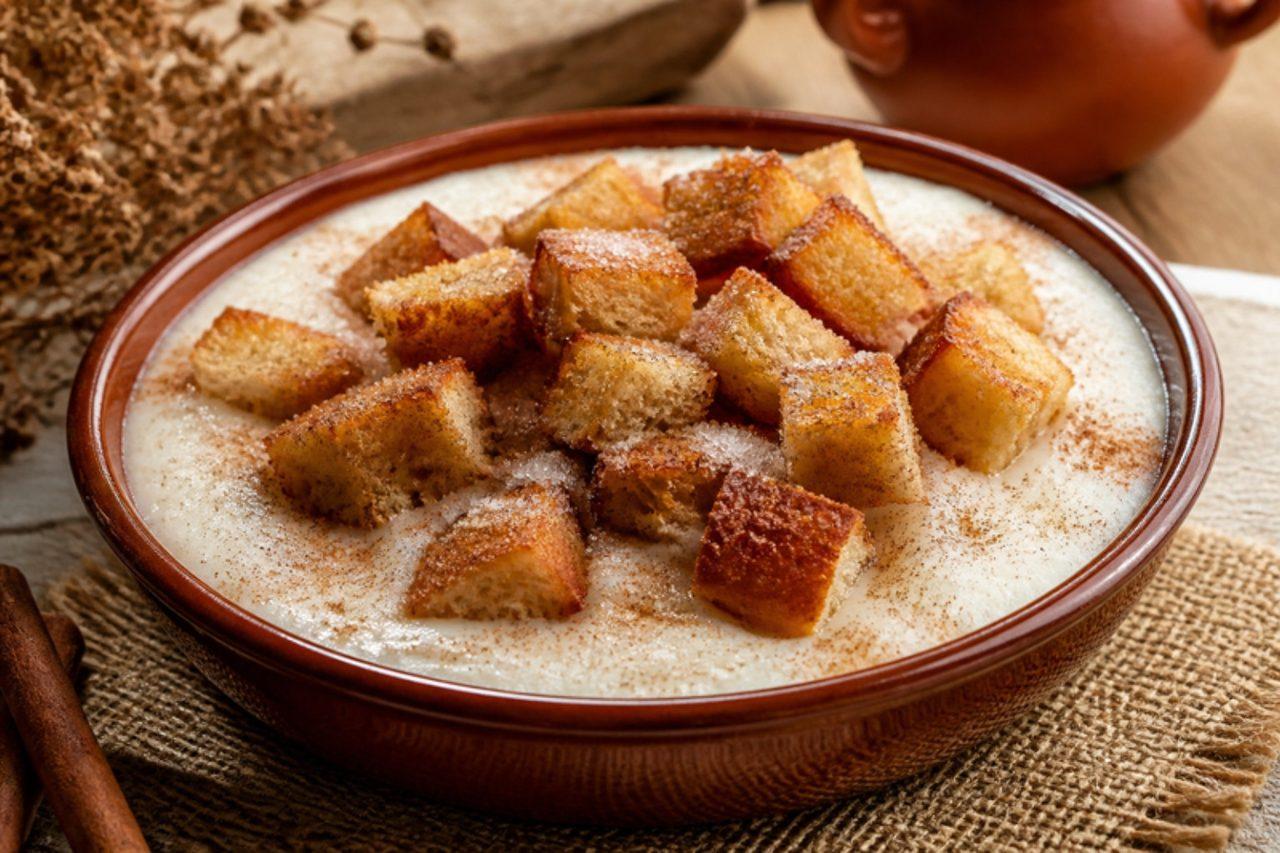
Gachas dulcesSweet aniseed flour porridge

On the night of 31 October and on All Saints' Day, families across La Mancha make sweet gachas: flour toasted in olive oil with aniseed, loosened with milk and sugar into a soft cream, and topped with crisp cubes of fried bread. Each person dips a spoon into the communal dish while the season's first cold nights settle in. Chef's tip: toast the flour in the oil until it smells nutty before adding any milk; raw flour tastes pasty.

by KrazyBadal 0 views

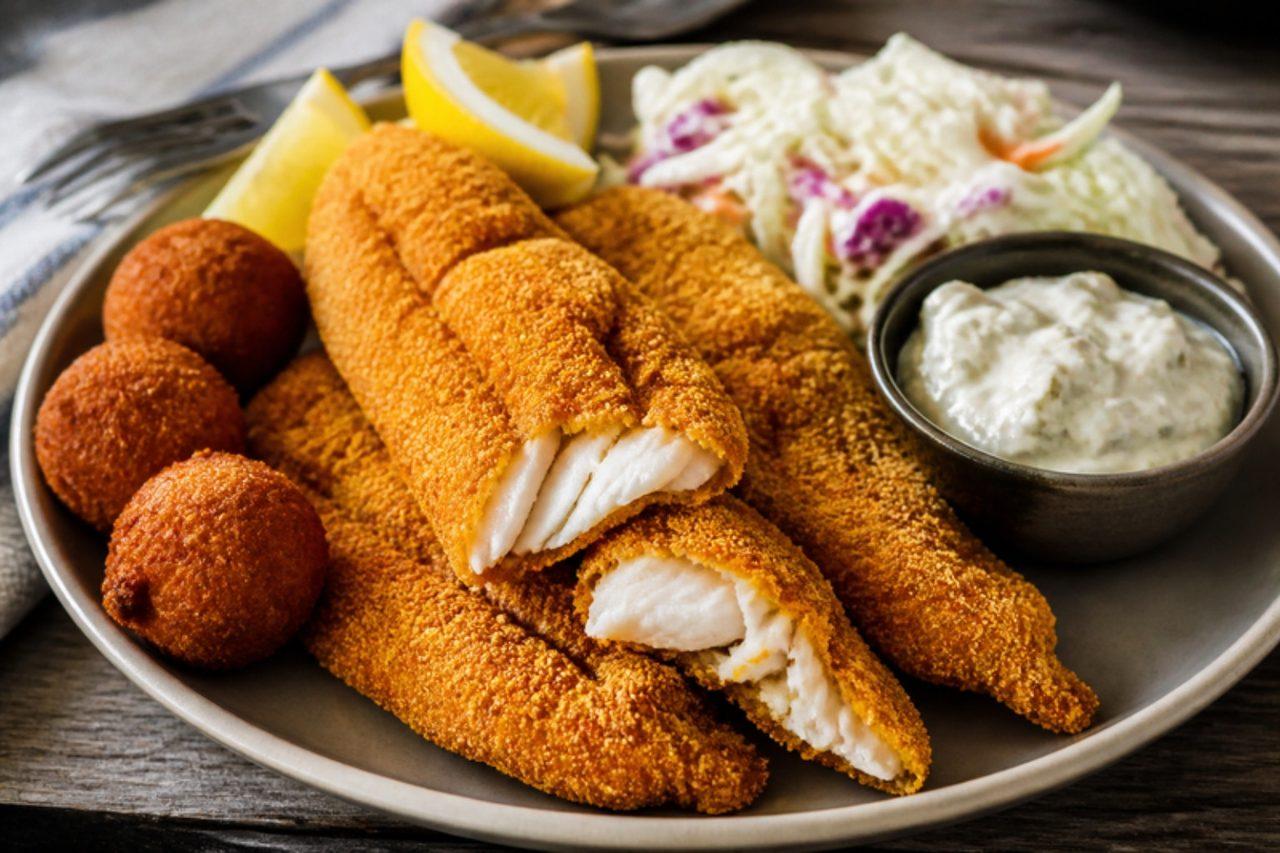
Southern fried catfish

Fried catfish is the Friday night fish-fry and Delta church supper of Mississippi and Arkansas, where much of America's catfish is farmed. Fillets are soaked in seasoned milk or buttermilk, rolled in cornmeal and fried until the crust crackles and the mild, sweet fish inside flakes apart. Serve with hushpuppies, slaw and lemon. Chef's tip: cut thick fillets in half lengthways so they cook in the same time as the crust browns.

by KrazyBadal 0 views

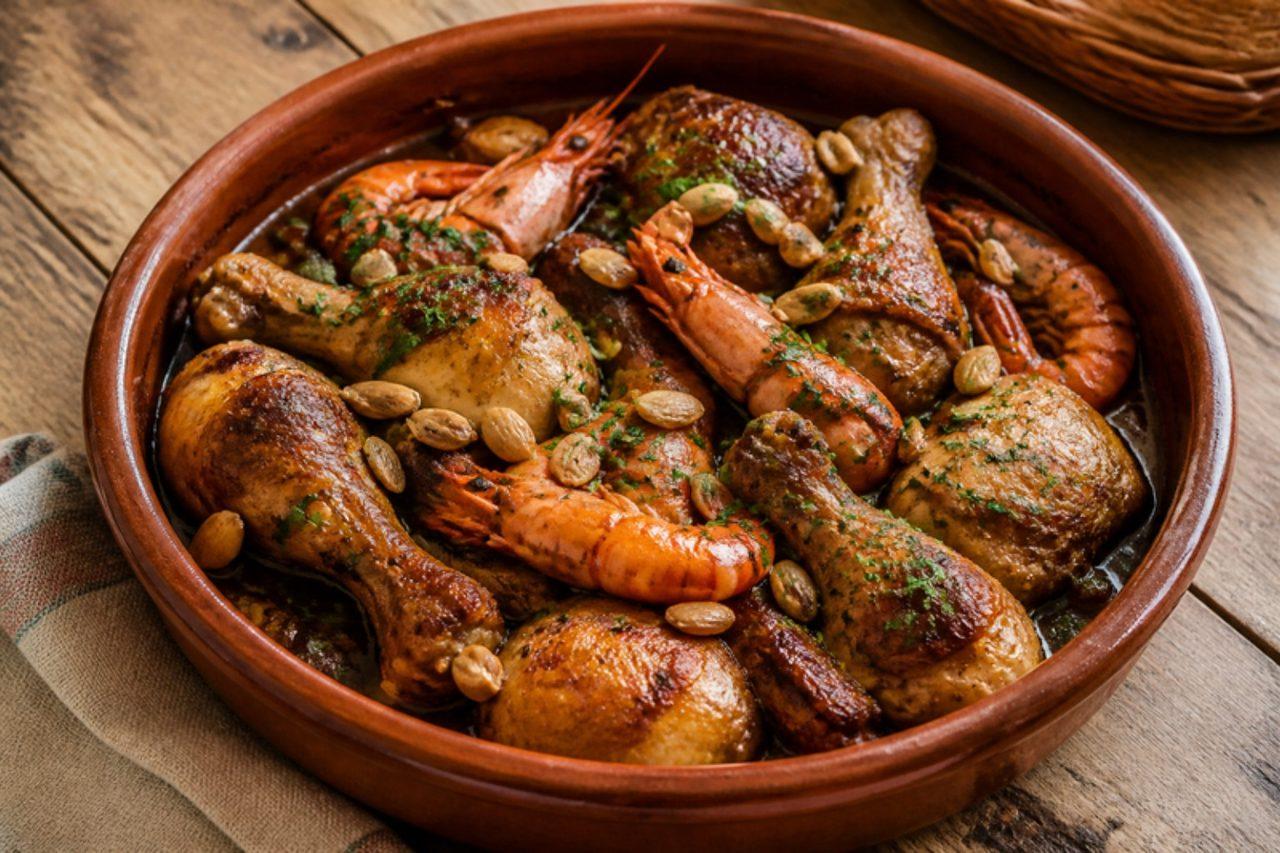
Mar i muntanyaChicken and prawn casserole

Sea and mountain: the cooks of the Empordà, between the Pyrenees and the Costa Brava, have long put chicken and seafood in one pot, and this version with prawns is the one most families make for a celebration lunch. The sauce is a dark sofrito finished with a picada of almonds, hazelnuts, garlic and a little dark chocolate, which adds depth rather than sweetness. It uses wine; the alcohol-free option is in the ingredient list. Chef's tip: cook the prawns only briefly at the start and return them at the end, so they stay juicy while the chicken braises.

by KrazyBadal 0 views

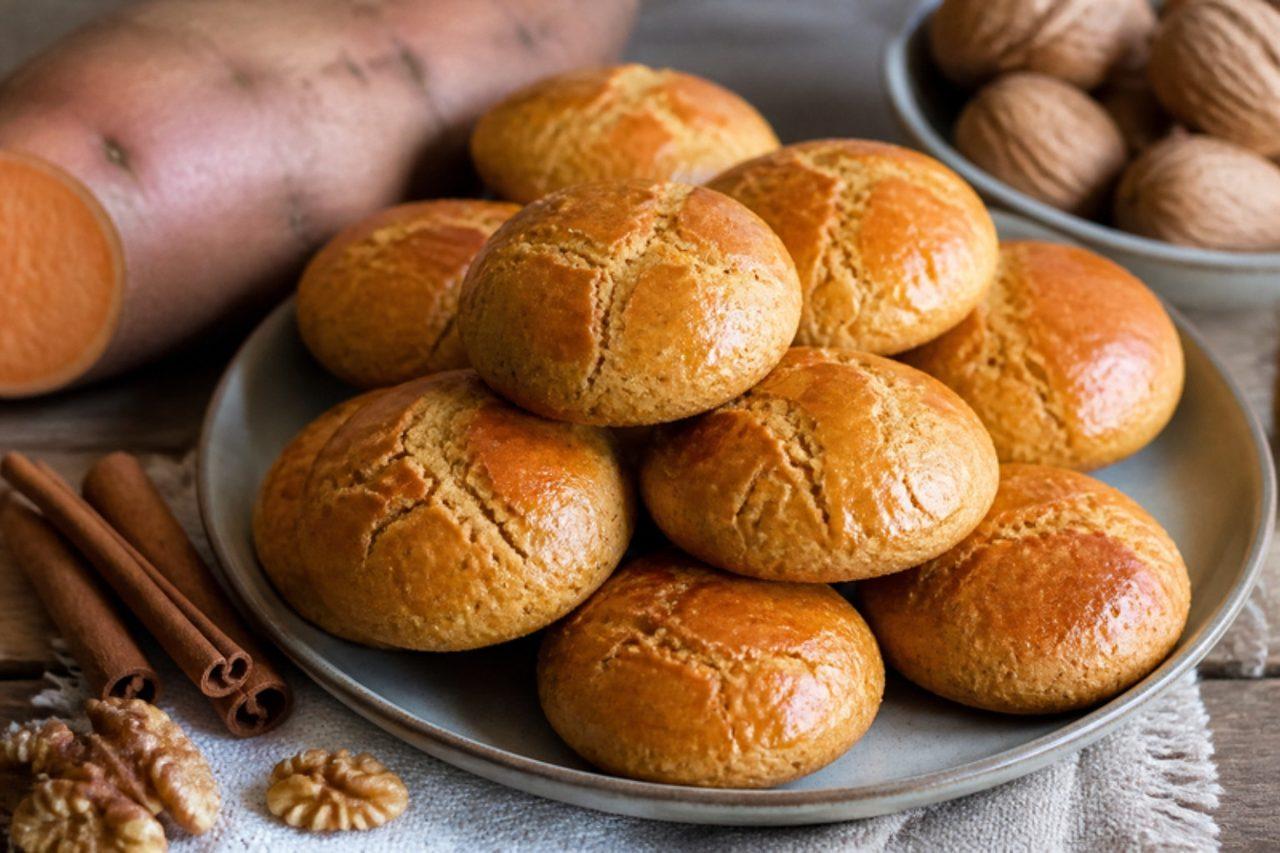
Broas de batata-doceSweet potato spiced cookies

Every December, kitchens across the Beiras fill with the smell of these broas: soft, cakey cookies made with mashed sweet potato, flour, olive oil and honey, spiced with cinnamon and fennel seed and glazed with egg yolk. Families bake big batches to share with neighbours and keep in tins over the holidays. They are only lightly sweet, with a tender crumb and a shiny top. Chef's tip: dry the cooked sweet potato in the pan for a minute before mashing, as watery mash makes a sticky dough that spreads.

by KrazyBadal 0 views

Biscuits and sausage gravy

Biscuits and gravy is the working breakfast of the rural South and Appalachia, served at truck stops in Tennessee and diners in the Virginia mountains: fresh biscuits split open and smothered in a thick white 'sawmill' gravy made from crumbled pork sausage, its fat, flour, milk and plenty of black pepper. Chef's tip: don't drain the sausage fat; it is what thickens and flavours the gravy.

by KrazyBadal 0 views

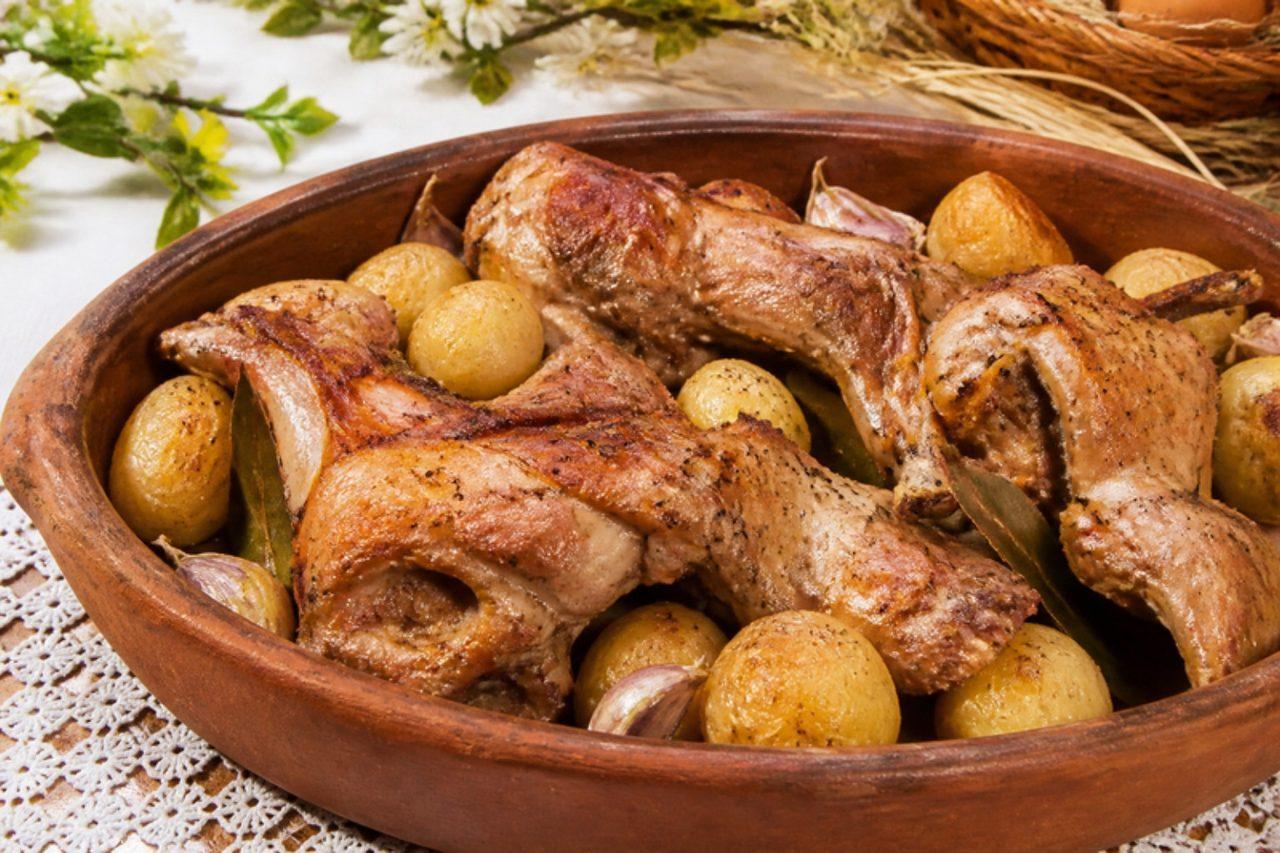
Cabrito assado à minhotaRoast kid with potatoes

Easter Sunday in the Minho means cabrito: young goat rubbed with garlic, paprika and lard, soaked overnight in white wine and roasted until the meat falls from the bone. Families in Arcos de Valdevez and Monção serve it with roast potatoes and a tray of rice baked in the meat juices. This contains pork (lard and smoked bacon) and uses wine; an alcohol-free option is in the ingredient note. Chef's tip: baste every 20 minutes, as kid is lean and dries out quickly without it.

by KrazyBadal 0 views

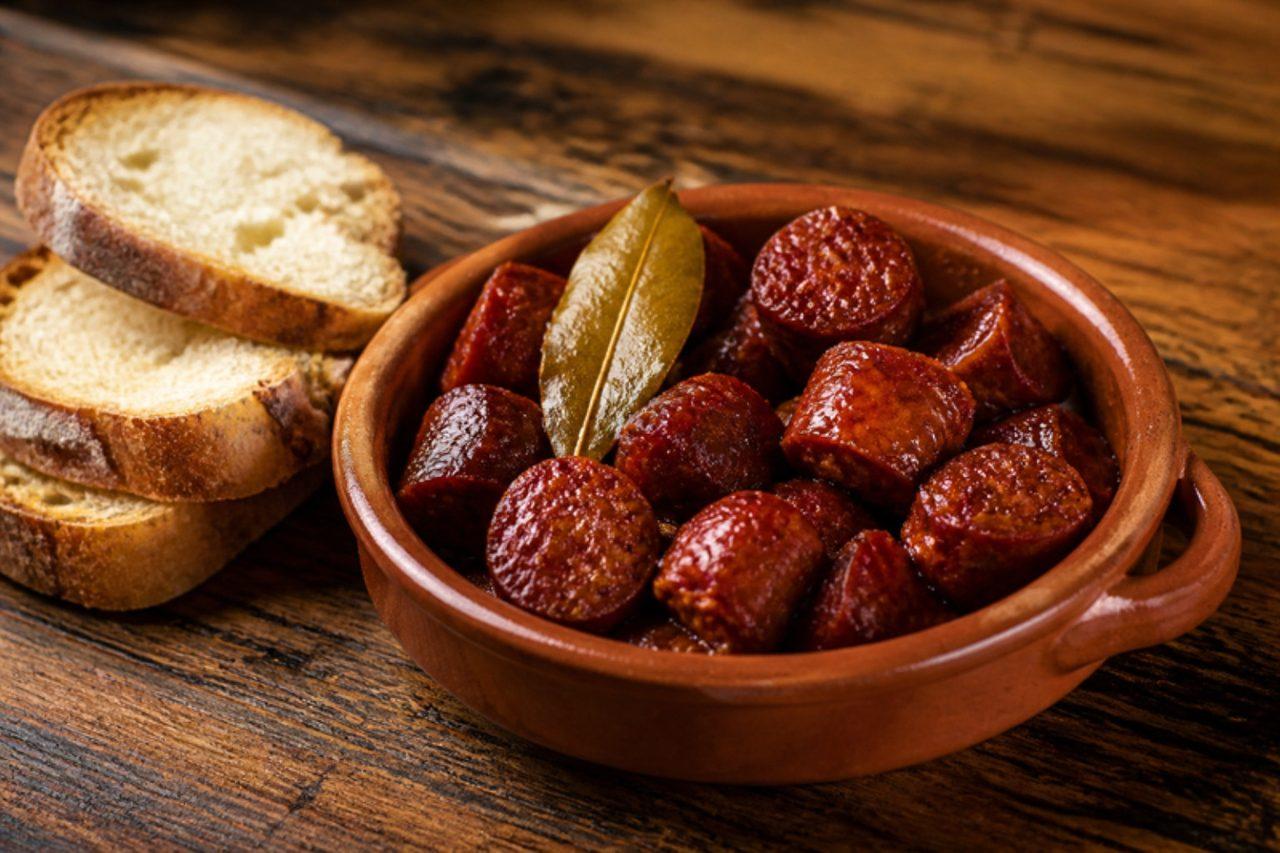
Chorizo a la sidraChorizo in cider

No sidrería in Oviedo's Calle Gascona is without a clay dish of chorizo bubbling in cider, served with bread to mop up the paprika-red juices. It takes minutes, is cheap, and is the first thing ordered while the waiter pours cider from shoulder height. This contains pork (chorizo) and uses dry Asturian cider, which is alcoholic; for an alcohol-free version use cloudy apple juice with a splash of cider vinegar, as noted below. Chef's tip: prick the chorizo all over first so it releases fat into the cider and drinks the cider back in.

by KrazyBadal 0 views

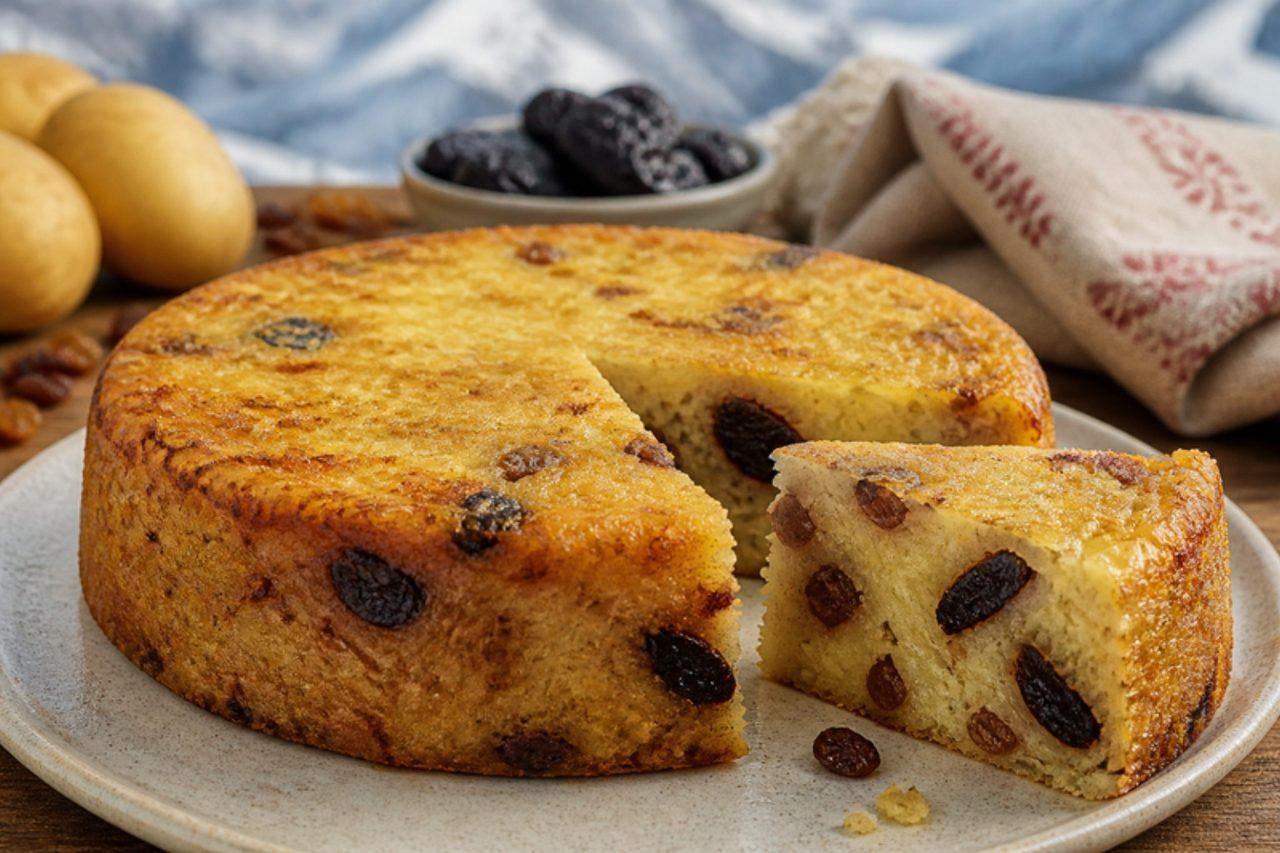
Farçon savoyardBaked potato pudding with prunes

In the Savoyard valleys, especially around Albertville and the Val d'Arly, farçon was the Sunday dish left to cook slowly while the family was at Mass: grated potatoes mixed with eggs, cream, prunes and raisins, set in a tall mould and cooked for hours in a water bath. The result is a sliceable, sweet-and-savoury cake, soft and golden, served with a green salad or as a side at a winter feast. Traditionally the mould is lined with bacon; this version uses a buttered mould instead, so it is vegetarian. Chef's tip: let it rest for 15 minutes in the mould before turning it out; it firms up and slices cleanly.

145 minFrenchSidesGluten free
by KrazyBadal 0 views

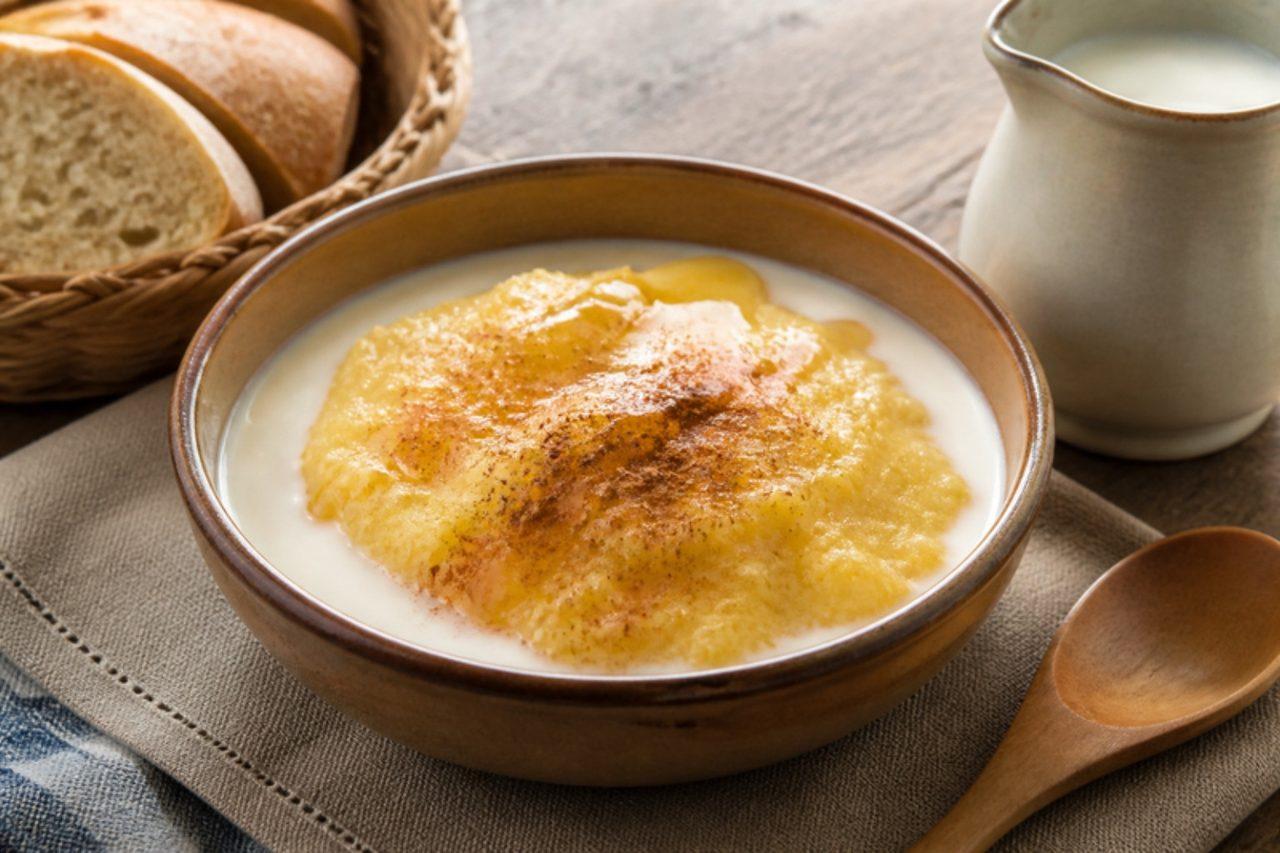
FariñesCornmeal porridge with honey

Fariñes, or farrapes in some valleys, fed Asturian farming families through the winter: a pot of maize meal stirred over the fire, eaten for breakfast or as a light supper with cold milk poured over the hot porridge. Today it is comfort food again, offered at rural guesthouses in the Oriente and made at home when the weather turns. The contrast of warm, soft porridge and cold milk is the whole point. Chef's tip: whisk the cornmeal into cold water before it heats so it never forms lumps.

by KrazyBadal 0 views

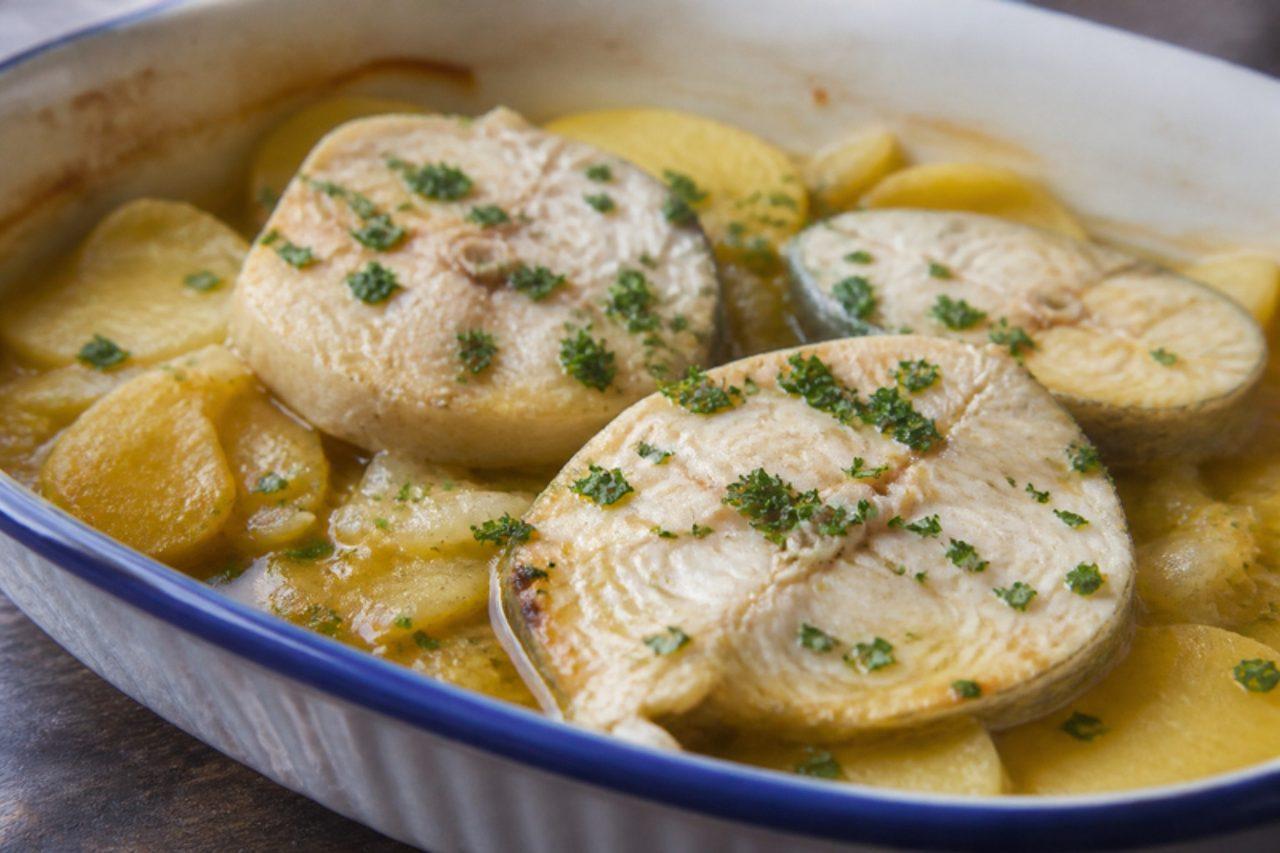
Merluza a la sidraHake baked in cider

Asturias has two great loves at table, the fish landed at ports like Cudillero and Avilés and the cider pressed from its orchards, and merluza a la sidra brings them together. Families cook it for Sunday lunch, the hake settled on a bed of soft onion and potato with cider poured over, until the sauce turns sweet-sharp. The cider is alcoholic; cloudy apple juice with a little cider vinegar makes a good alcohol-free swap. Chef's tip: add the hake only when the potatoes are nearly tender, so the fish stays juicy.

by KrazyBadal 0 views

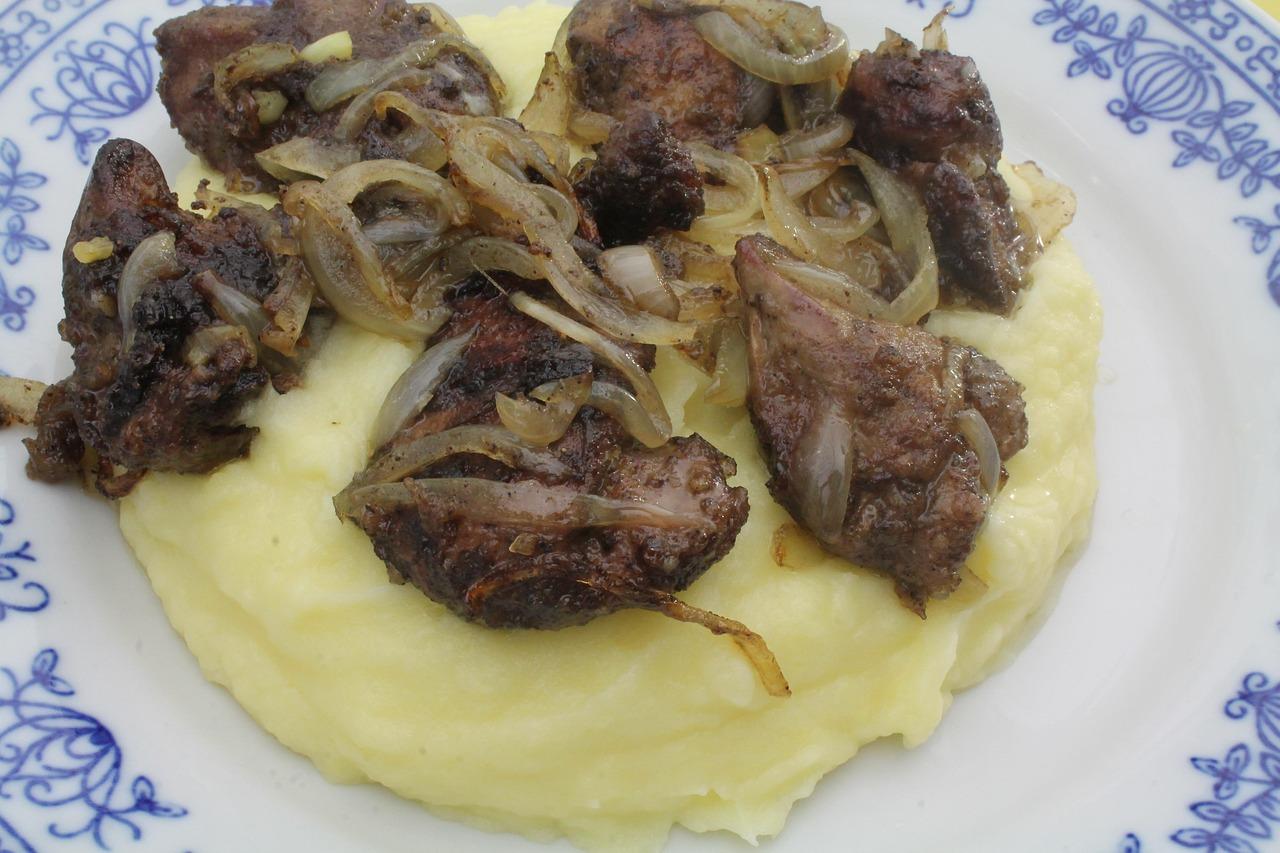
Fegato alla venezianaCalf's liver with onions

Fegato alla veneziana is one of the oldest dishes in Venice and still a weekday staple in the trattorie around the Rialto market. Mountains of onions are cooked gently until soft and sweet, then thin strips of calf's liver are tossed through them for barely two minutes, so the liver stays tender against the jammy onions, with a splash of vinegar and parsley to finish. The classic partner is soft white or yellow polenta, which soaks up the buttery juices. Chef's tip: slice the liver into thin strips, no thicker than your little finger, so it cooks through in moments without going tough.

by KrazyBadal 0 views

Bollos preñaosChorizo-filled bread rolls

At every Asturian romería, the summer pilgrim fairs held in meadows from Llanes to Cangas del Narcea, stalls sell bollos preñaos by the dozen, warm from the oven, to eat with cider on the grass. The name means "pregnant buns": each soft roll carries a chorizo inside, and its paprika fat seeps into the crumb as it bakes. This contains pork (chorizo). Chef's tip: use semi-cured chorizo sausages that are already safe to eat; raw fresh chorizo may not cook through inside the dough.

by KrazyBadal 0 views

Showing 36 of 7,762 recipes

Show more recipes

Page 371 of 863