Skip to content
Huevos a la habanera
Featured recipe

Huevos a la habanera

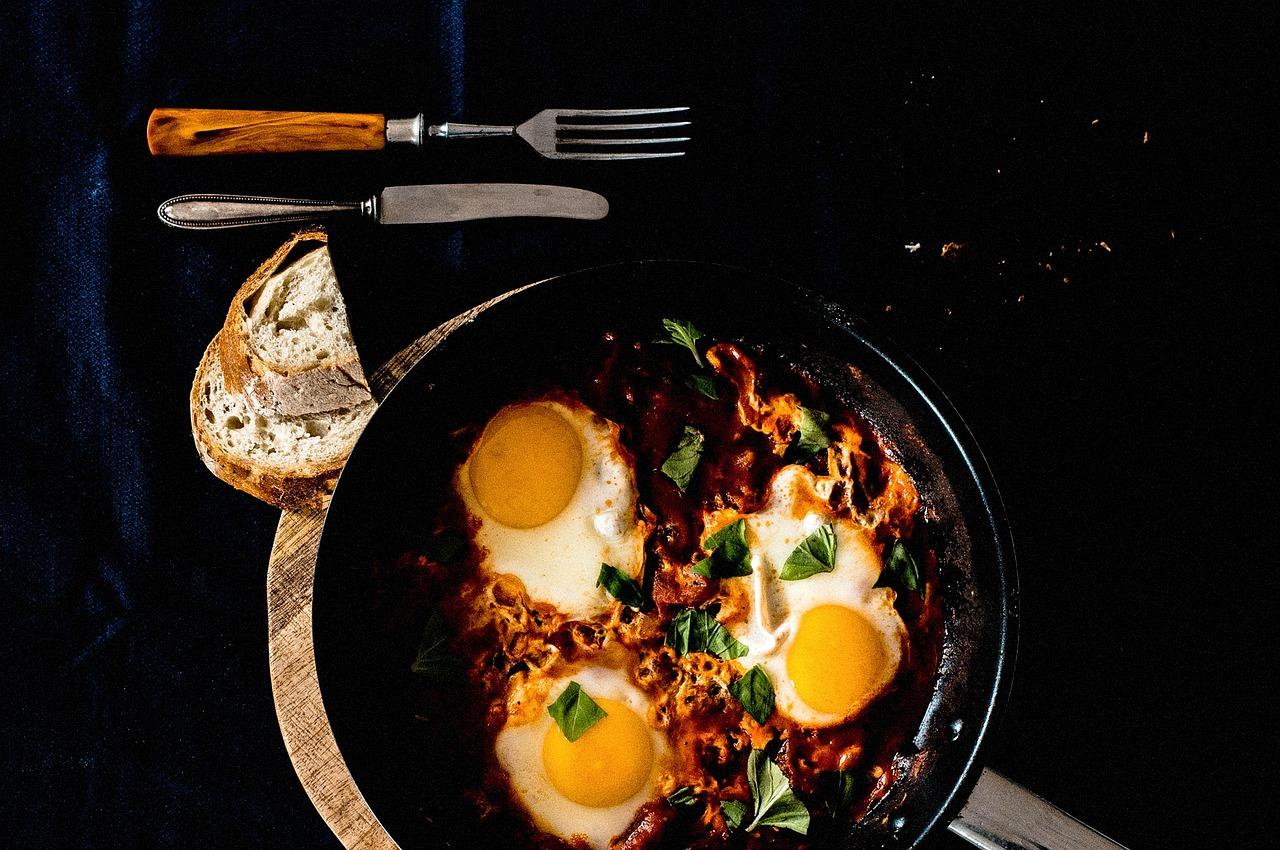
Old Havana households bake eggs this way for a late Sunday breakfast or a light supper, cracking them into a bed of slow-cooked onion, green pepper and tomato and scattering peas and grated cheese over the top. The whites set softly in the steam of the sofrito while the yolks stay rich and loose, ready for mopping up with toasted Cuban bread. A frequent mistake is baking until the yolks turn chalky; take the dish out while the yolks still wobble. Many hard cheeses are made with animal rennet, so choose a vegetarian Gouda-style or Cheddar-style cheese if you need to. Chef's tip: make little wells in the sofrito with the back of a spoon so each egg sits in its own nest and doesn't spread.

Read more 0 views
Can't decide?

What to eat today?

Spin the randomizer, search with what's already in your fridge, or browse recipes from our chefs.

Latest recipes

Ghotab

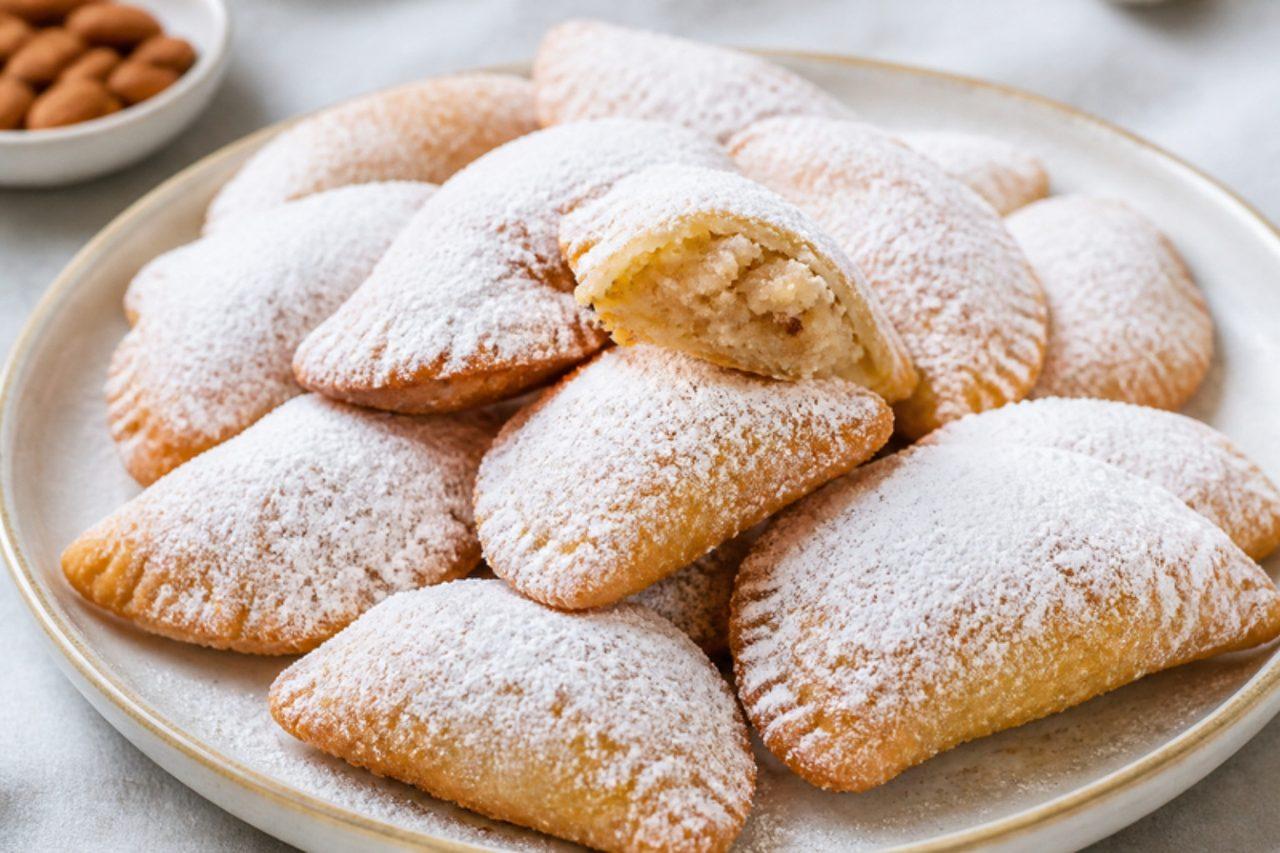
Ghotab are the little fried crescents that Yazd's confectioners have been making for generations, packed into boxes for Nowruz and carried as gifts by anyone travelling from the city. A tender yogurt dough is wrapped around ground almonds, sugar and plenty of cardamom, fried until blond and crisp, then buried in icing sugar. A common mistake is frying too hot, which browns the outside before the dough inside the fold cooks through, leaving it doughy. Chef's tip: roll the ghotab in icing sugar while still warm, then again once cold, for a thick snowy coat.

by KrazyBadal 0 views

Nan-e Yazdi

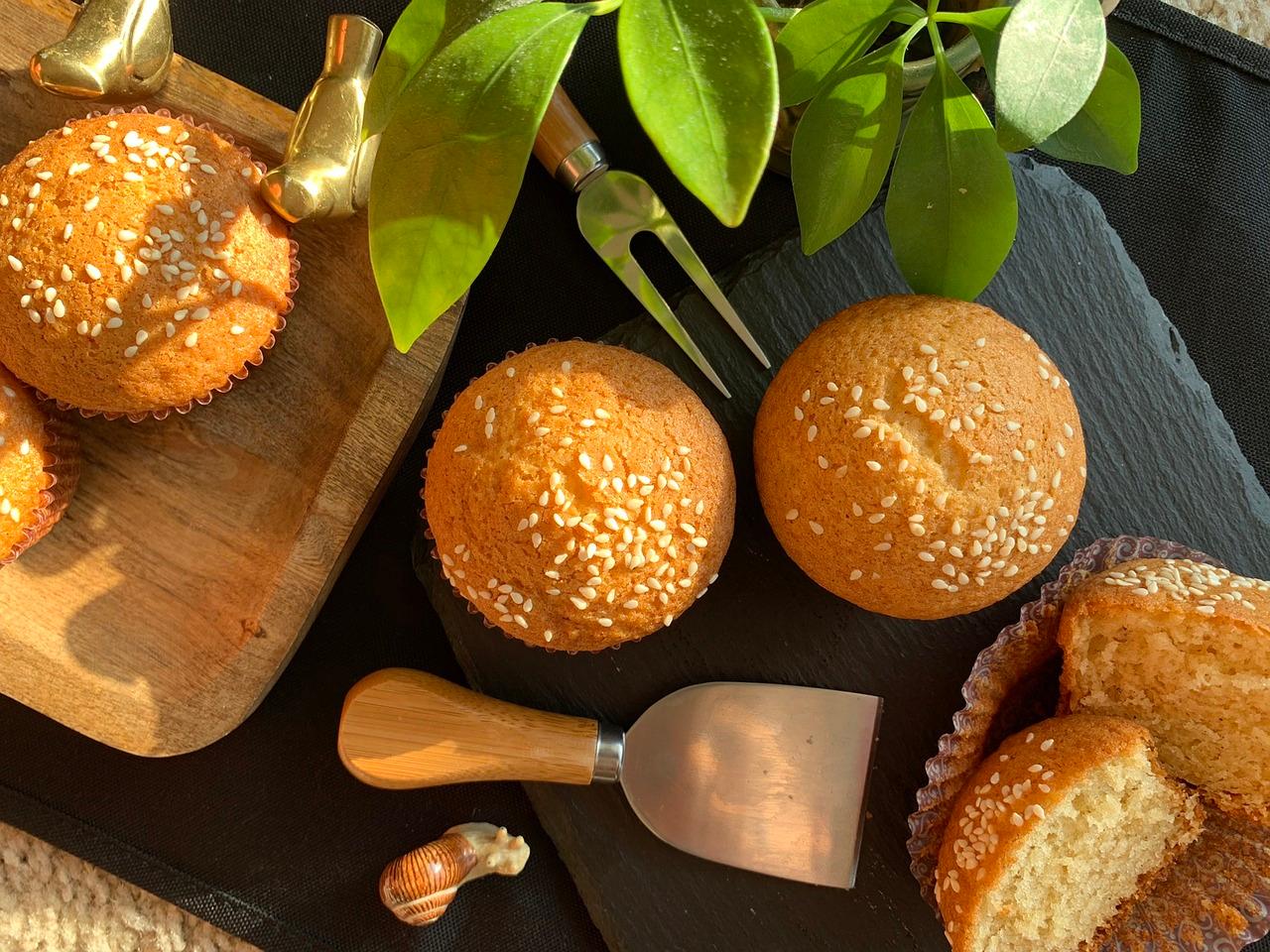
Nan-e Yazdi, often called Yazdi cakes, are the small domed cupcakes every Iranian bakery sells for breakfast and afternoon tea, first made in Yazd and now loved in Tehran and far beyond. The crumb is soft and a little dense, perfumed with cardamom and rosewater, and the tops are scattered with pistachio or sesame before baking. Children eat them dunked in milk. A common mistake is overbeating after the flour goes in, which makes the cakes tough and peaked; fold just until smooth. Chef's tip: rest the batter in the fridge for an hour before baking for a taller, crackled dome.

by KrazyBadal 0 views

Haji badam

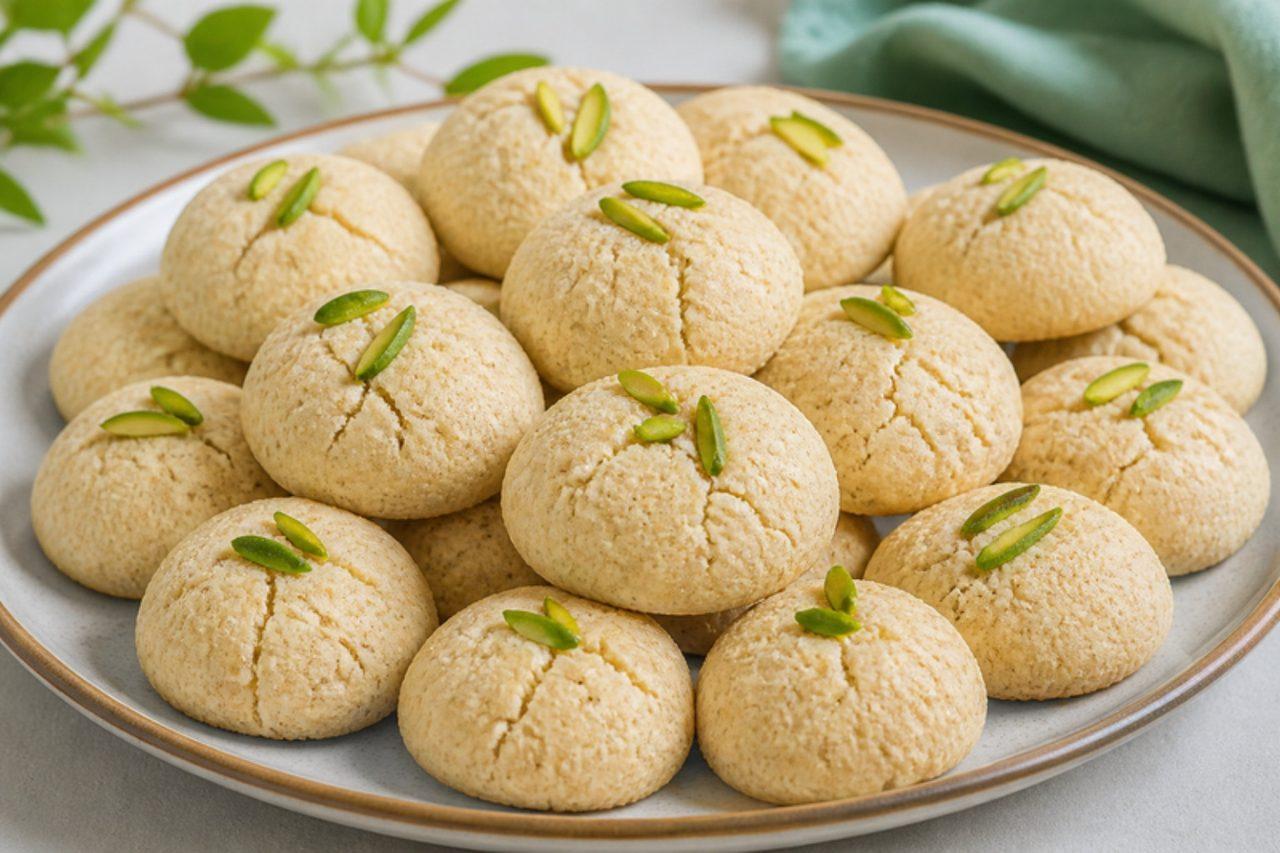
Haji badam are the small, pale almond cookies of Yazd, crisp at the edge and soft and chewy inside, baked for Nowruz and kept in tins for guests through the new year. They need only ground almonds, sugar, egg yolk and cardamom, so they are naturally gluten-free. Each one is rolled into a ball and pinched or pressed with a pistachio sliver. A common mistake is baking them until golden all over: pull them when only the bottoms colour, or they go hard and dry. Chef's tip: let the dough rest in the fridge for 30 minutes, which makes it much easier to roll without cracking.

by KrazyBadal 0 views

Irish apple cake
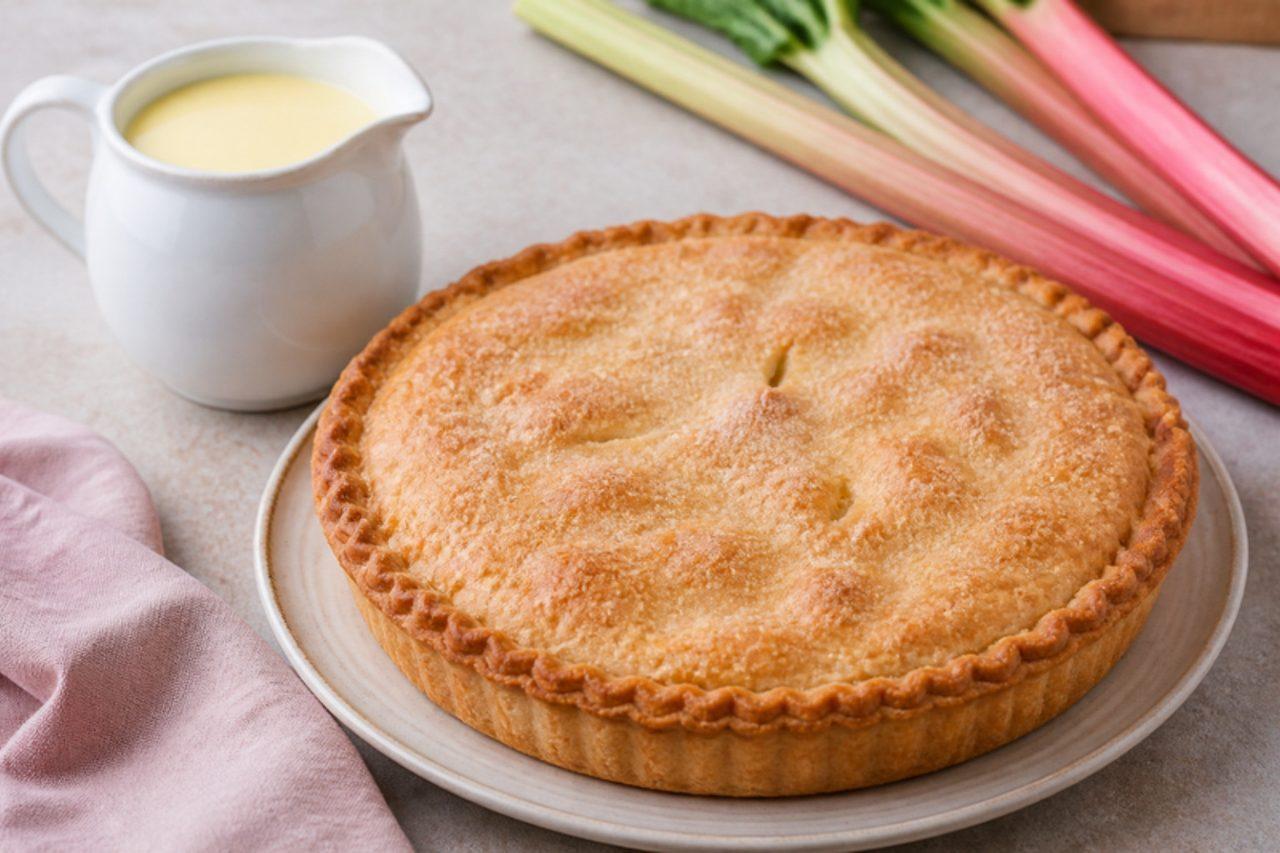
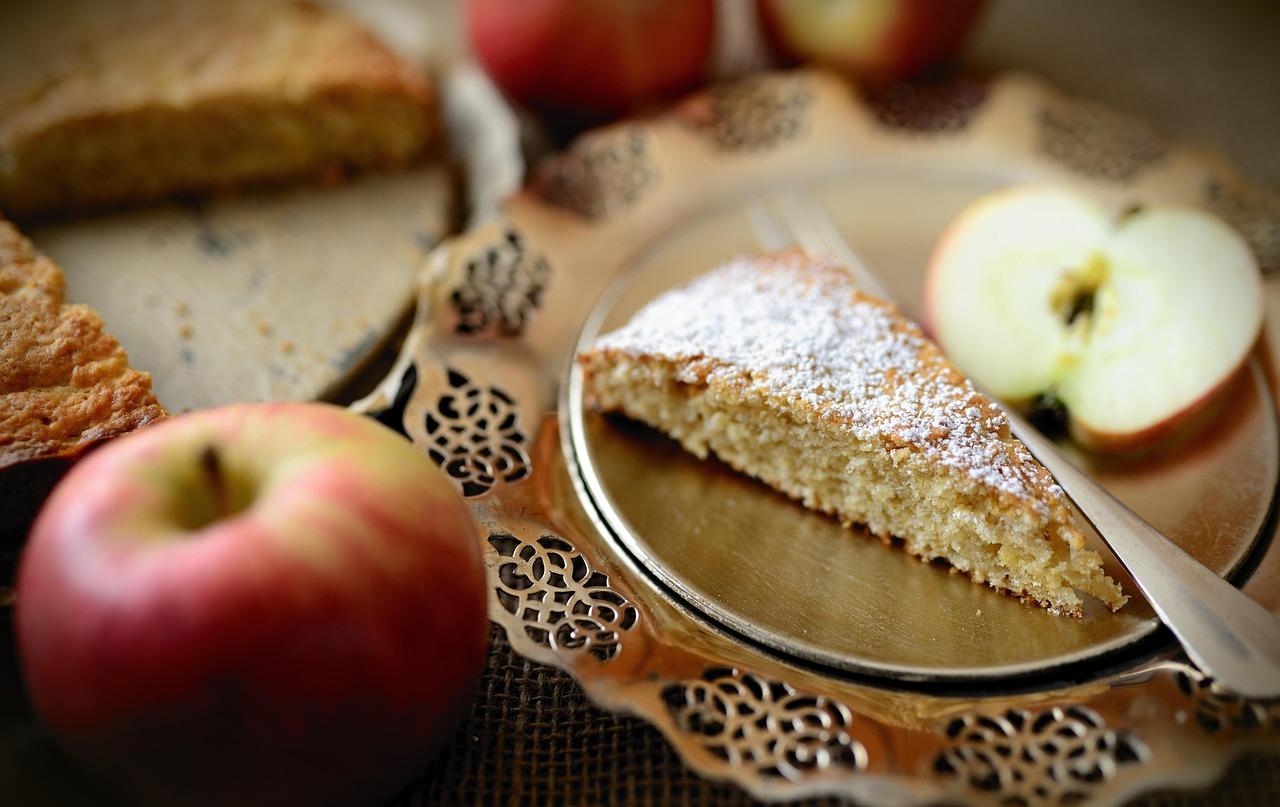
Every Irish county has its apple cake, but it is especially loved in Armagh's orchard country and in Kerry, baked in late September when the Bramleys come in. Sharp cooking apples bake into soft, tart pockets in a buttery sponge, under a crunchy sugar and cinnamon crumb. Serve warm with custard or softly whipped cream. Chef's tip: toss the apple slices in lemon juice and sugar only at the last minute, or they release water into the batter.

by KrazyBadal 0 views

Carrageen moss pudding

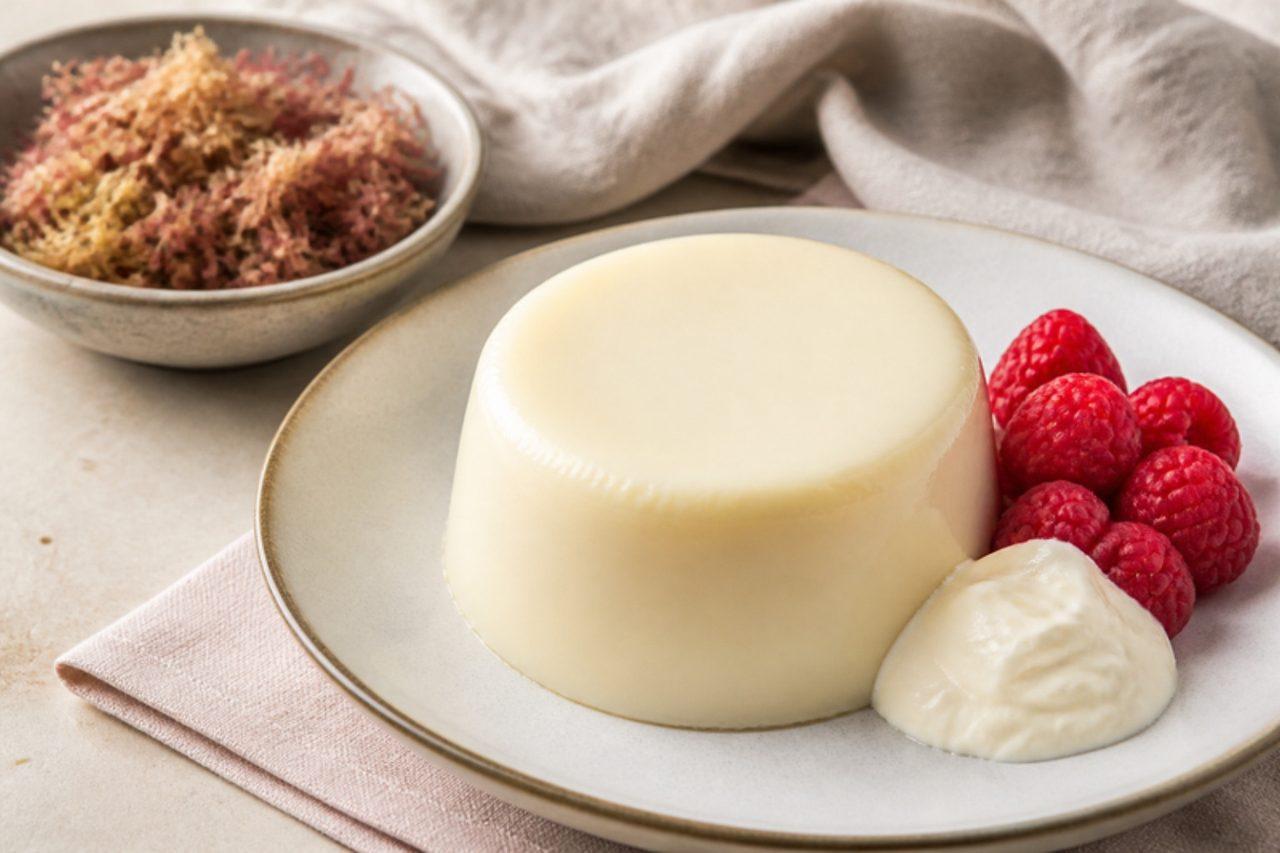
Carrageen is a frilly red seaweed picked from the rocks of the west coast, from Donegal down to Clare, and dried on the grass in the sun. Simmered in milk, it releases a natural setting agent, so this old Irish pudding sets like a soft blancmange without gelatine. It tastes of vanilla and lemon with a faint breath of the sea, and is served chilled with stewed rhubarb or soft fruit. Chef's tip: soak the carrageen well and rinse off the sand before you start; any grit ends up in the pudding.

by KrazyBadal 0 views

Irish porter cake
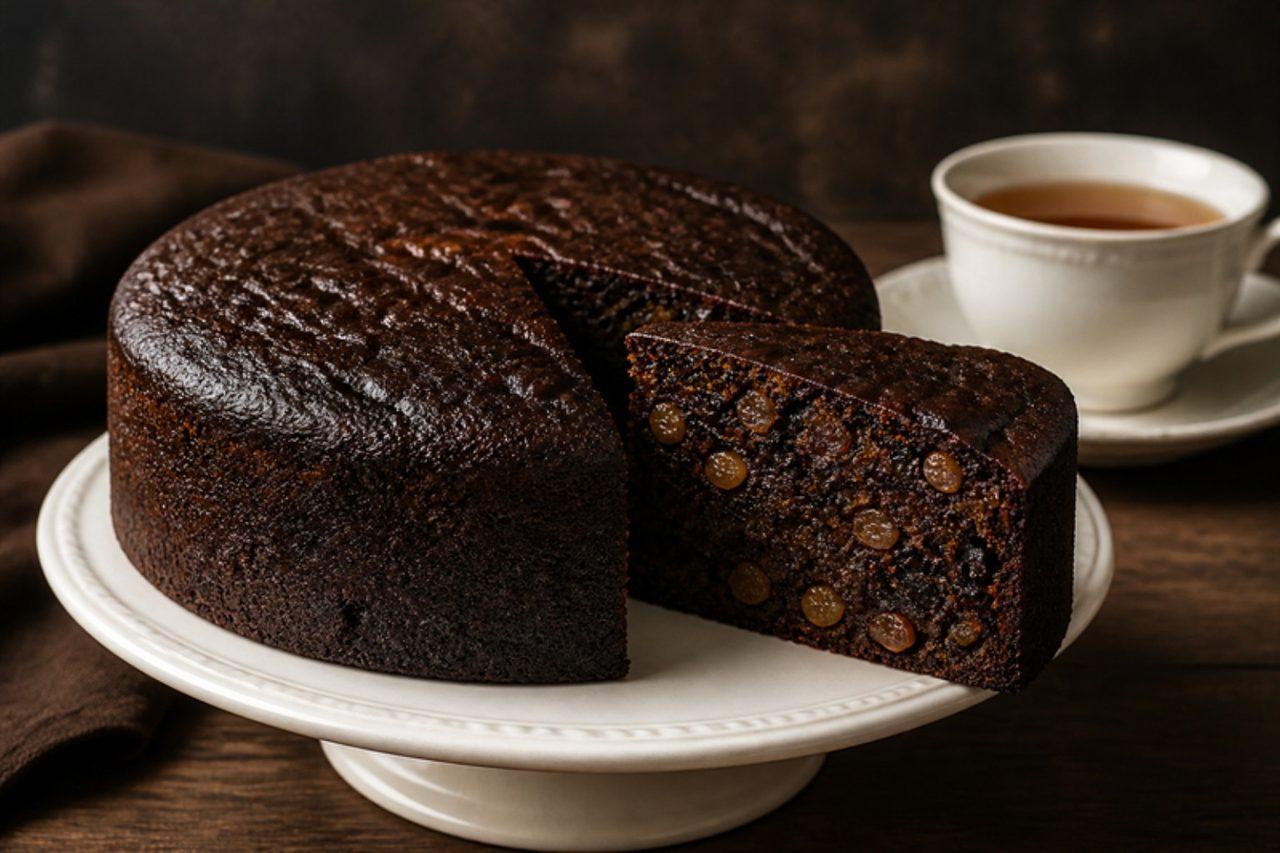
Porter cake is the Dublin fruit cake made with stout, the dark beer once drunk by the porters of Dublin's markets and docks; it is baked for Christmas, christenings and wakes across Leinster. The fruit is simmered in the stout, which gives the crumb a deep, malty, slightly bitter flavour and keeps it moist for weeks. This recipe contains alcohol: most of it cooks off, but for an alcohol-free version use strong black tea or alcohol-free stout. Chef's tip: wrap the cooled cake and leave it for 2–3 days before cutting; it slices better and tastes richer.

140 minIrishBaking
by KrazyBadal 0 views

Champ

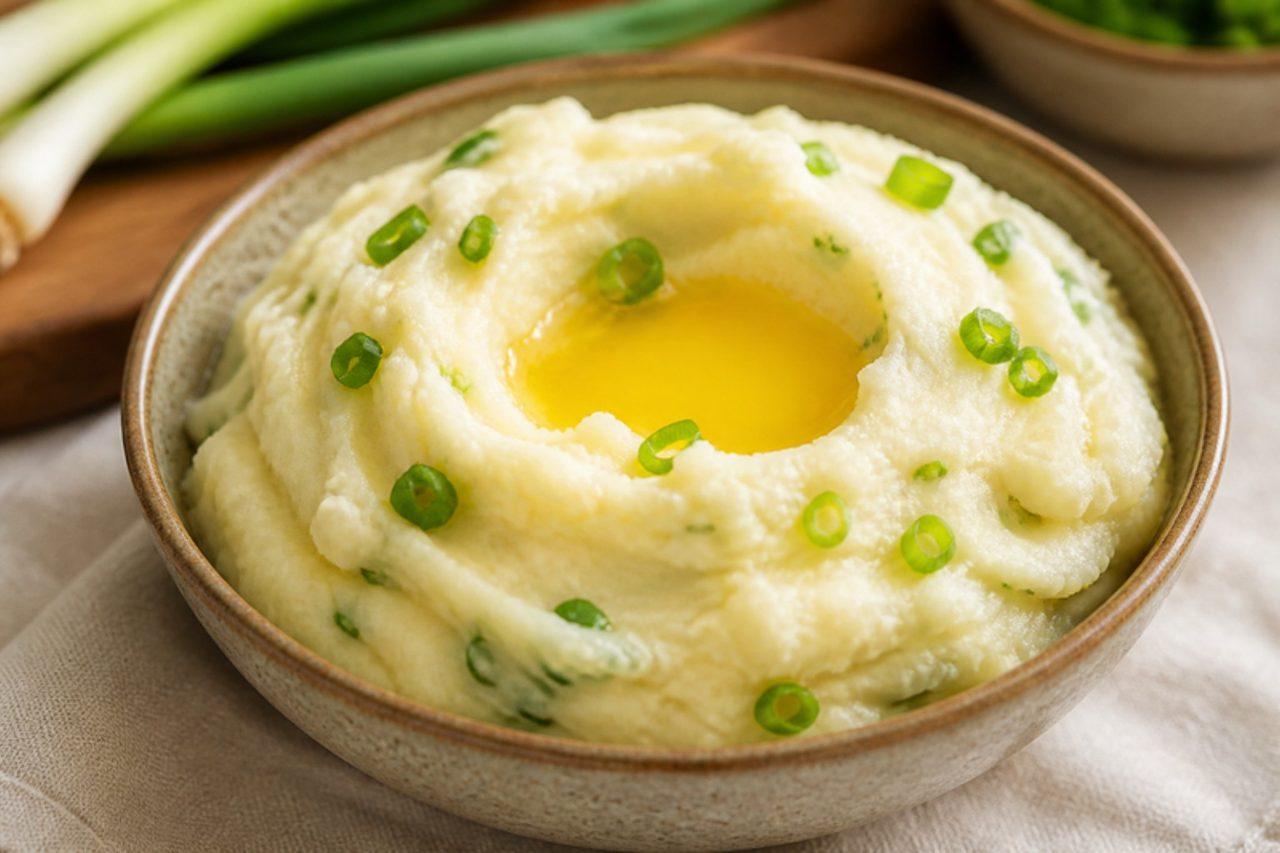
Champ is the creamy mashed potato of Ulster, eaten in farmhouse kitchens from Tyrone to Monaghan, and once pounded in a big pot with a wooden beetle for the whole family. Scallions are steeped in hot milk, then beaten into floury potatoes with salt, pepper and butter, so it is soft, green-flecked and gently oniony. Serve in a mound with a pool of butter in the centre, next to sausages or a pie. Chef's tip: dip each forkful into the butter well, as is done at home; don't stir the butter through.

35 minIrishSidesGluten free
by KrazyBadal 0 views

Irish potato soup
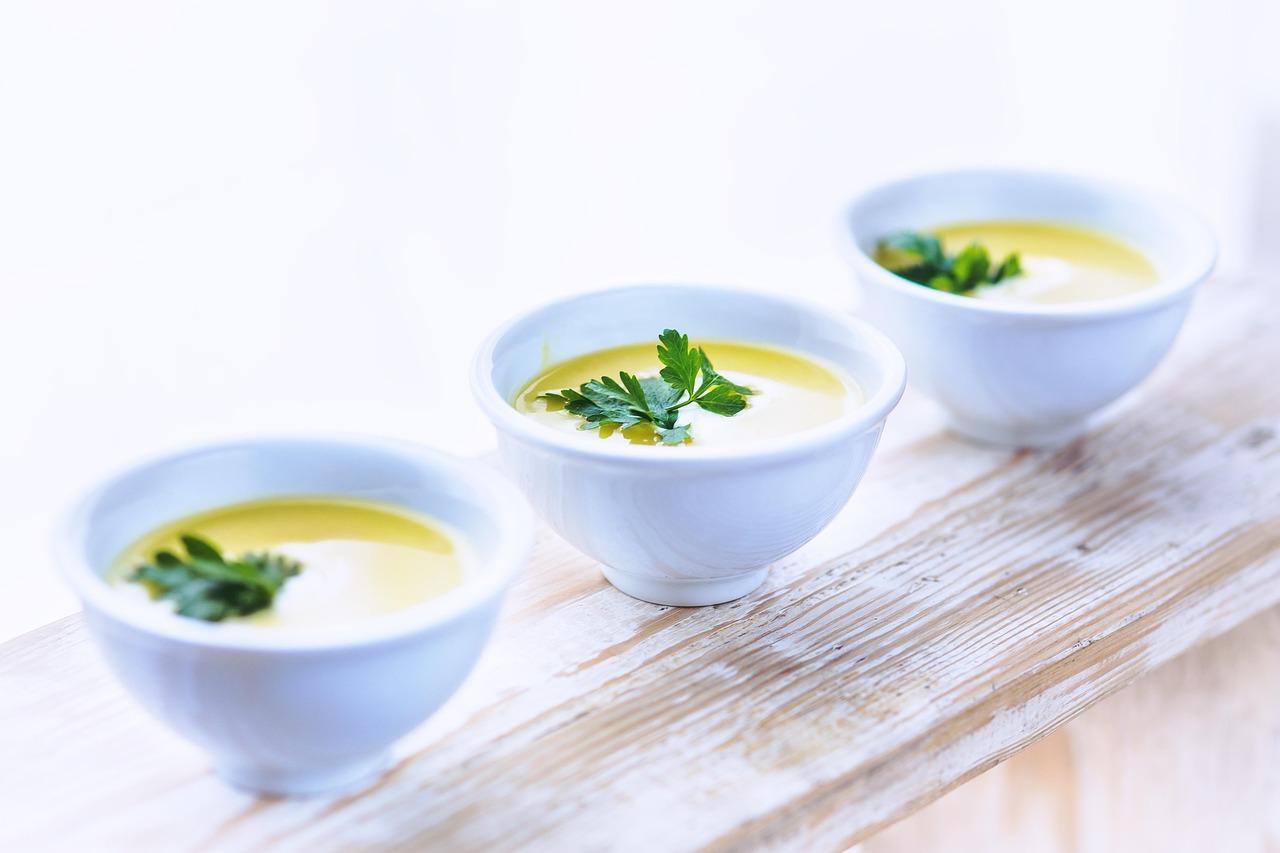
Potato soup is what Irish pubs and farmhouse kitchens set down on a wet afternoon from Kerry to Mayo, always with a heel of brown soda bread. Floury potatoes, onion and leek are sweated in butter and simmered in stock, then blended to a velvety, comforting soup with a gentle onion sweetness. A swirl of buttermilk and chives adds freshness. Chef's tip: sweat the leeks slowly without browning them; colour makes the soup taste bitter and turns it grey.

50 minIrishSoupsGluten free
by KrazyBadal 0 views

Irish buttermilk scones
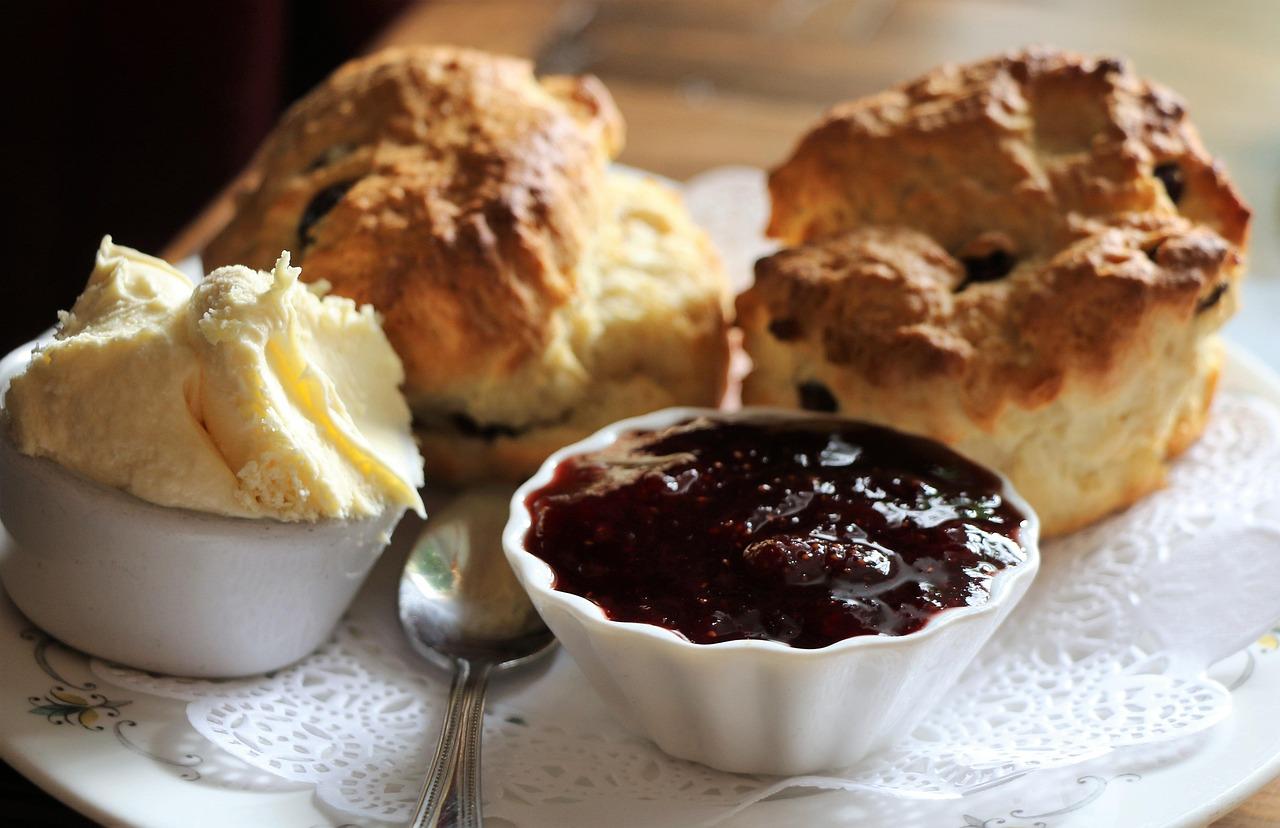
Irish scones are the centre of afternoon tea in hotels and country houses from Galway to Wicklow, and the bake that every Irish cook makes from memory. Buttermilk makes them light and tender with a faint tang, and an egg wash gives the glossy golden top. Serve warm, split, with butter, raspberry jam and whipped cream. Chef's tip: press the cutter straight down without twisting; twisting seals the edges and stops them rising tall.

by KrazyBadal 0 views

Dublin gur cake

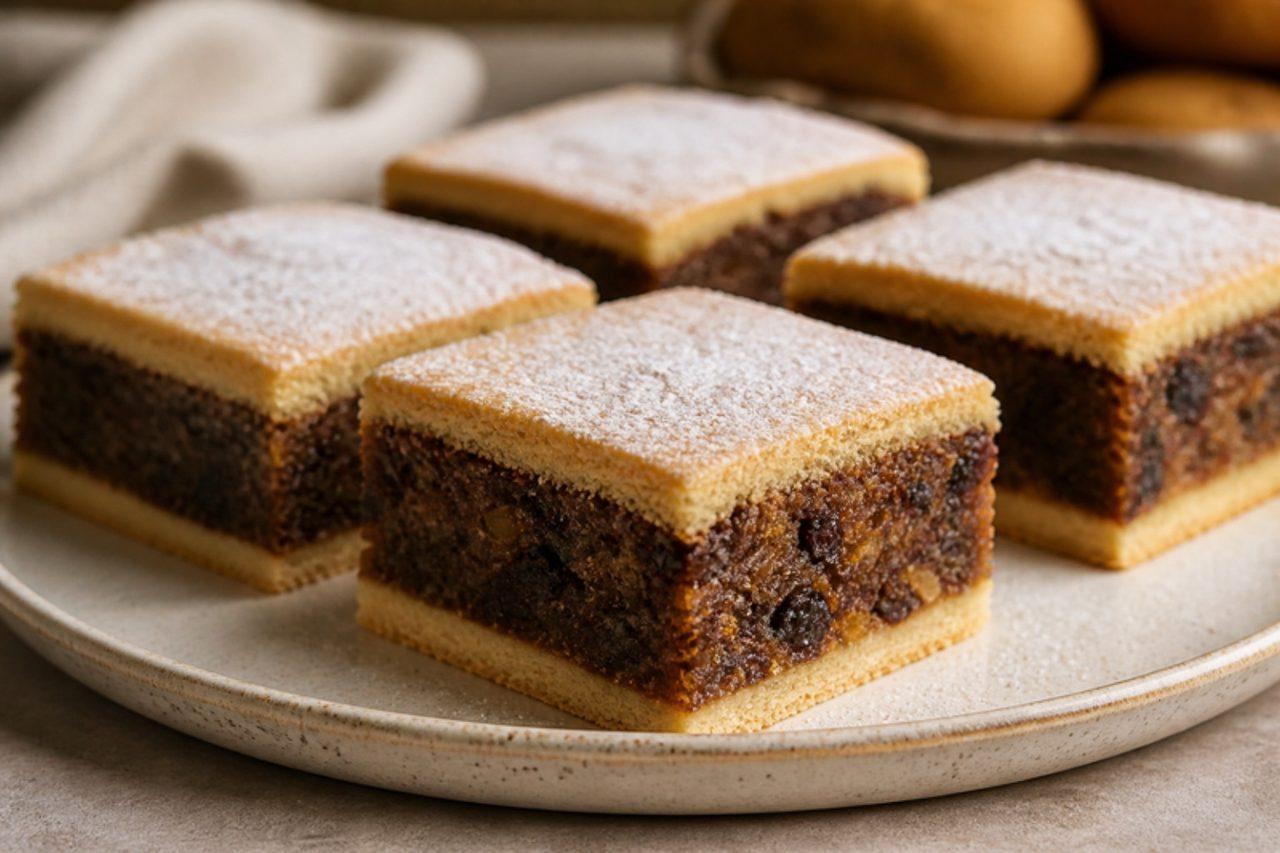
Gur cake was the cheapest treat in Dublin bakeries, made from the day's leftover bread and cake soaked with tea, dried fruit and spice and baked between two sheets of pastry. It gave its name to the 'gurriers', the kids who mitched school and bought slices for a ha'penny, and you still find it in the bakeries of the inner city, where it is also called Chester cake. It is dense, sticky and spiced. Chef's tip: let the filling soak for a good half hour so the bread breaks down completely into a smooth paste.

by KrazyBadal 0 views

Waterford blaa

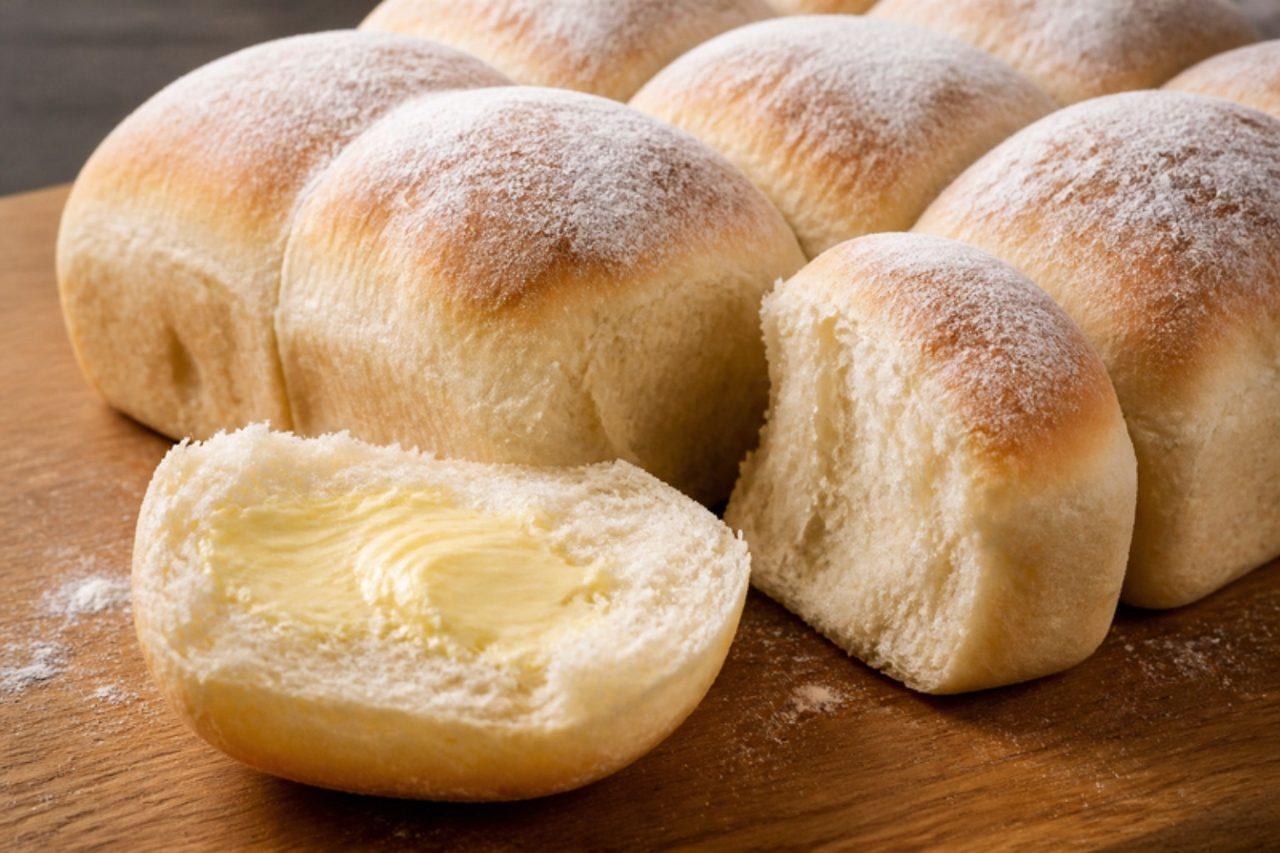
The blaa is the soft white roll of Waterford city, said to have been brought by French Huguenot bakers in the 1700s, and it carries protected status in Europe. The rolls are proofed close together and dusted thickly in flour, so they have pale, tender sides and a fine, white floury crust. Waterford people eat them for breakfast with butter, or split and filled with crisps or a 'rasher blaa'. Chef's tip: bake them touching each other in a hot oven for only a short time; they should stay pale and soft, never crusty.

by KrazyBadal 0 views

Irish rhubarb tart
In April and May rhubarb crowns burst up in kitchen gardens all over Ireland, and the first of it goes into this plate tart, baked on an enamel plate in farmhouses from Cork to Donegal. The rhubarb is sweet-sour under a crisp, sugar-crusted lid of shortcrust. Serve warm with custard or a jug of cream. Chef's tip: sprinkle a spoonful of semolina or cornflour over the bottom pastry before adding the fruit; it soaks up the juice and stops a soggy base.

by KrazyBadal 0 views

Irish coffee
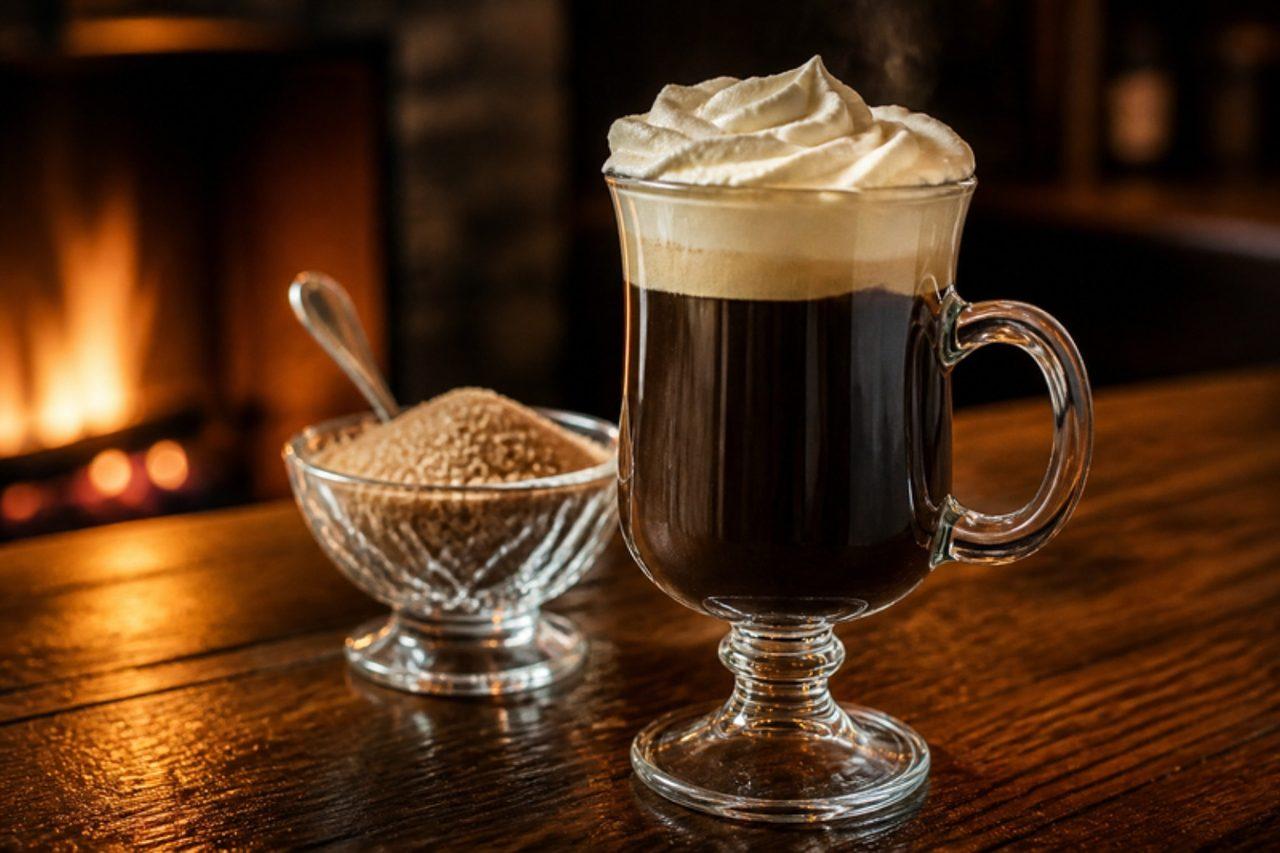
Irish coffee was first served in the 1940s at Foynes on the Shannon estuary, to cold passengers stepping off the flying boats from America, and it is now poured in hotel bars across Ireland after a long dinner. Hot black coffee is sweetened with brown sugar and laced with Irish whiskey, then topped with a layer of lightly whipped cream that you drink the coffee through. This drink contains alcohol; for an alcohol-free version, leave out the whiskey and add a few drops of vanilla. Chef's tip: whip the cream only until it just thickens, so it floats in a soft layer rather than sinking or sitting in stiff blobs.

by KrazyBadal 0 views

Brown bread ice cream

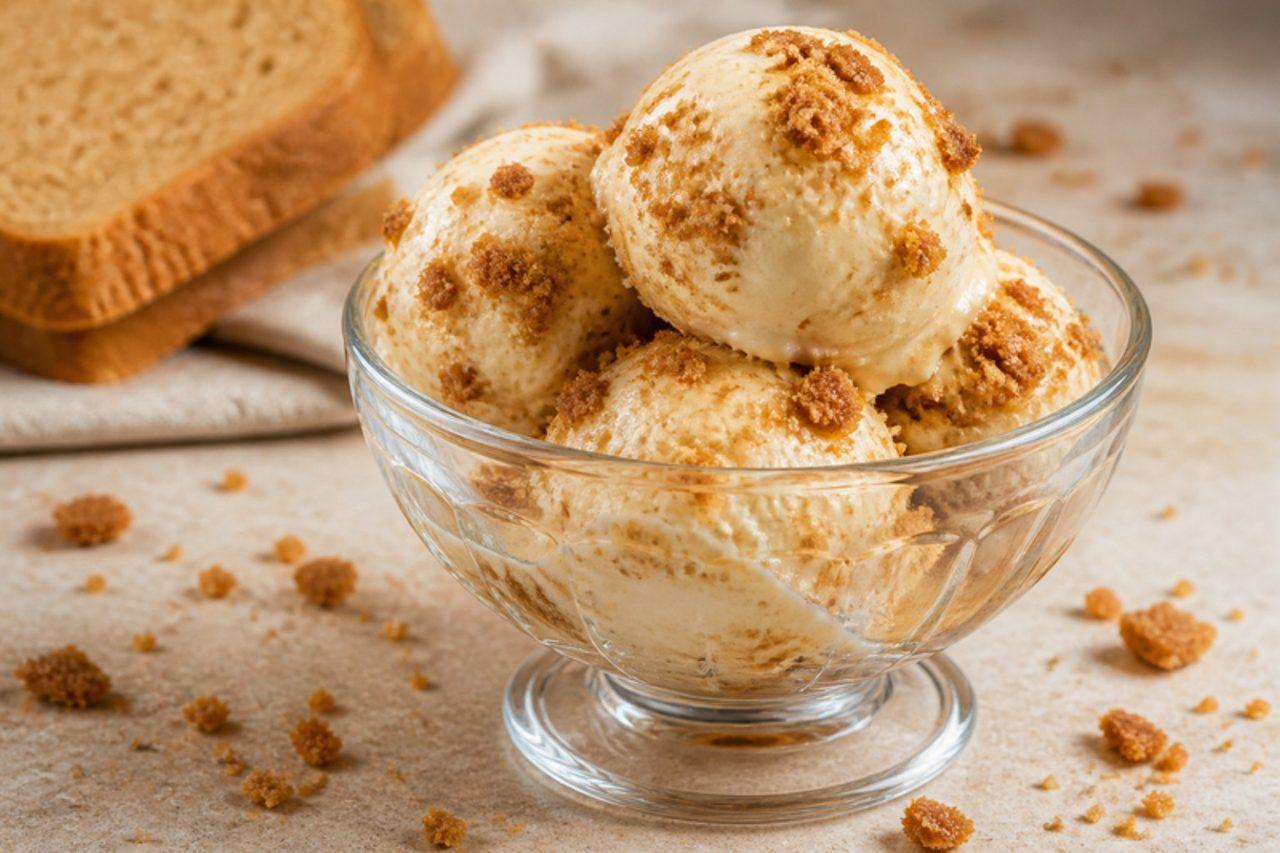
Brown bread ice cream has been a country-house dessert in Ireland since Victorian times and still turns up on menus in Kenmare, Kinsale and Dublin restaurants. Crumbs of brown soda bread are toasted with brown sugar until crisp and toffee-like, then folded through a rich vanilla ice cream, so it tastes of caramel and malty, nutty bread. This no-churn version needs no machine. Chef's tip: let the caramelised crumbs cool and break up completely before folding them in, or they sink and clump.

by KrazyBadal 0 views

Irish chicken and ham pie
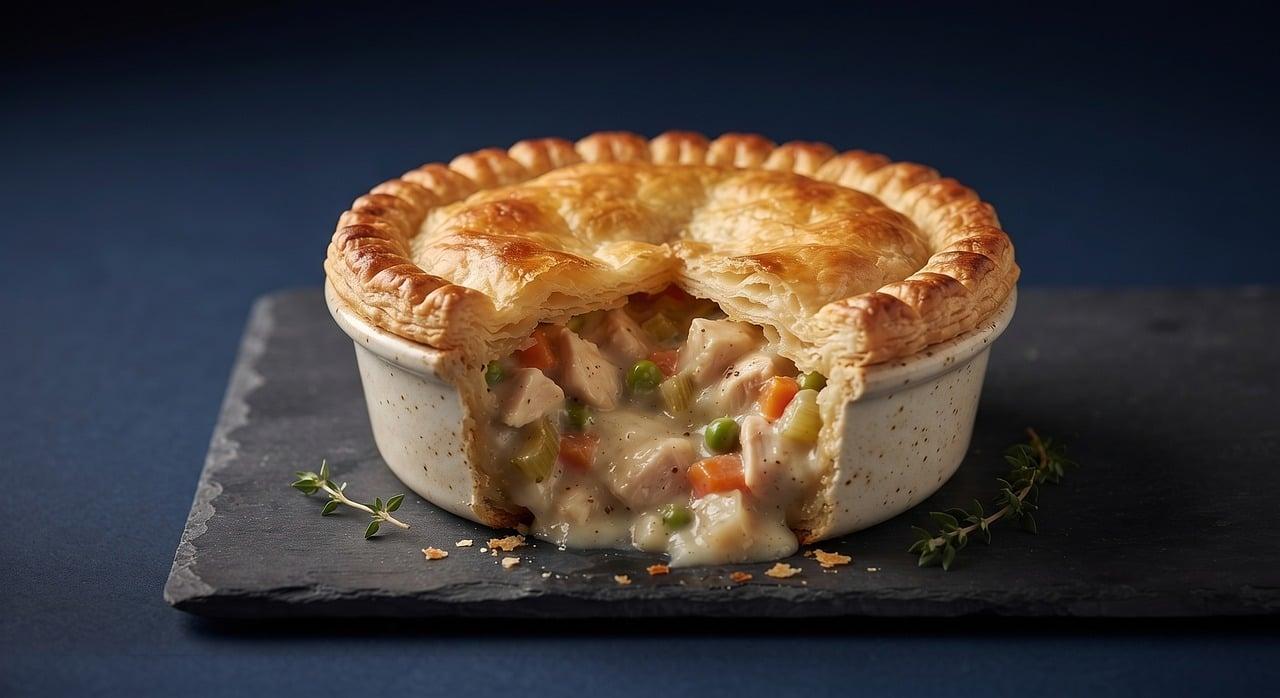
Chicken and ham pie is the family supper of Irish homes from Westmeath to Wicklow, the way to stretch a roast chicken and a piece of cooked ham into another meal, and a staple of hotel carveries. The ham is pork. Both meats sit in a creamy leek and mushroom sauce under a puff pastry lid. Chef's tip: let the filling cool before putting on the pastry, or the butter in the puff melts and it won't rise.

by KrazyBadal 0 views

Mackerel with gooseberry sauce

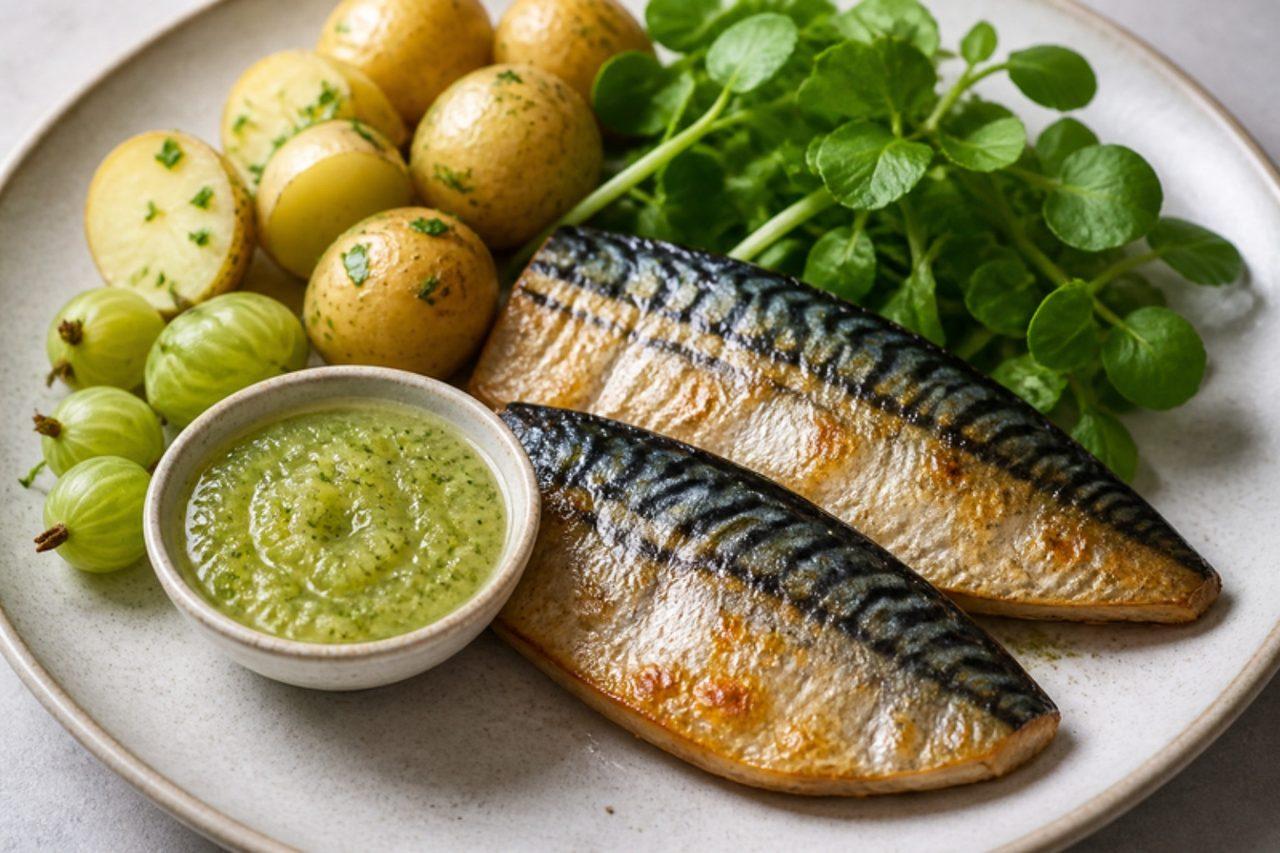
In July and August shoals of mackerel come close to the piers from Kilmore Quay to Killybegs, and children catch them on hand lines for the evening pan. The old Irish partner for the oily fish is a sharp sauce of the gooseberries ripening in the garden at the same time, which cuts through the richness. Serve with new potatoes. Chef's tip: cook the fillets skin-side down almost all the way, so the skin crisps and the delicate flesh stays moist.

25 minIrishFishGluten free
by KrazyBadal 0 views

Poached Irish salmon with herb butter

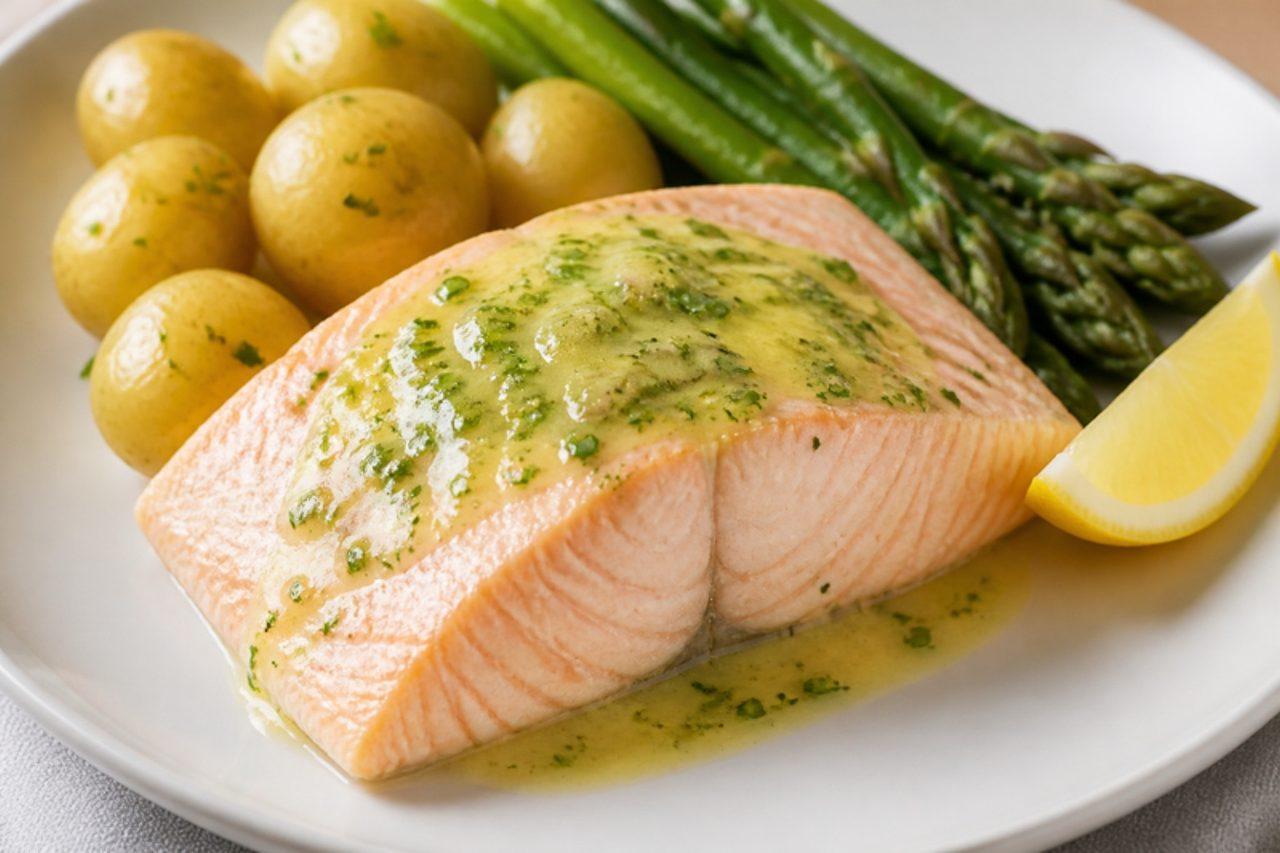
A side of poached salmon is the centrepiece of Irish wedding buffets, First Communion lunches and summer gatherings along the Moy and the Blackwater, where wild salmon once ran thick. Poached gently in a court bouillon, it stays silky and moist, and here it is served warm with a simple chive and lemon butter sauce, new potatoes and peas. Chef's tip: never let the poaching liquid boil; it should barely shiver, or the salmon tightens and leaks white curds.

30 minIrishFishGluten free
by KrazyBadal 0 views

Irish breakfast roll
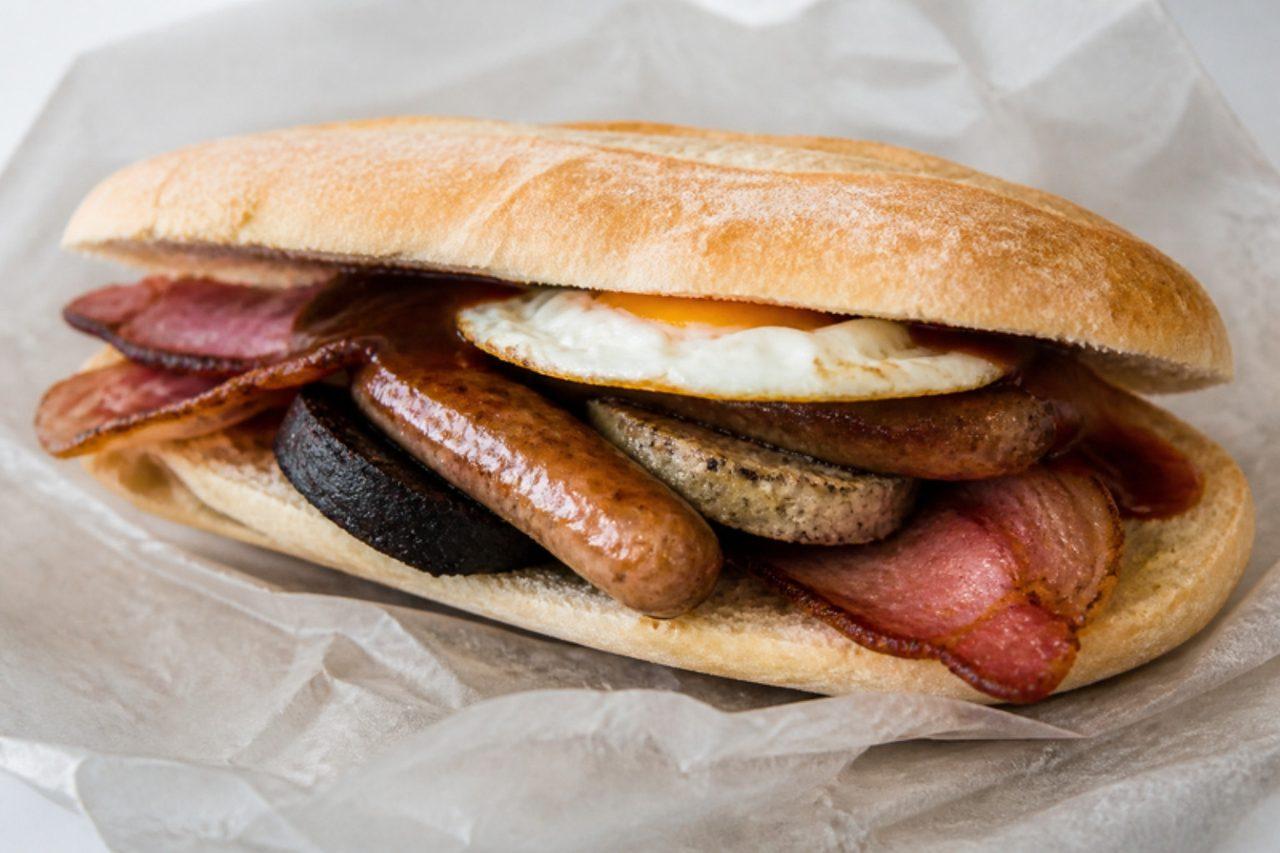
The breakfast roll is the hot deli sandwich of Irish petrol stations and corner shops, eaten from its paper bag by builders, commuters and students all over the country from early morning. A long, crusty baguette-style roll is packed with what is in a fry: pork sausages, rashers, black and white pudding and a fried egg, with butter and brown sauce or ketchup. Chef's tip: warm the roll in the oven so it is crisp outside and soft within before you load it.

by KrazyBadal 0 views

Limerick ham with cider glaze

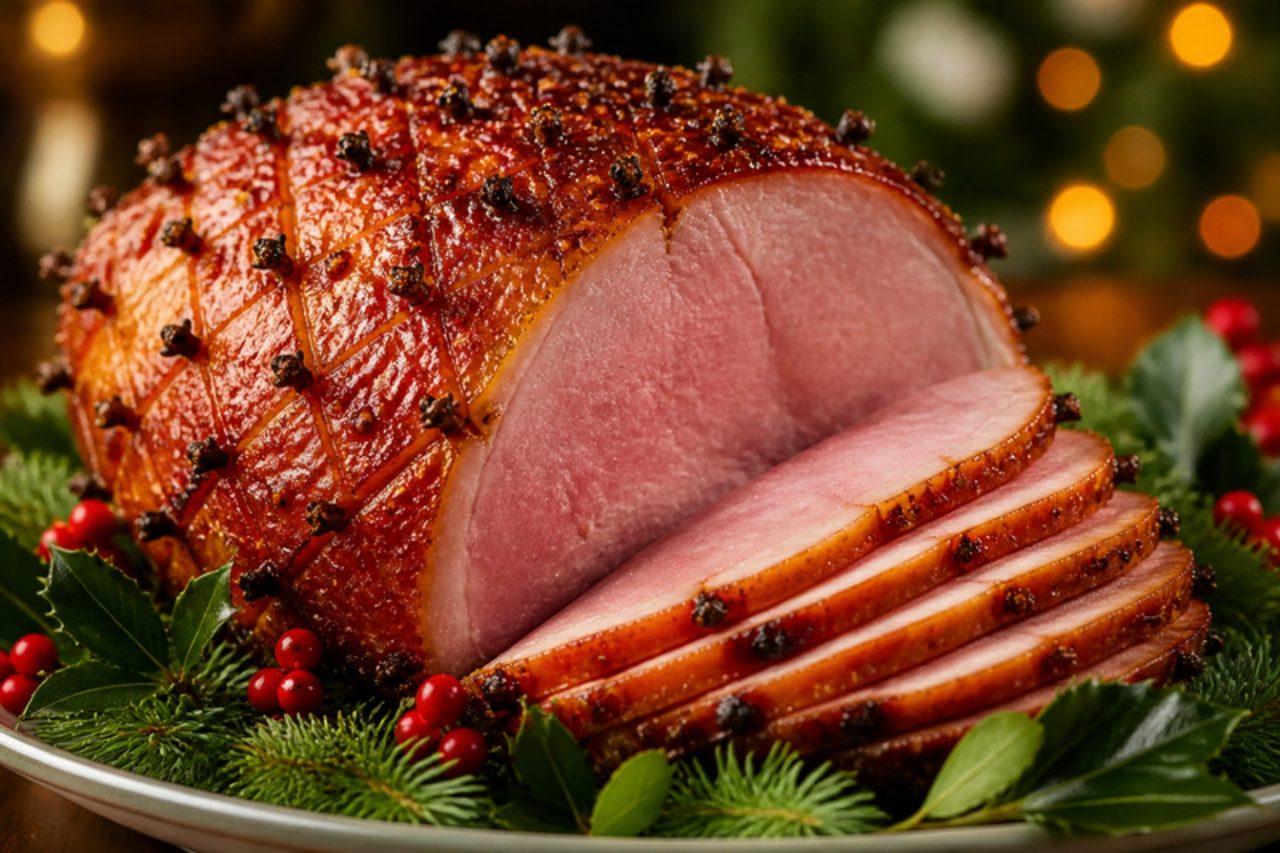
Limerick was once famous across Europe for its hams, cured in the city's bacon factories, and a glazed ham is still the centrepiece of the Irish Christmas table next to the turkey. This is a gammon joint, which is pork: simmered gently in cider with an onion and spices, then studded with cloves and glazed in a hot oven until sticky and dark. Serve hot with mash and parsley sauce, or cold for St Stephen's Day sandwiches. The cider contains alcohol, which mostly cooks off; for an alcohol-free version use cloudy apple juice. Chef's tip: score the fat in a neat diamond pattern only through the fat, not the meat, so the glaze grips without the meat drying.

200 minIrishMeatGluten free
by KrazyBadal 0 views

Irish white pudding patties
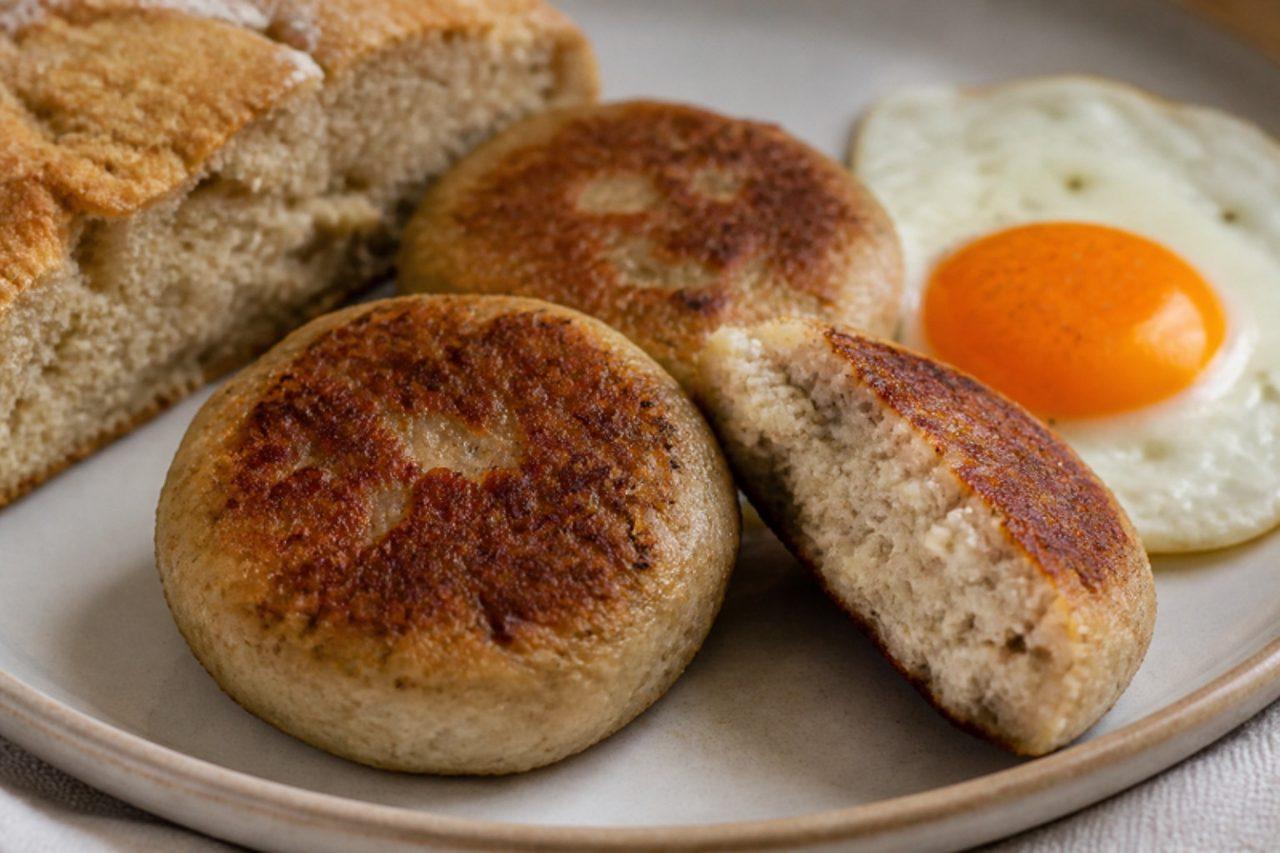
White pudding is the pale partner to black pudding on the Irish breakfast plate, made in butchers' shops from West Cork to Sligo with pork, pork fat, oatmeal, onion and a secret blend of spices. Making it at home in casings is fiddly, so this version shapes the same mix into patties to fry for the full Irish or a breakfast roll. Chef's tip: toast the oats in a dry pan first; it gives the nutty flavour that good shop-bought white pudding has.

by KrazyBadal 0 views

Estamboli polo

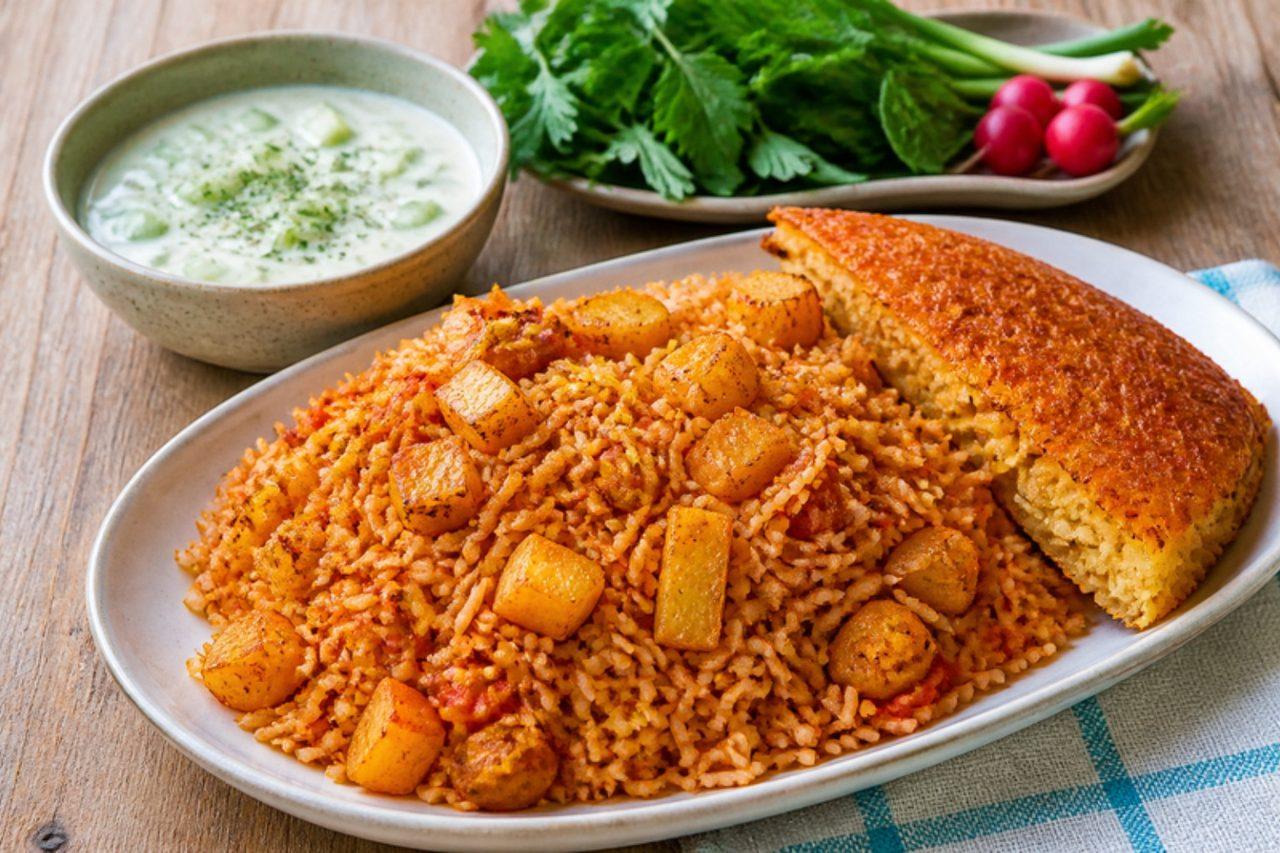
In Tehran flats, estamboli polo is the weeknight rice that turns up when the fridge holds little more than tomatoes and potatoes, and children ask for it by name. Basmati is par-boiled, then layered back into the pot with a turmeric-and-tomato sauce and cubes of fried potato, and steamed under a cloth-wrapped lid until each grain is separate and orange-tinged. The bottom turns into a golden, crunchy tahdig that everyone fights over. Serve it with mast-o khiar, a plate of fresh herbs and torshi. A common mistake is stirring the tomato sauce through boiling rice, which makes it sticky; layer it instead and let the steam do the work. Chef's tip: lay thin potato slices on the base of the pot for the tahdig; they crisp evenly and lift out in one piece.

by KrazyBadal 0 views

Kuku sibzamini

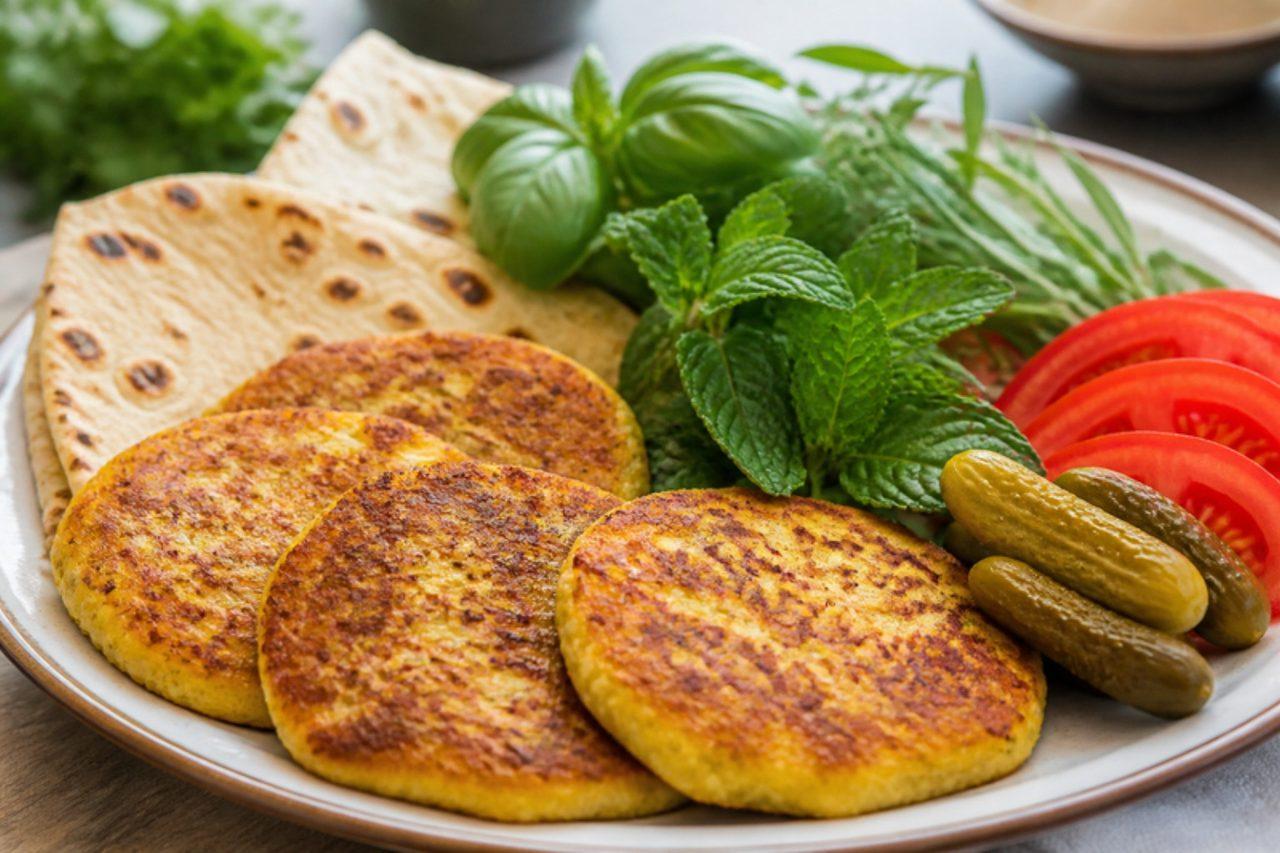
Kuku sibzamini is what Tehran schoolchildren unwrap at lunchtime: little golden patties of grated potato, egg and onion, eaten cold or warm, folded into lavash or sangak with herbs, tomato and a few slices of khiar shoor. They also turn up at picnics in the parks on Friday mornings, because they travel well and taste good at any temperature. Grated raw onion and turmeric give the flavour; a spoon of flour holds them together. The common mistake is leaving the grated potato wet, so the patties spit, soak up oil and fall apart. Chef's tip: squeeze the potato and onion hard in a tea towel; the drier the mix, the crisper the edges.

by KrazyBadal 0 views

Mast-o musir

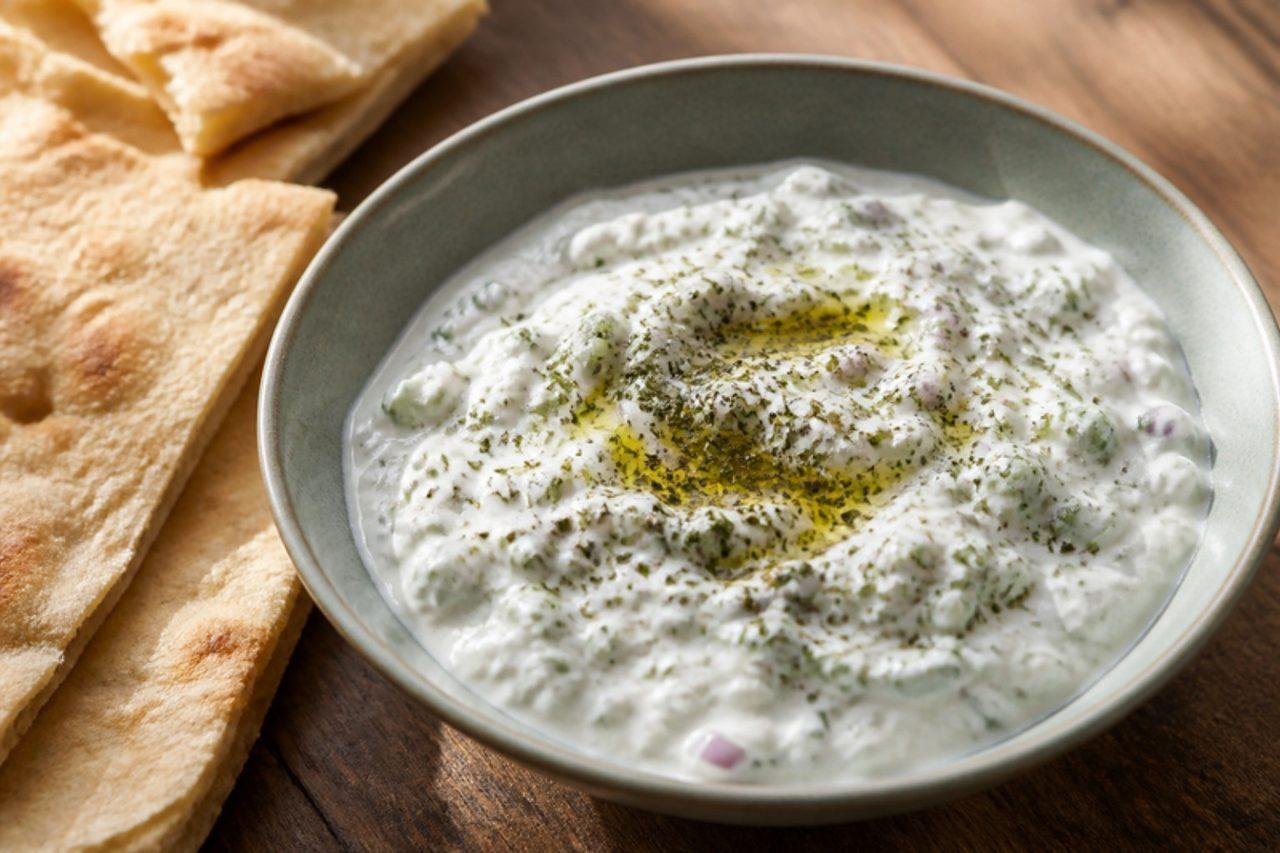
Every kebab house in Tehran puts a little bowl of mast-o musir on the table beside the chelow, and at home it sits next to Friday lunch the same way. Musir is a wild mountain shallot from the Zagros, sold dried in slices; once soaked it is mild, garlicky and faintly sweet, and it gives thick yogurt a sharp bite. The one mistake to avoid is skipping the long soak, which leaves the shallots tough and bitter. If you cannot find musir, see the swap in the steps. Chef's tip: make it a few hours ahead; the shallot flavour deepens as it sits in the fridge.

by KrazyBadal 0 views

Sabzi khordan

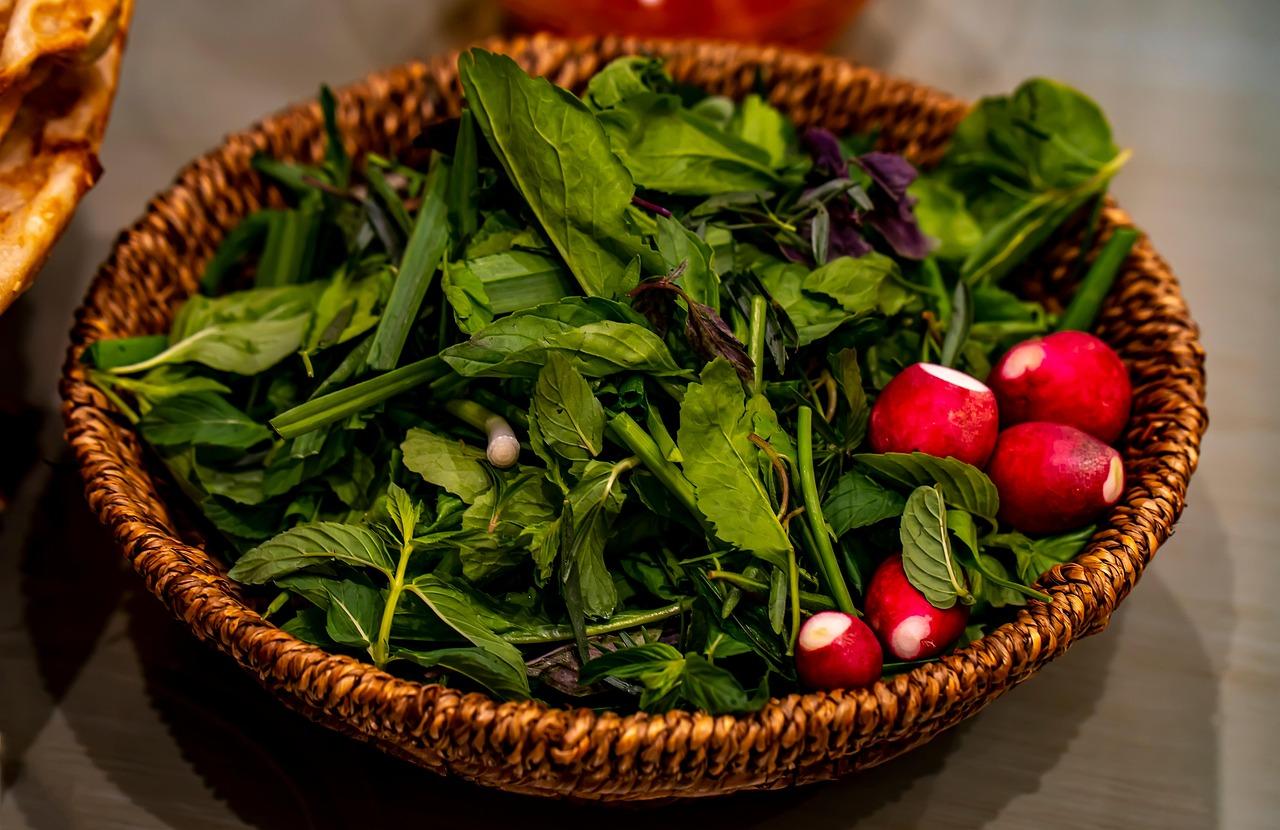
No Tehran dinner table is complete without sabzi khordan, literally 'herbs for eating': a basket or plate of whole sprigs of basil, mint, tarragon, chives and coriander with radishes, spring onions, walnuts and a block of white cheese. People tear off bread, add a little cheese and a walnut, then stuff in a few leaves, eating between mouthfuls of stew or rice. The mistake most people make is serving the herbs wet or limp; they should be crisp, dry and cold. Traditional Iranian white cheese is set with animal rennet, so choose a feta labelled vegetarian (microbial rennet) if that matters to you. Chef's tip: wash the herbs an hour ahead, spin them dry and chill them wrapped in a damp tea towel so they stay perky on the table.

by KrazyBadal 0 views

Baghala ghatogh

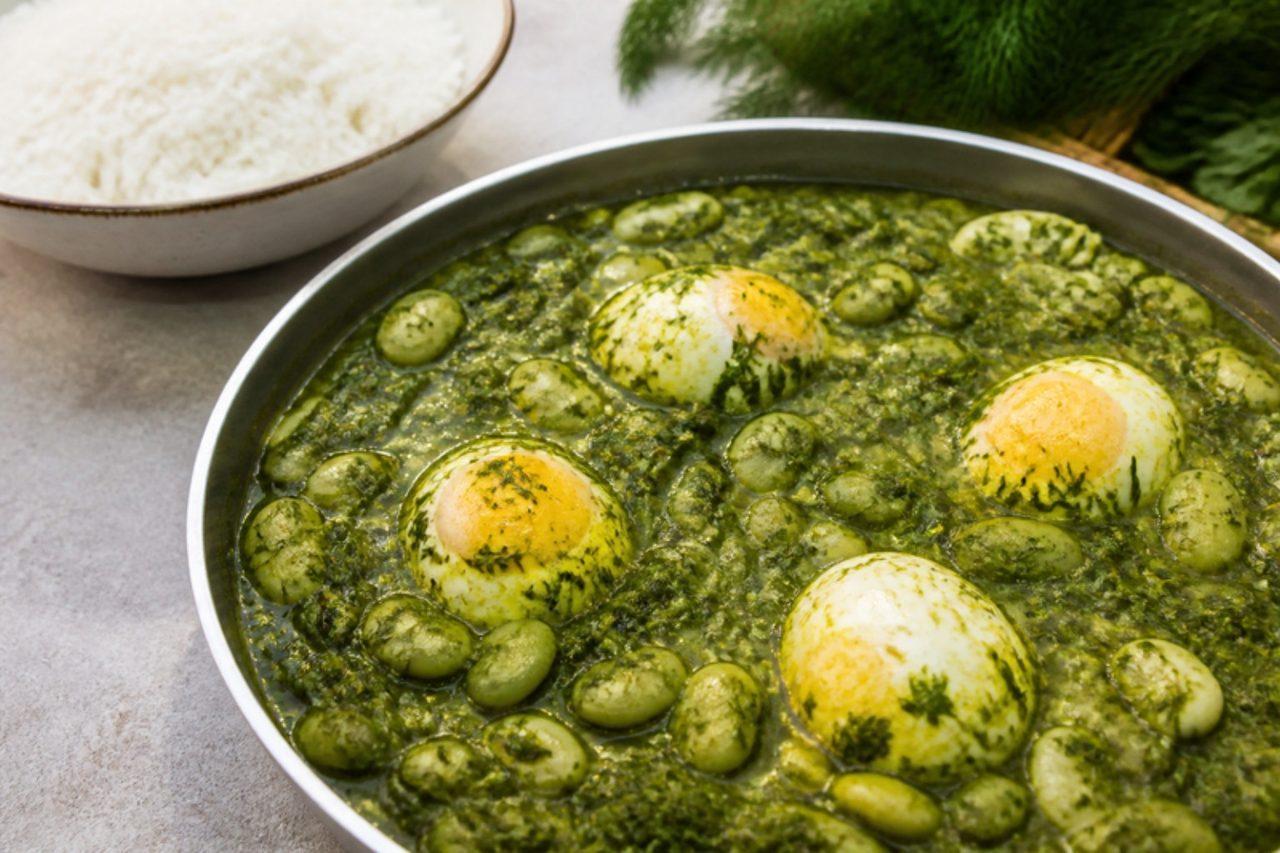
In Rasht and the villages of Gilan, baghala ghatogh is cooked in late spring when the slender local broad beans called pach baghala are in the markets, and later in the year with frozen ones. The beans are simmered in their thin skins with a great deal of garlic and dill, then eggs are cracked on top and left to set softly, and the whole pan is eaten with plain kateh rice and a few pickled garlic cloves. It is humble, green and fragrant. A common mistake is stirring the eggs right in, which turns the stew grey; leave them whole so the yolks stay just runny. Chef's tip: cook the dill in butter or oil before the water goes in; it blooms and tastes far deeper than dill added at the end.

by KrazyBadal 0 views

Kateh

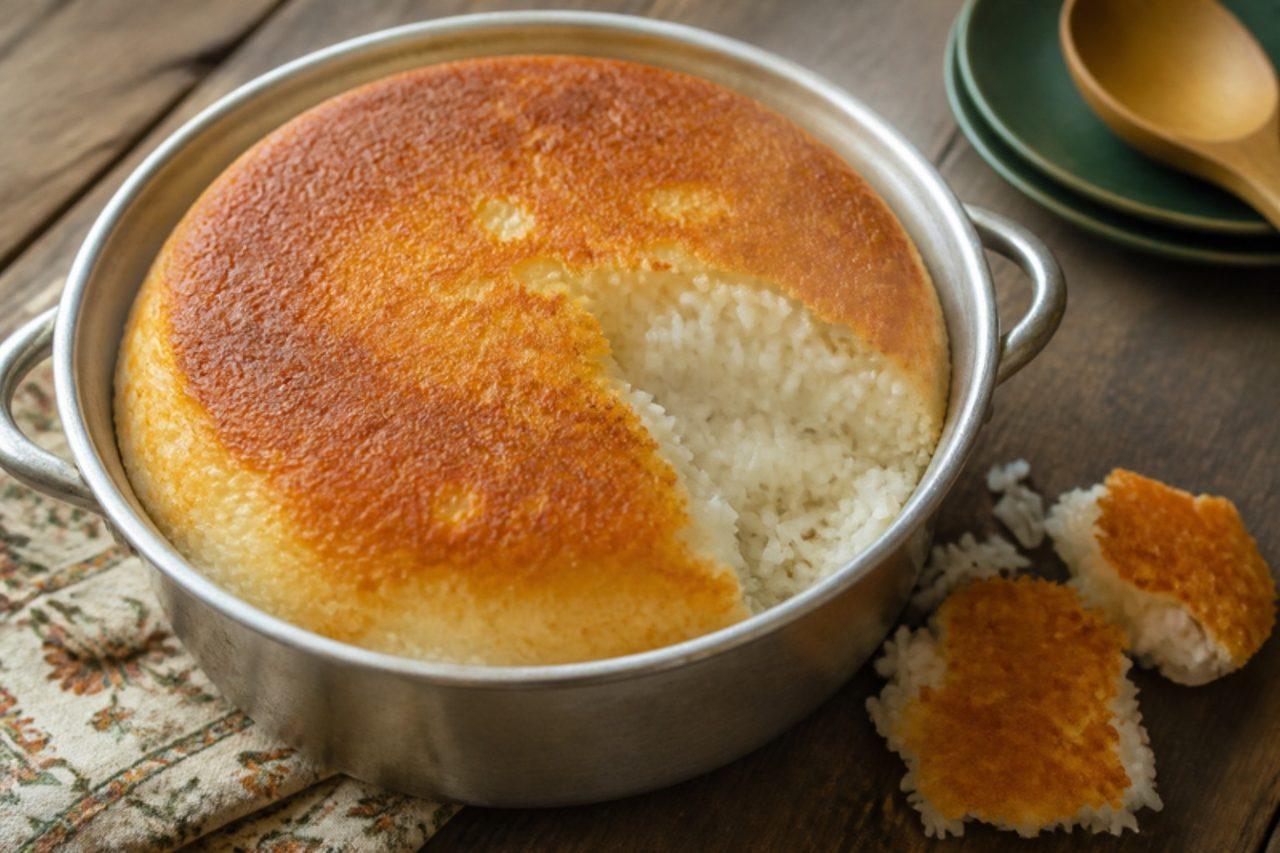
Along the Caspian coast in Gilan and Mazandaran, kateh is the daily rice: no par-boiling and draining as in Tehran's chelow, just rice, water, salt and butter cooked together until the water vanishes and the grains settle into a soft, slightly sticky cake with a golden crust underneath. Northern families eat it at almost every meal with fish, mirza ghasemi or baghala ghatogh, and children love the buttery bottom. The common mistake is lifting the lid and stirring once the water has been absorbed, which breaks the grains and stops the crust forming. Chef's tip: use a heavy non-stick pot and add the butter only after the water has boiled down; it seeps through and fries the base.

by KrazyBadal 0 views

Torshe tareh

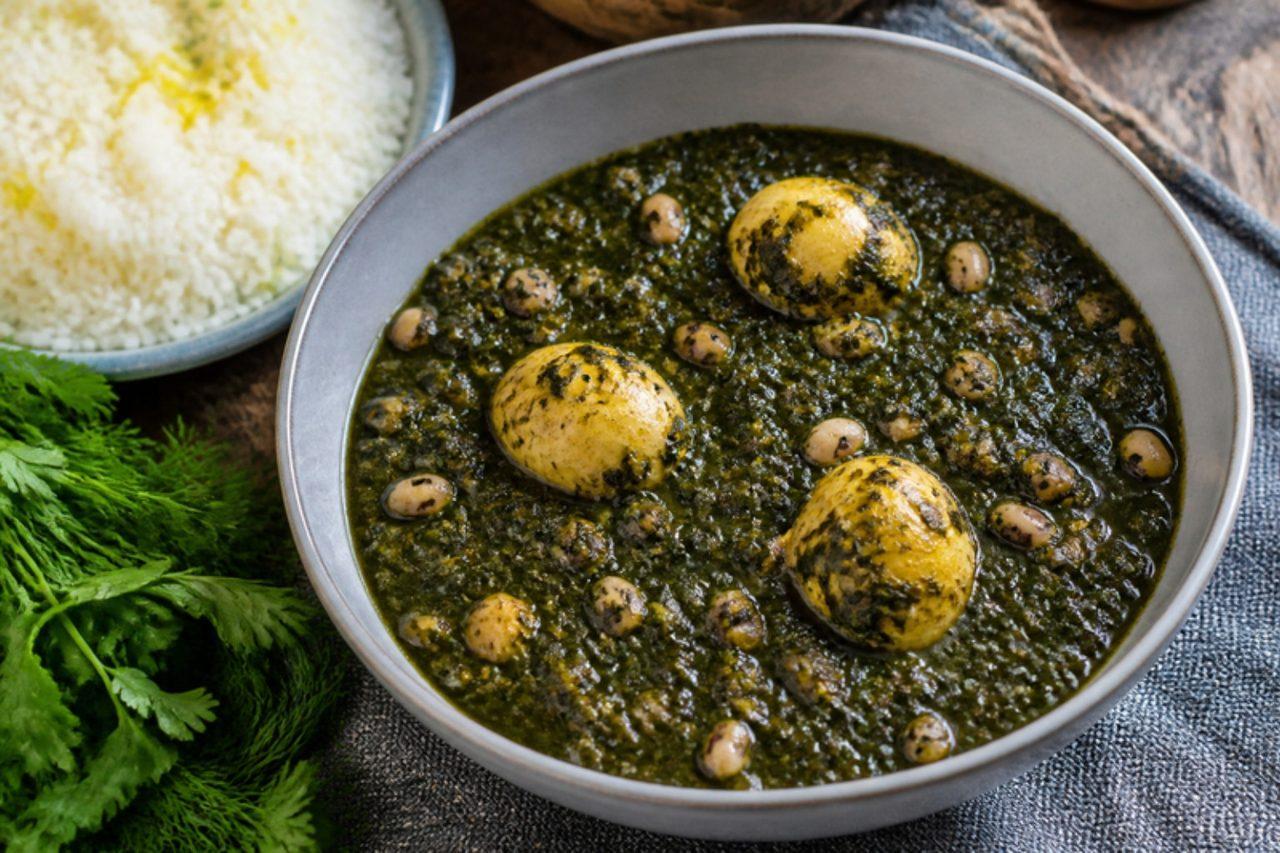
Torshe tareh is one of the dishes that marks Gilan's cooking as different from the rest of Iran: a dark, sour, garlicky stew of finely chopped greens, cooked down with rice flour and soured with bitter orange juice or dried sour plums, then finished with eggs. It is made in the Rasht area all year round and eaten with kateh rice, often alongside salted fish for those who eat it; this version is vegetarian with black-eyed beans for body. The common mistake is undercooking the herbs, which leaves the stew grassy instead of deep and savoury. Chef's tip: fry the chopped herbs until they turn almost black-green and stop smelling raw before any liquid goes in.

by KrazyBadal 0 views

Showing 27 of 6,261 recipes

Show more recipes

Page 387 of 696