Skip to content
Polos curry
Featured recipe

Polos curry

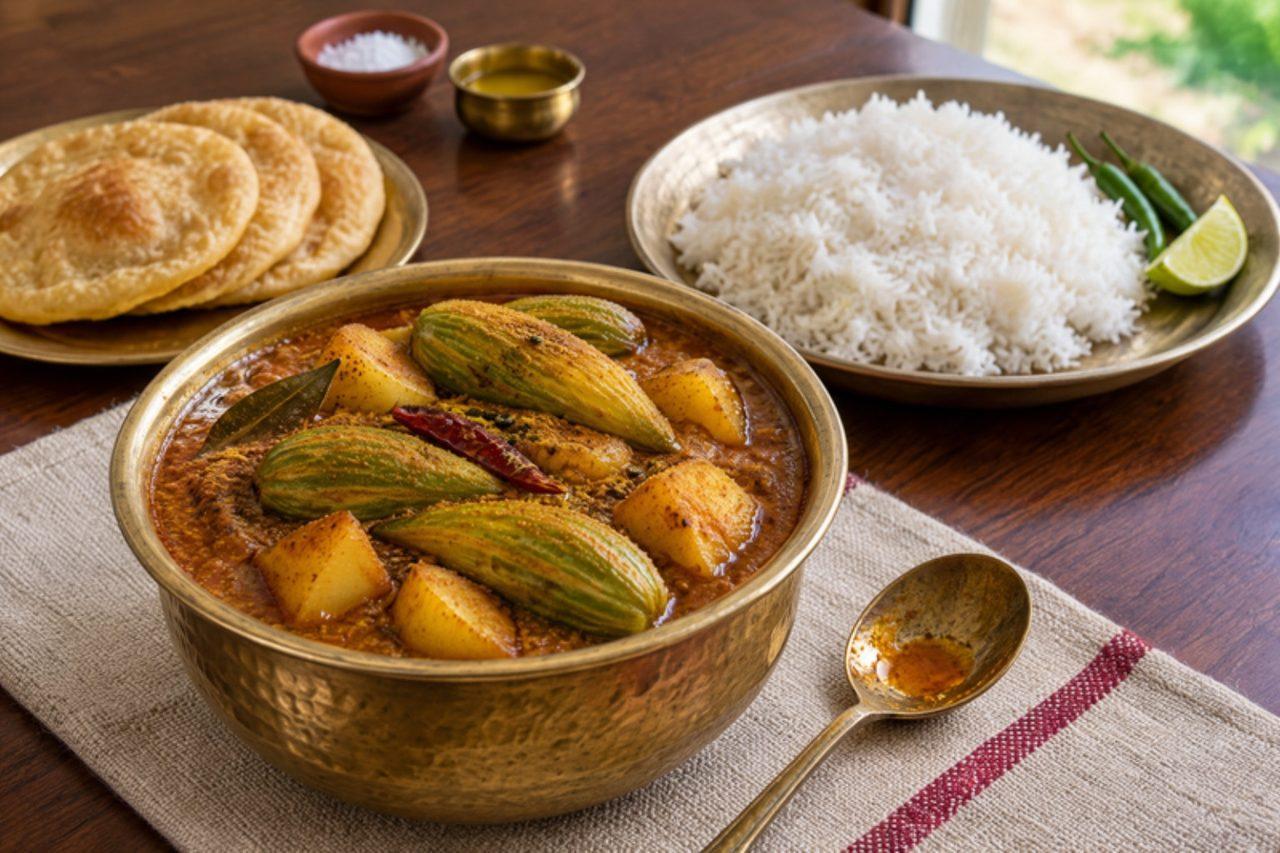
Polos is the tiny unripe jackfruit picked in the Western and Sabaragamuwa provinces long before it sweetens, and cooked low and slow it becomes one of the island's most loved festival curries, especially at Sinhala and Tamil New Year in April and at wedding lunches. The firm, pale flesh soaks up a very dark roasted curry powder, garlic, ginger, goraka (a smoky souring fruit) and coconut milk until it turns almost black-brown and tastes rich, sour and meaty. Fresh polos is hard to find abroad; tinned young green jackfruit in brine works well. A frequent mistake is not cooking it long enough, which leaves it squeaky; the pieces must be soft enough to break with a spoon. Chef's tip: oil your hands and knife before cutting fresh jackfruit; the sticky white sap washes off oiled skin but not dry skin.

Read more 2 views

What to eat today?

Around the world

Today's trip: Paraguayan

A new country every day, from every cuisine on the site.

This week's collection

Make-ahead meals
1963 recipes · a new collection every Monday

Latest recipes

Rosquillas de San Isidro

Every 15 May, crowds head to the Pradera de San Isidro on Madrid's southern edge for the patron saint's festival, and stalls sell rosquillas by the dozen: plain "tontas" (silly ones) and iced "listas" (clever ones). Many families now bake them at home that week. Old recipes ice the listas with raw egg white; this one uses a lemon and icing-sugar glaze, which is safer and sets just as white. Chef's tip: oil your hands to shape the rings; the dough is soft and sticky by design.

by KrazyBadal 0 views
Welsh cakes

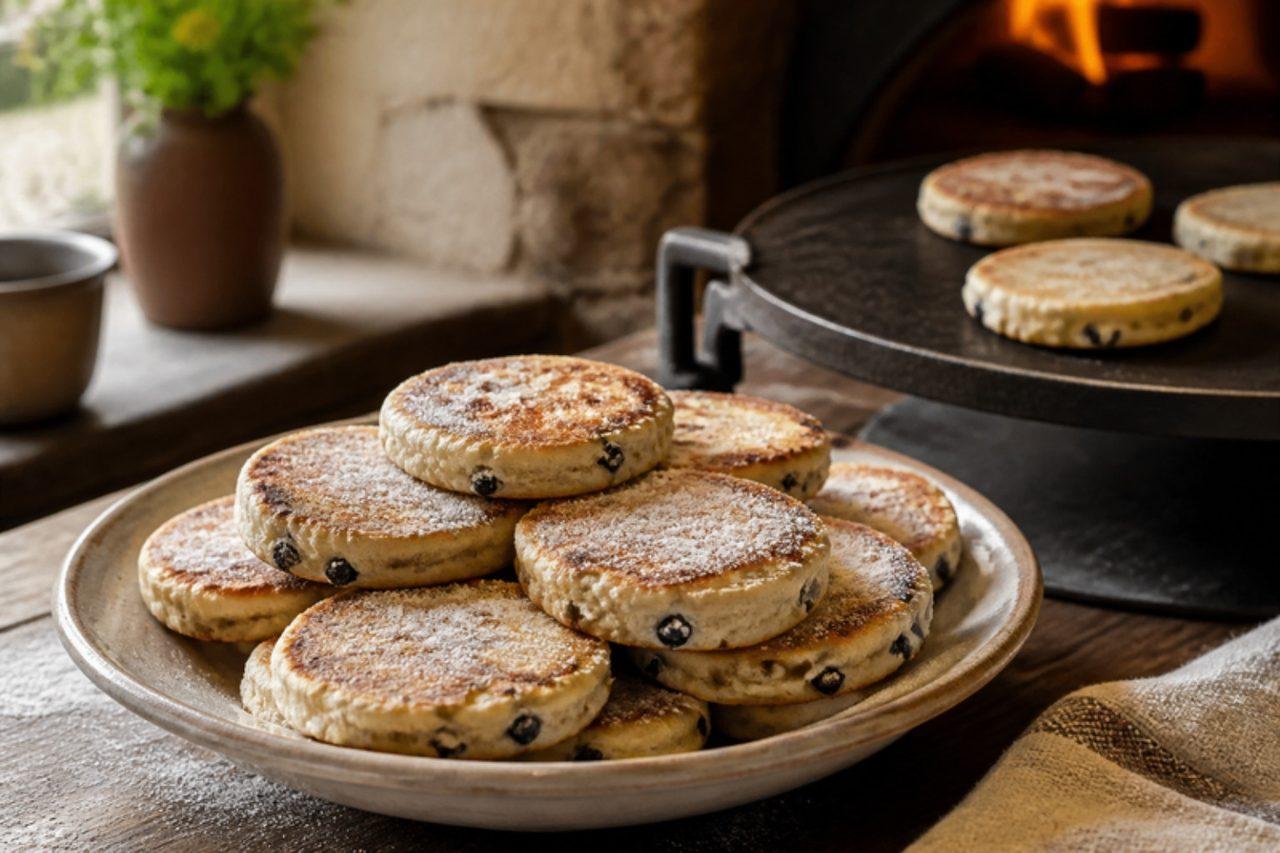
Welsh cakes, picau ar y maen or 'cakes on the stone', are cooked on a cast-iron bakestone in kitchens across Wales and sold warm at markets and rugby matches, and they are a must on St David's Day, 1 March. The dough is like a rich scone with currants and mixed spice, and they are dusted with sugar while hot. Chef's tip: keep the heat medium-low; they need time for the middle to cook before the outside darkens.

by KrazyBadal 0 views

Gnocchi à la parisienne

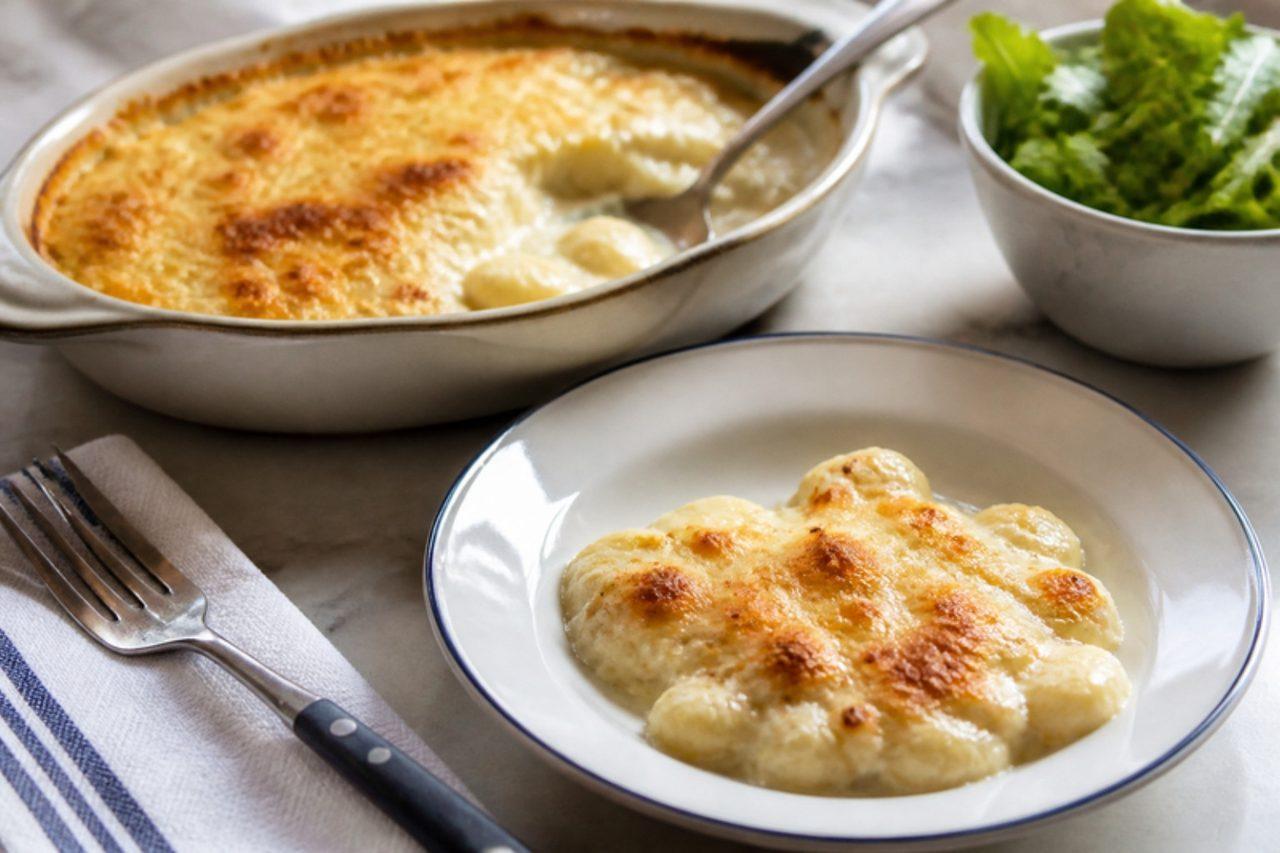
Unlike Italian potato gnocchi, the Paris version is made from choux paste flavoured with cheese and mustard, piped straight into simmering water and cut into little logs with a knife. The poached dumplings go into a dish with béchamel and more cheese and are baked until puffed and golden. It was a classic of old Parisian brasseries and grand-hotel kitchens and still turns up as a comforting supper or a side in bistros. Gruyère and Comté are traditionally made with animal rennet, so use a vegetarian mountain cheese. Chef's tip: dip the knife in hot water between cuts; the paste drops off cleanly instead of stretching into strings.

by KrazyBadal 0 views

Espinacs a la catalana

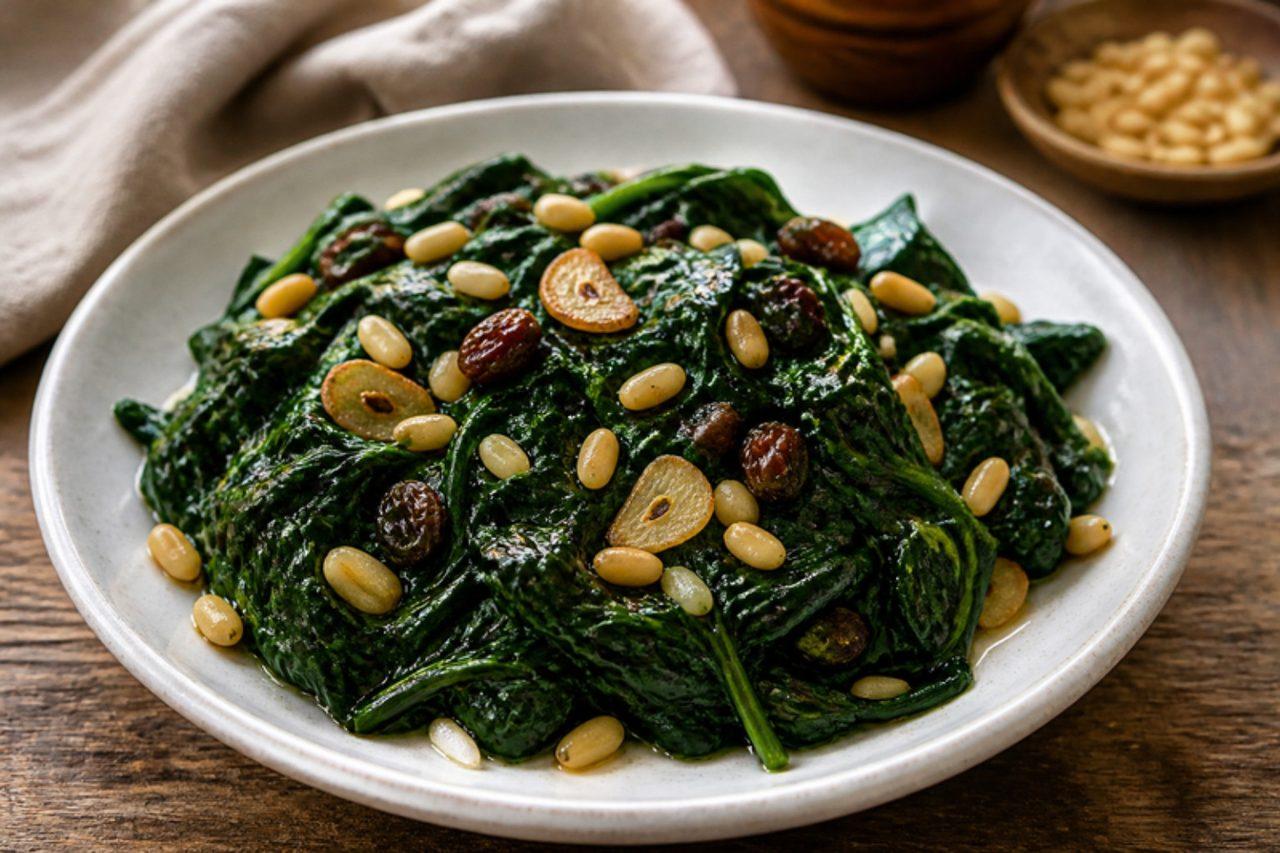
This dish carries the sweet-and-savoury taste of medieval Catalan cooking: spinach wilted with plump raisins and toasted pine nuts, sometimes with a little pork fat or anchovy, though olive oil is just as traditional. Families cook it in spring and autumn as a side for fish or chicken, or as a light first course before the main. It takes ten minutes. Chef's tip: soak the raisins in warm water first so they swell and burst sweetly, instead of turning hard in the hot pan.

by KrazyBadal 0 views

Palets bretons

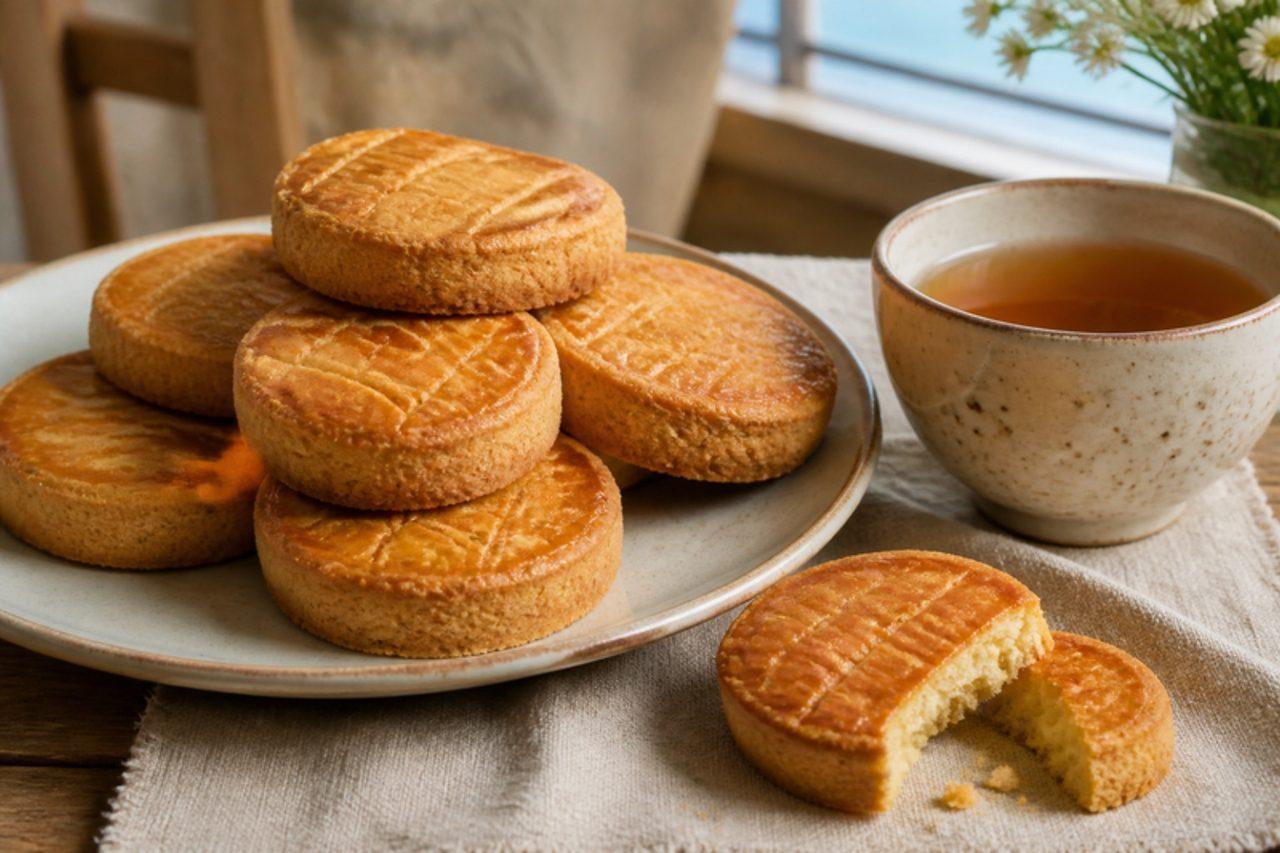
Palets are the thick cousin of the thin Breton galette biscuit: chunky rounds as wide as a small cookie and nearly a centimetre high, crisp on the outside and crumbly within, tasting strongly of salted butter. Bakeries in Pont-Aven and all along the Finistère coast sell them in tins, and Breton families serve them with coffee, with a bowl of cider-poached apples or crumbled over ice cream. Baking them in muffin tins or metal rings keeps their shape and straight edges. Chef's tip: use proper salted butter rather than adding salt to unsalted; the flavour is rounder and the dough handles better.

by KrazyBadal 0 views

Millionaire's shortbread

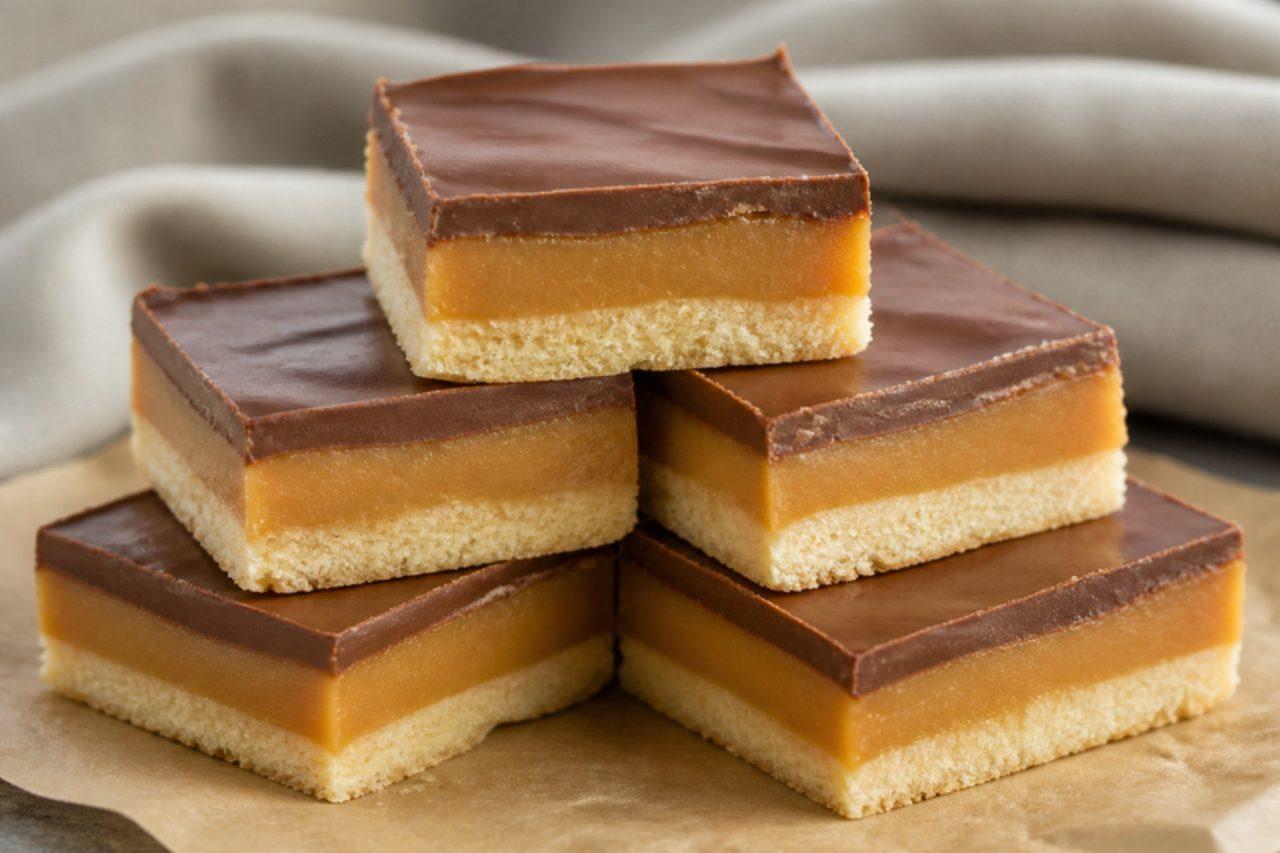
Millionaire's shortbread, called caramel shortcake in much of Scotland and caramel squares across the water in Belfast, is the traybake of school bake sales, cafés and church teas. A crisp shortbread base is covered with thick condensed-milk caramel and a layer of chocolate, rich enough to justify the name. Chef's tip: keep stirring the caramel the whole time it bubbles; it catches on the bottom in seconds.

by KrazyBadal 0 views

Rhode Island clam cakes

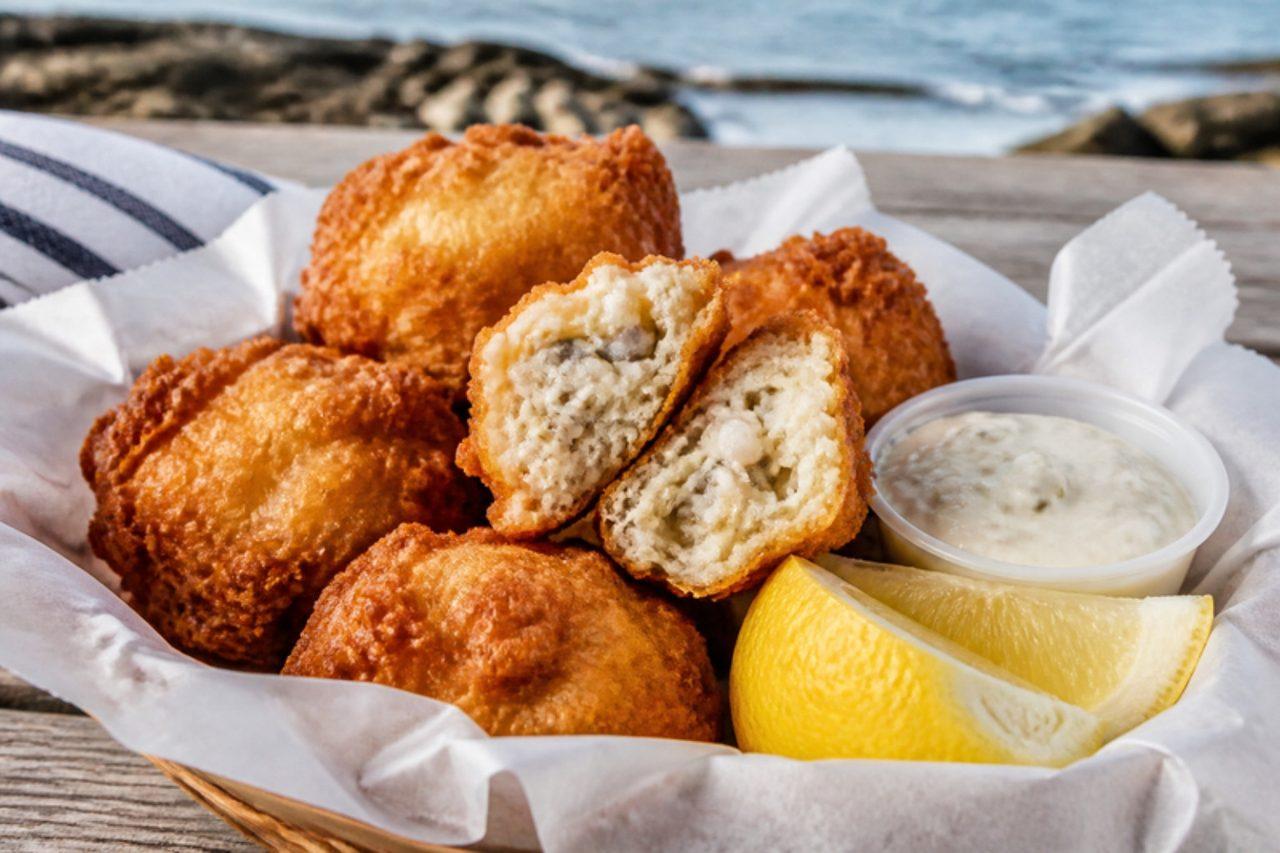
At beach shacks along Narragansett Bay and in Galilee, clam cakes are bought by the paper bag, half a dozen at a time, to dunk in a cup of clear clam chowder. They are not patties but craggy, golden fritters, crisp outside and soft inside, studded with chopped quahog clams. Chef's tip: use the clam juice as part of the liquid; it puts the sea flavour into every bite of batter.

by KrazyBadal 0 views

Corned beef and cabbage

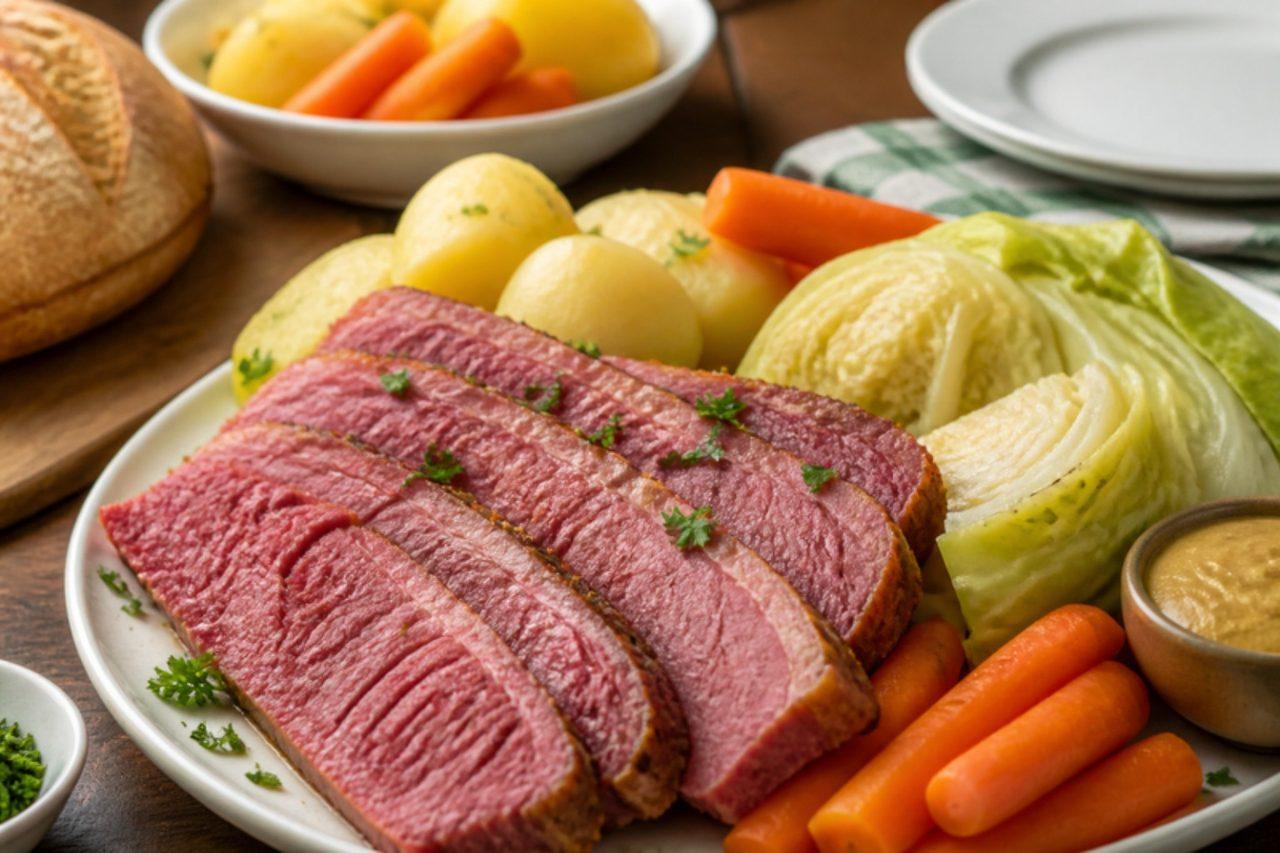
In Boston, Irish families made corned beef the centre of St Patrick's Day, swapping the bacon joint of home for the cheaper brisket sold by Jewish butchers, and New Englanders still call the whole pot a boiled dinner. Salt-cured beef brisket is simmered for hours with spices, then potatoes, carrots and wedges of cabbage cook in the same broth. Serve with grainy mustard. Chef's tip: slice the beef across the grain, thinly; cut along the grain it looks stringy and chews tough.

230 minAmericanMeat
by KrazyBadal 0 views

Oysters Rockefeller

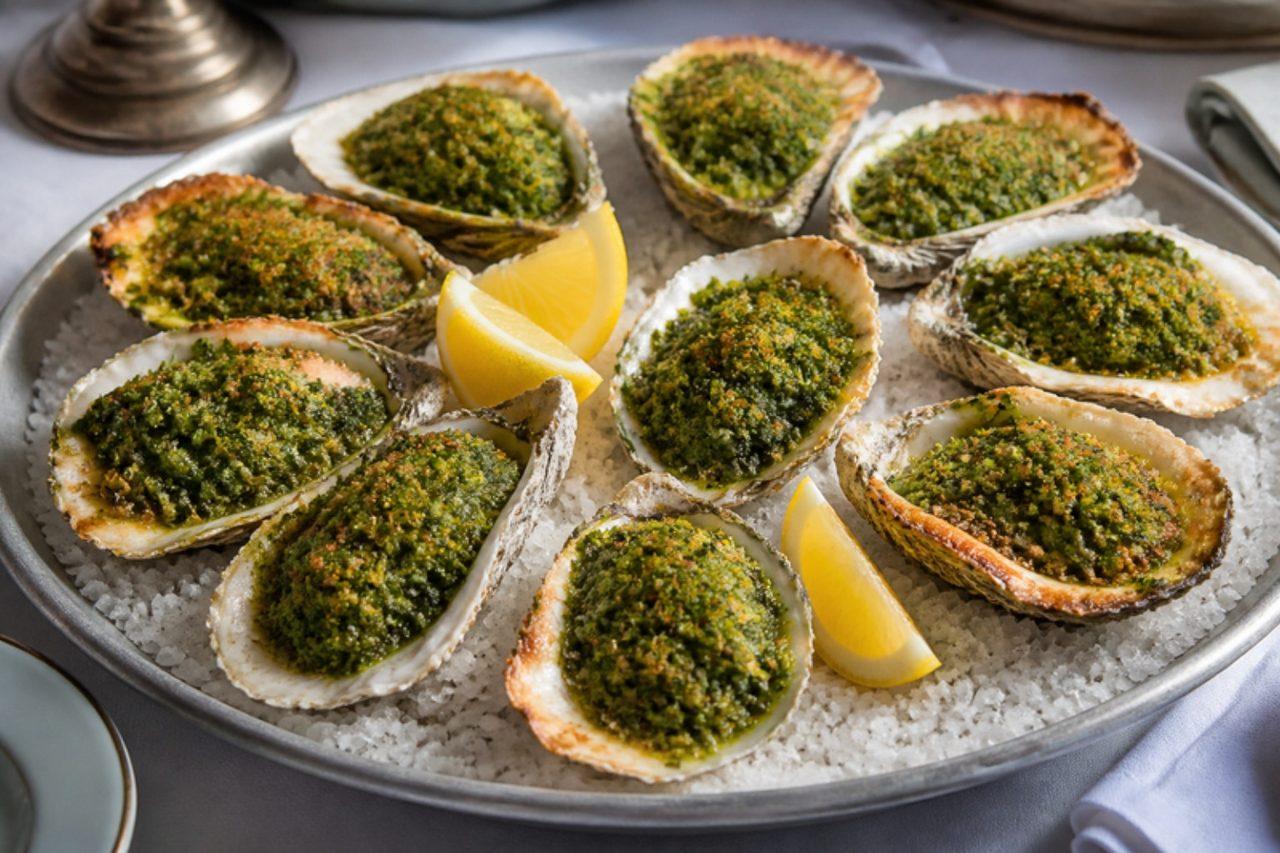
Oysters Rockefeller were created at Antoine's in the French Quarter in 1889 and named after the richest man in America because the sauce was so rich; the restaurant has never shared its exact recipe. Live Gulf oysters on the half shell are covered with a bright green butter of herbs and greens and baked until bubbling, a classic starter at New Orleans celebration dinners. This version uses a dash of anise-flavoured liqueur, which is traditional; it can be replaced with a pinch of ground fennel seed for an alcohol-free version. Chef's tip: bed the shells on coarse salt so they sit level and the juices don't spill.

by KrazyBadal 0 views

New Orleans muffuletta

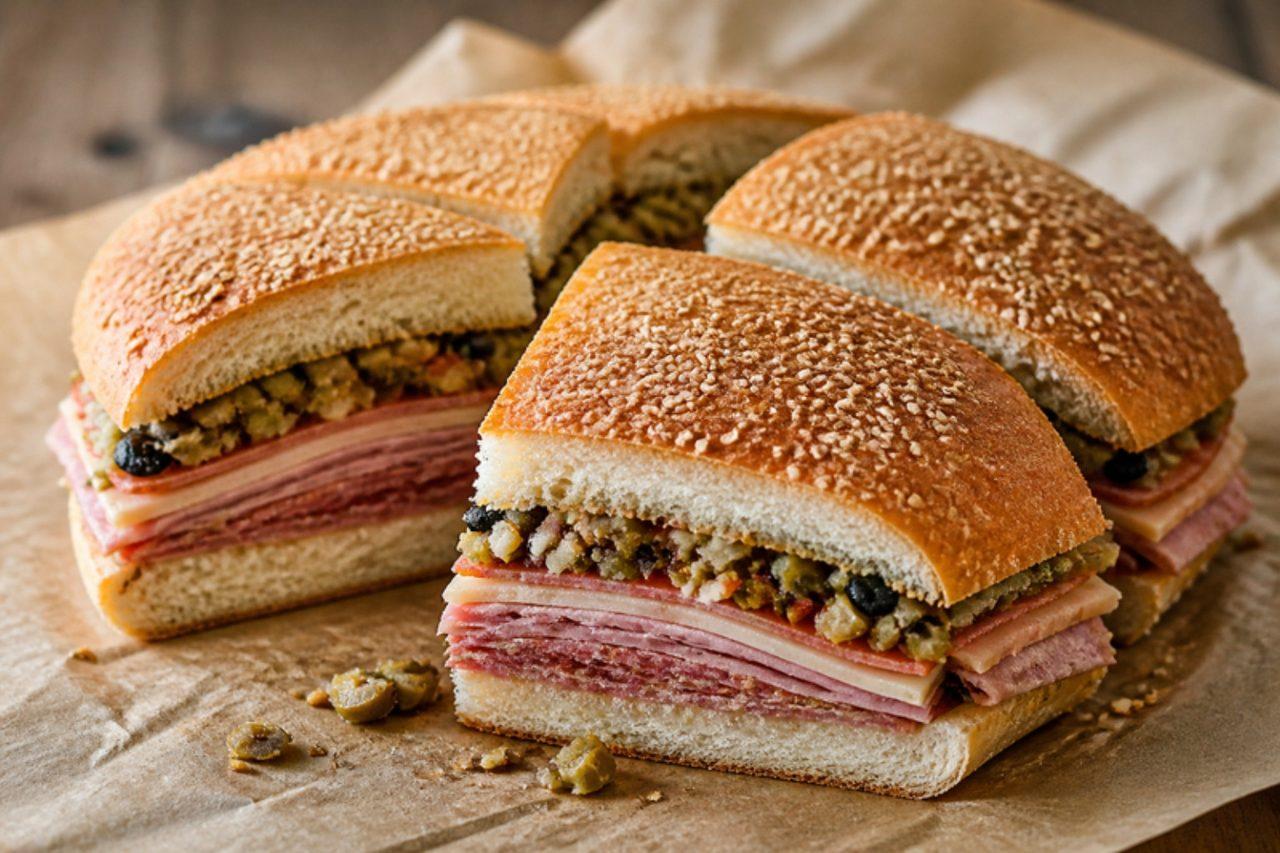
The muffuletta was first made by Sicilian grocers on Decatur Street in New Orleans in the early 1900s for dock workers' lunches, and it is still sold whole or in quarters to take to the levee or a Saints game. A big round sesame loaf is filled with layers of ham, salami, mortadella (all pork) and provolone and soaked with a chunky olive salad. Provolone is traditionally made with animal rennet. Chef's tip: press the sandwich under a weight for an hour so the oil soaks into the bread.

by KrazyBadal 0 views

Lomi lomi salmon

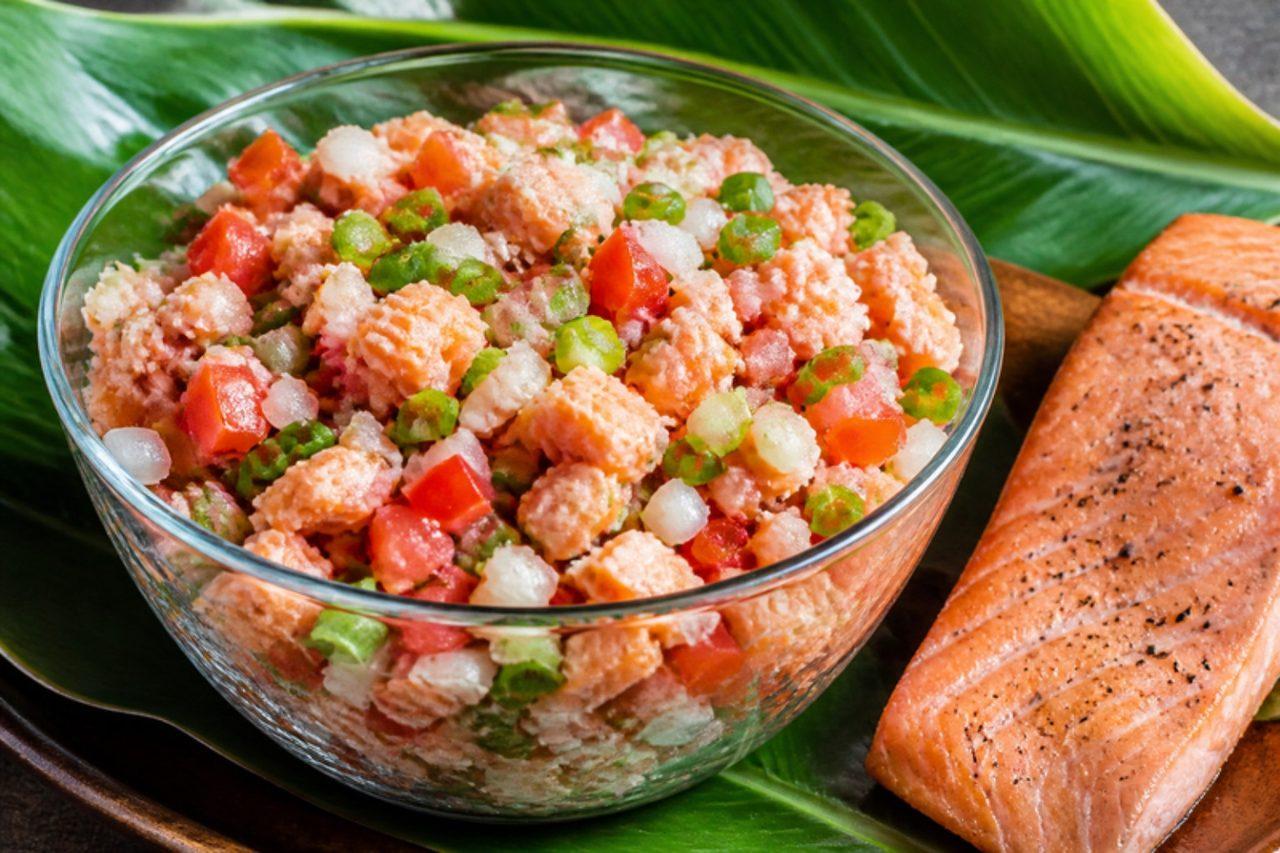
Lomi means to massage: at Hawaiian lūʻau and graduation parties, salted salmon is squeezed by hand with diced tomatoes, sweet onion and spring onions into a cold, juicy relish that cuts through rich kalua pig and poi. It arrived with salted salmon traded from the Pacific Northwest by nineteenth-century whalers. The traditional version uses raw salt-cured salmon, which is not for pregnant women, young children or anyone with a weakened immune system; this safer version gently poaches the salmon first. Chef's tip: chill everything well and drain the tomatoes, so the relish stays bright rather than watery.

by KrazyBadal 0 views

Ahi poke

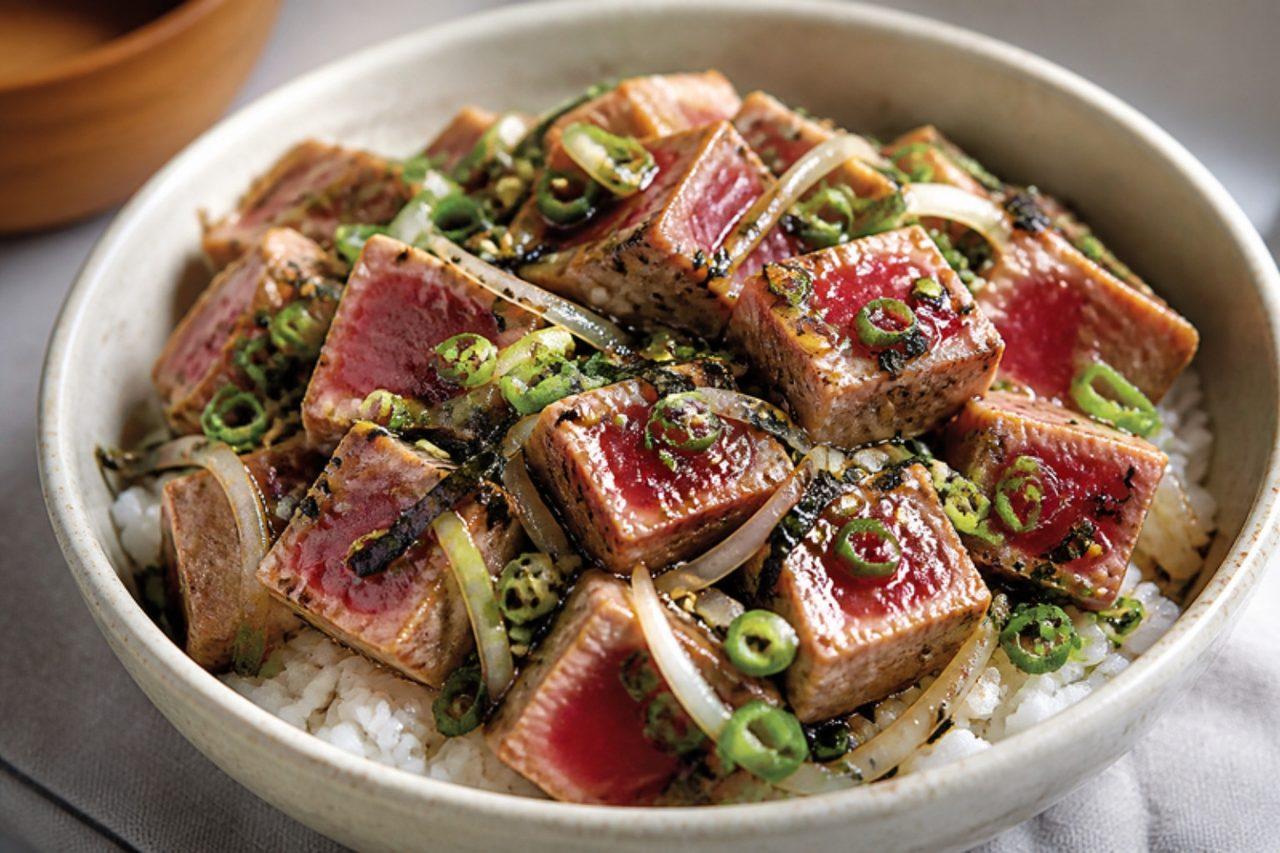
Poke, from the Hawaiian word for cut into pieces, began as fishermen's snack of raw reef fish with sea salt, seaweed and roasted kukui nut, and is now sold by the pound from the deli counters of every Hawaiian supermarket, eaten over rice as a quick lunch or with drinks after work. This shoyu ahi style dresses cubes of yellowfin tuna in soy sauce, sesame oil, sweet onion and chilli. Traditional poke is raw fish, which is not for pregnant women, young children or anyone with a weakened immune system, so this version quickly sears the cubes until cooked through. Chef's tip: dress the tuna just before eating; the soy sauce draws out moisture and turns it soft if it sits for hours.

by KrazyBadal 0 views

Shoyu chicken

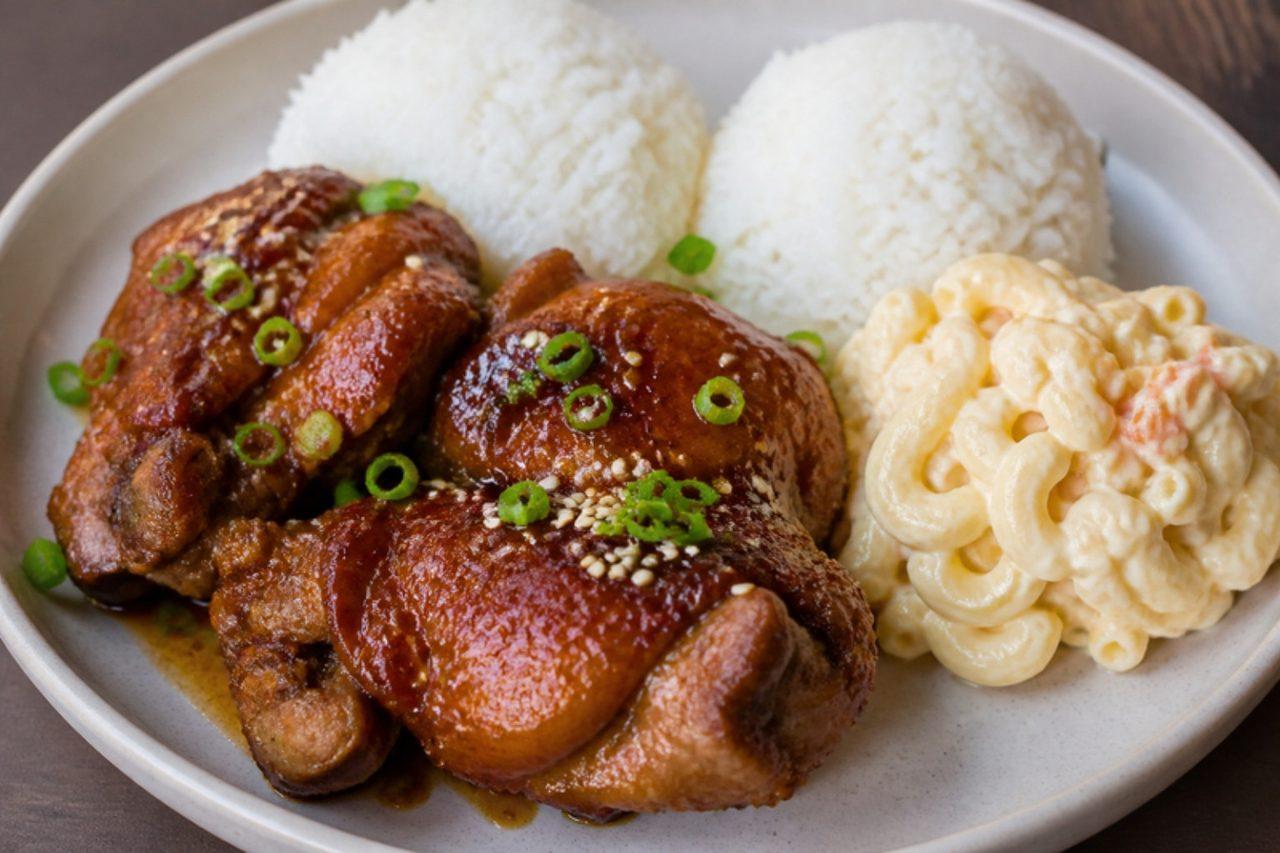
Shoyu chicken is the home-cooked comfort of Hawaii's plantation families, a Japanese-influenced braise of chicken thighs in soy sauce (shoyu), sugar, ginger and garlic, and a staple of the plate lunch: two scoops of rice, a scoop of macaroni salad and chicken with plenty of sauce. Chef's tip: simmer uncovered at the end and spoon the sauce over until it turns glossy and coats the chicken.

by KrazyBadal 0 views

Brunswick stew

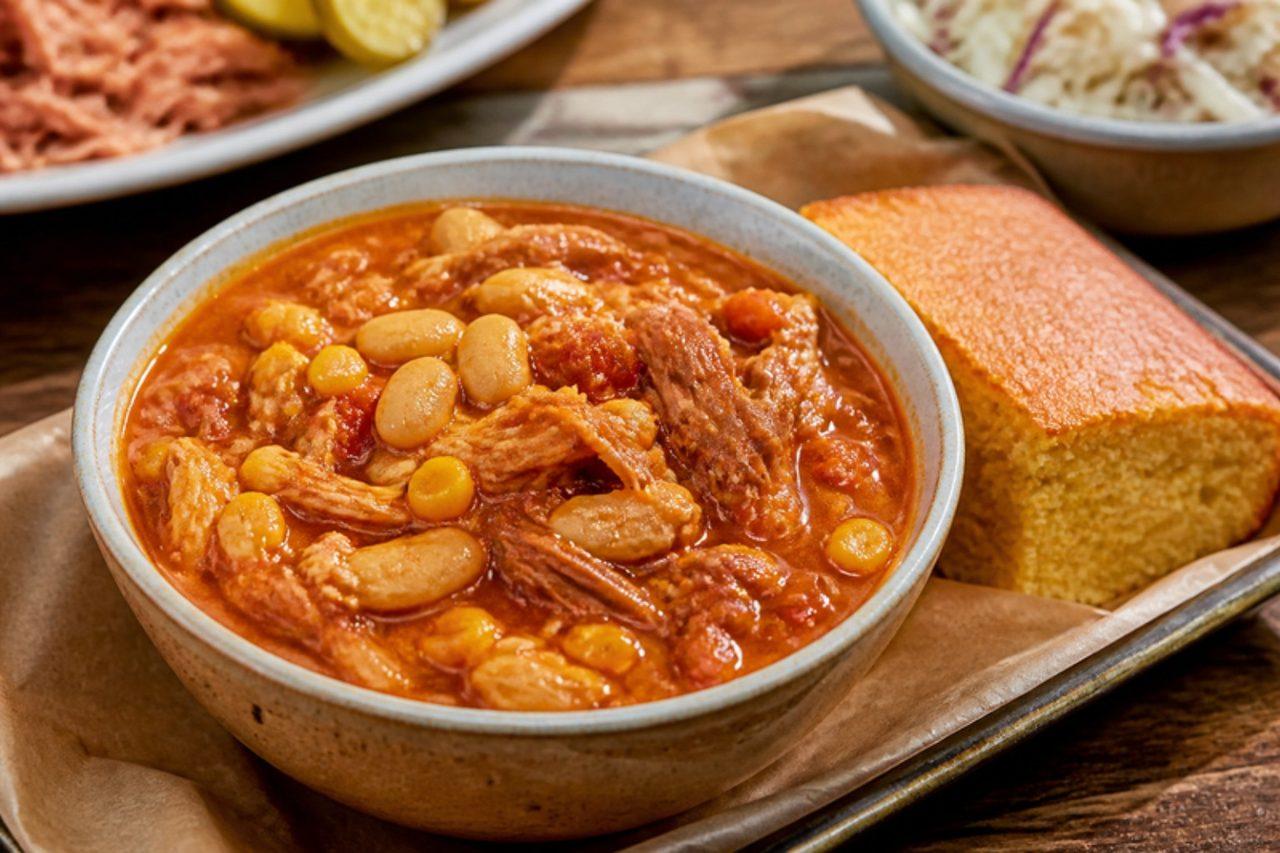
Virginia and Georgia both claim Brunswick stew, and it is still cooked in huge iron kettles for fire-station fundraisers and served beside barbecue all over the two states. It is a thick, tangy tomato stew of shredded pork and chicken with lima beans and sweetcorn, sharpened with vinegar and Worcestershire sauce. Leftover smoked pork shoulder makes it even better. Chef's tip: simmer it long enough that the meat and vegetables break down a little and the stew turns thick enough to stand a spoon in.

100 minAmericanMeat
by KrazyBadal 0 views

Hoppin' John

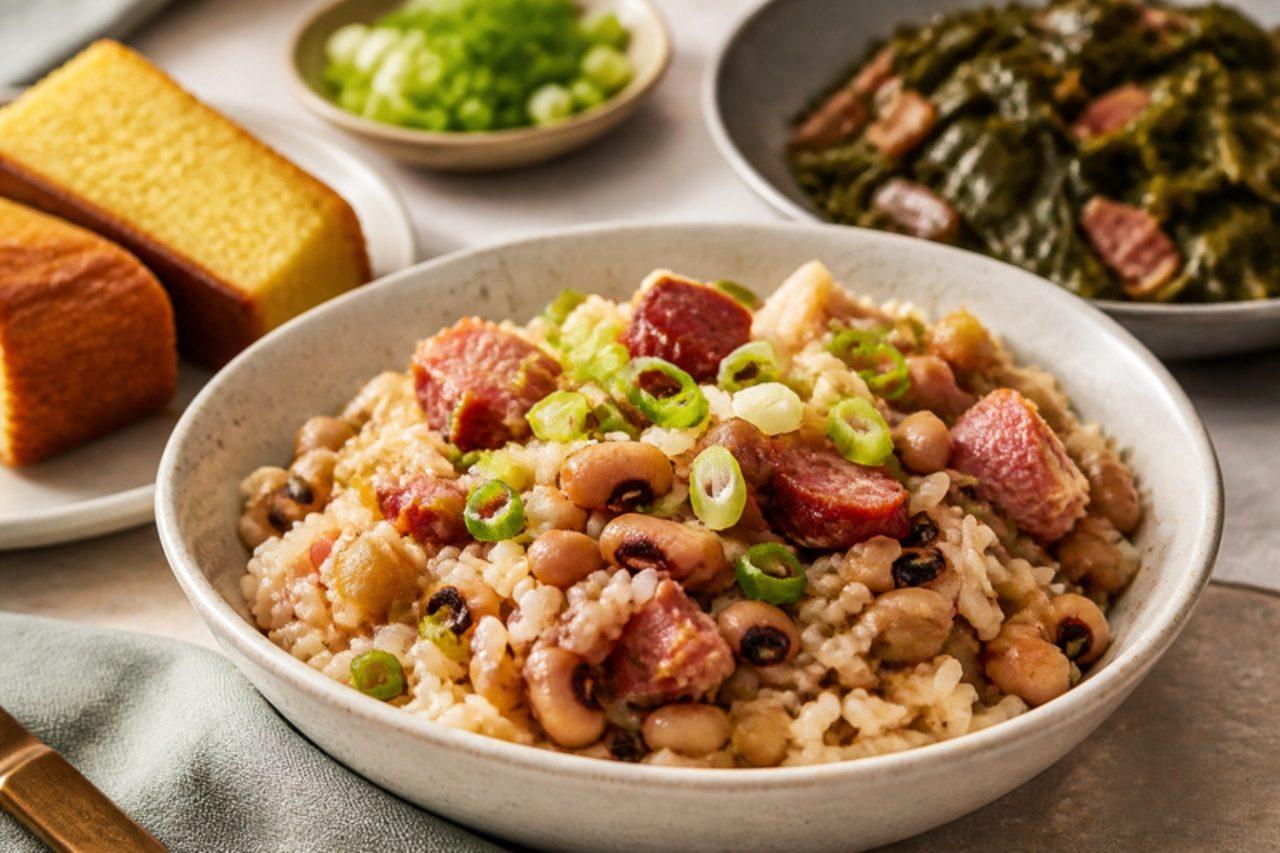
Hoppin' John is eaten on New Year's Day across the South for luck, with collard greens for money and cornbread for gold, and its roots run back to the rice plantations of the South Carolina Lowcountry and the West African cooks who worked them. Black-eyed peas are simmered with smoked pork (here a ham hock and bacon), then cooked with rice so every grain takes on the smoky broth. Chef's tip: cook the rice in the bean liquor, not water; that is where all the flavour is.

by KrazyBadal 0 views

Maakouda (potato fritters)

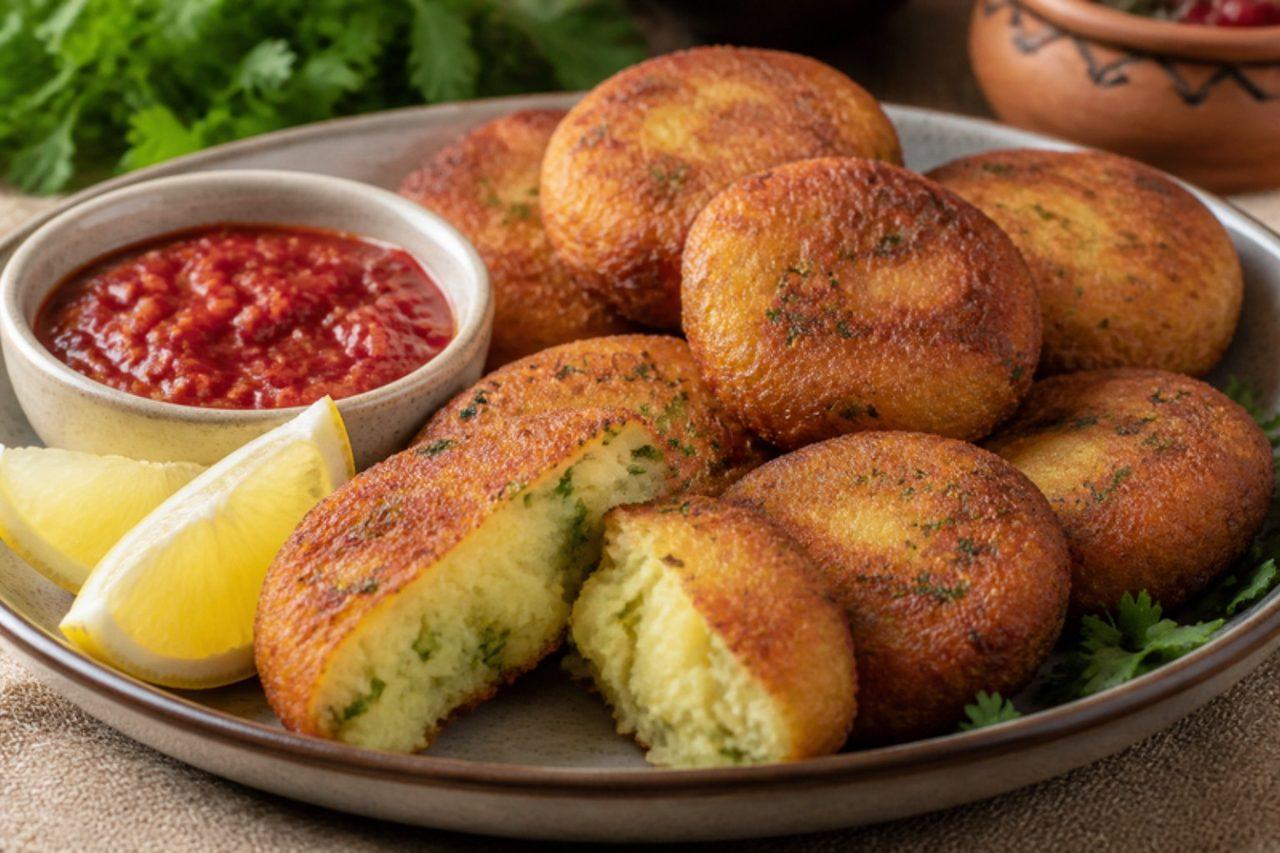
Few street snacks are as loved in Morocco as maakouda, golden patties of mashed potato seasoned with garlic, cumin, turmeric and plenty of parsley and coriander, dipped in beaten egg and fried until crisp outside and fluffy inside. At sandwich stalls in Casablanca, Rabat and Tangier they are split into half a baguette or a round of khobz with harissa, chopped tomato and onion, and in Ramadan they appear on the iftar table beside harira. At home they make a great lunch with a salad. Chef's tip: cook the potatoes in their skins, then peel and mash them while hot and leave the mash to steam dry for 10 minutes; dry mash holds together, while wet mash, the classic mistake, falls apart in the pan.

by KrazyBadal 0 views

West Virginia pepperoni rolls

Pepperoni rolls were first baked for Italian immigrant coal miners in Fairmont, West Virginia, in the 1920s as a lunch that needed no refrigeration down the mine, and they are now sold in every petrol station and school canteen in the state. Soft, slightly sweet bread is rolled around sticks of cured pork-and-beef pepperoni, whose spicy oil seeps into the dough as it bakes. Chef's tip: use sticks of pepperoni rather than slices, which is the original Fairmont way and keeps the bread from going greasy.

by KrazyBadal 0 views

Chicken and andouille gumbo

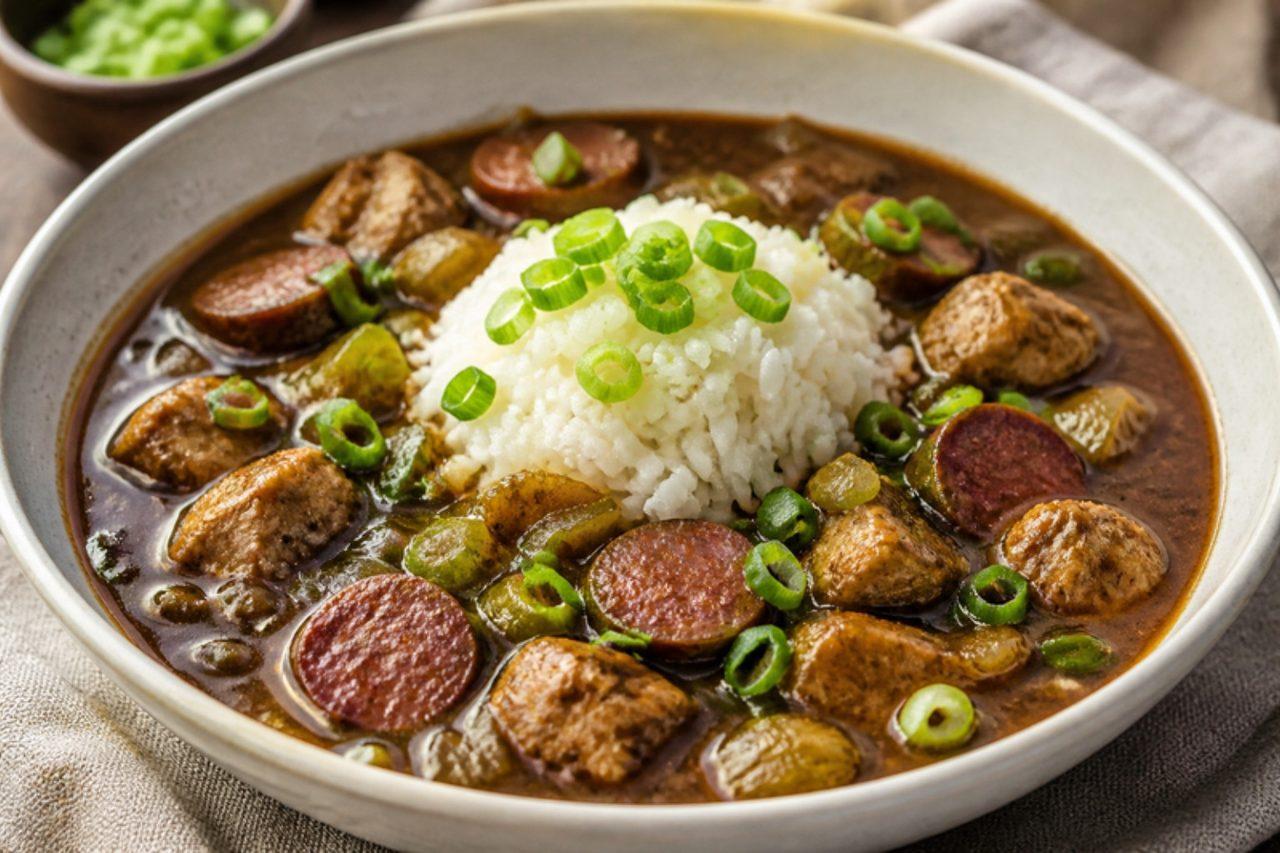
In the prairie towns of Acadiana around Lafayette and Eunice, a pot of chicken and andouille gumbo goes on the stove for Sunday dinners, Mardi Gras runs and cold winter evenings. It starts with a roux of flour and oil stirred until the colour of dark chocolate, then the holy trinity of onion, celery and pepper, chicken thighs and andouille, a spicy smoked pork sausage. Serve in bowls over rice with potato salad on the side, as many Cajun families do. Chef's tip: never stop stirring the roux and keep the heat medium; a single black fleck means it has burnt and must be thrown out.

by KrazyBadal 0 views

Showing 18 of 7,762 recipes

Show more recipes

Page 393 of 863