Skip to content
Qatayef
Featured recipe

Qatayef

Stuffed Ramadan pancakes

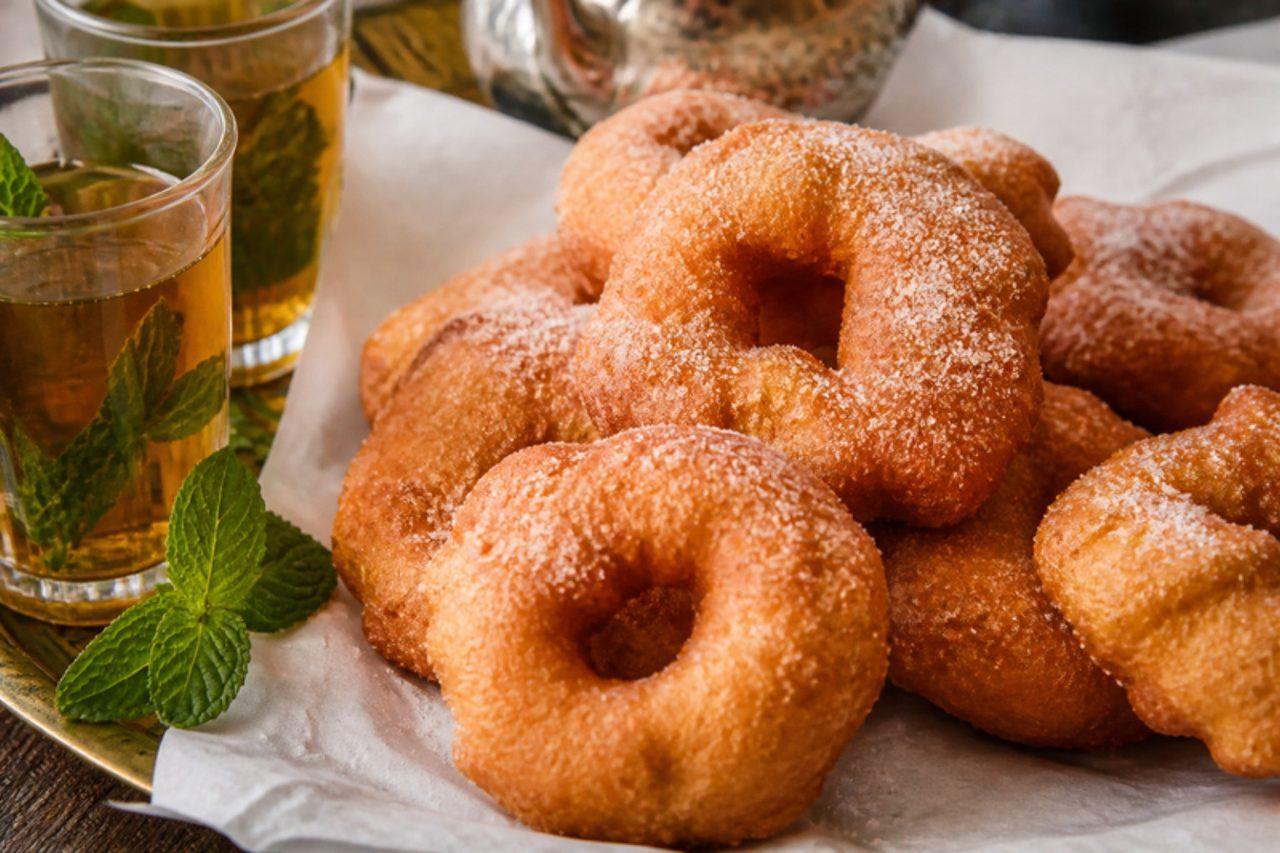
Qatayef only really appear in Egypt during Ramadan: in the weeks of the fast, street vendors in Cairo and Alexandria set up big griddles and pour rows of small pancakes that are cooked on one side only, then sold by the kilo for families to fill at home. The pale, bubbly side is folded around chopped nuts and raisins (or a creamy ashta filling), sealed into half-moons, baked or fried until crisp and dipped in syrup. They are eaten after iftar with tea. Chef's tip: cook the pancakes on one side only and don't flip them; the uncooked top stays sticky and is what glues the edges shut.

Read more 0 views

What to eat today?

Around the world

Today's trip: Persian

A new country every day, from every cuisine on the site.

This week's collection

Kid-friendly dinners
537 recipes · a new collection every Monday

Latest recipes

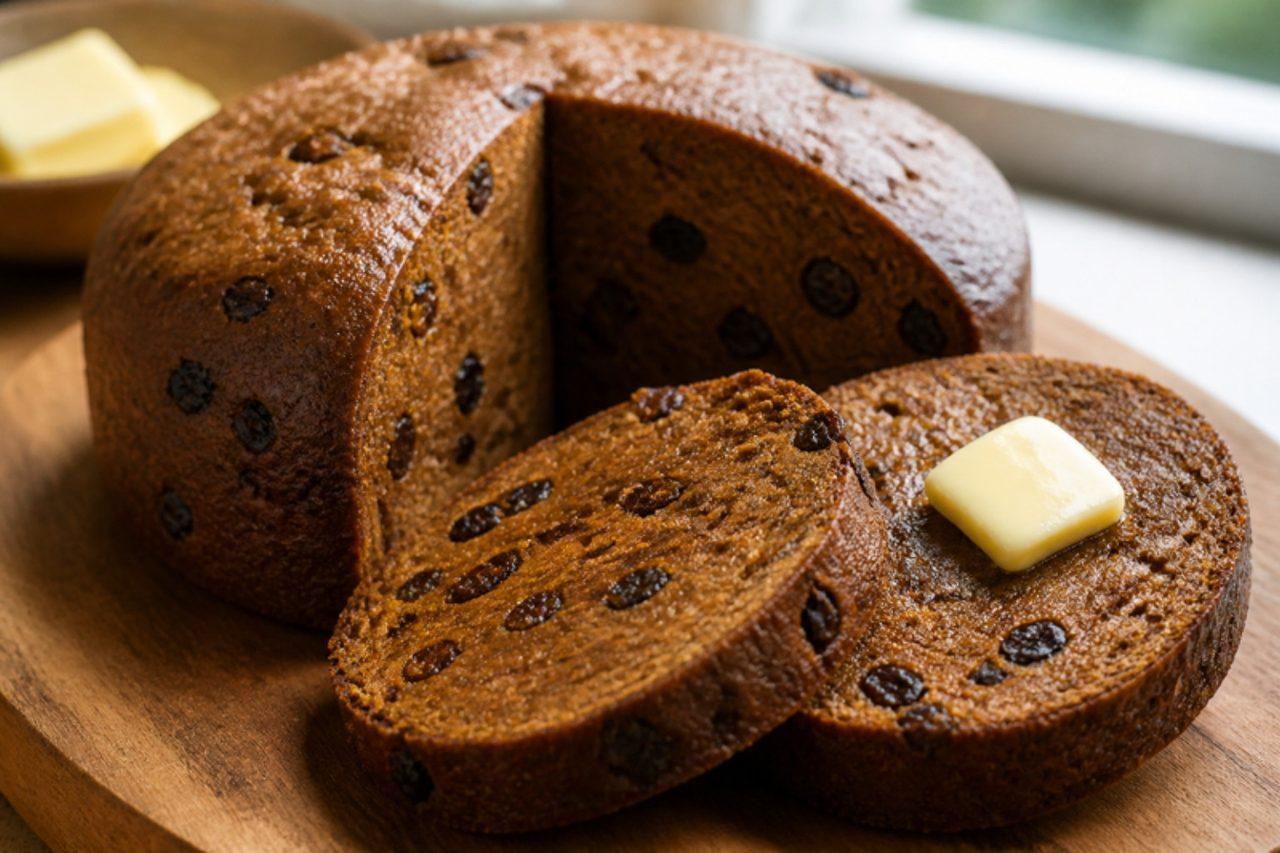
Boston brown bread

Boston brown bread is the dark, moist loaf New England families steam in a tin can and slice next to a pot of Saturday-night baked beans. It mixes rye flour, wholemeal and cornmeal with buttermilk and molasses, so it is sweet, slightly sour and almost cake-like, with no yeast and no oven. Eat it warm with butter or cream cheese. Chef's tip: steam it in clean food tins or a pudding basin covered tightly with buttered foil, because any steam that gets in makes the top soggy.

by KrazyBadal 0 views
Anadama bread

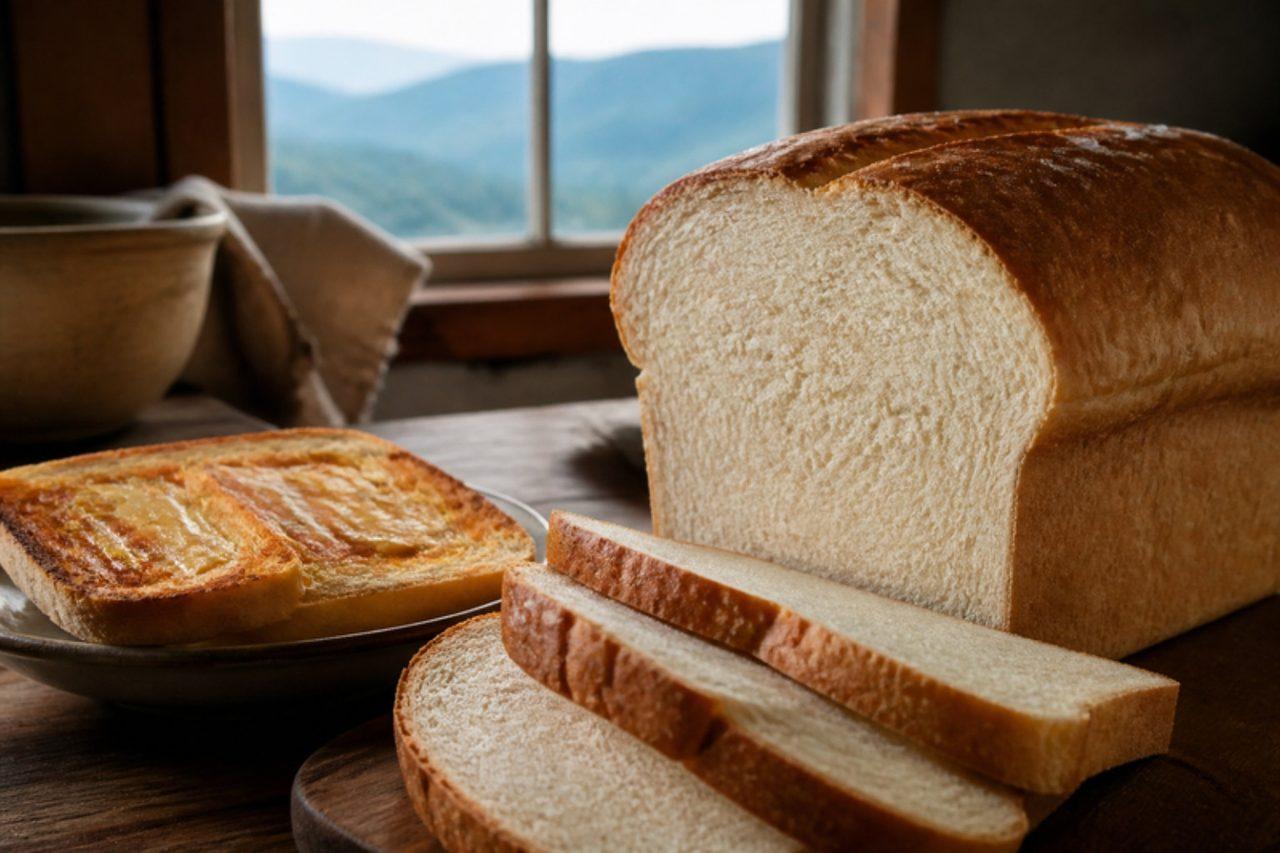
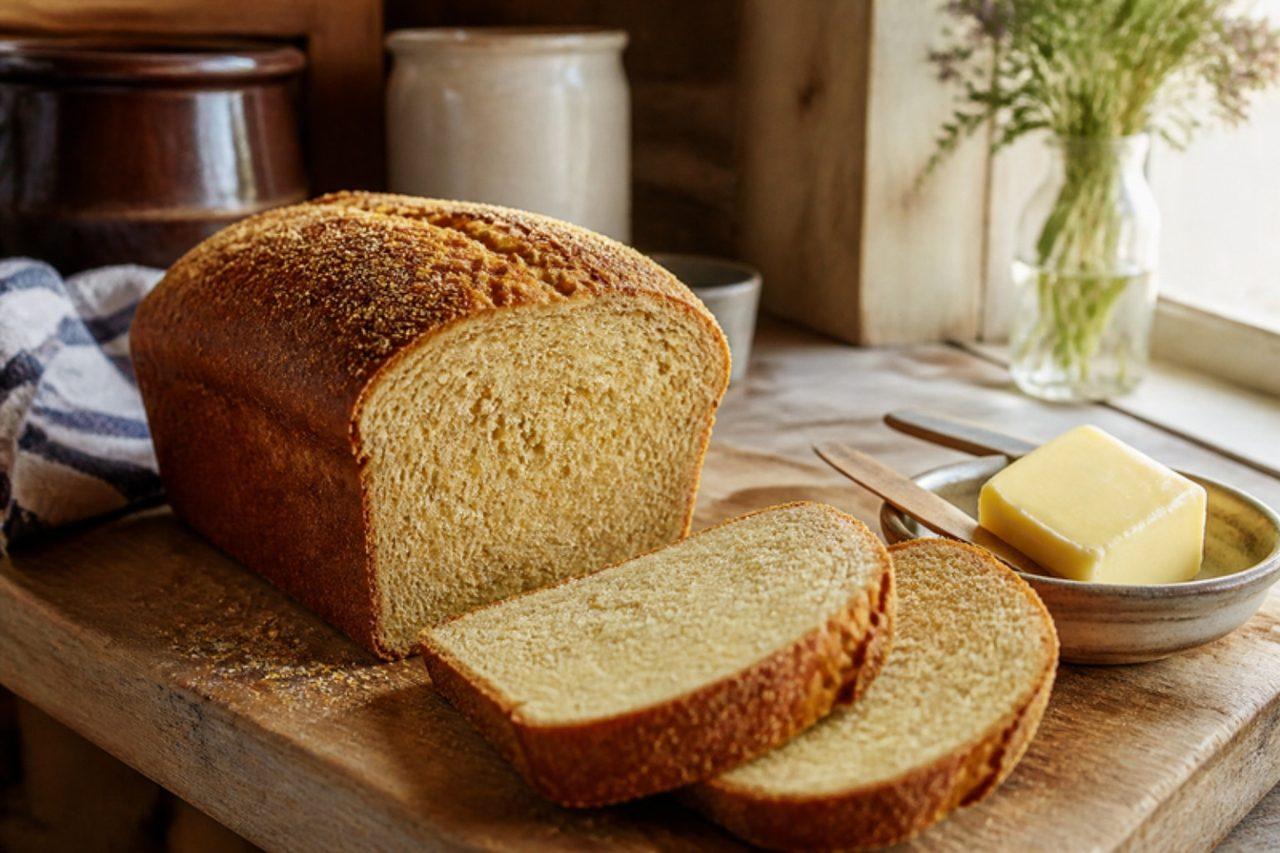
Anadama is a cornmeal and molasses sandwich loaf from the fishing towns of Rockport and Gloucester on Cape Ann, where it was sold from bakery vans for generations. The cornmeal is cooked into a mush first, which keeps the crumb soft and gives it a gentle sweetness and a golden colour. It makes excellent toast with butter and jam. Chef's tip: let the cornmeal mush cool to lukewarm before adding the yeast, or the heat will kill it.

by KrazyBadal 0 views

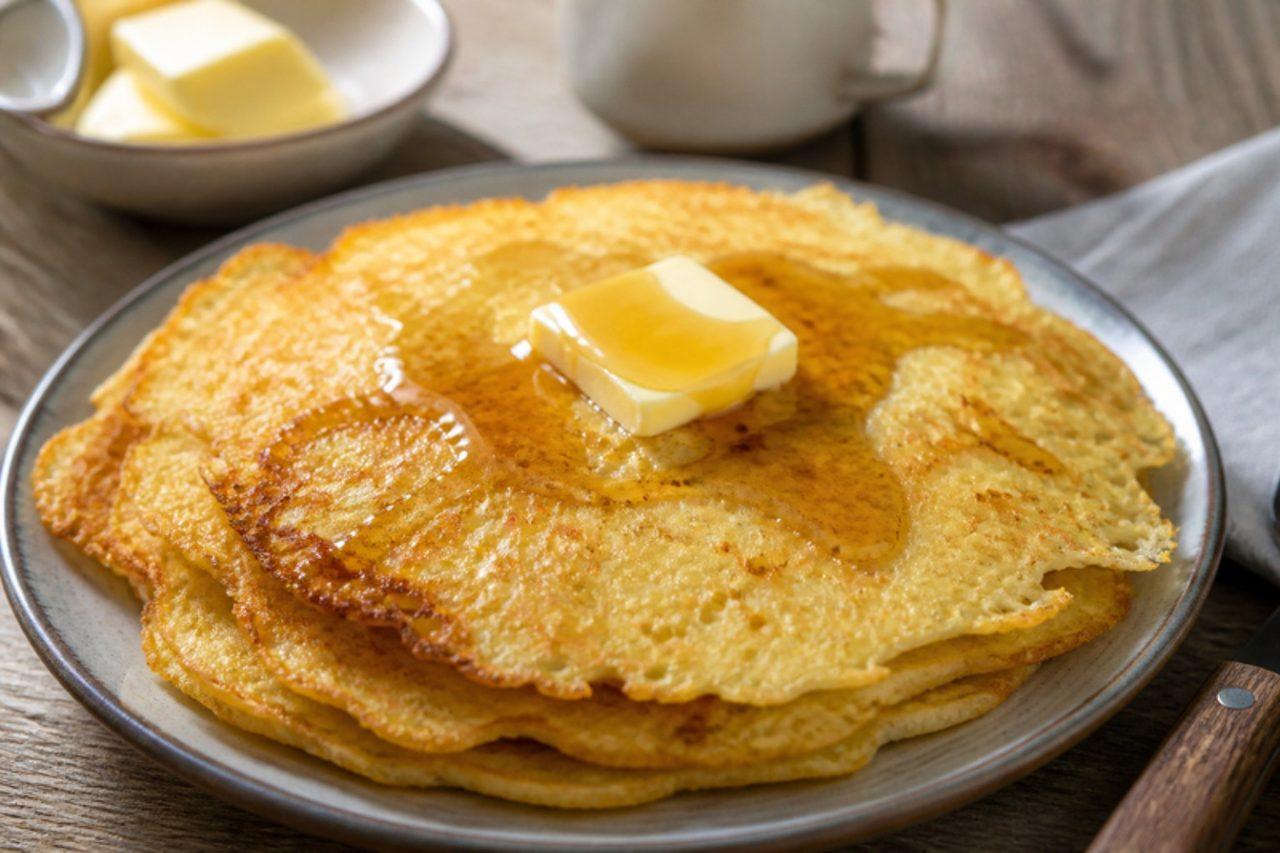
Rhode Island johnnycakes

Johnnycakes are Rhode Island's own cornmeal pancakes, cooked on a griddle at diners and church breakfasts from Narragansett to Westerly, and argued over across the state line. They are made with stone-ground white cornmeal scalded with boiling water, so there is no flour or egg, and they come out crisp and lacy outside and soft within. Serve with butter and maple syrup. Chef's tip: let the scalded batter rest for 10 minutes so the cornmeal swells; skipping the rest gives gritty cakes.

by KrazyBadal 0 views

New England Indian pudding

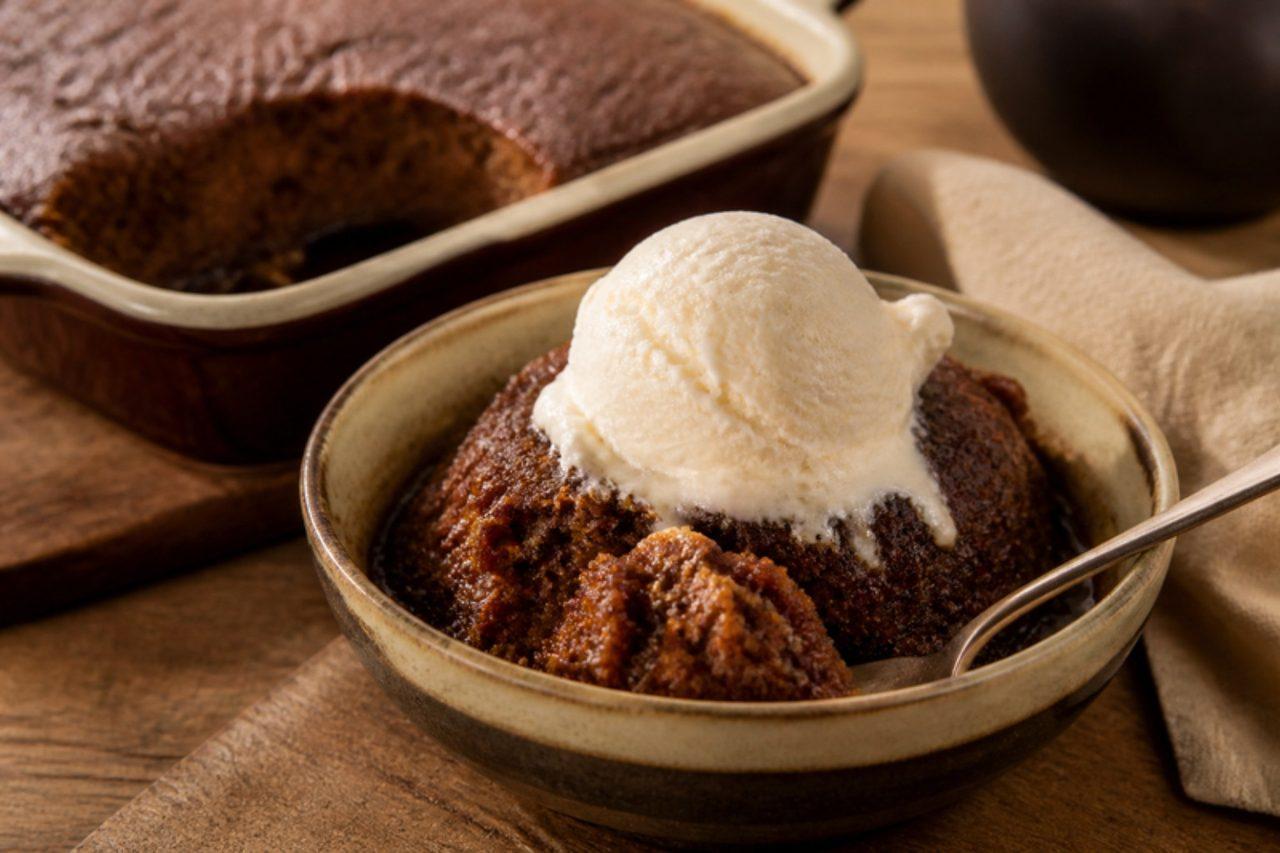
Indian pudding is the old colonial dessert of Massachusetts and Connecticut, still on the menu at historic Boston taverns and at autumn church suppers. Cornmeal, then called Indian meal, is cooked in milk with molasses, ginger and cinnamon and baked very slowly until it turns dark, soft and spoonable, a bit like a spiced polenta custard. Serve it warm with vanilla ice cream melting on top. Chef's tip: pour cold milk over the top halfway through baking; it makes the soft, whey-like layer the dish is known for.

by KrazyBadal 0 views

Boston cream pie

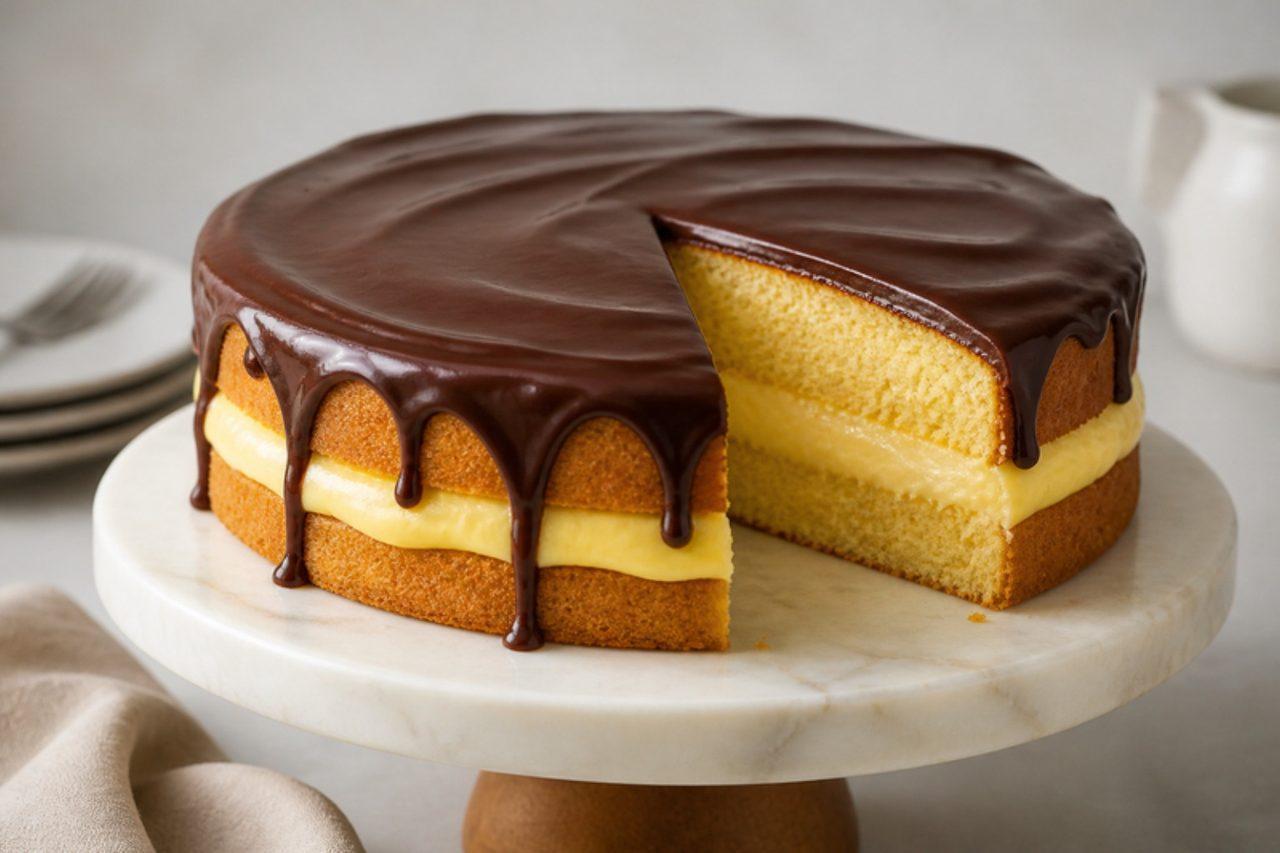
Despite the name, Boston cream pie is a cake: two layers of butter sponge with a thick vanilla pastry cream between them and dark chocolate glaze poured over the top. It was created at the Parker House hotel in Boston in the 1850s and is now the official dessert of Massachusetts, served at birthdays and diners across the state. Chef's tip: chill the filled cake for 30 minutes before glazing so the custard sets and the layers don't slide.

by KrazyBadal 0 views

Whoopie pies

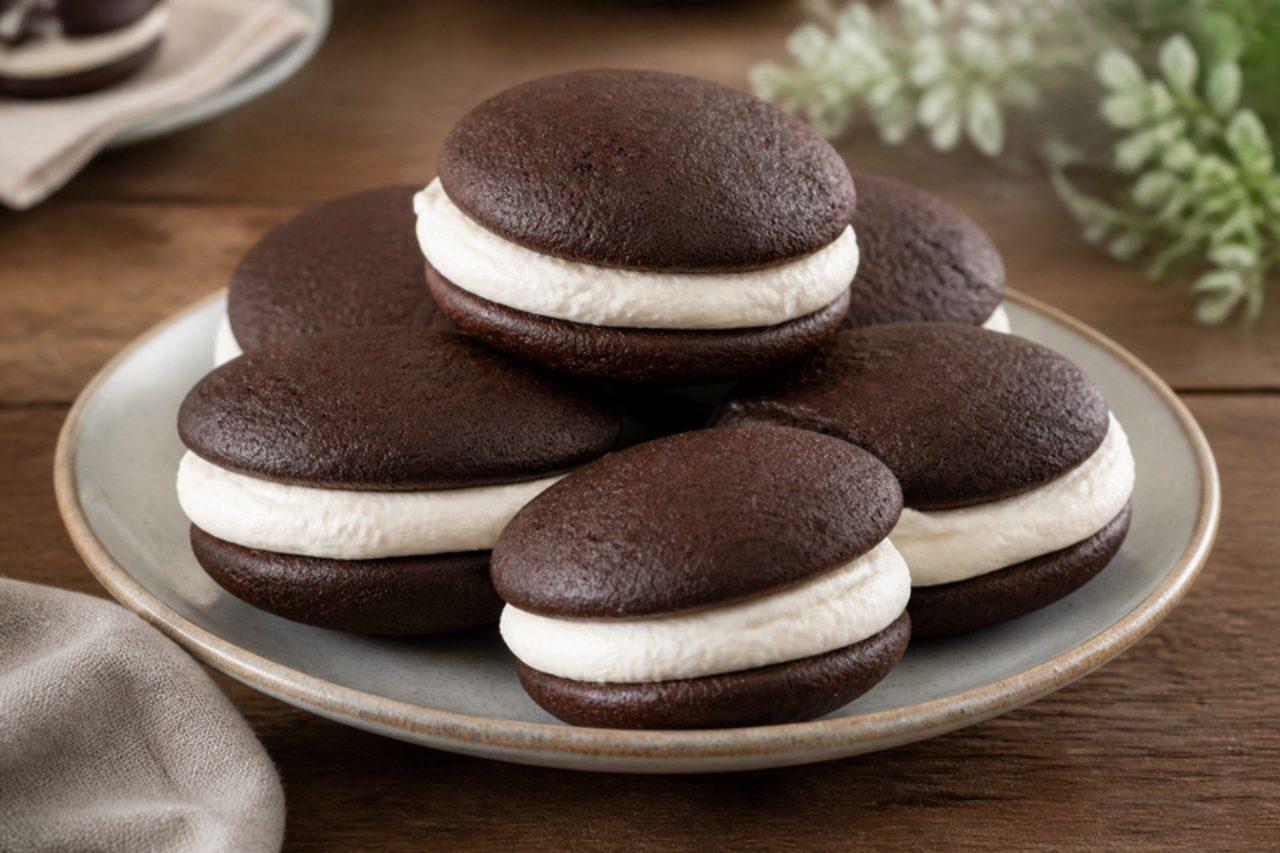
Whoopie pies are Maine's official state treat and a lunchbox favourite in Pennsylvania Dutch country too; you find them wrapped in cling film by the till at petrol stations and bake sales all over New England. Two domed, soft chocolate cakes hold a thick, fluffy white filling. This filling is a meringue buttercream, so there's no gelatine-based marshmallow. Chef's tip: pipe or scoop the batter in even mounds and leave room, as they spread to 8 cm.

by KrazyBadal 0 views

Maine wild blueberry pie

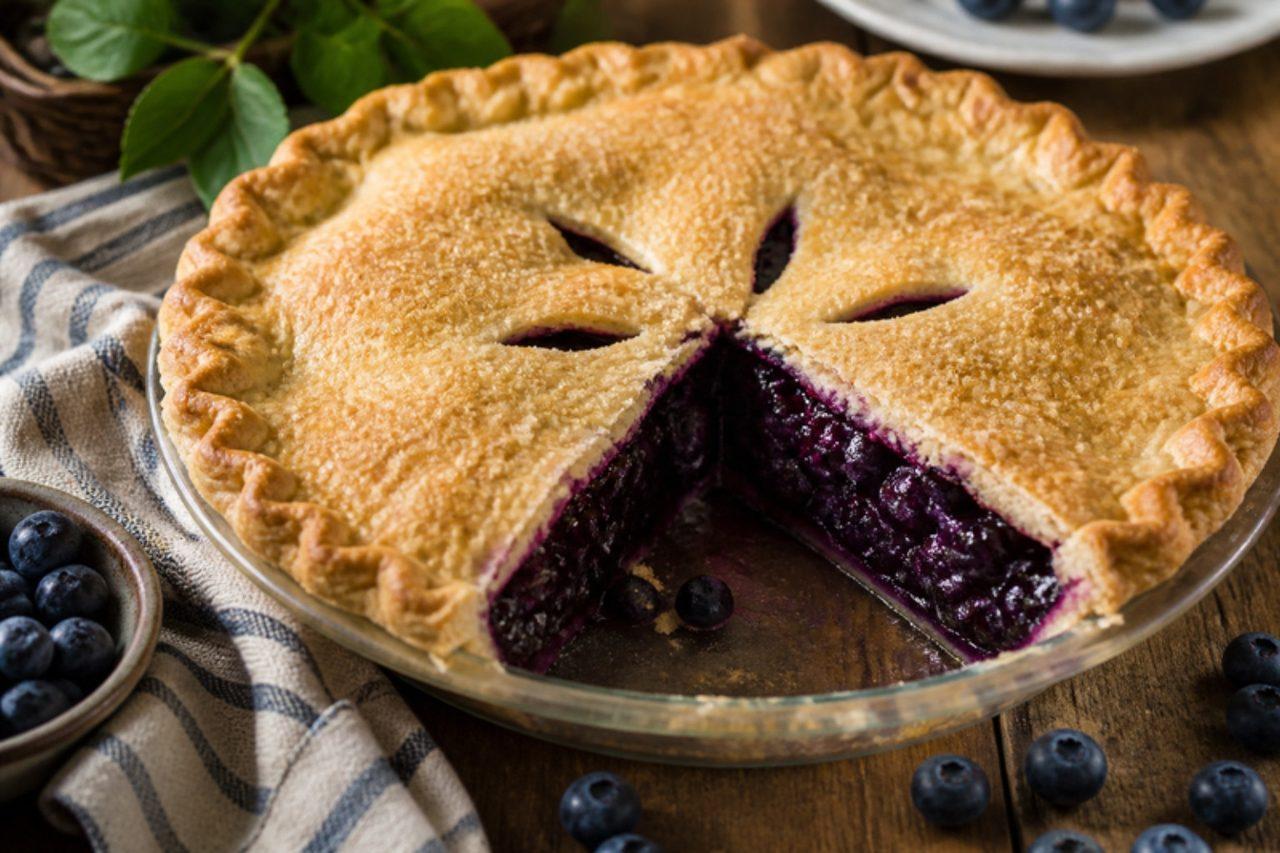
In August the barrens of Down East Maine turn blue with lowbush blueberries, smaller and more intense than the cultivated kind, and every diner and county fair sells this pie. The filling is just berries, sugar, lemon and a little thickener under a buttery double crust, so it tastes of fruit rather than spice. Frozen wild blueberries work well all year. Chef's tip: bake until the juices bubble thickly through the vents in the centre, not just the edges; that is when the thickener has worked.

by KrazyBadal 0 views

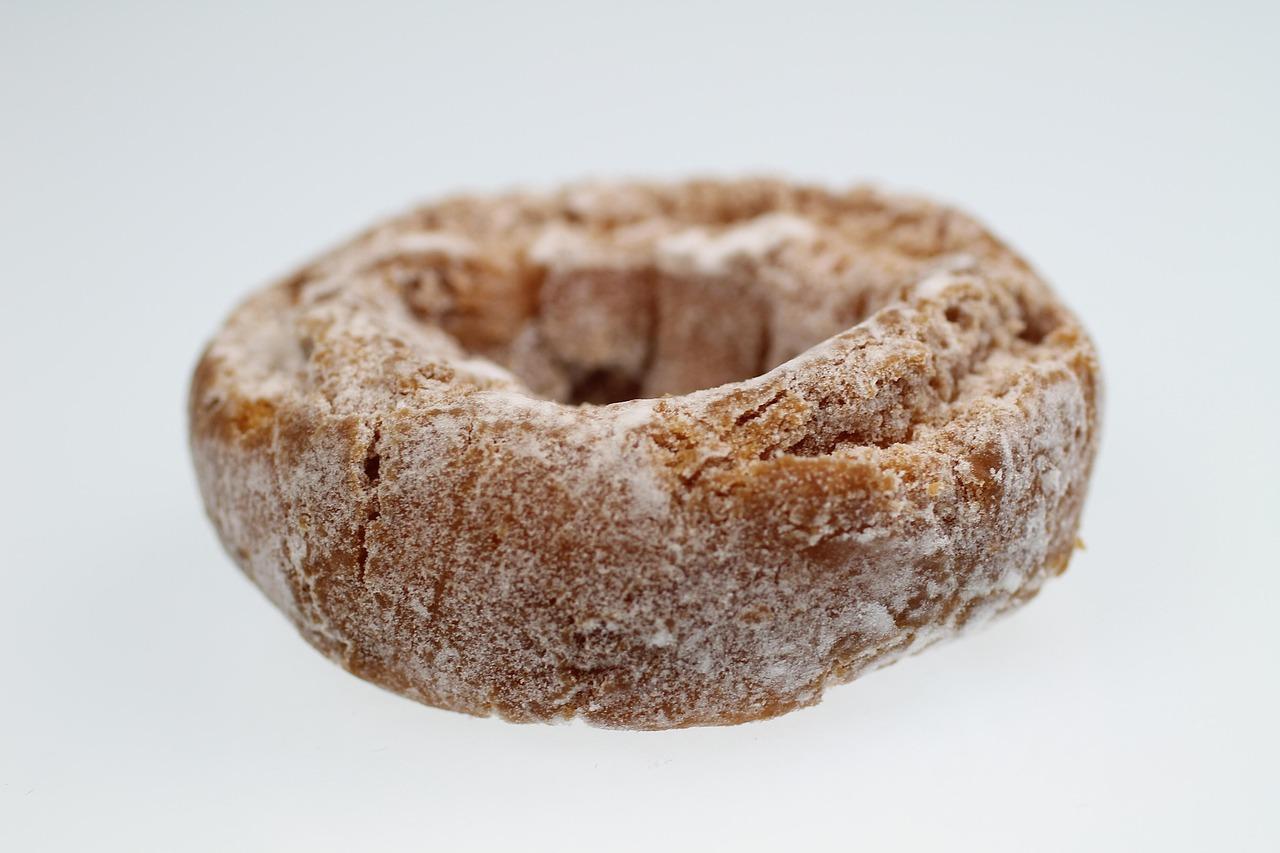
Apple cider doughnuts

On autumn weekends the orchards of Vermont, New Hampshire and the Hudson Valley fry cider doughnuts by the hundred for families who come to pick apples. Fresh, cloudy apple cider (unfiltered apple juice, not the alcoholic kind) is boiled down to a syrup so the tender cake doughnut tastes of apple, then rolled hot in cinnamon sugar. Chef's tip: keep the oil at 180 °C with a thermometer; cooler oil makes greasy doughnuts and hotter oil burns them before the middle cooks.

by KrazyBadal 0 views

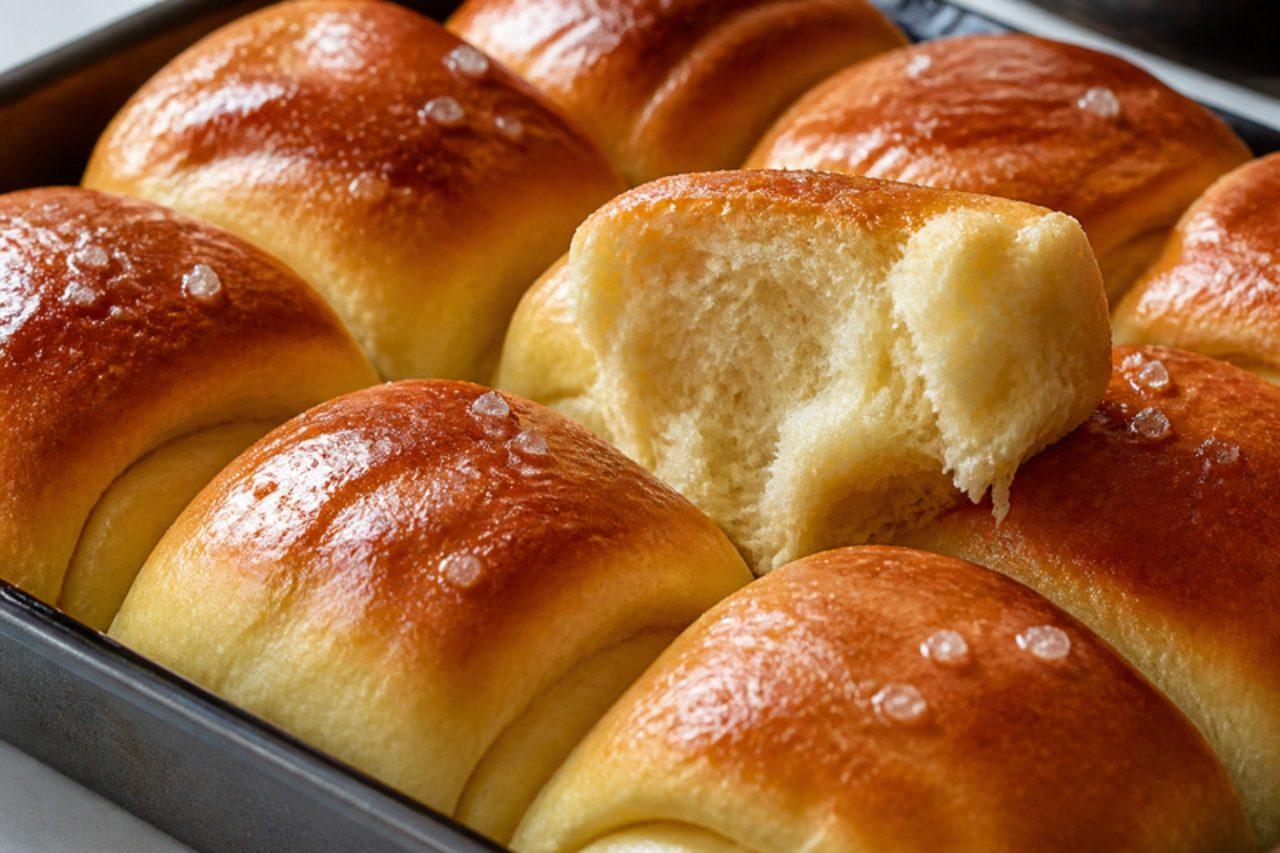
Parker House rolls

These soft, folded rolls come from the Parker House hotel in Boston, where bakers in the 1870s brushed rounds of milk dough with butter and folded them in half like a pocket book. They are the bread basket at New England Thanksgiving tables, pulling apart in tender layers. Chef's tip: fold each round slightly off centre, so the top half overhangs a little; it keeps them from springing open in the oven.

by KrazyBadal 0 views

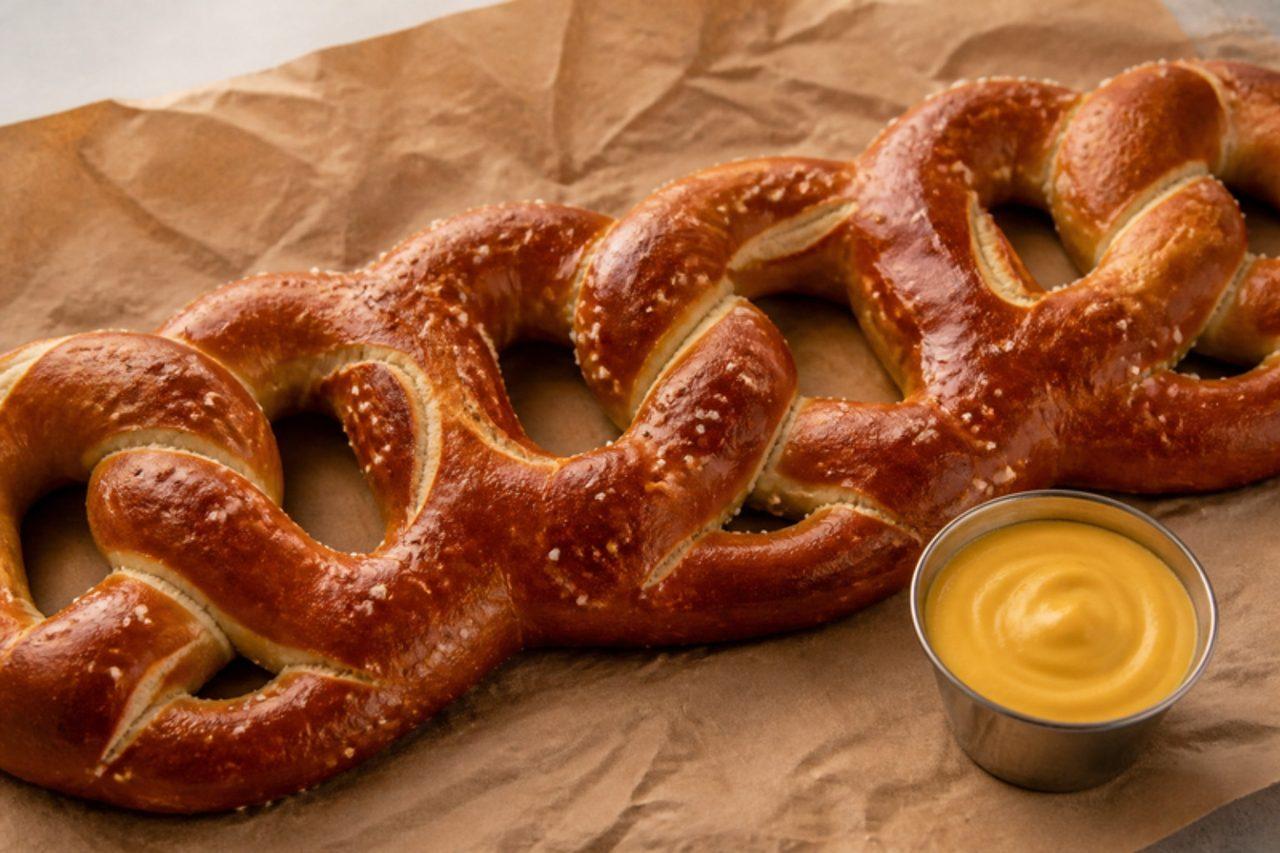
Philadelphia soft pretzels

Philadelphians eat more soft pretzels than anyone in America, bought by the dozen from corner bakeries in the morning and from street vendors with yellow mustard. The Philly pretzel is shaped like a figure eight and baked touching its neighbours, so you tear them apart in a row with soft sides. A bath in a bicarbonate solution gives the brown, chewy skin. Chef's tip: bake the bicarbonate of soda first; it makes it more alkaline and gives a darker, more pretzel-like crust.

by KrazyBadal 0 views

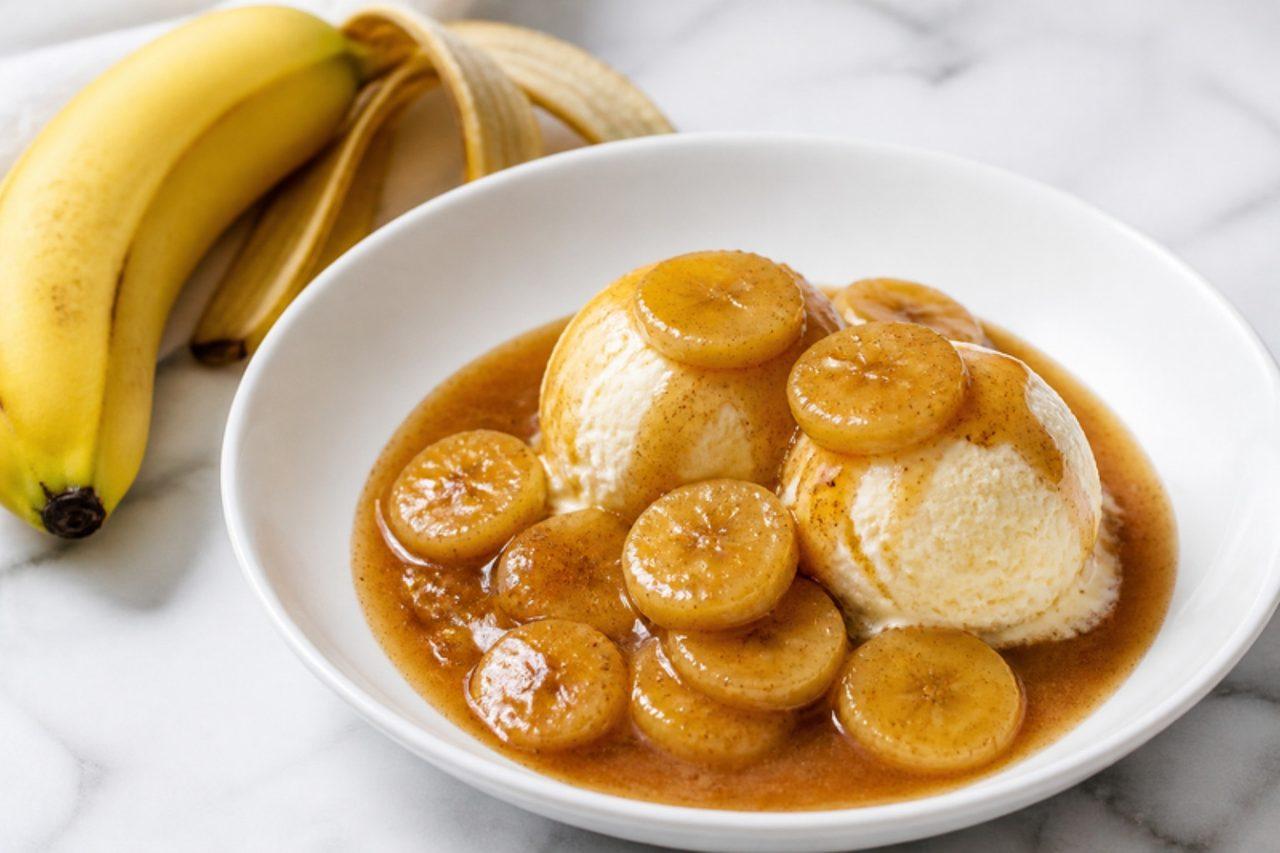
Bananas Foster

Bananas Foster was invented in the 1950s at a family restaurant in the French Quarter, when New Orleans was the main port for bananas from Central America, and it is still flamed at the table there for birthday dinners. Bananas are cooked in butter, brown sugar and cinnamon, then flambéed with dark rum and banana liqueur and spooned over vanilla ice cream. It contains alcohol; for an alcohol-free version replace the rum and liqueur with 4 tbsp orange juice and a few drops of rum flavouring and skip the flaming. Chef's tip: use bananas that are ripe but still firm, or they turn to mush.

by KrazyBadal 0 views

Cajun maque choux

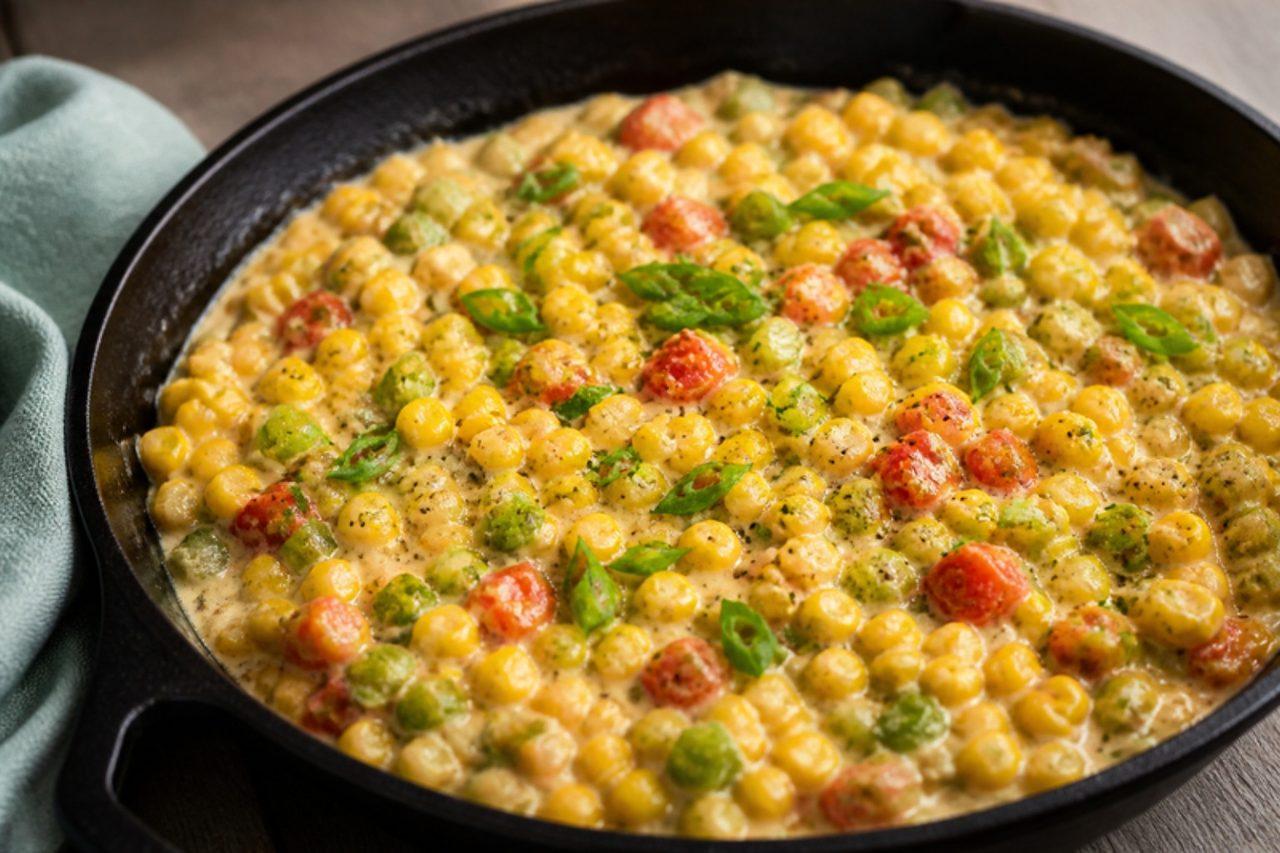
Maque choux (say 'mock shoe') is a Cajun side of fresh corn smothered with the 'holy trinity' of onion, celery and green pepper, made in the bayou country of south-west Louisiana when the corn comes in during June and July. Cooks scrape the cobs for their milk and simmer everything with butter and a splash of cream until sweet and silky. Many add bacon; this version is meat-free. Serve with rice and beans or grilled vegetables. Chef's tip: let the corn catch slightly on the bottom of the pan before stirring; those browned bits are the flavour.

by KrazyBadal 0 views

Pennsylvania Dutch chow-chow

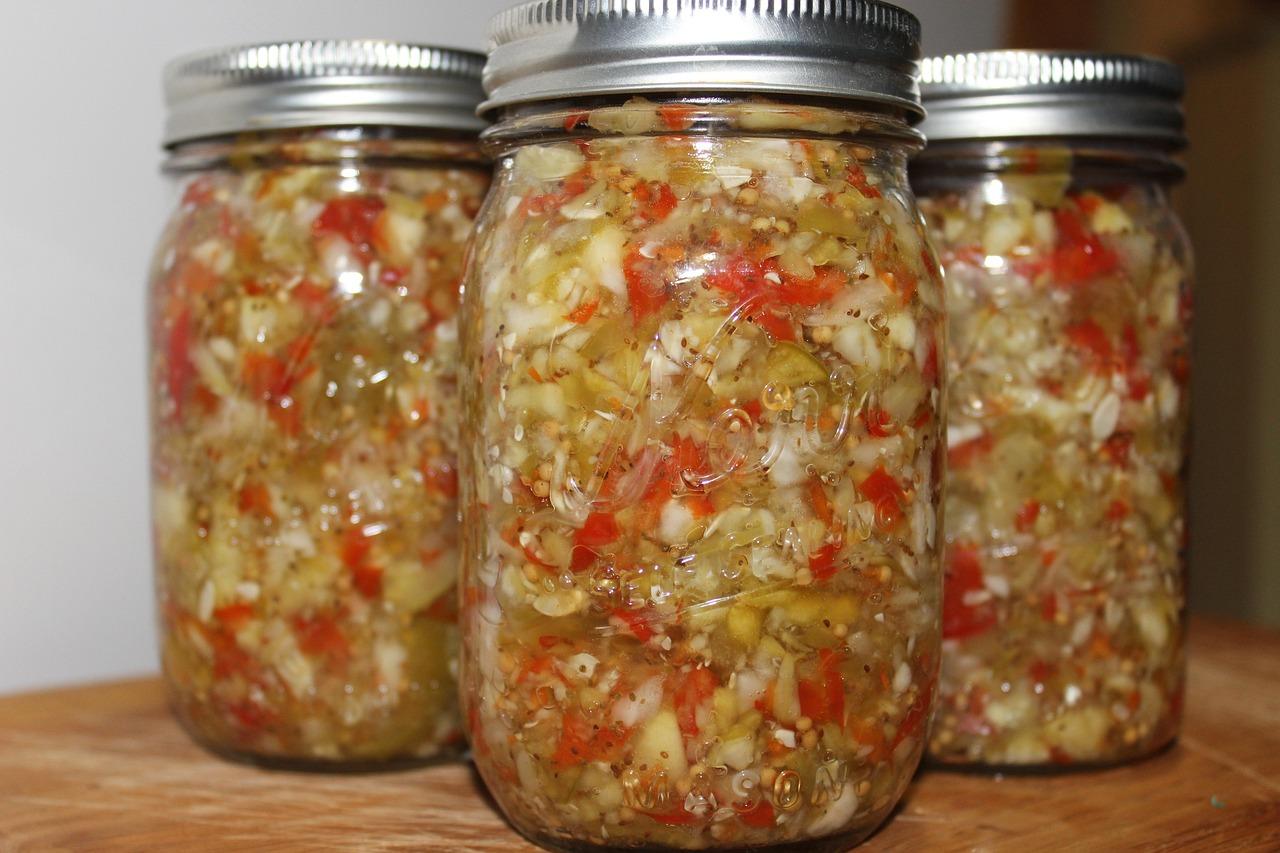
Chow-chow is the end-of-summer pickle of Pennsylvania Dutch kitchens, a way of using up the last beans, peppers, cauliflower and green tomatoes before the frost. It is one of the 'seven sweets and seven sours' set out on Lancaster farm tables, bright with mustard seed and turmeric, sweet and sharp, and good with cheese, bean dishes and sandwiches. Chef's tip: cut every vegetable to roughly the size of a kidney bean so it cooks evenly and looks right in the jar.

by KrazyBadal 0 views

Pickled red beet eggs

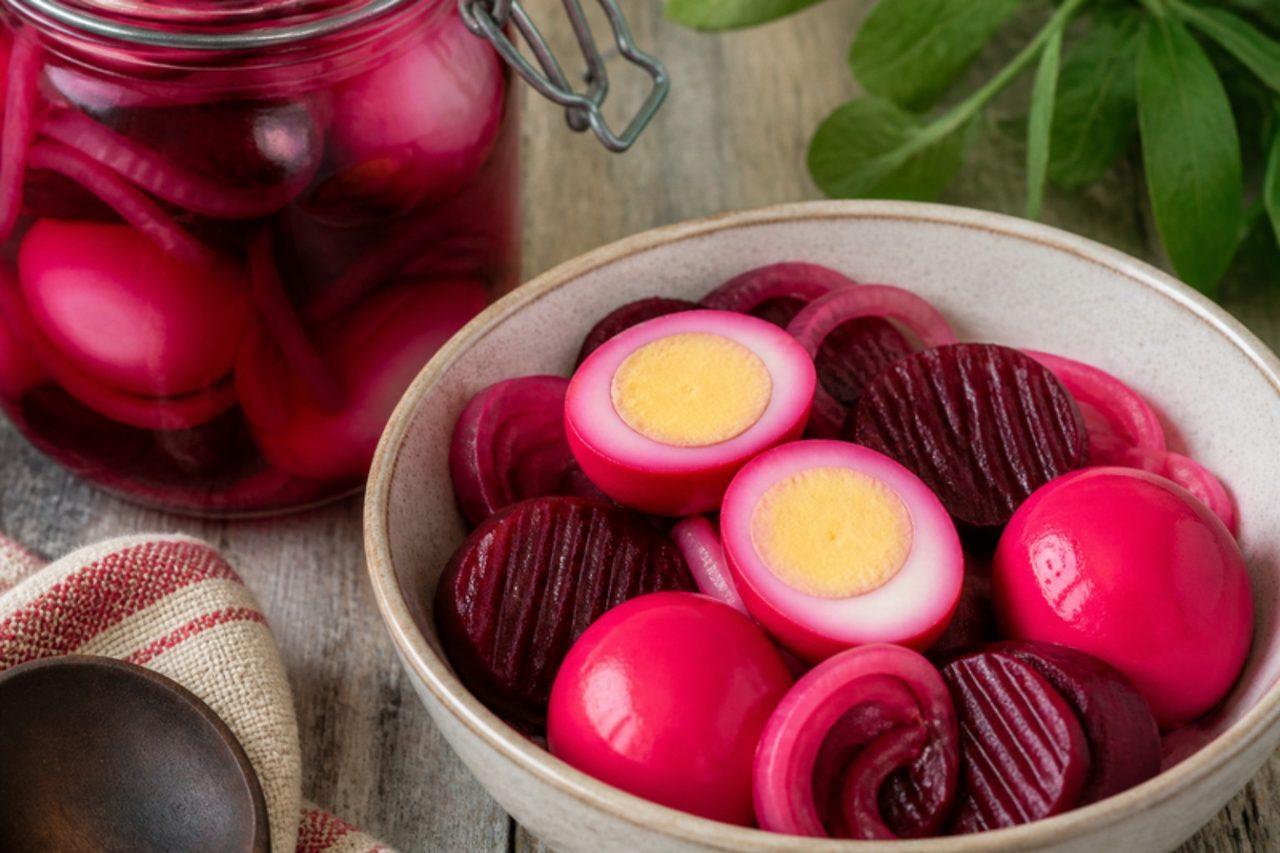
Red beet eggs are on the table at every Pennsylvania Dutch church picnic and Easter lunch, a jar of shocking-pink eggs sitting in the same sweet-sour brine as the pickled beets. The whites take on colour and tang from the outside in, while the yolks stay creamy. Slice them on a salad or eat them whole with a pinch of salt. Chef's tip: two days in the brine gives a thin pink ring; leave them four days for colour almost to the yolk.

by KrazyBadal 0 views

Pepper cabbage

Pepper cabbage is the oil-free, vinegar-dressed slaw served alongside chicken pot pie and roast pork dinners in Berks and Lancaster counties, and at fire-hall suppers all over south-eastern Pennsylvania. Finely shredded cabbage is tossed with sweet peppers, celery seed, sugar and vinegar, so it is crisp, cold and sweet-sharp. Chef's tip: shred the cabbage as fine as you can; thick ribbons never soak up the dressing.

by KrazyBadal 0 views

Funnel cake

Funnel cake started in Pennsylvania Dutch kitchens and became the smell of every American county fair and boardwalk, from the Kutztown Folk Festival to the Jersey shore. A thin batter is poured through a funnel in loops into hot oil, so it fries into a crisp, lacy, golden nest that you tear apart with your fingers under a snowfall of icing sugar. Chef's tip: keep your finger over the funnel until it is right over the oil, then move in quick overlapping circles from the centre out.

by KrazyBadal 0 views

St. Louis gooey butter cake

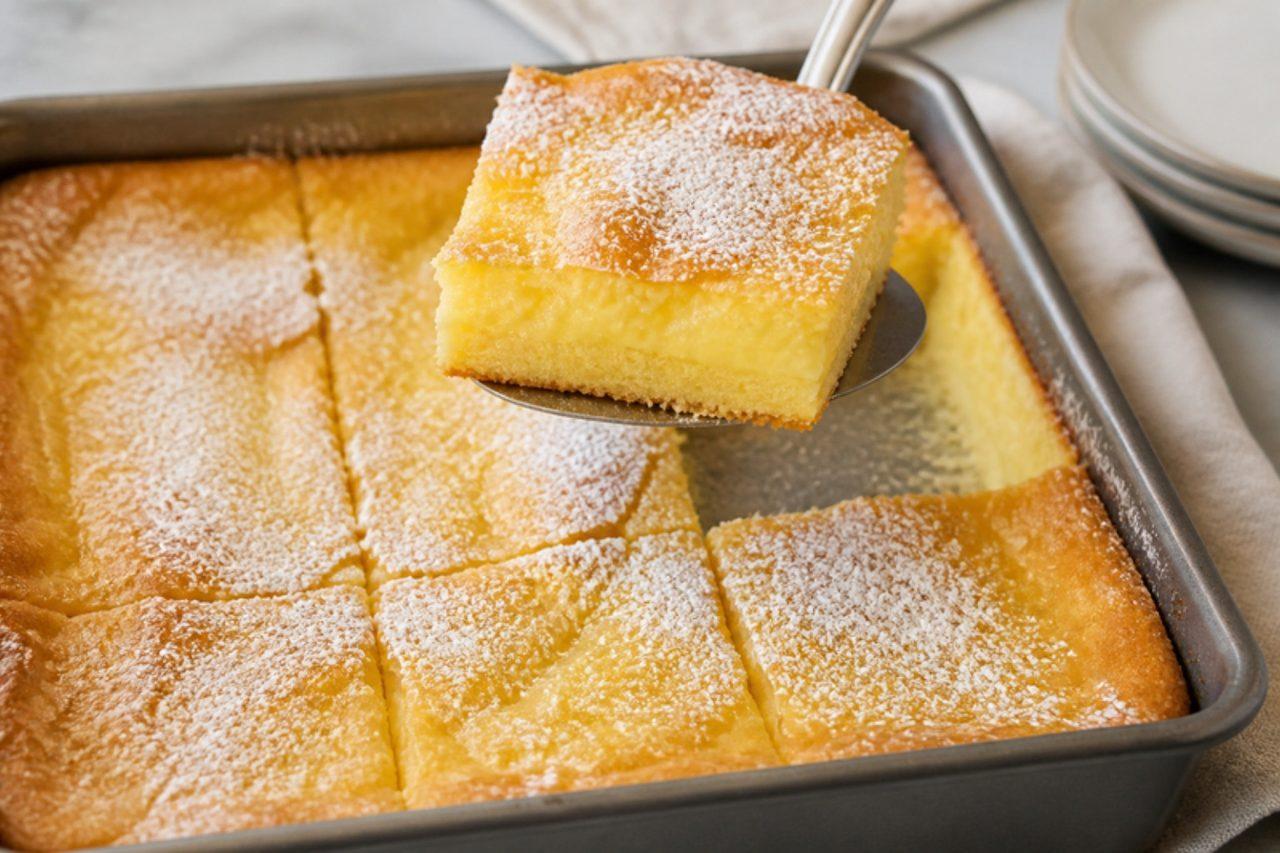
Gooey butter cake is a St. Louis institution, sold in squares at south-side German bakeries and baked for church coffee hours and Christmas mornings. Legend says a baker in the 1930s got his proportions wrong and the mistake sold out. A thin, chewy yeast-free cake base is covered with a sweet cream cheese and butter layer that bakes into a crackly, shiny top over a gooey middle. Chef's tip: take it out while the centre still jiggles; the goo is the point, and an overbaked one is just a sweet sponge.

by KrazyBadal 0 views

Ohio buckeyes

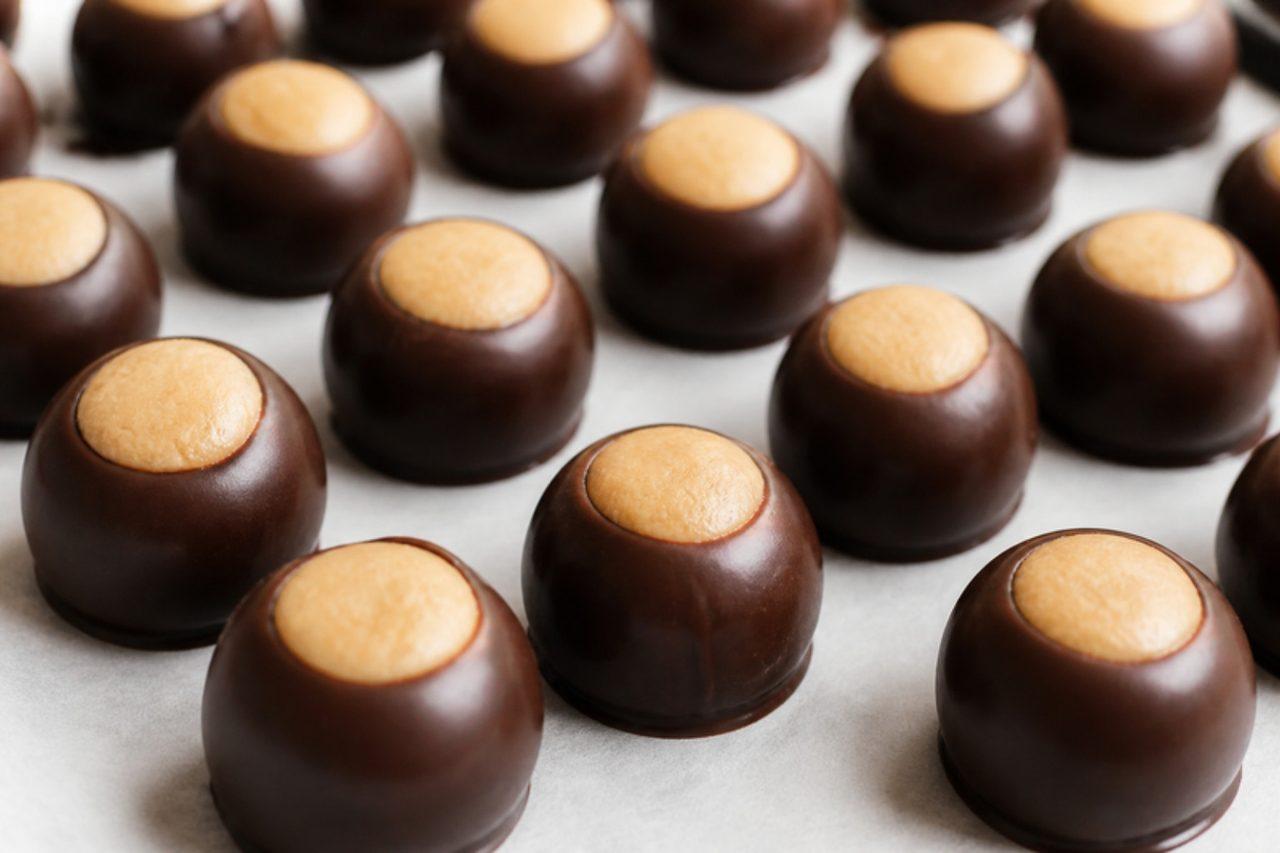
Buckeyes are the sweet of Ohio, made by the tray for Christmas cookie swaps and for Ohio State football parties, because they look like the glossy brown nuts of the state's buckeye tree. A firm, sweet peanut butter fondant is rolled into balls and dipped in chocolate, leaving a pale circle on top. Chef's tip: freeze the balls for 20 minutes before dipping; warm ones slide off the stick and muddy the chocolate.

by KrazyBadal 0 views

Wisconsin kringle

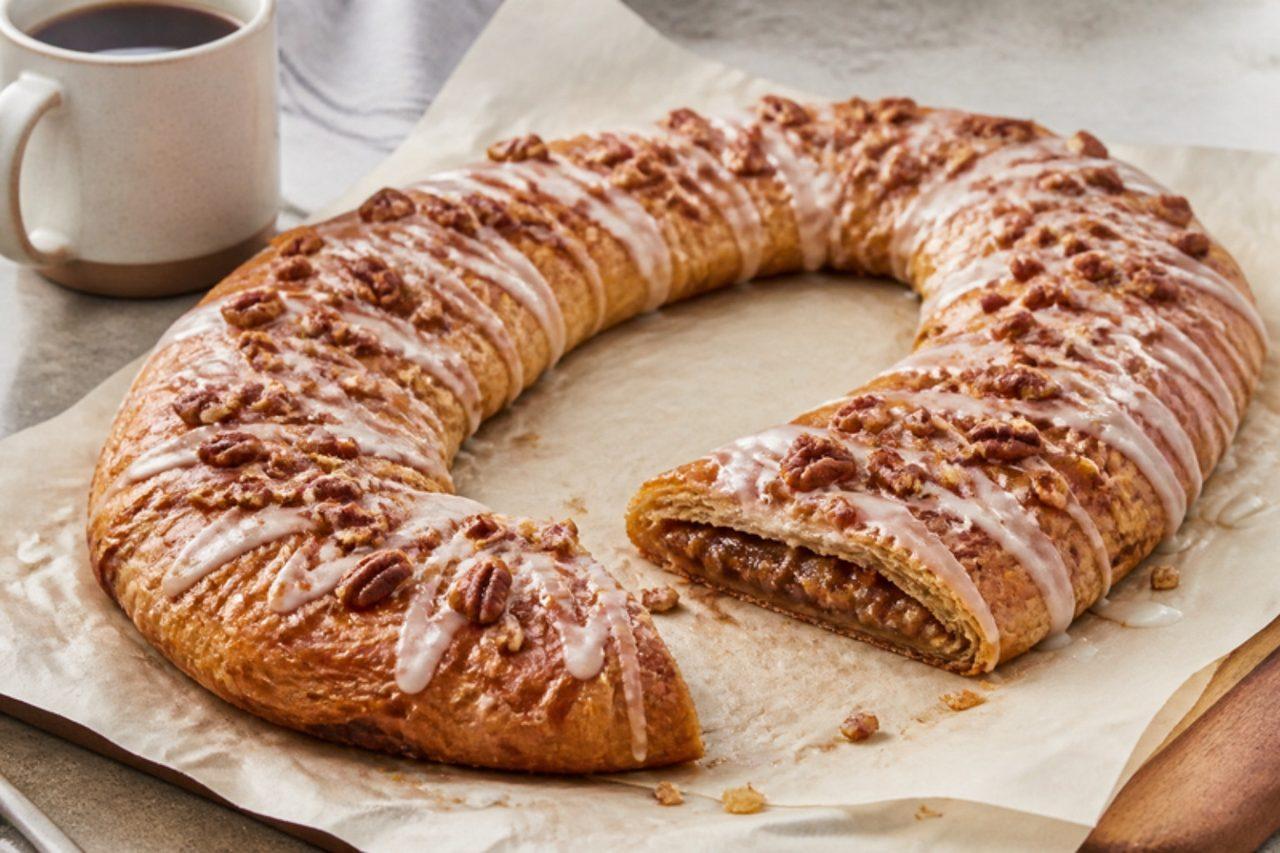
Kringle came to Racine, Wisconsin, with Danish bakers in the 1800s, and the town's bakeries still ship thousands of these flat oval pastry rings at Christmas. Thin layers of buttery laminated dough wrap a pecan and brown sugar filling, and the top is glazed with white icing. It is the official state pastry, eaten with coffee at breakfast. Chef's tip: keep the dough and butter cold at every fold; if the butter melts into the dough you lose the flaky layers.

by KrazyBadal 0 views

Minnesota wild rice soup

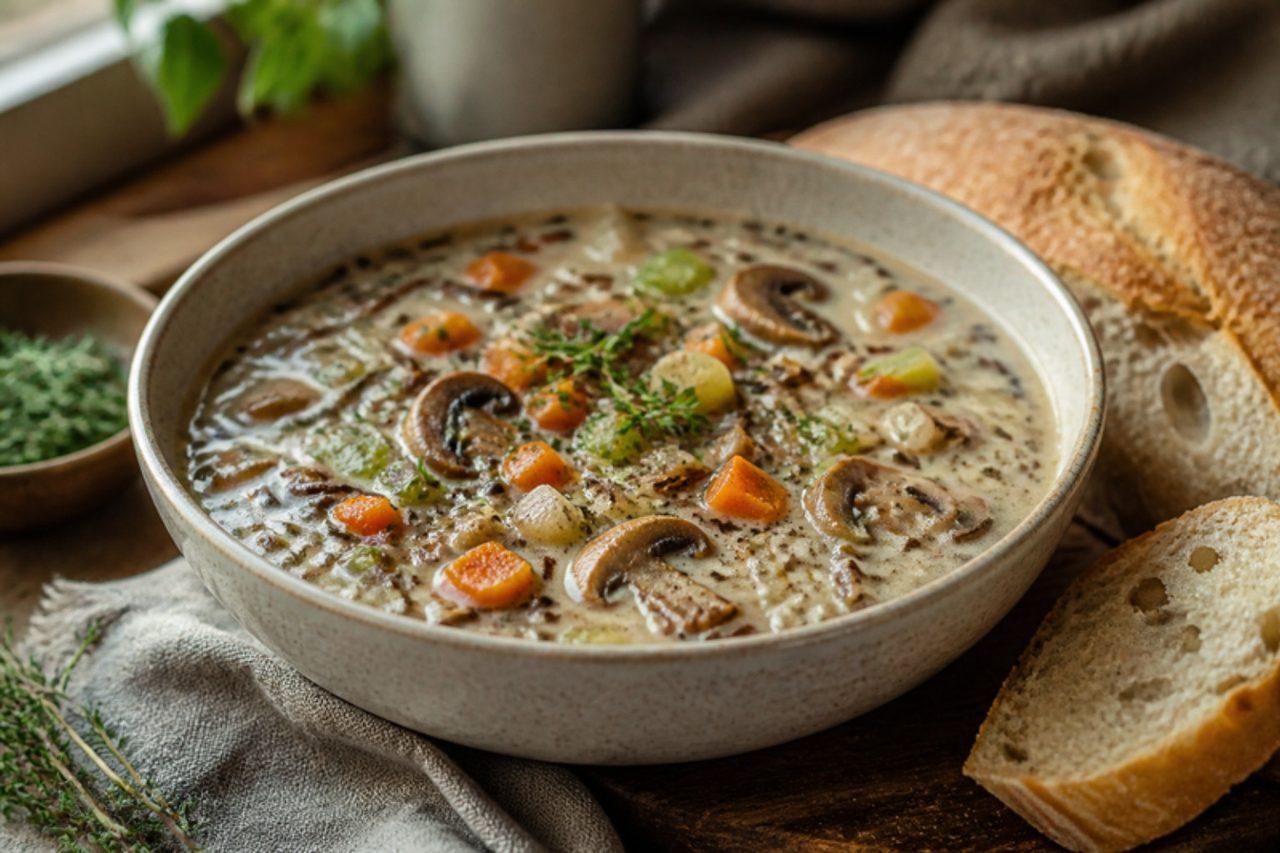
Wild rice is the seed of a lake grass that the Ojibwe people of northern Minnesota still harvest by canoe in late summer, and this creamy soup is on every lunch counter and church cookbook in the Twin Cities when the weather turns cold. The long black grains split open and turn chewy and nutty in a velvety broth with mushrooms, carrots and celery. Many versions add chicken; this one is vegetarian. Chef's tip: cook the wild rice separately and add it at the end, or it soaks up all the soup.

by KrazyBadal 0 views

San Francisco garlic noodles

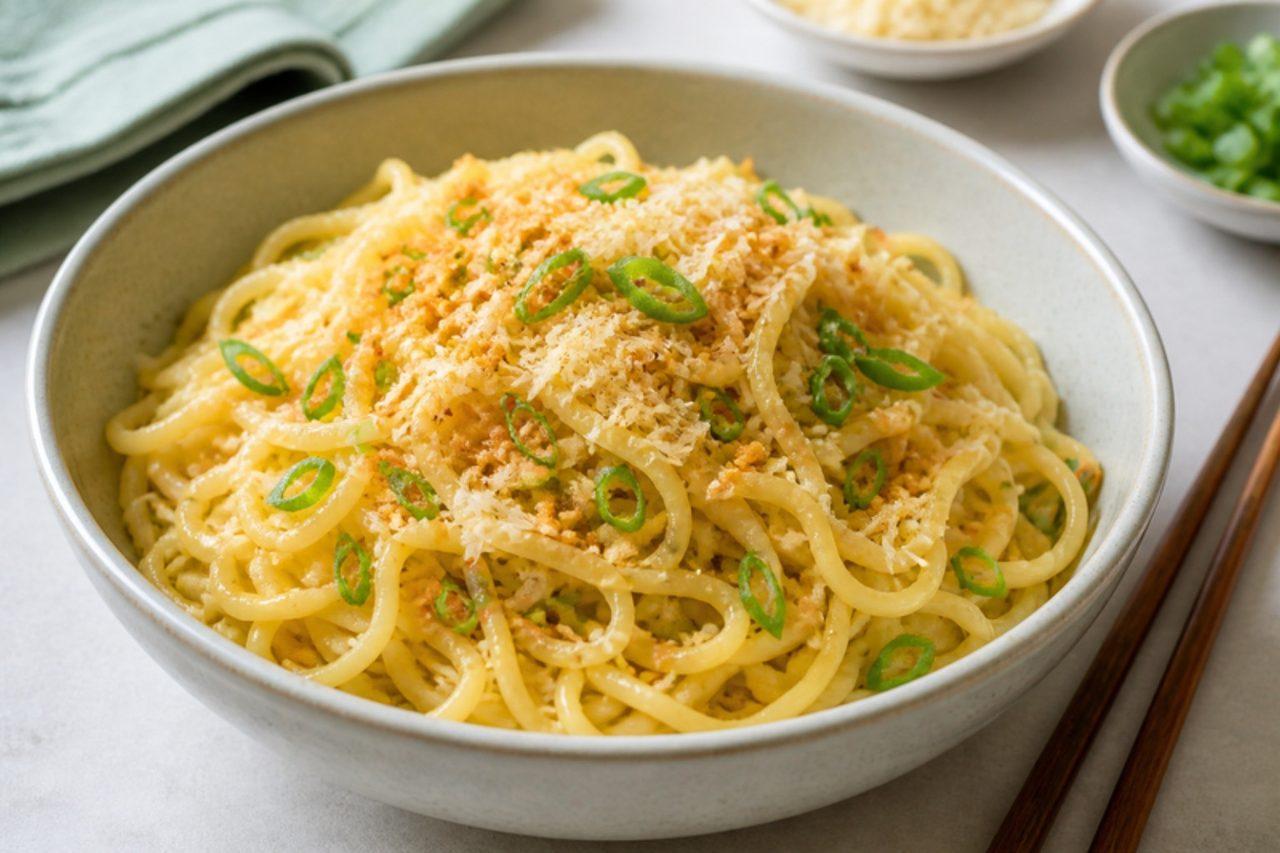
Garlic noodles were made famous by a Vietnamese family restaurant in San Francisco's Sunset District in the 1970s, served next to roast Dungeness crab, and now every Bay Area Vietnamese place has its own version. Springy noodles are tossed in a glossy sauce of lots of butter and garlic with a savoury, sweet seasoning and grated hard cheese. Restaurants use oyster and fish sauce; this vegetarian version uses vegetarian mushroom 'oyster' sauce and soy. Parmesan is made with animal rennet, so use a vegetarian hard cheese. Chef's tip: cook the garlic gently until pale gold, never brown, or the whole dish turns bitter.

by KrazyBadal 0 views

Gilroy garlic fries

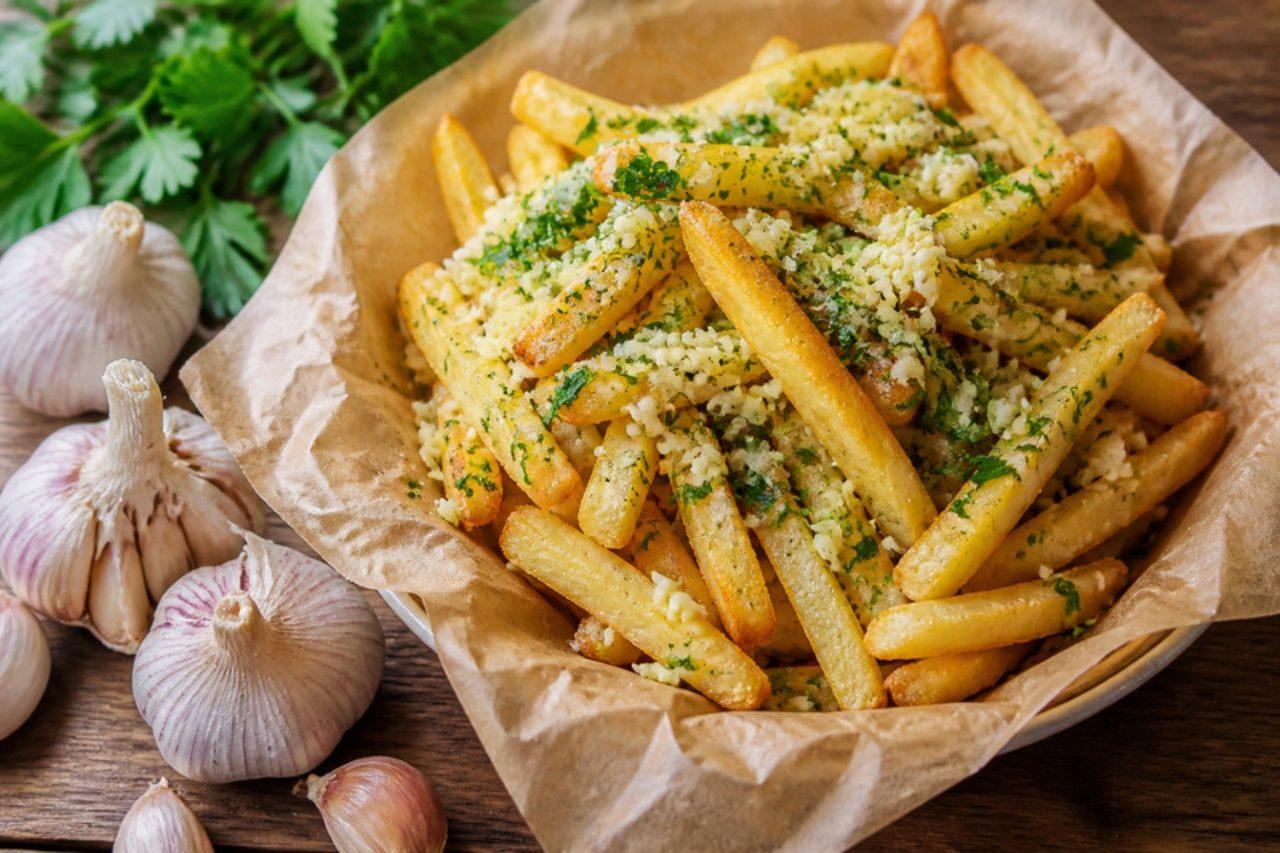
Gilroy, south of San José, calls itself the garlic capital of the world, and its summer garlic festival made these fries famous; today they are sold at Bay Area baseball games too. Crisp, double-fried chips are tossed while hot with raw garlic softened in olive oil and a lot of parsley, so they are pungent and fresh. Chef's tip: toss the garlic on at the end, off the heat; garlic fried with the chips burns and turns bitter.

by KrazyBadal 0 views

Pennsylvania Dutch apple butter

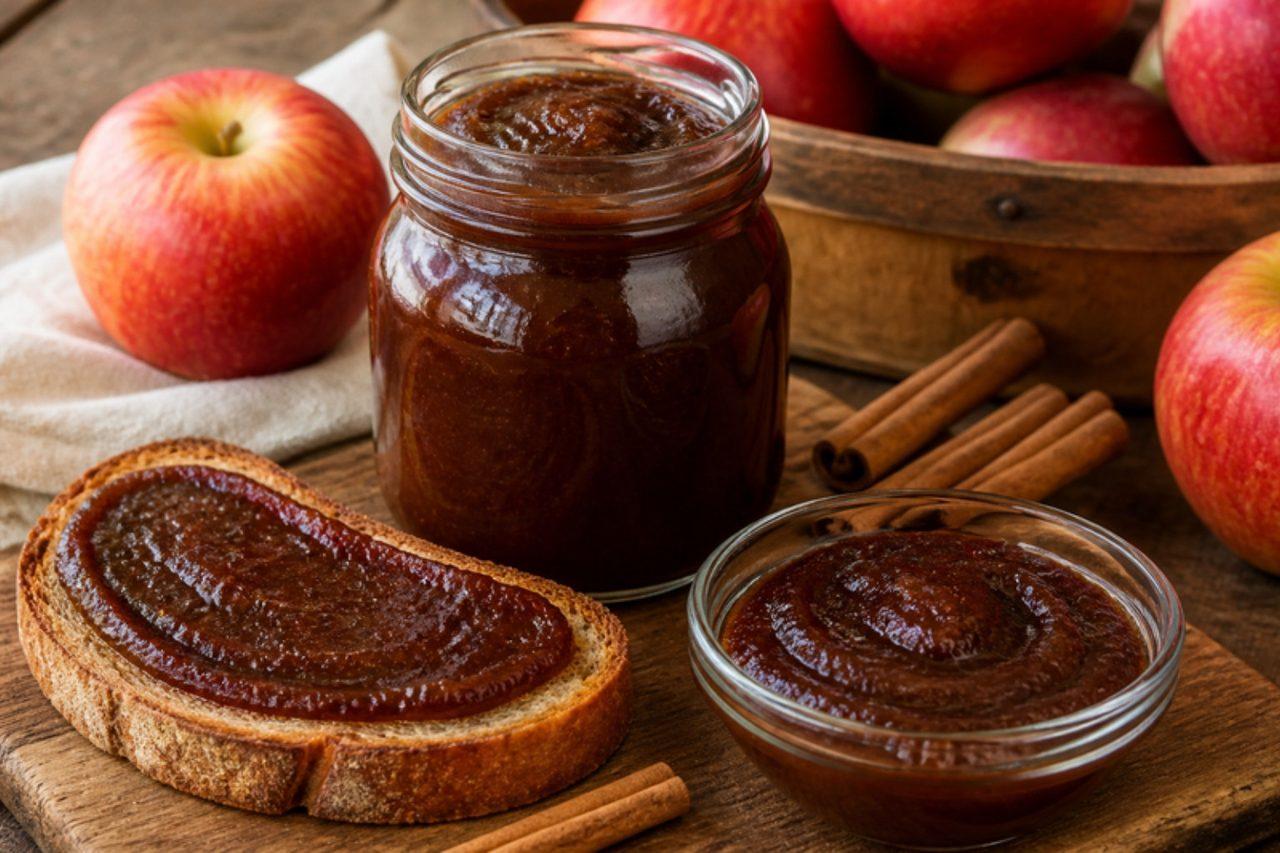
Every autumn Pennsylvania Dutch families once gathered round a copper kettle in the yard to stir 'lattwarick', apple butter, all day over a wood fire. There is no butter in it: apples and cider are cooked down for hours until the sugars caramelise into a thick, glossy, deep brown spread. It is eaten on bread with cottage cheese, a combination Lancaster calls 'smearcase and apple butter'. Chef's tip: it is done when a spoonful on a cold plate holds its shape and no ring of liquid seeps out.

by KrazyBadal 0 views

Philadelphia sticky buns

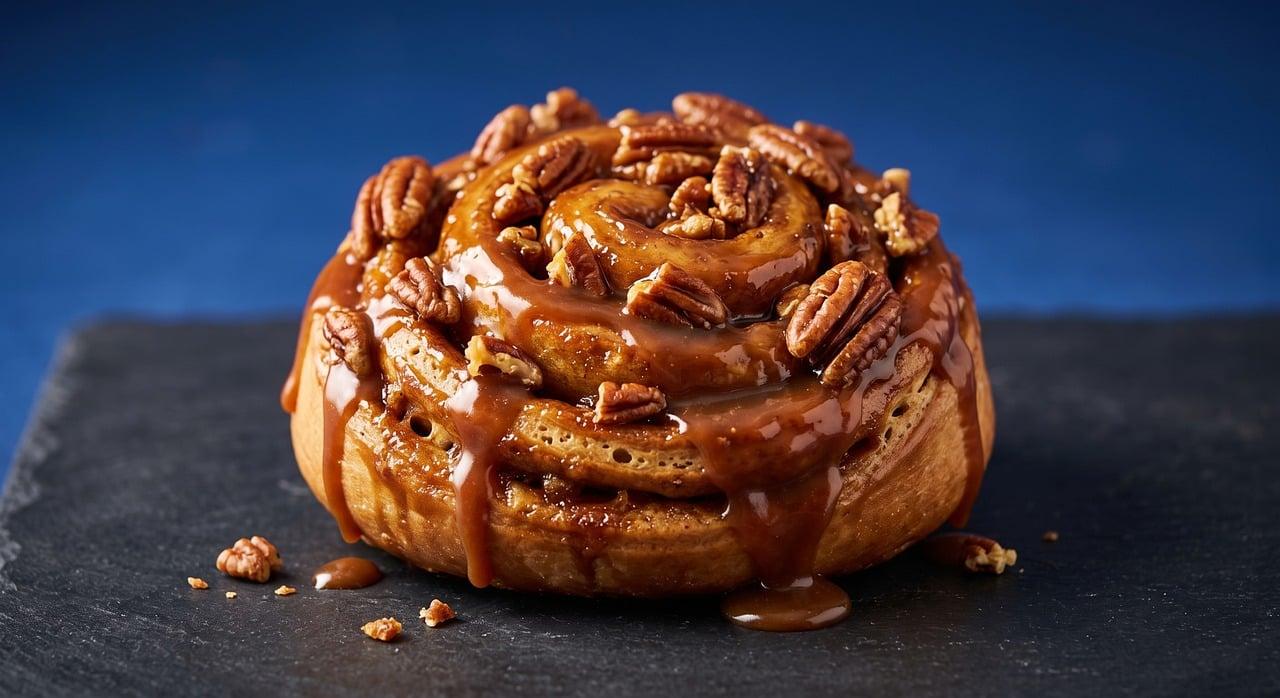
Philadelphia's sticky buns descend from the 'schnecken' of German bakers, and Reading Terminal Market still sells them warm by the tray, glistening with caramel and pecans. Soft rolls of cinnamon-raisin dough are baked on top of butter and brown sugar, then flipped so the hot caramel runs down over them. Chef's tip: turn them out within 5 minutes of leaving the oven; once the caramel cools it glues the buns to the tin.

by KrazyBadal 0 views

Pennsylvania Dutch potato filling

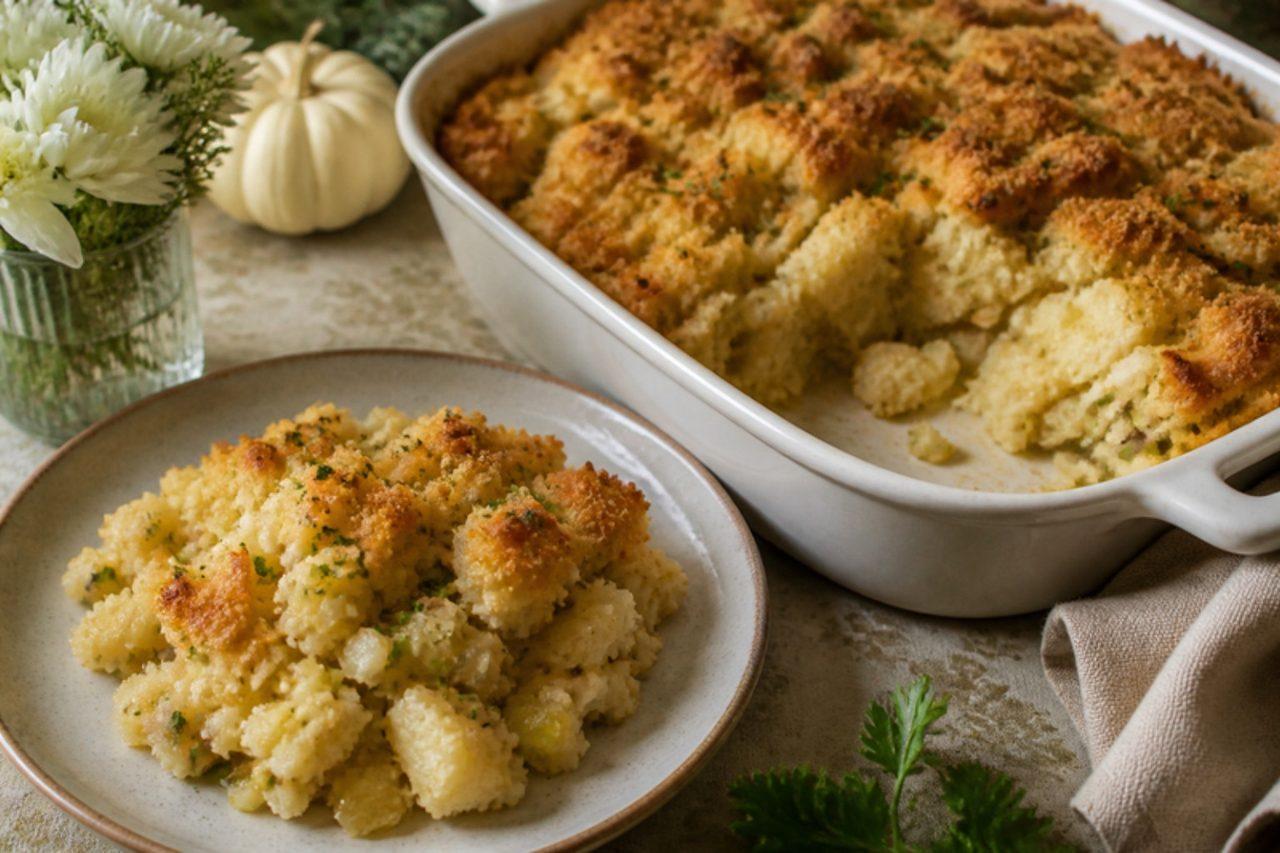
In Lehigh and Berks counties no Thanksgiving or Christmas dinner comes without potato filling, sometimes called potato stuffing: buttery mashed potato folded with toasted bread cubes, celery, onion and parsley, then baked until the top crisps. It is soft and savoury, rich enough to stand in for gravy. Chef's tip: dry the bread cubes in the oven first so they hold their shape instead of turning to paste.

by KrazyBadal 0 views

Pennsylvania Dutch brown butter noodles

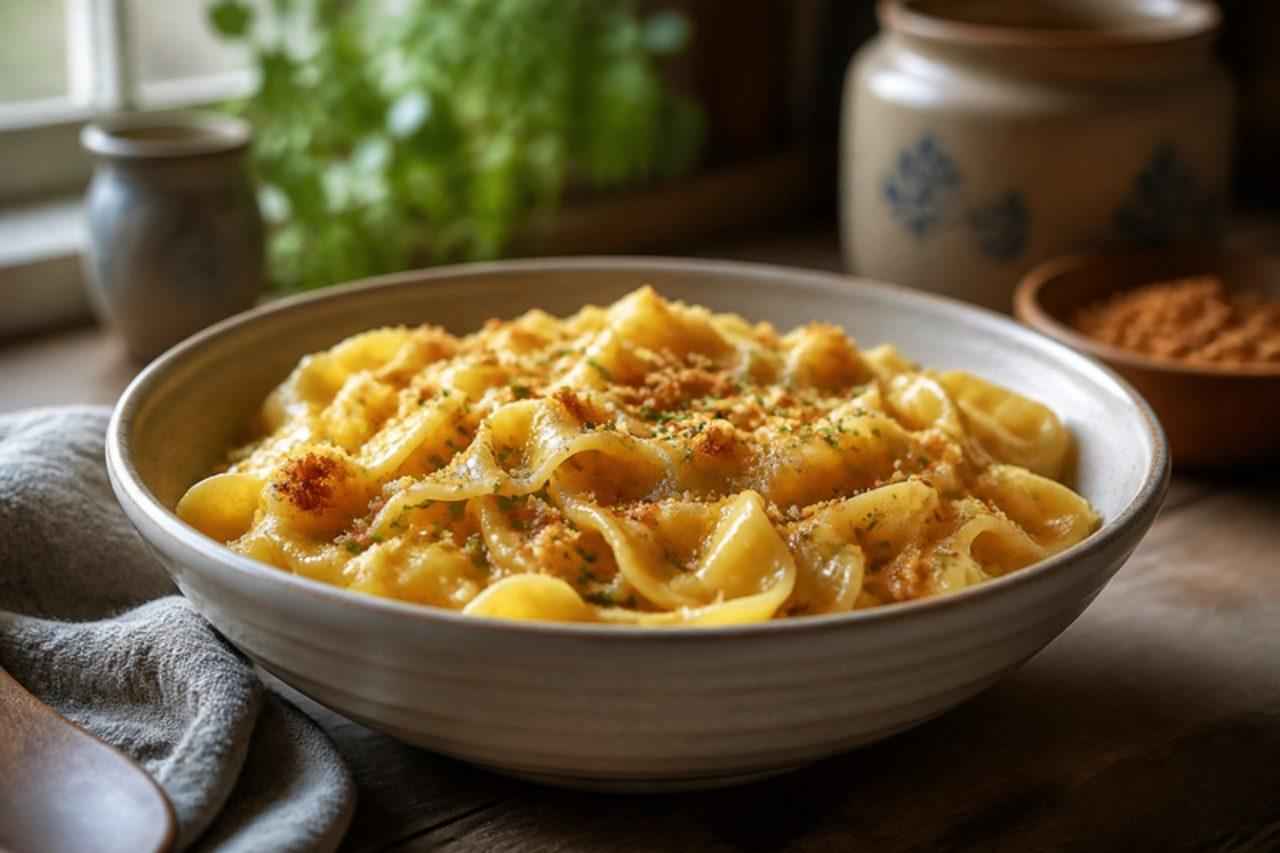
At Amish smorgasbords and family-style restaurants around Intercourse and Bird-in-Hand, buttered noodles are passed round the table with mashed potatoes as though nobody had heard of choosing one starch. Wide, thick egg noodles are tossed with butter cooked until nutty and brown and a handful of toasted breadcrumbs. Chef's tip: take the butter off the heat the moment it smells of hazelnuts and the specks turn tan; seconds later it burns.

by KrazyBadal 0 views

Appalachian apple stack cake

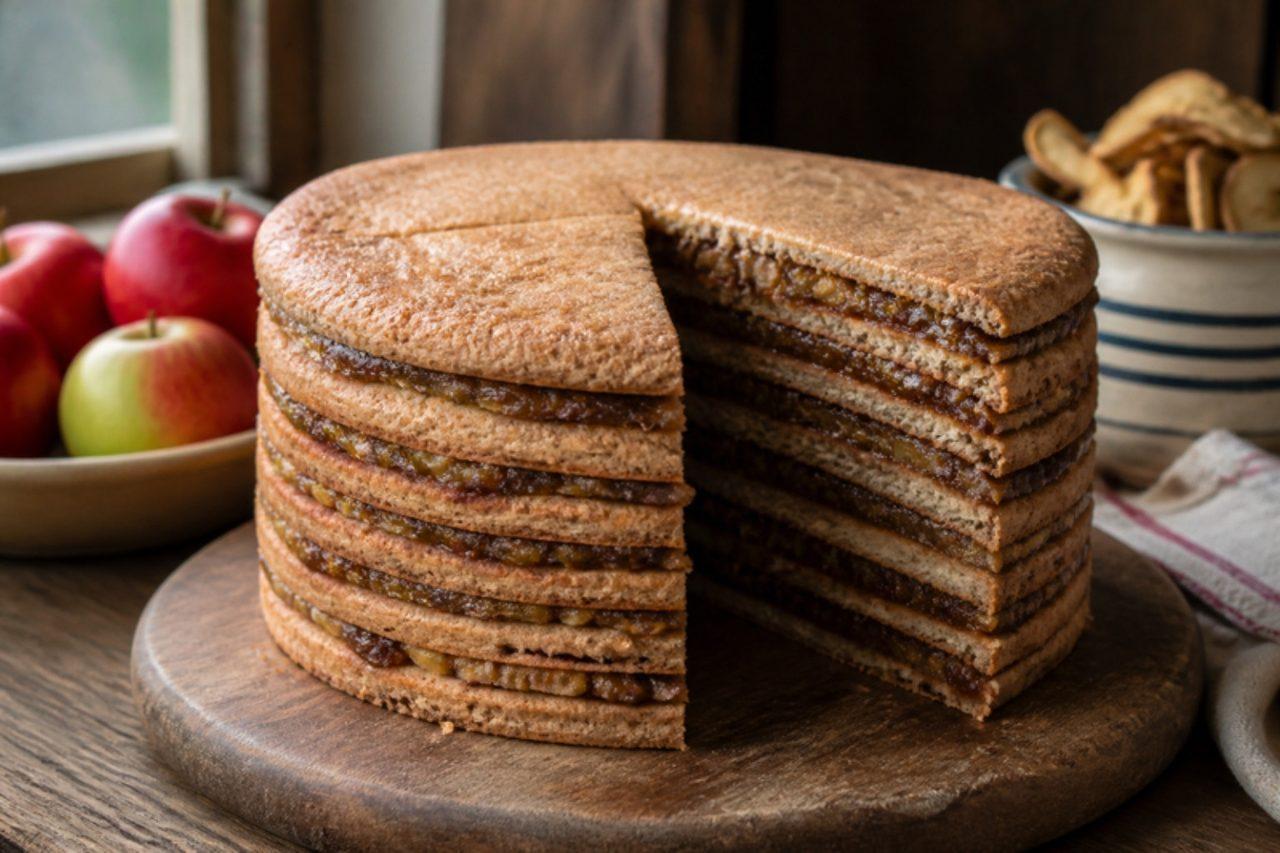
Apple stack cake is the old mountain wedding cake of eastern Kentucky and Tennessee: legend has it neighbours each brought a layer, and the bride's popularity was judged by the height. Six thin, biscuit-like layers flavoured with sorghum or molasses and ginger are stacked with a thick filling of cooked dried apples, then left for two days so the layers soften into a moist, spiced cake. Chef's tip: don't cut it the day you make it; the resting time is part of the recipe.

by KrazyBadal 0 views

Chocolate gravy and biscuits

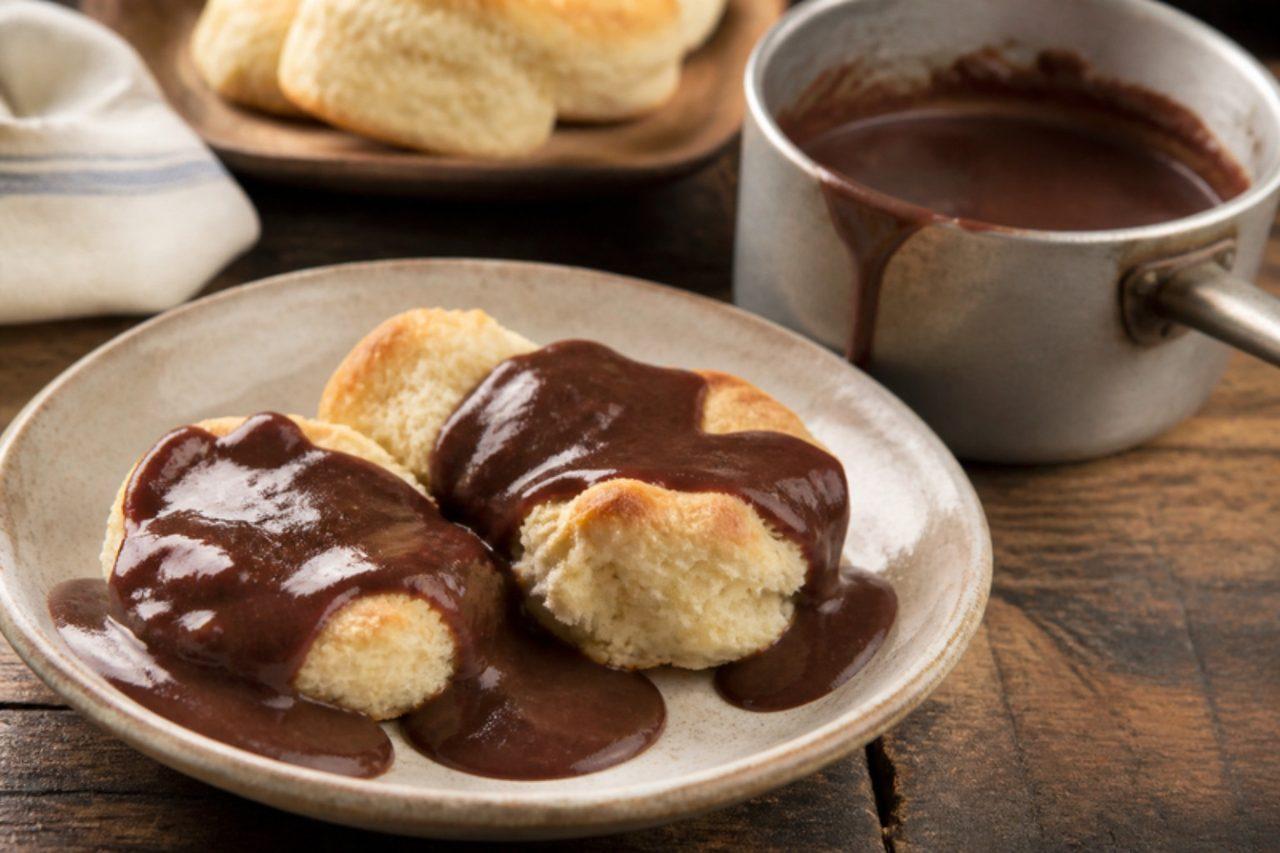
Chocolate gravy is a Sunday-morning treat in the hills of Arkansas, Tennessee and eastern Kentucky, passed down in mountain families who made it from pantry staples. It is a glossy, pourable cocoa pudding cooked in a skillet and ladled over split biscuits with a pat of butter, something between breakfast and dessert. Chef's tip: whisk the cocoa, sugar and flour together before the milk goes in, so there are no lumps.

by KrazyBadal 0 views

Appalachian soup beans

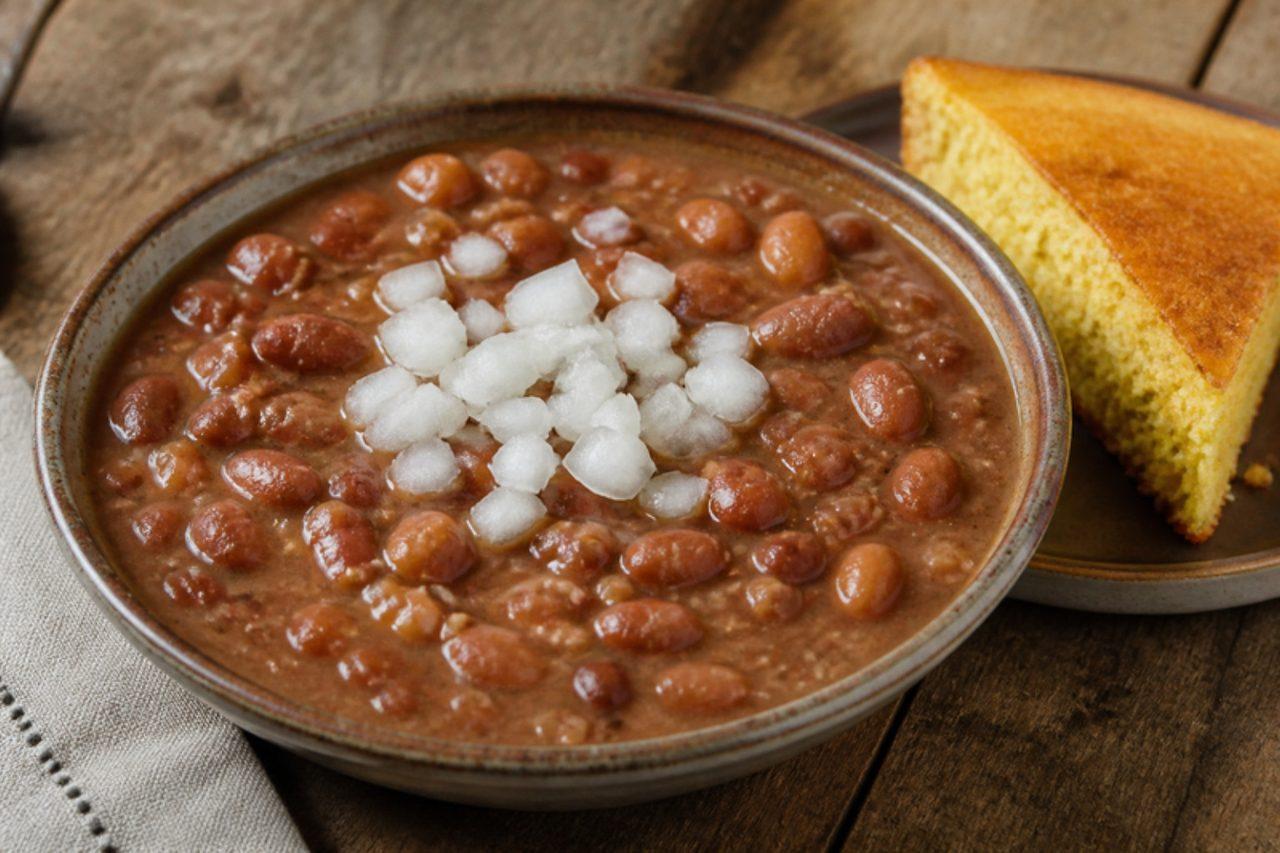
Soup beans, a pot of brown pintos simmered all afternoon until the broth turns thick and creamy, are the everyday supper of the coal-country hollows of Kentucky and West Virginia, served with cornbread, raw onion and chow-chow. Most mountain cooks add a ham hock or salt pork; this meat-free pot gets its savour from browned onion, garlic and a little smoked paprika. Chef's tip: mash a ladle of beans against the pot side near the end to thicken the 'pot likker'.

by KrazyBadal 0 views

Southern buttermilk biscuits

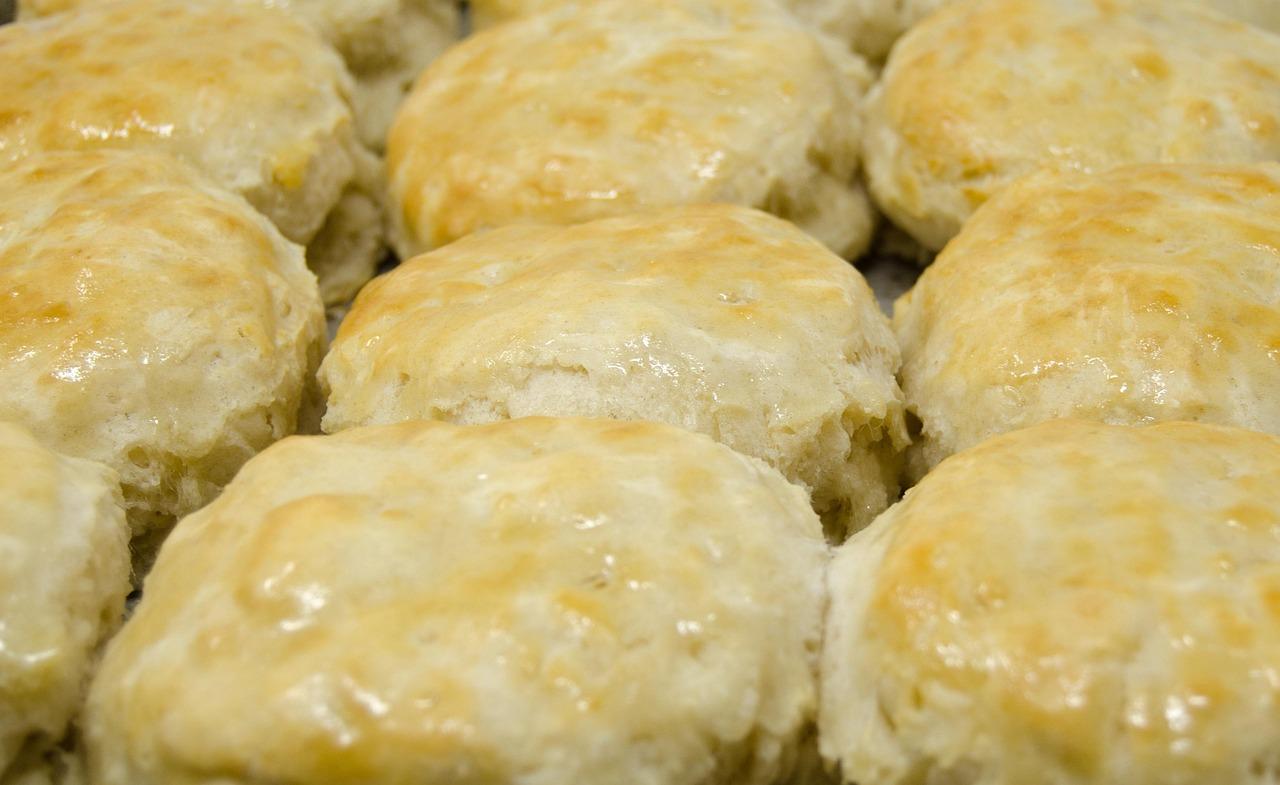
In the South a biscuit is not a cookie but a tall, tender, flaky quick bread, baked every morning in kitchens from Georgia to Tennessee and split open for butter and sorghum, sawmill gravy or a slice of country ham. Cold butter and buttermilk, a light hand and a hot oven give layers that pull apart in steamy flakes. Chef's tip: press the cutter straight down without twisting; twisting seals the edges and stops them rising.

by KrazyBadal 0 views

Southern skillet cornbread

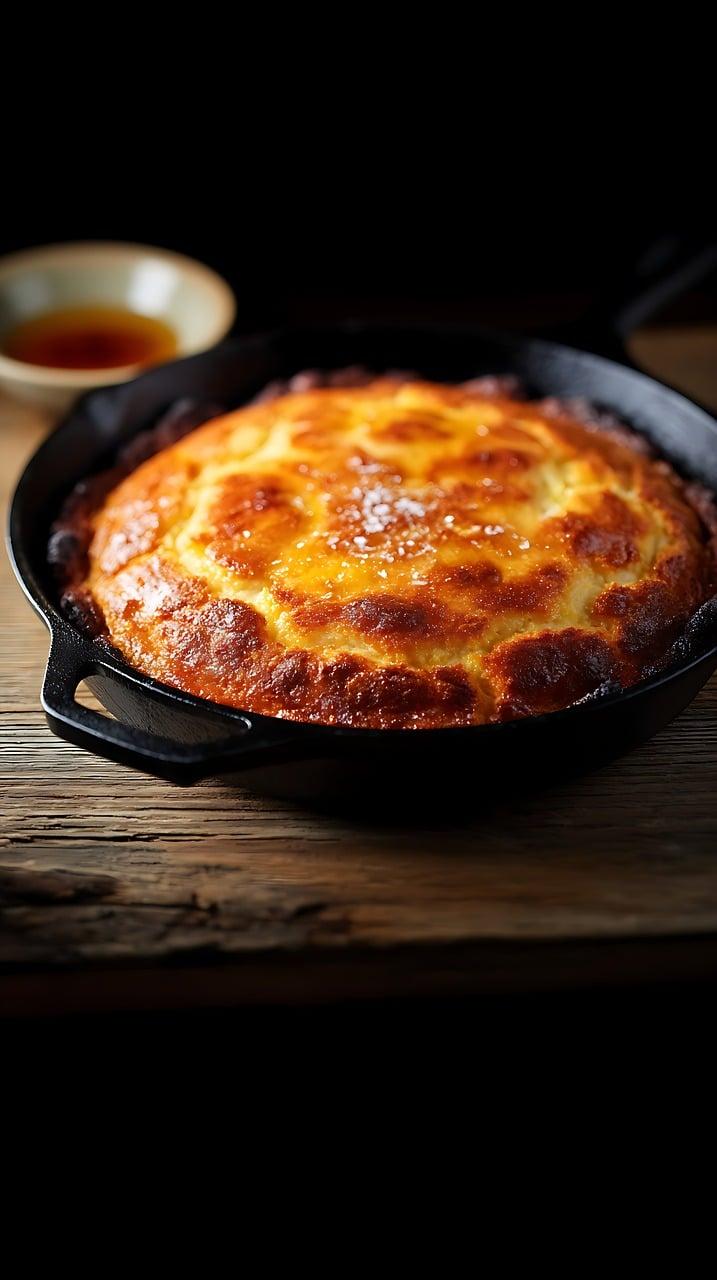
Southern cornbread is baked in a smoking-hot cast-iron skillet so the edges fry crisp and brown, and in much of the Deep South it is made with little or no sugar, unlike the cakey Northern kind. It goes on the table with greens, pinto beans and barbecue, and leftovers get crumbled into a glass of buttermilk. Chef's tip: the batter must sizzle loudly when it hits the pan; if it doesn't, the skillet isn't hot enough for a crust.

by KrazyBadal 0 views

Salt-rising bread

Salt-rising bread was baked by settlers in the Appalachian mountains of West Virginia and western Pennsylvania who had no yeast; a starter of potato, cornmeal and milk is kept very warm until wild bacteria make it bubble. The loaf is dense, fine-textured and famous for its cheesy, tangy smell, and is best toasted and buttered. Chef's tip: the starter needs a steady 38–40 °C, so stand it in an oven with only the light on, and check it is truly bubbling before going on.

by KrazyBadal 0 views

Southern pecan pie

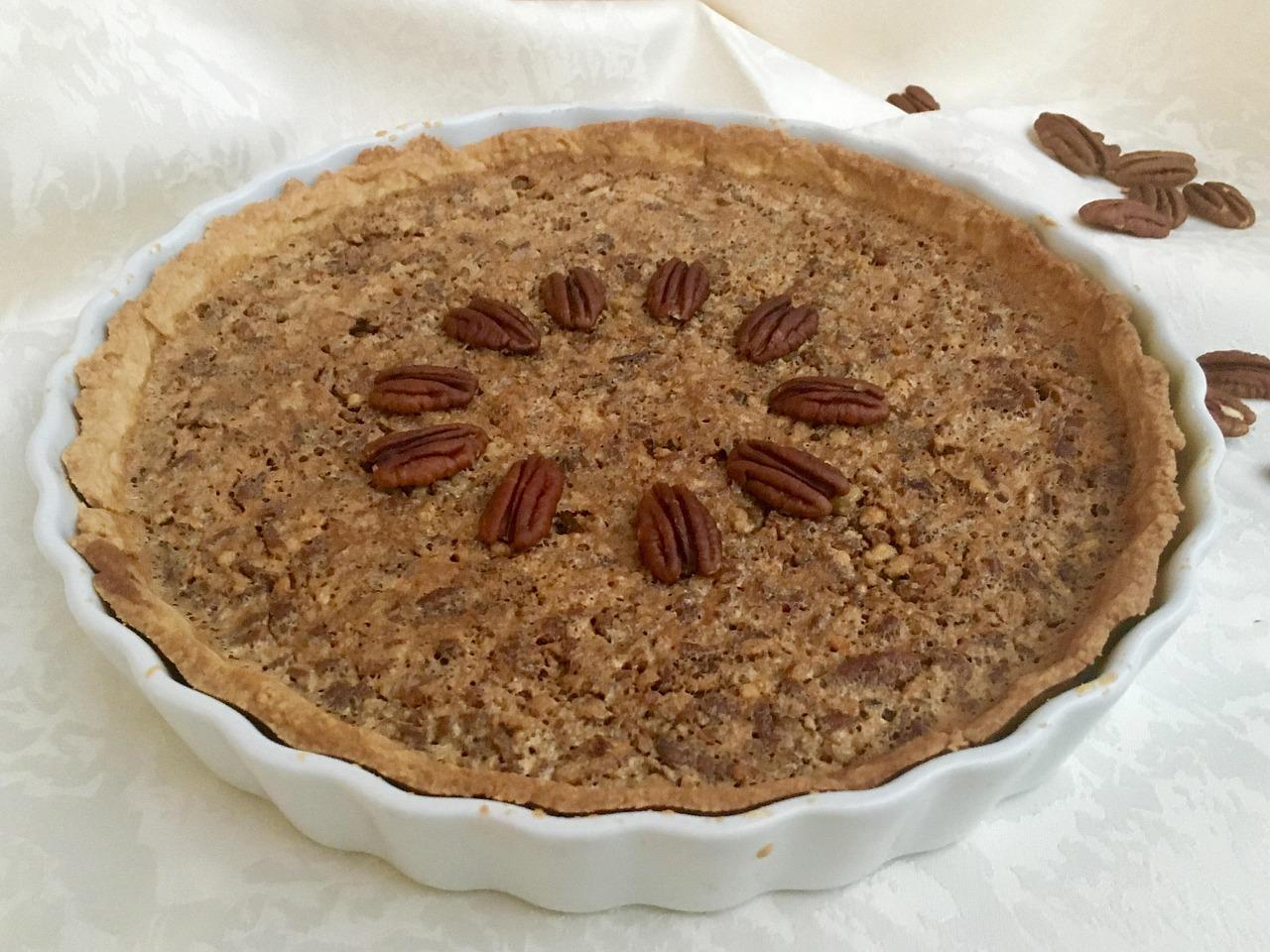
Pecans grow wild along the rivers of Georgia, Alabama and Texas, and pecan pie, a gooey brown-sugar custard packed with toasted nuts, is the star of Thanksgiving tables right across the South. This version uses golden syrup and dark brown sugar for a caramel flavour. Chef's tip: toast the pecans first; raw pecans taste flat and go soft in the filling.

by KrazyBadal 0 views

New Orleans bread pudding with whiskey sauce

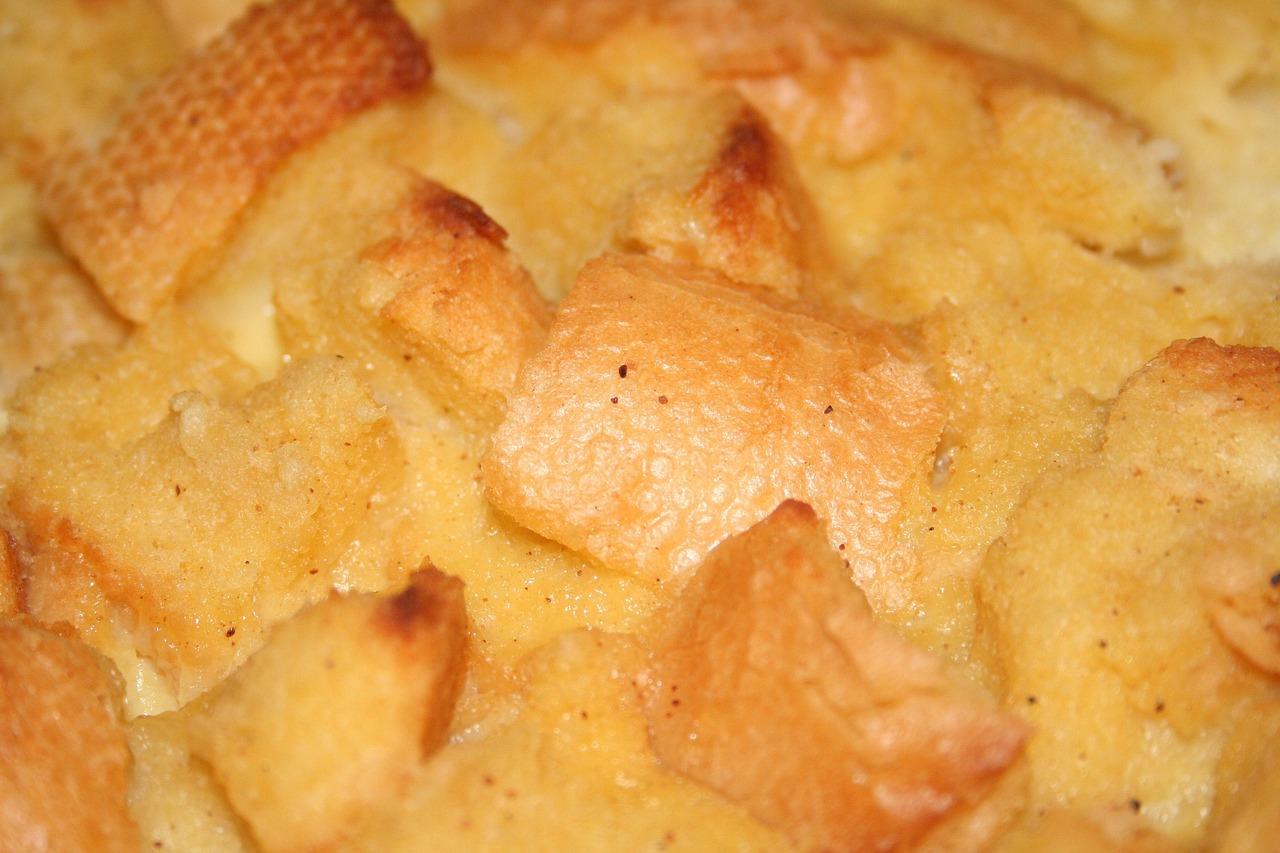
Every Creole restaurant in New Orleans, from neighbourhood po'boy shops to grand old dining rooms in the Garden District, serves bread pudding, because the city's light, crusty French bread goes stale in a day. The bread soaks in a cinnamon custard with raisins and bakes until puffed and golden, then gets a warm whiskey butter sauce. The sauce contains bourbon; for an alcohol-free version use 3 tbsp apple juice and 1 tsp vanilla instead. Chef's tip: let the bread soak for a full 30 minutes so it drinks up the custard; dry patches bake hard.

by KrazyBadal 0 views

Texas sheet cake

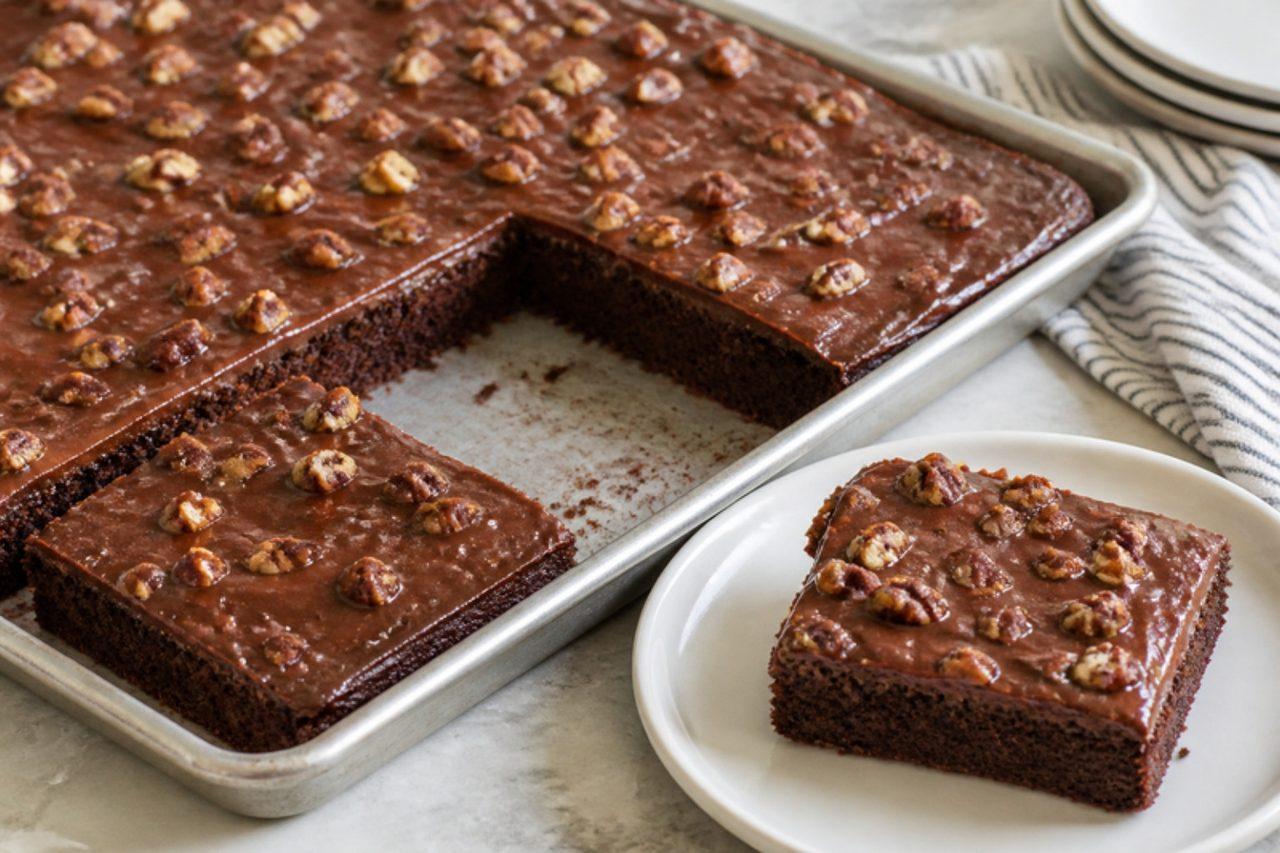
Texas sheet cake is the big, thin chocolate cake that turns up at church potlucks, funerals and family reunions all over Texas, cut into squares straight from the tray. It is made with buttermilk and boiled cocoa butter, so it is moist and light, and the icing is poured over while the cake is still hot so it sets into a fudgy layer studded with pecans. Chef's tip: have the icing ready the moment the cake leaves the oven; warm cake plus warm icing is the whole secret.

by KrazyBadal 0 views

Texas fruit kolaches

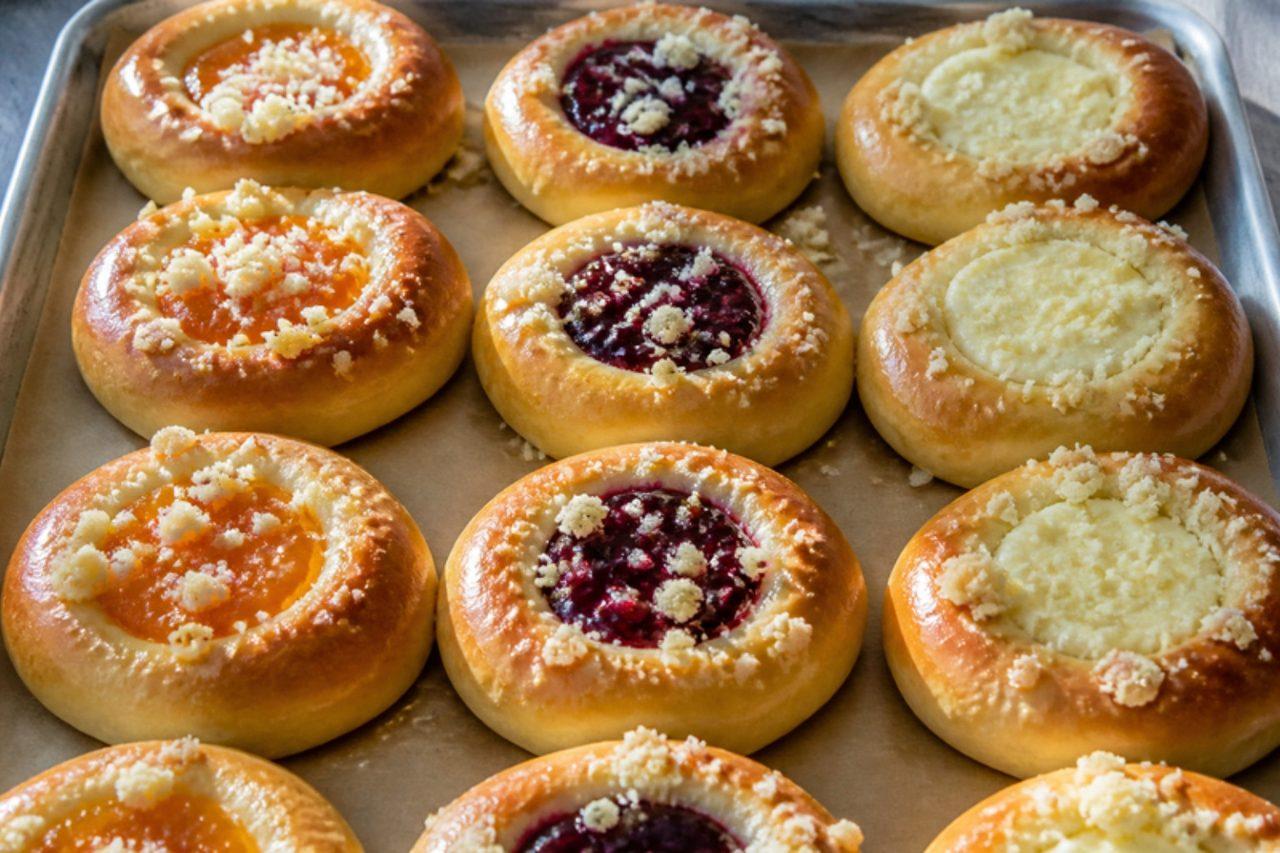
Kolaches came to central Texas with Czech settlers in the 1800s, and the bakeries along the highway through West, Caldwell and Hallettsville now sell them by the dozen for breakfast. They are soft, sweet yeast buns with a well pressed into the top, filled with apricot, cherry, prune or sweetened cream cheese and dusted with a crumbly posypka topping. Chef's tip: press the well deep and wide, nearly to the base, or the buns rise and push the filling out.

by KrazyBadal 0 views

New Mexico red chile sauce

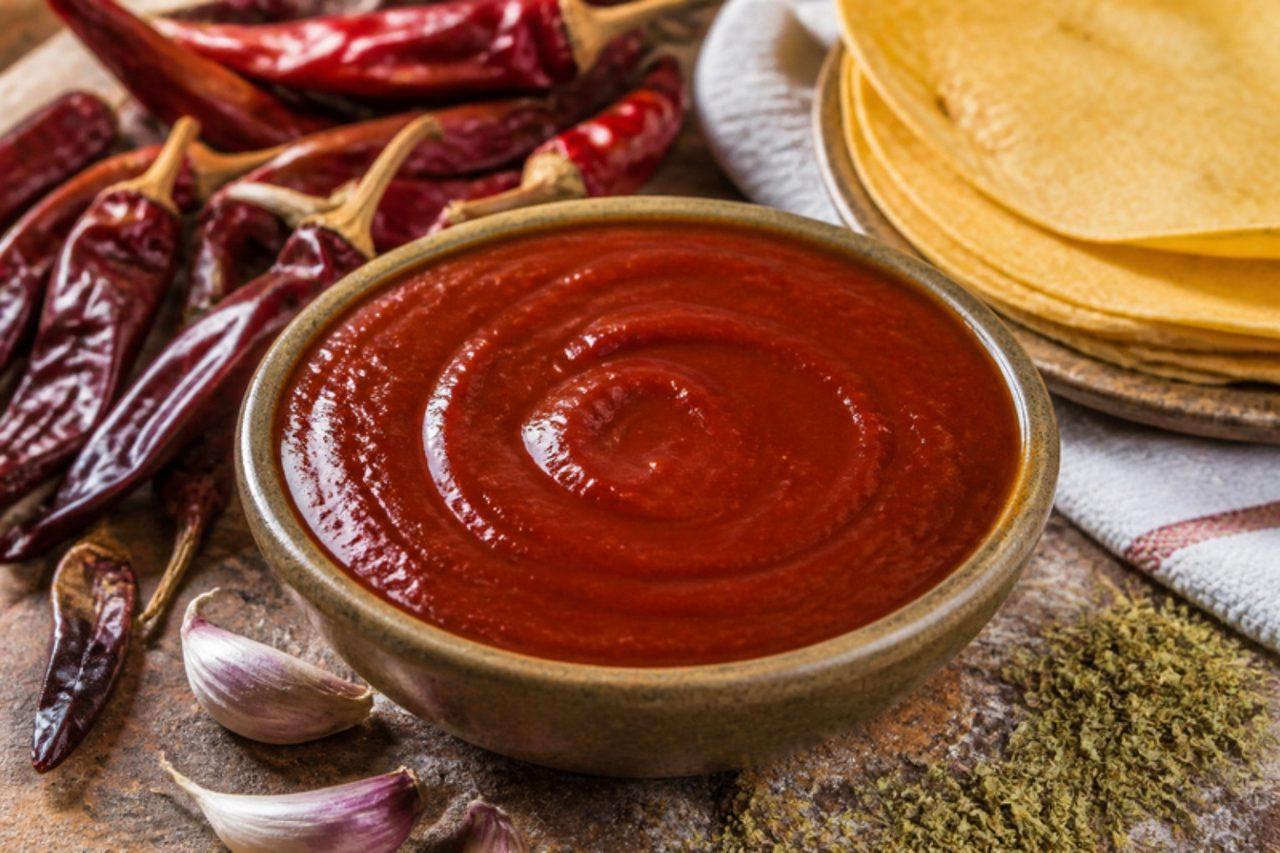
Ask for 'red or green?' in any New Mexico café and red means this sauce, made from the sun-dried chile pods that hang in long ristras outside adobe houses in Chimayó and Hatch every autumn. The pods are toasted, soaked and blended into a smooth, brick-red sauce that is earthy and gently sweet rather than smoky, poured over enchiladas, eggs, beans and burritos. Chef's tip: toast the pods for only a few seconds a side; burnt chile makes the sauce bitter.

by KrazyBadal 0 views

Wisconsin fried cheese curds

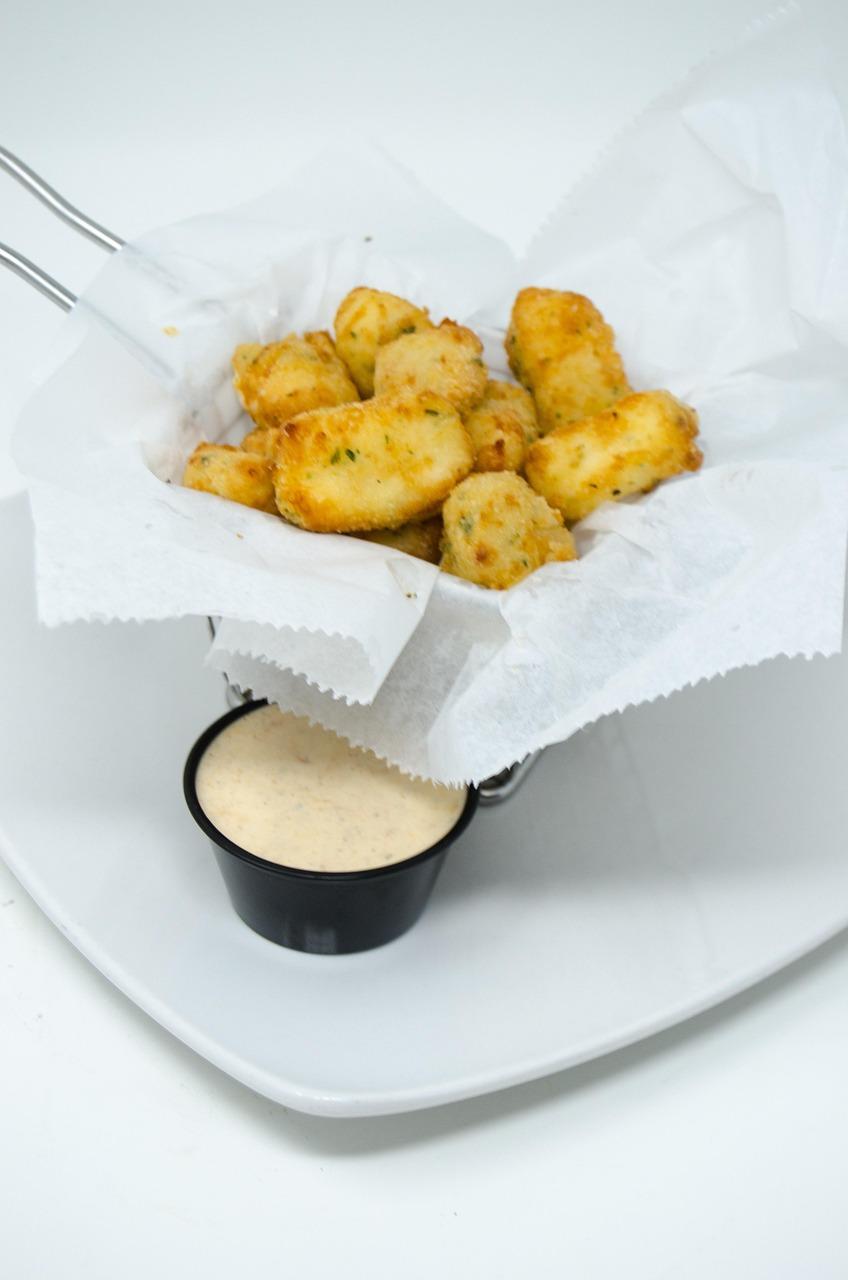
Fried cheese curds are what Wisconsin eats at supper clubs, ballparks and the State Fair in West Allis every August: fresh, squeaky cheddar curds dipped in a light batter and fried until the cheese just starts to melt and stretch. Many bars use a beer batter; this one uses sparkling water for the same lightness without alcohol. Serve with ranch dressing or marinara. Fresh curds are traditionally made with animal rennet, so look for curds or a young cheddar labelled vegetarian. Chef's tip: fry straight from the fridge; cold curds stay intact while the batter crisps.

by KrazyBadal 0 views

Chicago deep-dish pizza

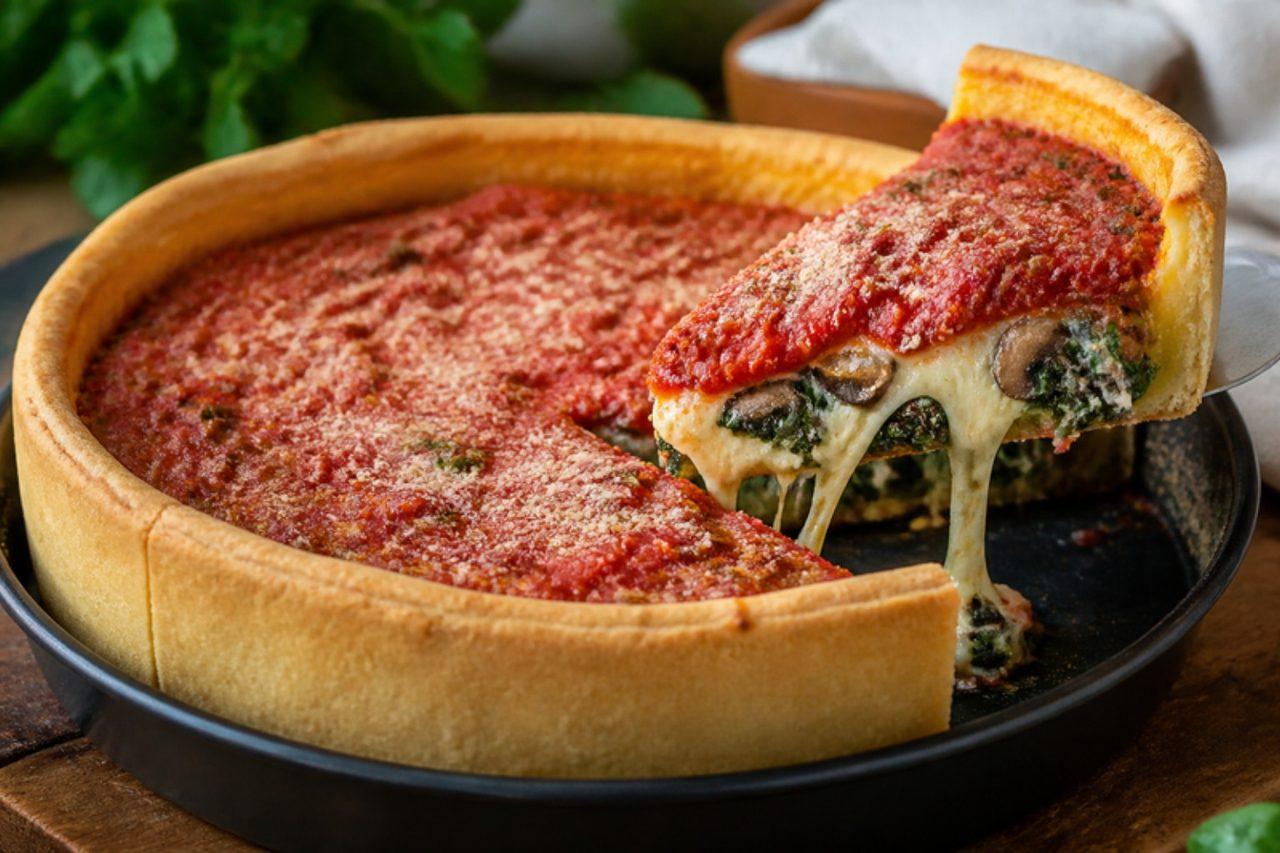
Deep-dish pizza was born in Chicago's River North in the 1940s and is still the dish visitors queue for downtown: a tall, flaky, buttery crust baked in a steel pan, filled with a thick layer of mozzarella and vegetables, and finished with chunky crushed tomato on top so the cheese doesn't burn during the long bake. You eat it with a knife and fork. Mozzarella is often made with animal rennet, so choose a vegetarian one. Chef's tip: laminate the dough with soft butter and roll it up like a cinnamon roll; that is what gives the crust its flaky, biscuit-like layers.

by KrazyBadal 0 views

Detroit-style pizza

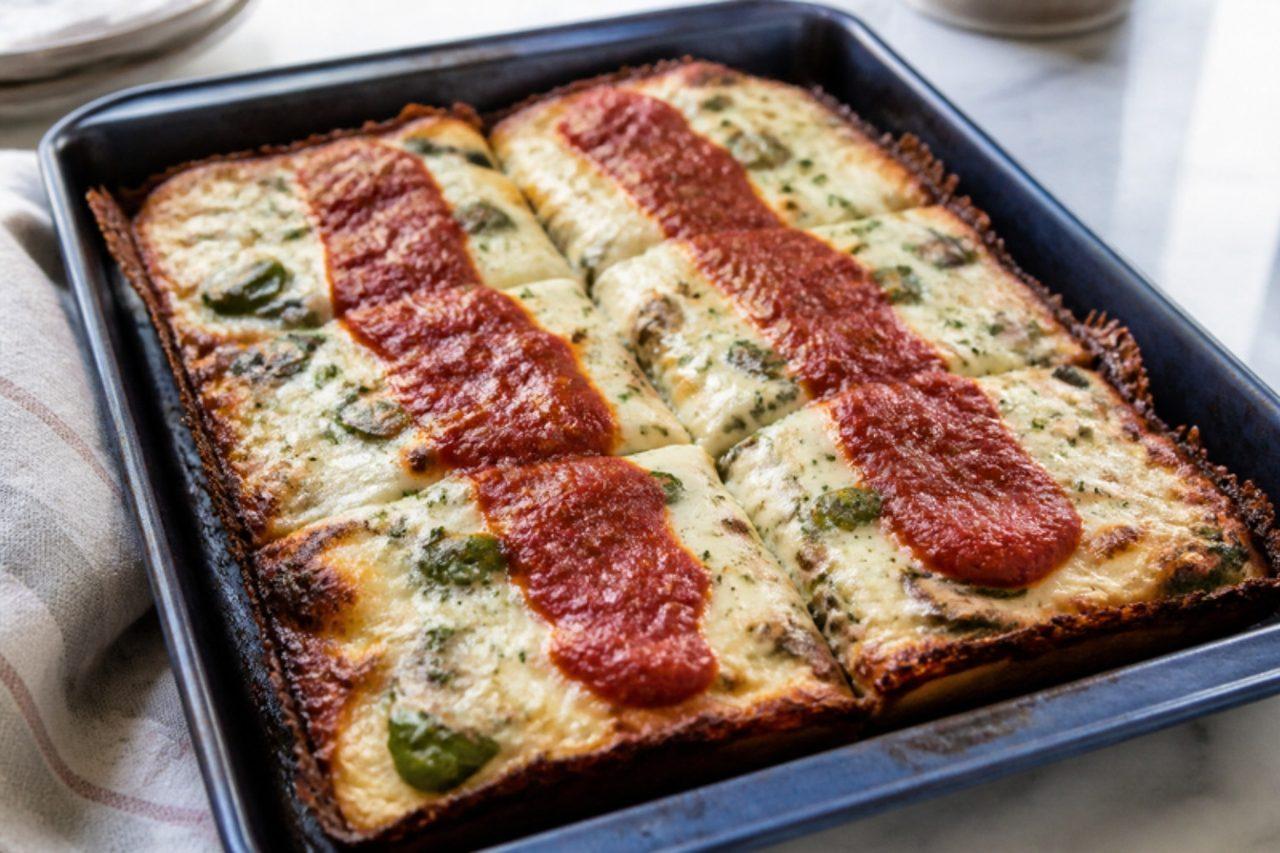
Detroit-style pizza started in an east-side bar in 1946, baked in the blue steel trays used in the city's car factories. The airy focaccia-like crust is topped edge to edge with cubed cheese, which melts down the sides into a crunchy, lacy, caramelised frame, and the tomato sauce goes on last in two stripes. The local brick cheese is hard to find, so use half mild cheddar, half mozzarella, both with vegetarian rennet. Chef's tip: push the cheese right into the corners and against the tin; that is where the famous burnt-cheese crust comes from.

by KrazyBadal 0 views

Sorghum molasses cookies

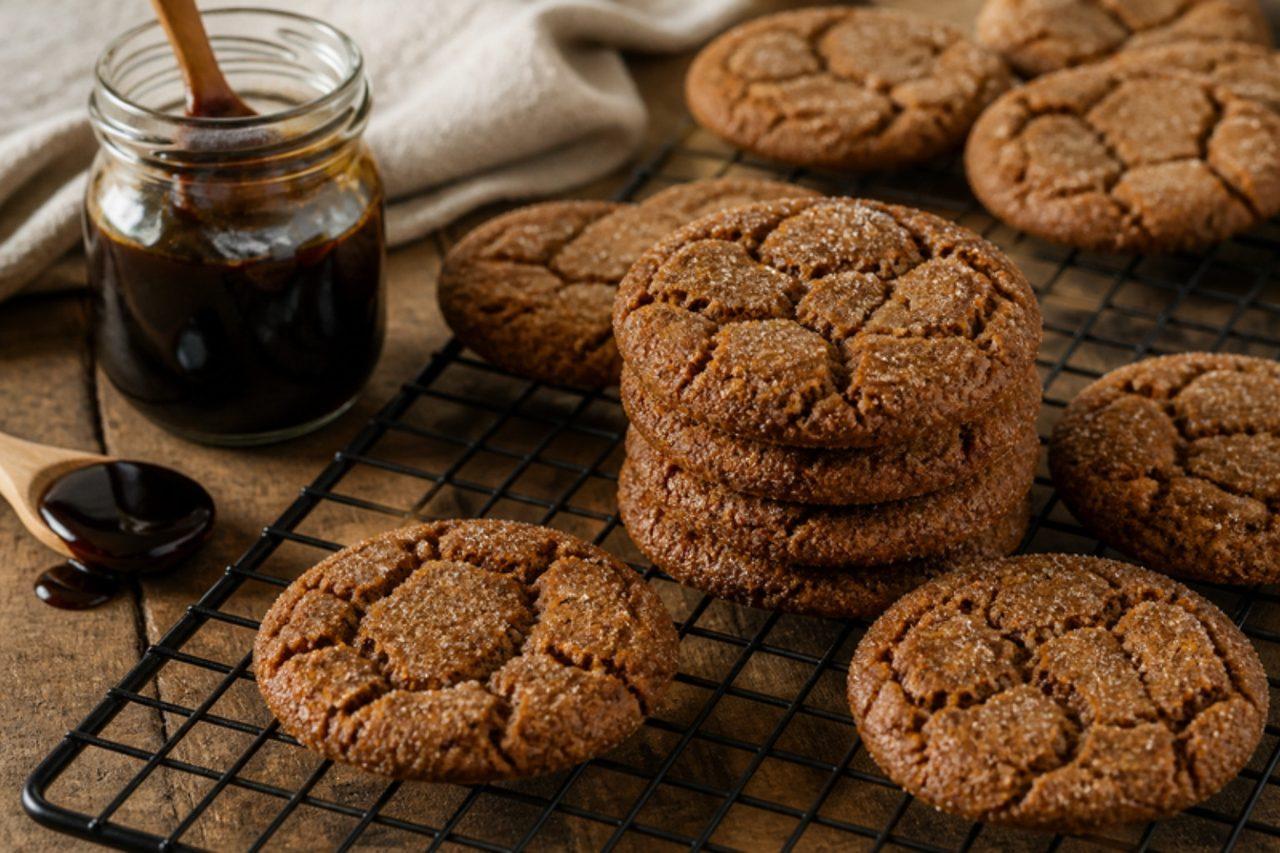
Every autumn, small farms across Kentucky and Tennessee still press sorghum cane and boil the juice into a thin, tangy syrup, and these soft spice cookies are how many mountain families use it at Christmas. Rolled in sugar, they bake with crackled tops and chewy middles, tasting of ginger and that distinctive earthy sweetness. Molasses works if you can't find sorghum. Chef's tip: chill the dough so the balls hold their shape and crack rather than spreading flat.

by KrazyBadal 0 views

Sweet potato pie

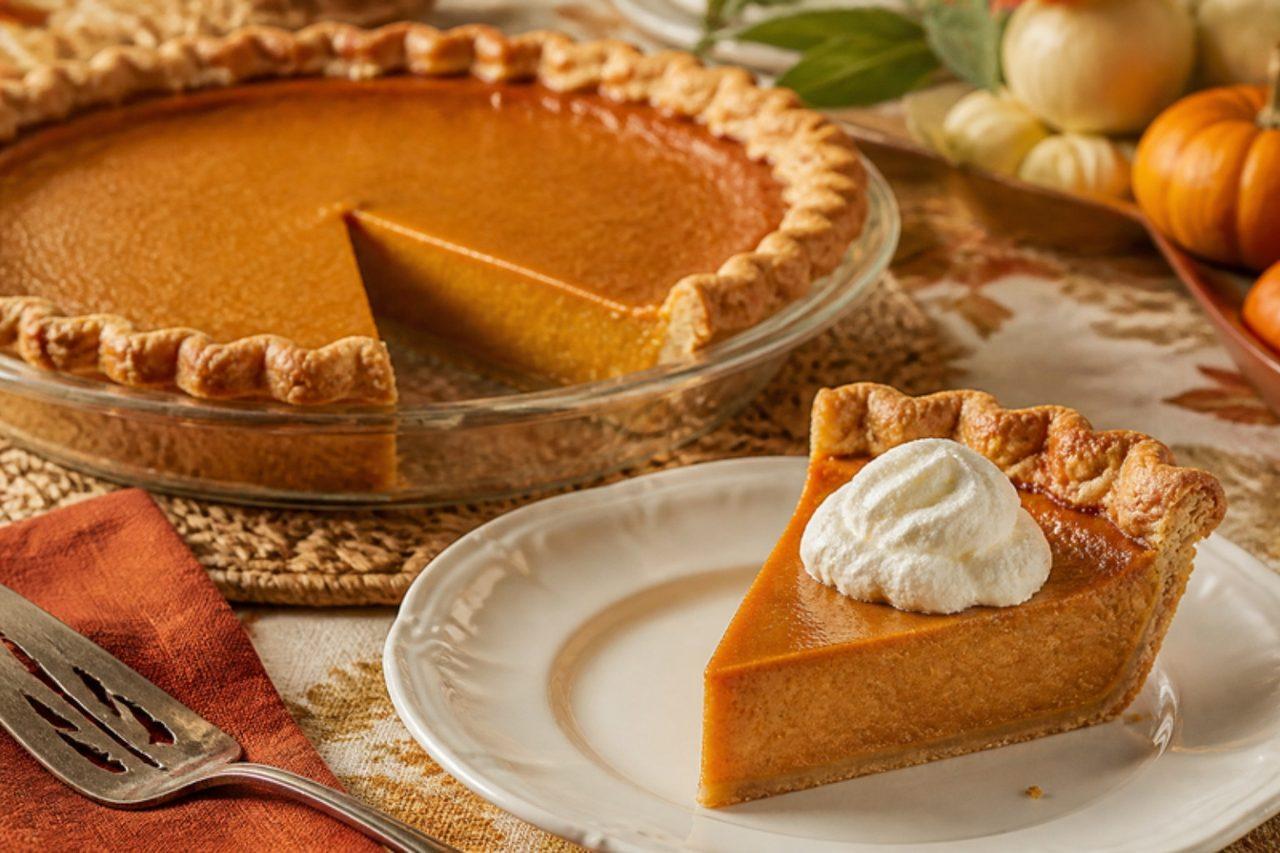
Sweet potato pie is the Thanksgiving and Christmas dessert of African American kitchens across the South, from Mississippi Delta church suppers to Sunday dinners in Atlanta. Roasted orange sweet potatoes are mashed with butter, evaporated milk, eggs and warm spices into a filling lighter and silkier than pumpkin pie. Chef's tip: roast the sweet potatoes whole rather than boiling them; you get a deeper, sweeter, less watery filling.

by KrazyBadal 0 views

Red velvet cake

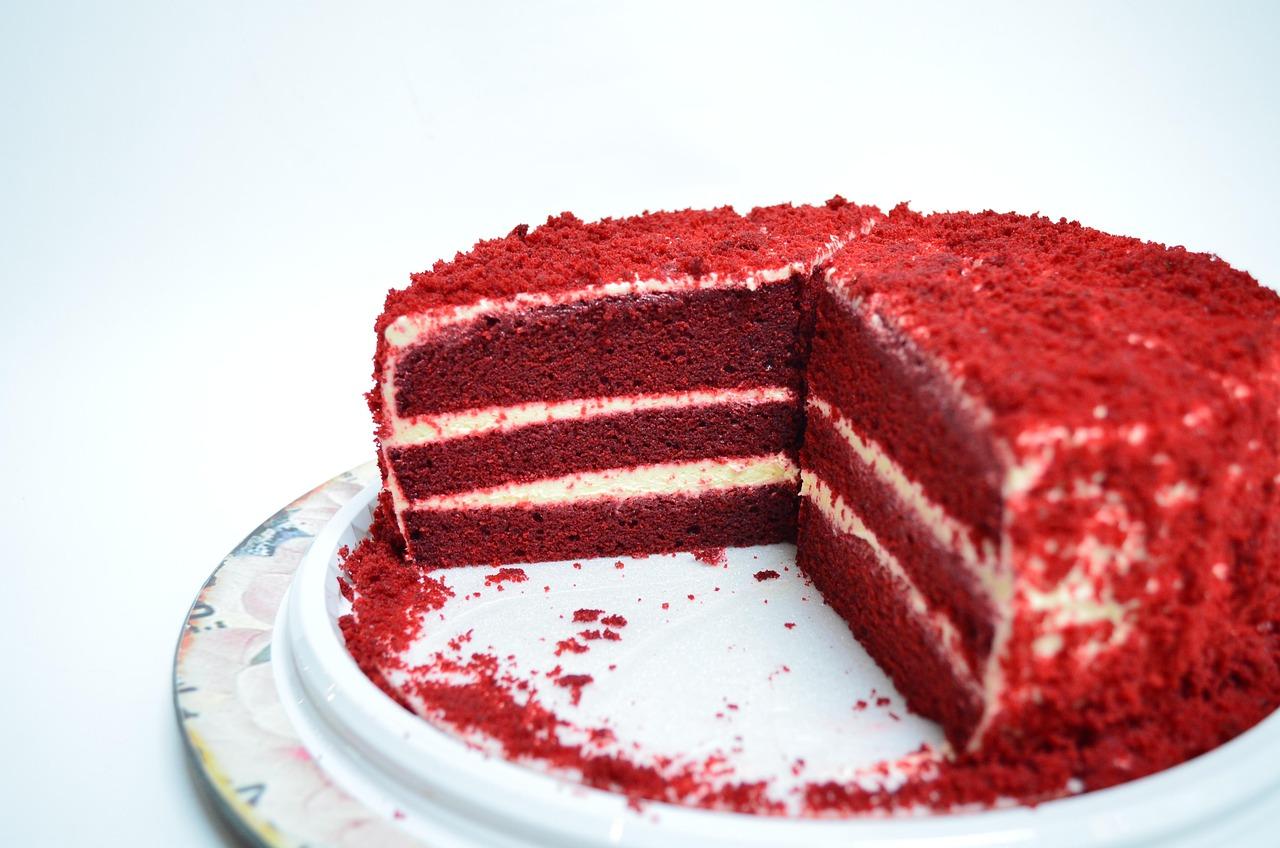
Red velvet is the Southern celebration cake of weddings, Juneteenth gatherings and Christmas in Texas and the Carolinas: soft, faintly chocolatey layers with a tang of buttermilk and vinegar, a deep red colour and thick, white cream cheese frosting. The colour once came partly from cocoa reacting with acid; today a little food colouring is usual. Chef's tip: use natural (not Dutch-process) cocoa, which keeps the colour brighter and the crumb lighter.

by KrazyBadal 0 views

Hummingbird cake

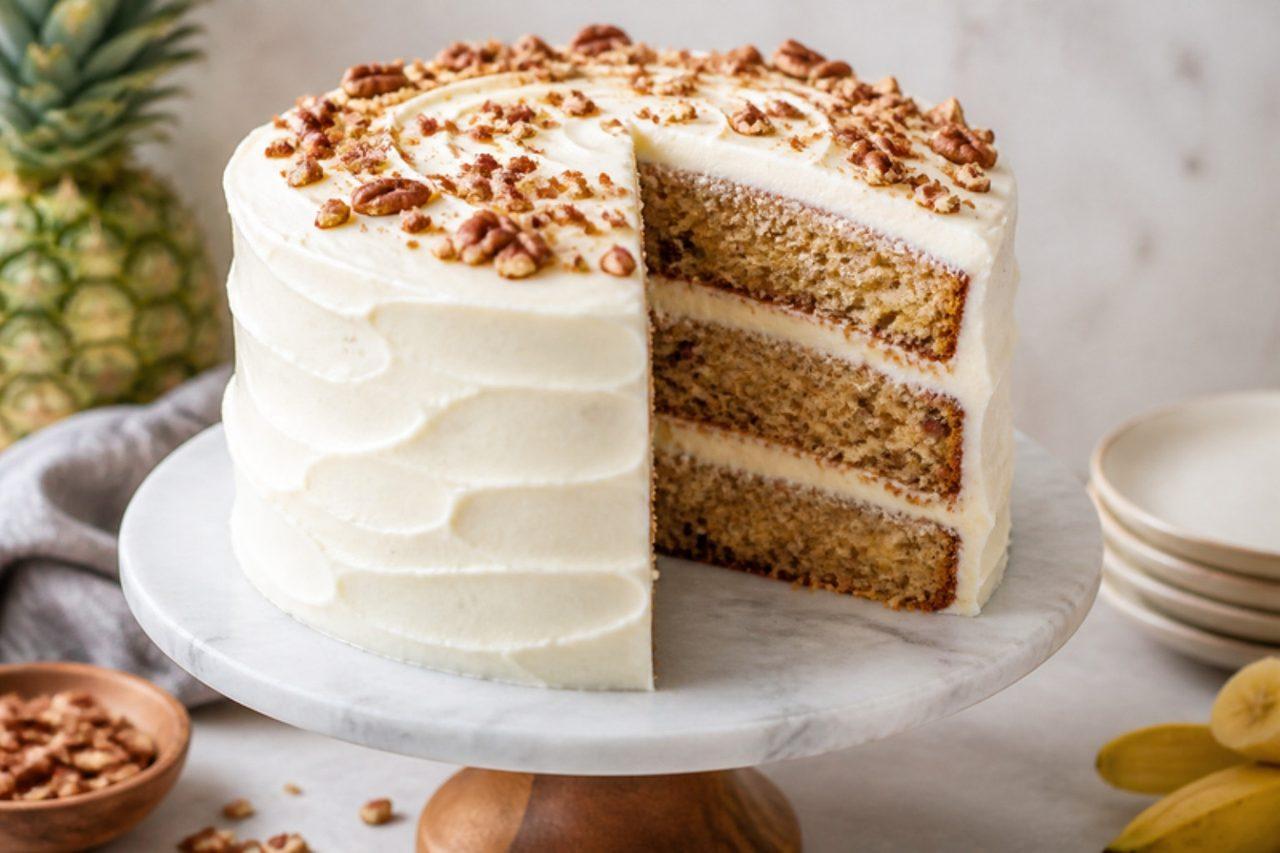
Hummingbird cake arrived in the South from Jamaica in the late 1960s and became famous after a Greensboro, North Carolina reader sent the recipe to a Southern magazine; it has been a church bake-sale and birthday favourite ever since. Mashed banana, crushed pineapple and toasted pecans make a moist, spiced oil cake under cream cheese frosting. Chef's tip: use very ripe, black-spotted bananas for sweetness and moisture.

by KrazyBadal 0 views

New Mexico sopaipillas

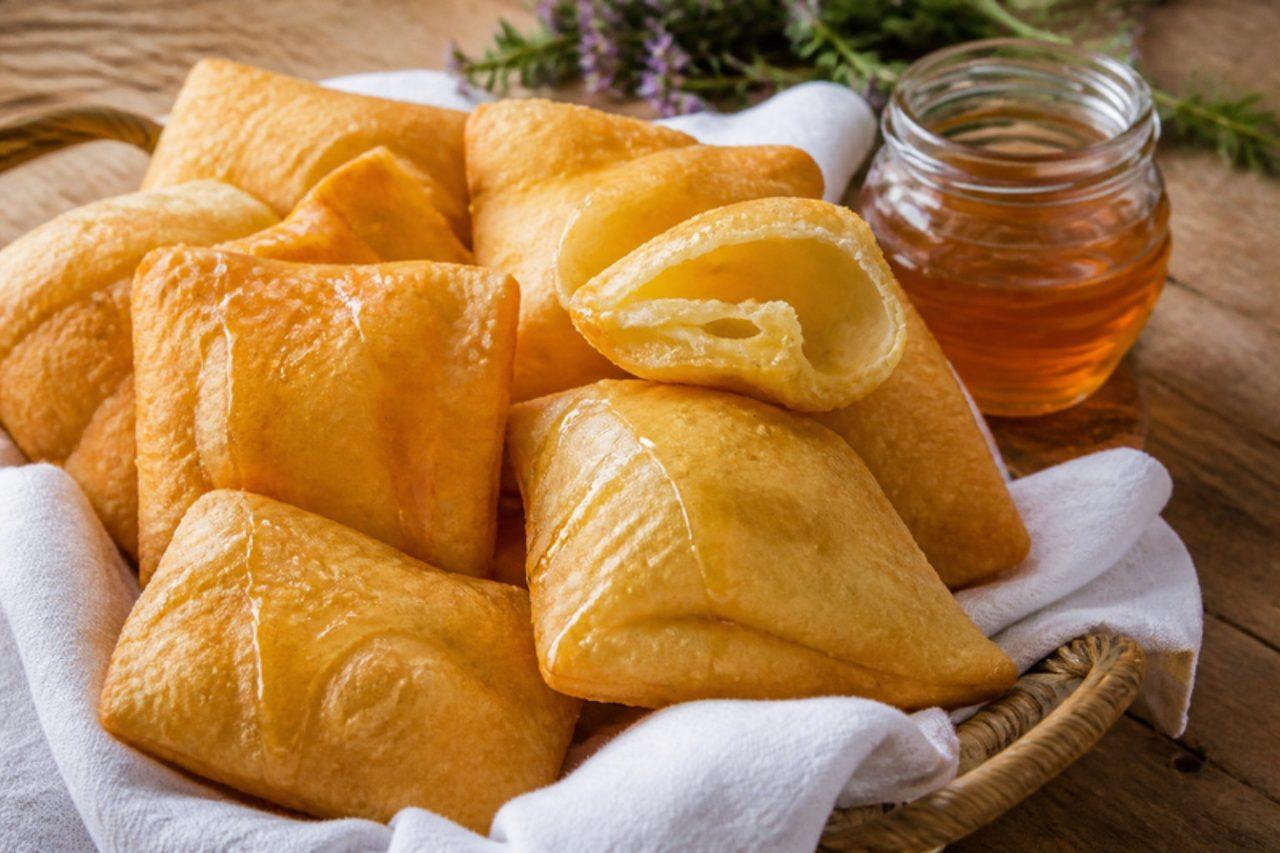
In New Mexico sopaipillas arrive in a basket with every plate of enchiladas or carne adovada, from Albuquerque diners to Santa Fe cafés, along with a squeeze bottle of honey. Small squares of dough puff up into hollow pillows in hot oil; you tear off a corner and drizzle honey inside to cool the heat of the red or green chile. They are a different thing from Chile's pumpkin sopaipillas. Chef's tip: roll the dough evenly to 3 mm and spoon hot oil over the tops as they fry; that is what makes them balloon.

by KrazyBadal 0 views

Cauliflower cheese

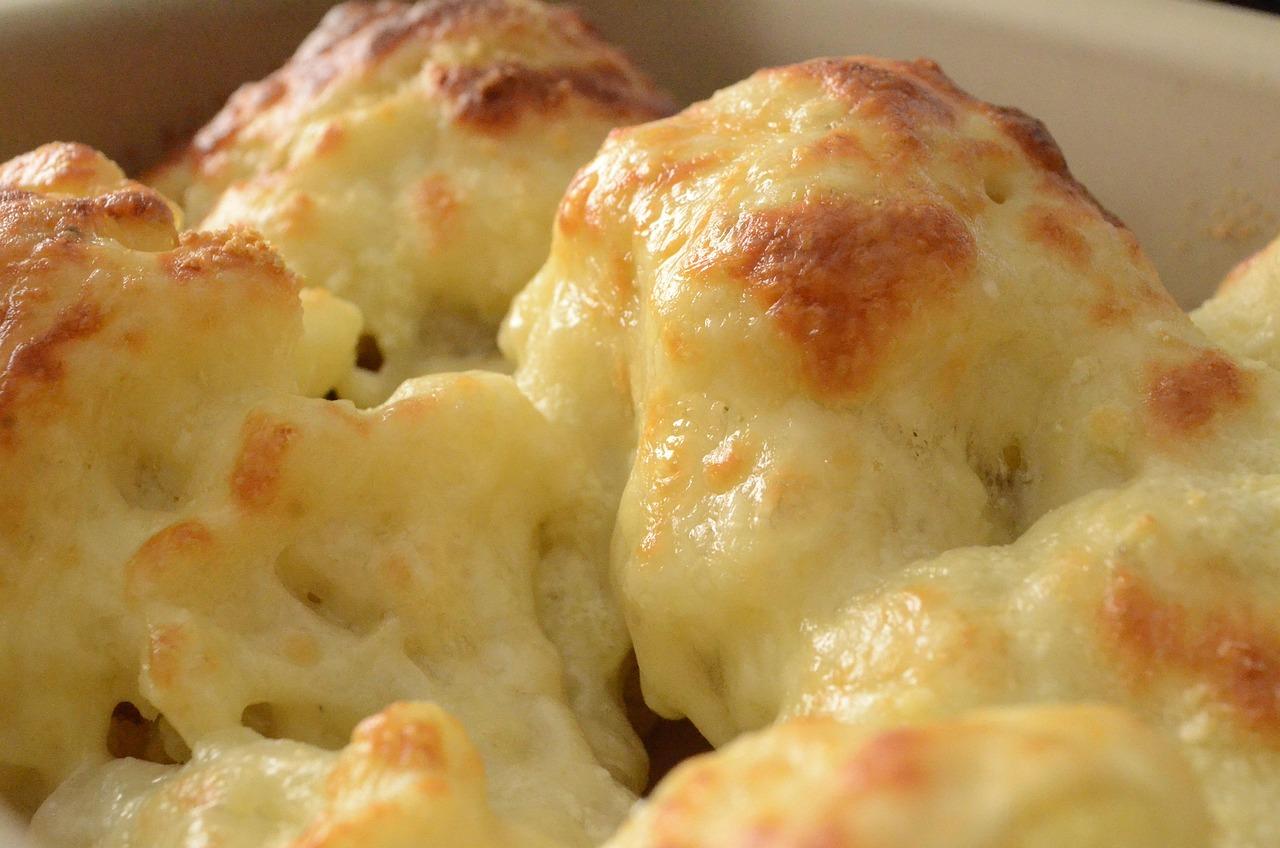
Cauliflower cheese is the bubbling, golden side that appears beside the Sunday roast in English homes, and on its own it makes a comforting vegetarian supper with crusty bread. Tender cauliflower is baked under a mustardy cheddar sauce with a crisp, browned top. Many cheddars are made with animal rennet, so use a vegetarian mature cheddar. Chef's tip: steam the cauliflower and let it dry; wet florets water down the sauce.

by KrazyBadal 0 views

Navajo fry bread

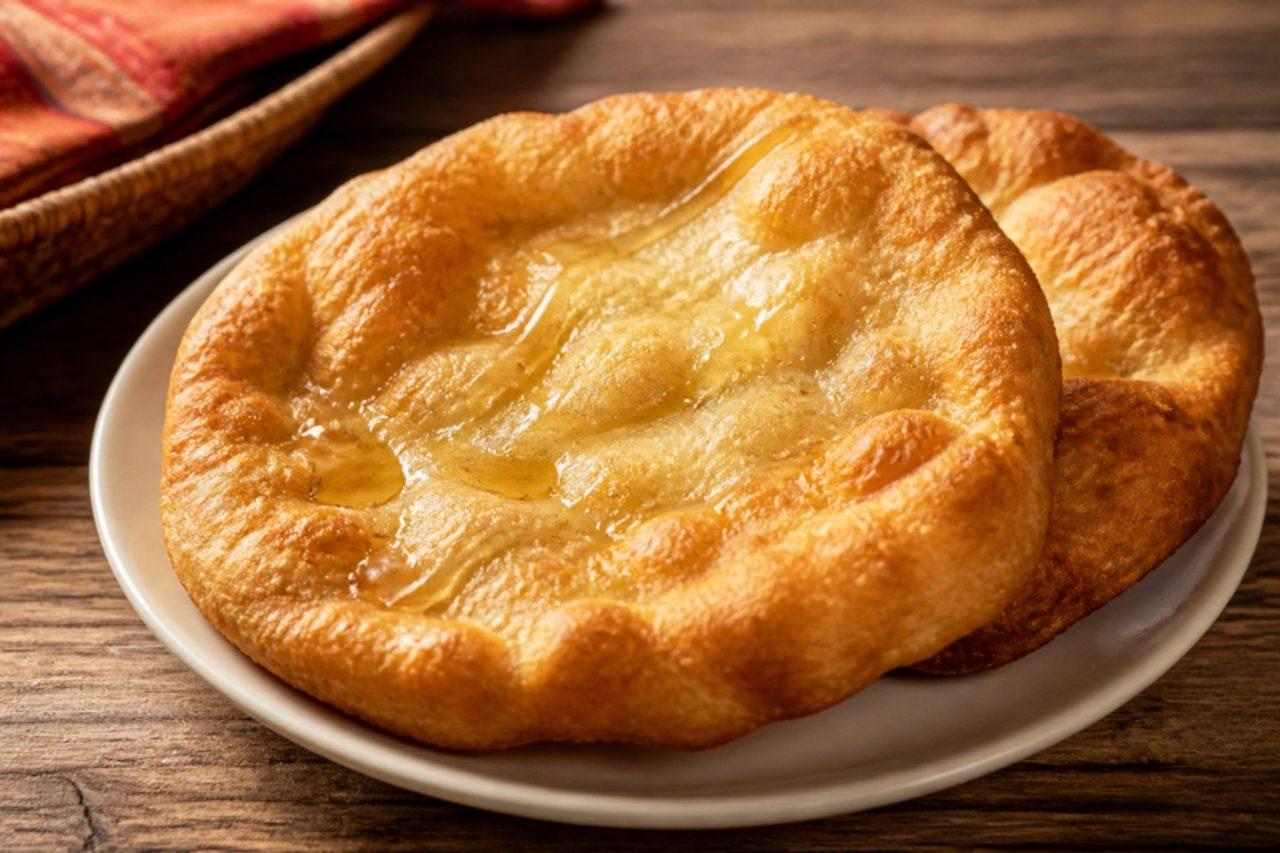
Fry bread is eaten across the Navajo (Diné) Nation of Arizona and New Mexico, at powwows, rodeos, flea markets and family gatherings. It grew out of the flour and lard handed out as government rations after the Long Walk of 1864, so it carries a painful history as well as pride. The dough is simple, stretched by hand and fried until puffed, crisp at the edges and chewy inside. Eat it with honey and icing sugar, or as the base for Navajo tacos. Chef's tip: poke a small hole in the centre before frying so it cooks evenly and doesn't balloon.

by KrazyBadal 0 views

San Francisco sourdough bread

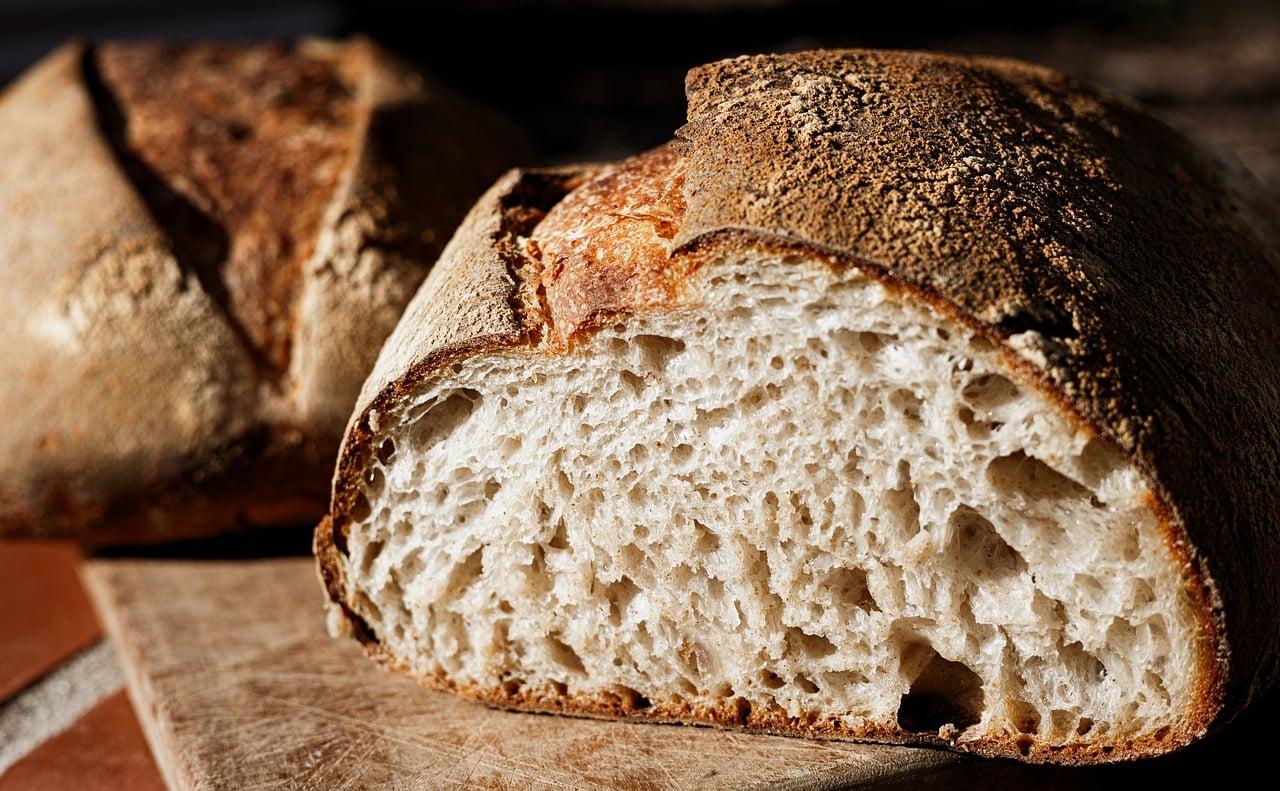
Sourdough has been San Francisco's bread since the Gold Rush of 1849, when miners kept a wild starter going, and the cool, foggy climate around the Bay helps give it its famously sour tang. Bakeries at Fisherman's Wharf still serve it hollowed out as a bowl for chowder. A long, cool rise gives a crackling dark crust and a chewy, open crumb. You need an active starter, fed 6–8 hours before. Chef's tip: for a more sour loaf, give the shaped dough a longer, colder rest in the fridge, up to 36 hours.

by KrazyBadal 0 views

Hushpuppies

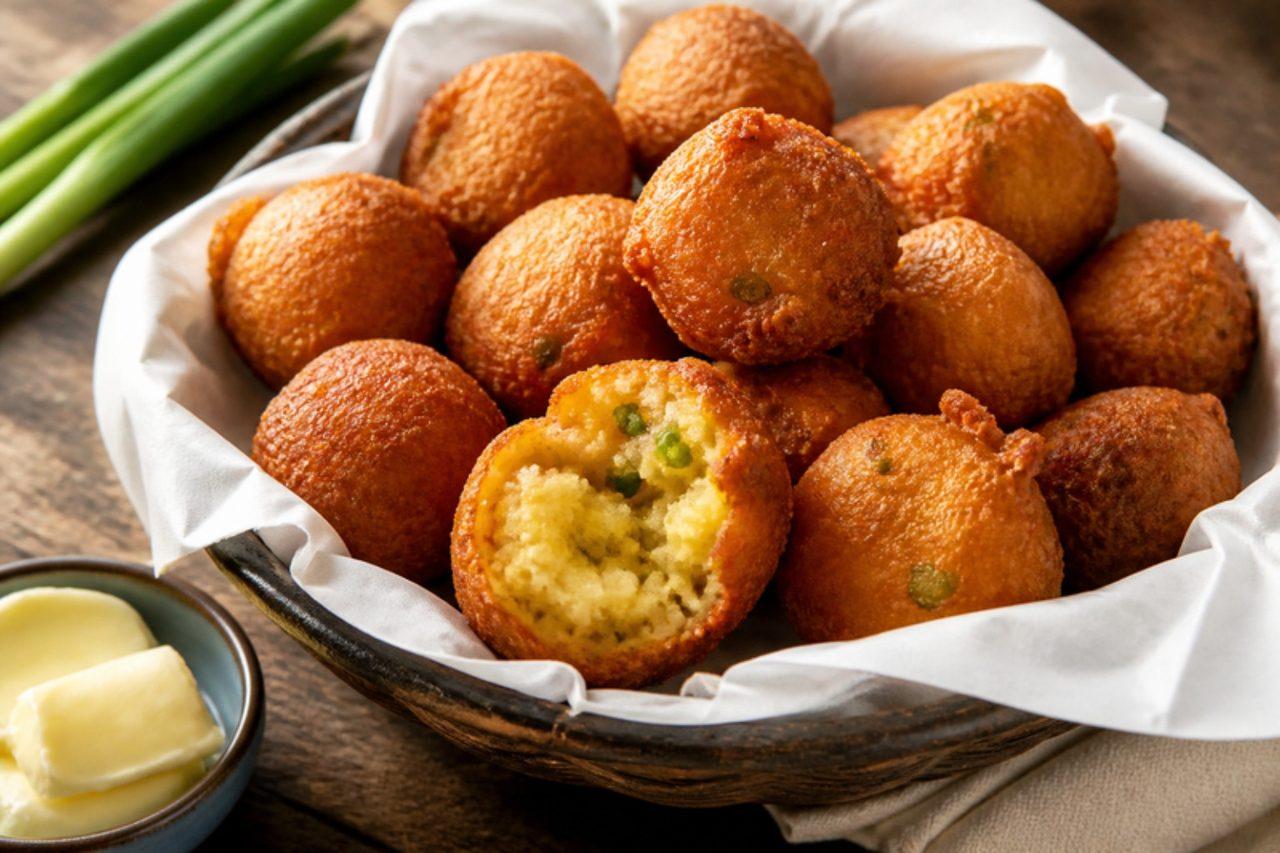
Hushpuppies are the little golden cornmeal fritters served in paper baskets at fish camps and seafood shacks from the North Carolina coast to the Gulf, always next to fried catfish and slaw. The batter has onion and buttermilk, so they are crunchy outside and steamy and slightly sweet inside. Chef's tip: let the batter rest for 10 minutes so the cornmeal hydrates; it makes them rounder and less gritty.

by KrazyBadal 0 views
Lowcountry shrimp perloo

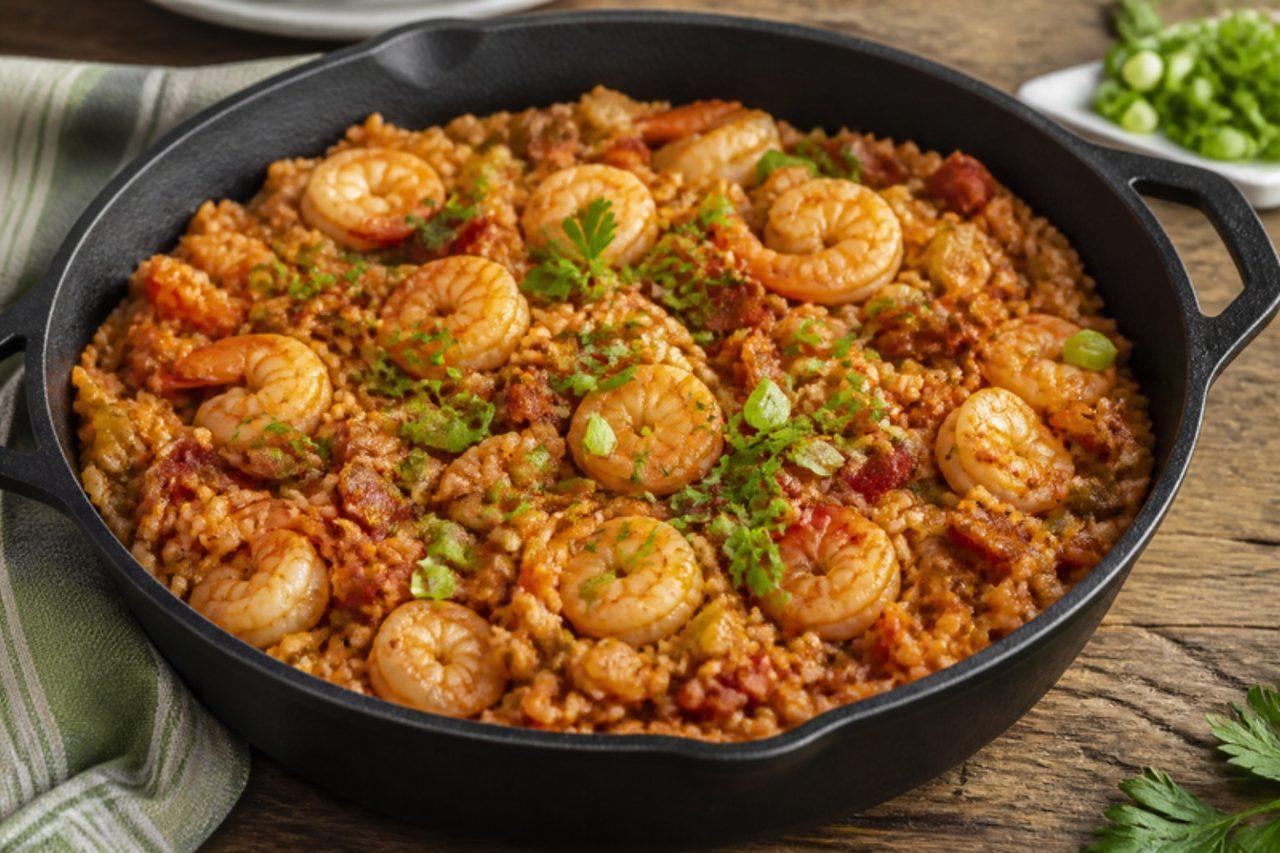
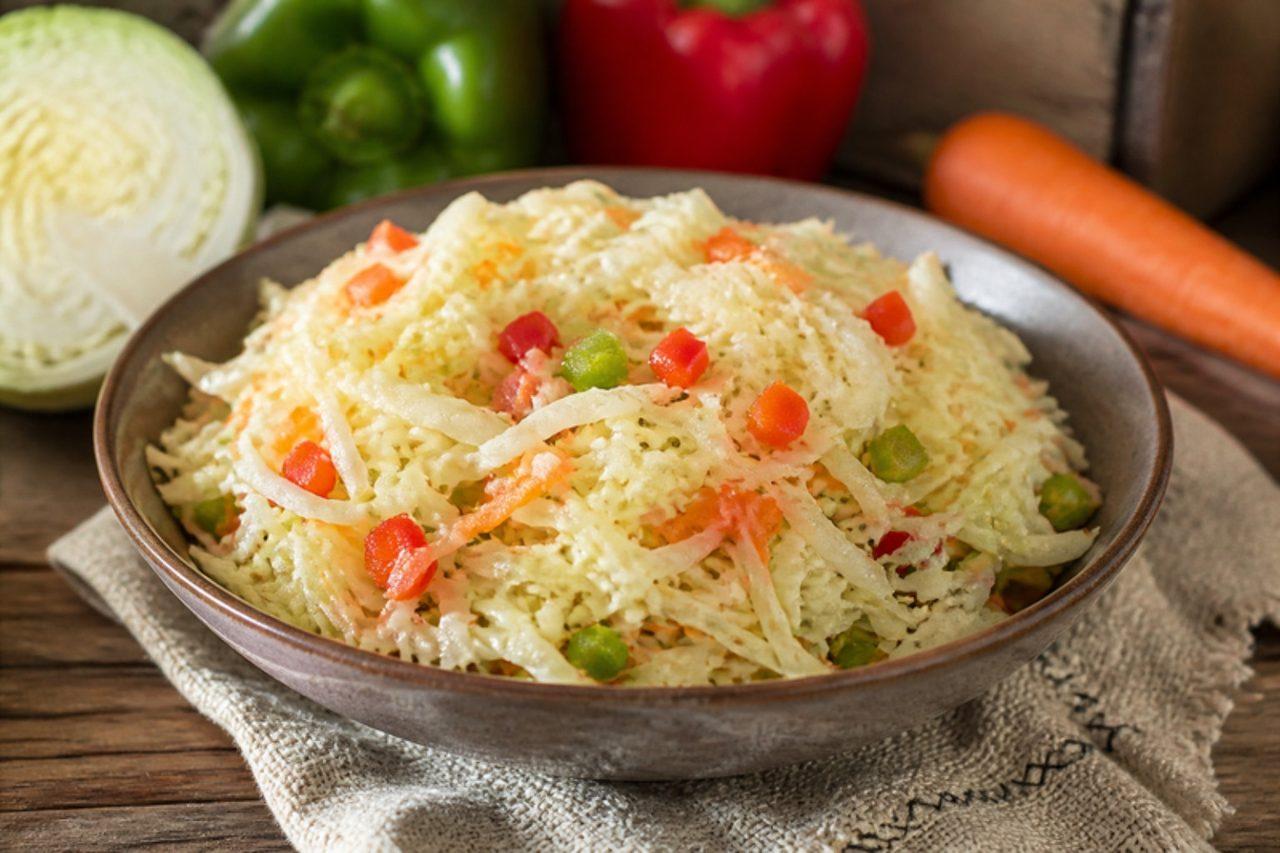
Perloo (or purloo, pilau) is the Charleston and Savannah family of rice dishes born on the Carolina Gold rice plantations, where West African cooks simmered rice in rich broth with whatever the coast or yard gave. This one uses smoked bacon (pork), tomato and fresh shrimp, so every grain is separate, red-tinged and full of flavour. Chef's tip: once the lid goes on, don't lift it or stir; perloo should be fluffy, never creamy like risotto.

by KrazyBadal 0 views
Kentucky burgoo

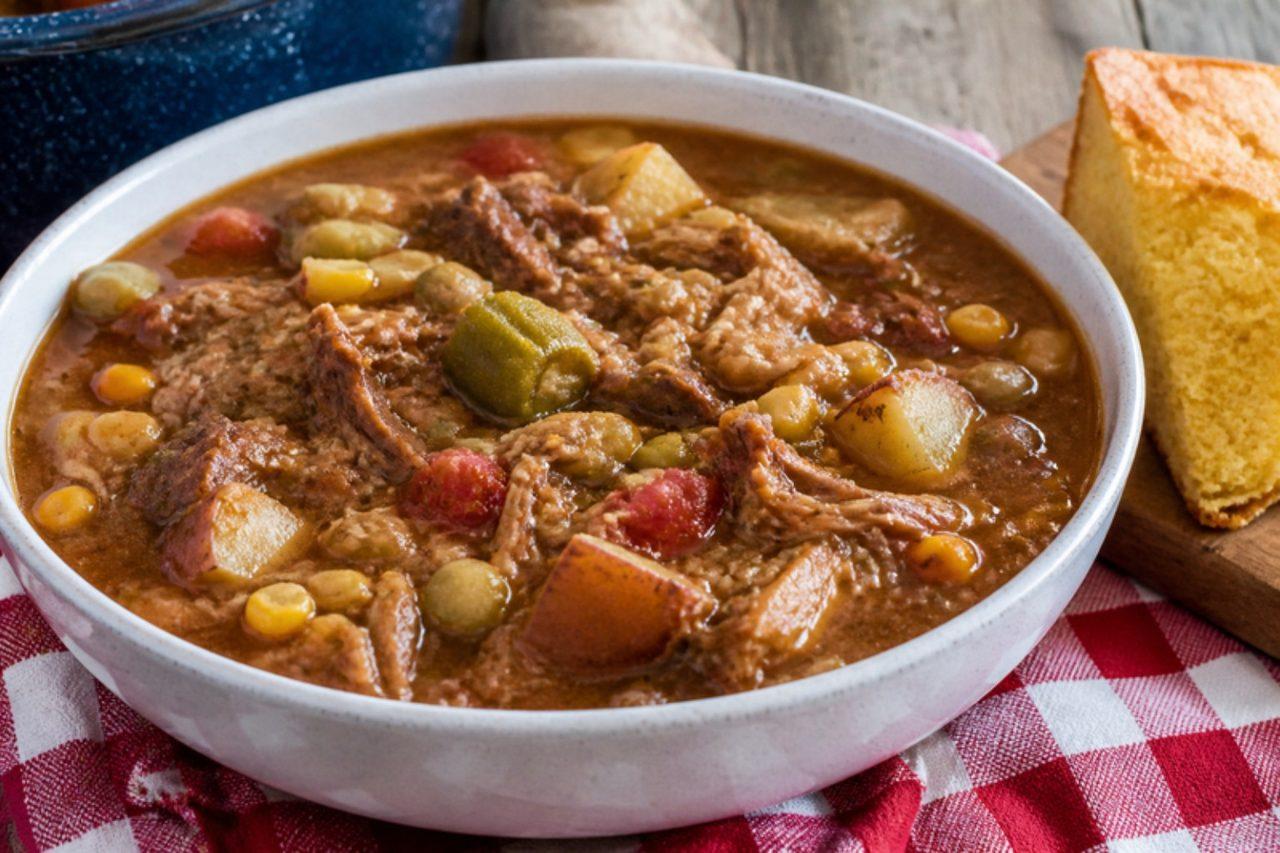
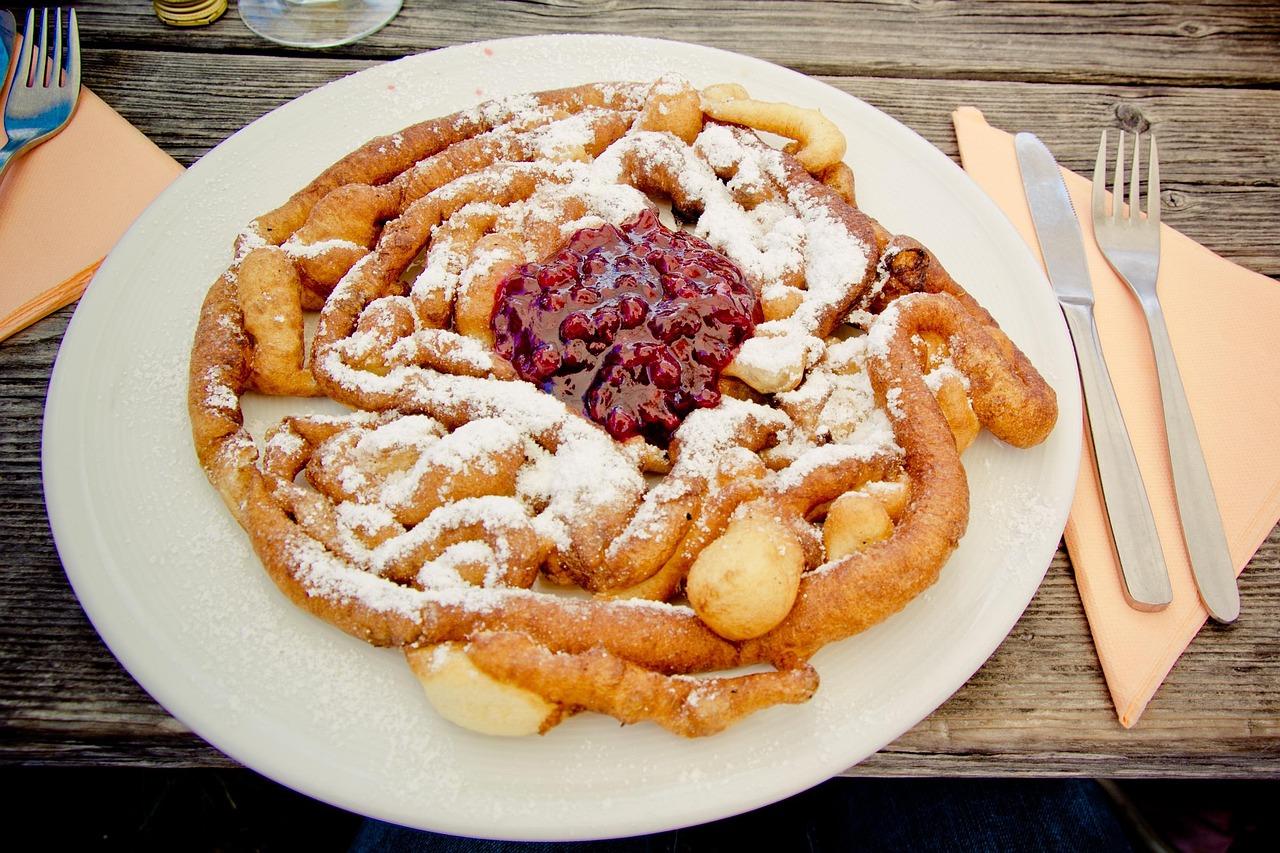
Burgoo is the thick, peppery stew Kentuckians cook in iron kettles for Derby parties, church picnics and political rallies, stirred for hours with a wooden paddle. Traditionally it used whatever meat was shot or raised; today it is usually beef, pork shoulder and chicken simmered with tomatoes, corn, okra, butter beans and potatoes until it all melts together. Chef's tip: burgoo should be thick enough that the paddle stands up; cook it down more if it's soupy.

180 minAmericanMeat
by KrazyBadal 0 views
Barley couscous with vegetables (belboula)

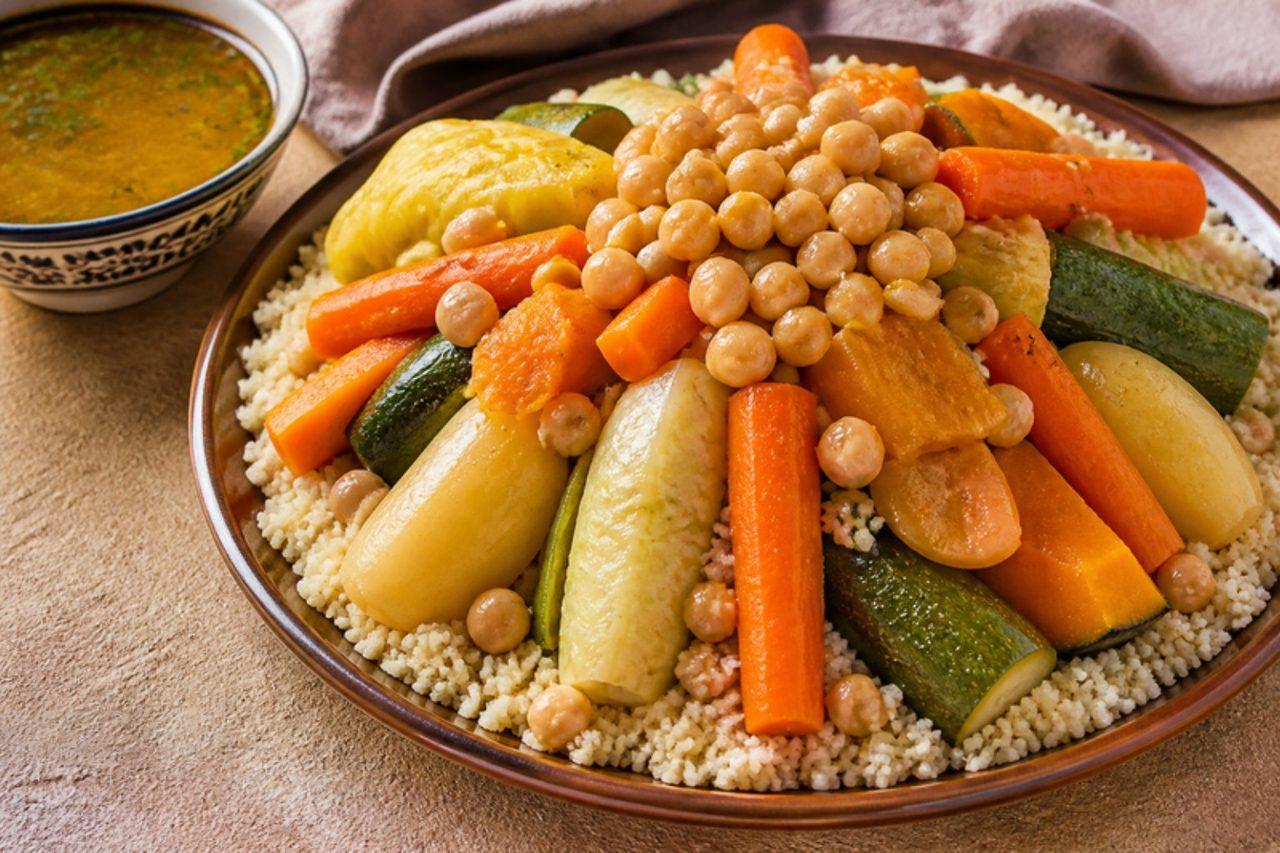
In the palm oases of the Draa Valley, south of the Atlas, barley grows where wheat struggles, and the couscous cooked for family meals is often belboula: cracked barley grains steamed three times until fluffy, nutty and slightly chewy. It is heaped on a big platter, crowned with vegetables from the broth bubbling beneath it, such as carrots, turnips, pumpkin, courgettes and cabbage, plus chickpeas, then moistened with ladles of the turmeric-and-ginger broth. On hot days the same couscous is eaten cold with buttermilk instead. It takes time but very little skill once you know the rhythm of steaming. Chef's tip: oil and rub the grains between your palms before each steaming so they stay separate.

by KrazyBadal 0 views
Tafarnout (pebble-baked Amazigh bread)

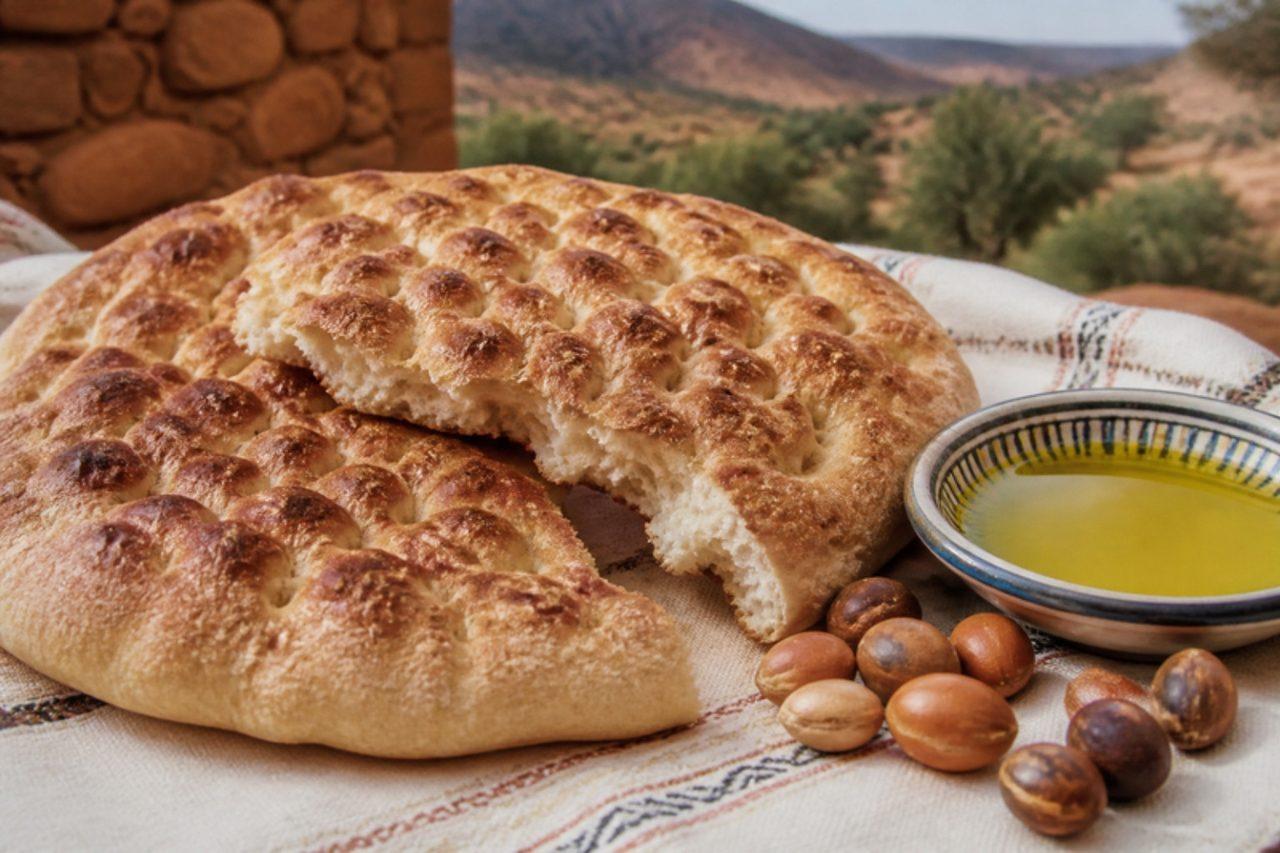
In the villages of the Anti-Atlas and the south, tafarnout is named after the domed clay oven it is baked in, lined with pebbles that are heated by a wood fire until the dough slapped onto them puffs and blisters within minutes. The stones leave the bottom deeply dimpled and charred in spots, while the top stays soft; it is torn and dipped into argan oil, amlou or olive oil, or eaten with tagines. You can come close at home with a tray of clean, smooth river pebbles or a baking stone in a very hot oven. Allow about 1 1/2 hours for the dough to rise. Use only smooth, dense pebbles, scrubbed and dried for an hour in a low oven first: stones with trapped water can crack in the heat. Chef's tip: let the pebbles heat for a full 40 minutes; lukewarm stones make a pale, flat loaf.

by KrazyBadal 0 views
Sfenj (Moroccan doughnut rings)

Early in the morning, in medina lanes from Fez to Casablanca, the sfenji pulls handfuls of sticky dough from a bowl, pokes a hole through each with his thumb and drops the rings into a big pan of oil, where they puff into crisp, golden, irregular doughnuts with a chewy, airy inside. Customers carry them away threaded on a strip of palm leaf, to eat hot with mint tea or coffee, plain, dusted with sugar or dipped in honey. The dough is just flour, yeast, salt and water, and deliberately very wet; that is what gives the open, holey crumb. Allow about 1 1/2 hours for it to rise. Where sfenj go wrong is a dough that is too stiff; it should be sticky and slack, or the rings come out bready instead of open and chewy. Chef's tip: keep a bowl of water beside you and wet your hands before every piece, so the sticky dough slides off your fingers instead of clinging to them.

by KrazyBadal 0 views
Showing 54 of 7,762 recipes

Show more recipes

Page 398 of 863