


Skip to content
Vincisgrassi
Featured recipe

Vincisgrassi

Baked lasagne with meat ragù

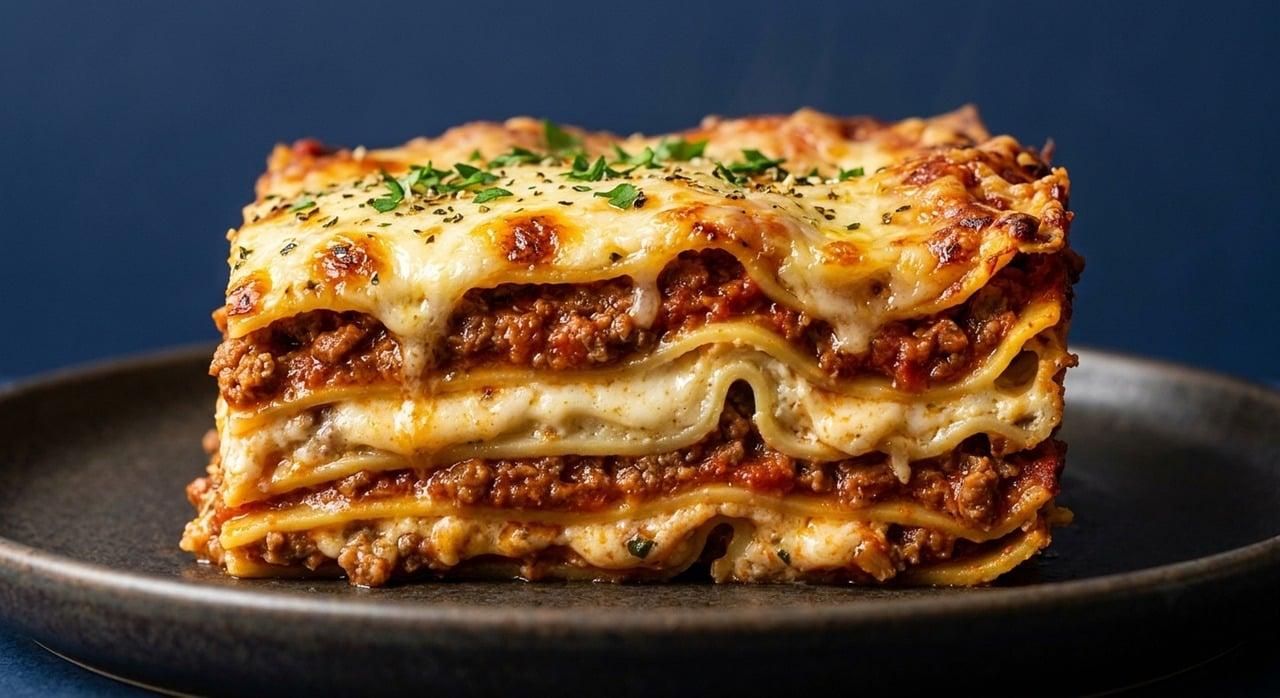
Macerata, in the hills of the Marche, claims vincisgrassi as its own, and families still bake a tray for Sunday lunch, Christmas and Carnival. It is richer than the lasagne most people know: thin egg pasta sheets layered with a slow ragù of pork, veal and chicken livers, a nutmeg-scented béchamel and plenty of parmigiano, baked until the top is crusted and golden. Many cooks splash in white wine and a little Marsala; this version uses dry white wine, with an alcohol-free swap in the ingredient list, and the chicken livers are optional if you'd rather leave them out. Serve it in modest squares, followed by a crisp green salad. Chef's tip: make the ragù the day before and assemble cold, so the layers set firmly and slice cleanly.

Read more 0 views

What to eat today?

Around the world

Today's trip: Paraguayan

A new country every day, from every cuisine on the site.

Paraguayan

Chipa

Cheese bread rings 50 minMore from Paraguayan (27) →

This week's collection

Kid-friendly dinners
537 recipes · a new collection every Monday

Latest recipes

Chocolate gravy and biscuits

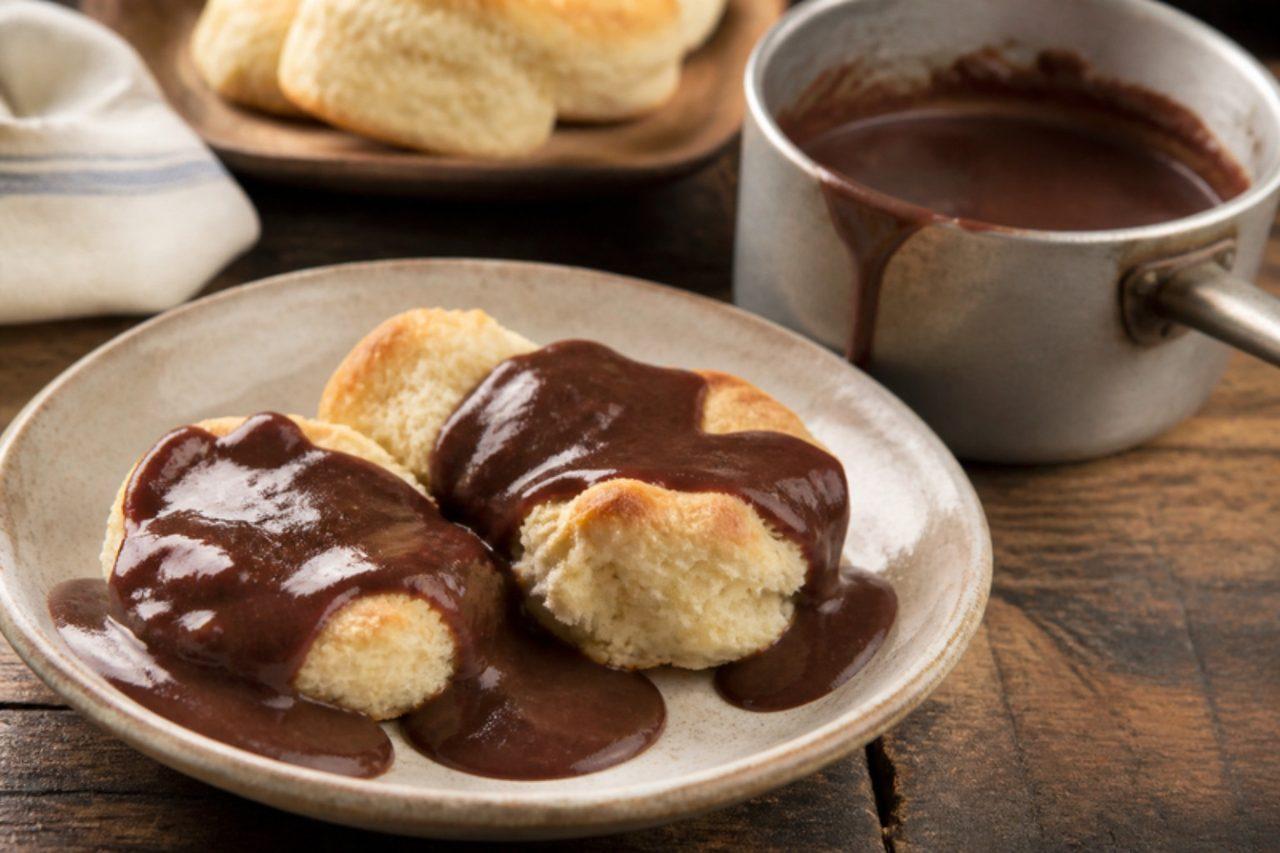
Chocolate gravy is a Sunday-morning treat in the hills of Arkansas, Tennessee and eastern Kentucky, passed down in mountain families who made it from pantry staples. It is a glossy, pourable cocoa pudding cooked in a skillet and ladled over split biscuits with a pat of butter, something between breakfast and dessert. Chef's tip: whisk the cocoa, sugar and flour together before the milk goes in, so there are no lumps.

by KrazyBadal 0 views
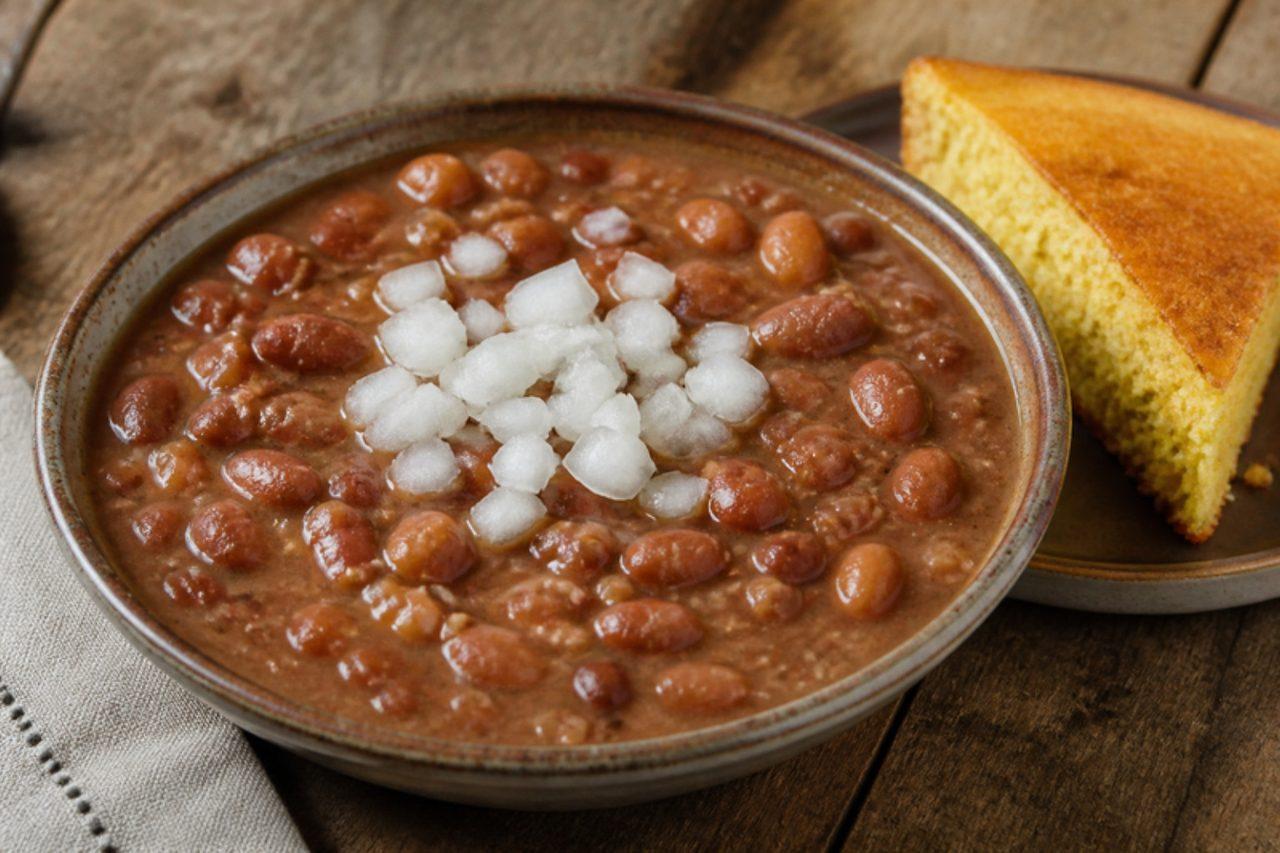
Appalachian soup beans

Soup beans, a pot of brown pintos simmered all afternoon until the broth turns thick and creamy, are the everyday supper of the coal-country hollows of Kentucky and West Virginia, served with cornbread, raw onion and chow-chow. Most mountain cooks add a ham hock or salt pork; this meat-free pot gets its savour from browned onion, garlic and a little smoked paprika. Chef's tip: mash a ladle of beans against the pot side near the end to thicken the 'pot likker'.

by KrazyBadal 0 views

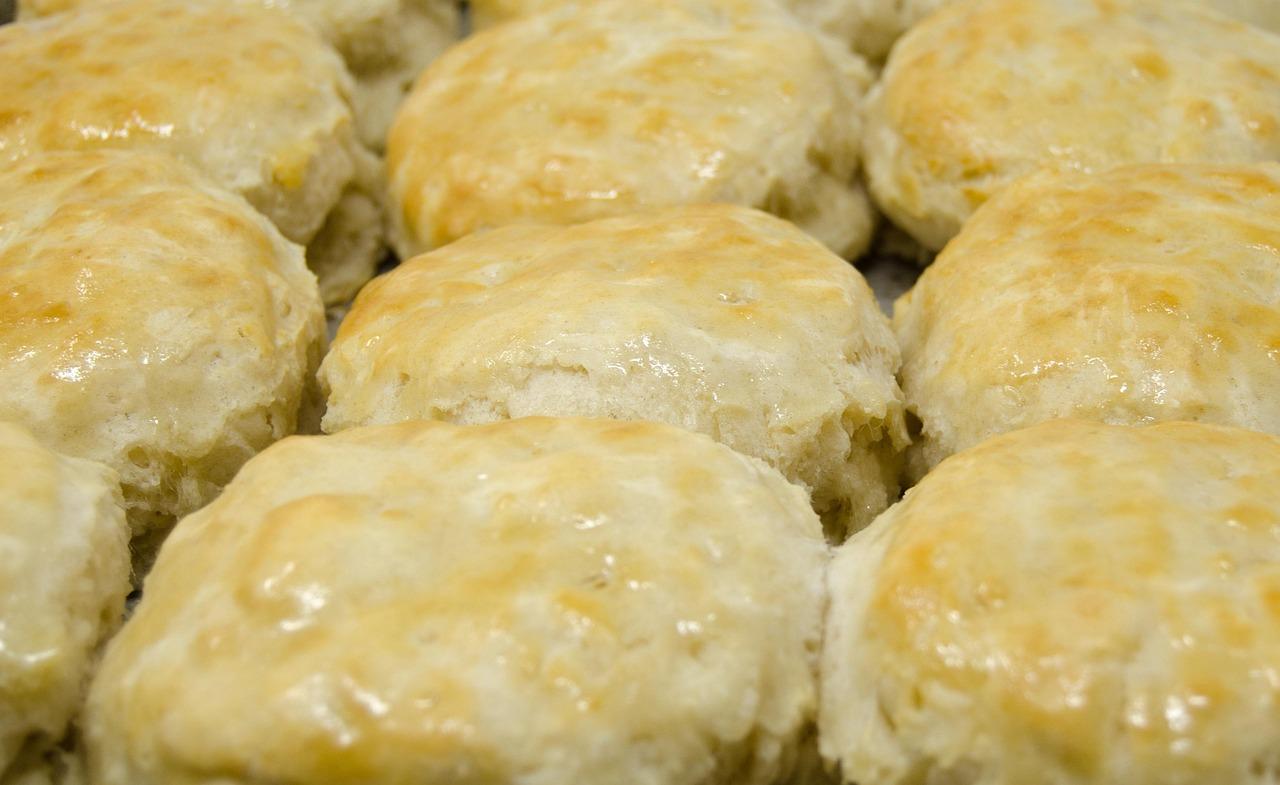
Southern buttermilk biscuits

In the South a biscuit is not a cookie but a tall, tender, flaky quick bread, baked every morning in kitchens from Georgia to Tennessee and split open for butter and sorghum, sawmill gravy or a slice of country ham. Cold butter and buttermilk, a light hand and a hot oven give layers that pull apart in steamy flakes. Chef's tip: press the cutter straight down without twisting; twisting seals the edges and stops them rising.

by KrazyBadal 0 views

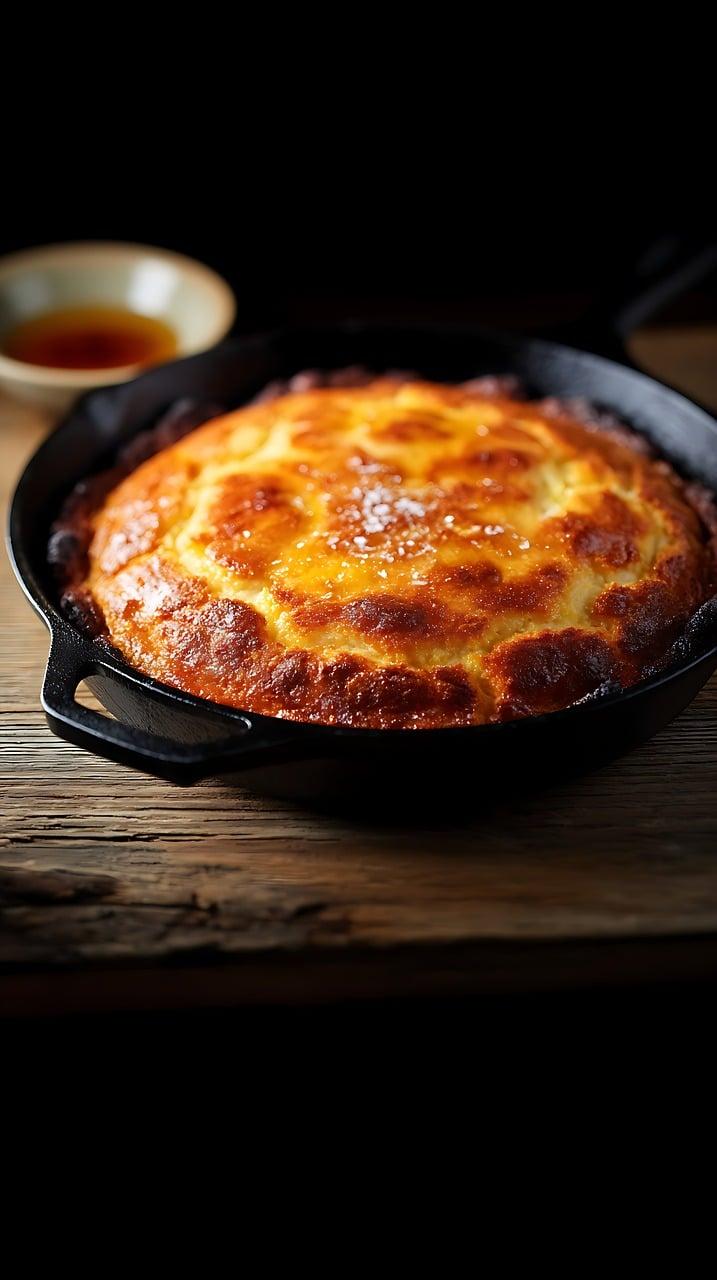
Southern skillet cornbread

Southern cornbread is baked in a smoking-hot cast-iron skillet so the edges fry crisp and brown, and in much of the Deep South it is made with little or no sugar, unlike the cakey Northern kind. It goes on the table with greens, pinto beans and barbecue, and leftovers get crumbled into a glass of buttermilk. Chef's tip: the batter must sizzle loudly when it hits the pan; if it doesn't, the skillet isn't hot enough for a crust.

by KrazyBadal 0 views

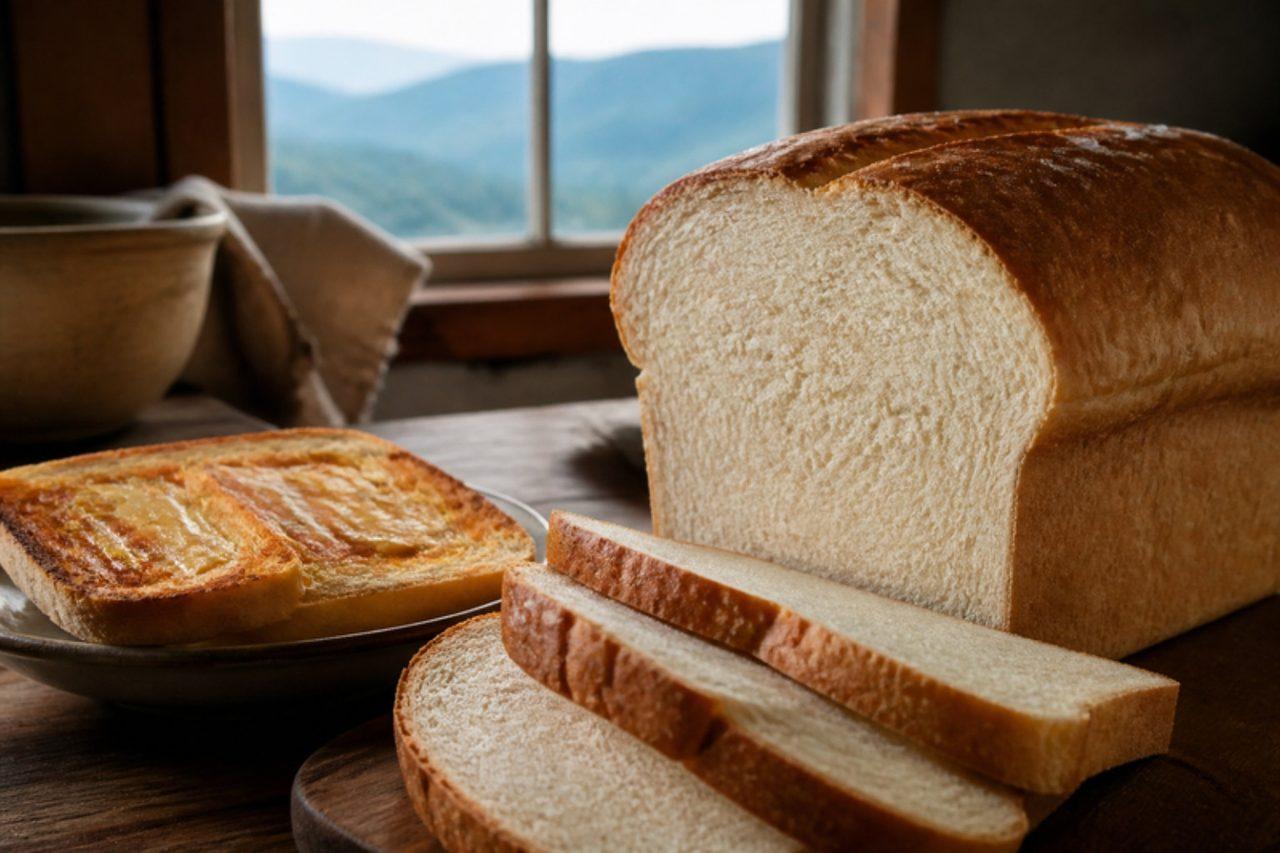
Salt-rising bread

Salt-rising bread was baked by settlers in the Appalachian mountains of West Virginia and western Pennsylvania who had no yeast; a starter of potato, cornmeal and milk is kept very warm until wild bacteria make it bubble. The loaf is dense, fine-textured and famous for its cheesy, tangy smell, and is best toasted and buttered. Chef's tip: the starter needs a steady 38–40 °C, so stand it in an oven with only the light on, and check it is truly bubbling before going on.

by KrazyBadal 0 views

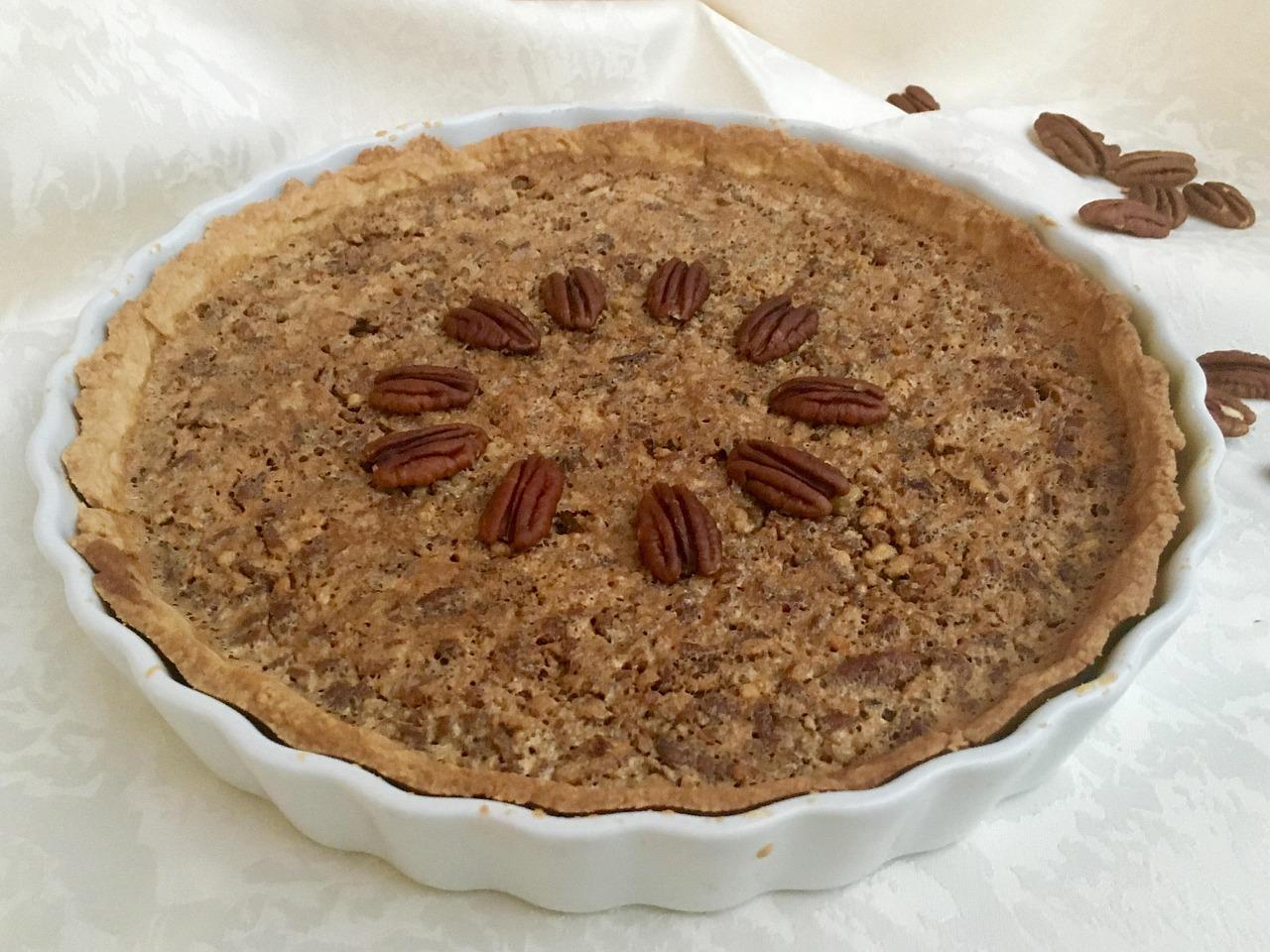
Southern pecan pie

Pecans grow wild along the rivers of Georgia, Alabama and Texas, and pecan pie, a gooey brown-sugar custard packed with toasted nuts, is the star of Thanksgiving tables right across the South. This version uses golden syrup and dark brown sugar for a caramel flavour. Chef's tip: toast the pecans first; raw pecans taste flat and go soft in the filling.

by KrazyBadal 0 views

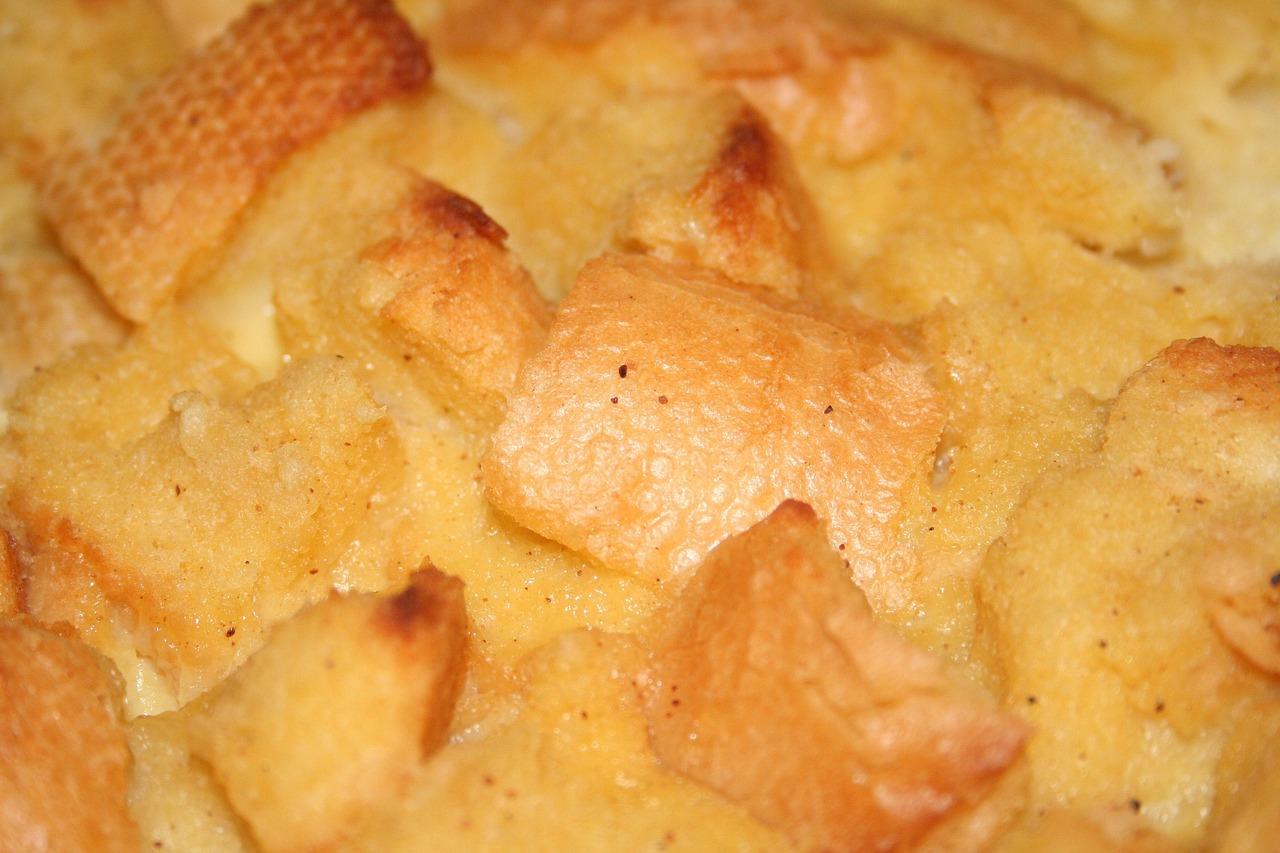
New Orleans bread pudding with whiskey sauce

Every Creole restaurant in New Orleans, from neighbourhood po'boy shops to grand old dining rooms in the Garden District, serves bread pudding, because the city's light, crusty French bread goes stale in a day. The bread soaks in a cinnamon custard with raisins and bakes until puffed and golden, then gets a warm whiskey butter sauce. The sauce contains bourbon; for an alcohol-free version use 3 tbsp apple juice and 1 tsp vanilla instead. Chef's tip: let the bread soak for a full 30 minutes so it drinks up the custard; dry patches bake hard.

by KrazyBadal 0 views

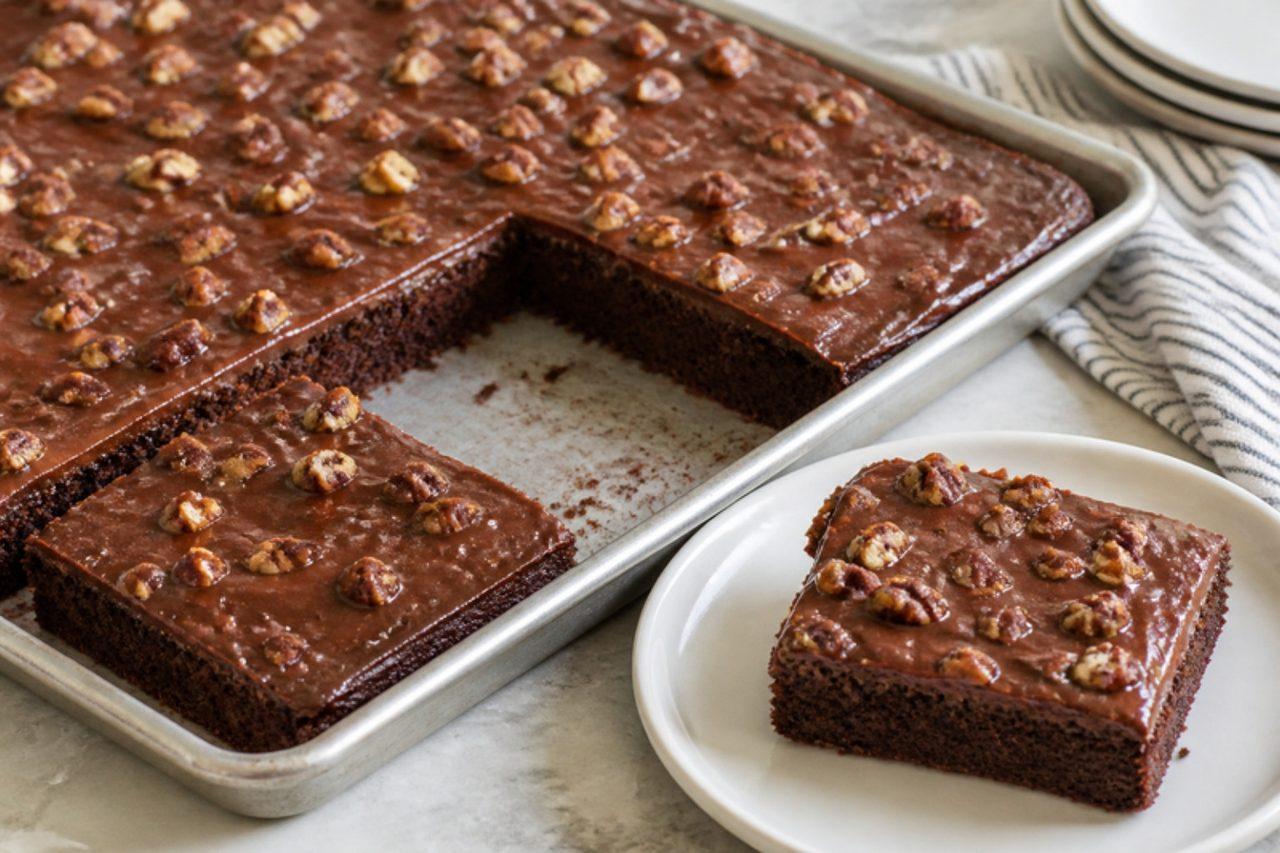
Texas sheet cake

Texas sheet cake is the big, thin chocolate cake that turns up at church potlucks, funerals and family reunions all over Texas, cut into squares straight from the tray. It is made with buttermilk and boiled cocoa butter, so it is moist and light, and the icing is poured over while the cake is still hot so it sets into a fudgy layer studded with pecans. Chef's tip: have the icing ready the moment the cake leaves the oven; warm cake plus warm icing is the whole secret.

by KrazyBadal 0 views

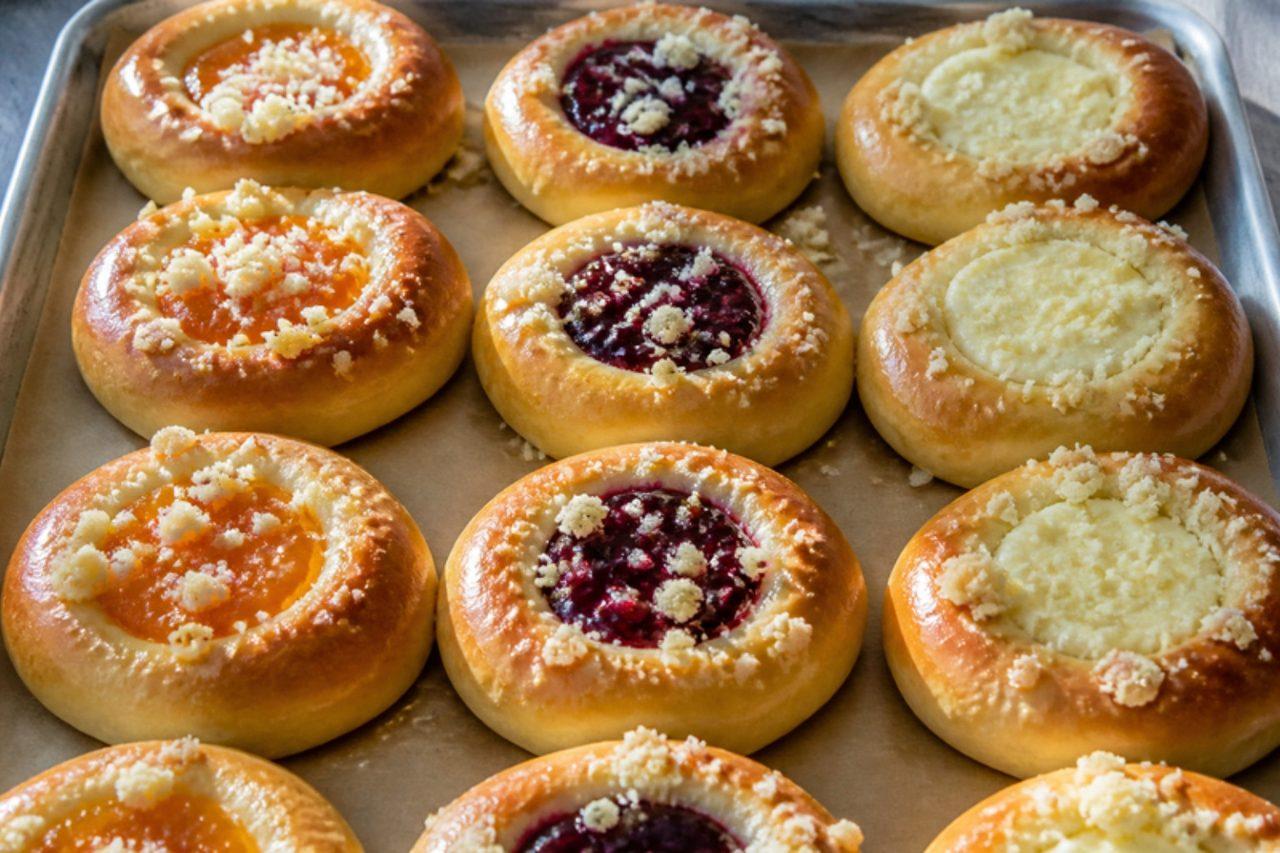
Texas fruit kolaches

Kolaches came to central Texas with Czech settlers in the 1800s, and the bakeries along the highway through West, Caldwell and Hallettsville now sell them by the dozen for breakfast. They are soft, sweet yeast buns with a well pressed into the top, filled with apricot, cherry, prune or sweetened cream cheese and dusted with a crumbly posypka topping. Chef's tip: press the well deep and wide, nearly to the base, or the buns rise and push the filling out.

by KrazyBadal 0 views

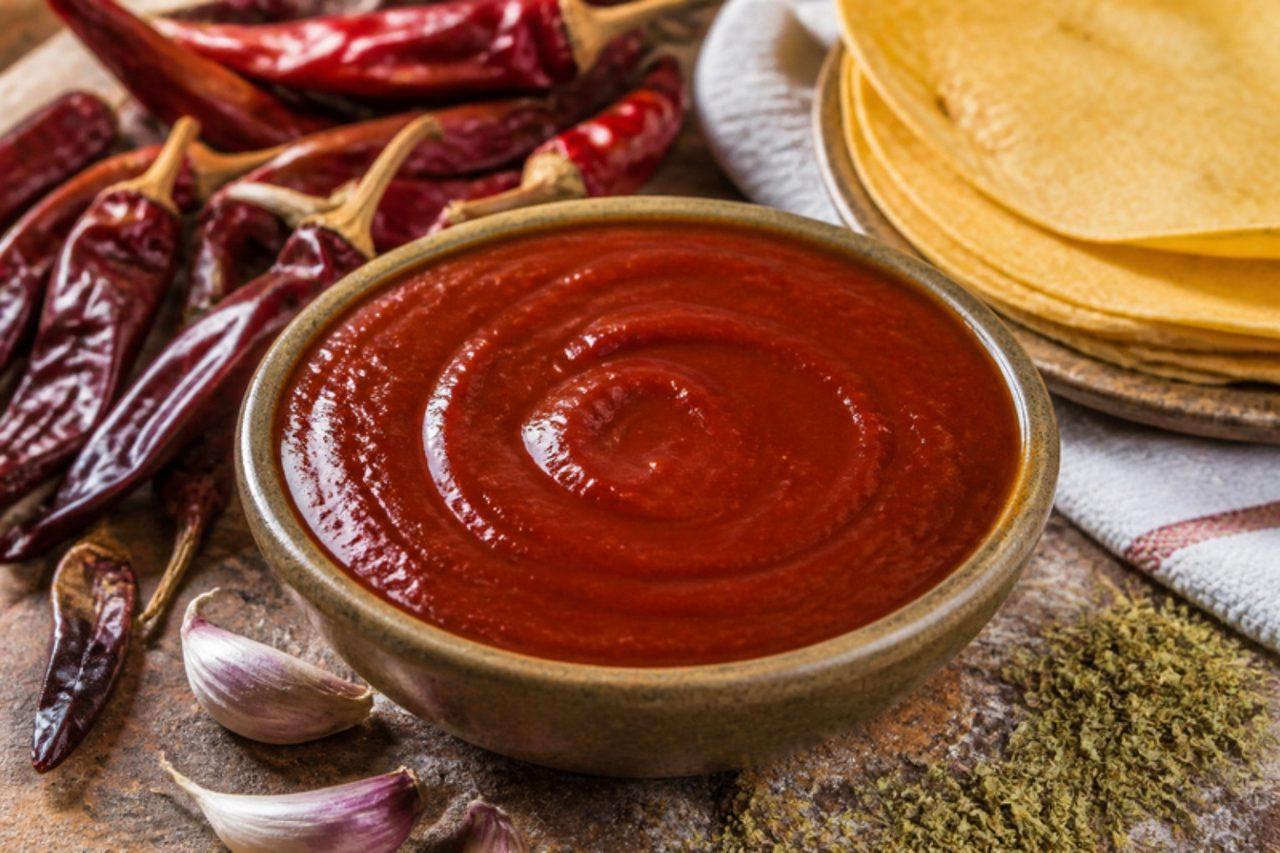
New Mexico red chile sauce

Ask for 'red or green?' in any New Mexico café and red means this sauce, made from the sun-dried chile pods that hang in long ristras outside adobe houses in Chimayó and Hatch every autumn. The pods are toasted, soaked and blended into a smooth, brick-red sauce that is earthy and gently sweet rather than smoky, poured over enchiladas, eggs, beans and burritos. Chef's tip: toast the pods for only a few seconds a side; burnt chile makes the sauce bitter.

by KrazyBadal 0 views

Wisconsin fried cheese curds

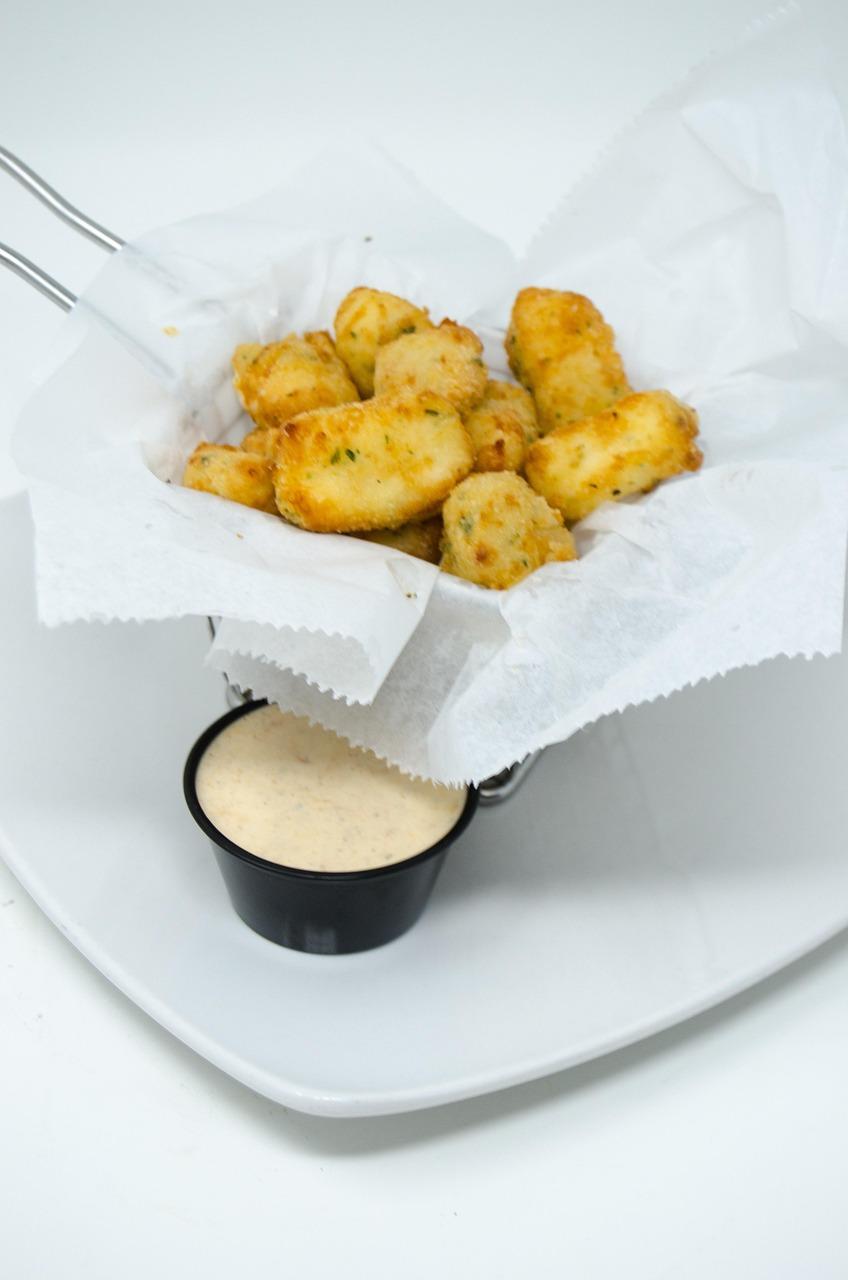
Fried cheese curds are what Wisconsin eats at supper clubs, ballparks and the State Fair in West Allis every August: fresh, squeaky cheddar curds dipped in a light batter and fried until the cheese just starts to melt and stretch. Many bars use a beer batter; this one uses sparkling water for the same lightness without alcohol. Serve with ranch dressing or marinara. Fresh curds are traditionally made with animal rennet, so look for curds or a young cheddar labelled vegetarian. Chef's tip: fry straight from the fridge; cold curds stay intact while the batter crisps.

by KrazyBadal 0 views
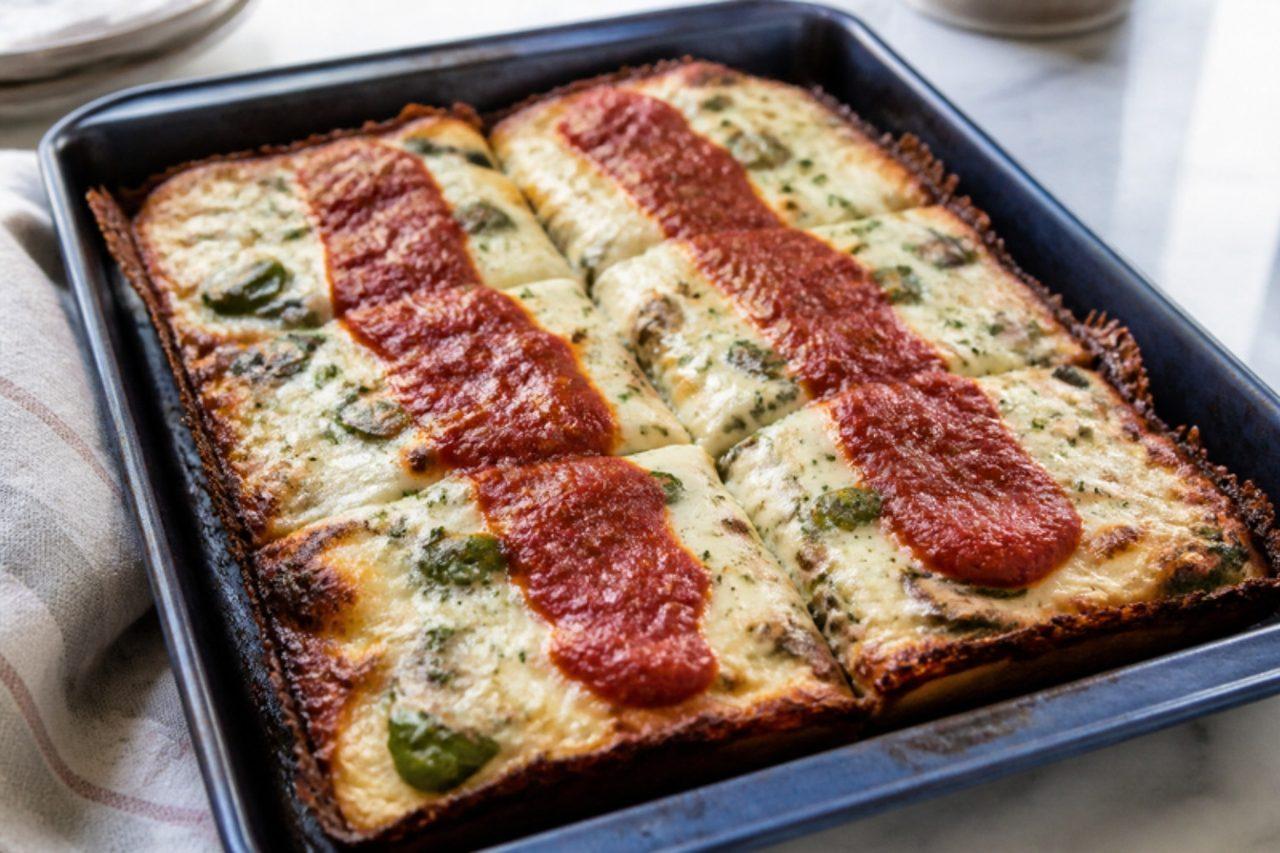
Chicago deep-dish pizza

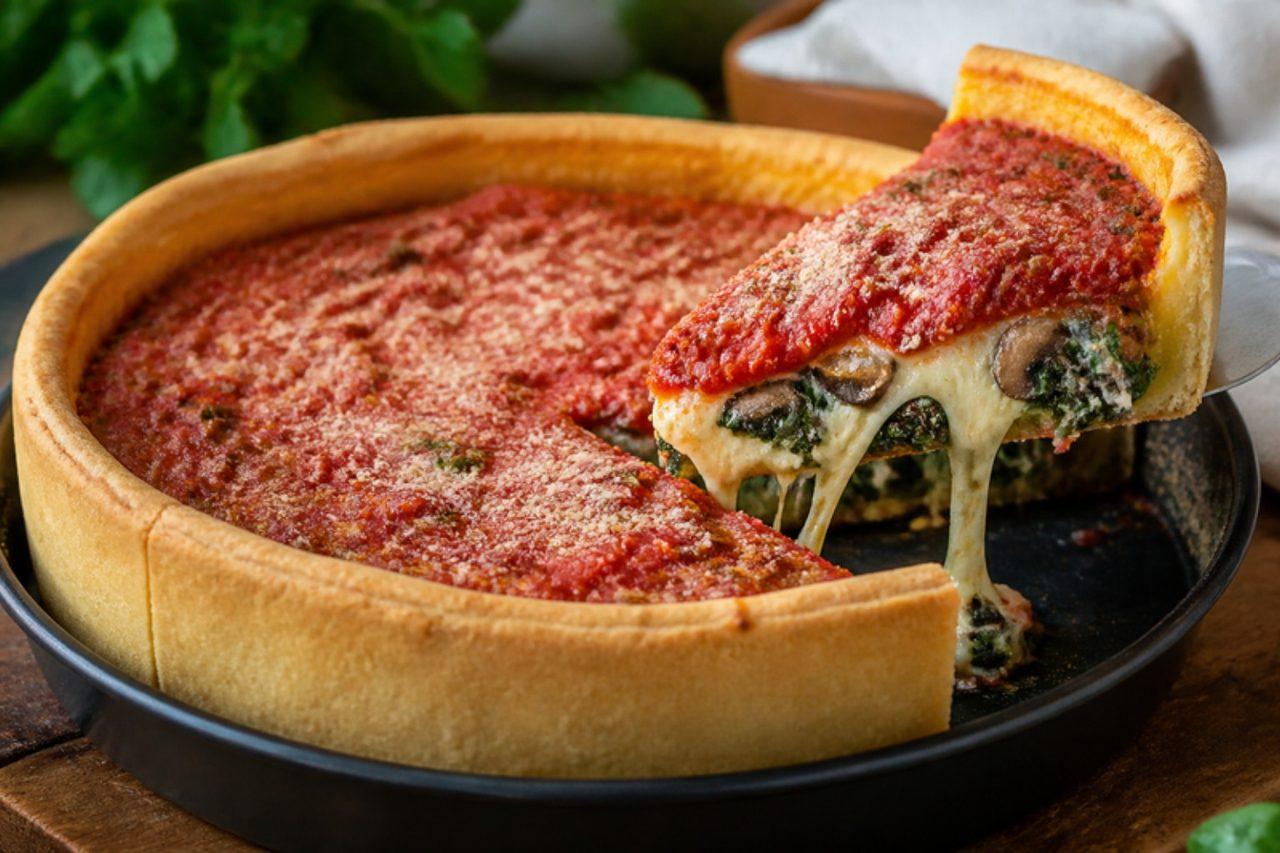
Deep-dish pizza was born in Chicago's River North in the 1940s and is still the dish visitors queue for downtown: a tall, flaky, buttery crust baked in a steel pan, filled with a thick layer of mozzarella and vegetables, and finished with chunky crushed tomato on top so the cheese doesn't burn during the long bake. You eat it with a knife and fork. Mozzarella is often made with animal rennet, so choose a vegetarian one. Chef's tip: laminate the dough with soft butter and roll it up like a cinnamon roll; that is what gives the crust its flaky, biscuit-like layers.

by KrazyBadal 0 views
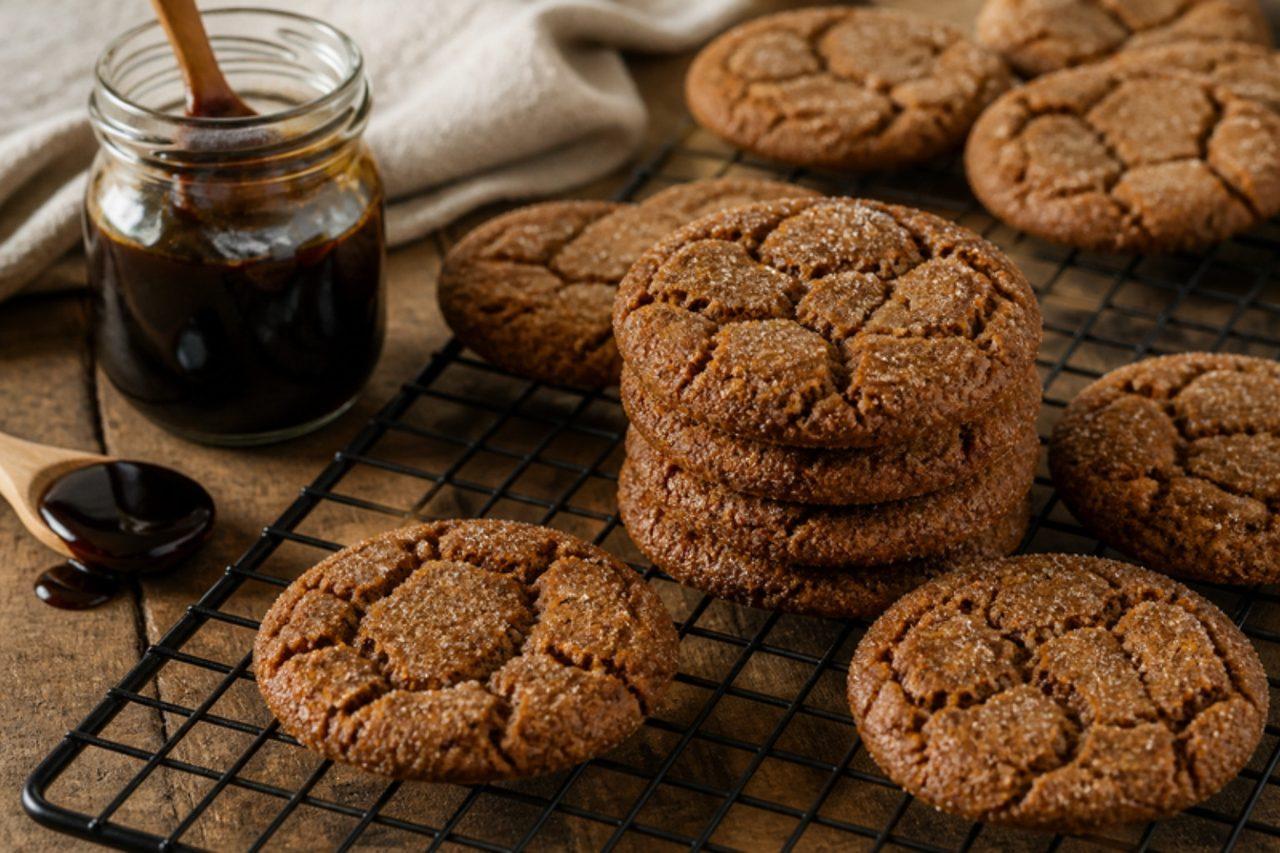
Detroit-style pizza

Detroit-style pizza started in an east-side bar in 1946, baked in the blue steel trays used in the city's car factories. The airy focaccia-like crust is topped edge to edge with cubed cheese, which melts down the sides into a crunchy, lacy, caramelised frame, and the tomato sauce goes on last in two stripes. The local brick cheese is hard to find, so use half mild cheddar, half mozzarella, both with vegetarian rennet. Chef's tip: push the cheese right into the corners and against the tin; that is where the famous burnt-cheese crust comes from.

by KrazyBadal 0 views
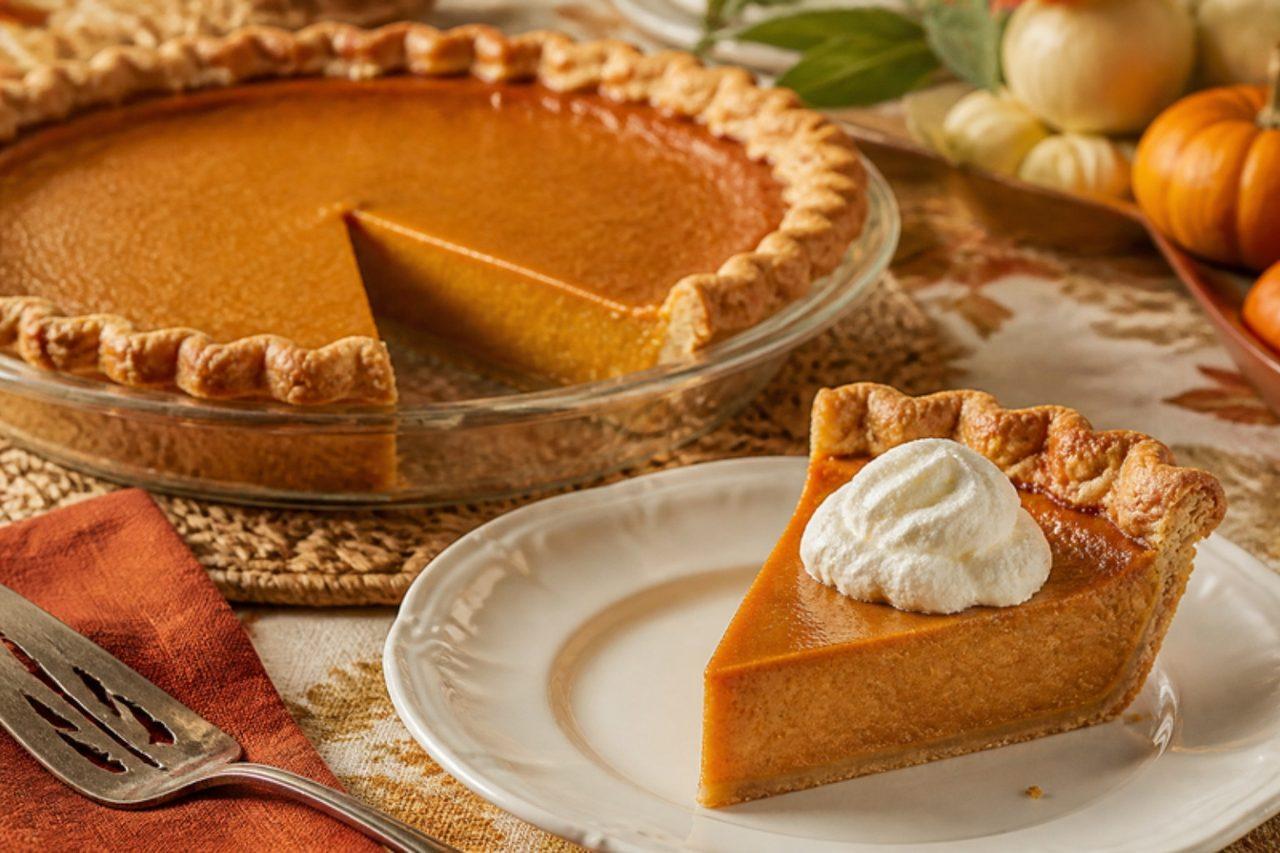
Sorghum molasses cookies

Every autumn, small farms across Kentucky and Tennessee still press sorghum cane and boil the juice into a thin, tangy syrup, and these soft spice cookies are how many mountain families use it at Christmas. Rolled in sugar, they bake with crackled tops and chewy middles, tasting of ginger and that distinctive earthy sweetness. Molasses works if you can't find sorghum. Chef's tip: chill the dough so the balls hold their shape and crack rather than spreading flat.

by KrazyBadal 0 views
Sweet potato pie

Sweet potato pie is the Thanksgiving and Christmas dessert of African American kitchens across the South, from Mississippi Delta church suppers to Sunday dinners in Atlanta. Roasted orange sweet potatoes are mashed with butter, evaporated milk, eggs and warm spices into a filling lighter and silkier than pumpkin pie. Chef's tip: roast the sweet potatoes whole rather than boiling them; you get a deeper, sweeter, less watery filling.

by KrazyBadal 0 views
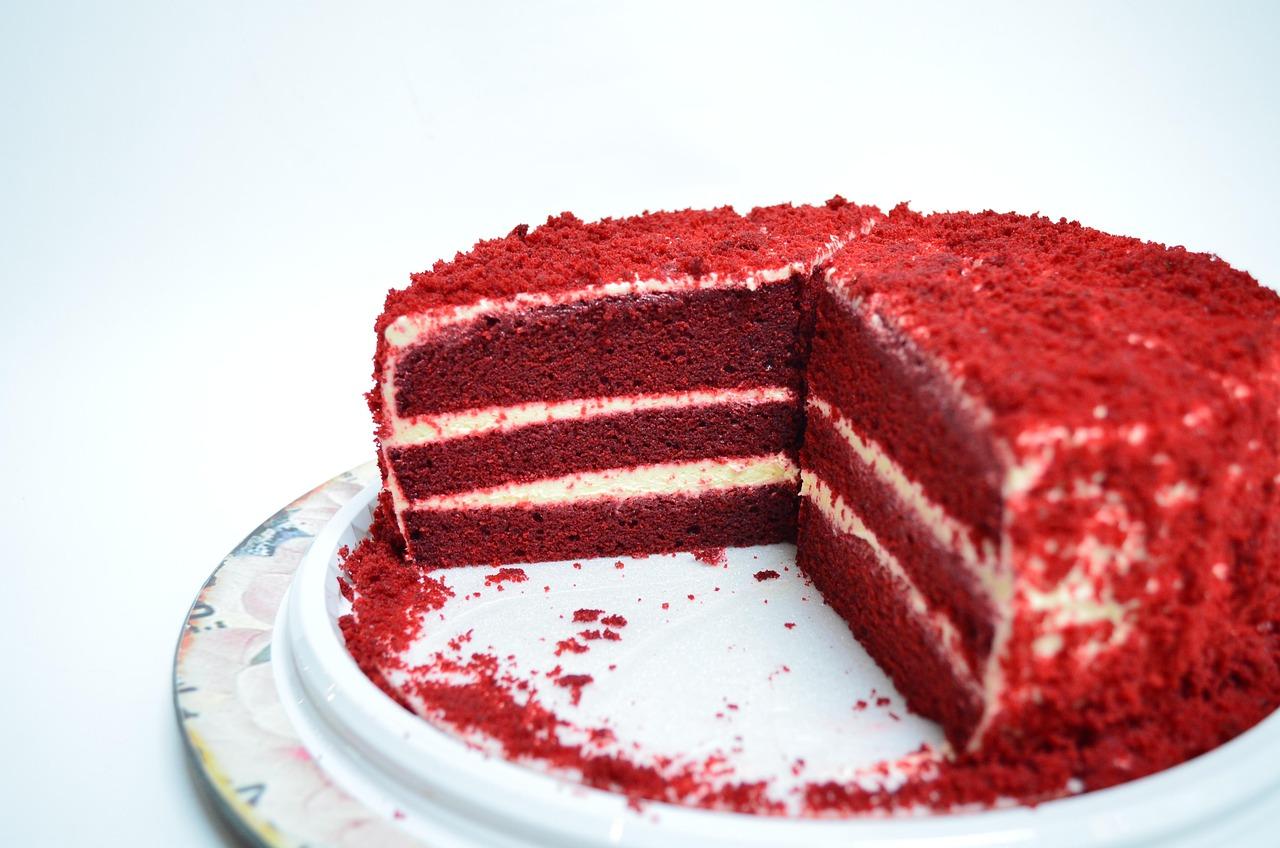
Red velvet cake

Red velvet is the Southern celebration cake of weddings, Juneteenth gatherings and Christmas in Texas and the Carolinas: soft, faintly chocolatey layers with a tang of buttermilk and vinegar, a deep red colour and thick, white cream cheese frosting. The colour once came partly from cocoa reacting with acid; today a little food colouring is usual. Chef's tip: use natural (not Dutch-process) cocoa, which keeps the colour brighter and the crumb lighter.

by KrazyBadal 0 views
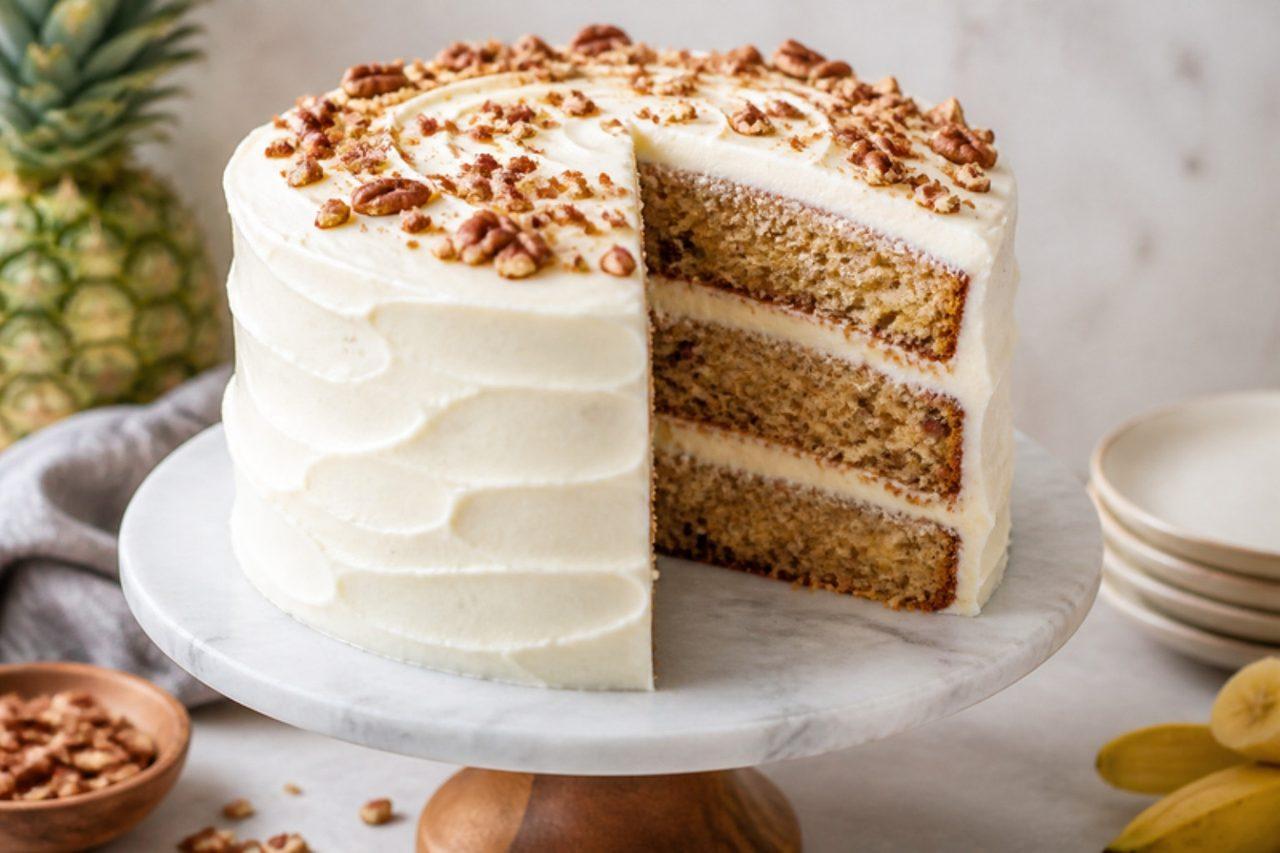
Hummingbird cake

Hummingbird cake arrived in the South from Jamaica in the late 1960s and became famous after a Greensboro, North Carolina reader sent the recipe to a Southern magazine; it has been a church bake-sale and birthday favourite ever since. Mashed banana, crushed pineapple and toasted pecans make a moist, spiced oil cake under cream cheese frosting. Chef's tip: use very ripe, black-spotted bananas for sweetness and moisture.

by KrazyBadal 0 views
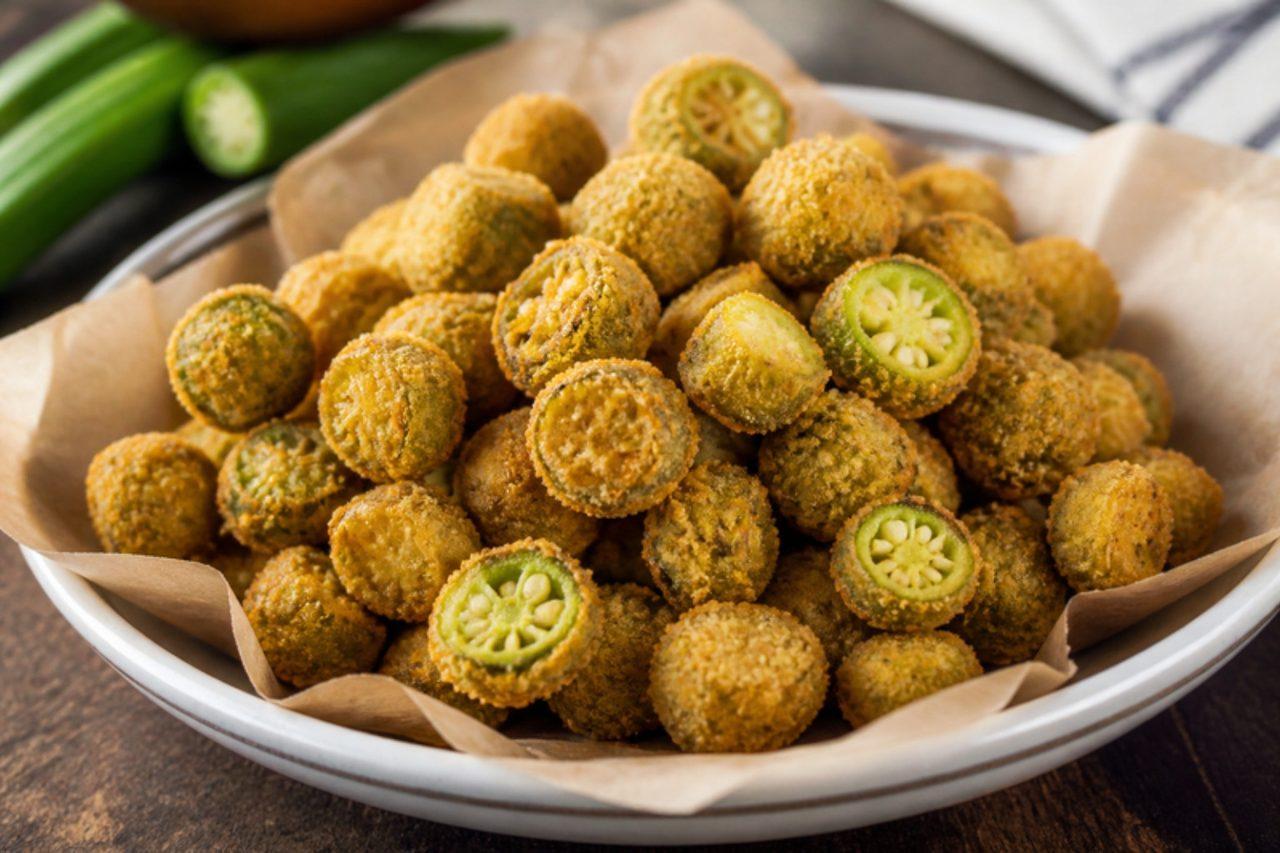
Southern fried okra

In Louisiana, Mississippi and Georgia, fried okra is served in bowls on every meat-and-three counter and eaten like popcorn in summer, when okra pods are young and tender. Sliced into coins, dipped in buttermilk and tossed in seasoned cornmeal, they fry crisp and nutty with none of the slipperiness okra is known for. Chef's tip: choose pods no longer than your finger; big ones are woody.

by KrazyBadal 0 views
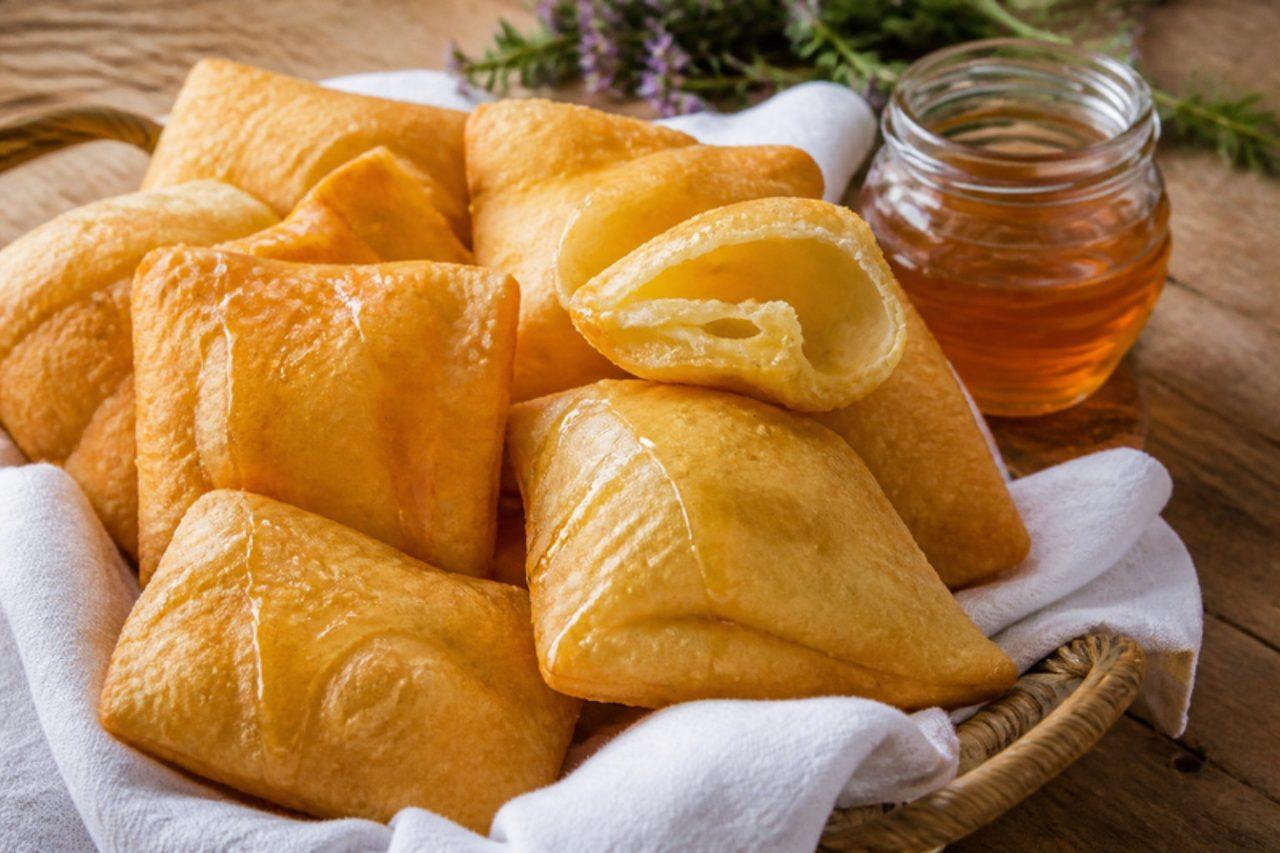
New Mexico sopaipillas

In New Mexico sopaipillas arrive in a basket with every plate of enchiladas or carne adovada, from Albuquerque diners to Santa Fe cafés, along with a squeeze bottle of honey. Small squares of dough puff up into hollow pillows in hot oil; you tear off a corner and drizzle honey inside to cool the heat of the red or green chile. They are a different thing from Chile's pumpkin sopaipillas. Chef's tip: roll the dough evenly to 3 mm and spoon hot oil over the tops as they fry; that is what makes them balloon.

by KrazyBadal 0 views

Cauliflower cheese

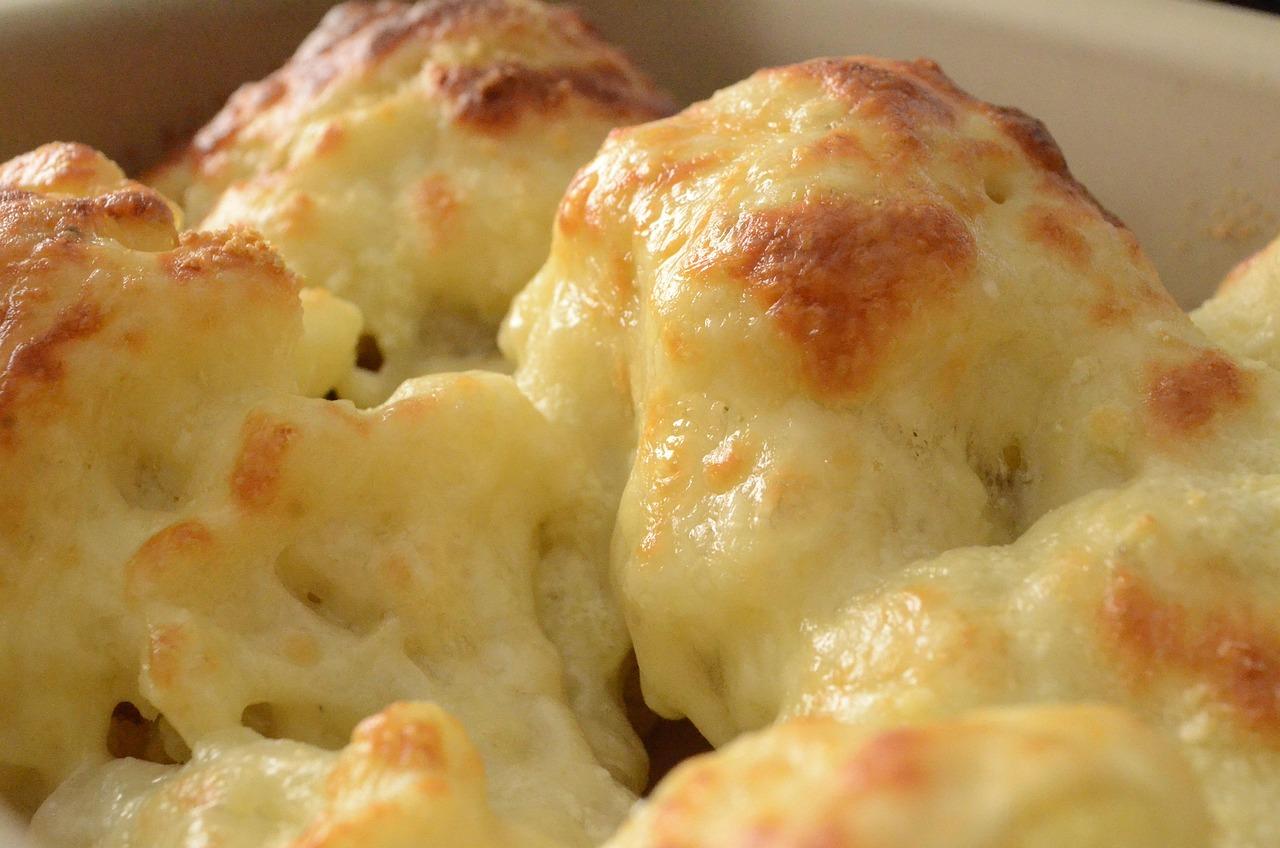
Cauliflower cheese is the bubbling, golden side that appears beside the Sunday roast in English homes, and on its own it makes a comforting vegetarian supper with crusty bread. Tender cauliflower is baked under a mustardy cheddar sauce with a crisp, browned top. Many cheddars are made with animal rennet, so use a vegetarian mature cheddar. Chef's tip: steam the cauliflower and let it dry; wet florets water down the sauce.

by KrazyBadal 0 views

Navajo fry bread

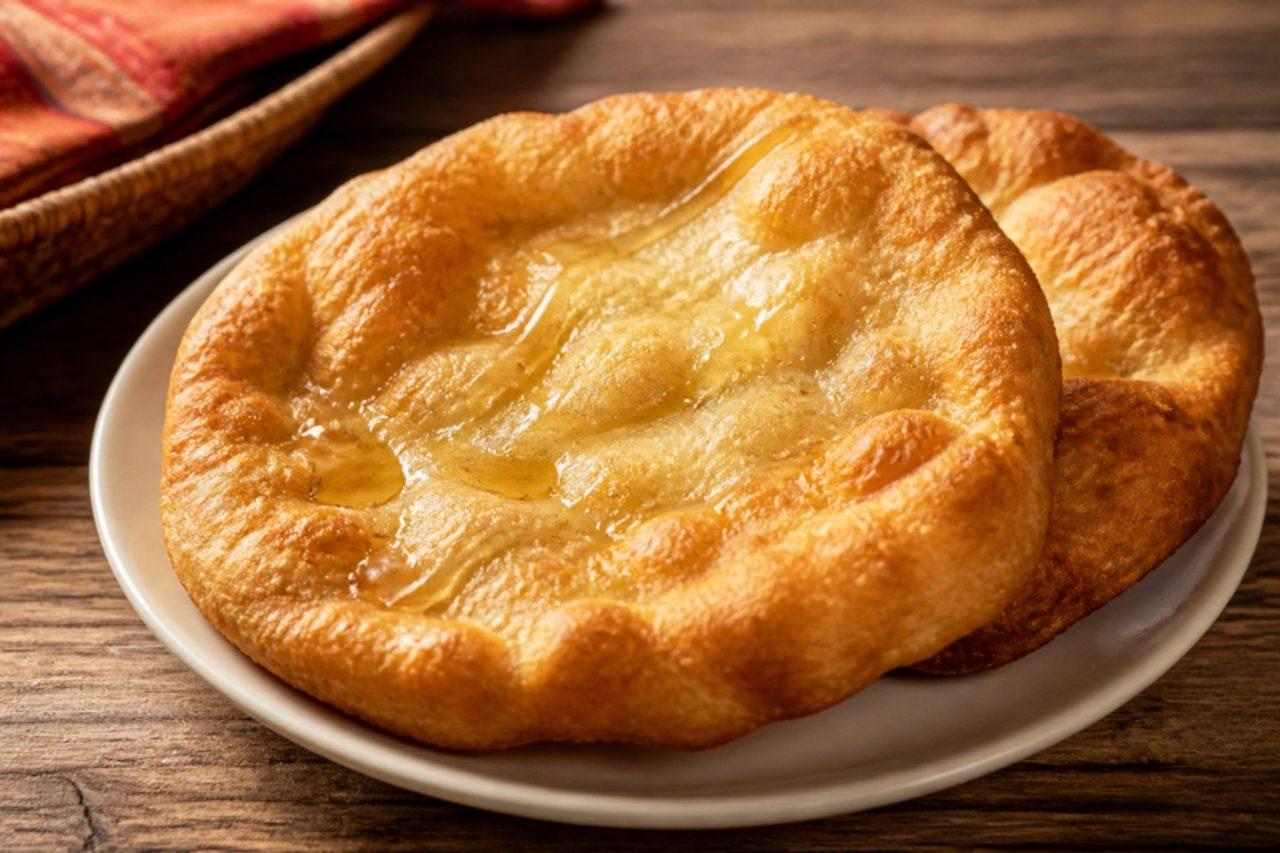
Fry bread is eaten across the Navajo (Diné) Nation of Arizona and New Mexico, at powwows, rodeos, flea markets and family gatherings. It grew out of the flour and lard handed out as government rations after the Long Walk of 1864, so it carries a painful history as well as pride. The dough is simple, stretched by hand and fried until puffed, crisp at the edges and chewy inside. Eat it with honey and icing sugar, or as the base for Navajo tacos. Chef's tip: poke a small hole in the centre before frying so it cooks evenly and doesn't balloon.

by KrazyBadal 0 views

San Francisco sourdough bread

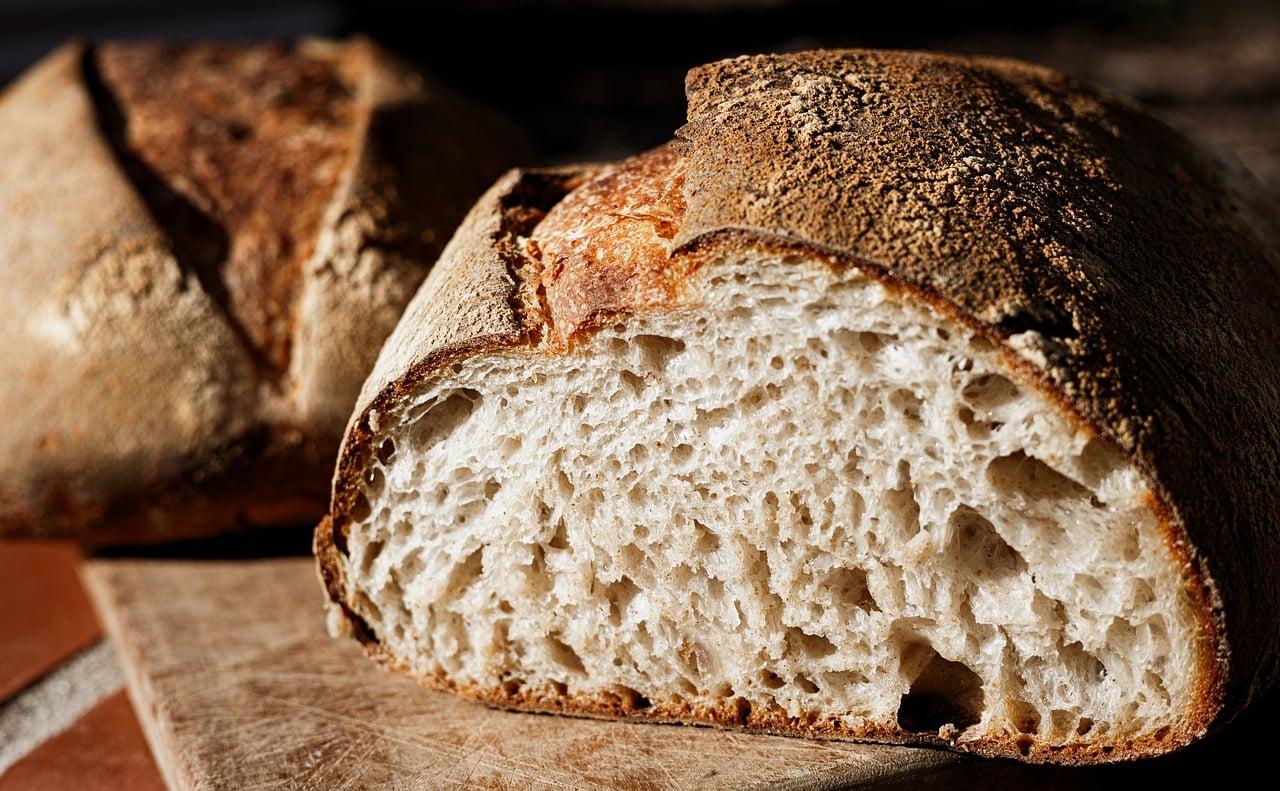
Sourdough has been San Francisco's bread since the Gold Rush of 1849, when miners kept a wild starter going, and the cool, foggy climate around the Bay helps give it its famously sour tang. Bakeries at Fisherman's Wharf still serve it hollowed out as a bowl for chowder. A long, cool rise gives a crackling dark crust and a chewy, open crumb. You need an active starter, fed 6–8 hours before. Chef's tip: for a more sour loaf, give the shaped dough a longer, colder rest in the fridge, up to 36 hours.

by KrazyBadal 0 views

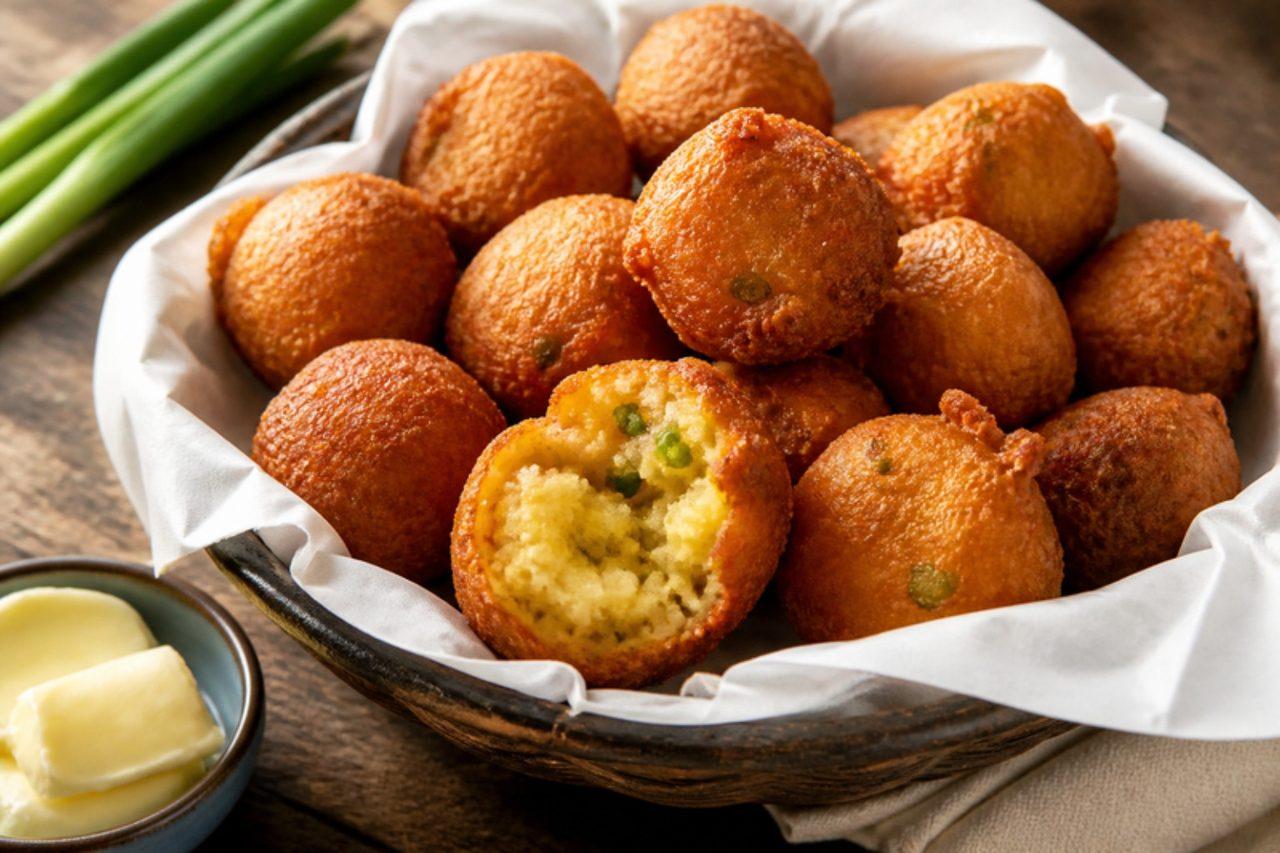
Hushpuppies

Hushpuppies are the little golden cornmeal fritters served in paper baskets at fish camps and seafood shacks from the North Carolina coast to the Gulf, always next to fried catfish and slaw. The batter has onion and buttermilk, so they are crunchy outside and steamy and slightly sweet inside. Chef's tip: let the batter rest for 10 minutes so the cornmeal hydrates; it makes them rounder and less gritty.

by KrazyBadal 0 views

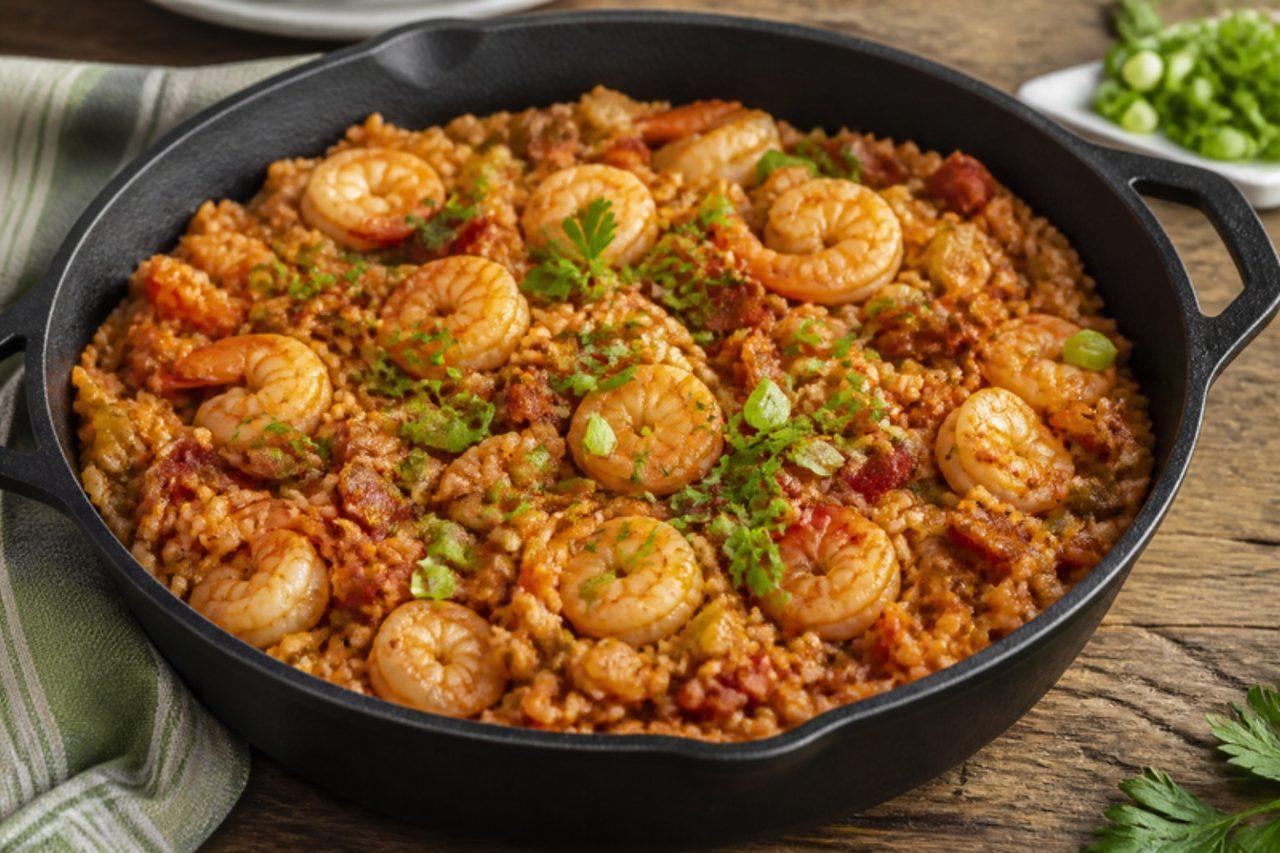
Lowcountry shrimp perloo

Perloo (or purloo, pilau) is the Charleston and Savannah family of rice dishes born on the Carolina Gold rice plantations, where West African cooks simmered rice in rich broth with whatever the coast or yard gave. This one uses smoked bacon (pork), tomato and fresh shrimp, so every grain is separate, red-tinged and full of flavour. Chef's tip: once the lid goes on, don't lift it or stir; perloo should be fluffy, never creamy like risotto.

by KrazyBadal 0 views

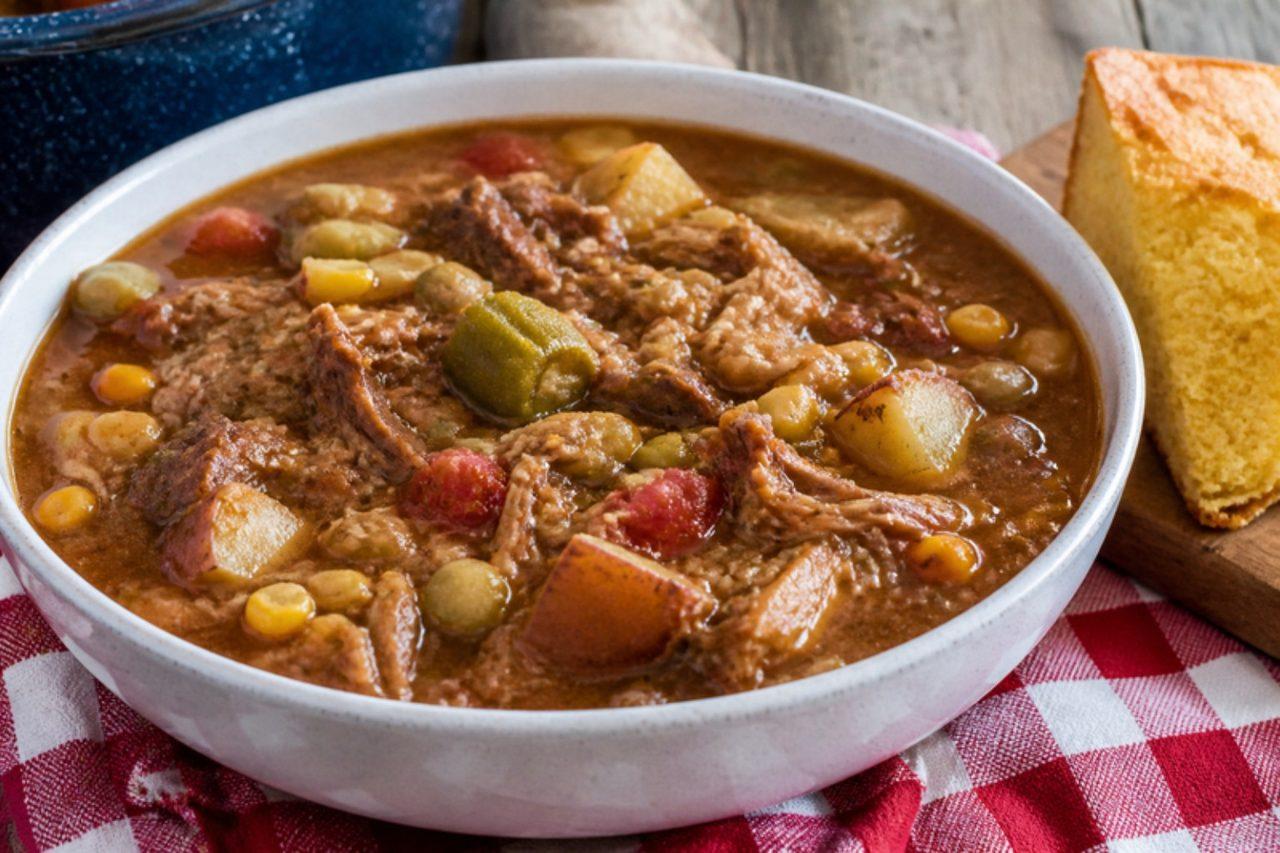
Kentucky burgoo

Burgoo is the thick, peppery stew Kentuckians cook in iron kettles for Derby parties, church picnics and political rallies, stirred for hours with a wooden paddle. Traditionally it used whatever meat was shot or raised; today it is usually beef, pork shoulder and chicken simmered with tomatoes, corn, okra, butter beans and potatoes until it all melts together. Chef's tip: burgoo should be thick enough that the paddle stands up; cook it down more if it's soupy.

180 minAmericanMeat
by KrazyBadal 0 views

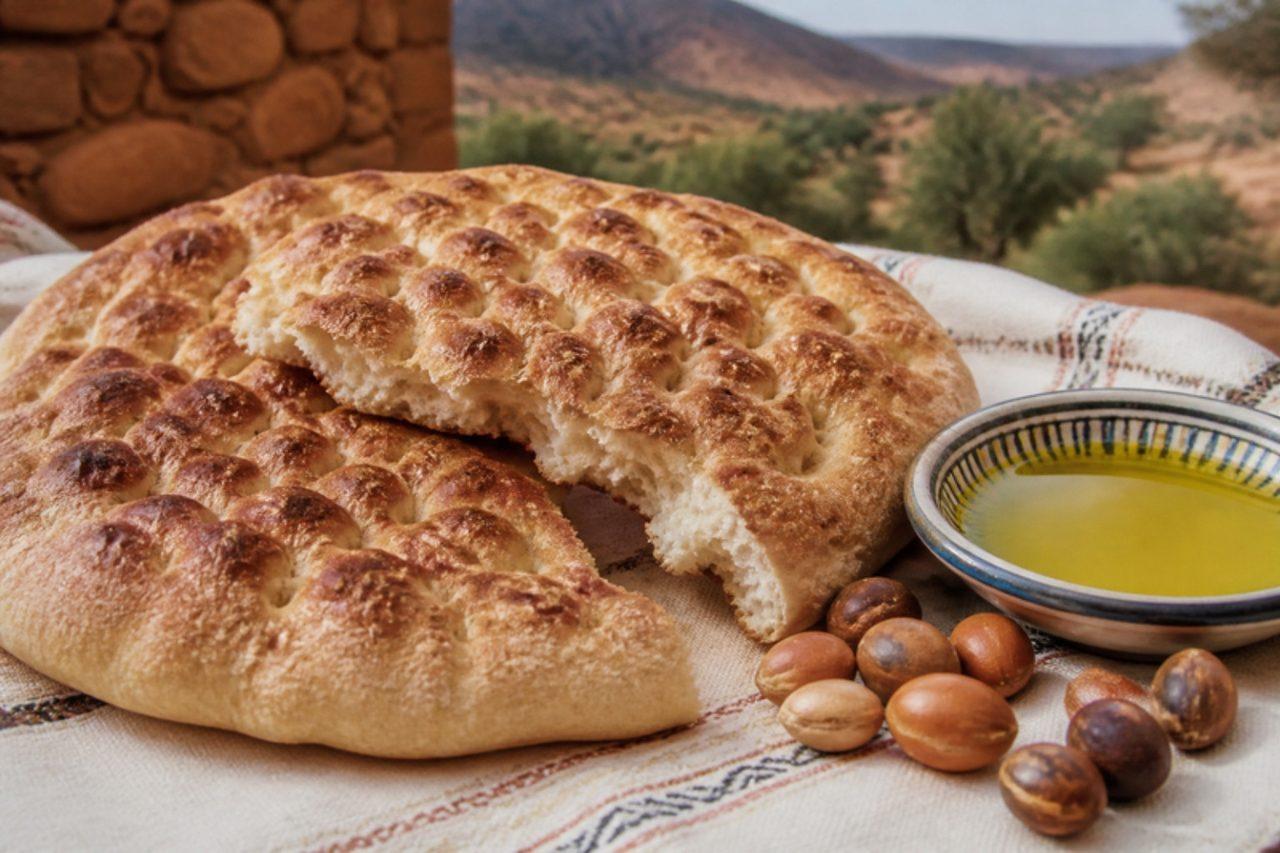
Tafarnout (pebble-baked Amazigh bread)

In the villages of the Anti-Atlas and the south, tafarnout is named after the domed clay oven it is baked in, lined with pebbles that are heated by a wood fire until the dough slapped onto them puffs and blisters within minutes. The stones leave the bottom deeply dimpled and charred in spots, while the top stays soft; it is torn and dipped into argan oil, amlou or olive oil, or eaten with tagines. You can come close at home with a tray of clean, smooth river pebbles or a baking stone in a very hot oven. Allow about 1 1/2 hours for the dough to rise. Use only smooth, dense pebbles, scrubbed and dried for an hour in a low oven first: stones with trapped water can crack in the heat. Chef's tip: let the pebbles heat for a full 40 minutes; lukewarm stones make a pale, flat loaf.

by KrazyBadal 0 views

Sfenj (Moroccan doughnut rings)

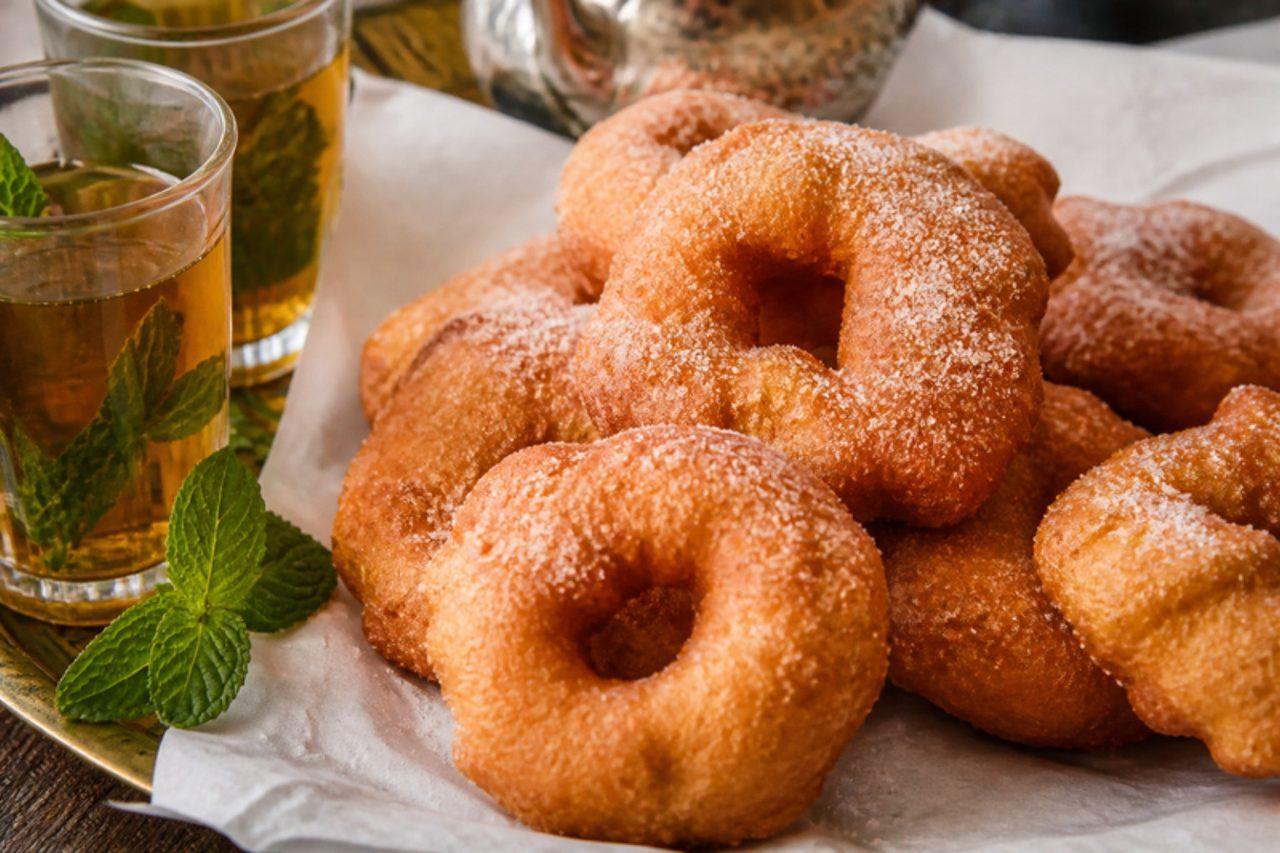
Early in the morning, in medina lanes from Fez to Casablanca, the sfenji pulls handfuls of sticky dough from a bowl, pokes a hole through each with his thumb and drops the rings into a big pan of oil, where they puff into crisp, golden, irregular doughnuts with a chewy, airy inside. Customers carry them away threaded on a strip of palm leaf, to eat hot with mint tea or coffee, plain, dusted with sugar or dipped in honey. The dough is just flour, yeast, salt and water, and deliberately very wet; that is what gives the open, holey crumb. Allow about 1 1/2 hours for it to rise. Where sfenj go wrong is a dough that is too stiff; it should be sticky and slack, or the rings come out bready instead of open and chewy. Chef's tip: keep a bowl of water beside you and wet your hands before every piece, so the sticky dough slides off your fingers instead of clinging to them.

by KrazyBadal 0 views

Chickpeas with cumin (hummus bel kamoun)

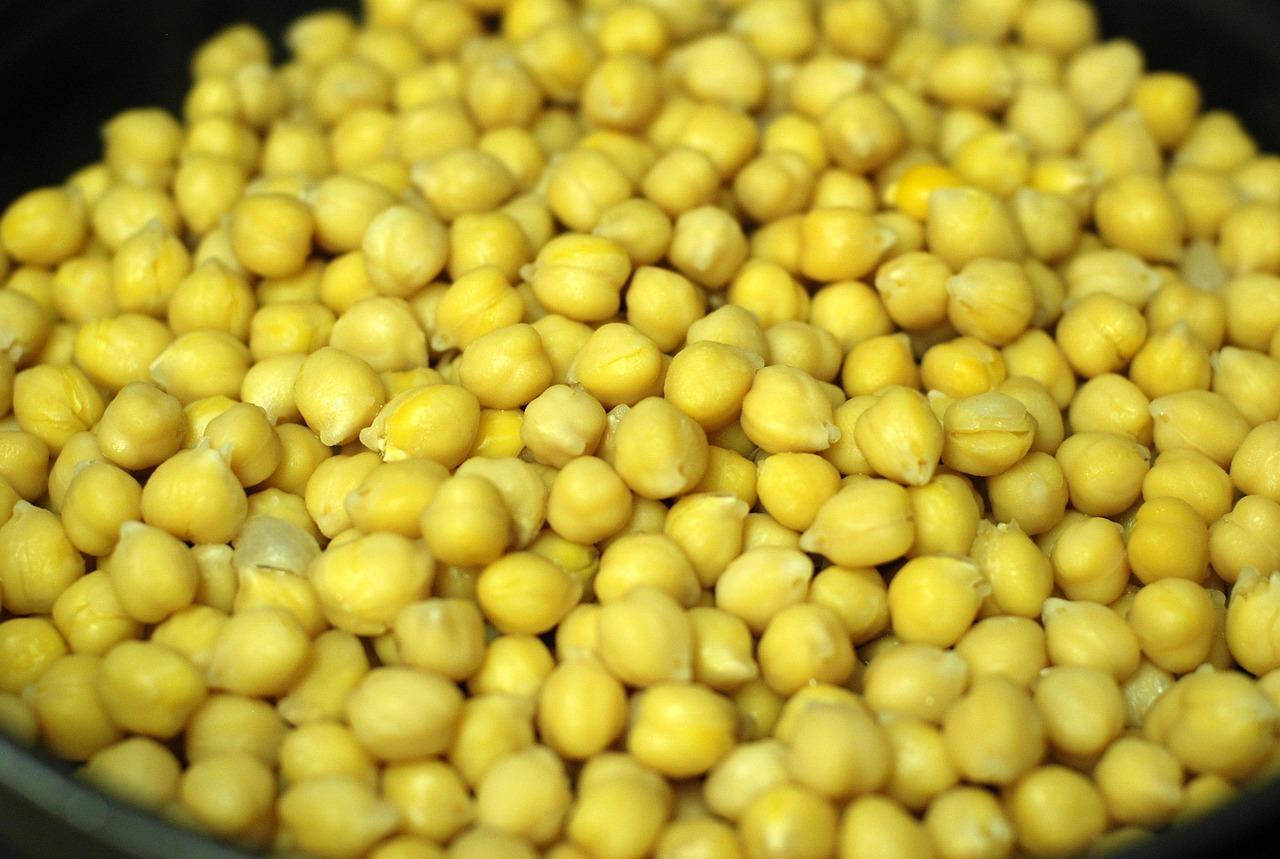
On chilly evenings, street carts in the medinas steam a great pot of chickpeas and scoop them, piping hot, into paper cones with a shake of cumin, salt and sometimes a little chilli. It is one of the cheapest and most comforting snacks in the country, eaten while strolling, and the chickpeas should be tender and creamy but whole, never mushy. At home they make a lovely warm nibble, a lunchbox protein or something to pick at alongside soups. Dried chickpeas give the best texture and need an overnight soak; tinned ones work in a hurry, just warmed through in salted water. Chef's tip: toss the cumin and salt onto the chickpeas the moment they come out of the water, while they are still steaming and damp, so the seasoning clings.

by KrazyBadal 0 views

Batbout (griddled pocket breads)

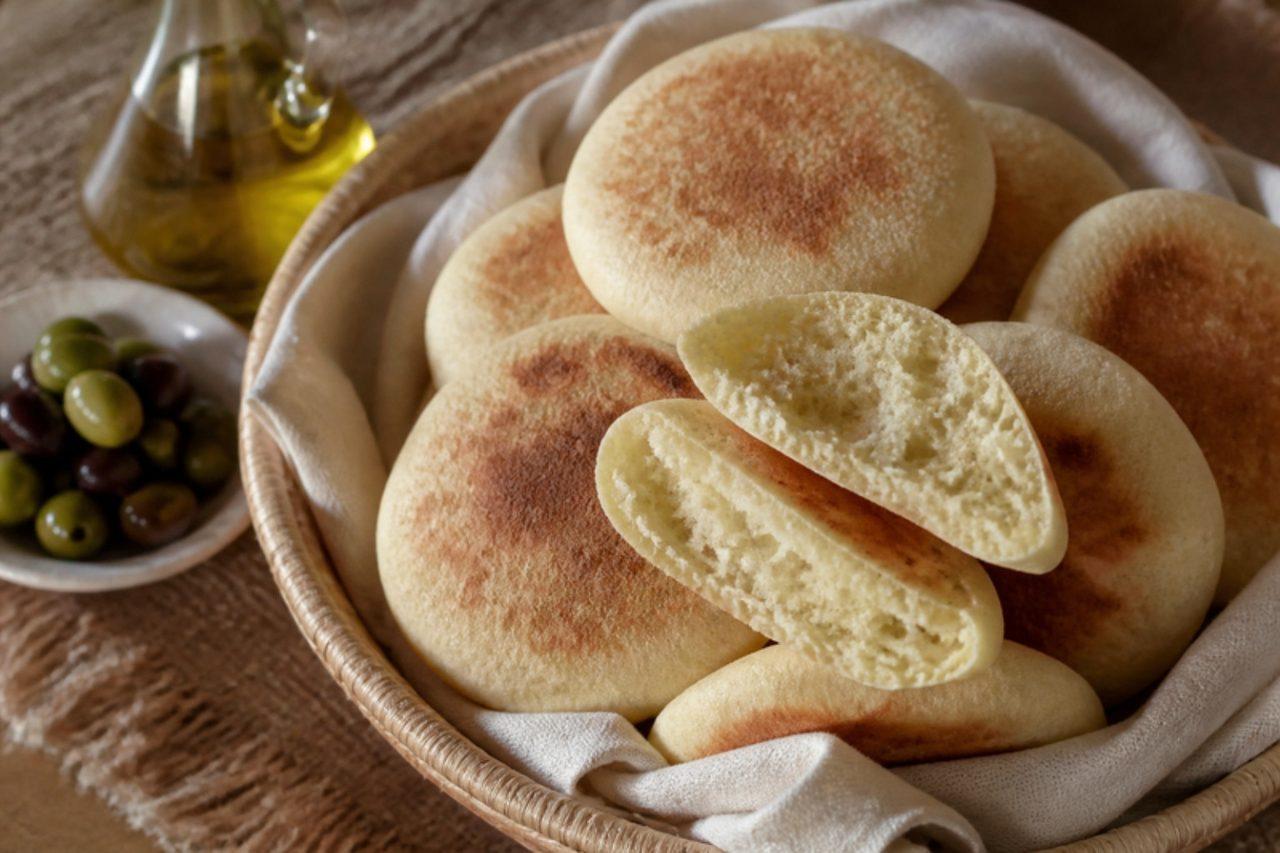
Batbout, also called mkhamar, are small soft rounds of semolina and flour dough cooked on a dry griddle rather than in the oven, so they puff up like balloons and open into a pocket when split. Moroccan families make them for breakfast and teatime, and snack bars stuff them with all sorts of fillings; vegetarian favourites are zaalouk, egg and potato, soft cheese, or simply butter and honey or amlou. They are tender and slightly chewy, with a pale, freckled surface. The dough needs about an hour to rise and another short rest after shaping. A frequent slip is rolling the rounds too thin or cooking them on a fierce heat, so they scorch before they puff into pockets. Chef's tip: roll them no thinner than 5 mm and cook over a medium-low heat; thin rounds or a fierce pan scorch before they have a chance to puff.
by KrazyBadal 0 views

New Orleans king cake

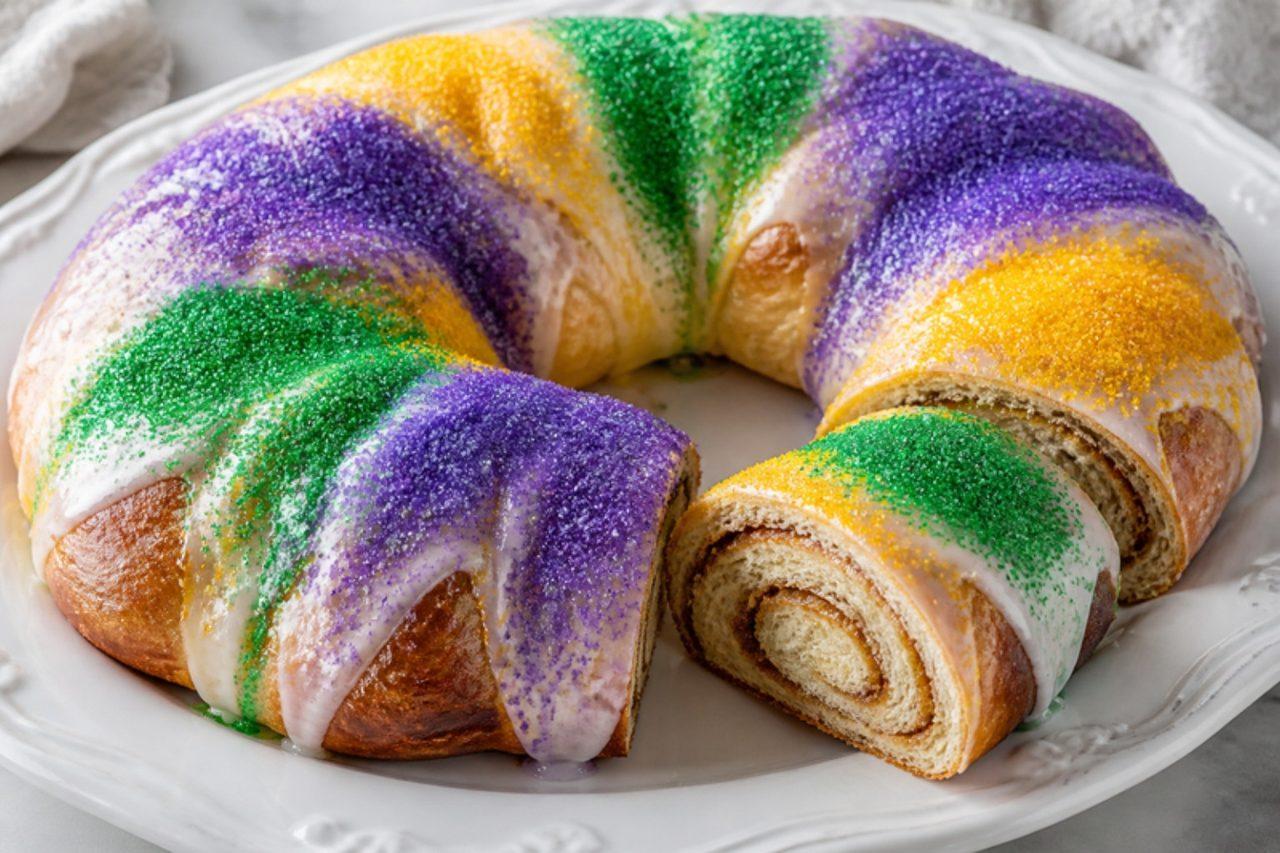
From Twelfth Night on 6 January until Mardi Gras, every office, school and party in New Orleans has a king cake: a ring of soft, cinnamon-swirled brioche, glazed and covered in sugar in the Carnival colours of purple, green and gold. A small trinket or bean is hidden inside, and whoever finds it buys the next cake. Chef's tip: push the trinket in from underneath after baking, and warn your guests, so nobody bites on it.

by KrazyBadal 0 views

Texas caviar

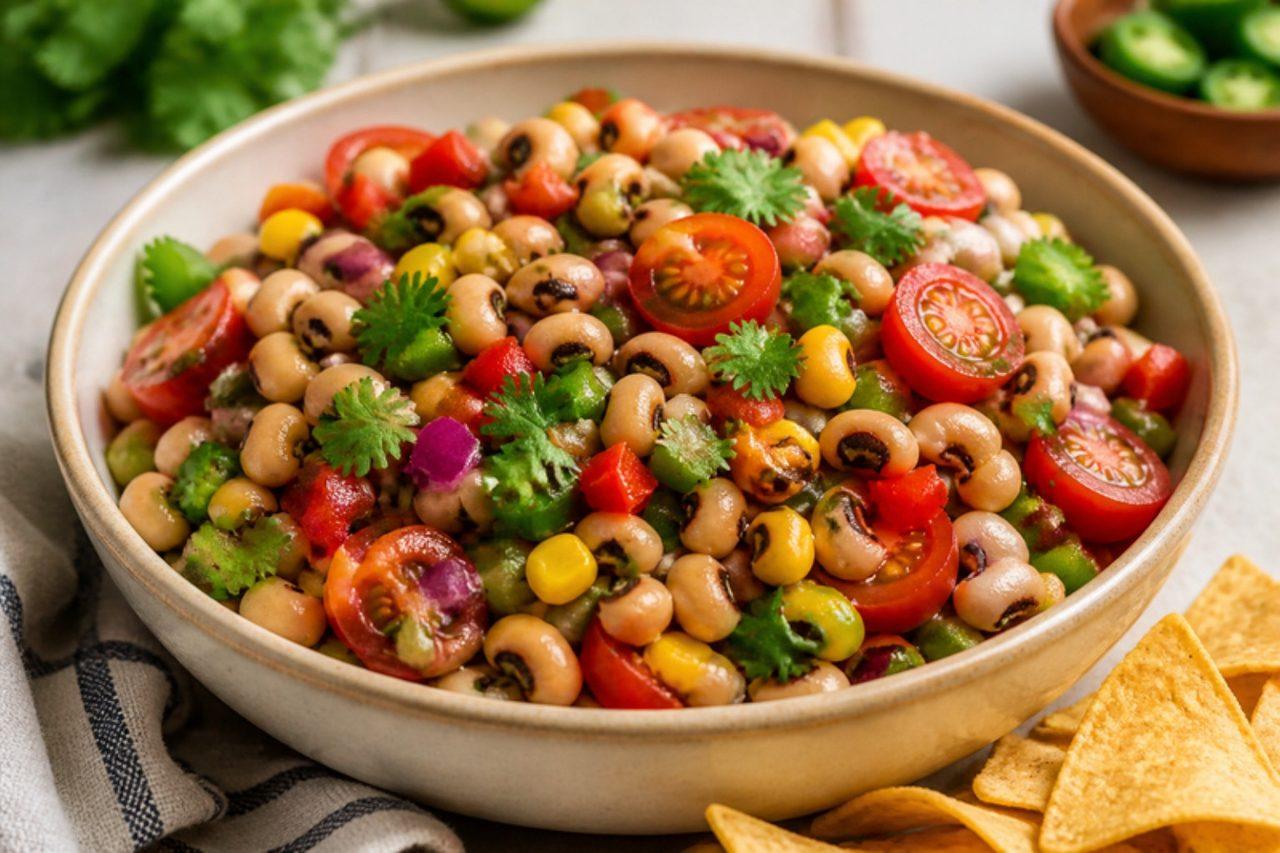
Texas caviar is a bright, chunky salad of black-eyed peas, peppers, corn and jalapeño soaked in a sharp vinaigrette, created in Dallas in the 1940s and now a fixture at Texas tailgates, barbecues and New Year's Day parties, where black-eyed peas are eaten for luck. Scoop it with tortilla chips or serve as a side. Chef's tip: dress it at least an hour ahead; the peas soak up the dressing and get much tastier.

by KrazyBadal 0 views

Indiana persimmon pudding

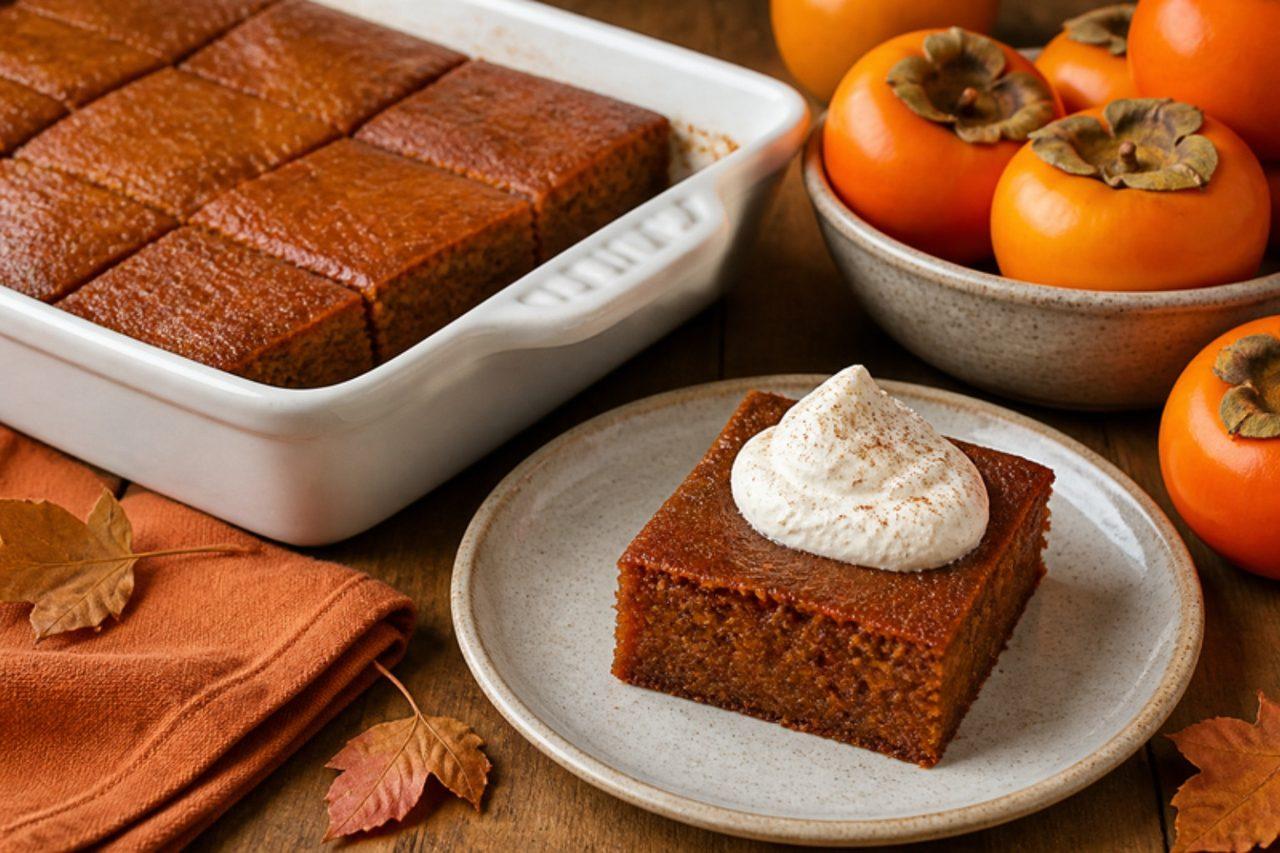
In southern Indiana, wild persimmons drop from the trees after the first frost, and the town of Mitchell holds a festival every September where this pudding is judged and sold. The pulp is baked with buttermilk and warm spices into something between a cake and a custard: dense, moist, dark orange-brown and tasting of dates and pumpkin. Use very ripe, jelly-soft Hachiya or wild persimmons. Chef's tip: serve it warm with whipped cream, as it firms up and darkens as it cools.

by KrazyBadal 0 views

Hoosier sugar cream pie

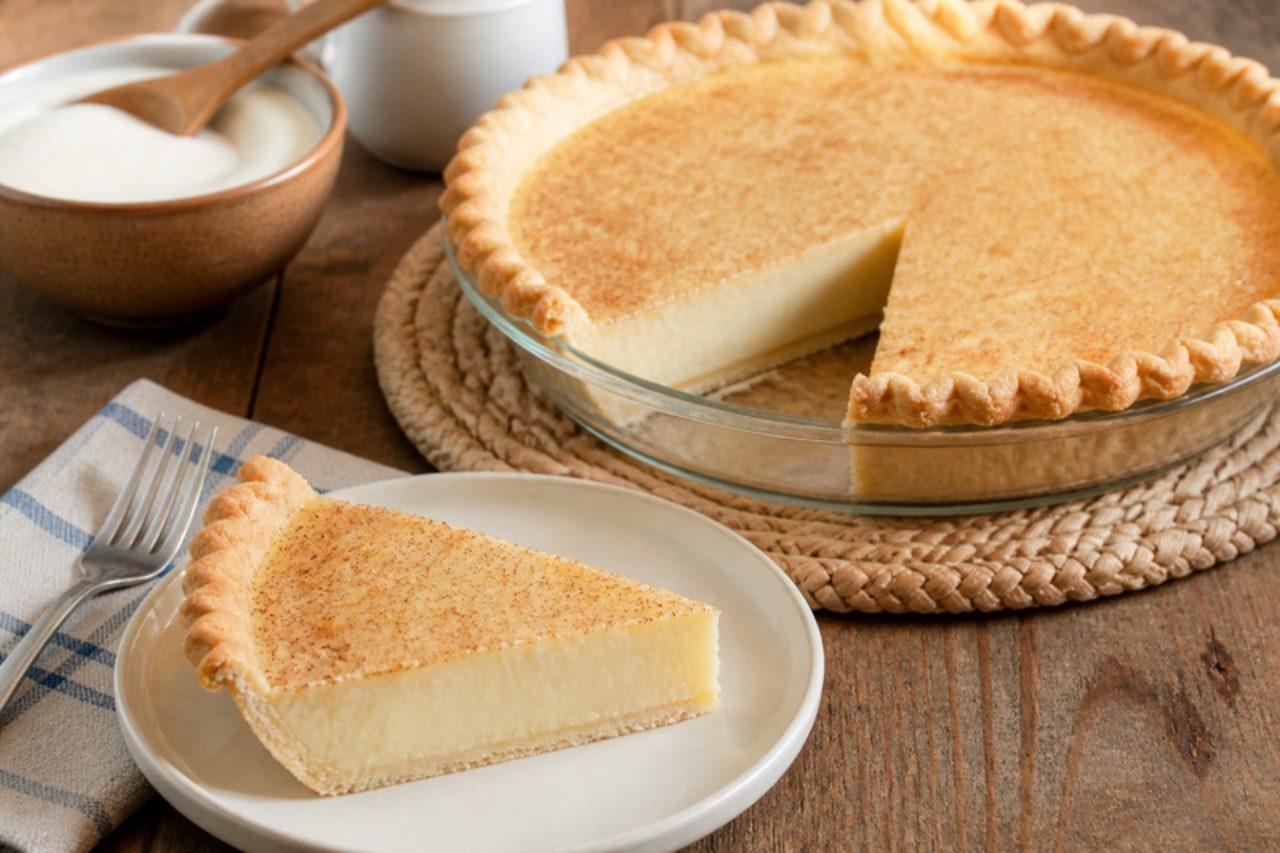
Sugar cream pie, Indiana's official state pie, came from Shaker and Amish farm kitchens that had cream and sugar in winter when there was no fruit. There are no eggs: cream, sugar and a little flour bake into a pale, silky, vanilla custard with a dusting of nutmeg, sold at diners and county fairs across the state. Chef's tip: stir the filling gently with your finger in the pastry case during the first 20 minutes of baking, as old Hoosier cooks do; it keeps the flour from settling.

by KrazyBadal 0 views

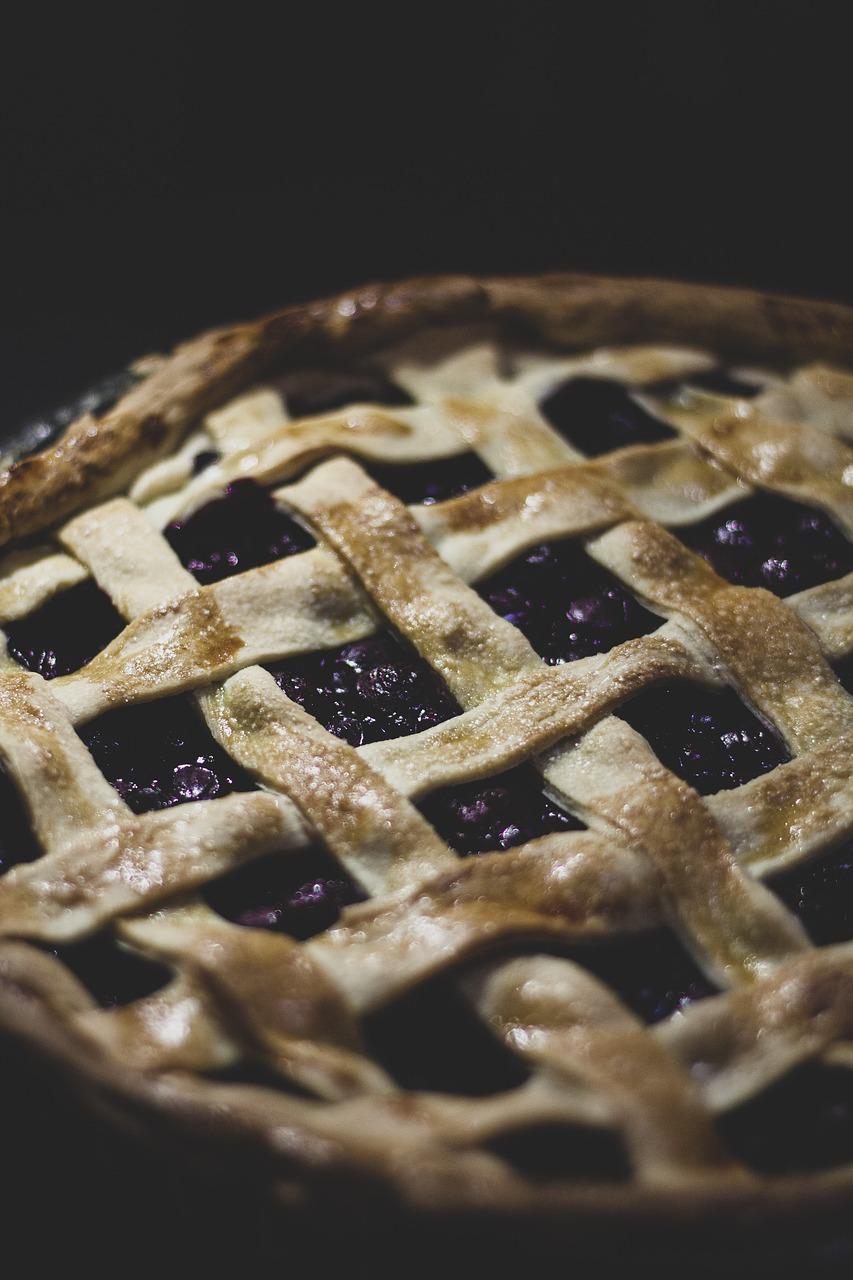
Michigan tart cherry pie

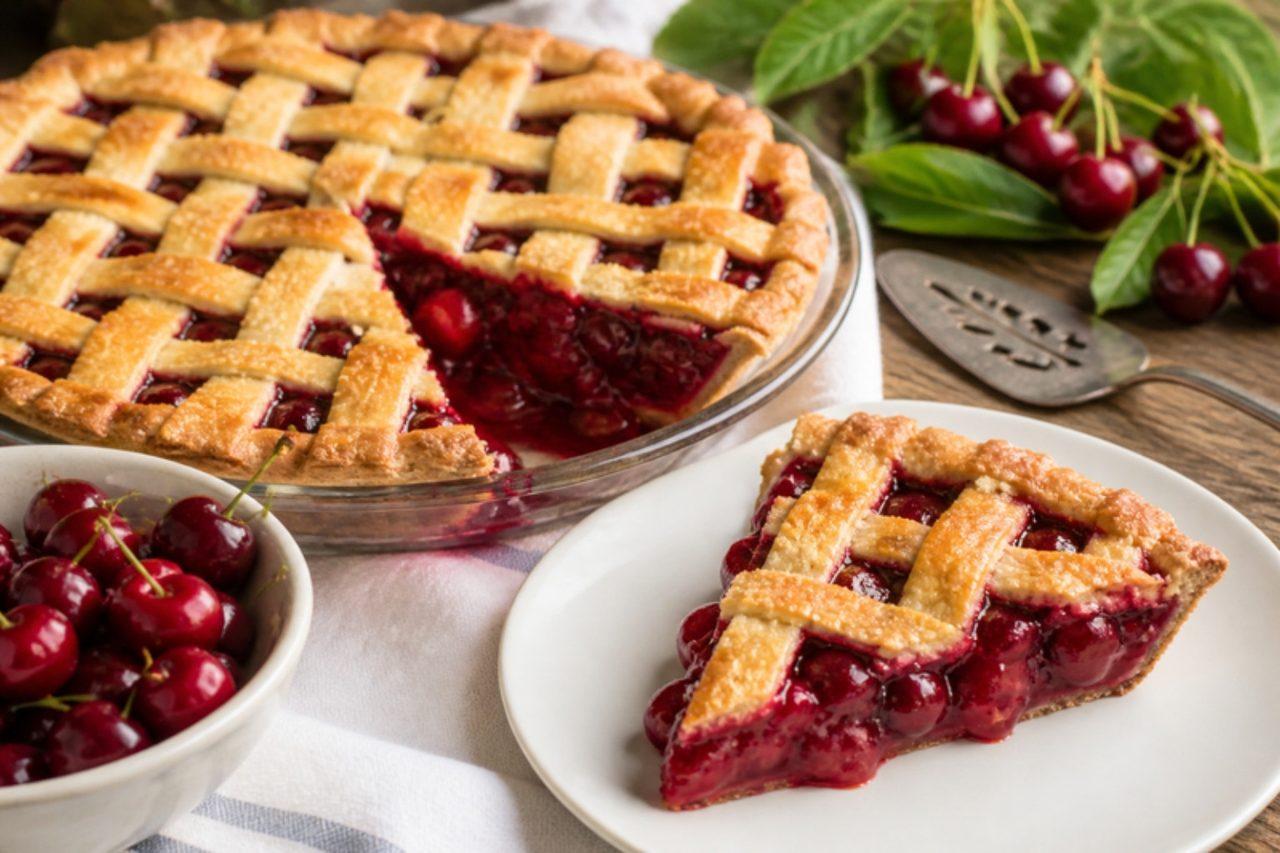
Traverse City, on the shores of Lake Michigan, calls itself the cherry capital of the world and holds a National Cherry Festival every July, where this bright red, lattice-topped pie is everywhere. It uses Montmorency sour cherries, not sweet ones, so the filling is sharp and jammy with a hint of almond. Frozen or jarred pitted sour cherries work well. Chef's tip: cook the filling on the hob until it thickens before it goes in the pie, so the bottom crust doesn't drown.

by KrazyBadal 0 views

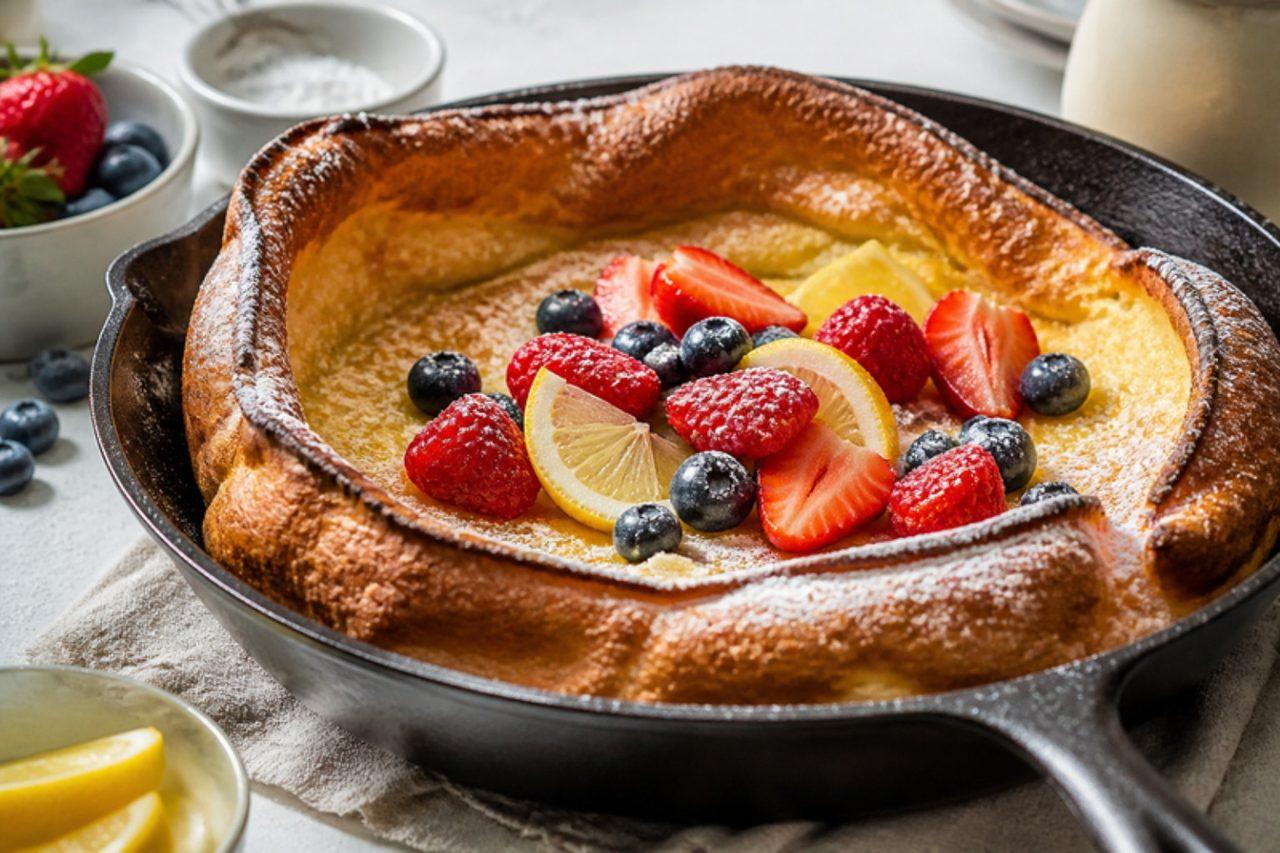
Seattle Dutch baby

The Dutch baby was first served in the early 1900s at a family café in Seattle, whose owner's daughter supposedly mispronounced 'Deutsch' and gave it the name. A thin batter poured into a sizzling buttered pan balloons in the oven into a crisp-edged, custardy bowl. It is a Pacific Northwest brunch dish, eaten straight from the pan with lemon juice and icing sugar or summer berries. Chef's tip: blend the batter until frothy and have the pan really hot; that is what makes it climb the sides.

by KrazyBadal 0 views

Oregon marionberry pie

The marionberry was bred at Oregon State University and named after Marion County in the Willamette Valley, and in July it fills farm stands and pie shops from Portland to Salem. It is a blackberry with a deeper, wine-like flavour and more juice. Elsewhere, use blackberries mixed with a few raspberries. Chef's tip: let the sugared berries sit for 15 minutes and add only half the juice they release, or the pie will be runny.

by KrazyBadal 0 views

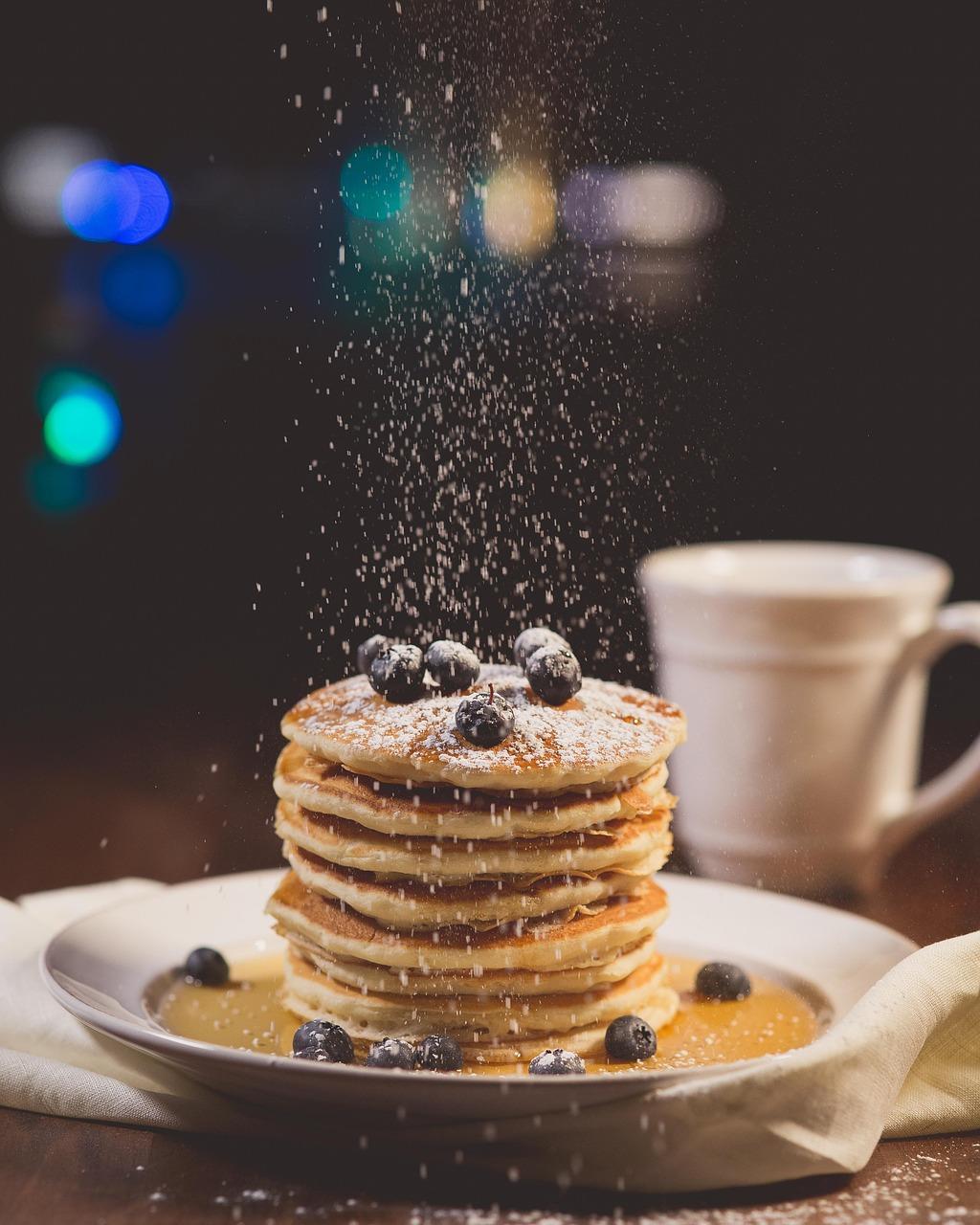
Huckleberry pancakes

In August, families in northern Idaho, Montana and the Washington Cascades hike to mountain slopes to pick wild huckleberries, which have never been farmed and taste like a sharper, more perfumed blueberry. Lodges and diners from Sandpoint to Glacier National Park serve them in fluffy buttermilk pancakes. Wild blueberries are the best substitute. Chef's tip: drop the berries onto each pancake in the pan instead of stirring them into the batter, so the batter doesn't turn purple and the berries don't sink.

by KrazyBadal 0 views

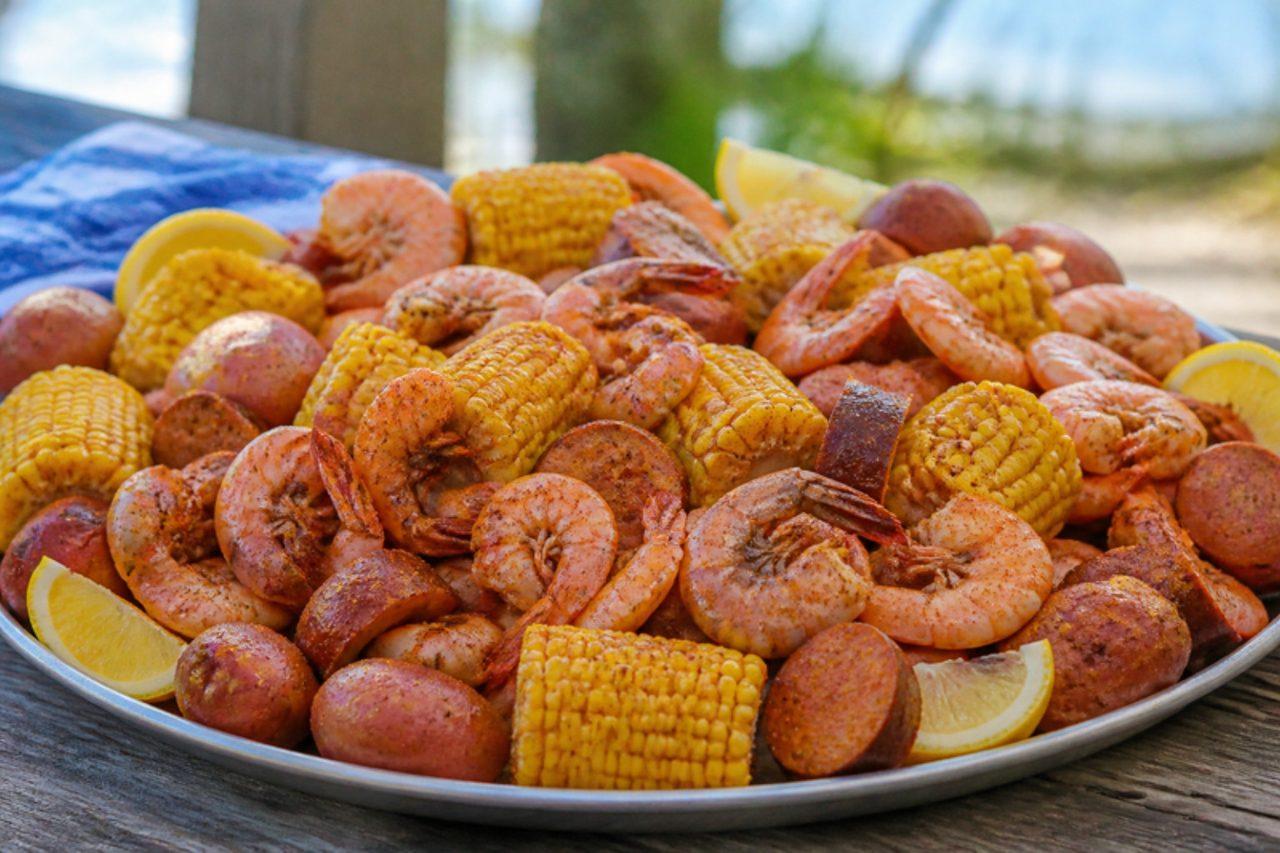
Lowcountry boil

Lowcountry boil, also called Frogmore stew after a village on St Helena Island, South Carolina, is the one-pot party of the Carolina and Georgia coast: new potatoes, corn cobs, smoked pork sausage and fresh shrimp boiled in spiced water, drained and tipped straight onto a newspaper-covered table for everyone to dig in. It is summer food for beach houses, church picnics and Fourth of July. Chef's tip: add everything in stages, timed so the shrimp go in last for only a few minutes.

by KrazyBadal 0 views

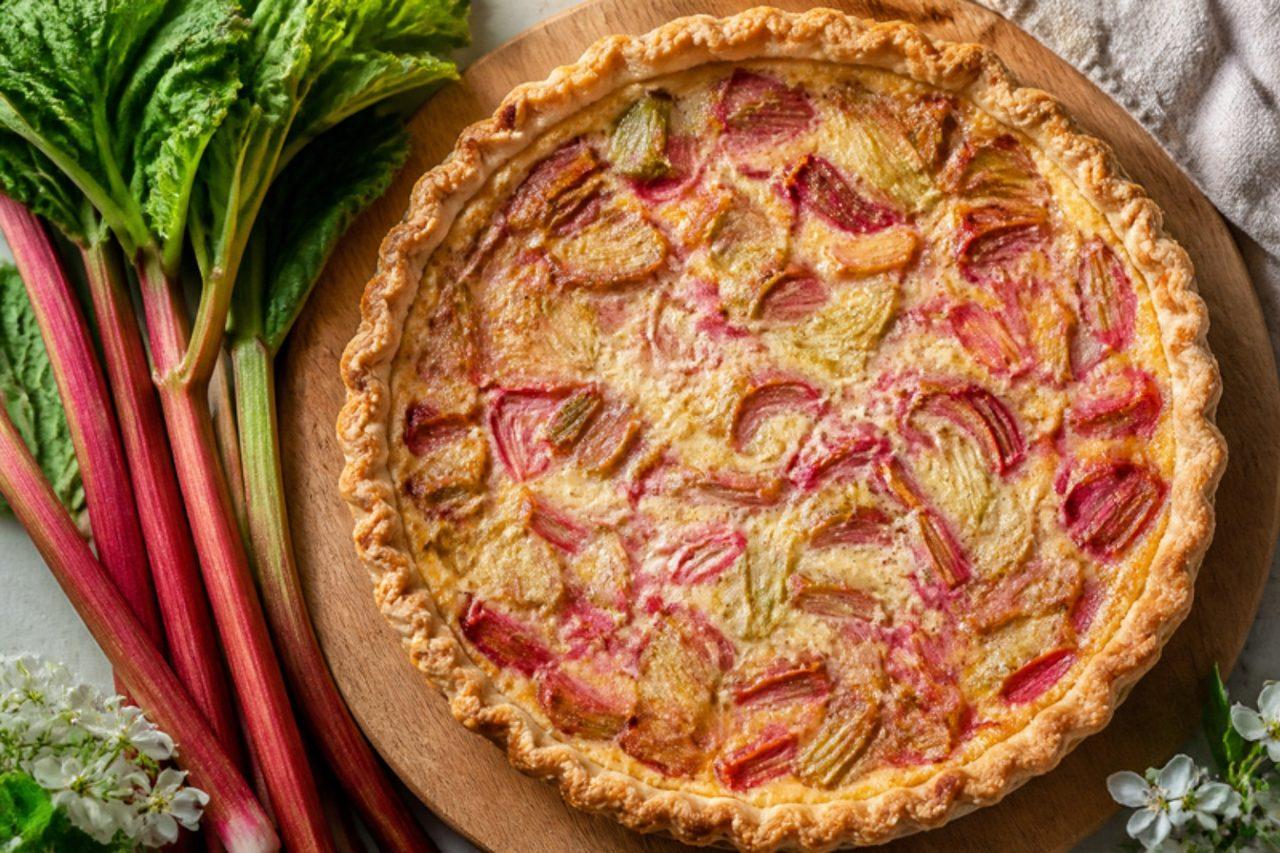
Rhubarb custard pie

Farm wives across Minnesota, Iowa and the Dakotas called rhubarb 'pie plant', because the first stalks in May went straight into this pie after a long winter without fresh fruit. Chopped rhubarb is baked in a sweet egg custard, so each slice is soft, creamy and tart at the same time. It turns up at Memorial Day picnics and church bake sales. Chef's tip: toss the rhubarb with the sugar and flour and let it sit 10 minutes before adding the eggs; it starts drawing out juice and the custard sets more evenly.

by KrazyBadal 0 views

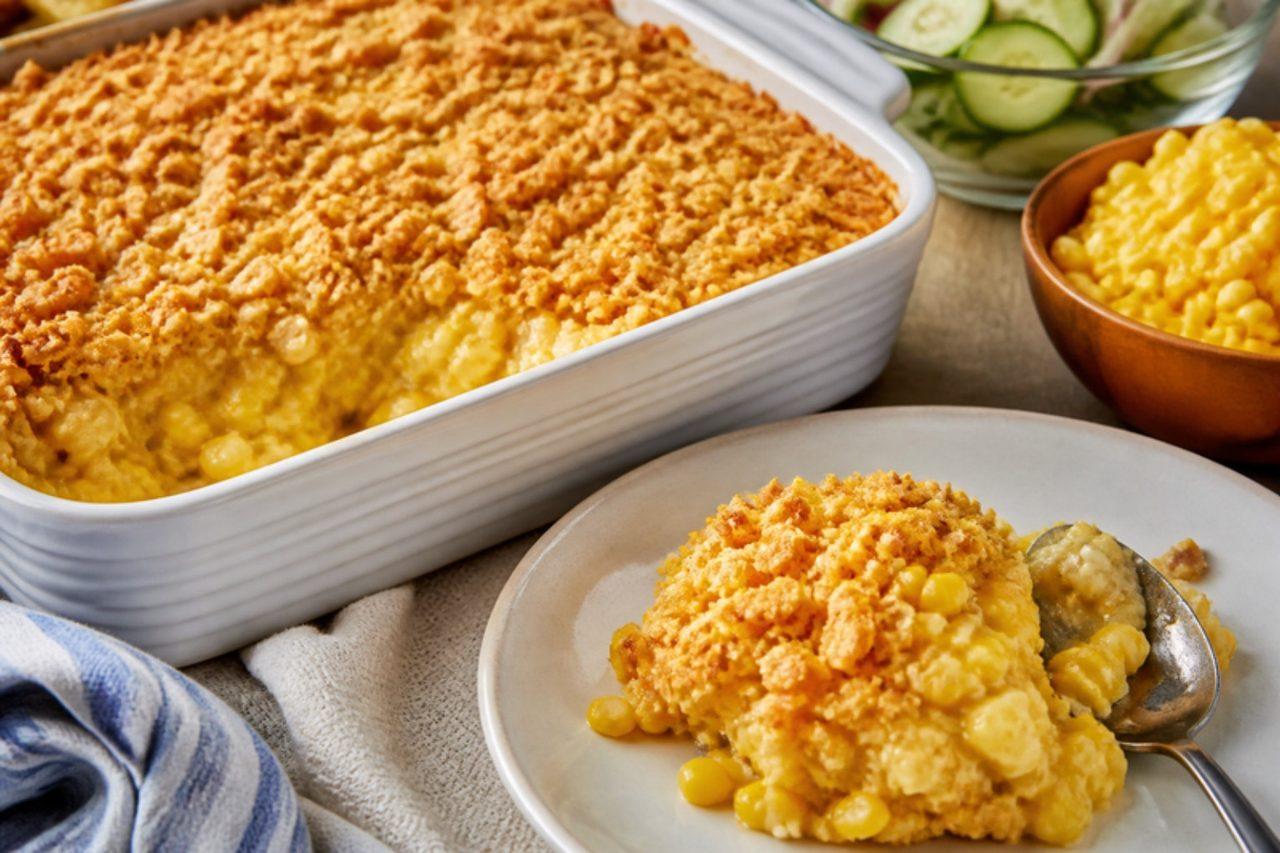
Iowa scalloped corn

In Iowa, scalloped corn is the dish everyone brings to the Thanksgiving table, the church potluck and the Sunday dinner after a funeral. Sweetcorn kernels and creamed corn are baked with milk, eggs and buttery crushed crackers into a soft, spoonable pudding with a golden, crunchy top. Chef's tip: save a third of the crackers for the top and mix them with melted butter so they crisp instead of going soggy.

by KrazyBadal 0 views

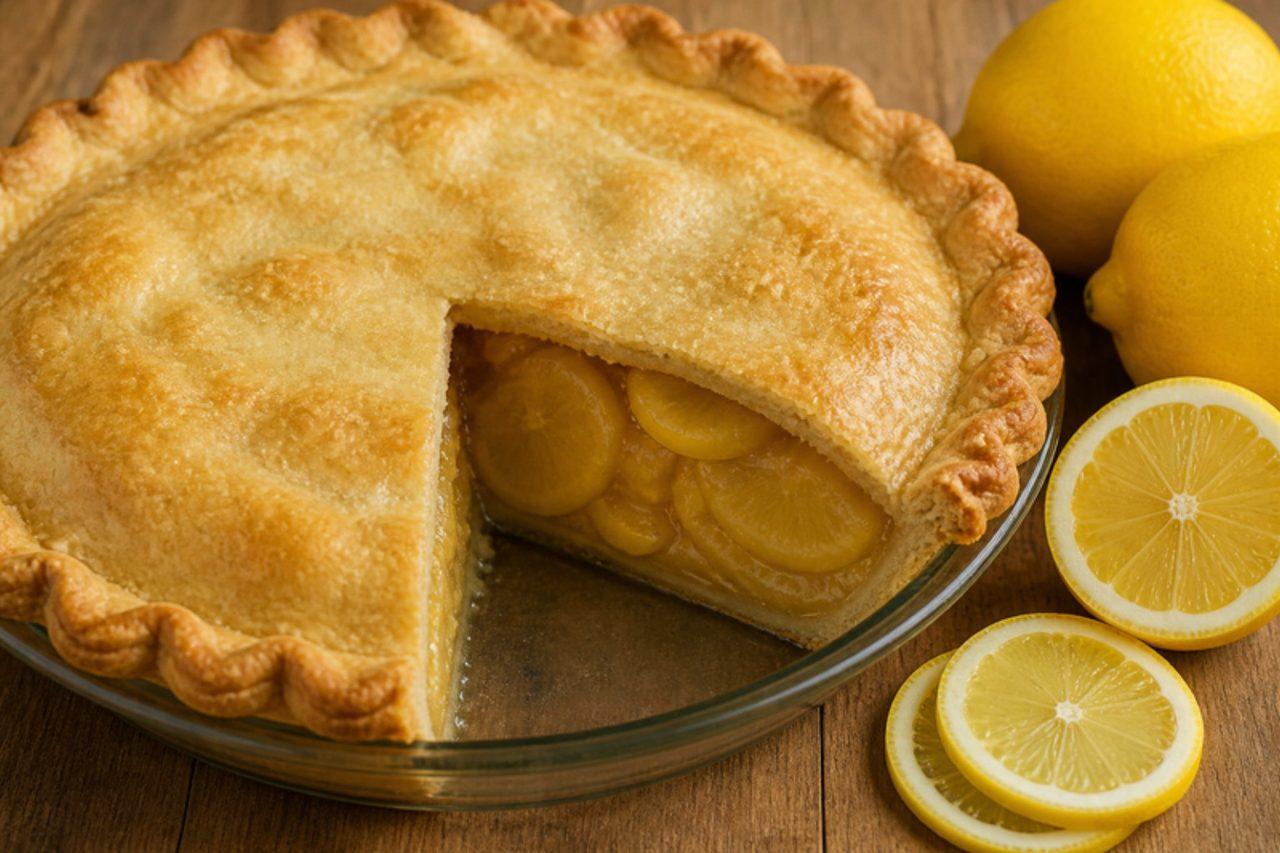
Ohio Shaker lemon pie

The Shaker communities of Ohio and Kentucky wasted nothing, so they sliced whole lemons, peel and all, and left them overnight in sugar until the rind turned soft and syrupy. Baked with eggs between two crusts, the filling is like a bright, chunky marmalade custard, sweet, sour and faintly bitter. Shaker villages and Ohio bakeries still make it for spring. Chef's tip: slice the lemons paper-thin, ideally on a mandoline; thick slices stay chewy and bitter.

by KrazyBadal 0 views

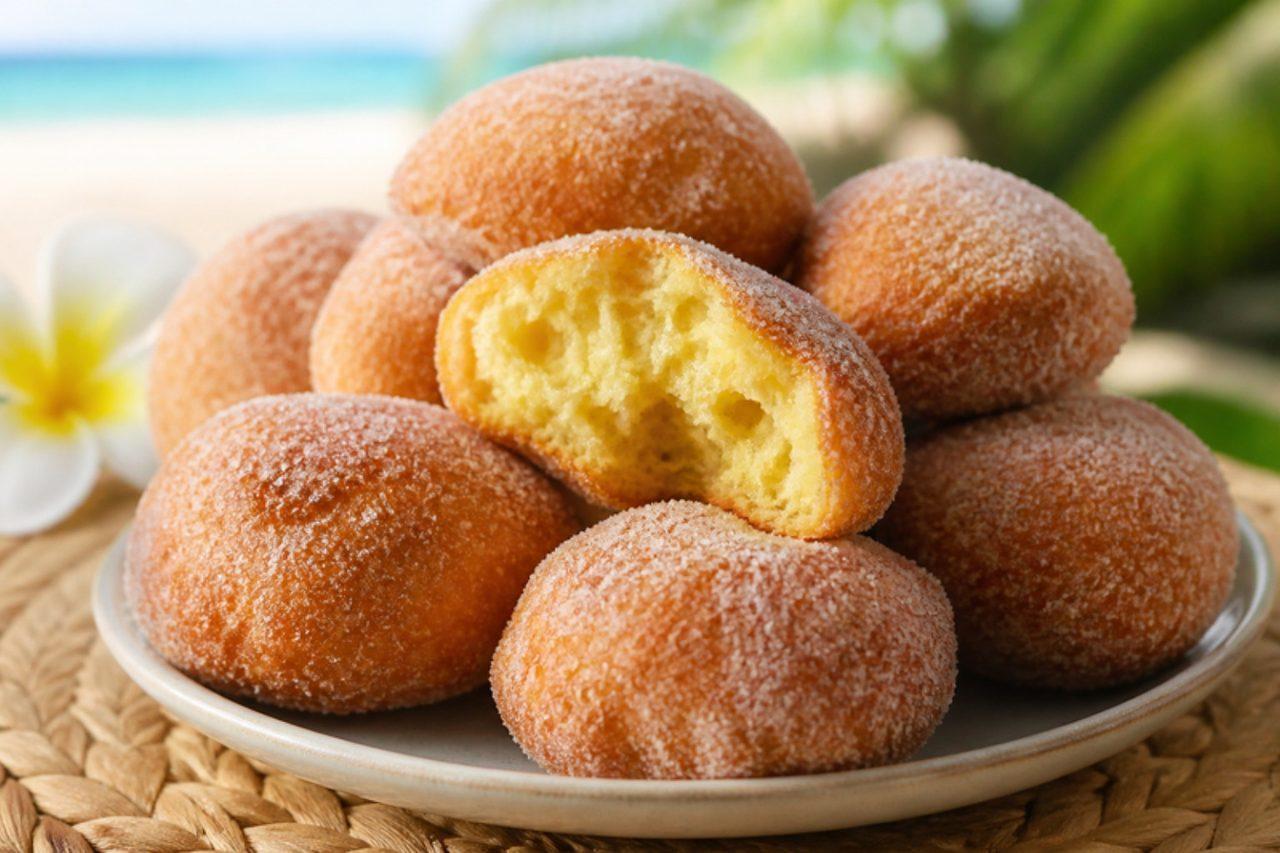
Hawaiian malasadas

Malasadas came to Hawaii with Portuguese workers from Madeira and the Azores in the 1870s, and on Malasada Day, the Tuesday before Lent, bakeries in Honolulu have queues round the block. They are eggy, airy yeast doughnuts with no hole, fried golden and rolled in sugar while hot; some are filled with haupia or custard. Chef's tip: the dough is very soft and sticky, so oil your hands rather than adding more flour, or the malasadas turn heavy.

by KrazyBadal 0 views

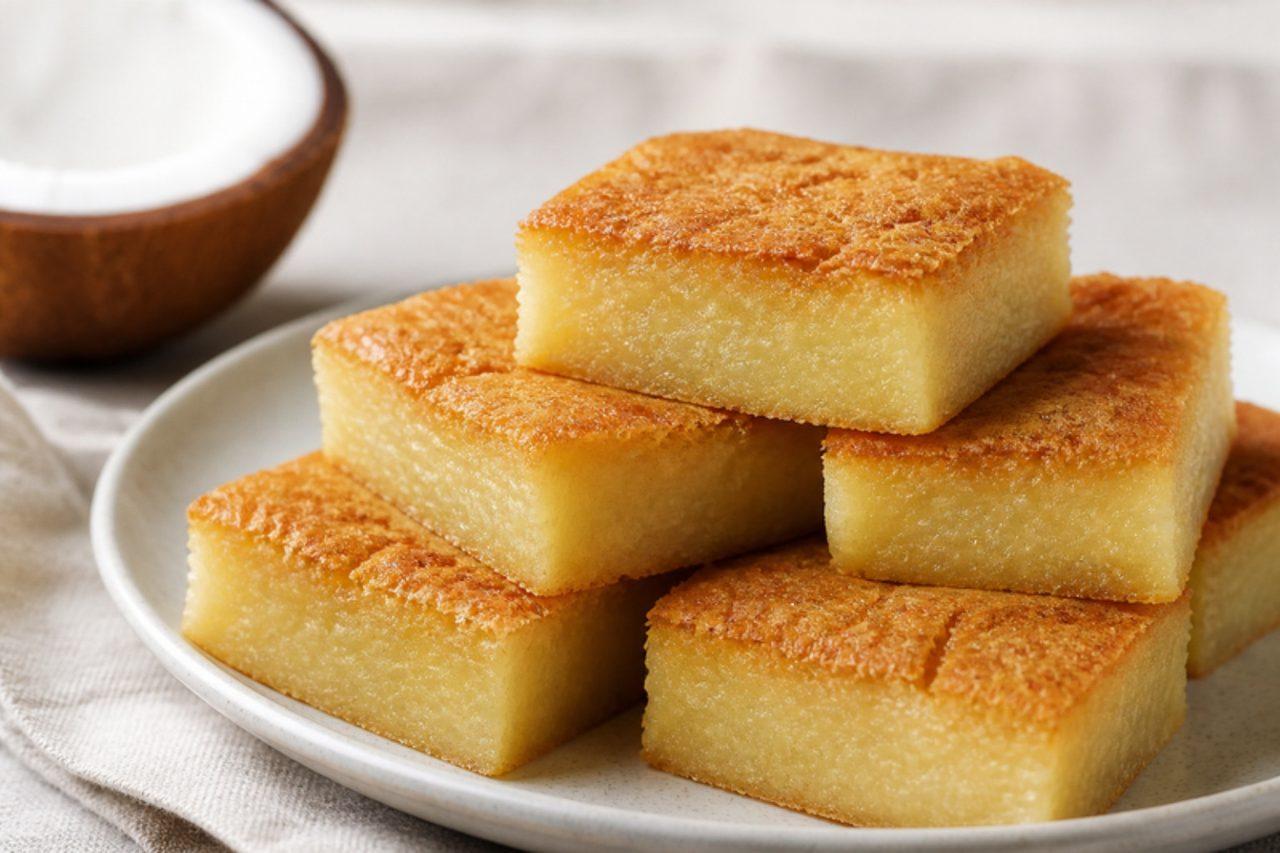
Hawaiian butter mochi

Butter mochi is the sweet of Hawaii's potlucks, school fundraisers and family parties, a local mix of Japanese mochi and the islands' coconut. Glutinous rice flour is baked with coconut milk, evaporated milk, butter and eggs into a golden, chewy cake with crisp edges and a soft, bouncy middle. Chef's tip: cut it with a plastic knife once fully cooled; a metal knife drags and sticks.

by KrazyBadal 0 views

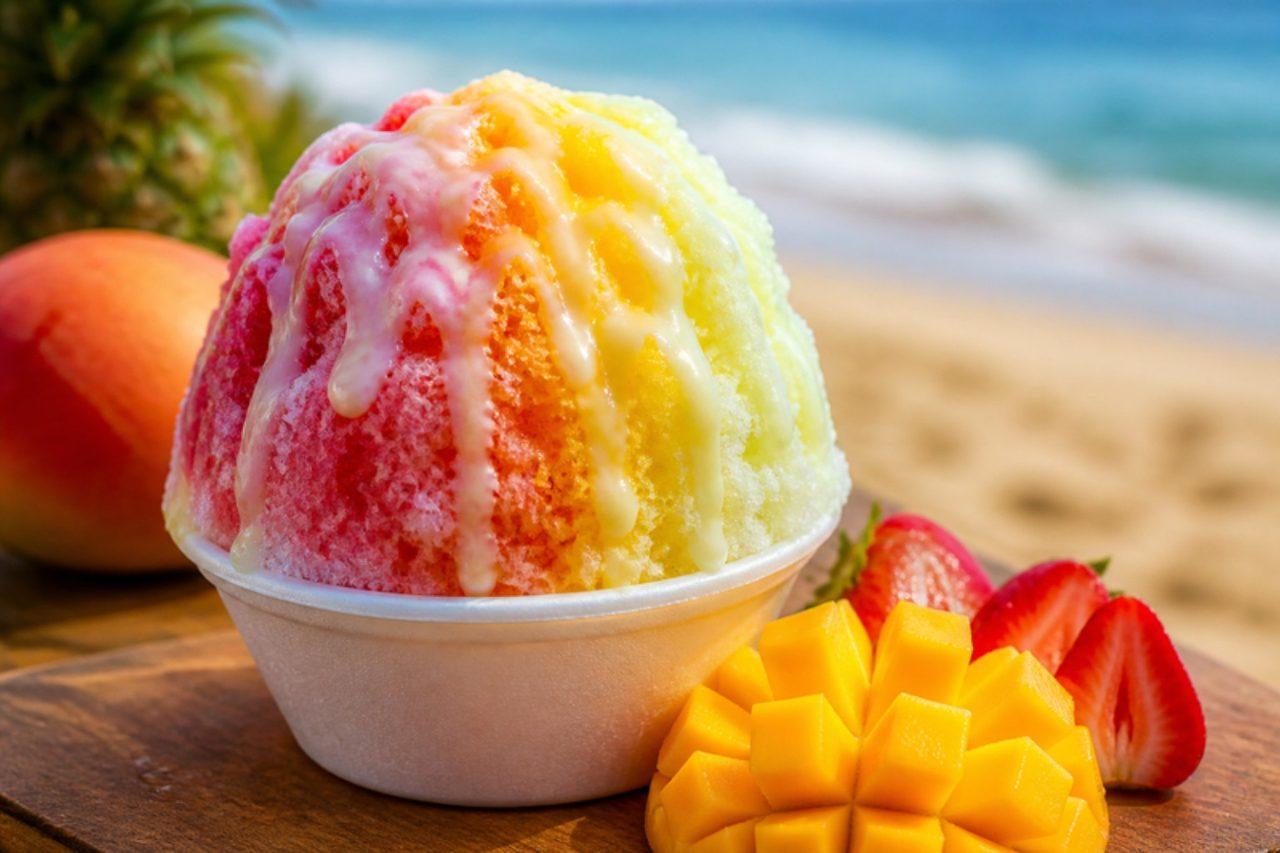
Hawaiian shave ice

Shave ice came to Hawaii with Japanese plantation workers, and on hot afternoons on Oahu's North Shore families still queue at roadside stands for a towering, soft cone of ice soaked in rainbow syrups. The ice is shaved so fine it is like fresh snow and soaks up the syrup instead of letting it run to the bottom. Without a shaver, freeze ice in a block and scrape it with a fork. Chef's tip: let the ice block sit out for 5 minutes before shaving; slightly tempered ice gives fluffier flakes.

by KrazyBadal 0 views

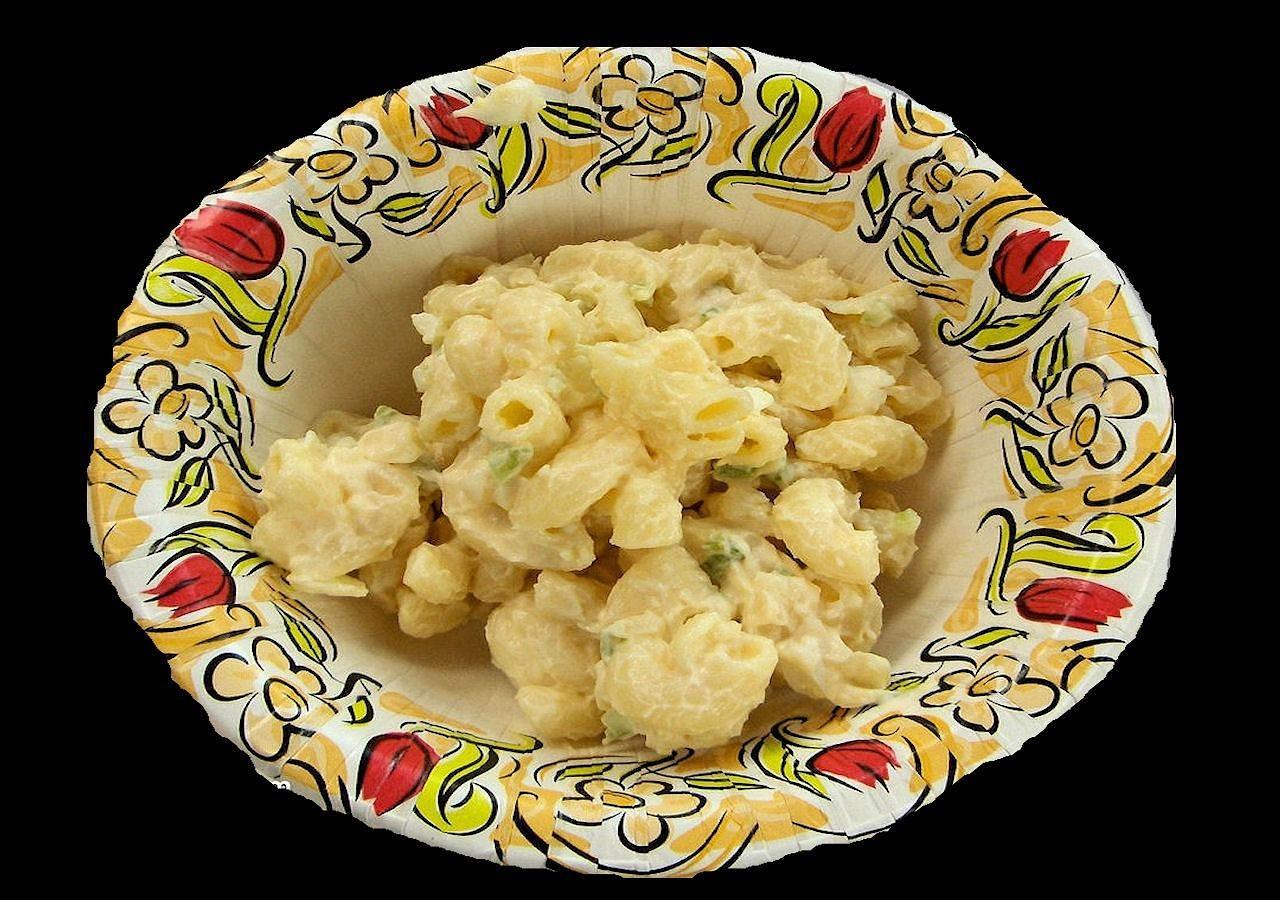
Hawaiian macaroni salad

Every Hawaiian plate lunch, from drive-ins in Hilo to the lunch wagons of Honolulu, comes with two scoops of rice and one of this soft, creamy macaroni salad. It is simpler than American pasta salads: overcooked elbow macaroni soaked in vinegar while hot, then folded with lots of mayonnaise, a little milk and grated carrot. Chef's tip: cook the pasta past al dente, a few minutes longer than the packet says; plate-lunch mac is meant to be soft so it soaks up the dressing.

by KrazyBadal 0 views

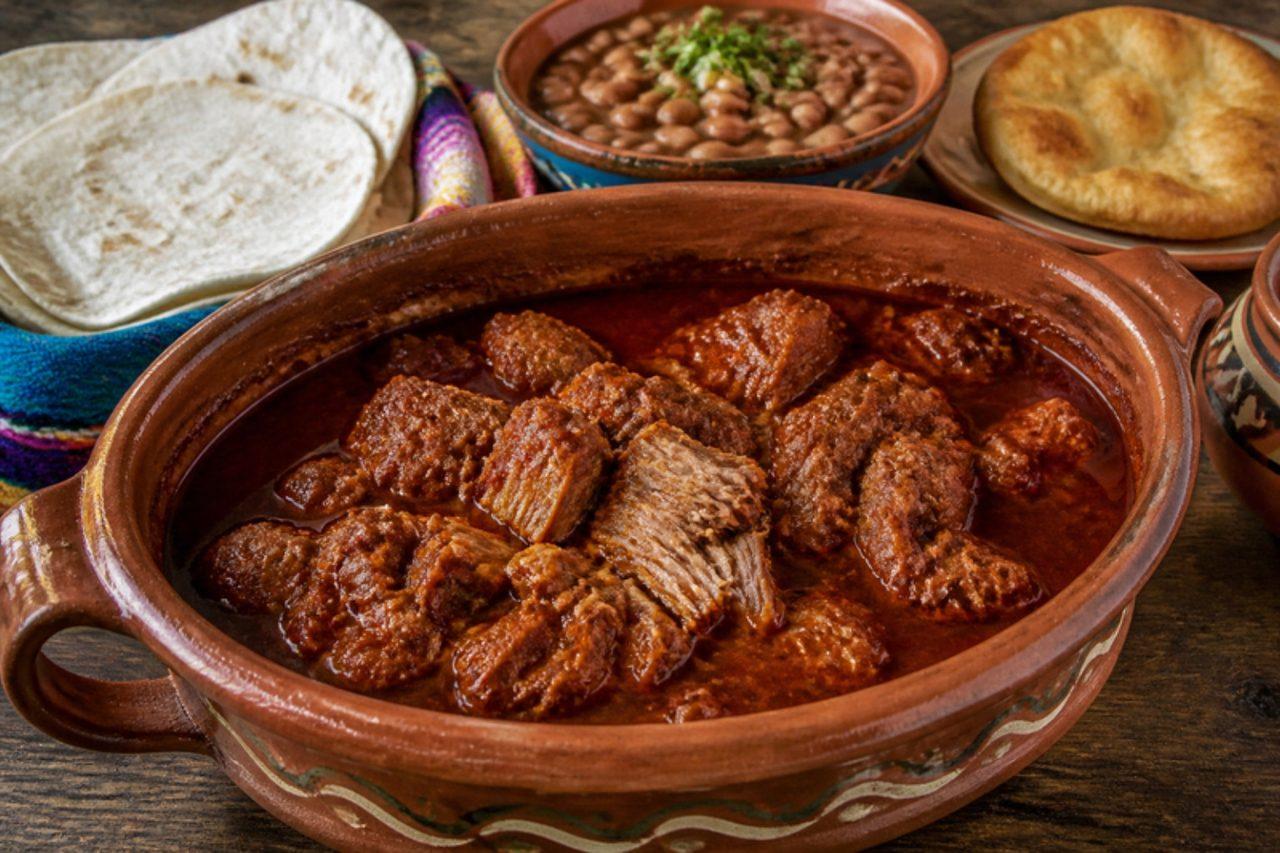
New Mexico carne adovada

Carne adovada is the slow-braised red chile pork of northern New Mexico, a speciality of Chimayó and the Española Valley, eaten in burritos, with eggs for breakfast or with sopaipillas on the side. Pork shoulder marinates overnight in a smooth sauce of dried red chile pods, garlic and oregano, then bakes until it falls into soft shreds stained deep red. Chef's tip: marinate it overnight in the fridge; the chile works into the meat and makes it extra tender.

200 minAmericanMeatGluten freeSpicy
by KrazyBadal 0 views

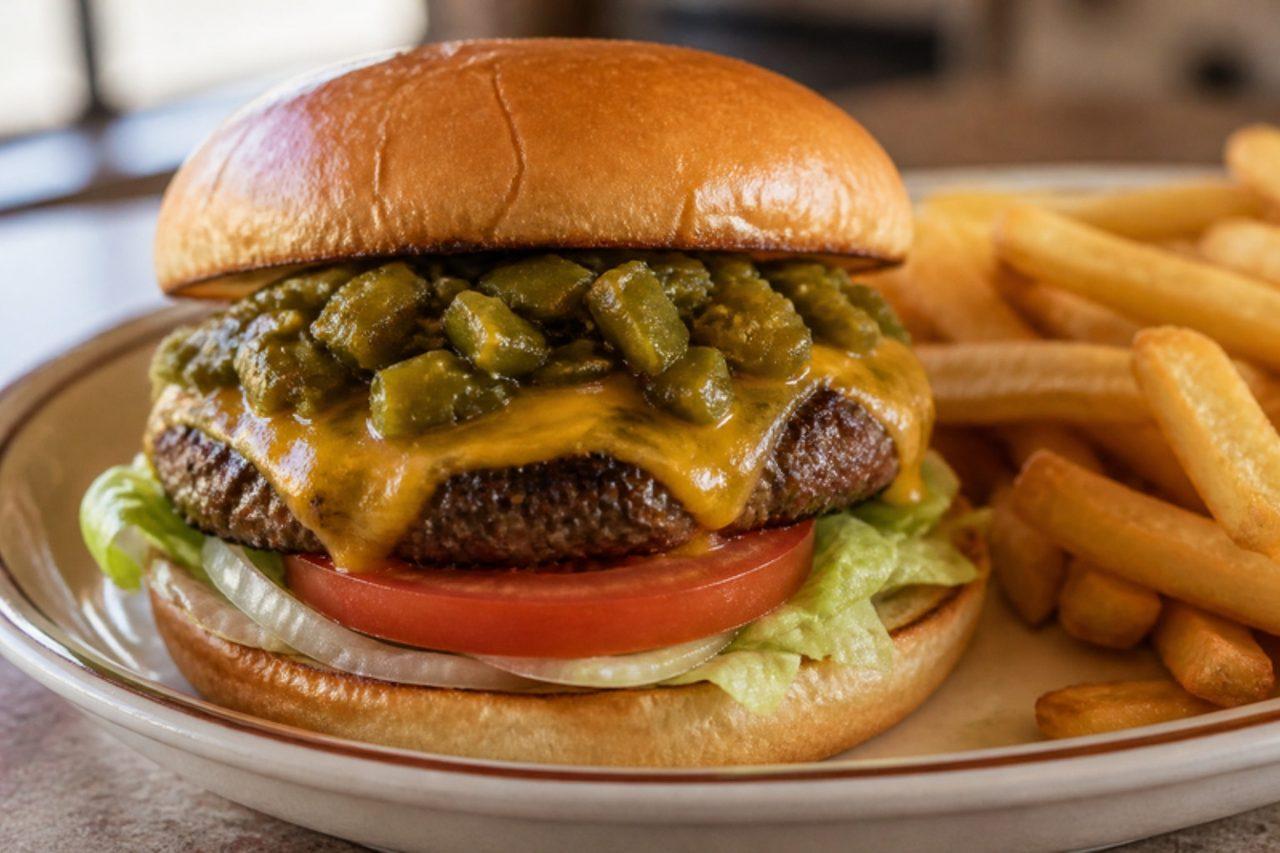
Green chile cheeseburger

The green chile cheeseburger is the pride of New Mexico, with an official trail of roadside diners and bars from San Antonio, New Mexico, to Santa Fe competing for the best one. A juicy beef patty is topped with melted American or cheddar cheese and a heap of roasted, chopped green chile, which adds smoky heat that cuts through the richness. Chef's tip: put the chile on before the cheese and let the cheese melt over it, so it holds the chile in place.

by KrazyBadal 0 views

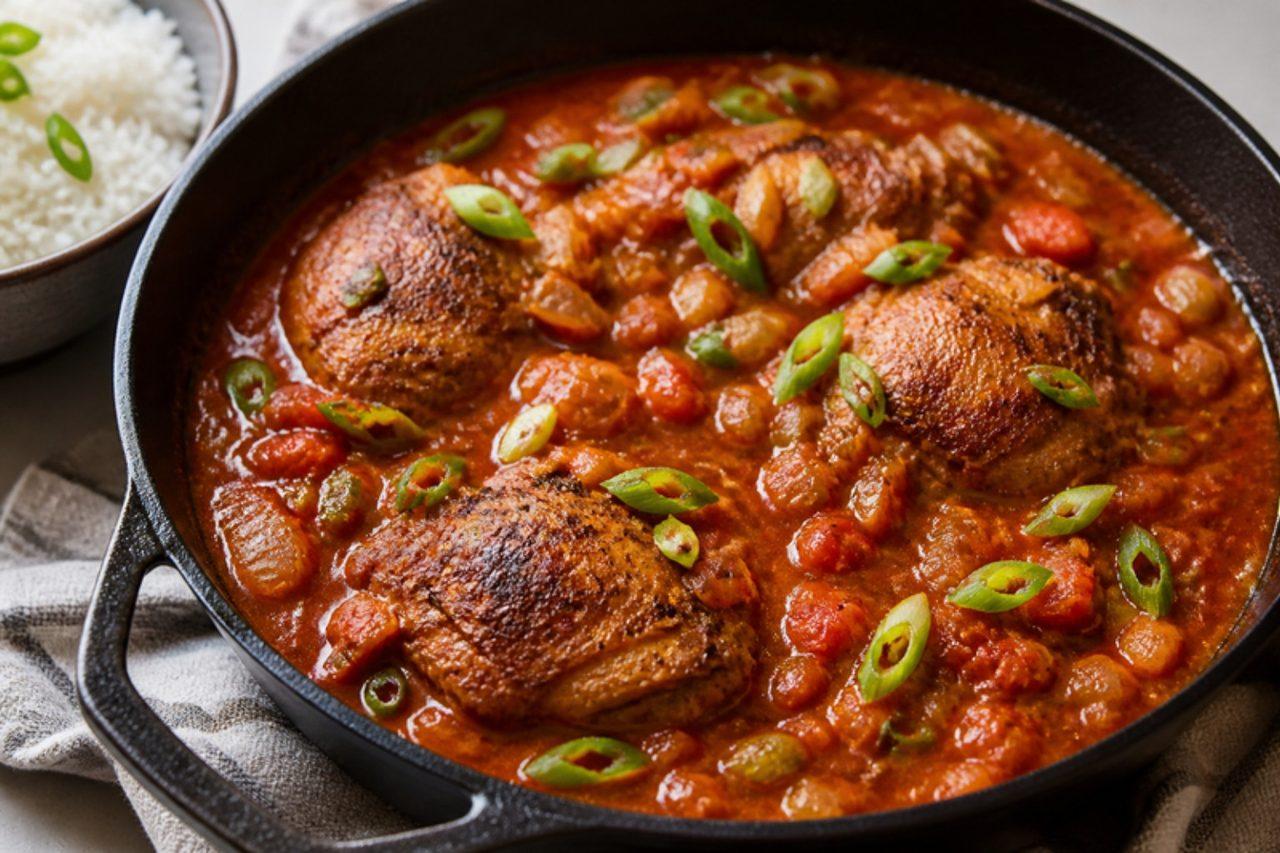
Chicken sauce piquante

Sauce piquante is the fiery tomato-and-roux braise of the Cajun parishes, cooked in big black pots for family reunions and the Raceland sauce piquante festival, with chicken, rabbit, alligator or turtle. This chicken version simmers until falling off the bone in a sauce sharp with chilli, vinegar and plenty of black pepper. Serve over rice. Chef's tip: let it sit for 20 minutes off the heat before serving; the heat and sharpness mellow and blend.

by KrazyBadal 0 views

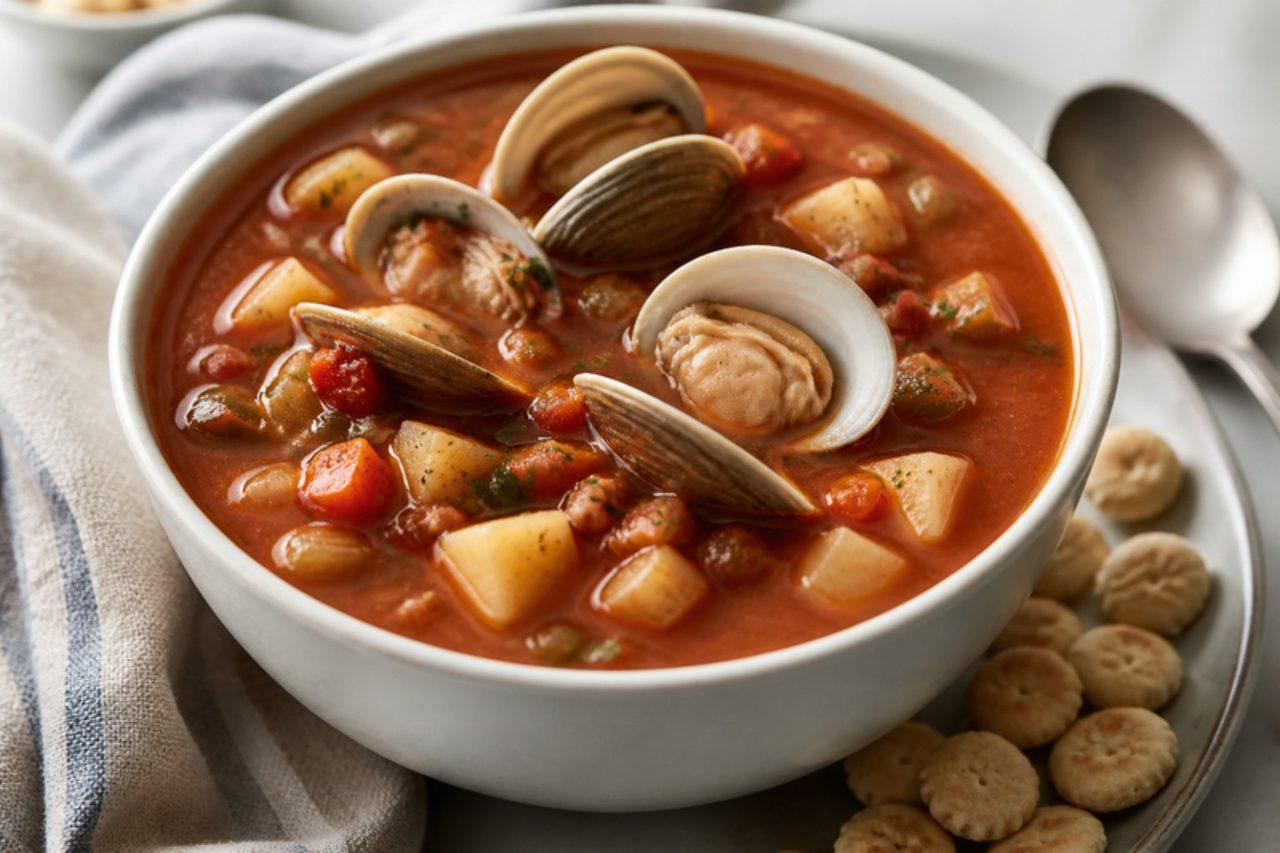
Manhattan clam chowder

Manhattan clam chowder swaps New England's cream for tomatoes, a style that grew up in the Portuguese and Italian fish restaurants of New York and Coney Island and is still ladled out in Fulton Street lunch counters. It is a brothy red soup with clams, potato, carrot, celery and a little bacon (pork), lighter than the white kind and peppery with thyme. Chef's tip: add the chopped clams only for the last few minutes; long boiling turns them to rubber.

by KrazyBadal 0 views

Maryland crab cakes

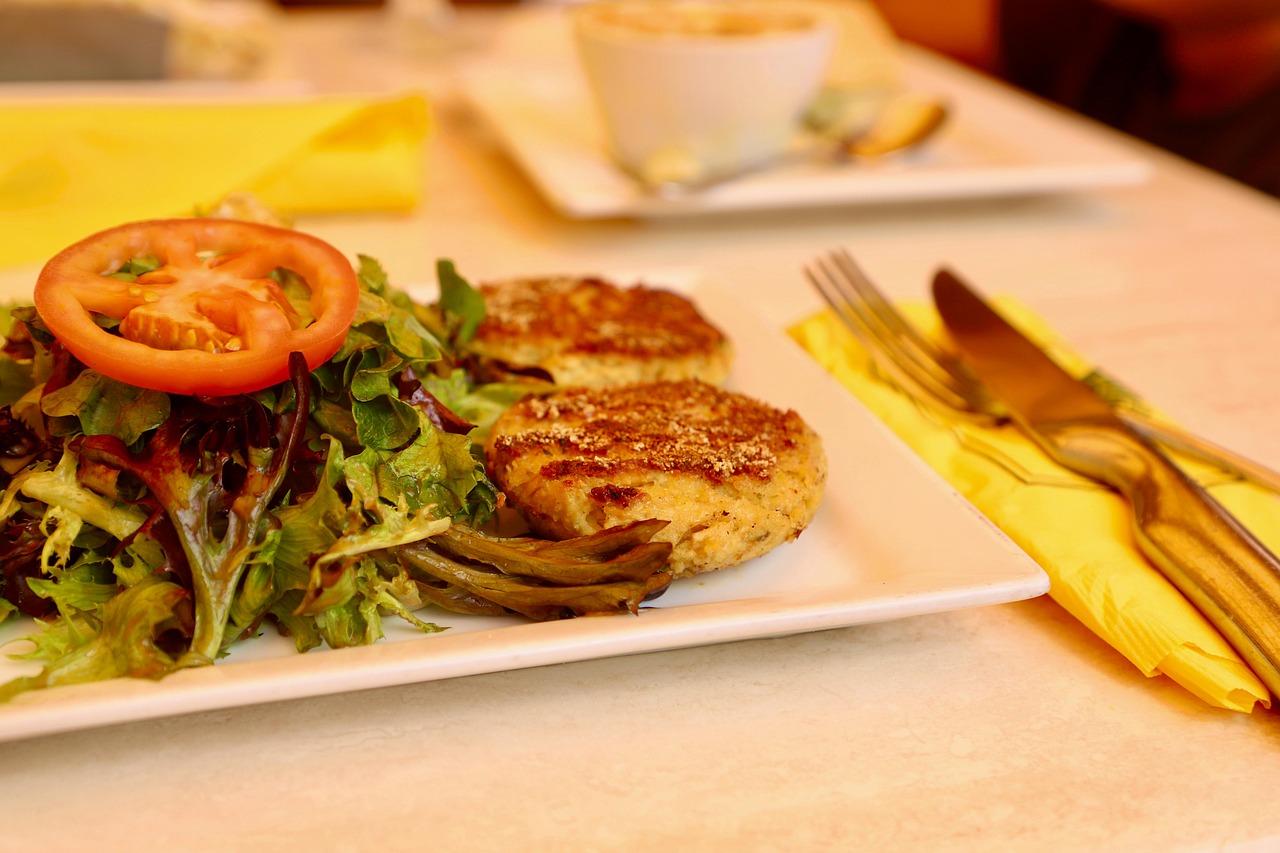
Around Chesapeake Bay, from Baltimore's crab houses to the docks of the Eastern Shore, a proper crab cake is judged by how little holds it together: sweet lump blue crab, a spoon of mayonnaise and mustard, a little seasoning and just enough crumbs to bind. They are eaten as a platter with coleslaw or in a soft roll with tartare sauce through the summer crab season. Chef's tip: chill the shaped cakes for an hour; it firms them so they don't fall apart in the pan.

by KrazyBadal 0 views

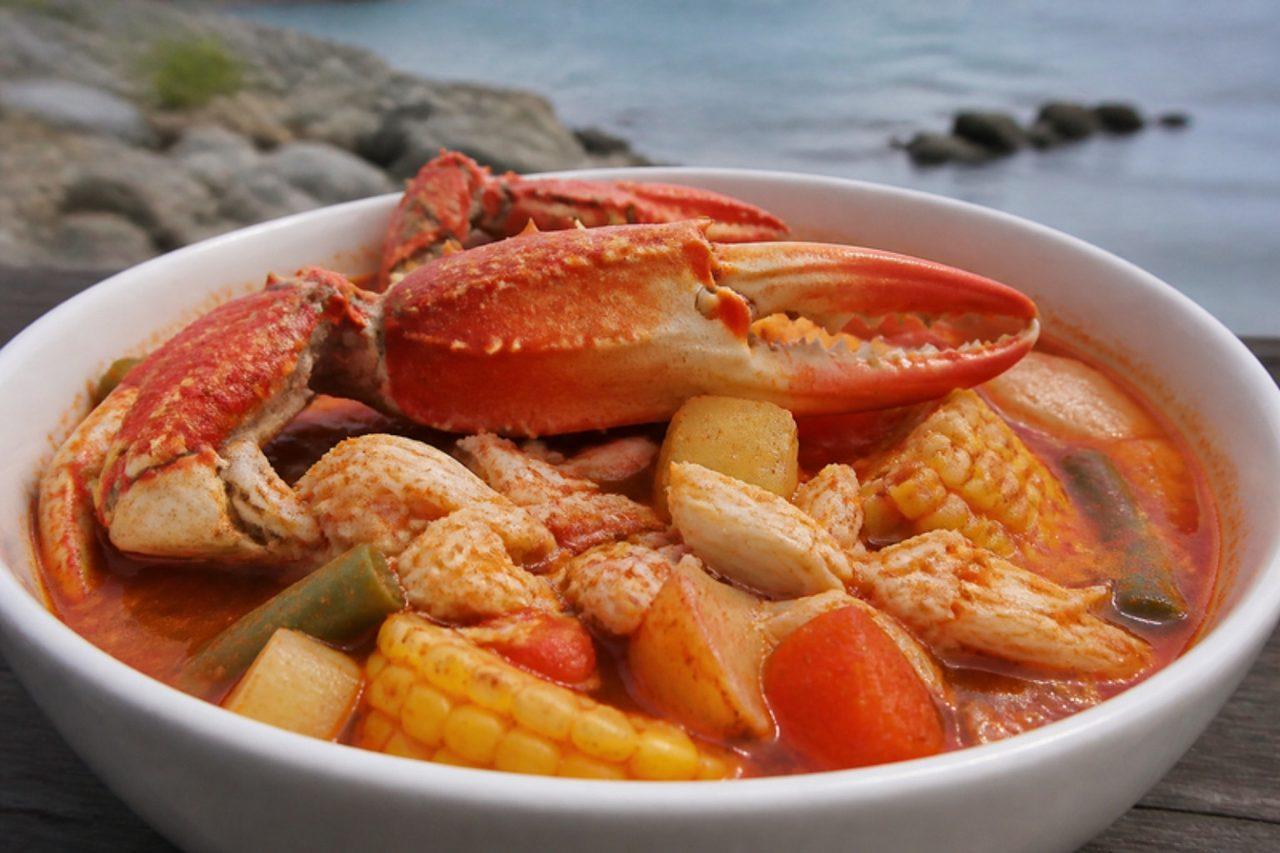
Maryland crab soup

Maryland crab soup is the red, vegetable-packed soup of Baltimore crab houses and Eastern Shore church fundraisers, simmered in a beef broth with tomatoes, corn, beans and lots of crab seasoning, with blue crab meat stirred in at the end. Locals eat a cup before a tray of steamed crabs. Chef's tip: let the vegetables cook fully before the crab goes in; crab meat only needs warming, and stirring too much shreds it.

by KrazyBadal 0 views

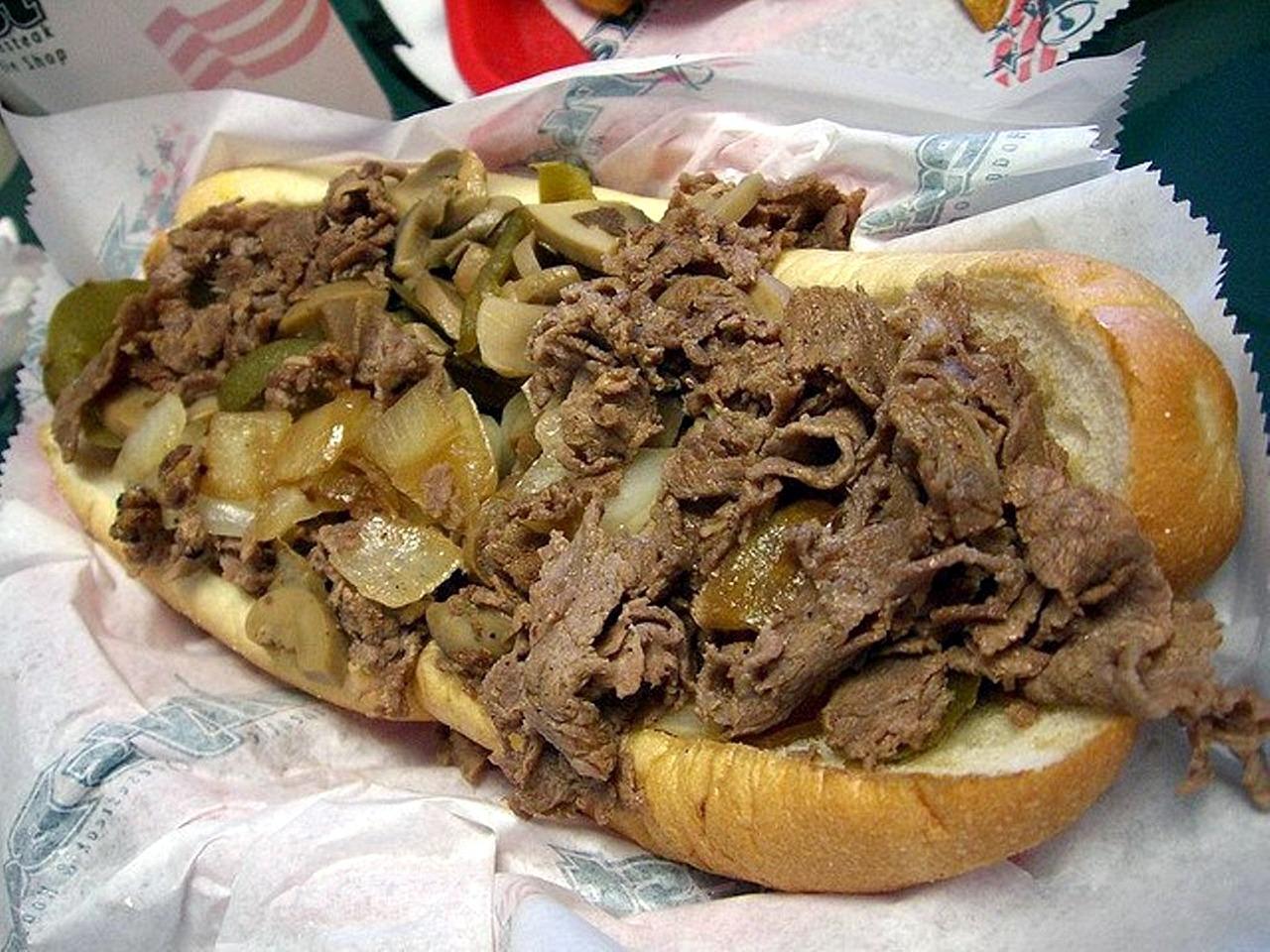
Philly cheesesteak

The cheesesteak was born in South Philadelphia in the 1930s, and the rival stands on Passyunk Avenue still keep the city arguing over whether it should come with melted cheese sauce, provolone or American cheese, and 'wit' or 'witout' fried onions. Paper-thin ribeye is chopped on a hot griddle, cheese is melted over it and the lot is scooped into a soft, crusty hoagie roll. Chef's tip: freeze the beef for 40 minutes before slicing; it firms up so you can cut it almost see-through.

by KrazyBadal 0 views

Reuben sandwich

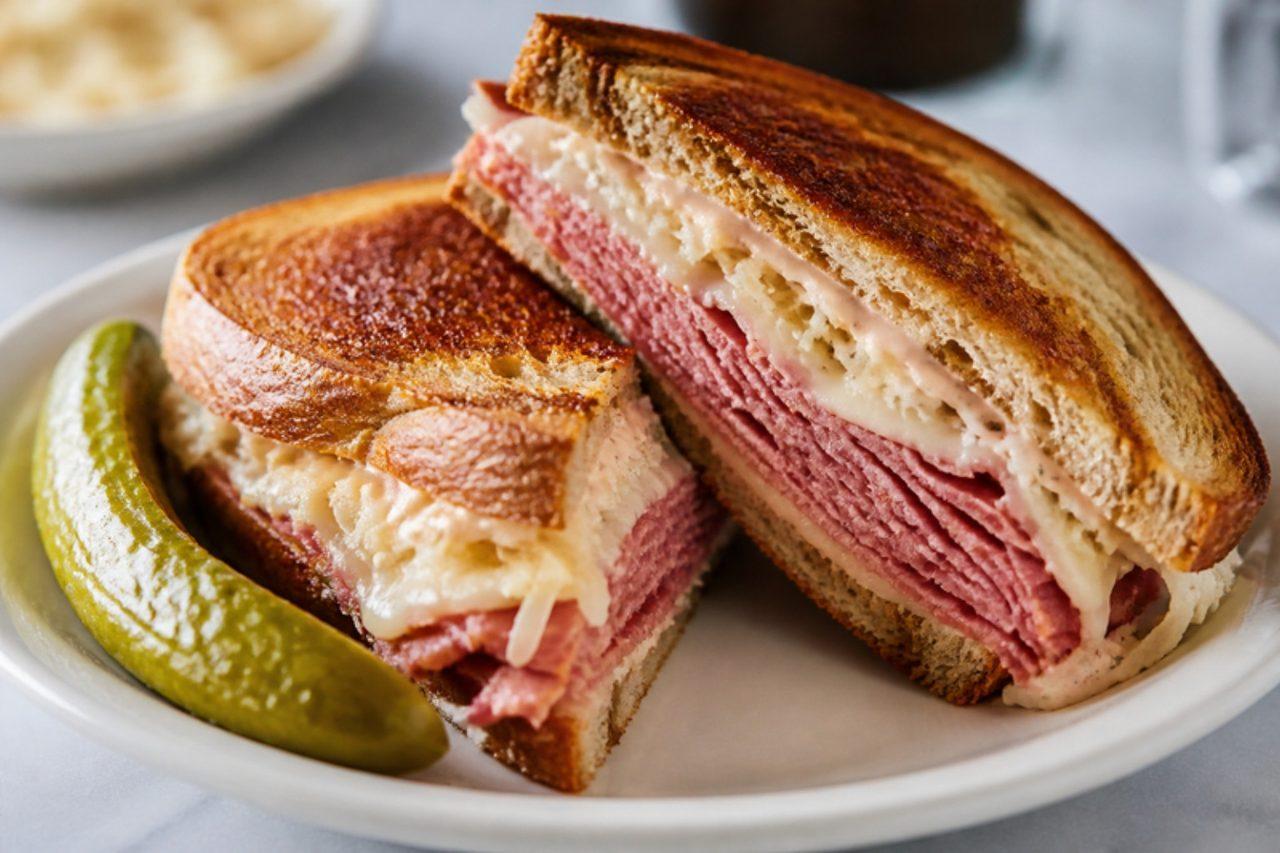
The Reuben is a New York deli classic, claimed by both a Manhattan delicatessen and a poker game in Omaha, and now on every Jewish-style deli menu in the city: rye bread layered with thin corned beef, sauerkraut, Swiss cheese and Russian dressing, then fried in butter until the cheese melts. It is a big, salty, tangy lunch. Chef's tip: squeeze the sauerkraut hard in your fist; wet kraut makes soggy toast.

by KrazyBadal 0 views

Halal cart chicken over rice

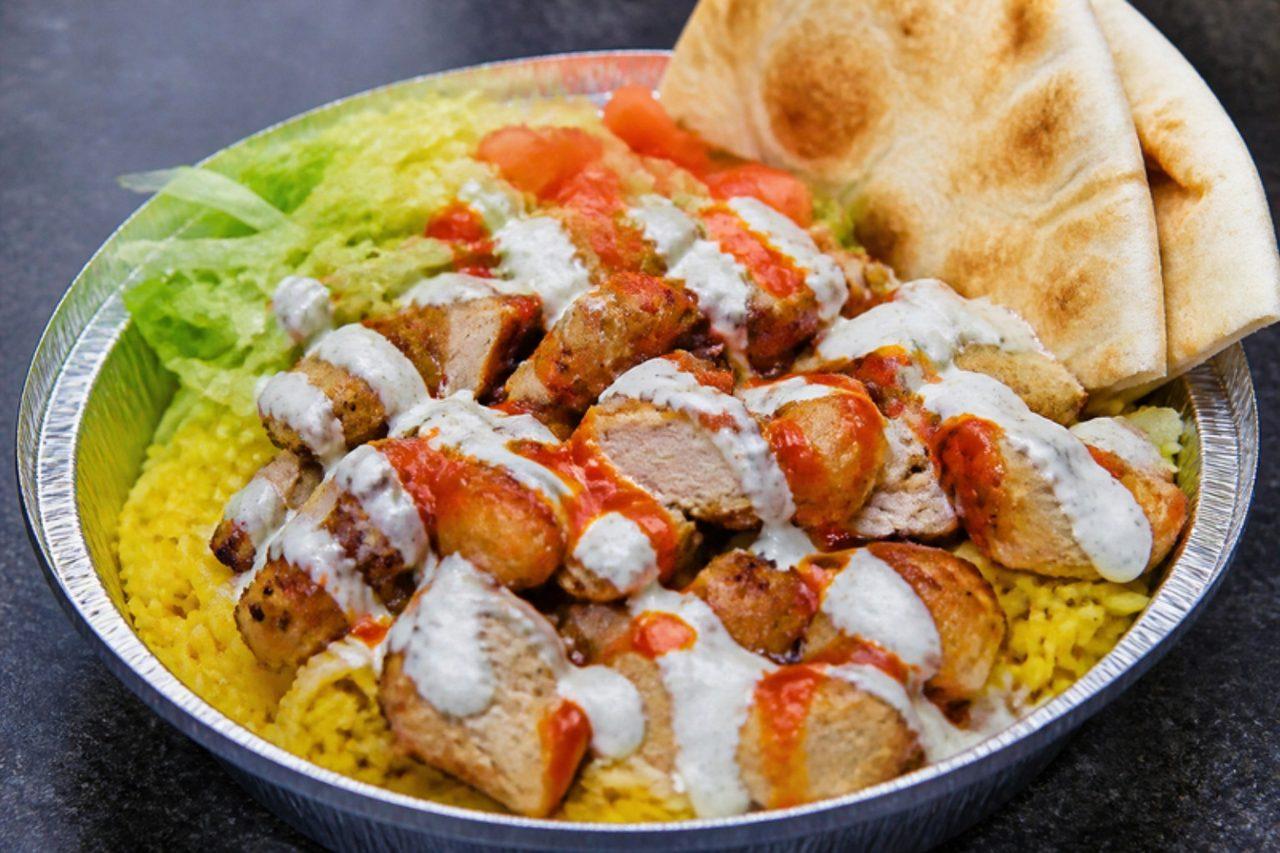
From the silver carts on Midtown corners, often run by Egyptian and Afghan cooks, comes New York's favourite cheap late-night meal: chopped spiced chicken thighs on turmeric rice with shredded lettuce, a tangy white sauce and a fiery red chilli sauce. Office workers and taxi drivers queue for it at 2 a.m. Chef's tip: marinate the chicken in the fridge overnight; the lemon and spices soak right in.

by KrazyBadal 0 views

Showing 54 of 7,762 recipes

Show more recipes

Page 401 of 863