


Skip to content
Ekala
Featured recipe

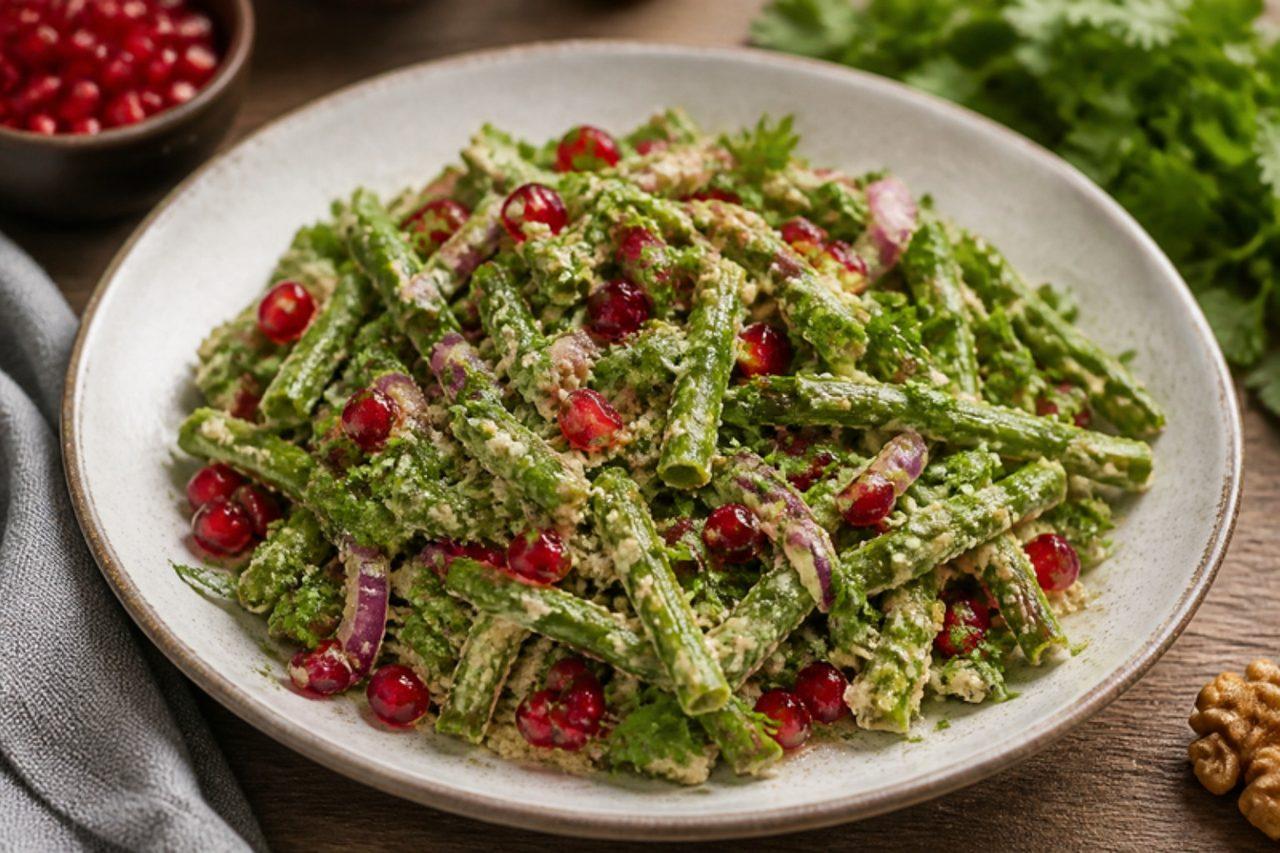
Ekala

For a few weeks each April, Imeretian market women in Kutaisi sell tight bundles of ekala, the young shoots of wild smilax that climb through hedges and forest edges. They are blanched, chopped and pounded with walnuts, garlic and spices into a pkhali-style salad for the Lenten and Easter table, with a nutty, slightly bitter, asparagus-like taste. Outside Georgia, the tender tips of asparagus or green beans make a good stand-in. A common mistake is over-boiling the shoots; they lose their snap and turn khaki. Chef's tip: let the walnut paste sit on the greens for an hour before serving, so the garlic mellows and the flavours knit together.

Read more 0 views

What to eat today?

Around the world

Today's trip: Paraguayan

A new country every day, from every cuisine on the site.

This week's collection

Kid-friendly dinners
537 recipes · a new collection every Monday

Latest recipes

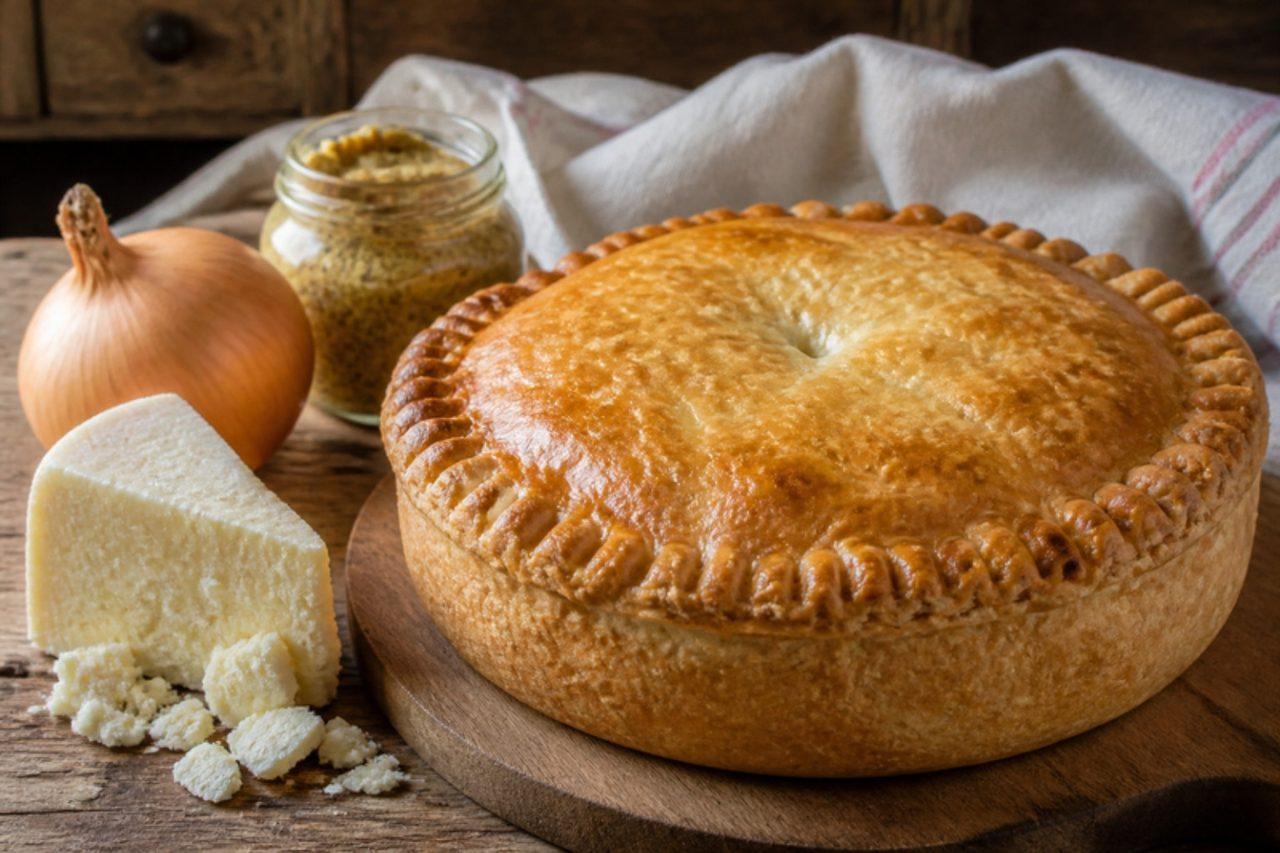
Lancashire cheese and onion pie

This is the pie of the Lancashire chippy and the Bolton market stall, a vegetarian staple of the North West long before the word was common. Sliced onions and potato are softened, then mixed with plenty of crumbly Lancashire cheese and baked in shortcrust until the filling is creamy and tangy. Traditional Lancashire is usually made with animal rennet, so choose a vegetarian Lancashire or a vegetarian crumbly cheese. Serve with mushy peas or beans. Chef's tip: let the onions cool before mixing in the cheese, or it melts into oil before the pie is baked.

by KrazyBadal 0 views

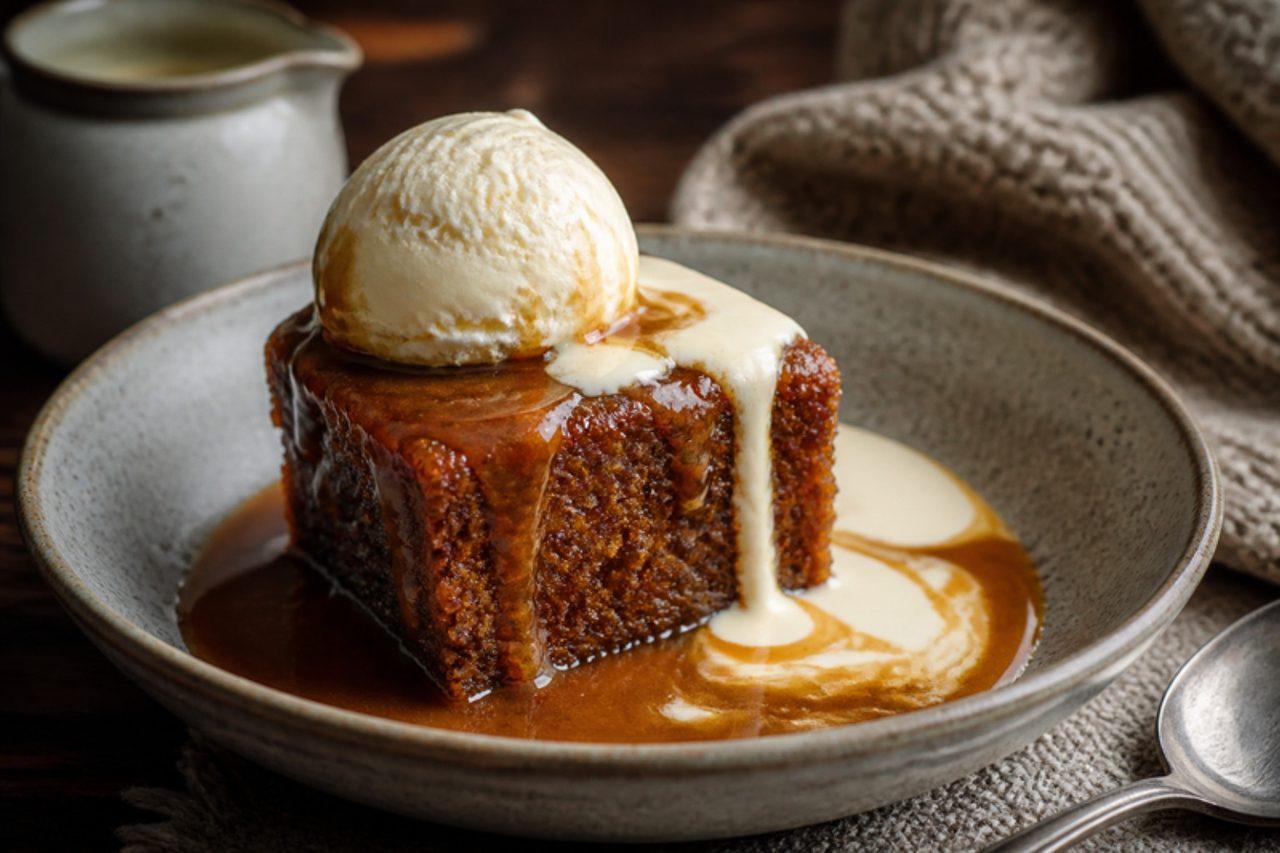
Sticky toffee pudding

Sticky toffee pudding was made famous by a country hotel and a village shop in the Lake District, and Cumbria still claims it, though it now ends Sunday lunch in pubs across Britain. A soft, dark sponge made with soaked dates is soaked in a buttery brown-sugar sauce and served with more sauce, plus cream, custard or vanilla ice cream. Chef's tip: poke holes in the hot sponge and pour on a third of the sauce, so it soaks right in.

by KrazyBadal 0 views

Grasmere-style gingerbread

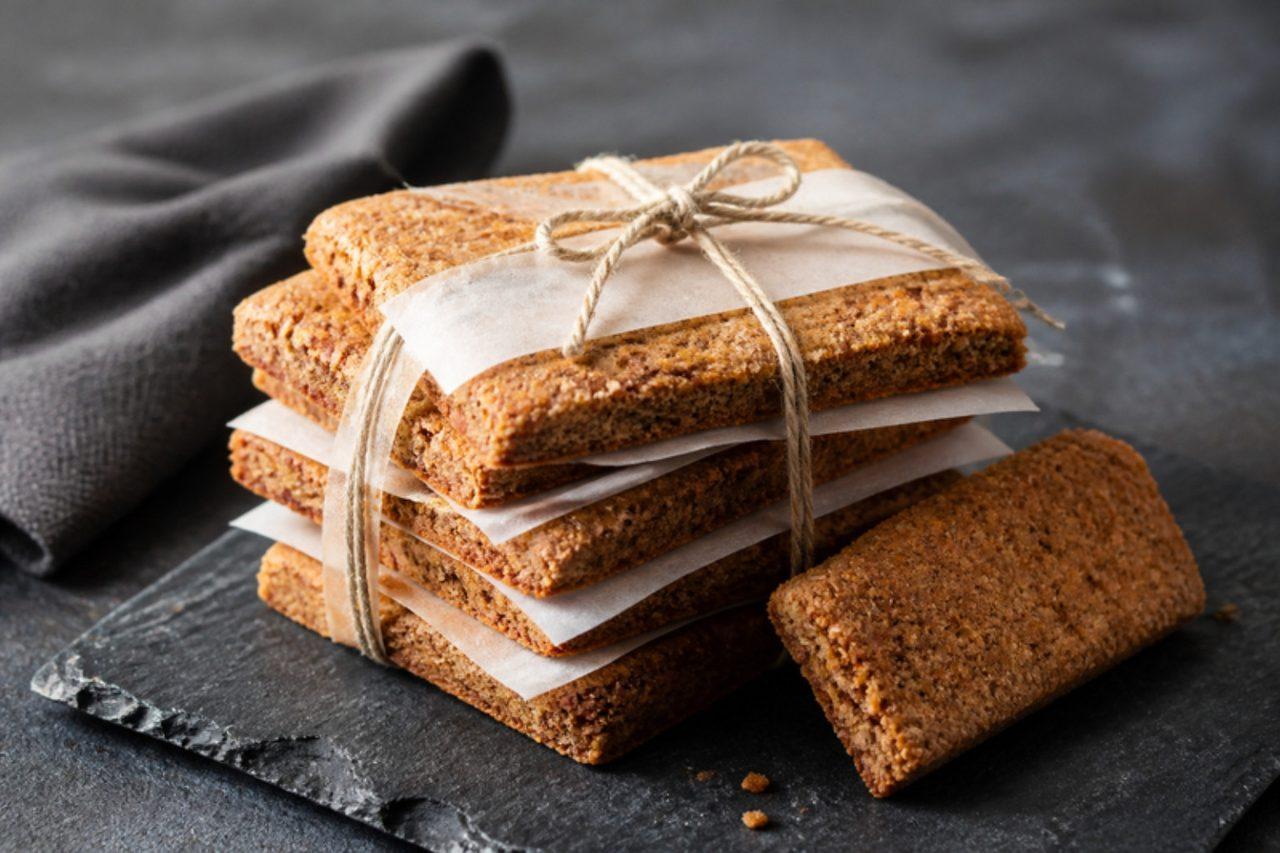
The village of Grasmere in the Lake District has sold its own gingerbread since the 1850s, a cross between shortbread and a biscuit with a crumbly top and chewy base, wrapped in paper for walkers and visitors to Wordsworth's grave. The real recipe is a closely kept secret; this is our home version, made with oatmeal, brown sugar and plenty of ground ginger. Chef's tip: press only the bottom half of the crumb mixture firmly and scatter the rest loosely on top, which gives the two textures.

by KrazyBadal 0 views

Northumberland pan haggerty

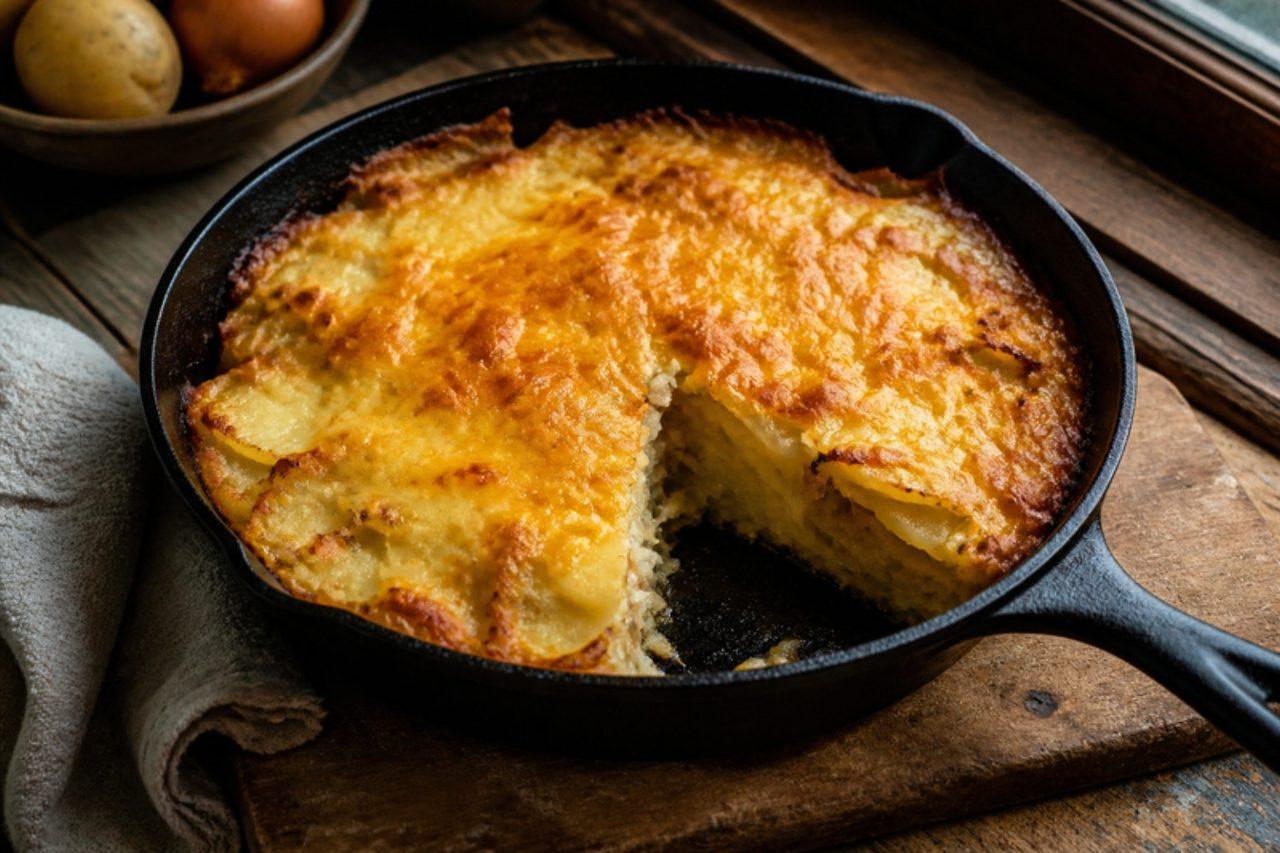
Pan haggerty is a frugal supper from Northumberland and the Durham pit villages, made in a single heavy frying pan from thin layers of potato, onion and grated cheese. The bottom turns crisp and brown while the top melts under the grill, and it is eaten straight from the pan with pickles. Cheddar is often made with animal rennet, so use a vegetarian cheddar. Chef's tip: slice the potatoes paper-thin and dry them in a tea towel; wet slices steam instead of browning.

by KrazyBadal 0 views

Pease pudding

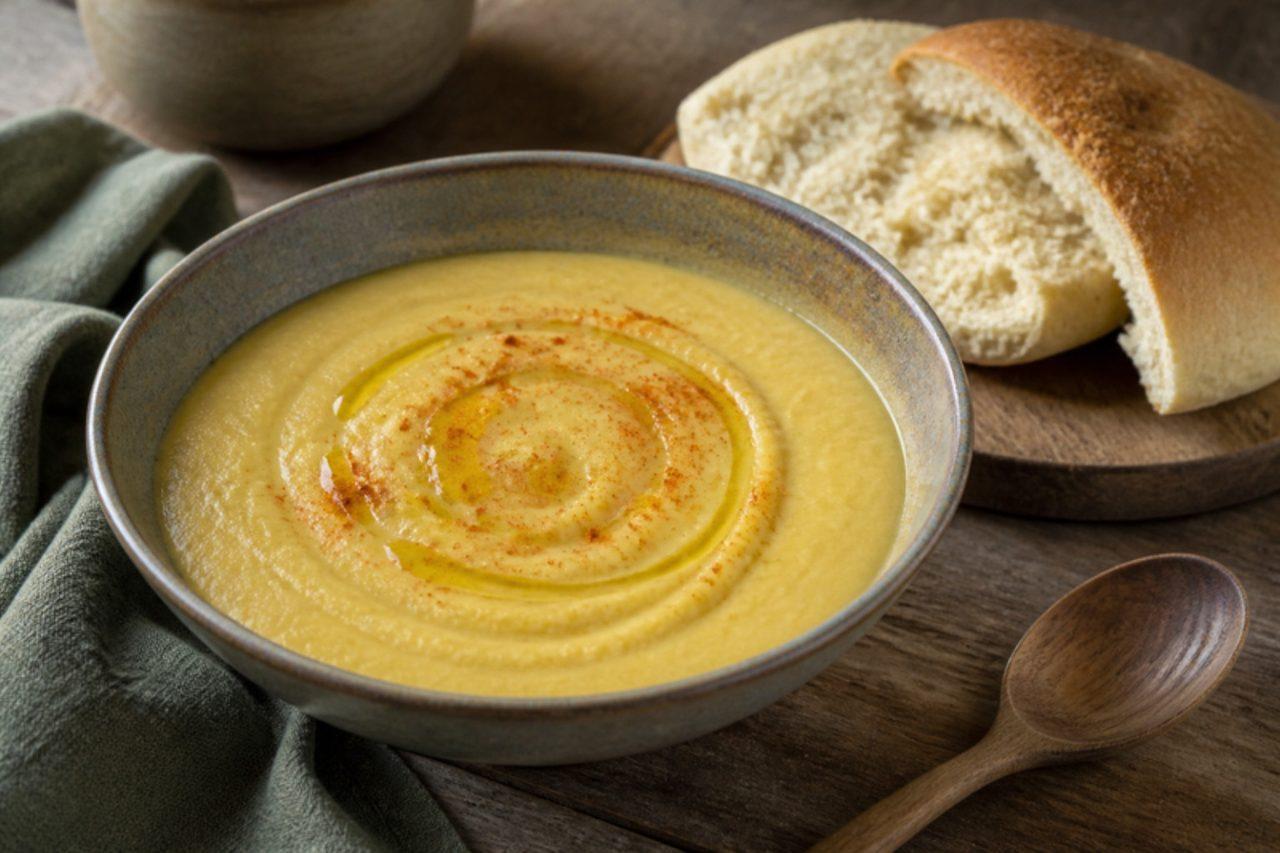
Pease pudding is the thick yellow split pea spread of Newcastle and the North East, eaten in a stottie cake with ham or simply with buttered bread, and the 'pease pudding hot, pease pudding cold' of the nursery rhyme. It was traditionally boiled in a cloth beside a ham; this plant-based version is simmered with onion, bay and a little smoked paprika for the savoury depth. Chef's tip: soak the split peas overnight; unsoaked peas take hours and cook unevenly.

100 minBritishSidesVeganGluten free
by KrazyBadal 0 views

Newcastle stottie cake

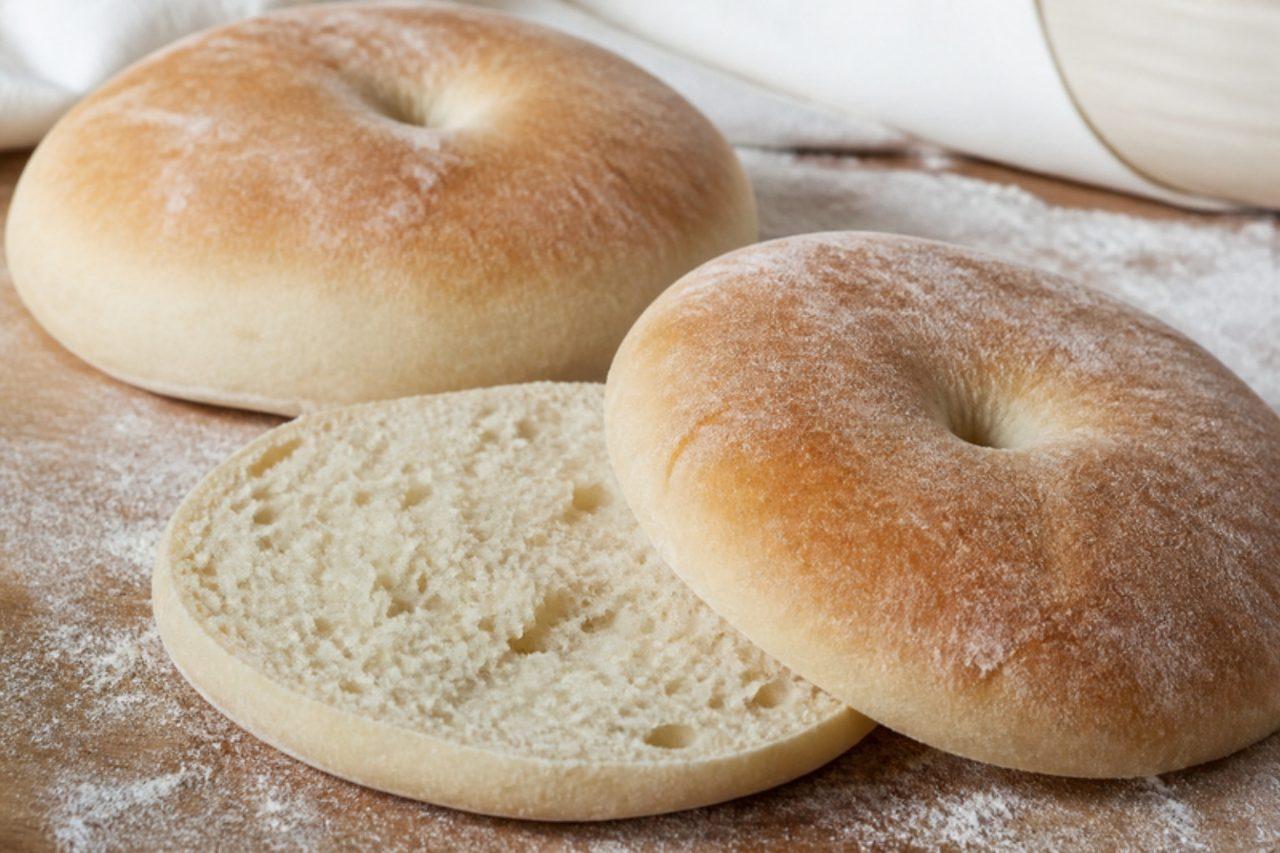
The stottie is the big flat round loaf of Tyneside and County Durham, with a dimple pressed in the middle and a dense, chewy crumb; bakers in Newcastle split them and stuff them with pease pudding, cheese or a bacon filling. Its name is said to come from 'stotting', or bouncing, because it is heavy enough to bounce off the floor. Chef's tip: bake it low in the oven so the bottom gets a deep golden colour while the top stays pale.

by KrazyBadal 0 views

Singin' hinnies

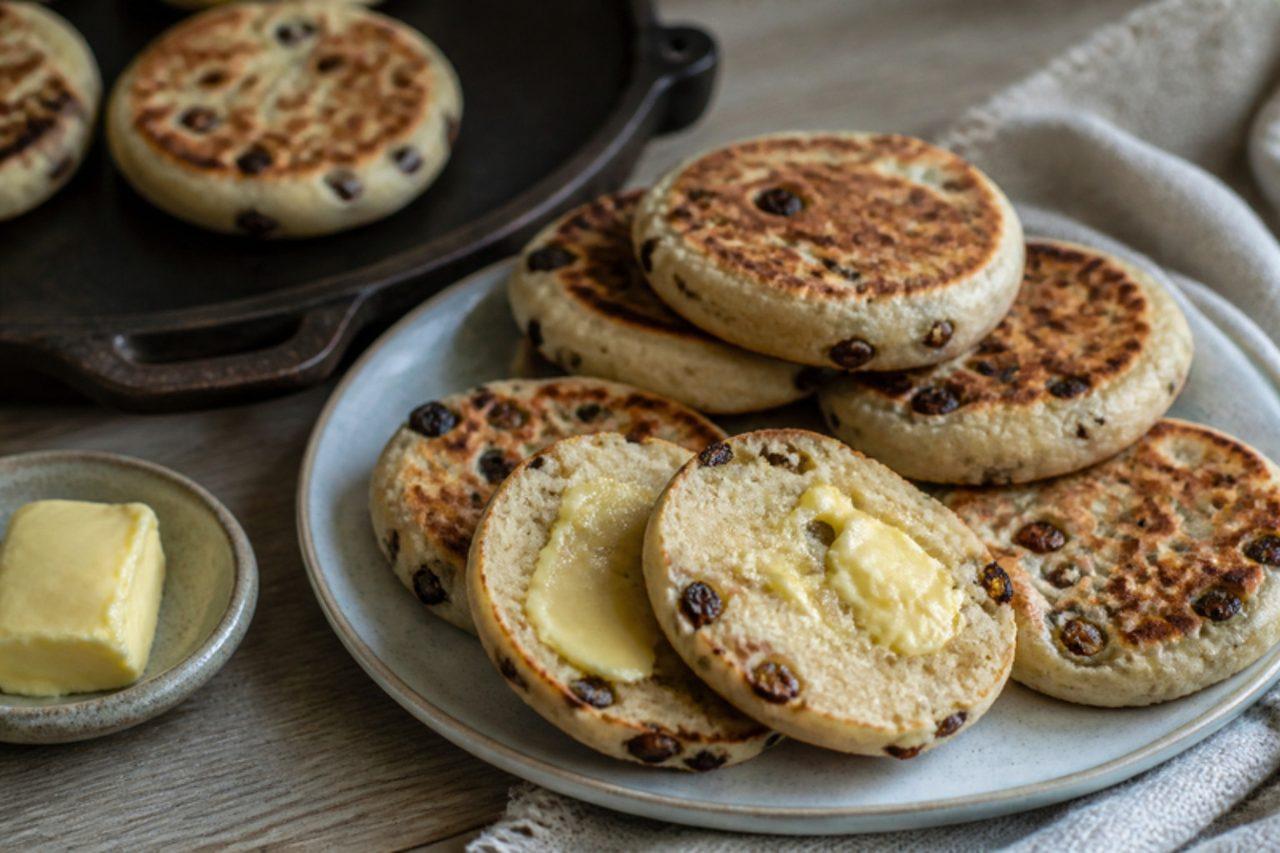
Singin' hinnies are the girdle cakes of Northumberland and Tyneside, named for the singing hiss of the butter as they cook ('hinny' is a Geordie word of affection, like 'honey'). Mothers made them for children coming home from school, cooked on a heavy griddle and eaten hot, split and buttered. They are scone dough studded with currants and cooked in the pan instead of the oven. Chef's tip: keep the heat medium-low so they cook through before the outside darkens.

by KrazyBadal 0 views

Staffordshire oatcakes

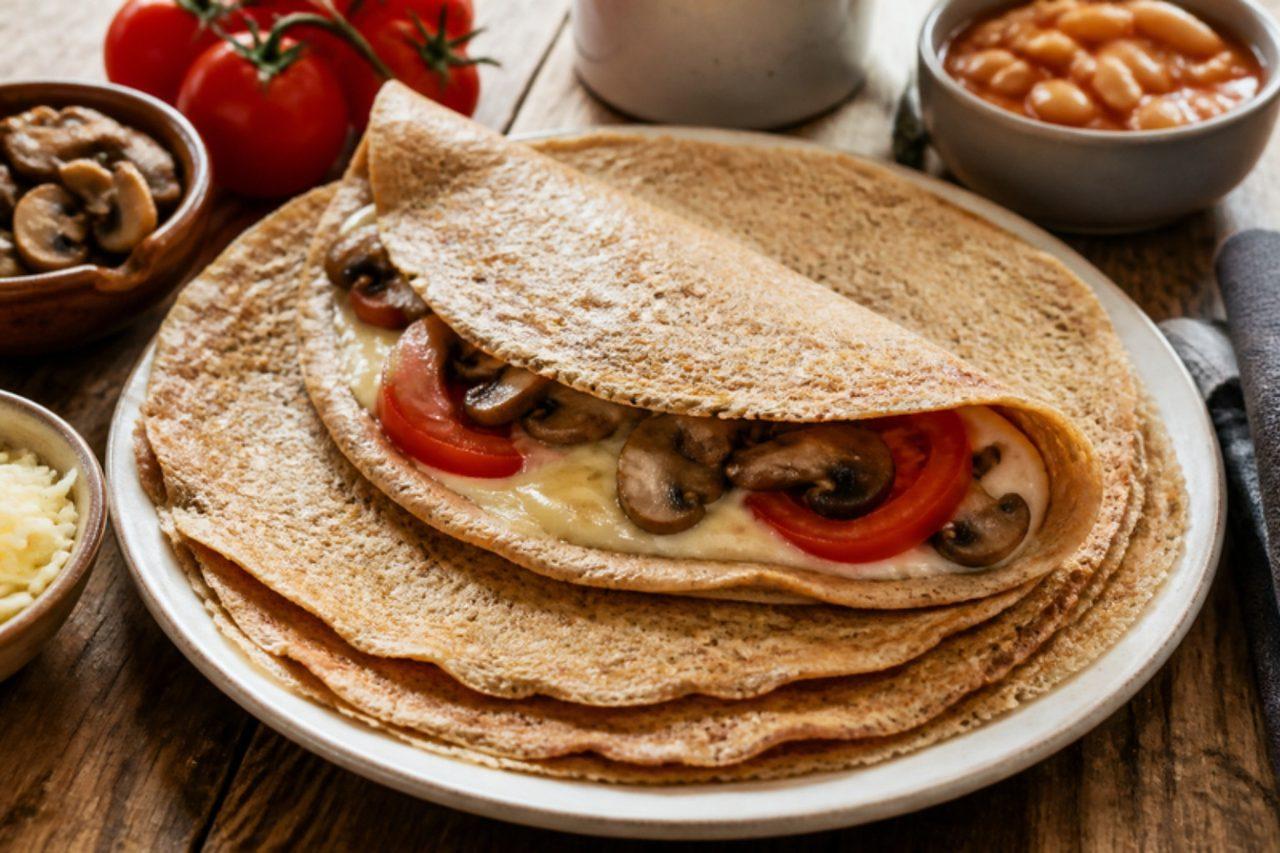
In Stoke-on-Trent and the Potteries towns, oatcakes are not crisp biscuits but large, soft, holey pancakes made from a yeasted oat and wheat batter, sold warm from shop hatches in the morning. They are rolled around fillings of melted cheese, tomato and mushroom, or folded up with beans. Chef's tip: the batter should be thin like single cream; if it is thick the oatcakes come out stodgy instead of lacy.

by KrazyBadal 0 views

Bakewell tart

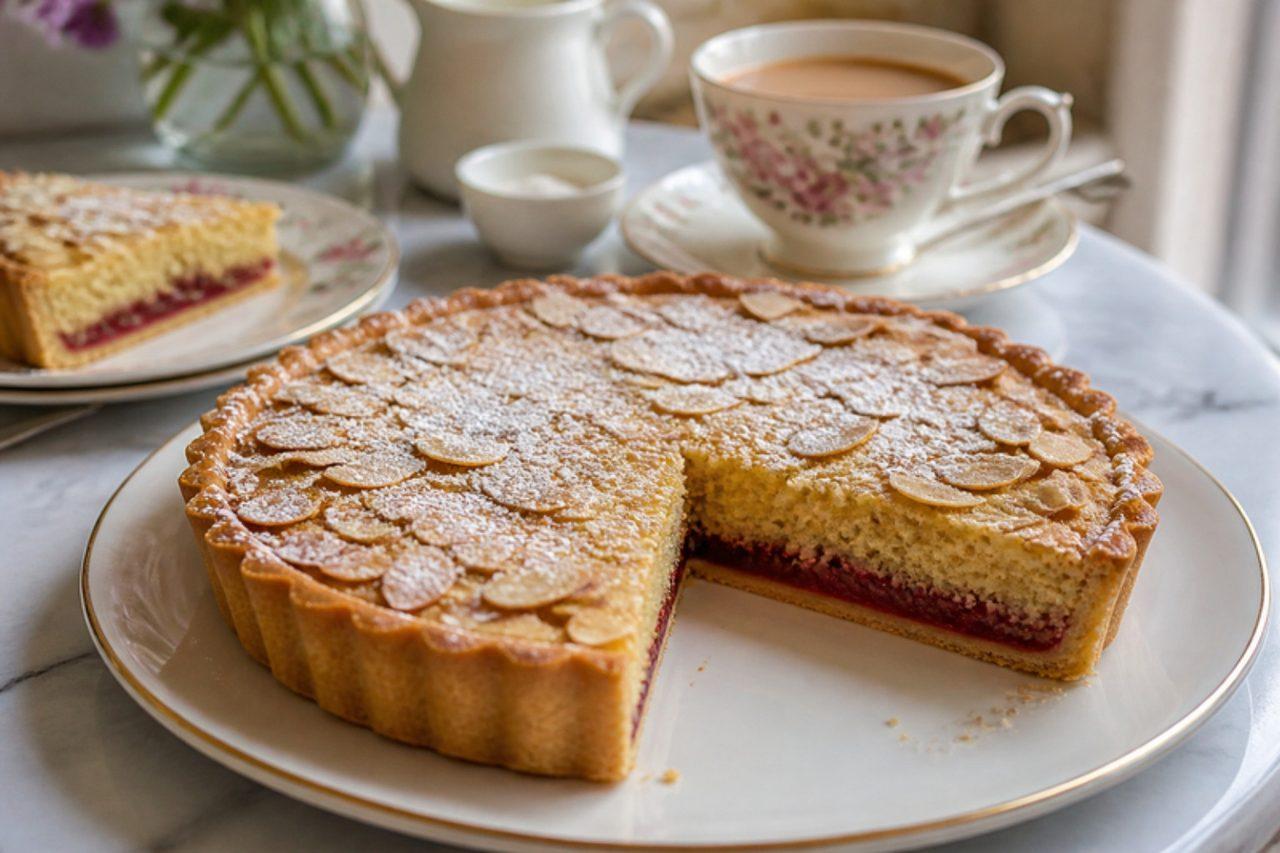
The Derbyshire market town of Bakewell in the Peak District is home to the Bakewell pudding, and its descendant, the Bakewell tart, is the one baked in every English home and village tea shop. Shortcrust is spread with raspberry jam and filled with a soft almond frangipane, then scattered with flaked almonds. Chef's tip: spread the jam thinly and leave a 1 cm border, or it boils up through the frangipane.

by KrazyBadal 0 views

Simnel cake

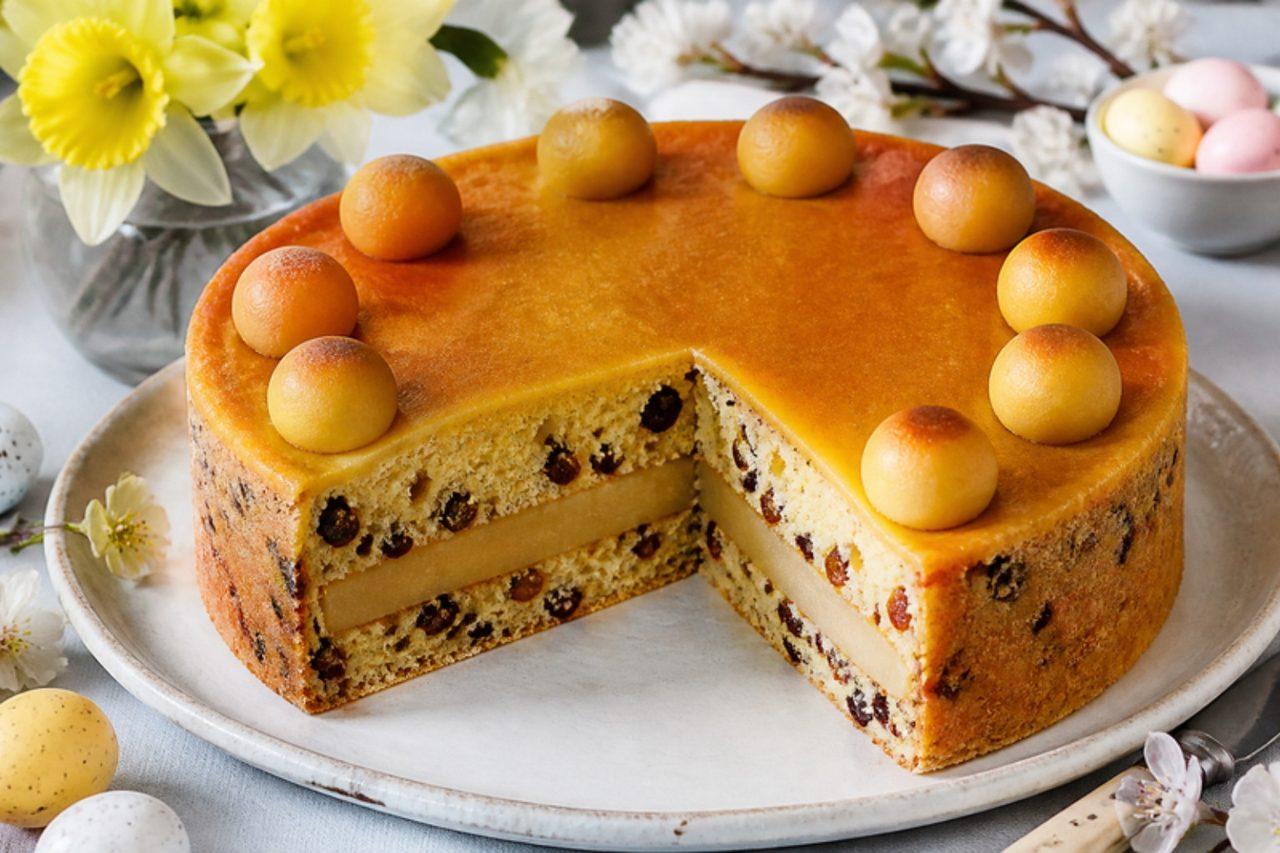
Simnel cake is England's Easter fruit cake, once baked by girls in service to take home on Mothering Sunday and now the centrepiece of Easter tea. A light fruit cake has a layer of marzipan baked through the middle and more on top, decorated with eleven marzipan balls for the apostles, leaving out Judas. Chef's tip: wrap a band of baking paper round the outside of the tin; it stops the edges drying out during the long, slow bake.

by KrazyBadal 0 views

Scottish tablet

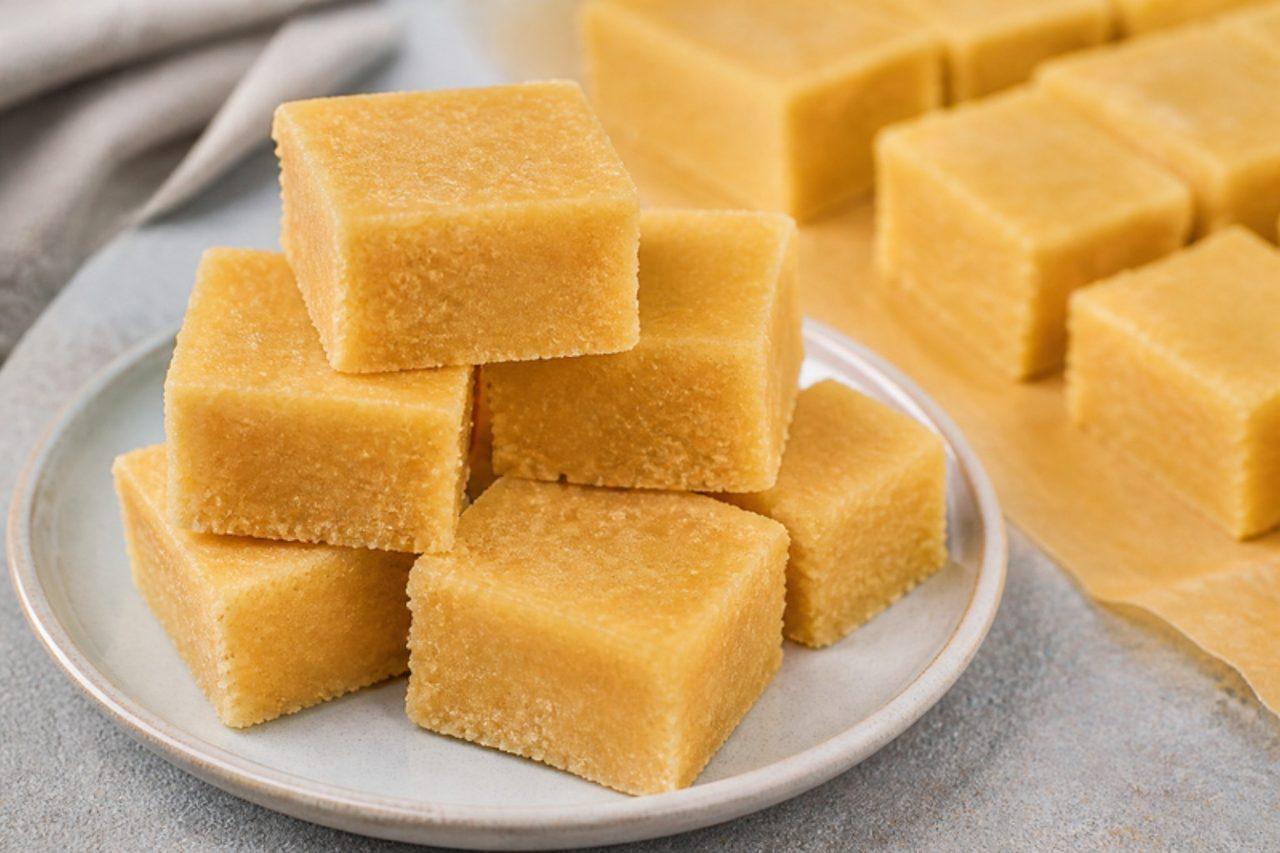
Tablet is harder and grainier than fudge, a sugary square sold at every church fête, Highland games and corner shop in Scotland and taken home in paper bags by visitors. Sugar, butter, milk and condensed milk are boiled to the soft-ball stage and beaten until they crystallise, giving that crumbly, melting snap. Chef's tip: beat it hard off the heat until it loses its gloss and drags on the spoon; stop too early and you have soft fudge.

by KrazyBadal 0 views

Moroccan spiced coffee
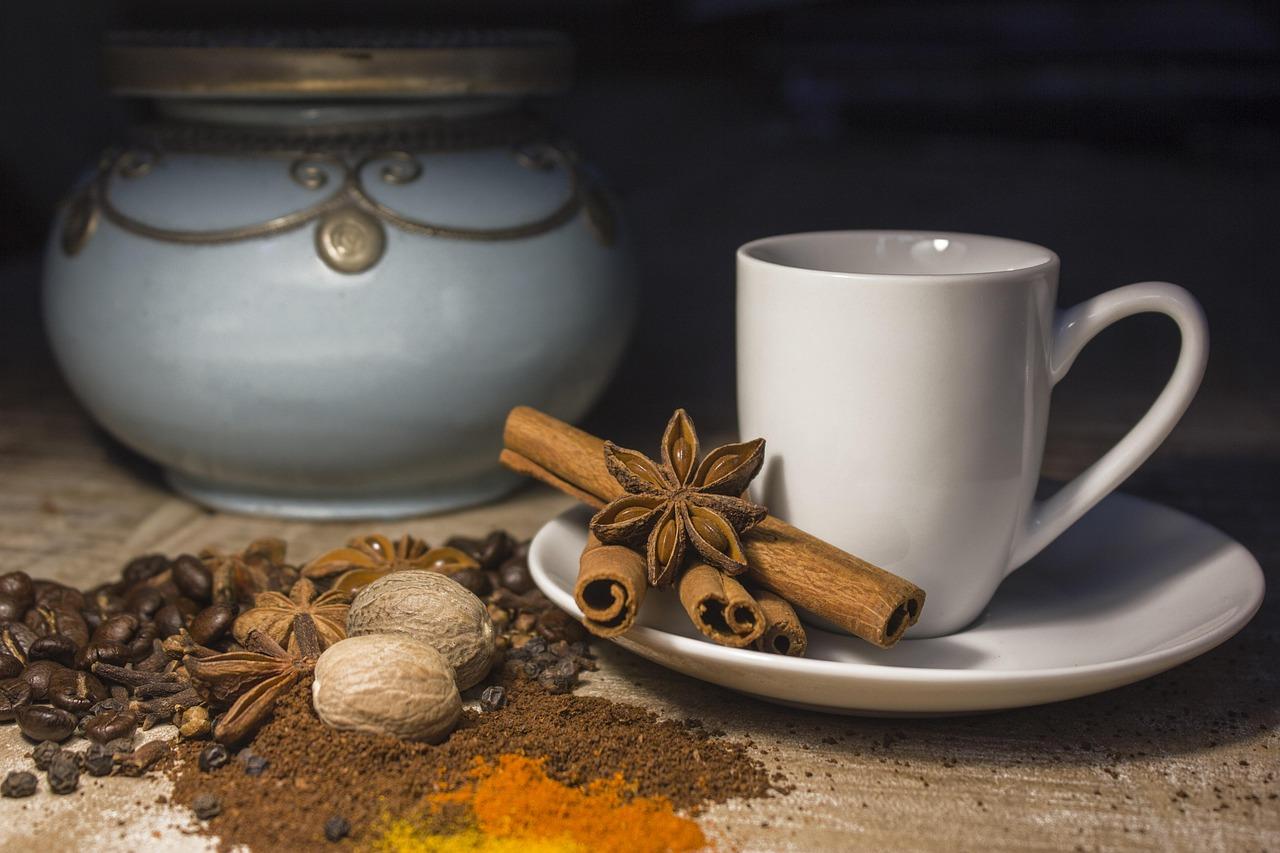
In many Moroccan homes, coffee is bought ready-mixed from the roaster with a spoonful of 'attria', a warm blend of ground spices such as cinnamon, ginger, nutmeg, cardamom, black pepper and toasted sesame, that gives it a rounded, gently peppery aroma. It is brewed in a pan or a pot and sipped black and sweet, or with a splash of milk, after lunch, with pastries for guests, or on cold mornings. The spices soften the bitterness and make the whole kitchen smell wonderful. This home version mixes the spices into ordinary ground coffee. Chef's tip: keep the coffee at a bare simmer and never let it boil hard; vigorous boiling, the usual mistake, extracts bitterness from both coffee and spices.

by KrazyBadal 0 views

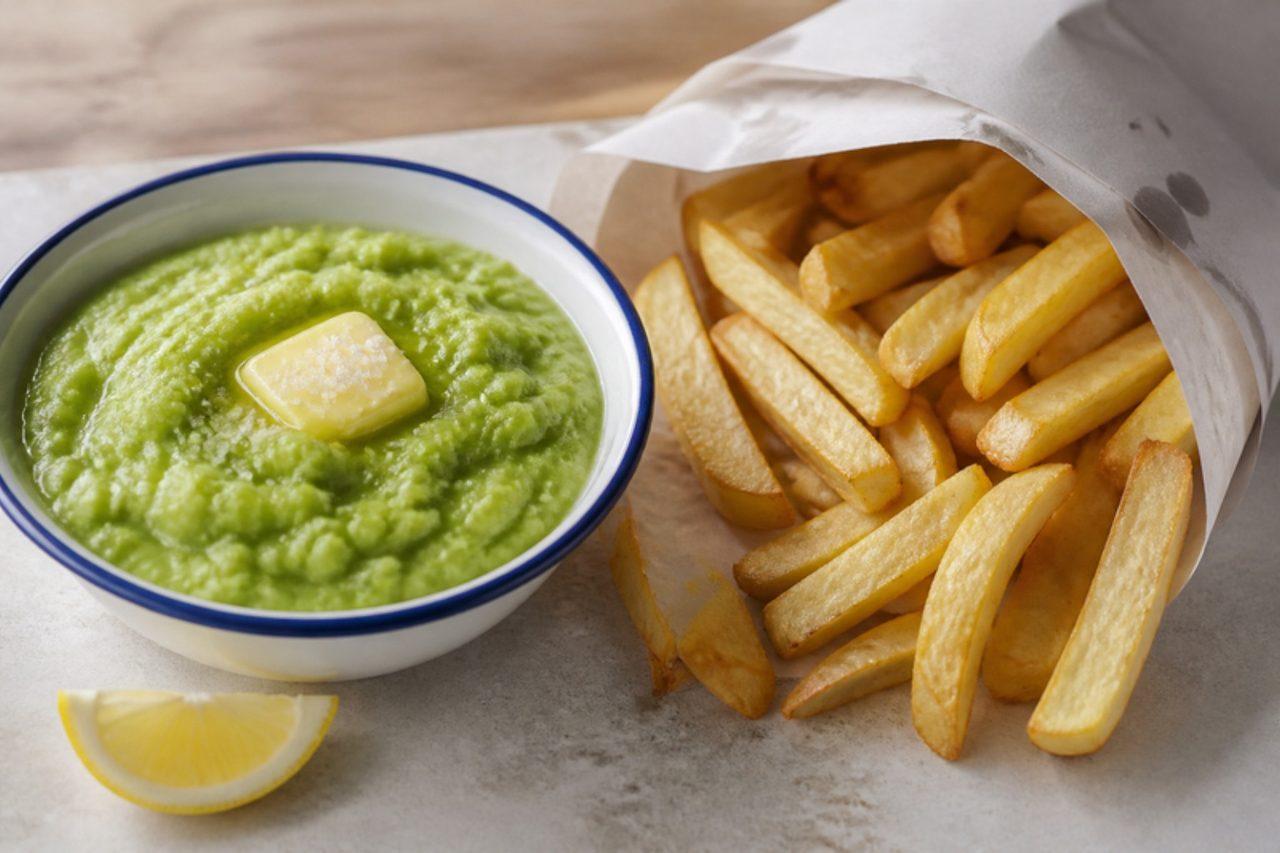
Mushy peas

No fish and chip shop in the North of England is complete without a tub of mushy peas, and in Nottingham and Leeds they are sold with mint sauce from pea stalls at fairs. Dried marrowfat peas are soaked overnight with a little bicarbonate of soda, which softens their skins, and then simmered until they break down into a thick, savoury green mash. Chef's tip: rinse the soaked peas very well, or the bicarbonate leaves a soapy taste.

by KrazyBadal 0 views

Manchester tart

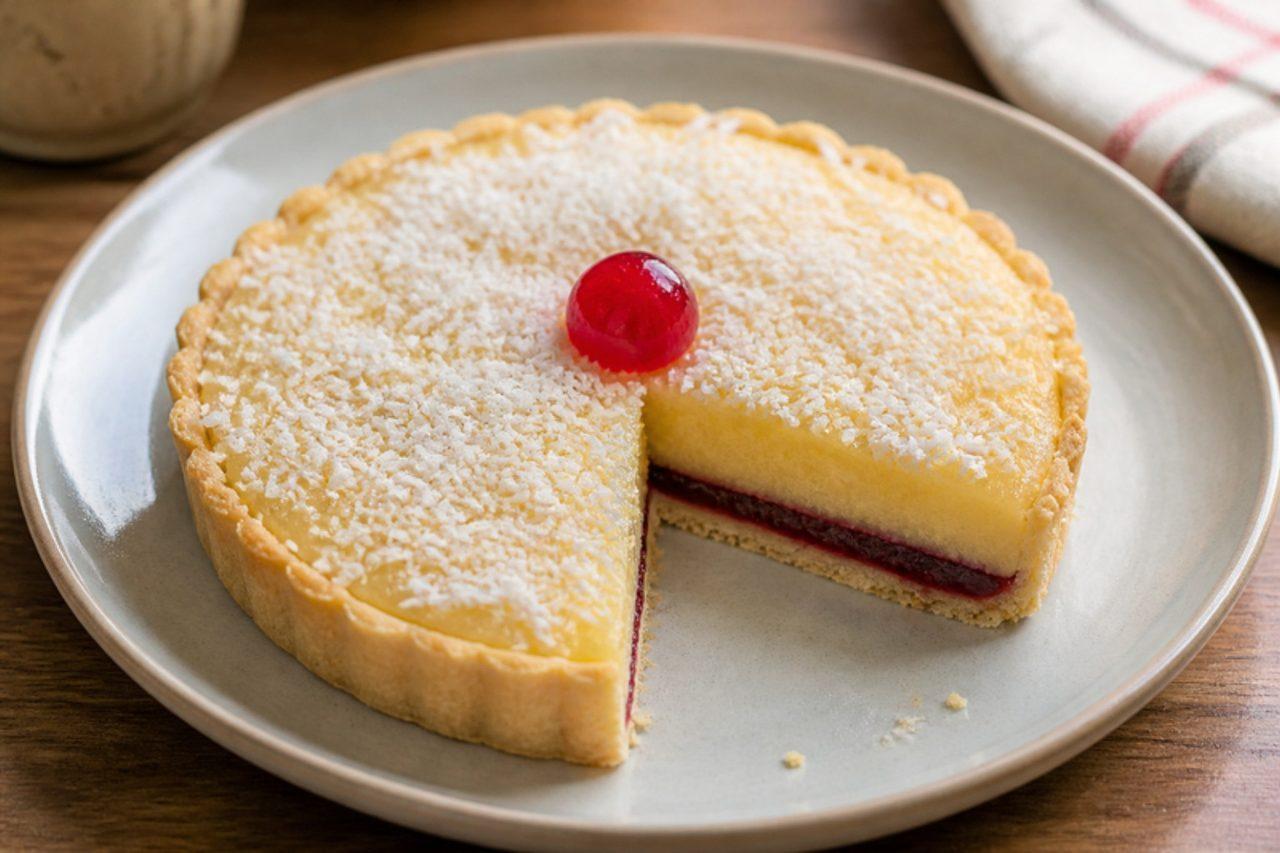
Manchester tart is the school-dinner pudding generations of Mancunians remember: a shortcrust case spread with raspberry jam, filled with thick, cold vanilla custard and covered in desiccated coconut, sometimes with a glacé cherry on top. It is a nostalgic Northern bake for birthdays and school reunions. Chef's tip: make the custard really thick and cool it a little before pouring, so it sets in clean slices.

by KrazyBadal 0 views

Cornish saffron buns

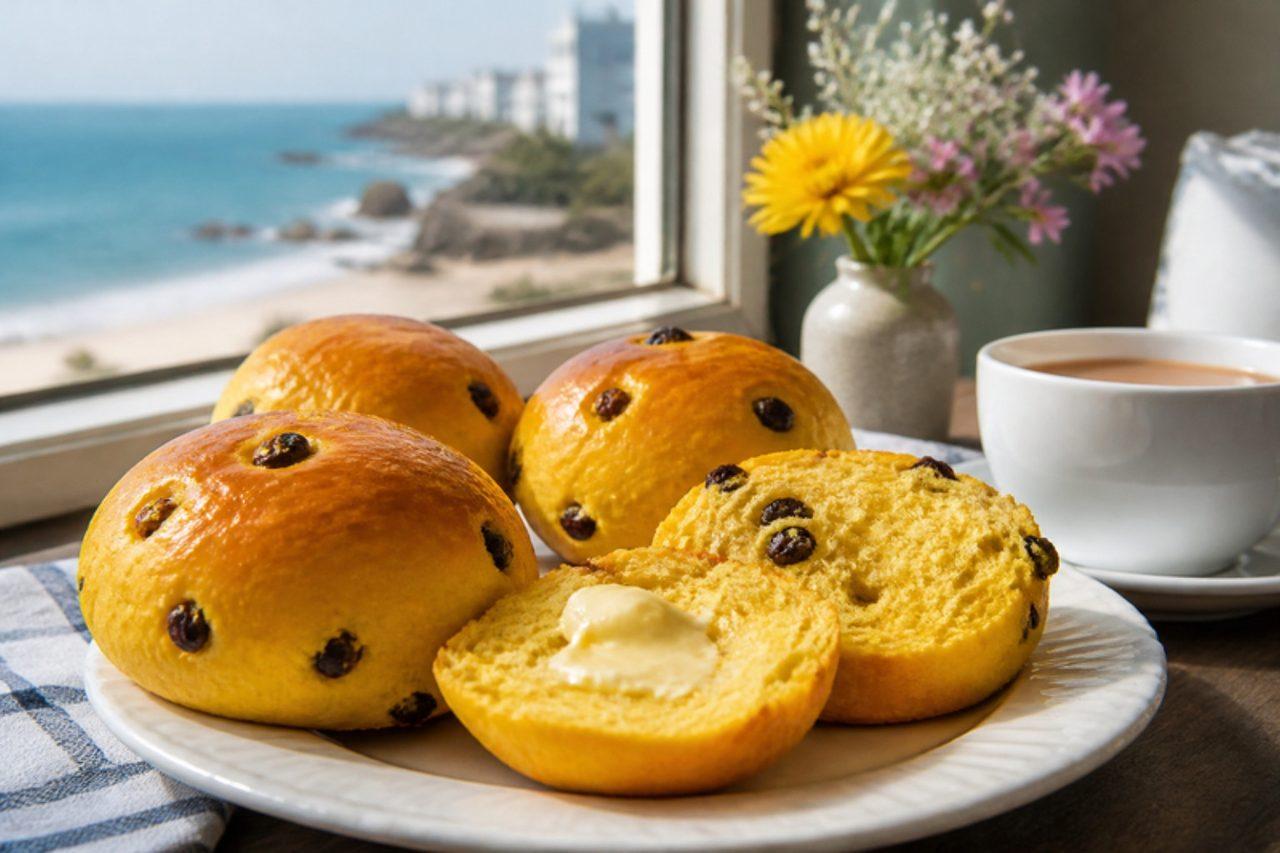
Saffron buns, called 'tea treats' in parts of Cornwall, were handed out at Sunday school outings and chapel tea treats, and they still glow yellow in bakery windows from Penzance to Truro. A pinch of saffron steeped in warm milk colours a soft, enriched dough studded with currants and peel, so they taste gently floral and fruity. Eat them split and spread with butter or clotted cream. Chef's tip: steep the saffron overnight for the deepest colour and flavour.

by KrazyBadal 0 views

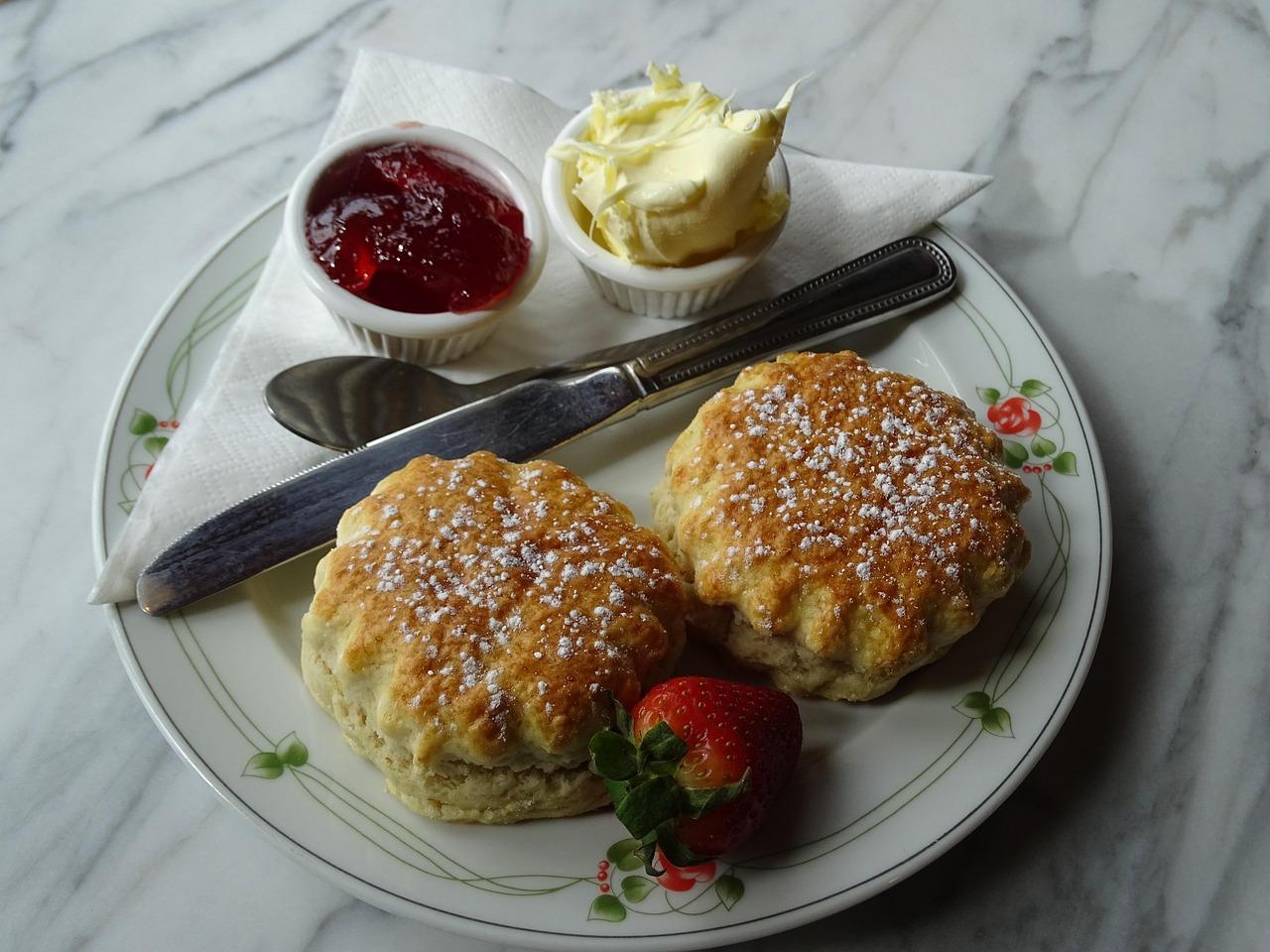
Devon cream tea scones

A cream tea is the West Country's afternoon treat: warm scones, clotted cream and strawberry jam with a pot of tea, served in tea gardens across Devon and Cornwall. In Devon the cream goes on first and the jam on top; in Cornwall it's the other way round, and the argument never ends. These scones are plain and light so the cream and jam shine. Chef's tip: cut straight down with the cutter and don't twist it, or the scones rise lopsided.

by KrazyBadal 0 views

Chelsea buns

The Chelsea bun was the speciality of the Old Chelsea Bun House in London in the 1700s, where crowds queued on Good Friday; today the coiled, sticky bun is a bakery classic across England. A soft dough is spread with butter, brown sugar, currants and spice, rolled up, sliced and baked snugly in a tin so the buns rise into each other and come out square-sided. Chef's tip: pack the slices tightly; it is the squeeze that gives them their shape and soft edges.

by KrazyBadal 0 views

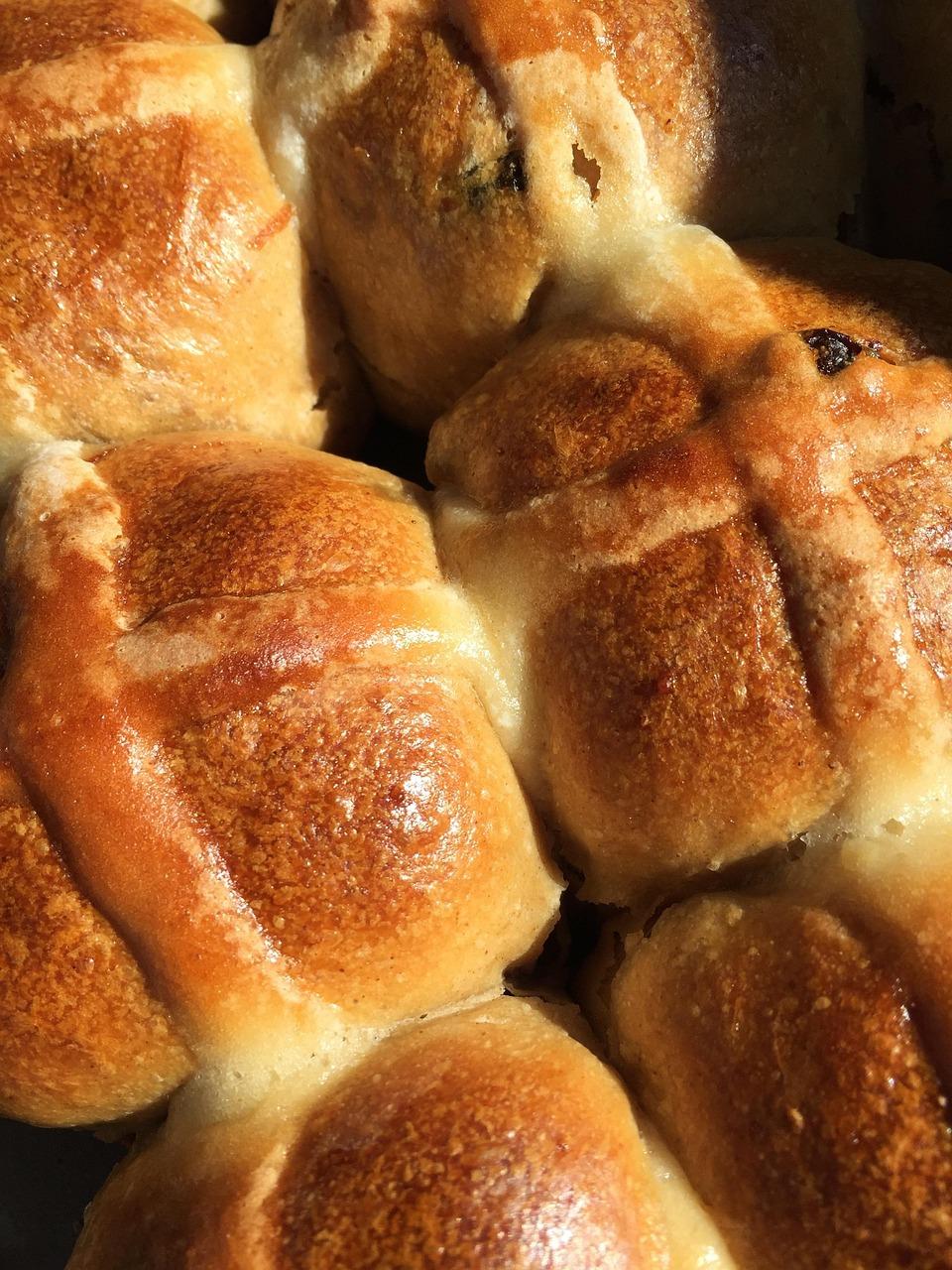
Hot cross buns

Hot cross buns are eaten toasted with butter on Good Friday across England, and London bakeries have sold them for centuries to the old street cry 'one a penny, two a penny'. The soft, spiced dough is full of currants and orange peel, and the cross on top is piped from a simple flour paste before baking. Chef's tip: let the dough rise somewhere really warm; spiced, fruited dough is slow and needs patience.

by KrazyBadal 0 views

Showing 18 of 7,762 recipes

Show more recipes

Page 401 of 863