


Skip to content
Baklava
Featured recipe

Baklava

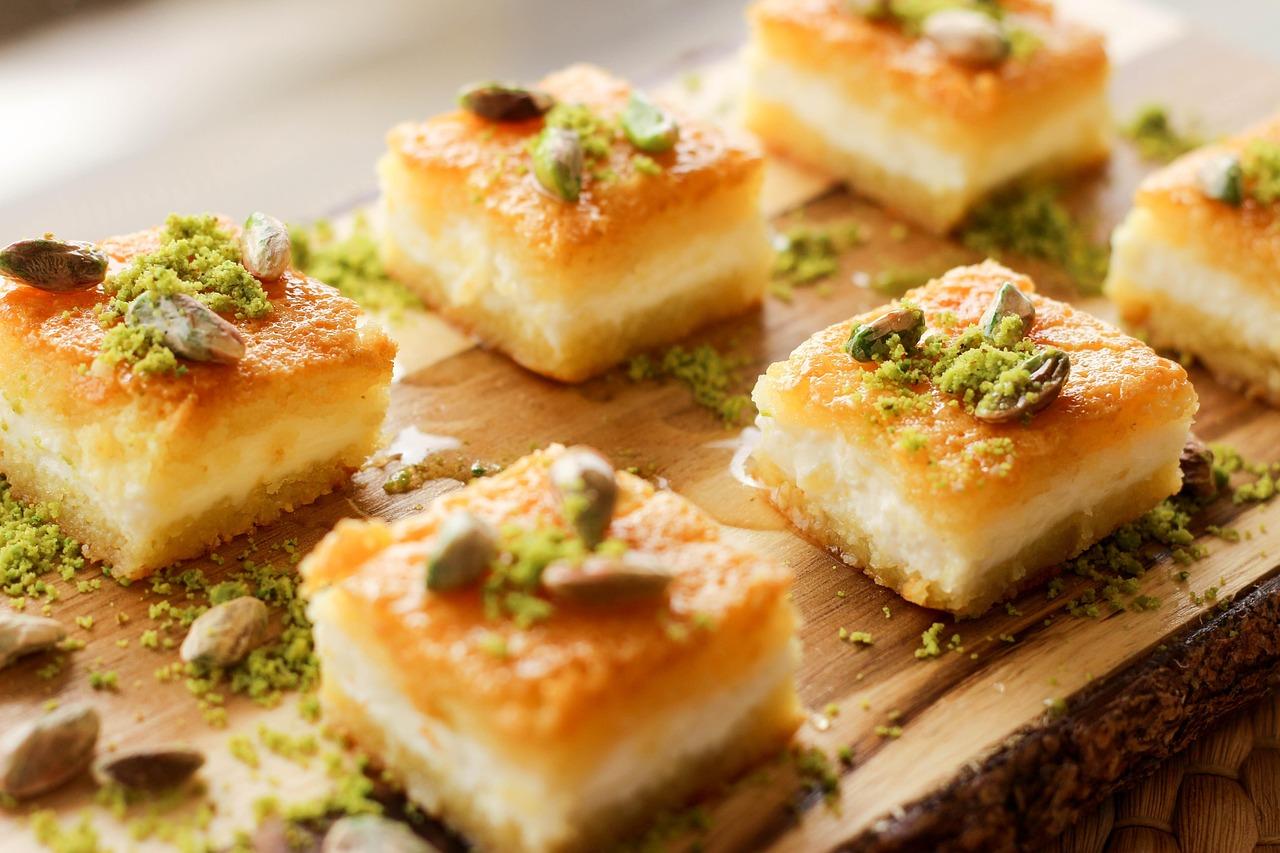
The famous layered pastry: crisp sheets of buttered fillo sandwich a filling of almonds, pistachios and cashews spiced with cinnamon, cardamom and saffron. After baking, the hot baklava is soaked in a syrup of sugar, honey, lemon, rose and cardamom and decorated with almond and pistachio flakes. Cut into 40 diamonds; serve with fresh cream or ice cream.

Read more 1 views

What to eat today?

Around the world

Today's trip: Paraguayan

A new country every day, from every cuisine on the site.

This week's collection

Make-ahead meals
1963 recipes · a new collection every Monday

Latest recipes

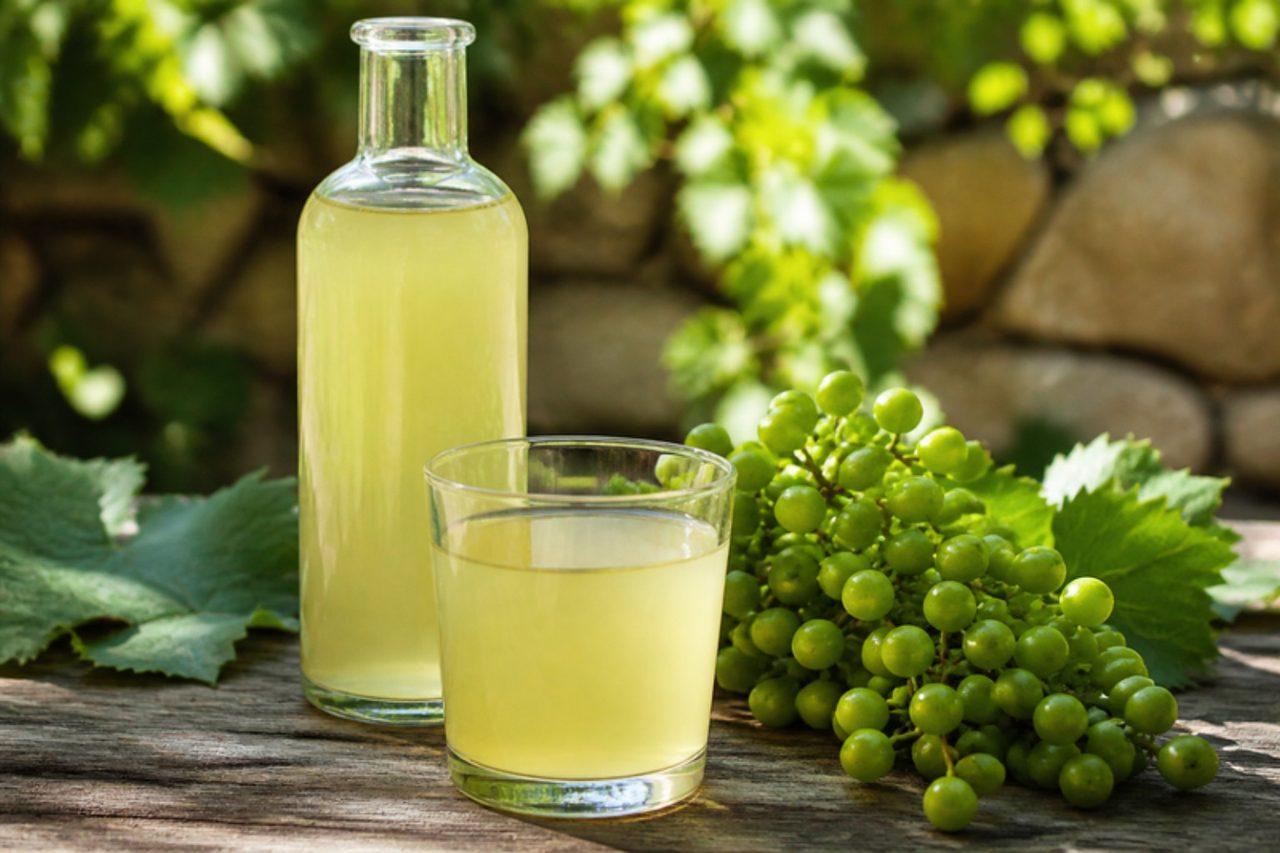
Abghooreh (verjuice)

In early summer, families across Shiraz and the vineyards of Fars thin their vines and press the hard green grapes into abghooreh, a sharp, clean sour juice stored in bottles for the whole year. It sours khoresh, brightens salad shirazi and is splashed over kebabs and rice in place of lemon. The grapes must be truly unripe, hard and mouth-puckering; once they soften the juice turns sweet. A common mistake is skipping the boil and salt, which lets the juice ferment in the bottle. Chef's tip: let the boiled juice settle overnight and pour it off the sediment for a clear, bright abghooreh.

by KrazyBadal 0 views

Laboo

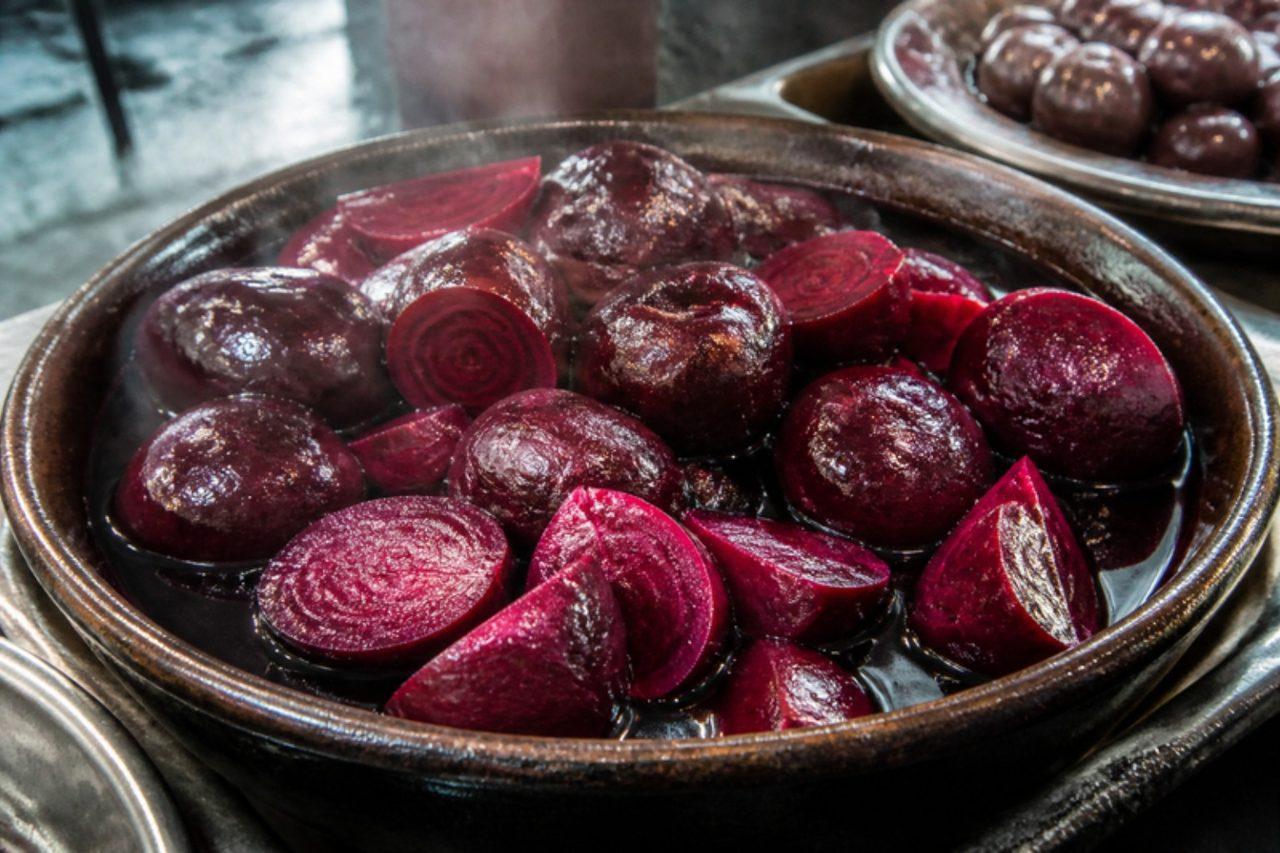
On cold Tehran evenings, vendors push carts piled with steaming beetroot through the bazaars and past school gates, and a paper cup of laboo is what people reach for when the first snow falls. Whole beets are simmered for well over an hour with a little sugar until the cooking water reduces to a glossy, almost purple syrup that clings to every slice. You eat it hot, cut into chunks and spooned with the syrup, sometimes with a pinch of salt to wake up the sweetness. The common mistake is peeling or cutting the beets before cooking, which bleeds out the colour and leaves them pale and watery. Chef's tip: choose beets of the same size so they finish together, and keep the skins on until the very end.

by KrazyBadal 0 views

Baghali pokhte

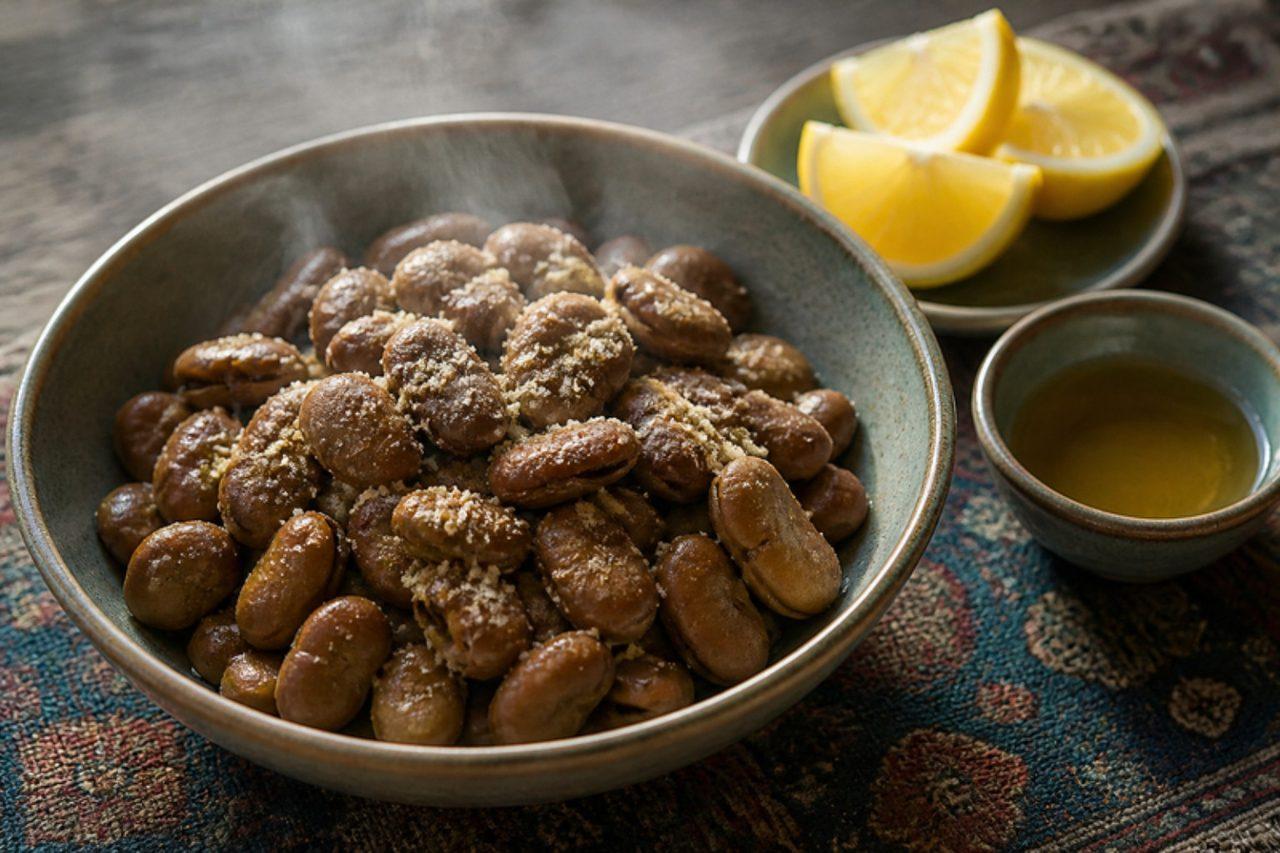
When autumn rain sets in over Rasht, and through the winter on Tehran street corners, sellers ladle steaming broad beans in their skins from giant pots into paper cones. The beans are soaked overnight and boiled slowly until creamy, then each bowlful is sprinkled with sharp golpar (ground Persian hogweed seed), salt and a splash of vinegar. You pinch the beans out of their skins as you eat. A common mistake is salting the cooking water early, which keeps the skins tough. Chef's tip: golpar is strong and smells a little like celery and citrus; start with a light dusting and add more at the table.

by KrazyBadal 0 views

Balal

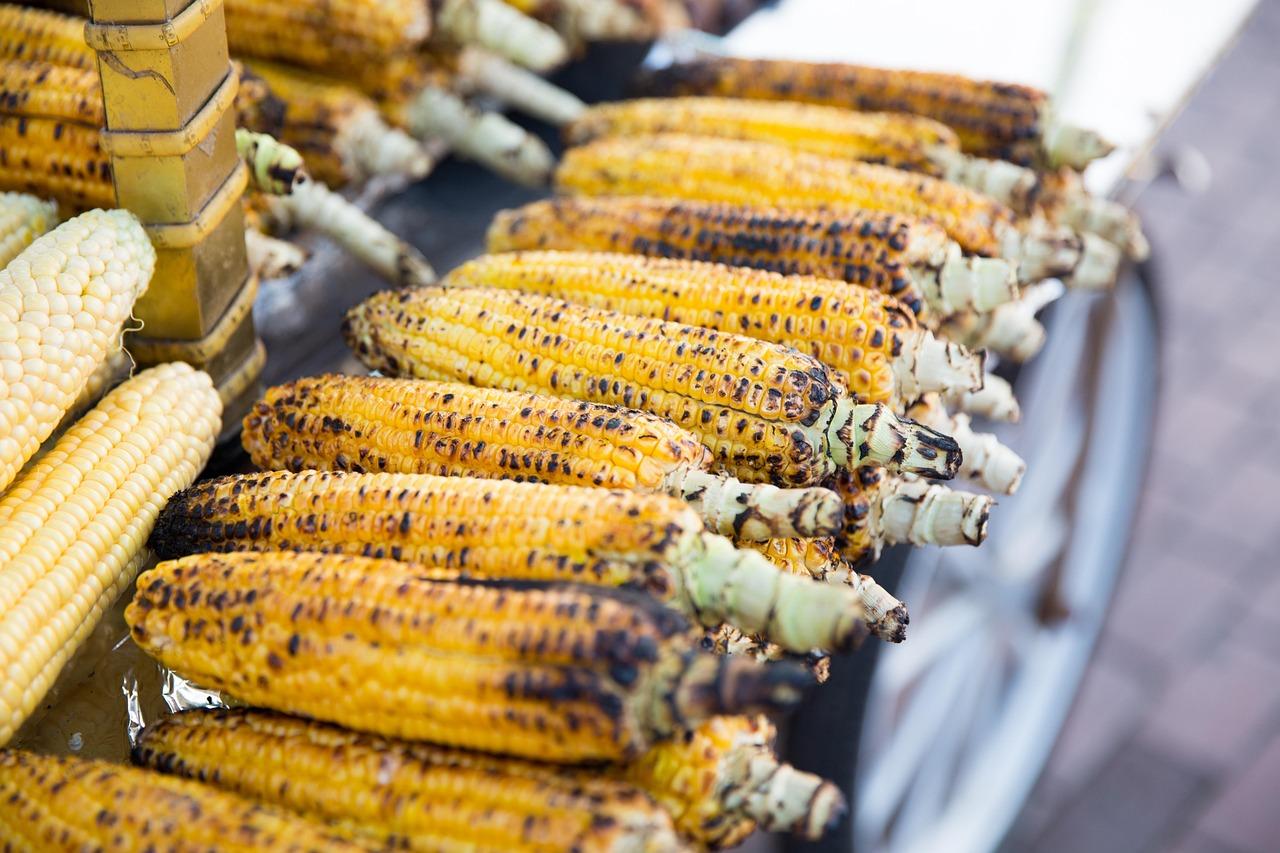
Walk up the stepped lanes of Darband in the north of Tehran on a summer night and the air is smoky with balal: corn cobs fanned over charcoal until blistered, then dunked straight into a bucket of salty water so they hiss and steam. The quick dip seasons every kernel and softens the charred skin, so the corn is smoky, juicy and salty all at once. It is eaten standing up, between a walk and a cup of tea. The mistake people make is grilling over flames rather than glowing coals, which blackens the outside before the kernels are cooked. Chef's tip: keep the salted water warm by the grill so the corn doesn't cool down when you dip it.

by KrazyBadal 0 views

Gojeh sabz ba namak

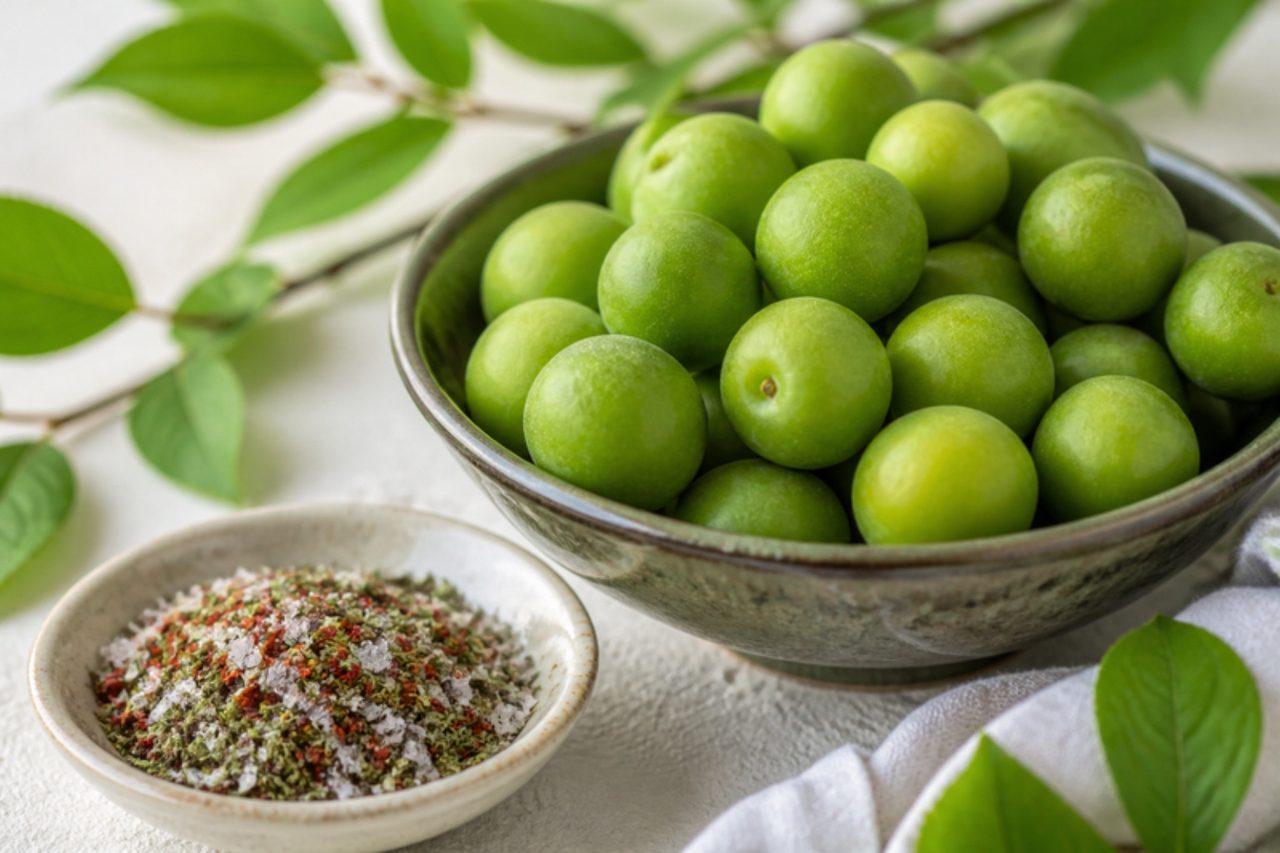
In late March and April, just after Nowruz, the fruit stalls of Tehran and every small town fill with hard, bright green plums, and children walk home from school with paper bags of them and a twist of salt. The unripe plums are crunchy and mouth-puckeringly sour; a dip in salt, sometimes mixed with dried mint or chilli, makes them addictive. There is nothing to cook, only good fruit to choose. A common mistake is buying plums that have already softened and turned yellow; they lose the crunch that makes this snack. Chef's tip: chill the plums for an hour and wash them in cold water just before serving so they snap when you bite.

by KrazyBadal 0 views

Cornish stargazy pie

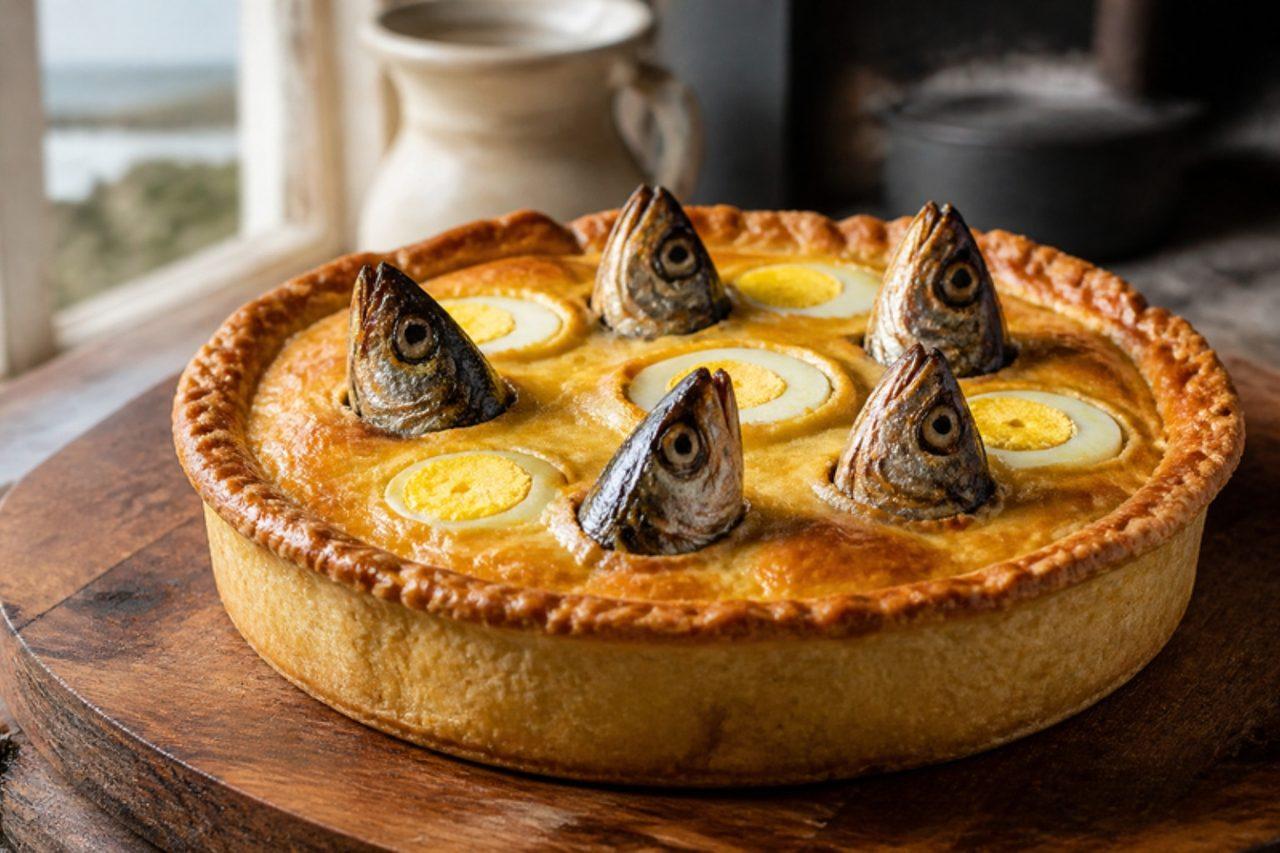
Stargazy pie is baked in the Cornish fishing village of Mousehole every 23 December for Tom Bawcock's Eve, celebrating the fisherman who is said to have sailed out in a storm and saved the village from famine. Whole pilchards or sardines are baked under pastry with egg, potato and bacon, their heads poking out so they gaze at the stars and their oil runs back into the filling. The bacon is smoked pork. Chef's tip: ask the fishmonger to bone the fish but leave the heads on; it makes the pie much easier to eat.

by KrazyBadal 0 views

Bedfordshire clanger

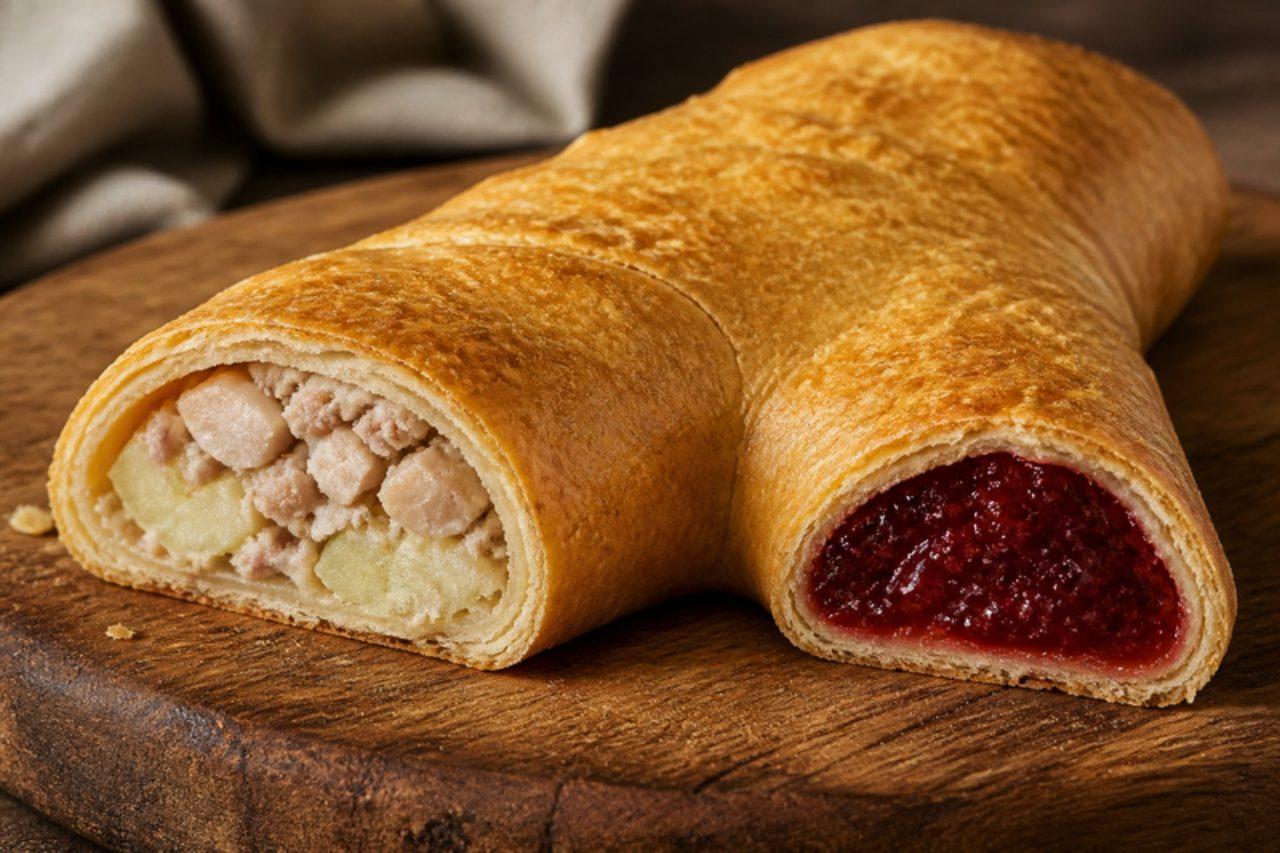
The Bedfordshire clanger is a long suet-crust roll that held a whole working lunch for farm labourers and the lace and straw-hat workers of Bedfordshire: savoury pork and potato at one end and sweet jam or apple at the other, marked by slashes so you knew which end to start with. Bakeries in Luton and Bedford still sell them. Chef's tip: build a pastry wall between the two fillings so the jam doesn't run into the meat.

by KrazyBadal 0 views

Fish finger sandwich

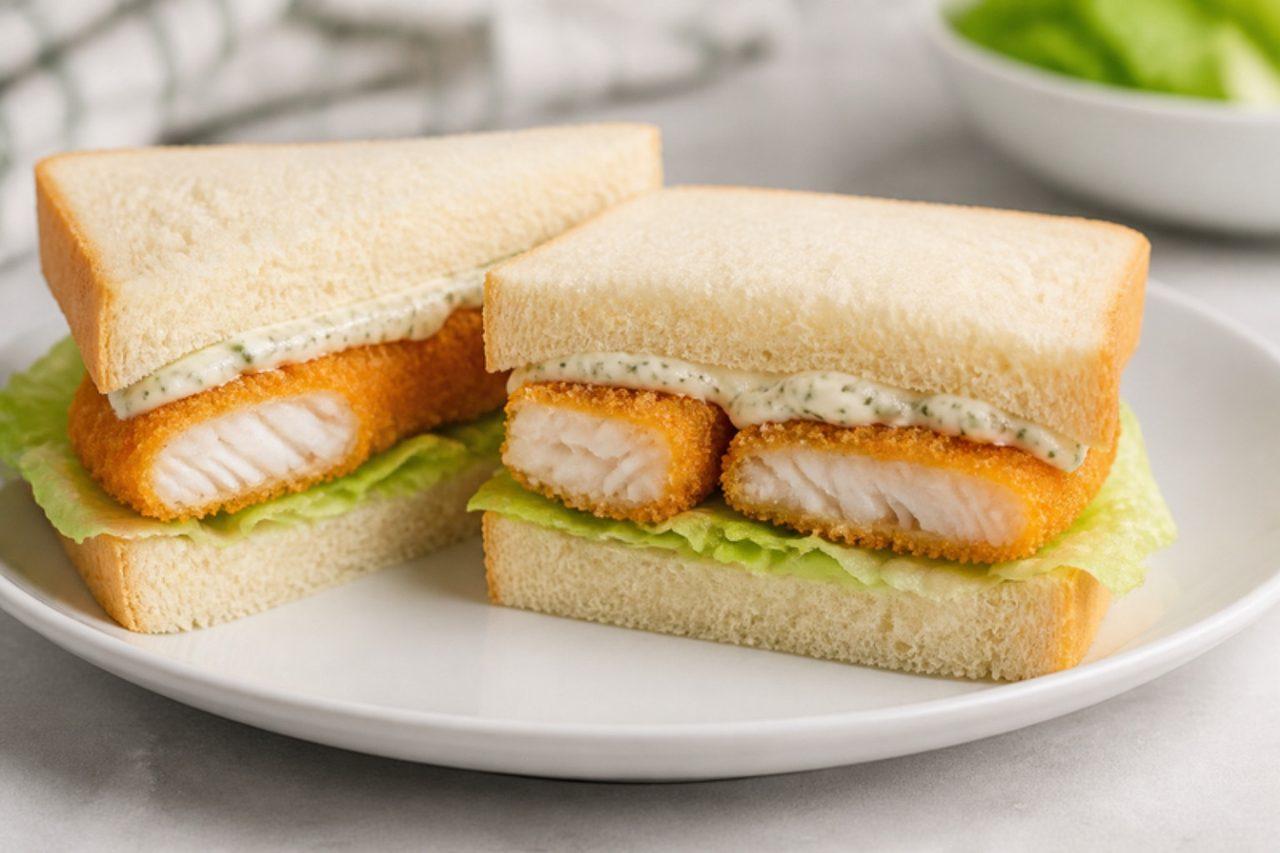
The fish finger sandwich is a beach-café and pub-lunch classic around the English coast from Whitstable to Brighton, and the ultimate home comfort food for anyone who grew up in Britain. Here the fingers are made from fresh cod in crunchy crumbs, piled into buttered white bread with tartare sauce and crisp lettuce. Chef's tip: cut the fish into even fingers so they all cook in the same time.

by KrazyBadal 0 views

Chicken and leek pie

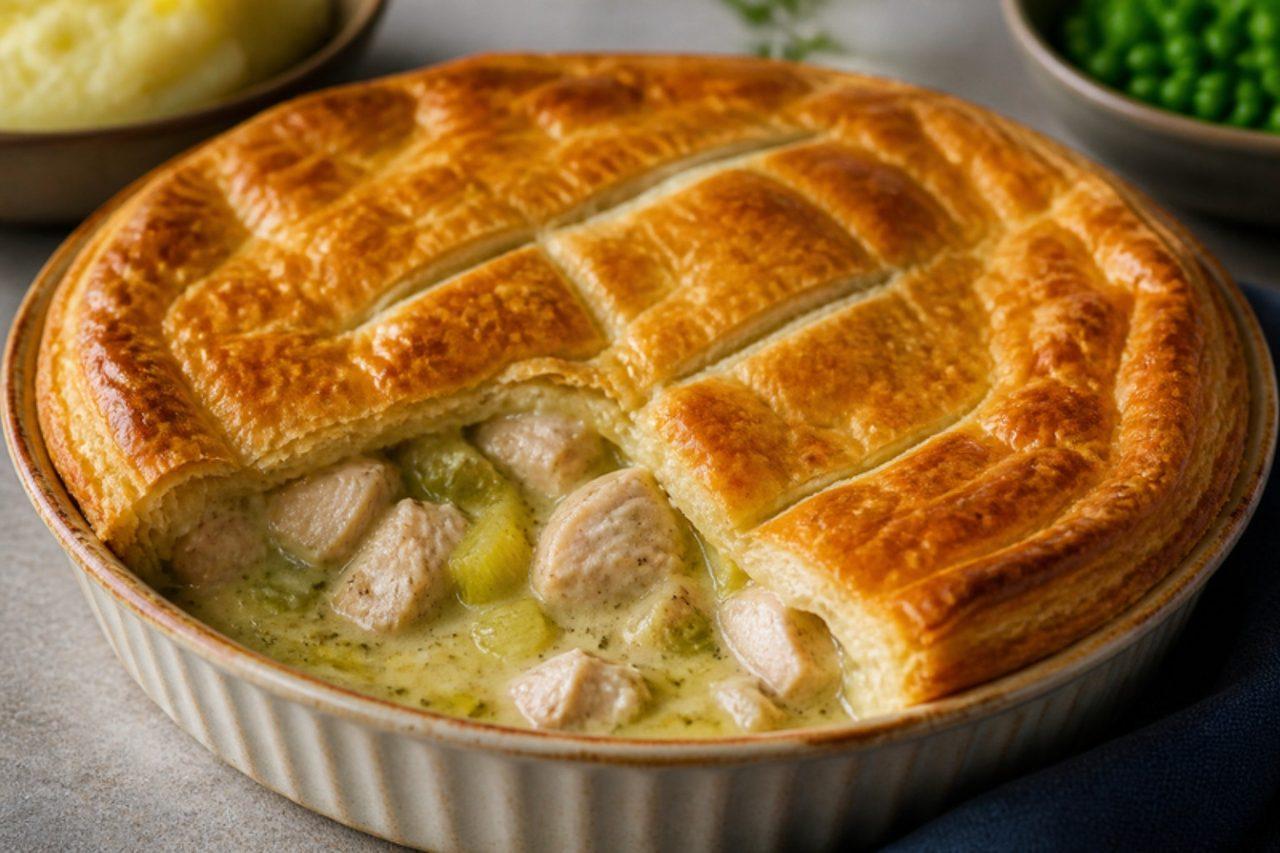
Chicken and leek pie is the Sunday-night and pub supper of southern England, made with leftover roast chicken or fresh thighs simmered in a creamy sauce with soft leeks and a little tarragon, then topped with buttery puff pastry. It is gentle, savoury and best with mash and greens. Chef's tip: let the filling cool before the pastry goes on, or the lid will sink and stay raw underneath.

by KrazyBadal 0 views

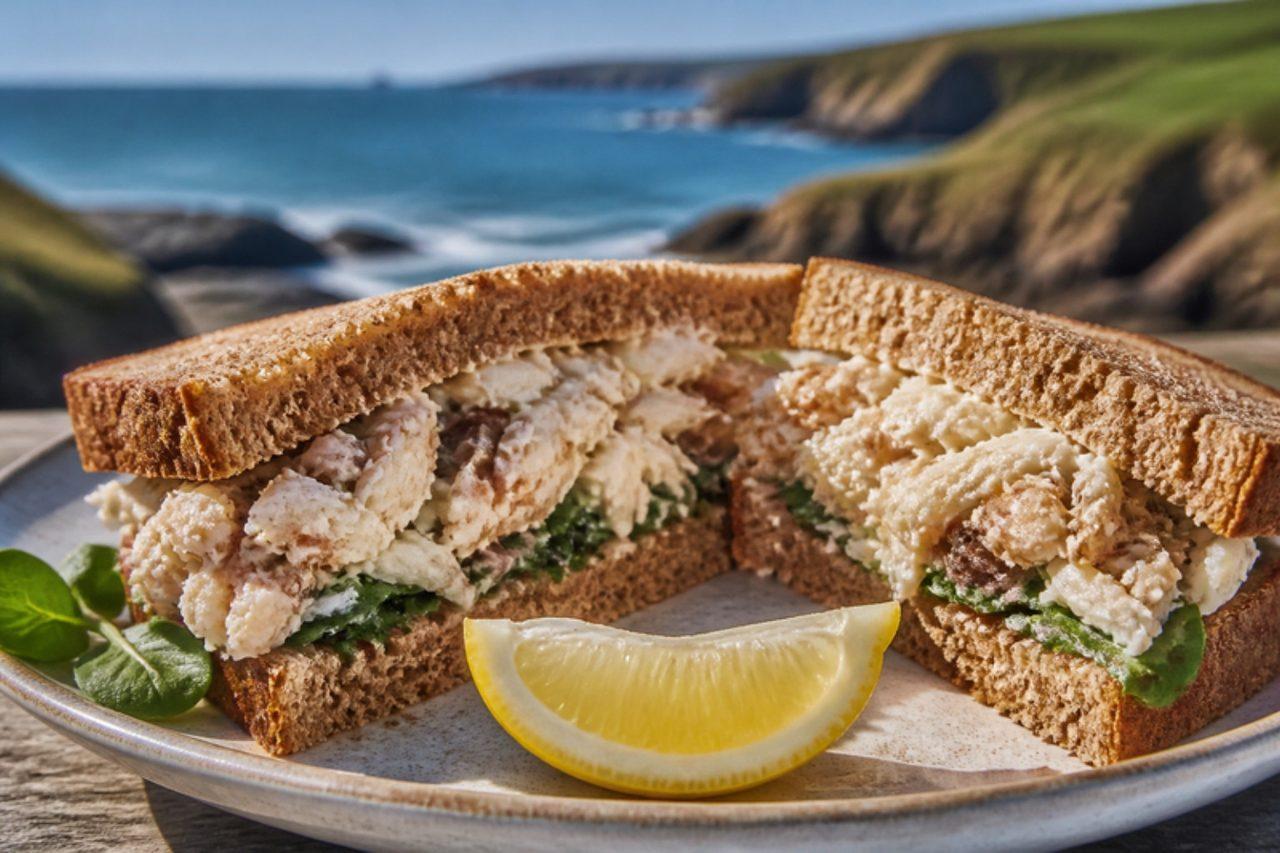
Cornish crab sandwich

In Newlyn, Padstow and St Ives, harbourside kiosks sell crab sandwiches made with the morning's catch: sweet white claw meat and rich brown body meat on buttered brown bread with a little lemony mayonnaise. It is a summer lunch for eating on the harbour wall. Buy fresh, cooked and picked crab from a fishmonger, keep it in the fridge and use it the same day. Chef's tip: keep the white and brown meat separate and use both; the brown meat gives the flavour.

by KrazyBadal 0 views

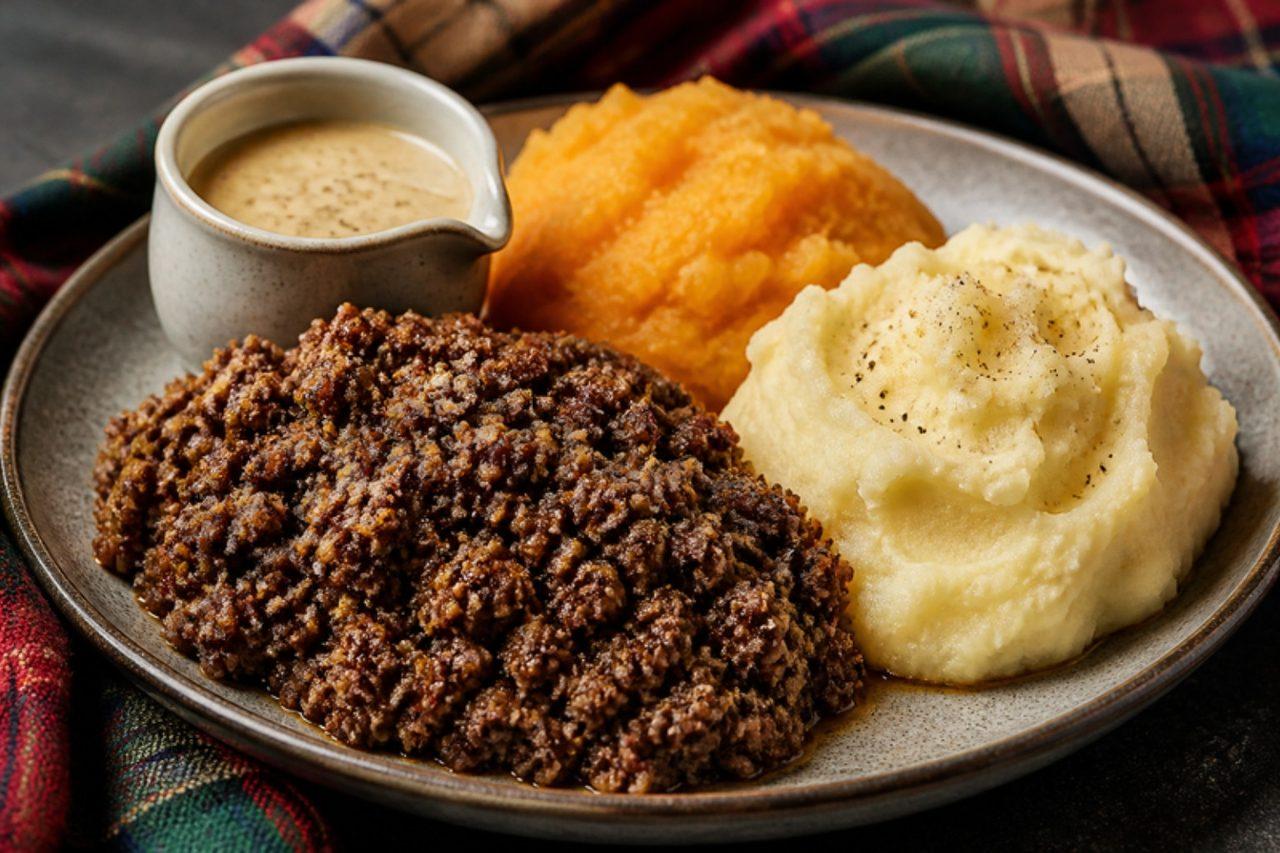
Haggis, neeps and tatties

Haggis, neeps and tatties is the centre of every Burns Supper on 25 January, when the haggis is piped in, addressed with Robert Burns's poem and cut open with a flourish. Haggis is a peppery, oaty pudding of minced lamb's offal, onion and spice; nearly everyone in Scotland buys it from a butcher, then simply heats it and serves it with mashed swede (neeps) and potatoes (tatties). The cream sauce has a splash of whisky, which contains alcohol; leave it out and add a teaspoon of mustard for an alcohol-free sauce. Chef's tip: wrap the haggis tightly in foil before it goes in the water so the casing doesn't burst.

by KrazyBadal 0 views

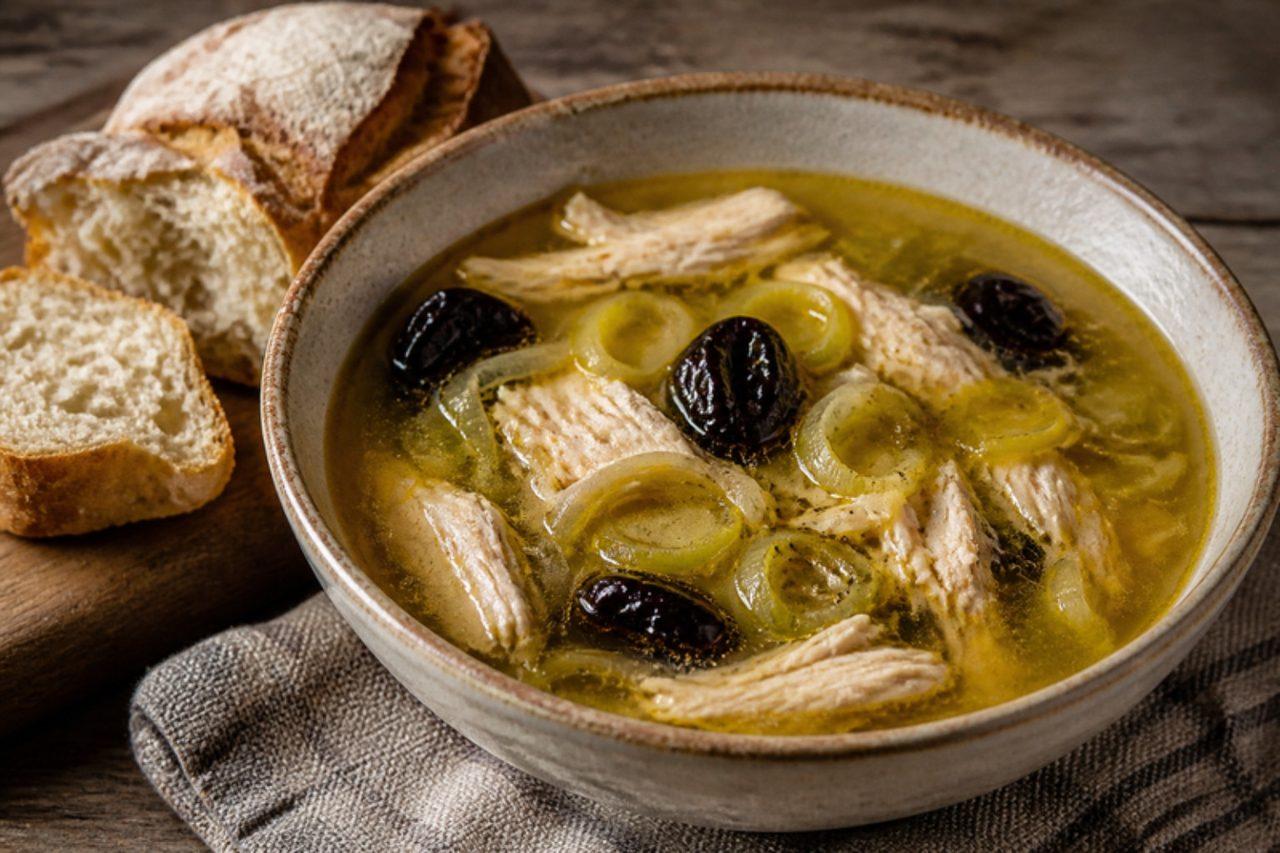
Cock-a-leekie

Cock-a-leekie is Scotland's national soup, a clear broth of chicken and plenty of leeks, traditionally served on Burns Night and St Andrew's Day. A few prunes go in at the end, which sounds odd but gives little bursts of sweetness against the peppery broth. Some families thicken it with a handful of rice or barley. Chef's tip: add most of the leeks only for the last 15 minutes, so they stay green and silky instead of turning grey.

105 minBritishSoupsGluten free
by KrazyBadal 0 views

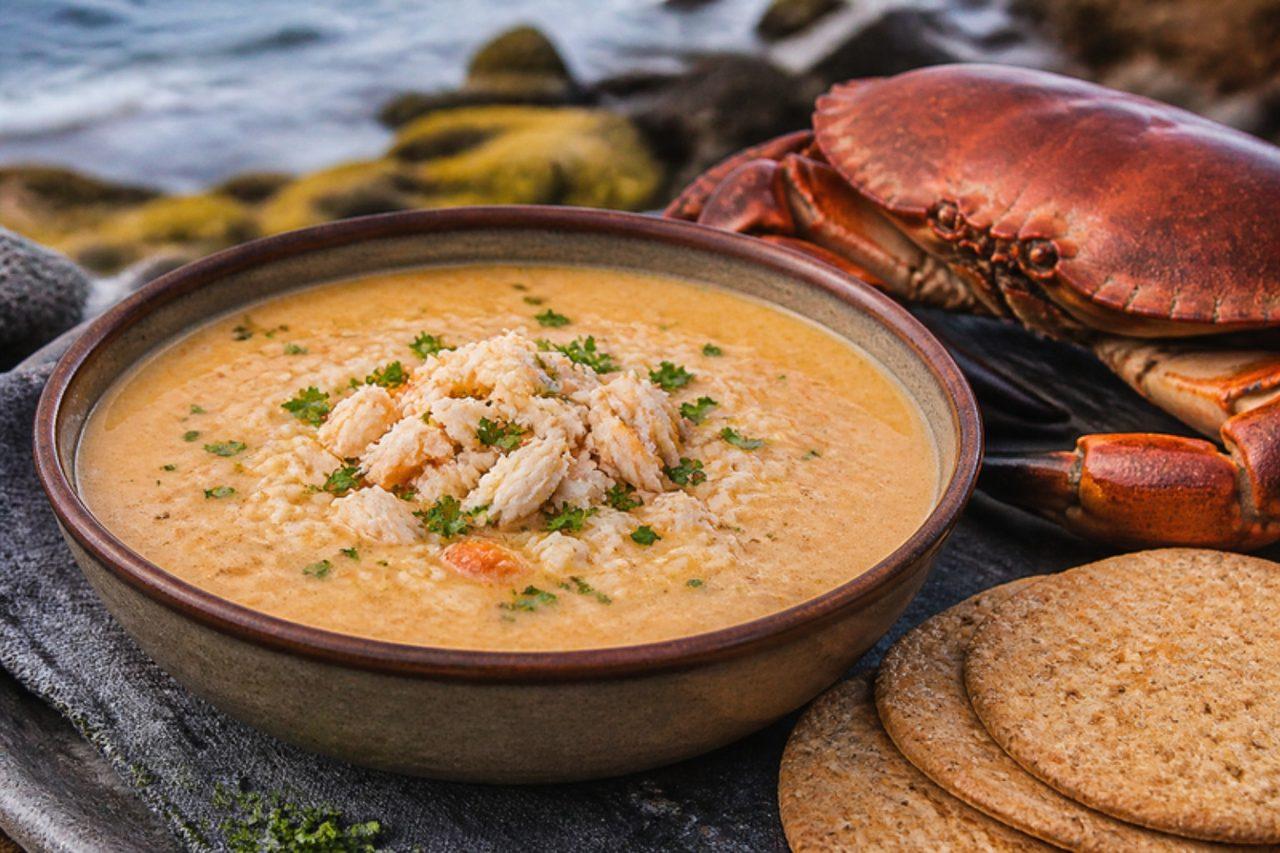
Partan bree

Partan bree comes from the fishing villages of the north-east of Scotland, where partan is the Scots word for the brown crab and bree means broth. Rice is simmered in milk and fish stock until soft, blended with the crab's brown meat, and finished with sweet white claw meat and a little cream. It is the coast's answer to a bisque, simpler and milder. Buy ready-cooked crab meat and keep it chilled. Chef's tip: add the white meat right at the end and only warm it through, so it stays in flakes.

by KrazyBadal 0 views

Scotch pies

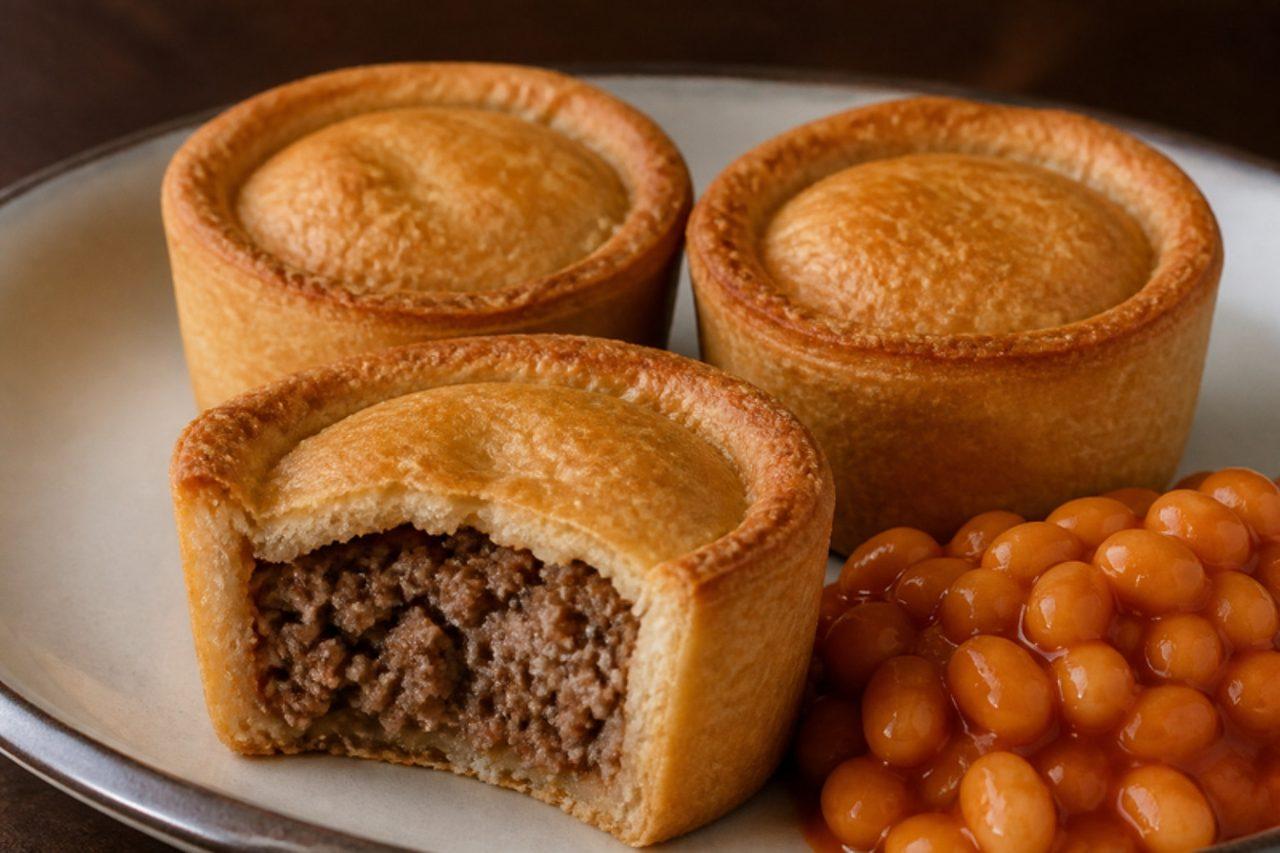
The Scotch pie is the straight-sided, double-crust mutton pie eaten at half time on football terraces and bought from butchers' counters in every Scottish town, with an open rim at the top for adding gravy, beans or mash. The pastry is a hot water crust made with lard (an animal fat) and the filling is peppery minced mutton or lamb. Chef's tip: shape the pastry while it is still warm; cold hot-water pastry cracks.

by KrazyBadal 0 views

Scottish stovies

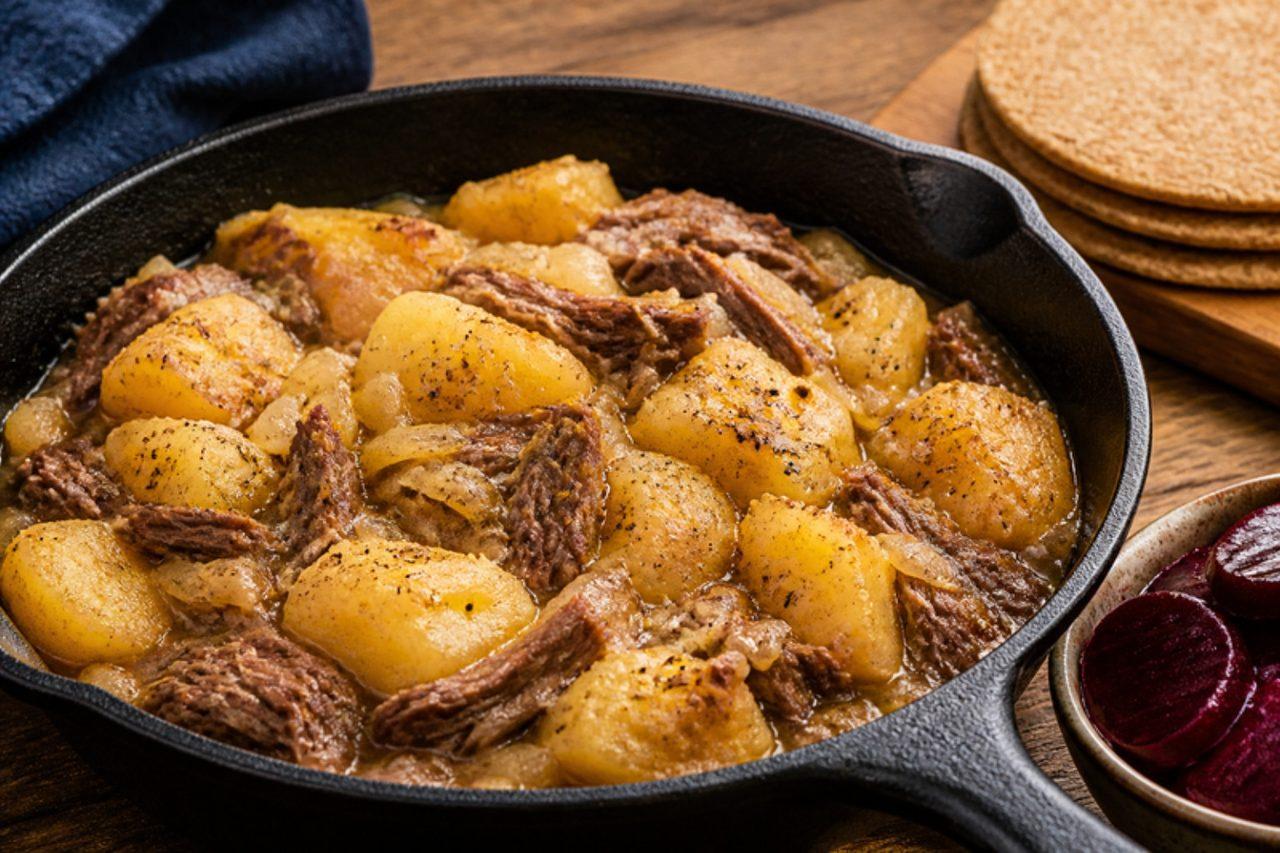
Stovies, from the Scots word for stewing on the stove, is the Monday dish made from Sunday's roast all over Scotland, and the ceilidh and wedding supper served late in the evening with oatcakes and beetroot. Potatoes and onions are cooked slowly in beef dripping with the leftover meat and its jelly until some potatoes collapse into a thick, savoury mash and some stay in chunks. Chef's tip: don't stir too often; let the bottom catch a little, as those brown bits are the best part.

by KrazyBadal 0 views

Mince and tatties

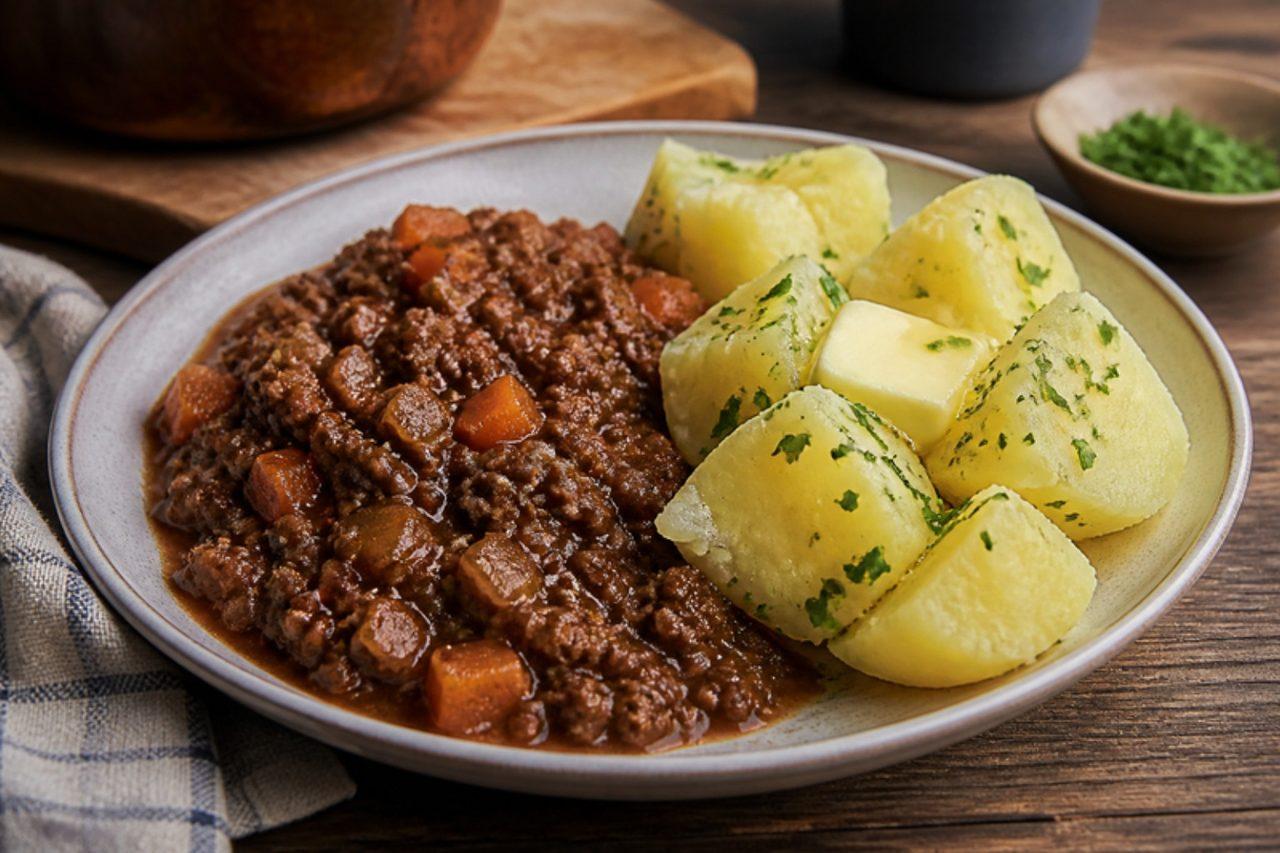
Mince and tatties is the weekday tea of Scottish homes and school canteens, so familiar that 'mince' is Scots slang for nonsense. Beef mince is browned and simmered with onion, carrot and a little oatmeal to thicken, then served with plain boiled or mashed potatoes and often peas. Chef's tip: brown the mince in batches until it crackles and turns properly brown; grey mince gives a flat flavour.

by KrazyBadal 0 views

Devilled kidneys

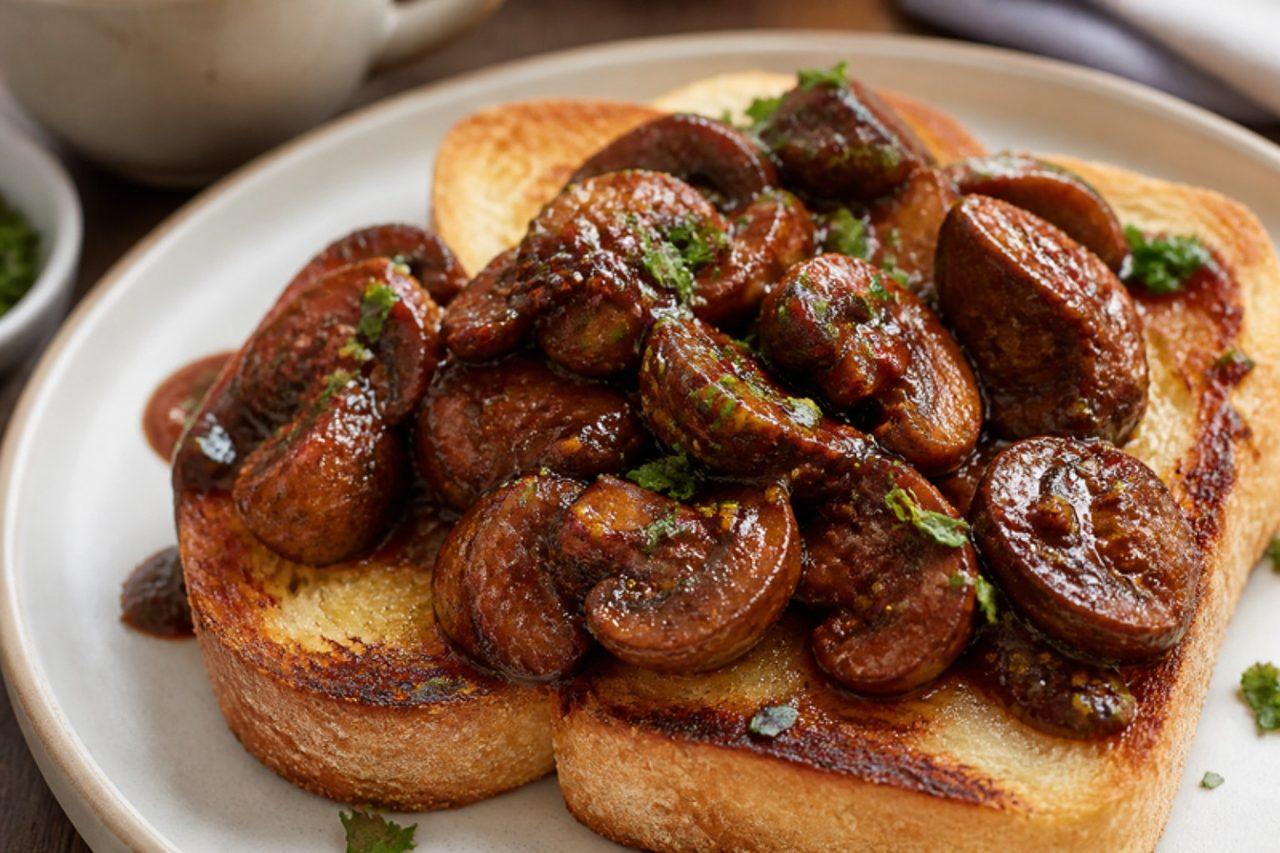
Devilled kidneys were a Victorian gentlemen's club breakfast in London and on country house sideboards, and they have come back on the menus of British chop houses as a brunch dish. Lamb's kidneys are dusted with flour, mustard powder and cayenne, fried quickly and finished in a peppery sauce, then piled on hot buttered toast. Chef's tip: snip out the white core from each kidney; it is tough and has a strong taste.

by KrazyBadal 0 views

Welsh cawl

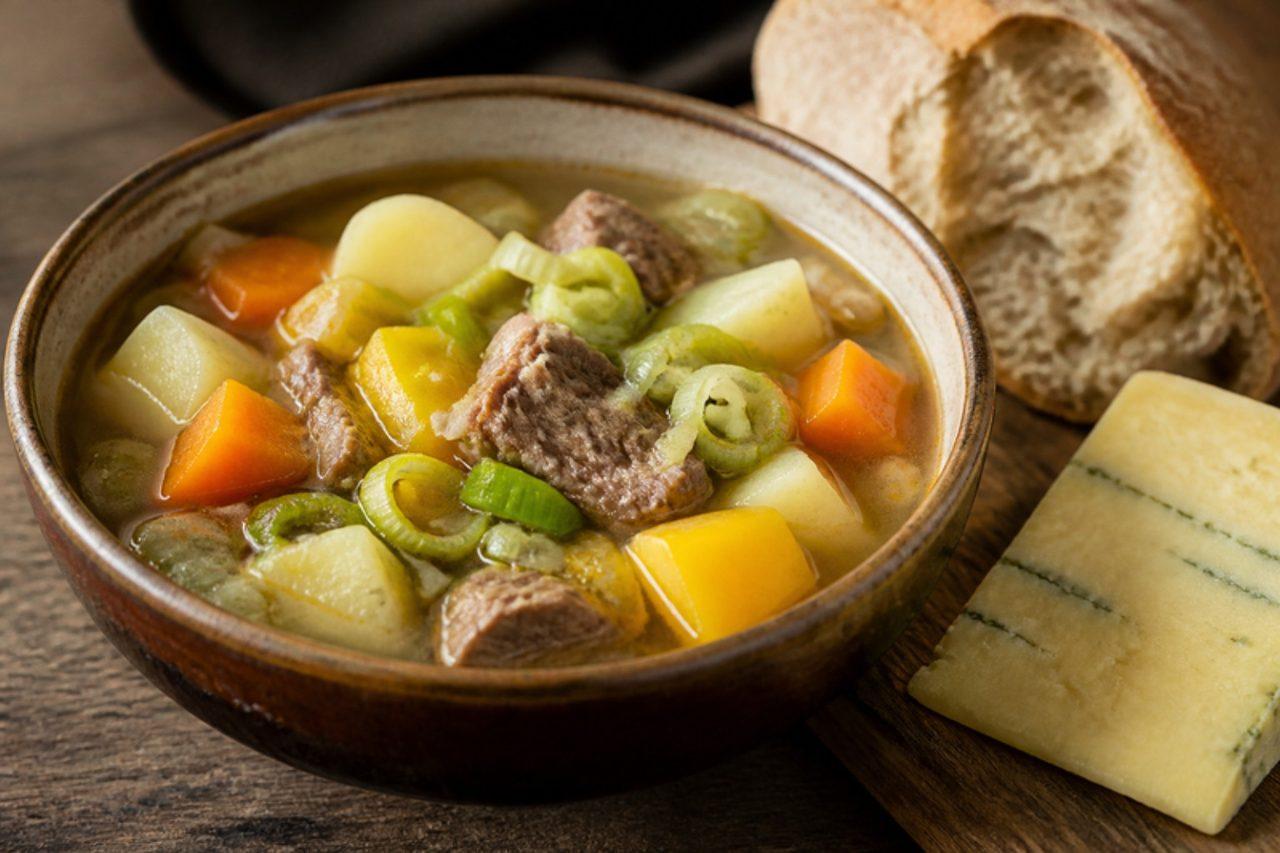
Cawl is the national dish of Wales, a slow broth of lamb on the bone, swede, carrots, potatoes and leeks that farmhouses kept simmering through the winter, and which is eaten with bread and a hunk of Caerphilly on St David's Day. Many families serve the broth first and the meat and vegetables after, and say cawl tastes best on the second day. Chef's tip: chill it overnight and lift off the fat that sets on top for a cleaner broth.

170 minBritishSoupsGluten free
by KrazyBadal 0 views

Penclawdd cockles and laverbread

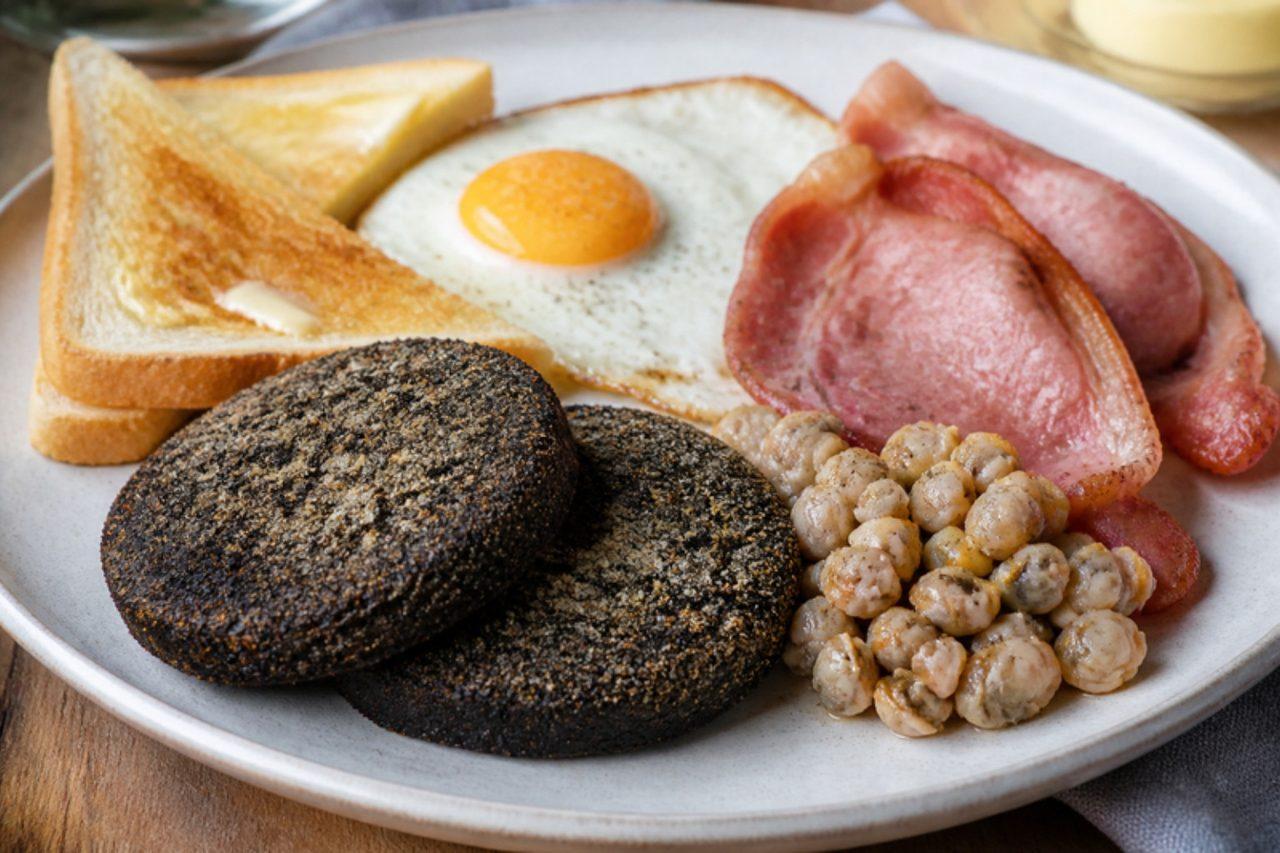
On the Gower peninsula near Swansea, the cocklewomen of Penclawdd have raked cockles from the estuary sands for centuries, and Swansea market still sells them beside laverbread, a dark purée of laver seaweed. Together with smoked bacon (pork) they make the traditional South Wales breakfast: laverbread rolled in oatmeal and fried into little cakes, cockles tossed in the bacon fat with pepper and vinegar. Chef's tip: soak live cockles in salted water so they spit out their sand before cooking.

by KrazyBadal 0 views

Belfast pastie supper

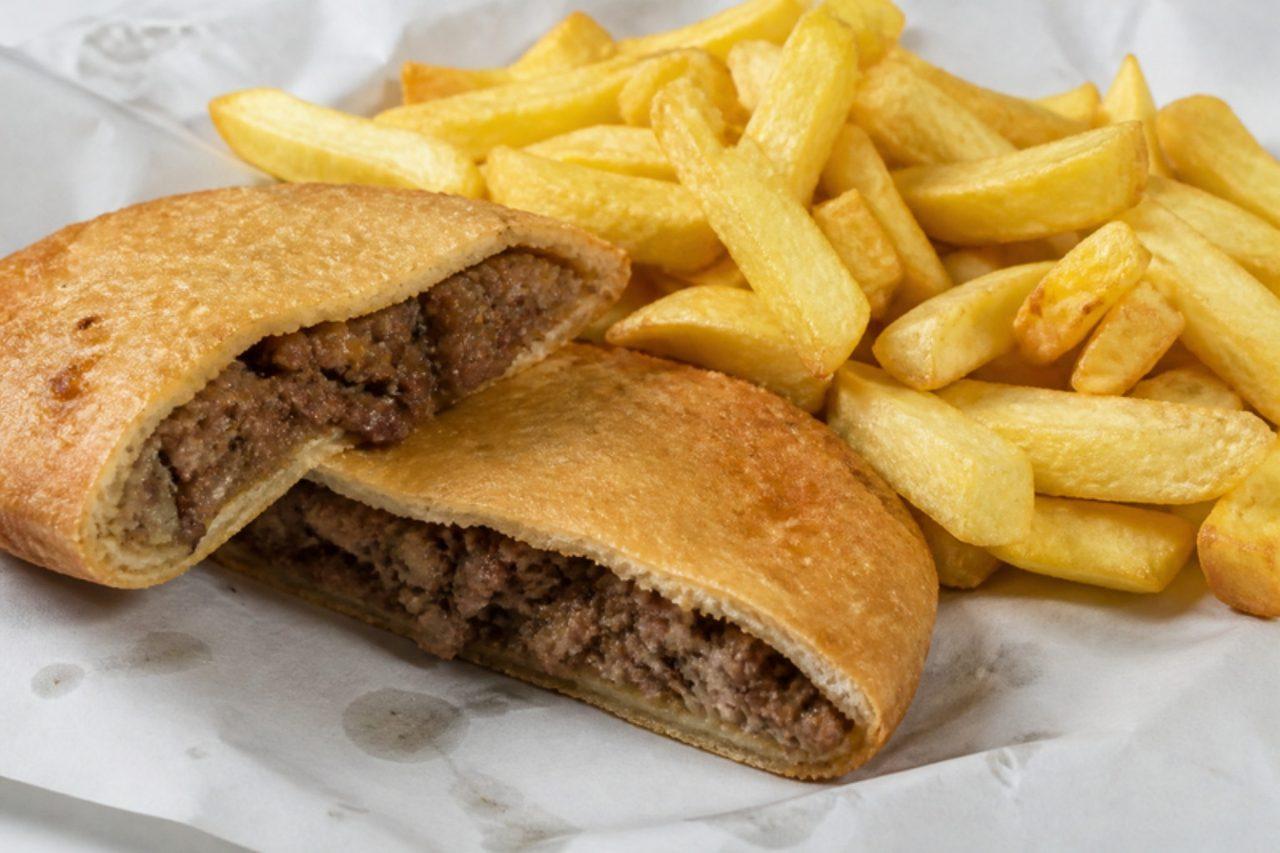
Despite the name, a Belfast pastie has no pastry: it is a round patty of seasoned pork mince, onion and potato, dipped in batter and deep-fried, and served as a 'pastie supper' with chips in chip shops across Northern Ireland. It is crisp outside and soft and peppery within, and is eaten with salt, vinegar and gravy. Chef's tip: chill the patties until firm before battering so they keep their shape in the fryer.

by KrazyBadal 0 views

Colcannon

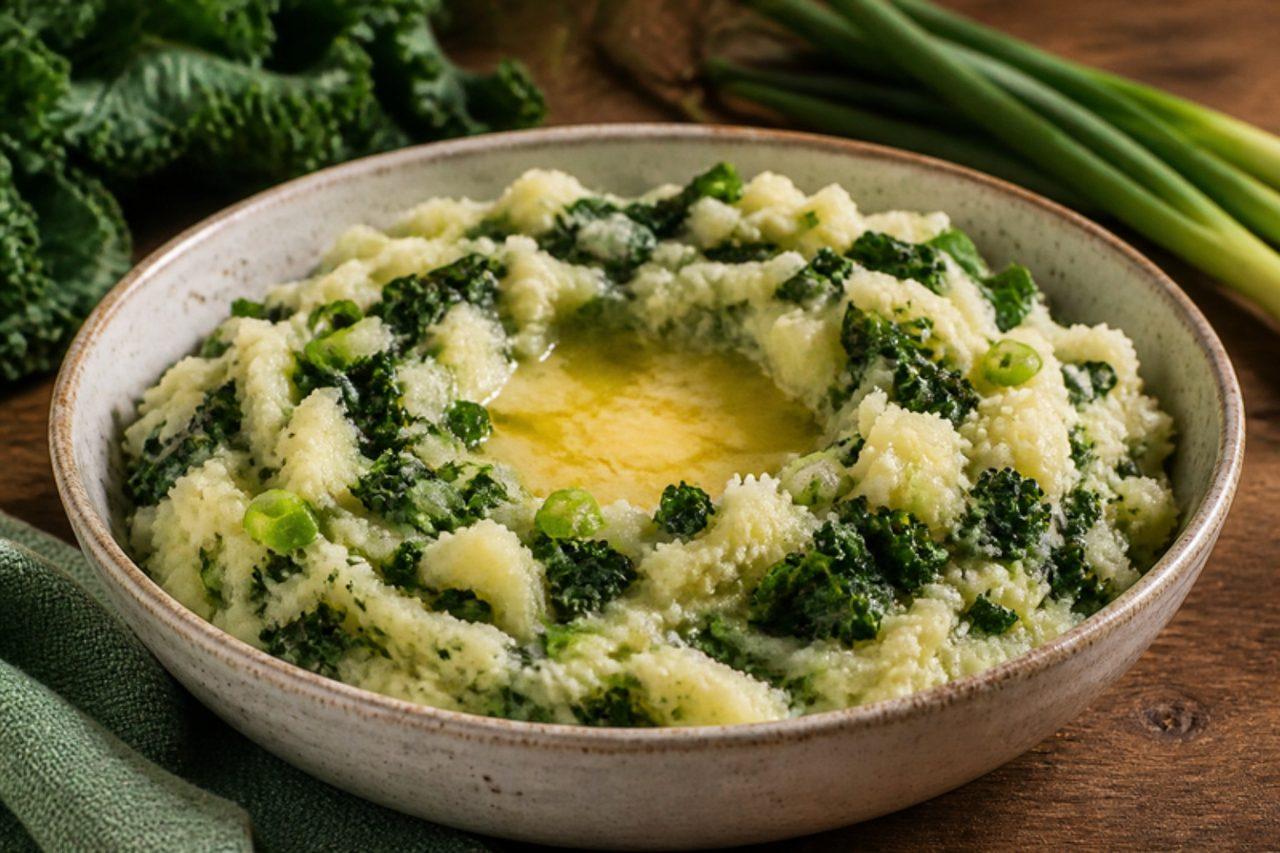
Colcannon is the Halloween potato dish of Ireland, from Munster farmhouses to Dublin kitchens, where a ring or a coin was once hidden in the bowl to tell fortunes. Floury potatoes are mashed with hot milk, a lot of butter and dark leafy kale or green cabbage, so it is creamy, green-flecked and savoury. Serve it with a well of melted butter in the middle, alongside sausages or a nut roast. Chef's tip: warm the milk with the spring onions before mashing; cold milk makes the mash gluey and tastes flat.

40 minIrishSidesGluten free
by KrazyBadal 0 views

Boxty

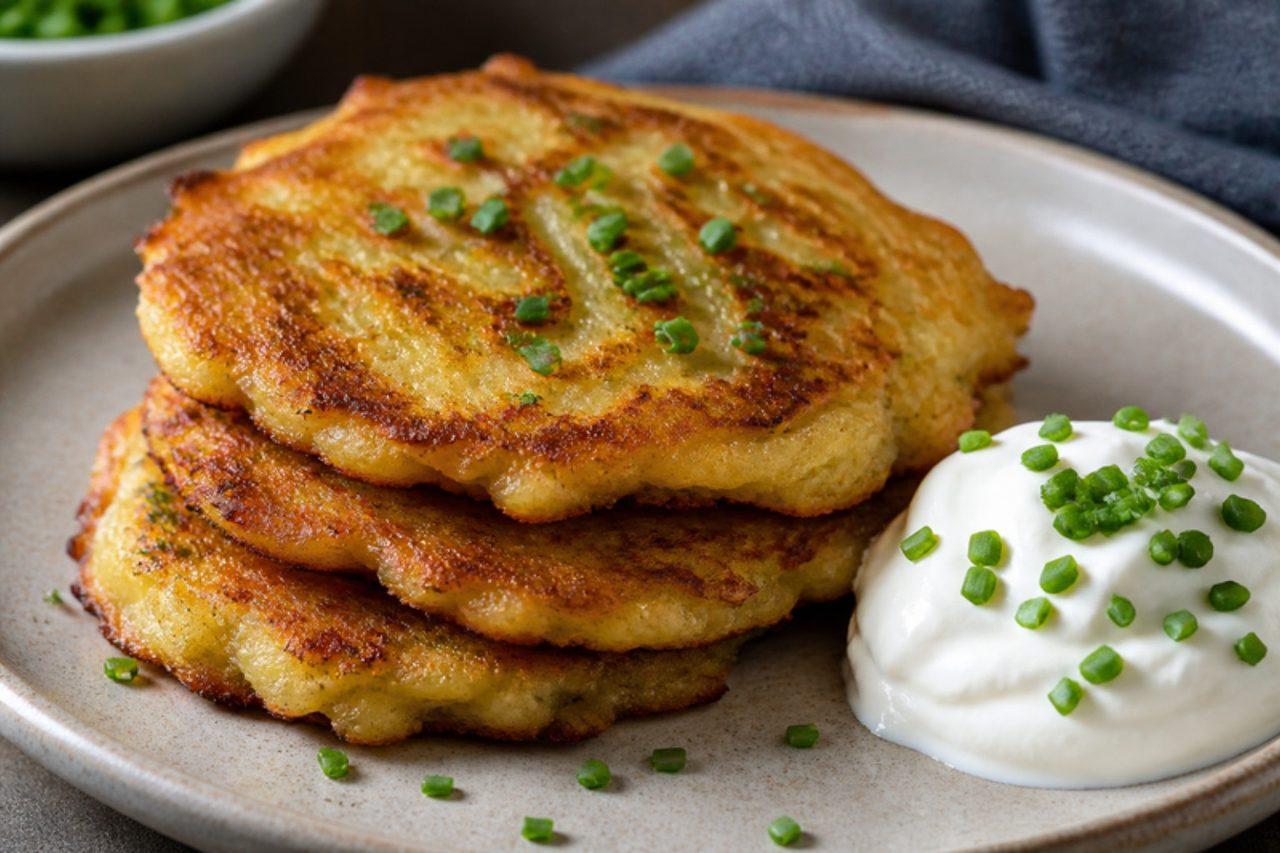
Boxty is the potato pancake of the north midlands, from Leitrim, Cavan and Fermanagh, remembered in the rhyme 'boxty on the griddle, boxty in the pan'. Raw grated potato is mixed with mashed potato, flour and buttermilk, then fried, giving a cake that is crisp and lacy outside and soft and slightly chewy inside. Eat it for breakfast with eggs and tomatoes, or wrapped round a creamy mushroom filling. Chef's tip: squeeze the grated potato hard in a cloth; wet potato gives soggy, grey boxty.

by KrazyBadal 0 views

Irish brown soda bread

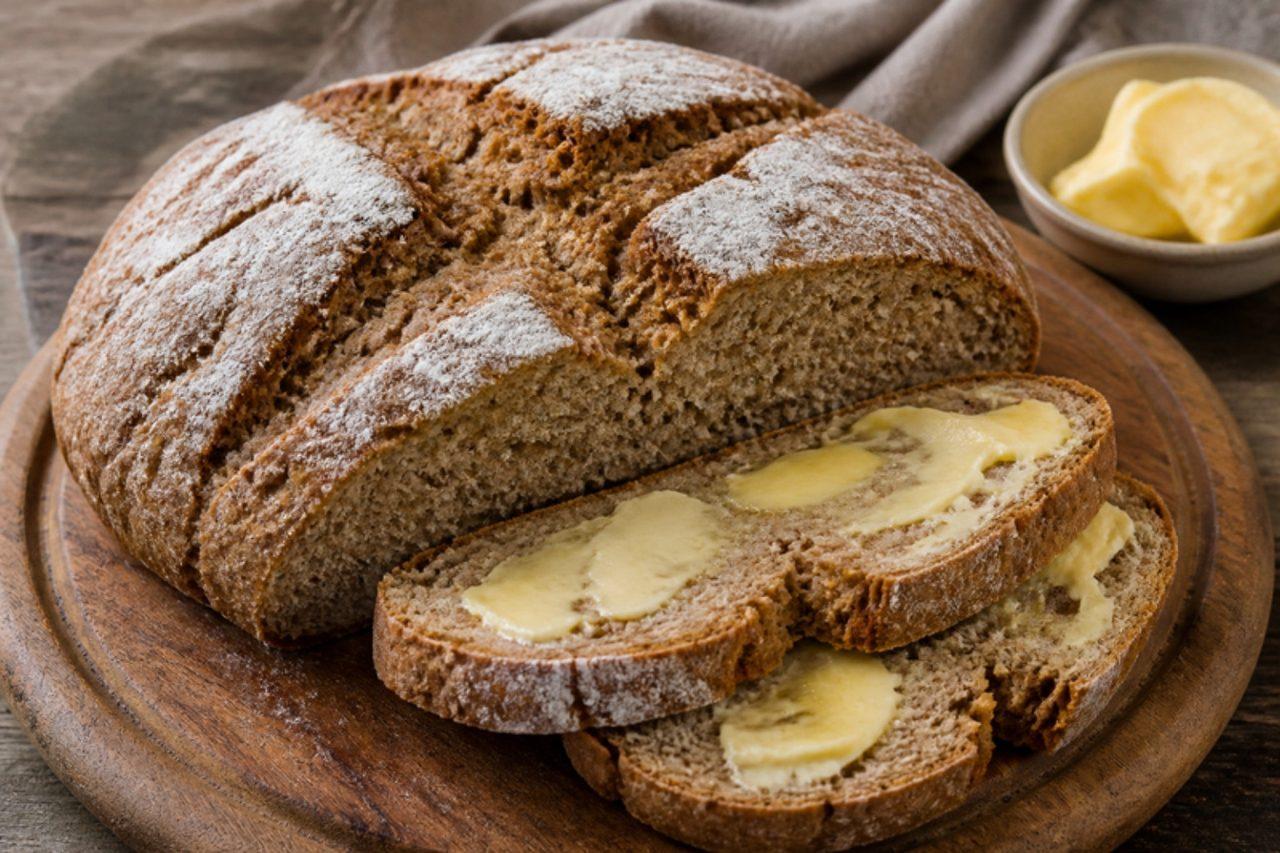
Brown soda bread is on every Irish table, from the Aran Islands to Wexford, sliced thickly at breakfast and served beside soup or smoked salmon in pubs. It is raised with bicarbonate of soda and sour buttermilk instead of yeast, so it is mixed and in the oven in ten minutes, with a nutty, coarse crumb and a hard crust. Chef's tip: mix with a light hand only until it comes together; kneading makes soda bread tough and heavy.

by KrazyBadal 0 views

Spotted dog

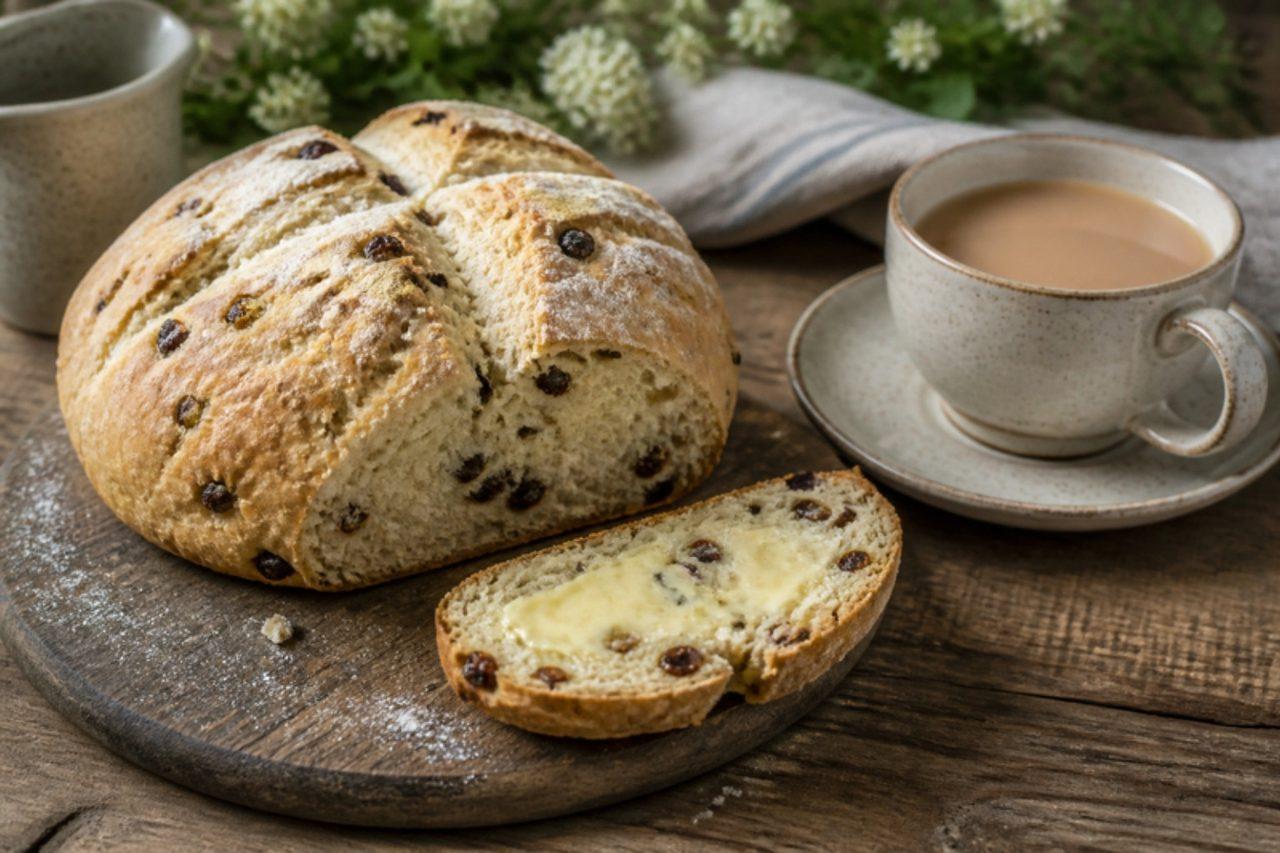
Spotted dog, or 'spotted dick' and 'railway cake' in parts of Leinster, is white soda bread with a handful of raisins and a little sugar, the sweet loaf Irish grandmothers bake for the afternoon tea or Sunday visitors. It is soft, slightly cakey and best warm, split and buttered. Chef's tip: toss the dried fruit in the flour first so it stays spread through the loaf instead of sinking.

by KrazyBadal 0 views

Barmbrack

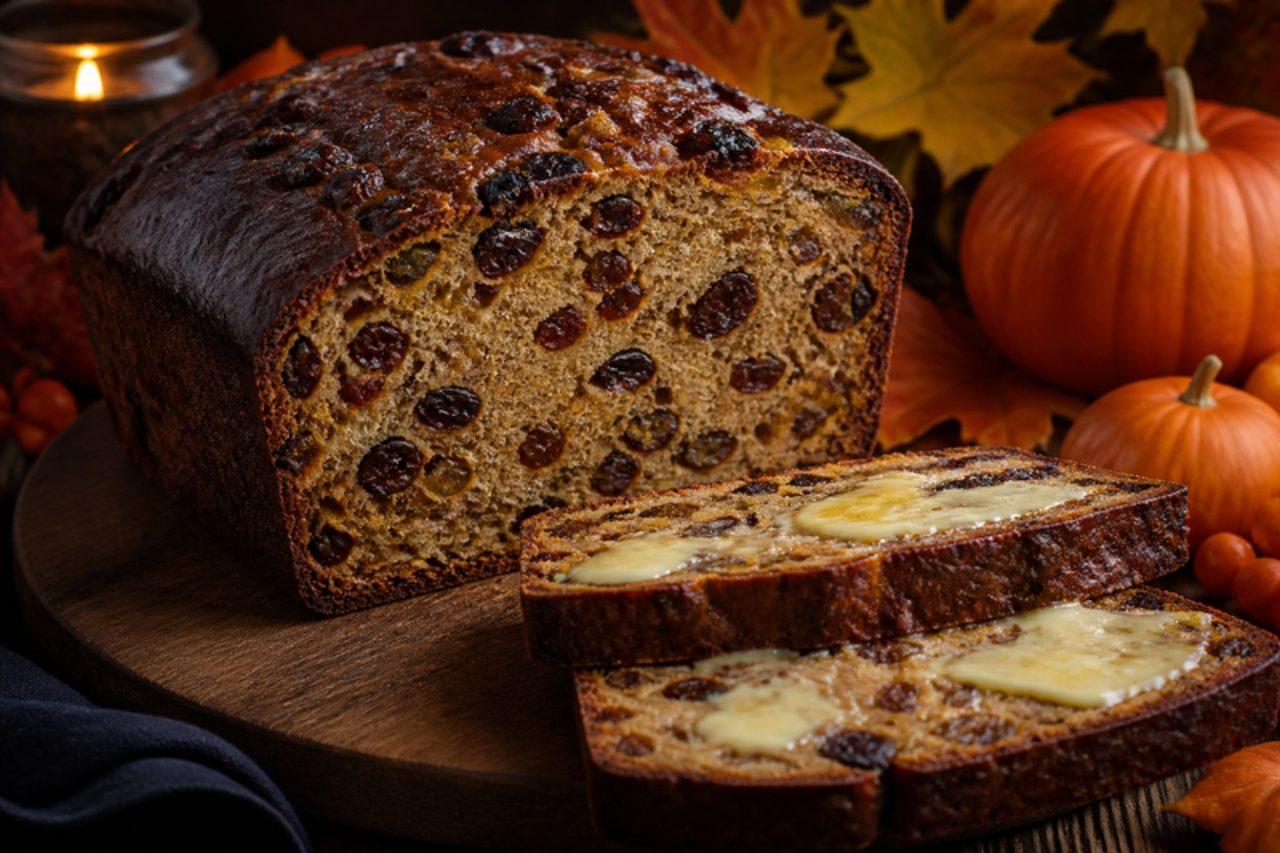
Barmbrack is the speckled fruit loaf eaten in Ireland at Halloween, when a ring wrapped in baking paper is baked inside, and whoever finds it is said to marry within the year. This is the quick tea brack version made all over Connacht and Munster, with the dried fruit soaked overnight in strong tea so the loaf is dark, moist and fragrant with mixed spice. Serve sliced and buttered with a cup of tea. Chef's tip: soak the fruit for a full night; short soaking gives dry, chewy fruit.

by KrazyBadal 0 views

Forfar bridies

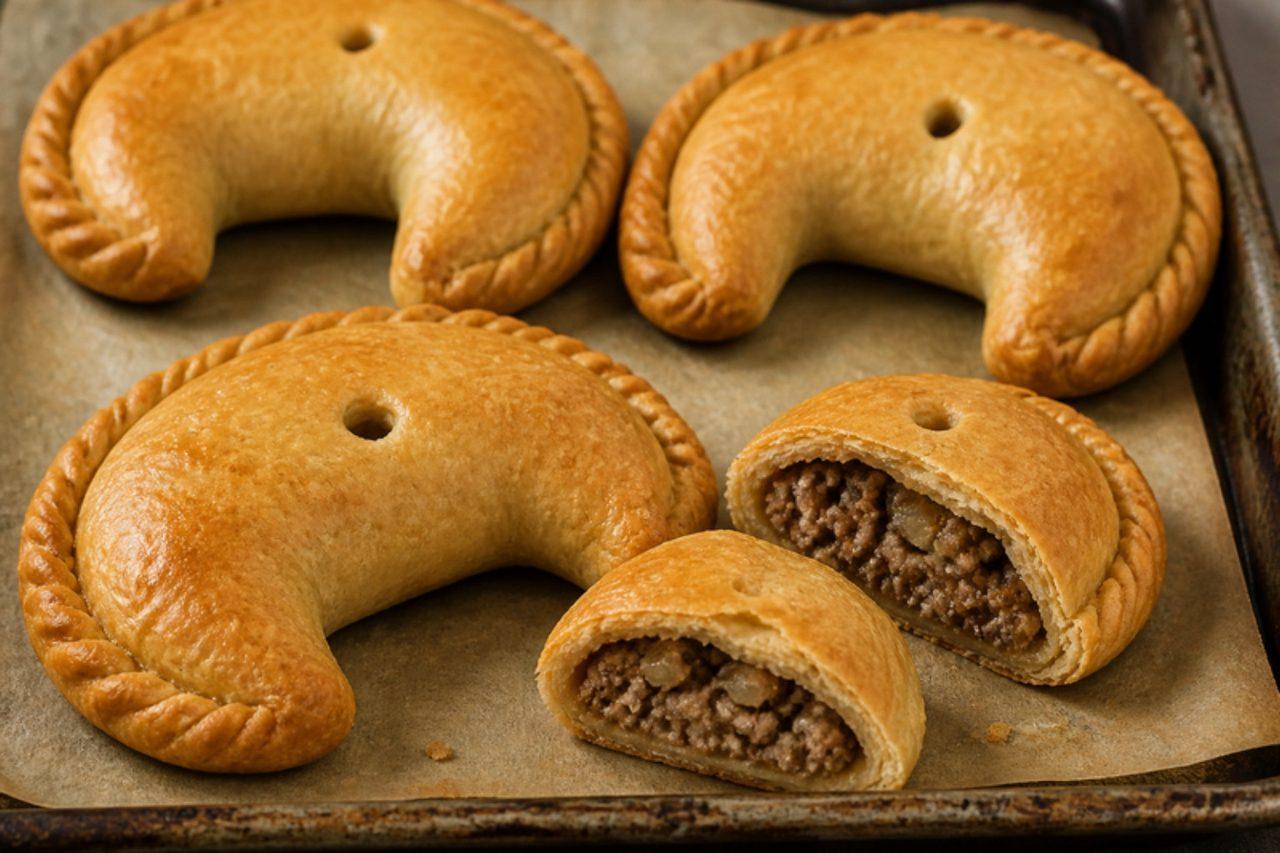
The bridie is the pride of Forfar in Angus, a horseshoe-shaped pastry stuffed with chopped beef steak and onion, sold hot from the town's bakers and eaten on market days and at weddings. Unlike a Cornish pasty there is no potato, just peppery beef, onion and beef suet in shortcrust. The holes on top tell you the filling: one hole for plain, two for onion. Chef's tip: chop the steak by hand into small pieces rather than using mince; it keeps the filling juicy.

by KrazyBadal 0 views

Lorne sausage

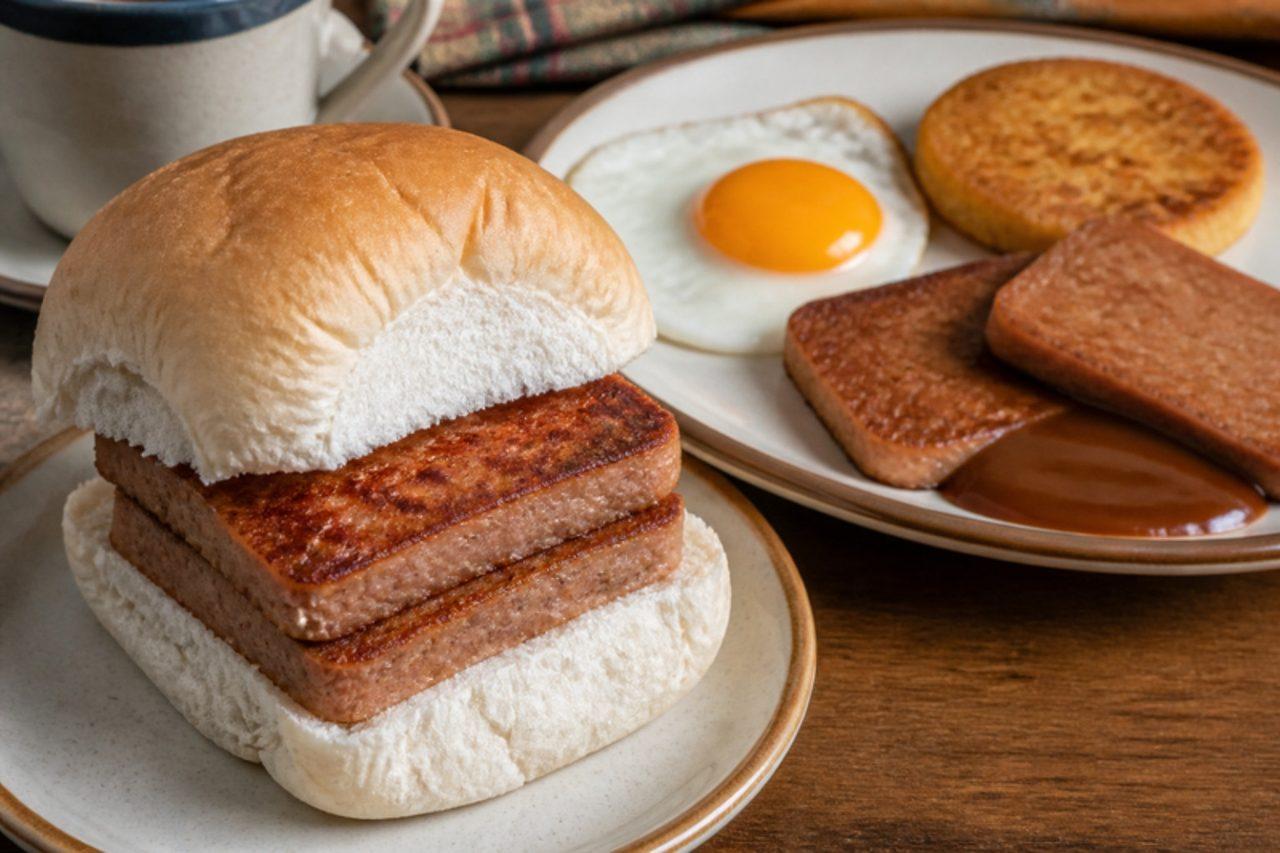
Lorne sausage, better known in Scotland simply as square sausage or slice, is a skinless loaf of seasoned beef and pork mince that is cut into squares and fried for the full Scottish breakfast, or slapped in a morning roll with brown sauce. It is easy to make at home and freezes well. Chef's tip: freeze the shaped block for an hour before slicing; it cuts into neat, thin squares.

by KrazyBadal 0 views

Showing 27 of 7,762 recipes

Show more recipes

Page 411 of 863