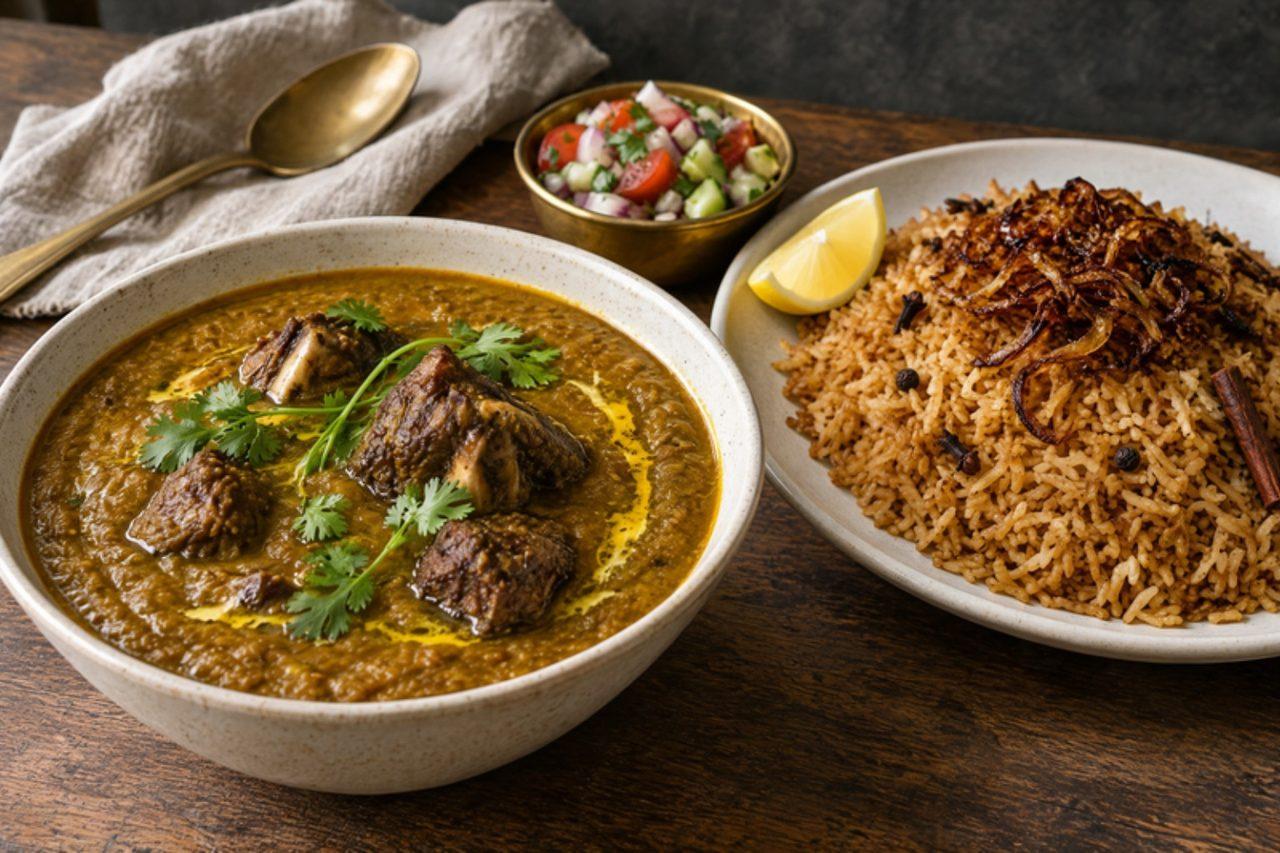



Skip to content
Reform torta
Featured recipe

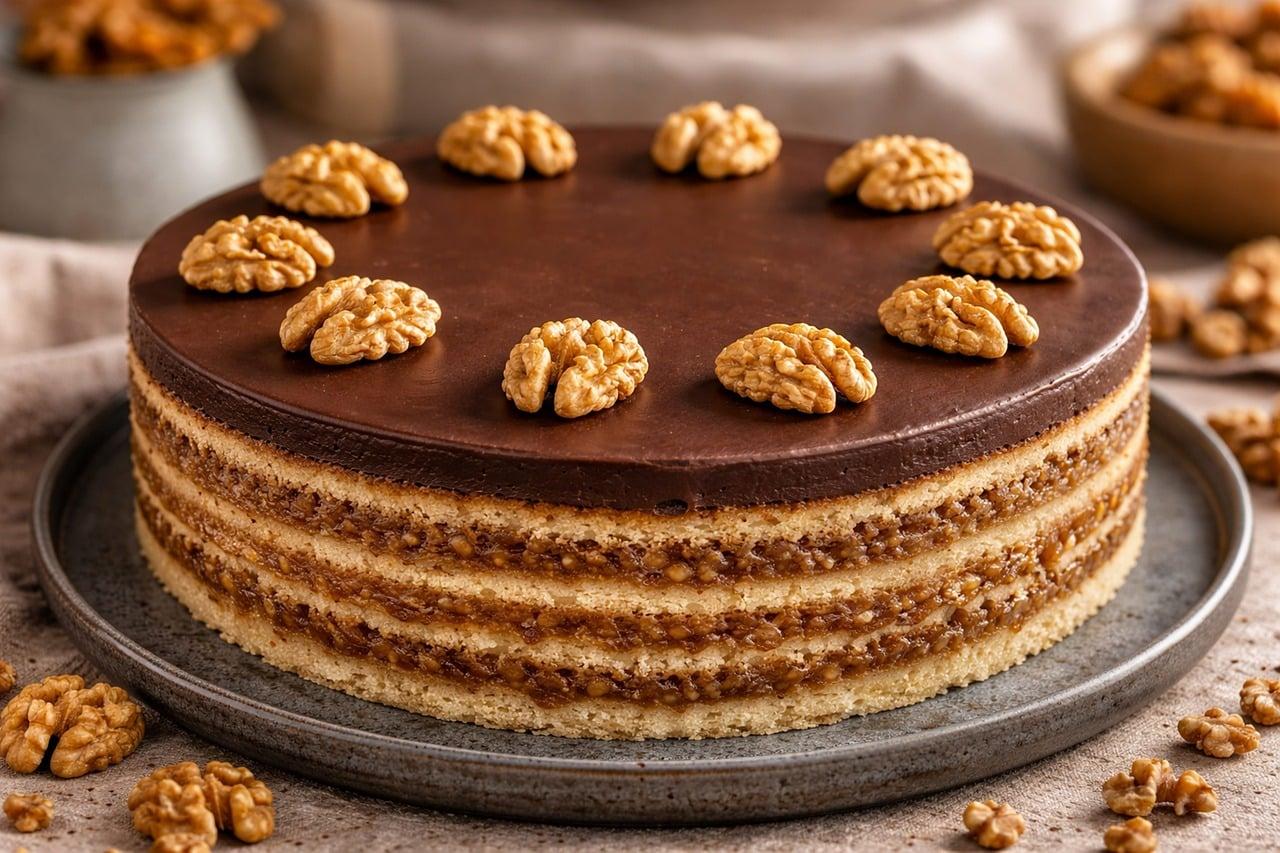
Reform torta

Walnut meringue chocolate cake

Belgrade pastry shops have sold reform torta since the early twentieth century, and it is still the cake Serbian families bring out for birthdays, weddings and the slava. Three thin layers of walnut meringue, crisp at the edge and chewy inside, are stacked with a dense chocolate butter cream made with egg yolks cooked over steam until thick. It is very rich, so cut thin slices and serve with strong coffee. The usual slip is beating the butter into a chocolate mixture that is still warm, which melts it and splits the cream; let it cool to room temperature first. Chef's tip: assemble the cake the day before; overnight in the fridge the meringue softens a little and the cake slices cleanly with a hot knife.

Read more 1 views

What to eat today?

Around the world

Today's trip: Paraguayan

A new country every day, from every cuisine on the site.

Paraguayan

Chipa

Cheese bread rings 50 minMore from Paraguayan (27) →

This week's collection

Kid-friendly dinners
537 recipes · a new collection every Monday

Latest recipes

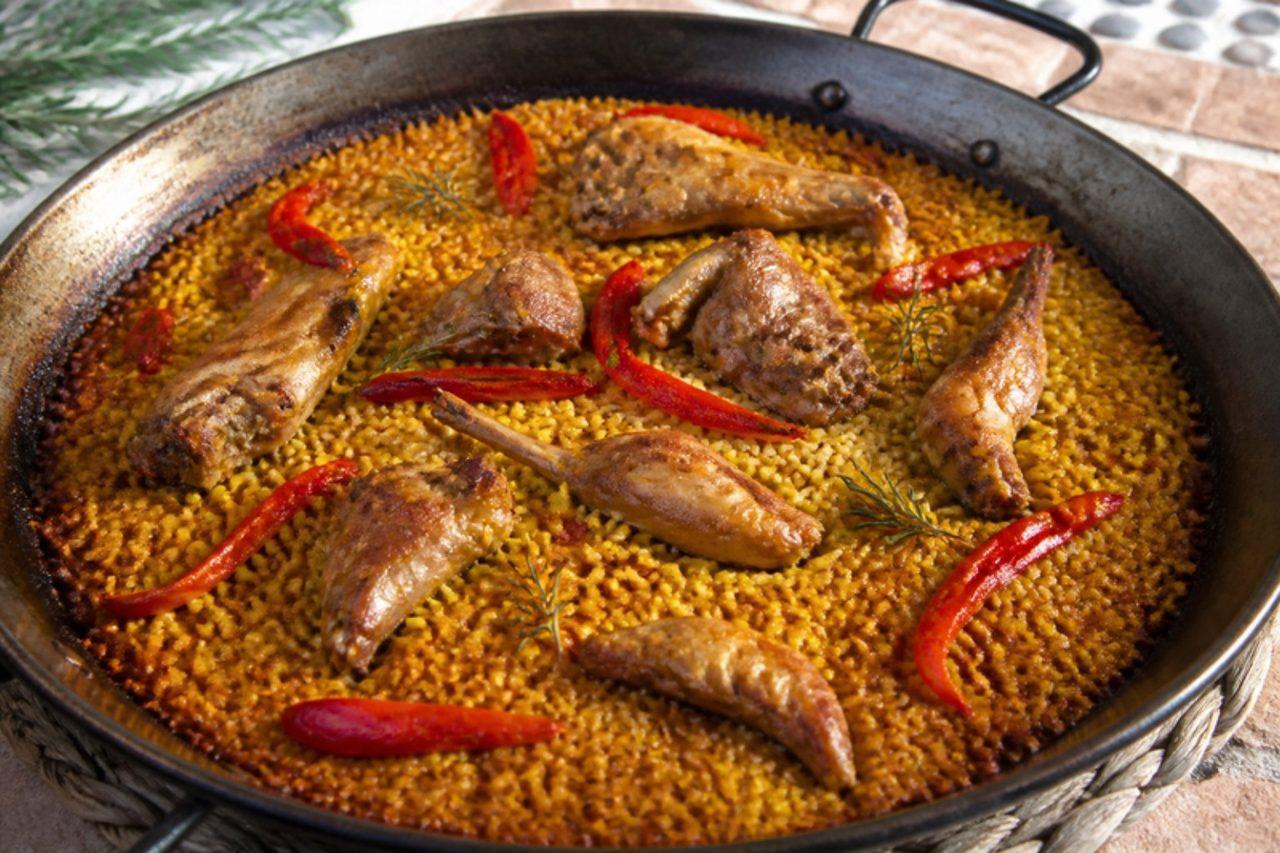
Arroz con conejoRabbit and rosemary rice

On Sundays in the Murcian countryside, rice with rabbit is cooked in a wide, flat pan over a fire of vine shoots, and the whole family eats straight from the edges. The rice is Calasparra, grown along the Segura river in the north of the region, and the flavour comes from rabbit browned slowly in olive oil, dried ñora pepper, saffron and a sprig of mountain rosemary laid on top at the end. Many cooks add snails too. Chef's tip: brown the rabbit really well, until golden and sticky, because that crust is where the flavour of the broth comes from.

by KrazyBadal 0 views
Arroz con costraOven-baked rice with chicken and sausage

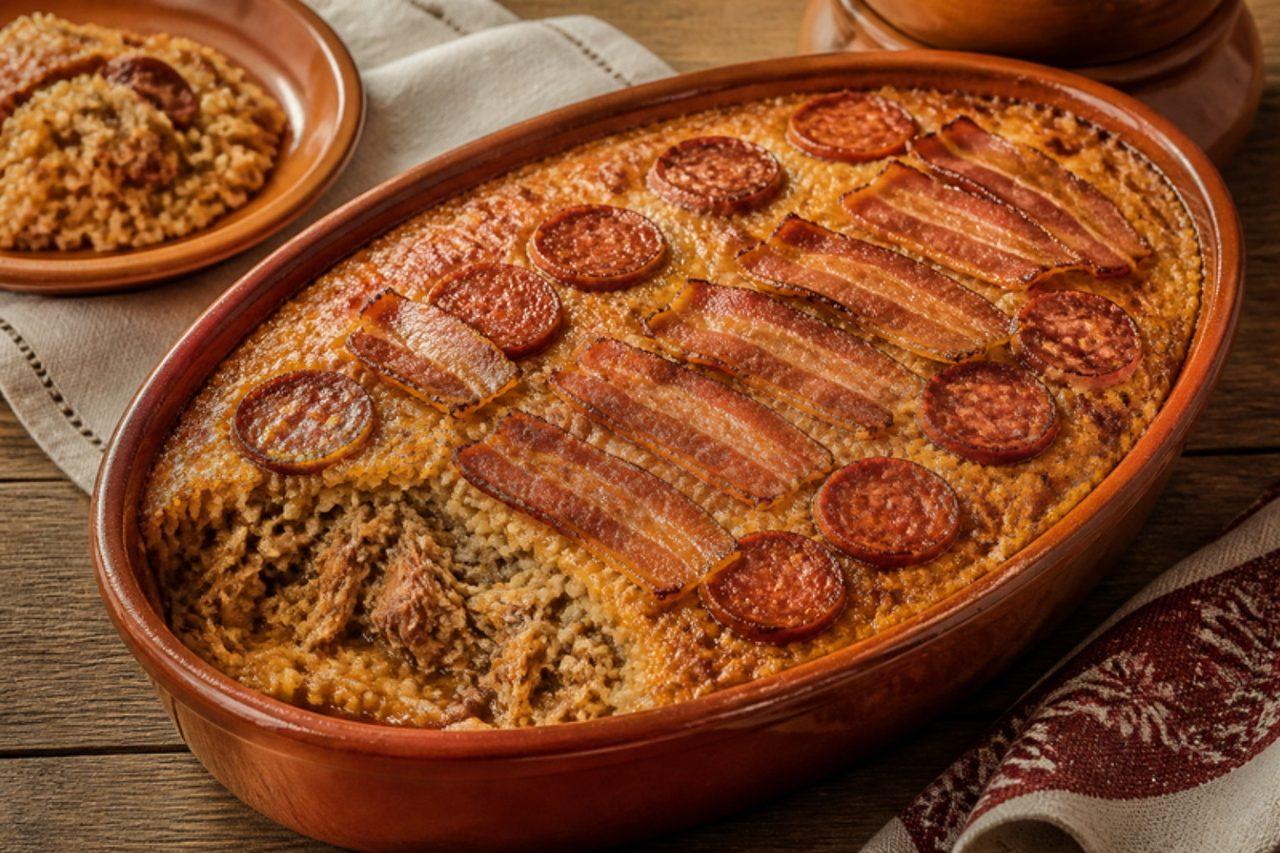
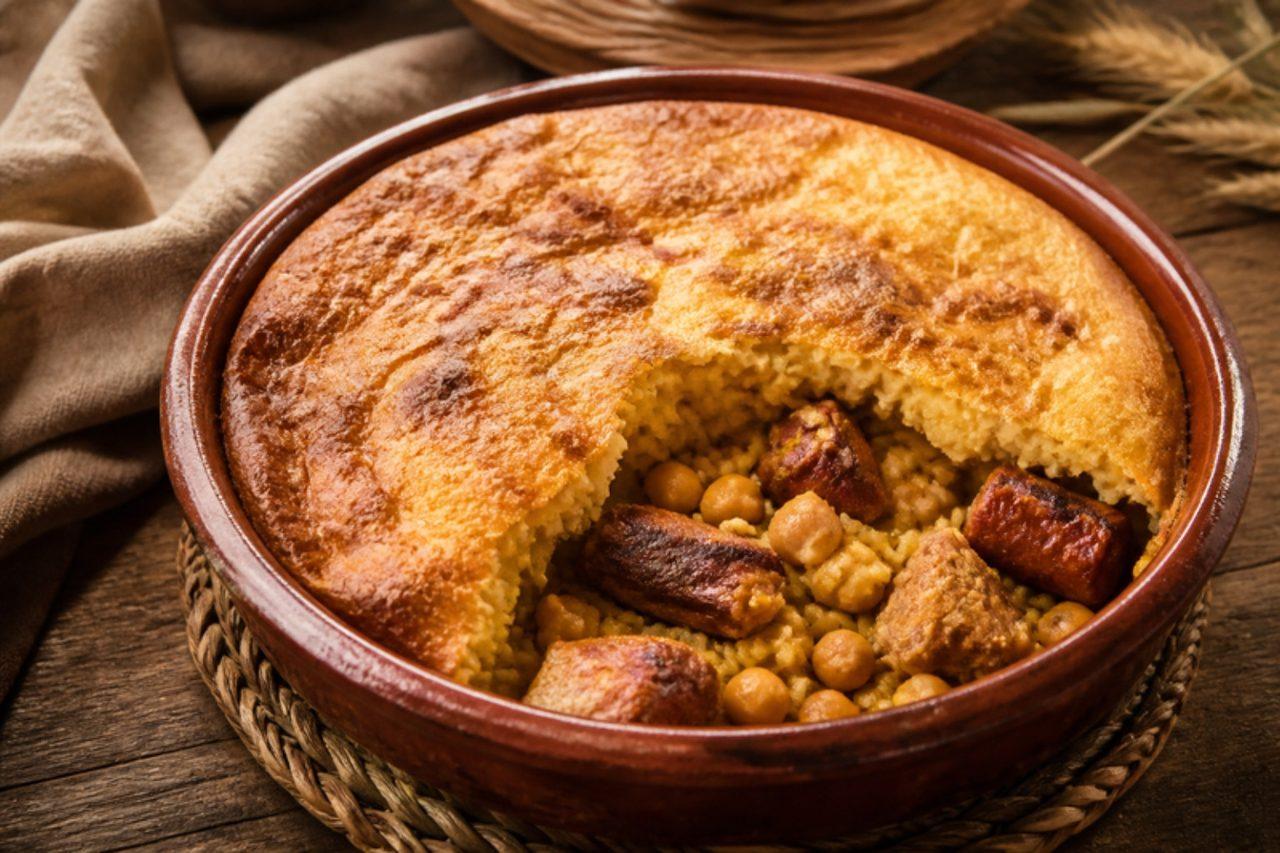
Elche and Orihuela, in the south of Alicante, finish their Sunday rice in a way no other Spanish rice is finished: a thick layer of beaten egg is poured over the cooked rice, chicken, chickpeas and sausages, and the earthenware dish goes into a hot oven until the egg puffs into a golden lid. Families argue about whether the costra should be cracked at the table or cut into wedges. This contains pork (white sausages and morcilla). A common mistake is pouring the egg over rice that is still soupy; the egg sinks in and goes rubbery, so wait until the liquid has almost all gone. Chef's tip: bake it in a wide earthenware cazuela if you have one, which holds the heat and gives the crust its traditional dome.

by KrazyBadal 0 views

Arroz con patoDuck and coriander rice

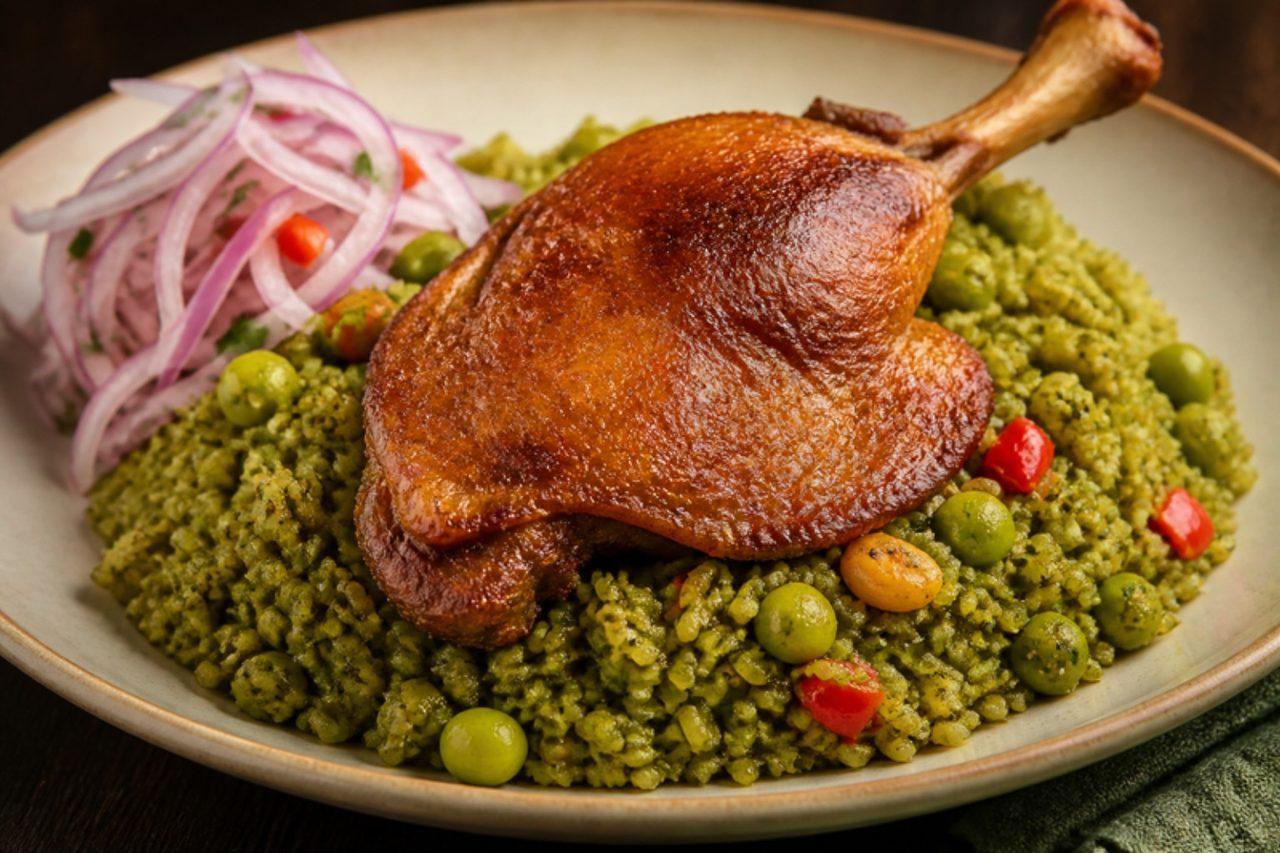
Chiclayo and the northern coast claim arroz con pato as their own, and family lunches and big Sunday gatherings there often centre on a deep pot of it: duck legs browned and simmered in dark beer and a purée of coriander and spinach, then rice cooked in the same green, duck-rich liquid with peas, red pepper and ají amarillo. The rice is moist and loose, the duck tender with crisp edges, and it is served with salsa criolla and, often, papa a la huancaína. The beer contains alcohol, and not all of it cooks off; for an alcohol-free pot use alcohol-free beer or the stock swap in the ingredients. A common mistake is skipping the browning, which leaves flabby skin and a pale, fatty rice; render the duck slowly first and pour off excess fat. Chef's tip: let the cooked rice rest under the lid off the heat for 10 minutes before fluffing.

by KrazyBadal 0 views

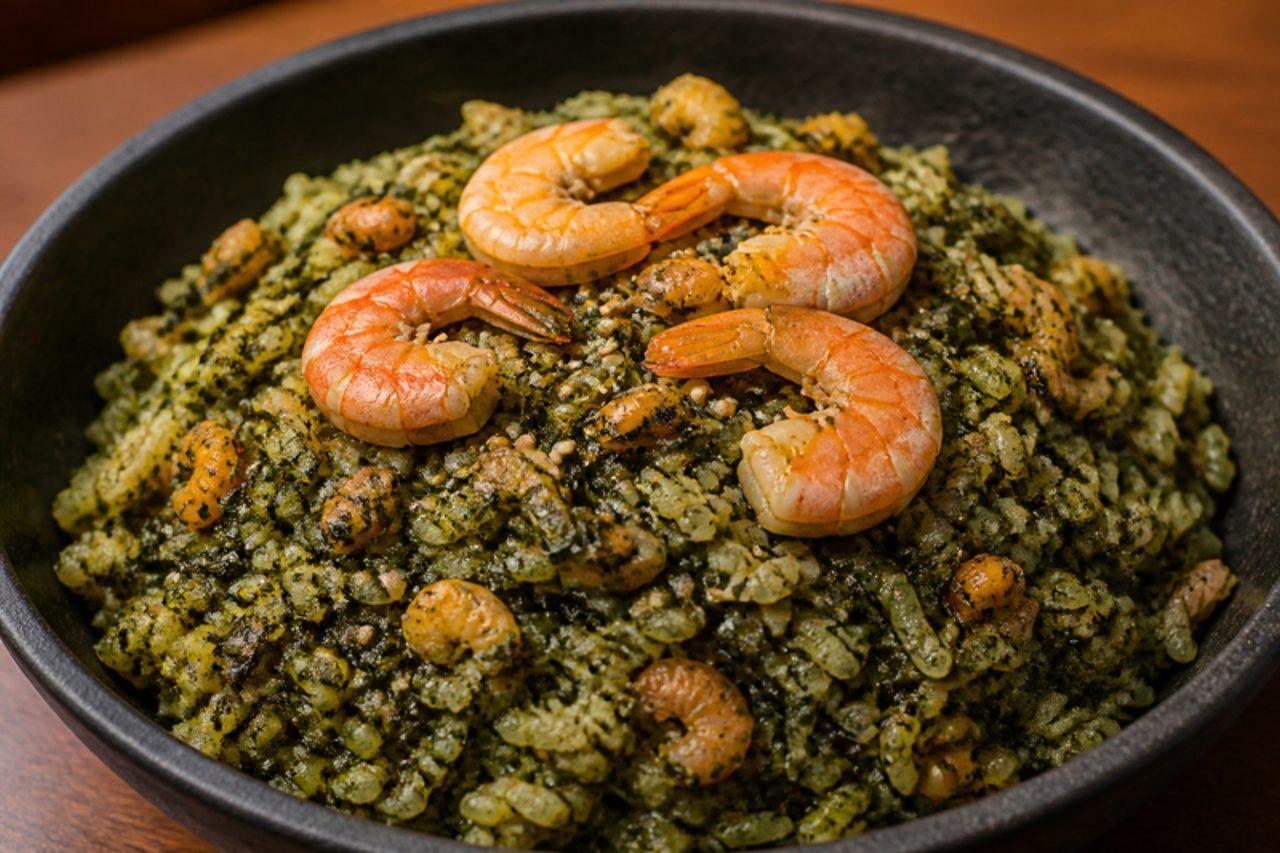
Arroz de cuxáRice with roselle leaves and shrimp

Green-flecked, sharp and nutty, arroz de cuxá is the signature rice of São Luís, served in Maranhão homes and seafood restaurants with fried fish, torta de camarão or a simple fried egg. The sourness comes from vinagreira, the leaves of the roselle hibiscus, cooked down into a thick cuxá sauce with dried shrimp, toasted sesame and a little cassava flour, then stirred into fluffy white rice. Roselle leaves are sold as gongura in Indian grocers and as sorrel leaves in Caribbean shops; spinach with lime juice is a mild stand-in. The common error is under-cooking the leaves, which leaves them stringy; they should collapse into a dark, soft purée. For a vegetarian version, leave out the shrimp and add a spoonful more sesame. Chef's tip: toast the sesame until it just turns gold and starts to pop, then grind it while warm so it releases its oil into the sauce.

by KrazyBadal 0 views

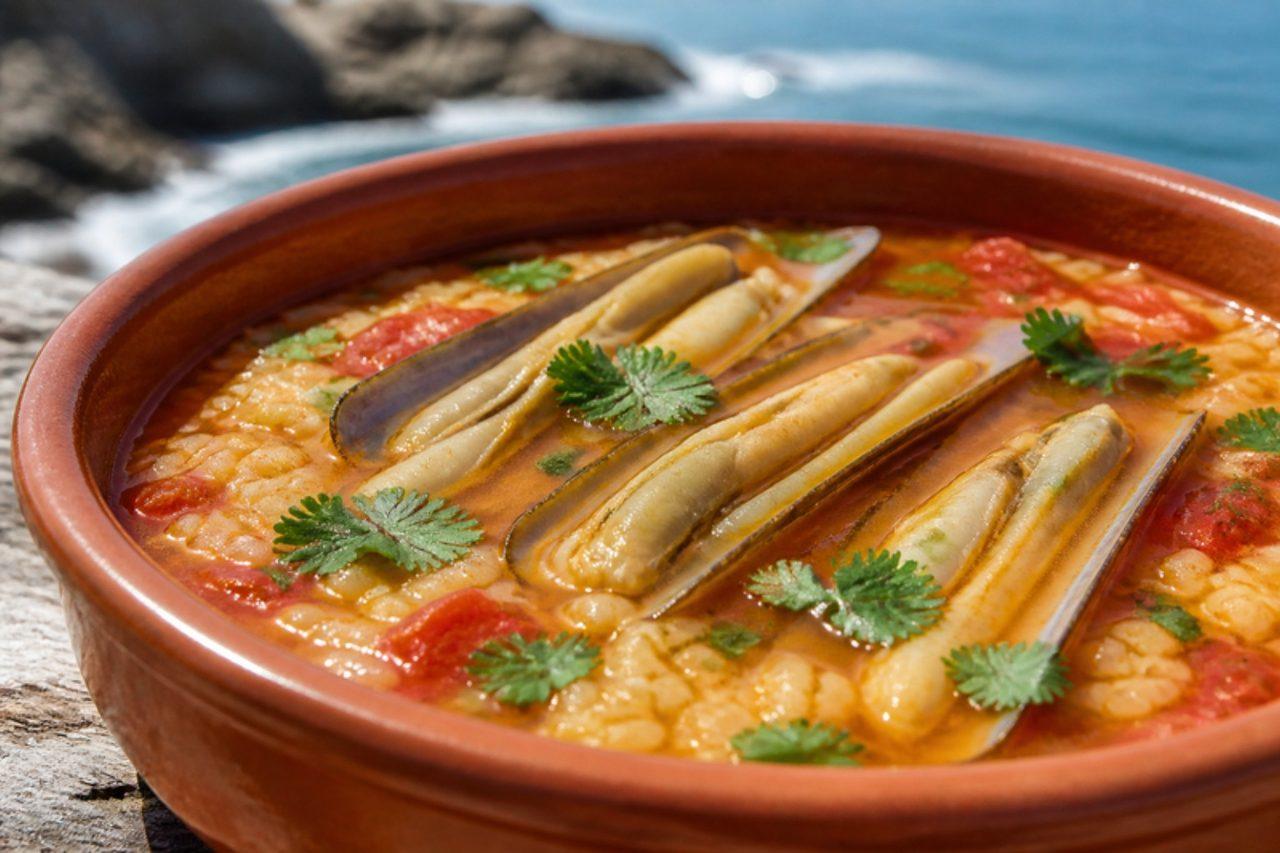
Arroz de lingueirãoRazor clam rice

When the tide drops on the Ria Formosa near Fuzeta, pickers dig razor clams from the mud, and by lunchtime the riverside tascas are serving them in this loose, brothy rice, called malandrinho because it should still ripple in the bowl. Tomato, garlic and a big handful of coriander carry the sweet, briny clam flavour. The recipe uses a little white wine; for an alcohol-free version use the same amount of water with a teaspoon of lemon juice. Chef's tip: add the razor clams for the last 2 minutes only, or they turn rubbery.

by KrazyBadal 0 views

Arroz de mariscoSoupy seafood rice

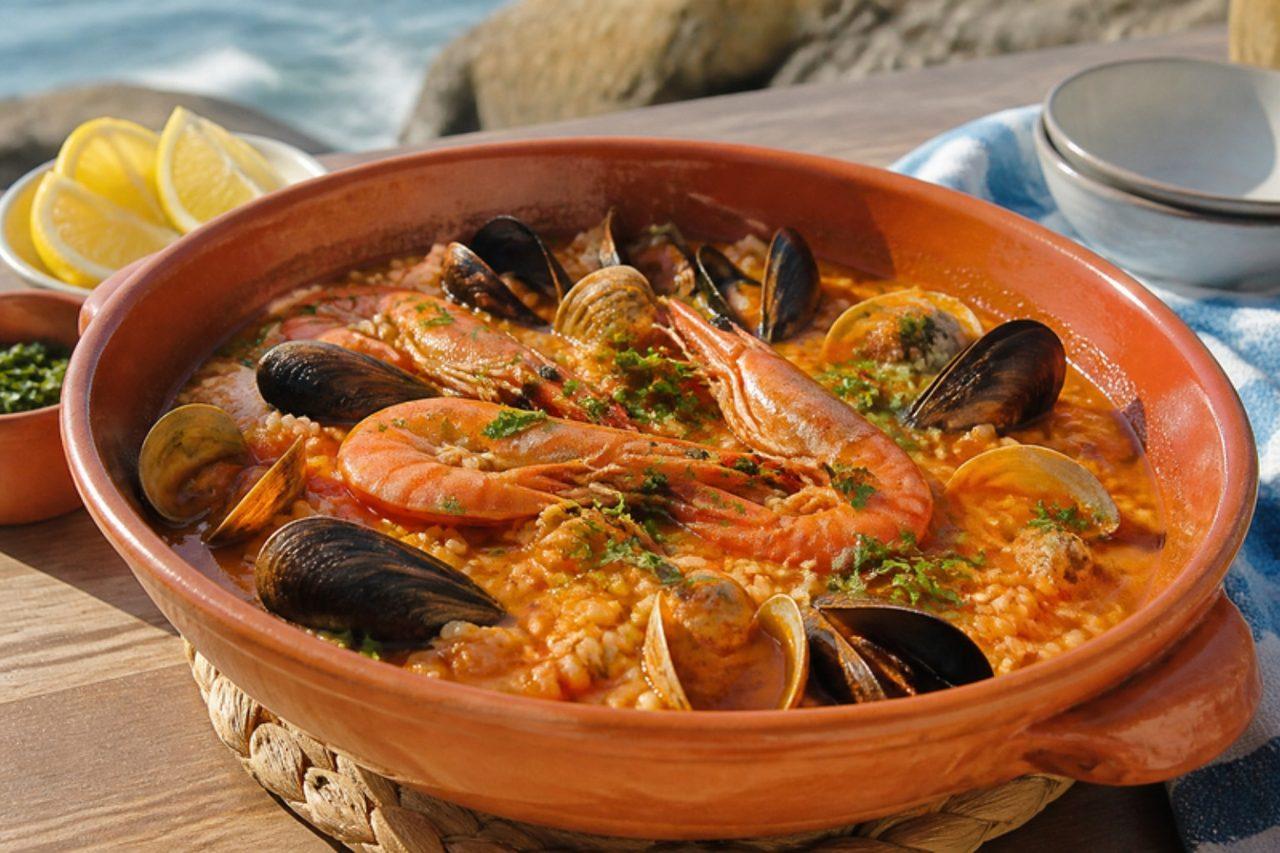
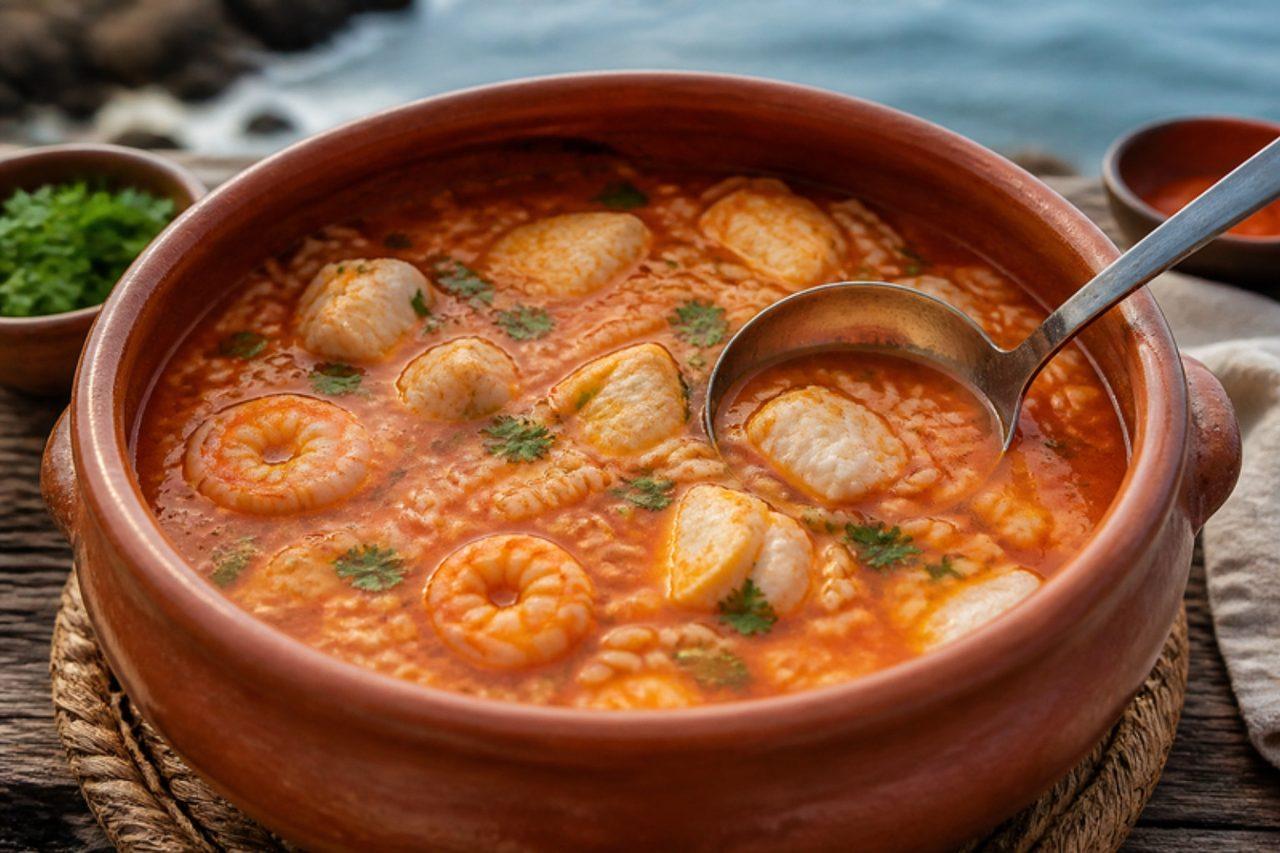
This is not paella. Portuguese arroz de marisco is wet and soupy, eaten with a spoon straight from the pot, and Lisbon families order a big one to share at seafood restaurants on a Sunday, waiting while it is made fresh. The rice simmers in a rich tomato and shellfish broth, then prawns, clams and mussels go in at the end so they stay tender. White wine is traditional and contains alcohol; use more stock instead. A common mistake is letting it stand: the rice keeps drinking the broth, so serve it the moment it is ready. Chef's tip: make the broth from the prawn heads and shells; it is where most of the flavour comes from.

by KrazyBadal 0 views

Arroz de pato à moda de BragaDuck rice with chouriço

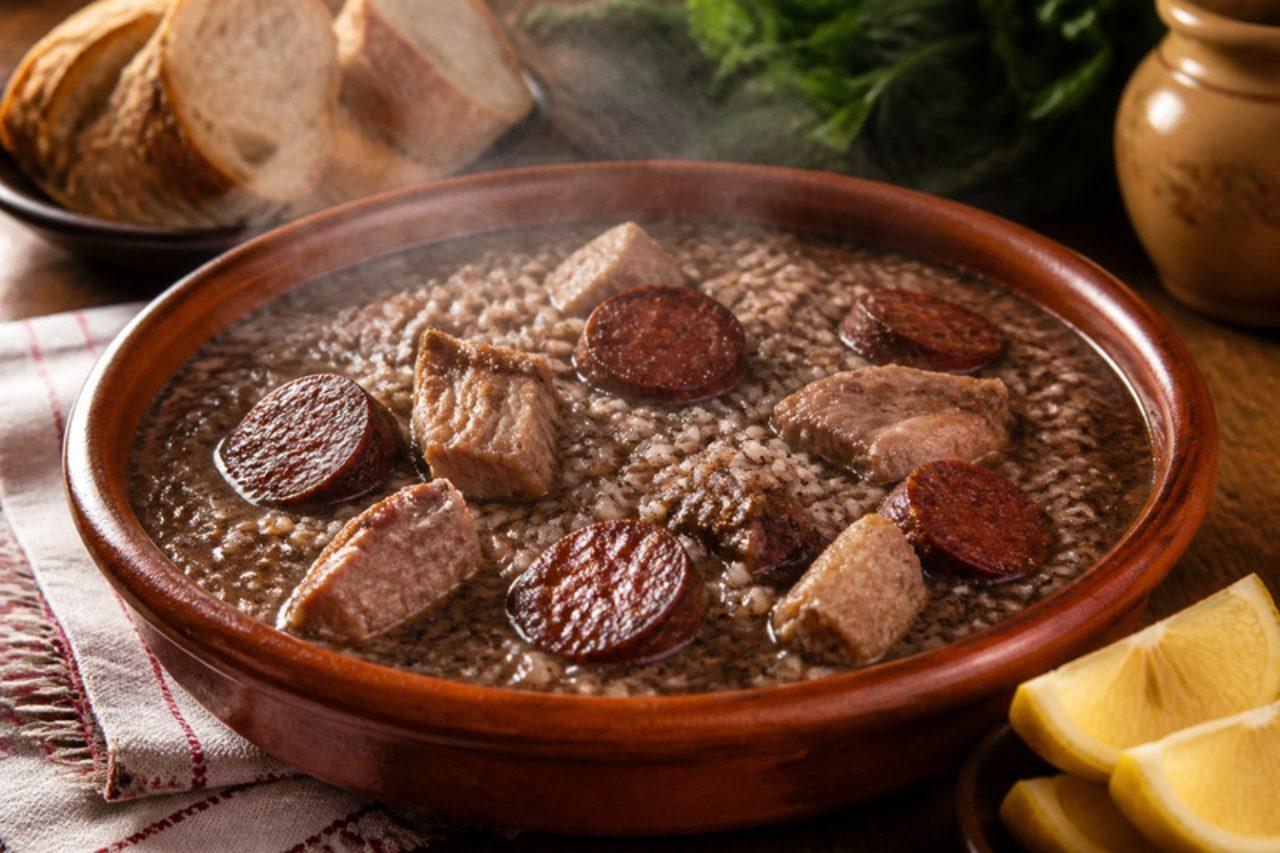
In Braga, duck rice is moister than the crisp-topped versions elsewhere: the rice is cooked in a deep duck broth, layered with shredded meat and slices of chouriço, then given a short spell in a hot oven so the top just colours. It is a festive dish for christenings, weddings and Sunday lunches. This contains pork (chouriço and smoked bacon). Chef's tip: make the broth the day before and chill it, so you can lift off the duck fat and use a spoonful of it to fry the onion.

by KrazyBadal 0 views

Arroz de pica no chãoChicken and blood rice

'Pica no chão' means 'pecks the ground', the Minho name for a free-range farmyard hen, and this soupy rice is how it is cooked for a family gathering in Barcelos or Vila Verde. Traditionally the bird's blood is stirred in at the end with vinegar, cabidela style, giving a dark, tangy, velvety sauce; without it you get a lighter but equally good chicken rice. Use a free-range bird or thighs for proper flavour. A common mistake is letting the rice sit before serving; this is a loose, soupy rice and it thickens fast, so bring it to the table at once. Chef's tip: the rice must be served the moment it is ready, still swimming in broth, because it keeps absorbing liquid.

by KrazyBadal 0 views

Arroz de sarrabulhoRice with mixed meats and blood

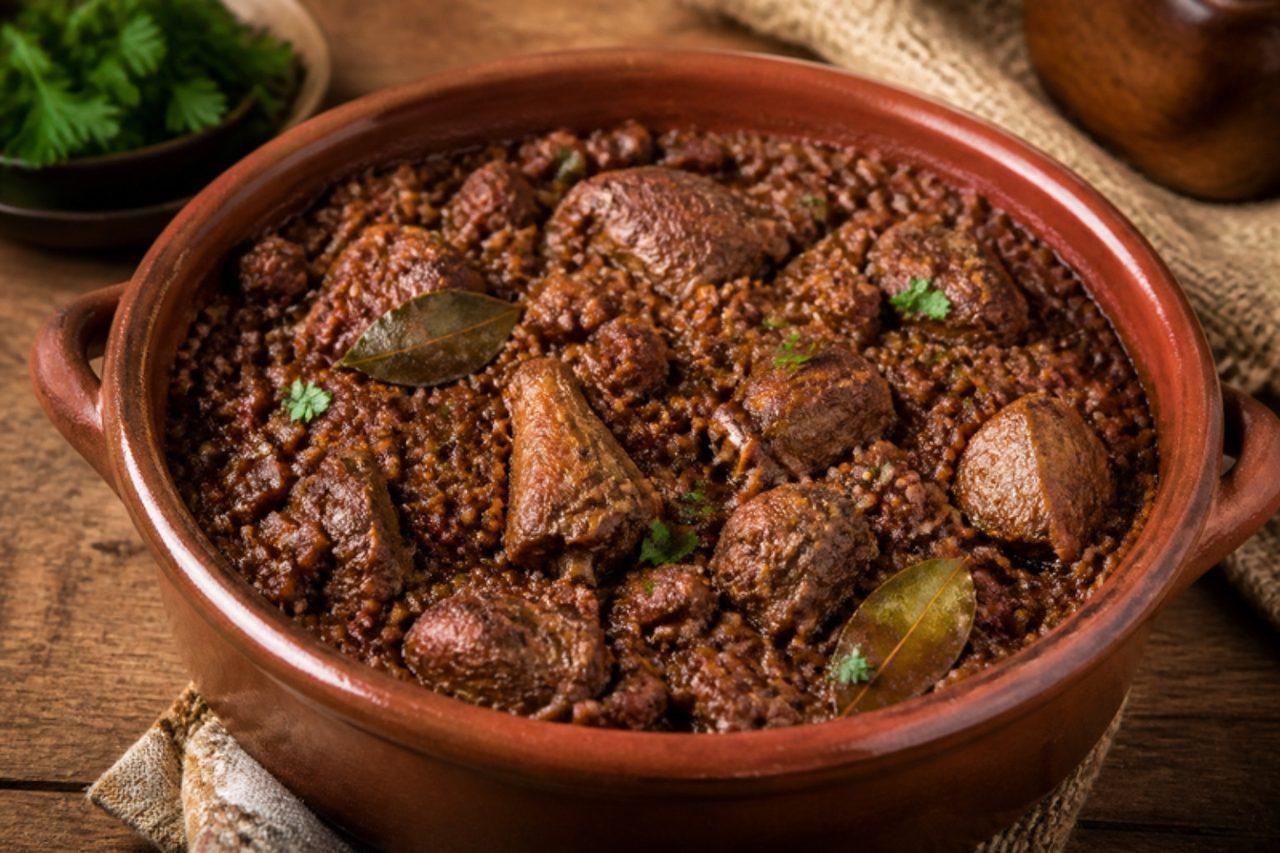
Ponte de Lima, the old market town on the river Lima, is the capital of sarrabulho, and on market Mondays its restaurants serve this dark, soupy rice from enormous pots. This contains pork (pork shoulder, belly and chouriço) and cooked pig's blood. Several meats are simmered together for a rich broth, then shredded and cooked with rice, cumin and blood until it turns deep brown and creamy. It is usually served next to rojões, with lemon to cut the richness. Chef's tip: add the blood at the very end and stir constantly, so it thickens the rice smoothly instead of forming lumps.

by KrazyBadal 0 views

Arroz de tamborilMonkfish and tomato rice

Fish restaurants in Aveiro, Figueira da Foz and the fishing town of Praia de Mira serve this rice in the pot it was cooked in, steaming and loose, with chunks of firm monkfish and a broth coloured by tomato and peppers. It is a lunch for the weekend, eaten slowly near the beach. Monkfish holds its shape well, and its head and bones make a fine stock. You can add prawns if you like. Chef's tip: it should be 'malandrinho', loose and soupy, so take it off the heat while the rice is still slightly firm; it carries on softening at the table.

by KrazyBadal 0 views

Arroz del senyoretPeeled seafood rice

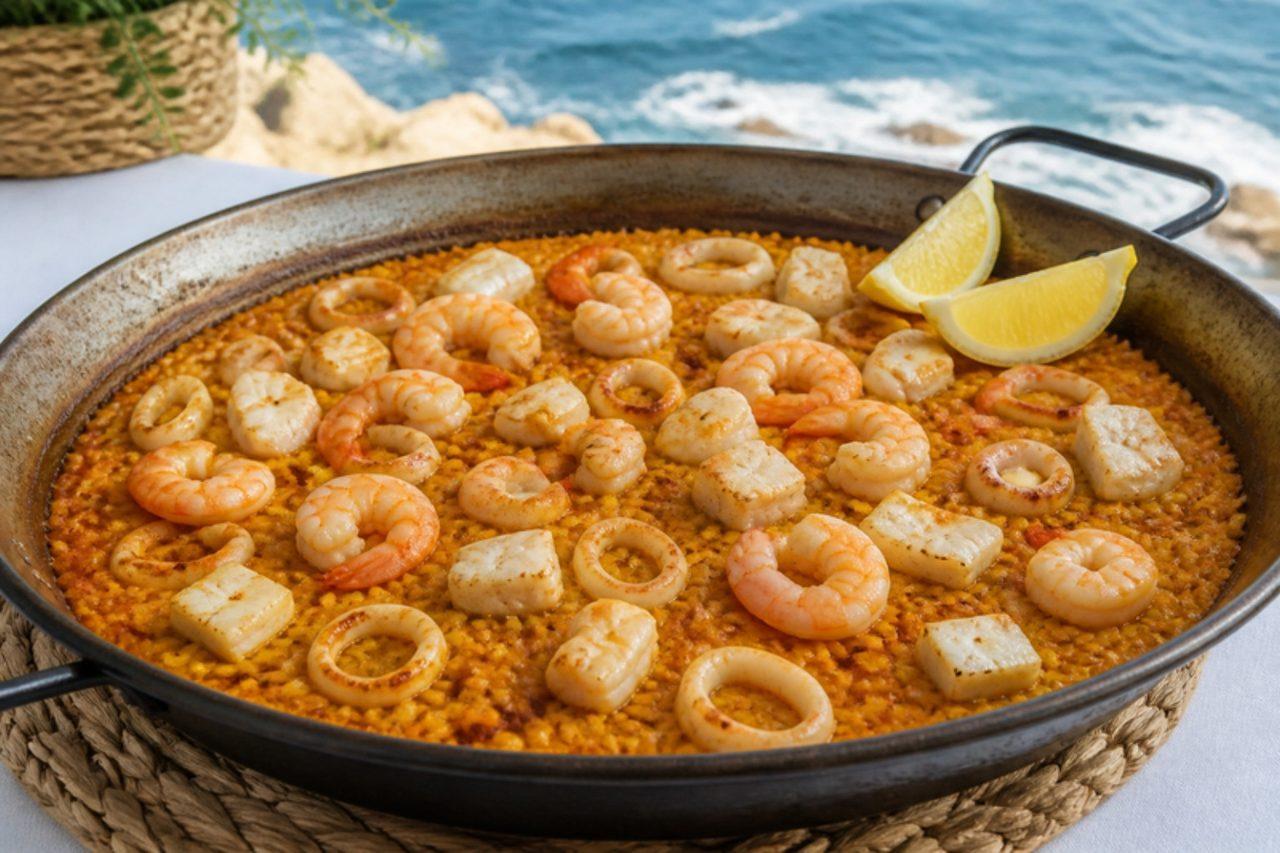
The name means "the little gentleman's rice", after the well-to-do diners at Valencia's beach restaurants in Las Arenas and El Saler who refused to get their hands dirty peeling prawns. So every piece of seafood goes into the pan already peeled and cut to fork size, while the shells are fried into the stock to keep all their flavour. The result is a thin layer of saffron-gold rice dotted with sweet prawn, squid and monkfish, eaten straight from the pan on a summer Sunday. A common mistake is throwing the prawn shells away; they give the stock its depth. Chef's tip: grate the tomato rather than chopping it; the pulp melts into the sofrito and lets it darken quickly.

by KrazyBadal 0 views

Arroz zambitoRice pudding with chancaca and raisins

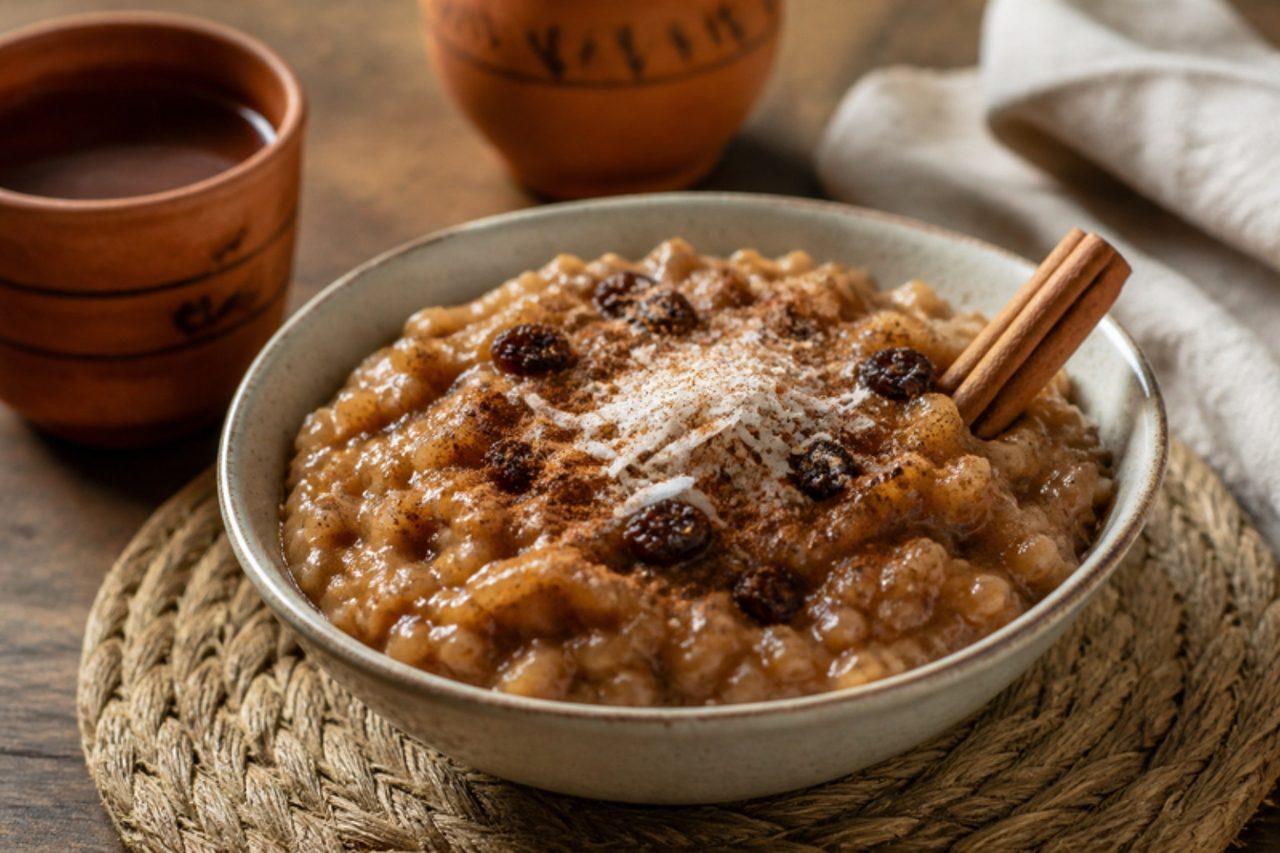
Lima's Afro-Peruvian kitchens gave the city arroz zambito, the dark cousin of arroz con leche: rice simmered with cloves and cinnamon, sweetened with chancaca instead of white sugar, and enriched with milk, coconut and raisins. The name refers to its deep brown colour, and it is sold in cups at markets and from carts alongside mazamorra morada, often half and half in the same cup. It tastes of molasses and spice, soft and creamy with chewy raisins and nuggets of coconut. The way it usually goes wrong is adding the chancaca too soon, before the rice is tender; the sugar firms the grains and they never soften. Serve warm or at room temperature, dusted with cinnamon. Chancaca can be swapped for panela or dark muscovado. Chef's tip: melt the chancaca in a little water first and strain it, as the blocks often contain bits of cane fibre.

by KrazyBadal 0 views

Arrufadas de CoimbraCinnamon sweet rolls

Coimbra's bakeries have sold arrufadas since convent times, and generations of university students have taken them to class wrapped in paper. They are small, pillowy sweet breads enriched with eggs and butter, flavoured with lemon and cinnamon and shaped into neat rounds with a sugary top. They are best on the day, torn open with coffee or a glass of milk. A common mistake is adding too much flour to a sticky dough, which gives dry, tight rolls instead of soft ones. Chef's tip: the dough should feel very soft and tacky; resist adding extra flour, or the rolls turn dense.

by KrazyBadal 0 views

Asadillo manchegoRoasted pepper and tomato salad

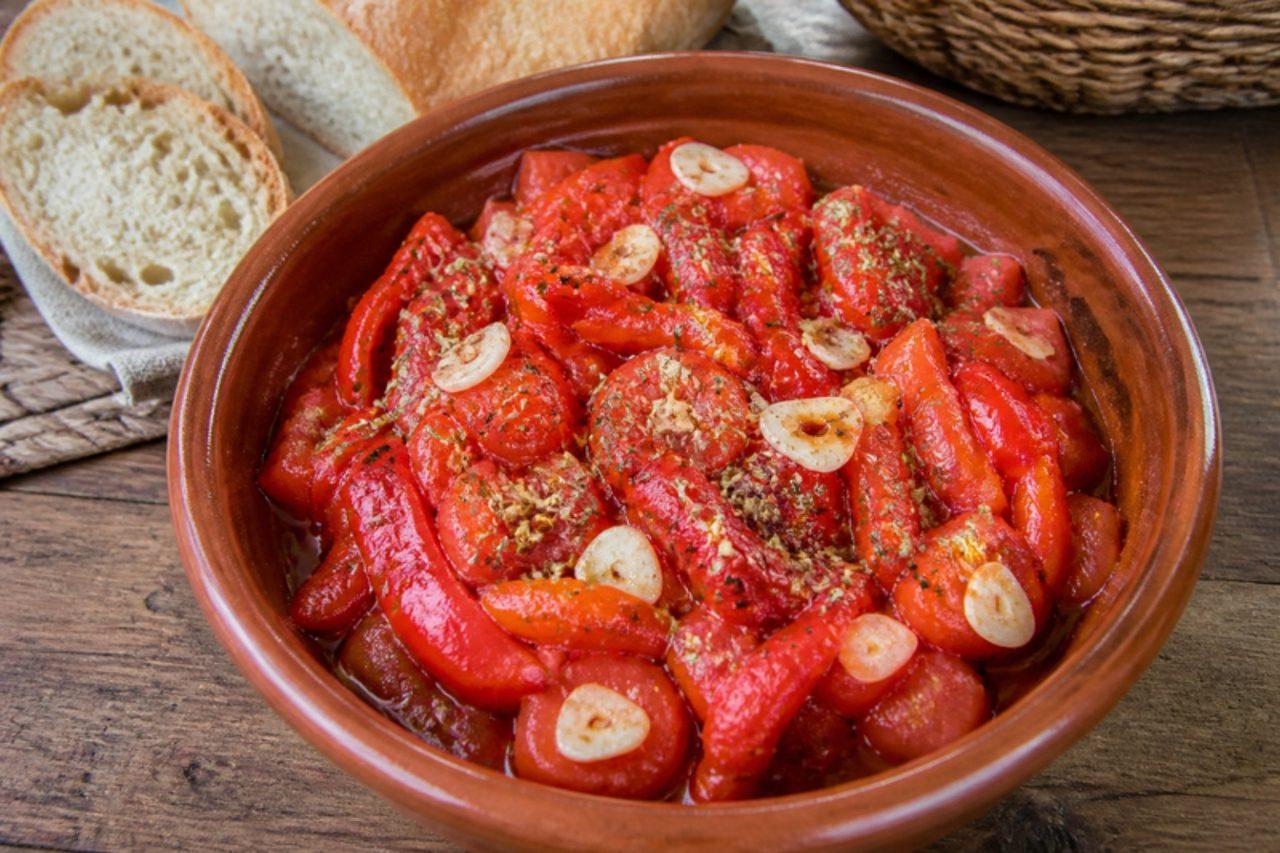
Late summer in La Mancha brings a glut of fleshy red peppers, and around Ciudad Real and Albacete they are roasted with tomatoes, then torn into strips and dressed with garlic, cumin and the local olive oil. Asadillo is served at room temperature as a starter, beside grilled meat or simply with bread at an evening meal on the patio, and it tastes even better the next day. Chef's tip: let the peppers sweat under a cloth after roasting; the skins then slip off in one piece.

by KrazyBadal 0 views

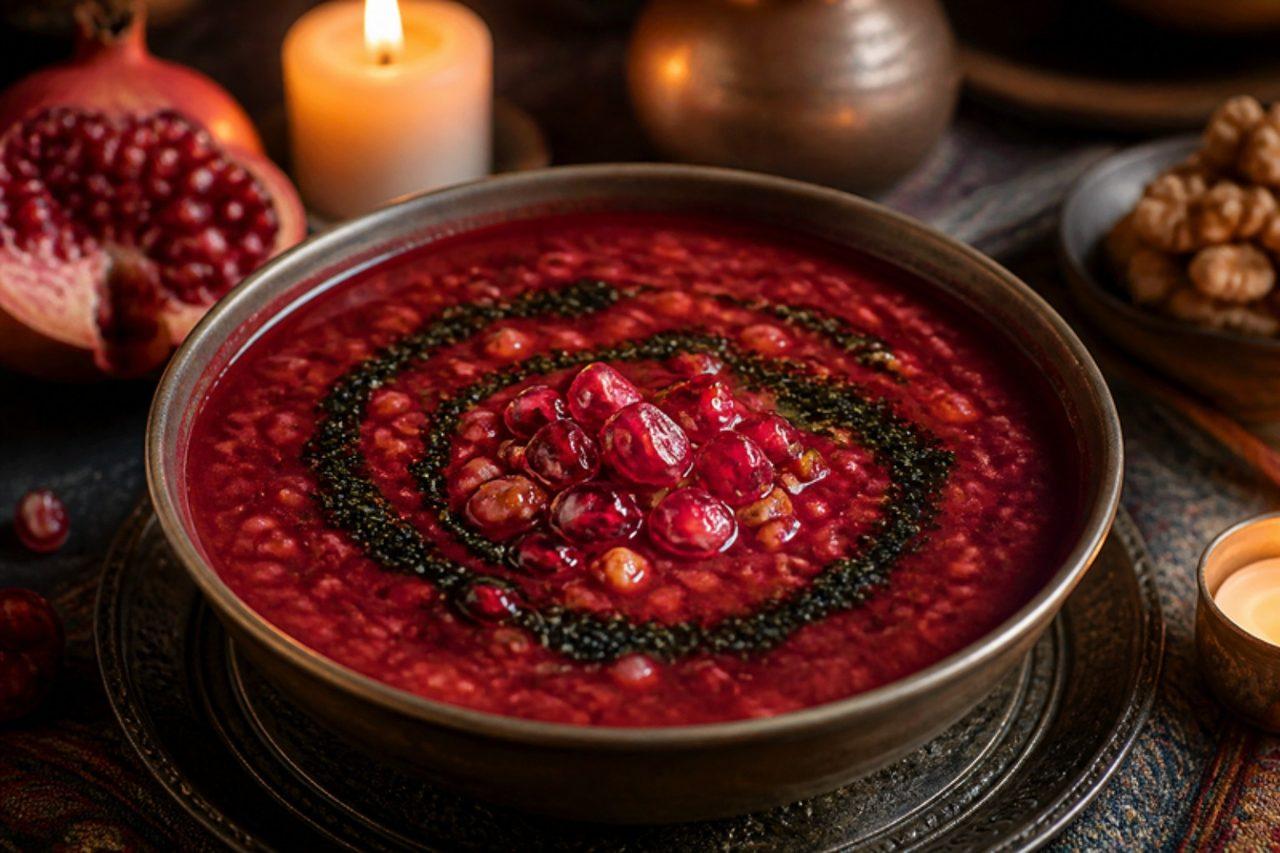
Ash-e anarPomegranate soup with herbs and rice

Ash-e anar is a soup for Yalda, the long December night when families across Tehran, Tabriz and Mashhad stay up late with pomegranates, watermelon and poetry. Fresh pomegranate juice and molasses give the broth a sour-sweet ruby colour, thick with split peas, rice and a mass of parsley, coriander, mint and spring onion. Many families drop in small meatballs; this version leaves them out and finishes with a sizzling garnish of dried mint in oil (nana dagh) for depth. The common mistake is adding the pomegranate too early, which dulls the colour to brown; it goes in for the last half hour. Chef's tip: taste and balance at the end with sugar or more molasses; the soup should make your mouth water, sour first and sweet after.

100 minPersianSoupsVeganGluten free
by KrazyBadal 0 views

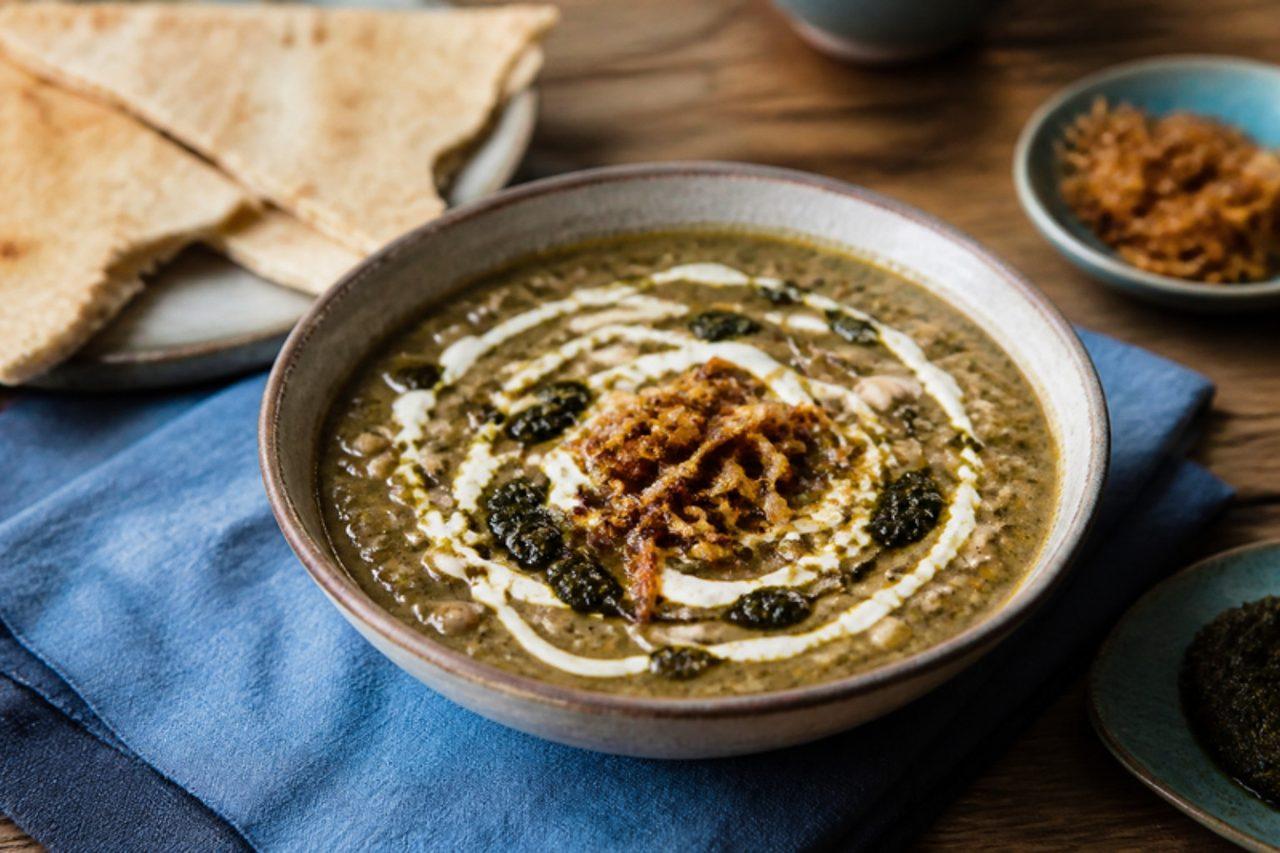
Ash-e kashkWheat, bean and herb soup

Ash-e kashk is the winter ash of Khorasan and the central plateau, simmered in big pots in Mashhad and Neyshabur homes and served from the pot for long Friday lunches. Cracked wheat, chickpeas, beans and lentils cook down with a mountain of herbs until creamy and thick, then each bowl gets a swirl of kashk, crisp fried onion and sizzling mint oil. Kashk is fermented dried whey, made without rennet, so it is vegetarian. A common mistake is adding the herbs too early, which turns them grey and muddy; stir them in for the last 30 minutes only. Chef's tip: stir the kashk in a little hot broth before swirling, so it blends smoothly rather than splitting.

125 minPersianSoups
by KrazyBadal 0 views

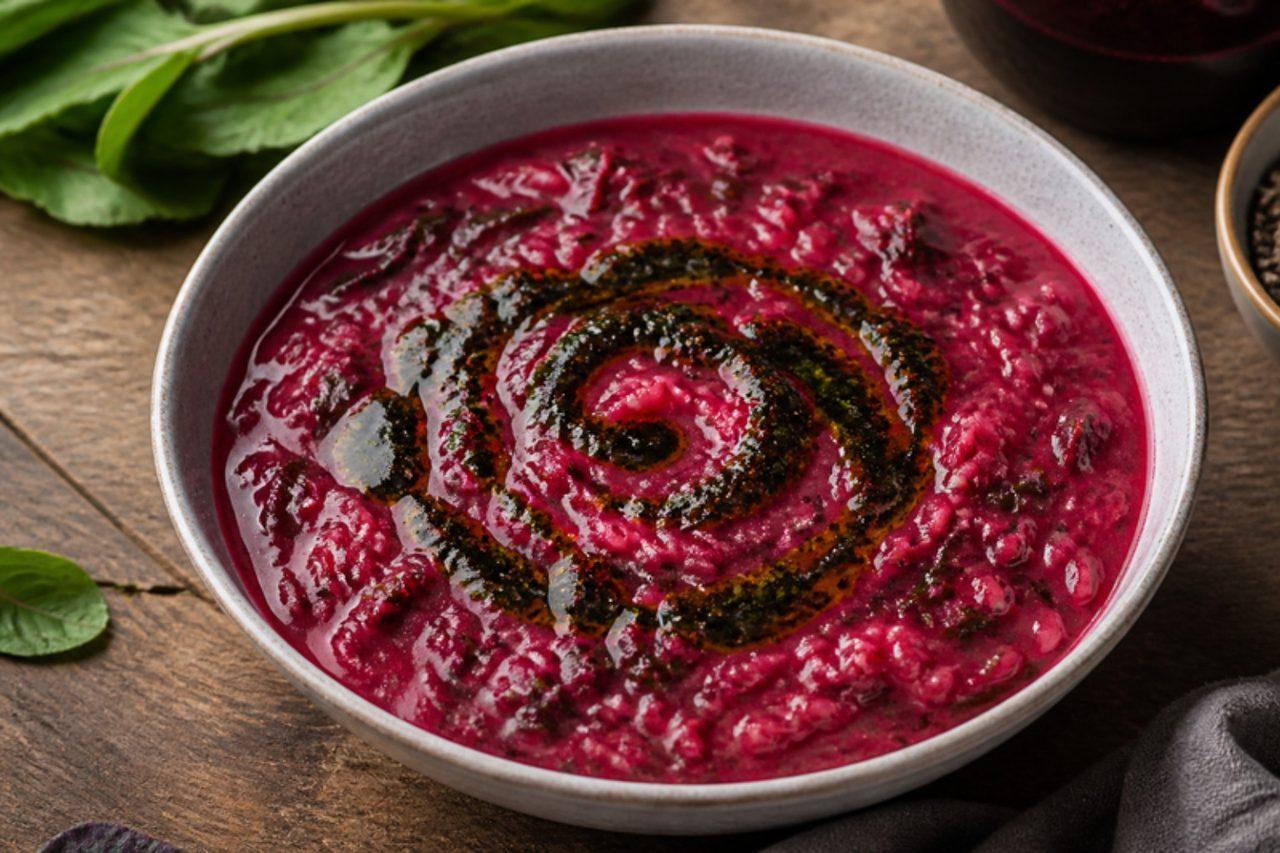
Ash-e shooliBeetroot, spinach and herb soup

In the desert city of Yazd, ash-e shooli is what grandmothers cook on the first cold nights of autumn and through winter, and what they bring to anyone with a cold. It is a thick, deep-red soup of beetroot, spinach and green herbs, thickened with a little flour and balanced between vinegar and a touch of sugar or date syrup, finished with fried mint. Nothing else in Iran tastes quite like it. A common mistake is adding the vinegar early, which keeps the beetroot hard; put it in once everything is tender. Chef's tip: taste and adjust at the very end, adding sour and sweet a spoon at a time until neither one wins.

by KrazyBadal 0 views

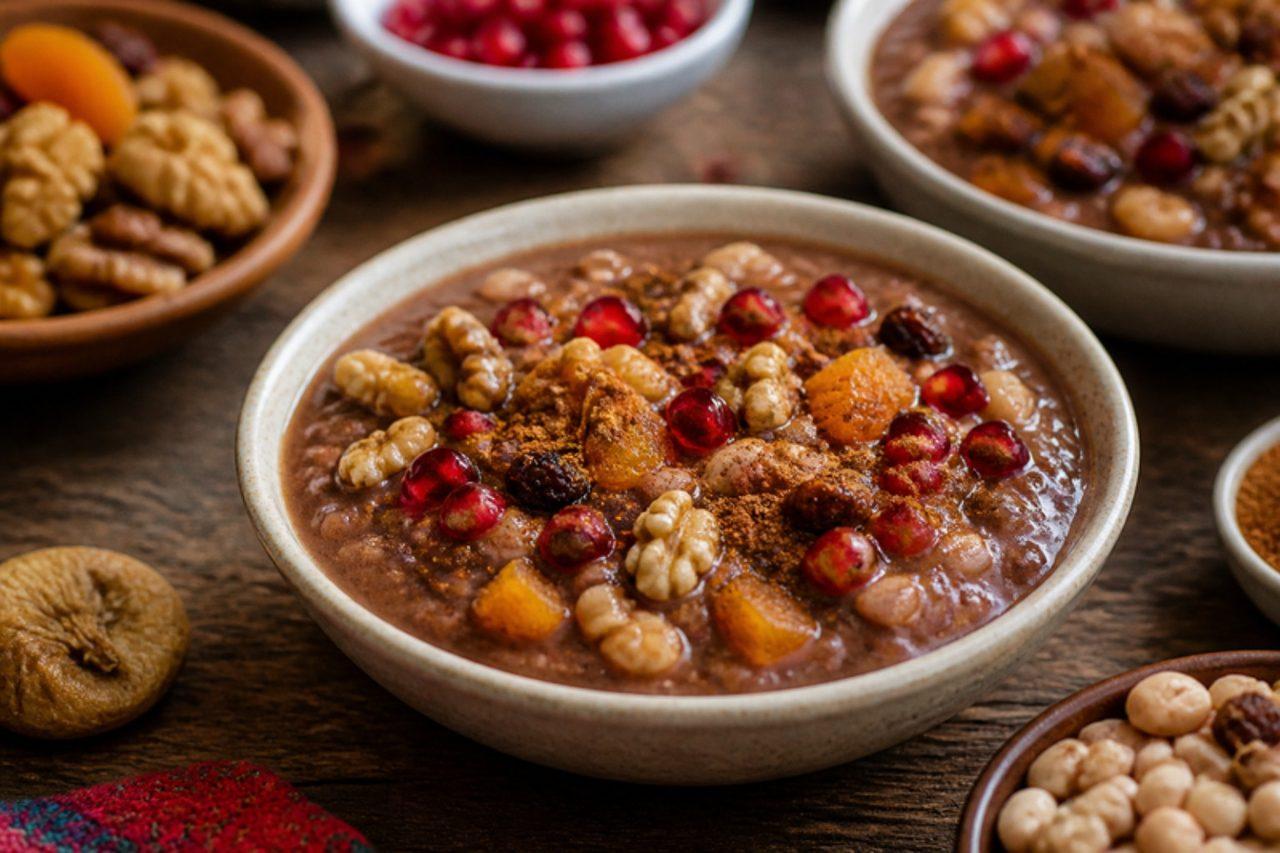
AşureWheat, bean and dried fruit pudding

In the month of Muharram, kitchens all over Anatolia, especially in conservative Konya and Sivas, boil great pots of aşure and send bowls to every neighbour, regardless of faith, so the sweet is as much about sharing as eating. Legend says it was cooked on Noah's ark from the last of the stores, which is why it combines whole wheat, chickpeas, white beans, dried apricots, figs and raisins in a thick, gently sweet pudding. It's topped with walnuts, pomegranate and cinnamon. Common mistake: adding sugar before the wheat is fully tender; sugar firms the grains and they never soften. Chef's tip: soak the wheat and pulses overnight and cook the wheat in its soaking water for the creamiest result.

by KrazyBadal 0 views

Atum de ceboladaTuna in onion sauce

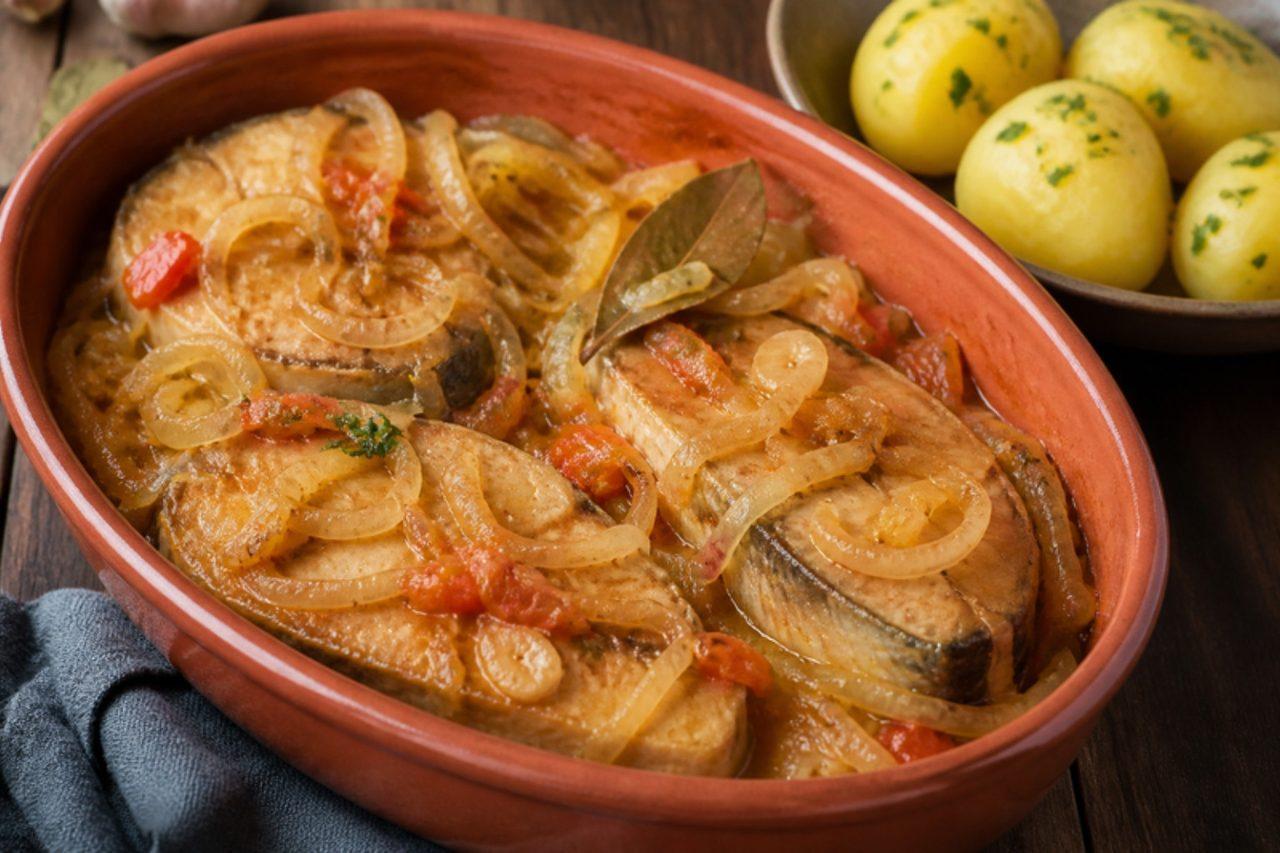
From Vila Real de Santo António to Tavira, cebolada means a deep pan of onions cooked slowly in olive oil with garlic, bay and tomato, finished with a splash of vinegar, and tuna steaks laid in it to braise. Fishing families made it with the cheaper cuts from the tuna traps; restaurants still serve it on weekday lunch menus with boiled potatoes. Chef's tip: give the onions their full 25 minutes, so they turn sweet and jammy before the tuna goes in.

by KrazyBadal 0 views

Atún encebolladoTuna stewed with onions

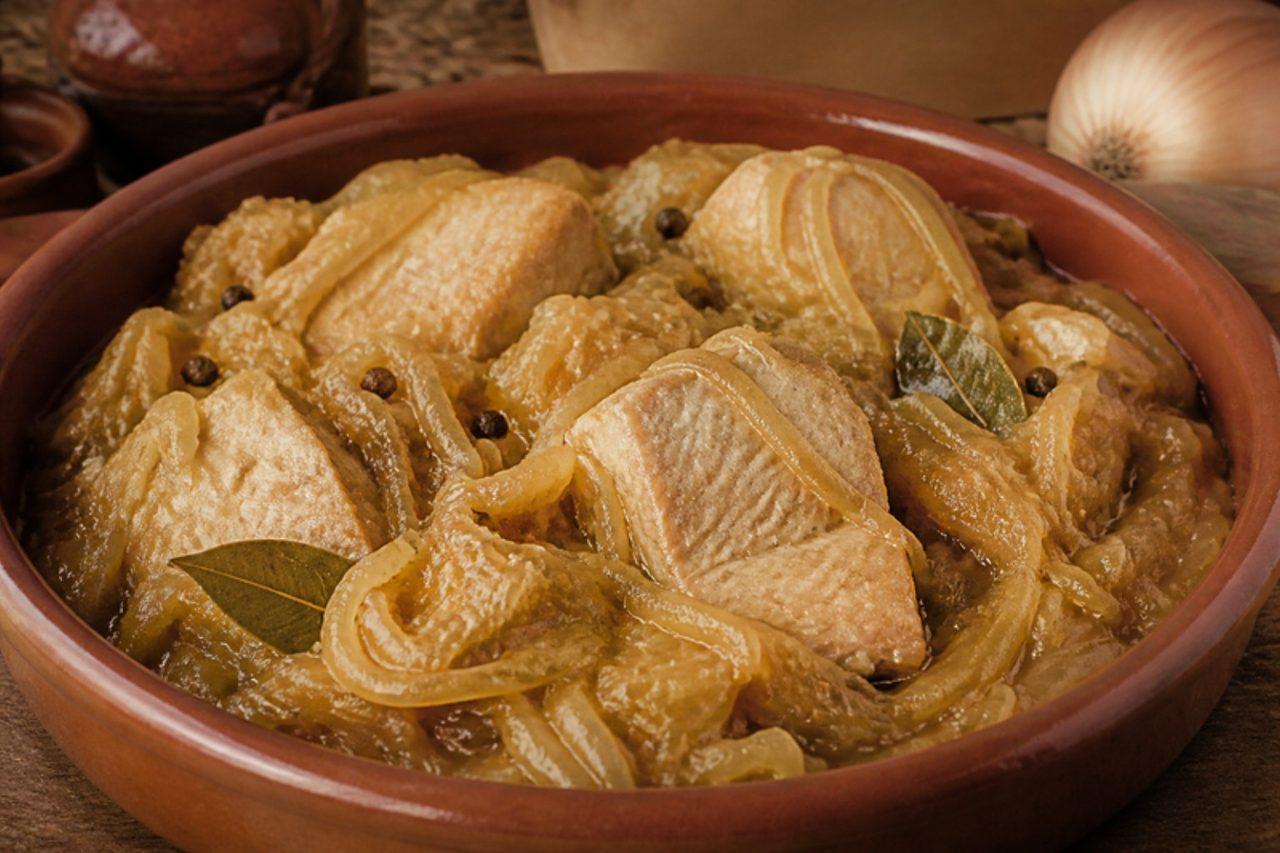
When the almadraba nets bring bluefin tuna ashore in Barbate and Zahara de los Atunes in May and June, households along the Cádiz coast make atún encebollado: chunks of tuna braised in a mountain of onions cooked down until sweet and golden, with bay, pepper and a splash of fino. Any good tuna steak works the rest of the year. This recipe uses wine; the alcohol-free option is in the ingredient note. Chef's tip: the onions take the time, the tuna does not; add it only for the last few minutes, or it turns dry and grey.

by KrazyBadal 0 views

AuszogneStretched doughnuts

Auszogne are the doughnuts of the Bavarian countryside, fried for Kirchweih, the village church fair in autumn, and for Carnival. Each ball of rich yeast dough is pulled over the knees or the backs of the hands so the middle goes almost see-through while a thick, puffy ring stays round the edge; the centre fries crisp, the rim soft and fluffy. They are eaten warm with icing sugar and a cup of coffee. A common mistake is pulling the dough cold: it tears. Let the stretched rounds rest, and keep the oil at a steady 170 °C so the rims cook through before they brown. Chef's tip: stretch them on lightly buttered fingertips, not floured ones, so the dough slides without sticking.

by KrazyBadal 0 views

Avena colombianaChilled oat drink

Bakeries all over Colombia keep a fridge of avena in plastic cups, ready to pair with a warm pandebono, buñuelo or almojábana. It is a thick, sweet oat drink cooked in milk with cinnamon and cloves, then blended smooth and chilled until it is creamy and spoonable, somewhere between a milkshake and rice pudding. Children drink it after school, and it is a common mid-morning snack with something baked. Home versions are less sweet and more spiced than shop ones. The thing to watch is texture: if you skip blending or straining, you end up with slimy flecks of oats, so blend thoroughly once it is cooked. It thickens a lot as it chills, so loosen it with cold milk before serving. Chef's tip: toast the oats in the dry pan for 2 minutes first; it gives a nutty, biscuity flavour.

by KrazyBadal 0 views

Axoa de veauMinced veal and pepper stew

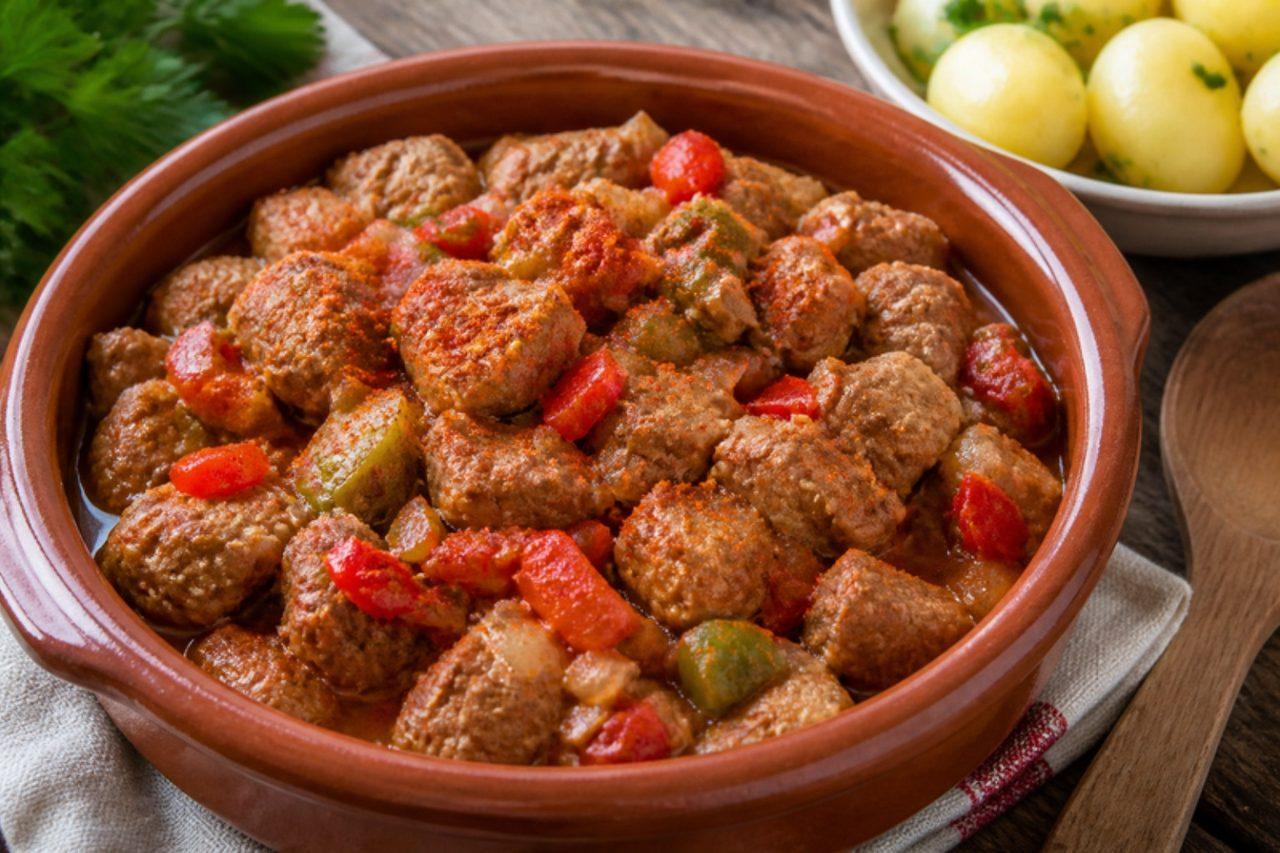
Axoa (say 'ash-o-a') comes from Espelette, the Basque village whose house fronts are hung with strings of drying red peppers every autumn, and it is still the dish of the October pepper fair and of market-day lunches in Cambo and Bayonne. Veal shoulder is cut into small dice, then stewed with onions, mild green peppers and a good spoonful of ground Espelette pepper, which brings warmth and a fruity, smoky perfume rather than real fire. The result is soft, juicy and brick-red at the edges, best spooned over boiled potatoes or with crusty bread. Chef's tip: stir most of the Espelette pepper in at the end of cooking; long simmering dulls its fragrance.

70 minFrenchMeatGluten free
by KrazyBadal 0 views

Ayran aşıChilled yoghurt and wheat soup

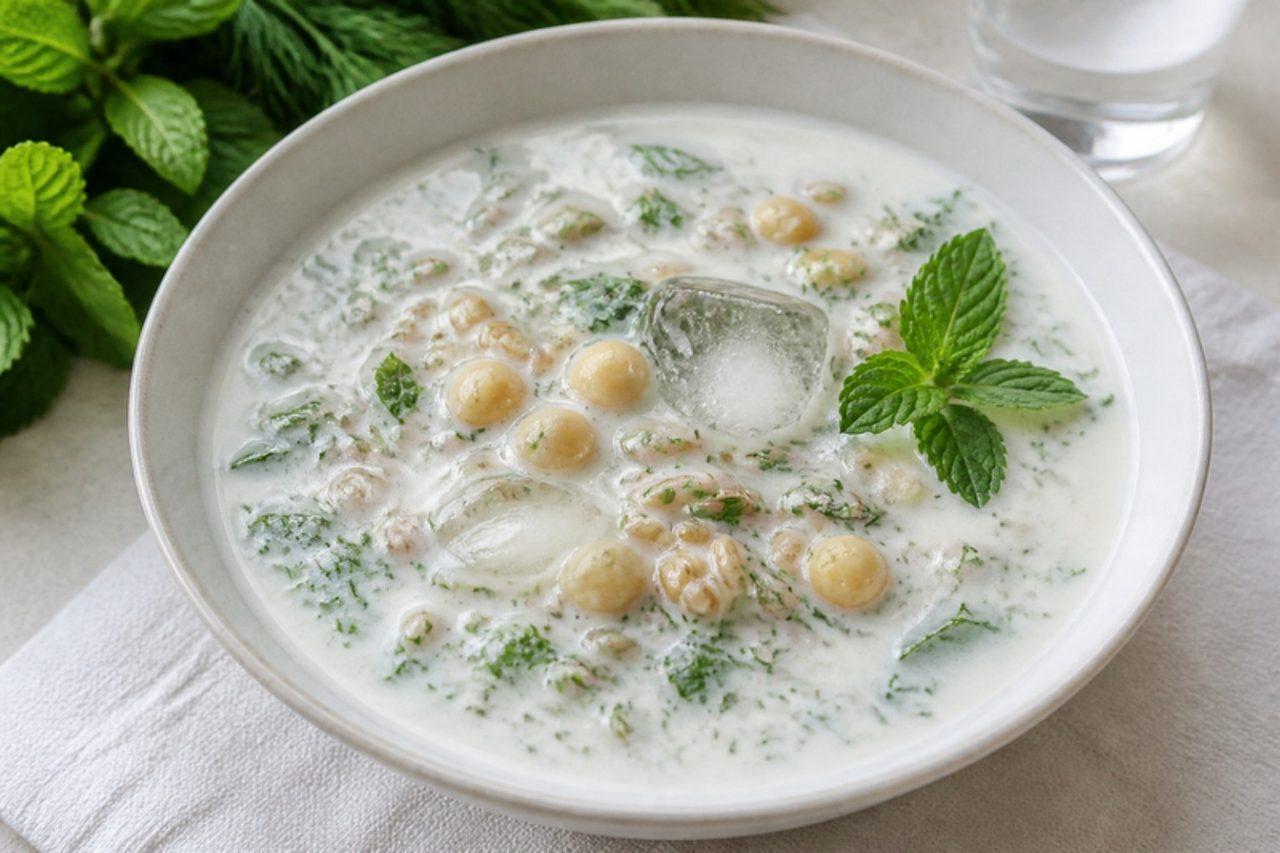
When the summer heat hits the eastern plateau around Erzurum, Erzincan and Sivas, families switch from hot soups to ayran aşı, a cold soup of thinned yoghurt with cooked whole wheat, chickpeas and handfuls of mint, dill and purslane or cucumber. It's ladled from a big bowl at lunch with flatbread, and it's as refreshing as a drink but filling as a meal. Common mistake: adding the grains while still hot, which makes the yoghurt split and turn sour-tasting; cool them completely first. Chef's tip: make it a few hours before serving and chill; the wheat soaks up the yoghurt and the herbs perfume the whole bowl.

by KrazyBadal 0 views

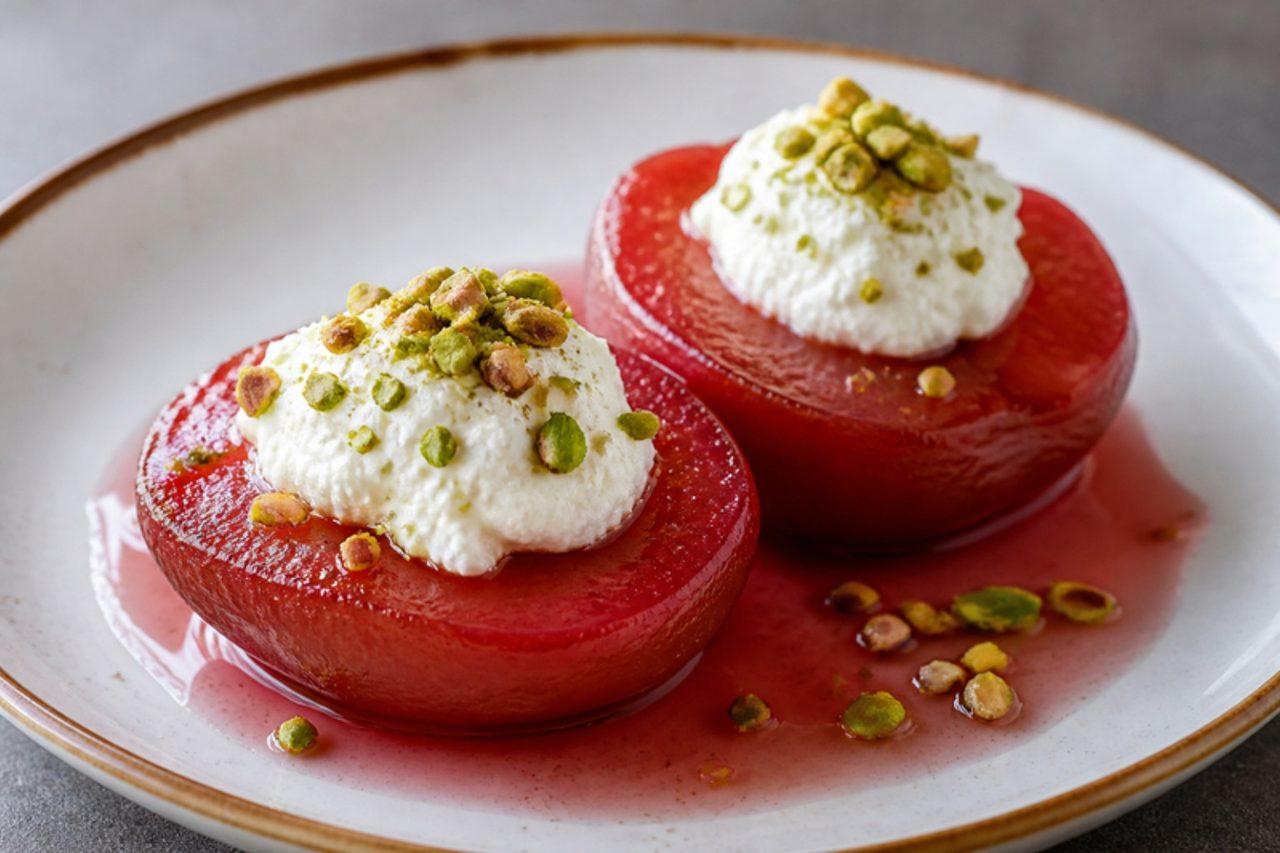
Ayva tatlısıPoached quince with clotted cream

In autumn the market stalls of Ankara and Kayseri are piled with knobbly yellow quinces, and the best-loved thing to make with them is ayva tatlısı: halves poached slowly in syrup with their own seeds and a few cloves until they turn translucent and a deep garnet colour. Each half is filled with thick kaymak or clotted cream and topped with pistachio. Common mistake: rushing it on a high heat; the red colour only comes with long, gentle cooking. Chef's tip: tie the cores and seeds in a little muslin bag and cook them with the fruit; their natural pectin and tannins give the syrup body and that ruby glow.

by KrazyBadal 0 views

Ayvalık tostuSausage, cheese and pickle toastie

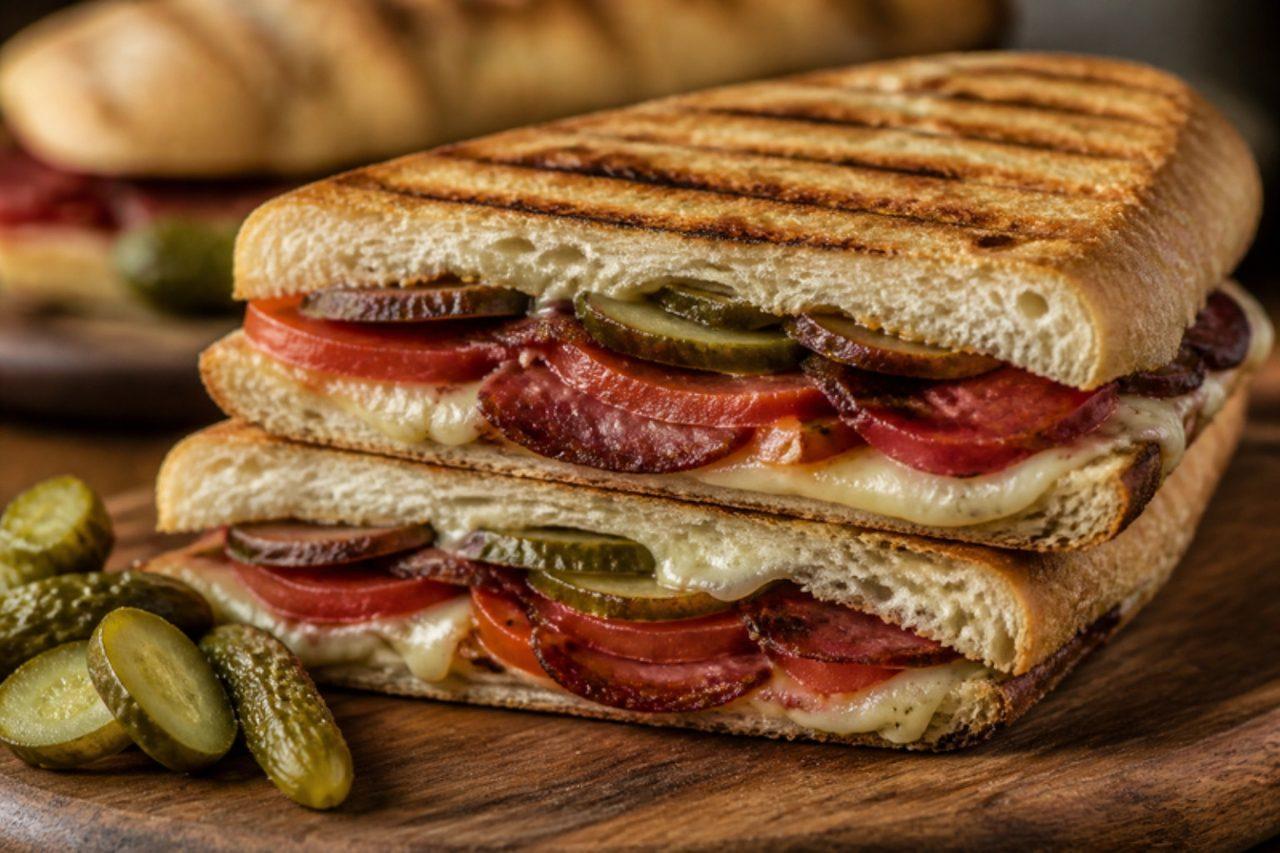
Ayvalık, the olive-oil town on the north Aegean, turned the humble cheese toastie into a feast: a long, soft loaf split and stuffed with kaşar, beef sucuk, beef salami, tomatoes and pickles, pressed hot, then opened up again to be piled with ketchup, mayonnaise and Russian salad. It is eaten for breakfast or as a late snack after a swim. This one has beef sausage and salami, so check the label if you avoid pork. Chef's tip: press it twice, once with the cheese and meats, then again after opening it to add the cold toppings, so the bread stays crisp.

by KrazyBadal 0 views

Azevias de grãoSweet chickpea fried pastries

Come December, Alentejo kitchens fill with the smell of these: thin, crisp pastries folded around a sweet chickpea paste flavoured with orange and cinnamon, fried until blistered and rolled in cinnamon sugar. Families make them by the hundred and share them with neighbours over Christmas. Many recipes add a splash of aguardente, a grape spirit containing alcohol, to the dough for crispness; it is optional here, and orange juice alone works. This version contains no egg or dairy. A common mistake is rolling the dough too thick; it should be thin enough to see light through, so it bubbles and crisps. Chef's tip: make the filling the day before; cold, firm filling is far easier to wrap.

by KrazyBadal 0 views

Bacalao a la vizcaínaSalt cod in red pepper sauce

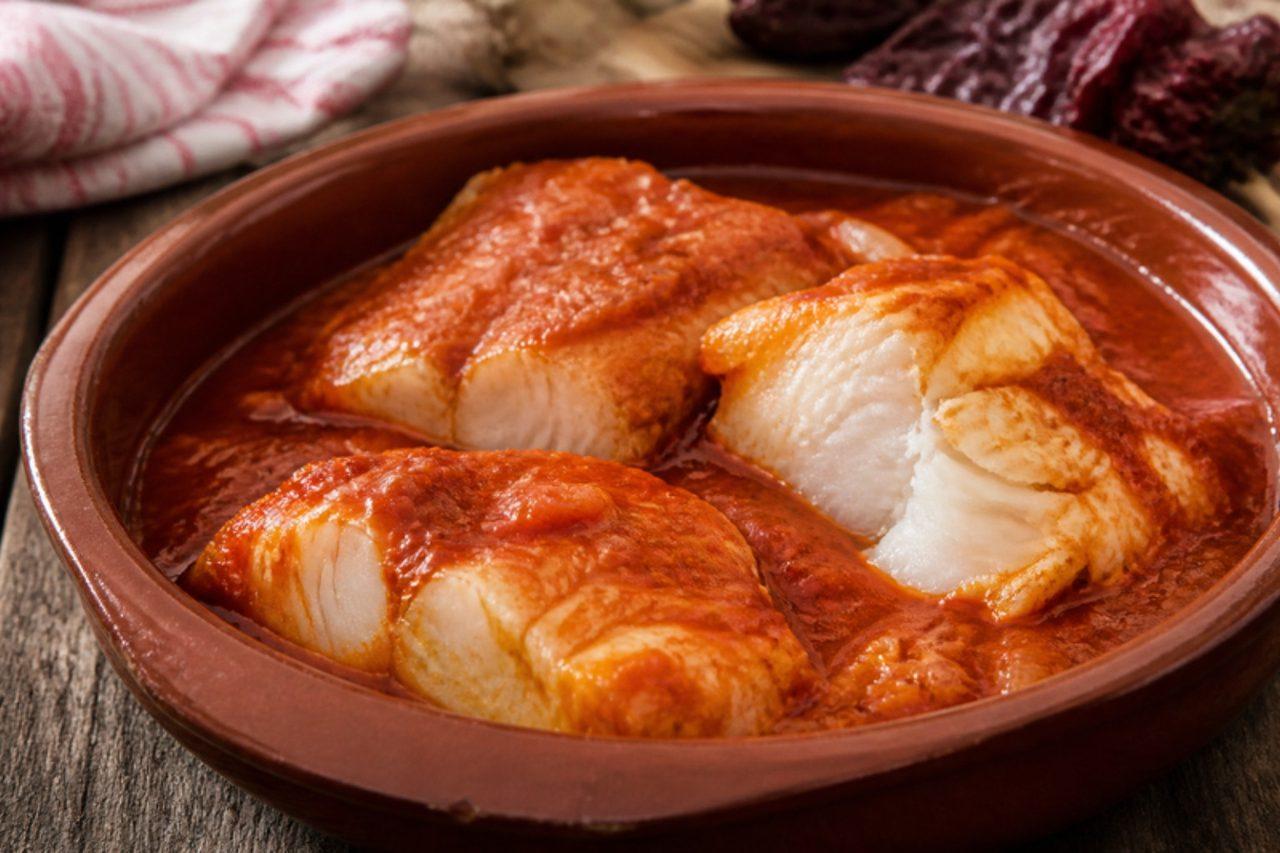
Bilbao's great salt cod dish shows up every Lent and on Good Friday, and in the city's old taverns its sauce is judged as fiercely as the fish. The sauce is made only from onions cooked for a long time and the flesh of dried choricero peppers, with no tomato, which gives it its deep red colour and gentle sweetness. Salt cod needs 36–48 hours of soaking in the fridge, so start two days ahead. A common mistake is hurrying the onions: they need at least 40 minutes on a low heat to turn soft and sweet. Chef's tip: taste a flake of the soaked cod before cooking, and if it's still salty, soak it a few hours more.

105 minSpanishFishGluten free
by KrazyBadal 0 views

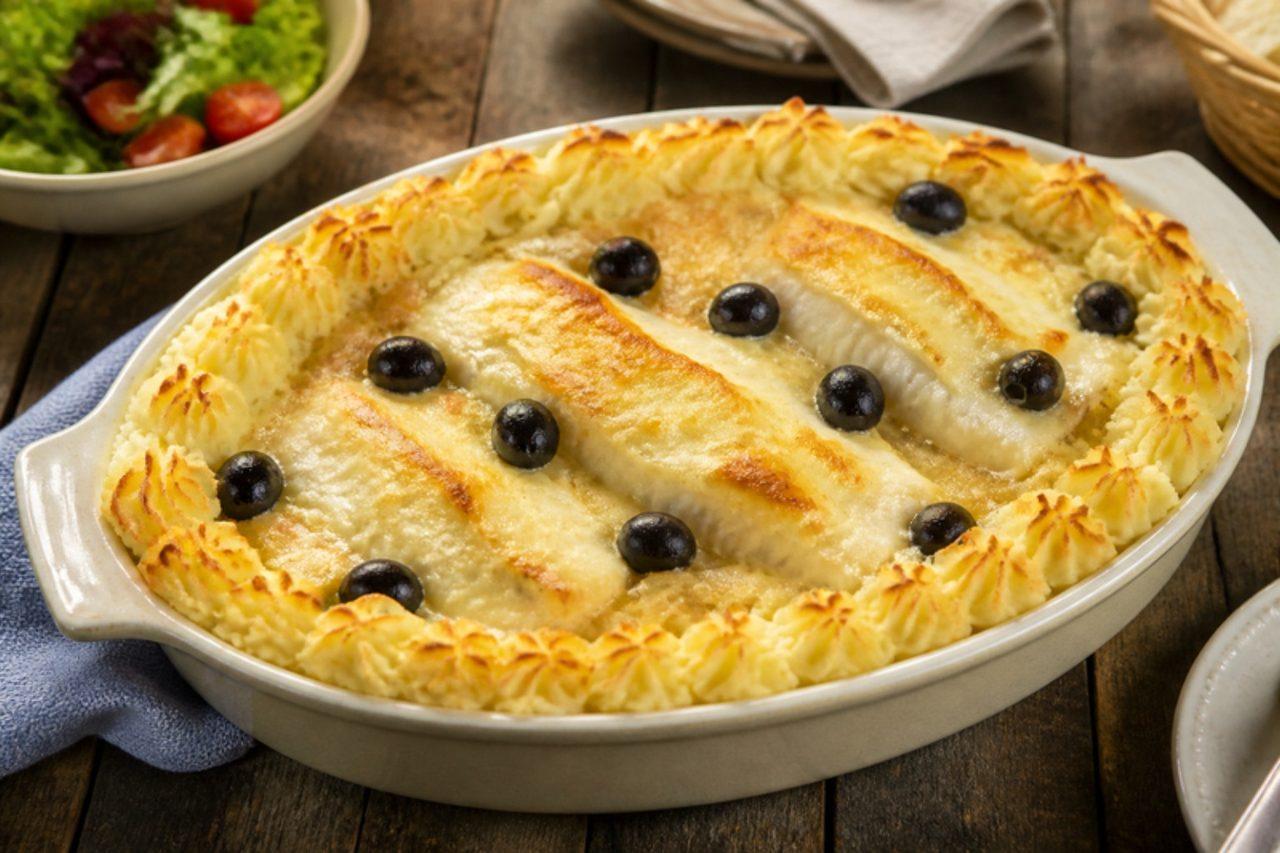
Bacalhau à Gomes de SáBaked salt cod and potatoes

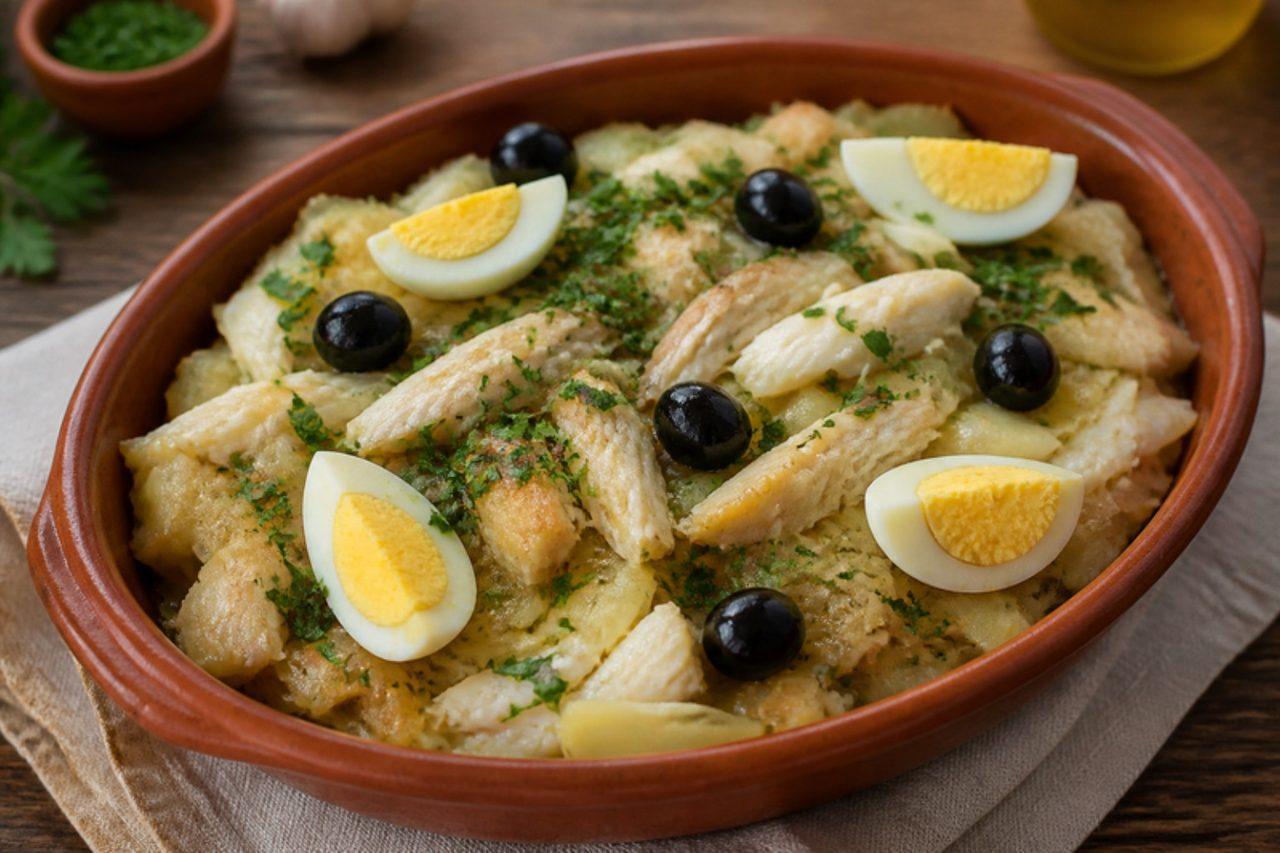
Named after the Porto cod merchant who is said to have created it in the late nineteenth century, this is the city's most loved salt cod dish and a fixture of Christmas Eve and family gatherings across the north. Cod is soaked, warmed in milk, flaked and baked with sliced potatoes and plenty of onions softened in olive oil, then crowned with hard-boiled eggs and black olives. Chef's tip: steep the cod in hot milk rather than boiling it, so the flakes stay moist and come apart in big, glossy pieces.

by KrazyBadal 0 views

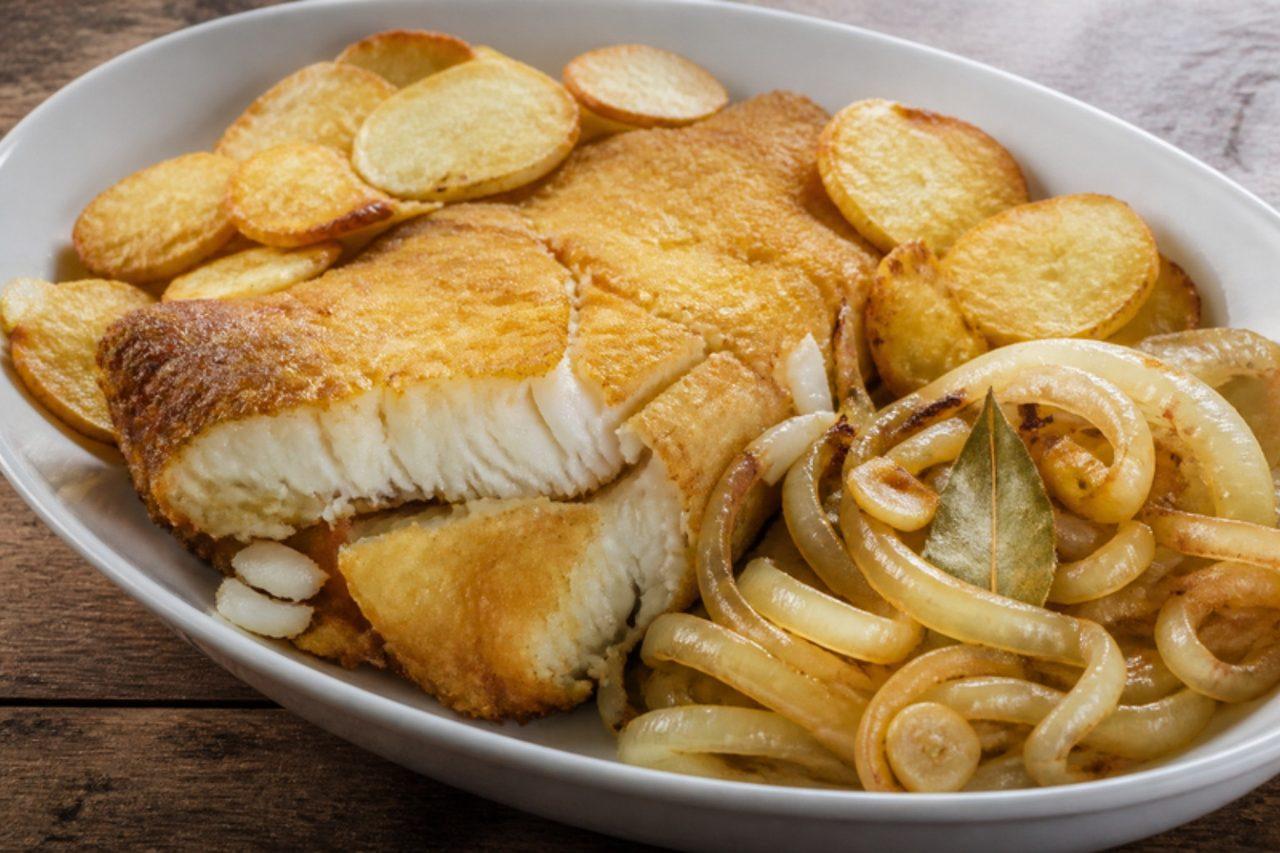
Bacalhau à minhotaFried salt cod with onions

Every Minho restaurant has its bacalhau à minhota on Fridays: a thick loin of salt cod, floured and fried in olive oil, served with crisp potato slices and a tangle of onions cooked in the same oil with garlic and paprika. It is plain, generous country food that relies on good fish. Start two days ahead, as the cod must soak in the fridge to lose its salt. A common mistake is skipping the taste test after soaking; fry a flake first, and soak longer if it is still very salty. Chef's tip: taste a flake of the soaked cod before cooking; if it is still too salty, give it another change of water.

by KrazyBadal 0 views

Bacalhau à Zé do PipoSalt cod with mayonnaise mash

Zé do Pipo was the nickname of a Porto tavern keeper in the 1960s whose cod won a national cooking competition, and the dish became a celebration plate in northern restaurants ever since. Thick cod loins sit on a bed of slow-cooked onions, are covered in mayonnaise and ringed with piped mashed potato, then baked until the top turns golden and blistered. Use a good shop-bought mayonnaise made with pasteurised egg; homemade mayonnaise with raw yolks is not for pregnant women, young children or anyone with a weakened immune system. A common mistake is a runny purée; the potato must be stiff enough to pipe, or it slumps under the mayonnaise. Chef's tip: pipe the mash while it is still warm, as cold mash cracks.

by KrazyBadal 0 views

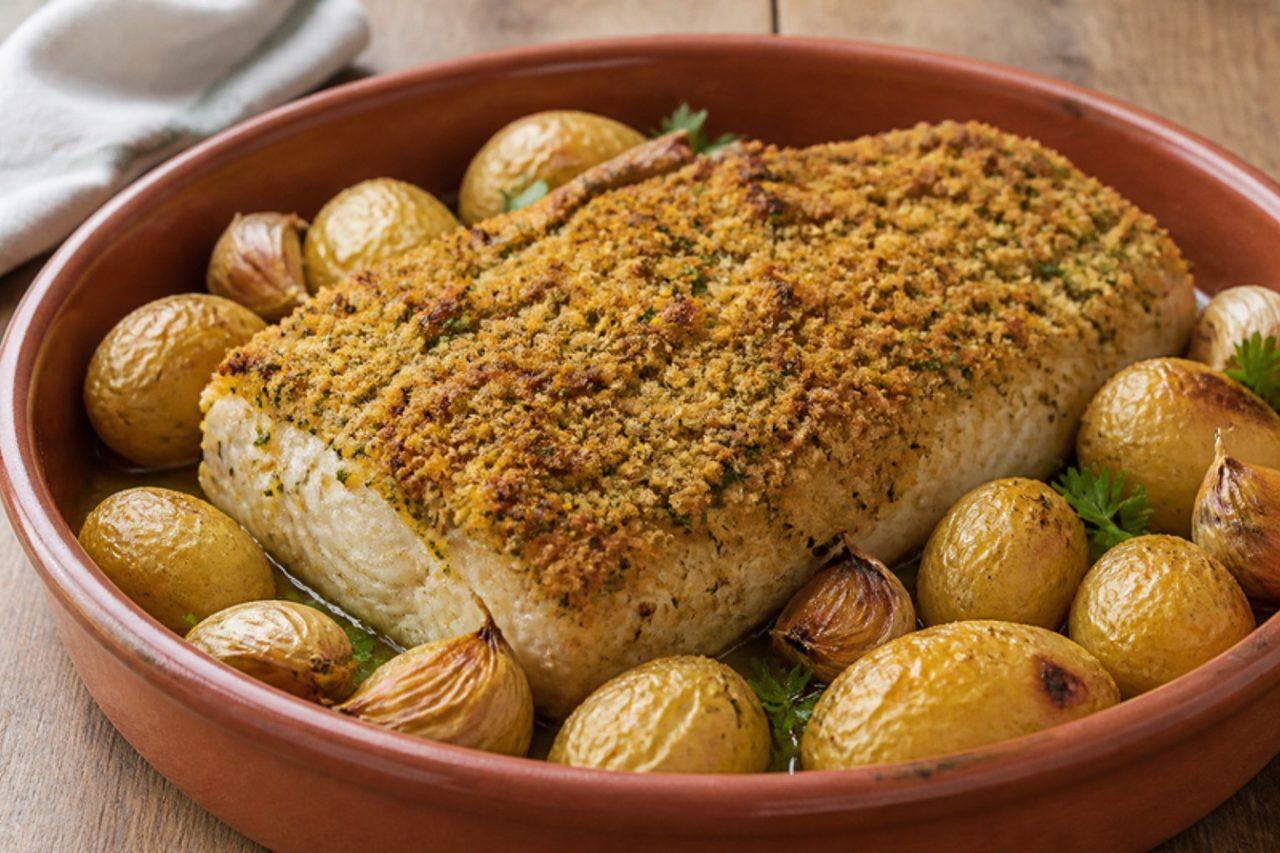
Bacalhau com broaSalt cod with cornbread crust

In central Portugal, where corn broa is the everyday bread, cooks crumble it over thick salt cod loins with garlic, parsley and olive oil, and the dish has become a favourite on restaurant menus from Coimbra to Leiria, especially for Christmas Eve and festive lunches. The crumb crust turns crunchy and golden while the cod stays moist and flaky underneath. It comes with punched potatoes and greens. Chef's tip: use broa that is a day or two old, as fresh crumb goes soggy instead of crisp.

by KrazyBadal 0 views

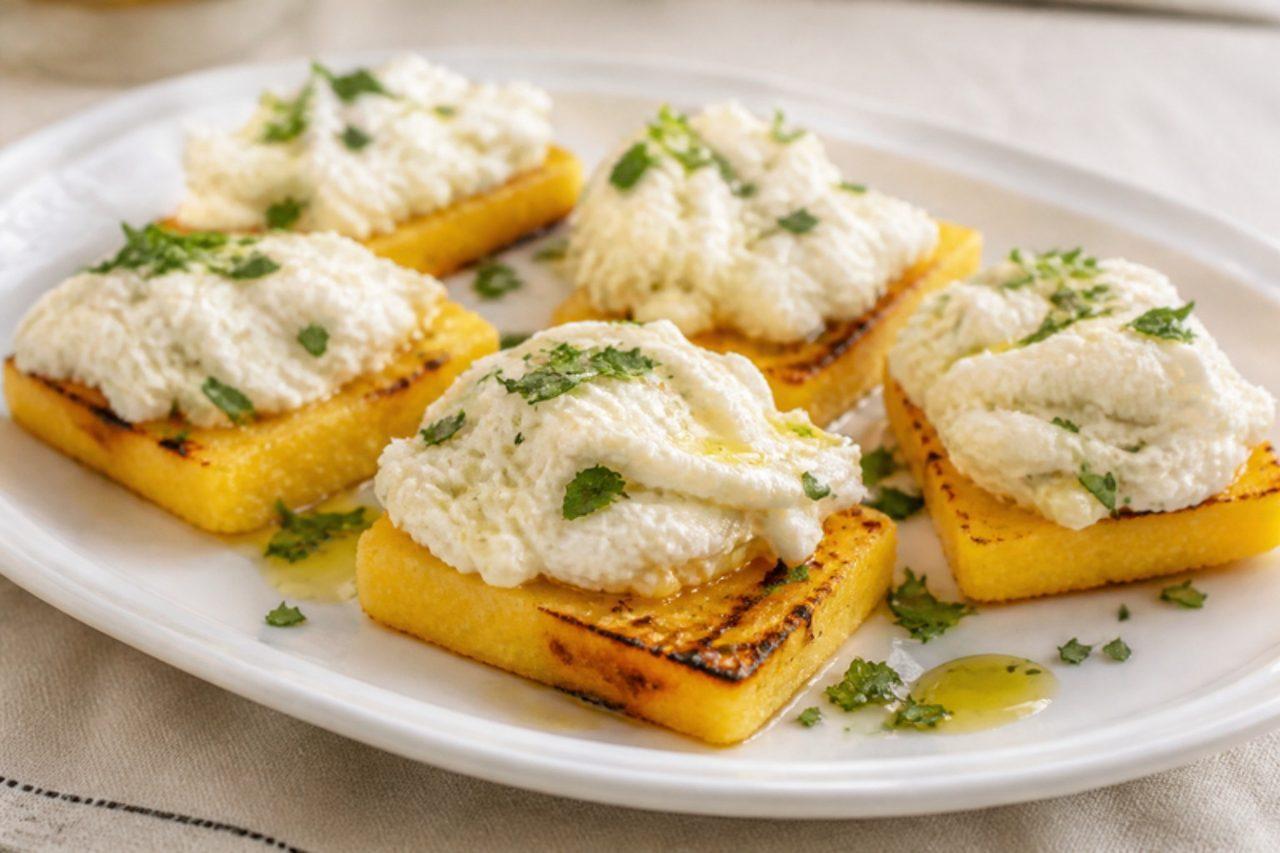
Baccalà mantecatoWhipped salt cod

No cicchetti bar in Venice is without a bowl of baccalà mantecato: dried salt cod soaked, poached and beaten with olive oil until it turns pale, fluffy and spreadable, then piled on squares of grilled polenta or toasted bread to eat standing at the counter with a glass of something. It is mild, creamy and gently garlicky, despite containing no cream at all. Venetians traditionally use stockfish (air-dried cod), which is hard to find elsewhere, so this version uses salted cod, which is easier to buy and behaves the same way. The cod needs two days of soaking in the fridge, so start early. Chef's tip: beat the oil in a thin trickle, the way you would make mayonnaise; it is the slow addition that gives the light, creamy texture.

by KrazyBadal 0 views

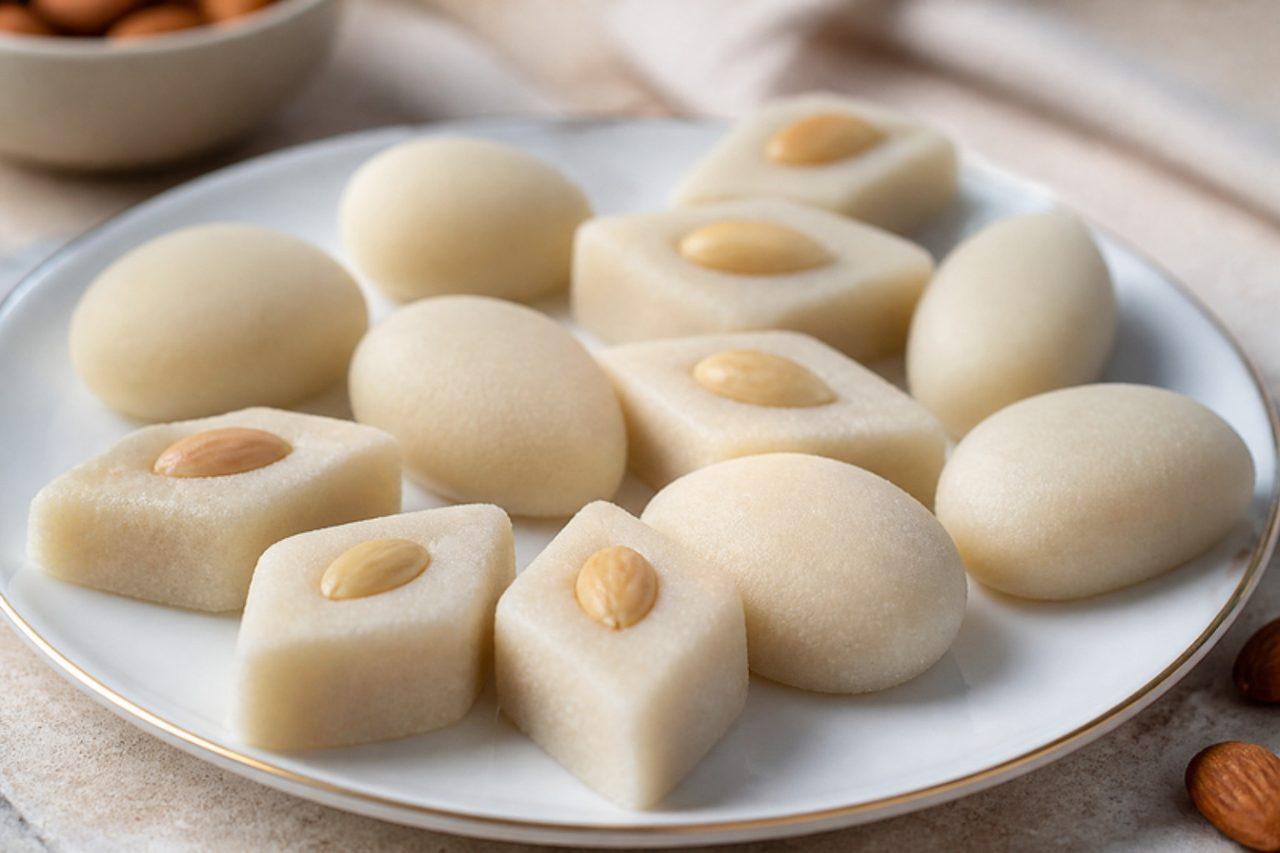
Badem ezmesiAlmond paste sweets

Edirne, on the Thracian border with Greece and Bulgaria, is famous for its badem ezmesi: pale, soft almond paste rolled into logs and sliced, or pressed into little shapes, sold beside the city's fruit-shaped soaps. It is less sugary than northern European marzipan, with blanched almonds ground fine and cooked briefly with syrup, so it stays moist and tastes of fresh nuts. It is served with Turkish coffee and given at bayram. Chef's tip: grind the almonds in short pulses with a spoonful of the sugar; long blending turns them oily and the paste goes greasy.

by KrazyBadal 0 views

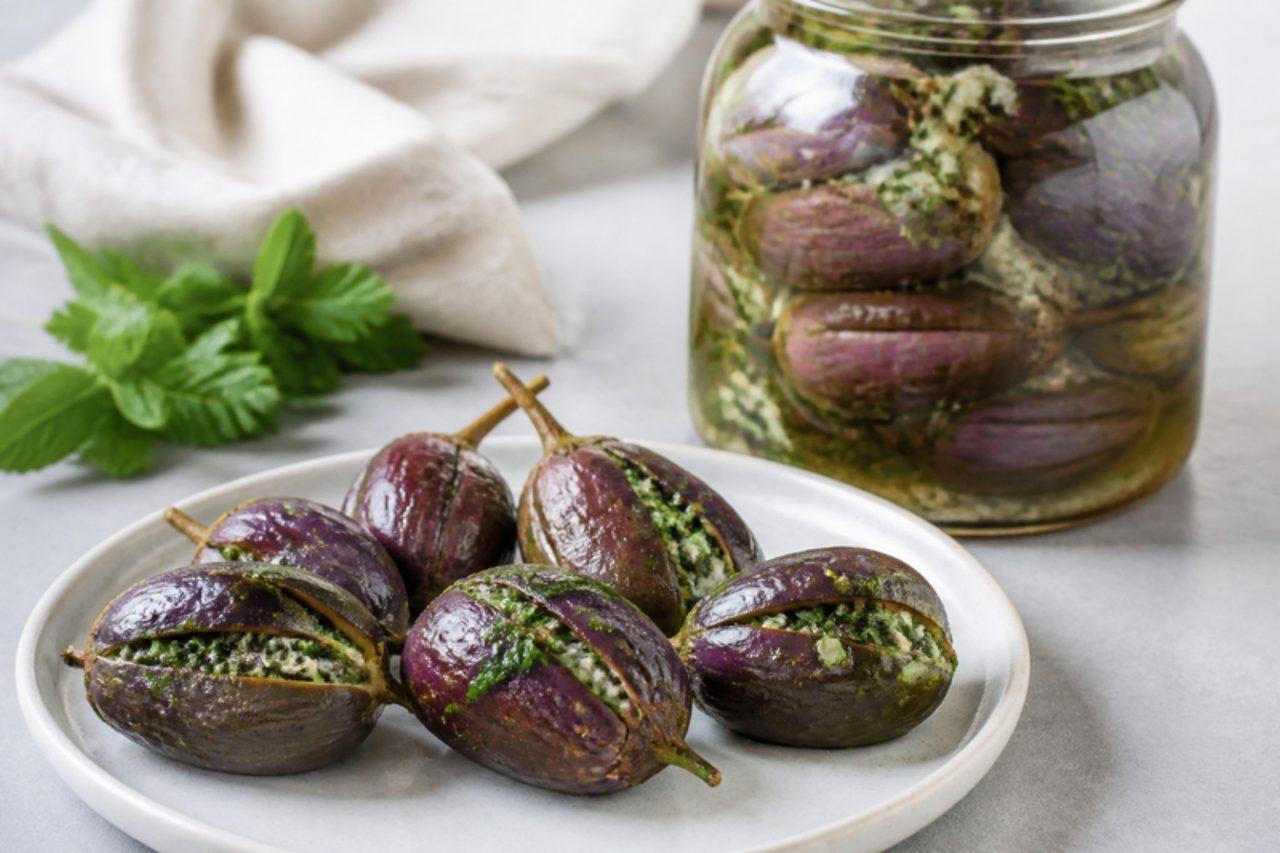
Stuffed baby aubergine torshiStuffed baby aubergine pickle

This is the showpiece of the torshi shelf, made in late summer in homes from Isfahan to Mashhad and brought out for guests in the cold months. Finger-length aubergines are steamed until just tender, slit along one side, filled with a paste of garlic, mint, parsley, coriander and chilli, then tied and sunk in vinegar. After a month each one is soft, tangy and stained with herbs; they are served whole beside rice, kabab or a bowl of ash. Chef's tip: steam rather than boil the aubergines, so they don't soak up water that later thins the vinegar.

by KrazyBadal 0 views

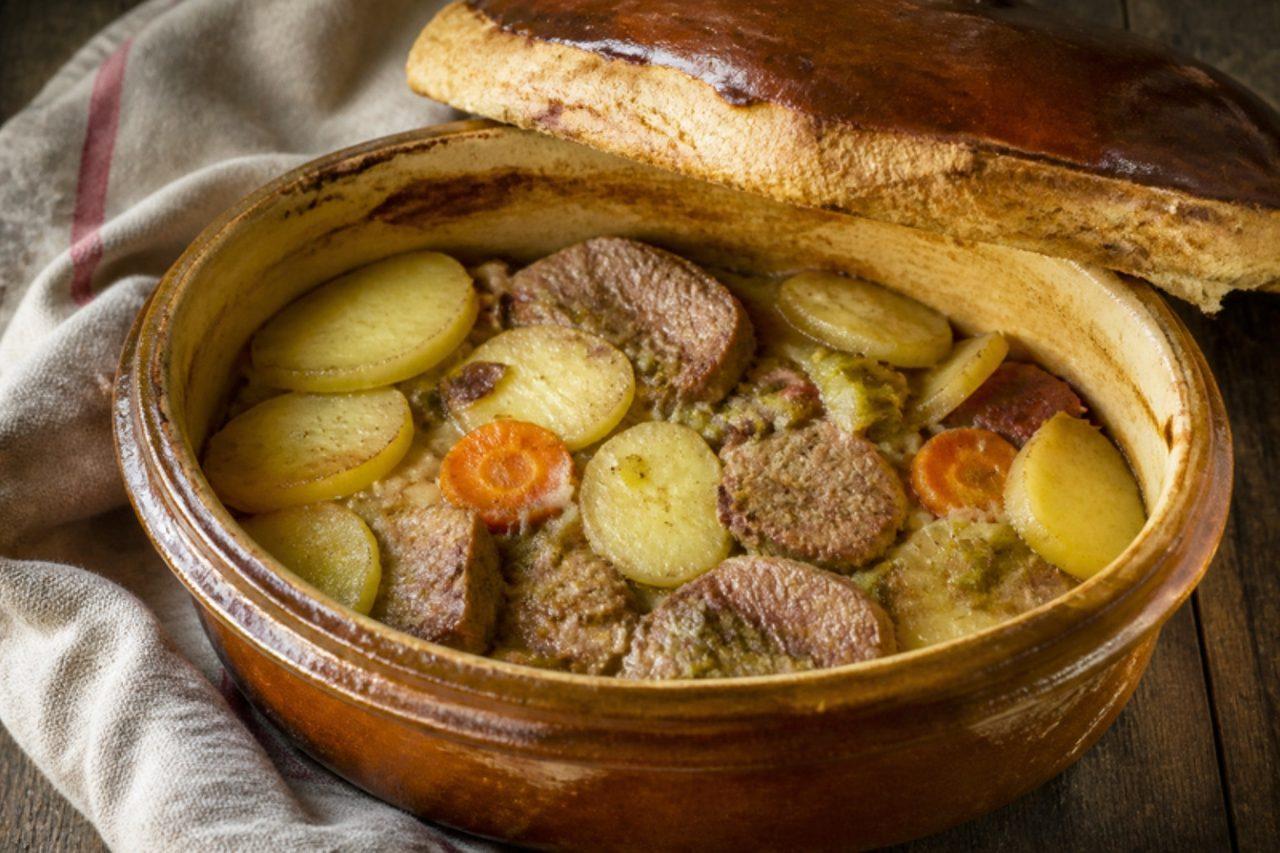
BaeckeoffeThree-meat and potato bake

Baeckeoffe means "baker's oven" in Alsatian, and in villages around Strasbourg and Colmar the dish was once carried to the baker's dying oven on a Monday to cook slowly while the week's washing was done. Pork shoulder, lamb and beef are marinated overnight in dry Alsace white wine with onion, garlic and herbs, then layered with potatoes in a lidded earthenware dish whose rim is sealed with a strip of flour-and-water dough. After three hours the potatoes have drunk up the wine and meat juices and the three meats fall apart under a spoon. The dish uses wine, but an alcohol-free version with stock is given in the ingredient notes; serve it straight from the pot with a green salad. Chef's tip: break the dough seal at the table, because the burst of steam and the smell of wine and thyme are half the pleasure.

950 minFrenchMeat
by KrazyBadal 0 views

Showing 36 of 7,762 recipes

Show more recipes

Page 430 of 863