


Skip to content
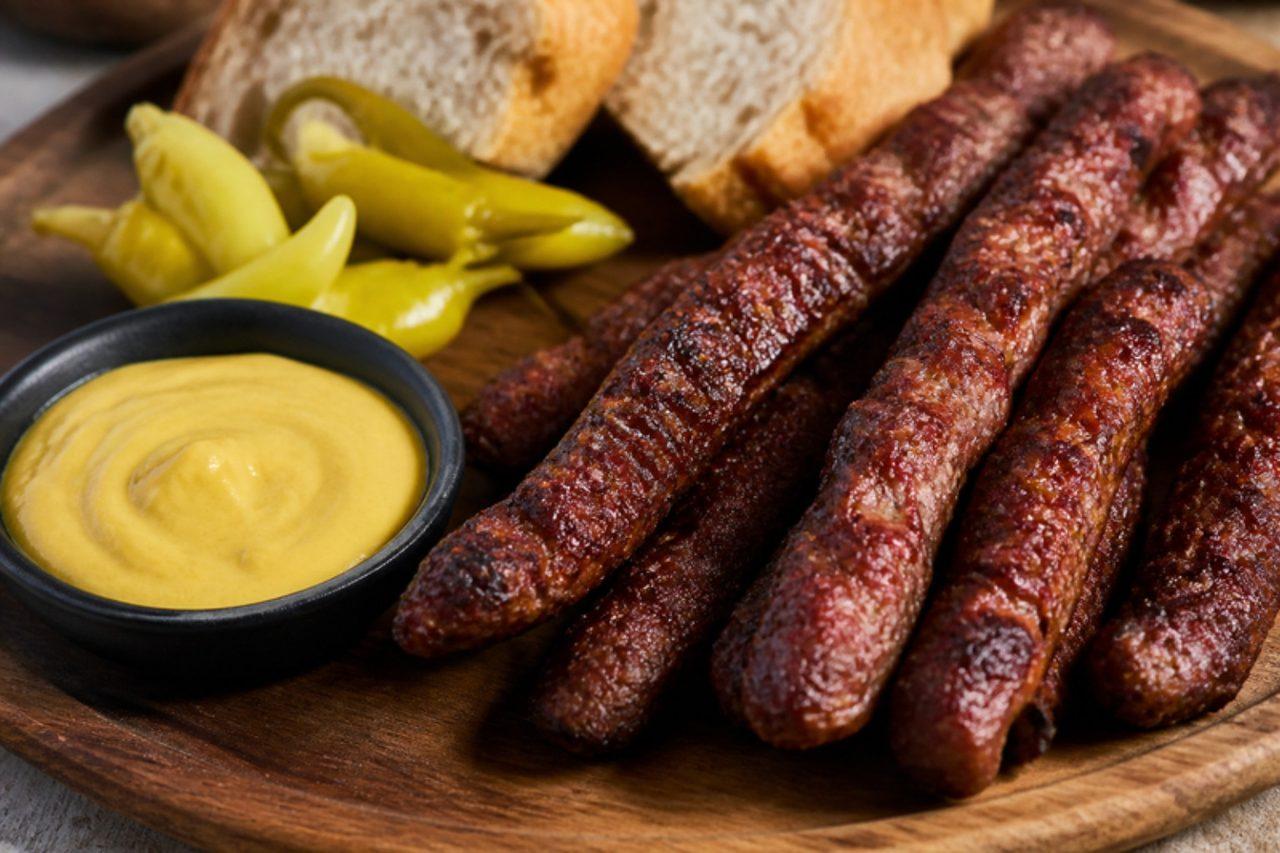
Cârnați de Pleșcoi
Featured recipe

Cârnați de Pleșcoi

Garlic and chilli mutton sausages

The village of Pleșcoi, in the hills above Buzău, is so proud of its sausages that roadside inns there sell them by the metre: dark red, fiery with chilli and heavy with garlic, made from mutton with a little beef and no pork in the meat. Traditionally they are smoked and air-dried; this home version is a fresh sausage, rested overnight in the fridge for the flavours to settle, then grilled until cooked right through. The casings are usually sheep's casings, but if you buy hog casings they are pork, so check what your butcher sells you. Snappy outside and juicy within, they are eaten straight off the grill with sharp mustard, bread and pickled vegetables. Where people tend to go wrong is letting the meat warm up while mixing; keep everything fridge-cold so the fat does not smear. Chef's tip: fry a small spoonful of the mix before you fill the casings and taste it for salt and chilli; once stuffed, you cannot adjust.

Read more 0 views

What to eat today?

Around the world

Today's trip: Paraguayan

A new country every day, from every cuisine on the site.

Paraguayan

Kosereva

Candied bitter orange peel 180 minMore from Paraguayan (27) →

This week's collection

Kid-friendly dinners
537 recipes · a new collection every Monday

Latest recipes

Hawaiian shave ice

Shave ice came to Hawaii with Japanese plantation workers, and on hot afternoons on Oahu's North Shore families still queue at roadside stands for a towering, soft cone of ice soaked in rainbow syrups. The ice is shaved so fine it is like fresh snow and soaks up the syrup instead of letting it run to the bottom. Without a shaver, freeze ice in a block and scrape it with a fork. Chef's tip: let the ice block sit out for 5 minutes before shaving; slightly tempered ice gives fluffier flakes.

by KrazyBadal 0 views
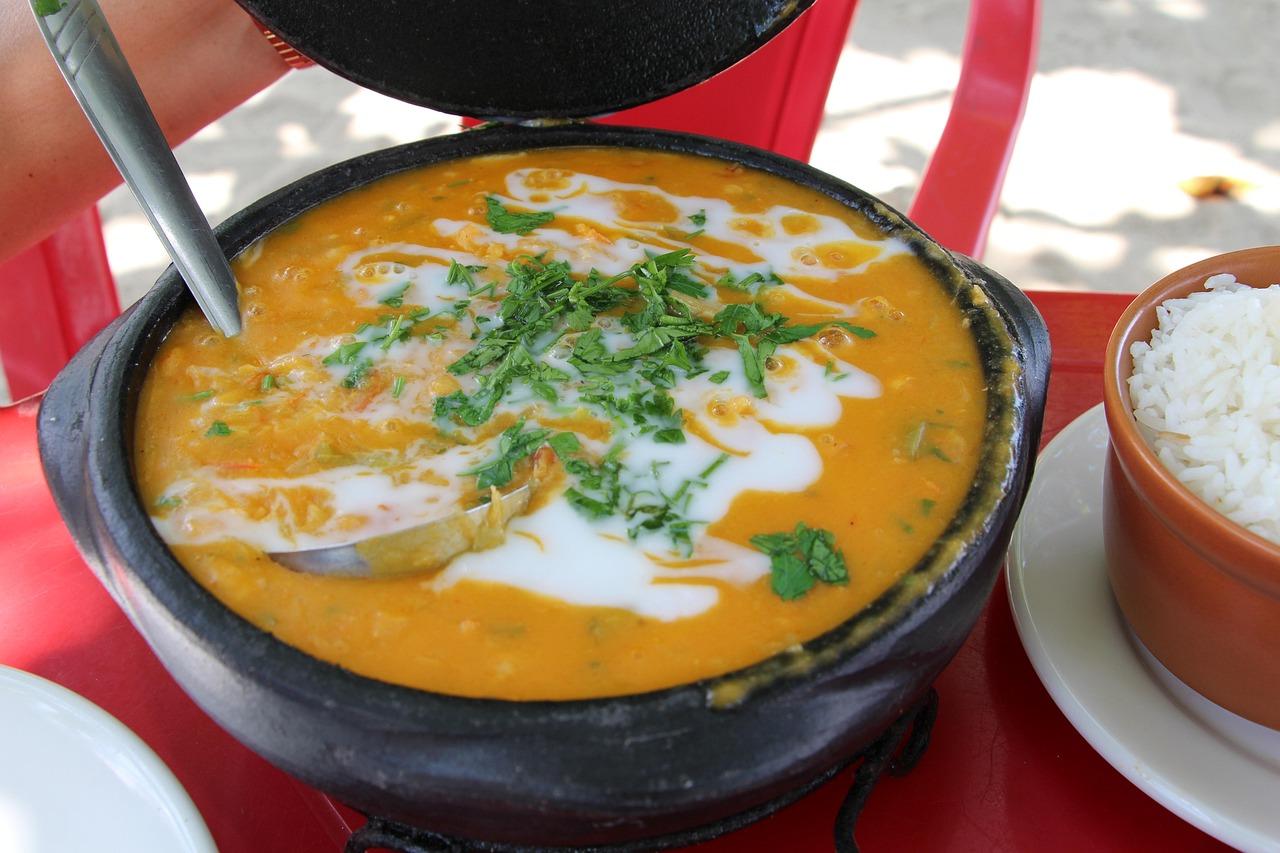
Bobó de camarãoPrawns in cassava and coconut purée

Velvety, coral-coloured and rich with coconut, bobó de camarão is what Bahian families put on the table when there is something to celebrate, and beach restaurants from Praia do Forte to Itacaré serve it in clay pots with white rice and farofa. Cassava is boiled until it falls apart, blended with coconut milk into a smooth cream, then folded into prawns cooked with onion, tomato, peppers and a slick of dendê oil. The result is somewhere between a stew and a thick sauce, sweet from the prawns and gently earthy from the cassava. A frequent mistake is boiling the prawns in the purée for too long, which leaves them tough and curled; they go in at the very end. Cassava must always be cooked right through, never eaten raw: cut out the woody core and boil it until a knife meets no resistance. Chef's tip: blend the cassava while it is still hot, with some of its cooking water; cold cassava turns gluey in the blender.

by KrazyBadal 1 views

Hawaiian butter mochi

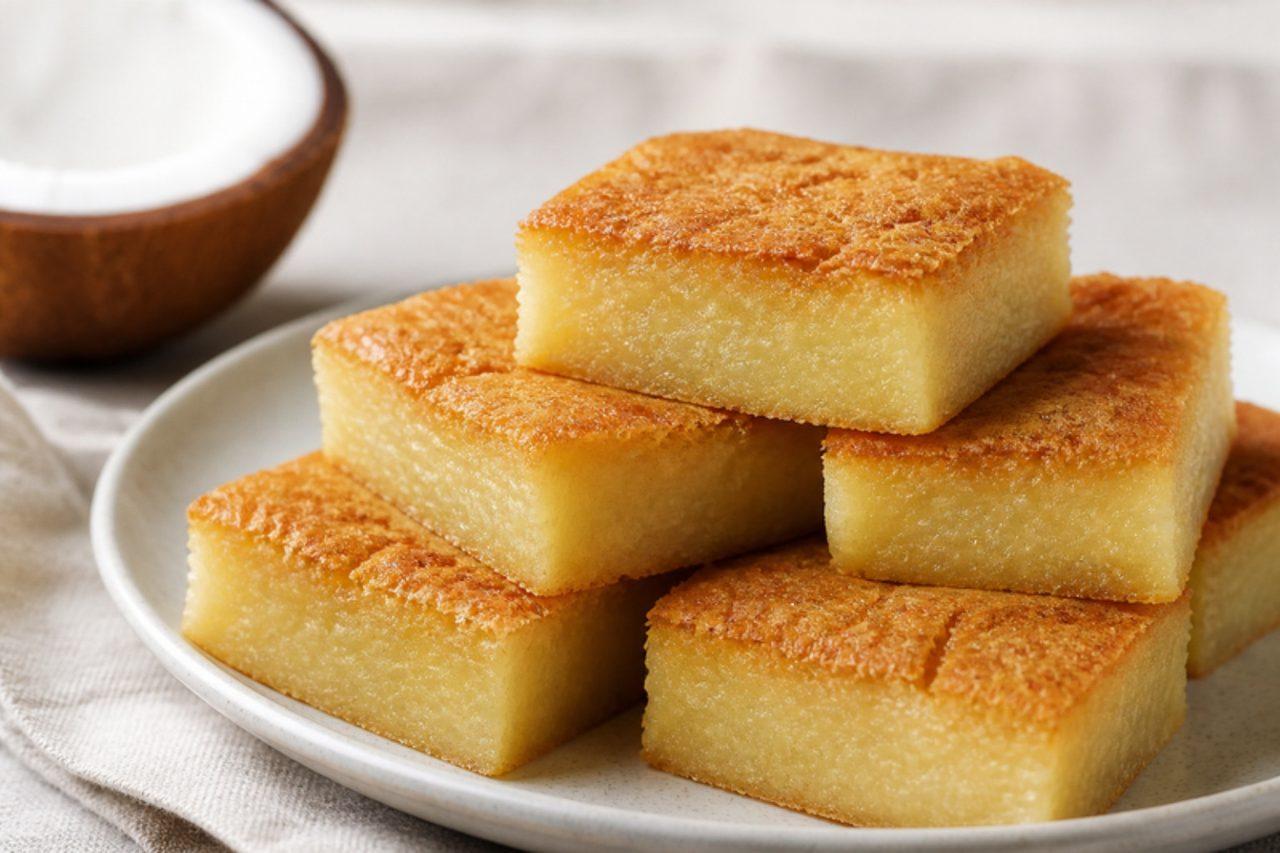
Butter mochi is the sweet of Hawaii's potlucks, school fundraisers and family parties, a local mix of Japanese mochi and the islands' coconut. Glutinous rice flour is baked with coconut milk, evaporated milk, butter and eggs into a golden, chewy cake with crisp edges and a soft, bouncy middle. Chef's tip: cut it with a plastic knife once fully cooled; a metal knife drags and sticks.

by KrazyBadal 0 views

Hawaiian malasadas

Malasadas came to Hawaii with Portuguese workers from Madeira and the Azores in the 1870s, and on Malasada Day, the Tuesday before Lent, bakeries in Honolulu have queues round the block. They are eggy, airy yeast doughnuts with no hole, fried golden and rolled in sugar while hot; some are filled with haupia or custard. Chef's tip: the dough is very soft and sticky, so oil your hands rather than adding more flour, or the malasadas turn heavy.

by KrazyBadal 0 views

Ohio Shaker lemon pie

The Shaker communities of Ohio and Kentucky wasted nothing, so they sliced whole lemons, peel and all, and left them overnight in sugar until the rind turned soft and syrupy. Baked with eggs between two crusts, the filling is like a bright, chunky marmalade custard, sweet, sour and faintly bitter. Shaker villages and Ohio bakeries still make it for spring. Chef's tip: slice the lemons paper-thin, ideally on a mandoline; thick slices stay chewy and bitter.

by KrazyBadal 0 views

Iowa scalloped corn

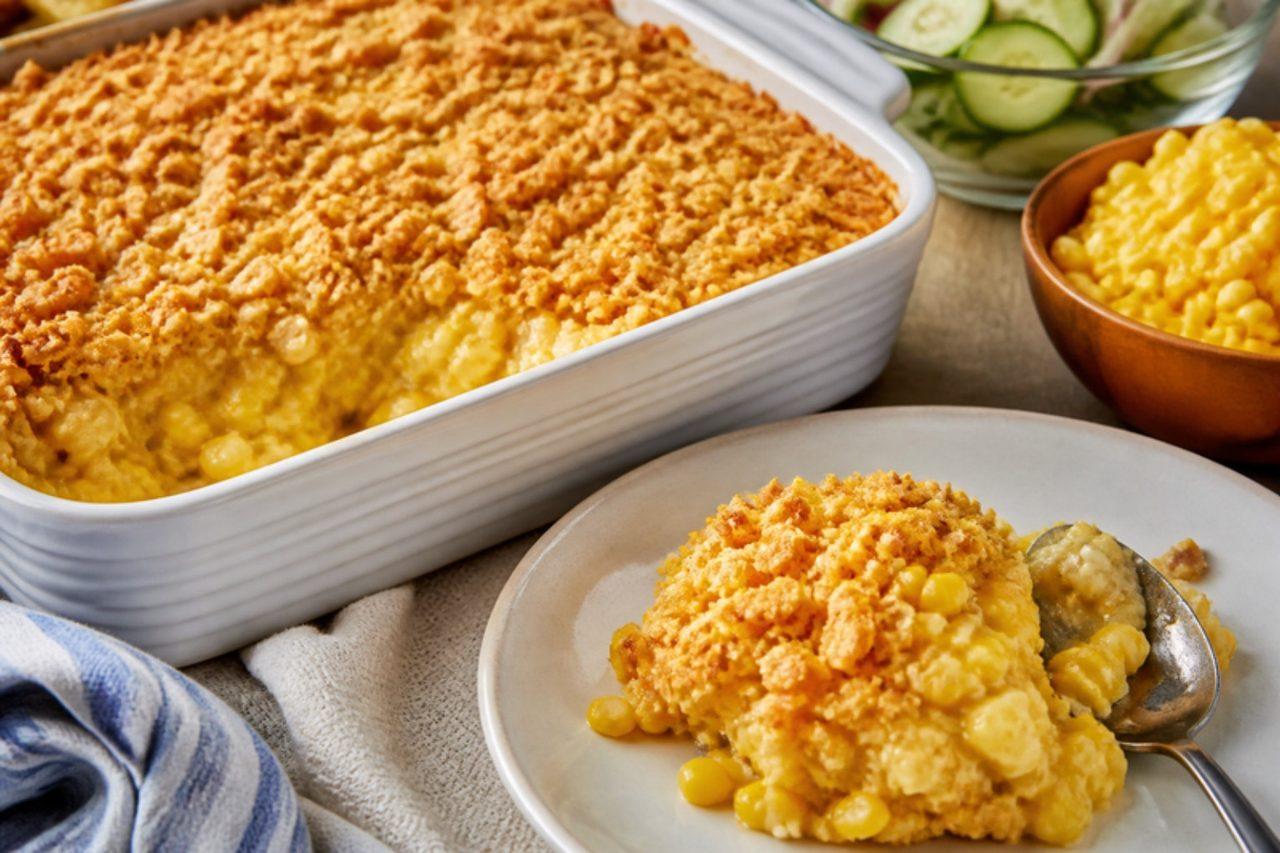
In Iowa, scalloped corn is the dish everyone brings to the Thanksgiving table, the church potluck and the Sunday dinner after a funeral. Sweetcorn kernels and creamed corn are baked with milk, eggs and buttery crushed crackers into a soft, spoonable pudding with a golden, crunchy top. Chef's tip: save a third of the crackers for the top and mix them with melted butter so they crisp instead of going soggy.

by KrazyBadal 0 views

Rhubarb custard pie

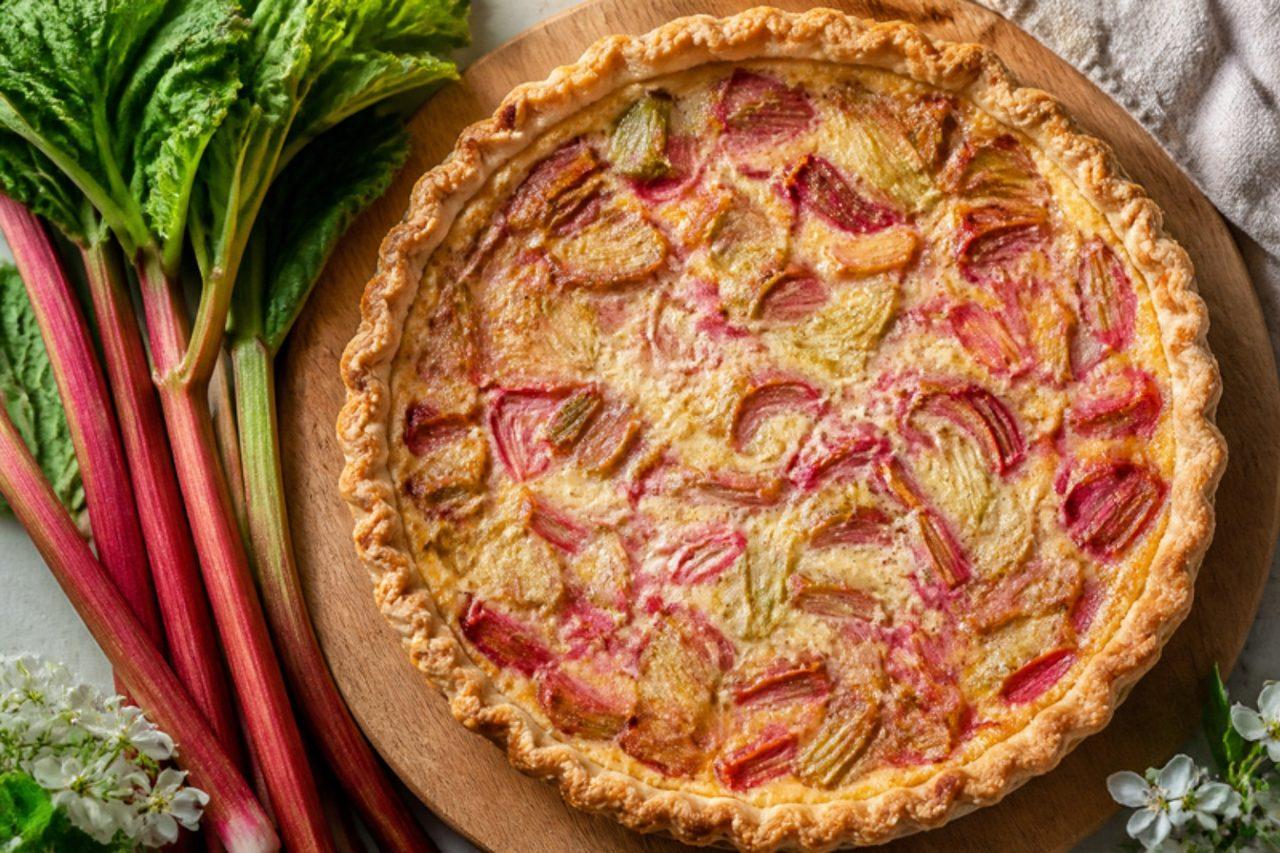
Farm wives across Minnesota, Iowa and the Dakotas called rhubarb 'pie plant', because the first stalks in May went straight into this pie after a long winter without fresh fruit. Chopped rhubarb is baked in a sweet egg custard, so each slice is soft, creamy and tart at the same time. It turns up at Memorial Day picnics and church bake sales. Chef's tip: toss the rhubarb with the sugar and flour and let it sit 10 minutes before adding the eggs; it starts drawing out juice and the custard sets more evenly.

by KrazyBadal 0 views

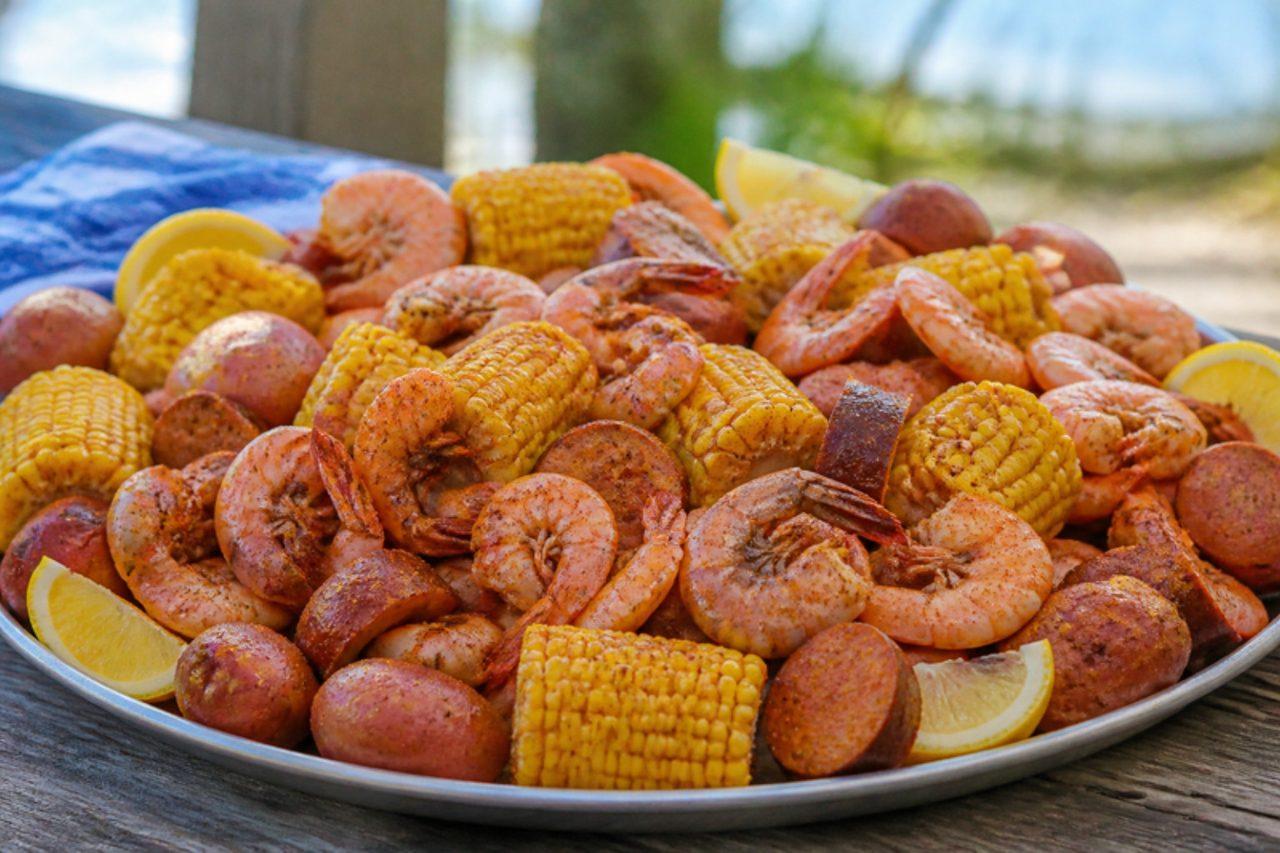
Lowcountry boil

Lowcountry boil, also called Frogmore stew after a village on St Helena Island, South Carolina, is the one-pot party of the Carolina and Georgia coast: new potatoes, corn cobs, smoked pork sausage and fresh shrimp boiled in spiced water, drained and tipped straight onto a newspaper-covered table for everyone to dig in. It is summer food for beach houses, church picnics and Fourth of July. Chef's tip: add everything in stages, timed so the shrimp go in last for only a few minutes.

by KrazyBadal 0 views

Huckleberry pancakes

In August, families in northern Idaho, Montana and the Washington Cascades hike to mountain slopes to pick wild huckleberries, which have never been farmed and taste like a sharper, more perfumed blueberry. Lodges and diners from Sandpoint to Glacier National Park serve them in fluffy buttermilk pancakes. Wild blueberries are the best substitute. Chef's tip: drop the berries onto each pancake in the pan instead of stirring them into the batter, so the batter doesn't turn purple and the berries don't sink.

by KrazyBadal 0 views

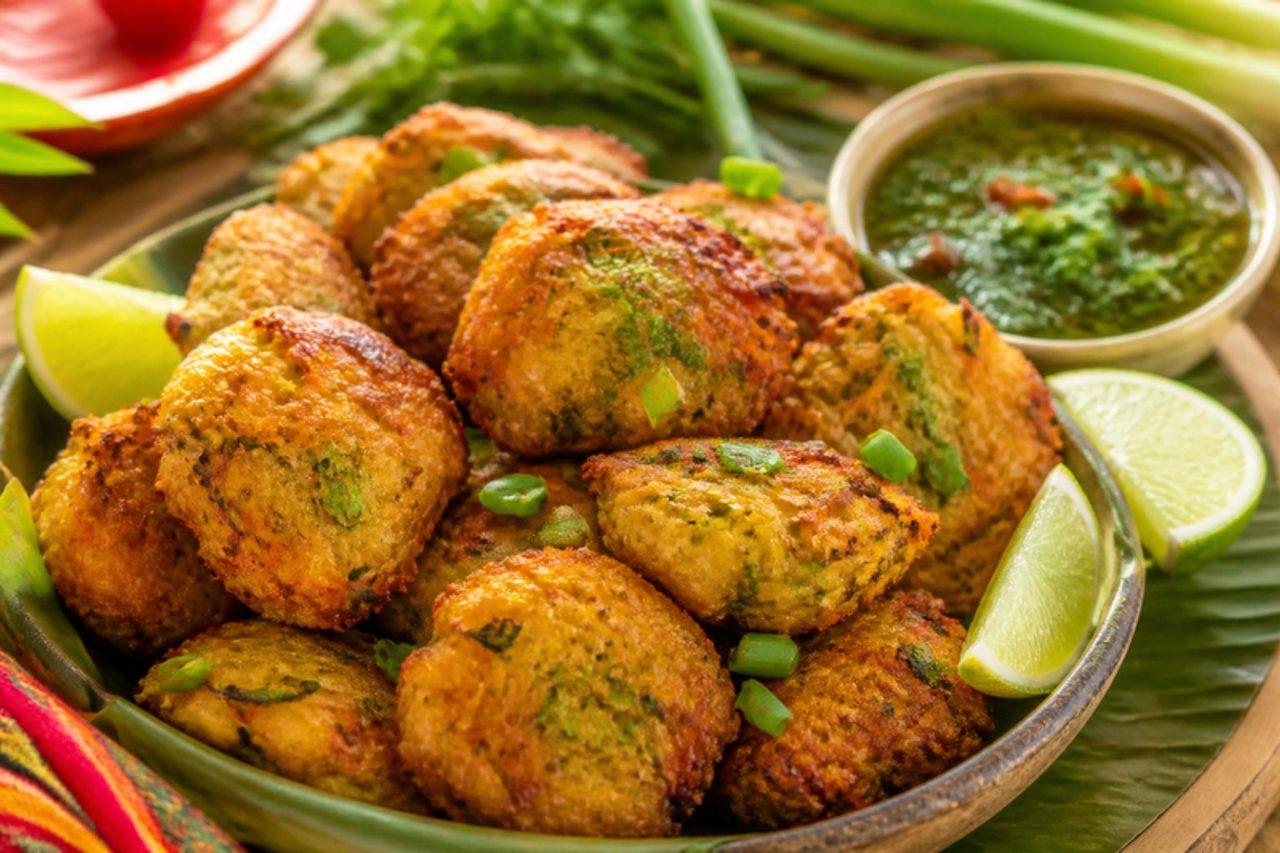
Accras de légumesVegetable fritters

Accras are the first thing on the table at a Sunday lunch, a christening or a Christmas réveillon in Martinique and Guadeloupe, and they are sold by the paper bag from roadside stalls and beach shacks. The best-known version is made with salt cod; this is the vegetable one, with grated carrot and courgette, spring onion, garlic, parsley and a little Scotch bonnet in a light batter. They puff up in the oil and should be crisp outside and soft inside. Serve them hot with sauce chien and lime. Chef's tip: rest the batter for half an hour; it thickens and the fritters puff up much better.

by KrazyBadal 0 views

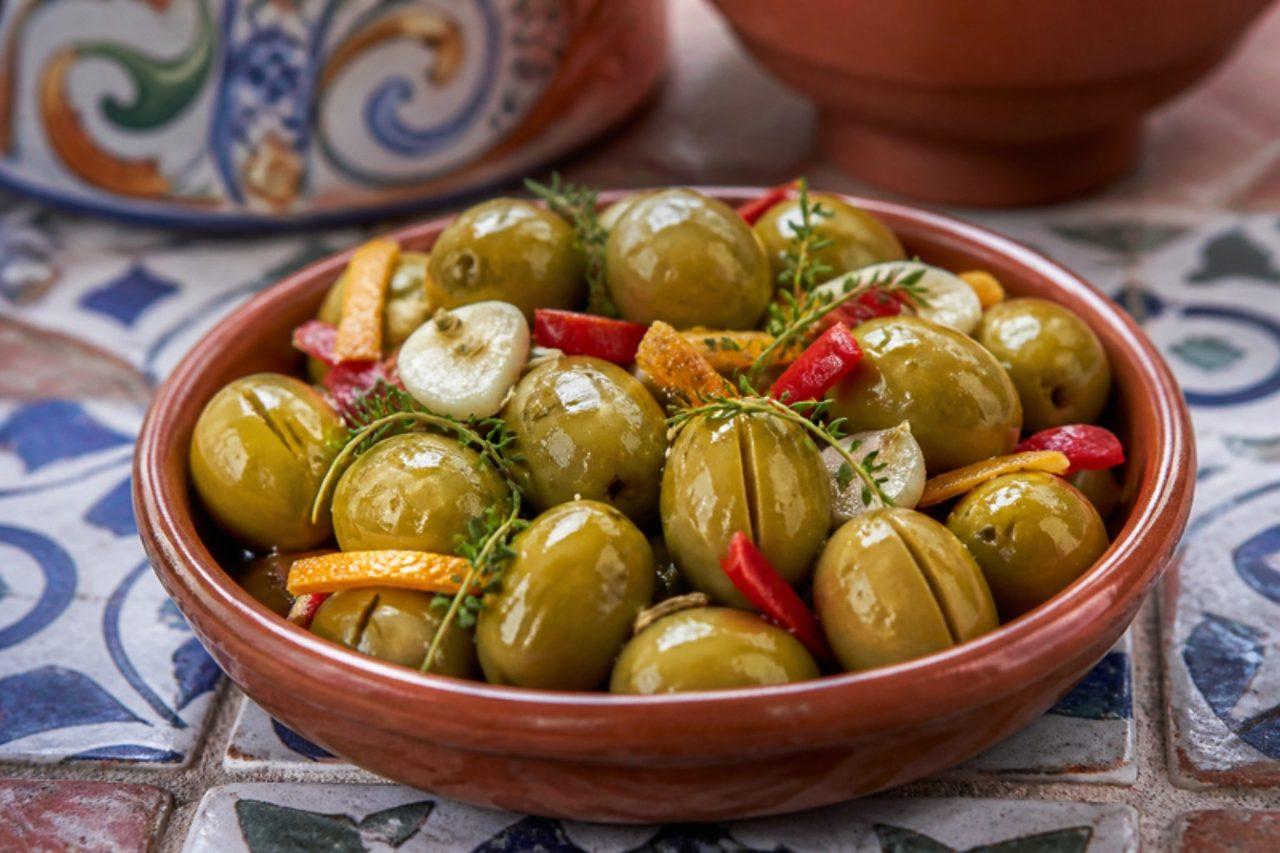
Aceitunas aliñadasGreen olives with garlic and thyme

Before any tapa reaches the bar in Seville, a little dish of aliñadas usually does: cracked green manzanilla or gordal olives steeped in brine with garlic, wild thyme, fennel and a strip of orange peel. Markets like Triana sell them by the scoop, but they are simple to dress at home from plain olives in brine. Give them two days; the herbs need time to get into the flesh. A common mistake is serving them after a day; they need at least two days in the brine for the garlic and herbs to reach the stone. Chef's tip: crack each olive with the flat of a knife until it just splits; a crushed olive goes soft and cloudy in the jar.

by KrazyBadal 0 views

Oregon marionberry pie

The marionberry was bred at Oregon State University and named after Marion County in the Willamette Valley, and in July it fills farm stands and pie shops from Portland to Salem. It is a blackberry with a deeper, wine-like flavour and more juice. Elsewhere, use blackberries mixed with a few raspberries. Chef's tip: let the sugared berries sit for 15 minutes and add only half the juice they release, or the pie will be runny.

by KrazyBadal 0 views

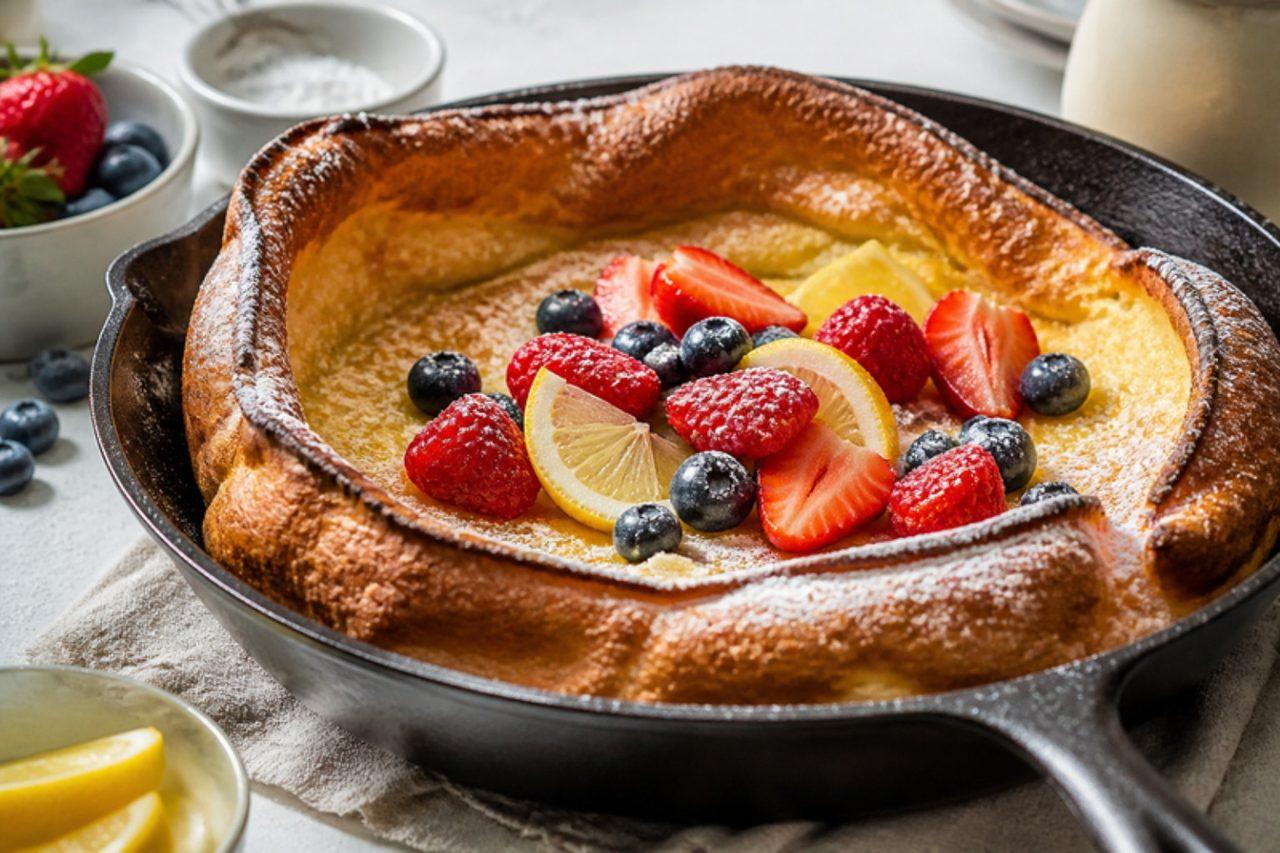
Seattle Dutch baby

The Dutch baby was first served in the early 1900s at a family café in Seattle, whose owner's daughter supposedly mispronounced 'Deutsch' and gave it the name. A thin batter poured into a sizzling buttered pan balloons in the oven into a crisp-edged, custardy bowl. It is a Pacific Northwest brunch dish, eaten straight from the pan with lemon juice and icing sugar or summer berries. Chef's tip: blend the batter until frothy and have the pan really hot; that is what makes it climb the sides.

by KrazyBadal 0 views

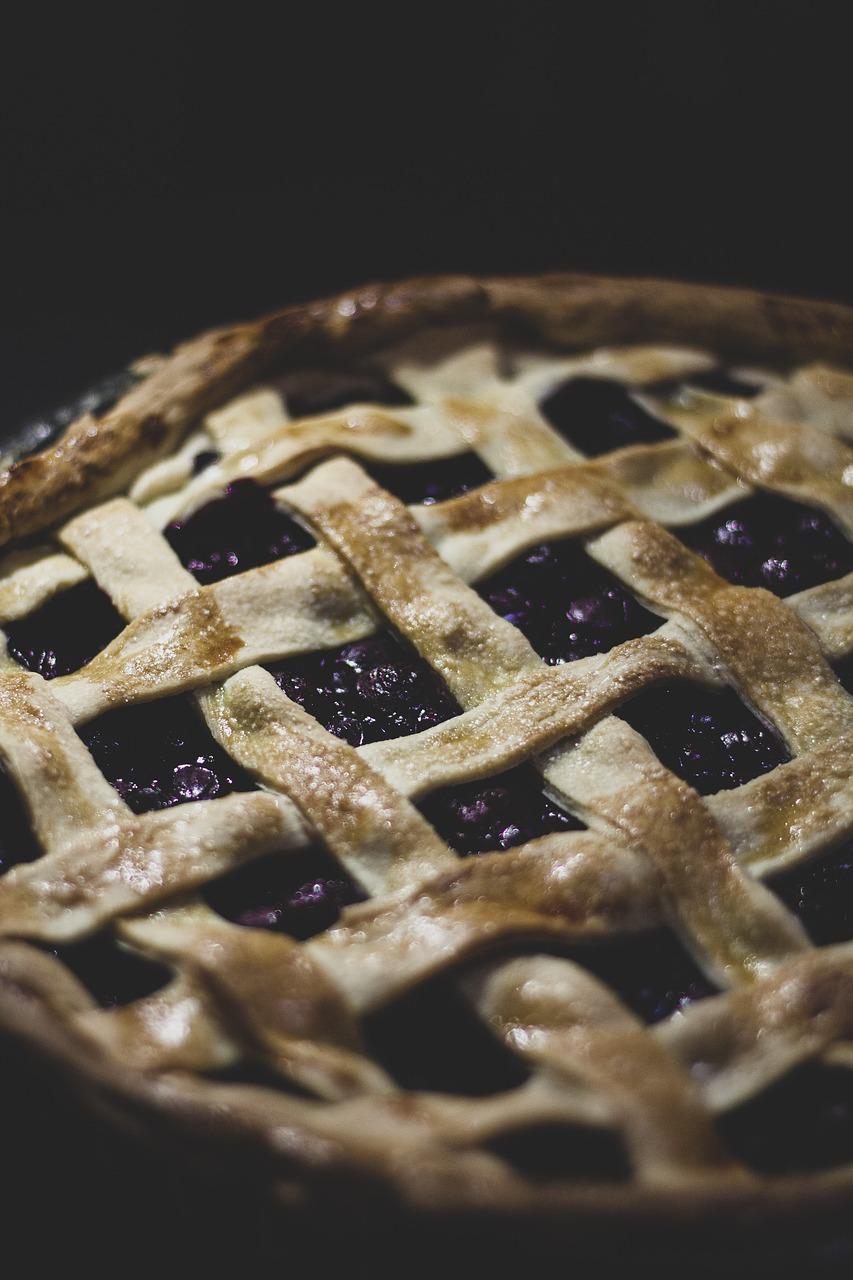
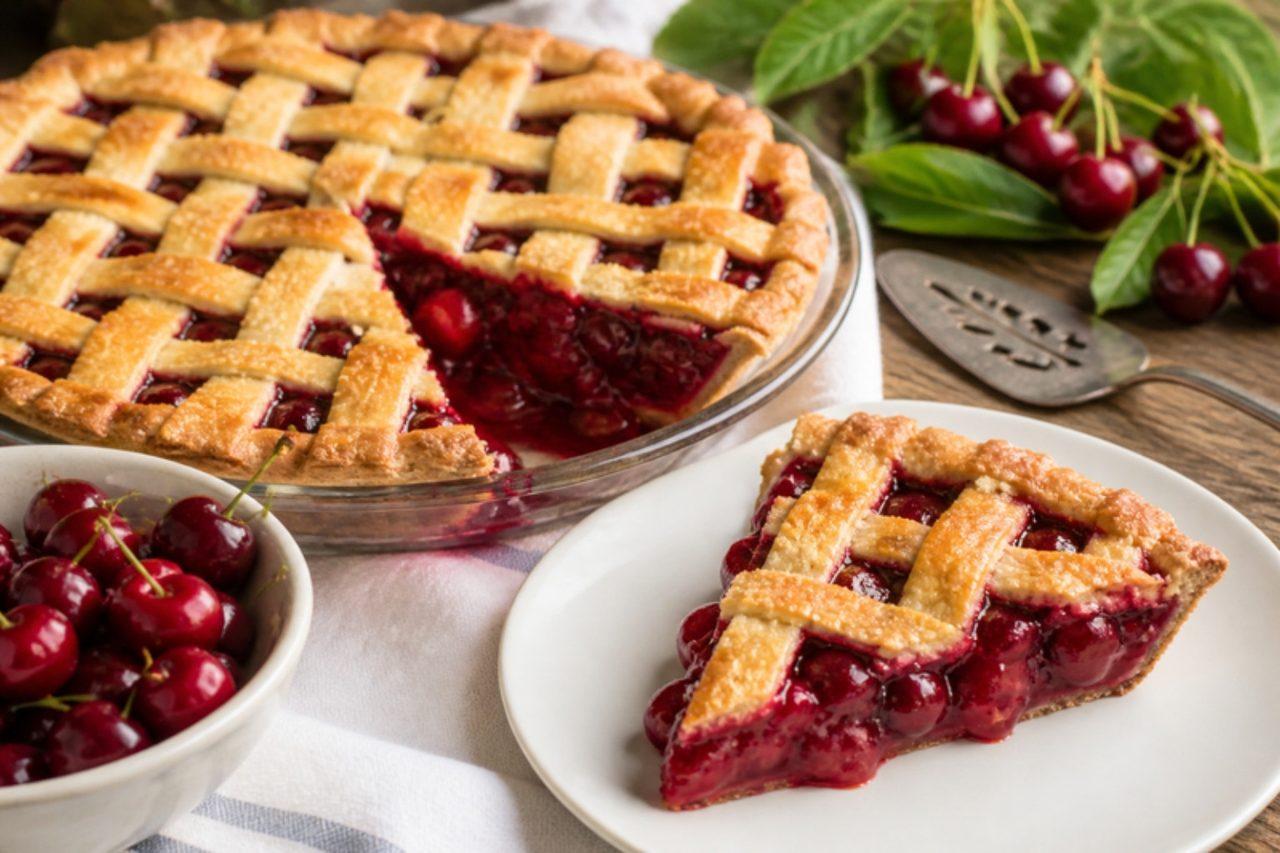
Michigan tart cherry pie

Traverse City, on the shores of Lake Michigan, calls itself the cherry capital of the world and holds a National Cherry Festival every July, where this bright red, lattice-topped pie is everywhere. It uses Montmorency sour cherries, not sweet ones, so the filling is sharp and jammy with a hint of almond. Frozen or jarred pitted sour cherries work well. Chef's tip: cook the filling on the hob until it thickens before it goes in the pie, so the bottom crust doesn't drown.

by KrazyBadal 0 views

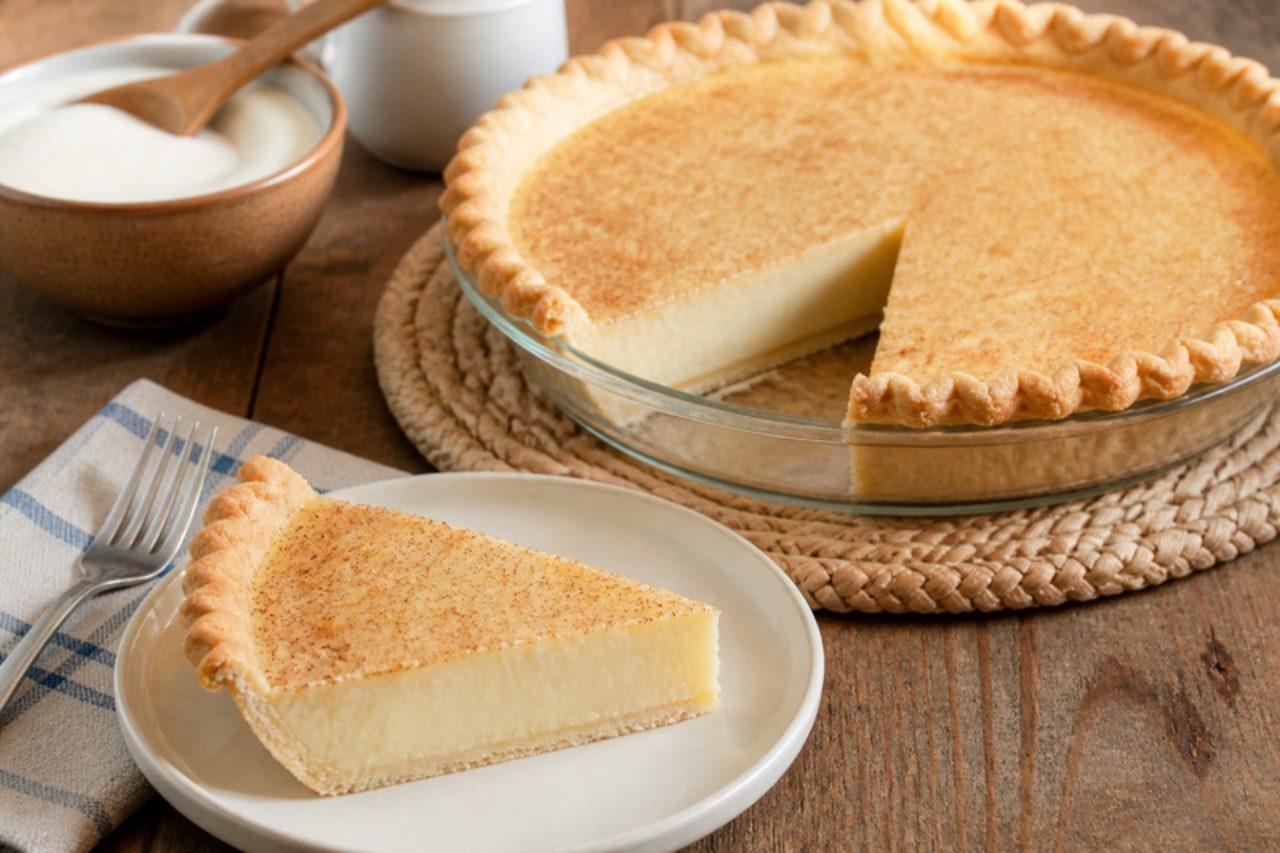
Hoosier sugar cream pie

Sugar cream pie, Indiana's official state pie, came from Shaker and Amish farm kitchens that had cream and sugar in winter when there was no fruit. There are no eggs: cream, sugar and a little flour bake into a pale, silky, vanilla custard with a dusting of nutmeg, sold at diners and county fairs across the state. Chef's tip: stir the filling gently with your finger in the pastry case during the first 20 minutes of baking, as old Hoosier cooks do; it keeps the flour from settling.

by KrazyBadal 0 views

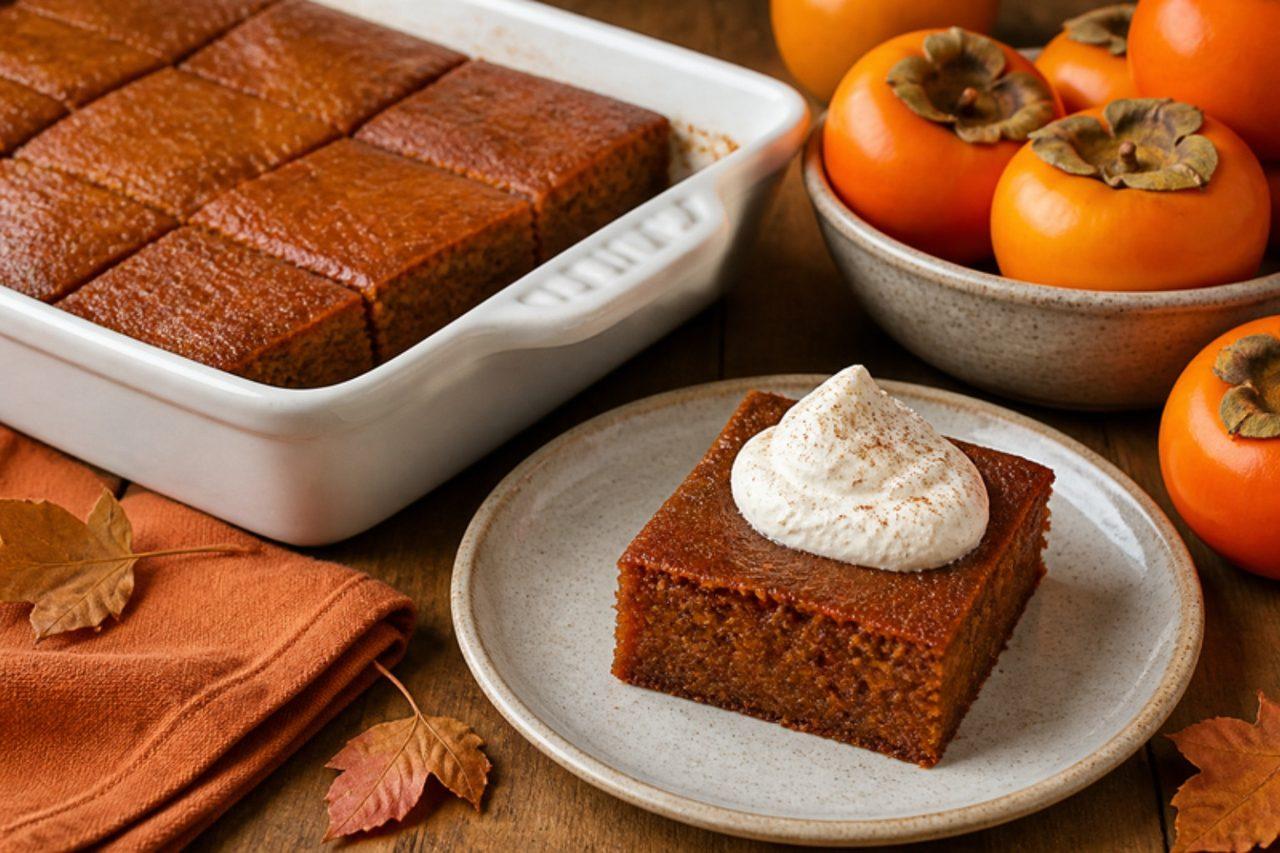
Indiana persimmon pudding

In southern Indiana, wild persimmons drop from the trees after the first frost, and the town of Mitchell holds a festival every September where this pudding is judged and sold. The pulp is baked with buttermilk and warm spices into something between a cake and a custard: dense, moist, dark orange-brown and tasting of dates and pumpkin. Use very ripe, jelly-soft Hachiya or wild persimmons. Chef's tip: serve it warm with whipped cream, as it firms up and darkens as it cools.

by KrazyBadal 0 views

ColcannonMashed potato with kale

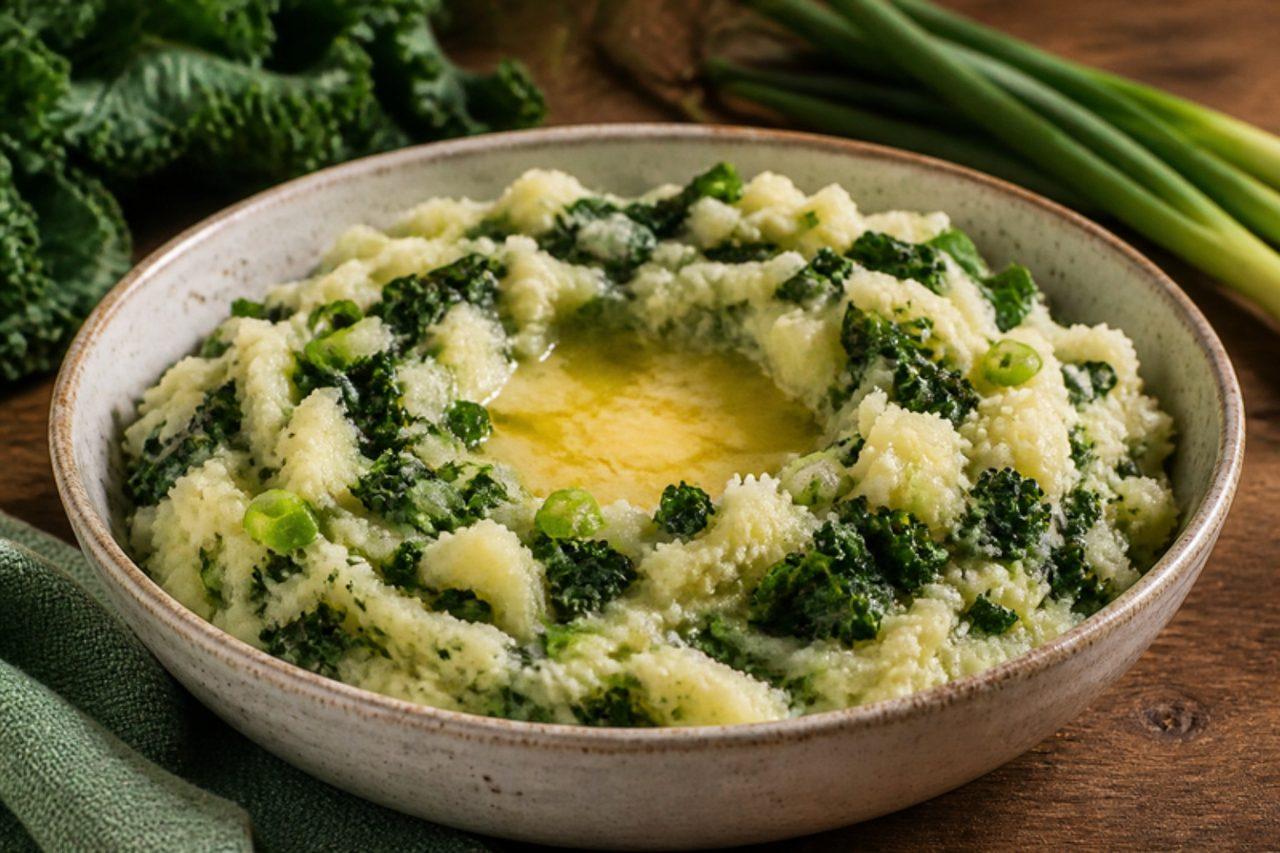
Colcannon is the Halloween potato dish of Ireland, from Munster farmhouses to Dublin kitchens, where a ring or a coin was once hidden in the bowl to tell fortunes. Floury potatoes are mashed with hot milk, a lot of butter and dark leafy kale or green cabbage, so it is creamy, green-flecked and savoury. Serve it with a well of melted butter in the middle, alongside sausages or a nut roast. Chef's tip: warm the milk with the spring onions before mashing; cold milk makes the mash gluey and tastes flat.

40 minIrishSidesGluten free
by KrazyBadal 0 views

AçmaSoft buttery breakfast rings

Every simit seller's glass cart in Istanbul has a softer cousin stacked beside the sesame rings: açma, a pillowy, slightly sweet ring of enriched dough that commuters tear apart on the ferry with a glass of tea and a wedge of white cheese. The crumb is close to brioche but lighter, with a shiny golden crust and black nigella seeds on top. Plain ones are best warm; some bakers fold olives or cheese into them. Chef's tip: rest the rolled ropes for ten minutes before shaping, so the gluten relaxes and the rings keep their shape instead of shrinking back.

by KrazyBadal 0 views

Country ham with red-eye gravy

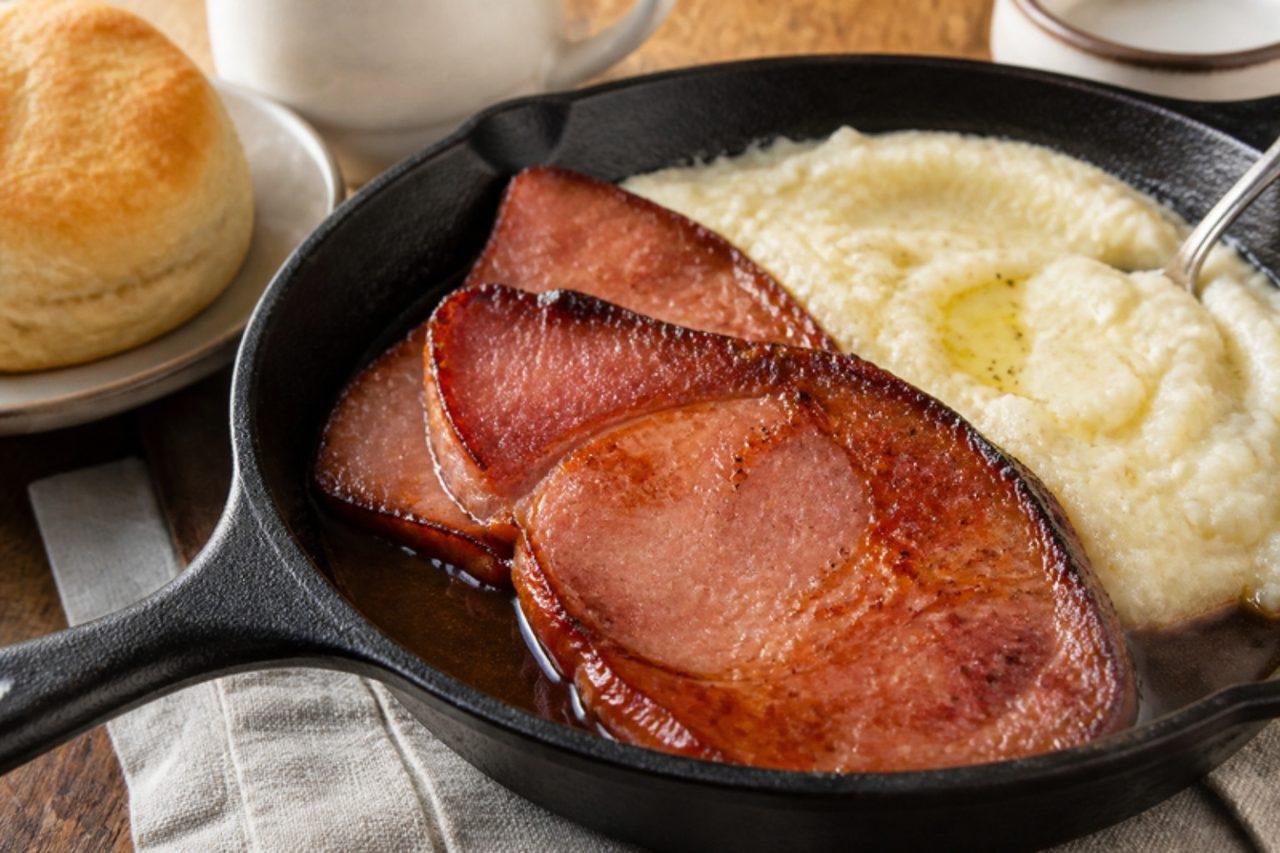
Salt-cured, aged country ham is a pride of Kentucky, Tennessee and Virginia smokehouses, and on mountain breakfast tables it is pan-fried in thin slices, then the pan is deglazed with black coffee to make red-eye gravy, thin, salty and bitter-sweet, spooned over the ham, grits or biscuits. This is pork, and very salty, so the slices are soaked first. Chef's tip: soak the ham in water or milk for 30 minutes if your country ham is very salty, then pat dry.

by KrazyBadal 0 views

ŞöbiyetSemolina cream and pistachio filo

Gaziantep's baklava shops lay out trays of şöbiyet beside the classic squares: buttery filo triangles hiding a soft semolina cream and a thick seam of pistachio, soaked in cool syrup. Families buy them by the kilo for bayram visits and engagement days, and they are best eaten the day they are made, while the top layers still crackle. Home versions use shop filo and a quick milk cream instead of the clotted cream the masters fold in. Pour cold syrup over hot pastry, never hot over hot, or the layers turn soggy. Chef's tip: chill the cream until it is firm enough to slice; a soft filling oozes out as you fold the triangles.

by KrazyBadal 0 views

Adas bi hamodLentils with chard and lemon

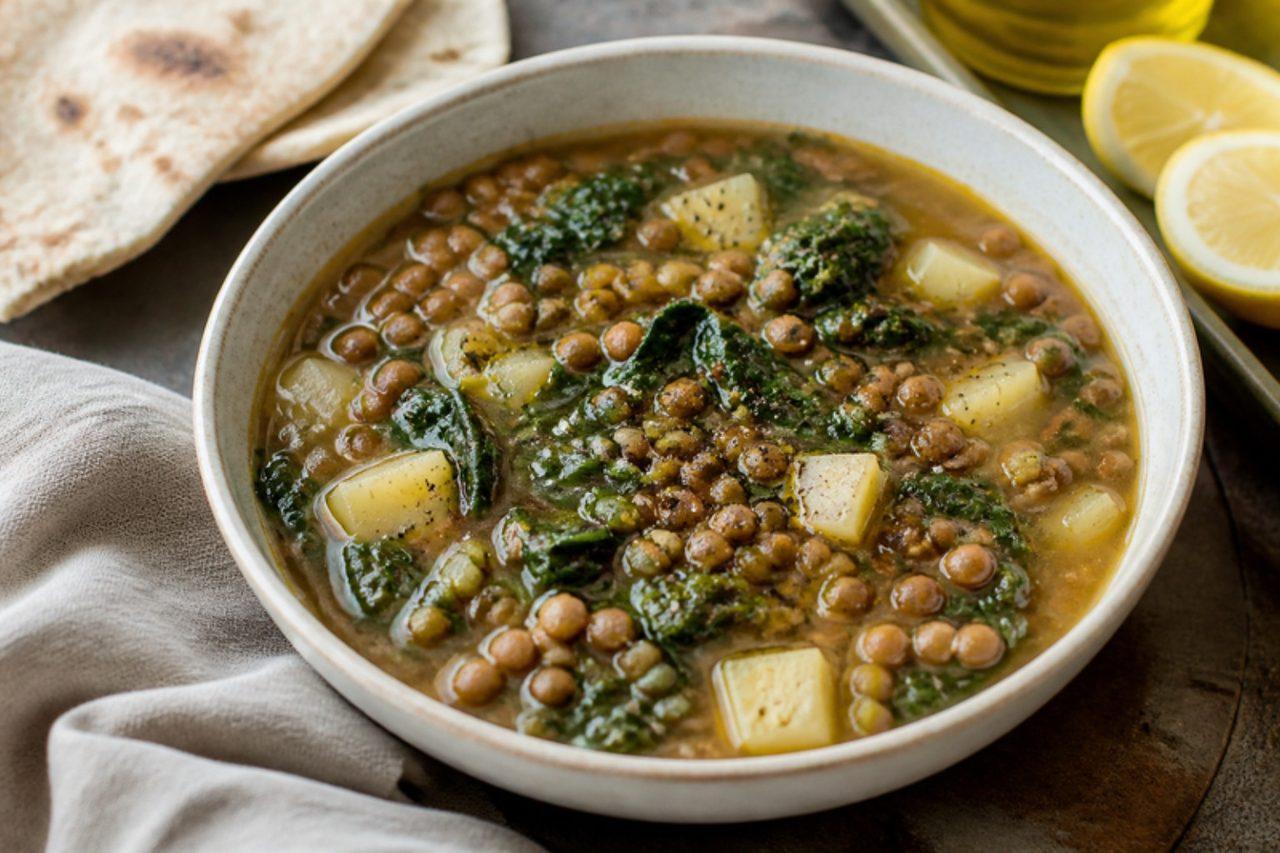
Adas bi hamod — 'lentils with sourness' — is a Lenten staple in Lebanese Christian homes and a thrifty weeknight pot everywhere else, especially in the south. Brown lentils simmer with chard, potato and a fried paste of garlic and coriander until the broth turns thick, then a generous amount of lemon makes it tangy and refreshing. It is somewhere between a soup and a stew and is just as good warm or at room temperature with bread. Common mistake: adding the lemon at the start; the acid stops the lentils softening, so add it at the end. Chef's tip: mash a ladleful of lentils against the side of the pot to give the broth body without any flour.

by KrazyBadal 0 views

Cima alla genoveseStuffed cold veal breast

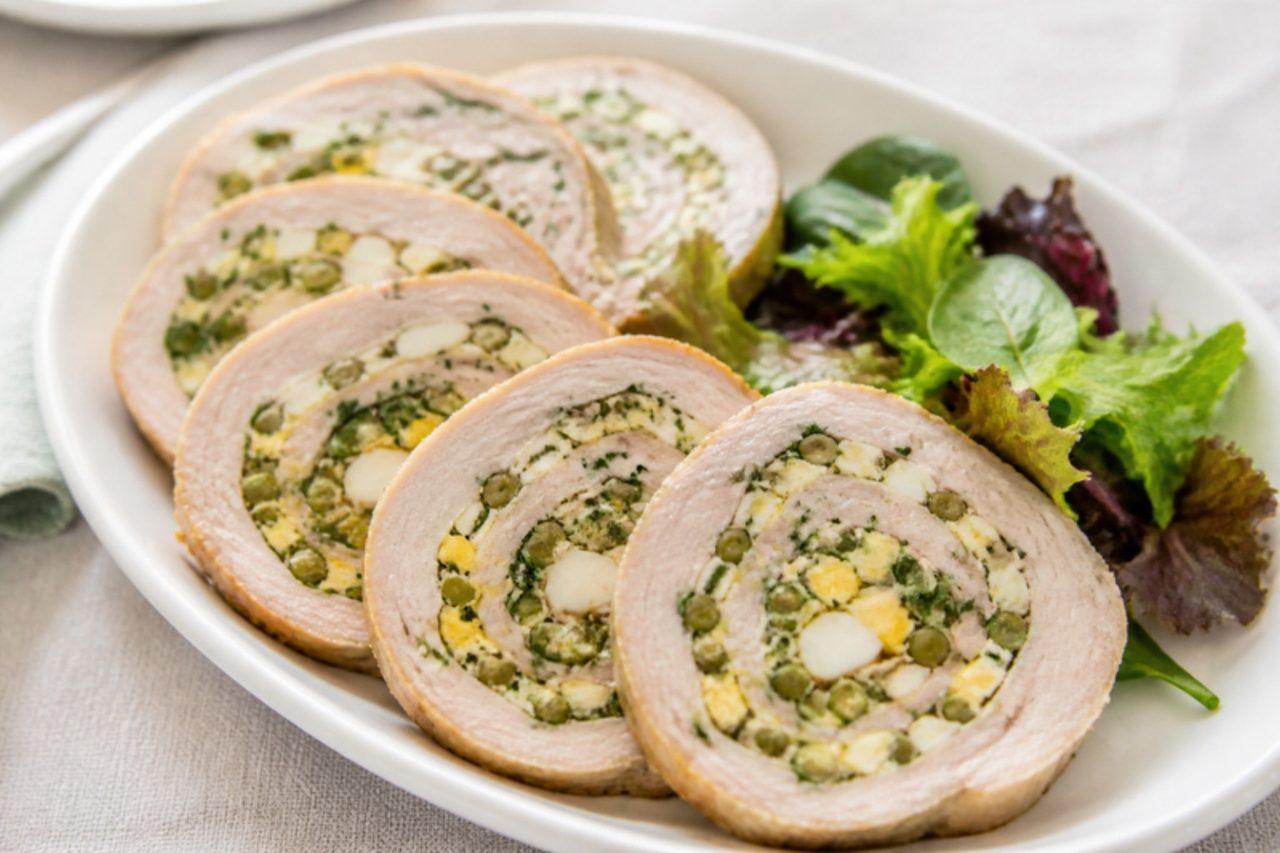
Cima alla genovese is a summer dish from Genoa and the Ligurian coast, sold by the slice in old delicatessens and set out for festive lunches and picnics. A pocket of veal breast is filled with a soft mixture of minced veal, egg, peas, parmigiano, pine nuts and marjoram, sewn shut and poached gently in broth, then pressed overnight so each cold slice shows a mosaic of green peas and golden egg. Traditional recipes add brains, sweetbreads and udder; this version keeps to veal mince so it is easier to make at home. Ask the butcher to cut the pocket for you. Serve it cool with a green salad and a little salsa verde. Chef's tip: fill the pocket only two-thirds full; the stuffing swells as it cooks and will burst the seams if packed tight.

195 minItalianMeat
by KrazyBadal 0 views

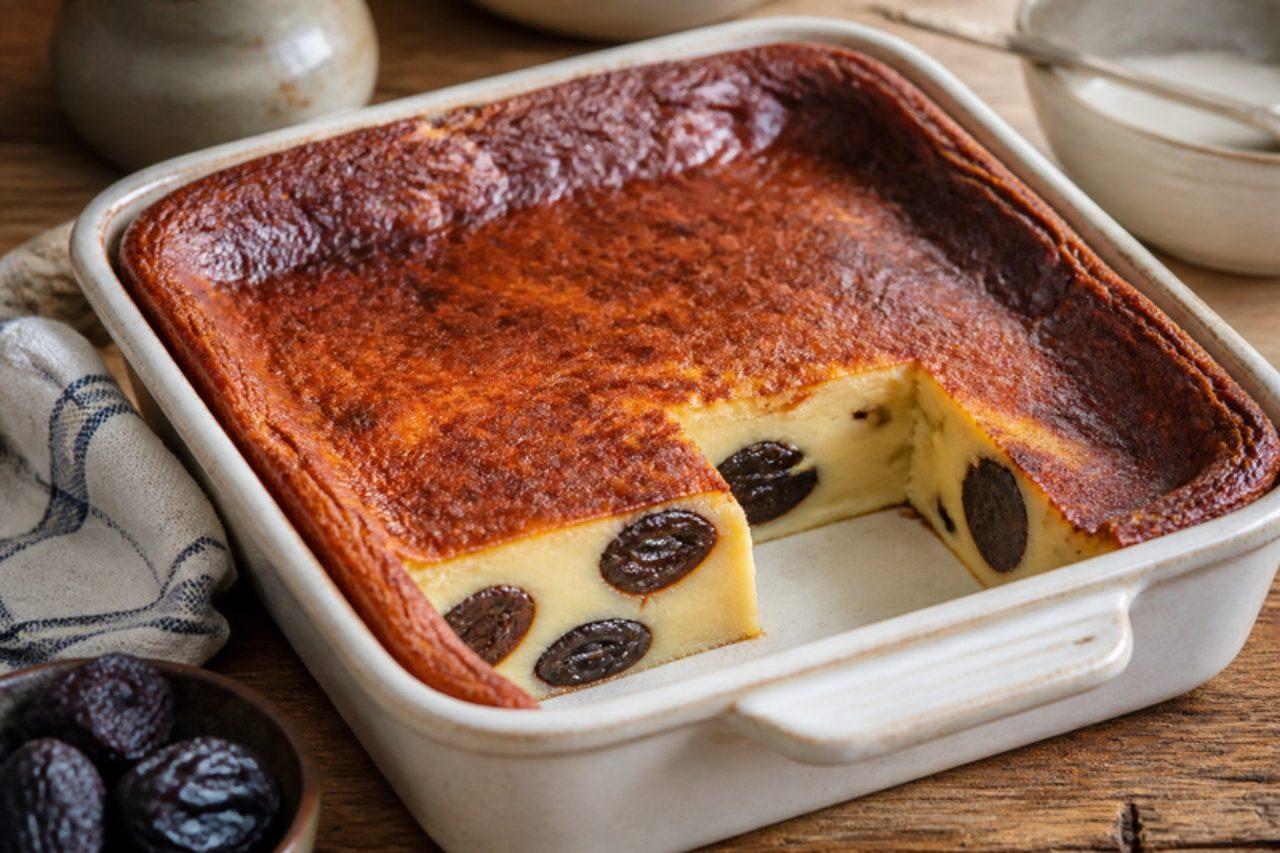
Far bretonPrune custard cake

Far began as a savoury porridge in Breton farmhouses; today it is the sweet custard cake that every boulangerie from Quimper to Saint-Malo sells by the slice, dense and wobbly in the middle and browned on top, with prunes hidden inside. Bretons eat it at room temperature for goûter, at the end of a crêpe meal or packed for a day at the beach. Some cooks soak the prunes in rum; this recipe uses warm tea, which plumps them without alcohol, and a little rum can go in the batter if you want the traditional taste. Chef's tip: make the batter the night before and rest it in the fridge; the flour swells and the far bakes smoother and more custardy.

by KrazyBadal 0 views

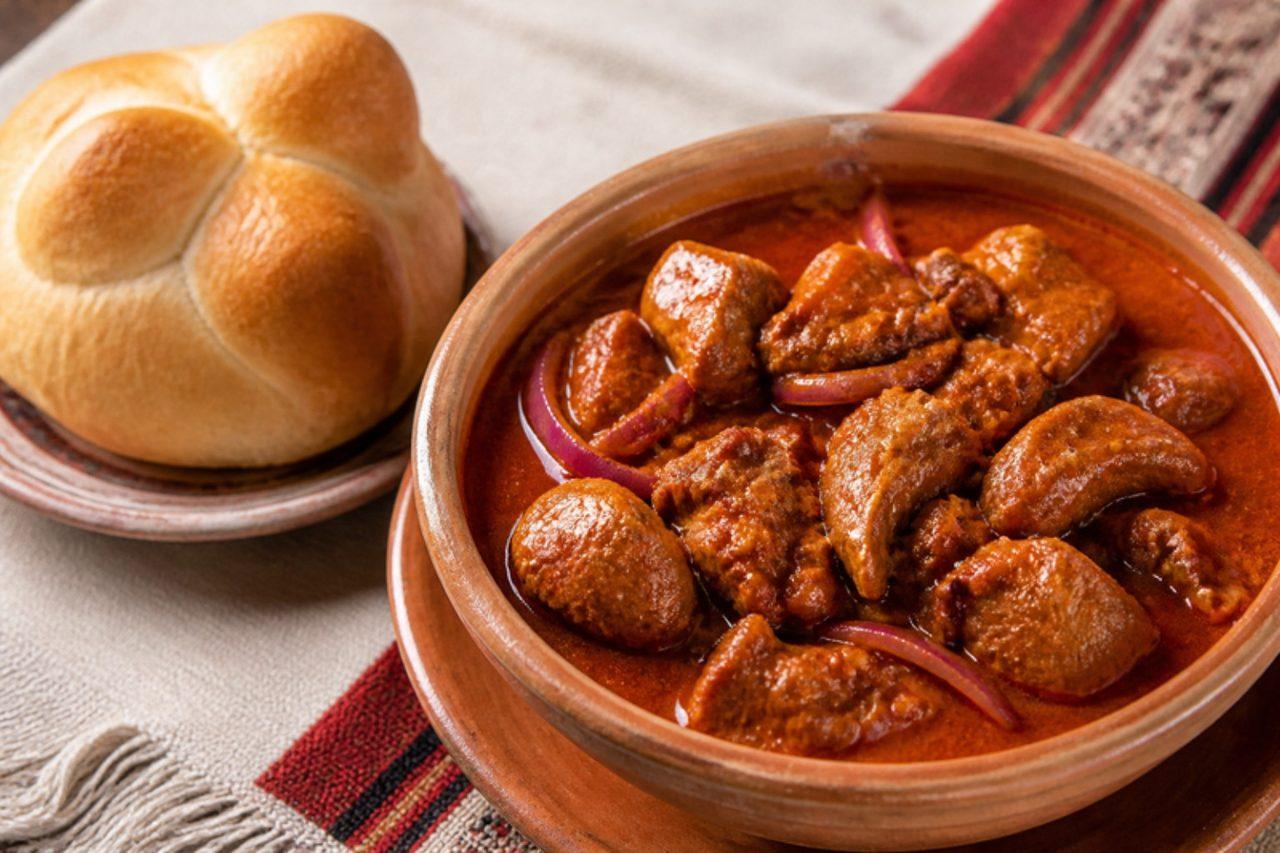
Adobo arequipeñoMarinated slow-cooked pork

On Sunday mornings in Arequipa, families head to picanterías in Cayma and Yanahuara for a steaming bowl of adobo, chunks of pork that have marinated overnight in chicha de jora (fermented maize beer), ají panca, garlic and cumin, then cooked slowly in a clay pot with thick wedges of red onion. The sauce is dark red, tangy and garlicky rather than hot, and you mop it up with pan de tres puntas, the city's triangular bread; a mug of anise tea follows. Chicha de jora contains alcohol; for an alcohol-free adobo, use the vinegar and water swap in the ingredient list, which gives the same sour edge. Boiling it hard is the classic error, as it toughens the pork; it should barely tremble under the lid. Chef's tip: marinate the pork the evening before, always in the fridge, and cook it the next morning in its marinade.

by KrazyBadal 0 views

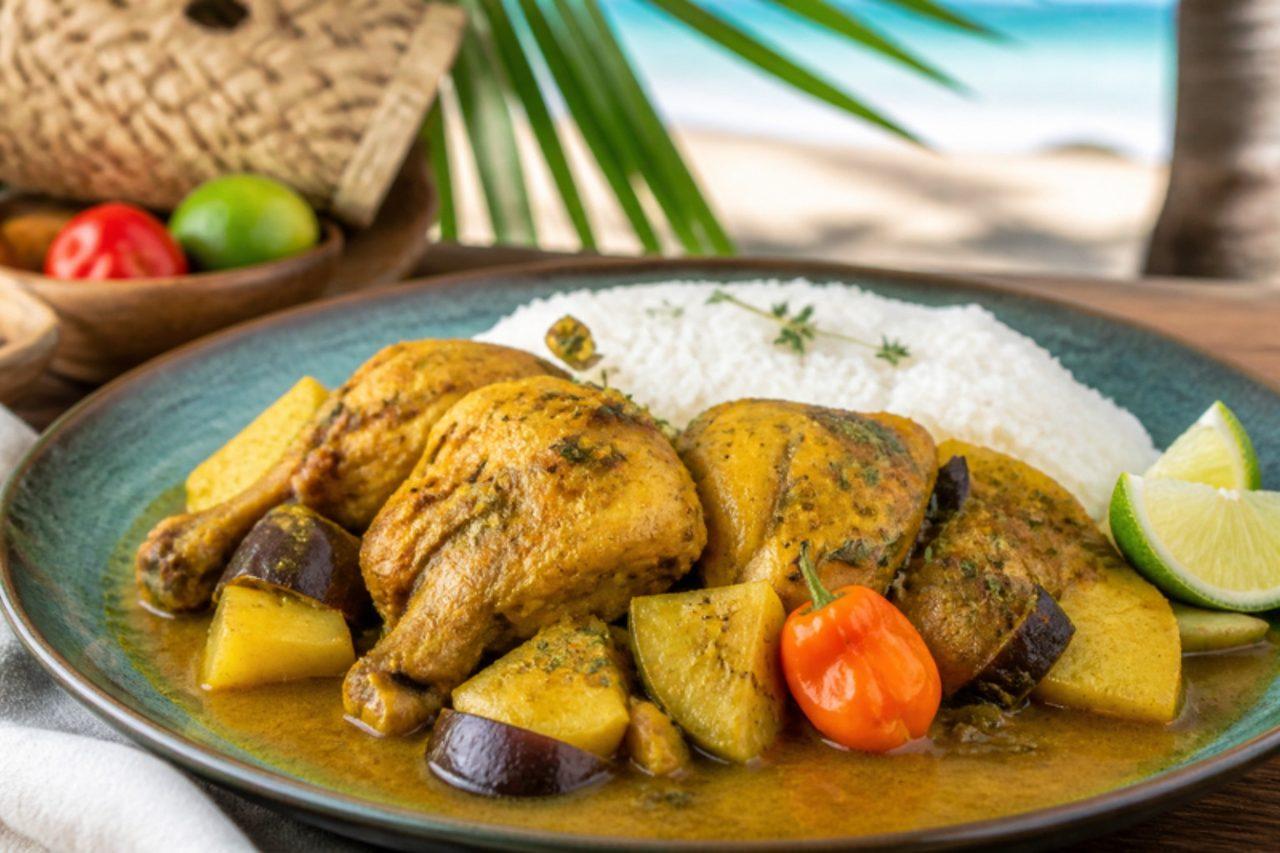
Colombo de pouletChicken curry with aubergine and chayote

In Guadeloupe and Martinique, colombo is the curry brought by Tamil workers in the nineteenth century and now a fixture of Sunday lunches, christenings and Carnival feasts. Its spice blend, also called colombo, mixes toasted coriander, cumin, fenugreek, mustard seed and turmeric with a little toasted rice that thickens the sauce. Chicken is marinated in lime and garlic in the fridge, then simmered with aubergine, chayote (christophine) or courgette and potato into a golden, earthy, gently tangy stew, with a whole Scotch bonnet for perfume. Serve with white rice and a wedge of lime. Chef's tip: leave the Scotch bonnet whole and lift it out at the end for flavour without fierce heat; prick it only if you want it hot.

by KrazyBadal 0 views

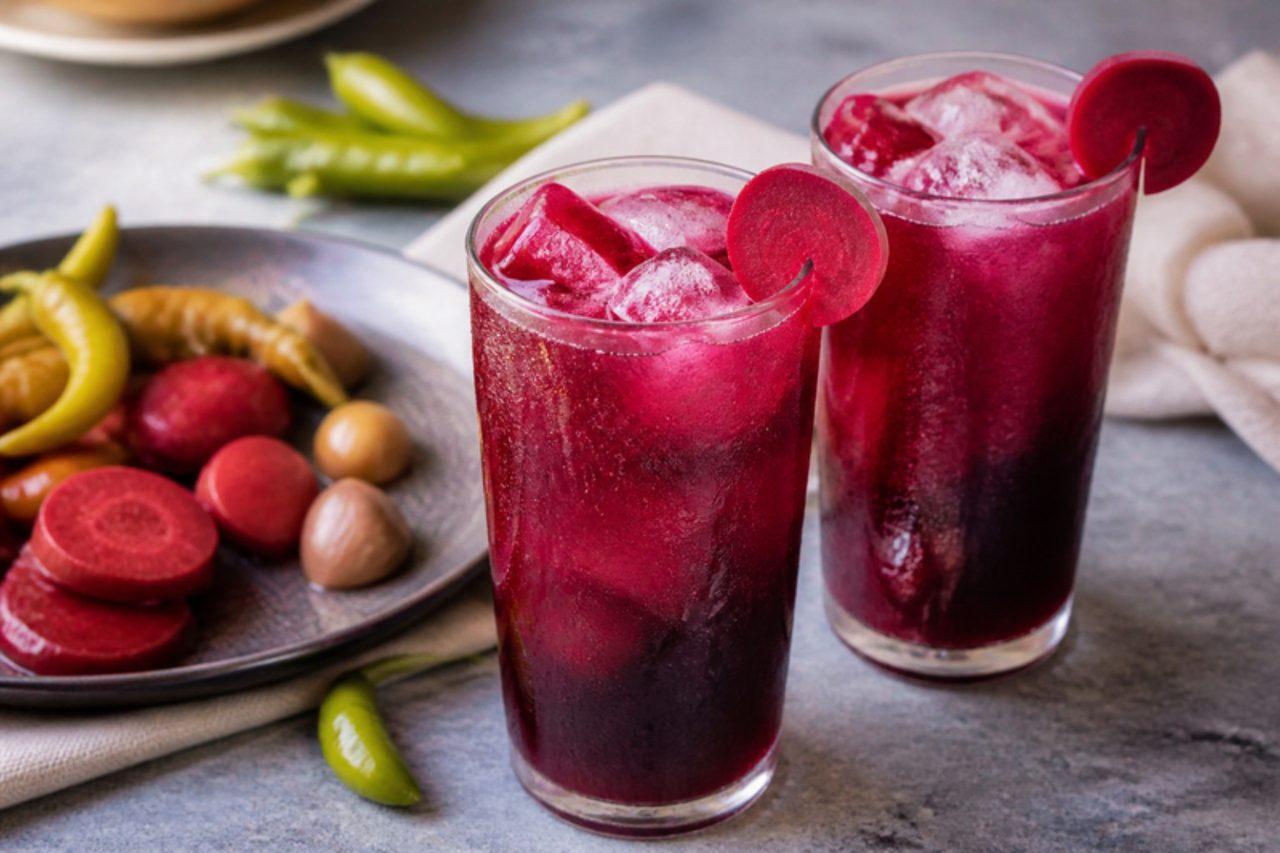
ŞalgamFermented purple carrot drink

Order an Adana kebab in its home city and a tall glass of şalgam arrives with it, deep purple, salty, sour and often fiery. It is made by fermenting black carrots with a little bulgur and salt for a week or more, and the sharpness clears the palate between bites of lamb and grilled onion. Street carts in Adana sell it by the glass in summer. This home version skips the separate bulgur-sour-dough stage the big producers use. Use non-iodised salt: iodised salt can stall the ferment. Chef's tip: taste from day 5; when it is sour enough to make you blink, strain and chill it, because it keeps fermenting at room temperature.

by KrazyBadal 1 views

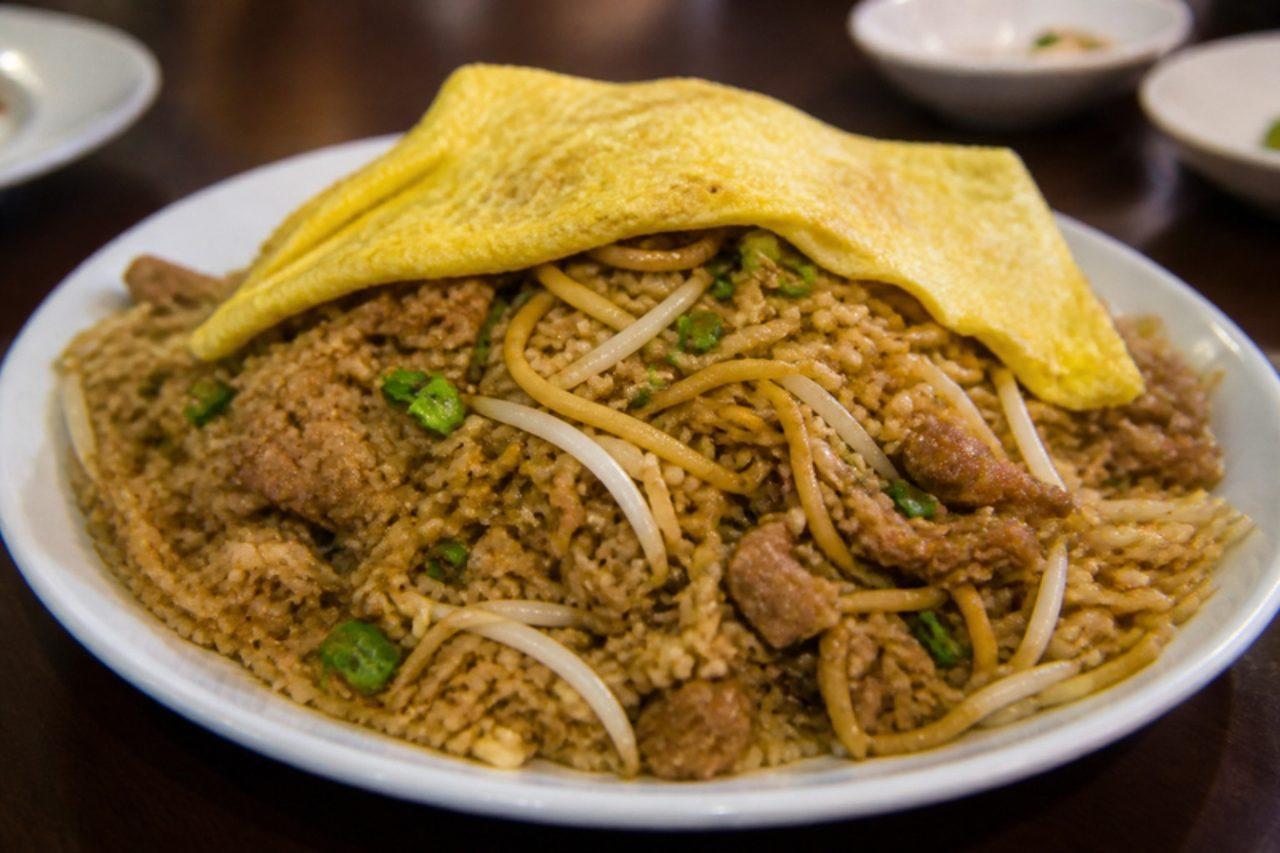
AeropuertoFried rice and noodles with omelette

Nobody agrees why Lima's chifas call it 'airport', though the favourite story is that everything 'lands' on one plate: arroz chaufa and fried noodles stir-fried together in a smoking wok with roast pork, bean sprouts, snow peas and spring onion, then crowned with a thin egg omelette, sometimes with a few fried wontons alongside. It is hearty, smoky and salty from soy and oyster sauce, a late-night and lunchtime favourite to share. The main mistake is using freshly cooked rice, which goes mushy; use rice cooked the day before and kept in the fridge. Chef's tip: for a veg version, swap the pork for firm tofu and extra vegetables, and use a mushroom-based 'oyster' sauce.

by KrazyBadal 0 views

Showing 27 of 7,762 recipes

Show more recipes

Page 437 of 863