


Skip to content
Safed maas
Featured recipe

Safed maas

Mutton in white gravy

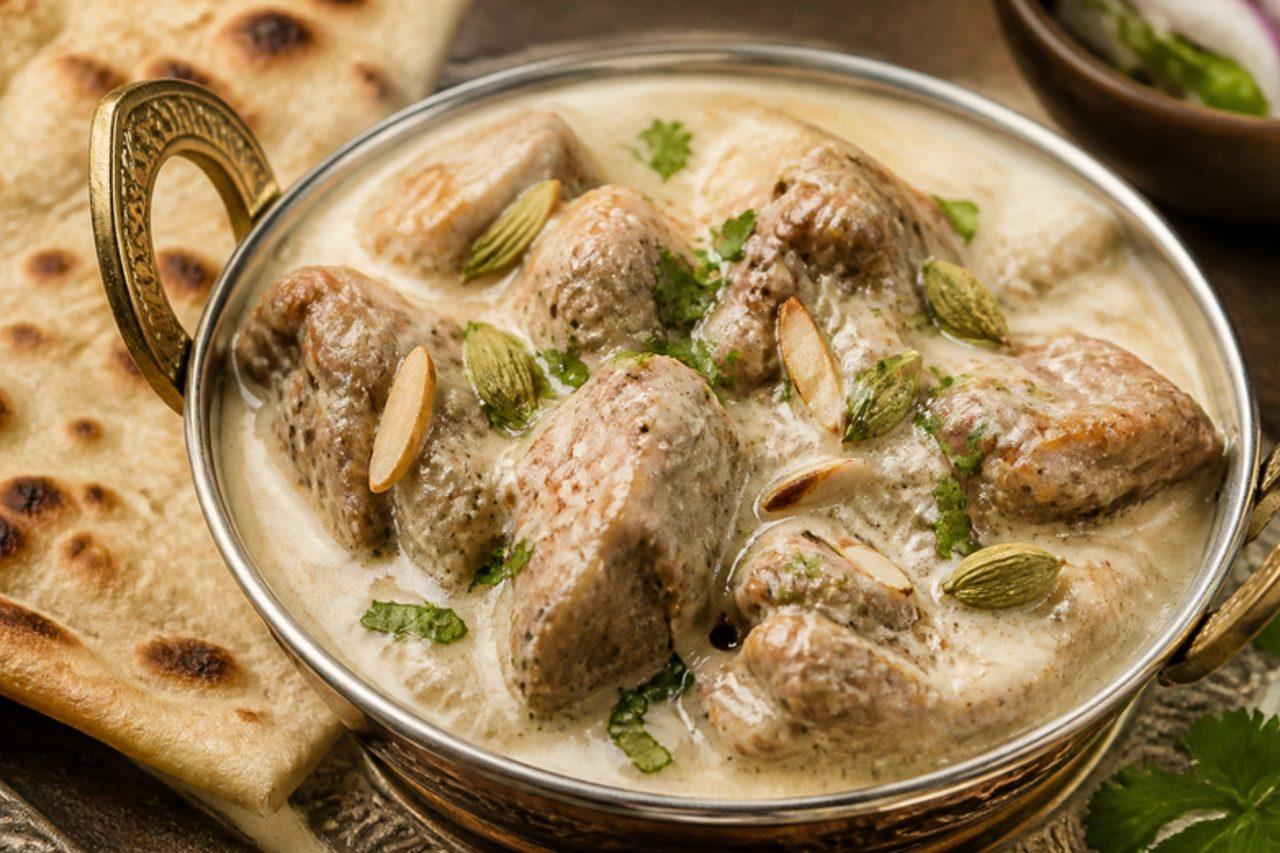
Safed maas is the quiet sibling of fiery laal maas, created in the palace kitchens of Rajasthan's princely states such as Jaipur and Udaipur, where cooks prized dishes that looked as refined as they tasted. There is no turmeric, no red chilli and no browning: the mutton is cooked white with yogurt, a paste of cashews and almonds, cream and white pepper, scented with cardamom and kewra. Its heat is gentle and comes from white pepper and a few green chillies. It's served at weddings and festive dinners with soft rotis or saffron pulao. Chef's tip: keep the heat low from start to finish; the moment the meat or the spices brown, the gravy turns beige and loses that ivory look.

Read more 0 views

What to eat today?

Around the world

Today's trip: Persian

A new country every day, from every cuisine on the site.

Persian

Nimroo

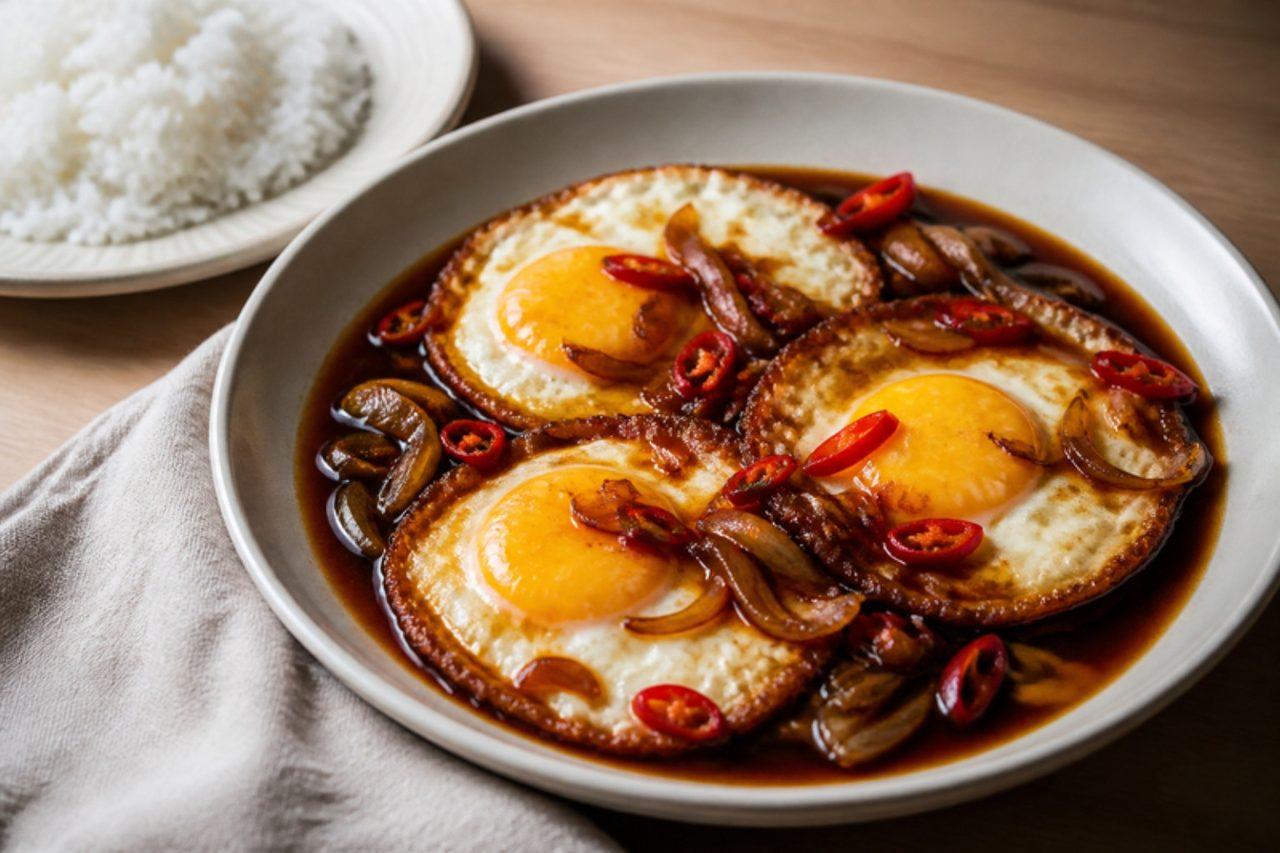
Half-set fried eggs 8 minMore from Persian (174) →

This week's collection

Kid-friendly dinners
731 recipes · a new collection every Monday

Coming up

All occasions →

Latest recipes

Loitta fryFried Bombay duck fish

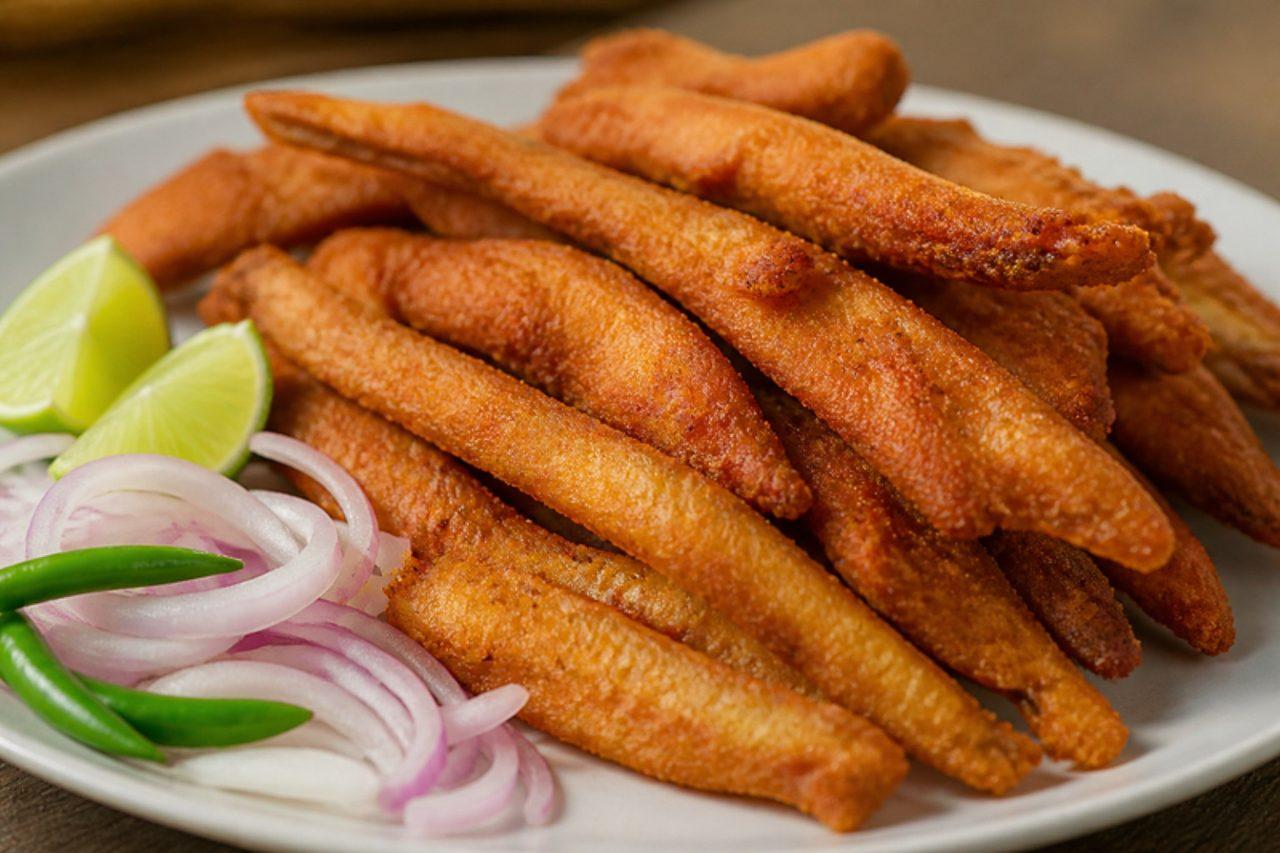
Down on the beach road at Cox's Bazar, the fry stalls lay out trays of loitta, the soft, almost jelly-like Bombay duck fish, ready to be coated in chilli and rice flour and dropped into hot oil while you wait. The contrast is the whole point: a shatteringly crisp, spicy shell around flesh so tender it barely holds together. In Chittagong homes it is a weekday treat with rice and dal, and it often appears at iftar. Fresh loitta holds a lot of water, and the usual mistake is to coat it straight away, which makes the crust go soggy and spit in the pan. Pressing it under weight first fixes that. Chef's tip: if you can only get frozen Bombay duck from an Asian grocer, thaw it in the fridge overnight and press it twice as long.

by KrazyBadal 0 views

LokšePotato flatbreads

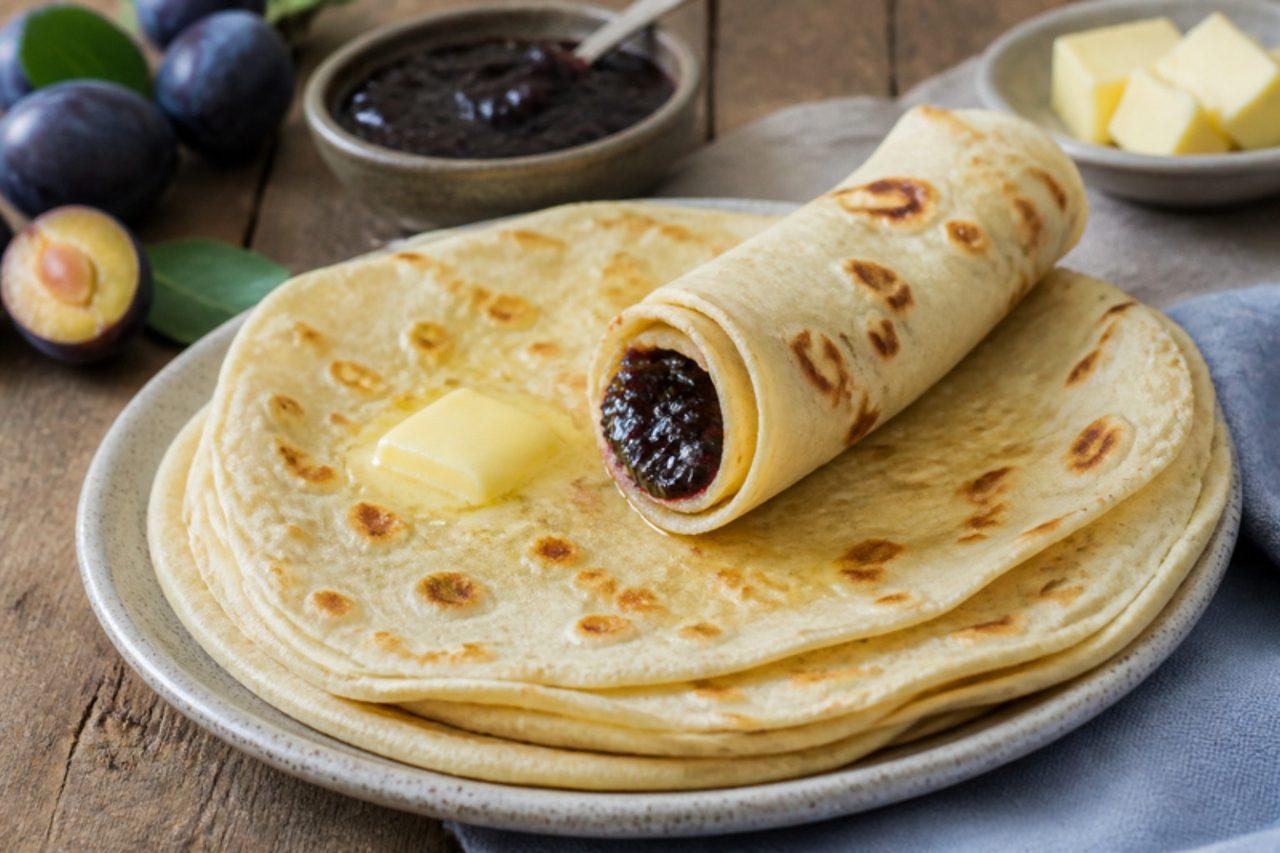
Across the border in Slovakia, lokše are the November flatbreads of St Martin's Day, when the roast goose arrives and the thin potato pancakes are brushed with its fat. Families in western Slovakia also roll them around plum butter or sweet poppy seed for an afternoon treat, and they turn up at Christmas markets in Bratislava. They are soft, pliable and freckled with brown spots from a dry hot pan, a little like a potato tortilla. Here they are brushed with melted butter instead of goose fat, so they are vegetarian. A common mistake is mixing the dough while the potatoes are still warm: it turns sticky and swallows far too much flour. Cool the mashed potatoes completely, ideally overnight. Chef's tip: roll each one on a floured cloth and flip it straight onto the pan from the cloth, so the thin sheet never tears.

by KrazyBadal 0 views

Lokshen kugelSweet noodle pudding

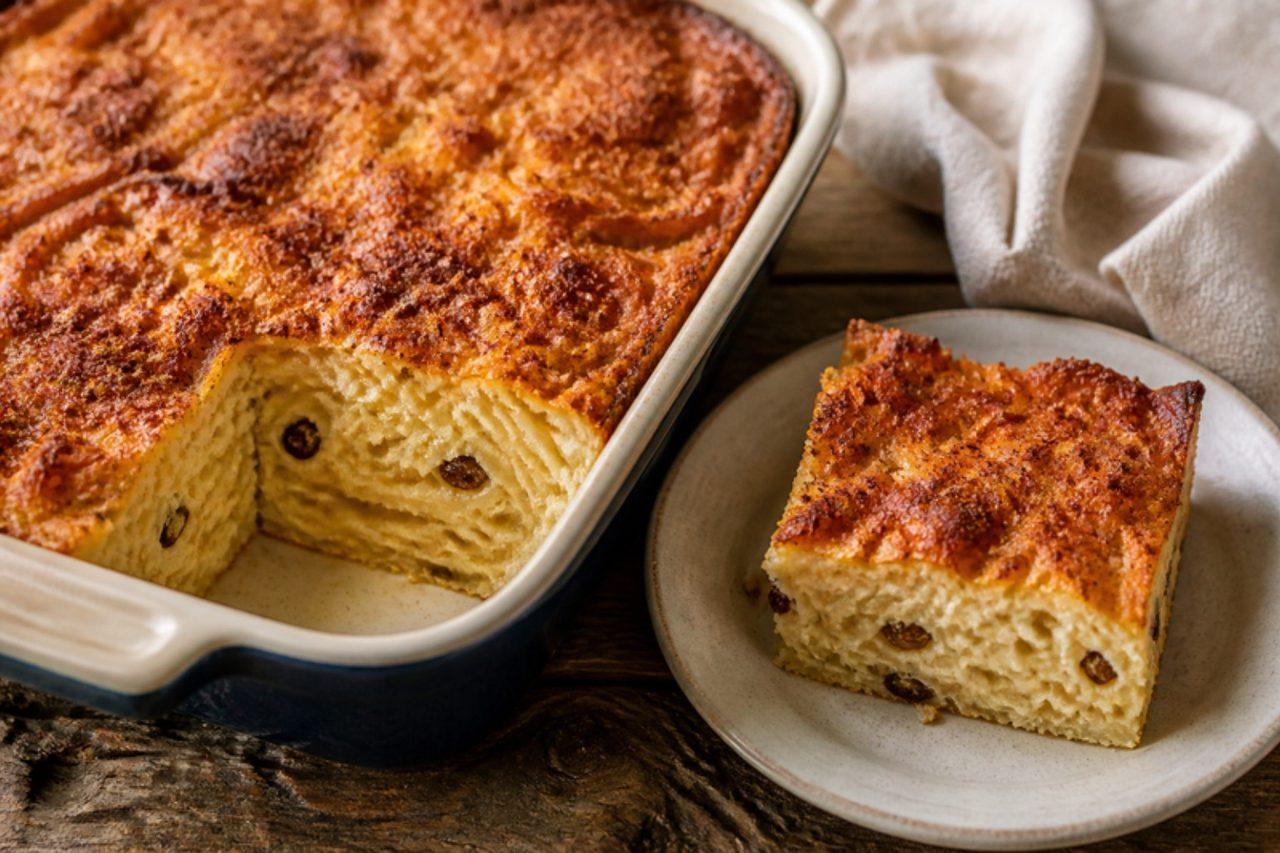
In Ashkenazi homes from Haifa to Jerusalem, a tray of sweet lokshen kugel comes out for Shavuot, when dairy meals are the custom, and again for break-fast tables after Yom Kippur. Wide egg noodles are bound with eggs, soft farmer cheese and soured cream, studded with raisins and baked until the top noodles turn crisp and brown while the middle stays soft and custardy. Serve it warm or at room temperature in squares, with fruit compote or a spoon of soured cream. Farmer cheese is usually made without animal rennet, but check the label and choose one marked vegetarian. The most common mistake is cooking the noodles fully before baking: they keep softening in the oven and the kugel turns mushy. Chef's tip: leave a few noodle ends sticking up from the surface, they turn into the crunchy bits everyone fights over.

by KrazyBadal 0 views

Loomi teaDried black lime tea

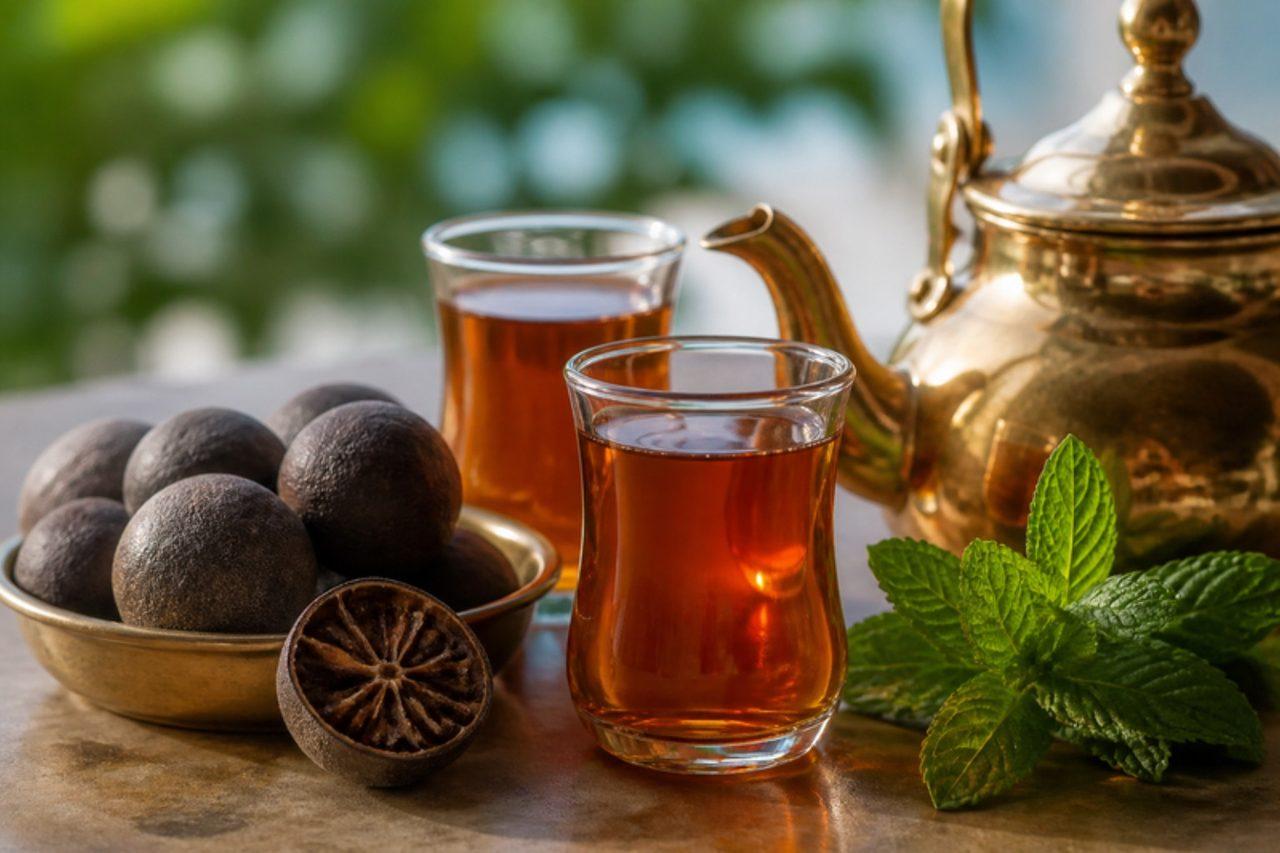
Dried limes, loomi, are everywhere in the Gulf kitchen, from Bahraini machboos to Kuwaiti stews, and on cold days or after a heavy meal they are also cracked open and steeped into shai loomi, a tart, smoky, amber tea. In Saudi Arabia, Kuwait and Bahrain it is drunk hot and sweet in small glasses, and it is many families' remedy for an upset stomach. The flavour is sour and a little bitter, like a cross between lemon tea and something faintly smoked. A common mistake is steeping the whole limes uncracked, which gives a weak, watery tea; break them open first. Strain well, as the seeds are very bitter if chewed. Chef's tip: use the darker limes for a deeper, earthier tea and the pale ones for a sharper, brighter cup.

by KrazyBadal 0 views

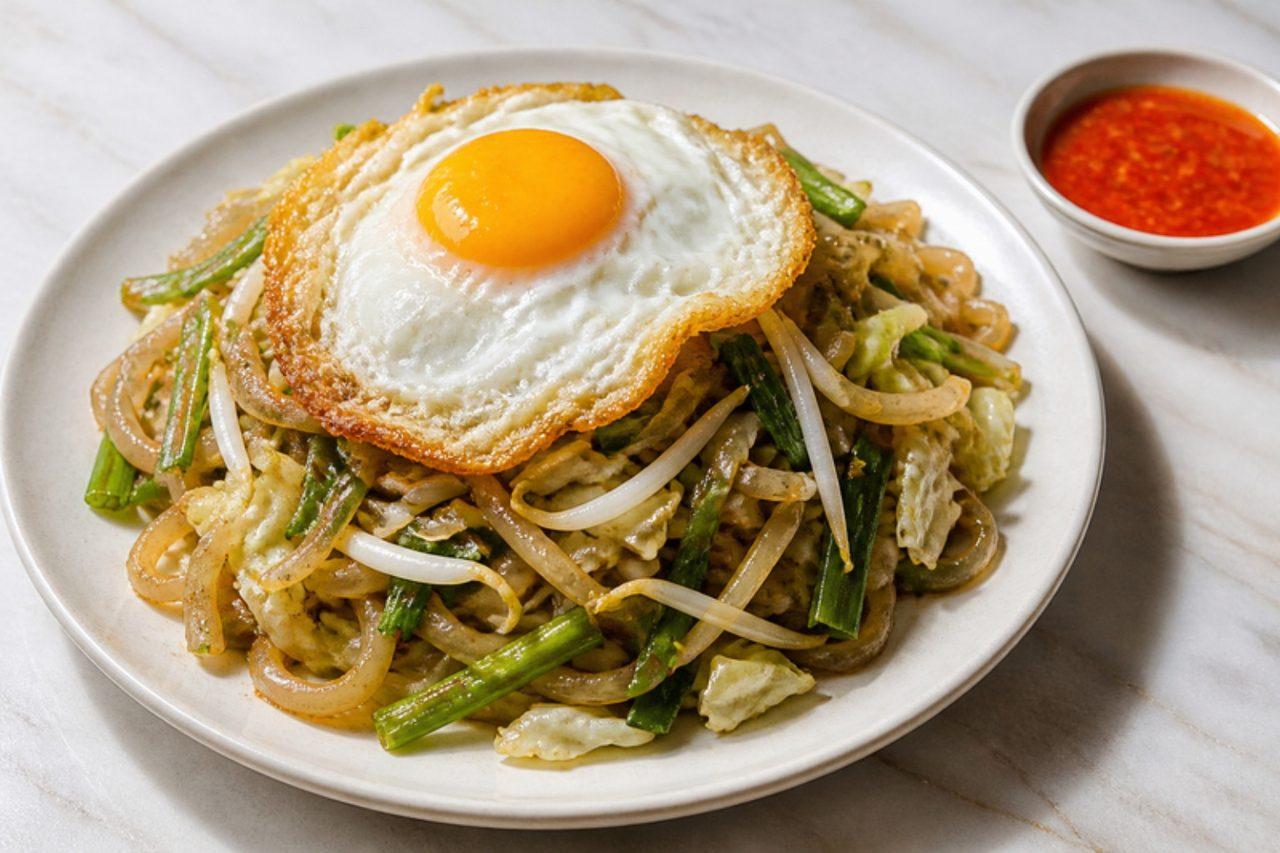
Lort cha (vegetarian)Fried short rice noodles

Late afternoon around Phnom Penh's Orussey and Kandal markets, vendors work flat griddles crowded with lort, short rice noodles tapered at both ends like fat pins. They are fried hard with bean sprouts and garlic chives until some strands catch and turn chewy-crisp, splashed with sweet-salty soy, then crowned with a fried egg and a squeeze of sweet chilli sauce for an after-school or after-work snack. Stalls season with fish and oyster sauce; this vegetarian version uses soy and a mushroom-based stir-fry sauce instead. The usual mistake is stirring the noodles constantly, which breaks them into mush and never lets them brown. Chef's tip: loosen the noodles with warm water before they go near the pan, then leave them alone for a full minute at a time so they pick up toasty, caramelised patches.

by KrazyBadal 0 views

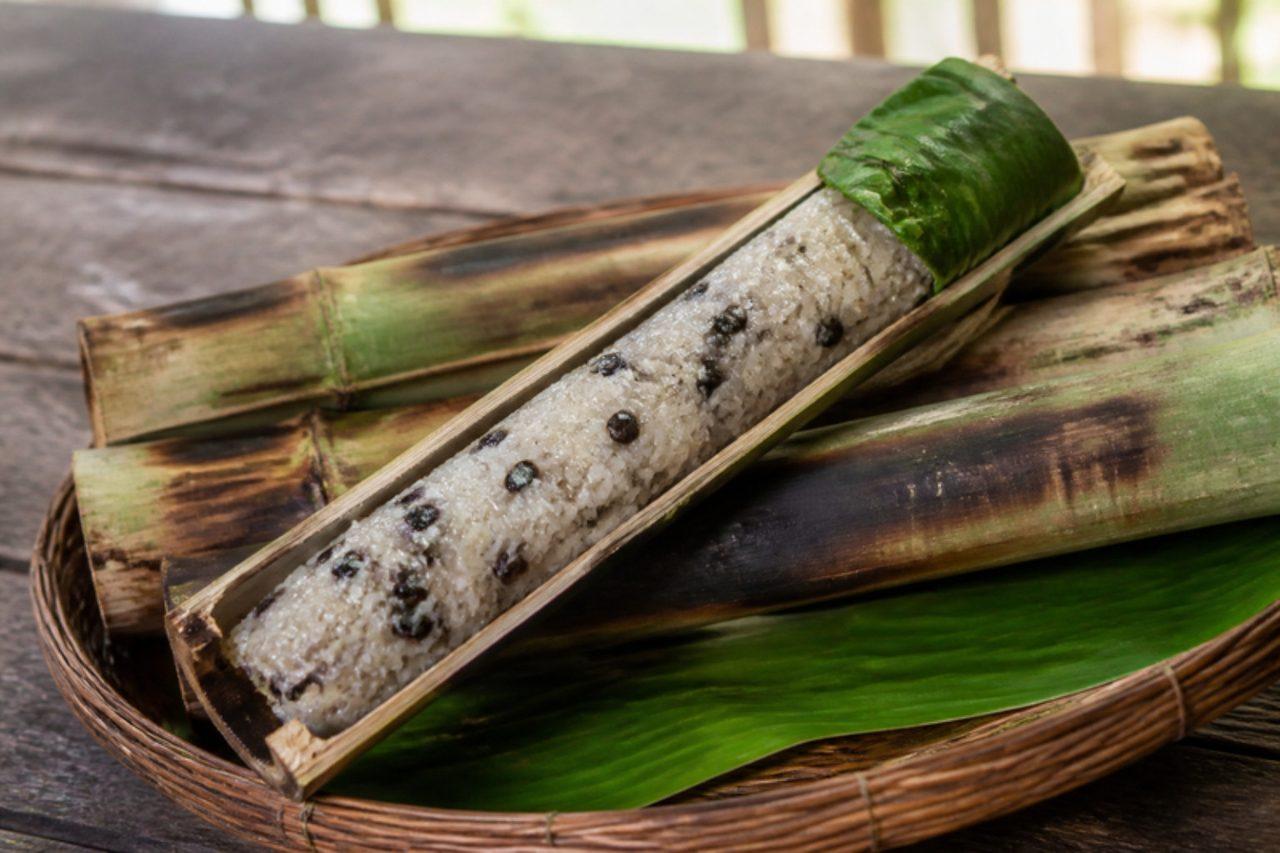
Luang Prabang khao lamSticky rice with black beans

Lines of blackened bamboo tubes propped beside smouldering charcoal mark the khao lam sellers on the roads into Luang Prabang, busiest in the cool season after the November harvest, when new-crop sticky rice is at its sweetest. Inside each tube, rice and black beans have cooked slowly in salted coconut milk, picking up a faint smoky, grassy flavour from the bamboo lining. You split the tube, peel back the thin inner skin and eat the dense, chewy, gently sweet log by hand, often on the morning walk or on a bus journey. At home the tubes roast in the oven or over a barbecue, and a lidded dish lined with banana leaf works if you can't get bamboo. Overfilling the tubes is the usual slip: the rice swells, the plug pops and the coconut milk boils away. Chef's tip: soak the rice overnight; well-soaked grains cook evenly right to the centre of the tube.

by KrazyBadal 0 views

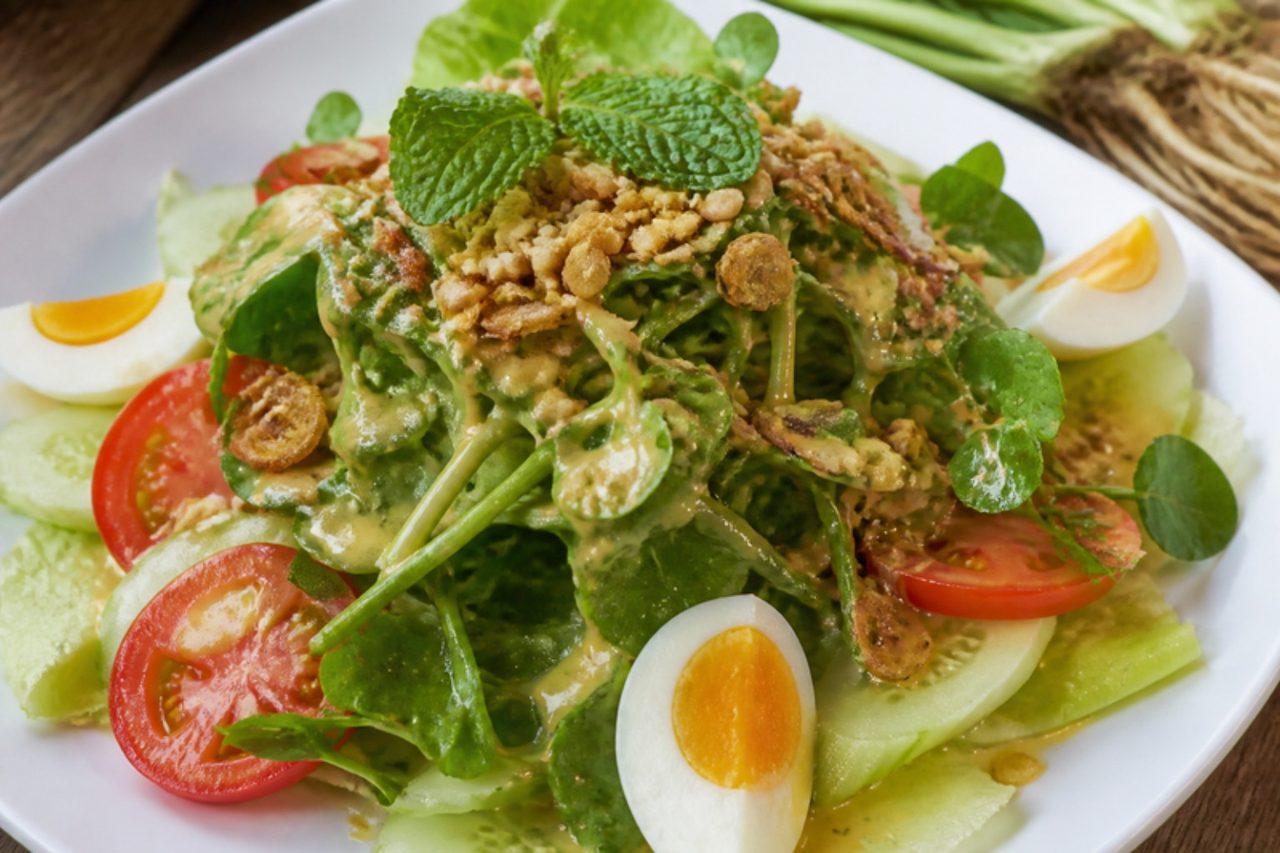
Luang Prabang saladWatercress and egg salad

Clear spring-fed beds outside Luang Prabang grow some of the crispest watercress in Laos, and the old royal capital turned it into a salad that shows its French years: peppery cress, tomato and cucumber under a smooth dressing made from mashed hard-boiled yolks. Cafés along the Nam Khan serve it at lunch in the cool season, from November to February, often as the light plate beside grilled river fish or a bowl of sticky rice. It tastes fresh, gently sweet and garlicky, with crunch from fried garlic and peanuts on top. Restaurants sometimes add fish sauce or pork; this version is vegetarian and seasoned with salt. Dressing the cress too early is the mistake to avoid, because it wilts into a soggy heap in minutes. Chef's tip: dry the watercress properly in a salad spinner, or the dressing slides off instead of clinging.

30 minLaoSaladsGluten free
by KrazyBadal 0 views

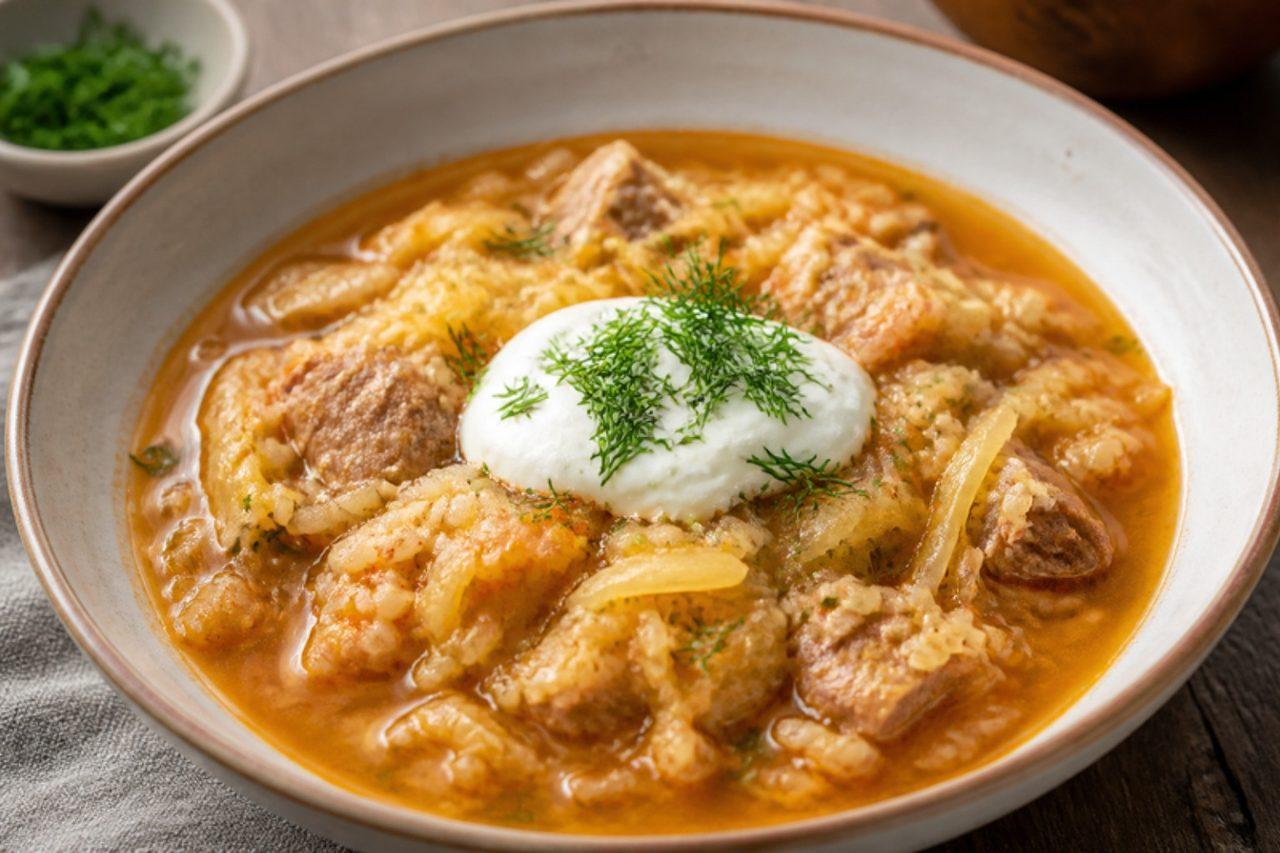
Lucskos káposztaPork, cabbage and rice stew

Lucskos means sloppy or juicy, and this stew from the north-east, from Szabolcs to Borsod and the Zemplén hills, is exactly that: a pot of pork, shredded fresh cabbage and a little rice, cooked loose and soupy, soured with sauerkraut juice and enriched with sour cream and dill. Think of it as the everyday, unrolled cousin of stuffed cabbage, cooked on weekday evenings and at village pig-killing feasts. It is a pork dish, tangy, warming and filling, eaten from deep bowls with bread. A common mistake is putting the rice in too early, so it swells and thickens the pot into porridge; add it for the last 20 minutes only. Chef's tip: if you can't get sauerkraut juice, a spoon of vinegar and a pinch of sugar gives a similar sour edge.

by KrazyBadal 0 views

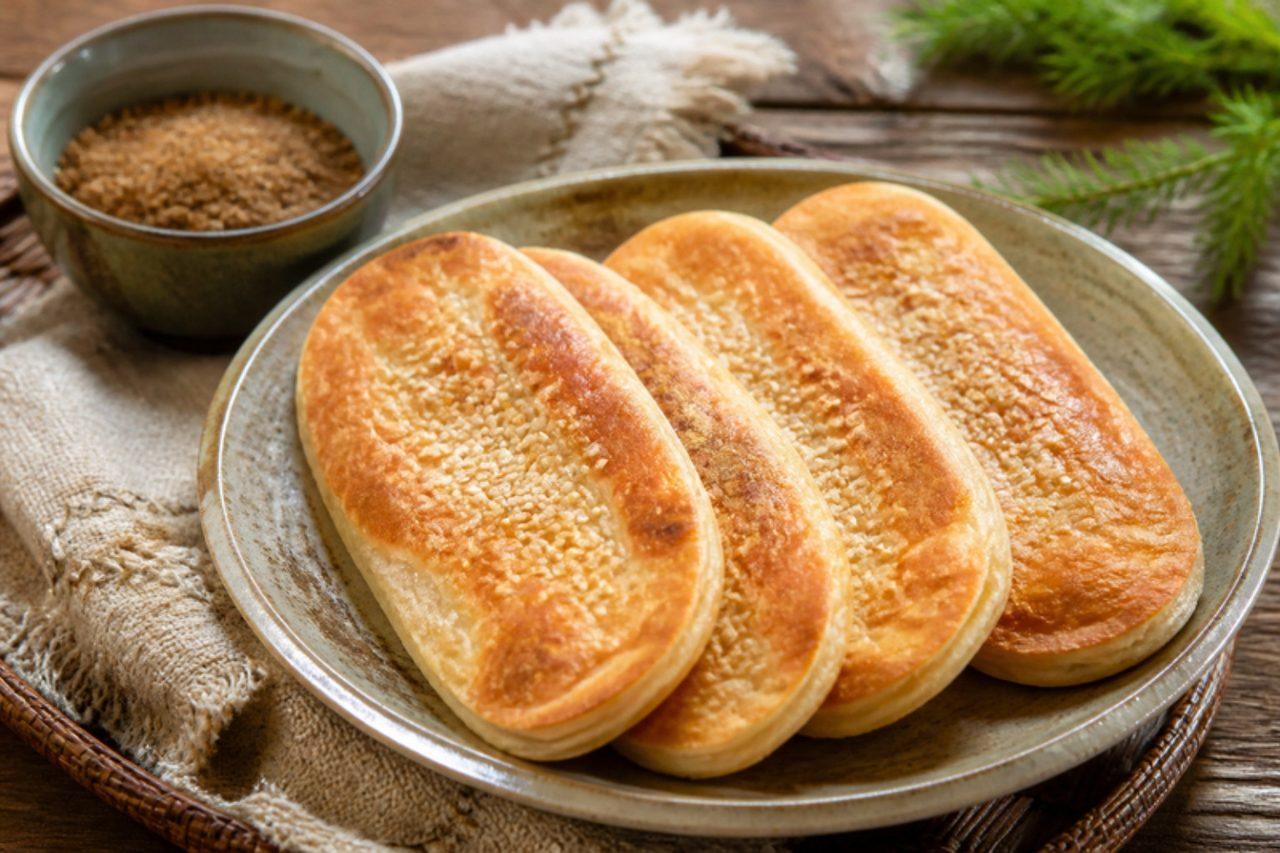
Lukang ox tongue cakesSesame maltose flat pastries

Their name comes from the shape, long and flat like a tongue, not from any meat: in the old port town of Lukang, Changhua, these pastries are pressed on hot griddles along the lanes near Tianhou Temple and handed out warm in paper bags. Lukang's style is thicker and chewier than the cracker-crisp Yilan version, with a crisp, blistered shell and a sticky brown-sugar centre that pulls like soft toffee. Bakeries there use lard, so this vegetarian recipe uses vegetable shortening in the pastry and a little butter in the filling. A frequent mishap is rolling the filled dough with heavy hands, which bursts the skin and lets the syrup scorch in the pan. Chef's tip: cook them over a low heat and be patient; slow griddling lets the centre turn molten before the outside darkens.

by KrazyBadal 0 views

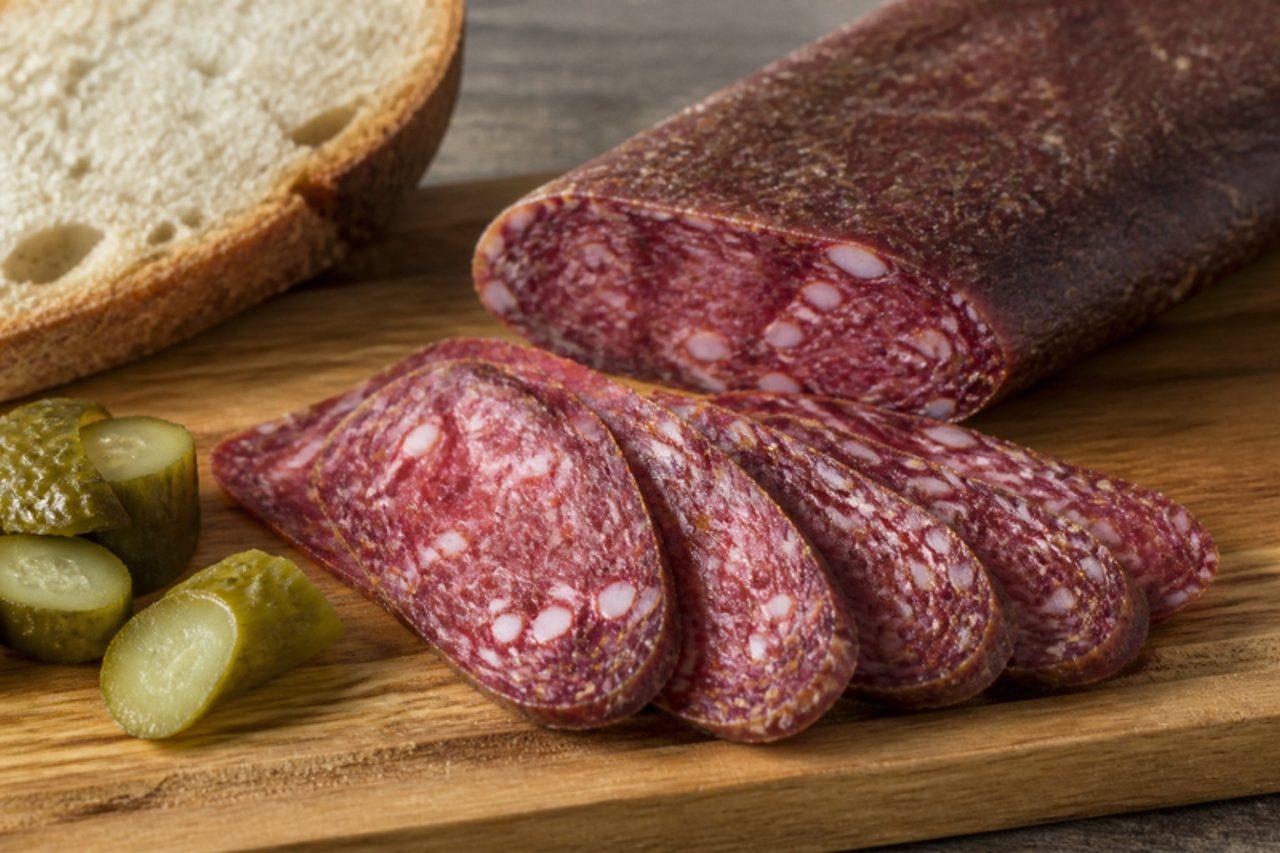
LukankaCumin pork and beef sausage

Flat, dark-red lukanka from Panagyurishte and Smilyan hangs in every Bulgarian delicatessen, sliced paper-thin for a meze plate with white cheese, tomato and cucumber. The traditional sausage is pork and beef with cumin, black pepper and salt, pressed flat and dry-cured for weeks in cold mountain air, which needs curing salts and controlled humidity and temperature to be safe, so it is not for a home kitchen. This home version keeps the flavour and flat shape but is fully cooked: the mix rests overnight in the fridge, is poached in pork casings to 71 °C, then pressed and chilled so it slices cold. Bought dry-cured lukanka is raw cured meat: not for pregnant women, young children or anyone with a weakened immune system. The usual slip is letting the meat warm up, which smears the fat, so keep everything fridge-cold. Chef's tip: fry a teaspoon of the mix and taste it for salt and cumin before you stuff.

by KrazyBadal 0 views

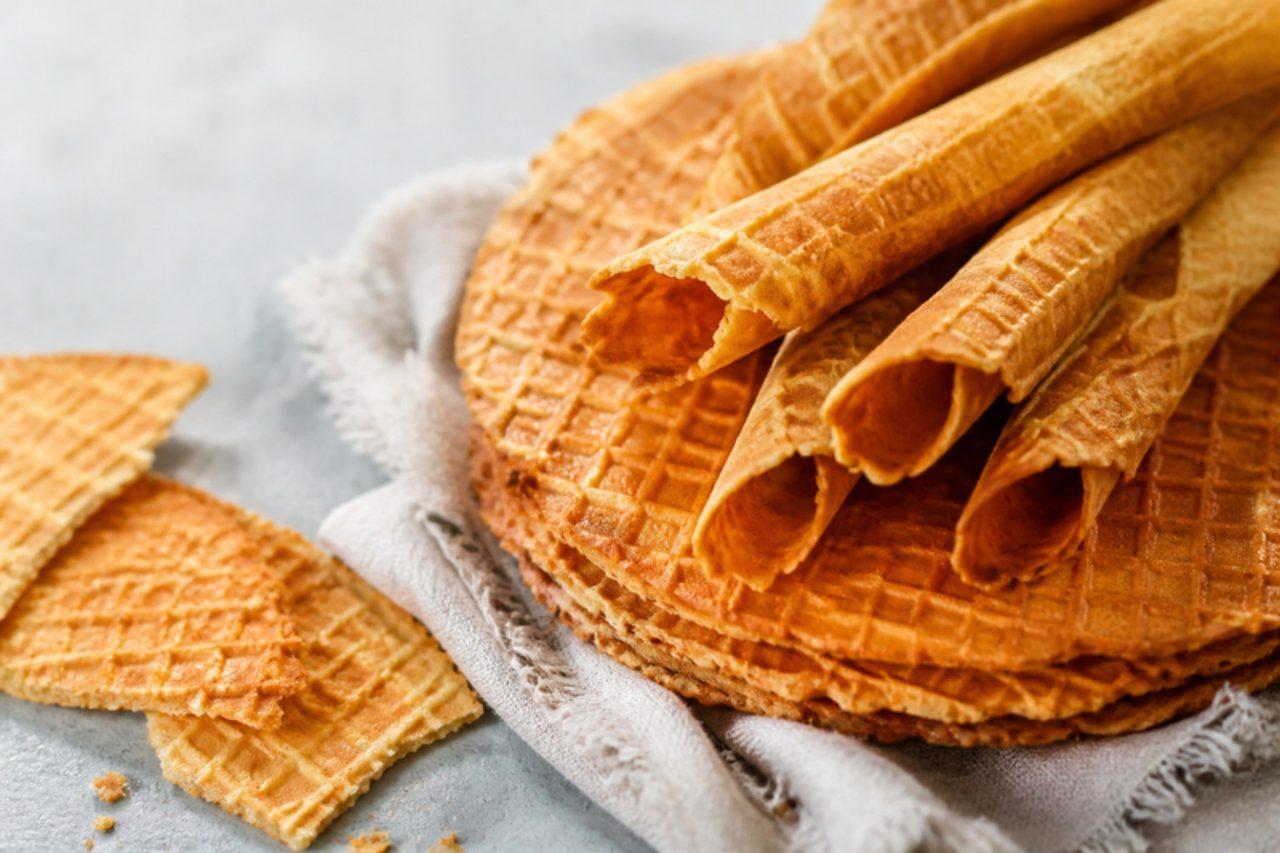
LukkenThin crisp waffle biscuits

Lukken are paper-thin, crisp waffle biscuits baked in West Flanders, around Kortrijk and Roeselare, in the days before New Year, when children go from house to house wishing neighbours a happy new year and are rewarded with them. They are made in a special iron that presses a fine pattern; a pizzelle iron or a thin-waffle (gaufrette) iron works. A common mistake is using too much batter, which makes them thick and soft. Chef's tip: use only a teaspoon of dough per biscuit and roll them while warm if you like, for 'rolled lukken'.

by KrazyBadal 0 views

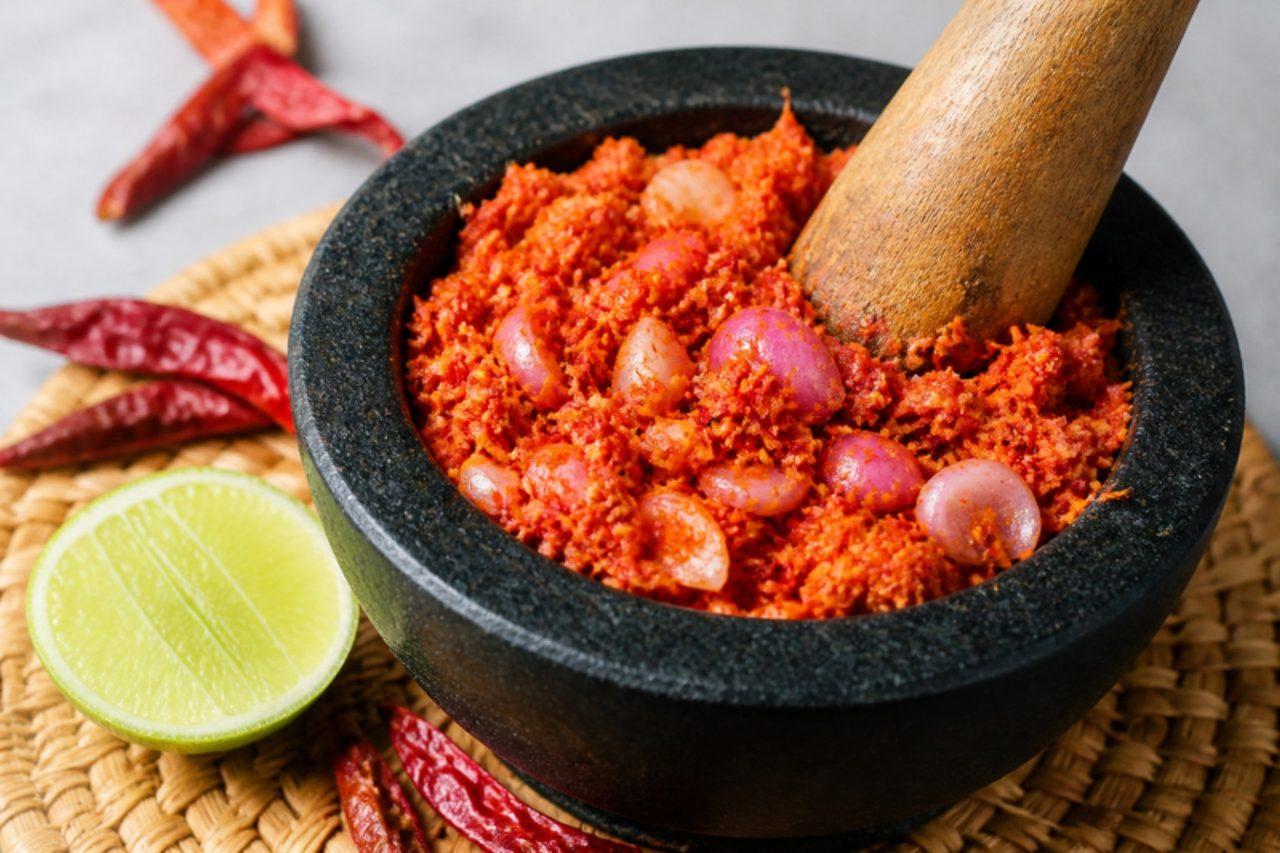
Lunu mirisPounded onion and chilli relish

Two words, salt and chilli, describe the bluntest relish on the Sri Lankan table, and that is exactly the point: a spoonful of this rough red paste wakes up the plainest starch. It is the classic partner for kiri bath on Sinhala and Tamil New Year mornings, for boiled manioc, for kurakkan roti in village kitchens and for a stack of plain hoppers at a roadside boutique. Red onion, dried chilli and salt are crushed on a grinding stone or in a mortar, then sharpened with lime; many cooks also pound in a spoon of Maldive fish, which is left out here to keep it vegan. Do not reach for the food processor, which chops everything into a wet slurry instead of bruising it into a coarse, juicy paste. Chef's tip: pound the chilli and salt together first, before the onion goes in, because the salt acts like grit and breaks the flakes down far faster.

by KrazyBadal 0 views

LussekatterSaffron buns

Before dawn on 13 December, Lucia Day, children in white gowns walk through Swedish homes, schools and offices carrying candles and trays of lussekatter: golden saffron buns twisted into an S with a raisin in each curl. The saffron colour and the light are meant to chase away the darkest days of winter. A common mistake is adding the saffron dry, which leaves the buns pale and streaky. Chef's tip: grind the saffron with a sugar cube and melt it into the warm butter and milk, so the colour spreads evenly.

by KrazyBadal 0 views

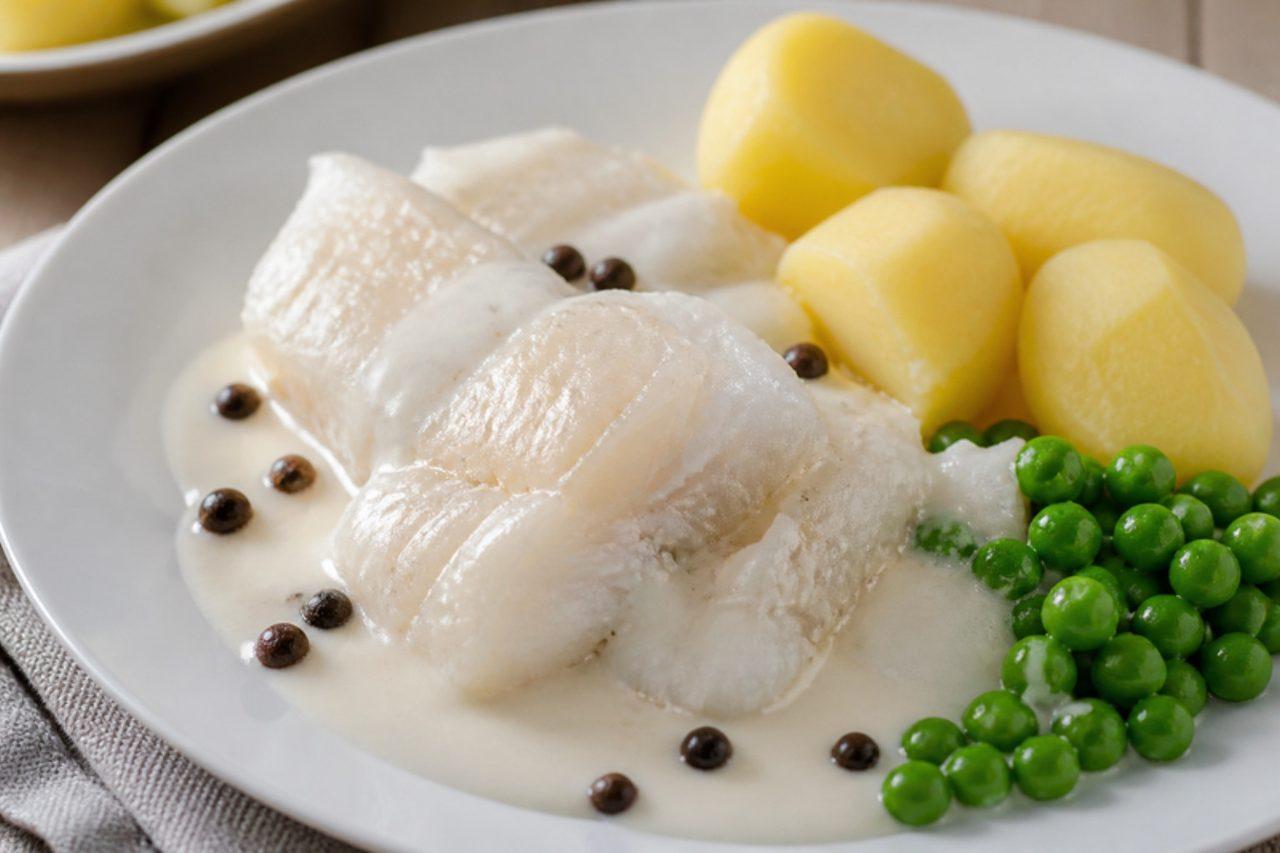
LutfiskLye-cured cod with white sauce

Lutfisk, lutefisk in Norway, is dried cod or ling soaked in water and lye for days until it swells into a soft, jelly-like fish, then rinsed and baked or steamed and eaten at Christmas with white sauce, peas, boiled potatoes, allspice and, in Norway, bacon fat. It divides families, loved by some, avoided by others. Lye is caustic, so never cure it at home; buy ready-soaked lutfisk from Scandinavian shops and fishmongers in December. A common mistake is cooking it in an aluminium dish, which reacts and discolours it. Chef's tip: salt the fish and leave it for 15 minutes before baking; it draws out water and keeps the flakes firm. It is done when it is opaque and flakes.

by KrazyBadal 0 views

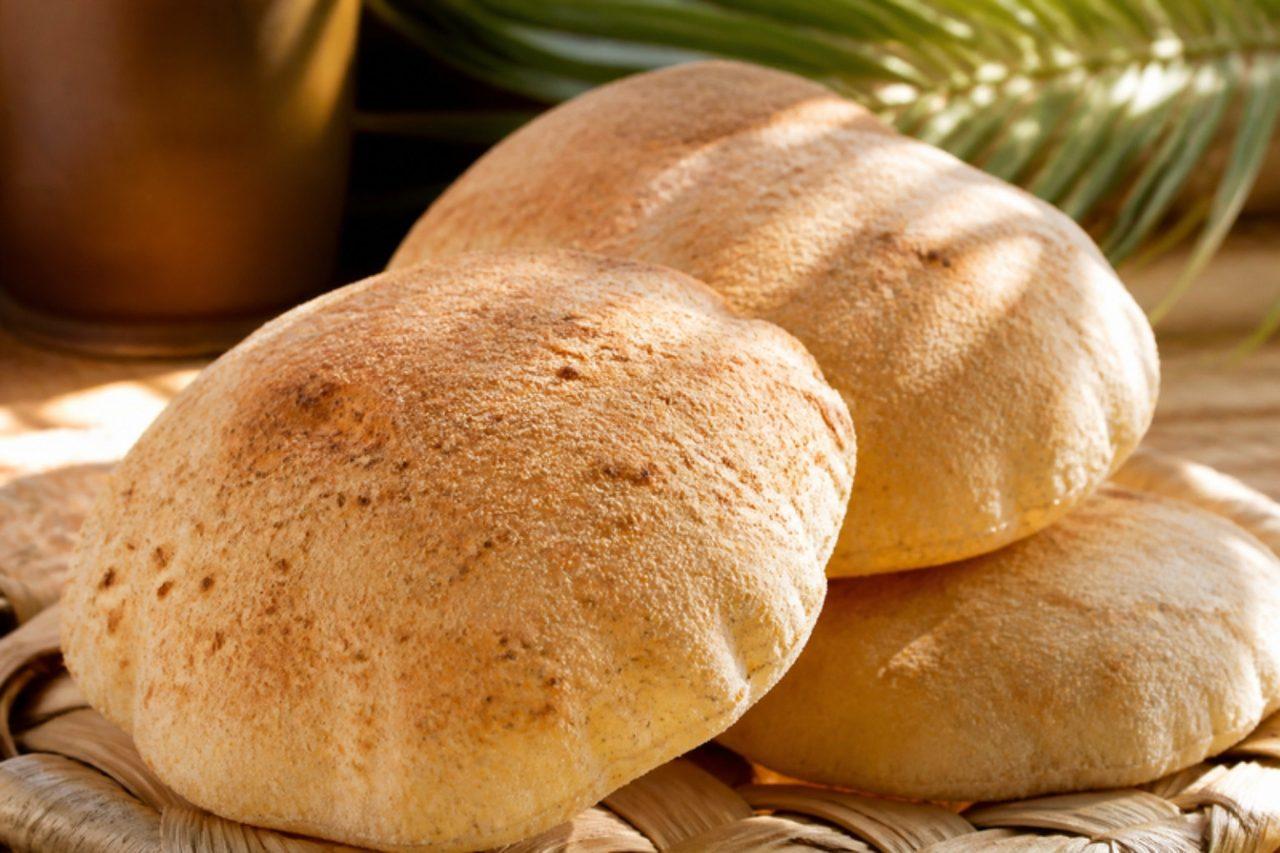
Aish shamsiSun-risen sourdough bread

On the rooftops and in the courtyards of villages around Luxor and across Upper Egypt, women set trays of dough out in the sun to rise before baking them in mud-brick ovens, which is where aish shamsi, 'sun bread', gets its name. A sourdough leaven and the warmth of the sun make the rounds swell tall and domed, with a thin bran-flecked crust and an open, tangy crumb. It is eaten with mish, molasses, cheese and stews. Allow about 6 hours from mixing to baking, most of it rising time. A sunny windowsill or a warm spot at about 30 °C works fine at home; don't leave it in fierce direct sun above about 40 °C, which kills the yeast and dries out the skin. Chef's tip: cover the rising loaves with a light cotton cloth, just as village bakers do.

by KrazyBadal 0 views

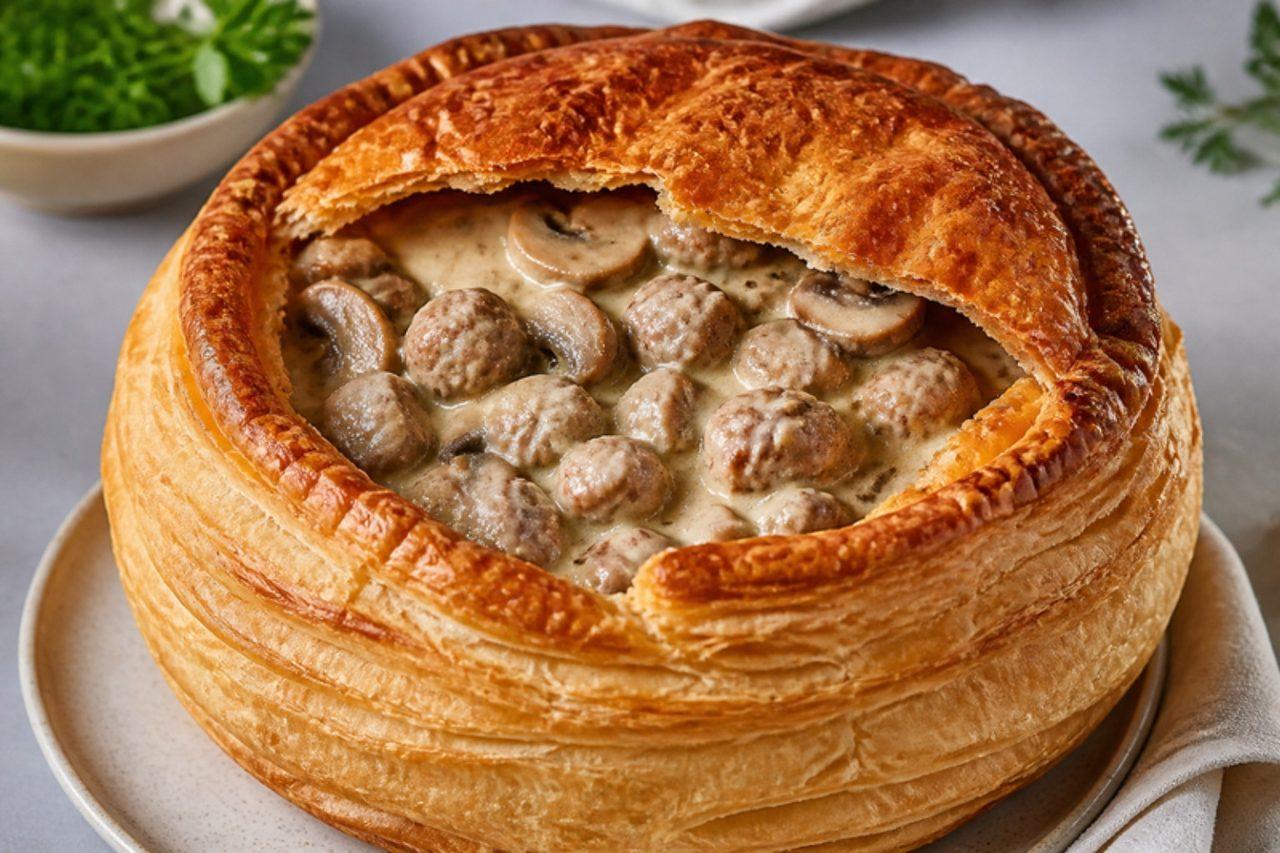
Luzerner ChügelipasteteVeal ball pastry shell

Chügelipastete is the Sunday and Christmas dish of Lucerne, a showpiece brought to the table whole: a big, tall puff pastry shell, like a giant vol-au-vent, filled with little veal meatballs (chügeli), sweetbreads or diced veal and mushrooms in a creamy white sauce, sometimes with raisins. Lucerne bakeries sell the shells ready-made. A common mistake is filling the pastry too early, which makes it soggy. Chef's tip: fill the warm shell at the very last moment and serve the extra sauce on the side. Veal meatballs must reach 71 °C.

120 minSwissMeat
by KrazyBadal 0 views

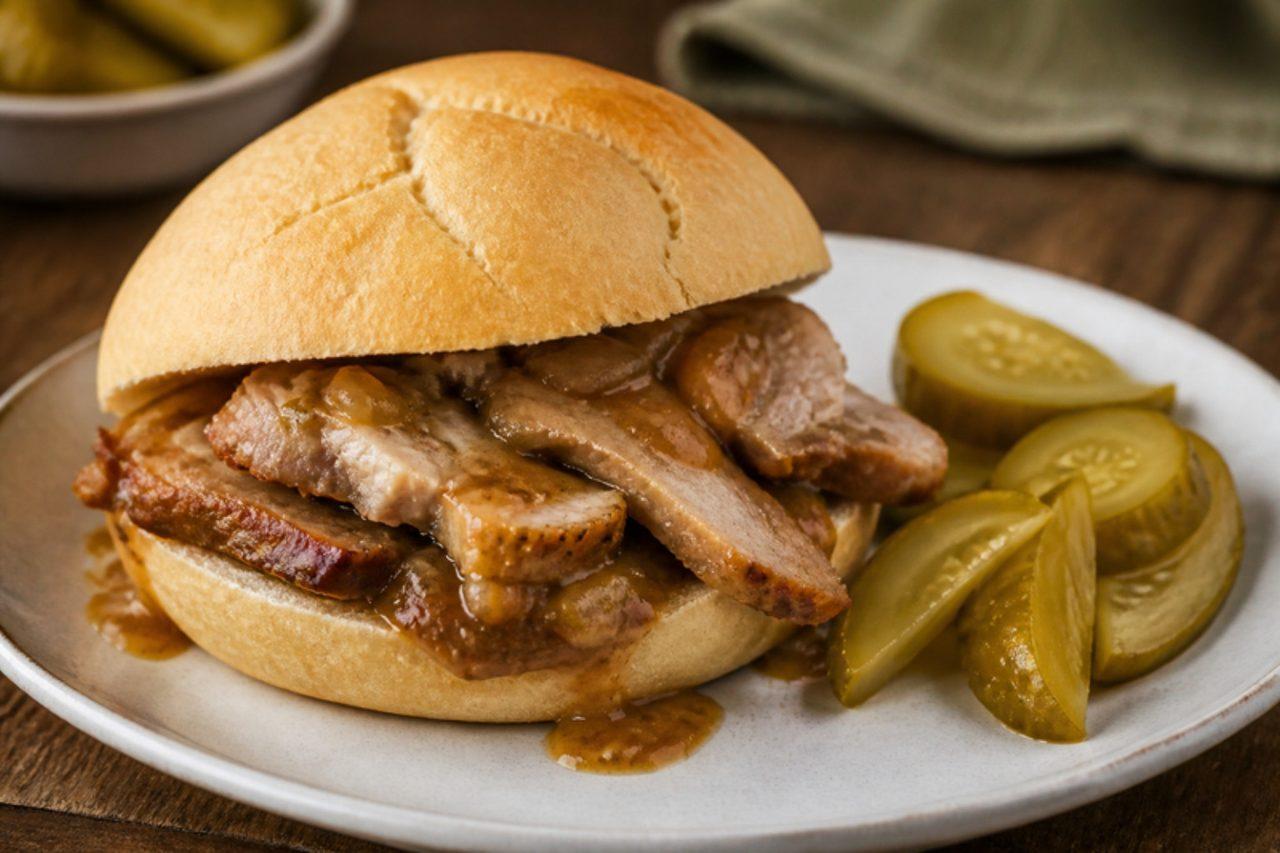
Maczanka po krakowskuPork roll in caraway juices

Long before burgers reached the Rynek, Kraków's taverns sold maczanka, a soft bread roll split, dunked in the cooking juices of slowly braised pork shoulder and stuffed with sliced meat. The name comes from maczać, to dip, and the dipping is the whole point: the roll should drip, so eat it over a plate with a knife and fork or a stack of napkins. The pork is braised with plenty of onion, caraway and marjoram until it slices like butter, and the juices go glossy and savoury. Serve it with a pickled cucumber and a sharp beetroot and horseradish relish (ćwikła). Where most people go wrong is rushing the braise at a boil, which tightens the meat instead of softening it. Chef's tip: braise the shoulder the day before, chill it in its juices and slice it cold; it cuts neatly and reheats beautifully in the liquid.

150 minPolishMeat
by KrazyBadal 0 views

MadhbiStone-cooked lamb

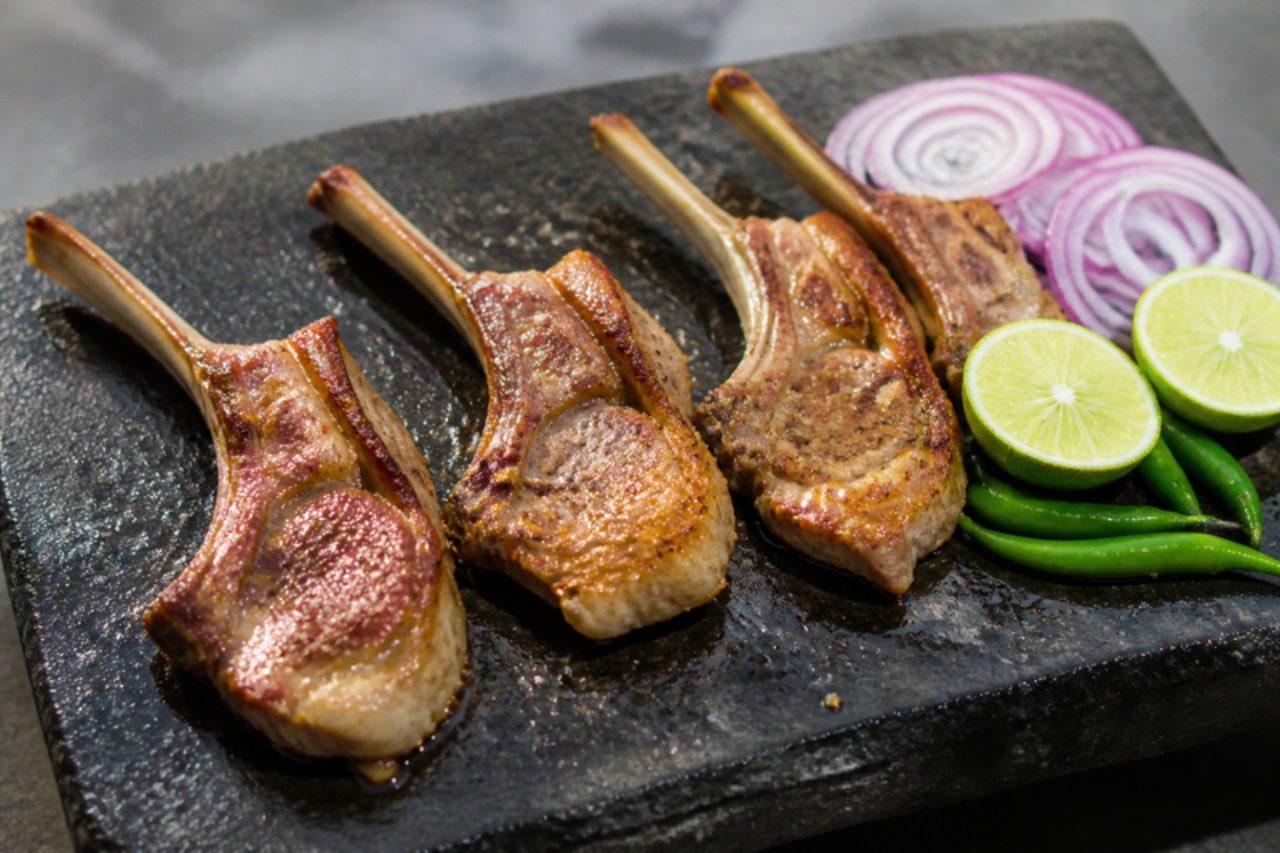
In the hills around Salalah in Dhofar, southern Oman, madhbi is cooked when families head out into the khareef, the green monsoon season: flat stones are heated on a fire until they shimmer, and pieces of lamb or goat are laid straight on them with nothing but salt. The meat sears hard, keeps its juices and picks up a clean, smoky flavour. At home a heavy cast-iron griddle or skillet heated for a long time does the same job. Eat it with flatbread, raw onion, lime and a fresh chilli. The usual mistake is putting the meat on before the stone is hot enough, so it stews in its own juice. Chef's tip: cut the lamb thin enough to cook through quickly, about 1.5 cm, and keep the bones in for the best flavour.

by KrazyBadal 0 views

Showing 18 of 9,592 recipes

Show more recipes

Page 452 of 1,066