


Skip to content
Southern fried okra
Featured recipe

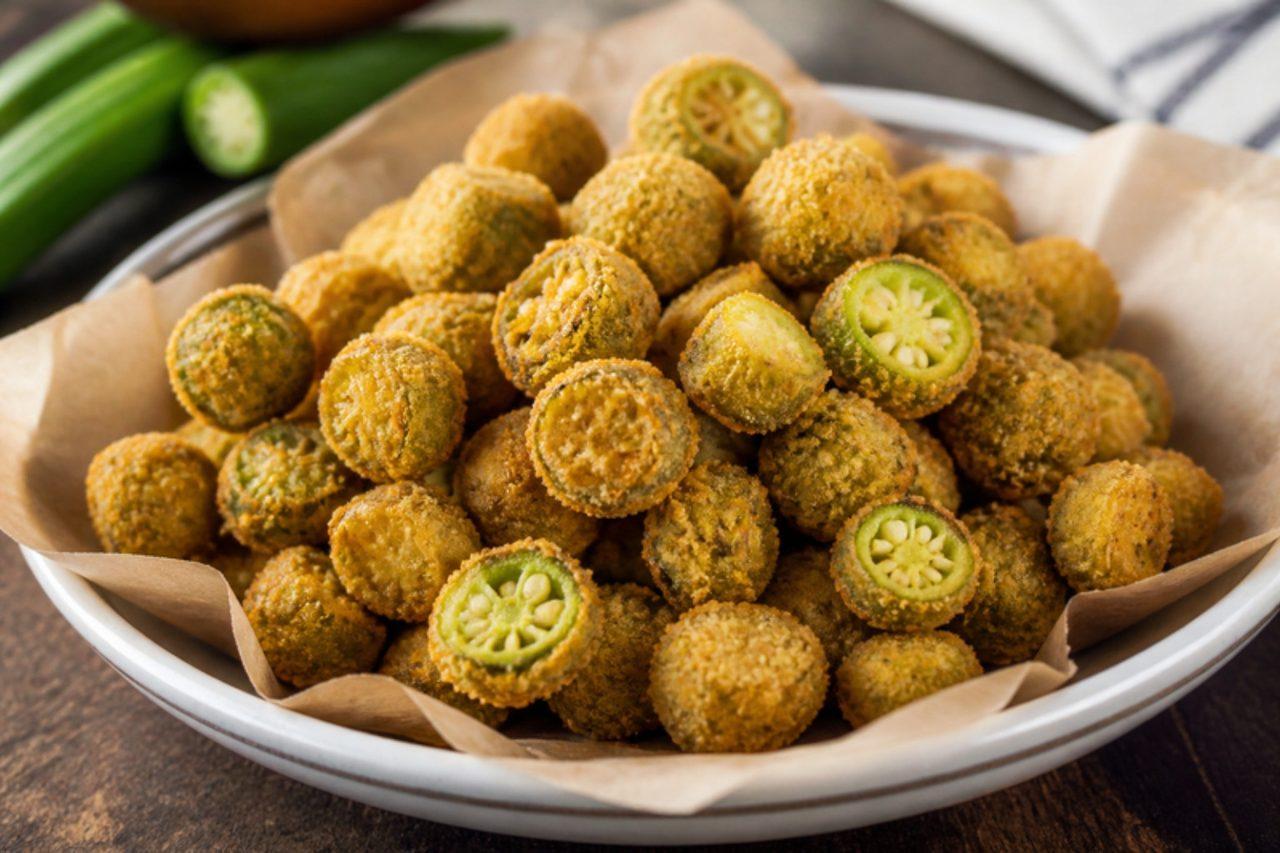
Southern fried okra

In Louisiana, Mississippi and Georgia, fried okra is served in bowls on every meat-and-three counter and eaten like popcorn in summer, when okra pods are young and tender. Sliced into coins, dipped in buttermilk and tossed in seasoned cornmeal, they fry crisp and nutty with none of the slipperiness okra is known for. Chef's tip: choose pods no longer than your finger; big ones are woody.

Read more 0 views

What to eat today?

Around the world

Today's trip: Persian

A new country every day, from every cuisine on the site.

Persian

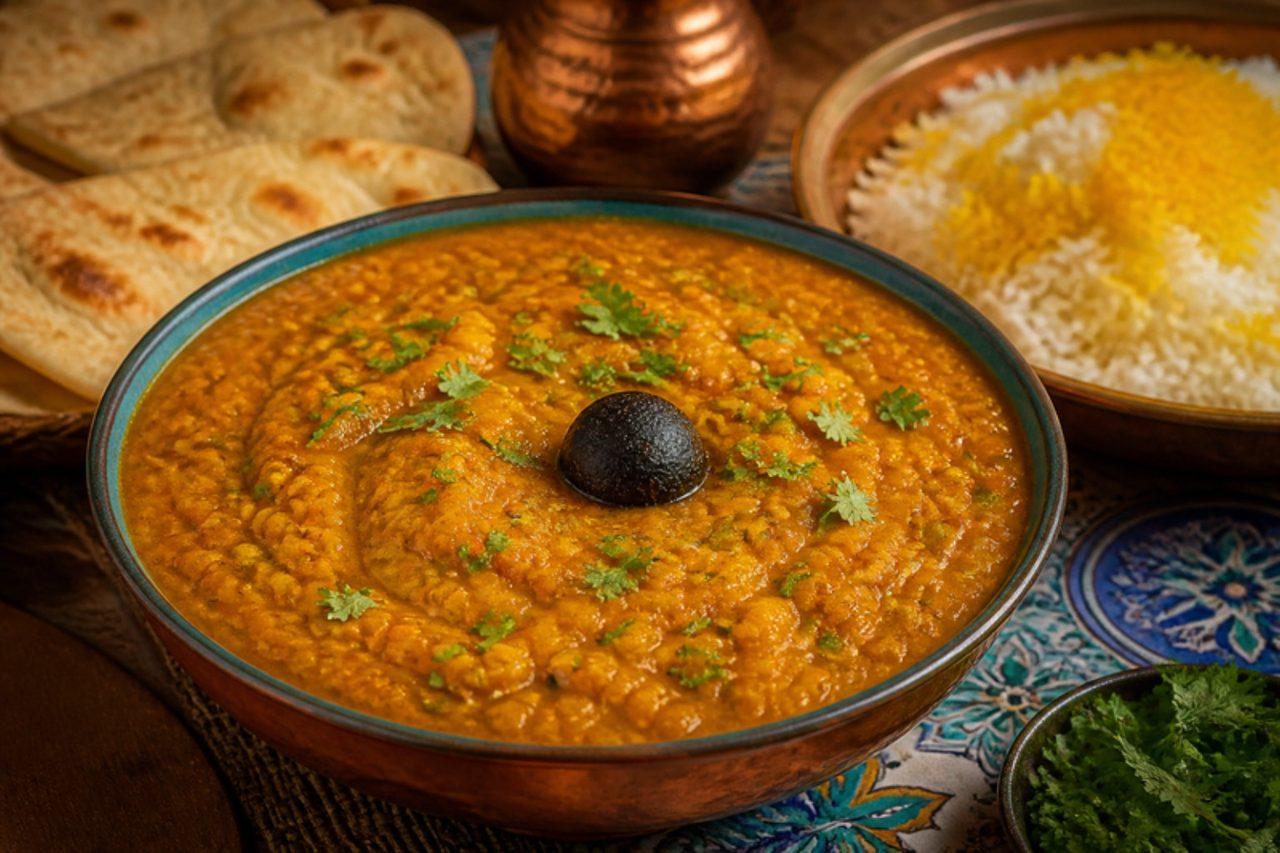
Dal adas

Red lentil curry with dried lime 50 minMore from Persian (177) →

This week's collection

Kid-friendly dinners
739 recipes · a new collection every Monday

Coming up

All occasions →

Latest recipes

Partridgeberry muffinsLingonberry muffins

Partridgeberries are what Newfoundlanders call lingonberries, the bright red, sharp little berries picked on the barrens in September and frozen for the year. Every bakery in Gander and Corner Brook bakes them into tender muffins where the tart berries pop against the sweet crumb. Frozen lingonberries or cranberries work just as well. A common mistake is overmixing, which makes tunnelled, rubbery muffins. Chef's tip: toss the frozen berries in a spoonful of flour before folding them in so they don't sink or bleed.

by KrazyBadal 0 views

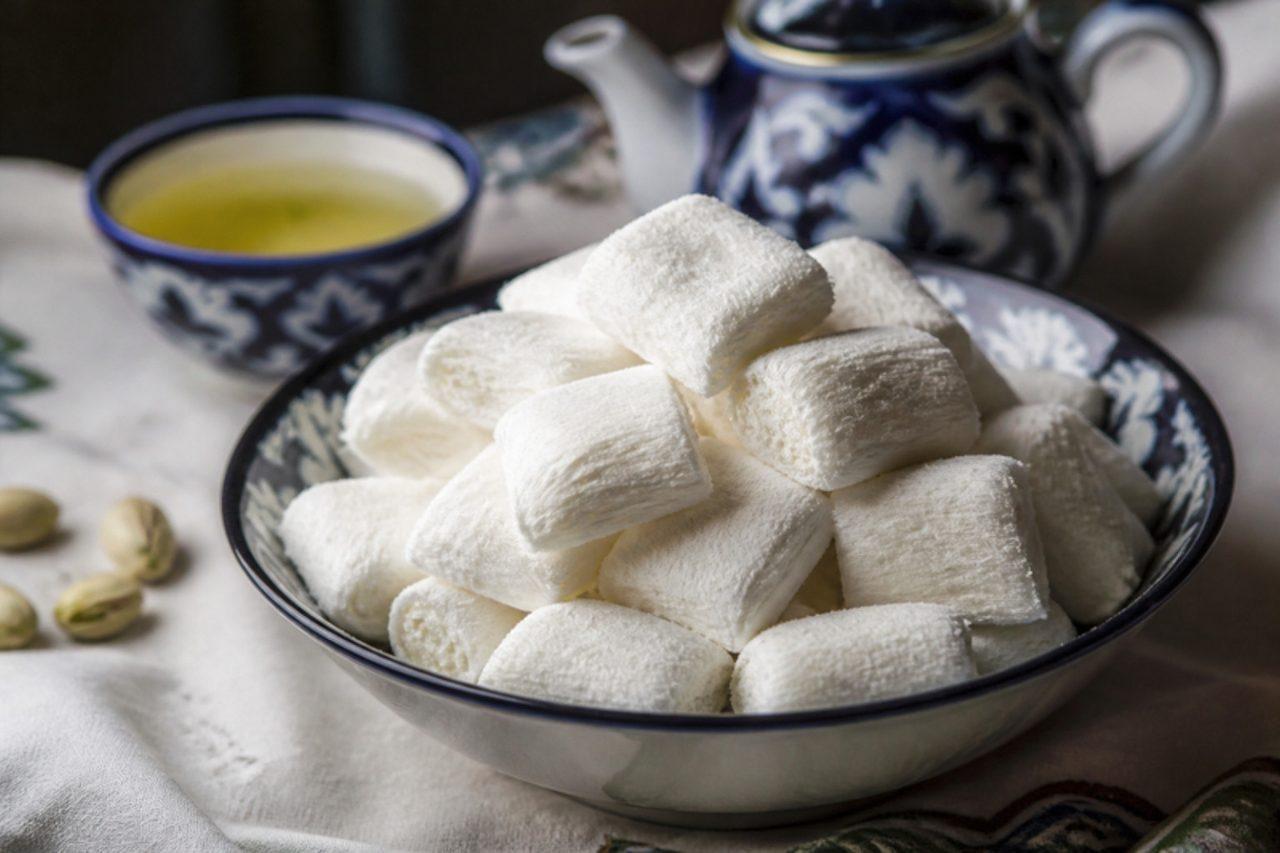
ParvardaPulled sugar pillows

Parvarda are small, chewy-crisp pillows of pulled sugar, white and satiny, dusted with flour and served in Samarkand and Tashkent teahouses beside bowls of green tea; they are a winter sweet, because cool air helps the sugar set. Making them is a family job: the hot syrup is pulled again and again until it turns opaque white, then stretched into ropes and snipped. A common mistake is pulling the sugar while it is still too hot to hold, which burns your hands and makes the candy sticky. Chef's tip: wear food-safe gloves lightly oiled with a few drops of oil and pull the candy as soon as it is cool enough to handle, working quickly before it stiffens. Very hot sugar can cause serious burns, so keep children away.

by KrazyBadal 0 views

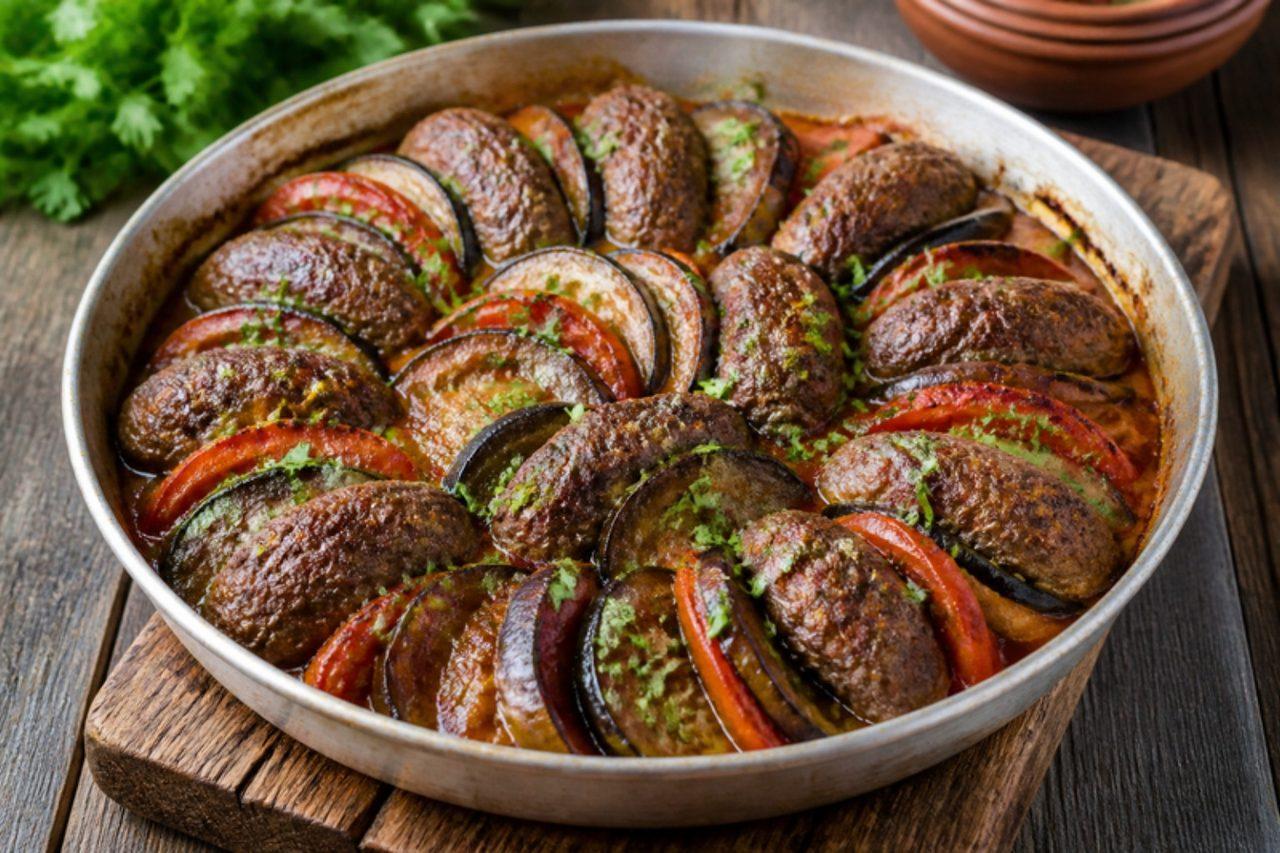
Tava kebabPan-baked lamb patties with aubergine

Tava kebab is a pan kebab from Ganja and the west of Azerbaijan, made when there's no grill: minced lamb and onion mixed with egg, shaped into small flat patties and fried, then arranged in a pan in rows with slices of fried aubergine and tomato, and finished together under a lid so the juices mingle. It is served in the pan with flatbread. A common mistake is skipping the egg; the patties fall apart when you layer them. Chef's tip: stand the patties and vegetables on their edges in tight rows, so everything sits in the juices and stays moist. Minced lamb must reach 71 °C.

by KrazyBadal 0 views

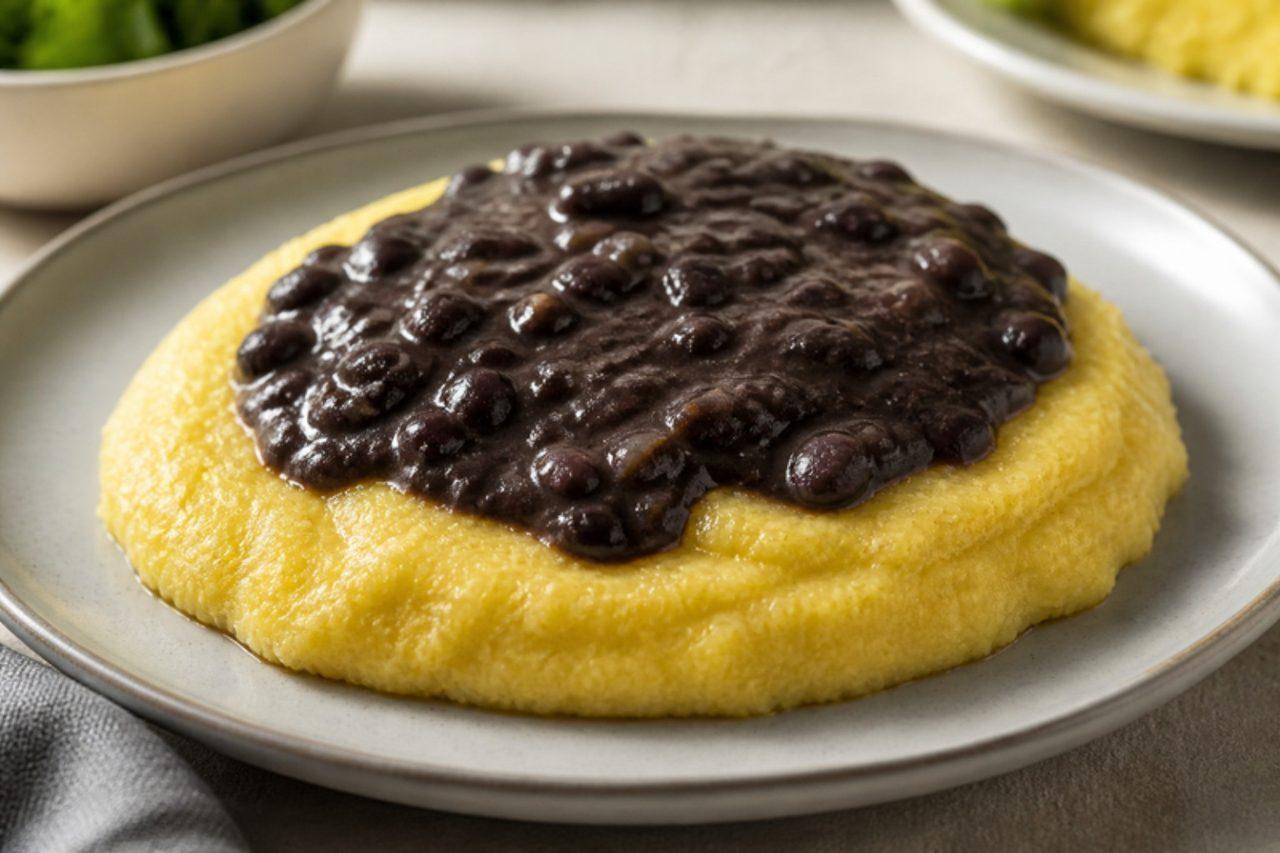
Mayi moulen ak sòs pwaCornmeal with black bean sauce

Across Haiti, from Port-au-Prince markets to farms in the Central Plateau, mayi moulen is the everyday alternative to rice: coarse cornmeal cooked with epis, thyme and a whole hot pepper until thick enough to mould, then served under a ladle of smooth black bean sauce called sòs pwa. It is filling, cheap and quietly savoury, and many families eat it at midday a few times a week. The usual mistake is tipping the cornmeal into the pot all at once, which gives lumps that never cook out; rain it in slowly while you whisk. Use a fine-to-medium cornmeal or polenta labelled gluten free if that matters to you. Chef's tip: press the hot cornmeal into an oiled bowl, wait a minute and turn it out onto the plate for the neat dome you see on Haitian tables.

by KrazyBadal 0 views

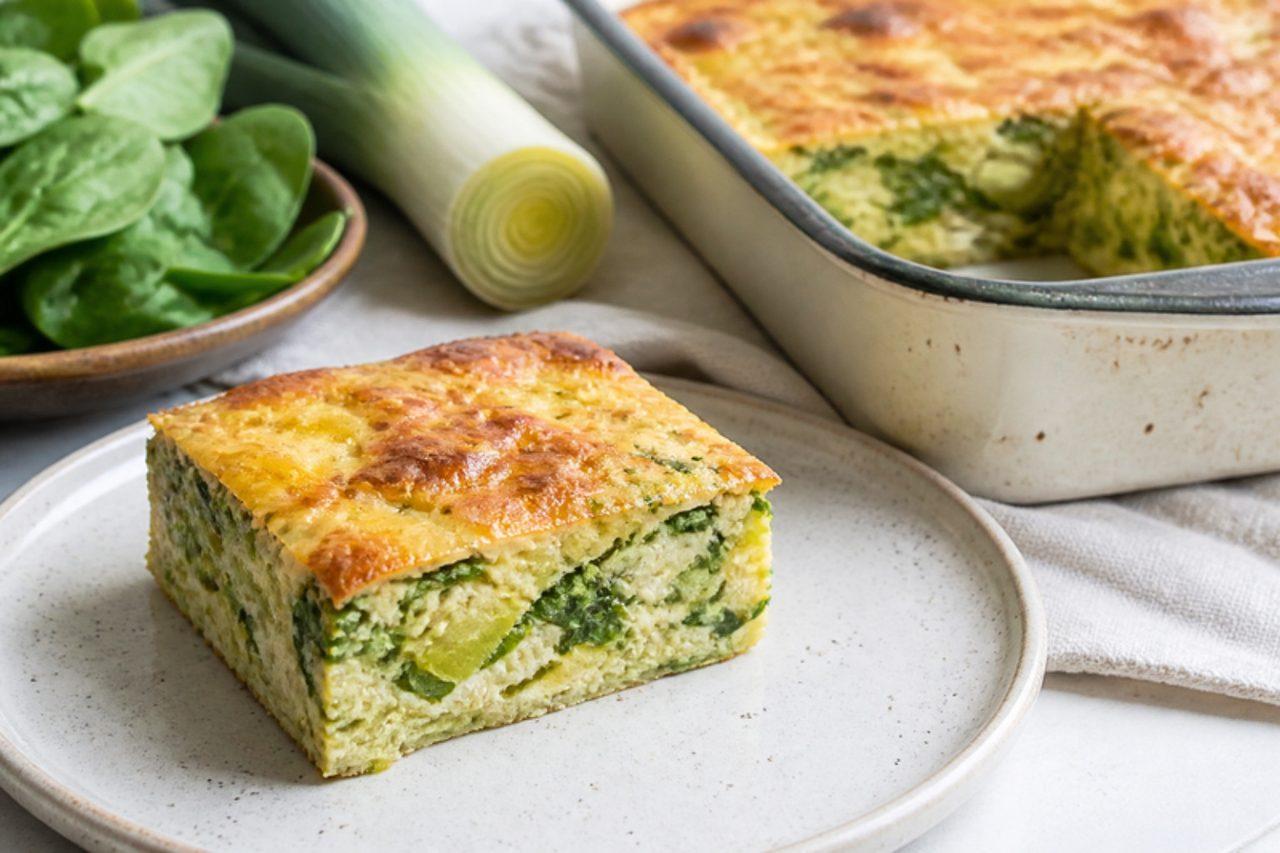
PashtidaCrustless vegetable and cheese bake

Pashtida is the dish every Israeli home cook can make without a recipe: vegetables, eggs and cheese baked in a dish until set, sliced in squares for Shavuot dairy meals, kibbutz dining rooms or a weekday supper in Kfar Saba. This version uses courgette, spinach and leek with salty white cheese and soft gvina levana, so it is golden on top, moist and savoury inside, and good warm or cold. Many white and hard cheeses are made with animal rennet, so choose ones marked vegetarian if you need to. The mistake is putting in vegetables wet, which makes the pashtida weep; squeeze them well. Chef's tip: rest it for 10 minutes before cutting so the squares hold their shape.

by KrazyBadal 0 views

PaskhaPressed Easter cheese dessert

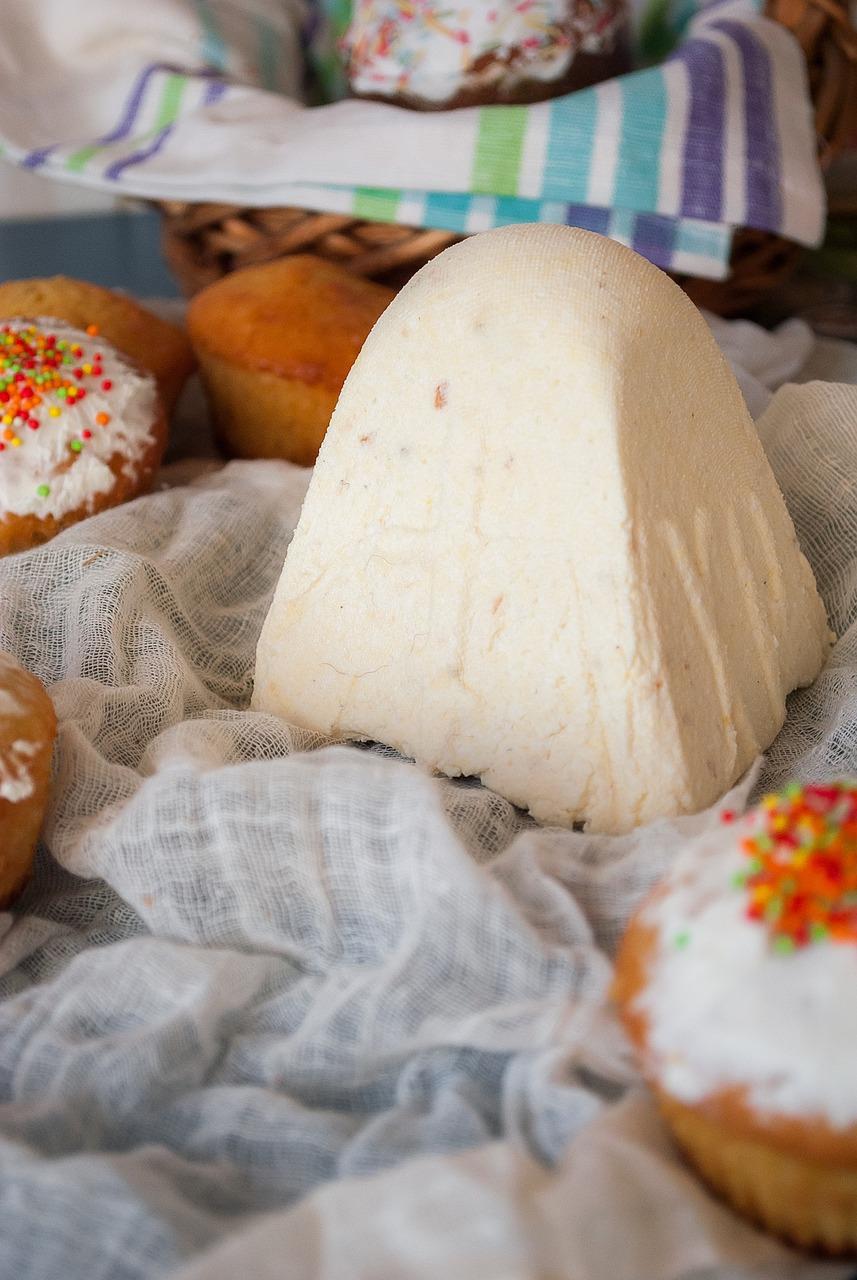
Next to the kulich on every Russian Easter table stands a white pyramid stamped with the letters ХВ, for 'Christ is risen', cut into thin wedges and spread on slices of the sweet bread. Old recipes stir raw yolks and cream straight into the curd; this is a cooked paskha (zavarnaya), where yolks, cream and sugar are first heated into a custard, which is safer and keeps longer. Use pasteurised tvorog, cream and eggs, and check the tvorog label if you want it rennet-free. The texture is dense and smooth like a firm cheesecake filling, sweet with vanilla, raisins, candied peel and almonds. Where most people go wrong is skipping the sieving; unsieved curd stays grainy whatever else you do. Chef's tip: no pyramid mould? A new, clean flowerpot or a sieve lined with muslin works, with a weight on top overnight in the fridge.

by KrazyBadal 0 views

Tasso kabritFried goat with sour orange

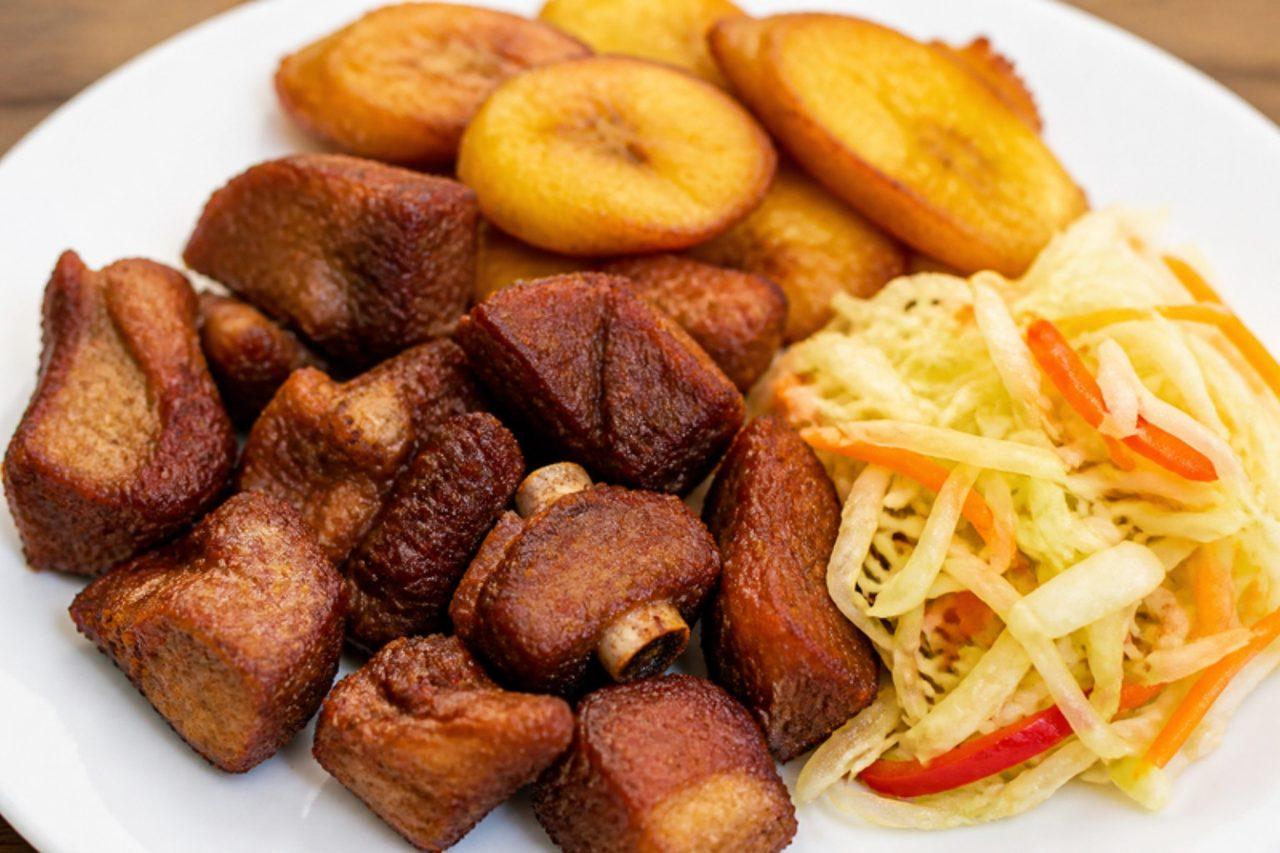
Tasso kabrit is festival and Sunday food all over Haiti: chunks of goat soaked in sour orange and epis, simmered until tender in the marinade, then fried hard until the edges turn crisp and dark. It is piled onto platters with fried plantain (bannann peze), pikliz and sòs ti malis, and is a must at first communions and New Year gatherings. The mistake many people make is frying the goat before it is fully tender; the long simmer comes first, or the meat stays tough however crisp it looks. Ask the butcher to cut bone-in goat shoulder or leg into pieces. Chef's tip: boil the simmering liquid down to a sticky glaze and toss the fried goat in it at the end.

120 minHaitianMeatGluten free
by KrazyBadal 0 views

Tash kordoStone-cooked lamb

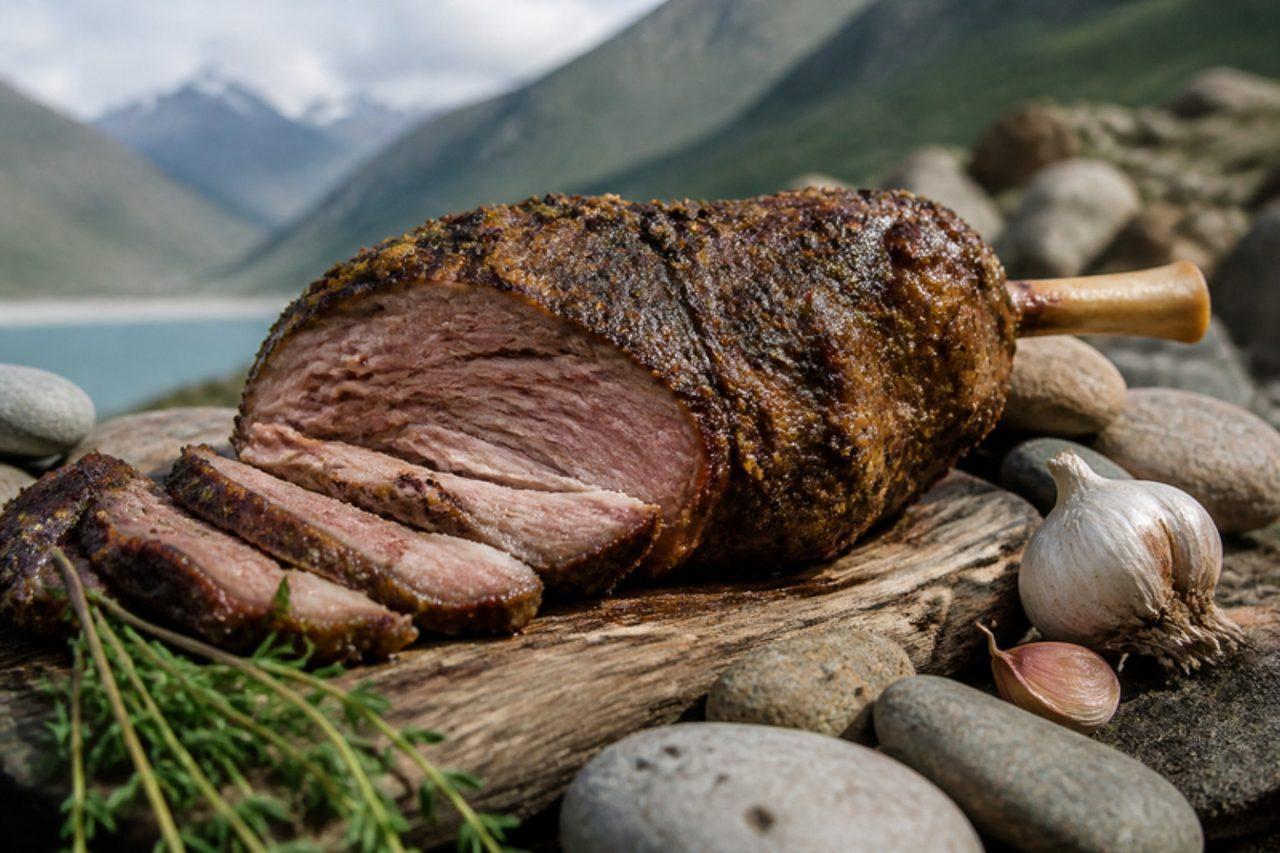
Tash kordo, 'stone pit', is the herders' feast of the Kyrgyz mountains around Naryn and Issyk-Kul: a pit is dug and lined with stones heated in a fire, a whole leg or shoulder of lamb wrapped in its own caul or in hide is laid inside with more hot stones, and the pit is covered with earth for several hours. The meat comes out smoky and spoon-tender. At home, a wrapped lamb shoulder slow-roasted in a sealed casserole over a few clean, heated stones gives a similar result. A common mistake is unwrapping too soon; it needs the full time. Chef's tip: lay a bed of fresh thyme and juniper under the lamb for the scent of mountain herbs.

270 minKyrgyzMeatGluten free
by KrazyBadal 0 views

Tasajo a la cubanaShredded dried beef stew

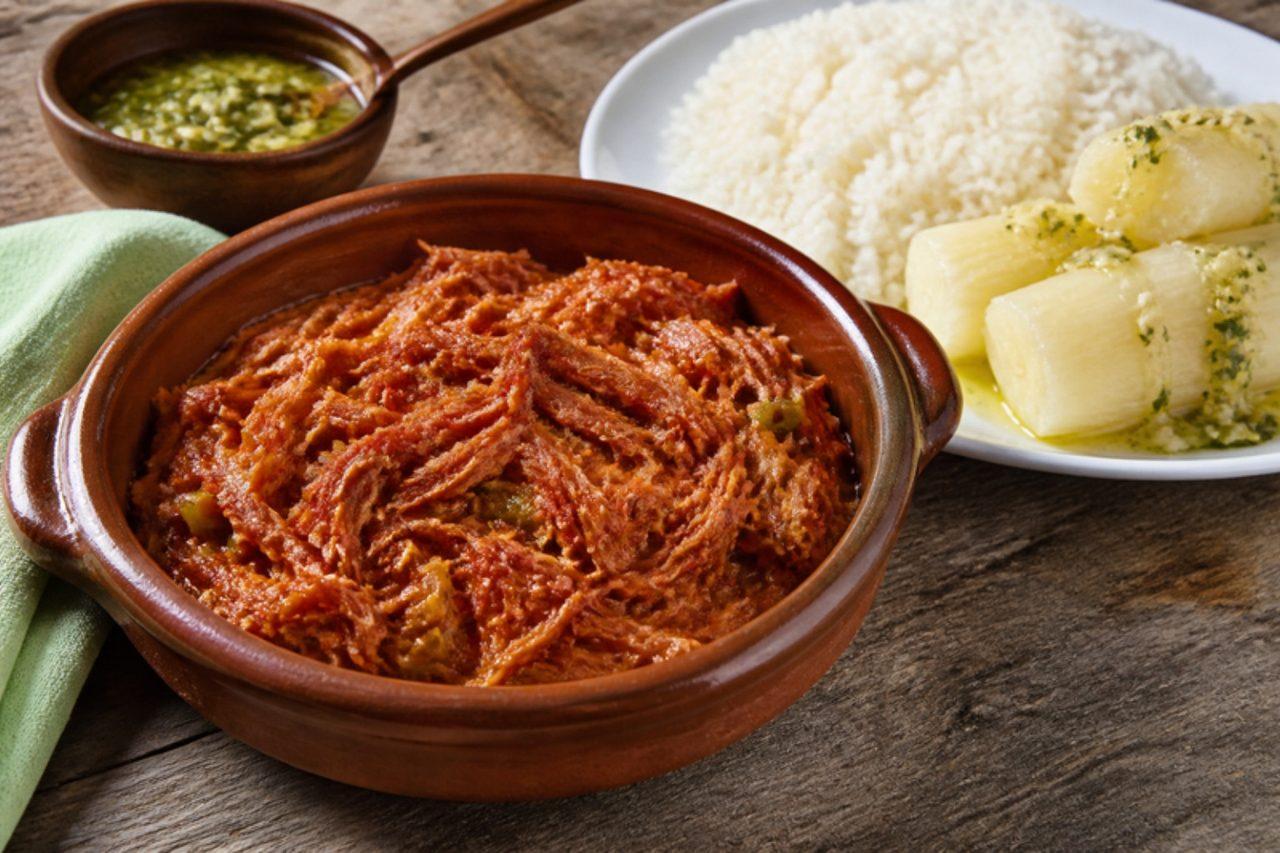
Tasajo, beef that has been salted and dried until hard, has been a staple in Oriente since colonial times, when it kept for months without refrigeration; in Santiago it is still stewed for family meals with tomato, peppers and onion and eaten with white rice and boiled yuca. Most of the work is getting the salt out. The meat must soak in the fridge for at least 24 hours with the water changed several times, and the classic mistake is skipping a change of water, which leaves the dish far too salty to eat. Look for tasajo at Latin American butchers. Chef's tip: taste a small piece after the first boil; if it is still very salty, boil again in fresh water before shredding.

180 minCubanMeatGluten free
by KrazyBadal 0 views

MazarinerAlmond tartlets

Mazariner are small oval or round tartlets found in every Swedish konditori: a short, buttery crust filled with a moist almond paste filling, baked until golden and finished with a thin, crackly white icing. They are a fika classic, with roots in the almond pastries of 17th-century Europe. A common mistake is overfilling the cases; the filling rises and spills over the edges. Chef's tip: fill each case only two-thirds full and ice them while barely warm, so the glaze sets thin and glossy.

by KrazyBadal 0 views

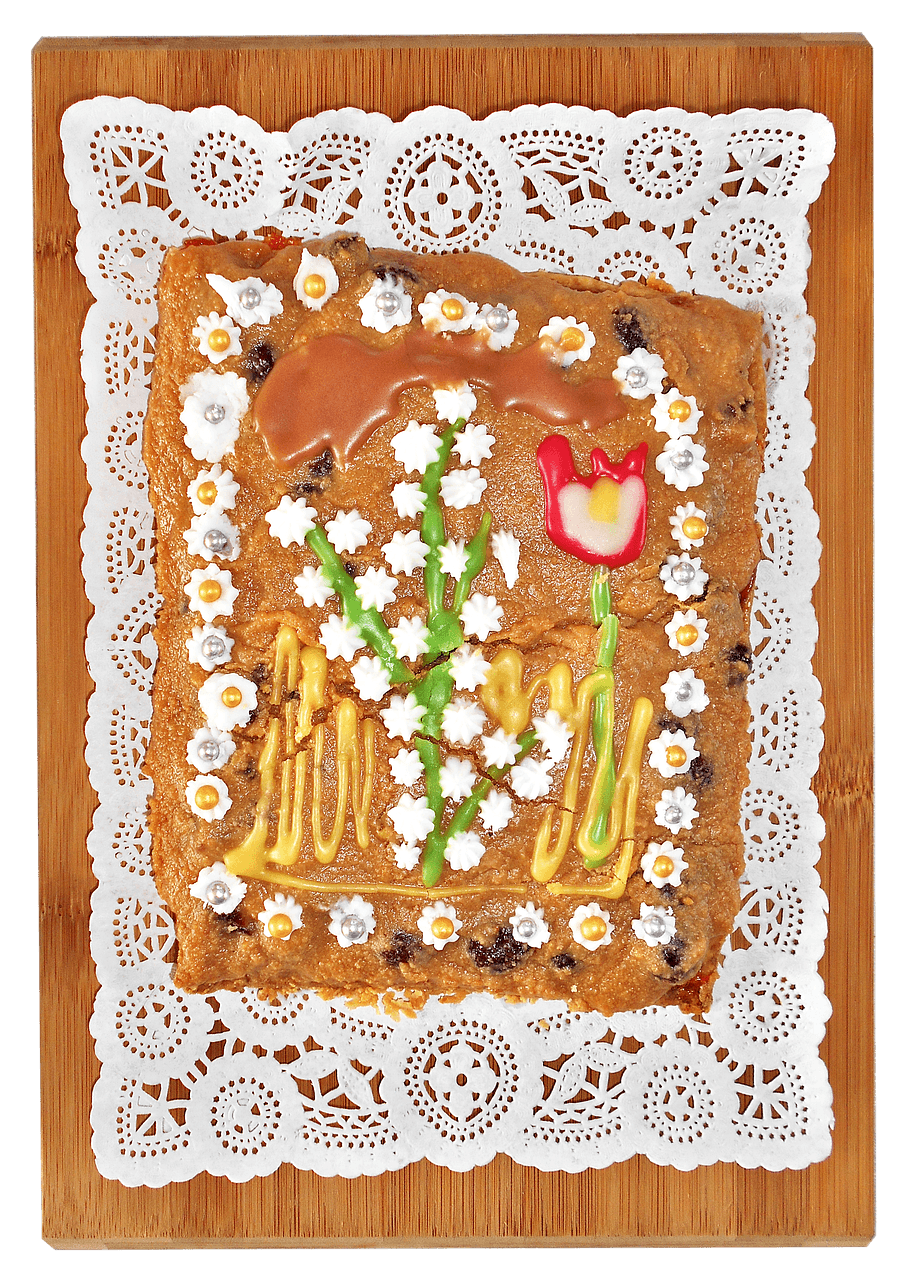
MazurekEaster tart with caramel

Easter tables in Poland show off several mazurki at once, each decorated like a little picture with almonds, walnuts, dried fruit and sometimes the word ‘Alleluja’ piped across. Beneath the decoration is a thin, crumbly, buttery shortcrust and a thick layer of kajmak, a fudgy milk caramel, here over a thin layer of tart jam for contrast. It is very sweet, so it is cut into small diamonds and served with coffee. A common mistake is spreading the caramel on a warm base, which melts it into a soggy, greasy layer. Chef's tip: cook the condensed milk in a pan rather than boiling an unopened tin, which can burst; it is quicker and safer.

by KrazyBadal 0 views

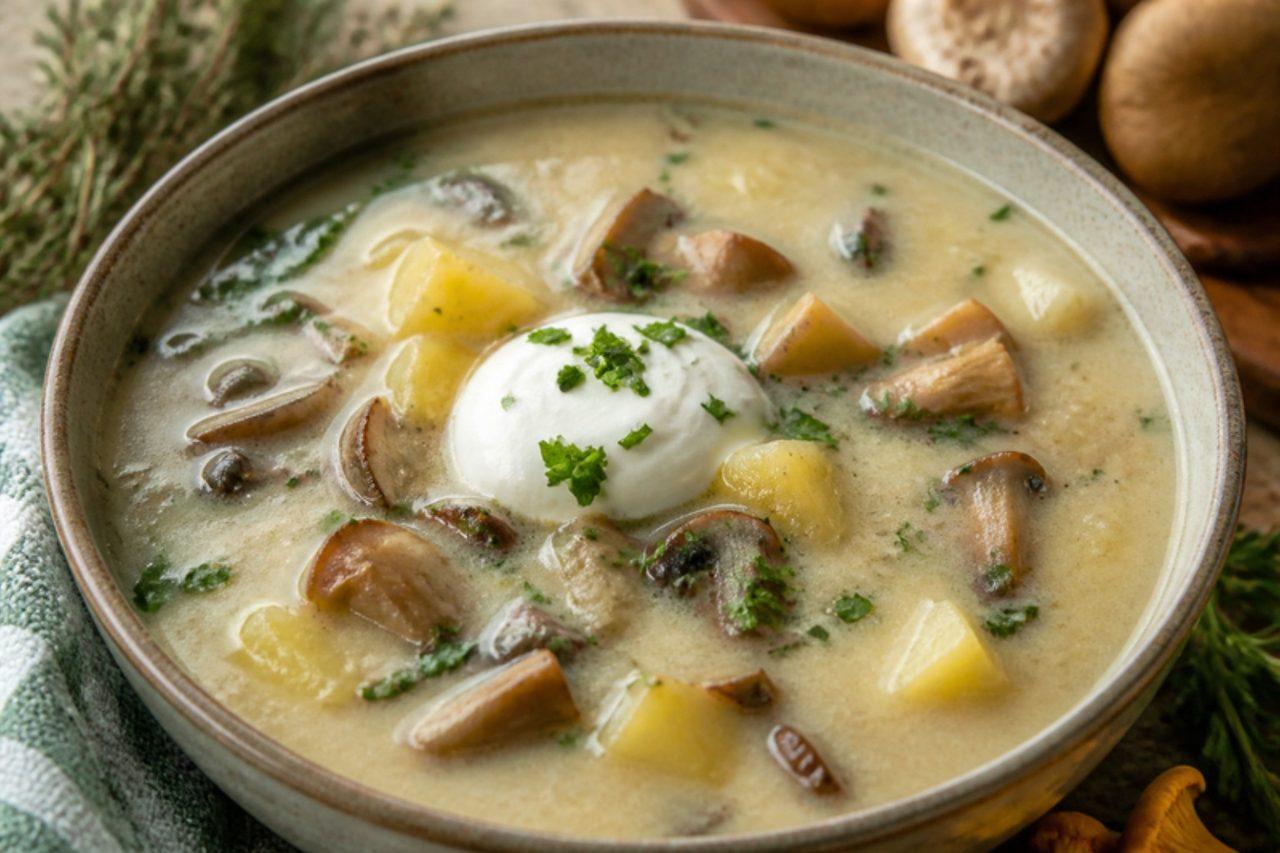
Zagorska juhaPotato and mushroom soup

The green, hilly Zagorje north of Zagreb, in Croatia, is known for castles, vineyards and filling soups like this one, served in country inns before roast duck or as a meal on its own on chilly days. Potatoes and wild or chestnut mushrooms are simmered with paprika and marjoram, then finished with sour cream and a dash of vinegar, so the broth turns velvety with a gentle tang. Some versions add smoked bacon or sausage; this one is vegetarian, with dried porcini for a deep, woodsy flavour. Serve with dark bread. Where most people go wrong is boiling the soup after the sour cream goes in, which makes it curdle; warm it through and keep it below a simmer. Chef's tip: strain the porcini soaking liquid through a paper towel and add it to the pot; it is half the flavour.

by KrazyBadal 0 views

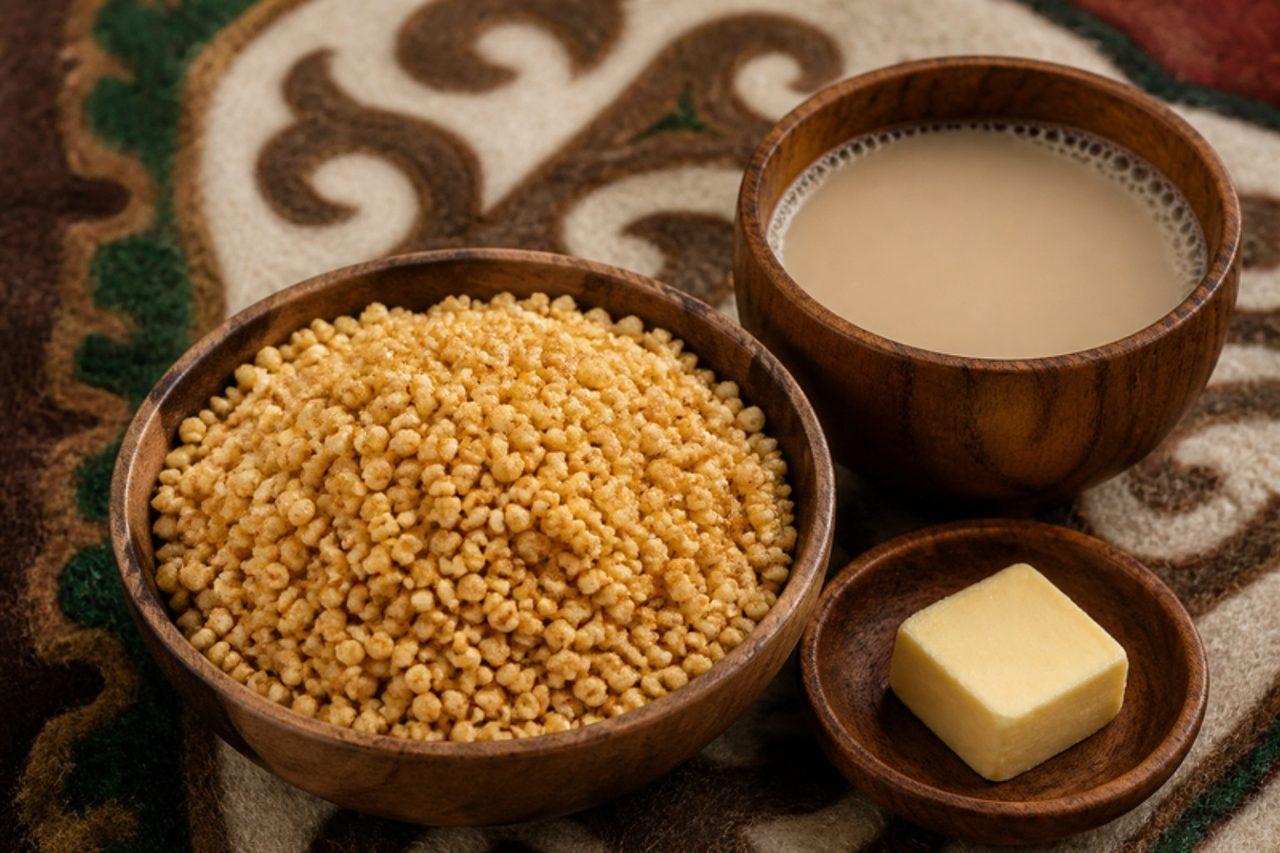
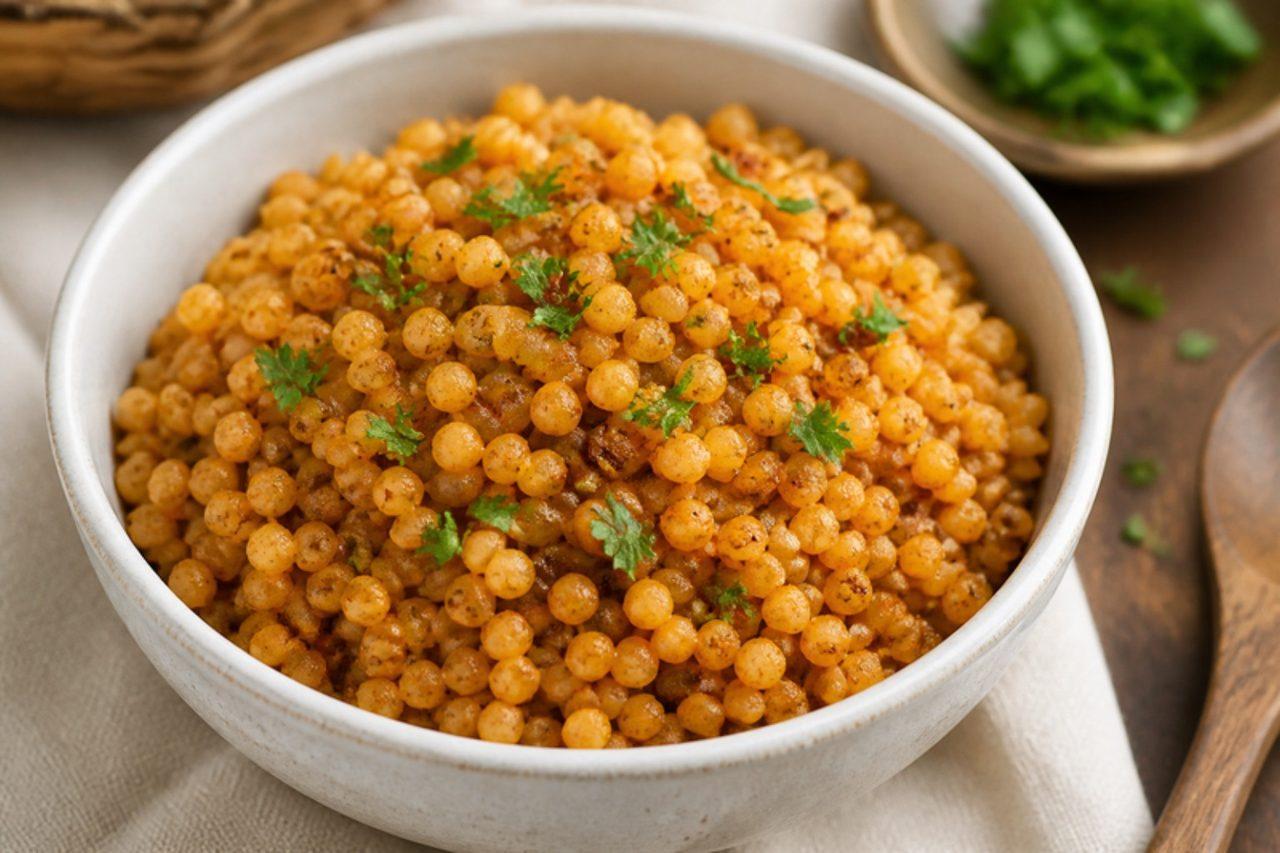
TaryRoasted millet

Tary is roasted millet, the oldest grain of the Kazakh steppe: soaked, boiled briefly, then roasted in a kazan until crunchy and golden, so it keeps for months in a leather bag. In Kazakh homes a bowl of tary sits on the dastarkhan tablecloth beside the tea, and people stir a spoonful into their milk tea, sprinkle it over sour cream or eat it with butter and sugar. A common mistake is skipping the pre-cooking, which leaves the grains rock-hard. Chef's tip: steam the millet briefly before roasting; the starch sets and the grains puff and crunch rather than shatter.

by KrazyBadal 0 views

Hong Kong yuenyeungCoffee and milk tea blend

Named after mandarin ducks, which are always seen in pairs, yuenyeung marries brewed coffee and silky milk tea in a single cup, and you will find it on the drinks board of every cha chaan teng in Hong Kong. Office workers order it at lunch with a toasted bun or a plate of noodles, hot in winter and iced through the humid summer, and it tastes of both and neither: the tea's tannic grip, the coffee's roast and the creamy body of evaporated milk, with a double dose of caffeine that makes it a poor choice for children or late evenings. Watery tea is where most homemade versions go wrong, letting the coffee take over; brew the tea strong and stewed. Chef's tip: pour the brewed tea back and forth through a fine strainer four or five times; this 'pulling' smooths out the tannins and gives the drink its silky body.

by KrazyBadal 0 views

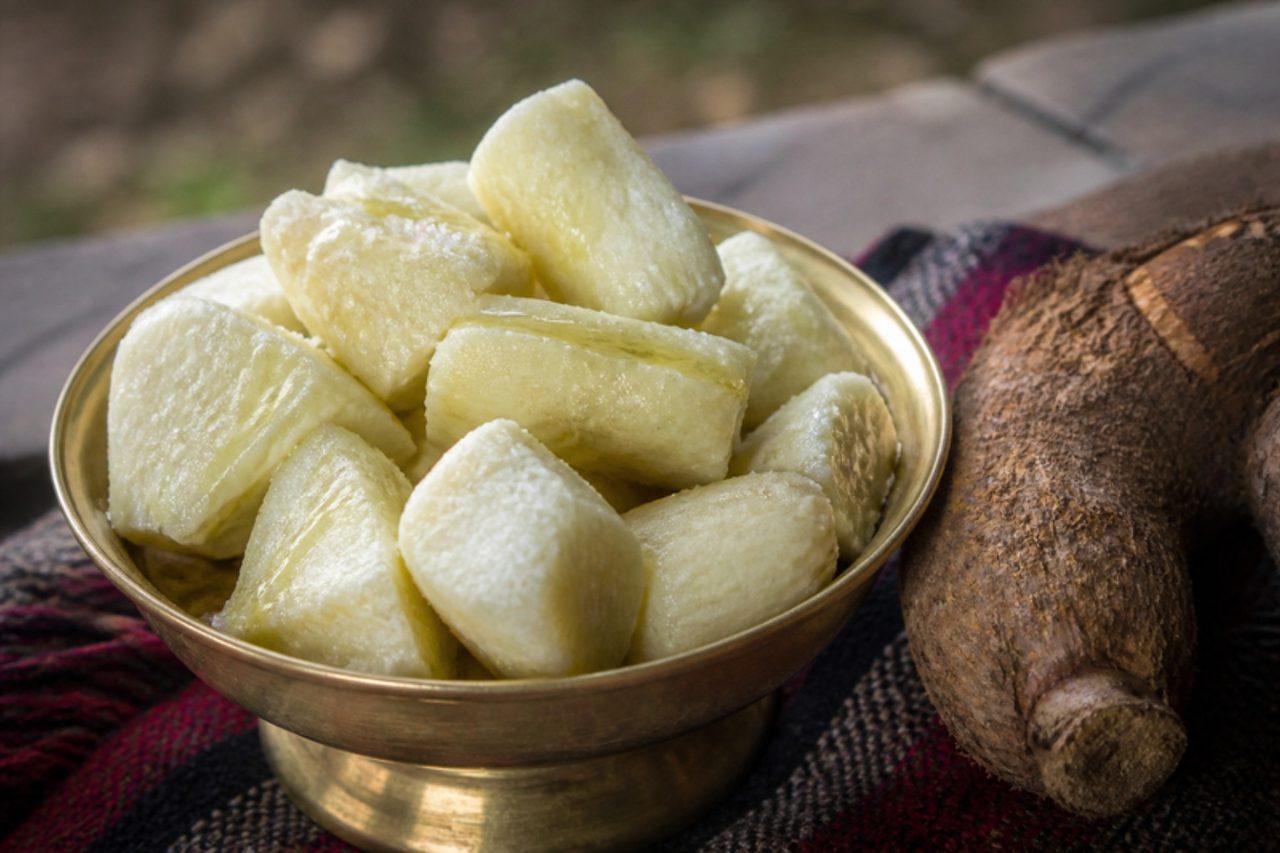
TarulBoiled yam with ghee

Ask a Nepali family what they eat on the first day of Magh, in mid-January, and the answer is almost always tarul: big, knobbly yams boiled until tender, peeled and eaten hot with a spoonful of ghee and a pinch of salt, alongside sweet potatoes, taro, chaku and sesame sweets laid out on one plate. It is a quiet, family breakfast after the morning ritual bath in the river, and in Kathmandu the street markets are piled with mud-covered yams for days beforehand. The flesh is dense, creamy and slightly sticky, with a mild nutty sweetness that the ghee and salt bring out. Raw yam can irritate the skin, and the usual problem is peeling it before cooking, which leaves itchy hands. Chef's tip: boil the yams in their skins and peel them after, when the skin slips off with a knife; rub some oil on your hands first if you must cut them raw.

by KrazyBadal 0 views

TarhonyaToasted egg barley

Tiny pebbles of dried egg pasta, tarhonya is one of the oldest Hungarian staples, once dried on cloths in the sun by farm women on the Great Plain and stored for the winter. It is toasted in fat until golden, then simmered in water like a pilaf until each grain is plump but separate. Hungarians serve it as the side for paprika stews, and in a vegetarian kitchen it is perfect next to lecsó or a mushroom paprikás. The flavour is nutty and savoury, with a light warmth from the paprika. A common mistake is stirring it during the simmer, which breaks the grains and makes it sticky; once the water is in, cover it and leave it alone. Chef's tip: toast it slowly and evenly to the colour of hazelnuts; that toasting is where all the flavour comes from.

by KrazyBadal 0 views

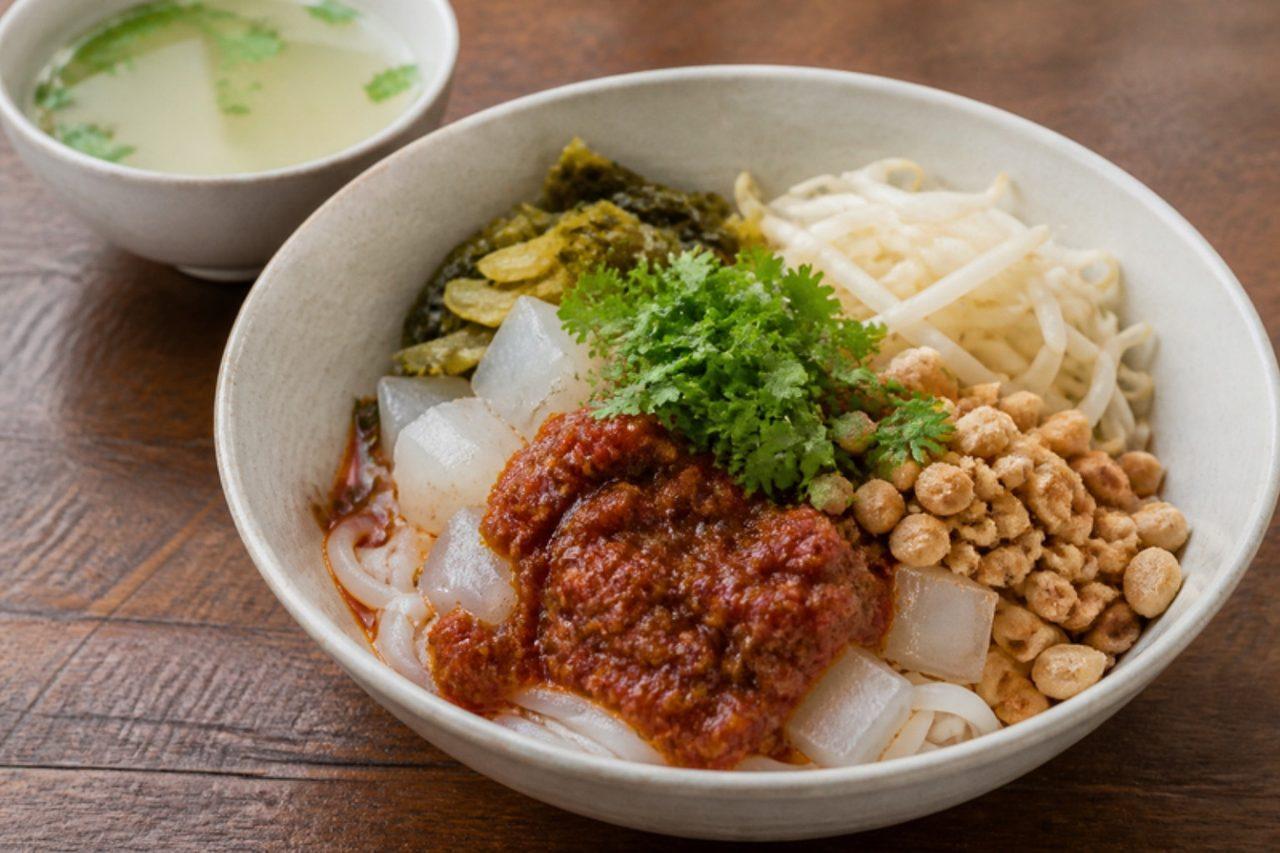
MeeshayRice noodles with pork sauce

Two places claim meeshay: Mandalay, where it is a teatime and late-afternoon snack sold from carts near the moat, and the Shan hills, where markets serve it in the morning. Soft rice noodles are dressed with soy, a splash of vinegar and garlic oil, then topped with a savoury minced pork sauce, crunchy bean sprouts, pickled mustard greens and strips of wobbly rice jelly that soak up the dressing. It tastes tangy, garlicky and comforting, with chilli oil and a cup of clear broth on the side. The most common slip is cutting the rice jelly before it has set; give it a full 30 minutes to cool so it slices cleanly. Chef's tip: dress the noodles at the table, not ahead: vinegar and soy added too early make the noodles soft and the jelly slippery.

by KrazyBadal 0 views

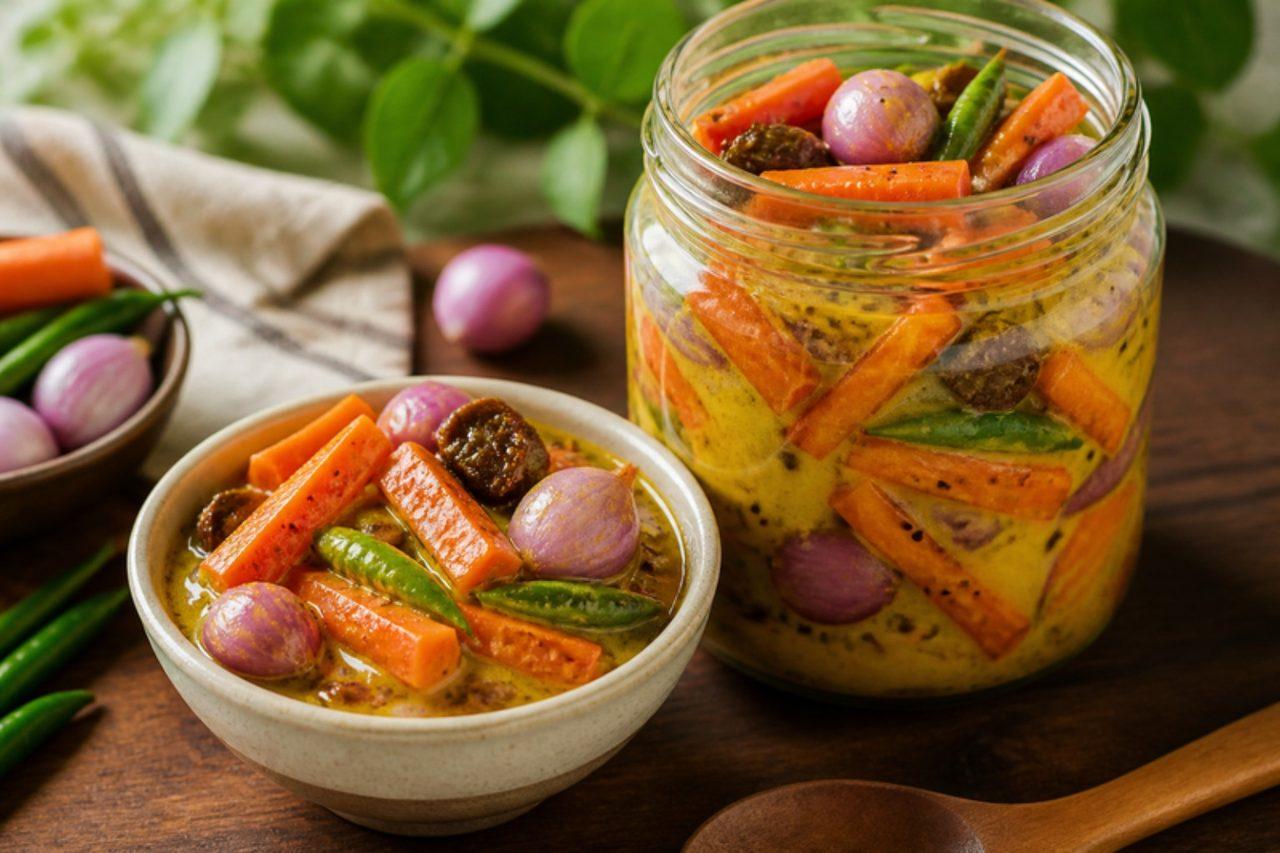
Malay achcharuSweet sour vegetable pickle

Sri Lanka's Malay community, whose ancestors came from Java and the Malay peninsula under Dutch rule, gave the island this vivid pickle, and today no Eid biryani in Colombo's Slave Island or Hambantota is served without a bowl of it beside the plate. Carrot sticks, whole shallots and green chillies are blanched in vinegar, then coated in a thick, mustard-yellow paste of ground mustard seed, garlic, ginger, chilli and sugar, with soft dates stirred through for sweetness. It is crunchy, sharp and sweet all at once, a perfect foil for rich rice dishes and fried food. Rushing it to the table is the error most people make; the pickle needs at least a day in the jar for the mustard to mellow and the dates to melt into the sauce. Chef's tip: soak the mustard seeds in vinegar for an hour before grinding, which softens them and gives a smoother, creamier paste.

by KrazyBadal 0 views

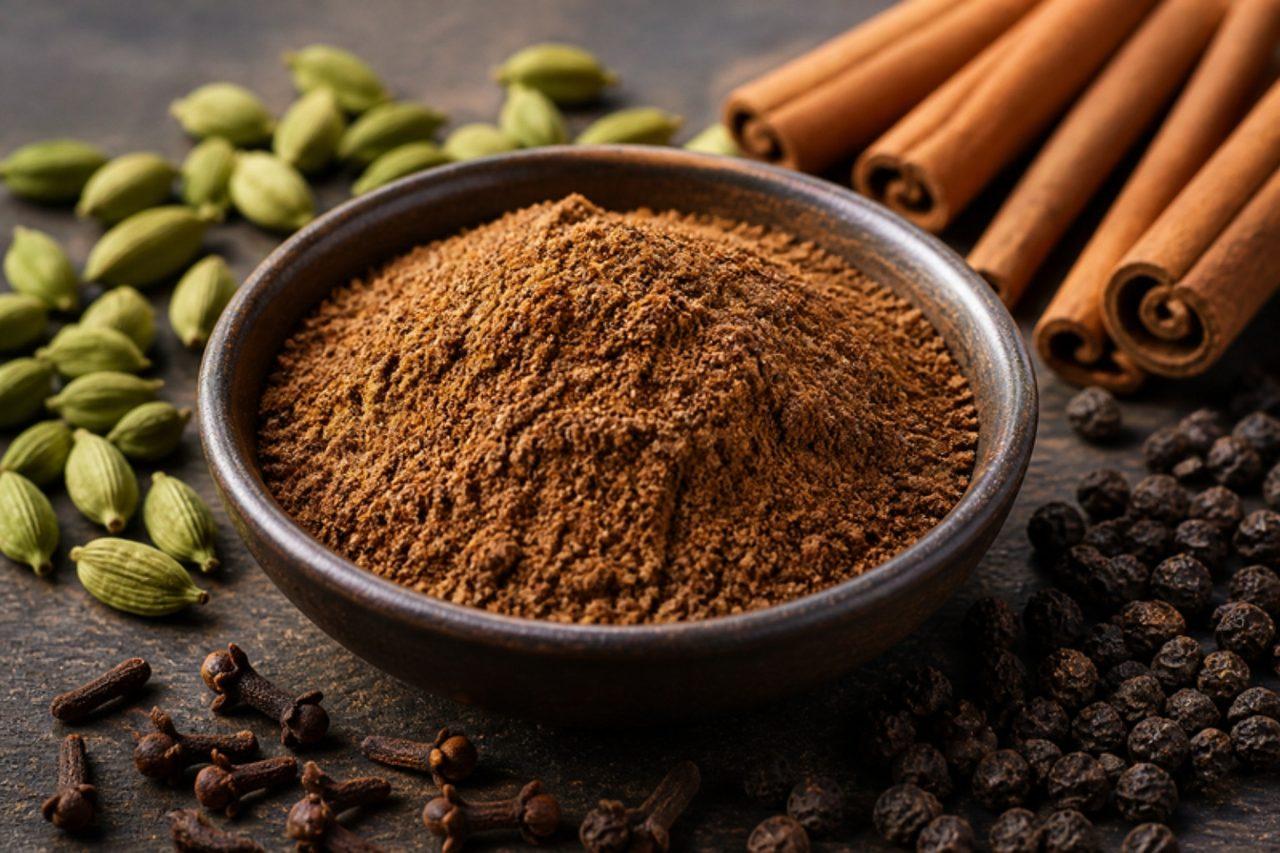
MekeleshaWarm finishing spice blend

Berbere builds the heat and colour of a wat; mekelesha is what Ethiopian cooks add in the last few minutes to make it smell wonderful. It contains no chilli at all, only warm, aromatic spices: korerima (Ethiopian cardamom), cinnamon, cloves, black pepper and a little cumin and nutmeg, toasted and ground fine. A pinch goes into doro wat, key wat or misir wat just before serving, a little like garam masala in an Indian curry, and market spice sellers in Addis Ababa sell it in small twists of paper beside the berbere sacks. Korerima has a smoky, camphor-like note; if you cannot find it, mix green and black cardamom. The common mistake is adding it at the start of cooking, where long simmering dulls its perfume; stir it in at the end. Chef's tip: grind small batches and keep them in a dark jar, as the aroma fades after about two months.

by KrazyBadal 0 views

Pastramă de oaieGarlic-cured mutton

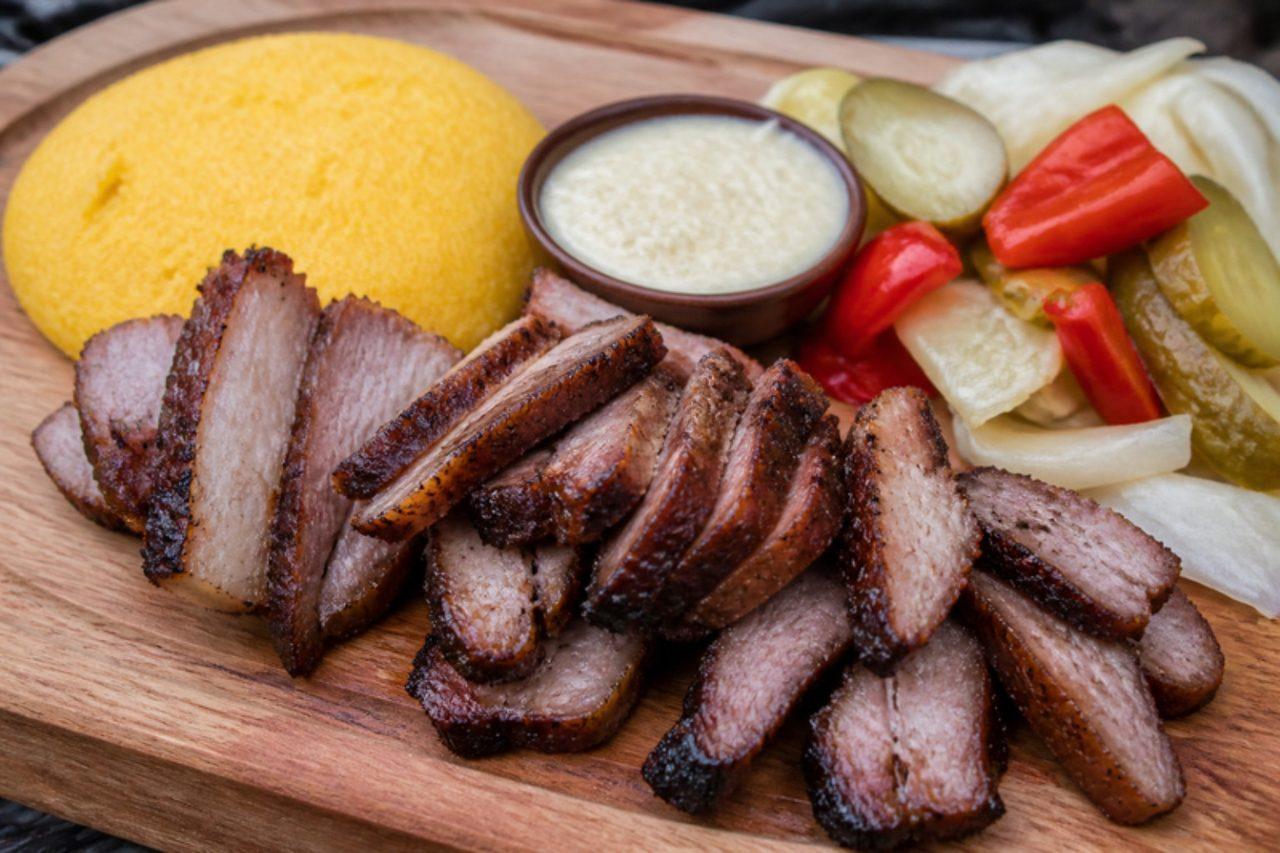
Autumn, when the flocks come down from the summer pastures of Moldavia and Wallachia, used to be pastramă season: slabs of mutton were rubbed with salt, garlic and spice, pressed, then dried in the sun and wind for days before being grilled over embers. Sun-drying raw meat at home is risky, so this is a safer version: the meat cures for 1 to 2 days in the fridge, dries uncovered on a rack in the fridge for a few hours, and is then grilled until cooked through. You still get the deep, garlicky, slightly gamey taste and the salty, caramelised edges. It is served hot with mămăligă, pickles and a glass of must-like grape juice in October. The traditional sun-dried, uncooked kind is not for pregnant women, young children or anyone with a weakened immune system. The common mistake is cutting the slabs too thick: keep them to 1.5 cm so the cure gets in and they cook through evenly. Chef's tip: lamb shoulder works if you cannot find mutton; it is milder, so add an extra clove of garlic.

1470 minRomanianMeatGluten free
by KrazyBadal 0 views

PastrmajlijaFlatbread with salted pork and egg

Štip in eastern North Macedonia holds a whole festival for pastrmajlija, a long boat-shaped flatbread baked in a wood oven and loaded with little cubes of salted pork, finished with a cracked egg and sometimes a hot pepper. Traditionally the meat is pastrma, dried salted pork or mutton; this home version salts diced pork shoulder in the fridge for a few hours and then bakes it on the dough until fully cooked, so it is safe and juicy. Eat it hot from the oven, torn by hand, with pickled peppers and a glass of cold yogurt drink. A common mistake is rolling the dough too thin; it needs a soft, chewy base to hold the meat juices. Chef's tip: bake on a pizza stone or upturned heavy tray, as hot as your oven goes.

150 minBalkanMeat
by KrazyBadal 0 views

MaleedaCrumbled flatbread with ghee and sugar

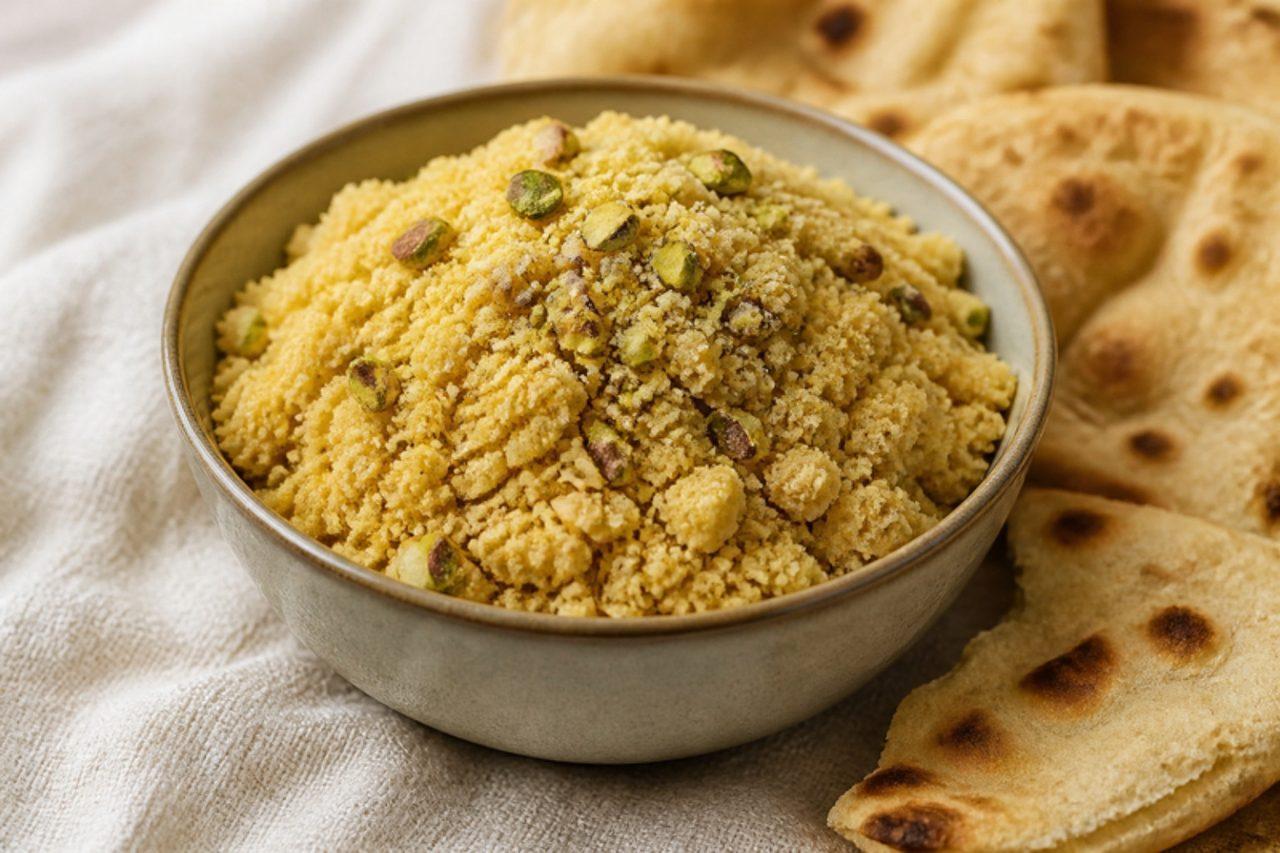
Maleeda is a sweet with a purpose: Afghan women make it as nazr, an offering promised when they pray for something, a recovery, a safe journey or a child's exam, and then share it out among neighbours or at a shrine on a Thursday evening. Thin breads are cooked on a griddle, torn up while still hot and rubbed between the palms with melted ghee, sugar and cardamom until they become soft, fragrant, golden crumbs, a bit like a warm, buttery crumble topping. It is eaten from the hand or with a spoon, sometimes with chopped pistachios. Letting the bread cool before rubbing is where it goes wrong, as cold bread will not soak up the ghee and stays in tough flakes. Chef's tip: a quick pulse in a food processor gives you even crumbs, but finish by rubbing with your fingers so the texture stays soft.

by KrazyBadal 0 views

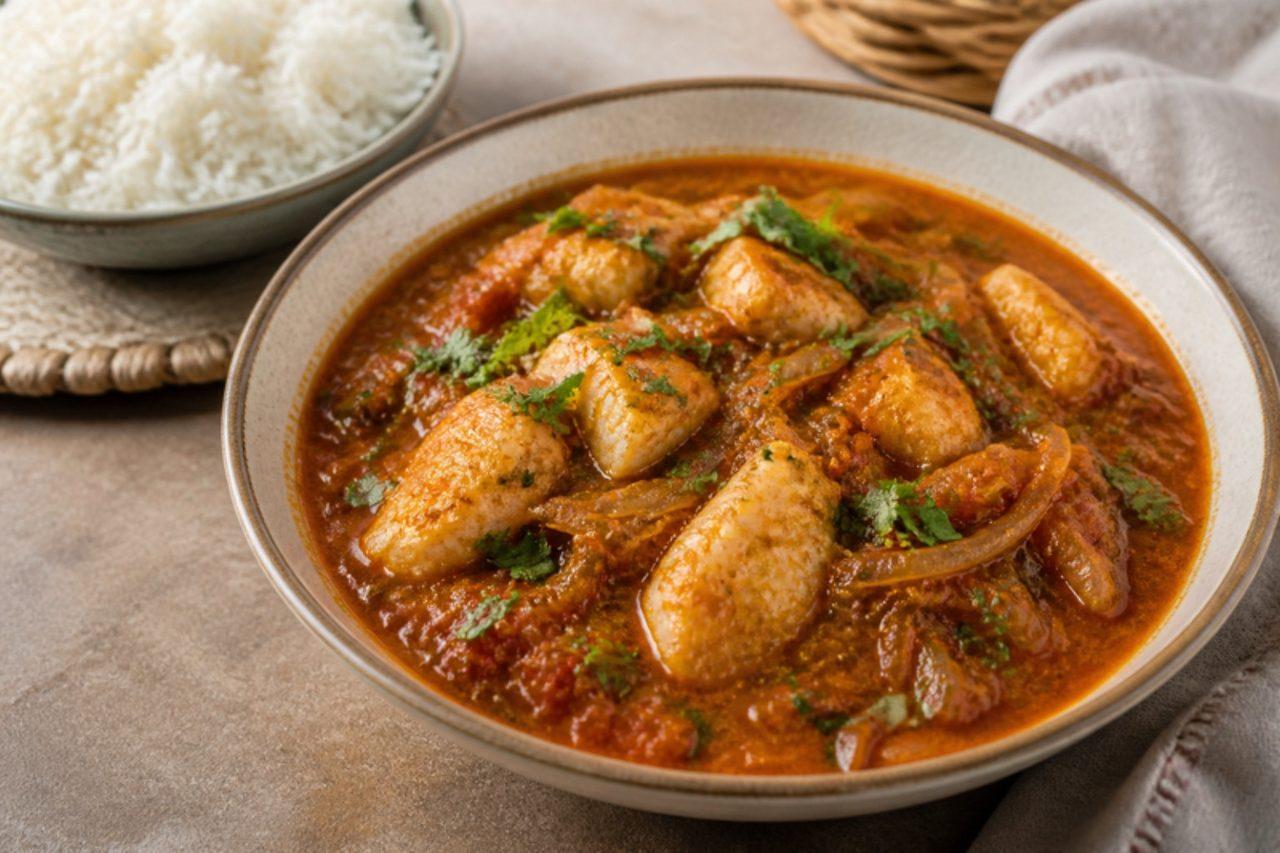
MalehSalted fish stew

Before refrigeration, fishermen in Ras Al Khaimah and along the coast of the United Arab Emirates packed their surplus catch in salt for weeks, and maleh is still cooked in Emirati homes, especially in winter, with rice and fresh lime. The stew is sharp and deeply savoury, the firm salted fish flaking into a thick onion and tomato gravy warmed with bezar. This home version salts fresh fish in the fridge for 2–3 days, which gives the same firm, briny bite without the long cure; ready-cured maleh from a Gulf grocer is soaked and used in the same way. The mistake people make is forgetting to soak the fish, which leaves the dish too salty to eat. Chef's tip: taste a flake after soaking; it should be pleasantly salty, like an olive, before it goes into the pot.

by KrazyBadal 0 views

MallorcasCoiled sweet egg rolls

In Old San Juan's old-fashioned cafés and neighbourhood bakeries serve mallorcas split, pressed on a hot griddle with butter and buried in icing sugar, often with a slice of melted cheese inside for a sweet-salty breakfast (many cheeses are made with animal rennet, so pick a vegetarian one). The dough is rich with egg yolks, milk and butter, coiled like a snail shell so it bakes into soft, pull-apart layers. The common mistake is under-proving the coils, which gives tight, bready rolls instead of feathery ones. Chef's tip: brush the coils with melted butter before the last rise and again straight out of the oven; that buttery skin is what holds the snowy sugar.

by KrazyBadal 0 views

PatatnikGrated potato and cheese cake

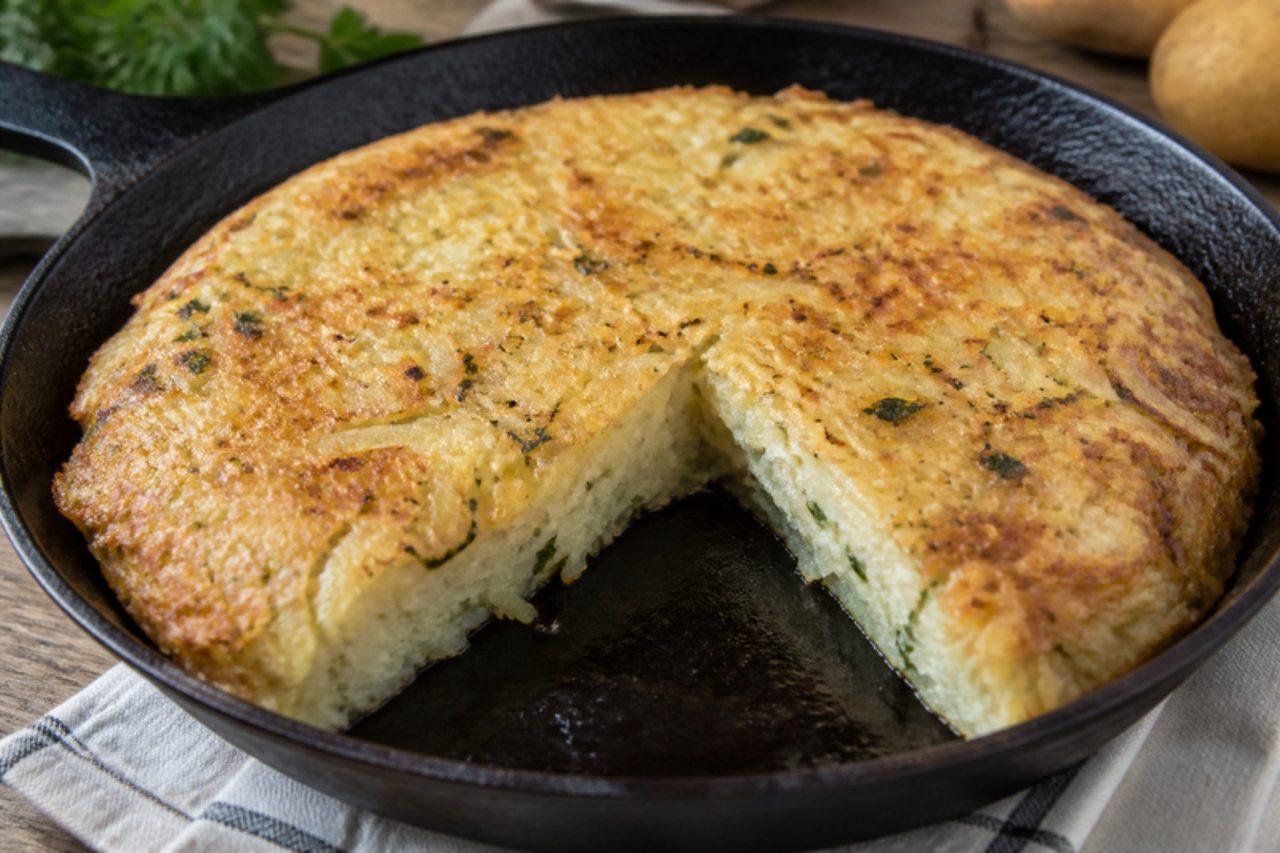
Up in the Rhodope Mountains around Smolyan and Chepelare, where potatoes grow better than almost anything else, patatnik is the dish every mountain inn puts on its menu. Grated potato is salted and squeezed, mixed with onion, crumbled white cheese, egg and plenty of dried spearmint (dzhodzhen), then cooked slowly in a heavy pan like a thick cake and turned once. The outside is a crisp, golden crust, the inside soft, salty and herby. Eat it hot in wedges with a bowl of thick sheep's yogurt and a tomato salad. Sirene is often made with animal rennet, so use a white cheese labelled vegetarian. The classic error is turning the heat up to hurry it, which burns the crust while the middle stays raw; it needs a low flame and patience. Chef's tip: slide the cake onto a plate, cover with a second plate and flip, then slide it back into the pan with a little more butter.

by KrazyBadal 0 views

Malu paanFish-filled bread buns

Ask any Sri Lankan what they miss from home and malu paan comes up quickly, the soft, slightly sweet triangular bun from the neighbourhood bakery van or a Colombo railway station kiosk, split open to reveal a spicy filling of fish, potato, onion and curry leaves. Office workers buy two with a plain tea for an afternoon snack, children find them in their school bags, and they appear at every short-eats spread. Tinned mackerel is the usual filling at home and gives the right rich, savoury taste, and the dough needs about 1 1/2 hours to rise. Don't make the classic error of using a wet filling, which soaks the dough and stops the buns from baking through at the seams. Chef's tip: cook the filling until it is quite dry and let it cool completely, then pinch the three corners of each bun firmly so they stay closed in the oven.

by KrazyBadal 0 views

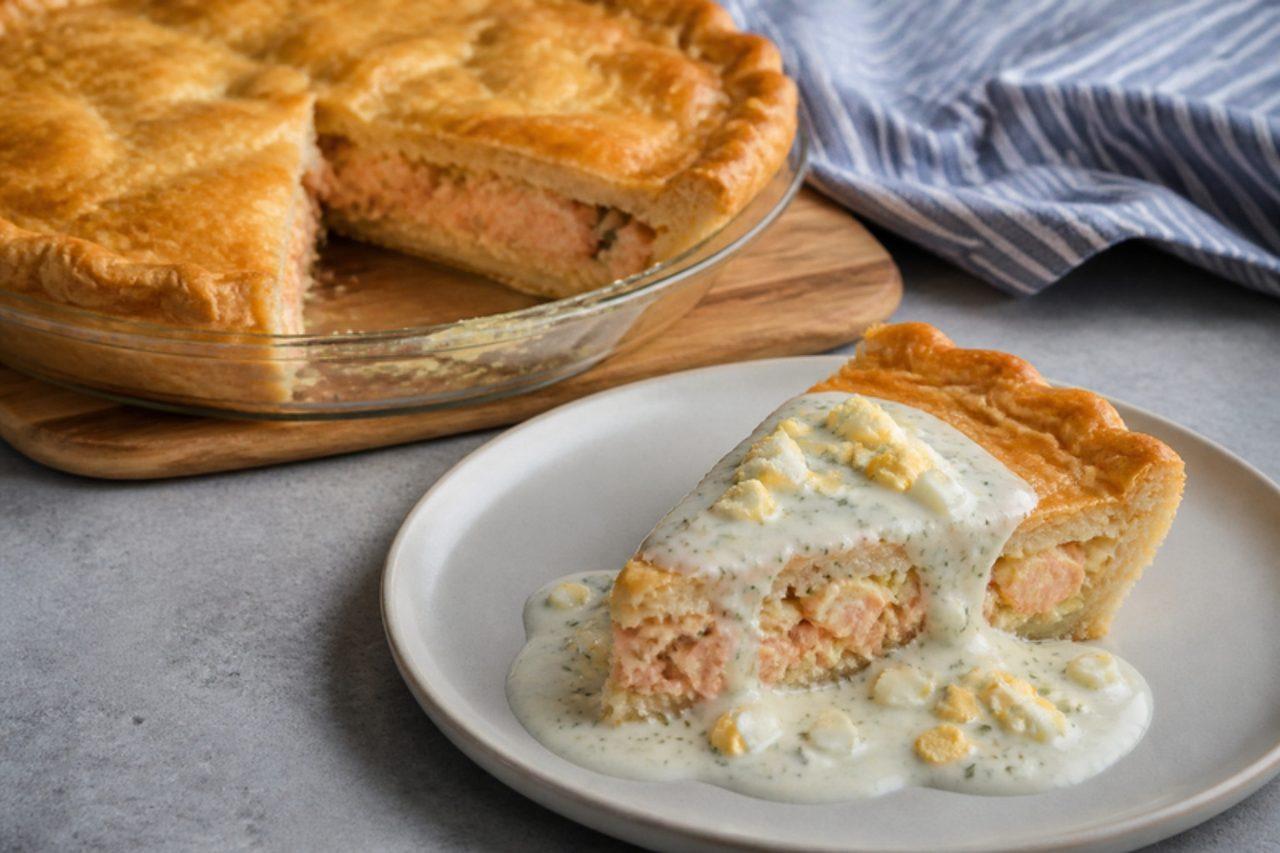
Salmon pieSalmon and potato pie

Pâté au saumon is a Friday dish in many Quebec homes, a tradition from the days of meatless Fridays, and still a favourite in Gaspésie, where it might be made with local salmon. Flaked salmon is mixed with mashed potato and softened onion, baked in a double crust and served with a white sauce full of chopped hard-boiled egg. Canned salmon is traditional and easy; fresh cooked salmon is lovely too. A common mistake is a wet filling that makes the base soggy; drain the salmon well. Chef's tip: mix the salmon in gently so it stays in flakes.

by KrazyBadal 0 views

Showing 27 of 9,812 recipes

Show more recipes

Page 453 of 1,091